ROYAL CAPE COD NURSING & REHABILITATION CENTER

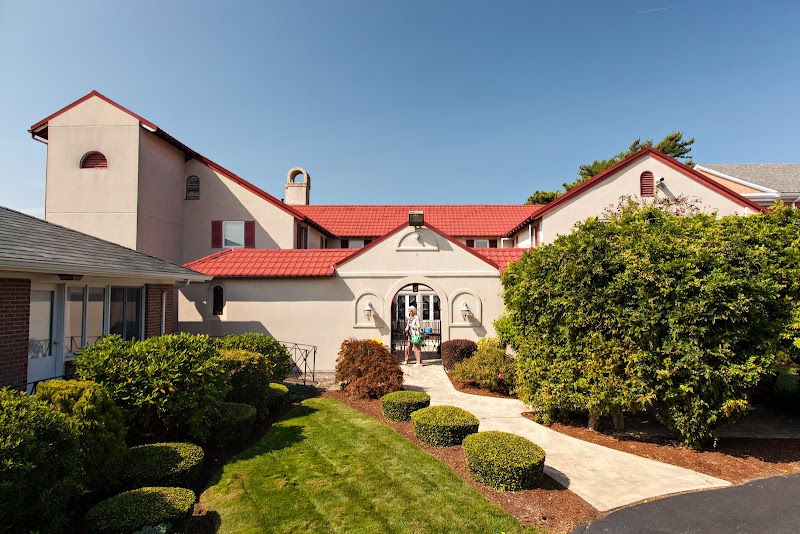
8 LEWIS POINT ROAD, BUZZARDS BAY, MA 02532 (508) 759-5752
For profit - Corporation 99 Beds ROYAL HEALTH GROUP Data: November 2025
Trust Grade
58/100
#118 of 338 in MA
Last Inspection: January 2025

Within standard 12-15 month inspection cycle. Federal law requires annual inspections.

Overview

Royal Cape Cod Nursing & Rehabilitation Center has a Trust Grade of C, which means it is average, placing it in the middle of the pack for nursing homes. It ranks #118 out of 338 facilities in Massachusetts, indicating it is in the top half, and #4 out of 15 in Barnstable County, showing only three local options are better. The facility is improving, having reduced issues from 8 in 2023 to 3 in 2025. Staffing is a concern with a rating of 2 out of 5 stars and a turnover rate of 43%, which is around the state average. Notably, there have been serious incidents, including a medication error where a resident was given a dangerously high dose of methadone, resulting in a hospital transfer, and a failure to ensure a resident received proper assistance during a bed transfer, leading to fractures from a fall. While the facility has some strengths, such as an overall rating of 4 out of 5 stars for quality, these serious lapses in care raise significant concerns for prospective residents and their families.

Trust Score
C
58/100
In Massachusetts
#118/338
Top 34%
Safety Record
Moderate
Needs review
Inspections
Getting Better
8 → 3 violations
Staff Stability
○ Average
43% turnover. Near Massachusetts's 48% average. Typical for the industry.
Penalties
○ Average
$8,788 in fines. Higher than 69% of Massachusetts facilities. Some compliance issues.
Skilled Nurses
○ Average
Each resident gets 30 minutes of Registered Nurse (RN) attention daily — about average for Massachusetts. RNs are the most trained staff who monitor for health changes.
Violations
⚠ Watch
26 deficiencies on record. Higher than average. Multiple issues found across inspections.
★★★★☆
4.0
Overall Rating
★★☆☆☆
2.0
Staff Levels
★★★☆☆
3.0
Care Quality
★★★★☆
4.0
Inspection Score
Stable
2023: 8 issues
2025: 3 issues

The Good

  • Licensed Facility · Meets state certification requirements
  • No fines on record
  • Staff turnover below average (43%)

    5 points below Massachusetts average of 48%

This facility meets basic licensing requirements.

The Bad

Staff Turnover: 43%

Near Massachusetts avg (46%)

Typical for the industry

Federal Fines: $8,788

Below median ($33,413)

Minor penalties assessed

Chain: ROYAL HEALTH GROUP

Part of a multi-facility chain

Ask about local staffing decisions and management

The Ugly 26 deficiencies on record

2 actual harm
Jul 2025 2 deficiencies
CONCERN (D) 📢 Someone Reported This

A family member, employee, or ombudsman was alarmed enough to file a formal complaint

Potential for Harm - no one hurt, but risky conditions existed

Deficiency F0711 (Tag F0711)

Could have caused harm · This affected 1 resident

**NOTE- TERMS IN BRACKETS HAVE BEEN EDITED TO PROTECT CONFIDENTIALITY** Based on records reviewed and interviews for one of three sampled residents (Resident #1), whose Hospital Discharge Summary incl...

Read full inspector narrative →
**NOTE- TERMS IN BRACKETS HAVE BEEN EDITED TO PROTECT CONFIDENTIALITY** Based on records reviewed and interviews for one of three sampled residents (Resident #1), whose Hospital Discharge Summary included a diagnosis of atrial fibrillation (irregular heartbeat) with an order for Xarelto (anticoagulant), the facility failed to ensure the Physician and Nurse Practitioner completed a review of his/her total program of care, including reviewing for accuracy Resident 1's medications, as a result he/she did not receive Xarelto for 13 days.Findings Include:Review of the Facility's Policy titled, Medication Reconciliation Policy, dated as revised January 2025, indicated the following:-the facility reconciles medication to ensure that the resident is free of any significant medication errors.-medication reconciliation involves collaboration with the resident/representative and multiple disciplines, including admission liaisons, licensed nurses, physicians, and pharmacy staff.Resident #1 was admitted to the Facility in June 2025, diagnoses included right femoral (thigh bone) fracture, heart failure, atrial fibrillation (irregular heart rate), aortic stenosis (narrowing of the valve in the large blood vessel branching off the heart), hypertension and hyperlipidemia (high cholesterol).Review of Resident #1's Hospital Discharge summary, dated [DATE], indicated his/her discharge medications orders included but not limited to the following:-Rivaroxaban (Xarelto, an anticoagulant) 20 milligrams (mg) tablet, one tablet (20 mg total) by mouth dailyReview of Resident #1's Nurse Practitioner (NP) Progress Notes, dated 06/09/25, 06/10/25, 06/13/25 and 06/16/25 indicated that Resident #1 had a diagnosis of atrial fibrillation and he/she was seen and examined. The Notes indicated that Resident #1's medications were reviewed and reconciled and to see Medication Administration Record (MAR). The Notes indicated that Resident #1's assessments/plans were to continue current medications for his/her diagnosis of atrial fibrillation. However, further review of Resident #1's NP Progress Notes indicated that Xarelto was not listed under his/her medications.Review of Resident #1's Physician admission Progress Note, dated 06/11/25 indicated that Resident #1 had a history of atrial fibrillation and he/she was on Xarelto. The Note indicated Resident #1's assessments/plans were to continue current medications and current management for his/her diagnosis of atrial fibrillation. However, further review of the Note indicated that although it included a list of Resident #1's medications, it did not include Xarelto.During an interview on 7/16/25 at 10:39 A.M., the Nurse Practitioner (NP) said she reviewed Resident #1's Hospital Discharge Summary and saw him/her on 06/09/25, 06/10/25, 06/13/25 and 06/16/25. The NP said she could not recall if Xarelto was listed on Resident #1's physician orders or medication list and said, I plead the fifth and will not further comment.During an interview on 7/16/25 at 11:04 A.M., the Physician said he saw Resident #1 once (could not recall date), he reviewed his/her Hospital Discharge Summary, and he/she was on Xarelto for atrial fibrillation. The Physician said the medication list in his progress notes was not a reconciliation list of medications. The Physician said he was not aware that Resident #1 had not received his/her Xarelto until he/she was sent to the Hospital ED. The Physician said the On-call provider reviewed, reconciled and approved Resident #1's admission orders with the admitting nurse and that the admitting nurse had not transcribed Xarelto onto Resident #1's admission orders. During an interview on 7/15/25 at 2:45 P.M., the Director of Nursing (DON) said Resident #1 had been seen by the Physician and the Nurse Practitioner after his/her admission. The DON said she reviewed Resident #1's Physician and Nurse Practitioner progress notes which included he/she had atrial fibrillation and to continue current medications, but the DON said, Xarelto was not listed under his/her medications. The DON said she spoke with the Physician, and he said that he reviewed Resident #1's Hospital paperwork, saw that Resident #1 was on Xarelto, but that he had not done a comparison to the medications that were entered into PCC by the admitting nurse. The DON said the NP told her that she (NP) had looked at Resident #1's Hospital paperwork, but said that she had not done a formal comparison of his/her medication orders.The DON said it was her expectation that the Physician and Nurse Practitioner reviewed and reconciled residents' orders against their Hospital Discharge Summary, that their orders entered in Point Click Care (PCC, electronic medical record system) match and residents' medications should be documented accurately in the residents' Physician and NP progress notes.On 07/15/25, the Facility was found to be in Past Non-Compliance and presented the Surveyor with a plan of correction, with an effective date of 06/26/25, which addressed the area(s) of concern as evidenced by:A. Resident #1 is no longer in the Facility.B. On 06/19/25, the Director of Nursing and [NAME] President of Operations completed a house audit on all residents admitted in the past 30 days to ensure medications were ordered and administered per Hospital Discharge paperwork.C. On 06/19/25, a Root Cause Analysis Summary was completed on the medication error.D. The Facility implemented a Triple Check Protocol on all resident admissions and re-admission orders.E. On 6/26/25, the Director of Nursing provided education to the Physician and Nurse Practitioner on admission Orders, the Facility's Triple Check Protocol to ensure residents' medications are accurately reconciled upon admission and that the primary care Physician and Nurse Practitioner will review residents' Hospital Discharge paperwork ensuring that medications listed in their progress notes are accurate.F. The Pharmacy Consultant will complete a medication reconciliation for all new admissions that process will be on-going.G. The Director of Nursing and/or designee will conduct daily audits on residents' admission paperwork to ensure that the Physician/Nurse Practitioner accurately documents residents' admission medications in their progress and admission notes for two weeks, then weekly for four weeks, the audits will continue monthly or until overall compliance is achieved. H. The results of the audits will be presented and reviewed at the monthly QAPI Committee meeting for six months or until compliance is achieved.I. The Director of Nursing and/or designee are responsible for overall compliance.
CONCERN (D) 📢 Someone Reported This

A family member, employee, or ombudsman was alarmed enough to file a formal complaint

Potential for Harm - no one hurt, but risky conditions existed

Deficiency F0760 (Tag F0760)

Could have caused harm · This affected 1 resident

**NOTE- TERMS IN BRACKETS HAVE BEEN EDITED TO PROTECT CONFIDENTIALITY** Based on records reviewed and interviews for one of three sampled residents (Resident #1), whose Hospital Discharge Summary incl...

Read full inspector narrative →
**NOTE- TERMS IN BRACKETS HAVE BEEN EDITED TO PROTECT CONFIDENTIALITY** Based on records reviewed and interviews for one of three sampled residents (Resident #1), whose Hospital Discharge Summary included a diagnosis of atrial fibrillation (irregular heart beat) with an order for Xarelto (anticoagulant), the Facility failed to ensure he/she was free from significant medication errors, when upon admission Resident #1's physician orders were not accurately reconciled and transcribed by nursing staff, he/she was not administered Xarelto for thirteen days, placing him/her at increased risk for adverse reactions. Findings Include:Review of the Facility's Policy titled, admission Assessment and Follow Up: Role of the Nurse, dated May 2023, indicated nursing would reconcile the list of medications from the medication history, admitting orders, and the discharge summary from the previous institution, according to established procedures.Review of the Facility's Policy titled, Medication Reconciliation Policy, dated as revised January 2025, indicated the following:-the facility reconciles medication to ensure that the resident is free of any significant medication errors.-medication reconciliation involves collaboration with the resident/representative and multiple disciplines, including admission liaisons, licensed nurses, physicians, and pharmacy staff.-admission processes: compare orders to hospital records, obtain clarification orders as needed, and transcribe orders in accordance with procedures for admission orders.Review of Resident #1's Medication Variance Report, dated 06/18/25, indicated that Resident #1's medication as ordered for Xarelto 20 mg daily was missed during transcription of his/her admission orders and on 24-hour check by the 11:00 P.M.-7:00 A.M. nurse. The Report indicated that Resident #1 had not received his/her Xarelto medication for 13 days, his/her physician was notified, and he/she was transferred to the Hospital Emergency Department for evaluation.Review of an article in Drugs.com the Official Website, dated 07/25/24, indicated Xarelto (rivaroxaban) class of medications called factor Xa inhibitors (used as anticoagulants, blood thinners). It works by blocking the action of a certain natural substance that helps blood clots to form. Xarelto is used to treat or prevent blood clots (venous thromboembolism, or VTE), blood clots can occur in the legs (deep vein thrombosis, DVT) or the lungs (pulmonary embolism, PE). The Website further indicated Xarelto is also used to help prevent strokes or serious blood clots in adults who have atrial fibrillation, (a condition in which the heart beats irregularly, increasing the chance of clots forming in the body, and possibly causing strokes) that is not caused by heart valve disease.Resident #1 was admitted to the Facility in June 2025, diagnoses included right femoral (thigh bone) fracture, heart failure, atrial fibrillation (irregular heart rate), aortic stenosis (narrowing of the valve in the large blood vessel branching off the heart), hypertension and hyperlipidemia (high cholesterol).Review of Resident #1's admission Minimum Data Set (MDS), dated [DATE], indicated that he/she was cognitively intact.Review of Resident #1's Hospital Discharge summary, dated [DATE], indicated his/her discharge medications orders included but not limited to the following:-Rivaroxaban (Xarelto, an anticoagulant) 20 milligrams (mg) tablet, one tablet (20 mg total) by mouth dailyReview of Resident #1's Nurse Progress Note, dated 06/18/25, indicated that at approximately 7:50 A.M. he/she was SOB, O2 Saturation was 86% on room air, his/her right arm was flaccid with weakness, and he/she was leaning to his/her right. The Note indicated that O2 (four liters) was applied to Resident #1 via nasal cannula, and an order was obtained to send him/her to the Hospital ED for evaluation and treatment per the Nurse Practitioner.During an interview on 7/15/25 at 1:25 P.M., (which included review of her written statement) Nurse #1 said she worked the 3:00 P.M. to 11:00 P.M. shift on 06/05/25 and had done Resident #1's admission that night. Nurse #1 said she reviewed Resident #1's Hospital Discharge paperwork, verified all medication orders with the on-call provider, then entered them into the Point Click Care (PCC, electronic medical record system) from his/her hospital medication list. Nurse #1 said she thought she had entered all of Resident #1's medications including his/her order for Xarelto and said she had no clue that she had not entered the order for Xarelto. Nurse #1 said she must have missed entering the Xarelto order because she could have been distracted by being called away to attend to another resident.During an interview on 7/17/25 at 8:56 A.M., (which included review of her written statement) Nurse #2 said she worked the 11:00 P.M. to 7:00 A.M. shift on 06/05/25 into 06/06/25 and there were two new admissions on the previous shift (3:00 P.M. to 11:00 P.M.). Nurse #2 said she completed one of the admissions and had started to do the second check on Resident #1's admission orders. Nurse #2 said she was called away by the Certified Nurse Aide (CNA) on the unit because the CNA needed assistance with another resident. Nurse #2 said she informed the on-coming shift nurse (could not recall the exact name) that she was not able to complete the second check on Resident #1's admission orders.During an interview on 7/15/25 at 12:41 P.M., (which included review of her written statement) the Unit Manager said the staff nurse on the unit is responsible for new admissions, which includes completing all physician orders and assessments. The Unit Manager said the nurse is responsible for reconciling medication orders from residents' hospital discharge paperwork, verifying orders with the Physician and entering all orders into PCC. The Unit Manager said the 11:00 P.M. to 7:00 A.M. shift nurse does a second check on all new admission orders that were entered in PCC.The Unit Manager said on 06/06/25 she received report from the11:00 P.M. to 7:00 A.M. nurse (Nurse #2) and Nurse #2 did not tell her that she (Nurse #2) had not completed the second check on Resident #1's admission orders. The Unit Manager said she had not reviewed Resident #1's admission orders on 06/06/25 and that she should have.During an interview on 7/15/25 at 2:45 P.M., the Director of Nursing (DON) said on 06/18/25 Resident #1 was sent to the Hospital ED for change in his/her condition and his/her Family had called the facility asking if he/she had been on Xarelto while there. The DON said she reviewed Resident #1's Hospital Discharge Summary which indicated that he/she had an order for Xarelto. The DON said she then reviewed Resident #1's admission orders and said his/her order for the Xarelto had not been transcribed into PCC.The DON said she spoke with the admitting nurse (Nurse #1) and Nurse #1 said that she must have missed entering Resident #1's Xarelto order into PCC and did not know how it could have happened. The DON said Nurse #2 said that she started reviewing Resident #1's admission orders and that she had not completed the second check because she was pulled away for another resident's needs. The DON said Nurse #2 said that she could not recall if she had told the on-coming shift nurse she had not completed the second check on Resident #1's admission orders.The DON said it was her expectation that nurses transcribe all resident's admission medication orders correctly when entering them into PCC. The DON said the second nurse should fully complete the second check on all residents' admission orders and if the nurse is unable to complete the second check, the nurse must inform the Unit Manger and the on-coming shift nurse.The DON said the nurse on the unit is responsible for completing new admissions and entering all orders into PCC and the 11:00 P.M. to 7:00 A.M. nurse is responsible for completing a second check by reviewing residents Hospital Discharge paperwork against all new admission orders that were entered in PCC to ensure accuracy.On 07/15/25, the Facility was found to be in Past Non-Compliance and presented the Surveyor with a plan of correction, with an effective date of 06/26/25, which addressed the area(s) of concern as evidenced by:A. Resident #1 is no longer in the Facility.B. On 06/19/25, the Director of Nursing and [NAME] President of Operations completed a house audit on all residents admitted in the past 30 days to ensure medications were ordered and administered per Hospital Discharge paperwork.C. On 06/19/25, a Root Cause Analysis Summary was completed on the medication error.D. The Facility implemented a Triple Check Protocol on all resident admissions and re-admission orders.E. On 6/18/25 through 6/25/25, the Director of Nursing provided education to all Licensed Nursing staff on the Facility's Medication Reconciliation Policy, Triple Check Protocol and admission Order Verification Form.F. The Pharmacy Consultant will complete a medication reconciliation for all new admissions that process will be on-going.G. The Director of Nursing and/or designee will conduct daily audits on residents' admission paperwork to ensure that nurses are correctly entering medication orders into Point Click Care and the Pharmacy consultant has reconciled residents' admission medications for two weeks, then weekly for four weeks, the audits will continue monthly or until overall compliance is achieved. H. The results of the audits will be presented and reviewed at the monthly QAPI Committee meeting for six months or until compliance is achieved.I. The Director of Nursing and/or designee are responsible for overall compliance.
Apr 2025 1 deficiency 1 Harm
SERIOUS (G) 📢 Someone Reported This

A family member, employee, or ombudsman was alarmed enough to file a formal complaint

Actual Harm - a resident was hurt due to facility failures

Deficiency F0760 (Tag F0760)

A resident was harmed · This affected 1 resident

**NOTE- TERMS IN BRACKETS HAVE BEEN EDITED TO PROTECT CONFIDENTIALITY** Based on records reviewed and interviews for one of three sampled residents (Resident #1), whose physicians' orders included the...

Read full inspector narrative →
**NOTE- TERMS IN BRACKETS HAVE BEEN EDITED TO PROTECT CONFIDENTIALITY** Based on records reviewed and interviews for one of three sampled residents (Resident #1), whose physicians' orders included the administration of Methadone (opioid, narcotic) 10 milligrams (mg) daily, the Facility failed to ensure he/she was free from a significant medication error, when on 02/25/25 nursing staff did not properly identify the resident's name or dosage on the medication bottle and administered another residents' methadone to him/her. As a result of Resident #1 being administered 110 mg of Methadone (not 10 mg as ordered), he/she was transferred to the Hospital Emergency Department (ED) for evaluation and required treatment for adverse side effects related to an overdose of Methadone. Findings Include: Review of the Facility's Policy titled, Administering Medications, undated, indicated the following: -only persons licensed or permitted by this state to prepare, administer and document the administration of medications may do so; -medications are administered in accordance with prescriber orders; -the individual administering medications verifies the resident's identity before giving the resident his/her medications; -the individual administering the medication checks the label to verify the right resident, right medication, right dosage, right time and right method (route) of administration before giving the medication; -medications ordered for a particular resident may not be administered to another resident, unless permitted by State law and facility policy, and approved by the Director of Nurses. Review of the Facility's Policy titled, Medication Error, dated March 2024, indicated the following: -it is the policy of the facility to assure that each medication administered to our resident has been prescribed by a licensed physician or equivalent; -noncompliance with the exact medication order is considered a medication error; -medication errors include: omission, wrong drug, wrong patient, wrong dose, wrong time, wrong route, given not charted, extra dose found, documentation error and transcription. Review of the Report submitted by the Facility via the Health Care Facility Reporting System (HCFRS), dated 02/27/25, indicated that on 02/25/25 Resident #1 mistakenly received the wrong dose of Methadone in error. The Report indicated that Resident #1 received 110 mg of Methadone instead of his/her physician ordered 10 mg of Methadone. The Report indicated that Resident #1's Physician was notified and he/she was transferred to the Hospital ED for evaluation and monitoring. The Report indicated that the Nurse was administering scheduled medications to Resident #1 when the incorrect bottle of sealed premeasured Methadone was retrieved and administered to Resident #1 in error. The Report indicated that the Nurse mistakenly retrieved a bottle of Methadone that was labeled for another resident (later identified as Resident #3) and administered the incorrect dose of Methadone to Resident #1. The Report indicated that the Nurse noted her error during narcotic count with the oncoming shift. Review of drug information specific to Methadone via Drugabuse.com, dated 08/08/2024, indicated Methadone is a long-acting opioid agonist that works by reducing the effects of other opioid's. Methadone can, however, be misused when someone takes it in a way other than prescribed or by taking more than prescribed. If someone takes more than prescribed (intentionally or unintentionally), there is an increased risk of overdose due to potential respiratory depression. Signs and symptoms of Methadone overdose include difficulty waking up, slowed or shallow breathing, vomiting, decreased heart rate, extreme drowsiness, or sleepiness, mental confusion, difficulty awakening, low blood pressure and slurred speech. Review of Resident #1's Hospital Discharge summary, dated [DATE], indicated that Resident #1 presented to the ED for an accidental overdose of Methadone. The Summary indicated that upon arrival at the ED, Resident #1 complained of increased somnolence (sleepiness) and nausea which resolved with Zofran (receptor antagonist used for nausea and vomiting). The Summary indicated that Resident #1 received 110 mg of Methadone instead of his/her 10 mg of Methadone and was admitted to the Telemetry Unit (continuous tracking of your hearts electrical activity) for monitoring and an EKG (electrocardiogram - test that measures the electrical waves in the heart) testing every four hours due to such a high dose of Methadone. Resident #1 was admitted to the Facility in November 2024, diagnoses included chronic respiratory failure, chronic obstructive pulmonary disease, adjustment disorder with anxiety, depression, psychoactive substance abuse, cirrhosis of liver, portal hypertension, atrial fibrillation, chronic viral hepatitis C, obstructive sleep apnea and morbid obesity. Review of Resident #1's admission Minimum Data Set (MDS), dated [DATE], indicated that he/she was cognitively intact. Review of Resident #1's Medication Administration Record (MAR) and Physician Orders, dated February 2025, indicated that he/she had an active physician's order for Methadone 10 mg daily. Review of Resident #3's Physician Orders, dated February 2025, indicated that he/she had an order for Methadone 110 mg by mouth once daily, for pain. Review of Resident #1's Medication Variance Report, dated 02/25/25, indicated that Resident #1 received 110 mg of Methadone instead of his/her 10 mg dose of Methadone in error. The Report indicated Resident #1's Physician was notified and he/she was transferred to the Hospital ED for evaluation. Review of Resident #1's Nurse Progress Note, dated 02/25/25, indicated that he/she was inadvertently given an extra 100 mg of Methadone and was transferred to the Hospital ED immediately. Review of Resident #1's Provider Progress Note, dated 02/25/25, indicated that he/she received an extra 100 mg of Methadone in error and was transferred to the Hospital ED. During an interview on 04/01/25 at 11:15 A.M., Resident #1 said that on 02/25/25, he/she was administered 110 mg of Methadone in error and had to go to the hospital for treatment. Resident #1 said that he/she experienced lethargy and nausea from the overdose of Methadone. Resident #1 said that he/she is anxious now every time the nurse administers his/her medications because he/she is afraid that the nurse may give him/her the wrong medication and that he/she looks at the medications in the cup to be sure the medications are correct. During an interview on 04/01/25 at 12:10 P.M., Nurse #3 said that on 02/25/25 at approximately 7:15 A.M. she did narcotic count with Nurse #1. Nurse #3 said that during the count, they discovered that the narcotic count was incorrect for Resident #1's Methadone. Nurse #3 said she and Nurse #1 looked in the narcotic drawer and noticed that Resident #3's Methadone 110 mg bottle for the 02/25/25 dose was missing, and that Resident #3 was at the hospital and would not have received his/her Methadone dose that morning. Nurse #3 said that was when Nurse #1 realized that she had administered Resident #3's Methadone (110 mg) to Resident #1 in error. Nurse #3 said that Resident #1's Methadone 10 mg bottle for the 02/25/25 dose was still in the narcotic drawer when she did narcotic count with Nurse #1. During a telephone interview on 04/02/25 at 11:16 A.M., (which included review of her interview conducted and documented by the Director of Nurses), Nurse #1 said she worked the 11:00 P.M. to 7:00 A.M. shift on 02/25/25. Nurse #1 said that there were three residents on the unit who received Methadone. Nurse #1 said that Methadone was stored in a separate secured narcotic drawer and each resident had individual bottles with their name, dose and date to be administered on it, that were separated in the narcotic drawer by resident. Nurse #1 said she went into the narcotic drawer, saw the date of 02/25/25 on a Methadone bottle and took it out of the draw, but did not look at the dosage or residents name on the bottle when she removed it from the drawer. Nurse #1 said that she went to Resident #1's room and administered the Methadone to him/her, again without looking at the dosage or residents name on the bottle prior to administering it to him/her. Nurse #1 said that during narcotic count at the end of her shift with Nurse #3, they discovered that Resident #1's Methadone count was incorrect and that was when she realized that Resident #1 had received the wrong dose of Methadone. Nurse #1 said she had administered Resident #3's Methadone 110 mg to Resident #1 in error. Nurse #1 said she should have looked at the Methadone bottle to see whose name was on the bottle and checked the dosage of Methadone but had not. Nurse #1 said she just looked at the date on the bottle and did not follow the proper procedures for medication administration. During an interview on 04/01/25 at 3:30 P.M., the Director of Nurses (DON) said she was made aware of Resident #1's medication error on 02/25/25 by Nurse #1. The DON said that Nurse #1 informed her that she had administered 110 mg of Methadone to Resident #1 in error. The DON said that Nurse #1 said she did not look at the name or dose that was on the Methadone bottle. The DON said it was her expectation that nurses follow the rights of medication administration, read the label on the medication bottle to be sure that the medication is for the correct resident and that the dose is correct prior to administering any medications to residents. On 04/01/25, the Facility was found to be in Past Non-Compliance and presented the Surveyor with a plan of correction which addressed the area(s) of concern as evidenced by: A. On 02/25/25, Resident #1 was assessed by nursing and transferred to the Hospital ED for evaluation and treatment. B. On 02/25/25 Nurse #1 was educated by the Director of Nurses on the Facility's Policy and Procedure on Medication Administration. C. On 02/25/25, a Methadone Storage Audit was completed and each resident on Methadone and each resident now has an individual zippered storage bag with their name on it and all of their individual Methadone bottles secured in the sealed bag. D. On 02/26/25, a Quality Assurance Performance Improvement (QAPI) Committee meeting was held regarding medication administration and reduction of medication errors. E. On 02/27/25, a Root Cause Analysis Summary was completed on medication errors. F. On 03/10/25, Licensed staff were educated by the Corporate Nurse on the Facility's Medication Administration Policy and the Medications for Addiction Treatment (MAT) Policy. G. On 03/25/25, the Facility's Controlled Substance Administration and Accountability Policy and Procedure and Medication Error Policy was revised by the Regional Nurse Consultant. H. The Unit Manager and/or designee will conduct weekly audits on Methadone Storage to ensure that each resident on Methadone has an individual zippered bag with their name on it and their Methadone bottles are in the bag. Audits will be done weekly for 3 months and will continue until overall compliance is achieved. I. The results of the audits will be presented and reviewed at the monthly QAPI Committee meeting for three months or until compliance is achieved. J. The Director of Nursing and/or designee are responsible for overall compliance
Nov 2023 7 deficiencies
CONCERN (D)

Potential for Harm - no one hurt, but risky conditions existed

Notification of Changes (Tag F0580)

Could have caused harm · This affected 1 resident

Based on observations, interviews and records reviewed for one Resident (Resident #51) of 19 sampled residents, the facility failed to notify the Residents physician of a potential need to alter treat...

Read full inspector narrative →
Based on observations, interviews and records reviewed for one Resident (Resident #51) of 19 sampled residents, the facility failed to notify the Residents physician of a potential need to alter treatment. Specifically, for Resident #51, the facility failed to notify the physician of an unscheduled medication administration and failed to obtain physician guidance/orders per facility policy. Findings include: Review of the facility's policy titled Medication Error Policy and Procedures, dated May 2023, indicated, but was not limited to: -It is the policy of this facility to provide the necessary care and services to attain or maintain the highest practicable physical, mental, and psychosocial well-being. -It is the policy of this facility to assure that each medication administered to our resident has been prescribed by a licensed physician or equivalent. Noncompliance with the exact medication order or the state and federal regulation is considered a medication error. -Med errors include by [sic] not limited to: omission, wrong drug, wrong dose, wrong time, wrong route, given not charted, extra dose found, documentation error, and transcription. -Guidelines: a. Each nurse is mandated to report suspected Med errors too his/her supervisor b. The nurse is responsible for completing the medication incident report c. The nurse is responsible for notifying the physician and family d. Notification of the supervisor and MD should be done as soon as the error is discovered so immediate action can be done Review of Breztri Manufacturers Recommendations indicated but was not limited to: -Breztri should be taken as 2 puffs, 2 times each day. Do not use Breztri more often than prescribed Resident #51 was admitted to the facility in September 2023 with the following diagnoses: bronchiectasis (a condition in which airways of the lungs remain permanently damaged and widened) and chronic obstructive pulmonary disease (COPD, a chronic inflammatory lung disease which causes obstructed airflow from the lungs). Review of the most recent Minimum Data Set (MDS) assessment, dated 10/4/23, indicated Resident #51 was cognitively intact as evidenced by a Brief Interview for Mental Status (BIMS) score of 15 out of 15. On 11/20/23 at 4:12 P.M., the surveyor observed Resident #51 standing at an unlocked and unattended medication cart with three inhalers and one bottle of acidophilus (a probiotic) on top of the medication cart. The surveyor observed Resident #51 take two puffs from one of the inhalers (Breztri 160 micrograms (mcg)/9mcg/4.8 mcg (used to decrease inflammation in the lungs) then place the inhaler back on top of the medication cart and walk away. During an interview on 11/20/23 at 4:13 P.M., Nurse #4 identified the Resident as Resident #51. Nurse #4 said the inhalers on top of the medication cart belonged to Resident #51 and he/she recognized the inhalers as their own which prompted him/her to use the inhaler. Review of Resident #51's physician orders included but were not limited to: - Breztri 160 micrograms (mcg)/9mcg/4.8 mcg two puffs inhaled oral two times per day related to COPD, scheduled for 9 A.M and 9 P.M. Review of Resident #51's November 2023 Medication Administration Record (MAR) indicated the Breztri inhaler had been administered on 11/20/23 at 9 A.M. and again at 9 P.M. as scheduled. Further review of the November 2023 MAR indicated no additional Breztri administrations were documented on 11/20/23. Review of Resident #51's progress notes failed to indicate the physician was notified the Resident had received an unscheduled administration and failed to indicate physician guidance/orders had been obtained to administer Breztri at 9 P.M. on 11/20/23. During an interview on 11/21/23 at 10:58 A.M., the Director of Nurses (DON) said there is no medication error report for the unscheduled dose of Breztri and an investigation is ongoing. During an interview on 11/21/23 at 1:56 P.M., the DON said she spoke with nurse that worked the evening shift on 11/20/23 and the Nurse did administer the 9 P.M. dose of Breztri and did not update the physician of the additional dose. The DON said a medication error report had not been initiated at the time.
CONCERN (D)

Potential for Harm - no one hurt, but risky conditions existed

Comprehensive Care Plan (Tag F0656)

Could have caused harm · This affected 1 resident

Based on policy review,observation, record review, and interview, the facility failed to ensure that individualized, comprehensive care plans were developed and consistently implemented for one Reside...

Read full inspector narrative →
Based on policy review,observation, record review, and interview, the facility failed to ensure that individualized, comprehensive care plans were developed and consistently implemented for one Resident (#58), out of 18 sampled residents. Specifically, the facility failed to ensure: For Resident #58, a care plan was developed to address the Resident's use of a palm guard (a splint used to prevent fingers from digging in to the palm of the hand, to prevent skin damage and prevent further deformity). Findings include: Review of the facility's policy, Comprehensive Person-Centered Care Plan, included, but was not limited to: -The comprehensive, person-centered care plan will: -Include measurable objectives and timeframes; -Describe the services that are to be furnished to attain or maintain the resident's highest practicable physical, mental, and psychosocial well-being; -Reflect treatment goals, timetables and objectives in measurable outcomes; -Assessment of residents is ongoing and care plans are revised as information about the residents and the residents' conditions change. 1. Resident #58 was admitted to the facility in October 2019 with diagnoses including rheumatoid arthritis. Review of the Minimum Data Set (MDS) assessment, dated 9/28/23, indicated Resident #58 required extensive assistance with all activities of daily living and had functional limitation in range of motion on both sides of his/her upper extremities. Review of an Occupational Therapy Evaluation and Plan of Care, dated 4/18/23, indicated Resident #58 had skin irritation on his/her left hand due to a rheumatoid arthritis contracture (a condition of shortening and hardening of muscles, tendons, or other tissue, often leading to deformity and rigidity of joints) and recommended implementation of a palm guard to decrease risk of skin breakdown. Review of Physician's orders indicated: -Palm guard, apply to left hand one time a day for contracture (4/25/23) -Palm guard, remove from left hand one time a day for contracture (4/26/23) Review of May 2023 through November 2023 Medication/Treatment Administration Records indicated the right palm guard was applied and removed as ordered by the physician. During an interview on 11/20/23 at 9:55 A.M., Resident #58 said he/she wears a palm guard on his/her left hand every night. Review of comprehensive care plans failed to indicate a person-centered care plan was developed for the use of a palm guard to the left hand. During an interview on 11/21/23 at 11:00 A.M., the Staff Development Coordinator said Resident #58 has contractures and has used a palm device for quite a while. She reviewed the Resident's comprehensive care plans and said no care plan had been developed for the use of the palm guard, but should have been.
CONCERN (D)

Potential for Harm - no one hurt, but risky conditions existed

Accident Prevention (Tag F0689)

Could have caused harm · This affected 1 resident

Based on observation and staff interview, the facility failed to ensure that accident hazards were minimized for residents on the fourth-floor unit, specifically Resident #51, where staff failed to en...

Read full inspector narrative →
Based on observation and staff interview, the facility failed to ensure that accident hazards were minimized for residents on the fourth-floor unit, specifically Resident #51, where staff failed to ensure medications were secure, attended to, and not accessible to residents. Findings include: Review of the facility's policy titled Storage of Medications, dated May 2023, indicated but was not limited to: -Drugs and biologicals used in the facility are stored in locked compartments under proper temperature, light and humidity controls. -Compartments (including, but not limited to, drawers, cabinets, rooms, refrigerators, carts, and boxes) containing drugs and biologicals are locked when not in use. -Unlocked medication carts are not left unattended. On 11/20/23 at 4:06 P.M., on the fourth-floor unit, Nurse #4 was observed leaving three inhalers and one bottle of acidophilus on top of an unlocked and unattended medication cart. Nurse #4 walked away from the medication cart and entered the medication room leaving medications unsecured and unattended. On 11/20/23 at 4:12 P.M., the surveyor observed a Resident standing at the unlocked medication cart with three inhalers and one bottle of acidophilus (a probiotic) on top of it. The surveyor observed Resident #51 take two puffs from one of the inhalers (Breztri 160 micrograms (mcg)/9mcg/4.8 mcg (used to decrease inflammation in the lungs). During an interview on 11/20/23 at 4:13 P.M., Nurse #4 identified the resident as Resident #51. Nurse #4 said the inhalers on top of the medication cart belonged to Resident #51 and he/she recognized the inhalers as their own which prompted him/her to use the inhaler. Nurse #4 said the medication cart should have been locked and medication should not be left out while unattended. During an interview on 11/20/23 at 5:29 P.M., the Director of Nurses (DON) said medication and treatment carts should be locked when unattended and medication should never be left on top of the carts making them accessible to residents.
CONCERN (D)

Potential for Harm - no one hurt, but risky conditions existed

Deficiency F0761 (Tag F0761)

Could have caused harm · This affected 1 resident

Based on observations, interviews, and policy reviewed the facility failed to ensure all drugs and biologicals were stored in locked compartments under proper temperature controls and only authorized ...

Read full inspector narrative →
Based on observations, interviews, and policy reviewed the facility failed to ensure all drugs and biologicals were stored in locked compartments under proper temperature controls and only authorized personnel were permitted access. Specifically, the facility failed to: 1. Maintain locked medication and treatment carts on one of four units, and 2. Store medication according to manufacturers guidelines in one of two medication carts reviewed; and 3. Ensure only authorized personal had access to medication on one of four units Findings include: Review of the facility's policy titled Storage of Medications, dated May 2023, indicated but was not limited to: -Drugs and biologicals used in the facility are stored in locked compartments under proper temperature, light and humidity controls. -Drugs and biologicals are stored in the packaging, containers or other dispensing systems in which they are received. -Drug containers that have missing, incomplete, improper or incorrect labels are returned to the pharmacy for proper labeling before storage. -Compartments (including, but not limited to, drawers, cabinets, rooms, refrigerators, carts, and boxes) containing drugs and biologicals are locked when not in use. -Unlocked medication carts are not left unattended. -Resident medications are stored separately from each other to prevent the possibility of mixing medications between residents. -Medications requiring refrigeration are stored in refrigerator locked in the drug room at the nurses' station or other secured location. On 11/20/23 at 3:55 P.M., the surveyor observed the 4th floor treatment cart unlocked and unattended. The surveyor observed the treatment carts drawers which included: -One tube of Care All muscle rub (pain relieving cream) -Povidone Iodine Swabs (antiseptic to help prevent the risk of skin infection) -One box of Aspercreme Lidocaine patches (used to treat pain) -One box of Dynarex L-Mesitran Soft (wound gel with medical grade honey) -Two bottles of Triamcinolone cream 0.1% (steroidal cream) -One tube of Clobetasol Propionate cream (decreases inflammation of skin) -One bottle Nyamyc 100,000 units (antifungal) -One tube of Biofreeze (pain reliever) On 11/20/23 at 3:58 P.M., the surveyor conducted the medication storage observation on the 4th floor with Nurse #4. The surveyor observed: -One bottle of Leader Acidophilus (a probiotic) in the top drawer -Three inhalers loose in the 3rd drawer of the cart and not stored in the dispensing box: a.Breztri 160 micrograms (mcg)/9mcg/4.8 mcg (used to decrease inflammation in the lungs) b.Budesonide and Formeterol Fumarate Dihydrate 160mcg/4.5 mcg (used to improve lung function) c.Albuterol Sulfate 90 mcg (used to treat wheezing and shortness of breath) -The albuterol sulfate 90 mcg inhaler was unlabeled On 11/20/23 at 4:06 P.M.,Nurse #4 left one bottle of Acidophilus and the three inhalers (noted above) on top of the medication cart, left the medication cart unlocked and walked away, Nurse #4 then entered the medication room. During an interview on 11/20/23 at 3:58 P.M., Nurse # 4 said medication and treatment carts should be locked when unattended. Nurse #4 said some forms of Acidophilus could be stored at room temperature. The surveyor and Nurse #4 reviewed the medication label which indicated it should be refrigerated after being opened. Nurse #4 said the inhalers should not be stored loosely in the cart, should be in their own bag or box and should have been labeled with at least the resident name. During an interview on 11/20/23 at 5:29 P.M., the Director of Nurses (DON) said medication and treatment carts should be locked when unattended and medication should never be left on top of the carts accessible to residents. The DON said medication should be stored according to manufacturers guidelines, should not be loose in the cart, and should be labeled with the resident's name and open date.
CONCERN (E)

Potential for Harm - no one hurt, but risky conditions existed

Deficiency F0697 (Tag F0697)

Could have caused harm · This affected multiple residents

Based on observation, interview and record review, the facility failed to ensure the pain medication was administered as ordered by the physician to adequately control pain for one Resident (#183) out...

Read full inspector narrative →
Based on observation, interview and record review, the facility failed to ensure the pain medication was administered as ordered by the physician to adequately control pain for one Resident (#183) out of a sample of 19 residents. Findings include: Review of the facility policy, titled Pain assessment and Management, dated May 2023, indicated but was not limited to the following: - Pain management is defined as the process of alleviating the resident's pain to a level that is acceptable to the resident and is based on his or her clinical condition and established treatment goals. -Review the medication administration record to determine how often the individual requests and receives pain medication, and to what extent the administered medications relieve the resident's pain. -Identifying the causes of pain: Review the resident's clinical record to identify conditions or situations that may predispose the resident to pain, including neurological conditions such as multiple sclerosis, neuropathy, headache, head trauma, and post stroke syndrome. -Implementing pain management strategies: implement the medication regime as ordered, carefully documenting the results of the interventions. -If pain has not been adequately controlled, the multidisciplinary team, including the physician, shall consider reconsider approaches and make adjustments as indicated. -Reporting: Report the following information to the physician or practitioner: Prolonged, unrelieved pain despite care plan interventions. Resident #183 was admitted to the facility November 2023 with the chronic pain, polyneuropathy (damage to the nerves), anxiety disorder and Cerebral vascular disorder (stroke, CVA) with hemiplegia Paralysis of one side body). During an interview on 11/16/23 at 2:36 P.M., Resident #183 said he/she has a lot of pain at night, it has been every night, and I must ask for pain meds and then they don't work. She said last night her pain was 6-7 /10 in left leg and her arm just aches. She said some nights the pain is 10/10. Every night since she has been here, she has so much pain at night. Resident's spouse was present, and he/she said he/she calls every night in the middle of the night and the morning because he/she is in pain. They both can't understand why they can't give him/her scheduled pain medication at night. Resident #183 said it's the muscle spasms in the left leg. Review of Resident ##183's care plan initiated, 11/11/23 indicated but was not limited to the following: -The resident has chronic neuropathic pain -The resident will verbalize adequate relief of pain or ability to cope with incompletely relieved pain through the review. -Administer analgesia (specify medication) as per orders. Give 1/2 hour before treatments or care. -Anticipate the resident's need for pain relief and respond immediately to any complaint of pain -Evaluate the effectiveness of pain interventions every shift. Review for compliance, alleviating of symptoms, dosing schedules and resident satisfaction with results, impact on functional ability and impact on cognition. -Identify and record previous pain history and management of that pain and impact on function. Identify previous response to analgesia including pain relief, side effects and impact on function. -Identify, record and treat the resident's existing conditions which may increase pain and or discomfort neuropathies, parathesia related stroke. -Monitor/document for probable cause of each pain episode. Remove/limit causes where possible. -Monitor/document for side effects of pain medication. Observe for constipation; new onset or increased agitation, restlessness, confusion, hallucinations, dysphoria; nausea; vomiting; dizziness and falls. Report occurrences to the physician. -Monitor/record pain characteristics every shift and PRN: Quality (e.g. sharp, burning); Severity (1 to 10 scale); Anatomical location; Onset; Duration (e.g., continuous, intermittent); Aggravating factors; Relieving factors. Review of Resident ##183's care plan initiated, 11/9/23 indicated but was not limited to the following: -I have left side Hemiplegia/Hemiparesis related to / Stroke. -I, the resident, will remain free of complications or discomfort related to Hemiplegia/Hemiparesis through review date. -Give medications as ordered. Monitor/document for side effects and effectiveness. -Pain management as needed. See MD orders. Provide alternative comfort measures PRN. Review of Resident #183's physician orders indicated the following current orders: -Acetaminophen 325 milligrams (MG), give 650 mg by mouth every six hours as needed for moderate pain (4-6). -Baclofen 5 mg, give 5 mg by mouth as needed for muscle spasms once a day. -Baclofen 5 mg, give 5 mg by mouth at bedtime for muscle spasms. -Buprenorphine Transdermal Patch weekly, apply one patch transdermally one time a day every Thursday for pain. -Gabapentin 200 mg by mouth three times a day for diabetes mellitus neuropathy -Lidocaine external patch 4%, apply to left knee topically every 12 hours as needed for pain. -Oxycodone 10 mg, give one tablet by mouth every four hours as needed for severe pain (7-10). -Oxycodone 5 mg, give one tablet by mouth every four hours as needed for moderate pain (4-6). -Voltaren external gel 1%, apply to left shoulder topically as needed for pain three times daily. Review of the Medication Administration Record (MAR) for 11/1/23 through 11/20/23, indicated the following: -Oxycodone tablet 5 mg, give one tablet by mouth every four hours as needed for moderate pain (4-6). -11 times oxycodone was administered correctly as ordered by the physician. -3 times oxycodone was administered for a pain level below parameters of moderate pain 4-6. -16 times oxycodone 5 mg was administered outside physician parameters with a reported pain level 8-10 (should have administered physician prescribed Oxycodone 10 mg). A total of 19 out of 30 administrations of oxycodone 5 mg was administered outside of physician ordered parameters. Further review of the MAR from 11/1/23 through 11/20/23 indicated the following: -Baclofen 5 milligrams at bedtime for muscle spasms administered nightly as ordered. -Buprenorphine Transdermal patch applied as physician ordered. -Gabapentin 200 milligrams by mouth three times a day administered as physician ordered -Acetaminophen 650 mg was only administered on 11/7, 11/9, 11/12, 11/17 and 11/19. -Lidoderm patch 4% applied to left knee topically every 12 hours as needed for pain, never applied. -Baclofen 5 milligrams as needed for muscle spasms once a day, initiated 11/15/23 was not administered. -Voltaren Gel 1% applied to left shoulder topically as needed for pain three times daily, initiated 11/15/23, never applied. Review of Physician History and Physical, dated 11/9/23, indicated but was not limited to the following: -Pain level 8 -Musculoskeletal-left hemiparesis, chronic pain -chronic pain syndrome, continue with oxycodone, Baclofen, and Buprenorphine patch -polyneuropathy, continue gabapentin. Review of the Physician Assistant (PA) progress notes dated 11/17/23, 11/14/23, 11/10/23, and 11/7/23 indicated but was limited to: -Pain: Patients pain is currently controlled. Continue current pain medications. -Chronic pain syndrome with history of diabetic neuropathy: Patient is on buprenorphine patch as well as oxycodone and Tylenol. She started on low dose-dose gabapentin on 10/25/2023 at 200 mg, three times a day. However, this was lowered due to daytime somnolence and then resumed due to increased neuropathic pain. During an interview on 11/17/23 at 2:09 P.M., Resident #183 said he/she had a lot of pain last night. Resident started rubbing his/her left thigh. Resident said he/she never get Lidoderm patches, she was told they don't have an order for them. Resident said he/she has some in the drawer that was brought in from home. Resident also said he/she has never got any pain relief gel on the left shoulder. Review of Resident #183's November nursing notes indicated the following: -11/20/23 at 2:37 P.M., Resident complained of leg pain, as needed oxycodone given orally at 8:00 A.M. and 1:30 P.M. Pain level on MAR was 8 and 8 respectfully, resident should have received two doses of oxycodone 10mg and was given two doses of 5 mg. -11/19 at 12:11 A.M., As needed oxycodone 5 milligrams given three times today with positive effect. MAR indicates only two doses of Oxycodone were administered. Pain level on MAR was 9 and 8, Resident should have received two doses of oxycodone 10mg and was given two doses of 5 mg. -11/16/23 at 3:52 P M, Resident worked with skilled therapy, complained of back and leg pain, requested pain medication, oxycodone given at 8:05 A.M. and 12:05 P.M. with some effect. Resident requested additional medication and was informed it was too early. Pain level on MAR was 8 and 8 respectfully, resident should have received two doses of oxycodone 10mg and was given two doses of 5 mg. -11/15/23 at 2:39 P.M., Resident worked with skilled therapy, complained of all over pain and back pain and requested oxycodone, as needed oxycodone given orally at 8:30 A.M. and 12:50 P.M., with some effect. Pain level on MAR was 8 and 8 respectfully, resident should have received oxycodone 10mg and was given two doses of 5 mg. -11/13/23 at 2:45 P.M., Resident complained of pain throughout shift, requested medication, as needed oxycodone 5 milligrams given at 8:10 A.M. and 12:45 P.M., worked with skilled therapy. Pain level on MAR was 5 and 9 respectfully, resident received oxycodone 5 mg twice, should have received 10 mg with the pain level of 9. -11/11/23 at 2:51 P.M., Resident up in chair most of shift, complained of pain and anxiety, as needed Ativan and oxycodone given orally with some effect, resident requesting pain medication within two hours, explained to resident too early. Pain level on MAR was 8, resident should have received oxycodone 10mg and was given two doses of 5 mg. -11/9/23 at 2:28 P.M., Resident complained of pain, as needed Tylenol given at 8:30 A.M. with some effect, as needed Ativan and oxycodone 5 milligrams given at 12:30 P.M. with some effect, resident requested pain medication at 1:30 P.M. explained to resident it was too early. Pain level on MAR was 9, resident should have received oxycodone 10mg and was given two doses of 5 mg. -11/7/23 at 5:46 P.M., Seen by skilled speech, physical and occupational therapy. Complained of left sided times 2 and was medicated with 5 milligrams of oxycodone with effect. Pain level on MAR was 2 and 3, resident should have received oxycodone 5 mg twice, instead nurse signed off for one 5 mg and one 10 mg. -11/6/2023 at 34:9 P.M., Complained of left sided pain and requested pain medication, as needed oxycodone 5 milligram given at 8:00 A.M. and 12:00 noon. Pain level on MAR was 5 and 9 respectfully, resident received oxycodone 5 mg twice, should have received 10 mg with the pain level of 9. -11/21/23, summary of care note: pain: yes, pain scale 9, generalized all over pain. diagnosis chronic pain syndrome, pain management yes. During an interview on 11/21/23 at 2:24 P.M., Nurse #6 said when a resident complains of pain, she gave them pain medication for the lowest dose the physician had ordered. She said she always tried alternate pain control when options were available. The surveyor and the Nurse #6 reviewed the MAR and on 11/6/23, the recorded pain level was 0 and Nurse #6 signed she administered 5 mg of oxycodone (orders indicated give oxycodone 5 mg, one tablet by mouth every four hours as needed for moderate pain (4-6). Nurse #6 said the resident verbalized pain, so she gave her the lowest dose of pain medication which was Oxycodone 5 mg. During a telephonic interview on 11/21/23 at 2:34 P.M., Nurse #1 said Resident #183 knew his/her pain medication was due every four hours and he/she asked for it every four hours. She said she assessed the resident's pain level by asking the level of pain 0-10 and then assessed the pain further by looking at his/her respiration rate, facial grimacing, to decide if she is going to administer 5 mg or 10 mg of Oxycodone. Nurse #6 said Resident #183 was usually talking on the phone with his/her spouse and appeared comfortable. The surveyor reviewed the MAR over the phone, which indicated on nine occasions, Nurse #1 administered only 5 mg of oxycodone with a pain level documented of eight or nine (orders indicated give 10 mg, give one tablet by mouth every four hours as needed for severe pain 7-10). Nurse #1 said she had no explanation, it was her error, she should have given oxycodone 10 mg when the Resident said his/her pain level was above 7 as the physician ordered. During an interview on 11/21/23 at 2:46 P.M., the surveyor and the Director of Nurses reviewed the MAR and the multiple times Resident #183 was administered 5 mg of Oxycodone when he/she should have been administered 10 mg based on the physician orders and the Residents recorded level of pain. She said she was not aware this was happening, and she would have to look into it. The surveyor also reviewed the interview with Nurse #1 and the DON said the nurses should be following the physician orders for the administration of the pain medication. During an interview on 11/21/23 at 3:23 P.M., the DON provided documentation Resident #183 was being followed in risk meetings for pain. She said pain is pain and if resident reports pain, the nurses must follow the physician orders.
CONCERN (E)

Potential for Harm - no one hurt, but risky conditions existed

Deficiency F0804 (Tag F0804)

Could have caused harm · This affected multiple residents

Based on observations, interviews, and meal test trays for 1 of 2 units, the facility failed to provide residents with meals that were prepared and served in a manner that conserved flavor, were palat...

Read full inspector narrative →
Based on observations, interviews, and meal test trays for 1 of 2 units, the facility failed to provide residents with meals that were prepared and served in a manner that conserved flavor, were palatable, and served at safe and appetizing temperatures. Findings include: On 11/16/23 during the initial screening, the survey team identified 18 residents who expressed concerns with food palatability as follows: -Food was cold -Food was cold at dinner, and has been coming up after 6:30 P.M. -They cook it so much it has no flavor -The food was terrible, it's always cold, tastes terrible especially at dinner -Food was terrible, I have lost weight -Food was so-so, not very good, it was salty, the gravy has way to much salt -The food was always cold, worse on weekends, it comes up cold and has been coming later and later -Soup was cold -Evening meal was the worst Review of the November 2023, Resident Council meeting notes indicated but not limited to: -Soups are not very hot at supper. -Food carts come up very late. On 11/20/23 at 2:00 P.M., the surveyor conducted a Resident Group Meeting with 11 residents in attendance. 10 out 11 residents in attendance said all the meals come up late especially the dinner meal and the food was cold. On 11/20/23 at 5:08 P.M., the surveyor observed the dinner meal service in the main kitchen. The surveyor observed that the soup had been pre-poured into insulated bowls, covered with a lid and stacked on the tray line. At 6:13 P.M., the surveyor requested a house test tray to be sent to Unit 4. The main part of the meal (meatball submarine, corn, and potato salad) was plated on a room temperature plate and two metal bottoms because there were not enough insulated bottoms for two trays (one for a resident and one for the surveyor), the soup was in an insulated bowl with a cover. During an interview on 11/20/23 at 6:14 P.M.,Cook #2 said that there were not enough insulated bottoms. On 11/20/23 at 6:16 P.M., the surveyor observed the food truck leave the kitchen and arrived on the unit at 6:19 P.M. The food truck was delivered and left in the hallway. At 6:26 P.M the test tray was conducted, and the food temperatures were obtained by [NAME] #2 utilizing his thermometer. [NAME] #2 declined to taste the test tray. The surveyor tasted the food. -Meatballs with sauce registered 121.8 degrees F, tepid, bland, sauce was thin and bland. -Potato Salad registered 74.1 degrees F, was not cold, bland, potatoes were firm, difficult to pierce with a fork. -Yellow corn registered 99.1 degrees F, was lukewarm, bland, gummy texture. -Pea Soup registered 108.1 degrees F, was separated with the peas on the bottom of the bowl and a clear viscous liquid on top, bland and was not hot. During an interview on 11/20/23 at 6:35 P.M., Resident #63 said the potato salad was hard as a rock, it would have been nice if they cooked the potatoes. During an interview on 11/21/23 at 10:00 A.M., Resident #5 said described the previous evening's meal (chicken salad) as terrible with no flavor, the soup was lukewarm water with no flavor and the potatoes in the potato salad were hard. During an interview on 11/20/23 at 6:28 P.M., [NAME] #2 said he would not want too eat the food; he prefers it right out of the oven.
CONCERN (E)

Potential for Harm - no one hurt, but risky conditions existed

Food Safety (Tag F0812)

Could have caused harm · This affected multiple residents

Based on observation and interview, the facility failed to follow professional standards of practice for food safety and sanitation to prevent the potential spread of foodborne illness to residents wh...

Read full inspector narrative →
Based on observation and interview, the facility failed to follow professional standards of practice for food safety and sanitation to prevent the potential spread of foodborne illness to residents who are at high risk. Specifically, the facility failed to: 1. Maintain the main kitchen floor in a sanitary manner, specifically floor tile grout from build dirt and food particles, the walls free from food stains and the dish room floor (located in the main kitchen) from cracked, broken tiles, missing grout and incomplete tiling under the dish machine and sinks allow a build up of water and food particles. 2. Ensure prep table was cleaned and sanitized after contact with raw hamburger, dietary staff performs proper hand hygiene after handling raw meat and handling ready to eat foods to prevent cross contamination and dietary staff with facial hair wear beard protectors while preparing lunch meal service. Finding include: Review of the 2022 Food Code by the U.S. Food and Drug Administration (FDA) indicated but was not limited to: -3-304.15 Gloves, Use Limitation. (A) If used, single-use gloves shall be used for only one task such as working with ready-to-eat food or with raw animal food, used for no other purpose, and discarded when damaged or soiled, or when interruptions occur in the operation. -2-402 Hair Restraints 2-402.11 Effectiveness. (A) Except as provided in (B) of this section, FOOD EMPLOYEES shall wear hair restraints such as hats, hair coverings or nets, beard restraints, and clothing that covers body hair, that are designed and worn to effectively keep their hair from contacting exposed FOOD; clean EQUIPMENT, UTENSILS, and LINENS; and unwrapped SINGLE-SERVICE and SINGLE-USE ARTICLES. -6-501.12 Cleaning, Frequency and Restrictions. Cleaning of the physical facilities is an important measure in ensuring the protection and sanitary preparation of food. A regular cleaning schedule should be established and followed to maintain the facility in a clean and sanitary manner. Primary cleaning should be done at times when foods are in protected storage and when food is not being served or prepared. 1. During the initial tour of the main kitchen on 11/16/2023 at 8:00 A.M., the surveyor observed the main kitchen floor to be dirty with debris, including particles of food scattered through out the kitchen floor, heavier under the prep tables, sinks and steam table. In addition, the dish washer area located in the main kitchen floor had large amounts of wet food particles trapped in broken/missing tiles under the dishwasher and the decaying grout between the floor tiles. The yellow wall tiles as you enter the kitchen by the dish washing area were soiled three feet high with a splattered brown substance. Two of the observed dishwashing racks were observed to have a build up of a brown sticky/oily substance. The rolling rack that contained multiple plastic racks of clean glasses, had build up food particles and stains. During an interview on 11/16/2023 at 8:42 A.M., the Food Service Manager (FSM) said the floor was not cleaned last night, and they need to do a better job cleaning under the tables. He said the dish room floor is hard to keep clean because of the grout condition, and under the dish machine it looks like the tile work was not completed. He said those two dishes washing racks need to be thrown away and the rolling racks should be cleaned. 2. On 11/17/23 at 11:46 A.M., the surveyor observed lunch meal service and made the following observation: A. [NAME] #1 was observed forming raw hamburger with gloved hands into patties on the prep table. The surveyor observed small pieces of raw hamburger fall onto the prep table. After completing the task of forming the raw hamburger, [NAME] #1 removed her gloves and did not wash her hands. She was then observed to remove multiple containers of prepped salad food items of the prep table and return them to the refrigerator. She returned to the prep table and placed a plate on the prep table with the three visible pieces of raw hamburger still on the table. The surveyor stopped her and asked her about the prep table condition with the three small pieces of hamburger. During an interview on 11/17/2023 at 12:05 P.M., [NAME] #1 said she should have washed her hands after handling the hamburger and sanitized the prep table before starting her next task. B. Dietary Aide #3 was observed preparing the trays for meal service. As he moved around the kitchen, he was observed constantly placing both gloved hands on the back of his jeans and pulling them up. As meal plating service started, he was observed with the same gloved hands open a bag of rolls and place a roll on a resident's lunch meal plate. The surveyor stopped the dietary aide from plating a second dinner roll with same gloved hands. The surveyor brought the hand hygiene concern to the FSM attention. During an interview on 11/17/23 at 12:15 P.M., the FSM said he should not be touching the ready to eat foods with same gloves he had on setting up tray line and touching his clothing. C. The FSM and Dietary Aide #2 were observed to have facial hair and were not wearing beard protectors while preparing, plating and assembling the trays for the lunch meal. During an interview on 11/17/23 at 11:46 A.M., Dietary Aide #2 said he never wears a beard protector, he said they don't have them here.
Feb 2023 1 deficiency
CONCERN (D) 📢 Someone Reported This

A family member, employee, or ombudsman was alarmed enough to file a formal complaint

Potential for Harm - no one hurt, but risky conditions existed

Deficiency F0658 (Tag F0658)

Could have caused harm · This affected 1 resident

**NOTE- TERMS IN BRACKETS HAVE BEEN EDITED TO PROTECT CONFIDENTIALITY** Based on records reviewed and interviews for one of three sampled residents (Resident #1), who was readmitted to the Facility af...

Read full inspector narrative →
**NOTE- TERMS IN BRACKETS HAVE BEEN EDITED TO PROTECT CONFIDENTIALITY** Based on records reviewed and interviews for one of three sampled residents (Resident #1), who was readmitted to the Facility after a seven day acute hospital stay, the Facility failed to ensure nursing provided care and services that met professional standards of practice related to the readmission process, including medication reconciliation and resident assessment. Findings include: Review of the Facility Policy titled Reconciliation of Medications on Admission, undated, indicated the purpose is to ensure medication safety by accurately accounting for the resident's medication, routes and dosages upon admission and readmission. Medication reconciliation is the process of comparing pre-discharge medications to post-discharge medications by creating an accurate list of medications that includes the drug name, dosage, frequency, route, and indication for use. Medication reconciliation reduces medication errors and enhance resident safety. The Policy indicated to gather information needed to reconcile the medications list; -approved medication reconciliation form; -discharge summary form from the referring facility; -admission/readmission order sheet; -all prescription and supplement information from the resident/family during the medication history; and -most recent medication administration record (MAR), if this is a readmission. Resident #1 was admitted to the Facility in December 2022, diagnoses included osteomyelitis (infection of the bone) of the neck requiring treatment with intravenous medications, diabetes mellitus, hypertension, and malnutrition. 1) Review of Resident #1's Physicians Orders, dated 1/05/23, indicated he/she was to be administered; -Duloxetine (antidepressant) Capsule Delayed Release 30 milligrams (mg), give two capsules (for a total of 60 mg) by mouth in the morning for depression. Review of Resident #1's Hospital Discharge summary, dated [DATE], indicated his/her discharge medication list included the following; -Duloxetine (antidepressant) Capsule Delayed Release 30 milligrams (mg), give one capsule by mouth in the morning (daily) for depression (which was a decrease in dosage from his/her previous physician's orders). Review of Resident #1's Physician's (MD) Progress Note/Visit, dated 1/24/23, indicated that a medication reconciliation was completed and discussed with nursing. Review of the Physician's Note/Visit, electronically signed and dated 1/28/23, also indicated Resident #1 was to be administered Duloxetine 30 mg by mouth daily. However, review of Resident #1's Medication Administration Record, dated 1/24/23 and 1/25/23, indicated he/she was administered Duloxetine Capsule Delayed Release 30 mg, two tablets (60) mg in the morning. 2) Review of Resident #1's Medical Record, including Physician's Orders and Nursing Progress Notes, indicated there was no documentation to support a Medication Reconciliation Form, Nursing Assessments of Resident #1, including risks assessments, such as falls or skin assessment were completed by nursing for Resident #1's upon his/her readmission to the facility on 1/23/23, after a seven day Hospital Stay. During an interview on 2/21/23 at 4:29 P.M., Nurse #2 said she was Resident #1's nurse upon readmission from the Hospital, after being on a medical leave for approximately one week. Nurse #2 said she could not remember if she completed a medication reconciliation form for Resident #1 and said she did not even know if the Facility used a form for medication reconciliation. Nurse #2 said all she usually has time for while completing a readmission for a resident, is to put the medications in the computer and perform a skin check. Nurse #2 said, they tell me to just do the medications and the skin check and the nurse of the next shift will take care of the rest. Nurse #2 said the 7:00 A.M. to 3:00 P.M. (day) shift nurses will typically perform the necessary assessments because there are more staff on during that shift to help. During an interview on 2/21/23 at 1:01 P.M., Nurse #1 said any nurse that readmits a resident should do a fall assessment, skin assessment, and a clinical evaluation of the resident. During an interview on 3/09/23 at 11:06 A.M., Nurse #1 said she was unable to locate a readmission note, fall assessment, skin assessment, or clinical evaluation for Resident #1 from when he/she was readmitted on [DATE] from the hospital. Nurse #1 said the readmitting nurse (later identified as Nurse #2), should have reconciled his/her medications with his/her Physician (which included completion of the reconciliation form), written a Nurse Progress Note, reassessed his/her fall risk and skin condition, upon readmission to the Facility. During an interview on 3/09/23, the Director of Nurses (DON) said she was unable to find any documentation that Nurse #2 wrote a Nursing Progress Note, reconciled medications, or assessed Resident #1 upon readmission to the Facility. The DON said it is the Facility's expectation that all nursing staff, admitting or readmitting a resident, will reconcile medications with the Physician and said it is expected that the readmission nurse also do skin, fall, and pain assessments within 24 hours from admission.
Aug 2021 15 deficiencies 1 Harm
SERIOUS (G)

Actual Harm - a resident was hurt due to facility failures

Accident Prevention (Tag F0689)

A resident was harmed · This affected 1 resident

Based on observations, record review, and interviews, the facility failed to provide an environment that was free from accident hazards for 3 Residents (#17, #22, and #49), out of a total sample of 17...

Read full inspector narrative →
Based on observations, record review, and interviews, the facility failed to provide an environment that was free from accident hazards for 3 Residents (#17, #22, and #49), out of a total sample of 17 residents, and for residents on 2 Units (Unit 3 and Unit 4), out of 3 Units. Specifically, the facility 1.) Failed to implement the plan of care for Resident (#17) who required a two person assist for bed positioning, resulting in a fall and the Resident sustaining fractures of the femur (long bone of leg) and tibia (lower leg); and 2.) Failed to secure medications left at the bedside of two Residents (#22, #49); 3.) Failed to secure a medication cart containing many potentially harmful items on 1 Unit (Unit 4- dementia unit), out of 4 Units; and 4.) Failed to lock the clean utility rooms which contained many potentially harmful substances, and sharp items on 2 Units (Unit 3 and Unit 4), out of 3 Units. Findings include: 1. Resident #17 was admitted to the facility in March 2020 with diagnoses which included a history of falls, legally blind, obesity, muscle weakness, insulin dependent diabetes, schizoaffective disorder, and major depression disorder. Resident #17 had a fall and sustained a left hip fracture requiring surgery in February 2021. Review of the Health Care Facility Report System (HCFRS) entry, dated 7/25/21 at 10:15 P.M., indicated that Resident #17 sustained a fall out of bed. Certified Nursing Assistant (CNA) #9 was providing P.M. care with one assist. As the CNA turned the Resident on his/her side to place an incontinent pad underneath, Resident #17's leg rolled over the bed and he/she fell onto the floor sustaining a fractured femur and tibia. Review of the nurse's note, dated 7/25/21, indicated that Resident #17 was sent to the hospital emergency room and the hospital notified the facility that the Resident sustained a fracture. Type of fracture was not documented. Resident #17 remained in the hospital until discharged back to the facility on 7/30/21. Review of the hospital note, dated 7/30/21, indicated Resident #17 sustained a left nondisplaced distal femur and proximal tibia fractures. Resident #17 was not considered a surgical candidate and the hospital treated him/her with a knee immobilizer, recommended physical therapy, and non-weight bearing. Review of the medical record indicated that Resident #17 had moderate cognitive impairment as evidenced by a Brief Interview for Mental Status (BIMS) score of 8 out of 15. Review of the Activities of Daily Living (ADL)/Mobility care plan intervention for toileting, indicated that Resident #17 was incontinent of bowel and bladder, and totally dependent on two staff for all toileting needs, date initiated 3/26/20 and revised on 5/8/20. Review of the Falls Risk Assessment indicated he/she was a high risk for falls: 6/3/21 Resident score 16 = high risk 7/25/21 Resident score 13 = high risk 8/8/21 Resident score 22 = high risk Review of the CNA care card titled, ADL Plan of Care, undated, indicated Resident #17 was dependent on staff for mobility, was non-ambulatory, and required two person assists for positioning. Review of the Occupational Therapy (OT) and Physical Therapy (PT) Evaluation and Treatment plan after Resident #17's fall which resulted in a left hip fracture in February 2021, dated 2/11/21, indicated that for bed mobility, roll left and right, and required substantial/maximal assistance. Review of the facility's policy titled Managing Falls and Fall Risk Policy Statement, revised November 2020, included a section titled Resident-Centered Approaches to Managing Falls and Fall Risk, which indicated the staff, with the input of the attending physician, will implement a resident-centered fall prevention plan to reduce the specific risk factor(s) of falls for each resident at risk or with a history of falls. Review of the facility's Activities ADL/Resident Assessment Flow Sheets for January 2021 (prior to first fracture), July 2021, and August 2021, indicated the section for positioning and bed mobility required two plus person physical assist. Flow sheets are completed by the CNA's each shift and the CNA's documented on all three shifts consistently that Resident #17 was a two person assist and totally dependent. During an interview on 8/5/21 at 10:50 A.M., the Assistant Director of Nursing said that Resident #17 had always required a two person assist to transfer and/or reposition in bed as the Resident weighed over 200 pounds (lbs.). She said that the Resident does not ambulate, but occasionally agreed to get out of the bed and into a chair, but that was before this fall with fracture. The Resident is now in bed. During an interview on 8/5/21 at 1:10 P.M., Nurse #4 said that Resident #17 has always required two people to reposition since admission. During an interview on 8/5/21 at 1:14 P.M., CNA #3 said that she has been caring for Resident #17 since admission and two staff are required to reposition and transfer since his/her admission last year. During an interview on 8/5/21 at 1:17 P.M., CNA#4 said that Resident #17 always requires two staff to reposition since she started caring for him/her months ago. During an interview on 8/5/21 at 1:20 P.M., Nurse #5 said that Resident #17 has always required two staff to reposition. During an interview on 8/10/21 at 9:15 A.M., Resident #17 said that he/she could not remember what happened the night of his/her fall. During an interview on 8/10/21 at 9:33 A.M., the Minimum Data Set (MDS) Nurse said that Resident #17 required two staff for repositioning, prior to and after the July 2021 fall. This was consistent with the coding on the MDSs with reference dates of 3/4/21 and 6/3/21. Section G - title Functional Status, indicated Resident #17 required two plus staff for positioning/bed mobility. This was consistent with staff interviews and documentation. During an interview on 8/10/21 at 11:20 A.M., the Director of Rehab said that they are providing Physical Therapy for Resident #17 since he/she returned from the hospital and has been a two person assist since admission. During an interview on 8/11/21 at 11:45 A.M., CNA #9 said Resident #17 was a two person assist for repositioning. On the night of the fall, CNA #9 said that she was the only aide to perform last rounds, as the other aide left the unit at 9:00 P.M. leaving her alone from 9:00 P.M.-11:00 P.M. to complete last rounds. She said she wanted to be sure the Resident was taken care of before the end of her shift. During an interview on 8/11/21 at 2:37 P.M., CNA #8 said she was not on the unit with CNA#9 on the night of Resident #17's fall with injury; she was on a different unit. Review of the staffing sheet verified CNA #8's statement. The Director of Nurses documented on 8/4/21 on the Fall Risk care plan, revised on 3/12/21 and on 7/25/21, and indicated that the intervention was CNA educated on following care plan and level of assistance for resident. She also implemented two persons at all time for repositioning. Documentation and interviews were consistent that Resident #17 had been a two person assist since admission. This was not a new intervention. 2. On 8/5/21 at 8:40 A.M., the surveyor observed a bottle of Ketoconazole cream (a topical treatment used to treat skin infections), and a tube of Lidocaine cream (topical anesthetic), both with prescription labels affixed to the outside, on a shelf in Resident #22's room. An over-the-counter tube of Cortisone cream (topical steroid used to treat inflammation) was also observed on the shelf. Potential side effects of Ketoconazole include anaphylaxis (life threatening allergic reaction); Lidocaine has a fatal side effect if too much of the medicine is absorbed through the skin. On 8/5/21 at 11:04 A.M., a large tube of pain relief cream was observed on Resident # 49's bedside table. The pain relief cream has a fatal side effect if too much of the medicine is absorbed through the skin. On 8/5/21 at 11:15 A.M., the surveyor brought Unit Manager #3 to Residents #22 and #49's room to observe the treatments left at the bedside. The Unit Manager said that all of the treatment items observed at the Residents' bedside should be locked in the treatment cart, and not left at the bedside where wandering residents can access it. 3. Review of the Matrix for Providers completed by the Director of Nursing and provided to the survey team on the first day of survey (8/5/21), indicated that 18 of 26 Residents residing on Unit 4 were identified as having a diagnosis of Alzheimer's dementia/ dementia. On 8/5/21 at 8:35 A.M., the surveyor observed an unlocked treatment cart positioned outside of the nursing station on Unit 4. On 8/5/21 at 8:58 A.M., the surveyor informed Nurse #2 and Nurse #9 that the cart was unlocked and unattended. Nurse #2 said that the treatment cart is supposed to be locked at all times. Nurse #2, Nurse #9, and the surveyor reviewed all of the items in each drawer of the cart as follows: The first drawer included: 1 tube of Nystatin cream (antifungal medication) 1 bottle of Nystatin powder The second drawer contained: 2 tubes of Santyl (enzyme used to remove dead skin tissue) 2 tubes of Clobidesol cream (steroid) 1 tube of Estradiol cream (estrogen) 1 tube of hydrocortisone cream (steroid) The third drawer included: 1 bottle of Betadine (antiseptic) Dermaseptin (protective ointment) 1 box of lancets (small needles used for blood testing) The fourth drawer contained: 1 box of lancets 1 box of alcohol prep pads The fifth drawer contained: 1 bottle of hydrogen peroxide (antiseptic) 1 box of lancets On 8/10/21 from 9:19 A.M. to 10:15 A.M., the surveyor observed an unlocked treatment cart positioned outside of the nursing station on Unit 4. During the observation, several staff members (two CNAs, two nurses, one housekeeper, and one maintenance staff) and two wandering residents passed by the unlocked and unattended treatment cart multiple times. During an interview on 8/10/21 at 10:15 A.M., the Assistant Director of Nursing and Nurse #8 said that the treatment cart should be locked at all times so residents cannot accidently ingest the medications and/or make contact with caustic substances. 4. On 8/11/21 at 9:10 A.M., the surveyor observed the following items unsecured and easily accessible to residents in the unlocked, clean utility room on Unit 4: -30 disposable razors -2 metal nail clippers -7 bottles of antiperspirant -4 bottles of mouthwash -8 bottles of shaving cream -4 bottles of Peri cleanser -8 bottles of skin and hair cleanser -13 bottles of alcohol based hand sanitizer -1 bottle of nail polish remover On 8/11/21 at 9:20 A.M., the surveyor observed the following items unsecured and easily accessible to residents in the unlocked clean utility room on Unit 3: -2 bottles of nail polish remover -5 bottles of Peri cleanser -5 bottles of skin and hair cleanser -3 bottles of mouth wash -8 bottles of alcohol based hand sanitizer -A&D ointment -4 bottles of shaving cream -6 bottles of deodorant -a box of disinfecting wipes During interviews with Unit Manager #2 and #3 on 8/11/21 at 9:21 A.M., and 9:24 A.M. respectively, they said that the clean utility rooms should be locked at all times.
CONCERN (D)

Potential for Harm - no one hurt, but risky conditions existed

Resident Rights (Tag F0550)

Could have caused harm · This affected 1 resident

Based on observation and interview, the facility failed to ensure the dignity of one Resident (#27), out of a total sample of 17 residents, by not providing a privacy bag for his/her urinary catheter ...

Read full inspector narrative →
Based on observation and interview, the facility failed to ensure the dignity of one Resident (#27), out of a total sample of 17 residents, by not providing a privacy bag for his/her urinary catheter bag. Findings include: On 8/9/21 at 11:35 A.M., the surveyor observed Physical Therapist Assistant (PTA) #1 working with Resident #27 in the Unit Three hallway and dining room. The Resident had a urinary catheter bag hanging from his/her walker. The urinary catheter bag contained urine and was not in a privacy bag. During an interview on 8/9/21 at 2:45 P.M., PTA #1 said Resident #27's urinary catheter bag was not in a privacy bag when he worked with him/her, but should have been.
CONCERN (D)

Potential for Harm - no one hurt, but risky conditions existed

Deficiency F0583 (Tag F0583)

Could have caused harm · This affected 1 resident

Based on observation and staff interview, the facility failed to ensure staff promoted and maintained one Resident's (#2) right to personal privacy of his/her own physical body during a medical proced...

Read full inspector narrative →
Based on observation and staff interview, the facility failed to ensure staff promoted and maintained one Resident's (#2) right to personal privacy of his/her own physical body during a medical procedure, out of a total sample of 17 residents. Findings include: During an interview with Resident #2 on 3/5/21 at 9:56 A.M., the surveyor observed a laboratory technician enter the Resident's room. The technician introduced herself to the Resident and explained the purpose of her visit. The surveyor stepped outside of the Resident's room, and was able to observe the lab technician at the Resident's bedside, preparing supplies, and then draw blood from the Resident's right arm in full view of his/her roommate, and any passerby in the hallway. The door was open and the privacy curtain was not pulled. During an interview on 8/5/21 at 8:58 A.M., Nurse #2 said that the laboratory technician should have either closed the door or pulled the privacy curtain prior to drawing blood to protect Resident #2's privacy.
CONCERN (D)

Potential for Harm - no one hurt, but risky conditions existed

Deficiency F0658 (Tag F0658)

Could have caused harm · This affected 1 resident

Based on record review and interviews, the facility 1.) Failed to obtain a physician's order for the provision of one to one (1:1) psychotherapy, and failed to ensure that the consultant psychiatric s...

Read full inspector narrative →
Based on record review and interviews, the facility 1.) Failed to obtain a physician's order for the provision of one to one (1:1) psychotherapy, and failed to ensure that the consultant psychiatric service provider developed a treatment plan which identified the Residents' presenting problem, individualized measurable goals of treatment, approaches that would be applied in order to work toward each goal and anticipated completion dates for each identified goal for 2 out of 2 Residents (#2 and #11) receiving 1:1 psychotherapy; and 2.) Failed to perform weekly skin assessments for one Resident (#11), per the physician's orders and professional standards of practice, out of a total sample of 17 residents. Findings include: 1. Review of the service contract between the facility and the consultant psychiatric provider includes, but is not limited to: -It is the facility's responsibility to assure that all referrals to the consultant provider have been ordered by the resident's primary physician or the facility's medical director. -One of the primary functions of the mental health professional(s) shall be to meet with professional personnel of the facility to assist in treatment planning and behavioral management. a.) Resident #2 was admitted to the facility in April 2021 with diagnoses including major depressive disorder and adjustment disorder. Review of the Minimum Data Set (MDS) assessment, dated 5/6/21, indicated Resident #2 was cognitively intact as evidenced by a Brief Interview for Mental Status score of 15 out of 15, and received psychotropic medication daily. Review of Resident #2's medical record failed to indicate a physician's order for one to one (1:1) psychotherapy services. Further review of the medical record indicated 1:1 therapy progress notes dated 6/17/21, 6/24/21, and 7/15/21. However, there was no evidence in the medical record that an individualized treatment plan for 1:1 psychotherapy had been developed by the consultant psychotherapist. The treatment plan section of all of the progress notes indicated: -Is treatment plan due? No, not yet due. -Last date completed: unavailable. b.) Resident #11 was admitted to the facility in May 2021 with diagnoses including depression and adjustment disorder. Review of the MDS assessment, dated 5/20/21, indicated that Resident #11 was cognitively intact as evidenced by a Brief Interview for Mental Status score of 15 out of 15, and received psychotropic medication daily. Review of Resident #11's medical record failed to indicate a physician's order for one to one (1:1) psychotherapy services. Further review of the medical record indicated therapy progress notes dated 6/8/21, 6/17/21, 6/24/21, 7/8/21, 7/15/21, and 7/30/21. However, there was no evidence in the medical record that an individualized treatment plan for 1:1 psychotherapy had been developed by the consultant psychotherapist. The treatment plan section of all of the progress notes indicated: -Is treatment plan due? No, not yet due. -Last date completed: unavailable. During an interview on 8/10/21 at 3:20 P.M., the social worker said that she meets with the therapist before and after she meets with the Residents (#2 and #11). She also said that she reviewed all of the psychotherapist's progress notes, and had not seen any treatment plans, and was not aware of any goals of treatment, or any specific approaches developed to achieve goals for either Resident. 2. Resident #37 was admitted to the facility in June 2019 with diagnoses including dementia. Review of the MDS assessment, dated 6/24/21, indicated that Resident #37 had severe cognitive impairment as evidenced by a Brief Interview for Mental Status score of 2 out of 15, was dependent on staff for all activities of daily living, and had one unstageable pressure ulcer. Review of the June 2021 physician's orders indicated: -weekly skin assessment on shower day Review of the medical record indicated one skin assessment for the month of June, dated 6/1/21. No other skin assessments were available in the medical record. During an interview on 8/10/21 at 12:33 P.M., the surveyor and Unit Manager #3 reviewed the medical record. She said that she did not know why, but no other skin assessments were conducted for Resident #37 during the month of June.
CONCERN (D)

Potential for Harm - no one hurt, but risky conditions existed

Respiratory Care (Tag F0695)

Could have caused harm · This affected 1 resident

Based on observations, record review, and staff interview, the facility failed to label oxygen tubing/nasal cannula to indicate when it was changed for one Resident (#2), out of a total of 17 sampled ...

Read full inspector narrative →
Based on observations, record review, and staff interview, the facility failed to label oxygen tubing/nasal cannula to indicate when it was changed for one Resident (#2), out of a total of 17 sampled residents. Findings include: Resident #2 was admitted to the facility in April 2021 with diagnoses including chronic obstructive pulmonary disease (lung disease that blocks airflow and makes it difficult to breathe), and congestive heart failure. Review of the Minimum Data Set assessment, dated 5/6/21, indicated that Resident #2 was cognitively intact as evidenced by a Brief Interview for Mental Status score of 15 out of 15, and received oxygen therapy. Review of the August 2021 physician's orders indicated: -oxygen at 1 liter/minute as needed for shortness of breath or chest pain, or if oxygen saturation is less than 95% -change tubing & clean filter weekly During an interview on 8/5/21 at 8:50 A.M., Resident #2 said that he/she uses oxygen when he/she has an episode of chest pain, or has trouble breathing. The surveyor observed the oxygen tubing connected to the concentrator and woven through the bed rail. The nasal cannula (small, flexible tube that contains two open prongs intended to sit just inside your nostrils to deliver oxygen) was touching the floor. The oxygen tubing was not labeled to indicate when the tubing and cannula were last changed.
CONCERN (D)

Potential for Harm - no one hurt, but risky conditions existed

Deficiency F0849 (Tag F0849)

Could have caused harm · This affected 1 resident

Based on observation, record review, and staff interviews, the facility failed to develop and maintain an integrated, person centered hospice care plan identifying the coordination of care between the...

Read full inspector narrative →
Based on observation, record review, and staff interviews, the facility failed to develop and maintain an integrated, person centered hospice care plan identifying the coordination of care between the facility and the hospice provider for one Resident (#14), out of a total sample of 17 residents. Specifically, the facility 1) Failed to identify the designated hospice interdisciplinary team (IDT) member responsible for coordinating care to the resident between the long-term care facility and hospice staff; 2) Failed to ensure the IDT member coordinated long-term care facility staff participation in the hospice care planning process; and 3) Failed to ensure the contracted hospice services provided to Resident #14 were coordinated and documented per the written contractual agreement. Review of the Hospice Care Contract included, but was not limited to: - Hospice shall promote frequent communication with the facility to provide sufficient information to ensure the provision of inpatient and facility services under this agreement is in accordance with the hospice patient's plan of care. - At a minimum, hospice shall provide the following information to the facility for each hospice resident residing in the facility: - names and contact information for hospice personnel involved in providing hospice services - instructions on how to access Hospice's 24-hour on-call system Resident #14 was admitted to the facility with diagnoses including Alzheimer's disease, vascular dementia, and failure to thrive. Review of the Minimum Data Set (MDS) assessment, dated 5/27/21, indicated Resident #14 had severe cognitive impairment as evidenced by a Brief Interview for Mental Status (BIMS) score of 3 out of 15 and received hospice care. Review of the medical record indicated that the Resident had a physician's order, dated 2/22/21, to receive hospice service for vascular dementia. Review of the Hospice notebook for Resident #14 failed to include any documentation specific to the names, contact information, or schedules for hospice personnel involved in providing hospice services to the Resident and did not contain information or instructions on how to access Hospice's 24-hour on-call system. On 8/9/21 at 3:22 P.M., the surveyor observed Resident #14 in bed. A hospice social worker was sitting at his/her bedside. During an interview on 8/10/21 at 1:38 P.M., Nurse #2 and Nurse #7 said they did not know who the designated facility hospice staff member was who coordinated the care for Resident #14 between the facility staff and hospice staff. Nurse #2 said she did not know the names or schedules for hospice personnel and said, They just show up. During an interview on 8/10/21 at 3:55 P.M., Unit Manager (UM) #1 said she did not know who the designated facility hospice staff member was who coordinated the care for Resident #14 between the facility staff and hospice staff. UM #1 said she did not know the names or schedules for hospice personnel and said, They just show up. During an interview on 8/11/21 at 12:04 P.M., Nurse #4 said everyone was responsible for overseeing the hospice care of Resident #14, but wasn't aware of any one designated person who coordinated care between the facility staff and hospice staff. Nurse #4 reviewed Resident #14's Hospice notebook with the surveyor and said it did not contain information including the names and contact information of hospice personnel, schedules, or information or instruction on how to access Hospice's 24-hour on-call system. She said she didn't know who was scheduled from hospice to provide services to Resident #14 that day or any day and said, They just show up. Nurse #4 said she did not know how to contact the Hospice service provider off-hours or in the event of an emergency. During an interview on 8/11/21 at 1:00 P.M., the Director of Nurses said the Social Worker was the designated facility hospice representative, not her. She also said she has not seen hospice personnel names with contact information sheets or an off-hours phone number in the hospice notebooks, but they should have been included. She went on to say that hospice personnel schedules are not posted and, They just show up. Review of the facility's policy titled Hospice Program, undated, included but was not limited to: - Our facility has designated the Director of Nursing to coordinate care provided to the resident by our facility staff and the hospice staff. He/she is responsible for: - collaborating with hospice representatives and coordinating facility staff participation in the hospice care planning process; and - obtaining the names and contact information for hospice personnel involved in hospice care for each resident; and - providing instructions on how to access the hospice's 24-hour on-call system; and - ensuring that our facility staff provides orientation on the policies and procedures of the facility.
CONCERN (E)

Potential for Harm - no one hurt, but risky conditions existed

Deficiency F0552 (Tag F0552)

Could have caused harm · This affected multiple residents

Based on observation, interviews, review of the facility's website, and review of the Healthcare Facility Reporting System (HCFRS), the facility failed to ensure that staff informed residents' respons...

Read full inspector narrative →
Based on observation, interviews, review of the facility's website, and review of the Healthcare Facility Reporting System (HCFRS), the facility failed to ensure that staff informed residents' responsible persons of the discontinuation of specialized dementia care services provided by the State certified Dementia Special Care Unit (DSCU) for seven Residents (#37, #43, #44, #45, #50, #51, and #57), on 1 out of 4 units in the facility. Findings include: Review of the Healthcare Facility Reporting System on 8/5/21, indicated a DSCU licensure application was submitted to the Department of Public Health and was approved for 19 beds on 4/28/21. Review of the facility's website on 8/5/21 indicated that the facility offers a highly regarded Alzheimer's Care program and an Alzheimer's Care program that incorporates the latest research. During an interview on 8/10/21 at 2:51 P.M., the Administrator said that the DSCU was closed in July 2020, and remains closed. He said that the census on that unit was low, and all the residents that were on the unit were relocated to either Unit 2 or Unit 4. A listing of residents that were relocated from the DSCU was provided by the Social Worker and indicated: -Residents #44, #51, and #57 were moved to Unit 2, and Residents #37 and #45 were relocated to Unit 4 on 7/22/20. -Residents #43 and #50 were moved to Unit 4 on 7/23/20. Review of the medical records for Residents #37, #43, #44, #45, #50, #51, and #57 indicated that the Social Worker contacted each Residents' responsible person/healthcare proxy to inform them that the unit was going to be temporarily closed, and the Resident would be moved to another unit. There was no evidence in the medical record that the responsible person/healthcare proxy was informed that their loved one would no longer receive specialized dementia care services with their highly regarded Alzheimer's Care program and an Alzheimer's Care program that incorporates the latest research. During an interview on 8/11/21 at 1:30 P.M., the Social Worker said that she spoke with each Resident's responsible person/healthcare proxy to alert them of the temporary closure of the unit, and room changes from the DSCU to Unit 2/ Unit 4. She said that she did not inform them that the Residents would no longer be receiving specialized dementia care services.
CONCERN (E)

Potential for Harm - no one hurt, but risky conditions existed

Grievances (Tag F0585)

Could have caused harm · This affected multiple residents

2. During an interview on 8/5/21 at 12:01 P.M., Resident #8 said that when he/she was admitted to the facility his/her belongings, including a power wheelchair, clothing, and books, did not come with ...

Read full inspector narrative →
2. During an interview on 8/5/21 at 12:01 P.M., Resident #8 said that when he/she was admitted to the facility his/her belongings, including a power wheelchair, clothing, and books, did not come with him/her from the previous facility. The Resident said he/she spoke to the Social Worker quite a while ago, who said she would look into it, but never got back to him/her. The Resident said that he/she was upset about not having the power wheelchair because he/she used it when out of bed at the previous facility and said the standard wheelchair the current facility provided was uncomfortable and he/she was unable to self-propel due to his/her polio. Thus, the Resident said he/she has not been out of bed in two months. Review of the medical record indicated the following documentation: - A nursing progress note, dated 5/14/21, indicated that Resident #8 was disappointed about not having his/her personal electric wheelchair to use as he/she did at the previous facility and was considering moving to an alternate facility. - A nursing progress note, dated 5/15/21, indicated that Resident #8 had voiced concerns about not having his/her personal electric wheelchair. The nurse indicated that she sent a message to the Administrator and Social Worker to notify them of the Resident's concern. - A Social Services progress note, dated 5/17/21, indicated that Resident #8 had voiced to multiple staff members he/she was still waiting for his/her electric wheelchair and clothing to be delivered from the previous facility. - A Social Services note, dated 5/19/21, indicated that Resident #8 was still waiting for the remainder of his/her belongings to arrive from the other facility. - A Social Services note, dated 6/1/21, indicated that Resident #8 told her that he/she had called the previous facility multiple times and left messages to obtain his/her electric wheelchair and clothing, but no one returned his/her calls. The Social Worker called the previous facility, more than 16 days after Resident #8 first alerted staff that he/she had not received his/her personal belongings, and was told that Resident #8's belongings were being prepared for transfer. Review of the facility's Grievance log from 5/13/21 through 8/10/21 did not include a completed Grievance form addressing Resident #8's verbalized complaint. During an interview on 8/9/21 at 4:24 P.M., the Social Worker said the facility had received most of Resident #8's belongings in multiple boxes over the past week or two. She said the number of boxes that were delivered were way more than she could handle, and was overwhelmed. She said the power wheelchair was delivered a week ago, and although she knew the Resident was upset about not having the electric wheelchair, she said she had not notified the Resident that it had arrived yet. During an interview on 8/10/21 at 3:20 P.M., the Administrator said that although he is identified as the Grievance Official in the policy, the Social Worker takes the lead. The Social Worker said she did not consider Resident #8's concerns of missing personal property a grievance because it involved another facility, and said she had not yet spoken to the Resident to follow up on his/her concerns. Based on policy review, record review, and interviews, the facility: 1.) Failed to report to the Department of Public Health (DPH), 4 out of 4 Residents' (#22, #62, A, and B) grievances reviewed, as allegations of misappropriation and neglect, as required by State law; and 2.) Failed to address and/or promptly resolve one Resident's (#8) grievance related to obtaining personal belongings from a previous facility, per the facility's policy, out of a total sample of 17 residents. Findings include: 1. Review of the facility's policy titled Complaint/Grievance Policy and Procedure, last reviewed March 2017, included, but is not limited to: -All residents and their responsible representatives will have a mechanism to voice grievances and complaints to the Grievance Official (Administrator) in order to facilitate communication and timely resolution of the matter. -Voiced grievances (e.g. those about treatment, care, management of funds, lost clothing, or violation of rights) are not limited to a formal, written process and may include a resident's verbalized complaint to facility staff. -The Grievance Official, or designee, will oversee the process, track grievances through the conclusion, lead investigations, issue written decisions to residents if requested, and coordinate with State and Federal agencies if necessary. -The Grievance Official will complete the Grievance form to include date received, summary statement, steps taken to investigate, summary of findings, confirmation or no confirmation of grievance, corrective action taken or to be taken, and date written resolution was issued if requested. Review of the facility's grievance book indicated the following: a.) A grievance filed by Resident A, dated 1/29/21, indicated that the Resident reported to staff that a Certified Nursing Assistant (CNA) refused to bring him/her to the toilet when asked. The Resident reported that the CNA put the Resident in bed, and said that she would be back to change him/her, but did not return. Further review of the grievance/investigation indicated that the CNA was suspended pending the investigation. Review of the Healthcare Facility Reporting System (HCFRS) failed to indicate that the facility reported the allegation of neglect to DPH as required. b.) A grievance filed by Resident B, dated 1/11/21, indicated that the Resident reported to Rehabilitation staff that on two consecutive Saturdays, CNA staff refused to assist him/her to get out of bed and into a wheelchair, and told the Resident that it was not their job, and they had too much stuff to do. Further review of the grievance/investigation, and review of the Healthcare Facility Reporting System (HCFRS) failed to indicate that the facility reported the allegation of neglect to DPH as required. c.) A grievance filed by Resident #22, dated 3/31/21, indicated that the Resident reported to the Administrator and Director of Nursing that he/she was missing $200.00. Further review of the grievance/investigation, and review of the Healthcare Facility Reporting System (HCFRS) failed to indicate that the facility reported the allegation of misappropriation to DPH as required. d.) A grievance filed by Resident #62, dated 3/18/21, indicated the Resident reported to staff that he/she was missing $50.00. Further review of the grievance/investigation, and review of the Healthcare Facility Reporting System (HCFRS) failed to indicate that the facility reported the allegation of misappropriation to DPH as required. During an interview on 8/10/21 at 3:20 P.M., the Administrator said that although he is identified as the Grievance Official in the policy, the Social Worker takes the lead. The surveyor reviewed the grievances filed by Residents A, B, #22, and #62 with the Administrator and the Social Worker. The Social Worker said that she did not consider the grievances filed by Residents A, B, #22, and #62 to be reportable and did not report them.
CONCERN (E)

Potential for Harm - no one hurt, but risky conditions existed

Report Alleged Abuse (Tag F0609)

Could have caused harm · This affected multiple residents

Based on policy review, grievance review, and interviews, the facility failed to ensure that staff reported to the Department of Public Health (DPH) immediately, but not later than 24 hours, allegatio...

Read full inspector narrative →
Based on policy review, grievance review, and interviews, the facility failed to ensure that staff reported to the Department of Public Health (DPH) immediately, but not later than 24 hours, allegations of neglect for two Residents (A and B), and allegations of misappropriation for two Residents (#22 and #62), out of four grievances reviewed. Findings include: Review of the facility's policy titled Abuse Policy, last reviewed February 2021, includes, but is not limited to: -It is the policy of this facility to take appropriate steps to prevent the occurrence of abuse, neglect, injuries of unknown source and misappropriation of residents property and to insure that all alleged violations of Federal or State laws which involve mistreatment, neglect, abuse, injuries of unknown source and misappropriation of resident property (alleged violations), are reported immediately to the Executive Director of the facility. -Such violations will also be reported to the State agencies in accordance with existing State law, with initial report submitted within 2 hours and follow up within five working days of the violation. -Neglect is defined as failure to provide treatment and services necessary to maintain the health and safety of the resident. -Misappropriation of resident property is defined as the deliberate misplacement, exploitation or wrongful, temporary or permanent use of a resident's belongings or money without such a resident's consent. Review of the facility's grievance book indicated the following: A grievance filed by Resident A, dated 1/29/21, indicated that the Resident reported to staff that a Certified Nursing Assistant (CNA) refused to bring him/her to the toilet when asked. The Resident reported that the CNA put the Resident in bed, and said that she would be back to change him/her, but did not return. Further review of the grievance/investigation indicated that the CNA was suspended pending the investigation. Review of the Healthcare Facility Reporting System (HCFRS) failed to indicate that the facility reported the allegation of neglect to DPH as required. A grievance filed by Resident B, dated 1/11/21, indicated that the Resident reported to Rehab staff that on two consecutive Saturdays, CNA staff refused to assist him/her to get out of bed and into a wheelchair, and told the Resident that it was not their job. Further review of the grievance/ investigation and review of the HCFRS failed to indicate that the facility reported the allegation of neglect to DPH as required. A grievance filed by Resident #22, dated 3/31/21, indicated that the Resident reported to the Administrator and Director of Nursing that he/she was missing $200.00. Further review of the grievance/investigation indicated that the facility wanted to report the missing money to the police, but the Resident refused. Review of the HCFRS failed to indicate that the facility reported the allegation of misappropriation to DPH as required. A grievance filed by Resident #62, dated 3/18/21, indicated that the Resident reported to staff that he/she was missing $50.00. Further review of the grievance/ investigation indicated that the missing money was reported to the local police. Review of the HCFRS failed to indicate that the facility reported the allegation of misappropriation to DPH as required. During an interview on 8/10/21 at 3:20 P.M., the Administrator said that although he is identified as the Grievance Official in the policy, the Social Worker takes the lead. The surveyor reviewed the grievances filed by Residents A, B, #22, and #62 with the Administrator and the Social Worker. The Social Worker said that she did not consider the grievances filed by Residents A, B, #22, and #62 to be reportable and did not report them.
CONCERN (E)

Potential for Harm - no one hurt, but risky conditions existed

Comprehensive Care Plan (Tag F0656)

Could have caused harm · This affected multiple residents

Based on policy review, record review, and interview, the facility 1.) Failed to develop a comprehensive care plan for one Resident (#2) with a history of suicidal ideation; and 2.) Failed to develop...

Read full inspector narrative →
Based on policy review, record review, and interview, the facility 1.) Failed to develop a comprehensive care plan for one Resident (#2) with a history of suicidal ideation; and 2.) Failed to develop and implement a comprehensive care plan for the use of antianxiety medication for one Resident (#12), out of a total sample of 17 residents. Findings include: Review of the facility's policy titled Care Planning, last reviewed November 2020, included, but is not limited to: -The facility's Care Planning/Interdisciplinary Team is responsible for the development of an individualized comprehensive care plan for each resident. -The care plan is based on the resident's comprehensive assessment and is developed by a Care Planning/ Interdisciplinary Team which includes, but is not necessarily limited to the following personnel: -the Registered Nurse who has responsibility for the resident -the social services worker responsible for the resident -consultants (as appropriate) -The resident, the resident's family and/or the resident's legal representative/guardian or surrogate are encouraged to participate in the development of and revisions to the resident's care plan. 1. Resident #2 was admitted to the facility in April 2021 with diagnoses which included major depressive disorder. Review of the Minimum Data Set (MDS) assessment, dated 5/6/21, indicated that Resident #2 was cognitively intact as evidenced by a Brief Interview for Mental Status (BIMS) score of 15 out of 15, and exhibited verbal and physical behaviors directed toward others. Review of the medical record indicated that Resident #2 was seen by the facility's consultant psychiatric service that included psychotropic medication management and psychotherapy. Review of the facility's consultant Licensed Independent Clinical Social Worker's (LICSW) initial progress note, dated 6/17/21, indicated that the Resident reported depression, difficulty sleeping, irritability, frustration, and angry outbursts. Resident #2 indicated that he/she suffered grief over the death of his/her spouse four years ago, as well as difficulty adjusting to long term care. Under the heading of Psychiatric History, the clinician noted that Resident #2 had a suicidal ideation over the weekend of October 24 - 26. Subsequent progress notes, dated 6/24/21 and 7/15/21, as well as a 7/30/21 medication management note from the consultant psychiatric nurse practitioner all indicated that Resident #2 had a suicidal ideation over the weekend of October 24 - 26. Review of Resident #2's interdisciplinary care plan failed to indicate that a care plan had been developed for the Resident's history of suicidal ideation identified by the facility's consultant psychiatric clinicians. During an interview on 8/10/21 at 3:20 P.M., the Social Worker said that she interacts with the psychiatric consultants before and after they see Resident #2, and reviews their progress notes. She said that she was not aware of the Resident's history of suicidal ideation and, therefore, had not developed a care plan. The Social Worker said that a care plan should have been developed to address the Resident's history of suicidal ideation. 2. Resident #12 was admitted to the facility with diagnoses including pulmonary embolism, dementia, and altered mental status. Review of the Minimum Data Set (MDS) assessment, dated 5/20/21, indicated that Resident #12 had severe cognitive impairment as evidenced by a Brief Interview for Mental Status (BIMS) score of 1 out of 15, and was totally dependent on staff with activities of daily living, had no behaviors, and was administered antianxiety medication daily. Review of the April 2021 physician's orders indicated a new order to initiate Ativan 0.25 mg by mouth daily before morning care without an indication for use or identified targeted behaviors. Review of the May, June, July and August 2021 Medication Administration Records (MAR) indicated that Ativan was administered daily prior to morning care by nursing as evidenced by nursing staff's initials in the corresponding box on the document. There was no indication for its use or targeted behaviors identified. Review of Resident #12's comprehensive care plan, revised on 5/13/21, 5/14/21, and 5/27/21, failed to identify a diagnosis for the use of Ativan, and failed to identify targeted behaviors, and/or monitoring of signs and symptoms to evaluate the effectiveness of the medication. During an interview on 8/10/21 at 10:08 A.M., the Director of Nursing stated that she was unable to find a care plan for Resident #12's use of Ativan. She said that there should have been a care plan for psychotropic medication use that included a diagnosis of anxiety, targeted behaviors, and monitoring for effectiveness.
CONCERN (E)

Potential for Harm - no one hurt, but risky conditions existed

Deficiency F0657 (Tag F0657)

Could have caused harm · This affected multiple residents

Based on record review and interview, the facility failed to ensure that staff reviewed and revised the comprehensive care plan for dementia care for seven Residents (#37, #43, #44, #45, #50, #51, and...

Read full inspector narrative →
Based on record review and interview, the facility failed to ensure that staff reviewed and revised the comprehensive care plan for dementia care for seven Residents (#37, #43, #44, #45, #50, #51, and #57), out of a total sample of 17 residents, to accurately reflect the care and services provided after closing the Dementia Special Care Unit (DSCU) and relocating the Residents to other units. Findings include: During an interview on 8/10/21 at 2:51 P.M., the Administrator said that the DSCU was closed in July 2020 and remains closed. He said that all of the residents that were on the unit were relocated to either Unit 2 or Unit 4. A listing of residents that were relocated from the DSCU was provided by the Social Worker and indicated: -Residents #44, #51, and #57 were moved to Unit 2, and Residents #37 and #45 were relocated to Unit 4 on 7/22/20. -Residents #43 and #50 were moved to Unit 4 on 7/23/20. Review of Residents' #37, #43, #44, #45, #50, #51, and #57 interdisciplinary care plans failed to indicate that they no longer resided on the DSCU and no longer received specialized dementia services. During an interview on 8/11/21 at 1:30 P.M., the Social Worker said that none of the Residents' care plans were revised to reflect the unit change and the discontinuation of specialized dementia care services.
CONCERN (E)

Potential for Harm - no one hurt, but risky conditions existed

Deficiency F0744 (Tag F0744)

Could have caused harm · This affected multiple residents

Based on record review, observation, and interview, the facility failed to ensure that staff developed and implemented a comprehensive, person centered care plan to address one Resident's (#37) dement...

Read full inspector narrative →
Based on record review, observation, and interview, the facility failed to ensure that staff developed and implemented a comprehensive, person centered care plan to address one Resident's (#37) dementia care needs as it relates to activities, to attain or maintain his/her highest practicable physical, mental, and psychosocial well-being, out of a total sample of 17 residents. Findings include: Review of the facility's policy titled Resident Centered Dementia Care, last reviewed December 2019, includes, but is not limited to: -Our resident centered care is focused on individualizing our care delivery for each resident while always maximizing resident abilities. -An interdisciplinary team will continuously adapt the resident care plan to meet the needs of the resident which may include dementia activities that support resident's ability/needs Resident #37 was admitted to the facility in June 2019 with diagnoses including dementia. Review of the Minimum Data Set assessment, dated 6/24/21, indicated that Resident #37 had severe cognitive impairment as evidenced by a Brief Interview for Mental Status (BIMS) score of 2 out of 15, and was dependent on staff for all activities of daily living. The Resident's activity preferences included listening to music, going outside when the weather is good, having books, newspapers, and magazines, and to do his/her favorite activities. Review of the interdisciplinary care plans includes, but is not limited to: Focus: The resident is dependent on staff for meeting emotional, intellectual, physical, and social needs related to cognitive deficits; I have impaired cognitive function/dementia or impaired thought processes related to dementia and BIMS of 2. Interventions: All staff to converse with resident while providing care; encourage ongoing family involvement. Invite resident's family to attend special events, activities, meals; ensure that the activities the resident are attending are compatible with individual needs and abilities, age appropriate; invite resident to scheduled activities, thank resident for attendance at activity function; reminisce with the resident using photos of family and friends. Goal: The resident will maintain involvement in cognitive stimulation, social activities as desired through the review date; I will maintain current level of cognitive function through the review date. The activities care plan failed to identify a problem area related to his/her activity needs, failed to include the Resident's identified interests and abilities, and failed to include treatment goals with measurable outcomes. On 8/5/21 at 11:01 A.M., the surveyor observed Resident #37 seated in a wheelchair at a table in the unit dining room asleep. There was nothing on the table in front of the Resident; there was no music playing, no activities, and no staff interaction. On 8/5/21 at 2:12 P.M., the surveyor observed Resident #37 seated in a wheelchair at a table in the unit dining room asleep. There was nothing on the table in front of the Resident; there was no music playing, no activities and no staff interaction. On 8/10/21 at 8:40 A.M., the surveyor observed Resident # 37 seated in a wheelchair at a table in the unit dining room asleep. There was nothing on the table in front of the Resident; there was no music playing, and no staff interaction. During an interview on 8/10/21 at 2:04 P.M., the Activity Director said that the activity staff consists of her, and two new activity assistants. She said that she likes to keep the assistants on the same units consistently (Unit 1 and Unit 2) so they can get to know the residents. She said that they do not routinely go on Unit 4, and neither does she. The Activity Director was unable to identify any resident centered activity interests that would meet Resident #37's dementia care needs, and said that she needs to change what they're doing so activities can be done on the 4th floor to meet residents' needs.
CONCERN (E)

Potential for Harm - no one hurt, but risky conditions existed

Food Safety (Tag F0812)

Could have caused harm · This affected multiple residents

Based on observation, interview, and policy review, the facility failed to ensure the food and drinks (prepared by the facility and brought in from family/visitors) stored in 2 out of 3 unit nourishme...

Read full inspector narrative →
Based on observation, interview, and policy review, the facility failed to ensure the food and drinks (prepared by the facility and brought in from family/visitors) stored in 2 out of 3 unit nourishment kitchen refrigerators were labeled and/or dated, and failed to discard outdated items, in order to prevent potential foodborne illness. Findings include: On 8/11/21 at 10:30 A.M., the surveyor observed the Unit One nourishment kitchen refrigerator, and observed the following: -a plastic bag containing pizza, dated 8/10, without a resident name -two opened bottles of Poland Springs water (not full) without a date or resident name During an interview on 8/11/21 at 10:32 A.M., the Administrator observed the Unit One nourishment refrigerator with the surveyor and said everything should have been labeled and dated, but was not. He said any outdated food or drink should not have been in the refrigerator. He further said he was not sure if the date on the bag of pizza was the use by date, or the date it was put into the refrigerator. On 8/11/21 at 10:40 A.M., the surveyor observed the Unit Three nourishment kitchen refrigerator with Dietary Staff #1, and observed the following: - an opened box of nectar thick cranberry juice, dated 8/1 (box instructions indicated the drink should be used within seven days). - a plastic pitcher of apple juice dated 8/1 - a plastic pitcher of cranberry juice dated 8/5 - a covered plate with a breakfast sandwich, no date or resident name - two bowls, one contained soup, and the other chopped pineapple, neither had a date or a resident name -opened container of Brigham's ice cream, partially consumed, without a date or resident name. During an interview on 8/11/21 at 10:45 A.M., Dietary Staff #1 said he was not sure if the date on the labels was the use by date, or the date the items were prepared. He further said anything outdated, undated, or unlabeled should be discarded. Review of the Foods Brought by Family/Visitors Policy, reviewed June 2021, indicated perishable foods must be .stored in the refrigerator. Containers will be labeled with the resident's name .and the use by date. During an interview on 8/11/21 at 12:00 P.M., the Corporate Regional Nurse said according to the policy, all perishable food brought in, must be labeled with the resident's name and the use by date.
CONCERN (E)

Potential for Harm - no one hurt, but risky conditions existed

Infection Control (Tag F0880)

Could have caused harm · This affected multiple residents

2. On 8/5/21 at 11:25 A.M., the surveyor observed Resident #63's gastrostomy tube (G-tube) feeding pump (delivers nutrition through a surgically placed device directly into the stomach) with a light p...

Read full inspector narrative →
2. On 8/5/21 at 11:25 A.M., the surveyor observed Resident #63's gastrostomy tube (G-tube) feeding pump (delivers nutrition through a surgically placed device directly into the stomach) with a light pink sticky substance on the surface beneath the upper handle and dried light brown drippings across the front of the pump. On 8/9/21 at 11:17 A.M., the surveyor observed Resident #63's G-tube feeding pump with a light pink sticky substance on the surface beneath the upper handle and dried light brown drippings across the front of the pump. During an interview on 8/9/21 at 11:43 A.M., Nurse #4 said the pump looked dirty and should have been cleaned, but was not. During an interview on 8/11/21 at 7:47 A.M., the Infection Preventionist (IP) said Resident #63's feeding pump should have been cleaned and disinfected if soiled. 3. On 8/10/21 at 2:09 P.M., the surveyor observed Nurse #6 (in training) perform a G-tube dressing change for Resident #63 under the supervision of Nurse #2. Nurse #6 doffed (took off) her gloves after removing the soiled dressing and did not perform hand hygiene prior to donning (putting on) a new set of gloves. Nurse #6 then cleansed the site and did not perform hand hygiene after doffing and prior to donning a new set of gloves. During an interview on 8/10/21 at 2:19 P.M., Nurse #2 said Nurse #6 should have performed hand hygiene after removing her gloves each time, but did not. During an interview on 8/11/21 at 7:50 A.M., the IP said hand hygiene should have been performed after doffing and prior to donning a new set of gloves. 1. On 8/5/21 at 10:25 A.M., the surveyor observed the Resident's indwelling urinary catheter bag lying on the floor next to Resident's bed. On 8/9/21 at 9:30 A.M., the surveyor observed the Resident's indwelling urinary catheter bag lying on the floor next to the Resident's bed. During an interview 8/9/21 at 9:36 A.M., Unit Manager #2 observed Resident #27's indwelling urinary catheter bag lying on the floor. He said the catheter bag should not have been on the floor, but it was. On 8/9/21 at 11:35 A.M., the surveyor observed Physical Therapist Assistant (PTA) #1 handle the urinary catheter bag while he worked with Resident #27 in the Unit Three dining room. PTA #1 did not perform hand hygiene or put gloves on prior to handling the catheter bag. He then put the catheter bag into a privacy bag under the Resident's wheelchair, picked up the Resident's walker, and walked out of the dining room without performing hand hygiene. During an interview on 8/9/21 at 2:45 P.M., PTA #1 said he should have worn gloves and performed hand hygiene when he handled the urinary catheter bag, but he did not. Review of Resident #27's Lab Results Report for urine culture, dated 8/6/21, indicated the following: - >100,000 colony forming units (cfu)/milliliter (ml) Escherichia coli (bacteria) - > 100,000 cfu/ml strep-like species of bacteria Review of the August 2021 physician's orders, dated 8/7/21, indicated an order for Cefuroxime Axetil (antibiotic) tablet 250 milligrams (mg) by mouth every 12 hours for urinary tract infection (UTI). Review of the Catheter Care Policy, review date of November 2020, indicated, but was not limited to, the following: - Use standard precautions (defined by the Centers for Disease Control and Prevention, as gloves when possible contact with body fluids, and hand hygiene), when handling or manipulating the catheter, tubing, or drainage bag. - Be sure the catheter tubing and drainage bag are kept off the floor. During an interview on 8/11/21 at 12:00 P.M., the Director of Nurses (DON) said, to ensure proper infection control, staff should wear gloves when they handle a catheter bag, and catheter bags should not be lying on the floor.Based on observations, staff interviews, and record review, the facility failed to maintain an infection prevention and control program designed to provide a safe, sanitary and comfortable environment to help prevent the development and potential transmission of communicable diseases and infections. Specifically, the facility failed to: 1) Failed to ensure staff adhered to proper infection control measures for one Resident (#27) with an indwelling catheter; and 3) Failed to maintain a sanitary feeding pump for one Resident (#63); and 4) Failed to perform proper hand hygiene after the removal of soiled gloves. Findings include:
CONCERN (F)

Potential for Harm - no one hurt, but risky conditions existed

Deficiency F0838 (Tag F0838)

Could have caused harm · This affected most or all residents

Based on documentation review and staff interview, the facility failed to accurately assess the resources needed to provide competent support and care for their resident population. Specifically, the ...

Read full inspector narrative →
Based on documentation review and staff interview, the facility failed to accurately assess the resources needed to provide competent support and care for their resident population. Specifically, the facility failed to ensure the Facility Assessment tool was updated with accurate information to reflect the current licensed beds in service in the facility. Findings include: The Facility Assessment indicated that the facility has a total of 93 licensed beds. The breakdown by unit is as follows and totals 99 beds, and not 93 beds: -19 bed certified Dementia Unit -28 bed Long Term Care Unit -26 bed Short Term/Rehab/Long Term Care Unit -26 bed Secure Long Term Care Unit During an interview on 8/10/21 at 2:51 P.M., the Administrator said that the 19 bed Dementia Special Care Unit (DSCU) was closed in July 2020 and remains closed. Further review of the Facility Assessment indicated that although the DSCU had been closed in July 2020, this change was not updated on the Facility Assessment when it was reviewed on 10/9/20, 11/5/20, 3/23/21, or 4/22/21.
Understanding Severity Codes (click to expand)
Life-Threatening (Immediate Jeopardy)
J - Isolated K - Pattern L - Widespread
Actual Harm
G - Isolated H - Pattern I - Widespread
Potential for Harm
D - Isolated E - Pattern F - Widespread
No Harm (Minor)
A - Isolated B - Pattern C - Widespread

Questions to Ask on Your Visit

  • "Can I speak with families of current residents?"
  • "What's your RN coverage like on weekends and overnight?"

Our Honest Assessment

Strengths
  • • 43% turnover. Below Massachusetts's 48% average. Good staff retention means consistent care.
Concerns
  • • 26 deficiencies on record, including 2 serious (caused harm) violations. Ask about corrective actions taken.
  • • Grade C (58/100). Below average facility with significant concerns.
Bottom line: Mixed indicators with Trust Score of 58/100. Visit in person and ask pointed questions.

About This Facility

What is Royal Cape Cod Nursing & Rehabilitation Center's CMS Rating?

CMS assigns ROYAL CAPE COD NURSING & REHABILITATION CENTER an overall rating of 4 out of 5 stars, which is considered above average nationally. Within Massachusetts, this rating places the facility higher than 99% of the state's 100 nursing homes. This rating reflects solid performance across the metrics CMS uses to evaluate nursing home quality.
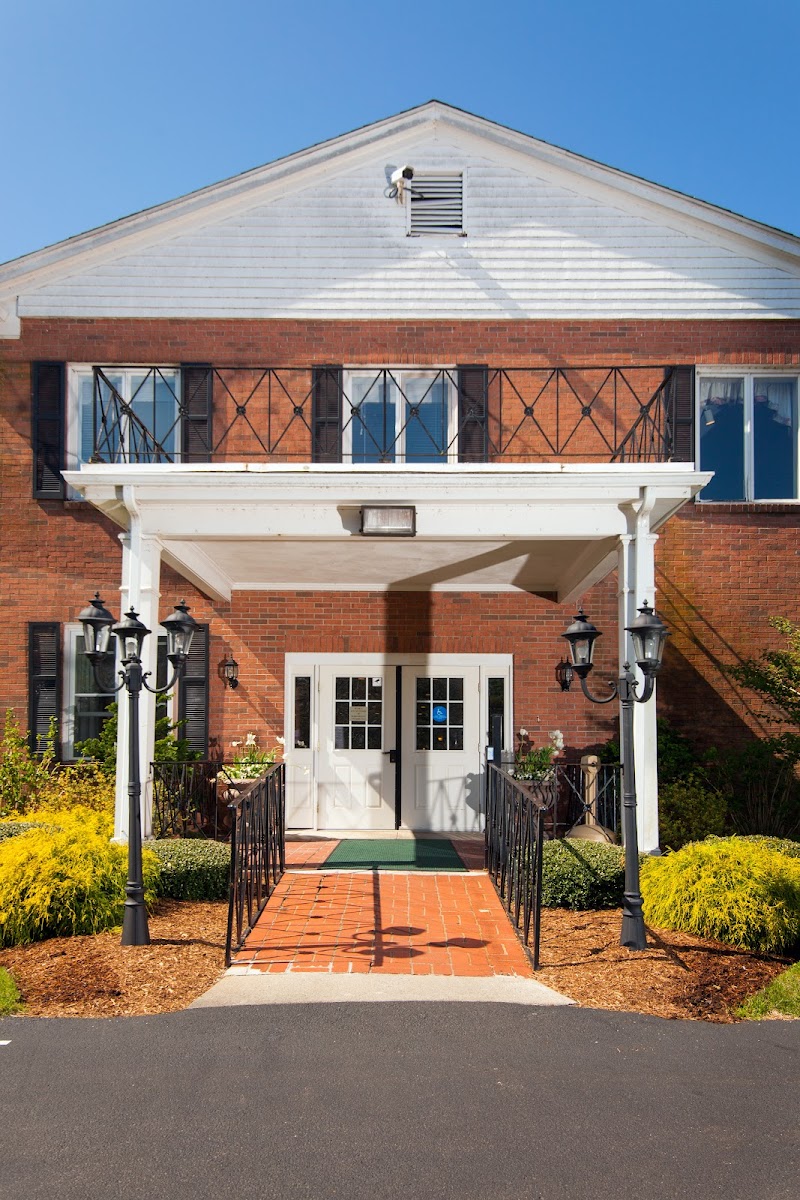
How is Royal Cape Cod Nursing & Rehabilitation Center Staffed?

CMS rates ROYAL CAPE COD NURSING & REHABILITATION CENTER's staffing level at 2 out of 5 stars, which is below average compared to other nursing homes. Staff turnover is 43%, compared to the Massachusetts average of 46%. This relatively stable workforce can support continuity of care.

What Have Inspectors Found at Royal Cape Cod Nursing & Rehabilitation Center?

State health inspectors documented 26 deficiencies at ROYAL CAPE COD NURSING & REHABILITATION CENTER during 2021 to 2025. These included: 2 that caused actual resident harm and 24 with potential for harm. Deficiencies causing actual harm indicate documented cases where residents experienced negative health consequences.
Who Owns and Operates Royal Cape Cod Nursing & Rehabilitation Center?

ROYAL CAPE COD NURSING & REHABILITATION CENTER is owned by a for-profit company. For-profit facilities operate as businesses with obligations to shareholders or private owners. The facility is operated by ROYAL HEALTH GROUP, a chain that manages multiple nursing homes. With 99 certified beds and approximately 88 residents (about 89% occupancy), it is a smaller facility located in BUZZARDS BAY, Massachusetts.

How Does Royal Cape Cod Nursing & Rehabilitation Center Compare to Other Massachusetts Nursing Homes?

Compared to the 100 nursing homes in Massachusetts, ROYAL CAPE COD NURSING & REHABILITATION CENTER's overall rating (4 stars) is above the state average of 2.9, staff turnover (43%) is near the state average of 46%, and health inspection rating (4 stars) is above the national benchmark.

What Should Families Ask When Visiting Royal Cape Cod Nursing & Rehabilitation Center?

Based on this facility's data, families visiting should ask: "Can you walk me through typical staffing levels on day, evening, and night shifts?" "Can I visit during a mealtime to observe dining assistance and food quality?" "How do you handle medical emergencies, and what is your hospital transfer rate?" "Can I speak with family members of current residents about their experience?" These questions are particularly relevant given the below-average staffing rating.

Is Royal Cape Cod Nursing & Rehabilitation Center Safe?

Based on CMS inspection data, ROYAL CAPE COD NURSING & REHABILITATION CENTER has a clean safety record: no substantiated abuse findings (meaning no confirmed cases of resident harm), no Immediate Jeopardy citations (the most serious violation level indicating risk of serious injury or death), and is not on the Special Focus Facility watch list (a federal program monitoring the lowest-performing 1% of nursing homes). The facility has a 4-star overall rating and ranks #1 of 100 nursing homes in Massachusetts. While no facility is perfect, families should still ask about staff-to-resident ratios and recent inspection results during their visit.

Do Nurses at Royal Cape Cod Nursing & Rehabilitation Center Stick Around?

ROYAL CAPE COD NURSING & REHABILITATION CENTER has a staff turnover rate of 43%, which is about average for Massachusetts nursing homes (state average: 46%). Moderate turnover is common in nursing homes, but families should still ask about staff tenure and how the facility maintains care continuity when employees leave.

Was Royal Cape Cod Nursing & Rehabilitation Center Ever Fined?

ROYAL CAPE COD NURSING & REHABILITATION CENTER has been fined $8,788 across 1 penalty action. This is below the Massachusetts average of $33,167. While any fine indicates a compliance issue, fines under $50,000 are relatively common and typically reflect isolated problems that were subsequently corrected. Families should ask what specific issues led to these fines and confirm they've been resolved.

Is Royal Cape Cod Nursing & Rehabilitation Center on Any Federal Watch List?

ROYAL CAPE COD NURSING & REHABILITATION CENTER is not on any federal watch list. The most significant is the Special Focus Facility (SFF) program, which identifies the bottom 1% of nursing homes nationally based on persistent, serious quality problems. Not being on this list means the facility has avoided the pattern of deficiencies that triggers enhanced federal oversight. This is a positive indicator, though families should still review the facility's inspection history directly.