CAMBRIDGE REHABILITATION & NURSING CENTER

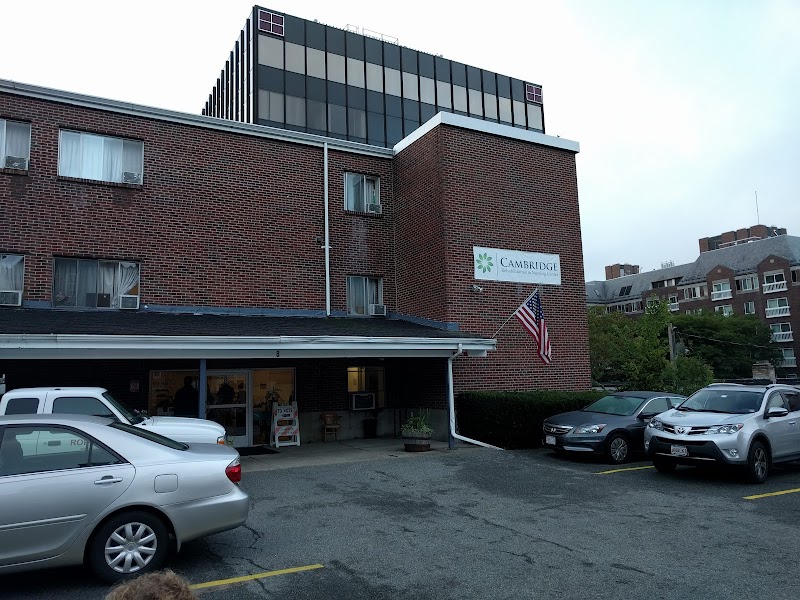
8 DANA STREET, CAMBRIDGE, MA 02138 (617) 864-4267
For profit - Limited Liability company 83 Beds PERSONAL HEALTHCARE, LLC Data: November 2025
Trust Grade
70/100
#75 of 338 in MA
Last Inspection: June 2025

Inspected within the last 6 months. Data reflects current conditions.

Overview

Cambridge Rehabilitation & Nursing Center has a Trust Grade of B, which means it is considered a good option for care, indicating a solid reputation. It ranks #75 out of 338 facilities in Massachusetts, placing it in the top half, and #18 out of 72 in Middlesex County, suggesting that only a few local facilities perform better. The facility is improving, as it reduced the number of issues from 9 in 2024 to 5 in 2025. Staffing is a strength with a rating of 4 out of 5 stars and a turnover of 38%, which is slightly below the state average, indicating that staff members tend to stay longer and build relationships with residents. Notably, there were no fines recorded, and the facility offers more RN coverage than 92% of Massachusetts facilities, which enhances the quality of care. However, there are some concerns. The facility has had issues with food storage, failing to date and properly label food items, which could lead to safety risks. Additionally, there were lapses in documenting medication administration for a resident, which is critical for maintaining health. Lastly, the facility did not secure medication carts properly, potentially compromising the safety of medications. While there are strengths in staffing and RN coverage, families should be aware of these weaknesses when considering this nursing home.

Trust Score
B
70/100
In Massachusetts
#75/338
Top 22%
Safety Record
Low Risk
No red flags
Inspections
Getting Better
9 → 5 violations
Staff Stability
○ Average
38% turnover. Near Massachusetts's 48% average. Typical for the industry.
Penalties
✓ Good
No fines on record. Clean compliance history, better than most Massachusetts facilities.
Skilled Nurses
✓ Good
Each resident gets 57 minutes of Registered Nurse (RN) attention daily — more than average for Massachusetts. RNs are trained to catch health problems early.
Violations
⚠ Watch
22 deficiencies on record. Higher than average. Multiple issues found across inspections.
★★★★☆
4.0
Overall Rating
★★★★☆
4.0
Staff Levels
★★★☆☆
3.0
Care Quality
★★★★☆
4.0
Inspection Score
Stable
2024: 9 issues
2025: 5 issues

The Good

  • 4-Star Staffing Rating · Above-average nurse staffing levels
  • Full Sprinkler Coverage · Fire safety systems throughout facility
  • No fines on record
  • Staff turnover below average (38%)

    10 points below Massachusetts average of 48%

Facility shows strength in staffing levels, fire safety.

The Bad

Staff Turnover: 38%

Near Massachusetts avg (46%)

Typical for the industry

Chain: PERSONAL HEALTHCARE, LLC

Part of a multi-facility chain

Ask about local staffing decisions and management

The Ugly 22 deficiencies on record

Jun 2025 5 deficiencies
CONCERN (D)

Potential for Harm - no one hurt, but risky conditions existed

Deficiency F0561 (Tag F0561)

Could have caused harm · This affected 1 resident

Based on observations, interviews, and record review, the facility failed to ensure one Resident's (#74) personal care choices were honored, out of a total sample of 33 residents. Specifically, the fa...

Read full inspector narrative →
Based on observations, interviews, and record review, the facility failed to ensure one Resident's (#74) personal care choices were honored, out of a total sample of 33 residents. Specifically, the facility failed to provide showers for Resident #74 per his/her request and preference. Findings include: Review of the facility policy titled 'Dignity and Resident Preferences', dated 3/7/22, indicated: - Each resident shall be cared for in a manner that promotes and enhances his or her sense of well-being, level of satisfaction with life, and feelings of self-worth and self-esteem. - When assisting with care, residents are supported in exercising their rights. Resident #74 was admitted to the facility in October 2024 with diagnoses including a history of stroke with right-sided hemiplegia (one-sided muscle weakness). Review of the Minimum Data Set (MDS) assessment, dated 4/3/25, indicated Resident #74 was cognitively intact as evidenced by a Brief Interview for Mental Status (BIMS) score of 14 out of 15. This MDS also indicated Resident #74 was dependent of staff for tub/shower transfers and shower/bathing. On 6/17/25 at 12:56 P.M., the surveyor observed Resident #74 in his/her room visiting with family members. Resident #74 said he/she was very upset because he/she had not had a shower since they were admitted in October 2024. Resident #74 said the staff provided bed baths, but he/she finds them degrading. Resident #74 said he/she always feels cleaner after a shower. Resident #74 and his/her family members said the staff is unable to wash his/her long hair thoroughly during bed baths and used dry shampoo. The surveyor observed Resident #74's hair to appear greasy and covered in a white powder-like substance, which the family member said was from the dry shampoo. Resident #74 and their family members said they have told many different staff members multiple times since October that the Resident would like to have a shower but are continually told there was not a safe shower chair. Review of Resident #74's physician progress note, dated 1/15/25, indicated Resident #74's mother was worried about him/her not getting a real shower. Review of Resident #74's plan of care related to activities of daily living, dated as reviewed 4/16/25, indicated Resident #74 was dependent on staff to get in and out of the tub/shower. Review of Resident #74's current care card (a form certified nursing assistants (CNAs) used to determine each resident's specific care needs) indicated: - Transfer to/from tub or shower: Dependent - Hoyer (a mechanical lift used to transfer residents) to shower chair. Review of care tracker sheet (a form containing CNA documentation for activities of daily living), dated 4/1/25 to 6/18/25, indicated Resident #74 was dependent on staff for bathing/showering, but failed to specifically indicate if Resident #74 received a shower or a bed bath. Review of Resident #74's nursing progress note, dated 10/1/24 to 6/18/25, failed to indicate Resident #74 ever received a shower. During an interview on 6/18/25 at 6:35 A.M., the surveyor and Certified Nurse Assistant (CNA) #1 observed all shower rooms on Resident #74's unit and four different types of shower chairs, including one that reclined. CNA #1 said all residents who prefer showers should have showers and that there are safe shower chairs available for all residents on the unit, even residents with poor trunk control or require a mechanical lift transfer. CNA #1 showed the surveyor the shower schedule and said CNA #2 is Resident #74's primary CNA on shower days. During an interview on 6/18/25 at 6:58 A.M., CNA #2 said she is the primary CNA responsible for Resident #74 and was usually the one assigned for his/her scheduled shower. CNA #2 said Resident #74 had not had a shower since his/her admission in October 2024 because there was no safe shower chair for him/her. CNA #2 said the facility administration had been aware for months. CNA #2 said sometimes Resident #74 complained that bed baths made him/her feel too cold and needed to be bundled up quickly to warm up. During an interview on 6/18/25 at 7:03 A.M., the Corporate Director of Clinical Operations said she was aware Resident #74 had been unable to have a shower, instead of a bed bath, because there was not a safe shower chair for him/her. The Corporate Director of Clinical Operations said the facility had been working on obtaining one for him/her and that therapy would have more information regarding this. Review of Resident #74's occupational therapy (OT) discharge summary completed by Occupational Therapist (OT) #1, dated 3/10/25, indicated OT worked on bathing tasks with the Resident and upon discharge from therapy services he/she was unsafe for shower at this time due to TD (total dependence) support from CNA for bathing supine. During an interview on 6/18/25 at 10:51 A.M., OT #1 said she was the therapist responsible for treating Resident #74. OT #1 said showering was always a goal for him/her, but he/she was unable to shower himself/herself or able to sit upright in the shower because of poor trunk control and right-sided weakness. OT #1 said even though Resident #74 was unable to shower himself/herself, a safe shower chair needed to be obtained because it was Resident #74's preference to have a shower instead of a bed bath. OT #1 said she told her supervisor that there wasn't a safe chair for him/her to shower in approximately four months ago and she was under the impression they were going to order one. OT #1 said a shower chair came Friday (6/13/25) but had not evaluated him/her for its use yet. During an interview on 6/18/25 at 10:59 A.M., the Regional Director of Rehab said he was aware Resident #74 wanted to shower and that there was not a safe shower chair available. The Regional Director of Rehab said about a month after the Resident was admitted (approximately November 2024) the facility borrowed a shower table from another facility, but it didn't fit into the facility's shower rooms. The Regional Director of Rehab said at that point it was determined a safe shower chair needed to be ordered and that it required research. The Regional Director of Rehab said that on 5/20/25 (approximately six months later) the facility ordered a shower chair for Resident #74. The Regional Director of Rehab said six months was not an acceptable time frame for research to be completed, and one should have been ordered within a month but was not. The Regional Director of Rehab said when the new shower chair arrived shortly after it was ordered on May 20th it was determined it needed modifications prior to being used. The Regional Director of Rehab said these modifications were not made until 6/13/25. The Regional Director of Rehab further said this was also not an acceptable time frame and the modifications should have been made by the end of May. The Regional Director of Rehab said the facility dropped the ball and the Resident should have been able to shower, instead of only having bed baths. During an interview on 6/18/25 at 11:09 A.M., the Director of Nursing (DON) said all residents in the facility should be able to choose between having a bath or a shower. The DON said if there was not a safe shower chair for a Resident who wished to have a shower, the facility expects that one be obtained timely. The DON said a safe shower chair should have been obtained for Resident #74 but was unaware of the timing surrounding when it was requested and originally ordered.
CONCERN (D)

Potential for Harm - no one hurt, but risky conditions existed

Quality of Care (Tag F0684)

Could have caused harm · This affected 1 resident

Based on observation, interview, and record review, the facility failed to provide treatment and care in accordance with professional standards of practice for one Resident (#33), out of a total sampl...

Read full inspector narrative →
Based on observation, interview, and record review, the facility failed to provide treatment and care in accordance with professional standards of practice for one Resident (#33), out of a total sample of 33 residents. Specifically, the facility failed to initiate a referral to provide Resident #33 with occupational therapy (OT) services for the treatment of his/her upper extremity contractures as recommended by the Nurse Practitioner (NP). Findings include: Review of the facility's policy titled Rehabilitation Services - General, revised 3/7/24, indicated, but was not limited to, the following: a. Referrals and Evaluation 1. Referrals for rehabilitation services may originate from: - The Provider MD/NP - inputs orders into the electronic medical record under orders. - Nursing staff based on change in condition 2. Upon referral, the appropriate licensed therapist shall complete a comprehensive evaluation within 48 hours (or sooner if clinically indicated). 3. The evaluation shall include baseline functioning, clinical diagnosis, therapy needs, and resident goals. f. Documentation 1. Therapy screens, evaluations, treatment notes, progress reports, and discharge summaries are to be completed timely in accordance with CMS documentation requirements. Resident #33 was admitted to the facility in February 2024 and had diagnoses including stroke, traumatic brain injury, and dementia. Review of the Minimum Data Set (MDS) assessment, dated 5/1/25, indicated that Resident #33 was unable to complete a Brief Interview for Mental Status (BIMS) as the Resident was rarely/never understood. Further review of the MDS indicated that Resident #33 had impairment of range of motion on both sides impacting his/her upper extremities. On 6/17/25 at 8:13 A.M., the surveyor observed Resident #33 in his/her room lying in bed. Both of Resident #33's hands were closed, and his/her arms were held closely up to his/her chest; the Resident was unable to participate in an interview. Review of Resident #33's care plans indicated, but was not limited to, the following: Resident #33 has potential for acute/chronic pain related to history of bilateral (both sides) upper extremity contractures with the following intervention: -Observe and report changes in usual routine, sleep patterns, decrease in functional abilities, decrease range of motion, withdrawal or resistance to care, initiated on 2/9/24. Review of Resident #33's initial wound evaluation and management summary, dated 6/19/24, indicated Resident #33's right and left upper extremities were contracted. Review of Resident #33's nursing annual/quarterly assessment, dated 4/25/25, indicated Resident #33 had contractures. Review of Resident #33's NP progress note, dated 4/30/25, indicated that both of the Resident's upper extremities were contracted with a recommendation to refer to occupational therapy services in order to work with his/her muscle contracture. Review of Resident #33's occupational therapy evaluation and plan of treatment, signed 6/18/25, indicated the Resident was evaluated by occupational therapy services 49 days after the NP had referred the Resident to occupational therapy, and after the surveyor had brought the concern to the attention of the facility. Further review of the evaluation indicated that the Resident had contractures of both upper arms and left hand. The occupational therapy evaluation indicated the Resident was referred to skilled occupational therapy services for contracture management to decrease risk of skin breakdown and increase range of motion and that occupational therapy services were required to improve bilateral upper extremity contracture management, increase range of motion, and determine appropriate orthotic care. The evaluation indicated a recommendation for the Resident to wear an elbow extension splint and a hand roll on both hands as tolerated and that the Resident demonstrated good rehabilitation potential. During an interview on 6/18/25 at 11:34 A.M., Resident #33's health care proxy said that she had last seen the Resident on 5/10/25 and believes the Resident's upper extremities had become tighter recently. During an interview on 6/18/25 at 10:44 A.M., the Director of Rehab (DOR) said that when the NP determines that therapy needs to evaluate a resident that the NP would notify nursing and nursing would put in a referral which would then be sent to rehab services; the DOR said Resident #33 was last seen by an OT in 2024. During an interview on 6/18/25 at 12:09 P.M., the NP said Resident #33's upper extremities were getting more contracted because of the Resident's history of a stroke so she had decided to refer to therapy. The NP said the Resident's elbow contractures were getting more severe so she had told somebody from the therapy department to evaluate the Resident; the NP said she had assumed the Resident had already begun therapy because of her recommendation. During follow-up interviews on 6/18/25 at 1:55 P.M. and 6/20/25 at 10:51 A.M., the DOR said that an OT evaluated Resident #33 on 6/18/25, that the Resident had contractures and that the facility was planning on getting the Resident carrots to help open the Resident's hands and an elbow splint to get the Resident's arms to return to 90 degrees. The DOR said he would expect an evaluation to be done within 48 hours of the referral being made. The DOR said he had seen the NP's recommendation for an occupational therapy referral today for the first time, and that he would have expected the Resident to be evaluated by occupational therapy services sooner. The DOR said he did not know why the Resident had not been evaluated by therapy earlier. During an interview on 6/18/25 at 2:28 P.M., the OT said that Resident #33 would be able to participate in gentle passive range of motion exercises and that the carrots would be beneficial for range of motion. The OT said that she was the only OT in the facility and that she was made aware of the NP's recommendation/referral to therapy for the first time today by the DOR after the surveyor had brought the concern to the attention of the facility. The OT said that if the Resident was not seen by occupational therapy, it could put the Resident at risk for a decrease in range of motion. During an interview on 6/18/25 at 4:16 P.M., the Director of Nursing (DON) said management, including the Unit Manager and a rehab representative, reviews progress notes daily at morning meeting. The DON said the process for therapy referrals was that staff filled out a referral form for therapy evaluations and that she would expect therapy to follow-up on the referral/recommendation within one to two days of the referral/recommendation being made. During an interview on 6/18/25 at 3:01 P.M., Unit Manager #2 said she did not recall the last time therapy worked with Resident #33 and that a few months ago she had told the NP that it had become harder to move the Resident's extremities as they have become stiffer than usual. During an interview on 6/20/25 at 11:30 A.M., the Corporate Director of Clinical Operations said she would have expected the NP to place an order for Resident #33's occupational therapy evaluation and that the Resident would have been evaluated if an order was placed. The Corporate Director of Clinical Operations said she did not know why the Resident had not been evaluated by an OT earlier and that any contraindications for therapy would be documented. Review of Resident #33's medical record failed to indicate that the NP placed an order for Resident #33 to be seen by occupational therapy services for upper extremity contractures following her recommendation on 4/30/25. The facility was unable to provide evidence that a paper referral form was completed for Resident #33 after the NP's recommendation for therapy services on 4/30/25 or documentation of contraindications for therapy services.
CONCERN (D)

Potential for Harm - no one hurt, but risky conditions existed

Deficiency F0761 (Tag F0761)

Could have caused harm · This affected 1 resident

Based on observation and interviews, the facility failed to ensure staff stored drugs and biologicals in accordance with State and Federal laws. Specifically, the facility failed to ensure medications...

Read full inspector narrative →
Based on observation and interviews, the facility failed to ensure staff stored drugs and biologicals in accordance with State and Federal laws. Specifically, the facility failed to ensure medications were dated once opened according to manufacturer's guidelines in one of two medication carts observed. Findings include: Review of the facility policy titled 'Storage - Labeling - Maintenance of Medications', revised 11/8/22, indicated: - Medications with shortened expiry dates (i.e. insulins, injections, ophthalmic drops, etc.) must be dated when opened. On 6/18/25 at 9:33 A.M., the surveyor and Unit Manager #1 observed the following in the second floor side two medication cart: - One fluticasone propionate and salmeterol inhaler, opened and undated. - Two incruse ellipta inhalers, opened and undated. - One lantus solostar insulin pen, opened and undated. During a follow up interview on 6/18/25 at 9:34 A.M., Unit Manager #1 said the fluticasone propionate and salmeterol inhaler, two incruse ellipta inhalers, and lantus solostar insulin pen were all opened. Unit Manager #1 said these medications have shortened expiry dates once opened and should have been dated but were not. During an interview on 6/18/25 at 11:09 A.M., the Director of Nursing (DON) said the fluticasone propionate and salmeterol inhaler, two incruse ellipta inhalers, and lantus solostar insulin pen have shortened expiry dates once opened and should have been dated once opened.
CONCERN (E)

Potential for Harm - no one hurt, but risky conditions existed

Food Safety (Tag F0812)

Could have caused harm · This affected multiple residents

Based on observation and interview, the facility failed to store food in accordance with professional standards for food service safety. Specifically, the facility failed to ensure that resident food ...

Read full inspector narrative →
Based on observation and interview, the facility failed to store food in accordance with professional standards for food service safety. Specifically, the facility failed to ensure that resident food and supplemental drinks were dated in two out of two unit kitchenettes. Findings include: Review of the facility's policy titled Storage & labeling of food brought in by family/visitors, effective June 2018, indicated, but was not limited to, the following: - Definitions: - properly stored and labeled refers to both the dating of all newly opened food and drink items provided by the facility as well as all food items brought in by family members for the residents and food items belonging to and bought in by staff members (sic). All food and drink items are required to have proper labeling for easy identification. - Perishable foods must be stored in re-sealable containers with lids or sealable bags in the refrigerator. All containers will be labeled with the resident's name and date. These items are good for 48 hours only and will be discarded after such time. - The housekeeping staff are responsible for discarding perishable foods after 48 hours. - Items with expiration dates such as milk, condiments, yogurts, cheeses, etc. should still be dated upon opening and discarded by the expiration date on the item. These items should be clearly labeled and easily identifiable. On 6/17/25 at 7:22 A.M., the surveyor made the following observations in the first-floor unit kitchenette refrigerator: - A green bag containing food, the food and bag were undated. - A plastic container of food which was undated. On 6/17/25 at 7:30 A.M., the surveyor made the following observations in the second-floor unit kitchenette refrigerator: - A container of food labeled with a resident name but undated. - A bag containing two containers of food, the bag was dated 6/11/25. - A container of thickened water which was dated opened 6/1/25. - A bag containing a container of soup, both the bag and the container of soup were undated. - A container of food labeled with a resident name and dated 6/10/25. - A bag containing watermelon with tajin which had a best-by date of 6/15/25 and an undated container of food. - Two 32 ounce containers of a nutritionally fortified supplemental drink opened but undated. During an interview on 6/17/25 at 1:03 P.M., the Food Service Director (FSD) said staff check the kitchenette refrigerators between 6:30 A.M. and 6:45 A.M. each morning. The FSD said that when resident families bring food in the nurses are supposed to date and label leftover food before placing it in the kitchenette refrigerator and that leftover food should be discarded after three days. The FSD said that nursing has to bring the leftovers into the kitchenette because the kitchenette is locked, and that nurses should label and date any open drinks including nutritionally fortified supplemental drinks. The FSD said the food dated 6/11/25 should have been discarded. During an interview on 6/17/5 at 1:10 P.M., Nurse #3 said all resident food items and leftover food should be dated and discarded after two days. Nurse #3 said nurses should date the nutritionally fortified supplemental drinks when opened.
CONCERN (E)

Potential for Harm - no one hurt, but risky conditions existed

Medical Records (Tag F0842)

Could have caused harm · This affected multiple residents

Based on observation, record review, and interview, the facility failed to accurately document in the medical record for one Resident (#24), out of 33 total sampled residents. Specifically, the facili...

Read full inspector narrative →
Based on observation, record review, and interview, the facility failed to accurately document in the medical record for one Resident (#24), out of 33 total sampled residents. Specifically, the facility failed to ensure the nurses accurately documented that Resident #24's insulin lispro (an injectable hormone that lowers the level sugar in the blood) was administered. Findings include: Review of the facility's policy titled 'Documentation of Medication Administration', dated 3/7/22, indicated: - Policy: The facility shall maintain a medication administration record to document all medications administered. - A nurse shall document all medications administered to each resident on the resident's medication administration record (MAR). Resident #24 was admitted to the facility in June 2020 with diagnoses including hypertension and diabetes. Review of the Minimum Data Set (MDS) assessment, dated 6/5/25, indicated Resident #24 had severe cognitive impairment as evidenced by a Brief Interview for Mental Status (BIMS) score of 5 out of 15. This MDS also indicated Resident #24 received insulin daily and did not exhibit any behaviors of rejection of care during the look back period. On 6/20/25 at 7:41 A.M., Resident #24 said he/she was not aware of his/her insulin routine and the nurses managed it. Review of Resident #24's active Physician's Orders indicated: - Check blood sugar 3 (three times a day), three times a day, scheduled for 7:30 A.M., 11:30 A.M., and 5:00 P.M., initiated 2/3/22. - Insulin Lispro (1 Unit Dial) Subcutaneous Solution Pen-injector 100 UNIT/ML (Insulin Lispro), Inject as per sliding scale: if 200 - 250 = 2 lispro 2 units; 251 - 300 = 4 lispro 4 units; 301 - 350 = 6 lispro 6 units ; 351 - 400 = 8 lispro 8 units call NP (nurse practitioner)/MD (physician) for FS (fasting sugar) <60 or >400, subcutaneously every 8 hours as needed for diabetes SS, initiated 6/18/24. Review of Resident #24's Medication Administration Record (MAR), dated 6/1/25-6/19/25, indicated: - 6/1/25 at 7:30 A.M., blood sugar: 204 - 6/1/25 at 11:30 A.M., blood sugar: 222 documented by Nurse #2 - 6/2/25 at 11:30 A.M., blood sugar 250 - 6/2/25 at 5:00 P.M., blood sugar 280 - 6/3/25 at 5:00 P.M., blood sugar 200 - 6/4/25 at 7:30 A.M., blood sugar 265 - 6/4/25 at 5:00 P.M., blood sugar 355 - 6/6/25 at 5:00 P.M., blood sugar 300 - 6/7/25 at 5:00 P.M., blood sugar 316 documented by Nurse #2 - 6/8/25 at 5:00 P.M., blood sugar 201 documented by Nurse #2 - 6/9/25 at 5:00 P.M., blood sugar 210 - 6/11/25 at 7:30 A.M., blood sugar 210 - 6/15/25 at 5:00 P.M., blood sugar 389 documented by Nurse #2 - 6/16/25 at 5:00 P.M., blood sugar 204 - 6/17/25 at 5:00 P.M., blood sugar 218 - 6/18/25 at 5:00 P.M., blood sugar 295 - 6/19/25 at 5:00 P.M., blood sugar 345 Review of Resident #24's Medication Administration Record (MAR), dated 6/1/25-6/19/25, indicated: - Insulin lispro was never documented as administered during the month of June 2025 following the as-needed sliding scale, even though the physician's order indicated it should have been administered. Review of Resident #24's entire medical record, dated 6/1/25 to 6/19/25, failed to indicate any refusal of insulin and/or any rationale his/her insulin lispro was not administered. During an interview on 6/20/25 at 7:43 A.M., Nurse #2 said insulin should always be documented as administered at the time of administration. Nurse #2 said she did not remember giving Resident #24 sliding scale insulin lispro during the month of June 2025 but should have because his/her sugars were higher than 200. Nurse #2 said if she didn't document it as administered then she did not administer it. Nurse #2 said Resident #24 does not refuse insulin. During an interview on 6/20/25 at 8:50 A.M., Unit Manager #2 said he was not aware of Resident #24 refusing insulin during the month of June. Unit Manager #2 said if Resident #24 had refused the insulin, it should have been documented as refused in the medical record and the provider should have been notified. The surveyor and Unit Manager #2 reviewed Resident #24's June 2025 MAR and he said it looked like the as-needed sliding scale insulin lispro should have been given multiple times but was not. Unit Manager #2 said Resident #24 should have gotten as-needed insulin lispro whenever his/her blood sugar was higher than 200 to prevent risks from hyperglycemia. During an interview on 6/20/25 at 11:02 A.M., the Director of Nursing (DON) said insulin should be documented when administered. The surveyor and the DON reviewed the 17 times the insulin lispro was not documented as administered even though the physician order indicated it should have been administered. The DON said she could not determine if the insulin was actually administered based on the MAR and would have to interview each nurse because the MAR must be inaccurate. The DON said the physician's order was transcribed incorrectly as an as needed (PRN) order, so it did not pop up to alert the nurses to administer it with the scheduled blood sugars. The DON declined to comment on the risks for not giving insulin lispro according to the physician's order, and said only that it should have been administered and documented according to the physician's order. On 6/23/25 at 2:29 P.M., the surveyor received follow-up electronic correspondence from the facility which included 12 statements from nursing, including Nurse #2, indicating that the nurses did administer Resident #24's as needed sliding scale insulin lispro on the 17 times in June 2025 that it should have been, but had forgotten to document it as administered in the MAR.
Jul 2024 9 deficiencies
CONCERN (D)

Potential for Harm - no one hurt, but risky conditions existed

Abuse Prevention Policies (Tag F0607)

Could have caused harm · This affected 1 resident

Based on record review, policy review and interviews, the facility failed to implement their abuse prohibition policy for one Resident (#69) out of a total sample of 19 residents. Specifically, for R...

Read full inspector narrative →
Based on record review, policy review and interviews, the facility failed to implement their abuse prohibition policy for one Resident (#69) out of a total sample of 19 residents. Specifically, for Resident #69, the facility failed to ensure nursing immediately reported an allegation of potential abuse (bruise of unknown origin) to the Director of Nursing or Administrator, as required. Findings include: Review of the facility policy titled Accident/Incident - Investigating and Reporting, dated as revised 6/2022, indicated to provide the guidelines for the completion, investigation, care plan intervention and regulatory reporting of all Accidents & Incidents; to ensure the timeliness of such reporting, and to ensure the appropriate follow-up and monitoring post-incident occurs. PROCEDURE: Upon the discovery of an accident/incident immediately report the occurrence to the Charge Nurse and/or the Nursing Supervisor. All accidents and incidents require an assessment and an accident/incident report form to be completed in following order: 3. If the incident is an elopement, an alleged physical abuse or any other incident that meets the criteria of a reportable incident per the DPH regulations, the Nursing Supervisor/Nurse Manager will immediately notify the Administrator and Director of Nursing regardless of the time in which the incident was discovered. If the (sic) is not in the building, the Administrator will give the Nursing Supervisor/Nurse Manager direction to initiate the investigation until he/she arrives. The Administrator will conduct the required investigation. Review of the facility policy titled Abuse, Investigating and Reporting, dated as 4/23/19, indicated all reports of resident abuse, neglect, exploitation, misappropriation of resident property, mistreatment and/or injuries of unknown source (abuse) shall be promptly reported to local, state and federal agencies (as defined by current regulations) and thoroughly investigated by facility management. Findings of abuse investigations will also be reported. Resident #69 was admitted to the facility in April 2023 with diagnoses including dementia and psychosis. Review of the Minimum Data Set (MDS) assessment, dated 1/10/24, indicated that Resident #69 was rarely/never understood. This MDS indicated Resident #69 required total assistance with activities of daily living. Review of Resident #69's alert note, dated 3/3/24 at 8:56 A.M., indicated: This writer was told resident has a bruise on the left side of his/her eyes. I can't recall seeing the bruise and Resident is un unable to explain what happen. During an interview on 7/1/24 at 1:58 P.M., Nurse #4 said she worked the 3:00 P.M. to 11:00 P.M. shift and the 11:00 P.M. to 7:00 A.M. shift on 3/2/24 into 3/3/24, and she was not sure how Resident #69 got a bruise on his/her face. Nurse #4 said she did not notify the Director of Nursing of the new bruise. Review of Resident #69's progress note, dated 3/3/24 at 2:52 P.M., indicated: The assigned resident assistant (RA) to the supervision group reported that this Resident was found with a bruise on the left eye. During an interview on 7/2/24 at 11:19 A.M., Nurse #5 said she worked on 3/3/24 during the 7:00 A.M. to 3:00 P.M. shift, and said she was not sure what caused the bruise on Resident #69's face. Nurse #5 said she notified the Director of Nursing. Review of the health care facility reporting system, dated 3/4/24 at 4:31 P.M., indicated the facility reported the injury of unknown to the state agency, 30 hours after facility staff were first aware of the injury of unknown. During an interview on 7/2/24 at 12:04 P.M., the Director of Nursing (DON) said she became aware of the new bruise while reading the nursing note on 3/4/24. The DON said nursing should have notified administration about the injury of unknown but did not. During an interview on 7/2/24 at 1:08 P.M., the Administrator said that he became aware of the bruise by the Director of Nursing on 3/4/24. The Administrator said that direct care staff should have reported the injury of unknown to the Director of Nursing or Administrator but did not.
CONCERN (D)

Potential for Harm - no one hurt, but risky conditions existed

Deficiency F0657 (Tag F0657)

Could have caused harm · This affected 1 resident

Based on observation, record review, and interviews, the facility failed to ensure care plans were reviewed with the interdisciplinary team (IDT) as required for one Resident (#16), out of a total sam...

Read full inspector narrative →
Based on observation, record review, and interviews, the facility failed to ensure care plans were reviewed with the interdisciplinary team (IDT) as required for one Resident (#16), out of a total sample of 19 residents. Specifically, the facility failed to revise and update Resident #16's Activities of Daily Living (ADL) care plan. Findings include: Resident #16 was admitted to the facility in November 2022 with diagnoses including irritable bowel syndrome. Review of the Minimum Data Set (MDS) assessment, dated 2/7/24, indicated that Resident #16 was cognitively intact as evidenced by a Brief Interview for Mental Status (BIMS) score of 15 out of 15. This MDS indicated Resident #16 required: B. Oral hygiene: the ability to use suitable items to clean teeth. Dentures (if applicable): The ability to insert and remove dentures into and from the mouth, and manage denture soaking and rinsing with use of equipment, coded as independent. C. Toileting hygiene: the ability to maintain perineal hygiene, adjust clothes before and after voiding or having a bowel movement. If managing an ostomy, include wiping the opening but not managing equipment, coded as independent. F. Toilet transfer: the ability to get on and off a toilet or commode, coded as independent. Review of Resident #16's plan of care related to activities of daily living, dated as current 6/28/24, indicated the following: - PERSONAL HYGIENE: The resident requires supervision/assist by (1) staff with personal hygiene and oral care, dated as revised 6/23/23. - TOILET USE: The resident is assist with toileting, dated as revised 9/13/23. - TRANSFER: The resident requires supervision by (1) staff with rollator to move between surfaces. Chair/ bed transfer supervision/ touching assist, dated as revised 1/18/24. - BATHING/SHOWERING/GROOMING: The resident requires partial/moderate assistance by (1) staff with bathing/showering/grooming, dated as revised 1/18/24. Further review of this care plan failed to include any revisions were made to the above focus areas after the revision dates stated above. Review of Resident #16's Activities of Daily Living (ADLs) flow sheets, dated February 2024, indicated Certified Nursing Assistants consistently coded Resident #16 on the day, evening, and night shifts between 2/4/24 to 2/7/24, the following: - Oral hygiene, coded as independent. - Toileting hygiene, coded as independent. - Toilet transfer, coded as independent. During an interview on 7/2/24 at 12:03 P.M., the Director of Nursing said the interdisciplinary team who completes section GG under the MDS is responsible for updating the care plan after each comprehensive assessment. The DON said that the care plan should have been updated after Resident #16's MDS assessment completed on 2/7/24 but was not.
CONCERN (D)

Potential for Harm - no one hurt, but risky conditions existed

Deficiency F0658 (Tag F0658)

Could have caused harm · This affected 1 resident

Based on observations, record review and interviews, the facility failed to meet professional standards of quality for one Resident (#50) out of a total sample of 19 residents. Specifically, for Resid...

Read full inspector narrative →
Based on observations, record review and interviews, the facility failed to meet professional standards of quality for one Resident (#50) out of a total sample of 19 residents. Specifically, for Resident #50, the facility failed to follow physician's orders to apply offloading booties to bilateral heels while in bed. Findings include: Resident #50 was admitted to the facility in May 2024 with diagnoses that include adult failure to thrive and repeated falls. Review of Resident #50's most recent Minimum Data Set (MDS) Assessment, dated 6/4/24, indicated a Brief Interview for Mental Status (BIMS) score of 2 out of 15, indicating that Resident #50 had severe cognitive impairment. The MDS further indicated that Resident #50 was at risk for the development of pressure ulcers. The MDS further indicated that rejection of care was not a behavior exhibited by the Resident. Review of Resident #50's physician's orders indicated the following: -Apply booties to bilateral heels while in bed, dated 5/31/24. Review of Resident #50's active skin risk care plan indicated that the resident had potential for skin breakdown related to fragile coccyx areas and left heel with DTI (deep tissue injury, a type of pressure ulcer) as evidenced of observation of eschar, dated 5/31/24. On 6/28/24 at 8:59 A.M., the surveyor observed Resident #50 laying in bed on his/her back with his/her heels directly on the mattress. On 6/28/24 at 11:40 A.M., the surveyor observed Resident #50 laying in bed on his/her back with his/her heels directly on the mattress. On 7/1/24 at 6:44 A.M., the surveyor observed Resident #50 sleeping in bed on his/her back with his/her heels directly on the mattress. The surveyor observed two offloading booties the wheelchair across the room from the Resident. On 7/1/24 at 9:30 A.M., the surveyor observed Resident #50 sleeping in bed on his/her back with his/her heels directly on the mattress. The surveyor observed two offloading booties the wheelchair across the room from the Resident. On 7/2/24 at 9:24 A.M., the surveyor observed Resident #50 laying in bed on his/her back with his/her heels directly on the mattress. The surveyor observed two offloading booties the wheelchair across the room from the Resident. During an interview on 7/2/24 at 9:32 A.M., the surveyor and Certified Nurse Assistant (CNA) #2 observed Resident #50 in bed without offloading boots on his/her bilateral feet. CNA #2 said Resident #50 should wear offloading booties at all times when he/she is in bed, but somebody must have forgotten to put them on. During an interview on 7/2/24 at 9:36 A.M., Nurse #9 said Resident #50 should have offloading booties on both feet at all times when he/she is in bed. Nurse #9 said Resident #50 never refuses to wear the offloading booties, but if he/she did it would be documented in the Treatment Administration Record (TAR) or in a progress note. Review of Resident #50's Treatment Administration Record (TAR) indicated that Resident #50 had heel booties on in bed as ordered on 6/28/24 and 7/1/24. Further review of TAR and progress notes failed to indicate Resident #50 refused offloading booties in the last month. During an interview on 7/2/24 at 12:07 A.M., the Director of Nursing (DON) said if the booties were refused it would be indicated in TAR or a progress note. The DON said offloading booties should have be worn following the physician order.
CONCERN (D)

Potential for Harm - no one hurt, but risky conditions existed

Incontinence Care (Tag F0690)

Could have caused harm · This affected 1 resident

Based on observation, record review, and interview, the facility failed to maintain professional standards in the managing and care for urinary catheter devices for one Resident (#28) out of a total s...

Read full inspector narrative →
Based on observation, record review, and interview, the facility failed to maintain professional standards in the managing and care for urinary catheter devices for one Resident (#28) out of a total sample of 19 Residents. Specifically, the facility staff failed to ensure the correct size suprapubic indwelling urinary catheter (a flexible tube that passes through the abdomen and into the bladder to drain urine) was in place for Resident #28 as ordered by the physician. Findings include: Review of the facility policy, titled suprapubic catheter insertion, dated as 10/2017, indicated: Purpose: The purpose of this procedure is to ensure the proper and safe insertion of suprapubic catheters to relieve urine retention in residents who require a permanent or long-term catheter. Policy: All nursing staff performing suprapubic catheter insertion must adhere to this policy to ensure safe and effective care for residents. This procedure outlines the steps, preparation, and documentation required for the insertion of suprapubic catheters. 1. Preparation a. verify there is a physician's order for the procedure. 5. Documentation: Record the following information in the resident's medical record f. Type of catheter inserted, balloon size, French size, and composition. Resident #28 was admitted to the facility in February 2019 with diagnoses including Parkinson's disease, urine retention, and legal blindness. Review of the most recent Minimum Data Set (MDS) assessment, dated 5/22/24, indicated that Resident #28 was cognitively intact as evidenced by a Brief Interview for Mental Status (BIMS) score of 15 out of 15. The MDS indicated Resident #28 required an indwelling catheter (suprapubic catheter). On 7/1/24 at 6:56 A.M., the surveyor and Unit Manager #1 observed Resident #28 bed. Resident #28 had a 16 French (F) with a 5 cubic centimeter (cc) balloon catheter inserted into his/her abdomen. Review of Resident #28's physician's order, dated 3/28/24, indicated: - suprapubic catheter active change suprapubic tube with 16 F/10 cc catheter one time a day every 1 month(s) starting on the 1st for 28 day(s). - suprapubic catheter, change monthly in the facility per physician (MD) and as needed. Review of Resident #28's physician's order, dated 6/30/24, indicated: - Change suprapubic tube with 16 French 10 cc catheter monthly, one time a day, every 1 month(s) starting on the 1st for 28 day(s). Review of Resident #28's nursing progress note, dated 6/13/24, indicated: Patient is alert and oriented, suprapubic catheter replaced with 16 F/10 ml (milliliter) and patent. During an interview on 7/2/24 at 3:03 P.M., Nurse #8 said that on 6/13/24, she and Unit Manager #1 changed Resident #28's suprapubic catheter. Nurse #8 said that prior to inserting a suprapubic catheter you need to verify the correct size. Nurse #8 said that Unit Manager #1 replaced the catheter. Review of Resident #28's Treatment Administration Record (TAR), dated June 2024, indicated on 6/28/24 nursing implemented the physician's ordered suprapubic catheter change. During an interview on 7/1/24 at 7:00 A.M., Unit Manager #1 said staff should implement the physician's order for the correct catheter size. During an interview on 7/1/24 at 2:44 P.M., Resident #28 said nursing changed his/her catheter a few weeks ago (6/13/24) because it was leaking. Resident #28 said the catheter was not changed on 6/28/24 and he/she would only allow staff to change it every four to six weeks. During an interview on 7/1/24 at 7:56 A.M., the Director of Nursing said nursing should implement the physician's order and Resident #28 should have a 16 French 10 cc balloon indwelling catheter.
CONCERN (D)

Potential for Harm - no one hurt, but risky conditions existed

Tube Feeding (Tag F0693)

Could have caused harm · This affected 1 resident

**NOTE- TERMS IN BRACKETS HAVE BEEN EDITED TO PROTECT CONFIDENTIALITY** Based on observation, record review, policy review and interview the facility failed to ensure staff provided appropriate care a...

Read full inspector narrative →
**NOTE- TERMS IN BRACKETS HAVE BEEN EDITED TO PROTECT CONFIDENTIALITY** Based on observation, record review, policy review and interview the facility failed to ensure staff provided appropriate care and services for one Resident (#38) with a Gastrostomy tube (G-tube: a tube that is placed directly into the stomach through an abdominal incision for administration of nutrition, fluids, and medication), out of a total of 19 sampled residents. Specifically, the amount of tube feeding infused did not correspond with the rate of infusion and the hours infused as ordered by the physician for Resident #38. Findings include: Review of the facility policy titled Gastrostomy Tube Feeding, dated 10/20/22, indicated that the purpose of the policy was intended to administer nourishment into the stomach via gastrostomy (G-tube) and decisions to continue use of tube feeding (TF) will be reviewed quarterly at a minimum and documented through continued care planning for intervention and renewal of physician orders. If any time the tube feeding is not administered per physician order, the physician must be notified for further instruction or orders. Resident #38 was admitted to the facility in February 2024 with diagnoses including stroke, dementia, dysphagia (difficulty swallowing), and post-traumatic stress disorder. Review of Resident #38's most recent Minimum Data Set (MDS), dated [DATE], indicated that Resident #38 had a feeding tube. Review of Resident #38's active physician's orders, dated 6/21/24, indicated the following: -Jevity (calorie dense therapeutic nutrition for tube feeding) 1.5 calorie (cal) administer via pump every shift, 60 mL (milliliters) per hour, hold at 5:00 A.M. and resume at 7:00 A.M. Review of the physician's progress note, dated 6/21/24, indicated: - concern tube feeding (TF) frequently turned off or forgotten to be turned on after providing personal care and at several follow up visits tube feeding have been off or stopped. On 7/1/24 at 7:00 A.M., the surveyor observed a 1500 mL bottle of Jevity 1.5 cal hanging in Resident #38's room. The Jevity 1.5 cal bottle was dated 7/1/24 at 7:00 A.M. and was visibly running through the tubing and was connected to resident at a rate of 60 mL per hour. On 7/1/24 at 1:25 P.M., the surveyor observed the tube feeding (TF) hanging, connected to Resident #38 and the pump read 60 mL per hour. The 1500 mL bottle of Jevity 1.5 cal, dated 7/1/24 at 7:00 A.M., contained 1500 mL of tube feeding. On 7/1/24 at 3:52 P.M., the surveyor observed the tube feeding hanging, connected to Resident #38 and the pump read 60 mL per hour. The 1500 mL bottle of Jevity 1.5 cal, dated 7/1/24 at 7:00 A.M., contained 1500 mL of tube feeding, which remained unchanged since the 7/1/24 at 7:00 A.M. observation. On 7/1/24 at 3:55 P.M., Unit Manager #1 observed the tube feeding infusing for Resident #38 with the surveyors, the tube feeding bottle was dated 7/1/24 and contained 1500 mL of Jevity 1.5 cal tube feeding. Unit Manager #1 said she was unsure why the tube feeding did not infuse all day, but it should have. Review of progress note dated 7/1/24 at 10:34 P.M., Nurse #7 documented Patient not getting full amount of Jevity 1.5 d/t (due to) machine, only got 400 cc (cubic centimeter and mL are different names for the same metric unit of volume). (sic.) Nurse #7 obtained an order from the physican to administer one time order Jevity 1.5 200cc bolus. (sic.) During phone interview at 7/2/24 at 12:57 P.M., Nurse #7 (who worked on 7/1/24 from 7:00 A.M. to 3:00 P.M. and 7/1/24 from 3:00 P.M. to 11:00 P.M.) said that she noticed a defect in the machine on 7/1/24 in the afternoon after 4:00 P.M., she said she tried to flush the tubing and reset the machine. Nurse #7 said that Resident #38 should have received tube feeding at 60 mL per hour but did not. Nurse #7 said that she did not check on enteral feeding routinely during her shift. Nurse #7 said she was not aware of any staff pausing or turning off the tube feeding machine during care. Nurse #7 called the physician and received an order at 6:00 P.M. to deliver a bolus feeding of 200mls. During interview 7/2/24 at 3:56 P.M., the Director of Nursing (DON) said she would expect tube feeding to be assessed and monitored to make sure enteral feed is infusing. The DON said she was aware that the physician had multiple concerns that the tube feeding had been stopped and would expect the physician to have notified her prior to leaving the facility.
CONCERN (D)

Potential for Harm - no one hurt, but risky conditions existed

Respiratory Care (Tag F0695)

Could have caused harm · This affected 1 resident

Based on observation, policy review, record review and interview the facility failed to provide necessary respiratory care consistent with professional standards of practice for one Resident (#3) out ...

Read full inspector narrative →
Based on observation, policy review, record review and interview the facility failed to provide necessary respiratory care consistent with professional standards of practice for one Resident (#3) out of a total sample of 19 residents. Specifically, the facility failed to implement Resident #3's physician ordered oxygen flow rate. Findings include: Review of the facility policy titled Oxygen Therapy, dated 2/22/22, indicated that the purpose of the policy was intended to ensure that high quality of care is delivered to residents regarding administration of oxygen to and the appropriate monitoring of resident's receiving oxygen and included the procedure that a physician's order is required to initiate oxygen therapy. Resident #3 was admitted to the facility in February 2019 with diagnoses including chronic obstructive pulmonary disease (COPD-a common lung disease causing restricted airflow and breathing problems), stroke, dysphagia (difficulty swallowing), and malnutrition. Review of the Minimum Data Set (MDS) assessment, dated 4/24/24, indicated Resident #3 had a Brief Interview for Mental Status (BIMS) score of 9 out of a possible 15 which indicated moderate cognitive impairment. This MDS further indicated Resident #3 required oxygen. On 6/28/24 at 7:50 A.M. and 8:04 A.M., the surveyor observed Resident #3 sitting in a wheelchair in his/her room. The Resident was receiving oxygen via nasal cannula at three liters per minute. On 6/28/24 at 2:07 P.M., the surveyor observed Resident #3 in the day room receiving oxygen via nasal cannula at three liters per minute. Review of Resident #3's physician orders indicated: -Oxygen two liters (L) per minute via nasal cannula (NC) continuously every shift, initiated 4/18/21. Review of the Medication Administration Record (MAR) indicated on 6/28/24 during the 7:00 A.M. to 3:00 P.M. shift and on 7/1/24 during the 11:00 P.M. to 7:00 A.M. nursing implemented the physician's order. Review of the plan of care related to oxygen therapy, dated 6/6/24, indicated: -OXYGEN (O2) SETTINGS: O2 continuously as ordered. During a phone interview on 07/02/24 at 10:41 A.M., Nurse #3 who worked the 11 P.M. to 7 A.M. shift on 7/1/24 said Resident #3 should be on continuous oxygen at two liters per minute which he verified by reviewing physician's order, and that Resident #3 does not adjust the settings. During an interview on 07/02/24 at 3:44 P.M., the Director of Nursing (DON) said nursing should implement the physician's order for oxygen flow rate. The DON said on 7/2/24 she observed Resident #3's oxygen set to three liters per minute and she had to adjust it.
CONCERN (D)

Potential for Harm - no one hurt, but risky conditions existed

Infection Control (Tag F0880)

Could have caused harm · This affected 1 resident

Based on observation, interviews, and policy review, the facility failed to ensure transmission-based precautions were followed to prevent the spread of infections. Specifically, the facility failed t...

Read full inspector narrative →
Based on observation, interviews, and policy review, the facility failed to ensure transmission-based precautions were followed to prevent the spread of infections. Specifically, the facility failed to ensure a nurse appropriately donned (put on) a precaution gown while caring for a Resident on enhanced barrier precautions (EBP). Findings include: Review of the facility policy titled Enhanced Barrier Precautions - Multidrug-Resistant Organisms (MDROs), dated 4/1/24, indicated the following: -Enhanced Barrier Precautions (EPB) refer to an infection control intervention designed to reduce transmission of multidrug-resistant organisms that employs targeted gown and glove use during high contact resident care activities. -Enhanced barrier precautions should be followed for any resident in the facility with: an open wound requiring a dressing change. -Signage must be posted on the door or wall outside of the resident's room indicating enhanced barrier precautions and required PPE (personal protective equipment). On 7/2/24 at 7:25 A.M., the surveyor observed a pressure ulcer wound with Unit Manager #1. Upon entry into the resident room, there was a sign posted at the doorway that indicated the resident was on EBP and that everyone must wear gloves and gown for high-contact resident care activities including wound care. Unit Manager #1 did not put on a precaution gown, and only put on gloves. Unit Manager #1 removed the dressing on the Resident's right lateral foot revealing an open quarter sized circular wound with a bright red wound bed. Unit Manager #1 placed the dressing in her gloved hand and rested the right lateral foot back into a blue off-loading bootie without a new dressing on it and left the room. During an interview on 7/2/24 at 7:17 A.M., Certified Nurse Assistant (CNA) #1 said a precaution gown and gloves must be worn if the surveyor wanted to look at the foot wound of the resident because he/she was on EBP. During an interview on 7/2/24 at 11:06 A.M., Unit Manager #1 said the resident with the foot wound we observed was on enhanced barrier precautions and a precaution gown and gloves should be worn when changing his/her right foot pressure ulcer wound dressing. Unit Manager #1 said that she did not wear a gown when she removed the resident's dressing from their right foot. During an interview on 7/2/24 9:02 A.M., the Corporate Director said Unit Manager #1 should have worn a precaution gown, in addition to gloves, when removing a dressing from an open wound for the resident because he/she was on EBP. During an interview on 7/2/24 at 12:07 P.M., the Director of Nursing (DON) said a precaution gown, in addition to gloves, should have been worn by Unit Manager #1 for all wound procedures, even if she was just removing the right foot pressure ulcer wound dressing because the resident was on EBP.
CONCERN (E)

Potential for Harm - no one hurt, but risky conditions existed

Deficiency F0761 (Tag F0761)

Could have caused harm · This affected multiple residents

Based on observation, policy review and interview, the facility failed to ensure staff stored all drugs and biologicals in accordance with accepted professional standards of practice. Specifically, th...

Read full inspector narrative →
Based on observation, policy review and interview, the facility failed to ensure staff stored all drugs and biologicals in accordance with accepted professional standards of practice. Specifically, the facility failed to properly secure medication/treatment carts on two of two units. Findings Include: Review of facility policy titled Storage- Labeling- Maintenance of Medications, dated 11/8/22, indicated the following: -Medications and biologicals are stored safely, securely, and properly, following manufacturer's recommendations or those of the supplier. The medication supply is accessible only to licensed nursing personnel, pharmacy personnel or staff members lawfully authorized to administer medications. -1. All drugs and biologicals are to be stored in the locked designated cabinets for this purpose and shall be stored under proper temperature controls. Only Authorized licensed personnel are to have access to the keys and the medications. -4. Medication carts must be locked at all times when not in use, including during medication passes when the nurse steps away from the cart. On 7/1/24 at 8:38 A.M., during a medication storage observation on the first- floor unit, Nurse #1 opened the medication cart for the surveyor, checked that the narcotic draw was locked, and walked away from the medication cart. Nurse #1 was out of site of the surveyor but was observed walking to the other end of the hallway. At 8:41 A.M., Nurse #1 returned to the medication cart. During an interview on 7/1/24 at 8:57 A.M., Nurse #1 said she should not leave her medication cart unlocked and unattended. She said, I had to do something quick, and I knew that you weren't going to take anything. During an interview on 7/1/24 at 10:12 A.M., the Corporate Director said that if a nurse leaves his or her medication cart, they should lock it. During observation of medication pass on the second- floor unit on 7/1/24 at 9:46 A.M., Nurse #2 walked away from her medication cart to administer medications to a resident, leaving it unlocked and unattended. During an interview on 7/1/24 at 9:46 A.M., Nurse #2 said that she should not have left her medication cart unlocked and should have locked it when she walked away. During an interview on 7/1/24 at 10:12 A.M., the Corporate Director said that if a nurse leaves his or her medication cart, they should lock it. On 7/2/24 at 6:48 A.M., the surveyor observed an unlocked treatment cart on the first- floor unit with no licensed nurse within view of the cart. On 7/2/24 at 6:51 A.M., the surveyor opened the unlocked treatment cart, which was filled with prescription creams. During an interview on 7/2/24 at 6:53 A.M., Unit Manager #1 came down the hall and said the treatment cart should always be locked when unattended because a resident could get into it. During an interview on 7/2/24 at 7:01 A.M., Nurse #6 said the treatment cart should be locked when not within view of the nurse. During an interview on 7/2/24 at 9:02 A.M., the Corporate Director said the nurse had forgotten to lock the treatment cart, but should have locked it since it was not within her view. During an interview on 7/2/24 at 12:07 A.M., the Director of Nursing (DON) said treatment carts should be locked if not within view of the nurse.
MINOR (B)

Minor Issue - procedural, no safety impact

Deficiency F0637 (Tag F0637)

Minor procedural issue · This affected multiple residents

**NOTE- TERMS IN BRACKETS HAVE BEEN EDITED TO PROTECT CONFIDENTIALITY** Based on record review and interviews for one Resident (#3) out of a total sample of 19 residents, the facility failed to ensure...

Read full inspector narrative →
**NOTE- TERMS IN BRACKETS HAVE BEEN EDITED TO PROTECT CONFIDENTIALITY** Based on record review and interviews for one Resident (#3) out of a total sample of 19 residents, the facility failed to ensure staff adequately identified a significant change in Resident's status and complete a comprehensive Significant Change of Status Assessment Minimum Data Set (MDS) as required. Specifically, the facility failed to identify and complete a Significant Change of Status MDS when Resident #3 experienced significant weight loss and a decline in his/her ability to transfer in and out of bed. Findings include: Review of the MDS 3.0 Resident Assessment Instrument (RAI) Manual, dated October 2023, indicated a Significant Change of Status must be completed by the end of the 14th calendar day following determination that significant change has occurred. It defines a significant change as a major decline or improvement in a resident's status that: 1. Will not normally resolve itself without intervention by staff or by implementing standard disease-related clinical interventions, the decline is not considered self-limiting. 2. Impacts more than one area of the resident's health status; and 3. Requires interdisciplinary review and/or revision of the care plan. Resident #3 was admitted to the facility in February 2019 with diagnoses including chronic obstructive pulmonary disease (COPD), which is a common lung disease causing restricted airflow and breathing problems, stroke, dysphagia (difficulty swallowing), and malnutrition. Review of Resident #3's MDS, dated [DATE], indicated: -a documented weight of 129 pounds. -supervision chair/bed-to-chair transfer. Review of Resident #3's MDS, dated [DATE], indicated: -a documented weight of 109 pounds. -significant weight loss (loss of five percent or more of the Resident's total body weight in the last month or a loss of ten percent or more in six months). -dependent chair/bed-to-chair transfer. Review of Resident #3's dietary progress notes, dated 3/26/24, indicated he/she had significant weight loss (6.5% in 30 days) based on documented weight of 115.5 pounds, and an increase in Med Pass (nutritional supplement) to 120 milliliters (mL) three times a day was ordered. Review of Resident's #3's dietary progress notes, dated 4/4/24, indicated he/she had significant weight loss (12.8% in 30 days) based on documented weight of 109 pounds, and an increase in Med Pass to 120 mL four times a day was ordered. Review of Resident #3's dietary progress notes, dated 4/11/24, indicated he/she had significant weight loss (6% in 30 days) based on documented weight of 108.5 pounds. Review of Resident #3's Certified Nursing Assistant (CNA) documentation, dated 1/18/24 to 1/24/24, indicated he/she required supervision for transfer to and from bed to chair. Review of Resident #3's CNA documentation, dated 4/18/24 to 4/24/24, indicated he/she was totally dependent on staff for transfer to and from bed to chair. The MDS Nurse was unable to be interviewed because she no longer worked at the facility. During an interview on 7/2/24 at 4:01 P.M., the Director of Nursing (DON) said a Significant Change of Status MDS should have been completed.
May 2023 8 deficiencies
CONCERN (D)

Potential for Harm - no one hurt, but risky conditions existed

Report Alleged Abuse (Tag F0609)

Could have caused harm · This affected 1 resident

Based on interview and record review, the facility failed to report an allegation of abuse within 2 hours to the State Survey Agency for one Resident (#19) out of a total sample of 21 residents. Findi...

Read full inspector narrative →
Based on interview and record review, the facility failed to report an allegation of abuse within 2 hours to the State Survey Agency for one Resident (#19) out of a total sample of 21 residents. Findings include: Review of the facility policy titled Abuse Prevention Manual, last revised October 2022, indicated the following: *An alleged violation of abuse, neglect, exploitation or mistreatment (including injuries of unknown source and misappropriation of resident property) will be reported immediately, but not later than: Two (2) hours if the alleged violation involves abuse OR has resulted in serious bodily injury Resident #19 was admitted to the facility in April 2022 with diagnoses including dementia without behaviors. Review of the Minimum Data Set (MDS) assessment, dated 4/26/22, indicated that Resident #19 scored a 13 out of 15 on the Brief Interview for Mental Status (BIMS) exam, indicating intact cognition. During an interview on 5/23/23 at 8:07 A.M., Resident #19 said staff are rough with him/her when providing care, and that the Resident has not told the staff about this concern. The Surveyor immediately informed the Resident #19's Nurse (#1) of the allegation. Review of the Health Care Facility Reporting System (HCFRS) on 5/23/23 indicated that the allegation of abuse had been reported at 1:05 P.M. by Nurse #2, 5 hours after the facility was made aware of the allegation of abuse. During an interview on 5/3/23 at 1:48 P.M. Nurse #2 said she shares the responsibility of filing reports for allegations of abuse with the administrator. Nurse #2 said she would consider a report of rough handling as an allegation of abuse which would need to be reported to the State Agency, as a thorough investigation would need to be completed prior to determining whether or not abuse had occurred. Nurse #2 also said she was made aware of the allegation around 12:00 P.M., and that she should have been notified of the allegation immediately as all allegations of abuse must be reported to the State Survey Agency within 2 hours.
CONCERN (D)

Potential for Harm - no one hurt, but risky conditions existed

Comprehensive Care Plan (Tag F0656)

Could have caused harm · This affected 1 resident

Based on interviews and record reviews the facility failed to 1.) develop a care plan for one Resident (#24) with a history of Suicidal Ideation and 2.) follow physicians' orders for pre- and post-dia...

Read full inspector narrative →
Based on interviews and record reviews the facility failed to 1.) develop a care plan for one Resident (#24) with a history of Suicidal Ideation and 2.) follow physicians' orders for pre- and post-dialysis weights for one Resident (#45) out of a total sample of 21 residents. 1. For Resident #24, who has a significant history of Suicidal Ideation (SI) and actual suicide attempts, the facility failed to develop a care plan for SI monitoring. Resident #24 was admitted to the facility in January 2022 with diagnoses including major depressive disorder, post-traumatic stress disorder and schizoaffective disorder. Review of the most recent Minimum Data Set Assessment, dated 2/1/23, indicated a Brief Interview for Mental Status exam score of 14 out of possible 15 indicating intact cognition. Review of Resident #24's medical record indicated the following: * A physician visit note for readmission in May 2022 indicated Resident #24 had a history of SI attempts with the most recent in July 2020. * A social service note, dated 5/6/22, indicated Resident #24 had a psychiatric admission this quarter. * A psychiatry consult note, dated 5/19/22, indicated: recent hospitalization for SI-reported he/she wanted to use a cord to hang self. History of suicidal behavior with attempted self-injury. * A psychiatry consult note, dated 3/31/23, indicated: Resident #24 had diagnoses including suicidal behavior with attempted self-injury. Notes indicate, recently expressed SI but stated, I have no way to do it. * A physician visit note, dated 4/4/23, indicated Resident #24 recently went to the Emergency Department and reported not feeling safe. The assessment indicates Resident #24 has a history of SI attempts the most recent in July 2020. * A shift level note, dated 5/7/23, indicated Resident #24 came back from the hospital at 3:30 A.M., secondary to fall and Suicidal Ideation. During an interview on 5/25/23 at 8:43 A.M., Nurse Unit Manager (#2) said staff recently found out about Resident #24's history of SI and that Resident #24 should have a care plan in place for Suicidal Ideation. Nurse Unit Manager #2 said the Assistant Director of Nursing is responsible for that. During an interview on 5/25/23 at 11:03 A.M., the Social Worker said she would expect an SI care plan to be in place for someone who has had numerous psychiatric admissions and suicide attempts. The social worker said she was unsure if there was a care plan in place and is not responsible for care plans. 2. For Resident #45 the facility failed to follow physicians orders for obtaining pre- and post- dialysis weights. Resident #45 was admitted to the facility in December 2019 with diagnoses including dependence on renal dialysis, chronic kidney disease stage 5 and dementia. Review of Resident #45's most recent Minimum Data Set assessment, dated 3/22/23 , indicated Resident #45 was unable to complete a Brief Interview for Mental Status. Review of Resident #45 medical record indicated the following: * A physician's order, dated 6/15/21, indicated an order to obtain a pre dialysis weight on Tuesday, Thursday and Saturday. * A physician's order, dated, 6/15/21, indicated an order to obtain a post dialysis weight on Tuesday, Thursday and Saturday. * A nursing progress note, dated 5/4/23, indicated Resident #45's weight was checked at the dialysis center. No documented weight was available at the facility. * A nursing progress note, dated 5/9/23, indicated Resident #45's weight was checked at the dialysis center. No documented weight was available at the facility. Review of Resident #45's weight record indicated weights were obtained on the following dates: -1/5/23 x1 -2/6/23 x1 -3/1/23 x1 -4/9/23 x1 -4/18/23 x2 -4/22/23 x2 -4/25/23 x2 -4/27/23 x1 -5/5/23 x1 -5/20/23 x1 During an interview on 5/25/23 at 8:59 A.M., Nurse Unit Manager (#2) said it was the expectation that physician orders be followed and confirmed that Resident #45 was not getting weighed as ordered by the physician pre- and post-dialysis.
CONCERN (D)

Potential for Harm - no one hurt, but risky conditions existed

Deficiency F0658 (Tag F0658)

Could have caused harm · This affected 1 resident

Based on observation, record review, interview and policy review the facility failed to follow professional standards of care for medication administration for two Residents (#1 and #17) out of a tota...

Read full inspector narrative →
Based on observation, record review, interview and policy review the facility failed to follow professional standards of care for medication administration for two Residents (#1 and #17) out of a total sample of 21 residents. Specifically, 1. for Resident #1 the nursing staff failed to identify a medication order discrepancy resulting in the possible administration of the wrong dosage of a seizure medication and 2. for Resident #17 nursing staff failed to follow physician recommendations for a skin cream . Findings include: Review of the facility policy titled, Administering Medications, dated 4/2021, included the following: -If a dosage is believed to be inappropriate the person preparing or administering the medication will contact the prescriber, the resident's attending physician or the facility's medical director to discuss the concerns. -The individual administering the medication checks the label three times, to verify the right resident, the right medication, right dosage, right time and right method of administration before giving the medication. 1. Resident #1 was admitted to the facility in June 2009 with diagnoses including history of traumatic brain injury, epilepsy and anoxic brain damage. Review of the most recent Minimum Data Set Assessment, dated 4/26/23, indicated a Brief Interview for Mental Status score of 6 out of a possible 15, indicating severe cognitive impairment. During a medication pass observation on 5/24/23 at 9:28 A.M., Nurse #3 administered the following medication to Resident #1. -Divalproex 250 milligrams (mg) DR (Delayed Release) 3 tablets. (A medication used to help control seizure activity). Review of Resident #1's medical record indicated the following: * The Medication Administration Record (MAR) for the month of May 2023 indicated an order for Divalproex Tab 250 mg DR give 1 tablet orally two times a day related to epilepsy (a disorder in the brain causing seizures). * A Physician's order, with a start date of 4/15/21, for Divalproex Tablet 250 mg DR give 1 tablet orally two times a day related to epilepsy. During an interview on 5/25/23 at 9:30 A.M., Nurse #3 confirmed she administered 3 tablets of Divalproex tablets 250 mg. Nurse #3 showed the surveyor the nurse's MAR screen and noted a discrepancy with the order. Nurse #3 identified a note on the order that indicated a conflicting order to administer 3 tablets. Nurse #3 confirmed Resident #1 order was for 1 tablet but said Resident #1 was always on three tablets. Nurse #3 said it is possible other nursing staff could be administering a different dose and that the order would need to be clarified. During an interview on 5/25/23 at 10:06 A.M., the Director of Nursing said medications need to be given as ordered but that the order was unclear, and the physician should have been called. 2. Resident #17 was admitted in October, 2022 with diagnoses including dermatitis. Review of the most recent Minimum Data Set (MDS) assessment, dated 4/12/23, indicated Resident #17 scored a 14 out of 15 on the Brief Interview for Mental Status (BIMS) exam, indicating intact cognition. Review of the MDS indicated that Resident #17 is dependent on staff for personal hygiene. During an interview on 5/23/23 at 9:26 A.M., Resident #17 said that he/she doesn't receive his/her psoriasis (a skin condition that causes skin cells to build up to form dry, itchy patches) cream twice a day like he/she is supposed to. Review of the physician progress note, dated 5/2/23, indicated the following: - Dermatitis 5/2/23: Now at back. Appears to be either contact dermatitis or eczema related. Improved sx [sic] with eucerin cream. Continue this BID, but if no improvement would consider re-trial of low potency steroid cream. Review of the Medication Administration Record for May 2023 indicated that Resident #17 had an order for Eucerin Cream (a cream for dry, itchy skin) once a day. During an interview on 5/24/23 at 9:18 A.M., the Nurse Unit Manager said that Resident #17 should be receiving the physician recommended order for the eucerin cream twice a day and wasn't.
CONCERN (D)

Potential for Harm - no one hurt, but risky conditions existed

ADL Care (Tag F0677)

Could have caused harm · This affected 1 resident

**NOTE- TERMS IN BRACKETS HAVE BEEN EDITED TO PROTECT CONFIDENTIALITY** Based on observation, record review and interview the facility failed to ensure supervision was provided with meals for one Resi...

Read full inspector narrative →
**NOTE- TERMS IN BRACKETS HAVE BEEN EDITED TO PROTECT CONFIDENTIALITY** Based on observation, record review and interview the facility failed to ensure supervision was provided with meals for one Resident (#13) out of a total sample of 21 residents. Findings include: The facility policy titled Activities of Daily Living (ADL), dated 9/2017, indicated the following: * I. ADL coding: The first place where appropriate information needs to be recorded is on the resident's profile card. These instructions serve as a reference for caregivers so that documentation in the CNA (Certified Nursing Assistant) Accountability Record is accurate. * II. Care Plans-All resident care plans MUST match the Resident Profile card, CNA assignment, Pocket sheet and DC POC and the CNA accountability sheets with regards to ADLs. * 1=SUPERVISION (verbal cueing, hand gestures, NO TOUCHING of resident). Resident #13 was admitted to the facility in April 2021 and had diagnoses that included dementia without behavioral disturbance and chronic diastolic (congestive) heart failure. Review of the most recent Minimum Data Set (MDS) assessment, dated 4/26/23, indicated Resident #13 was assessed by staff to have severely impaired cognition. The MDS further indicated Resident #13 needs supervision with eating. During an observation on 5/23/23 8:23 A.M., Resident #13 was observed in bed with breakfast placed on a tray table directly in front of him/her. There were no staff present in the room. The surveyor observed Resident #13 take a large spoonful of eggs, place it in his/her mouth and immediately start coughing. Resident #13 then dropped a spoonful of food on his/her chest. The surveyor continued to make the following observations: * By 8:32 A.M., Resident #13's chest was covered in food and no staff had entered the room to supervise or offer assist since the initial observation 9 minutes earlier. During an observation on 5/24/23 at 8:29 A.M., a CNA delivered a breakfast tray to Resident #13, who was in bed, in his/her room, alone. The CNA set up the tray on the tray table directly in front of Resident #13 and exited the room, leaving him/her unsupervised with his/her breakfast. The surveyor continued to make the following observations: * At 8:37 A.M., Resident #13 remained alone in his/her room and was chewing food for at least 30 seconds, with his/her eyes closed, then he/she swallowed the food and immediately began coughing. During an observation on 5/25/23 at 8:26 A.M., a CNA delivered a breakfast tray to Resident #13, who was in bed, in his/her room, alone. The CNA set up the tray on the tray table directly in front of Resident #13 and exited the room, leaving him/her unsupervised with his/her breakfast and continued passing trays to other residents. The surveyor continued to make the following observations: * At 8:30 A.M., Resident #13 remained alone in bed in his/her room and had made no attempts to eat. During a record review the following was indicated: * The resident's profile card/[NAME] indicated Resident #13 requires continual supervision of a 1:8 ratio with eating. * The CNA documentation for May 1-24, 2023 indicated Resident #13 was provided with continual supervision for all three meals, every day. * The current ADL care plan indicated for EATING: the resident requires supervision by (1) staff during meals. * The current behavior care plan failed to indicate Resident #13 refused supervision with meals. * The current nutrition care plan indicated an intervention team to supervise/cue/assist as appropriate. During an interview on 5/25/23 at 10:02 A.M., CNA #1 said if a resident is care planned to have one staff present for meals for continual supervision then the staff should be with the resident throughout the entire meal. During an interview with the Nurse Unit Manager (#1) on 5/25/23 at 10:16 A.M., she said that the facility is trying to promote resident independence which is why the staff may not be with Resident #13 during breakfast. The surveyor shared the observations of Resident #13 being alone at all three breakfast meals and of him/her coughing after swallowing. Nurse Unit Manager #1 said that is a concern and she would need to observe Resident #13 at breakfast to determine what he/she needs as well as refer him/her to the speech therapist. During an interview with Nurse #2 on 5/25/23 at 10:26 A.M., she said it was her expectation that staff follow the care plan and be with Resident #13 through the entire meal. As well, Nurse #2 added that a speech therapy referral should be made if any resident is coughing with meals.
CONCERN (D)

Potential for Harm - no one hurt, but risky conditions existed

Quality of Care (Tag F0684)

Could have caused harm · This affected 1 resident

Based on record review and interview, the facility failed to re-schedule 1. an orthopedic appointment and 2. an oncology appointment, after the initial appointments were missed, for one Resident (#2) ...

Read full inspector narrative →
Based on record review and interview, the facility failed to re-schedule 1. an orthopedic appointment and 2. an oncology appointment, after the initial appointments were missed, for one Resident (#2) out of a total sample of 21 residents. Findings include: Resident #2 was admitted to the facility in July 2022 with diagnoses including chronic pain and follicular lymphoma (a cancer of the lymph nodes). Review of the most recent Minimum Data Set (MDS) assessment, dated 4/5/23, indicated Resident #10 scored a 10 out of 15 on the Brief Interview for Mental Status (BIMS) exam, indicating moderate cognitive impairment. During an interview on 5/23/23 at 8:23 A.M., Resident #2 said he/she was currently experiencing pain in his/her arms and legs. 1. Review of Resident #2's hospital discharge record, dated 3/11/23, indicated the following: *Ortho follow up on 4/05/23. Review of a Nursing Progress Note, dated 4/5/23, indicated the following: Resident missed his/her ortho appointment today, due to transportation issues. This writer called the office to reschedule, but the office was already closed. Will call back to rescheduled. (sic.) Review of the Nurse Practitioner note, dated 4/12/23, indicated the unit manager will reschedule Resident #2's orthopedic appointment. Review of the Nurse Practitioner note, dated 5/9/23, indicated that Resident #2 was requesting an orthopedic appointment to receive cortisone shots. During a follow-up interview on 5/25/23 at 9:04 P.M., Resident #2 said he/she was currently experiencing pain in his/her arms and legs. Resident #2 said he/she has not gone out to an orthopedic appointment and does not know if the appointment was scheduled. Resident #2 said he/she needs an orthopedic appointment for cortisone injections as they help alleviate his/her pain. During an interview on 5/25/23 at 9:07 A.M., Nurse Unit Manager #1 said Resident #2's original appointment, scheduled for 4/5/23, was canceled due to a delay with transportation; by the time transportation arrived Resident #2 was already eating lunch at which point he/she refused to go so that he/she could finish lunch. Nurse Unit Manager #1 said the appointment was not rescheduled. 2. Review of the Nurse Practitioner note, dated 4/12/23, indicated the following: * Resident #2 missed his/her oncologist appointment on 4/4/23, wanted to re-schedule the appointment, and that the nurse unit manager would make a follow up appointment. Review of the Physician note, dated 5/9/23, indicated the following: * Retroperitoneal lymphadenopathy that seems to have worsened per February 2023 imaging in this patient with history of breast cancer. Comment: Patient missed oncology follow-up visit in April 2023. Plan: Team will attempt to reschedule oncology follow-up appointment. During an interview on 5/25/23 at 9:04 P.M., Resident #2 said he/she remains interested in his/her oncology appointment, but does not know if it's been scheduled. During an interview on 5/25/23 at 9:07 A.M., Nurse Unit Manager #1 said Resident #2's oncology appointment was not rescheduled, and needed to be.
CONCERN (D)

Potential for Harm - no one hurt, but risky conditions existed

Deficiency F0685 (Tag F0685)

Could have caused harm · This affected 1 resident

Based on interview, record review and policy review, the facility failed to ensure cataract surgery was scheduled for one Resident (#12) out of a total sample of 21 residents. Findings include: The fa...

Read full inspector narrative →
Based on interview, record review and policy review, the facility failed to ensure cataract surgery was scheduled for one Resident (#12) out of a total sample of 21 residents. Findings include: The facility policy titled Vision Service & Devices, dated 10/2022, indicated the following: * Vision services shall be made available to all Cambridge Rehab and Nursing Center residents requiring such services whether routine and/or emergency vision care including the provision of necessary devices where applicable and feasible. Resident #12 was admitted to the facility in March 2022 and had diagnoses that included Type II Diabetes and depression. Review of the most recent Minimum Data Set (MDS) assessment, dated 3/8/23, indicated Resident #12 scored a 10 out of a possible 15 on the Brief Interview for Mental Status exam, indicating moderately impaired cognition. During an interview on 5/23/23 at 8:17 A.M., Resident #12 told the surveyor that several months ago the eye doctor said he/she had to have his/her eyes taken care of but that no one has made the appointment. Resident #12 said that since that time his/her vision has continued to deteriorate and that he/she is now almost totally blind in the right eye and the left is deteriorating fast. Review of an Eye Care Group consult, dated 11/30/22, indicated Resident #12 was being seen on that date due to complaints of blurry vision. The Eye doctor indicated in the report that the Resident was assessed to have cataracts. Her Treatment Plan indicated: 1. Cataract Surgery recommended; Ophthalmology consult; Follow-up 5-6 months; Referral: Ophthalmology consult; please make next available Ophthalmology appt (sic) for cataract surgery due to reduced vision and dense cataracts; can try (MD indicated a specific office and phone number). 2. pt and facility ed (sic) in importance of blood glucose control; Follow-up: Comprehensive 11/30/23. 3. Monitor: glasses do not help due to dense cataracts. During an interview with the nurse unit manager on 5/25/23 at 8:22 AM she said she was not sure if Resident #12 had the cataract surgery and would ask the Assistant Director of Nursing (ADON) who is training her. During an interview with the ADON on 5/25/23 at 9:18 A.M., she said that Resident #12's cataract surgery was scheduled for March 2023 but that Resident #12 arrived to the appointment late so it was canceled. She said that nursing should have rescheduled the appointment, but that never happened. The ADON said she called today, after the surveyor inquired about the cataract surgery and scheduled it for the first available date, September 2023. During an interview with the Nursing Home Administrator on 5/25/23 at 9:25 A.M., he said that he would have expected nursing to reschedule that appointment in March 2023.
CONCERN (D)

Potential for Harm - no one hurt, but risky conditions existed

Deficiency F0698 (Tag F0698)

Could have caused harm · This affected 1 resident

Based on interview, record review, and policy review, the facility failed to ensure ongoing communication and collaboration with the dialysis center for one Residents (#45) out of a total sample of 21...

Read full inspector narrative →
Based on interview, record review, and policy review, the facility failed to ensure ongoing communication and collaboration with the dialysis center for one Residents (#45) out of a total sample of 21 residents. Findings include: Review of the facility policy titled Hemodialysis, dated 4/14/22, indicated: * It is the policy to provide pre- and post- hemodialysis care that is consistent with professional standards of practice, that is person-centered, and in accordance with residents' individualized needs and goals. * Regular and open communication shall be maintained with the dialysis center. A communication book as well as phone calls and electronic correspondence will be maintained. Resident #45 was admitted to the facility in December 2019 with diagnoses including dependence on renal dialysis, chronic kidney disease stage 5 and dementia. Review of Resident #45's medical record indicated the following: * A physician's order, dated 4/6/22, for dialysis 3 times a week, Tuesday, Thursday and Saturday. Review of the facility dialysis communication book for Resident #45 indicated communication was only received from the dialysis facility on 1 day (4/27/23) for April and May. Review of the Nurse's Notes failed to indicate nursing staff had communication with the dialysis center. During an interview on 5/25/23 at 8:59 A.M., Nurse Unit Manager (#2) said communication with the dialysis center is completed through the communication book. Unit Manager #2 looked through the communication book with the surveyor and verified there was no communication from the dialysis center. Unit Manager #2 said she was unaware the book was not being completed by the dialysis center and that it was her responsibility to check the book. Unit Manager #2 said she would obtain hemodialysis notes from the dialysis center but that there was no communication documented in the facility.
CONCERN (D)

Potential for Harm - no one hurt, but risky conditions existed

Infection Control (Tag F0880)

Could have caused harm · This affected 1 resident

Based on observation and interview, the facility failed to implement appropriate infection control practices for the storage of medications for 1 out of 1 observed medication rooms. Findings include: ...

Read full inspector narrative →
Based on observation and interview, the facility failed to implement appropriate infection control practices for the storage of medications for 1 out of 1 observed medication rooms. Findings include: Review of the facility policy titled, Storage-Labeling- Maintenance of Medications, dated 11/8/22, indicated: * Medications requiring refrigeration shall be kept separate from food. * Foods such as employee lunches and activity department refreshments are not stored in this refrigerator. During an observation of the first-floor medication room on 5/25/23 at 7:31 A.M., the surveyor observed a burrito in the medication refrigerator. During an interview on 5/25/23 at 7:32 A.M., Nurse #4 said there should not be anything in the refrigerator or freezer that is not a medication. During an interview on 5/25/23 at 8:20 A.M., the Director of Nursing said there should not be any food items in the medication refrigerator.
Understanding Severity Codes (click to expand)
Life-Threatening (Immediate Jeopardy)
J - Isolated K - Pattern L - Widespread
Actual Harm
G - Isolated H - Pattern I - Widespread
Potential for Harm
D - Isolated E - Pattern F - Widespread
No Harm (Minor)
A - Isolated B - Pattern C - Widespread

Questions to Ask on Your Visit

  • "Can I speak with families of current residents?"
  • "What's your RN coverage like on weekends and overnight?"

Our Honest Assessment

Strengths
  • • No major safety red flags. No abuse findings, life-threatening violations, or SFF status.
  • • No fines on record. Clean compliance history, better than most Massachusetts facilities.
  • • 38% turnover. Below Massachusetts's 48% average. Good staff retention means consistent care.
Concerns
  • • 22 deficiencies on record. Higher than average. Multiple issues found across inspections.
Bottom line: Mixed indicators with Trust Score of 70/100. Visit in person and ask pointed questions.

About This Facility

What is Cambridge Rehabilitation & Nursing Center's CMS Rating?

CMS assigns CAMBRIDGE REHABILITATION & NURSING CENTER an overall rating of 4 out of 5 stars, which is considered above average nationally. Within Massachusetts, this rating places the facility higher than 99% of the state's 100 nursing homes. This rating reflects solid performance across the metrics CMS uses to evaluate nursing home quality.
How is Cambridge Rehabilitation & Nursing Center Staffed?

CMS rates CAMBRIDGE REHABILITATION & NURSING CENTER's staffing level at 4 out of 5 stars, which is above average compared to other nursing homes. Staff turnover is 38%, compared to the Massachusetts average of 46%. This relatively stable workforce can support continuity of care.

What Have Inspectors Found at Cambridge Rehabilitation & Nursing Center?

State health inspectors documented 22 deficiencies at CAMBRIDGE REHABILITATION & NURSING CENTER during 2023 to 2025. These included: 21 with potential for harm and 1 minor or isolated issues.
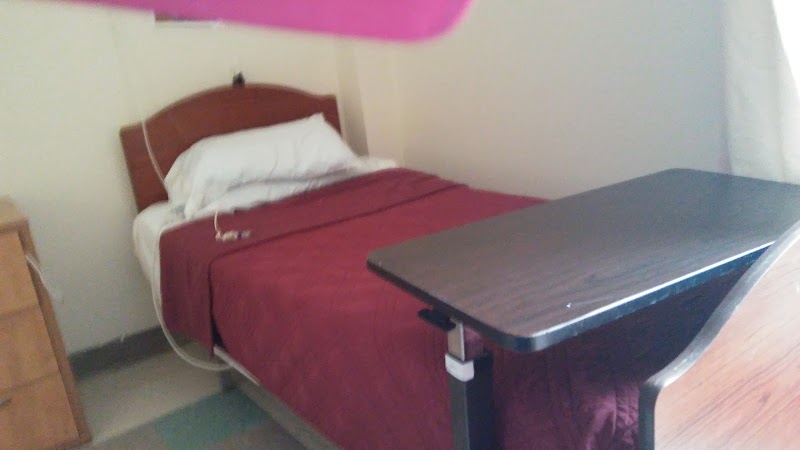
Who Owns and Operates Cambridge Rehabilitation & Nursing Center?

CAMBRIDGE REHABILITATION & NURSING CENTER is owned by a for-profit company. For-profit facilities operate as businesses with obligations to shareholders or private owners. The facility is operated by PERSONAL HEALTHCARE, LLC, a chain that manages multiple nursing homes. With 83 certified beds and approximately 75 residents (about 90% occupancy), it is a smaller facility located in CAMBRIDGE, Massachusetts.
How Does Cambridge Rehabilitation & Nursing Center Compare to Other Massachusetts Nursing Homes?

Compared to the 100 nursing homes in Massachusetts, CAMBRIDGE REHABILITATION & NURSING CENTER's overall rating (4 stars) is above the state average of 2.9, staff turnover (38%) is near the state average of 46%, and health inspection rating (4 stars) is above the national benchmark.

What Should Families Ask When Visiting Cambridge Rehabilitation & Nursing Center?

Based on this facility's data, families visiting should ask: "Can I visit during a mealtime to observe dining assistance and food quality?" "How do you handle medical emergencies, and what is your hospital transfer rate?" "Can I speak with family members of current residents about their experience?"

Is Cambridge Rehabilitation & Nursing Center Safe?

Based on CMS inspection data, CAMBRIDGE REHABILITATION & NURSING CENTER has a clean safety record: no substantiated abuse findings (meaning no confirmed cases of resident harm), no Immediate Jeopardy citations (the most serious violation level indicating risk of serious injury or death), and is not on the Special Focus Facility watch list (a federal program monitoring the lowest-performing 1% of nursing homes). The facility has a 4-star overall rating and ranks #1 of 100 nursing homes in Massachusetts. While no facility is perfect, families should still ask about staff-to-resident ratios and recent inspection results during their visit.

Do Nurses at Cambridge Rehabilitation & Nursing Center Stick Around?

CAMBRIDGE REHABILITATION & NURSING CENTER has a staff turnover rate of 38%, which is about average for Massachusetts nursing homes (state average: 46%). Moderate turnover is common in nursing homes, but families should still ask about staff tenure and how the facility maintains care continuity when employees leave.

Was Cambridge Rehabilitation & Nursing Center Ever Fined?

CAMBRIDGE REHABILITATION & NURSING CENTER has no federal fines on record. CMS issues fines when nursing homes fail to meet care standards or don't correct problems found during inspections. The absence of fines suggests the facility has either maintained compliance or corrected any issues before penalties were assessed. This is a positive indicator, though families should still review recent inspection reports for the full picture.

Is Cambridge Rehabilitation & Nursing Center on Any Federal Watch List?

CAMBRIDGE REHABILITATION & NURSING CENTER is not on any federal watch list. The most significant is the Special Focus Facility (SFF) program, which identifies the bottom 1% of nursing homes nationally based on persistent, serious quality problems. Not being on this list means the facility has avoided the pattern of deficiencies that triggers enhanced federal oversight. This is a positive indicator, though families should still review the facility's inspection history directly.