NEVILLE CENTER AT FRESH POND FOR NURSING & REHAB


640 CONCORD AVENUE, CAMBRIDGE, MA 02138 (617) 497-0600
Non profit - Corporation 112 Beds Independent Data: November 2025
Trust Grade
75/100
#107 of 338 in MA
Last Inspection: May 2025

Inspected within the last 6 months. Data reflects current conditions.

Overview

Neville Center at Fresh Pond for Nursing & Rehab has a Trust Grade of B, which means it is considered a good choice for families looking for care. It ranks #107 out of 338 facilities in Massachusetts, placing it in the top half, and #23 out of 72 in Middlesex County, indicating that there are only a few local options that are better. The facility's trend is improving, with fewer issues reported in recent years, decreasing from 8 in 2024 to 6 in 2025. Staffing is rated average at 3 out of 5 stars, but it has an impressive turnover rate of 0%, meaning staff generally stay long-term, which can contribute to better resident care. While the center has no fines and provides better RN coverage than 88% of Massachusetts facilities, there are some concerning incidents reported. For example, two residents did not receive the necessary booties to prevent pressure ulcers, and another resident's significant weight change was not addressed properly. Additionally, one resident did not receive timely dressing changes for a PICC line, which is crucial for their care. Overall, while there are notable strengths in staffing and a lack of fines, families should be aware of the care inconsistencies that need addressing.

Trust Score
B
75/100
In Massachusetts
#107/338
Top 31%
Safety Record
Low Risk
No red flags
Inspections
Getting Better
8 → 6 violations
Staff Stability
○ Average
Turnover data not reported for this facility.
Penalties
✓ Good
No fines on record. Clean compliance history, better than most Massachusetts facilities.
Skilled Nurses
✓ Good
Each resident gets 60 minutes of Registered Nurse (RN) attention daily — more than 97% of Massachusetts nursing homes. RNs are the most trained staff who catch health problems before they become serious.
Violations
⚠ Watch
20 deficiencies on record. Higher than average. Multiple issues found across inspections.
★★★★☆
4.0
Overall Rating
★★★☆☆
3.0
Staff Levels
★★★★☆
4.0
Care Quality
★★★★☆
4.0
Inspection Score
Stable
2024: 8 issues
2025: 6 issues

The Good

  • 4-Star Quality Measures · Strong clinical quality outcomes
  • Full Sprinkler Coverage · Fire safety systems throughout facility
  • No fines on record

Facility shows strength in quality measures, fire safety.

The Bad

No Significant Concerns Identified

This facility shows no red flags. Among Massachusetts's 100 nursing homes, only 0% achieve this.

The Ugly 20 deficiencies on record

May 2025 6 deficiencies
CONCERN (D)

Potential for Harm - no one hurt, but risky conditions existed

Pressure Ulcer Prevention (Tag F0686)

Could have caused harm · This affected 1 resident

Based on observations, interviews, and record review, the facility failed to provide necessary treatment, services, interventions to promote healing and prevent new pressure ulcers from developing for...

Read full inspector narrative →
Based on observations, interviews, and record review, the facility failed to provide necessary treatment, services, interventions to promote healing and prevent new pressure ulcers from developing for two Residents (#3 and #60) out of 19 total sampled residents. Specifically, 1.) For Resident #3, who had a left heel pressure ulcer, the facility failed to implement booties (heel offloading devices which are designed to prevent and treat pressure ulcers) as ordered by the physician. 2.) For Resident #60, who had a history of a heel pressure ulcer, the facility failed to implement booties as ordered by the physician. Findings include: Review of the facility policy titled 'Skin Management Guideline', revised 8/10/17, indicated: - The purpose of this guideline is to provide information regarding the management of skin conditions and identification of pressure ulcer/injury risk factors and interventions for specific risk factors. - Risk Assessment: Reposition the resident as indicated in the care plan. - Mobility/Repositioning: Provide support devices and assistance as needed. - Monitoring: Review the interventions and strategies for effectiveness on an ongoing basis. 1.) Resident #3 was admitted to the facility in September 2018 with diagnoses including chronic kidney disease and diabetes. Review of the most recent Minimum Data Set (MDS) assessment, dated 4/16/25, indicated Resident #3 had severe cognitive deficits as evidenced by a Brief Interview for Mental Status (BIMS) score of 5 out of 15. This MDS indicated Resident #3 did not have a pressure ulcer but was at risk of developing pressure ulcers. This MDS further indicated Resident #3 required substantial/maximal assistance with putting on/taking off footwear. Review of Resident #3's assessment titled 'Admission/readmission Evaluation', dated 5/19/25, indicated he/she was readmitted to the facility with a new left heel unstageable pressure ulcer. Review of Resident #3's assessment titled 'Norton Scale', dated 5/19/25, indicated the Resident was at high risk for pressure ulcer development as evidenced by a score of five. Review of Resident #3's active physician's orders indicated: - Booties to bilateral heels while in bed, every shift for heels, initiated 12/29/24. - Float left heels in bed; off-load wound, every shift, 1/22/2025. - Monitor L (left) heel unstageable every shift for signs/symptoms of infection, every shift, initiated 5/19/25. On 5/27/25 at 8:03 A.M., and 5/28/25 at 6:55 A.M. and 7:52 A.M., the surveyor observed Resident #3 in bed with his/her heels directly on the mattress. Resident #3's was not wearing bilateral booties, and his/her heels were not offloaded. There were two blue booties visible in the room on his/her wheelchair, which was not within reach of the Resident during each of these observations. During an interview on 5/28/25 at 7:53 A.M., Resident #3 said he/she had a wound on his/her left heel, and it hurt when it rubbed on the mattress. Resident #3 said he/she had not worn booties on his/her heels for a while but would wear them if they were offered. Resident #3 said staff never offers to apply them. Review of Resident #3's plan of care related to skin, revised 2/18/25, indicated Resident #3 was at risk for impaired skin integrity and had a history of pressure ulcers. This care plan also indicated: - Refer to TAR (Treatment Administration Record) for current treatment regimen. Review of Resident #3's Treatment Administration Record (TAR), dated 5/27/25 and 5/28/25, indicated nursing had documented the physician's orders for booties to bilateral heels while in bed and float heels in bed, off-load wound as implemented every shift. Review of Resident #3's nursing progress notes and TAR, dated 5/27/25 and 5/28/25, failed to indicate any refusal or rationale for why his/her booties were not in place or heels offloaded. During an interview on 5/28/25 at 8:11 A.M., Certified Nurse Assistant (CNA) #1 said Resident #3 was not supposed to wear the booties or offload heels on the day shift, only on night shift. CNA #1 said Resident #3 was receptive to wearing the booties and never refuses them. CNA #1 was unaware Resident #3 had a wound on his/her left heel. During an interview on 5/28/25 at 8:18 A.M., Nurse #1 said Resident #3 had a scab on his/her left heel. Nurse #1 said if the physician's order was to have booties on or heels offloaded while in bed, then they should have been implemented while Resident #3 was bed. Nurse #1 said if Resident #3 did not wear the booties or have heels offloaded then it should not have been documented as implemented. During an interview on 5/28/25 at 10:14 A.M., the Regional Director of Clinical Education and Administrator said if the physician's order was to have booties on or heels offloaded while in bed, then they should have been implemented while Resident #3 was bed. The Regional Director of Clinical Education and Administrator said if Resident #3 did not wear the booties or have heels offloaded then it should not have been documented as implemented. 2.) Resident #60 was admitted to the facility in December 2022 with diagnoses including malnutrition and diabetes. Review of the most recent Minimum Data Set (MDS) assessment, dated 4/25/25, indicated Resident #60 was cognitively intact as evidenced by a Brief Interview for Mental Status (BIMS) score of 15 out of 15. This MDS indicated Resident #60 had one stage three pressure ulcer and was at risk of developing pressure ulcers. This MDS further indicated Resident #60 was dependent on staff for putting on/taking off footwear. Review of Resident #3's assessment titled 'Norton Scale', dated 4/27/25, indicated the Resident was at high risk for pressure ulcer development as evidenced by a score of eight. Review of Resident #60's active physician order, initiated 4/19/25, indicated: - Ensure pt (patient) is wearing Prevelon (brand name) (sic) boots while in bed, every shift for pressure injury. On 5/27/25 at 8:27 A.M. and 11:38 A.M., and on 5/28/25 at 6:53 A.M. and 8:01 A.M., the surveyor observed Resident #60 in bed with his/her heels directly on the mattress. Resident #60's was not wearing bilateral booties, and his/her heels were not offloaded. There were no booties visible in the room. During an interview on 5/28/25 at 8:22 A.M., the surveyor observed Resident #60 in bed with his/her heels directly on the mattress. Resident #60's was not wearing bilateral booties, and his/her heels were not offloaded. Resident #60 said he/she used to have a heel wound, but it had healed. Resident #60 said staff had not offered booties in a long time, so he/she thought they were longer needed. Resident #60 said if the facility thought he/she needed them, he/she would wear them. Review of Resident #60's Treatment Administration Record (TAR), dated 5/27/25 and 5/28/25, indicated nursing had documented the physician's order to ensure pt is wearing Prevelon (sic) boots while in bed as implemented every shift. Review of Resident #60's nursing progress notes and TAR, dated 5/27/25 and 5/28/25, failed to indicate any refusal or rationale for why his/her booties were not in place or heels offloaded. During an interview on 5/28/25 at 8:03 A.M., Certified Nurse Assistant (CNA) #2 said Resident #60 should wear booties when in bed because he/she used to have a wound on his/her heel. CNA #2 said she was unaware that he/she was not wearing them. CNA #2 said she had not offered them this morning. During an interview on 5/28/25 at 8:06 A.M., Nurse #3 said Resident #60 does not wear booties during the day shift and is only supposed to wear them at night. Nurse #3 reviewed Resident #60's physician's order and said based on the order he/she should always wear booties when in bed but had not been. Nurse #3 said Resident #60's booties were always off before her shift begins and he/she did not have a history of refusing them. During an interview on 5/28/25 at 10:14 A.M., the Regional Director of Clinical Education and Administrator said if the physician's order was to have booties on while in bed, then they should have been implemented while Resident #60 was bed. The Regional Director of Clinical Education and Administrator said if Resident #60 had not worn the heel booties it should not have been documented as implemented. REFER TO F842.
CONCERN (D)

Potential for Harm - no one hurt, but risky conditions existed

Deficiency F0692 (Tag F0692)

Could have caused harm · This affected 1 resident

**NOTE- TERMS IN BRACKETS HAVE BEEN EDITED TO PROTECT CONFIDENTIALITY** Based on observations, record reviews and interviews, the facility failed to adequately maintain the nutrition and hydration sta...

Read full inspector narrative →
**NOTE- TERMS IN BRACKETS HAVE BEEN EDITED TO PROTECT CONFIDENTIALITY** Based on observations, record reviews and interviews, the facility failed to adequately maintain the nutrition and hydration status of two Residents (#8 and #28) out of a total sample of 19 residents.Specifically, 1. For Resident #8,the facility failed to follow up on a significant weight change. 2.For Resident #28,the facility failed to follow a physician's order for a fluid restriction. Findings include: Review of the facility policy titled 'Weight Management' dated 6/2024, indicated the following but not limited to: -A discrepancy of plus or minus three (3) pounds weekly for a weekly weight will require that the resident be re-weighed to validate weight discrepancy by a licensed nurse. A discrepancy of plus or minus five (5) pounds for a monthly weight will require that the resident be re-weighed to validate the weight discrepancy by a licensed nurse. -The Registered Dietician (RD) shall be notified of the validated weight gain or loss at this time. Resident #8 was admitted to the facility in April 2024 with diagnoses including chronic kidney disease and dysphagia. Review of Resident #8's Minimum Data Set (MDS), dated [DATE], indicated the Resident scored a 9 out of a total possible 15 on the Brief Interview for Mental Status (BIMS) indicating he/she was moderately cognitively impaired. The MDS further indicated the Resident weighed 141 pounds (lbs.) and was on a mechanically altered diet. Review of Resident #8's Nutrition care plan initiated on 4/21/25 indicated the following interventions: -Monitor weights according to facility weight management protocol. -Provide feeding assistance as needed. -Provide supplement mighty shake. Review of the weight record for Resident #8 indicated the following weights: -4/18/25- 140.2 lbs. -4/21/25- 140.6 lbs. -5/8/25- 125.5 lbs. (10.74% significant loss from previous weight) -5/12/25- 125.4 lbs. -5/19/25- 126 lbs. -5/26/25-126 lbs. Review of the weights indicated Resident #8 had a significant weight loss from 4/21/25 to 5/8/25. Review of the medical record failed to indicate that neither the Registered dietician nor the MD (physician) were notified of the significant weight loss. During an interview on 5/28/25 at 11:32 A.M., the Registered Dietician (RD) said that she usually checks all the weights on Mondays and follows up on the discrepancies. The RD said if there is significant change she will assess the resident then notify the nurse or unit manager to ensure the MD and healthcare proxy are made aware. The RD further said Resident #8 had moved floors and the weight discrepancy could be an oversight but still required a follow up. During an interview on 5/28/25 at 12:41 P.M., the Regional Director of Clinical Education and Administrator said the nursing staff should have reweighed the Resident to validate the weight and then notify the Dietician. 2.For Resident #28, the facility failed to follow a physician's order for a fluid restriction. Findings include: Review of the facility policy titled 'Fluid Restriction Guideline', dated 2/16/2018, indicated the following but not limited to: -A fluid restricted diet is one in which a resident is advised to consume a reduced amount of fluids along with foods that are high in water content (example soup, gelatin, sherbet, ice cream). A fluid restriction is ordered by a physician or practitioner for residents who have fluid intake concerns related to congestive heart failure, acute/chronic renal failure, edema (swelling that occurs when fluid builds up in the body's tissues), ascites (abdominal swelling caused by accumulation of fluid). -The following is recorder in the resident's record and the medical doctor (MD) is made aware: -Fluid restriction non-compliance -Any changes in the resident's condition. -Nursing staff will record the residents' consumption of fluids during meals and with medication pass using a facility intake and output documentation form. -A licensed nurse must check each meal tray and determine that the fluid allotment is not exceeded on the tray. Resident #28 was admitted to the facility in August 2023 with diagnoses including heart failure and chronic respiratory failure. Review of Resident #28's Minimum Data set (MDS), dated [DATE], indicated the Resident scored a 14 out of a total possible 15 on the Brief Interview for Mental Status (BIMS) indicating he/she was cognitively intact. The MDS further indicated that the Resident had an active diagnosis of heart failure. During an observation on 5/27/25 at 8:22 A.M., the Resident was lying in his/her bed, there was a bottle of red juice half consumed on the bedside table as well as a small bottle of water. Review of the physician's orders indicated Resident #28 required a 1000 milliliter (ml) fluid restriction per every 24 hours. The breakdown of the fluid restriction indicated the following: -7-3 shift to give nursing 60 ml, breakfast 360 ml and lunch 240 ml. -3-11 shift to give nursing 60 ml, supper 240 ml. -11-7 shift to give nursing 40 ml. Review of the Medication Administration Record (MAR) for May 2025 indicated Resident #28 received the following amount of fluid in 24 hours: -1,200 ml on 5/2/25 -1,200 ml on 5/3/25 -1,200 ml on 5/4/25 -1,200 ml on 5/5/25 -1,200 ml on 5/6/25 -1,200 ml on 5/7/25 -1,100 ml on 5/9/25 -1,100 ml on 5/10/25 -1,100 ml on 5/11/25 -1,100 ml on 5/23/25 -1,100 ml on 5/24/25 -1,100 ml on 5/25/25 -1,100 ml on 5/26/25 -1,100 ml on 5/27/25 -1,100 ml on 5/28/25 Review of Resident #28's medical record failed to indicate the Resident was non-compliant with the fluid restriction or that the MD was made aware of fluid intake over the 1,000 ml fluid restriction. During an interview on 5/28/25 at 11:43 A.M., Nurse #3 said the Resident was on a 1,000 ml fluid restriction and nurses are supposed to follow the physician orders with the fluid restriction, if the total fluid intake was over the restriction the MD would be made aware. She further said if the Resident was non-compliant with the fluid restriction this would be documented in the medical record as excess consumption and could lead to fluid overload (too much water in the body). During an interview on 5/28/25 at 11:51 A.M., Resident #28 said he/she was aware of the 1,000 ml fluid restriction and pointed out to a dietary slip taped on his/her closet indicating that's what he/she is supposed to follow. During an interview on 5/28/25 at 12:39 P.M., the Regional Director of Clinical Education and Administration said Resident's on fluid restriction should be monitored adequately and if intake is documented above the fluid restriction orders it should be reported to MD as this could cause a resident to go into fluid overload.
CONCERN (D)

Potential for Harm - no one hurt, but risky conditions existed

Deficiency F0694 (Tag F0694)

Could have caused harm · This affected 1 resident

Based on observations, interviews, and record review, the facility failed to provide care and maintenance of a peripherally inserted central catheter (PICC), consistent with professional standards of ...

Read full inspector narrative →
Based on observations, interviews, and record review, the facility failed to provide care and maintenance of a peripherally inserted central catheter (PICC), consistent with professional standards of practice for one Resident (#60), out of a total sample of 19 residents. Specifically, for Resident #60, the facility failed to implement a physician's order for weekly routine PICC dressing changes, as required. Findings include: Review of the facility policy titled 'Central Vascular Access Device (CVAD) Dressing Change', revised 1/25/04, indicated: - Verify prescriber order. - Perform sterile dressing changes using Standard - Aseptic Non Touch Technique: at least weekly. Resident #60 was admitted to the facility in December 2022 with diagnoses including sepsis and urinary tract infection. Review of the most recent Minimum Data Set (MDS) assessment, dated 4/25/25, indicated Resident #60 was cognitively intact as evidenced by a Brief Interview for Mental Status (BIMS) score of 15 out of 15. This MDS also indicated Resident #60 received intravenous medications. Review of Resident #60's physician's order, initiated 5/9/25, indicated: - Change PICC Line Catheter Site Dressing, every day shift every 7 day(s). - Change PICC Line Catheter Site Dressing, as needed. On 5/27/25 at 8:27 A.M., the surveyor observed Resident #60 in bed with a PICC dressing on his/her right arm which was dated 5/9/25, which was 19 days prior to observation. The bottom quarter of the PICC dressing was lifting, exposing the catheter to air. Resident #60 said the PICC dressing had not been changed recently and had only been changed twice since he/she was readmitted to the facility 4/19/25. During an interview on 5/27/25 at 11:38 A.M., Nurse #2 and the surveyor observed Resident #60's PICC dressing. Nurse #2 said the PICC dressing was dated 5/9/25. Nurse #2 said the PICC dressing should have been changed every seven days, and it was overdue to be changed. Nurse #2 further said that this PICC dressing should have been changed because it was lifting and not intact. Review of Resident #60's nursing progress note, dated 5/9/25 to 5/27/25, failed to indicate any rationale for PICC dressing not being changed according to the physician's order. Review of Resident #60's Treatment Administration Record (TAR), dated 5/10/25 to 5/27/25, indicated: - 5/16/25: Nurse #1 documented the physician order to Change PICC Line Catheter Site Dressing as completed, when it was not. - 5/23/25: Nurse #4 documented the physician order to Change PICC Line Catheter Site Dressing as completed, when it was not. - The physician order to Change PICC Line Catheter Site Dressing, as needed was not implemented during this time frame. During an interview on 5/27/25 at 11:40 A.M., Nurse #2 and the surveyor reviewed the TAR, dated 5/10/25 to 5/27/25. Nurse #2 said since the PICC dressing had not been changed since 5/9/25, it should not have been documented as completed. On 5/28/25 at 12:05 P.M., the surveyor attempted to contact Nurse #4 by telephone. Nurse #4 did not return the telephone call. During an interview 5/28/25 at 12:11 P.M., Nurse #1 said she absolutely did not change Resident #60's PICC dressing on 5/16/25 and was unsure why it is documented that she did. During an interview on 5/27/25 at 2:18 P.M., Unit Manager #1 said Resident #60's PICC dressing should have been changed every seven days but was not. During an interview on 5/28/25 at 10:14 A.M., the Regional Director of Clinical Education and Administrator said PICC dressings should be changed as ordered by the physician. REFER TO F842.
CONCERN (D)

Potential for Harm - no one hurt, but risky conditions existed

Pharmacy Services (Tag F0755)

Could have caused harm · This affected 1 resident

Based on policy review, observation and staff interview, the facility failed to ensure pharmaceutical services met the needs of each resident. Specifically, the facility failed to ensure insulin and i...

Read full inspector narrative →
Based on policy review, observation and staff interview, the facility failed to ensure pharmaceutical services met the needs of each resident. Specifically, the facility failed to ensure insulin and intravenous emergency kits were replaced by the pharmacy after being opened on two out of three units. Findings include: Review of the facility policy titled 'Emergency Medication Supplies (Emergency kits), dated 11/15/24, indicated the following: -The facility may request an on-demand exchange of the emergency kit as needed by calling the pharmacy and arranging the exchange. -To indicate the emergency kit was opened by the facility staff and replacement of the box or replenishment of removed doses is needed, the tamper -evident lock or seals provided by the pharmacy may be a different color than the original one placed by the pharmacy. On 5/28/25 at 10:03 A.M., during the inspection of the medication room on the second floor. The surveyor observed an insulin kit in the refrigerator; the kit was opened and some of the contents had been removed from the kit. There was no documentation indicating what had been removed, when it was removed and who had removed the items. There was no way of knowing if the kit had been reordered from the pharmacy for a replacement kit. During an interview on 5/28/25 at 10:09 A.M., Nurse #1 said when the emergency kits are opened, they need to be reordered immediately. She further said she was not sure when the kit had been accessed and if it had been reordered. On 5/28/25 at 10:38 A.M., during an inspection of the medication room on the third floor. The surveyor observed an intravenous (IV) kit was opened and some of the contents had been removed from the kit. There was no documentation indicating what had been removed, when it was removed and who had removed the items. There was no way of knowing if the kit had been reordered from the pharmacy for a replacement kit. During an interview on 5/28/25 at 10:41 A.M., Nurse #5 said no residents were receiving any type of intravenous medication on the unit. She said she does not know when the kit was opened. Nurse #5 said the kit should be reordered from the pharmacy once it's opened. During an interview on 5/28/25 at 12:36 A.M., the Regional Director of Clinical Education and Administrator said the emergency kits should be reordered upon accessing them.
CONCERN (D)

Potential for Harm - no one hurt, but risky conditions existed

Deficiency F0761 (Tag F0761)

Could have caused harm · This affected 1 resident

Based on observations and interviews the facility failed to ensure drugs and biologicals were stored in accordance with acceptable professional standards of practice. Specifically, nursing failed to e...

Read full inspector narrative →
Based on observations and interviews the facility failed to ensure drugs and biologicals were stored in accordance with acceptable professional standards of practice. Specifically, nursing failed to ensure medications were dated once opened, and stored according to manufacturer's guidelines, in one of three medication carts observed. Findings include: Review of the facility policy titled 'Storage and Expiration Dating of Medications and Biologicals', dated 8/1/24, indicated the following: -Once any medication or biological is opened, facility should follow manufacture/supplier guidelines with respect to expiration dates for opened medications. Facility staff should record the date opened on the primary medication container (example, vial, bottled, inhaler) when the medication has a shortened expiration date once opened. On 5/28/25 at 9:56 A.M., the surveyor and Nurse #1 observed the second floor medication cart: -Two bottles of Lumigan eye drops, opened and undated. -One bottle of pilocarpine eye drops, opened and undated. -One bottle of latanoprost eye drops, opened and undated. -One bottle of timolol eye drops, opened and undated. During an interview on 5/28/25 at 10:02 A.M., Nurse #1 said nurses are responsible for dating the eye drops when they are opened. During an interview on 5/28/25 at 12:38 P.M., the Regional Director of Clinical Education and Administration said eye drops should be dated upon opening.
CONCERN (D)

Potential for Harm - no one hurt, but risky conditions existed

Medical Records (Tag F0842)

Could have caused harm · This affected 1 resident

Based on observations, interviews, and record reviews, the facility failed to accurately document in the medical record for two Residents (#60 and #3) out of 19 total sampled residents. Specifically, ...

Read full inspector narrative →
Based on observations, interviews, and record reviews, the facility failed to accurately document in the medical record for two Residents (#60 and #3) out of 19 total sampled residents. Specifically, 1.) For Resident #60, the nurses inaccurately documented: a.) a peripherally inserted central catheter (PICC) dressing change as being completed when it was not; b.) heel booties (heel offloading devices which are designed to prevent and treat pressure ulcers) as being implemented when they were not; and c.) side rails were padded when they were not. 2.) For Resident #3, the nurses inaccurately documented heel booties being implemented and heels being offloaded when they were not. Findings include: Review of the facility policy titled 'Charting and Documentation', revised 2/4/17, indicated: - Documentation in the medical record will be objective (not opinionated or speculative), complete, and accurate. 1.) Resident #60 was admitted to the facility in December 2022 with diagnoses including sepsis, urinary tract infection, and diabetes. Review of the most recent Minimum Data Set (MDS) assessment, dated 4/25/25, indicated Resident #60 was cognitively intact as evidenced by a Brief Interview for Mental Status (BIMS) score of 15 out of 15. This MDS also indicated Resident #60 received intravenous medications and was dependent on staff for putting on/taking off footwear. 1a.) Review of Resident #60's physician's order, initiated 5/9/25, indicated: - Change PICC Line Catheter Site Dressing, every day shift every 7 day(s). On 5/27/25 at 8:27 A.M., the surveyor observed Resident #60 in bed with a PICC dressing on his/her right arm which was dated 5/9/25, which was 19 days prior to observation. Resident #60 said the PICC dressing had not been changed recently and had only been changed twice since he/she was readmitted to the facility 4/19/25. During an interview on 5/27/25 at 11:38 A.M., Nurse #2 and the surveyor observed Resident #60's PICC dressing. Nurse #2 said the PICC dressing was dated 5/9/25. Nurse #2 said the PICC dressing should have been changed every seven days, and it was overdue to be changed. Review of Resident #60's Treatment Administration Record (TAR), dated 5/10/25 to 5/27/25, indicated: - 5/16/25: Nurse #1 documented the physician order to Change PICC Line Catheter Site Dressing as completed, when it was not. - 5/23/25: Nurse #4 documented the physician order to Change PICC Line Catheter Site Dressing as completed, when it was not. During an interview on 5/27/25 at 11:40 A.M., Nurse #2 and the surveyor reviewed the TAR, dated 5/10/25 to 5/27/25. Nurse #2 said since the PICC dressing had not been changed since 5/9/25, it should not have been documented as completed. On 5/28/25 at 12:05 P.M., the surveyor attempted to contact Nurse #4 by telephone. Nurse #4 did not return the telephone call. During an interview 5/28/25 at 12:11 P.M., Nurse #1 said she absolutely did not change the PICC dressing on 5/16/25 and was unsure why it is documented that she did. During an interview on 5/27/25 at 2:18 P.M., Unit Manager #1 said Resident #60's PICC dressing should have been changed every seven days but was not. Unit Manager #1 said the PICC dressing should not have been documented as completed if it was not. During an interview on 5/28/25 at 10:14 A.M., the Regional Director of Clinical Education and Administrator said PICC dressings should be changed as ordered by the physician. The Regional Director of Clinical Education and Administrator further said the PICC dressing should not have been documented as completed if it was not. 1b.) Review of Resident #60's active physician order, initiated 4/19/25, indicated: - Ensure pt (patient) is wearing Prevelon (brand name) (sic) boots while in bed, every shift for pressure injury. On 5/27/25 at 8:27 A.M. and 11:38 A.M., and on 5/28/25 at 6:53 A.M. and 8:01 A.M., the surveyor observed Resident #60 in bed with his/her heels directly on the mattress. Resident #60's was not wearing bilateral booties, and his/her heels were not offloaded. There were no booties visible in room. During an interview on 5/28/25 at 8:22 A.M., the surveyor observed Resident #60 in bed with his/her heels directly on the mattress. Resident #60's was not wearing bilateral booties, and his/her heels were not offloaded. Resident #60 said he/she used to have a heel wound, but it had healed. Resident #60 said staff had not offered booties in a long time, so he/she thought they were longer needed. Resident #60 said if the facility thought he/she needed them, he/she would wear them. Review of Resident #60's Treatment Administration Record (TAR), dated 5/27/25 and 5/28/25, indicated nursing had documented the physician's order to Ensure pt is wearing Prevelon (sic) boots while in bed as implemented every shift. Review of Resident #60's nursing progress notes and TAR, dated 5/27/25 and 5/28/25, failed to indicate any refusal or rationale for why his/her booties were not in place or heels offloaded. During an interview on 5/28/25 at 8:03 A.M., Certified Nurse Assistant (CNA) #2 said Resident #60 should wear booties when in bed because he/she used to have a wound on his/her heel. CNA #2 said she was unaware that he/she was not wearing them. CNA #2 said she had not offered them this morning. During an interview on 5/28/25 at 8:06 A.M., Nurse #3 said Resident #60 does not wear booties during the day shift and is only supposed to wear them at night. Nurse #3 reviewed Resident #60's physician's order and said based on the order he/she should always wear booties when in bed but had not been. Nurse #3 said Resident #60's booties were always off before her shift begins and he/she did not have a history of refusing them. Nurse #3 said the physician's order to Ensure pt is wearing Prevelon (sic) boots while in bed should not have been documented as implemented when it was not. During an interview on 5/28/25 at 10:14 A.M., the Regional Director of Clinical Education and Administrator said if the physician's order was to have booties on while in bed, then they should have been implemented while Resident #60 was bed. The Regional Director of Clinical Education and Administrator said if Resident #60 had not worn the heel booties it should not have been documented as implemented. 1c.) Review of Resident #60's active physician order, initiated 4/19/25, indicated: - Padded side rails when in bed, every shift, for seizure. On 5/27/25 at 8:27 A.M. and 11:38 A.M., and on 5/28/25 at 6:53 A.M. and 8:01 A.M., the surveyor observed Resident #60 in bed with both side rails in place and not padded. There were blue side rail pads placed on the floor against the wall in the Resident's room. During an interview on 5/28/25 at 8:22 A.M., the surveyor observed Resident #60 in bed with both side rails in place and not padded. Resident #60 said he/she does not like the side rail pads because they pop off and hit him/her in the face. Resident #60 said the side rail pads have not been in place for a long time. Review of Resident #60's Treatment Administration Record (TAR), dated 5/27/25 and 5/28/25, indicated nursing had documented the physician's order for padded side rails when in bed as implemented every shift. During an interview on 5/28/25 at 8:03 A.M., Certified Nurse Assistant (CNA) #2 said Resident #60 refuses to have the side rail pads applied because he/she doesn't like them. CNA #2 said the CNAs should alert the nurse every time the Resident refuses them so the nurse can document it as refused. CNA #2 further said that the side rail pads had been against the wall and had not been applied to the side rails in a long time, but are kept handy in case they are needed. During an interview on 5/28/25 at 8:06 A.M., Nurse #3 was unaware Resident #60 required the side rails to be padded. Nurse #3 said the order for padded side rails when in bed should not be documented as implemented if they were not in place. During an interview on 5/28/25 at 10:14 A.M., the Regional Director of Clinical Education and Administrator said if the physician's order was to have padded side rails when in bed, then they should have been implemented while Resident #60 was bed. The Regional Director of Clinical Education and Administrator said if Resident #60 refused the side rail pads it should not have been documented as implemented. 2.) Resident #3 was admitted to the facility in September 2018 with diagnoses including chronic kidney disease and diabetes. Review of the most recent Minimum Data Set (MDS) assessment, dated 4/16/25, indicated Resident #3 had severe cognitive deficits as evidenced by a Brief Interview for Mental Status (BIMS) score of 5 out of 15. This MDS indicated Resident #3 required substantial/maximal assistance with putting on/taking off footwear. Review of Resident #3's active physician's orders indicated: - Booties to bilateral heels while in bed, every shift for heels, initiated 12/29/24. - Float left heels in bed; off-load wound, every shift, 1/22/2025 On 5/27/25 at 8:03 A.M. and 5/28/25 at 6:55 A.M. and 7:52 A.M., the surveyor observed Resident #3 in bed with his/her heels directly on the mattress. Resident #3's was not wearing bilateral booties, and his/her heels were not offloaded. There were two blue booties visible in room on his/her wheelchair, which was not within reach of the Resident during each of these observations. During an interview on 5/28/25 at 7:53 A.M., Resident #3 said he/she had a wound on his/her left heel, and it hurt when it rubbed on the mattress. Resident #3 said he/she had not worn booties on his/her heels for a while but would wear them if they were offered. Resident #3 said staff never offers to apply them. Review of Resident #3's Treatment Administration Record (TAR), dated 5/27/25 and 5/28/25, indicated nursing documented physician's orders for booties to bilateral heels while in bed and float heels in bed, off-load wound as implemented every shift. Review of Resident #3's nursing progress notes and TAR, dated 5/27/25 and 5/28/25, failed to indicate any refusal or rationale for why his/her booties were not in place or heels offloaded. During an interview on 5/28/25 at 8:11 A.M., Certified Nurse Assistant (CNA) #1 said Resident #3 is not supposed to wear the booties or offload heels on the day shift, only on night shift. CNA #1 said Resident #3 was receptive to wearing the booties and never refuses them. During an interview on 5/28/25 at 8:18 A.M., Nurse #1 said if the physician's order was to have booties on or heels offloaded while in bed, then they should have been implemented while Resident #3 was bed. Nurse #1 said if Resident #3 did not wear the booties or have heels offloaded then it should not have been documented as implemented. During an interview on 5/28/25 at 10:14 A.M., the Regional Director of Clinical Education and Administrator said if the physician's order was to have booties on or heels offloaded while in bed, then they should have been implemented while Resident #3 was bed. The Regional Director of Clinical Education and Administrator said if Resident #3 did not wear the booties or have heels offloaded then it should not have been documented as implemented.
Dec 2024 1 deficiency
CONCERN (D) 📢 Someone Reported This

A family member, employee, or ombudsman was alarmed enough to file a formal complaint

Potential for Harm - no one hurt, but risky conditions existed

Deficiency F0887 (Tag F0887)

Could have caused harm · This affected 1 resident

Based on records reviewed and interviews, for one of three sampled residents (Resident #1), who had an activated Health Care Proxy, and upon admission had given signed consent for him/her to be admini...

Read full inspector narrative →
Based on records reviewed and interviews, for one of three sampled residents (Resident #1), who had an activated Health Care Proxy, and upon admission had given signed consent for him/her to be administered the COVID-19 Vaccination, the Facility failed to ensure he/she was given the vaccine, increasing Resident #1 risk for acquiring the infection. Findings include: Review of the Facility's Policy, titled Coronavirus/COVID-19 Disease: Vaccination-Resident and Staff, dated 04/01/24, indicated the Facility will offer an updated 2023-2024 COVID-19 vaccine to residents and staff who have not received a monovalent vaccine, and who wish to be considered Up to Date with COVID-19 vaccine administration. Resident #1 was admitted to the Facility in September 2024, diagnoses included moderate dementia with mood disturbance, cognitive communication deficit, syncope and collapse, repeated falls, hypertension heart disease, delusional disorder, weakness, major depression disorder, anxiety, and difficulty with walking. Review of Resident #1's Medical Record indicated Resident #1's Health Care Agent Activation Form (the doctor determines that the person is incapacitated and can no longer make their own healthcare decisions) was signed by Resident #1's Physician on 09/04/24. Review of Resident #1's Medical Record indicated Resident #1's COVID-19 Vaccination Consent and Administration Form was signed, per Director of Nurses (DON) on 09/03/24, to give consent for Resident #1 to receive the COVID-19 vaccine. Review of Resident #1's Medical Record indicated Resident #1 had last received a COVID-19 Vaccination while in the community on 10/10/23. Further review of Resident #1's Medical Record indicated he/she did not receive the COVID-19 vaccine at the Facility, and Resident #1 tested positive for COVID-19 on 11/06/24. During a telephone interview on 12/18/24 at 12:37 P.M., the Unit Manager said she was aware Resident #1's Health Care Agent had signed Resident #1's COVID-19 Vaccination Consent Form on 09/03/24. The Unit Manager said she was waiting for the Facility to hold a COVID-19 Vaccination Clinic to administer the COVID-19 vaccine to Resident #1. The Unit Manager said it had been her practice was to hold onto the Residents' COVID-19 Vaccination Consent Forms until a COVID-19 Vaccination Clinic was scheduled at the facility. The Unit Manager said when the Facility's COVID-19 Vaccination Clinic was scheduled, she would then notify the Infection Control Nurse how many vaccines were needed and would obtain Physicians' Order for administration when the vaccine was delivered to the Facility. The Unit Manager said this was the Facility's COVID-19 Vaccination process. The Unit Manager said she was not aware of the Facility's COVID-19 Vaccination Policy and Procedures and had not reviewed the Facility's Policy. During an interview on 12/03/24 at 5:29 P.M., the Director of Nursing (DON) said she was informed on 11/18/24 that Resident #1's Health Care Agent had completed Resident #1's COVID-19 Vaccination Consent Form on 09/03/24 and that Resident #1 had not received the COVID-19 vaccine. The DON said she spoke to the Unit Manager who said she was waiting until four more residents needed the COVID-19 vaccine prior to administrating the vaccine to Resident #1. The DON said when she spoke to the Unit Manager again, she said she had been waiting for the Facility to hold a COVID-19 Vaccination Clinic to administer the COVID-19 vaccine to Resident #1, and other residents. The DON said it was her expectation that the Unit Manager should have obtained a Physician Orders for the COVID-19 vaccine, ordered the COVID-19 vaccine (contact the Pharmacy or inform the Infection Control Nurse to order the vaccine) and administer the COVID-19 vaccine to Resident #1 when available. The DON said the Facility can obtain the COVID-19 vaccine without any delays and the Facility Nursing staff are able to administer the COVID-19 vaccine at any time when requested, that staff do not need to wait for a Vaccination Clinic to be held in the Facility. On 12/03/24, the Facility was found to be in Past Noncompliance and presented the Surveyor with a plan of correction (with an effective date of 11/20/24) that addressed the area(s) of concerns as evidenced by: A) On 11/07/24, Resident #1 tested positive for and required treatment for COVID-19, and remained in the facility. B) On 11/18/24, the Director of Nurses and the Infection Control Nurse completed a Facility Audit to ensure all Resident Vaccination Consent Forms were accurately completed, signed and that Resident's/HCA/Legal Representatives who requested the vaccine, had been administered the vaccine. C) On 11/18/24 and ongoing, as needed, the Director of Nurses (DON) and the Infection Control (IC) Nurse educated all Licensed Nursing Staff including Per-Diem Staff regarding the following; - Facility Policies and Procedures for vaccinations - Completion of Vaccination Consent Forms- - Obtaining Physician Orders - Pharmacy request for vaccination - Vaccination Administration D) 11/18/24 and ongoing, DON and IC Nurse inservice for nursing also included education on changes to Procedure for Vaccines which included Unit Manager(s) to verify on the day after resident admission all Vaccination Consent Forms were obtained and Unit Manager, Infection Control Nurse and Director of Nurses to be informed of request E) Effective 11/18/24 and going forward, the 11:00 P.M. to 7:00 A.M. Nurse Supervisor will review all new admissions and run a daily report of Physician Orders, vaccinations will be discussed Morning Clinical Meetings and during Resident's Care Plan meetings (medication review) of Residents Vaccination status. F) The Director of Nurses and Assistant Director of Nurses conducted Facility Random Audits related to all vaccinations, going forward they will be conducted twice a week for four weeks, then weekly for four weeks, and will determine need for continued Audits, based on determination of compliance. G) The Director of Nurses/Designee will bring the results of the Facility's Vaccination Audits to be reviewed and discussed at QAPI committee meeting. H) Adminstrator and/or Designee are responsible for overall compliance.
Jul 2024 7 deficiencies
CONCERN (D)

Potential for Harm - no one hurt, but risky conditions existed

Resident Rights (Tag F0550)

Could have caused harm · This affected 1 resident

Based on observation and interview, the facility failed to provide residents with a dignified dinning experience on one of three units. Findings include: On 7/22/24 at 8:41 A.M., the surveyors obser...

Read full inspector narrative →
Based on observation and interview, the facility failed to provide residents with a dignified dinning experience on one of three units. Findings include: On 7/22/24 at 8:41 A.M., the surveyors observed residents on the 3rd floor unit being served on institutional trays in the dining room during the breakfast meal. On 7/23/24 at 8:32 A.M., the surveyors observed residents on the 3rd floor unit being served on institutional trays in the dining room during the breakfast meal. On 7/23/24 at 12:34 A.M., the surveyors observed residents on the 3rd floor unit being served on institutional trays in the dining room during the lunch meal. During an interview on 7/23/24 at 12:41 P.M., Unit Manager #1 said that all the meals are served on trays in the dining rooms.
CONCERN (D)

Potential for Harm - no one hurt, but risky conditions existed

Deficiency F0655 (Tag F0655)

Could have caused harm · This affected 1 resident

**NOTE- TERMS IN BRACKETS HAVE BEEN EDITED TO PROTECT CONFIDENTIALITY** Based on record review and interview, the facility failed for one Resident (#81) of 25 sampled residents, to develop a baseline ...

Read full inspector narrative →
**NOTE- TERMS IN BRACKETS HAVE BEEN EDITED TO PROTECT CONFIDENTIALITY** Based on record review and interview, the facility failed for one Resident (#81) of 25 sampled residents, to develop a baseline care plan to address his/her risk for falls. Findings include: The facility policy Accident and Incidents Guideline dated 2/8/2018, indicated: - The interdisciplinary team (IDT), based upon the identified potential risk factors develops and implements an individualized plan of care. Resident #81 was admitted to the facility in July 2024, and had diagnoses which included difficulty in walking, ataxia (loss of coordination of voluntary muscle movements), repeated falls, Parkinson's disease, syncope (fainting) and collapse, and orthostatic hypotension (low blood pressure that happens when standing after sitting or lying down and can cause dizziness or lightheadedness and possibly fainting). Review of Resident #81's Fall Risk assessment dated [DATE], indicated he/she was at a moderate risk for falls. The assessment indicated a falls care plan was to be developed and it included specific goals and interventions. Review of Resident #81's Fall Incident Assessment, dated 7/8/24, indicated he/she fell at approximately 2:30 A.M. and staff found the Resident on the floor next to the bed. The assessment indicated Resident #81 did not sustain any injuries. The assessment indicated there was no fall care plan, or goals and interventions to manage this risk. On 7/22/24 at approximately 1:00 P.M., the surveyor reviewed Resident #81's care plan in the electronic medical record and noted there was no baseline care plan to address his/her risk for falls, as identified in the fall assessments. The surveyor re-reviewed the record and determined a baseline or comprehensive fall-risk care plan had not been developed. Review of Resident #81's physician orders dated July 2024, indicated there were no orders for interventions to manage his/her risk for falls. On 7/23/24 at approximately 8:20 A.M., the surveyor requested a hard copy of Resident #81's baseline care plans from staff. The care plans provided included a falls care plan, developed by Unit Manager #3. Review of Resident #81's falls care plan indicated it was initiated on 7/7/24 (date of admission) but created on 7/23/24. The falls care plan also had a revision date of 7/23/24. Further review of the falls care plan with a creation date of 7/23/24, indicated the focus: Fall Risk - Resident is at risk for fall and/or injury. Has a change in mobility. Has a change in transfer ability. Newly admitted to different environment. During an interview with the MDS (minimum data set) Director on 7/23/24 at approximately 10:00 A.M., she opened Resident #81's electronic medical record. The MDS Director and surveyor observed that a baseline falls care plan was present. The baseline falls care plan had a documented initiation date of 7/7/24, a creation date of 7/23/24, and a revision date of 7/23/24. The MDS Director said she did not understand how the care plan could be initiated on 7/7/24 yet created on 7/23/24. During an interview with Unit Manager #3 on 7/23/24 at approximately 1:00 P.M., she said she completed Resident #81's Fall Risk Assessment on 7/7/24. She said Resident #81's Fall Risk Assessment would have triggered the creation of a baseline falls care plan, and included in it would be the focus, goals, and interventions auto populated from the assessment. Unit Manager #3 said that on 7/23/24 she noticed the goals section of the assessment did not auto populate to the care plan so she entered this revised information into the falls care plan on this date. Unit Manager #3 said she was unable to explain why the creation date for the falls care plan was 7/23/24.
CONCERN (D)

Potential for Harm - no one hurt, but risky conditions existed

Comprehensive Care Plan (Tag F0656)

Could have caused harm · This affected 1 resident

**NOTE- TERMS IN BRACKETS HAVE BEEN EDITED TO PROTECT CONFIDENTIALITY** Based on observation, record review and interview the facility failed to develop a dental care plan for one Resident (#87) out o...

Read full inspector narrative →
**NOTE- TERMS IN BRACKETS HAVE BEEN EDITED TO PROTECT CONFIDENTIALITY** Based on observation, record review and interview the facility failed to develop a dental care plan for one Resident (#87) out of 25 sampled residents. Findings include: Resident #87 was admitted to the facility in February 2024 with diagnoses including malnutrition, kidney disease and depression. On 7/22/24, at 8:50 A.M. the surveyor observed Resident #87 to have only two top teeth, both of which were carious. During an interview on 7/22/24 at 8:50 A.M. Resident #87 said that he/she wants to see a dentist. Resident #87 then said that he/she thinks that his/her partial plates were lost in the move to the facility. Review of the Minimum Data Set (MDS) dated [DATE], indicated that Resident #87 scored a 15 out of 15 on the Brief Interview for Mental Status exam, indicating intact cognition. Review of the facility document titled NUT-Nutrition/Hydration Assessment V3-V4 dated 5/8/24, section V. Oral Status/Swallowing indicated that Resident #87 had missing or broken teeth and had a partial lower denture as well as mild dysphagia (difficulty swallowing) due to lack of dentition, per Speech Language Therapy (SLP). Review of the facility documents titled SLP Evaluation and Plan of Treatment, dated 5/22/24, indicated the following: Patient with no lower denture found in mouth or anywhere in the room, not safe for upgrade (in diet texture) due to no denture. Review of the facility document titled Speech Therapy Treatment Encounter Note(s), dated 5/22/24, indicated the following: Patient with signs/symptoms dysphagia including impaired mastication (chewing) due to poor dentition/missing partials. Review of the care plan dated initiated on 2/9/24 failed to indicate a plan of care for dental care. During an interview on 7/23/24 at 9:44 A.M., Unit Manager #1 said that she would expect that a care plan would be in place for Resident #87's dental concerns. During an interview on 7/23/24 at 12:15 P.M., MDS Nurse #1 said that he gets the information to document the admission MDS from the admission Nursing Assessment. MDS Nurse #1 then said that the admission Nursing Assessment is incorrect.
CONCERN (D)

Potential for Harm - no one hurt, but risky conditions existed

Accident Prevention (Tag F0689)

Could have caused harm · This affected 1 resident

**NOTE- TERMS IN BRACKETS HAVE BEEN EDITED TO PROTECT CONFIDENTIALITY** Based on observations, interviews and record review, the facility failed to ensure the environment was free from hazards that co...

Read full inspector narrative →
**NOTE- TERMS IN BRACKETS HAVE BEEN EDITED TO PROTECT CONFIDENTIALITY** Based on observations, interviews and record review, the facility failed to ensure the environment was free from hazards that could cause accidents for one Resident (#79) out of a sample of 25 Residents. Specifically, the facility failed to pad the Resident's side rails as ordered. Findings include: A review of the facility's policy titled 'Accident & Incidents Guideline' with a revision date of February 2018 indicated the following: -It is the center's policy to provide an environment that is free from hazards over which the center has control. The intent of this policy is that the center identifies each resident at risk for accidents, and adequately plans care and implements procedures to prevent accidents. Resident #79 was admitted to the facility in December 2022 with diagnoses including localization related (focal) (partial) symptomatic epilepsy and epileptic syndromes with complex partial seizures, not intractable, without status epilepticus. A review of the most recent Minimum Data Set (MDS) dated [DATE] indicated a Brief Interview for Mental Status (BIMS) score of 15 out of a possible 15 indicating intact cognition. Further review of the MDS indicated that the Resident has a diagnosis of seizure disorder or epilepsy. On 7/22/24 at 8:15 A.M., the surveyor observed the Resident in bed with two quarter side rails up on the right and left side of the bed. The two quarter side rails were not padded. On 7/23/24 at 8:09 A.M., the surveyor observed the Resident in bed with two quarter side rails up on the right and left side of the bed. The two quarter side rails were not padded. A review of the July 2024 physician's orders indicated the following: -Use ¼ siderails on right and left side of the bed. -Monitor for seizures every shift. -Padded side rails when in bed every shift. A review of the care plan initiated 12/22/22 indicated the following: -Focus: Seizure Disorder-Resident is at risk for injury related to seizure disorder. -Intervention: Pad side rails on the bed. During an interview and observation on 7/23/24 at 11:02 A.M., Certified Nurses Assistants (CNAs) #1 and #2 and surveyor observed the Resident in bed, the two quarter side rails on the left and right side of the bed were up and not padded. They said the Resident recently moved from a different room. They said they have not seen his/her side rails padded since he/she moved to this room, they both looked around the room and could not locate any side rails pads. The CNAs said they were not aware that the Resident's side rails should be padded. The CNAs said the Unit Manager, or the Nurse has not informed them that the Resident should have padded side rails while in bed. During an interview and observation on 7/23/24 at 9:16 A.M., the surveyor and Nurse #2 observed the Resident in bed with two quarter side rails up on the left and right side of the bed. The two quarter side rails were not padded. Nurse #2 said that both side rails should be padded if the physician's orders indicated so. A review of a social services progress note dated 7/8/24 indicated the following: -Due to roommate incompatibility, the Resident will be moved from 205 B to 212 A. Roommate change form completed and filed. During a telephone interview on 7/25/24 at 10:09 A.M., Social Worker #1 said Resident # 79 changed rooms on 7/8/24. During an interview and observation on 7/23/24 at 9:35 A.M., Unit Manager #2 and surveyor observed the Resident in bed, the quarter side rails on the left and right side of the bed were up and not padded, she said physician's orders should be followed as indicated. During an interview on 7/23/24 at 11:58 P.M., the Director of Nurses and Assistant Director of Nurses said Resident #79 has a history of seizures and his/her right and left side rails should be padded while he/she is in bed. They said he/she recently changed rooms and staff did not move his/her side rail pads to his/her new bed. They both said physician's orders should be followed.
CONCERN (D)

Potential for Harm - no one hurt, but risky conditions existed

Deficiency F0761 (Tag F0761)

Could have caused harm · This affected 1 resident

**NOTE- TERMS IN BRACKETS HAVE BEEN EDITED TO PROTECT CONFIDENTIALITY** Based on interviews, policy review and observations, the facility failed to secure medication on one of three units (second floo...

Read full inspector narrative →
**NOTE- TERMS IN BRACKETS HAVE BEEN EDITED TO PROTECT CONFIDENTIALITY** Based on interviews, policy review and observations, the facility failed to secure medication on one of three units (second floor). Findings include: Review of the facility policy Storage of Medications dated [DATE], indicated: - Drugs and biologicals used in the facility are stored in locked compartments under proper temperature, light and humidity control. On [DATE] at 8:42 A.M., on the second floor unit, the surveyor observed Nurse #1 remove an expired bottle of liquid Trazodone, 5 milligrams per milliliter, from the refrigerator located in the unit's locked medication room. Nurse #1 gave the medication to Unit Manager #2, who then placed it on the nursing station desk, which was located approximately two feet from the common area hallway. Trazodone is a prescription medication used for the treatment of depression. On [DATE] at 9:33 A.M., the surveyor returned to the second floor unit and observed the same bottle of liquid Trazodone on the nursing station desk. No staff were at the desk or the nursing station, and none within view. The surveyor observed a resident walking in the hallway with a rehabilitation therapist, passing the nursing station desk. On [DATE] at 9:41 A.M., Unit Manager #2 entered the nursing station and sat down next to the medication. Unit Manager #2 said she was looking into whether the physician wanted to reorder or discontinue the Trazodone. The surveyor told Unit Manager #2 he had observed the Trazodone on the desk unsecured and unattended for almost 10 minutes. Unit Manager #2 said the Trazodone should have been either secured or attended to by nursing staff. On [DATE] at 9:47 A.M., Unit Manager #2 stood up and left the nursing station. The Trazodone remained on the desk, unsecured, and no other nursing staff were in the area. On [DATE] at 9:51 A.M., Unit Manager #2 returned to the nursing station and entered the medication room. Unit Manager #2 then left the medication room and sat at the nursing station desk, in front of the Trazodone. Unit Manager #2 said she was still looking into whether the physician wanted to reorder or discontinue the Trazodone. The surveyor told Unit Manager #2 the Trazodone had, again, been left on the desk, unsecured and unattended by staff. Unit Manager #2 said the Trazodone should not have been left unsecured and unattended on the desk.
CONCERN (D)

Potential for Harm - no one hurt, but risky conditions existed

Deficiency F0790 (Tag F0790)

Could have caused harm · This affected 1 resident

**NOTE- TERMS IN BRACKETS HAVE BEEN EDITED TO PROTECT CONFIDENTIALITY** Based on records reviewed and interviews for two Residents (#87 and #89) out of a total sample of 25, the facility failed to pro...

Read full inspector narrative →
**NOTE- TERMS IN BRACKETS HAVE BEEN EDITED TO PROTECT CONFIDENTIALITY** Based on records reviewed and interviews for two Residents (#87 and #89) out of a total sample of 25, the facility failed to provide dental care. Specifically: 1. For Resident #87, who had broken/carious teeth and lost his/her lower dentures, the facility failed to ensure he/she had a timely dental consultation. 2. For Resident #89, the facility failed to follow up on the recommendation for the fabrication of the upper dentures, three months after originally recommended. Findings Include: Review of the facility policy titled Dental Care guideline dated 5/23/18, indicated the following: The facility will if necessary or requested, assist the resident with making appointments or arrange dental services. A dentist will be made available for each resident through a contractual agreement by an approved dental provider that services the center or from the community. 1. Resident #87 was admitted to the facility in February 2024 with diagnoses including malnutrition, kidney disease and depression. On 7/22/24 at 8:50 A.M. the surveyor observed Resident #87 to have only two top teeth, both of which were carious. During an interview on 7/22/24 at 8:50 A.M. Resident #87 said that he/she wants to see a dentist. Resident #87 then said that he/she thinks that his/her partial plates were lost in the move to the facility and his/her teeth need fixing. Review of the Minimum Data Set (MDS) dated [DATE], indicated that Resident #87 scored a 15 out of 15 on the Brief Interview for Mental Status exam, indicating intact cognition. Review of the medical record indicated a consent for dental services dated 5/28/24. Review of the facility document titled NUT-Nutrition/Hydration Assessment V3-V4 dated 5/8/24, section V. Oral Status/Swallowing indicated that Resident #87 had missing or broken teeth and had a partial lower denture as well as mild dysphagia (difficulty swallowing) due to lack of dentition, per Speech Language Therapy (SLP). Review of the facility document titled SLP Evaluation and Plan of Treatment, dated 5/22/24, indicated the following: Patient with no lower denture found in mouth or anywhere in the room, not safe for upgrade (in diet texture) due to no denture. Review of the facility document titled Speech Therapy Treatment Encounter Note(s), dated 5/22/24, indicated the following: Patient with signs/symptoms dysphagia including impaired mastication (chewing) due to poor dentition/missing partials. During an interview on 07/23/24 at 9:44 A.M., Unit Manager #1 said that she would expect that Resident #87 would have been seen by a dentist. 2. Resident #89 was admitted to the facility with diagnoses including cancer, heart disease and anxiety. During an interview on 7/22/24, at 10:43 A.M. Resident #89 said that he/she needs to see a dentist to have dentures redone. Review of the minimum Data Set (MDS) dated [DATE] indicated Resident #89 scored a 13 out of 15 on the Brief Interview for Mental Status exam indicating intact cognition. Further review indicated that Resident #87 has decayed, broken teeth and a loosely fitting full upper denture. Review of the doctor's orders dated July 2024 indicated an order initiated on 3/8/24, may be seen by dentist as needed. Review of the care plan dated 3/11/24 indicated a focus for dental with an intervention to coordinate arrangements for dental care. Review of the medical record indicated a consent for dental services dated 4/10/24. Review of the facility documents titled Risk progress Assessment (LMHS) dated 4/28/24 and 5/20/24, indicated that Resident #89 had been approved for denture fabrication. During an interview on 7/23/24 at 8:23 A.M., Unit Manager #1 said that the dentist's recommendation for new dentures should have been followed up on. During an interview on 7/23/24 at 10:25 A.M., the Director of Nursing said that the dental service had seen the Resident on 4/15/24 and sent a letter to the Resident's financial power of attorney with the expected costs, but the facility had not followed up with the dental service to find out what the status of the refabrication of the denture was, now more than three months later.
CONCERN (D)

Potential for Harm - no one hurt, but risky conditions existed

Medical Records (Tag F0842)

Could have caused harm · This affected 1 resident

**NOTE- TERMS IN BRACKETS HAVE BEEN EDITED TO PROTECT CONFIDENTIALITY** 2. Resident #79 was admitted to the facility in December 2022 with diagnoses including symptomatic epilepsy and epileptic syndro...

Read full inspector narrative →
**NOTE- TERMS IN BRACKETS HAVE BEEN EDITED TO PROTECT CONFIDENTIALITY** 2. Resident #79 was admitted to the facility in December 2022 with diagnoses including symptomatic epilepsy and epileptic syndromes with complex partial seizures, not intractable, without status epilepticus. A review of Resident #79's most recent Minimum Data Set (MDS) dated [DATE] indicated a Brief Interview for Mental Status (BIMS) score of 15 out of a possible 15 indicating intact cognition. Further review of the MDS indicated that the Resident has a diagnosis of seizure disorder or epilepsy. On 7/22/24 at 8:15 A.M., the surveyor observed the Resident in bed, the left and right quarter side rails were up. The two quarter side rails were not padded. On 7/23/24 at 8:09 A.M., the surveyor observed the Resident in bed, the left and right quarter side rails were up. The two quarter side rails were not padded. A review of the July 2024 physician's orders indicated the following: -Use ¼ siderails on right and left side of the bed. -Monitor seizures every shift. -Padded side rails when in bed every shift. A review of the care plan initiated 12/22/22 indicated the following: Focus: Seizure Disorder - Resident is at risk for injury related to seizure disorder. Intervention: Pad side rails on the bed. During an interview and observation on 7/23/24 at 11:02 A.M., Certified Nurses Assistants (CNAs) #1 and #2 and the surveyor observed the Resident in bed. The right and left quarter side rails were up and not padded. The CNAs said the Resident recently moved from a different room. They said they have not seen his/her side rails padded since he/she moved to this room. Both CNAs looked around the room and could not locate any side rails pads. The CNAs said they were not aware that the Resident's side rails should be padded. The CNAs said the Unit Manager or the Nurse had not informed them that the Resident should have padded side rails while in bed. A review of a social services progress note dated 7/8/24 indicated the following: - Due to roommate incompatibility, the Resident will be moved from 205 B to 212 A. Roommate change form completed and filed. During a telephone interview on 7/25/24 at 10:09 A.M., Social Worker #1 said Resident #79 changed rooms on 7/8/24. A review of the July 2024 Treatment Administration Record (TAR) indicated staff had checked off that Resident #79's side rails were padded when the Resident was in bed on all three shifts dated 7/9/24, 7/10/24, 7/11/24, 7/12/24, 7/13/24, 7/14/24, 7/15/24, 7/16/24, 7/17/24, 7/18/24, 7/19/24, 7/20/24, 7/21/24 and 7/22/24. During an interview on 7/23/24 at 12:28 P.M., the Director of Nurses and Assistant Director of Nurses said Resident #79 has a history of seizures and his/her left and right side rails should be padded while he/she is in bed. They said he/she recently changed rooms and staff did not move his/her side rail pads from his/her old bed to his/her new bed. They both said staff are expected to check for equipment before documenting in the medical record. They said Resident #79's medical record was not accurately documented because he/she did not have side rail pads on his/her new bed after the room change on 7/8/24. Based on observation, record review and interview, the facility failed to maintain accurate medical records in accordance with professional standards and practices for two Residents (#87 and #79) out of a total sample of 25 residents. Specifically: 1. For Resident #87, the facility failed to accurately document the dental status on the nursing admission assessment, 2. For Resident #79, the facility failed to accurately document the presence of side rail pads after Resident #79's room change. Findings include: Review of the facility policy titled Nursing admission guideline dated as revised on 12/20/22, indicated that the purpose of this guideline is to gather information about the resident's physical, emotional, cognitive, and psychosocial condition upon admission for the purposes of managing the resident, initiating the care plan, and completing required assessment instruments, including the MDS (minimum data set). Further review indicated that the nurse conducts an admission assessment including a review of systems to include teeth and gums as well as all active patient problems. Further review indicated that all relevant assessment data obtained is documented in the resident's medical record. 1. Resident #87 was admitted to the facility in February 2024 with diagnoses including malnutrition, kidney disease and depression. Review of the MDS dated [DATE], indicated that Resident #87 scored a 15 out of 15 on the Brief Interview for Mental Status exam, indicating intact cognition. Further review indicated that Resident #87 has no broken or carious teeth. On 7/22/24 at 8:50 A.M. the surveyor observed Resident #87 to have only two top teeth, both of which were carious. During an interview on 7/22/24 at 8:50 A.M. Resident #87 said that he/she wants to see a dentist. Resident #87 then said that he/she thinks that his/her partial plates were lost in the move to the facility and his/her teeth need fixing. Review of the facility document titled NUT-Nutrition/Hydration Assessment V3-V4 dated 5/8/24, section V. Oral Status/Swallowing indicated that Resident #87 had missing or broken teeth and had a partial lower denture as well as mild dysphagia (difficulty swallowing) due to lack of dentition, per Speech Language Therapy (SLP). Review of the facility document titled SLP Evaluation and Plan of Treatment, dated 5/22/24, indicated the following: Patient with no lower denture found in mouth or anywhere in the room, not safe for upgrade (in diet texture) due to no denture. Review of the facility document titled Speech Therapy Treatment Encounter Note(s), dated 5/22/24, indicated the following: Patient with signs/symptoms dysphagia including impaired mastication (chewing) due to poor dentition/missing partials. Review of the initial nursing assessment titled NSG-Admission/readmission Evaluation-V4, dated 2/9/24, section G Oral and Nutrition #1, indicated the Resident has no oral, dental, or swallowing issues evident at this time. During an interview on 7/23/24, at 12:15 P.M., MDS Nurse #1 said that he gets the information to complete the admission MDS from the NSG-Admission/readmission Evaluation-V4. MDS Nurse #1 then said that the admission nursing assessment is incorrect, which is also the reason the MDS is inaccurate.
Jun 2023 6 deficiencies
CONCERN (D)

Potential for Harm - no one hurt, but risky conditions existed

Resident Rights (Tag F0550)

Could have caused harm · This affected 1 resident

**NOTE- TERMS IN BRACKETS HAVE BEEN EDITED TO PROTECT CONFIDENTIALITY** Based on observations and interviews the facility failed to maintain resident dignity by applying a privacy cover on a Foley cat...

Read full inspector narrative →
**NOTE- TERMS IN BRACKETS HAVE BEEN EDITED TO PROTECT CONFIDENTIALITY** Based on observations and interviews the facility failed to maintain resident dignity by applying a privacy cover on a Foley catheter bag for one Resident (#4) out of a total sample of 25 residents. Review of facility policy titled Quality of Life-Dignity with a revision date of 2009 included, but not limited to: -Demeaning practices and standards of care that compromise dignity are prohibited. Staff shall promote dignity and assist residents as needed by: a. Helping the resident to keep the urinary catheter bag covered. Resident #4 was admitted to the facility in January 2022 with diagnoses including multiple sclerosis, neuromuscular dysfunction of the bladder and osteoarthritis. Review of Resident #4's most recent Minimum Data Set assessment dated [DATE] indicated a Brief Interview for Mental Status score of 15 out of possible 15 indicating the Resident has intact cognition. Further review indicated Resident #4 has an indwelling catheter. During an observation on 6/6/23 at 8:11 A.M., Resident #4 was observed sitting up in bed with a Foley catheter visible from the doorway with no privacy cover. Additional observations of the uncovered catheter bag visible from the doorway were made on 6/6/23 at 9:14 A.M., 6/7/23 at 7:53 A.M., and 6/8/23 at 7:36 A.M. During an interview on 6/8/23 at 8:56 A.M., Nurse #2 said a privacy cover should be in place for a resident who has a catheter. Nurse #2 said it is the nurse's responsibility to ensure that the cover is on.
CONCERN (D)

Potential for Harm - no one hurt, but risky conditions existed

Comprehensive Care Plan (Tag F0656)

Could have caused harm · This affected 1 resident

**NOTE- TERMS IN BRACKETS HAVE BEEN EDITED TO PROTECT CONFIDENTIALITY** 2. Resident #76 was admitted to the facility in July 2020 with diagnoses including aphasia, dysphagia, and hemiplegia following ...

Read full inspector narrative →
**NOTE- TERMS IN BRACKETS HAVE BEEN EDITED TO PROTECT CONFIDENTIALITY** 2. Resident #76 was admitted to the facility in July 2020 with diagnoses including aphasia, dysphagia, and hemiplegia following cerebral infarction. Review of the most recent Minimum Data Set assessment dated , 5/3/23 indicated a Brief Interview for Mental status score of 99 indicating Resident #76 could not complete the assessment. Review of Resident #76's medical record indicated the following: -Physician Orders dated 11/3/22 to offload heels on pillow when in bed. During an observation on 6/6/23 at 2:15 P.M., Resident #76 was observed sitting up in bed with heels/feet directly on mattress and not offloaded. During an observation on 6/7/23 at 11:11 A.M., Resident #76 was observed sitting up in bed with the right foot wrapped with an ace wrap and both feet directly on bed, not offloaded. During an observation on 6/8/23 at 7:49 A.M., Resident #76 was observed sitting up in bed with the right foot wrapped with an ace wrap but both feet directly on bed, not offloaded. During an interview on 6/8/23 at 8:43 A.M., Certified Nursing Assistant (CNA) #3 said Resident #76 requires assistance with positioning. CNA #3 said Resident #76 requires pillows under his/her legs to keep heals off the bed and it is the CNA's responsibility. During an interview on 6/8/23 at 9:07 A.M., Nurse #2 said she believes Resident #76 requires heels offloaded. Nurse #2 said the expectation if there is a physician order it should be followed. Based on observations, interviews and record reviews, the facility failed to implement personalized care plans to 1) apply a right hand splint for 1 Resident (#73) and 2) offload 1 Resident's heels (#76), out of a total sample of 25 residents. Findings include: 1. Resident #73 was admitted to the facility in May 2023 with diagnoses including pain in right hand. Review of Resident #73's most recent Minimum Data Set (MDS) dated [DATE] indicated the Resident has a Brief Interview for Mental Status (BIMS) score of 12 out of a possible 15 indicating he/she has moderate cognitive impairment. The MDS also indicated the Resident requires extensive assistance with all functional tasks. During an interview on 6/6/23 at 9:22 A.M., Resident #73 said he/she has a broken right hand and is supposed to wear a splint on his/her right hand to reduce pain. During the interview, Resident #73 was not wearing a splint and there was a black splint on the bedside table. Resident #73 said he/she was unable to put the splint on him/herself due to his/her left arm being broken. On 6/6/23 at 12:32 P.M., on 6/7/23 at 10:34 P.M. and at 1:08 P.M., Resident #73 was observed sitting in a wheelchair and was not wearing a splint on his/her right hand. Review of Resident #73's physician orders dated 5/4/23 indicated the following orders: *Monitor right thumb fracture daily every day shift. *Wrist strap in place - skin check every day shift. During an interview on 6/7/23 at 1:08 P.M., Nurse #2 and Unit Manager #1 reviewed Resident #73's physician orders with the surveyor and said the Resident has an active order to wear a right hand splint during the day. Both Nurse #2 and Unit Manager #1 observed Resident #73 and confirmed he/she was not wearing the splint as ordered. Unit Manager #1 said she was unaware Resident #73 had an order for a hand splint and he/she should be wearing it daily. During an interview on 6/7/23 at 1:22 P.M. Resident #73 was wearing his/her right hand splint and said his/her hand felt better since the splint was put in and it reduced his/her pain.
CONCERN (D)

Potential for Harm - no one hurt, but risky conditions existed

ADL Care (Tag F0677)

Could have caused harm · This affected 1 resident

**NOTE- TERMS IN BRACKETS HAVE BEEN EDITED TO PROTECT CONFIDENTIALITY** Based on policy review, observations, interviews and record review, the facility failed to provide assistance with Activities of...

Read full inspector narrative →
**NOTE- TERMS IN BRACKETS HAVE BEEN EDITED TO PROTECT CONFIDENTIALITY** Based on policy review, observations, interviews and record review, the facility failed to provide assistance with Activities of Daily Living (ADLs) for 2 Residents (#96, and #10) out of a total sample of 25 residents. Findings include: Review of the facility policy titled, Activities of Daily Living (ADL), Supporting, revised 2018, indicated the following: *Residents will be provided with care, treatment and services as appropriate to maintain or improve their ability to carry out activities of daily living. *Appropriate care and services will be provided for residents who are unable to carry out ADLs independently, with the consent of the resident and in accordance with the plan of care, including appropriate support and assistance with: Hygiene (bathing, dressing, grooming and oral care), Mobility, Elimination, Dining (meals and snacks) and communication. 1. Resident #96 was admitted to the facility in March 2023 with diagnoses including heart failure. Review of Resident #96's most recent Minimum Data Set (MDS) dated [DATE] indicated he/she has a Brief Interview for Mental Status (BIMS) score of 15 out of a possible 15, indicating he/she is cognitively intact. The MDS also indicated Resident #96 requires extensive assistance from staff for all activities of daily living. During an interview on 6/6/23 at 9:51 A.M., Resident #96 said he/she has been at the facility for over a month and does not remember receiving a shower. The Resident said he/she receives bed baths but would love a shower so his/her hair can be washed. Resident #96 was observed to have significantly greasy hair during this interview and had a significant amount of facial hair above the lip. When asked, Resident #96 said he/she would like all facial hair removed and staff has not offered to do this since admission. During observations on 6/7/23 at 10:30 A.M. and again on 6/8/23, Resident #96 was observed to have significant facial hair above the lip and his/her hair was significantly greasy. Review of Resident #96's ADL care plan initiated on 5/6/23, indicated the following interventions: *Assist with bathing, dressing and grooming activities. *Resident requires 1-2 assists for ADL care depending on fatigue. Review of the remainder of Resident #96's care plans failed to indicate the Resident refuses care. Review of Resident #96's medical chart failed to indicate any nursing notes that Resident #96 refuses care. Review of the shower schedule indicated Resident #96 is scheduled to receive showers on Mondays during the 3:00 P.M. to 11:00 P.M. shift. During an interview on 6/8/23 at 9:55 A.M., Certified Nursing Assistant (CNA) #1 said it is part of daily care to remove any unwanted facial hair. CNA #1 said all residents are scheduled to have 1 shower a week. CNA #1 said she often works with Resident #96 and has never provided him/her with a shower. CNA #1 also said she had never thought to ask Resident #96 if he/she wanted his/her facial hair removed. During an interview on 6/8/23 at 10:05 A.M., Unit Manager #1 said she expects all unwanted hair to be removed during daily care if a resident wants it removed. Unit Manager #1 said all residents are scheduled to have a shower once a week and if a resident refuses, the nursing staff would document the refusal. During an interview on 6/8/23 at 10:12 A.M., CNA #2 said she provided care for Resident #96 on Monday; the day the Resident was scheduled for a shower. CNA #2 said showers are completed during the day shift so when she worked the afternoon into night shift, she just gave the Resident a sponge bath prior to assisting him/her to bed. CNA #2 said Resident # 96 did not refuse any care during that shift. During an interview on 6/8/23 at 10:51 A.M., the Director of Nursing said removing unwanted facial hair is part if the daily care provided to residents. The Director of Nursing also said it is the expectation of the facility to provide showers as scheduled and to document any refusals. 2. Resident #10 was admitted to the facility in January 2020 with diagnoses including dementia and heart failure. Review of Resident #10's most recent Minimum Data Set (MDS) dated [DATE] indicated he/she has a Brief Interview for Mental Status (BIMS) score of 5 out of a possible 15, indicating he/she has severe cognitive impairment. The MDS also indicated Resident #10 requires extensive assistance from staff for all activities of daily living. During interviews on 6/6/23 at 11:54 A.M. and on 6/8/23 at 10:21 A.M., Resident #10 was observed to have significant chin hair and said he/she would like it removed. Review of Resident #10's ADL care plan last revised 11/1/22, indicated the following care plan: *Personal Hygiene/Oral Care: The resident requires extensive assist by (1) staff with grooming and oral care. During an interview on 6/8/23 at 9:55 A.M., Certified Nursing Assistant (CNA) #1 said it is part of daily care to remove any unwanted facial hair. During an interview on 6/8/23 at 10:05 A.M., Unit Manager #1 said she expects all unwanted hair to be removed during daily care if a resident wants it removed. During an interview on 6/8/23 at 10:51 A.M., the Director of Nursing said removing unwanted facial hair is part if the daily care provided to residents.
CONCERN (D)

Potential for Harm - no one hurt, but risky conditions existed

Deficiency F0692 (Tag F0692)

Could have caused harm · This affected 1 resident

**NOTE- TERMS IN BRACKETS HAVE BEEN EDITED TO PROTECT CONFIDENTIALITY** Based on policy review, record review, and interview, the facility failed to address a change in nutritional status for 1 Reside...

Read full inspector narrative →
**NOTE- TERMS IN BRACKETS HAVE BEEN EDITED TO PROTECT CONFIDENTIALITY** Based on policy review, record review, and interview, the facility failed to address a change in nutritional status for 1 Resident (#17) out of a total sample of 25 residents. Findings include: Review of the facility policy titled, Height and Weight Management Guide, dated 1/2020, indicated the following: *The discrepancy of + or - three (3) pounds for weekly weight will require that the resident be reweighed within 24 hours to validate weight discrepancy by a licensed nurse. A discrepancy of + or - five (5) pounds for a monthly weight will require that a resident be reweighed within 24 hours to validate the weight discrepancy by a licensed nurse. *The Registered Dietitian (RD) shall be notified of the validated weight gain or loss at this time. *If the weight loss is considered significant (5% over 30 days or 10% over 6 months), the Rd and physician will be notified, and this notification must be documented in the resident's medical record. *The resident's plan of care will be reviewed and revised to include necessary interventions related to significant weight loss by the interdisciplinary team. Resident #17 was admitted to the facility in October 2022 with diagnoses including severe protein-calorie malnutrition. Review of Resident #17's most recent Minimum Data Set (MDS) dated [DATE] indicates Resident #17 has a Brief Interview for Mental Status (BIMS) score of 0 out of a possible 15, indicating he/she has severe cognitive impairment. The MDS also indicates Resident #17 requires extensive assistance from staff for all activities of daily living. During an interview on 6/6/23 at 8:37 A.M., Resident #17 was lying in bed and said his/her stomach hurt. The Resident was unable to answer any questions regarding his/her nutrition or weight status. Review of Resident #17's weight log indicated the following weight loss: *On 04/11/2023, the Resident weighed 164.2 lbs.(pounds). On 04/29/2023, the Resident weighed 155.4 pounds which is a -5.36 % loss. Review of Resident #17's medical chart indicated the following: *The Dietitian did not assess the Resident until 5/10/23, 11 days after the weight loss. On 5/10/23, the Dietitian recommended a medication review, however, did not initiate a nutritional intervention. *On 5/15/23 Resident #17 was re-weighed and had lost an additional pound, weighing 154.5 lbs. *The Dietitian assessed the Resident on 5/18/23. The Resident had an order for Magic Cup (a nutritional supplement) and at this time the Dietitian discontinued this supplement and added the nutritional supplement Mighty Shake, three times a day. The Resident had an order for fortified foods at meals already in place. Further review of Resident #17's weight log indicated a second weight loss: *On 05/15/2023, the Resident weighed 154.5 lbs. On 05/23/2023, the Resident weighed 136.7 pounds which is a -11.52 % loss. Review of the dietary notes indicated the Dietitian did not assess the Resident until 6/6/23, 14 days later, at which point she initiated an intervention of weighing the Resident daily. The chart failed to indicate a nutritional intervention was initiated. Review of the physician encounter note dated 5/24/23 indicated the following: *The physician asked for a re-weight of the Resident. The next weight listed on the weight log is on 6/5/23, 12 days later. The Medical record failed to indicate any refusals from the Resident to be weighed. *The physician recommended a trial of Remeron (an appetite stimulant) nightly. Review of the medical record failed to indicate this recommendation was discussed by the interdisciplinary team or initiated. During an interview on 6/07/23 at 1:08 P.M., Unit Manager #1 said the nursing staff weighs residents according to their order and enters the weights into the computer once completed. Unit Manager #1 said the Dietitian reads the weight report weekly to identify any resident who has had a change in weight. She said any weight change of 3 pounds or more is considered significant and the physician, resident/family, and interdisciplinary team is notified so an intervention can be put in place immediately. During an interview on 6/07/23 at 1:39 P.M., the Dietitian said she reviews the weight report weekly to monitor all residents' weights. The Dietitian said if a resident has a significant weight loss, she will assess the resident for a possible reason and then put in an intervention. The Dietitian said possible interventions for weight loss would be weighing a resident for 7 days to confirm the weight, utilizing dietary supplements, adding fortified food to meals and possibly double portions at meals. The Dietitian said she also looks at possible medication side effects and asks the physician to complete medication reviews if indicated. The Dietitian said on 5/10/23 she asked the physician to review the Resident's psychiatric medications however did not put in any other nutritional interventions until 5/19/23 when she changed the Resident's supplement from a Magic Cup to a Mighty Shake. The Dietitian said she was unaware of the recommendation from the physician to trial Remeron and said that medication is something she definitely would have agreed with and pushed for. During an interview on 6/07/23 at 2:08 P.M., Unit Manager #1 said the recommendation to start Resident #17 on Remeron was never initiated and she did not know why. During an interview on 6/7/23 at 2:33 P.M., the Director of Nursing (DON) said she expects the Dietitian to see a resident immediately when a weight loss occurs. The DON said weighing a resident on its own is not an intervention and she expects a nutritional intervention, such as a supplement, to be put in place while weighing to confirm the weight. The DON did not know why the Remeron had not been initiated.
CONCERN (D)

Potential for Harm - no one hurt, but risky conditions existed

Tube Feeding (Tag F0693)

Could have caused harm · This affected 1 resident

Based on observation, interview, and record review, the facility failed to ensure its staff provided appropriate care and services for one Resident (#76) with a Gastrostomy tube (G-tube: a tube that i...

Read full inspector narrative →
Based on observation, interview, and record review, the facility failed to ensure its staff provided appropriate care and services for one Resident (#76) with a Gastrostomy tube (G-tube: a tube that is placed directly into the stomach through an abdominal incision for administration of nutrition, fluids, and medication), out of 25 sampled Residents. Specifically, the facility failed to follow physician orders for accurate water flush amount. Findings include: Review of facility policy titled; Enteral Feeding Guidelines dated 2/21/22 included the following: Flushes: -Provide flush as ordered to maintain gastric tube patency. Resident #76 was admitted to the facility in July 2020 with diagnoses including aphasia, dysphagia, and hemiplegia following cerebral infarction. Review of the most recent Minimum Data Set assessment dated , 5/3/23 indicated a Brief Interview for Mental status score of 99 indicating Resident #76 could not complete the assessment. Further review indicated Resident #76's nutritional approaches include an abdominal feeding tube. During an observation on 6/6/23 at 8:21 A.M., Resident #76 was observed lying in bed with a tube feed. Review of Resident #76's medical record indicated the following: -Nursing Note dated 6/1/23 indicated 2+ pitting edema to right lower extremity, new order from Nurse Practitioner to obtain Basic Metabolic Panel (lab work) on 6/2/23 and reduce G-tube flush to 75 cc/hr. -Physician Order dated 6/1/23 to reduce flushes to 75 cc every 6 hours for hydration. During an interview on 6/7/23 at 1:01 P.M., Nurse #3 said she already administered Resident #76's afternoon flush. Nurse #3 said Resident #76 receives 100 milliliter flush. Nurse #3 was unsure when the order was changed to 75 milliliters. During an interview on 6/7/23 at 2:15 P.M. the Director of Nursing said nursing staff are expected to follow physician orders.
CONCERN (D)

Potential for Harm - no one hurt, but risky conditions existed

Respiratory Care (Tag F0695)

Could have caused harm · This affected 1 resident

**NOTE- TERMS IN BRACKETS HAVE BEEN EDITED TO PROTECT CONFIDENTIALITY** Based on observation, record review and interviews, the facility failed to obtain a physician order for the use of a CPAP machin...

Read full inspector narrative →
**NOTE- TERMS IN BRACKETS HAVE BEEN EDITED TO PROTECT CONFIDENTIALITY** Based on observation, record review and interviews, the facility failed to obtain a physician order for the use of a CPAP machine (a machine for Continuous Positive Airway Pressure to treat sleep apnea) for 1 Resident (#73) with a diagnosis of sleep apnea out of a total sample of 25 residents. Findings include: Resident #73 was admitted to the facility in May 2023 with diagnoses including obstructive sleep apnea. Review of Resident #73's most recent Minimum Data Set (MDS) dated [DATE] indicates the Resident has a Brief Interview for Mental Status (BIMS) score of 12 out of a possible 15 indicating he/she has moderate cognitive impairment. The MDS also indicates the Resident requires extensive assistance with all functional tasks. On 6/6/23 at 9:35 A.M. Resident #73 was observed lying in bed. A CPAP machine was observed on the bedside table while the oxygen mask that is applied to the face was on the floor. Resident #73 said he/she uses the machine at night. Review of the discharge summary from the hospital, indicated Resident #73 has the diagnosis of sleep apnea and uses a CPAP machine at night. Review of Resident #73's medical record failed to indicate a physician order for the CPAP machine or a care plan to indicate the use of the machine at night. During an interview on 6/07/23 at 1:08 P.M., both Nurse #2 and Unit Manager #1 said they were unaware Resident #73 used a CPAP machine at night and had a CPAP machine in his/her room. Both Nurse #2 and Unit Manager #1 were unaware if he/she had been using it. Both Unit Manager #1 and Nurse #2 said the family must have brought the CPAP machine in. During an interview on 6/07/23 at 1:22 P.M., Resident #73 said he/she knows how to put the CPAP mask on him/herself and has been using it while at the facility. During a follow-up interview on 6/7/23 at 1:22 P.M., the surveyor told Unit Manager #1 about the observation of the CPAP in the Resident's room the day prior, and Unit Manager #1 said staff should have seen the machine as well and obtained orders for its use.
Understanding Severity Codes (click to expand)
Life-Threatening (Immediate Jeopardy)
J - Isolated K - Pattern L - Widespread
Actual Harm
G - Isolated H - Pattern I - Widespread
Potential for Harm
D - Isolated E - Pattern F - Widespread
No Harm (Minor)
A - Isolated B - Pattern C - Widespread

Questions to Ask on Your Visit

  • "Can I speak with families of current residents?"
  • "What's your RN coverage like on weekends and overnight?"

Our Honest Assessment

Strengths
  • • No major safety red flags. No abuse findings, life-threatening violations, or SFF status.
  • • No fines on record. Clean compliance history, better than most Massachusetts facilities.
Concerns
  • • 20 deficiencies on record. Higher than average. Multiple issues found across inspections.
Bottom line: Generally positive indicators. Standard due diligence and a personal visit recommended.

About This Facility

What is Neville Center At Fresh Pond For Nursing & Rehab's CMS Rating?

CMS assigns NEVILLE CENTER AT FRESH POND FOR NURSING & REHAB an overall rating of 4 out of 5 stars, which is considered above average nationally. Within Massachusetts, this rating places the facility higher than 99% of the state's 100 nursing homes. This rating reflects solid performance across the metrics CMS uses to evaluate nursing home quality.
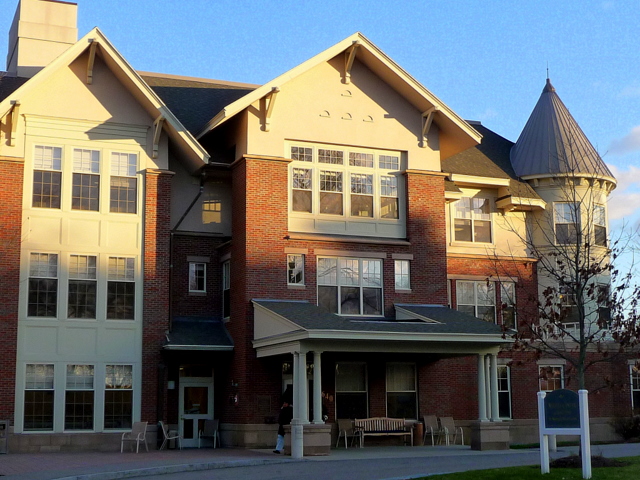
How is Neville Center At Fresh Pond For Nursing & Rehab Staffed?

CMS rates NEVILLE CENTER AT FRESH POND FOR NURSING & REHAB's staffing level at 3 out of 5 stars, which is average compared to other nursing homes.

What Have Inspectors Found at Neville Center At Fresh Pond For Nursing & Rehab?

State health inspectors documented 20 deficiencies at NEVILLE CENTER AT FRESH POND FOR NURSING & REHAB during 2023 to 2025. These included: 20 with potential for harm.
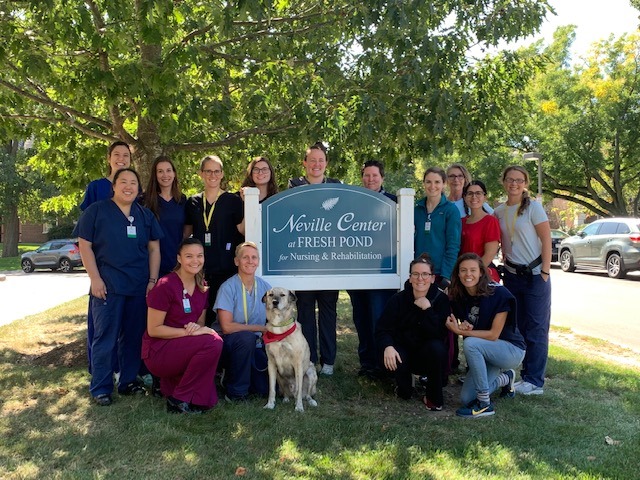
Who Owns and Operates Neville Center At Fresh Pond For Nursing & Rehab?

NEVILLE CENTER AT FRESH POND FOR NURSING & REHAB is owned by a non-profit organization. Non-profit facilities reinvest revenue into operations rather than distributing to shareholders. The facility operates independently rather than as part of a larger chain. With 112 certified beds and approximately 92 residents (about 82% occupancy), it is a mid-sized facility located in CAMBRIDGE, Massachusetts.
How Does Neville Center At Fresh Pond For Nursing & Rehab Compare to Other Massachusetts Nursing Homes?

Compared to the 100 nursing homes in Massachusetts, NEVILLE CENTER AT FRESH POND FOR NURSING & REHAB's overall rating (4 stars) is above the state average of 2.9 and health inspection rating (4 stars) is above the national benchmark.

What Should Families Ask When Visiting Neville Center At Fresh Pond For Nursing & Rehab?

Based on this facility's data, families visiting should ask: "Can I visit during a mealtime to observe dining assistance and food quality?" "How do you handle medical emergencies, and what is your hospital transfer rate?" "Can I speak with family members of current residents about their experience?"

Is Neville Center At Fresh Pond For Nursing & Rehab Safe?

Based on CMS inspection data, NEVILLE CENTER AT FRESH POND FOR NURSING & REHAB has a clean safety record: no substantiated abuse findings (meaning no confirmed cases of resident harm), no Immediate Jeopardy citations (the most serious violation level indicating risk of serious injury or death), and is not on the Special Focus Facility watch list (a federal program monitoring the lowest-performing 1% of nursing homes). The facility has a 4-star overall rating and ranks #1 of 100 nursing homes in Massachusetts. While no facility is perfect, families should still ask about staff-to-resident ratios and recent inspection results during their visit.

Do Nurses at Neville Center At Fresh Pond For Nursing & Rehab Stick Around?

NEVILLE CENTER AT FRESH POND FOR NURSING & REHAB has not reported staff turnover data to CMS. Staff turnover matters because consistent caregivers learn residents' individual needs, medications, and preferences. When staff frequently change, this institutional knowledge is lost. Families should ask the facility directly about their staff retention rates and average employee tenure.

Was Neville Center At Fresh Pond For Nursing & Rehab Ever Fined?

NEVILLE CENTER AT FRESH POND FOR NURSING & REHAB has no federal fines on record. CMS issues fines when nursing homes fail to meet care standards or don't correct problems found during inspections. The absence of fines suggests the facility has either maintained compliance or corrected any issues before penalties were assessed. This is a positive indicator, though families should still review recent inspection reports for the full picture.

Is Neville Center At Fresh Pond For Nursing & Rehab on Any Federal Watch List?

NEVILLE CENTER AT FRESH POND FOR NURSING & REHAB is not on any federal watch list. The most significant is the Special Focus Facility (SFF) program, which identifies the bottom 1% of nursing homes nationally based on persistent, serious quality problems. Not being on this list means the facility has avoided the pattern of deficiencies that triggers enhanced federal oversight. This is a positive indicator, though families should still review the facility's inspection history directly.