SANCTA MARIA NURSING FACILITY
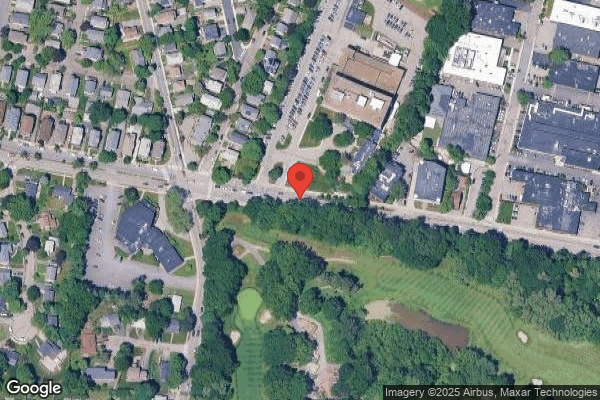

799 CONCORD AVENUE, CAMBRIDGE, MA 02138 (617) 868-2200
Non profit - Church related 141 Beds Independent Data: November 2025
Trust Grade
53/100
#247 of 338 in MA
Last Inspection: February 2025

Within standard 12-15 month inspection cycle. Federal law requires annual inspections.

Overview

Sancta Maria Nursing Facility has a Trust Grade of C, which means it is average-neither great nor terrible. It ranks #247 out of 338 nursing homes in Massachusetts, placing it in the bottom half, and #47 of 72 in Middlesex County, indicating there are better local options available. The facility's trend is improving, with issues decreasing from 13 in 2024 to 12 in 2025. Staffing is a strong point, earning a 4 out of 5 stars with a turnover rate of 21%, which is well below the state average, suggesting that staff are stable and familiar with the residents. However, there are some concerns, including $13,000 in fines for various issues, which is average for the state, and specific incidents like a failure to properly label opened medication and inadequate infection control tracking. Overall, while there are strengths in staffing and a trend toward improvement, families should be aware of the facility's average ratings and some compliance issues.

Trust Score
C
53/100
In Massachusetts
#247/338
Bottom 27%
Safety Record
Low Risk
No red flags
Inspections
Getting Better
13 → 12 violations
Staff Stability
✓ Good
21% annual turnover. Excellent stability, 27 points below Massachusetts's 48% average. Staff who stay learn residents' needs.
Penalties
○ Average
$13,000 in fines. Higher than 75% of Massachusetts facilities. Some compliance issues.
Skilled Nurses
✓ Good
Each resident gets 43 minutes of Registered Nurse (RN) attention daily — more than average for Massachusetts. RNs are trained to catch health problems early.
Violations
⚠ Watch
38 deficiencies on record. Higher than average. Multiple issues found across inspections.
★★☆☆☆
2.0
Overall Rating
★★★★☆
4.0
Staff Levels
★★★☆☆
3.0
Care Quality
★★☆☆☆
2.0
Inspection Score
Stable
2024: 13 issues
2025: 12 issues

The Good

  • 4-Star Staffing Rating · Above-average nurse staffing levels
  • Low Staff Turnover (21%) · Staff stability means consistent care
  • Full Sprinkler Coverage · Fire safety systems throughout facility
  • No fines on record
  • Staff turnover is low (21%)

    27 points below Massachusetts average of 48%

Facility shows strength in staffing levels, staff retention, fire safety.

The Bad

2-Star Overall Rating

Below Massachusetts average (2.9)

Below average - review inspection findings carefully

Federal Fines: $13,000

Below median ($33,413)

Minor penalties assessed

The Ugly 38 deficiencies on record

Feb 2025 12 deficiencies
CONCERN (D)

Potential for Harm - no one hurt, but risky conditions existed

Notification of Changes (Tag F0580)

Could have caused harm · This affected 1 resident

Based on observation, record review, and interview, the facility failed to notify the physician of a change in condition related to a 12.6 pound (lbs.) weight gain in one day for one Resident (#328) o...

Read full inspector narrative →
Based on observation, record review, and interview, the facility failed to notify the physician of a change in condition related to a 12.6 pound (lbs.) weight gain in one day for one Resident (#328) out of a total sample of 27 residents. Findings include: Review of the facility policy titled Notification of Change in Resident Condition, not dated, indicated Nursing Leadership/Primary Nurse shall notify the resident, consult with the resident's physician and notify family/responsible party when any of the following occurs: i. Examples of Change in Condition that require notification: 2. Change in condition- vital signs, abnormal lab values. If contact is successful, Nursing Leadership/Primary Nurse shall document in the resident's medical record date and time contact was made and information conveyed. If contact is initially unsuccessful, Nursing Leadership/Primary Nurse shall document subsequent attempts to contact resident, physician and family/responsible party in the medical record. - When there is a significant change in treatment required that is, a need to discontinue an existing form of treatment due to adverse consequences or to commence a new form of treatment; A need to alter treatment significantly means a need to stop a form of treatment because of adverse consequences, such as an adverse drug reaction, or begin a new form of treatment to deal with a problem that has not been used on that resident before. Resident #328 was admitted to the facility in February 2025 with diagnoses that included chronic diastolic congestive heart failure, scabies, end stage renal disease, and toxic encephalopathy. Review of Resident #328's Brief Interview for Mental Status (BIMS), dated 2/14/25, indicated he/she scored an 11 out of a possible 15 indicating he/she as having moderate cognitive impairment. Review of Resident #328's weights indicated: - 2/15/25 161.2 Lbs. - 2/16/25 160.8 Lbs. - 2/17/25 173.4 Lbs. - 2/18/25 174.5 Lbs. - 2/19/25 174.6 Lbs. - 2/20/25 172.4 Lbs. - 2/21/25 170.8 Lbs. - 2/24/25 167.6 Lbs. - 2/25/25 170.2 Lbs. Review of Resident #328's Congestive Heart Failure (CHF) care plan, dated 2/14/25, indicated Daily weight, record in log, if weight 3# or greater in 2 days or 5# or greater in one week, notify MD/NP (Medical Doctor/Nurse Practitioner). Review of Resident #328's physician order, dated 2/17/25, indicated CHF: Daily weight. Notify MD/NP if weight is > or equal to 3 lbs. (pounds) in 2 days or 5 lbs./week. Review of Resident #328's nursing progress notes 2/16/25 to 2/24/25 failed to indicate that the MD was notified with the 12.6 lbs. weight gain in one day or any weight gain thereafter. Review of Resident #328's MD/NP assessments dated from 2/16/25 to 2/24/25 failed to indicate that the MD or NP assessed the Resident's weight gain. Review of Resident #328's nursing weight change note, dated 2/25/25, indicated both feet noted with 1+ pitting edema. During an interview on 2/25/25 at 2:15 P.M., Charge Nurse #2 said the Resident gained over 10 lbs. last week over many days and the MD should have been notified before today but was not. During an interview on 2/26/25 at 2:20 P.M., the Director of Nursing (DON) said he expects nursing to follow the doctors order and to notify the MD of Resident #328's weight gain and write a progress note.
CONCERN (D)

Potential for Harm - no one hurt, but risky conditions existed

Comprehensive Care Plan (Tag F0656)

Could have caused harm · This affected 1 resident

**NOTE- TERMS IN BRACKETS HAVE BEEN EDITED TO PROTECT CONFIDENTIALITY** Based on observations, record reviews and interviews, the facility failed to 1) implement a skin integrity care plan for one Res...

Read full inspector narrative →
**NOTE- TERMS IN BRACKETS HAVE BEEN EDITED TO PROTECT CONFIDENTIALITY** Based on observations, record reviews and interviews, the facility failed to 1) implement a skin integrity care plan for one Resident (#89) and 2) failed to develop a care plan for antipsychotic medication use for one Resident (#27) out of a total sample of 27 residents. Findings include: 1. Resident #89 was admitted to the facility in November 2021 with diagnoses including stroke, hemiplegia and diabetes. Review of Resident #89's most recent Minimum Data Set, dated [DATE], indicated the Resident had a Brief Interview for Mental Status (BIMS) score of 7 out of a possible 15 which indicated the Resident had severe cognitive impairment. The MDS also indicated Resident #89 is dependent on staff for all functional daily tasks. On 2/24/25 at 8:50 A.M., Resident #89 was observed lying in bed with both heels directly on the mattress. There was no heel protectors observed in the Resident's room. On 2/24/25 at 12:36 P.M. Resident #89 was observed lying in a reclining chair with both heels directly on the footrest of the chair. The Resident was not using any foot protectors. On 2/25/25 at 7:00 A.M., Resident #89 was observed lying in bed with both heels directly on the mattress. There was no heel protectors observed in the Resident's room. On 2/25/25 at 10:04 A.M., Resident #89 was observed in a reclining chair with bilateral heels directly on the footrest and was not wearing bilateral heel protectors. Review of Resident #89's potential for skin impairment care plan last revised 11/8/24, indicated the following intervention: -Bilateral heel protectors to both heels every shift. During an interview on 10/6/25 at 10:06 A.M., Certified Nursing Assistant #1 said he had just completed Resident #89's morning care and was not aware of any heel protectors the Resident should wear on his/her feet. During an interview on 10/6/25 at 10:09 A.M., Nurse #1 said she was unaware of Resident #89's risk of pressure ulcers and any skin protective equipment that is care planned for the Resident. During an interview on 10/6/25 at 10:20 A.M., Unit Manager #1 said Resident #89 has a care plan for bilateral heel protectors and was unaware the Resident did not have the heel protectors in place. Unit Manager #1 said she expects all care plans to be followed. During an interview on 2/25/25 at 10:37 A.M., the Director of Nursing said he expects all care plans to be followed as written. 2. Resident #27 was admitted to the facility in February 2025 with diagnoses including Parkinson's Disease and toxic encephalopathy. Review of the Brief Interview for Mental Status (BIMS) assessment, dated 2/15/25, indicated Resident #27 scored a 4 out of 15, which indicated he/she had severe cognitive impairment. Review of Resident #27's physician orders indicated the following orders: -Aripiprazole (An antipsychotic medication) oral tablet 5 MG (milligrams), initiated on 2/18/25. -Olanzapine (An antipsychotic medication) oral tablet 2.5 MG (milligrams), initiated on 2/21/25. Review of Resident #27's interdisciplinary care plans failed to indicate a care plan was developed for the Resident's antipsychotic medication use. During an interview on 2/25/25 at 12:22 P.M., Charge Nurse #1 said the Unit Manager is responsible for developing care plans and he was unsure if residents taking antipsychotics should have a care plan developed for this care area. During an interview on 2/25/25 at 12:34 P.M., Unit Manager #2 said residents who are taking antipsychotic medications do not require a care plan to be developed for this care area. During an interview on 2/25/25 at 12:50 P.M., the Director of Nursing said antipsychotic care plans should be developed for any resident who is taking an antipsychotic medication. The Director of Nursing said this type of care plan would be separate from the general psychotropic medication care plan.
CONCERN (D)

Potential for Harm - no one hurt, but risky conditions existed

Quality of Care (Tag F0684)

Could have caused harm · This affected 1 resident

Based on observation, record review and interview the facility failed to ensure standards of quality of care for 1 Resident (#54), out of a sample of 25 residents. Specifically, for Resident #54 the f...

Read full inspector narrative →
Based on observation, record review and interview the facility failed to ensure standards of quality of care for 1 Resident (#54), out of a sample of 25 residents. Specifically, for Resident #54 the facility failed to ensure the medical plan of care was implemented by failing to apply an abdominal pad to his/her left-hand and failing to ensure the left-hand discoloration was monitored for wound development. Findings include: Resident #54 was admitted to the facility in August 2017 and has diagnoses that include but are not limited to cerebral infarction, hemiplegia and hemiparesis following nontraumatic intracerebral hemorrhage affecting left non-dominant side, and contracture of left upper arm, contracture, left hand. Review of the Minimum Data Set assessment, dated 1/15/25, indicated Resident #54 scored a 13 out of 15 on the Brief Interview for Mental Status exam indicating he/she as cognitively intact. Further, the MDS indicated Resident #54 has functional limitation in range of motion on both his/her upper and lower extremities on one side and is at risk for developing pressure ulcers/injuries. Review of Resident #54's active physician orders indicated the following: -Skin check every day shift every Tue (Tuesday) complete skin only assessment date 8/13/2019. -Left hand roll splint after AM care as tolerated for up to 6 hours for contracture management dated 9/8/2021 -Apply abdominal pad to left hand contracture to offload palm from fingers daily. Keep area dry and clean. Until discoloration resolves. Every shift dated 11/15/2024. Review of the MD/NP (medical doctor/nurse practitioner) progress note, dated 11/14/24, indicated: Exam Skin: left middle fingernail with sings (sic) of onchomycosis (sic) (nail fungus) and skin of that finger a bit boggy, area of indentation on palm where the nail rests against the skin due to his/her contracture, no open wounds on fingers or hand. Assessment and Plan Today also noted onchomycosis (sic) of left middle fingernail and some bogginess of the finger pad, as well as indentation on palm skin. No open wounds noted but fingers and palm both at risk for wound formation. Abd pad in contracted hand to protect skin and keep the area dry. Close monitoring for wound development, ensure nails trimmed regularly. During the survey the following observations were made by the surveyor: -On 2/24/25 at 7:56 A.M., Resident #54 was observed in bed. Resident #54 was observed to have his/her left hand held in a fist. There was nothing in Resident #54's left hand to offload the fingers from his/her palm. -On 2/24/25 at 12:39 P.M., Resident #54 was in his/her bed. Resident #54's left hand fingers were folded around a rolled terry cloth towel. No abdominal pad was observed. -On 2/24/25 at 4:08 P.M., Resident #54 was in his/her bed. A blue hand roll was resting on top of his/her fingers. His/her fingers were folded in toward his/her palm, making the palm not visible. There was no abdominal pad present in or around the blue hand roll, nor was the fingers offloaded from his/her palm. During an observation and interview on 2/25/25 at 8:06 A.M., Resident #54 said he/she has pain in his/her left arm and hand. Resident #54 had a blue hand roll in his/her left hand. No abdominal pad was present. During an observation on 2/25/25 at 8:32 A.M., Resident #54 was observed with Nurse #9 and Unit Manager #3. Resident #54 had a blue hand roll and did not have an abdominal pad in his/her left hand. Nurse #9 said an area of discoloration was a small yellowing area on the outer bottom of his/her thumb. Review of Resident #54s care plan, dated 11/1/2024, indicated Resident #54 has potential for pressure ulcer development r/t (related to) decreased strength and endurance, immobility, incontinence, with the intervention/task, Skin assessments weekly and prn (as needed), pay special attention to bony prominences. Review of LTC (long term care) evaluation, dated 1/14/25, indicated Resident #54 had no skin issues. Review of Resident #54's medical record assessments failed to indicate a weekly skin assessment was completed in accordance with the physician's order. The last documented weekly skin check was dated 11/12/24. Review of the Treatment Administration Record (TAR) with the order start date 11/15/24 indicated apply abdominal pad to left hand contracture to offload palm from fingers daily. Keep area dry and clean. Until discoloration resolves and was signed by nursing staff with a check mark and failed to indicate any monitoring of the the discoloration. Review of the TARs dated for December 2024, January 2025, and February through 2/25/25 indicated apply abdominal pad to left hand contracture to offload palm from fingers daily. Keep area dry and clean. Until discoloration resolves and was signed by nursing staff with a check mark and failed to indicate a description or status of the discoloration. The record review did not indicate any care plan, or established monitoring of the discoloration in Resident #54's left hand. During an interview on 2/25/25 at 8:24 A.M., Certified Nursing Assistant (CNA) #5 said Resident #54 is dependent for daily care. CNA #5 said Resident #54's left side is weak, and he/she is unable to open his/her left hand. CNA #5 said she puts a blue hand roll in the Resident's left hand. During an interview on 2/25/25 at 3:44 P.M., CNA #4 said she cares for Resident #54 on the 3:00 P.M.-11:00 P.M. shift. CNA #4 said Resident #54 does not always cooperate with care, is unable to use his/her left hand and sometimes she will see the hand roll in the Resident's left hand at the start of her shift. During an interview on 2/25/25 at 4:07 P.M., Nurse #5 reviewed Resident #54's orders and said there is an order for an abdominal pad for his/her left hand. Nurse #5 said she did not know what the discoloration was and that the pad was used for the left-hand contracture. Nurse #5 said she did not know how the skin discoloration was monitored. During an interview on 2/25/25 at 4:53 P.M., the Director of Nursing was told by the surveyor that the Resident was observed without the abdominal pad in his/her left hand and was asked about what the discoloration written in the physician's order was. The Director of Nursing said he did not know about the discoloration or how it was being monitored. During an interview on 2/26/25 at 9:11 A.M., Unit Manager #3 said the doctor gave the order for the abdominal pad for Resident #54 and said the Resident was being treated with an antifungal treatment to his/her hand. Unit Manager #3 said the order for the abdominal pad should be followed and that staff are to report any changes in a resident's skin. Review of the medical record failed to indicate how the discoloration area on Resident's left hand was monitored for wound development.
CONCERN (D)

Potential for Harm - no one hurt, but risky conditions existed

Pressure Ulcer Prevention (Tag F0686)

Could have caused harm · This affected 1 resident

Based on observations, interviews and record review, the facility failed to provide care, consistent with professional standards of practice, to promote healing and prevent new ulcers from developing ...

Read full inspector narrative →
Based on observations, interviews and record review, the facility failed to provide care, consistent with professional standards of practice, to promote healing and prevent new ulcers from developing for one Resident (#428) out of a total sample of 27 residents. Specifically, a.) the facility failed to implement physician ordered pressure ulcer prevention intervention for an air mattress. b.) the facility failed to ensure an air mattress was at the correct settings. c.) the facility failed to follow wound care orders to apply adaptic (a non-adherent wound dressing) to a pressure wound as ordered by the physician. d.) the facility failed to ensure nursing clarified the documented stage of a pressure wound and ensure the wound care treatment order was consistent with professional standards (wound care for a stage two pressure wound was performed instead of wound care for a deep tissue injury). Findings include: Resident #428 was admitted to the facility in February 2025 with diagnoses including hypertension and pressure-induced deep tissue damage of sacral region. Review of the Brief Interview For Mental Status (BIMS) Evaluation assessment, dated 2/20/25, indicated Resident #428 scored a 14 out of 15, which indicated he/she was cognitively intact. a.) The facility failed to implement physician ordered pressure ulcer prevention intervention for an air mattress. On 2/24/25 at 10:15 A.M. Resident #428 was observed lying in bed with his/her family member present in the room. The Resident was observed lying on a standard mattress and the Resident's family member said the Resident had not had an air mattress since admission to the facility. On 2/24/25 at 12:31 P.M., Resident #428 was observed lying in bed on an air mattress. Review of Resident #428's hospital discharge summary indicated Resident #428 was admitted to the facility with a sacral deep tissue injury. Review of Resident #428's physician orders indicated the following order: -Air mattress to bed, set dial to Alternating and 200# (pounds). Check for placement and function every shift, initiated 2/21/25. During an interview on 2/25/25 at 12:50 P.M., the Director of Nursing said Resident #428 was admitted with multiple skin impairments and was prescribed and air mattress on admission. The Director of Nursing said the Resident did not receive the air mattress until 3 days after admission. b.) The facility failed to ensure an air mattress was at the correct settings. On 2/24/25 at 12:31 P.M., Resident #428 was observed lying in bed on an air mattress. The air mattress was set to level 3 and did not indicate a specific weight setting. On 2/25/25 at 6:53 A.M., 8:20 A.M. and approximately 12:30 P.M., Resident #428 was observed lying in bed on an air mattress. The air mattress was set to level 3 and did not indicate a specific weight setting. Review of Resident #428's physician orders indicated the following order: -Air mattress to bed, Set dial to Alternating and 200# (pounds). Check for placement and function every shift, initiated 2/21/25. During an interview on 2/25/25 at 12:34 P.M., Unit Manager #2 said Resident #428 has a skin impairment on his/her sacral area and requires an air mattress. Unit Manager #2 said the Resident's air mattress should be set to his/her weight and that would be setting number 2. Unit Manager #2 said an air mattress on a firmer setting than what is prescribed for a resident's weight would not be beneficial. During an interview on 2/25/25 at 12:50 P.M., the Director of Nursing said the facility has three different types of air mattresses in the facility and that not all can be set to a resident's weight. The Director of Nursing said Resident #428 has an order to set the mattress specific to his/her weight and the air mattress he/she is on is not the right type. The Director of Nursing said Resident #428's air mattress should be set to setting 2 and was unaware that it had been on setting 3 for the past two days. The Director of Nursing said an air mattress on a firmer setting would not be as beneficial and could potentially cause worsening of a wound.c.) The facility failed to ensure Charge Nurse #1 followed wound care orders when he did not apply adaptic (a non-adherent wound dressing) to a pressure wound as ordered by the physician. Review of facility policy titled 'Dry Clean Wound Dressings', undated, indicated: - Steps in the Procedure: 17. Apply the ordered dressing and secure with tape or bordered dressing per order. Review of Resident #428's active physician order, initiated 2/21/25, indicated: - Wound Care - Cleanse Coccyx Stage 2 pressure wound with Vashe (a type of wound cleanser) or any antibacterial wound cleanser. Pat dry, apply Adaptic, then Calcium Alginate and then cover with dry protective dressing, every day shift. On 2/26/25 at 9:14 A.M., the surveyor observed Charge Nurse #1 perform a wound dressing change to Resident #428's coccyx. Charge Nurse #1 cleansed a large, discolored area of intact skin on his/her coccyx with antibacterial wound cleanser. Charge Nurse #1 patted the area dry and then applied calcium alginate followed by a dry protective dressing. Charge Nurse #1 failed to apply adaptic. During a follow-up interview on 2/26/25 at 9:37 A.M., Charge Nurse #1 said he was unaware the physician had ordered adaptic, and that he applied only calcium alginate followed by a dry protective dressing. Charge Nurse #1 reviewed the active physician order and said he should have applied adaptic but did not. During an interview on 2/26/25 at 9:42 A.M., Unit Manager #2 said Resident #428 had a physician's order for adaptic followed by calcium alginate and a dry protective dressing. Unit Manager #2 said Charge Nurse #1 should have been implemented adaptic as ordered by the physician or else clarified the order if there were any concerns. During an interview on 2/26/25 at 1:50 P.M., the Director of Nursing (DON) said Charge Nurse #1 should have implemented adaptic, in addition to the calcium alginate and dry protective dressing, because that was the physician order or else clarified the order if there were any concerns. d.) The facility failed to ensure nursing clarified the documented stage of a pressure wound and ensure the wound care treatment order was consistent with professional standards (wound care for a stage two pressure wound was performed instead of wound care for a deep tissue injury). Review of facility policy titled 'Dry Clean Wound Dressings', undated, indicated: - Report other information in accordance with facility policy and professional standards of practice. Review of the facility policy titled 'Notification of Change in Resident Condition', dated 1/13/25, indicated Nursing Leadership/Primary Nurse shall notify the resident, consult with the resident's physician and notify family/responsible party when any of the following occurs: i. Examples of Change in Condition that require notification: - When there is a significant change in treatment required that is, a need to discontinue an existing form of treatment due to adverse consequences or to commence a new form of treatment; A need to alter treatment significantly means a need to stop a form of treatment because of adverse consequences, such as an adverse drug reaction, or begin a new form of treatment to deal with a problem that has not been used on that resident before. Review of Resident #428's hospital discharge paperwork, dated 2/20/25, indicated: - Wound care on discharge: Sacral DTIs (deep tissue injuries): BID (twice daily): cleanse with soap and water, pat try, apply triad paste (a paste used on wounds). Review of Resident #428's assessment titled 'N Adv - Clinical Admission', dated 2/20/25, indicated there was a sacrococcygeal pressure ulcer/injury that was present on admission without any exudate (drainage). This assessment failed to indicate the stage of this pressure wound. Review of Resident #428's active physician order, initiated 2/21/25, indicated: - Wound Care - Cleanse Coccyx Stage 2 pressure wound with Vashe (a type of wound cleanser) or any antibacterial wound cleanser. Pat dry, apply Adaptic, then Calcium Alginate and then cover with dry protective dressing, every day shift. On 2/26/25 at 9:14 A.M., the surveyor observed Charge Nurse #1 perform a wound dressing change to Resident #428's coccyx. The Resident had a large, discolored area of intact skin on his/her coccyx, which Charge Nurse #1 said was a deep tissue injury. Charge Nurse #1 said this was not a stage two pressure wound. Charge Nurse #1, who had provided Resident #428's wound care the previous four days, said each time he had performed this wound dressing change the wound has looked the same. Charge Nurse #1 cleansed the discolored area of intact skin on his/her coccyx with antibacterial wound cleanser. Charge Nurse #1 patted the area dry and then applied calcium alginate followed by a dry protective dressing. Review of Resident #428's treatment administration record, dated 2/22/25, 2/23/25, 2/24/25, and 2/25/25, indicated the following physician order documented as completed by Charge Nurse #1: - Wound Care - Cleanse Coccyx Stage 2 pressure wound with Vashe (a type of wound cleanser) or any antibacterial wound cleanser. Pat dry, apply Adaptic, then Calcium Alginate and then cover with dry protective dressing, initiated 2/21/25. During a follow-up interview on 2/26/25 at 9:37 A.M., Charge Nurse #1 said the coccyx wound treatment order was for a stage two pressure wound. Charge Nurse #1 said during each wound dressing change he had completed the wound had not been a stage two pressure wound, but always a deep tissue injury with intact skin. Charge Nurse #1 said he was not aware if calcium alginate or adaptic were appropriate treatments for intact skin or deep tissue injuries. Charge Nurse #1 said this should have been clarified, but it's not his job. Charge Nurse #1 said it was Unit Manager #2's job to clarify orders with the physician if they don't match during the weekly wound rounds. During an interview on 2/26/25 at 9:42 A.M., Unit Manager #2 said on admission she reviewed Resident #428's hospital discharge paperwork for wound care orders. Unit Manager #2 said the hospital discharge paperwork recommended triad paste, which they do not use in the facility, so she called the physician and asked for an alternative treatment. Unit Manager #2 said she never visualized the wound herself, but since triad is usually for stage two pressure wounds, she told the physician Resident #428 had a stage two pressure wound on his/her coccyx. Unit Manager #2 said the physician ordered adaptic and calcium alginate for a stage two pressure wound. Unit Manager #2 said she would have expected Charge Nurse #1 to clarify the order when he first noted the wound status did not match the treatment order. Review of Resident #428's hospital discharge paperwork and admission paperwork, both dated 2/20/25, failed to indicate Resident #428 had a stage two pressure wound. The hospital discharge paperwork, dated 2/20/25, indicated sacral deep tissue injuries. During an interview on 2/26/25 at 11:15 A.M., the Regional Nurse Consultant said adaptic and calcium alginate are not appropriate wound treatments for intact skin or deep tissue injury and Charge Nurse #1 should have stopped the dressing change with the surveyor and clarified the wound treatment orders. During an interview on 2/26/25 at 1:50 P.M., the Director of Nursing (DON) said adaptic and calcium alginate are not appropriate wound treatments for intact skin or deep tissue injury and Charge Nurse #1 should have clarified the physician order when he first noted the wound status did not match the treatment order. Refer to F726.
CONCERN (D)

Potential for Harm - no one hurt, but risky conditions existed

Accident Prevention (Tag F0689)

Could have caused harm · This affected 1 resident

Based on record review and interview the facility failed to ensure for 1 Resident (#92) out of a total sample of 27 residents, that 72-hour neurological checks were conducted after Resident #92 sustai...

Read full inspector narrative →
Based on record review and interview the facility failed to ensure for 1 Resident (#92) out of a total sample of 27 residents, that 72-hour neurological checks were conducted after Resident #92 sustained unwitnessed falls. Findings include: Review of the facilities policy titled, Falls Management, last updated October 2023, indicated the facility will utilize resident/patient related information made available upon admission and ongoing to determine resident/patient at risk for fall status. Procedure: A fall risk evaluation will be conducted by the nurse on duty/supervisor on any resident/patient sustaining a fall with or without injury. Once the resident/patient is clinically evaluated as being stable, vital signs, neurological signs, range of motion, and evaluation of cognitive status will be documented. Neurological checks, to be documented on the neurological flow sheet for 72 hours in the following circumstances, resident/patient states that he/she hit head, physical evidence resident hit head, and unwitnessed fall. Resident #92 was admitted to the facility April 2022 and has diagnoses that include but are not limited to legal blindness, repeated falls, cataracts, acute on chronic systolic heart failure and cognitive communication deficit. Review of Resident #92's Minimum Data Set (MDS) assessment, dated 12/18/24, indicated that he/she scored a 15 out of 15 on the Brief Interview for Mental Status (BIMS) indicating he/she as having intact cognition. Review of Resident #92's care plans indicated a care plan with the focus: Resident #92 is at risk for falls D/T (due to) unsteady gait, decreased balance, generalized weakness and impaired mobility due repeated falls, legally blind, poor safety awareness, use of antidepressant and antianxiety medications, diuretic medication, opioid use for pain, confusion, oxygen use, incontinence, date initiated 1/2/2024. Review of the following fall risk evaluations indicated Resident #92 was at risk for falls: 9/23/24 comprehensive, 10/8/24 quarterly,10/8/24 other, 11/7/24 other, 12/3/24 quarterly,12/4/24 admission,12/16/24 other,12/18/24 quarterly, 12/22/24 other, 12/24/24 other, 2/5/25 quarterly, 2/6/25 other, 2/19/25 other, and 2/21/25. Review of the incident reports provided to the surveyor by the Director of Nursing indicated Resident #92 sustained 12 falls between 9/6/2024 through 2/21/2025. Of the 12 falls, 10 were not witnessed. Review of the 10 not witnessed fall incident reports, indicated 6 did not include 72-hour neurological assessment low sheets. Review of the incident reports indicated the following: -Fall date 9/8/24, at 5:31 P.M., Fall was not witnessed. Fall occurred bedside. An initial Neurological focused evaluation was conducted. Review of the incident report failed to indicate a 72-hour neuro flow sheet was completed. -Fall date 10/6/24, 06:00 (6:00 A.M.) fall was not witnessed. Fall occurred in Resident's room. Resident was attempting to self-toilet at the time of the fall. Further review of the incident report failed to indicate 72-hour neurological checks were conducted. -Fall 11/7/24 at 5:45 P.M., Fall was not witnessed. Fall occurred in the bathroom. An initial focused neurological focused evaluation was completed, no further 72-hour neurological flow sheet was completed. -Fall 11/13/25, at 7:36 P.M., fall was not witnessed. Fall occurred in the Resident's room. A neurological focused evaluation was conducted. Further review failed to indicate a 72-hour neurological flow sheet was completed. -Fall date 12/22/24, at 6:30 A.M., Fall not witnessed. Fall occurred in the bathroom. Initial neuro check conducted; no further 72-hour neurological flow sheet was completed. -Fall 2/19/25, 12:00 P.M., Fall was not witnessed. Fall occurred in Resident's room. Further review failed to indicate a 72-hour neurological check was completed. During an interview on 2/26/25 at 11:20 A.M., Unit Manager #3 said Resident #92 is at high risk for falls and has had multiple falls. Unit Manager #3 said all falls Resident #92 has sustained are reviewed and the care plan revised. Unit Manager #3 said all falls that are not witnessed require 72-hour neuro checks that are documented on paper neuro flow sheets. Unit Manager said once completed the neurological flow sheets are given to the Director of Nursing as part of the incident report. During an interview on 2/26/25 at 11:44 A.M. The Director of Nursing said neuro checks were required on falls with head strikes or falls that are not witnessed. The DON said the Neurological checks are completed on paper and that the nursing staff and Unit managers are responsible to ensure the neuro checks are conducted. The DON said he was not entirely sure where the missing neuro checks were for Resident #92.
CONCERN (D)

Potential for Harm - no one hurt, but risky conditions existed

Drug Regimen Review (Tag F0756)

Could have caused harm · This affected 1 resident

Based on record review and interview, the facility failed to ensure the pharmacist completed a Monthly Medication Review (MMR) for one Resident (#8), out of 27 sampled residents. Findings include: Re...

Read full inspector narrative →
Based on record review and interview, the facility failed to ensure the pharmacist completed a Monthly Medication Review (MMR) for one Resident (#8), out of 27 sampled residents. Findings include: Resident #8 was admitted to the facility in November 2024, and had diagnoses that included bipolar disorder, schizophrenia and diabetes type II. Review of Resident #8's physician orders, dated February 2025, indicated they included, but were not limited to, the following medications: - Trazodone (antidepressant) 150 milligrams (mg) one tablet one time per day. - Zoloft (antidepressant) 100 mg two tablets one time per day. - Risperidone 0.5 mg (antipsychotic) one tablet two times per day. - Metformin (antidiabetic medication) 500 mg one tablet two times per day. Review of Resident #8's MMRs, performed by the pharmacist, from November 2024 through January 2025, indicated an MMR was not completed for December 2024. During an interview on 2/25/25 at 8:22 A.M., the Director of Nursing (DON) said Resident #8's MMRs, located in the electronic and paper records, did not include a review for December 2024. The DON said he would try to locate the missing MMR. As of the last day of survey, the DON had not provided a copy of the December MMR.
CONCERN (D)

Potential for Harm - no one hurt, but risky conditions existed

Medication Errors (Tag F0758)

Could have caused harm · This affected 1 resident

**NOTE- TERMS IN BRACKETS HAVE BEEN EDITED TO PROTECT CONFIDENTIALITY** Based on observation, record review and interview the facility failed for 2 Residents (#49 and #27), to ensure their drug regime...

Read full inspector narrative →
**NOTE- TERMS IN BRACKETS HAVE BEEN EDITED TO PROTECT CONFIDENTIALITY** Based on observation, record review and interview the facility failed for 2 Residents (#49 and #27), to ensure their drug regimen was free of unnecessary antipsychotic medication (a medication used to treat psychosis), out of total sample of 27 residents. Specifically, the facility failed to: 1. Ensure for Resident #49, that a prescribed PRN (as needed) antipsychotic medication was limited to 14 days. 2. Ensure Resident #27 had a medical diagnosis indicated for the administration of an antipsychotic medication. Findings include: 1. Resident #49 was admitted to the facility in March 2019 with diagnoses that include hemiplegia and hemiparesis, dysphagia, delusional disorder, anxiety disorder, and type 2 diabetes. Review of Resident #49's most recent Minimum Data Set (MDS) assessment dated [DATE] indicated he/she was assessed by nursing staff to have severe cognitive impairment. Further review of the MDS indicated he/she receives antipsychotic medications. On 2/24/25 at 8:26 A.M., Resident #49 was observed in bed with his/her eyes closed. Resident #49 was observed to be small in body structure, consistent with being frail, and did not respond to the surveyors greeting. Review of Resident #49's physician orders indicated the following: - Risperdal (an antipsychotic medication) Oral tablet 0.5 MG (milligram) (risperidone) Give 0.25 mg by mouth every 24 hours as needed for agitation related to PSYCHOTIC DISORDER WITH DELUSIONS DUE TO KNOWN PHYSIOLOGICAL CONDITION, Active 3/7/2024. Review of the order for the risperidone indicated it was open-ended and did not have a stop date of 14 days. Review of documents titled 'Consultant Pharmacist Recommendations to Physician, issued for Resident #49's, dated 3/5/24, 5/6/24, and 7/8/24 indicated the following: Recommend reorder for the specific number of days PRN use of risperidone for this Resident OR discontinue, per the following federal guideline: In accordance with State and Federal Guidelines, revised regulation 483.45 Psychotropic Drugs PRN, orders for antipsychotic drugs are limited to 14 days. Response: ( ) Discontinue this PRN order ( ) Continue PRN use of risperidone for 14 days, as the benefit outweighs the risk. Review of the Consultant Pharmacist's Recommendation noted above indicated the physician/prescriber left the choices blank, and did not choose/indicate which recommendation to follow. The Physician/Prescriber response was written in as no change. During an interview on 2/26/25 at 8:54 A.M., Nurse #6 said residents who have a PRN psychotropic medication order need to be evaluated after 14 or 21 days, she was not sure which. Nurse #6 reviewed Resident #49's physician's orders and said there is no end date for Resident #49's PRN antipsychotic medication because the Resident also has a standing order for the medication. During an interview on 2/26/25 at 11:59 A.M., the Director of Nursing said PRN antipsychotic medication should not have an open-ended date, and that the prescriber would need to reevaluate the PRN antipsychotic every 14 days. 2. Resident #27 was admitted to the facility in February 2025 with diagnoses including Parkinson's Disease and toxic encephalopathy. Review of the Brief Interview for Mental Status (BIMS) exam dated 2/15/25, indicated Resident #27 scored a 4 out of 15, which indicated he/she had severe cognitive impairment. Review of Resident #27's physician orders indicated the following: -The Resident was admitted to the facility with an existing order for Aripprazole (An antipsychotic medication) oral tablet 5 MG (milligrams). -Three days after admission, the Resident was ordered to begin being administered Olanzapine (An antipsychotic medication) oral tablet 2.5 MG (milligrams), initiated on 2/21/25. Review of Resident #27's list of medical diagnoses failed to include a diagnosis indicating the use of an antipsychotic. Review of Resident #27's medical chart failed to indicate any nursing notes regarding exhibited behaviors of psychosis or agitation from the Resident. During an interview on 2/25/25 at 12:22 P.M., Charge Nurse #1 said residents who are prescribed antipsychotic medications require a diagnosis indicating the warranted use of this type of medication. During an interview on 2/25/25 at 12:34 P.M., Unit Manager #2 said there must be a justification for the use of antipsychotic medications and a diagnosis must be in place for the use of these medications. Unit Manager #2 said Resident #27 was admitted to the facility with a prescription for Aripprazole and was then started on Olanzapine because his/her spouse thought it would be beneficial. Unit Manager #2 then reviewed Resident #27's diagnoses with the surveyor and said the Resident did not have a current diagnosis listed to justify the use of these medications. During an interview on 2/25/25 at 12:50 P.M., the Director of Nursing said an appropriate diagnosis is required for the use pf antipsychotic medications.
CONCERN (D)

Potential for Harm - no one hurt, but risky conditions existed

Deficiency F0810 (Tag F0810)

Could have caused harm · This affected 1 resident

Based on observations, interviews and record review, the facility failed to provide adaptive equipment for one Resident (#37) out of a total sample of 27 residents. Specifically, the facility failed t...

Read full inspector narrative →
Based on observations, interviews and record review, the facility failed to provide adaptive equipment for one Resident (#37) out of a total sample of 27 residents. Specifically, the facility failed to ensure Resident #37 was provided with a two handled cup for use during his/her drinks and liquids to maximize intake. Findings include: Review of the facility policy titled 'Adaptive Equipment Policy', undated, indicated: - As a part of our ongoing effort to make our residents' health the top priority, the facility will comply with the below guideline to assure the oversight of any adaptive equipment administered to a resident in the center. This will ensure that once issued all equipment in place, is maintained to quality standards, and is continuously appropriate and available to the resident. - Upon identifying a specialty therapy equipment piece should be issued: a. While the resident is on services: The treating therapist shall provide education to the resident and any staff members and caregivers who may be involved in the oversight of the piece of equipment. ii. It is the responsibility of the therapy department to care plan and/or to assure nursing is aware of any care plan to be written for the use of the adaptive feeding equipment iii. It is the responsibility of the therapy department to assure the center specific communication process to the dietary department occurs if it involves the equipment to be provided at meal times. (i.e., completing a pink communication slip and providing this to the dietary department). b. Upon discharging the resident from services: i. The rehab department must ensure therapy to nursing communication has occurred to include any language to be added to the care plan. Resident #37 was admitted to the facility in June 2024 with diagnoses including hemiparesis (one-sided muscle weakness) following a stroke. Review of the most recent Minimum Data Set (MDS) assessment, dated 12/18/24, indicated Resident #37 was cognitively intact as evidenced by a Brief Interview for Mental Status (BIMS) score of 13 out of 15. This MDS also indicated Resident #37 required set up and clean up assistance with eating. Review of Resident #37's occupational therapy progress note, dated 2/3/25, indicated she was providing therapy to maximize performance with self-feeding. The note also indicated: - Pt (patient) was able to self-feed with built up handles MI (meaning minimum assistance) from table to mouth with 100% accuracy. Pt noted preference for two handled cup. Therapist noted 100% accuracy with two handle [sic] cup. Therapit [sic] ordered two handle cup with all meals. Review of Resident #37's physician telephone order, dated 2/3/25, indicated: - Two handled cup with drinks at all meals. Review of a dietary communication slip for Resident #37, dated 2/3/25, indicated: - Two handled cup with drinks at all meals. Review of Resident #37's active physician's orders and care plan on 2/25/25 at 8:30 A.M. failed to indicate two handled cups should be provided. On 2/24/25 at 8:55 A.M., the surveyor observed Resident #37 eating breakfast. The meal slip on the tray indicated apple juice in a two handled cup should be on the breakfast tray. There was a carton of apple juice with a straw on the tray, which was not in a two handled cup. There was no two handle cup available on meal tray. On 2/24/25 at 12:25 P.M., the surveyor observed Resident #37 eating lunch. The meal slip on the tray indicated chicken soup in a two handled cup should be on the lunch tray. There was a bowl of chicken soup on the tray, which did not have any handles. There was no two handle cup available on meal tray. Resident #37 said it takes him/her a lot longer to drink the soup because the cup he/she likes with the handle hasn't been given to him/her in a while. Resident #37 said he/she likes when the two handled cups come because it's a lot easier to drink liquids. Resident #37 said his/her soup was now cold because it took him/her so long to eat it and requested the surveyor ask staff to heat up the soup. On 2/25/25 at 8:14 A.M., the surveyor observed Resident #37 eating breakfast. The meal slip on the tray indicated orange juice should be on the tray, without any instructions for the orange juice to be in a two handled cup. There was a carton of orange juice with a straw on the tray, which was not in a two handled cup. There was no two handle cup available on meal tray. Resident #37 said he/she wished it was in a cup with two handles because he/she was having trouble drinking it. During an interview on 2/25/25 at 2:36 P.M., the Director of Rehab (DOR) and the Food Service Director (FSD) said occupational therapy recommended a two handled cup with drinks for all meals on 2/3/25 and showed the surveyor the dietary communication slip indicating this was communicated to the kitchen. The DOR said therapy issued a two handled cup to Resident #37 which was being stored in the Resident's room. The DOR said staff on the floor was supposed to make sure it was provided to the Resident for all drinks and liquids and that the staff was supposed to clean it between uses. The DOR said this plan had been in place until an order they had placed for a larger quantity of two handled cups to be available in the kitchen. The DOR said the larger quantity order had been delivered and given to the kitchen today (2/25/25). During an interview on 2/26/26 at 8:54 A.M., Certified Nurse Assistant (CNA) #2 said the nurses check the meal slip to ensure everything and adaptive eating equipment is on the tray before it is delivered. CNA #2 said she was unaware Resident #37 required a two handled cup. CNA #2 said Resident #37 had a two handled cup in his/her room, but they do not transfer any drinks or soups into it, and he/she has not been using it. During an interview on at 2/26/25 at 8:56 A.M., Unit Manager #3 said nurses are responsible to check the meal slip to ensure everything and adaptive eating equipment, including two handled cups, are on the tray before it is delivered. Unit Manager #3 said if the two handled cups were indicated on the meal slip and were not available, the nurse should have called the kitchen to obtain the two handled cup or clarified the need for them with the therapy department. Unit Manager #3 said she was unaware Resident #37 had a two handled cup in his/her room, but that it shouldn't be stored there because they were not able to sanitize it on the unit. Unit Manager #3 went to Resident #37's room and confirmed there was a two handled cup being stored in his/her room. Unit Manager #3 located Resident #37's physician telephone order, dated 2/3/25, indicating two handled cup with drinks at all meals and said the physician telephone order had not been transcribed into the active physician's orders but should have. During an interview on 2/26/25 at 10:46 A.M., the Director of Nursing (DON) said nurses are responsible to check the meal slip to ensure everything and adaptive eating equipment, including two handled cups, are on the tray before it is delivered. The DON said if the two handled cups were indicated on the meal slip and were not available, the nurse should have called the kitchen to obtain the two handled cup or clarified the need for them with the therapy department. The DON said staff should have ensured the two handled cup, which was stored in his/her room, was provided to Resident #37.
CONCERN (E)

Potential for Harm - no one hurt, but risky conditions existed

Deficiency F0658 (Tag F0658)

Could have caused harm · This affected multiple residents

**NOTE- TERMS IN BRACKETS HAVE BEEN EDITED TO PROTECT CONFIDENTIALITY** 1d. Resident #54 was admitted to the facility in August 2017 and has diagnoses that include but are not limited to cerebral infa...

Read full inspector narrative →
**NOTE- TERMS IN BRACKETS HAVE BEEN EDITED TO PROTECT CONFIDENTIALITY** 1d. Resident #54 was admitted to the facility in August 2017 and has diagnoses that include but are not limited to cerebral infarction, hemiplegia and hemiparesis following nontraumatic intracerebral hemorrhage affecting left non-dominant side, contracture of left upper arm, and contracture, left hand. Review of the Minimum Data Set assessment dated [DATE] indicated Resident #54 scored a 13 out of 15 on the Brief Interview for Mental Status exam indicating he/she as cognitively intact. Further, the MDS indicated Resident #54 had functional limitation in range of motion on both his/her upper and lower extremities on one side and is at risk for developing pressure ulcers/injuries. On 2/24/25 at 7:56 A.M., Resident #54 was observed in bed, with an air mattress mechanism affixed to the footboard. Resident #54 was observed to have his/her left hand held in a fist. Review of Resident #54's physician's orders indicated an order dated 8/13/2019, Weekly Skin check every day shift every Tue (Tuesday), complete skin only assessment. Review of Resident #54's Braden Scale (Scale for Predicting Pressure Ulcer Risk Evaluation), dated 1/10/25, indicated he/she scored an 11 indicating the Resident is at high risk for developing pressure ulcers. Review of Resident #54's care plan, dated 11/1/2024 indicated Resident #54 has potential for pressure ulcer development r/t (related to) decreased strength and endurance, immobility, incontinence, with the intervention/task, Skin assessments weekly and prn (as needed), pay special attention to bony prominences. Review of Resident #54's medical record assessments failed to indicate a weekly skin assessment was completed in accordance with the physician's order. The last documented weekly skin check was dated 11/12/24. During an interview on 2/25/25 at 3:57 P.M., Nurse #9 said all residents requires weekly skin checks. Nurse #9 said she signed off the weekly skin assessment on the TAR (treatment administration record) for Resident #54 for today. Review of the medical record with Nurse #9 failed to indicate a weekly skin assessment was completed. During an interview on 2/25/25 at 4:24 P.M., Unit Manager (UM) #3 said Resident #54 has an order for a weekly skin check every Tuesday. UM #3 said the nurse should document the weekly skin check on the weekly skin assessment. During an interview on 2/25/25 at 4:38 P.M., the Director of Nursing said signing the TAR off for the weekly skin check is acknowledging the order and that the nurse should be completing a skin assessment in the medical record.2a. Resident #89 was admitted to the facility in November 2021 with diagnoses including epilepsy. Review of Resident #89's most recent Minimum Data Set, dated [DATE] indicated the Resident had a Brief Interview for Mental Status (BIMS) score of 7 out of a possible 15 which indicated the Resident had severe cognitive impairment. The MDS also indicated Resident #89 is dependent on staff for all functional daily tasks. On 2/24/25 at 8:50 A.M., and 4:45 P.M., Resident #89 was observed lying in bed with both side rails elevated without padding on either side rail. On 2/25/25 at 07:14 A.M., and 10:04 A.M., Resident #89 was observed lying in bed with both side rails elevated without padding on either side rail. Review of Resident #89's physician orders indicated the following: -Seizure Precautions: Maintain Padded Top Side rails on Bed at all times for injury protection due to Seizures, initiated 4/18/24. During an interview on 10/6/25 at 10:06 A.M., Certified Nursing Assistant #1 said he had just completed Resident #89's morning care and was not aware if the Resident required padded side rails to his/her bed. During an interview on 10/6/25 at 10:09 A.M., Nurse #1 said she was unaware of Resident #89's risk of seizures and examined the Resident's orders. Nurse #1 said the Resident should have padded side rails. She then went into the Resident's room, looked at the Resident's bed and said the padded side rails were not in place. During an interview on 10/6/25 at 10:20 A.M., Unit Manager #1 said Resident #89 has an order for padded side rails on his/her bed. Unit Manager #1 said she was not aware the Resident did not have the padded side rails in place. Unit Manager #1 said she expects all orders to be followed. During an interview on 2/25/25 at 10:37 A.M., the Director of Nursing said he expects all orders to be followed as ordered. 2b. Resident #27 was admitted to the facility in February 2025 with diagnoses including Parkinson's Disease and toxic encephalopathy. Review of the Brief Interview For Mental Status (BIMS) assessment dated [DATE], indicated Resident #27 scored a 4 out of 15, which indicated he/she had severe cognitive impairment. On 2/24/25 at 8:36 A.M., Resident #27 was observed lying in bed with both heels lying directly on the mattress. There were two prevalon boots (heel protecting boots) on the chair next to the bed. Resident #27 was unable to be interviewed regarding the boots. On 2/25/25 at 8:11 A.M., Resident #27 was observed lying in bed with both heels lying directly on the mattress. There were two prevalon boots (heel protecting boots) on the chair next to the bed. A Certified Nursing Assistant (CNA) entered the Resident's room to provide care. When the CNA left the Resident's room at 8:19 A.M., the Resident was still lying in bed without the heel protective boots on. Review of Resident #27's physician orders indicated the following order: -Off-load boots to bilateral heels while in bed, initiated on 2/18/25. Review of the Skin Observation Tool dated 2/24/25 indicated Resident #27 had bilateral heel pressure wounds. Review of the Wound Documentation dated 2/24/25 indicated a recommendation from the wound physician to have soft booties for pressure protection. During an interview on 2/26/25 at 11:53 A.M., CNA #5 said Resident #27's boots are supposed to be on while he/she is lying in bed. During an interview on 2/26/25 at 12:00 P.M., Nurse #7 said she was unaware if Resident #27 had wounds on his/her bilateral heals and said the Resident is supposed to have heel protective boots on while in bed. During an interview on 2/26/25 at 12:05 P.M., Unit Manager #2 said she expects orders to be followed as written. During an interview on 2/25/25 at 10:37 A.M., the Director of Nursing said he expects all orders to be followed as ordered. 2c. Resident #30 was admitted to the facility in September 2022 with diagnoses including Alzheimer's Disease. Review of Resident #30's most recent Minimum Data Set (MDS) dated [DATE], indicated the Resident was unable to complete the Brief Interview for Mental Status and the staff had assessed him/her to have severe cognitive impairment. The MDS also indicated Resident #30 is dependent on staff for all functional tasks. On 2/24/25 at 8:55 A.M., Resident #30 was observed with a skin tear to his/her right lower arm. The Resident was not wearing any protective coverings to either arm. On 2/24/25 at 12:35 P.M., Resident #30 was observed sitting in the dining room without any protective coverings to either arm. On 2/25/25 at 7:03 A.M., Resident #30 was observed sitting in the dining room without any protective coverings to either arm On 10/26/25 at 10:28 A.M., Resident #30 was observed sitting in the dining room without any protective coverings to either arm. Review of Resident #30's physician orders indicated the following order: -Every shift -Geri Gloves (a skin protective garment) to both arms, initiated on 9/25/24. Review of nursing notes and the Treatment Administration Record (TAR) failed to indicate Resident #30 refused to wear the geri-gloves. During an interview on 10:32 A.M., Unit Manager #1 said Resident #30 has fragile skin and has an order for geri-gloves for this reason. Unit Manager #1 said Resident #30 often refuses the geri-gloves and if a refusal occurs it would be documented on the TAR. Unit Manager #1 said all orders should be followed as written. During an interview on 2/26/25 at 10:55 A M., the Director of Nursing said all orders should be followed as written. Based on observation, record review and interview, the facility failed to ensure physician orders were implemented for 8 Residents (#42, #328, #133, #54, #48, #89, #27, and #30), out of a total sample of 27 residents. Specifically, 1a. For Resident #42, 1b. Resident #328 and 1c. Resident #133, 1d. Resident #54, 1e. Resident #48 the facility failed to complete weekly skin assessments, as per the physician order. 2. For Residents #89, #27 and #30 the facility failed to follow physician orders as written. Findings include: Review of the Massachusetts Board of Registration in Nursing Advisory Ruling on Nursing Practice, dated as revised April 11, 2018, indicated: - Nurse's Responsibility and Accountability: Licensed nurses accept, verify, transcribe, and implement orders from duly authorized prescriber's that are received by a variety of methods (i.e., written, verbal/telephone, standing orders/protocols, pre-printed order sets, electronic) in emergent and non-emergent situations. Licensed nurses in a management role must ensure an infrastructure is in place, consistent with current standards of care, to minimize error. Review of the facility policy titled Weekly Skin Check Documentation, not dated, indicated it is the policy of the facility to evaluate all resident's skin for evidence of breakdown, wounds, or impaired skin integrity. Those being followed by the wound care team or have weekly wound assessments are still required to have skin checks performed as ordered. Orders for weekly skin checks are placed on admission and assessments are to be documented as ordered. Procedure: 2. Weekly skin check orders are placed in the TAR and scheduled according to the order. 3. Licensed Nursing staff are to acknowledge the weekly skin check order after the weekly skin assessment has been completed. 4. The assessment utilized for weekly skin checks is the N Adv Skin Check Assessment, located in the assessment tab in PCC (electronic medical record). 1a. Resident #42 was admitted to the facility July 2019 with diagnoses that included Alzheimer's disease, aphasia, dysphagia, dementia, and anxiety. Review of Resident #42's most recent Minimum Data Set (MDS) assessment, dated 1/22/25, indicated he/she was assessed by nursing staff to have severe cognitive impairment. Further review of the MDS indicated he/she is at risk for developing pressure ulcers. Review of Resident #42's physician order dated 6/11/20, indicated Weekly Skin check every Thurs (Thursday) 11-7 (11:00 P.M. to 7:00 A.M.). Review of Resident #42's Braden Scale (Scale for Predicting Pressure Ulcer Risk Evaluation), dated 1/16/25, indicated he/she scored a 13 indicating the Resident is at moderate risk for developing pressure ulcers. Review of Resident #42's at risk for pressure ulcers care plan, dated 8/23/22, indicated Skin assessments weekly and prn (as needed), pay special attention to bony prominences. Review of Resident #42's medical record assessments and nursing progress noted failed to indicate that a completed skin assessment was completed since 1/16/25. During an interview on 2/25/25 at 9:53 A.M., the Director of Nurses (DON) said the weekly skin assessment should be completed under the assessment tab or write a progress note that a full body skin check was done by the nurse. During an interview on 2/25/25 at 10:38 A.M., Charge Nurse #2 said weekly skin assessments should be completed as ordered and the nurse completing them should document the skin check under the assessment tab. 1b. Resident #328 was admitted to the facility in February 2025 with diagnoses that included scabies, end stage renal disease, and toxic encephalopathy. Review of Resident #328's Brief Interview for Mental Status (BIMS), dated 2/14/25, indicated he/she scored a 11 out of a possible 15 indicating moderate cognitive impairment. Review of Resident #328's potential for pressure ulcer development, dated 2/14/25, indicated Skin assessments weekly and prn (as needed), pay special attention to bony prominences. Review of Resident #328's Braden Scale (Scale for Predicting Pressure Ulcer Risk Evaluation), dated 2/14/25, indicated he/she scored a 13 and is at risk for developing a pressure ulcer. Review of Resident #328's physician order, dated 2/17/25, indicated Weekly skin checks on Monday night. Review of Resident #328's medical record assessments and nursing progress noted failed to indicate that a completed skin assessment was completed since admission. During an interview on 2/25/25 at 9:53 A.M., the Director of Nurses (DON) said the weekly skin assessment should be completed under the assessment tab or write a progress note that a full body skin check was done by the nurse. The DON reviewed Resident #328's medical record with the surveyor and the DON said he/she does not have any skin assessments completed since admission. During an interview on 2/25/25 at 10:38 A.M., Charge Nurse #2 said weekly skin assessments should be completed as ordered and the nurse completing them should document the skin check under the assessment tab. 1c. Resident #113 was admitted to the facility in December 2024 with diagnoses that included type 2 diabetes, dysphagia, altered mental status, and cognitive communication deficit. Review of Resident #113's most recent Minimum Data Set (MDS) assessment, dated 12/11/24, indicated he/she scored a 11 out of a possible 15 on the Brief Interview for Mental Status (BIMS) indicating moderate cognitive impairment. Further review of the MDS indicated he/she is at risk for developing pressure ulcers and had an unhealed pressure ulcer. Review of Resident #113's physician order, dated 12/15/24, indicated Weekly skin checks on Sunday night. Every night shift every Sun for weekly skin check. Review of Resident #113's Braden Scale (Scale for Predicting Pressure Ulcer Risk Evaluation), dated 12/9/24, indicated he/she scored a 13 indicating the Resident is at moderate risk for developing pressure ulcers. Review of Resident #113's medical record assessments and nursing progress noted failed to indicate that a completed skin assessment was completed since 1/27/25. During an interview on 2/25/25 at 9:53 A.M., the Director of Nurses (DON) said the weekly skin assessment should be completed under the assessment tab or write a progress note that a full body skin check was done by the nurse. During an interview on 2/25/25 at 10:38 A.M., Charge Nurse #2 said weekly skin assessments should be completed as ordered and the nurse completing them should document the skin check under the assessment tab. During an interview on 2/26/25 at 9:56 A.M., Unit Manager #2 said weekly skin checks should be completed as ordered and nursing staff should document that under the assessment tab in the electronic medical record. 1e. Resident #48 was admitted to the facility in January 2017 with diagnoses including a stage three pressure ulcer and diabetes. Review of the most recent Minimum Data Set (MDS) assessment, dated 2/12/25, indicated Resident #48 was cognitively intact as evidenced by a Brief Interview for Mental Status (BIMS) score of 15 out of 15. This MDS also indicated he/she was at risk for developing pressure ulcers. Review of Resident #48's active physician's order, initiated 8/1/19, indicated: - Skin check in the evening every Wed (Wednesday) (Document in skin and wound module). Review of Resident #48's Braden Scale (Scale for Predicting Pressure Ulcer Risk Evaluation), dated 2/12/25, indicated he/she was at high risk for developing pressure ulcers as evidenced by a score of 11. Review of Resident #48's plan of care related to potential for pressure ulcer development, revised 9/14/24, indicated: - Skin assessments weekly and prn (as needed), pay attention to bony prominences. Review of Resident #48's medical record assessments and nursing progress notes failed to indicate that a completed skin assessment was completed since 4/29/24. During an interview on 2/25/25 at 9:50 A.M., Nurse #4 said skin checks should be completed weekly and the nurse completing them should document the skin check under the assessment tab in the medical record. During an interview on 2/25/25 at 9:53 A.M., the Director of Nurses (DON) said the weekly skin assessment should be completed under the assessment tab or write a progress note that a full body skin check was done by the nurse. During an interview on 2/25/25 at 2:02 P.M., the Assistant Director of Nursing (ADON) reviewed Resident #48's medical record. The ADON said there are no skin checks in the medical record since 4/29/24. The ADON said even if it's marked as implemented on the treatment administration record, it's not considered completed unless there is a skin check assessment completed under the assessment tab. During an interview on 2/25/25 at 2:17 P.M., the DON said Resident #48 should have had a skin check completed weekly but was not able to locate one in the Resident's medical record since April 2024. The DON said there was a change in their medical record system, and they were missed.
CONCERN (E)

Potential for Harm - no one hurt, but risky conditions existed

Deficiency F0726 (Tag F0726)

Could have caused harm · This affected multiple residents

Based on interviews, record review, staff education review, and Facility Assessment review, the facility failed to ensure the nursing staff were trained and demonstrated the competencies and skill set...

Read full inspector narrative →
Based on interviews, record review, staff education review, and Facility Assessment review, the facility failed to ensure the nursing staff were trained and demonstrated the competencies and skill sets necessary to provide the level and types of care and services needed as outlined in the Facility Assessment. Specifically, the facility failed to ensure licensed nursing staff were trained and demonstrated competency related to wound care. Findings include: According to the Board of Registration in Nursing, 244 CMR 9.00: Standards of Conduct, a competency is defined as the application of knowledge and the use of affective, cognitive, and psychomotor skills required for the role of a nurse licensed by the Board and for the delivery of safe nursing care in accordance with accepted standards of practice. Competency is a measurable pattern of knowledge, skills, abilities, behaviors, and other characteristics that an individual needs to perform work roles or occupational functions successfully. Review of the comprehensive Facility Assessment Tool, updated and reviewed August 2024, included but was not limited to the following: - Services and Care We Offer Based on our Residents' Needs: Skin integrity: Pressure injury prevention and care, skin care, wound care (surgical, other skin wounds.) - Staff training/education and competencies: Ongoing staff training and education is provided to all departments within the facility specific to each discipline. We also provide annual training along with annual competencies that are required for all departments in the facility according to DPH regulations. - Annual Competencies for Nurses (subject to change): Clean Dressing Change. Review of the summarized Facility Assessment Tool, updated and reviewed February 2025, included but was not limited to the following: - Services and Care We Offer Based on our Residents' Needs: Skin integrity: Pressure injury prevention and care, skin care, wound care (surgical, other skin wounds). Weekly wound rounds with physician. - Staff training/education and competencies: Additional full day staff orientation, depending on position, for specific skill and competencies. Annual Education Fair and Core Competency evaluations. - Competencies: Specialized Care - wound care/dressings. During an interview on 2/26/25 at 1:11 P.M., the Administrator said both the above referenced Facility Assessment Tools are current, but one is more comprehensive and the other is a summary. The Administrator said both should be followed. Throughout the recertification survey (2/24/25 through 2/26/25) the surveyors identified multiple concerns regarding wound care including: - failure to implement wound treatments following physician's orders. - failure to obtain new treatment orders for a pressure wound when the wound status changed and current treatment order was no longer appropriate. - failure to complete weekly skin checks. The surveyor reviewed staff education files for wound competencies for three licensed nurses who provided wound care during the recertification survey. - 0 out of 3 nurses had evidence of wound care competencies completed since hire. During an interview on 2/26/25 at 1:21 P.M., the Assistant Director of Nursing (ADON) said she was responsible for staff competencies and training. The ADON said she was unaware wound or wound dressing competencies were required annually or upon hire. The ADON said if wound or wound dressing competencies are indicated as required on the Facility Assessment, then they should have been completed. The ADON said she has not done any wound related competencies that include return demonstration since she started the position in September 2024. The ADON said she was unable to locate any wound competencies for the three licensed nurse files requested since they were hired. During an interview on 2/26/25 at 1:50 P.M., the Director of Nursing (DON) said wound care competencies should completed as indicated in the Facility Assessment.
CONCERN (E)

Potential for Harm - no one hurt, but risky conditions existed

Deficiency F0761 (Tag F0761)

Could have caused harm · This affected multiple residents

On 2/25/25 at 9:27 A.M., during the medication pass on the fifth floor unit, the surveyor observed Nurse #1 remove a blister pack of Escitalopram 5 milligram tablets (antidepressant) from the medicati...

Read full inspector narrative →
On 2/25/25 at 9:27 A.M., during the medication pass on the fifth floor unit, the surveyor observed Nurse #1 remove a blister pack of Escitalopram 5 milligram tablets (antidepressant) from the medication cart drawer and place the pack on top of the cart. Nurse #1 then told the surveyor she needed to leave and get additional medications from the medication room. Nurse #1 then locked the medication cart and walked down the hallway and around a corner. The surveyor observed there were 13 tablets of Escitalopram in the blister pack. No other nursing staff were within eyesight of the cart. On 2/25/25 at approximately 9:31 A.M., Nurse #1 returned to the medication cart. Nurse #1 then unlocked the cart and returned the blister pack of escitalopram to the cart drawer and then locked the cart. Nurse #1 said she should not have left the Escitalopram unsecured and unattended on top of the medication cart while she was getting additional medications from the medication storage room. Based on observations, interviews and policy review, the facility failed to ensure staff stored drugs and biologicals in accordance with State and Federal requirements. Specifically, 1. The facility failed to ensure treatment carts and medication carts were locked while a nurse was not present on the fourth floor. 2. The facility failed to ensure nursing staff secured medications in the medication cart prior to leaving the cart unattended on the fourth and fifth floor units. Findings include: Review of the facility policy titled Medication Administration and Charting Policy, dated as revised November 2024, indicated Medication carts must always remain locked, unless the nurse who is administering the medication is in direct control of the medication cart. If the medication cart is left unattended it must be locked. Review of the facility policy titled Mediation Storage, not dated, indicated it is the policy of the facility to store all medications in a safe and orderly manner. Unlocked medication carts are not left unattended by the nurse with carts keys. 1. On 2/24/25 from 7:37 A.M. to 7:46 A.M., the surveyor observed the treatment cart unlocked and unsupervised on the 4th floor unit. The surveyor observed a resident and staff members walking by the unlocked treatment cart multiple times. On 2/24/25 at 8:12 A.M., the surveyor observed a medication unlocked and unsupervised on the 4th floor unit. No staff were present. During an interview on 2/26/25 at 9:06 A.M., Unit Manager #2 said she expects nursing staff to lock the medication carts and treatment carts when the nurse is not present at the carts. On 2/26/25 at 9:30 A.M., the surveyor observed a 4th floor treatment cart unlocked in the hallway. The nurse was not within sight line of the treatment cart. The surveyor observed multiple prescription topical medications within this treatment cart. During an interview on 2/26/25 at 9:34 A.M., Unit Manager #2 came within view of the treatment cart and locked it. Unit Manager #2 said the treatment cart should have been locked when not within the nurses' view. 2. On 2/25/25 at 12:00 P.M., the surveyor observed a Trelegy inhaler on top of a medication cart on the 4th floor. The nurse was not present at the cart or in the hallway. During an interview on 2/26/25 at 9:06 A.M., Unit Manager #2 said medications should never be left unattended on top of the medication cart.
CONCERN (E)

Potential for Harm - no one hurt, but risky conditions existed

Medical Records (Tag F0842)

Could have caused harm · This affected multiple residents

**NOTE- TERMS IN BRACKETS HAVE BEEN EDITED TO PROTECT CONFIDENTIALITY** Based on observations, record reviews and interviews, the facility failed to maintain accurate medical records for two Residents...

Read full inspector narrative →
**NOTE- TERMS IN BRACKETS HAVE BEEN EDITED TO PROTECT CONFIDENTIALITY** Based on observations, record reviews and interviews, the facility failed to maintain accurate medical records for two Residents (#89 and #30) out of a total sample of 27 residents. Findings include: 1a. Resident #89 was admitted to the facility in November 2021 with diagnoses including epilepsy. Review of Resident #89's most recent Minimum Data Set, dated [DATE] indicated the Resident had a Brief Interview for Mental Status (BIMS) score of 7 out of a possible 15 which indicated the Resident had severe cognitive impairment. The MDS also indicated Resident #89 is dependent on staff for all functional daily tasks. On 2/24/25 at 8:50 A.M., and 4:45 P.M., Resident #89 was observed lying in bed with both side rails elevated without padding on either side rail. On 2/25/25 at 07:14 A.M., and 10:04 A.M., Resident #89 was observed lying in bed with both side rails elevated without padding on either side rail. Review of Resident #89's physician orders indicated the following: -Seizure Precautions: Maintain Padded Top Side rails on Bed at all times for injury protection due to Seizures, initiated 4/18/24. Review of the Treatment Administration Record for 2/24/25 and 2/25/25, indicated the nursing staff had marked the order as complete, indicating the padded siderails were present on Resident #89's bed. During an interview on 2/26/25 at 10:55 A.M, the Director of Nursing said orders should not be marked as complete if not done b. Resident #30 was admitted to the facility in September 2022 with diagnoses including Alzheimer's Disease. Review of Resident #30's most recent Minimum Data Set (MDS) dated [DATE], indicated the Resident was unable to complete the Brief Interview for Mental Status and the staff had assessed him/her to have severe cognitive impairment. The MDS also indicated Resident #30 is dependent on staff for all functional tasks. On 2/24/25 at 8:55 A.M., Resident #30 was observed with a skin tear to his/her right lower arm. The Resident was not wearing any protective coverings to either arm. On 2/24/25 at 12:35 P.M., Resident #30 was observed sitting in the dining room without any protective coverings to either arm. Review of Resident #30's physician orders indicated the following order: -Every shift -Geri Gloves (a skin protective garment) to both arms, initiated on 9/25/24. Review of the Treatment Administration Record (TAR) indicated the nursing staff had marked the order as complete on 2/24/25, indicating Resident #30 had worn the geri-gloves. During an interview on 10:32 A.M., Unit Manager #1 said Resident #30 has fragile skin and has an order for geri-gloves for this reason. Unit Manager #1 said Resident #30 often refuses the geri-gloves and if a refusal occurs it would be documented on the TAR. Unit Manager #1 said all orders should be followed as written and not marked as complete if not done. During an interview on 2/26/25 at 10:55 A.M, the Director of Nursing said orders should not be marked as complete if not done.
Mar 2024 13 deficiencies
CONCERN (D)

Potential for Harm - no one hurt, but risky conditions existed

Deficiency F0604 (Tag F0604)

Could have caused harm · This affected 1 resident

Based on observations, interviews and record review, the facility failed to identify and assess the use of mattress bolsters underneath a fitted sheet to bilateral head and foot of the bed as a potent...

Read full inspector narrative →
Based on observations, interviews and record review, the facility failed to identify and assess the use of mattress bolsters underneath a fitted sheet to bilateral head and foot of the bed as a potential restraint for one Resident (#43) out of a total sample of 29 residents. Findings include: Physical restraint, as defined in the State Operations Manual, Appendix PP - Guidance to surveyors for Long Term Care Facilities, is any manual method, physical or mechanical device, equipment or material that limits a resident's freedom of movement and cannot be removed by the resident in the same manner as it was applied by staff. The surveyor requested a copy of the facilities restraint policy throughout the survey period but the facility did not provide one. Resident #43 was admitted to the facility in September 2022 with diagnoses that included dementia, repeated falls, neuroleptic induced Parkinson's and difficulty walking. Review of the most recent Minimum Data Set (MDS) assessment, dated 11/29/23, indicated that Resident #43 had a Brief Interview for Mental Status (BIMS) score of 15 out of 15 indicating that Resident #43 was cognitively intact. In section GG of the MDS it was indicated that Resident #43 required partial/moderate assistance to roll left and right in bed. The MDS also indicated that Resident #43 required substantial/moderate assistance to move from lying on his/her back to sitting on the side of the bed. On 3/5/24 at 8:38 A.M., the surveyor observed Resident #43 lying in bed. Mattress bolsters were present under Resident #43's fitted sheet bilaterally at both the head and foot of the bed. Resident #43 said the bolsters were there to keep him/her in bed. On 3/6/24 at 7:38 A.M. and 12:37 P.M., the surveyor observed Resident #43 sleeping in bed. Mattress bolsters were present under Resident #43's fitted sheet bilaterally at both the head and foot of the bed. On 3/7/24 at 7:04 A.M., the surveyor observed Resident #43 sleeping in bed. Mattress bolsters were present under Resident #43's fitted sheet bilaterally at both the head and foot of the bed. Review of Resident #43's physician's orders failed to indicate an order for mattress bolsters. Review of Resident #43's medical record failed to indicate that a restraint assessment was completed to determine whether or not the mattress bolsters would be a potential restraint for Resident #43. Review of Resident #43's active fall risk care plan indicated: Mat beside bed, keep bed in low position as [he/she] crawls out of [his/her] bed, and mattress bolsters on bed to help define bed edges. During an interview on 3/6/24 at 2:04 P.M., Unit Manager #1 said that a restraint assessment was not completed on Resident #43 to determine if the mattress bolster would be a restraint for him/her. Unit Manager #1 said that the mattress bolster is on Resident #43's bed because he/she tries to crawl out of bed. During an interview on 3/7/24 at 8:41 A.M., the Director of Nursing (DON) said that the facility did not complete a restraint assessment for Resident #43 to determine whether the use of mattress bolsters would be a restraint for him/her. During an interview on 3/7/24 at 8:48 A.M., Certified Nursing Assistant (CNA) #1 said that Resident #43 has mattress bolsters on his/her bed because he/she is behavioral and tries to get up.
CONCERN (D)

Potential for Harm - no one hurt, but risky conditions existed

Deficiency F0658 (Tag F0658)

Could have caused harm · This affected 1 resident

Based on observation, policy review and interviews, the facility failed to maintain professional standards of practice for two Residents (#111 and #20) out of a total sample of 29 residents. Specifica...

Read full inspector narrative →
Based on observation, policy review and interviews, the facility failed to maintain professional standards of practice for two Residents (#111 and #20) out of a total sample of 29 residents. Specifically, 1. For Resident #111, the nurse failed to properly store medication when the Resident was not in his/her room for medication administration. 2. For Resident #20, the facility failed to follow the plan of care for a PICC (a peripherally inserted catheter into the vein used to administer intravenous fluids and medication) dressing change as ordered by the physician. Findings include: Review of the facility policy titled Storage of Medications, dated September 2018, indicated the following, but not limited to: *Medications and biologicals are stored safely, securely, and properly, following manufacture's recommendations or those of the supplier. The medications supply is accessible to licensed nursing personnel, pharmacy personnel, or staff members lawfully authorized to administer medications. 1.) During a medication pass observation on 3/6/24 at 9:34 A.M., Nurse #5 was observed preparing medication to administer to Resident #111. Nurse #5 and the surveyor went to Resident #111's room and he/she was not in the room. Nurse #5 returned to her medication cart and placed the medications in the medicine cup inside a rubber glove and placed them in her pocket. Medications included in the medication cup were an Ativan 0.5 milligram (a controlled substance medication used to treat anxiety). During an interview on 3/7/24 at 2:13 P.M., Nurse #5 said she works at the hospital most of the time and does not know the procedures of handling medications in long term care facility. During an interview on 3/7/24 at 1:41 P.M., the Director of Nursing (DON) said Nurse #5 should have destroyed the medications if the resident was not available and start all over again when resident was available, or alternatively label the medication cup and place them in the double locked narcotic box until the Resident was available for administration. She further said Nurse #5 should have never placed the medications in her pocket. 2.) Resident #20 was admitted to the facility in November 2023 with diagnoses that included osteomyelitis of the lumbar spine. Review of Resident #20's Minimum Data Set (MDS) assessment, dated 2/12/24, indicated the Resident scored a 15 out of a possible 15 indicating he/she was cognitively intact. The MDS further indicated that the Resident was receiving intravenous antibiotics. On 3/5/24 at 11:01 A.M., the surveyor observed Resident #20 lying in his/her bed, a PICC line was in his/her right upper arm with a dressing, dated 3/2/24. Record review indicated the following physician orders, dated 2/8/24: *PICC line transparent dressing change weekly on Monday during day and prn (as needed). *Measure arm circumference 10cm above insertion site of PICC line weekly with dressing change on Monday during day and prn. *Measure external catheter length in cm (centimeters) weekly on Monday during day and prn. *Notify MD (medical doctor) if arm circumference increases from previous measurement, if catheter length increases > 2cm from previous measurement or if there are any signs and symptoms of infection noted? Example swelling, drainage, redness, warmth etc. (et cetera). *Every day shift every Mon Must document circumference and external catheter length in cm. Review of the treatment administration record (TAR) for February 2024 indicated the following: *On 2/12/24 there was no documentation of PICC line dressing change or measurements completed. *On 2/26/24 there was no documentation of PICC line dressing change or measurements completed. Review of the TAR for March 2024 indicated the following: *On 3/4/24 there was no documentation for PICC line dressing change or measurements completed. During an interview on 3/6/24 at 11:05 A.M., Charge Nurse #2 said the PICC line dressing change and measurements are done weekly and are documented in the TAR. During an interview on 3/7/24 at 9:02 A.M., the Director of Nursing (DON) said PICC line measurements and dressing changes should be documented in the TAR when it's completed. During an interview on 3/7/24 at 2:16 P.M., Nurse #5 said she did not know the facility has a TAR to document the PICC line dressing changes. She further said the facility does not provide communication to agency staff on expectations. Nurse #5 said she had never opened a TAR until the previous day when the unit manager brought it to her attention.
CONCERN (D)

Potential for Harm - no one hurt, but risky conditions existed

Deficiency F0698 (Tag F0698)

Could have caused harm · This affected 1 resident

Based on observation, record review and interviews, the facility failed to provide care and services consistent with professional standards for one Resident (#49) who has an arterial venous (AV) fistu...

Read full inspector narrative →
Based on observation, record review and interviews, the facility failed to provide care and services consistent with professional standards for one Resident (#49) who has an arterial venous (AV) fistula, used for dialysis treatment to remove extra fluids and waste product from your blood when the kidneys are not able, out of a total sample of 29 residents. Specifically, the facility failed to ensure that pressure dressings were kept with Resident #49 in case of an emergency related to bleeding of the AV fistula. Findings include: Resident #49 was admitted to the facility in February 2024 with diagnoses including acute kidney failure and end stage renal disease. Review of Resident #49's most recent Minimum Data Set (MDS) assessment, dated 2/8/24, indicated the Resident scored a 13 out of a total possible 15 on the Brief Interview for Mental Status (BIMS), indicating he/she was cognitively intact. Review of Resident #49's medical record indicated the following order, dated 2/2/24: *AV fistula - in case of excess bleeding, apply pressure dressing to left arm, yell for help then activate 911 and notify MD (medical director)/family. Emergency supply found by oxygen meter next to resident's bed, every shift for end stage renal disease. On 3/5/24 at 11:47 A.M., the surveyor observed Resident #49 lying in his/her bed. The surveyor did not observe pressure dressing supply hanging by the oxygen meter. On 3/6/24 at 10:01 A.M., the surveyor observed Resident #49 lying in his/her bed. The surveyor did not observe pressure dressing supply hanging by the oxygen meter. On 3/6/24 at 10:10 A.M., the surveyor and Charge Nurse #2 observed Resident #49 lying in his/her bed. The surveyor and Charge Nurse #2 did not observe pressure dressing supply hanging by the oxygen meter. During an interview on 3/6/24 at 10:13 A.M., Charge Nurse #2 said the emergency pressure dressing supply should be hanging by the oxygen meter in the resident's room. During an interview on 3/6/24 at 12:00 P.M., the Director of Nursing said emergency pressure dressing supply should be hanging by the oxygen meter in the resident's room.
CONCERN (D)

Potential for Harm - no one hurt, but risky conditions existed

Deficiency F0699 (Tag F0699)

Could have caused harm · This affected 1 resident

Based on observation, record review and interview, the facility failed to ensure a plan of care was developed for trauma-informed care for one Resident (#39), who was admitted to the facility with a d...

Read full inspector narrative →
Based on observation, record review and interview, the facility failed to ensure a plan of care was developed for trauma-informed care for one Resident (#39), who was admitted to the facility with a diagnosis of post-traumatic stress disorder (PTSD), out of a total sample of 29 residents. Findings include: Review of the facility policy titled Trauma Informed Care, dated January 2023, indicated the following, but not limited to: *The facility must ensure that residents who are trauma survivors receive culturally competent, trauma informed care in accordance with professional standards of practice and accounting for resident's experiences and preferences in order to eliminate or mitigate triggers that may cause re-traumatization of the resident. Resident #39 was admitted to the facility in June 2022 with diagnoses including post-traumatic stress disorder. Review of Resident #39's Minimum Data Set (MDS) assessment, dated 2/3/24, indicated the Resident scored a 13 out of possible 15 on the Brief Interview for Mental Status (BIMS) indicating Resident #39 was cognitively intact. The MDS further indicated the Resident had an active diagnosis of PTSD. Review of Resident #39 medical record failed to indicate a care plan for PTSD had been developed or implemented. During an interview on 3/6/24 at 11:07 A.M., Charge Nurse #2 said residents with PTSD should have a care plan developed. During an interview on 3/7/24 at 9:00 A.M., the Director of Nursing said social services are responsible for creating and implementing a PTSD care plan and she is aware they missed it for Resident #39.
CONCERN (D)

Potential for Harm - no one hurt, but risky conditions existed

Drug Regimen Review (Tag F0756)

Could have caused harm · This affected 1 resident

Based on records reviewed, policy review and interviews, the facility failed to act upon recommendations made by the Consultant Pharmacist during monthly medication regimen reviews (MRR) for one Resid...

Read full inspector narrative →
Based on records reviewed, policy review and interviews, the facility failed to act upon recommendations made by the Consultant Pharmacist during monthly medication regimen reviews (MRR) for one Resident (#93), out of a total sample of 29 residents. Findings include: Review of the facility policy titled Medication Regimen Review, dated August 2020, indicated the following, but was not limited to: *Recommendations are acted upon and documented by the facility and/or prescriber. *The prescriber acts upon recommendations or rejects provides and explanation for disagreeing. *The Director of Nursing (DON) or designated licensed nurse address and document recommendations that do not require a physician intervention, for example monitor blood pressure. Resident #93 was admitted to the facility in December 2023 with diagnoses including osteomyelitis (infection of the bone). Review of Resident #93's most recent Minimum Data Set (MDS) assessment, dated 2/12/24, indicated the Resident scored 12 out of possible 15 on the Brief Interview for Mental Status (BIMS) score indicating he/she was moderately cognitively impaired. Review of the pharmacy consultant note, dated 2/11/24, indicated: *admission medication regimen review completed, see pharmacist report. Review of the medical record failed to include the medication record review results. During an interview on 3/5/24 at 9:29 A.M., the DON said the pharmacy recommendation for Resident #93 was found in the back of a binder and had not been addressed.
CONCERN (D)

Potential for Harm - no one hurt, but risky conditions existed

Deficiency F0757 (Tag F0757)

Could have caused harm · This affected 1 resident

Based on records reviewed, interviews and policy review, the facility failed to ensure an Abnormal Involuntary Movement Scale (AIMS) assessment (a test used monitor for adverse consequences of antipsy...

Read full inspector narrative →
Based on records reviewed, interviews and policy review, the facility failed to ensure an Abnormal Involuntary Movement Scale (AIMS) assessment (a test used monitor for adverse consequences of antipsychotic medication) was completed for one Resident (#20), who was receiving antipsychotic medications, out of a total sample of 29 residents. Findings include: Review of facility policy titled Psychotropic Medication Management, dated October 2023, indicated the following, but not limited to: *Perform a baseline Abnormal Involuntary Movement Scale (AIMS) assessment upon initiation of any antipsychotic medication and every six months thereafter. Resident #20 was admitted to the facility in November 2023 with diagnoses including bipolar and major depressive disorder. Review of Resident #20's Minimum Data Set (MDS) assessment, dated 2/12/24, indicated the Resident scored a 15 out of a possible 15 on the Brief Interview for Mental Status, indicating he/she was cognitively intact. The MDS further indicated that the Resident had an active diagnosis of bipolar disorder. Review of Resident #20's physician's order, dated 11/28/23, indicated for nursing to administer: -Abilify (an antipsychotic medication) oral tablet 5 milligrams (mg), give one tablet by mouth one time a day for agitation. Review of Resident #20's medical record failed to indicate that staff completed an Abnormal Involuntary Movement Scale (AIMS) assessment as required. During an interview on 3/6/24 at 11:02 A.M., Charge Nurse #2 said an AIMS assessment is completed every two months for resident's who receive antipsychotic medications. During an interview on 3/7/24 at 9:03 A.M., the Director of Nursing said an AIMS should be completed upon admission and every six months for resident's who receive antipsychotic medications
CONCERN (D)

Potential for Harm - no one hurt, but risky conditions existed

Medical Records (Tag F0842)

Could have caused harm · This affected 1 resident

Based on observations, record reviews and interviews, the facility failed to maintain accurate medical records for one Resident (#51) out of a total sample of 29 residents. Specifically, the facility ...

Read full inspector narrative →
Based on observations, record reviews and interviews, the facility failed to maintain accurate medical records for one Resident (#51) out of a total sample of 29 residents. Specifically, the facility inaccurately documented changing a foley catheter (a tube inserted through the urinary tract into the bladder, connected to a drainage bag) for Resident #51. Findings include: Resident #51 was admitted to the facility in March 2023 with diagnoses that include obstructive and reflux uropathy (a condition that affects the urinary tract due to blockage or backward flow of urine) and acute kidney failure. Review of Resident #51's most recent Minimum Data Set (MDS) assessment, dated 12/20/23, indicated a Brief Interview for Mental Status (BIMS) score of 15 out of 15, indicating that Resident #51 was cognitively intact. On 3/5/24 at 8:42 A.M., the surveyor observed Resident #51 lying in bed. No foley catheter was observed. Review of Resident #51's progress note, dated 1/24/24, indicated: Received order from [Nurse Practitioner] to discontinue foley catheter. Catheter discontinued. Monitor [his/her] voiding. Review of Resident #51's January treatment administration record (TAR) indicated that Resident #51 had a urinary catheter which was removed on 1/24/24. Review of Resident #51's January and February medication administration record (MAR) indicated that on 1/28/24 and on 2/28/24, Resident #51's foley catheter was changed. During an interview on 3/6/24 at 12:41 P.M., Certified Nursing Assistant (CNA) #1 said that she had just provided incontinence care to Resident #51 and that he/she does not have a foley catheter. During an interview on 3/6/24 at 2:04 P.M., Unit Manager #1 reviewed the medical record with the surveyor and said that Resident #51's foley catheter was removed on 1/24/24. Unit Manager #1 said that it had not been replaced since removal. Unit Manager #1 said that the order to change the foley catheter should have been discontinued. Unit Manager #1 said that she would not expect a nurse to sign off on an order that they did not complete. During an interview on 3/7/24 at 10:16 A.M., the Director of Nursing (DON) said that she would not expect a nurse to sign off an order that they did not complete. The DON said that she would have expected the order to change the foley catheter to have been discontinued.
CONCERN (D)

Potential for Harm - no one hurt, but risky conditions existed

Infection Control (Tag F0880)

Could have caused harm · This affected 1 resident

Based on observations, interviews and policy review, the facility failed to ensure that housekeeping staff maintained proper hand hygiene practices on one of three nursing units. Findings include: Rev...

Read full inspector narrative →
Based on observations, interviews and policy review, the facility failed to ensure that housekeeping staff maintained proper hand hygiene practices on one of three nursing units. Findings include: Review of facility policy titled Hand Hygiene, dated 10/23, indicated alcohol hand sanitizer should be used in the following situations: *After removing gloves. *Before entering the residents' room. *Before exiting the residents' room. On 3/6/24 at 8:06 A.M., the surveyor observed Housekeeper #1 exiting a room on the third floor unit with a trash bag. Housekeeper #1 doffed (took off) her gloves and placed them into the trash bag. Housekeeper #1 did not perform hand hygiene. Housekeeper #1 picked up the trash bag and went to the doorway of a second room, placed the trash bag on the floor, donned (put on) gloves that she removed from her pocket and entered the second room without performing hand hygiene. Housekeeper #1 was observed to continue this process for three more resident rooms, donning gloves without performing hand hygiene. On 3/7/24 at 8:52 A.M., the surveyor observed Housekeeper #2 emptying trash in a resident room on the third floor unit. Housekeeper #2 exited the resident room with gloves on that he did not remove. Housekeeper #2 brought the trash bag with him into a second resident's room to empty the trash in the room. Housekeeper #2 then exited the second resident room with the same contaminated gloves on. Housekeeper #2 was observed opening a dirty utility door with his contaminated gloves and entering the room. During an interview on 3/7/24 at 9:50 A.M., the Housekeeping Supervisor said that he would expect that staff would perform hand hygiene before and after glove use. The Housekeeping Supervisor said he would also expect gloves to be changed in between each resident room and said he would expect that staff to not wear gloves in the hallways. During an interview on 3/7/24 at 10:30 A.M., the Director of Nursing (DON) said she would expect that housekeeping staff perform hand hygiene before and after glove use. She said she would expect gloves to be changed in between resident rooms. The DON said the expectation is that staff do not wear gloves in the hallway.
CONCERN (E)

Potential for Harm - no one hurt, but risky conditions existed

Resident Rights (Tag F0550)

Could have caused harm · This affected multiple residents

Based on observations, interviews and policy review, the facility failed to provide a dignified dining experience in the fifth floor dining room. Findings include: Review of the facility policy title...

Read full inspector narrative →
Based on observations, interviews and policy review, the facility failed to provide a dignified dining experience in the fifth floor dining room. Findings include: Review of the facility policy titled Dining Services, dated October 2023, indicated the following: *Try to serve one table at a time so that others do not have to sit and wait for their food but also recognize this is their home and they have the right to sit where they want but educate they may have to wait a few minutes to get their tray. The surveyor made the following observations in the fifth floor dining room: During the breakfast meal on 3/5/24, the following observations were made: *At a table with four seated residents, the first resident received his/her tray at 8:21 A.M. The last resident did not receive his/her tray until 8:36 A.M., 15 minutes later. During that time at 8:22 A.M. the resident was observed taking coffee and utensils from other trays while he/she was waiting for his/her tray. Staff did not intervene. A different resident at this table was observed eating pancakes with his/her hands at 8:45 A.M. because his/her utensils were taken by a different resident. At 8:53 A.M., a staff member was observed standing while feeding a resident in the dining room who was sitting down, the staff member was not at eye level with the resident. *At a different table with four seated residents, the first resident received his/her tray at 8:25 A.M., the last resident did not receive his/her tray until 8:52 A.M., 27 minutes later. *At a different table with six seated residents, the first resident received his/her tray at 8:18 A.M., the last resident received his/her tray at 8:43 A.M., 25 minutes later. During this time, a resident was observed sleeping at the table while other residents were eating their breakfast. Staff members set up the resident's tray at 8:47 A.M., and began assisting with feeding at 8:49 A.M., when the other residents were done eating. During the lunch meal on 3/5/24, the following observations were made: *At 12:14 P.M., one staff member was observed in the dining room while four other staff members were standing in the hallway. *From 12:11 P.M. to 12:28 P.M., a resident was observed taking food from other residents' trays. The resident was moved to a separate table at 12:28 P.M. *At a table with six residents, the first resident received his/her tray at 12:09 P.M. During that time another resident was observed sleeping waiting for his/her tray. At 12:17 P.M., staff began clearing off trays before all residents received lunch. At 12:28 P.M., a staff member moved a resident, who had not received his/her tray, out of the dining room and the resident began wandering the hallway until 12:44 P.M. when staff redirected him/her to eat lunch, 35 minutes after he/she was sitting in the dining room waiting for lunch. During the lunch meal on 3/6/24, the following observations were made: *From 12:00 P.M. to 12:31 P.M., a very loud buzzing noise was going off from the magnetic door in the dining room, this could be heard from the nursing station in the hallway. *At a table with four seated residents, the first resident received his/her tray at 11:59 A.M., the last resident did not receive his/her tray until 12:15 P.M., during that time the resident took a nutrition supplement drink from another resident's tray and began drinking it. *At a different table, a resident, who was dependent on staff assistance with eating, was served his/her tray at 12:16 P.M. and staff walked away. At 12:20 P.M., the resident was staring at his/her tray and playing with the food with his/her hands and looking at residents at the same table eating. At 12:41 P.M., the resident was still staring at his/her tray and had not eaten, no staff had assisted the resident. At 12:42 P.M., a staff member sat with the resident to assist him/her with eating, 26 minutes after receiving the tray. *At 12:46 P.M., a staff member yelled to another staff member across the hallway you can go feed that other lady! During the breakfast meal on 3/7/24, the following observations were made: *The first food cart arrived at 7:53 A.M., the second cart arrived at 8:24 A.M., 31 minutes later. *At a table with two residents, the first resident received his/her meal at 8:10 A.M., from the first meal cart. The second resident received his/her meal at 8:30 A.M., from the second meal cart, 20 minutes after the first resident received their meal. *At a table with four seated residents, the first resident received his/her meal at 8:04 A.M. from the first meal cart. The last two residents received their meals at 8:29 A.M., from the second meal cart, 25 minutes after the first resident received their meal. During an interview on 3/7/24 at 9:36 A.M., Certified Nursing Assistant #3 said they need to help a lot of residents with eating, and it can be hard. During an interview on 3/7/24 at 9:55 A.M., Nurse #4 said they are desperate for staff during mealtimes, and it is very difficult to get everyone fed at the same time. During an interview on 3/7/24 at 11:00 A.M., Unit Manager #3 said the unit could use more staff during mealtimes. She continued to say she has been asking for a new dining room door because of the loud, irritating noise it makes but nothing has happened.
CONCERN (E)

Potential for Harm - no one hurt, but risky conditions existed

Comprehensive Care Plan (Tag F0656)

Could have caused harm · This affected multiple residents

**NOTE- TERMS IN BRACKETS HAVE BEEN EDITED TO PROTECT CONFIDENTIALITY** 4.) Resident #68 was admitted to the facility in August 2020 with diagnoses that included Bell's Palsy, muscle weakness and morb...

Read full inspector narrative →
**NOTE- TERMS IN BRACKETS HAVE BEEN EDITED TO PROTECT CONFIDENTIALITY** 4.) Resident #68 was admitted to the facility in August 2020 with diagnoses that included Bell's Palsy, muscle weakness and morbid obesity. Review of Resident #68's most recent Minimum Data Set (MDS) assessment, dated 2/7/24, indicated that Resident #68 had a Brief Interview for Mental Status (BIMS) score of 11 out of 15, indicating he/she had a moderate cognitive impairment. The MDS assessment also indicated that Resident #68 requires substantial/maximal assistance for bed mobility and is at risk for developing pressure ulcers. On 3/6/24 at 7:40 A.M. and 2:24 P.M., the surveyor observed Resident #68 lying in bed with his/her heels directly on the mattress. On 3/7/24 at 6:54 A.M., the surveyor observed Resident #68 sleeping in bed with his/her heels directly on the mattress. Review of Resident #68's physician's order, dated 8/24/20, indicated: Off load pressure bilateral heels when in bed. During an interview on 3/7/24 at 7:26 A.M., Nurse #7 said that Resident #68 has an order to elevate his/her heels while in bed. Nurse #7 and the surveyor observed Resident #68 in lying in bed. Nurse #7 said that Resident #68's heels were not off loaded as ordered. During an interview on 3/7/24 at 10:20 A.M., the Director of Nursing (DON) said that she would expect that staff off load Resident #68's heels as ordered. 3.) Review of the facility policy titled Seizure Management, dated October 2023, indicated the following: *Policy: Every resident who is assessed to be at risk for seizures will have measures put in place to protect that individual from injury and prevent serious complications. Interventions will be developed by the IDT (interdisciplinary team) to meet the resident/patient's needs. Resident #64 was admitted to the facility in July 2017 with diagnoses including epilepsy, Alzheimer's disease and repeated falls. Review of Resident #64's most recent Minimum Data Set Assessment (MDS) assessment, dated 12/20/23, indicated that the Resident was unable to complete the Brief Interview for Mental Status exam indicating that he/she has severe cognitive impairment. The MDS further indicated that Resident #64 is fully dependent on all activities of daily living and has a diagnosis of epilepsy or seizure disorder. The surveyor made the following observations: *On 3/5/24 at 9:29 A.M., Resident #64 was observed lying in bed. The bed siderails were not padded and there were no falls mats on either side of the bed. The pads for the side rails were observed leaning against the wall and under a table. *On 3/6/24 from 7:35 A.M. to 8:41 A.M., Resident #64 was observed sleeping in bed. The bed siderails were not padded and there were no falls mats on either side of the bed. The pads for the side rails were observed leaning against the wall and under a table. *On 3/7/24 at 6:53 A.M., Resident #64 was observed sleeping in bed. The bed siderails were not padded and there were no falls mats on either side of the bed. The pads for the side rails were observed leaning against the wall and under a table. Review of Resident #64's physician's orders indicate the following: *Dated 11/12/19: padded side rails every shift for seizure precautions. *Dated 11/15/19: seizure precaution every shift. Review of Resident #64's [NAME] (a care card with the resident's needs) indicated the following: *Safety: padded side rails for seizure precautions. Review of Resident #64's care plan for falls, revised and dated 1/1/24, indicated the following: *Implement the following safety precautions: fall mats, padded side rails. During an interview on 3/7/24 at 9:15 A.M., Nurse #6 said Resident #64 requires total care and he/she has a history of seizures and falls. Nurse #6 continued to say Resident #64 should have padded bed siderails and fall mats as precautions. Nurse #6 and the surveyor went into Resident #64's bedroom, and he/she was observed lying in bed with no padded bed siderails or fall mats in place. Nurse #6 saw the siderail pads on the floor and said they should be on the bed siderails and began attaching them. Nurse #6 said they should be on at all times in case Resident #64 has a seizure, so he/she does not hit his/her head on the siderails. She continued to say if staff saw they were not on she would expect them to put them on or to tell the Unit Manager. During an interview on 3/7/24 at 11:00 A.M., Unit Manager #3 said Resident #64 has a history of seizures and his/her bed siderails should have had pads on them and fall mats should have been in place. During an interview on 3/7/24 at 12:18 P.M., the Director of Nursing (DON) said Resident #64 should have had padding on his/her side rails and fall mats should have been in place. Based on observations, interviews, records review and policy review, the facility failed to develop and/or implement comprehensive person-centered care plans for four Residents (#11, #58, #64, and #68) out of 29 total sampled residents. Specifically, 1. For Resident #11, the facility failed to develop a plan of care for a cardiac loop recorder (a device that records the heartbeat continuously). 2. For Resident #58, the facility failed to implement the plan of care for soft heel boots, padded side rails and non-skid strips. 3. For Resident #64, the facility failed to implement the plan of care for padded bed siderails and fall mats for a resident with history of falls and epilepsy (a disorder of the brain characterized by repeated seizures). 4. For Resident #68, the facility failed to implement the plan of care for offloading heels. Findings include: 1.) Resident #11 was re-admitted to the facility in February 2023 with diagnoses that included presence of other cardiac implants and grafts and acute kidney failure. Review of Resident #11's most recent Minimum Data Set (MDS) assessment, dated 1/31/24, indicated he/she scored a 14 out of a possible score of 15 on the Brief Interview for Mental Status (BIMS) indicating the Resident is cognitively intact. On 3/5/24 at 8:00 A.M., the surveyor observed a cardiac meditronic monitoring device in Resident #11's room. Resident #11 said he/she has something implanted in his/her chest. During an interview on 3/5/24 at 8:39 A.M., Nurse #1 said Resident #11 does not have a cardiac monitoring device and said she is not sure what residents monitoring machine that is. During an interview on 3/5/24 at 8:41 A.M., Unit Manager #1 said she is not sure why the cardiac monitoring device is plugged in but said she will find out. Review of Resident #11's hospital Discharge summary dated [DATE], indicated Patient underwent successful loop recorder placement on 2/6/23. Review of Resident #11's medical record failed to indicate that a plan of care was developed for his/her cardiac loop recorder. During an interview on 3/6/24 at 9:38 A.M., the Director of Nursing (DON) said there should have been a physician order in place so that nursing staff is aware of the device and said that nursing should be checking for function and placement for the monitoring device. 2.) Resident #58 was admitted to the facility in August 2019 with diagnoses that included major depressive disorder, dementia, and hemiplegia. Review of Resident #58's most recent Minimum Data Set (MDS) assessment, dated 1/24/24, indicated that he/she was assessed by staff to have severe cognitive impairments. The MDS further indicated the Resident is dependent on staff for activities of daily living (ADLs). 2a.) On 3/5/24 at 8:04 A.M., the surveyor observed Resident #58 in bed with out booties on, the Residents' heels were observed to be directly on the mattress. On 3/6/24 at 2:13 P.M., the surveyor observed Resident #58 in bed without booties on, the Residents' heels were observed to be directly on the mattress. Review of Resident #58's physician orders, dated 4/19/22, indicated: Apply soft heel boots on patient while in bed. Review of Resident #58's Braden Score (pressure ulcer risk), indicated a score of 10, high risk for pressure ulcers. During an interview and observation on 3/6/24 at 2:18 P.M., Unit Manager #1 said Resident #58 should have his/her booties on in bed but said the Resident does not. 2b.) On 3/5/24 at 8:04 A.M., the surveyor observed Resident #58 in bed his/her side rails had no padding. On 3/6/24 at 2:13 P.M., the surveyor observed Resident #58 in bed his/her side rails had no padding. Review of Resident #58's physician's orders, dated 2/8/23, indicated Padded side rails to bed to prevent injury. During an interview and observation on 3/6/24 at 2:18 P.M., Unit Manager #1 said Resident #58 should have padded side rails in place but does not. 2c.) On 3/5/24 at 8:04 A.M., the surveyor observed Resident #58 in bed, non-skid strips next to his/her bed were not in place. On 3/6/24 at 2:13 P.M., the surveyor observed Resident #58 in bed, non-skid strips next to his/her bed were not in place. Review of Resident #58's fall care plan, dated 6/18/20, indicated Non skid strips placed next to his/her bed toward door side to prevent from falling. Review of Resident #58's fall assessment, dated 1/23/24, indicated a score of 16, high risk for falls. Review of Resident #58's active Certified Nurse Aide (CNA) [NAME], dated 3/6/24, indicated Non skid strips placed next to his/her bed toward door side to prevent falling. During an interview and observation on 3/6/24 at 2:18 P.M., Unit Manager #1 said the non-skid strips should be on his/her floor and said they are not currently in place. During an interview on 3/7/24 at 10:10 A.M., the Director of Nursing (DON) said the expectation is that if a resident has a physician order or a care planned intervention then it should be in place.
CONCERN (E)

Potential for Harm - no one hurt, but risky conditions existed

Deficiency F0726 (Tag F0726)

Could have caused harm · This affected multiple residents

Based on interviews, record review and policy review, the facility failed to ensure agency nursing staff were provided with an orientation to the facility's day-to-day operations including charting an...

Read full inspector narrative →
Based on interviews, record review and policy review, the facility failed to ensure agency nursing staff were provided with an orientation to the facility's day-to-day operations including charting and documentation for resident care. Findings include: Review of the facility's policy titled Contract Agency Policy, undated, indicated the following, but not limited to: *All contract agency staff will be oriented appropriately by the shift supervisor. *Agency staff will use point click care electronic medical record (EMR) for nursing and certified nursing assistants' documentation. During an interview on 3/7/24 at 2:16 P.M., Nurse #5 said she was overwhelmed because she had to go back to document that she had changed a PICC line (peripheral inserted intravenous catheter) dressing in the treatment administration record for shifts she had previously worked. She said she was an agency staff and the facility had not communicated their expectations to her. Nurse #5 said she did not know the facility had a treatment administration record or that she was supposed to document when she completed her treatment tasks. She further said it would have been helpful if the facility had communicated with her. During an interview on 3/7/24 at 2:37 P.M., the Director of Nursing (DON) said agency staff are oriented to the facility via a checklist that is kept in the supervisor's binder. She said she was going to find the signed off checklist for Nurse #5. During an interview on 3/7/24 at 3:13 P.M., the DON said Nurse #5 did not have an orientation checklist signed.
CONCERN (E)

Potential for Harm - no one hurt, but risky conditions existed

Deficiency F0761 (Tag F0761)

Could have caused harm · This affected multiple residents

2.) Resident #68 was admitted to the facility in August 2020 with diagnoses that include chronic obstructive pulmonary disease, mild intermittent asthma and acute respiratory failure with hypoxia. Re...

Read full inspector narrative →
2.) Resident #68 was admitted to the facility in August 2020 with diagnoses that include chronic obstructive pulmonary disease, mild intermittent asthma and acute respiratory failure with hypoxia. Review of the most recent Minimum Data Set (MDS) assessment, dated 2/7/24, indicated that Resident #68 had a Brief Interview for Mental Status (BIMS) score of 11 out of a possible 15, indicating the Resident had moderate cognitive impairments. On 3/5/24 at 9:03 A.M., the surveyor observed an Incruse Ellipta inhaler in plain view on the floor in Resident #68's room. Resident #68's name was on the inhaler, and it was observed to have six doses remaining. On 3/5/24 at 10:11 A.M., the surveyor observed an Incruse Ellipta inhaler in plain view on the floor in Resident #68's room. The inhaler was observed to have six doses remaining. On 3/5/24 at 12:38 P.M., the surveyor observed Nurse #1 administer medications to Resident #68 in his her/room. Nurse #1 was observed exiting the Resident's room. The surveyor also observed the Incruse Ellipta inhaler in plain view on the floor in Resident #68's room. On 3/6/24 at 7:40 A.M., the surveyor observed Resident #68 sleeping in his/her bed. The Incruse Ellipta inhaler was observed on the floor in plain view in the resident room labeled with Resident #68's name. The inhaler was observed to have six doses remaining. On 3/6/24 at 12:35 P.M., the surveyor observed an Incruse Ellipta inhaler in resident #68's room on his/her bedside table. The inhaler was observed to have six doses remaining. Review of Resident #68's active physician orders, dated 6/1/23, indicated: *Incruse Ellipta Inhalation Aerosol Powder Breath Activated 62.5 mcg (micrograms) 1 puff orally one time a day for COPD with acute exacerbation. During an interview on 3/6/24 at 2:22 P.M., Unit Manager #1 said that the inhaler should not be in Resident #68's room and said that the inhaler should be locked in the medication cart. During an interview on 3/7/24 at 10:20 A.M., the Director of Nurses (DON) said that medications should not be in resident rooms and said Resident #68's inhaler should be locked in the medication cart. Based on observations, interviews and policy review the facility failed to ensure staff stored all drugs and biologicals in accordance with accepted professional standards of practice. Specifically, the facility failed to: 1. Ensure treatment carts were locked on one of three nursing units. 2. Ensure medications were stored properly for one Resident (#68) out of a total sample of 29 residents. Finding include: Review of the facility policy titled Storage of Medications, dated 8/20, indicated the following: *Medications and biologicals are stored safely, securely, and properly. The Medication supply is accessible only to licensed nursing personnel, pharmacy personnel, or staff members lawfully authorized to administer medications. 1.) On 3/5/24 at 7:49 A.M. and at 8:37 A.M., the 3 North Unit treatment cart was unlocked and unsupervised in the hallway. The surveyor observed multiple medication creams and powders. On 3/5/24 from 8:00 A.M. to 8:53 A.M., the 3 South Unit treatment cart was unlocked and unsupervised in the hallway. The surveyor observed multiple medication creams and powders. On 3/6/24 from 8:05 A.M. to 9:08 A.M., the 3 South Unit treatment cart was unlocked and unsupervised in the hallway. The surveyor observed multiple medication creams and powders. On 3/6/24 at 12:27 P.M., the 3 South Unit treatment cart was unlocked and unsupervised in the hallway. The surveyor observed multiple medication creams and powders. On 3/6/24 at 2:14 P.M., the 3 South Unit treatment cart was unlocked and unsupervised in the hallway. The surveyor observed multiple medication creams and powders. During an interview and observation on 3/6/24 at 2:15 P.M., Unit Manager #1 said the 3 South treatment cart is unlocked and should not be. Unit Manager #1 said the nurse needs to be at the cart if it is unlocked. During an interview on 3/7/24 at 10:10 A.M., the Director of Nurses said the expectation is that if a nurse is not present at the treatment cart then the treatment cart should be locked.
CONCERN (E)

Potential for Harm - no one hurt, but risky conditions existed

Food Safety (Tag F0812)

Could have caused harm · This affected multiple residents

Based on observations, interviews and policy review, the facility failed to properly store food items to prevent the risk of foodborne illness and in accordance with professional standards for food se...

Read full inspector narrative →
Based on observations, interviews and policy review, the facility failed to properly store food items to prevent the risk of foodborne illness and in accordance with professional standards for food service safety. Findings include: Review of the facility policy titled Food Storage Policy, dated October 2019, indicated the following: *Perishable items stored as follows: Refrigerated, ready-to-eat, potentially hazardous food opened or prepared shall be clearly marked at the time of preparation to indicate the date of preparation, Ready-to-eat food items shall not be consumed after 72 hours. On 3/5/24 at 7:05 A.M., the surveyor made the following observations during the initial walkthrough of the kitchen: *A container labeled as three beans with a use by date of 2/28/24. *A container labeled as eggs containing egg salad with a date written as 2/2/24. *A container labeled as turkey containing sliced turkey with a date written as 2/26/24. *A container labeled as peppers with a date written as 2/29/24. *A container labeled as pureed veggies with a date written as 2/29/24. *A container labeled as pasta with a date written as 2/28/24. During the follow up visit to the kitchen on 3/6/24 at 11:34 A.M., the surveyor made the following observations: *The same container labeled as turkey containing sliced turkey with a date written as 2/26/24. *The same container labeled as eggs containing egg salad with a date written as 3/2/24. The 3 on the label was written over the 2 with the ink still wet. During an interview on 3/7/24 at 12:55 P.M., the Food Service Director said the facility disposes of ready-to-eat food after three days and the containers of food should have been thrown away.
Jan 2023 13 deficiencies
CONCERN (D)

Potential for Harm - no one hurt, but risky conditions existed

Deficiency F0604 (Tag F0604)

Could have caused harm · This affected 1 resident

**NOTE- TERMS IN BRACKETS HAVE BEEN EDITED TO PROTECT CONFIDENTIALITY** Based on observation, record review and interview the facility failed to ensure 1 Resident (#24) was free from restraints out of...

Read full inspector narrative →
**NOTE- TERMS IN BRACKETS HAVE BEEN EDITED TO PROTECT CONFIDENTIALITY** Based on observation, record review and interview the facility failed to ensure 1 Resident (#24) was free from restraints out of a total sample of 27 residents. Findings include: Review of the facility document titled Restraint Management, dated 10/2019, indicated that a physical restraint is any manual, mechanical or physical device, material or equipment attached or adjacent to the resident's body that the individual cannot remove easily, which restricts freedom of movement or normal access to one's body. Further review indicated that all alternatives to restraints will be tried first and documented in the Nurse's Notes and/or in the care plan. When all appropriate alternatives outlined in the care plan re unsuccessful, the Restraint Evaluation will be completed by the interdisciplinary team prior to the initiating of the use of restraints. Resident #24 was admitted to the facility in March 2020 with diagnoses including dementia with psychotic disturbance, trimalleolar fracture of the right lower leg and history of falls. On 1/03/23, at 8:15 A.M., the surveyor observed pillows under a fitted sheet down the length of the mattress. On 1/03/23, at 4:09 P.M., the surveyor observed Resident #24 lying in bed with pillows on either side of the bed under the fitted sheet down the length of the mattress, potentially acting as a restraint, preventing the Resident from getting up out of bed. On 1/04/23, at 7:57 A.M., the surveyor observed Resident #24 lying in bed with pillows on either side of the bed under the fitted sheet down the length of the mattress. Review of the Minimum Data Set (MDS) assessment dated [DATE], indicated that Resident #24 is an extensive assist for bed mobility and transfers. Further review indicated that Resident #24 scored a 0 on the Brief Interview for Mental Status exam indicating severe cognitive deficits. Review of the MDS also indicated that Resident #24 had had falls with major injury prior to admission and was at risk for further falls. Review of the doctor's orders failed to indicate an order for a restraint. Review of the care plan failed to indicate a plan for the use of a restraint or the use of the pillows under the fitted sheet. Review of the medical record failed to indicate Resident #24 was evaluated for the use of pillows under the fitted sheet to determine if they act as a restraint for Resident #24. Review of the nurse's notes failed to indicate the use of the pillows under the fitted sheet. During an interview on 1/04/23, at 7:57 A.M., Certified Nurse's Aide #3 said that we put the pillow there at night to prevent him/her from rolling out of bed. During an interview on 1/04/23, at 7:58 A.M., the Director of Nursing (DON) said that staff are not supposed to be putting pillows under sheets without an assessment for the pillows acting as a potential for a restraint. The DON then said that Resident #24 could get out of bed and that is why there are floor mats beside the bed to protect the resident from hurting themselves falling out of bed.
CONCERN (D)

Potential for Harm - no one hurt, but risky conditions existed

Comprehensive Care Plan (Tag F0656)

Could have caused harm · This affected 1 resident

Based on observation, record review, and interview the facility failed to provide the required continual supervision and cueing with meals for one dependent Resident (#35) out of a total 27 sampled re...

Read full inspector narrative →
Based on observation, record review, and interview the facility failed to provide the required continual supervision and cueing with meals for one dependent Resident (#35) out of a total 27 sampled residents. Findings include: The facility policy titled Activities of Daily Living, dated as updated as of March 2022, indicated a program of activities of daily living (ADL)is provided to residents to maintain or restore maximum functional independence. The ability of each resident to meet the demands of daily living is assessed by a licensed nurse and/or other members of the interdisciplinary team. A program of assistance and instruction in ADL skills is developed and implemented based on the individual evaluation to encourage the highest level of functioning. This process is reviewed minimally quarterly. Resident #35 was admitted to the facility in April 2020 and had diagnoses that included Parkinson's disease and dysphagia (difficulty chewing and swallowing). Review of the most recent Minimum Data Set (MDS) assessment, dated 12/14/22, revealed that on the Brief Interview for Mental Status exam Resident #35 scored a 6 out of a possible 15, indicating severely impaired cognition. The MDS further indicated Resident #35 had no behavior of refusing care and required physical assistance with eating. During an observation on 1/03/23 at 8:47 A.M., Resident #35 was observed seated in a wheelchair in the hallway with breakfast on a tray table directly in front of him/her. No staff were present to supervise, cue or assist Resident #35. The surveyor continued to make the following observations: * By 8:52 A.M., Resident #35 remained without staff supervision, cueing or assistance. He/she had food in his/her mouth that he/she had been chewing on for over a minute without swallowing. * At 8:53 A.M., Resident #35 attempted to use a fork to feed him/herself french toast, however the french toast fell off the fork. Resident #35 then used his/her hand to put the french toast in his/her mouth. No staff were present to observe this, assist Resident #35, or to ensure he/she did not need to use his/her hands to feed self. During a record review the following was indicated: * A current swallowing care plan indicated Resident #35 has swallowing difficulty d/t (due to) Dementia, Parkinson's Disease, Difficulty with mastication (chewing). -Interventions on the care plan included Provide safe swallow strategies per SLP (speech and language pathologist): Encourage/cue Resident to eat slowly, Alternate solids and liquids, Offer small bites and sips, lip plate with all meals, Alternating taste and texture and temperature of foods/liquids offered, Discourage Resident from talking during meals/snacks. * A current ADL care plan for Resident #35: -Interventions included that Resident #35 requires assist with eating every evening meal due to fatigue, confusion, she will exhibit no motivation at end of the day and will not eat without staff intervention. She will participate in the breakfast and lunch meal with close continual supervision for cues to alternate liquids and solids to prevent asp pneumonia due to dysphagia. During an observation on 1/04/23 at 8:37 A.M., Resident #35 was observed seated in a wheelchair in the hallway with a tray table in front of him/her. A Certified Nursing Assistant (CNA) placed breakfast on the tray table directly in front of Resident #35, uncovered the plate of food and walked away. Throughout the meal the resident spoke to him/herself in Portuguese, without staff present to discourage Resident #35 from speaking during meals, as indicated in the plan of care. The surveyor continued to make the following observations: * At 8:43 A.M., Resident #35 picked up his/her plate of food (scrambled eggs, home fries and toast) and searched the tray, however there was not a fork on the tray. * At 8:47 A.M., Resident #35 began eating large pieces of scrambled eggs with his/her hands. * At 8:53 A.M., Resident #35 again began eating the scrambled eggs with his/her hands. * At 9:07 A.M., Resident #35 again began eating scrambled eggs with his/her hands, however some of the eggs was dropping onto his/her lap. Throughout the meal staff were not present to provide continual supervision or cueing. During an observation on 1/05/23 at 8:40 A.M., the nurse unit manager delivered breakfast to Resident #35 who was seated in the hallway, set up the items on the tray table and walked away to continue serving breakfast to other residents. The surveyor observed that there were no staff in the hallway to provide the continual supervision to Resident #35, to provide the cues to alternate liquids or solids, or to discourage the resident from speaking while eating. * At 8:45 A.M., Resident #35 used his/her fork to make a first attempt to self feed however he/she dropped a piece of sausage in his/her lap. Resident then used his/her hand to feed self the sausage. While chewing the Resident began speaking to him/herself in Portuguese. There were no staff present to implement the plan of care and discourage Resident #35 from speaking while eating. * At 8:53 A.M., Resident #35 remained without supervision. He/she continued to attempt to self feed however was not consistently able to do so and dropped pieces of food in his/her lap. * At 8:57 A.M., Resident #35 took three bites of food in a row, without swallowing the food that was in his/her mouth. No staff were present to supervise or cue the resident to alternate the food with liquid, or to cue Resident #35 to swallow the food that was in her/her mouth before taking another bite. During an interview with Resident #35's Certified Nursing Assistant (CNA) #2 on 1/05/23 at 9:42 A.M., she said: * If a resident needed continual supervision and cueing while they eat it means that you need to be right there with them, clean them and help them if they needed help. * CNA #2 said that she was not aware that Resident #35 was care planned to receive continual supervision with meals, needed cues to alternate liquids and solids, or needed to be discouraged from speaking while eating. CNA #2 said that she was never told to supervise Resident #35 and that she had to feed other residents during meals. During an interview with Resident #35's Nurse (#1) on 1/05/23 at 9:56 A.M., he said if a resident is care planned to receive continual supervision with meals and to be provided with cues to alternate liquids and solids, as well as to be discouraged from talking while eating meals, he would expect a staff person to be seated with the resident throughout the entire meal. Nurse #1 was aware that was not provided to Resident #35 during breakfast that day and could not say why.
CONCERN (D)

Potential for Harm - no one hurt, but risky conditions existed

Deficiency F0658 (Tag F0658)

Could have caused harm · This affected 1 resident

2. Resident #59 was admitted in February 2020 with diagnosis that included Parkinson's disease, Dementia, Chronic Kidney Disease and Type 2 Diabetes. Review of the facility policy titled, Medication ...

Read full inspector narrative →
2. Resident #59 was admitted in February 2020 with diagnosis that included Parkinson's disease, Dementia, Chronic Kidney Disease and Type 2 Diabetes. Review of the facility policy titled, Medication Error Reporting, dated April 2015, indicated a medication error is any preventable event that may cause or lead to inappropriate medication use, which the medication is in the control of the health care professional. During an observation on 1/04/23, at 8:04 A.M. the surveyor observed a communication note to the Physician that indicated A nurse made an error and gave the Resident (#59) Ativan four times that had been discontinued. Review of Resident #59's Physician Order's indicated the discontinued date of Ativan was on 8/22/22. Review of the Controlled Substance Log indicated Resident #59 received Ativan on 12/23/22, 12/24/22, 12/25/22 and 12/30/22. Review of Resident #59's medical record failed to indicated that the Physician or Health Care Proxy were informed of the medication error. During an interview on 1/04/23 at 11:18 A.M., the Director of Nursing acknowledged she was aware of the medication error as of 1/3/23. She said it is the expectation of the nurse to only give a medication if it is ordered by the Physician. During an interview on 1/05/23 at 8:30 A.M., Unit Manager #1 said she noticed the medication error when she was checking the narcotic book (controlled substance log) and said no one had alerted her that a medication error had occurred. The Unit Manager said the expectation for the nurse is to only give medications if they have an actual doctors order for that medication. The surveyor did try to contact the nurse multiple times but the call would go right to voicemail. Based on observation and interview the facility failed to prepare medications according to standards of practice and failed to ensure discontinued medications were not administered to 1 Resident (#59) out of a total sample of 27 residents. Findings include: Review of the facility policy titled General Guidelines for Medication Administration and dated as revised 8/2020 indicated that medications are administered at the time they are prepared. Medications are not pre-poured either in advance of the med pass or for more than one resident at a time. 1. On 1/04/23, at 11:46 A.M., the surveyor observed the following in the 3 North medication cart top drawer in medication cups without a resident's name or labels as to what the medications were: - 1 medication cup with 2 round pink tablets - 1 medication cup with 2 white round tablets, 1 yellow and white capsule, 1 round pink tablet and 1 round white tablet - 1 medication cup with 2 orange round tablets - 1 medication cup a white oval tablet - 1 medication cup with 4 round white tablets, 1 yellow and white capsule and 1 round blue tablet On 1/04/23, at 11:46 A.M. Nurse #4 said that the medication was poured into medication cups but the residents refused them when he went to administer them and he was going to give them to the residents later. Nurse #4 then proceeded to write resident's name on a scrap of paper, place in the medication cups and put back in the top drawer of the medication cart.
CONCERN (D)

Potential for Harm - no one hurt, but risky conditions existed

ADL Care (Tag F0677)

Could have caused harm · This affected 1 resident

Based on observation, record review and interview, the facility failed to ensure Activity of Daily Living (ADL) care was provided for one dependent Residents (#21) out of a total 27 sampled residents....

Read full inspector narrative →
Based on observation, record review and interview, the facility failed to ensure Activity of Daily Living (ADL) care was provided for one dependent Residents (#21) out of a total 27 sampled residents. Findings include: The facility policy titled Activities of Daily Living, dated as updated March 2022, indicated a program of activities of daily living (ADL)is provided to residents to maintain or restore maximum functional independence. The ability of each resident to meet the demands of daily living is assessed by a licensed nurse and/or other members of the interdisciplinary team. A program of assistance and instruction in ADL skills is developed and implemented based on the individual evaluation to encourage the highest level of functioning. This process is reviewed minimally quarterly. Resident #21 was admitted to the facility in July 2019 and had diagnoses that included dementia without behavioral disturbance and hemiplegia (stroke) affecting nondominant side. Review of the most recent Minimum Data Set (MDS) assessment, dated 11/30/22, revealed that on the Brief Interview for Mental Status exam Resident #21 scored a 10 out of a possible 15, indicating moderately impaired cognition. The MDS further indicated Resident #21 had no behavior of refusing care and was totally dependent on staff for hygiene care, including shaving. During an observation on 1/03/23 at 8:35 A.M., Resident #21 was observed with a thick, bushy layer of hair above his/her lip and long hairs on his/her chin. During an interview on 1/03/23 at 9:02 A.M., Resident #21 felt the hair on his/her upper lip and said I do not want a mustache. During an observation on 1/03/23 at 2:03 P.M., Resident #21 was observed, washed and dressed for the day. He/she had a thick, bushy layer of hair above his/her lip and long hairs on his/her chin. During a record review the following was indicated: * The Certified Nursing Assistant (CNA) documentation for the previous 14 days indicated Resident #21 required extensive to total assistance with hygiene care, including shaving and had no behavior of rejecting care. * The current ADL care plan indicated Resident #21 was dependent on staff for grooming. * The current behavior care plan failed to indicate Resident #21 refused care. During an observation on 1/04/23 at 7:55 A.M., a Certified Nursing Assistant (CNA) #1 entered the room to provide care to Resident # 21. * At 8:06 A.M., Resident #21 was observed dressed and washed up, exiting his/her room. Resident #21 had a thick, bushy layer of hair above his/her upper lip and chin hair. During an interview with Resident #21's CNA #1 on 1/04/23 at 8:09 A.M., she said that she had just finished providing morning care to Resident #21. CNA #1 said Resident #21 required total care, including hygiene care and never refused care. She said that Resident #21 allowed her to remove facial care whenever she offered it and could not say why she had not done so that morning. The surveyor shared Resident #21's request that facial hair be removed the previous day. During an interview with Resident #21's Nurse (#1) on 1/05/23 at 8:09 A.M., he said that it was the expectation that staff offer to shave/remove facial hair from dependent residents as a part of daily care. During the interview, with Nurse #1, CNA #1, exited Resident #21's room, approached Nurse #1 and the surveyor and said, she asked Resident #21 if he/she wanted the hair removed and he/she said yes. During an interview with the Director of Nursing (DON) on 1/05/23 at 11:33 A.M., she said that it was the expectation that staff offer to remove facial hair as a part of daily care.
CONCERN (D)

Potential for Harm - no one hurt, but risky conditions existed

Pressure Ulcer Prevention (Tag F0686)

Could have caused harm · This affected 1 resident

**NOTE- TERMS IN BRACKETS HAVE BEEN EDITED TO PROTECT CONFIDENTIALITY** Based on observation, interview and record review the facility failed to follow and implement physician orders for wound mainten...

Read full inspector narrative →
**NOTE- TERMS IN BRACKETS HAVE BEEN EDITED TO PROTECT CONFIDENTIALITY** Based on observation, interview and record review the facility failed to follow and implement physician orders for wound maintenance for 1 Resident (#56) out of a total sample of 27. Resident #56 was admitted to the facility in December 2022 with diagnoses including low back pain, pressure ulcer of left heel, radiculopathy cervical region and muscle weakness. A review of the most recent Minimum Data Set Assessment (MDS) dated [DATE], indicated a Brief Interview for Mental Status score of 14 out of a possible 15, indicating an intact cognition. Further review of the MDS indicated, Resident #56 had frequent pain that limited day to day activities. During an observation on 1/3/23 at 9:17 A.M., Resident #56 was observed with multiple dressings in place on his/her lower legs. Review of Resident #56's medical record included the following: - Wound Care Specialist physician notes dated 12/27/22, indicated a plan suggesting Hibiclens (antimicrobial/antibacterial skin cleanser) wash weekly in the shower. The physician note further indicated that the plan of care was discussed and coordinated with members of the medical team present at the bedside. - Wound Care Specialist physician notes dated 12/19/22, indicated a plan suggesting Hibiclens wash weekly in the shower. Further review of Resident #56's medical record failed to indicate the Hibiclens recommendation wash was addressed. During an interview on 1/4/23 at 12:11 P.M., Nurse #2 said the wound physician orders or recommendations would be addressed by the unit manager or the director of nursing. Nurse #2 also said she was unaware of the Hibiclens recommendation. During an interview on 1/5/23 at 8:29 A.M., the Director of Nursing (DON) said orders and recommendations from the wound physician are taken off the consult sheet or relayed verbally during wound rounds. The DON also said she was not present during the wound rounds in question but said the expectation would be for the recommendations to be addressed in the consult sheet and the Hibiclens recommendation was not addressed.
CONCERN (D)

Potential for Harm - no one hurt, but risky conditions existed

Deficiency F0692 (Tag F0692)

Could have caused harm · This affected 1 resident

Based on interview, record review and policy review the facility failed to implement a dietician recommended intervention for a significant weight loss resulting in further weight loss for one Residen...

Read full inspector narrative →
Based on interview, record review and policy review the facility failed to implement a dietician recommended intervention for a significant weight loss resulting in further weight loss for one Resident (#118) out of a total sample of 27 residents. Findings include: Review of the facility policy titled, Weights dated November 2019, included: - The following residents/patients are weighed weekly x 4: - Newly admitted residents/patients. - Residents/patients with an unanticipated, unplanned weight loss of >5% in one month. - Other residents/patients at the discretion of the IDT (Interdisciplinary team). - All weight loss/gain of 3 pounds or more on a resident weighing 100 pounds or less and weight loss/gain of 5 pounds or more on a resident weighing 100 pounds of more requires a reweigh for verification. A reweigh is done on the same scale, with a licensed nurse present. - All residents with a significant weight loss are reviewed by the interdisciplinary team and the resident/responsible party and interventions implemented as appropriate and are monitored weekly. Resident #118 was admitted to the facility in September 2022 with diagnoses including fracture of right tibial tuberosity, type 2 diabetes, dysphagia (difficulty swallowing), moderate protein calorie malnutrition and muscle weakness. Review of the most recent Minimum Data Set Assessment (MDS) dated , 12/14/22, indicated a Brief Interview for Mental Status score of 14 out of a possible 15 indicating intact cognition. During an interview on 1/3/23 at 11:33 A.M., Resident #118 said he/she was unable to eat breakfast this morning and has lost weight since admission. Review of Resident #118's medical record included the following: - A Care Plan dated 9/14/22, indicated Resident #118 has a nutritional problem with interventions including monitor/record/report to physician signs/symptoms of malnutrition, significant weight loss, 3 Lbs. in one week, >5% in 1 month, >7.5% in 3 months, and >10% in 6 months. - Physician order dated 10/1/22, weigh monthly between the 1st and 5th of the month. - A Quarterly Nutritional Risk/Review dated 12/18/22, indicated Resident #118 had lost 7 Lbs. in one week, and noted to have a significant weight loss in 1 month. Given weight loss, recommend Glucerna shakes, and fortified mashed potatoes, and monitor weight weekly. - Weight Record indicated the following weights: -12/12/22 112.2 Lbs. -(12.23 % Loss since admission weight). -12/5/22 119.0 Lbs. -12/2/22 120.8 Lbs. -11/28/22 120.8 Lbs. -11/23/22 120.2 Lbs. -11/21/22 122.0 Lbs. -11/2/22 121.6 Lbs. -10/31/22 124.0 Lbs. -10/24/22 123.8 Lbs. -10/5/22 125.6 Lbs. -10/4/22 125.6 Lbs. -10/3/22 126.7 Lbs. -10/2/22 127.0 Lbs. -9/14/22 127.6 Lbs. Further review of the medical record failed to indicate an order had been implemented for weekly weights. During an interview on 1/05/23 at 8:31 A.M., the Director of Nursing (DON) said she was unsure why the weekly weight order was not put in. The DON said she would have expected to see the order for weekly weights to have been put in by the nursing staff. During an interview on 1/05/23 at 12:46 P.M., the dietician said she was unaware that Resident #118 was not getting weekly weights. The dietician further said she discussed the weekly weights being ordered with the Unit Manager. During an interview on 1/5/23 at 1:02 P.M., Nurse #2 said Resident #118 was weighed this morning and weighed 107 Lbs. indicating Resident #118 had lost more weight.
CONCERN (D)

Potential for Harm - no one hurt, but risky conditions existed

Deficiency F0697 (Tag F0697)

Could have caused harm · This affected 1 resident

**NOTE- TERMS IN BRACKETS HAVE BEEN EDITED TO PROTECT CONFIDENTIALITY** Based on observation, interview, and record review the facility failed to implement a palliative care order placed by a physicia...

Read full inspector narrative →
**NOTE- TERMS IN BRACKETS HAVE BEEN EDITED TO PROTECT CONFIDENTIALITY** Based on observation, interview, and record review the facility failed to implement a palliative care order placed by a physician for symptom management for 1 Resident (#56) out of a total sample of 27 residents. Resident #56 was admitted to the facility in December 2022 with diagnoses including low back pain, pressure ulcer of left heel, radiculopathy cervical region and muscle weakness. A review of the most recent Minimum Data Set Assessment (MDS), dated [DATE], indicated a Brief Interview for Mental Status score of 14 out of a possible 15 indicating a intact cognition. Further review of the MDS indicated, Resident #56 had frequent pain that limited day to day activities. During an interview on 1/03/23 at 9:17 A.M., Resident #56 said he/she was currently in pain. Review of Resident #56's medical record indicated the following: - A physician order dated 12/22/22 indicated an order for a palliative (specialized care for symptom relief including pain) care consult. - A Care Plan initiated 12/11/22 indicated Resident #56 had pain related to a fall out of bed, breast cancer with metastasis to the lungs, fracture of left fifth toe and multiple wounds in left heel, sacrum, groins, foot and left breast. The Care Plan goal included Resident #56's pain to be controlled and interventions including anticipating the residents need for pain relief and respond immediately to any complaint of pain. Further review of Resident #56's medical record failed to indicate that palliative care consult had been placed or that it had been completed. During an interview on 1/04/23 at 12:11 P.M., Nurse #2 said she had just seen the palliative care consult and was not sure when it was placed. During an interview on 1/05/23 at 8:27 A.M., the Director of Nursing (DON) said typically when a Palliative Care Consult is ordered the social worker would be notified and the consult would be ordered. The DON further said the expectation is the consult should have been placed.
CONCERN (D)

Potential for Harm - no one hurt, but risky conditions existed

Deficiency F0699 (Tag F0699)

Could have caused harm · This affected 1 resident

**NOTE- TERMS IN BRACKETS HAVE BEEN EDITED TO PROTECT CONFIDENTIALITY** Based on record review and interview the facility failed to ensure a plan of care was developed for Trauma-Informed Care for one...

Read full inspector narrative →
**NOTE- TERMS IN BRACKETS HAVE BEEN EDITED TO PROTECT CONFIDENTIALITY** Based on record review and interview the facility failed to ensure a plan of care was developed for Trauma-Informed Care for one Resident (#100), who was admitted with the diagnosis of Post-Traumatic Stress Disorder (PTSD) out of a total 27 sampled residents. Resident #100 was admitted to the facility in December 2022 with diagnoses including type 2 diabetes, adjustment disorder with mixed anxiety and depressed mood, and post-traumatic stress disorder. Review of the most recent Minimum Data Set Assessment (MDS) dated [DATE] indicated a Brief Interview for Mental Status (BIMS), indicated a score of 8 out of a possible 15 indicating moderately impaired cognition. Further review of the MDS indicated a psychiatric history including post-traumatic stress disorder. During an observation on 1/5/23 at 9:27 A.M., Resident #100 was observed during a medication pass. Multiple times throughout the medication pass Resident #100 was observed raising his/her voice and instructing Nurse #3 to back up. Review of Resident #100's medical record failed to indicate a focused care plan for PTSD. During an interview on 01/05/23 at 12:03 P.M., the Director of Social Services said the expectation for a PTSD diagnosis would be for social services to implement a care plan. The Director of Social Services further said he missed the diagnosis for Resident #100.
CONCERN (D)

Potential for Harm - no one hurt, but risky conditions existed

Medical Records (Tag F0842)

Could have caused harm · This affected 1 resident

Based on record review and interview, the facility failed to maintain an accurate medical record for 1 Resident (#110) out of a total sample of 27 residents. Findings include: Review of the facility p...

Read full inspector narrative →
Based on record review and interview, the facility failed to maintain an accurate medical record for 1 Resident (#110) out of a total sample of 27 residents. Findings include: Review of the facility policy titled General Guidelines for Medication Administration, dated as revised August 2020, indicated that if an electronic medical record is used for the administration of medications should a resident refuse medications the procedures for documenting the refusal should be followed per the system's user's manual. During an interview on 1/3/22 at 8:00 A.M., Resident #110 said that he/she was not getting clonazepam (used to treat anxiety) as ordered. Resident #110 said that the medication was often not available according to the nursing staff. Review of the doctor's orders dated December 2022 indicated an order for Clonazepam 1 mg (milligram) three times a day. Review of the controlled substance log (a listing of controlled substances administered to a resident at the time of each administration) indicated that Clonazepam was not administered to Resident #110 on 12/26/22, at 8:00 P.M., 12/27/22 at 8:00 A.M., 12/31/22 at 2:00 P.M. and 12/31/22 at 8:00 P.M Further review indicated that the medication was not available in the facility as the count in the controlled substance log equaled zero. Review of the Medication Administration Record (MAR) indicated that Resident #110 received Clonazepam 1 mg on 12/26/22 at 8:00 P.M., 12/27/22 at 8:00 A.M., 12/31/22 at 2:00 P.M. and 12/31/22 at 8:00 P.M Further review of the MAR indicated that on 12/31/22 at 8:00 A.M. Clonazepam 1 mg was not given however review of the controlled substance log indicated that the medication had been administered. During an interview on 1/3/23 at 2:57 P.M., Unit Manager #2 said that she was not aware that the medication was running out. She also said that the nurse should not have documented that the resident had received the medication on the medication administration record when the resident had not.
CONCERN (E)

Potential for Harm - no one hurt, but risky conditions existed

Deficiency F0554 (Tag F0554)

Could have caused harm · This affected multiple residents

**NOTE- TERMS IN BRACKETS HAVE BEEN EDITED TO PROTECT CONFIDENTIALITY** 6. Resident #118 was admitted to the facility in September 2022 with diagnoses including fracture of right tibial tuberosity, ty...

Read full inspector narrative →
**NOTE- TERMS IN BRACKETS HAVE BEEN EDITED TO PROTECT CONFIDENTIALITY** 6. Resident #118 was admitted to the facility in September 2022 with diagnoses including fracture of right tibial tuberosity, type 2 diabetes, and muscle weakness. Review of the most recent Minimum Data Set Assessment (MDS) dated , 12/14/22, indicated a Brief Interview for Mental Status score of 14 out of a possible 15 indicating intact cognition. During an observation on 1/3/23 at 11:33 A.M., a lidocaine patch (patch for pain management) was observed on the side table, unopened and not on the resident. Resident #118 said the nurse did not place the patch on prior to leaving the room. During an observation on 1/4/23 at 8:12 A.M., a lidocaine patch (patch for pain management) was observed on bedside table, unopened and not on the resident. During an interview on 1/4/23 at 8:50 A.M., Nurse #2 said she left the lidocaine patch at Resident #118's bedside, and that the expectation is to not leave any medications at the residents bedside. During an interview on 1/5/23 at 12:38 P.M., the Director of Nursing said a resident who will be self-administering medications should have a consent signed and should be assessed. Review of Resident #118's medical record failed to indicate an assessment for self-administration of medication and had signed a consent for the nursing staff to administer medications. Based on observation, record review and interview the facility failed to ensure 6 Residents (# 86, #61, #18, #34, #107 and #118) were assessed for the ability to self administer medications out of a total sample of 27 residents. Findings include: Review of the facility policy titled, Self-administration of Medications, dated 10/19, indicated that the resident will be evaluated for cognitive, physical and visual ability to self-administer medications if they request to do so. If the resident is approved to self-administer medications a doctor's order will be obtained and the care plan updated for self-administration of medications. 1. Resident #86 was admitted to the facility in July 2022 with diagnoses including chronic obstructive lung disease, asthma and heart disease. On 1/3/23, at 8:15 A.M., the surveyor observed a Trelegy inhaler, an albuterol inhaler (both used to treat asthma) and a bottle of Azelastine HCl Solution nasal spray at the bedside, unlocked. Review of the doctor's orders indicated the following orders; Azelastine HCl Solution 137 MCG/SPRAY, 2 sprays in each nostril every 12 hours as needed for allergies, Trelegy Ellipta Aerosol Powder Breath Activated 200-62.5-25 MCG/INH (Fluticasone-Umeclidin-Vilant)1 puff inhale orally one time a day for COPD and ProAir HFA Aerosol Solution 108 (90 Base) MCG/ACT (Albuterol Sulfate HFA) 2 puff inhale orally every 4 hours as needed for wheezing. Further review failed to indicate an order for self administration of medication. Review of the doctor's order failed to indicate an assessment for the self administration of medications. Review of the medical record failed to indicate an assessment for the self administration of medication. Review of the care plan failed to indicate a plan for the self administration of medications. 2. Resident #61 was admitted to the facility in June 2022 with diagnoses including dementia, delirium and paranoid personality disorder. On 1/03/23, at 8:30 A.M., the surveyor observed Resident #61 eating breakfast in their room. The surveyor also observed the following: - 1 bottle of ibuprofin - 1 bottle of calcium with D - 1 bottle of iron - 1 clear jar of large white pills broken in half that the resident doesn't remember what they are. On 1/04/23, at 7:31 A.M., the surveyor observed the following in the Resident #61's room: - 1 bottle of ibuprofin - 1 bottle of calcium with D - 1 bottle of iron - 1 clear jar of large white pills broken in half - 1 bottle of synthroid 100 mcg - 1 bottle of synthroid 112 mcg - 3 bottles of baclofen 10 mg 180 tablets - 2 bottles lasix 40 mg - 1 bottle of lisinopril 10 mg Review of the doctor's orders failed to indicate an order for self administration of medication. Review of the medical record failed to indicate an assessment for the self administration of medication. Review of the care plan failed to indicate a plan for the self administration of medication. 3. Resident #18 was admitted to the facility in October 2019 with diagnoses including schizoaffective disorder, [NAME] and depression. On 1/03/23 at around 9 A.M. the surveyor observed Resident #18 dozing in bed holding a medication cup with multiple pills in it. Resident #18 said she/he hasn't finished them yet. On 1/03/23, at 12:10 P.M., the surveyor observed 2 large white oval pills and 2 large white round pills in a medication cup on the over the bed table. Resident #18 was dozing in bed. Review of the doctor's orders failed to indicate an order for self administration of medication. Review of the medical record failed to indicate an assessment for the self administration of medication. Review of the care plan failed to indicate a plan for the self administration of medication. 4. Resident #34 was admitted to the facility in October 2021 with diagnoses including anxiety, depression and heart disease. On 1/03/23, at 8:30 A.M., the surveyor observed Resident #34 eating breakfast in her/his room. The surveyor also observed 2 medication cups, each with a tablet in them. Review of the doctor's orders failed to indicate an order for self administration of medication. Review of the medical record failed to indicate an assessment for the self administration of medication. Review of the care plan failed to indicate a plan for the self administration of medication. During an interview on 1/03/23, at 8:30 A.M. Resident #34 said that the nurse left them last night. 5. Resident #107 was admitted to the facility in November 2021 with diagnoses including end stage renal disease, diabetes and quadriplegia. On 1/3/23, 8:41 A.M., and on 1/04/23, at 7:35 A.M., the surveyor observed a bottle of Apetamin on the bedside table. Review of the doctor's orders failed to indicate an order for self administration of medication. Review of the medical record failed to indicate an assessment for the self administration of medication. Review of the care plan failed to indicate a plan for the self administration of medication. During an interview on 1/04/23, at 7:44 AM the Director of Nursing said that residents that don't have an assessment for self administration of medications shouldn't have medications in their rooms.
CONCERN (F)

Potential for Harm - no one hurt, but risky conditions existed

Deficiency F0761 (Tag F0761)

Could have caused harm · This affected most or all residents

Based on observation and interview the facility failed to store medications in a safe manner in 1 of 2 medication rooms and 3 out of 3 medication carts. Findings include: Review of the facility policy...

Read full inspector narrative →
Based on observation and interview the facility failed to store medications in a safe manner in 1 of 2 medication rooms and 3 out of 3 medication carts. Findings include: Review of the facility policy titled Storage of Medications, dated as revised August 2020, indicated that orally administered are stored separately from topical medications. Further review indicated that when the original seal of a manufacturer's container or vial is initially broken, the container or vial will e dated. The nurse shall then place a date opened sticker on the medication and record the date opened with the new date of expiration to be not more than 30 days after opening, unless otherwise directed by the manufacturer. 1. On 1/04/23, at 11:12 A.M., the surveyor observed the following in the 5 North med cart: - 1 tube topical Dermaseptin skin ointment cream - 1 tube iodosorb topical treatment 2. On 1/04/23, at 11:17 A.M., the surveyor observed the following in the 4th floor medication room; - 1 vial of covid vaccine without a date of when opened. During an interview on 1/04/23, at 11:17 A.M., Nurse # 5 acknowledged the unlabeled vial. 3. On 1/04/23, at 11:30 A.M., the surveyor observed the following in the 4 North medication cart: - 1 bottle of levemir insulin not open, not refrigerated and warm to touch - 1 tube of topical muscle rub - 2 tubes of topical Diclofenac cream 4. On 1/04/23, at 11:46 A.M., the surveyor observed the following in the 3 North medication cart: - 1 medication cup with 2 round pink tablets - 1 medication cup with 2 white round tablets, 1 yellow and white capsule, 1 round pink tablet and 1 round white tablet - 1 medication cup with 2 orange round tablets - 1 medication cup a white oval tablet - 1 medication cup with 4 round white tablets, 1 yellow and white capsule and 1 round blue tablet * All medication cups were without names and labels. - 1 tube of volteran topical gel - 1 Trelegy inhaler without a date opened. Review of the manufacturer's directions indicated to discard the inhaler 3 weeks after opening. On 1/04/23 at 11:46 A.M., Nurse #4 said that the medication was poured into medication cups but the residents refused them when he went to administer them and he was going to give them later. Nurse #4 then proceeded to write resident's name on a scrap of paper, place in the medication cups and put them back in the top drawer of the medication cart.
CONCERN (F)

Potential for Harm - no one hurt, but risky conditions existed

Infection Control (Tag F0880)

Could have caused harm · This affected most or all residents

Based on record review and interview the facility failed to maintain an infection control program designed to help prevent and identify the development and transmission of disease and infection. Findi...

Read full inspector narrative →
Based on record review and interview the facility failed to maintain an infection control program designed to help prevent and identify the development and transmission of disease and infection. Findings include: Review of the infection control program failed to indicate the monitoring, tracking and analyzing of infections in the facility for the months of October and November 2022. On 1/05/23, at 11:37 A.M., the surveyor met with the Director of Nursing (DON). She said that she was responsible to ensure that the facility infection control program was effective. During the interview with the DON it was revealed that the facility infection control program did not maintain a detail record of incidents and corrective actions related to infections. The [NAME] was not able to show the Surveyor any documented evidence of infection control surveillance for the months of October and November 2022 and she said they did not have any evidence of tracking or trending infections in the facility.
CONCERN (F)

Potential for Harm - no one hurt, but risky conditions existed

Antibiotic Stewardship (Tag F0881)

Could have caused harm · This affected most or all residents

Based on record review, policy review and interview, the facility failed to implement their Antibiotic Stewardship Program to promote and monitor the appropriate use of antibiotics and failed to compl...

Read full inspector narrative →
Based on record review, policy review and interview, the facility failed to implement their Antibiotic Stewardship Program to promote and monitor the appropriate use of antibiotics and failed to complete Antibiotic usage audit tools (Line Listings), which are used to guide decisions for evaluating antibiotic prescribing patterns in accordance with the Antibiotic Stewardship Program. Findings include: Review of the facility policy titled Antibiotic Stewardship, dated July 2017, indicated that all infections will be tracked by the infection preventionist or designee and reviewed for trends. Further review indicated that audits will be done randomly to ensure antibiotic orders are complete and are reassessed 48-72 hours after initiation to ensure treatment remains appropriate. During an interview on 1/05/23, at 11:37 A.M., the Director of Nursing (DON) said that evaluation of antibiotic use had not been implemented in the facility. She said that the facility gathers the data of how many antibiotics are used but does not analyze the data to determine if the appropriate antibiotic at the appropriate dose, route and duration are implemented.
Understanding Severity Codes (click to expand)
Life-Threatening (Immediate Jeopardy)
J - Isolated K - Pattern L - Widespread
Actual Harm
G - Isolated H - Pattern I - Widespread
Potential for Harm
D - Isolated E - Pattern F - Widespread
No Harm (Minor)
A - Isolated B - Pattern C - Widespread

Questions to Ask on Your Visit

  • "Can I speak with families of current residents?"
  • "What's your RN coverage like on weekends and overnight?"

Our Honest Assessment

Strengths
  • • No major safety red flags. No abuse findings, life-threatening violations, or SFF status.
  • • 21% annual turnover. Excellent stability, 27 points below Massachusetts's 48% average. Staff who stay learn residents' needs.
Concerns
  • • 38 deficiencies on record. Higher than average. Multiple issues found across inspections.
  • • $13,000 in fines. Above average for Massachusetts. Some compliance problems on record.
  • • Grade C (53/100). Below average facility with significant concerns.
Bottom line: Mixed indicators with Trust Score of 53/100. Visit in person and ask pointed questions.

About This Facility

What is Sancta Maria Nursing Facility's CMS Rating?

CMS assigns SANCTA MARIA NURSING FACILITY an overall rating of 2 out of 5 stars, which is considered below average nationally. Within Massachusetts, this rating places the facility higher than 0% of the state's 100 nursing homes. A rating at this level reflects concerns identified through health inspections, staffing assessments, or quality measures that families should carefully consider.

How is Sancta Maria Nursing Facility Staffed?

CMS rates SANCTA MARIA NURSING FACILITY's staffing level at 4 out of 5 stars, which is above average compared to other nursing homes. Staff turnover is 21%, compared to the Massachusetts average of 46%. This relatively stable workforce can support continuity of care.

What Have Inspectors Found at Sancta Maria Nursing Facility?

State health inspectors documented 38 deficiencies at SANCTA MARIA NURSING FACILITY during 2023 to 2025. These included: 38 with potential for harm.

Who Owns and Operates Sancta Maria Nursing Facility?

SANCTA MARIA NURSING FACILITY is owned by a non-profit organization. Non-profit facilities reinvest revenue into operations rather than distributing to shareholders. The facility operates independently rather than as part of a larger chain. With 141 certified beds and approximately 127 residents (about 90% occupancy), it is a mid-sized facility located in CAMBRIDGE, Massachusetts.

How Does Sancta Maria Nursing Facility Compare to Other Massachusetts Nursing Homes?

Compared to the 100 nursing homes in Massachusetts, SANCTA MARIA NURSING FACILITY's overall rating (2 stars) is below the state average of 2.9, staff turnover (21%) is significantly lower than the state average of 46%, and health inspection rating (2 stars) is below the national benchmark.

What Should Families Ask When Visiting Sancta Maria Nursing Facility?

Based on this facility's data, families visiting should ask: "Can I visit during a mealtime to observe dining assistance and food quality?" "How do you handle medical emergencies, and what is your hospital transfer rate?" "Can I speak with family members of current residents about their experience?"

Is Sancta Maria Nursing Facility Safe?

Based on CMS inspection data, SANCTA MARIA NURSING FACILITY has a clean safety record: no substantiated abuse findings (meaning no confirmed cases of resident harm), no Immediate Jeopardy citations (the most serious violation level indicating risk of serious injury or death), and is not on the Special Focus Facility watch list (a federal program monitoring the lowest-performing 1% of nursing homes). The facility has a 2-star overall rating and ranks #100 of 100 nursing homes in Massachusetts. While no facility is perfect, families should still ask about staff-to-resident ratios and recent inspection results during their visit.

Do Nurses at Sancta Maria Nursing Facility Stick Around?

Staff at SANCTA MARIA NURSING FACILITY tend to stick around. With a turnover rate of 21%, the facility is 25 percentage points below the Massachusetts average of 46%. Low turnover is a positive sign. It means caregivers have time to learn each resident's needs, medications, and personal preferences. Consistent staff also notice subtle changes in a resident's condition more quickly. Registered Nurse turnover is also low at 26%, meaning experienced RNs are available to handle complex medical needs.

Was Sancta Maria Nursing Facility Ever Fined?

SANCTA MARIA NURSING FACILITY has been fined $13,000 across 1 penalty action. This is below the Massachusetts average of $33,209. While any fine indicates a compliance issue, fines under $50,000 are relatively common and typically reflect isolated problems that were subsequently corrected. Families should ask what specific issues led to these fines and confirm they've been resolved.

Is Sancta Maria Nursing Facility on Any Federal Watch List?

SANCTA MARIA NURSING FACILITY is not on any federal watch list. The most significant is the Special Focus Facility (SFF) program, which identifies the bottom 1% of nursing homes nationally based on persistent, serious quality problems. Not being on this list means the facility has avoided the pattern of deficiencies that triggers enhanced federal oversight. This is a positive indicator, though families should still review the facility's inspection history directly.