CAPE REGENCY REHABILITATION & HEALTH CARE CENTER
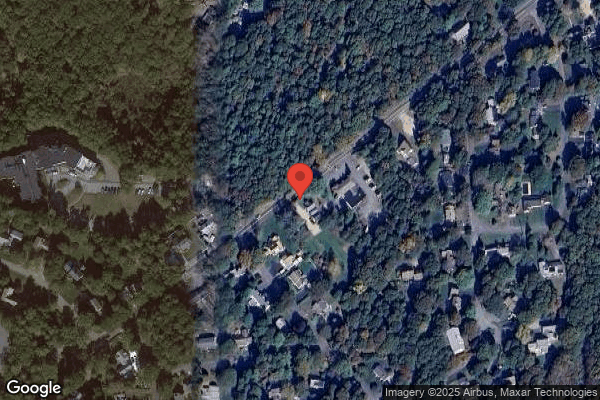
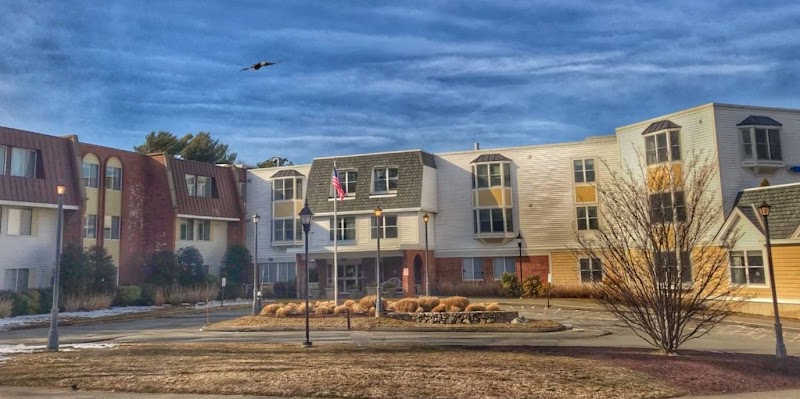
120 S MAIN STREET, CENTERVILLE, MA 02632 (508) 778-1835
For profit - Limited Liability company 120 Beds ATHENA HEALTHCARE SYSTEMS Data: November 2025
Trust Grade
38/100
#278 of 338 in MA
Last Inspection: May 2025

Inspected within the last 6 months. Data reflects current conditions.

Overview

Cape Regency Rehabilitation & Health Care Center has received a Trust Grade of F, indicating significant concerns about the quality of care provided. It ranks #278 out of 338 nursing homes in Massachusetts, placing it in the bottom half of facilities, and #14 out of 15 in Barnstable County, suggesting limited local options for families. The facility is worsening over time, with issues increasing from 15 in 2024 to 18 in 2025. Staffing is a relative strength, rated 3 out of 5 stars, with a lower turnover rate of 30%, which is better than the state average. However, there are serious concerns, including failure to monitor significant weight loss in a resident and issues with infection control practices, such as not performing proper hand hygiene, which could lead to increased risk of infections. Overall, while staffing appears stable, the facility faces critical challenges that families should consider carefully.

Trust Score
F
38/100
In Massachusetts
#278/338
Bottom 18%
Safety Record
Moderate
Needs review
Inspections
Getting Worse
15 → 18 violations
Staff Stability
✓ Good
30% annual turnover. Excellent stability, 18 points below Massachusetts's 48% average. Staff who stay learn residents' needs.
Penalties
✓ Good
No fines on record. Clean compliance history, better than most Massachusetts facilities.
Skilled Nurses
○ Average
Each resident gets 35 minutes of Registered Nurse (RN) attention daily — about average for Massachusetts. RNs are the most trained staff who monitor for health changes.
Violations
⚠ Watch
49 deficiencies on record. Higher than average. Multiple issues found across inspections.
★☆☆☆☆
1.0
Overall Rating
★★★☆☆
3.0
Staff Levels
★☆☆☆☆
1.0
Care Quality
★★☆☆☆
2.0
Inspection Score
Stable
2024: 15 issues
2025: 18 issues

The Good

  • Low Staff Turnover (30%) · Staff stability means consistent care
  • Full Sprinkler Coverage · Fire safety systems throughout facility
  • No fines on record
  • Staff turnover is low (30%)

    18 points below Massachusetts average of 48%

Facility shows strength in staff retention, fire safety.

The Bad

1-Star Overall Rating

Below Massachusetts average (2.9)

Significant quality concerns identified by CMS

Chain: ATHENA HEALTHCARE SYSTEMS

Part of a multi-facility chain

Ask about local staffing decisions and management

The Ugly 49 deficiencies on record

1 actual harm
May 2025 16 deficiencies
CONCERN (D)

Potential for Harm - no one hurt, but risky conditions existed

Resident Rights (Tag F0550)

Could have caused harm · This affected 1 resident

2. Resident #68 was admitted to the facility in September 2022 with diagnoses including retention of urine, hydronephrosis (a condition characterized by excess fluid in a kidney due to a backup of uri...

Read full inspector narrative →
2. Resident #68 was admitted to the facility in September 2022 with diagnoses including retention of urine, hydronephrosis (a condition characterized by excess fluid in a kidney due to a backup of urine), and obstructive and reflux uropathy (obstructive uropathy is a condition in which the flow of urine is blocked, causing urine to back up and injure one or both kidneys). Review of the MDS assessment, dated 04/11/25, indicated Resident #68 was cognitively impaired, as evidenced by a BIMS score of 1 out of 15. Further review of the MDS indicated he/she had an indwelling catheter. On 05/14/25 at 10:30 A.M., the surveyor observed Resident #68 lying in bed with the urinary drainage bag positioned on the left upper rail of the bed, facing the doorway. The drainage bag was fully visible and not placed in a private bag to conceal it from view. On 05/15/25 at 08:50 A.M., the surveyor observed Resident #68 sitting in bed, with the urinary drainage bag positioned on the left upper bed rail. The bag contained visible urine and was not placed in a privacy bag. During an interview on 05/15/25 at 09:00 A.M., CNA #10, along with the surveyor, observed the Resident's urinary catheter bag positioned on the left upper side rail facing the doorway, without a privacy bag. CNA #10 stated that there should be a privacy bag covering the catheter bag but was unsure why the overnight staff did not apply one. During an interview on 05/16/25 at 02:05 P.M., Unit Manager #3 stated that staff are required to keep urinary catheter bags covered to maintain privacy. During an interview on 05/20/25 at 11:45 A.M., the Director of Nursing stated that she was unaware that Resident #68's urinary drainage bag had not been covered for privacy. She said that it should always be placed in a privacy bag. During an interview on 05/20/25 at 01:45 P.M., CNA #9 stated that the catheter drainage bag must be covered to uphold the Resident's dignity. During an interview on 05/20/25 at 02:40 P.M., CNA #8 stated that the urinary catheter drainage bag must be covered to maintain the Resident's privacy. Based on observation, interview, and record review, the facility failed to ensure two Residents (#47 and #68) were treated with dignity and respect, in a total sample of 23 residents. Specifically, the facility failed: 1. To engage with Resident #47 using their preferred name (their first name shortened to a nickname), after being informed of the preferred name by the family; and 2. To provide a privacy bag to cover the urinary catheter bag of Resident #68. Findings include: 1. Review of the facility's policy titled Comprehensive Care Plans, dated November 2017, indicated the following: -recognizing each resident as an individual, we identify and meet those needs in a resident-centered environment -care plans reflect resident preferences Resident #47 was admitted to the facility in October 2024 with a diagnosis of bipolar disorder with a history of mental illness. Review of the Minimum Data Set (MDS) assessment, dated 4/11/25, indicated Resident #47 scored 15 out of 15 on the Brief Interview for Mental Status, indicating he/she was cognitively intact and the Resident had an activated Health Care Proxy. Review of the medical record indicated Resident #47 had participated in the initial Social Service and Recreation interviews and was able to provide his/her own history. Review of the medical record indicated Resident #47 had been verbal and participating in conversations and then after many months at the facility had started whispering and was difficult to understand. The medical record failed to indicate Resident #47 had been asked what he/she preferred to be called. Review of the care plans for Resident #47 failed to indicate the Resident's preferred name and referred to the Resident as Resident or {Full First Name}. During an interview on 5/14/25 at 11:40 A.M., the sister of Resident #47 said she lived five hours away and had been unable to visit the Resident in the last six months. She said there may have been a communication issue because the staff had been calling the Resident by his/her last name and then demonstrated {last name}, {last name}. She said she had to tell the staff what the Resident's name was and when the staff said the Resident's preferred name the Resident had responded right away, adding something as simple as that might be helpful. She said she was putting a sign up in the Resident's room indicating the Resident's preferred name. On 5/14/25 at 4:21 P.M., the surveyor observed Resident #47 lying in bed. There was a handwritten sign on the bulletin board in the Resident's room and one on the Resident's headboard indicating the Resident preferred to be called by their nickname. During an interview on 5/15/25 at 10:52 A.M., Certified Nursing Assistant (CNA) #6 said Resident #47 could resist care at times and needed a lot of redirection. She said the Resident whispered and did not always speak full sentences but could make his/her needs known. She said the staff usually called the Resident {Last Name}, but that she had seen a sign in the Resident's room this morning indicating to call the Resident by their nickname. During an interview on 5/15/25 at 11:35 A.M., Unit Manager #3 said Resident #47 had transferred to this unit in January 2025 and had been whispering when he/she arrived to the unit. He said he was not sure why the staff called the Resident {Last Name} and had just learned from the family that the Resident preferred to be called their nickname. On 5/15/25 at 3:45 P.M., the surveyor observed Nurse #3 redirect Resident #47 away from the elevator and said the following: {Last name}, let's get a ginger ale {Last name}, let's get a cookie The Resident was observed to start to walk away and the nurse responded, {Last Name}, {Last Name} then began to walk Resident #47 toward their room saying come {Last Name}. {Last Name}? During an interview on 5/16/25 at 9:10 A.M., Social Worker #2 said she did not know the sister of Resident #47 had placed signs in the Resident's room indicating the Resident's preferred name. She said she had always referred to the Resident by their nickname. She said she was not sure if the facility had ever asked the Resident what their preferred name was, but the staff should be following it. She said she had heard staff call the Resident by their last name, but she was not sure how that had initiated. She said all staff should be made aware of the Resident's preference to be called by their nickname.
CONCERN (D)

Potential for Harm - no one hurt, but risky conditions existed

Deficiency F0578 (Tag F0578)

Could have caused harm · This affected 1 resident

Based on record review and interview, the facility failed to ensure advanced directives for one Resident (#116), out of total sample of 23 residents, were executed in accordance with the Resident's wi...

Read full inspector narrative →
Based on record review and interview, the facility failed to ensure advanced directives for one Resident (#116), out of total sample of 23 residents, were executed in accordance with the Resident's wishes, specifically, their Medical Orders for Life Sustaining Treatment (MOLST medical order form that relays instructions between health professionals about a patient's care based on an individual's right to accept or refuse medical treatment). Findings include: The Facility does not have a policy for Advanced Directive formulation. Resident #116 was admitted to the facility in April 2025 with diagnoses including vascular dementia, psychotic disturbance, mood disturbance, and anxiety. Review of the Minimum Data Set (MDS) assessment, dated 4/17/25, indicated Resident #116 scored 3 out of 15 on the Brief Interview for Mental Status exam which indicated he/she had severe cognitive impairment. On 05/14/25 at 01:54 P.M., the surveyor and Unit Manager #3 reviewed Resident #116's electronic medical record which indicated that the Resident's code status was Full Code. Review of the paper record included a valid MOLST, dated 1/16/25, indicating Resident #116's wishes were for Do Not Resuscitate, Do Not Intubate, Transfer to Hospital. The medical record failed to indicate the MOLST was enacted by the facility. During an interview on 5/16/25 at 1:48 P.M., Unit Manager (UM) #3 reviewed Resident #116's paper medical record and said a valid MOLST was signed by the Resident's Health Care Agent in January (prior to admission). The facility did not enact the Resident's MOLST, instead making the Resident a Full Code.
CONCERN (D)

Potential for Harm - no one hurt, but risky conditions existed

Notification of Changes (Tag F0580)

Could have caused harm · This affected 1 resident

**NOTE- TERMS IN BRACKETS HAVE BEEN EDITED TO PROTECT CONFIDENTIALITY** Based on interview and record review, the facility failed to notify the Resident's physician and activated Health Care Proxy (HC...

Read full inspector narrative →
**NOTE- TERMS IN BRACKETS HAVE BEEN EDITED TO PROTECT CONFIDENTIALITY** Based on interview and record review, the facility failed to notify the Resident's physician and activated Health Care Proxy (HCP) about a significant medication error so as to re-evaluate the potential need to alter the treatment plan for one Resident (#76), from a total sample of 23 residents. Specifically, the facility failed to notify the primary physician and health care proxy of a medication reconciliation error resulting in Resident #76 receiving nine additional doses of Eliquis (apixaban) (an anticoagulant medication used to treat and prevent blood clots). Findings include: Review of the facility's policy titled Medication Error Reporting, dated April 2015, indicated, but was not limited to the following: -A medication error is any preventable event that may cause or lead to inappropriate medication use, which the medication is in the control of the health care professional. -A medication error report is to be completed immediately after an error is discovered to ensure proper resident/patient follow-up. -Notify the Nurse Manager/Supervisor immediately -The person finding the error is responsible for completing the Medication Error Report and forwarding it to the Director of Nursing (DON) immediately -The DON or designee is responsible for evaluating the severity of medication errors on each error using the information on the Medication Error Report Review of the facility's policy titled Condition: Significant Change, dated April 2015, indicated but was not limited to the following: -Professional staff will communicate with the physician, resident/patient, and family regarding changes in condition to provide timely communication of resident/patient status change which is essential to quality care management. -The physician, resident/patient and/or responsible party will be notified by the nurse in the event of a change in condition. -This notification shall be documented in the clinical record. Resident #76 was admitted to the facility in August 2024 with diagnoses including osteomyelitis (infectious inflammation of the bone marrow) of the left tibia/fibula (two long bones in lower leg). Review of the Minimum Data Set (MDS) assessment, dated 1/24/25, indicated Resident #76 had a Brief Interview for Mental Status (BIMS) exam score of 13 out of 15, indicating he/she was cognitively intact. Resident #76's Health Care Proxy (HCP) was invoked on 11/13/24 due to encephalopathy (disturbance in brain function due to infection). Review of the medical record indicated Resident #76 was hospitalized in May 2025 for a scheduled left knee fusion due to osteomyelitis. Review of the Discharge summary, dated [DATE] at 4:03 P.M., indicated the Resident was to begin taking Eliquis 2.5 milligram (mg) tablets in the morning and Eliquis 2.5mg before bedtime per day (for a total dose of 5 mg per day) for 30 days. Review of the Physician's Orders and the electronic Medication Administration Record (eMAR) indicated the Eliquis order had been entered twice as follows: Eliquis Order #1: -Eliquis oral tablet 2.5mg: Give one tablet by mouth two times a day for {sic} prevent blood clots. Administered on the following dates and times: 5/11/25 at 8:00 A.M. and 8:00 P.M. 5/12/25 at 8:00 A.M. and 8:00 P.M. 5/13/25 at 8:00 A.M. and 8:00 P.M. 5/14/25 at 8:00 A.M. and 8:00 P.M. 5/15/25 at 8:00 A.M. Eliquis Order #2: -Eliquis oral tab 2.5mg: Give 2.5mg by mouth two times a day for anticoagulation until 6/10/25, for 30 days. Administered on the following dates and times: 5/11/25 at 8:00 A.M. and 5:00 P.M. 5/12/25 at 8:00 A.M. and 5:00 P.M. 5/13/25 at 8:00 A.M. and 5:00 P.M. 5/14/25 at 8:00 A.M. and 5:00 P.M. 5/15/25 at 8:00 A.M. Further review of the eMAR indicated Resident #76 received Eliquis 2.5 mg two tablets (5 mg) for five days in the morning and Eliquis 2.5mg two tablets (5 mg) for four days in the evening, resulting in Resident #76 receiving nine additional doses of the medication than indicated on the discharge summary. On 5/15/25 at 2:45 P.M., the surveyor informed Unit Manager (UM) #2 of the possible duplicate order for Eliquis. During an interview on 5/15/25 at 3:40 P.M., UM #2 said it was a repeat order, and she discontinued one of the orders. Review of the physician's orders on 5/19/25 indicated one of the Eliquis orders had been discontinued on 5/15/25. Further review of the physician and nursing progress notes failed to indicate the physician, or HCP had been notified of the nine extra doses administered of Eliquis 2.5mg due to the duplicate order. During an interview on 5/19/25 at 1:15 P.M., UM #2 said she reviewed Resident #76's medication orders after the surveyor informed her of the possible duplicate order. UM #2 said she compared the Resident's current orders with the discharge summary provided by the hospital and found it was inadvertently placed into the computer twice. UM #2 said she notified the Assistant Director of Nursing (ADON) of the medication error and was instructed to discontinue one of the orders. UM #2 said she did not notify the physician or the HCP of the error, and she did not complete an incident report or investigation, she only notified her ADON. During an interview on 5/20/25 at 10:43 A.M., Family Member #1 said Resident #76's HCP has been invoked because he/she had developed confusion from an infection. She said she spoke with a nurse when Resident #76 returned from the hospital and reviewed his/her pain medication regimen. She said the facility has not discussed any other concerns with her. During an interview on 5/20/25 at 11:47 A.M., the ADON said UM #2 informed her of the duplicate order for Eliquis on 5/15/25 and she instructed UM #2 to notify the physician and discontinue the order. The ADON said when a medication error occurs the physician and HCP must be notified and a medication error report completed. The ADON said she did not notify the physician, HCP or complete a medication error report. She said she thought UM #2 did and would have to investigate it now. During an interview on 5/20/25 at 2:49 P.M., the Director of Nursing (DON) said when there is a suspected medication error, the nurse must notify the DON, the family and the physician. She said the resident must also be monitored for potential complications due to the error, and implement any new physician orders. The surveyor and DON reviewed Resident #76's medical record, and she said there is no documentation of the medication error or physician/HCP notification. She said the proper protocol was not followed.
CONCERN (D)

Potential for Harm - no one hurt, but risky conditions existed

Safe Environment (Tag F0584)

Could have caused harm · This affected 1 resident

Based on observations and interviews, the facility failed to ensure residents had a homelike environment. Specifically, the facility failed to: 1. Ensure a comfortable and homelike dining experience ...

Read full inspector narrative →
Based on observations and interviews, the facility failed to ensure residents had a homelike environment. Specifically, the facility failed to: 1. Ensure a comfortable and homelike dining experience in one of three dining rooms; and 2. Repair a water damaged wall area around a built-in wall unit air conditioner. Findings include: 1. During dining observations throughout the survey on 5/14/25, 5/15/25, and 5/16/25, surveyors observed the following: On 5/14/25 from 8:15 A.M. through 8:30 A.M., the surveyor observed the third-floor dining room: -Five residents were seated at one round folding table (different than the other five tables), no tablecloth, all breakfast meals were served on trays -Seven out of 13 residents were served from the first meal truck and all meals were served on the meal trays -None of the six tables had tablecloths -At 8:38 A.M., the remaining six residents received their breakfast meal with the plates, bowls and cups remaining on the meal trays. On 5/14/25 at 12:30 P.M., the surveyor observed the third-floor unit dining room. All six tables had maroon tablecloths and all plates, bowls and cups were served on the table and not on a meal tray. On 5/15/25 at 8:20 A.M., the surveyor observed the third-floor unit dining room: -Five residents were seated at the round folding table, which did not have a tablecloth -All breakfast plates, bowls and cups were served on the meal tray -None of the six tables had tablecloths On 5/15/25 at 12:00 P.M., the surveyor observed the third-floor unit dining room to be set up with tablecloths. On 5/16/25 at 8:30 A.M., the surveyor observed the third-floor unit dining room to be set up without tablecloths. During an interview on 5/16/25 at 12:39 P.M., Unit Manager #3 said the tables should always have tablecloths and when he inquired with the staff about why they were not using tablecloths at breakfast they had told him, This is how we do it. During an interview on 5/16/25 at 1:02 P.M., the Assistant Director of Nurses (ADON) said the third-floor unit was the only dining room used during breakfast time. She said staff should be putting tablecloths on the tables for all meals, including breakfast. She said the plates, bowls and cups should come off the serving tray for all meals and not just breakfast. During an interview on 5/16/25 at 2:29 P.M., the ADON said there was no facility policy regarding the dining experience of residents. 2. On 5/16/25 at 7:58 A.M., the surveyor observed the first-floor resident hallway with a built-in wall unit air conditioner located below a three-pane window. The area of wall between the windowsill and the built-in air conditioner had black speckles and was wet with clear liquid to the touch. The area to the right of the air conditioner had bubbling paint and was wet with spackle to the touch. The surveyor observed quick constant drips of water landing on the outside of the air conditioner. During an interview with observation on 5/16/25 at 3:23 P.M., the Director of Maintenance said the spackle had been applied to the right side of the air conditioner unit that morning and when he touched it at this time, at least 7 hours later, it continued to be wet to the touch. He said he had not noticed the black speckles between the windowsill and the air conditioner unit and had not realized it was wet to the touch. The surveyor and the Director of Maintenance went outside and observed the air conditioner above the first-floor unit built-in air conditioner to be dripping directly on to the first-floor unit. He said he thought this unit had a drip pan to prevent the upstairs air conditioner from hitting the outside siding. He touched the outside siding above the air conditioner and said it was soaked through and that was why the wall on the inside was wet.
CONCERN (D)

Potential for Harm - no one hurt, but risky conditions existed

Deficiency F0761 (Tag F0761)

Could have caused harm · This affected 1 resident

2. Resident #24 was admitted to the facility in December 2022 with diagnoses which included cerebral infarction (stroke) and senile degeneration (impaired cognition). Review of the MDS assessment, dat...

Read full inspector narrative →
2. Resident #24 was admitted to the facility in December 2022 with diagnoses which included cerebral infarction (stroke) and senile degeneration (impaired cognition). Review of the MDS assessment, dated 4/23/25, indicated Resident #24 was cognitively intact as evidenced by a BIMS score of 15 out of 15. Review of Resident #24's Self-Administration of Medication assessments, dated 12/30/24 and 3/22/25, indicated he/she did not desire to self-administer medication. Review of Resident #24's Physician's Orders indicated but was not limited to: -Flonase allergy relief nasal suspension 50 mcg/act (fluticasone propionate nasal spray), 1 spray in both nostrils two times a day for dry, irritated nares. May self-administer and keep at the bedside, dated 3/17/25. Further review of Resident #24's Physician's Order (3/17/25) indicated the ability/desire to self-administer Flonase predated the Self-Administration of Medication Assessment (3/22/25) and his/her record did reflect the 3/22/25 change. On the following dates of survey, the surveyor observed medication unsecured in Resident #24's room: -5/14/25 at 9:10 A.M., there was a box containing a bottle of fluticasone propionate nasal spray on his/her overbed table, -5/15/25 at 7:35 A.M., there was a box containing a bottle of fluticasone propionate nasal spray in a pink basin on his/her wheelchair at the bedside. During an interview on 5/20/25 at 9:46 A.M., Resident #24 said he/she used to keep her Flonase in the room but somebody took it away and now the nurses bring it in for him/her. During an interview on 5/20/25 at 10:02 A.M., Nurse #5 said when a resident wants to keep medication at the bedside an assessment needs to be conducted to ensure the resident understood the medication and the order and was able to safely administer the medication and then the medication should be secure in the room when not being used by the resident. Nurse # 5 said the facility had keys to the bedside table for safe keeping. Nurse #5 said Resident #24 should not have medication at the bedside. 3. Resident #23 was admitted to the facility in January 2020 with diagnoses which included COPD. Review of the MDS assessment, dated 5/2/25, indicated Resident #22 was cognitively intact as evidenced by a BIMS score of 15 out of 15. Review of Resident #23's Self-Administration of Medication assessment, dated 4/25/25, indicated he/she did not desire to self-administer medication. Review of Resident #23's Physician's Order indicated but were not limited to: -fluticasone-salmeterol inhalation aerosol powder breath activated 250-50 mcg/act (fluticasone-salmeterol) 1 application inhale orally two times a day for treat asthma rinse mouth after each use, 4/15/25 On 5/14/25 at 9:16 A.M., the surveyor observed a box containing a fluticasone salmeterol (steroid and bronchodilator combination) inhaler unsecured and on Resident #23's overbed table. During an interview on 5/20/25 at 9:49 A.M., Resident #23 said the day the inhaler was on his/her overbed table was because the night nurse left it behind. Resident #23 said he/she was not supposed to have it. During an interview on 5/20/25 at 10:02 A.M., Nurse #5 said Resident #23 should not have medication at the bedside. During an interview on 5/20/25 at 11:32 A.M., the Director of Nurses (DON) said she was not sure if the non-narcotic medication should have been locked but that medication should be in a safe place acceptable to the residents. The DON said she needed to review the policy to see if the medications needed to be locked or not. Based on observation, record review and interview, the facility failed to ensure medications were labeled and stored in accordance with acceptable professional standards for three Residents (#64, #24, #23), of a total sample of 23 residents. Specifically, the facility failed: 1. For Resident #64, to ensure the Resident's inhaler and allergy nasal spray medications were stored securely; 2. For Resident #24, to ensure the Resident's nasal spray medication was stored securely; and 3. For Resident #23, to ensure the Resident's inhaler medication was stored securely. Findings include: Review of the facility's policy titled Medication Storage in the Facility, undated, indicated but was not limited to the following: - Bedside medication storage is permitted for residents who wish to self-administer medications, upon the written order of the prescriber and once self-administration skills have been assessed and deemed appropriate in the judgment of the facility's interdisciplinary resident assessment team. - The manner of storage prevents access by other residents. 1. Resident #64 was admitted to the facility in March 2025 with diagnoses including chronic obstructive pulmonary disease (COPD) and shortness of breath (SOB). Review of the Minimum Data Set (MDS) assessment, dated 5/5/25, indicated Resident #64 was cognitively intact as evidenced by a Brief Interview for Mental Status (BIMS) score of 15 out of 15. Review of Resident #64's Self-Administration Medication assessment, dated 5/13/25 and 5/14/25 indicated he/she desired to self-administer medications. Furthermore, the assessments indicated he/she was safe to administer Mometasone Furoate Inhalation Aerosol Powder Breath Activated Inhaler, Albuterol Sulfate Inhalation Aerosol Power Breath Activated Inhaler, and Anoro Ellipta Inhalation Aerosol Powder Breath Activated Inhaler. Review of Resident #64's Physician's Orders included but were not limited to: - 5/14/25: May self-administer and keep at bedside. Patient wishes to self-administer Mometasone Furoate, Albuterol Sulfate, Anoro Ellipta. - 5/13/25: Mometasone Furoate Inhalation Aerosol Powder Breath Activated 220 MCG/ACT; two puff inhale orally one time a day related to COPD; unsupervised self-administration; rinse mouth with water each use to prevent incidence of candidiasis. - 4/29/25: Albuterol Sulfate Inhalation Aerosol Powder Breath Activated 108 (90 Base) MCG/ACT; two puff inhale orally every four hours as needed for SOB; unsupervised self-administration. - 4/29/25: Anoro Ellipta Inhalation Aerosol Powder Breath Activated 62.5-25 MCG/ACT; one puff inhale orally one time a day related to COPD; Unsupervised self-administration. - 4/29/25: Fluticasone Propionate Nasal Suspension 50 MCG/ACT; two sprays in each nostril one time a day for allergy. On the follow dates of the survey, the surveyor observed medication unsecured in Resident #64's room: - 5/14/25 at 9:12 A.M., there were boxes containing Fluticasone Propionate Nasal Spray, Mometasone Furoate Inhalation Aerosol Powder Breath Activated Inhaler, Albuterol Sulfate Inhalation Aerosol Power Breath Activated Inhaler, and Anoro Ellipta Inhalation Aerosol Powder Breath Activated Inhaler on top of his/her bedside nightstand. - 5/15/25 at 9:18 A.M., therer were boxes containing Fluticasone Propionate Nasal Spray, Mometasone Furoate Inhalation Aerosol Powder Breath Activated Inhaler, Albuterol Sulfate Inhalation Aerosol Power Breath Activated Inhaler, and Anoro Ellipta Inhalation Aerosol Powder Breath Activated Inhaler on top of his/her bedside nightstand. During an interview on 5/15/25 at 9:18 A.M., Resident #64 said he/she is able to self-administer the inhaler medications. The Resident said he/she prefers to keep inhaler medications at the bedside and typically leaves them in or on the nightstand. During an interview on 5/20/25 at 9:53 A.M., Nurse #10 said Resident #64 is able to self-administer inhaler medications and they are left at the bedside. Nurse #10 said she was not sure if the medications needed to be locked or secured but he/she stores them in the nightstand next to their bed. Nurse #10 said medications should not be left out on top of the nightstand and should be kept in the drawer. During an interview on 5/20/25 at 10:10 A.M., Unit Manager (UM) #1 said Resident #64 was able to self-administer his/her inhaler medications, but the Fluticasone Propionate Nasal Spray medication should not have been left at the bedside as he/she is not able to self-administer that medication. UM #1 said medications should be stored in the top drawer of his/her nightstand and it should be locked.
CONCERN (D)

Potential for Harm - no one hurt, but risky conditions existed

Antibiotic Stewardship (Tag F0881)

Could have caused harm · This affected 1 resident

**NOTE- TERMS IN BRACKETS HAVE BEEN EDITED TO PROTECT CONFIDENTIALITY** Based on record review and interview, the facility failed to implement an antibiotic stewardship program which included antibiot...

Read full inspector narrative →
**NOTE- TERMS IN BRACKETS HAVE BEEN EDITED TO PROTECT CONFIDENTIALITY** Based on record review and interview, the facility failed to implement an antibiotic stewardship program which included antibiotic use protocols and monitoring of antibiotic use in accordance with the facility's antibiotic stewardship program. Findings include: Review of the facility's policy titled Infection Control Prevention Program - Antibiotic Stewardship, revised 3/2024, indicated but was not limited to the following: - It is the policy of this facility to implement an Antibiotic Stewardship Program as part of the facility's infection prevention and control program. The goal of this program is to reduce inappropriate antimicrobial use, improve patient care outcomes and reduce possible consequences of antimicrobial use. - The facility will establish an antimicrobial stewardship team (AMS) dedicated to improving antimicrobial use. - The core members of the AMS team will include, but not be limited to the Medical Director, Pharmacy Consultant, Director of Nurses (DON), and Infection Preventionist (IP). - The facility uses the Updated McGeer's criteria to define infections. - When symptoms of an infection are identified, the following measures will be implemented: nursing staff shall notify MD (physician)/APRN (nurse practitioner) and responsible party; symptoms will be reviewed with the MD/APRN and further testing will be obtained per MD/APRN order; test results will be reviewed with the MD/APRN when available; all orders will include dose, duration, and indication of antibiotic; the duration of the ABT (antibiotic) therapy will be defined and/or regularly reviewed by the prescriber; antibiotics will be reassessed 48-72 hours after initiation to ensure the antibiotic is still indicated or adjustments should be made. - All infections will be tracked [NAME] (sic) the IP or designee and reviewed for trends. Review of the facility's policy titled Infection Control Prevention Program - Antibiotic Prescribing Practices, revised 3/2024, indicated but was not limited to the following: - Goal: to improve antibiotic ordering practices within the facility. - It is the policy of this facility that antibiotic prescribing practices are implemented as part of the facility's Antibiotic Stewardship Program for the purpose of optimizing the treatment of infections and to reduce adverse events associated with the antibiotic use. - The decision to prescribe an antibiotic will be guided by medical knowledge, best practices, and professional guidelines. - Antibiotics will be administered only as prescribed by the physician or other authorized practitioner. - Reassessment of the antibiotic will be conducted after 2-3 days for appropriateness factoring in results of diagnostic tests, laboratory results, and/or changes in the clinical status of the resident. Review of the facility's policy titled Infection Control Prevention Program - Surveillance for Healthcare-Associated Infections (HAIs), revised 3/2024, indicated but was not limited to the following: - This facility will closely monitor all residents who exhibit signs/symptoms of infection. - The nurse or nursing assistant will notify the IP of suspected infections, who will record the information of the Infection Control Log. - Document in the narrative nurses notes every shift of presence or absence of symptoms. Review of the facility's Surveillance Sheets for May 2025 indicated but were not limited to the following: Resident #29 had an upper respiratory infection (URI) concern with an onset date of 5/12/25. The surveillance indicated that the concern did not rise to the level of infection as determined by the facility criteria, however an antibiotic was prescribed for five days. Review of Resident #29's nursing progress notes indicated an antibiotic was initiated on 5/12/25 with no symptoms documented. A late entry note for 5/12/25 was written after the concern for antibiotic usage was brought to the facility's attention and indicated the Resident had congestion. Further review of the physician and nurse practitioner progress notes indicated on 5/14/25 Resident #29 had a congested cough. No further specific signs or symptoms of infection were indicated in the medical record. Review of Resident #29's medical record, including nursing, physician and nurse practitioner progress notes, failed to indicate reasoning for continued antibiotic usage even though the symptoms did not meet McGeer criteria. Resident #99 had a skin concern with an onset date of 5/1/25. The surveillance indicated that the concern did not rise to the level of infection as determined by the facility criteria, however an antibiotic was prescribed for seven days. Review of Resident #99's nursing progress notes indicated on 4/28/25 he/she had some swelling to their right lower extremity. The nursing progress notes on 5/1/25 indicated an antibiotic was started for seven days. Further review of the physician and nurse practitioner progress notes failed to include information related to the right lower extremity infection. No further specific signs or symptoms of infection were indicated in the medical record. Review of Resident #99's medical record, including nursing, physician and nurse practitioner progress notes, failed to indicate reasoning for continued antibiotic usage even though the symptoms did not meet McGeer criteria. During an interview on 5/20/25 at 7:52 A.M., the Director of Nursing (DON) said the medical record should contain documentation of all the residents' signs and symptoms of infection. The DON said the IP documents in progress notes when a resident does not meet antibiotic usage criteria, and any conversations had with the prescriber. The DON said progress notes should identify a prescriber's rationale for continued use of an antibiotic that does not meet McGeer criteria. The DON said there needs to be clearer documentation in the medical record indicating the residents' signs and symptoms of infection and/or rationale for continued antibiotic usage.
CONCERN (D)

Potential for Harm - no one hurt, but risky conditions existed

Deficiency F0883 (Tag F0883)

Could have caused harm · This affected 1 resident

**NOTE- TERMS IN BRACKETS HAVE BEEN EDITED TO PROTECT CONFIDENTIALITY** Based on record review and interview, the facility failed to ensure two Residents (#23 and #87), out of a total sample of five r...

Read full inspector narrative →
**NOTE- TERMS IN BRACKETS HAVE BEEN EDITED TO PROTECT CONFIDENTIALITY** Based on record review and interview, the facility failed to ensure two Residents (#23 and #87), out of a total sample of five residents reviewed for immunizations, were screened for eligibility to receive the recommended pneumococcal vaccination, residents/residents' representatives were educated on the benefits and potential side effects of the vaccine, and were offered and administered (if applicable) the vaccine in a timely manner. Specifically, the facility failed: 1. For Resident #23, to ensure the Resident's medical record included documentation that indicated the Resident/Resident's Representative was provided education regarding the benefits and potential side effects of pneumococcal vaccination and declined vaccination; and 2. For Resident #87, to ensure the Resident's medical record included documentation that indicated the Resident/Resident's Representative was provided education regarding the benefits and potential side effects of pneumococcal vaccination and either consented to receive or refused vaccination. Findings include: Review of the facility's policy titled Immunization of Residents, revised October 2024, indicated, but was not limited to, the following: -All eligible residents will be offered the influenza and pneumococcal vaccines unless medically contraindicated. The resident or the resident's legal representative will be provided education regarding the pros and cons of the vaccine prior to administration. The resident or resident's legal representative has the right to refuse the vaccine. -Procedure for Pneumococcal Vaccination of Residents *Each resident or their responsible party will be asked on admission if they have previously had any pneumococcal vaccinations and their age at the time of vaccination. *The pneumococcal conjugate vaccine will be offered to all eligible residents and the risks and benefits will be provided to the resident or resident's legal representative prior to administration of the vaccine. The resident or resident's legal representative has the right to refuse the vaccine. *Adults aged 65 years or older who have not previously received a pneumococcal conjugate vaccine or whose previous vaccination history is unknown should receive a pneumococcal conjugate vaccine. Review of the Centers for Disease Control and Prevention (CDC) guidance titled Pneumococcal Vaccine Timing for Adults, dated October 2024, indicated but was not limited to the following: Adults 50 years or older: -No prior pneumococcal vaccine history (or received PCV7 at any age and no other pneumococcal vaccines): *Option A: Administer PCV20 or PCV21 for all adults 50 years or older who have never received any pneumococcal vaccine *Option B: Administer PCV15 followed by pneumococcal polysaccharide vaccine (PPSV23) at least a year later -Received PPSV23 only (at any age): *Option A: Administer PCV20 or PCV21 at least a year later *Option B: Administer PCV15 at least a year later -Received PCV13 only (at any age): *Administer PCV20 or PCV21 at least a year later -Received PCV13 at any age and PPSV23 at younger than 65 years: *Administer PCV20 or PCV21 at least five years later 1. Resident #23 was admitted to the facility in February 2024 and was [AGE] years old. Review of Resident #23's electronic health record indicated the Resident refused pneumococcal conjugate vaccination. Review of the Resident's full medical record failed to indicate the Resident's pneumococcal vaccination history had been obtained or that the Resident's eligibility for the pneumococcal vaccine had been determined. Further review failed to indicate any education was provided to the Resident or their legally responsible party or that a consent or declination form for pneumococcal conjugate vaccination was obtained. 2. Resident #87 was admitted to the facility in March 2025 and was [AGE] years old. Review of Resident #87's electronic health record failed to indicate the Resident had received or refused a pneumococcal conjugate vaccine. Review of the Resident's full medical record failed to indicate any pneumococcal vaccination history had been obtained or that the Resident's eligibility for the pneumococcal vaccine had been determined. Further review failed to indicate any education was provided to the Resident or their legally responsible party or that a consent or declination form was obtained. During an interview on 5/20/25 at 11:29 A.M., the Director of Nurses said she could not find the pneumococcal consent/declination forms for Resident #23 or Resident #87 that should be in the Residents' medical records.
CONCERN (E)

Potential for Harm - no one hurt, but risky conditions existed

Quality of Care (Tag F0684)

Could have caused harm · This affected multiple residents

**NOTE- TERMS IN BRACKETS HAVE BEEN EDITED TO PROTECT CONFIDENTIALITY** 2. Resident #11 was admitted to the facility in January 2013 with a diagnosis of cirrhosis (scar tissue on the liver). Review of...

Read full inspector narrative →
**NOTE- TERMS IN BRACKETS HAVE BEEN EDITED TO PROTECT CONFIDENTIALITY** 2. Resident #11 was admitted to the facility in January 2013 with a diagnosis of cirrhosis (scar tissue on the liver). Review of the medical record indicated Resident #11 developed an arterial ulcer (disruption or blockage of the arterial blood flow to an area which causes tissue to die) to the lateral (outside) of the left foot on 3/7/25. Review of the medical record indicated an order for the following treatment was initiated on 3/8/25: -cleanse with Vashe wash (wound cleanser), pat dry, apply Iodosorb gel (an antimicrobial ointment), apply a dry protective dressing followed by a kling (gauze) wrap. Review of the Wound Care Consultant's note, dated 3/28/25, indicated the arterial ulcer to the left lateral foot now had a moderate amount of purulent exudate (thick, opaque fluid with a foul odor that indicates a wound infection). The wound consultant physician recommended the following change of treatment: Vashe wash, Bactroban (a topical antibiotic), a dry protective dressing and gentle kling wrap daily. Review of the March and April 2025 TAR indicated the following treatments were in place for the arterial ulcer on the left lateral foot from 3/30/25 through 4/21/25 -cleanse with Vashe wash, pat dry, apply Iodosorb gel, apply a dry protective dressing followed by a kling wrap every evening shift -Vashe wash, Bactroban, a dry protective dressing and gentle kling wrap every day shift The March and April 2025 TARs indicate staff completed both treatments to the same wound on the left lateral foot daily. Review of the nursing progress notes indicated the wound treatments were clarified on 4/21/25, the order for Iodosorb was discontinued and the Resident would continue to receive the Bactroban treatment to the wound on the evening shift. During an interview on 5/20/25 at 2:00 P.M., Nurse #7 said she was the wound nurse at the facility until April 2025. She said the process was to go around with the wound consultant physician and conduct rounds on residents with wounds. She said on 3/28/25 Resident #11's wound was infected; the wound physician consultant had changed the treatment and the Resident was started on an antibiotic. She said toward the end of April a nurse who did not normally work on that unit had noticed that the Resident had two different treatment orders for the arterial ulcer on the left lateral foot and the Iodosorb order was discontinued at that time. She said some of the nurses who were familiar with the Resident may not have been doing both treatments, but there was no way to know as there were two different orders on two different shifts. She said the treatment with Iodosorb should have been discontinued when the treatment with Bactroban started but had not been. During an interview on 5/20/25 at 3:00 P.M., the Regional Nurse Consultant said she had reviewed the medical record and saw there were two different orders for the same area and there should not have been. On 5/15/25 at 3:43 P.M., the surveyor observed Nurse #6 finishing the wound treatment to the left foot as she applied kling wrap and secured with tape. On 5/16/25 at 3:05 P.M. the surveyor observed the Infection Control Nurse remove the dressing to the left foot of Resident #11. The Infection Control Nurse removed the kling wrap and the surveyor observed an adhesive bandage over the lateral area of the left foot. The adhesive bandage was dated 5/15/25. The surveyor observed Resident #11 grimace as the Infection Control Nurse removed the adhesive bandage. During an interview on 5/16/25 at 3:10 P.M., the Infection Control Nurse said Nurse #6 should not have used an adhesive bandage on the arterial wound. She said the dry protective dressing (gauze), should be held on with kling wrap because the skin was so fragile. During an interview on 5/20/25 at 4:26 P.M., the DON said Resident #11 should not have had an adhesive bandage applied to the left lateral foot as this would be uncomfortable to remove. Based on observation, record review, and interview, the facility failed to ensure two Residents (#6 and #11) with wounds, out of a total sample of 23 residents, received necessary treatment and services to promote healing. Specifically, the facility failed: 1. For Resident #6, to complete weekly skin assessments and to follow the vascular physician's recommendations for care and treatment of a non-pressure wound to the Resident's left right foot; and 2. For Resident #11, to discontinue treatment to an arterial ulcer on the lateral left foot, leading to two different treatments being conducted daily and failed to follow the physician's order for the treatment by applying an adhesive bandage. Findings include: Review of the facility's policy titled Skin and Wounds, reviewed in January 2025, indicated the following: -if a resident presents with a venous, arterial or diabetic ulcer, the wound will be assessed on a weekly basis -non-pressure alterations in skin integrity also include skin tears and post op surgical incisions -ongoing monitoring and evaluation are provided to ensure optimal resident care outcomes -documentation would include: location, measurements, type of wound, thickness, drainage amount/color, appearance of wound bed, appearance of wound edges, appearance of peri wound, effectiveness of treatment 1. Resident #6 was admitted to the facility in April 2025 with diagnoses including osteomyelitis (infection in a bone), right great toe amputation, and diabetes. Review of the Minimum Data Set (MDS) assessment, dated 4/25/25, indicated he/she scored 15 out of 15 on the Brief Interview for Mental Status (BIMS), indicating he/she was cognitively intact. Additionally, he/she had an infection of the foot and surgical wound requiring surgical wound care and application of dressings to feet. Review of Resident #6's Hospital Discharge summary, dated [DATE], indicated Resident #6 was treated for right great toe cellulitis with concern for osteomyelitis and had his/her right great toe amputated on 4/11/25. Review of Resident #6's Physician's Orders indicated, but was not limited to, the following: -Treatment Order: Cleanse with normal saline, pat dry, apply betadine gauze to incision follower [sic] by kerlix. Location (Specify) every evening shift every other day and as needed (order date 4/18/25) -Monitor Dressing: Site Right Great Toe every shift (order date 4/18/25) The Resident's Physician's Orders for his/her right great toe treatment failed to specify the treatment's location. Review of Resident #6's Short Consultation/Referral Form, dated 4/29/25, indicated the Resident was seen by his/her foot and ankle surgeon on 4/29/25. The surgeon's wound care recommendations included bandage to the right foot daily after showering, apply ABD (a highly absorbent and non-adhesive gauze pad) over incision, then ace bandage (an elastic compression bandage used to decrease swelling). Review of Resident #6's Non-Pressure Wound Evaluation, dated 4/25/25, indicated it was completed for follow-up weekly assessment of the Resident's right great toe surgical wound. The evaluation failed to include wound measurements. The evaluation indicated the wound had 100% healthy tissue types, a healthy wound edge, and no drainage or odor. Review of Resident #6's skin audits, dated 4/18/25, 4/21/25, 5/5/25, and 5/12/25, failed to include Resident #6's right foot surgical incision measurements or wound description. The Resident's medical record failed to include any additional Non-Pressure Wound Evaluations or wound measurements and descriptions. Review of the Treatment Administration Record (TAR) indicated Resident #6's right foot surgical wound dressing was changed every other day on the evening shift and skin audits were completed on 4/18/25, 4/21/25, 5/5/25, and 5/12/25. Review of the nursing, physician, and physician assistant (PA) Progress Notes for Resident #6 failed to include a description of the Resident's surgical wound or wound measurements after his/her admission to the facility. During an interview on 5/15/25 at 9:03 A.M., Resident #6 said the wound on his/her right foot is healing but he/she still wears a dressing on it. During a subsequent interview on 5/19/25 at 10:19 A.M., Resident #6 said the nurses change his/her right foot dressing every other day and he/she does not know what his/her right foot surgical wound looks like because he/she cannot see it. During an interview on 5/16/25 at 2:20 P.M., the Wound Nurse said she completed wound rounds weekly on residents in the facility with wounds and tracked them on a spreadsheet. She said she was unaware she was supposed to enter the wound information into the electronic health record and had not done that for the three weeks she was conducting wound rounds. She said she last conducted wound rounds on 5/5/25 and had not been able to complete them yet for this week. Review of the Weekly Non-Pressure Injury Record failed to include Resident #6 had been seen during wound rounds. During an interview on 5/19/25 at 11:46 A.M., Unit Manager #1 said the facility's weekly skin assessments are documented in the electronic health record. Unit Manager #1 said the Wound Nurse completes the Non-Pressure Wound Evaluations weekly when she rounds and the weekly wound measurement and description should be documented there. Unit Manager #1 reviewed the Vascular Physician's 4/29/25 treatment recommendations and said the treatment order did not get transcribed and the order should match what the consulting Vascular Physician had recommended on the consult form. During an interview on 5/19/25 at 2:58 P.M., the Assistant Director of Nurses (ADON) said Resident #6's weekly wound measurements and description should be documented in the Non-Pressure Wound Evaluation in the electronic health record. During an interview on 5/20/25 at 2:03 P.M., the Director of Nurses (DON) and Regional Nurse Consultant #1 said Resident #6's wound care assessments and measurements should be documented in the electronic health record. The DON said if the wound nurse was not available, the DON, night shift nursing supervisor, or ADON would complete. The DON said she reviewed Resident #6's wound assessments with Unit Manager #1 who reported the admitting nurse documented the wound measurements in her note on 4/18/25. The DON said she and the ADON were not informed wound measurements were not taken last week. The DON said she and the Regional Nurse Consultant #2 assessed and measured the wound on 5/20/25.
CONCERN (E)

Potential for Harm - no one hurt, but risky conditions existed

Deficiency F0685 (Tag F0685)

Could have caused harm · This affected multiple residents

Based on observation, record review, and staff interview, the facility failed to ensure that staff assisted one Resident (#84), out of a total of 23 sampled residents, in replacing bilateral hearing a...

Read full inspector narrative →
Based on observation, record review, and staff interview, the facility failed to ensure that staff assisted one Resident (#84), out of a total of 23 sampled residents, in replacing bilateral hearing aids that went missing to maintain hearing ability and enhance communication. Findings include: Review of the clinical record indicated Resident #84 was admitted to the facility in February 2024. Review of the Minimum Data Set (MDS) assessment, dated 3/21/25, indicated Resident #84 had a Brief Interview for Mental Status (BIMS) score of 2 out of 15, indicating he/she has severe cognitive impairment. The MDS indicated bilateral hearing aids present. Review of the Physician's Orders, dated May 2025, included an Audiology Consult as needed (3/10/25). On the following dates and times, the surveyor observed Resident #84 not wearing hearing aids and was unsuccessful in engaging the Resident in conversation due to their difficulty hearing: -05/14/25 at 09:35 A.M. -05/15/25 at 08:30 A.M. -05/15/25 at 02:08 P.M. -05/16/25 at 08:12 A.M. -05/20/25 at 02:09 P.M. During an interview on 05/16/25 at 02:07 P.M., the Unit Manager said Resident #84 is deaf and does not have hearing aids anymore. The Unit Manager said they have been missing for a while but could not give a specific time. He said the facility has not done anything yet to replace the Resident's hearings aids. On 5/16/25 at 3:00 P.M., the surveyor attempted to contact Resident #84's daughter, but she did not call back. Review of the facility's Appointment Book failed to indicate Resident #84 was scheduled for an appointment to have his/her hearing aids replaced. During an interview on 05/20/25 at 02:14 P.M., Certified Nursing Assistant (CNA) #9 said her assignment changes every two weeks. She said she's providing care for Resident #84 today, but it's been a while. She said she does not know what happened to the Resident's hearing aids or when they went missing. During an interview on 05/20/25 at 02:38 P.M., CNA #8 said the Resident has difficulty hearing and was not aware about the missing hearing aids. During an interview on 5/20/25 at 2:45 P.M., Nurse #3 said the Resident had bilateral hearing aids that they've been unable to locate. She said the social worker was aware, and was not sure why the Resident does not have a new pair of hearing aids yet. During an interview on 5/20/25 at 3:10 P.M, the Social Worker said it was recently brought to her attention that Resident #84's hearing aids were missing. She said nursing staff are responsible for scheduling the residents' appointments when needed; she would need to follow up on it.
CONCERN (E)

Potential for Harm - no one hurt, but risky conditions existed

Drug Regimen Review (Tag F0756)

Could have caused harm · This affected multiple residents

Based on document review and interview, the facility failed to ensure that monthly medication regimen reviews (MRR) were communicated to the physician and addressed in a timely manner for one Resident...

Read full inspector narrative →
Based on document review and interview, the facility failed to ensure that monthly medication regimen reviews (MRR) were communicated to the physician and addressed in a timely manner for one Resident (#76), out of a total sample of 23 residents. Specifically, the facility failed to: a. Ensure a recommendation from October 2024 by the pharmacy consultant to evaluate continued need of Oxycontin and MS Contin (both opioid medications that are used for severe pain) was reviewed and responded to by the provider; and b. Ensure February 2025 consultant pharmacist recommendations were acted upon timely to clarify the need for Protonix (reduces stomach acid) 40 milligrams (mg) twice a day, and to evaluate the need for continued use of as needed Oxycodone (medication used for breakthrough pain). Findings include: Review of the facility's policy titled Medication Regimen Review Monthly Report, dated as revised December 2019, indicated but was not limited to the following: -The Consultant pharmacist performs a comprehensive review of each resident's medication regimen and clinical record at least monthly. -The medication regimen review (MRR) includes evaluating the resident's response to medication therapy to determine that the resident maintains the highest practicable level of functioning and preventing or minimizing adverse consequences related to medication therapy. -All findings and recommendations are reported to the director of nursing and the attending physician, the medical director and the administrator. Review of the facility's policy titled Documentation and Communication of Consultant Pharmacist Recommendations, dated as last revised December 2019, indicated but was not limited to the following: -The consultant pharmacist works with the facility to establish a system whereby the consultant pharmacist's observations and recommendations regarding residents' medication therapies are communicated to those with authority and/or responsibility to implement the recommendations and are responded to in an appropriate timely fashion. -The timing of these recommendations should enable a response prior to the next medication regimen review. -Recommendations are acted upon and documented by the facility staff and/or the prescriber. -If the prescriber does not respond to recommendation directed to him/her within 30 days, the Director of Nursing and/or the consultant pharmacist may contact the medical director. Resident #76 was admitted to the facility in August 2024 and had diagnoses including osteomyelitis (infectious inflammation of the bone marrow) of the left tibia/fibula (two long bones in lower leg). a. Review of the medical record indicated a full MRR was completed by the consultant pharmacist in October 2024 and to see report for irregularities and/or recommendations. The record failed to indicate what those irregularities were or that they were addressed by a physician. Review of the MRR from October 2024 indicated that there was a recommendation left to the prescriber as follows: -Resident is receiving the following medication(s) Oxycontin and MS Contin. Please evaluate continued need. If discontinue (DC) is not indicated, please note diagnosis DX/medical necessity of current therapy in progress note. The physician/prescriber response section was blank, indicating the recommendation was never addressed or reviewed by the physician/prescriber. b. Review of the medical record indicated a full MRR was completed by the consultant pharmacist in February 2025 and to see report for irregularities and/or recommendations. Review of the MRR from February 2025 indicated that there were two recommendations left to the prescriber as follows: -This resident has been receiving the proton pump inhibitor Protonix 40mg twice a day (BID) for more than 12 weeks. Could the ongoing need for this therapy be re-assessed at this time? The physician/prescriber response section was checked I agree. Please see new order. The recommendation was signed by the physician and dated 4/9/25, two months after the recommendation was received. -Please review current as needed oxycodone use has been used 63 and 55 times between December 2024-January 2025. The physician/prescriber response section was checked I agree, please see new order. The recommendation was signed by the physician and dated 4/9/25, two months after the recommendation was received. During an interview on 5/20/25 at 12:29 P.M., the Pharmacy Consultant said he completes the monthly reports and sends them to the Director of Nursing (DON). He expects the facility to review and respond to the recommendations prior to his next monthly review. During an interview on 5/20/25 at 2:33 P.M., the DON said pharmacy recommendations are supposed to be completed within 30 days of receipt. She said the October 2024 recommendation was not addressed by the provider as it should have been it must have been an oversight. She said the February 2025 recommendations were reviewed and responded to late. She said they should have been reviewed by the provider within 30 days.
CONCERN (E)

Potential for Harm - no one hurt, but risky conditions existed

Deficiency F0760 (Tag F0760)

Could have caused harm · This affected multiple residents

**NOTE- TERMS IN BRACKETS HAVE BEEN EDITED TO PROTECT CONFIDENTIALITY** Based on record review and interviews, the facility failed to ensure that medications were accurately reconciled by nursing for ...

Read full inspector narrative →
**NOTE- TERMS IN BRACKETS HAVE BEEN EDITED TO PROTECT CONFIDENTIALITY** Based on record review and interviews, the facility failed to ensure that medications were accurately reconciled by nursing for one Resident (#76), out of a total sample of 23 residents, to ensure he/she was free from a significant medication error. Specifically, the facility failed to ensure Eliquis (apixaban) (an anticoagulant medication used to treat and prevent blood clots) was administered according to physician's orders following a hospitalization for a left knee joint fusion, resulting in the Resident receiving nine additional doses of the medication. Findings include: Review of the facility's policy titled Nursing Policy & Procedure Manual, last revised 8/4/2024, indicated but was not limited to the following: -The facility reconciles medication frequently throughout a resident's stay to ensure that the resident is free of any significant medication errors. -Medication reconciliation refers to the process of verifying that the resident's current medication list matches the physician's orders for the purposes of providing the correct medications to the resident at all points throughout his or her stay. -admission processes: Compare orders to hospital records, obtain clarification as needed. -Transcribe orders in accordance with procedures for admission orders. -Have a second nurse review transcribed orders for accuracy. -Perform 24-hour chart checks to verify all new orders have been addressed. Review of the facility's policy titled Medication Error Reporting, dated April 2015, indicated but was not limited to the following: -A medication error is any preventable event that may cause or lead to inappropriate medication use, which the medication is in the control of the health care professional. -A medication error report is to be completed immediately after an error is discovered to ensure proper resident/patient follow-up. -Notify the Nurse Manager/Supervisor immediately. -Medication Error Report is completed. -Follow up notes are written related to event based on evaluation per facility policy. -The nurse manager or shift supervisor investigates the error to determine the cause. -The person finding the error is responsible for completing the Medication Error Report and forwarding it to the Director of Nursing (DON) immediately. -The DON or designee is responsible for evaluating the severity of medication errors on each error using the information on the Medication Error Report. Resident #76 was originally admitted to the facility in August 2024 and had diagnoses including osteomyelitis (infectious inflammation of the bone marrow) of the left tibia/fibula (two long bones in lower leg). Review of the Minimum Data Set (MDS) assessment, dated 1/24/25, indicated Resident #76 had a Brief Interview for Mental Status (BIMS) exam score of 13 out of 15, indicating he/she was cognitively intact. Review of the medical record indicated Resident #76 was hospitalized in May 2025 for a scheduled left knee fusion due to osteomyelitis. Review of the Hospital Discharge summary, dated [DATE] at 4:03 P.M., indicated the Resident was to begin taking Eliquis 2.5 milligram (mg) tablets in the morning and Eliquis 2.5mg before bedtime per day (for a total dose of 5 mg per day) for 30 days. Review of the Physician's Orders and the electronic Medication Administration Record (eMAR) indicated the Eliquis order had been entered twice as follows: Eliquis Order #1: -Eliquis oral tablet 2.5mg: Give one tablet by mouth two times a day for {sic} prevent blood clots. Administered on the following dates and times: 5/11/25 at 8:00 A.M. and 8:00 P.M. 5/12/25 at 8:00 A.M. and 8:00 P.M. 5/13/25 at 8:00 A.M. and 8:00 P.M. 5/14/25 at 8:00 A.M. and 8:00 P.M. 5/15/25 at 8:00 A.M. Eliquis Order #2: -Eliquis oral tab 2.5mg: Give 2.5mg by mouth two times a day for anticoagulation until 6/10/25, for 30 days. Administered on the following dates and times: 5/11/25 at 8:00 A.M. and 5:00 P.M. 5/12/25 at 8:00 A.M. and 5:00 P.M. 5/13/25 at 8:00 A.M. and 5:00 P.M. 5/14/25 at 8:00 A.M. and 5:00 P.M. 5/15/25 at 8:00 A.M. Resident #76 received Eliquis 2.5 mg two tablets (5 mg) for five days in the morning and Eliquis 2.5mg two tablets (5 mg) for four days in the evening, resulting in Resident #76 receiving nine additional doses than indicated on the discharge summary. On 5/15/25 at 2:45 P.M., the surveyor informed Unit Manager (UM) #2 of the possible duplicate order for Eliquis. During an interview on 5/15/25 at 3:40 P.M., UM #2 said it was a repeat order, and she discontinued one of the orders. During an interview on 5/19/25 at 1:15 P.M., UM #2 said when a resident is admitted or re-admitted to the facility the admitting nurse will review the medication list provided on the discharge summary with the provider and enter the orders into the computer. She said the medications are double checked by the management team each morning during clinical report. UM #2 said she reviewed Resident #76's medication orders after the surveyor informed her of the possible duplicate order. UM #2 said she compared the Resident's current orders with the discharge summary provided by the hospital and found it was inadvertently placed into the computer twice. UM #2 said she notified the Assistant Director of Nursing (ADON) of the medication error and was instructed to discontinue one of the orders. UM #2 said she did not complete an incident report or investigation, she only notified her ADON. During an interview on 5/20/25 at 11:47 A.M., the ADON said she had provided care to Resident #76 and administered Eliquis 2.5 mg two tablets at 8:00 A.M., last week. She said she did not question it being a duplicate order because sometimes the dose is increased after surgery, and one of the orders had a stop date and the other did not. The ADON said UM #2 informed her of the duplicate order for Eliquis on 5/15/25 and she instructed UM #2 to discontinue the order. The ADON said when a medication error occurs a medication error report is completed. The ADON said she did not complete a medication error report, she thought UM #2 did. During an interview on 5/20/25 at 12:07 P.M., Nurse #9 said Resident #76 was on Eliquis 2.5 mg one tab by mouth twice a day prior to going to the hospital. She said when Resident #76 returned his/her dose had been increased to Eliquis 2.5mg two tabs by mouth twice a day, and that is what she administered. Nurse #9 said if she did not administer a medication, she would check the box that says no on the eMAR and document the reason in a nursing note. During an interview on 5/20/25 at 12:12 P.M., the surveyor reviewed Resident #76 Eliquis duplicate order EMAR administration with Nurse #8, where she signed as administered. Nurse #8 said she does not recall the Eliquis orders but if she signed it as administered then she administered the medication. During an interview on 5/20/25 at 12:17 P.M., the surveyor reviewed Resident #76 Eliquis duplicate order eMAR administration with Nurse #4, where she signed administered. She said if the eMAR is signed as administered, then she gave the medication. Nurse #4 said if she did not give the medication, she would have documented the reason why it was not given. During an interview on 5/20/25 at 2:49 P.M., the Director of Nursing (DON) said when a resident is re-admitted to the facility they review all of the orders the next morning during the clinical meeting, and compare the orders to the discharge summary medication list. The DON said if there is a medication error, a medication error report is generated and a full investigation is conducted, including witness statements. The surveyor and DON reviewed Resident #76's medical record, and she said there was no documentation of the medication error. She said the proper protocol was not followed.
CONCERN (E)

Potential for Harm - no one hurt, but risky conditions existed

Food Safety (Tag F0812)

Could have caused harm · This affected multiple residents

Based on observation and interview, the facility failed to follow professional standards of practice for food safety and sanitation to prevent the potential spread of foodborne illness to residents wh...

Read full inspector narrative →
Based on observation and interview, the facility failed to follow professional standards of practice for food safety and sanitation to prevent the potential spread of foodborne illness to residents who are at high risk. Specifically, the facility failed to: 1. Ensure the main kitchen grout and coving were maintained in a sanitary and safe condition; 2. Ensure walk-in shelving was free of rust; and 3. Ensure food was properly stored, labeled, and dated in three of three unit kitchenettes. Findings include: 1. Review of the 2022 Food Code by the Food and Drug Administration (FDA), revised 1/2023, indicated but was not limited to the following: 1-2 Definitions 1-201 Applicability and Terms Defined 1-201.10 Statement of Application and Listing of Terms. Easily Cleanable. (1) Easily cleanable means a characteristic of a surface that: (a) Allows effective removal of soil by normal cleaning methods; (b) Is dependent on the material, design, construction, and installation of the surface; and (c) Varies with the likelihood of the surface's role in introducing pathogenic or toxigenic agents or other contaminants into food based on the surface's approved placement, purpose, and use. Smooth means: (3) A floor, wall, or ceiling having an even or level surface with no roughness or projections that render it difficult to clean. 6-201.12 Floors, Walls, and Ceilings, Utility Lines. Floors that are of smooth, durable construction and that are nonabsorbent are more easily cleaned. Requirements and restrictions regarding floor coverings, utility lines, and floor/wall junctures are intended to ensure that regular and effective cleaning is possible and that insect and rodent harborage is minimized. 6-201.13 Floor and Wall Junctures, Coved, and Enclosed or Sealed. (A) In FOOD ESTABLISHMENTS in which cleaning methods other than water flushing are used for cleaning floors, the floor and wall junctures shall be coved and closed to no larger than 1 mm (one thirty-second inch). On 5/14/25 at 8:30 A.M., the surveyor observed, in the main kitchen, several areas of compromised coving and/or deeply recessed grouting in areas of the perimeter floor and wall junction. During an interview on 5/13/25 at 8:50 A.M., the Food Service Director (FSD) said the compromised coving and recessed grouting has at times harbored ants and should be repaired. During an interview on 5/13/25 at 4:30 P.M., the Administrator and surveyor observed some areas of the main kitchen floor and wall junctions. The Administrator said he expected those areas to be in good repair. 2. On 5/13/25 at 8:30 A.M., the surveyor observed, in the main kitchen walk-in refrigerator, metal shelving with extensive rust. During an interview on 5/13/25 at 8:50 A.M., the FSD and the surveyor observed the rusted shelving. The FSD said the shelving should be replaced. During an interview on 5/13/25 at 4:30 P.M., the Administrator and surveyor observed the rusted shelving in the walk-in refrigerator. The Administrator said there should be no rust on the shelving. 3. Review of the 2022 Food Code by the Food and Drug Administration (FDA), revised 1/2023, indicated but was not limited to the following: 3-305 Preventing contamination from the premises 3-305.11 Food Storage. (A) Except as specified in (B) and (C) of this section, FOOD shall be protected from contamination by storing the FOOD: (1) In a clean, dry location; (2) Where it is not exposed to splash, dust, or other contamination 3-305.12 Food Storage, Prohibited Areas. FOOD may not be stored: (G)Under leaking water lines, including leaking automatic fire sprinkler heads, or under lines on which water has condensed; (I) Under other sources of contamination. Review of the facility's policy titled Personal Food Policy, indicated but was not limited to the following: -Families and visitors of residents are permitted to bring food into the facility for the resident's use. However, nursing home residents are at risk for serious complications from foodborne illness which may occur from unsafe food handling practices. In order to ensure the safety of our residents, food may only be brought into the facility in accordance with this policy; -The staff person receiving the personal food shall label the container with the date it was brought into the facility (or the date of preparation, if known) and the name of the resident receiving it; -Dietary aides are responsible for checking nourishment refrigerators daily and discarding any unused refrigerated food after 3 days. Frozen food should be discarded after 3 months. Review of the facility's policy titled Dietary Department Guidelines, revised May 2012, indicated but was not limited to the following: -Foods Not Prepared in the Facility: Foods brought into the facility by family members will be kept in appropriate storage, refrigerated if indicated, and discarded as appropriate. For example, foods that require refrigeration should be discarded after 3 calendar days. On 5/14/25 at 10:30 A.M., the surveyor observed the following in the Unit 1 kitchenette refrigerator: -two prepared containers of cottage cheese, dated 5/9; -one Styrofoam cup filled with liquid with no label or date; -one opened container of Lactaid milk, undated, with the manufacturer label indicating to use within 14 days of opening; -one opened container of almond milk, undated, with the manufacturer label indicating to use within 14 days of opening; -one sealed container of lobster bisque, labeled with resident information and dated 4/23/25, with a manufacturer use by date of 5/1/25; -one takeout container of Chinese food with no label or date; -one prepackaged chicken potpie meal with no label or date; -one bag of frozen fish sticks, bag open to air, no label or date. On 5/14/25 at 10:45 A.M., the surveyor observed the following in the Unit 3 kitchenette refrigerator: -three frozen packages of empanadas, undated; -one opened bottle of water with no label or date. On 5/14/25 at 10:55 A.M., the surveyor observed the following in the Unit 2 kitchenette refrigerator: -one storage bag (unsealed) with an item wrapped in paper towel, labeled with initials, no date; -one store bought container of grapes, no date; -two opened containers of Lactaid milk, one dated 5/14 and one with no date; -a very damp white towel on the bottom of the interior refrigerator. During an interview with observation on 5/13/25 at 4:08 P.M., the FSD said dietary staff stock the unit kitchenettes and monitor items inside the refrigerators for labels and dates. The FSD said staff must label and date food and drink items stored in the kitchenettes and should also label and date any item that is open with the date opened. She said opened items can be stored in the refrigerator for three days and then must be discarded. The FSD and surveyor observed the unit kitchenettes. The FSD said the items that were not labeled and dated should have been, and any food items that are older than three days, such as the cottage cheese dated 5/9, should be discarded. The FSD also said any items past the manufacturer's expiration date, such as the lobster bisque, should also be discarded. During an interview with observation on 5/13/25 at 4:18 P.M., the surveyor observed, in the Unit 2 refrigerator, thick condensation resting on top of single serve puddings located on the top shelf. The surveyor tilted one pudding cup and observed a stream of water pour off the cup. The surveyor observed a damp white cloth underneath several single serve pudding cups on the top shelf, and a very damp white cloth on the bottom of the interior refrigerator. The FSD said she expected the refrigerator to function properly with no condensation dripping onto food items or excessive condensation build up. During an interview on 5/15/25 at 11:20 A.M., Unit Coordinator #1 said the refrigerator in the Unit 2 kitchenette had been leaking for weeks. Certified Nursing Assistant (CNA) #1 said towels were placed in the refrigerator to catch the water drippage, otherwise the water leaked out everywhere. CNA #1 said the towels in the refrigerator were switched out daily. The surveyor observed a brown-colored tinge on some edges of the towels. During an interview on 5/15/25 at 12:04 P.M., the Director of Maintenance (DOM) said a resident had stuffed the Unit 2 kitchenette refrigerator with food, which blocked airflow and caused issues with cooling and defrosting. The DOM said he was currently unaware of any continued condensation and drippage in the Unit 2 kitchenette refrigerator. During an interview on 5/15/25 at 12:13 P.M., the Administrator said a resident on Unit 2 had filled and jammed food into the kitchenette refrigerator, so much so that it blocked the seal and vent and it could not circulate. The Administrator said he had just heard about the refrigerator issue today.
CONCERN (E)

Potential for Harm - no one hurt, but risky conditions existed

Garbage Disposal (Tag F0814)

Could have caused harm · This affected multiple residents

Based on observation and staff interview, the facility failed to ensure the garbage storage area was maintained in a sanitary condition to prevent the harborage and feeding of pests. Findings include:...

Read full inspector narrative →
Based on observation and staff interview, the facility failed to ensure the garbage storage area was maintained in a sanitary condition to prevent the harborage and feeding of pests. Findings include: Review of the Pest Control Service Inspection Reports, indicated: -4/3/24: 2 out of 6 inspected exterior bait stations showed activity -10/2/24: 6 out of 6 inspected exterior bait stations showed activity -3/21/25: 5 out of 6 inspected exterior bait stations showed activity -4/2/25: 3 out of 6 inspected exterior bait stations showed activity -5/15/25: 1 out of 6 inspected exterior bait stations showed activity On 5/15/25 at 1:23 P.M., the surveyor observed the dumpster and refuse area. The surveyor observed a large pile of stacked wood pallets, piled up to the top of a wooden fence panel. During an interview on 5/15/25 at 1:25 P.M., the interim Food Service Director said the pallets had been there for a while and was not sure what the plan for them was. During an interview on 5/15/25 at 1:36 P.M., the Director of Maintenance said the pallets had been there since COVID and because the pallets were so old the garbage disposal company would not pick them up. During an interview on 5/15/25 at 1:38 P.M., the Administrator said he was aware of the wood pallets near the dumpster. The Administrator said the facility currently did not have a plan to dispose of them but needed to come up with one.
CONCERN (E)

Potential for Harm - no one hurt, but risky conditions existed

Administration (Tag F0835)

Could have caused harm · This affected multiple residents

Based on record review and interviews, the facility failed to ensure it was administered in a manner that enabled the facility to use its resources effectively to attain the highest practicable physic...

Read full inspector narrative →
Based on record review and interviews, the facility failed to ensure it was administered in a manner that enabled the facility to use its resources effectively to attain the highest practicable physical, mental, and psychosocial well-being of each resident. Specifically, the facility failed to ensure resources were utilized to ensure mechanical equipment was maintained in safe operating condition. Findings include: Review of the Town Food Inspection Report, dated 2/6/25, indicated same issue again is with walk-in freezer. Ice is now on boxes and boxes are not allowed to be contaminated with anything. Needs to be addressed again. Review of the Town Food Inspection Report follow up visit, dated 3/24/25, indicated checked walk-in freezer and girls are keeping up with it, but ice is still accumulating on left side and ceiling and on products. On 5/14/25 at 8:30 A.M., the surveyor observed the following in the main kitchen: walk-in freezer with: -condensation on the exterior of the freezer door window; -freezer door seal detached from the top right corner of the freezer door - the length of detachment was not measured but visualized to be approximately greater than 4 inches long; -freezer door seal in the bottom right corner cracked with missing part of the seal; -drops of condensation frozen on the ceiling adjacent to the condenser unit above a cardboard box of brownies; -thick ice buildup on boxes below the condenser unit; -thick ice buildup on the freezer floor under the condenser unit; and -slippery floor in the walkable area inside the freezer. Review of the facility provided e-mail correspondence, from the Physical Plant Director (Director of Maintenance), dated 2/18/25, copied to the facility administrator, and marked with high importance indicated but was not limited to: -an attempt to have a freezer repair vendor #2 come to the facility to look at the walk-in freezer door because the Health Inspector had noted nothing was being done about it as well as it having been a DPH concern on the previous survey -there had been a quote to replace the door (by freezer repair vendor #1) but the quote was no longer any good because money was owed to freezer repair vendor #1 -freezer repair vendor #2 had not been paid for work that was done as far back as June 2024 and would not come out until invoices were taken care of. During an interview on 5/14/25 at 8:50 A.M., the Food Service Director (FSD) said the condensation in the freezer had been a concern for a long time. The FSD said there was excessive condensation build-up inside the walk-in freezer, particularly on the ceiling, on several boxes of food stored underneath the condenser fans, and on the floor, which were all observed at that time of the interview. The FSD said the facility had tried to implement trays on the shelving beneath the condenser fans to catch condensation, but this was not effective as it caused the freezer to go into defrost mode. The FSD said kitchen staff and maintenance were working together to remove and maintain the ice buildup. The FSD said she expected the walk-in freezer to have a door seal that was not compromised and functioned properly to minimize condensation buildup inside the freezer, and for less condensation to occur inside the freezer. During a follow up interview on 5/15/25 at 10:55 A.M., the FSD said issues with the walk-in freezer have been ongoing since prior to the facility's last survey, and the town Board of Health was also aware. The FSD said she and staff would use a hammer to break up the ice and the Administrator had even used a shovel to break up the ice in the freezer. During an interview on 5/15/25 at 12:04 P.M., the Director of Maintenance (DOM) said the walk-in freezer door had not been repaired since it was identified last survey. The DOM said the needed part for the door was ordered but never received or installed due to financial reasons. On 5/19/25 at 4:29 P.M., the DOM provided the following: -a vendor quote (from freezer vendor #1), dated 4/9/24, for the freezer door replacement which indicated 100% deposit was required prior to ordering material or scheduling job; -a facility check request form, dated 4/24/24, indicated a request for check payment to the freezer vendor #1 to replace the freezer door to comply with the Department of Public Health; an approval signature was indicated and dated 4/24/24; -weekly preventative maintenance log, dated 4/12/24 to 5/12/25, indicated maintenance chipped away ice accumulation in the walk-in freezer on at least a weekly basis and was waiting for the door panel to be replaced. During an interview on 5/19/25 at 4:29 P.M., the DOM said a vendor had serviced the walk-in freezer on 5/16/25 after surveyors identified issues. He said the vendor reattached the gasket to the freezer door and had fixed a clog in the condenser drain which reportedly was causing the water drippage from the condenser onto boxes and the floor. The DOM said he was unaware that the drippage was due to a clogged condenser drain as no vendor had been monitoring, maintaining, or providing repair to the freezer unit until 5/16/25. During an interview on 5/20/25 at 2:30 P.M., the Administrator said he was newer to the facility but freezer repair vendor #2 was in on 5/26/25 and the facility was waiting for an e-mail to come in with a plan/in-voice. The Administrator said he was not sure what transpired prior to his working at the building. Refer to F908
CONCERN (E)

Potential for Harm - no one hurt, but risky conditions existed

Infection Control (Tag F0880)

Could have caused harm · This affected multiple residents

Based on observation, interview, and record review, the facility failed to maintain an infection prevention and control program designed to provide a safe, sanitary and comfortable environment and to ...

Read full inspector narrative →
Based on observation, interview, and record review, the facility failed to maintain an infection prevention and control program designed to provide a safe, sanitary and comfortable environment and to help prevent the development and potential transmission of communicable diseases and infections. Specifically, the facility failed to: 1. Maintain an infection prevention and control program which included a complete and accurate system of surveillance to identify any trends or potential infections; 2. Review and document laboratory results for a total of 71 patients on two out of two units swabbed for Group A Streptococcus, as a measure of surveillance after three identified residents who resided in the facility tested positive; 3. Ensure proper hand hygiene was completed prior to meals for residents eating in the first floor dining area; 4. Ensure appropriate personal protective equipment (PPE) was utilized for Resident #27, who was on Enhanced Barrier Precautions (EBP), while providing direct care; 5. Follow proper hand hygiene standards while administering an injection to Resident #40; 6. Follow infection control standards for Resident #60 while completing a dressing change; 7. Follow proper hand hygiene standards while administering a nasal spray to Resident #20; 8. Ensure proper cleaning and disinfecting of shared resident equipment after use; and 9. Ensure staff implemented appropriate use of PPE for Resident #76 on Contact Precautions and follow infection control standards while completing a dressing change. Findings include: 1. Review of the facility assessment, dated 4/29/25 and reviewed with the QAA/QAPI committee on 4/29/25, indicated but was not limited to: -Services provided based on resident need: a. Infection prevention and control: Identification and containment of infections, prevention of infections. Resident and family education related to infection and the prevention of infection. Review of the facility's policy titled The Infection Prevention Program, revised 3/2024, included but was not limited to the following: -This facility follows the professional standards set forth as recommended by the CDC/OSHA. The goal of the Infection Prevention Program is to prevent, recognize, and control, to the extent possible, the onset and spread of infection within the facility. -The facility has a system in place for the prevention, identification, reporting, investigation and control of infections and communicable disease of residents, staff, and visitors. -Responsibility for ongoing collection and analysis of data and required follow up is assigned to the Infection Preventionist (IP). -Elements of the Infection Prevention Program includes monitoring and documenting infections, tracking and analyzing outbreaks of infections, managing resident health initiatives and provision of early, uniform identification and reporting of infections. -The IP will perform surveillance and investigation of infections to prevent, to the extent possible, the onset and spread of infection. -Analyze trends and clusters of infection, and any increase in the rate of infection or resistant organisms, in a timely manner. -Maintain the monthly infection reports by unit to record each resident infection. Review of the facility's policy titled Surveillance for Healthcare, dated as revised 3/2024, included but was not limited to the following: -Surveillance is defined as the ongoing, systematic collection, analysis, interpretation and dissemination of data. -The facility will closely monitor all residents who exhibit signs/symptoms of infection. The IP will record the information on the Infection Control Log. -The IP will gather additional data for infection tracking and reporting and provide consultation and education as needed. -The IP or designee will monitor the residents with infections and/or potential infections by completing the Monthly Infection Report by Unit. Review of the Monthly Resident Infection and Antibiotic Stewardship Report Tool, identified as the facility's line listings, indicated the information needed for completion included but was not limited to: the date, resident name, site of infection, type of infection, culture results, signs and symptoms of infection, and treatment/intervention. Further review of the line listings from January 2025 through April 2025 indicated but was not limited to the following: -The January 2025 report tool had missing documentation for 22 out of 26 residents. Specifically, 22 of the 25 residents had no documented signs and symptoms of an illness. -The February 2025 report tool had missing documentation for 14 out of 15 residents. Specifically, 14 of the 15 residents had no documented signs and symptoms of an illness. -The March 2025 report tool had missing documentation for 18 out of 21 residents. Specifically, 18 of the 21 residents had no documented signs and symptoms of an illness. -The April 2025 report tool had missing documentation for 9 out of 12 residents. Specifically, 9 of the 12 residents had no documented signs and symptoms of an illness. During an interview on 5/19/25 at 3:39 P.M., the Director of Nurses (DON) said the facility utilizes McGeer criteria to determine if an infection is present. She said each unit has an infection binder where nurses would document infections present. She said the nurses should document the signs and symptoms in the medical record and on the line listings to determine if McGeer criteria is met prior to treating. The surveyor and DON reviewed the line listings from January through April 2025 together. The DON further said she remembers line listings being a concern last year and that symptoms were not identified. After reviewing the line listings, the DON said the documentation is inconsistent and should be written on the line listing and in the medical record. 2. Review of the Group A Streptococcus surveillance testing on two units within the facility indicated a total of 71 residents were swabbed to rule out the organism. On 5/19/25 at 1:10 P.M., the DON was able to provide the surveyor laboratory results for the first-floor unit, but said she was awaiting the second floor results, despite being in the medical record at this time. On 5/19/25 at 2:15 P.M., the surveyors reviewed the records of all 71 residents. Each medical record indicated the test results for the surveillance testing were resulted and uploaded to the electronic medical record on 5/16/25. Each of the labs indicated the lab result had not been reviewed and the medical record failed to indicate documentation that the laboratory result was reviewed and results were documented. During an interview on 05/19/25 at 4:26 P.M., the DON said it is the expectation that nurses review the labs as they come into the facility. She said the laboratory results returned on 5/16/25 and the nurses on the units should have checked the results to see if any of the residents were positive. She said it is her expectation that all nurses document in the medical record when lab results are reviewed and the results. She further said once the physician reviewed the lab result, it would then show as reviewed in the medical record. The DON reviewed the results for one of the 71 residents and was unable to locate documentation related to the laboratory results being reviewed for the infection surveillance of Group A Streptococcus. 3. Review of the facility's policy titled Section I - The Infection Prevention Program, revised 3/2024, indicated but was not limited to the following: - Hand Hygiene: + When to Wash Hands (at a minimum): before eating and drinking. Review of the facility's policy titled Hand Hygiene, dated April 2015, indicated but was not limited to the following: - Policy: to protect residents/patient from health-care associated infections. - When to use Alcohol Hand Sanitizer: encouraging residents use prior to eating or group activities. On 5/14/25 at 12:08 P.M., the surveyor made the following observations in the first-floor main dining room: - Drinks were provided to 10 residents in the dining room by facility staff. No hand hygiene was performed by staff prior to providing or after serving drinks to residents. No residents were observed to perform or be provided hand hygiene. - At 12:35 P.M., trays arrived for residents in the dining room area. No hand hygiene was provided to residents prior to meals being delivered to tables. On 5/15/25 at 12:24 P.M., the surveyor made the following observations in the first-floor main dining room: - 10 residents were seated at tables throughout the dining area. - No hand hygiene was performed for residents prior to meals being delivered. - No hand hygiene was performed by staff prior to delivering trays and/or after delivering meals to residents in the dining area. During an interview on 5/20/25 at 1:12 P.M., Nurse #5 said hand hygiene should be performed prior to meals times. Nurse #5 said residents should have hand hygiene completed prior to being served meals. During an interview on 5/30/25 at 2:02 P.M., the DON said her expectation was for hand hygiene to be completed prior to mealtime and after mealtimes for both staff and residents. 4. Review of the facility's policy titled Enhanced Barrier Precautions Policy, undated, indicated but was not limited to: - It is the policy of this facility to implement enhanced barrier precautions for preventing transmission of novel or targeted multidrug-resistant organisms (MDROs). Novel or targeted MDROs are organisms that are resistant to all or most antibiotics tested, are uncommon in a geographic area, or have special genes that allow them to spread their resistance to other germs. - Enhanced barrier precautions require the use of gown and gloves for certain residents during specific high-contact resident care activities in which there is an increased risk for transmission of multi-drug resistant organisms. - High-contact resident care activities include bathing/showering, providing hygiene, dressing, transferring, linen changes, toileting, device care and wound care. - Signage will be posted on the door or wall outside of the resident room indicating the need for enhanced barrier precautions, the required personal protective equipment (PPE), and the high-contact resident care activities that require the use of gown and gloves. Resident #27 was admitted to the facility in November 2024 with diagnoses including right above knee amputation, sepsis, and infection of the skin and subcutaneous tissue. Review of Resident #27's Physician's Orders indicated but were not limited to the following: - 5/14/25: Enhanced Barrier Precautions (EBP): RLE (right lower extremity) wound. On 5/19/25 at 8:10 A.M., the surveyor observed the Centers for Disease Control and Prevention (CDC) EBP sign posted on the wall outside of Resident #27's room. The sign indicated prior to entering the room: everyone must clean their hands and that providers and staff must wear gloves and a gown for high-contact resident care activities such as dressing, bathing/showering, transferring, changing linens, providing hygiene, changing briefs or assisting with toileting, device care, and wound care. Gowns and gloves were in a bin outside of the room's door. On 5/19/25 at 10:59 A.M., the surveyor observed the following: - Certified Nursing Assistant (CNA) #1 entered Resident #27's room without performing hand hygiene, wearing a gown, or wearing gloves. Resident #27 who was in his/her wheelchair followed CNA #1 into the room. - CNA #1 was observed making Resident #27's bed, including touching linens in the room. - CNA #1 drew the curtain while standing next to Resident #27. - CNA #1 exited the room with a bag of linens and Resident #27 was in bed. During an interview on 5/19/25 at 11:06 A.M., CNA #1 said she assisted transferring Resident #27 from his/her wheelchair to his/her bed. CNA #1 said she also removed linens from Resident #27's room. CNA #1 said she did not have to wear any PPE when working with Resident #27. During an interview on 5/19/25 at 11:26 A.M., Nurse #1 said staff need to wear PPE when performing high contact activities with Resident #27. Nurse #1 and the surveyor reviewed the observations made in Resident #27's room. Nurse #1 said CNA #1 should have been wearing a gown and gloves if assisting Resident #27 with transferring and changing linens. During an interview on 5/19/25 at 3:02 P.M., the DON said when staff are working or assisting residents on EBPs they must wear gowns and gloves. The DON said CNA #1 should have been wearing a gown and gloves to provide direct care to Resident #27. 5. Review of the facility's policy titled Medication Administration by Route or Dosage, dated as revised March 2017, indicated but was not limited to the following: -Subcutaneous Injections: Wash hands, wear gloves Review of the facility's policy titled Hand Hygiene, dated April 2015, indicated but was not limited to the following: -To protect residents from health care associated infections -When to use alcohol hand sanitizer -Only when visible soil is absent -After contact with resident intact skin -After removing gloves -Before entering the resident room -Before exiting the resident rooms -Before and after dressing changes On 5/14/25 at 9:17 A.M., the surveyor observed Nurse #4 standing next to her medication cart that was located at the nursing station. Resident #40 requested she administer their Trulicity (GLP-1 injection used to treat type II diabetes), before he/she leaves the unit. Nurse #4 reached into her medication cart and took out the medication and an alcohol swab pad. Nurse #4 did not perform hand hygiene or don (put on) gloves. She lifted Resident #40's left shirt sleeve, cleansed the area with the alcohol pad, and administered the injection with her bare hands. Nurse #4 then disposed of the used injection into the sharps container that was located on her medication cart. Nurse #4 did not perform hand hygiene. She then went to her keypad and mouse on the computer that was located on top of the medication cart and began typing. On 5/14/25 at 9:19 A.M., Nurse #4 then walked to the coffee cart and poured a cup of coffee, walked down the hall and entered an office out of the surveyor's view. At no time did the surveyor observe Nurse #4 perform hand hygiene. During an interview on 05/14/25 at 9:21 A.M., Nurse #4 said she is supposed to wear gloves while administering an injection but did not. She said she gave the injection at the nursing station because the Resident requested it. Nurse #4 said she should have used hand sanitizer before and after she gave the injection but forgot. 6. Review of the facility's policy titled Clean Dressing Technique, undated, indicated but was not limited to the following: -Licensed staff members will use clean dressing technique for all dressing changes unless otherwise specified by the MD. -Sanitize hands -Establish clean field (can be unsterile plastic field, clean linen, etc.) -Gather supplies and place on clean field, including several clean gloves -Sanitize hands and apply clean gloves -Remove old dressing and discard in plastic bag -Remove gloves, sanitize hands and apply clean gloves -Cleanse wound with solution ordered. -Remove gloves, sanitize hands and apply clean gloves -Dress wound -Remove gloves and sanitize hands Resident #60 was admitted to the facility in November 2024 with diagnosis including type II diabetes. Review of the Physician's Order indicated the following: -Left foot second toe normal saline wash, followed by bacitracin, oil emulsion and clean dry dressing, change daily. Order discontinued on 5/12/25 During an interview with observation on 5/14/25 at 10:28 A.M., Nurse #4 said Resident #60 requested a covering be applied to his/her left second toe and she was going to apply a dressing. The surveyor observed the following: -On the Resident's overbed table was an open ripped box of donuts and a remote control, visible crumbs, circular stains which appeared to be left from drinks and a large puddle of a clear liquid substance pooling on the edge of the table. -Nurse #4 placed a pile of open 4x4 gauze pads directly onto the overbed table, along with a 2x2 bordered gauze dressing with the date and her initials written on it, and a single-use container of normal saline. -Nurse #4 then opened the container of normal saline and squirted it onto the whole pile of open 4x4 gauze. -Nurse #4 took the top 4x4 gauze and rubbed the gauze on Resident #60's second left toe and then placed the used gauze back onto the overbed table (next to the pile of normal saline soaked 4x4 gauze). -Nurse #4 then took the 2x2 bordered gauze and covered Resident #60 left second toe with the dressing. -Nurse #4 then removed all the dressing supplies, disposed of them in the trash, removed her gloves, and performed hand hygiene. During an interview on 5/14/25 at 12:01 P.M., Nurse #4 said she was not aware she had to place a clean barrier between the clean dressing supplies and the table. She said she should have cleaned the table before putting the clean dressing supplies on it, but did not have any cleaning wipes with her. Nurse #4 said she was going to put the clean dressing supplies on the Resident's bed but figured that it was worse than the bed table. 7. Review of the facility's policy titled Decontamination of Resident Items, undated, indicated but was not limited to the following: -It is the policy of this facility to reduce and/or prevent the spread of infection through indirect contact by cleaning, sanitizing or disinfecting resident equipment, medical devices and the environment -Items require disinfection after each use using a disinfectant wipe. During an observation on 5/14/25 at 12:10 P.M., the surveyor observed Nurse #4 with the blood pressure machine on wheels take Resident #76 blood pressure in the hallway as follows: Nurse #4 applied the blood pressure cuff to Resident #76's left arm. Nurse #4 did not clean the cuff prior to applying it to the Resident's arm. Once she completed the blood pressure, she returned the machine to the center of the hallway and plugged it in. Nurse #4 did not clean the blood pressure cuff after use. During an interview on 5/14/25 at 12:12 P.M., Nurse #4 said she should have cleaned the blood pressure cuff after she used it, but the machine did not have any cleaning wipes in the basket. 8. On 5/15/25 at 8:35 A.M., the surveyor observed Nurse #12 prepare Resident #20's medications which included the following: -Flonase 50 micrograms (mcg) (treats allergies) nasal spray -Nurse #12 entered Resident #20's room with the Flonase in her hand and administered one squirt into each nostril of Resident #20. -Nurse #12 handed the Resident a tissue and exited the room. -Nurse #12 did not perform hand hygiene after administering the medication. -Nurse #12 then returned to the medication cart and began documenting in the medical record. During an interview on 5/15/25 at 8:39 A.M., Nurse #12 said she should have performed hand hygiene after administering the medications and before touching her medication cart, but she did not have any hand sanitizer on her cart available for use. 9. Resident #76 was admitted to the facility in August 2024 and had diagnoses including osteomyelitis (infectious inflammation of the bone marrow) of the left tibia/fibula (two long bones in lower leg). Review of the Physician's Orders indicated the following: -Maintain contact precautions -Remove wound vac dressing on or about seven days post-op and apply light dressing On 5/15/25 at 10:58 A.M., the surveyor observed a sign posted outside of Resident #76's room that said Contact Precautions everyone must: Clean their hands, including before entering and when leaving room. Put on gloves before room entry. Discard gloves before room exit. Put on gown before room entry. Discard gown before room exit. Nurse #4 was observed inside the room adjusting Resident #76's bed linens. Nurse #4 was not wearing a gown or gloves. Nurse #4 then exited the room, did not perform hand hygiene, and walked down the hall, then entered the clean utility room. On 5/15/25 at 11:00 A.M., the surveyor observed Nurse #4 enter Resident #76's room again and did not perform hand hygiene prior to entering. Nurse #4 did not put on a gown or gloves prior to entering. Nurse #4 placed a hand towel on Resident #76's overbed table, and placed a pile of 4x4 open gauze dressings, one 4x4 bordered gauze with the date 5/15/25 and her initials on it, and a single use tube of normal saline. During an interview on 5/15/25 at 11:01 A.M., Unit Manager (UM) #2 observed Nurse #4 in the room with the surveyor. UM #2 reviewed the contact precaution sign posted outside of Resident #76's room and said everyone must perform hand hygiene and wear a gown and gloves prior to entering the room. UM #2 said Nurse #4 should have on a gown and gloves while she is in the room, and she does not. On 5/15/25 at 11:02 A.M., the surveyor and UM #2 observed Nurse #4 exit Resident #76's room and perform hand hygiene. Nurse #4, UM#2 and the surveyor reviewed the contact precaution sign together and Nurse #4 said she only needs to wear a gown and gloves if she is going to touch the Resident. The surveyor reviewed the earlier observation with Nurse #4 in the room adjusting the Resident's linen and not performing hand hygiene after exiting the room. Nurse #4 said the Resident requested her to fix his/her bedding and it was not her intention to touch the Resident without a gown or gloves on. Nurse #4 said she always uses hand sanitizer when she leaves a resident's room but was focused on getting the supplies ready to complete a dressing change. On 5/15/25 at 11:09 A.M., the surveyor observed Nurse #4 and UM #2 administer a dressing to Resident #76. The surveyor observed the following: -Nurse #4 and UM #2 performed hand hygiene and donned a protective gown and gloves and entered the room. -On the overbed table was a hand towel with a pile of 4x4 open gauze dressings, one 4x4 bordered gauze with the date 5/15/25 and her initials on it, and a single use tube of normal saline. -Nurse #4 began to remove the dressing from Resident #76's left knee, exposing the Resident's incision line and creating a small superficial skin tear above the incision line, that was actively bleeding. -Nurse #4 grabbed the pile of 4x4 gauze with the same gloves used to remove the old dressing, and squirted the normal saline onto the gauze, and cleansed the incision line. -Nurse #4 did not change her gloves or perform hand hygiene. She then discarded the gauze and took more from the pile, squirted normal saline onto the gauze and cleansed the skin tear. -Nurse #4 did not change her gloves or perform hand hygiene. -Resident #76's phone was placed on the overbed table, next to the dressing supplies. The phone rang, and Nurse #4 grabbed the phone with her gloves and handed it to the Resident. -Nurse #4 then took the phone from the Resident and put it back onto the bed table, with her gloves still on. -UM #2 handed Nurse #4 a large, bordered gauze dressing, and Nurse #4 placed it on the bed table, and removed a Sharpie (pen) from her pocket, wearing her gloves. -Nurse #4 wrote the date and her initials on the dressing and applied it to Resident #76's incision line. Nurse #4 did not change her gloves or perform hand hygiene. -Nurse #4 then took the 4x4 gauze with the same gloves and squirted normal saline onto it. She cleansed the skin tear above the incision line, discarded the gauze, and then took the smaller 4x4 bordered dressing and applied it to the skin tear. -Nurse #4 did not change her gloves or perform hand hygiene. -Nurse #4 then discarded all dressing supplies, removed her gloves and gown, performed hand hygiene, and exited the room. During an interview on 5/15/25 at 11:54 A.M., Nurse #4 said she should have changed her gloves in between removing the old dressing and applying the clean one. She said when she set up the clean field, she did not bring in any more gloves, she only had the ones she was wearing for use. She said she should not have touched the Resident's phone during the dressing change, but when it rang, she just handed it to the Resident. During an interview on 5/15/25 at 12:11 P.M., UM #2 said Nurse #4 should have changed her gloves in between removing the dirty dressing, cleansing the incision and applying the clean dressing. She said Nurse #4 should have brought in a box of gloves and a bottle of hand sanitizer with her to complete a dressing change. UM #2 said by using the same gloves and not performing hand hygiene it increases the risk of the incision becoming infected. During an interview on 5/15/25 at 12:20 P.M., the Infection Control Nurse (ICN) said Resident #76 is on contact precautions for MRSA (Methicillin-resistant Staphylococcus aureus) (antibiotic resistant infection) in his/her left knee. The ICN said use of a protective gown and gloves are required anytime you enter the room. During an interview on 5/20/25 at 2:02 P.M., the DON said her expectation is when a nurse completes a clean dressing change, they must clean the table with an antibacterial cleanser, place a clean barrier in between the dressing supplies and the table. She said dressing supplies should never be placed directly onto the surface. The DON said nurses must cleanse their hands and change their gloves in between removing the old dressing and touching the clean dressings. The DON said all shared resident equipment must be cleansed after use. She said the best practice is to clean the equipment before and after use. The DON said all staff must adhere to the precaution signs. She said no one should enter a contact precaution room without donning a protective gown and gloves first. The DON said hand hygiene must be performed before and after administering medications. She said gloves must be worn to administer nasal sprays and to give injections.
CONCERN (F)

Potential for Harm - no one hurt, but risky conditions existed

Room Equipment (Tag F0908)

Could have caused harm · This affected most or all residents

**NOTE- TERMS IN BRACKETS HAVE BEEN EDITED TO PROTECT CONFIDENTIALITY** Based on observation and interview, the facility failed to ensure mechanical equipment in the main kitchen was maintained in saf...

Read full inspector narrative →
**NOTE- TERMS IN BRACKETS HAVE BEEN EDITED TO PROTECT CONFIDENTIALITY** Based on observation and interview, the facility failed to ensure mechanical equipment in the main kitchen was maintained in safe operating condition, specifically (a) the plate warmer cart and (b) the walk-in freezer in the main kitchen. Findings include: Review of the 2022 Food Code by the Food and Drug Administration (FDA), revised 1/2023, indicated but was not limited to the following: 4-5 Maintenance and Operation 4-501 Equipment 4-501.11 Good Repair and Proper Adjustment. (A) EQUIPMENT shall be maintained in a state of repair and condition that meets the requirements specified under Parts 4-1 and 4-2. (B) EQUIPMENT components such as doors, seals, hinges, fasteners, and kick plates shall be kept intact, tight, and adjusted in accordance with manufacturer's specifications. Review of the facility's policy titled Dietary Department Guidelines, revised May 2012, indicated but was not limited to the following: -Equipment: Any piece of equipment, dish, or utensil will be discarded when it is cracked, broken, discolored, or abraded. Review of the Town Food Inspection Report, dated 2/6/25 indicated same issue again is with walk-in freezer. Ice is now on boxes and boxes are not allowed to be contaminated with anything. Needs to be addressed again. Review of the Town Food Inspection Report follow up visit, dated 3/24/25 indicated checked walk-in freezer and girls are keeping up with it, but ice is still accumulating on left side and ceiling and on products. On 5/14/25 at 8:30 A.M., the surveyor observed the following in the main kitchen: 1. Plate warmer with no plate covers; 2. Walk-in freezer with: -condensation on the exterior of the freezer door window; -freezer door seal detached from the top right corner of the freezer door - the length of detachment was not measured but visualized to be approximately greater than 4 inches long; -freezer door seal in the bottom right corner cracked with missing part of the seal; -drops of condensation frozen on the ceiling adjacent to the condenser unit above a cardboard box of brownies; -thick ice buildup on boxes below the condenser unit; -thick ice buildup on the freezer floor under the condenser unit; and -slippery floor in the walkable area inside the freezer. During an interview on 5/14/25 at 8:50 A.M., the Food Service Director (FSD) said the plate warmer in the main kitchen did not have plate covers to aid in its practical use. The surveyor touched the side of one plate located in the plate warmer and the plate was lukewarm. The FSD said the plate warmer worked sporadically, which was of concern due to it being an electrical piece of equipment. The FSD said the facility provided the kitchen with an additional plate warming unit received from another facility, however, the acquired plate warming unit did not work and could not be used. The FSD said she expected the current plate warmer in the main kitchen to be in good working condition with all its parts. During an interview on 5/14/25 at 8:50 A.M., the FSD and the surveyor observed the walk-in freezer together. The FSD said the condensation in the freezer had been a concern for a long time. The FSD said there was excessive condensation build up inside the walk-in freezer, particularly on the ceiling, on several boxes of food stored underneath the condenser fans, and on the floor, which were all observed at that time. The FSD said the facility had tried to implement trays on the shelving beneath the condenser fans to catch condensation, but this was not effective as it caused the freezer to go into defrost mode. The FSD said kitchen staff and maintenance were working together to remove and maintain the ice buildup. The FSD said she expected the walk-in freezer to have a door seal that was not compromised and functioned properly to minimize condensation buildup inside the freezer, and for less condensation to occur inside the freezer. During an interview on 5/14/25 at 4:30 P.M., the Administrator and the surveyor observed the plate warmer and the walk-in freezer in the main kitchen. The Administrator said he was new to the facility in recent months and had been working toward accommodating the kitchen and providing repairs. The Administrator said he expected the plate warmer and the walk-in freezer door to function properly and not be compromised. During an interview on 5/15/25 at 10:55 A.M., the FSD said concerns about the walk-in freezer and plate warmer have always been communicated verbally. The FSD said issues with the walk-in freezer have been ongoing since prior to the facility's last survey, and the town Board of Health was also aware. The FSD said she and staff used a hammer to break up the ice and the Administrator had even used a shovel to break up the ice in the freezer. During an interview on 5/15/25 at 10:55 A.M., the FSD said a food vendor representative had taken pictures of the facility's plate warmer today and would reach out to a third-party vendor for repair as he felt it could be fixed. During an interview on 5/15/25 at 12:04 P.M., the Director of Maintenance (DOM) said the walk-in freezer door had not been repaired since it was identified last survey. The DOM said the needed part for the door was ordered but never received or installed due to financial reasons and the workaround was breaking down ice accumulation weekly if not daily. During an interview on 5/15/25 at 12:04 P.M., the DOM said the plate warmer in use had started having issues about three months ago. The DOM said the plate warmer had one working side and there were no covers or domes to place over the stored plates. During an interview on 5/15/25 at 12:04 P.M., the DOM said the facility had previously used TELS (a software platform designed to manage day-to-day challenges of building operations) to manage maintenance requests but had moved to paper reporting; each floor and the kitchen entered maintenance issues in logbooks located on each unit and near the kitchen. The DOM said maintenance constantly monitored the logbooks. The DOM said staff would also call, text, or verbalize maintenance concerns to him. During an interview on 5/16/25 at 11:30 A.M., the freezer repair vendor #2 said a drain was clogged in the walk-in freezer, causing it to go into defrost mode. He said he unclogged the drain which will keep the unit from going into defrost mode and stop the ice from accumulating inside the walk-in freezer and on the boxes. The vendor said one motor was not secured, so he replaced the fan blade and secured the motor on correctly. He said he secured the gasket onto the door with screws but recommended a new door for the walk-in freezer. The vendor said there should have been and should continue to be regular maintenance on the motors and drains he serviced. On 5/16/25 at 11:30 A.M., the surveyor observed, in the walk-in freezer, accumulated water that had dropped down from the condenser motor and froze on the floor and on boxes of stuffed shells, bacon, cheese tortellini, cheese manicotti, lasagna, and turkey breast roast. The freezer repair vendor Service Invoice indicated the technician found the following: -fan blade broken due to fan motor not properly installed to [NAME] -clogged drain -door falling apart and door closure broken causing door not to close -heater wire cut as well so the door cannot defrost -technician replaced broken fan blade and properly installed mount and tested to ensure system functionality; unclogged drain and cleared out dirt/dust/debris; installed new door closer which will help until door can be replaced fully On 5/14/25, 5/15/25, and 5/19/25, the surveyor had requested in-house and vendor maintenance logs and documentation for the walk-in freezer. During an interview on 5/19/25 at 4:29 P.M., the DOM provided the following: -a vendor quote, from freezer repair vendor #1, dated 4/9/24, for the freezer door replacement which indicated 100% deposit was required prior to ordering material or scheduling job; -a facility check request form, dated 4/24/24, indicated a request for check payment to freezer vendor repair #1 to replace the freezer door to comply with the Department of Public Health; an approval signature was indicated and dated 4/24/24; -weekly preventative maintenance log, dated 4/12/24 to 5/12/25, indicated maintenance chipped away ice accumulation in the walk-in freezer on at least a weekly basis and was waiting for the door panel to be replaced. During an interview on 5/19/25 at 4:29 P.M., the DOM said the last coordination effort to repair the walk-in freezer door was the work order quote and the check request from April 2024. During an interview on 5/19/25 at 4:29 P.M., the DOM said a vendor (freezer vendor repair #2) had serviced the walk-in freezer on 5/16/25 after surveyors identified issues. He said the vendor reattached the gasket to the freezer door and had fixed a clog in the condenser drain which reportedly was causing the water drippage from the condenser onto boxes and the floor. The DOM said he was unaware that the drippage was due to a clogged condenser drain as no vendor had been monitoring, maintaining, or providing repair to the freezer unit until 5/16/25. During a telephonic interview on 5/19/25 at 4:35 P.M., the Director of Resident Support Services (DRSS) said the vendor who assessed the walk-in freezer said there was a shattered condenser fan and the freezer door had gasket issues. The DRSS said the walk-in freezer and plate warmer should be in good and safe working condition.
Apr 2025 2 deficiencies
CONCERN (D) 📢 Someone Reported This

A family member, employee, or ombudsman was alarmed enough to file a formal complaint

Potential for Harm - no one hurt, but risky conditions existed

Notification of Changes (Tag F0580)

Could have caused harm · This affected 1 resident

Based on records reviewed and interviews, for one of three sampled residents (Resident #1), who during the night shift (11:00 P.M. to 7:00 A.M.) on 03/07/25 into 03/08/25 had an unwitnessed fall, and ...

Read full inspector narrative →
Based on records reviewed and interviews, for one of three sampled residents (Resident #1), who during the night shift (11:00 P.M. to 7:00 A.M.) on 03/07/25 into 03/08/25 had an unwitnessed fall, and was found in the bathroom kneeling on the floor, the Facility failed to ensure the Provider and Family Member #1, were notified. Findings include: Review of the Facility's Policy, titled Condition: Significant Change, dated April 2015, indicated the following: -staff will communicate with the physician, resident/patient, and family regarding changes in condition to provide timely communication of resident/patient status change which is essential to quality care management - the physician, resident/patient and/or responsible party will be notified by the nurse in the event of a change in condition -this notification shall be documented in the clinical record Review of the Facility's Policy, titled Falls Management, dated as reviewed/revised April 2024 indicated the following: -anytime a resident is found on the floor, a fall is considered to have occurred -post fall, once a resident/patient is clinically evaluated as being stable, vital signs, neurological signs, range of motion, and evaluation of cognitive status will be documented -neurological checks are to be documented on the neurological flow sheet for 72 hours in the following circumstances: resident/patient states that he/she hit head, physical evidence resident hit head, and an unwitnessed fall; resident/patient should continue to be monitored for 72 hours after a fall to evaluate for latent injury, with documentation in the medical record Review of the Report submitted by the Facility via the Health Care Facility Reporting System (HCFRS), dated as submitted 03/13/25, indicated on 03/08/25 at approximately 6:00 A.M., Resident #1 was found by a Certified Nurse Aide (CNA, later identified as CNA #1) kneeling on his/her right knee in the residents' shared bathroom. The Report indicated that the nurse (later identified as Nurse #1) on duty that day was notified. The Report further indicated that Nurse #1 gave Resident #1 his/her medications and he/she did not complain of pain. Resident #1 was admitted to the Facility in February 2025, diagnoses included displaced comminuted fracture (bone breaks into three or more pieces) of shaft of humerus (upper left arm), difficulty in walking, anxiety disorder, chronic kidney disease stage 2, hypertension, chronic obstructive pulmonary disease, and hyperlipidemia (high cholesterol). During an interview on 04/22/25 at 3:19 P.M., (which included review of her written statement) CNA #1 said on 03/08/25 around 6:00 A.M., she was called to Resident #1's room by his/her roommate, who told her that Resident #1 was on the floor in the bathroom. CNA #1 said she found Resident #1 kneeling on his/her right knee in front of the sink and as she approached Resident #1, he/she grabbed onto her (CNA#1) shirt and said, I just want to stand up, so she helped Resident #1 get up. CNA #1 said she asked Resident #1 if he/she fell and said Resident #1 told her (CNA #1) that he/she did not fall and had just slipped because there was water on the floor. CNA #1 said Resident #1 said he/she was okay, was not in pain, so she assisted him/her back to bed. CNA #1 said she told Nurse #1 she found Resident #1 on the bathroom floor, that he/she slipped in water, was not in pain and assisted him/her back to bed. During an interview on 04/28/25 at 10:54 A.M., (which included review of her written statement) Nurse #1 said on 03/08/25, CNA #1 told her that she found Resident #1 in the bathroom on the floor on one knee. Nurse #1 said she went to give Resident #1 his/her morning medication, he/she was in bed, and that she asked Resident #1 how he/she was. Nurse #1 said Resident #1 told her that he/she was fine. Nurse #1 said Resident #1 appeared to be in no apparent distress, that she assessed his/her range of motion (ROM), and he/she did not complain of pain. Nurse #1 said Resident #1 did not tell her that he/she had fallen. Nurse #1 said she did not think Resident #1's incident was an actual fall because she had not seen him/her on the floor. Nurse #1 said that CNA #1 had assisted him/her back to bed after being found on the bathroom floor and CNA #1 told her (Nurse #1) that Resident #1 had said he/she was okay. Nurse #1 said she did not complete an incident report regarding the fall. Nurse #1 said she did not document Resident #1's fall or her assessment of him/her after the fall and did not notify the Physician, or Family Member #1 of the unwitnessed fall. Nurse #1 said anytime a resident is found on the floor it is considered a fall. Nurse #1 said she did not follow the Facility's policies, but said she should have. Review of Resident #1's medical record indicated that there was no documentation to support that Nurse #1 notified his/her Physician and Family Member #1 of the unwitnessed fall. Review of Resident #1's Incident Report, dated 03/09/25, (completed by Nurse #4), indicated that Resident #1 stated to Nurse #4 that he/she fell in the bathroom at 6:00 A.M. (the previous day), that after using the toilet he/she took a step, then slipped in either water or urine, fell into the bathroom door and then fell to the floor hitting his/her right side in the rib area. The Report indicated that a CNA (identified as CNA #1) was called into the room by the resident in the adjoining room, and CNA #1 then helped him/her up off the floor. The Report indicated the Physician and Director of Nursing were notified (03/09/25). Review of Resident #1's Nurse Progress Note, dated 03/10/25, (written by Nurse #4), indicated that Resident #1 was noted to be in severe pain this A.M., and he/she complained of worsening right-sided pain. The Note indicated that Resident #1 was sent to the Hospital Emergency Department via rescue, and returned with a diagnosis of a T11 compression fracture and a new order for oxycodone (opioid, analgesic) as needed for severe pain. During a telephone interview on 05/01/25 at 11:14 A.M., the Director of Nursing (DON) said she was notified on 03/09/25 by Nurse #4 that Resident #1 had sustained an unwitnessed fall (on 03/08/25). The DON said she spoke to Nurse #1, who said CNA #1 informed her (Nurse #1) that she found Resident #1 kneeling on his/her right knee in the bathroom. The DON said Nurse #1 said she gave Resident #1 his/her morning medication and he/she did not complain of any pain or say he/she had fallen. The DON said Nurse #1 did not document Resident #1's fall in his/her medical record, and did not notify the Physician or Family Member #1. The DON said Nurse #1 did not follow the Facility's Policy. The DON said her expectation is always best practice, patient-centered care and that all Facility Protocols and Policies are being followed by the nurses.
CONCERN (D) 📢 Someone Reported This

A family member, employee, or ombudsman was alarmed enough to file a formal complaint

Potential for Harm - no one hurt, but risky conditions existed

Deficiency F0658 (Tag F0658)

Could have caused harm · This affected 1 resident

Based on records reviewed and interviews, for one of three sampled residents (Resident #1), who during the night shift (11:00 P.M. to 7:00 A.M.) on 03/07/25 into 03/08/25 was found on the bathroom flo...

Read full inspector narrative →
Based on records reviewed and interviews, for one of three sampled residents (Resident #1), who during the night shift (11:00 P.M. to 7:00 A.M.) on 03/07/25 into 03/08/25 was found on the bathroom floor after an unwitnessed fall by nursing staff, the facility failed to ensure he/she was provided care and services that met professional standards of nursing practice, when although Nurse #1 said she assessed Resident #1 after the incident, she did not document it, did not complete an incident report or write a progress note, and did not report the unwitnessed fall to the oncoming shift nurse, so he/she could be monitored. Findings include: Standard Reference: Standard of Practice Reference: Pursuant to Massachusetts General Law (M.G.L), chapter 112, individuals are given the designation of registered nurse and practical nurse which includes the responsibility to provide nursing care. Pursuant to the Code of Massachusetts Regulation (CMR) 244, Rules and Regulations 3.02 and 3.04 define the responsibilities and functions of a registered nurse and practical nurse bear full responsibility for systematically assessing health status and recording the related health status and recording the related health data. They also stipulate that both the registered and practical nurse incorporated into the plan of care and implement prescribed medical regimens. The rules and regulations 9.03 define standards of Conduct for Nurses where it is stipulated that a nurse licensed by the Board shall engage in the practice of nursing in accordance with accepted standards of practice. Review of the Facility's Policy, titled Accidents/Incidents, dated April 2015, indicated the following: -it is the responsibility of the staff to report all accident and incidents which occur at the facility -reporting of accidents/incidents; must be reported to the supervisor, and appropriate documentation completed -the investigation of accident/incident form will be used for resident/patients; be completed for each incident -the Administrator and Director of Nursing will be made aware of all such incidents that have occurred, and will review completed reports Review of the Facility's Policy, titled Falls Management, dated as reviewed/revised April 2024 indicated the following: -anytime a resident is found on the floor, a fall is considered to have occurred -post fall, once a resident/patient is clinically evaluated as being stable, vital signs, neurological signs, range of motion, and evaluation of cognitive status will be documented -neurological checks are to be documented on the neurological flow sheet for 72 hours in the following circumstances: resident/patient states that he/she hit head, physical evidence resident hit head, and an unwitnessed fall; resident/patient should continue to be monitored for 72 hours after a fall to evaluate for latent injury, with documentation in the medical record Review of the Report submitted by the Facility via the Health Care Facility Reporting System (HCFRS), dated 03/13/25, indicated on 03/08/25 at approximately 6:00 A.M., Resident #1 was found by a Certified Nurse Aide (CNA, later identified as CNA #1) kneeling on his/her right knee in the residents' shared bathroom. The Report further indicated that Resident #1 was sent to the hospital (on 3/09/25) for complaints of flank (area between the ribs and hip on either side of the body) pain and an X-ray indicated he/she had a small compression fracture in his/her thoracic vertebrae. Resident #1 was admitted to the Facility in February 2025, diagnoses included displaced comminuted fracture (bone breaks into three or more pieces) of shaft of humerus (upper left arm), difficulty in walking, anxiety disorder, chronic kidney disease stage 2, hypertension, chronic obstructive pulmonary disease, and hyperlipidemia (high cholesterol). During an interview on 04/22/25 at 3:19 P.M., (which included review of her written statement) CNA #1 said on 03/08/25 around 6:00 A.M. she was called to Resident #1's by his/her roommate who reported that Resident #1 was on the floor in the bathroom. CNA #1 said she found Resident #1 kneeling on his/her right knee in front of the sink and as she approached Resident #1, he/she grabbed onto her (CNA#1) shirt and said, I just want to stand up. CNA #1 said Resident #1 told her (CNA #1) that he/she did not fall but had just slipped because there was water on the floor. CNA #1 said Resident #1 told her he/she was okay, said he/she was not in pain, that she helped Resident #1 change his/her clothes because they were wet and then assisted him/her back to bed. CNA #1 said she reported to Nurse #1 that she found Resident #1 on the bathroom floor, that he/she reported he/she had slipped in water, was not in pain and that she assisted him/her back to bed. During an interview on 04/28/25 at 10:54 A.M., (which included review of her written statement) Nurse #1 said on 03/08/25 sometime after 6:00 A.M., CNA #1 told her that she found Resident #1 in the bathroom on the floor on one knee. Nurse #1 said when she went to give Resident #1 his/her morning medication, he/she was in bed, and she asked Resident #1 how he/she was. Nurse #1 said Resident #1 told her that he/she was fine. Nurse #1 said Resident #1 appeared to be in no apparent distress, that she assessed his/her range of motion (ROM), and he/she did not complain of pain or say that he/she had fallen. Nurse #1 said she did not think Resident #1's incident was an actual fall because she did not see him/her on the floor. Nurse #1 said that CNA #1 also told her (Nurse #1) that Resident #1 had said he/she was okay. Nurse #1 said that anytime a resident is found on the floor it is considered a fall. Nurse #1 said she did not complete an incident report regarding the unwitnessed fall, and did not document Resident #1's fall or her assessment of him/her after the fall. Nurse #1 she did not notify the Physician, or Family Member #1 of the unwitnessed fall. Nurse #1 said she could not recall if she informed the oncoming shift nurse during change of shift report that morning about Resident #1's unwitnessed fall. Review of Resident #1's medical record indicated that there was no documentation to support that Nurse #1 assessed Resident #1 for potential injury or pain on 03/08/25 after he/she had an unwitnessed fall, including completing an incident report related to being found on the floor by staff, or that the DON and/or Administrator were notified, as required. During an interview on 04/28/25 at 11:33 A.M., Nurse #2 said on 03/08/25 she worked the 7:00 A.M. to 3:00 P.M. shift, and that she was not informed during change of shift report by the 11:00 P.M. to 7:00 A.M. nurse (Nurse #1) that Resident #1 was found on the floor earlier that morning. Nurse #2 said Resident #1 received his/her scheduled pain medication and did not complain of any pain during her shift. Review of Resident #1's Nurse Progress Note, dated 03/08/25 (written by the Assistant Director Nursing (ADON), indicated that Resident #1 complained of back pain, stated he/she had a fall the night prior. The Note indicated that the day shift nurse reported she was not informed (by the night shift nurse) that Resident #1 fell during the overnight shift. The Note indicated Resident #1 was questioned and stated that he/she did not fall, said he/she slipped in the bathroom and stumbled. The Note indicated that Resident #1 requested to be transferred to the hospital for an X-ray of his/her back but was advised (by the ADON) that an X-ray could be ordered in house, and he/she agreed. During an interview on 04/22/25 at 4:03 P.M., the ADON said she worked from 4:00 P.M. to 11:00 P.M. on 03/08/25 on Resident #1's unit. The ADON said Resident #1 complained of back pain and she asked him/her what happened, and Resident #1 told her (ADON) that he/she fell the night before. The ADON said she then asked Resident #1 where he/she fell, and Resident #1 said I did not fall, I stumbled in the bathroom. The ADON said she called Nurse #2 who had worked on the unit from 7:00 A.M. to 3:00 P.M. and asked her (Nurse #2) if Resident #1 had fallen. The ADON said Nurse #2 told her Resident #1 had no complaints and had not reported to her that he/she fell. Review of Resident #1's Incident Report, dated 03/09/25, (completed by Nurse #4), indicated that Resident #1 stated to Nurse #4 that he/she fell in the bathroom (on 3/08/25) at 6:00 A.M., that after using the toilet he/she took a step, then slipped in either water or urine, fell into the bathroom door and then reported that he/she fell to the floor hitting the right side his/her ribs. The Report indicated that a CNA (CNA #1) was called into the room by the resident in the adjoining room, and CNA #1 then helped him/her up off the floor. The Report indicated the Physician and Director of Nursing were notified (on 03/09/25). Review of Resident #1's Nurse Progress Note, dated 03/09/25 (written by Nurse #4), indicated that Resident #1 complained of right sided rib pain, reported that he/she may have a fracture because he/she hit his/her ribs during a fall. The Note indicated that Resident #1 reported that he/she did not tell the nurse because he/she was afraid it would hold up his/her upcoming discharge from the Facility. The Note further indicated that Resident #1's pain level was a 9/10 (a pain scale where 0 is no pain and 10 is the worst pain possible), he/she appeared visibly distressed, was given ibuprofen and a STAT (immediately or without delay) X-ray was ordered. Review of Resident #1's Nurse Progress Note, dated 03/10/25, (written by Nurse #4), indicated Resident #1 noted to be in severe pain this A.M., he/she complained of worsening right-sided pain. The Note indicated that Resident #1 was sent to the Hospital Emergency Department via rescue, and he/she returned with a diagnosis of a T11 compression fracture and a new order for oxycodone, as needed for severe pain. Review of Resident #1's Hospital After Visit Summary, dated 03/10/25, indicated he/she was seen for a chief complaint of rib injury. The Summary indicated Resident #1's Computed Tomography (CT) scan (imaging test that uses X-rays) of his/her chest, abdomen, and pelvis showed a new mild compression deformity (small compression fracture) of the superior endplate (the top surface of a vertebral body in the spine) of his/her T11 (eleventh thoracic vertebra in the spine). During a telephone interview on 05/01/25 at 11:14 A.M., the Director of Nursing (DON) said she was notified on 03/09/25 by Nurse #4 that Resident #1 had sustained an unwitnessed fall (on 03/08/25). The DON said she spoke to Nurse #1, who said CNA #1 informed her (Nurse #1) that she found Resident #1 kneeling on his/her right knee in the bathroom. The DON said Nurse #1 said that when she gave Resident #1 his/her morning medication, he/she did not complain of any pain or say he/she had fallen. The DON said Nurse #1 did not complete any assessments, did not document Resident #1's unwitnessed fall in his/her medical record, and did not inform the oncoming shift Nurse. The DON said Nurse #1 should have assessed Resident #1 and followed the Facility's Policy related to an unwitnessed fall, but she did not. The DON said her expectation is always best practice, patient-centered care and that all Facility Protocols and Policies are being followed by the nurses. The DON said she holds the nurses to the highest standard for professional conduct for residents' safety.
Apr 2024 15 deficiencies
CONCERN (D)

Potential for Harm - no one hurt, but risky conditions existed

Deficiency F0655 (Tag F0655)

Could have caused harm · This affected 1 resident

Based on record review, policy review, and interview, the facility failed to ensure a baseline care plan was developed for two Residents (#257 and #259) for their history of substance abuse, out of a ...

Read full inspector narrative →
Based on record review, policy review, and interview, the facility failed to ensure a baseline care plan was developed for two Residents (#257 and #259) for their history of substance abuse, out of a total sample of 21 residents. Findings include: Review of the facility's policy titled Care plan - Baseline, dated as revised in November 2017, indicated but was not limited to the following: - a baseline care plan is developed within 48 hours of admission based on information obtained during the admission process as a guide for care until the comprehensive care plan is developed. 1. Resident #257 was admitted to the facility in March 2024 with a diagnosis of alcohol abuse. Review of the most recent Brief Interview for Mental Status (BIMS), dated 3/12/24, indicated Resident #257 was cognitively intact with a score of 15 out of 15. Review of the baseline care plans and current comprehensive care plans as of 3/27/24 failed to indicate a baseline care plan was developed to assist the Resident in managing his/her substance use disorder. 2. Resident #259 was admitted to the facility in March 2024 with a history of cocaine abuse. Review of the most recent BIMS, dated 3/12/24, indicated Resident #259 was cognitively intact with a score of 13 out of 15. Review of the baseline care plans and current comprehensive care plans as of 3/27/24 failed to indicate a baseline care plan was developed to assist the Resident in managing his/her substance use disorder. During an interview on 3/27/24 at 2:11 P.M., Social Worker #1 said residents are evaluated and a care plan is developed at the time of admission for their substance use disorder, prior to the comprehensive care plan being developed. She reviewed the care plans for both Resident #257 and #259 and said there was no baseline care plan or care plan in place at all at the time of the surveyor's inquiry and it was missed in the absence of the facility having a stable substance use disorder counselor. She said there should have already been care plans in place and they were not. During an interview on 3/28/24 at 10:58 A.M., Consulting staff #2 said a baseline care plan is supposed to be developed for residents with substance use disorders or a history of substance use at the time of admission and during their initial assessment and meeting with their substance use disorder counselor at the facility. During an interview on 3/28/24 at 4:18 P.M., the Director of Nurses said both Resident #257 and Resident #259 should have had baseline care plans created for their substance use disorder and they were not in place until the surveyor brought the information to the attention of the Social Worker on 3/27/24. Refer to F740
CONCERN (D)

Potential for Harm - no one hurt, but risky conditions existed

Comprehensive Care Plan (Tag F0656)

Could have caused harm · This affected 1 resident

Based on record review, policy review, and interview, the facility failed to develop individualized, person-centered care plans regarding pain management for two Residents (#257 and #259), out of a to...

Read full inspector narrative →
Based on record review, policy review, and interview, the facility failed to develop individualized, person-centered care plans regarding pain management for two Residents (#257 and #259), out of a total sample of 21 residents. Findings include: Review of the facility's policy titled: Comprehensive Care Plans, dated as revised November 2017, indicated but was not limited to the following: - the facility is committed to providing residents with all necessary care and services to enable them to achieve their highest quality of life - recognizing each resident as an individual, the facility will identify and meet those needs in a resident-centered environment - care plans are oriented toward preventing avoidable decline in clinical and functional levels, maintaining a specific level of function and reflect resident preferences - care plans are a combination of data from the hospital discharge record, physician data, evaluations performed by professionals, resident goals of treatment and acute/chronic events, behaviors and/or illnesses. - comprehensive care plans are developed by the interdisciplinary team (IDT) for each resident that includes measurable objectives and timelines to accommodate resident preferences, special medical, nursing and psychosocial needs as identified by the IDT and through the resident assessment instrument (RAI). 1. Resident #257 was admitted to the facility in March 2024 with diagnoses including: pressure ulcer of the sacral region stage four (full thickness wound to the lower back/buttocks area where muscle or bone is exposed), sepsis, and alcohol abuse. Review of the most recent Brief Interview for Mental Status (BIMS), dated 3/12/24, indicated Resident #257 was cognitively intact with a score of 15 out of 15. Review of the most recent pain evaluation for Resident #257, dated 3/8/24, indicated but was not limited to the following: - Resident is able to vocalize pain - Resident experiences pain in the sacral area - pain is continuous in nature - pain limits Residents day to day activity and makes it hard for the Resident to sleep at night - worst pain gets is a 9 on a 0-10 verbal numeric pain scale (0 being no pain and 10 being the worst pain of their life) - acceptable level of pain is 5 out of 10 on a 0-10 scale - pain quality is nagging - triggers to the pain is movement - things that relieve pain include: pain medication and off-loading pressure from the sacral area - proceed to care plan - No Review of the current comprehensive care plans for Resident # 257 indicated but were not limited to the following: Focus: Resident has pain/potential for pain related to impaired mobility and sacral wound (3/8/24) Goal: Resident will report relief of pain with treatment/medications as ordered with each occurrence until review (3/8/24) Interventions: Administer pain medications as ordered; assess characteristics of pain: location and severity on a 0-10 scale; assist with position changes as needed to achieve optimal level of comfort; discuss factors that precipitate pain and what may reduce it; discuss the need to request pain medication before pain becomes severe; offer non-pharmacological interventions to reduce pain (3/8/24) During an observation with interview on 3/26/24 at 12:48 P.M., the surveyor observed the Resident lying in bed on an air mattress with a pillow behind his/her head and one pillow underneath each hip on his/her left and right side. Resident #257 said their pain is pretty constant and usually around a 5 on a 0-10 scale and a five is their goal and an acceptable level of pain for them to manage. The Resident said their pain worsens typically with therapy or wound treatment dressing changes. During an interview on 3/27/24 at 11:55 A.M., Nurse #6 said there are no non-pharmacological interventions documented to use in lieu of pain medication for Resident #257 and she is unaware of what helps the Resident alleviate pain except for the use of his/her pain medications and has not ever offered any non-medicinal interventions to the Resident when he/she has complained of pain or requested pain medication. During an interview on 3/27/24 at 12:20 P.M., Certified nurse assistant (CNA) #1 said Resident #257 will request assistance with repositioning when necessary. She said the Resident frequently complains of pain and when that happens she notifies the nurses to assess and medicate the Resident. She said she is unaware of any other interventions or techniques to help alleviate the Resident's pain that are not medication related. During an interview on 3/28/24 at 10:08 A.M., Nurse #2 said when she assesses or evaluates the Resident's pain, she typically just offers the Resident whatever pain medication is available to him/her. She said she is not aware of any non-medicinal interventions that the Resident uses to help alleviate pain and could not recall ever offering any to the Resident. During an observation with interview on 3/28/24 at 3:47 P.M., the surveyor observed Resident #257 lying in bed with a wedge cushion tucked underneath his/her right side. The surveyor observed the Resident reposition the cushion to their left side. The Resident said the wedge cushion was new and provided to him/her by the skilled rehab team to assist them with repositioning to help alleviate their pain. He/she said this is the first time they have been offered anything other than medication to assist them with pain management. During an interview on 3/28/24 at 4:00 P.M., Unit Manager (UM) #2 reviewed Resident #257's pain care plan and said the care plan is generic and not specific to the Resident's needs, goals or pain management and does not provide the staff with any non-medicinal pain interventions to attempt for the Resident prior to administering pain medications. She said the care plan should be more specific to this Residents needs and goals and was not. During an interview on 3/28/24 at 4:21 P.M., the Director of Nurses (DON) said care plans should be specific to an individual Resident's needs and goals and Resident #257's pain care plan was not. She said it should reflect the Resident's use of the wedge cushion, skilled rehab involvement and modalities and the Resident's personal goal of a 5 on a 0-10 pain scale and did not. She said the care plan was generic and did not meet the resident-centered goal of the care plan policy as it should. 2. Resident #259 was admitted to the facility in March 2024 with diagnoses including: sepsis, discitis (an inflammation in between the bones of the spine), osteomyelitis (an inflammation of bone caused by infection), lower back pain, and cocaine abuse. Review of the most recent BIMS, dated 3/12/24, indicated Resident #259 was cognitively intact with a score of 13 out of 15. Review of the most recent pain evaluation for Resident #259 dated: 3/8/24, included but was not limited to the following: - Resident is able to vocalize pain - location, duration and quality of pain was blank - Resident's present pain 10 (on a 0-10 pain scale) - worst pain gets is 10 verbal numeric pain scale - acceptable level of pain is 10 out of 10 on a 0-10 scale - pain effects of function was blank - triggers to the pain was blank - things that relieve pain was blank - proceed to care plan - No Review of the current comprehensive care plans for Resident # 259 indicated but were not limited to the following: Focus: Resident has pain/potential for pain related to back pain (3/11/24) Goal: Resident will report relief of pain with treatment/medications as ordered with each occurrence until review (3/11/24) Interventions: Administer pain medications as ordered; assess characteristics of pain: location and severity on a 0-10 scale; assist with position changes as needed to achieve optimal level of comfort; discuss factors that precipitate pain and what may reduce it; discuss the need to request pain medication before pain becomes severe (3/11/24) During an observation with interview on 3/26/24 at 8:35 A.M., the surveyor observed Resident #259 lying in bed. The Resident said they suffer from chronic back pain and their pain is usually pretty bad and they seem to never get full relief. During a follow up interview on 3/27/24 at 11:03 A.M., Resident #259 said that his/her personal pain goal is for their pain not to exceed a 3 on a 0-10 scale. During an interview on 3/28/24 at 9:03 A.M., Nurse #3 said Resident #259 can reposition and transfer themselves from bed to chair. She said the Resident is working with skilled rehab and uses narcotic and non-narcotic medication for his/her pain which is frequent. She said she was not aware of any non-medicinal interventions to offer the Resident in lieu of pain medications and typically just administers Resident #259 pain medication when they complain of pain. Review of the medical record indicated Resident #259 was seen by his/her physician on 3/26/24 and a new order was received for a pain clinic consult. During an interview on 3/28/24 at 4:01 P.M., UM #2 reviewed the pain care plan for Resident #259 and said the care plan is generic and not individualized to the Resident's specific needs. She said the Resident has a complicated history with pain and the care plan should indicate the attempts to manage pain and what does and does not work for the Resident and the initiation of the pain clinic referral. She said the care plan does not include the Resident's individual pain goal or identify that he/she is working with skilled rehab. She said the care plan should be specific to the Resident's needs and it is not and needs more work to be resident centered. During an interview on 3/28/24 at 4:21 P.M., the DON reviewed Resident #259's pain care plan and said the care plan should be more Resident specific including things like the Resident's preference to decline the use of non-narcotic pain medication and refusal to attempt any non-medicinal interventions. She said the care plan should speak to the Resident's individual pain goal, the quality and severity of the pain and modalities that skilled rehab may be using while working with the Resident and the referral to a pain clinic since the Resident has a complicated history with pain management but it does not. She said the care plan is not individualized for Resident #259 as it should be. Refer to F697
CONCERN (D)

Potential for Harm - no one hurt, but risky conditions existed

Deficiency F0658 (Tag F0658)

Could have caused harm · This affected 1 resident

Based on observation, policy review and interview, the facility failed to ensure one Resident (#41) was administered their medications in accordance with professional standards and the facility policy...

Read full inspector narrative →
Based on observation, policy review and interview, the facility failed to ensure one Resident (#41) was administered their medications in accordance with professional standards and the facility policy. The total sample was 21 residents. Findings include: Review of the facility's policy titled Medication Administration - Oral, dated June 2015, indicated but was not limited to the following: - drugs for oral administration are available in tablets, capsules, syrups, elixirs, oils, liquids, suspensions, and powders. - the nurse is to stay with the resident until he/she has swallowed the medication. Resident #41 was admitted to the facility in July 2023 with diagnoses including stroke, hypertension, and diabetes mellitus. On 3/27/24 at 7:56 A.M., the surveyor observed Nurse #1 pour liquid protein 30 milliliters (mls) into a cup for Resident #41 as part of his/her morning medications. The nurse then left the cup of medication with the Resident after informing him/her what the medication was. She did not observe the Resident ingest the medication to ensure it was consumed by the Resident. Review of the Self-Administration of Medication Informed Consent and Assessment for Resident #41 in the medical record indicated but was not limited to the following: - the Resident signed he/she wished to have their medications administered by the nurse - the back of the form which indicated an assessment of the Residents ability to self-administer was blank Review of the Self-Administration of Medications Assessment for Resident #41, dated 3/21/24, indicated the Resident did not desire to self-administer their own medications. Review of the current Physician's Orders and Medication Administration Record (MAR), dated 3/27/24, failed to indicate the physician had authorized that the Resident could self-administer medications. During an interview on 3/27/24 at 8:00 A.M., Nurse #1 said she typically will leave medications with Residents who are with it and assumes they know enough to take them. She said this is against the standard of practice and she should have stayed with Resident #41 and watched him/her actually take his/her medication. She said the Resident does not self-administer medications that she is aware of. During an interview on 3/28/24 at 12:51 P.M., the Regional Nurse said Nurse #1 should not have left any medications at the Resident's bedside and should have remained with the Resident to ensure the medication was taken as ordered. She said the nurse did not follow the standard of practice or policy for medication administration at the facility.
CONCERN (D)

Potential for Harm - no one hurt, but risky conditions existed

Respiratory Care (Tag F0695)

Could have caused harm · This affected 1 resident

Based on observation, interview, and record review, the facility failed for two Residents (#33 and #65), out of a total sample of 21 residents, to ensure staff provided the necessary respiratory care ...

Read full inspector narrative →
Based on observation, interview, and record review, the facility failed for two Residents (#33 and #65), out of a total sample of 21 residents, to ensure staff provided the necessary respiratory care and services in accordance with professional standards of practice. Specifically, the facility failed: 1. For Resident #33, to ensure continuous positive airway pressure (CPAP) mask and tubing were stored properly in a sanitary manner to prevent potential contamination from germs and environmental debris; and 2. For Resident #65, to ensure CPAP mask and tubing were stored in a sanitary manner to decrease the risk of potential contamination. Findings include: Review of Lippincott's Manual of Nursing Procedures 9th edition, dated 2023, indicated but was not limited to the following: -When the CPAP therapy has been completed, follow these steps: -Clean and disinfect the equipment using a facility-approved disinfectant according to the manufacturer's instructions -Store it properly 1. Resident #33 was admitted to the facility in September 2022 with diagnoses including acute and chronic respiratory failure and chronic obstructive pulmonary disease (lung disease that blocks airflow and makes it difficult to breathe). On 3/26/24 at 9:14 A.M., the surveyor observed Resident #33 sleeping on their bed with his/her CPAP mask and tubing inside the open top drawer of the bedside table, uncovered, not stored in a sanitary manner, exposed to environmental elements, and increased risk of contamination. Throughout the surveyor, the surveyor made additional observations of Resident #33's CPAP mask and tubing: - 3/26/24 at 2:06 P.M., mask and tubing, not stored in a sanitary manner, inside open top drawer of the bedside table, exposed to environmental elements and increased risk of contamination. - 3/27/24 at 8:18 A.M., mask and tubing, not stored in a sanitary manner, inside open top drawer of the bedside table, exposed to environmental elements and increased risk of contamination. - 3/27/24 at 3:48 P.M., mask and tubing, not stored in a sanitary manner, inside open top drawer of the bedside table, exposed to environmental elements and increased risk of contamination. - 3/28/24 at 2:03 P.M., mask and tubing, not stored in a sanitary manner, inside open top drawer of the bedside table, exposed to environmental elements and increased risk of contamination. During an interview with observation on 4/1/24 at 7:27 A.M., Nurse #5 said she changes all the oxygen tubing weekly on Sundays during the 11-7 shift, and as needed if soiled. She said she labels and dates all the tubing and supplies the residents with a new bag for storage when not in use. She said all CPAP masks and tubing should be placed in a bag when not in use to keep it clean. Nurse #5 observed Resident #33 utilizing her mask and tubing and could not locate a storage bag in the room. She said Resident #33 did not have a storage bag for his/her mask and tubing to store the mask and tubing appropriately when not in use. During an interview on 4/1/24 at 8:30 A.M., the Assistant Director of Nursing (ADON) said all residents using Oxygen should have a storage bag to place their mask and tubing in, when not in use, to reduce the risk of contamination from germs and dust particles. 2. Resident #65 was admitted to the facility in November 2023 with diagnoses including chronic pulmonary embolism (a blockage of the pulmonary artery by blood clots) and sleep apnea (a sleeping disorder in which breathing repeatedly stops and restarts). Review of the most recent Brief Interview for Mental Status (BIMS), dated 12/5/23, indicated the Resident was cognitively intact with a score of 15 out of 15. On 3/26/24 at 8:57 A.M., the surveyor observed Resident #65 sitting on the edge of their bed with his/her CPAP mask and tubing on top of the bedside table, not stored in a bag but left open to potential germs and environmental debris. Resident #65 said he/she was unaware of what the facility expectation is for storing their CPAP mask and tubing when it was not in use and he/she typically puts it next to the machine for use the next night. He/she said they were not offered a bag to store the CPAP tubing and mask in when not in use and the surveyor did not observe one in the Resident's room. Throughout the survey, the surveyor made additional observations of Resident #65's CPAP mask and tubing: - 3/27/24 at 9:46 A.M., mask and tubing laying exposed to potential germs and environmental debris, not stored in a sanitary manner, resting against the bedside tabletop - 3/27/24 at 10:56 A.M., mask and tubing, not secured in a bag or storage container, resting against the base of the lamp on the bedside table exposed to potential germs and environmental debris - 3/27/24 at 12:56 P.M., mask and tubing, not secured in a bag or storage container, resting against the base of the lamp on the bedside table exposed to potential germs and environmental debris - 3/28/24 at 8:22 A.M., mask and tubing laying on bedside table touching the tabletop, not stored in a sanitary manner to protect it from potential contamination from germs or environmental debris During an interview on 3/27/24 at 10:19 A.M., the Assistant Director of Nurses said the expectation for storing CPAP mask and tubing is to store it in a labeled respiratory equipment bag when not in use by the resident to protect it from being exposed to germs. She said she does not believe the facility policy indicates this but it is the expectation of the facility that all respiratory equipment and tubing is stored in a sanitary manner in a respiratory storage bag when not in use by the residents. During an interview with observation on 3/28/24 at 10:21 A.M., Unit Manager #2 observed Resident #65's CPAP mask and tubing exposed to potential germs and environmental debris resting on the bedside table, not secured in a respiratory equipment storage bag. She said the CPAP mask and tubing should be stored in a labeled respiratory storage bag when not in use by Resident #65 to decrease the risk of contamination by germs in the air. She said the mask and tubing should be in a storage bag and was not stored appropriately as it should have been. During an interview on 3/28/24 at 12:48 P.M., the Regional Nurse said the expectation is for the facility to store all respiratory tubing and CPAP masks in respiratory storage bags when not in use by the residents to prevent possible contamination of the mask and tubing from germs and environmental debris. She said based on the surveyors' observations that expectation was not met and it was a breech in the infection control standard.
CONCERN (D)

Potential for Harm - no one hurt, but risky conditions existed

Deficiency F0697 (Tag F0697)

Could have caused harm · This affected 1 resident

Based on record review, interview, and policy review, the facility failed to maintain an effective resident-centered pain management program to assist one Resident (#257) in meeting their individual p...

Read full inspector narrative →
Based on record review, interview, and policy review, the facility failed to maintain an effective resident-centered pain management program to assist one Resident (#257) in meeting their individual pain goals, out of a total sample of 21 residents. Findings include: Review of the facility's policy titled Pain Management, dated April 2015, indicated but was not limited to the following: - the facility is committed to assisting each resident attain or maintain their highest practicable well-being, by evaluating pain and using interventions to prevent pain from interfering with overall quality of life - in the evaluation the resident's perception of pain is always considered reality and the resident's goal of pain for pain management will be honored - the resident's acceptable level of pain will be determined by resident interview and evaluation - the facility will: assess potential for pain, recognize the onset or presence of pain, assess using a standardized scale, develop and implement interventions to pain management both pharmacological and non-pharmacological, use pain medications judiciously (with good judgement or sense) to balance the resident's desired pain level and avoid adverse reactions; monitor for effectiveness and adverse reactions, modify approaches as necessary Resident #257 was admitted to the facility in March 2024 with diagnoses including pressure ulcer of the sacral region stage four (full thickness wound to the lower back/buttocks area where muscle or bone is exposed), sepsis, and alcohol use disorder. Review of the most recent Brief Interview for Mental Status, dated 3/12/24, indicated Resident #257 was cognitively intact with a score of 15 out of 15. During an observation with interview on 3/26/24 at 12:48 P.M., the surveyor observed Resident lying in bed on an air mattress with a pillow behind his/her head and one pillow underneath each hip on his/her left and right side. Resident #257 said their pain is pretty constant and usually around a 5 on a 0-10 scale and a 5 is their goal and an acceptable level of pain for them to manage. The Resident said the pain worsens typically with therapy or wound treatment dressing changes. Review of the most recent pain evaluation for Resident #257, dated 3/8/24, indicated but was not limited to the following: - Resident is able to vocalize pain - Resident experiences pain in the sacral area - pain is continuous in nature - pain limits Resident's day to day activity and makes it hard for the Resident to sleep at night - worst pain gets is a 9 on a 0-10 verbal numeric pain scale (0 being no pain and 10 being the worst pain of their life) - acceptable level of pain is 5 out of 10 on a 0-10 scale - pain quality is nagging - triggers to the pain is movement - things that relieve pain include: pain medication and off-loading pressure from the sacral area - proceed to care plan - No Review of the most recent Minimum Data Set (MDS) assessment for Resident #257, dated 3/15/24, indicated but was not limited to the following: Section J - health conditions: J0100. Pain management: A. Yes, Resident received scheduled pain medication regimen B. Yes, Resident received as needed (PRN) pain medication or was offered and declined C. No, Resident did not receive non-medication intervention for pain J0200. Pain Assessment Interview: Yes, interview should be conducted with Resident J0300. Yes, pain in the last five days J0410. Pain occurs frequently J0510. Pain effects sleep frequently J0520. Pain interferes with therapy activities frequently J0530. Pain interferes with day to day activities frequently J0600. Worst pain in the last five days on a 0-10 verbal numeric scale was 3 out of 10 Review of the current Physician's Orders for Resident #257 indicated but were not limited to the following active orders: - Monitor pain every shift using 0-10 pain scale (3/8/24) - Acetaminophen (APAP) 325 milligrams (mg) give two tablets to equal 650 mg dose every six hours as needed for pain (3/8/24) - Oxycodone hydrochloride (HCL) (a narcotic pain medication) 5 mg give one tab every six hours as needed for pain (3/8/24) During an interview on 3/27/24 at 11:55 A.M., Nurse #6 said Resident #257 frequently complains of pain. She said she provided the Resident with Oxycodone 5 mg tablet this morning at about 9:10 A.M., for a pain level of 4 on a 0-10 scale. She said the Resident will typically request the Oxycodone and decline the use of the APAP. She reviewed the medication administration record (MAR) for Resident #257 and said there is no indication of which prescribed PRN pain medication to give for which pain level and although usually those orders are specific when there are multiple PRN pain medications this Resident's orders do not specify. She said the nurses are supposed to document a pain score, as provided by the Resident prior to administering the medication and then return to the Resident and document the medications effectiveness. She said this Resident's orders do not specify which pain medication to give for pain based on the Resident's perception of pain; the nurse can provide the Resident with whatever he or she requests or whichever medication the nurse decides to provide. She said there is nowhere that the nurses would document non-pharmacological pain interventions and she is not aware of any non-pharmacological pain interventions for this Resident. She said she has not ever offered anything to the Resident other than pain medication. Review of the progress notes for Resident #257 failed to indicate any non-pharmacological interventions were attempted for Resident #257 or that the Resident has a history of declining the use of the non-narcotic APAP to manage his/her pain. During an interview on 3/27/24 at 12:20 P.M., Certified Nurse Assistant (CNA) #1 said the Resident is assisted with repositioning as needed and will frequently complain of pain to the CNA during this process. She said she believes the Resident is on skilled rehab, but is unaware of any pain interventions or techniques to be used except for the nurses providing the Resident pain medications. CNA #1 said when the Resident complains of pain, she informs the nurses. Review of the March 2024 MAR for Resident #257 from March 1 through March 27 indicated but was not limited to the following: - Out of 57 pain monitoring opportunities, the Resident provided a pain rating of zero 45 times; a score of 1 four times; a score of 4 three times; a score of two, three, five six and seven once each - Resident received PRN APAP 16 times throughout the month for a pain scale score ranging from 3 to 7, on a 0-10 scale - Resident received PRN Oxycodone 38 times throughout the month for a pain scale score ranging from 0 to 10, on a 0-10 scale The MAR failed to indicate any consistency in what medication the Resident was receiving to help alleviate their pain, and indicated they received a narcotic pain medication for a pain level of zero on one occasion. During an interview on 3/28/24 at 8:07 A.M., Resident #257 said when they complain of pain they provide the nurse a number, but then the staff will administer them whichever pain medication they want at the time and he/she was not limited to accepting APAP even when their pain is at or below their goal of 5 on a 0-10 scale. He/She said they have not ever been offered any non-medicine alternative or interventions to help manage their pain and just takes a pill each time. During an interview on 3/28/24 at 10:08 A.M., Nurse #2 said the nurses will provide the Resident with whichever pain medication he/she requests typically regardless of the pain level the Resident reports. She reviewed the medical record and said if the Resident's pain goal is a 5 on a 0-10 scale then the Resident should not be receiving Oxycodone for a pain level below a 5 and should be offered APAP and if declined, that should be documented. She reviewed the March MAR indicating she had administered the Resident Oxycodone 5 mg for a pain score of 0 and said she should not have given the Resident an Oxycodone pain pill for a pain level of 0 and believes it was likely administered as a preventative before skilled rehab or a wound dressing change but did not document that anywhere so she cannot be sure. She said providing the Resident with an Oxycodone for a pain rating of 0 was an error and not in line with the standard of care for pain management or the facility policy for using medications judiciously. She said she cannot recall ever offering the Resident any non-pharmacological pain interventions or modalities and is unaware of what non-pharmacological interventions may benefit the Resident in managing their pain. Review of the progress notes for Resident #257 failed to indicate why the Resident was administered Oxycodone pain medication for a pain scale score of 0 on a 0-10 scale. Review of the current comprehensive care plans for Resident #257 indicated but were not limited to the following: Focus: Resident has pain/potential for pain related to impaired mobility and sacral wound (3/8/24) Goal: Resident will report relief of pain with treatment/medications as ordered with each occurrence until review (3/8/24) Interventions: Administer pain medications as ordered; assess characteristics of pain: location and severity on a 0-10 scale; assist with position changes as needed to achieve optimal level of comfort; discuss factors that precipitate pain and what may reduce it; discuss the need to request pain medication before pain becomes severe; offer non-pharmacological interventions to reduce pain (3/8/24) The care plan failed to indicate which non-pharmacological interventions the staff should attempt to help alleviate the Resident's pain. During an interview on 3/28/24 at 10:10 A.M., Unit Manager #2 said typically when residents have multiple PRN pain medication orders, the orders will include a pain scale score to differentiate which medication should be offered or administered to the resident based on their pain level. She reviewed the medical record for Resident #257 and said the Resident's orders do not provide guidance to the staff to help them determine which pain medication to offer or provide the Resident based on their reported pain level and they should. She said since the Resident's pain goal is a 5 on a 0-10 scale the Resident should be offered APAP for a pain level of 5 or less and Oxycodone for a pain level above 5 in an effort to not over-medicate the Resident and eliminate the possibility of side effects. She said it was clear that the staff required more education on individualized pain management to consistently provide the Resident with enough medication to keep them comfortable but prevent potential side effects and that any refused attempts at medicating the Resident should be documented in the medical record, as well as any non-pharmacological interventions to assist the Resident with their pain management. During an interview on 3/28/24 at 12:38 P.M., the Regional Nurse reviewed the pain management information for Resident #257 and said the Resident should not have received any pain medication with their current orders for a pain scale score of 0 and their two ordered PRN pain medications should have pain scales built into them to better help the Resident achieve their individual pain management goals without the risk of overmedicating or unnecessary side effects. She said all residents should be offered and provided non-medicinal pain interventions that should be documented by the staff in the progress notes or the individualized care plan. She said staff are not providing the right medication for the right situations and it is clear there is a lack of knowledge on the staff's part when managing this Resident's pain in accordance with their goals and needs. She said the expectation and facility policy for using pain medications judiciously and providing residents with non-pharmacological interventions to assist with their pain management was not met.
CONCERN (D)

Potential for Harm - no one hurt, but risky conditions existed

Deficiency F0740 (Tag F0740)

Could have caused harm · This affected 1 resident

Based on interview, record review, and policy review, the facility failed to consistently provide substance use disorder counselling and services for two Residents (#257 and #259), out of a total samp...

Read full inspector narrative →
Based on interview, record review, and policy review, the facility failed to consistently provide substance use disorder counselling and services for two Residents (#257 and #259), out of a total sample of 21 residents. Findings include: Review of the facility's policy titled Treatment Options for Residents with Substance Use Disorder, dated March 2024, included but was limited to: - the facility will offer appropriate individualized treatment for all residents living with the disease of addiction or with a history of substance use disorder - newly admitted residents with substance use disorder will be assessed by licensed substance use clinicians, or designee, and offered appropriate referrals as indicated, warranted, feasible and agreed upon - substance use clinicians, or designee, will provide resources to residents who request and/or accept referral to substance use treatment and will support/assist with initiating treatment - residents with substance use disorder and actively being treated as well as residents with a history of substance use disorder, will be offered behavioral health services and continued counseling - residents with substance use disorder and actively being treated as well as residents with a history of substance use disorder, will have substance use disorder evaluations completed on admission and an individualized care plan completed by the interdisciplinary team (IDT) 1. Resident #257 was admitted to the facility in March 2024 with diagnoses including alcohol use disorder. Review of the most recent Brief Interview for Mental Status (BIMS), dated 3/12/24, indicated Resident #257 was cognitively intact with a score of 15 out of 15. The most recent PHQ-9 (patient health questionnaire that scores depression levels), completed on 3/12/24 indicated a score of 8 indicating mild depression. Review of the Preadmission Screening and Resident Review (PASRR) Level 1 screening for Resident #257 indicated but was not limited to the following: Section B: screening for serious mental illness (SMI) - yes, applicant has a documented diagnosis of mental illness and disorder of Mood (bipolar disorder, major depression) - yes, the applicant has a substance use disorder (SUD) that may lead to chronic disability - substances known: alcohol, Fentanyl - most recent use occurred less than 90 days ago - yes, in the past two years applicant has required treatment - SUD treatment SMI screening results: - Positive SMI screen Section C: exempted hospital discharge: the applicant is: - being admitted to a nursing facility following an acute hospitalization after receiving inpatient acute medical care - in need of nursing facility services to treat the same medical condition treated while in acute hospital - not a current risk to self or others, and behavioral symptoms, if present are stable - expected to stay in a nursing facility for less than 30 calendar days as certified by the hospital's attending or discharging practitioner Applicant screened positive for SMI only. However, level 2 PASRR for SMI is not indicated at this time due to exempt hospital discharge Review of the Substance and/or Abuse Evaluation, completed 3/11/24, for Resident #257 indicated but was not limited to the following: - Yes, history of substance use and/or alcohol abuse - history of abusing alcohol - resident will be offered SUD services Review of the SUD progress notes indicated there was only one note available in the medical record, dated 3/11/24, which indicated but was not limited to the following: - substance abuse counselor (SAC) met with Resident and made introductions. Resident initially declined SUD services as he/she has already stopped drinking months ago and does not need help. Resident stated he/she does not have transportation to participate in SUD treatment. SAC educated Resident on available programs and Resident was open to a list of resources and weekly one to one (1:1) visits. Resident became tearful speaking about his/her desire to drink and depression. SAC will meet with Resident weekly for emotional support and to build rapport and SUD services. Further review of the medical record failed to indicate Resident #257 had the weekly follow up visits with the SAC after 3/11/24, as planned. Review of the current care plans indicated that, as of 3/27/24, no care plan had been developed to assist the Resident in managing his/her substance abuse or the treatment and support the SAC was to provide to the Resident in their journey to maintain their sobriety. Review of the initial Social Services Summary for Resident #257, dated 3/12/24, indicated but was not limited to the following: - Resident has documented history of alcohol use - Resident denied substance use history, and indicated he/she has been sober for 6-8 months and declined SAC referral - Resident reports depression and agreeable to referral to psych services for 1:1 support During an interview on 3/27/24 at 2:11 P.M., Social Worker #1 said the SAC was on a leave until the middle of April and residents were seeing a SAC from another facility but that person has recently left as well. She said Social Services provides support to SUD residents by referring them to psych services, the SAC or whichever they choose. She said otherwise, unless it is requested, the Social Worker is not involved with the support or treatment of substance use disorder residents. She said the SUD counselors will have an initial meeting with the residents and formulate a care plan that is individualized to the resident's needs at the time of the initial meetings. She reviewed the medical record for Resident #257 and said the Resident was missing visits from his/her SAC and had only been seen once and was on SUD services with the SAC. She said there should be a person-centered detailed care plan on the Resident's SUD use and supports to help them maintain their sobriety but there was not. She said the process of offering SUD services and supporting SUD residents could be improved upon since Resident #257 was missing visits, and a care plan for their SUD needs. Review of the Psychiatric Evaluation and Consultation notes for Resident #257 indicated but were not limited to the following: - 3/11/24: Alcohol abuse, uncomplicated - patient alert and appropriate, mood and affect are appropriate. Denies increase depression or anxiety. Remains stable, declines SUD services - 3/18/24: Mood and behavior follow up. Alcohol abuse, uncomplicated - patient alert and appropriate, calm, and cooperative, no agitation. Denies increase anxiety or depression, reports staying positive, no acute changes in mood follow up as needed. During an interview on 3/27/24 at 4:13 P.M., Resident #257 said he/she did meet with the SAC in the facility and agreed to continue to see them weekly to help keep their spirits up and manage his/her sobriety while they are in the facility and get referrals for when they are discharged home. The Resident said the counselor only came once, even though they said they would see him/her weekly. The Resident was unsure of why the counselor has not returned but said, Maybe they didn't have anything else to offer me and added that he/she would like to continue seeing the SAC. During an interview on 3/28/24 at 10:10 A.M., Unit Manager #2 reviewed the medical record of Resident #257 and said the Resident accepted SUD services and was seen by the SAC once on 3/11/24. She said the Resident should have been seen weekly and has missed SUD counseling sessions and there was no documentation in the record that indicated why the SAC had not returned to the Resident as the Resident desired. She said the facility has a covering SAC in the building and she will have them see Resident #257 today to get them back on track. She said there should have been an SUD care plan in place at the time of admission that was developed by the SAC to help the staff work through any issues that are specific to the Resident's goals with the SUD, but one was not developed until 3/27/24. She said she does not know who oversees the SUD program, but their normal SAC has not been available and that is likely why the weekly visits were missed and the care plan was not developed. 2. Resident #259 was admitted to the facility in March 2024 with diagnoses including cocaine abuse, major depressive disorder, and generalized anxiety disorder. Review of the most recent BIMS, dated 3/12/24, indicated Resident #259 was cognitively intact with a score of 13 out of 15. Review of the most recent PHQ-9 for Resident #259, dated 3/12/24, indicated a score of 15, indicating severe depression. Review of the Substance and/or Abuse Evaluation, completed 3/11/24, for Resident #259 indicated but was not limited to the following: - Yes, history of substance use and/or alcohol abuse - history of opioids and cocaine - resident will be offered SUD services Review of the SUD progress notes indicated there was only one note available in the medical record, dated 3/11/24, which indicated but was not limited to the following: - SAC met with Resident bedside and made introductions. Resident reported he/she participated in SUD services outpatient, however, endorses cocaine use recently. SAC will continue to build rapport and let Resident settle into the facility, will continue to meet with Resident weekly to further assess needs. Further review of the medical record failed to indicate Resident #259 had any weekly follow up visits with the SAC after 3/11/24 to further assess the Resident's needs and build rapport. Review of the current care plans indicated that, as of 3/27/24, no care plan was developed to assist Resident #259 in managing his/her substance abuse or the treatment and support the SAC was to provide to the Resident in their journey to maintain their sobriety. Review of the initial Social Services Summary for Resident #259, dated 3/12/24, indicated but was not limited to the following: - Resident has documented history of cocaine abuse and carries diagnoses of anxiety, major depressive disorder, and opioid use disorder - Records indicate Resident is involved with a community recovery navigator - Resident endorses a referral for 1:1 support. Social worker will refer to psych services who will remain available for support. During an interview on 3/27/24 at 2:11 P.M., Social Worker #1 said the SAC was on a leave until the middle of April and residents were seeing a SAC from another facility but that person has recently left as well. She said Social Services provides support to SUD residents by referring them to psych services, the SAC, or whichever they choose. She said otherwise, unless it is requested, the Social Worker is not involved with the support or treatment of substance use disorder residents. She said the SUD counselors will have an initial meeting with the residents and formulate a care plan that is individualized to the resident's needs at the time of the initial meetings. She reviewed the medical record for Resident #259 and said the Resident was missing visits from his/her SAC and had only been seen once and was on SUD services with the SAC. She said there should be a person-centered detailed care plan on the Resident's SUD and supports to help them maintain their sobriety but there was not. She said the process of offering SUD services and supporting SUD residents could be improved upon since Resident #259 was missing visits and a care plan for their SUD needs. Review of the Psychiatric Evaluation and Consultation notes for Resident #259 indicated but were not limited to the following: - 3/11/24: Generalized anxiety disorder: patient is anxious, tearful and complaining of pain; Cocaine abuse uncomplicated: declines SUD services at this time, said he/she is in pain and does not wish to further discuss; Major depressive disorder recurrent: reporting increase depression symptoms, staff report increase anxiety; recommend increasing antidepressant and schedule a medication for mood - 3/18/24: Follow up due to medication changes: Generalized anxiety disorder: alert and verbally appropriate, denies increase anxiety, reports mild improvement; Cocaine abuse uncomplicated: declines SUD services at this time; Major depressive disorder recurrent: reporting he/she remains depressed about their current situation, encouraged to remain positive and focus on what he/she can control. Continue with current medications. - 3/25/24: Follow up of mood/behavior. Resident went to emergency room over the weekend and returned the same day. Generalized anxiety disorder: alert and verbally appropriate, denies increase anxiety; Cocaine abuse uncomplicated: declines SUD services at this time; Major depressive disorder recurrent: reports feeling optimistic about returning home in the next three weeks. Follow up as needed. During an interview on 3/27/24 at 11:03 A.M., Resident #259 said he/she saw a substance use counselor at the facility and said he/she informed the counselor he/she had a very recent relapse and used cocaine. He/She said the SAC agreed to see him/her again in about a week and discuss further strategies to help him/her feel better about their current situation and offer support services to maintain his/her sobriety, but he/she has not seen them again. He/she laughed quietly and said, Maybe she thought I couldn't do it, or I'm not a priority, I don't know. Resident #259 said he/she does see psych services but they do not discuss or assist him/her with their substance abuse history. During a follow up interview on 3/28/24 at 9:23 A.M., Resident #259 said maintaining his/her sobriety is a struggle everyday especially in their current medical situation and he/she is trying their best to figure it out on their own. During an interview on 3/28/24 at 10:09 A.M., Unit Manager #2 reviewed the medical record for Resident #259 and said the Resident was seen by the SAC once on 3/11/24 and was supposed to be seen weekly from there. She said there was no evidence in the record as to why the SAC did not return to see the Resident and no care plan that entails what the Resident's goals and needs are to help manage his/her SUD. She said she does not know why or how SUD sessions were missed or who coordinates or oversees the SUD program with the facility SAC unavailable. She said a SAC was in the facility on this day and she would hope they would see Resident #259 to help him/her with their complicated situation. During an interview on 3/28/24 at 10:58 A.M., the Consulting SAC said they were covering the facility to provide services to the residents today and were new to the facility. He said any resident with a history or diagnosis of SUD is seen by the SAC initially and from there a care plan is created, if the resident is agreeable, and treatment and support visits begin, usually weekly, but sometimes more often. He said the care plans should be specific to the resident's individual needs and the substance they have struggled with and their goals to maintain their sobriety and services they have been offered, referred to and the amount of support offered by the SAC. He said once the SAC meets with the resident and develops a schedule of support (such as weekly) it is imperative to maintain the schedule to ensure the residents don't feel forgotten or dismissed in some way which could cause a delay in their progress in their sobriety journey. He said building a trusting relationship and allowing the resident to speak freely about their struggles with substances is a key factor in assisting them. He said he did meet with both Residents #257 and #259 today (3/28/24) who were happy to see him and accepting of continued services, referrals, and support by the SAC while they are in the facility, and the Residents will be seen ongoing, as per the original plan, weekly. During an interview on 3/28/24 at 12:13 P.M., the Administrator said residents with a diagnosis or history of SUD are referred for SUD services with a SAC. He said the facility SAC has been out on medical leave and the facility has been attempting to ascertain assistance from sister facilities in the area to maintain the services for the residents. He said he was unaware that Residents #257 and #259 had missed SAC support sessions or care plans had not been developed for the Resident's SUD services until the issue was brought to the facility's attention by the surveyor the previous day. He said the SUD program is a good program that usually runs pretty smoothly, but since the facility SAC has been unavailable providing all of the program pieces has been challenging and the IDT would have to look into how to track and pick up those pieces to better serve the Residents. During an interview on 3/28/24 at 12:40 P.M., the Regional Nurse said the facility has not fully implemented all the pieces of the SUD program since their SAC counselor has not been available and it is clear the program is not in place based on the missing weekly visits for both Residents #257 and #259 and the lack of SUD care plan development until the survey team brought it to the facility's attention. She said the policy for treatment options for residents with substance use disorder was not being followed by the facility at this time as it should be. During an interview on 3/28/24 at 4:18 P.M., the Director of Nurses said the SUD program is not in place as it should be since the facility's SAC has been unavailable. She said vital pieces of the program have not had oversight and been fully implemented as they should have been for Residents #257 and #259; the facility needed to work on ensuring the program was in place and fully implemented in accordance with the Resident's needs as determined by the SAC and the facility policy.
CONCERN (D)

Potential for Harm - no one hurt, but risky conditions existed

Deficiency F0761 (Tag F0761)

Could have caused harm · This affected 1 resident

**NOTE- TERMS IN BRACKETS HAVE BEEN EDITED TO PROTECT CONFIDENTIALITY** Based on observation, interview, and policy review, the facility failed to safely store medications on one out of three units ob...

Read full inspector narrative →
**NOTE- TERMS IN BRACKETS HAVE BEEN EDITED TO PROTECT CONFIDENTIALITY** Based on observation, interview, and policy review, the facility failed to safely store medications on one out of three units observed. Specifically, the facility failed to ensure medication carts were secure when not in view of the licensed nurse. Findings include: Review of the facility's policy titled Medication Storage Room/Medication Cart, dated February 2018, indicated but was not limited to the following: -The facility provides pharmaceutical services that are conducted in accordance with accepted ethical and professional standards of practice and that meet applicable Federal, State and Local Laws, rules and regulations -Medications are stored primarily in a locked mobile medication cart which is accessible only to licensed nursing personnel On 03/26/24 at 9:05 A.M., the surveyor observed the medication cart on first floor south side, in the hallway outside of room [ROOM NUMBER], the cart was unlocked, the medications were unsecured, and there was no licensed nurse in the area. On 3/26/24 at 9:07 A.M., the surveyor observed a resident self-propelling in a wheelchair past the unlocked, unsecured medication cart. On 3/26/24 at 9:08 A.M., the surveyor observed a resident ambulating in front of the unlocked, unsecured medication cart. During an observation with interview on 3/26/24 at 9:10 A.M., the surveyor observed Nurse #1 approach the medication cart and lock it. Nurse #1 said the medication cart should have been locked when unattended, she had walked away to assist another nurse, and forgot to lock the cart. On 3/26/24 at 2:18 P.M., the surveyor observed a medication cart, unlocked, on first floor located at the nursing station, the medications were unsecured, and there was no licensed nurse in the area. On 3/26/24 at 2:22 P.M., the surveyor observed a resident ambulating past the unlocked, unsecured medication cart. During an observation with interview on 3/28/24 at 2:25 P.M., the surveyor observed Nurse #1 approach the medication cart and lock it. Nurse #1 said the medication cart should have been locked when she left it unattended.
CONCERN (D)

Potential for Harm - no one hurt, but risky conditions existed

Laboratory Services (Tag F0770)

Could have caused harm · This affected 1 resident

Based on interview and record review, the facility failed to ensure laboratory (lab) services were obtained for one Resident (#89), out of a total sample of 21 residents. Specifically, the facility fa...

Read full inspector narrative →
Based on interview and record review, the facility failed to ensure laboratory (lab) services were obtained for one Resident (#89), out of a total sample of 21 residents. Specifically, the facility failed to follow the physician's plan to obtain a CBC (complete blood count), CMP (comprehensive metabolic panel), HgbA1c (hemoglobin A1C), lipid panel, and TSH (thyroid-stimulating hormone). Findings include: Resident #89 was admitted to the facility in October 2023 with diagnoses of diabetes and a history of a stroke with left sided hemi-paresis. Review of the medical record indicated Resident #89 was seen by the physician on 1/18/24 for generalized weakness and slow progressive decline. The Physician's Progress Note included a plan to check the CBC, CMP, HgbA1c, lipid panel and TSH. Review of the Physician Interim Orders indicated orders for the following labs were written: 1/18/24: Keppra level 2/12/24: Digoxin level, CBC, CMP, EKG Review of the medical record failed to indicate the CBC, CMP, HgbA1C, lipid panel or TSH were completed. During an interview on 3/28/24 at 10:17 A.M., Nurse #4 said she reviewed the medical record and was unable to find the labs being ordered in the electronic lab system. She reviewed the Physician's Interim orders and the Physician's Progress Note and said the labs should have been ordered when the Physician's Progress Note was received. She said the Physician's Interim Order for the labs of CBC and CMP on 2/12/24 should have been ordered. She said she would need to clarify with the physician. During an interview on 3/28/24 at 2:46 P.M., Nurse #4 said she had spoken with the Physician Assistant, who did want all labs completed for Resident #89 and ordered a CBC, CMP, Digoxin level, Keppra level, TSH and HgbA1c on this date. During an interview on 3/28/24 at 7:40 A.M., the Assistant Director of Nurses said the nurse who received the 1/18/24 Physician's Progress Note, generated on 1/24/24, should have verified the plan and contacted the physician to clarify the additional labs. She said the nurse who took the Physician's Interim Order on 2/12/24 should have entered the CBC and CMP in the electronic lab system.
CONCERN (E)

Potential for Harm - no one hurt, but risky conditions existed

Deficiency F0565 (Tag F0565)

Could have caused harm · This affected multiple residents

Based on a resident group meeting, staff interviews, and document review, the facility failed to ensure grievances and concerns from the Resident Council were documented to ensure they were acted upon...

Read full inspector narrative →
Based on a resident group meeting, staff interviews, and document review, the facility failed to ensure grievances and concerns from the Resident Council were documented to ensure they were acted upon timely and included the facility response and rationale for review with the Resident Council. Findings include: Review of the facility's policy titled Resident Council, last revised 10/2015, indicated the following: - It is the policy of this home that the Recreation Department will provide support and assistance in the formation of a Resident Council. - The residents will have an opportunity to express their concerns or grievances, contribute ideas and make recommendations regarding the operation of the home. - Resident Council will meet monthly. - Maintain written minutes including residents in attendance, opening, adjournment times, discussions and/or actions that take place. - Notify Department Heads in writing of concerns that come up during the meeting. - Retain a copy of the resolutions that address each concern. - Retain minutes on file for a minimum of one (1) year. - Review Residents Rights through Resident Council meetings. During the entrance conference on 3/26/24 at 8:56 A.M., the surveyor requested three months of Resident Council minutes, with the approval from the Resident Council President. On 3/27/24 at 11:00 A.M., the surveyor held a group meeting with 15 residents in attendance. The residents said they prefer to hold Resident Council monthly. The Resident Council said facility staff attend to document any of their concerns. The residents said similar concerns are brought forward monthly. The Resident Council said they are unsure of what happens to concerns once they are brought forward, and little follow up on concerns is brought back to the group monthly. Review of the Resident Council Meeting Minutes, dated 1/19/24, indicated but was not limited to the following unresolved concerns: - Call lights on first and second floor units; - Staff not wearing name tags or wearing name tags where they can be seen; - Staff wearing ear buds or on their phones; and - Staff speaking in different languages. Review of the Resident Council Meeting Minutes, dated 2/26/24, indicated but was not limited to the following unresolved concerns: - Third shift name tags are still a concern; - Call lights are being answered better on day shifts, but still a concern on evening shift; and - Staff using cell phones in resident care areas. Review of the Resident Council Meeting Minutes, dated 3/2024, indicated but was not limited to the following unresolved concerns: - Name tags are not being worn by staff or in visible areas. Further review of the Resident Council Meeting Minutes provided failed to indicate a resolution to group concerns were reviewed and discussed with the group. Review of the Resident Council Meeting Minutes failed to include group grievance or resolution forms related to on-going concerns brought forward by the group. During an interview on 3/27/24 at 2:11 P.M., the Social Worker said Resident Council concerns are brought forward to her by the Recreation Director. The Social Worker said she documents concerns from the group in the grievance log. The Social Worker said once a resolution has been completed, she brings the information forward to the Recreation Director to review with the group. Review of the Grievance Log Binder failed to indicate any grievances/concerns brought forward by the Resident Council for the previous three months. During an interview on 3/27/24 at 3:27 P.M., the Recreation Director said after the Resident Council meeting any concerns are brought forward to the Administrator and Director of Nurses. The Recreation Director said she reviews concerns the next morning during the interdisciplinary team meeting with all department heads. The Recreation Director said she verbally reviews concerns and does not provide the interdisciplinary team with information in writing. The Recreation Director said concerns are addressed by the department affected. The Recreation Director said she did not have anything in writing related to resolution of concerns from the previous three months. The Recreation Director said she does not document the Resident Council group or individual concerns brought forward in the meeting in writing. The Recreation Director said she typically just tells the department head they affect. The Recreation Director said she does not review resolution plans with the Resident Council. During an interview on 3/28/24 at 11:14 A.M., the Administrator said issues/concerns brought forward by the Resident Council are brought forward to him by the Recreation Director after each meeting. The Administrator said he receives the meeting minutes from the Recreation Director and brings forwards the information to each department head. The Administrator said he expects each department head to follow up with a resolution to any specific concerns related to them. The Administrator said if an individual resident brings forward a concern in the Resident Council meeting, he would expect a grievance form to be completed. The Administrator said when the Resident Council group brings forward a concern, then those would be addressed by each department for resolutions. The Administrator said the Recreation Director should review resolutions to the Resident Council concerns at the start of each meeting.
CONCERN (E)

Potential for Harm - no one hurt, but risky conditions existed

Safe Environment (Tag F0584)

Could have caused harm · This affected multiple residents

**NOTE- TERMS IN BRACKETS HAVE BEEN EDITED TO PROTECT CONFIDENTIALITY** Based on observation and interview, the facility failed to ensure the residents' environment was clean, comfortable, and homelik...

Read full inspector narrative →
**NOTE- TERMS IN BRACKETS HAVE BEEN EDITED TO PROTECT CONFIDENTIALITY** Based on observation and interview, the facility failed to ensure the residents' environment was clean, comfortable, and homelike. Specifically, the facility failed to ensure the residents' rooms and environment were maintained in good repair and homelike on 1 of 3 resident care units. Findings include: Review of the facility's policy titled Preventative Maintenance, undated, indicated but was not limited to: -The facility's physical plant and equipment will be maintained through a program of preventative maintenance and prompt action to identified areas/items in need of repair. The Maintenance Director will follow all policies regarding routine periodic maintenance. On 3/22/24 at 10:00 A.M., the surveyor observed the window screens on the first floor at the end of both hallways to be broken and did not fit correctly in the window leaving gaps where the screen was bent between the glass and screen. On 3/27/24 at 1:56 P.M, the surveyor observed the first floor resident sitting area with wall molding separating approximately 12 inches from the bottom exposing flaking pieces of wall. From 3/22/24 through 3/26/24, the surveyor observed the resident rooms not being homelike as follows: -room [ROOM NUMBER], multiple areas in the wall were patched and unpainted, other areas scratched and dented, and the baseboard was separating from the wall. -room [ROOM NUMBER], the corner of the wall was scratched, dented, and cracked exposing dry wall at the bottom of the wall. -room [ROOM NUMBER], the glass of the window and the windowsill were broken and there was a hole approximately 14 inches wide exposing plaster and dry wall. -room [ROOM NUMBER], the wall had an approximately seven inch wide hole with pieces of plaster exposed. The wall had multiple scratches and dents. -room [ROOM NUMBER], three bathroom ceiling tiles were stained brown and dirty. The walls in the room had holes, stains, and were unpainted in areas. -room [ROOM NUMBER], the bathroom wall behind the toilet was unpainted, and the molding was separating from the wall exposing unpainted areas. -room [ROOM NUMBER], multiple areas of the wall with holes, dents, and scratches with pieces of the wall coming off and falling into the molding which was separating from wall. -room [ROOM NUMBER], the bureau was in disrepair with multiple drawers not closing and crooked. -room [ROOM NUMBER], areas of the wall were scratched with deep marks and areas of the wall were scraped causing a dark mark. -room [ROOM NUMBER], the molding was being held up by tape and was peeling away from wall leaving a gap between the taped molding and wall area. During an interview on 3/27/24 at 2:43 P.M., a family member said the room had been in disrepair since the Resident moved into the room about six months prior. The family member said the facility could do a better job at maintaining the building and improving the appearance of the resident rooms. He/She said the Maintenance Director was aware of the issues and had attempted to sand and patch some of the holes in the wall. During an interview with observation on 3/28/24 at 8:40 A.M., the Maintenance Director said he checks the maintenance log books on the unit and rounds on the floors daily. After rounding the unit with the surveyor, he said he had not identified these issues prior to the surveyor identifying them. He said that he has a book of preventative maintenance tasks and frequencies but resident areas and rooms were not identified on the list for completion.
CONCERN (E)

Potential for Harm - no one hurt, but risky conditions existed

Food Safety (Tag F0812)

Could have caused harm · This affected multiple residents

Based on observation and interview, the facility failed to follow professional standards of practice for food safety and sanitation to prevent the potential spread of foodborne illness to residents wh...

Read full inspector narrative →
Based on observation and interview, the facility failed to follow professional standards of practice for food safety and sanitation to prevent the potential spread of foodborne illness to residents who are at high risk. Specifically, the facility failed to maintain safe and clean microwaves in three out of three kitchenettes. Findings include: Review of the 2022 Food Code, a model for safeguarding public health and ensuring food is safe for consumption, indicated: 4-201.11 Equipment and Utensils. Equipment and utensils must be designed and constructed to be durable and capable of retaining their original characteristics so that such items can continue to fulfill their intended purpose for the duration of their life expectancy and to maintain their easy cleanability. If they cannot maintain their original characteristics, they may become difficult to clean, allowing for the harborage of pathogenic microorganisms . Equipment and utensils must be designed and constructed so that parts do not break and end up in food as foreign objects or present injury hazards to consumers. On 3/27/24 at 4:04 P.M., the surveyor observed the microwave in the first-floor kitchenette. The inside of the microwave was observed to have paint/plastic peeling off the top with exposed metal the size of a hand. On 3/27/24 at 4:14 P.M., the surveyor observed the microwave in the second-floor kitchenette. The inside of the microwave door was observed to have areas of exposed metal and a large area of brown substance the length of the door. On 3/27/24 at 4:18 P.M., the surveyor observed the microwave in the third-floor kitchenette. The inside of the microwave was observed to have white paint/plastic bubbling on the top, with small specks of exposed metal. During an interview on 3/28/24 at 11:10 A.M., the Food Service Director said the housekeeping staff were responsible for cleaning the microwaves in the kitchenettes. The Food Service Director observed the first-floor microwave and said the microwave had peeling paint and should not be in use because the paint could fall onto the food. She said the housekeeping staff should have notified their manager for the microwaves to be replaced. During an interview on 3/28/24 at 1:58 P.M., the Food Service Director said she had observed the third-floor microwave to have internal paint coming off the top and the microwave needed to be removed. During an interview on 3/28/24 at 2:05 P.M., the Director of Housekeeping said her staff had notified her about concerns with all three of the kitchenette microwaves over the previous two or three weeks. She said she had reported the concern to one of the maintenance assistants for the microwaves to be replaced. During an interview on 3/28/24 at 2:11 P.M., the Director of Maintenance said he did not know about the concerns with the microwaves and new ones had not been ordered.
CONCERN (E)

Potential for Harm - no one hurt, but risky conditions existed

Antibiotic Stewardship (Tag F0881)

Could have caused harm · This affected multiple residents

Based on record review, policy review, and interview, the facility failed to implement an Antibiotic Stewardship Program to measure and improve how antibiotics are prescribed by clinicians. Specifical...

Read full inspector narrative →
Based on record review, policy review, and interview, the facility failed to implement an Antibiotic Stewardship Program to measure and improve how antibiotics are prescribed by clinicians. Specifically, the facility failed to: 1. Complete antibiotic usage audit tools, which are used to track, report, and evaluate antibiotic prescribing patterns in accordance with the Antibiotic Stewardship Program; and 2. Ensure antibiotics prescribed are necessary for one Resident #40. Findings include: Review of the facility's policy titled Antibiotic Stewardship, dated as revised October 2022, indicated but was not limited to the following: -It is the policy of this facility to treat only symptomatic infections meeting criteria, and to promote antibiotic stewardship to reduce inappropriate antimicrobial use, improve patient care outcomes and reduce possible consequences of antimicrobial use. -The facility will establish an antimicrobial stewardship team dedicated to improving antimicrobial use. -When symptoms of an infection are documented, the following measures will be implemented: Symptoms will be reviewed, with the MD, and further testing will be obtained per MD order. -If a urine culture is ordered, a clean catch or catheterized urine will be obtained. If the resident has a catheter, the catheter and bag will be changed prior to obtaining the specimen. (Antibiotic therapy will not be initiated until after the culture results have been obtained unless otherwise ordered by the MD.) -Dosage, route and frequency of prescribed antimicrobials will be appropriate for the individual resident, as well as the site and type of infection. -All infections will be tracked by the Infection Preventionist (IP) or designee and reviewed for trends. -The antimicrobial Stewardship team will review antibiotic usage audit tool results and provide feedback. 1. Review of the facility's Monthly Resident Infection and Antibiotic Stewardship Report tools for the months of December 2023, January 2024, and February 2024 failed to include documentation to indicate what criteria was utilized for each resident to be placed on an antibiotic. -The December 2023 report tool had missing documentation for 23 out of 25 residents. Specifically, 23 of the 25 residents had no documented signs and symptoms of an illness. All 25 residents were prescribed antibiotics. -The January 2024 report tool had missing documentation for 16 out of 16 residents. Specifically, 2 of the 16 residents had no documented site of infection and 16 out of 16 residents had no signs or symptoms of an illness. All 16 residents were prescribed antibiotics. -The February 2024 report tool had missing documentation for 11 out of 13 residents. Specifically, 11 of the 13 residents had no signs or symptoms of an illness; and 2 of the 13 residents had no documentation to determine if their illness/infection was Healthcare acquired or Community acquired infection (HAI/CAI). All 13 residents were prescribed antibiotics. During an interview on 3/28/24 at 10:05 A.M., with the Staff Development Coordinator (SDC), who is assisting the IP with surveillance, said she only has surveillance for residents taking antibiotics, and not any other potential illnesses for other residents. She said the facility utilizes McGeer Criteria to analyze if an illness is an infection. She said she is new to this position and will attempt to find additional information and provide it to the surveyor. The SDC reviewed the report tools for December 2023, January 2024, and February 2024 with the surveyor and said the report tool was incomplete. The SDC and the IP failed to provide the surveyor with any further documents to demonstrate the effective use of antibiotics in accordance with their antibiotic stewardship program by the time of exit. 2. Resident #40 was admitted to the facility in January 2024 with diagnoses including acute kidney failure and urinary tract infection (UTI). Review of the Medication Administration Record (MAR) indicated Resident #40 had an order dated 2/12/24 for Ciprofloxacin (antibiotic) 500 milligrams (mg) one tablet by mouth two times a day for questionable UTI for 7 days. The MAR indicated Resident #40 received all doses of medication prescribed. Review of the laboratory results indicated the urine culture (urine test to detect infections) results were received on 2/14/24 at 1:30 P.M., indicating Resident #40 had an indwelling catheter and the sample was contaminated or colonized (bacteria present that does not cause any issues), and recommended further evaluation. Review of the February 2024 Monthly Resident Infection and Antibiotic Stewardship Report tool failed to include any information regarding Resident #40's UTI including antibiotic usage, signs or symptoms or infection. During an interview on 3/28/24 at 11:25 A.M., the IP said residents on antibiotics are placed on the report tool. She said the facility's primary IP, who is on a leave of absence, would produce a monthly infection report by unit, but she does not know where they would get the information to produce the report or how that is completed. The IP said while reviewing the incomplete report tool she has no way of knowing why the residents were placed on antibiotics or if they met McGeer Criteria for antibiotic usage. The IP reviewed the February 2024 report tool with the surveyor and said Resident #40 should have been included on the report tool and was not. During an interview on 3/28/24 at 12:12 P.M., the IP said she reviewed Resident #40's medical record and he/she did not meet McGeer Criteria for antibiotic use and the IP should have notified the provider and documented the notification in the medical record. The IP said the expectation for the facility's antibiotic stewardship program is to follow up with a physician within three days of antibiotic use. During an interview on 3/28/24 at 1:39 P.M., the Director of Nursing (DON) said the expectation is for the IP to record antibiotic information and track the illness per McGeer Criteria. She said antibiotic tracking books are kept on the units and are monitored by the IP. The DON said Resident #40 should have been included on the February 2024 antibiotic report tool. She said the physician should have been notified of the continued antibiotic use and was not. She reviewed the report tool for the months of December 2023, January 2024, and February 2024 with the surveyor and said the monthly surveillance tools were incomplete.
CONCERN (E)

Potential for Harm - no one hurt, but risky conditions existed

Room Equipment (Tag F0908)

Could have caused harm · This affected multiple residents

Based on observation and interview, the facility failed to ensure the kitchen walk-in freezer was maintained in safe operating condition. Findings include: On 3/26/24 at 8:35 A.M., the surveyor obser...

Read full inspector narrative →
Based on observation and interview, the facility failed to ensure the kitchen walk-in freezer was maintained in safe operating condition. Findings include: On 3/26/24 at 8:35 A.M., the surveyor observed the walk-in freezer, located in the main kitchen, to have frost accumulation on the bottom of the window on the outside of the door. The surveyor was able to pull open the freezer door without unlatching it. The surveyor observed the inside of the walk-in freezer to have shaved ice on the floor immediately inside the door. In addition, the surveyor observed ice accumulation on the floor below the back wall, on English muffins located below the cooling fan, and on two roasting pans covered with aluminum foil. The surveyor observed a block of ice with a direct dripping from the cooling fan. The door handle for the freezer did not latch and the door did not close all the way. On 3/28/24 at 10:55 A.M., the surveyor inspected the walk-in freezer with the Food Service Director and observed the outside window of the freezer to have an increased accumulation of ice; the inside of the freezer to have frost (looked like shaved ice) on the bags of vegetables that were immediately inside the door, and an accumulation of frost on the floor immediately inside the door. In addition, the block of ice with direct dripping from the cooling fan continued to be there and the roasting pan with aluminum foil continued to have ice on top of it. During an interview on 3/28/24 at 10:55 A.M., the Food Service Director said the handle of the walk-in freezer was broken and a repair company had come out to evaluate it months prior. She said the staff were chipping away the accumulated ice daily and they were unable to remove the ice block that had accumulated under the fan. She said the kitchen staff were often throwing out freezer burned food. She said the ice on the outside of the freezer door had been an issue for three or four months and the repair man had not been sure why it was happening. She said the Administrator was aware of the issue with the walk-in freezer door not closing completely. During an interview on 3/28/24 at 2:55 P.M., the Administrator said he was aware the walk-in freezer was not working properly and the Director of Maintenance would know the plan. During an interview on 3/28/24 at 2:56 P.M., the Director of Maintenance said the gasket (creates a seal that keeps cold air from escaping) had previously been replaced on the walk-in freezer door. He said he was aware the handle was broken and had not gotten an estimate from a repair company to get it fixed and there were no current plans to fix the walk-in freezer.
CONCERN (F)

Potential for Harm - no one hurt, but risky conditions existed

Infection Control (Tag F0880)

Could have caused harm · This affected most or all residents

Based on observation, interview, and policy review, the facility failed to: 1. Maintain an infection prevention and control program which included a complete and accurate system of surveillance to ide...

Read full inspector narrative →
Based on observation, interview, and policy review, the facility failed to: 1. Maintain an infection prevention and control program which included a complete and accurate system of surveillance to identify any trends or potential infections; 2. Ensure staff performed hand hygiene in between each resident during a medication pass and did not touch the medications with their bare hands; 3. Ensure staff performed hand hygiene in between glove changes during a dressing change treatment for Resident #257; and 4. Ensure transmission based precautions (TBP) were implemented according to Centers for Disease Control and Prevention (CDC) guidance for Resident #21. Findings include: 1. Review of the facility's policy titled The Infection Prevention Program, dated as revised October 2022, included but was not limited to the following: -This facility follows the professional standards set forth as recommended by the CDC/OSHA. The goal of the Infection Prevention Program is to prevent, recognize, and control, to the extent possible, the onset and spread of infection within the facility. -The facility has a system in place for the prevention, identification, reporting, investigation and control of infections and communicable disease of residents, staff, and visitors. -Responsibility for ongoing collection and analysis of data and required follow up is assigned to the Infection Preventionist (IP). -Elements of the Infection Prevention Program includes monitoring and documenting infections, tracking and analyzing outbreaks of infections, managing resident health initiatives and provision of early, uniform identification and reporting of infections. -The IP will perform surveillance and investigation of infections to prevent, to the extent possible, the onset and spread of infection. -Analyze trends and clusters of infection, and any increase in the rate of infection or resistant organisms, in a timely manner. -Maintain the monthly infection reports by unit to record each resident infection Review of the facility's policy titled Surveillance for Healthcare, dated as revised October 2022, included but not limited to the following: -Surveillance is defined as the ongoing, systematic collection, analysis, interpretation and dissemination of data. -The facility will closely monitor all residents who exhibit signs/symptoms of infection. The IP will record the information on the Infection Control Log. -The IP will gather additional data for infection tracking and reporting and provide consultation and education as needed. -The IP or designee will monitor the residents with infections and/or potential infections by completing the Monthly Infection Report by Unit. Review of the facility's Monthly Resident Infection and Antibiotic Stewardship Report tool for the months of December 2023, January 2024, and February 2024, indicated but was not limited to the following: -The December 2023 report tool had missing documentation for 23 out of 25 residents. Specifically, 23 of the 25 residents had no documented signs and symptoms of an illness. -The January 2024 report tool had missing documentation for 16 out of 16 residents. Specifically, 2 of the 16 residents had no documented site of infection and 16 out of 16 residents had no signs or symptoms of an illness. -The February 2024 report tool had missing documentation for 11 out of 13 residents. Specifically, 11 of the 13 residents had no signs or symptoms of an illness; and 2 of the 13 residents had no documentation to determine if their illness/infection was a Healthcare acquired or Community acquired infection (HAI/CAI). During an interview on 3/28/24 at 10:05 A.M., with the Staff Development Coordinator (SDC) who is assisting the IP with surveillance, and the IP, the SDC said she only has surveillance for residents taking antibiotics, and not any other potential illnesses for other residents. She said the facility utilizes McGeer Criteria to analyze if an illness is an infection. She said she is new to this position and will attempt to find additional surveillance information and provide it to the surveyor. The SDC reviewed the report tools for December 2023, January 2024, and February 2024 with the surveyor and said the report tool was incomplete. The IP reviewed the report tools for December 2023, January 2024 and February 2024 with the surveyor and said the tools are not complete. During an interview on 3/28/24 at 11:25 A.M., the IP said when a resident has signs and symptoms of an infection it is documented in the medical record, and not placed on the infection report tool for tracking and trending infections. She said the report tool is only used for antibiotics, and should include other illness. She said the facility's primary IP, who is on a leave of absence, would produce a monthly infection report by unit, but she does not know where they would get the information to produce the report or how that is completed. During an interview on 3/28/24 at 12:12 P.M., the SDC and IP said they could not locate any additional surveillance information. During an interview on 3/28/24 at 1:39 P.M., the Director of Nursing (DON) said the expectation is for infection surveillance to be complete on residents whether they are on antibiotics or not. She said the IP is expected to document all information on the monthly infection report tools for tracking and trending of illnesses and symptoms to prevent the spread of infection, as much as possible. She reviewed the infection report tool for the months of December 2023, January 2024, and February 2024 with the surveyor and said the monthly surveillance tool was incomplete. On 4/1/24 at 11:41 A.M., the DON provided the surveyor with documentation from previous outbreaks which did not include any further monthly surveillance data of illnesses. 4. Review of the facility's policy titled Contact Precautions, dated July 2017, indicated but was not limited to: -Gowns and gloves should be put on before entering the resident's room and removed when leaving the room followed by hand hygiene. -Use contact precautions for residents known or suspected to be infected with microorganisms that can be easily transmitted by direct or indirect contact, such as environmental surfaces or direct resident care. -The use of appropriate transmission-based precautions when a resident develops symptoms of a transmissible infection or arrives in the facility with symptoms of infection (pending laboratory confirmation) reduces transmission opportunities. An example of this would be a strong suspicion of Clostridium Difficile (C. Diff) [a bacterium that causes an infection of the colon] or sudden onset nausea or vomiting. Resident #21 was admitted to the facility in December 2023 with the following diagnoses: encounter for orthopedic aftercare following surgical amputation, osteomyelitis, and cellulitis of lower limb. On 3/26/24 at 1:09 P.M., the surveyor observed a sign posted outside of Resident #21's room that indicated Enhanced Barrier Precautions: Everyone must clean their hands, including before entering and when leaving the room. Providers and staff must also wear gloves and a gown for the following High-Contact Resident Care Activities: -dressing, bathing, showering, transferring, changing linens, providing hygiene, changing briefs or assisting with the toileting device care or use, and wound care. On 3/26/24 at 1:10 P.M., the surveyor observed Activity Assistant #1 enter Resident #21's room and hand Resident #21 information for the daily activities. The surveyor did not observe Activity Assistant #1 perform hand hygiene prior to entering or exiting the room. During an interview on 3/26/24 at 1:12 P.M., the Activity Assistant said that she wasn't sure what the precautions were for the room and that she would just wear a mask in the resident room. Review of Resident #21's record indicated that he/she had a physician's order for contact precautions that was initiated on 3/22/24. Review of a nursing progress note, dated 3/22/24, indicated that the Resident was having loose bowel movements and the physician ordered a stool sample be obtained for C. Diff toxin and culture and sensitivity two times. During an interview on 3/26/24 at 1:15 P.M., Unit Manager #1 said that Resident #21 should be on contact precautions until C. Diff is ruled out through laboratory results. She said she wasn't sure why the signage did not reflect contact precautions because she was not working yesterday and came in late today. On 3/26/24 at 1:33 P.M., Unit Manager #1 said the sign that was up was correct and that the enhanced barrier precautions indicated use of gloves, hand hygiene, and gowns. She said that the precautions in place were the correct ones and appropriate for the Resident. On 3/26/24 at 2:16 P.M., the surveyor observed a contact precaution sign posted outside of Resident 21's room. The bright yellow sign indicated: - Everyone must clean their hands, including before entering and when leaving the room. - Providers and staff must also put on gloves before room entry. Discard gloves before room exit. - Put on Gown before room entry. Discard gown before room exit. - Use dedicated or disposable equipment. Clean and disinfect reusable equipment before use on another person. During an interview on 3/28/24 at 10:17 A.M., the Staff Development Coordinator said the contact precautions sign was the correct sign for Resident #21 and the enhanced barrier precautions sign was placed accidentally and the staff should have been practicing contact precautions to reduce the risk of transmission of C. Diff. During an interview on 4/1/24 at 10:47 A.M., the Regional Nurse said that Resident #21 should be on contact precautions if the staff are awaiting results for suspicion of C. Diff. She said that enhanced barrier precautions and contact precautions are not the same and that contact precautions are used to prevent the transmission of C. Diff. 2. Review of the facility's policy titled: Medication Administration - Oral, dated June 2015, indicated but was not limited to the following: Procedure: - Verify medication administration record for orders and identify the resident - perform hand hygiene (HH) - prepare medications for one resident at a time - do not touch the medication when opening the bottle or unit package - administer the medications - stay with the resident as they swallow the medications - perform HH On 3/27/24 at 7:46 A.M., the surveyor observed Nurse #1 passing medications and observed the following: - Nurse #1 was not observed to perform HH prior to preparing Klonopin 0.25 (milligrams) mg for Resident #3 by popping it from the unit package directly into her hand prior to placing it into a cup - Nurse #1 was not observed to perform HH after administering the Klonopin to Resident #3 or prior to preparing the medications for Resident #71; - Nurse #1 popped a Metoprolol ER 25 mg directly into her hand from the unit package for Resident #71 and administered the medication to the Resident then performed HH; - Nurse #1 popped a Metformin 500 mg tablet directly into her hand prior to placing it into a cup to administer to Resident #7, she then administered the medication to the Resident, but was not observed to perform HH after administering the medication to Resident #7; - Nurse #1 was not observed to perform HH prior to preparing medications for Resident #21; she popped an Aricept 5 mg tablet directly into her hand prior to placing it into a cup and administering it to Resident #21; - Nurse #1 then prepared medications for Resident #41, but was not observed to perform HH prior to preparing the medication of Humalog insulin and liquid protein. During an interview on 3/27/24 at 8:00 A.M., Nurse #1 said she should not be popping pills directly into her hand, especially since she did not perform HH before and after preparation and administration of each individual resident's medications. She said not performing HH before and after each resident was a potential infection control issue and her hands would be considered dirty. During an interview on 3/28/24 at 12:51 P.M., the Regional Nurse said Nurse #1 should not be popping medications into her hand and medications should not come in contact with the nurse's hands for infection control reasons. She said the policy and standard of practice dictates that nurses perform HH before and after preparing medications for each resident they are administering medications to and that expectation was not met as it should have been. 3. Review of the facility's policy titled Clean Dressing Technique, dated July 2017, indicated but was not limited to the following: - licensed staff nurses will use clean dressing technique for all dressing changes unless otherwise specified by the physician Procedure: - sanitize hands and apply clean gloves; remove old dressing and dispose of in plastic trash bag - remove gloves, sanitize hands and apply clean gloves; cleanse wound - remove gloves, sanitize hands and apply clean gloves; apply medications and/or dressing to wound - remove gloves and sanitize hands Resident #257 was admitted to the facility in March 2024 with a pressure ulcer to his/her sacrum (lower back just above the buttocks). On 3/28/24 at 11:20 A.M., the surveyor observed Nurse #2 perform a dressing change of Resident #257's sacral wound as follows: Nurse #2 performed HH by sanitizing her hands with ABHR (alcohol based hand rub) and put on clean gloves; she then removed the old dressing from the Resident's sacrum and removed her gloves throwing them in the trash with the dirty dressing. She was not observed to perform HH after removing her gloves. She then applied a new pair of clean gloves and cleansed the wound as prescribed. She removed her dirty gloves and put on a new pair of gloves without performing HH. She applied the prescribed treatment and cover dressing to the Resident's wound. She was observed to remove her dirty gloves and reposition the Resident for comfort. Prior to leaving the room she was observed to perform HH with ABHR. During an interview on 3/28/24 at 11:20 A.M., Nurse #2 said she should have performed ABHR HH in between each change of her gloves and did not and she made an error by not completing that step. During an interview on 3/28/24 at 12:50 P.M., the Regional Nurse said the nurse should have performed HH each time she removed a pair of dirty gloves and prior to putting on a clean pair of gloves per the facility policy and infection control standard.
MINOR (B)

Minor Issue - procedural, no safety impact

Deficiency F0838 (Tag F0838)

Minor procedural issue · This affected multiple residents

Based on document review and interview, the facility failed to accurately update the nurse staffing plan to reflect the current needs of the facility upon completion of their annual assessment. Findin...

Read full inspector narrative →
Based on document review and interview, the facility failed to accurately update the nurse staffing plan to reflect the current needs of the facility upon completion of their annual assessment. Findings include: Review of the Facility Assessment, dated as last revised 1/12/2024, indicated but was not limited to the following: - Persons involved in completing the assessment: + Administrator + Director of Nurses (DON) + Medical Director + Governing Body Representative + Director Physical Plant + Director of Activities + Staff Development Coordinator (SDC) + Admissions Director - Resident Profile: + Number of residents licensed to provide care for: 120 beds + Average daily census: 80-85 + First Floor: 40 beds; long-term care + Second Floor: 40 beds; short term rehabilitation, COVID-19 isolation/quarantine + Third Floor: 40 beds; secure unit, memory care - Staffing Plan: + Licensed Nurses: one DON, one Assistant Director of Nurses (ADON), four Unit Managers/Supervisors, one SDC, one Infection Preventionist Nurse + 1:20 Licensed Nurse ratio Days and Evenings + 1:40 Licensed Nurse ratio Nights Review of the Daily Nurse Staffing logs from 3/26/24 through 4/1/24 indicated the following: - 3/26/24: + 1 nurse worked alone on the 1st floor unit on the evening shift (as scheduled) + 1 nurse worked alone on the 3rd floor unit on day shift (as scheduled) and the evening shift (as scheduled) - 3/27/24: + 1 nurse worked alone on the 1st floor unit on the evening shift (as scheduled) + 1 nurse worked alone on the 3rd floor unit on day shift (as scheduled) and the evening shift (as scheduled) - 3/28/24: + 1 nurse worked alone on the 1st floor unit on the evening shift (as scheduled) + 1 nurse worked alone on the 3rd floor unit on day shift (as scheduled) and the evening shift (as scheduled) - 3/29/24: + 1 nurse worked alone on the 1st floor unit on day shift (as scheduled) and the evening shift (as scheduled) + 1 nurse worked alone on the 3rd floor unit on the evening shift (as scheduled) - 3/30/24: + 1 nurse worked alone on the 1st floor unit on the evening shift (as scheduled) + 1 nurse worked alone on the 3rd floor unit on the evening shift (as scheduled) - 3/31/24: + 1 nurse worked alone on the 1st floor unit on day shift (as scheduled) + 1 nurse worked alone on the 3rd floor unit on day shift (as scheduled) and the evening shift (as scheduled) - 4/1/24: + 1 nurse worked alone on the 3rd floor unit on day shift (as scheduled) and the evening shift (as scheduled) During an interview on 3/28/24 at 1:36 P.M., the Nurse Scheduler said the facility utilizes an electronic scheduling program. The Nurse Scheduler said she can update the daily census for the building and the electronic scheduling system indicates the total number of nurses per day needed. The Nurse Scheduler said typically there is one nurse for day and evening shifts on the first and third floors. The Nurse Scheduler said she tries to schedule a nurse to cover at least half shifts on the first floor, but it is not always possible. The Nurse Scheduler said there is a unit manager on the first and second floor units. The Nurse Scheduler said unit managers try to assist with morning medication and treatment passes during the day shift on the first and third floor units. The Nurse Scheduler said the census on the first and third floor units have more than 20 residents. During an interview on 3/28/24 at 1:59 P.M., Unit Manager (UM) #1 said she will try to assist the nurses on the first-floor unit with daily medication and treatment passes. UM #1 said she typically asks the nurse on the cart what they would like her to assist them with on that shift. UM #1 said she helps for a few hours when she can. UM #1 said there were more than 20 residents on the first and third floor units. During an interview on 4/1/24 at 8:30 A.M., Nurse #1 said the first-floor unit typically only has one nurse on the day and evening shifts. Nurse #1 said there has been a second nurse on the first-floor unit for the past week or so because they are orienting to the facility. Nurse #1 said most of the residents on the first-floor unit require extensive assistance from staff and some residents require two staff members for daily care. Nurse #1 said sometimes the unit manager will assist in medication and treatment passes when they are able. Nurse #1 said the unit is always close to full with around 35 to 40 residents. During an interview on 4/1/24 at 9:00 A.M., Nurse #4 said there is typically one nurse on the third-floor unit in the day and evening shifts. Nurse #4 said the unit currently does not have a unit manager. Nurse #4 said staff must be aware at all times of what is always going on throughout the unit. Nurse #4 said the residents on the unit are at high risk for falls and many require extensive assistance for care. Nurse #4 said the unit has 36 residents currently. During an interview on 4/1/24 at 9:37 A.M., the ADON said the facility schedules one nurse on the first and third floor units for the day and evening shifts. The ADON said if census increases they can increase nurse staffing on those units accordingly. The ADON said unit managers assist for part of shifts when only one nurse is on the medication cart. The ADON said when they are able, the facility attempts to cover half of the shift with additional nursing staff, but it can be challenging. The ADON said the management team (DON, ADON, unit managers) often must jump on carts to cover open shifts. The ADON and the surveyor reviewed the facility assessment. The ADON said the information in the facility assessment was inaccurate. The ADON said the current nurse staffing ratio was one nurse to 30 residents for day and evening shifts. During an interview on 4/1/24 at 10:01 A.M., the DON said approximately six months ago the facility was staffing two nurses per shift on each unit. The DON said staffing ratios had since changed. The DON and the surveyor reviewed the facility assessment as updated on 1/12/24. The DON said the facility assessment was incorrect and the ratios should be one nurse to 30 residents. During an interview on 4/1/24 at 10:30 A.M., the Administrator said the facility looks at the needs of the building for staffing. The Administrator said the facility utilizes an electronic scheduling system to determine the staffing needs based on census. The Administrator and the surveyor reviewed the facility assessment nurse staffing plan. The Administrator said the facility assessment was incorrect. The Administrator said the facility assessment was not updated properly when reviewed annually. The Administrator said the nurse staffing ratio for day and evening shifts should reflect a one nurse to 30 resident ratio.
May 2023 2 deficiencies
CONCERN (D) 📢 Someone Reported This

A family member, employee, or ombudsman was alarmed enough to file a formal complaint

Potential for Harm - no one hurt, but risky conditions existed

Notification of Changes (Tag F0580)

Could have caused harm · This affected 1 resident

Based on records reviewed and interviews for one of three sampled residents (Resident #1), who had an activated Health Care Proxy (HCP), the facility failed to ensure that staff promptly notified Resi...

Read full inspector narrative →
Based on records reviewed and interviews for one of three sampled residents (Resident #1), who had an activated Health Care Proxy (HCP), the facility failed to ensure that staff promptly notified Resident #1's primary Health Care Agent (HCA) or alternate HCA of changes in his/her status, including falls and an episode of unresponsiveness for which Resident #1 required emergent transfer to the Hospital Emergency Department for evaluation and was admitted . Findings include: Review of the Facility Policy titled, Condition: Significant Change, dated April 2015, indicated nursing staff will communicate with the physician, resident and family regarding changes in condition to provide timely communication of resident status changes which is essential to quality care management. Resident #1 was admitted to the Facility in January 2023, diagnoses included hypertension, Parkinson's disease, and anxiety. Review of Resident #1's Health Care Proxy (HCP) Form, dated 1/25/23, indicated he/she had both a primary Health Care Agent (HCA) and an alternate HCA listed on the document. The Form further indicated that the alternate HCA would be presumed responsible if the primary HCA was not available. Review of Resident #1's Medical Record indicated that his/her HCP had been activated on 1/31/23 by the physician. During an interview on 5/18/23 at 3:49 P.M., Resident #1's primary HCA said both she and Resident's #1 alternate HCA were involved in Resident #1's care and that nurses on his/her unit were aware that if she (primary HCA) could not be contacted that they were to call the alternate HCA. Review of Resident #1's admission Minimum Data Set (MDS) assessment, dated 1/31/23, indicated he/she was cognitively impaired, was usually able to make his/her needs known and was usually able to understand what was being said by others. Review of Resident #1's Facility Incident Report, dated 2/01/23, indicated he/she was found on the floor next to his/her bed without injury noted. Review of Resident #1's Nurse Progress Note, dated 2/01/23, indicated that nursing attempted to notify his/her primary HCA two times without success. However, there was no documentation to support that nursing contacted the alternated HCA after being unable to contact the primary HCA. Review of Resident #1's Nurse Progress Note, dated 2/06/23, indicated he/she was found on the floor. Review of the Medical Record indicated there was no documentation to support that staff notified either the primary or alternate HCA of this event. Review of Resident #1's Nurse Progress Note, dated 4/09/23, indicated Nurse #1 went into his/her bedroom to set him/her up to eat breakfast, Resident #1 would not open his/her eyes and was unresponsive. The Note indicated Nurse #1 applied oxygen via face mask, was unable to increase Resident #1's oxygen saturation level above 79% (normal range 95% to 100%) and called 911. The Note indicated Resident #1 was transported to the Hospital Emergency Department. The Note also indicated Nurse #1 attempted to notify his/her primary HCA without success. However, there was no documentation to support that after Nurse #1 was unable to reach the primary HCA, that Nurse #1 attempted to contact Resident #1's alternate HCA, to report the incident or the need for Hospital ED transfer. During an interview on 5/18/23 at 3:49 P.M., Resident #1's primary HCA said that the Facility had not informed her or the alternate HCA on 4/09/23 that Resident #1 was sent out to the Hospital Emergency Department (ED) for evaluation. The primary HCA said that she found out Resident #1 was at the Hospital several hours later, when Hospital (ED) staff called and notified her. The primary HCA said that neither she or the alternate HCA were notified at the time of the incidents back in February, when staff found Resident #1 on the floor in his/her room. During an interview on 5/09/23 at 2:36 P.M., Unit Manager #1 said she had attempted to call Resident #1's primary HCA with both the falls and transfer to the Hospital ED but had been unsuccessful. Unit Manager #1 said she had not looked on Resident #1's HCP form for an alternate HCA or telephone number. During an interview on 5/09/23 at 3:27 P.M., the Director of Social Services said if she were unable to contact a primary HCA, she would have attempted to call the alternate HCP to update them on his/her status. During an interview on 5/19/23 at 10:12 A.M., Unit Manager #2 said if she were unable to contact a primary HCA for a change in condition, she would have called the alternate HCA. During an interview on 5/19/23 at 9:51 A.M., Unit Manager #3 said if she were unable to contact a primary HCA, she would have looked in the chart for another contact person to call. During an interview on 5/09/23 at 4:40 P.M., the Director of Nurses said she was not aware the nursing had not successfully contacted Resident #1's primary HCA and had not attempted to contact the alternate HCA to notify them of Resident #1's falls, or when on 4/09/23 he/she was emergently transferred to the ED. The DON said she expects that nursing staff first try to contact a residents primary HCA and if unable to do so, then they should check to see if there is an alternate HCA and notify them of the resident's significant change in status.
CONCERN (D) 📢 Someone Reported This

A family member, employee, or ombudsman was alarmed enough to file a formal complaint

Potential for Harm - no one hurt, but risky conditions existed

Deficiency F0692 (Tag F0692)

Could have caused harm · This affected 1 resident

Based on record reviews and interviews for one of three sampled residents (Resident #1), who on 3/02/23 was noted by the Dietician to have experienced a significant weight loss, the Facility failed to...

Read full inspector narrative →
Based on record reviews and interviews for one of three sampled residents (Resident #1), who on 3/02/23 was noted by the Dietician to have experienced a significant weight loss, the Facility failed to ensure that he/she maintained acceptable parameters of nutritional status in regards to usual body weight and desired weight range, when nutritional recommendations made by the Dietician at that time to address Resident #1's weight loss, were not promptly followed up on by nursing, and new orders for nutritional supplements were not obtained from the physician until 3/20/23, which was more than three weeks later, during which time Resident #1 continued to experience weight loss. Findings include: Review of the Facility Policy titled Weights, dated August 2015, indicated if a significant weight loss/gain is identified (greater that (>) 5% in 30 days or > 10% in six months), the Interdisciplinary Team (IDT), Dietician, Physician, and Family are notified. The Policy also indicated that all residents with a significant weight loss are reviewed by the IDT and the resident/responsible party and interventions implemented as appropriate and are monitored weekly. Resident #1 was admitted to the Facility in January 2023, diagnoses included hypertension, Parkinson's disease, and anxiety. Review of Resident #1's admission Minimum Data Set (MDS) assessment, dated 1/31/23, indicated he/ she was cognitively impaired, and he/she was usually able to make his/her needs know or understood what is being said. Review of Resident #1's Health Care Proxy (HCP) Form, dated 1/25/23, indicated he/she had both a primary Health Care Agent (HCA) and an alternate HCA listed on the document. Review of Resident #1's Initial Nutrition Assessment, dated 1/30/23, indicated he/she weighed 121.0 pounds (lbs) and had no current issues. The Assessment indicated his/her by mouth (PO) intake averaged between 25-100 %. Review of Resident #1's Weight History, dated 1/31/23 through 4/04/23, indicated his/her weights were documented as follows; - 1/31/23- 121 lbs. - 2/13/23-120 lbs. - 2/20/23-120.4 lbs. - 3/01/23-110 lbs. - 3/16/23-105.5 lbs. - 3/20/23-105 lbs. - 3/24/23-106.1 lbs., and - 4/04/23-104.5 lbs. Review of Resident #1's Nurse Progress Notes, dated 2/04/23 through 2/25/23 (six notes), indicated he/she had a poor appetite, and that the dinner time was noted to be the meal that he/she consumed the least amount. Review of Resident #1's Dietician Progress Note, dated 3/02/23, indicated he/she triggered for a significant weight loss (5 %) in the past 30 days and the dietician recommended to start Ensure (nutritional supplement providing extra protein and nutrients) at that time. Further review of the Note indicated that the plan was to avoid further unplanned weight changes. Review of Resident #1's Physician's Orders, dated 3/20/23, indicated to administer one Ensure Plus daily with ice cream, (which was 18 days after the recommendation was made by the Dietician). Review of Resident #1's Provider Progress Notes, dated from 3/15/23 through 4/07/23, indicated, the following: -during the above referenced time frame Resident #1 had eight visits from his/her providers which included the Physician, the Physician's Assistant (PA) and the Nurse Practitioner (NP). - review of the Provider Notes indicated there were no significant weight changes identified. During an interview on 5/09/23 at 2:07 P.M., Certified Nurse Aide (CNA) #3 said Resident #1 would only eat sometimes. During an interview on 5/09/23 at 4:11 P.M., CNA #5, said Resident #1 was not a good eater and said his/her family would try to bring in foods that he/she liked. During an interview on 5/19/23 at 10:34 A.M., Unit Manager #1 said she was unaware that an order for Resident #1 to be administered Ensure had not been obtained until 3/20/23 and said Nursing should have gotten a physician's order when the recommendation was made. During an interview on 5/19/23 at 10:49 A.M., the Dietician said she was not aware that her recommendations for Resident #1 to be given Ensure daily, that she made to nursing on 3/02/23, had not been put into effect until 3/20/23. During an interview on 5/22/23 at 1:10 P.M., the Nurse Practitioner said she was unaware of Resident #'1 weight loss and said she never received the request from nursing with the Dietician's recommendation for Resident #1 to receive Ensure daily. The Nurse Practitioner said she had been working in the Facility since February 2023 and could not recall being informed of Resident #1's weight changes.
Sept 2022 14 deficiencies 1 Harm
SERIOUS (G)

Actual Harm - a resident was hurt due to facility failures

Deficiency F0692 (Tag F0692)

A resident was harmed · This affected 1 resident

**NOTE- TERMS IN BRACKETS HAVE BEEN EDITED TO PROTECT CONFIDENTIALITY** 2.) Resident #65 was admitted to the facility in March 2017 with diagnoses that included uropathy, cervical disc disorder, and d...

Read full inspector narrative →
**NOTE- TERMS IN BRACKETS HAVE BEEN EDITED TO PROTECT CONFIDENTIALITY** 2.) Resident #65 was admitted to the facility in March 2017 with diagnoses that included uropathy, cervical disc disorder, and depression. Review of the Minimum Data Set (MDS) assessment, dated 8/2022, indicated the Resident had a Brief Interview for Mental Status (BIMS) score of 9 out of 15, indicating the Resident has moderate cognitive impairment. Further review indicated Resident #65 required set up for meals, was 70 inches tall, weighed 215 pounds, and received a regular texture diet. Review of the medical record indicated that on 2/14/22 the Resident had a weight of 234.6 pounds. Further review indicated that on 3/2/22 the Resident had a weight of 214 pounds. This indicated a weight loss of 20.6 pounds in 16 days. Weight documentation indicated the Resident was not re-weighed until 3/7/22 to identify accuracy of the weight loss. Review of the Nurse Progress Notes did not indicate any documented evidence that the physician or the dietitian were notified of the weight loss per the facility policy. Further review of the medical record indicated the Dietitian evaluated the Resident on 3/11/22, nine days after the weight loss was identified. The Dietitian's documentation on 3/11/22 indicated the Resident had decreased oral intake and a decrease in snacks brought in from family. The Resident was re-weighed three times to validate the accuracy of the weight loss. Further documentation by the Dietitian indicated the Resident had a significant reduction in fluid in legs/ankle. The Dietitian initiated Ensure (dietary supplement) three times a day in response to the weight loss. Review of the Nurse Progress notes did not indicate any documented evidence that the Resident was being treated for fluid excess or was being monitored for increase in fluid in the legs/ankles. Review of the Medical Nutrition Therapy Assessment, dated 5/12/22, indicated the Resident's weight loss was positive due to a significant reduction in fluid/edema and that the Resident continued to be on Lasix. Plan was for the Resident to be on weekly weights. Review of the Physician's Orders, dated 1/21/22-9/30/22 indicated a start date for Lasix of 5/13/22. Further review indicated an order for weekly weights was not obtained until 6/20/22. Review of the Dietitian's Note, dated 6/30/22, indicated to continue weekly weights for accuracy/assess for significant weight changes. Review of the Resident Weight Report indicated weights were obtained monthly on 6/22/22, 7/15/22, 8/17/22, and 9/19/22, and not weekly per the physician's order. Further review of the medical record indicated the Resident was not re-evaluated for weight loss/gain until 9/13/22. Per the facility policy, residents with weight loss should be monitored weekly and discussed with the Interdisciplinary team (IDT). Review of the medical record did not provide any documented evidence that Resident #65 was monitored weekly or discussed with the IDT. During an interview on 9/21/22 at 3:30 P.M., the Dietitian said that weights are done weekly when there are fluctuations with a Resident's weight. She said that if weights are not being done weekly then she emails the Director of Nurses. She said weekly weights are put in PCC (Point Click Care, Electronic Medical Record). The Dietitian said that she was not here during the weight loss of this Resident so she could not speak to the weight loss or what was done for this Resident. Based on observation, interviews, record review, and policy review, the facility failed to ensure staff identified, addressed, and monitored significant weight changes for two Residents (#106 and #65) with unplanned, significant weight changes, out of a total sample of 25 residents. In addition, the facility failed to weigh residents according to physician's orders and implement nutritional interventions to prevent further weight loss. Specifically, the facility failed 1. For Resident #106, to ensure the Resident was weighed upon admission and weekly as ordered and implement nutrition recommendations timely to prevent weight loss. 2. For Resident #65, to ensure the Resident was weighed per physician's orders or reevaluated following a significant weight loss. Findings include: Review of the facility's policy titled Weights, dated August 2015, indicated the following: The following resident/patients are weighed weekly X 4 weeks: *Newly admitted resident/patients (unless clinically not indicated). *Residents/patients with an unanticipated, unplanned weight loss of >5% in one month. *Residents/patients with a new tube feeding. *Residents/patients with an MD (physician) order for weekly weights. *Other residents/patients at the discretion of the IDT (Interdisciplinary Team). *Thereafter, residents will be weighed monthly, unless clinically indicated. *The same scale should be used for each weighing of a particular resident/patient to ensure consistency and more accurate weights. If a change must occur, note the change on the weight sheet. Scales should not be moved from their location-movement effects calibration. If there is a wheelchair scale, residents/patients area weighed in a designated wheelchair that has been pre-weighed. If there is not a designated scale, the resident/patient's wheelchair will be weighed separately each time the resident/patient is weighed. *All weight loss/gain of three (3) pounds or more on a resident weighing 100 pounds or less and weight loss/gain of five (5) pounds or more on a resident weighing 100 pounds or more requires a reweigh for verification. A reweigh is done on the same scale, with a licensed nurse present. *Weights are documented in the resident's/patient's medical record and/or weight book. *If a significant weight loss/gain is identified (>5% in 30 days or >10% in 6 months), IDT, Dietitian, Physician and family are notified. *All Residents are reviewed by the IDT and the resident/resident's responsible party and interventions implemented as appropriate and are monitored weekly. 1. Resident #106 was admitted to the facility in June 2022 with diagnoses that included dementia, mood disorder, and chronic atrial fibrillation. The surveyor observed Resident #106 as follows: *On 9/19/22 at 9:35 A.M., the Resident was eating breakfast in the dayroom and ate approximately 50% of the eggs but did not eat anything else. *On 9/19/22 at 1:15 P.M., the Resident was not eating, and his/her grilled cheese sandwich was stuffed in a coffee mug. The Resident did not eat anything else. *On 9/21/22 1:00 P.M., the Resident was sitting in the day room and had received grilled cheese sandwich and tomato soup, pudding, milk, and hot chocolate. The Resident ate a few bites of pudding and drank the hot chocolate. Review of Resident #106's meal intake indicated the following: *9/19/22 for breakfast, the staff documented that the Resident ate 26-50% *9/19/22 for lunch, the staff documented that the Resident ate 51-75% *9/21/22 for lunch the staff documented that the Resident ate 51-75% For the three meals observed, the documentation did not match the surveyor's observations. Review of the June 2022 Physician's Order indicated - the Resident was on a vegetarian diet (regular consistency), soup and grilled cheese at lunch and dinner (will eat eggs, no red or white meat). - the Resident is to be weighed on admission and for 4 consecutive weeks. Review of the Nutrition Assessment completed by the dietitian, dated 6/3/22, indicated the Resident was 64 inches tall, but there was no documented weight. The dietitian determined the Resident's calorie, protein, fluid needs based on the resident's reported usual weight of 130 pounds due to the admission weight had not been obtained. The dietitian documented the Resident is alert but baseline confusion and poor historian. The dietitian determined the Resident's intake was inadequate based on consuming less than 50% at meals. The documented plan was to obtain an admission weight, add multivitamins, and trial an Ensure plus supplement. Review of the Resident's care plans, dated 6/3/22, indicated the Resident was at risk for nutritional decline related to variable intake of food and beverage. The interventions, dated 6/3/22, included: *Administer Vitamin/Mineral supplements per physician's order * Encourage/provide intake of fluids throughout the day *Monitor weight/weight change per MD order (revised 6/22/22) *Monitor/evaluate energy intake and/or food/beverage intake via meal intake records and observation. *Notify RD, family and physician of any abnormal biochemical data *Notify RD, family and physician of any s/s [signs and symptoms] of dehydration *Provide meals per physician's diet order *Provide medical food supplement Review of the Minimum Data Set (MDS) assessment, dated 6/7/22, indicated the Resident's Brief Interview for Mental Status (BIMS) score was 7 out of 15 indicating severe cognitive impairment. The MDS also indicated the Resident required supervision with meals including set up, was 64 inches tall and weighed 130 pounds. Review of the Nutrition Progress note, dated 6/21/22, indicated the dietitian was asked to see the Resident due to reported decreased food intake and to obtain food preferences. The dietitian documented that she obtained addition food preferences, although the resident was identified as severely cognitively impaired. The dietitian documented the plan as follows: 1. Continue with vegetarian diet and provide food preferences as able. 2. Obtain admission weight and weekly 3. Consider trial of Ensure plus 237 ml per day if po intake remains decreased 4. Multi-vitamin if not already ordered Review of the Physician's Orders, dated 6/20/22, indicated to obtain weight weekly. However, the Resident still had not been weighed as of 6/21/22 when the dietitian documented another request in her progress note to obtain the Resident's weight. Review of the Resident's Weight Summary indicated the first weight obtained was on 7/5/22, one month after admission. The documented weights were as follows: 7/5/22- 121.8 pounds 7/12/22- 117 pounds Review of the Nutrition Progress note, dated 7/14/22, indicated the Resident continued on a vegetarian diet, noted to receive soup and grilled cheese sandwich at lunch and supper. The dietitian documented that she spoke with the food manager who said the Resident does complete weekly menus, but generally consumes less than 50% of meals with occasional meal refusal. The dietitian documented that multivitamins, Remeron (appetite stimulant), and weekly weight had been ordered. The dietitian documented that the Resident had lost 4.8 pounds in the past week and would trial Ensure plus and monitor tolerance and monitor weekly weights. Consider two times weekly. Review of the Physician's Orders indicated there was a delay in obtaining orders for the medical food supplement, and vitamins/mineral supplements as identified on the care plan on 6/3/22 and nutrition progress notes, dated 6/21/22 and 7/14/22, as follows: *Ensure plus had an order date of 7/23/22 *Vitamin and mineral supplements had an order date of 8/8/22 Further review of the Resident's weight summary indicated the following: 7/19/22-117.2 pounds 7/27/22-117.4 pounds 8/4/22- 117 pounds Review of the Nutrition assessment dated [DATE] indicated the Resident weighed 117 pounds, representing a 4% weight loss in 1 month (not significant) and albumin level below normal. The dietitian documented that the Resident's appetite was poor, and that the Resident has had a nutritional decline. Goal identified was to prevent further weight loss. The plan was to continue with diet and supplements, monitor/chart/recommend as needed and consult RD as needed. Despite the decline in the resident's nutritional status, there were no new interventions attempted to prevent further weight loss. Further review of the Resident's Weight Summary indicated the following: 8/23/22- 115 pounds 9/1/22- 115.4 pounds 9/13/22- 115.1 pounds There was a delay in obtaining the Resident's admission weight by one month, and when obtained, the Resident wasn't re-assessed with the most accurate weight. The Resident had continued weight loss after 8/23/22 with no new interventions to prevent further weight loss. The Resident was not weighed weekly per physician's order. During an interview on 9/21/22 at 3:15 P.M., the dietitian said she was not familiar with Resident #106 but would review. The Dietitian said she reviews weight history through PCC (point click care) electronic medical record system and monitors changes in weights, however she was not aware of the Resident's recent weight loss. The Dietitian said she was not aware that Resident #106 receives soup and grilled cheese sandwich every lunch and supper meal and it should not be a substitute for the vegetarian meal.
CONCERN (D)

Potential for Harm - no one hurt, but risky conditions existed

Deficiency F0657 (Tag F0657)

Could have caused harm · This affected 1 resident

Based on record review and interview, the facility failed to review and revise the plan of care for one Resident (#16) following a hospitalization for aggressive behavior and a Resident to Staff alter...

Read full inspector narrative →
Based on record review and interview, the facility failed to review and revise the plan of care for one Resident (#16) following a hospitalization for aggressive behavior and a Resident to Staff altercation, out of a total sample of 25 residents. Findings include: Resident #16 was admitted to the facility in December 2021 with diagnoses that included Alzheimer's disease, restlessness, agitation, and dementia with behavioral disturbances. Review of the Minimum Data Set (MDS) assessment, dated June 2022, indicated the Resident had a Brief Interview for Mental Status (BIMS) score of 8 out of 15, indicating the Resident has moderate cognitive impairment. Further review of the MDS indicated the Resident experienced delusions and physical and verbal behavioral symptoms towards others. Review of the medical record indicated the Resident had a physical altercation with a staff member in July 2022 that resulted in injury to the staff member and the Resident being sent to the hospital for a psychiatric evaluation. Review of the facility Incident Report, dated 7/20/22, indicated in July 2022, the Resident was observed hitting the staff member in the face while holding onto her shirt. Resident #16 was transferred to the hospital for evaluation where he/she continued to present with agitation and aggressive behavior. Review of the Social Service's note, dated 7/16/22, indicated the Social Worker received a report from the hospital indicating the Resident was returning to the facility. The note provided no documented evidence that the incident was discussed with the facility team to determine the best plan of care to prevent further altercations between the Resident and the staff. Further review of the medical record indicated that on 7/19/22 the staff observed another staff member standing up against a wall asking Resident #16 to back away from him/her. Review of the Interdisciplinary Care plans, initiated 12/30/21 and revised on 3/22/22, indicated the Resident had behavior problems related to diagnoses of dementia, exit seeking behaviors, verbal outbursts, resistance to care, and sexually inappropriate at times. The goal identified was the Resident would have fewer episodes of aggressive behaviors, exit seeking, and verbal outbursts. Interventions to achieve this goal included but were not limited to: - identify stressors that may contribute to Resident inappropriate behavior (12/30/21) - intervene as needed to protect the rights and safety of others; approach in calm manner, divert attention, remove from situation and take another location as needed (12/30/21) - maintain distant supervision when Resident is in hallway with other Residents (2/7/22) - Redirect behaviors by assisting with phone calls (5/12/22) - report to MD new or change in acute behavioral status (5/12/22) - administer and monitor the effectiveness and side effects of medications as ordered (12/30/21) - anticipate care needs and provide them before Resident becomes overly stressed (12/30/21) - if reasonable, discuss behavior plan, explain/reinforce why behavior is unacceptable (12/30/21) During an interview on 9/21/22 at 4:15 P.M., Social Worker #1 said resident behaviors are discussed daily at morning meeting to help develop plans. She said staff education was completed specifically for Resident #16. She said she was not involved with risk meetings or the education. She said she meets with the Resident individually. During an interview on 9/21/22 at 5:00 P.M., the Staff Development Coordinator (SDC) said that education was completed with staff on abuse and neglect after the July 2022 incident. She said that a customer service discussion was also completed. The facility could not provide documented evidence that customer service education was provided to staff. The facility could not provide documented evidence that education was provided to the staff on Resident #16's behavior plan of care. Although the plan of care, revised on 3/22/22, for behaviors included approaches to decrease and minimize the Resident's behaviors, there was no documented evidence that the Interdisciplinary Care Plan team monitored the effectiveness of the interventions developed. Further review indicated no documented evidence that the care plan was revised to include new approaches to decrease behaviors or manage the Resident after the July 2022 Resident to Staff altercation.
CONCERN (D)

Potential for Harm - no one hurt, but risky conditions existed

Deficiency F0694 (Tag F0694)

Could have caused harm · This affected 1 resident

Based on record review, staff interview, and policy review, the facility failed to ensure that Nurse #9 documented the required information in the medical record for the removal of a PICC (peripherall...

Read full inspector narrative →
Based on record review, staff interview, and policy review, the facility failed to ensure that Nurse #9 documented the required information in the medical record for the removal of a PICC (peripherally inserted central catheter) line in accordance with professional standards of practice and the facility's policy for one Resident (#61) of one Residents with a PICC line, from a total sample of 25 residents. Findings include: Review of the facility's policy titled Peripherally Inserted Central Catheter Removal, dated January 2022, indicated was but not limited to the following: POLICY: *The licensed nurse will have documented education and competency in the management and removal of vascular access devices and will practice according to state regulations. PROCEDURE: 19. Documentation at a minimum: *Date/time *Reason for removal *Removed catheter length and condition of the catheter tip *Type of dressing applied *Resident's response to the removal *Comprehensive site assessment *Any complications encountered and interventions *Resident/caregiver education Resident #61 was admitted to the facility in July 2022. The Resident was hospitalized in August 2022 due to sepsis and readmitted to the facility in Septeber 2022 with a new PICC line and receiving antibiotic medication through the catheter. Review of the Minimum Data Set (MDS) assessment, dated 7/13/22, indicated the Resident scored 11 out of 15 on the Brief Interview for Mental Status, indicating that the Resident's cognition was moderately impaired. The MDS also indicated the Resident had received an antibiotic medication for four days. Review of the Physician's Orders indicated Resident #61 was readmitted to the facility with a single lumen PICC line on the right upper arm. The Physician's Order, dated 9/1/22, indicated to administer two grams Ceftriaxone Sodium Solution two times a day intravenously for sepsis and two grams Ampicillin Sodium Solution reconstituted every six hours for sepsis. Further review of the Physician's Orders indicated to discontinue the PICC line on 9/19/22. Review of the Nursing Progress notes, dated 9/20/22 (7:50 A.M.), indicated Nurse #9 documented that he pulled PICC line. Pt tolerated procedure with no pain or distress. Paperwork had 30 centimeters (cm) and after pulling the PICC, it measures 30 cm. Further review of the Nursing Progress note, dated 9/20/22 (8:52 AM), indicated the Nurse Educator documented No bleeding at site. Occlusive dressing in place, to remain on PICC insertion site for X 24 hours. Nursing aware. The nurse failed to document the reason for removal, condition of the catheter tip, type of dressing applied, comprehensive site assessment, and education provided to the Resident. During an interview on 9/21/22 at 10:05 A.M., Unit Manager #1 said that Nurse #9 did not follow the policy for documentation when he removed the PICC line from Resident #61's arm. During an interview on 9/21/22 at 11:00 A.M., the Nurse Educator said she reviewed Nurse #9's documentation when he removed the PICC line and identified that there was missing information that he should have documented based on the facility policy. The Nurse Educator said she assessed the Resident's site and applied an occlusive dressing. The Nurse Educator provided the surveyor with a competency titled PICC/MIDLINE Removal Skills Checklist dated 6/2/22, indicating that Nurse #9 had met the criteria satisfactorily. During an interview on 9/22/22 at 9:00 A.M., the Nurse Educator said that Nurse #9 did have a skills checklist completed on 6/2/22.
CONCERN (D)

Potential for Harm - no one hurt, but risky conditions existed

Deficiency F0698 (Tag F0698)

Could have caused harm · This affected 1 resident

Based on policy review, record review, and staff interview, the facility failed to ensure that residents who require dialysis receive such services, consistent with professional standards, through ong...

Read full inspector narrative →
Based on policy review, record review, and staff interview, the facility failed to ensure that residents who require dialysis receive such services, consistent with professional standards, through ongoing communication and collaboration with the dialysis facility for one Resident (#67), out of a total sample of 25 residents. Findings include: Review of the facility's policy titled Hemodialysis, dated 4/2015, indicated the following but was not limited to: - communication between the facility and the hemodialysis center will occur using a communication book/sheet that consists of: - vital signs - copy of the MAR (Medication Administration Record) - Any change of condition from last hemodialysis treatment - Documentation will be completed prior to dialysis treatment - The communication book/sheet will be reviewed upon return from dialysis Resident #67 was admitted to the facility in January 2022 with diagnoses that include end stage renal disease. Review of the Minimum Data Set (MDS) assessment, dated 9/2022, indicated the Resident was receiving dialysis services. Review of the Resident's Dialysis Care Plan indicated but was not limited to: - hemodialysis communication book will accompany the Resident with updated info with every session. Review of communication book upon return. Review of the Communication Book indicated that on 9/5/22 the dialysis staff made recommendations for Resident #67 to add Velphoro (medication used to control phosphorus levels in adults with chronic kidney disease on dialysis) 500 milligrams (mg) three times a day with meals. Further review of the Communication Book indicated that on 9/14/22 the dialysis staff inquired if the Velphoro had been started and if the facility had not been able to obtain to notify the dialysis center. Review of the Physician's Orders, dated 9/2022, did not indicate the Velphoro had been initiated. Review of the Nurse Progress Notes did not indicate any documented evidence that the dialysis recommendations for the initiation of the Velphoro was discussed with the physician or that the dialysis center was notified it had not been started. During an interview on 9/21/22 at 11:30 A.M., Unit Manager #2 said the Resident was new to her unit. She reviewed the MAR and said the Resident was not on the medication recommended by the dialysis center. Unit Manager #2 said she would have to notify the doctor to get the medication started.
CONCERN (D)

Potential for Harm - no one hurt, but risky conditions existed

Medication Errors (Tag F0758)

Could have caused harm · This affected 1 resident

Based on record review, interview, and policy review, the facility failed to ensure that PRN (as needed) orders for psychotropic medications were limited to 14 days, unless documented by the attending...

Read full inspector narrative →
Based on record review, interview, and policy review, the facility failed to ensure that PRN (as needed) orders for psychotropic medications were limited to 14 days, unless documented by the attending physician or prescribing practitioner that it is appropriate to extend beyond 14 days for one Resident (#61), out of a total sample of 25 residents. Findings include: Review of the facility's policy titled Psychotropic Medication Management, dated 4/2015, indicated but was not limited to the following: POLICY: *Each resident's drug regimen will be free from necessary drugs. Administration of psychoactive medications will focus on the individual needs of the resident, and will be prescribed only when necessary and clinically indicated to treat specific conditions and symptoms as diagnoses and documented. Psychoactive medication management will include implementation of behavioral interventions, gradual dose reduction attempts, and adequate monitoring that complies with Federal and State guidelines. PROCEDURE: *Obtain physician's order for each psychoactive medication. Ensure that supportive diagnosis and targeted behavior are documented and clearly identify the use of the medication is necessary and warranted. Resident #61 was admitted to the facility in July 2022 with diagnoses that included anemia, atrial fibrillation, coronary artery disease, and diabetes. Review of the Physician's Orders indicated a new order, dated 9/19/22, for Ativan 0.5 milligram (mg) tablet by mouth every four hours, as needed for anxiety. Review of the Medication Administration Record (MAR) indicated the Resident received Ativan 0.5 mg on 9/21/22 at 3:01 A.M., 12:35 P.M., and 7:00 P.M. Review of the medical record did not indicate any documented evidence the physician or designee documented the rationale and duration for the use of the PRN Ativan. During an interview on 9/22/22 at 10:20 A.M., Unit Manager #3 said the initial recommendation for Ativan was made by hospice, because the resident was on comfort measures as of 9/19/22. The physician accepted the recommendation.
CONCERN (D)

Potential for Harm - no one hurt, but risky conditions existed

Deficiency F0761 (Tag F0761)

Could have caused harm · This affected 1 resident

Based on observation, interview, and policy review, the facility failed to: 1.) Label medications and biologicals and properly store them, in accordance with currently accepted professional principle...

Read full inspector narrative →
Based on observation, interview, and policy review, the facility failed to: 1.) Label medications and biologicals and properly store them, in accordance with currently accepted professional principles; and 2.) Ensure medications were stored at the proper temperature to ensure their efficacy. Findings include: Review of the facility's policy titled Medication Storage Room/Medication Cart Policy, dated 2/2018, indicated but was not limited to the following: -The facility provides pharmaceutical services that are conducted in accordance with accepted ethical and professional standards of practice and that meet applicable Federal, State and Local Laws, rules and regulations. -Drugs requiring refrigeration are stored separately in a refrigerator that is used exclusively for medication and medication adjuncts. -Licensed personnel will be responsible to check expiration dates on ordered medications, house stock medications, and supplies. 1.) On 9/22/22 at 9:50 A.M., the Surveyor and Nurse #6 inspected the Second-floor medication cart. The surveyor opened the top drawer of the medication cart and observed an unlabeled clear plastic medication cup with two white pills in it. During an interview on 9/22/22 at 9:50 A.M., Nurse #6 said the medication is a probiotic (a dietary supplement that helps support a healthy digestive system by maintaining the balance of good bacteria in the stomach) for a resident. Nurse #6 said the resident had refused the medication and she should have disposed of it. On 9/22/22 at 10:15 A.M., the Surveyor and Nurse #5 inspected the First-floor [NAME] side medication cart. There were two vials of insulin not labeled and dated as follows: -Tresiba had no open or expiration date noted. -Levemir had no open or expiration date noted. During an interview on 9/22/22 at 10:15 A.M., Nurse #5 said she would not know if insulin is ok to use because there is no open date. Nurse #7 said that the vials should be dated with an open date and discard date. 2.) Review of the Refrigerator Temperature Log form, located in the medication rooms, indicated the following: -Temp check must be done every shift, (three times a day) temperature should be 36 to 46 Fahrenheit (F). -Refrigerator temperatures should be 36 to 46 F. -Freezer temperatures should be -4 to 14 F. -If temperature is not adequate, notify appropriate individuals for repair, and remove contents to another refrigerator for storage and document. On 9/22/22 at 10:10 A.M., the Surveyor and Nurse Manager #3 observed the Second-floor medication room. The surveyor observed three opened multi-dose vials of pneumococcal vaccine in the refrigerator. Review of the Refrigerator Temperature Log for the Second-floor medication refrigerator indicated for the month of September 2022 there were multiple missing entries as follows: -9/1 thru 9/6/22 there were nine missing entries -9/9 thru 9/20/22 there were 25 missing entries During an interview on 9/22/22 at 10:15 A.M., Nurse Manager #3 said the expectation is that temperatures should be checked and documented by the nurse twice daily and she did not know why it was not done.
CONCERN (D)

Potential for Harm - no one hurt, but risky conditions existed

Deficiency F0773 (Tag F0773)

Could have caused harm · This affected 1 resident

Based on policy review, record review, and staff interview, the facility failed to ensure the physician/physician's assistant (PA) were notified promptly of the critical results of laboratory tests, w...

Read full inspector narrative →
Based on policy review, record review, and staff interview, the facility failed to ensure the physician/physician's assistant (PA) were notified promptly of the critical results of laboratory tests, which fell outside of the clinical reference range, for one Resident (#61), out of a total sample of 25 residents. Findings include: Review of the facility's policy titled Physician Notification, dated 11/2016, indicated but was not limited to the following: *Promptly notify physician, physician assistant, or nurse practitioner of laboratory, radiology and other diagnostic services that fall outside of clinical reference ranges. Resident #61 was admitted to the facility in July 2022 with diagnoses that included diabetes. On 9/19/22 at approximately 3:15 P.M., the surveyor observed Nurse #5 answer the telephone and respond that Resident #61's blood glucose level was 35 milligrams/deciliter (mg/dl), (normal range 70-120 mg/dl). Review of the medical record indicated the Resident had blood work obtained on 9/19/22 at 8:15 A.M. that included a Comprehensive Metabolic Panel (CMP) and Complete Blood Count (CBC) with auto differential. Results of the laboratory work indicated Resident #61's glucose level was 35 mg/dl and flagged LL (critically low). During an interview on 9/20/22 at 10:52 A.M., Unit Manager #1 said she was made aware of the critical lab and said Nurse #5 received the call, but Nurse #4 contacted the PA. During an interview on 9/20/22 at 1:10 P.M., Nurse #4 said she received report from Nurse #5 at change of shift (approximately 3:30 P.M.) about Resident #61's low glucose level, but did not contact the PA until 5:00 P.M. Nurse #4 said when she texted the PA, he had no new orders, but failed to document that she had contacted the PA with the lab results in the medical record. During an interview on 9/20/22 at 1:27 P.M., Nurse #5 said she received the call from the lab about Resident #61's low glucose level right before she was going home for the day. Nurse #5 said her phone was not working and so passed the information to Nurse #4 during the change in shift. She said she did not write a note in the medical record about receiving the call from the lab. During an interview on 9/22/22 at 1:00 P.M., the Director of Nursing said the nurse should have contacted the MD/PA quicker than 2 hours. The DON said she would expect that the nurse would also have obtained a finger stick prior to calling the physician as well. Review of the medical record indicated no documented evidence that the physician/and/or PA were notified promptly of the critical lab value.
CONCERN (D)

Potential for Harm - no one hurt, but risky conditions existed

Medical Records (Tag F0842)

Could have caused harm · This affected 1 resident

2.) Resident #22 was admitted to the facility in April 2022 with diagnoses that included cerebral vascular accident (CVA). Review of the Minimum Data Set (MDS) assessment, dated 6/2022, indicated the ...

Read full inspector narrative →
2.) Resident #22 was admitted to the facility in April 2022 with diagnoses that included cerebral vascular accident (CVA). Review of the Minimum Data Set (MDS) assessment, dated 6/2022, indicated the Resident did not have a Brief Interview for Mental Status (BIMS) score and was non-verbal. Further review indicated the Resident was not receiving Hospice services. Review of the Physician's Orders, dated September 2022, indicated the following: - Admit to Hospice Services of Massachusetts (1/5/22) Review of the Interdisciplinary Care Plans indicated Resident #22 was receiving Hospice services related to end stage dementia and CVA. During an interview on 9/20/22 at 1:45 P.M., the Director of Nurses (DON) said the Resident was discharged from Hospice in August 2022. Review of the Hospice Discharge Summary Report indicated the Resident was discharged from services in August 2022. Further review of the Physician's Orders did not indicate documented evidence that the Resident was discharged from Hospice Services or that a physician discharge order was obtained. Based on record review and staff interview, the facility failed to maintain medical records that are complete, accurate, and systemically organized within accepted professional standards and practice for 2 out of 3 closed Resident records (#114 and #116) and one Resident (#22) record, out of a total sample of 25 residents. Specifically, the facility failed 1.) For Resident #114 and Resident #116, to ensure they had a physician's order to discharge home with services; and 2.) For Resident #22, to ensure he/she had a physician's order to discontinue hospice services. Findings include: 1a.) Resident #114 was admitted in March 2022 with diagnoses including hypertension, atrial fibrillation, cerebral vascular disease, and dementia. Review of a Nursing Progress note, dated 6/28/22, indicated Resident #114 was discharged home with services. Review of the June 2022 Physician's Orders failed to indicate an order to discharge home. 1b.) Resident #116 was admitted in August 2022 with diagnoses including acute cholecystitis and calculus of gallbladder. Review of the Social Service's progress note, dated 8/26/22, indicated Resident #116 was discharged home. Review of the August 2022 Physician's Orders failed to indicate an order to discharge home. During an interview on 9/22/22 at 1:15 P.M., the Director of Nursing (DON) said the nurse would obtain an order from the physician to discharge the resident. The DON was unable to find a physician's order for Resident #114 and Resident #116 to be discharged home.
CONCERN (D)

Potential for Harm - no one hurt, but risky conditions existed

Infection Control (Tag F0880)

Could have caused harm · This affected 1 resident

Based on interview and documentation review, the facility failed to maintain an infection prevention and control program designed to provide a safe, sanitary, and comfortable environment, and to help ...

Read full inspector narrative →
Based on interview and documentation review, the facility failed to maintain an infection prevention and control program designed to provide a safe, sanitary, and comfortable environment, and to help prevent the development and potential transmission of communicable diseases and infections. Specifically, the facility failed to implement transmission-based precautions to prevent the potential spread of suspected Clostridioides difficile (C-diff; a bacterium which causes serious diarrheal infections) per the facility's policy for one Resident (#4), out of a total sample of 25 residents. Findings include: Review of the facility's Infection Prevention Program, last updated 4/2022, included but was not limited to the following: - The program will promote the use of standard precautions for all resident care unless a resident has a known or suspected infectious agent (infected or colonized) including certain epidemiologically important pathogens, which may require additional control measures to effectively prevent transmission. - The program will prevent and control outbreaks and cross contamination using transmission-based precautions in addition to standard precautions. Review of the Progress Notes for Resident #4 indicated the following: - 9/16/22 at 22:32: Resident is seven days s/p (status post) PO (oral) Vancomycin treatment for C-diff. Resident had one episode of loose stool last shift. - 9/17/22 at 19:48: Resident had five loose stools during AM shift. MD made aware, order to obtain stool sample to rule out C-diff. - 9/19/22 06:15: Resident awake at 3 AM had been incontinent of large loose stool. Was a total bed change. [He/She] has a stool for C-diff pending. - 9/19/22 at 20:49: Resident lab result came back positive for C-Diff. MD made aware, new order for Vancomycin 250 mg [milligrams] four times daily for 14 days. Review of the laboratory results for Resident #4 indicated he/she was positive for C-diff. The sample was obtained on 9/17/22 and results were received by the facility on 9/19/22 at 15:40. On 9/19/22 at 10:48 A.M. and 9/19/22 at 1:34 P.M., the surveyor observed Resident #4 in his/her bedroom. There were no precaution signs or personal protective equipment readily available for use to alert the staff or visitors of the suspected infection. During an interview on 9/21/22 at 3:36 P.M., the Infection Preventionist said Resident #4 began having loose stools at the end of last week. She said they obtained a stool sample over the weekend to rule out C-diff since this Resident has a long history of infection. The Infection Preventionist said it is the expectation that if you suspect an infection, you should place the resident on precautions until the infection can be ruled out.
CONCERN (D)

Potential for Harm - no one hurt, but risky conditions existed

Deficiency F0886 (Tag F0886)

Could have caused harm · This affected 1 resident

Based on observation, document review, and interview, the facility failed to ensure rapid antigen testing was conducted in a manner that is consistent with current standards of practice established by...

Read full inspector narrative →
Based on observation, document review, and interview, the facility failed to ensure rapid antigen testing was conducted in a manner that is consistent with current standards of practice established by State and Federal agencies to maintain proper infection control and ensure the validity of the test results. Findings include: Review of Binaxnow Covid-19 AG Card (PN 195-000) - Instruction for use, as indicated in the Department of Public Health Memorandum, dated 10/28/21 indicated the following: - Treat all specimens as potentially infectious. Follow universal precautions when handling samples, this kit and its contents. - Proper sample collection, storage, and transport are essential for correct results. - Inadequate or inappropriate sample collection, storage, and transport may yield false test results. - Solutions used to make the positive control swab are non-infectious. However, patient samples, controls, and test cards should be handled as though they could transmit disease. Observe established precautions against microbial hazards during use and disposal. -Test results are interpreted visually at 15 minutes based on the presence or absence of visually detectable pink/purple colored lines. Results should not be read after 30 minutes. During an interview on 9/19/22 at 10:10 A.M., the Infection Preventionist said the facility is currently testing all employee two times per week until they can begin administering the new booster vaccine. She said there has been a delay in getting the vaccine and to be safe, it is best practice to assume not everyone is up to date with their vaccinations. The surveyor observed the testing area in the main lobby of the facility. The testing area was across from the reception desk and easily accessible to all staff, visitors, and residents. The testing area was set up on a plastic cart and had the necessary testing equipment including Binaxnow COVID-19 kits, COVID-19 testing forms, hand sanitizer, and a biohazard wastebasket. On two separate occasions, the surveyor made the following observations: - 9/19/22 at 2:40 P.M.: A staff member tested themselves using a Binaxnow test in the lobby at the testing area. Visitors were observed at this time signing in to visit a family member and sharing the same common space as the staff member currently testing. The staff member then threw the swab into the biohazard trash, marked her COVID testing form, and exited the area at 2:43 P.M., only three minutes after swabbing her nose. The testing area was not cleaned or sanitized following the use of it. -9/20/22 at 9:26 A.M.: A staff member was at the testing area in the lobby filling out the testing paperwork. A used Binaxnow test was sitting on the testing cart. The receptionist requested that the staff member wait to fill out the form until she had waited the full 15 minutes. The staff member then sat in the lobby to wait for the results. At 9:33 A.M., a second staff member entered the building and walked over to the testing cart. The first test was still exposed on the cart, while the second employee began swabbing their nose and placed the test on the testing cart, next to the first test. At 9:36 A.M., the first staff member then threw her test into the biohazard trash, placed her testing paper into the folder and left the area. There was no observation of the testing area being cleaned or sanitized between uses. During an interview on 09/21/22 at 03:57 P.M., the Infection Preventionist said the staff are responsible for their own testing. She said testing twice per week is new this week, but the staff should be aware to wait the full 15 minutes prior to checking results and that the area should be cleaned following the use. The Infection Preventionist could not provide competencies for staff on testing for COVID-19 using the Binaxnow testing kits.
CONCERN (E)

Potential for Harm - no one hurt, but risky conditions existed

Comprehensive Care Plan (Tag F0656)

Could have caused harm · This affected multiple residents

b. Resident #112 was admitted to the facility in March 2022 with diagnoses of dementia with behavioral disturbances, major depressive disorder, and a personality disorder. Review of the Minimum Data S...

Read full inspector narrative →
b. Resident #112 was admitted to the facility in March 2022 with diagnoses of dementia with behavioral disturbances, major depressive disorder, and a personality disorder. Review of the Minimum Data Set (MDS) assessment, dated 9/2/22, indicated Resident #112 received an antipsychotic medication on a routine basis and also received antidepressant medication. Review of the medical record indicated the following Physician's Orders for psychotropic medications: -Quetiapine Fumarate (antipsychotic) tablet 50 milligrams (mg) one time a day for psychosis -Mirtazapine (antidepressant) tablet 15 mg, give one tablet by mouth one time a day for depression -Trazodone (antidepressant) 50 mg at bedtime for insomnia Review of Resident #112's current Interdisciplinary Care Plans failed to indicate the facility developed a care plan for the use of psychotropic medications. During an interview on 09/21/22 at 10:34 A.M., the DON said all psychotropic medications should have a care plan in place. 4. Resident #6 was admitted to the facility in December 2022 with diagnoses of obsessive-compulsive disorder, psychosis, essential tremor, morbid obesity, lack of coordination, abnormal gait and mobility, and unsteadiness on feet. Review of Resident #6's current Interdisciplinary Care Plans indicated but was not limited to: -At risk for fall related injury secondary to disease process/condition, recent Covid infection with metabolic encephalopathy. -Falls: 12/18/21, 6/17/22, 6/21/22, and 7/7/22 -Resident #6 will not sustain a fall related injury by utilizing fall precautions through next review date. -Resident attempts to throw self on floor from bed when agitated. During these periods he/she needs 1:1 sitter for close direct supervision. -Mats on the floor next to bed for safety. -Provide environmental adaptations: low/platform bed On 9/19/2002 at 9:10 A.M., the surveyor observed Resident #6 in bed. There were no mats on the floor and the bed was not in a low position. On 9/20/2022 at 3:15 P.M., the surveyor observed Resident #6 in bed. There were no mats on the floor and the bed was not in a low position. On 9/21/2022 at 9:50 A.M., the surveyor observed Resident #6 in bed. There were no mats on the floor and the bed was not in a low position. During an interview on 09/21/22 at 09:51 A.M., Unit Manager #4 said Resident #6 has been on this floor for a couple months and she does not put floor mats down for the safety of his/her roommate and sometimes the bed is put in a low position. During an interview on 9/21/22 at 11:05 A.M., the DON said Resident #6 has had a cluster of falls related to behavior and has interventions of a low bed and floor mats because his/her behavior is unpredictable. The DON said she was not aware they [staff] are not implementing those interventions and they should be. Based on observation, record review, and interviews, the facility failed to develop a comprehensive person-centered care plan for four Residents (#10, #214, #68, and #112) and implement a care plan for one Resident (#6), out of a total sample size of 25 residents. Specifically, the facility failed 1.) For Resident #10, to ensure staff developed a comprehensive care plan for the care and treatment of a pressure area to the left lateral foot; 2.) For Resident #214, to ensure staff developed a comprehensive care plan following a fall at the facility resulting in a facial laceration; 3.) For Residents #68 and #112, to ensure staff developed a comprehensive care plan for the use of psychotropic medications; and 4.) For Resident #6, to ensure staff implemented a care plan for fall interventions. Findings include: 1.) Resident #10 was admitted to the facility in August 2015 with diagnoses that included cerebrovascular accident (stroke) and peripheral vascular disease. Review of the Wound Care notes, dated 8/1/22, indicated the Resident had presented with a new wound to the left foot. The wound had scant serosanguinous exudate (wound drainage) and crusting, wound bed cluster with eschar/necrosis (dead tissue) present. A recommendation was made to apply a Telfa dressing (non-adherent dressing) to the wound daily. Review of the Wound Care notes, dated 8/8/22, indicated the Resident continued with the left foot wound, measuring 4.8 centimeters (cm) by 2 cm with increased necrotic tissue and increased pain present. Review of the Physician's Orders for Resident #10, dated August 2022, indicated the following: - Santyl Ointment 250 unit/gram (gm) (topical debridement agent used to treat wounds): Apply to left lateral foot topically one time per day for unstageable pressure area (8/8/2022). During an interview on 9/22/22 at 8:49 A.M., Unit Manager #2 said she oversees all the pressure ulcers in the building. She said Resident #10 currently has a pressure ulcer to his left lateral foot that was being followed by the wound doctor. Review of Resident #10's Interdisciplinary Care Plans indicated no documented evidence the facility developed a care plan that addressed the care and treatment of a left lateral foot pressure area. During an interview on 9/22/22 at 1:07 P.M., the Director of Nurses (DON) said a care plan should be developed for all pressure ulcers. 2.) Review of the facility's policy titled Falls Management, dated 8/2018 indicated the following: - The interdisciplinary team will develop, initiate and implement an appropriate individualized care plan based on the fall risk evaluation score. Resident #214 was admitted to the facility in September 2022 with a diagnosis of acute encephalopathy. During an interview on 9/19/22 at 1:41 P.M. with Resident #214 and Family Member #1, Family Member #1 said Resident #214 recently had a fall requiring a trip to the hospital for sutures. Review of the medical record including Progress Notes and the Fall Incident Report indicated Resident #214 sustained a fall on 9/2022 resulting in a head laceration requiring five dissolvable sutures. Review of Resident #214's Interdisciplinary Care Plans indicated no documented evidence the facility developed a care plan that addressed the care and treatment required for the prevention of falls until 9/20/22, five days after the Resident's fall. During an interview on 09/21/22 at 12:31 P.M., the DON said she could not locate a care plan for falls for Resident #214. She said she put the care plan in yesterday when she realized it was missing. 3) Review of the facility's policy titled Psychotropic Medication Management, dated 4/2015 indicated the following: - Care plan the psychoactive medication use, supportive diagnosis, goals of therapy, target behaviors and pharmacological and non-pharmacological approaches, inclusive, but not limited to behavioral interventions. a.) Resident #68 was admitted to the facility in May 2022 with diagnoses that included dementia, anxiety, and psychosis. Review of the Physician's Orders for Resident #68, dated August 2022, indicated the following: - Lorazepam 0.5 milligrams (mg) (antianxiety): Give 0.5 mg by mouth three times per day for increased agitation. (8/23/22) - Mirtazapine 15 mg (antidepressant): Give one tablet by mouth one time per day for depression. (5/4/22) - Quetiapine Fumarate 25 mg (antipsychotic): Give 25 mg by mouth three times per day for agitation. (6/28/22) - Trazodone 50 mg (antidepressant): Give 12.5 mg by mouth two times per day for depression. (5/4/22) - Trazodone 50 mg: Give 25 mg by mouth one time per day for depression. (5/4/22) Review of the Medication Administration Record for Resident #68, dated August 2022 through September 2022, indicated he/she was receiving all psychotropic medications per physician's orders. Review of Resident #68's Interdisciplinary Care Plans indicated no documented evidence the facility developed a care plan that addressed the treatment and use of psychotropic medications. During an interview on 9/21/22 at 10:34 A.M., the DON reviewed the care plans for Resident #68 and said all psychotropic medications should have a care plan in place and she could not locate one for Resident #68.
CONCERN (E)

Potential for Harm - no one hurt, but risky conditions existed

Deficiency F0804 (Tag F0804)

Could have caused harm · This affected multiple residents

**NOTE- TERMS IN BRACKETS HAVE BEEN EDITED TO PROTECT CONFIDENTIALITY** Based on observation, staff and resident interviews, and review of food temperature logs, the facility failed to ensure that foo...

Read full inspector narrative →
**NOTE- TERMS IN BRACKETS HAVE BEEN EDITED TO PROTECT CONFIDENTIALITY** Based on observation, staff and resident interviews, and review of food temperature logs, the facility failed to ensure that food and drink are palatable, attractive, and served at a safe and appetizing temperature. Findings include: During an interview on 9/19/22 at 10:11 A.M., Resident #165 said the food is cold, especially the eggs. During an interview on 9/19/22 at 10:58 A.M., Resident #87 said the food is terrible, sometimes I don't know what it is. The Resident said sometimes he/she was hungry after meals because sometimes he/she did not eat. The Resident said the other day the meat had a lot of gristle and he/she could not eat it. During an interview on 9/19/22 at 11:34 A.M., Resident #70 said the food is horrible. The Resident said that he/she chokes a lot, so they give him/her peanut butter and jelly sandwich with all my meals because he/she can't eat certain foods. During an interview on 9/19/22 at 11:58 A.M., Resident #13 said the food is 50%. During an interview on 9/19/22 at 12:14 P.M., Resident #17 said, The food is not good. I think they changed chefs. It just doesn't taste good, and the texture is sometimes off. During an interview on 9/19/22 at 12:05 P.M., Resident #35 said the food leaves a lot to be desired; taste is the issue. During an interview on 9/19/22 at 1:26 P.M., Resident #52 said the lunch was an hour late today and it was lousy. During a meeting with the surveyors on 9/20/22 at 2:30 P.M., a resident voiced concerns that food served on the second floor, is served cold. The residents also voiced their concerns about the scrambled eggs. One resident said they look like rabbit pellets. On 9/21/22 at 8:15 A.M., the surveyor requested a test tray to be sent on the food cart for the second-floor. The food cart left the kitchen at 8:28 A.M., and arrived on the unit at 8:30 A.M. The last tray was delivered to the resident at 8:45 A.M., and the test tray was conducted with the following results: *cheese omelet registered 115 degrees Fahrenheit (F) and was lukewarm in temperature and taste *fortified cooked oatmeal registered 110 degrees F and was runny in texture and lukewarm *sausage link was lukewarm *orange juice registered 50 degrees F and was tepid to taste *yogurt registered 50 degrees F and was tepid to taste All food and fluids were not palatable to taste and not served at an appetizing temperature. On 9/21/22 at 12:48 P.M., the surveyor entered the kitchen to observe the noon meal service. At 12:58 P.M. the surveyor requested a test tray for the third-floor. The food cart left the kitchen at 1:00 P.M. and arrived on the unit at 1:07 P.M. The food cart was brought to the unit dining room and delivered to residents seated in the dining room. At 1:20 P.M. Unit Manager #4 said to the surveyor that they had run out of coffee so they waited until a second pot of coffee was delivered to the unit. At 1:30 P.M. the last tray was delivered to the residents and the test tray was conducted with the following results: *meatloaf registered 120 degrees F and had good flavor but was not hot *mashed potatoes registered 125 degrees F and had a slightly burnt texture *asparagus registered 110 degrees F and was tepid to taste. The exterior on the asparagus was [NAME] in texture. *coffee registered 120 degrees F and was lukewarm *milk registered 50 degrees F and was not cold There was no bottom liner under the plate. Review of the Food Temperature Logs, dated 9/1/22 through 9/21/22, indicated there was no documented temperatures for 13 of 66 meals served to ensure that foods were served at safe temperatures. During an interview on 9/22/22 at 10:30 A.M., the Food Manager and Dietitian said they have not been monitoring food delivery of meals to the residents since 9/21/21. They also said they were not aware that staff were not consistently documenting food temperatures prior to meals.
CONCERN (E)

Potential for Harm - no one hurt, but risky conditions existed

Room Equipment (Tag F0908)

Could have caused harm · This affected multiple residents

Based on observation and resident and staff interview, the facility failed to maintain personal equipment (wheelchair armrests) in good condition for five Residents (#87, #73, #55, #75, and #167), fro...

Read full inspector narrative →
Based on observation and resident and staff interview, the facility failed to maintain personal equipment (wheelchair armrests) in good condition for five Residents (#87, #73, #55, #75, and #167), from a total sample of 25 Residents. Findings include: On 9/19/22 and 9/20/22 and throughout all days of survey (9/19/22 through 9/22/22), the following observations were made of residents' wheelchair armrests: On 9/19/22 at 10:30 A.M., the surveyor observed Resident #75's wheelchair armrests covered in silver duct tape. Resident #75 said the armrests have been like this for a while. On 9/20/22 from 10:35 A.M. to 10:40 A.M., the surveyor observed: * Resident #73's left outer armrest with two open areas exposing padding. * Resident #167's right armrest had several cracked, rough areas and the back rest had a tear on the top. * Resident #55's wheelchair armrests had several cracked and rough surfaces. On 9/21/22 at 11:30 A.M., the surveyor observed that Resident #87's wheelchair armrests were badly cracked and rough to the touch. During an interview on 9/21/22 at 11:35 A.M., Resident #87 said his/her wheelchair armrests have been like this for some time and rough on his/her skin.
CONCERN (F)

Potential for Harm - no one hurt, but risky conditions existed

Food Safety (Tag F0812)

Could have caused harm · This affected most or all residents

Based on observation, record review, and staff interview, the facility failed to ensure that food is stored, prepared, and distributed in accordance with professional standards. Specifically, the faci...

Read full inspector narrative →
Based on observation, record review, and staff interview, the facility failed to ensure that food is stored, prepared, and distributed in accordance with professional standards. Specifically, the facility failed to: 1.) Ensure that food was stored, prepared, and distributed under sanitary conditions; and 2.) Ensure three unit kitchenette refrigerators were maintained in a sanitary manner to store food and fluid. Findings include: 1. On 9/19/22 at 8:15 A.M., the surveyor observed the following sanitation concerns in the kitchen: *Walk-in freezer had two large containers of frozen vegetables left open and exposed to the air *Diet aide serving breakfast was not wearing a hairnet On 9/21/22 at 8:00 A.M., the surveyor entered the main kitchen and observed breakfast meal service. [NAME] #2 was observed serving breakfast. [NAME] #2 was observed leaving the tray line, turn to the stove and open the oven door with her gloved hand. [NAME] #2 picked up 4 pieces of French toast directly out of the oven, returned to the tray line and began serving again without changing her gloves or washing her hands. A few minutes later [NAME] #2 was observed putting oven mitts over her gloved hands to retrieve a pan of cheese omelets from the steamer, place the pan on the steam table, remove her oven mitts and return to serving the breakfast meal without removing the disposable gloves or washing her hands prior to returning to meal service. On 9/21/22 at 8:10 A.M., the surveyor observed the following sanitation/storage concerns in the kitchen: *The plastic glassware, located at the beginning of the tray line, was stacked, and the interior of the glassware was wet. *The food processor and blender had water on the interior of both pieces of equipment. [NAME] #2 said that they had been cleaned and were ready for use. *A diet aide was wearing a winter cap instead of a hair net with hair exposed outside the cap. *The clear plastic cover on the meat slicer was dirty with food. During an interview on 9/22/22 at 10:30 A.M., the Food Manager was made aware of all the surveyor's observations and said that she is responsible for her staff within the kitchen. On 9/22/22 at 12:00 P.M., the surveyor and the Food Manager entered the kitchen and observed the following sanitation concerns: *The interior of the food processor and blender were stored away ready for use, however both pieces of equipment had a wet interior *The plastic glassware being for the meal service was stacked and had a wet interior. *In the walk-in refrigerator there were two large containers of frozen vegetables were left open and exposed to the air 2. On 9/19/22 at 10:15 A.M., the surveyor entered the second-floor nourishment room and observed the following sanitation/storage concerns: *Packets of sugar and sugar substitute were under the sink in the base of the cabinet *Inside the freezer were three bottles of frozen soda and one package of frozen beef pie not labeled or dated *Interior of the microwave oven had food splatters, particularly on the top On 9/19/22 at 11:13 A.M., the surveyor entered the first-floor nourishment room and observed the following sanitation/storage concerns: *In the freezer there was a large container of ice cream not labeled or dated *There were two thermometers for temping food brought in from home, but no way to sanitize them after use *The faucet was dripping and unable to turn off On 9/20/22 at 8:10 A.M., the surveyor entered the first-floor nourishment kitchen and observed the following sanitation/storage concerns: *Sink was full of water, and unable to drain; the faucet was dripping. *The gasket on the refrigerator was broken with dirt on the interior of the gasket *The microwave interior had a visible spot of exposed rust On 9/20/22 at 8:15 A.M., the surveyor entered the second-floor nourishment kitchen and observed the following sanitation concerns: *The interior of the microwave had food splatters *The base of the cabinet drawer was sticky to the touch and cluttered with a lot of sugar and sugar substitute packets and other packaged condiments *The soap dispenser, located by the sink, was broken During an interview on 9/22/22 at 10:30 A.M., the Food Manager was made aware of all the surveyor's observations and said housekeeping staff are responsible for the cleaning of the three nourishment rooms. During an interview on 9/22/22 at 12:30 P.M., the Director of Housekeeping said that her staff were responsible to maintain the sanitation of the three nourishment rooms including counters, floors, interior of the refrigerators, interior of the microwaves, and exterior of the cabinets. They are not responsible for the interior of the drawers and cabinets.
Understanding Severity Codes (click to expand)
Life-Threatening (Immediate Jeopardy)
J - Isolated K - Pattern L - Widespread
Actual Harm
G - Isolated H - Pattern I - Widespread
Potential for Harm
D - Isolated E - Pattern F - Widespread
No Harm (Minor)
A - Isolated B - Pattern C - Widespread

Questions to Ask on Your Visit

  • "Can I speak with families of current residents?"
  • "What's your RN coverage like on weekends and overnight?"

Our Honest Assessment

Strengths
  • • No fines on record. Clean compliance history, better than most Massachusetts facilities.
  • • 30% annual turnover. Excellent stability, 18 points below Massachusetts's 48% average. Staff who stay learn residents' needs.
Concerns
  • • 49 deficiencies on record, including 1 serious (caused harm) violation. Ask about corrective actions taken.
  • • Grade F (38/100). Below average facility with significant concerns.
Bottom line: Trust Score of 38/100 indicates significant concerns. Thoroughly evaluate alternatives.

About This Facility

What is Cape Regency Rehabilitation & Health's CMS Rating?

CMS assigns CAPE REGENCY REHABILITATION & HEALTH CARE CENTER an overall rating of 1 out of 5 stars, which is considered much below average nationally. Within Massachusetts, this rating places the facility higher than 0% of the state's 100 nursing homes. A rating at this level reflects concerns identified through health inspections, staffing assessments, or quality measures that families should carefully consider.
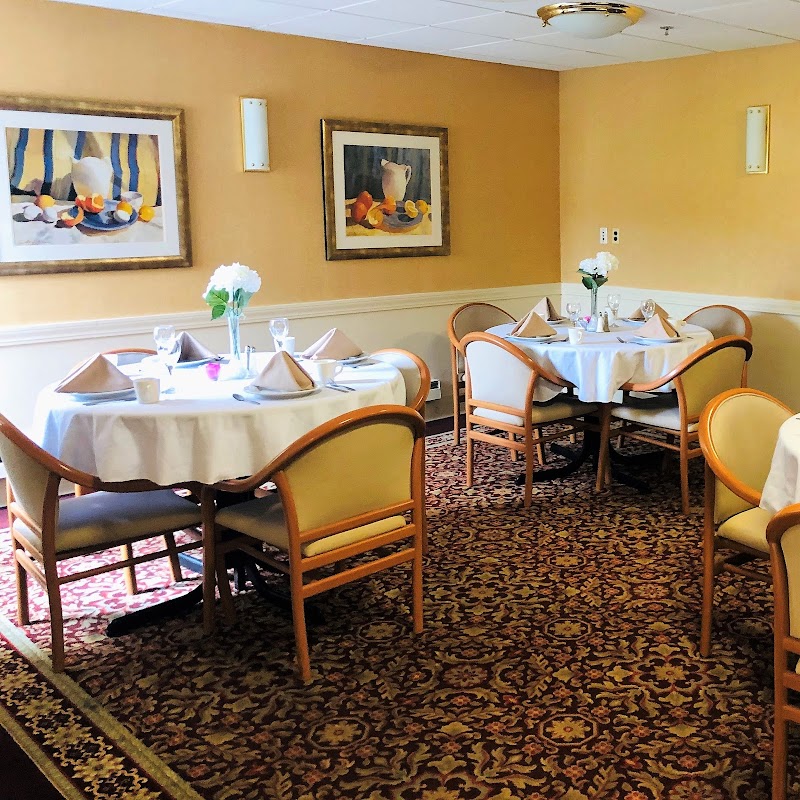
How is Cape Regency Rehabilitation & Health Staffed?

CMS rates CAPE REGENCY REHABILITATION & HEALTH CARE CENTER's staffing level at 3 out of 5 stars, which is average compared to other nursing homes. Staff turnover is 30%, compared to the Massachusetts average of 46%. This relatively stable workforce can support continuity of care.

What Have Inspectors Found at Cape Regency Rehabilitation & Health?

State health inspectors documented 49 deficiencies at CAPE REGENCY REHABILITATION & HEALTH CARE CENTER during 2022 to 2025. These included: 1 that caused actual resident harm, 47 with potential for harm, and 1 minor or isolated issues. Deficiencies causing actual harm indicate documented cases where residents experienced negative health consequences.
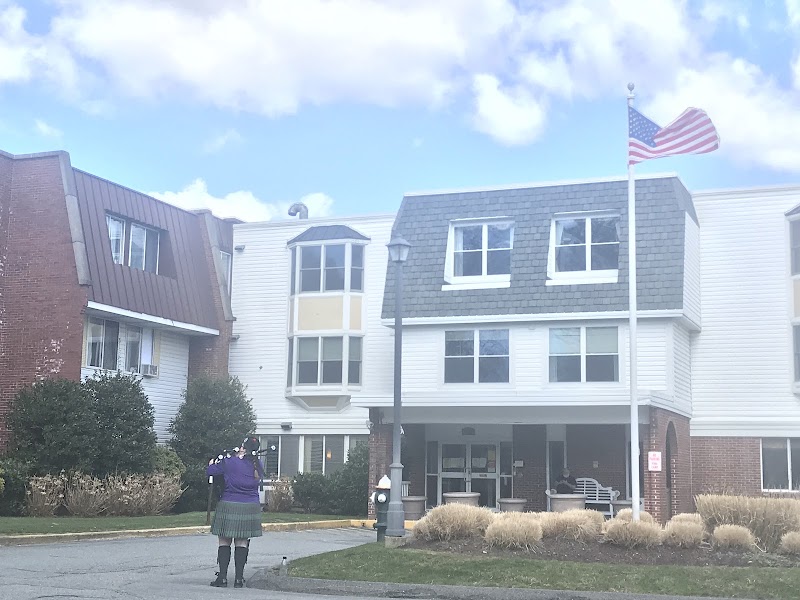
Who Owns and Operates Cape Regency Rehabilitation & Health?

CAPE REGENCY REHABILITATION & HEALTH CARE CENTER is owned by a for-profit company. For-profit facilities operate as businesses with obligations to shareholders or private owners. The facility is operated by ATHENA HEALTHCARE SYSTEMS, a chain that manages multiple nursing homes. With 120 certified beds and approximately 113 residents (about 94% occupancy), it is a mid-sized facility located in CENTERVILLE, Massachusetts.
How Does Cape Regency Rehabilitation & Health Compare to Other Massachusetts Nursing Homes?

Compared to the 100 nursing homes in Massachusetts, CAPE REGENCY REHABILITATION & HEALTH CARE CENTER's overall rating (1 stars) is below the state average of 2.9, staff turnover (30%) is significantly lower than the state average of 46%, and health inspection rating (2 stars) is below the national benchmark.

What Should Families Ask When Visiting Cape Regency Rehabilitation & Health?

Based on this facility's data, families visiting should ask: "Can I visit during a mealtime to observe dining assistance and food quality?" "How do you handle medical emergencies, and what is your hospital transfer rate?" "Can I speak with family members of current residents about their experience?"

Is Cape Regency Rehabilitation & Health Safe?

Based on CMS inspection data, CAPE REGENCY REHABILITATION & HEALTH CARE CENTER has a clean safety record: no substantiated abuse findings (meaning no confirmed cases of resident harm), no Immediate Jeopardy citations (the most serious violation level indicating risk of serious injury or death), and is not on the Special Focus Facility watch list (a federal program monitoring the lowest-performing 1% of nursing homes). The facility has a 1-star overall rating and ranks #100 of 100 nursing homes in Massachusetts. While no facility is perfect, families should still ask about staff-to-resident ratios and recent inspection results during their visit.

Do Nurses at Cape Regency Rehabilitation & Health Stick Around?

Staff at CAPE REGENCY REHABILITATION & HEALTH CARE CENTER tend to stick around. With a turnover rate of 30%, the facility is 16 percentage points below the Massachusetts average of 46%. Low turnover is a positive sign. It means caregivers have time to learn each resident's needs, medications, and personal preferences. Consistent staff also notice subtle changes in a resident's condition more quickly.

Was Cape Regency Rehabilitation & Health Ever Fined?

CAPE REGENCY REHABILITATION & HEALTH CARE CENTER has no federal fines on record. CMS issues fines when nursing homes fail to meet care standards or don't correct problems found during inspections. The absence of fines suggests the facility has either maintained compliance or corrected any issues before penalties were assessed. This is a positive indicator, though families should still review recent inspection reports for the full picture.

Is Cape Regency Rehabilitation & Health on Any Federal Watch List?

CAPE REGENCY REHABILITATION & HEALTH CARE CENTER is not on any federal watch list. The most significant is the Special Focus Facility (SFF) program, which identifies the bottom 1% of nursing homes nationally based on persistent, serious quality problems. Not being on this list means the facility has avoided the pattern of deficiencies that triggers enhanced federal oversight. This is a positive indicator, though families should still review the facility's inspection history directly.