PALM SPRINGS POST ACUTE
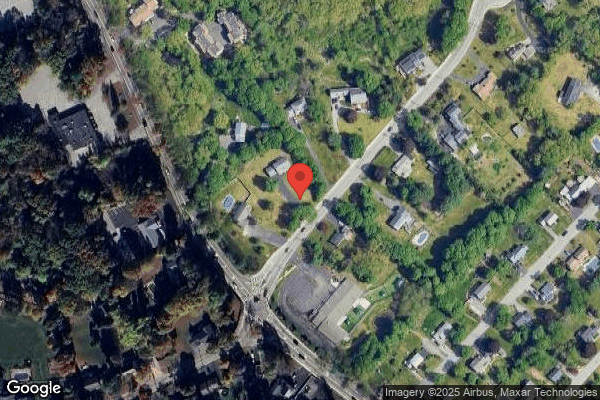

40 PARKHURST ROAD, CHELMSFORD, MA 01824 (978) 256-3151
For profit - Limited Liability company 124 Beds MARQUIS HEALTH SERVICES Data: November 2025
Trust Grade
63/100
#116 of 338 in MA
Last Inspection: October 2024

Within standard 12-15 month inspection cycle. Federal law requires annual inspections.

Overview

Palm Springs Post Acute in Chelmsford, Massachusetts has a Trust Grade of C+, indicating it is slightly above average but not without room for improvement. It ranks #116 out of 338 facilities in the state, placing it in the top half, and #24 out of 72 in Middlesex County, meaning only a few local options are better. The facility is trending positively, having reduced issues from 10 in 2023 to 6 in 2024. Staffing is a strength with a 4 out of 5 rating and a 37% turnover rate, which is below the state average. However, there are concerns, including $8,648 in fines, which is average, and some specific incidents such as a resident developing a pressure injury after being left on a bedpan for over an hour and a failure to uphold advance care planning rights for another resident, demonstrating areas that need attention.

Trust Score
C+
63/100
In Massachusetts
#116/338
Top 34%
Safety Record
Moderate
Needs review
Inspections
Getting Better
10 → 6 violations
Staff Stability
○ Average
37% turnover. Near Massachusetts's 48% average. Typical for the industry.
Penalties
○ Average
$8,648 in fines. Higher than 63% of Massachusetts facilities. Some compliance issues.
Skilled Nurses
○ Average
Each resident gets 33 minutes of Registered Nurse (RN) attention daily — about average for Massachusetts. RNs are the most trained staff who monitor for health changes.
Violations
⚠ Watch
21 deficiencies on record. Higher than average. Multiple issues found across inspections.
★★★★☆
4.0
Overall Rating
★★★★☆
4.0
Staff Levels
★★☆☆☆
2.0
Care Quality
★★★★☆
4.0
Inspection Score
Stable
2023: 10 issues
2024: 6 issues

The Good

  • 4-Star Staffing Rating · Above-average nurse staffing levels
  • Full Sprinkler Coverage · Fire safety systems throughout facility
  • No fines on record
  • Staff turnover below average (37%)

    11 points below Massachusetts average of 48%

Facility shows strength in staffing levels, fire safety.

The Bad

Staff Turnover: 37%

Near Massachusetts avg (46%)

Typical for the industry

Federal Fines: $8,648

Below median ($33,413)

Minor penalties assessed

Chain: MARQUIS HEALTH SERVICES

Part of a multi-facility chain

Ask about local staffing decisions and management

The Ugly 21 deficiencies on record

1 actual harm
Oct 2024 6 deficiencies
CONCERN (D)

Potential for Harm - no one hurt, but risky conditions existed

Deficiency F0552 (Tag F0552)

Could have caused harm · This affected 1 resident

**NOTE- TERMS IN BRACKETS HAVE BEEN EDITED TO PROTECT CONFIDENTIALITY** Based on interview, record and policy review, the facility failed to inform in advance of changes to the plan of care relative t...

Read full inspector narrative →
**NOTE- TERMS IN BRACKETS HAVE BEEN EDITED TO PROTECT CONFIDENTIALITY** Based on interview, record and policy review, the facility failed to inform in advance of changes to the plan of care relative to the use of psychotropic (medication that affects how the brain works and causes changes in mood, awareness, thoughts, feelings or behavior) medications for two Residents (#9 and #29) out of a total sample of 20 residents. Specifically, the facility failed to obtain written consent for the use of psychotropic medications before administering Lorazepam (Ativan - anti-anxiety medication) medication to Residents #9 and #29. Findings include: Review of the facility policy titled Psychoactive Medication Use, dated 2015 and revised December 2022, indicated: -A psychotropic medication is any medication that affects the brain activity associated with mental processes and behavior. -Drugs in the following categories are considered psychotropic medications and are subject to prescribing, monitoring and review requirements specific to psychotropic medications .anti-anxiety medications . -Written consent must be obtained prior to the administration of these medications. The consent form must be completed and signed by either the alert and oriented resident or his/her legal representative. 1. Resident #9 was admitted to the facility in November 2021, with diagnoses including Dementia (loss of memory, language, problem-solving, and other thinking abilities severe enough to interfere with daily life activities) and Generalized Anxiety Disorder (mental health condition that causes fear, worry and a constant feeling of being overwhelmed). Review of Resident #9's Minimum Data Set Assessment (MDS) completed 9/5/24, indicated a score of 0 out of a possible total score of 15 on the Brief Interview for Mental Status (BIMS ) exam indicating severe cognitive impairment. Review of Residents #9's Clinical Record indicated: -The Resident's Health Care Proxy (HCP- the person chosen as the healthcare decision maker when the individual is unable to do so for themself) was activated by the Physician, effective 12/7/21. Review of Resident #9's October 2024 Physician's orders indicated: -Lorazepam (anti-anxiety medication) Oral tablet 0.5 milligrams (mg) (Lorazepam) give 0.5 mg by mouth every 6 hours as needed (PRN) for agitation/restlessness. Start date 9/18/24 and discharge [sic] 10/18/24. Review of Resident #9's September 2024 Medication Administration Record (MAR) indicated the Lorazepam medication was administered once daily on the following dates: -9/20/24 - 9/23/24 -9/27/24 Review of Resident #9's October 2024 MAR indicated the Lorazepam medication was administered once daily on the following dates: -10/1/24 -10/4/24 -10/8/24 -10/10/24 Further review of Resident #9's Clinical Record indicated no evidence of a signed consent for the Lorazepam medication. During an interview on 10/16/24 at 1:19 P.M., the Director of Nursing (DON) said the Nurse who takes the order for a psychotropic medication should fill out a consent form and get it signed. The DON said Resident #9 did not currently have a consent form in place for Lorazepam. The DON said the Resident should have had a consent form in place for Lorazepam. 2. Resident #29 was admitted to the facility in August 2024, with diagnoses including: Dementia and Bipolar Disorder (a mental health condition that causes extreme mood swings that include emotional highs [mania or hypomania] and lows [depression]). Review of the Resident's Minimum Data Set (MDS) assessment dated [DATE], indicated Resident #29 scored a ten out of a possible total score of 15 on the Brief Interview for Mental Status (BIMS) exam indicating that Resident #29 had moderate cognitive impairment. Review of Resident #29's comprehensive medical record indicated: -Invocation (put into effect) of a Health Care Proxy, effective 3/27/21. Review of Resident #29's Physician orders indicated: -Ativan (Lorazepam - psychotropic, anti-anxiety medication) 1 mg (milligram) by mouth, two times a day for agitation, effective 9/20/24. Review of Resident #29's Medication Administration Record (MAR) indicated: -Ativan medication was administered from 9/20/24 through 10/15/24. Further review of Resident #29's medical record indicated no evidence of written consent prior to the administration of the Ativan medication. During an interview on 10/16/24 at 10:42 A.M., Unit Manager (UM) #1 said all psychotropic medications require written informed consent before administration to a Resident. UM #1 said the Nurse who transcribed (to put data into printed form) the Provider's order was responsible for obtaining consent. UM #1 said Resident #29 had been given scheduled Ativan twice a day without written consent and that consent should have been obtained from the HCP before administration. During an interview on 10/16/24 at 11:05 A.M., the Assistant DON (ADON) said all psychotropic medications required written consent. The ADON said Resident #29 had been administered Ativan without consent being in place. The ADON said consent for psychotropic medication was important because there could be side effects (secondary, undesired effect of a medication).
CONCERN (D)

Potential for Harm - no one hurt, but risky conditions existed

Deficiency F0604 (Tag F0604)

Could have caused harm · This affected 1 resident

**NOTE- TERMS IN BRACKETS HAVE BEEN EDITED TO PROTECT CONFIDENTIALITY** 2. Resident #103 was admitted to the facility in September 2024, with diagnoses including Gastrostomy and Cerebral Infarction. ...

Read full inspector narrative →
**NOTE- TERMS IN BRACKETS HAVE BEEN EDITED TO PROTECT CONFIDENTIALITY** 2. Resident #103 was admitted to the facility in September 2024, with diagnoses including Gastrostomy and Cerebral Infarction. Review of Resident #103's Nurse Practitioner (NP) progress note, dated 9/20/24, indicated that the Resident was admitted to the facility with bilateral hand mittens and an Abdominal Binder in place. Review of the Minimum Data Set (MDS) Assessment, dated 9/24/24, indicated Resident #103: -was cognitively impaired as evidenced by a Brief Interview for Mental Status (BIMS) score of 3 out of 15. -had a gastrostomy. -had a limb restraint. Review of Resident #103's October 2024 Physician's orders indicated: -Abdominal Binder for prevention of PEG (feeding) tube displacement every shift, start date of 9/19/24 -mittens (glove that covers the hands but does not have individual finger openings) to bilateral hands, remove to check for skin integrity every shift, start date of 9/19/24 Review of Resident #103's September 2024 Treatment Administration Record (TAR) indicated that both the bilateral mittens and Abdominal Binder had been utilized daily. Review of Resident #103's October 2024 TAR indicated that the Abdominal Binder had been utilized daily, and the bilateral hand mittens had been utilized from 10/13/24 to 10/16/24. On 10/15/24 at 9:03 A.M., the surveyor observed Resident #103 lying in bed with mittens on his/her hands and a feeding tube administering Glucerna (liquid enteral feed specially designed for patients with a glucose intolerance). On 10/16/24 at 1:52 P.M., the surveyor and Nurse #2 observed Resident #103 lying in bed with an Abdominal Binder in use. During an interview at the time, Nurse #2 said that the Abdominal Binder and mittens were being used to prevent Resident #103 from dislodging his/her feeding tube. Review of the Resident's clinical record indicated the following: -a Restraint Evaluation was completed on 9/29/24 and 10/13/24, after the Resident's admission to the facility and after the use of restraints had already been administered to the Resident. -no documented evidence that informed consent had been obtained prior to the administration of the bilateral hand mittens or Abdominal Binder. During an interview on 10/16/24 at 2:08 P.M., Resident #103's invoked (made active by a Physician) Health Care Proxy (HCP- a legal document that allows you to appoint someone you trust to make medical decisions on your behalf if you are unable to do so) said that he/she had not signed consent paperwork for the use of restraints for Resident #103. During an interview on 10/17/24 at 9:14 A.M., the Director of Nursing (DON) said that informed consent should have been obtained prior to the administration of the abdominal restraint and mittens to Resident #103 and it had not been obtained. Based on observation, interview, and record and policy review, the facility failed to ensure that devices utilized for two Residents (#50 and #103), were assessed and consent was obtained by the Resident Representative, when used as physical restraints (defined as any manual method, physical or mechanical device, equipment, or material that meets all of the following criteria: is attached or adjacent to the resident's body, cannot be removed easily by the resident; and restricts the resident's freedom of movement or normal access to his/her body), for two applicable Residents who had gastrostomy tubes (G-tube: tube inserted through the stomach that delivers nutrition/hydration), out of a total sample of 20 residents. Specifically, the facility failed to: 1. For Resident #50, obtain written consent for a restraint, and assess the need for an abdominal binder (wide compression belt that hook and loop fastens and encircles the abdomen) to cover Resident #50's G-tube site in order to prevent him/her from pulling on the G-tube. 2. For Resident #103, obtain written consent for a restraint for an abdominal binder and bilateral hand mitts (mitts to cover the hands of a patient who is prone to disrupting medical treatment, picking, or tube pulling) that were being administered to cover Resident #103's G-tube site and bilateral hands in order to prevent him/her from pulling on the G-tube. Findings include: Review of the facility policy titled Use of Restraints, dated 2017, indicated: -Restraints shall only be used for the safety and well-being of the resident(s) and only after other alternatives have been tried unsuccessfully. -Physical Restraints are defined as any manual method or physical or mechanical device, material or equipment attached or adjacent to the resident's body that the individual cannot remove easily, which restricts freedom of movement or restricts normal access to one's body. -Examples of devices that are/may be considered physical restraints include leg restraints, arm restraints, hand mitts, soft ties or vest, wheelchair safety bars, geri-chairs, and lap cushions and trays that the resident cannot remove. -Prior to placing a resident in restraints, there shall be a pre-restraining assessment and review to determine the need for restraints. -Restraints shall only be used upon the written order of a Physician and after obtaining consent from the resident and or representative (sponsor). Review of the facility form titled Physical Restraints -Record of Informed Consent, last revised 2012, indicated: -that use of restraint will only be necessary/be considered to treat a medical condition or symptom that endangers my physical safety or the safety of other residents. -only be used upon my written consent or the written consent of my representative (sponsor). 1. Resident #50 was admitted to the facility in March 2023, with diagnoses including Cerebral Infarction (stroke: damage to tissues in the brain caused by blood clots, disrupted blood supply and restricted oxygen supply to the specific area), Hemiplegia Unspecified Affecting Right Dominant Side (partial or complete paralysis on one side of the body), and Gastrostomy Status (G-tube placed in the stomach for nourishment). Review of Resident #50's clinical record included a Decree and Order of Appointment of Guardian for an Incapacitated Person, dated 11/15/22, at which time a Guardian (a court appointed person who makes important personal and healthcare decisions for an adult who lacks the capacity to make their own decisions) was appointed for the Resident. Review of Resident #50's Physician's Progress note, dated 5/15/24, indicated that the Nurses had reported to the Nurse Practitioner (NP) that the Resident had pulled on their G-tube and the site was reddened/irritated. The Physician Progress note also included that staff may use an abdominal binder if patient/ Resident keeps pulling on G-tube. Review of Resident #50's current Physician's orders included: -Abdominal Binder, place and check for skin integrity; may remove for ADL (Activities of Daily Living) every shift. Order Active, initiated 5/15/24 Review of Resident #50's Minimum Data Set (MDS) assessment dated [DATE] included: -the Resident was severely cognitively impaired and rarely/never understood or made decisions -the Resident had a range of motion (ROM) deficit on one side -the Resident had G-tube feeding -the Resident was dependent on staff for all upper body dressing tasks Review of Resident #50's September 2024 Treatment Administration Record (TAR) indicated that the Abdominal Binder had been utilized daily for the entire month. Review of Resident #50's October 2024 TAR indicated that the Abdominal Binder had been utilized daily from 10/1/24 through 10/15/24. Review of the Resident's clinical record did not provide any documented evidence of an Informed Consent for the use of restraints that was reviewed with the Resident's Guardian, nor any assessment of the Abdominal Binder restraint. On 10/16/24 at 10:15 A.M., during a G-tube feeding observation, the surveyor observed Nurse #1 remove the bed clothes from the Resident's upper body. The surveyor observed an Abdominal Binder fastened around the Resident's abdomen and the G-tube tubing was not visible. Nurse #1 unfastened the Abdominal Binder to expose the Resident's abdomen and the G-tube tubing. Nurse #1 completed administering the G-tube feeding and then re-applied the Abdominal Binder over the Resident's abdomen, covering the G-tube tubing. During an interview at the time, Nurse #1 said that the Abdominal Binder was applied for the purpose of keeping the Resident from pulling on the G-tube tubing, which the Resident had done in the past, causing irritation to the skin around the G-tube opening and making the skin bleed. Nurse #1 said the Resident has had the Abdominal Binder applied since last May 2024. Nurse #1 said the Resident was not able to remove the Abdominal Binder. During an interview on 10/17/24 at 9:28 A.M., the Director of Nursing (DON) said there was no written informed consent for the use of restraints for the application of the Abdominal Binder obtained from the Resident's Guardian before the application of the Abdominal Binder, but there should have been. The DON also said that there was never an assessment of the restraint when the Abdominal Binder was applied, but there should have been an assessment completed.
CONCERN (D)

Potential for Harm - no one hurt, but risky conditions existed

ADL Care (Tag F0677)

Could have caused harm · This affected 1 resident

**NOTE- TERMS IN BRACKETS HAVE BEEN EDITED TO PROTECT CONFIDENTIALITY** Based on observation, record and policy review, and interview, the facility failed ensure a Resident who was dependent for activ...

Read full inspector narrative →
**NOTE- TERMS IN BRACKETS HAVE BEEN EDITED TO PROTECT CONFIDENTIALITY** Based on observation, record and policy review, and interview, the facility failed ensure a Resident who was dependent for activities of daily living (ADL's- personal care activities including but not limited to, eating, grooming, and personal hygiene) received the necessary care and services to maintain grooming for one Resident (#94) out of a total sample of 20 residents. Specifically, for Resident #94, the facility failed to provide assistance for grooming of facial hair per the Resident's preference. Findings include: Review of the facility policy titled Activity of Daily Living (ADL's)- Supporting, dated 2001 with revision date of 3/2018, indicated: -Residents will be provided with care, treatment and services .to carry out ADL's. -Residents who are unable to carry out ADL's independently will receive the services necessary to maintain good .grooming and personal care. Resident #94 was admitted to the facility in June 2024, with diagnoses including fall, fracture (a complete or partial break of a bone) of the neck, and fracture of right radius (a long bone in the forearm that supports movement of the arm and wrist). Review of the Minimum Data Set (MDS) assessment dated [DATE], indicated that Resident #94: -was moderately cognitively impaired as evidenced by a score of 12 out of a total score of 15 on the Brief Interview for Mental Status (BIMS) exam. -required substantial/maximum assistance (the Resident can perform between 25 and 50 percent of the ADL activity, with the remainder performed by the staff member) with personal hygiene which included facial grooming. Review of a Comprehensive Person-Centered Care Plan with a revision date of 10/14/24, indicated that Resident #94: -needed intervention of substantial/maximum assistance with personal hygiene due to decreased strength, decreased endurance and multiple fractures in the upper extremities. During an observation and interview on 10/15/24 at 9:57 A.M., the surveyor observed Resident #94 lying in bed with two patches of approximately one inch long facial hair present on the jaw line. Resident #94 said that he/she had been assisted with a shower that morning but was not offered assistance to remove the facial hair. During an interview on 10/15/24 at 4:45 P.M., the surveyor observed Resident #94 lying in bed with facial hair still present on the jaw line. Resident #94 said he/she liked to remove facial hair at home with an electric razor and prefered not to have any hair on his/her face. Resident #94 said it was not possible to shave his/herself as yet due to weakness in the right arm. Resident #94 said he/she was right hand dominant. During an interview on 10/16/24 at 10:09 A.M., the surveyor observed Resident #94 lying in bed and remained with patches of facial hair on the jaw line/chin. Resident #94 said that he/she would like the hair to be removed from his/her face. Resident #94 said he/she liked to remove the facial hair everyday when he/she was at home, but nobody has offered to remove the facial since being admitted to the facility. Resident #94 said he/she had no way of removing the facial hair his/herself due to the weakness in his/her right arm and removing the facial hair was important to him/her. During an interview on 10/16/24 at 10:10 A.M., Certified Nurses Aide (CNA) #1 said that Resident #94 was dependent for all personal care like washing, dressing and grooming. CNA #1 said that removal of facial hair should be part of daily care not just on shower days, and both male and female Residents should be offered facial hair removal with morning care. During an interview on 10/16/24 at 10:53 A.M., the Assistant Director of Nursing (ADON) said shaving should be offered to all Residents during AM (morning) care, because grooming/shaving was part of good hygiene, personal choices, and dignity.
CONCERN (D)

Potential for Harm - no one hurt, but risky conditions existed

Respiratory Care (Tag F0695)

Could have caused harm · This affected 1 resident

Based on observation, policy and record review, and interview, the facility failed to provide respiratory care and services consistent with professional standards of practice for one Resident (#29) ou...

Read full inspector narrative →
Based on observation, policy and record review, and interview, the facility failed to provide respiratory care and services consistent with professional standards of practice for one Resident (#29) out of a total sample of 20 residents. Specifically, the facility failed to obtain Physician's orders for oxygen administration and maintenance of oxygen and respiratory equipment. Findings include: Review of facility policy titled Oxygen Administration, dated 2001 with revision date of 10/2022, indicated: -Verify that there is a physician's order for oxygen administration. -Adjust the Oxygen delivery device so that it is comfortable for the resident and the proper flow of Oxygen is being administered. Review of the facility policy titled Respiratory Equipment/Supply Cleaning/Disinfecting, undated with revision date of 7/15/2024, indicated: -Schedule for supply changes of Nasal Cannula (NC - a clear, soft flexible tube with prongs which are positioned in the nose for oxygen delivery) should occur every seven days and as needed for soiling. Review of the AARC (American Association for Respiratory Care) Clinical Practice Guideline, updated 2014: https://www.aarc.org/wp-content/uploads/2014/08/08.07.1063.pdf indicates: -All oxygen must be prescribed and dispensed in accordance with federal, state, and local laws and regulations. -Oxygen is a medical gas and should only be dispensed in accordance with all federal, state, and local laws and regulations. -Undesirable results or events may result from noncompliance with physicians' orders or inadequate instruction for oxygen therapy. -There is a potential in some spontaneously breathing hypoxemic patients with hypercapnia [high carbon dioxide levels in the blood) and chronic obstructive pulmonary disease that oxygen administration may lead to an increase in PaCO2. -Equipment maintenance and supervision: >All oxygen delivery equipment should be checked at least once daily >Facets to be assessed include proper function of the equipment, prescribed flowrates, remaining liquid or compressed gas content, and backup supply. Resident #29 was admitted to the facility in August 2024, with diagnoses including Acute Hypoxic Respiratory Failure (a life-threatening condition where the lungs cannot provide enough oxygen to the body or remove enough carbon dioxide from the body, with difficulty attaining normal blood oxygen levels) secondary to multifocal Pneumonia (an infection of the lungs that may be caused by bacteria, viruses, fungi or aspiration [when food or liquid is accidentally inhaled into airways and lungs] and characterized by severe cough with phlegm, fever, chills and difficulty breathing), empyema (pockets of pus collection in the pleural space [ area between the lung and the inner surface of the chest wall surrounding the lung]) and Dementia (a group of conditions characterized by impairment of at least two brain functions, such as memory and loss of judgment). Review of the Resident's comprehensive medical record indicated: -Invocation (made active by Physician) of a Health Care Proxy (HCP- the person chosen as the healthcare decision maker when the individual is unable to do so for themself), effective 3/27/21. -No Physician orders for Oxygen administration or oxygen and respiratory equipment maintenance. Review of Resident #29's Minimum Data Set (MDS) Assessment, dated 8/30/24, indicated: -that the Resident had moderate cognitive impairment as evidenced by a score of ten out of a total score of 15 on the Brief Interview for Mental Status (BIMS) exam. -that the Resident had been receiving Oxygen therapy. On 10/15/24 at 8:27 A.M., the surveyor observed Resident #29 seated in the Unit dining area with Oxygen flowing at 2.5 LPM (Liters Per Minute- the flow rate set for Oxygen delivery) via nasal cannula (NC). The surveyor observed that the nasal cannula included the date 10/6/24 written on white tape in red ink and attached to the tubing. The surveyor observed Nurse #3 approach the Resident, adjust the oxygen delivery device on the Resident's face, have a short conversation with the Resident and leave the area. On 10/15/24 at 11:29 A.M., the surveyor observed Resident #29 seated in the Unit dining area with Oxygen flowing at 2.5 LPM via NC, and the NC tubing was dated 10/6/24. The surveyor observed Nurse #3 approach the Resident and provided a beverage to him/her. During an observation and interview on 10/15/24 at 12:15 P.M., the surveyor and Nurse #3 observed Resident #29 seated in the Unit dining area with Oxygen flowing at 2.5 LPM and NC tubing in his/her nose. Nurse #3 said Resident #29 was getting 2.5 LPM and had been receiving Oxygen since being admitted from the hospital in August 2024. Nurse #3 said when Residents are admitted to the facility with Oxygen, the admitting Nurse should obtain an order for the Oxygen, and tubing changes were every week on Sundays. Nurse #3 said that Resident #29 did not have Physician orders in place for Oxygen administration or tubing changes, but should have so all the Nurses would know how much Oxygen to administer and change the tubing weekly to prevent germs (contamination). During an interview on 10/16/24 at 12:38 P.M., Unit Manager (UM) #1 said that Resident #29 was admitted from the hospital in August 2024 with the Oxygen already in place. UM #1 said that Resident #29 should have had orders in place for Oxygen administration and tubing changes but did not. UM #1 said it was the responsibility of the admitting Nurse to obtain the orders to ensure proper administration of Oxygen and equipment maintenance.
CONCERN (D)

Potential for Harm - no one hurt, but risky conditions existed

Deficiency F0883 (Tag F0883)

Could have caused harm · This affected 1 resident

**NOTE- TERMS IN BRACKETS HAVE BEEN EDITED TO PROTECT CONFIDENTIALITY** Based on interview, record and policy review, the facility failed to ensure that an Influenza (Flu) vaccine was administered to ...

Read full inspector narrative →
**NOTE- TERMS IN BRACKETS HAVE BEEN EDITED TO PROTECT CONFIDENTIALITY** Based on interview, record and policy review, the facility failed to ensure that an Influenza (Flu) vaccine was administered to one Resident (#16) out of five applicable residents, out of a total sample of 20 residents. Specifically, the facility failed to administer the Influenza vaccine for Resident #16 who had signed a consent for the vaccine to be administered. Findings include: Review of the facility policy titled Respiratory Protection Program Policy, (not dated), indicated: -The Center will ensure that all center staff and Residents/Patients have the opportunity to receive the respiratory illness vaccinations in accordance with the Centers for Disease Control and Prevention (CDC)recommendations and federal/state regulations . -Provide resident/resident representative with the current vaccine administration sheet as education regarding risks/benefits of vaccination if unvaccinated and document education. -Obtain consent. -Document exemptions/declinations. -Obtain a physician's order. -Administer vaccine. -Document vaccine administration. Review of the CDC guidelines titled Who Needs a Flu Vaccine, dated 10/3/24, indicated the following: -Everyone 6 months and older should get a flu vaccine every season with rare exceptions. Vaccination is particularly important for people who are at higher risk for serious complications from influenza. -Flu vaccination has important benefits. It can reduce flu illnesses, visits to doctor's office's .as well as make symptoms less severe and reduce flu-related hospitalizations and deaths in people who get vaccinated but still get sick. Review of the CDC guidelines titled People at Increased Risk for Flu Complications, dated 9/11/24, indicated some of the people at increased risk for complications of the flu are: -Adults aged 65 and older -People with Chronic lung disease -People with blood disorders -People with heart disease -People with a Body Mass Index (BMI) of 40 Kg (kilograms)/M (meters) 2 or higher -People with a weakened immune system due to .chronic conditions requiring chronic corticosteroids or other drugs that suppress the immune system. Resident #16 was admitted to the facility in March 2019, with diagnoses including Chronic Obstructive Pulmonary Disease (COPD- a chronic lung disease that causes obstructed airflow from the lungs and difficulty breathing), Vitamin B12 Deficiency Anemia (a condition in which your body does not have enough healthy red blood cells), Chronic Diastolic Heart Failure(condition in which the left ventricle [the heart's main pumping chamber] becomes stiff and unable to relax between heartbeats to fill properly with blood), and morbid obesity (a chronic disease in which a person has a body mass index of 40 Kg or higher). Review of the Resident's Minimum Data Set Assessment (MDS) dated [DATE] indicated the Resident was cognitively intact as evidenced by a Brief Interview for Mental Status (BIMS) score of 15 out of a possible 15. Review of Resident #16's medical record indicated the Resident received Influenza vaccinations on: 10/07/19, 10/19/20, 10/05/21, 10/06/22, and the Resident signed a consent form on 9/15/22 giving the facility permission to administer the appropriate Influenza vaccine annually. Further review of Resident #16's clinical record indicated a Physician's order, dated 11/27/23, for the following: -Fluzone High-Dose Quadrivalent Suspension Prefilled Syringe 0.7 ML (Influenza Vac High-Dose Quad). Inject 0.7 milliliter (ml) intramuscularly as needed for vaccination yearly per CDC guidelines for patients 65 years or older, unless contraindicated. -Check for allergies prior to administration. -Any signs or symptoms of moderate to severe acute illness contact Provider (Physician) prior to administration and document in PN (progress note). Inject 0.7 ml intramuscularly one time only for vaccine, until 11/28/23. Hold 11/30 - 12/1. During an interview on 10/16/24 at 4:01 P.M., Unit Manager (UM) #1 said that the Unit Nursing staff was responsible for administering the flu shots for the Residents on the unit. UM #1 said she knew the Resident was acutely ill in October 2023 and November 2023 and had been on IV antibiotics. UM #1 said the Influenza vaccine would have been held due to the Resident being on antibiotics. UM #1 was unable to say if the Influenza vaccine had been offered when the Resident recovered from the acute illness and was finished with the course of antibiotics. During an interview on 10/18/24 at 10:12 A.M., The Infection Preventionist (IP) said if a resident was acutely ill at the time the facility was administering the flu vaccines the vaccine would be held. The IP said Resident #16's vaccination was held because he/she was on antibiotics and was also receiving steroid injections. The IP said when Resident #16 had recovered and their antibiotic treatment was completed, the facility should have contacted the Physician and get recommendations for administering the flu shot to the Resident. During an interview on 10/18/24 at 11:16 A.M., Resident #16 said he/she could not remember if he/she was administered the flu vaccine in 2023. Resident #16 said he/she always get a flu vaccine if it is offered, and the Doctor says he/she can have the flu vaccine.
MINOR (B)

Minor Issue - procedural, no safety impact

Assessment Accuracy (Tag F0641)

Minor procedural issue · This affected multiple residents

**NOTE- TERMS IN BRACKETS HAVE BEEN EDITED TO PROTECT CONFIDENTIALITY** Based on record review and interview the facility failed to complete an accurate assessment to reflect resident status for one R...

Read full inspector narrative →
**NOTE- TERMS IN BRACKETS HAVE BEEN EDITED TO PROTECT CONFIDENTIALITY** Based on record review and interview the facility failed to complete an accurate assessment to reflect resident status for one Resident (#106) out of a total sample of 3 closed resident records. Specifically, for Resident #106, the facility failed to accurately enter in Minimum Data Set (MDS) Assessment that the Resident was discharged to the hospital and not to home/community resulting in an inaccurate medical record. Findings include: Resident #106 was admitted to the facility in July 2024. Review of the Resident's comprehensive medical record included: -A Provider order to transfer the Resident to the hospital on 7/22/24. -A Nursing progress note dated 7/22/24 that indicated the Resident was in the hospital due to abnormal laboratory (blood) work. -A Social Service progress note dated 7/23/24, which indicated Resident #106 had a change in condition and was sent to the hospital for evaluation on 7/22/24. -A Minimum Data Set (MDS) assessment dated [DATE], which indicated Resident #106 had been discharged to their home on 7/22/24. During an interview on 10/17/24 at 12:18 P.M., MDS Nurse #1 said that Resident #106 was discharged from the facility to the hospital on 7/22/24. MDS Nurse #1 said the discharge location entered to the MDS dated [DATE], for Resident #106 was inaccurate. MDS Nurse #1 said that the Resident's MDS should have indicated that the Resident was discharged to a short-term hospital, not the home/community and therefore would require modification to accurately reflect the Resident's discharge location.
Aug 2023 7 deficiencies
CONCERN (D)

Potential for Harm - no one hurt, but risky conditions existed

Comprehensive Assessments (Tag F0636)

Could have caused harm · This affected 1 resident

**NOTE- TERMS IN BRACKETS HAVE BEEN EDITED TO PROTECT CONFIDENTIALITY** Based on record review and interview, the facility failed to conduct an accurate comprehensive assessment of one Resident's (#79...

Read full inspector narrative →
**NOTE- TERMS IN BRACKETS HAVE BEEN EDITED TO PROTECT CONFIDENTIALITY** Based on record review and interview, the facility failed to conduct an accurate comprehensive assessment of one Resident's (#79) functional capacity, out of 21 sampled residents according to the Centers for Medicare and Medicaid Services' (CMS) Long-Term Care Facility Resident Assessment Instrument 3.0 User's Manual instructions. Specifically, the facility failed to comprehensively assess Resident #79's cognitive patterns when the Resident did not require an interpreter and was identified to have: clear speech, the ability to make him/her self understood, and the ability to understand others. Findings include: Review of the CMS Long-Term Care Facility Resident Assessment Instrument 3.0 User's Manual, dated October 2019, indicated the following for Section C, Cognitive Patterns: -Intent: The items in this section are intended to determine the resident's attention, orientation and ability to register and recall new information. These items are crucial factors in many care planning decisions. -The Brief Interview for Mental Status (BIMS) should be conducted when the resident is at least sometimes understood verbally, in writing, or using another method, and if an interpreter is needed, one is available. Resident #79 was admitted to the facility in September 2022 with a diagnosis of Dementia (a group of symptoms affecting memory, thinking and social abilities). Review of Resident #79's Minimum Data Set (MDS) assessment dated [DATE], included the following: -The Resident had: >adequate hearing >clear speech >made him/her self understood >had the ability to understand others >and did not need/want an interpreter to communicate with staff Further review of the MDS assessment, Section C for Cognitive Patterns, indicated the Brief Interview for Mental Status (BIMS) was not conducted with the Resident because the Resident was rarely/never understood. During an interview on 8/22/23 at 8:50 A.M., Resident #79 responded verbally to the surveyor's inquiries pertaining to bowel and bladder regimen. The Resident stated that he/she wore special pants that staff at the facility changed for him/her when they became wet or soiled. The Resident spoke softly, but used clear speech when he/she responded to the surveyor's questions. During an interview on 8/23/24 at 4:11 P.M., the Social Worker (SW) said she did not complete the MDS assessments, but she would attempt to contact the other SW who did, as that SW worked Per Diem (an employee who does not have a regular schedule) only and was not available at that time. The SW said she would ask the Per Diem SW whether Resident #79's cognitive patterns should have been assessed through attempt to complete the BIMS with the Resident. During an interview on 8/24/23 at 10:33 A.M., the Administrator said she was responding to the surveyor for the Facility SW, and that the BIMS should have been attempted with Resident #79 for the MDS assessment dated [DATE] as required, but it was not.
CONCERN (D)

Potential for Harm - no one hurt, but risky conditions existed

PASARR Coordination (Tag F0644)

Could have caused harm · This affected 1 resident

Based on interview and record review, the facility failed to complete a Resident review (Level I (initial pre-screening) screening form required if Significant Change in Condition: newly indicated Ser...

Read full inspector narrative →
Based on interview and record review, the facility failed to complete a Resident review (Level I (initial pre-screening) screening form required if Significant Change in Condition: newly indicated Serious Mental Illness [SMI]) for one Resident (#29) out of a total sample of 21 residents. Specifically, the facility failed to compete a Resident review for Resident #29 or refer the Resident to the PASRR (pre-admission screening and resident review) Office for a Level II (comprehensive evaluation) Evaluation, as required, when the Resident was identified to have Bipolar Disorder (mental disorder characterized by periods of depression and periods of abnormally elevated mood) after his/her admission to the facility. Findings include: Resident #29 was admitted to the facility in March 2022 with diagnoses including Major Depressive Disorder. Review of Resident #29's PASRR Level I Screening, dated 1/28/22, indicated the Resident had a negative Screen for SMI and that a Level II PASRR Evaluation was not indicated due to no diagnosis or suspicion of SMI. Review of Resident #29's Psychiatric Med Management Note dated 3/16/22, indicated the Resident told the Provider that he/she had Bipolar Disorder. Review of Resident #29's Psychiatric Med Management Note dated 3/21/22, indicated: - The Resident reported a history of Bipolar Disorder with multiple hospitalizations. - Please add the Bipolar diagnosis. Review of Resident #29's clinical record indicated that Bipolar Disorder was added to his/her diagnosis listing on 3/22/22. Further review of the clinical record included no evidence a Resident review was completed as required, when Resident #29's diagnosis of Bipolar Disorder was newly identified. During an interview on 8/23/23 at 10:58 A.M., the Social Worker (SW) said if a resident was admitted to the facility after having had a negative screen for SMI and was later diagnosed with SMI, a Resident review for the newly indicated SMI was required and would need to be submitted to the PASRR Office to request a Level II Evaluation be completed for the Resident. The SW said she would have to look into whether this was done as required, for Resident #29 when the Resident's Bipolar Disorder diagnosis was identified. During an interview on 8/23/23 at 4:06 P.M., the SW said no Resident review had been completed and no referral had been made to the PASRR Office for a Level II Evaluation for Resident #29 when the Resident's Bipolar Disorder was identified, but this should have been completed, as required.
CONCERN (D)

Potential for Harm - no one hurt, but risky conditions existed

Comprehensive Care Plan (Tag F0656)

Could have caused harm · This affected 1 resident

**NOTE- TERMS IN BRACKETS HAVE BEEN EDITED TO PROTECT CONFIDENTIALITY** Based on record review and interview, the facility failed to develop a comprehensive care plan for one Resident (#39), out of a ...

Read full inspector narrative →
**NOTE- TERMS IN BRACKETS HAVE BEEN EDITED TO PROTECT CONFIDENTIALITY** Based on record review and interview, the facility failed to develop a comprehensive care plan for one Resident (#39), out of a total sample of 21 residents. Specifically, the facility failed to develop a care plan for urinary incontinence when Resident #39 was newly assessed as being occasionally incontinent of bladder on the Minimum Data Set (MDS) assessment and the decision was made to develop a care plan for urinary incontinence. Findings include: Resident #39 was admitted to the facility in July 2015 with a diagnosis of Dementia (a group of symptoms affecting memory, thinking and social abilities). Review of the MDS assessment dated [DATE], indicated Resident #39 was always continent of urine. Review of the MDS assessment dated [DATE], indicated Resident #39 was occasionally incontinent of urine. Further review of the MDS assessment indicated Resident #39 triggered for urinary incontinence and the decision was made to develop a urinary incontinence care plan. Review of Resident #39's clinical record included no evidence a comprehensive care plan for urinary incontinence had been developed. During an interview on 8/24/23 at 8:50 A.M., the MDS Nurse said when a care area triggered on a resident's MDS assessment and the decision was made to develop a care plan, staff were expected to develop that care plan for the Resident. The MDS Nurse then reviewed Resident #39's care plan and MDS assessment dated [DATE], and said a care plan for urinary incontinence should have been developed as required, but it was not.
CONCERN (D)

Potential for Harm - no one hurt, but risky conditions existed

Accident Prevention (Tag F0689)

Could have caused harm · This affected 1 resident

**NOTE- TERMS IN BRACKETS HAVE BEEN EDITED TO PROTECT CONFIDENTIALITY** Based on observation, record review, and interview, the facility failed to provide one Resident (#76) out of a total sample of 2...

Read full inspector narrative →
**NOTE- TERMS IN BRACKETS HAVE BEEN EDITED TO PROTECT CONFIDENTIALITY** Based on observation, record review, and interview, the facility failed to provide one Resident (#76) out of a total sample of 21 residents, who had oropharyngeal phase Dysphagia (weakened throat muscles, making it difficult to move food from your mouth into your throat and esophagus when you start to swallow, and could result in choking, gagging or coughing, and could lead to pneumonia) with adequate supervision and setup of adaptive devices to ensure the Resident's safety while eating. Specifically, the facility failed to provide Resident #76 with straws for all drinks and continual supervision while he/she drank, when he/she required the use of straws and continual supervision for safety, when the Resident rapidly consumed liquids and increased his/her risk for choking. Findings include: Resident #76 was admitted to the facility in October 2021 with diagnoses including Progressive Bulbar Palsy (PBP: motor neuron disease that can result in difficulty talking and swallowing) and oropharyngeal phase Dysphagia. Review of Resident #76's Activities of Daily Living (ADL) Care Plan, initiated 10/21/21, indicated: Continual supervision/assist with meals as needed. Review of a Speech Therapy (ST) Discharge summary, dated [DATE], indicated: - Resident #76 had PBP and oropharyngeal phase Dysphagia. - The Resident had been provided with treatment for swallow function and Dysphagia management. - Education had been provided to facility staff regarding safe swallow strategies for the Resident. - The Resident had a delayed swallow. - The Resident required straws for all drinks. On 8/23/23 at 8:20 A.M., the surveyor observed Resident #76 seated at a table in the dining area across from the nurses' station. The Resident drank from a plastic one-handled cup three separate times, his/her mouth over the rim of the cup, and after drinking each time, the Resident began to cough. There was no straw in the Resident's cup, and the surveyor observed no straws on the Resident's tray or on the table in his/her vicinity. There were two Certified Nurse Aides (CNAs) in the dining area and Unit Manager (UM) #1 was seated at the nurses' station using the computer. Neither CNA provided Resident #76 with a straw and the UM #1 called out across the nurses' station when the Resident was coughing to tell the Resident to drink slowly. On 8/24/23 at 8:17 A.M., the surveyor observed Resident #76 seated at a table in the dining area across from the nurses' station. The Resident had a disposable plastic cup that was approximately half-full of orange juice and a plastic one-handled cup that was approximately one third full of milk in front of him/her on his/her meal tray. There was a plastic cup lid resting upside down on the meal tray. The surveyor observed no straw in either cup and no straws were observed on the Resident's meal tray or table. At 8:18 A.M., Resident #76 picked up the cup of orange juice and rapidly consumed the contents of the cup while tipping his/her head back. No staff were in the dining area at this time and UM #1 was seated at the nurses' station looking at the computer. At 8:22 A.M., Resident #76 picked up the cup of milk, and rapidly consumed the contents of the cup while tipping his/her head back, then cleared his/her throat and began immediately coughing. At the time, UM #1 looked over the top of the nurses' station and called out to the Resident to drink slowly after the Resident was coughing. During an interview on 8/24/23 at 8:35 A.M., CNA #1 said she knew Resident #76 well and that she provided care for him/her often. CNA #1 said the Resident required a cup with a lid and straw for all drinks. She said if the Resident did not have this, he/she would drink too quickly and choke. CNA #1 said the Resident should have been provided with a covered cup and straw for his/her drinks during the meal to reduce his/her risk for choking. During an interview on 8/24/23 at 8:39 A.M., UM #1 said Resident #76 should have had covered cups with straws for both drinks that morning. She said she saw two cups on the tray when it came from the kitchen, so she did not know why the Resident had one plastic disposable cup with orange juice and she did not know why the lid was not placed on the other cup or why the Resident was not provided with straws to drink from [sic]. UM #1 said staff should have provided covered cups and straws to slow the Resident's drinking and she did not notice that this had not been done, as required.
CONCERN (D)

Potential for Harm - no one hurt, but risky conditions existed

Deficiency F0697 (Tag F0697)

Could have caused harm · This affected 1 resident

Based on interview and record review the facility failed to provide one Resident (#21) out of a total sample of 21 residents, with pain management that was consistent with professional standards of pr...

Read full inspector narrative →
Based on interview and record review the facility failed to provide one Resident (#21) out of a total sample of 21 residents, with pain management that was consistent with professional standards of practice. Specifically, the facility failed to ensure that its staff: (1) offered non-pharmacological approaches for pain management. (2) consistently assessed the Resident's location and description of pain, and factors that worsen or improve pain, prior to administering narcotic pain medications. Findings include: Resident #21 was admitted to the facility in March 2023 with diagnoses including pain in left ankle and joints of left foot, complete traumatic amputation of left great toe, Osteomyelitis (bone infection) of ankle and foot, history of alcohol overuse syndrome and Diabetes Mellitus. Review of the facility's policy for Pain Management, dated October 2022, included the following: -Policy: Patients will be evaluated as part of the nursing assessment process for the presence of pain upon admission/readmission, quarterly, with change in condition or change in pain status, and as required by state regulations. -Purpose: to maintain the highest possible level of comfort for patients by providing a system to identify, assess, treat, and evaluate pain. -Practice Standards: Assess and identify the presence of pain and need for pain management. Assessment components include, but are not limited to: *pain location *pain level *pain onset *pain description *factors that worsen pain *factors that improve pain *history of addiction; past and/or ongoing and related treatment for OUD *when opioids are used, the lowest possible effective dosage should be prescribed for the shortest amount of time possible after considering all medical needs. The patient should be monitored for effectiveness and any adverse drug reactions. -An individualized, interdisciplinary, person-centered care plan will be developed and include: *addressing/treating underlying causes of pain to the extent possible *non-pharmacological and pharmacological approaches *using specific strategies for preventing or minimizing sources of pain or pain related symptoms. -When treating pain in a patient with an addiction history, strategies must be used to relieve pain while considering the addiction history. Strategies include, but are not limited to: *non-opioid pain medications; and *non-pharmacological approaches -As needed (PRN) pain medications will: *be documented in the MAR *Have defined parameters for use *Have reasons for PRN medication requests documented, and effectiveness and/or side effects/adverse drug reactions will be assessed and documented. Review of the most recent Minimum Data Set (MDS) assessment, with an assessment reference date of 6/24/23, indicated: - Resident #21 was cognitively intact as evidenced by a score of 15 on the Brief Interview for Mental Status (BIMS) - received scheduled pain medication -received prn pain medication or was offered and declined -did not receive non-medication intervention for pain -Resident #21 reported he/she had pain frequently over the last 5 days, the pain did not make it hard for him/her to sleep at night and did not limit day to day activities -Resident #21 rated the pain 8 out 10 (1) Review of the Skilled Nursing Progress Note dated 5/9/23, indicated the Resident went to the hospital for a left lower leg amputation. Review of the Skilled Nursing Progress Note dated 5/12/23, indicated the Resident returned from the hospital status post left lower leg amputation. Review of the care plan, with goal date of 9/11/23, indicated the Resident was at risk for alterations in comfort related to recent below the knee amputation (BKA), the goal was for the Resident to have acceptable pain management in the next 60 days. The interventions included: -Follow up with the surgeon for status post BKA as ordered -Medicate patient as needed/ordered by the provider -Monitor for signs and symptoms of increased pain or discomfort and notify the provider as indicated Further review of the care plan indicated no evidence that non-pharmacological (may include heat, ice, therapy, meditation, relaxation techniques, reminiscing, diversions, activities, music therapy, offering spiritual support and comfort) options were offered to the Resident. Review of the Physician Progress Note, dated 6/8/23, indicated the left BKA was well healed with no drainage. The assessment and plan sections of the note did not include pain management, other than the analgesics (painkillers) listed under current medications. (2) Review of the July 2023 Physician's orders indicated the following: -Oxycodone (immediate release narcotic used to treat severe pain) 10 milligrams (mg) give one tablet by mouth every 6 hours as needed (PRN) for pain level 7-10. -Oxycontin Extended Release (ER- usually used to treat long lasting pain, medication is released over 12 hour time span) 10 mg give one tablet by mouth every 12 hours as needed for pain level 7-10. Review of the July 2023 Medication Administration Record (MAR) indicated the following: -Oxycodone 10 mg by mouth was administered on: 7/1/23, 7/2/23, 7/3/23, 7/4/23, 7/5/23 (twice), 7/6/23, 7/7/23, 7/8/23 (twice), 7/9/23, 7/10/23 (twice), 7/11/23, 7/14/23 (twice), 7/15/23, 7/16/23-7/17/23 (twice each day), 7/18/23, 7/19/23, 7/21/23, 7/23/23, 7/24/23, 7/25/23, 7/26/23 (twice), 7/27/23, 7/29/23 and 7/30/23. -Oxycontin ER 10 mg by mouth was administered on: 7/19/23, 7/20/23, and 7/22/23 (twice). Review of the Skilled Nursing Progress Notes, for the dates listed above related to the administration of both the Oxycodone and Oxycontin, indicated that the location of pain was documented on the following dates only: 7/20/23- lower and upper extremity pain 7/22/23- bilateral upper and lower extremity pain 7/26/23- stump pain Review of the Nurse Practitioner (NP) Progress Note, dated 8/7/23, indicated the assessment and plan sections of the note did not reference pain management, to include indication and effectiveness of the Oxycodone and Oxycontin. Review of the August 2023 Physician's orders indicated the following: -Oxycodone 10 mg give one tablet by mouth every 6 hours as needed (PRN) for pain level 7-10. -Oxycontin Extended Release 10 mg give one tablet by mouth every 12 hours as needed for pain level 7-10. Review of the August 2023 Medication Administration Record (MAR) indicated the following: -Oxycodone 10 mg by mouth was administered on: 8/2/23, 8/3/23, 8/4/23 (twice), 8/5/23, 8/6/23 (twice), 8/7/23, 8/8/23 - 8/10/23 (twice each day), 8/11/23, 8/13/23, 8/14/23, 8/15/23-8/17/23 (twice each day), 8/19/23 (twice), 8/20/23 (three times), 8/21/23-8/22/23 (twice each day), 8/23/23 and 8/24/23. -Oxycontin ER 10 mg by mouth was administered on: 8/1/23, 8/3/23, 8/4/23 (twice), 8/5/23, 8/6/23, 8/7/23, 8/8/23-8/10/23 (twice each day), 8/11/23, 8/13/23, 8/14/23, 8/15/23-8/16/23 (twice each day), 8/17/23, 8/19/23, 8/20/23-8/21/23 (twice each day) and 8/22/23. Review of the Skilled Nursing Progress Notes, for the dates listed above related to the administration of both the Oxycodone and Oxycontin, indicated the location of pain was documented on the following dates only: 8/1/23-stump pain 8/15/23-amputation site pain 8/17/23-stump pain 8/23/23-generalized pain On 8/22/23 at 9:20 A.M., the surveyor observed Resident #21 seated in a wheelchair at the doorway to his/her room. The surveyor asked the Resident if it would be a good time to talk and the Resident said it was not because he/she was in severe pain. During an interview on 8/23/23 at 2:07 P.M., the Resident said that his/her pain was better than yesterday. The Resident said he/she had chronic constipation and had abdominal pain the day before. During an interview on 8/24/23 at 7:08 A.M., the Director of Nurses (DON) said that the pain should be assessed every shift and should include the location of the pain. During an interview on 8/24/23 at 8:42 A.M., the surveyor asked the DON and the Administrator if they had tried non-pharmacological approaches to treat the Resident's pain, the DON said she would have to look. She said it should have been in the care plan if they did. The DON said the Resident had a lot of pain when he/she was first admitted to the facility, due to the Osteomyelitis on the left foot (the Resident later underwent a BKA in May 2023). The surveyor asked if anyone had determined where the pain was now, given that the left foot ulcer was no longer active. The DON said she understood and there should have been a new assessment done after the amputation. The DON said the NP was familiar with the Resident. The surveyor reviewed that there was no mention of pain management from the last Physician/NP visits since the amputation. The DON said she understood the concern. The surveyor and the DON reviewed that the facility policy stated they would try non-pharmacological approaches especially with residents who had addiction issues. The DON said that the Skilled Nursing Progress Notes should have indicated the location of the Resident's pain prior to administering pain medications. During an interview on 8/24/23 at 8:52 A.M., Nurse #1 said that she was familiar with the Resident. She said when the Resident complained of pain they ask where it is and how bad, and then administer the pain medication. She said the pain was usually in the stump area. When the surveyor asked Nurse #1 if she was aware of any non-pharmacological approaches to use, she said they try to have the Resident come out of his/her room. On 8/24/23 at 8:57 A.M., the surveyor observed Resident #21 in bed, watching TV and finishing breakfast. Resident #21 said that he/she had terrible pain. The surveyor asked the Resident where the pain was, and the Resident said it was in both hands and both feet. The Resident also said that the pain was from peripheral neuropathy. When the surveyor asked what helped the pain, the Resident said nothing. The Resident was unable to identify any other interventions for pain management besides medicine. During an interview on 8/24/23 at 11:30 A.M., the DON came back and said that she was unable to find any evidence that non-pharmacological approaches were done to help manage the Resident's pain. Refer to F757
CONCERN (D)

Potential for Harm - no one hurt, but risky conditions existed

Deficiency F0757 (Tag F0757)

Could have caused harm · This affected 1 resident

Based on interview and record review, the facility failed to follow Physician's orders related to pain medication for one Resident (#21) out of a total sample of 21 residents. Specifically, the facil...

Read full inspector narrative →
Based on interview and record review, the facility failed to follow Physician's orders related to pain medication for one Resident (#21) out of a total sample of 21 residents. Specifically, the facility failed to ensure that its staff did not administer more pain medication than was Physician ordered, which resulted in Resident #21 receiving more opioid (substances that act on opioid receptors to produce morphine-like effects) medication than ordered. Findings include: Resident #21 was admitted to the facility in March 2023 with diagnoses including pain in left ankle and joints of left foot, complete traumatic amputation of left great toe, Osteomyelitis (bone infection) of ankle and foot. Review of the facility's policy for Pain Management, dated October 2022, included the following: -Policy: Patients will be evaluated as part of the nursing assessment process for the presence of pain upon admission/readmission, quarterly, with change in condition or change in pain status, and as required by state regulations. -Purpose: to maintain the highest possible level of comfort for patients by providing a system to identify, assess, treat, and evaluate pain. -Practice Standards: Assess and identify the presence of pain and need for pain management. Assessment components include, but are not limited to: *pain location *pain level *pain onset *pain description *factors that worsen pain *factors that improve pain *when opioids are used, the lowest possible effective dosage should be prescribed for the shortest amount of time possible after considering all medical needs. -The patient should be monitored for effectiveness and any adverse drug reactions. Review of the July 2023 Physician's orders indicated the following: -Oxycodone (immediate release narcotic used to treat severe pain) 10 milligrams (mg) give one tablet by mouth every 6 hours as needed for pain level 7-10. Review of the July 2023 Medication Administration Record (MAR) indicated the following: -Oxycodone 10 mg by mouth was administered on: * 7/5/23 for pain level of 6 out of 10. * 7/7/23 for pain level of 6 out of 10. * 7/11/23 for pain level of 6 out of 10. * 7/19/23 for pain level of 5 out of 10. Review of the August 2023 Physician's orders indicated the following: -Oxycodone 10 mg give one tablet by mouth every 6 hours as needed for pain level 7-10. -Oxycontin Extended Release (ER- usually used to treat long lasting pain, medication is released over 12 hour time span) 10 mg give one tablet by mouth every 12 hours as needed for pain level 7-10. Review of the August 2023 MAR indicated the following: -Oxycodone oral tablet 10 mg by mouth was administered on: * 8/3/23 for pain level 1 out of 10. * 8/8/23 for pain level 6 out of 10. * 8/13/23 for pain level 5 out of 10. * 8/17/23 for pain level 5 out of 10. * 8/20/23 for pain level 5 out of 10. * 8/21/23 for pain level 4 out of 10. * 8/24/23 for pain level 6 out of 10. Further review of the August 2023 MAR indicated the following: -Oxycontin 10 mg ER by mouth was administered on: * 8/4/23 for pain level 6 out of 10. * 8/8/23 for pain level 6 out of 10. * 8/13/23 for pain level 5 out of 10. * 8/20/23 for pain level 5 out of 10. * 8/21/23 for pain level 4 out of 10. During an interview on 8/24/23 at 7:08 A.M., the Director of Nurses (DON) reviewed the July and August 2023 MARs with the surveyor and said the Resident should not have received the Oxycodone or Oxycontin ER if the pain level was less than 7, per the Physician's order.
CONCERN (E)

Potential for Harm - no one hurt, but risky conditions existed

Deficiency F0578 (Tag F0578)

Could have caused harm · This affected multiple residents

Based on record review and interview, the facility failed to ensure the Advance Care Planning and Advance Directive rights for one Resident (#79), out of 21 sampled residents, to have a designated Hea...

Read full inspector narrative →
Based on record review and interview, the facility failed to ensure the Advance Care Planning and Advance Directive rights for one Resident (#79), out of 21 sampled residents, to have a designated Health Care Agent make healthcare related decisions were upheld when the Resident was unable to make his/her own health care decisions. Specifically, the facility failed to arrange for Resident #79 to obtain a legally designated Health Care Agent when the Resident was incapacitated and his/her designated Health Care Agent was permanently unavailable to make healthcare related decisions for the Resident, resulting in facility communication of sharing confidential information and discussing health care related decision making, with an individual who was not the Resident's designated Health Care Agent. Findings include: Review of the facility's policy, titled Guardianship, revised 2/28/21, indicated: - A guardian may be appointed when a patient/resident (hereinafter patient) has been deemed incapacitated. - A court appointed guardian's responsibilities and duties may include, but are not limited to: . Consenting to and monitoring medical treatment . and . making decisions regarding the release of confidential information. - The Social Services Department will provide resource information on guardianship to a resident's family, friend, or interested party when the potential need for a guardian is determined. - In certain circumstances, the Center may initiate a guardianship petition in collaboration with any relevant agency (e.g., Office of Public Guardian, Department of Mental Health, etc.) to the court to appoint a guardian for a patient of the Center. - It will be the responsibility of the Administrator to facilitate appointment of guardian. - Social Services will monitor and document the guardianship process through completion. Review of the facility policy, titled Health Care Decision Making, revised 3/1/22, indicated: - Advance Care Planning is an ongoing process of communication between residents and their healthcare decision makers to understand, reflect on, discuss, and plan for future healthcare decisions for a time when residents are not able to make their own healthcare decisions. - An Advance Directive is written instruction . relating to the provision of health care when the resident is incapacitated. - Advance Directives can be either Instructive or Proxy Directives. - Proxy Directives may include a . Health Care Proxy, Health Care Agent, or Legal Representative who has been appointed by the resident to act in his/her behalf when he/she can no longer express his/her wishes as determined by State requirements. Resident #79 was admitted to the facility in September 2022 with a diagnosis of Dementia (a group of symptoms affecting memory, thinking and social abilities). Review of Resident #79's Massachusetts Health Care Proxy form, dated 1/19/22, indicated the Resident had designated a Health Care Agent to make all health care decisions for him/her if the Resident became unable to make these decisions for him/her self. Further review of the Health Care Proxy form indicated no Alternate Agent was appointed if the Health Care Agent was unwilling or unable to serve. Review of Resident #79's Physician Progress Note to Activate Health Care Proxy/Durable Power of Attorney for Health Care, dated 12/5/22, indicated Resident #79 was incapable of making informed decisions due to moderate cognitive impairment and that the duration of incapacity was indefinite. Further review of the Physician Progress Note indicated the designated health care decision-maker was the Health Care Agent designated by the Resident on the Resident's Health Care Proxy Form. Review of Resident #79's Change in Condition Evaluations indicated that changes in the Resident's medical condition were communicated to an individual who was not a designated Health Care Agent on the following dates: 6/9/23, 7/3/23, 7/23/23, and 8/2/23. Review of Resident #79's admission Record Contacts, dated 8/23/23, indicated the primary emergency contact for Resident #79 was an individual who had not been designated as a Health Care Agent by the Resident. Further review of the clinical record included no evidence that this individual had been appointed to serve as Resident #79's Health Care Agent. Review of Resident #79's clinical record included no evidence the facility identified an interested party to make health care related decisions or share confidential information pertaining to the Resident. Further review of Resident #79's clinical record included no evidence the facility initiated the process to facilitate the appointment of a Guardian to make health care related decisions or share confidential information regarding the Resident. During an interview on 8/23/23 at 10:13 A.M., Unit Manager (UM) #1 said Resident #79's designated Health Care Agent became permanently unavailable to make health care related decisions for the Resident sometime around February 2023. UM #1 said after that occurred, the facility began to contact another individual regarding Resident #79's health care needs, but she was unsure whether that individual had been designated or appointed as the Health Care Agent for the Resident. During an interview on 8/23/23 at 11:04 A.M., the Social Worker (SW) said if a resident's designated Health Care Agent became unavailable to make health care decisions for a resident, and the resident was incapacitated and unable to designate an alternate Health Care Agent, the facility would need to pursue the legal Guardianship process. The SW said Resident #79's Health Care Agent was permanently unable to make health care decisions for the Resident, and the Resident had no Alternate Health Care Agent designated. The SW also said the individual the facility was currently contacting for health care notifications and decision making was not the Resident's designated Health Care Agent and had not been legally appointed as a Guardian to make health care decisions for the Resident. During an interview on 8/23/23 at 4:14 P.M., the Administrator said the facility had not pursued legal Guardianship proceedings relative to medical decisions for Resident #79 until 8/24/23, after the surveyor's inquiry. The Administrator said the individual the facility had been contacting regarding medical decisions since the designated Health Care Agent became permanently unavailable, was not designated as an Alternate Agent or appointed as an Agent for the Resident, and that he/she did not wish to serve as the Resident's Health Care Agent. The Administrator further said the facility should have initiated legal Guardianship proceedings for Resident #79 when the Resident's designated Health Care Agent became unable to serve, but they did not.
Aug 2023 1 deficiency
CONCERN (E)

Potential for Harm - no one hurt, but risky conditions existed

Infection Control (Tag F0880)

Could have caused harm · This affected multiple residents

Based on observation, record review and interview, the facility failed to implement infection control measures as required to prevent the spread of COVID- 19 infection during an outbreak on two out of...

Read full inspector narrative →
Based on observation, record review and interview, the facility failed to implement infection control measures as required to prevent the spread of COVID- 19 infection during an outbreak on two out of three residents care units. Specifically, the bedroom doors of COVID-19 positive Resident rooms were left open on four out of nine applicable rooms on Unit A per facility policy. Findings include: Review of the facilities current COVID-19 cases, undated, indicated that 27 residents were positive for COVID-19 throughout all three units as of 8/15/23. Ten Residents out of the 27 COVID-19 positive residents resided on Unit A. Review of the facility's policy titled, Infection Control Policies and Procedures, revised, 6/30/23 included: -Special Droplet and Contact Precautions requires wearing a N95 respirator upon entry into the patient's room, in addition to the recommended personal protective equipment (PPE), and keeping the door to the patient's room closed, when safe to do so. -The Company follows CDC published guidelines for patient and/or healthcare personnel (HCP) with suspected COVID-19. Follow local public health and state regulations when applicable. Review of the Department of Public Health (DPH) guidance titled, Update to Infection Prevention and Control Considerations When Caring for Long-Term Care Residents, including Visitation, Conditions, Communal Dining, and Congregate Activities, dated 5/10/23, included but was not limited to the following: -Whenever possible, residents with COVID-19 should be placed in a private room or in a room with another confirmed COVID-19 positive individual, with the door closed, unless the room is part of a physically separate, isolation unit in the facility or there is a serious safety concern. On 8/15/23 between 10:00 A.M., and 10:14 A.M., the surveyor and Unit Manager (UM) #1 observed open bedroom doors of COVID-19 positive resident's on Unit A for the following four out of nine rooms: 3, 5, 6 and 14. Contact Plus Airborne Precaution signs were observed outside of the listed bedroom doors. Review of the facility's Contact Plus Airborne Precaution sign, undated, indicated the following: -perform hand hygiene before and after patient contact, contact with the environment and after removal of PPE. -wear an N95 respirator, gown, face shield and gloves upon entering this room. Change gown after each patient contact. -keep room door closed. Patient must wear a face mask when out of room and maintain social distancing. Perform all procedures/tests in the patient room, if able. -pull curtain between roommates. Please do not remove dedicated or single use disposable equipment from this room. -when dedicated equipment is not possible, disinfect shared patient equipment with Environmental Protection Agency (EPA) approved list N disinfectant. During an interview on 8/15/23 at 10:15 A.M., UM #1 said that bedroom doors should be kept closed for those Residents with active COVID-19 to prevent the spread of infection. UM #1 further said that if a resident is unable to have the door closed due to a medical condition, the facility staff will put a sign outside the door with the following statement, please see Nurse before closing this door. UM #1 then closed the bedroom doors for Rooms 3, 5, 6 and 14, and said that the doors should have been closed due to Residents with active COVID-19 infections, and having no medical condition that would prevent the doors from being closed.
Jul 2023 2 deficiencies 1 Harm
SERIOUS (G) 📢 Someone Reported This

A family member, employee, or ombudsman was alarmed enough to file a formal complaint

Actual Harm - a resident was hurt due to facility failures

Pressure Ulcer Prevention (Tag F0686)

A resident was harmed · This affected 1 resident

Based on records reviewed and interviews, for one of three sampled residents (Resident #1), who was assessed upon admission by nursing to be at high risk for skin breakdown, and was assessed by nursin...

Read full inspector narrative →
Based on records reviewed and interviews, for one of three sampled residents (Resident #1), who was assessed upon admission by nursing to be at high risk for skin breakdown, and was assessed by nursing as not having any open areas upon admission, the Facility failed to ensure he/she receive appropriate care and services in an effort to prevent the development of a pressure injury, and that treatment orders were obtained by nursing after the pressure injury was first observed. On 06/12/23 Resident #1 was left on a bedpan for approximately one hour and twenty minutes, he/she was assessed by nursing after being taken off the bedpan and noted to have subsequently developed a stage 2 (area appears as a shallow crater-like wound or a blister) pressure injury. However although nursing noted the presence of the pressure injury on 06/12/23, the physician was not notified until three days later on 06/15/23, at which point they obtained orders for treatment of Resident #1's pressure injury. Findings include: The Facility Policy, titled, Skin Integrity and Wound Management, dated 02/01/23, indicated: -Nursing staff would provide safe and effective care to promote optimal skin health, prevent pressure injuries, and promote healing. -Identify resident's skin integrity status and need for prevention or treatment interventions through review of all appropriate assessment information. The Facility Protocol, titled Appropriate Bed Pan Usage, undated, indicated the risks for leaving a resident on a bed pan for prolonged time included pressure injuries, ulcers, and neuropathy, and nursing staff were not to leave a resident on the bedpan for more than 15 minutes, unless they were able to remove the bedpan themselves. Resident #1 was admitted to the Facility in June 2023, diagnoses included right ankle fracture, multiple sclerosis, Parkinson's Disease, and dysphagia. Review of the Norton Plus Assessment (used to determine skin integrity risk), dated 06/10/23, indicated Resident #1 was assessed by nursing as being at high risk for the development of pressure injuries. Review of the Skin Check, dated 06/10/23, indicated Resident #1 was at risk for skin breakdown related to immobility and reddened areas to his/her buttocks and coccyx. Review of the Skin Integrity Care Plan, dated 06/10/23, indicated Resident #1 was at risk for skin breakdown related to reddened areas at his/her buttocks and coccyx, and interventions included nursing staff would observe his/her skin condition daily with care and report abnormalities. Review of the Situation, Background, Assessment, Recommendation (SBAR) Note, dated 06/12/23, indicated Resident #1 was left on a bedpan for a prolonged amount of time, (more than one hour), and staff would monitor him/her. Review of the Skin Check, dated 06/12/23, indicated Resident #1 had two small open areas/skin tears in the center of his/her coccyx and under his/her left gluteal fold (later clarified that these were not skin tears, but indentations from the bedpan). Review of Resident #1's medical record indicated there was no documentation to support measurements of Resident #1's wounds were obtained on 06/12/23, or any time before 06/15/23. Review of the Wound Specialist Physician Initial Consultation Note, dated 06/15/23, indicated Resident #1 had a pressure injury on his/her sacrum that measured 0.8 centimeters (cm) in length x 0.5 cm in width x 0.1 cm in depth. During interview on 07/12/23 at 9:51 A.M., Certified Nurse Aide (CNA) #1 said that on 06/12/23 at 3:00 P.M., Resident #1 requested the bedpan, so she and CNA #2 helped him/her onto the bedpan, gave Resident #1 the call bell, alerted CNA #3 that Resident #1 was on the bedpan, and then left the unit, as her shift was over. During interview on 07/13/23 at 2:48 P.M., CNA #2 said that on 06/12/23 at 3:00 P.M., Resident #1 requested the bedpan, so she and CNA #1 helped Resident #1 onto the bedpan, gave him/her the call bell, alerted CNA #3 that he/she was on the bedpan, and left the unit, as her shift was over. During interview on 07/12/23 at 12:05 P.M., CNA #3 said that on 06/12/23 at 4:20 P.M., Resident #1's family member told her that Resident #1 was on a bedpan for a long time. CNA #3 said she was not aware that Resident #1 was on the bedpan until that time. CNA #3 said she removed the bedpan, and noticed a red mark where the bedpan had been, on Resident #1's buttocks. CNA #3 said she told Nurse #1 about Resident #1 being left on the bedpan. During interview on 07/13/23 at 12:23 P.M., Nurse #1 said she was the nurse assigned to Resident #1 on the 7:00 A.M., to 3:00 P.M., and 3:00 P.M., to 11:00 P.M., shifts on 06/12/23. Nurse #1 said that on 06/12/23 at 4:20 P.M., CNA #3 told her that she had taken Resident #1 off the bedpan and that it had been under him/her for an extended period (more than one hour). Nurse #1 said she completed a skin check on Resident #1 and said there was an indent in the shape of a bedpan around his/her buttocks and he/she also had a stage two pressure injury on his/her coccyx which was approximately the size of a quarter. Nurse #1 said she thought the pressure injury looked old and had been there previously. Nurse #1 said she did not measure the pressure injury, did not review previous documentation of Resident #1's skin assessments to determine if this was a new pressure injury, and did not notify Resident #1's physician of her findings. Nurse #1 said that in her documentation she indicated Resident #1 had skin tears under his/her left gluteal fold, however said what she meant by this was there were indentations from the bedpan and not actual open areas under his/her gluteal fold. During interview on 07/12/23 at 1:10 P.M., The Director of Nurses (DON) said the Facility was initially aware that Resident #1 had been left on the bedpan for a period of over one hour, and upon submission of the report to the Department of Public Health, she realized that there was documentation of a pressure injury that had not been identified before the incident. The DON said Nurse #1 should have reviewed Resident #1's previous skin check documentation to determine if the injury was new and should have reported it to Resident #1's physician but did not. The DON said Resident #1's pressure injury was reported to the physician on 06/15/23, three days after it was discovered by nursing, and there was no documentation to support that measurements were obtained before 06/15/23. Review of Resident #1's Treatment Administration Record (TAR) for June 2023, indicated a physician's order was obtained on 06/15/23 for treatment of his/her pressure injury. The order indicated for nursing to cleanse the area with antibacterial wound cleanser, and apply Alginate (antibacterial material) and a foam dressing to the sacral wound, change daily and as needed. The DON said nursing staff should not leave residents on bedpans for more than 15 minutes and said CNAs should report to the oncoming shift and the nurse if they are leaving at the end of their shifts. The DON said Resident #1 should not have been left on a bedpan for over one hour, as this could cause pressure injuries. On 07/12/23, the Facility was found to be in Past Non-Compliance and provided the Surveyor with a plan of correction which addressed the area of concern as evidenced by: A. 06/15/23; The Wound Specialist Physician Initial Consultation Note indicated Resident #1 was referred to the Wound Specialist for assessment and a treatment plan was initiated. B. 06/15/23; A Facility wide audit was performed by the DON and Unit Managers to identify any other resident with skin breakdown to ensure Facility Policies and Protocols were being followed. C. 06/16/23; The Individual Performance Improvement Plan indicated Nurse #1 was re-educated by the Nurse Practice Educator on the Facility's Policy titled, Skin Integrity and Wound Management. D. 06/23/23; Nursing staff were re-educated by the Nurse Practice Educator on the Facility's Protocol titled, Appropriate Bed Pan Usage. E. 06/30/23; Facility Nurses were re-educated by the Nurse Practice Educator on the Facility's Policy titled, Skin Integrity and Wound Management F. 06/22/23; The Ad-Hoc Performance Improvement Plan indicated the Facility developed a plan to correct and prevent the deficient practice. G. 06/30/23; shift change audits of each unit were completed for a period from 06/16/23 through 06/30/23 to determine if any residents were left of the bedpan. Audits were completed by the Unit Managers. H. Ongoing monthly audits will be performed, and the results brought to monthly QAPI for three months, or until substantial compliance is determined I. The DON and/or designee are responsible for ongoing compliance.
CONCERN (D) 📢 Someone Reported This

A family member, employee, or ombudsman was alarmed enough to file a formal complaint

Potential for Harm - no one hurt, but risky conditions existed

Notification of Changes (Tag F0580)

Could have caused harm · This affected 1 resident

Based on records reviewed and interviews, for one of three sampled residents (Resident #1), who upon admission was assessed by nursing as being at increased risk for skin breakdown, the Facility faile...

Read full inspector narrative →
Based on records reviewed and interviews, for one of three sampled residents (Resident #1), who upon admission was assessed by nursing as being at increased risk for skin breakdown, the Facility failed to ensure nursing notified his/her physician of a change in condition, when on 06/12/23, Resident #1 was found to have a pressure injury to his/her sacrum, however the physician was not notified until three days later (06/15/23), at which point orders were obtained for treatment. Findings include: The Facility Policy titled, Physician/Advanced Practice Provider Notification, dated 12/01/21, indicated that upon identification of a resident who has a change in condition, a licensed nurse would perform the appropriate clinical observations, collect pertinent information, and report to the physician. Resident #1 was admitted to the Facility in June 2023, diagnoses included right ankle fracture, multiple sclerosis, Parkinson's Disease, and dysphagia. Review of the Norton Plus Assessment (used to determine skin integrity risk), dated 06/10/23, indicated Resident #1 was assessed by nursing as being at high risk for the development of pressure injuries. Review of the Skin Check, dated 06/10/23, indicated Resident #1 was at risk for skin breakdown related to immobility and that he/she had a reddened area to his/her buttocks and coccyx. Review of the Skin Integrity Care Plan, dated 06/10/23, indicated Resident #1 was at risk for skin breakdown related to reddened areas to his/her buttocks and coccyx, and interventions included nursing staff would observe his/her skin condition daily with care and report abnormalities. Review of the Situation, Background, Assessment, Recommendation (SBAR) Note, dated 06/12/23, indicated Resident #1 was left on a bedpan for a prolonged amount of time, (more than one hour), and staff would monitor him/her. Review of the Skin Check, dated 06/12/23, indicated Resident #1 had two small open areas/skin tears in the center of his/her coccyx and under his/her left gluteal fold (later clarified that these were not skin tears, but indentations from the bedpan). Review of Resident #1's medical record indicated there was no documentation to support measurements of Resident #1's wounds were obtained on 06/12/23, or any time before 06/15/23. Review of the Wound Specialist Physician Initial Consultation Note, dated 06/15/23, indicated Resident #1 had a pressure injury on his/her sacrum that measured 0.8 centimeters (cm) in length x 0.5 cm in width x 0.1 cm in depth. During interview on 07/13/23 at 12:23 P.M., Nurse #1 said she was the nurse assigned to Resident #1 on the 7:00 A.M., to 3:00 P.M., and 3:00 P.M., to 11:00 P.M., shifts on 06/12/23. Nurse #1 said that on 06/12/23 at 4:20 P.M., CNA #3 told her that she had taken Resident #1 off the bedpan that had been under him/her for an extended period of time (more than one hour). Nurse #1 said she completed a skin check on Resident #1 and said there was an indent in the shape of a bedpan around his/her buttocks and that there was a stage two pressure injury (area appears as a shallow crater-like wound or a blister) at his/her coccyx which was approximately the size of a quarter. Nurse #1 said she thought the pressure injury looked old and had been there previously. Nurse #1 said she did not measure the pressure injury, did not review previous documentation of Resident #1's skin assessments to determine if this was a new pressure injury, and did not notify Resident #1's physician of her findings. Nurse #1 said that in her documentation she indicated Resident #1 had skin tears under his/her left gluteal fold, however said that what she meant by this was there were indentations from the bedpan and not actual open areas under his/her gluteal fold. During interview on 07/12/23 at 1:10 P.M., The Director of Nurses (DON) said the Facility was initially aware that Resident #1 had been left on the bedpan for a period of over one hour, and upon submission of the report to the Department of Public Health, she realized that there was documentation of a pressure injury that had not been identified before the incident. The DON said Nurse #1 should have reviewed Resident #1's previous skin check documentation to determine if the injury was new and should have reported it to Resident #1's physician, but had not. On 07/12/23, the Facility was found to be in Past Non-Compliance and provided the Surveyor with a plan of correction which addressed the area of concern as evidenced by: A. 06/15/23; The Wound Specialist Physician Initial Consultation Note indicated Resident #1 was referred to the Wound Specialist for assessment and a treatment plan was initiated. B. 06/15/23; A Facility wide audit was performed by the DON and Unit Managers to identify any other resident with skin breakdown to ensure Facility Policies and Protocols were being followed. C. 06/16/23; The Individual Performance Improvement Plan indicated Nurse #1 was re-educated by the Nurse Practice Educator on the Facility's Policy titled, Skin Integrity and Wound Management. D. 06/23/23; Nursing staff were re-educated by the Nurse Practice Educator on the Facility's Protocol titled, Appropriate Bed Pan Usage. E. 06/30/23; Facility Nurses were re-educated by the Nurse Practice Educator on the Facility's Policy titled, Skin Integrity and Wound Management F. 06/22/23; The Ad-Hoc Performance Improvement Plan indicated the Facility developed a plan to correct and prevent the deficient practice. G. 06/30/23; shift change audits of each unit were completed for a period from 06/16/23 through 06/30/23 to determine if any residents were left of the bedpan. Audits were completed by the Unit Managers. H. Ongoing monthly audits will be performed, and the results brought to monthly QAPI for three months, or until substantial compliance is determined I. The DON and/or designee are responsible for ongoing compliance.
Feb 2022 5 deficiencies
CONCERN (D)

Potential for Harm - no one hurt, but risky conditions existed

Accident Prevention (Tag F0689)

Could have caused harm · This affected 1 resident

Based on observation, interview, policy review, and record review, the facility failed to ensure one Resident (#73) out of 22 sampled residents, received adequate assistive devices to prevent accident...

Read full inspector narrative →
Based on observation, interview, policy review, and record review, the facility failed to ensure one Resident (#73) out of 22 sampled residents, received adequate assistive devices to prevent accidents related to smoking. Findings include: Resident #73 was admitted to the facility in November 2020. Review of the facility's policy for smoking, dated 7/1/21, indicated the following: -The admitting nurse will perform a Smoking Evaluation on each patient who chooses to smoke. Patients well be re-evaluated quarterly and with a change in condition. -A patient's smoking status- independent, supervised, or not permitted to smoke-will be documented in the care plan. -The care plan will be updated as necessary. Review of the Smoking Evaluation, dated 12/16/21, indicated the following: -The Resident had a history of unsafe smoking habits. -The Resident did not properly dispose of ashes or butts. -The Resident was unable to smoke safely without use of a smoking apron. -The Resident required supervision with smoking due to the Resident often leans forward with cigarette in hand and can potentially burn clothing, had burn marks on clothing. On 2/10/22 at 10:30 A.M., the surveyor observed Resident #73 in the smoke group. The surveyor observed the Admissions Director give the Resident a cigarette and assisted him/her with lighting it. The Resident was not provided a smoke apron. He/she leaned forward in the wheelchair and dropped the cigarette. The Admissions Director assisted the Resident back to a safely seated position and provided him/her with a new cigarette. During an interview on 2/10/22 at 10:45 A.M., the Admissions Director said that she and other members of administration were in a rotating schedule to supervise the smoke group. The surveyor asked how she knew if the residents in the smoke group required any additional interventions and she said the residents tell them if they need an intervention like an apron. She said right now she didn't have anyone that needed anything. The surveyor asked her what happened when Resident #73 leaned forward in the wheelchair and the Admissions Director said the Resident got a little shaky and dropped the cigarette. She said she was going to report the episode to the nurse on the unit. During an interview on 2/10/22 10:56 A.M., the Director of Nurses (DON) and the surveyor, reviewed this Resident's smoking evaluation and care plan. The DON said that the interventions listed on the smoking evaluation should have been put on the care plan by the person who did the assessment and that hadn't happened. She said the Resident definitely should have been using a smoke apron based on the smoking evaluation.
CONCERN (D)

Potential for Harm - no one hurt, but risky conditions existed

Incontinence Care (Tag F0690)

Could have caused harm · This affected 1 resident

**NOTE- TERMS IN BRACKETS HAVE BEEN EDITED TO PROTECT CONFIDENTIALITY** Based on policy review, interview and record review, the facility failed to ensure one Resident (#7) received services and assis...

Read full inspector narrative →
**NOTE- TERMS IN BRACKETS HAVE BEEN EDITED TO PROTECT CONFIDENTIALITY** Based on policy review, interview and record review, the facility failed to ensure one Resident (#7) received services and assistance to maintain urinary continence, out of 22 sampled residents. Findings include: Resident #7 was admitted to the facility in October 2021. Review of the Nursing Documentation (admission assessment), dated 10/25/21, indicated the following: The Resident was alert and oriented to person and place and was able to use a commode for toileting needs. Further review indicated that the genitourinary (GU) system was reviewed and there were no GU symptoms or complaints noted, including urinary incontinence. Review of a Minimum Data Set (MDS) assessment, dated 11/8/21, indicated the Resident was incontinent of urine and bowel frequently and was not on a toileting program. Further review indicated the Resident had moderate cognitive impairment as evidenced by a Brief Interview for Mental Status (BIMS) score of 10 out of 15. Review of the facility's policy for Continence Management, dated 6/1/21, indicated the Three Day Continence Diary will be completed if the patient is incontinent upon admission or with a change in condition or continence status. Review of the clinical record indicate a Three Day Continence Diary was not done for Resident #7. Review of a physician's order, dated 1/6/22, indicated to deactivate the health care proxy (the Resident has been assessed as able to make his/her own health care decisions). Review of the care plan, with goal date of 5/24/22, indicated the Resident was incontinent of urine/bowel and was unable to cognitively or physically participate in a retraining program due to cognitive loss. Goal was to have incontinence needs met by staff to maintain dignity and comfort and to prevent incontinence related to complications. Interventions included to assist resident with commode as requested and use disposable briefs. Review of the Certified Nurse's Aide (CNA) [NAME] (used to communicate resident care needs to the CNA), under the section for toileting indicated to use multivoid disposable briefs and monitor for skin redness. Review of the CNA flow sheets, dated 1/17/22 through 2/15/22, indicated the Resident was incontinent of urine daily. During an interview on 2/09/22 at 9:46 A.M., the Resident said he/she sometimes had accidents when waiting for staff to help toilet him/her and he/she voided in the diaper every morning. The Resident said he/she was continent of urine prior to admission to the facility. On 2/11/22 at 10:37 A.M., the surveyor observed the Resident put the call light on and told a staff member he/she needed to be walked to the bathroom. On 2/11/22 at 10:39 A.M., CNA #1 said the Resident was well known to her and was on her assignment that day. CNA #1 said when she gets to work in the morning the Resident had usually been incontinent over night and needed the brief to be changed. She said during the day the Resident used the call light to tell her when he/she had to go to the bathroom. She said if there was a toileting schedule it would be on the [NAME] and she didn't think this Resident was on one. During an interview on 2/15/22 at 9:23 A.M., the MDS Coordinator said the Resident was noted to be incontinent on the admission assessment and that normally they tell the unit manager to initiate the three day continence diary. She reviewed the clinical record with the surveyor and said that the three day continence diary was never done and a toileting schedule was not determined and should have been.
CONCERN (D)

Potential for Harm - no one hurt, but risky conditions existed

Infection Control (Tag F0880)

Could have caused harm · This affected 1 resident

Based on observation and interview, the facility failed to ensure staff wore appropriate personal protective equipment (PPE) while providing care for a resident on Transmission Based Precautions (TBP)...

Read full inspector narrative →
Based on observation and interview, the facility failed to ensure staff wore appropriate personal protective equipment (PPE) while providing care for a resident on Transmission Based Precautions (TBP) (PPE measures used to prevent the spread of infection). Findings include: During an observation and interview on 2/9/22 at 10:31 A.M., the surveyor observed TBP signage posted outside of a resident room that stated Contact Plus Airborne for Special Respiratory Precautions and indicated that anyone entering the room should wear gloves, an isolation gown, eye protection and N95 mask. The surveyor then observed the Nurse Navigator enter the TBP room without putting on an isolation gown and gloves. While in the TBP room, the Nurse Navigator was observed conversing with the Resident and touching items at the bedside. The Nurse Navigator then performed hand hygiene and exited the room. During an interview, the Nurse Navigator said she did not wear an isolation gown or gloves while she was in the TBP room, but should have.
CONCERN (E)

Potential for Harm - no one hurt, but risky conditions existed

Assessment Accuracy (Tag F0641)

Could have caused harm · This affected multiple residents

**NOTE- TERMS IN BRACKETS HAVE BEEN EDITED TO PROTECT CONFIDENTIALITY** Based on record review and interview the facility failed to perform an accurate assessment related to (1.) medications for thre...

Read full inspector narrative →
**NOTE- TERMS IN BRACKETS HAVE BEEN EDITED TO PROTECT CONFIDENTIALITY** Based on record review and interview the facility failed to perform an accurate assessment related to (1.) medications for three Residents (#71, #75, and #84), (2.) hospice services for two Residents (#75 and #90) and, (3.) falls for one Resident (#81) in a total of 22 sampled residents. Findings include: 1. For Residents #71, #75, and #84, the facility failed to accurately code the use of anticoagulant medication (blood thinner) on the Minimum Data Set (MDS) assessment. Review of the MDS 3.0 Resident Assessment Instrument (RAI) manual v1.17.1, dated October 2019, indicated that the use of aspirin should not be coded as an anticoagulant on the MDS. Resident #71: Review of an MDS, dated [DATE], indicated Resident #71 was administered an anticoagulant medication for 6 out 7 days during the look-back period. Review of the December 2021 Medication Administration record (MAR) indicated the Resident was administered 81 milligrams (mg) of aspirin daily as ordered. Further review of the MAR indicated Resident #71 was not administered any anticoagulant medications during the 7 day look-back period. Resident #75: Review of an MDS, dated [DATE], indicated Resident #75 was administered an anticoagulant medication for 6 out 7 days during the look-back period. Review of the January 2022 MAR indicated the Resident was administered 81 mg of aspirin daily as ordered. Further review of the MAR indicated Resident #71 did not receive any anticoagulant medications during the 7 day look-back period. Resident #84: Review of an MDS, dated [DATE], indicated Resident #84 was administered an anticoagulant medication for 6 out 7 days during the look-back period. Review of the January 2022 MAR indicated the Resident was administered 81 mg of aspirin daily as ordered. Further review of the MAR indicated Resident #84 did not receive any anticoagulant medications during the 7 day look-back period. 2. For Residents # 75 and #90 the facility failed to accurately code hospice services on the MDS. Resident #75: Review of a physician's order, dated 1/10/22 indicated hospice evaluation and treatment. Further review of the record indicated the Resident had been receiving hospice services since 1/10/22. Review of an MDS, dated [DATE] indicated the Resident did not receive hospice services during the 14 day look-back period. Resident #90: Review of a physician's order, dated 8/16/21, indicated hospice evaluation and treatment. Further review of the record indicated the Resident had received hospice services since 8/16/21. Review of MDS assessments, dated 9/16/21 and 12/27/21, indicated the Resident was not on hospice services. 3. For Resident #81 the facility failed to accurately code falls on the MDS assessment. Review of the Progress Notes dated 12/6/21 indicated that the Resident sustained an unwitnessed fall. Review of the MDS assessment, with the reference date of 1/2/22, indicated that the Resident had not fallen since the prior assessment (10/2/21). During an interview on 2/15/22 at 11:12 A.M., the MDS Coordinator said the MDS assessments in question were inaccurately coded for anticoagulant use, hospice services, and falls (as listed above).
CONCERN (F)

Potential for Harm - no one hurt, but risky conditions existed

Food Safety (Tag F0812)

Could have caused harm · This affected most or all residents

Based on observation, record review and interview the facility failed to ensure proper cleaning and sanitizing practices were implemented for dishes and utensils to prevent possible food borne illness...

Read full inspector narrative →
Based on observation, record review and interview the facility failed to ensure proper cleaning and sanitizing practices were implemented for dishes and utensils to prevent possible food borne illness. Findings include: Review of the facility policy titled 4.4 Machine Warewashing and Sanitizing, revised 3/16/15, indicated the following: *Manufacturer specifications for temperatures are followed. *Director of Dining Services or designee records temperatures and sanitizer parts per million (ppm) on the dish surface (if low temperature machine) at a minimum of daily on the appropriate Machine Warewashing Sanitizing Log. *If the temperatures fall below the standard for either wash or final rinse, or the chemical sanitizer does not test at the appropriate concentration, the Director of Dining Services or Maintenance Department is notified immediately. On 2/11/22 at 7:47 A.M. the surveyor and the Director of Dining Services observed the dish machine (after five test runs) was washing at 150 degrees Fahrenheit (F) and rinsing at 140 degrees F. The machine was labeled as a single tank conveyor, hot water sanitizing, with the following manufacturer specifications for temperatures: Minimum wash temperature 160 degrees F and minimum rinse temperature 180 degrees F. The FSD said the machine may not have been up to sanitizing temperatures because it had just been started up. The surveyor agreed to come back while breakfast dishes were being washed. On 2/11/22 at 10:09 A.M. the surveyor observed the dish machine was washing at 140-145 degrees F and the rinse temperature did not exceed 150 degrees F. The surveyor asked the Director of Dining Services for the manufacturer guidelines for the dish machine and she said they were listed on the machine. (Minimum wash temperature 160 degrees F and minimum rinse temperature 180 degrees). The Director of Dining Services provided the surveyor with the February 2022 Dish Machine Logs for documentation of the wash and rinse temperatures. Review of the facility Machine Warewashing Sanitizing Log Instructions, revised 3/16/15, indicated the following: *Select either high temperature or low temperature log based on machine type. *Enter the specifications for wash temperature as the standard for the machine. *For the high temperature machine record the wash temperature, rinse temperature if indicated by manufacturer, a minimum of one time daily. *For the low temperature machine, record the wash temperature, rinse temperature if indicated by the manufacturer and results of the chlorine test strip at a minimum one time daily. Record the information in the column according to the time of day the temperature and test strip result were done. Review of the February 2022 Dish Machine Log indicated the following: *Always defer to the manufacturer's guidelines regarding temperatures and correct chemical concentration for use. *If temperature does not meet parameters, stop washing and alert a manager or designee. *On 2/8/22 the rinse temperature was recorded as 110 degrees F and on 2/3/22, 2/7/22, 2/9/22 and 2/11/22 the wash temperature was recorded at 150 degrees (below the manufacturer's standard wash and rinse temperatures). During an interview on 2/11/22 at 10:15 A.M. the Director of Dining Services said it was only her second day working at the facility and she was not aware of a problem with the dishwasher temperatures, despite the logged entries that were below the manufacturer's standard. The surveyor observed while Corporate Dietary Staff #1 ran a temperature slip through the machine (acquired from another facility that morning) and it indicated 180 degrees had been met. The Director of Dining Services said maybe the dials were not working properly and said she would need to contact the repair service company to come and check the machine. She said she would educate staff to use the temperature strips until a repair was made. During an observation on 2/15/22 at 8:30 A.M. the dishwasher was running and six racks of glassware and utensils had been washed by Corporate Dietary Staff #1. He said the repair service had converted the machine from a high temperature machine to a low temperature machine the night before (on 2/14/22) because the machine had not reached the required temperatures (for a high temperature machine). He said the machine now needed to run 120-140 degrees F for both wash and rinse along with chemical sanitization of 50 ppm until a full repair could be done. The surveyor asked Corporate Dietary Staff #1 to test for the ppm of the chemical sanitizer. Corporate Dietary Staff #1 tested the dish water in the machine and no chemicals registered on the strip. He then got a new bottle of test strips and tested again with the same results. The surveyor observed the sanitization bottle was empty and there appeared to be no sanitizer flowing from the bottle, to the machine, during the wash. The surveyor brought this to Corporate Dietary Staff #1's attention and he changed the bottle. The surveyor observed he could not get the sanitizer to dispense. The surveyor asked the Director of Dining Services when the machine was converted to a low temperature machine and she said that happened the evening of 2/14/22, because the machine was not reaching the required temperatures. She further said the three-compartment sink was used to sanitize the dishware when the dishwasher was not up to the required temperature. The Director of Dining Services gave the surveyor a new Dish Machine Log, that was started 2/11/22. Review of the Dish Machine Log, initiated on 2/11/22, indicated the machine wash temperature was recorded three times per day on 2/11/22, 2/12/22 and 2/13/22. The wash temperature was recorded below the manufacturer standard of a minimum of 160 degrees F on six out of nine entries. The rinse temperature was below the manufacturer standard of a minimum of 180 degrees F on nine out of nine entries. Further review showed nothing indicated the machine was now considered a low temperature machine and the sanitizer ppm was not recorded, the sanitizer columns had a solid line drawn through them. The Director of Dining Services said staff still needed to be educated on the change over to the low temperature machine. When the surveyor asked what was done with the dishes when the machine was not hitting the proper temperature she said the three-compartment sink had been used. Review of the facility policy titled 4.3 Manual Warewashing and Sanitizing, revised 6/15/18, included but was not limited to the following: *Sanitizing is accomplished in the third (sanitizing) sink by use of a chemical sanitizer or hot water submersion. *If chemically sanitizing, the Director of Dining Services or designee tests the solution strength during each wash period using quaternary test strips (designed to measure the concentration of Quaternary Ammonium in sanitizing solutions). Water temp is above 75 degrees. The test strip is checked against the strip container. The test strip will darken to the range of 200-400 ppm (unless a different range is indicated by the manufacturer) for the proper solution strength. The result of the test is recorded on the Manual Warewashing Station Log at each wash period. *If hot water submersion is used, the Director of Dining Services or designee uses a thermometer to test water temperature. Water temperature for hot water submersion must be at least 171 degrees F throughout the entire sanitizing process Sanitizing temperature is recorded on the Manual Warewashing Station Log at each wash period. Review of the Three-Compartment Sink Log, provided by Corporate Dietary Staff #1, indicated the sanitizer ppm were logged at breakfast, lunch and dinner from 2/1/22 through 2/13/22 and the logs indicated water temperature was below the required 171 degrees for the hot water submersion sanitization for 39 out of 39 entries. Further review of the log indicated averaged sanitizer ppm was 180, below the required 200-400 ppm range for chemical sanitization. On 2/14/22 there were no entries for temperature or sanitizer of the three-compartment sink for lunch or dinner. During an interview on 2/15/22 at 8:45 A.M. Corporate Dietary Staff #1 said he did not have evidence that sanitization procedures were followed for the machine or sink sanitization procedures for dishware.
Understanding Severity Codes (click to expand)
Life-Threatening (Immediate Jeopardy)
J - Isolated K - Pattern L - Widespread
Actual Harm
G - Isolated H - Pattern I - Widespread
Potential for Harm
D - Isolated E - Pattern F - Widespread
No Harm (Minor)
A - Isolated B - Pattern C - Widespread

Questions to Ask on Your Visit

  • "Can I speak with families of current residents?"
  • "What's your RN coverage like on weekends and overnight?"

Our Honest Assessment

Strengths
  • • 37% turnover. Below Massachusetts's 48% average. Good staff retention means consistent care.
Concerns
  • • 21 deficiencies on record, including 1 serious (caused harm) violation. Ask about corrective actions taken.
Bottom line: Mixed indicators with Trust Score of 63/100. Visit in person and ask pointed questions.

About This Facility

What is Palm Springs Post Acute's CMS Rating?

CMS assigns PALM SPRINGS POST ACUTE an overall rating of 4 out of 5 stars, which is considered above average nationally. Within Massachusetts, this rating places the facility higher than 99% of the state's 100 nursing homes. This rating reflects solid performance across the metrics CMS uses to evaluate nursing home quality.

How is Palm Springs Post Acute Staffed?

CMS rates PALM SPRINGS POST ACUTE's staffing level at 4 out of 5 stars, which is above average compared to other nursing homes. Staff turnover is 37%, compared to the Massachusetts average of 46%. This relatively stable workforce can support continuity of care.

What Have Inspectors Found at Palm Springs Post Acute?

State health inspectors documented 21 deficiencies at PALM SPRINGS POST ACUTE during 2022 to 2024. These included: 1 that caused actual resident harm, 19 with potential for harm, and 1 minor or isolated issues. Deficiencies causing actual harm indicate documented cases where residents experienced negative health consequences.

Who Owns and Operates Palm Springs Post Acute?

PALM SPRINGS POST ACUTE is owned by a for-profit company. For-profit facilities operate as businesses with obligations to shareholders or private owners. The facility is operated by MARQUIS HEALTH SERVICES, a chain that manages multiple nursing homes. With 124 certified beds and approximately 101 residents (about 81% occupancy), it is a mid-sized facility located in CHELMSFORD, Massachusetts.

How Does Palm Springs Post Acute Compare to Other Massachusetts Nursing Homes?

Compared to the 100 nursing homes in Massachusetts, PALM SPRINGS POST ACUTE's overall rating (4 stars) is above the state average of 2.9, staff turnover (37%) is near the state average of 46%, and health inspection rating (4 stars) is above the national benchmark.

What Should Families Ask When Visiting Palm Springs Post Acute?

Based on this facility's data, families visiting should ask: "Can I visit during a mealtime to observe dining assistance and food quality?" "How do you handle medical emergencies, and what is your hospital transfer rate?" "Can I speak with family members of current residents about their experience?"

Is Palm Springs Post Acute Safe?

Based on CMS inspection data, PALM SPRINGS POST ACUTE has a clean safety record: no substantiated abuse findings (meaning no confirmed cases of resident harm), no Immediate Jeopardy citations (the most serious violation level indicating risk of serious injury or death), and is not on the Special Focus Facility watch list (a federal program monitoring the lowest-performing 1% of nursing homes). The facility has a 4-star overall rating and ranks #1 of 100 nursing homes in Massachusetts. While no facility is perfect, families should still ask about staff-to-resident ratios and recent inspection results during their visit.

Do Nurses at Palm Springs Post Acute Stick Around?

PALM SPRINGS POST ACUTE has a staff turnover rate of 37%, which is about average for Massachusetts nursing homes (state average: 46%). Moderate turnover is common in nursing homes, but families should still ask about staff tenure and how the facility maintains care continuity when employees leave.

Was Palm Springs Post Acute Ever Fined?

PALM SPRINGS POST ACUTE has been fined $8,648 across 1 penalty action. This is below the Massachusetts average of $33,165. While any fine indicates a compliance issue, fines under $50,000 are relatively common and typically reflect isolated problems that were subsequently corrected. Families should ask what specific issues led to these fines and confirm they've been resolved.

Is Palm Springs Post Acute on Any Federal Watch List?

PALM SPRINGS POST ACUTE is not on any federal watch list. The most significant is the Special Focus Facility (SFF) program, which identifies the bottom 1% of nursing homes nationally based on persistent, serious quality problems. Not being on this list means the facility has avoided the pattern of deficiencies that triggers enhanced federal oversight. This is a positive indicator, though families should still review the facility's inspection history directly.