SUNNY ACRES SKILLED NURSING AND REHABILITATION CTR
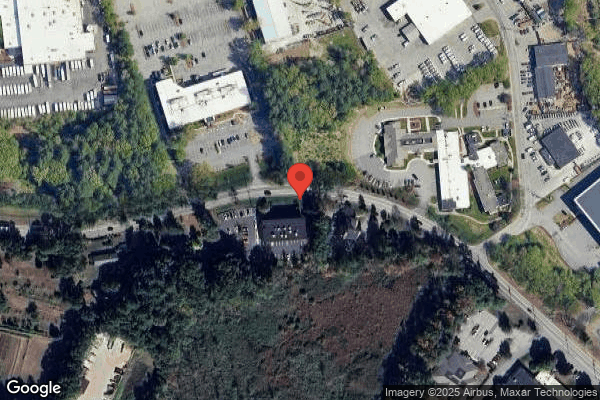
254 BILLERICA ROAD, CHELMSFORD, MA 01824 (978) 256-0231
For profit - Limited Liability company 93 Beds Independent Data: November 2025
Trust Grade
68/100
#123 of 338 in MA
Last Inspection: May 2025

Inspected within the last 6 months. Data reflects current conditions.

Overview

Sunny Acres Skilled Nursing and Rehabilitation Center has a Trust Grade of C+, indicating it is slightly above average compared to other facilities. It ranks #123 out of 338 in Massachusetts, placing it in the top half of the state, and #26 of 72 in Middlesex County, meaning there are only a few better local options. The facility is improving overall, with a reduction in issues from five in 2024 to three in 2025. However, staffing is a concern with a rating of 2 out of 5 stars and a turnover rate of 31%, which is below the state average but still indicates some instability. On the downside, the facility has faced issues such as failing to designate a trained Infection Preventionist, which raises concerns about infection control, and not maintaining sanitary conditions in the kitchen, which could affect food safety. Additionally, staff did not consistently practice proper hand hygiene during wound care, which poses a risk of infection. While there are strengths, such as a decent trust score and improving trend, these incidents highlight areas that families should consider carefully.

Trust Score
C+
68/100
In Massachusetts
#123/338
Top 36%
Safety Record
Low Risk
No red flags
Inspections
Getting Better
5 → 3 violations
Staff Stability
○ Average
31% turnover. Near Massachusetts's 48% average. Typical for the industry.
Penalties
○ Average
$9,750 in fines. Higher than 60% of Massachusetts facilities. Some compliance issues.
Skilled Nurses
⚠ Watch
Each resident gets only 28 minutes of Registered Nurse (RN) attention daily — below average for Massachusetts. Fewer RN minutes means fewer trained eyes watching for problems.
Violations
⚠ Watch
24 deficiencies on record. Higher than average. Multiple issues found across inspections.
★★★★☆
4.0
Overall Rating
★★☆☆☆
2.0
Staff Levels
★★★☆☆
3.0
Care Quality
★★★★☆
4.0
Inspection Score
Stable
2024: 5 issues
2025: 3 issues

The Good

  • Full Sprinkler Coverage · Fire safety systems throughout facility
  • No fines on record
  • Staff turnover below average (31%)

    17 points below Massachusetts average of 48%

Facility shows strength in fire safety.

The Bad

Staff Turnover: 31%

15pts below Massachusetts avg (46%)

Typical for the industry

Federal Fines: $9,750

Below median ($33,413)

Minor penalties assessed

The Ugly 24 deficiencies on record

May 2025 3 deficiencies
CONCERN (D)

Potential for Harm - no one hurt, but risky conditions existed

Incontinence Care (Tag F0690)

Could have caused harm · This affected 1 resident

**NOTE- TERMS IN BRACKETS HAVE BEEN EDITED TO PROTECT CONFIDENTIALITY** Based on observation, record review, and interview, the facility failed to provide appropriate treatment and services relative t...

Read full inspector narrative →
**NOTE- TERMS IN BRACKETS HAVE BEEN EDITED TO PROTECT CONFIDENTIALITY** Based on observation, record review, and interview, the facility failed to provide appropriate treatment and services relative to an indwelling urinary catheter (a thin, flexible tube inserted into the bladder to drain urine outside the body) for one Resident (#32) out of a total sample of 18 residents. Specifically, for Resident #32, the facility staff failed to follow the Physician order's relative to the foley (type of indwelling urinary catheter) catheter size, increasing the Resident's risk for indwelling urinary catheter complications. Findings include: Review of the facility policy titled, Catheter Care, Changing Foley Catheter, revised May 2020, indicated the following: -the Foley catheter will be changed only when needed, unless otherwise specified by the Physician, Nurse Practitioner (NP) or Physician Assistant (PA). -Foley catheters should be changed when: <urinary tract infection is suspected <clogged or unable to irrigate <displaced (balloon [retention balloon- a tiny balloon at the end of the indwelling urinary catheter that is inflated with water to prevent the indwelling urinary catheter from sliding out of the body] suspected to be in urethra) <resident discomfort <MD (Medical Doctor/Physician) order Resident #32 was admitted to the facility in May 2023 with diagnoses including urinary retention and obstructive and reflux uropathy. Review of the Minimum Data Set (MDS) assessment dated [DATE], indicated that Resident #32: -was cognitively impaired as evidenced by a Brief Interview for Mental Status (BIMS) score of 3 out of 15. -has an indwelling urinary catheter -was dependent on staff for activities of daily living (ADL's- basic skills such as bathing, dressing, eating, etc.). Review of Resident #32's Nursing Notes indicated: -4/1/25: the urinary catheter was found out, balloon was uninflated with 200 ml (milliliters) urine in the closed drainage bag. Urinary catheter reinserted without complications, draining dark yellow urine with another 200 ml out. -4/2/25: change 14 Fr (French scale or system used to size catheters) foley catheter as needed for obstruction. As needed administration was effective. -4/9/25: may flush catheter with 60 cc (cubic centimeters/milliliters) every shift as needed every 8 hours to prevent blockages. Unable to irrigate, new foley [catheter] inserted. Review of Resident #32's May 2025 Physician's orders indicated the following: -Change 14 Fr foley catheter as needed for obstruction or signs and symptoms of infection daily, and as needed daily, start date 11/15/23. -Change 14 Fr foley catheter every month on the 8th of each month every night shift starting on the 8th and ending on the 8th every month with a start date of 4/20/25 -may flush catheter with 60 cc every shift as needed, every 8 hours as needed, to prevent blockages, start date of 8/23/24 Review of Resident #32's Care Plan for Urinary Catheter, last revised 4/14/25, indicated: -has an indwelling urinary catheter related to urinary retention, neurogenic bladder due to CVA, obstructive and reflux uropathy, BPH with lower urinary tract symptoms. -the Resident will remain free from catheter-related trauma through review date. -change continuous drainage bag once weekly for infection prevention. -change indwelling urinary catheter 14 Fr monthly, and once monthly as needed for blockage or leakage. During an interview on 5/4/25 at 9:03 A.M., Resident #32 said that he/she has experienced pain with his/her indwelling urinary catheter. On 5/5/25 at 10:02 A.M., the surveyor and Unit Manager (UM) #1 observed Resident #32's urinary catheter size to be 16 Fr/ 5 ml. During an interview at the time, UM #1 said that Resident #32's urinary catheter size should be 14 Fr according to the Physician's orders but it was not. During an interview on 5/5/25 at 10:23 A.M., the Director of Nursing (DON) said that the Physician's orders relative to Resident #32's urinary catheter size were not followed and the orders should have been followed. The DON also said that there should have been a Physician's order for a balloon size, so that the nursing staff knew what [volume] to inflate the catheter balloon to, but there was no Physician's order for a balloon size. Further review of the medical record failed to indicate documented evidence that the Physician and/or Physician Assistant (PA) had been notified or consulted with to allow for a different sized foley catheter other than the 14 Fr as ordered by the Physician. The medical record also failed to indicate orders for the specific balloon size/volume to be utilized with the foley catheter changes.
CONCERN (D)

Potential for Harm - no one hurt, but risky conditions existed

Deficiency F0761 (Tag F0761)

Could have caused harm · This affected 1 resident

Based on observation, and interview, the facility failed to ensure that medications were stored in a safe and secure manner for one unit (Unit 1) out of a total of two units. Specifically, the facili...

Read full inspector narrative →
Based on observation, and interview, the facility failed to ensure that medications were stored in a safe and secure manner for one unit (Unit 1) out of a total of two units. Specifically, the facility failed to ensure that six over-the-counter medications were not stored in an unlocked drawer at the nurses station where the medications were readily accessible to unauthorized individuals and were at risk for improper temperature, humidity, and light controls. Findings include: Review of the undated facility policy titled Medication Labeling and Storage indicated the following: -The nursing staff is responsible for maintaining medication storage and preparation areas in a clean, safe, and sanitary manner. -Compartments (including, but not limited to, drawers, cabinets, rooms, refrigerators, carts, and boxes) containing medications and biologicals are locked when not in use . On 5/6/25 at 8:37 A.M., the surveyor observed Unit Manager (UM) #1 open an unlocked drawer at the nurses station on Unit 1 where the following medications were observed to be stored in the drawer: -one bottle of 8-hour Arthritis Pain (Acetaminophen extended release pain medication) tablets -one bottle of Calcium 600 mg tablets -two bottles of Aspirin 81 mg tablets -one bottle of Beano (anti-gas medication) extra strength tablets -one bottle of GenTeal tears eye drops During an interview on 5/6/25 at 8:38 A.M., UM #1 said that the medications should not have been stored in an unlocked drawer at the nurses station desk because anyone could get into them [access].
CONCERN (D)

Potential for Harm - no one hurt, but risky conditions existed

Deficiency F0883 (Tag F0883)

Could have caused harm · This affected 1 resident

**NOTE- TERMS IN BRACKETS HAVE BEEN EDITED TO PROTECT CONFIDENTIALITY** Based on interviews, and record reviews, the facility failed to administer Pneumococcal Vaccinations for one Resident (#44) of f...

Read full inspector narrative →
**NOTE- TERMS IN BRACKETS HAVE BEEN EDITED TO PROTECT CONFIDENTIALITY** Based on interviews, and record reviews, the facility failed to administer Pneumococcal Vaccinations for one Resident (#44) of five applicable residents, out of a total sample of 18 residents. Specifically, for Resident #44, the facility failed to administer Pneumococcal Vaccines when the Resident was eligible to receive, and consented to, the Pneumococcal immunization, putting the Resident at risk of acquiring pneumococcal illnesses. Findings include: Review of the facility's policy titled Resident Pneumococcal Vaccine, undated, indicated the following: -Prior to or upon admission, residents are assessed for eligibility to receive the pneumococcal vaccine series, and when indicated, are offered the vaccine series within thirty days of admission to the facility unless medically contraindicated or the resident has already been vaccinated. -Pneumococcal vaccines are administered to residents (unless medically contraindicated, already given, or refused) per our facility's physician approved pneumococcal vaccination protocol. -Administration of the pneumococcal vaccines are made in accordance with current Centers for Disease Control and Prevention (CDC) recommendations at the time of the vaccination. Review of the CDC guidance titled Pneumococcal Vaccine Recommendations, dated 10/26/24, indicated the following for individuals [AGE] years of age and older: -Administer PCV (Pneumococcal Conjugate Vaccine) 15 (Pneumococcal immunization that protects against 15 types of Pneumococcal disease), PCV20 (Pneumococcal immunization that protects against 20 types of Pneumococcal disease), or PCV21 (Pneumococcal immunization that protects against 21 types of Pneumococcal disease), for all adults 50 years or older: -Who have never received any Pneumococcal Conjugate Vaccine. -Whose previous vaccination history is unknown. -Give one dose of PCV20 or PCV21 at least 1 year after PCV13. 1. Resident #44 was admitted to the facility in February 2022 with diagnoses including Diabetes Mellitus (DM) and acute pyelonephritis. Review of Resident #44's Immunization Record indicated the Resident received a dose of Prevnar 13 Vaccine (PCV13) on 5/17/19 (prior to facility admission). Review of Resident #44's clinical record indicated: -The Resident was greater than [AGE] years of age. -No evidence the Resident had received any Pneumococcal Vaccinations since the dose of Prevar 13 on 5/17/19. -Consent for administration of Pneumococcal Vaccine signed by the Resident on 2/8/22. Review of the CDC PneumoRecs VaxAdvisor online calculator indicated the following recommendation for Resident #44: -Give one dose of PCV20 or PCV21 at least 1 year after PCV13. During an interview on 5/5/25 at 1:10 P.M., the Director of Nursing (DON) said that Resident #44 should have received the Pneumococcal Vaccine, but he/she had not. The DON also said that the Resident had signed a consent for the Pneumococcal Vaccine in 2022 after he/she was admitted to the facility.
Jun 2024 5 deficiencies
CONCERN (D)

Potential for Harm - no one hurt, but risky conditions existed

Deficiency F0578 (Tag F0578)

Could have caused harm · This affected 1 resident

**NOTE- TERMS IN BRACKETS HAVE BEEN EDITED TO PROTECT CONFIDENTIALITY** 2. Resident #49 was admitted to the facility in May 2024 with diagnosis including Adult Failure to Thrive (a syndrome of global ...

Read full inspector narrative →
**NOTE- TERMS IN BRACKETS HAVE BEEN EDITED TO PROTECT CONFIDENTIALITY** 2. Resident #49 was admitted to the facility in May 2024 with diagnosis including Adult Failure to Thrive (a syndrome of global decline in older adults as a worsening of physical frailty). Review of the Resident's HCP form, dated 5/13/24, provided evidence that the form was signed by the Resident. Review of the Resident's MOLST form, dated 6/1/24, indicated that in the event of a medical emergency the Resident wished to be resuscitated and that all life saving measures should be initiated. The MOLST form was signed by the Resident's HCP with no evidence that the decision was reviewed with the Resident. Review of Resident #49's care plan for Advance Directives initiated 6/3/24, indicated that there was a HCP on file and the HCP was not invoked. Review of the MDS assessment dated [DATE], indicated the Resident was cognitively intact as evidenced by a score of 14 out of 15 on the BIMS assessment. Further review of the Resident's clinical record did not provide any evidence that the Resident's capacity or incapacity to make health care decisions was ever evaluated or documented by the Physician. During an interview on 6/24/24 at 5:11 P.M., the surveyor and SW #1 reviewed Resident #49's MOLST form. SW #1 said that the form had been signed by the HCP and should have been signed by the Resident because the Resident's HCP was not invoked. Based on record review and interview, the facility failed to honor the rights of two Residents (#33 and #49) out of a total sample of 18 residents, to formulate Advanced Directives (an individual's wishes regarding medical treatment). Specifically, 1. For Resident #33, the facility staff executed a Medical Order for Life-Sustaining Treatment (MOLST - a medical order form that converts an individual's wishes regarding life-sustaining treatment into medical orders) form that was signed by the Residents' Health Care Proxy (HCP- the person chosen as the healthcare decision maker when the individual is unable to do so for themself) when the Resident continued to be capable of making his/her own health care decisions. 2. For Resident #49, the facility staff executed a MOLST form that was signed by the HCP, which should have been signed by the Resident because the Resident's HCP was not invoked (put into effect - evaluation of capacity by a Physician indicating that a resident is unable to make medical decisions) and the Resident was capable of making his/her health care decisions. Findings include: Review of the Massachusetts Health Care Proxy (HCP - a person who can make health care decisions for you if you are unable to communicate these yourself) form, revised 1/2018, indicated: -that .Your Agent cannot act for you until your Doctor determines, in writing, that you lack the ability to make health care decisions. Review of the facility policy titled Advanced Directives, undated, included: -Upon admission the interdisciplinary team (IDT) assesses the resident's decision-making capacity and identifies the primary decision-maker if the resident is determined not to have decision-making capacity. -The interdisciplinary team conducts ongoing review of the resident's decision-making capacity and invokes the resident representative or health care agent if the resident is determined not to have decision making capacity. -Changes are documented in the care plan and medical record. Review of the facility policy titled Medical Orders for Life Sustaining Treatment (MOLST), revised 1/2023, indicated: -A qualified Health Care Provider, preferably a Registered Nurse (RN) or Social Worker (SW), may conduct an initial review of the MOLST with the resident, or if the resident lacks decision making capacity the legally recognized agent, within the first required 14-day assessment period as part of the comprehensive assessment and care planning process. 1. Resident #33 was admitted to the facility in April 2023, with diagnoses including Major Depressive Disorder (symptoms lasting greater than two weeks of a persistently low or depressed mood and a loss of interest in activities that a person used to enjoy) and Type 2 Diabetes Mellitus (DM II - disease in which the body's ability to produce or respond to the hormone insulin is impaired resulting in elevated blood glucose [sugar] levels in the blood). Review of the Resident's HCP form dated 1/16/07, provided evidence that the HCP form was signed by the Resident. Review of the Resident's MOLST form, dated 3/22/23, indicated that in the event of cardiac or pulmonary arrest the Resident should not be resuscitated. The form was signed by the Resident's HCP with no indication that the decision was reviewed with the Resident. Review of the Minimum Data Set (MDS) assessment dated [DATE], indicated the Resident was cognitively intact as evidenced by a score of 14 out of 15 on the Brief Interview for Mental Status (BIMS) assessment. Further review of the Resident's clinical record did not provide any evidence that the Resident's capacity or incapacity to make health care decisions was ever evaluated or documented by the Physician. During an interview on 6/25/24 at 4:00 P.M., Social Worker (SW) #1 said that Resident #33 was their own person (able to make their own health care decisions) and that their HCP was not invoked by the Physician, and had never been invoked since admission to the facility. The surveyor and SW #1 reviewed Resident #33's MOLST form and SW #1 said that the MOLST form should not have been signed by the HCP because the HCP was never invoked. SW #1 also said that Resident #33 still made all their own decisions about their care and that the MOLST form should have been reviewed and signed by the Resident.
CONCERN (D)

Potential for Harm - no one hurt, but risky conditions existed

Deficiency F0658 (Tag F0658)

Could have caused harm · This affected 1 resident

**NOTE- TERMS IN BRACKETS HAVE BEEN EDITED TO PROTECT CONFIDENTIALITY** Based on observation, interview, record and policy review, the facility failed to provide care in accordance with professional s...

Read full inspector narrative →
**NOTE- TERMS IN BRACKETS HAVE BEEN EDITED TO PROTECT CONFIDENTIALITY** Based on observation, interview, record and policy review, the facility failed to provide care in accordance with professional standards of practice for two Residents (#56 and #58) out of a total sample of 18 residents. Specifically, the facility staff failed to: 1. off-load (minimizing or removing weight placed on the foot to help prevent and heal ulcers) Resident #58's heels when the Resident was in bed, had been identified as being at risk for skin breakdown, and had an active Physician's order to off-load his/her heels when in bed, increasing the Resident's risk for developing a pressure injury (PI: meaning an area of damage to skin or underlying soft tissue, usually over a bony prominence, as a result of prolonged pressure). 2. follow the Physician's order for Resident #56 not to exceed three grams (3 g: 3,000 milligrams [mg]) of Acetaminophen administration in a 24-hour period when facility staff administered 3,650 mg of Acetaminophen to the Resident in one 24-hour period. Findings include: 1. Review of the John Hopkins Medicine document titled, Pressure Injuries, dated 2024, (https://www.hopkinsmedicine.org/health/conditions-and-diseases/pressure-ulcers), indicated the following relative to the prevention of Pressure Injuries (PI): -Pressure injuries are most likely to occur in older adults, particularly those who live in nursing homes. -When you rarely move, your body weight restricts the blood flow to your arms, legs, neck, and back. -The lack of blood flow to the skin and tissues under the skin may cause them to break down. -Pressure injuries tend to surface on parts of the body where the skin is mashed between a bone and a surface such as a . mattress. -To prevent pressure injuries, relieve pressure on the skin . -If in bed, raise your heels slightly off the mattress . Resident #58 was admitted to the facility in June 2024, with diagnoses including: fracture of greater trochanter of the right femur (right hip fracture), chronic pain syndrome, abnormal weight loss, and need for assistance with personal care. Review of Resident #58's active Physician's order dated 6/7/24, indicated: -Off-load heels while in bed, every shift. Review of Resident #58's Potential for Pressure Ulcer Development Care Plan initiated 6/7/24, indicated the following: -The Resident had potential for pressure ulcer development related to decreased mobility . -The Resident's goal was to have intact skin, free of redness . or discoloration by/through the review date of 7/2/24. -The Resident required assistance from staff for repositioning. -The Resident required the use of pressure relieving/reducing devices. Review of Resident #58's Activities of Daily Living (ADL) Care Plan, dated 6/7/24, indicated the following: -The Resident had a self-care performance deficit. -The Resident required moderate assistance from two staff for turning and repositioning in bed. Review of Resident #58's Minimum Data Set (MDS) assessment dated [DATE], indicated the Resident was cognitively intact, as evidenced by a Brief Interview for Mental Status (BIMS) score of 15 out of 15 total points. On 6/24/24 at 9:54 A.M., the surveyor observed Resident #58 lying on his/her back in bed. The surveyor further observed that the foot of the Resident's bed was elevated, the Resident's knees were slightly bent, and his/her heels were in direct contact with the mattress (not off-loaded). During an interview at the time, Resident #58 said he/she had pain everywhere and that his/her back and feet hurt the most. On 6/24/24 at 9:59 A.M., the surveyor observed two staff members repositioning Resident #58 in his/her bed. The surveyor observed staff lowering the foot of the bed, lifting the Resident's body up toward the head of the bed, then elevating the head of the bed. The surveyor did not observe any intervention provided to off-load the Resident's heels and his/her heels remained in direct contact with the mattress. One staff member was observed to assist the Resident to consume a drink, then both staff members left the room. The surveyor did not observe either staff member address and offer any intervention to off-load the Resident's heels before leaving the room. On 6/25/24 at 10:30 A.M., the surveyor observed Resident #58 lying in bed with his/her head slightly elevated. The surveyor further observed that the foot of the bed was in a flat position and the Resident's heels were in direct contact with the mattress. During an interview at the time, Resident #58 said no one offers to put anything under his/her legs to lift his/her heels off the mattress. Resident #58 further said that his/her heels hurt sometimes and that his/her right heel hurt like electricity or fire. The surveyor did not observe any positioning devices in Resident #58's room for off-loading the Resident's heels while in bed. On 6/25/24 at 11:00 A.M., the surveyor and the Director of Nursing (DON) observed Resident #58's right heel. The DON lifted the Resident's right heel off the mattress and the surveyor observed that the Resident's heel was red while the rest of the Resident's foot was not discolored. The DON used her finger to apply pressure to the Resident's right heel. The skin on the heel blanched (turned white), but looked soft, then returned to red when the DON removed the pressure of her finger. During an interview at the time, the Resident said his/her right heel hurt sometimes, that the pain felt like the nerves were sore, and said, like zip-zap. During an interview at the time, the DON said the Resident's right heel was red and boggy (abnormal tissue texture characterized by sponginess that can result from pressure to the area). The surveyor and the DON reviewed Resident #58's Physician's orders for off-loading the Resident's heels when the Resident was in bed. The DON said staff should have used some pillows under the Resident's lower legs to off-load the Resident's heels in bed, unless a different type of specialized device to off-load his/her heels was indicated. The surveyor observed no additional pillows or devices for off-loading Resident #58's heels in the Resident's room at the time. During an interview on 6/25/24 at 11:51 A.M., Nurse #2 said he was assigned to provide care for Resident #58 on 6/24/24 and 6/25/24. Nurse #2 said Resident #58 did not report right heel pain on 6/24/24, but reported pain in his/her right heel during the morning of 6/25/24. Nurse #2 further said the Resident described the pain to feel like electricity. Nurse #2 said he thought the Resident was experiencing nerve pain based on the Resident's pain description, so he provided the Resident with some pain medication, but he did not assess the position or condition of the Resident's heel. 2. Review of the facility's policy titled, Administering Medications, dated April 2019, indicated the following: -Medications are administered in accordance with Prescriber orders, including any required time frame. -If a dosage is believed to be inappropriate or excessive for a resident, . , the person preparing or administering the medication will contact the Prescriber, the resident's Attending Physician, or the facility's Medical Director to discuss the concerns. Review of Harvard Medical School's document titled, Acetaminophen Safety: Be Cautious but not Afraid, dated 4/3/24, (https://www.health.harvard.edu/pain/acetaminophen-safety-be-cautious-but-not-afraid) indicated: -it is safest for individuals to take only what is needed, and not to exceed 3,000 mg of Acetaminophen use per day, especially when one uses Acetaminophen often. -Taking too much Acetaminophen can damage the liver, sometimes leading to a liver transplant or death. -The body breaks down most of the Acetaminophen in a normal dose and eliminates it in urine Some of the drug is converted into a toxic byproduct .If too much Acetaminophen is taken - all at once or over a period of days-more toxin can build up than the body can handle. Resident #56 was admitted to the facility in May 2024 with diagnoses including: Polyosteoarthritis (Arthritis in five or more joints at the same time) and Left Acetabulum (hip joint) fracture. Review of Resident #56's MDS assessment dated [DATE], indicated that the Resident was severely cognitively impaired as evidenced by a BIMS score of three out of 15 total points. Review of Resident #56's June 2024 Physician's orders indicated the following active orders: -Acetaminophen Oral Tablet 500 mg; give 2 tablets by mouth every 8 hours for pain, initiated 5/25/24. -Acetaminophen Tablet 325 mg; give 2 tablets by mouth every 6 hours as needed (PRN) for pain. Do not exceed 3 g (grams) of Acetaminophen/24 hours, dated 5/25/24. -Acetaminophen Tablet 325 mg; give 2 tablets by mouth every 6 hours as needed (PRN) for temp (temperature) 100 F (Fahrenheit) or above. Do not exceed 3 g of Acetaminophen/24 hours, dated 5/25/24. Review of Resident #56's Pain Care Plan, initiated 5/26/24, indicated the following: -The Resident had pain related to a fall with fracture and Osteoarthritis. -Staff were to administer analgesia (pain medication) as ordered. Review of Resident #56's June 2024 Medication Administration Record (MAR) indicated the following: -The Resident received all scheduled doses of Acetaminophen (3 g) each 24-hour period. -Staff administered one as needed (PRN) dose of two 325 mg (total = 650 mg) Acetaminophen tablets on 6/13/24. -The Resident's total dose of Acetaminophen when the as needed (PRN) dose was administered on 6/13/24 was 3,650 mg (500 mg (2 tablets) x 3 = 3000 mg + 650 mg = 3650 mg ) in excess of 3 g/3000 mg). During an interview on 6/26/24 at 9:50 A.M., Nurse #3 said all residents with orders for Acetaminophen have an order not to exceed 3 g in a 24-hour period due to the effects excess dosing of Acetaminophen can have on the liver. Nurse #3 said if a resident had already received 3 g of Acetaminophen in a 24-hour period and had pain or fever, she would look in the resident's Physician's orders for an alternate medication to treat the symptoms. Nurse #3 said if an alternate medication was not ordered, she would call the Physician and obtain new orders. The surveyor and Nurse #3 reviewed Resident #56's June 2024 MAR and the Acetaminophen administration for 6/13/24. Nurse #3 said the Resident was administered Acetaminophen in excess of the dosage allowed by the Physician's order. During an interview on 6/26/24 at 10:00 A.M., the DON said residents' electronic health records (EHR) did not contain alerts for staff to indicate when the residents had already received the maximum doses of ordered medications. The DON said it was the Nurse's responsibility to review the medications already administered to determine whether an as needed (PRN) medication could be administered. The surveyor and the DON reviewed Resident #56's June 2024 MAR and the DON said staff had administered Acetaminophen to Resident #56 on 6/13/24 in excess of the dose ordered by the Physician.
CONCERN (D)

Potential for Harm - no one hurt, but risky conditions existed

Quality of Care (Tag F0684)

Could have caused harm · This affected 1 resident

**NOTE- TERMS IN BRACKETS HAVE BEEN EDITED TO PROTECT CONFIDENTIALITY** Based on observation, interview, record review and policy review, the facility failed to provide treatments in accordance with p...

Read full inspector narrative →
**NOTE- TERMS IN BRACKETS HAVE BEEN EDITED TO PROTECT CONFIDENTIALITY** Based on observation, interview, record review and policy review, the facility failed to provide treatments in accordance with professional standards of practice for one Resident (#64) out of a total sample of 18 residents. Specifically, the facility staff failed to manage hypoglycemic (low blood sugar) episodes as required and implement and perform care and treatment consistent with the Physician orders and professional standards of practice for a Resident with Diabetes Type 1 (DM I - a chronic autoimmune disease that prevents the pancreas from making insulin), when the Resident's blood glucose levels decreased to less than 70 mg/dL on multiple occasions. Findings include: Resident #64 was admitted to the facility in September 2023 with diagnoses including Diabetes Type 1 and hypoglycemia. Review of the facility policy titled Nursing Care of the Older Adult with Diabetes Mellitus, undated, indicated the following: -the Provider will order the frequency of glucose monitoring and establish appropriate glycemic targets for individual residents. -manage hypoglycemia according to protocols and Provider orders. -call Provider immediately if resident is hypoglycemic (blood sugar less than 70 mg/dL [milligrams per deciliter]). Review of the facility policy for Management of Hypoglycemia, undated, indicated the following: -Signs and symptoms of Hypoglycemia: weakness, dizziness, faintness, restlessness, twitching, tachycardia, pale/cool/moist skin, excessive perspiration, irritability, blurred/impaired vision, headaches, numbness of the tongue/lips, thick speech, stupor, unconsciousness, convulsions and coma. -Level 1 Hypoglycemia (less than 70 mg/dL): give the resident an oral form of rapidly absorbed glucose (15-20 grams), notify the Provider immediately, remain with resident and re-check blood glucose in 15 minutes, if blood glucose is within range provide resident with meal or a snack, if blood sugar remains less than 70 mg/dL repeat blood glucose and notify the Physician for further orders. -Level 2 Hypoglycemia (less that 70 mg/dL): administer glucagon (intramuscular), notify the Provider immediately, remain with the resident, place resident in a comfortable and safe place (bed or chair), monitor vital signs, re-check blood sugar in 15 minutes (as above). -Document the resident's blood glucose before and after intervention. -Note blood sugar after each administration of rapid acting glucose and the follow-up blood sugar. -Record the resident's level of consciousness before and after intervention. -Document Provider instructions. During an interview on 6/24/24 at 9:55 A.M., Resident #64 said that he/she was anxious about the facility's management of his/her blood sugars and that his/her blood sugars were frequently low. The Resident also said that he/she had trouble sleeping at night for fear that he/she would not wake up. Review of Resident #64's Minimum Data Set (MDS) assessment dated [DATE], indicated the following: -The Resident was cognitively intact as exhibited by a Brief Interview for Mental Status Score (BIMS) of 15 out of a total 15 points. -The Resident was had a diagnosis of Diabetes Mellitus. -The Resident received insulin injections and hypoglycemic medication. Review of Resident #64's Medication Administration Records (MAR) indicated blood glucose levels of less than 70 mg/dL on the following dates: -1/16/24: 66 mg/dL -1/23/24: 65 mg/dL -2/2/24: 59 and 65 mg/dL -3/10/24: 46 mg/dL -3/12/24: 46 mg/dL -4/1/24: 59 mg/dL -4/3/24: 68 mg/dL -4/10/24: 55 mg/dL -4/27/24: 54 mg/dL -4/30/24: 56 mg/dL -5/7/24: 66 mg/dL Review of Resident #64's MAR and progress notes indicated that nursing staff did not initiate the hypoglycemic protocol or notify the Physician regarding the Resident's low blood glucose levels during any of the dates documented above. Review of Resident #64's care plan for Diabetes Mellitus created 10/12/23, and last revised 6/5/24, indicated: -Monitor blood glucose levels as ordered. -Administer medications as ordered. -Assess for signs and symptoms hyperglycemia (high blood sugar) and hypoglycemia. Review of Resident #64's care plan for hypoglycemia created 10/12/23, and last revised 6/5/24, indicated: -Administer medications as ordered. Evaluate/record/report effectiveness/adverse side effects. -Monitor blood glucose as ordered. -Monitor for signs of hypoglycemia. -Provide diabetic snacks as ordered. Review of Resident 64's Physician's orders for June 2024, indicated that there were no orders in place for the following treatment and management of the Resident's diabetic care until 6/24/24 (the start date of the facility's recertification survey): -assess and monitor Resident response to hypoglycemic treatment. -check finger-stick blood glucose every 15 minutes until emergency services arrives. -diabetic foot care. -if blood sugar is greater than 400, recheck and notify Physician. -if finger stick blood sugar is less than or equal to 70 mg/dL and Resident is responsive and able and willing to swallow, treat with 15 to 20 grams of carbohydrates and assess finger stick blood sugar in 15 minutes. -offer diabetic snack at hour of sleep. -monitor for signs and symptoms of hypo/hyperglycemia every shift. -may check blood sugar as needed for signs and symptoms of hyper/hypoglycemia. Notify Physician if less than 70 mg/dL or greater than 350. -GlucaGen HypoKit (ready to use rescue pen) Solution Reconstituted 1 mg- inject 1 mg intramuscularly as needed for blood sugar less than 70 mg/dL if resident is not responsive or not able and willing to swallow. -Insta-Glucose (simple sugar used to treat very low blood sugar)- give one application by mouth as needed (PRN), with a start date of 6/25/24 During an interview on 6/25/24 at 4:21 P.M., Unit Manager (UM) #1 said that the Physician should be notified if a resident's blood sugar is below 70 mg/dL and it should be documented in the nursing progress notes. During a follow-up interview on 6/25/24 at 4:51 P.M., UM #1 said that there was no documentation in Resident #64's nursing progress notes addressing the treatment of the Resident's low blood sugars and there should have been per the facility policy. During an interview on 6/26/24 at 1:40 P.M., the Director of Nursing (DON) said that Resident #64's Physician's orders for diabetic care should have been in place and they were not in place until 6/24/24. The DON also said that the Nurses should have been following the facility policy and contacted the Physician when the Resident's blood sugar fell below 70 mg/dL, and documented this in the nursing progress notes and they did not as required.
CONCERN (D)

Potential for Harm - no one hurt, but risky conditions existed

Deficiency F0727 (Tag F0727)

Could have caused harm · This affected 1 resident

Based on record review and interview, the facility failed to provide the services of a Registered Nurse (RN) for at least eight consecutive hours a day, seven days a week as required, placing all resi...

Read full inspector narrative →
Based on record review and interview, the facility failed to provide the services of a Registered Nurse (RN) for at least eight consecutive hours a day, seven days a week as required, placing all residents at risk for not having their clinical needs met either directly by the RN or indirectly by the Licensed Practical Nurse (LPN) or Certified Nurses Aides (CNA) that the RN was responsible for overseeing with provision of resident care. Specifically, review of the facility's Licensed Nurses schedule and interviews indicated that the facility failed to have an RN working at least eight consecutive hours over a 24-hour period for four days between 5/26/24 - 6/22/24, when no nursing staff waivers were in place. Findings include: Review of the Nursing Staff Schedule provided by the facility dated 5/26/24 - 6/8/24, indicated no evidence of any RN coverage in the facility on 6/1/24, 6/2/24, and 6/8/24. Further Review of the Nursing Staff Schedule dated 6/9/24 - 6/22/24, indicated there was no evidence of any RN coverage in the facility on 6/16/24. During an interview for the facility entrance conference meeting on 6/24/24 at 8:19 A.M., the Administrator said there were no nursing staff waivers in place. During an interview on 6/26/24 at 9:53 A.M., Nurse #1, an LPN who was scheduled to work 6/1/24 and 6/2/24 said she could not recall those specific days. Nurse #1 said if there was no RN in the building and an RN was needed, there was always an RN on-call who the staff could contact. Nurse #1 did not indicate who the on-call RN would be. During an interview on 6/26/24 at 2:26 P.M., the Director of Nursing (DON) said there was no payroll evidence that the required RN coverage was provided in the facility on 6/1/24, 6/2/24, 6/8/24, and 6/16/24, because there was no RN working in the facility on any of those dates.
CONCERN (D)

Potential for Harm - no one hurt, but risky conditions existed

Infection Control (Tag F0880)

Could have caused harm · This affected 1 resident

Based on observation, interview, record and policy review, the facility failed to implement Contact Precautions (use of gloves and a gown for all interactions with a resident and their environment) to...

Read full inspector narrative →
Based on observation, interview, record and policy review, the facility failed to implement Contact Precautions (use of gloves and a gown for all interactions with a resident and their environment) to prevent the potential transmission of communicable diseases (a disease or infection that is easily spread from one individual to another) and infections within the facility for two Residents (#49 and #58), out of a total sample of 18 residents. Specially, the facility failed to: 1) For Resident #49, ensure that staff: -wore the required Personal Protective Equipment (PPE - items used to prevent the spread of infection such as gowns, gloves, face masks) while caring for the Resident with Clostridium difficile (C. diff- a bacterium that causes an infection of the colon [the longest part of the large intestine]. Symptoms can range from diarrhea to life-threatening damage to the colon) and Contact Precautions were indicated. -performed the appropriate hand hygiene (hand washing with soap and water) for C. diff after exiting the Resident's room. 2) For Resident #58, ensure that staff: -implemented the required PPE in a timely manner when the Resident was diagnosed with Methicillin-resistant Staphylococcus aureus (MRSA: strain of gram-positive bacteria resistant to several antibiotics, making it difficult to treat, which spreads through contact with infected individuals) in the urine and Contact Precautions were indicated. Findings include: Review of the facility policy titled Transmission-Based (Isolation Precautions) dated 2023, indicated the following: -It was the facility's policy to take appropriate precautions to prevent transmission of pathogens, based on the pathogens' modes of transmission. -Transmission-Based Precautions (TBP) refer to actions implemented in addition to Standard Precautions that are based upon the means of transmission in order to prevent or control infections. -Contact Precautions- refer to measures that are intended to prevent transmission of infectious agents which are spread by direct or indirect contact with the resident or residents' environment. -The facility will use standard approaches, as defined by the CDC (Centers for Disease Control and Prevention) for transmission-based precautions. -An order for Transmission-Based Precautions will be obtained for residents who are known or suspected to be infected or colonized with infectious agents that require additional controls to prevent transmission effectively. -Signage that includes instructions for use of specific PPE will be placed in a conspicuous location outside the resident's room . -Healthcare personnel caring for residents on Contact Precautions wear a gown and gloves for all interactions that may involve contact with the resident or potentially contaminated areas in the resident's environment. -Recommendations for Clostridium difficile (C. diff) - hand hygiene with soap and water. 1) Resident #49 was admitted to the facility in May 2024, with diagnoses including C. diff, colostomy (a surgical procedure that creates an opening for the colon through the abdominal wall) status and adult failure to thrive (a syndrome of global decline in older adults as a worsening of physical frailty that is frequently compounded by cognitive impairment). Review of the CDC Guidelines for the Prevention of C. diff, dated 3/6/24, indicated that washing your hands with soap and water is the best way to prevent the spread of the infection. Review of Resident #49's care plan for C. diff infection, initiated on 5/31/24, indicated the following interventions: -I need good handwashing. -I need to use soap and water to wash my hands. -I cannot use anti-bacterial gels to clean my hands. -maintain Contact Precautions. On 6/26/24 at 8:57 A.M., the surveyor observed CNA (Certified Nurses Aide) #1 enter Resident #49's room which had a Contact Precautions sign posted outside of the room. The Contact Precautions sign indicated to put on (don) a gown and gloves and to perform hand hygiene (with alcohol-based hand rub) before entering the room and to take off (doff) the gown and gloves and perform hand hygiene (the sign did not specify soap and water for C. diff as required) after exiting the Resident's room. The surveyor observed CNA #1 enter the room without donning PPE, take the Resident's eaten breakfast tray from their bedside table, exit the room and place the tray on a cart. The surveyor observed that CNA #1 did not wash her hands after exiting the Resident's room. During an interview at the time, CNA #1 said that she did not understand how it was possible for her to pick up the Resident's dirty tray and also hand wash after she left the Resident's room. During an interview on 6/26/24 at 9:02 A.M., Unit Manager #1 said that staff should wear the PPE documented on the sign outside of Resident #49's room and should hand wash after exiting the room as well. On 6/26/24 at 11:58 A.M., the surveyor observed CNA #1 enter Resident #49's room with the appropriate PPE donned. CNA #1 then took off the PPE and exited the room, performed hand hygiene with alcohol-based hand rub and did not handwash with soap and water. During an interview at the time, CNA #1 said that she was unaware of what communicable disease the facility was trying to prevent the spread of. During an interview on 6/26/24 at 12:04 P.M., CNA #2 said that the nursing staff at the facility inform the CNA's what to do for hand hygiene. CNA #2 said the CNA's were told that it was okay to use alcohol-based hand hygiene to enter and exit Resident #49's room. On 6/26/24 at 12:05 P.M., the surveyor observed CNA #3 enter Resident #49's room with the appropriate PPE donned. The surveyor observed CNA #3 enter the Resident's bathroom, handle the Resident's linens and place them in the bathroom. CNA #3 was observed to then pick up a drinking cup and medication cup which she then discarded in the trash. CNA #3 removed her PPE in the room and exited the room to perform hand hygiene using alcohol-based hand rub. CNA #3 did not wash her hands with soap and water after exiting the room. During an interview on 6/26/24 at 12:10 P.M., CNA #3 said that there has never been a time where nursing staff have informed the CNA's to use soap and water instead of the alcohol-based hand rub. During an interview on 6/26/24 at 2:51 P.M., the Infection Preventionist (IP) said that the staff should have worn the appropriate PPE when entering Resident #49's room and washed their hands with soap and water after exiting the room. 2) Review of the Center for Disease Control and Prevention's (CDC) guidelines titled, Implementation of Personal Protective Equipment (PPE) Use in Nursing Homes to Prevent Spread of Multidrug-resistant Organisms (MDROs: germ that is resistant to many antibiotics), dated 4/2/24, indicated the following relative to Contact Precautions: -Use Contact Precautions for all residents infected or colonized with a MDRO in any of the following situations with excretions that are unable to be contained. -Post clear signage on the door or wall outside of the resident room indicating the type of precautions and required PPE (e.g., gown and gloves). Review of CDC guidelines titled, Preventing Methicillin-resistant Staphylococcus aureus (MRSA: an MDRO), dated 4/12/24, indicated: -MRSA can survive on some surfaces for hours, days or even weeks. -MRSA can spread to people who touch a contaminated surface (a place where the germ lives or is present). -MRSA prevention efforts can reduce infections. Resident #58 was admitted to the facility in June 2024, with a diagnosis of Urinary Tract Infection (UTI: bacterial infection in any part of the urinary system). Review of Resident #58's Urine Culture Results, reported to the facility on 6/23/24, indicated the Resident was positive for a MRSA infection in his/her urine. Review of Resident #58's June 2024 Certified Nurses Aide Flow Sheets indicated the Resident was incontinent of urine and was dependent on facility staff for toilet hygiene on 6/23/24 and 6/24/24. Review of Resident #58's clinical record indicated no evidence that an order for Contact Precautions had been obtained. On 6/24/24 at 9:50 A.M., the surveyor observed Resident #58 lying in bed in his/her room. The surveyor observed that no signage was posted on the Resident's door or wall outside the room to indicate the need for use of Contact Precautions. On 6/24/24 at 9:54 A.M., the surveyor observed two staff members adjust the position of Resident #58's bed then assisted Resident #58 to reposition in bed by handling the Resident's body and the Resident's bed linens. The surveyor then observed one of the staff members handle items on the Resident's night stand and bedside table, then assisted the Resident to consume liquids. Neither staff member wore a gown or gloves while assisting the Resident with personal care. On 6/25/24 between 9:13 A.M. and 11:00 A.M., the surveyor observed the following: -Resident #58 was lying in bed. -Staff members entered and exited the room each time the call light was activated and handled items in the Resident's room. -No staff were observed to wear a gown or gloves when they entered the Resident's room. -No signage was observed to be posted on the Resident's door or wall outside the room to indicate the need for use of Contact Precautions. On 6/26/24 at 9:24 A.M., the surveyor observed that a Contact Precautions sign posted outside of Resident #58's room door. The surveyor observed Nurse #3 put on a gown and gloves when she entered the room. During an interview on 6/26/24 at 9:50 A.M., Nurse #3 said that Resident #58 had been placed under Contact Precautions that morning for a MRSA infection in his/her urine. During an interview on 6/26/24 at 2:51 P.M., the Infection Preventionist (IP) said if she was not in the facility and an infection or MDRO that required implementation of Contact Precautions was identified, the Nurse was required to implement those precautions. The IP said she was not in the facility on 6/23/24 when Resident #58's urine culture results were faxed to the facility, identifying that the Resident was positive for a MRSA infection. The IP said the Nurse that received the fax should have implemented Contact Precautions for the Resident on 6/23/24, when the fax was received, but this was not done. The IP then said Contact Precautions for Resident #58 were not implemented until the morning of 6/26/24 because that was when she was alerted that the Resident was positive for a MRSA infection in his/her urine, but the Contact Precautions should have been implemented on 6/23/24.
Mar 2023 1 deficiency
CONCERN (D) 📢 Someone Reported This

A family member, employee, or ombudsman was alarmed enough to file a formal complaint

Potential for Harm - no one hurt, but risky conditions existed

Deficiency F0557 (Tag F0557)

Could have caused harm · This affected 1 resident

Based on records reviewed and interviews, for one of three sampled residents (Resident #1), who was alert, oriented and able to make his/her needs known, the Facility failed to ensure he/she was treat...

Read full inspector narrative →
Based on records reviewed and interviews, for one of three sampled residents (Resident #1), who was alert, oriented and able to make his/her needs known, the Facility failed to ensure he/she was treated in a dignified and respectful manner by staff, when on 2/19/23 after Nurse #1 was made aware that Resident #1 had sustained a skin tear and wanted a bandage applied to the area, Nurse #1 told Resident #1 he/she would have to wait, and that it would be his/her (Resident #1) fault that she (Nurse #1) would not get a dinner break that night. Resident #1 said Nurse #1 was rude and disrespectful to him/her that night, and that it had not made him/her feel very good. Findings include: The Facility's Policy titled, Resident Rights, undated, indicated that employees shall treat all residents with kindness, respect, and dignity. Federal and state laws guarantee certain basic rights to all residents. These rights include the resident's right to a dignified existence and to be treated with respect, kindness, and dignity. Resident #1 was admitted to the Facility in February 2023, with diagnoses that included unspecified macular degeneration, unspecified glaucoma, hypertension, and cerebrovascular disease. Review of Resident #1's most recent Minimum Data Set Assessment, dated 02/09/23, indicated his/her cognitive patterns were intact, and he/she was able to make his/her needs known to staff. The Facility's Internal Investigation, dated 02/20/23, indicated that on 02/19/23, during the 3:00 P.M. to 11:00 P.M. shift, Resident #1 sustained a right-hand skin after using the toilet, that Certified Nurse Aide (CNA) #1 informed Nurse #1 of the injury, and that it was alleged that when Nurse #1 went to Resident #1's room, she was rude and disrespectful to him/her. The Investigation indicated that when Nurse #1 went to Resident #1's room, she said to him/her, Do you realize as a result of you calling me in, I'm not going to get my dinner break. You will have to wait! During an interview on 03/15/23 at 2:40 P.M., Resident #1 said that on 02/19/23, CNA #1 assisted him/her to the toilet and that he/she asked CNA #1 for privacy. Resident #1 said that by accident, he/she cut the back of his/her right hand on the toilet paper holder. Resident #1 said CNA #1 noticed blood on his/her hand and told him/her she would get the nurse. Resident #1 said that when Nurse #1 came in, she was rude and said, Do you realize as a result of you calling me in, I'm not going to get my dinner break. You will have to wait! Resident #1 said Nurse #1 left the room, and did not return until sometime later (exact time unknown). Resident #1 said when Nurse #1 finally came back to put a bandage on his/her hand, that Nurse #1 had an attitude. Resident #1 said it was disrespectful and wrong for Nurse #1 to say what she said, and that it had not made him/her feel very good. During an interview on 03/21/23 at 10:20 A.M., Certified Nurse Aide (CNA) #1 said on 2/19/23, during the evening shift (exact time unknown) she notified Nurse #1 that Resident #1 had a skin tear and that she explained to Nurse #1 how Resident #1 sustained the skin tear. CNA #1 said, after she spoke to Nurse #1, she returned to Resident #1's room to assist him/her back to bed. CNA #1 said when Nurse #1 came into Resident #1's room, she did not seem pleased and that Nurse #1 let Resident #1 know that this was an inconvenient time for her to deal with him/her. During an interview on 03/27/23 at 9:35 A.M., Nurse #1 denied speaking to Resident #1 in a disrespectful or undignified way that night. Nurse # said she believed the Management Team wanted to terminate her, so she decided to resign. During an interview on 03/28/22 at 11:35 A.M., the previous Director of Nursing (DON) said that on 02/20/23, she received a call from Resident #1's daughter who reported that Resident #1 had a difficult night (on 2/19/23). The DON said she interviewed Resident #1, who reported that he/she had gotten a skin tear after using the toilet. The DON said CNA #1 who had been assisting Resident #1 with care that night, assured Resident #1 she would get the nurse, and that CNA #1 had notified Nurse #1 right away that Resident #1 had sustained a skin tear. The DON said Resident #1 told her that when Nurse #1 came to his/her room she said, Do you realize as a result of you calling me in, I'm not going to get my dinner break. You will have to wait!. The DON said when they met with Nurse #1 regarding the alleged incident, that Nurse #1 denied the allegation, refused to provide a written statement, and resigned immediately. The DON said that she believed that Nurse #1 was overwhelmed at the time, but said that Nurse #1 more than likely said those words to Resident #1 that night.
Feb 2023 15 deficiencies
CONCERN (D)

Potential for Harm - no one hurt, but risky conditions existed

Notification of Changes (Tag F0580)

Could have caused harm · This affected 1 resident

**NOTE- TERMS IN BRACKETS HAVE BEEN EDITED TO PROTECT CONFIDENTIALITY** Based on record review and interview, the facility failed to ensure its staff notified the Physician/Non-Physician Practitioner ...

Read full inspector narrative →
**NOTE- TERMS IN BRACKETS HAVE BEEN EDITED TO PROTECT CONFIDENTIALITY** Based on record review and interview, the facility failed to ensure its staff notified the Physician/Non-Physician Practitioner (NPP) of unavailability and missed doses of an ordered medication for one Resident (#124), out of a total sample of 18 residents. Specifically, the facility failed to ensure its staff notified the Physician/NPP when ordered doses of Xarelto (anticoagulant-medication used to treat and prevent blood clots) was: a) unavailable for administration, and b) not administered to Resident #124 as ordered for three consecutive days. Findings include: Review of the undated facility protocol, titled What to do When Medication is Unavailable, included the following: - If the Pharmacy was out of a medication or did not deliver the medication, facility staff were required to: 1) contact the Physician/NPP, to advise on an alternative medication and 2) document this in a progress note. - If a medication dose was missed, facility staff were required to notify the Physician/NPP and a progress note needed to be completed. Resident #124 was admitted to the facility in February 2023 with diagnoses including COVID-19 and atrial fibrillation (a-fib: abnormal heart rhythm that can increase risk for blood clots). Review of the hospital Discharge summary, dated [DATE], included the following: - Resident #124 was positive for COVID-19 and had a diagnosis of a-fib. - The Resident required 20 milligrams (mg) of Xarelto to be administered in the evenings with meals. - The Resident was not treated with a therapeutic for COVID-19 due to its interaction with Xarelto. - The last dose of Xarelto administered to the Resident in the hospital was on 2/20/23. Review of a Physician Order, dated 2/21/23, indicated: Xarelto tablet, 20 mg amount: one tablet-oral once an evening at 5:00 P.M (diagnosis: paroxysmal a-fib [when a rapid, erratic heart rate begins suddenly and then stops on its own]). Review of the February 2023 Medication Administration Record (MAR) indicated no evidence Xarelto had been administered to Resident #124 as ordered for three consecutive days as follows: 2/21/23, 2/22/23, and 2/23/23. Review of the clinical record included no evidence the Physician/NPP was notified that Xarelto was unavailable and not administered to Resident #124, as required, during the 2/21/23 through 2/23/23 timeframe. During an interview on 2/24/23 at 12:50 P.M., Nurse #4 said if an ordered medication was not available, the nurse was required to notify the Physician. At this time, Nurse #4 looked through the medications in the medication cart that were available for Resident #124. She said there was no Xarelto available for the Resident. When asked whether the Physician/NPP had been notified that the medication was unavailable, Nurse #4 said the surveyor should follow-up with Unit Manager (UM) #1 because she would know more about this. During an interview on 2/24/23 at 12:55 P.M., UM #1 said she was unaware of any medications not being available for Resident #124 or that any medications had not been administered. UM #1 said she would need to look into this and get back to the surveyor. During a follow-up interview on 2/24/23 at 1:25 P.M., UM #1 said if a medication was not administered because it was unavailable, the nurse was required to notify the Physician/NPP and take any new medication orders provided. UM #1 further said Xarelto had not been available for or administered to Resident #124 for three consecutive days because the Pharmacy had not delivered it yet, and that there was no evidence the Physician/NPP had been notified, as required. During an interview on 2/24/23 at 3:48 P.M., the Director of Nurses (DON) said if a medication was unavailable, the nurse was required to notify the Physician/NPP and take new medication orders. The DON said the Physician/NPP should have been notified as required that Xarelto was unavailable and not administered to Resident #124 on 2/21/23, 2/22/23, and 2/23/23. Please Refer to F760.
CONCERN (D)

Potential for Harm - no one hurt, but risky conditions existed

Comprehensive Assessments (Tag F0636)

Could have caused harm · This affected 1 resident

Based on record review and interview, the facility failed to ensure its staff completed a Comprehensive Minimum Data Set (MDS) Assessment in a timely manner for one Resident (#39), out of a sample of ...

Read full inspector narrative →
Based on record review and interview, the facility failed to ensure its staff completed a Comprehensive Minimum Data Set (MDS) Assessment in a timely manner for one Resident (#39), out of a sample of five applicable residents. Specifically, the facility failed to ensure its staff completed a Comprehensive admission MDS Assessment for Resident #39 within 14 days after the Resident's admission to the facility. Findings include: Resident #39 was admitted to the facility in March 2022. Review of the Resident's clinical record indicated a Comprehensive admission MDS Assessment with an assessment reference date (ARD) of 3/16/22. Review of the MDS Transmission Report, dated 4/8/22, indicated Resident #39's Comprehensive MDS Assessment was not completed until 4/3/22 (more than 14 days following the Resident's admission to the facility). During an interview on 2/24/23 at 2:24 P.M., the MDS Nurse said Resident #39's Comprehensive admission MDS Assessment, dated 3/16/22, was not completed within 14 days following the Resident's admission to the facility, as required.
CONCERN (D)

Potential for Harm - no one hurt, but risky conditions existed

Deficiency F0638 (Tag F0638)

Could have caused harm · This affected 1 resident

Based on record review and interview, the facility failed to complete Quarterly Minimum Data Set (MDS) Assessment timely for two Residents (#5 and #48), out of a sample of five applicable residents. ...

Read full inspector narrative →
Based on record review and interview, the facility failed to complete Quarterly Minimum Data Set (MDS) Assessment timely for two Residents (#5 and #48), out of a sample of five applicable residents. Specifically, the facility failed to ensure its staff completed the Quarterly MDS Assessments no later than 14 days following the assessment reference dates (ARDs) for each assessment. Findings include: 1) Resident #5 was admitted to the facility in December 2020. Review of the clinical record indicated a Quarterly MDS Assessment with an ARD of 3/16/22. 2) Resident #48 was admitted to the facility in June 2021. Review of the clinical record indicated a Quarterly MDS Assessment with an ARD of 3/16/22. Review of the facility's MDS Transmission Report, dated 4/8/22, indicated the Quarterly MDS Assessments with ARDs of 3/16/22 for Residents #5 and #48 were not completed until 4/3/22 (more than 14 days following the ARD for each Assessment). During an interview on 2/24/23 at 2:24 P.M., the MDS Nurse said the Quarterly MDS Assessments for Residents #5 and #48 were not completed within the required 14 day timeframe following the ARDs of 3/16/22.
CONCERN (D)

Potential for Harm - no one hurt, but risky conditions existed

MDS Data Transmission (Tag F0640)

Could have caused harm · This affected 1 resident

Based on record review and interview, the facility failed to ensure that its staff electronically submitted timely Minimum Data Set (MDS) data to the Centers for Medicare and Medicaid Services (CMS) s...

Read full inspector narrative →
Based on record review and interview, the facility failed to ensure that its staff electronically submitted timely Minimum Data Set (MDS) data to the Centers for Medicare and Medicaid Services (CMS) system for two Residents (#25 and #39), out of a sample of five applicable residents. Specifically, the facility failed to ensure its staff electronically submitted MDS data as required for: 1) Resident #25 relative to discharge tracking, and 2) Resident #39 relative to entry tracking within 14 days of completing the MDS assessments. Findings include: Resident #25 was admitted to the facility in June 2021. Resident #39 was admitted to the facility in March 2022. Review of the facility's MDS Transmission Report, dated 4/8/22, indicated: -discharge tracking MDS data, dated 3/10/22, for Resident #25, and -entry tracking MDS data, dated 3/16/22, for Resident #39 was not submitted to the CMS system until 4/8/22 (more than 14 days following the completion of both assessments). During an interview on 2/24/23 at 2:24 P.M., the MDS Nurse said the MDS data for Resident #25 and Resident #39 was not submitted within 14 days of the assessment completions, as required.
CONCERN (D)

Potential for Harm - no one hurt, but risky conditions existed

Assessment Accuracy (Tag F0641)

Could have caused harm · This affected 1 resident

**NOTE- TERMS IN BRACKETS HAVE BEEN EDITED TO PROTECT CONFIDENTIALITY** Based on record review and interview, the facility failed to ensure that its staff accurately completed a Minimum Data Set (MDS)...

Read full inspector narrative →
**NOTE- TERMS IN BRACKETS HAVE BEEN EDITED TO PROTECT CONFIDENTIALITY** Based on record review and interview, the facility failed to ensure that its staff accurately completed a Minimum Data Set (MDS) Assessment for one Resident (#24) out of a total sample of 18 residents. Specifically, the facility staff failed to accurately code for an unplanned weight loss of 5% or more in one month for Resident #24. Findings include: Resident #24 was admitted to the facility in March 2018. Review of the Resident's monthly weights indicated the following: -1/5/2023 113 pounds -2/4/2023 107.2 pounds This represented a 5.13% weight loss over a one month period. Review of the MDS assessment dated [DATE] Section K, did not indicate an unplanned weight loss of 5% or more in the last month. During an interview on 2/27/23 at 2:35 P.M., the MDS nurse said that the Resident's unplanned weight loss of 5% or more in the last month should have been indicated on the MDS dated [DATE] but it was not.
CONCERN (D)

Potential for Harm - no one hurt, but risky conditions existed

Comprehensive Care Plan (Tag F0656)

Could have caused harm · This affected 1 resident

**NOTE- TERMS IN BRACKETS HAVE BEEN EDITED TO PROTECT CONFIDENTIALITY** Based on observation, record review, and interview, the facility failed to ensure that its staff implemented the plan of care fo...

Read full inspector narrative →
**NOTE- TERMS IN BRACKETS HAVE BEEN EDITED TO PROTECT CONFIDENTIALITY** Based on observation, record review, and interview, the facility failed to ensure that its staff implemented the plan of care for two Residents (#26 and #36), out of a total sample of 18 residents. Specifically, the facility staff failed to implement: 1) the use of fall mats for Resident #26, and 2) the plan of care relative to meals for Resident #36. Findings Include: 1) Resident #26 admitted to the facility in December 2016 with diagnosis of Dementia (group of symptoms affecting memory, thinking and social abilities severely enough to interfere with daily life). Review of the facility policy for Updating and Revising Care Plans, last revised 12/2022, indicated that the facility will develop and implement a comprehensive person-centered care plan to meet each resident's preferences and goals, and address the resident's medical, mental and psychosocial needs. Review of Resident #26's Minimum Data Set Assessment (MDS), dated [DATE], indicated that the Resident was unable to complete the Brief Interview of Mental Status (BIMS) Assessment as he/she was rarely/never understood. Further review of the MDS revealed that the Resident required extensive assistance for Activities of Daily Living (ADLS) and has had a fall with injury. Review of Resident #26's Event Reports indicated that the Resident sustained falls on: -10/30/22 at 12:00 P.M. -10/31/22 at 12:06 P.M. -10/31/22 at 5:00 P.M. -1/7/23 at 8:00 P.M. -1/21/23 at 10:17 P.M. Review of Resident #26's care plan for falls indicated an intervention for a fall mat to the right side of the bed every shift (days, evenings, and nights) with a start date of 2/17/23. On 2/22/23 at 12:44 P.M., the surveyor observed Resident #26 resting in bed. The floor mat was observed folded in half and placed against the wall. On 2/23/23 at 11:52 A.M., the surveyor observed Resident #26 resting in bed. The floor mat was folded in half and placed against the wall. On 2/23/23 at 1:39 A.M., the surveyor observed Resident #26 resting in bed. The floor mat was folded in half and placed against the wall. During an interview on 2/27/23 at 10:53 A.M., the Director of Nurses (DON) said that the floor mats should have been on the floor next to the Resident's bed. 2. For Resident #36, the facility staff failed to ensure the Speech Language Pathologist (SLP-specialist who evaluates and treats swallowing disorders) recommendations and the Physician's Orders were implemented relative to providing two handled mugs and no straws during meals. Resident #36 was admitted to the facility in November 2022 with diagnoses including Dementia, Dysphagia (difficulty swallowing), Parkinson's Disease (progressive disease of the nervous system causing tremors, muscular rigidity and slow imprecise movements) and Pneumonia. Review of the Minimum Data Set (MDS) Assessment, dated 12/28/22, indicated Resident #36 had moderate cognitive impairment as evidenced by a Brief Interview of Mental Status (BIMS) score of 9 out of 15, and required supervision with eating. Review of the SLP Discharge summary, dated [DATE], included the following recommendation relative to swallowing: -upright posture during meals -rate modification -maintain current diet (ground), no straws Review of the February 2023 Physician's Orders included the following: -SLP recommends .thin liquids via a two handled mug only ., initiated 12/17/22 -Dietary: No Salt Packet, Ground, Special Instructions: no straws, initiated 1/19/23 On 2/24/23 at 12:31 P.M., the surveyor observed Resident #36 seated in a wheelchair in his/her room with a lunch tray positioned on an over bed table. The Resident was feeding him/herself the lunch meal. Two regular glasses of fluids were observed on the meal tray and were not in a two handled mugs. A regular coffee mug with a bent straw in place was also observed on the table. Review of the Resident's meal ticket indicated the following diet: No Salt Packet, Ground, no straws. There was no notation on the meal ticket that indicated Resident #36 was to have liquids in two handled mugs. During an observation and interview on 2/24/23 at 12:33 P.M., the surveyor asked Unit Manager (UM) #1 about the straw observed in the Resident's coffee cup and the lunch meal ticket which indicated no straws. UM #1 said that she would check into the matter and get back to the surveyor. At 12:35 P.M., UM #1 was observed to return to Resident #36's room and remove the straw while informing Resident #36 that he/she was not supposed to have straws. During a follow-up interview on 2/24/23 at 12:38 P.M., UM #1 said that she reviewed the SLP notes which indicated the Resident was not supposed to have straws, so she removed them. During an interview on 2/24/23 at 1:06 P.M., the Food Service Director (FSD) said that the hot and cold beverages were served on a separate cart during meals and that the nursing staff distributed the fluids to the resident during meals. He further said that each cart had a tray with different cups which included covered and handled cups for residents. The FSD said that if a two handled cup was to be used for a resident, nursing would obtain the order from the Physician and would notify him so that this information could be put on the resident's meal ticket. The FSD and the surveyor reviewed Resident #36's meal ticket for lunch and the FSD said that the only notation on Resident #36's ticket indicated that he/she should have no straws. He further said that there was no indication on the Resident's meal ticket that he/she should have two handled mugs for liquids. During an interview on 2/24/23 at 1:47 P.M., UM #1 said that any adaptive equipment recommended by rehabilitation staff, like specialized cups, should be listed on the Resident's meal ticket. She further said that the process for communicating the Resident's diet/meal information was not followed and the interventions for Resident #36 were not implemented as recommended by the SLP and as ordered by the Physician.
CONCERN (D)

Potential for Harm - no one hurt, but risky conditions existed

Deficiency F0657 (Tag F0657)

Could have caused harm · This affected 1 resident

Based on observations, interview, and record review, the facility failed to ensure its staff re-evaluated positioning concerns timely for one Resident (#36), out of a total sample of 18 residents. Sp...

Read full inspector narrative →
Based on observations, interview, and record review, the facility failed to ensure its staff re-evaluated positioning concerns timely for one Resident (#36), out of a total sample of 18 residents. Specifically, decline in Resident #36's positioning that did not receive timely treatment to address the decline. Findings include: Review of the facility policy titled Rehabilitation Screening & Referrals, revised 11/2022, indicated all residents will be screened by rehabilitation for possible therapy intervention. These screenings will be completed upon admission/readmission, upon facility request, or upon resident change in functional status. The policy also included the following: -all screens will consist of a brief review of the medical record, interview of the resident/staff/family and observation of the resident -residents . will be reviewed during the routine Medicare meeting regarding the results of the screen . -rehabilitation staff will be required to attend daily clinical meetings in order to remain aware of falls, new physician orders and changes in status such as confusion, difficulty in transfers/ambulation/Activity of Daily Livings (ADLs), hygiene, positioning and oral intake, a screen should occur. Resident #36 was admitted to the facility in November 2022 with diagnoses including Dementia, Parkinson's Disease (progressive disease of the nervous system causing tremors, muscular rigidity and slow imprecise movements), lack of coordination and generalized muscle weakness. Review of the Minimum Data Set (MDS) Assessment, dated 12/28/22, indicated: - Resident #36 exhibited moderate cognitive impairment as evidenced by a Brief Interview of Mental Status (BIMS) score of 9 out of 15, -required extensive assistance of staff with bed mobility, activities of daily living (ADLs) and transfers, -was unsteady and required staff assistance with transitions and walking, -utilized a wheel chair, -had occasional pain and received as needed (PRN) medications for pain, -and had a fall with injury (not major) since admission. Review of the clinical record indicated Resident #36 received rehabilitation services and was discharged from Physicial Therapy (PT) on 1/9/23 and from Occupational Therapy (OT) on 1/10/23. Review of a Nurse's Progress Note, dated 2/14/23, indicated Resident #36 was observed on the floor in his/her room at 4:50 P.M., and sustained a bump to his/her right forehead. The Physician and Resident's family were updated and orders were obtained to monitor the Resident's status and send to the emergency room if indicated. Review of the Nursing/Rehab Communication Form, dated 2/15/23, indicted a rehabilitation referral (screen) was submitted requesting Occupational Therapy (OT) and Physicial Therapy (OT) to address the following: -fall -wheelchair positioning problems Further review of the screen indicated a Therapist completed the screen on 2/20/23 (five days later) and recommended OT evaluation and treatment orders to be obtained by the Physician. Review of the February 2023 Physician's Orders indicated no documented evidence that current active orders for OT evaluation and treatment had been requested following the completed therapy screen. On 2/22/23 at 11:24 A.M., the surveyor observed Resident #36 leaning to the right while seated in a wheelchair. On 2/23/23 at 12:04 P.M., the surveyor observed the Resident observed leaning to the right while seated in his/her wheelchair. The staff were observed to place a pillow on the Resident's right side. On 2/24/23 at 9:22 A.M., the surveyor observed Resident #36 seated in a wheelchair in his/her room at the entry to the bathroom. The Resident's body was leaning to the right and his/her right side and head was against the door jam of the bathroom. The Resident appeared unable to self propel his/her wheel chair into the bathroom. The surveyor knocked and entered the room at this time and asked the Resident if he/she needed assistance to use the bathroom. Resident #36 said yes and the surveyor alerted facility staff who responded. At 9:35 A.M., the surveyor observed the Resident seated in a wheel chair positioned near his/her bed and was leaning the right. At 9:48 A.M., Unit Manager (UM)#1 was observed to enter the room and tell the Resident that she was going to place a pillow on the Resident's right side to help with positioning his/her arm. At 10:05 A.M., the surveyor observed the Resident still seated in his/her wheelchair and was leaning to the right. The pillow was positioned on the Resident's lap. On 2/24/23 at 12:31 P.M., the surveyor observed Resident #36 in his/her room during lunch seated in the wheelchair and leaning to the right. During an interview, the Resident said that he/she had pain in his/her right side. During an interview on 2/24/23 at 12:33 P.M., UM #1 said that the Resident leans to the right when positioned in his/her wheelchair. She said that therapy had worked with the Resident and did not make any new recommendations relative to the wheelchair. UM #1 further said that a rehabilitation screen had been submitted after the Resident's fall which also requested assistance with the Resident's positioning when in the wheel chair but she did not know about the status of the screen. The surveyor informed UM #1 about the Resident's complaints of right sided pain at this time. During an interview on 2/24/23 at 1:17 P.M., Rehabilitation (Rehab) Staff #1 said that Resident #36 was not currently receiving OT or PT services. She further said that the Resident had previous admissions to the facility and was identified as having a right sided lean but was able to correct this when cued by staff. Rehab Staff #1 said that the Resident was issued a new wheel chair to help with his/her positioning upon admission and that a Rehab screen had been completed recently due to his/her fall and request to address wheelchair positioning. She said that she would locate the rehab screen and follow up with the surveyor. During a follow-up interview on 2/24/23 at 1:33 P.M., Rehab Staff #1 provided a copy of the Rehab Screen request submitted by nursing on 2/15/23. She said that the Therapist had reviewed and signed the screen on 2/20/23, five days later, and had recommended OT evaluation and treatment orders to address the screen. Rehab Staff #1 said that Resident #36 had not been evaluated yet to address the concerns. Rehab Staff #1 said that there is coverage for rehabilitation services six days a week, Monday through Saturday and that the expectation was that if a rehab screen was submitted, it would be addressed the next business day. She further said that if orders were recommended for rehabilitation services (OT, PT, SLP), those should be implemented within the next 24 to 48 hours. Rehab Staff #1 said that there was a delay in responding to the rehab screen for Resident #36, that it should have been completed sooner and that the evaluation and treatment should have already been completed prior to this date.
CONCERN (D)

Potential for Harm - no one hurt, but risky conditions existed

Quality of Care (Tag F0684)

Could have caused harm · This affected 1 resident

**NOTE- TERMS IN BRACKETS HAVE BEEN EDITED TO PROTECT CONFIDENTIALITY** Based on observation, record review, and interview, the facility failed to ensure its staff provided wound treatment and care in...

Read full inspector narrative →
**NOTE- TERMS IN BRACKETS HAVE BEEN EDITED TO PROTECT CONFIDENTIALITY** Based on observation, record review, and interview, the facility failed to ensure its staff provided wound treatment and care in accordance with professional standards of practice for one Resident (#274), out of five sampled Residents. Specifically, the facility staff failed to ensure: 1) obtained wound treatment orders on admission to identify all wound areas and initiate treatment. 2) failed to implement wound treatment as ordered for several days to promote healing. 3) failed to implement an updated care plan for wound treatments. Findings include: Review of the facility policy, titled, Skin Integrity and Wound Care Policy, dated, January 2023, indicated the following: -Document all wounds initially on the admission assessment in MatrixCare (computer software for medical charting) by the admitting nurse. - The admitting nurse will document/ include: the anatomical part, site, staging if pressure ulcer, depth, drainage type and amount, odor, perimeter involvement and wound type. -Assessment will be prompt and orders will be in place. -The individual interventions will be reflected in the plan of care. -All wounds are assessed and measured weekly by the nursing staff and wound physician. If the wound physician is unavailable, the unit manager will coordinate nursing team to assess and measure accordingly. Wound condition and progress are documented in matrix care. -Document physician ordered treatments and the monitoring of wound status on treatment sheets. Resident # #274 was admitted to the facility in February 2023. Review of the Clinical admission Documentation, dated 2/16/23, indicated Resident #274 had open areas to bilateral feet. No wound measurements were documented in the record. Review of the Norton Plus (an assessment that considers several factors to identify a pressure ulcer risk), dated 2/16/23, indicated Resident #274 had a high [NAME] Skin Risk (a [NAME] rating < 9 indicates very high risk, 10-13 indicates high risk, 14-17 indicates moderate risk and >18 indicates low risk) as evidenced by a score of 11. Review of the Baseline Care Plan, dated 2/16/23, indicated that there was a skin concern or wound with wound dressings to both feet. Review of the Physician Order Report, dated 2/17/23, indicated: -a right heel wound (other wound areas were not identified) -cleanse with house wound cleanser -apply Calcium Alginate (a highly absorbent dressing that interacts with the wound fluids to form a gel that provides a moist wound environment and facilitates auto debridement) -followed by a border foam dressing and kling (a non-Sterile absorbent gauze roll) once a day on the 3:00 P.M.-11:00 P.M.(evening) shift. Review of the February 2023 Treatment Administration Record (TAR) indicated treatment of right heel wound, cleanse with house wound cleanser, apply Calcium Alginate followed by border foam dressing and kling once a day on the 3:00 P.M.-11:00 P.M. shift, was initialed by nursing staff, indicating treatment as ordered and dressing changes on each shift from 2/17/23 through 2/23/23. Review of the Physician Order Report, dated 2/18/23, indicated: a) left heel wound -cleanse with house wound cleanser -apply Calcium Alginate to moist wound bed -followed by border foam dressing and kling once a day on the 3:00 P.M.-11:00 P.M. (evening) shift. b) right medial/heel foot wound -cleanse with house wound cleanser. -Apply Iodosorb (a gel that can kill bacteria, applied to the skin to treat wet ulcers and wounds) -followed by 2 X 2 gauze and kling once a day on the 3:00 P.M.-11:00 P.M. shift c) top of right foot wound -cleanse with house wound cleanser -apply xeroform (a sterile pad applied to a wound to promote healing and protect the wound from further harm) -followed by 2 x 2 gauze and kling once a day on the 3:00 P.M.-11:00 P.M. shift. Review of the February 2023 TAR indicated treatment to left heel wound, right medial foot wound and top of right foot wound, was initialed by nursing staff once a day on the 3:00 P.M.-11:00 P.M., shift from 2/18/23 through 2/23/23, indicating treatments as ordered and dressing changes. During an observation and interview on 2/24/23 at 9:36 A.M., Unit Manager (UM) #2, Nurse Practitioner, the Wound Physician, and the surveyor observed Resident #274 lying in bed with gauze dressings to both feet that were dated 2/20/23. UM #2 confirmed that the bilateral foot dressings were dated 2/20/23 and said she was not sure when they should have been changed or what treatment was ordered. Further review of the February 2023 TAR indicated from 2/21/23 through 2/23/23, that the bilateral wound treatment dressings had been signed off as being administered as ordered, when the treatment dressings had not been changed since 2/20/23. Review of the Wound Care Specialist Rounding Sheet, undated (rounds were completed 2/24/23), indicated Resident #274 was a new patient and had the following wound description and treatments ordered: -left heel measurement of 4.2 centimeters (cm) x 5 cm x 0.1 cm, 100 % slough (dead skin tissue that may have a yellow or white appearance) with odor, with erythema (redness of the skin that occurs with skin injury, infection, or inflammation) and maceration (the softening and breaking down of skin from being exposed to too much moisture). Further review indicated the Wound Physician recommended Doxycycline (antibiotic used to treat bacterial infections), and Augmentin (antibiotic used to treat a wide variety of bacterial infections) for 10 days. Additional Wound Physician Orders included: a) X-ray of the left heel, -pressure relieving boots -a new order for Flagyl (antibiotic used to treat a wide variety of infections) to be used at the wound site, -Santyl (an ointment that helps remove dead skin tissue and aid in wound healing) Alginate ABD (alginate wound dressing that is a highly absorbent dressings and used for large wounds or wounds requiring high absorbency)/gauze daily and as needed (PRN). b) Right heel measurements of 1.5 cm x 0.5 cm x 0.2 cm with 100 % granulation (the development of new tissue) with Wound Physician's Orders for: -Collagen (helps stimulates new tissue growth), -border foam, gauze daily and PRN c) Right foot distal measurements 1 cm x 1 cm with 100 % eschar (dead tissue that is typically tan, brown, or black, and may be crusty) with a Wound Physician's order for an antiseptic (used on the skin to treat or prevent skin infection) daily and as needed. Review of the Nurse Practitioner Notes dated 2/24/23 indicated concerns for infection of the left heel, will culture wound but in the meantime start PO (by mouth) Doxycycline and Augmentin, will need to follow up as soon as possible. During an interview on 2/24/23 at 2:44 P.M., UM #1 reviewed the clinical record for Resident #274 with the surveyor and said when a Resident is admitted into the facility with wounds the treatment orders come from the hospital in the discharge summary. She further said that if there are no orders present then the admitting nurse will complete a head-to-toe assessment and if there are wound areas identified, the size and description would be documented in the clinical observation area of MatrixCare and in the nursing notes. The nurse(s) would ask the Physician for any wound treatment orders. UM #1 reviewed the record and said that the size and description of the wounds was not done on admission. She further said that the hospital discharge summary did not have documentation on what treatment orders should be for wounds on Resident #274's feet. She said that the wound dressings to both feet were not changed on admission. UM #1 further said that she measured the wounds on 2/17/23, they appeared concerning and that she reached out to the Physician and received wound treatments orders. She said that some of the orders were not started until 2/18/23. She further said that the consent to see the Wound Physician should be obtained on admission, but that Resident #274 did not have a signed wound consent until 2/23/23. She further said that she was made aware that the dressings to Resident #274 bilateral feet were dated 2/20/23 and that when nurses initialed the TAR it indicated that the treatments and dressings were completed. UM #1 said she did not know why the nurses documented that the treatments were done, when they were not and that they were investigating. She said that when a Resident is admitted with a wound the expectation is to monitor the area and get treatment orders immediately. She said that should have been done for Resident #274 and it was not. She said that the baseline care plan was initiated but it was not updated with individual interventions and treatments for the wounds to Resident #274 bilateral feet and that it should have been. During an interview on 2/24/23 at 3:43 P.M., The Director of Nursing (DON) said that she was made aware that the dressings to Resident #274's feet were being signed off as being changed and that they were not changed from 2/21/23 through 2/23/23 as they should have been, and that she was currently investigating. Review of the statement dated 2/24/23, Nurse #5 indicated, I charted that dressing was changed, it was not related to fall (another resident). I had planned on changing what was charted-but was unable . Review of the statement dated 2/24/23, Nurse #6 indicated, I signed off a wound treatment before doing it. I then forgot to go do the wound dressing change .
CONCERN (D)

Potential for Harm - no one hurt, but risky conditions existed

Incontinence Care (Tag F0690)

Could have caused harm · This affected 1 resident

Based on observation, record review, and interview, the facility failed to ensure that its staff provided appropriate care and services related to the use of an indwelling urinary catheter (a flexible...

Read full inspector narrative →
Based on observation, record review, and interview, the facility failed to ensure that its staff provided appropriate care and services related to the use of an indwelling urinary catheter (a flexible tube passed through the urethra and into the bladder to drain urine) for one Resident (#63), out of a total sample of two applicable residents. Specifically, the facility staff failed to follow Physician's orders and ensure that the ordered urinary catheter was in place for Resident #63. Findings include: Resident #63 was admitted to the facility in November 2021 with diagnoses including Benign Prostatic Hyperplasia with lower urinary tract symptoms (BPH- swelling of the prostate gland, which squeezes the urethra and limits the flow of urine) and Chronic Kidney Disease Stage 2 (the kidneys are losing their ability to do their job effectively). On 2/24/23 at 9:05 A.M., the surveyor observed Resident #63 lying in bed. A urinary catheter, in a privacy bag was hooked to the left side of the bed at this time. Certified Nurses Assistant (CNA #1) viewed the catheter with this surveyor and said that the inserted urinary catheter was a 16 French (FR) with a 30 milliliter (ml) balloon. Review of the 1/24/23 Physician's orders indicated an order for size 18 FR Coude catheter (indwelling catheter that has a tip with a 45-degree bend that allows it to move around blockages in the urethra). Review of the February 2023 Medication Administration Record (MAR) indicated an order to change the 18 FR Coude catheter every two weeks, that was initialed by staff on 2/21/23. During an interview on 2/24/23 at 9:14 A.M., Unit Manager #1 said that the current Physician's order for Resident #63 was for a size 18 FR Coude catheter. She further said that the urinary catheter currently in place was a 16 FR and not the 18 FR Coude catheter that the Physician ordered. She said the order should have been followed when the urinary catheter was changed, but it was not.
CONCERN (D)

Potential for Harm - no one hurt, but risky conditions existed

Deficiency F0692 (Tag F0692)

Could have caused harm · This affected 1 resident

Based on record review and interview, the facility failed to ensure that its staff monitored and implemented interventions to address an unplanned significant weight loss for one Resident (#24), out o...

Read full inspector narrative →
Based on record review and interview, the facility failed to ensure that its staff monitored and implemented interventions to address an unplanned significant weight loss for one Resident (#24), out of a total sample of 18 residents. Specifically, the facility staff failed to report and address an unplanned weight loss of greater than 5% for Resident #24. Findings include: Review of the facility policy titled Weighing and Measuring the Resident revised 1/2023 indicated: -report significant weight loss/weight gain to the nurse supervisor. -the threshold for significant unplanned and undesired weight loss/gain will be based on the following criteria -1 month - 5% weight loss is significant; greater than 5% is severe. Resident #24 was admitted to the facility in March 2018. Review of the Resident's weights indicated: -1/5/2023 113 pounds -2/4/2023 107.2 pounds This represented a 5.13% weight loss over a one month period. Review of the Resident's clinical record did not indicate any recorded reweigh of the Resident or notification to the nurse supervisor of the greater than 5% unplanned weight loss. Review of the Resident's Physician's orders, care plan, and progress notes did not indicate any new interventions put into place to address the unplanned weight loss. During an interview on 2/23/23 at 4:49 P.M., the Director of Nurses (DON) said that if a weight loss was greater than 5%, there should have been a re-weigh of the Resident. The DON further said that if upon the re-weigh, the Resident's weight loss was still greater than a 5% loss, there should have been interventions put into place that might have included weighing the Resident on a weekly basis. The DON reviewed the Resident's progress notes and was unable to show any evidence that the 5.13% weight loss was reported. The DON said that the nurse should have documented the weight loss in a progress note and notified the dietician for re-evaluation but she did not. The DON and surveyor reviewed the facility policy titled Weighing and Measuring the Resident, and the DON agreed a weight loss of 5% or greater should have been reported but it was not.
CONCERN (D)

Potential for Harm - no one hurt, but risky conditions existed

Deficiency F0760 (Tag F0760)

Could have caused harm · This affected 1 resident

**NOTE- TERMS IN BRACKETS HAVE BEEN EDITED TO PROTECT CONFIDENTIALITY** Based on record review and interview, the facility failed and its staff failed to ensure that one Resident (#124), was free of s...

Read full inspector narrative →
**NOTE- TERMS IN BRACKETS HAVE BEEN EDITED TO PROTECT CONFIDENTIALITY** Based on record review and interview, the facility failed and its staff failed to ensure that one Resident (#124), was free of significant medication errors. Specifically, facility staff failed to implement necessary action when: a) daily administration of Xarelto was ordered by the Physician/NPP, and b) Xarelto was omitted from the Resident's medication administration for three consecutive days, increasing his/her risk for development of blood clots. Findings include: Review of the undated facility protocol, titled What to do When Medication is Unavailable, included the following: - If the Pharmacy was out of a medication or did not deliver the medication, facility staff were required to: 1) contact the Physician/NPP to advise on an alternative medication, and 2) document this in a progress note. - If a medication dose was missed, facility staff were required to notify the Physician/NPP and a progress note needed to be completed. Resident #124 was admitted to the facility in February 2023 with diagnoses including COVID-19 and atrial fibrillation (a-fib- abnormal heart rhythm that can increase risk for blood clots). Review of the hospital Discharge summary, dated [DATE], included the following: - Resident #124 was positive for COVID-19 and had a diagnosis of a-fib. - The Resident required 20 milligrams (mg) of Xarelto to be administered in the evenings with meals. - The Resident was not treated with a therapeutic medication for COVID-19 due to its interaction with Xarelto. - The last dose of Xarelto administered to the Resident in the hospital was on 2/20/23. Review of a Physician Order, dated 2/21/23, indicated: Xarelto tablet, 20 mg amount: one tablet-oral once an evening at 5:00 P.M (diagnosis: paroxysmal a-fib [when a rapid, erratic heart rate begins suddenly and then stops on its own]). Review of the February 2023 MAR indicated no evidence Xarelto had been administered to Resident #124 as ordered on the following three consecutive days: 2/21/23, 2/22/23, and 2/23/23. Review of Nurse Progress Notes between 2/21/23 and 2/23/23 indicated no evidence the Physician/NPP had been consulted regarding omitted doses of Xarelto or advice on alternative anticoagulation medication. Review of a Nurse Progress Note, dated 2/24/23, indicated Xarelto was unavailable and not administered. There was no evidence the Physician/NPP was consulted regarding the omitted dose of Xarelto or for advice on alternative medication. During an interview on 2/24/23 at 12:50 P.M., Nurse #4 said if an ordered medication was not available, the nurse was required to notify the Physician/NPP and obtain new medications orders. At this time, Nurse #4 looked through the medications in the medication cart and said there was no Xarelto available for Resident #124. When asked whether the Physician/NPP had been notified that the medication was unavailable and if the Physician/NPP had provided advice on alternative medication, Nurse #4 said the surveyor should follow-up with Unit Manager (UM) #1 because she would know more about this. During an interview on 2/24/23 at 12:55 P.M., UM #1 said she was unaware of any medications not being available for Resident #124 or that any medications had not been administered. The UM said she would need to look into this and get back to the surveyor. During a follow-up interview on 2/24/23 at 1:25 P.M., UM #1 said said if a medication was not administered because it was unavailable, the nurse was required to notify the Physician/NPP and take any new orders provided for alternate medication until the medication initially ordered became available. UM #1 further said Xarelto had not been available to Resident #124 for three consecutive days, so it was omitted from his/her medication administration. UM #1 said there was no evidence the Physician/NPP had been consulted regarding the omission of Xarelto or for advice on alternative medication. During an interview on 2/24/23 at 3:48 P.M., the Director of Nurses (DON) said if a medication was unavailable, the nurse was required to notify the Physician/NPP and take new orders based on the Physician/NPP advice for alternative medication. The DON also said residents with a-fib who required use of medications such as Xarelto would be considered at increased risk for developing blood clots if doses of the medication were not administered and that missing consecutive doses of Xarelto could have potentially increased Resident #124's risk for developing blood clots. The DON said the Physician/NPP should have been consulted on 2/21/23 as required, when Xarelto was unavailable and omitted from Resident #124's medication administration for advice on alternative medication until Xarelto became available.
CONCERN (D)

Potential for Harm - no one hurt, but risky conditions existed

Deficiency F0886 (Tag F0886)

Could have caused harm · This affected 1 resident

Based on record review and interview, the facility failed to ensure its staff implemented the process for employee COVID-19 surveillance testing, according to current guidance for one Employee (#1), o...

Read full inspector narrative →
Based on record review and interview, the facility failed to ensure its staff implemented the process for employee COVID-19 surveillance testing, according to current guidance for one Employee (#1), out of three sampled employees. Specifically, the facility failed to ensure its staff implemented the once per week COVID-19 surveillance testing procedure when the Employee (who had not been positive for COVID-19 in the previous 30 days) returned to work following a time-off leave, worked at the facility five days over a seven-day period of time, and was not tested for COVID-19, as required. Findings include: Review of the Executive Office of Health and Human Services Massachusetts (MA) Department of Public Health (DPH) memorandum, titled Updates to Long-Term Care (LTC) Surveillance and Outbreak Testing, dated 12/1/22, included the following: - All LTC facility staff who are up to date (UTD) with COVID-19 vaccines must conduct weekly testing. - Staff surveillance testing is not required to be conducted onsite; however, a LTC facility must develop and maintain policies to document staff surveillance testing is being conducted in accordance with this guidance. - Individuals more than 30 days from the date of original infection should be included in surveillance and outbreak testing. Review of the facility's COVID-19 Employee Testing Policy, dated January 2023, included that all employees would be required to complete a rapid COVID-19 test once per week and indicated the facility adhered to MA DPH guidelines for surveillance testing. Review of Employee #1's time card indicated the employee was on a time-off leave on 1/29/23 and returned to work on 2/12/23. Review of the facility's Employee COVID-19 Testing Logs indicated Employee #1 worked at the facility during the testing week of 2/12/23, on the following dates: 2/12/23, 2/13/23, 2/15/23, 2/17/23, and 2/18/23. Further review of the Log indicated no evidence Employee #1 had tested for COVID-19 that week. During an interview on 2/24/23 at 1:05 P.M., the Infection Preventionist (IP) said Employee #1 had not worked at the facility from 1/29/23 through 2/11/23 and that the Employee returned to work on 2/12/23. The IP said Employee #1 was up to date with COVID-19 vaccines and had not been positive for COVID-19 within 30 days prior to 2/12/23. The IP said given the Employee's UTD vaccine status and not being previously positive within 30 days, the Employee would be required to test weekly for COVID-19. The surveyor reviewed the facility Employee COVID-19 Testing Logs with the IP and the IP said there was no evidence Employee #1 was tested for COVID-19 during the testing week of 2/12/23, as required.
CONCERN (E)

Potential for Harm - no one hurt, but risky conditions existed

Food Safety (Tag F0812)

Could have caused harm · This affected multiple residents

Based on observation, policy review, and interview, the facility failed to ensure its staff maintained a clean and sanitary environment in the kitchen where food items were stored for resident consump...

Read full inspector narrative →
Based on observation, policy review, and interview, the facility failed to ensure its staff maintained a clean and sanitary environment in the kitchen where food items were stored for resident consumption. The facility also failed to ensure its staff adhered to food storage requirements in the kitchen. Specifically, the facility failed to ensure its staff: 1) labeled and dated all open food stored for resident consumption, in the kitchen's reach-in refrigerator and freezer, 2) kept scoops from directly touching the ice and rice, 3) maintained a sanitary surface where clean dishes and pans were stored, and 4) maintained the microwave to be free of dried food and debris. Findings include: Review of the facility's policy, Food Use and Storage, dated 10/2022, indicated the following: It is the policy of the facility to provide safe and sanitary storage of all foods. The food service workers, cooks, dietary aides, dishwashers, food prep aides, and any person working in the kitchen is responsible to adhere to the food safety requirements. -Leftovers should be labeled, dated, and used within three days. 1. On 2/22/23 at 7:15 A.M., the surveyor observed the following in the kitchen: a) In the reach-in freezer: -a brown paper bag covered in clear plastic wrap, not labeled or dated. -an open package of chicken patties, not labeled or dated. -an open package of eggplant slices, not labeled or dated. b) In the reach-in refrigerator: -shelves with debris and crumbs -four separate slices of lemon pie, covered in plastic wrap, not labeled or dated -pan of jelly, not labeled or dated. c) The bin of rice was labeled rice but not dated. 2. The ice scoop was inside the ice machine, laying directly on the ice cubes. The rice scoop was inside the bin of rice, laying directly on the rice. 3. The bottom shelf on the food preparation table was dirty with crumbs, dried splatters, and debris. Clean dishes and pots were stored on top of the dirty surface. During an interview on 2/22/23 at 7:28 A.M., the Food Service Director (FSD) said all foods should have been labeled and dated, including the open bags of eggplant and chicken patties. He said the brown paper bag held tater tots and should have been labeled and dated, along with the lemon pie slices and pan of jelly. He further said the food should be used within three days. The FSD said all of the scoops should be on a hook and not touching ice or rice, he said the bin of rice should have been dated. He looked at the bottom shelf of the food prep tables that had visible crumbs, splatters, debris and said the shelf should have been clean. The surveyor asked the FSD if he had a cleaning schedule or maintained logs to ensure the cleaning was done. The FSD said he did not have a cleaning schedule or logs. 4. On 2/22/23 at 7:39 A.M., the surveyor observed the microwave in the food service area (between the kitchen and resident dining room) with dried splatters of food on the inside of the door and the rotating dish. Dietary Aide #1 said there was no set person to clean the microwave, the staff took turns. She said the microwave should be clean.
CONCERN (E)

Potential for Harm - no one hurt, but risky conditions existed

Infection Control (Tag F0880)

Could have caused harm · This affected multiple residents

2. For Resident #54 the facility staff failed to perform hand hygiene after doffing (removing) gloves and before donning (putting on) gloves while performing wound care treatment. Findings include: Re...

Read full inspector narrative →
2. For Resident #54 the facility staff failed to perform hand hygiene after doffing (removing) gloves and before donning (putting on) gloves while performing wound care treatment. Findings include: Review of the Department of Public Health Memorandum titled Comprehensive Personal Protective Equipment (PPE) Guidance, dated January 21, 2022, indicated that HCP (healthcare personnel) should perform hand hygiene prior to donning and after doffing gloves. Review of the facility policy titled Personal Protective Equipment: Glove Use, revised 10/2022, indicated: -Objective to prevent wounds from contamination -Wash hands after removing gloves. (Note: Gloves do not replace hand washing) Resident #54 was admitted to the facility in February 2022 with diagnoses including Osteomyelitis (an infection of the bone) of vertebra, sacral and sacrococcygeal (located at the bottom of the spine or tailbone) region, pressure area (skin damage caused by unrelieved pressure when soft tissue is compressed between a boney prominence and an external surface for a prolonged time) of sacral region. Review of the February 2023 Physician's orders indicated: Cleanse sacral wound with wound cleanser, apply Santyl (an ointment that removes dead tissue from wounds) Alginate (a substance that provides a moist environment and promotes wound healing), and border foam dressing daily and as needed (PRN). On 2/27/23 at 11:00 A.M., the surveyor observed Nurse #2 perform the wound care treatment for Resident #54's sacral area. After gathering supplies Nurse #2 doffed her gloves, did not perform hand hygiene, and donned new gloves. Nurse #2 then cleansed the sacral area, doffed her gloves, did not perform hand hygiene, and donned another pair of gloves. Nurse #2 completed the wound care treatment, doffed her gloves, did not perform hand hygiene, donned another pair of gloves, and rendered aid to the Resident. During an interview on 2/27/23 at 11:10 A.M., Nurse #2 told the surveyor that she should have washed her hands in between glove changes but there was no hand sanitizer handy. During an interview on 2/27/23 at 11:15 A.M., the Director of Nurses (DON) told the surveyor that the staff should always perform hand hygiene in between the donning and doffing of gloves. Based on observation, record review, and interview, the facility failed to ensure its staff implemented infection control practices relative to 1) the facility's water management program, to provide a safe, sanitary, and clean water supply, for all residents and staff, and 2) required hand hygiene practices during care of a pressure ulcer (injury to skin and underlying tissue resulting from prolonged pressure) for one Resident (#54), out of a total sample of 18 residents. Specifically, the facility failed to ensure its staff: a) cleaned the ice machine every three months, as indicated in the facility's water management program, as an intervention to prevent waterborne pathogens, and b) implemented proper hand hygiene practices before and after glove use during a dressing change for Resident #54's pressure ulcer. Findings include: 1. The facility failed to ensure a safe, sanitary, and clean water supply for residents and staff when its staff failed to clean the ice machine every three months, as required, when the ice from the ice machine was used for resident and staff consumption. Review of the facility's Water Management Plan, dated May 2022, included the following: -The facility would establish a water management program that incorporated routine monitoring, inspection, and infection control measures to provide a safe, sanitary, and clean water supply. -The water management program would inhibit and decrease microbial growth and opportunistic pathogens in the facility's water supply. -The risk area assessment included the facility's ice machine. -The ice machine was to be cleaned every three months. During an interview on 2/24/23 at 1:08 P.M., the Infection Preventionist (IP) said she located no evidence the ice machine was cleaned every three months as required. On 2/24/23 at 1:17 P.M., the surveyor observed an ice machine in the facility's kitchen. At this time, the Food Service Director (FSD) said there was an ice machine in the staff break room, but it was not working. He said a new ice machine had been installed in the kitchen approximately nine to 10 months prior, in the spring of 2022. The FSD said the ice from this machine was used daily in: a) residents' daily water cups, b) coolers on both resident units for resident drinks, and c) a cooler in the staff break room for staff use. The FSD also said there had been discussion at the facility about cleaning the ice machine, but this had not been done since the ice machine was installed.
CONCERN (F)

Potential for Harm - no one hurt, but risky conditions existed

Deficiency F0882 (Tag F0882)

Could have caused harm · This affected most or all residents

Based on interview, the facility failed to ensure its staff designated an Infection Preventionist (IP) who had completed specialized training in infection prevention and control prior to assuming the ...

Read full inspector narrative →
Based on interview, the facility failed to ensure its staff designated an Infection Preventionist (IP) who had completed specialized training in infection prevention and control prior to assuming the role of IP at the facility. Specifically, the facility designated an IP in November 2022 who had not completed specialized training in infection prevention and control before assuming the IP role, still had not completed the specialized training by the time survey began in February 2023 and continued to work as the designated IP at the facility. Findings include: During an interview on 2/22/23 at 7:52 A.M., the Director of Nurses (DON) said the facility's designated IP had not yet completed specialized training in infection prevention and control as required. During an interview on 2/24/23 at 11:07 A.M., the IP said she started working at the facility in November 2022, was designated as the facility's IP at that time, and that she continued to work in that role. The IP said she had not completed specialized training in infection prevention and control prior to starting at the facility and that she had not yet completed the training. The IP said there was a nurse consultant at the facility daily who had specialized training in infection prevention and control and assisted in overseeing processes at the facility, but that the nurse consultant was not the designated IP. During a follow-up interview on 2/27/23 at 10:30 A.M., the DON said the nurse consultant's role was to manage the facility and provide assistance as needed. The DON further said the designated IP was the employee who was hired and assumed the IP role in November 2022, but had not yet completed specialized training in infection prevention and control.
Understanding Severity Codes (click to expand)
Life-Threatening (Immediate Jeopardy)
J - Isolated K - Pattern L - Widespread
Actual Harm
G - Isolated H - Pattern I - Widespread
Potential for Harm
D - Isolated E - Pattern F - Widespread
No Harm (Minor)
A - Isolated B - Pattern C - Widespread

Questions to Ask on Your Visit

  • "Can I speak with families of current residents?"
  • "What's your RN coverage like on weekends and overnight?"

Our Honest Assessment

Strengths
  • • No major safety red flags. No abuse findings, life-threatening violations, or SFF status.
  • • 31% turnover. Below Massachusetts's 48% average. Good staff retention means consistent care.
Concerns
  • • 24 deficiencies on record. Higher than average. Multiple issues found across inspections.
Bottom line: Mixed indicators with Trust Score of 68/100. Visit in person and ask pointed questions.

About This Facility

What is Sunny Acres Skilled Nursing And Rehabilitation Ctr's CMS Rating?

CMS assigns SUNNY ACRES SKILLED NURSING AND REHABILITATION CTR an overall rating of 4 out of 5 stars, which is considered above average nationally. Within Massachusetts, this rating places the facility higher than 99% of the state's 100 nursing homes. This rating reflects solid performance across the metrics CMS uses to evaluate nursing home quality.

How is Sunny Acres Skilled Nursing And Rehabilitation Ctr Staffed?

CMS rates SUNNY ACRES SKILLED NURSING AND REHABILITATION CTR's staffing level at 2 out of 5 stars, which is below average compared to other nursing homes. Staff turnover is 31%, compared to the Massachusetts average of 46%. This relatively stable workforce can support continuity of care. RN turnover specifically is 57%, which is notably high. RNs provide skilled clinical oversight, so turnover in this role can affect medical care quality.

What Have Inspectors Found at Sunny Acres Skilled Nursing And Rehabilitation Ctr?

State health inspectors documented 24 deficiencies at SUNNY ACRES SKILLED NURSING AND REHABILITATION CTR during 2023 to 2025. These included: 24 with potential for harm.

Who Owns and Operates Sunny Acres Skilled Nursing And Rehabilitation Ctr?

SUNNY ACRES SKILLED NURSING AND REHABILITATION CTR is owned by a for-profit company. For-profit facilities operate as businesses with obligations to shareholders or private owners. The facility operates independently rather than as part of a larger chain. With 93 certified beds and approximately 75 residents (about 81% occupancy), it is a smaller facility located in CHELMSFORD, Massachusetts.

How Does Sunny Acres Skilled Nursing And Rehabilitation Ctr Compare to Other Massachusetts Nursing Homes?

Compared to the 100 nursing homes in Massachusetts, SUNNY ACRES SKILLED NURSING AND REHABILITATION CTR's overall rating (4 stars) is above the state average of 2.9, staff turnover (31%) is significantly lower than the state average of 46%, and health inspection rating (4 stars) is above the national benchmark.

What Should Families Ask When Visiting Sunny Acres Skilled Nursing And Rehabilitation Ctr?

Based on this facility's data, families visiting should ask: "Can you walk me through typical staffing levels on day, evening, and night shifts?" "Can I visit during a mealtime to observe dining assistance and food quality?" "How do you handle medical emergencies, and what is your hospital transfer rate?" "Can I speak with family members of current residents about their experience?" These questions are particularly relevant given the below-average staffing rating.

Is Sunny Acres Skilled Nursing And Rehabilitation Ctr Safe?

Based on CMS inspection data, SUNNY ACRES SKILLED NURSING AND REHABILITATION CTR has a clean safety record: no substantiated abuse findings (meaning no confirmed cases of resident harm), no Immediate Jeopardy citations (the most serious violation level indicating risk of serious injury or death), and is not on the Special Focus Facility watch list (a federal program monitoring the lowest-performing 1% of nursing homes). The facility has a 4-star overall rating and ranks #1 of 100 nursing homes in Massachusetts. While no facility is perfect, families should still ask about staff-to-resident ratios and recent inspection results during their visit.

Do Nurses at Sunny Acres Skilled Nursing And Rehabilitation Ctr Stick Around?

SUNNY ACRES SKILLED NURSING AND REHABILITATION CTR has a staff turnover rate of 31%, which is about average for Massachusetts nursing homes (state average: 46%). Moderate turnover is common in nursing homes, but families should still ask about staff tenure and how the facility maintains care continuity when employees leave.

Was Sunny Acres Skilled Nursing And Rehabilitation Ctr Ever Fined?

SUNNY ACRES SKILLED NURSING AND REHABILITATION CTR has been fined $9,750 across 1 penalty action. This is below the Massachusetts average of $33,176. While any fine indicates a compliance issue, fines under $50,000 are relatively common and typically reflect isolated problems that were subsequently corrected. Families should ask what specific issues led to these fines and confirm they've been resolved.

Is Sunny Acres Skilled Nursing And Rehabilitation Ctr on Any Federal Watch List?

SUNNY ACRES SKILLED NURSING AND REHABILITATION CTR is not on any federal watch list. The most significant is the Special Focus Facility (SFF) program, which identifies the bottom 1% of nursing homes nationally based on persistent, serious quality problems. Not being on this list means the facility has avoided the pattern of deficiencies that triggers enhanced federal oversight. This is a positive indicator, though families should still review the facility's inspection history directly.