CHICOPEE REHABILITATION AND NURSING


44 NEW LOMBARD ROAD, CHICOPEE, MA 01020 (413) 592-7738
For profit - Limited Liability company 68 Beds EPHRAM LAHASKY Data: November 2025
Trust Grade
48/100
#148 of 338 in MA
Last Inspection: February 2025

Within standard 12-15 month inspection cycle. Federal law requires annual inspections.

Overview

Chicopee Rehabilitation and Nursing has received a Trust Grade of D, indicating below-average performance and some concerning issues. They rank #148 out of 338 facilities in Massachusetts, placing them in the top half, and #12 out of 25 in Hampden County, meaning only a few local options are better. The facility is improving, with the number of issues decreasing from 10 in 2024 to 9 in 2025. Staffing is a weakness here, with a rating of 2 out of 5 stars and a turnover rate of 42%, which is average for the state. However, they have less registered nurse (RN) coverage than 77% of Massachusetts facilities, which could impact the quality of care. Specific incidents raised during inspections include a resident being transferred alone when their care plan required assistance from two staff members, resulting in a fall and subsequent fractures. Additionally, there were concerns about food safety practices in the kitchen, with issues related to cleanliness and proper food handling. While there are significant strengths, such as being in the top half of state rankings, the incidents and staffing concerns warrant careful consideration for families evaluating this facility.

Trust Score
D
48/100
In Massachusetts
#148/338
Top 43%
Safety Record
Moderate
Needs review
Inspections
Getting Better
10 → 9 violations
Staff Stability
○ Average
42% turnover. Near Massachusetts's 48% average. Typical for the industry.
Penalties
○ Average
$7,901 in fines. Higher than 69% of Massachusetts facilities. Some compliance issues.
Skilled Nurses
⚠ Watch
Each resident gets only 24 minutes of Registered Nurse (RN) attention daily — below average for Massachusetts. Fewer RN minutes means fewer trained eyes watching for problems.
Violations
⚠ Watch
27 deficiencies on record. Higher than average. Multiple issues found across inspections.
★★★☆☆
3.0
Overall Rating
★★☆☆☆
2.0
Staff Levels
★★☆☆☆
2.0
Care Quality
★★★☆☆
3.0
Inspection Score
Stable
2024: 10 issues
2025: 9 issues

The Good

  • Full Sprinkler Coverage · Fire safety systems throughout facility
  • No fines on record
  • Staff turnover below average (42%)

    6 points below Massachusetts average of 48%

Facility shows strength in fire safety.

The Bad

3-Star Overall Rating

Near Massachusetts average (2.9)

Meets federal standards, typical of most facilities

Staff Turnover: 42%

Near Massachusetts avg (46%)

Typical for the industry

Federal Fines: $7,901

Below median ($33,413)

Minor penalties assessed

Chain: EPHRAM LAHASKY

Part of a multi-facility chain

Ask about local staffing decisions and management

The Ugly 27 deficiencies on record

2 actual harm
Feb 2025 9 deficiencies
CONCERN (D)

Potential for Harm - no one hurt, but risky conditions existed

Notification of Changes (Tag F0580)

Could have caused harm · This affected 1 resident

Based on observation, interview, and record review, the facility failed to notify the Physician/Physician Assistant (PA) of changes in condition for two Residents (#35 and #58) out of a total sample o...

Read full inspector narrative →
Based on observation, interview, and record review, the facility failed to notify the Physician/Physician Assistant (PA) of changes in condition for two Residents (#35 and #58) out of a total sample of 17 residents. Specifically, the facility failed to: 1. For Resident #35, notify the Physician/ PA timely of significant weight loss experienced by the Resident. 2. For Resident #58, ensure the Physician/PA was notified when the Resident had a significant weight change and continued significant weight decline. Findings include: Review of the facility policy titled Change In a Resident's Condition or Status, revised February 2011, indicated the following: -The nurse will notify the resident's attending physician or physician on call when there has been a (an): ---Significant change in the resident's physical/emotional/mental condition, ---Refusal of treatment or medications two (2) or more consecutive times. Review of the facility policy titled Weighing and Measuring the Resident, revised March 2011, indicated the following: a. one month 5% weight loss is significant; greater than 5% is severe. b. three months 7.5% weight loss is significant; greater than 7.5 is severe c. six months 10% weight loss is significant; greater than 10% is severe. 1. Resident #35 was admitted to the facility in July 2024 with diagnoses including Diabetes, small cell lung carcinoma (lung cancer) receiving chemotherapy, Chronic Obstructive Pulmonary Disease (COPD), C-Diff (Clostridium difficile), Chronic Kidney Disease (CKD), anxiety and depression. Review of Resident #35's Weight Summary Report from 7/24/24 through 2/1/25 indicated the following: >7/24/24 -163 lbs. (pounds) >8/3/24 -155 lbs. >1/3/25 -143 lbs. >1/21/25 -134 lbs. (17.79 % weight loss from 7/24/24 = severe weight loss of greater than 10% in 6 months.13.5% weight loss from 8/3/24 = severe weight loss of greater than 10% in 6 months. 6.29 % weight loss from 1/3/25 = severe weight loss of greater than 5% in 1 month). >2/1/25 -129.4 lbs. (16.52 weight loss from 8/3/24 = severe weight loss of greater than 10% in 6 months. 9.51% weight loss from 1/3/25 = severe weight loss of greater than 5% in 1 month). During an interview on 2/12/25 at 3:53 P.M., Nurse #1 said that after the Certified Nurses Aides (CNAs) obtain a residents' weight, they give it to the Nurses who then document the weight into PCC (Point Click Care, the electronic medical record used by the facility). Nurse #1 said that for a 3 lb weight fluctuation the staff will obtain a re-weight. Nurse #1 said if the reweight is still a loss, the staff will notify the Provider. Nurse #1 said all communication with the Providers are either completed by phone or documented in the communication binder located at the nurses station. The surveyor and Nurse #1 reviewed the communication binder and found no documented evidence that the Provider had been notified of Resident #35's weight loss, when significant weight loss occurred on 1/21/25 and 2/1/25. Nurse #1 said that for a significant weight loss she would typically call the Provider. Nurse #1 reviewed the nursing notes in PCC and found no documented evidence that the Provider had been made aware of Resident #35's significant weight loss. Nurse #1 further said that the Resident had cancer, C-diff, and refused the supplemental drinks, and that she would expect him/her to have weight loss. During an interview on 2/12/25 at 4:03 P.M., the Director of Nursing (DON) said she would have expected the Physician or PA to have been notified of Resident #35's weight loss on both 1/21/25 and 2/1/25. During an interview on 2/13/25 at 9:46 A.M., the PA said that he would have expected to be notified of Resident #35's significant weight loss. The PA said that he had been in the facility since the Resident experienced the most recent weight loss noted on 1/21/25 and 2/1/25 and did not recall being notified of the weight loss during those times he was in the facility. The PA said that he did not recall being made aware that the Resident had been refusing the nutritional supplements however since the supplements had been discontinued, it is possible he was made aware but could not recall. 2. Resident #58 was admitted to the facility in December 2024 with diagnoses including malnutrition, muscle weakness, Stage 4 pressure wounds to bilateral buttocks, and cirrhosis of the liver. Review of Resident #58's Weight Summary Report from 12/18/24 through 2/12/25 indicated: >12/18/24: 144 lbs. >12/20/24: 143.8 lbs. >12/25/24: 142.2 lbs. >12/27/24: 108.0 lbs. (significant weight loss of 25% in less than one month since 12/18/24) >12/30/24: 104.4 lbs. >1/3/25: 101.4 lbs. (continued weight loss of 6% in less than one month since 12/27/24) >1/8/25: 101 lbs. >1/13/25: 99.2 lbs. >1/15/25: 99.6 lbs. >1/17/25: 101 lbs. >1/20/25: 102 lbs. >1/22/25: 102.2 lbs. >1/24/25: 102.5 lbs. >1/29/25: 96.2 lbs. >1/31/25: 96 lbs. (weight loss of 10.93% in one month since 12/27/24) >2/3/25: 95.9 lbs. >2/5/25: 95.4 lbs. >2/7/25: 96.2 lbs. >2/10/25: 96 lbs. >2/12/25: 97.3 lbs. (weight loss of 9.91% in one month and a half since 12/27/24) Review of the Nutrition Risk Evaluation, dated 12/13/24, indicated Resident #58's: -current weight was 144 lbs. -his/her historical weight within the last month was 156 lbs. -goal was for the Resident to remain at a stable weight and not gain. Review of the Dietician Note dated 1/8/25, indicated: -weight 101.4 lbs with progressive loss - .wound healing is stalled -increase 2.0 (nutrition supplement) to 120 milliliter (ml.) three times a day (TID) to stabilize weight and improve healing. Further review of the Dietician's Note did not indicate: >why Resident #58 had a significant weight loss of 25% from 12/18/24 to 12/27/24 >whether or not the initial weight taken was accurate or if the new weight of 101.4 lbs was a more accurate weight for the Resident >whether the Dietician had notified the Physician or PA of the significant weight loss or the Resident's continued weight loss Review of the most recent Dietician Note, dated 1/27/25 indicated: -weight holding and wound improving . -see Care Plan for new recommendations. Review of Resident #58's Malnutrition Care Plan, initiated 12/16/24, indicated the following recommendations corresponding with a start date of 1/27/25: --Resident #58 will safely consume 75% some meals to maintain weight within seven pounds or less than 155 pounds while healing wounds through next review date. {sic} -Increase 2.0 med pass (nutrition supplement) 180 ml., TID -ProHeal (protein supplement) 60 ml, twice daily (BID) -Vitamin D3, Multivitamin with minerals as ordered, Vitamin C, Zinc for 30 days Review of the January 2025 and February 2025 Physician's orders and Medication Administration Records (MARs)indicated all recommendations from the Dietician made on 1/27/25 were implemented and administered as ordered. No additional Nutrition Documentation was available after 1/27/25 to address the ongoing gradual weight loss Resident #58 started to have after the new recommendations by the Dietician were made on 1/27/25. Review of the PA Progress Note for the visit following the initial significant weight loss dated 12/31/24, indicated no documentation that the PA had been made aware of Resident #58's 25% significant weight loss. Review of the PA Progress Note dated 2/4/25, indicated no documentation that the PA had been made aware of the Resident's ongoing weight loss including the greater than 10% weight loss in the last month. Review of the PA Progress Note dated 2/6/25, indicated no documentation that the PA had been made aware of Resident #58's ongoing gradual weight loss. During an interview on 2/12/25 at 4:20 P.M., the surveyor and Nurse #4 reviewed Resident #58's weights since admission. Nurse #4 said when the Resident had the significant change in weight from 12/18/24 to 12/27/24, a reweigh should have been requested. Nurse #4 said a reweigh should be completed the same day or the following day from the possibly incorrect weight and this had not been done. Nurse #4 said if the Resident's weight continued to remain significantly lower, then the Dietician and the Physician should have been updated and a nursing note should have been written to indicate they had been updated. Nurse #4 said she was unable to find documentation that the Dietician or Physician had been updated. During an interview on 2/12/25 at 5:00 P.M., the Director of Nursing (DON) said if nursing staff noted a weight loss or gain of three or more pounds from a previous weight, then a reweigh should be done either the same day or the next day. The DON said Resident #58 was not reweighed until 12/30/24, after the initial significant weight loss was noted on 12/27/24. During an interview on 2/13/25 at 10:48 A.M., Resident #58's Resident Representative (RR) #1 said he/she thought Resident #58 weighed about 120-130 lbs. when the Resident lived in the community. During an interview on 2/13/25 at 1:21 P.M., the Dietician said if a Resident has a larger than 5% weight loss or greater, the facility should contact her so she can re-evaluate the Resident. The Dietician said she could not recall if the facility staff had contacted her when the initial significant weight loss was noted on 12/27/24. The Dietician further said she would expect the Resident to lose weight, as Resident #58 was being treated with diuretics but she was unsure of what Resident #58's baseline weight should be. The Dietician said she noted that the initial goal in the Malnutrition Care Plan was 155 lbs or less but she could not comment on what the expected weight range for Resident #58 should be. The Dietician said she had not been in communication with the Physician or PA regarding Resident #58's initial significant weight loss or continued gradual weight loss and she would expect nursing to update the Physician or PA regarding the weight loss as she provided nursing with weekly notes during the facility's Risk meetings. The surveyor requested Risk Meeting notes from the Dietician for Resident #58 but no Risk Meeting notes were provided to the survey team by the end of the survey. During an interview on 2/13/25 at 9:36 A.M., the PA said he would expect Resident #58 to have some weight loss as he/she was on diuretics but he was unaware that the Resident had a significant weight loss since being admitted to the facility. The PA said no staff at the facility had provided him with specific weight loss percentages for the Resident. The PA further said that he did not have a specific set of parameters he used for when nursing staff should notify him of changes in a Resident's weight. During an interview on 2/13/25 at 12:14 P.M., the DON said she was unable to find any documentation that staff had updated the Physician or PA regarding Resident #58's weight loss. The DON said she would have expected nursing staff to let the Physician or PA know if the Resident had a significant unexpected weight loss. The DON said the Dietician should be updating the Physician or PA if the Resident continued to have an ongoing gradual weight loss. Please Refer to F641 and F692
CONCERN (D)

Potential for Harm - no one hurt, but risky conditions existed

Deficiency F0637 (Tag F0637)

Could have caused harm · This affected 1 resident

**NOTE- TERMS IN BRACKETS HAVE BEEN EDITED TO PROTECT CONFIDENTIALITY** Based on interview, and record review, the facility failed to ensure that Significant Change in Status Minimum Data Set [MDS] As...

Read full inspector narrative →
**NOTE- TERMS IN BRACKETS HAVE BEEN EDITED TO PROTECT CONFIDENTIALITY** Based on interview, and record review, the facility failed to ensure that Significant Change in Status Minimum Data Set [MDS] Assessments (SCSA) was completed for one Resident (#54) out of a total sample of 17 residents. Specifically, for Resident #54, the facility failed to ensure that a SCSA was completed when the Resident had a decline in activities of daily living (ADLs) and developed a new pressure ulcer. Findings include: Review of the facility policy titled Comprehensive Assessment, revised March 2022, indicated the following: -the SCSA is a comprehensive assessment for a resident that must be completed when the IDT (interdisciplinary team) has determined that a resident meets the significant change guidelines for either major improvement or decline. Resident #54 was admitted to the facility in November 2024 with diagnoses including Dementia and an intertrochanteric fracture of the right femur. Review of Resident #54's MDS assessment dated [DATE], indicated: -the Resident required supervision for oral hygiene -the Resident required partial assistance for upper body dressing -the Resident required substantial assistance for lower body dressing -the Resident had no pressure ulcers Review of Resident #54's MDS assessment dated [DATE], indicated the following: -the Resident required substantial assistance for oral hygiene -the Resident was dependent for upper and lower body dressing -the Resident had an unstageable pressure ulcer Review of Resident #54's medical record indicated that no SCSA was completed between the November 2024 and February 2025 MDS assessments. During an interview on 2/13/25 at 3:47 P.M., the MDS Nurse said that the January 2025 documentation reflected that Resident #54 had had a decline in ADLs and developed an unstageable pressure ulcer. The MDS Nurse further said that a SCSA should have been completed but was not.
CONCERN (D)

Potential for Harm - no one hurt, but risky conditions existed

Deficiency F0658 (Tag F0658)

Could have caused harm · This affected 1 resident

Based on interview, and record review, the facility failed to follow professional standards of practice relative to administering medication for one Resident (#42) out of a total sample of 17 resident...

Read full inspector narrative →
Based on interview, and record review, the facility failed to follow professional standards of practice relative to administering medication for one Resident (#42) out of a total sample of 17 residents. Specifically, for Resident #42, the facility failed to ensure that prescribed Insulin (medication used to treat diabetes) was administered within one hour before or one hour after the ordered time. Findings include: Review of the facility policy titled Administering Medications, revised April 2019, indicated the following: -Medications are administered within one (1) hour of their prescribed time, unless otherwise specified (for example, before and after meal orders). Resident #42 was admitted to the facility in January 2025 with diagnoses including Type 2 Diabetes. Review of the Physician's Order Recap Report, from 1/14/25 through 2/28/25, indicated: -Lantus SoloStar Subcutaneous Solution 100 unit/milliliter (ml) (Insulin Glargine), Inject 18 units subcutaneously at bedtime (8:30 PM) with a start date of 1/23/25 and end date of 2/6/25. -Lantus SoloStar Subcutaneous Solution 100 unit/milliliter (ml) (Insulin Glargine), Inject 8 units subcutaneously at bedtime with a start date of 2/6/25. -HumaLOG KwikPen Subcutaneous Solution Pen-injector 100 unit/ml (Insulin Lispro), Inject as per sliding scale .before meals (7:30 AM, 11:30 AM, 4:30 PM) with a start date of 1/16/25. Review of the Location of Administration Report from 1/1/25 through 1/31/25 indicated the following: -1 out of 9 administrations of Lantus Solo Star Solution 100 unit/ml (Insulin Glargine) Inject 18 units subcutaneously at bedtime was administered outside of one hour before and one hour after the ordered time frame. -15 out of 37 administrations of Humalog KwikPen Subcutaneous Solution Pen - injector 100 unit/ml (Insulin Lispro) Inject as per sliding scale .before meals was administered outside of one hour before and one hour after the ordered time frame. Review of the Location of Administration Report dated 2/1/25 through 2/28/25, indicated the following through 2/18/25: -6 of 12 administrations of Lantus SoloStar Subcutaneous Solution 100 unit/milliliter (ml) (Insulin Glargine) Inject 8 units subcutaneously at bedtime was administered outside of one hour before and one hour after the ordered time frame. -13 out of 38 administrations of Humalog KwikPen Subcutaneous Solution Pen - injector 100 unit/ml (Insulin Lispro) Inject as per sliding scale .before meals was administered outside of one hour before and one hour after the ordered time frame. During an interview on 2/18/25 at 8:37 A.M., Nurse #2 said Resident #42 was diabetic and had scheduled and sliding scale Insulin medication administered to him/her. Nurse #2 said the Resident had his/her blood sugars checked at 7:30 A.M., 11:30 A.M., and 4:30 P.M., prior to meals and sliding scale Insulin was administered at those times as ordered and a specific dose of Insulin was administered at bedtime. Nurse #2 said she worked during the day shift so she administered Resident #42's sliding scale Insulin when she was working. Nurse #2 said when she checks Resident #42's blood sugar, she would then draw up the amount of Insulin per his/her sliding scale, administer the Insulin, and then documented in the Resident's electronic medical record that the Insulin was given immediately after administering the medication. Nurse #2 said Resident #42's Insulin should be given around the time ordered by the Physician but can be administered in the hour before the ordered time or within an hour after the ordered time. Nurse #2 said if she had to administer any residents' Insulin outside of the one hour before or one hour after the ordered time frame, she would update the Physician and document why the Insulin was not administered within the correct time frame. During an interview on 2/18/25 at 9:19 A.M., the Director of Nursing (DON) said Resident #42's Insulin should be administered within an hour before or an hour after the ordered time. The DON further said medication given outside that time frame should have documentation such as a nursing note as to why it was not administered within the correct time frame. During an interview on 2/18/25 at 10:55 A.M., the Assistant Director of Nursing (ADON) said medication should be administered within the one hour before or one hour after the ordered time. The ADON further said she could not be sure if Resident #42's medication had been administered outside the accepted time frame on the days in question or if nursing staff did not document properly when the medication was given. The ADON said education would need to be provided to the nursing staff about proper medication administration and documentation of when medications were administered.
CONCERN (D)

Potential for Harm - no one hurt, but risky conditions existed

Deficiency F0692 (Tag F0692)

Could have caused harm · This affected 1 resident

**NOTE- TERMS IN BRACKETS HAVE BEEN EDITED TO PROTECT CONFIDENTIALITY** Based on interview, and record review, the facility failed to maintain acceptable parameters of nutritional status for one Resid...

Read full inspector narrative →
**NOTE- TERMS IN BRACKETS HAVE BEEN EDITED TO PROTECT CONFIDENTIALITY** Based on interview, and record review, the facility failed to maintain acceptable parameters of nutritional status for one Resident (#35) out of a total sample of 17 residents. Specifically, for Resident #35, the facility failed to address significant weight loss and implement nutritional interventions when the Resident was identified to have greater than 10 percent (%) weight loss. Findings include: Resident #35 was admitted to the facility in July 2024 with diagnoses including Diabetes, small cell lung carcinoma (lung cancer) receiving chemotherapy, Chronic Obstructive Pulmonary Disease (COPD), C-Diff (Clostridium Difficile,) Chronic Kidney Disease, anxiety and depression. Review of the facility policy titled Weighing and Measuring the Resident, revised March 2011 indicated the following: a. one month 5% weight loss is significant; greater than 5% is severe. b. three months 7.5% weight loss is significant; greater than 7.5 is severe c. six months 10% weight loss is significant; greater than 10% is severe. Review of the Minimum Data Set (MDS) assessment dated [DATE] indicated Resident #35: -was cognitively intact as evidenced by a Brief Interview for Mental Status (BIMS) score of 14 out of 15. -required set up or clean up assistance with eating. Review of Resident #35's Weight Summary from 7/24/24 through 2/1/25 indicated the following in part: -7/24/24: 163 pounds (lbs.) -8/3/24: 155 lbs. -1/3/25: 143 lbs. -1/21/25: 134 lbs. (significant weight loss of 17.79 % from 7/24/24 and greater than 10% in 6 months. Significant weight loss of 6.29 % from 1/3/25 and greater than 5% in 1 month). -2/1/25: 129.4 lbs. (significant weight loss of 16.52% and greater than 10% in 6 months. Significant weight loss of 9.51% from 1/3/25 and greater than 5% in 1 month). Review of the January 2025 Medication Administration Record (MAR) indicated: -ProHeal Liquid Protein, two times a day 30 ml (milliliters) in juice. Start date 10/28/24, Discontinue date 1/28/25 -Resident #35 refused (coded 15 [Resident refused] per the MAR legend code and initialed by the Nurse) the ProHeal Liquid Protein 31 times out of 55 opportunities. Review of the Nutritional Risk Evaluation completed on 1/27/25 for the assessment period from 1/16/25 to 1/22/25 indicated the following: -Weight Loss 5% or more in last month or loss of 10% or more in the last 6 months - YES. Not on a prescribed (weight) loss regimen. -Goal weight - stable, prevent loss -Regular house diet -Supplements - ProHeal increased to 60 ml BID (two times a day) (400 cals) -Weight status - acute condition resulting in temporary change - loss of 10 pounds, status post fluid gain -Continue diet -Recommendation - Increased ProHeal 60 ml in juice BID -Nutritional Plan - increased diet needs due to decline in appetite with C-Diff infection, and progressive weight loss noted. Increase juice with protein as (Resident) prefers no milky supplement. Review of Resident #35's Care Plan [sic] indicated the following: -The Resident is malnourished, evidenced by poor appetite regarding fear of swallowing, chewing difficulty regarding new lung cancer, shortness of breath and fluid weight gain - initiated on 7/24/24 and revised on 1/22/25. -ProHeal 60 ml in juice BID - initiated on 1/22/25 Further Review of the Care Plan indicated no update to reflect the discontinuation on 1/28/25 of the ProHeal Liquid Protein per the Physician orders on the January 2025 MAR. During an interview on 2/12/25 at 3:16 P.M., Resident #35 said that he/she did not really like the food at the facility, so he/she ate a lot of soup. Resident #35 said that his/her family would bring in chips and snacks. Resident #35 said that he/she used to get the liquid protein however does not get it anymore and does not know why. Resident #35 could not say whether he/she had been offered other food or dietary supplements. During an interview on 2/12/25 at 3:18 P.M., Nurse #1 said that Resident #35 was previously prescribed ProHeal Liquid Protein but often refused it, so the facility staff discontinued it on 1/28/25. Nurse #1 said Resident #35 had cancer, C-diff, and often refused the ProHeal Liquid Protein, and that the Resident would have weight loss because of these concerns. Nurse #1 further said that Resident #35 did not have any other nutritional supplements ordered at this time. During a follow-up interview on 2/12/25 at 4:15 P.M., Resident #35 said that the facility offered Hospice Services however, he/she declined because he/she wanted to continue chemotherapy treatment. During an interview on 2/12/25 at 4:48 P.M., Dietary Staff #1 said that the facility had protein shakes they could offer the Residents but could not recall if the facility had other types of supplemental or fortified foods (foods with nutrients added to help boost nutritional value). Dietary Staff #1 said when ordering food items, the staff had to go through a new process that included a predetermined list from the company with acceptable food/dietary items that are available for the staff to choose from. Dietary Staff #1 said that the additional items the staff want to order must be approved by a corporate person. Dietary Staff #1 said that they had limited control over what could be ordered. During an interview on 2/13/25 at 8:51 A.M., the Dietician said that Resident #35 was malnourished upon admission and had nausea. The Dietician said the Resident had a concerning weight loss but it was a part of the Resident's process. The Dietician said that while it was a significant weight loss it was not unexpected. The Dietician further said when a Resident had a significant weight loss the Provider should be made aware, but she did not usually document when the Provider was notified. The Dietician said for Resident #35 she just talked to the Director of Nursing (DON) or the Assistant Director of Nursing (ADON). The Dietician said that these conversations are not usually documented. The Dietician was unable to provide any additional information that any conversations had occurred relative to Resident #35's recent weight loss. The Dietician said it had already been acknowledged that the Resident had previous weight loss and was going to continue to have weight loss because of his/her diagnoses. The surveyor requested evidence that the Provider had documented the Resident's previous or current weight loss and that it was to be expected. The facility did not provide any documentation of Resident #35's previous or current weight loss and that weight loss was to be expected by the end of the survey. The surveyor and the Dietician reviewed the Nutritional assessment dated [DATE] and the Dietician said Resident #35 had lost 10 pounds because of fluid gain while at the hospital, poor appetite, and that the Resident was not meeting the goals that had been set. The Dietician said because of her assessment of the Resident and noted weight loss, she increased the ProHeal Liquid Protein and directed it to be put into juice because the Resident could not have dairy. The Dietician said when she visited with Resident #35 last week, the Resident said he/she felt like he/she had been eating well and did not want to change anything. When the surveyor asked how the Dietician determined what the appropriate nutrition recommendations would be for a Resident, the Dietician said that she met with the Resident, reviewed the MAR and progress notes and will then determine the next course of action/recommendation. The Dietician reviewed the February 2025 MAR and said that the ProHeal Liquid Protein was not on the MAR, which indicated that it was no longer prescribed for the Resident. The Dietician said that she was unaware that the ProHeal Liquid Protein had been discontinued. The Dietitian reviewed the January 2025 MAR and said that the ProHeal Liquid Protein had been discontinued 1/28/25. The Dietician said that sometimes Resident #35 only took half of the prescribed 30 ml ProHeal Liquid Protein, and that's why a 15 was noted on the MAR. The surveyor and the Dietician further reviewed the MAR and observed an x to be in the ml (how much the Resident consumed) box, with a 15 followed by the Nurses' initials. The Dietician reviewed the legend located at the end of the MAR and said that a 15 indicated the Resident refused the ProHeal Liquid Protein. The Dietician said that it looked like the Resident refused the ProHeal Liquid Protein a lot. When the surveyor asked if increasing the ProHeal Liquid Protein as a new intervention for the most recent assessment (completed on 1/27/24), was an appropriate or effective intervention, based on the amount of refusals for the month of January, the Dietician said there are other interventions/options that could be trialed. The Dietician said that she did not know the Resident had refused the ProHeal Liquid Protein so often. During an interview on 2/13/25 at 9:46 A.M., the Physician Assistant (PA) said that he would have expected to be notified of Resident #35's significant weight loss. The PA said that he had been in the facility since the Resident experienced the most recent weight loss noted on 1/21/25 and 2/1/25 and did not recall being notified of the weight loss during those times in the facility. The PA said that he did not recall being made aware that the Resident had refused the nutritional supplement so often, however since it had been discontinued, it was possible he was made aware but could not recall. The PA said that he does not document every conversation or review every resident's weight, he expects the staff to communicate these areas of concerns with him. The PA further said that he could not recall if he had been asked to review Resident#35 for other/new interventions relative to the significant weight loss. The PA said that because this Resident is currently going through chemotherapy and C-Diff treatment it is tough to know if anything would help the Resident stabilize or gain weight. The PA further said that other options could have been offered, either other food or medication interventions to try and help the situation.
CONCERN (D)

Potential for Harm - no one hurt, but risky conditions existed

Drug Regimen Review (Tag F0756)

Could have caused harm · This affected 1 resident

Based on interview, and record review, the facility failed to ensure that recommendations made by the Consultant Pharmacist during a monthly Medication Regimen Review (MRR) were reviewed by the Physic...

Read full inspector narrative →
Based on interview, and record review, the facility failed to ensure that recommendations made by the Consultant Pharmacist during a monthly Medication Regimen Review (MRR) were reviewed by the Physician as required for one Resident (#214), of five applicable residents reviewed for unnecessary medications, out of a total sample of 17 residents. Findings include: Resident #214 was admitted to the facility in December 2023 with diagnoses including Vascular Dementia. Review of Resident #214's Pharmacist Progress Notes indicated the following: -10/4/24: the Pharmacist indicated recommendations made, see Clinical Pharmacy Report -11/5/24: the Pharmacist indicated recommendations made, see Clinical Pharmacy Report Review of Resident #214's medical record did not provide evidence of the Pharmacy Recommendations and Clinical Pharmacy Reports indicated in the Pharmacist Progress Notes on 10/4/24 and 11/5/24. Further review of the medical record failed to indicate that the Physician had reviewed the 10/4/24 and 11/5/24 Pharmacy Recommendations. During an interview on 2/14/25 at 10:05 A.M., the surveyor requested evidence of the 10/4/24 and 11/5/24 Clinical Pharmacy Reports and Physician review of the Reports from the Director of Nursing (DON). The facility was unable to provide any additional information pertaining to the Clinical Pharmacy Reports and Physician Review of the Pharmacy Recommendations to the survey team at the time of survey exit.
CONCERN (D)

Potential for Harm - no one hurt, but risky conditions existed

Deficiency F0849 (Tag F0849)

Could have caused harm · This affected 1 resident

Based on record review, and interview, the facility failed to provide continuity of care related to Hospice Services for one Resident (#42) out of a total sample of 17 residents. Specifically, for Res...

Read full inspector narrative →
Based on record review, and interview, the facility failed to provide continuity of care related to Hospice Services for one Resident (#42) out of a total sample of 17 residents. Specifically, for Resident #42, the facility failed to: -designate a member of the interdisciplinary team (IDT) responsible for working with Hospice Representatives to coordinate care provided by the facility staff and Hospice staff. -obtain the most recent Hospice Plan of Care and ensure that it was readily available. Findings include: Review of the Hospice Nursing Facility Services Agreement dated May 31, 2023, indicated: -Nursing facility and Hospice shall develop procedures regarding communications and the documentation of such communications to ensure that the needs of the patient are addressed and met 24 hours a day. -Hospice will supply the facility a copy of the patient's plan of care which will specify the inpatient services to be provided. -The facility will have patient care policies consistent with those of hospice and agrees to abide by the palliative care protocols and plan of care established by the Hospice. -The facility shall identify an individual who is responsible for implementation of the agreement. Review of the facility policy titled Palliative/End of Life Care - Clinical Protocol, revised March 2018, indicated the following: -If Hospice becomes involved, both the attending physician and staff will retain an active role in the resident/patient's care and will not simply defer everything to the Hospice staff and practitioner. Resident #42 was admitted to the facility in January 2025 with diagnoses including cerebral infarction (stroke). Review of the Hospice Long Term Care Status Form dated 2/7/25, indicated Resident #42 signed onto Hospice Services on 2/7/25. Review of Resident #42's Hospice binder (binder used to store all Hospice documentation), indicated that no Hospice Plan of Care was on file in the facility. During an interview on 2/18/25 at 8:45 A.M., the Social Worker (SW) said each resident in the facility who was on Hospice Services had a Hospice binder that contained all the pertinent Hospice documentation for that resident. The SW further said she was unaware of who from the IDT at the facility was responsible to make sure Hospice documentation was maintained in the binder. During an interview on 2/18/25 at 9:02 A.M., with the Administrator and the Director of Nursing (DON), the DON said she was unsure if the facility had a designated staff member who ensured that all Hospice documentation was in each resident's hospice binder. The DON said she thought Hospice Staff needed to ensure that all Hospice documentation was in each resident's Hospice binder. The DON further said she was unsure if Resident #42's Hospice Plan of Care was readily available in his/her Hospice binder. During an interview on 2/18/25 at 9:08 A.M., Nurse #2 said she thought Hospice Staff maintained the Hospice binder for each resident. Nurse #2 said she was unsure if there was a staff member at the facility who ensured all Hospice documentation was readily available and could be reviewed whenever it was needed. The surveyor and Nurse #2 observed Resident #42's Hospice binder and Nurse #2 said she would expect there to be more documentation in the Resident's binder including nursing notes and Home Health Aides (HHA) notes as she knew both these Hospice disciplines had been in to see Resident #42 since he/she signed onto Hospice a few weeks ago. Nurse #2 further said she was unsure about the specifics of the Hospice Plan of Care outside of knowing a Nurse and HHA came into the facility to see the Resident regularly during the week. During a follow-up interview on 2/18/25 at 9:08 A.M., the DON said the facility had not designated a specific member from the facility's IDT to be the facility representative to communicate with Hospice and ensure Hospice documentation including the Hospice Plan of Care was readily available. The DON said she expected Hospice staff to maintain all this information. The DON further said she had called Hospice to get Resident #42's Hospice documentation because it was not available in the Resident's Hospice binder.
CONCERN (D)

Potential for Harm - no one hurt, but risky conditions existed

Infection Control (Tag F0880)

Could have caused harm · This affected 1 resident

**NOTE- TERMS IN BRACKETS HAVE BEEN EDITED TO PROTECT CONFIDENTIALITY** 4. Resident #60 was admitted to the facility in January 2025 with diagnoses including Acute Respiratory Failure with hypoxia (lo...

Read full inspector narrative →
**NOTE- TERMS IN BRACKETS HAVE BEEN EDITED TO PROTECT CONFIDENTIALITY** 4. Resident #60 was admitted to the facility in January 2025 with diagnoses including Acute Respiratory Failure with hypoxia (low levels of oxygen in the blood) and Respiratory Syncytial Virus (RSV - contagious virus that affects the respiratory system and has cold-like symptoms such as a runny nose and cough). Review of the Minimum Data Set (MDS) Assessment, dated 1/31/25, indicated Resident #60: -was cognitively intact as evidenced by a Brief Interview of Mental Status (BIMS) score of 15 out of 15 -had no behaviors -required substantial/maximum assistance from staff with bathing, dressing and toileting needs -was not on Isolation or Quarantine for active infectious disease Review of the facility Matrix provided by the facility on 2/12/25 did not indicate Resident #60 was on TBP. Review of the Resident #60's clinical record indicated the following: -Nursing Note dated 2/10/25, Resident requesting cough medication, the Provider was made aware and new orders were obtained. -Skilled Nurse Note dated 2/10/25, Resident continued to have non-productive cough. -Nursing Note dated 2/11/25, Resident received chest X-ray today and results were normal. Nasal swab for Covid/Flu and RSV completed and will be picked up on 2/12/25. Review of the February 2025 Physician's orders included the following: -Flu/Covid-19/RSV viral swab - discontinue when specimen obtained, initiated 2/11/25 and discontinued 2/13/25 -chest X-ray for cough - discontinue when test completed, initiated 2/11/25 and discontinued 2/13/25 -Isolation Precautions, initiated 2/14/25 On 2/13/25 at 2:00 P.M., the surveyor observed Resident #60 dressed and seated in a wheelchair in his/her room. The surveyor did not observe TBP signage posted outside of the Resident's room. On 2/14/25 from 8:05 A.M. through 8:14 A.M., the surveyor observed the following: -8:05 A.M., Isolation Droplet/Contact Precaution signage posted outside of Resident #60's room which included the following instructions: *Stop. In addition to Standard Precautions, Staff and Providers must: >clean hands when entering and exiting >put on a gown and change (the gown) between each resident >put on an N95 respirator or facemask if N95 respirator is not available >put on eye protection (goggles or face shield) >put on gloves and change (the gloves) between each resident -a bin containing Personal Protective Equipment (PPE) which contained N95 masks, gowns and gloves. No eye protection was observed in the PPE bin. -8:06 A.M., Certified Nurses Aide (CNA) #2 opened the door to the room (from inside of the room) and was observed to be wearing an N95 mask and a gown while holding a bag with soiled items with her gloved hands. CNA #2 did not have eye protection on. CNA #2 doffed her gown, put it in a bag, and exited the room to discard the soiled items. CNA #2 did not discard her gloves or N95 mask after exiting the room. The door of the Resident's room was left open, and the surveyor observed Resident #60 dressed and seated in a wheelchair. -8:09 A.M., Resident #60 was observed to self-propel to the middle of the room, and position the wheelchair next to his/her roommate while having a conversation. Neither Resident had face masks on, and both Residents were observed to have intermittent coughing. -8:14 A.M., the surveyor observed Resident #60 seated in a wheelchair in the doorway to his/her room. During an interview at the time, Resident #60 said he/she had a cough. During an interview on 2/14/25 at 8:17 A.M., Nurse #2 said Resident #60 was placed on Isolation Precautions today because he/she had a laboratory test which was pending results. During an interview on 2/14/25 at 8:27 A.M., CNA #2 said the Isolation/Droplet Precaution signage posted outside of Resident #60's room was added today, and it was because the Resident had an RSV infection. CNA #2 said prior to entering Resident #60's room, she had put on an N95 mask, a gown and gloves. The surveyor and CNA #2 reviewed the Isolation/Droplet Precaution signage posted. CNA #2 said the Isolation/Droplet Precaution signage indicated she was supposed to put on eye protection prior to entering the Resident's room. CNA #2 said she didn't put eye protection on, and she knew she should have. CNA #2 looked in the PPE bin located outside of Resident #60's room and said there was no eye protection available in the PPE bin. CNA #2 further said there should be extra PPE supplies at the nurses station. The surveyor and CNA #2 walked to the nurses station, and were able to locate gowns, gloves and face masks, but were unable to find eye protection. On 2/14/25 from 8:35 A.M. through 8:44 A.M. the surveyor observed the following during the breakfast meal pass: -8:35 A.M., CNA #3 donned a gown, gloves and N95 mask prior to entering Resident #60's room to deliver the breakfast trays to his/her roommate. Resident #60 was observed dressed and seated in a wheelchair near the entrance of the room. After delivering the breakfast tray, CNA #3 stood at the entrance to Resident #60's room and requested Resident #60's breakfast meal while in close proximity to the Resident. -8:42 A.M., the Infection Preventionist (IP) was observed to restock the PPE bin outside of Resident #60's room with eye protection and then assisted CNA #3 with donning eye protection. -8:44 A.M., CNA #3 was observed to deliver and set up Resident #60's breakfast meal and Resident #60 was observed to say if you are dressed like that- I must have Covid .I ' m not stupid .I want information. During an interview on 2/14/25 at 8:45 A.M., CNA #3 said she did not don eye protection prior to entering Resident #60's room because there was no eye protection in the PPE bin. CNA #3 said she should have contacted the Director of Nursing (DON) or the IP to request more eye protection prior to entering the Resident's room but she did not. During an interview on 2/14/25 at 8:55 A.M., the IP said that she was not made aware until late on 2/13/25 about the RSV/Covid/Flu test that was pending for Resident #60. The IP said the testing was ordered by the Physician on 2/11/25, and at that time, Isolation/Droplet precautions should have been implemented, but it was missed. The IP said the facility had plenty of PPE available, that extra PPE supplies were located off the unit, and if the staff needed more, they knew to ask, and it would be restocked. 2. Resident #35 was admitted to the facility in July 2024 with diagnoses including Diabetes, small cell lung carcinoma (lung cancer) receiving chemotherapy, Chronic Obstructive Pulmonary Disease (COPD), and C-Diff (Clostridium difficile, a spore forming toxin that can develop in the intestines after antibiotic use and causes watery diarrhea. C-Diff can be spread from person to person by touch or by direct contact with contaminated objects and surfaces). On 2/13/25 at 10:54 A.M. the surveyor observed the following: -A Contact Precaution sign posted outside the Resident's door indicating: >everyone must clean their hands before entering and when exiting the room >provider and staff must also put on gloves before room entry >provider and staff must put on gown before room entry -PPE located outside of the Resident's door -Resident #35's call bell to be on -CNA #4 knock on the Resident's door and enter the room -CNA#4 did not perform hand hygiene or don (put on) the required PPE as indicated on the signage located outside of the Resident's door. During an interview at the time, CNA #4 said that the signage indicated to use hand sanitizer before and after entering the Resident's room and to don a gown and gloves when entering the Resident's room. CNA #4 said that she did not follow the requirements as listed on the Contract Precautions sign. Based on observation, interview, and record review, the facility failed to ensure that infection control practices were implemented to prevent the spread of infection on two Units (North Unit and [NAME] Unit) of two units observed. Specifically, the facility failed to: 1. For Resident #164 who resided on the North Unit, ensure that staff utilized proper Enhanced Barrier Precautions (EBP - set of infection control practices that uses Personal Protective Equipment (PPE) such as gowns and gloves to reduce the spread of multidrug resistant organism to residents who are at risk due to having a wound or indwelling medical device). 2. For Resident #35 who resided on the North Unit, ensure that staff utilized proper Contact Precautions (set of infection control practices that are used when a resident is diagnosed with a condition that can spread from person to person by touch or by direct contact with contaminated objects and surfaces) when entering the Resident's room. 3. For Resident #54 who resided on the [NAME] Unit, ensure that staff use proper infection control practices to clean and disinfect scissors used to remove a soiled dressing before reusing the scissors to cut clean dressing materials. 4. For Resident #60 who resided on the North Unit: 1) initiate Transmission Based Precautions (TBP- measures implemented for patients who may be infected or colonized with certain infectious agents for which additional precautions are needed to prevent infection transmission) when the Resident was symptomatic of infection and was awaiting laboratory results for a potential transmissible infection, and 2) adhere to Isolation/Droplet Precautions (used for diseases spread in tiny droplets caused by coughing and sneezing) increasing the risk for the potential spread of infection. Findings include: 1. Review of the facility policy titled Enhanced Barrier Precautions, revised March 2024, indicated: -Enhanced Barrier Precautions (EBPs) are used as an infection prevention and control intervention . -EBPs are indicated .for residents with wounds and/or indwelling medical devices . Resident #164 was admitted to the facility in February 2025 following surgery to place a Jejunostomy (J) Tube (tube surgically placed directly into the small intestine for the delivery of nutrition) and right sided Jackson Pratt (JP) drain (an indwelling medical device that is inserted through the skin into the body cavity allowing excess fluid to drain through a tube to a collection bag outside the body). Review of the Nursing Progress Notes dated 2/9/25, 2/10/25, and 2/11/25, indicated Resident #164's JP drain was leaking from the tube incision site. On 2/12/25 at 7:57 A.M., the surveyor observed signs posted outside Resident #164's door indicating Enhanced Barrier Precautions (EBP): Use gloves and gown for high contact care including dressing. The surveyor observed Resident #164 was sleeping in bed, and his/her shirt was saturated with fluid on the right side of his/her body. On 2/12/25 at 9:10 A.M., the surveyor observed Rehabilitation Staff Member #1 in Resident #164's room assisting the Resident with direct care. The surveyor observed Rehabilitation Staff Member #1 was only wearing gloves and no other PPE. During an interview at the time, Rehabilitation Staff Member #1 said she was unaware that Resident #164 was on EBP and thought Resident #164's roommate was on EBP. When the surveyor asked why a resident would be on EBP, Rehabilitation Staff Member #1 said any resident who has a catheter, drain, or wound would be on EBP. Rehabilitation Staff Member #1 further said Resident #164 had a JP drain and she was assisting him/her with changing his/her shirt as the JP drain had leaked. Rehabilitation Staff Member #1 said she had only been wearing gloves and should have also been wearing a gown. 3. Resident #54 was admitted to the facility in November 2024 with diagnoses including Dementia and an intertrochanteric fracture of the right femur. Review of Resident #54's Minimum Data Set (MDS) assessment dated [DATE], indicated the Resident was severely cognitively impaired as evidenced by a Brief Interview for Mental Status (BIMS) score of 0 out of a possible score of 15. On 2/14/25 at 11:10 A.M., the surveyor observed the following during wound care provided to Resident #54 by Nurse #2: -Nurse #2 gathered needed supplies, performed hand hygiene, donned gloves, and entered Resident #54's room -Nurse #2 disinfected the overbed table -Nurse #2 doffed (removed) gloves, performed hand hygiene, draped the overbed table with a barrier and set up supplies -Nurse #2 performed hand hygiene, donned a gown and gloves -Nurse #2 cut off the soiled bandage with scissors and placed the scissors on the overbed table to the side of the barrier -Nurse #2 used wound cleanser to loosen and remove dressing from the wound bed -Nurse #2 doffed gloves, performed hand hygiene and donned new gloves -Nurse #2 cleansed the wound with wound cleanser and gauze -Nurse #2 doffed gloves, performed hand hygiene and donned new gloves -Nurse #2 applied skin prep to the peri-wound, Santyl to the wound bed followed by Dakins ¼ strength soaked gauze -Nurse #2 doffed gloves, performed hand hygiene and donned new gloves -Nurse #2 covered the area with an abdominal pad and wrapped it with rolled gauze -Nurse #2 used the scissors that were used to cut off the soiled dressing to cut the rolled gauze to size without cleaning and disinfecting the soiled scissors -Nurse #2 taped the dressing to secure it During an interview on 2/14/25 at 11:30 A.M., Nurse #2 said that she should have cleaned and disinfected the scissors before using them to cut the new dressing material because the scissors were considered dirty after use on the soiled dressing, but she had not cleaned and disinfected the scissors. During an interview on 2/18/25 at 7:59 A.M., the Infection Control Preventionist (ICP) said that after scissors are used to cut off a dressing they should be cleaned and disinfected before being used to cut new dressing materials. The ICP further said that the old dressing is considered contaminated and using scissors that cut off an old dressing without cleaning and disinfecting them to cut new dressing materials could contaminate the new dressing.
CONCERN (D)

Potential for Harm - no one hurt, but risky conditions existed

Room Equipment (Tag F0908)

Could have caused harm · This affected 1 resident

**NOTE- TERMS IN BRACKETS HAVE BEEN EDITED TO PROTECT CONFIDENTIALITY** Based on observation, and interview, the facility failed to ensure that patient care equipment was maintained in a safe operatin...

Read full inspector narrative →
**NOTE- TERMS IN BRACKETS HAVE BEEN EDITED TO PROTECT CONFIDENTIALITY** Based on observation, and interview, the facility failed to ensure that patient care equipment was maintained in a safe operating condition for one Resident (#3) out of a total sample of 17 residents. Specifically, for Resident #3, the facility failed to ensure that his/her wheelchair was maintained in safe condition when the left cushioned armrest of the Resident's wheelchair was missing leaving a metal bar and exposed screw and placing the Resident at risk of injury. Findings include: Resident #3 was admitted to the facility in May 2024 with diagnoses including Cerebral Infarct (Stroke) and Rheumatoid Arthritis. Review of Resident #3's Minimum Data Set (MDS) assessment dated [DATE], indicated: -the Resident had moderate cognitive impairment as evidenced by a Brief Interview for Mental Status score of 9 out of a total possible score of 15 -the Resident was dependent for transfers to and from the chair During an observation on 2/12/25 at 2:00 P.M., the surveyor observed Resident #3 sitting up in his/her wheelchair in the facility dining room. The surveyor observed that the left armrest of the wheelchair was missing and the head of a screw where the armrest would be attached was sticking up from the metal bar. During an observation and interview on 2/13/25 at 11:51 A.M., the surveyor and Nurse #5 observed Resident #3's wheelchair to be missing the left armrest with an exposed screw head sticking up from the metal bar where the armrest would be attached. Nurse #5 said the armrest should not be like that. Nurse #5 said that something like this should have been reported to maintenance immediately through the facility online work order system. Nurse #5 further said she would notify maintenance and the therapy department immediately. During an interview on 2/13/25 at 12:49 P.M., the Maintenance Director said that the employee handbook indicated that all staff are responsible to report any broken equipment immediately to maintenance or their supervisor. The Maintenance Director further said that the facility used an electronic system to send work orders directly to his phone and/or computer. The Maintenance Director said he had not received any work order before today (2/13/25) that Resident #3's wheelchair required repair. The surveyor and the Maintenance Director reviewed a photograph taken of Resident #3's wheelchair's missing armrest. The Maintenance Director said the missing armrest was a concern due to the potential for the Resident to be injured.
MINOR (B)

Minor Issue - procedural, no safety impact

Assessment Accuracy (Tag F0641)

Minor procedural issue · This affected multiple residents

**NOTE- TERMS IN BRACKETS HAVE BEEN EDITED TO PROTECT CONFIDENTIALITY** Based on interview, and record review, the facility failed to ensure that the Minimum Data Set (MDS) Assessment was coded accura...

Read full inspector narrative →
**NOTE- TERMS IN BRACKETS HAVE BEEN EDITED TO PROTECT CONFIDENTIALITY** Based on interview, and record review, the facility failed to ensure that the Minimum Data Set (MDS) Assessment was coded accurately for one Resident (#35) out of a total sample of 17 residents. Specifically, the facility failed to ensure that the most recent MDS Assessment was coded accurately relative to weight loss for Resident #35. Findings include: Resident #35 was admitted to the facility in July 2024 with diagnoses including Diabetes, small cell lung carcinoma (lung cancer) receiving chemotherapy, Chronic Obstructive Pulmonary Disease (COPD), C-Diff (Clostridium Difficile), Chronic Kidney Disease (CKD), anxiety and depression. Review of the facility policy titled Weighing and Measuring the Resident, revised March 2011, indicated the following: a. one month 5% weight loss is significant; greater than 5% is severe. b. three months 7.5% weight loss is significant; greater than 7.5 is severe c. six months 10% weight loss is significant; greater than 10% is severe. Review of Resident #35's Weight Summary from 7/24/24 through 12/1/24 indicated: -7/24/24: 163 lbs. (pounds) -11/4/24: 144.4 lbs. -12/1/24: 136.6 lbs. (5.4% weight loss in 1 month and a 16.20% weight loss in 6 months) Review of the MDS assessment dated [DATE] indicated the facility responded No or unknown to if the Resident experienced a weight loss of 5% or more in the last month or loss of 10% or more in the last 6 months. During an interview on 2/13/25 at 11:07 A.M., the MDS Nurse said that sometimes staff will complete the required sections but not fully sign off on them, so she will go in and complete them. The MDS Nurse said that the Dietician is responsible for completing section K (where the weight information is assessed and documented). The surveyor and the MDS Nurse reviewed the weights documented from 7/25/24 through 12/1/24, and the 12/16/24 MDS Assessments. The MDS Nurse said that judging by the decrease in weight from 7/25/24 through 12/1/24, the Resident experienced a significant weight loss of over 10% in 6 months. During a follow-up interview on 2/13/25 at 2:20 P.M., the MDS Nurse said to calculate the weight loss, the staff should have used the most recent weight obtained in the last 30 days, closest to the MDS Assessment date of 12/16/24. The MDS Nurse said that the MDS assessment dated [DATE] should have been coded as a weight loss of greater than 5% or 10% but was not.
Feb 2024 10 deficiencies
CONCERN (D)

Potential for Harm - no one hurt, but risky conditions existed

Comprehensive Care Plan (Tag F0656)

Could have caused harm · This affected 1 resident

3. Resident #57 was admitted to the facility in December 2020, with diagnoses including Diabetes Mellitus (DM -a group of diseases that result in too much sugar [glucose] in the blood), and traumatic ...

Read full inspector narrative →
3. Resident #57 was admitted to the facility in December 2020, with diagnoses including Diabetes Mellitus (DM -a group of diseases that result in too much sugar [glucose] in the blood), and traumatic amputation (the loss of a body part that occurs as a result of an accident or injury) of right lower extremity. Review of the Minimum Data Set assessment, dated 1/30/24, indicated Resident #57 was cognitively intact as evidenced by a Brief Interview for Mental Status (BIMS) score of 15 out of a total score of 15. Review of the Physician's orders dated 2/27/24, indicated the following: -FSBS Three Times Daily Before Meals related to Type 2 Diabetes Mellitus .Initiated 11/28/23. -Humalog (fast-acting type of Insulin: medication injection used to control the amount of sugar in the blood) KwikPen Subcutaneous Solution Preparation Pen Injector 100 units per milliliter. Inject five (5) units subcutaneously (the layer of fatty tissue just beneath the skin) one time a day for DM, initiated 11/28/23 - Insulin Glargine (long-acting type of Insulin) Solution Pen-Injector 100 units per milliliter. Inject 22 units subcutaneously one time a day for DM, initiated 6/15/23. Review of the November 2023, December 2023, January 2024 and February 2024 MAR's indicated blank spaces corresponding to the Physician's order for FSBS monitoring three times daily before meals. Further review of the November 2023, December 2023, January 2024 and February 2024 MAR's provided no documented evidence that indicated FSBS's had been performed for Resident #57 as ordered. Review of the care plan, revised 2/20/24, indicated that Resident #57 was at risk for hypo/hyperglycemia (low/ high blood sugar levels), with an intervention of accuchecks (another term used for fingerstick blood sugar monitoring [FSBS]), as ordered, and to call the Physician for a blood sugar level of less than 70 [mg/dL] (milligrams per deciliter) or greater than 400 [mg/dL]. During an interview on 2/27/24 at 10:58 A.M., Nurse #3 said that the Resident had FSBS monitoring performed three days a week, two times a day, on Monday, Wednesday, and Friday according to a Physician's order initiated 4/26/23. Nurse #3 also said the Resident had FSBS monitoring daily because he/she was administered a scheduled dose of short-acting insulin daily at 11:30 A.M. Nurse #3 said that FSBS monitoring was documented on the MAR in the designated spaces next to the Physician order. The surveyor and Nurse #3 reviewed the Resident's current Physician orders and she said that there were two orders for monitoring the Resident's FSBS. Nurse #3 said one order was initiated 4/26/23, and another order was initiated 11/28/23 for FSBS three times daily before meals. Nurse #3 said that the most recent Physician's order initiated 11/28/23, should have been implemented but the order was never implemented because it had been entered into the computer incorrectly. Nurse #3 said the Resident's FSBS should have been monitored three times a day before each meal as ordered, but the FSBS had not been monitored as ordered. Based on observation, interview and record review, the facility failed to develop a care plan for one Resident (#28) and implement the plan of care for two Residents (#41 and #57) out of a total sample of 15 residents. Specifically, the facility staff failed to: 1. Develop a care plan relative to monitoring the side effects of an anticoagulant medication (medication used to thin the blood) for Resident #28. 2. Obtain laboratory testing relative to anticonvulsant medication (medication used to control seizure activity) monitoring as ordered for Resident #41. 3. Perform fingerstick blood sugar (FSBS) monitoring (used to measure the amount of glucose in the blood) as ordered for Resident #57. Findings include: 1. Resident #28 was admitted to the facility in March 2023 with diagnoses including Chronic Obstructive Pulmonary Disease (COPD- chronic lung disease that causes obstructed airflow making it hard to breathe) and Atrial Fibrillation (A-Fib-an irregular, often rapid heart rate that causes poor blood flow). Review of the Resident's February 2024 Order Summary Report indicated the Resident was prescribed Eliquis (an anticoagulant medication) 5 milligrams (mg), take one tablet by mouth twice a day. Review of the February 2024 Medication Administration Record (MAR) indicated that the Resident was administered the Eliquis medication as prescribed twice daily from 2/6/24 through 2/27/24. Review of the Resident's care plan indicated no care planning for the use and monitoring of side effects of the anticoagulant medication. During an interview on 2/27/24 at 12:44 P.M., the Director of Nurses (DON) said that any resident who is prescribed an anticoagulant medication needs to have a care plan developed to monitor for excessive bruising and bleeding. 2. Resident #41 was admitted to the facility in November 2022 with diagnoses of Major Depressive Disorder, Adjustment Disorder with Disturbance of Conduct, Mood Disorder, and Insomnia. Review of the facility policy titled Lab and Diagnostic Test Results-Clinical Protocol, revised November 2018, indicated the following: -The Physician will identify, and order diagnostic and lab [laboratory] testing based on the resident's diagnostic and monitoring needs. -The staff will process test requisitions and arrange for tests. Review of Resident #41's February 2024 Order Summary Report indicated the Resident was prescribed Depakote(an anticonvulsant medication that can be used to help treat anxiety and contains Valproic Acid) 250 milligrams (mg) twice daily with a start date of 2/9/24. Review of the February 2024 MAR indicated the Resident was administered the Depakote medication as prescribed twice daily from 2/9/24 through 2/27/24. Review of the Physician's orders dated 2/15/24, indicated that the Resident was ordered to have a Valproic Acid level (a type of anticonvulsant medication monitored by examining the amount of medication in the blood) drawn on 2/20/24. Review of the February 2024 MAR indicated no documentation that the Valproic Acid level lab had been drawn as ordered. During an interview on 2/27/24 at 3:19 P.M., the surveyor and Nurse #2 reviewed Resident #41's medical record and Nurse #2 said she was unable to find any documentation that the Valproic Acid level lab was drawn as ordered. During a follow-up interview on 2/27/24 at 3: 26 P.M., Nurse #2 said she followed-up with the lab company and the Valproic Acid level lab was never drawn as ordered. During an interview on 2/27/24 at 3:40 P.M., Unit Manager (UM) #1 said the Valproic Acid level lab should have been drawn as ordered on 2/20/24, and it was not. UM #1 said that she was unsure why the lab was not drawn.
CONCERN (D)

Potential for Harm - no one hurt, but risky conditions existed

Incontinence Care (Tag F0690)

Could have caused harm · This affected 1 resident

**NOTE- TERMS IN BRACKETS HAVE BEEN EDITED TO PROTECT CONFIDENTIALITY** Based on observation, record review, policy and interview, the facility failed to provide care and services for an indwelling ur...

Read full inspector narrative →
**NOTE- TERMS IN BRACKETS HAVE BEEN EDITED TO PROTECT CONFIDENTIALITY** Based on observation, record review, policy and interview, the facility failed to provide care and services for an indwelling urinary/Foley catheter (a flexible tube that passes through the urethra and into the bladder to drain urine outside the body) for one Resident (#53) out of a total sample of 15 residents. Specifically, the facility staff failed to verify the correct size indwelling urinary catheter as ordered by the Physician and ensure the verified size catheter was in place for Resident #53, to prevent catheter related complications. Findings include: Review of the facility policy for Indwelling (Foley Catheter, Urinary Catheter) Catheter Insertion, last revised August 2022, indicated to verify that there is a Physician's order for this procedure. Resident #53 was admitted to the facility in June 2022 with diagnoses including urinary tract infection (UTI: bacterial infection of the urinary tract), disorder of the kidney and ureter (tubes made of smooth muscle that propel urine from the kidneys to the urinary bladder), and urinary retention (failure to eliminate) of urine. A review of the Minimum Data Set (MDS) assessment dated [DATE], indicated that Resident #53 was unable to be interviewed as he/she was rarely or never understood. Further review of the MDS assessment indicated that the Resident had an indwelling urinary catheter. Review of Resident #53's Physician's orders for February 2024, indicated orders for two different sized catheters: -Change Foley catheter every 3 months and as needed 16 Fr (French scale or system used to size catheters), 30 cc (cubic centimeter) balloon (retention balloon- a tiny balloon at the end of the indwelling urinary catheter that is inflated with water to prevent the indwelling urinary catheter from sliding out of the body) with a start date of 11/16/23. -Foley catheter 18 Fr, 30 cc (balloon) with a start date of 9/30/22. Review of Resident #53's Treatment Administration Record (TAR) for February 2024 indicated that the Foley catheter had been changed on 2/4/24 to a 16 Fr Foley catheter. Further review of the medical record indicated that the Foley catheter was last changed on 2/4/24. During an observation and interview on 2/27/24 at 2:11 P.M. with Unit Manager (UM) #1, UM #1 reviewed the Physician's orders and said that Resident #53 should have a size 16 Fr Foley catheter in place based on the most recent start date of 11/16/23. During an observation of the Foley catheter, UM #1 verified that the current Foley catheter size in place for Resident #53 was a size 18 Fr/30cc catheter. UM #1 said the Resident should have had the size 16 Fr [30 cc] Foley catheter in place and not the size 18 Fr/30cc size Foley catheter.
CONCERN (D)

Potential for Harm - no one hurt, but risky conditions existed

Tube Feeding (Tag F0693)

Could have caused harm · This affected 1 resident

**NOTE- TERMS IN BRACKETS HAVE BEEN EDITED TO PROTECT CONFIDENTIALITY** Based on observation, interview, policy and record review, the facility failed to provide appropriate care, services, and monito...

Read full inspector narrative →
**NOTE- TERMS IN BRACKETS HAVE BEEN EDITED TO PROTECT CONFIDENTIALITY** Based on observation, interview, policy and record review, the facility failed to provide appropriate care, services, and monitoring of a gastrostomy tube (G-tube- a tube that is placed directly into the stomach through an abdominal wall incision for administration of food, fluids, and medication, also referred to as a feeding tube) for one Resident (#26) out of a total sample of 15 residents. Specifically, the facility staff failed to verify proper placement of a G-tube every shift as ordered by the Physician to prevent complications of enteral (passing through the gastrointestinal [GI] tract) feeding. Findings include: Review of the facility policy titled Administering Medication through an Enteral Tube, last revised November 2018, indicated to verify the placement of the feeding tube prior to administering medications or feeding. Resident #26 was admitted to the facility in November 2021 with a diagnosis of gastrostomy tube. Review of Resident #26's Minimum Data Set (MDS) assessment dated [DATE], indicated that the Resident was cognitively impaired as evidenced by a Brief Interview for Mental Status (BIMS) score of 1 out of 15, and had a feeding tube. Review of Resident 26's Physician's orders indicated to check the G-tube placement every shift, start date 3/8/22. Further review of the Physician's orders indicated that the resident received medications, feeding and supplements during each shift. Review of Resident #26's care plan for tube feeding indicated that the Resident required tube feedings in addition to meals for nutrition and hydration due to dysphagia, related to a cerebrovascular accident (CVA- stroke) with variable appetite, complicated by aphasia, cerebral palsy . Review of Resident #26's Medication Administration Record (MAR) for December 2023 indicated that the G-tube had not been checked for placement on: Day Shift- 12/3/23,12/21/23-12/22/23, 12/24/23, Evening Shift- 12/3/23, 12/21/23-12/22/23, 12/30/23 Night Shift- 12/3/23, 12/17/23, 12/22/23, 12/26/23, 12/30/23 Review of Resident #26's MAR for January 2024 indicated that the G-tube had not been checked for placement on: Day Shift- 1/3/24 -1/6/24, 1/17/24, 1/26/24 Evening Shift- 1/3/24 -1/5/24, 1/16/24, Night Shift- 1/2/24 -1/5/24, 1/16/24, 1/31/24 Review of Resident #26's Medication Administration Record (MAR) for February 2024 indicated that the G-tube had not been checked for placement on: Day Shift- 2/13/24, 2/18/24, Evening Shift- 2/5/24, 2/13/24, Night Shift- 2/7/24, 2/9/24, 2/13/24, 2/19/24, 2/24/24, 2/26/24 During an interview on 2/27/24 at 8:07 A.M., the surveyor and Unit Manager (UM) #1 reviewed Resident #26's MAR. UM #1 said that the G-tube placement should have been checked every shift and this had not been done as ordered. During an interview on 2/27/24 at 8:30 A.M., the Director of Nurses (DON) reviewed Resident #26's MAR. The DON said that the G-tube placement should have been checked every shift and it had not been done as ordered. The DON also said that if the Resident refused the tube feedings there would have been corresponding progress notes documenting the refusals to the referenced dates where the G-tube placement was not checked. The DON said there had been no refusals of the tube feedings. The surveyor requested the facility policy on care and services of the G-tube (G-tube placement process) from the DON. The facility staff did not provide the G-tube placement policy as requested through the time of the survey exit.
CONCERN (D)

Potential for Harm - no one hurt, but risky conditions existed

Deficiency F0710 (Tag F0710)

Could have caused harm · This affected 1 resident

**NOTE- TERMS IN BRACKETS HAVE BEEN EDITED TO PROTECT CONFIDENTIALITY** Based on record review, interview, and policy review, the facility failed to ensure that an accurate medication reconciliation w...

Read full inspector narrative →
**NOTE- TERMS IN BRACKETS HAVE BEEN EDITED TO PROTECT CONFIDENTIALITY** Based on record review, interview, and policy review, the facility failed to ensure that an accurate medication reconciliation was completed upon admission to the facility from a hospitalization for one Resident (#28) out of a total sample of 15 residents. Specifically, the facility staff failed to: -For Resident #28, ensure that Lasix (a medication used to rid the body of extra fluid) medication was not re-started when the Resident was re-admitted to the facility following a hospital stay with a diagnosis and Physician documentation that indicated the medication should be held (not administered). Findings include: Review of the facility policy titled Reconciliation of Medications on Admission, revised July 2017, indicated the following: -Medication reconciliation is the process of comparing pre-discharge medications to post-discharge medications by creating an accurate list of both prescription and over the counter medications .for the purpose of preventing unintended changes or omissions at transition points in care. -Medication reconciliation reduces medication errors and enhances a resident's safety . -Medication reconciliation helps to ensure that medications, routes and dosages have been accurately communicated to the Attending Physician and care team. -Using an approved medication reconciliation form or other record, list all medications from medication history, the discharge summary, and the previous Medication Administration Record (MAR), and the admitting orders. -Document medication discrepancies on the medication reconciliation form. -Document what actions were taken by the nurse to resolve the discrepancy. Resident #28 was admitted to the facility in March 2023 with diagnoses including Chronic Obstructive Pulmonary Disease (COPD-a group of lung diseases that block airflow and make it hard to breathe) and Atrial Fibrillation (A-Fib-an irregular, often rapid heart rate that can lead to blood clots and other heart related complications). Review of the Discharge/Transfer Note from the Hospital, dated 2/5/24, indicated Resident #28 had been hospitalized from [DATE] through 2/5/24 and returned to the facility on 2/5/24. Further review of the Discharge/Transfer Note indicated during hospitalization the Resident had acquired contraction alkalosis (a condition caused by a large volume of fluid loss within the body) and he/she was to have his/her Lasix 20 milligrams (mg) per day held upon return to the facility unless weight gain was noted or signs of fluid overload (signs can include weight gain, edema (swelling), and shortness of breath). Review of the Physician re-admission Progress Note, dated 2/6/24, indicated the following: -Hold home Lasix 20 mg given contraction alkalosis . Review of the most recent Physician's Progress Note, dated 2/20/24, indicated the following: -Hold home Lasix 20 mg given contraction alkalosis Review of the February 2024 Order Summary Report indicated the following order: -Furosemide (generic form of Lasix) oral tablet 20 mg. Give one tablet by mouth one time a day for diuretic related to COPD .with a start date of 5/29/23. Further review of the February 2024 Order Summary Report indicated no stop date for the Resident's (home) dose of Furosemide that he/she received prior to his/her hospitalization and the (home) Furosemide order remained in place upon his/her return from the hospital. Review of the February 2024 MAR indicated the Resident continued to receive his/her (home) 20 mg dose of Furosemide (Lasix) daily upon his/her return from the hospital from [DATE] through 2/26/24. During an interview on 2/26/24 at 4:58 P.M., Unit Manager (UM) #1 said the Nurse that accepts the admission would be the one who reviews the hospital paperwork and have a discussion with the on-call Provider (Physician) about the medication reconciliation. UM #1 said the accepting (processing the admission) Nurse should review all previous medications, new medications, and recommendations from the hospital with the on-call Provider to know which medications should be put into the computer as new orders and which orders should be removed. UM #1 further said this communication was done directly in the Physician's orders in the electronic medical record (EMR) and that there was no medication reconciliation form that was utilized by the Nurses for this process. During a follow-up interview on 2/26/24 at 5:29 P.M., UM #1 said she reviewed the Resident's discharge hospital records and the Physician's progress notes and the Resident's Lasix should not have been resumed when he/she returned from the hospital. UM #1 further said that she called the Resident's Primary Care Provider (PCP) and the PCP were still in agreement that the Lasix should be on hold. During an interview on 2/27/24 at 11:00 A.M., the Director of Nurses (DON) said the facility did not have a medication reconciliation form that was being utilized but per the facility policy the staff should be using a medication reconciliation form. The DON further said the Resident's Lasix should have been on hold upon his/her return from the hospital and it was not held as required.
CONCERN (D)

Potential for Harm - no one hurt, but risky conditions existed

Deficiency F0742 (Tag F0742)

Could have caused harm · This affected 1 resident

Based on interview and record review, the facility failed to ensure one Resident (#49) out of a total sample of 15 residents, received the recommended treatment to address his/her mental health condit...

Read full inspector narrative →
Based on interview and record review, the facility failed to ensure one Resident (#49) out of a total sample of 15 residents, received the recommended treatment to address his/her mental health conditions. Specifically, the facility staff failed to ensure that recommendations made by the Psychiatric Nurse Practitioner (NP) for medication changes were reviewed by the Resident's attending Physician and implemented. Findings include: Resident #49 was admitted to the facility in January 2024, with diagnosis of adjustment disorder with anxiety and depressed mood. Review of the Psychiatric NP Evaluation and Consultation note, dated 1/25/24 indicated the following recommendations: -Start Escitalopram (antidepressant medication) 10 milligrams (mg) daily in the morning. -Start Lorazepam (antianxiety medication) 0.5 mg every eight hours as needed (PRN) for 14 days. Review of the Resident's medical record indicated no documentation that the recommendations had been reviewed by the Resident's Physician or implemented. Review of the Consultant Pharmacist admission Medication Regimen Review, document dated 1/26/24, and reviewed by the Resident's Physician on 1/30/24, indicated the Physician requested a Psychiatric evaluation to address the Resident's use of Amitriptyline (an antidepressant medication). Review of the Psychiatric NP Evaluation and Consultation note dated 2/1/23, indicated the following recommendations: >As suggested two weeks ago [1/25/24]: -Start Escitalopram 10 mg daily in the morning. -Start Lorazepam 0.5 mg every eight hours as needed for 14 days. -Discontinue Amitriptyline 10 mg three times a day (TID) and start Amitriptyline 30 mg once at bedtime. Review of the Resident's medical record indicated no documentation the Psychiatric NP recommendations had been reviewed by the Resident's Physician or implemented. Review of the Psychiatric NP Evaluation and Consultation note, dated 2/15/24 indicated the following recommendation: -Give Amitriptyline 30 mg once at bedtime. Review of the Resident's medical record indicated no documentation the Psychiatric NP recommendations made on 2/15/24 had been reviewed by the Resident's Physician or implemented. During an interview on 2/27/24 at 8:34 A.M., Nurse #1 said when the Psychiatric NP evaluated a resident, the Unit Manager (UM) or the Social Worker (SW) received a copy of the progress notes and recommendations and then would follow-up with the Resident's Physician to get the recommendations implemented. During an interview on 2/27/24 at 9:00 A.M., Social Worker (SW) #1 said she received the Psychiatric NP's progress notes, reviewed the notes, and then provided them to the Assistant Director of Nursing (ADON) if there were recommendations such as medication changes. SW #1 was unable to provide any additional information on whether the recommendations from 1/25/24, 2/1/24, and 2/15/24 had been reviewed by nursing and implemented. During an interview on 2/27/24 with the ADON and the Regional Clinical Nurse, the ADON said she had never received the Psychiatric NP's recommendations from 1/25/24, 2/1/24, and 2/15/24. The ADON said the recommendations had not been provided to the Physican, and implemented as recommended. The Regional Clinical Nurse said the current process for obtaining the Psychiatric NP's recommendations was not working and needed to be fixed so recommendations did not get missed.
CONCERN (E)

Potential for Harm - no one hurt, but risky conditions existed

Accident Prevention (Tag F0689)

Could have caused harm · This affected multiple residents

Based on observations and interviews, the facility failed to provide a resident environment that was free from potential hazards on one Unit (North Unit) out of two Units observed. Specifically, the ...

Read full inspector narrative →
Based on observations and interviews, the facility failed to provide a resident environment that was free from potential hazards on one Unit (North Unit) out of two Units observed. Specifically, the facility staff failed to ensure that smoking materials were stored in a secured location, that was out of sight and not accessible to the residents. Findings include: On 2/27/24 between 8:00 A.M. and 9:13 A.M., the surveyor observed a box containing smoking materials (several packages of cigarettes and two lighters) sitting on top of a medication storage cart that was located next to the nursing station. The surveyor also observed that the smoking materials on the medication storage cart were visible and accessible to four residents who were congregated in the immediate area near the medication storage cart. During an interview on 2/27/24 at 8:45 A.M., Certified Nurses Aide (CNA) #1 said the resident smoking materials were stored in a box and kept on top of the medication storage cart near the nursing station. CNA #1 further said staff used to keep the smoking materials in the locked medication room, but the only person with a key to that room was the Nurse. CNA #1 said when it was time to smoke, the residents are anxious to get outside, that it was time consuming to have the Nurse come and unlock the medication room, especially if the Nurse(s) were busy, so now the smoking materials were kept on top of the medication storage cart next to the nursing station. During an interview on 2/27/24 at 9:34 A.M., the Nursing Supervisor said smoking materials should be stored in the locked medication room and should not be left on top of the medication storage cart within view of residents as this could pose a safety risk.
CONCERN (E)

Potential for Harm - no one hurt, but risky conditions existed

Deficiency F0761 (Tag F0761)

Could have caused harm · This affected multiple residents

2. On 2/26/24 at 4:09 P.M., the surveyor observed that a closet, located in the main hallway of the facility was unlocked. The surveyor further observed that the closet contained multiple bottles of v...

Read full inspector narrative →
2. On 2/26/24 at 4:09 P.M., the surveyor observed that a closet, located in the main hallway of the facility was unlocked. The surveyor further observed that the closet contained multiple bottles of various medications, including but not limited to fever reducing medication, vitamins, stool softener and antacid medications. The closet door was observed to include a posted signage that stated Keep Door Locked at All Times - Licensed Staff Only. During an interview and observation on 2/26/24 at 4:13 P.M., of the closet in the main hallway of the facility with the Director of Nurses (DON), the DON said the Nurses have keys to the main hallway closet and can enter the closet to get over the counter medications (medications that are non-prescription). The surveyor observed that the DON opened the closet door by turning the doorknob without the use of a key. The DON said the closet was not locked, but should have been locked as required. Based on observations, interviews, and policy review, the facility failed to ensure medications and medical supplies were stored in a secure manner on two Units (North Unit and [NAME] Unit) out of two units observed and the main hallway of the facility. Specifically, the facility staff failed to ensure that: 1. Two treatment carts and one medication/medical supply storage cart were locked and not accessible to residents, non-authorized staff and visitors. 2. A medication storage closet located on the main hallway of the facility was locked. Findings include: Review of the facility policy titled, Storage of Medications, undated, included but was not limited to the following: -Drugs and biologicals used in the facility are stored in locked compartments .only persons authorized to prepare and administer medications have access to locked medications. -Compartments (including but not limited to, drawers, cabinets, rooms, refrigerators, carts, and boxes) containing drugs and biologicals are locked when not in use. Unlocked medication carts are not left unattended. 1a. On 2/27/24 at 7:58 A.M., the surveyor observed two unlocked carts on the North Unit next to the nursing station, which were both visible and accessible to residents seated nearby, non-nursing staff members, and visitors. The surveyor observed that the cart on the right of the nursing station included the following: -Box with smoking materials (cigarettes and lighters) placed on top of the cart. -The top drawer of the cart included various over-the-counter medications including vitamins, minerals, sleep aids, bowel medication and medications used to treat acid reflux (backward flow of stomach acid into the tube that connects your throat to your stomach). -The second drawer of the cart included several injection syringes and syringe needles. -The third drawer of the cart included various medical supplies and a bag of intravenous (IV) normal saline (a fluid intended to be administered through the veins, often used to treat dehydration). -The bottom drawer of the cart included oxygen tubing, wound treatment supplies, and a bottle of H-Chlor12 0.125 % [percent] (Sodium Hypochlorite-a bleach solution used as a disinfecting agent for wounds). The surveyor also observed that the second cart on the left of the nursing station included the following: -The top drawer of the cart included various tubes and bottles used to treat fungal infections of the skin, hemorrhoid ointment, box of hydrocortisone (used to treat skin irritation) ointment packets, box of bacitracin (antibiotic used to treat skin infections) ointment packets and a box of lubricating jelly ointment packets. -The second drawer of the cart included a tube of Santyl ointment (an ointment that removes dead tissue from a wound), a tube of Diclofenac Sodium (cream used to treat pain, swelling and inflammation), two bottles of Ammonium Lactate lotion (a medicated cream used to treat various skin conditions). -The third drawer of the cart included various tubes of wound treatment creams and a bottle of powder intended to treat fungal skin infections. -The bottom drawer of the cart included a bottle of Hibiclens (an antiseptic skin cleanser), a bottle of 0.25% Acetic Acid (a vinegar solution) and various other wound care supplies. During an observation and interview on 2/27/24 at 9:13 A.M., with Unit Manager (UM) #1, the surveyor observed that the two carts remained unlocked with multiple residents seated in the general vicinity of the unlocked carts. UM #1 said the cart on the left side of the nursing station was a treatment cart the other cart on the right side of the nursing station was a medication/medical supply storage cart, and both carts should remain locked when not in use because there were items in both carts that could pose a safety risk to the residents. 1b. On 2/27/24 5:20 P.M., the surveyor observed an unlocked treatment cart on the [NAME] Unit that was located in the hallway near an entrance door, next to the dining room and across the hall from two resident rooms. The surveyor also observed that there were residents in the dining room next to where the treatment cart was located, and no staff members in view of the treatment cart, as the staff were assisting in passing out dinner trays to the residents on the far end of the hallway. The surveyor observed the treatment cart in the [NAME] Unit hallway included the following: -The top drawer of the cart included two tubes of muscle and joint pain-relieving cream, multiple bottles and tubes of antifungal powders and creams, a disposable razor and various other wound care supplies. -The second drawer of the cart included a tube of muscle and joint pain-relieving cream, two bottles of Ammonium Lactate lotion, a tube of Lidocaine pain and itch relief cream, a large bottle of antifungal treatment and various other wound care supplies. -The third drawer of the cart included two tubes of muscle and joint pain-relieving cream, three bottles of antifungal creams and powders and various other wound care supplies. -The fourth drawer of the cart included a box containing a lice treatment kit, a bottle of Povidone Iodine (a solution used to decrease skin infection), a bottle of Acetic Acid and various other wound treatment supplies. On 2/27/24 at 5:24 P.M., the surveyor walked down the hall to locate a staff member. During an interview at the time, Nurse #4 said she had not used the treatment cart during her shift (she started work at 3:00 P.M.) and did not know the cart was unlocked. Nurse #4 said the cart should be always locked when not in use. The surveyor observed Nurse #4 returning to the meal cart located down the hallway without locking and securing the treatment cart.
CONCERN (F)

Potential for Harm - no one hurt, but risky conditions existed

Food Safety (Tag F0812)

Could have caused harm · This affected most or all residents

Based on observation, interview and policy review, the facility failed to store, prepare, distribute, and serve food in accordance with professional standards for food service safety. Specifically, t...

Read full inspector narrative →
Based on observation, interview and policy review, the facility failed to store, prepare, distribute, and serve food in accordance with professional standards for food service safety. Specifically, the facility staff failed to: 1a. Ensure kitchen cleanliness and store and prepare food in the main kitchen area in a manner that would prevent contamination and food-borne illnesses. 1b. Ensure food was stored in a manner to prevent food-borne illnesses in two out of two unit-based kitchen areas. 2. Ensure that a process was in place to safely reheat food and beverages for the residents. Findings include: Review of the facility policy titled; Cleaning Schedule from the Dietary Services Manual dated 6/10/20 indicated the following: -It is the responsibility of the Dietary Department to maintain all areas of the facility's kitchen and related areas in a clean and sanitary manner. -The Food Service Director (FSD) is responsible to identify, assign, monitor and manage the cleanliness of their department. -Cleaning schedules should be unique to each Dietary Department based on specific, unique areas and equipment. The 3-1 Schedule (referring to a systemic cleaning schedule) provided with this policy offers a template for FSDs to start with and edit to their specific departments. -Areas to be cleaned will be identified by the frequency the cleaning is needed, such as after each use, daily, weekly, and monthly. -Employees will be directed to initial each cleaning task to indicate the task was completed and staff unable to complete their task(s) must notify the FSD or the cook on duty to reassign the task(s) -FSD will monitor cleaning schedules by reviewing the cleaning schedules for initials and then review the work completed. Review of the Dietary Cleaning Schedule provided to the surveyor by the Administrator indicated that storage shelves should be wiped clean daily, sink and drain should be cleaned three times per day, utility carts should be cleaned after each use and floors should be swept and mopped every day. There was no schedule listed for oven cleaning. Review of a report from the facility's contracted pest control company dated 1/25/24, indicated: -There is a buildup of organic matter around the seals of the food disposal unit underneath the dishwashing sink that is a current fruit fly breeding site. Please clean the exterior of plumbing and repair any worn seals to prevent future build up. -Debris collecting in interior of juice gun. Please remove and clean juice gun to prevent unsanitary conditions and attraction by pests. **removed previous recommendation due to it not being addressed. 1a. During an initial kitchen observation on 2/26/24 at 7:16 A.M., the surveyor observed the following: -No hairnets stored outside of the kitchen area entryway. > Main Kitchen Area: -The kitchen contained boxes and items stored on top of other items, and crumbs on the floor. -Cleaning supplies stored on a shelf, the cleaning supply closet was propped open with a mop bucket that contained black particles inside. -Drain catch connected to a metal table next to the dishwasher with a caked-on brown substance. -Both ovens and stoves with caked-on grease. -Visible crumbs on top of the dishwasher. -One staff member next to food being served without a hair restraint. -Bearded staff member serving food without a beard restraint. >Reach-in Refrigerator: -Two bags of grated cheese, open and undated. -Three packages of sliced American cheese, open and undated. -Container of pickles, uncovered and undated. >Dry Storage Area: -40-pound box of sweet potatoes stored on the floor. -Open bag of egg noodles, undated. -Wooden doors to the dry storage cabinets smeared with a black/brown substance where staff placed their hands to open and close the doors. -Shelves in the dry storage cabinets were stained, sticky to touch with crumb observed. During an interview on 2/26/24 at 7:36 A.M., [NAME] #1 said [NAME] #3 cleaned the stoves every week. [NAME] #1 said the stoves did not appear to have been cleaned. During a follow-up kitchen observation on 2/27/24 from 11:00 A.M.-12:52 P.M., the surveyor observed the following: >Main Kitchen Area: -Cook #1 preparing and serving lunch without a beard restraint. -Interior microwave door and inside the microwave laden with splattered, dried on food. -Metal table behind the microwave with dried liquid stains and crumbs, food serving trays on top of the table, the side of the metal table had dried on splatters and crumbs. -Can opener bolted to the metal table had a black, caked-on, sticky substance on both the can opener base and the blade. -Area next to the dishwasher had a grey rubber gasket and white metal gutter laden with tan, brown, black, and rust colored sludge, the gasket contained wet food pieces. -Floor under the dishwasher was covered with dirt, dust, crumbs, grime, and a potato was seen against the wall. -Fruit flies flying around the garbage disposal. -Left oven interior door contained a large amount of reddish orange colored dried on splatters and dried black substance inside the oven. -Right oven with dried black substance inside the oven. -Both stovetops: front edges with dried on crumbs and adherent burnt-on sticky substance. -Exterior right-hand side wall of freezer next to the stoves was covered with adherent food particles. >Dry Storage Area: -Fruit flies congregated around the sheet pans and boxes of packaged sweeteners. -Utensil drawers with crumbs. -Cardboard box of Raisin Bran cereal stored on the floor with a wastepaper basket on top of the box. -Cardboard boxes of potatoes and bananas stored on top of the ice machine. > Reach-in Refrigerator: -Package of American cheese, open and undated. -White lunch meat, open and undated. -Sliced ham, open and undated. -Plastic container of pickles with no lid, open and undated. -Container of sour cream with an expiration date of 2/3/24. -Jar of mayonnaise, open and undated. -Unsealed box of bacon, open and undated. -Plastic packages of mozzarella and cheddar cheese, open and undated. During an interview on 2/27/24 at 1:52 P.M., the Administrator said the Food Service Director (FSD) has been gone for three weeks and they only have Dietitian coverage six hours per week, with no dietary oversight from corporate. The Administrator said there was a cleaning schedule, but after reviewing various sanitation concerns with the surveyor, the Administrator said he did not think the Dietary staff were adhering to the cleaning schedule. The Administrator said he was aware of the fruit fly problem, and that the pest control company was at the facility one month prior. The Administrator said a previous Maintenance Director cut the metal counter next to the dishwasher to install a new dishwasher which resulted in a gap where food and liquid would spill on the floor, so the gasket and a gutter were installed to catch the food drippings. The Administrator further said that all opened containers of food should be labeled and dated. During an interview on 2/27/24 at 2:15 P.M., [NAME] #1 said the food and sludge build up accumulated on the gasket and gutter next to the dishwasher should be cleaned regularly and did not appear as though it had been. [NAME] #1 further said that he should have worn a beard restraint while preparing and serving food. [NAME] #1 said there was a kitchen cleaning schedule, and [NAME] #3 oversaw the main kitchen area which included areas with the stoves, refrigerators, dishwasher, counters, microwave, and floors. [NAME] #1 further said [NAME] #2 oversaw cleaning the back of the kitchen which included the dry storage area, ice machine and juice machine. [NAME] #1 said he did not know of any formal cleaning schedule or cleaning checklist. During an interview on 2/27/24 at 2:20 P.M., [NAME] #2 said all the opened food in the refrigerator should have been labeled, dated, and covered, the expired sour cream should have been discarded and none of this was done, as required. During an interview on 2/27/24 at 2:35 P.M., the Maintenance Director said he was aware of the fruit fly infestation in the kitchen and per the pest control company, the breeding area was under and around the dishwasher and garbage disposal. The Maintenance Director said he pest control company recommended keeping these areas clean and free from food debris. In addition, the Maintenance Director said the pest control company discovered debris accumulating in the interior of the juice guns located in the dry storage area and recommended removing and cleaning the juice guns to prevent unsanitary conditions and to prevent fruit fly infestation. The Maintenance Director said there had been a cleaning schedule in place and the fruit fly problem abated, however since the FSD position was vacant, he did not think anybody in the kitchen had taken ownership of the cleaning schedule because it did not appear to have been cleaned thoroughly or regularly. During another follow-up visit to the kitchen on 2/28/24 at 7:45 A.M., the surveyor observed: > Main Kitchen Area: -The area under the garbage disposal and dishwasher remained soiled with dirt and black debris with the potato still on the floor against the wall. -Fruit flies were still visible surrounding the garbage disposal, -Built-up food and sludge alongside the dishwasher, inside the gasket and gutter. -Stainless table on which the microwave was sitting remained laden with crumbs, debris, and liquid stains. > Dry Storage Area: -Large paper bag of flour that was opened, not in a sealed container. -Plastic container of flour, undated During an interview on 2/28/24 at 7:50 A.M., [NAME] #3 said that all opened food should be dated, and the flour should be stored in a sealed container. The surveyor observed that the undated items in the refrigerator that were observed on 2/26/24 and 2/27/24 were now labeled with the date of 2/27/24. [NAME] #3 said that [NAME] #2 labeled the food items 2/27/24 instead of discarding them because they were likely opened on 2/27/24. The surveyor explained that the items were found opened on 2/26/24 and [NAME] #3 said he could not speak to why [NAME] #2 labeled the items with a 2/27/24 open date. 1b. During an observation of the [NAME] Unit refrigerator on 2/27/24 at 9:10 A.M., the surveyor observed the following undated and/or unlabeled items: >Refrigerator: -container of cottage cheese, expiration date 2/3/24. -open bottles of soda and apple cider vinegar. -a squeeze container of sour cream. -a container of peanut butter on top of the refrigerator >Freezer: -large bag of frozen meatballs During an observation of the North Unit kitchen on 2/27/24 at 9:53 A.M., the surveyor observed the following undated and/or unlabeled items: >Freezer: -multiple frozen pocket sandwiches. -four containers of frozen dessert. -an ice cream sandwich. -a pint of ice cream. -a frozen turkey dinner. -a bag of vegetarian chicken nuggets. During a follow-up observation of the [NAME] Unit refrigerator on 2/28/24 at 8:13 A.M., the surveyor observed the following undated and/or unlabeled items: >Refrigerator: -container of expired (expiration date 2/3/24) cottage cheese. -a plastic container with pasta salad in a plastic bag. -container of peanut butter remained on top of the refrigerator. During a follow-up observation of the North Unit refrigerator on 2/28/24 at 8:35 A.M., the surveyor observed the following undated and/or unlabeled items: >Freezer: -multiple frozen pocket sandwiches. -four containers of frozen dessert. -ice cream sandwich. -pint of ice cream. -frozen turkey dinner. -bag of vegetarian chicken nuggets. On 2/28/24 at 10:38 A.M., the surveyor and Unit Manager (UM) #1 observed the [NAME] Unit refrigerator. UM #1 said that all resident food brought in, and all open containers of food should be labeled with a resident name and discarded after 72 hours. UM #1 said that the cottage cheese was not labeled, was expired and should have been removed from the refrigerator, and the peanut butter should have been labeled with the resident's name. UM #1 further said the Dietary Department was responsible for stocking and cleaning out the Unit refrigerators daily. On 2/28/24 at 11:08 A.M., the surveyor and Certified Nurses Aide (CNA) #2 observed the North Unit refrigerator. CNA #2 said that all resident food in the refrigerator and freezer should be labeled with the residents' name and the date the food was brought in. The surveyor and CNA #2 observed that several new take-out containers were placed in the refrigerator since the previous observation on 2/28/24 at 8:35 A.M. The new take-out containers were not labeled or dated. The food in the freezer all remained unlabeled. CNA #2 said that all the non-labeled food should have been labeled and if it was not labeled no one would know which resident the food belonged to or how long it was in the refrigerator. On 2/28/24 at 4:45 P.M., the surveyor requested the 3-1 Cleaning schedule referenced in the Dietary Services Manual from the Administrator. The Administrator was unable to provide the surveyor any evidence of the 3-1 cleaning schedule. 2. Review of the facility policy titled Foods Brought by Family/Visitors, revised December 2023, indicated the following: -Food reheated by the facility staff utilizing the microwave. -Residents will be informed the temperature may be hot and to advise if temperatures are too cold. On 2/27/24 at 8:40 A.M., the surveyor observed CNA #3 reheating a drink in the North Unit microwave. CNA #3 said there was no way for her to measure the temperature of the drink to make sure it was not too hot or too cold. CNA #3 further said she was unaware of any instructions on reheating drinks or food to ensure they were reheated to the proper and safe temperature. On 2/27/24 at 11:59 A.M., the surveyor observed CNA #1 reheating a resident's left over food in the North Unit microwave. CNA #1 said there was no way for her to measure the temperature of the food to make sure that it was not too hot or too cold. CNA #1 further said she was unaware of any instructions on reheating drinks or food to ensure they were reheated to the proper and safe temperature. On 2/28/24 at 11:25 A.M., the Administrator said the facility had no process in place to ensure the safe reheating of food or drinks on the units. The Administrator said there were no thermometers on the units for the staff to check to make sure reheated drinks or food were heated to the proper temperature.
MINOR (B)

Minor Issue - procedural, no safety impact

Deficiency F0625 (Tag F0625)

Minor procedural issue · This affected multiple residents

**NOTE- TERMS IN BRACKETS HAVE BEEN EDITED TO PROTECT CONFIDENTIALITY** Based on record review and interview, the facility failed to ensure the Bed-Hold Policy was provided at the time of transfer to ...

Read full inspector narrative →
**NOTE- TERMS IN BRACKETS HAVE BEEN EDITED TO PROTECT CONFIDENTIALITY** Based on record review and interview, the facility failed to ensure the Bed-Hold Policy was provided at the time of transfer to a hospital or shortly thereafter to one Resident (#41) and/or the Resident's Representative, out of a total sample of 15 residents. Findings include: Review of the facility policy titled Bed-Holds and Returns, revised March 2022, indicated the following: -All residents/representative are provided written information regarding the facility bed-hold policies .at the time of transfer (or, if the transfer was an emergency, within 24 hours). Resident #41 was admitted to the facility in November 2022 with diagnoses including major depressive disorder, adjustment disorder with disturbance of conduct, and a mood disorder. Review of the Skilled Nursing Facility (SNF)/Nursing Facility (NF) to Hospital Transfer Form, dated 11/29/23 indicated Resident #41 was transferred to the hospital on [DATE]. During an interview on 2/27/24 at 12:02 P.M., Social Worker (SW) #1 said she provides a copy of the facility's Bed-Hold policy to the resident and/or resident's representative shortly after a resident is discharged to the hospital and that she usually emails these notifications to the resident's representative. SW #1 further said for Resident #41's discharge on [DATE], she was unable to find any documentation that the Resident and/or Resident's Representative had been provided with the facility's Bed-Hold policy at the time of discharge or within the required 24 hours.
MINOR (C)

Minor Issue - procedural, no safety impact

Transfer Notice (Tag F0623)

Minor procedural issue · This affected most or all residents

**NOTE- TERMS IN BRACKETS HAVE BEEN EDITED TO PROTECT CONFIDENTIALITY** 2b. Resident #39 was admitted to the facility in September 2022 with diagnoses including obstructive uropathy (a condition of ex...

Read full inspector narrative →
**NOTE- TERMS IN BRACKETS HAVE BEEN EDITED TO PROTECT CONFIDENTIALITY** 2b. Resident #39 was admitted to the facility in September 2022 with diagnoses including obstructive uropathy (a condition of excess urine accumulation in kidney(s) that causes swelling of kidneys) and urinary tract infection. Review of the clinical record indicated that Resident #39 was transferred to the hospital on [DATE]. Further review of the clinical record did not indicate any evidence that the State Long Term Care Ombudsman had been notified of Resident #39's transfer to the hospital. On 2/28/24 at 9:42 A.M., the facility Ombudsman informed the survey team that she had not been notified of Resident #39's transfer to the hospital on [DATE]. During an interview on 2/28/24 at 10:29 A.M., SW #1 said she did not have evidence that the State Long Term Care Ombudsman had been notified of Resident #39's hospital transfer. 2c. Resident #52 was admitted to the facility in May 2022 with diagnoses including Dementia (a group of symptoms that affects memory, thinking and interfers with daily life) and hypertension (high blood pressure). Review of the clinical record indicated that Resident #52 was transferred to the hospital on [DATE]. Further review of the clinical record did not indicate any evidence that the State Long Term Care Ombudsman had been notified of Resident #52's transfer to the hospital on [DATE]. On 2/28/24 at 9:42 A.M., the facility Ombudsman informed the survey team that she had not been notified of Resident #52's hospital transfer. During an interview on 2/28/24 at 10:29 A.M., SW #1 said she did not have evidence that the State Long Term Care Ombudsman had been notified of Resident #52's hospital transfer. 2d. Resident #46 was admitted to the facility in January 2022 with a diagnosis of End Stage Renal Disease (ESRD: a condition in which a person's kidneys cease functioning on a permanent basis). Review of the clinical record indicated that Resident #46 was transferred to the hospital on [DATE] and returned to the facility on [DATE]. Further review of the clinical record did not indicate that the State Long Term Care Ombudsman had been notified of Resident #46's transfer to the hospital on [DATE]. On 2/28/24 at 9:42 A.M., the facility Ombudsman informed the survey team that she had not been notified of Resident #46's hospital transfer. During an interview on 2/28/24 at 10:29 A.M., SW #1 said she did not have evidence that the State Long Term Care Ombudsman had been notified of Resident #46's hospital transfer. 2e Resident #57 was admitted to the facility in December 2022 with a diagnosis of Traumatic Amputation (the loss of a body part that occurs as a result of an accident or injury). Review of the clinical record indicated that Resident #57 was transferred to the hospital on 1/18/24 and returned to the facility 1/23/24. Further review of the clinical record did not indicate that the State Long Term Care Ombudsman had been notified of Resident #57's transfer to the hospital on 1/18/24. On 2/28/24 at 9:42 A.M., the facility Ombudsman informed the survey team that she had not been notified of Resident #57's hospital transfer. During an interview on 2/28/24 at 10:29 A.M., SW #1 said she did not have evidence that the State Long Term Care Ombudsman had been notified of Resident #57's hospital transfer. Based on record review and interview, the facility failed to ensure that the Resident and/or Resident Representative was notified in writing of a transfer or discharge and that a representative in the Office of the State Long Term Care Ombudsman was also notified for five Residents (#41, #39, #52, #46, and #57) out of six applicable residents, out of a total sample of 15 residents. Specifically, the facility staff failed to ensure: 1. For Resident #41, that the Resident and/or Resident Representative was notified in writing, and the reason given for a transfer or discharge. 2. that the Office of the State Long Term Care Ombudsman was notified of the transfer/discharges for Residents #41, #46, #57, #39, and #52. Findings include: Review of the facility policy titled Transfer or Discharge Documentation, revised December 2016, indicated the following: - .An appropriate notice was provided to the resident and/or legal representative 1. Resident #41 was admitted to the facility in November 2022 with diagnoses including major depressive disorder, adjustment disorder with disturbance of conduct, and a mood disorder. Review of the Skilled Nursing Facility (SNF)/Nursing Facility (NF) to Hospital Transfer Form, dated 11/29/23 indicated Resident #41 was transferred to the hospital on [DATE]. Further review of the Resident's medical record indicated no documentation that the Resident and/or the Resident's Representative had been provided with a notification of transfer and discharge. During an interview on 2/27/24 at 12:02 P.M., Social Worker (SW) #1 said she would provide the notification of transfer and discharge to the resident and/or resident's representative shortly after a resident is discharged to the hospital and that she usually emails these notifications to the resident's representative. SW #1 further said for Resident #41's discharge on [DATE], she was unable to find any documentation that the Resident and/or Resident's Representative had been provided with a notification of transfer or discharge for the hospital transfer. 2a. Resident #41 was admitted to the facility in November 2022 with diagnoses including major depressive disorder, adjustment disorder with disturbance of conduct, and a mood disorder. Review of the Skilled Nursing Facility (SNF)/Nursing Facility (NF) to Hospital Transfer Form, dated 10/20/23 indicated Resident #41 was transferred to the hospital on [DATE]. Review of the Skilled Nursing Facility (SNF)/Nursing Facility (NF) to Hospital Transfer Form, dated 11/29/23 indicated Resident #41 was transferred to the hospital on [DATE]. During an interview on 2/27/24 at 11:57 A.M., SW #1 said when a Resident is discharged from the facility, she notifies the Office of the Long Term Care Ombudsman via fax of a residents discharge from the facility. SW #1 said for Resident #41's transfer to the hospital on [DATE] and 11/29/23 she was unable to provide any documentation that the Office of the Long Term Care Ombudsman had been notified. SW #1 further said she had also spoken with the facility's Ombudsman and the facility Ombudsman said she had no evidence that she had been updated on Resident #41's transfers to the hospital on [DATE] and 11/29/23.
Sept 2023 2 deficiencies 2 Harm
SERIOUS (G) 📢 Someone Reported This

A family member, employee, or ombudsman was alarmed enough to file a formal complaint

Actual Harm - a resident was hurt due to facility failures

Comprehensive Care Plan (Tag F0656)

A resident was harmed · This affected 1 resident

Based on observation, records reviewed and interviews for one of three sampled residents (Resident #1), who was assessed by nursing as being at an increased risk for falls and who required assistance ...

Read full inspector narrative →
Based on observation, records reviewed and interviews for one of three sampled residents (Resident #1), who was assessed by nursing as being at an increased risk for falls and who required assistance of two staff members with the use of a mechanical lift for safe transfers, the Facility failed to ensure staff consistently implemented and followed interventions from his/her plan of care related to his/her individual care needs related to transfers. On 09/04/23 during the day shift, a Certified Nurse Aide transferred Resident #1 out of bed, alone, and without a mechanical lift, resulting in him/her being lowered to the floor. Resident #1 complained of right hip pain a few hours after the incident, an order for an x-ray was obtained, Resident #1 was diagnosed with a right proximal tibia and fibula (lower leg bones) fractures and was transferred to the Hospital Emergency Department (ED) for evaluation and further treatment. Findings include: Review of the Facility's Policy, titled Falls and Fall Risk-Managing, dated as revised March 2018, indicated based on previous evaluations and current data, the staff will identify interventions related to the resident's specific risks and causes to try and prevent the resident from falling and try to minimize complications from falling. The Policy also indicated the staff, with the input of the attending physician will implement a resident-centered fall prevention plan to reduce the specific risk factors of falls for each resident at risk or with a history of falls. Review of the Report submitted by the Facility via the Health Care Facility Reporting System (HCFRS), dated 09/08/23, indicated that Resident #1 required total care with all Activities of Daily Living (ADLs), and required a mechanical lift with assistance from two staff members when transferring, because he/she was unable to bear weight. The Report indicated that on 09/04/23 at 12:30 P.M., CNA #1 attempted to stand-pivot transfer Resident #1 out of his/her bed, she was unable to support his/her weight and lowered him/her to the floor. Further review of the report indicated that CNA #1 had not asked co-workers about Resident #1's transfer status and had not reviewed his/her CNA Care Card. The Report indicated CNA #1 said she was informed by Resident #1 that he/she could stand, and pivot and she accepted his/her word for it. Resident #1 was admitted to the facility in January 2022, diagnoses included low back pain, spinal stenosis (an abnormal narrowing of the spinal canal that results in pressure on the spinal cord or nerve roots) and metabolic encephalopathy (a disease that affects brain structure or function and causes altered mental state and confusion). Review of Resident #1's Medical Record indicated his/her Health Care Proxy (HCP) was activated on 01/17/23. Review of Resident #1's Quarterly Minimum Data Set (MDS) Assessment, dated 07/19/23, indicated that his/her cognitive status was severely impaired, with a score of 5 out of 15 on the Brief Interview for Mental Status (BIMS, scores indicate: 0-7 severe cognitive impairment, 8-12 moderate cognitive impairment, and 13-15 cognitively intact). The MDS indicated Resident #1 was dependent on two staff members for transfers in and out of bed, and sit to stand transfers was coded as not applicable. Review of Resident #1's Fall Risk Care Plan, reviewed and renewed with the Quarterly MDS completed 07/19/23, indicated he/she was at an increased risk for falls. The Care Plan included a goal for Resident #1 was to be free of injury from falls through the next review. Review of Resident #1's ADL Care Plan, dated as reviewed on 08/21/23, indicated he/she required a mechanical lift for transfers with assistance from two staff members. Review of Resident #1's Fall Risk Assessment, dated 08/22/23, indicated he/she was at an increased risk for falls. During an interview on 09/28/23 at 11:00 A.M., Resident #1 said he/she had a broken leg from a fall that happened a few weeks ago but he/she could not recall the date. Resident #1 said that a CNA (later identified as CNA #1) wanted to transfer him/her alone, and that he/she told the CNA, You need to go and get the mechanical lift, I don't get up too well and I am over 200 pounds. Resident #1 said CNA #1 stood him/her up, alone, without the lift and his/her knees buckled. Resident #1 said she sort of fell on me, hitting my knee. Review of Resident #1's X-ray Report, dated 09/05/23, indicated he/she was diagnosed with an acute appearing proximal (just below the knee) right tibia and fibula fractures. During an interview on 9/28/23 at 1:55 P.M., Nurse #1 said she was passing medications, on 09/04/23, when CNA #1 alerted her that Resident #1 was on the floor in his/her room. Nurse #1 said that when she entered Resident #1's room, she observed that he/she was on the floor, between the nightstand and his/her bed. Nurse #1 said CNA #1, told her she stood Resident #1 up from the bed and his/her knees buckled, so she lowered him/her to the floor. Nurse #1 said she notified Resident #1's Physician about his/her fall and complaint of right hip discomfort. Nurse #1 said that CNA #1 told her that she had not looked at Resident #1's CNA Care Card and was not aware that he/she required a mechanical lift and assistance from two staff members for transfers. Nurse #1 said that CNA #1 should have checked Resident #1's CNA Care Card to determine his/her transfer level for safety. During an interview on 09/28/23 at 3:27 P.M., Certified Nurse Aide (CNA) #1 said she worked the 7:00 A.M. to 3:00 P.M. shift on 09/04/23, and Resident #1 was on her assignment. CNA #1 said it was the first time she was assigned to Resident #1 and she was unfamiliar with his/her transfer status. CNA #1 said it was a busy morning and that she had not checked Resident #1's CNA Care Card for his/her transfer status nor had she asked any co-workers. CNA #1 said that when she asked Resident #1 how he/she transferred, he/she told her that he/she could stand and pivot. CNA #1 said sometime around 12:30 P.M. or 12:45 P.M. (unable to recall exact time) she attempted to stand-pivot Resident #1 to transfer him/her from the bed to a chair, alone and without a mechanical lift. CNA #1 said she positioned herself by cradling Resident #1's knees, between her own knees, and when he/she was unable to bear weight and stand she lowered him/her to the floor. During an interview on 09/28/23 at 12:45 P.M., Certified Nurse Aide #3 said that if she is unfamiliar with a resident's care needs or transfer status, the expectation is to reference the CNA Care Card in the electronic medical record via the tablet that is provided to the CNAs for documentation. During an interview on 09/28/23 at 1:31 P.M., the Assistant Director of Nurses (ADON) said she was unable to provide a paper copy of Resident #1's CNA Care Card, that was effective on 9/04/23 when the incident occurred, because it was maintained electronically. The ADON further said that resident CNA Care Cards were linked to the residents' care plans, therefore the transfer status that was active on Resident #1's Care Plan as of 09/04/23 would have been reflected on the CNA Care Card as well. The ADON further said that staff were expected to check the Care Plan or CNA Care Card to determine a Resident's transfer status when they were unfamiliar with a resident or there many have been a change in status. The ADON said CNA #1 was not familiar with Resident #1 and had not referenced Resident #1's CNA Care Card prior to initiating the transfer on 09/04/23, but should have.
SERIOUS (G) 📢 Someone Reported This

A family member, employee, or ombudsman was alarmed enough to file a formal complaint

Actual Harm - a resident was hurt due to facility failures

Accident Prevention (Tag F0689)

A resident was harmed · This affected 1 resident

**NOTE- TERMS IN BRACKETS HAVE BEEN EDITED TO PROTECT CONFIDENTIALITY** Based on records reviewed and interviews for one of three sampled residents (Resident #1), who was assessed by nursing as being ...

Read full inspector narrative →
**NOTE- TERMS IN BRACKETS HAVE BEEN EDITED TO PROTECT CONFIDENTIALITY** Based on records reviewed and interviews for one of three sampled residents (Resident #1), who was assessed by nursing as being at an increased risk for falls, and who required extensive assistance from two staff members with the use of a mechanical lift during transfers, the Facility failed to ensure he/she was provided with the necessary level of staff assistance and assistive device during a transfer to maintain his/her safety in an effort to prevent an incident and/or accident resulting in an injury. On 09/04/23, during the day shift, Certified Nurse Aide (CNA) #1 attempted to transfer Resident #1 without a mechanical lift and without a second staff member present to assist her, Resident #1's knees buckled, and she lowered him/her to the floor. Resident #1 complained of right hip pain a few hours after the incident, an order for an x-ray was obtained, Resident #1 was diagnosed with a right proximal tibia and fibula (lower leg bones) fractures and was transferred to the Hospital Emergency Department (ED) for evaluation and further treatment. Findings include: Review of the Facility's Policy, titled Falls and Fall Risk-Managing, dated as revised March 2018, indicated based on previous evaluations and current data, the staff will identify interventions related to the resident's specific risks and causes to try and prevent the resident from falling and try to minimize complications from falling. The Policy also indicated the staff, with the input of the attending physician will implement a resident-centered fall prevention plan to reduce the specific risk factors of falls for each resident at risk or with a history of falls. Review of the Report submitted by the Facility via the Health Care Facility Reporting System (HCFRS), dated 09/08/23, indicated that Resident #1 required total care with all Activities of Daily Living (ADLs), and required a mechanical lift with assistance from two staff members when transferring, because he/she was unable to bear weight. The Report indicated that on 09/04/23 at 12:30 P.M., CNA #1 attempted to stand-pivot transfer Resident #1 out of his/her bed, she was unable to support his/her weight and lowered him/her to the floor. Further review of the report indicated that CNA #1 had not asked co-workers about Resident #1's transfer status and had not reviewed his/her CNA Care Card. The Report indicated CNA #1 said she was informed by Resident #1 that he/she could stand, and pivot and she accepted his/her word for it. Resident #1 was admitted to the facility in January 2022, diagnoses included low back pain, spinal stenosis (an abnormal narrowing of the spinal canal that results in pressure on the spinal cord or nerve roots) and metabolic encephalopathy (a disease that affects brain structure or function and causes altered mental state and confusion.). Review of Resident #1's Medical Record indicated his/her Health Care Proxy (HCP) was activated on 01/17/23. Review of Resident #1's Quarterly Minimum Data Set (MDS) Assessment, dated 07/19/23, indicated that his/her cognitive status was severely impaired, with a score of 5 out of 15 on the Brief Interview for Mental Status (BIMS, scores indicate: 0-7 severe cognitive impairment, 8-12 moderate cognitive impairment, and 13-15 cognitively intact). The MDS indicated Resident #1 was dependent on two staff members for transfers in and out of bed, and sit to stand transfers was coded as not applicable. Review of Resident #1's Fall Risk Care Plan, reviewed and renewed with the Quarterly MDS completed 07/19/23, indicated he/she was at an increased risk for falls. The Care Plan included a goal for Resident #1 to be free of injury from falls through the next review. Review of Resident #1's ADL Care Plan, dated as reviewed on 08/21/23, indicated he/she required a mechanical lift for transfers with assistance from two staff members. Review of Resident #1's Fall Risk Assessment, dated 08/22/23, indicated he/she was at an increased risk for falls. During an interview on 09/28/23 at 11:00 A.M., Resident #1 said he/she had a broken leg from a fall that happened a few weeks ago but he/she could not recall the date. Resident #1 said that a CNA (later identified as CNA #1) wanted to transfer him/her alone, and that he/she told the CNA, You need to go and get the mechanical lift, I don't get up too well and I am over 200 pounds. Resident #1 said CNA #1 stood him/her alone, without the lift and his/her knees buckled. Resident #1 said she sort of fell on me, hitting my knee. During an interview on 9/28/23 at 1:55 P.M., Nurse #1 said she was passing medications, on 09/04/23, when CNA #1 alerted her that Resident #1 was on the floor in his/her room. Nurse #1 said that when she entered Resident #1's room, she observed that he/she was on the floor, between the nightstand and his/her bed. Nurse #1 said CNA #1 told her she stood Resident #1 from the bed and his/her knees buckled, so she lowered him/her to the floor. Nurse #1 said that CNA #1 told her that she had not looked at Resident #1's CNA Care Card and was not aware that he/she required a mechanical lift and assistance from two staff members for transfers. Nurse #1 said that CNA #1 should have checked Resident #1's CNA Care Card to determine his/her transfer level for safety. Nurse #1 further said that after the fall, Resident #1 had to be manually lifted from the floor to a chair before he/she could be mechanically lifted back to bed, because the mechanical lift could not reach his/her location on the floor. Nurse #1 said she notified Resident #1's Physician about his/her fall and complaint of right hip discomfort. Review of Resident #1's X-ray Report, dated 09/05/23, indicated a diagnosis of acute appearing proximal (just below the knee) right tibia and fibula fractures. Review of Resident #1's Nurse Progress Note, dated 09/05/23, indicated the Nurse Practitioner reviewed Resident #1's x-ray results and wrote an order to transfer him/her to the Hospital ED. Review of Resident #1's Hospital ED Discharge summary, dated [DATE], indicated Resident #1 was diagnosed with right tibia and fibula fractures. The Summary indicated Resident #1 was discharged back to the Facility with instructions to remain non-weight bearing and to wear a knee immobilizer (a splint that prevents the knee from bending) on the right leg. During an interview on 09/28/23 at 3:27 P.M., Certified Nurse Aide (CNA) #1 said she worked the 7:00 A.M. to 3:00 P.M. shift on 09/04/23, and Resident #1 was on her assignment. CNA #1 said it was the first time she was assigned to Resident #1, and she was unfamiliar with his/her transfer status. CNA #1 said it was a busy morning and that she had not checked Resident #1's CNA Care Card for his/her transfer status nor had she asked any co-workers. CNA #1 said that when she asked Resident #1 how he/she transferred, he/she told her that he/she could stand and pivot. CNA #1 said that sometime around 12:30 P.M. or 12:45 P.M. (unable to recall exact time) she attempted to stand-pivot Resident #1 to transfer him/her from the bed to a chair, alone and without a mechanical lift. CNA #1 said she positioned herself by cradling Resident #1's knees, between her own knees, and when he/she was unable to bear weight and stand she lowered him/her to the floor. During an interview on 09/28/23 at 1:31 P.M., the Assistant Director of Nurses (ADON) said that Resident #1 rarely got out of bed and was not capable of a stand-pivot transfer. The ADON said that at the time of the fall, Resident #1 required a mechanical lift and assistance from two staff members for all transfers. The ADON said CNA #1 was not familiar with Resident #1 and had not referenced Resident #1's CNA Care Card prior to initiating the transfer on 09/04/23. The ADON said she was unable to provide a paper copy of Resident #1's CNA Care Card, that was effective on 9/04/23, because it was maintained electronically. The ADON further said that resident CNA Care Cards were linked to the care plans, therefore the transfer status that was active on Resident #1's Care Plan as of 09/04/23 would have been reflected on the CNA Care Card as well. The ADON said the Facility's investigation concluded that CNA #1 had not provided adequate staff assistance and had not utilized a mechanical lift, as required, when she transferred Resident #1 out of bed on 09/04/23, resulting in a fall and subsequent injury. The ADON said that CNA #1 should have used a mechanical lift, along with getting assistance from another staff member, when she transferred Resident #1 out of bed.
Sept 2022 6 deficiencies
CONCERN (D)

Potential for Harm - no one hurt, but risky conditions existed

Notification of Changes (Tag F0580)

Could have caused harm · This affected 1 resident

Based on interview and record review, the facility failed to ensure the staff notified the Attending Physician/Practitioner that scheduled medications were not administered as ordered for one Resident...

Read full inspector narrative →
Based on interview and record review, the facility failed to ensure the staff notified the Attending Physician/Practitioner that scheduled medications were not administered as ordered for one Resident (#22) out of a total sample of 15 residents. Findings include: Resident #22 was admitted to the facility in April 2019 with diagnoses including Dementia with Lewy Bodies (abnormal protein deposits within the bran that can lead to problems with thinking, movement, behavior and mood), Parkinson's Disease (progressive neurological disease marked by tremor, muscular rigidity and slow imprecise movement) and sleep disorders. Review of the Physicians Orders indicated the following: -Carbidopa-Levodopa (medication used to treat Parkinson's Disease) 25-100 milligrams (mg) give 1.5 tablet by mouth four times daily for Parkinson's (initiated 4/25/19) -Trazodone 12.5 mg give by mouth in the morning (initiated 2/24/21) -Ready Care 2.0 (nutritional supplement with increased calories/protein) 180 milliliters (ml) four times daily (initiated 12/6/21) Review of the Nursing Electronic Medical Record (EMAR) Notes indicated the following prescribed medications/supplements were not administered/not available/on order on the following dates/times: Carbidopa-Levodopa: --on 4/30/22 at 5:53 P.M., --on 6/7/22 at 6:20 A.M. and 2:08 P.M., --on 6/8/22 at 5:26 A.M., and 1:05 P.M., --on 7/20/22 at 1:41 P.M. --on 7/21/22 at 7:06 A.M., 1:24 P.M., 5:35 P.M. and 6:13 P.M., --on 7/26/22 at 6:21 P.M. Trazodone: --on 7/16/22 at 5:05 A.M., --on 8/10/22 at 5:15 A.M., and --on 8/11/22 at 5:51 A.M., Ready Care 2.0: --on 5/1/22 at 10:54 A.M., 1:31 P.M., 3:50 P.M., and 6:28 P.M., --on 5/2/22 at 10:13 A.M., and 11:35 A.M., --on 5/3/22 at 1:12 P.M., --on 6/3/22 at 9:36 A.M., and 2:48 P.M., --on 8/9/22 at 4:17 P.M., 7:40 P.M., --on 8/10/22 at 9:38 A.M., 11:33 A.M., and --on 8/11/22 at 9:38 A.M., 11:38 A.M. Review of the corresponding Medication Administration Records (MAR's) for April through August 2022 indicated the ordered nutrition supplement (Ready Care 2.0) and the scheduled doses of Carbidopa-Levodopa and Trazodone were marked as 16 (hold/see nursing note) or NA (not available). Review of the clinical record indicated no documented evidence that the Physician/Practitioner was notified of the omitted prescribed medications/nutritional supplementation. On 9/08/22 at 9:11 A.M., the surveyor observed Resident #22 lying in bed with his/her eyes open very wide. The Resident was very thin and presented with jerking motions/tremors of his/her hands, legs, and body. During an interview immediately following the observation, Certified Nurse Aide (CNA) #2 said that she has cared for Resident #22 and that he/she always had tremors. During a review of the listed dates/times of medication/supplement omissions on 9/14/22 at 9:20 A.M. and 10:07 A.M., the Director of Nurses (DON) said that she was not made aware of any issues with medications not being available for Resident #22. She said the Ready Care 2.0 was ordered by the kitchen and that it had not been available at times so it had not been administered as ordered. She further said that the facility utilized numerous agency staff who may not be aware that there was an overflow medication cart for residents where medications were stored. She said she was concerned that the prescribed medications were not given to Resident #22 as ordered, and that when a nurse documented 16 within the MAR, it prompted the nurse to provide additional information in an EMAR note, but sometimes nothing was documented. The DON said that she reviewed the Resident's medical record and did not see any indication that the Physician/Practitioner was notified of the missed medication doses and should have been notified.
CONCERN (D)

Potential for Harm - no one hurt, but risky conditions existed

Safe Environment (Tag F0584)

Could have caused harm · This affected 1 resident

Based on observation and interview, the facility and its staff failed to maintain a sanitary and comfortable room interior for two Residents (#11 and #6), out of 15 sampled residents. Specifically, 1)...

Read full inspector narrative →
Based on observation and interview, the facility and its staff failed to maintain a sanitary and comfortable room interior for two Residents (#11 and #6), out of 15 sampled residents. Specifically, 1) Failure to provide needed repairs for the wall behind Resident's #11 bed, and 2) Failure to maintain a clean and safe room environment for Resident #6. Findings include: Review of the facility policy titled Resident Room Cleaning, dated 9/14/22, included the following: -Spot clean soiled wall, doors . -Make work order for any repair work needed. 1. On 9/08/22 at 10:06 A.M., the surveyor observed the wall behind the head of the bed for Resident #11 to be in disrepair with patches of unfinished areas. During an interview and observation on 9/08/22 at 10:42 A.M., Resident #6 and the surveyor observed the following: -Dust build up on the privacy curtain track located on the ceiling around the Resident's bed -Two large stains on the ceiling -Splatter marks about the Resident's bed -Bottom right corner of the headboard missing Resident #6 said that he/she was not sure what all of the spots above his/her bed were. Resident #6 also said that he/she is afraid that the dust might fall into his/her mouth while sleeping or eating. During an interview on 9/14/22 at 9:13 A.M., the Administrator said that there is a daily cleaning schedule however cleaning out of reach, high places needs to be addressed. He further said that there are multiple rooms needing wall repairs and hopes to install wall protectors behind the beds. He also said that he would need to replace the broken headboard for Resident #6.
CONCERN (D)

Potential for Harm - no one hurt, but risky conditions existed

Comprehensive Care Plan (Tag F0656)

Could have caused harm · This affected 1 resident

Based on observations, interviews and record reviews, the facility failed to ensure that staff implemented the plan of care for one Resident (#22), out of a total sample of 15 residents. Specifically...

Read full inspector narrative →
Based on observations, interviews and record reviews, the facility failed to ensure that staff implemented the plan of care for one Resident (#22), out of a total sample of 15 residents. Specifically, the plan of care relative to: A) Obtaining weights as ordered by the Physician to monitor significant weight loss, and B) Providing nutritional interventions as ordered by the Physician and/or as recommended by the Dietitian per the Nutritional Plan of Care. Review of the facility policy titled Weighing and Measuring the Resident, revised 3/2011, indicated the purpose of the policy was to provide a baseline and ongoing record of the resident's body weight as an indicator of nutritional status and medical condition. The policy also included the following: -Weights is usually measured on admission and monthly during the resident's stay -Report any significant weight loss/gain to the nurse supervisor -The threshold for significant unplanned and undesired weight loss/gain will be based on the following criteria: --1 month- 5% weight loss is significant; greater then 5% is severe --3 months- 7.5% weight loss is significant; greater then 7.5% is severe --6 months- 10% weight loss is significant; greater then 10 % is severe -Notify the nurse supervisor if the resident refuses the procedure -Report other information in accordance with facility policy and professional standards of practice Findings include: Resident #22 was admitted to the facility in April 2019. Review of the 9/2022 Physician's Orders included for facility staff to obtain monthly weights (initiated 11/29/21) and provide Ready Care 2.0 (a nutritional supplement with increased calories/protein) 180 milliliters (ml) four times daily (initiated 12/6/21). Review of the Weight Summary Report indicated the following weights were obtained for Resident #22: -3/2/22: 102.2 pounds (lbs.) -4/1/22: 96.6 lbs. -no weight was documented for 5/2022 -6/1/22: 94.2 lbs. -no weight was documented for 7/2022 and 8/2022 Review of a Weight Change Note written by the Dietitian (RD), dated 4/4/22, indicated Resident #22 presented with severe weight loss over a 30-day period of 5.5% with a 5.6 lb. weight loss (from 102.2 lbs. to 96.6 lbs.). The RD indicated that the Resident's weight loss was despite having a good appetite and supplements being offered. The RD indicated that extra calories would be added to the Resident's meal trays such as extra butters and sugars and requested for a reweigh to be obtained. Review of the Nutritional Risk Evaluation, dated 4/25/22, indicated Resident #22 was losing weight, had a goal to prevent weight loss/stabilize weight, and indicated that he/she was to receive LARGE portions, extra butters and sugars, and 180 mls. of Ready Care 2.0 four times daily, (which provided an additional 1440 calories and 60 grams of protein) and indicated to continue with these nutritional interventions. Review of the Nutrition Care Plan, initiated 4/25/22, indicated Resident #22 was at risk for weight change and dehydration, and included the following interventions: -offer options or Ready Care as needed for meal refusals -provide diet as ordered, LARGE portion all meals with extra butters and sugars on trays -Ready Care (2.0) 180 mls. four times daily with medication pass -obtain weight at least monthly Review of the Medication Administration Records (MAR's) from May through August 2022 indicated the ordered nutrition supplement (Ready Care 2.0) was marked as 16 (hold/see nursing note) or NA (not available) on the following dates/times: -5/1/22 at 10:54 A.M., 1:31 P.M., 3:50 P.M., and 6:28 P.M., -5/2/22 at 10:13 A.M., and 11:35 A.M., -5/3/22 at 1:12 P.M., -6/3/22 at 9:36 A.M., and 2:48 P.M., -8/9/22 at 4:17 P.M., 7:40 P.M., -8/10/22 at 9:38 A.M., 11:33 A.M., and -8/11/22 at 9:38 A.M., 11:38 A.M. Review of the corresponding Nursing Electronic Medical Record (EMAR) Notes indicated the prescribed Ready Care 2.0 nutritional supplement was not administered/not available or was on order on the listed dates/times. Review of the Nutritional Risk Evaluation, dated 7/25/22, indicated 000 (no weight was obtained for the assessment period), and indicated for facility staff to obtain a current Resident weight. Review of the Medication Administration Records (MAR's) and Weight Summary Report did not indicate a reweigh was obtained for Resident #22 after the severe weight loss was identified on 4/4/22 by the RD nor were the Resident's weight obtained in the months of July and August 2022. On 9/09/22 at 8:26 A.M., the surveyor observed Resident #22 lying in bed being assisted with feeding by Certified Nurse Aide (CNA) #3 who was seated next to him/her. The Resident meal tray consisted of a pureed meal, 4 ounces (oz) of orange juice and a covered mug. The Resident was very thin in appearance and was opening his/her mouth when cued by the CNA. During an interview at the time of the observation, CNA #3 said she worked at the facility often and that Resident #22 did very well with his/her meals. An observation of the breakfast meal ticket did not indicate any special additions to his/her meals including large portions and extra butters/sugars. On 9/13/22 at 12:11 P.M., the surveyor observed the lunch meal for Resident #22 who was seated in a slightly reclined wheelchair in dining room area. A CNA was seated next to Resident #22 and was feeding him/her the meal. The Resident's meal ticket indicated he/she was to have a regular pureed consistency meal, 4 ounces (oz) of whole milk, 4 oz of apple juice and 8 oz (coffee/tea). The portion size section of the meal ticket was blank and did not indicate large portions and extra butters/sugars as indicated in the Nutrition Care Plan. During an interview and review of the Resident's meal tickets on 9/13/22 on 2:31 P.M., Dietary Aide #1 said Resident #22 was on a regular pureed diet with nothing else additional added to his/her meal trays. She said that if the RD made recommendations for large portions or additional items on his/her meal trays, it would be communicated to the nursing or dietary staff. She further said there was nothing indicating that Resident #22 should be receiving large portions or extra butters/sugars. During an interview on 9/13/22 at 3:39 P.M., the RD said obtaining ordered weights has been a problem. She said that if ordered weights are missing, she will communicate this information to a nurse or administration and said that this issue has been ongoing because of changing staff. When the surveyor asked about the process for nutritional recommendations/requests, the RD said she would either verbally tell the nurse or email the Director of Nurses (DON) that a weight needed to be obtained, but said that there have been issues with obtaining resident weights due to changing staff in the facility. She further said that if she had nutritional recommendations/interventions she would sometimes write it on a communication form or would sometimes verbally tell the nurse or the Food Service Director (FSD) or DON, but there was no set process for communicating the information. During an interview on 9/13/22 at 4:17 P.M., the DON said there was a communication breakdown relative to obtaining resident weights and implementing nutritional interventions. She said that the facility policy is to obtain weekly weights for new admissions for four weeks and then obtain weights monthly unless otherwise indicated by the Physician. The DON said that if an ordered weight is missed, the facility staff would obtain a weight as soon as possible and that it was the responsibility of nursing and the RD to monitor this. During follow up interviews on 9/14/22 at 9:20 A.M. and 10:07 A.M., the DON said that the Ready Care 2.0 supplement was ordered by the kitchen and was not always available to be given as ordered and she would have to check with the FSD. During an interview on 9/14/22 at 2:05 P.M., the FSD said that he received an email from the RD today with requests to add additional items to Resident #22's meal trays. He said if there was no communication and he is not informed about portion size changes or extra items to be added, it does not get added.
CONCERN (D)

Potential for Harm - no one hurt, but risky conditions existed

Deficiency F0657 (Tag F0657)

Could have caused harm · This affected 1 resident

**NOTE- TERMS IN BRACKETS HAVE BEEN EDITED TO PROTECT CONFIDENTIALITY** Based on record review and interview the facility and its staff failed to ensure a care plan was updated to accurately reflect t...

Read full inspector narrative →
**NOTE- TERMS IN BRACKETS HAVE BEEN EDITED TO PROTECT CONFIDENTIALITY** Based on record review and interview the facility and its staff failed to ensure a care plan was updated to accurately reflect the level of assistance required during Activities of Daily Living (ADLs), for one Resident (#35), out of 15 sampled residents. Findings include: Resident #35 was admitted to the facility in August 2021. Review of the Minimum Data Set (MDS) dated [DATE], indicated the following: -Transfers - extensive assist of one person -Walking in room - limited assistance of one person -Toilet use - extensive assist one-person physical assist -Balance - moving from seated to standing-not steady, only able to stabilize with staff assistance -Walking - not steady, only able to stabilize with staff assistance -Moving on and off the toilet - not steady, only able to stabilize with staff assistance Review of the ADL Care Plan, last revised on 9/9/22, indicated the following: -The Resident is independent to use the toilet, initiated on 1/5/22 -The Resident is independent with walk, with transfers, initiated on 1/5/22 Review of the [NAME] Report (a reference used by staff to help assist in providing care that meets the residents needs and preferences) dated 9/14/22, indicated the following: -The Resident is independent to use the toilet -The Resident is independent with walk and transfers During an interview on 9/13/22 at 4:09 P.M., Certified Nursing Assistant #1 said that Resident #35 requires one assist when toileting and transferring from the bed to standing. She said the Resident always needs one person with him/her when walking. During an interview on 9/14/22 at 10:01 A.M., the Director of Nursing said that the Resident is mostly independent, however does vary in his/her ability to do things independently. She further said the [NAME] should be updated to better reflect the Resident's level of assistance required during ADLs.
CONCERN (D)

Potential for Harm - no one hurt, but risky conditions existed

Medical Records (Tag F0842)

Could have caused harm · This affected 1 resident

2. For Resident #17, the facility failed to ensure staff documented wound vac dressing changes as ordered. Resident #17 was admitted to the facility in March 2022. Review of the Physician's order sum...

Read full inspector narrative →
2. For Resident #17, the facility failed to ensure staff documented wound vac dressing changes as ordered. Resident #17 was admitted to the facility in March 2022. Review of the Physician's order summary, dated 9/13/22, indicated the Resident had a Physician's order to apply wound vac (a wound therapy using a suction pump, tubing and a dressing to remove drainage and promote wound healing) to 125 mmHg (millimeters of mercury- a measurement of pressure) suction every Monday and Thursday and PRN (as needed). Review of the policy titled Charting and Documentation, dated July 2017 indicated documentation of procedures and treatments will include care-specific details, including: -the date and time the procedure/treatment was provided -the name and title of the individual (s) who provided the care -the assessment data and/or any unusual findings obtained during the procedure/treatment -how the resident tolerated the procedure/treatment -whether the resident refused the procedure/treatment -notification of family, physician, or other staff, if indicated -and the signature and title of the individual documenting Review of the Treatment Administration Records (TAR), dated August 2022, and September 2022 indicated no documentation of the wound vac dressing change for August 15, August 22, and September 1, 2022. Review of the progress notes indicated no documentation of the wound vac dressing change for August 15, August 22, and September 1, 2022. During an interview on 9/13/22 at 3:41 P.M., the Infection Control Nurse said the wound vac dressing changes should have been documented in the medical record, and they were not. Based on observations, interviews and record reviews the facility failed to ensure that staff maintained complete and accurate medical records for two Residents (#24 and #17), out of a total sample of 15 residents. Findings include: Review of the facility policy titled Charting and Documentation, revised July 2017, indicated all services provided to the resident, progress towards the care plan goals, or any changes in the resident's medical, physical, functional or psychosocial condition, shall be documented in the resident's medical record. The policy also included the following: -documentation in the record may be electronic, manual or a combination -the following information is to be documented in the resident medical record: --objective observations --medications administered --treatments or services performed --changes in the resident's condition --events, incidents, or accidents involving the resident; and --progress toward or changes in the care plan goals and objectives 1. For Resident #24, the facility failed to ensure the staff maintained an accurate medical record relative to the Physician's Order for enteral feeding or tube feeding (method of delivering nutrition directly into the stomach or small intestine). Resident #24 was admitted to the facility in July 2022 with diagnoses of Cerebral Infarction (stroke) and Gastrostomy (G-tube- a surgical procedure in which a tube is inserted into the stomach in order to provide nutrition/fluids). During observation on the following dates: -9/08/22 at 9:07 A.M. -9/9/22 at 8:08 A.M., and -9/13/22 at 9:32 A.M., the surveyor observed Resident #24 lying in bed. Osmolite 1.2 (type of tube feeding formula that has increased calories and protein) was observed being administered at 90 cubic centimeters (ccs) per hour. Review of the September 2022 Physician's Orders indicated: -an order initiated 9/3/22 to provide Glucerna 1.0 (reduced carbohydrate, fiber and fat containing formula designed to assist with blood sugar control) at 90 cc per hour continuous for 18 hours, on at 6:00 P.M. and off at 10:00 A.M. -The Physician's Orders also indicated an order for Osmolite 1.2 at 90 cc per hour at 6:00 P.M., initiated 9/7/22. Review of the September 2022 Medication Administration Record indicated the nursing staff documented that Glucerna 1.0 was administered from 9/3/22 through 9/13/22. Further review of the MAR indicated the nursing staff documented that Osmolite 1.2 was also administered from 9/7/22 through 9/12/22. During an interview on 9/13/22 at 3:30 P.M., the Director of Nurses said that the Resident's enteral feeding order indicating to administer Glucerna 1.0 was an error. She said that the Physician's Order was not updated when the tube feeding formula was changed to the Osmolite 1.2 formula.
CONCERN (D)

Potential for Harm - no one hurt, but risky conditions existed

Infection Control (Tag F0880)

Could have caused harm · This affected 1 resident

Based on observation, interview and record review, the facility failed to ensure that its staff implemented proper hand hygiene during a dressing change, contaminating a clean procedure and encouragin...

Read full inspector narrative →
Based on observation, interview and record review, the facility failed to ensure that its staff implemented proper hand hygiene during a dressing change, contaminating a clean procedure and encouraging the risk of infection for one Resident (#18), out of 15 sampled residents. Findings include: Review of the facility policy titled Dressing, Dry/Clean, dated September 2013, indicated the following under Steps in Procedure: -Position resident and adjust clothing to provide access to affected area. -Wash and dry your hand thoroughly. Put on clean gloves. -Loosen tape and remove soiled dressing. Wash and dry your hands thoroughly. -Open, dry, clean dressing(s) by pulling corners of the exterior wrapping outward, touching only the exterior surface. -Label tape or dressing with date, time, and initials. Place on clean field. Using clean technique, open other products. Wash and dry your hands thoroughly. Put on clean gloves. -Cleanse the wound with ordered cleanser. Apply the ordered dressing. Label with date and initial to the top of dressing. Resident #18 was admitted to the facility in April 2022. Review of the Physician's Orders Summary Report, dated September 9, 2022, included the following Physician Order, initiated on 7/28/22: -to cleanse the coccyx (bottom of the spine, also known as the tailbone) wound, apply nickel thick Santyl (a prescription medication that removes dead tissue from wounds) to the wound bed. -cover with calcium Alginate (a highly absorptive dressing). -apply skin prep to peri wound, and -cover with bordered foam dressing daily, and PRN (as needed). On 9/9/22, at 1:04 P.M. the surveyor observed the following: -Nurse #1 position the Resident on his/her side and inspect the wound. -Nurse #1 cleansed the wound (did not perform hand hygiene and change gloves), applied Santyl onto her gloved finger then applied it to the wound bed. -Nurse #1 then removed her gloves, (did not perform hand hygiene), donned new gloves, and applied calcium Alginate to the Resident's wound. -Nurse #1 reached into her left pocket with her gloved hand (did not remove gloves and perform hand hygiene), retrieved a pen, dated the dressing, and applied the dressing to Resident #18's coccyx. During an interview on 9/9/22 at 1:10 P.M., Nurse #1 said that she should have sanitized her hands after positioning the Resident, and she should have sanitized her hand after she removed her gloves before applying the new dressing, but she did not. She further said that she should not have reached into her pocket with her contaminated gloves to get her pen. During an interview on 9/9/22 at 1:56 P.M., the Infection Control Nurse said Nurse #1 should have performed hand hygiene before donning gloves and applying the new dressing.
Understanding Severity Codes (click to expand)
Life-Threatening (Immediate Jeopardy)
J - Isolated K - Pattern L - Widespread
Actual Harm
G - Isolated H - Pattern I - Widespread
Potential for Harm
D - Isolated E - Pattern F - Widespread
No Harm (Minor)
A - Isolated B - Pattern C - Widespread

Questions to Ask on Your Visit

  • "Can I speak with families of current residents?"
  • "What's your RN coverage like on weekends and overnight?"

Our Honest Assessment

Strengths
  • • 42% turnover. Below Massachusetts's 48% average. Good staff retention means consistent care.
Concerns
  • • 27 deficiencies on record, including 2 serious (caused harm) violations. Ask about corrective actions taken.
  • • Grade D (48/100). Below average facility with significant concerns.
Bottom line: Trust Score of 48/100 indicates significant concerns. Thoroughly evaluate alternatives.

About This Facility

What is Chicopee Rehabilitation And Nursing's CMS Rating?

CMS assigns CHICOPEE REHABILITATION AND NURSING an overall rating of 3 out of 5 stars, which is considered average nationally. Within Massachusetts, this rating places the facility higher than 99% of the state's 100 nursing homes. This mid-range rating indicates the facility meets federal standards but may have areas for improvement.
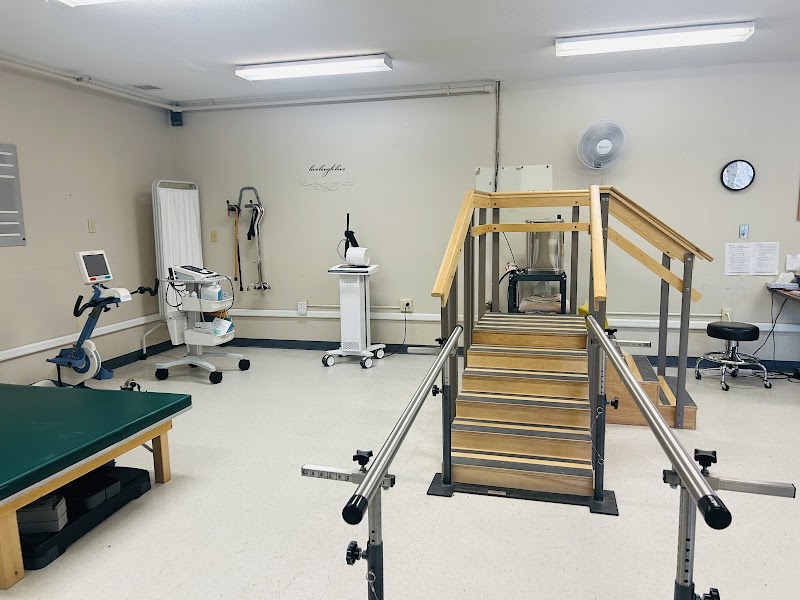
How is Chicopee Rehabilitation And Nursing Staffed?

CMS rates CHICOPEE REHABILITATION AND NURSING's staffing level at 2 out of 5 stars, which is below average compared to other nursing homes. Staff turnover is 42%, compared to the Massachusetts average of 46%. This relatively stable workforce can support continuity of care.

What Have Inspectors Found at Chicopee Rehabilitation And Nursing?

State health inspectors documented 27 deficiencies at CHICOPEE REHABILITATION AND NURSING during 2022 to 2025. These included: 2 that caused actual resident harm, 22 with potential for harm, and 3 minor or isolated issues. Deficiencies causing actual harm indicate documented cases where residents experienced negative health consequences.
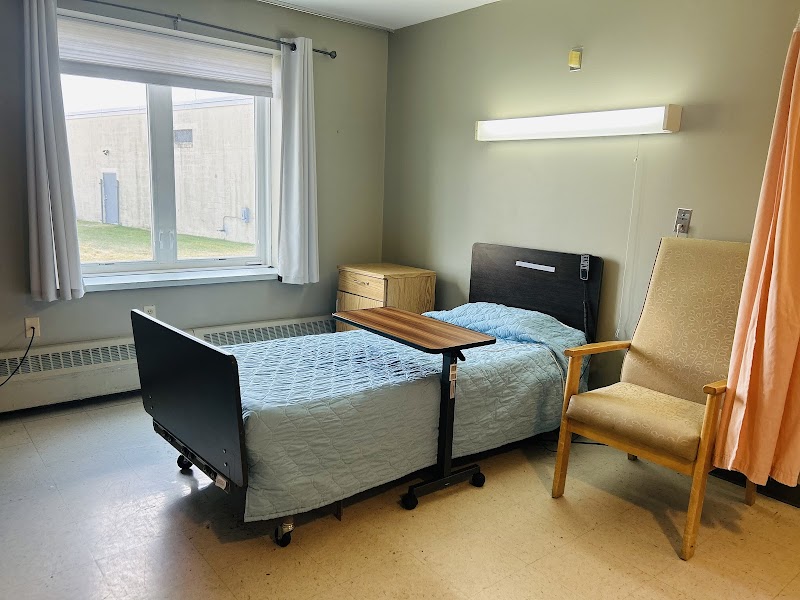
Who Owns and Operates Chicopee Rehabilitation And Nursing?

CHICOPEE REHABILITATION AND NURSING is owned by a for-profit company. For-profit facilities operate as businesses with obligations to shareholders or private owners. The facility is operated by EPHRAM LAHASKY, a chain that manages multiple nursing homes. With 68 certified beds and approximately 62 residents (about 91% occupancy), it is a smaller facility located in CHICOPEE, Massachusetts.
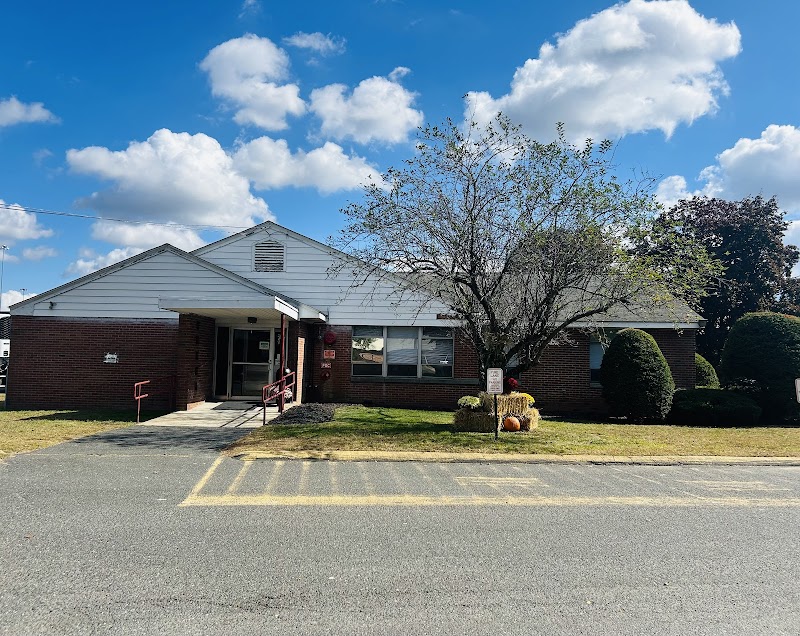
How Does Chicopee Rehabilitation And Nursing Compare to Other Massachusetts Nursing Homes?

Compared to the 100 nursing homes in Massachusetts, CHICOPEE REHABILITATION AND NURSING's overall rating (3 stars) is above the state average of 2.9, staff turnover (42%) is near the state average of 46%, and health inspection rating (3 stars) is at the national benchmark.

What Should Families Ask When Visiting Chicopee Rehabilitation And Nursing?

Based on this facility's data, families visiting should ask: "Can you walk me through typical staffing levels on day, evening, and night shifts?" "Can I visit during a mealtime to observe dining assistance and food quality?" "How do you handle medical emergencies, and what is your hospital transfer rate?" "Can I speak with family members of current residents about their experience?" These questions are particularly relevant given the below-average staffing rating.

Is Chicopee Rehabilitation And Nursing Safe?

Based on CMS inspection data, CHICOPEE REHABILITATION AND NURSING has a clean safety record: no substantiated abuse findings (meaning no confirmed cases of resident harm), no Immediate Jeopardy citations (the most serious violation level indicating risk of serious injury or death), and is not on the Special Focus Facility watch list (a federal program monitoring the lowest-performing 1% of nursing homes). The facility has a 3-star overall rating and ranks #1 of 100 nursing homes in Massachusetts. While no facility is perfect, families should still ask about staff-to-resident ratios and recent inspection results during their visit.

Do Nurses at Chicopee Rehabilitation And Nursing Stick Around?

CHICOPEE REHABILITATION AND NURSING has a staff turnover rate of 42%, which is about average for Massachusetts nursing homes (state average: 46%). Moderate turnover is common in nursing homes, but families should still ask about staff tenure and how the facility maintains care continuity when employees leave.

Was Chicopee Rehabilitation And Nursing Ever Fined?

CHICOPEE REHABILITATION AND NURSING has been fined $7,901 across 1 penalty action. This is below the Massachusetts average of $33,158. While any fine indicates a compliance issue, fines under $50,000 are relatively common and typically reflect isolated problems that were subsequently corrected. Families should ask what specific issues led to these fines and confirm they've been resolved.

Is Chicopee Rehabilitation And Nursing on Any Federal Watch List?

CHICOPEE REHABILITATION AND NURSING is not on any federal watch list. The most significant is the Special Focus Facility (SFF) program, which identifies the bottom 1% of nursing homes nationally based on persistent, serious quality problems. Not being on this list means the facility has avoided the pattern of deficiencies that triggers enhanced federal oversight. This is a positive indicator, though families should still review the facility's inspection history directly.