CRANEVILLE REHABILITATION AND SKILLED CARE CENTER
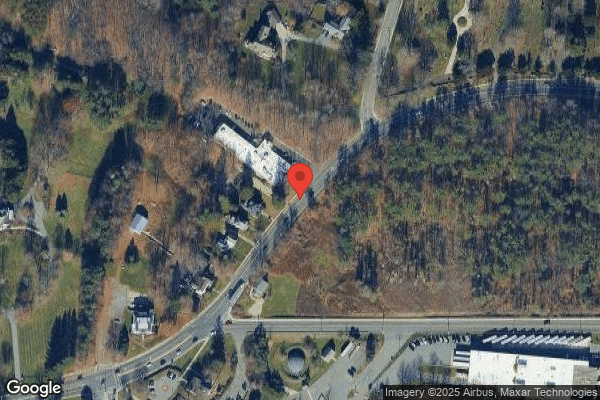
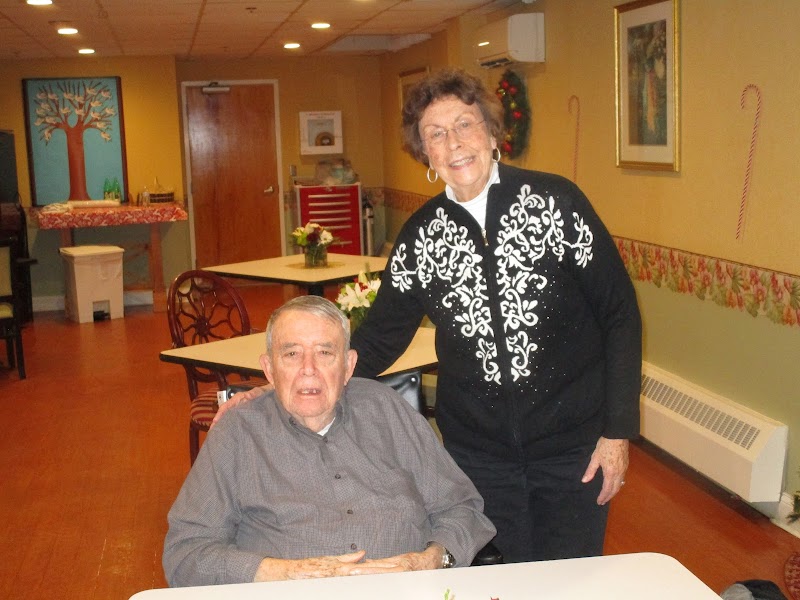
265 MAIN STREET, DALTON, MA 01226 (413) 684-3212
For profit - Individual 89 Beds BANECARE MANAGEMENT Data: November 2025 2 Immediate Jeopardy citations
Trust Grade
36/100
#150 of 338 in MA
Last Inspection: April 2025

Within standard 12-15 month inspection cycle. Federal law requires annual inspections.

Overview

Craneville Rehabilitation and Skilled Care Center has a Trust Grade of F, indicating significant concerns about the quality of care provided. Ranking #150 out of 338 nursing homes in Massachusetts puts it in the top half, while #7 out of 13 in Berkshire County means there are only six facilities better in the area. The facility's trend is improving, with a reduction in issues from 10 in 2024 to 2 in 2025. Staffing is a relative strength, rated 4 out of 5 stars with a turnover of 40%, which is slightly above the state average. However, it has concerning fines of $45,175, higher than 79% of Massachusetts facilities, and RN coverage is below the state average, which means fewer registered nurses are available to catch potential problems. Specific incidents of concern include critical failures in basic life support for a resident who required resuscitation, as staff did not follow proper procedures to provide CPR or activate emergency services. Additionally, there were issues with staff training, as it was found that several licensed nurses did not have the required competencies to meet residents' needs safely. While there are some positive aspects, such as improving trends and decent staffing, these serious deficiencies should be carefully considered by families researching care options.

Trust Score
F
36/100
In Massachusetts
#150/338
Top 44%
Safety Record
High Risk
Review needed
Inspections
Getting Better
10 → 2 violations
Staff Stability
○ Average
40% turnover. Near Massachusetts's 48% average. Typical for the industry.
Penalties
○ Average
$45,175 in fines. Higher than 53% of Massachusetts facilities. Some compliance issues.
Skilled Nurses
⚠ Watch
Each resident gets only 27 minutes of Registered Nurse (RN) attention daily — below average for Massachusetts. Fewer RN minutes means fewer trained eyes watching for problems.
Violations
⚠ Watch
20 deficiencies on record. Higher than average. Multiple issues found across inspections.
★★★☆☆
3.0
Overall Rating
★★★★☆
4.0
Staff Levels
★★★☆☆
3.0
Care Quality
★★★☆☆
3.0
Inspection Score
Stable
2024: 10 issues
2025: 2 issues

The Good

  • 4-Star Staffing Rating · Above-average nurse staffing levels
  • Full Sprinkler Coverage · Fire safety systems throughout facility
  • No fines on record
  • Staff turnover below average (40%)

    8 points below Massachusetts average of 48%

Facility shows strength in staffing levels, fire safety.

The Bad

3-Star Overall Rating

Near Massachusetts average (2.9)

Meets federal standards, typical of most facilities

Staff Turnover: 40%

Near Massachusetts avg (46%)

Typical for the industry

Federal Fines: $45,175

Above median ($33,413)

Moderate penalties - review what triggered them

Chain: BANECARE MANAGEMENT

Part of a multi-facility chain

Ask about local staffing decisions and management

The Ugly 20 deficiencies on record

2 life-threatening
Apr 2025 2 deficiencies
CONCERN (D)

Potential for Harm - no one hurt, but risky conditions existed

Safe Environment (Tag F0584)

Could have caused harm · This affected 1 resident

Based on observations, and interviews, the facility failed to provide a safe, clean, comfortable and homelike environment for one Resident (#10), out of a total sample of 16 residents. Specifically, ...

Read full inspector narrative →
Based on observations, and interviews, the facility failed to provide a safe, clean, comfortable and homelike environment for one Resident (#10), out of a total sample of 16 residents. Specifically, the facility failed to provide housekeeping and maintenance services related to: -a rubber baseboard that was pulled away from the wall exposing glue, and debris build-up in the Resident's room. -peeling paint behind the toilet in the Resident's bathroom. -gouges on the Resident's bathroom door and the other shared resident's door. Findings include: Resident #10 was admitted to the facility in September 2019 with diagnoses including Parkinson's Disease. Review of the Minimum Data Set (MDS) Assessment completed on 2/5/25, indicted Resident #10: -was moderately cognitively impaired as evidenced by a Brief Interview for Mental Status (BIMS) score of 10 out of 15. -was able to make him/herself understand. -was able to understand others clearly. During an interview on 3/31/25 at 12:40 P.M., Resident #10 said that his/her bathroom was a mess because of the mechanical lift that the staff must use to get him/her into the bathroom. Resident #10 said the bathroom was in disrepair and it had been that way for a while. The surveyor observed the following in Resident #10's bathroom: -the rubber baseboard was pulled away from the right side of the lower wall. -the lower wall behind the toilet had peeling paint. -there were large gouges on the bathroom door to the Resident's room and the other shared resident's door. On 4/1/25 at 1:54 P.M., the surveyor and the Director of Maintenance observed the following in Resident #10's bathroom: -the rubber baseboard was pulled away from the right side of the lower wall. -the lower wall behind the Resident's toilet had peeling paint. -there were large gouges on the bathroom doors to the Resident's room and the other shared resident's door. During an interview at the time, the Director of Maintenance said that she was not aware that the baseboard had pulled away from the wall, that there was peeling paint behind the toilet or gashes on the doors. The Director of Maintenance said that the gashes were from the mechanical lift used to bring Resident #10 into the bathroom. The Director of Maintenance said that she would have expected either the housekeeping or nursing staff to have notified her of the condition of the Resident's bathroom so it could be addressed and that no one had notified her.
CONCERN (D)

Potential for Harm - no one hurt, but risky conditions existed

ADL Care (Tag F0677)

Could have caused harm · This affected 1 resident

**NOTE- TERMS IN BRACKETS HAVE BEEN EDITED TO PROTECT CONFIDENTIALITY** Based on observations, interviews, and record review, the facility failed to provide assistance with personal hygiene care and s...

Read full inspector narrative →
**NOTE- TERMS IN BRACKETS HAVE BEEN EDITED TO PROTECT CONFIDENTIALITY** Based on observations, interviews, and record review, the facility failed to provide assistance with personal hygiene care and services for one Resident (#9), out of a total sample of 16 residents. Specifically, for Resident #9, the facility failed to ensure grooming assistance was offered and/or provided relative to nail care when the Resident was dependent on staff for grooming tasks. Findings include: Review of the facility policy titled Activities of Daily Living (ADL's), Supporting, revised March 2018, indicated the following: -Residents who are unable to carry out activities of daily living independently will receive the services necessary to maintain good nutrition, grooming and personal and oral hygiene. -Appropriate care and services will be provided for residents who are unable to carry out ADL's independently, with the consent of the resident and in accordance with the plan of care, including appropriate support and assistance with hygiene (bathing, dressing, grooming, and oral care). Resident #9 was re-admitted to the facility in May 2019 with diagnoses including frontal lobe and executive function deficit following cerebral infarction (stroke), hemiplegia and hemiparesis following cerebral infarction, lack of coordination, muscle weakness, and need for assistance with personal care. Review of the ADL Care Plan initiated on 9/20/17, indicated the following: -ADL deficit relative to activity tolerance, fatigue, impaired balance, limited mobility. -Bathing - required one assist. -Grooming - required one assist. Review of Pressure Ulcer/skin Care Plan initiated on 9/27/17, indicated the following: -Avoid scratching and keep hands and body parts from excessive moisture, updated on 8/5/20 -Keep fingernails short, updated on 8/5/20 Review of the Minimum Data Set (MDS) Assessment completed on 11/4/25, indicted Resident #9: -was moderately cognitively impaired as evidenced by a Brief Interview for Mental Status (BIMS) score of 9 out of 15 -was usually able to make him/herself understand -usually able to understand others clearly Review of the March 2025 Physician's orders indicated the following: -Shower weekly, every evening shift, every Monday, initiated 6/12/24. Review of the [NAME] (a communication form used by staff with important resident care information) undated, indicated the following for Resident #9: -Bathing - required one assist -Shower - Monday (3:00 P.M.-11:00 P.M.) shift. Review of the 30-day Certified Nurses Aide (CNA) Flow Sheet for showers indicated Resident #9: -was provided a shower as scheduled on 3/10/25 -was provided a bed bath on 3/17/25 and 3/24/25 -was not provided a bed bath or shower on his/her scheduled shower day on 3/31/25 as there was no documentation to indicate that a bed bath or shower had been provided. On 3/31/25 at 12:16 P.M., the surveyor observed Resident #9 seated in his/her wheelchair, being transported by staff in the elevator. The surveyor observed Resident #9's nails to be long with debris under the fingernails. During an interview on 4/1/25 at 9:59 A.M., Resident #9 said he/she preferred to have bed baths and that he/she needed the staff's help for personal care. Resident #9 said he/she had a bed bath recently and did not recall anyone offering to cut his/her nails. Resident #9 said his/her fingernails were a little long and would allow the staff to cut them if they offered. The surveyor observed that all the Resident's fingernails were long, some fingernails had debris under the nails, and one fingernail was broken and jagged. On 4/1/25 at 10:10 A.M., the surveyor and CNA #1 observed Resident #9's nails were long and some fingernails had debris under the nails, and one fingernail was broken and jagged. During an interview at the time, CNA #1 said Resident #9 allowed the staff to cut his/her nails, and it appeared that nail care had not been done recently, CNA #1 said Resident #9's nails were longer than they should be.
Jan 2024 10 deficiencies
CONCERN (D)

Potential for Harm - no one hurt, but risky conditions existed

Notification of Changes (Tag F0580)

Could have caused harm · This affected 1 resident

Based on record review and interview, the facility failed to provide timely Physician and/or Nurse Practitioner (NP) notification of a significant change in condition for one Resident (#61) out of thr...

Read full inspector narrative →
Based on record review and interview, the facility failed to provide timely Physician and/or Nurse Practitioner (NP) notification of a significant change in condition for one Resident (#61) out of three sampled residents. Specifically, the facility staff failed to notify the Physician and/or NP when the Resident was assessed to have low blood pressure readings, resulting in delayed interventions and transfer to the hospital. Findings include: Review of the facility's policy titled, Change in Resident Condition, dated April 2020 indicated but was not limited to: -The facility shall promptly notify the resident, his or her attending physician and resident representative of changes in the resident's medical/mental condition and/or status. -The nurse will notify the resident's attending physician or physician on call when there has been significant change in the resident's physical/emotion/mental condition. -Unless otherwise instructed by the resident, the nurse will notify the resident's representative when there is a significant change in the resident's physical, mental, or psychosocial status. Review of the website: https://medlineplus.gov/ency/article/002341.htm, titled Vital Signs, review date 2/2/23 and accessed 1/19/24 indicated the following: Normal vital sign ranges for the average healthy adult while resting are as follows: -Blood pressure (BP): between 90/60 millimeters of mercury (mmHg) and 120/80 mmHg. -Pulse: 60-100 beats per minute. Review of the website: https://medlineplus.gov/lab-tests/pulse-oximeter, titled Pulse Oximetry (test that uses a finger clip-like device called a pulse oximeter to measure oxygen levels in the blood) indicated the following: -Pulse Oximetry results are often given as oxygen saturation levels (SpO2). -A normal oxygen saturation level ranges between 95 percent (%) and 100%. Resident #61 was admitted to the facility in October 2023 with the following diagnoses: Diastolic Congestive Heart Failure (CHF - condition in which the heart muscle does not pump blood as well as it should causing fluid to build up in the lungs and legs), Atrial Fibrillation (A-fib - irregular heartbeat), frequent falls, and Dementia (organic disease of the brain with impairment of memory and progressive loss of intellectual functioning). Review of the Resident's Massachusetts Medical Orders for Life-Sustaining Treatment (MOLST - medical orders that document an individual's wishes for life-sustaining treatments) indicated: -Transfer to hospital. Review of the Resident's medical record indicated that he/she suffered a fall on 11/18/23. The facility initiated scheduled neurological assessments (assessments that included blood pressure, temperature, pulse, respirations, pupil size and response, level of consciousness, speech, and motor responses) because the Resident was on anticoagulant medications (blood thinners medication that help to prevent blood clots) and hit his/her head on 11/18/23. Review of Resident's #61 electronic health record (EHR), Weights and Vitals Summary indicated: -the lowest BP recorded for October 2023, was 110/70 mmHg on 10/21/23. -the lowest BP recorded for November 2023, was 120/52 mmHg on 11/17/23. Review of the Neurological Assessment Sheet indicated the following: -11/18/23: during the 3:00 P.M. - 11:00 P.M. shift, the Resident's BP was recorded as 95/58 mmHg. -11/19/23 -11/20/23: during the 11:00 P.M. -7:00 A.M. shift, no VSs were recorded on neurological assessment sheet. -11/20/23: during the 3:00 P.M. to the 11:00 P.M. shift, the Resident's BP was recorded as 112/62 mmHg. -11/20/23 - 11/21/23: during the 11:00 P.M. to 7:00 A.M. shift, the Resident's BP was recorded as 80/56 mmHg. -11/21/23: during the 7:00 A.M. to 3:00 P.M. shift, the Resident's BP was recorded as 80/56 mmHg. Review of a Nursing Progress Note dated 11/21/23 at 12:48 P.M., indicated that Nurse #5 was unable to arouse the Resident after several attempts. The Resident appeared to have difficulty breathing and was observed to have audible gurgling sounds. Vital signs obtained were as follows: -Blood Pressure (BP): 80/79 mmHg -Pulse/ Heart Rate (HR): 48 -oxygen saturation (SpO2): 79% Oxygen (O2) was applied at a flow rate of 5 liters per minute (LPM). The Resident's SpO2 was documented as increasing to 97% then dropped back down to 84%. The Nurse Practitioner (NP) was available and able to assess the Resident and it was decided to send the Resident to the hospital for evaluation. Review of the NP Progress Note dated 11/21/23 indicated the following: -Resident was seen today for acute visit because the Nurse reported the Resident to be in respiratory distress. The NP noted the Resident's lungs sounded congested with SpO2 of 75% on room air (not using supplemental Oxygen). The Resident was then placed on supplemental Oxygen at 5 LPM and the SpO2 was now 82%. The Resident was not able to be aroused and was noted to be in acute respiratory failure (when the lungs are unable to deliver oxygen and remove carbon dioxide from the blood) with hypoxia (low oxygen levels). During an interview on 1//18/24 at 3:47 P.M., the Director of Nurses (DON) said that given the Resident's abnormal blood pressure obtained 11/20/23 - 11/21/23, Nurse #7 should have obtained a second reading to ensure the first reading was accurate, and if the BP results were accurate, Nurse #7 should have contacted the Physician or NP for further direction. The DON further said there was no evidence that the Nurse re-checked the Resident's blood pressure or contacted the Physician or NP, as required. During a telephone interview on 1/19/24 at 12:25 P.M., the NP said she was unaware of the Resident's abnormal blood pressures obtained on 11/21/23, and that the staff should have contacted the on-call Provider, as a BP of 80/56 mmHg is too low. The NP said the Nurse alerted her to the Resident's respiratory distress as soon as she noticed it. The NP reviewed her records during the telephone interview, and said she wrote her progress note at 12:22 P.M. on 11/21/23. The NP further said she wrote her notes immediately after an encounter with a Resident. The NP said once she saw the Resident, she knew he/she needed to be sent out to the hospital immediately and ordered the transfer. During a telephone interview on 1/19/24 at 1:00 P.M., Nurse #5 said when she arrived on duty on 11/21/23 at 7:00 A.M., the overnight Nurse (Nurse #7) told her (Nurse #5) that Resident #61 was restless most of the night, the Resident's blood pressure was on the low side, that Nurse #7 had just obtained a new set of vital signs and the Resident was stable. Nurse #5 said she went to check on the Resident after obtaining report from Nurse #7 and the Resident seemed very tired, however Nurse #5 did not think that was unusual since it was reported that he/she was restless most of the night. Nurse #5 said the Certified Nurses Aides (CNAs) alerted her to the Resident's restlessness around lunchtime, and upon checking on him/her, she knew immediately that he/she was not well. Nurse #5 said she was unable to arouse the Resident and his/her skin was cool to the touch. Nurse #5 said she then immediately obtained the Resident's vital signs, but could not recall to the surveyor what the exact numbers were, only that his/her blood pressure and oxygen saturation levels were both very low. Nurse #5 further said that she immediately called the DON and the NP, and the Resident was then sent emergently to the hospital. During a telephone interview on 1/19/24 at 1:20 P.M., Nurse #7 said she could not remember exactly what time she obtained the Resident's vital signs and recorded them on the Neurological Assessment Sheet. Nurse #7 said she thought the vital signs were obtained mid-shift on the 11:00 P.M.-7:00 A.M. shift. Nurse #7 said she remembered the blood pressure was low but could not recall the exact numbers. She further said that she obtained another set of vital signs, including blood pressure at the very end of the 11:00 P.M.-7:00 A.M. shift/ beginning of the 7:00 A.M.-3:00 P.M. shift and remembered telling the oncoming Nurse that the Resident's blood pressure was on the low side. Nurse #7 said she never contacted the MD or NP when either low blood pressure readings (on 11/20/23 - 11/21/23 11:00 P.M. - 7:00 A.M shift) were obtained because the Resident's other vital signs parameters were normal.
CONCERN (D)

Potential for Harm - no one hurt, but risky conditions existed

Transfer Notice (Tag F0623)

Could have caused harm · This affected 1 resident

Based on interviews and record review, the facility failed to provide the required Discharge/Transfer notices to the Resident and/or his/her Representative and the Office of the Long-Term Care Ombudsm...

Read full inspector narrative →
Based on interviews and record review, the facility failed to provide the required Discharge/Transfer notices to the Resident and/or his/her Representative and the Office of the Long-Term Care Ombudsman for one Resident (#10) out of a total sample of 15 residents. Findings include: Review of the facility policy titled Discharge Policies: Transfer out of the facility or by death, revised 9/23, indicated the following: -Notification of a potential transfer or discharge of the resident must be made in writing 30-days prior or as soon as practicable .The transfer/discharge notice is issued and contains all required elements by regulation. -A copy of the transfer/discharge notice must be sent to the Ombudsman . Resident #10 was admitted to the facility in September 2019 with a diagnosis of Chronic Obstructive Pulmonary Disease (COPD - refers to a group of diseases that cause airflow blockage and breathing-related problems). Review of the Resident's Medical Record indicated the Resident was transferred to the hospital on the following dates: -9/5/23 -11/22/23 Further review of the Resident's Medical Record indicated no evidence that a Notice of Transfer or Discharge form was provided to the Resident and/or Resident Representative or the Office of the Long Term Care Ombudsman for either hospitalization. During an interview on 1/17/24 at 12:54 P.M., the Director of Nurses (DON) said she was unable to locate the Notice of Transfer/Discharge forms for 9/5/23 or 11/22//23 for Resident #10. The DON further said the Medical Records department should send a list of discharges every month to the Office of the Long Term Care Ombudsman, however she was unable to determine or provide evidence that this had occurred as required. During an interview on 1/17/24 at 2:59 P.M., the DON said the process of updating the Ombudsman was broken, and there was no clear indication who should be updating the Ombudsman and that the Ombudsman had not been updated for Resident #10's transfers to the hospital on 9/5/23 and 11/22/23, as required.
CONCERN (D)

Potential for Harm - no one hurt, but risky conditions existed

Deficiency F0625 (Tag F0625)

Could have caused harm · This affected 1 resident

**NOTE- TERMS IN BRACKETS HAVE BEEN EDITED TO PROTECT CONFIDENTIALITY** Based on interviews and record review, the facility failed to provide the required Notice of Bed-Hold Policy to the Resident and...

Read full inspector narrative →
**NOTE- TERMS IN BRACKETS HAVE BEEN EDITED TO PROTECT CONFIDENTIALITY** Based on interviews and record review, the facility failed to provide the required Notice of Bed-Hold Policy to the Resident and/or Resident Representative for one Resident (#10) out of a total sample of 15 residents. Findings include: Review of the facility policy titled Discharge Policies: Transfer out of the facility or by death, revised 9/23, indicated the following: -Before the facility transfers the resident to a hospital or therapeutic leave, the nursing facility must provide a copy of the facility Bed-Hold policy to the resident and if known, a family member or representative. Resident #10 was admitted to the facility in September 2019 with a diagnosis of Chronic Obstructive Pulmonary Disease (COPD - refers to a group of diseases that cause airflow blockage and breathing-related problems). Review of the Resident's Medical Record indicated the Resident was transferred to the hospital on [DATE]. Further review of the Medical Record indicated no evidence the Resident and/or Resident Representative received a Notice of Bed-Hold Policy and Return when he/she was hospitalized on [DATE]. During an interview on 1/17/24 at 12:54 P.M., the Director of Nurses (DON) said she was not able to locate the Notice of Bed-Hold Policy for the Resident's transfer on 11/22/23. During a follow-up interview on 1/17/24 at 2:59 P.M., the DON said that the Notice of Bed-Hold Policy is completed by nursing, a copy should have been sent to the hospital with the Resident and a copy should have been retained in the chart, however this did not occur.
CONCERN (D)

Potential for Harm - no one hurt, but risky conditions existed

Respiratory Care (Tag F0695)

Could have caused harm · This affected 1 resident

Based on observation, interview and record review, the facility failed to ensure that oxygen care and services were provided per the Physician's prescribing orders for one Resident (#20) out of a tota...

Read full inspector narrative →
Based on observation, interview and record review, the facility failed to ensure that oxygen care and services were provided per the Physician's prescribing orders for one Resident (#20) out of a total sample of 15 residents. Specifically, for Resident #20, the facility failed to ensure the Resident's Oxygen flow rate was set at the ordered three (3) liters per minute (LPM - the rate at which Oxygen flows over a period of one minute) prescribed by the Physician. Findings include: Review of the facility policy titled Use of Oxygen, reviewed 9/23, indicated the following: -Oxygen is administered only on the order of the Physician. -Physician's order shall include liters of flow and vehicle of administration. -Adjust the oxygen delivery device so that it is comfortable for the resident and the proper flow of oxygen is being administered. Resident #20 was admitted to the facility in June 2020 with diagnoses including Congestive Heart Failure (CHF - when the heart cannot pump blood as it should resulting in fluid buildup in the lungs and extremities [hands and legs]) and cardiomyopathy (disease of the heart muscle where it is difficult for the heart to deliver blood to the body, leading to heart failure). Review of the January 2024 Physician's orders indicated: -Oxygen continuously at 3 LPM via nasal cannula (tubing that sit just within the nostrils to deliver oxygen) .every shift with a start date of 9/21/2023. Review of the Resident's Care Plan titled Altered Cardiac Status initiated 6/26/20 indicated the following intervention: -Give Oxygen as ordered by the Physician, initiated 6/26/20. On 1/16/24 at 8:36 A.M., the surveyor observed the Resident lying in bed receiving Oxygen via nasal cannula with the flow rate set at 2 LPM. On 1/16/24 at 3:06 P.M., the surveyor observed the Resident seated in his/her wheelchair receiving Oxygen via nasal cannula and portable oxygen tank with the flow rate set at 2 LPM. On 1/17/24 at 8:33 A.M., the surveyor observed the Resident in bed receiving Oxygen via nasal cannula with the flow rate set at 2 LPM. During an observation and interview on 1/17/24 at 8:57 A.M., the surveyor and Nurse #1 observed the Resident lying in bed receiving Oxygen via nasal cannula with the flow rate set at 2 LPM. Nurse #1 said the Resident had an order for his/her Oxygen to be set at 3 LPM and that the Resident was not able to adjust his/her Oxygen on his/her own. Nurse #1 further said each shift should be checking that the Oxygen is set at the correct oxygen flow rate and Resident #20's was not set at the correct flow rate ordered by the Physician.
CONCERN (D)

Potential for Harm - no one hurt, but risky conditions existed

Deficiency F0698 (Tag F0698)

Could have caused harm · This affected 1 resident

Based on interview and record review, the facility failed to ensure that one Resident (#40) out of a total sample of 15 residents, received dialysis care consistent with professional standards of prac...

Read full inspector narrative →
Based on interview and record review, the facility failed to ensure that one Resident (#40) out of a total sample of 15 residents, received dialysis care consistent with professional standards of practice. Specifically, the facility staff failed to monitor and track the Resident's fluid intake as ordered. Findings include: Resident #40 was admitted to the facility in June 2020 with a diagnosis of End Stage Renal Disease (ESRD - condition in which a person's kidneys stop functioning on a permanent basis) and dependent on renal dialysis (treatment that removes waste products and excess fluid from the blood). Review of the facility's policy titled Intake and Output, dated September 2023 indicated but was not limited to: -Purpose: to determine residents at risk and provide early intervention for dehydration/fluid overload. -All residents placed on fluid restriction will be on intake and output for the duration of their therapy. Review of the January 2024 Physician's orders included the following: Fluid restriction to 1200 milliliters (ml) per 24 hours. Nursing allowance 480 ml per 24 hours with medications and in between meals. Dietary allowance 720 ml per 24 hours. Nursing and Dietary allowance to be broken down as follows: *7:00 A.M.-3:00 P.M. shift: Nursing 300 ml, Dietary 480 ml *3:00 P.M.-11:00 P.M. shift: Nursing 90 ml, Dietary 240 ml *11:00 P.M.-7:00 A.M. shift: Nursing 90 ml Review of the January 2024 Medication Administration Record (MAR) indicated the following: -an area for each shift to document the total fluid intake (day, evening, and night) -an area for the night shift to document the cumulative fluid intake for each day. Further review of the January 2024 MAR indicated no evidence the Resident's total daily fluid intake was monitored and documented for 12 out of 16 days. During an interview on 1/18/24 at 9:36 A.M., the Dialysis Nurse said it is common for residents on dialysis to have their fluid intake restricted. She further said consuming too much fluids may cause problems such as weight gain, swelling of the extremities, difficulty breathing, increased blood pressure and heart damage due to the body's inability to produce urine which normally rids the body of extra fluids. During an interview on 1/18/24 at 12:50 P.M., Nurse #6 said if a resident was on fluid restriction, the Nurse is supposed to monitor and record in the MAR the fluid amount given to the resident by the Nurse. Nurse #6 also said the Nurse is supposed to check the resident's meal trays and record the amount of fluids the resident consumes with each meal. During an interview on 1/18/24 at 1:30 P.M., Unit Manager (UM) #2 said the nursing staff were responsible for monitoring Resident #40's fluid intake to ensure that the Resident stayed within his/her allotted amount. UM #2 also said the nursing staff should document all of the fluid intake each shift on the MAR including the amount the Resident consumed with meals. During an interview on 1/18/24 at 3:30 P.M., the surveyor and the Director of Nurses (DON) reviewed the January 2024 MAR. The DON said that the staff Nurses should have been monitoring and recording the Resident's fluid intake, including fluids consumed with meals each shift, as well as ensured the daily totals were also recorded in the MAR but did not, as required. The DON further said it did not appear the nursing staff were monitoring and documenting the Resident's daily fluid intake with his/her meal trays consistently, therefore there was no way to know how much fluid the Resident consumed daily.
CONCERN (D)

Potential for Harm - no one hurt, but risky conditions existed

Drug Regimen Review (Tag F0756)

Could have caused harm · This affected 1 resident

Based on interviews and record review, the facility failed to ensure that Pharmacy Recommendations were reviewed and implemented as agreed to by the attending Physician for one Resident (#20) out of a...

Read full inspector narrative →
Based on interviews and record review, the facility failed to ensure that Pharmacy Recommendations were reviewed and implemented as agreed to by the attending Physician for one Resident (#20) out of a total sample of five residents. Specifically, the facility failed to ensure that a Pharmacy recommendation was reviewed by the attending Physician within 30 days, and that Pharmacist recommendations agreed to by the attending Physician were implemented. Findings include: Resident #20 was admitted to the facility in June 2020 with diagnoses including Heart Failure (when the heart muscle does not pump blood as well as it should), history of Myocardial Infarction (heart attack), and Cardiomyopathy (disease of the heart muscle where it is difficult for the heart to deliver blood to the body, leading to heart failure). Review of the January 2024 Physician's orders indicated the Resident had the following order: -Amiodarone (medication used to treat irregular heart beat that can effect thyroid hormone levels) HCI Tablet 200 milligram (mg) give by mouth one day daily, with a start date of 6/19/20. Review of the Pharmacist recommendations from 10/19/23 and 11/9/23 indicated the following recommendation: -Suggest TSH lab level with Amiodarone order. Further review of the 10/19/23 and 11/9/23 Pharmacist recommendations indicated the attending Physician reviewed and agreed to the recommendations to obtain a Thyroid Stimulating Hormone (TSH) lab level (lab that shows current level of thyroid hormone). Review of Resident #20's medical record indicated on 10/23/23, an order for a TSH lab draw was put into place. Further review of the Resident's medical record indicated that Resident #20 was being administered the Amiodarone medication as ordered and no documentation that the TSH lab was ever drawn. Review of the Pharmacist recommendation on 12/7/23, indicated that the Pharmacist again recommended a TSH lab level with Amiodarone order. Further review of the Pharmacist recommendation indicated no documentation that the attending Physician had reviewed or responded to the 12/7/23 recommendation. During an interview on 1/17/24 at 11:16 A.M., Unit Manager (UM) #1 said the TSH lab was never obtained when it was ordered in October 2023 and should have been obtained as recommended by the Pharmacist and agreed to by the attending Physician. UM #1 further said the most recent Pharmacist recommendation on 12/7/23 had not been reviewed by the Physician and it should have been reviewed within 30 days.
CONCERN (D)

Potential for Harm - no one hurt, but risky conditions existed

Infection Control (Tag F0880)

Could have caused harm · This affected 1 resident

**NOTE- TERMS IN BRACKETS HAVE BEEN EDITED TO PROTECT CONFIDENTIALITY** Based on observation, interview, record and policy review, the facility failed to adhere to infection control guidelines to prev...

Read full inspector narrative →
**NOTE- TERMS IN BRACKETS HAVE BEEN EDITED TO PROTECT CONFIDENTIALITY** Based on observation, interview, record and policy review, the facility failed to adhere to infection control guidelines to prevent contamination and the spread of infection for two Residents (#40 and #47) out of three sampled residents. Specifically, the facility staff failed to: 1) implement the facility infection surveillance program and conduct Covid-19 outbreak testing for Resident's #40 and #47. Findings include: Review of the facility policy titled Infection Prevention and Control Guidelines for Patients with Confirmed 2019 Novel Coronavirus (2019-nCoV) or Persons Suspected for 2019-nCoV, reviewed 9/2023 indicated the following in part: -The Center for Disease and Control (CDC) and Massachusetts Department of Public Health (MA DPH) recommended guidelines for infection control practices related to Coronavirus will be followed. Review of the DPH Memorandum dated 5/10/23, with a subject titled: Update to Infection Prevention and Control Considerations When Caring for Long-Term Care Residents, including Visitation Conditions, Communal Dining, and Congregate Activities, indicated the following: -Once a new case is identified in a facility, following outbreak testing, long-term care facilities should test exposed residents and staff at least every 48 hours on the affected unit until the facility goes seven days without a new case unless a DPH epidemiologist directs otherwise. During an interview on 1/16/24 at 4:48 P.M., the Director of Nurses (DON) said that the facility began outbreak testing on 12/29/23 for all residents on Unit 3, due to one employee who had worked on Unit 3 testing positive for Covid-19. 1a) Resident #40 was admitted to the facility in June 2020. Review of the Resident's medical record indicated no documented evidence that the Resident had been tested on [DATE] or 1/2/23 following an employee exposure on 12/29/23. 1b) Resident #47 was admitted to the facility in June 2021. Review of the Resident's medical record indicated no documented evidence that the Resident had been tested on [DATE] following an employee exposure on 12/29/23. During an interview on 1/16/24 at 4:48 P.M., with the DON and Assistant Director of Nursing/Infection Control Preventionist (ADON/ICP), the DON said that the facility began outbreak testing on Unit 3 on 12/29/23, as a result of a Covid-19 positive staff exposure. The DON said that staff were testing residents on Unit 3 every other day, until seven days had passed with no new cases. On 1/16/24 at 4:48 P.M., the surveyor and the DON reviewed Resident's #40 and #47's December 2023 and January 2024 Medication Administration Records (MARs), in addition to the Covid testing and reporting sheets kept in the residents paper charts. During an interview at the time, the DON said that Resident #40 was not tested for Covid-19 on 12/31/23 and 1/2/24, during an outbreak on Unit 3. The DON said the medical record indicated that the facility staff were unable to obtain a Covid-19 test, but did not indicate a reason why they were unable to complete the test. The DON said it may have been because Resident #40 was out of the facility for a scheduled appointment, but the staff should have conducted a Covid-19 test upon his/her return to the facility and did not complete the testing. The DON further said that Resident #47 was not tested on [DATE] as required. The DON said that the December 2023 MAR indicated the facility staff were unable to obtain a Covid-19 test for Resident #47 but did not indicate a reason why the test could not be obtained. The DON said the staff should have re-attempted obtaining the Covid-19 test but did not do so as required.
CONCERN (D)

Potential for Harm - no one hurt, but risky conditions existed

Room Equipment (Tag F0908)

Could have caused harm · This affected 1 resident

Based on observation, interview and policy review, the facility failed to maintain laundry equipment in a safe operating condition. Specifically, the facility staff failed to clean the lint traps of t...

Read full inspector narrative →
Based on observation, interview and policy review, the facility failed to maintain laundry equipment in a safe operating condition. Specifically, the facility staff failed to clean the lint traps of the laundry drying machines as scheduled per manufacturer's instructions and facility policy. Findings include: Review of the manual titled American Dryer Corporation, undated, indicated the following in part: -A program and/or schedule should be established for periodic inspection, cleaning, and removal of lint .The frequency of cleaning can be determined from experience at each location. -Lint from most fabrics is highly combustible. The accumulation of lint can create a potential fire hazard. Review of the facility Laundry Aid Training tool, undated, provided by the Maintenance Director, indicated the following: -Dryer lint traps must be cleaned every 2 hours - .Clean lint traps thoroughly. During an observation and interview on 1/16/24 at 10:27 A.M., the surveyor and the Maintenance Director observed the lint traps for two out of the two operational laundry dryers. The surveyor reviewed the lint trap cleaning schedule and noted that the lint traps had been signed off as being emptied at 10:00 A.M. on 1/16/24. When the surveyor requested removal of the lint doors for lint traps and lint screens observation, a solid layer of lint was found to be covering the lint screen and piles of lint were observed on the floor of the lint trap of the first operational dryer. The Maintenance Director said that there was quite a bit of lint in the lint trap of the first operational dryer and that it needed to be cleaned. During a follow-up interview on 1/16/24 at 11:15 A.M., the Maintenance Director said that the lint trap and screen had more lint build-up in it than there should have been. She said that the lint screen was a solid layer of lint and there was a pile of lint in the corners on the floor of the lint trap that should not have been there. During a follow-up interview on 1/16/24 at 11:40 A.M., Maintenance Staff #1 said that the Laundry Aide who was working at the time of the initial observation told Maintenance Staff #1 that she did not think there was enough lint to be cleaned out of the lint traps at the time. Maintenance Staff #1 further said that the Laundry Aide checked the lint traps and checked off the 10:00 A.M. cleaning schedule as if the lint trap had been cleaned.
CONCERN (F)

Potential for Harm - no one hurt, but risky conditions existed

Deficiency F0726 (Tag F0726)

Could have caused harm · This affected most or all residents

Based on interview and record review, the facility failed to ensure that nursing staff possessed the competencies and skill sets necessary to provide nursing and related services to meet the residents...

Read full inspector narrative →
Based on interview and record review, the facility failed to ensure that nursing staff possessed the competencies and skill sets necessary to provide nursing and related services to meet the residents' needs safely. Specifically, the facility failed to provide documentation and could not verify that three Licensed Nurses (#3, #4, and #5) out of a sample of three Licensed Nurses, had completed orientation training/competencies (Nurse #3), or annual competencies (Nurse #4, Nurse #5) as outlined in the Facility Assessment Tool Findings include: Review of the Facility Assessment Tool, most recent revision undated, indicated but was not limited to the following: >Section 1.4: If we have a referral that we have screened and we are not certain we are able to care for the person, we would complete research to see what the needs are and to see if we are able to care for that person. -We will determine if we have the clinical competence and resources to care for that person. -We may be able to do some inservicing (education) to be sure our staff are competent and at times staff may need training regarding equipment. If we can do that and can demonstrate competency, we would be able to admit the patient. >Section 3.4: Staff Training and Education Competencies -We do a 2-day orientation for all staff and then within their own department they are on orientation with someone for a few weeks or as long as it takes for the department head to have a comfort level with their competence. -We do annual educations for all staff and staff have competencies to show they are competent to perform their job duties. During an interview on 1/18/24 at 1:46 P.M. with the Director of Nurses (DON) and the Staff Development Coordinator (SDC), the DON said competencies for clinical staff should be completed upon orientation to the facility, then annually, thereafter. The DON also said that competencies are done as needed if a situation warrants it. The DON said there was no orientation training checklist/competency completed for Nurse #3 and no annual competencies on file for Nurse #4 and Nurse #5.
CONCERN (F)

Potential for Harm - no one hurt, but risky conditions existed

Food Safety (Tag F0812)

Could have caused harm · This affected most or all residents

Based on observation, interview and policy review, the facility failed to ensure that food in three unit kitchenettes (Unit 1, Unit 2, and Unit 3) out of three units observed, were labeled and dated a...

Read full inspector narrative →
Based on observation, interview and policy review, the facility failed to ensure that food in three unit kitchenettes (Unit 1, Unit 2, and Unit 3) out of three units observed, were labeled and dated as required, and the cleanliness of the refrigerators and freezers were maintained to prevent contamination and the spread of food borne diseases. Findings include: Review of the facility policy titled Labeling and Storage of Food, dated 9/1/16 indicated the following: -All food must be discarded 3 days after it is opened. -All food belonging to a specific resident must be labeled with their name and the date that it was put in the refrigerator. Review of the facility policy titled Nourishment Kitchen Sanitation, reviewed 9/23, indicated the following: -The following tasks and the frequency are the responsibility of the Housekeeping Department .Weekly or more frequently as needed wash all refrigerator shelves and clean toaster . -The following tasks and the frequency are the responsibility of the Nutrition and Food Service Department .remove/discard unlabeled items, remove/discard undated items, remove/discard employee items -Keep refrigerator neat On 1/17/24 at 9:01 A.M., in the Unit 1 kitchen area, the surveyor observed the following: >in the refrigerator: -a large area on the bottom shelf was covered in a white liquid and splattered throughout the refrigerator. -a plastic bag containing a glass storage container with unidentified food and a muffin that was unlabeled and undated. -an odor of sour milk was noted when the refrigerator was opened. On 1/17/24 at 9:30 A.M., in the Unit 3 kitchenette, the surveyor observed the following: -in the bottom drawer of the refrigerator, a plastic container with orange colored unidentified food that was unlabeled and undated. >in the freezer: -an open bag of frozen blueberries that was unlabeled and undated. -a frozen dinner that was unlabeled and undated. -a bottle of frozen sport drink that was unlabeled and undated. On 1/17/24 at 10:24 A.M., in the Unit 2 kitchenette, the surveyor observed the following: -the toaster was laden with crumbs in the crumb drawer. -a bag of ice open to air, with loose ice and black debris scattered on the bottom shelf of the freezer. On 1/18/24 at 7:24 A.M., on Unit 1, the surveyor and Nurse #5 observed the following: -in the refrigerator a large area of dried white/yellowish material covering the bottom shelf and also splattered throughout the upper shelves. -a plastic bag containing a glass storage container with unidentified food and a muffin that was unlabeled and undated. During an interview following the observation on 1/18/24, Nurse #5 said the kitchen staff stock the Unit refrigerator in the morning and in the evening and someone should have noticed the spill yesterday and cleaned it up before it became dried throughout the refrigerator. Nurse #5 also said the plastic bag should be labeled with a resident name and date, and she could not determine who the food in the plastic bag belonged to as it was unlabeled. On 1/18/24 at 7:30 A.M., on Unit 2, the surveyor and Dietary Staff #2 observed the following: -the toaster was laden with crumbs in the crumb drawer. -a bag of ice open to air, with loose ice and black debris scattered on the bottom shelf of the freezer. During an interview following the observation on 1/18/24, Dietary Staff #2 said the housekeeping staff maintained the cleanliness of the kitchenette. Dietary Staff #2 further said the toaster should be cleaned regularly and it did not appear that the toaster had been cleaned recently. She further said the toaster with all the debris in it not only could attract pests but it was also a fire hazard. Dietary Staff #2 also said there should not be an open bag of ice in the freezer and the shelf in the freezer should be free of loose ice and debris. On 1/18/24 at 7:19 A.M., on Unit 3, the surveyor, Nurse #4, and Dietary Staff #2 observed the following: -the freezer contained an unlabeled and undated frozen meal, an unlabeled and undated bag of frozen blueberries, and an unlabeled and undated bottle of frozen sports drink. -the refrigerator contained an unlabeled and undated take-out container of food. During interviews following the observation on 1/18/24 with Nurse #4 and Dietary Staff #2, Nurse #4 said all items in the refrigerator and freezer needed to be labeled with a resident's name and a date. Nurse #4 further said that she was unsure who the frozen meal, bag of frozen blueberries, frozen sports drink, and take-out container belonged to as the items were all unlabeled. Nurse #4 also said that the kitchen staff should clean any unlabeled food out of the refrigerator and freezer every day. Dietary Staff Member #2 said the night kitchen person should be cleaning out the refrigerator and freezer of any unlabeled food. During an interview on 1/18/24 at 7:35 A.M., Housekeeper #1 said she only cleans the resident rooms and floors in the common areas. Housekeeper #1 further said that she was unaware who cleaned the Units refrigerators and freezers. During an interview on 1/18/24 at 7:37 A.M., the Housekeeping Director said she was recently hired and was unsure of whose responsibility it was to maintain the cleanliness of the kitchenettes on the units. During an interview on 1/18/24 at 9:36 A.M., the Food Service Director (FSD) said all items in the unit refrigerators and freezers needed to be labeled with a resident name and the date the item was brought in. Items brought should only remain in the refrigerator or freezer for three days and the kitchen staff should be checking daily that all items are labeled with a resident name and date and if they are not, they are to be disposed. The FSD also said it was the housekeeping staff's responsibility to clean the kitchenettes on a daily basis but any staff member who noticed a shelf in a refrigerator or freezer had a spill or debris could wipe it up and should also notify housekeeping that it needed further cleaning. The FSD said the refrigerator on Unit 1 and freezer on Unit 2 should not have been left with spilled liquid and debris, as staff were regularly in and out of the refrigerators and freezers and someone should have noticed that cleaning was required.
Jan 2023 3 deficiencies 2 IJ
CRITICAL (J) 📢 Someone Reported This

A family member, employee, or ombudsman was alarmed enough to file a formal complaint

Immediate Jeopardy (IJ) - the most serious Medicare violation

Deficiency F0678 (Tag F0678)

Someone could have died · This affected 1 resident

**NOTE- TERMS IN BRACKETS HAVE BEEN EDITED TO PROTECT CONFIDENTIALITY** Based on records reviewed and interviews, for one of three sampled residents (Resident #1), whose advanced directives indicated ...

Read full inspector narrative →
**NOTE- TERMS IN BRACKETS HAVE BEEN EDITED TO PROTECT CONFIDENTIALITY** Based on records reviewed and interviews, for one of three sampled residents (Resident #1), whose advanced directives indicated he/she was a Full Code (in the event of cardiac or respiratory arrest, attempts at resuscitation will be initiated) and that he/she wanted to be transferred to the hospital for care, the Facility failed to ensure nursing staff provided adequate basic life support (BLS - a level of care for victims of a life threatening illness), including the need to take immediate steps to identify the residents code status and to promptly initiate the appropriate procedures for administering cardiopulmonary resuscitation (CPR) in accordance with the resident's advanced directives and physician's orders. On [DATE] at approximately 8:30 A.M., Resident #1 was found unresponsive, without a pulse or respirations, nursing staff failed to immediately and adequately perform basic life saving measures, including administration of CPR, which included ensuring Resident #1's airway was maintained. Upon arrival, Emergency Medical Services (EMS) noted and removed the resident's upper dentures that (unbeknownst to nursing staff) were lodged in the resident's throat, obstructing his/her airway. Resident #1 was then transferred to the Hospital Emergency Department for further evaluation and was pronounced dead at 9:35 A.M. Findings include: Review of the Facility Policy titled, Code Blue, dated [DATE], indicated that: - A Code Blue is a response to medical emergencies delivered by a licensed nurse within the scope of his/her practice, to provide immediate care or treatment to prevent further injury. - The Nurse assesses the Resident following current American Heart Association Guidelines. - The Nurse determines the code status of the Resident. - The Emergency Response Team consists of all licensed nurses in the Facility and Certified Nursing Aides (CNAs) for the unit the Code Blue is called. - The Emergency Leader is the first nurse who responds and assumes responsibility until a Nursing Supervisor or Emergency Medical Services arrives on the scene. The Emergency Leader coordinates the response and assigns duties such as: - Obtain the automated external defibrillator (AED), emergency cart, oxygen. - Call EMS, start paperwork. - Emergency supplies and equipment are located at the Unit 1 and Unit 3 nurses stations, and include an AED, Code Cart, and Oxygen. The Facility Policy titled Automatic External Defibrillator (AED), dated [DATE], indicated that the Facility will provide an AED for use by trained staff in the event of a sudden cardiac arrest of a resident. All nurses must maintain current certification to provide automated external defibrillation. Review of the Massachusetts Board of Registration of Nursing Advisory Ruling on Nursing Practice, titled Nursing Practice and Cardiopulmonary Resuscitation, revised 12/2018, indicated that to guide the decision making of the nurse, in the context of practice in all settings where healthcare is delivered require initiating cardiopulmonary resuscitation when a patient has been found unresponsive and has not yet been declared dead by a provider authorized pursuant to M.G.L c. 469 except when the patient has a current valid Do Not Resuscitate (DNR) order/status. American Heart Association 2020 guidelines indicated that the delivery of quality cardiopulmonary (CPR) improves a victim's chances of survival. The critical characteristics of quality CPR include: - If a victim is found unresponsive and in cardiopulmonary arrest, activate emergency response, and get a defibrillator. - Start compressions within 10 seconds of recognition of a cardiac arrest. - Push hard, push fast. Compress at a rate of at least 100/min. - Allow complete chest recoil after each compression. - Give effective breaths that make the chest rise. - After CPR begins, use an AED as soon as it is available, check the heart rhythm to evaluate if there is a shockable rhythm. AED's can greatly increase the chance of survival. - When a cardiac arrest occurs, the human brain can only survive 4 to 6 minutes without oxygen. After 6 minutes irreversible brain damage or death occurs, but timely CPR can restart the heart and get the victim breathing again. Review of Resident #1's Advance Directives, documented on his/her Massachusetts Medical Orders for Life-Sustaining Treatment (MOLST) Form, dated [DATE] and signed by Resident #1, indicated he/she was a Full Code, and for staff to Attempt to Resuscitate (administer CPR), intubate, ventilate and to transfer to the Hospital, if needed. Review of Resident #1's Physician Orders, dated [DATE], indicated to Attempt Resuscitation. Review of Resident #1's admission Minimum Data Set (MDS), dated [DATE], indicated Resident #1 was cognitively intact (with a Brief Interview for Mental Status (BIMS) score of 14, range of 13 to 15 points indicates intact cognition), self-understood and understands others, had diagnoses of coronary heart disease, hypertension, and diabetes. During an interview on [DATE] at 9:45 A.M. and a follow-up interview at 2:47 P.M., Certified Nurse Aide (CNA) #1 said on [DATE] at approximately 8:30 A.M., she (CNA #1) and CNA #2 went back to Resident #1's room to pick up his/her breakfast tray and found Resident #1 unresponsive, and not breathing. CNA #1 said she stayed at Resident #1's side while CNA #2 went to get the nurse. During an interview on [DATE] at 12:40 P.M., CNA #2 said on [DATE] at approximately 8:30 A.M., after finding Resident #1 unresponsive, she (CNA #2) went to get help and told Nurse #1 that Resident #1 was unresponsive. CNA #2 said she and Nurse #1 went to Resident #1's room and Nurse #1 assessed him/her. CNA #2 said Nurse #1 then left the room, said she went with Nurse #1, and that Nurse #1 went to the computer at the nurse's station to look up Resident #1's code status in the e-record (electronic record). CNA #2 said Nurse #1 told her to call a Code Blue. CNA #2 said she couldn't find the code blue telephone number, so she called another unit instead and spoke to Nurse #3, who then called the Code Blue via overhead page. CNA #2 said the last time she had any training for a Code Blue, was a year ago, and that she forgot what she she supposed to do. CNA #1 said after Nurse #1 assessed Resident #1, she (Nurse #1) and CNA #2 left the room, so she was alone again with Resident #1, and that it seemed like a long time before anyone came back. CNA #1 said that at some point she went to the doorway and called out Code Blue so help would come. The Nursing Progress Note, dated [DATE] at 4:20 P.M., written by Nurse #1, indicated Resident #1 was found unresponsive by a CNA (time not documented), who notified this writer (Nurse #1), resident was assessed, and then another Nurse immediately started CPR, a Code Blue and 911 was called. The Note indicated CPR was continued until EMS arrived and took over Resident #1's basic life support. Review of Nurse #1's Written Witness Statement, dated [DATE], indicated she was told by a CNA that Resident #1 was unresponsive, she rushed to his/her room and assessed Resident #1 who was unresponsive and in cardiopulmonary arrest with agonal breathing (an ineffective breathing requiring resuscitation). The Statement indicated she (Nurse #1) then walked over to the nurse's station to check the e-record for Resident #1's code status, noted he/she was a full code, and then told CNA #2 to call a Code Blue. The Statement indicated she (Nurse #1) then called 911 and reported that CPR was in progress, and then went back to Resident #1's room. During an interview on [DATE] at 7:45 A.M., Nurse #1 said after she assessed Resident #1 as being unresponsive and in cardiopulmonary arrest, she left the room to go to the Nurse Station to access the e-record to determine Resident #1's code status. Nurse #1 said when she left the room, only CNA #1 was in the room, that there was not a nurse in the room at that time. Nurse #1 said she left the room to look up Resident #1's code status in the e-record, that it took her two to five minutes to determined he/she was a Full Code, and then she called 911 to activate EMS. Nurse #1 said by the time she returned to Resident #1's room, Nurse #2 and CNA #1 (not certified in CPR) were performing CPR. Review of the initial EMS Dispatch Call Audio Recording of the 911 call made by Nurse #1 from the Facility, dated [DATE] and time stamped 8:37 A.M., indicated the Dispatcher asked the following questions, and the Nurse responded: Dispatcher: 911, This call is recorded, what is your emergency? Nurse #1 said, I need you at (Facility name). Dispatcher: Okay, (repeated Facility name). Nurse #1: Yes. (silence) Dispatcher: Okay. (3 second pause) What's going on? Nurse #1: Oh, a person is not responding. Dispatcher: What? Nurse #1: A resident here is not responding, we are trying to resuscitate him/her. Dispatcher: Okay, is the resident breathing? Nurse #1: Not really, he/she breathes once and a while. Dispatcher: Okay, is CPR in progress? Nurse #1: Yes, it's CPR in progress. When the 911 Dispatcher asked Nurse #1 the Resident #1's age, room number and the Facility's telephone number, Nurse #1 did not know the answers and had to ask others. Review of a second EMS Dispatch Call Audio Recording of the 911 call Nurse #3 made from the Facility, dated [DATE] and time stamped 8:41 A.M., indicated Nurse #3 said, We are currently doing CPR on Resident #1, he/she is a full code and is unresponsive. The Dispatcher said We have an ambulance responding, they should be there momentarily. During interviews on [DATE] at 7:45 A.M. and at 3:04 P.M., Nurse #1 and Nurse #2 said Resident #1's code was their first actual code and said they did not have any mock code experience, and said there was no Nursing Supervisor in the Building for assistance with Resident #1's cardiopulmonary arrest. Review of Nurse #2's Written Witness Statement, undated, indicated on [DATE], when Resident #1 had a cardiopulmonary arrest, she was on another unit, she left her unit and went downstairs to Resident #1's room and assessed him/her. The Statement indicated that she (Nurse #2) assessed Resident #1 for a carotid pulse (pulse in his/her neck), breathing and performed a sternal rub (rubbing the breastbone with the knuckles vigorously to establish unresponsiveness). The Statement further indicated there was no response from Resident #1, and she called to a CNA (exact CNA unknown) to call 911 and that she remained in the room performing CPR with CNA #1 and directing staff. During an interview on [DATE] at 3:04 P.M. and on [DATE] at 1:45 P.M., Nurse #2 said she responded to the overhead Code Blue page regarding Resident #1. Nurse #2 said when she got to Resident #1's room, that no other nurses were in the room, that just CNA #1 was there. Nurse #2 said she was the first nurse to initiate CPR, and said she had to instruct CNA #1 on how to perform ventilation's with the ambu-bag. Nurse #2 said the Ambu bag was not working to ventilate Resident #1 and said CNA #1 attempted to ventilate Resident #1 with the Ambu bag three times without success. Nurse #2 said for the 4th attempt, she (Nurse #2) tried and used more force when squeezing the Ambu bag, that it then made a popping sound and deflated (this would occur secondary to the pressure and resistance from a potential airway obstruction). The Surveyor asked Nurse #2, If the resident's chest does not rise when giving rescue breaths, what do you do? and she said, reposition the airway. However, Nurse #2 said she did not recognize that the reason the chest was not rising was potentially due to an airway obstruction, (which would require the rescuer to look in the residents' mouth for a possible airway obstruction). Nurse #2 said if the resident's chest does not rise during CPR, then you would just continue to do chest compressions. Nurse #2 said when they performed CPR on Resident #1, who was lying in bed, there was no back board under him/her (as required for effective cardiac compressions). CNA #1 said while Nurse #2 performed chest compressions, CNA #5 arrived to the room with the code cart and the AED. CNA #1 said CNA #5 opened the AED bag and said there were no defibrillator pads for the AED. CNA #1 said no-one else in the room, including the nurses checked to see if there were AED pads. CNA #1 said that the CNAs are not familiar with the AED, because they do not receive training with the AED. CNA #1 said that CNA #5 kept saying nothing is working on the code cart. CNA #1 said after the Code Blue was over (Resident #1 was transferred to the Hospital by EMS) that the pads for the AED were found with the AED. During an interview on [DATE] at 2:18 P.M., Paramedic #1 said when performing CPR, the golden measure for assessing for an airway obstruction is, if the chest does not rise, reposition the airway, and if the chest still does not rise, then assess by looking in the mouth for an airway obstruction. Paramedic #1 said when ventilating with an Ambu bag, if there is resistance, pressure against the bag (indicating an airway obstruction) this will cause the pressure valve to release, often sounding like a pop. CNA #1 said after she and CNA #2 found Resident #1 unresponsive and CNA #2 went to get the nurse, that she was the only other person in Resident #1's room, until Nurse #2 arrived. CNA #1 said she was not certified in CPR, said Nurse #2 had to instruct her on how to ventilate him/her using the Ambu bag. CNA #1 said she attempted to ventilate Resident #1 with the Ambu bag three times unsuccessfully, that his/her chest was not rising, so Nurse #2 then attempted to ventilated him/her with the Ambu bag, but Resident #1's chest still did not rise. CNA #1 said it was only herself and Nurse #2 who performed CPR on Resident #1 until EMS arrived. Nurse #1 said when she returned to Resident #1's room, Nurse #2 and CNA #1 were performing CPR, and that she tried to assemble a non-rebreather mask during the code, but the oxygen tubing would not fit. Nurse #1 said she was not educated on the usage of the non-rebreather mask. Nurse #1 said she wanted to use the non-rebreather mask on Resident #1 because he/she was in cardiopulmonary arrest. However, the use of a non-rebreather mask would have been contraindicated in this situation. A non-rebreather mask would only be used on a patient/resident that was able to breathe on their own, unassisted, to provide supplemental high flow oxygen administration. Nurse #1 said she and CNA #3 tried but could not connect the oxygen tubing to the oxygen cylinder, and they could not turn the oxygen cylinder on, so Resident #1 was not administered oxygen during the code. Paramedic #1 said when performing CPR, that an Ambu bag with just room air has 21% oxygen, while an Ambu bag connected to an oxygen tank can attain approximately 90-100% oxygen, so connecting the Ambu bag to oxygen was essential. Nurse #1 said she believed that for a person (resident) in cardiopulmonary arrest, brain damage starts after 60 minutes. However, according to the American Heart Association (AHA,) brain injury from a cardiopulmonary arrest starts within 4 to 6 minutes. Review of Resident #1's Facility Investigation, dated [DATE], indicated the Director of Nurses (DON) was informed by Nurse #3 that the Code Blue for Resident #1 did not go well. The DON checked the equipment on the code carts and AED that were used in the code. The Investigation indicated the DON found that the AED pads were in place with the AED, although staff did not pull the seal to release the pads. Review of the Ambulance Run Report, dated [DATE] at approximately 8:38 A.M., indicated that a 911 call was received from the Facility for a resident who was unresponsive, and CPR was being performed. The Report indicated EMS was at resident's bedside at 8:44 A.M., Nurse #2 was performing mouth to mouth resuscitation without a BSI barrier (body substance isolation to protect the rescuer and resident from infection), without an airway device, and chest compressions. The Report indicated nursing staff reported that prior to the EMS arrival, defibrillation was not performed due to having no AED pads available at the Facility. The Report further indicated an Emergency Medical Technician (EMT) discovered Resident #1's upper dentures were an obstruction in his/her airway, they were cleared manually, then the EMT took over chest compressions, obtained the Ambu bag from staff, and began ventilation's. The Report indicated staff said they were unable to connect the Ambu bag to the oxygen. The EMT applied an AED and no shock was advised. The EMT delivered oxygen (with an Ambu bag) 15 LPM (liters per minute). Compressions were performed until the LUCAS device (a machine that delivers chest compressions) was applied. Advance Cardiac Life Support (ACLS) arrived, used IO (intraosseous) vascular access (placement of a specialized hollow bore needle through the cortex of the bone into the medullary space for infusion of medical therapies) for immediate line access for fluids, an ET (Endotracheal tube - a tube in the mouth and throat) was inserted, and a cardiac monitor was applied. The Hospital Physician's Note, dated [DATE], indicated Resident #1 was in cardiopulmonary arrest on arrival, ACLS with 4 rounds of Epinephrine (a medication to stimulate the heart) in route to the Emergency Department (ED), and he/she remained in asystole (no cardiac electrical activity, flat line). The Note indicate that in the ED he/she was administered epinephrine, was defibrillated twice, his/her pupils remained fixed and dilated with no cardiac activity, and he/she was pronounced dead. Review of Resident #1's Death Certificate indicated his/her date and time of death was [DATE] at 9:35 A.M., the cause of death was a cardiopulmonary arrest, due to the consequence of peripheral vascular disease and coronary artery disease. During an interview on [DATE] at 12:00 P.M., the Staff Development Coordinator (SDC) said that she ensures that newly hired nurses have current healthcare provider CPR cards, and that during the nurses orientation she reviews the contents of the code cart with them, and demonstrates to the orientees how to turn on and off the oxygen cylinder with the wrench on the code cart. The SDC said the facility did not conduct mock code blue drills on a regular basis. The SDC said that prior to the [DATE] Code Blue, the facility did not provide return demonstration hands on training for nursing staff related to Code Blue and use of lifesaving medical equipment. The SDC said conducting mock code blue drills was critical to helping staff be prepared to respond in an emergency situation. The SDC said that there had only been one mock code blue conducted in the facility in 2022, and that it was conducted prior to Nurse #1 and Nurse #2 being hired. The SDC said she was unable to provide any supporting documentation to show that Nurse #1 or Nurse #2 had participated in or received training regarding mock code blue drills since they started working in the facility. The SDC said Nurse #1 and Nurse #2 had not received mock code blue drill experience in the Facility, prior to the [DATE] Code Blue. The SDC said both Nurse #1 and Nurse #2 were relatively new nurses and had only started working in the facility in 2022. The SDC said the Nurse #1 (newly hired in [DATE]) and Nurse #2 (newly hired in February 2022) did not have hands on experience with turning on and off the oxygen cylinder on the code cart, nor with connecting the oxygen tubing. The SDC said there was no education with the non-rebreather mask at the Facility and said Nurse #1 should not have been trying to use the non-rebreather mask. Although the facility did not have a policy regarding mock code blue drills, conducting such drills provides staff with hands on experience and familiarity with their roles and responsibilities during a code, as well as the location and use of lifesaving medical equipment. During an interview on [DATE] at 11:00 A.M., the Director of Nurses said that [DATE], the date of Resident #1's Code Blue, was a weekend, and that there was no Nursing Supervisor on site, in accordance with Facility Code Blue Policy, to assist Nurse #1 and Nurse #2 with their first code. The DON said that when CNA #5 told the nurses (during the code) that there were no AED pads in the AED case, she would have expected that one of the nurses would have also checked for the AED pads. The Director of Nurses said she checked the code cart an hour after Resident #1's Code Blue had been conducted, found that the AED pads were present with the AED, and that there was oxygen in the oxygen tank. The DON said that the staff on during the day shift did not know how to open the oxygen tank with the cylinder wrench.
CRITICAL (J) 📢 Someone Reported This

A family member, employee, or ombudsman was alarmed enough to file a formal complaint

Immediate Jeopardy (IJ) - the most serious Medicare violation

Deficiency F0726 (Tag F0726)

Someone could have died · This affected 1 resident

**NOTE- TERMS IN BRACKETS HAVE BEEN EDITED TO PROTECT CONFIDENTIALITY** Based on records reviewed and interviews, for one of three sampled residents (Resident #1), whose advanced directives indicated ...

Read full inspector narrative →
**NOTE- TERMS IN BRACKETS HAVE BEEN EDITED TO PROTECT CONFIDENTIALITY** Based on records reviewed and interviews, for one of three sampled residents (Resident #1), whose advanced directives indicated he/she was Full Code, (staff to attempt Resuscitation in the event of cardiac or respiratory arrest) and to be transferred to the hospital, the Facility failed to ensure that nursing staff were competent in identifying a resident's code status and activating Emergency Medical Services (EMS) promptly as well as ensuring nursing staff had the skill sets needed to provided adequate basic life support (BLS - a level of care for victims of a life threatening illness), including administration of cardiopulmonary resuscitation (CPR) in accordance with the resident's advanced directives and physician's orders and utilizing emergency medical equipment which included the automated external defibrillator (AED) machine and oxygen. When on [DATE], at approximately 8:30 A.M., after Resident #1 was found unresponsive, without a pulse or respirations, nursing staff were unprepared to appropriately respond to a Code Blue. Nursing staff failed to immediately identify his/she code status and immediately initiate and adequately perform basic life saving measures, including the administration of CPR, and failed to appropriately use lifesaving medical equipment, the AED and oxygen, that was available to them on the Code Cart. Nursing staff that worked and responded to the Code Blue on [DATE], self-reported that the Code Blue for Resident #1 did not go well. EMS transferred Resident #1 to the Hospital Emergency Department (ED) for further treatment and was pronounced dead at 9:35 A.M. Findings include: Review of the Facility Policy titled Code Blue, dated [DATE], indicated the following: - A Code Blue is a response to medical emergencies delivered by a licensed nurse within the scope of his/her practice, to provide immediate care or treatment to prevent further injury. - The Nurse assesses the Resident following current American Heart Association Guidelines. - The Nurse determines the code status of the Resident. - The Emergency Response Team consists of all licensed nurses in the Facility and Certified Nursing Aides for the unit the Code Blue is called. - The Emergency Leader is the first nurse who responds and assumes responsibility until a Nursing Supervisor or Emergency Medical Services arrives on the scene. The Emergency Leader coordinates the response and assigns duties such as: - Obtain the AED, emergency cart, oxygen. - Call EMS, start paperwork. - Emergency supplies and equipment are located at the Unit 1 and Unit 3 nurses stations, and include an AED, Code Cart, and Oxygen. The Facility Policy, titled Automatic External Defibrillator, dated [DATE], indicated that the Facility will provide an AED for use by trained staff in the event of a sudden cardiac arrest of a resident. All nurses must maintain current certification to provide automated external defibrillation. The Facility Policy, titled Unwitnessed Cardiac Events, dated 10/2019, indicated that documentation of the entire event will be captured on the Cardiac Arrest and Event Form. American Heart Association 2020 guidelines indicated that the delivery of quality cardiopulmonary (CPR) improves a victim's chances of survival. The critical characteristics of quality CPR include: - If a victim is found unresponsive and in cardiopulmonary arrest, activate emergency response, and get a defibrillator. - Start compressions within 10 seconds of recognition of a cardiac arrest. - Push hard, push fast. Compress at a rate of at least 100/min. - Allow complete chest recoil after each compression. - Give effective breaths that make the chest rise. - After CPR begins, use an AED as soon as it is available, check the heart rhythm to evaluate if there is a shockable rhythm. AEDs can greatly increase the chance of survival. - When a cardiac arrest occurs, the human brain can only survive 4 to 6 minutes without oxygen. After 6 minutes irreversible brain damage or death occurs, but timely CPR can restart the heart and get the victim breathing again. Review of Resident #1's Facility Investigation, dates [DATE], indicated the Director of Nurses was informed by Nurse #3 that the Code Blue for Resident #1 did not go well. Review of the Medical Record indicated there was no documentation to support, and the Facility was unable to provide documentation that nursing staff documented the code activities, according to Facility policy, Unwitnessed Cardiac Events, dated 10/2019. There was no documentation to support that, per Facility's Code Blue Policy, that there was Code Leader during Resident #1's Code Blue to assign duties to ensure that the staff's response to the code was appropriate. Review of Resident #1's Advance Directives, documented on a Massachusetts Medical Orders for Life-Sustaining Treatment (MOLST) Record, dated [DATE] and signed by Resident #1, indicated to Attempt to Resuscitate (CPR), intubate, ventilate and to transfer to the Hospital if needed. Review of Resident #1's Physician Orders, dated [DATE], indicated to Attempt Resuscitation. During an interview on [DATE] at 9:45 A.M. and at 2:47 P.M., CNA #1 said on [DATE] at approximately 8:30 A.M., she (CNA #1) and CNA #2 went to Resident #1's room to pick up his/her breakfast tray and found Resident #1 unresponsive, and not breathing. CNA #1 said she stayed with Resident #1 and CNA #2 went to get the nurse. During an interview on [DATE] at 12:40 P.M., CNA #2 said on [DATE] at approximately 8:30 A.M., she immediately went and told Nurse #1 that Resident #1 was unresponsive. CNA #2 said Nurse #1 went to Resident #1's room and assessed him/her, then said Nurse #1 left the room, and she went with her. CNA #2 said that left only CNA #1 in Resident #1's room with him/her. CNA #2 said Nurse #1 went to the computer at the nurse's station to look up Resident #1's code status in the e-record. CNA #2 said Nurse #1 told her that Resident #1 was a Full Code and for her (CNA #2) to call a Code Blue. CNA #2 said she did not know how to do an overhead page in the facility to call the Code Blue but did not tell Nurse #1 that. CNA #2 said that instead she called another unit, said she spoke to Nurse #3, told her what was going on, and said Nurse #3 called the Code Blue via overhead page. CNA #2 said the last time she had training on a Code Blue in the facility was a year ago, and that she had forgotten what she was supposed to do. Review of Nurse #1's Witness Statement, dated [DATE], indicated on [DATE] at approximately 8:30 A.M., when she assessed Resident #1, who was in bed, he/she was in cardiopulmonary arrest with agonal breathing (an ineffective breathing requiring resuscitation). The Statement indicated she (left Resident #1's room ) walked over to the nurse's station to check the e-record for Resident #1's code status, which took two to five minutes, and determined he/she was a full code. The Statement indicated Nurse #1 told CNA #2 to call a Code Blue. The Statement also indicated Nurse #1 then stopped to and called 911, reported that CPR was in progress, and then went back to Resident #1's room, and that Nurse #2 and CNA #1 (not certified in CPR) were performing CPR. Review of the initial EMS Dispatch Call Audio Recording of the 911 call made by Nurse #1 from the Facility, dated [DATE] and time stamped 8:37 A.M., indicated the Dispatcher asked the following questions, and the Nurse responded: Dispatcher: 911, This call is recorded, what is your emergency? Nurse #1 said, I need you at (Facility name). Dispatcher: Okay, (repeated Facility name). Nurse #1: Yes. (silence) Dispatcher: Okay. (3 second pause) What's going on? Nurse #1: Oh, a person is not responding. Dispatcher: What? Nurse #1: A resident here is not responding, we are trying to resuscitate him/her. Dispatcher: Okay, is the resident breathing? Nurse #1: Not really, he/she breathes once and a while. Dispatcher: Okay, is CPR in progress? Nurse #1: Yes, it's CPR in progress. When the dispatcher asked Nurse #1 the Resident's age, room number and the Facility's telephone number, Nurse #1 did not know the answers and could be heard asking other staff members for the information. From the time Nurse #1 initially assessed Resident #1 as being unresponsive and in cardiac-arrest, approximately 6 minutes had gone by before she placed the first call made from the facility, at 8:37 A.M., to 911 Emergency Services. Nurse #1 also did not communicate to any of the other nurses, including Nurse #3, that she had called 911. Subsequently, approximately 2 minutes later, Nurse #3 made a second 911 call. Review of a second EMS Dispatch Call Audio Recording of the 911 call Nurse #3 made from the Facility, dated [DATE] and time stamped 8:41 A.M., indicated Nurse #3 said, We are currently doing CPR on Resident #1, he/she is a full code and is unresponsive. The Dispatcher said We have an ambulance responding, they should be there momentarily. During an interview on [DATE] at 9:45 A.M. and at 2:47 P.M., CNA #1 said on [DATE], after Nurse #1 came and assessed Resident #1, Nurse #1 left the room and she was the only staff person in Resident #1's room until the Code Blue was called. CNA #1 said Nurse #2, who worked on another unit, arrived after the Code Blue was called. CNA #1 said since she was not certified in CPR, Nurse #2 instructed her on how to ventilate Resident #1 with an Ambu bag. CNA #1 said she attempted to ventilate Resident #1, but his/her chest was not rising, and then Nurse #2 then attempted to ventilate Resident #1 with the Ambu bag, but his/her chest still did not rise. CNA #1 said during the Code Blue it was only herself and Nurse #2 who performed CPR on Resident #1 until EMS arrived. During an interview on [DATE] at 3:04 P.M. and on [DATE] at 1:45 P.M., Nurse #2 said she responded to the overhead Code Blue page regarding Resident #1. Nurse #2 said when she got to Resident #1's room, that there were no other nurses in the room, that just CNA #1 was there. Nurse #2 said she was the first nurse to initiate CPR, and said she had to instruct CNA #1 on how to perform ventilation's with the Ambu bag. Nurse #2 said the Ambu bag was not working to ventilate Resident #1, that they did not see his/her chest rise and said CNA #1 attempted to ventilate Resident #1 with the Ambu bag three times without success. Nurse #2 said for the 4th attempt, she (Nurse #2) tried and used more force when squeezing the Ambu bag, that it then made a popping sound and deflated. The Surveyor asked Nurse #2, If the resident's chest does not rise when giving rescue breaths, what do you do? and she said, reposition the airway. However, Nurse #2 said she did not recognize that the reason the chest was not rising was potentially due to an airway obstruction, (which would require the rescuer to look in the residents' mouth for a possible airway obstruction). Nurse #2 said if the resident's chest does not rise during CPR, then you would just continue to do chest compressions. Nurse #2 said when they performed CPR on Resident #1, who was lying in bed, there was no back board under him/her (as required for effective cardiac compressions). During an interview on [DATE] at 2:18 P.M., Paramedic #1 said when performing CPR, the golden measure for assessing for an airway obstruction is, if the chest does not rise, reposition the airway, and if the chest still does not rise, then assess by looking in the mouth for an airway obstruction. Paramedic #1 said when ventilating with an Ambu bag, if there is resistance, this pressure against the bag (indicating an airway obstruction) will cause the pressure valve to release, often sounding like a pop. During interviews on [DATE] at 7:45 A.M. and at 3:04 P.M., Nurse #1 and Nurse #2 said Resident #1's code was their first actual code and said they had not had any mock code drill experience. Nurse #1 and Nurse #2 said there was no Nursing Supervisor in the facility at the time of the Code Blue to assistance with Resident #1's cardiopulmonary arrest. During an interview on [DATE] at 12:00 P.M. the Staff Development Coordinator (SDC) said (which included a review of Nurse #1, newly hired in [DATE], and Nurse #2, newly hired in February of 2022, employee records with the Surveyor), there was no documentation to support that either nurse had completed competencies related to Code Blue or had participated in mock code drills in the Facility. The SDC said mock code blue drills would have included the following: - Using the AED equipment and supplies (AED pads). - Opening an oxygen cylinder with the cylinder key. - Providing oxygen from the cylinder by adjusting the flow rate valve. - Connecting oxygen tubing to the Ambu bag and then to the oxygen cylinder. - Placing a back board (if not on a hard surface) under the resident for effective compressions. - Conducting Mock Codes. The SDC said that she ensures that newly hired nurses have current healthcare provider CPR cards, and that during the nurses orientation she reviews the contents of the code cart with them, and demonstrates to the orientees how to turn on and off the oxygen cylinder with the wrench on the code cart. The SDC said the facility did not conduct mock code blue drills on a regular basis. The SDC said conducting mock code blue drills was critical to helping staff be prepared to respond in an emergency situation. The SDC said that there had only been one mock code blue conducted in the facility in 2022, and that it was conducted prior to Nurse #1 and Nurse #2 being hired. The SDC said she was unable to provide any supporting documentation to show that Nurse #1 or Nurse #2 had participated in or received training regarding mock code blue drills since they started working in the facility. The SDC said Nurse #1 and Nurse #2 had not received mock code blue drill experience in the Facility, prior to the [DATE] Code Blue. The SDC said the facility did not conduct mock code blue drills on a regular basis. The SDC said that prior to the [DATE] Code Blue, the facility did not provide return demonstration hands on training for nursing staff related to Code Blue and use of lifesaving medical equipment. The SDC said both Nurse #1 and Nurse #2 were relatively new nurses and had only started working in the facility in 2022. The SDC said the Nurse #1 (newly hired in [DATE]) and Nurse #2 (newly hired in February 2022) did not have hands on experience with turning on and off the oxygen cylinder on the code cart, nor with connecting the oxygen tubing. The SDC said there was no education with the non-rebreather mask at the Facility and said Nurse #1 should not have been trying to use the non-rebreather mask. Although the facility did not have a policy regarding mock code blue drills, conducting such drills provides staff with hands on experience and familiarity with their roles and responsibilities during a code, as well as the location and use of lifesaving medical equipment. Review of Nurse #2's Witness Statement, indicated on that [DATE], when Resident #1 had a cardiopulmonary arrest, she was on another unit, left her unit and went downstairs to Resident #1's room and assessed Resident #1 (he/she had already been assessed by Nurse #1, this was not communicated to Nurse #2). The Statement indicated Nurse #2 assessed Resident #1 for a carotid pulse (pulse in his/her neck), breathing and performed a sternal rub (rubbing the breastbone with the knuckles vigorously to establish unresponsiveness). The Statement indicated there was no response, that she called then out to a CNA to call 911 (exact CNA unknown) and she remained in the room performing CPR with CNA #1. (However, unbeknownst to Nurse #2, 911 had already been called by Nurse #1). CNA #1 said while Nurse #2 performed chest compressions, CNA #5 arrived to the room with the code cart and the AED. CNA #1 said CNA #5 opened the AED bag and said there were no defibrillator pads for the AED. CNA #1 said that the CNAs are not familiar with the AED, because they do not receive training with the AED. CNA #1 said no-one else in the room, including Nurse #1 or Nurse #2 checked to see if there were AED pads with the machine. CNA #1 said after the Code Blue was over (Resident #1 was transferred to the Hospital by EMS) that the pads for the AED were found with the AED. Nurse #1 said when she returned to Resident #1's room, Nurse #2 and CNA #1 were performing CPR, and said that she tried to assemble a non-rebreather mask during the code, but the oxygen tubing would not fit. Nurse #1 said she was not educated on the usage of the non-rebreather mask, but said she wanted to use the non-rebreather mask on Resident #1 because he/she was in cardiopulmonary arrest. However, the use of a non-rebreather mask would have been contraindicated in this situation. A non-rebreather mask would only be used on a patient/resident that was able to breathe on their own, unassisted, to provide supplemental high flow oxygen administration. Nurse #1 said she and CNA #3 tried but could not connect the oxygen tubing to the oxygen cylinder, and that they could not turn the oxygen cylinder on. Nurse #1 said Resident #1 was not administered oxygen during the code. Paramedic #1 said when performing CPR, that an Ambu bag with just room air has 21% oxygen, while an Ambu bag connected to an oxygen tank can attain approximately 90-100% oxygen, so connecting the Ambu bag to oxygen was essential. Nurse #1 said she believed that for a person (resident) in a cardiopulmonary arrest, brain damage starts after 60 minutes. However, according to the American Heart Association (AHA) brain injury from a cardiopulmonary arrest starts within 4 to 6 minutes. The Ambulance Run Report dated [DATE] at approximately 8:38 A.M., indicated that a 911 call was received from the Facility for a resident who was unresponsive and CPR was being performed. EMS were at resident's bedside at 8:44 A.M., Nurse #2 was performing mouth to mouth resuscitation without a BSI barrier (body substance isolation to protect the rescuer and resident from infection), without an airway device, and she was performing chest compressions. Nursing staff reported that prior to the EMS arrival, defibrillation was not performed due to having no AED pads available at the Facility. The Report indicated an Emergency Medical Technician (EMT) discovered Resident #1's upper dentures were an obstruction in his/her airway, they were cleared manually, then the EMT took over chest compressions, obtained the Ambu bag from staff, and began ventilation's. The Report indicated staff said they were unable to connect the Ambu bag to the oxygen. The EMT applied an AED and no shock was advised. The EMT delivered oxygen (with an Ambu bag) 15 LPM (liters per minute). Compressions were performed until the LUCAS device (a machine that delivers chest compressions) was applied. Advance Cardiac Life Support (ACLS) arrived, used IO (intraosseous - in joint spaces) for immediate line access for fluids, an ET (Endotracheal tube - a tube in the mouth and throat) was inserted, and a cardiac monitor was applied. The Hospital Physician's Note, dated [DATE], indicated Resident #1 arrived in cardiopulmonary arrest on arrival, ACLS with 4 rounds of Epinephrine (a medication to stimulate the heart) in route to the Emergency Department (ED), and he/she remained in asystole (no cardiac electrical activity, flat line). The Note indicated that in the ED he/she was administered epinephrine and defibrillated twice. and that his/her pupils remained fixed and dilated with no cardiac activity and he/she was pronounced dead. Review of Resident #1's Death Certificate indicated his/her date and time of death was [DATE] at 9:35 A.M., the cause of death was a cardiopulmonary arrest, due to the consequence of peripheral vascular disease and coronary artery disease. During interview on [DATE] at 11:00 A.M., the Director of Nurses (DON) said that the staff did not document the code activities during the code as per their Facility policy. The DON said Nurse #1 should not have left CNA #1 alone with Resident #1, that Nurse #1 should have stayed in the room with Resident #1 and should have delegated tasks to other staff. The Director of Nurses said she checked the code cart an hour after Resident #1's code and found that the AED pads were present with the AED, and that there was oxygen in the oxygen tank. The DON said that when CNA #5 said there were no AED pads in the AED case, she would expected that either Nurse #1 or Nurse #2 would have checked for the AED pads. The DON said that during Resident #1's Code Blue (on [DATE]), Nurse #1 and Nurse #2 did not have the competency and skill set needed to respond in a medical emergency, that she would expected.
CONCERN (D) 📢 Someone Reported This

A family member, employee, or ombudsman was alarmed enough to file a formal complaint

Potential for Harm - no one hurt, but risky conditions existed

Quality of Care (Tag F0684)

Could have caused harm · This affected 1 resident

**NOTE- TERMS IN BRACKETS HAVE BEEN EDITED TO PROTECT CONFIDENTIALITY** Based on records reviewed and interviews, for one of three sampled Residents (Resident #1), the Facility failed to ensure nursin...

Read full inspector narrative →
**NOTE- TERMS IN BRACKETS HAVE BEEN EDITED TO PROTECT CONFIDENTIALITY** Based on records reviewed and interviews, for one of three sampled Residents (Resident #1), the Facility failed to ensure nursing provided care and services that met professional standards of practice, related to monitoring and identify signs of a clinical change with a decline in condition, when on 12/02/22 and 12/03/22, Resident #1 exhibited signs of mental status changes, was lethargic, anxious, yelling out repeatedly, had new physician's orders for treatment with an antibiotic, which required nursing to monitor, obtain, and document a full set of vital signs every shift, while he/she was on an antibiotic and document them in the e-record, however it was not done. Findings include: The Facility's policy titled, Acute Change of Condition Guidelines, dated 6/2017, indicated that: - An acute change of condition is a sudden, clinically important deviation from a resident's baseline in physical, cognitive, behavioral or functional domains. - Clinically important means a deviation that, without intervention, may result in complications or death. - Direct care staff, including Certified Nursing Aides, will be trained on recognizing subtle but significant changes in the resident and how to communicate these changes to the nurse, for example increased agitation, lethargy. The American Journal of Nursing: Volume 110 - Issue 5 - indicated that vital sign monitoring is a fundamental component of nursing care. Obtaining a resident's pulse, respirations, blood pressure, and body temperature are essential in identifying clinical deterioration and these parameters must be measured consistently and recorded accurately. Abundant research indicates that lapses in monitoring vital signs interferes with appropriate and timely interventions for deteriorating patients. Resident #1's admission Minimum Data Set (MDS), dated [DATE], indicated Resident #1 was cognitively intact (with a Brief Interview for Mental Status (BIMS) score of 14, normal 13 to 15 points indicates intact cognition), made self-understood and understands others, had no rejection of care, had a diagnoses of coronary heart disease, hypertension, and diabetes. Review of Resident #1's Nursing Progress Note, dated 12/02/22 at 5:07 P.M., indicated that Resident #1 was administered Tylenol 650 mg by mouth for fever, and had a temperature greater than 101. Review of Resident #1's Nursing Progress Note, dated 12/02/22 at 5:33 P.M., written by Nurse #7 indicated that the Physician was contacted for Resident #1's change in mental status, he/she was lethargic and stated he/she did not feel right. The Physician ordered a urinalysis, it was obtained, and it was placed in the refrigerator, to be sent out in the morning. The Physician also ordered Augmentin (an antibiotic -Amoxicillin 500 mg with clavulanate 125 mg), and one tablet was administered this evening. Review of Resident #1's Physician's Order, dated 12/2022, indicated to administer Augmentin one tablet by mouth twice a day for (potential treatment of) a urinary tract infection. Review of the Medication Administration Record, dated 12/2022, indicated Augmentin one tablet by mouth was administered on 12/02/22 at 8:00 P.M. Review of Resident #1's medical record during the 3:00 P.M. to 11:00 P.M. shift, indicated there was no documentation to support that, for Resident #1's change in condition and for the administration of an antibiotic, that a full set of vital signs was performed, which would include a pulse, blood pressure and an oxygen saturation level (amount of oxygen in his/her blood stream normal greater than 93%). During an interview on 1/04/23 at 9:43 A.M., Nurse #7 said on 12/02/22, he could not recall if Resident #1's vital signs (other than taking a temperature) were obtained, because if the computer system did not prompt him to obtain vital signs, then he would not obtain them. Review of Resident #1's Nursing Progress Note, dated 12/03/22 at 6:55 A.M., written by Nurse #8, indicated that Resident #1 slept in long intervals, he/she had confusion and anxiety, he/she was repeatedly calling out, he/she had a temperature of 97.7 and he/she denied pain. Review of Resident #1's medical record during the 11:00 P.M. to 7:00 A.M. shift, indicated there was no documentation to support that for Resident #1's change in condition (repeatedly calling out and anxious) and for the administration of an antibiotic, that a full set of vital signs was performed. During an interview on 1/04/23 at 1:04 P.M., Nurse #8 said on 12/02/22, during the 11:00 P.M. to 7:00 A.M. shift, she performed vital signs, but did not document them. Nurse #8 said she was concerned about Resident #1's blood pressure because it was low. Nurse #8 said on 12/02/22 at 11:00 P.M., during the 3:00 P.M. to 11:00 P.M. shift change report, Nurse #7 told her he had spoken to the Physician who instructed him to continue monitoring Resident #1 and to send him/her to the hospital if he/she got worse. During an interview on 12/28/22 at 9:45 A.M., CNA #1 said on 12/03/22 at 8:00 A.M., after she finished Resident #1's morning care, Resident #1 said he/she felt funny, that she was not feeling well. CNA #1 said when she told Resident #1 he/she would be okay, Resident #1 said, No, I won't be okay. CNA #1 said she reported what Resident #1 said to Nurse #1, but said she (CNA #1) did not take Resident #1's vital signs. CNA #1 said when she and CNA #2 went back to pick up Resident #1's breakfast tray 30 minutes later, when they found Resident #1 unresponsive, not breathing, and his/her chest was not rising. Review of Resident #1's e-record Vitals Signs Summary, indicated a full set of vital signs had not been performed by nursing since 10/24/22 (which was a six week period of time). During interview on 12/28/22 at 11:00 A.M., the Director of Nurses (DON) said that when an antibiotic is ordered, this triggers an order set in the e-record for a full set of vital signs to be obtained every shift by nursing, which includes temperature, pulse, blood pressure and oxygen saturation level. The DON also said that when a resident states that they are not feeling well, this also is a trigger for a full set of vital signs to be taken by nursing. The DON said for all three circumstances that occurred, two shifts for antibiotic administration, and Resident #1's complaints of not feeling well, she would have expected a full set of vital signs would have been performed by nursing, and in the case of Resident #1, vital signs were not performed.
Jul 2022 5 deficiencies
CONCERN (D)

Potential for Harm - no one hurt, but risky conditions existed

ADL Care (Tag F0677)

Could have caused harm · This affected 1 resident

**NOTE- TERMS IN BRACKETS HAVE BEEN EDITED TO PROTECT CONFIDENTIALITY** Based on observation, interview, and record review the facility failed to ensure that its staff provided supervision, verbal cue...

Read full inspector narrative →
**NOTE- TERMS IN BRACKETS HAVE BEEN EDITED TO PROTECT CONFIDENTIALITY** Based on observation, interview, and record review the facility failed to ensure that its staff provided supervision, verbal cues, and assistance while eating for one Resident (#56) out of a total sample of 15 residents. Findings Include: Resident #56 was admitted to the facility May 2019 with a diagnosis of Dementia with behavioral disturbance. Review of the facility policy titled: Assisting Resident with Feeding, reviewed 9/21, indicated the following: -Arrange dishes for easy access . -Provide cueing as necessary . Review of the Resident's [NAME] Report (a brief report used by staff to know what a resident's baseline needs are), as of 7/18/22, indicated the following: Eating/Nutrition - .is continual cues and supervision in setting of 1:8 ratio and may be assist of one at times . Review of the Resident's Care Plan titled: Activities of Daily Living (ADL), date initiated 6/14/2019, indicated the following intervention: Eating: The Resident is continual cues and supervision in setting of 1:8 ratio and may be assist of one at times .with a start date of 6/14/2019 Review of the comprehensive Minimum Data Set (MDS) dated [DATE] indicated the following: -Resident had a weight loss of 5% or more in the last month or loss of 10% or more in the last six months -Required Extensive Assistance of one person for Eating -Resident was rarely/never understood and had problems with his/her long-term memory and short term memory and daily decision making abilities were severely impaired On 7/14/22 during the breakfast meal the surveyor observed the following: From 8:18 A.M. to 9:14 A.M., Resident # 56 was seated in the dining area and provided with a breakfast tray. Staff failed to open containers and set up the meal for accessibility for the resident. Staff also did not cue or assist him/her with eating or drinking during this time period. From 9:14 A.M to 9:16 A.M., Staff assisted Resident # 56 with sips of orange juice, and provided a peanut butter and jelly sandwich for him/her, which was placed in his/her hand. Staff did not cue, encourage, and assist Resident # 56 with eating his/her breakfast. From 9:20 A.M to 9:30 A.M, Resident # 56 still had not eaten any of the meal or the additional sandwich he/she was provided for breakfast. On 7/14/22, from 10:44 A.M. to 11:29 A.M, the surveyor observed the Resident sitting in the dining area with a donut and orange juice in front of him/her. At the conclusion of this time period, a staff member threw away the Resident's donut. The Resident had not eaten any of the donut and had not been provided with any cueing, encouragement, or assistance to eat during the observed time frame. On 7/14/22 during the lunch meal the surveyor observed the following: From 12:17 P.M to 12:31 P.M., Resident # 56 was seated in the dining area and provided with a sandwich, fruit cup, juice and milk for lunch. Available staff failed to cue, encourage or assist him/her with eating or drinking during this time period. At 12:34 P.M., a staff member went to Resident #56's table and assisted the Resident in picking up his/her sandwich. The Resident began taking bites of his/her sandwich after being assisted by the staff member. On 7/18/22 during the breakfast meal the surveyor observed the following: From 8:36 A.M. to 8:44 A.M., Resident # 56 was seated in the dining area and provided with a breakfast tray. Staff failed to open containers and set up the meal for accessibility for the Resident. At 8:44 A.M., staff set up the Resident's meal, did not place the beverages within the Resident's reach, and did not cue, encourage, or assist him/her with eating or drinking during this time period. During an interview at 12:40 P.M., with Certified Nurse Aide (CNA) #2 and the Minimum Data Set (MDS) Nurse, the MDS Nurse said Resident #56 can feed him/herself. If he/she does not eat, then the CNAs should assist him/her. When asked if the Resident had a hot meal available to him/her at lunch besides the sandwich, CNA #2 pointed to a tray on an over bed table in the dining area. CNA #2 said the Resident eats better when he/she only has one thing in front of him/her at a time so they started with the sandwich and if he/she didn't eat that, they could try the hot meal. 12:41 P.M., The tray indicated by CNA #2 that included a hot meal was placed in front of the Resident and set up. This included meatballs, noodles, peas, and apple crisp. The MDS Nurse attempted to assist the Resident, but he/she declined to eat for the MDS Nurse. The MDS Nurse asked CNA #1 to try to assist the Resident. During an interview on 7/18/22 at 1:07 P.M. with CNA #1, CNA #1 said the Resident required ongoing encouragement and cueing to eat his/her meals. During an interview on 7/18/22 at 1:12 P.M., the Dietician said Resident #56 required assistance with meals. She said the Resident required continual supervision and that would include a staff member sitting near the Resident who provided ongoing cueing, and encouragement to eat during the entire meal.
CONCERN (D)

Potential for Harm - no one hurt, but risky conditions existed

Deficiency F0740 (Tag F0740)

Could have caused harm · This affected 1 resident

**NOTE- TERMS IN BRACKETS HAVE BEEN EDITED TO PROTECT CONFIDENTIALITY** Based on interviews and record review, the facility failed to ensure that its staff provided timely psychiatric services for one...

Read full inspector narrative →
**NOTE- TERMS IN BRACKETS HAVE BEEN EDITED TO PROTECT CONFIDENTIALITY** Based on interviews and record review, the facility failed to ensure that its staff provided timely psychiatric services for one Resident (#51) out of a total of 15 sampled residents. Findings include: Review of the facility policy titled: Behavioral Health Services, dated February 2019 included the following: -The facility will provide, and residents will receive Behavioral Health Services as needed to attain or maintain the highest practicable physical, mental and psychosocial well-being in accordance with the comprehensive assessment and plan of care. -Behavioral Health Services are provided to residents as needed as part of the interdisciplinary, person-centered approach to care. -Residents who exhibit signs of emotional/physical distress receive services and support that address their individual needs and goals for care. Resident #51 was admitted to the facility in October 2021 with the following diagnoses: major depressive disorder and generalized anxiety disorder. Review of the Resident's Minimum Data Set Assessment (MDS), dated [DATE], indicated the Resident had moderately impaired cognitive status as evidenced by a Brief Interview for Mental Status (BIMS) score of nine out of a possible 15. Review of the Resident's clinical record included a consent for Health Drive services (the facility's contracted Behavioral Health Provider) dated 10/29/21, signed by the Resident's legal representative. Review of the Resident's behavioral care plan, initiated 11/1/21 indicated that the Resident had a history of depression and/or anxiety with an intervention to arrange for a Psychiatric consult with follow up as indicated. Review of the Physician's Orders included an order for Behavior Monitoring, related to hallucinations, initiated 11/29/21. Further review of the Resident's clinical record included two Health Drive Attending Physician Request for Services/Consultation forms, signed by the Resident's attending Physician as follows: -11/10/21 - Please have the Health Drive Behavioral Health specialist examine the Resident for the following reason(s): prescribed psychiatric medications and complains of/observed depressed/sad mood. -4/26/22 - Please have the Health Drive Behavioral Health specialist examine the Resident for the following reason(s): history of psychiatric illness (hallucinations, major depressive disorder), prescribed psychiatric medications and complaints of observed hallucinations or delusions. Review of the Resident's Progress Notes indicated the following: -11/1/21- Social Worker (SW) note: The Resident had depression his/her whole life and his/her visual hallucinations have been ongoing for over a year. The Resident has seen men at his/her door, children in his/her yard, and a woman in his/her sister's wedding dress at his/her front door. He/she asked his/her son if he could see them and his/her son gets worried as he could not. -4/26/22 - Nursing Unit Manager note: Care plan meeting held today with the Resident's Health Care Proxy (HCP), social services, activities and nursing in attendance. Will touch base with Psychiatry regarding hallucinations. -7/6/22 - Nursing Unit Manager note: The Resident awoke extremely worried about the fact he/she is no longer taking antibiotics but is still having symptoms of a urinary infection as well as intermittent hallucinations. Review of the Nurse Practitioner progress note, dated 4/25/22 indicated the following: -Nursing requests a patient evaluation for worsening hallucinations. -Hallucinations: seems unstable. Nursing reports worsening anxiety with hallucinations. Continue Klonopin (an anti-anxiety medication) as prescribed and follow up with Psychiatric services. Review of the Nurse Practitioner progress note, dated 7/4/22 indicated the following: -Review of Symptoms - worsening intermittent hallucinations. -Follow up with Psychiatric services as needed. Review of the Health Drive Behavioral Health Group visit note, dated 7/9/22, included the following: -Resident #51 is seen today for initial evaluation of depression, anxiety and hallucinations. -The Resident reports seeing dogs lined up and kids on the tree, saying it did not scare him/her, but it was upsetting. He/she stated he/she hallucinated in the past. Per staff, the Resident has been having visual hallucinations. During an interview on 7/13/22 at 8:50 A.M. with Resident #51, the Resident said he/she still hallucinates, seeing things like kids playing. He/she further said that the nurses said the hallucinations were because of his/her urinary infection, but they see things even when they don't have an infection. He/she said he/she told staff about the hallucinations but to his/her knowledge he/she had not seen Psychiatric services. During an interview on 7/13/22 at 4:15 P.M. with Resident #51 and his/her son, the Resident said the hallucinations were not scary but upsetting because he/she felt as though he/she was going crazy. The Resident's son said when the Resident had hallucinations when he/she lived with him, the doctor thought that they might have been caused by his/her antidepressant medication. The doctor attempted to wean him/her off the medication, but that made the Resident's mental health worse. The son further said that the Resident did have a urinary infection at home in the past that caused worsening hallucinations. During an interview on 7/15/22 at 10:15 A.M., the Director of Nursing (DON) said she checked with Health Drive and learned that Health Drive never received the Physician's consultation requests dated 11/10/21 and 4/26/22 from the facility and Behavioral Health Services did not commence for this Resident until July 2022 despite the Physician requesting services in November 2021 and April 2022.
CONCERN (D)

Potential for Harm - no one hurt, but risky conditions existed

Medical Records (Tag F0842)

Could have caused harm · This affected 1 resident

Based on interviews and record review, the facility failed to ensure that its staff maintained a complete and fully accessible medical record for one Resident (#51) out of a total of 15 sampled reside...

Read full inspector narrative →
Based on interviews and record review, the facility failed to ensure that its staff maintained a complete and fully accessible medical record for one Resident (#51) out of a total of 15 sampled residents. Findings include: For Resident #51, the facility staff failed to ensure the Nurse Practitioner (NP) visit notes were included in the Resident's medical record. Review of the facility policy titled: Charting and Documentation, dated July 2017, included the following: - All services provided to the resident, progress toward the care plan goals, or any changes in the resident's medical, physical, functional or psychosocial condition, shall be documented in the resident's medical record. The medical record should facilitate communication between the interdisciplinary team regarding the resident's condition and response to care. - Documentation in the medical record may be electronic, manual or a combination. Resident #51 was admitted to the facility in October 2021. Review of the clinical record did not include any provider notes from the NP, despite the NP rounding on the Resident regularly. During an interview on 7/15/22 at 4:15 P.M., the Director of Nursing (DON) said the NP was supposed to print all his visit notes for the facility but was not good about doing this. She further said that the facility staff did not have access to the NP's computer system to view his visit notes and that he was supposed to print the documentation himself and bring it to the facility. NP progress notes reviewed in F740 had to be requested by the surveyor for review. During an interview on 7/19/22 at 8:15 A.M., Unit Manager (UM) #1 said the facility staff do not have access to the NP visit notes unless he brings them to the facility, and while the NP collaborates with the nursing staff while visiting, there would be no way for staff who were not present during his visit to have any knowledge of what the visit entailed.
CONCERN (D)

Potential for Harm - no one hurt, but risky conditions existed

Infection Control (Tag F0880)

Could have caused harm · This affected 1 resident

**NOTE- TERMS IN BRACKETS HAVE BEEN EDITED TO PROTECT CONFIDENTIALITY** Based on interviews and record review, the facility failed to ensure that its staff completed both routine and outbreak Covid-19...

Read full inspector narrative →
**NOTE- TERMS IN BRACKETS HAVE BEEN EDITED TO PROTECT CONFIDENTIALITY** Based on interviews and record review, the facility failed to ensure that its staff completed both routine and outbreak Covid-19 surveillance for two (#12 and #17) out of three Residents sampled. Review of the facility policy, Infection Control, Section: Guidelines, dated 3/1/20, revised 6/22/22, included the following: -It is the policy of [NAME] Care facilities to take appropriate actions related to the Novel Coronavirus known as Covid-19. The Centers for Disease Control (CDC) recommended guidelines for infection control practices related to the newly identified Coronavirus 19 will be followed. - The situation regarding Covid-19 is still evolving worldwide and can change rapidly. The below policies were derived from initial guidance from CDC, the Centers for Medicare and Medicaid Services (CMS) and the Massachusetts Department of Public Health (DPH) that are frequently updated for long term care for additional clarification when needed. - Residents who are under suspicion for Covid-19 or have Covid-19 will have enhanced daily monitoring for early detection of worsening illness per CDC guidelines. - Residents are monitored daily for signs and symptoms of Covid-19 as ordered by the Physician. Review of the facility document, Staff and Resident Covid-19 Surveillance Guidelines, reviewed 7/12/22 included the following: - The facility will follow guidance from the Massachusetts DPH and CMS on staff and resident surveillance. The facility is following DPH surveillance methods. Review of the Massachusetts DPH guidance titled, Updates to Long-Term Care Surveillance and Outbreak Testing, dated 1/3/22 and updated 6/10/22, indicated the following: - Residents should be asked about Covid-19 symptoms and must have their temperature checked a minimum of one time per day. On unit(s) conducing outbreak testing, a long-term care facility should assess residents for symptoms of Covid-19 during each shift. Symptoms include cough, shortness of breath, sore throat, myalgia (muscle aches), chills, new onset loss of taste or smell, and a fever. Runny nose, sore throat and headache have been identified as more common symptoms in individuals infected with the Omicron variant of Covid-19. Review of the CDC guidance titled, Interim Infection Prevention Control Recommendations to prevent SARS-CoV-2 (Covid-19) Spread in Nursing Homes, updated 2/2/22, indicated the following: - Evaluate residents at least daily - Ask residents to report if they feel feverish or have symptoms consistent with Covid-19 or an acute respiratory infection - Actively monitor all residents upon admission and at least daily for fever and symptoms consistent with Covid-19. Ideally, include an assessment of oxygen saturation (the amount of oxygen circulating in the blood) via pulse oximetry (a test used to measure the oxygen level of the blood using a clip like device called a probe placed on a body part such as a finger or ear lobe). - Older adults with SARS-CoV-2 infection may not show common symptoms such as fever or respiratory symptoms. Other symptoms can include fatigue, muscle or body aches, headache, sore throat, loss of taste and/or smell, new dizziness, nausea, vomiting or diarrhea. Additionally, more than two temperatures greater than 99.0 degrees might also be a sign of fever in this population. Identification of these symptoms should prompt isolation and further evaluation for SARS-CoV-2 infection. - When performing an outbreak response to a known case, facilities should always defer to the recommendations of the jurisdiction's public health authority. - A single new case of SARS-CoV-2 infection in any health care provider or a nursing home onset of infection in a resident should be evaluated as a potential outbreak. - Consider increasing monitoring all residents from daily to every shift to more rapidly detect those with new symptoms. During an interview on 7/15/22 at 1:34 P.M., the Director of Nursing (DON) said the facility follows CDC and DPH guidance relative to Covid testing and surveillance. The Administrator said a Certified Nursing Assistant (CNA) who worked on Unit 3 tested positive for Covid-19 on 6/6/22 and the facility went into outbreak mode from 6/6/22-6/12/22 specifically on Unit 3. 1. Resident #12 was admitted to the facility in February 2022 and was residing on Unit 3 during the month of June 2022. Review of the Resident's clinical record indicated there were no temperatures taken after 4/15/22. Further review of the Resident's Weights and Vitals Report, Medication Administration Records (MARs) and Treatment Administration Records (TARs) for May, June and July 2022 indicated the he/she had not been monitored daily for signs/symptoms of Covid-19 until 7/16/22, and not monitored every shift during the facility's outbreak in June as required. 2. Resident #17 was admitted to the facility in December 2021 and was residing on Unit 3 during the month of June 2022. Review of the Resident's Weights and Vitals Report, MARs and TARs for May, June and July 2022 indicated the Resident did not have daily temperatures recorded, as required on the following dates: 5/9-5/31, 6/1, 6/2, 6/7-6/30, 7/1, 7/2, 7/7-7/18. During an interview on 7/19/22 at 11:02 A.M., the DON said residents should be screened daily for signs and symptoms of Covid-19 (including fever, cough, shortness of breath, fatigue, loss of taste and/or smell, nausea, vomiting, diarrhea) and temperatures should be monitored daily. She further said that during an outbreak, the monitoring should occur every shift (three times per day). Upon reviewing Resident #12's clinical record, the DON said she did not observe any surveillance or outbreak monitoring for Covid-19, as required. For Resident #17, the DON said she did not see temperatures recorded daily or every shift during the Covid-19 outbreak as required.
CONCERN (F)

Potential for Harm - no one hurt, but risky conditions existed

Food Safety (Tag F0812)

Could have caused harm · This affected most or all residents

Based on observation and interview, the facility failed to ensure that its staff: 1) Followed the facility policy for food storage and 2) Properly stored clean steam table pans in the main kitchen. F...

Read full inspector narrative →
Based on observation and interview, the facility failed to ensure that its staff: 1) Followed the facility policy for food storage and 2) Properly stored clean steam table pans in the main kitchen. Findings Include: Review of the facility policy titled: Food Storage and Preparation, reviewed on 9/21, indicated the following: -All food items will be wrapped properly and tightly, or stored in clean, covered containers clearly marked, including the preparation date and discard date. 1. The facility failed to ensure staff properly stored a frozen bag of chicken in the walk-in freezer and failed to ensure a frozen bag of cake pieces was dated in the stand-up freezer. On 7/18/22 at 11:23 A.M., during a floow-up tour of the kitchen, the surveyor observed a bag of cake pieces in the stand-up freezer in the main kitchen area that was undated. At the time of the observation Dietary Aide #1 said the bag of cake pieces should have been dated and without a date she was unable to tell when the cake pieces should be used. On 7/18/22 at 11:59 A.M., the surveyor observed a bag of frozen chicken in the walk-in freezer that was open to the air and undated. The metal pan that the chicken was stored in had a frozen layer of raw chicken drippings on the bottom. At the time of observation, the Food Service Director (FSD) said the bag of frozen chicken was not sealed, or dated, and was not being stored properly in the freezer. 2. The facility failed to ensure staff properly stored clean steam table pans so there was no moisture between the stacked pans. On 7/18/22 at 11:20 A.M., during a tour of the kitchen the surveyor observed two stacks of steam table pans. When the surveyor unstacked the steam table pans it was noted there was significant moisture between each steam table pan (wet nesting occurs when wet dishes, pots, or pans are stacked, preventing them from drying, and creating conditions where microorganisms can grow). [NAME] #2 said the steam table pans on this shelf were clean and should not have been stacked if they were not completely dry. During an interview on 7/18/22 at 11:53 A.M., the FSD said the steam table pans should not be stacked if they were still wet, the pans should have been allowed to air dry prior to being stacked and placed on the clean shelf.
Understanding Severity Codes (click to expand)
Life-Threatening (Immediate Jeopardy)
J - Isolated K - Pattern L - Widespread
Actual Harm
G - Isolated H - Pattern I - Widespread
Potential for Harm
D - Isolated E - Pattern F - Widespread
No Harm (Minor)
A - Isolated B - Pattern C - Widespread

Questions to Ask on Your Visit

  • "What changes have you made since the serious inspection findings?"
  • "Can I speak with families of current residents?"
  • "What's your RN coverage like on weekends and overnight?"

Our Honest Assessment

Strengths
  • • 40% turnover. Below Massachusetts's 48% average. Good staff retention means consistent care.
Concerns
  • • Multiple safety concerns identified: 2 life-threatening violation(s), $45,175 in fines. Review inspection reports carefully.
  • • 20 deficiencies on record, including 2 critical (life-threatening) violations. These warrant careful review before choosing this facility.
  • • $45,175 in fines. Higher than 94% of Massachusetts facilities, suggesting repeated compliance issues.
  • • Grade F (36/100). Below average facility with significant concerns.
Bottom line: Trust Score of 36/100 indicates significant concerns. Thoroughly evaluate alternatives.

About This Facility

What is Craneville Rehabilitation And Skilled's CMS Rating?

CMS assigns CRANEVILLE REHABILITATION AND SKILLED CARE CENTER an overall rating of 3 out of 5 stars, which is considered average nationally. Within Massachusetts, this rating places the facility higher than 99% of the state's 100 nursing homes. This mid-range rating indicates the facility meets federal standards but may have areas for improvement.

How is Craneville Rehabilitation And Skilled Staffed?

CMS rates CRANEVILLE REHABILITATION AND SKILLED CARE CENTER's staffing level at 4 out of 5 stars, which is above average compared to other nursing homes. Staff turnover is 40%, compared to the Massachusetts average of 46%. This relatively stable workforce can support continuity of care.

What Have Inspectors Found at Craneville Rehabilitation And Skilled?

State health inspectors documented 20 deficiencies at CRANEVILLE REHABILITATION AND SKILLED CARE CENTER during 2022 to 2025. These included: 2 Immediate Jeopardy (the most serious level, indicating potential for serious harm or death) and 18 with potential for harm. Immediate Jeopardy findings are rare and represent the most serious regulatory concerns. They require immediate corrective action.

Who Owns and Operates Craneville Rehabilitation And Skilled?

CRANEVILLE REHABILITATION AND SKILLED CARE CENTER is owned by a for-profit company. For-profit facilities operate as businesses with obligations to shareholders or private owners. The facility is operated by BANECARE MANAGEMENT, a chain that manages multiple nursing homes. With 89 certified beds and approximately 61 residents (about 69% occupancy), it is a smaller facility located in DALTON, Massachusetts.

How Does Craneville Rehabilitation And Skilled Compare to Other Massachusetts Nursing Homes?

Compared to the 100 nursing homes in Massachusetts, CRANEVILLE REHABILITATION AND SKILLED CARE CENTER's overall rating (3 stars) is above the state average of 2.9, staff turnover (40%) is near the state average of 46%, and health inspection rating (3 stars) is at the national benchmark.

What Should Families Ask When Visiting Craneville Rehabilitation And Skilled?

Based on this facility's data, families visiting should ask: "What changes have been made since the serious inspection findings, and how are you preventing similar issues?" "Can I visit during a mealtime to observe dining assistance and food quality?" "How do you handle medical emergencies, and what is your hospital transfer rate?" "Can I speak with family members of current residents about their experience?" These questions are particularly relevant given the facility's Immediate Jeopardy citations.

Is Craneville Rehabilitation And Skilled Safe?

Based on CMS inspection data, CRANEVILLE REHABILITATION AND SKILLED CARE CENTER has documented safety concerns. Inspectors have issued 2 Immediate Jeopardy citations (the most serious violation level indicating risk of serious injury or death). The facility has a 3-star overall rating and ranks #1 of 100 nursing homes in Massachusetts. Families considering this facility should ask detailed questions about what corrective actions have been taken since these incidents.

Do Nurses at Craneville Rehabilitation And Skilled Stick Around?

CRANEVILLE REHABILITATION AND SKILLED CARE CENTER has a staff turnover rate of 40%, which is about average for Massachusetts nursing homes (state average: 46%). Moderate turnover is common in nursing homes, but families should still ask about staff tenure and how the facility maintains care continuity when employees leave.

Was Craneville Rehabilitation And Skilled Ever Fined?

CRANEVILLE REHABILITATION AND SKILLED CARE CENTER has been fined $45,175 across 1 penalty action. The Massachusetts average is $33,531. While any fine indicates a compliance issue, fines under $50,000 are relatively common and typically reflect isolated problems that were subsequently corrected. Families should ask what specific issues led to these fines and confirm they've been resolved.

Is Craneville Rehabilitation And Skilled on Any Federal Watch List?

CRANEVILLE REHABILITATION AND SKILLED CARE CENTER is not on any federal watch list. The most significant is the Special Focus Facility (SFF) program, which identifies the bottom 1% of nursing homes nationally based on persistent, serious quality problems. Not being on this list means the facility has avoided the pattern of deficiencies that triggers enhanced federal oversight. This is a positive indicator, though families should still review the facility's inspection history directly.