BRENTWOOD REHABILITATION AND HEALTHCARE CTR (THE)


56 LIBERTY STREET, DANVERS, MA 01923 (978) 777-2700
For profit - Limited Liability company 159 Beds MARQUIS HEALTH SERVICES Data: November 2025
Trust Grade
68/100
#73 of 338 in MA
Last Inspection: March 2025

Within standard 12-15 month inspection cycle. Federal law requires annual inspections.

Overview

Brentwood Rehabilitation and Healthcare Center has a Trust Grade of C+, which indicates it is slightly above average among nursing homes. It ranks #73 out of 338 in Massachusetts, placing it in the top half of facilities in the state, and #8 out of 44 in Essex County, meaning there are only seven better options locally. However, the facility is worsening, with issues increasing from 8 in 2024 to 12 in 2025. Staffing is a concern, rated at 2 out of 5 stars, but the turnover rate of 30% is better than the state average, suggesting some staff members stay long-term. The facility has faced $9,750 in fines, which is average, but it has more RN coverage than many facilities, which helps ensure better care. Specific incidents noted include failures to maintain accurate medical records for several residents and concerns about the dignity of dining experiences for those needing assistance. While there are strengths in RN coverage and staffing retention, the increase in issues and documentation problems are significant weaknesses that families should consider.

Trust Score
C+
68/100
In Massachusetts
#73/338
Top 21%
Safety Record
Low Risk
No red flags
Inspections
Getting Worse
8 → 12 violations
Staff Stability
○ Average
30% turnover. Near Massachusetts's 48% average. Typical for the industry.
Penalties
✓ Good
$9,750 in fines. Lower than most Massachusetts facilities. Relatively clean record.
Skilled Nurses
⚠ Watch
Each resident gets only 28 minutes of Registered Nurse (RN) attention daily — below average for Massachusetts. Fewer RN minutes means fewer trained eyes watching for problems.
Violations
⚠ Watch
28 deficiencies on record. Higher than average. Multiple issues found across inspections.
★★★★☆
4.0
Overall Rating
★★☆☆☆
2.0
Staff Levels
★★★★★
5.0
Care Quality
★★★☆☆
3.0
Inspection Score
Stable
2024: 8 issues
2025: 12 issues

The Good

  • 5-Star Quality Measures · Strong clinical quality outcomes
  • Full Sprinkler Coverage · Fire safety systems throughout facility
  • No fines on record
  • Staff turnover below average (30%)

    18 points below Massachusetts average of 48%

Facility shows strength in quality measures, fire safety.

The Bad

Staff Turnover: 30%

15pts below Massachusetts avg (46%)

Typical for the industry

Federal Fines: $9,750

Below median ($33,413)

Minor penalties assessed

Chain: MARQUIS HEALTH SERVICES

Part of a multi-facility chain

Ask about local staffing decisions and management

The Ugly 28 deficiencies on record

Mar 2025 12 deficiencies
CONCERN (D)

Potential for Harm - no one hurt, but risky conditions existed

Resident Rights (Tag F0550)

Could have caused harm · This affected 1 resident

**NOTE- TERMS IN BRACKETS HAVE BEEN EDITED TO PROTECT CONFIDENTIALITY** Based on observations, record review and interviews, the facility failed to provide a dignified existence for one Resident (#68)...

Read full inspector narrative →
**NOTE- TERMS IN BRACKETS HAVE BEEN EDITED TO PROTECT CONFIDENTIALITY** Based on observations, record review and interviews, the facility failed to provide a dignified existence for one Resident (#68) out of a total sample of 30 residents. Findings include: Review of the facility policy titled Dignity, revised and dated February 2021, indicated the following: - Each resident shall be cared for in a manner that promotes and enhances his or her sense of well-being, level of satisfaction with life, and feelings of self-worth and self-esteem. - Residents are treated with dignity and respect at all times. Resident #68 was admitted to the facility with diagnoses including Bipolar disorder and personality disorder. Review of Resident #68's most recent Minimum Data Set Assessment (MDS) dated [DATE] indicated that the Resident had a Brief Interview for Mental Status score of 15 out of 15, indicating intact cognition. The surveyor made the following observations: - On 3/11/25 at 7:59 A.M., Resident #68 was sleeping in his/her bed and was visible in the hallway with his/her bedroom door open. Resident #68 was only wearing briefs, his/her entire buttocks were visible from the hallway. Numerous staff members were observed walking past his/her room with the Resident exposed. There was no privacy curtain in his/her room. - On 3/12/25 at 7:12 A.M., Resident #68 was sleeping in his/her bed and was visible in the hallway with his/her bedroom door open. Resident #68 was completely naked, and his/her entire buttocks and genitals were visible from the hallway. Numerous staff members were observed walking past his/her room with the Resident exposed. There was no privacy curtain in his/her room. On 3/12/25 at 8:16 A.M., the surveyor attempted to interview Resident #68 but he/she declined to be interviewed. Shortly after, Resident #68 was discharged out of the facility to the hospital, he/she was unavailable for the remainder of the survey. During an interview on 3/13/25 at 8:36 A.M., Nurse #10 all residents are entitled to privacy and dignity. Nurse #10 said if a resident is exposed and visible we would offer to cover them with a sheet or close their door so they cannot be seen from the hallway. Nurse #10 said staff should have attempted to cover up Resident #68. During an interview on 3/13/25 at 8:40 A.M., the Director of Nursing said all residents should be treated with dignity and privacy, she said staff should have intervened if Resident #68 was exposed and visible from the hallway.
CONCERN (D)

Potential for Harm - no one hurt, but risky conditions existed

Grievances (Tag F0585)

Could have caused harm · This affected 1 resident

Based on record review and interview, the facility failed to file a grievance for one Resident (#111), out of a total sample of 30 residents. Specifically, the facility staff failed to ensure the Admi...

Read full inspector narrative →
Based on record review and interview, the facility failed to file a grievance for one Resident (#111), out of a total sample of 30 residents. Specifically, the facility staff failed to ensure the Administrator filed a grievance on behalf of Resident #111's who expressed a complaint of staff sleeping on the night shift. Findings include: Review of the facility policy titled, Grievances/ Complaints, Filing, undated, indicated that Residents and their representatives have the right to file grievances, either orally or in writing, to the facility staff or to the agency designated to hear grievances (e.g., the State Ombudsman). The administrator and staff will make prompt efforts to resolve grievances to the satisfaction of the resident and/ or representative. 1. Any resident, family member, or appointed resident representative may file a grievance or complaint concerning the care, treatment, behavior of other residents, staff members, theft of property, or any other concerns regarding his or her stay at the facility. Grievances also may be voiced or filed regarding care that has not been furnished. 2. Residents, family and resident representatives have the right to voice or file grievances without discrimination or reprisal in any form, and without fear of discrimination or reprisal. 3. All grievances, complaints or recommendations stemming from resident or family groups concerning issues of resident care in the facility will be considered. 4. Upon admission, residents are provided with written information on how to file a grievance or complaint. A copy of our grievance/complaint procedure is posted on the resident bulletin board. 5. Grievances and/or complaints may be submitted orally or in writing and may be filed anonymously. 6. The contact information for the individuals) with whom a grievance may be filed is provided to the resident and/or representative upon admission. 7. The administrator is the facility grievance officer. 8. Upon receipt of a grievance and/or complaint, the grievance officer or designee will review and investigate the allegations and submit a written report of such findings within five (5) working days of receiving the grievance and/or complaint. 9. The grievance officer will coordinate actions with the appropriate state and federal agencies, depending on the nature of the allegations. All alleged violations of neglect, abuse and/or misappropriation of property will be reported and investigated under guidelines for reporting abuse, neglect and misappropriation of property, as per state law. 10. The grievance officer and staff will take immediate action to prevent further potential violations of resident rights while the alleged violation is being investigated. 11. The grievance officer and associated department director will review the findings to determine what corrective actions, if any, need to be taken. 12. The resident, or person filing the grievance and/or complaint on behalf of the resident, will be informed of the findings of the investigation and the actions that will be taken to correct any identified problems. 13. If the grievance was filed anonymously, the grievance officer will inform the resident that a grievance has been anonymously filed on his or her behalf and the steps that will be taken to investigate the grievance(s) and report the findings. The grievance officer will reiterate to the resident that it is against facility policy and federal regulations to discriminate or sanction a resident who has filed or verbalized a complaint against the facility, and that his or her rights to be free of discrimination or reprisal will be protected. 14. The results of all grievances files investigated and reported will be maintained on file for a minimum of three years from the issuance of the grievance decision. 15. This policy will be provided to the resident or the resident's representative upon request. Resident #111 was admitted to the facility in January 2025 with diagnoses including diabetes, anxiety, and post-traumatic stress disorder. Review of the Minimum Data Set (MDS) assessment, dated 1/21/25, indicated that Resident #111 was cognitively intact as evidenced by a Brief Interview for Mental Status exam score of 15 out of 15. Review of Resident #111's plan of care related to post-traumatic stress disorder, dated 1/15/25, indicated: - Patient reports his/her triggers are as follows: Being woken up in the middle of the night abruptly, flipping the lights on (I panic). Further review of Resident #111's active plan of care failed to include accusatory behaviors. During an interview on 3/11/25 at 8:08 A.M., Resident #111 said that staff during the evening and night shift are 'horrendous' and it takes upwards of 30 minutes for staff to answer call bells. Resident #111 said that there are several staff who sleep during the night shift and despite speaking with the facility staff there are still staff members who sleep during the night shift, and he/she has photos of staff members sleeping. Review of the facility grievance log dated January 2025 through March 13, 2025, failed to include documentation to support facility staff filed a grievance on behalf of Resident #111's complaints of staff sleeping on the night shift. During an initial interview on 3/12/25 at 8:02 A.M., the Administrator said she was aware of Resident #111's complaint of staff sleeping on the night shift, but she did not complete a grievance. During an interview on 3/13/25 at 10:10 A.M., Nurse #8 said she was aware of Resident #111's complaints of staff sleeping during the night shift. During an interview on 3/13/25 at 10:23 A.M., Unit Manager #1 said that she was aware of Resident #111's complaint about staff sleeping during the night shift. During an interview on 3/12/25 at 5:58 P.M., the Social Worker said she was aware of Resident #111's complaint of staff sleeping during the night shift. The Social Worker said she told the Administrator and the Director of Nursing of these complaints and said a grievance should have been completed. During an interview on 3/13/25 at 11:15 A.M., the Director of Nursing (DON) said she was aware of Resident #111's complaint of staff sleeping during the night shift and the DON said the Social Worker or Administrator are responsible to file grievances. The DON said that there should be a grievance for Resident #111's concerns with staff sleeping. During a follow up interview on 3/13/25 at 12:22 P.M., the Administrator said she was unable to provide the surveyor with a grievance related to staff sleeping on the night shift.
CONCERN (D)

Potential for Harm - no one hurt, but risky conditions existed

Deficiency F0658 (Tag F0658)

Could have caused harm · This affected 1 resident

Based on observation, record review and interview, the facility failed to ensure physician orders were implemented for three Residents (#44, #80, and #102) out of a total sample of 30 residents. Speci...

Read full inspector narrative →
Based on observation, record review and interview, the facility failed to ensure physician orders were implemented for three Residents (#44, #80, and #102) out of a total sample of 30 residents. Specifically, 1. For Resident #44, the facility failed to complete a treatment to his/her left great toe per physician order. 2. For Resident #80, the facility failed to obtain a physician order for the use of his/her boot immobilizer. 3. For (a) Resident #80 and (b) Resident #102, the facility failed to obtain weekly weights per physician order. Findings include: Review of the Massachusetts Board of Registration in Nursing Advisory Ruling on Nursing Practice, dated as revised April 11, 2018, indicated: - Nurse's Responsibility and Accountability: Licensed nurses accept, verify, transcribe, and implement orders from duly authorized prescriber's that are received by a variety of methods (i.e., written, verbal/telephone, standing orders/protocols, pre-printed order sets, electronic) in emergent and non-emergent situations. Licensed nurses in a management role must ensure an infrastructure is in place, consistent with current standards of care, to minimize error. 1. Resident #44 was admitted to the facility in June 2023 with diagnoses that included anxiety, anemia, depression, and osteoarthritis. Review of Resident #44's most recent Minimum Data Set (MDS) assessment, dated 12/31/24, indicated he/she scored a 15 out of 15 on the Brief Interview for Mental Status (BIMS) indicating the Resident has intact cognition. During an observation on 3/11/25 at 8:04 A.M., the surveyor observed Resident #44 in bed without a dressing on his/her left great toe. During an observation on 3/12/25 at 8:15 A.M., the surveyor observed Resident #44 in bed without a dressing on his/her left great toe. During an interview on 3/12/25 at 8:16 A.M., Resident #44 said nursing staff only change the dressing on his/her left great toe maybe once a week and it was not changed the last few days. Review of Resident #44's physician order, dated 2/14/25, indicated Left great toe: NSW (Normal Saline Wash), pat dry, apply bacitracin (antibiotic ointment) and cover with DPD (dry protective dressing) or band aid every evening shift. Review of Resident #44's impaired skin integrity care plan, dated 9/19/24, indicated the following: Administer treatments as ordered and monitor effectiveness. On 3/12/25 at 12:04 P.M., Nurse #1 with the surveyor observed Resident #44 in bed without a dressing on his/her great left toe. Nurse #1 said the treatment is not done on his shift and said the evening shift should be following the doctor's order. During an interview on 3/12/25 at 12:20 P.M., the Director of Nurses (DON) said staff should be completing physician's orders. 2. Resident #80 was admitted to the facility in January 2025 with diagnoses that included non-displaced fracture of the right fibula, post-traumatic stress disorder, major depressive disorder, and lack of coordination. Review of Resident #80's most recent Minimum Data Set (MDS) assessment, dated 1/21/25, indicated he/she scored a 13 out of a possible 15 on the Brief Interview for Mental Status exam indicating moderate cognitive impairments. Further review of the MDS indicated he/she needs partial/moderate assistance from staff members for lower body dressing and for putting on/taking off footwear. On 3/11/25 at 8:32 A.M., the surveyor observed Resident #80 in bed without a boot immobilizer on. On 3/11/25 at 12:09 P.M., the surveyor observed Resident #80 in his/her wheelchair with a boot immobilizer on his/her right foot. On 3/12/25 at 8:00 A.M., the surveyor observed Resident #80 in bed with a boot immobilizer on. Review of Resident #80's orthopedic consult appointment note, dated 2/21/25, indicated boot immobilizer on at all times expect with hygiene and exercises. Review of Resident #80's active physician orders failed to indicate an order for use of the boot immobilizer. During an interview on 3/12/25 at 11:56 A.M., Nurse #1 said the Resident was admitted with a hard cast on his/her leg, but it was removed at the last ortho appointment a few weeks ago. Nurse #1 said he is not sure when the boot immobilizer should be on the Resident because there is not a physician's order in place for the boot. During an interview on 3/12/25 at 12:00 P.M., the Assistant Director of Nurses said there should be an order in place for a resident wearing a boot immobilizer. During an interview on 3/12/25 at 12:11 P.M., Unit Manager #1 said there should be an order in place for the use of the Resident's boot immobilizer but there is not. 3. (a) Resident #80 was admitted to the facility in January 2025 with diagnoses that included non-displaced fracture of the right fibula, post-traumatic stress disorder, major depressive disorder, and lack of coordination. Review of Resident #80's most recent Minimum Data Set (MDS) assessment, dated 1/21/25, indicated he/she scored a 13 out of a possible 15 on the Brief Interview for Mental Status exam indicating moderate cognitive impairments. Review of Resident #80's physician order, dated 1/15/25, indicated Weights Weekly one time a day every Wed (Wednesday). Review of Resident #80's weights indicated the last weight that was taken was on 2/19/25 and was 199.0 Lbs (pounds). Review of Resident #80's February and March 2025 Medication Administration Record (MAR), indicated on 2/12/25, 2/26/25, 3/6/25 and 3/12/25 the weight weekly on Wednesday order was left blank by nursing staff. Review of Resident #80's nutrition care plan, dated 1/17/25, indicated Obtain weights at ordered intervals. Review of Resident #80's nursing progress notes from 2/19/25 to 3/12/25 failed to indicate the resident refused weights. During an interview on 3/12/25 at 3:15 P.M., Nurse #2 said weekly weights are obtained weekly early in the day shift and the weights should be documented under the weights tab in the electronic medical record (EMR). During an interview on 3/12/25 at 3:51 P.M., the Director of Nurses said nursing staff should be following physician orders, obtaining the weekly weights weekly and documenting them in the weights tab in the EMR. (b) Resident #102 was admitted to the facility in January 2023 with diagnoses that included major depressive disorder, asthma, and muscle weakness. Review of Resident #102's most recent Minimum Data Set (MDS) assessment, dated 12/13/24, indicated he/she scored a 7 out of a possible 15 on the Brief Interview for Mental Status (BIMS) exam indicating severe cognitive impairments. Review of Resident #102's physician order, dated 2/24/25, indicated Weights weekly one time a day every Wed (Wednesday). Review of Resident #102's weights indicated the last weight that was taken was on 2/19/25 and was 158.6 Lbs (pounds). Review of Resident #102's February and March 2025 Medication Administration Record (MAR), indicated nursing staff signed off the weekly weight order as administered on 2/26/25 and 3/5/25. Review of Resident #102's nutrition care plan, dated 6/17/24, indicated Obtain weights at ordered intervals. Review of Resident #102's Nurse Practitioner (NP) progress note, dated 2/26/25, indicated Now he/she is losing weight-lost 13 pounds over the 6 weeks. Review of Resident #102's nursing progress notes from 2/19/25 to 3/12/25 failed to indicate the resident refused weights. During an interview on 3/12/25 at 3:15 P.M., Nurse #2 said weekly weights are obtained weekly early in the day shift and the weights should be documented under the weights tab in the electronic medical record (EMR). During an interview on 3/12/25 at 3:51 P.M., the Director of Nurses said nursing staff should be following physician orders, obtaining the weekly weights weekly and documenting them in the weights tab in the EMR.
CONCERN (D)

Potential for Harm - no one hurt, but risky conditions existed

Quality of Care (Tag F0684)

Could have caused harm · This affected 1 resident

Based on record review and interview, the facility failed to provide treatment and care in accordance with professional standards of practice for one Resident (#381), out of a total sample of 30 resid...

Read full inspector narrative →
Based on record review and interview, the facility failed to provide treatment and care in accordance with professional standards of practice for one Resident (#381), out of a total sample of 30 residents. Specifically, the facility failed to follow physician orders to obtain daily weights and failed to notify a physician or nurse practitioner of a potential significant weight gain as indicated in the physician's orders for a resident with a diagnosis of liver cirrhosis (late stage liver disease, in which healthy liver tissue has been gradually replaced with scar tissue, causing symptoms such as swelling in the legs, feet, or ankles). Findings include: Review of facility policy titled Weight Assessment and Intervention, dated as revised March 2022, indicated the following: -Resident weights are monitored for undesirable or unintended weight loss or gain. -Residents are weighed upon admission and at intervals established by the interdisciplinary team. -Any weight change of 5% or more since the last weight assessment is retaken for confirmation. If the weight is verified, nursing will immediately notify the dietitian in writing. Resident #381 was admitted to the facility in March 2025 with diagnoses that include chronic kidney disease, cirrhosis and edema. Review of the Nursing Progress note, dated 3/12/25, indicated that the Resident is alert and oriented x 3, able to make needs known. Review of Resident #381's physician's orders indicated: -Weights Daily on day shift in the morning Contact MD/NP (medical doctor or nurse practitioner) if weight gain greater than 3 lbs. (pounds) in one day or 5 lbs. in 1 week, dated 3/8/25. Review of Resident #381's documented weights in the weight portal of the electronic medical record indicated the following: 3/7/25: 217.0 lbs. 3/11/25: 229.2 lbs. On 3/7/25, the Resident weighed 217 lbs and on 3/11/25, the Resident weighed 229.2 lbs., which is a 5.62% gain or 12.2 lb. difference in 4 days. Review of the Patient Care Referral form from the referring hospital indicated Resident #381 weighted 217 pounds on 3/7/25 at the hospital. Review of the weight portal failed to indicate weights were obtained on 3/8, 3/9 or 3/10. Review of the March 2025 Treatment Administration Record (TAR) indicated that the Resident refused to be weighed on 3/8, 3/9 and 3/12. Review of the medical record failed to indicate that a practitioner had been made aware of the potential significant weight gain. During an interview on 3/12/25 at 1:47 P.M., Nurse Practitioner #1 said that he had seen and examined Resident #381 earlier today. He said that the Resident has an order from the referring hospital for daily weights due to anasarca and liver cirrhosis. He also said that changes had been made to the Resident's diuretic therapy (medication that pulls extra fluid out of the body) due to his/her kidney function so monitoring the weights were important. He said that he was not made aware of the potential significant weight gain or that the Resident had been refusing weights. He said that he would have expected staff to confirm the potential weight gain and report it to him. Review of the medical record at the time of the surveyor's interview with the Nurse Practitioner failed to indicate that the staff had attempted to re-weigh the resident and confirm the potential significant weight gain. Further review of the medical record failed to indicate any refusals by the Resident for a re-weight as well as Physician or Nurse Practitioner notification of the potential significant weight gain. Further review of the medical record indicated that on 3/12/25 at 3:07 P.M., the facility re-weighed the Resident and obtained a weight of 234 lbs., an additional 4.8 lb. weight gain in one day. Another weight was obtained on 3/13/24 at 5:28 A.M., indicating a weight of 234.6 lbs. Review of Resident #381's physician's orders following the confirmation of the weight gain indicated the following: -Fluid Restriction 1.5 Liters every day for edema, with a start date of 3/13/25. During an interview on 3/13/25 at 8:06 A.M., Nurse #9 said that nursing should have confirmed and then reported the significant weight gain to the Nurse Practitioner or Physician when the weight was obtained as indicated in the physician's orders. During an interview on 3/13/25 at 9:08 A.M., the Director of Nurses said that the weight should have been confirmed and if confirmed, reported to the practitioner as indicated in the physician's orders.
CONCERN (D)

Potential for Harm - no one hurt, but risky conditions existed

Pressure Ulcer Prevention (Tag F0686)

Could have caused harm · This affected 1 resident

Based on observations, record reviews, and interviews, the facility failed to ensure nursing implemented interventions for pressure ulcer care for one Resident (#119) out of a total sample of 30 Resid...

Read full inspector narrative →
Based on observations, record reviews, and interviews, the facility failed to ensure nursing implemented interventions for pressure ulcer care for one Resident (#119) out of a total sample of 30 Residents. Specifically for Resident #119 who had an actual pressure injury the facility failed to ensure that nursing implemented interventions including an air mattress and Prevalon boots (heel booties, a cushioned bottom that floats the heel off the surface of the mattress, helping to reduce pressure). Findings include: Review of the facility policy titled, Prevention of Pressure Injuries, dated as revised April 2020, indicated the purpose of this procedure is to provide information regarding identification of pressure injury risk factors and interventions for specific risk factors. -Preparation Review the resident's care plan and identify the risk factors as well as the interventions designed to reduce or eliminate those considered modifiable. - Support Surfaces and Pressure Redistribution 1. Select appropriate support surfaces based the resident's risk factors, in accordance with current clinical practice. Resident #119 was admitted to the facility in February 2025 with diagnoses including dementia, severe protein malnutrition, and failure to thrive. Review of the most recent Minimum Data Set (MDS) assessment, dated 2/28/25, indicated that Resident #119 had a severe cognitive impairment as evidenced by a Brief Interview for Mental Status (BIMS) score of 6 out of 15. This MDS indicated Resident #119 was totally dependent on staff for putting on and taking off footwear. The MDS indicated that Resident #119 was assessed by nursing as at risk for skin breakdown and he/she had two unstageable pressure ulcers. Review of Resident #119's physician's order, dated 2/28/25, indicated: - Left heel: Apply skin prep, one time a day. Review of Resident #119's physician's order, dated 3/7/25, indicated: - Wound Description for Site: Unstageable (due to necrosis) wound of the left heel, one time a day. Review of Resident #119's plan of care related to actual skin breakdown unstageable (due to necrosis) of the left heel, dated as revised on 3/6/25, indicated: - air mattress to bed, initiated on 2/18/25. - heel booties while in bed as tolerated, initiated on 2/18/25. Review of Resident #119's specialty physician wound evaluation and management summary, dated 3/10/25, indicated: - unstageable full thickness pressure ulcer on left heel, float heels in bed; Prevalon boot when not floating heels. On 3/11/25 at 7:54 A.M., 10:15 A.M., 11:07 A.M. and on 3/11/25 at 4:14 P.M., the surveyor observed Resident #119 in his/her bed on a standard mattress and not an air mattress. Resident #119's feet were directly touching the mattress. There were no Prevalon boots in the room. On 3/12/25 at 8:30 A.M., 12:08 P.M., 4:34 P.M., and on 3/12/25 at 7:03 P.M., the surveyor observed Resident #119 in his/her bed on a standard mattress and not an air mattress. Resident #119's feet were directly touching the mattress. There were no Prevalon boots in the room. On 3/13/25 at 6:47 A.M., and on 3/13/25 at 11:00 A.M., the surveyor observed Resident #119 in his/her bed on a standard mattress and not an air mattress. Resident #119's feet were directly touching the mattress. There were no Prevalon boots in the room. During an interview on 3/13/25 at 7:44 A.M., Certified Nurse Assistant (CNA) #4 said that Resident #119 has an area on his/her heel and is dependent for care. CNA #4 said that Resident #119 accepts care, and he/she does not refuse care. CNA #4 said she was assigned to Resident #119 on 3/12/25 and 3/13/25 during the day shift, and CNA #4 said she was not aware the Resident #119 required an air mattress or Prevalon boots. CNA #4 and the surveyor searched Resident #119's room and were unable to locate Prevalon boots. During an interview on 3/13/25 at 7:50 A.M., Nurse #4 said that he is assigned to Resident #119 five days a week and is familiar with his/her care. Nurse #4 said that Resident #119 has pressure ulcers on his/her feet and Nurse #4 said that Resident #119 does not use an air mattress and does not have Prevalon boots. Nurse #4 said that Resident #119 would tolerate Prevalon booties if he/she was provided Prevalon boots. During an interview on 3/13/25 at 10:33 A.M., Unit Manager #1 said that Resident #119 has a left heel pressure ulcer. Unit Manager #1 reviewed Resident #119's care plan with the surveyor and she said that Resident #119's care plan indicates the use of an air mattress and the use of heel booties, and these interventions should have been provided. On 3/13/25 at 11:00 A.M., the surveyor along with Unit Manager #1 observed Resident #119 in his/her bed on a standard mattress and not on an air mattress. Resident #119's feet were directly touching the mattress. There were no Prevalon boots in the room. During an interview on 3/13/25 at 11:31 A.M., the Director of Nursing (DON) said that Resident #119 has a pressure ulcer and nursing should implement interventions that are in Resident #119's care plan for wound healing.
CONCERN (D)

Potential for Harm - no one hurt, but risky conditions existed

Deficiency F0692 (Tag F0692)

Could have caused harm · This affected 1 resident

Based on record review and interviews, the facility failed to adequately maintain the nutrition and hydration status of one Resident (#102) out of a total sample of 30 residents. Specifically, for Res...

Read full inspector narrative →
Based on record review and interviews, the facility failed to adequately maintain the nutrition and hydration status of one Resident (#102) out of a total sample of 30 residents. Specifically, for Resident #102, who had a recent significant weight loss, the facility failed to have the Resident assessed by the dietitian for further interventions. Findings include: Review of facility policy titled Weight Assessment and Intervention, dated March 2022, indicated the following: -Resident weights are monitored for undesirable or unintended weight loss or gain. -Any weight change of 5% or more since the last weight assessment is retaken for confirmation. If the weight is verified, nursing will immediately notify the dietitian in writing. -Undesirable weight change is evaluated by the treatment team whether or not the criteria for significant weight change has been met. Resident #102 was admitted to the facility in January 2023 with diagnoses that included major depressive disorder, asthma, and muscle weakness. Review of Resident #102's most recent Minimum Data Set (MDS) assessment, dated 12/13/24, indicated he/she scored a 7 out of a possible 15 on the Brief Interview for Mental Status (BIMS) indicating severe cognitive impairments. Review of Resident #102's weight indicated on 1/2/25, the Resident weighed 171 lbs (pounds) and on 2/19/25, the Resident weighed 158.6 lbs which is a -7.25 % loss in one month. Review of Resident #102's Nurse Practitioner (NP) progress note, dated 2/17/25, indicated He/she has lost 13 pounds since the first of the year. Continues with significant weight loss. Review of Resident #102's Health Status Note, dated 2/18/25, indicated Note Text: Pt HCP (Health Care Proxy) notified of weight loss. Writer asked dietician to see pt.(patient) NP notified. Review of Resident #102's Nurse Practitioner (NP) progress note, dated 2/21/25, indicated Now he/she is losing weight-lost 13 pounds over the 6 weeks. He/she is under dietician supervision in the nursing home. Weight:158.6 Lbs - 2/19/25. Review of Resident #102's medical record indicated the last time the Resident had a Dietitian assessment was on 12/10/24 and the last progress note written by the Dietitian was on 4/11/24. During an interview and medical record review on 3/12/25 at 3:09 P.M., the Dietitian said when a resident is identified as a significant weight loss she would be told by nursing staff. Then she would write a progress note that would include interventions and update the care plan. The Dietitian said she is not sure if nursing staff told her about Resident #102's significant weight loss from February because she was new to the facility then. The Dietitian said she does know there is a weight pending for Resident #102 to be obtained by nursing. During an interview on 3/12/25 at 3:15 P.M., Nurse #2 said Resident #102 has lost a lot of weight recently. During an interview on 3/13/25 at 3:51 P.M., the Director of Nursing said she was not aware of Resident #102 losing so much weight recently because she thought he/she was gaining weight. The Director of Nursing said a Resident who has lost a significant amount of weight should be assessed by the Dietitian for interventions and to document that in the medical record.
CONCERN (D)

Potential for Harm - no one hurt, but risky conditions existed

Deficiency F0694 (Tag F0694)

Could have caused harm · This affected 1 resident

Based on observation, interview, and record review, the facility failed to provide care and maintenance of a Peripherally Inserted Central Catheter (PICC: a flexible tube inserted through a vein in on...

Read full inspector narrative →
Based on observation, interview, and record review, the facility failed to provide care and maintenance of a Peripherally Inserted Central Catheter (PICC: a flexible tube inserted through a vein in one's arm and passed through to the larger veins near the heart, used to deliver medications intravenously [IV] ), consistent with professional standards of practice for two Residents (#232 and #381), out of a total sample of 30 residents. Specifically, 1. For Resident #232, the facility failed to ensure nursing changed the PICC line dressing with a transparent dressing as ordered. 2. For Resident #381, the facility failed to ensure that when a PICC line dressing was lifting (compromised), it was changed or reinforced and failed to change the PICC line dressing as indicated in the physician's orders on 3/8/25. Findings include: Review of the facility policy titled, Central Venous Catheter Care and Dressing Changes, dated as revised March 2022, indicated the purpose of this procedure is to prevent complications associated with intravenous therapy, including catheter-related infections that are associated with contaminated, loosened, soiled, or wet dressings. 1. Perform site care and dressing change at established intervals or immediately if the integrity of the dressing is compromised (e.g., damp, loosened or visibly soiled). 2. Maintain sterile dressing (transparent semi-permeable membrane [TSM] dressing or sterile gauze) for all central vascular access devices. The type of dressing is based on the condition of the resident and his or her preference. 3. Change the dressing if it becomes damp, loosened or visibly soiled and: a. at least every 7 days for TSM dressing; b. at least every 2 days for sterile gauze dressing (including gauze under a TSM unless the site is not obscured); or c. immediately if the dressing or site appear compromised. 1. Resident #232 was admitted to the facility in February 2025 with diagnoses including enterocolitis due to clostridium difficile, pulmonary emboli, and diabetes. Review of the Minimum Data Set (MDS) assessment, dated 2/13/25, indicated that Resident #232 was cognitively intact as evidenced by a Brief Interview for Mental Status (BIMS) score of 14 out of 15. Review of Resident #232's plan of care related to intravenous therapy, dated as revised 2/19/25, indicated: - Monitor dressing at IV insertion site daily and change as ordered and as needed (PRN). Review of Resident #232's physician's order, dated 3/6/25, indicated: - IV: (Midline, PICC, CVAD) Change Transparent Dressing on admission and then every 7 days; Caps to be changed during dressing change, one time a day every Thursday and document. Review of Resident #232's Medication Administration Record, dated 3/7/25, indicated nursing changed Resident #232's PICC line dressing as ordered. On 3/11/25 at 12:09 P.M. and on 3/12/25 at 12:13 P.M., the surveyor observed a PICC line in Resident #232's right arm. The surveyor was unable to view the insertion site as it was obscured by gauze. The dressing was dated 3/7/25. During an interview on 3/12/25 at 12:14 P.M., Nurse #4 said he last changed Resident #232's PICC line dressing on 3/7/25, and said he did not obtain measurements when the PICC line dressing was changed. Nurse #4 said that he applied gauze under the transparent dressing to ensure that the line doesn't migrate when he does the dressing change. Nurse #4 said he is not able to visualize the insertion site with this type of dressing. During an interview on 3/13/25 at 10:45 A.M., Unit Manager #1 said that PICC line dressings should not have gauze under the dressing and if the insertion site is obscured by gauze the dressing needs to be changed more frequently. On 3/13/25 at 11:02 A.M., the surveyor and Unit Manager #1 observed Resident #232's PICC line dressing. Unit Manager #1 said that the insertion site was obscured by gauze and the insertion site could not be visualized. During an interview on 3/13/25 at 11:38 A.M., the Director of Nursing (DON) said nursing should use a transparent dressing without gauze so nursing can visualize the insertion site. 2. Resident #381 was admitted to the facility in March 2025 with diagnoses that include chronic kidney disease and edema. Review of the Nursing Progress note, dated 3/12/25, indicated that the Resident is alert and oriented x 3, able to make needs known.[sic] Review of Resident #381's physician's orders indicated the following: -IV: (Midline, PICC, CVAD) Change Transparent Dressing on admission and then every 7 days; Caps to be changed during dressing change, dated as 3/7/25. -IV: Assess that the IV catheter is secured well and does not slide around in the vein or become dislodged, the dressing is adhered with no moisture accumulation underneath it, dated 3/7/25. Review of the Patient Care Referral Form from the acute care hospital indicated that a PICC line was placed on 3/7/25. On 3/11/25 at 8:43 A.M. and 2:37 P.M., the surveyor observed a right arm PICC line dressing dated 3/7/25, one side of the dressing was lifting at the edge. The insertion site was not visible due to a disk (medicated patch). On 3/12/25 at 7:36 A.M. and 2:16 P.M., the surveyor observed a right arm PICC line dressing dated 3/7/25. One side of the dressing was lifting at the edge. The insertion site was not visible due to a disk. On 3/13/25 at 7:55 A.M., the surveyor observed a right arm PICC line dressing dated 3/7/25, one side of the dressing was lifting at the edge. The insertion site was not visible due to a disk. Review of the March 2025 Medication Administration Record indicated the PICC line dressing was changed by Nurse #9 on 3/8/25. However, based on the surveyor's observation the dressing was dated 3/7/25. During an interview on 3/13/25 at 8:08 A.M., Nurse #9 said that if a resident has a PICC line dressing that is lifting, then it should be changed. He said he would let a Registered Nurse know because in this facility, as an LPN (Licensed Practical Nurse) he does not change the PICC line dressings. On 3/13/25 at 8:24 A.M., Nurse #9 and the surveyor observed the PICC line dressing on Resident #381. Nurse #9 said that the dressing was lifting on the side, and that he had not noticed it yesterday when he worked. When asked he said that he has not changed the PICC line dressing since the Resident has been here. During an interview on 3/13/25 at 9:13 A.M., the Director of Nurses said that if a PICC line dressing is lifting then it should be changed or reinforced. She said the policy is to change the PICC line dressing weekly. She further said that a nurse should not sign off in the medical record that a PICC line dressing was changed when it was not.
CONCERN (D)

Potential for Harm - no one hurt, but risky conditions existed

Deficiency F0760 (Tag F0760)

Could have caused harm · This affected 1 resident

Based on record reviews and interviews, the facility failed to ensure one Resident (#232) was free from significant medication errors, out of a total sample of 30 residents. Specifically, for Resident...

Read full inspector narrative →
Based on record reviews and interviews, the facility failed to ensure one Resident (#232) was free from significant medication errors, out of a total sample of 30 residents. Specifically, for Resident #232 nursing failed to discontinue an order for Vancomycin HCl Oral Suspension (medication used to treat infections) when this brand was no longer covered by the insurance company, subsequently nursing obtained a different order under a different brand name of Vancomycin (Firvanq Oral Solution Reconstituted), which resulted in nursing administering both orders of Vancomycin (four times daily instead of twice daily). Findings included: Review of facility policy titled Administering Medications, dated as revised April 2019, indicated the following: Policy Statement: Medications are administered in a safe and timely manner, and as prescribed. Resident #232 was admitted to the facility in February 2025 with diagnoses including enterocolitis due to clostridium difficile, pulmonary emboli, and diabetes. Review of the Minimum Data Set (MDS) assessment, dated 2/13/25, indicated that Resident #232 was cognitively intact as evidenced by a Brief Interview for Mental Status (BIMS) score of 14 out of 15. Review of Resident #232's nurse practitioner note, dated 3/7/25, indicated: - 3/7/25: Patient finished Vancomycin three times daily, has 1-2 soft bowel movements daily, abdomen is soft and mildly tender at left lower quadrant. Vancomycin decreased to 150 milligrams (mg) twice a day for 7 days and after 150 mg once a day for 7 days and discontinue. Review of Resident #232's physician's order, dated 3/7/25, indicated: - Vancomycin HCl Oral Suspension 50 milligrams/ milliliter (Vancomycin HCl), give 3 ml by mouth two times a day for C. Diff for 7 Days and then give 3 ml by mouth one time a day for C. Diff for 7 Days. Further review of the order indicated the medication was scheduled to be given at 8:00 A.M., and 8:00 P.M. Review of Resident #232's Medication Administration Record (MAR), dated March 2025, indicated nursing administered the Vancomycin on 3/10/25, 3/11/25, 3/12/25, and on 3/13/25, as ordered. Review of Resident #232's physician's order, dated 3/9/25, indicated: - Firvanq Oral Solution Reconstituted 50 mg/ml (Vancomycin HCl), give 3 ml by mouth two times a day related to enterocolitis due to clostridium difficile for 7 Days. Further review of the order indicated the medication was scheduled to be given at 9:00 A.M., and 5:00 P.M. Review of Resident #232's Medication Administration Record (MAR), dated March 2025, indicated nursing administered the Firvanq mediation on 3/10/25, 3/11/25, 3/12/25, and on 3/13/25, as ordered. Review of Resident #232's health status note, dated 3/10/25 at 12:02 A.M., indicated: - pharmacy said the Vancomycin 50 mg/ml is not covered by insurance. The brand name Firvanq is covered by insurance. Medication was delivered later today. [sic] During an interview on 3/12/25 at 12:14 P.M., Nurse #4 said that he works Monday through Friday and on 3/10/25 and 3/11/25 he administered Resident #232 Vancomycin twice during his shift around 8:00 A.M., and 2:00 P.M. During an interview on 3/12/25 at 2:17 P.M., Nurse #3 said that on 3/11/25 she administered Resident #232 Vancomycin twice on the evening shift around 4:00 P.M., and again around 10:00 P.M. During an interview on 3/12/25 at 1:53 P.M., the Nurse Practitioner (NP) said that Resident #232 was prescribed Vancomycin for colitis. The NP said that on 3/7/25 he wanted the Resident to be administered Vancomycin twice a day for 7 days followed by daily for 7 days after that. During an interview on 3/13/25 at 10:44 A.M., Unit Manager #1 reviewed the duplicate orders in Resident #232's medical record with the surveyor. Unit Manager #1 said that the nurse should have discontinued the other dose of Vancomycin when she put in the new order for Firvanq. Unit Manager #1 said that if Resident #232 received Vancomycin four times daily it would be a medication error. During an interview on 3/13/25 at 11:41 A.M., the Director of Nursing (DON) said Resident #232 should receive Vancomycin twice a day. The DON said that if Resident #232 received Vancomycin four times a day it would be a medication error.
CONCERN (D)

Potential for Harm - no one hurt, but risky conditions existed

Food Safety (Tag F0812)

Could have caused harm · This affected 1 resident

Based on observation and interview, the facility failed to properly adhere to food handling practices to prevent the risk of foodborne illness in accordance with professional standards for food servic...

Read full inspector narrative →
Based on observation and interview, the facility failed to properly adhere to food handling practices to prevent the risk of foodborne illness in accordance with professional standards for food service safety. Findings include: Review of the facility policy titled Handwashing/Hand Hygiene, dated from 2021, indicated the following: - Applying and Removing Gloves: Perform hand hygiene before applying non-sterile gloves The surveyor made the following observations during the lunch tray line service on 3/12/25: - At 11:41 A.M., the Foodservice Director (FSD) was wearing gloves and making a peanut butter and jelly sandwich on the tray line. The FSD removed her gloves and touched the lid of the garbage can that was on top of the garbage can with her bare hands contaminating them. The FSD then went back to the tray line and touched five resident meal trays, where food would be on, with contaminated hands. The FSD then left the tray line to sort meal tickets on the milk refrigerator. The FSD then came back to the tray line and touched four more resident meal trays where food will be on with contaminated hands. At 11:46 A.M., the FSD grabbed the handle to the walk-in refrigerator and then proceeded to grab a cup with contaminated hands and put it on a resident's tray. At 11:48 A.M., the FSD then went into her office and then grabbed oven mitts to get food from the oven. At 11:49 A.M., the FSD washed her hands. During an interview on 3/13/25 at 9:06 A.M., the FSD said staff need to wash their hands when they leave their stations in the kitchen and when changing gloves and when their hands become contaminated. The surveyor then shared his observations with the FSD and the FSD said she thought she washed her hands, and she should have after changing her gloves and touching the garbage lid.
CONCERN (D)

Potential for Harm - no one hurt, but risky conditions existed

Infection Control (Tag F0880)

Could have caused harm · This affected 1 resident

Based on observation and interview, the facility failed to maintain an infection prevention and control program designed to provide a safe, sanitary, and comfortable environment, and to help prevent t...

Read full inspector narrative →
Based on observation and interview, the facility failed to maintain an infection prevention and control program designed to provide a safe, sanitary, and comfortable environment, and to help prevent the development and potential transmission of communicable diseases and infections. Specifically, 1. The facility failed to ensure Nurse #6 disinfected shared resident equipment between resident use. 2. The facility failed to ensure Nurse #9 disinfected shared resident equipment between resident use. Findings include: Review of the facility policy titled, Cleaning and Disinfecting Non-Critical Resident-Care Items, dated as revised June 2011, indicated the purpose of this procedure is to provide guidelines for disinfection of non-critical resident-care items. d. Reusable items are cleaned and disinfected or sterilized between residents (e.g., stethoscopes, durable medical equipment). Review of the CDC (Centers for Disease Control and Prevention) Recommendations for Disinfection and Sterilization in Healthcare Facilities, dated June 2024, indicated the following: 4. Selection and Use of Low-Level Disinfectants for Noncritical Patient-Care Devices b. Disinfect noncritical medical devices (e.g., blood pressure cuff) with an EPA-registered hospital disinfectant using the label's safety precautions and use directions. 1. On 3/12/25 between 5:05 P.M. through 5:22 P.M., the surveyor made a continuous observation of Nurse #6 during the evening medication pass. For three different residents Nurse #6 placed the blood pressure cuff directly onto each resident's arm, directly touching his/her skin. Nurse #6 also placed each resident's fingertip into the fingertip pulse oximeter for all three residents. Nurse #6 did not disinfect the multiuse shared equipment between each resident. During an interview on 3/12/25 at 6:08 P.M., Nurse #6 said that she is supposed to clean the vital signs machine at the end of the shift. During an interview on 3/13/25 at 10:52 A.M., Unit Manager #1 said Nurse #6 should have cleaned the vital sign machine in between each resident. 2. During the medication pass, on 3/12/25 at 9:11 A.M., the surveyor observed Nurse #9 check the blood pressure of a resident with a portable blood pressure cuff. Nurse #9 did not sanitize the blood pressure cuff before or after obtaining the resident's blood pressure. During an interview on 3/13/25 at 11:59 A.M., the Director of Nursing (DON) said nursing should clean the vital sign machine between each resident.
CONCERN (E)

Potential for Harm - no one hurt, but risky conditions existed

Unnecessary Medications (Tag F0759)

Could have caused harm · This affected multiple residents

2. Resident #106 was admitted to the facility in February 2025 with diagnoses including anxiety and osteoporosis. Review of the most recent Minimum Data Set (MDS) assessment, dated 2/27/25, indicated...

Read full inspector narrative →
2. Resident #106 was admitted to the facility in February 2025 with diagnoses including anxiety and osteoporosis. Review of the most recent Minimum Data Set (MDS) assessment, dated 2/27/25, indicated that Resident #106 was cognitively intact as evidenced by a Brief Interview for Mental Status (BIMS) score of 13 out of 15. Review of Resident #106 physician's order, dated 2/27/25, indicated: - Juven Oral Packet (Nutritional Supplements, used for wound healing containing arginine, glutamine, collagen protein, and micronutrients), give 27.5 gram by mouth two times a day for supplement. Mix with 8 to 10 ounces of water or fluid. - Psyllium Oral Packet (Psyllium), give 3.4 gram by mouth two times a day for constipation, mix with at least 8 ounces of juice, water or other beverage. Stir briskly for 3-5 seconds. Drink Promptly. On 3/12/25 at 5:22 P.M., the surveyor observed Nurse #6 prepare and administer the following medications to Resident #106: - one packet of Banatrol Plus (medication used for diarrhea and loose stools, containing banana flakes and a prebiotic), not Juven as ordered by the physician. - Psyllium Oral Powder, one heaping teaspoon, unmeasured and therefore unable to verify the correct dose. During an interview on 3/12/25 at 6:09 P.M., Nurse #6 said she was taught 3.4 grams is a heaping teaspoon. Nurse #6 then said she wasn't sure how else to measure 3.4 grams. During an interview on 3/12/25 at 6:12 P.M., Nurse #6 and the surveyor reviewed the medication cart, and she said she didn't realize she gave the Banatrol Plus packet instead of the Juven packet. Nurse #6 showed the surveyor that the Banatrol Plus packes and the Juven packets were both stored in a box labeled as Juven. During an interview on 3/13/25 at 10:54 A.M., Unit Manager #1 said that Nurse #6 should have measured the Psyllium Oral Powder to ensure the correct dose. Unit Manager #1 said that Banatrol Plus and Juven are not the same medication and Nurse #6 should have administered the correct medication. During an interview on 3/13/25 at 11:55 A.M., the Director of Nursing (DON) said that Nurse #6 should have measured the Psyllium Oral Powder to ensure the correct dose. Unit Manager #1 said that Banatrol Plus and Juven are not the same medication and Nurse #6 should have administered the correct medication. 3. Resident #122 was admitted to the facility in January 2025 with diagnoses including end stage renal disease (ESRD), acute kidney failure, and edema. Review of the Minimum Data Set (MDS) assessment, dated 2/6/25, indicated that Resident #122 was cognitively intact as evidenced by a Brief Interview for Mental Status (BIMS) score of 15 out of 15. Review of Resident #122's physician's order, dated 3/5/25, indicated: - Sevelamer Carbonate Oral Tablet 800 milligrams (Sevelamer Carbonate), give 2 tablets by mouth with meals for ESRD (1,600 mg total). Scheduled three times daily at 8:00 A.M., 12:00 P.M., and 5:00 P.M. On 3/12/25 at 6:20 P.M., the surveyor observed Nurse #7 prepare and administer medications to Resident #122 including: - Sevelamer Carbonate 800 mg, 2 tablets, 1 hour and 20 minutes after the scheduled time. Further review of the medication card indicated for the medication to be administered with meals. During an interview on 3/12/25 at 6:21 P.M., Resident #122 said he/she had already finished dinner and there was no dinner tray in front of him/her. Resident #122 said he/she returned from dialysis around 5:15 P.M. During an interview on 3/12/25 at 6:23 P.M., Nurse #7 said she should have given Resident #122's his/her medication during his/her dinner but did not. Nurse #7 said she was aware Resident #122 was back in the Unit around 5:15 P.M., but she did not give him/her his medications on time, but she should have. During an interview on 3/13/25 at 10:58 A.M., Unit Manager #1 said Resident #122 medications should be given with meals, Unit Manager #1 said she was aware that Nurse #7 did not administer the medications with the meal. During an interview on 3/13/25 at 11:58 A.M., the Director of Nursing (DON) said Nurse #7 should have administered Resident #122's medication with the meals as ordered by the physician. Based on observations, record reviews, and interviews, the facility failed to ensure it was free from a medication error rate of greater than 5% when three out of four nurses observed made four errors out of 26 opportunities, resulting in a medication error rate of 15.38%. Those errors impacted three Residents (#66, #106, and #122), out of five residents observed. Specifically, 1. For Resident #66, Nurse #1 administered the wrong dose of Vitamin D3. 2. For Resident #106, Nurse #6 administered the incorrect medication (Banatrol Plus instead of Juven) and Nurse #6 administered the incorrect dose of a medication (Psyllium). 3. For Resident #122, Nurse #7 administered a medication (Sevelamer Carbonate) after a meal, not according to the manufacturer's recommendations. Findings Include: Review of facility policy titled Administering Medications, dated as revised April 2019, indicated the following: -Policy Statement: Medications are administered in a safe and timely manner, and as prescribed. -4. Medications are administered in accordance with prescriber orders, including any required time frame. -7. Medications are administered within one (1) hour of their prescribed time, unless otherwise specified (for example, before or after meals). -10. The individual administering the medication checks the label THREE (3) times to verify the right resident, right medication, right dosage, right time and right method (route) of administration before giving the medication. 1. Resident #66 was admitted to the facility in June 2019 with diagnoses that included Alzheimer's disease and bipolar disorder. Review of Resident #66's most recent Minimum Data Set (MDS) Assessment, dated 2/6/25, indicated a Brief Interview for Mental Status (BIMS) score of 15 out of 15, indicating that the Resident is cognitively intact. Review of Resident #66's physician's orders included the following: -Vitamin D3 1000 units, give 1000 units one time daily for Vitamin D deficiency, dated, 11/7/19. On 3/12/25 at 9:30 A.M. Nurse #1 prepared and administered the following medication: -Vitamin D3 5000 units, two tablets. During an interview on 3/13/25 at 9:20 A.M., the Director of Nurses said she would expect that nurses would administer the correct dosage of medication to the residents.
CONCERN (E)

Potential for Harm - no one hurt, but risky conditions existed

Medical Records (Tag F0842)

Could have caused harm · This affected multiple residents

Based on observations, interviews, and record review, the facility failed to maintain accurate medical records for four Residents (#44 ,#80, #106 and #115), out of a total sample of 30 residents. Spec...

Read full inspector narrative →
Based on observations, interviews, and record review, the facility failed to maintain accurate medical records for four Residents (#44 ,#80, #106 and #115), out of a total sample of 30 residents. Specifically, 1. For Resident #44, the facility failed to accurately document they completed a physician ordered treatment when they did not. 2. For Resident #80, the facility failed to accurately document his/her cast care when the cast was no longer there. 3. For Resident #106 the facility failed to ensure nursing maintained a complete record of blood pressures for midodrine administration. 4. For Resident #115, the facility failed to accurately document the location of blood pressure readings. Findings include: 1. Resident #44 was admitted to the facility in June 2023 with diagnoses that included anxiety, anemia, depression, and osteoarthritis. Review of Resident #44's most recent Minimum Data Set (MDS) assessment, dated 12/31/24, indicated he/she scored a 15 out of 15 on the Brief Interview for Mental Status (BIMS) indicating the Resident has intact cognition. On 3/11/25 at 8:04 A.M., the surveyor observed Resident #44 in bed with out a dressing on his/her left great toe. On 3/12/25 at 8:15 A.M., the surveyor observed Resident #44 in bed with out a dressing on his/her left great toe. During an interview on 3/12/25 at 8:16 A.M., Resident #44 said staff only change the dressing on his/her left great toe maybe once a week and it was not changed the last few days. Review of Resident #44's physician order, dated 2/14/25, indicated Left great toe: NSW (Normal Saline Wash), pat dry, apply bacitracin (antibiotic ointment) and cover with DPD (dry protective dressing) or band aid every evening shift. Review of Resident #44's March 2025 Treatment Administration Record (TAR), indicated nursing staff administered the treatment to the left great toe on 3/10/25 and 3/11/25. Review of Resident #44's impaired skin integrity care plan, dated 9/19/24, Administer treatments as ordered and monitor effectiveness. On 3/12/25 at 12:04 P.M., Nurse #1 with the surveyor observed Resident #44 in bed without a dressing on his/her left great toe. Nurse #1 said the treatment is not done on his shift and said the evening shift should be following the doctor's order. Nurse #1 said nurses should not sign off a treatment order that was not completed. During an interview on 3/12/25 at 3:50 P.M., the Director of Nursing said orders should only be signed off by nursing staff if they actually completed the physician order. 2. Resident #80 was admitted to the facility in January 2025 with diagnoses that included non-displaced fracture of the right fibula, post-traumatic stress disorder, major depressive disorder, and lack of coordination. Review of Resident #80's most recent Minimum Data Set (MDS) assessment, dated 1/21/25, indicated he/she scored a 13 out of a possible 15 on the Brief Interview for Mental Status indicating moderate cognitive impairments. Further review of the MDS indicated he/she needs partial/moderate assistance from staff members for lower body dressing and for putting on/taking off footwear. On 3/11/25 at 12:09 P.M., the surveyor observed Resident #80 in his/her wheelchair with a boot immobilizer on his/her right foot. On 3/12/25 at 8:00 A.M., the surveyor observed Resident #80 in bed with a boot immobilizer on. Review of Resident #80's active physician orders, dated 1/15/25, indicated Cast/ splint care: Keep cast/splint dry at all times. No dressing changes necessary. Review of Resident #80's March 2025 Treatment Administration Record (TAR), indicated nursing staff signed off the cast care every shift for the month of March from 3/5/25 to 3/11/25. During an interview on 3/12/25 at 11:56 A.M., Nurse #1 said the Resident was admitted with a hard cast on his/her leg but it was removed at the last ortho appointment a few weeks ago. Nurse #1 said nursing staff should not being signing off cast care was in place because the cast was removed weeks ago. During an interview on 3/12/25 at 12:11 P.M., Unit Manager #1 said the Resident had had a real cast and the order should have been changed but it wasn't. Unit Manager #1 said nurses shouldn't sign off something that wasn't done. 3.) Resident #106 was admitted to the facility in February 2025 with diagnoses including anxiety and osteoporosis. Review of the most recent Minimum Data Set (MDS) assessment, dated 2/27/25, indicated that Resident #106 was cognitively intact as evidenced by a Brief Interview for Mental Status (BIMS) score of 13 out of 15. Review of Resident #106's physician's order, dated 3/2/25, indicated: - Midodrine HCl Oral Tablet 5 milligrams (mg) (Midodrine HCl), give 3 tablets by mouth three times a day for hypotension (low blood pressure), hold for a systolic blood pressure for over 120. Review of Resident #106's Medication Administration Record (MAR), dated 3/4/25 through 3/12/25, indicated nursing documented the midodrine as administered three times daily at 8:00 A.M., 1:00 P.M., and 5:00 P.M. Review of Resident #106's weights and vitals tab titled, Blood Pressure Summary, in the electronic health record included the following values: 3/1/25 at 12:46 P.M., 132/68 3/1/25 at 10:02 P.M., 132/68 3/3/25 at 6:26 P.M., 126/79 3/4/25 at 9:48 A.M., 138/75 3/4/25 at 6:17 P.M., 127/79 3/5/25 at 9:16 A.M., 114/62 3/5/25 at 8:36 P.M., 121/69 3/6/25 at 3:35 P.M., 128/70 3/6/25 at 5:27 P.M., 123/69 3/7/25 at 10:26 A.M., 139/69 3/7/25 at 6:51 P.M., 128/64 3/8/25 at 9:59 A.M., 133/68 3/9/25 at 10:44 A.M., 129/66 3/10/25 at 2:38 P.M., 114/68 3/10/25 at 9:28 P.M., 119/67 3/11/25 at 1:55 P.M., 116/69 3/11/25 at 7:20 P.M., 120/78 3/12/25 at 3:18 A.M., 122/70 Comparative review of Resident #106's MAR, weights and vitals tab, and nursing notes, failed to include documentation to support that nursing consistently obtained and documented blood pressure for each administration of Resident #106's midodrine in accordance with the physician's order at the scheduled times. During an interview on 3/11/25 at 8:52 A.M., Resident #106 said that staff do not always check his/her blood pressure prior to administering his/her midodrine. During an interview on 3/13/25 at 10:08 A.M., Nurse #8 said that Resident #106 receives midodrine for hypotension. Nurse #8 said that nursing should check Resident #106's blood pressure prior to the medication administration. Nurse #8 said that whoever put in the midodrine order did not put in the order correctly. Nurse #8 said that supplemental documentation should have been added to document the blood pressure. During an interview on 3/13/25 at 10:26 A.M., Unit Manager #1 said that Resident #106's midodrine is used for low blood pressure. Unit Manger #1 said that there should be associated blood pressure documented in the medical record for the administration of each midodrine dose. Unit Manager #1 and the surveyor reviewed the MAR and blood pressure summary tab, and Unit Manager #1 said that she was not sure what the documented blood pressures were for because many of them were above 120, and the midodrine should have been held however nursing documented midodrine as administered. During an interview on 3/13/25 at 11:28 A.M., the Director of Nursing (DON) said that the midodrine order should have supplemental documentation for nursing to document the blood pressures. The DON said at minimum there should be blood pressure added to the vital signs tab for each administration, if the blood pressure is not documented on the MAR. The DON reviewed the blood pressure documented in Resident #106's medical record and said the midodrine should be held for blood pressures greater than 120.4. Review of facility policy titled Hemodialysis Catheters- Access and Care of, dated as revised February 2023, indicated the following: -Care of AVFs (arteriovenous fistulas) -Do not use the access arm to take blood pressure (BP). Resident #115 was admitted to the facility in September 2024 with diagnoses that included end stage renal disease and dependence on renal dialysis (a process to remove extra fluid and waste products from the blood when the kidneys are not able to function properly). Review of Resident #115's Minimum Data Set (MDS) assessment, dated 12/26/24, indicated a Brief Interview for Mental Status (BIMS) score of 15 out of 15 indicating that Resident #115 is cognitively intact. The MDS further indicated that Resident #115 receives dialysis. Review of Resident #115's physician's orders indicated the following: -NO Blood Draws, IVs, BPs on right arm, dated 9/18/24. -Check Right arm AV Fistula or AV Graft for bleeding, drainage, signs of infection, and the presence of bruit and thrill. Document abnormal findings in the nurses' notes and report to physician, dated 9/18/24. -Check AV fistula site thrill/bruit, dated 9/19/24. Review of the vital sign portal in the electronic medical record indicated that on 52 occasions since 9/18/24 nursing documented the blood pressure as being taken on the right arm. During an interview on 3/12/25 at 2:13 P.M. Nurse #6 said that she takes care of Resident #115 regularly. She said that the Resident has a fistula to their right arm and blood pressures are only checked on the left arm. She said that if it is documented on the right arm then it is an error. She said the Resident knows that he/she cannot have blood pressure done on the right arm and would not let staff obtain it there. During an interview on 3/13/25 at 9:06 A.M., the Director of Nurses said that medical records should contain accurate information including the correct side that a blood pressure was obtained.
Mar 2024 8 deficiencies
CONCERN (D)

Potential for Harm - no one hurt, but risky conditions existed

Comprehensive Care Plan (Tag F0656)

Could have caused harm · This affected 1 resident

Based on observations, interviews and record review for one Resident (#115) out of 29 sampled residents, the facility failed to provide the necessary services to ensure Resident #115 was able to effec...

Read full inspector narrative →
Based on observations, interviews and record review for one Resident (#115) out of 29 sampled residents, the facility failed to provide the necessary services to ensure Resident #115 was able to effectively communicate his/her needs. Findings include: Resident #115 was admitted to the facility in May 2023 with diagnoses including cerebral infarction, aphasia, and dysphagia. Review of the Minimum Data Set (MDS) assessment, dated 1/30/24, indicated Resident #115 did not have a Brief Interview of Mental Status (BIMS) assessment completed as Resident #115 is rarely/never understood. The MDS also indicated Resident #115 is dependent on staff for functional tasks. On 3/26/24 at 9:19 A.M., the surveyor observed Resident #115 sitting up in his/her bed, awake, with the television on. Resident #115 attempted to communicate with the surveyor but could not formulate words. Resident #115 held the surveyor's hand and was able to communicate with yes or no questions by nodding or shaking his/her head. There was no communication board, writing pad, signs, or pictures in the Resident's room for staff to communicate with the Resident. On 3/27/24 at 7:31 A.M., the surveyor observed Resident #115 sitting up in his/her bed, awake, with the television on. Resident #115 attempted to communicate with the surveyor but could not formulate words. There was no communication board, writing pad, signs, or pictures in the Resident's room for staff to communicate with the Resident. On 3/27/24 at 8:28 A.M., the surveyor observed Resident #115 sitting up in his/her bed, awake, attempting to communicate with staff during breakfast when a staff member delivered a breakfast tray. The staff member set up the breakfast tray and did not attempt to communicate with the Resident and exited the room. Review of Resident #115's care plan, last revised 5/3/2023, indicated the Resident had a communication deficit related to global aphasia with profound deficits across language domains. Care plan interventions included: - Nonverbal, aphasic, nods and regards but not always consistently or accurately. -Monitor and document resident's ability to communicate and makes need known. If resident presents with difficulties communicating interdisciplinary team to develop alternative communication methods such as - communication boards, sign language, pointing - that are appropriate to residents level of cognitive and physical functional level. During an interview on 3/27/24 at 11:00 A.M., Certified Nursing Assistant (CNA) #4 said Resident #115 has issues with communicating and staff will ask yes or no questions to help with his/her needs. CNA #4 said the Resident can grunt and attempt to communicate but is not always understood. During an interview on 3/27/24 at 11:12 A.M., Activities Assistant #1 said Resident #115 uses an ipad to communicate during activities because he/she is non-verbal and needs communication devices to make his/her needs known. During an interview on 3/27/24 at 11:25 A.M., Unit Manager #1 said Resident #115 is nonverbal and he/she should have communication devices available in his/her room as the plan of care indicates the use of them. The Unit Manager said staff should use the communication devices when interacting and providing care to Resident #115 to make his/her needs known. During an interview on 3/28/24 at 9:56 A.M., the Director of Nursing (DON) said Resident #115 has communication signs and an ipad that can be used for communicating his/her needs and she expects staff to use them when providing care. The DON said the care plan should be followed and communication devices should be available for staff to use. The DON said all staff should be aware of what communication devices are used and where they are located.
CONCERN (D)

Potential for Harm - no one hurt, but risky conditions existed

Quality of Care (Tag F0684)

Could have caused harm · This affected 1 resident

Based on observation, record review and interview the facility failed to identify and investigate bruises of unknown origin for one Resident (#62) out of a total sample of 29 residents. Findings incl...

Read full inspector narrative →
Based on observation, record review and interview the facility failed to identify and investigate bruises of unknown origin for one Resident (#62) out of a total sample of 29 residents. Findings include: Review of the facility policy titled Assessment of Skin Condition and Integrity dated March 2021, indicated the following: *Conduct a comprehensive head-to-toe skin assessment upon admission, weekly, and as needed. During the skin assessment, inspect for: *Presence of skin impairment(s), type of skin impairment(s) and location of skin impairment(s) *Inspect the skin daily when performing or assisting with personal care or activities of daily living (ADLs). *The following information should be recorded in the resident's medical record: *The type of skin assessment conducted *The condition of the resident's skin *Any new change(s) in the resident's skin condition, if identified. If a new skin alteration is noted, initiate a weekly wound progress report. *Develop, review and/or update the resident-centered care plan and interventions, as needed. Resident #62 was admitted to the facility in September 2021 with diagnoses including lack of coordination, dementia and frontotemporal neurocognitive disorder. Review of Resident #62's most recent Minimum Data Set Assessment (MDS) indicated that the Resident had a Brief Interview for Mental Status score of 5 out of a possible 15 indicating that he/she has severe cognitive impairment. Further review of the MDS indicated that the Resident required partial/moderate assistance with ADLs. On 3/26/24 at 9:14 A.M., the surveyor observed Resident #62 lying in bed. He/she had multiple purple and green discoloration marks roughly one inch wide on his/her left wrist and left arm. Review of Resident #62's care plan dated 8/12/22 indicated the following: *Focus: I am at risk to sustain bruises d/t (due to) poor safety awareness and fragile skin. *Interventions/Tasks: Monitor resident for intrusive behavior and redirect. Review of Resident #62's weekly skin checks and evaluations dated from 2/15/24 through 3/21/24 failed to indicate any skin impairments or markings on Resident #62's left wrist/arm. Review of Resident #62's nursing progress notes failed to indicate any mention of skin impairments or concerns. During an interview on 3/27/24 at 11:08 A.M., Certified Nursing Assistant (CNA) #2 said if we see any type of skin markings like a bruise or cut while caring for a resident we tell nursing and they will investigate it. During an interview on 3/27/24 at 11:13 A.M., Nurse #1 said if we see a new skin mark or impairment, we investigate it and document it on the resident's weekly skin checks. Nurse #1 and the surveyor observed Resident #62's left wrist and arm and Nurse #1 said they are bruises, and she did not know where they are from. Nurse #1 looked into Resident #62's medical record and confirmed he/she did not get blood drawn or that the bruises were documented. She continued to say even if Resident #62 had blood drawn, any new bruise needs to be documented. During an interview on 3/27/24 at 11:42 A.M., Unit Manager (UM) #1 said if a resident has a bruise or mark on their skin the CNA would report it to nursing and we would investigate it. UM #1 said even if the resident has a care plan for bruising it still needs to be documented on weekly skin checks and be investigated. During an interview on 3/27/24 at 1:31 P.M., the Director of Nursing (DON) said if a resident has a new skin impairment such as a bruise it should be documented on their weekly skin checks and investigated to determine how it happened.
CONCERN (D)

Potential for Harm - no one hurt, but risky conditions existed

Deficiency F0761 (Tag F0761)

Could have caused harm · This affected 1 resident

**NOTE- TERMS IN BRACKETS HAVE BEEN EDITED TO PROTECT CONFIDENTIALITY** 2a) The surveyor made the following observation: *On 3/27/24 at 6:01 A.M., the medication cart on the 2 [NAME] unit was unlocked...

Read full inspector narrative →
**NOTE- TERMS IN BRACKETS HAVE BEEN EDITED TO PROTECT CONFIDENTIALITY** 2a) The surveyor made the following observation: *On 3/27/24 at 6:01 A.M., the medication cart on the 2 [NAME] unit was unlocked and a medication cup filled with two pills was on top. Nurse #1 was inside a resident room and not able to see the medication cart. On 3/27/24 at 6:05 A.M., Nurse #1 said the medication cart should always be locked when she is not nearby. During an interview on 3/27/24 at 8:35 A.M., the Director of Nursing (DON) said medication carts must be locked when it's not within a nurse's line of vision. The DON said medications should not be left unattended on top of the medication cart. 2b) The surveyor made the following observation: On 3/27/24 at 7:47 A.M., the surveyor observed the 2 East unit medication cart unlocked. Nurse #3 was inside a resident room and not able to see the medication cart. During an interview on 3/27/24 at 7:50 A.M., Nurse #3 came back to the 2 East medication cart and said it was unlocked and locked it. During an interview on 3/27/24 at 12:03 P.M., Nurse #3 said she should not have left the 2 East medication cart unlocked. During an interview on 3/27/24 at 8:35 A.M., the Director of Nursing (DON) said medication carts must be locked when it's not within a nurse's line of vision. The DON said medications should not be left unattended on top of the medication cart. Based on observations, record review and interviews, the facility failed to 1) ensure medications were stored as required for one Resident (#2), out of a total sample of 29 residents and 2) ensure medication carts were locked and medications were properly stored when the medication carts were unattended on two of four units. Findings include: Review of the facility policy titled Medication Storage, dated August 2021 indicated the following: *The assisted living facility will ensure that medications are safely and appropriately stored. *The administrator will provide an appropriate and safe medication storage area, either in a common area or in the resident's unit, for the storage of medications that are not self-administered by the resident. *The storage area requirement may be satisfied through the use of a locked medication cart. *The storage area will be kept locked when not in use. Review of the facility policy titled Administering Medications, dated April 2019, indicated the following: *During administration of medications, the medication cart is kept closed and locked when out of sight of the medication nurse or aide. No medications are kept on top of the cart. *Residents may self-administer their own medications only if the attending physician, in conjunction with the interdisciplinary care planning team, has determined that they have the decision-making capacity to do safely. 1) Resident #2 was admitted to the facility in October 2020 with diagnoses including chronic obstructive pulmonary disease (COPD), lack of coordination, unspecified asthma and schizoaffective disorder. Review of Resident #2's most recent Minimum Data Set Assessment (MDS) dated [DATE] indicated that the Resident had a Brief Interview for Mental Status score of 15 of 15 indicating that he/she is cognitively intact. Further review of the MDS indicated that Resident #2 requires substantial/maximum assistance with activities of daily living. The surveyor made the following observation: *On 3/26/24 at 8:56 A.M., Resident #2 was laying in his/her bed with his/her bedside table next to the bed within reach of the Resident. On the bedside table was an Advair inhaler out of the box, within reach of the Resident. Review of Resident #2's physician's order dated 7/7/23 indicated the following: *Advair Diskus Inhalation Aerosol Powder Breath Activated 250-50 MCG/ACT (an inhaler that helps the lungs breathe better) - 1 puff inhale orally two times a day related to COPD, after use rinse mouth with water, spit do not swallow. Review of Resident #2's medical record and electronic medical record failed to indicate that the Resident was assessed by the facility to safely self-administer medications. During an interview on 3/27/24 at 10:56 A.M., Unit Manager (UM) #1 said no residents on the unit are able to self-administer medications since they have not been assessed. UM #1 said Resident #2 is not able to self-administer medications and he/she should not have them at his/her bedside. The surveyor showed UM #1 a photo of the inhaler on Resident #2's bedside table and she said it should not be there. UM #1 continued to say we cannot monitor if he/she administers correctly or rinses his/her mouth after use. During an interview on 3/27/24 at 1:31 P.M., the Director of Nursing (DON) said residents need to be assessed to self-administer medications. The DON continued to say Resident #2 should not have an inhaler at his/her bedside without staff present.
CONCERN (E)

Potential for Harm - no one hurt, but risky conditions existed

Resident Rights (Tag F0550)

Could have caused harm · This affected multiple residents

Based on observations and interviews, the facility failed to provide a dignified dining experience to the residents of the 2 [NAME] unit. Review of the facility policy titled Assistance with Meals un...

Read full inspector narrative →
Based on observations and interviews, the facility failed to provide a dignified dining experience to the residents of the 2 [NAME] unit. Review of the facility policy titled Assistance with Meals undated, indicated the following: * Residents who cannot feed themselves will be fed with attention to safety, comfort and dignity, for example: not standing over residents while assisting them meals. Findings include: On 3/26/23 at 8:00 A.M., the surveyor observed following on the 2 [NAME] unit: *There were five residents sitting at a table. The first resident was served his/her meal at 8:12 A.M. The last resident was served his/her meal at 8:40 A.M., 28 minutes later. *There were four residents sitting at a table. The first resident was served his/her meal at 8:08 A.M. The last resident was served his/her meal at 8:18 A.M., 10 minutes later. *Two different staff members assisting residents in their room were standing as the resident was eating in bed. The bed was not raised, and the staff members were not at eye level with the resident. On 3/27/24 at 8:02 A.M., the following was observed on the 2 [NAME] unit: *There were six residents sitting at a table. The first resident was served his/her meal at 8:06 A.M. The last resident was served his/her meal at 8:19 A.M., 13 minutes later. *There were four residents sitting at a table. The first resident was served his/her meal at 8:05 A.M. The last resident was served his/her meal at 8:15 A.M., 10 minutes later. *A staff member was assisting a resident with his/her meal. The staff member was standing, not at eye level with the resident. During an interview on 3/27/24 at 2:42 P.M., the Administrator said all residents who are seated together should receive their meals at the same time. The Administrator also said staff should be at eye level with residents when assisting with their meals and not standing above them.
CONCERN (E)

Potential for Harm - no one hurt, but risky conditions existed

Deficiency F0725 (Tag F0725)

Could have caused harm · This affected multiple residents

2) Resident #53 was admitted to the facility in March 2023 with diagnoses including right knee osteoarthritis and muscle wasting. Review of the most recent Minimum Data Set (MDS) assessment, dated 12...

Read full inspector narrative →
2) Resident #53 was admitted to the facility in March 2023 with diagnoses including right knee osteoarthritis and muscle wasting. Review of the most recent Minimum Data Set (MDS) assessment, dated 12/28/23, indicated that Resident #53 had moderate cognitive impairment as evidenced by a Brief Interview for Mental Status (BIMS) score of 12 out of 15. This MDS also indicated Resident #53 required partial/moderate assistance with showering/bathing. Review of the plan of care related to activities of daily living, dated 1/3/24, indicated Resident #53 required assist with bathing. During an interview on 3/26/24 at 9:08 A.M., Resident #53 said he/she was told he/she could not have a shower the last two days because there was not enough staff. Resident #53 said there are often only two certified nurse assistants (CNA) on the floor. During an interview on 3/26/24 at 1:59 P.M., CNA #3 said Resident #53 was scheduled for a shower yesterday (3/25/24), but did not have a shower today or yesterday because there was not enough staff. CNA #3 said there were only two CNA's on the floor 3/26/24. During an interview on 3/27/24 at 8:29 A.M., Nurse #5 said scheduled showers are not given if there are only two CNA's on the floor because there is not enough staff to assist with the showers. During an interview on 3/28/24 at 9:30 A.M., the Director of Nursing (DON) said she is often called in to assist with care, including showers, when there is not enough staff. Based on observation, record reviews and interviews the facility failed to ensure sufficient staffing levels were maintained to provide the highest practicable physical, mental, and psychosocial well-being of each resident. Specifically, 1) staffing levels were not provided in accordance with the facility's PPD (per patient day) level and facility assessment, and 2) failed to ensure Activities of Daily Living were provided in accordance to one Resident's (#53) plan of care out of a total sample of 29 residents. Review of the facility assessment, not dated, indicated the following: 'Staffing Guidelines' Our facility has created a staffing pattern to ensure that our residents' needs are met on a consistent basis. Our staffing pattern provides a base to ensure that the facility has a sufficient number of qualified staff to meet the needs of the residents. We incorporate the State of Massachusetts' regulatory requirement for minimum number of hours of care per resident day (PPD) of 3.580 hours (of which at least 0.508 hours must be care provided by a registered nurse) into staffing baseline. We further develop our staffing to provide sufficient nursing care based on the residents' acuity, needs and census to ensure that we meet the needs of each of our residents, which may result in staffing that exceeds the minimum required PPD. Review of the document entitled Centers for Medicare and Medicaid Services, Payroll Based Journal staffing Report, CASPER (Certification and Survey Enhanced Reporting) FY (Fiscal Year) Quarter 1 2024, (October 1-December 31), indicated the facility triggered: Submitted Weekend Staffing data is excessively low. During an interview on 3/26/24 at 8:26 A.M., a resident said staffing is low here, he/she continued to say he/she sits in the shower for 20 minutes waiting for help to get dried off. During an interview on 3/26/24 at 8:41 A.M., a resident said the building is not 100% staffed. During an interview on 3/26/24 at 8:46 A.M., a resident said there are not enough staff here to help him/her get out of bed. During an interview on 3/26/24 at 12:33 P.M., a Resident's family member said today is the most staff I have ever seen here, it is never like this. Normally we wait a long time for care and normally it takes a really long time for meal trays to be passed out. During an interview on 3/27/24 at 7:53 A.M., Nurse #1 said we could use more help with resident care during meal times with feeding residents. We do the best we can with what we have. The DON is on the floor often providing CNA care and medications. Nurse #1 continued to say she thinks staffing is low in the building. During the Resident Group Meeting conducted on 3/27/24 at 11:15 A.M., with the surveyors, 16 out of 16 residents actively participating in the meeting said the facility has low staffing on all shifts, and that low staffing is worse on weekends. The residents said as a result of the low staffing the meals are served cold, showers are not offered, and some residents may not be able to get out of bed when they want to. During an interview on 3/27/24 at 11:14 A.M., the Administrator said the facility is budgeted for a daily PPD (per patient day), 7 days a week at 3.29. Review of the documents provided by the facility and titled, Nursing HPPD (Hours Per Patient Day) dated 1/1/24 through 3/23/24 indicated the following: -January week ending in 1/6/24 indicated the following: *1/1/24 had a PPD of 2.359, total residents 135. *1/2/24 had a PPD of 3.124, total residents 133. *1/5/24 had a PPD of 2.769, total residents 133. *1/6/24 had a PPD of 2.257, total residents 134. Four of six days had a PPD below 3.29, one of which was a weekend day. -January week ending in 1/13/23 indicated the following: *1/7/24 had a PPD of 2.715, total residents 135. *1/13/24 had a PPD of 3.034, total residents 139. Two of the seven days had a PPD below 3.29 and both days were weekend days. -January week ending 1/20/24 indicated the following: *1/14/24 had a PPD of 3.130, total residents 140. *1/20/24 had a PPD of 3.028, total residents 143. Two of the seven days had a PPD below 3.29 and both days were weekend days. -January week ending 1/27/24 indicated the following: *1/21/24 had a PPD of 2.802, total residents 143. *1/27/24 had a PPD of 3.037, total residents 142. Two of the seven days had a PPD below 3.29 and both days were weekend days. -January/February week ending 2/3/24 indicated the following: *1/28/24 had a PPD of 3.285, total residents 141. *2/3/24 had a PPD of 3.246, total residents 135. Two of the seven days had a PPD below 3.29 and both days were weekend days. -February week ending 2/17/24 indicated the following: *2/11/24 had a PPD of 3.036, total residents 139. *2/17/24 had a PPD of 3.209, total residents 134. Two of the seven days had a PPD below 3.29 and both days were weekend days. February week ending 2/24/24 indicated the following: *2/18/24 with a PPD of 2.927, total residents 134. One of the seven days had a PPD below 3.29, which was on a weekend day. -March week ending 3/2/24 indicated the following: *3/2/24 had a PPD of 3.265, total residents 132. One of the seven days had a PPD below 3.29, which was a weekend day. -March week ending 3/9/24 indicated the following: *3/3/24 had a PPD of 3.208, total residents 130. One of the seven days had a PPD below 3.29, which was a weekend day. -March week ending 3/16/24 indicated the following: *3/10/24 had a PPD of 3.104, total residents 130 *3/16/24 had a PPD of 2.896, total residents 140 Two of the seven days had a PPD below 3.29 and both days were weekend days. -March week ending 3/23/24 indicated the following: *3/17/24 had a PPD of 3.104, total residents 132 *3/21/24 had a PPD of 3.200, total residents 144 *3/23/24 had a PPD of 3.012, total residents 141 During an interview on 3/27/24 at 2:29 P.M., the Administrator said the facility is working on staffing ongoing. The Administrator said the facility does not have a scheduler currently and that both she and the Director of Nursing have the responsibility for the staffing schedule and review the schedule in advance daily and fill any holes in the schedule. On 3/28/24 at 9:30 A.M. The Director of Nursing (DON) said the facility scheduler left a few weeks back and that she and the Administrator work on the schedule together and have a cooperate scheduler who also helps to secure staff. The DON said the 1 East Unit has a 34 bed capacity and is not always occupied and the census varies day to day and is staffed with two nurses and four CNAs on the 7:00 A.M. -3:00 p.m., Two nurses and three CNAs on the 3:00 P.M.-11:00 P.M. shift and one nurse and two CNAs on the 11:00 P.M.- 7:00 A.M. shift. The DON said 1 [NAME] unit has a 37-bed capacity and they would like to have four CNAs on the day shift (7:00 A.M.-3:00 P.M.) but only have three today, the 3:00 P.M.-11:00 P.M., has two nurses and three CNAs and 11:00 P.M.-7:00 A.M. is scheduled for one nurse and two CNAs. The DON said the 2 East Unit has a 44-bed resident capacity and is scheduled to have two nurses and five CNAs on the 7:00 A.M.-3:00 P.M. shift, two nurses and three CNAs on the 3:00 P.M -11:00 P.M. shift and one nurse and two CNAs on the 11:00 P.M. -7:00 A.M. shift. The DON said the 2 [NAME] Unit has a 37-bed resident capacity and is scheduled to have two nurses and four CNAs on the 7:00 A.M.-3:00 P.M. shift, two nurses and three CNAs on the 3:00 P.M -11:00 P.M. shift and one nurse and two CNAs on the 11:00 P.M.-7:00 A.M. shift. The DON said the PPD is 3.29. The DON said she has worked as a CNA and as a floor nurse when staff do not show up to assist with resident care. Review of the actual working schedule dated from 3/1/24 through 3/26/24 indicated the following: -A facility census of 139 on 3/1/24 through 3/25/24. -A facility census of 143 on 3/26/24. The 2-West Unit on the 7:00 A.M.-3:00 P.M. had an actual working schedule of three CNAs on 3/1/24 through 3/8/24, an actual working scheduled three CNAs on 3/11/24 through 3/13/24, an actual working schedule of three CNAs on 3/16/24 through 3/24/24, and an actual working schedule of three CNAs on 3/26/24. Out of a total of 26, 7:00 A.M.-3:00 P.M., shifts a total of 21 shifts on the 2 [NAME] unit worked with three CNAs. During an interview on the 2 [NAME] unit on 3/28/24 at 8:08 A.M., Certified Nursing Assistant (CNA) #4 said the unit she works on has about 44 residents. She said the day shift is scheduled for four CNAs but often there will only be three CNAs. CNA #4 said they work together to get the care done and that it is difficult at times. During an interview on the 2 [NAME] unit on 3/28/24 at 8:30 A.M. Nurse #5 said the unit is staffed with three CNAs and two nurses. Nurse #5 said it's hard for the two nurses and three CNAs to manage because many of the residents require a lot of care. Nurse #5 said there are times we get four CNA's but that does not occur very often and most of the time it is three. Nurse #5 said they will work together to get it all done. Nurse #5 said the nurses will help as much as they can.
CONCERN (E)

Potential for Harm - no one hurt, but risky conditions existed

Deficiency F0804 (Tag F0804)

Could have caused harm · This affected multiple residents

Based on observation, interview and test tray results, the facility failed to serve food that is palatable, and at a safe and appetizing temperature, on three out of three units tested. Findings incl...

Read full inspector narrative →
Based on observation, interview and test tray results, the facility failed to serve food that is palatable, and at a safe and appetizing temperature, on three out of three units tested. Findings include: A group meeting was held on 3/27/24 at 11:00 A.M. During this meeting, 16 out of 16 participants said the food was not hot when it was served to them. A test tray was completed on 3/27/24 on the 2 East Unit at 7:58 A.M. with the following findings using the facility thermometer: *The pureed eggs were 115 degrees Fahrenheit and tasted cool, not hot. The eggs had a sour taste. *The pureed sausage was 111.4 degrees Fahrenheit and tasted warm, not hot. *The cream of wheat was 125.6 degrees Fahrenheit and tasted warm, not hot and was flavorless. *The pureed French toast was 113 degrees Fahrenheit and tasted cool, not hot. There was a very strong cinnamon flavor. *The yogurt was 61 degrees Fahrenheit and tasted warm, not cold. *The milk was 51.6 degrees Fahrenheit and tasted lukewarm, not cold and was not refreshing. *The orange juice was 53.4 degrees Fahrenheit and tasted lukewarm, not cold and was not refreshing. A test tray was completed on 3/27/24 on the 2 East Unit at 8:13 A.M. with the following findings using the facility thermometer: *The eggs were 97.5 degrees Fahrenheit and tasted cool not hot. The eggs tasted salty and had a rubbery texture. *The bagel was 93.4 degrees Fahrenheit and tasted cool. *The orange juice was 56.1 degrees Fahrenheit and did not taste cold. *The milk was 57.2 degrees Fahrenheit and tasted warm not cold. *The cream cheese cup was 67.1 degrees Fahrenheit. A test tray was completed on 3/27/24 on the 1 East Unit at 8:28 A.M. with the following findings using the facility thermometer: *The sausage links were 95 degrees Fahrenheit and tasted cool, not hot. *The egg on the egg sandwich was 110 degrees Fahrenheit and tasted warm, not hot. The bagel was soggy. *The milk was 48 degrees Fahrenheit and tasted cool. *The orange juice was 40 degrees Fahrenheit and tasted cold. *The yogurt was 50 degrees Fahrenheit and tasted luke warm not cold. * The oatmeal was 120 degrees Fahrenheit and tasted warm, not hot. The oatmeal had no flavor. A test tray was completed on 3/27/24 at 8:42 A.M. on the 2 [NAME] unit with the following findings: *The milk was 56 degrees Fahrenheit and tasted warm, not cold. *The orange juice was 56 degrees Fahrenheit and tasted warm, not cold. *The yogurt was 62 degrees Fahrenheit and tasted warm, not cold. * The oatmeal was 130 degrees Fahrenheit and tasted warm, not hot and was flavorless. *The eggs on the egg sandwich were 111 degrees Fahrenheit and tasted cold, not hot and had a rubbery consistency. The bagel was very hard and difficult to bite. *The sausage 101 degrees Fahrenheit and tasted cold, not hot. On 3/2/7/24 at approximately 9:00 A.M., the Food Service Director was told of the temperatures on the test trays. The Food Service Director said the temperatures did not meet the required temperatures for food served.
CONCERN (E)

Potential for Harm - no one hurt, but risky conditions existed

Food Safety (Tag F0812)

Could have caused harm · This affected multiple residents

Based on observation, interview and facility policy review, the facility failed to ensure staff followed proper sanitation and food handling during meal service to prevent the potential outbreak of fo...

Read full inspector narrative →
Based on observation, interview and facility policy review, the facility failed to ensure staff followed proper sanitation and food handling during meal service to prevent the potential outbreak of foodborne illness. Findings include: Review of the facility policy titled, Food Preparation and Service, dated November 2022, indicated the following: -Food and nutrition service employees prepare, distribute and serve food in a manner that complies with safe food handling practices. -Proper hot and cold temperatures are maintained during food distribution and service. -Food and nutrition service staff, including nursing services personnel, wash their hands before serving food to residents. Employees also wash their hands after collecting soiled plates and food waste prior to handling food trays. -Bare hand contact with food is prohibited. Gloves are worn when handling food directly and changed between tasks. Disposable gloves are single-use items and are discarded after each use. Review of the facility policy titled, Handwashing/Hand Hygiene, dated October 2023, indicated staff members must perform hand hygiene before and after wearing gloves. On 3/27/24 at 7:07 A.M., the following was observed in the kitchen during the breakfast meal preparation: *The kitchen assistant was making toast and was wearing gloves. He touched the toaster knob and the packaging of the bread potentially contaminating his gloves. He then touched 10 pieces of bread with the contaminated gloves. Wearing the same gloves, the kitchen assistant then lifted the cover of the trash can to throw out the empty bread package, returned to the toaster and touched 2 pieces of toast. The kitchen aid then removed his gloves and put on a new pair of gloves without washing his hands. He then continued to make toast and touch every piece of toast made. *The cook washed her hands and then put on a new pair of gloves. The cook then touched utensils, the plate covers, and the oven door, contaminating the gloves. The cook then made 12 breakfast sandwiches, placing the cheese on the sandwiches with her contaminated gloves. The cook then opened the steamer door with her gloved hands and with her hands picked up two pancakes and placed them on a plate. The cook then made 12 more breakfast sandwiches touching all 12 pieces of cheese. The cook then touched oven door to remove a plate, and then made 5 more breakfast sandwiches, touching all 5 pieces of cheese. The cook again opened the steamer door and used her gloved hands to pick up 2 pieces of French toast. She then made 5 more breakfast sandwiches, touching 5 more pieces of cheese. During an interview on 3/27/24 at 7:37 A.M., the Food Service Director (FSD) said she is new to the facility and is unsure of the last time the kitchen staff had food handling education. The FSD said gloves would be contaminated if touching anything other than food and food should not be handled with contaminated gloves. The FSD said employees must wash hands when changing gloves.
MINOR (B)

Minor Issue - procedural, no safety impact

Assessment Accuracy (Tag F0641)

Minor procedural issue · This affected multiple residents

2. Review of the Long-Term Care Facility Resident Assessment Instrument (RAI) 3.0 User's Manual Version 1.18.11, October 2023 indicated the following: -When coding IV medications in section O of the M...

Read full inspector narrative →
2. Review of the Long-Term Care Facility Resident Assessment Instrument (RAI) 3.0 User's Manual Version 1.18.11, October 2023 indicated the following: -When coding IV medications in section O of the MDS assessment, code any drug or biological given by intravenous push, epidural pump, or drip through a central or peripheral port in this item. -When coding IV access in section O of the MDS assessment, code IV access, which refers to a catheter inserted into a vein for a variety of clinical reasons, including long-term medication administration, large volumes of blood or fluid, frequent access for blood samples, intravenous fluid administration, total parenteral nutrition (TPN), or, in some instances, the measurement of central venous pressure. Check central line access when IV access was centrally located (e.g., PICC, tunneled, port). Resident #547 was admitted to the facility in March 2024 with diagnoses that include staphylococcal arthritis and periapical abscess (a pocket or infection around the tooth root). Review of Resident #547's most recent MDS assessment, dated 3/17/24, indicated a Brief Interview for Mental Status (BIMS) score of 14 out of 15, indicating that Resident #547 was cognitively intact. Review of the MDS assessment failed to indicate that Resident #547 was receiving IV medications or had IV access. Review of Resident #547's physician's orders indicated the following: -IV: change transparent dressing on admission and then every 7 days; caps to be changed during dressing change, dated 3/14/24. -One time order for Oxacillin Sodium (an antibiotic medication) 2 grams for one administration, dated 3/14/24. -Oxacillin Sodium 2 grams intravenously every four hours for 13 days, dated 3/15/24. Review of Resident #547's March 2024 Medication Administration Record indicated that IV medication had been administered once on 3/14/24 and six times daily from 3/15/24 through 3/27/24. During an interview on 3/28/24 at 10:25 A.M., the MDS Nurse said that coding no for IV medications and IV access on the 3/17/24 MDS assessment was an error and should have been coded as a yes on the assessment. During an interview on 3/28/24 at 10:44 A.M., the Director of Nursing (DON) said that she would have expected accurate MDS coding for a resident with IV access who was receiving IV medications. Based on record review and interview, the facility failed to ensure Minimum Data Set (MSD) assessments were accurately completed to reflect the status of two Residents (#36 and #547), out of a total sample of 29 residents. Specifically, 1.) For Resident #36, the facility failed to accurately document that the Resident was determined to meet the criteria for a serious mental illness on a level II Preadmission Screening and Resident Review (PASRR), which is an evaluation to confirm that a Resident has a mental illness or intellectual disability in the MDS assessment. 2.) For Resident #547, the facility failed to accurately document the presence of IV (intravenous) access (a tube that is inserted into the vein to deliver fluids or medications) and administration of IV medications in the MDS assessment. Findings include: 1.) According to the Long-Term Care Facility Resident Assessment Instrument 3.0 User's Manual, dated October 2023, which is the manual used to facilitate accurate and effective resident assessment practices in long-term care facilities, it is indicated: -Code 1, yes: if PASRR Level II screening determined that the resident has a serious mental illness and/or intellectual disability or a related condition. Resident #36 was admitted to the facility in November 2020 with diagnoses including schizoaffective disorder. Review of the most recent comprehensive MDS assessment, dated 9/16/23, indicated no to question A1500 which asks is the resident currently considered by the state level II PASRR process to have serious mental illness and/or intellectual disability or a related condition? Review of PASRR Level II evaluation, dated 10/26/22, indicated Resident #36 met serious mental illness criteria for PASRR involvement. Review of Resident #36's plan of care related to PASRR, dated 2/16/24, indicated: -Resident meets PASRR Level II determination secondary to diagnosis of serious mental illness. During an interview on 3/28/24 at 9:06 A.M., MDS Nurse #1 said the social worker was responsible to code all the PASRR questions on the MDS assessment and it was coded incorrectly on the MDS assessment, dated 9/16/23. During an interview on 3/27/24 at 12:44 P.M., the Social Worker #1 and the Regional Director of Operations said the MDS assessment, dated 9/16/23, was coded incorrectly and it should have been coded as yes for question A1500 because the level II PASRR determined Resident #36 met serious mental illness criteria for PASRR involvement.
Jan 2023 8 deficiencies
CONCERN (D)

Potential for Harm - no one hurt, but risky conditions existed

Resident Rights (Tag F0550)

Could have caused harm · This affected 1 resident

Based on observation, interview and record review the facility failed to ensure dignity with dining for one Resident (#13) out of a total sample of 28 residents. Findings include: The facility policy ...

Read full inspector narrative →
Based on observation, interview and record review the facility failed to ensure dignity with dining for one Resident (#13) out of a total sample of 28 residents. Findings include: The facility policy titled Dignity, dated October 2022, indicated: * Each resident shall be cared for in a manner that promotes and enhances his or her sense of well-being, level of satisfaction with life, and feelings of self-worth and self-esteem. * Residents are treated with dignity and respect at all times. Resident #13 was admitted to the facility in November 2017 with diagnoses including blindness of one eye, age-related cognitive decline, and dysphagia (difficulty chewing and swallowing). Review of most recent Minimum Data Set (MDS) assessment, dated 12/16/22, revealed a Brief Interview for Mental Status (BIMS) exam score of 0 out of a possible 15, indicating severely impaired cognition. The MDS further indicated Resident #13 had no behaviors and required extensive physical assistance with eating. During an observation on 1/11/23 at 5:00 P.M., Resident #13 was observed seated in bed and a staff member was standing over Resident #13 feeding him/her. During an observation on 1/12/23 at 7:49 A.M., Resident #13 was observed seated in bed and a staff member was standing over Resident #13 feeding him/her. During an interview on 1/12/23 at 7:59 A.M., Certified Nursing Assistant (CNA) #4 said she could not find a chair to sit in while feeding Resident #13, but that she was supposed to be seated while feeding a resident. During an interview on 1/12/23 at 11:00 A.M., Unit Manager #2 said it was the expectation that staff be seated, at eye level, while feeding residents.
CONCERN (D)

Potential for Harm - no one hurt, but risky conditions existed

Notification of Changes (Tag F0580)

Could have caused harm · This affected 1 resident

**NOTE- TERMS IN BRACKETS HAVE BEEN EDITED TO PROTECT CONFIDENTIALITY** Based on observation, record review and interview, the facility failed to notify the physician of significant changes in residen...

Read full inspector narrative →
**NOTE- TERMS IN BRACKETS HAVE BEEN EDITED TO PROTECT CONFIDENTIALITY** Based on observation, record review and interview, the facility failed to notify the physician of significant changes in resident weights for 2 Residents (#8 and #95) out of a total 28 sampled residents. Findings Include: Review of the facilities Weight Assessment and Intervention policy indicated: Policy Statement: *Resident weights are monitored for undesirable or unintended weight loss or gain. Policy Interpretation and Implementation: Weight Assessment: 3. Any weight change of 5% or more since the last weight assessment is retaken for confirmation. a. If the weight is verified, nursing will immediately notify the dietician in writing 1. For Resident #8, the facility failed to notify the Physician of a significant weight loss. Resident #8 was admitted in March, 2021 with diagnoses including mild protein calorie malnutrition. Review of the Minimum Data Set (MDS), dated [DATE], indicated that Resident #62 scored a 10 out of a possible total score of 15 on the Brief Interview for Mental Status (BIMS), which indicates moderate cognitive impairment. Resident #8 is totally dependent on staff for feeding. Review of Resident #8's Weight Record indicated the following: 5/02/22: 156.4 lbs (pounds) 6/13/22: 153.6 lbs 7/18/22: 149 lbs 08/01/22: 143.4 lbs 10/17/22: 141.8 lbs 12/26/22: 138 lbs Review of the weight record indicated that Resident #8 had a significant weight loss of 8.3% body weight in three months from 5/02/22 - 8/01/22. The weight loss continued and reached clinical significance again on 11/03/22, indicating a total weight loss of 10.3% body weight in 6 months. Review of the quarterly nutrition assessment, dated 8/4/22, confirmed that Resident #8 had experienced a significant weight loss of 8.3% since May of 2022, however, failed to indicate that the physician was notified of the weight loss. During an interview on 1/12/23 at 9:10 A.M., the Registered Dietitian (RD) said that consistently being notified of significant weight changes had been an ongoing problem in the facility. During an interview on 1/12/23 at 12:13 P.M., Nurse Practitioner #1 said that she staff had not notified her of Resident #8's weight loss and therefore she had not addressed or intervened on behalf of the weight loss. NP #1 said it was her expectation that she be notified of all significant weight changes. For Resident #8's it was of significant importance because the enteral nutrition was recently discontinued. 2. For Resident #95, the facility failed to notify the Physician of a significant weight gain. Resident #95 was admitted to the facility in June 2021 with diagnoses that included Cerebral infarction due to unspecific occlusion or stenosis of left middle cerebral artery, unspecified protein-calorie malnutrition, and eating disorder, unspecified. Review of Resident #95's most recent Minimum Data Set (MDS) 12/9/22 revealed Resident #95 has a Brief Interview for Mental Status (BIMS) score of 0 out of a possible 15 which indicated he/she has severe cognitive impairments. Review of Resident #95's weights indicated: 12/2/22: 172 lbs (pounds) 1/08/23: 202 lbs Resident #95 had experienced a clinically significant weight gain of 17.31% of his/her body weight in 1 month. Review of the most recent Dietitian nutrition assessment dated [DATE], indicated his/her weight remained stable this quarter. Review of Resident #95's progress notes failed to indicate that the physician or the dietitian was notified of his/her weight gain. During an interview with Nurse Practitioner #1 on 1/12/22 at 12:13 P.M., she said that she was not notified of Resident #95's recent weight gain in the past month and would expect to be notified by nursing or the dietitian.
CONCERN (D)

Potential for Harm - no one hurt, but risky conditions existed

Deficiency F0604 (Tag F0604)

Could have caused harm · This affected 1 resident

**NOTE- TERMS IN BRACKETS HAVE BEEN EDITED TO PROTECT CONFIDENTIALITY** Based on observation, record review and interview the facility failed to ensure one Resident (#9) was not physically restrained,...

Read full inspector narrative →
**NOTE- TERMS IN BRACKETS HAVE BEEN EDITED TO PROTECT CONFIDENTIALITY** Based on observation, record review and interview the facility failed to ensure one Resident (#9) was not physically restrained, out of a total 28 sampled residents. Findings include: The facility policy titled Use of Restraints, undated, indicated the following: * Restraints shall only be used to treat the resident's medical symptom(s), and never for discipline or staff convenience or for the prevention of falls. * Restraints shall only be used upon the written order of a physician and after obtaining consent from the resident and/or representative (sponsor) Resident #9 was admitted to the facility in October 2015 and had diagnoses that included cerebral infarction (stroke) and multiple sclerosis. Review of the most recent Minimum Data Set (MDS) dated [DATE], revealed that on the Brief Interview for Mental Status (BIMS) exam Resident #9 scored a 5 out of a possible 15, indicating severely impaired cognition. The MDS further indicated Resident #9 did not utilize restraints. During an observation on 1/11/23 at 10:35 A.M., Resident #9 was observed in bed. There was a large stuffed animal tucked under the fitted sheet, parallel to the left side of Resident #9's body, spanning from his/her head, to beyond his/her lower arm. During an interview and observation with Resident #9's Certified Nursing Assistant (CNA) #1 on 1/11/23 at 10:38 A.M., he said Resident #9 had behavior of falling out of bed and explained that the staff put pillows next to Resident #9 to stop him/her from falling out of bed. The surveyor and CNA #1 observed Resident #9 in bed. CNA #1 pulled up the fitted sheet to show the surveyor the stuffed animal that had been placed underneath the fitted sheet, parallel to the left side of Resident #9's body, spanning from his/her head, beyond his/her lower arm. CNA#1 said that is there to stop him/her from getting out of bed. During a record review the record: * Failed to indicate a physician's order for a stuffed animal to be tucked under the fitted sheet, along the left side of Resident #9's body to prevent him/her from falling out of bed. * Failed to indicate a restraint assessment was completed regarding the stuffed animal tucked under the fitted sheet, along the left side of Resident #9's body to prevent him/her from falling out of bed. * Failed to indicate consent was obtained regarding the stuffed animal tucked under the fitted sheet, along the left side of Resident #9's body to prevent him/her from falling out of bed. During an interview and observation with Resident #9's Nurse (#1) on 1/11/23 at 10:47 A.M., she said Resident #9 had a recent fall out of bed and was sent to the emergency room due to a head laceration. Nurse #1 said that Resident #9 was always moving his/her upper body in bed, which was why they kept the bed in the low position, with fall mats next to the bed. The surveyor and Nurse #1 observed Resident #9 in bed, with the stuffed animal placed under the fitted sheet, parallel to Resident #9's body, spanning from his/her head, beyond his/her lower arm. Nurse #1 immediately removed the stuffed animal and said we should not do that She further explained we cannot use restraints, and it is dangerous. During an interview with the Director of Nursing (DON) on 1/11/23 at 10:58 A.M., she said that restraints were not utilized in the facility, but if they were the resident would first need to be assessed, a physician order obtained and consent given from the responsible party. The surveyor shared the observation of the stuffed animal that had been placed underneath the fitted sheet, parallel to the left side of Resident #9's body, spanning from his/her head, beyond his/her lower arm. As well the shared the information provided by CNA#1 indicating that is there to stop him/her from getting out of bed. The DON said CNA #1 should never have done that and we will handle it immediately.
CONCERN (D)

Potential for Harm - no one hurt, but risky conditions existed

ADL Care (Tag F0677)

Could have caused harm · This affected 1 resident

**NOTE- TERMS IN BRACKETS HAVE BEEN EDITED TO PROTECT CONFIDENTIALITY** 3. Resident # 94 was admitted to the facility in November 2021 with diagnoses including muscle weakness and dysphagia (difficult...

Read full inspector narrative →
**NOTE- TERMS IN BRACKETS HAVE BEEN EDITED TO PROTECT CONFIDENTIALITY** 3. Resident # 94 was admitted to the facility in November 2021 with diagnoses including muscle weakness and dysphagia (difficulty chewing and swallowing). Review of the most recent Minimum Data Set (MDS) assessment dated [DATE], revealed on the Brief Interview for Mental Status (BIMS) exam, Resident #94 scored a 5 out of a possible 15, indicating severely impaired cognition. The MDS further indicated Resident #94 required supervision while eating. During an observation on 1/11/23 at 5:02 P.M., Resident #94 was observed seated in bed, feeding him/herself dinner. There were no staff present to supervise Resident #94. Review of Resident #94's medical record indicated the following: * A physician order, dated 11/10/2021, for Resident #94 to receive: 1:1 supervision with all PO (by mouth). * A current swallowing care plan, with interventions including alternate small bites and sips. Resident to eat only with supervision. During an observation on 1/12/23 at 7:42 A.M., Resident #94 was observed seated in bed, feeding him/herself breakfast. There were no staff present to supervise Resident #94. During an interview on 1/12/23 at 11:02 A.M., Nurse Unit Manager #2 said Resident #94 required 1:1 (one to one) feeding and that staff should be present at all times, for the entire meal. Based on observation, record review and interview the facility failed to provide Activities of Daily Living (ADL) assistance for 3 Residents (#323, #324 and #94) out of a total sample of 28 residents. Findings include: Review of the facility's policy titled, Activities of Daily Living (ADLs) Supporting, not dated, indicated Residents who are unable to carry out activities of daily living independently will receive the services necessary to maintain good nutrition, grooming and personal and oral hygiene. Review of the facility's policy titled, Dignity, dated October 2022, indicated when assisting with care, residents are supported in exercising their rights. For example, residents are groomed as they wish to be groomed (hair styles, nails, facial hair, etc.). 1. Resident #323 was admitted to the facility in January 2023 with diagnoses that included intellectual disabilities and age-related bilateral nuclear cataracts. Review of Resident #323's most recent Minimum Data Set (MDS) assessment dated [DATE], revealed on the Brief Interview for Mental Status (BIMS) exam Resident #323 scored an 8 out of a possible 15, indicating moderately impaired cognition. The MDS further indicated Resident #323 did not have behavior of refusing care. Review of Resident #323's January 2023 Certified Nurses Aide (CNA) ADL flow sheet documentation indicated that Resident #323 was dependent on staff for personal hygiene. During an observation and interview on 1/10/23 at 7:52 A.M., Resident #323 was observed to have long facial hair on his/her chin and said he/she did not want the chin hair. During an observation on 1/11/23 at 8:16 A.M., Resident #323 was observed to have long facial hair on his/her chin. During an observation on 1/11/23 at 12:10 P.M., Resident #323 was observed to have long facial hair on his/her chin. During an observation and interview on 1/11/23 at 1:18 P.M., Resident #323 was observed to have long facial hair on his/her chin and said he/she did not want the facial hair. Review of Resident #323's care plans failed to indicate that Resident #323 refuses care. Review of Resident #323's progress notes failed to indicate that Resident #323 refuses care. During an interview on 1/11/23 at 12:58 P.M., Unit Manager #1 said it was the expectation, for all dependent residents, to be offered to have facial hair removed as a part of daily care. Unit Manager #1 acknowledged that she has seen facial hair on Resident #323's chin. During an interview on 1/11/23 at 1:11 P.M., Nurse #2 said Resident #323 is dependent for care, including personal hygiene and that it was the expectation that CNA's ask the Resident if he/she would like the facial hair removed during care. During an interview on 1/11/23 at 1:20 P.M., Nurse #3 said Resident #323 needs assistance with personal hygiene including removal of facial hair. Nurse #3 added that it is part of the CNA's daily responsibilities. Nurse #3 then met with Resident #323 and Resident #323 indicated he/she wanted the facial hair removed. During an interview on 1/11/23 at 1:25 P.M., CNA #2 said she did take care of Resident #323 that day, but that he/she is totally dependent for ADL's and does not refuse care. 2. Resident #324 was admitted to the facility in January 2023 with diagnoses that included Moderate Protein-Calorie Malnutrition, Malignant Neoplasm of Colon, Heart Failure and Chronic Kidney Disease. Review of Resident #324's Physician Orders dated 1/8/23, indicated a diet order for Mechanical Soft texture, Thin consistency, 1:1 feed for aspiration risk, requires prompting for liquid/solid alternation, no talking while eating, prompt to clear pocketed food. Review of Resident #324's Speech Therapy Evaluation and Plan of Treatment Note dated 1/8/23, indicated it is recommended that patient receive 1:1 (one to one) feeding support during all meals. Patient can continue on mechanical soft diet/thin diet only when supervised. Staff must prompt for liquid wash and swallow between bites. Patient demonstrates high risk of aspiration due to reduced oral awareness, pocketing and frequent required prompting to swallow food before taking next bite and swallowing before talking. During an observation on 1/10/23 at 8:21 A.M., Resident #324 was observed in bed with a breakfast tray in front of him/her. Resident #324 was struggling to bring the food to his/her mouth and used his/her hands at times to feed self. During an observation on 1/10/23 at 12:15 P.M., Resident #324 was observed in bed with a lunch tray in front of him/her. Resident #324 was struggling to bring the food to his/her mouth and used his/her hands at times to feed self. The surveyor continued to observe Resident #324 and by 12:31 P.M., he/she remained unassisted and none of the drinks on the tray were consumed. During an interview on 1/11/23 at 12:58 P.M., Unit Manager #1 said Resident #324 required assistance and supervision from staff with all meals. Unit Manager #1 added that Resident #324 had a doctor's order to receive this level of care and is an aspiration risk (when food or liquid enter a person's airway and eventually lungs by accident).
CONCERN (D)

Potential for Harm - no one hurt, but risky conditions existed

Accident Prevention (Tag F0689)

Could have caused harm · This affected 1 resident

**NOTE- TERMS IN BRACKETS HAVE BEEN EDITED TO PROTECT CONFIDENTIALITY** Based on observation, record review and interview the facility failed to ensure falls interventions were implemented for one Res...

Read full inspector narrative →
**NOTE- TERMS IN BRACKETS HAVE BEEN EDITED TO PROTECT CONFIDENTIALITY** Based on observation, record review and interview the facility failed to ensure falls interventions were implemented for one Resident (#9), who had a recent fall with injury, out of a total 28 sampled residents. Findings include: The facility policy titled Care Plans, Comprehensive Person-Centered, dated October 2022, indicated the following: * The comprehensive, person-centered care plan: describes the services that are to be furnished to attain or maintain the resident's highest practicable physical, mental, and psychosocial well-being. Resident #9 was admitted to the facility in October 2015 and had diagnoses that included cerebral infarction (stroke) and multiple sclerosis. Resident #9 had a fall out of bed at the facility in December 2022 and was transferred to the emergency room, requiring sutures to a head laceration. Review of the most recent Minimum Data Set (MDS) dated [DATE], revealed that on the Brief Interview for Mental Status (BIMS) exam Resident #9 scored a 5 out of a possible 15 indicating severely impaired cognition. The MDS further indicated Resident #9 required extensive assistance with all aspects of his/her care. During an observation on 1/10/23 at 9:18 A.M., Resident #9 was observed in bed with no staff present in the room. The bed was at a regular height and there were fall mats folded in half and placed at the foot of the bed. During a record review the following was indicated: * A physician's order, dated 12/28/22, floor mats both side for safety, check every shift. * The current Activities of Daily Living (ADL) care plan had an intervention: -Encourage me to use bell to call for assistance. * The current falls risk care plan had an intervention: -Be sure my call light is within reach and encourage me to use it for assistance as needed. -Place bed in low position when in bed. * The [NAME] (resident specific care instructions for the staff to reference) for Resident #9 indicated: -Be sure my call light is within reach and encourage me to use it for assistance as needed. -Place bed in low position when in bed. -Place fall mats at bedside when I am in bed. * The most recent Fall Risk Evaluation was completed on 12/25/22 and indicated Resident #9 was a high fall risk. During an observation on 1/11/23 at 7:31 A.M., Resident #9 was observed in bed asleep. The call bell was on the floor, two feet away from the bed, out of reach. During an observation on 1/11/23 at 10:35 A.M., Resident #9 was observed in bed. The bed was at a regular height, not in a low position as indicated it should be on the falls care plan. The call bell was tucked behind a pillow at top of the bed, out of reach. During an interview and observation with Resident #9's Certified Nursing Assistant (CNA) #1 on 1/11/23 at 10:38 A.M., he said Resident #9 had behavior of falling out of bed and that there were supposed to be fall mats and a call light available at all times when the Resident was in bed. The surveyor and CNA #1 observed Resident #9 in bed, with the call bell tucked behind a pillow out of reach. CNA #1 removed the call bell from it's inaccessible location and put it beside Resident #9's hand. During an interview and observation with Resident #9's Nurse (#1) on 1/11/23 at 10:47 A.M., she said Resident #9 had a recent fall out of bed and was sent to the emergency room due to a head laceration. Nurse #1 said that Resident #9 was always moving his/her upper body in bed, which was why they kept the bed in the low position, with fall mats next to the bed. The surveyor and Nurse #1 observed Resident #9 in bed, with the bed at a regular height. Nurse #1 said this is not low and she picked up the bed remote to move the bed to a low position. Nurse #1 explained that staff must have changed the bed height during breakfast and forgot to put it back. She said Resident #9 can't control the bed control him/herself, but he/she does use the call bell, and it should always be within reach. During an interview with the Director of Nursing (DON) on 1/11/23 at 10:58 A.M., she said that Resident #9 was supposed to have his/her bed in the low position at all times when he/she was in bed, and a call light within reach.
CONCERN (D)

Potential for Harm - no one hurt, but risky conditions existed

Deficiency F0692 (Tag F0692)

Could have caused harm · This affected 1 resident

**NOTE- TERMS IN BRACKETS HAVE BEEN EDITED TO PROTECT CONFIDENTIALITY** Based on observations, record reviews and interviews, the facility failed to identify and address significant weight changes for...

Read full inspector narrative →
**NOTE- TERMS IN BRACKETS HAVE BEEN EDITED TO PROTECT CONFIDENTIALITY** Based on observations, record reviews and interviews, the facility failed to identify and address significant weight changes for 3 Residents (#8, #95 and #99) out of a total sample of 28 residents. Findings Included: The facility policy titled Weight Assessment and Intervention, undated, indicated the following: Policy Statement: * Resident weights are monitored for undesirable or unintended weight loss or gain. Policy Interpretation and Implementation: Weight Assessment: * Any weight change of 5% or more since the last weight assessment is retaken for confirmation. a. If the weight is verified, nursing will immediately notify the dietitian in writing * The threshold for significant unplanned or undesired weight loss will be based on the following criteria (where percentage of body weight loss= (actual weight)/ (usual weight) x 100): a. 1 month - 5% weight loss is significant, greater than 5% is severe b. 3 months - 7.5% weight loss is significant, greater than 7.5% is sever c. 6 months - 10% weight loss is significant, greater than 10% is severe * If the weight change is desirable this is documented *Undesirable weight change is evaluated by the treatment team whether or not the criteria for significant weight change have been met. 1) For Resident #8, the facility failed to address a significant weight loss. Resident #8 was admitted in March 2021 with diagnoses including mild protein calorie malnutrition. Review of the Minimum Data Set (MDS) assessment, dated 10/28/22, indicated that Resident #62 scored a 10 out of a possible 15 on the Brief Interview for Mental Status (BIMS) exam, indicating moderately impaired cognition. The MDS further indicated Resident #8 is totally dependent on staff for feeding. Review of Resident #8's Weight Record indicated the following: 5/02/22: 156.4 pounds 6/13/22: 153.6 pounds 7/18/22: 149 pounds 8/01/22: 143.4 pounds 10/17/22: 141.8 pounds 12/26/22: 138 pounds Review of the weight record indicated that Resident #8 had a significant weight loss of 8.3% body weight in three months from 5/02/22 - 8/01/22. The weight loss continued and reached clinical significance again on 11/03/22 indicating a total weight loss of 10.3% body weight in 6 months. Review of the quarterly nutrition assessment, dated 8/4/22, confirmed that Resident #8 had experienced a significant weight loss of 8.3% since May of 2022, however, failed to indicate the initiation of interventions to prevent further weight loss, or that the physician was notified of the weight loss. Review of Resident #8's medical record indicated that the Resident continued to lose weight, after the 8/4/22 nutrition assessment. The medical record failed to indicated that the Resident's weight had been addressed by a Registered Dietitian (RD) or Physician until a regularly scheduled quarterly nutrition assessment was completed by the Registered Dietitian on 11/15/22, at which point interventions were initiated to prevent further weight loss, 2 weeks after Resident #8's weight loss reached significance for a second time. During an interview on 1/12/23 at 9:10 A.M., the Registered Dietitian (RD) said that if a significant weight change is identified the weight will be confirmed with a re-weigh and once the significant weight loss or gain is confirmed the RD would be notified and would follow up within one week. She does not recall if she was notified about Resident #8's significant weight losses, however she indicated that consistently being notified of significant weight changes had been an ongoing problem in the facility. The RD confirmed that she failed to implement any interventions to prevent further weight loss during her assessment on 8/4/22. During an interview on 1/12/23 at 12:13 P.M., Nurse Practitioner #1 said that she staff had not notified her of Resident #8's weight loss and therefore she had not addressed or intervened on behalf of the weight loss. NP #1 said it was her expectation that she be notified of all significant weight changes. For Resident #8's it was of significant importance because the enteral nutrition was recently discontinued. 2) For Resident #95 facility failed to address a significant weight gain. Resident #95 was admitted to the facility in June 2021 with a diagnoses of an eating disorder. Review of Resident #95's most recent Minimum Data Set (MDS) assessment, dated 12/9/22, revealed Resident #95 had a Brief Interview for Mental Status (BIMS) exam score of 0 out of a possible 15, indicating severe cognitive impairment. Review of Resident #95's weight records indicated the following: 9/02/2022: 172.0 lbs (pounds) 10/21/2022: 172.6 lbs 11/02/2022: 173.6 lbs 12/02/2022: 172.0 lbs 12/10/2022: 172.2 lbs 1/05/2023: 202.4 lbs 1/06/2023: 202.8 lbs 1/07/2023: 202.0 lbs 1/08/2023: 202.0 lbs Review of the weight records indicated that: Resident #95 had experienced a clinically significant weight gain of 30 pounds, which is a 17.31% increase in his/her body weight from 12/2/22 -1/8/23. Review of the most recent Dietitian nutrition assessment dated [DATE], indicated his/her weight remained stable this quarter. Review of Resident #95's progress notes failed to indicate that the significant weight gain was addressed. During an interview on 1/12/23 at 9:10 A.M., the Registered Dietitian (RD) said that if a significant weight change is identified the weight will be confirmed with a re-weigh and once the significant weight loss or weight gain is confirmed the RD would be notified and would follow up within a week to assess and address the change. The RD said she had not reassessed Resident #95 to address his/her recent weight gain. During an interview on 1/12/22 at 12:13 P.M., Nurse Practitioner #1 said that she staff had not notified her of Resident #95's weight gain and therefore she had not addressed or intervened on behalf of the weight gain. NP #1 said it was her expectation that she be notified of all significant weight changes. Nurse Practitioner #1 confirmed that her most recent evaluation was completed on 12/19/22, and that no evaluation was completed following the significant weight gain on 1/5/22. 3) For Resident #99 facility failed to address a significant weight gain. Resident #99 was admitted in April, 2022 with a diagnoses of dementia. Review of the Minimum Data Set (MDS) assessment, dated 10/14/22, revealed that Resident #99 scored a 6 out of a possible 15 on the Brief Interview for Mental Status (BIMS) exam, indicating severely impaired cognition. Review of Resident #99's Weight Record indicated the following: 7/04/22: 206.2 lbs (pounds) 8/04/22: 204.6 lbs 9/04/22: 204.6 lbs 10/04/22: 220.2 lbs 11/03/22: 219 lbs 12/13/22: 219.2 lbs 1/12/23: 217.2 lbs Review of the weight record indicated that Resident #99 had a significant weight gain of 7.6% body weight from 9/4/22 - 10/4/22. Review of Resident #99's electronic health record indicated that the Registered Dietitian (RD) completed a regularly scheduled assessment on 11/1/22, 1 month after the significant weight gain at which point weekly weights were initiated to more closely monitor weight gain. Review of the Resident's electronic health record failed to indicate that the weight gain had been addressed prior to the RD assessment. During an interview on 1/12/23 at 9:10 A.M., the Registered Dietitian (RD) said said that if a significant weight change is identified the weight will be confirmed with a re-weigh and once the significant weight loss or weight gain is confirmed the RD would be notified and would follow up within a week to assess and address the change. The RD said she has not been on top of tracking residents with weight gain recently, and has diverted more of her attention to admissions and weight loss due to time constraints. The RD said that she would have expected a reweigh on 10/4/22, but is unsure specifically what the facility weight policy says regarding the procedure for significant weight changes. .
CONCERN (D)

Potential for Harm - no one hurt, but risky conditions existed

Unnecessary Medications (Tag F0759)

Could have caused harm · This affected 1 resident

Based on observation, record review and interview, the facility failed to ensure it was free of a medication error rate of greater than 5%. The surveyor observed 1 of 3 licensed nurses make errors whi...

Read full inspector narrative →
Based on observation, record review and interview, the facility failed to ensure it was free of a medication error rate of greater than 5%. The surveyor observed 1 of 3 licensed nurses make errors while administering medications on 1 of 4 resident care units. Three errors in 30 opportunities were observed, resulting in a medication error rate of 10.0%. Findings include: Review of facility policy titled, Administering Medications, undated, included: -Medications are administered in a safe and timely manner, and as prescribed. -The individual administering medications checks the label THREE times to verify the right resident, right medication, right dosage, right time and right method (route) of administration before giving the medication. -As required or indicated for a medication, the individual administering the medication records in the resident's medical record: A. The date and time the medication was administered. B. The dosage. C. The route of administration. D. The injection site (if applicable). E. Any complaints or symptoms for which the drug was administered. F. Any results achieved and when those results were observed. G. The signature and title of the person administering the drug. -Staff follows established facility infection control procedures (e.g., handwashing, antiseptic technique, gloves, isolation precautions, etc.) for the administration of medications, as applicable. During an observation of a medication pass on 1/12/23, at 8:04 A.M., Nurse #4 prepared the following medications * Vitamin D 25 micrograms (Mcg)- 1 tablet * Aspirin enteric coated 81 milligrams (mg)- 1 tablet * Finasteride 5 mg- 1 tablet * Xifaxan 550 mg- 1 tablet * Lactulose 10 grams (GM)/15 milliliters (MLS)- 30 MLS Nurse #4 said he was ready to administer the residents' medications and moved the medication cart to the resident's room. The surveyor asked Nurse #4 if all the residents scheduled medication for the time were prepared. Nurse #4 confirmed that all of the medications were prepared. On 1/12/23, at 8:19 A.M., the surveyor stopped Nurse #4, prior to administering the medication and together Nurse #4 and the surveyor reviewed the Medication Administration Record (MAR). The surveyor asked Nurse #4 if the medication Nuplazid Capsule 34 mg was prepared, as it was checked off as prepared on the MAR. Nurse #4 said he was unsure why the medication was checked off as being prepared to give, as it was not in the medication cup. Nurse #4 then said that he could not find the Rivastigmine patch 13.3 mg and the Pulmicort Flexhaler 180 MCG/ACT that were also scheduled to be given at that time. Nurse #4 said he was unsure what to do when he could not find a medication that was scheduled to be given. On 1/12/23, at 8:27 A.M., Nurse #4 asked Nurse #5 (Nursing Supervisor) for assistance. Nurse #5 confirmed Nuplazid Capsule 34 mg was not prepared in the medication cup, as was documented on the MAR. Nurse #4 then asked Nurse #5 about where to find the medications that he could not find for the medication cart, thus indicating the medications had been omitted. Nurse #5 then found the scheduled Rivastigmine patch and Pulmicort Flexhaler in the medication cart.
CONCERN (D)

Potential for Harm - no one hurt, but risky conditions existed

Infection Control (Tag F0880)

Could have caused harm · This affected 1 resident

Based on observation, interview, and policy review, the facility failed to follow appropriate infection control practices, specifically pertaining to 1) the use of personal protective equipment (PPE) ...

Read full inspector narrative →
Based on observation, interview, and policy review, the facility failed to follow appropriate infection control practices, specifically pertaining to 1) the use of personal protective equipment (PPE) to prevent the spread of COVID-19, and 2) using appropriate infection control practices during a medication pass. Findings include: 1) Review of the current Department of Public Health (DPH) and Centers for Disease Control (CDC) guidelines indicate that N95 respirator masks or alternative, eye protection, gloves, and gown must be worn upon entering the room of a resident with known Covid-19 infection. Review of the facility policy titled Covid-19 PPE (personal protective equipment) Guidelines, dated as revised 10/14/22, indicated the following: *Employees will utilize appropriate PPE in accordance with guidance from the Department of Public Health. *Full COVID-19 PPE must be worn for the care of residents with known or suspected COVID-19 including: * A fit-tested N95 filtering face piece respirator or alternative * Eye protection * Isolation gown * Gloves During an observation on 1/10/23, at 12:14 P.M., on the 2W High Unit, two staff members who identified themselves as social workers entered a room with signage outside the room, indicating Covid-19 precautions were required while in the resident room. Both social workers failed to don a gown or gloves and were observed to engage in a close interaction with the Resident in the room, including adjusting the Resident's pillow. During an interview on 1/12/23, at 1:15 P.M., the Director of Nurses (DON) said that personal protective equipment, including a gown and gloves, should be worn by all staff members entering the room of a resident who is Covid positive. 2. The facility failed to use appropriate infection control procedures throughout a medication pass. Review of facility policy titled, Administering Medications, undated, indicated: Staff follow established facility infection control procedures (e.g., handwashing, antiseptic technique, gloves, isolation precautions, etc.) for the administration of medications, as applicable. During a medication pass on 1/12/23 at 8:43 A.M., Nurse #4 entered a resident's room and informed the resident that he had a Rivastigmine patch to apply to the resident. Then, without performing hand hygiene or donning gloves, Nurse #4 lifted up the resident's shirt and began searching for the old patch, found the patch and removed it with his bare hands. Nurse #4 then, without performing hand hygiene or donning gloves, applied the new patch to the resident. During an interview on 1/12/23 at 9:05 A.M., Nurse #4 said glove use for putting a patch on a resident was not required. During an interview on 1/12/23 at 12:01 P.M., the Director of Nursing (DON) said it was the expectation that nurses perform hand hygiene and don gloves when removing and administering a medication patch.
Understanding Severity Codes (click to expand)
Life-Threatening (Immediate Jeopardy)
J - Isolated K - Pattern L - Widespread
Actual Harm
G - Isolated H - Pattern I - Widespread
Potential for Harm
D - Isolated E - Pattern F - Widespread
No Harm (Minor)
A - Isolated B - Pattern C - Widespread

Questions to Ask on Your Visit

  • "Can I speak with families of current residents?"
  • "What's your RN coverage like on weekends and overnight?"

Our Honest Assessment

Strengths
  • • No major safety red flags. No abuse findings, life-threatening violations, or SFF status.
  • • 30% turnover. Below Massachusetts's 48% average. Good staff retention means consistent care.
Concerns
  • • 28 deficiencies on record. Higher than average. Multiple issues found across inspections.
Bottom line: Mixed indicators with Trust Score of 68/100. Visit in person and ask pointed questions.

About This Facility

What is Brentwood Rehabilitation And Healthcare Ctr (The)'s CMS Rating?

CMS assigns BRENTWOOD REHABILITATION AND HEALTHCARE CTR (THE) an overall rating of 4 out of 5 stars, which is considered above average nationally. Within Massachusetts, this rating places the facility higher than 99% of the state's 100 nursing homes. This rating reflects solid performance across the metrics CMS uses to evaluate nursing home quality.

How is Brentwood Rehabilitation And Healthcare Ctr (The) Staffed?

CMS rates BRENTWOOD REHABILITATION AND HEALTHCARE CTR (THE)'s staffing level at 2 out of 5 stars, which is below average compared to other nursing homes. Staff turnover is 30%, compared to the Massachusetts average of 46%. This relatively stable workforce can support continuity of care.

What Have Inspectors Found at Brentwood Rehabilitation And Healthcare Ctr (The)?

State health inspectors documented 28 deficiencies at BRENTWOOD REHABILITATION AND HEALTHCARE CTR (THE) during 2023 to 2025. These included: 27 with potential for harm and 1 minor or isolated issues.
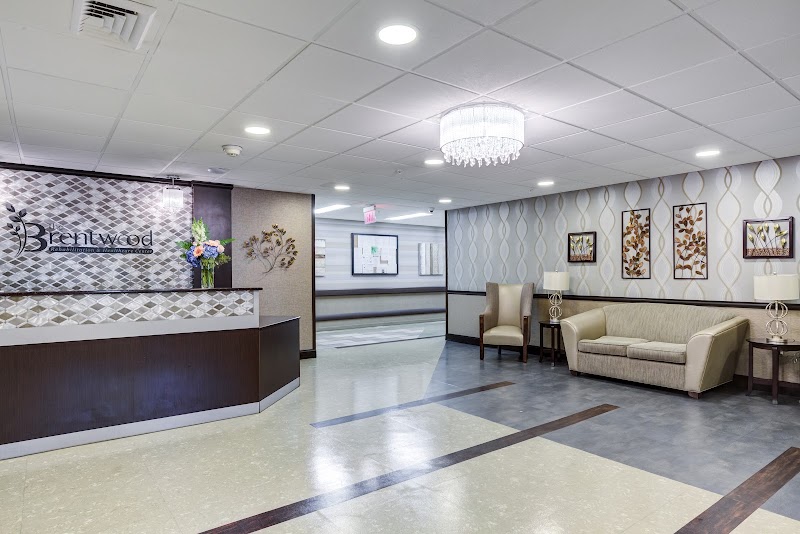
Who Owns and Operates Brentwood Rehabilitation And Healthcare Ctr (The)?

BRENTWOOD REHABILITATION AND HEALTHCARE CTR (THE) is owned by a for-profit company. For-profit facilities operate as businesses with obligations to shareholders or private owners. The facility is operated by MARQUIS HEALTH SERVICES, a chain that manages multiple nursing homes. With 159 certified beds and approximately 128 residents (about 81% occupancy), it is a mid-sized facility located in DANVERS, Massachusetts.

How Does Brentwood Rehabilitation And Healthcare Ctr (The) Compare to Other Massachusetts Nursing Homes?

Compared to the 100 nursing homes in Massachusetts, BRENTWOOD REHABILITATION AND HEALTHCARE CTR (THE)'s overall rating (4 stars) is above the state average of 2.9, staff turnover (30%) is significantly lower than the state average of 46%, and health inspection rating (3 stars) is at the national benchmark.

What Should Families Ask When Visiting Brentwood Rehabilitation And Healthcare Ctr (The)?

Based on this facility's data, families visiting should ask: "Can you walk me through typical staffing levels on day, evening, and night shifts?" "Can I visit during a mealtime to observe dining assistance and food quality?" "How do you handle medical emergencies, and what is your hospital transfer rate?" "Can I speak with family members of current residents about their experience?" These questions are particularly relevant given the below-average staffing rating.

Is Brentwood Rehabilitation And Healthcare Ctr (The) Safe?

Based on CMS inspection data, BRENTWOOD REHABILITATION AND HEALTHCARE CTR (THE) has a clean safety record: no substantiated abuse findings (meaning no confirmed cases of resident harm), no Immediate Jeopardy citations (the most serious violation level indicating risk of serious injury or death), and is not on the Special Focus Facility watch list (a federal program monitoring the lowest-performing 1% of nursing homes). The facility has a 4-star overall rating and ranks #1 of 100 nursing homes in Massachusetts. While no facility is perfect, families should still ask about staff-to-resident ratios and recent inspection results during their visit.

Do Nurses at Brentwood Rehabilitation And Healthcare Ctr (The) Stick Around?

BRENTWOOD REHABILITATION AND HEALTHCARE CTR (THE) has a staff turnover rate of 30%, which is about average for Massachusetts nursing homes (state average: 46%). Moderate turnover is common in nursing homes, but families should still ask about staff tenure and how the facility maintains care continuity when employees leave.

Was Brentwood Rehabilitation And Healthcare Ctr (The) Ever Fined?

BRENTWOOD REHABILITATION AND HEALTHCARE CTR (THE) has been fined $9,750 across 1 penalty action. This is below the Massachusetts average of $33,176. While any fine indicates a compliance issue, fines under $50,000 are relatively common and typically reflect isolated problems that were subsequently corrected. Families should ask what specific issues led to these fines and confirm they've been resolved.

Is Brentwood Rehabilitation And Healthcare Ctr (The) on Any Federal Watch List?

BRENTWOOD REHABILITATION AND HEALTHCARE CTR (THE) is not on any federal watch list. The most significant is the Special Focus Facility (SFF) program, which identifies the bottom 1% of nursing homes nationally based on persistent, serious quality problems. Not being on this list means the facility has avoided the pattern of deficiencies that triggers enhanced federal oversight. This is a positive indicator, though families should still review the facility's inspection history directly.