HUNT NURSING & REHAB CENTER
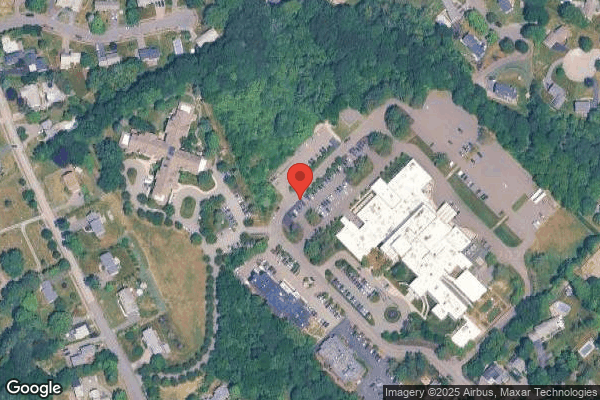
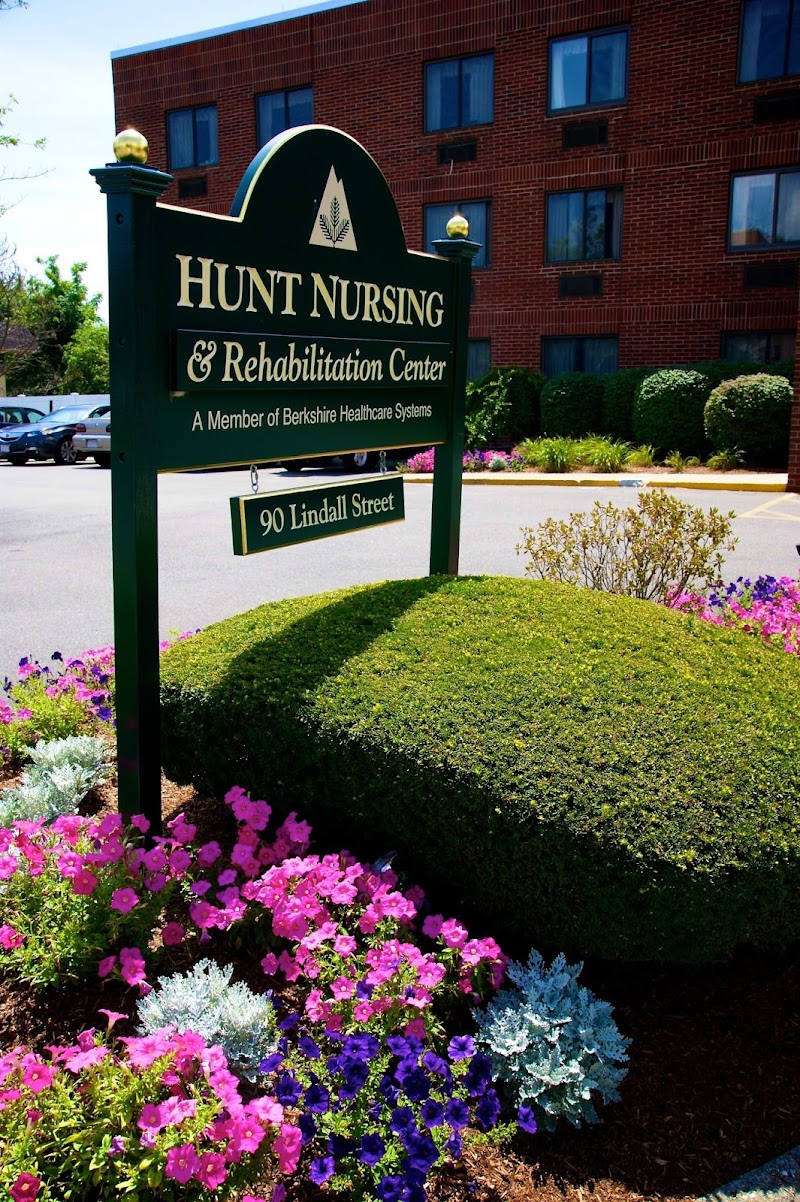
90 LINDALL STREET, DANVERS, MA 01923 (978) 777-3740
Non profit - Corporation 120 Beds INTEGRITUS HEALTHCARE Data: November 2025
Trust Grade
48/100
#159 of 338 in MA
Last Inspection: February 2025

Within standard 12-15 month inspection cycle. Federal law requires annual inspections.

Overview

Hunt Nursing & Rehab Center received a Trust Grade of D, indicating below-average performance with some concerning issues. They rank #159 out of 338 facilities in Massachusetts, which places them in the top half, but their county rank at #23 out of 44 suggests there are better local options available. The facility is improving, reducing serious issues from 13 in 2024 to only 5 in 2025. Staffing is a concern, with a turnover rate of 52%, higher than the state average, indicating that many staff members leave. Specific incidents include a resident who fell and fractured their elbow due to inadequate assistance during a bathroom transfer, highlighting potential safety risks. Overall, while there are some improvements and average staffing levels, the facility still faces significant challenges that families should consider.

Trust Score
D
48/100
In Massachusetts
#159/338
Top 47%
Safety Record
Moderate
Needs review
Inspections
Getting Better
13 → 5 violations
Staff Stability
⚠ Watch
52% turnover. Above average. Higher turnover means staff may not know residents' routines.
Penalties
⚠ Watch
$10,517 in fines. Higher than 91% of Massachusetts facilities. Major compliance failures.
Skilled Nurses
○ Average
Each resident gets 41 minutes of Registered Nurse (RN) attention daily — about average for Massachusetts. RNs are the most trained staff who monitor for health changes.
Violations
⚠ Watch
31 deficiencies on record. Higher than average. Multiple issues found across inspections.
★★★☆☆
3.0
Overall Rating
★★★☆☆
3.0
Staff Levels
★★★☆☆
3.0
Care Quality
★★★☆☆
3.0
Inspection Score
Stable
2024: 13 issues
2025: 5 issues

The Good

  • Full Sprinkler Coverage · Fire safety systems throughout facility
  • No fines on record

Facility shows strength in fire safety.

The Bad

3-Star Overall Rating

Near Massachusetts average (2.9)

Meets federal standards, typical of most facilities

Staff Turnover: 52%

Near Massachusetts avg (46%)

Higher turnover may affect care consistency

Federal Fines: $10,517

Below median ($33,413)

Minor penalties assessed

Chain: INTEGRITUS HEALTHCARE

Part of a multi-facility chain

Ask about local staffing decisions and management

The Ugly 31 deficiencies on record

2 actual harm
Feb 2025 5 deficiencies
CONCERN (D)

Potential for Harm - no one hurt, but risky conditions existed

Deficiency F0578 (Tag F0578)

Could have caused harm · This affected 1 resident

**NOTE- TERMS IN BRACKETS HAVE BEEN EDITED TO PROTECT CONFIDENTIALITY** Based on record review and interview, the facility failed to ensure Advance Directives (written documents that instruct health c...

Read full inspector narrative →
**NOTE- TERMS IN BRACKETS HAVE BEEN EDITED TO PROTECT CONFIDENTIALITY** Based on record review and interview, the facility failed to ensure Advance Directives (written documents that instruct health care providers of the decisions for specific medical treatment if a person was unable to speak or lacked the capacity to make decisions for themselves) were consistently documented in the medical record for one Resident (#60) out of a total sample of 24 residents. Findings include: Review of the facility policy titled Advanced Directives and MOLST (Medical Orders for Life Sustaining Treatment)/Do Not Resuscitate Orders), dated [DATE], indicated To respect each resident's right to participate in and/or make his/her treatment decisions. Advanced Directives will be reviewed with resident/resident representative at the time of admission and thereafter at least quarterly during care planning meetings. A MOLST and/or DNR Order, if available, will be included in resident's care planning and records and reflect a resident's directive to receive or not receive CPR in the event of cardiac or respiratory arrest. In order for an Advanced Directive relative to a DNR status to be valid, a valid MOLST and/or MD (medical doctor) order indicating DNR must be noted in the resident's chart with evidence of participation from the resident or their representative. If a valid MOLST or DNR order is not present in the resident's medical record, resuscitation will be started. Resident #60 was admitted to the facility in [DATE] with diagnoses that included hemiplegia and hemiparesis following nontraumatic intracerebral hemorrhage, aphasia, dysphagia, dementia, and epilepsy. Review of Resident #60's most recent Minimum Data Set (MDS) assessment, dated [DATE], indicated he/she was assessed by nursing staff to have severe cognitive impairments. Further review of the MDS indicated Check all that apply - Advanced Directives: A. Guardian was the only advanced directive checked off. Review of Resident #60's MOLST for, located in the medical record and signed on [DATE], indicated DNR (Do Not Resuscitate). Review of Resident #60's physician order, dated [DATE], indicated Code Status: Full Code. Review of Resident #60's advanced directives care plan, dated [DATE], indicated Full Code guardian his/her mother is designated Guardian. The Resident and her/his family's decisions regarding Advanced Directives will be respected. MOLST will be signed by Resident, Guardian or Health Care Agent. Review of Resident #60's social services note, dated [DATE], indicated The Resident has a legal guardianship that names his/her mother. Full Code Status. Review of Resident #60's active Certified Nurse Aide (CNA) [NAME] (form indicating the needs of each resident) indicated Code Status: Full Code. During an interview on [DATE] at 10:22 A.M., Nurse #2 said the expectation is that the nurses follow each Resident's MOLST, and that the doctor's order and the care plan should match what the MOLST indicates. During an interview and medical record review on [DATE] at 10:23 A.M., Unit Manager #2 said nurses are to follow the MOLST form and it could have been missed. Unit Manager #2 said the Resident's MOLST says they are to be a DNR, but his/her physician order reads as a full code. Unit Manger #2 said that the guardian said the facility lawyer told her the Resident has to be a full code. During an interview on [DATE] at 11:46 A.M., the Social Worker said family members who are guardians have the right to make a Resident a DNR/DNI (Do Not Intubate) and said we missed the MOLST form from 2018 and the Resident has been here in the facility since 2017. The Social Worker said the Resident should be a DNR code status and not a full code.
CONCERN (D)

Potential for Harm - no one hurt, but risky conditions existed

Comprehensive Care Plan (Tag F0656)

Could have caused harm · This affected 1 resident

**NOTE- TERMS IN BRACKETS HAVE BEEN EDITED TO PROTECT CONFIDENTIALITY** Based on observations, record review and interviews, the facility failed to ensure a comprehensive resident centered care plan w...

Read full inspector narrative →
**NOTE- TERMS IN BRACKETS HAVE BEEN EDITED TO PROTECT CONFIDENTIALITY** Based on observations, record review and interviews, the facility failed to ensure a comprehensive resident centered care plan was developed and/or implemented for two Residents (#48 and #95) out of a total sample of 24 Residents. Specifically, 1. For Resident #48, the facility failed to develop an individualized comprehensive resident centered care plan related to the monitoring and care of a pacemaker. 2. For Resident #95, the facility failed to implement the Resident's care plan for elevating his/her feet while in bed and for the use of Darco shoes when ambulating. Findings include: Review of the facility policy titled Pacemaker, Care of Permanent, revised May 2005, indicated the following: Procedure -Include an entry for pacemaker on the resident's Care Plan. -Enter on the resident's Care Plan, the type of pacemaker, date of insertion, rate, pacemaker check, lab and phone number. -Report to physician any rate change of more than five impulses per minute, missed beats or any unaccustomed sensations associated with the pacemaker. -If pacemaker does not need to be checked, indicate that on the resident's Care Plan. 1. Resident #48 was admitted to the facility in July 2022 with diagnoses that included chronic diastolic congestive heart failure, asthma, syncope with collapse, bradycardia, atrioventricular block, second degree, and presence of a cardiac pacemaker. Review of Resident #48's most recent Minimum Data Set (MDS) assessment, dated 1/21/25, indicated a Brief Interview for Mental Status (BIMS) exam score of 1 out of a possible 15, indicating severe cognitive impairment. Further review of the MDS indicated Resident #48 requires dependent assistance with functional daily activities and has an active diagnosis of a cardiac pacemaker. Review of Resident #48's physician orders and care plans failed to indicate a paced rate, serial number, frequency of pacemaker checks and cardiologist information. During an interview on 2/6/25 at 7:02 A.M., Unit Manager #2 said she would expect a care plan to be put in place on admission with all the pacemaker information, including paced rate, serial number, make and model. During an interview on 2/6/25 at 7:20 A.M., the Director of Nursing said a pacemaker care plan should include the paced rate, frequency of checks, make and model, and the serial number so the nurses are aware. 2. Review of the facility policy titled Care Planning, revised and dated 10/28/22, indicated the following: - The facility will develop and implement a comprehensive person-centered care plan for each resident, consistent with the resident rights that include measurable objectives and timeframes to meet a resident's medical needs. Resident #95 was admitted to the facility in August 2023 with diagnoses including end stage renal disease, bipolar disorder, dementia, obstructive and reflux uropathy and peripheral vascular disease. Review of Resident #95's most recent Minimum Data Set (MDS) assessment dated [DATE] indicated that the Resident had a Brief Interview for Mental Status exam score of 5 out of 15 indicating severe cognitive impairment. Further review of the MDS indicated the Resident does not reject care and is dependent on staff for all activities of daily living. Review of Resident #95's physician's orders indicated the following: - Start date 9/8/23: Elevate. Offload bilat (bilateral) heels when in bed every shift. - Start date 2/16/24: Info: Information only Resident should be wearing Darco shoes when ambulated or transferred (Darco shoes are specialized shoes to assist with offloading areas of the feet and to aid in balance while ambulating). The surveyor made the following observations: - On 2/5/25 at 6:43 A.M., Resident #95 slept in his/her bed. The Resident's feet were directly on his/her mattress. There was no pillow or orthotic on the end of the bed to encourage the Resident to elevate his/her feet. - On 2/5/25 at 9:50 A.M., Resident #95 slept in his/her bed. The Resident's feet were directly on his/her mattress. There was no pillow or orthotic on the end of the bed to encourage the Resident to elevate his/her feet. - On 2/6/25 at 6:46 A.M., Resident #95 was lying in his/her bed. The Resident's feet were directly on his/her mattress. There was no pillow or orthotic on the end of the bed to encourage the Resident to elevate his/her feet. The surveyor made the following observations: - On 2/5/25 at 7:54 A.M., Resident #95 was leaving his/her bathroom wearing non-slip socks only. No Darco shoes were observed in the Resident's room. - On 2/5/25 at 11:44 A.M., Resident #95 was eating his/her lunch in the dining room. The Resident was wearing regular slip-on shoes. No Darco shoes were observed in the Resident's room. - On 2/6/25 at appropriately 7:40 A.M., Resident #95 was awake and dressed waiting to be transported to a medical appointment. The Resident was wearing regular, slip-on shoes. No Darco shoes were observed in the Resident's room. Review of Resident #95's falls care plan dated 12/7/23 indicated the following: Resident #95 is at-risk for major injury from falls. The following risk factors have been identified: fell in the past year, recent toe amputations, resident attempts to transfer without assistance as well as ambulate. The following interventions for Resident #95's falls care plan indicated the following: - Dated 8/5/22: use devices that eliminate pressure on the heels: offload as tolerated. - Dated 12/3/23: off-loaf bilateral heels while in bed as tolerated. - Dated 2//3/25: Proper footwear, remind to ask for assistance when needed. During an interview on 2/6/25 at 8:23 A.M., Unit Manager #1 said Resident #95 should be elevating his/her feet while in bed with pillows. The Surveyor informed Unit Manager #1 that no pillows have been observed at the end of the Resident's bed, and she said there should be pillows there. Unit Manager #1 continued to say that Resident #95 has had multiple foot surgeries in the past for venous ulcers and has balance issues. Unit Manager #1 said the Darco shoes are for offloading his/her feet. Unit Manager #1 said all physician orders should be followed as written. During an interview on 2/6/25 at 8:42 A.M., the Director of Nursing (DON) said all physician orders should be followed as written. The DON continued to say that Resident #95 should have his/her feet elevated when in bed and he/she should be wearing Darco shoes when ambulating.
CONCERN (D)

Potential for Harm - no one hurt, but risky conditions existed

Deficiency F0676 (Tag F0676)

Could have caused harm · This affected 1 resident

**NOTE- TERMS IN BRACKETS HAVE BEEN EDITED TO PROTECT CONFIDENTIALITY** Based on observation, record review and interview, the facility failed to ensure residents were provided with the appropriate tr...

Read full inspector narrative →
**NOTE- TERMS IN BRACKETS HAVE BEEN EDITED TO PROTECT CONFIDENTIALITY** Based on observation, record review and interview, the facility failed to ensure residents were provided with the appropriate treatment and services to maintain activities of daily living for one Resident (#40) out of a total sample of 24 residents. Specifically, the facility failed to ensure Resident #40's recommendations for a functional maintenance program from physical therapy were maintained resulting in the Resident only using his/her wheelchair for mobility. Findings include: Review of the facility policy titled Physical Therapy and Occupational Therapy, dated September 2011, indicated the following: - It is the policy of the facility to provide rehabilitation services to all residents whose plan of care includes such services. These services will be administered in a safe, clean environment. Resident #40 was admitted to the facility in September 2021 with diagnoses including polyneuropathy, polyarthritis and chronic pain syndrome. Review of Resident #40's most recent Minimum Data Set Assessment (MDS) dated [DATE] indicated that the Resident had a Brief Interview for Mental Status score of 15 out of 15 indicating intact cognition. Further review of the MDS indicated that the Resident uses a wheelchair for mobility and was unable to walk 10 feet due to his/her medical condition. During an observation and interview on 2/4/25 at 9:26 A.M., the surveyor observed a wheelchair next to Resident #40's bed. In the corner of the Resident's room, a rolling walker was folded up behind belongings of the Resident. Resident #40 said he/she uses his/her wheelchair to move around and does not use his/her walker anymore. Resident #40 said he/she used to use his/her walker to use the bathroom and go short distances, but he/she does not now. Resident #40 said his/her back pain hurts, so he/she stopped seeing therapy a while ago. The Resident said he/she would be willing to try physical therapy again, but no one has asked him/her. Review of Resident #40's physician's order dated 9/1/21 indicated the following: Consult Physical Therapy. Review of Resident #40's [NAME] (a care card displaying the needs of the resident) indicated that the Resident uses a wheelchair for adaptive devices. Review of Resident #40's falls care plan indicated the following intervention dated 9/2/21: Rehab services as needed. Review of Resident #40's alteration in ability to provide self-care/perform ADL's (activities of daily living) r/t (related to) declined motor strength indicted the following intervention dated 9/2/21: Encourage participation in therapy. The surveyor requested all Physical Therapy (PT) visits for 2024 and 2025 for Resident #40. The Director of Nursing said the Resident has not been seen by PT in 2024 or 2025. Review of Resident #40's physician's visit note dated 2/19/24 indicated the following: - He/she goes out in a wheelchair. He/she can walk short distances with a walker. Review of Resident #40's physician's visit note dated 6/27/24 indicated the following: - He/she goes out in a wheelchair. He/she can walk short distances with a walker. Review of Resident #40's document titled Physical Therapy PT recertification dated from 6/19/23 - 7/18/23 indicated the following: LTG (long term goal) - Goal Met: The patient will demonstrate improved ambulation to 50 feet, SBA (stand by assist), pain no greater than 7/10, in order to improve his/her ability to negotiate his/her environment with improved independence, and quality of life. Current Status (6/19/23): 60-75 feet, SBA, pain 7/10. Review of Resident #40's document titled Physical Therapy PT Discharge Summary dated from 4/26/23 - 7/3/23, indicated the following: - Patient Progress: All functional goals met. - Discharge Recommendations and Status - Discharge Recommendations: FMP (Functional Maintenance Program) in place for walking program with one staff member assisting. -D/C (discharge) Reason: Maximum Potential Achieved, referred to FMP - Discharge Recommendations and Status: Prognosis to maintain CLOF (current level of function) = excellent with consistent staff support, Excellent with participation in FMP, Excellent with home exercise program. During an interview on 2/5/25 at 12:13 P.M., the Director of Rehab (DOR) of the facility said she is a PTA (physical therapy assistant) and has worked in the facility for less than one year. The DOR said the facility does quarterly screens for all residents in the building to see who has not been seen by therapy. The DOR said quarterly screens are typically done by occupational therapy and they will let PT know who needs to be seen. The DOR then reviewed Resident #40's PT Discharge Summary from 4/26/23 - 7/3/23 and said Resident #40 was discharged from PT using a rolling walker. The DOR said Resident #40 was discharged with a functional maintenance program (FMP) for walking using a walker with one staff member. The surveyor requested to see the FMP, but she was unable to provide it, so she was unsure if it was ever done. The DOR said once a resident is referred to a FMP she would expect nursing to be educated on it and follow through with it. The DOR said Resident #40 would benefit from seeing PT again as he/she has not been using his/her walker. During a follow up interview on 2/5/25 at 12:50 P.M., Resident #40 said he/she would like to do PT again so he/she could try using his/her walker again. He/she said the facility used to have someone walk down the hallway with him/her, but they stopped doing it and he/she does not know why. During an interview on 2/5/25 at 12:56 A.M., Certified Nursing Assistant (CNA) #1 said she has worked in the facility for 15 years. CNA #1 said Resident #40 used to walk with a walker, but he/she stopped because it was painful for him/her, and he/she has not seen therapy in a while. CNA #1 said ever since the Resident moved to this floor (long-term care unit) he/she has used a wheelchair while ambulating. During an interview on 2/6/25 at 8:23 A.M., Unit Manager #1 said she was not sure if Resident #40 was a part of a functional maintenance program. During a follow up interview on 2/6/25 at 7:13 A.M., the DOR said she spoke with Resident #40, and he/she said he/she would like to have physical therapy again so he/she will be starting again. During an interview on 2/6/25 at 8:42 A.M., the Director of Nursing said when Physical Therapy makes recommendations they should let nursing know and those recommendations should be followed.
CONCERN (D)

Potential for Harm - no one hurt, but risky conditions existed

Incontinence Care (Tag F0690)

Could have caused harm · This affected 1 resident

**NOTE- TERMS IN BRACKETS HAVE BEEN EDITED TO PROTECT CONFIDENTIALITY** Based on observations, record review and interviews, the facility failed to maintain professional standards in the management an...

Read full inspector narrative →
**NOTE- TERMS IN BRACKETS HAVE BEEN EDITED TO PROTECT CONFIDENTIALITY** Based on observations, record review and interviews, the facility failed to maintain professional standards in the management and care for urinary catheter devices for one Resident (#95) out of a total sample of 24 residents. Specifically, the facility failed to ensure that an indwelling catheter bag (a tube that enters the bladder to drain urine into a collection bag) was at the proper location below the Resident's bladder to allow urine to be drained into the bag for Resident #95. Findings include: Resident #95 was admitted to the facility in August 2023 with diagnoses including end stage renal disease, bipolar disorder, dementia, obstructive and reflux uropathy and peripheral vascular disease. Review of Resident #95's most recent Minimum Data Set (MDS) assessment dated [DATE] indicated a Brief Interview for Mental Status score of 5 out of 15, indicating severe cognitive impairment. Further review of the MDS indicated that the Resident did not reject care, was dependent on staff for all activities of daily living and had an indwelling catheter. The surveyor made the following observations: - On 2/5/25 at 6:43 A.M., Resident #95 was sleeping in his/her bed. The Resident's legs were exposed to reveal a urinary catheter bag strapped to his/her right leg above the knee. The catheter bag was not hanging below the level of the Resident's bladder. - On 2/5/25 at 9:50 A.M., Resident #95 was sleeping in his/her bed. The Resident's legs were exposed to reveal a urinary catheter bag strapped to his/her right leg above the knee. The catheter bag was not hanging below the level of the Resident's bladder. - On 2/6/25 at 6:46 A.M., Resident #95 was lying in his/her bed. The Resident's urinary catheter bag was not visibly hanging from his/her bed. Resident #95 told the surveyor that he/she always has his/her catheter bag strapped to his/her leg, even when sleeping. Review of Resident #95's physician's orders indicated the following: - Start date 7/1/24: Foley - site care provide foley catheter care - Start date 2/3/25: Foley Catheter Every Shift, 14 fr (French) Review of Resident #95's [NAME] (a care card displaying the needs of the resident) indicated the Resident uses a catheter under the Bladder section. Review of Resident #95's urinary catheter care plan dated 2/3/25 indicated the Resident uses a urinary catheter due to urinary retention with the following intervention: Secure catheter to prevent tension on the tube and facilitate urine flow. Review of Resident #95's medical record failed to indicate any documentation that the Resident has refused to hang his/her catheter bag at the bedside when lying in bed. During an interview on 2/6/25 at 8:23 A.M., Unit Manager #1 said Resident #95's catheter bag should be hanging from his/her bed when he/she is laying down, so it is below his/her bladder level to prevent backflow and tube kinking. During an interview on 2/6/25 at 8:42 A.M., the Director of Nursing (DON) said Resident #95's foley catheter bag should be below his/her bladder level to prevent urinary backflow and tube issues, and the Resident should not be using a leg bag while in bed. The DON said staff should be encouraging Resident #95 to hang his/her catheter bag at the bedside and if the Resident refuses staff should be documenting this behavior.
CONCERN (E)

Potential for Harm - no one hurt, but risky conditions existed

Deficiency F0761 (Tag F0761)

Could have caused harm · This affected multiple residents

**NOTE- TERMS IN BRACKETS HAVE BEEN EDITED TO PROTECT CONFIDENTIALITY** Based on observations and interviews, the facility failed to ensure staff stored drugs and biologicals in accordance with State ...

Read full inspector narrative →
**NOTE- TERMS IN BRACKETS HAVE BEEN EDITED TO PROTECT CONFIDENTIALITY** Based on observations and interviews, the facility failed to ensure staff stored drugs and biologicals in accordance with State and Federal requirements. Specifically, the facility failed to ensure medications were dated once opened, according to manufacturer's guidelines, in six of six medication carts observed. Findings include: Review of the facility policy titled Storage of Medications, dated [DATE], indicated Medications and biologicals are stored safely, securely, and properly, following manufacturer's recommendations or those of the supplier. On [DATE] at 8:43 A.M., the surveyor observed the third floor west side medication cart. The surveyor observed with Nurse #3 the following: - one Fluticasone Propionate inhaler opened, in use and undated. - one Advair Diskus inhaler opened, in use and undated. - one Breo Ellipta inhaler opened, in use and undated. - one Combivent Respimat inhaler opened, in use and undated. During an interview on [DATE] at 8:44 A.M., Nurse #3 said the expectation is the nurse who opens the inhalers should be dating them so each nurse knows then they are expired after opening. Nurse #3 said these four inhalers are not dated and should be. On [DATE] at 8:48 A.M., the surveyor observed the third floor east side medication cart. The surveyor observed with Nurse #4 the following: - one Albuterol Sulfate inhaler opened, in use and undated. - one Budesonide-Formoterol Fumarate inhaler opened, in use and undated. - two Spiriva Respimat inhalers opened, in use and undated. During an interview on [DATE] at 8:49 A.M., Nurse #4 said the expectation is the nurse who opens the inhalers should be dating them so each nurse knows then they are expired after opening. Nurse #4 said these four inhalers are not dated and should be. On [DATE] at 8:54 A.M., the surveyor observed the second floor west side medication cart. The surveyor observed with Nurse #5 the following: - two Trelegy Ellipta inhalers opened, in use and undated. - one Anoro Ellipta inhaler opened, in use and undated. - one Ventolin inhaler opened, in use and undated. - one Albuterol Sulfate inhaler opened, in use and undated. During an interview on [DATE] at 8:55 A.M., Nurse #5 said the expectation is the nurse who opens the inhalers should be dating them so each nurse knows then they are expired after opening. Nurse #5 said these five inhalers are not dated and should be. On [DATE] at 9:11 A.M., the surveyor observed the second floor east side medication cart. The surveyor observed with Nurse #6 the following: - two Albuterol Sulfate inhalers opened, in use and undated. - one Incruse Ellipta inhaler opened, in use and undated. - one Fluticasone Propionate inhaler opened and undated. During an interview on [DATE] at 9:12 A.M., Nurse #6 said the expectation is the nurse who opens the inhalers should be dating them so each nurse knows then they are expired after opening. Nurse #6 said these four inhalers are not dated and should be. On [DATE] at 9:14 A.M., the surveyor observed the first floor east side medication cart. The surveyor observed with Nurse #1 the following: - one Trelegy Ellipta inhaler opened, in use and undated. - one Albuterol Sulfate inhaler opened, in use and undated. - one Stiolto Respimat inhaler opened, in use and undated. During an interview on [DATE] at 9:15 A.M., Nurse #1 said the expectation is the nurse who opens the inhalers should be dating them so each nurse knows then they are expired after opening. Nurse #1 said these three inhalers are not dated and should be. On [DATE] at 9:17 A.M. the surveyor observed the first floor west side medication cart. The surveyor observed with Nurse #7 the following: - one Albuterol Sulfate inhaler opened, in use and undated. During an interview on [DATE] at 9:18 A.M., Nurse #7 said the expectation is the nurse who opens the inhalers should be dating them so each nurse knows then they are expired after opening. Nurse #7 said this inhaler is not dated and should be. During an interview on [DATE] at 9:13 A.M., Unit Manager #1 said she expects all inhalers to be labeled by nursing staff with a date when opened as these inhalers have a shortened life after opening. During an interview on [DATE] at 10:23 A.M., the Director of Nursing (DON) said she expects all inhalers to be labeled with a date when opened.
Nov 2024 1 deficiency
CONCERN (D) 📢 Someone Reported This

A family member, employee, or ombudsman was alarmed enough to file a formal complaint

Potential for Harm - no one hurt, but risky conditions existed

Comprehensive Care Plan (Tag F0656)

Could have caused harm · This affected 1 resident

**NOTE- TERMS IN BRACKETS HAVE BEEN EDITED TO PROTECT CONFIDENTIALITY** Based on records reviewed and interviews, for one of three sampled residents (Resident #1), who had a history of falls, was asse...

Read full inspector narrative →
**NOTE- TERMS IN BRACKETS HAVE BEEN EDITED TO PROTECT CONFIDENTIALITY** Based on records reviewed and interviews, for one of three sampled residents (Resident #1), who had a history of falls, was assessed by nursing as being at risk for falls and whose comprehensive plan of care included an intervention of a fall mat on the floor beside his/her bed when in bed, the Facility failed to ensure staff consistently implemented and followed the plan of care, when on 10/21/24, Resident #1 was found on the floor after a fall out of bed, and there was no fall mat in place beside his/her bed. Findings include: The Facility Policy, titled Care Planning, dated 10/28/22, indicated the Facility would develop and implement a comprehensive person-centered care plan for each resident that included measurable objectives and timeframes to meet the resident's medical, nursing, and mental and psychological needs that are identified in the comprehensive assessment. Resident #1 was admitted to the Facility in June 2024, diagnoses included dementia and history of falls. Review of Resident #1's Falls Risk Assessment, dated 09/25/24, indicated he/she was assessed as being at risk for falls. Review of Resident #1's Medical Record indicated he/she had a Physician's Order, dated 10/03/24 for the use of a fall mat at his/her bedside on the right side of his/her bed. Review of Resident #1's Falls Care Plan indicated he/she had an intervention, dated 10/03/24 for fall mat on the floor while in bed. Review of Resident #1's Nurse Progress Note, dated 10/21/24, indicated he/she was found lying on the floor in his/her room. Review of the Facility's Corrective Measures Narrative, dated 10/25/24, indicated the Facility identified that the fall mat was not in place when Resident #1 fell on [DATE]. During an interview on 11/20/24 at 08:40 A.M., the Director of Nurses (DON) said that on 10/21/24 at 07:00 A.M., he observed Resident #1 sleeping in his/her bed, but could not recall if he saw the floor mat in place at that time. The DON said that at 07:30 A.M., he was alerted by staff that Resident #1 was found on the floor in his/her room, and said that he (DON) observed that the floor mat was not in place next to Resident #1's bed, or in his/her room at all, but should have been in place per his/her plan of care. On 11/20/24, the Facility was found to be in Past Non-Compliance and provided the Surveyor with a plan of correction which addressed the area of concern as evidenced by: A. 10/21/24, The Morning Meeting Resident At Risk Minutes indicated Resident #1's fall was reviewed by the Interdisciplinary Team. B. 10/21/24, The Ad-Hoc Quality Assurance Performance Improvement (QAPI) Plan indicated the Facility Leadership developed a plan to correct the deficient practice and ensure that residents were provided with fall devices as indicated in the plan of care. C. 10/21/24, an Audit Tool was initiated and completed by Unit Managers and the Facility's Regional Nurse, who conducted rounds on all units to ensure residents with falls devices identified in the plan of care, had the devices in place. D. Audit Tool indicated Unit Managers and the Facility's Regional Nurse will continue to conduct rounds to ensure residents with falls devices were in place daily, until substantial compliance is met. E. 11/13/24, The October Monthly QAPI Meeting Minutes indicated the Interdisciplinary Team reviewed compliance with falls device placement and staff education. F. 11/15/24, Staff Development Coordinator provided education to nursing staff to ensure any devices identified in the residents' care plans to prevent falls are in place, and with nursing staff required to sign and participate in the educational inservice. G. The DON/designee will continue audits to ensure placement of falls devices weekly through the end of November 2024, then monthly ongoing. H. The Facility will continue to monitor compliance at the monthly and quarterly QAPI meetings. I. The Director of Nurses and/or designee are responsible for overall compliance.
Apr 2024 2 deficiencies 2 Harm
SERIOUS (G) 📢 Someone Reported This

A family member, employee, or ombudsman was alarmed enough to file a formal complaint

Actual Harm - a resident was hurt due to facility failures

Comprehensive Care Plan (Tag F0656)

A resident was harmed · This affected 1 resident

**NOTE- TERMS IN BRACKETS HAVE BEEN EDITED TO PROTECT CONFIDENTIALITY** Based on records reviewed and interviews, for one of three sampled residents (Resident #1), whose comprehensive plan of care ind...

Read full inspector narrative →
**NOTE- TERMS IN BRACKETS HAVE BEEN EDITED TO PROTECT CONFIDENTIALITY** Based on records reviewed and interviews, for one of three sampled residents (Resident #1), whose comprehensive plan of care indicated he/she was at risk for falls due to impulsivity and decreased strength, required assistance from two staff members for toileting and transfers, with a staff member remaining outside the bathroom door while he/she was on the toilet, the Facility failed to ensure staff implemented and followed interventions identified in his/her care plan, when on 02/26/24, Resident #1 told the Director of Rehabilitation (DOR) that he/she had to use the bathroom, The DOR left him/her in his/her room to take him/herself to the bathroom, and did not tell any other staff that he/she was going to use the bathroom. Resident #1 transferred him/herself into the bathroom and as a result, fell. The next day, Resident #1 complained of left elbow pain and was diagnosed with a fractured elbow. Findings include: The Facility Policy, titled Care Planning, indicated the Facility would develop and implement a comprehensive person-centered care plan for each resident, consistent with the resident rights that included measurable objectives and timeframes to meet a resident's medical, nursing, and psychological needs that are identified in the comprehensive assessment. Resident #1 was admitted to the Facility in January 2024, diagnoses included spinal stenosis, left sided hemiplegia, left foot drop, history of falls, and anxiety. Review of Resident #1's Falls Care Plan, dated as revised on 01/31/24, indicated he/she was at risk for falls, was impulsive, and had multiple falls while at the Facility. The Care Plan indicated staff would remind Resident #1 to use the call bell to ask for assistance and when assisting him/her to the bathroom, staff were to stand outside the door (later clarified by the Director of Nurses to mean that once Resident #1 was on the toilet, a staff member would stay outside of and next to the bathroom door to allow for privacy and provide supervision). Review of Resident #1's Activities of Daily Living (ADL) care plan, dated 01/19/24, indicated he/she required assistance by two staff members for toileting and transfers. Review of Resident #1's Physical Therapy Evaluation, for certification period 02/06/24 through 03/06/24, indicated Resident #1 required standby assistance and close supervision for safety for toilet transfers. Review of Resident #1's Occupational Therapy Evaluation, for certification period 02/07/24 through 03/07/24 indicated Resident #1 required contact guard level of assistance for toilet transfers. Review of the Nurse Progress Note, dated 02/26/24, indicated that at 01:45 P.M., Resident #1 fell while attempting to transfer him/herself into the bathroom, and as a result had a new skin tear on his/her elbow. Review of the Nurse Progress Note, dated 02/27/24, indicated Resident #1 complained of increased pain in his/her left elbow, and a Physician's order for an X-ray of his/her elbow was obtained. Review of the Radiology Report, dated 02/28/24, indicated Resident #1 had an acute proximal ulna (lower arm bone) nondisplaced fracture and moderate joint effusion (fluid buildup) of his/her left elbow. Review of the Facility's Investigation Report, dated 02/28/24, indicated Resident #1 was known to be impulsive, had poor safety awareness, required assistance with all transfers, and staff were to stay outside his/her bathroom door when he/she was on the toilet. The Report indicated that on 02/26/24, Resident #1 told the Director of Rehabilitation (DOR) that he/she needed to use the bathroom, and the DOR asked him/her if he/she could do it on his/her own, Resident #1 said yes, and the DOR left him/her to toilet his/herself. The Report indicated Resident #1 then attempted to transfer his/herself to the bathroom, fell, the next day complained of pain in his/her elbow, and was diagnosed with a left elbow fracture. During an interview on 04/16/24 at 9:54 A.M., the Director of Rehabilitation said he was familiar with Resident #1 since he had worked with him/her for a few weeks. The DOR said that he knew Resident #1 was known to be impulsive, had a history of falls, and that he/she required standby assistance by rehabilitation staff for transfers. The DOR said that on 02/26/24 he went to Resident #1's room to bring him/her to therapy, he/she was seated in his/her wheelchair next to the bed, and Resident #1 said he/she needed to use the bathroom. The DOR said he asked him/her if he/she could go to the bathroom by him/herself to which Resident #1 said yes, so he then left Resident #1's room, and did not assist Resident #1 to the bathroom. The DOR said he did not tell anyone else that Resident #1 said he/she needed to use the bathroom. The DOR said he should have stayed with Resident #1 or told another staff member that he/she had to use the bathroom, but did not. The Director of Rehabilitation said when he returned to get Resident #1 a little while later, he was told he/she had fallen while taking him/herself to the bathroom. During a telephone interview on 04/16/24 at 11:48 A.M., the Director of Nurses (DON) said the Rehabilitation Department staff had helped develop Resident #1's Care Plan and said the DOR should have helped Resident #1 or asked another staff member to help him/her to the bathroom but did not. On 04/16/24, the Facility was found to be in Past Non-Compliance and provided the Surveyor with a plan of correction which addressed the area of concern as evidenced by: A. 02/26/24, Resident #1's Care Plan was revised to include staff are to remind him/her with each encounter to call for assistance, and when rehabilitation staff work with him/her they are to assist him/her with toileting. B. 02/26/24, The Audit Sheet, completed by the Director of Rehabilitation, indicated all residents who were receiving rehabilitation services were audited to ensure the nursing and rehabilitation plans of care were up to date. C. 02/28/24, The Hospital Visit Summary indicated Resident #1 was assessed and treated at the Emergency Department for a closed fracture of the left ulna, and a follow up appointment was scheduled. D. 02/2024, The Education Sign in Sheet indicated nursing staff were educated by the Staff Development Coordinator (SDC) that all residents identified as being at risk for falls have a care plan in place and staff are to implement the interventions as per the resident's care plan and [NAME]. E. 03/01/24, The Education Sign in Sheet indicated rehabilitation staff were educated by the SDC that rehabilitation staff are responsible for checking with nursing staff prior to resident treatment sessions to determine the required level of assistance with toileting. F. 03/08/24, The Weekly Risk Meeting Fall Review minutes indicated the interdisciplinary team reviewed Resident #1's fall that occurred on 02/26/24, and other falls that occurred that week. G. 03/20/24, The Quality Assessment Performance Improvement (QAPI) Plan indicated Facility leadership developed a plan to correct the deficient practice and ensure that residents were provided with the appropriate level of supervision and assistance as determined by assessments and identified in their plans of care. H. The Facility will continue to review all falls at Weekly Risk Meetings. I. The Director of Nurses and/or designee are responsible for overall compliance.
SERIOUS (G) 📢 Someone Reported This

A family member, employee, or ombudsman was alarmed enough to file a formal complaint

Actual Harm - a resident was hurt due to facility failures

Accident Prevention (Tag F0689)

A resident was harmed · This affected 1 resident

**NOTE- TERMS IN BRACKETS HAVE BEEN EDITED TO PROTECT CONFIDENTIALITY** Based on records reviewed and interviews, for one of three sampled residents (Resident #1), who was known to be impulsive, requi...

Read full inspector narrative →
**NOTE- TERMS IN BRACKETS HAVE BEEN EDITED TO PROTECT CONFIDENTIALITY** Based on records reviewed and interviews, for one of three sampled residents (Resident #1), who was known to be impulsive, required two staff member assistance for toilet transfers, with one staff member remaining outside the bathroom door while he/she was on the toilet to provide standby assistance, the Facility failed to ensure he/she was provided with the necessary level of staff assistance to maintain his/her safety, when on 02/26/24, Resident #1 told the Director of Rehabilitation (DOR) that he/she had to use the bathroom, the DOR left him/her in his/her room to take him/herself to the bathroom, and did not inform any other staff that he/she was going to use the bathroom. Resident #1 attempted to transfer him/herself in the bathroom, fell, sustained a skin tear to his/her left arm, and the next day he/she complained of left elbow pain and was diagnosed with a fractured elbow. Findings include: The Facility Policy, titled Falls Risk Reduction, dated 11/02/23, indicated residents determined to have risk factors for falls would receive individualized interventions based on the risk factors in order to reduce risk for and minimize falls, and that each resident would receive adequate supervision and assistance devices to prevent accidents. The Facility Policy, titled Care Planning, indicated the Facility would develop and implement a comprehensive person-centered care plan for each resident, consistent with the resident rights that included measurable objectives and timeframes to meet a resident's medical, nursing, and psychological needs that are identified in the comprehensive assessment. Review of the Facility's Investigation Report, dated 02/28/24, indicated Resident #1 was known to be impulsive, had poor safety awareness, required assistance with all transfers, and staff were to stay outside his/her bathroom door when he/she was on the toilet. The Report indicated that on 02/26/24, Resident #1 told the Director of Rehabilitation (DOR) that he/she needed to use the bathroom, and the DOR asked him/her if he/she could do it on his/her own, Resident #1 said yes, and the DOR left him/her to toilet him/herself. The Report indicated Resident #1 then attempted to transfer him/herself to the bathroom, fell, the next day complained of pain in his/her elbow, and was diagnosed with a left elbow fracture. Resident #1 was admitted to the Facility in January 2024, diagnoses included spinal stenosis, left sided hemiplegia, left foot drop, history of falls, and anxiety. Review of Resident #1's Falls Care Plan, dated as revised on 01/31/24, indicated he/she was at risk for falls, was impulsive, and had multiple falls while at the Facility. The Care Plan indicated staff would remind Resident #1 to use the call bell to ask for assistance and when assisting him/her in the bathroom, staff were to stand outside the door (later clarified by the Director of Nurses to mean that once Resident #1 was in the toilet, staff would stay outside of and next to the bathroom door, to provide supervision and privacy). Review of Resident #1's Activities of Daily Living (ADL) care plan, dated 01/19/24, indicated he/she required assistance by two staff members for toileting and transfers. Review of the Facility's Incident Reports indicated Resident #1 fell while attempting to toilet him/herself on the following dates: -01/26/24 -02/04/24 -02/11/24 Review of Resident #1's Physical Therapy Evaluation, for certification period 02/06/24 through 03/06/24, indicated Resident #1 required standby assistance and close supervision for safety for toilet transfers. Review of Resident #1's Occupational Therapy Evaluation, for certification period 02/07/24 through 03/07/24 indicated Resident #1 required contact guard level of assistance for toilet transfers. Review of the Nurse Progress Note, dated 02/26/24, indicated that at 01:45 P.M., Resident #1 fell while attempting to transfer him/herself in the bathroom, and as a result had a new skin tear on his/her elbow. Review of the Nurse Progress Note, dated 02/27/24, indicated Resident #1 complained of increased pain in his/her left elbow, and a Physician's order for an X-ray of his/her elbow was obtained. Review of the Radiology Report, dated 02/28/24, indicated Resident #1 had an acute proximal ulna (lower arm bone) nondisplaced fracture and moderate joint effusion (fluid buildup) of his/her left elbow. During an interview on 04/16/24 at 9:54 A.M., the Director of Rehabilitation said he was familiar with Resident #1 since he had worked with him/her for a few weeks. The DOR said that he knew Resident #1 was known to be impulsive, had a history of falls, and that he/she required standby assistance by rehabilitation staff for transfers. The DOR said that on 02/26/24 he went to Resident #1's room to bring him/her to therapy, he/she was seated in his/her wheelchair next to the bed, and Resident #1 said he/she needed to use the bathroom. The DOR said he asked him/her if he/she could go to the bathroom by him/herself to which Resident #1 said yes, so he then left Resident #1's room, and did not assist Resident #1 to the bathroom. The DOR said he did not tell anyone else that Resident #1 said he/she needed to use the bathroom. The DOR said he should have stayed with Resident #1 or told another staff member that he/she had to use the bathroom, but did not. The Director of Rehabilitation said when he returned to get Resident #1 a little while later, he was told he/she had fallen while attempting to take him/herself to the bathroom. The DOR said the next day Resident #1 complained of increased pain in his/her left elbow, and was found to have a left elbow fracture. During a telephone interview on 04/16/24 at 11:48 A.M., the Director of Nurses (DON) said the Rehabilitation Department staff had helped develop Resident #1's Care Plan and said the DOR should have helped Resident #1 or asked another staff member to help him/her to the bathroom but did not. On 04/16/24, the Facility was found to be in Past Non-Compliance and provided the Surveyor with a plan of correction which addressed the area of concern as evidenced by: A. 02/26/24, Resident #1's Care Plan was revised to include staff are to remind him/her with each encounter to call for assistance, and when rehabilitation staff work with him/her they are to assist him/her with toileting. B. 02/26/24, The Audit Sheet, completed by the Director of Rehabilitation, indicated all residents who were receiving rehabilitation services were audited to ensure the nursing and rehabilitation plans of care were up to date. C. 02/28/24, The Hospital Visit Summary indicated Resident #1 was assessed and treated at the Emergency Department for a closed fracture of the left ulna, and a follow up appointment was scheduled. D. 02/2024, The Education Sign in Sheet indicated nursing staff were educated by the Staff Development Coordinator (SDC) that all residents identified as being at risk for falls have a care plan in place and staff are to implement the interventions as per the resident's care plan and [NAME]. E. 03/01/24, The Education Sign in Sheet indicated rehabilitation staff were educated by the SDC that rehabilitation staff are responsible for checking with nursing staff prior to resident treatment sessions to determine the required level of assistance with toileting. F. 03/08/24, The Weekly Risk Meeting Fall Review minutes indicated the interdisciplinary team reviewed Resident #1's fall that occurred on 02/26/24, and other falls that occurred that week. G. 03/20/24, The Quality Assessment Performance Improvement (QAPI) Plan indicated Facility leadership developed a plan to correct the deficient practice and ensure that residents were provided with the appropriate level of supervision and assistance as determined by assessments and identified in their plans of care. H. The Facility will continue to review all falls at Weekly Risk Meetings. I. The Director of Nurses and/or designee are responsible for overall compliance.
Feb 2024 10 deficiencies
CONCERN (D)

Potential for Harm - no one hurt, but risky conditions existed

Deficiency F0658 (Tag F0658)

Could have caused harm · This affected 1 resident

**NOTE- TERMS IN BRACKETS HAVE BEEN EDITED TO PROTECT CONFIDENTIALITY** 2.) For Resident #8 the facility failed to implement physician's orders for air mattress settings. Review of the facility polic...

Read full inspector narrative →
**NOTE- TERMS IN BRACKETS HAVE BEEN EDITED TO PROTECT CONFIDENTIALITY** 2.) For Resident #8 the facility failed to implement physician's orders for air mattress settings. Review of the facility policy titled, Support Surfaces, dated as 12/3/23, indicated: 5. Setting for specialty mattress use specifically for comfort and pain management will be based on the resident's assessment and preference. Mattress setting will be documented in the resident's physician order, eTAR (treatment sheet), plan of care and [NAME]. Resident #8 was admitted to the facility in November 2021 with diagnoses including schizophrenia, osteoarthritis and chronic pain syndrome. Review of the Minimum Data Set (MDS) assessment, dated 12/5/23, indicated Resident #9 had a Brief Interview of Mental Status (BIMS) score of 8 out of a possible 15 which indicated he/she had a cognitive impairment. Review of the physician's order, dated 3/22/22, indicated: - alternating pressure mattress for comfort, set at #4-15 min alternating, monitor for functioning every shift. Review of therapy note, dated 10/1/23, indicated: - Resident #8 said my bed has a big hole in the middle of it, makes it hard for me to move my bowels. Review of the Treatment Record, dated 1/31/24-2/2/24, indicated nursing set the air mattress to: - Coded M on 1/31/24 during shift 1. - Set to 4 on 2/1/24 during shift 1. - Set to 4 on 1/31/24 and 2/1/24 during shift 2. - Set to 0 on 1/31/24 and 2/1/24 during shift 3. - Set to 4 on 2/2/24 during shift 3. On 1/31/24 at 8:16 A.M., Resident #8 was in bed on his/her air mattress that was set to 5, 20 alternating pressure. During an interview on 1/31/24 at 9:00 A.M., Resident #8 said he/she was in a divot, and sunk in the air mattress and Resident #8 continued to say, the divot interferes with my comfort. On 2/1/24 at 6:52 A.M., Resident #8 was in bed on his/her air mattress that was set to 5, 20 alternating pressure. On 2/1/24 at 9:49 A.M., Resident #8 was in bed on his/her air mattress that was set to 5, 20 alternating pressure. On 2/1/24 at 12:11 P.M., Resident #8 was in bed on his/her air mattress that was set to 5, 20 alternating pressure. On 2/2/24 at 6:53 A.M., Resident #8 was in bed on his/her air mattress that was set to 5, 20 alternating pressure. On 2/2/24 at 9:32 A.M., Resident #8 was in bed on his/her air mattress that was set to 5, 20 alternating pressure. During an interview on 1/31/24 at 2:16 P.M., Certified Nurse Assistant (CNA) #2 said CNAs do not adjust air mattress settings, even during care. During an interview on 2/2/24 at 7:01 A.M., CNA #1 said CNAs do not adjust air mattress settings, even during care. During an interview on 2/2/24 at 2:03 P.M., CNA #5 said CNAs do not adjust air mattress settings, even during care. During an interview on 2/2/24 at 6:57 A.M., Nurse #1 said air mattress use requires a physician's order and nurses are supposed to verify settings every shift. During an interview on 2/2/24 at 6:58 A.M., Nurse #2 said air mattress use requires a physician's order and nurses are supposed to verify settings every shift. On 2/2/24 at 9:32 A.M., Unit Manger #1 and the surveyor observed Resident #8 in bed and his/her air mattress was set to 5, 20 alternating pressure. Unit Manager #1 said the air mattress was not set to the correct setting. During an interview on 2/2/24 at 1:36 P.M., the Director of Nursing said around January 18th, Resident #8 requested a change to his/her air mattress. The DON said that nursing should have updated the physician's order. Based on observations, interviews and record review, the facility failed to maintain professional standards of practice for two Residents (#22 and #8) out of a sample of 26 residents. Specifically: 1. For Resident #22, the facility failed to apply a handroll as ordered. 2. For Resident #8, the facility failed to implement physician's orders for air mattress settings. Findings include: A review of the facility policy titled 'Activities of Daily Living' with no revision date indicated the following: -Assistive and adaptive equipment are provided as needed 1. Resident #22 was admitted to the facility in November 2016 with diagnoses including stroke with right-sided hemiparesis and right-hand contracture. A review of the most recent Minimum Data Set (MDS) assessment dated [DATE] indicated a Brief Interview for Mental Status (BIMS) score of 99 indicating the Resident is rarely/never understood. During an interview and observation on 1/31/24 at 8:59 A.M., the Resident was sitting on his/her bed. His/her right hand appeared contracted. A terry cloth hand roll was observed on the dresser. The Resident said staff are supposed to assist with placing the hand roll in the right hand, but they forget most days. A review of the Resident's active physician's orders indicated the following: -Wash right hand/palm with soap and water rinse then dry completely place hand roll day and evening. A review of the Resident's Activities of Daily Living (ADL) care plan indicated the following: -Bathing, grooming and dressing-dependent/assist x1 On 1/31/24 at 2:18 P.M., the surveyor observed a nurse pushing the Resident's wheelchair back to his/her room, no handroll was observed in the right hand. The rolled terry cloth was on the Resident's dresser. On 2/1/24 at 8:15 A.M., 8:57 A.M., and 10:58 A.M., the surveyor observed the Resident in bed with no hand roll in the right hand, the rolled terry cloth was on the dresser. A review of the Nursing progress notes did not indicate documented refusal of care on 1/31/24 and 2/1/24 during the first shift. A review of the electronic medication record dated 1/31/24 and 2/1/24 first shift failed to indicate any behaviors or refusal of care documented during the first shift. During an interview and observation on 2/2/24 at 9:30 A.M., Certified Nurses Assistant (CNA) #7 and the surveyor observed the Resident without a handroll in the right hand, CNA #7 said a hand roll should be applied in the Resident's right hand after cleaning the right hand with soap and water. During an interview on 2/2/24 at 9:40 A.M., Unit Manager #2 said Resident #22's handroll should be applied during the day and evening as the order states. She said any refusals should be documented in the behavior sheets in the electronic medication record or in the Nursing progress notes. During an interview on 2/2/24 at 10:59 A.M., the Director of Nurses said Resident #22's hand roll should be applied in the right hand as ordered and if the Resident refuses care, staff should document in the behavior sheets in the electronic medication record.
CONCERN (D)

Potential for Harm - no one hurt, but risky conditions existed

Deficiency F0679 (Tag F0679)

Could have caused harm · This affected 1 resident

**NOTE- TERMS IN BRACKETS HAVE BEEN EDITED TO PROTECT CONFIDENTIALITY** Based on observations, interviews and record review, the facility failed to provide Activities for two Residents (#26 and #46) o...

Read full inspector narrative →
**NOTE- TERMS IN BRACKETS HAVE BEEN EDITED TO PROTECT CONFIDENTIALITY** Based on observations, interviews and record review, the facility failed to provide Activities for two Residents (#26 and #46) out of a sample of 26 residents. Specifically, for Residents #26 and #46, the facility failed to provide one to one Activity visits as indicated in the care plan. Findings include: A review of the facility policy titled 'Activities Programs' with no revision date indicated the following: -The facility will provide, based on the comprehensive assessment and care plan and the preferences of each resident, an ongoing program to support residents in their choice of activities, both facility sponsored group and individual activities and independent activities. -The assessment of resident preferences for activities will be included in the care plan. 1. Resident #26 was admitted to the facility in April 2019 with diagnoses including severe morbid obesity. A review of the most recent Minimum Data Set (MDS) assessment dated [DATE] indicated a Brief Interview for Mental Status (BIMS) score of 15 out of a possible 15 indicating intact cognition. During an interview and observation on 1/31/24 at 8:40 A.M., Resident #26 was in bed, he/she told the surveyor he/she does not like to get out of bed, he/she would like to have activities in the room, he/she has not had any one-to-one visits from Activities offering in room activities. A review of Resident #26's Activities of Daily Living (ADL) care plan dated 3/11/22 indicated the following: -Residents prefers to stay in bed, staff will dress for dignity, does not like to get out of bed for dignity. Further review of Resident #26's Activities care plan dated 10/20/23 indicated the following: -Residents prefers to stay in bed, does enjoy staff visits. An intervention dated 3/11/22 indicated to provide 1:1 visits 3-4 times per week. A review of the medical record failed to indicate documented 1:1 Activity visits with the Resident 3-4 times a week. During an interview on 2/5/24 at 8:19 A.M., the Activities Director said she did not have any documented 1:1 visits 3-4 times a week with the Resident. She said the Resident is bed bound and should be offered activities in the room [ROOM NUMBER]-4 times a week as his/ her care plan states, she said she just created participation sheets for January and February after the surveyor requested to see them, she said the participation sheets will be used going forward to document the Resident's 1:1 activities and any refusals. 2. Resident #46 was admitted to the facility in March 2023 with diagnoses including alcoholic polyneuropathy. A review of the most recent Minimum Data Set (MDS) dated [DATE] indicated a Brief Interview for Mental Status (BIMS) score of 15 out of a possible 15 indicating intact cognition. During an observation and interview on 1/31/24 at 8:21 A.M., Resident #46 was lying in bed, he/she told the surveyor he stays in bed most days because of the pain in his/her feet, he/she would like to get offered activities in the room. A review of Resident #46's Activities care plan dated 9/13/23 indicated the following: -Resident does enjoy brief room visits from staff, an intervention dated 4/13/23 indicated to provide 1:1 visits 3-4 times a week. A review of the medical record failed to indicate documented 1:1 Activity visits with the Resident 3-4 times a week . During an interview on 2/5/24 at 8:19 A.M., the Activities Director said she did not have any documented 1:1 visits 3-4 times a week with the Resident. She said the Resident is bed bound and should be offered activities in the room [ROOM NUMBER]-4 times a week as his/her care plan states, she said she just created participation sheets for January and February after the surveyor requested to see them,she said the participation sheets will be used going forward to document the Resident's 1:1 activities and any refusals.
CONCERN (D)

Potential for Harm - no one hurt, but risky conditions existed

Respiratory Care (Tag F0695)

Could have caused harm · This affected 1 resident

Based on observations, policy review, record review and interviews the facility failed to ensure a resident who required respiratory care (continuous oxygen) received care consistent with professional...

Read full inspector narrative →
Based on observations, policy review, record review and interviews the facility failed to ensure a resident who required respiratory care (continuous oxygen) received care consistent with professional standard of practice for one (Resident #317) out of a total sample of 26 Residents. Specifically, for Resident #317, nursing administered continuous oxygen without a physician's order. Findings include: Review of the facility policy titled, Oxygen Administration, dated as revised 11/3/16, indicated oxygen is administered as ordered by the physician. 1. Verify physician's order for oxygen administration or weaning. Physician's orders for weaning will include parameters for the amount of time oxygen is decreased and include oxygen saturation parameters. Resident #317 was admitted to the facility in January 2024 with diagnoses including anxiety, chronic obstructive pulmonary disease and dependence on supplemental oxygen. Review of the Minimum Data Set (MDS) assessment, dated 1/22/24, indicated Resident #317 had a Brief Interview of Mental Status (BIMS) score of 15 out of a possible 15 which indicated he/she was cognitively intact. The MDS indicated Resident #317 required continuous oxygen therapy. Review of the plan of care related to alteration in respiratory function, dated 1/19/24, indicated: - administer oxygen as ordered by the physician, if applicable Review of the physician progress note, dated 1/31/23, indicated: - Currently on 2 liters of oxygen which is his/her baseline. -Continue to wean down oxygen to keep oxygen saturation below 92% and above 88%. Review of the physician's orders, dated 2/2/24, failed to include an order to administer continuous oxygen. On 1/31/24 at 8:17 A.M., Resident #317 was in his/her bed. He/she was receiving oxygen via nasal cannula at 2 liters per minute. Resident #317 said he/she wears oxygen at his/her home and oxygen is not new. On 1/31/24 at 2:18 P.M., 2/1/24 at 6:51 A.M., 2/1/24 at 9:39 A.M., 2/1/24 at 12:10 P.M., 2/2/24 at 6:53 A.M., and on 2/2/24 at 9:38 A.M., Resident #317 was observed being administered oxygen via nasal cannula. During an interview on 2/2/24 at 10:54 A.M., Certified Nurse Assistant (CNA) #3 said Resident #317 uses oxygen. CNA #3 said that CNAs do not adjust oxygen. During an interview on 2/2/24 at 6:59 A.M., Nurse #1 said Resident #317 uses oxygen and that oxygen use requires a physician's order. During an interview on 2/2/24 at 7:00 A.M., Nurse #2 said Resident #317 uses oxygen and that oxygen use requires a physician's order. On 2/2/24 at 9:38 A.M., Unit Manager #1 and the surveyor went into Resident #317's room. Unit Manager said Resident #317 was being administered oxygen and oxygen use requires a physician's order. During an interview on 2/2/24 at 1:35 P.M., the Director of Nursing said oxygen use requires an order.
CONCERN (D)

Potential for Harm - no one hurt, but risky conditions existed

Deficiency F0699 (Tag F0699)

Could have caused harm · This affected 1 resident

**NOTE- TERMS IN BRACKETS HAVE BEEN EDITED TO PROTECT CONFIDENTIALITY** Based on record review and interview the facility failed to ensure that residents who are trauma survivors receive culturally co...

Read full inspector narrative →
**NOTE- TERMS IN BRACKETS HAVE BEEN EDITED TO PROTECT CONFIDENTIALITY** Based on record review and interview the facility failed to ensure that residents who are trauma survivors receive culturally competent, trauma-informed care in accordance with professional standards of practice and accounting for residents' experiences and preferences in order to eliminate or mitigate triggers that may cause re-traumatization of the resident. Specifically, the facility failed to conduct an assessment for trauma per the facility policy, and develop a comprehensive plan of care for Post Traumatic Stress Disorder (PTSD) including triggers for re-traumatization for 1 Resident (#37) who had an active diagnosis of PTSD out of a total sample of 26 Residents. Findings include: Review of the facility policy dated 11/28/19, titled Trauma Informed Care, indicated, but was not limited to, the following: -The facility will ensure that residents who are trauma survivors receive culturally competent, trauma-informed care in accordance with professional standards of practice and accounting for residents experiences and preferences to eliminate or mitigate triggers that may cause re-traumatization of the resident. Person centered care planning will include trauma triggers and interventions to mitigate risk of re-traumatization. -Trauma-informed care assessment will be completed by Social Services upon admission, quarterly, annually and with significant status change only when known PTSD diagnosis or manifestation or verbalization of trauma. -Interdisciplinary team to provide ongoing assessment, evaluation, and related mental and psychosocial adjustment challenges, history of trauma and or PTSD over a period of time. Resident #37 was admitted to the facility in August 2022 with a diagnosis of PTSD. Review of the Minimum Data Set (MDS), dated [DATE], indicated that Resident #37 scored a 10 out of 15 on the Brief Interview for Mental Status (BIMS) indicating moderate cognitive impairment. Review of Resident #37's most recent behavioral health integration progress note, dated 12/21/23, indicated Resident #37 had a diagnosis of PTSD. Further review of the progress note indicated that it is unknown if an abbreviated PCL-C (a screening instrument for PTSD) was ever performed. Review of Resident #37's care plans indicated the following trauma-informed care-plan: -Resident #37 presents with history of Post Traumatic Stress Disorder, and is at risk for a decline in his/her psychosocial wellbeing as a result. Further review of Resident #37's trauma-informed care plan failed to identify any potential triggers for re-traumatization. During an interview on 2/1/24 at 9:44 A.M., Social Worker #1 said a trauma informed assessment, including the identification of triggers, should be completed for all residents with a history of PTSD on admission, quarterly, and as needed. A care plan should be developed which will be individualized and include triggers for re-traumatization. Social worker #1 said she was not aware of Resident #37's trauma. Social worker #1 also said that a trauma informed assessment had never been completed for the Resident, and that the Resident's care plan did not include PTSD triggers as they are currently unknown. During an interview on 2/1/23 at 10:00 A.M., Social Worker #2 said Resident #37's triggers were unknown prior to today as a trauma informed assessment had never been previously completed. Social Worker #2 said the care plan was updated to include the newly identified triggers today, after the surveyors inquiry.
CONCERN (E)

Potential for Harm - no one hurt, but risky conditions existed

Safe Environment (Tag F0584)

Could have caused harm · This affected multiple residents

2. Resident #113 was admitted to the facility in January 2024 with diagnoses including hearing loss, chronic pain and dementia without behaviors. Review of the Minimum Data Set (MDS) assessment, date...

Read full inspector narrative →
2. Resident #113 was admitted to the facility in January 2024 with diagnoses including hearing loss, chronic pain and dementia without behaviors. Review of the Minimum Data Set (MDS) assessment, dated 1/13/24, indicated Resident #113 had a Brief Interview of Mental Status (BIMS) score of 5 out of a possible 15 which indicated he/she had a cognitive impairment. The MDS indicated he/she required partial/moderate assistance with toilet transfer and toilet hygiene. The MDS indicated he/she was frequently incontinent of urine. Review of Resident #113's plan of care related to incontinence, dated 1/22/24, indicated: - toilet resident during their individual morning and evening care, before and after meals, before going back to bed. - provide incontinence as needed. - Resident #113 wears: large brief for management of urinary incontinence. Review of Resident #113's plan of care related to behaviors, dated 1/22/24, indicated: - provide well lit, uncluttered environment. Review of Resident #113's plan of care related to activities of daily living, dated 1/11/24, indicated: - toileting one assistance. - transfers one assistance. On 1/31/24 at 8:23 A.M. and at 2:20 P.M., on 2/1/24 at 6:54 A.M. and at 2:01 P.M., and on 2/2/24 at 6:55 A.M., and on 2/2/24 at 9:16 A.M., the surveyor observed a urine hat filled with approximately 250 millimeters (mls) of yellow concentrated urine on Resident #113's dresser immediately next to his/her hearing aids. On 2/2/24 at 9:16 A.M., Resident #113 was in his/her bed, the surveyor asked Resident #113 about the urine hat on his/her dresser. Resident #113 stated that's gross pee, I don't want that there, I want it gone. Resident #113 was not sure why the urine was there. On 2/2/24 at 10:04 A.M., Certified Nurse Assistant (CNA) #4 observed the urine with the surveyor. CNA #4 said the urine should not be left on the dresser. During an interview on 2/2/24 at 10:05 A.M., Nurse #3 said she was assigned to Resident #113 on 2/1/24 and 2/2/24 said she did not notice the urine in the hat left on Resident #113's dresser and Nurse #3 said it should not have been there. During an interview on 2/2/24 at 10:38 A.M., Unit Manager #1 said nursing and CNAs are in and out of Resident #113's room and staff should have noticed the urine and removed it. During an interview on 2/2/24 at 1:48 P.M., the Director of Nursing said the urine on Resident #113's dresser should have been emptied and not left in the room. Based on observations, record review and interviews, the facility failed to ensure they provided a clean, sanitary, and homelike environment. Specifically: - For one of three resident units (second floor unit), the facility failed to ensure the varnish on bedroom doors was in good, home-like condition - For Resident #113, the facility failed to ensure it emptied a filled urine hat (used for urine sample collection, or to collect and/or measure urine output) observed on his/her dresser for three days. Findings include: 1. On 2/1/24 at 1:54 P.M., the surveyor observed the second floor unit's bedroom closet and entry doors. Patches of varnish on the exterior door surfaces had been stripped off and exposed the undersurface, measuring approximately 2' x 2' and located on the top third of the doors. The following bedrooms were affected: #208, 209, 210, 211, 212, 213, 214, 215, 216, 217, 218, 222, and 223. On 2/2/24 at 9:00 A.M., the Maintenance Director and surveyor toured the second floor. The Maintenance Director and surveyor observed that many of the resident closet doors and bedroom entry doors were missing patches of varnish on the top third of the doors. The Maintenance Director said he was aware of the missing varnish, but had not repaired the doors yet. The Maintenance Director said the varnish was stripped off the doors because of staff taping notices on the doors, and when the notices were removed the backing tape pulled off the varnish. The Maintenance Director said the doors were not home-like.
CONCERN (E)

Potential for Harm - no one hurt, but risky conditions existed

Assessment Accuracy (Tag F0641)

Could have caused harm · This affected multiple residents

Based on interviews and record review, the facility failed to ensure a Minimum Data Set (MDS) assessment was accurately completed to reflect the status for five Residents (#113, #70, #10, #60 and #22 ...

Read full inspector narrative →
Based on interviews and record review, the facility failed to ensure a Minimum Data Set (MDS) assessment was accurately completed to reflect the status for five Residents (#113, #70, #10, #60 and #22 ), in a total sample of 26 residents. Specifically, the facility failed: 1. For Resident #113, to ensure the MDS accurately reflected his/her cognitive status; and 2. For Resident #70, to ensure the MDS accurately reflected his/her cognitive status. 3. For Resident #10, to ensure the MDS accurately reflected his/her cognitive status. 4. For Resident #60, to ensure the MDS accurately reflected his/her cognitive status. 5. For Resident #22, to ensure the MDS accurately reflected his/her cognitive status. Findings include: 1.) For Resident #113 the facility failed to ensure they coded the Brief Interview of Mental Status (BIMS) accurately on the Minimum Data Set (MDS) assessment. Resident #113 was admitted to the facility in January 2024 with diagnoses including hearing loss, chronic pain and dementia without behaviors. Review of the Minimum Data Set (MDS) assessment, dated 1/13/24, indicated Resident #113 had a Brief Interview of Mental Status (BIMS) score of 99 out of a possible 15. Further review of the BIMS assessment indicated Resident #113 had a summary score of 5 out of a possible 15 points (word repetition three points, recall two points). During an interview on 2/2/24 at 12:53 P.M., the Director of Social Services said Resident #113 scored a 5 on the BIMS assessment. During an interview on 2/2/24 at 12:55 P.M., the MDS Coordinator said Resident #113 scored a 5 on the BIMS assessment. During an interview on 2/2/24 at 1:46 P.M., the Director of Nursing said the BIMS on the MDS should have been coded correctly. 3. For Resident #10, the facility failed to ensure it coded the Brief Interview of Mental Status (BIMS) examination accurately on the Minimum Data Set (MDS) assessment. Resident #10 was admitted to the facility in September 2021 with diagnoses including Alzheimer's Disease. Review of the Minimum Data Set (MDS) assessment, dated 1/2/24, indicated Resident #10 had a BIMS score of 99 out of a possible 15. Further review of the BIMS assessment indicated Resident #10 had a summary score of 2 out of a possible 15 points. He/she scored 2 points in the repetition of 3 words. During an interview on 2/2/24 at 12:53 P.M., the Director of Social Services said scores are based on a summary of the BIMS points. During an interview on 2/2/24 at 12:55 P.M., the MDS Coordinator said the BIMS score is based on the total number of BIMS points. During an interview on 2/2/24 at 1:46 P.M., the Director of Nursing said the BIMS score is based on the total number of BIMS points. 4. For Resident #60, the facility failed to ensure it coded the Brief Interview of Mental Status (BIMS) examination accurately on the Minimum Data Set (MDS) assessment. Resident #60 was admitted to the facility in March 2019 with diagnoses including renal failure. Review of the Minimum Data Set (MDS) assessment, dated 11/21/23, indicated Resident #60 had a BIMS score of 99 out of a possible 15. Further review of the BIMS assessment indicated Resident #60 had a summary score of 3 out of a possible 15 points. He/she scored 3 points in the repetition of 3 words. During an interview on 2/2/24 at 12:53 P.M., the Director of Social Services said scores are based on a summary of the BIMS points. During an interview on 2/2/24 at 12:55 P.M., the MDS Coordinator said the BIMS score is based on the total number of BIMS points. During an interview on 2/2/24 at 1:46 P.M., the Director of Nursing said the BIMS score is based on the total number of BIMS points. 5. For Resident #22, the facility failed to ensure it coded the Brief Interview of Mental Status (BIMS) examination accurately on the Minimum Data Set (MDS) assessment. Resident #22 was admitted to the facility in November 2016 with diagnoses including stroke with right sided hemiparesis. Review of the Minimum Data Set (MDS) assessment, dated 12/19/23, indicated Resident #22 had a BIMS score of 99 out of a possible 15. Further review of the BIMS assessment indicated Resident #22 had a summary score of 4 out of a possible 15 points. He/she scored 3 points in the repetition of 3 words and 1 point for reporting the correct day of the week. During an interview on 2/2/24 at 12:53 P.M., the Director of Social Services said scores are based on a summary of the BIMS points. During an interview on 2/2/24 at 12:55 P.M., the MDS Coordinator said the BIMS score is based on the total number of BIMS points. During an interview on 2/2/24 at 1:46 P.M., the Director of Nursing said the BIMS score is based on the total number of BIMS points. 2.) For Resident #70, the facility failed to ensure it coded the Brief Interview of Mental Status (BIMS) examination accurately on the Minimum Data Set (MDS) assessment. Resident #70 was admitted to the facility in January 2024 with diagnoses including cerebral vascular accident and coronary artery disease. Review of the Minimum Data Set (MDS) assessment, dated 1/11/24, indicated Resident #70 had a BIMS score of 99 out of a possible 15. Further review of the BIMS assessment indicated Resident #70 had a summary score of 4 out of a possible 15 points (word repetition one point, temporal orientation three points) During an interview on 2/2/24 at 12:53 P.M., the Director of Social Services said scores are based on a summary of the BIMS points. During an interview on 2/2/24 at 12:55 P.M., the MDS Coordinator said the BIMS score is based on the total number of BIMS points. During an interview on 2/2/24 at 1:46 P.M., the Director of Nursing said the BIMS score is based on the total number of BIMS points.
CONCERN (E)

Potential for Harm - no one hurt, but risky conditions existed

Comprehensive Care Plan (Tag F0656)

Could have caused harm · This affected multiple residents

**NOTE- TERMS IN BRACKETS HAVE BEEN EDITED TO PROTECT CONFIDENTIALITY** 5. For Resident #53, the facility failed to implement interventions on the fall's care plan. Findings include: The facility poli...

Read full inspector narrative →
**NOTE- TERMS IN BRACKETS HAVE BEEN EDITED TO PROTECT CONFIDENTIALITY** 5. For Resident #53, the facility failed to implement interventions on the fall's care plan. Findings include: The facility policy titled Falls Risk Reduction, date as revised 11/2/23, indicated but is not limited to the following: -Develop individualized plan of care. -Include fall interventions on [NAME] and Care plan. -Review and revise care plan/[NAME] regularly to ensure individualized interventions are effective. Resident #53 was admitted to the facility in September 2023 with diagnoses which included right femur fracture, dementia, repeated falls and orthostatic hypotension. Review of the most recent Minimum Data Set (MDS) assessment, dated 12/8/23, indicated that on the Brief Interview for Mental Status exam Resident #53 scored a 4 out of 15, indicating severely impaired cognition. The MDS further indicated that Resident #53 required substantial/maximal assistance for toileting and was dependent on staff for transferring and ambulation. Review of the current Physician's orders indicated: -An order, dated 1/8/24, Floor bed, keep bed in lowest position when resident in bed. Mattresses on both sides of bed to be aligned with the floor bed to create an equal plane minimizing risk of serious injury. Review of the current fall's care plan for Resident #53 indicated the following interventions: -Bed in the lowest locked position when in bed. -Supervised area for mealtimes. -Out of bed into a wheelchair at the beginning of the 7:00 A.M.- 3:00 P.M., shift at the nurse's station for breakfast. -Floor bed: keep bed in lowest position when Resident #53 is in bed. Mattresses on both sides of bed to be aligned with the floor bed to create an even plan, minimizing the risk of serious injury. Review of the current [NAME] (resident specific care instructions), included the following instructions: -Encourage Resident #53 to be in supervised area when awake to monitor safety & redirect when unsafe behaviors occur. -Supervision for all meals. -Resident #53 prefers to get up at the beginning of 7-3 shift-bring to area of supervision. -Keep bed in the lowest position when resident in bed. Mattresses on both sides of bed to be aligned with the floor bed to create an equal plane minimizing the risk of serious injury. During an initial tour of the unit on 1/31/24 at 8:12 A.M., the surveyor observed Resident #53 in bed. A staff person walked in the room to deliver Resident #53 breakfast. The staff person pulled the fall mat away from the right side of the bed, raised the bed to a regular height and exited the room, leaving Resident #53 alone in the room, without supervision with the meal, with the bed at a regular height and no right side fall mat in place. The surveyor continued to make the following observations: -At 8:15 A.M., the surveyor observed that Resident #53 remained without supervision or a fall mat beside the regular height bed. The fall mat was placed across the room. On 2/01/24 at 8:26 A.M., the surveyor observed Resident #53 in bed. A staff person walked in the room to deliver Resident #53 breakfast. The staff person pulled the fall mat away from the right side of the bed, raised the bed to a regular height and exited the room, leaving Resident #53 alone in the room, without supervision with the meal, with the bed at a regular height and no right side fall mat in place. The surveyor continued to make the following observation: -By 8:37 A.M., Resident #53 remained without supervision or a fall mat beside the regular height bed. The fall mat was placed across the room. On 2/2/24 at 8:17 A.M., the surveyor observed Resident #53 in bed. A staff person walked in the room to deliver Resident #53 breakfast. The staff person pulled the fall mat away from the right side of the bed, raised the bed to a regular height and exited the room, leaving Resident #53 alone in the room, without supervision, with the bed at a regular height and no right side fall mat in place. The surveyor continued to make the following observation: -By 8:23 A.M., Resident #53 remained without supervision or a fall mat beside the regular height bed. The fall mat was placed across the room. On 2/5/24 at 8:11 A.M., the surveyor observed Resident #53 in bed. A staff person walked in the room to deliver Resident #53 breakfast. The staff person pulled the fall mat away from the right side of the bed, raised the bed to a regular height and exited the room, leaving Resident #53 alone in the room, without supervision, with the bed at a regular height and no right side fall mat in place. The surveyor continued to make the following observation: -By 8:16 A.M., Resident #53 remained without supervision or a fall mat beside the regular height bed. The fall mat was placed across the room. During an interview on 2/5/24 at 10:38 A.M., with Resident #53's Certified Nursing Assistant (CNA) #9 she said that Resident #53 is weak and has had many falls. CNA #9 said Resident #53 eats alone in his/her room and that she was not aware that the Resident was supposed to be in a supervised area for meals. CNA #9 said that she has access to Resident #53's [NAME]. During an interview on 2/5/24 at 10:36 A.M., with Resident #53's Nurse (#9) she said that Resident #53 eats breakfast alone in his/her room and is unable to use the call light. During an interview on 2/5/24 at 12:28 P.M., with the Director of Nurses (DON) she said the following: -Resident #53 does not need supervision when eating in his/her room alone. -Both CNAs and Nurses should follow the care plan interventions and [NAME] instructions. -The fall mats are to be in place at all times when Resident #53 is in bed and the bed should not be left in the high position. Based on observations, interviews and record review, the facility failed to implement physician's orders and care plans for 5 Residents (#10, #36, #46, #60 and #53) out of a sample of 26 residents. Specifically, 1. For Resident #10, the facility failed to implement a wheelchair wanderguard per the physician's order. 2. For Resident #36, the facility failed to implement a smoking care plan. 3. For Resident #46, the facility failed to implement a Prevalon boots physician's order. 4. For Resident #60, the facility failed to implement a Geri leg sleeves physician's order. 5. For Resident #53, the facility failed to implement interventions on the fall's care plan. Findings include: 1. For Resident #10, the facility failed to implement a wheelchair wanderguard per the physician's order. A review of the facility policy titled 'Elopement Prevention and Responses' with a revision date of April 2024 indicated the following: -It is the policy of this facility to provide a secure environment for residents identified at risk for elopement. -It is the policy of this facility to identify residents at risk for elopement Resident #10 was admitted to the facility in September 2021 with diagnoses including Alzheimer's Disease. A review of the most recent Minimum Data Set (MDS) assessment dated [DATE] indicated a Brief Interview for Mental Status (BIMS) score of 99 indicating the Resident is rarely/never understood. Further review of the MDS assessment indicated that the Resident uses a wheelchair to ambulate. On 2/1/24 at 9:37 A.M., the surveyor observed the Resident sitting in a wheelchair in the hallway next to the nurse's station, the wheelchair did not have a wander guard attached to it. On 2/1/24 at 10:08 A.M., 10:12 A.M., and 10:20 A.M., the surveyor observed the Resident in the wheelchair, ambulating on his/her own up and down the hallway, the wheelchair did not have a wander guard attached to it. On 2/1/24 at 10:47 A.M., and 10:58 A.M., the surveyor observed the Resident sitting in his/her wheelchair in front of the main exit door, the wheelchair did not have a wander guard attached to it. A review of the active physician's orders indicated the following: -Wander guard bracelet every shift, wheelchair check placement A review of the elopement care plan dated 8/18/23 indicated the following: -Apply wander guard detection bracelet to wheelchair A review of the most recent wandering/elopement risk assessment dated [DATE] indicated the following: -Resident is self-mobile in the wheelchair. -History of opening doors to outside or elopement. -Implement care plan for high risk elopement During an interview and observation on 2/2/24 at 9:42 A.M., Unit Manager #2 and the surveyor observed the Resident in the dining area in his/her wheelchair, the wheelchair did not have a wander guard attached to it. Unit Manager #2 said that staff should follow the physician's orders and make sure the wander guard is attached to the wheelchair at all times, she also said that the Resident was sitting in another resident's wheelchair. During an interview on 2/2/24 at 11:01 A.M., the Director of Nurses said that Resident #10's wheelchair should have a wander guard attached to it as indicated in the physician's orders. 2. For Resident #36, the facility failed to implement a smoking care plan. Specifically, the facility failed to make sure the Resident did not have possession of cigarettes and a lighter. A review of the facility policy titled 'Resident's Smoking Policy' with a revision date of 7/15/22 indicated the following: -Smoking is never allowed inside the facility and is allowed only in designated locations to be determined in collaboration with the facility leadership and the local fire chief. -All smoking ignition materials, including matches and lighters, will be held and secured by facility staff in designated locations. -Assign staff to supervise residents who require supervision/assist with smoking in the designated smoking location at the scheduled times. -Residents have the responsibility to comply with the smoking policy. Non-compliance with the policy may result in the development of a smoking contract to serve as an agreement generated between the resident and the facility. Such a contract will be developed when a resident has a history of non-compliant smoking behaviors or behavior problems related to smoking arise. Resident #36 was admitted to the facility in April 2018 with diagnoses including a history of substance abuse and bipolar disorder. A review of the most recent Minimum Data Set (MDS) assessment dated [DATE] indicated a Brief Interview for Mental Status (BIMS) score of 15 out of a possible 15 indicating intact cognition. A review of Social Services progress notes dated 1/6/24 indicated the following: -Resident was picked up by his/her brother to attend his/her son's wake. Further review of the Social Services notes dated 1/7/24 indicated the following: -On call nurse found the Resident out in the front of the building with a lighter and a cigarette, he/she stated to the nurse that he/she was waiting for his/her brother. When the nurse took the cigarette and lighter away, the Resident went to his/her room. When the social worker arrived to take the smokers out, the Resident was waiting, social worker informed the Resident that due to the incident that happened earlier in the day, he/she would have to skip this smoke break. The resident became verbally abusive towards the social worker. The social worker left the common area to take the other smokers out. A review of the Resident's smoking care plan dated 2/5/24 indicated the following: -All lighters and cigarettes are to be stored in a secured area. Further review of the Resident's behavior care plan dated 12/18/23 indicated the following: -History of substance abuse disorder, med seeking behaviors and bringing contraband/unapproved substances into the facility. A review of the Resident's smoking contract signed and dated on 4/19/22 indicated the following: -Resident level of assistance needed: supervision. -Residents are permitted to smoke during scheduled smoking times only. -Residents are to be supervised by staff during smoking times in designated smoking area only. -Residents are not permitted to keep/store their own cigarettes and lighters, all smoking materials must be kept locked in a secured area and retrieved by staff only. -When returning from an outing/appointment, the resident must turn over any smoking materials directly to the nurse to put in the designated storage area. -The facility reserves the right to institute a room search to remove from a resident's room any potentially dangerous or unsafe items, including but not limited to cigarettes, lighters, matches and other flammable materials. A room search will be conducted if there is a strong reason to suspect that a resident has any of these smoking materials or other items in his/her possession. Resident will be informed of the room search and the resident has the right to be present during the room search if he/she chooses. During an interview on 2/5/24 at 10:07 A.M., the Resident said he/she left the facility for a leave of absence twice in the month of January, the first time to attend his/her son's wake and the second time to attend the funeral, both times, he/she was allowed to sign out his/her cigarettes and lighter because he/she was with a responsible party. Resident #36 said he/she signed back the cigarettes and lighters in after returning from both leaves of absence. The Resident said he/she could not recall being found by a nurse outside the facility with cigarettes and a lighter. During a telephone interview on 2/7/24 at 10:57 A.M., Social Worker #1 said she was the manager on duty on 1/7/24, she was informed by the on call nurse who was physically in the building that she found the Resident out in the front of the building with a lighter and cigarettes. The on call nurse told the Social Worker that the Resident told her he/she was waiting outside to be picked up by his/her brother. The Social Worker said the Resident was not getting picked up by his/her brother on that day, he/she told the staff on the unit that his/her brother was picking him/her up to gain access to the front of the building. The Social Worker said as per his/her smoking contract, the Resident lost his/her smoking privileges for the next smoke break. The Social Worker said the Resident left the faciity on 1/6/24 with his/her brother to attend a wake, the Resident returned later that day. She said the Resident should not have smoking materials in his/her possession, these materials should always be locked in a secure room by staff. During an interview on 2/5/24 at 11:37 A.M., Nurse #6 said she was the on-call nurse on 1/7/24. She said she saw the Resident in the lobby area with cigarettes and a lighter, she asked the Resident for the smoking materials, the Resident handed them back to her, she then reported the concern to the Social Worker. During an interview on 2/5/24 at 12:24 P.M., the Director of Nurses said the Resident did lose his/her son recently, he/she did leave the facility with a responsible party to attend the wake and funeral the day before staff found him/her with smoking materials in front of the building. She said they did not have any reason to believe that the Resident had possession of smoking materials, if they did, a room search would have been completed, they have completed room searches in the past because Residents are not allowed to have possession of smoking materials, she said smoking paraphernalia should be locked in a secure room. 3. For Resident # 46, the facility failed to implement a physician's order. Specifically, the facility failed to apply Prevalon boots as ordered. Resident #46 was admitted to the facility in March 2023 with diagnoses including alcoholic polyneuropathy. A review of the most recent Minimum Data Set (MDS) assessment dated [DATE] indicated a Brief Interview for Mental Status (BIMS) score of 15 out of a possible 15 indicating intact cognition. During an interview and observation on 1/31/24 at 8:21 A.M., the Resident was lying in bed, he/she told the surveyor that staff do forget to help him/her with the Prevalon boots. The boots were on the dresser. On 1/31/24 at 10:07 A.M., and 2:21 P.M., the surveyor observed the Resident in bed without his/her Prevalon boots on. The boots were on the dresser. On 2/1/24 at 8:15 A.M., and 8:52 A.M., the surveyor observed the Resident in bed without his/her Prevalon boots on. The boots were on the dresser. A review of the active physician's orders indicated the following: -Prevalon boots every shift, apply to bilateral feet while in bed, remove for care. A review of the Nursing progress notes did not indicate documented refusal of care on 1/31/24 and 2/1/24 during the first shift. A review of the electronic medication record behavior sheet dated 1/31/24 and 2/1/24 first shift did not indicate any documented behavior or refusal of care. During an interview and observation on 2/2/24 at 9:31 A.M., the Certified Nurse's Assistant (CNA) #8 and surveyor observed the Resident in bed without Prevalon boots, CNA #8 said both Prevalon boots should be on the Resident's feet while he/she is in bed, the CNA #8 said the Resident requires help to put them on. During an interview on 2/2/24 at 9:33 A.M., Unit Manager #2 said staff should follow physician's orders. During an interview on 2/2/24 at 10:55 A.M., the Director of Nurses said Resident #46's Prevalon boots should be on while he/she is in bed as ordered by the physician, if the Resident refuses, the refusal should be documented in the behavior sheet in the electronic medication record or documented in a Nursing progress note. 4. For Resident #60, the facility failed to apply Geri leg sleeves as ordered. Resident #60 was admitted to the facility in March 2019 with diagnoses including renal failure. A review of the most recent Minimum Data Set (MDS) assessment dated [DATE] indicated a Brief Interview for Mental Status (BIMS) score of 99 indicating the Resident is rarely/never understood. A review of the active physician's orders indicted the following: -Geri sleeves bilateral lower legs every shift, apply daily, check placement every shift. On 1/31/24 at 8:29 A.M., the surveyor observed the Resident in bed eating breakfast, he/she was not wearing Geri leg sleeves. On 1/31/24 at 2:23 P.M., the surveyor observed Resident #60 in the activity room playing bingo. He/she was not wearing Geri leg sleeves, he/she was wearing white socks and sneakers. On 2/1/24 at 8:15 A.M., the surveyor observed the Resident in bed eating breakfast, he/she was not wearing any Geri leg sleeves. On 2/1/24 at 10:47 A.M., the surveyor observed the Resident in the activity room wearing white socks and sneakers. He/she was not wearing Geri leg sleeves. During an interview on 2/2/24 at 9:30 A.M., Certified Nurse Assistant (CNA) #7 said the Resident should be wearing Geri leg sleeves but there are none in the room. During an interview on 2/2/24 at 9:35 A.M., Unit Manager #2 said the Resident was not wearing any Geri sleeves because he/she needed a new pair, she showed the surveyor a pair of Geri leg sleeves at the nurse's station, she said the Resident could not wear them because they were too small, they needed to order a larger size. During an interview on 2/2/24 at 10:54 A.M., the Director of Nurses said staff should follow the physician's orders, if the Resident needs a new device, it should be replaced promptly so that the Resident's plan of care is not affected.
CONCERN (E)

Potential for Harm - no one hurt, but risky conditions existed

Accident Prevention (Tag F0689)

Could have caused harm · This affected multiple residents

**NOTE- TERMS IN BRACKETS HAVE BEEN EDITED TO PROTECT CONFIDENTIALITY** Based on observation, interview and record review, the facility failed to maintain a safe environment for two Residents (#53 and...

Read full inspector narrative →
**NOTE- TERMS IN BRACKETS HAVE BEEN EDITED TO PROTECT CONFIDENTIALITY** Based on observation, interview and record review, the facility failed to maintain a safe environment for two Residents (#53 and #102) out of a total sample of 26 residents. Specifically, 1. For Resident #53, the facility failed to provide adequate supervision and implement effective interventions to prevent falls, resulting in ten unwitnessed falls in 80 days. Additionally, on all days of survey the facility failed to implement falls interventions indicated on Resident #53's plan of care and physician orders. 2. For Resident #102, who has sustained 7 unwitnessed falls at the facility, the facility failed to supervise and provide Darco boots while he/she transferred from the toilet and ambulated, as indicated in his/her plan of care. Findings include: The facility policy titled Falls Risk Reduction, dated as revised 11/2/23, indicated the following: -All residents will be assessed for fall risk factors. Those determined to have risk factors will receive individualized interventions based on the risk factors in order to reduce the risk for falls and minimize the actual occurrence of falls. -To ensure that the resident environment remains as free of accident hazards as is possible and that each resident receives adequate supervision and assistance devices to prevent accidents. -Develop individualized plan of care. -Include fall interventions on [NAME] and Care plan. 1. For Resident #53, the facility failed to provide adequate supervision and implement effective interventions to prevent falls, resulting in ten unwitnessed falls in 80 days. Additionally, on all days of survey the facility failed to implement falls interventions indicated on Resident #53's plan of care and physician orders. Resident #53 was admitted to the facility in September 2023 and had diagnoses that included a right femur fracture, dementia, repeated falls and orthostatic hypotension. Review of the Physician's admission note indicated that Resident #53 had advanced dementia, likely Alzheimer's and recurrent falls. Review of the most recent Minimum Data Set (MDS) assessment, dated 12/8/23, indicated that on the Brief Interview for Mental Status exam Resident #53 scored a 4 out of 15, indicating severely impaired cognition. The MDS further indicated that Resident #53 required substantial/maximal assistance for toileting and was dependent on staff for transferring and ambulation. Review of the current Physician's orders included the following order: -An order, dated 1/8/24, Floor bed, keep bed in lowest position when resident in bed. Mattresses on both sides of bed to be aligned with the floor bed to create an equal plane minimizing risk of serious injury. Review of the current Falls care plan for Resident #53 indicated the following: -The concern identified, was dated as last revised 10/2/23: Resident #53 is at risk for major injury from falls. The following risk factors have been identified: Confused/forgetful, Resident #53 is impulsive at times and had multiple falls recently and in hospital pta (prior to admission). Interventions on the care plan included: -9/21/23 Bed in the lowest locked position when in bed. -9/24/23 Encourage Resident #53 to be in a supervised area when awake to monitor safety and redirect when unsafe behaviors occur. -10/23/23 Supervised area for mealtimes. -10/30/23 Out of bed into a wheelchair at the beginning of the 7:00 A.M.- 3:00 P.M., shift at the nurse's station for breakfast. -1/8/24 Floor bed: keep bed in lowest position when Resident #53 is in bed. Mattresses on both sides of bed to be aligned with the floor bed to create an even plane, minimizing the risk of serious injury. Review of the current behavior care plan failed to indicate that Resident #53 refused to be in supervised areas when awake or out of bed in a wheelchair at the nurse's station at the start of the 7-3 shift and failed to indicate Resident #53 refused to be in a supervised area at mealtimes. Review of the clinical progress notes failed to indicate that Resident #53 refused to be in supervised areas when awake or out of bed in a wheelchair at the nurse's station at the start of the 7:00 A.M. - 3:00 P.M. shift and failed to indicate Resident #53 refused to be in a supervised area at mealtimes. Review of the current [NAME] (resident specific care instructions), included the following instructions: -Encourage Resident #53 to be in supervised area when awake to monitor safety & redirect when unsafe behaviors occur. -Supervision for all meals. -Resident #53 prefers to get up at the beginning of 7:00 A.M. - 3:00 P.M. shift-bring to area of supervision. -Keep bed in the lowest position when resident in bed. Mattresses on both sides of bed to be aligned with the floor bed to create an equal plane minimizing the risk of serious injury. Review of the Fall Risk assessment completed for Resident #53, dated 11/19/23, indicated Resident #53 scored a two. According to the assessment a score of a 2 indicates that Resident #53 is at No Risk for falls. Review of the record indicated that Resident #53 had falls on 9/21/23, 9/23/23, 9/24/23, 10/6/23, 10/22/23, 10/24/23, 10/30/23, 11/19/23, 11/30/23, and 12/10/23. Review of the fall's investigations provided by the facility indicated that 10 of the 10 falls were unwitnessed. Review of the facility incident report, dated 11/30/23, indicated an unwitnessed fall on 11/30/23 at 9:30 P.M., Resident was found on the floor in the bedroom by an aide, required transfer to ER (emergency room) d/t (due to) bump on head and c/o (complained of) dizzy. Review of falls care plan interventions on 11/30/23 included: -9/21/23 Bed in the lowest locked position when in bed. -9/24/23 Encourage Resident #53 to be in a supervised area when awake to monitor safety and redirect when unsafe behaviors occur. -10/19/23 Offer diversional activities: resident enjoys coloring, coloring books, conversation. -10/23/23 Supervised area for mealtimes. -10/24/23 When Resident #53 is agitated and continually trying to stand staff is to sit next to him/her. -10/30/23 Out of bed into a wheelchair at the beginning of the 7-3 shift at the nurse's station for breakfast. Further review of Resident #53's care plan dated 10/2/23 indicated that Resident #53 is at risk for major injury from falls. The following risk factors have been identified: Confused, forgetful. Impulsive at times and had multiple falls recently and in hospital. Review of a nursing note dated 12/1/23, indicated: Resident #53 was found lying on the floor, on assessment has a bump on L (left) side of head, complaint of generalized body pain, vitals, and neuros abnormal, resident states that he/she is dizzy, on call notified and order to transfer patient to ER for eval. Review of nursing note dated 12/6/23, indicated: Resident was readmitted to the facility that day with a right femur fracture. Resident had surgery while in the hospital for fixation and screw implantation. Resident #53 had an unwitnessed fall in his/her room on 12/10/23 at 7:00 A.M. As well, the following observations were made during the survey process: During an initial tour of the unit on 1/31/24 at 8:12 A.M., the surveyor observed a staff person enter Resident #53's room to deliver breakfast. The staff person pulled the fall mat away from the right side of Resident #53's bed, raised the bed to a regular height and exited the room, leaving Resident #53 alone in the room, without supervision, with the bed at a regular height and no right-side fall mat in place. -At 8:15 A.M., the surveyor observed that Resident #53 remained alone in the room, without supervision or a fall mat beside the regular height bed. The fall mat was placed across the room. On 2/01/24 at 8:26 A.M., the surveyor observed Resident #53 in bed. A staff person walked into the room to deliver Resident #53 breakfast. The staff person pulled the fall mat away from the right side of the bed, raised the bed to a regular height and exited the room, leaving Resident #53 alone in the room, without supervision, with the bed at a regular height and no right-side fall mat in place. The surveyor observed that Resident #53 remained without supervision or a right-side fall mat in place, beside the regular height bed, until 8:37 A. M. The fall mat was placed across the room. On 2/2/24 at 8:17 A.M., the surveyor observed Resident #53 in bed. A staff person walked into the room to deliver Resident #53 breakfast. The staff person pulled the fall mat away from the right side of the bed, raised the bed to a regular height and exited the room, leaving Resident #53 alone in the room, without supervision, with the bed at a regular height and no right-side fall mat in place. The surveyor observed 2/2/24 at 8:23 A.M., Resident #53 remained without supervision or a fall mat in place, beside the regular height bed. The fall mat was placed across the room. On 2/5/24 at 8:11 A.M., the surveyor observed Resident #53 in bed. A staff person walked into the room to deliver Resident #53 breakfast. The staff person pulled the fall mat away from the right side of the bed, raised the bed to a regular height and exited the room, leaving Resident #53 alone in the room, without supervision, with the bed at a regular height and no right-side fall mat in place. On 2/5/24 at 8:16 A.M., Resident #53 remained without supervision or a fall mat beside the regular height bed. The fall mat was placed across the room. During an interview on 2/5/24 at 10:38 A.M., with Resident #53's Certified Nursing Assistant (CNA) #9 she said that Resident #53 is weak and has had many falls. CNA #9 said Resident #53 eats alone in his/her room and that she was not aware that the Resident was supposed to be in a supervised area for meals. CNA #9 said that she has access to Resident #53's [NAME]. During an interview on 2/5/24 at 10:36 A.M., with Resident #53's Nurse (#9) she said that Resident #53 eats breakfast alone in his/her room and is unable to use the call light. During an interview on 2/5/24 at 12:28 P.M., with the Director of Nurses (DON) she said the following: -Staff can't provide constant 1 to 1 supervision to Residents #53 and therefore he/she now uses an alarm. -Resident #53 does not need supervision when eating in his/her room alone. -Both CNAs and Nurses should follow the care plan interventions and [NAME] instructions. -The fall mats are to be in place at all times when Resident #53 is in bed and the bed should not 2. For Resident #102, who has sustained 7 unwitnessed falls at the facility, the facility failed to supervise and provide Darco boots (medical boots designed for diabetic patients) while he/she transferred from the toilet and ambulated, as indicated in his/her plan of care. Resident #102 was admitted to the facility in August 2023, and had diagnoses which included unsteadiness on feet, diabetes, peripheral vascular disease and anxiety. Review of the most recent Minimum Data Set (MDS) assessment, dated 11/21/23, indicated Resident #102 scored a 15 of 15 points on the Brief Interview for Mental Status exam, indicating intact cognition. The MDS further indicated that Resident #102 required partial to moderate staff assistance with sit-to-stand and toilet transfers. Review of Resident #102's current physician orders, dated 12/6/23, indicated: -Monitoring of noncompliance with weightbearing status. Review of the current plan of nursing care dated February 2024 indicated Resident #102 was at risk for major injury from falls. Risk factors included a fall in the past year, medication which affects gait and balance, recent toe amputation, confusion, and unwillingness to follow therapeutic plan of care for safety with weight bearing status. The care plan indicated the Resident sometimes attempts to transfer without assistance as well as ambulates in his/her room and bathroom despite education. Fall risk interventions included: -Staff are not to leave Resident unsupervised while toileting, stay close while maintaining privacy. -Resident should wear Darco boots when ambulated or transferred from bed to chair Darco boots help to stabilize unsteadiness on feet] -Encourage and remind Resident to ask for assistance with transfers when needed. -Encourage Resident to be in a supervised setting. Review of fall incident reports for 2023, indicated Resident #102 had seven unwitnessed falls. These included: 1) 1/18/23 unwitnessed fall in bathroom, bruise to head. 2) 6/3/23 unwitnessed fall reported on this date, in bedroom. Actual date of fall unknown. No injury. 3) 7/16/23 unwitnessed fall in bedroom. No injury. 4) 9/18/23 unwitnessed fall in bedroom. No injury. 5) 10/18/23 unwitnessed fall in bathroom after staff transferred him/her onto the toilet. No injury. 6) 11/29/23 unwitnessed fall in bedroom, cervical neck fracture and skin tear on hand. 7) 1/23/24 unwitnessed fall in bathroom. No injury. On 2/5/24 at 8:30 A.M. the surveyor observed Resident #102 in the bathroom on the toilet, and not wearing Darco boots. The bathroom door was half open and no staff were present in the bathroom, bedroom or vicinity. During an interview on 2/5/24 at 8:33 A.M. with the MDS Nurse she said Resident #102 required staff supervision for transfers in his/her bedroom. During an interview on 2/5/24 at 8:54 A.M., with Resident #102's Certified Nurse Aide (CNA) #6 she said Resident #102 requires supervision for transfers, walking and while in the bathroom. She said that earlier in the morning she entered Resident #102's bedroom to pass out the breakfast meal tray and saw Resident #102 walking toward the bathroom. CNA #6 said she intervened and helped the Resident to transfer to the toilet however, she then left Resident #102 unsupervised and returned to the hallway to continue passing out trays to other residents. CNA #6 said she was unaware that Resident #102 required Darco boots for walking and transfers. During an interview on 2/5/24 at 9:10 A.M., Nurse (#5) said Resident #102 was at a high risk for falls and fell many times over the past year. Nurse #5 said the Resident required supervision during transfers, ambulation, and close supervision while in the bathroom and was required to wear Darco boots while ambulating, such as walking to the bathroom. Nurse #5 said CNA #6 should have remained with Resident #102 while he/she was in the bathroom and should have placed Darco boots on his/her feet.
CONCERN (E)

Potential for Harm - no one hurt, but risky conditions existed

Medical Records (Tag F0842)

Could have caused harm · This affected multiple residents

**NOTE- TERMS IN BRACKETS HAVE BEEN EDITED TO PROTECT CONFIDENTIALITY** Based on observation, record review and interview, the facility failed to accurately document in the medical record for 5 Reside...

Read full inspector narrative →
**NOTE- TERMS IN BRACKETS HAVE BEEN EDITED TO PROTECT CONFIDENTIALITY** Based on observation, record review and interview, the facility failed to accurately document in the medical record for 5 Residents (#8, #10, #22, #46 and #60) out of a total sample of 26 Residents. Specifically: 1. For Resident #8 the facility failed to maintain his/her advanced directives accurately and consistently in the medical record. 2. For Resident # 10, the facility failed to document accurately that a wheelchair wanderguard was not placed on the wheelchair. 3. For Resident #22, the facility failed to document accurately that a handroll was not applied. 4. For Resident #46, the facility failed to document accurately that Prevalon boots were not applied. 5. For Resident #60, the facility failed to document accurately that Geri leg sleeves were not applied. Findings include: 1.) For Resident #8 the facility failed to maintain his/her advanced directives accurately and consistently in the medical record. Review of the facility policy titled, Advanced Directives/ Do Not Resuscitate Orders, dated as revised 7/11/18, indicated advanced directives will be reviewed quarterly during care plan meeting. 6. Documentation in the clinical record of an advanced directive is found on the Minimum Data Set (MDS). 7. Whenever possible the MOLST (Massachusetts Medical Orders for Life-Sustaining Treatment) form should be used to document advanced directives. Resident #8 was admitted to the facility in November 2021 with diagnoses including schizophrenia, osteoarthritis and chronic pain syndrome. Review of the Minimum Data Set (MDS) assessment, dated 12/5/23, indicated Resident #9 had a Brief Interview of Mental Status (BIMS) score of 8 out of a possible 15 which indicated he/she had a cognitive impairment. The MDS indicated he/she had a diagnosis of schizophrenia. The MDS indicated do not resuscitate (DNR) and he/she had a health care proxy which was not invoked. Review of the MOLST form, dated 11/14/22, indicated: - Attempt Resuscitation. (FULL CODE) - Do not Intubate (DNI) and Ventilate. Review of the plan of care related to advanced directives, dated 6/28/23, indicated: - Resident #9 has an advanced directive in place: DO RESUSCITATE DO NOT INTUBATE. Review of the physician's order, dated 2/8/23, indicated: - Do Resuscitate DNI, see MOLST. Review of the clinical directives snapshot, dated 2/1/24, indicated: - DNR (Do Not Resuscitate). Not documented as attempt resuscitation (Full Code). Review of the social service note, dated 12/5/23, indicated: -Advanced Directives in place with MOLST in file for DNR code status. Not documented as attempt resuscitation (Full Code). Review of the physician note, dated 1/13/24, indicated: -code status is DNR and DNI. Not documented as attempt resuscitation (Full Code). During an interview on 2/2/24 at 9:18 A.M., Resident #8 said he/she wants to be resuscitated and does not wish to be intubated. During an interview on 2/2/24 at 9:34 A.M., Unit Manager #1 said Resident #8 is a full code. Unit Manager #1 said the snapshot is a way for nursing to see the code status of a resident. During an interview on 2/2/24 at 12:58 P.M., the Director of Social Services (DSS) and the surveyor reviewed Resident #8's medical record. The DSS said that she coded the MDS incorrectly and documented in his/her note Resident #8 was a DNR but after reviewing the MOLST she said Resident #8 is a full code. The DSS said there is conflicting documentation in the medical record. During an interview on 2/2/24 at 1:40 P.M., the Director of Nursing said Resident #8's code status should be consistently documented in the medical record. During a follow up interview on 2/2/24 at 1:59 P.M., Unit Manager #1 said Resident #8 is a full code and the snapshot was not coded correctly in his/her medical record. Unit Manager #1 said Resident #8 was coded as a DNR. Unit Manager #1 said she was not sure how long or when Resident #8's snap shot indicated DNR, but she said it would be confusing because it read DNR- see MOLST and the Unit Manager #1 said the MOLST indicated attempt resuscitation. Unit Manager #1 and the surveyor reviewed the clinical directives snapshot and observed that on 2/8/23 the snapshot was changed to DNR from Full Code. Unit Manager #1 said that the conflicting information from the snap shot, the physician and DSS notes needed to clarified and should reflect the MOLST. 2. For Resident #10, the facility failed to accurately document in the medical record that the wheelchair wanderguard was not placed on the wheelchair. Resident #10 was admitted to the facility in September 2021 with diagnoses including Alzheimer's Disease. A review of the most recent Minimum Data Set (MDS) dated [DATE] indicated a Brief Interview for Mental Status (BIMS) score of 99 indicating that the Resident is rarely/never understood. Further review of the MDS assessment indicated that the Resident uses a wheelchair for mobility. On 2/1/24 at 9:37 A.M., the surveyor observed the Resident sitting in a wheelchair in the hallway next to the nurse's station, the wheelchair did not have a wander guard attached to it. On 2/1/24 at 10:08 A.M., 10:12 A,M., and 10:20 A.M., the surveyor observed the Resident in the wheelchair, self-propelling on his/her own up and down the hallway, the wheelchair did not have a wander guard attached to it. On 2/1/24 at 10:47 A.M., and 10:58 A.M., the surveyor observed the Resident sitting in his/her wheelchair in front of the main exit door, the wheelchair did not have a wander guard attached to it. A review of the electronic treatment record with an order to check placement of the wander guard each shift dated 2/1/24 indicated the following: -The first shift signed off by staff indicating a wanderguard was attached to the wheelchair. During an interview and observation on 2/2/24 at 9:42 A.M., Unit Manager #2 said staff should document accurately in the medical record. During an interview on 2/2/24 at 11:01 A.M., the Director of Nurses said the medical record which includes the electronic medical record should be documented accurately by staff. 3. For Resident #22, the facility failed to accurately document in the medical record that a handroll was not applied. Resident #22 was admitted to the facility in November 2016 with diagnoses including stroke with right-sided hemiparesis and right-hand contracture. A review of the Minimum Data Assessment (MDS) dated [DATE] indicated the Resident had a Brief Interview of Mental Status (BIMS) score of 99 indicating the Resident is rarely/never understood. During an interview and observation on 1/31/24 at 8:59 A.M., the Resident was sitting on his/her bed, his/her right hand appeared contracted, a terry cloth hand roll was observed on the dresser. The Resident told the surveyor the staff are supposed to assist with placing the hand roll, but they forget most days. A review of the Resident's active physician's orders indicated the following: -Wash right hand/palm with soap and water rinse then dry completely place hand roll day and evening. On 1/31/24 at 2:18 P.M., the surveyor observed a nurse pushing the Resident's wheelchair back to his/her room, no handroll was observed in the right hand. The rolled terry cloth was on the Resident's dresser. On 2/1/24 at 8:15 A.M., 8:57 A.M., and 10:58 A.M., the surveyor observed the Resident in bed with no hand roll in the right hand, the rolled terry cloth was on the dresser. A review of the electronic medication record dated 1/31/24 and 2/1/24 indicated staff had signed off that the Resident was wearing the hand roll during the first shift. During an interview on 2/2/24 at 9:40 A.M., Unit Manager #2 said staff should document accurately in the medical record. During an interview on 2/2/24 at 10:59 A.M., the Director of Nurses said staff are expected to document accurately in the clinical medical record. 4. For Resident #46, the facility failed to document accurately that the Resident was not wearing Prevalon boots. Resident #46 was admitted to the facility in March 2023 with diagnoses including alcoholic polyneuropathy. A review of the most recent Minimum Data Set (MDS) dated [DATE] indicated a Brief Interview for Mental Status (BIMS) score of 15 out of a possible 15 indicating intact cognition. During an interview and observation on 1/31/24 at 8:21 A.M., the Resident was lying in bed, he/she told the surveyor that staff do forget to help him/her with the Prevalon boots. The boots were on the dresser. On 1/31/24 at 10:07 A.M., and 2:21 P.M., the surveyor observed the Resident in bed without his/her Prevalon boots on. The boots were on the dresser. On 2/1/24 at 8:15 A.M., and 8:52 A.M., the surveyor observed the Resident in bed without his/her Prevalon boots on. The boots were on the dresser. A review of the active physician's orders indicated the following: -Prevalon boots every shift, apply to bilateral feet while in bed, remove for care. A review of the electronic treatment record dated 1/31/24 and 2/1/24 indicated that staff had signed off that the Resident was wearing Prevalon boots during the first shift. During an interview on 2/2/24 at 9:33 A.M., Unit Manager #2 said that staff should not document incorrectly in the medical record. During an interview on 2/2/24 at 10:55 A.M., the Director of Nurses said that staff should document accurately in the medical record. 5. For Resident #60, the facility failed to document accurately that Geri leg sleeves were not applied. Resident #60 was admitted to the facility in March 2019 with diagnoses including renal failure. A review of the most recent Minimum Data Set (MDS) assessment dated [DATE] indicated a Brief Interview for Mental Status (BIMS) score of 99 indicating the Resident is rarely/never understood. A review of the active physician's orders indicted the following: -Geri sleeves bilateral lower legs every shift, apply daily check placement every shift. On 1/31/24 at 8:29 A.M., the surveyor observed the Resident in bed eating breakfast, he/she was not wearing Geri leg Sleeves. On 1/31/24 at 2:23 P.M., the surveyor observed Resident #60 was observed in the activity room playing bingo. He/she was not wearing Geri leg sleeves, he/she was wearing white socks and sneakers. On 2/1/24 at 8:15 A.M., the surveyor observed the Resident in bed eating breakfast, he/she was not wearing any Geri leg sleeves. On 2/1/24 at 10:47 A.M., the surveyor observed the Resident in the activity room wearing white socks and sneakers. He/she was not wearing Geri leg sleeves. A review of the electronic treatment record dated 1//31/24 and 2/1/24 indicated that staff had signed off that they applied the Resident's Geri Sleeves during the first shift. During an interview on 2/2/24 at 9:30 A.M., Certified Nurse's Assistant (CNA) #7 and said the Resident should be wearing Geri leg sleeves but there were none in the room. During an interview on 2/2/24 at 9:35 A.M., Unit Manager #2 said the Resident was not wearing any Geri sleeves because he/she needed a new pair, she showed the surveyor a pair of Geri leg sleeves at the nurse's station, she said the Resident could not wear them because they were too small, they needed to order a larger size. The unit manager said that staff should document the medical record accurately. During an interview on 2/2/24 at 10:54 A.M., the Director of Nurses said staff should accurately document the clinical record.
CONCERN (F)

Potential for Harm - no one hurt, but risky conditions existed

Deficiency F0725 (Tag F0725)

Could have caused harm · This affected most or all residents

Based on staffing level reviews and interviews, the facility failed to ensure that sufficient staffing levels, as defined by the facility assessment, were maintained to meet each resident's personal a...

Read full inspector narrative →
Based on staffing level reviews and interviews, the facility failed to ensure that sufficient staffing levels, as defined by the facility assessment, were maintained to meet each resident's personal and cognitive care needs safely and adequately. Findings include: Review of the facility policy, titled Staffing in the Department of Nursing, revised 05/02/05, indicated, but was not limited to, the following: -It is the policy of this facility to have sufficient staff with the appropriate competencies and skill sets to provide nursing and related services to assure resident safety and attain or maintain the highest practicable physical, mental, and psychosocial well-being of each resident, as determined by resident assessments and individual plans of care and consider the number, acuity and diagnoses of the facility's resident population in accordance with the facility assessment. A system is in place to determine daily staffing needs, using a staffing pattern established by comparing policies and standards and reviewed by the Administrator and the Director of Nursing Services. -Procedure: Determine staffing needs based upon daily census, resident acuity, and facility assessment. Review of the facility assessment, last reviewed by the Administrator, Director of Nursing (DON), Infection Control Nurse, and Medical Director on 1/26/23, indicated the following staffing plan needed to ensure sufficient staff to meet the needs of the residents at any given time: -Five CNA's on the 7-3 shift on each unit. -Four CNA's on the 3-11 shift on each unit. -Two CNA's on the 11-7 shift on each unit. During the resident group meeting on 2/1/24 at 10:33 A.M., residents voiced the following concerns: -Six out of Seven attending residents said the facility is short staffed all shifts, every day. -Five out of Seven residents said that staffing is not getting better despite residents addressing it all the time. -The food tastes good but is often not hot due to the lack of staff passing trays. -Showers are scheduled twice a week but will typically not get showers twice a week because the facility is short-staffed. During an interview on 2/6/24 at 7:38 A.M., Certified Nursing Aide (CNA) #13 said they often do not have enough CNA's working, CNA #13 said there should be five CNA's on the 7-3 shift in order to properly care for the residents. During an interview on 2/6/24 at 7:55 A.M., CNA #14 said there should be five CNA's working on the 7-3 shift in order to properly care for the resident, and that sometimes there are not enough CNA's. During an interview on 2/6/24 at 8:02 A.M., Nurse #10 said there are not always enough CNA's working. Nurse #10 said five is an adequate number of CNA's for the 7-3 shift, but that three to four times a week there are less than four CNA's working on the unit. During an interview on 2/6/24 at 8:23 A.M., Nurse #3 said they are often short of CNA's, and that there is often less than four CNA's working on the unit during the 7-3 shift. During an interview on 2/6/24 at 8:25 A.M., Nurse #9 said there are not always enough CNA's working, and that this is a persisting problem at the facility. Nurse #9 said there are often less than four CNA's working on the unit during the 7-3 shift. Review of the actual working schedules for January and February indicated that the facility had less than the required amount of nursing staff needed, as determined by the facility assessment, for 30 of the 37 days reviewed. During an interview on 2/6/24 at 8:54 A.M., the scheduler said the 7-3 shift is the most challenging to adequately staff with CNA's. The scheduler said in order to meet the residents needs there needs to be five CNA's on the 7-3 shift on each unit, four CNA's on the 3-11 shift on each unit, and two CNA's on the 11-7 shift on each unit. The scheduler said staffing has been a little rough since October of last year, and that there are less than four CNA's working on the 7-3 shift on average three days a week. During an interview on 2/6/24 at 9:36 A.M., the Administrator said that staffing has been a challenge. The administrator said there should be five CNA's on the 7-3 shift on each unit, four CNA's on the 3-11 shift on each unit, and two CNA's on the 3-11 shift on each unit and that this is not always achieved. The Administrator said PPD (per patient day) is calculated by dividing the total amount of hours worked by direct care staff by the daily census. The Administrator said the facility has budgeted 3.35 PPD for direct care nursing staff consisting of CNA's, floor nurses, and unit managers and that this does not include administrative staff. Review of the actual working schedules for January and February of 2024, cross referenced with the daily census reports, indicated that the facility had less than 3.35 PPD on 35 of the 37 days reviewed.
May 2023 2 deficiencies
CONCERN (D) 📢 Someone Reported This

A family member, employee, or ombudsman was alarmed enough to file a formal complaint

Potential for Harm - no one hurt, but risky conditions existed

Notification of Changes (Tag F0580)

Could have caused harm · This affected 1 resident

Based on records reviewed and interviews, for one of three sampled residents (Resident #1), who on 4/22/23 experienced an unwitnessed fall and was found on the floor by staff at approximately 12:20 A....

Read full inspector narrative →
Based on records reviewed and interviews, for one of three sampled residents (Resident #1), who on 4/22/23 experienced an unwitnessed fall and was found on the floor by staff at approximately 12:20 A.M., the Facility failed to ensure nursing staff notified the physician of a change in condition, when at approximately 8:00 A.M., he/she was observed by nursing staff on the day shift to have a new bruise to the left side of his/her forehead, however the physician was not notified of the bruise until 5:00 P.M., (almost nine hours after it was first observed by nursing) when the evening shift nurse observed the bruise and notified the physician. Findings include: The Facility's Policy, titled, Physician Notification, dated 09/2011, indicated that upon the identification of a resident who has clinical changes or change in condition a licensed nurse would perform appropriate clinical observations and data collection and report to the physician as indicated. Resident #1 was admitted to the Facility in April 2023, diagnoses included dementia, encephalopathy, abdominal aortic aneurysm, and cerebral aneurysm. Review of the Nurse Progress Note, dated, 04/22/23, indicated that Resident #1 was found on the floor following an unwitnessed fall in his/her room at 12:20 A.M., and upon assessment the only injury found was bruising on his/her left knee. Review of the Nurse Practitioner Progress Note, dated 4/22/23, indicated nursing staff reported that Resident #1 had an unwitnessed fall, and nursing staff were instructed to continue neurological and vital sign monitoring per Facility protocol and report if there were any abnormalities. During interview on 05/08/23 at 12:28 P.M., Nurse #1 said that on 04/22/23 at 12:20 A.M., Resident #1 was found on the floor after an unwitnessed fall. Nurse #1 said he assessed Resident #1 and the only apparent injury he/she had sustained was bruising to his/her left knee. Nurse #1 said he observed what appeared to be a pimple on the left side of Resident #1's forehead near his/her hairline, which he said was black in the center and slightly swollen. Nurse #1 said he did not think the area near Resident #1's hairline was related to the fall and did not include it in his report to the Nurse Practitioner. Nurse #1 said he, along with Nurse #2, checked Resident #1's neurological signs and vital signs at 8:00 A.M., together. During interview on 05/08/23 at 12:58 P.M., Nurse #2 said she was Resident #1's nurse on 04/22/23 during the 7:00 A.M. to 3:00 P.M. shift. Nurse #2 said Nurse #1 told her Resident #1 had an unwitnessed fall, and only had bruising to his/her left knee from the fall. Nurse #2 said that at 8:00 A.M., she and Nurse #1 assessed Resident #1 together, and said she noticed a purple bruise, about the size of a quarter, on the left side of Resident #1's forehead. Nurse #2 said she did not ask Nurse #1 if the bruise was new, said she did not check Resident #1's medical record for previous documentation of the bruise. Nurse #2 said she did not notify the on-call physician or nurse practitioner of the bruise. During interview on 05/09/23 at 1:33 P.M., Nurse #3 said she worked the 3:00 P.M. to 11:00 P.M. shift on 04/22/23. Nurse #3 said when she first saw Resident #1, he/she was napping and lying on his/her left side, so she did not see the bruise on his/her forehead. Nurse #3 said that around 5:00 P.M., she noticed Resident #1 had a large purple bruise on the left side of his/her left forehead that extended around his/her left eye. Nurse #3 said other staff members who were familiar with Resident #1 told her this was a new bruise, so she called the on-call physician to report the bruise. Nurse #3 said the physician gave her an order to transfer Resident #1 to the Hospital Emergency Department for an evaluation. During interview on 05/09/23 at 12:42 P.M., the Nurse Practitioner said it was her expectation that nursing staff would notify the on-call provider of a new injury, and nursing staff should have notified the on-call provider of Resident #1's forehead bruise when it was first observed. During interview on 05/08/23 at 9:26 A.M., the Director of Nurses (DON) said nursing staff should have notified the provider on call about the bruise on Resident #1's forehead but did not. On 05/08/23, the Facility was found to be in Past Non-Compliance and provided the Surveyor with a plan of correction which addressed the area of concern as evidenced by: A. 04/23/23, The Facility's Ad-Hoc QAPI minutes indicated the interdisciplinary team met to develop a plan of correction. B. 04/24/23, the Facility's Nurse Educator re-educated Nursing Staff to the Facility Policy titled, Neurological Signs. C. 05/06/23, The Facility's Nurse Educator re-educated Nursing staff to the Facility Policy titled, Physician Notification. D. 05/06/23, The Unit Managers audited admissions from April 2023 forward, and ensured there were detailed care plans developed and implemented if the resident was assessed as high risk for falls. E. 05/06/23, The Unit Managers and DON audited all falls from April 2023 forward to verify compliance with reporting, monitoring neurological checks when required, physician notification, care planning, and documentation. F. 05/06/23, the Director of Maintenance completed an environmental inspection to check for potential accident hazards. G. All falls will be reviewed at morning meeting daily and the At-Risk meeting weekly. H. Results of all audits would be reviewed at monthly QAPI meetings for three months, or until substantial compliance is met. I. The Director of Nurses is responsible for overall compliance.
CONCERN (D) 📢 Someone Reported This

A family member, employee, or ombudsman was alarmed enough to file a formal complaint

Potential for Harm - no one hurt, but risky conditions existed

Deficiency F0658 (Tag F0658)

Could have caused harm · This affected 1 resident

Based on records reviewed and interviews, for one of three sampled residents (Resident #1), who on 4/22/23, experienced an unwitnessed fall during the night and was found on the floor in his/her room ...

Read full inspector narrative →
Based on records reviewed and interviews, for one of three sampled residents (Resident #1), who on 4/22/23, experienced an unwitnessed fall during the night and was found on the floor in his/her room by staff, the Facility failed to ensure nursing provided services that met professional standards of quality care, when after reporting to fall to the on-call provider nursing was instructed to continue to monitor Resident #1's neurological signs (a series of clinical observations, done over a period of time, used to determine the presence of a brain injury) and vital sings, per the Facility's Policy, however when Resident #1 was found to be sleeping, nursing did not awaken him/her, and his/her neurological's signs were not obtained by nursing for several hours. Findings include: The Facility Policy, titled, Guidelines for Fall Aftercare, dated 05/2013, indicated neurological sign checks would be initiated if the fall was unwitnessed. The Facility's Policy, titled, Neurological Signs, dated 05/02/05, indicated nursing staff would collect neurological signs data as follows: -Every 15 minutes for the first hour -Every 30 minutes for the next four hours -Every hour for the next two hours -Every shift for a total of 72 hours -Nursing staff would record the findings on the Neurological Signs form. Resident #1 was admitted to the Facility in April 2023, diagnoses included dementia, encephalopathy, abdominal aortic aneurysm, and cerebral aneurysm. Review of the Nurse Practitioner Progress Note, dated 4/22/23, indicated Nursing staff reported that Resident #1 had an unwitnessed fall, and nursing staff were instructed to continue neurological and vital sign monitoring per Facility protocol and report if there were any abnormalities. Review of the Nurse Progress Note, dated, 04/22/23, indicated that Resident #1 was found on the floor following an unwitnessed fall in his/her room at 12:20 A.M., and upon assessment the only injury found was bruising on his/her left knee. The Nurse Progress Note indicated the Nurse Practitioner was notified. The Note indicated Resident #1 slept through the rest of the shift until 6:00 A.M., when vital sign checks were resumed. Review of Resident #1's Neurological Check Flowsheet, dated 04/22/23, indicated Neurological Signs were documented as monitored; - started at 12:25 A.M., 12:40 A.M., 1:05 A.M., 1:15 A.M., and 1:25 A.M. (which was every 15 minutes for the first hour after the fall). However further review of the Neurological Signs Flowsheet documentation indicated Resident #1's neurological signs were not monitored between the hours of 1:55 A.M., and 6:00 A.M., and the word sleeping was written across the Flowsheet where the neurological signs finding should have been documented. Nursing should have monitored Resident #1's Neurological and vital signs every 30 minutes starting at 1:55 A.M. through 6:00 A.M. Therefore nursing failed to complete at least eight sets of neurological signs. Documenation on the Neurological Signs Flowsheet indicated Resident #1's neurological signs were resumed at 6:00 A.M., by nursing. During interview on 05/08/23 at 12:28 P.M., Nurse #1 said that on 04/22/23 at 12:20 A.M., Resident #1 was found on the floor following an unwitnessed fall. Nurse #1 said he notified the Nurse Practitioner, who said to continue to monitor Resident #1's Neurological signs per Facility Protocol. Nurse #1 said he monitored Resident #1's Neurological signs every 15 minutes until 1:25 A.M. and said at that time Resident #1 said he/she was tired and wanted to go back to sleep. Nurse #1 said he did not monitor Resident #1's Neurological signs again until 6:00 A.M., but said he should have woken him/her up every 30 minutes per Facility protocol to obtain the neurological signs. During interview on 05/09/23 at 12:42 P.M., the Nurse Practitioner said that on 04/22/23 at 1:00 A.M., Nurse #1 told her Resident #1 had an unwitnessed fall, and there was no evidence of a head strike. The Nurse Practitioner said she ordered nursing to continue Neurological signs, per Facility protocol for Resident #1. During interview on 05/08/23 at 1:17 P.M., the Director of Nurses (DON) said Resident #1's Neurological signs should have been monitored per Facility Policy but were not. On 05/08/23, the Facility was found to be in Past Non-Compliance and provided the Surveyor with a plan of correction which addressed the area of concern as evidenced by: A. 04/23/23, The Facility's Ad-Hoc QAPI minutes indicated the interdisciplinary team met to develop a plan of correction. B. 04/24/23, the Facility's Nurse Educator re-educated Nursing Staff to the Facility Policy titled, Neurological Signs. C. 05/06/23, The Facility's Nurse Educator re-educated Nursing staff to the Facility Policy titled, Physician Notification. D. 05/06/23, The Unit Managers audited admissions from April 2023 forward, and ensured there were detailed care plans developed and implemented if the resident was assessed as high risk for falls. E. 05/06/23, The Unit Managers and DON audited all falls from April 2023 forward, to verify compliance with reporting, neurological checks, notification, care planning, and documentation. F. 05/06/23, the Director of Maintenance completed an environmental inspection to check for potential accident hazards. G. All falls will be reviewed at morning meeting daily and at-Risk meeting weekly. H. Results of all audits would be reviewed at monthly QAPI meetings for three months, or until substantial compliance is met. I. The Director of Nurses is responsible for ongoing compliance.
Feb 2023 1 deficiency
CONCERN (D) 📢 Someone Reported This

A family member, employee, or ombudsman was alarmed enough to file a formal complaint

Potential for Harm - no one hurt, but risky conditions existed

Deficiency F0557 (Tag F0557)

Could have caused harm · This affected 1 resident

Based on records reviewed and interviews, for one of three sampled residents, (Resident #1) the Facility failed to ensure he/she was treated in a dignified and respectful manner, when on 02/03/23, Cer...

Read full inspector narrative →
Based on records reviewed and interviews, for one of three sampled residents, (Resident #1) the Facility failed to ensure he/she was treated in a dignified and respectful manner, when on 02/03/23, Certified Nurse Aide (CNA) #1 using her personal phone, took a video of Resident #1 without his/her knowledge or consent, and posted it on social media. Findings include: Review of the Facility's Residents Rights Policy, dated 10/28/22, indicated that the Facility must treat each resident with respect and dignity, and care in a manner and in an environment, that promotes maintenance or enhancement of his or her quality of life and recognizes each resident's individuality, The Facility must protect and promote the rights of the resident. Resident #1 was admitted to the Facility in January 2023, diagnoses included COVID-19, chronic obstructive pulmonary disease, acute respiratory failure with hypoxia, and end-stage renal disease. Review of Resident #1's Minimum Data Set Assessment, dated 01/31/23, indicated Resident #1 was alert, with confusion, required an extensive assistance of two staff members for transfer, was dependent on staff with Activities of Daily Living (ADL), and used a wheelchair for mobility. Review of Resident # 1's medical record, indicated his/her Health Care Proxy (HCP) was invoked. Review of the Facility's Internal Investigation Report, dated 2/04/23, indicated that the Facility received a report from the Manager of the Travel Staffing Agency (they were contracted with) that the Agency had received an anonymous tip that Certified Nurse Aide (CNA) #1 (Agency employee, who was working in their facility) had posted a video to social media that showed a resident falling on the floor and being thrown back into bed. The Report indicated that the reporting party (Agency) was not able to produce or obtain a copy of the video. The Report indicated that the accused (CNA #1) stated to the Agency, that she had taken the video down from the social media site by the time of the report. The Facility's Internal Investigation also indicated that the Social Worker immediately met with Resident #1 for support regarding the allegation, and he/she had no knowledge of being videoed by CNA #1. The Investigation indicated Resident #1 denied ever falling out of bed or being thrown back into bed by staff. The Investigation indicated that Resident #1 has a floor level bed, with bilateral floor mats for safety, that his/her legs sometimes fall off the mattress, and he/she requires staff assistance to help reposition his/her legs. During an interview on 02/27/23 at 11:22 A.M., the Assistant Director of Nursing (ADON) said that the Owner of a Travel Staffing Agency reported to the facility that they had received an anonymous text that CNA #1 (agency employee) had posted a video to social media that allegedly showed an unknown resident at a Facility falling on the floor and being thrown back into bed. The ADON said the Owner was unable to produce or obtain a copy of the video, but that the Owner said that CNA #1 admitted taking and posting the video. The ADON said the Agency Owner told her that CNA #1 also said she had already taken the video down by the time the Agency called her. The ADON said after the interviewing staff, it was determined that the alleged video was created during the 11:00 P.M. to 7:00 PM shift on 02/03/23. The ADON said during an interview with CNA #2, who also worked for the same travel staffing agency, and was CNA #1's roommate in the community, that CNA #2 said that CNA #1 had told her that she took the video at the facility when she was in Resident #1's room. During an interview on 02/27/23 at 12:40 P.M., the Staffing Agency Owner said that she received a text from an anonymous phone number that indicated, CNA #1 who is currently working in Massachusetts had posted a video to her social media account that showed an unknown resident at the Facility (she, CNA #1 was working at) falling on the floor and being thrown back into bed. The Agency Owner said CNA #1's only assignment with the agency at that time was in Resident #1's Facility. The Owner said they were unable to obtain a copy of the video to see what was on it. The Owner said she and the Agency Office Manager conducted a conference call with CNA #1, who admitted to taking and posting a video of Resident #1 on social media, and that CNA #1 also said she had already taken the video down. The Owner said CNA #1 claimed that the resident's face was covered, and could not be identified. The Owner said CNA #1 was informed she had violated the residents' rights, and was grounds for her termination. During an interview on 03/08/23 at 11:20 a.m., the Staffing Agency Office Manager said she was with the Owner of the Agency, when they conducted a conference call with CNA #1. The Office Manager said CNA #1 admitted to taking and posting a video of one of the Facility's residents on social media, but said she had already taken the video down. The Office Manager said CNA #1 claimed that the resident's face covered, and he/she could not be identified in the video. The Office Manager said that they explained to how what she did was a violation of residents' right, which was grounds for her termination. Review of CNA #1's written statement (submitted to the Agency via text message) undated, indicated she (CNA #1) admitted to posting the video (of one of the facility's resident) on social media, and it would not happen again. Although the anonymous tip sent to the Agency indicated the video showed Resident #1 falling out of bed and being thrown back into bed by staff, the Agency was unable to obtain a copy of the video, and were therefore unable to provide a copy of it to the Facility for their review. CNA #1 admitted to taking a video of Resident #1 and admitted to posting it on social media. However, since the anonymous tipster and CNA #1 are believed to be the only ones who knew of and viewed the video, there was no way to determine if Resident #1 and/or the facility were identifiable in any way in the video. Certified Nurse Aide (CNA) #1 (Agency Employee) declined the Department of Public Health's request for an interview. Certified Nurse Aide (CNA) #2 (Agency Employee) declined the Department of Public Health's request for an interview. At the time of the survey, the Surveyor was unable to Interview Resident #1 as he/she had been transferred and admitted to the Hospital, for medical issues which were unrelated to the incident. On 02/27/23, the Facility was found to be in Past Non-Compliance and presented the Surveyor with a plan of correction which addressed the area(s) of concern as evidenced by: A. On 02/04/23, Resident #1 was immediately assessed by nursing and social services for any signs or complaints of injury or emotional distress, Resident #1 denied having any physical or psychological effect related to the alleged incident, and none were noted. B. Although Resident #1 denied the events as reported to him/her ever occurred, Social Services will continue to monitor him/her for the potential for delayed psychosocial effects related the alleged incident, and to provide support. C. On 02/04/23, all residents on CNA #1's assignment were immediately assessed for the potential to be adversely affected by the Facility's identified area of concern. D. On 02/04/23, clinical and management staff re-educated all the staff regarding the Facility Online and Social Media Policy's. E. 02/04/23 through 02/06/23 re-education was provided to all staff by the Assistant Director of Nursing (ADON), and Staff Development Coordinator (SDC) on the following: - the definition of the Elder Justice Act on Abuse/Neglect: - The use of cell phones is prohibited in all residents' areas. Any posting of the resident's photo on social media accounts by staff is a violation of policy. F. Random staff interviews to be conducted to ensure staff are able to verbalize understanding of Abuse Policy, Social Media Policy, and for staff compliance related restricted use of personal cell phone. G. The area of concern was reviewed at QAPI, and the committee will continue to review the issue to ensure substantial compliance. H. The Administrator and/or Assistant Director of Nursing are responsible for overall compliance.
Dec 2022 10 deficiencies
CONCERN (D)

Potential for Harm - no one hurt, but risky conditions existed

Resident Rights (Tag F0550)

Could have caused harm · This affected 1 resident

Based on observations and interview, the facility failed to provide a dignified dining experience on the third floor resident care unit. Findings include: The following observations were made during ...

Read full inspector narrative →
Based on observations and interview, the facility failed to provide a dignified dining experience on the third floor resident care unit. Findings include: The following observations were made during the lunch meal on the third floor resident care unit dining room on 12/28/22: *At 11:55 A.M., a resident was observed eating mashed potatoes with his/her hands instead of using utensils with no redirections from staff members. *At 12:09 P.M., Certified Nursing Assistant (CNA) #2 was observed feeding one resident while standing up, then continued to assist another resident by cutting his/her food standing up, then returned to feed the original resident while standing up. *At 12:17 P.M., CNA #2 was heard describing residents who are unable to feed themselves as feeders in the dining room in front of other residents and staff members. The following observations were made during the breakfast meal on the third floor resident care unit dining room on 12/29/22: *At 8:14 A.M., a CNA was heard describing residents who are unable to feed themselves as feeders in the dining room in front of other residents and staff members. During an interview on 12/29/22 at 2:05 P.M., the Administrator said staff members should not be feeding any residents while standing up and said staff members should not be using the term feeders when describing residents who are unable to feed themselves. The Administrator said that it is unacceptable. She further said if a resident is not on a finger foods diet they should not be eating with their hands if they can use utensils.
CONCERN (D)

Potential for Harm - no one hurt, but risky conditions existed

Deficiency F0552 (Tag F0552)

Could have caused harm · This affected 1 resident

**NOTE- TERMS IN BRACKETS HAVE BEEN EDITED TO PROTECT CONFIDENTIALITY** Based on record review and interview, the facility failed to ensure consent was obtained prior to initiation of a psychotropic m...

Read full inspector narrative →
**NOTE- TERMS IN BRACKETS HAVE BEEN EDITED TO PROTECT CONFIDENTIALITY** Based on record review and interview, the facility failed to ensure consent was obtained prior to initiation of a psychotropic medication for 1 Resident (#16) out of a total sample of 23 residents. Findings include: Review of facility policy titled 'Psychotropic Medications' reviewed 10/28/22, indicated the following: *Policy: It is the policy of this facility that, in caring for residents with psychiatric and behavioral health conditions, properly ordered psychotropic medications may be used when non-pharmaceutical interventions are ineffective or inadequate. Psychotropic medications are drugs that impact mood and behavior and include, but are not limited to, antidepressant drugs, antianxiety drugs and antipsychotic drugs. *Procedure: -As required by Massachusetts law, no psychotropic medication shall be administered in the absence of an informed written consent of the resident (if competent to give such consent) or resident's health care proxy or guardian . -The resident (if mentally competent to do so) and a health care proxy (unless the resident has limited the proxy's authority to give consent to psychotropic drugs) have the legal authority to consent to all psychotropic drugs, including antipsychotic medications. Resident #16 was admitted to the facility in September 2022 with diagnoses including dementia and bipolar disorder. Review of Resident #16's Minimum Data Set Assessment (MDS) dated [DATE] indicated the Resident was moderately cognitively impaired and scored a 10 out of 15 on the Brief Interview for Mental Status Exam (BIMS). Further review of Resident #16's MDS indicated he/she had no hallucinations or delusions, required assistance with care activities Review of Resident #16's medical record indicated the following: -A physician's order dated 12/22/22 for Lamictal (a mood stabilizer) 25 milligrams (mg) 1 tab by mouth at 9:00 A.M. for bipolar disorder. -December Medication Record (MAR) which indicated the Resident received Lamictal 25 mg daily 12/23/22-12/29/22. -An Informed Consent for Psychotropic Medication Administration Form dated 12/22/22 for Lamictal 25 mg by mouth for bipolar depression signed by the Resident's Health Care Proxy (HCP-someone designated to make medical decisions if the resident is unable to do so). Further review of Resident #16's medical record failed to indicate an order to activate his/her HCP, indicating he/she was still able to make his/her own medical decisions. During an interview on 12/29/22 at 1:45 P.M., Unit Manager #1 said for psychotropic medications, the nurse will fill out the consent forms and paperwork. She said if a resident has an activated HCP, they will have the HCP sign the consent forms and if a resident is their own person, they will sign the forms. Unit Manager #1 reviewed Resident #16's medical record and said his/her HCP was not activated. Unit Manager #1 said Resident #16 should have signed the consent for the Lamictal.
CONCERN (D)

Potential for Harm - no one hurt, but risky conditions existed

Deficiency F0554 (Tag F0554)

Could have caused harm · This affected 1 resident

**NOTE- TERMS IN BRACKETS HAVE BEEN EDITED TO PROTECT CONFIDENTIALITY** Based on observation, interview and record review the facility failed to assess 1 Resident (#48) out of a total of 23 sampled re...

Read full inspector narrative →
**NOTE- TERMS IN BRACKETS HAVE BEEN EDITED TO PROTECT CONFIDENTIALITY** Based on observation, interview and record review the facility failed to assess 1 Resident (#48) out of a total of 23 sampled residents for the ability to self administer medication. Findings include: Review of facility policy titled 'Self Administration of Medications', revised September 10, 2021, indicated the following: *Policy: The resident will be assessed for cognitive, physical, and visual ability to self administer medications upon admission, quarterly, and as needed with significant changes in status. *Procedure: -If the resident wishes to self-administer, the Interdisciplinary Team (IDT) will determine the resident's ability to safely self-administer. -Upon admission, or upon request from resident to self-administer, the Self-Administration of Medications Informed Consent and assessment will be completed. -Ensure MD orders are in place. Resident #48 was admitted to the facility in October 2022 with diagnoses including chronic obstructive pulmonary disease (COPD), acute and chronic respiratory failure. Review of Resident #48's Minimum Data Set Assessment (MDS) dated [DATE] indicated the Resident was cognitively intact and scored 15 out of 15 on the Brief Interview for Mental Status Exam (BIMS). Further review of the Resident's MDS indicated he/she had no behaviors, did not reject care and required assistance with care activities. On 12/27/22 at 8:48 A.M., Resident #48 was observed in bed in his/her room. The surveyor observed an Albuterol Sulfate inhaler (an inhaled medication used to treat bronchospasms) on his/her bedside table. Resident #48 said it is his/her inhaler and he/she uses it by him/herself four times per day. On 12/28/22 at 9:16 A.M., Resident #48 was observed in his/her room in bed. The Albuterol inhaler was observed on his/her bedside table. Review of Resident #48's medical record indicated the following: -A physician's order dated 10/12/22 for Ventolin HFA (Albuterol Sulfate) 9.09 milligrams (mg) - 2 puffs inhalation every 4 hours as needed for wheezing. Rinse mouth after use. Further review of Resident #48's medical record failed to indicate an order or assessment for self administration of the Albuterol inhaler. During an interview on 12/29/22 at 1:53 P.M., Unit Manager #1 said there are no residents on the unit that administer their own medications. She said that if a resident wants to administer their own medications they need an order and an assessment. During an interview on 12/29/22 at 2:02 P.M., the Acting Director of Nursing said that if a resident wishes to administer their own medications they need an order specifying it and an assessment.
CONCERN (D)

Potential for Harm - no one hurt, but risky conditions existed

Deficiency F0578 (Tag F0578)

Could have caused harm · This affected 1 resident

Based on record review and interview, the facility failed to ensure for 1 Resident (#70) out of a total sample of 23 residents, that the Massachusetts Medical Orders for Life-Sustaining Treatment were...

Read full inspector narrative →
Based on record review and interview, the facility failed to ensure for 1 Resident (#70) out of a total sample of 23 residents, that the Massachusetts Medical Orders for Life-Sustaining Treatment were implemented. Findings include: Review of the Facility's policy dated as revised July 11, 2018, indicated the following: To respect each resident's right to participate in and/or make his/her treatment decisions. Advanced Directives will be reviewed with resident/resident representatives at minimum quarterly during care planning meeting. Further review of the policy indicated: In order for an Advanced Directive relative to a DNR (Do not resuscitate) status to be valid, a valid MD (medical Doctor) order must be noted in the residents' chart with evidence of participation from the resident or their representative. If a valid DNR order is not present in the resident's medical record, resuscitation will be started. Resident #70 was admitted to the facility in 5/2022 with diagnoses that include hemiplegia affecting right nondominant side, major depressive disorder, and traumatic brain injury. Review of Resident #70's quarterly Minimum Data Set Assessments with an Assessment Reference Dates of 8/2/22 and 10/25/22 each indicated Resident #70 scored 10 out of 15 on the Brief Interview for Mental Status Exam, indicating Resident #70 had moderate cognitive impairment. Review of Resident #70 medical record on 12/28/22 indicated the following: -A Massachusetts Medical Orders for Life Sustaining Treatment (MOLST) signed by Resident #70 on 8/24/22 with Do not Resuscitate, do not Intubate and Ventilate, and Do not Use Non-invasive Ventilation (e.g., CPAP) checked off. The area of the MOLST required to be signed by the clinician (Physician, Nurse Practitioner) was blank, leaving the Resident #70's Advanced Directive wishes invalid over four months, meaning Resident #70 would be a full code and resuscitation would be done should his/her heart stop. Further review of Resident #70's medical record indicated the following: -A care plan dated 5/10/22, Advanced Directives in place: full code. Interventions dated 5/10/22 indicated Advanced Directives will be discussed with Resident, Guardian, or Health Care Agent at Quarterly Care Plan Meetings to ensure decisions are accurately documented, and the attending physician will document Advanced Directive orders on monthly MD order sheet. During an interview on 12/29/22 at 12:35 P.M., Unit Manager #1 said Resident #70 is his/her own person and is a full code according to the orders effective 5/10/22. Unit Manager #1 reviewed the MOLST in Resident #70's record and said it was not valid until signed by the Nurse Practitioner and said she was not aware that Resident #70 signed a MOLST on 8/24/22.
CONCERN (D)

Potential for Harm - no one hurt, but risky conditions existed

Comprehensive Care Plan (Tag F0656)

Could have caused harm · This affected 1 resident

**NOTE- TERMS IN BRACKETS HAVE BEEN EDITED TO PROTECT CONFIDENTIALITY** Based on record review and interview, the facility 1) failed to ensure physician orders related to medication administration wer...

Read full inspector narrative →
**NOTE- TERMS IN BRACKETS HAVE BEEN EDITED TO PROTECT CONFIDENTIALITY** Based on record review and interview, the facility 1) failed to ensure physician orders related to medication administration were followed for 1 Resident (#38) and 2) failed to develop a care plan for smoking for 1 Resident (#43) out of 5 applicable residents, out of a total sample of 23 residents. Findings include: 1. For Resident #38, the facility failed to ensure physician orders for medication were followed. Resident #38 was admitted to the facility in August 2022 with diagnoses including atrial fibrillation, hypertension (high blood pressure) and diabetes mellitus. Review of Resident #38's Minimum Data Set Assessment (MDS) dated [DATE] indicated the Resident was moderately cognitively impaired and scored a 10 out of 15 on the Brief Interview for Mental Status. The MDS further indicated he/she had no hallucinations or delusions and required supervision with care activities. Review of Resident #38's medical record indicated the following: -A physician's order dated 9/20/22: Metoprolol Succinate (a medication used to treat high blood pressure) 100 milligrams (mg)- 1 tab by mouth every day. Hold if heart rate less than 60. Review of Resident #38's Medication Administration Records (MAR) indicated the following dates in which Resident #38 received Metoprolol Succinate, despite his/her heart rate being less than 60: October 2022 MAR: *10/5/22- heart rate 55 *10/12/22- heart rate 46 *10/18/22: heart rate 45 *10/19/22: heart rate 59 *10/28/22: heart rate 58 The Resident received the Metoprolol on five days in October, despite physician orders to hold the medication if his/her heart rate was less than 60. November 2022 MAR: *11/20/22: heart rate 59 The Resident received the Metoprolol on one day in November, despite physician orders to hold the medication if his/her heart rate was less than 60. December MAR: *12/3/22: heart rate 52 *12/5/22: heart rate 59 *12/7/22: heart rate 56 *12/8/22: heart rate 45 *12/12/22: heart rate 56 *12/14/22: heart rate 56 *12/15/22: heart rate 56 *12/16/22: heart rate 56 *12/19/22: heart rate 56 *12/21/22: heart rate 55 *12/22/22: heart rate 57 *12/25/22: heart rate 55 The Resident received the Metoprolol on twelve days in December, despite physician orders to hold the medication if his/her heart rate was less than 60. During an interview on 12/28/22 at 12:04 P.M., Nurse #1 said that if a medication is administered it will be signed off on the MAR and if it is held there will be documentation as to why it's not given. She said if a medication is held it will have the letter H documented and a reason at the end of the MAR. Nurse #1 said the Resident has parameters for his/her Metoprolol and was unable to say why it had been administered outside of the parameters. During an interview on 12/28/22 at 4:30 P.M., the Acting Director of Nursing said that orders should be followed and that if there are parameters for a medication the expectation is that the medication will not be administered outside of parameters. 2. For Resident #43 the facility failed to develop a person-centered care plan with individualized interventions for smoking. Review of the Facility's policy with a revision date of 7/15/22 indicated the following: *Accommodate residents desire to smoke. *Determine the resident's independence and or dependence with functional mobility outdoor, smoking ability, and the need for protective gear upon admission, quarterly, annually, with a significant change in resident's condition and as needed as identified by the Interdisciplinary Team. *Residents' care plan will be kept updated, and interventions will be communicated to staff including a. assistance level needed, b protective gear required, and c. any other resident specific interventions. Resident #43 was admitted to the facility in 9/2021 with diagnoses that include polyneuropathy, chronic obstructive pulmonary disease, and chronic pain syndrome. Review of the comprehensive Minimum Data Set assessment dated [DATE], indicated Resident #43 scored 14 out of 15 on the Brief Interview for Mental Status Exam indicating intact cognition and had current tobacco use. On 12/28/22 at 10:22 A.M., Resident #43 was one of three residents observed during the designated smoking time with the Activities Director Providing supervision. The Activities Director said all residents who smoke have a smoking assessment completed. Review of the Nursing assessment dated [DATE] indicated Resident #43 wishes to smoke and results of the assessment indicated Resident #43 requires supervision while smoking. Review of Resident #43's medical record failed to indicate a care plan was developed with individualized interventions for supervised smoking. The Activities Care Plan Indicated Resident #43 was a member of the smoking group, but the care plan did not have interventions related to smoking. During an interview on 12/29/22 at 9:16 A.M., Unit Manager #1 reviewed the care plans for Resident #43 and acknowledged he/she did not have a care plan with interventions for smoking. Unit Manager #1 said any resident assessed for smoking requires a care plan
CONCERN (D)

Potential for Harm - no one hurt, but risky conditions existed

Deficiency F0657 (Tag F0657)

Could have caused harm · This affected 1 resident

**NOTE- TERMS IN BRACKETS HAVE BEEN EDITED TO PROTECT CONFIDENTIALITY** Based on observation, record review and interview the facility failed to ensure for 1 Resident (#93) that the plan of care for e...

Read full inspector narrative →
**NOTE- TERMS IN BRACKETS HAVE BEEN EDITED TO PROTECT CONFIDENTIALITY** Based on observation, record review and interview the facility failed to ensure for 1 Resident (#93) that the plan of care for eating was revised and updated to reflect the resident's assessed need, out of a total sample of 23 residents. Findings include: Resident #93 was admitted to the Facility in February 2022 with diagnoses that include vascular dementia, cerebrovascular disease, cerebral infarction (stroke) and dysphagia (a condition that affects swallowing.) Review the quarterly Minimum Data Set Assessment with an Assessment Reference Date of 11/8/22 indicated Resident #93 scored 7 out of 15 on the Brief Interview for Mental Status Exam, indicating severe cognitive impairment and required supervision from staff for eating. Review of Resident #93's medical record indicated the following: -A physician's order dated 10/24/22, Diet: Advanced Dysphagia, thin liquids with meals. -A dietician progress note dated 10/12/22: PO (by mouth intake) poor to fair, did eat 50% of lunch today and 100% of shakes. Assisted at lunch and spoke to UM (Unit Manager) re: request to assist with feeding to optimize PO intake. -A dietician progress note dated 11/2/22: staff assisting with meals, PO intake improved, does still spit out food at times. Writer spoke to Speech Language Pathologist today who plans to see the resident today and reports the Occupational therapist to follow-up. -A care plan dated 3/4/22 for alteration in ability to provide self-care/perform Activities of Daily living, with an intervention dated 12/27/22 dependent assist 1:8 (ratio) -The Resident Profile (ADL communication tool) dated 3/4/22 indicated an intervention dated 10/14/22 eating continual supervision 1:8 (ratio) requires assist at times. -Review of the SLP Discharge summary dated [DATE] indicated under discharge recommendations and status, compensatory strategies/positions: to facilitate safety and efficiency, it is recommended the patient use the following strategies during oral intake alteration of solids/liquids, bolus size modifications, effortful swallow, general swallow techniques, precautions, rate modification, and second dry swallow, along with the following maneuvers: upright posture during meals and upright posture for greater than 30 minutes after meals. On 12/28/22 at 8:59 A.M., Resident #93 was observed in bed, with his/her breakfast tray set up in front of him/her. Resident #93 had egg remnants on the plate and egg pieces on the front of his/her johnny. Two bowls of hot cereal were on the tray, untouched. Staff was not present in Resident #93's room. On 12/29/22 at 8:16 A.M., Resident #93 was observed in his/her room, eating eggs, and was not alternating fluids and solids. At no time did staff enter Resident #93's room to implement the recommendation made by the SLP. During an interview on 12/29/22 at 8:29 A.M., Certified Nursing Assistant #3 said Resident #93 requires set up for meals, and after setting up she leaves the room and goes back and forth to check in and assist as needed. CNA #3 said Resident #93 will vary in what he/she can do and needs prompting and physical assistance at times. During an interview on 12/29/22 at 1:04 P.M. Nurse #3 said Resident #93 does not always need physical assistance and the goal is to get him/her to eat and complete meals due to weight loss. During an interview on 12/29/22 at 1:20 P.M., the Acting Director of Nursing said she would expect the staff to follow the discharge recommendations made by the SLP for Resident #93. During an interview on 12/29/22 at 1:45 P.M. the Director of Rehabilitation said the SLP did not do a written functional maintenance program for Resident #93's eating plan and only verbally reported to the nursing staff the discharge recommendations.
CONCERN (D)

Potential for Harm - no one hurt, but risky conditions existed

Accident Prevention (Tag F0689)

Could have caused harm · This affected 1 resident

Based on record review and interview the facility failed to ensure neurological checks were completed for 1 resident (#45) after sustaining unwitnessed falls, out of a total sample of 23 residents. Fi...

Read full inspector narrative →
Based on record review and interview the facility failed to ensure neurological checks were completed for 1 resident (#45) after sustaining unwitnessed falls, out of a total sample of 23 residents. Findings include: Review of the facility policy titled Falls Management Post Fall 5 Why's Pilot dated as revised 11/28/2018 indicated the following: All residents experiencing a fall will receive appropriate care and investigation of the cause, review of the investigation and interventions will be conducted by the center's identified Interdisciplinary Falls Team. Procedure: Document in the nurse's note condition of the resident after the fall, including vital signs, postural blood pressure, pulse oximetry, blood glucose level, pain assessment and neurological checks if fall was unwitnessed or if resident hit his head. Resident #45 was admitted to the facility in January of 2017 and has diagnoses that include peripheral vascular disease, heart failure, chronic obstructive pulmonary disease, and type 2 diabetes mellitus. Review of the most recent quarterly Minimum Data Set Assessment with an Assessment Reference Date of 10/18/22 indicated Resident #45 scored a 13 out of 15 on the Brief Interview for Mental Status Exam indicating intact cognition and requires extensive assistance from staff for bed mobility, dressing, toileting, and hygiene. Further review of the MDS indicated Resident #45 had 2 or more falls (since prior assessment) with no injury. Review of Resident #45's care plan: Falls dated 11/14/22 indicated the following: - Resident at risk for major injury from falls. The following risk factors have been identified environmental risks oxygen tubing, opioid medication, psychotropic medication, unsteady gait, does not call for assist when needed, prefers to sleep on very edge of bed with legs hanging over the side despite education and encouragement to sleep in center of bed. On 12/29/22 at 10:54 A.M., review of fall packets, which included the incident report and investigations, for Resident #45 indicated the following: -An incident report dated 9/14/22 with Fall circled, time of incident 10:43 A.M., location: bedroom, unwitnessed was checked off. Review of the Post fall investigation included a neurological check flowsheet indicating the frequency of neurological checks: every 15 minutes x 1 hours, every 30 minutes x 4 hours, every hour x 2 hours every shift x 72 hours. The Neurological flow sheet was blank and not filled out. A handwritten note was across the flow sheet and could not be clearly read. -An incident report dated 10/6/22 with Fall circled, time of incident 12:00 A.M., Resident found on floor bedside, unwitnessed was checked off. Review of the post fall investigation synopsis indicted Resident #45 was sent to the hospital post fall. The After-visit summary from the acute care hospital indicted Resident #45 returned the same date 10/6/22 and was diagnosed with cellulitis. The Falls packet included a neurological check flowsheet indicating neurological checks were entered at 12:00 P.M., and 12:15 P.M., The flow sheet had no further entries that neurological checks continued after Resident #45 returned from the hospital. During an interview on 12/29/22 at 11:41 A.M., Unit Manager #1 said Resident #45 has had several falls and many things have been tried to prevent the falls. UM #1 said any falls that are unwitnessed, nursing staff is to start a neurological check and enter on the flow sheet. UM#1 reviewed the falls packets with the surveyor and acknowledged the blank flow sheet for the fall dated 9/14/22, and the flow sheet with 2 neurological checks entered 15 minutes apart dated 10/6/22, with no further neurological checks entered. During an interview on 12/29/22 at 12:32 P.M., Unit Manager #1 said the neurological flow sheets should be in the medical record. Unit Manager #1 said she was unable to locate a neurological check flowsheet for falls on 9/14/22 and 10/6/22 and said they should have been completed.
CONCERN (D)

Potential for Harm - no one hurt, but risky conditions existed

Deficiency F0790 (Tag F0790)

Could have caused harm · This affected 1 resident

**NOTE- TERMS IN BRACKETS HAVE BEEN EDITED TO PROTECT CONFIDENTIALITY** Based on observation, record review, policy review and interview, the facility failed to ensure dental services were provided an...

Read full inspector narrative →
**NOTE- TERMS IN BRACKETS HAVE BEEN EDITED TO PROTECT CONFIDENTIALITY** Based on observation, record review, policy review and interview, the facility failed to ensure dental services were provided and implemented for 1 Resident (#46) out of a total sample of 23 residents. Findings include: Review of the facility policy titled Dental Services, revised 5/31/18, indicated the following: *It is the policy of the facility to ensure that routine and emergency dental services are available to meet the resident's oral health needs in accordance with the resident's assessment and Care Plan. Routine dental services will be offered to residents on an annual basis. Review of the facility policy titled Consulting services, Podiatry/Dental/Optometry/Audiology, dated 11/22/16, indicated that the following: *The facility has a contract with credentialed providers for in house services of dental. *Resident/resident representative are provided information about consulting services upon admission and at any time when need arrives. *Appointment is arranged by facility staff. *Consultant brings forward to a licensed professional any urgent care needs based on their consultation. Resident #46 was admitted to the facility in October 2019 with diagnoses that included unspecified dementia, anxiety disorder, post-traumatic stress disorder and major depressive disorder. Review of the Resident's most recent Minimum Data Set (MDS) dated [DATE] indicated that he/she had a Brief Interview for Mental Status score of 11 out of a possible 15 which indicated that he/she has moderate cognitive impairment. Further review of the Resident's MDS indicated that he/she requires extensive assistance with oral hygiene and is independent while eating. During an interview on 12/27/22 at 8:37 A.M., Resident #46 said he/she has told staff he/she has painful teeth and has been waiting to get them pulled and does not remember the last time he/she has seen the dentist. The surveyor observed many missing teeth and many areas of black and discoloration on the visible teeth. Review of Resident #46's medical record indicated a signed consent for dental services dated 12/14/2020. Review of Resident #46's medical record indicated the following: -A dental services note dated 7/28/2021. Review of the treatment notes indicated that Resident #46 requested to have his/her teeth pulled and that the Resident would be referred to an office-based dentist for evaluation and treatment. -Nursing assessments dated 9/2/21 and 8/5/22 which indicated that the Resident has poor dentition, Further review of Resident #46's medical record failed to indicate the Resident had been seen by dental services after 7/28/21 and failed to indicate the Resident was referred to an office based dentist for evaluation and treatment. Review of Resident #46's physician orders indicated the following: *Order Date 9/27/21-11/8/22: Orajel 10% Gel/Jelly (Benzocaine) apply to gums day and evening for pain - moderate (4-7/10). Review of Resident #46's Medication Administration Records for the duration of the physician's order for Orajel 10% Gel/Jelly indicated that the Resident received the medication per the order's instructions. On 12/28/22 at 10:14 A.M., the surveyor observed Resident #46 telling a Certified Nursing Assistant that he/she needs to get seen by a dentist as his/her teeth are hurting. During an interview on 12/29/22 at 9:01 A.M., Unit Manager #2 said dental services are offered through a contracted provider and residents are asked to consent to treatment during the admission process. She further said residents should be seen annually and if a resident is having mouth pain or any dental emergency they would be outsourced to an outside dentist. Unit Manager #2 looked through Resident #46's medical records with the surveyor and only found the one dental record from 7/28/21. Unit Manager #2 then called the dental provider. Unit Manager #2 said the dental services provider confirmed that Resident #46 should have been seen in July 2022 but was not, that he/she was rescheduled for September 2022 but was not seen then because there were too many residents in the building. Unit Manager #2 said that Resident #46 should have been seen since his/her visit on 7/28/21. Unit Manager #2 further said that Resident #46 was taking Orajel (a pain reliever applied to the gums) to manage his/her tooth pain, even though it would not fix the issue causing the pain. During a follow up interview on 12/29/2022 at 9:38 A.M., Unit Manager #2 said they tried getting Resident #46 to an outside dentist, but his/her insurance was not accepted. The Unit Manager was unable to provide any documentation indicating who was contacted or when the facility attempted to schedule the Resident for the outside dental provider. Review of the facility's dental visit summary for 2022 indicated that Resident #46 was seen by a dentist in 2022. During an interview on 12/29/22 at 11:08 A.M., the Administrator said that if the facility cannot find a dentist that would accept a resident's insurance they would first contact the family and if they cannot pay then the facility would pay for the services. She said that Resident #46 should have been seen by the dentist since his/her visit on 7/28/21.
CONCERN (D)

Potential for Harm - no one hurt, but risky conditions existed

Deficiency F0825 (Tag F0825)

Could have caused harm · This affected 1 resident

**NOTE- TERMS IN BRACKETS HAVE BEEN EDITED TO PROTECT CONFIDENTIALITY** Based on observation, record review and interview the facility failed to ensure a functional maintenance program (FMP) was imple...

Read full inspector narrative →
**NOTE- TERMS IN BRACKETS HAVE BEEN EDITED TO PROTECT CONFIDENTIALITY** Based on observation, record review and interview the facility failed to ensure a functional maintenance program (FMP) was implemented when rehabilitation services were discontinued to prevent decline in function for 1 Resident (#104) out of a total sample of 23 residents. Findings include: Resident #104 was admitted to the facility in 10/2022 with diagnoses including paraplegia, polyneuropathy, depression, and pressure ulcer of sacrum. Review of the comprehensive Minimum Data Set Assessment with an Assessment Reference Date of 11/1/22 indicated Resident #104 scored a 15 out of 15 on the Brief Interview for Mental Status Exam indicating intact cognition, was dependent on staff for transfers, bathing, and dressing. Further review of the MDS indicated Resident #104 had functional limited range of motion impairment in both upper and lower extremities and had a start of service date for Physical Therapy (PT) and Occupational Therapy (OT) of 10/25/22. During an interview on 12/27/22 at 9:30 A.M., Resident #104 was observed with both hands contracted. Resident #104 said he/she was no longer on therapy and that exercises are not done with staff assistance. During an interview on 12/28/22 at 2:49 P.M., the Administrator was asked about Resident #104's insurance coverage during his/her stay. The Administrator said Resident #104 is still on skilled care but that the Resident plateaued with Physical Therapy and Occupational Therapy, but that OT went back in yesterday for concern around hand contractures. On 12/29/22 at 1:42 P.M., Resident #104 was observed in the dining room performing exercises with the Occupational Therapist. During an interview on 12/29/22 at 1:57 P.M., with the Occupational Therapist and Resident #104, the OT said she did not put in a functional maintenance program (FMP) in place on 12/6/22 when Occupational Therapy Services were discontinued. The OT said she evaluated Resident #104 yesterday because he/she had a decline in his/her hand contractures. The OT said Resident #104 was able to independently do exercises shown to him/her by the OT prior to his discharge from services on 12/6/22. Resident #104 said he/she noticed his/her hands were more contracted and that he/she asked for OT to see him/her recently. Resident #104 said he/she did some exercises on his/her own. Resident #104 was observed to have his/her hands resting in his/her lap and his/her fingers were curled inward. Resident #104 demonstrated how he/she tried to stretch out his/her fingers on his/her own. Resident #104 said staff did not work with him/her with doing exercises on his/her hands. Review of the Occupational therapy Discharge summary dated [DATE] indicated the following: Discharge destination: long term care setting. FMP training initiated with nursing staff for carry over. Posted at nursing station to reach all shifts. Discharge recommendations and status: DC home with 24-hour caregivers and home health services. Patient able to feed self with set up and adaptive equipment as well as groom self. Requires max-dependent assist for Activities of Daily Living, uses a manual wheelchair at this time, dependent to propel. Recommend daily performance of recommended exercises/ROM (range of motion.) Prognosis to maintain CLOF (current level of function) = excellent with strong family support, excellent with consistent staff support. Unit Manager #1 showed the surveyor where the Functional Maintenance Program Binder was located on the Unit. Review of the Functional Maintenance Binder located on nursing unit, failed to include an FMP for Resident #104. During a follow up interview on 12/29/22 at 2:37 P.M., the OT said Resident #104 had a decline from his/her previous ability in his/her hand grasp. The OT said Resident #104 was not able to grasp and pick up the same number of items as he/she did before being discharge from OT services, indicating his/her current level of function was not maintained. The OT said she did not measure the contracture in Resident #104's hands when on OT services and only a functional evaluation was completed. The OT said a functional maintenance program was not put in place and only verbally told nursing staff the plan. The OT provided the surveyor the functional maintenance program for review. Review of the Functional Maintenance Program FMP document dated 12/6/2022 indicated the following for Resident #104: Wheelchair positioning, splints, and braces, and other checked. *Please complete lower body passive range of motion program, 10 reps (repetitions) of each bilaterally, patient supine in bed. *Please Hoyer (a mechanical lift used to provide patient transfers) to/from wheelchair daily, as tolerated. Ensure his/her bottom is centered and all the way back in his/her chair. *Please complete upper body passive range of motion program, 10 reps on each daily both arms while supine in bed. *Please don/doff resting hand splints nightly, alternating type of splint each night. The document was signed by the OTR/L (Occupational Therapist Registered/Licensed and DPT (Doctorate in Physical Therapy) the areas for employee signatures was left blank. The FMP failed to indicate any plan for Resident #104's hands. Review of Resident #104's medical record indicated the following: -No progress notes indicating Resident #104 was off Occupational Therapy and Nursing to implement a functional plan of care. -No care plan with person centered goals and personalized interventions to maintain current level of function following the discontinuation of rehabilitation services. -The Resident Profile (An ADL (Activities of Daily Living) communication tool) did not indicate any specific functional maintenance plan or specific exercises for Resident #104 to complete with staff, including range of motion. -No physician's order for the use of hand splints, including the duration and time to don/doff the splints. During an interview on 12/29/22 at 3:02 P.M., Certified Nursing Assistant #2 said she has seen Resident #104 do some exercises on his/her own and that he/she will ask staff to help with range of motion on his/her hands because they cramp up. CNA #2 said range of motion is part of care, but that no specific exercises are on the Resident Profile, no required documentation of it being completed and did not receive specific instruction on what to do for Resident #104.
CONCERN (D)

Potential for Harm - no one hurt, but risky conditions existed

Medical Records (Tag F0842)

Could have caused harm · This affected 1 resident

**NOTE- TERMS IN BRACKETS HAVE BEEN EDITED TO PROTECT CONFIDENTIALITY** Based on record review and interview, the facility failed to maintain an accurate medical record for 1 Resident (#59) out of a t...

Read full inspector narrative →
**NOTE- TERMS IN BRACKETS HAVE BEEN EDITED TO PROTECT CONFIDENTIALITY** Based on record review and interview, the facility failed to maintain an accurate medical record for 1 Resident (#59) out of a total sample of 23 residents. Findings include: Review of facility policy titled 'Documentation- Clinical', revised 5/11/21, indicated the following: *Purpose: To ensure accuracy and completeness of clinical documentation. *Guidelines: Medication and Treatment- The licensed nurse notes the time and date of all medications and treatments administered on Medication Administration Record and/or treatment record. The nurse who administers the medication and/or treatment must document it on the resident's record. If a scheduled medication is withheld or not given as ordered, the nurse documents this and lists the reason for the resident not receiving the medication and what was done to attempt to administer the medication. Resident #59 was admitted to the facility in October 2017 with diagnoses including hemiplegia and hemiparesis, aphasia and dysphagia (trouble swallowing). Review of Resident #59's Minimum Data Set Assessment (MDS) dated [DATE] indicated the Resident was in a persistent vegetative state, was totally dependent for care activities and had a feeding tube (a tube inserted through the abdominal wall to deliver nutrition, fluids and/or medication). On 12/28/22 at 8:47 A.M., the Resident was observed laying in bed. There was a bag with a syringe (a device used to flush a G tube) observed in the Resident's room. Review of Resident #59's medical record indicated the following: -An order dated 11/14/22 Diet: NPO (nothing by mouth) . -An order dated 1/3/21 for Baclofen (a medication for muscle spasms) 20 milligrams (mg) oral three times daily. -An order dated 2/16/22 for Acetaminophen (a pain reliever) 500 mg- 2 tabs oral three times daily -An order dated 4/30/22 for Ativan (an anti anxiety medication) 0.5 mg- oral twice daily -December Medication Administration Record (MAR) which indicated the Baclofen, Acetaminophen and Ativan had been signed off as being administered orally 12/01/22- 12/28/22. During an interview on 12/28/22 at 4:17 P.M., Nurse #2 said that she is familiar with Resident #59 and that the Resident does not get any food, medication or liquids by mouth and that everything is given via G-tube. Nurse #2 reviewed Resident #59's orders with the surveyor and acknowledged there were orders written for medications by mouth and the nurses had documented administering the medications by mouth even though the Resident is NPO. Nurse #2 said the medication administration was documented incorrectly. During an interview on 12/28/22 at 4:32 P.M., the Acting Director of Nursing said that nurses should be documenting the correct route of administration for medications and said she would have to look into it.
Understanding Severity Codes (click to expand)
Life-Threatening (Immediate Jeopardy)
J - Isolated K - Pattern L - Widespread
Actual Harm
G - Isolated H - Pattern I - Widespread
Potential for Harm
D - Isolated E - Pattern F - Widespread
No Harm (Minor)
A - Isolated B - Pattern C - Widespread

Questions to Ask on Your Visit

  • "Can I speak with families of current residents?"
  • "What's your RN coverage like on weekends and overnight?"

Our Honest Assessment

Strengths
  • • Licensed and certified facility. Meets minimum state requirements.
Concerns
  • • 31 deficiencies on record, including 2 serious (caused harm) violations. Ask about corrective actions taken.
  • • $10,517 in fines. Above average for Massachusetts. Some compliance problems on record.
  • • Grade D (48/100). Below average facility with significant concerns.
Bottom line: Trust Score of 48/100 indicates significant concerns. Thoroughly evaluate alternatives.

About This Facility

What is Hunt Nursing & Rehab Center's CMS Rating?

CMS assigns HUNT NURSING & REHAB CENTER an overall rating of 3 out of 5 stars, which is considered average nationally. Within Massachusetts, this rating places the facility higher than 99% of the state's 100 nursing homes. This mid-range rating indicates the facility meets federal standards but may have areas for improvement.

How is Hunt Nursing & Rehab Center Staffed?

CMS rates HUNT NURSING & REHAB CENTER's staffing level at 3 out of 5 stars, which is average compared to other nursing homes. Staff turnover is 52%, compared to the Massachusetts average of 46%. RN turnover specifically is 69%, which is notably high. RNs provide skilled clinical oversight, so turnover in this role can affect medical care quality.

What Have Inspectors Found at Hunt Nursing & Rehab Center?

State health inspectors documented 31 deficiencies at HUNT NURSING & REHAB CENTER during 2022 to 2025. These included: 2 that caused actual resident harm and 29 with potential for harm. Deficiencies causing actual harm indicate documented cases where residents experienced negative health consequences.

Who Owns and Operates Hunt Nursing & Rehab Center?

HUNT NURSING & REHAB CENTER is owned by a non-profit organization. Non-profit facilities reinvest revenue into operations rather than distributing to shareholders. The facility is operated by INTEGRITUS HEALTHCARE, a chain that manages multiple nursing homes. With 120 certified beds and approximately 110 residents (about 92% occupancy), it is a mid-sized facility located in DANVERS, Massachusetts.

How Does Hunt Nursing & Rehab Center Compare to Other Massachusetts Nursing Homes?

Compared to the 100 nursing homes in Massachusetts, HUNT NURSING & REHAB CENTER's overall rating (3 stars) is above the state average of 2.9, staff turnover (52%) is near the state average of 46%, and health inspection rating (3 stars) is at the national benchmark.

What Should Families Ask When Visiting Hunt Nursing & Rehab Center?

Based on this facility's data, families visiting should ask: "Can I visit during a mealtime to observe dining assistance and food quality?" "How do you handle medical emergencies, and what is your hospital transfer rate?" "Can I speak with family members of current residents about their experience?"

Is Hunt Nursing & Rehab Center Safe?

Based on CMS inspection data, HUNT NURSING & REHAB CENTER has a clean safety record: no substantiated abuse findings (meaning no confirmed cases of resident harm), no Immediate Jeopardy citations (the most serious violation level indicating risk of serious injury or death), and is not on the Special Focus Facility watch list (a federal program monitoring the lowest-performing 1% of nursing homes). The facility has a 3-star overall rating and ranks #1 of 100 nursing homes in Massachusetts. While no facility is perfect, families should still ask about staff-to-resident ratios and recent inspection results during their visit.

Do Nurses at Hunt Nursing & Rehab Center Stick Around?

HUNT NURSING & REHAB CENTER has a staff turnover rate of 52%, which is 6 percentage points above the Massachusetts average of 46%. Moderate turnover is common in nursing homes, but families should still ask about staff tenure and how the facility maintains care continuity when employees leave.

Was Hunt Nursing & Rehab Center Ever Fined?

HUNT NURSING & REHAB CENTER has been fined $10,517 across 1 penalty action. This is below the Massachusetts average of $33,184. While any fine indicates a compliance issue, fines under $50,000 are relatively common and typically reflect isolated problems that were subsequently corrected. Families should ask what specific issues led to these fines and confirm they've been resolved.

Is Hunt Nursing & Rehab Center on Any Federal Watch List?

HUNT NURSING & REHAB CENTER is not on any federal watch list. The most significant is the Special Focus Facility (SFF) program, which identifies the bottom 1% of nursing homes nationally based on persistent, serious quality problems. Not being on this list means the facility has avoided the pattern of deficiencies that triggers enhanced federal oversight. This is a positive indicator, though families should still review the facility's inspection history directly.