NEW ENGLAND HOMES FOR THE DEAF, INC
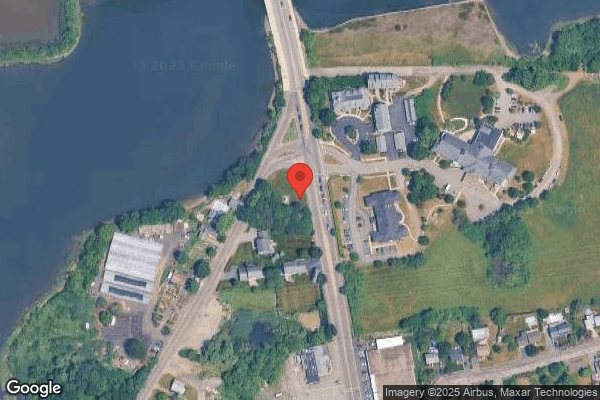

154 WATER STREET, DANVERS, MA 01923 (978) 774-0445
Non profit - Corporation 81 Beds Independent Data: November 2025
Trust Grade
71/100
#108 of 338 in MA
Last Inspection: March 2025

Within standard 12-15 month inspection cycle. Federal law requires annual inspections.

Overview

New England Homes for the Deaf, Inc in Danvers, Massachusetts has a Trust Grade of B, indicating it is a good choice, though not without its issues. It ranks #108 out of 338 facilities in Massachusetts, placing it in the top half, and #18 of 44 in Essex County, meaning only a few local options are better. Unfortunately, the facility is experiencing a worsening trend, with the number of identified issues increasing from 6 to 9 over the past year. Staffing is a strong point, earning a 5-star rating with only a 28% turnover, which is lower than the state average, indicating experienced staff. However, the facility has faced some concerning incidents, including a failure to regularly inspect bed frames for potential entrapment risks and not properly handling food to prevent foodborne illnesses, both of which could affect residents' safety.

Trust Score
B
71/100
In Massachusetts
#108/338
Top 31%
Safety Record
Low Risk
No red flags
Inspections
Getting Worse
6 → 9 violations
Staff Stability
✓ Good
28% annual turnover. Excellent stability, 20 points below Massachusetts's 48% average. Staff who stay learn residents' needs.
Penalties
⚠ Watch
$3,174 in fines. Higher than 96% of Massachusetts facilities. Major compliance failures.
Skilled Nurses
✓ Good
Each resident gets 47 minutes of Registered Nurse (RN) attention daily — more than average for Massachusetts. RNs are trained to catch health problems early.
Violations
⚠ Watch
24 deficiencies on record. Higher than average. Multiple issues found across inspections.
★★★★☆
4.0
Overall Rating
★★★★★
5.0
Staff Levels
★★☆☆☆
2.0
Care Quality
★★★☆☆
3.0
Inspection Score
Stable
2024: 6 issues
2025: 9 issues

The Good

  • 5-Star Staffing Rating · Excellent nurse staffing levels
  • Low Staff Turnover (28%) · Staff stability means consistent care
  • Full Sprinkler Coverage · Fire safety systems throughout facility
  • No fines on record
  • Staff turnover is low (28%)

    20 points below Massachusetts average of 48%

Facility shows strength in staffing levels, staff retention, fire safety.

The Bad

Federal Fines: $3,174

Below median ($33,413)

Minor penalties assessed

The Ugly 24 deficiencies on record

Mar 2025 9 deficiencies
CONCERN (D)

Potential for Harm - no one hurt, but risky conditions existed

Resident Rights (Tag F0550)

Could have caused harm · This affected 1 resident

Based on observations and interviews, the facility failed to ensure staff treated residents in a dignified manner during the dining experience. Specifically, the facility failed to ensure staff were s...

Read full inspector narrative →
Based on observations and interviews, the facility failed to ensure staff treated residents in a dignified manner during the dining experience. Specifically, the facility failed to ensure staff were sitting at eye level when assisting a resident with feeding. Findings include: Review of the facility policy titled Quality of Life - Dignity, revised and dated August 2009, indicated the following: - Residents shall be treated with dignity and respect at all times. The surveyor made the following observations: - During the lunch service on 3/18/25 in the second-floor dining room, a staff member was standing over a resident in a Broda chair while assisting with feeding from 12:22 P.M. through 12:34 P.M. - During breakfast on 3/19/25 at 8:28 A.M., the same staff member was standing over the same resident who was in his/her bed while assisting with feeding. During an interview on 3/19/25 at 9:27 A.M., Unit Manager #1 said staff should not be standing over residents while assisting them with feeding. During an interview on 3/19/25 at 10:05 A.M., the Director of Nursing said staff should not be standing over residents while assisting them with feeding.
CONCERN (D)

Potential for Harm - no one hurt, but risky conditions existed

Deficiency F0552 (Tag F0552)

Could have caused harm · This affected 1 resident

Based on record review and interview the facility failed to ensure for one Resident (#21), out of a total sample of 13 residents, that the Health Care Agent was provided the correct risks and benefits...

Read full inspector narrative →
Based on record review and interview the facility failed to ensure for one Resident (#21), out of a total sample of 13 residents, that the Health Care Agent was provided the correct risks and benefits related to the administration of an antipsychotic medication. (An Invoked Health Care Proxy (HCP) allows the Health Care Proxy Agent to make medical decision, when a person is determined by a physician/nurse practitioner to lack the capacity to make health care decisions). Findings include: Review of the facility's policy, titled Informed Consent for Psychotropic Medication, not dated included but was not limited to the following: Consistent with the mission of the facility and the rights afforded patients by Massachusetts General Laws Chapter 111 Section 70E, the facility recognizes the right of its residents/patients to be free from physical or chemical restraints except to provide and to be involved in decisions about treatment and any changes in care and treatment. To that end, informed written consent will be obtained as provided in this policy whenever a psychotropic medication is utilized. The drug's prescriber will discuss the following with the Resident or the Resident's representative prior to administering the medication. The purpose for administering the psychotropic drug. The prescribed dosage; and any known effect or side effects of the psychotropic medication. Resident #21 was admitted to the facility in May 2021 with diagnoses that included dementia, deaf nonspeaking, cognitive communication deficit, and major depressive disorder. Review of the Minimum Data Set (MDS) assessment, dated 2/5/25, indicated Resident #21 scored a 1 out of a possible 15 on the Brief Interview for Mental Status (BIMS) exam, indicating he/she as having severe cognitive impairment. Further review of the MDS indicated the Residents' Health Care Proxy (HCP) as invoked, and Resident #21 is administered antipsychotic medication. Review of Resident #21's physician's orders included: -Seroquel (an antipsychotic medication) 25 mg, po (by mouth) at HS (hour of sleep) dated 1/31/25. -Review of the Medication Administration Record, indicated: Seroquel Oral Tablet 25 MG, Give 1 tablet by mouth one time a day related to Major Depressive Disorder, Recurrent, Unspecified. Review of the document titled, Informed Consent for Psychotropic Administration Form, dated 1/31/25 and signed by the Invoked HCP indicated Seroquel 25 MG at HS PO, Purpose of Medication: Major Depressive Disorder. The document listed the risk and benefits of Anti-Depressant administration and failed to include an appropriate diagnosis, and the accurate risk benefits associated with antipsychotic medication. During an interview on 3/19/25 at 10:47 A.M., Nurse #2 said seroquel is an antipsychotic medication. Nurse #2 said Resident #21 was experiencing agitation, believing others were talking about him/her and was fixated on things that were not real, and this is why the seroquel was started. Nurse #2 said informed consent is obtained for the medication and would include the risks and benefits of the medication. During an interview on 3/19/25 at 11:13 A.M., Unit Manager #1 said seroquel is a psychotropic medication. Unit Manager #1 said Resident #21 HCP was aware and consented to the use of Seroquel. Unit Manger #1 reviewed the Informed Consent document and said the risk benefits listed were for an anti-depressant medication and not for antipsychotic medication and that was an error.
CONCERN (D)

Potential for Harm - no one hurt, but risky conditions existed

Deficiency F0604 (Tag F0604)

Could have caused harm · This affected 1 resident

**NOTE- TERMS IN BRACKETS HAVE BEEN EDITED TO PROTECT CONFIDENTIALITY** Based on observations, interviews, and record review, the facility failed to assess the use of foam wedges as a potential restra...

Read full inspector narrative →
**NOTE- TERMS IN BRACKETS HAVE BEEN EDITED TO PROTECT CONFIDENTIALITY** Based on observations, interviews, and record review, the facility failed to assess the use of foam wedges as a potential restraint for one Resident (#14) out of a total sample of 13 residents. Findings include: The facility was unable to provide a policy related to restraints. Resident #14 was admitted to the facility in December 2020 with diagnoses that included dementia, legal blindness, deaf non speaking, and schizophrenia. Review of Resident #14's most recent Minimum Data Set (MDS), dated [DATE], indicated he/she was assessed by nursing staff to have severe cognitive impairment. On 3/18/25 at 7:18 A.M. and 1:26 P.M., the surveyor observed Resident #14 in bed with foam wedges lining the sides of his/her bed. Review of Resident #14's fall care plan, dated 6/16/22, indicated Foam wedge pads placed on each side of bed. Review of Resident #14's fall risk assessment, dated 2/13/25, indicated he/she scored a 19 and is at high risk for falls. Review of Resident #14's nursing progress note, dated 2/17/25, indicated Resident found crawling out of bed at about 0600 (6:00 A.M.),resident took off the wedge, resident was dry. Review of Resident #14's assessments failed to indicate a restraint assessment was completed for the use of the foam wedges. During an interview on 3/18/25 at 1:27 P.M., Nurse #1 said Resident #14 is a fall risk and has fallen in the past. Nurse #1 said when the Resident wants something he/she will throw his/her legs over the side of the bed. Nurse #1 said it is a fall intervention to use the foam wedges while the Resident is in bed. During an interview on 3/18/25 at 1:29 P.M., Unit Manager #1 said Resident #14 is a fall risk and has fallen in the past. Unit Manager #1 said the Resident does get anxious and try to wiggle out of bed and toss his/her legs over the side of the bed. Unit Manager #1 said staff have not completed a restraint assessment for the use of the foam wedges. During an interview on 3/18/25 at 2:31 P.M., Director of Nurses (DON) said Resident #14 is at risk for falls and the use of the wedges are a fall intervention. The DON said the facility does do restraint assessments but staff did not complete one for the Resident's foam wedges.
CONCERN (D)

Potential for Harm - no one hurt, but risky conditions existed

Comprehensive Care Plan (Tag F0656)

Could have caused harm · This affected 1 resident

**NOTE- TERMS IN BRACKETS HAVE BEEN EDITED TO PROTECT CONFIDENTIALITY** Based on observations, record review and interviews, the facility failed to ensure resident centered care plans were developed f...

Read full inspector narrative →
**NOTE- TERMS IN BRACKETS HAVE BEEN EDITED TO PROTECT CONFIDENTIALITY** Based on observations, record review and interviews, the facility failed to ensure resident centered care plans were developed for one Resident (#27) out of a total sample of 13 residents. Specifically, for Resident #27, the facility failed to develop a comprehensive, resident centered care plan for a pacemaker. Findings include: Review of the facility policy titled Pacemaker, Care of a Resident with, revised and dated December 2015, indicated the following: - For each resident with a pacemaker, document the following in the medical record and on a pacemaker identification card upon admission, a. the name, address and telephone number of the cardiologist, b. type of pacemaker, c. type of leads, d. Manufacture and model, e. serial number, f. date of implant, g. paced rate. Resident #27 was admitted to the facility in January 2025 with diagnoses including acute and chronic respiratory failure with hypoxia, pneumonia, chronic obstructive pulmonary disease and presence of cardiac pacemaker. Review of Resident #27's most recent Minimum Data Set Assessment (MDS) dated [DATE] indicated that the Resident had a Brief Interview for Mental Status score of 15 out of 15 indicating intact cognition. Further review of Resident #27's MDS indicated the presence of a cardiac pacemaker. Review of Resident #27's electronic medical record including physician's orders and care plans, and paper medical records failed to indicate any information relating to the care of a pacemaker including a serial number, cardiologist information, a paced rate and a way to transmit information from the pacemaker to the appropriate physician. During an interview on 3/19/25 at 9:14 A.M., Nurse #2 said when a resident has a pacemaker the facility should be monitoring the resident's heart rate to ensure its in the appropriate range for the pacemaker, should have the cardiologist's information and a way to transmit the information from the pace maker to the cardiologist. Nurse #2 reviewed Resident #27's medical record and did not see any information relating to his/her pacemaker. During an interview on 3/19/25 at 9:27 A.M., Unit Manager #1 said Resident #27 should have information in his/her medical record relating to his/her pacemaker including a paced rate, cardiologist information and transmitter information. During an interview on 3/19/25 at 10:05 A.M., the Director of Nursing said Resident #27 should have a care plan for his/her pacemaker including a serial number, the type of device, a way to monitor the pacemaker and cardiologist information.
CONCERN (D)

Potential for Harm - no one hurt, but risky conditions existed

Deficiency F0658 (Tag F0658)

Could have caused harm · This affected 1 resident

**NOTE- TERMS IN BRACKETS HAVE BEEN EDITED TO PROTECT CONFIDENTIALITY** Based on observation, record review and interview, the facility failed to follow professional standards of nursing practice for ...

Read full inspector narrative →
**NOTE- TERMS IN BRACKETS HAVE BEEN EDITED TO PROTECT CONFIDENTIALITY** Based on observation, record review and interview, the facility failed to follow professional standards of nursing practice for two Residents (#2 and #7) out of a sample of 13 residents. Specifically, 1. the facility failed to initiate a physician's order for Zofran (an anti-nausea medication) for Resident #2 and 2. the facility failed to specify what setting Resident #7's air mattress should be set to in the physician's order. Findings include: 1. Resident #2 was admitted to the facility in May 2023 with diagnoses including dementia and dysphagia. Review of the Minimum Data Set Assessment (MDS) dated [DATE] indicated Resident #2 was significantly cognitively impaired evidenced by a score of one out of a possible 15 on the Brief Interview for Mental Status Exam. Review of the Nurse Practitioner progress note dated 2/17/25 indicated: Asked to f/u with patient regarding reports of vomiting x 1 today and some nausea. No sob (shortness of breath) or chest pain. Appetite is poor due to illness. No fever. BP (blood pressure) slightly elevated today. Assessments/Plans: Nausea with vomiting, unspecified - R11.2-Patient has vomiting x 1 today but is not feeling well. If vomiting persists, may use Zofran 4mg po (by mouth) Q8 (every eight hours) prn (as needed). Review of the physicians orders and Medication Administration Record (MAR) dated February 2025 indicated the order for Zofran was not implemented. Review of the nurse progress note dated 2/18/25 indicated: Resident had diarrhea and brown emesis this evening.He/she drank some ginger ale and fluids was encouraged for the rest of the shift. Resting in bed for now. During an interview on 3/18/25 at 12:20 P.M. the surveyor and the Nurse Practitioner (NP) reviewed her note written 2/17/25. The NP said that she would have expected staff to implement the Zofran as needed order for Resident #2 and was not aware it was not initiated. During an interview on 3/19/25 8:06 A.M., Unit Manager #1 said she was unaware of the NP order for Resident #2, and that nursing staff should be reading the NP notes and enter orders. 2. Resident #7 was admitted to the facility May 2020 with diagnoses including chronic obstructive pulmonary disease and reduced mobility. Review of Resident #7's most recent Minimum Data Set Assessment (MDS) dated [DATE] indicated that the Resident had a Brief Interview for Mental Status score of 3 out of 15 indicating severe cognitive impairment. Further review of the MDS indicated that the resident is at risk of developing pressure ulcers/injuries. The surveyor made the following observations: - Throughout the survey period from 3/18/25 through 3/19/25, Resident #7's air mattress was set at the third light of Firmness scale and the fourth light of the Alternating Pressure Cycle Time scale. Review of Resident #7's physician's order dated 2/7/25 indicated the following: Air Mattress Check for placement and function every shift. The physician's order failed to specify what function and settings the air mattress should be set to. Review of Resident #7's Kardex (a document that summarizes a resident's needs) indicated the following: Resident #7 requires an air mattress on his/her bed. Review of Resident #7's pressure ulcer care plan revised and dated 2/7/25 indicated the following intervention: Resident #7 requires an air mattress on his bed. Review of Resident #7's document titled Norton Scale for Predicting Risk of Pressure Ulcers dated 2/27/25 indicated that the Resident scored a 10 which indicated he/she is a high risk to develop pressure ulcers. Review of Resident #7's document titled Wound Evaluation & Management Summary dated 3/11/25 conducted by the wound physician indicated that the Resident has a non-pressure wound to the right, posterior thigh. Review of Resident #7's weekly skin assessment dated [DATE] indicated the following: - Reddened area noted to left posterior back skin fold. Three open areas noted to posterior thigh measuring 4mm (millimeter) in diameter. Pink moist wound bed. During an interview on 3/19/25 at 9:14 A.M., Nurse #2 said Resident #7's physician's order should specify what setting his/her air mattress should be set to. During an interview on 3/19/25 at 9:27 A.M., Unit Manager #1 said Resident #7's physician's order should specific what level of firmness his/her air mattress should be set to. During an interview on 3/19/25 at 10:05 A.M., the Director of Nursing said Resident #7's physician's order should specific what level of firmness his/her air mattress should be set to.
CONCERN (D)

Potential for Harm - no one hurt, but risky conditions existed

Quality of Care (Tag F0684)

Could have caused harm · This affected 1 resident

**NOTE- TERMS IN BRACKETS HAVE BEEN EDITED TO PROTECT CONFIDENTIALITY** 2. Resident #15 was admitted to the facility in January 2021 and has diagnoses that include mild cognitive impairment, heart fai...

Read full inspector narrative →
**NOTE- TERMS IN BRACKETS HAVE BEEN EDITED TO PROTECT CONFIDENTIALITY** 2. Resident #15 was admitted to the facility in January 2021 and has diagnoses that include mild cognitive impairment, heart failure, unspecified visual loss, and sensorineural bilateral hearing loss. Review of the Minimum Data Set assessment, dated 1/15/25 indicated Resident #15 scored a 2 out of 15 on the Brief Interview for Mental Status Exam, indicating severe cognitive impairment, is occasionally incontinent of urine, and requires supervision for toileting and has physical behavioral symptoms. Review of Resident 15's clinical record indicated the following: -A Plan of Care note dated 2/3/25 and entered by the Social Worker, included but was not limited to a care plan meeting was held with HCP (Health Care Proxy) on the phone. Resident had a fall on 2/2/25. He/she has had some increased confusion. Due to increase confusion testing will be done for a UTI (Urinary Tract Infection). Review of the physician's orders in the electronic medical record failed to indicate an order to obtain a UA C and S (Urine Analysis with Culture and Sensitivity) was entered. Review of the 'Interim Physician's Order Sheet' located in the paper clinical record indicated an order: UA C+S, dated 2/3/2025. Further review of Resident #15's medical record indicated the following: -Health Status Note, dated 2/4/2025 at 06:27 (6:27 A.M.) indicated Resident in bed all shift sleeping. Unable to get a urine specimen today due to staying in bed all shift. -Health Status Notes dated 2/5/25 at 21:35 (9:35 P.M.) note text included but not limited to; Witnessed fall today in the sunroom. No injuries reported. Unable to obtain urine for C and S (Culture and Sensitivity) on shift, will continue to try. -Health Status note effective date 2/7/2025 at 22:00 (10:00 P.M.) Note text: Resident sent to hospital ER (emergency room) for changed in mental status evaluation at 5pm. -Health Status Note, date 2/8/2025 at 04:53 (4:53 A.M.) Resident has been in bed asleep since coming back at 11:15 pm via ambulance after being D/C (discharged ) from the hospital. NO (new order) for Cefixime (an antibiotic that may be used to treat many different types of infections caused by bacteria) 400 mg daily for 5 days TO (telephone order) from Dr's office noted. Supervisor is aware of NO (new order) and DX (diagnosis) of Acute Cystitis (inflammation of the urinary bladder). Review of the clinical record failed to indicate the nursing staff notified the Nurse Practitioner or Physician that a urine specimen was not obtained. During an interview on 3/19/25 at 10:55 A.M., Nurse #2 reviewed Resident #15's clinical record and said there were no recent laboratory results for a UA C and S. Nurse #2 said if an order is obtained for a UA, the Nurse Practitioner or Doctor should be made aware that it has not been obtained after a few days to determine a plan. Nurse #2 reviewed the record and said the urine was not obtained. Nurse #2 reviewed the hospital 'After Visit Summary', dated 2/7/25 and said Resident #15 was prescribed an antibiotic for a bladder infection. Nurse #2 said if the urine was obtained as ordered the transfer to the ER may have been avoided. During an interview on 3/19/25 at 11:25 A.M., Unit Manager #1 said Resident #15 had a fall and was exhibiting increased confusion. Unit Manager #1 said the order for a UA C and S was written on 2/3/25 and that Resident #15 is deaf and blind, and it could be a challenge to obtain a urine specimen. Unit Manager #1 said the nursing staff should have notified the urine specimen was not collected as ordered. Unit Manager #1 said obtaining the order UA and CS could have avoided Resident #15 from going to the ER. During the interview on 3/19/25 at 11:25 A.M., with Unit Manger #1 the Director of Nursing came said nursing staff should notify the doctor or Nurse Practitoner after a few days if they are unable to obtain the urine specimen. Based on observation, record review and interview, the facility failed to provide treatment and care in accordance with professional standards of practice for two Residents (#28, and #15), out of a total sample of 13 residents. Specifically, 1. For Resident #28, the facility failed to notify the Medical Doctor or Nurse Practitioner to initiate a new order for an oral antibiotic medication to treat his/her osteomyelitis recommended by the infectious disease provider. 2. For Resident #15, the facility failed to obtain a urine specimen timely and failed to notify the Nurse Practitioner or Medical Doctor that the urine specimen was not obtained resulting in Resident #15 being transferred to the emergency department and treated for cystitis (inflammation of the bladder). Findings include: Resident #28 was admitted to the facility in February 2025 with diagnoses that included extradural and subdural abscess, osteomyelitis, sepsis, and mild cognitive impairment. Review of Resident #28's most recent Minimum Data Set (MDS), dated [DATE], indicated he/she scored a 15 out 15 on the Brief Intervention for Mental Status (BIMS) indicating intact cognition. Review of Resident #28's Nurse Practitioner note, dated 3/3/25, indicated F/u (follow up) with the Infectious Disease Doctor in ID (Infectious Disease) is scheduled for today. Review of Resident #28's nursing progress note, dated 3/3/25, indicated Resident arrived from hospital around 4:45 P.M No new orders. Review of Resident #28's infectious disease clinic note, dated 3/3/25, indicated Has received almost 8 weeks of parenteral antimicrobial therapy. On 3/6 will go ahead and discontinue the vancomycin, ceftriaxone. The Resident's PICC (IV line) line will be removed on that day. At which point, I recommend starting Trimethoprim-Sulfamethoxazole (antibiotic) 1 double strength tablet by mouth twice daily for 28 days. During an interview on 3/18/25 at 12:59 P.M., Medical Doctor (MD) #1 said Resident #28 was on Intravenous (IV) antibiotics for many weeks for osteomyelitis but has completed his/her course of antibiotics. MD #1 said the facility staff never relayed the Infectious Disease Doctors recommendations to start by mouth antibiotics and they should have. During an interview on 3/18/25 at 1:07 P.M., Nurse Practitioner (NP) said Resident #28 finished his/her course of IV antibiotics and does not think he/she is on any other antibiotics at this time. The NP said nursing never relayed the recommendations on 3/3/25 infectious disease clinic and should have been told the recommendations so the Resident could start the medication after 3/6/25. During an interview on 3/18/25 at 1:18 P.M., Nurse #1 said the Resident is not on antibiotics currently. During an interview on 3/18/25 at 1:20 P.M., Unit Manager #1 reviewed the Residents physician orders with the surveyor and said the Resident is not on any antibiotics at this time. Unit Manager #1 reviewed the Infectious Disease consult note from 3/3/25 and said the nurse that received the Resident back from his/her appointment should have called the MD or NP about the new medication recommendations but did not. During an interview on 3/18/25 at 2:30 P.M., the Director of Nurses (DON) said when a Resident returns from an appointment with new medication recommendations the nurse should be calling the provider to initiate the medications and write a nursing progress note.
CONCERN (D)

Potential for Harm - no one hurt, but risky conditions existed

Respiratory Care (Tag F0695)

Could have caused harm · This affected 1 resident

**NOTE- TERMS IN BRACKETS HAVE BEEN EDITED TO PROTECT CONFIDENTIALITY** Based on observations, record review and interview, the facility failed to provide respiratory care services in accordance with ...

Read full inspector narrative →
**NOTE- TERMS IN BRACKETS HAVE BEEN EDITED TO PROTECT CONFIDENTIALITY** Based on observations, record review and interview, the facility failed to provide respiratory care services in accordance with professional standards of practice for one Resident (#27) out of a total sample of 13 residents. Specifically, the facility failed to ensure Resident #27 had a physician's order for the use of supplemental oxygen therapy while he/she was receiving supplemental oxygen. Findings include: Review of the facility policy titled Oxygen Administration, revised and dated October 2010, indicated the following: - Verify that there is a physician's order for this procedure. Review the physician's orders or facility protocol for oxygen administration. Resident #27 was admitted to the facility in January 2025 with diagnoses including acute and chronic respiratory failure with hypoxia, pneumonia, chronic obstructive pulmonary disease and presence of cardiac pacemaker. Review of Resident #27's most recent Minimum Data Set Assessment (MDS) dated [DATE] indicated that the Resident had a Brief Interview for Mental Status score of 15 out of 15 indicating intact cognition. The surveyor made the following observations: - On 3/18/25 at 7:37 A.M., Resident #27 was lying in his/her bed receiving supplemental oxygen at 1 liter via nasal cannula. With the assistance of an interpreter, Resident #27 said it can be hard to breath sometimes. - On 3/18/25 at 12:00 P.M. and 2:03 A.M., Resident #27 was sitting in his/her wheelchair in the hallway receiving supplemental oxygen via nasal cannula. - On 3/18/25 at 4:05 P.M., Resident #27 was observed in his/her wheelchair with his/her eyes closed. Resident #27 was receiving supplemental oxygen via nasal cannula at 1 liter. - On 3/19/25 at 6:52 A.M., Resident #27 was sleeping in his/her bed receiving supplemental oxygen at 1 liter via nasal cannula. - On 3/19/25 at 9:11 A.M., Resident #27 was lying in bed receiving supplemental oxygen at 2 liters via nasal cannula. With the assistance of an interpreter, Resident #27 told the surveyor it is hard to breathe. Review of Resident #27's active physician's order failed to indicate that the Resident has an order to receive supplemental oxygen therapy. Review of Resident #27's [NAME] (a nursing care card) failed to indicate that the Resident was receiving supplemental oxygen therapy. Review of Resident #27's pneumonia care plan dated 3/18/25 indicated the following intervention: oxygen therapy as ordered. Review of Resident #27's nursing progress notes indicated the following: - On 3/17/25 at 11:58 A.M. and 9:48 P.M., 3/18/25 at 11:47 P.M., 3/19/25 at 3:52 P.M. indicated that Resident #27 was receiving oxygen at 1 liter via nasal cannula. Review of Resident #27's Medication and Treatment Administration Records for March 2025 did not indicate that Resident #27 was receiving oxygen therapy. During an interview on 3/19/25 at 9:14 A.M., Nurse #2 said Resident #27 is currently receiving supplemental oxygen at 1 liter and there should be a physician's order indicating that a resident is receiving oxygen therapy. Nurse #2 and the surveyor reviewed Resident #27's physician's order and there was no active order for supplemental oxygen therapy. During an interview on 3/19/25 at 9:27 A.M., Unit Manager #1 said all residents need a physician's order to receive supplemental oxygen therapy. Unit Manager #1 said Resident #27 should have a physician's order for oxygen if he/she is receiving it. During an interview on 3/19/25 at 10:05 A.M., the Director of Nursing said all residents receiving supplemental oxygen therapy need an active physician's order, she continued to say Resident #27 should have one.
CONCERN (D)

Potential for Harm - no one hurt, but risky conditions existed

Medication Errors (Tag F0758)

Could have caused harm · This affected 1 resident

**NOTE- TERMS IN BRACKETS HAVE BEEN EDITED TO PROTECT CONFIDENTIALITY** Based on record review, policy review, and interview, the facility failed to ensure residents were free of unnecessary medicatio...

Read full inspector narrative →
**NOTE- TERMS IN BRACKETS HAVE BEEN EDITED TO PROTECT CONFIDENTIALITY** Based on record review, policy review, and interview, the facility failed to ensure residents were free of unnecessary medications for one Resident (#14) out of a total of 13 sampled residents. Specifically for Resident #14, the facility failed to ensure there was an initial 14 day stop order or reevaluation to continue his/her as needed (PRN) Ativan. Findings include: Review of the facility policy titled Antipsychotic Medication Use, revised December 2016, indicated 14. The need to continue PRN orders for psychotropic medications beyond 14 days requires that the practitioner document the rationale for the extended order. The duration of the PRN order will be indicated in the order. Resident #14 was admitted to the facility in December 2020 with diagnoses that included dementia, legal blindness, deaf non speaking, and schizophrenia. Review of Resident #14's most recent Minimum Data Set (MDS), dated [DATE], indicated he/she was assessed by nursing staff to have severe cognitive impairment. Further review of the MDS indicated he/she is receiving antianxiety and antipsychotic medications. Review of Resident #14's Consultant Pharmacist Progress Note, dated 2/25/25, indicated PRN ATIVAN NEEDS STOP DATE/EVAL. Review of Resident #14's physician order, dated 2/27/25, indicated Lorazepam (medication used for anxiety) *Controlled Drug* Give 0.5 mg (milligrams) by mouth every 4 hours as needed for 30 Days. Review of Resident #14's progress notes failed to indicate that the Medical Doctor (MD) or Nurse Practitioner evaluated the use of the as needed Ativan and gave a rationale for the 30 day Ativan as needed order. During an interview on 3/18/25 at 1:29 P.M., Unit Manager #1 said the initial order for an as needed Ativan needs to be limited for 14 days but it was written for 30 days. During an interview on 3/18/25 at 2:31 P.M., the Director of Nurses (DON) said when an initial as needed Ativan order is written it needs to be written on for 14 days then the MD needs to reevaluate to extend the Ativan order after the 14 days is completed.
CONCERN (E)

Potential for Harm - no one hurt, but risky conditions existed

Food Safety (Tag F0812)

Could have caused harm · This affected multiple residents

Based on observation and interview, the facility failed to properly follow food storage and food handling practices to prevent the risk of foodborne illness in accordance with professional standards f...

Read full inspector narrative →
Based on observation and interview, the facility failed to properly follow food storage and food handling practices to prevent the risk of foodborne illness in accordance with professional standards for food service safety. Specifically, A) the facility failed to properly store food items in the kitchen to prevent the risk of foodborne illness and B) the facility failed to properly handle food and dinnerware in accordance of professional standards of practice in the second-floor dining room. Findings include: A) During the initial walk-through of the kitchen on 3/18/25 at 7:04 A.M., the surveyor observed the following: In the walk-in refrigerator: - Three carafes containing a yellow liquid, red liquid and clear liquid with no labels indicating what the product was or with a date. - Opened containers with no identifier label with no dates for: three bottles of juice, one container of milk, one container of soy milk, one container of Lactaid milk, three containers of thickened juice, and eight containers of soda. - An opened bag of chocolate whipped cream with no identifier label or date. In the reach-in refrigerator: - A container labeled as carrots with a use by date of 3/13. - An unlabeled and undated container of a food resembling tuna salad. - A container labeled as cheese with a use by dated of 3/12. - An unlabeled and undated container of a food resembling coleslaw. - An unlabeled and undated container of a food resembling baked beans. During an interview on 3/19/25 at 10:34 A.M., the Foodservice Director (FSD) said any container of an opened food or drink should have a label identifying what it is and have a date on it. The FSD then said after three days of the written date, the food item should be discarded. B) The surveyor made the following observations on the second-floor dining room on 3/18/25: - At 12:11 P.M., a staff member touched a resident's dinner roll with her bare hands to spread butter on it and the proceeded to sanitize her hands. At 12:12 P.M., the same staff member touched a different resident's dinner roll with her bare hands to spread butter on it. - At 12:20 P.M., the same staff member opened three straws for a Resident's drinks. The staff member touched the straw where the resident's mouth would touch with her bare hands. The resident proceeded to take sips from the straws where the staff member touched. During an interview on 3/19/25 at 10:05 A.M., the Director of Nursing said staff should not be touching food or dinnerware directly with bare hands. During an interview on 3/19/25 at 10:34 A.M., the Foodservice Director said no staff should be directly touching a resident's food with their bare hands.
Mar 2024 6 deficiencies
CONCERN (D)

Potential for Harm - no one hurt, but risky conditions existed

Deficiency F0578 (Tag F0578)

Could have caused harm · This affected 1 resident

**NOTE- TERMS IN BRACKETS HAVE BEEN EDITED TO PROTECT CONFIDENTIALITY** Based on record review and interview for one Resident (Resident #18) of 30 sampled residents, the facility failed to accurately ...

Read full inspector narrative →
**NOTE- TERMS IN BRACKETS HAVE BEEN EDITED TO PROTECT CONFIDENTIALITY** Based on record review and interview for one Resident (Resident #18) of 30 sampled residents, the facility failed to accurately complete a Medical Orders for Life Sustaining Treatment (MOLST) form. Findings include: Review of the facility's Advanced Directive Policy and Procedure, dated as revised on February 2017, indicated Nurses and other health care staff are educated to initiate CPR [cardiopulmonary resuscitation], as recommended by the American Heart Association (AHA) unless a valid Do Not Resuscitate order is in place. Resident #18 was admitted to the facility in [DATE] and his/her current diagnoses included deafness, blindness, and psychosis. Review of Resident #118's Minimum Data Set assessment dated [DATE], indicated he/she was unable to complete the Brief Interview for Mental Status examination and was represented by a legal guardian. Review of Resident #18's medical record profile indicated he/she elected Do Not Resuscitate status. Review of Resident #18's Medical Orders for Life Sustaining Treatment (MOLST) form dated [DATE], indicated he/she elected Do Not Resuscitate (DNR), Do Not Intubate or Ventilate, and Do Not Hospitalize. The form indicated it required section H to be signed by a provider to verify the information on the MOLST accurately reflected the discussion with the signer (Guardian). Review of Resident #18's MOLST indicated the provider did not sign section H. During an interview with the Unit Manager on [DATE] at 11:11 A.M., the surveyor showed her Resident #18's MOLST. The Unit Manager said Resident #18 had elected to be a DNR status, but that the MOLST was invalid without the provider's signature in section H.
CONCERN (D)

Potential for Harm - no one hurt, but risky conditions existed

Deficiency F0583 (Tag F0583)

Could have caused harm · This affected 1 resident

**NOTE- TERMS IN BRACKETS HAVE BEEN EDITED TO PROTECT CONFIDENTIALITY** Based on record review and interview, for one Resident (#1) out of 13 sampled residents, the facility failed to ensure staff imp...

Read full inspector narrative →
**NOTE- TERMS IN BRACKETS HAVE BEEN EDITED TO PROTECT CONFIDENTIALITY** Based on record review and interview, for one Resident (#1) out of 13 sampled residents, the facility failed to ensure staff implemented policies and procedures related to personal privacy and confidentiality. Specifically, the facility used a personal cell phone to take a picture of the Resident's wound. Findings include: Review of the facility's Clinical Photography Policy, undated, indicated: *Clinical photography of residents may be appropriate for the diagnosis and treatment of medical conditions as well as professional education. *Clinical photography is defined as any photography or videotaping of a resident and includes but not limited to: pictures/videos of pressure ulcers, wounds, skin tears, bruises, abrasions, etc. Pictures/videos of abuse, neglect, assaults, or accidents. Pictures/videos of residents taken for the purpose of identification. *Clinical photography will only be done post completion of the Photography Consent Form as completed by the resident or the residents' guardian/HCP (health care proxy). *Clinical photography is not allowed by clinical staff on their own individually owned devices. All [facility] phones will be overseen by their respective Unit Manager to ensure compliance with this policy. Resident #1 died at the facility in [DATE]. Review of Resident #1's clinical record indicated that his/her activated health care proxy had consented to the use of clinical photography while at the facility. Review of the facility Social Worker's written statement to the Human Resource (HR) staff, dated [DATE], indicated: This morning during clinical meeting, we were discussing a resident who had an open wound on his/her backside. Unit Manager #1 pulled out what looked like her personal cell phone and asked the Administrator and DON if they would like to view a photo of it. Unit Manager #1 also commented that her husband always hates when she shows him these photos and laughed. No one present responded to this remark which is a violation of HIPPA and violation of resident's privacy and dignity. During an interview on [DATE] at 8:49 A.M., the Social Worker said that a few weeks ago ([DATE]) while at clinical meeting, Unit Manager #1 had a picture on her personal phone of a pressure ulcer on Resident #1's coccyx area and was showing it to the Director of Nursing (DON). The Social Worker said that Unit Manager #1 then offered to show the photo to the Administrator and when the Administrator declined, she laughed and said, oh my husband hates when I show him these pictures. Social Worker #1 said that it was against company policy for staff to use their personal phones to photograph residents, and she brought her concerns forward to Human Resources (HR) after the meeting. During an interview on [DATE] at 11:38 A.M., the HR Staff Person said that a few weeks ago, the Social Worker brought her a concern reporting that Unit Manager #1 had taken an inappropriate photo of Resident #1. She said that she did not recall being told that Unit Manager #1 had shown her spouse any photos and was not sure whether the photo was taken on a personal phone or facility phone. The surveyor and the HR Staff Person then reviewed the written statement on the sticky note written by the Social Worker indicting it was a personal cedll phone, and said she must have missed that. The HR Staff Person said she brought the concerns to the Administrator and the Director of Nursing (DON). During interviews on [DATE] at 11:56 A.M., and [DATE] at 8:29 A.M., the DON said that the facility's photo policy includes ensuring a consent form is completed before photos are taken of wounds. The DON said that a few weeks ago at clinical meeting Unit Manager #1 was showing the DON a photo of Resident #1's pressure ulcer to discuss staging. She said that Unit Manager #1 made a joke asking, anyone else want to see it? after the Administrator had asked a question about staging. The DON said that she believed that the photo was taken on the unit cell phone and not Unit Manager #1's personal phone but couldn't recall. The DON said that after the meeting, HR had come to her and said that a concern was brought forward that Unit Manager #1 had taken an inappropriate photo. The DON and the surveyor reviewed the photos on the unit cell phone, including deleted photos, and were unable to locate any photos of pressure ulcers taken in the last 30 days. During an interview on [DATE] at 1:10 P.M., the Rehab Director said that during a clinical meeting a couple weeks ago, Unit Manager #1 showed the DON a picture of a resident's wound and then held up the phone joking and asked if anyone else wanted to see the photo. The Rehab Director said that Unit Manager #1 said I horrify my husband every time he looks through my phone. The Rehab Director said she believed the photo of the resident was on her personal phone as the phone was white (the facility phone is black). The Rehab Director said she believed that the Social Worker brought the concern forward to HR. During an interview on [DATE] at 7:04 A.M., Unit Manager #1 said that she has never taken a photo of a resident on her personal phone and was joking with staff during the clinical meeting about how her husband doesn't like to see pictures like that as she has some personal medical photos on her personal phone. Unit Manager #1 and the surveyor then looked through the photos on the unit cell phone of the past 30 days and could not locate a picture of a pressure ulcer. The surveyor and Unit Manager#1 were unable to locate a photo of the pressure ulcer. During an interview on [DATE] at 8:29 A.M., with the Administrator and the DON, the Administrator said that he had been at the clinical meeting and vaguely remembers Unit Manager #1 making a joke about her husband not liking seeing pictures of wounds. The Administrator said he had assumed the photo was taken on the unit cell phone and not Unit Manager #1's personal phone. The Administrator said that he had spoken to HR after the Social Worker brought a concern forward regarding the photo of a Resident. The Administrator said that the Social Worker wrote a statement on a sticky note and not a formal grievance.
CONCERN (D)

Potential for Harm - no one hurt, but risky conditions existed

Comprehensive Care Plan (Tag F0656)

Could have caused harm · This affected 1 resident

**NOTE- TERMS IN BRACKETS HAVE BEEN EDITED TO PROTECT CONFIDENTIALITY** 2. Review of the facility policy titled Fall Prevention Measures dated 6/14/16, indicated the following: *Provide fall preventat...

Read full inspector narrative →
**NOTE- TERMS IN BRACKETS HAVE BEEN EDITED TO PROTECT CONFIDENTIALITY** 2. Review of the facility policy titled Fall Prevention Measures dated 6/14/16, indicated the following: *Provide fall preventative devices and ensure that they are in working order as needed: *Floor mattress *Develop an individualized care plan to meet patient needs and implement the plan of consistently Resident #3 was admitted to the facility in December 2005 with diagnoses including traumatic brain injury with loss of consciousness and aphasia (loss of ability to understand or express speech, caused by brain damage). Review of Resident #3's most recent Minimum Data Set Assessment (MDS) dated [DATE] indicated that the Resident had a Brief Interview for Mental Status score of 0 out of a possible 15 indicating that the Resident has severe cognitive impairment. Further review of the MDS indicated that Resident #3 is dependent on staff for all activities of daily living (ADLs). The surveyor made the following observations: *On 3/19/24 at 8:14 A.M., the surveyor did not observe fall mats in Resident #3's room. *On 3/19/24 at 1:55 P.M., Resident #3 was observed sleeping in his/her bed, there were no fall mats observed on either side of the bed. *On 3/20/24 at 7:15 A.M., Resident #3 was observed sleeping in his/her bed, there were no fall mats observed on either side of the bed. Review of Resident #3's Bed Rail assessment dated [DATE] indicated the following: *Summary of findings: Resident #3 has a history of rolling out of bed. Resident #3 has no sense of safety awareness. Floor mats on each side of bed. Review of Resident #3's [NAME] (a document summarizing a resident's care needs) indicated the following under the safety section: * Resident #3 has a history of rolling out of bed. Resident #3 has no sense of safety awareness. Floor mats on each side of bed. Review of Resident #3's ADL self-care performance deficit care plan indicated the following intervention dated 3/5/2018: *Floor mats on each side of the bed. Review of Resident #3's most recent Fall Risk assessment dated [DATE] indicated that the Resident was at a moderate risk for falls. During an interview on 3/20/24 at 11:08 A.M., Certified Nursing Assistant #1 said she was not sure if Resident #3 was supposed to have fall mats when in bed. During an interview on 3/20/24 at 11:31 A.M., Unit Manager (UM) #1 said Resident #3 recently moved rooms and his/her fall mats must have been forgotten with the room change. UM #1 continued to say Resident #3 will need to get reassessed and interventions on the Resident's care plan should be followed. Based on observations, record review and interviews, the facility failed to develop and implement the plan of care for two Residents (#81 and #3) out of a total sample of 13 residents. Specifically, the facility failed to: 1. For Resident #81, the facility failed to develop a plan of care for the diagnosis of post-traumatic stress disorder. 2. For Resident #3, the facility failed to implement the falls care plan for the use of fall mats while in bed. Findings include: 1. Resident #81 was admitted to the facility in May 2021 and had diagnoses which included post-traumatic stress disorder (PTSD). PTSD is a mental health condition that is triggered by a terrifying event, either by experiencing it or witnessing it. Symptoms may include flashbacks, nightmares and severe anxiety, as well as uncontrollable thoughts about the event. Review of Resident #81's Minimum Data Set (MDS) assessment dated [DATE], indicated he/she had an active diagnosis PTSD. Review of Resident #81's current care plan indicated a diagnosis of PTSD. However, a care plan for the diagnosis was not developed. During an interview with Unit Manager #1 on 3/20/24 at 8:50 A.M., she said Resident #1 has an active diagnosis of PTSD and that a written care plan for the diagnoses should have been developed.
CONCERN (D)

Potential for Harm - no one hurt, but risky conditions existed

Respiratory Care (Tag F0695)

Could have caused harm · This affected 1 resident

**NOTE- TERMS IN BRACKETS HAVE BEEN EDITED TO PROTECT CONFIDENTIALITY** Based on record review, interview, and observation for one Resident (#81) of 27 sampled residents, the facility failed to ensure...

Read full inspector narrative →
**NOTE- TERMS IN BRACKETS HAVE BEEN EDITED TO PROTECT CONFIDENTIALITY** Based on record review, interview, and observation for one Resident (#81) of 27 sampled residents, the facility failed to ensure his/her oxygen concentrator filter was free of significant dust. Findings include: Resident #81 was admitted to the facility in May 2021, and had diagnoses which included asthma and congestive heart failure. Review of Resident #81's Minimum Data Set assessment dated [DATE], indicated he/she received intermittent oxygen therapy. Review of Resident #81's respiratory care plan dated 12/9/23, indicated he/she had an altered respiratory status. The goal of care included no complications related to shortness of breath. The care plan did not reference Resident #81's asthma or intermittent use of oxygen therapy. Review of Resident #81's active physician orders dated 3/7/24, indicated Apply oxygen via nasal cannula at 1-2 liters to keep SPO2 (blood oxygen saturation) greater than 88%. Review of Resident #81's nursing progress notes indicated the oxygen concentrator was last used on 3/4/24 for shortness of breath. Review of the Resident's census indicated he/she was hospitalized for shortness of breath on 2/9/24 and 3/22/24. On 3/19/24 at 8:45 A.M. and again on 3/20/24 at 11:00 A.M., the surveyor observed Resident #81's oxygen concentrator filter. At both times, the filter was white and covered in dust. During an interview with Unit Manger (UM) #1 on 3/20/24 at 11:10 A.M., she said she was unaware of Resident #81's dusty oxygen concentrator filter. UM #1 said facility staff do not change or clean these filters, or document when this is done, and that a respiratory equipment vendor comes to the unit once per week to either clean or replace these filters. UM #1 observed said she did not know the last time Resident #81's filter was changed. During an interview with the Administrator and Director of Nursing on 3/20/24 at 11:17 A.M., they said the facility does not have a policy for oxygen concentrator filter maintenance. They said the concentrators are owned by a vendor, and they come to the facility every Thursday to check on the concentrators and filters. They said the facility does not change the filters.
CONCERN (D)

Potential for Harm - no one hurt, but risky conditions existed

Room Equipment (Tag F0908)

Could have caused harm · This affected 1 resident

**NOTE- TERMS IN BRACKETS HAVE BEEN EDITED TO PROTECT CONFIDENTIALITY** Based on interview and observation for one Resident (#18) of 27 sampled residents, the facility failed to ensure his/her wheelch...

Read full inspector narrative →
**NOTE- TERMS IN BRACKETS HAVE BEEN EDITED TO PROTECT CONFIDENTIALITY** Based on interview and observation for one Resident (#18) of 27 sampled residents, the facility failed to ensure his/her wheelchair was in safe operating condition. Findings include: Resident #18 was admitted to the facility in January 2021 and his/her current diagnoses included deafness, blindness, and psychosis. Review of Resident #118's Minimum Data Set assessment dated [DATE], indicated he/she was unable to complete the Brief Interview for Mental Status examination, used a wheelchair for ambulation and was dependent on staff for wheelchair use. Review of Resident #18's current plan of care for mobility indicated he/she used a wheelchair. On 3/20/24 at 8:37 A.M., the surveyor observed Resident #18 in his/her room and sitting in a wheelchair. The wheelchair was missing the upper left chair handle, and the metal edges were exposed. The right arm rest was broken and loosely attached to the arm. The sling back fabric to the wheelchair was stretched and scratched. During an interview with Resident #18 on 3/20/24 at 8:37 A.M., accompanied by an American Sign Language (ASL) interpreter, he/she said the wheelchair was broken, and two to three months ago he/she reported the condition to nursing staff and the Maintenance Director. Resident #18 said it was painful for his/her back because the back sling was so stretched. Resident #18 said the maintenance staff occasionally repair the wheelchair but that because of its age parts breakdown again. During an interview with the Unit Manager on 3/20/24 at 9:35 A.M., she said she was unaware Resident #18's was in disrepair. She said she did not know the handle was missing, the arm rest was broken or that the back sling was stretched. The Unit Manager said, from the description, it was likely the wheelchair needed to be replaced. The Unit Manager said the Resident may have told rehabilitation staff about the condition of the wheelchair and that they were responsible for requesting repairs from the Maintenance Director and ordering replacement wheelchairs. During an interview with the Rehabilitation Director on 3/20/24 at 9:50 A.M., she said it was the responsibility of who the Resident told about the condition of the wheelchair, or who may have observed its condition, to report the issue to the Maintenance Director. The Rehabilitation Director said that if the Maintenance Director was unable to make the repairs, the Maintenance Director would inform her or someone in the department and she would order a new wheelchair. The Rehabilitation Director said no one informed her about the condition of Resident #18's wheelchair and she was not aware of it. On 3/20/24 at 9:35 A.M., the surveyor, accompanied by the ASL interpreter and the Rehabilitation Director, visited Resident #18, who was sitting in his/her wheelchair in the Sunroom. The Rehabilitation Director assessed the condition of the wheelchair and said it needed to be replaced because of its broken components and age. During an interview on 3/20/24 at 9:37 A.M., Resident #18 said a couple of months ago he/she told nursing and maintenance staff the wheelchair needed to be replaced, but no action was taken. During an interview with the Maintenance Director on 3/20/24 at 11:00 A.M., he said he had not made any repairs to Resident #18's wheelchair, no one told him about its condition, and was unaware it was broken. The Maintenance Director said either nursing or rehabilitation staff will tell him if there is an issue with a wheelchair and he will attempt a repair.
CONCERN (F)

Potential for Harm - no one hurt, but risky conditions existed

Deficiency F0909 (Tag F0909)

Could have caused harm · This affected most or all residents

**NOTE- TERMS IN BRACKETS HAVE BEEN EDITED TO PROTECT CONFIDENTIALITY** Based on observation, record review and interview, the facility failed to regularly inspect bed frames to identify areas of pote...

Read full inspector narrative →
**NOTE- TERMS IN BRACKETS HAVE BEEN EDITED TO PROTECT CONFIDENTIALITY** Based on observation, record review and interview, the facility failed to regularly inspect bed frames to identify areas of potential entrapment. Specifically, the facility failed to regularly inspect and document findings regarding zone 7 (the space between the mattress and the foot of the bed) for 27 of 27 Residents' beds in the facility for potential areas of entrapment, as evidenced by not providing an effective bed bolster for Resident #3. Findings include: According to The Guidance for Industry and FDA Staff Hospital Bed System Dimensional and Assessment Guidance to Reduce Entrapment Document issued on March 10, 2006, by the U.S. Department of Health and Human Services Food and Drug Administration Center for Devices and Radiological Health, the HBSW (Hospital Bed Safety Workgroup) identified 7 potential entrapment zones for hospital beds. Resident #3 was admitted to the facility in December 2005 with diagnoses including traumatic brain injury with loss of consciousness and aphasia (loss of ability to understand or express speech, caused by brain damage). Review of Resident #3's most recent Minimum Data Set (MDS) assessment dated [DATE] indicated the Resident had a Brief Interview for Mental Status exam score of 0 out of a possible 15, indicating severe cognitive impairment. Further review of the MDS indicated that Resident #3 is dependent on staff for all activities of daily living (ADLs). The surveyor made the following observations: *On 3/19/24 at 1:55 P.M., Resident #3 was observed sleeping in his/her bed with a scoop mattress in place. A bolster was observed between the mattress and the footboard of the bed. The bolster was about half the height of the mattress, a visible gap was present from the top of the bolster to the top of the mattress. *On 3/20/24 at 7:15 A.M., Resident #3 was observed sleeping in his/her bed with a scoop mattress in place. A bolster was observed between the mattress and the footboard of the bed. The bolster was about half the height of the mattress, a visible gap was present from the top of the bolster to the top of the mattress. *On 3/20/24 at 7:43 A.M., the surveyor measured roughly six inches of space between the top of the bolster to the top of the mattress, roughly 7 inches of space between the footboard and the edge of the mattress above the bolster along the entire length of the bolster measuring roughly 36 inches long going the entire width of Resident #3's bed. Review of Resident #3's Bed Rail assessment dated [DATE] indicated the following: *Summary of findings: Resident #3 has a history of rolling out of bed. Concave mattress. Resident #3 has no awareness of his/her bed parameters and uses a concave mattress. Resident #3's Bed Rail Assessment failed to indicate that Zone 7 was assessed for entrapment. Review of Resident #3's [NAME] (a document summarizing a resident's care needs) indicated the following under the safety section: * Hx (history) of rolling out of bed, he/she has no safety awareness. Currently using a concave mattress. Review of Resident #3's ADL self-care performance deficit care plan indicated the following intervention dated 3/5/2018: *Hx (history) of rolling out of bed, he/she has no safety awareness. Currently using a concave mattress. Review of Resident #3's most recent Fall Risk assessment dated [DATE] indicated a moderate risk for falls. Review of the facility binder titled Electric Beds Inspection included the following documents: *Review of the document titled New England Homes for the Deaf 7 Zones of Entrapment Checklist dated 2021 indicated the seven zones of entrapment for each of the facility's resident beds. No recent documentation of the bed zones for any of the beds being checked was provided by the facility. *Review of the document titled Bed System Measurement Device Test Results Worksheet portrays a diagram of a resident bed with potential entrapment zones. The most recent documentation of testing was from 2020. During an interview on 3/20/24 at 10:54 A.M., the Maintenance Director said he checks for bed entrapments once a year. When asked if there was more recent documentation of resident bed entrapment inspections, he said the most recent documentation is from 2021. During an interview on 3/20/24 at 11:31 A.M., Unit Manager (UM) #1 and the surveyor observed Resident #3's bed. UM #1 said Resident #3's bolster needs to be corrected as it does not go high enough to be flush with the mattress since it is a concave mattress, and it is an entrapment risk. UM #1 continued to say the facility has other bolsters that go higher, she said maintenance is responsible for the bolsters. UM #1 observed the surveyor put his arm within the gap between the bolster and the mattress. During an interview on 3/20/24 at 11:58 A.M., UM #1 said she has added a second bolster on top of the existing one to Resident #3's bed to lower the risk of entrapment. During an interview on 3/21/24 at 8:56 A.M., the Administrator and the surveyor went through the facility binder titled Electric Beds Inspection and he said he cannot speak as to why the entrapment zone sheets have not been completed since 2021.
Jan 2023 2 deficiencies
CONCERN (D) 📢 Someone Reported This

A family member, employee, or ombudsman was alarmed enough to file a formal complaint

Potential for Harm - no one hurt, but risky conditions existed

Investigate Abuse (Tag F0610)

Could have caused harm · This affected 1 resident

Based on records reviewed and interviews, for one of three sampled Residents (Resident #1), who was potentially physically abused by a staff member, the facility failed to ensure they obtained and mai...

Read full inspector narrative →
Based on records reviewed and interviews, for one of three sampled Residents (Resident #1), who was potentially physically abused by a staff member, the facility failed to ensure they obtained and maintained evidence that their investigation was conducted in a manner consistent with facility policy and federal regulations, when they were unable to provide written and signed statements from staff and/or residents, as part of their abuse investigation. Findings include: The Facility Policy, titled Abuse and Neglect Policy and Procedure, updated 4/27/2021 indicated the following: All allegations of abuse, mistreatment, neglect, and exploitation, misappropriation of property and injuries or bruises of unknown origin will be addressed immediately and aggressively and will involve the Social Services Department, Director of Nurses, Administrator, and any applicable supervisor or department managers. Any allegation of abuse, mistreatment, neglect, exploitation or misappropriation of property are reported to the appropriate agencies as required by regulation. The Policy indicated that Investigations included: Interviewing the resident. Interviewing staff and others who may have knowledge of the incident. Speaking with the employee/volunteer/visitor/family member involved. Progressive discipline including including termination if warranted. Reporting findings to applicable mandated agencies as described in reporting section of this policy. The Policy further indicated that Reporting included: All allegations must be reported to the Administrator, Director of Nurses, Charge Nurse, Unit Manager, and Director of Social Services. Incidents will be reported to DPH per regulation within 2 hours for alleged instances of abuse or serious bodily injury. If the alleged violation does not involve abuse and does not result in serious bodily injury, reporting can be immediate or no later than 24 hours. Written statements must be signed and filed. These statements should include pertinent information regarding the resident/patient, date, time and place, the description of the incident and the name of the person taking the statements. A report will be filled out by the supervisory person that the incident was reported to and signed by the person lodging the complaint. Review of the report submitted by the Facility via the Health Care Facility Reporting System (HCFRS) dated 12/28/22, indicated it was alleged on 12/28/22, two Activity Aides entered the room of a resident who was deaf and blind (Resident #1) and who was on quarantine for Covid-19. The Report indicated that the Activity Aides performed an unauthorized and unnecessary Covid-19 nasal swab on Resident #1 with the intent to claim the positive result as their own, during staff surveillance testing. Resident #1 was admitted to the facility in January 2021 with diagnoses that included congestive heart failure, anxiety, loss of vision, loss of hearing, atrial fibrillation (irregular heart beat) and high blood pressure. During interview on 1/26/23 at 10:05 A.M. the Director of Nursing (DNS) said the alleged incident of abuse regarding Resident #1 and the Activity Aides occurred on 12/28/22 and an investigation began immediately. The DNS said that from the staff interviews that were conducted, they created a typed timeline of the details for the investigation. The DNS said written and signed statements were not obtained from staff during their investigation.
CONCERN (D) 📢 Someone Reported This

A family member, employee, or ombudsman was alarmed enough to file a formal complaint

Potential for Harm - no one hurt, but risky conditions existed

Deficiency F0886 (Tag F0886)

Could have caused harm · This affected 1 resident

Based on records reviewed and interviews, the Facility failed to ensure the results of staff Covid-19 test were consistently documented in accordance with the Facility Covid-19 Policy and Procedure. F...

Read full inspector narrative →
Based on records reviewed and interviews, the Facility failed to ensure the results of staff Covid-19 test were consistently documented in accordance with the Facility Covid-19 Policy and Procedure. Findings include: The Facility policy titled Covid-19 Policy and Procedure, undated, indicated the procedure for documenting resident and staff Covid-19 results included (but not limited to) the following: The facility will continue to report Covid-19 information to the CDC's National Healthcare Safety Network (NHSN) and the Health Care Facility Reporting System (HCFRS), in accordance with 42 CFR 483.80 (g)(1)-(2). Documentation of symptomatic residents and staff will include date and time of identification of signs and symptoms, date testing was conducted, date results obtained, and the actions taken by the facility. Documentation of identification of a new facility Covid-19 case (outbreak) shall include the date the case was identified, the date that all other residents and staff are tested, the dates that staff and residents who tested negative are retested, and the results of all tests. Routine testing of staff documentation will include the date (s) testing was performed and the results of each test. Testing results for staff and individuals providing services will be documented in a secure manner in accordance with standards for protected health information. During interview on 1/26/23 at 3:05 P.M. the Activity Director said on 12/28/22, she and three Activity Department staff members sat at a table in the Activity Room and performed their own Covid-19, Binax tests at 8:40 A.M. The Activity Director said she then stepped away (left the activity room) around 8:50 A.M., and that one of Activity staff members came to get her to observe the test results. The Activity Director said two of her staff members had tested positive for Covid-19, and that she and the other staff member tested negative. The Activity Director said she recorded the test results of all four tests on the testing form, as required, and then retested the two staff members that had tested positive with another Binax test. The Activity Director said both of the staff members tested positive again. However, the Activity Director said she did not record the second Binax test results on the testing form for the second test for either staff member, as required. The Activity Director said she then observed both staff members swab for a polymerase chain reaction (PCR) test, and then she packaged the tests to be sent out to the laboratory for processing. The Activity Director said she completed the required testing form for both staff members for their PCR test and forwarded them to the DNS for data entry. During interview on 1/26/23 at 4:50 P.M. the DNS said that on 12/28/22, a testing form had not been completed and submitted by the Activity Director, for the second Binax test conducted on the two positive Activity Staff members. The facility was unable to provide the required documents to support Covid-19 test results were recorded according to facility policy and procedure.
Oct 2022 7 deficiencies
CONCERN (D)

Potential for Harm - no one hurt, but risky conditions existed

Grievances (Tag F0585)

Could have caused harm · This affected 1 resident

Based on a resident group meeting and interviews, the facility failed to ensure that residents knew the proper way to file a grievance and felt that they could not file one without fear of retaliation...

Read full inspector narrative →
Based on a resident group meeting and interviews, the facility failed to ensure that residents knew the proper way to file a grievance and felt that they could not file one without fear of retaliation. Findings include: Review of the facility policy titled Resident Grievance/Complaint Procedures, undated indicated the following: *A resident, his/her representative, family member, visitor or advocate has the right to file a grievance either orally or in writing without fear of reprisal of any form. The resident or representative has the right to file a grievance anonymously. This right will be honored and protected by the facility grievance official/social worker, and facility staff The resident group meeting was held on 10/26/22 at 10:34 A.M., with seven residents present. Seven out of 7 participating group members felt staff would retaliate against them if they were to file a formal complaint to the facility. Seven out of 7 participating members said they felt comfortable discussing issues with the social worker verbally but were unaware they could write a formal grievance on a grievance form. Seven out of 7 participating members also felt their complaints stopped at the social work level and either were not brought to the administration level or the administration level never followed through with grievances. Seven out of 7 participating members felt they consistently brought forward concerns regarding long call light wait times, not being offered showers and staff attitudes and that these concerns had not been addressed. During an interview on 10/26/22 at 9:23 A.M., with the use of an interpreter, the Social Worker (SW) said residents at the facility bring concerns to her verbally and she attempts to transcribe the concern on a formal grievance form but said she does not do this with all concerns. The SW said the concerns that may result in risk to a resident are the ones that she most often makes a formal grievance of. The SW said she brings the residents' concerns to the clinical team meetings. During an interview on 10/26/22 at 10:01 A.M., the Unit Manager said she informs the SW of any resident complaints, but she does not write down concerns on the grievance form, the SW is the only staff member that does so. During an interview on 10/26/22 at 10:12 A.M., the Administrator said he does not have a lot of residents in the facility that want to file a grievance and that is why there were only 5 reported grievances for 2022 thus far. The Administrator said he was unaware the residents in the facility felt they were not listened to. He said the SW speaks about grievances in resident group meeting and thought all residents knew how to file a grievance and felt they could do so without fear of retaliation. He said he had also been attending resident group meeting to discuss the grievance procedure with the residents but had stopped doing that about 3 months ago.
CONCERN (D)

Potential for Harm - no one hurt, but risky conditions existed

Investigate Abuse (Tag F0610)

Could have caused harm · This affected 1 resident

**NOTE- TERMS IN BRACKETS HAVE BEEN EDITED TO PROTECT CONFIDENTIALITY** Based on record review, policy review and interviews, the facility failed to investigate a potential incident of abuse for 1 Res...

Read full inspector narrative →
**NOTE- TERMS IN BRACKETS HAVE BEEN EDITED TO PROTECT CONFIDENTIALITY** Based on record review, policy review and interviews, the facility failed to investigate a potential incident of abuse for 1 Resident (#18) out of a total sample of 12 residents. Findings include: Review of the facility policy titled, Abuse and Neglect Policy and Procedure, dated 7/19/21, indicated the following: *Allegations of abuse, mistreatment, neglect, and exploitation, misappropriation of property and injuries of unknown origin will be addressed immediately and aggressively and will involve Social Services Department, Director of Nurses, Administrator and any other applicable supervisor or department managers. Resident #18 was admitted to the facility in November 2021 with diagnoses including cerebral palsy. Review of Resident #18's most recent Minimum Data Set (MDS) dated [DATE] revealed the Resident had a Brief Interview for Mental Status (BIMS) score of 15 out of a possible 15, indicating he/she is cognitively intact. The MDS also indicated the Resident requires extensive assistance from staff for functional daily tasks. Review of the grievance form dated 6/6/22 indicated the following: *On the morning of 6/6/22, the Resident reported to the Social Worker that nursing staff was mean to him/her over the weekend. He/she reported he/she asked for a shower and the staff said no because there was not enough staff. *The investigation and findings of the grievance focused on Resident #18 not receiving a shower and making a new shower schedule for him/her. The investigation and findings failed to indicate the report of staff being mean to the Resident were investigated. *An addendum to the grievance indicated there was enough staff on the weekend shifts. During an interview on 10/26/22 at 1:12 P.M., Resident #18 recalled the incident from June and said he/she felt the nurse was mean to him/her and felt the staff refused to provide care to him/her. During an interview on 10/26/22 at 9:23 A.M., the Social Worker (SW) said Resident #18 often has concerns with staff, however, this was the first time the Resident had used the word mean when referring to staff treatment and the complaint seemed more intense than previous complaints the Resident had made. The SW said the investigation focused primarily on changing the Resident's shower schedule and educating the Resident that he/she was to have a shower on the scheduled days. When asked if staff being mean is possible abuse, the SW was unable to answer, saying it is something the interdisciplinary team decides. The SW said this part of the grievance was only handled by discussing the Resident's shower schedule. The SW said Resident #18 feels staff are mean to him/her because they wear regular surgical masks, not the masks that allow lips to be seen, and he/she can't see their facial expressions and can't assess the staffs' tone of voice. The SW said the facility provides staff with masks that have a clear section over the mouth for residents to read lips and see facial expressions, however, the staff do not wear these masks. During an interview on 10/26/22 at 10:01 A.M., the Unit Manager said if a resident complains staff are mean to them, it would rise to more than a grievance and the facility would need to complete an investigation. During an interview on 10/26/22 at 10:12 A.M., the Administrator said if a resident were to say staff were mean, he would need more information and would obtain that through an investigation. The Administrator said he remembered Resident #18's grievance. The Administrator said the facility discussed changing the Resident's shower schedule, but he said there was not a resolution regarding the feeling of staff being mean and the issue of him/her not being able to see the staff faces as they provide care.
CONCERN (D)

Potential for Harm - no one hurt, but risky conditions existed

ADL Care (Tag F0677)

Could have caused harm · This affected 1 resident

**NOTE- TERMS IN BRACKETS HAVE BEEN EDITED TO PROTECT CONFIDENTIALITY** Based on observation, record reviews, interviews and resident council meeting, the facility failed to provide necessary assistan...

Read full inspector narrative →
**NOTE- TERMS IN BRACKETS HAVE BEEN EDITED TO PROTECT CONFIDENTIALITY** Based on observation, record reviews, interviews and resident council meeting, the facility failed to provide necessary assistance for activities of daily living by failing to provide showers for 2 Residents (#18 and #23) out of a total sample of 12 residents. Findings include: During resident council meeting on 10/25/22 at 10:30 A.M., 7 out of 7 participating members said they would like more showers offered to them and 7 out of 7 members said they have repeatedly mentioned this to staff. 1. Resident #18 was admitted to the facility in November 2021 with diagnoses that included cerebral palsy, muscle weakness, schizophrenia, major depressive disorder and abnormalities of gait (walking) and mobility. Review of Resident #18's most recent Minimum Data Set (MDS) dated [DATE] indicated that Resident #18 had a Brief Interview for Mental Status score of 15 out of a possible 15, indicating he/she is cognitively intact. The MDS also indicated Resident #18 requires extensive assistance with all activities of daily living. During interviews on 10/25/22 at 11:33 A.M. and 10/26/22 at 12:58 P.M. with the assistance of an interpreter, Resident #18 said he/she would love to have a shower and that he/she asks for one, but the staff tells him/her that they are always busy. The Resident continued to say that it has been 2 weeks since his/her last shower. Review of the Certified Nursing Assistant (CNA) Assignment sheets indicate that Resident #18's shower days are Wednesdays and Saturdays. Review of Resident #18's activities of daily living care plan, dated and revised on 11/26/21 and [NAME] report (reference report for CNAs) indicates the following: *Bathing/Showering: Resident requires physical assist of 1 staff with showering and bathing and as necessary. Review of Resident #18's progress notes and activities of daily living care plan last revised on 11/26/21, failed to indicate the Resident has a history of refusing showers. During an interview on 10/27/22 at 9:13 A.M. with the assistance of an interpreter, Resident #18 said he/she did not get a shower yesterday even though it was his/her scheduled day. Resident #18 said that when he/she asked for a shower staff said they will give me one tomorrow. The Resident continued to say that he/she feels very dirty, and it has been well over a week since his/her last shower. During an interview on 10/26/22 at 11:06 A.M., Certified Nursing Assistant (CNA) #1 said that Resident #18 needs help with taking showers and was unsure when his/her last shower was. The CNA continued to say it has been hard giving residents showers with the construction happening on this floor and with Coronavirus on the first floor, but the resident should be getting a shower today. During an interview on 10/26/22 at 11:36 A.M., Nurse #1 said she was not sure the last time Resident #18 received a shower. 2. Resident #23 was admitted to the facility in March 2014 with diagnoses that include traumatic brain injury, aphasia, muscle weakness, major depressive disorder and psychosis. Review of Resident #23's most recent Minimum Data Set (MDS) dated [DATE] indicates that the Resident had a Brief Interview for Mental Status Score of 0 out of a possible score of 15 indicating that he/she had severe cognitive impairment. The MDS also indicated that Resident #23 requires total dependence with all activities of daily living. During interviews on 10/25/22 at 10:52 A.M. and 10/26/22 at 8:05 A.M., with the assistance of an interpreter, Resident #23 motioned his/her head in an up and down motion when asked if he/she would like a shower. The Resident's hair was greasy and there were visible white flakes resembling dandruff. Review of Resident #23's activities of daily living care plan, dated and revised on 3/17/16 and [NAME] report (reference report for CNAs) indicated the following: *Bathing: Resident is totally dependent of (2) staff members for bathing and showering. Review of Resident #23's progress notes and activities of daily living care plan last revised on 11/26/21, failed to indicate the Resident has a history of refusing showers. Review of the CNA Assignment sheets indicate that Resident #23's shower days are Wednesdays and Saturdays. During an interview on 10/26/22 at 11:06 A.M., CNA #1 said Resident #23 is dependent of staff for all care and she is unsure the last time the Resident has had a shower. During an interview on 10/26/22 at 11:36 A.M., Nurse #1 said she was not sure the last time Resident #23 received a shower. On 10/27/22 at 8:26 A.M., the surveyor observed Resident #23 during breakfast. His/her hair was greasy and there was visible white flakes resembling dandruff in his/her hair.
CONCERN (D)

Potential for Harm - no one hurt, but risky conditions existed

Quality of Care (Tag F0684)

Could have caused harm · This affected 1 resident

**NOTE- TERMS IN BRACKETS HAVE BEEN EDITED TO PROTECT CONFIDENTIALITY** Based on record review and interview, the facility failed to investigate a bruise of unknown origin for 1 Resident (#19) out of ...

Read full inspector narrative →
**NOTE- TERMS IN BRACKETS HAVE BEEN EDITED TO PROTECT CONFIDENTIALITY** Based on record review and interview, the facility failed to investigate a bruise of unknown origin for 1 Resident (#19) out of a total sample of 12 residents. Findings include: Resident #19 was admitted to the facility in March 2022 with diagnoses including dementia. Review of Resident #19's most recent Minimum Data Set, dated [DATE] revealed the Resident was not able to participate in the Brief Interview for Mental Status and staff had assessed him/her to be independent with decision making. The MDS also indicated Resident #19 requires extensive assistance from staff for all daily tasks. Review of Resident #19's nursing progress note dated 9/29/22 indicated the Resident had a small purple bruise on his/her left dorsum (back) of hand. The medical record failed to indicate a note explaining the possible cause of the bruise and the facility was unable to provide an incident report with an investigation into the cause of the bruise to Resident #19. During an interview on 10/26/22 at 8:07 A.M., the Unit Manager said any bruise of unknown origin should be investigated to find the potential cause of the bruise. The Unit Manager said there was no investigation into the bruise identified on Resident #19's hand. During an interview on 10/26/22 at 8:40 A.M., the Administrator and Director of Nursing said any bruise of unknown origin should be investigated to find the possible cause of injury.
CONCERN (D)

Potential for Harm - no one hurt, but risky conditions existed

Incontinence Care (Tag F0690)

Could have caused harm · This affected 1 resident

Based on record review and interview, the facility failed to follow its urinary incontinence policy and did not provide bladder retraining to two Residents (#3 and #9) of 12 sampled residents. Nursing...

Read full inspector narrative →
Based on record review and interview, the facility failed to follow its urinary incontinence policy and did not provide bladder retraining to two Residents (#3 and #9) of 12 sampled residents. Nursing staff assessed Resident #3 and #9 and determined they were good candidates for retraining but failed to refer them to rehabilitation therapists for the retraining. Findings include: Review of the facility's policy for Behavioral Programs and Toileting Plans for Urinary Incontinence, revised September 2010, indicated: * Complete a thorough assessment to determine causes of urinary incontinence * Provide treatment and services to address factors that are potentially modifiable * Monitor, record and evaluate information about the resident's bladder habits, and continence or incontinence * Assess the resident for appropriateness of behavioral programs * Document the result of the toileting trial * If behavioral interventions are unsuccessful, refer resident to the physician for consideration of additional therapies 1. Resident #3 was admitted to the facility in August 2021, and diagnoses included benign prostatic hyperplasia (BPH). BPH is a condition in which the flow of urine is blocked due to the enlargement of the prostate gland. Resident #3's annual Minimum Data Set (MDS) assessment, dated 7/6/22, indicated a Brief Interview for Mental Status (BIMS) examination score of 15, signifying intact cognition. Resident #3 required extensive one-person assistance with toileting, did not exhibit resistance to care, and was frequently incontinent of urine. Resident #3 was not receiving bladder incontinence retraining. Review of Resident #3's Bladder and Bowel Assessments for the past 14 months indicated he/she was a good candidate for retraining. These assessments occurred on: * 09/30/2022 * 06/30/2022 * 04/04/2022 * 01/10/2022 * 11/12/2021 * 08/09/2021 Review of Resident #3's Bladder Diary, dated 8/9/21, 8/10/21 and 8/11/21 indicated he/she was incontinent of urine and that sometimes he/she was aware of the urge to void, and other times was not aware. Review of Resident #3's care plan, last reviewed on 10/12/22, indicated he/she had functional incontinence related to BPH. Interventions to address this concern did not include a bladder retraining program. Functional incontinence is a form of urinary incontinence in which a person is usually aware of the need to urinate, but for one or more physical or mental reasons they are unable to get to a bathroom. Review of Resident #3's nursing notes for the past 14 months indicated there was no referral to the physician or Rehabilitation department for incontinence therapy. Review of Resident #3's physician orders for the past 12 months indicated there was no order for bladder retraining. Review of Resident #3's medical record indicated rehabilitation staff did not assess for, or provide, bladder retraining. During an interview with Resident #3 on 10/27/22 at 9:31 A.M. (assisted by an interpreter), he/she said he/she would like to participate in a bladder retraining program to try to have fewer incontinence accidents, but staff had never offered this opportunity. 2. Resident #9 was admitted to the facility in March 2020, and had diagnoses including heart failure and cerebral vascular accident. Resident #9's quarterly Minimum Data Set (MDS) assessment, dated 8/10/22, indicated a Brief Interview for Mental Status (BIMS) examination score of 15, signifying intact cognition. Resident #9 required supervision for toileting, was frequently incontinent of bladder and did not resist care. Resident #9 was not receiving bladder incontinence retraining. Review of Resident #9's Bowel and Bladder Assessments for the past 14 months indicated he/she was a good candidate for retraining. These assessments occurred on: * 10/27/2022 * 08/08/2022 * 05/09/2022 * 02/16/2022 * 12/27/2021 * 11/22/2021 * 08/26/2021 Review of Resident #9's medical record indicated there were no Bladder Diaries for the monitoring of his/her incontinence. Review of Resident #9's care plan, last reviewed on 8/10/22, indicated he/she had functional bladder incontinence related to impaired mobility and loss of peritoneal tone. Interventions to address this concern did not include a bladder retraining program. Functional incontinence is a form of urinary incontinence in which a person is usually aware of the need to urinate, but for one or more physical or mental reasons they are unable to get to a bathroom. Review of Resident #9's nursing notes for the past 14 months indicated there was no referral to the physician or Rehabilitation department for incontinence therapy. Resident #9's physician orders for the past 14 months indicated there was no order for bladder retraining. Review of Resident #9's medical record indicated rehabilitation staff did not assess for, or provide, bladder retraining. During an interview with Resident #9 on 10/27/22 at 11:22 A.M. (assisted by an interpreter), he/she said he/she was often incontinent of urine because he/she could not wait for staff to bring him/her to the bathroom. Resident #9 said he/she would like the opportunity to have incontinence training, but staff had never asked. During an interview with the Unit Manager on 10/27/22 at 7:25 A.M., she said she was responsible for the facility's bladder and bowel retraining program. The Unit Manager said nursing staff screen residents who are incontinent to determine their potential to benefit from participating in the program. The Unit Manager said, as part of the screening process, nursing staff monitor incontinence episodes through a Bladder Diary. If the Bladder and and Bowel Assessment indicates the resident is a good candidate for retraining they are referred to the rehabilitation department. Rehabilitation staff would then request from the physician an order for further assessment and training. The Unit Manager said Resident #3 and Resident #9 were good candidates for bladder retraining based on previous Bladder and Bowel Assessments and their awareness of the urge to void, though Resident #3 sometimes refused care. The Unit Manager said she did not know why Resident #3 and Resident #9 tad not been referred to the physician or the rehabilitation department for the training. The Unit Manager said Resident #3 and Resident #9 did not have any documented instances of refusing to participate in bladder retraining. During an interview with the Rehabilitation Director on 10/27/22 at 9:33 A.M., she said the facility did not have a bladder and bowel retraining program and the last referral from nursing staff was over a year ago. The Rehabilitation Director said the process included nursing staff performing a Bladder and Bowel assessment on a residents and, if a good candidate, refers the resident to the rehabilitation department for further assessment and if appropriate, retraining. The Rehabilitation Director said nursing staff had not referred Resident #3, Resident #9, or any other residents for bladder and bowel retraining in over a year. During an interview with the Director of Nurses (DON) on 10/27/22 at 10:31 A.M., she said she did not know why nursing staff had not referred Resident #3 and Resident #9 to the rehabilitation department for bladder retraining, or why nursing staff had not referred any other residents for bladder and bowel retraining over the past year.
CONCERN (D)

Potential for Harm - no one hurt, but risky conditions existed

Food Safety (Tag F0812)

Could have caused harm · This affected 1 resident

Based on observation and interview, the facility failed to follow proper food storage practices to prevent the risk of foodborne illness. Findings include: During a kitchen observation on 10/25/22 at...

Read full inspector narrative →
Based on observation and interview, the facility failed to follow proper food storage practices to prevent the risk of foodborne illness. Findings include: During a kitchen observation on 10/25/22 at 7:40 A.M., the surveyor observed the following expired foods: *Mozzarella cheese labeled and dated October 2016, black olives labeled and dated 9/26/22 with visible white mold, rice labeled and dated 10/24/22, a bowl of white dressing unlabeled and undated, cucumbers in the walk-in refrigerator with visible white mold on them and were very soft to the touch. During a kitchen observation on 10/27/22 at 7:36 A.M., the surveyor observed the following: *Mozzarella cheese labeled and dated November 2016, black olives labeled and dated 9/26/22 with visible white mold, rice labeled and dated 10/24/22, green beans labeled and dated 10/24/22. During an interview on 10/27/22 at 7:42 A.M., the Food Service Director said food labels should have two dates written on them, the top one being when the product was prepared and the bottom one being its expiration date. If only one date is written, the product should be discarded immediately. The surveyor then showed the expired products to the Food Service Director who said that it was unacceptable.
CONCERN (D)

Potential for Harm - no one hurt, but risky conditions existed

QAPI Program (Tag F0867)

Could have caused harm · This affected 1 resident

During the group meeting on 10/26/22 at 10:30 A.M., 7 out of 7 participating residents said that they have been complaining for months about not being provided showers and about long wait times for ca...

Read full inspector narrative →
During the group meeting on 10/26/22 at 10:30 A.M., 7 out of 7 participating residents said that they have been complaining for months about not being provided showers and about long wait times for call lights. Review of the resident group meeting notes dated 8/9/22 indicated residents reported concerns with not being able to bath and wash their hair as frequently as they desired. Review of the resident group meeting notes dated 2/8/22 and 6/14/22 indicated residents reported long wait times with call lights in the evenings. During an interview on 10/26/22 at 1:20 P.M., the Social Worker said she attends the monthly group meetings. The Social Worker said the topic of call wait times and wanting showers more frequently has been discussed in past meetings and the administration is aware of these resident concerns. During an interview on 10/27/22 at 10:08 A.M., the Administrator said both of these issues would be appropriate items for a quality improvement plan. Based on review of the Quality Assurance/Assessment Performance Improvement Plan and staff interviews, the facility failed to ensure the Quality Assurance Committee identified quality deficient areas and to develop and implement an appropriate corrective action plan, to ensure satisfactory outcomes for the delivery of bowel and bladder retraining programs, activity of daily living concerns and call light wait times concerns for the facility's residents. Findings include: Review of the facility policy titled, Quality Assurance/Assessment and Performance Improvement Plan, dated January 2021, indicated: New England Home for the Deaf will identify areas where gaps in performance may negatively affect resident or staff outcomes. Where areas for improvement are detected, the Quality Assurance and Performance Improvement Steering Committee with input from the Leadership Team will prioritize focus areas for Performance Improvement Projects. The team will utilize root cause analysis to identify the cause of the problem and any contributing factors. The Performance Improvement Project team will develop an action plan with identified problem statement, causes, goals, interventions, staff responsible, and due dates. During interviews with Resident #3 on 10/27/22 at 9:31 A.M., and Resident #9 on 10/27/22 at 11:22 A.M., they said staff had not offered a bowel and bladder retraining program to address their urinary incontinence. Resident #3 and Resident #9 said they were unaware nursing staff had determined they were good candidates for retraining and unaware that rehabilitation staff could work with them to try to reduce their incontinence. Both residents said they would like to participate in a bowel and bladder retraining program. During an interview with the Rehabilitation Director on 10/27/22 at 9:33 A.M., she said the facility did not have a bladder and bowel retraining program, and the last time she received a referral was over a year ago. The Rehabilitation Director said nursing staff had not submitted a Bladder and Bowel assessment to the department in over a year. The Rehabilitation Director said that when referrals are made therapy staff further assess, and if appropriate treat, identified residents. The Rehabilitation Director said nursing staff had not referred Resident #3 or Resident #9. During an interview with the Director of Nursing (DON) and Administrator on 10/27/22 at 10:31 A.M., they said they were unaware the facility had not had an active bowel and bladder retraining program over the past year, that staff had refused to provide showers as a preferred choice of bathing, and that grievances raised in resident council meetings had not been addressed or resolved. The DON and Administrator said they were unaware incontinence screenings performed by nursing staff were not submitted to rehabilitation staff for therapy. They said bowel and bladder retraining had not been identified or worked on as a QAPI project.
Understanding Severity Codes (click to expand)
Life-Threatening (Immediate Jeopardy)
J - Isolated K - Pattern L - Widespread
Actual Harm
G - Isolated H - Pattern I - Widespread
Potential for Harm
D - Isolated E - Pattern F - Widespread
No Harm (Minor)
A - Isolated B - Pattern C - Widespread

Questions to Ask on Your Visit

  • "Can I speak with families of current residents?"
  • "What's your RN coverage like on weekends and overnight?"

Our Honest Assessment

Strengths
  • • No major safety red flags. No abuse findings, life-threatening violations, or SFF status.
  • • $3,174 in fines. Lower than most Massachusetts facilities. Relatively clean record.
  • • 28% annual turnover. Excellent stability, 20 points below Massachusetts's 48% average. Staff who stay learn residents' needs.
Concerns
  • • 24 deficiencies on record. Higher than average. Multiple issues found across inspections.
Bottom line: Mixed indicators with Trust Score of 71/100. Visit in person and ask pointed questions.

About This Facility

What is New England Homes For The Deaf, Inc's CMS Rating?

CMS assigns NEW ENGLAND HOMES FOR THE DEAF, INC an overall rating of 4 out of 5 stars, which is considered above average nationally. Within Massachusetts, this rating places the facility higher than 99% of the state's 100 nursing homes. This rating reflects solid performance across the metrics CMS uses to evaluate nursing home quality.

How is New England Homes For The Deaf, Inc Staffed?

CMS rates NEW ENGLAND HOMES FOR THE DEAF, INC's staffing level at 5 out of 5 stars, which is much above average compared to other nursing homes. Staff turnover is 28%, compared to the Massachusetts average of 46%. This relatively stable workforce can support continuity of care.

What Have Inspectors Found at New England Homes For The Deaf, Inc?

State health inspectors documented 24 deficiencies at NEW ENGLAND HOMES FOR THE DEAF, INC during 2022 to 2025. These included: 24 with potential for harm.
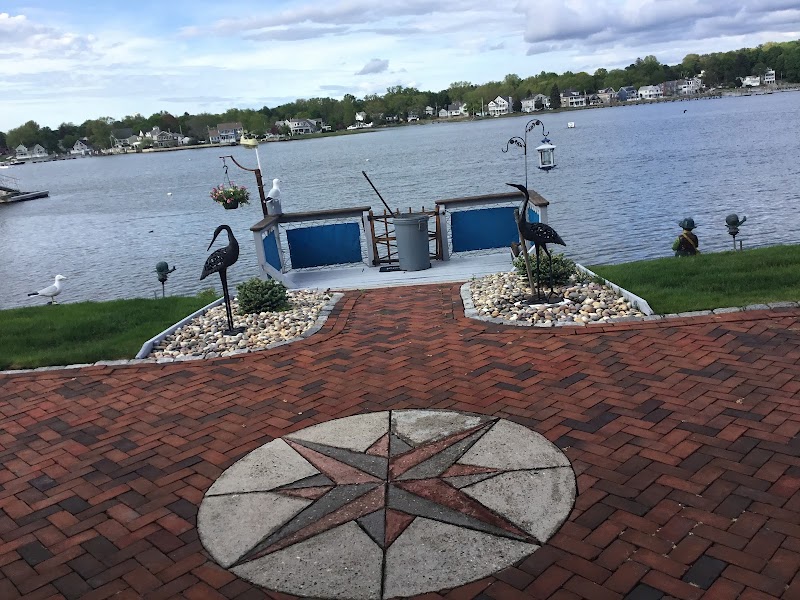
Who Owns and Operates New England Homes For The Deaf, Inc?

NEW ENGLAND HOMES FOR THE DEAF, INC is owned by a non-profit organization. Non-profit facilities reinvest revenue into operations rather than distributing to shareholders. The facility operates independently rather than as part of a larger chain. With 81 certified beds and approximately 27 residents (about 33% occupancy), it is a smaller facility located in DANVERS, Massachusetts.
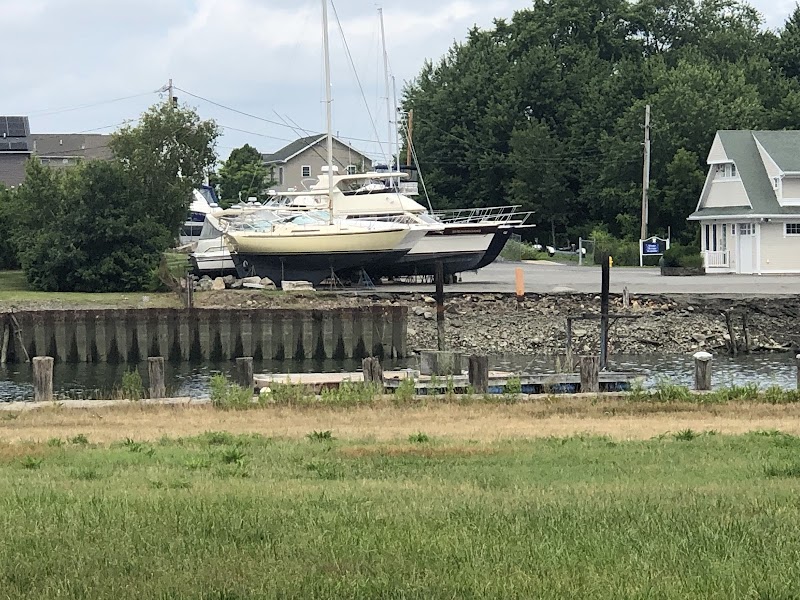
How Does New England Homes For The Deaf, Inc Compare to Other Massachusetts Nursing Homes?

Compared to the 100 nursing homes in Massachusetts, NEW ENGLAND HOMES FOR THE DEAF, INC's overall rating (4 stars) is above the state average of 2.9, staff turnover (28%) is significantly lower than the state average of 46%, and health inspection rating (3 stars) is at the national benchmark.

What Should Families Ask When Visiting New England Homes For The Deaf, Inc?

Based on this facility's data, families visiting should ask: "Can I visit during a mealtime to observe dining assistance and food quality?" "How do you handle medical emergencies, and what is your hospital transfer rate?" "Can I speak with family members of current residents about their experience?"

Is New England Homes For The Deaf, Inc Safe?

Based on CMS inspection data, NEW ENGLAND HOMES FOR THE DEAF, INC has a clean safety record: no substantiated abuse findings (meaning no confirmed cases of resident harm), no Immediate Jeopardy citations (the most serious violation level indicating risk of serious injury or death), and is not on the Special Focus Facility watch list (a federal program monitoring the lowest-performing 1% of nursing homes). The facility has a 4-star overall rating and ranks #1 of 100 nursing homes in Massachusetts. While no facility is perfect, families should still ask about staff-to-resident ratios and recent inspection results during their visit.

Do Nurses at New England Homes For The Deaf, Inc Stick Around?

Staff at NEW ENGLAND HOMES FOR THE DEAF, INC tend to stick around. With a turnover rate of 28%, the facility is 18 percentage points below the Massachusetts average of 46%. Low turnover is a positive sign. It means caregivers have time to learn each resident's needs, medications, and personal preferences. Consistent staff also notice subtle changes in a resident's condition more quickly.

Was New England Homes For The Deaf, Inc Ever Fined?

NEW ENGLAND HOMES FOR THE DEAF, INC has been fined $3,174 across 1 penalty action. This is below the Massachusetts average of $33,111. While any fine indicates a compliance issue, fines under $50,000 are relatively common and typically reflect isolated problems that were subsequently corrected. Families should ask what specific issues led to these fines and confirm they've been resolved.

Is New England Homes For The Deaf, Inc on Any Federal Watch List?

NEW ENGLAND HOMES FOR THE DEAF, INC is not on any federal watch list. The most significant is the Special Focus Facility (SFF) program, which identifies the bottom 1% of nursing homes nationally based on persistent, serious quality problems. Not being on this list means the facility has avoided the pattern of deficiencies that triggers enhanced federal oversight. This is a positive indicator, though families should still review the facility's inspection history directly.