CHESTNUT HILL OF EAST LONGMEADOW
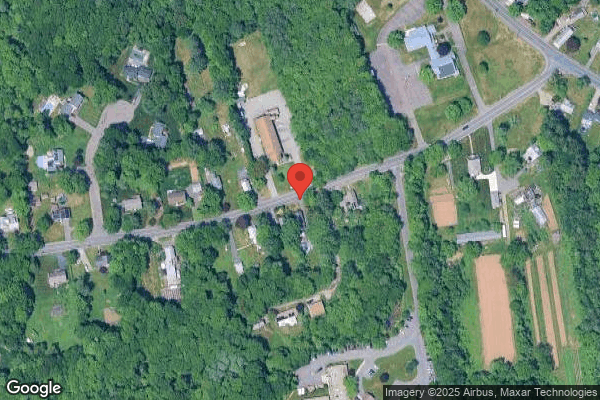
32 CHESTNUT STREET, EAST LONGMEADOW, MA 01028 (413) 525-1893
For profit - Corporation 135 Beds BEAR MOUNTAIN HEALTHCARE Data: November 2025
Trust Grade
50/100
#213 of 338 in MA
Last Inspection: May 2025

Inspected within the last 6 months. Data reflects current conditions.

Overview

Chestnut Hill of East Longmeadow has a Trust Grade of C, which means it is average and in the middle of the pack compared to other facilities. It ranks #213 out of 338 in Massachusetts, placing it in the bottom half, and #18 out of 25 in Hampden County, indicating there are only a few local options that are better. The facility's situation is worsening, with issues increasing from 8 in 2024 to 9 in 2025. Staffing is a significant concern, as it received a poor rating of 1 out of 5 stars, but the turnover rate is impressively low at 0%, which means staff stay long-term. Although there have been no fines, the facility has less RN coverage than 95% of Massachusetts facilities, which could affect the quality of care. Specific incidents raised during inspections include failures to complete required assessments for several residents within the appropriate timeframe, potentially impacting their care planning. Additionally, there were concerns regarding food safety practices, such as not ensuring staff wore hair restraints while cooking, and lapses in infection control measures, like not using proper personal protective equipment for residents on precautions for infections. While there are some strengths, including no fines and a stable staff retention rate, the facility's overall performance raises several red flags that families should consider carefully.

Trust Score
C
50/100
In Massachusetts
#213/338
Bottom 37%
Safety Record
Low Risk
No red flags
Inspections
Getting Worse
8 → 9 violations
Staff Stability
○ Average
Turnover data not reported for this facility.
Penalties
✓ Good
No fines on record. Clean compliance history, better than most Massachusetts facilities.
Skilled Nurses
⚠ Watch
Each resident gets only 18 minutes of Registered Nurse (RN) attention daily — below average for Massachusetts. Fewer RN minutes means fewer trained eyes watching for problems.
Violations
⚠ Watch
28 deficiencies on record. Higher than average. Multiple issues found across inspections.
★★☆☆☆
2.0
Overall Rating
★☆☆☆☆
1.0
Staff Levels
★★☆☆☆
2.0
Care Quality
★★★☆☆
3.0
Inspection Score
Stable
2024: 8 issues
2025: 9 issues

The Good

  • Full Sprinkler Coverage · Fire safety systems throughout facility
  • No fines on record

Facility shows strength in fire safety.

The Bad

2-Star Overall Rating

Below Massachusetts average (2.9)

Below average - review inspection findings carefully

Chain: BEAR MOUNTAIN HEALTHCARE

Part of a multi-facility chain

Ask about local staffing decisions and management

The Ugly 28 deficiencies on record

May 2025 1 deficiency
CONCERN (D) 📢 Someone Reported This

A family member, employee, or ombudsman was alarmed enough to file a formal complaint

Potential for Harm - no one hurt, but risky conditions existed

Pharmacy Services (Tag F0755)

Could have caused harm · This affected 1 resident

Based on records reviewed and interviews, for one of three sampled residents (Resident #1), who was newly admitted to the facility, and whose Physician orders included medications to treat both chroni...

Read full inspector narrative →
Based on records reviewed and interviews, for one of three sampled residents (Resident #1), who was newly admitted to the facility, and whose Physician orders included medications to treat both chronic and acute conditions, the facility failed to ensure they obtained and Resident #1 was administered medications as ordered by his/her Provider. Findings include: Review of the Facility's policy titled Administering Medications, revised April 2019, indicated medications are administered in a safe and timely manner, and as prescribed. Review of the Facility's policy titled, Non-Controlled Medication Order Documentation, effective date January 2024, indicated but was not limited to: -The prescriber is contacted by nursing for directions when delivery of a medication will be delayed or the medication is not or will not be available. -The first dose of medication is scheduled to be given after the next regularly scheduled pharmacy delivery to the facility, or at the routine time if the dose is available in the emergency supply. -Scheduling New Medication Orders on the Medication Administration Record: Emergency/STAT Medication Order (Medication NOT contained in Emergency Medication Supply): an emergency/STAT order is placed with the provider pharmacy, and the medication is scheduled to be given as soon as received or as directed by the prescriber. Review of the Facility's policy titled, Emergency Pharmacy Service and Emergency Kits, effective date January 2024, indicated but was not limited to: -Emergency pharmacy service is available on a 24-hour basis. Emergency needs for medication are met by using the facility's approved emergency medication supply or by special order from the provider pharmacy. The provider pharmacy supplies emergency medication including emergency drugs, antibiotics, controlled substances, products for infusion in limited quantities in portable, sealed containers, automated dispensing systems (ADS) in compliance with applicable regulations. -If the medication is not available in the emergency kit, the nurse contacts the pharmacy, using after-hours emergency numbers(s) if necessary. Review of the Facility's policy titled, Ordering and receiving Non-Controlled Medications from the Dispensing Pharmacy, effective date January 2024, indicated but was not limited to: -Stat and emergency medications are ordered as follows: During regular pharmacy hours, a STAT order may be phoned, sent electronically, or faxed to the pharmacy. Such medications are delivered within four hours. Resident #1 was admitted to the Facility in March 2025, diagnoses included: hypertension, Chronic Obstructive Pulmonary Disease (COPD) and urinary tract infection. Review of Resident #1's Physician's Order for March 2025, indicated it included orders for, but was not limited to the following: A) Spiriva (bronchodilator, increases air flow in lungs) Respimat inhalation aerosol solution, two puffs, inhale orally one time a day for shortness of breath/wheezing, start 03/09/25. B) Symbicort (used to treat COPD/Asthma) inhalation aerosol, two puffs, inhale orally, two times a day for shortness of breath/wheezing, start date 03/08/25. C) Diltiazem (medication used to treat high blood pressure) oral tablet, 60 milligrams (mg), give one tablet by mouth four times a day, start date 03/08/25. D) Cefpodoxime Proxetil (antibiotic) oral tablet 200mg, give one tablet by mouth two times a day for gram negative bacteremia urinary tract infection for 11 days, start 03/08/25. A) Review of Resident #1's Medication Administration Record (MAR) indicated he/she did not receive the ordered Spiriva Respimat aerosol solution two puffs, and that nurses documented code 9 (other, see nursing note) on the following dates and times: 03/09/25 at 9:00 A.M. 03/10/25 at 9:00 A.M. Review of Resident #1's corresponding Medication Administration Notes indicated the following: 03/09/25 at 10:45 A.M.-Spiriva Respimat aerosol solution two puffs- on order from the pharmacy. 03/10/25 at 8:53 A.M.-Spiriva Respimat aerosol solution two puffs-NOT AVAILABLE-pending pharmacy arrival. B) Review of Resident #1's MAR indicated he/she did not receive the ordered Symbicort inhalation aerosol, two puffs on the following dates and times: 03/08/25 at 9:00 P.M. MAR entry was blank. 03/9/25 at 9:00 A.M. and 9:00 P.M. documented with a check mark and initials. Although the MAR indicated Symbicort was administered on 03/09/25, review of Resident #1's corresponding Nurses Medication Administration Notes indicated the following: 03/09/25 at 10:05 P.M., Symbicort Inhalation Aerosol-waiting on pharmacy. C) Review of Resident #1's MAR indicated he/she did not receive the ordered Diltiazem oral tablet, 60 milligrams on the following dates and times: 03/08/25 at 9:00 P.M.-MAR entry was blank 03/09/25 at 7:00 A.M., 1:00 P.M., 5:00 P.M., was documented with a check mark and initials. Although the MAR indicated Diltiazem 60 mg tablet was administered on 03/09/25 at 7:00 A.M., 1:00 P.M. and 5:00 P.M., review of Resident #1's corresponding Nurses Medication Administration Notes indicated the following: 03/09/25 at 6:40 A.M., Diltiazem HCL Oral tablet 60 mg-waiting on arrival from pharmacy. 03/09/25 at 6:13 P.M., Diltiazem HCL Oral tablet 60 mg-n/a on order from pharmacy (exhausted supply from Pyxis [facility medication storage machine] ) pharmacy called med due to arrive on tonight's run. D) Review of Resident #1's MAR indicated he/she did not receive the ordered Cefpodoxime Proxetil oral tablet 200mg on the following dates and times: 03/08/25 at 9:00 P.M.-entry was blank. 03/09/25 at 9:00 A.M. and 9:00 P.M, was documented with a check mark and initials. Although the MAR indicated Cefpodoxime Proxetil oral tablet 200mg was administered on 03/09/25 at 9:00 A.M., and 9:00 P.M., review of Resident #1's corresponding Nurses Medication Administration Notes indicated the following: 03/09/25 at 10:06 P.M., Cefpodoxime Proxetil oral tablet 200mg-waiting on pharmacy. During a telephone interview 05/28/25 at 2:00 P.M, the Pharmacist said Resident #1's Physician's orders for medications were received at the pharmacy on 03/08/25 at 4:43 P.M. The Pharmacist said that because the order was placed after 4:00 P.M., the pharmacy had filled the order on the morning of 03/09/25 and sent Resident #1's medications to the facility in the evening of 03/09/25. The Pharmacist said that because Resident #1 was admitted on a weekend, the Nurse would have needed to call the pharmacy with new admission medication orders that were received after 4:00 P.M. and request a STAT delivery for the medications to be delivered with the next scheduled delivery on the evening/night of 03/08/25. The Pharmacist said that if the Nurse had called for a STAT medication order the medications would have been delivered to the facility within four hours of placing the order. The Pharmacist reviewed Resident #1's order history and said that the Pharmacy had not received a STAT order call for medication delivery for Resident #1 on 03/08/25 or 03/09/25, when the medications were not available at the facility. During an interview on 05/28/25 at 12:30 P.M., Nurse #1 said she did not give the scheduled dose of Cefpodoxime, Diltiazem or Symbicort on 03/08/25 because the medications were not available in the Pyxis. Nurse #1 said she did not call the pharmacy for a STAT delivery because she expected the medications to be delivered around midnight. During an interview on 05/28/25 at 2:30 P.M, Nurse #2 said she did not administer Spiriva to Resident #1's on 03/10/25 because it was not available. Nurse #2 said she called the pharmacy and was told that the medication was on its way to the facility. During an interview on 05/28/25 at 12:00 P.M., the Unit Manager said the process for obtaining new admission medications was that the Nurse obtained Physician's orders for the medications and entered the orders into the electronic medical record which would automatically send the medication order to the pharmacy. The Unit Manager said that medication orders that are placed by 6:00 P.M. would be delivered at around 12:00 A.M. The Unit Manager said the Nurses could have called the pharmacy for a STAT delivery of Resident #1's medication when they were not available for administration, but this had not been done. During an interview on 05/28/25 at 11:45 A.M., the Director of Nurses said when Resident #1's medications did not come on the pharmacy midnight delivery on 03/09/25, a nurse should have called the Provider and asked if they wanted the medications to be held (not given temporarily) or if the Provider wanted to order an alternative medication that was available. The Director of Nurses said the facility was unable to provide any documentation to support that the Provider had been called to discuss alternative mediations to replace the orders for Spiriva, Symbicort, Diltiazem or Cefpodoxime which were not available at the facility.
May 2025 8 deficiencies
CONCERN (D)

Potential for Harm - no one hurt, but risky conditions existed

Deficiency F0637 (Tag F0637)

Could have caused harm · This affected 1 resident

**NOTE- TERMS IN BRACKETS HAVE BEEN EDITED TO PROTECT CONFIDENTIALITY** Based on interview, and record review, the facility failed to ensure that a Significant Change in Status Minimum Data Set [MDS] ...

Read full inspector narrative →
**NOTE- TERMS IN BRACKETS HAVE BEEN EDITED TO PROTECT CONFIDENTIALITY** Based on interview, and record review, the facility failed to ensure that a Significant Change in Status Minimum Data Set [MDS] Assessments (SCSA) was completed for one Resident (#34) out of a total sample of 24 residents. Specifically, for Resident #34, the facility failed to ensure that a SCSA was completed Findings include: Review of the facility policy titled Comprehensive Assessments, revised March 2022, indicated the following: -Significant Change in Status Assessment- the SCSA is a comprehensive assessment for a resident that must be completed when the IDT [interdisciplinary team] has determined that a resident meets the significant change guidelines for either major improvement or decline. It can be performed at any time after completion of an admission assessment, and its completion dates (MDS/CAA(s)/care plan) depend on the date the IDT's determination was made that the resident had a significant change. -A significant change is a major decline or improvement in a resident's status that: >will not normally resolve itself without intervention by staff or implementing standard disease-related clinical interventions. The decline is not considered self-limiting >impacts more than one area of the resident's health status >requires review and/or revision of the care plan Resident #34 was admitted to the facility in January 2025 with diagnoses including Dementia. Review of the MDS assessment dated [DATE], indicated Resident #34: -required partial assistance for upper body dressing -required supervision to roll left and right -required substantial assistance transferring to and from chair to bed -required supervision to wheel 50 feet in a wheelchair with two turns Review of the MDS assessment dated [DATE], indicated Resident #34: -required substantial assistance with upper body dressing -was dependent on staff for rolling left and right -was dependent on staff for transferring to and from chair to bed -was dependent on staff to wheel 50 feet in a wheelchair with two turns Review of Resident #34's medical record failed to indicate that a SCSA had been completed after the Resident had a decline in activities of daily living (ADLs) that was not self-limiting. During an interview on 5/20/25 at 9:06 A.M., Consulting Staff #1 said in February 2025 Resident #34 had a fall with injury and the IDT believed that the decline in his/her Activities of Daily Living (ADLs) would be self-limiting. Consulting Staff #1 further said that at the time of the 4/9/25 MDS Assessment, the Resident was no longer receiving therapy and still had an overall decline in more than 2 areas of his/her ADLs. Consulting Staff #1 said at that time a significant SCSA should have been completed but it was not.
CONCERN (D)

Potential for Harm - no one hurt, but risky conditions existed

PASARR Coordination (Tag F0644)

Could have caused harm · This affected 1 resident

Based on record review, and interview, the facility failed to refer one Resident (#37) for a Preadmission Screening and Resident Review (PASRR- a federal and state-required process that is designed to...

Read full inspector narrative →
Based on record review, and interview, the facility failed to refer one Resident (#37) for a Preadmission Screening and Resident Review (PASRR- a federal and state-required process that is designed to, among other things, identify evidence of serious mental illness [SMI] and/or intellectual or developmental disabilities [ID/DD] in all individuals [regardless of source of payment] seeking admission to Medicaid-or Medicare-certified nursing facilities) Level II Evaluation (an evaluation conducted to determine if an individual with a newly evident or possible SMI, ID, or a related condition for Level II resident review upon a significant change in status assessment) out of a total sample of 24 residents. Specifically, for Resident #37, the facility failed to refer the Resident for a Level II PASRR Evaluation after receiving a new mental health disorder diagnosis. Findings include: Resident #37 was admitted to the facility in April 2023 with diagnoses including Multiple Sclerosis. Review of the Diagnosis List indicated Resident #37 had the following diagnoses: -Adjustment Disorder, dated 5/25/23. -Depression, dated 2/21/24. -Anxiety Disorder, dated 2/21/24. -Delusional Disorder, dated 12/22/24. Review of the PASRR completed on 4/18/23, indicated the following: -Resident had no documented diagnoses of mental illness or disorder. -Resident screened negative for Serious Mental Illness screening and PASSR evaluation was not indicated at that time. Review of the Behavioral Health Note dated 5/25/23, indicated Resident #37 had a diagnosis of adjustment disorder. Further review of Resident #37's medical record failed to indicate documented evidence that a PASRR Level II Evaluation was conducted after a newly evident or possible serious mental health disorder was identified on 5/25/23 (Adjustment Disorder) and 12/22/24 (Delusional Disorder). During an interview on 5/20/25 at 11:20 A.M., with Social Worker (SW) #1 and the Consulting Nurse, SW #1 said anytime the facility identifies a new mental health diagnosis, a new PASSR should be completed and submitted to the PASSR office for review. The Consulting Nurse said that the facility was unable to provide evidence that this occurred.
CONCERN (D)

Potential for Harm - no one hurt, but risky conditions existed

Deficiency F0740 (Tag F0740)

Could have caused harm · This affected 1 resident

**NOTE- TERMS IN BRACKETS HAVE BEEN EDITED TO PROTECT CONFIDENTIALITY** Based on interview, and record review, the facility failed to provide Behavioral Health Care and services to attain or maintain ...

Read full inspector narrative →
**NOTE- TERMS IN BRACKETS HAVE BEEN EDITED TO PROTECT CONFIDENTIALITY** Based on interview, and record review, the facility failed to provide Behavioral Health Care and services to attain or maintain the highest practicable mental and psychosocial wellbeing for one Resident (#109) out of a total sample of 24 residents. Specifically, for Resident #109, the facility failed to obtain Behavioral Health Services timely when the Resident was taking antidepressant medications and had consented for Behavioral Health Services. Findings include: Review of the facility's Behavioral Health Services Policy, effective 12/6/21, indicated: -Purpose: To Provide our residents with the necessary Behavioral Health Services to attain or maintain the highest practicable physical, mental, and psychosocial well-being, in accordance with the comprehensive assessment and plan of care. -Procedure: The facility will ensure that a resident who displays or is diagnosed with mental disorder or psychosocial adjustment difficulty, or who has a history of trauma and/or post traumatic stress disorder, receives appropriate treatment and services. -The facility will initiate referrals to psychiatric services, having the resident or responsible party signed consent, as behavioral health concerns are identified. Resident #109 was admitted to the facility in July 2024 with diagnoses including hemiplegia and hemiparesis following Cerebral Infarction affecting the right side, Atrial Fibrillation (A-fib), neuromuscular dysfunction of bladder and Type 2 Diabetes. Review of a Provider Progress Note dated 7/25/24, indicated Resident #109 had a diagnosis of Depression and was on medications for Depression. Review of Resident #109's initial Social Services assessment dated [DATE], indicated: -The Resident scored a 15 out 15 on the Brief Interview of Mental Status (BIMS), indicating he/she was cognitively intact. -The Resident lived with family and was independent for all functional needs prior to admission, including shopping, meal preparation, personal care, driving and finances. -The Resident was responsible for himself/herself and could make healthcare decisions. -The Resident planned on being discharged from the facility and was motivated to return to the community. Review of the Psychiatric Consultant Request for Services form dated 7/27/24, indicated the Resident requested to be seen by Behavioral Health Services. Review of Resident #109's clinical record failed to include any evidence that the Resident received Behavioral Health Services. Review of Resident #109's Care Plan for Antidepressant Medications, initiated 8/14/24, indicated the Resident used antidepressant medications, with the following interventions. -Provide support/reassurance as needed. -Social Work, Psychiatric Consults as appropriate. Review of Resident 109's Care Plan for Depression, initiated 8/14/24, indicated the Resident was at risk for symptoms of depression related to his/her history of depression and had symptoms of (feeling tired, falling or staying asleep, poor appetite etc.). Interventions included: -Please provide me with psychiatric services as needed . -Please provide me with support, reassurance and re-direction as needed. Review of Resident 109's May 2025 Physician orders, indicated: -Cymbalta (medication used to treat depression) delayed release particles, 60 mg (milligrams) daily for depression, ordered 7/25/24. -Wellbutrin (medication used to treat depression) extended release 150 mg tablet daily for depression, ordered 7/24/24. During an interview on 5/14/25 at 11:50 A.M., Resident #109 said he/she had been having increased depression lately because he/she was no longer receiving therapy and wanted to be able to do more independently. Resident #109 said he/she had been struggling with the fact that he/she was no longer independent and would be open to talking about this more. During an interview on 5/15/25 at 12:12 P.M., Resident #109 said he/she had not spoken to anyone at the facility regarding the increased sadness but if someone were to ask, he/she would be willing to speak with a therapist or counselor, he/she would agree because it might help to feel better. Resident #109 said he/she had depression in the past and had been on medication for many years. During an interview on 5/16/25 at 2:30 P.M., with the Administrator and the Social Worker (SW), the SW said she is new to the facility. The Administrator said Resident #109 had consented to Behavioral Health Services on 7/27/24, and the Consent Form should have been sent to the Psychiatric Consultant but the Administrator was unsure if it was faxed because Behavioral Health had not seen the Resident but should have. The Administrator also said the facility process included a staff member from Behavioral Health checking in weekly with the Social Worker to see if any other Residents required services and the Administrator was unsure as to why Resident #109 would not have been seen. The Administrator said the building did an audit in April 2025, and realized Resident #109 had not been seen by Behavioral Health but should have been, so the facility re-faxed the Consent Form to the Psychiatric Consultant on 4/9/25. The Administrator said that Resident #109 was still not seen after the request for services was re-faxed on 4/9/25, and was unsure why someone at the facility did not follow-up with Behavioral Health.
CONCERN (D)

Potential for Harm - no one hurt, but risky conditions existed

Unnecessary Medications (Tag F0759)

Could have caused harm · This affected 1 resident

Based on observation, interview, and record review, the facility failed to maintain a medication pass error rate of less than five percent (%) for two Residents (#82 and #97), for five applicable resi...

Read full inspector narrative →
Based on observation, interview, and record review, the facility failed to maintain a medication pass error rate of less than five percent (%) for two Residents (#82 and #97), for five applicable residents, out of 26 medication pass opportunities. The medication error rate was observed to be 7.6%. Specifically, 1. For Resident #82, the Resident was administered the incorrect Calcium medication when Calcium + Vitamin D 600 mg/10 mcg was administered to the Resident and Calcium 1200 mg was ordered. 2. For Resident #97, the Resident was administered the wrong medication when Senokot 8.6 mg was administered and Senna-S [Senna/Colace] 8.6 mg/50 mg was ordered. Findings include: Review of the facility policy titled Medication and Treatment orders dated December 2021, indicated the following: -Purpose: To assure doctors' orders are managed in a safe and consistent manner. -Policy: Orders for medications and treatments will be consistent with principles of safe and effective order writing. 1. Resident #82 was admitted to the facility in April 2022, with diagnoses including Multiple Sclerosis and age-related Osteoporosis. Review of Resident #82's Physician orders dated 5/1/25, indicated the following: -Calcium Oral Tablet (Calcium) 1200 milligrams (mg) by mouth, one time a day for supplement, initiated 4/7/25. On 5/15/25 at 9:37 A.M., during a medication administration pass, the surveyor observed Nurse #4 administer the following medication to Resident #82: -Calcium + Vitamin D 600 mg/10 Micrograms (mcg) two tablets by mouth. Review of Resident #82's May 2025 Medication Administration Record (MAR), indicated: -Nurse #4 electronically signed that she administered Calcium Oral Tablet (Calcium) 1200 mg on 5/15/25. During an interview on 5/15/25 at 11:24 A.M., Nurse #4 said that the Physician order indicated for her to administer Calcium 1200 mg, and she administered Calcium +Vitamin D 600 mg/10 mcg. Nurse #4 said that she should not have administered the Calcium +Vitamin D 600 mg/10 mcg, but that is the medication that was available in the medication cart. 2. Resident #97 was admitted to the facility in September 2023, with diagnoses including metabolic encephalopathy and sepsis. Review of the Resident #97's Comprehensive Care Plan indicated the following: -The Resident had a colostomy (a surgical procedure where a portion of the large intestine is brought through the abdominal wall to carry stool out of the body) and was at risk for GI (Gastro-intestinal) distress, initiated 12/19/23. >Interventions included: give medications as ordered, initiated 12/19/23 -The Resident had potential for constipation related to impaired mobility, and potential use/side effects of medications, initiated 1/8/24. Review of the Resident #97's Physician orders dated 5/1/25, indicated the following: -Senna-S Oral Tablet (Sennosides-Docusate Sodium) 8.6 mg/50 mg, give 1 tablet by mouth two times a day for constipation, initiated 12/15/23. On 5/15/25 at 9:52 A.M., during a medication administration pass, the surveyor observed Nurse #4 administer the following medication to Resident #97: -Senokot 8.6 mg one tablet by mouth. Review of Resident #97's MAR indicated: -Nurse #4 had electronically signed that she administered Senna-S Oral Tablet 8.6 mg/50 mg (Sennosides- Docusate Sodium) one tablet by mouth on 5/15/25. During an interview on 5/15/25 at 11:24 A.M., Nurse #4 said the Physician order indicated for her to administer Senna-S 8.6 mg/50 mg one tablet, but she had administered Senokot 8.6 mg and should not have. Nurse #4 said that she did not think Senna-S tablets were available in the facility. During an interview on 5/15/25 at 12:38 P.M., the DON said that Nurse #4 should have only administered medications that were prescribed by the Provider for Resident #82 and Resident #97, but did not. The DON said if the medications were unavailable, Nurse #4 should have requested the medications from the facility medication stockroom and/or should have clarified the order with the Provider.
CONCERN (D)

Potential for Harm - no one hurt, but risky conditions existed

Deficiency F0804 (Tag F0804)

Could have caused harm · This affected 1 resident

**NOTE- TERMS IN BRACKETS HAVE BEEN EDITED TO PROTECT CONFIDENTIALITY** Based on observation, interview, and record review, the facility failed to ensure that food was palatable and served at an appet...

Read full inspector narrative →
**NOTE- TERMS IN BRACKETS HAVE BEEN EDITED TO PROTECT CONFIDENTIALITY** Based on observation, interview, and record review, the facility failed to ensure that food was palatable and served at an appetizing temperature for one unit ([NAME] Unit) of two applicable units, out of three total units. Specifically, the facility failed to ensure: 1. Breakfast items were served at an appetizing temperature. 2. Scrambled eggs were an appropriate texture. Findings include: Review of the facility's Meal Presentation/Refusal Policy dated 6/22/20, indicated the following: -The Dietary Department is responsible to provide meals in an attractive, diet accurate, properly temped manner . -Goals will include attractive food, at the appropriate temperatures and consistent with the residents' prescribed dietary orders. -Foods will be served at a palatable temperature. Cold foods- =/<41degrees Fahrenheit (F). Hot foods- =/>135 degrees F. -It is the intention of the facility to serve home-like meals while introducing new or requested meal options. During a Resident Council group meeting conducted by surveyor #3 on 5/15/25 at 1:15 P.M., three out of seven residents said that breakfast items that should be hot are served cold. One of the three resident council residents specifically said that the eggs were served cold. On 5/16/25 at 8:34 A.M., the surveyor conducted a breakfast meal test tray on the [NAME] Unit and UM #2, Nurse #2, and the MDS Nurse also participated, with the following results: -The pureed scrambled eggs were 60 degrees Fahrenheit (F), cool to taste, and had a gritty texture. -The oatmeal was 76 degrees F, and cool to taste. -The pureed pancake was 80 degrees F, and lukewarm to taste. -The French toast casserole was 76 degrees, and cool to taste. During an interview on 5/16/25 at 8:34 A.M, Unit Manager (UM) #2 said the eggs were cool, and the French toast casserole and pancakes were good. During an interview on 5/16/25 at 8:34 A.M, Nurse #2 said the eggs were cool and bland, and the French toast casserole had a good taste. During an interview on 5/16/25 at 8:34 A.M, the Minimum Data Set (MDS) Nurse said the eggs were cold, and the oatmeal was cool, and both items would need to be reheated. The MDS Nurse said the French toast and pancakes had a good taste. During an interview on 5/16/25 at 12:11 P.M., the Food Service Director (FSD) said that all hot foods should have been 135 degrees F when served. The FSD said the pureed scrambled eggs should not have had a gritty texture and would look into why that may have happened. During a follow-up interview on 5/16/25 at 3:35 P.M., the FSD said that the cook had added thickener to the eggs because they were too thin. The FSD said that the cook should have added more eggs instead of adding thickener and explained that thickener cannot be added to some foods without altering the texture, and eggs are one of the foods. Refer to F812
CONCERN (E)

Potential for Harm - no one hurt, but risky conditions existed

Food Safety (Tag F0812)

Could have caused harm · This affected multiple residents

Based on observations, and interviews, the facility failed to prepare food in accordance with professional standards for food service safety in the facility's main kitchen. Specifically, the facility...

Read full inspector narrative →
Based on observations, and interviews, the facility failed to prepare food in accordance with professional standards for food service safety in the facility's main kitchen. Specifically, the facility failed to: 1. Ensure that [NAME] #1 wore a hair restraint when preparing and cooking food, increasing the risk for food contamination. 2. Monitor the final internal temperature for cooked foods prior to serving the food to residents, increasing the residents' risks for acquiring foodborne illnesses. Findings include: 1. Review of the facility policy titled Hair Restraint, effective 1/20/17, indicated the following: -Purpose: Posted and available dietary policy and protocol to define the facilities guidelines for hair restraint . -Compliance to local and federal food service code requires that anyone within the kitchen, who will have close contact with the preparation or service of food, food storage areas, equipment will keep hair effectively/appropriately restrained . -The purpose of hair restraint is to prevent hair from contacting food and food equipment surfaces, and to deter foodservice employees from touching their hair. -Allowable hair restraints: >hairnets, . >chef caps/beanies/chef hats, >ball caps. -The food service director (FSD) will provide disposable hairnets . at all times. On 5/16/25 at 7:28 A.M., surveyor #1 observed [NAME] #1 in the facility's food preparation area of the main kitchen. Surveyor #1 observed [NAME] #1 cooking food on the grill and was not wearing any type of hair restraint. On 5/16/25 between 7:44 A.M. and 7:51 A.M., surveyor #2 observed the following in the facility's main kitchen: -Cook #1 inserted a thermometer into two separate food items that were on the steam table. -Cook #1 was cooking sausage patties on the grill in the food preparation area. -Cook #1 was not wearing a hair restraint for the duration of the observation. During an interview on 5/16/25 at 7:51 A.M., by surveyor #2, [NAME] #1 said he usually wore a hat as a hair restraint while working and that sometimes he wore no hair restraint at all while working. [NAME] #1 said nobody said anything to him when he did not wear a hair restraint and that he was not wearing a hair restraint at that time. Surveyor #2 observed [NAME] #1 return to cooking the sausage patties and did not don (put on) a hair restraint. During an interview on 5/16/25 at 7:52 A.M., by surveyor #2, the FSD said all staff were required to wear hair restraints in the kitchen. 2. Review of the facility policy titled Thermometer Policy, effective 4/24/17, indicated the following: -Foods prepared and served will remain outside the Food Danger Zone (135° to 41°). -Time and Temperature Controls are critical to ensure food safety. -All temperatures will be documented by the department's food temp log. -Foods not compliant to the department's food holding protocols will be removed from service and corrected. During a Resident Council group meeting held by surveyor #3 on 5/15/25 at 1:15 P.M., three residents said that breakfast was served cold. One of the three residents specifically said that the eggs were served cold. On 5/16/25 at 7:30 A.M., surveyor #2 observed the following in the facility's main kitchen: -The tray line began for breakfast. -The steam table contained: >Oatmeal >French toast >Cooked apples >Pureed eggs >Minced and moist pancakes. During an interview at the time, the FSD said the Food Temperature Log had been completed. Further review of the Food Temperature Log failed to indicate that temperatures had been monitored for the pureed eggs, the minced and moist pancakes and the sausage patties. On 5/16/25 at 7:44 A.M., surveyor #2 observed the following: -Cook #1 inserted a thermometer into two separate food items on the steam table. -Cook #1 then walked away from the steam table and said, it's hot to [NAME] #2. -Cook #2 asked [NAME] #1 if the food was okay. -Cook #1 said the food items were hot at 80 and 100 degrees F, and to serve the food. During an interview on 5/16/25 at 7:45 A.M., by surveyor #2 with [NAME] #1, and the FSD, [NAME] #1 said that the food items that he was observed to monitor the temperatures were pureed eggs and minced and moist pancakes. [NAME] #1 said that the holding temperature of the pureed eggs was 80 degrees F, and the holding temperature of the minced and moist pancakes was 100 degrees F. [NAME] #1 said the pureed eggs and the minced and moist pancakes had been on the steam table for approximately 30 minutes at the time he checked their temperatures. [NAME] #1 said that these holding temperatures were typical holding temperatures for the pureed eggs and minced and moist pancakes. The FSD said 80 and 100 degree F holding temperatures were not typical for cooked hot foods and that the food items should be held on the steam table at a temperature of 140 degrees F. The FSD then instructed [NAME] #1 to remove the pureed eggs and minced and moist pancakes from the steam table, re-heat both food items, and re-check their temperatures before plating the food items. During an interview on 5/16/25 at 8:38 A.M., by surveyor #1, [NAME] #1 said he was prompted to monitor the temperature of the pureed eggs and minced and moist pancakes when he did earlier that morning, because he forgot to check their final cooked temperatures. During a follow-up interview on 5/16/25 at 8:47 A.M., by surveyor #1, [NAME] #1 said he had cooked sausage patties on the grill that morning for some residents who requested sausage patties for breakfast. [NAME] #1 said he did not monitor the temperature for the cooked sausage patties after the sausage patties were cooked and prior to serving the sausage patties. [NAME] #1 said he never monitored the cooked temperatures for bacon or sausage patties when coming off the grill for special orders. [NAME] #1 said he assumed he was supposed to monitor the cooked temperature of the sausage patties, but he did not. [NAME] #1 also said when there were special orders from residents that required food items to be cooked on the grill which were not added to the tray line, he did not monitor the final cooked temperatures. During an interview on 5/16/25 at 8:55 A.M., by surveyor #1 and surveyor #2, the FSD said all food items, served both cold or hot, have to have their temperatures monitored before serving to residents. The FSD said that cooked food items must be held on the steam table at 135 degrees F. The FSD said that no food items should be served to residents that have not been monitored for temperature. During an interview on 5/20/25 at 11:17 A.M., by surveyor #2, the FSD said monitoring final cooked temperatures for all hot foods was required. The FSD said although the pureed eggs and minced and moist pancakes had been removed from the steam table to be re-heated on 5/16/25, dietary staff would not have known whether those food items had been initially cooked to the proper temperature since no final cooked temperature had been monitored. The FSD said that the concern with not monitoring a final cooked temperature is that the food may not be safe to serve to residents due to risk for foodborne illness. The FSD said that the Food Temperature Log for 5/16/25 was updated to reflect the temperatures of the pureed eggs and minced and moist pancakes after they were removed from the steam table and heated and did not indicate the final cooked temperature for either the minced and moist pancakes or the pureed eggs. During a follow-up interview on 5/20/25 at 3:01 P.M., by surveyor #2, the FSD said 12 residents were served the minced and moist pancakes, six residents were served the pureed eggs, and two residents were served the sausage patties on 5/16/25.
CONCERN (E)

Potential for Harm - no one hurt, but risky conditions existed

Infection Control (Tag F0880)

Could have caused harm · This affected multiple residents

**NOTE- TERMS IN BRACKETS HAVE BEEN EDITED TO PROTECT CONFIDENTIALITY** Based on observations, record review, and interviews, the facility failed to adhere to infection control standards of practice t...

Read full inspector narrative →
**NOTE- TERMS IN BRACKETS HAVE BEEN EDITED TO PROTECT CONFIDENTIALITY** Based on observations, record review, and interviews, the facility failed to adhere to infection control standards of practice to prevent contamination and the spread of infections for four Residents (#276, #113, #63 and #70) out of a total sample of 24 residents. Specifically, 1) For Resident #276, the facility failed to ensure that Personal Protective Equipment (PPE: items such as gowns and gloves worn to prevent the spread of infection) was worn in the Resident's room when the Resident was on Contact Precautions (measures that are intended to prevent transmission of infectious agents which are spread by direct or indirect contact with the resident or the resident's environment) for Clostridium Difficile (C-Diff: a spore forming toxin that can develop in the intestines after antibiotic use and causes watery diarrhea). 2) For Resident #113, the facility failed to ensure that the overbed table was cleaned and disinfected after a used urinal was removed from it before placing the Resident's breakfast meal on the overbed table. 3) For Resident #63, the facility failed to ensure that shared medical equipment was appropriately cleaned and disinfected after being used on Resident #63, who was on Contact Precautions for C-Diff infection, and before use on another resident, creating a potential for spread of a highly contagious infection. 4) For Resident #70, the facility failed to ensure that staff wore the indicated PPE while providing care for the Resident who was on Enhanced Barrier Precautions (EBP: measures using protective barrier gowns and gloves as an infection control intervention designed to reduce transmission of multi-drug-resistant organisms [MDRO] during high contact resident care) creating increased risk of infection for the Resident. Findings Include: Review of the facility policy titled Transmission Based Precautions (TBP), dated 3/8/20, indicated the following: -Transmission Based Precautions are designed for patients documented or suspected of being infected or colonized with transmissible pathogens for which additional precautions beyond Standard Precautions are needed to interrupt transmission in the healthcare setting. -Examples of infections requiring Contact Precautions include but are not limited to: >diarrhea associated with Clostridioides [another term for clostridium] Difficile (C.Diff) -Additional measures for Contact Precautions >Gloves and Hand washing -in addition to wearing gloves as outlined for Standard Precautions, wear gloves (clean non-sterile) when entering room >Gown -in addition to wearing a gown as outlined in Standard Precautions, wear a clean non-sterile gown for all interactions that may involve contact with the resident or potentially contaminated items in the resident's environment -When possible the use of non-critical equipment . will be designated for that resident individual use. -If the use of common items is unavoidable, each item must be adequately cleaned and disinfected before use on another resident. Review of the facility Clostridium Difficile Policy, dated 2001, indicated the following: -The primary reservoirs for C.Difficile are infected people and surfaces. Spores can persist on resident-care items and surfaces for several months and are resistant to some common cleaning and disinfection methods. -Environmental cleaning in rooms of residents with CDI (Clostridium Difficile Infection) is done with a disinfecting agent recommended for C.Difficile (e.g., household bleach and water solution or an EPA registered germicidal agent effective against C.difficile spore). Review of the Enhanced Barrier Precautions Policy effective 12/22/22, indicated: -Enhanced Barrier Precautions targets the use of a gown and gloves during high contact care activities. Given the multiple antibiotic-resistant threads, Enhanced Barrier Precautions will be used for the residents with wounds, indwelling devices, and for those with a known colonization or infection with a MDRO when Contact Precautions do not apply. -Examples of high contact care are: >Dressing >Bathing/showering >Transferring >Providing Hygiene >Changing linens >Changing briefs or assisting with toileting >Device care or use: >Wound care . 1) Resident #276 was admitted to the facility in May 2025 with diagnoses including C-Diff. Review of Resident #276's May 2025 Physician orders indicated: -order for Contact Precautions for C-Diff, initiated 5/13/25 On 5/14/25 at 9:11 A.M., the surveyor observed Resident #276's room where a Contact Precautions sign was observed hanging at the doorway. The surveyor observed the following relative to Certified Nurses Aide (CNA) #1 entering Resident 276's room: -CNA #1 performed hand hygiene and entered the Resident's room without donning (putting on) gloves or a gown. -CNA #1 picked up the Resident's breakfast tray, exited the room with the breakfast tray and placed it on the tray caddy. -CNA #1 performed hand hygiene after On 5/15/25 at 8:25 A.M., the surveyor observed the following relative to CNA #2: -CNA #2 performed hand hygiene and entered Resident #276's room without donning a gown or gloves. -CNA #2 answered the Resident's call bell and turned it off with an ungloved hand. -CNA exited the room and performed hand hygiene. During an interview on 5/15/25 at 12:58 P.M., the Director of Nursing (DON) said that CNA #1 should have worn a gown and gloves to enter Resident #276's room and pick up the breakfast tray, and CNA #2 should have worn a gown and gloves to answer the call bell as C-Diff is highly contagious and there was a potential to spread the infection. 2) Review of the facility policy titled Cleaning, Disinfection and Sterilization, undated, indicated the following: -Purpose: to provide supplies and equipment that are adequately cleaned, disinfected or sterilized. -classification of devices, processes, and germicidal products: >noncritical (touches skin), -examples stethoscopes, tabletops -[NAME] process classification: low level disinfection, -EPA product classification: hospital disinfectant without label claim for tuberculocidal activity Resident #113 was admitted to the facility in April 2025 with diagnoses including hemiplegia. On 5/15/25 at 8:34 A.M., the surveyor observed the following while CNA #2 provided care for Resident #113: -CNA #2 entered Resident #113's room to serve a breakfast tray. -CNA #2 set the breakfast tray on a side table. -CNA #2 performed hand hygiene and donned gloves. -CNA #2 removed the Resident's used urinal from the overbed table and wiped down the overbed table with a dry paper towel. -CNA #2 doffed (removed) the gloves and performed hand hygiene. -CNA #2 placed the Resident's breakfast tray on the overbed table without cleaning and disinfecting the table. -CNA #2 then performed hand hygiene and exited the room. During an interview on 5/15/25 at 8:38 A.M., CNA #2 said that she should have wiped the table with a disinfectant wipe after removing the urinal due to infection control concerns. During an interview on 5/15/25 at 12:56 A.M., the DON said that CNA #2 should have used a disinfectant wipe to clean and disinfect the overbed table instead of a paper towel due to sanitary concerns. 3) Resident #63 was admitted to the facility in September 2024 with diagnoses including sepsis, ulcerative chronic pancolitis, enterocolitis due to C-Diff , not specified as recurrent, and Extended Spectrum Lactamase (ESBL) Resistance. Review of Resident #63's May 2025 Physician orders indicated: -Maintain Contact Precautions every shift related to C. Difficile diagnosis, initiated 2/28/25. On 5/15/25 at 8:15 A.M., the surveyor observed a sign posted outside Resident #63's room indicating he/she was on Contact Precautions and should have dedicated medical equipment. The surveyor observed the following while Nurse #1 was providing care to Resident #63: -Nurse #1 removed a portable pulse oximeter (device placed on a patient's finger to measure the levels of oxygen in the blood), from her medication cart. -Nurse #1 entered Resident #63's room and placed the pulse oximeter on Resident #63's finger. -Nurse #1 wiped the portable pulse oximeter with purple top disposable wipes before placing it back into the top drawer of the medication cart. On 5/15/25 at 8:28 A.M., during a medication administration pass, the surveyor observed Nurse #1 remove the portable pulse oximeter from the top drawer of the medication cart and enter another resident's room to provide medications. Nurse #1 was observed applying the portable pulse oximeter to the resident's left middle finger. During an interview on 5/15/25 at 8:38 A.M., Nurse #1 said that she uses the portable pulse oximeter on all residents and keeps it in her medication cart. Nurse #1 said that she had used the same portable pulse oximeter on Resident #63 and then cleaned it with the purple top disposable wipes. Nurse #1 said that Resident #63 was on Contact Precautions because he/she had C-Diff infection. During an interview on 5/15/25 at 8:43 A.M., Unit Manger (UM) #1 said that staff is not supposed to reuse medical equipment on residents requiring Contact Precautions. UM #1 said that Resident #63 should have had dedicated medical equipment in his/her room including a portable pulse oximeter but did not. UM #1 left the unit and returned with bleach wipes and dedicated medical equipment for Resident #63, and said that staff should have been using bleach wipes for Resident #63, but the purple wipes had been the only wipes available on the unit. UM #1 said she had reviewed the purple top wipes, and they did not contain bleach, which was the recommended cleaner for a C-Diff infection. 4) Resident #70 was admitted to the facility in November 2020 with diagnoses including metabolic encephalopathy, Severe Protein Calorie Malnutrition and Pressure Ulcer of Sacral Region. Review of Resident #70's Comprehensive Care Plan indicated the following: -The Resident had an actual alteration in skin integrity related to pressure, on the coccyx and right lateral foot, initiated 7/15/24 -interventions included: >the Resident to be on Enhanced Barrier Precautions to protect him/her from getting an infection. >Place a 'see nurse before entering' sign on my door, initiated 5/15/25. Review of Resident #70's Minimum Data Set (MDS) dated [DATE] indicated the Resident had a Stage 3 Pressure injury. On 5/15/25 at 9:12 A.M., the surveyor observed the following: -Resident #70 had signage outside of his/her room, indicating that he/she was on Enhanced Barrier Precautions and required staff to wear gowns and gloves during care. -Nurse #5 was sitting at Resident #70's bedside to assist with feeding. -Nurse #5 was observed with gloves on, and was not wearing a gown. -Nurse #5 was reaching over the Resident's bed and was in contact with the linens on the Resident's bed. -Nurse #1 entered the room and assisted Nurse #5 to reposition Resident #70 in the bed by boosting him/her up in the bed, repositioning the Resident onto his/her side and re-adjusted the bed linens. -Nurse #1 was wearing gloves and was not wearing a gown. During an interview on 5/15/25 at 9:14 A.M., Nurse #1 said that she and Nurse #5 were not wearing gowns while they boosted and repositioned Resident #70, but they should have been because the Resident was on Enhanced Barrier Precautions, and they were touching the Resident. During an interview on 5/15/25 at 9:24 A.M., UM #1 said that Nurse #1 and Nurse #5 should have been wearing gowns and gloves to provide high contact care to Resident #70. UM #1 said that high contact care includes providing care, boosting, repositioning and any other care that required staff to come into contact with the Resident and/or the bed linens. During an interview on 5/15/25 at 2:45 P.M., the DON said that she expected staff to wear a gown and gloves during high contact care such as repositioning, boosting, feeding or if the staff member is coming into contact with bed linens or resident belongings. During an interview on 5/15/25 at 3:42 P.M., Nurse #5 said that she was not wearing a gown while feeding Resident #70 and was touching the Resident's bed linens. Nurse #5 said that while she and Nurse #1 assisted Resident #70 with repositioning and boosting, they were not wearing gowns but should have been.
MINOR (B)

Minor Issue - procedural, no safety impact

Assessment Accuracy (Tag F0641)

Minor procedural issue · This affected multiple residents

**NOTE- TERMS IN BRACKETS HAVE BEEN EDITED TO PROTECT CONFIDENTIALITY** 2) Resident #67 was admitted to the facility in November 2022 with diagnoses including Diabetes Mellitus. Review of the MDS ass...

Read full inspector narrative →
**NOTE- TERMS IN BRACKETS HAVE BEEN EDITED TO PROTECT CONFIDENTIALITY** 2) Resident #67 was admitted to the facility in November 2022 with diagnoses including Diabetes Mellitus. Review of the MDS assessment dated [DATE], indicated Resident #67: -was cognitively intact as evidenced by a Brief Interview for Mental Status (BIMS) score of 14 out of 15 total possible points. -experienced no falls with major injury (bone fractures, joint dislocations, closed head injuries with altered consciousness, subdural hematomas) since admission, or the prior assessment (whichever is most recent). Review of the MDS assessment dated [DATE], indicated Resident #67: -was cognitively intact as evidenced by a BIMS of 14 out of 15 total possible points. -had experienced one fall with major injury since the prior MDS Assessment. During an interview on 5/14/25 at 10:01 A.M., Resident #67 said he/she had not experienced any major injuries related to falling while at the facility. Review of Resident #67's clinical record failed to indicate evidence the Resident had sustained a fall with major injury anytime between the 1/9/25 and 4/9/25 MDS Assessments. During an interview on 5/20/25 at 2:15 P.M., Consulting Staff #1 said she reviewed Resident #67's clinical record and the Resident had not experienced a fall with major injury. Consulting Staff #1 said Resident #67's MDS assessment dated [DATE], had been coded inaccurately and should not have been coded to indicate the Resident had experienced a fall with major injury. Based on interview, and record review, the facility failed to accurately complete a Comprehensive Minimum Data Set (MDS) Assessment reflective of the status of two Residents (#120 and #67) out of a total sample of 24 residents. Specifically, 1) For Resident #120, the facility failed to accurately code the Resident's discharge destination to home on the MDS Assessment, resulting in an inaccurate assessment of the Resident's discharge location to a short-term general hospital. 2) For Resident #67, the facility failed to accurately code the Resident's status relative to falls on one MDS Assessment, when the Resident was coded as having experienced one fall with major injury and the Resident did not sustain any falls, resulting in an inaccurate assessment of the Resident's health conditions. Findings include: 1) Resident #120 was admitted to the facility in February 2025 with diagnoses including Atrial Flutter. Review of Resident #120's MDS assessment dated [DATE], indicated the following: -the Resident was discharged to a Short-Term General Hospital (acute hospitals, IPPS) Review of Resident #120's Clinical Nurse Progress Note dated 2/28/25, indicated the following: -the Resident was discharged home with medications and services. During an interview on 5/20/25 at 1:30 P.M., the MDS Nurse said that Resident #120's 2/28/25 MDS had been coded as discharge to the hospital in error instead of discharge home.
Dec 2024 1 deficiency
CONCERN (D) 📢 Someone Reported This

A family member, employee, or ombudsman was alarmed enough to file a formal complaint

Potential for Harm - no one hurt, but risky conditions existed

Medical Records (Tag F0842)

Could have caused harm · This affected 1 resident

Based on records reviewed and interviews for one of three sampled residents (Resident #1), who was assessed as being at risk for the development of pressure injuries and required assistance from staff...

Read full inspector narrative →
Based on records reviewed and interviews for one of three sampled residents (Resident #1), who was assessed as being at risk for the development of pressure injuries and required assistance from staff with bed mobility and Activities of Daily Living (ADLs), the facility failed to ensure they maintained a complete and accurate medical record when Certified Nurse Aide (CNA) documentation for October 2024 was incomplete. Findings include: Review of the Facility Policy titled, Charting and Documentation, dated as revised July 2017, indicated that all services provided to the resident, progress toward the care plan goals, or any changes in the resident's medical, physical, functional or psychosocial condition, shall be documented in the resident's medical record. Resident #1 was admitted to the facility in October 2024, diagnoses included Rhabdomyolysis (a serious medical condition that occurs when muscle tissue breaks down, leads to muscle death and releases toxic components of muscle fibers into the blood which can cause kidney damage), status-post fall, Type 2 Diabetes, Osteoarthritis and Kidney Failure. Review of Resident #1's admission Minimum Data Set (MDS) Assessment, dated 10/09/24, indicated he/she was dependent on Facility staff for bed mobility and ADL care. Review of Resident #1's ADL Care Plan, dated 10/09/24, indicated he/she required staff assistance with all of his/her ADL's, including bed mobility. Review of Resident #1's Skin Integrity Care Plan, dated 10/09/24, indicated interventions included for staff to change his/her position every two hours, as needed and upon request. Review of Resident #1's October 2024 Documentation Survey Report (CNA documentation), dated 10/03/24 through 10/23/24, indicated the following: Review of the Turning and Repositioning (T&R) Flowsheet, indicated that it contained designated time slots for T&R, and for the following times (during the referenced time frame), CNA documentation was incomplete, with the flow sheet left blank: - 2:00 P.M., one day (out of 20) - 4:00 P.M., 4 days (out of 20) - 6:00 P.M., 5 days (out of 20) - 8:00 P.M., 12 days (out of 20) - 10:00 P.M., 12 days (out of 20) - 12:00 A.M., 13 days (out of 20) - 1:00 A.M., 13 days (out of 20) - 2:00 A.M., 13 days (out of 20) - 4:00 A.M., 13 days (out of 20) Review of the ADL Flowsheet for the Bed Mobility task (during the referenced time frame), indicated CNA documentation was incomplete (left blank) during the following shifts: - 3:00 P.M. to 11:00 P.M., 8 days (out of 20) - 11:00 P.M. to 7:00 A.M., 14 days (out of 20) Review of the ADL Flowsheet for the Preventative Skin Care task related to application of lotions/creams (during the referenced time frame), indicated CNA documentation was incomplete (left blank), during the following shifts: - 3:00 P.M. to 11:00 P.M., 8 days (out of 20) - 11:00 P.M. to 7:00 A.M. 14 days (out of 20) Review of the ADL Flowsheet for the Skin Observation task (during the referenced time frame), indicated CNA Documentation was incomplete (left blank), during the following shifts: - 7:00 A.M. to 3:00 P.M., one day (out of 20) - 3:00 P.M. to 11:00 P.M., 8 days (out of 20) - 11:00 P.M. to 7:00 A.M. 14 days (out of 20) During an interview on 12/11//24 at 1:10 P.M., CNA #1 said all of the CNA documentation is recorded in the computer and the expectation is that they are to complete ADL documentation by the end of their shift. After reviewing Resident #1's October 2024 CNA documentation report with the surveyor, CNA #1 said there should not be any blank spaces in the CNA documentation. CNA #1 said blank spaces makes it look like the Resident #1 did not receive the required care. During an interview on 12/11/24 at 1:40 P.M., CNA #2 said all of the CNA documentation is required to be completed by the end of the shift, that it is best practice to document throughout the day and not wait until the end of the shift. After reviewing Resident #1's October 2024 CNA documentation report with the surveyor, CNA #2 said there should not be any blank spaces in the ADL documentation report. During an interview on 12/11/24 at 2:00 P.M., Nurse #1 reviewed Resident #1's CNA ADL documentation report with the surveyor. Nurse #1 said the documentation was incomplete and if they relied on the documentation for information, it did not appear as if the CNAs completed their assigned tasks. Nurse #1 said it is expected that all documentation be completed the same day, by the end of the shift. During a telephone interview on 12/13/24 at 10:15 A.M., Nurse #2 said it is expected that all documentation is completed by the end of the shift, that there should be no blank spaces on the ADL documentation reports, and the blank spaces indicated the documentation was not completed. During an interview on 12/11/24 at 2:15 P.M., Unit Manager #1 reviewed Resident #1's October 2024 CNA ADL documentation report with the surveyor and said the documentation was incomplete as evidenced by all of the blank spaces. Unit Manager #1 said the expectation is that the CNAs complete their documentation by the end of their shift. During an interview on 12/11/24 at 4:10 P.M., the Director of Nursing (DON) reviewed Resident #1's October 2024 CNA documentation report with the surveyor and said the documentation was incomplete. The DON said there should not be any blank spaces because it gives the appearance that Resident #1 did not receive the care assigned to the CNAs.
Mar 2024 7 deficiencies
CONCERN (D)

Potential for Harm - no one hurt, but risky conditions existed

Resident Rights (Tag F0550)

Could have caused harm · This affected 1 resident

**NOTE- TERMS IN BRACKETS HAVE BEEN EDITED TO PROTECT CONFIDENTIALITY** Based on observation, interview, record and policy review, the facility failed to provide a dignified environment for three Resi...

Read full inspector narrative →
**NOTE- TERMS IN BRACKETS HAVE BEEN EDITED TO PROTECT CONFIDENTIALITY** Based on observation, interview, record and policy review, the facility failed to provide a dignified environment for three Residents (#107, #335 and #12), out of a total sample of 24 Residents. Specifically, the facility failed to ensure that a wandering Resident (#107) was prevented from intruding into Resident #335's and #12's rooms, removing their personal items and invading their privacy. Findings include: Review of the facility policy titled Dignity/Quality of Life, revised 12/6/21 indicated: -Residents shall always be treated with dignity and respect. -Residents' private space and property shall always be respected. -Staff shall promote, maintain, and protect resident privacy. Review of facility policy titled Resident Rights, revised 12/6/21 indicated: -Facility must treat each resident with respect and dignity and care for each resident in a manner and in an environment that promotes maintenance or enhancement of his or her quality of life, recognizing each resident's individuality. -The facility must protect and promote the rights of the residents. -Residents' rights to include privacy and confidentiality. 1. Resident #107 was admitted to the facility in June 2023, with diagnoses including Metabolic Encephalopathy (alteration in consciousness caused due to brain dysfunction), Dementia (a group of conditions characterized by impairment of at least two brain functions, such as memory and loss of judgment) with Agitation and Combative Behaviors. Review of Resident #107's Minimum Data Set (MDS) assessment dated [DATE], indicated: -a Brief Interview for Mental Status (BIMS) Assessment could not be completed as the Resident was barely understood. -a staff assessment was completed which indicated Resident #107 had severe cognitive impairment. Further review of the MDS Assessment indicated the Resident was physically aggressive (hitting, kicking, pushing, scratching, grabbing, abusing others sexually) had episodes of rejection of care and wandering behaviors. Review of Resident #107's Behavior Care Plan, initiated 6/16/23, indicated the following: -Resident is impulsive. -Can be verbally and physically abusive at times when he/she is redirected. -Has short attention span and what helped one time may not work the next time. Review of Resident #107's Wandering and Elopement Risk Care Plan, initiated 6/18/23, indicated that the Resident has wandered into other residents' room, usually to find snacks and included the following interventions: -Distract from wandering . -Address wandering behavior by attempting to redirect from the inappropriate area. 2. Resident #335 was admitted to the facility in March 2024, with diagnoses of Complete Traumatic Amputation (the loss of a body part, usually a finger, toe, arm, or leg, that occurs as the result of an accident or injury) at the level between right hip and knee and displaced fracture of the cervical vertebra (fractured spine). Review of the BIMS assessment dated [DATE], indicated Resident #335 was cognitively intact as evidenced by a score of 15 out of 15. During an interview on 3/7/24 at 11:19 A.M., Resident #335 said that he/she was admitted to the facility a few days prior, and Resident #107 was consistently entering his/her room making him/her uncomfortable. Resident #335 further said that he/she would wake up to find Resident #107 in his/her room in the middle of the night. Resident #335 said Resident #107 had eaten all the snacks that were brought in by Resident #335's family and that he/she had informed his/her family not to bring in any more snacks. Resident #335 said he/she had informed the facility staff, but nothing had been done. During a follow-up interview on 3/8/24 at 11:02 A.M., Resident #335 said the facility staff had not made any effort to keep Resident #107 out of his/her room. On 3/8/24 at 2:02 P.M., the surveyor observed Resident #107 sitting in a wheelchair in Resident #335's room while Resident #335 screamed at him/her to get out of the room. The surveyor observed a staff member enter the room and assist Resident #107 out of Resident #335's room. During an interview on 3/12/24 at 3:18 P.M., Resident #335 said that his/her only concern was that Resident #107 was frequently entering his/her room during late hours. Resident #335 said that Resident #107 frequently entering his/her room during late hours remained a concern for him/her, and how difficult it was to get Resident #107 out his/her room. During an interview on 3/12/24 at 3:23 P.M., Unit Manager (UM) #1 said the staff were aware that Resident #107 wandered, and that staff attempted to prevent the Resident from entering other residents' room. During an interview on 3/12/24 at 3:50 P.M., Social Worker (SW) #1 said Resident #335 had made her aware that Resident #107 wandered into his/her room often and was intrusive, but SW #1 said there were no measures in place to prevent Resident #107 from entering Resident #335's room. During an interview on 3/12/24 at 4:07 P.M., the Administrator said she had been made aware of Resident #335's concern but thought it was just a one night occurence. 3. On 3/7/24 at 1:11 P.M., the Ombudsman and the Ombudsman Volunteer requested a surveyor meet with Resident #12 as he/she felt they had additional information they would like to provide the survey team. Resident #12 was admitted to the facility in April 2020, with diagnoses including Anxiety (feeling of unease, such as worry or fear, that can be mild or severe/ intense, excessive, and persistent worry and fear about everyday situations)and Depression (a mental health disorder characterized by persistently depressed mood or loss of interest in activities, causing significant impairment in daily life). Review of Resident #12's MDS assessment dated [DATE], indicated the Resident was cognitively intact as evidenced by a BIMS score of 15 out of a total 15. During an interview on 3/13/24 at 4:10 P.M., Resident #12 said that he/she had a concern regarding a Resident who enters all over the building and, does not reside on the same unit. Resident #12 said that he/she communicated the concern and discomfort with the Ombudsman who then communicated with the facility Administration. Resident #12 said he/she and the Ombudsman were told that he/she could close the door to deter Resident #107 from entering his/her room without permission. Resident #12 further said that he/she preferred the door open and felt claustrophobic when it was closed. Resident #12 said that it felt like Resident #107 had the run of the facility, especially in the evenings. During a follow-up interview on 3/14/24 at 8:45 A.M., the Ombudsman said that Resident #12's concern regarding Resident #107's intrusive wandering had been brought forward to the facility Administration and that it was suggested Resident #12 close his/her door to deter Resident #107 from entering Resident #12's room. The Ombudsman further said that Resident #12 was not satisfied with the suggestion as he/she did not feel comfortable with his/her room door closed. Please refer to F689.
CONCERN (D)

Potential for Harm - no one hurt, but risky conditions existed

Accident Prevention (Tag F0689)

Could have caused harm · This affected 1 resident

**NOTE- TERMS IN BRACKETS HAVE BEEN EDITED TO PROTECT CONFIDENTIALITY** Based on observations, interviews, record and policy review, the facility failed to provide adequate supervision for one Residen...

Read full inspector narrative →
**NOTE- TERMS IN BRACKETS HAVE BEEN EDITED TO PROTECT CONFIDENTIALITY** Based on observations, interviews, record and policy review, the facility failed to provide adequate supervision for one Resident (#107) to eliminate the risk of potential accident, hazards and injury for two Residents (#335 and #12) out of a total sample of 24 residents. Specifically, the facility staff failed to: 1. For Resident #107, implement interventions and provide adequate supervision to prevent intrusion into Resident #335 and #12's rooms when the Resident was identified as having wandering and other physically aggressive behaviors, with the potential for altercations. 2. For Resident #335 and #12, provide monitoring and supervision to eliminate the risk of Resident #107 entering the two Resident's and other residents' rooms and removing and consuming food items that may be hazardous. Findings include: Review of facility policy titled Resident Rights, revised 12/6/21 indicated: -Facility must treat each resident with respect and dignity and care for each resident in a manner and in an environment that promotes maintenance or enhancement of his or her quality of life, recognizing each resident's individuality. -The facility must protect and promote the rights of the residents. -Residents' rights to include privacy and confidentiality. Review of the facility policy titled Resident Elopement Prevention, revised 10/19/21 indicated: -The facility will ensure residents who exhibit wandering and/or at risk for elopement receive adequate supervision. -Interventions to increase staff awareness of the resident's risk, modify the resident's behavior, or to minimize risks associated with hazards will be added to the resident's care plan and communicated to appropriate staff. 1. Resident #107 was admitted to the facility in June 2023 with diagnoses including Metabolic Encephalopathy (alteration in consciousness caused due to brain dysfunction), Dementia (a group of conditions characterized by impairment of at least two brain functions, such as memory and loss of judgment) with Agitation and Combative Behaviors. Review of Minimum Data Set (MDS) assessment dated [DATE], indicated that: -Resident #107's Brief Interview for Mental Status (BIMS) Assessment could not be completed as the Resident was barely understood. -staff assessment was completed and indicated that the Resident had severe cognitive impairment. Further review of the MDS Assessment indicated that Resident #107 was physically aggressive, hitting, kicking, pushing, scratching, grabbing, abusing others sexually, and had episodes of rejection of care and wandering. Review of Resident #107's Behavior Care Plan initiated 6/16/23 indicated: -Resident is impulsive -Can be verbally and physically abusive at times when he/she is redirected -Has short attention span and what helped one time may not work the next time. Review of Resident #107's Wandering and Elopement Risk Care Plan, initiated 6/18/23, indicated the Resident has wandered into other resident's rooms, usually to find snacks, and included the following interventions: -Distract from wandering . -Address wandering behavior by attempting to redirect from the inappropriate area. On 3/7/24 at 4:01 P.M., the surveyor observed Resident #107 in a wheelchair, wheeling his/herself from one end of the hallway to another, entering and exiting other resident's rooms without any staff intervention. On 3/8/24 at 2:02 P.M., the surveyor observed Resident #107 sitting in a wheelchair in Resident #335's room while Resident #335 screamed at him/her to get out of the room. The surveyor observed a staff member enter the room and assist Resident #107 out of the room. 2a. Resident #335 was admitted to the facility in March 2024 with diagnoses of Complete Traumatic Amputation (the loss of a body part, usually a finger, toe, arm, or leg, that occurs as the result of an accident or injury) at the level between right hip and knee and displaced fracture of the cervical vertebra (fractured spine). Review of the MDS Assessment, dated 3/7/24, indicated that Resident #335 was cognitively intact as evidenced by a BIMS score of 15 out of a total of 15. During an interview on 3/7/24 at 11:19 A.M., Resident #335 said that Resident #107 was frequently entering his/her room without permission and was making him/her uncomfortable. Resident #335 further said that he/she would wake up to find Resident #107 in his/her room in the middle of the night. Resident #335 said Resident #107 had eaten all the snacks brought in by his/her family and that he/she had informed the facility staff, but nothing had been done. During a follow-up interview on 3/8/24 at 11:02 A.M., Resident #335 said the facility staff had not made any effort to keep Resident #107 out of his/her room. During an interview on 3/12/24 at 3:18 P.M., Resident #335 said that his/her only concern was that Resident #107 was frequently entering his/her room during late hours, that it remained a concern for him/her, and how difficult it was to get Resident #107 out of his/her room when Resident #107 kept entering his/her room. During an interview on 3/12/24 at 3:23 P.M., Unit Manager (UM) #1 said the staff were aware that Resident #107 wandered, and that staff attempted to prevent the Resident from entering other residents' room. During an interview on 3/12/24 at 3:50 P.M., Social Worker (SW) #1 said Resident #335 had made her aware that Resident #107 had wandered into his/her room and had been intrusive, but SW #1 said there were no measures in place to prevent Resident #107 from entering Resident #335's or other residents' rooms. During an interview on 3/12/24 at 4:07 P.M., the Administrator said she had been made aware of Resident #335's concern but thought Resident #107's intrusion into Residents #335's room occurred just one night. 2b. Resident #12 was admitted to the facility in April 2020, with diagnoses including Anxiety (feeling of unease, such as worry or fear, that can be mild or severe/ intense, excessive, and persistent worry and fear about everyday situations) and Depression (a mental health disorder characterized by persistently depressed mood or loss of interest in activities, causing significant impairment in daily life). Review of the MDS Assessment, dated 12/27/23, indicated the Resident was cognitively intact as evidenced by a BIMS score of 15 out of a total 15. On 3/7/25 at 1:11 P.M., the Ombudsman and the Ombudsman Volunteer requested that a surveyor meet with Resident #12 as the Resident felt they had additional information they would like to provide the survey team. During an interview on 3/13/24 at 4:10 P.M., Resident #12 said that he/she had a concern regarding a Resident who wandered all over the building and does not reside on the same unit as him/her. Resident #12 said that he/she communicated the concern and his/her discomfort about the situation to the Ombudsman, who then communicated with Administration. Resident #12 said that he/she and the Ombudsman were told that he/she could close their room door to deter Resident #107 from entering the room without permission. Resident #12 further said that he/she preferred the door open and felt claustrophobic when it was closed. Resident #12 said that it felt like Resident #107 had the run of the facility, especially in the evenings. During an interview on 3/13/24 at 12:53 P.M., Social Worker (SW) #1 said Resident #107 had been identified as having wandering and intrusive behaviors and was going into other residents' room and going through their things, but that there was no plan put into place to prevent Resident #107 from wandering into other residents' room. During a follow-up interview on 3/14/24 at 8:45 A.M., the Ombudsman said that Resident #12's concern regarding Resident #107's intrusive wandering had been brought forward to Administration and that it was suggested Resident #12 close his/her door to deter Resident #107 from entering Resident #12's room. During an interview on 3/14/24 at 10:12 A.M., the Director of Nurse (DON) said all the staff knew Resident #107 well and that if Resident #107 wandered to other residents' room, staff would redirect him/her out of the room. The DON further said she was not aware that the Resident's intrusive and wandering behaviors made other residents uncomfortable. During an interview on 3/14/24 at 10:56 A.M., the MDS Nurse said Resident #107 would wander onto other units and into other residents' rooms. Resident #107 would sometimes become agitated if redirected and that staff would have to get assistance from other staff members to assist in redirecting him/her. During an interview on 3/14/24 at 11:13 A.M., Certified Nursing Assistant (CNA) #2 said she usually worked on a different unit, Unit C, while Resident #107 resided on Unit A. CNA #2 said Resident #107 would wander from Unit A through to the other units, and when the staff hear the residents on her unit (Unit C) yelling/calling out from their rooms, the staff would attempt to locate where Resident #107 was. CNA #2 said if Resident #107 was found in another resident's room, they would attempt to redirect him/her or call for assistance from other staff members to assist if Resident #107 became agitated and physically aggressive.
CONCERN (D)

Potential for Harm - no one hurt, but risky conditions existed

Unnecessary Medications (Tag F0759)

Could have caused harm · This affected 1 resident

Based on observation, record and policy review, and interview, the facility failed to ensure it was free of a medication error rate of five percent (5%) or greater when two Nurses (#1 and #2) of two N...

Read full inspector narrative →
Based on observation, record and policy review, and interview, the facility failed to ensure it was free of a medication error rate of five percent (5%) or greater when two Nurses (#1 and #2) of two Nurses observed, made two errors in 27 opportunities, totaling a medication error rate of 7.41%. These errors impacted two Residents (Resident #4 and #23) out of five residents observed during the medication pass, out of a total sample of 24 residents. Specifically, 1. For Resident #4, the facility staff administered the incorrect dose of Cholecalciferol (Vitamin D3- drug class vitamin used to treat Vitamin D deficiency) medication. 2. For Resident #23, the facility staff prepared the incorrect Insulin medication from another resident's medication vial, requiring the surveyor to intervene and prevent the incorrect dosage from being administered. Findings include: Review of the facility policy titled Medication Administration - General Guidelines, dated January 2024, indicated the following: -Five rights; right resident, right drug, right dose, right route, and right time, are applied for each medication being administered. A triple check of these five rights is recommended at three steps in the process of preparation of a medication for administration: when the dose of the medication is selected, when the dose is removed from the container and finally just after the dose is prepared and the medication put away. -The medication administration (MAR) is always employed during medication administration. Prior to administration of any medication, the medication and dosage schedule on the resident's MAR are compared with the medication label. If the label and MAR are different, and the container has not already been flagged indicating a change in direction, or if there is any other reason to question the dosage or directions, the physician's orders are checked for the correct dosage schedule. 1. On 3/12/24 at 8:23 A.M., the surveyor observed Nurse #1 prepare and administer the following medications to Resident #4: -Cholecalciferol (Vitamin D3 - vitamin used to treat Vitamin D deficiency) Capsule 1000 Unit, 2 tablets -Sertraline Hydrochloride (selective serotonin reuptake inhibitor used to treat Depression) 100 milligrams (mg) 1 tablet -Methenamine Hippurate (anti-infectives used to treat infections of the urinary tract) 1 gram (gm) 1 tablet. Review of Resident #4's March 2024 Physician Orders indicated: -9:00 A.M., Cholecalciferol Capsule, 400 International Unit (IU), 2 tablets -9:00 A.M., Sertraline HCl, 100 mg 1 tablet -9:00 A.M., Methenamine Hippurate, 1 gm 1 tablet During an interview on 3/12/24 at 8:35 A.M., Nurse #1 said she administered Vitamin D3 two tablets of 1000 (IU) instead of two tablets of 400 (IU) as ordered. Nurse #1 said she should have reviewed the Physician's order and compared it with the bottle of Vitamin D medication, but she did not, and that Resident #4 had received an incorrect medication dosage. 2. On 3/12/24 at 8:50 A.M., the surveyor observed Nurse #2 prepare to administer the following medications to Resident #23: -Humalog Insulin (Anti-hyperglycemic, short acting insulin used to control blood sugar levels) 3 units -Insulin Lispro (Anti-hyperglycemic, fast acting insulin used to control blood sugar levels) 20 units -Aspirin (Anti-inflammatory, used to reduce inflammation or thin the blood) 81 mg -Vitamin D (vitamin used to treat vitamin D deficiency) 25 microgram (mcg) -Atenolol (beta blocker, used to treat high blood pressure) 50 mg Review of Resident #23's March 2024 Physician's orders indicated: -8:00 A.M., Humulin R Injection Insulin per sliding scale (201 to 250) = 3 units -8:00 A.M., Insulin Lispro & Lispro suspension (75-25) inject 20 units -9:00 A.M., Aspirin, 81 mg 1 tablet -9:00 A.M., Vitamin D, 25 mcg 1 tablet -9:00 A.M., Atenolol, 50 mg 1 tablet During a medication pass observation and interview on 3/12/24 at 9:05 A.M., Nurse #2 was observed to prepare Insulin Lispro 20 units injection that she withdrew from another Resident's vial for Resident #23. When the surveyor asked which resident's Insulin Nurse #2 was about to administer to Resident #23, Nurse #2 rechecked the Insulin vial and said it was the wrong Resident and the wrong Insulin medication. Nurse #2 then stopped the medication administration and reached out to the Unit Manager (UM) #2 who assisted her with obtaining the correct Insulin for Resident #23. UM #2 said it was the wrong resident's Insulin medication vial and the incorrect Insulin medication. Please refer to F760
CONCERN (D)

Potential for Harm - no one hurt, but risky conditions existed

Deficiency F0760 (Tag F0760)

Could have caused harm · This affected 1 resident

Based on observation, records reviewed, policy review and interviews, the facility failed to ensure it was free of significant medication errors for one Resident (#23) out of five residents observed d...

Read full inspector narrative →
Based on observation, records reviewed, policy review and interviews, the facility failed to ensure it was free of significant medication errors for one Resident (#23) out of five residents observed during the medication pass, out of a total sample of 24 residents. Specifically for Resident #23, the facility staff prepared the incorrect Insulin medication from a medication vial prescribed to another resident and the surveyor was required to intervene to prevent the medication from being administered the Resident. Findings include: Review of the facility policy titled Medication Administration - General Guidelines, dated January 2024, indicated the following: -Five rights; right resident, right drug, right dose, right route, and right time, are applied for each medication being administered. A triple check of these five rights is recommended at three steps in the process of preparation of a medication for administration: when the dose of the medication is selected, when the dose is removed from the container and finally just after the dose is prepared and the medication put away. -The medication administration (MAR) is always employed during medication administration. Prior to administration of any medication, the medication and dosage schedule on the resident's MAR are compared with the medication label. If the label and MAR are different and the container has not already been flagged indicating a change in direction, or if there is any other reason to question the dosage or directions, the physician's orders are checked for the correct dosage schedule. Resident #23 was admitted to the facility in June 2021 with a diagnosis including Diabetes Mellitus (chronic metabolic disease that causes high blood glucose levels). On 3/12/24 at 8:50 A.M., during the medication pass observation, the surveyor observed Nurse #2 prepare to administer the following medications to Resident #23: -Humalog Insulin (Anti-hyperglycemic, short acting insulin used to control blood sugar levels) 3 units -Insulin Lispro (Anti-hyperglycemic, fast acting insulin used to control blood sugar levels) 20 units Review of Resident #23's March 2024 Physician orders indicated: -8:00 A.M., Humulin R Injection Insulin per sliding scale 201 to 250 = 3 units -8:00 A.M., Insulin Lispro Prot & Lispro suspension (75-25) (a combination of intermediate-acting human insulin analog and rapid acting insulin) pen inject 20 units. During observation and interview on 3/12/24 at 9:05 A.M., the surveyor observed Nurse #2 prepare Insulin Lispro (not Lispro Prot & Lispro suspension) 20 units that she withdrew from another Resident's vial for Resident #23. When the surveyor asked which resident's insulin she was about to administer to Resident #23, Nurse #2 rechecked the Insulin vial and said it was the wrong resident and wrong insulin medication. Nurse #2 then stopped the medication administration and reached out to the Unit Manager (UM) #2 who assisted Nurse #2 to obtain the correct Insulin. UM #2 said it was a wrong resident's Insulin vial and the wrong Insulin medication, and that Resident #23's Physician's orders for Insulin indicated Lispro & Lispro suspension 75-25 pen injection to be administered.
CONCERN (D)

Potential for Harm - no one hurt, but risky conditions existed

Deficiency F0790 (Tag F0790)

Could have caused harm · This affected 1 resident

**NOTE- TERMS IN BRACKETS HAVE BEEN EDITED TO PROTECT CONFIDENTIALITY** Based on observation, record and policy review, and interview, the facility failed to provide routine dental services for one Re...

Read full inspector narrative →
**NOTE- TERMS IN BRACKETS HAVE BEEN EDITED TO PROTECT CONFIDENTIALITY** Based on observation, record and policy review, and interview, the facility failed to provide routine dental services for one Resident (#63), out of a total sample of 24 residents. Specifically, the facility failed to ensure that Resident #63 received routine dental services as requested by the Health Care Proxy (HCP- [a representative, surrogate, or agent] - is a person who can make health care decisions for you if you are unable to communicate these decisions yourself). Findings include: Review of the facility policy titled Dental Services and Denture Services, last revised on 11/20/21, indicated the following: -Purpose: To ensure that residents receive routine and emergent dental services to meet their individual needs. -Routine and emergency dental services are available to meet the resident's oral health service in accordance with the resident's assessment and plan of care. -Our facility has a contract with a dentist that comes to the facility and provides dental services on a routine basis. -Nursing Services or designee is responsible for scheduling dental services as needed. Resident #63 was admitted to the facility in June 2021, with a diagnosis of Dementia (a decline in intellectual functioning, including problems with memory, reasoning and thinking). Review of the Minimum Data Set (MDS) assessment dated [DATE], indicated the following: -Resident was usually understood - difficulty communicating some words or finishing thoughts but is able if prompted or given time. -Usually understands - misses some part/intent of message but comprehends most conversation. -The Resident was severely cognitively impaired as evidenced by a Brief Interview for Mental Status (BIMS) score of 3 out of a total 15. -Dependent for oral hygiene care. Review of the Request for Service forms (utilized by the company contracted with the facility to provide dental services), signed by the activated HCP on 6/3/21 and updated on 12/28/23, indicated the Resident and HCP requested to be seen for dental services. Review of the clinical record indicated no documented evidence that the Resident had received routine dental services since his/her admission in June 2021. On 3/7/24 at 9:46 A.M., the surveyor observed the Resident in bed, just after the breakfast meal. Resident #63 was pleasant with the surveyor, and able to answer simple questions, but was unable to communicate when was the last time he/she received dental care. The surveyor observed white buildup about the gum line and on the teeth in the Resident's mouth. During an interview on 3/11/24 at 9:59 A.M., Unit Manager (UM) #2 reviewed both consent forms signed on 6/3/21 and 12/28/23 and said that both forms indicated the Resident/HCP wished to receive dental services. UM #2 further said that residents who wished to receive dental services through the contracted company will be seen annually unless a resident had a need to be seen sooner. During a follow-up interview on 3/11/24 at 10:24 A.M., UM #2 said that the Medical Records Department monitors which residents need to be seen by the dental service provider. UM #2 said that it was a collaborative effort between the Medical Records Department and the Unit Managers to ensure residents were seen by the dental service provider. During an interview on 3/11/24 at 11:00 A.M., Social Worker (SW) #2 said that he reached out to the HCP on 3/11/24 to see if the HCP would like the Resident to be seen by dental services, as Resident #63 had not been seen for routine dental care while residing in the facility.
CONCERN (E)

Potential for Harm - no one hurt, but risky conditions existed

Deficiency F0726 (Tag F0726)

Could have caused harm · This affected multiple residents

Based on interview, record and document review, the facility failed to provide competent nursing staff to care for one Resident (#16), out of one applicable resident, out of a total sample of 24 resid...

Read full inspector narrative →
Based on interview, record and document review, the facility failed to provide competent nursing staff to care for one Resident (#16), out of one applicable resident, out of a total sample of 24 residents, who required removal of a urinary stent (a thin flexible tube that holds the ureter open for the flow of urine) in the facility. Specifically, the facility had no evidence that its Licensed Nursing Staff had the competency and skills required to provide care and services for residents with urinary stents when Nurse (#6) was allowed to remove Resident #16's urinary stent without the guidance of any facility policies and procedures. Findings include: Review of the Facility Assessment, undated, indicated the following: -When new employees are hired, they attend general orientation and then a clinical orientation. -The facility is also able to design ad hoc educations at any point they are needed. The facility staff development coordinator records completed educations. -The corporate team writes and updates all policies for the company. Review of the Competency Assessment for Nurse #6, dated 1/23/24, indicated required competencies for: -Knowledge of documentation policy and procedures. -Identifies policy and procedure manuals as standard of practice. -Education and training responsibilities. Review of Nurse #6's Employee Record indicated no documented evidence that a competency assessment relative to the removal of a urinary stent had been completed. Resident #16 was admitted to the facility in February 2023 with diagnoses including Multiple Sclerosis (a disease of the central nervous system marked by numbness, weakness, loss of muscle coordination, and problems with vision, speech, and bladder control, a chronic autoimmune disorder affecting movement, sensation, and bodily functions), functional quadriplegia (the complete inability to move due to severe disability or frailty caused by another medical condition without physical injury or damage to the spinal cord), and Neuromuscular dysfunction of the bladder (is a condition where the muscles and nerves of the urinary system don't work the way they should). Review of Resident #16's Urology Referral Sheet dated 10/30/23, indicated the Resident had an 8 (mm) millimeter renal stone and needed a right urinary stent. Review of Resident #16's Patient Visit Report dated 12/18/23, indicated that the Resident had a string urinary stent with the string taped to his/her pubic area. On [sic] tape string and remove stent by pulling the string on Thursday 12/21/23. Review of Resident #16's December 2023 Physician's orders indicated an order, initiated 12/18/23: -Registered Nurse (RN) to remove string stent taped to pubic area. Remove stent by pulling on string. Stent will look like a long black thread one time only for post stent removal until 12/21/23 14:40 (2:40 P.M.) per Doctor's discharge instructions. Review of Resident #16's Progress Note, dated 12/21/23, indicated the following: -Urethral stent removed today, no issues, stent tip intact, scant pink tinge bleeding, Patient (PT) tolerated well. During an interview on 3/14/24 at 11:20 A.M., Nurse #6 said that there was a Doctor's order to remove the stent. Nurse #6 said that she pulled on the string after sanitizing her hands and putting on gloves. Nurse #6 further said that she wrapped her finger around the string and pulled it out. During an interview on 3/14/24 at 11:27 A.M., when the surveyor asked the Director of Nursing (DON) about the removal of urinary stent process in the facility, the DON said that Nurse #6 was an emergency room Nurse and was trained and had knowledge and experience with urinary string stent removal. The DON further said that the facility did not have a policy, procedure, or competency on urinary stent removal because that was not a procedure that the staff would normally perform in the facility and that usually the resident would be sent out to have it removed. During a telephone interview on 3/14/24 at 12:46 P.M., Urology Office (UO) Nurse #1, who worked at Resident #16's Urology Office, said that the Resident's specific stent was a string stent, and it could be removed in the facility. When the surveyor asked what the facility staff would be looking for in post removal of the stent, UO Nurse #1 said that the facility staff would look for signs and symptoms of urinary tract infection (UTI) or pain, and that the facility would have a follow-up with the Doctor if those concerns existed. When the surveyor asked who would be able to remove a urinary stent, UO Nurse #1 said that she would expect the facility to determine who would be removing the stent. During an interview on 3/14/24 at 1:42 P.M., The Staff Development Coordinator (SDC) said that the facility did not have a competency for string stent removal. The SDC further said that for a procedure that was not commonly done at the facility, she would provide education or some type of competencies and would work with the DON and Assistant Director Of Nursing (ADON). The SDC said there were certain procedures that only Registered Nurses (RNs) could perform. The SDC was unable to provide the survey team with any policy, procedure, or competencies relative to staff removal of resident urinary string stents in the facility.
MINOR (B)

Minor Issue - procedural, no safety impact

Assessment Accuracy (Tag F0641)

Minor procedural issue · This affected multiple residents

**NOTE- TERMS IN BRACKETS HAVE BEEN EDITED TO PROTECT CONFIDENTIALITY** 2. Resident #116 was admitted to the facility in August 2023, with a diagnosis of left lower leg fracture. Review of the MDS ass...

Read full inspector narrative →
**NOTE- TERMS IN BRACKETS HAVE BEEN EDITED TO PROTECT CONFIDENTIALITY** 2. Resident #116 was admitted to the facility in August 2023, with a diagnosis of left lower leg fracture. Review of the MDS assessment dated [DATE], Section A Identification Status, specifically A2105 Discharge Status, documented that Resident #116 had been discharged to a Short-Term General Hospital. Review of the Clinical Nurses Note, dated 12/27/23, indicated that Resident #116 was discharged home with medications and services on 12/27/23. During an interview on 3/14/24 at 8:44 A.M., the MDS Nurse said that she usually opens the Discharge Assessment when a resident's discharge date is set. The surveyor and the MDS Nurse reviewed the Discharge MDS Assessment for Resident #116, specifically Section A2105 Discharge Status, as well as the progress notes which indicated the Resident was discharged home. The MDS Nurse said there was a discrepancy, and she would review the information with the Resident's Unit Manager (UM) for the correct discharge status. During a follow-up interview on 3/14/24 at 8:57 A.M., the MDS Nurse said that the discharge status for Resident #116 was an error, that the Resident was discharged home, and MDS assessment dated [DATE], was coded inaccurately. Based on record review and interview, the facility failed to accurately complete Minimum Data Set (MDS) Assessments for two Residents (#63 and #116) out of a total sample of 24 residents. Specifically, the facility staff failed to: 1) For Resident #63, accurately document a new diagnosis of Anxiety Disorder (mental health disorder characterized by feelings of worry, anxiety, or fear that are strong enough to interfere with daily activities) and Psychotic Disorder with delusions (a fixed, or false conviction in something that is not real or shared by other people). 2) For Resident #116, accurately code the location of discharge. Findings include: 1) Resident #63 was admitted to the facility in June 2021. Review of the Diagnosis Report indicated the following: -Anxiety Disorder due to known physiological condition, onset date 3/19/22 -Psychotic Disorder with delusions due to known physiological condition, onset date 3/19/22 Review of the MDS Assessments, dated 10/5/22 and 1/3/23, did not indicate that Resident #63 had an active diagnosis of Anxiety Disorder or Psychotic Disorder with delusions. During an interview on 3/11/24 at 1:23 P.M., the MDS Nurse and the surveyor reviewed the Resident's medical record. The MDS Nurse said that the Resident had been diagnosed with both Anxiety and Psychotic Disorders on 3/19/22. During an interview on 3/11/24 at 3:16 P.M., the MDS Nurse and the surveyor reviewed the MDS Assessments dated 10/5/22 and 1/3/23. The MDS Nurse said that those dates should reflect the Resident's diagnoses of Anxiety and Psychotic Disorder but did not, and would need to be corrected.
May 2023 1 deficiency
CONCERN (D) 📢 Someone Reported This

A family member, employee, or ombudsman was alarmed enough to file a formal complaint

Potential for Harm - no one hurt, but risky conditions existed

Infection Control (Tag F0880)

Could have caused harm · This affected 1 resident

Based on observations, records reviewed and interviews, for two of three sampled residents (Resident #1, who was on Transmission Based Precautions and Resident #3, who was on Enhanced Barrier Precauti...

Read full inspector narrative →
Based on observations, records reviewed and interviews, for two of three sampled residents (Resident #1, who was on Transmission Based Precautions and Resident #3, who was on Enhanced Barrier Precautions), both of which required staff to practice specific infection control precautions while meeting their care needs and/or while interacting with them in their rooms, the Facility failed to ensure staff implemented and followed facility policy related to appropriate infection control measures related to the use of proper Personal Protective Equipment (PPE) and hand hygiene in an effort to help prevent the possible transmission of communicable diseases and infections. Findings include: Review of the Facility's Policy, titled Transmission Based Precautions (TBP), dated as effective 03/08/20, indicated the Facility would provide TBP for residents who have either been diagnosed or are suspected to have an infectious disease process that is transmissible and in need of increased precaution measures. The Facility follows Centers for Disease Control and Prevention (CDC) guidelines and definitions for the use of Contact Precautions, Droplet Precautions and facility actions for a resident who requires Airborne Precautions. Review of the CDC website, (www.cdc.gov/cdiff/clinicians/faq.html#settings) indicated the following guidance for for healthcare professionals, for Clostridium Difficile Infection (CDI): -Use contact precautions for patients with known or suspected CDI: -Place these patients in private rooms. If private rooms are not available, they can be placed in rooms (cohorted) with other CDI patients. -Wear gloves and a gown when entering CDI patient rooms and during their care. -As no single method of hand hygiene will eliminate all C. diff spores, using gloves to prevent hand contamination remains the cornerstone for preventing C. diff transmission via the hands of healthcare personnel. -Always perform hand hygiene after removing gloves. 1. Resident #1 was admitted to the facility in May 2023, medical diagnoses included enterocolitis (inflammation of the digestive tract) due to CDI (C. diff). Review of Resident #1's Order Summary Report, dated as active orders as of 05/09/23, indicated that he/she had a Physician's Order, dated as initiated on 05/06/23, for Difficid (Fidaxomicin, antibiotic can be used to treat C.diff) oral tablet 200 milligrams (mg), give 200 mg, two times a day by mouth for C. diff., for 6 days. Further review of the Order Summary Report also indicated that Resident #1 had an order, dated as initiated on 05/06/23, for contact precautions for 14 days, for C. diff. During an interview on 05/09/23 at 2:44 P.M., the Director of Nurses (DON) said she did not have a current policy related to C. diff but said that the Facility followed the precautions and utilized the signage for Contact Precautions provided by the Massachusetts Department of Public Health (DPH). Review of the DPH Contact Plus precaution sign, dated September 2022 indicated the following: -Clean hands before entering a resident's room -Gown, change between residents -Gloves: change between each resident -Wash hands with soap and water before exiting the resident's room. -Hand Sanitizer alone is not sufficient when exiting a resident's room. -Use bleach-based products to clean and disinfect resident rooms. -Use only dedicated or disposable equipment On 05/09/23 at 9:37 A.M., the Surveyor observed that Resident #1 was in a private room and at the entrance to his/her room there was a DPH Contact Plus precaution sign posted, dated September 2022, that indicated contact precautions were required, in addition to standard precautions, for staff and providers upon entrance to the room. On 05/09/23 at 1:51 P.M., the Surveyor observed Activity Assistant #1 was wearing a gown but was not wearing gloves, and she was in Resident #1's room interacting with him/her. The Surveyor heard Activity Assistant #1 ask Resident #1 a series of questions, and observed her use his/her bedside table as a writing surface to record his/her answers on paper. The Surveyor observed Activity Assistant #1 remove the gown and use hand sanitizer, before exiting Resident #1's room. The Surveyor observed that during Activity Assistant #1's interaction with Resident #1 in his/her room, she came in contact with his/her environment and did not use soap and water when she performed hand hygiene, prior to exiting Resident #1's room, as required. During an interview on 05/09/23 at 1:57 P.M., Activity Assistant #1 said she did not wear gloves and did not wash her hands with soap and water prior to exiting Resident #1's room because she was new to the facility and was still learning. On 05/09/23 at 2:00 P.M., the Surveyor observed Physical Therapist Assistant (PTA) #1 enter Resident #1's room without donning (putting on) a gown and gloves. The Surveyor observed PTA #1 walk with Resident #1 to the bathroom to wash his/her hands. PTA #1 provided Resident #1 with hands on assistance while walking. The Surveyor heard PTA #1 encourage Resident #1 to wash his/her hands at the sink, before exiting his/her room to walk in the hallway. PTA #1 provided Resident #1 with contact guard assistance (hand placed at the small of his/her back, gripping the gait belt) as he/she walked in the hallway with a walker. The Surveyor observed PTA #1 rearrange Resident #1's oxygen tubing on the floor, and provide hands on assistance to him/her, while teaching him/her how to safely negotiate the oxygen tubing with a walker. The Surveyor observed PTA #1 remove the gait belt from Resident #1's waist and perform seated exercises with him/her, before cleaning her hands with hand sanitizer and exiting the room. Throughout the observation, the Surveyor noted that PTA #1 did not wear a gown or gloves at any time when coming in contact with Resident #1 and his/her environment, and she did not wash her hands with soap and water prior to exiting his/her room, as required. During an interview on 05/09/23 at 2:25 P.M., Physical Therapist Assistant (PTA) #1 said she was aware that Resident #1 was on contact precautions for C. diff, based on the sign posted at the entrance to his/her room. PTA #1 said she did not wear a gown or gloves, because she thought it was only necessary if she were to come in contact with Resident #1's bodily fluids. PTA #1 said she was not aware that she was required to wash her hands with soap and water before exiting Resident #1's room. During an interview on 05/09/23 at 2:44 P.M., the Infection Preventionist (IP) said that Resident #1 was on Contact Plus precautions due to C. diff and that staff were expected to follow the instructions on the sign posted outside of the room. The IP further said that soap and water should have been used for hand hygiene because hand sanitizer was not effective against C. diff. 2) Review of the Facility's Policy, titled Enhanced Barrier Precautions (EBP), dated as effective 12/22/22, indicated the Facility recognized that residents are at an increased risk of becoming colonized and developing infection with a multidrug-resistant organism (MDRO), the facility will implement the use of EBP. The Policy indicated that given the multiple antibiotic resistant threats, EBP will be used for residents with wounds, indwelling devices and for those with known colonization or infection with an MDRO, when contact precautions do not apply. The Policy indicated that a gown and gloves are required when performing high contact care activities and must be donned prior to high contact care. The Policy indicated examples of high contact care included (but were not limited to) device care or use: central line, urinary catheter, feeding tube, and tracheostomy/ventilator. Resident #3 was admitted to the Facility in April 2023, with medical diagnoses including obstructive reflux uropathy (a condition where the passage of urine from the kidneys to the exterior is blocked by an obstruction). Review of Resident #3's Medical Record indicated he/she utilized an indwelling urinary catheter (a flexible plastic tube (a catheter) inserted into the bladder to provide continuous urinary drainage). On 05/09/23 at 8:18 A.M., the Surveyor observed Resident #3 sitting up in bed eating his/her breakfast and his/her urinary catheter appeared to be nearly full. The Surveyor observed that at the entrance to Resident #3's room there was a sign posted that indicated he/she required EBP when receiving direct care, including device care or use of a urinary catheter. On 05/09/23 at 8:55 A.M., the Surveyor observed Certified Nurse Aide (CNA) #1 enter Resident #3's room wearing gloves, but she did not don a gown before emptying his/her urinary catheter, as required with EBP. During an interview on 05/09/23 at 9:00 A.M., Certified Nurse Aide (CNA) #1 said that Resident #3 was on EBP and he/she required a gown and gloves for high contact care. CNA #1 said she should have worn a gown when she emptied his/her urinary catheter, but that she had forgotten. The Infection Preventionist (IP) said the Facility followed EBP for residents with wounds that required a dressing or an indwelling medical device such as a urinary catheter, a central line or a feeding tube. The IP said that Resident #3 was on EBP because he/she had an indwelling urinary catheter which placed him/her at greater risk of infection. The IP said that based on EBP, CNA #1 should have worn a gown, along with gloves, when emptying Resident #3's urinary catheter.
Sept 2022 10 deficiencies
CONCERN (D)

Potential for Harm - no one hurt, but risky conditions existed

Deficiency F0637 (Tag F0637)

Could have caused harm · This affected 1 resident

Based on record review and interview, the facility failed to ensure staff completed a Significant Change Minimum Data Set (MDS) assessment for one Resident (#28), out of a total of 29 sampled resident...

Read full inspector narrative →
Based on record review and interview, the facility failed to ensure staff completed a Significant Change Minimum Data Set (MDS) assessment for one Resident (#28), out of a total of 29 sampled residents. Findings include: Review of the Centers for Medicare and Medicaid Services (CMS) Resident Assessment Instrument (RAI) Version 3.0 Manual indicated a Significant Change MDS assessment must be completed within 14 days of determining the status change was significant. A significant change means a major decline or improvement in the Resident's status that will not normally resolve itself without further intervention by staff or by implementing standard disease-related clinical interventions, that has an impact on more than one area of the Resident's health status, and requires interdisciplinary review or revision of the care plan. Resident #28 was admitted to the facility in May 2022. Review of the Significant Change MDS assessment with the Assessment Reference Date (ARD) of 8/11/22 indicated it had not been completed within 14 days of the ARD. During an interview on 9/22/22 at 1:20 P.M., the MDS Coordinator said Resident #28 had not had his/her Significant Change assessment completed within 14 days of the ARD, as required.
CONCERN (D)

Potential for Harm - no one hurt, but risky conditions existed

Deficiency F0745 (Tag F0745)

Could have caused harm · This affected 1 resident

Based on record review and interview, the facility failed to provide medically-related social services for one Resident (#92), out of 23 total sampled residents. Findings include: Resident #92 was adm...

Read full inspector narrative →
Based on record review and interview, the facility failed to provide medically-related social services for one Resident (#92), out of 23 total sampled residents. Findings include: Resident #92 was admitted to the facility in July 2022. Review of the interdisciplinary care conference note and sign in sheet, dated 7/13/22, did not indicate a social worker was in attendance. Review of the clinical record indicated that no psychosocial assessment or admission assessment had been completed by social services. Additionally, there were no care plans in place for social services, including no evidence of a discharge plan. Lastly, the clinical record did not indicate that Resident #92 had been seen by social services since his/her admission to the facility. During an interview on 9/22/22 at 1:23 P.M., Social Worker #2 said that Resident #92 should have had a psychosocial assessment and an admission assessment completed and that there was no evidence of either being completed, as required. She also said there were no care plans in place regarding social service support or a discharge plan and there should be as the plan is for the Resident to return home.
CONCERN (D)

Potential for Harm - no one hurt, but risky conditions existed

Smoking Policies (Tag F0926)

Could have caused harm · This affected 1 resident

Based on observation, interview, and record review, the facility failed to create a policy for an independent smoker and for the safety of others in the facility, for one Resident (#17), out of a tota...

Read full inspector narrative →
Based on observation, interview, and record review, the facility failed to create a policy for an independent smoker and for the safety of others in the facility, for one Resident (#17), out of a total of 23 sampled residents. Findings Include: Resident #17 was admitted to the facility in January 2022. Review of the most recent Minimum Data Set (MDS) assessment, dated 5/3/22, indicated the Resident had a Brief Interview for Mental Status (BIMS) score of 15 out of 15 meaning the Resident was cognitively intact. During an interview on 9/20/22 at 11:32 A.M., the Resident said he/she smoked outside the building under the tree at the end of the sidewalk and said there was an ash tray there. The Resident said he/she retrieved his/her smoking supplies from the nurse prior to going outside and gave them back to the nurse upon return to the building. Review of the Resident's care plan titled I am a Smoker, initiated 2/1/22, indicated the Resident did not want to participate in a facility supervised smoking program, and liked to be able to go outside and smoke on his/her own schedule. Review of the September 2022 Physician's Orders indicated the following orders: -Resident is not to have smoking materials with him/her or in his/her room, please collect and maintain at nurses' station/cart between leave of absence (LOA) outings. -Resident may go on LOA without medications. Resident may take cigarettes and lighter when going out for LOA. Resident must sign himself/herself out on LOA log when leaving and when returning. Review of the Smoking Assessments, dated 2/1/22 and 8/19/22, indicated the Resident was a current smoker and a care plan was used to assure Resident safety. Review of the 7/29/22 Quarterly Nursing Assessment indicated the Resident was an independent smoker and did not need assistance to smoke. Review of the Activities Progress Note, dated 8/2/22, indicated the Resident smoked outside the facility independently. Review of the Care Plan Meeting Note, dated 8/4/22, indicated the Resident was aware of the cigarette disposal canister outside the building and agreed to use it when he/she was done smoking. On 9/21/22 at 10:40 A.M., the surveyor observed the Resident exit the building, wheel to the end of the sidewalk in front of the building where a cigarette disposal canister was located and light his/her cigarette. The Resident was approached by the Director of Nursing (DON) who told the Resident he/she could not smoke in this area and needed to go to the end of the facility driveway to smoke. The Resident maneuvered his/her electric wheelchair into the driveway of the facility and moved out of the line of sight of the DON and was positioned near the edge of the driveway entry. There were no additional cigarette disposal canisters further down the driveway. The surveyor also did not observe any fire safety equipment (fire extinguisher or fire blanket) on the outside of the facility or in the vicinity of the facility entry. On 9/21/22 at 11:22 A.M., the Surveyor walked around the front of the building and the reception area and was unable to find a fire extinguisher or fire blanket. At the time of the observation the Receptionist was also unable to tell the Surveyor where the closest fire extinguisher was to the front entrance. During an observation and interview on 9/21/22 at 11:28 A.M., the DON and the Surveyor observed the Resident smoking in the middle of the facility parking lot. The DON was unable to explain any additional safety precautions the facility had in place if the Resident were to have a smoking accident. She further acknowledged that the facility did allow smoking. During an interview on 9/21/22 at 12:30 P.M., the DON and the Assistant [NAME] President of Clinical Care said a LOA was defined as a resident leaving the property. They further agreed that the Resident often did not leave the property to smoke. They said there was no designated smoking area for an independent smoker on the facility property and that there was only a designated smoking area for residents who needed supervision. They were unable to provide any additional details regarding precautions in place for independent smokers if an accident were to happen. The facility failed to provide the surveyor with a copy of the facility's independent smoker policy for review.
CONCERN (E)

Potential for Harm - no one hurt, but risky conditions existed

Comprehensive Assessments (Tag F0636)

Could have caused harm · This affected multiple residents

Based on record review and interview, the facility failed to ensure staff completed Minimum Data Set (MDS) comprehensive assessments for three Residents (#23, #262, and #162), out of a total of 29 sam...

Read full inspector narrative →
Based on record review and interview, the facility failed to ensure staff completed Minimum Data Set (MDS) comprehensive assessments for three Residents (#23, #262, and #162), out of a total of 29 sampled residents. Specifically, the facility failed to complete an annual assessment for one Resident (#23) and admission assessments for two Residents (#262 and #162) as required. Findings include: Review of the Centers for Medicare and Medicaid Services (CMS) Resident Assessment Instrument (RAI) Version 3.0 Manual indicated both the Annual and the admission MDS Assessments must be completed no later than 14 calendar days after the Assessment Reference Date (ARD- refers to the last day of the observation period that the assessment covers for the resident). 1. Resident #23 was admitted to the facility in August 2020. Review of the Annual MDS assessment with the ARD of 8/19/22 indicated it had not been completed within 14 days of the ARD. 2. Resident #262 was admitted to the facility in September 2022. Review of the admission MDS assessment with the ARD of 9/6/22 indicated it had not been completed within 14 days of the ARD. 3. Resident #162 was admitted to the facility in August 2022. Review of the medical record indicated the MDS admission assessment had not been completed or submitted. During an interview on 9/22/22 at 1:20 P.M., the MDS Coordinator said the Residents in question did not have their comprehensive assessments completed within 14 days of the ARD date, as required.
CONCERN (E)

Potential for Harm - no one hurt, but risky conditions existed

Infection Control (Tag F0880)

Could have caused harm · This affected multiple residents

Based on observations, interviews, and policy review, the facility failed to ensure staff followed infection prevention and control standards specifically, related to 1. proper hand hygiene practices...

Read full inspector narrative →
Based on observations, interviews, and policy review, the facility failed to ensure staff followed infection prevention and control standards specifically, related to 1. proper hand hygiene practices, 2. the practice of donning (putting on) and doffing (taking off) personal protective equipment (PPE), on one of three units observed; and 3. caring for one Resident's (#93) urinary catheter (a sterile tube inserted into the bladder that drains urine into a bag outside of the body), out of a total of 23 residents sampled. Findings include: 1. Review of the facility's policy titled Hand Hygiene, dated 3/8/20, included the following: - it is the policy of this facility that staff will perform hand hygiene as a means of cleaning hands by either using soap and water (hand washing) or antiseptic hand rub (alcohol based hand rub, ABHR). - use ABHR after contact with blood, body fluids, or contaminated surfaces - immediately after glove removal - gloves are not a substitute for hand hygiene - if your task requires gloves, perform hand hygiene prior to donning gloves, before touching the patient or patient environment - perform hand hygiene immediately after removing gloves On Unit C the staff failed to perform proper hand hygiene after handling soiled items and before coming in contact with a resident's belongings. On 9/20/22 at 9:50 A.M., the surveyor observed Certified Nursing Assistant (CNA) #1 wheeling a laundry/trash receptacle in the corridor while wearing disposable gloves. CNA #1 then entered a resident's room and subsequently exited the room carrying a plastic bag containing dirty items and placed the bag and her gloves into the receptacle. She then proceeded directly down the hallway to answer a resident's call bell. The surveyor observed CNA #1 enter the new resident's room without performing hand hygiene and move throughout the resident's room, touching the resident's personal items. After CNA #1 exited the resident's room, the surveyor inquired what she should have done after doffing her contaminated gloves prior to entering another resident's room. CNA #1 said she should have applied a new pair of gloves. She did not say she should have also performed hand hygiene prior to donning a new pair of gloves. She further said she should have performed hand hygiene after removing her soiled gloves and did not, as required. 2. On Unit C the staff failed to properly don and doff necessary PPE when entering and exiting a COVID-19 precaution room (droplet precautions). On 9/22/22 at 10:45 A.M., the surveyor observed Housekeeper #1 attempt to enter a COVID-19 positive resident's room currently on droplet precautions, without wearing eye protection. The surveyor stopped the housekeeper from fully entering and asked him if there was something else he should have been wearing for PPE. He said he did not know. The surveyor directed the housekeeper back into the hallway to read the droplet precaution signage outside the resident's door. The sign indicated all staff and visitors entering the room were required to wear a mask, eye protection, gown, and gloves prior to entering the room. He said he should have worn eye protection, and did not, as required. On 9/22/22 at 11:00 A.M., the surveyor observed Housekeeper #1 exit the same resident's room and proceed into the hallway while still wearing full PPE (eye protection, isolation gown, and gloves). He said he did not know he was required to remove the contaminated PPE prior to exiting the resident's room. 3. For Resident #93, the facility failed to ensure staff maintained proper infection control practices for a urinary catheter collection bag. Resident #93 was admitted to the facility in June 2021. The surveyor observed Resident #93's catheter urinary catheter collection bag resting on the floor during the following dates and times: 9/20/22 12:30 P.M. 9/21/22 10:00 A.M. 9/22/22 10:30 A.M. During an interview on 9/22/22 at 11:00 A.M., Nurse #1 said the urinary catheter collection bag should not be touching the floor due to infection control standards.
CONCERN (F)

Potential for Harm - no one hurt, but risky conditions existed

Deficiency F0638 (Tag F0638)

Could have caused harm · This affected most or all residents

21. Resident #32 was admitted to the facility in May 2022. Review of the Quarterly MDS assessment with an ARD of 8/30/22 indicated it had not been completed within 14 days of the ARD. 22. Resident #42...

Read full inspector narrative →
21. Resident #32 was admitted to the facility in May 2022. Review of the Quarterly MDS assessment with an ARD of 8/30/22 indicated it had not been completed within 14 days of the ARD. 22. Resident #42 was admitted to the facility in December 2021. Review of the Quarterly MDS assessment with an ARD of 8/31/22 indicated it had not been completed within 14 days of the ARD. 23. Resident #43 was admitted to the facility in March 2022. Review of the Quarterly MDS assessment with an ARD of 9/6/22 indicated it had not been completed within 14 days of the ARD. During an interview on 9/22/22 at 1:20 P.M., the MDS Coordinator said all the Residents in question had not had their Quarterly MDS assessments completed within 14 days of the ARD, as required. Based on record review and interview, the facility failed to ensure that its staff completed quarterly review Minimum Data Set (MDS) assessments for 23 residents (#3, #4, #5, #6, #8, #9, #10, #11, #12, #13, #14, #16, #17, #19, #20, #21, #22, #23, #25, #27, #32, #42, and #43), out of a total of 29 sampled residents. Findings Include: Review of the Centers for Medicare and Medicaid Services (CMS) Resident Assessment Instrument (RAI) Version 3.0 Manual indicated the Quarterly MDS Assessment must be completed no later than 14 calendar days after the Assessment Reference Date (ARD-refers to the last day of the observation period that the assessment covers for the resident). 1. Resident #3 was admitted to the facility in July 2019. Review of the Quarterly MDS assessment with an Assessment Reference Date (ARD) of 7/20/22 indicated it had not been completed within 14 days of the ARD. 2. Resident #4 was admitted to the facility in January 2022. Review of the Quarterly MDS assessment with an ARD of 7/20/22 indicated it had not been completed within 14 days of the ARD. 3. Resident #5 was admitted to the facility in May 2017. Review of the Quarterly MDS assessment with an ARD of 7/25/22 indicated it had not been completed within 14 days of the ARD. 4. Resident #6 was admitted to the facility in February 2021. Review of the Quarterly MDS assessment with an ARD of 7/25/22 indicated it had not been completed within 14 days of the ARD. 5. Resident #8 was admitted to the facility in January 2016. Review of the Quarterly MDS assessment with an ARD of 7/26/22 indicated it had not been completed within 14 days of the ARD. 6. Resident #9 was admitted to the facility in October 2021. Review of the Quarterly MDS assessment with an ARD of 7/27/22 indicated it had not been completed within 14 days of the ARD. 7. Resident #10 was admitted to the facility in March 2017. Review of the Quarterly MDS assessment with an ARD of 7/27/22 indicated it had not been completed within 14 days of the ARD. 8. Resident #11 was admitted to the facility in January 2022. Review of the Quarterly MDS assessment with an ARD of 7/26/22 indicated it had not been completed within 14 days of the ARD. 9. Resident #12 was admitted to the facility in January 2021. Review of the Quarterly MDS assessment with an ARD of 7/27/22 indicated it had not been completed within 14 days of the ARD. 10. Resident #13 was admitted to the facility in October 2021. Review of the Quarterly MDS assessment with an ARD of 8/1/22 indicated it had not been completed within 14 days of the ARD. 11. Resident #14 was admitted to the facility in January 2022. Review of the Quarterly MDS assessment with an ARD of 8/1/22 indicated it had not been completed within 14 days of the ARD. 12. Resident #16 was admitted to the facility in May 2022. Review of the Quarterly MDS assessment with an ARD of 8/10/22 indicated it had not been completed within 14 days of the ARD. 13. Resident #17 was admitted to the facility in January 2022. Review of the Quarterly MDS assessment with an ARD of 8/2/22 indicated it had not been completed within 14 days of the ARD. 14. Resident #19 was admitted to the facility in December 2017. Review of the Quarterly MDS assessment with an ARD of 8/9/22 indicated it had not been completed within 14 days of the ARD. 15. Resident #20 was admitted to the facility in June 2021. Review of the Quarterly MDS assessment with an ARD of 8/2/22 indicated it had not been completed within 14 days of the ARD. 16. Resident #21 was admitted to the facility in August 2019. Review of the Quarterly MDS assessment with an ARD of 8/3/22 indicated it had not been completed within 14 days of the ARD. 17. Resident #22 was admitted to the facility in January 2020. Review of the Quarterly MDS assessment with an ARD of 8/17/22 indicated it had not been completed within 14 days of the ARD. 18. Resident #23 was admitted to the facility in August 2020. Review of the Quarterly MDS assessment with an ARD of 8/9/22 indicated it had not been completed within 14 days of the ARD. 19. Resident #25 was admitted to the facility in August 2021. Review of the Quarterly MDS assessment with an ARD of 8/15/22 indicated it had not been completed within 14 days of the ARD. 20. Resident #27 was admitted to the facility in October 2021. Review of the Quarterly MDS assessment with an ARD of 8/16/22 indicated it had not been completed within 14 days of the ARD.
MINOR (B)

Minor Issue - procedural, no safety impact

Deficiency F0582 (Tag F0582)

Minor procedural issue · This affected multiple residents

Based on interview and record review, the facility failed to ensure staff issued a Skilled Nursing Facility Advanced Beneficiary Notice of Non-Coverage (SNFABN) to two Residents (#7 and #262), out of ...

Read full inspector narrative →
Based on interview and record review, the facility failed to ensure staff issued a Skilled Nursing Facility Advanced Beneficiary Notice of Non-Coverage (SNFABN) to two Residents (#7 and #262), out of a total of three sampled Residents. SNFABN: A notice issued to inform a resident of his/her financial liability to the facility when he/she transitioned off Medicare benefits. Findings Include: 1. Resident #7 was admitted to the facility in March 2022. Review of the Beneficiary Notice-Residents discharged Within the Last Six Months (a form the facility completes that indicates when a resident comes off their Medicare benefit and whether they remained in the facility or discharged to the community) indicated Resident #7's Medicare benefit ended 6/4/22 and he/she remained in the facility. The facility was unable to provide a SNFABN that corresponded with the Resident's Medicare benefit ending on 6/4/22. 2. Resident #262 was admitted to the facility in September 2022. Review of the Beneficiary Notice-Residents discharged Within the Last Six Months indicated Resident #262's Medicare benefit ended 9/17/22 and he/she remained in the facility. The facility was unable to provide a SNFABN that corresponded with the Resident's Medicare benefit ending on 9/17/22. During an interview on 9/22/22 at 2:29 P.M., the Case Manager said she could not find any documented evidence SNFABN letters had been issued to Residents #7 and #262, as required.
MINOR (C)

Minor Issue - procedural, no safety impact

Transfer Notice (Tag F0623)

Minor procedural issue · This affected most or all residents

3. Resident #28 was admitted to the facility in May 2022. Review of the Clinical Nurse's note, dated 7/7/22, indicated Resident #28 was sent to the hospital on 7/7/22. Further review of the Resident's...

Read full inspector narrative →
3. Resident #28 was admitted to the facility in May 2022. Review of the Clinical Nurse's note, dated 7/7/22, indicated Resident #28 was sent to the hospital on 7/7/22. Further review of the Resident's medical record indicated no documentation that a written Notice of Transfer and Discharge had been provided to the Resident and/or Residents's Representative at the time of discharge. 4. Resident #80 was admitted to the facility in April 2022. Review of the Clinical Nurse's note, dated 6/6/22, indicated Resident #80 was sent to the hospital on 6/6/22. Further review of the Resident's medical record indicated no documentation that a written Notice of Transfer and Discharge had been provided to the Resident and/or Resident's Representative at the time of discharge. During an interview on 9/22/22 at 1:57 P.M., SW #1 said she was unable to locate any documentation that a Notice of Transfer and Discharge had been provided to Residents #27 or #80 and/or their Resident Representative, as required. 5. Resident #46 was admitted to the facility in June 2022. Review of the Clinical Nurse's note, dated 8/12/22, indicated Resident #46 was discharged to an assisted living residence in the community on 8/12/22. Further review of the Resident's medical record indicated no documentation that a written Notice of Transfer and Discharge had been provided to the Resident and/or Resident's Representative at the time of discharge. During an interview on 9/23/22 at 12:01 P.M., SW #1 said she was unable to locate any documentation that a Notice of Transfer and Discharge had been provided to Resident #46 and/or their Resident Representative, as required. Based on interview and record review, the facility failed to ensure staff provided a Notice of Transfer and Discharge to the Resident and/or the Resident's Representative in writing upon transfer from the facility for five Residents (#31, #84, #28, #80, and #46), out of a total of 23 sampled residents. Findings Include: 1. Resident #31 was admitted to the facility in September 2017. Review of the Clinical Nurse's note, dated 6/28/22, indicated Resident #31 was sent to the hospital on 6/28/22. Further review of the Resident's medical record indicated no documentation that a written Notice of Transfer and Discharge had been provided to the Resident and/or Resident's Representative at the time of discharge. 2. Resident #84 was admitted to the facility in March 2022. Review of the Situation-Background-Assessment-Recommendation Tool (SBAR-a form used by the facility when the resident has a change in status), dated 8/25/22, indicated Resident #84 was sent to the hospital on 8/25/22. Further review of the Resident's medical record indicated no documentation that a written Notice of Transfer and Discharge had been provided to the Resident and/or Resident's Representative at the time of discharge. During an interview on 9/21/22 at 1:10 P.M., Social Worker (SW) #1 said she was unable to locate any documentation that a Notice of Transfer and Discharge had been provided to Residents #31 or #84 and/or their Resident Representatives, as required.
MINOR (C)

Minor Issue - procedural, no safety impact

Deficiency F0625 (Tag F0625)

Minor procedural issue · This affected most or all residents

3. Resident #28 was admitted to the facility in May 2022. Review of the Clinical Nurse's Note, dated 7/7/22, indicated Resident #28 was sent to the hospital on 7/7/22. Further review of the Resident's...

Read full inspector narrative →
3. Resident #28 was admitted to the facility in May 2022. Review of the Clinical Nurse's Note, dated 7/7/22, indicated Resident #28 was sent to the hospital on 7/7/22. Further review of the Resident's medical record indicated no documentation that a written Bed Hold notice had been provided to the Resident and/or Resident's Representative at the time of discharge. 4. Resident #80 was admitted to the facility in April 2022. Review of the Clinical Nurse's Note, dated 6/6/22, indicated Resident #80 was sent to the hospital on 6/6/22. Further review of the Resident's medical record indicated no documentation that a written Bed Hold notice had been provided to the Resident and/or Resident's Representative at the time of discharge. During an interview on 9/22/22 at 1:57 P.M., SW #1 said she was unable to locate any documentation that a Bed Hold Notice had been provided to Residents #28 or #80 and/or their Resident Representative, as required. Based on interview, record review, and policy review, the facility failed to ensure its staff provided the Resident and/or the Resident's Representative a written notice regarding the facility's Bed Hold Policy for four Residents (#31, #84, #28, and #80), out of a total of 23 sampled residents. Findings Include: Review of the facility's policy titled Bed Hold Policy, revised 12/6/21, indicated the following: -When emergency transfers are necessary, the facility will provide the resident or representative (sponsor) with information concerning our bed-hold within 24 hours of such transfer. 1. Resident #31 was admitted to the facility in September 2017. Review of the Clinical Nurse's Note, dated 6/28/22, indicated Resident #31 was sent to the hospital on 6/28/22. Further review of the Resident's medical record indicated no documentation that a written Bed Hold notice had been provided to the Resident and/or Resident's Representative at the time of discharge. 2. Resident #84 was admitted to the facility in March 2022. Review of the Situation-Background-Assessment-Recommendation Tool (SBAR-a form used by the facility when the resident has a change in status), dated 8/25/22, indicated Resident #84 was sent to the hospital on 8/25/22. Further review of the Resident's medical record indicated no documentation that a written Bed Hold notice had been provided to the Resident and/or Resident's Representative at the time of discharge. During an interview on 9/21/22 at 1:10 P.M., Social Worker (SW) #1 said she was unable to locate any documentation that a Bed Hold notice had been provided to Residents #31 or #84 and/or their Resident Representatives, as required.
MINOR (C)

Minor Issue - procedural, no safety impact

MDS Data Transmission (Tag F0640)

Minor procedural issue · This affected most or all residents

3. For Resident #46, the facility failed to transmit a discharge MDS assessment. Resident #46 was admitted to the facility in June 2022. Review of the Clinical Nurse's Note, dated 8/12/22, indicated ...

Read full inspector narrative →
3. For Resident #46, the facility failed to transmit a discharge MDS assessment. Resident #46 was admitted to the facility in June 2022. Review of the Clinical Nurse's Note, dated 8/12/22, indicated Resident #46 was discharged to an assisted living residence in the community on 8/12/22. Review of the Discharge MDS assessment with an ARD of 8/12/22 indicated the status of the assessment to be in progress. During an interview on 9/23/22 at 11:14 A.M., the MDS Coordinator said the Resident's discharge MDS assessment was never transmitted, as required. Based on record review and interview, the facility failed to ensure that staff transmitted Minimum Data Set (MDS) assessments within the required 14 days of completion for three Residents (#2, #15, and #46), out of a total of 29 residents sampled. Findings Include: 1. Resident #2 was admitted to the facility in March 2022. Review of the Resident's MDS assessments indicated a required MDS assessment was completed 5/23/22 but was not accepted in the electronic medical record (had not been sent to the Centers for Medicare and Medicaid Services (CMS)). 2. Resident #15 was admitted to the facility in May 2022. Review of the Resident's MDS assessments indicated a required MDS assessment was completed by the facility on 5/18/22 but was not accepted in the electronic medical record. During an interview on 9/22/22 at 2:48 P.M., the MDS Coordinator said the MDS assessments had not been transmitted to CMS within the required 14 days of completion, as required.
Understanding Severity Codes (click to expand)
Life-Threatening (Immediate Jeopardy)
J - Isolated K - Pattern L - Widespread
Actual Harm
G - Isolated H - Pattern I - Widespread
Potential for Harm
D - Isolated E - Pattern F - Widespread
No Harm (Minor)
A - Isolated B - Pattern C - Widespread

Questions to Ask on Your Visit

  • "Can I speak with families of current residents?"
  • "What's your RN coverage like on weekends and overnight?"

Our Honest Assessment

Strengths
  • • No fines on record. Clean compliance history, better than most Massachusetts facilities.
Concerns
  • • 28 deficiencies on record. Higher than average. Multiple issues found across inspections.
  • • Grade C (50/100). Below average facility with significant concerns.
Bottom line: Mixed indicators with Trust Score of 50/100. Visit in person and ask pointed questions.

About This Facility

What is Chestnut Hill Of East Longmeadow's CMS Rating?

CMS assigns CHESTNUT HILL OF EAST LONGMEADOW an overall rating of 2 out of 5 stars, which is considered below average nationally. Within Massachusetts, this rating places the facility higher than 0% of the state's 100 nursing homes. A rating at this level reflects concerns identified through health inspections, staffing assessments, or quality measures that families should carefully consider.
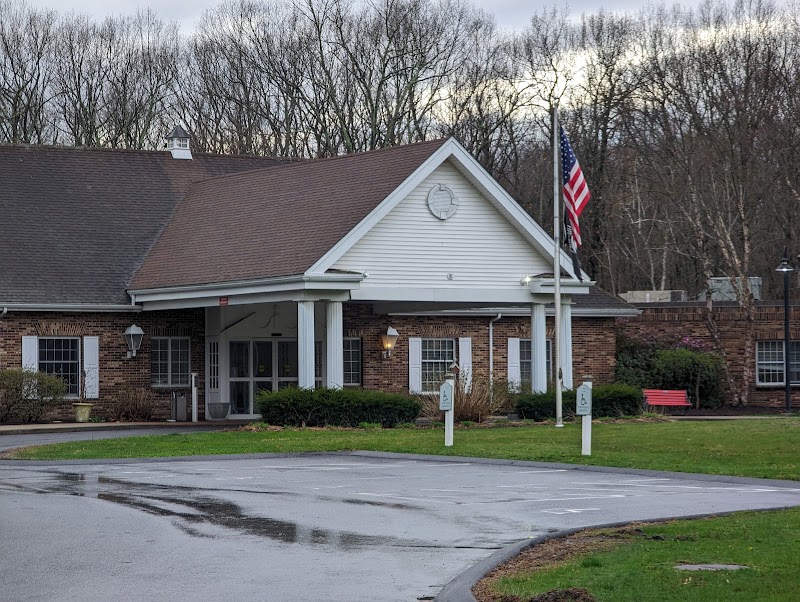
How is Chestnut Hill Of East Longmeadow Staffed?

CMS rates CHESTNUT HILL OF EAST LONGMEADOW's staffing level at 1 out of 5 stars, which is much below average compared to other nursing homes.

What Have Inspectors Found at Chestnut Hill Of East Longmeadow?

State health inspectors documented 28 deficiencies at CHESTNUT HILL OF EAST LONGMEADOW during 2022 to 2025. These included: 22 with potential for harm and 6 minor or isolated issues.
Who Owns and Operates Chestnut Hill Of East Longmeadow?

CHESTNUT HILL OF EAST LONGMEADOW is owned by a for-profit company. For-profit facilities operate as businesses with obligations to shareholders or private owners. The facility is operated by BEAR MOUNTAIN HEALTHCARE, a chain that manages multiple nursing homes. With 135 certified beds and approximately 116 residents (about 86% occupancy), it is a mid-sized facility located in EAST LONGMEADOW, Massachusetts.
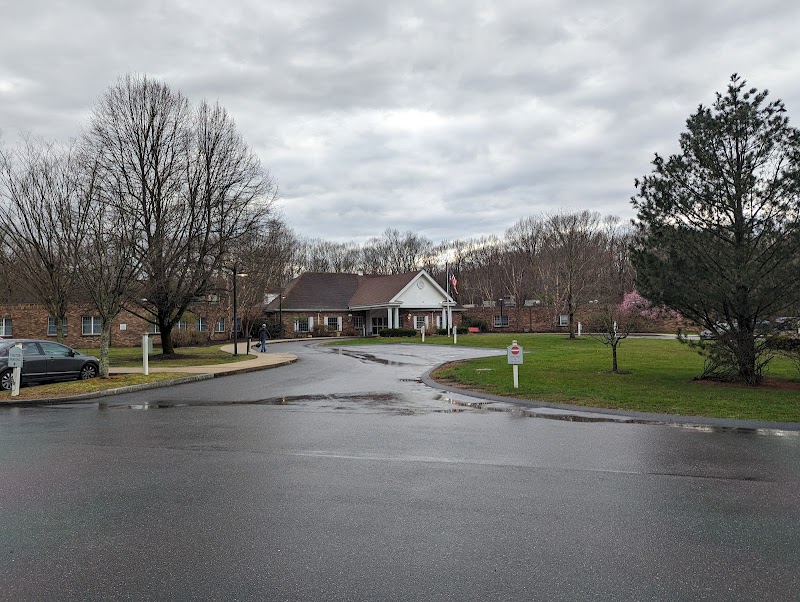
How Does Chestnut Hill Of East Longmeadow Compare to Other Massachusetts Nursing Homes?

Compared to the 100 nursing homes in Massachusetts, CHESTNUT HILL OF EAST LONGMEADOW's overall rating (2 stars) is below the state average of 2.9 and health inspection rating (3 stars) is at the national benchmark.

What Should Families Ask When Visiting Chestnut Hill Of East Longmeadow?

Based on this facility's data, families visiting should ask: "Can you walk me through typical staffing levels on day, evening, and night shifts?" "Can I visit during a mealtime to observe dining assistance and food quality?" "How do you handle medical emergencies, and what is your hospital transfer rate?" "Can I speak with family members of current residents about their experience?" These questions are particularly relevant given the below-average staffing rating.

Is Chestnut Hill Of East Longmeadow Safe?

Based on CMS inspection data, CHESTNUT HILL OF EAST LONGMEADOW has a clean safety record: no substantiated abuse findings (meaning no confirmed cases of resident harm), no Immediate Jeopardy citations (the most serious violation level indicating risk of serious injury or death), and is not on the Special Focus Facility watch list (a federal program monitoring the lowest-performing 1% of nursing homes). The facility has a 2-star overall rating and ranks #100 of 100 nursing homes in Massachusetts. While no facility is perfect, families should still ask about staff-to-resident ratios and recent inspection results during their visit.

Do Nurses at Chestnut Hill Of East Longmeadow Stick Around?

CHESTNUT HILL OF EAST LONGMEADOW has not reported staff turnover data to CMS. Staff turnover matters because consistent caregivers learn residents' individual needs, medications, and preferences. When staff frequently change, this institutional knowledge is lost. Families should ask the facility directly about their staff retention rates and average employee tenure.

Was Chestnut Hill Of East Longmeadow Ever Fined?

CHESTNUT HILL OF EAST LONGMEADOW has no federal fines on record. CMS issues fines when nursing homes fail to meet care standards or don't correct problems found during inspections. The absence of fines suggests the facility has either maintained compliance or corrected any issues before penalties were assessed. This is a positive indicator, though families should still review recent inspection reports for the full picture.

Is Chestnut Hill Of East Longmeadow on Any Federal Watch List?

CHESTNUT HILL OF EAST LONGMEADOW is not on any federal watch list. The most significant is the Special Focus Facility (SFF) program, which identifies the bottom 1% of nursing homes nationally based on persistent, serious quality problems. Not being on this list means the facility has avoided the pattern of deficiencies that triggers enhanced federal oversight. This is a positive indicator, though families should still review the facility's inspection history directly.