REHABILITATION & NURSING CENTER AT EVERETT (THE)
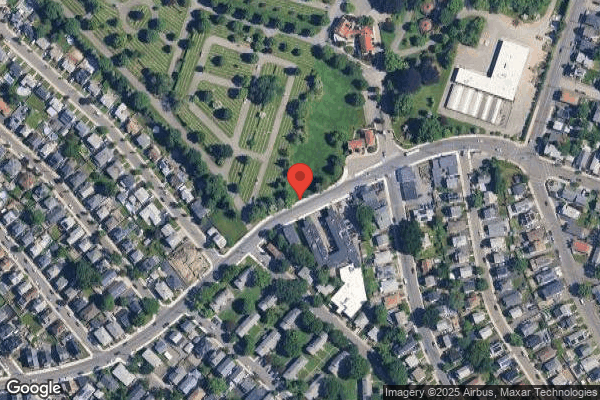
289 ELM STREET, EVERETT, MA 02149 (617) 387-6560
For profit - Limited Liability company 183 Beds PERSONAL HEALTHCARE, LLC Data: November 2025
Trust Grade
63/100
#174 of 338 in MA
Last Inspection: August 2024

Within standard 12-15 month inspection cycle. Federal law requires annual inspections.

Overview

The Rehabilitation & Nursing Center at Everett has a Trust Grade of C+, which indicates it is slightly above average but still has room for improvement. It ranks #174 out of 338 nursing homes in Massachusetts, placing it in the bottom half of facilities in the state, and #37 out of 72 in Middlesex County, meaning there are better local options available. Unfortunately, the facility's trend is worsening, with issues increasing from 12 in 2023 to 13 in 2024. Staffing is a strong point, rated 4 out of 5 stars and having a turnover of 30%, which is better than the state average, but there are serious concerns regarding infection control practices, as the facility failed to implement proper infection prevention and antibiotic stewardship programs. Specific incidents include residents experiencing uncomfortable room temperatures due to a lack of air conditioning during hot weather and failures in maintaining a sanitary environment, which raises concerns about overall resident safety and comfort.

Trust Score
C+
63/100
In Massachusetts
#174/338
Bottom 49%
Safety Record
Low Risk
No red flags
Inspections
Getting Worse
12 → 13 violations
Staff Stability
✓ Good
30% annual turnover. Excellent stability, 18 points below Massachusetts's 48% average. Staff who stay learn residents' needs.
Penalties
✓ Good
No fines on record. Clean compliance history, better than most Massachusetts facilities.
Skilled Nurses
○ Average
Each resident gets 37 minutes of Registered Nurse (RN) attention daily — about average for Massachusetts. RNs are the most trained staff who monitor for health changes.
Violations
⚠ Watch
44 deficiencies on record. Higher than average. Multiple issues found across inspections.
★★★☆☆
3.0
Overall Rating
★★★★☆
4.0
Staff Levels
☆☆☆☆☆
0.0
Care Quality
★★★☆☆
3.0
Inspection Score
Stable
2023: 12 issues
2024: 13 issues

The Good

  • 4-Star Staffing Rating · Above-average nurse staffing levels
  • Low Staff Turnover (30%) · Staff stability means consistent care
  • Full Sprinkler Coverage · Fire safety systems throughout facility
  • No fines on record
  • Staff turnover is low (30%)

    18 points below Massachusetts average of 48%

Facility shows strength in staffing levels, staff retention, fire safety.

The Bad

3-Star Overall Rating

Near Massachusetts average (2.9)

Meets federal standards, typical of most facilities

Chain: PERSONAL HEALTHCARE, LLC

Part of a multi-facility chain

Ask about local staffing decisions and management

The Ugly 44 deficiencies on record

Aug 2024 13 deficiencies
CONCERN (D)

Potential for Harm - no one hurt, but risky conditions existed

Deficiency F0552 (Tag F0552)

Could have caused harm · This affected 1 resident

**NOTE- TERMS IN BRACKETS HAVE BEEN EDITED TO PROTECT CONFIDENTIALITY** Based on record review and interviews, the facility failed to obtain informed consents for psychotropic medications explaining t...

Read full inspector narrative →
**NOTE- TERMS IN BRACKETS HAVE BEEN EDITED TO PROTECT CONFIDENTIALITY** Based on record review and interviews, the facility failed to obtain informed consents for psychotropic medications explaining the risks and benefits of treatment, prior to administering psychotropic medication for one Resident (#141) out of a sample of 31 residents. Findings include: Resident #141 was admitted to the facility in July 2024 with diagnoses that included foot drop, chronic non-pressure wounds, peripheral vascular disease. Review of Resident #141's most recent Minimum Data Set (MDS), dated [DATE], indicated he/she scored a 3 out of a possible 15 on the Brief Interview for Mental Status (BIMS) indicating he/she had severe cognitive impairment. Further review on the MDS indicated he/she received antidepressant medications. Review of Resident #141's physician order, dated 7/19/24, indicated Mirtazapine (antidepressant) 7.5 mg (milligrams). Give 1 tablet by mouth at bedtime related to depression. Review of Resident #141's physician order, dated 7/23/24, indicated Fluoxetine (antidepressant) 10 mg. Give 1 capsule by mouth one time a day for depression. Review of Resident #141's August 2024 Medication Administration Record (MAR), indicated the Resident received Mirtazapine 7.5 mg and Fluoxetine 10 mg daily as ordered. During an interview on 8/28/24 at 7:27 A.M., Unit Manager #1 reviewed Resident #141's medical record with the surveyor. Unit Manager #1 said Resident #141 should have psychotropic consents in place for both Mirtazapine and Fluoxetine but does not. During an interview on 8/28/24 at 8:45 A.M., the Director of Nurses (DON) said the expectation is that nursing obtains consents for psychotropic medications on admission and yearly.
CONCERN (D)

Potential for Harm - no one hurt, but risky conditions existed

Notification of Changes (Tag F0580)

Could have caused harm · This affected 1 resident

**NOTE- TERMS IN BRACKETS HAVE BEEN EDITED TO PROTECT CONFIDENTIALITY** Based on record review and interview the facility failed to ensure the Physician/Nurse Practitioner were notified of recommendat...

Read full inspector narrative →
**NOTE- TERMS IN BRACKETS HAVE BEEN EDITED TO PROTECT CONFIDENTIALITY** Based on record review and interview the facility failed to ensure the Physician/Nurse Practitioner were notified of recommendations made by a Wound Physician for two Residents (#141 and #53) out of a total sample of 31 residents. Specifically, 1. For Resident #141, the facility failed to ensure the Physician or Nurse Practitioner were notified of recommendations made by the Wound Physician on 8/19/24 and 8/26/24. 2. For Resident #53, the facility failed to ensure the Physician or Nurse Practitioner were notified of recommendations made by Psychiatric Nurse Practitioner. Findings include: 1. Resident #141 was admitted to the facility in July 2024 with diagnoses that included foot drop, chronic non-pressure wounds, peripheral vascular disease. Review of Resident #141's most recent Minimum Data Set (MDS), dated [DATE], indicated he/she scored a 3 out of a possible 15 on the Brief Interview for Mental Status (BIMS) indicating he/she had severe cognitive impairment. The MDS further indicated the Resident has unhealed pressure ulcers and is at risk for developing pressure ulcers. Review of Resident #141's Wound Physician notes, dated 8/19/24 and 8/26/24, indicated left heel full thickness stage 3 pressure wound dressing treatment plan: - Apply Alginate calcium to wound, cover with ABD pad (large pad dressing) apply once daily. Review of Resident #141's active physician order, dated 7/25/24, indicated wash left heel with NS (normal saline), pat dry apply skin prep apply once daily. Review of Resident #141's Wound Physician notes, dated 8/19/24 and 8/26/24, indicated diabetic right heel wound dressing treatment plan: - Apply Santyl (helps debride the wound) to wound and cover ABD pad apply once daily. Review of Resident #141's active physician's order, dated 7/25/24, indicated wash right heel with NS, pat dry apply Betadine apply once daily. Review of Resident #141's August 2024 Treatment Administration Record (TAR), indicated on 8/20/24, 8/21/24, 8/22/24, 8/24/24, 8/25/24, 8/26/24, and 8/27/24 wash left heel with NS, pat dry apply skin prep apply once daily and wash right heel with NS, pat dry apply Betadine apply once daily were signed off as administered. Review of Resident #141's Nurse Practitioner (NP) Note, dated 8/26/24, indicated the Resident was evaluated by the NP. During an interview on 8/28/24 at 7:17 A.M., Unit Manager #1 said the Wound Physician rounds weekly with nursing staff, if the Wound Physician makes recommendations they tell the nursing staff then nursing staff relays the information to the provider in the facility. Unit Manager #1 said the recommendations should have been verbalized to the physician and/or NP here but were not. During an interview on 8/28/24 at 8:54 A.M., Nurse Practitioner #1 said she was unaware that Resident #141 was being seen by the Wound Physician and said she was unaware of the Wound Physician's treatment plans for his/her wounds. 2. Resident #53 was re-admitted to the facility in April 2024 with diagnoses that included bipolar disorder, dysphagia and sleep apnea. Review of Resident #53's most recent Minimum Data Set (MDS), dated [DATE], indicated he/she scored a 15 out of a possible 15 on the Brief Interview for Mental Status (BIMS) indicating intact cognition. During an interview on 8/26/24 at 8:16 A.M., Resident #53 said he/she has been feeling more depressed lately. Review of Resident #53's psych medication management Nurse Practitioner (NP) note, dated 8/8/24, indicated the Resident reported that his/her mood was labile. Recommended increasing Lamictal to 100 mg daily. Review of Resident #53's physician order, dated 11/28/23, indicated Lamictal (anti-epileptic medication also used for mood stabilization) tablet 25 mg (milligrams) give three tabs (75 mg) daily. Review of Resident #53's NP progress note, dated 8/26/24, indicated Lamictal 25 mg tablet. Take 3 tablets (75 mg) by mouth in the morning. Review of Resident #53's August 2024 Medication Administration Record (MAR), indicated the Resident received Lamictal 75 mg daily as ordered. On 8/28/24 at 7:15 A.M., Unit Manager #1 said nursing will update the Nurse Practitioner that follows the Resident in house of the new psych medication recommendations. Unit Manager #1 said she was unaware that Resident #53 had new medication recommendations made on 8/8/24. On 8/28/24 at 8:52 A.M., Nurse Practitioner #1 said she was unaware of the medication recommendations made by the psych NP on 8/8/24 and said she would expect nursing staff to relay her this information but they did not.
CONCERN (D)

Potential for Harm - no one hurt, but risky conditions existed

Assessment Accuracy (Tag F0641)

Could have caused harm · This affected 1 resident

**NOTE- TERMS IN BRACKETS HAVE BEEN EDITED TO PROTECT CONFIDENTIALITY** 2) Review of Resident #21's medical record indicated that the Resident went on hospital leave on [DATE] and did not return to th...

Read full inspector narrative →
**NOTE- TERMS IN BRACKETS HAVE BEEN EDITED TO PROTECT CONFIDENTIALITY** 2) Review of Resident #21's medical record indicated that the Resident went on hospital leave on [DATE] and did not return to the facility. Review of Resident #21's most recent Minimum Data assessment dated [DATE] indicated a quarterly MDS Assessment was the last completed MDS assessment. The medical record failed to indicate a discharge MDS assessment was completed. Review of Resident #21's nursing progress note dated [DATE] at 10:52 P.M. indicated that the Resident was sent out to the hospital. Review of Resident #21's nursing progress note dated [DATE] at 10:36 A.M. indicated that the Resident had expired in the hospital. During an interview on [DATE] at 1:57 P.M., the MDS Nurse said she is in charge of completing MDS assessments and when a Resident gets discharged from the facility a discharge MDS assessment gets completed. The MDS Coordinator and the surveyor reviewed Resident #21's medical record and she said she did not assess Resident #21 leaving the facility and it must have been forgotten. Based on observation, record review and interview the facility failed to ensure the Minimum Data Set assessment (MDS) was accurately coded to reflect the status of two Residents (#71, #21) out of a total sample of 31 residents. Specifically: 1) For Resident #71, the MDS did not accurately assess Resident #71's functional ablities for self-care, specifically for eating and 2) For Resident #21, the facility failed to complete a discharge MDS Assessment when the Resident was discharged from the facility to the hospital. Findings include: 1) Resident #71 was admitted to the facility in February with diagnoses that include but are not limited to cerebral vascular accident, anemia, and malnutrition. Review of the most recent Minimum Data Set assessment dated [DATE] indicated Resident #71 scored a 7 out of 15 on the Brief Interview of Mental Status exam indicating he/she as having a severe cognitive impairment. Further review of the MDS indicated Resident #71 had the following nutritional approaches: feeding tube, mechanically altered diet, and therapeutic diet. Review of Resident #71's physician's orders indicated the following: - Regular diet, Pureed texture, Thin Liquids consistency Diet Active date [DATE]. On [DATE] at 8:52 A.M. Resident #71 was observed in bed with a breakfast tray in front of him/her. On [DATE] at 8:51 A.M., Resident #71 was observed in bed with a breakfast tray in front of him/her holding a bowl of hot cereal and spooning the cereal into his/her mouth. A Certified Nursing Assistant (CNA) was next to Resident #71. During an interview on [DATE] at 12:04 P.M., CNA #3 said the Resident eats his/her meals with someone with him/her due to aspiration. CNA #3 said the Resident does not eat too much but needs supervision to eat. During an interview on [DATE] at 12:08 P.M. Nurse #6 said the Resident takes his/her medication whole with apple sauce. Review of Resident #71's MDS dated [DATE] indicated nutritional approaches as feeding tube, mechanically altered diet and therapeutic diet. The MDS document under functional abilities for eating was documented as 'not applicable' The MDS dated [DATE] indicated under functional abilities for eating was documented as 'not applicable.' Two MDSs failed to accurately assess Resident #71's functional abilities for eating. During an interview on [DATE] at 1:57 P.M., the MDS nurse said she did not know why the MDS was documented as 'not applicable for eating and that Resident #71 is dependent on staff for eating.
CONCERN (D)

Potential for Harm - no one hurt, but risky conditions existed

Deficiency F0658 (Tag F0658)

Could have caused harm · This affected 1 resident

Based on observation, policy review and interviews, the facility failed to ensure professional standards of practice were followed for one Resident (#131) out of a total sample of 31 residents. Specif...

Read full inspector narrative →
Based on observation, policy review and interviews, the facility failed to ensure professional standards of practice were followed for one Resident (#131) out of a total sample of 31 residents. Specifically, the facility failed to ensure nursing staff did not leave medications with Resident #131 while unattended. Findings include: Review of the facility policy titled 'Administration of Medications -General' dated November 2023, indicated the following but not limited to: -Medication may not be left unattended. Keep medications secured in a locked area or in visible control at all times. -Medications are never to be left at resident bedside if a situation occurs which necessitates that nurse must step away from resident prior to administration of all medications, medications must be removed from room and secured in locked medication cart until medications can be administered to resident. -Administers medications to residents via correct route. Offers residents a full glass of beverage. Observes residents to ensure medication consumption. During a medication pass on 8/27/24 at 9:28 A.M., the surveyor observed Nurse #2 prepare and administer medication to Resident #131 including the following medication, MiraLAX 17 grams (medication for constipation) mixed in water. Nurse #2 administered medications and left the cup of MiraLAX mixed in water with the resident. Nurse #2 did not wait to see if the Resident consumed the entire amount. During an interview on 8/27/24 at 1:37 P.M., Nurse #2 said she should have waited until the Resident took all the medications. During an interview on 8/28/24 at 8:43 A.M., the Director of Nursing said nurses are to stay with the residents until all medications are taken and no medications should be left with the residents.
CONCERN (D)

Potential for Harm - no one hurt, but risky conditions existed

ADL Care (Tag F0677)

Could have caused harm · This affected 1 resident

**NOTE- TERMS IN BRACKETS HAVE BEEN EDITED TO PROTECT CONFIDENTIALITY** Based on observations, record review and interview, the facility failed to provide activities of daily living for dependent resi...

Read full inspector narrative →
**NOTE- TERMS IN BRACKETS HAVE BEEN EDITED TO PROTECT CONFIDENTIALITY** Based on observations, record review and interview, the facility failed to provide activities of daily living for dependent residents for one Resident (#2) out of a total sample of 31 Residents. Specifically, for Resident #2, the facility failed to provide supervision with meals. Findings include: Review of the facility policy titled Activities of Daily Living, dated November 2023, indicated the following: - It is the facility's policy that based on the comprehensive assessment of a resident consistent with the resident's needs and choices, care and services will be provided to maintain their current ADL status. - Care and services for the following ADL's include: Dining - eating, including meals and snacks - Referrals to therapy can be made based on the interdisciplinary team's review of resident's status during scheduled Comprehensive Care Plan Meetings. - Care Plans - All Resident care plans MUST match the Resident Profile care, CNA assignment, Pocket Sheet and DC POC and CNA Accountability sheets with regards to ADLs. Resident #2 was admitted to the facility in July 2007 with diagnoses including dementia, bipolar disorder and Barrett's esophagus. Review of Resident #2's most recent Minimum Data Set Assessment (MDS) dated [DATE] indicated that the Resident had a Brief Interview for Mental Status score of 5 out of a possible 15 indicating the Resident has severe cognitive impairment. Further review of the MDS indicated the Resident only requires setup assistance with eating. The surveyor made the following observations: - On 8/26/24 at 8:44 A.M., Resident #2 was observed sitting in a wheelchair in his/her room. A staff member entered his/her room with a breakfast tray, set it up and exited the room. Resident #2 was then observed eating a large cut piece of French Toast with no staff present in the room. - On 8/27/24 at 8:33 A.M., Resident #2 was observed sitting in his/her wheelchair in his/her room. A staff member delivered his/her breakfast tray, set up the tray and left the room. No staff were present in the room for supervision or cueing while Resident #2 was eating his/her breakfast. At 8:35 A.M., a staff member delivered Resident #2's roommate's tray and left the room at 8:36 A.M. At 8:39 A.M., a staff member entered Resident #2's room to cut up his/her pancakes and left the room. Resident #2 was observed eating his/her hot cereal with no supervision in his/her room. At 8:50 A.M., Resident #2 was observed to continuously eat his/her breakfast in his/her room without supervision or cueing assistance as needed. -On 8/28/24 at 8:10 A.M., Resident #2 received his/her breakfast tray while laying in his/her bed. At 8:16 A.M., a staff member left the Resident's room, Resident #2 was observed eating his/her breakfast without supervision. At 8:27 A.M., a staff member entered Resident #2's room to take away the Resident's breakfast tray and left the room. Resident #2 was observed drinking from his/her coffee cup with no supervision from staff. Review of Resident #2's self-care deficit: feeding & dysphagia care plan, revised and dated 11/20/23, indicated the following interventions: - Provide meal support per Resident's need. He/she needs supervision for meals & verbal cueing to initiate or continue to intake food due to cognitive impairment/dementia. Review of Resident #2's swallowing care plan related to esophagus impaction reviewed and dated 8/16/24 indicated the following interventions: - All staff to be informed of Resident #2's special dietary and safety needs. - Resident #2 is to eat only with supervision. Monitor for aspiration. Review of Resident #2's nutritional risk care plan revised and dated 4/3/24 indicated the following intervention: - Monitor/document/report PRN (as needed) any s/sx (signs/symptoms) of dysphagia: pocketing, choking, coughing, drooling, holding food in mouth, several attempts at swallowing, refusing to eat, appears concerned during meals. Review of Resident #2's [NAME] on the electronic medical record indicated the following under the Eating/Nutrition section indicated the following: - Resident #2 is to eat only with supervision. Monitor for aspiration. - Provide meal support per Resident's need. He/she needs supervision for meals & verbal cueing to initiate or continue to intake food due to cognitive impairment/dementia. Review of Resident #2's [NAME] with a review date of December 2020 in Certified Nursing Assistant (CNA) assignment binder on the unit indicated the following under the Eating section: - Set-up or clean up assistance Review of Resident #2's CNA ADL assignment sheet for August 2024 indicated that the Resident was documented as receiving setup or clean-up assistance with meals for every day of the month and not supervision with meals. Review of Resident #2's Nurse Practitioner progress note written on 8/9/24 at 2:25 P.M., indicated the following: - Pt. underwent EDG with RFA on 8/8/24: findings showed two esophageal nodules as well as hiatal hernia. - Patient Active Problem List: Esophageal obstruction due to food impaction, aspirations into airway Review of Resident #2's document titled Speech Therapy Discharge Summary dated from 7/26/24 through 8/22/24 indicated the following under the Intake Protocol section: Supervision for Oral Intake = close supervision (recommend set up and close supervision). During an interview on 8/28/24 at 9:25 A.M., CNA #2 said she asks residents what level of assistance they need each day she provides care, CNA #2 also said she uses the [NAME] to know what level of care each resident need. CNA #2 continued to say when a resident requires supervision with meals they need to be watched at all times while eating. CNA #2 said Resident #2 is able to feed him/herself without supervision, he/she only needs his/her meal tray setup. During an interview on 8/28/24 at 9:38 A.M., Nurse #5 said she speaks with the CNAs about what level of care each resident requires and she refers to the care plans and [NAME]. Nurse #5 said Resident #2 requires supervision with meals and that supervision means that a staff member needs to be within sight of Resident #2 while he/she is eating. Nurse #5 and the surveyor reviewed Resident #2's care plan and [NAME] and Nurse #5 said Resident #2 should be supervised at all meals. During an interview on 8/28/24 at 10:58 A.M., the Director of Rehabilitation (DOR) and the surveyor reviewed Resident #2's Speech Therapy Discharge summary dated from 7/26/24 through 8/22/24. The DOR said given Resident #2's cognitive level of function and swallowing history, he/she needs to be closely supervised while eating. The DOR said close supervision means a staff member needs to be in the room with Resident #2 due to cueing needs and to monitor for aspiration risk. The surveyor shared the observations and the DOR agreed that Resident #2 was not receiving the appropriate supervision during meal times.
CONCERN (D)

Potential for Harm - no one hurt, but risky conditions existed

Quality of Care (Tag F0684)

Could have caused harm · This affected 1 resident

**NOTE- TERMS IN BRACKETS HAVE BEEN EDITED TO PROTECT CONFIDENTIALITY** Based on observation, record review and interview the facility failed to ensure standards of quality of care were implemented fo...

Read full inspector narrative →
**NOTE- TERMS IN BRACKETS HAVE BEEN EDITED TO PROTECT CONFIDENTIALITY** Based on observation, record review and interview the facility failed to ensure standards of quality of care were implemented for one Resident (#2), out of a total sample of 31 residents. Specifically, the facility failed to identify a skin injury on the Resident's right forearm. Findings include: Review of the facility's policy subject: Managing Skin Integrity with an effective date of 1/3/2024, indicated the following: It is the policy of the facility to ensure that all residents receive the highest practicable level of quality of care. Nursing, in collaboration with the health care team, will assess and manage skin integrity for all residents throughout their residence in the facility. Focus is on a 'gentle hands' approach when providing care to all residents. Any deterioration in or development of an alteration in skin integrity will be promptly addressed and individualized approaches in accordance with the resident's needs and goals will be implemented. Resident #2 was admitted to the facility in July 2007 with diagnoses including dementia, bipolar disorder and Barrett's esophagus. Review of Resident #2's most recent Minimum Data Set Assessment (MDS) dated [DATE] indicated that the Resident had a Brief Interview for Mental Status exam score of 5 out of 15 indicating the Resident as having severe cognitive impairment. During the survey the following observations were made: - On 8/26/24 8:44 A.M., Resident #2 was sitting up in a wheelchair in his/her room with a round approximately quarter sized discoloration with yellowed edges on his/her right forearm. - On 8/26/24 at 3:29 P.M., Resident #2 was in the activity room on another floor and had a round fading discoloration on his/her right forearm. - On 8/27/24 at 8:13 A.M., Resident #2 was up, dressed and in his/her wheelchair. Resident #2's right forearm had a fading round discoloration with yellowing edges. Resident #2 said it was a bruise. Review of Resident #2's medical record indicated the following: - Progress notes dated 7/30/24 through 8/26/24 did not indicate any entry regarding the identification of the skin discoloration consistent with a bruise on Resident #2's right forearm. - A Physician's order dated active 11/8/2021 weekly skin check Monday 3-11 every evening shift every Monday. On 8/27/24 at 7:06 A.M., review of the weekly skin assessment dated [DATE] indicated Resident #2's skin as intact. This assessment conflicts with the observations made on 8/26/24 of Resident #2's discoloration on Resident #2's right forearm. During an interview on 8/27/24 at 2:24 P.M., Certified Nursing Assistant #2 (CNA) said Resident #2 requires care for everything and that she provided bathing dressing this morning. CNA #2 said if skin changes or injuries are seen during care they are reported to the nurse. CNA #2 said Resident #2 moves around in his/her wheelchair and can easily bang his/her arms. During an interview and observation on 8/27/24 at 2:26 P.M., Nurse #6 said the CNA staff report any skin concerns to the nurses. Nurse #6 said residents have weekly skin assessments and anything identified should be on the assessment. Nurse #6 walked into Resident #2's room with the surveyor and saw the circular discolored area on his/her right forearm. Nurse #6 said the area looked old due to the yellow fading edges, was a bruise and a couple days old. Nurse #6 said any skin change/injury on a resident needs an incident report. Nurse #6 said the Resident's bruise should have been noted or reported by staff. During an interview on 8/27/24 at 3:19 P.M., the Assistant Director of Nursing (ADON) said the Nurse on Resident #2's unit just brought the skin injury to her attention. The ADON said it was a bruise on the right forearm, looks to be old, round smaller than quarter, and that Resident #2 had a history of banging his/her arms when he/she moves around the facility. The ADON said staff are to report any skin changes or injuries on a resident.
CONCERN (D)

Potential for Harm - no one hurt, but risky conditions existed

Pressure Ulcer Prevention (Tag F0686)

Could have caused harm · This affected 1 resident

**NOTE- TERMS IN BRACKETS HAVE BEEN EDITED TO PROTECT CONFIDENTIALITY** Based on observation, record review and interview the facility failed to a) develop a care plan for the assessed risk for develo...

Read full inspector narrative →
**NOTE- TERMS IN BRACKETS HAVE BEEN EDITED TO PROTECT CONFIDENTIALITY** Based on observation, record review and interview the facility failed to a) develop a care plan for the assessed risk for developing a pressure ulcer/injury and b) failed to implement the physician's order for prevalon boots (a heel protector) for one Resident (#79) out of a total sample of 31 residents. Findings include: Review of the facility's policy titled Subject: Pressure Ulcer Preventions and Management, with an effective date 1/3/2024 indicated the following: It is the policy of the facility to assess all resident for the risk of pressure injuries and to have an appropriate interdisciplinary preventive care plan implemented when indicated. Procedure: 3. When a resident is identified as at risk for development of a pressure injury, the licensed nurse/unit manager will initiate a care plan that recognizes the resident's needs and goals and addresses the same with individualized interventions that are consistent with recognized standards of practice. Resident #79 was admitted to the facility in November 2023 with diagnoses that include but are not limited to chronic obstructive pulmonary disease, type 2 diabetes mellitus, mild protein-calorie malnutrition, and partial traumatic amputation on right foot. Review of the Minimum Data Set (MDS) assessment dated [DATE] indicated Resident #79 scored a 13 out of 15 on the Brief Interview for Mental Status exam indicating he/she is cognitively intact, requires partial/moderate assistance from staff on bathing, dressing and transfers, and is at risk for developing pressure ulcers. Review of the Norton Scale for Predicting Pressure Ulcer conducted for Resident #79 on 11/27/23 score of 9, 2/26/24 score of 8, and 5/28/24 score of 10, all indicated Resident #79 as being at high risk for developing a pressure ulcer/injury. A score of 10 or below places the resident at risk for developing a pressure ulcer. a) Review of the comprehensive MDS dated [DATE] indicated a Care Area Assessment note: Care Plan considerations: (Resident #79) Dependent to Extensive assist with ADLs/Mobility. Skin intact. Always incontinent; Prompt incontinent care needed. Weekly skin assessments. Pressure relief devices. Pressure Ulcer/Injury will be addressed in the care plan. Review of the documented care plans failed to indicate a person-centered care plan with an individualized goal and interventions for the risk of developing pressure ulcers was developed. During an interview on 8/27/24 at 2:05 P.M., the Minimum Data Set nurse said if an area for care triggers with the decision to proceed with a care plan, the care plan with the specific focus the focus should be developed. The MDS nurse said Resident #79 should have a care plan for the risk of developing pressure ulcer/injury. b) On 8/26/24 8:46 A.M., Resident #79 was observed in bed, wearing a nasal cannula in his/her nose administering oxygen, and eating his/her breakfast. Resident #79 said he/she needs help with bathing and dressing. Review of Resident #79's medical record indicated the following: *A physician's order: Prevalon boots while in bed at bedtime, dated 12/28/24 *A physician's order dated 12/28/24 skin prep to dry eschar on right heal (sic). Apply BID (two times a day) and prn (as needed). During an interview on 8/26/24 at 12:12 P.M., Resident #79 said he/she did not have any boots that he/she wears to bed and that he/she did not have any issues with his/her heels. On 8/27/24 at 7:49 A.M., Resident #79 was observed in bed. Resident #79's heels were directly on the mattress and he/she was not wearing prevalon boots. There were no prevalon boots observed in the Resident's room. During an interview on 8/27/24 at 2:41 P.M., Certified Nursing Assistant (CNA) #3 said she works days, and that Resident #79 is in bed when she starts her shift and does not have or use boots or any pillows for his/her heels. During an interview on 8/27/24 at 2:50 P.M., Nurse #6 said Resident #79 has a pink dryness on his/her right heel which is treated with skin prep. Nurse #6 reviewed the MAR and said there is an order for the prevalon boots which he/she is supposed to be wearing at night. Nurse #6 went with the surveyor to Resident #79's room and was unable to locate the prevalon boots. On 8/27/24 at 3:30 P.M., the Assistant Director of Nursing said her recollection is that Resident #79 had broken skin at one point and the prevalon boots were for preventative measures. The ADON said typically the use of the prevelon boots is documented on the Treatment Administration Record (TAR) and not the MAR, but she would expect that they are implemented per the physician's order.
CONCERN (D)

Potential for Harm - no one hurt, but risky conditions existed

Respiratory Care (Tag F0695)

Could have caused harm · This affected 1 resident

**NOTE- TERMS IN BRACKETS HAVE BEEN EDITED TO PROTECT CONFIDENTIALITY** Based on observations, interviews, policy review, and record review, the facility failed to provide respiratory care services in...

Read full inspector narrative →
**NOTE- TERMS IN BRACKETS HAVE BEEN EDITED TO PROTECT CONFIDENTIALITY** Based on observations, interviews, policy review, and record review, the facility failed to provide respiratory care services in accordance with professional standards of practice for one Resident (#48) out of a total sample of 31 residents. Specifically for Resident #48, the facility failed to ensure his/her oxygen concentrator air filter was in place. Findings include: Review of the facility policy titles Oxygen Therapy, dated 1/3/24, indicated Maintenance of Concentrator: - Filters will be washed in warm soapy water weekly. - Filters should be dried thoroughly before being reinstalled. Resident #48 was admitted to the facility in July 2024 with diagnoses that included sepsis, pneumonia, acute respiratory failure with hypoxia and chronic obstructive pulmonary disease. Review of Resident #48's most recent Minimum Data Set (MDS), dated [DATE], indicated he/she scored 15 out of a possible 15 on the Brief Interview for Mental Status (BIMS) indicating the Resident is cognitively intact. Further review of the MDS indicated he/she is receiving oxygen therapy. Review of Resident #48's physician orders, dated 7/26/24, indicated change 02 (oxygen) tubing and clean filter every week. On 8/26/24 at 8:06 A.M., the surveyor observed Resident #48 in bed receiving oxygen via nasal cannula, the oxygen concentrator did not have an air filter in place. On 8/27/24 at 7:43 A.M., the surveyor observed Resident #48 in bed receiving oxygen via nasal cannula, the oxygen concentrator did not have an air filter in place. During an interview on 8/28/24 at 7:28 A.M., Unit Manager #1 said the oxygen concentrator should have an air filter in place because if the air filter is not in place it puts the resident at risk for an infection. During an interview on 8/28/24 at 11:28 A.M., the Director of Nurses (DON) said she expects air filters to be in place at all times on the oxygen concentrator machines.
CONCERN (D)

Potential for Harm - no one hurt, but risky conditions existed

Unnecessary Medications (Tag F0759)

Could have caused harm · This affected 1 resident

Based on observations, record reviews, policy reviews and interviews, the facility failed to ensure it was free from a medication error rate of five percent or greater. One out of four nurses observed...

Read full inspector narrative →
Based on observations, record reviews, policy reviews and interviews, the facility failed to ensure it was free from a medication error rate of five percent or greater. One out of four nurses observed made two errors in 40 opportunities on one unit resulting in a medication error rate of 5%. These errors impacted one Resident (#53), out of four residents observed. Findings include: Review of the facility policy titled 'Administering of Medications-General' dated, November 2023, indicated the following but not limited to: -It is the facility's policy that medications will be administered to residents in a timely and accurate manner by a licensed nurse or physician. -Nurse compares the medication names, strength, and dosage schedule on the medication administration record against the prescription label. Always check three times prior to administration. -Review physician's orders and compares against medication administration record. 1. During a medication pass on 8/27/24 at 9:44 A.M., the surveyor observed Nurse #1 prepare and administer including the following medications for Resident #53: -Vitamin D3 5000 units one cap by mouth. -Calcium 600 milligram with 400 units of vitamin D. Review of the Resident #53's current physician orders indicated the following medication orders: -Cholecalciferol tablet 1000 unit. Give one tablet by mouth one time a day for osteoporosis. -Calcium carbonate 600 milligrams. Give one tablet by mouth one time a day for osteoporosis. During an interview on 8/27/24 at 1:38 P.M., Nurse #1 said she substitutes medication with whatever she has on hand which the Resident ended up receiving 4400 units extra of vitamin D. She further said she administered the wrong dosages. During an interview on 8/28/24 at 8:38 A.M., the Director of Nursing said if medication is not available the nurse would call the physician and get a substitute for what is on hand. Nurses should not substitute medications without a physician order.
CONCERN (D)

Potential for Harm - no one hurt, but risky conditions existed

Deficiency F0761 (Tag F0761)

Could have caused harm · This affected 1 resident

**NOTE- TERMS IN BRACKETS HAVE BEEN EDITED TO PROTECT CONFIDENTIALITY** Based on observation, policy review and interview, the facility failed to ensure nursing staff stored all drugs and biologicals ...

Read full inspector narrative →
**NOTE- TERMS IN BRACKETS HAVE BEEN EDITED TO PROTECT CONFIDENTIALITY** Based on observation, policy review and interview, the facility failed to ensure nursing staff stored all drugs and biologicals in accordance with accepted professional standards of practice. Specifically, 1. The facility failed to properly secure the medication cart on one of four units 2. The facility failed to properly secure the medication room on one of four units Findings include: Review of the facility policy titled Maintenance of Medications, dated 11/8/23, indicated Only authorized licensed personnel are to have access to the keys and the medications. Medication carts must be locked at all times when not in use, including during medication passes when the nurse steps away from the cart. 1. On 8/26/24 at 7:48 A.M. and 12:38 P.M., the surveyor observed the medication cart on the [NAME] 1 Unit unlocked and unsupervised. No staff were at the medication cart. During an interview on 8/28/24 at 7:30 A.M., Unit Manager #1 said the medication cart should be locked if a nurse is not present at it. During an interview on 8/28/24 at 8:44 A.M., the Director of Nurses (DON) said she expects nursing to keep their medication carts locked unless they are present at the cart. 2. On 8/26/24 from 8:02 A.M. to 8:32 A.M., the medication room on the Main 1 Unit was unlocked and unsupervised. No staff were present in the medication room or at the nurses station. On 8/27/24 from 8:18 A.M. to 8:55 A.M., the medication room on the Main 1 Unit was unlocked and unsupervised. No staff were present in the medication room or at the nurses station. During an interview and observation on 8/27/24 at 8:56 A.M., Nurse #2 said the medication room is unlocked at the present time and should not be. Nurse #2 said the medication room should always be locked unless a nurse is present in the room. During an interview on 8/28/24 at 7:30 A.M., Unit Manager #1 said the medication room should be locked at all times unless a nurse is in the room obtaining supplies. During an interview on 8/28/24 at 8:44 A.M., the Director of Nurses (DON) said she expects nursing to keep their medication rooms locked unless they are present in the in the medication room.
CONCERN (D)

Potential for Harm - no one hurt, but risky conditions existed

Dental Services (Tag F0791)

Could have caused harm · This affected 1 resident

**NOTE- TERMS IN BRACKETS HAVE BEEN EDITED TO PROTECT CONFIDENTIALITY** Based on observations, record reviews and interviews, the facility failed to obtain dental services for one Resident (#87) out o...

Read full inspector narrative →
**NOTE- TERMS IN BRACKETS HAVE BEEN EDITED TO PROTECT CONFIDENTIALITY** Based on observations, record reviews and interviews, the facility failed to obtain dental services for one Resident (#87) out of a total sample of 31 Residents. Findings include: Review of the facility policy titled Dental Services/Dentures, dated November 2023, indicated the following: -Routine and emergency dental services are available to meet the resident's oral health services in accordance with the residents' assessment and plan of care. -Social services representatives with assist residents with appointments, transportation arrangements, and for reimbursement of dental services under the state plan, if eligible. -If dentures are damaged or lost, residents will be referred for dental services within 3 days. If the referral is not made within 3 days, documentation will be provided regarding what is being done to ensure that the resident is able to eat and drink adequately while awaiting dental services, and the reason for the delay. Resident #87 was admitted to the facility in March 2024 with diagnoses including dementia, dysphagia (difficulty swallowing), adult failure to thrive, hyperlipidemia, diabetes mellitus, and anxiety. Review of the Minimum Data Set (MDS), dated [DATE], indicated that Resident #87 has a Brief Interview for Mental Status (BIMS) score of 14 out of a possible 15, indicating he/she has intact cognition. The MDS also indicated Resident #87 requires extensive assistance from staff for all functional tasks. Review of the Nutritional Comprehensive Assessment, dated 3/18/24, indicated that Resident #87 is a nutritional risk related to advanced age, FTT (failure to thrive), dysphagia, HLD (hyperlipidemia), T2DM (Type 2 Diabetes Mellitus), Dementia with potential for changes in appetite and weight. Review of the Activities of Daily Living care plan dated 3/14/24, indicated the following: -Set up for oral care; Resident #87 has upper/lower dentures refer to dental services if needed. Review of physician order dated 3/14/24, indicated the following: -Dental evaluation and treat as indicated. Review of the clinical record failed to indicate that Resident #87 was offered dental services with the facility's contracted dental service on admission and there was no signed consent or declination form on file. Review of the clinical record does not indicate that Resident #87 was seen by a contract or outside service for oral evaluation since admission. Review of the Activities of Daily Living care plan dated 3/14/24, indicated the following: -Set up for oral care; [NAME] has upper/lower dentures refer to dental services if needed. During an interview on 8/26/23 at 9:26 A.M., Resident #87 said he/she had dentures but lost them prior to admission and has been asking to see a dentist to obtain new dentures since admission. Resident #87 said he/she told multiple staff that he/she needs new dentures but has not been to the dentist. Resident #87 was observed to have no teeth and no dentures in his/her mouth. During an interview on 8/28/23 at 7:58 P.M., the Unit Manager said appointments are made for residents and residents are added to the list if they need or request to be seen by the dentist and residents or families will notify staff if they want to be seen. The Unit Manager said Resident #87 has not received an oral evaluation and does not have a signed consent for dental services on file but should have been offered dental services on admission and should have been seen by the dentist. The Unit Manager said physician orders and nutritional recommendations should be followed within 48 hours and that Resident #87 should have been added to the list for dental evaluation to replace his/her dentures. During an interview on 8/28/24 at 8:44 A.M., the Director of Nurses (DON) said Resident #87 should have been offered dental services for dental evaluation and should have been seen by the dentist to follow up with new dentures.
CONCERN (E)

Potential for Harm - no one hurt, but risky conditions existed

Infection Control (Tag F0880)

Could have caused harm · This affected multiple residents

Based on observation, record review and interview the facility failed to maintain an infection prevention and control program designed to provide a safe, sanitary and comfortable environment and to he...

Read full inspector narrative →
Based on observation, record review and interview the facility failed to maintain an infection prevention and control program designed to provide a safe, sanitary and comfortable environment and to help prevent the development and transmission of communicable diseases and infections. Findings include: Review of the facility policy titled Infection Prevention and Control undated, indicated the following: -The Infection Prevention and Control Program includes a comprehensive, total surveillance protocol which is based on the principles of epidemiology. -To provide a systematic method of collecting, consolidating and analyzing data concerning the distribution and determinants of a given disease or event followed by dissemination of that information to those who can improve the outcomes. A. Data Sources. Sources of data for infection surveillance include but are not limited to the following: Clinical record, Microbiology reports, Antibiotic Reports, Radiographic report, Activity logs / 24 hour report, Clinical rounds/staff reports. B. Data Collection and Tabulation: A line listing form is maintained for each unit it is a concise summation of information gathered on the above forms. Potential as well as actual infections are listed on this form. Statistics are kept on a monthly basis; therefore, a new line listing is begun each month. Infections are tabulated according to body site geographic location and type of pathogen. C. Analysis and Interpretation of Data: Infection rates are calculated per unit per body site. Analysis and interpretation includes comparison to previous rates within the facility. E. Procedure Related Process Surveillance: In addition to providing data, procedure related surveillance serves as an educational and training tool for infection control practices. H. Calculation of Nosocomial Rates: Numerator =the number of nosocomial infections that occurred. Denominator the number of patient care days in a specific period of time(month). Review of the facility form titled QAPI Antibiotics for May dated, 5/1/24 to 5/30/24, indicated one diagnosis of C. diff (also known as Clostridium difficile or C. difficile) is a germ (bacterium) that causes diarrhea and colitis (an inflammation of the colon) and started on antibiotic therapy. The form failed to indicate any additional details regarding the infection or any control measures taken. Review of the infection control program line listings failed to indicate the monitoring, tracking, and analyzing of infections in the facility. During an interview on 8/28/24 at 9:28 AM., the surveyor asked the Infection Preventionist (IP) to provide her with the facility's line listing. The IP said she has line listings that she reviews at the end of the month, and she will review the clinical dashboard for new antibiotics, but she does not track clinical signs, symptoms or trending of infections because if there were infections present residents would be prescribed antibiotics. The IP said she counts the number antibiotics prescribed but does not evaluate the infections. The IP said she does not obtain reports from the lab on antibiotic use in the facility because if residents are symptomatic the provider will order antibiotics, and the facility does not obtain cultures. The IP said she does not know the monthly infection control rates and said she knows there are a lot of infections in the building if the number of antibiotics prescribed is high at the end of the month. The IP was unable to provide documentation of infection control surveillance, including a system for recording incidents and the corrective actions taken by the facility. During an interview on 8/28/24 at 11:20 A.M. the Director of Nurses (DON) said she expects the facility to follow infection control guidelines for tracking and evaluating infections as well as document surveillance of signs and symptoms of communicable diseases. The DON said the facility should be aware the infection control rates in the facility and should be identifying clusters and monitoring for increases in infections. Refer to F881
CONCERN (E)

Potential for Harm - no one hurt, but risky conditions existed

Antibiotic Stewardship (Tag F0881)

Could have caused harm · This affected multiple residents

Based on record review, policy review and interview, the facility failed to implement an Antibiotic Stewardship Program to promote and monitor the appropriate use of antibiotics which are used to guid...

Read full inspector narrative →
Based on record review, policy review and interview, the facility failed to implement an Antibiotic Stewardship Program to promote and monitor the appropriate use of antibiotics which are used to guide decisions for evaluating antibiotic prescribing patterns in accordance with the Antibiotic Stewardship Program. Findings include: Review of the Centers for Disease Control and Prevention (CDC) guidance titled: The Core Elements of Antibiotic Stewardship for Nursing Homes, undated, indicated but was not limited to the following: - The purpose of an antibiotic stewardship program is to improve the use of antibiotics in healthcare to protect patients and reduce the threat of antibiotic resistance. - Antibiotic stewardship refers to a set of commitments and actions designed to optimize the treatment of infections while reducing the adverse events associated with antibiotic use. - The CDC recommends that all nursing homes take steps to improve antibiotic prescribing practices and reduce inappropriate use. - Any action taken to improve antibiotic use is expected to reduce adverse events, prevent emergence of resistance, and lead to better outcomes for residents in this setting. Review of the facility policy titled, Antibiotic Stewardship Program, dated as revised January 2024, indicated the following: -It is the facility's policy to ensure that the use of antibiotics within the facility is done so in a way that optimizes the treatment of infections while striving to reduce adverse events. -Infection preventionist (IP) - will play an elemental role in supporting antibiotic stewardship by utilizing several strategies such as tracking antibiotic use, monitoring adherence to established prescribing standards, and reviewing antibiotic resistance patterns within the facility: -Antibiotic use within the facility including trends of resistance. -Monitoring antibiotic resistance patterns (MRSA (Methicillin-Resistant Staphylococcus Aureus), VRE (Vancomycin-Resistant Enterococci), ESBL (Extended -Spectrum, Beta-Lactamases), CRE (Carbapenem-Resistant Enterobacteriaciae), etc.) -Gather data on the amount of antibiotics prescribed (including number of days prescribed), and the number of residents treated each month. -Monitor the number of residents on antibiotics that did not meet criteria for active infection. -Action Plan: *Assisting in developing and improving the evaluation and communication of clinical signs and symptoms when a resident is first suspected of having an infection. -Assisting and developing an antibiotic use process (algorithm) for all antibiotics prescribed in the facility promptly clinicians/direct care providers to stop and release the need for, and choice of, an antibiotic when the clinical picture is clearer and more information is available: for example, an antibiotic time out after 48 hrs to review and assess for appropriateness. -Tracking: The IP will be responsible for infection surveillance and MDRO (Multidrug- Resistant Organisms) tracking -See Antibiotic Use Monthly Tracking Form. -The IP will collect and review data such as: -Type of antibiotic ordered, route of administration, antibiotic costs. -Whether appropriate tests such as cultures were obtained before ordering antibiotic(s). -Whether the antibiotic was changed during the course of treatment including testing and documentation explaining the reasons for the change. -Reporting: -The IP will be responsible for the regular reporting of information on antibiotic use and resistance to doctors, nurses, and relevant staff to assist in keeping track and assuring appropriate antibiotic therapy is being utilized, and unnecessary antibiotic use can be decreased. Review of the facility's Antibiotic Use Monthly Tracking Forms failed to contain detailed information as indicate on the form and was missing criteria necessary to monitor the appropriate use of antibiotics. During an interview on 8/28/24 at 9:25 A.M., the surveyor asked the Infection Preventionist (IP) to provide her with the facility's line listing and antibiotic usage audit tool. The IP said she has line listings that she reviews at the end of the month, and she will review the clinical dashboard for new antibiotics, but she does not track clinical signs, symptoms or trending of infections because if there were infections present residents would be prescribed antibiotics. The IP said she counts the number antibiotics prescribed but does not evaluate the infections. The IP said she does not obtain reports from the lab on antibiotic use in the facility because if residents are symptomatic the provider will order antibiotics, and the facility does not obtain cultures. The IP said she does not know the monthly infection control rates and said she knows there are a lot of infections in the building if the number of antibiotics prescribed is high at the end of the month. During an interview on 8/28/24 at 11:13 A.M., the Director of Nurses (DON) said she expects the facility to document and implement the antibiotic stewardship program and follow the requirements for tracking, evaluating and reporting the use of antibiotics and infections. The DON said she expects cultures and labs to be reviewed along with the type and duration of antibiotics prescribed and evaluations should be discussed regarding stopping or continued antibiotics. The DON said the facility should be aware the usage and infection control rates in the facility.
Aug 2023 12 deficiencies
CONCERN (D)

Potential for Harm - no one hurt, but risky conditions existed

Notification of Changes (Tag F0580)

Could have caused harm · This affected 1 resident

Based on record review, policy review and interviews, the facility failed to notify the physician of a refusal of a medication (an alteration in treatment plan) for one Resident (#60), out of a total ...

Read full inspector narrative →
Based on record review, policy review and interviews, the facility failed to notify the physician of a refusal of a medication (an alteration in treatment plan) for one Resident (#60), out of a total sample of 25 residents. Specifically, on 8/28/23 Resident #60 refused his/her physician's ordered Haldol injection (antipsychotic medicine) and nursing failed to notify his/her physician of the Resident's refusal. Findings include: Review of the facility policy titled, Administering Medications, dated April 2021, indicated medications are administered in a safe and timely manner, and as prescribed. 17. If a drug is withheld, refused, or given at a time other than the scheduled, the individual administering the medication shall indicate this on the medication administration record space provided for that drug and dose and will inform the the provider [MD/NP]. Review of the facility policy titled, Change in Status Notification, dated as revised 2/2/23, indicated notification to the resident's attending physician will be made with a need to alter treatment significantly or to commence a new form of treatment, or change a in medication regime. Resident #60 was admitted to the facility in January 2020 with diagnoses including diabetes, schizoaffective disorder bipolar type (a mental health disorder that is marked by a combination of schizophrenia symptoms, such as hallucinations or delusions, and mood disorder symptoms, such as depression or mania), anxiety and psychosis. Review of the Minimum Data Set (MDS) assessment, dated 6/16/23, indicated Resident #60 had a Brief Interview of Mental Status assessment score of 15 out of a total possible 15 indicating he/she was cognitively intact. The MDS indicated he/she had delusions (misconceptions or beliefs that are firmly held, contrary to reality) and did not reject care. The MDS indicated he/she received an antipsychotic medication. The MDS indicated he/she has a guardian. Review of the Commonwealth of Massachusetts Trail Court Probate and Family Court for Antipsychotic Medication, dated 4/13/23, indicated: - Haldol Decanoate (antipsychotic medicine that is used to treat schizophrenia) 3.5 milligrams (mg) intramuscularly every four weeks. Review of the physician's order, dated 5/28/23, indicated: - HALOPER DEC INJ 100 milligrams (mg)/ milliliter (ml), Inject 3.5 ml intramuscularly one time a day starting on the 28th and ending on the 28th every month related to schizoaffective disorder. Review of the Medication Administration Record, dated August 2023, indicated on 8/28/23 at 9:00 A.M., Resident #2 refused his/her physician's ordered Haldol. Review of the eMAR nursing progress note, dated 8/28/23, indicated: -HALOPER DEC INJ 100 MG/ML, Inject 3.5 ml intramuscularly one time a day starting on the 28th and ending on the 28th every month related to schizoaffective disorder. Pt (Patient) fears that is might kill him/her. Pt said, I don't take Haldol, it almost killed me Further review of the clinical record failed to indicate his/her physician was made aware of the medication refusal. During an interview on 8/30/23 at 8:52 A.M., Nurse #1 said that he did not administer the Haldol injection to Resident #60. Nurse #1 said he did not notify anyone about the refusal. During an interview on 8/30/23 at 1:22 P.M., Nurse #2 said that Resident #60 requires his/her physician's ordered Haldol injection monthly on the 28th. Nurse #2 said that she typically will administer the medication to Resident #60. Nurse #2 said that Nurse #1 should have notified the physician that Resident #60 refused the medication. During an interview on 8/30/23 at 1:16 P.M., Unit Manager #1 said that she was not aware that Resident #60 refused his/her Haldol injection. Unit Manager #1 said that Nurse #1 should have notified Resident #60's physician. During an interview on 8/31/23 at 8:44 A.M., the Director of Nursing said that Nurse #1 should have notified Resident #60's physician of the refusal of the injection. During an interview on 8/31/23 at 9:40 A.M., the Nurse Practitioner said she was not made aware that Resident #60 refused his/her Haldol injection but she should have been notified.
CONCERN (D)

Potential for Harm - no one hurt, but risky conditions existed

Assessment Accuracy (Tag F0641)

Could have caused harm · This affected 1 resident

Based on observation, record review, and interview the facility failed to ensure the Minimum Data Set (MDS) assessment accurately assessed one Resident's (#13) speech clarity, out of a total sample of...

Read full inspector narrative →
Based on observation, record review, and interview the facility failed to ensure the Minimum Data Set (MDS) assessment accurately assessed one Resident's (#13) speech clarity, out of a total sample of 25 residents. Specifically, the MDS assessment for two consecutive quarters indicated Resident #13 had clear speech, which conflicts with his/her actual status. Findings include: Resident #13 was admitted to the facility in March 2009 and has diagnoses that include cerebrovascular disease, polyneuropathy, and other speech disturbances. On 8/29/23 at 11:08 A.M., Resident #13 was observed in the dining room. When greeted by the surveyor, Resident #13 did not respond verbally. The Activity Assistant, who was present, alerted the surveyor to laminated cards used to communicate with Resident #13. Resident #13 when asked how he/she was today pointed to the word happy. Resident #13 did not use spoken communication. Review of the Minimum Data Set (MDS), assessment with an assessment reference date of 7/14/23 indicated Resident #13 had moderately impaired cognition and was dependent or required extensive assistance from staff for daily care activities. Review of MDS assessments dated 4/14/23 and 7/14/23 indicated Resident #13 had clear speech-distinct intelligible words. During an interview on 8/30/23 at 5:19 P.M., the Minimum Data Nurse said the MDS assessments for April and July inaccurately assessed Resident #13's speech and that Resident #13 is non-verbal and the MDS would need to be modified to accurately reflect Resident #13's status.
CONCERN (D)

Potential for Harm - no one hurt, but risky conditions existed

Comprehensive Care Plan (Tag F0656)

Could have caused harm · This affected 1 resident

**NOTE- TERMS IN BRACKETS HAVE BEEN EDITED TO PROTECT CONFIDENTIALITY** Based on observation, record review and interview, the facility failed to develop a person-centered communication care plan for ...

Read full inspector narrative →
**NOTE- TERMS IN BRACKETS HAVE BEEN EDITED TO PROTECT CONFIDENTIALITY** Based on observation, record review and interview, the facility failed to develop a person-centered communication care plan for one Resident (#116) out of a total sample of 25 residents. Specifically, the facility failed to develop a care plan to address the Resident's primary language. Findings include: Resident #116 was admitted to the facility in July 2023 with diagnoses including unspecified dementia and encephalopathy. Review of Resident #116's most recent Minimum Data Set (MDS) assessment dated [DATE] indicated Resident #116's has a Brief Interview for Mental Status (BIMS) score of 99 indicating that he/she could not complete the BIMS exam indicating severe cognitive impairment. Further review of the MDS indicated that Resident #116's preferred language is Vietnamese. During an interview on 8/29/23 at 10:27 A.M., Resident #116 was unable to communicate with the surveyor. Resident #116's roommate said he/she does not speak English, only Vietnamese. Review of Resident #116's progress notes indicated the following: *Dated 7/12/23 at 9:43 P.M. written by nursing indicating that Resident #116 is Vietnamese speaking only *Dated 7/18/23 at 1:42 P.M. written by the physician: language may be a barrier for pt. (patient) Review of Resident #116's medical record did not indicate a language barrier communication care plan was implemented to assist the Resident and staff to effectively communicate. During an interview on 8/30/23 at 12:05 P.M., Nurse #4 went into the room with the surveyor and used a communication sheet the Resident's family made to communicate with the Resident. Nurse #4 said she thinks a language communication care plan would be beneficial, so staff members know how to properly communicate with the Resident. During an interview on 8/30/23 at 12:12 P.M., Unit Manager #2 said it would be helpful to have a care plan for a for Resident #116's preferred language so staff members could properly communicate with him/her. The surveyor and Unit Manager #2 reviewed Resident #116's medical record and did not identify a care plan for communication.
CONCERN (D)

Potential for Harm - no one hurt, but risky conditions existed

Deficiency F0658 (Tag F0658)

Could have caused harm · This affected 1 resident

Based on observations, record review, and interviews, the facility failed to ensure that services provided to one Resident (#475) met professional standards of quality, out of a total sample of 25 res...

Read full inspector narrative →
Based on observations, record review, and interviews, the facility failed to ensure that services provided to one Resident (#475) met professional standards of quality, out of a total sample of 25 residents. Specifically, the facility failed to follow a physician's order for the head of bed (HOB) to be at 90 degrees when Resident #475 was eating. Findings include: Resident #475 was admitted in August 2023 with diagnoses including cerebral infarction, dysphagia (a swallowing disorder), and left sided hemiparesis. On 8/29/23 at 9:08 A.M., Resident #475 was in bed eating breakfast with the head of bed at approximately 45-degree angle. On 8/30/23 at 9:00 A.M., Resident #475 was in bed eating breakfast with the head of bed at approximately 60-degree angle. Review of physician's order dated 8/16/23 indicated an order for aspiration precautions and HOB at 90 degrees while eating and 45 degrees at all other times. Review of speech therapy evaluation, dated 8/18/23, indicated a recommendation for swallow strategies to prevent aspiration (choking) including that Resident #475 should be in an upright posture during meals. During an interview on 8/31/23 at 11:07 A.M., the Speech Therapist said that an upright position would be defined as being as close to 90 degrees as possible. The Speech Therapist said that the Resident being out of bed in chair would be ideal. When asked if she would consider 45 degrees an upright position, she said that 45 degrees is not the position she would prefer, and she had educated staff on the 90-degree position.
CONCERN (D)

Potential for Harm - no one hurt, but risky conditions existed

ADL Care (Tag F0677)

Could have caused harm · This affected 1 resident

**NOTE- TERMS IN BRACKETS HAVE BEEN EDITED TO PROTECT CONFIDENTIALITY** Based on observations, interview and record review, the facility failed to provide the necessary activities of daily living care...

Read full inspector narrative →
**NOTE- TERMS IN BRACKETS HAVE BEEN EDITED TO PROTECT CONFIDENTIALITY** Based on observations, interview and record review, the facility failed to provide the necessary activities of daily living care for two dependent Residents (#114 and #37) out of a total sample of 25 residents. Specifically, the facility failed to provide supervision and assistance with eating meals for Resident #114 and #37. Findings include: 1) Resident #114 was admitted to the facility in April 2023 with diagnoses including hemiplegia and hemiparesis following cerebral infarction affecting the left dominant side, dysphagia, and muscle weakness. Review of Resident #114's most recent Minimum Data Set (MDS) assessment dated [DATE] indicated that he/she has a Brief Interview for Mental Status score of 00 out of a possible 15 indicating he/she has severe cognitive impairment. Further review of the MDS indicated that Resident #114 is totally dependent on all Activities of Daily Living, specifically totally dependent requiring one-person physical assist with eating. The surveyor made the following observations: *On 8/29/23 at 11:13 A.M., Resident #114 was eating lunch in his/her bed without supervision or assistance *On 8/30/23 at 8:41 A.M., Resident #114 was eating breakfast in his/her bed without supervision or assistance. The Resident had visible muffin crumbs on his/her face and chest. *On 8/30/23 at 12:45 P.M., Resident #114 was eating lunch in his/her bed behind a closed curtain without supervision or assistance. The Resident could not be observed from the hallway. *On 8/31/23 at 8:28 A.M., Resident #114 was eating breakfast in his/her bed behind a closed curtain without supervision or assistance. The Resident could not be observed from the hallway. Review of Resident #114's document titled ADL guide indicates that the Resident requires physical assistance with eating. Review of Resident #114's ADL self-care performance deficit care plan dated 4/7/23 indicated the following intervention: *Eating: Resident #114 is assist/dependent in eating. During an interview on 8/31/23 at 9:35 A.M., Certified Nursing Assistant (CNA) #3 said Resident #114 requires supervision with meals. During an interview on 8/31/23 at 9:48 A.M., Unit Manager #2 said she was not sure why Resident #114 was not receiving supervision with meals and was not aware he/she was care planned as total dependence with eating and he/she might need to be reassessed. 2) Resident #68 was admitted to the facility in July 2018 with diagnoses including hemiplegia and hemiparesis following cerebral infarction, dysphagia, and contracture of the left hand. Review of Resident #68's most recent Minimum Data Set (MDS) assessment dated [DATE] indicated that the Resident had a Brief Interview for Mental Status score of 12 out of a possible 15 indicating that he/she has moderate cognitive impairment. Further review of the Resident #68's MDS indicates that the Resident requires supervision with one-person physical assist with eating. The surveyor made the following observations: *On 8/30/23 at 8:31 A.M., Resident #68 was observed eating in his/her bed without supervision or assistance. *On 8/30/23 at 12:45 P.M., Resident #68 was observed eating in his/her bed without supervision or assistance. The Resident's curtain was drawn, he/she could not be seen from the hallway. *On 8/31/23 at 8:27 A.M., Resident #68 was observed eating in his/her bed without supervision or assistance. Review of Resident #68's ADL self-care performance deficit care plan dated and revised 8/22/23 indicated the following intervention: *Eating: Resident #68 is total dependent in eating. Review of Resident #68's document titled ADL Guide indicated that the Resident requires continual supervision with eating. Review of Resident #68's progress note written by the Registered Dietitian dated 2/22/23 at 2:42 P.M., indicated the Resident is dependent with meals. Review of Resident #68's document titled Occupational Therapy Discharge Summary dated 1/3/23 - 2/17/23 indicated the following recommendations: *Patient is dep (dependent) for all ADLs During an interview on 8/31/23 at 9:35 A.M., Certified Nursing Assistant (CNA) #3 said Resident #68 requires supervision with meals. During an interview on 8/31/23 at 9:48 A.M., Unit Manager #2 said she was not sure why Resident #68 was not receiving supervision or assistance with meals and was not aware he/she was care planned as total dependence with eating and he/she might need to be reassessed.
CONCERN (D)

Potential for Harm - no one hurt, but risky conditions existed

Deficiency F0679 (Tag F0679)

Could have caused harm · This affected 1 resident

**NOTE- TERMS IN BRACKETS HAVE BEEN EDITED TO PROTECT CONFIDENTIALITY** Based on observations, record review, and interview, the facility failed to provide activities for 1 Resident (#475) out of a to...

Read full inspector narrative →
**NOTE- TERMS IN BRACKETS HAVE BEEN EDITED TO PROTECT CONFIDENTIALITY** Based on observations, record review, and interview, the facility failed to provide activities for 1 Resident (#475) out of a total sample of 25 residents. Findings include: Resident #475 was admitted to the facility in August 2023 with the following diagnoses: left sided hemiplegia, generalized anxiety disorder, and depressive disorder. Review of the Minimum Data Set (MDS), dated [DATE], for Resident #475 indicated that the Resident had a Brief Interview for Mental Status (BIMs) score of 13 out of a possible 15, indicating he/she had intact cognition. The MDS also indicated Resident #475 is unable to walk and is totally dependent on staff for transfers and wheelchair mobility. On 8/29/23 at 9:08 A.M., Resident #475 said he/she unable to go to activities because there is nobody to transport him/her to activities. Resident #475 said he/she is interested in Bingo, Karaoke, and many events noted on the activity calendar that is posted on the bulletin board in his/her room. Review of Resident #475's care plan last revised 8/23/23, indicated that the Resident's goal is to maintain involvement in cognitive stimulation and social activities as desired through review date. Resident #475's care plan last revised 8/23/23, indicated the following interventions: *Invite to scheduled activities. *Resident needs assistance/escort to activity functions. *Provide a program of activities that is of interest and empowers Resident. Review of Resident #475's activity assessment dated [DATE], indicated Resident #475 reported it was very important to do things with groups of people and very important to do his/her favorite activities. Resident #475's activity assessment dated [DATE] indicated activity staff will invite Resident #475 to group activities. During an interview on 8/30/23 at 10:51 A.M., the Activities Director reports activities staff will invite residents to activities if they have expressed interest in participating and nursing staff will assist with transportation to activity functions. The Activities Director reviewed Resident #475's activity attendance log and stated Resident #475 has not gone to activities since his/her admission date. Review of the clinical record did not indicate that Resident #475 had a history of refusal of activities.
CONCERN (D)

Potential for Harm - no one hurt, but risky conditions existed

Deficiency F0688 (Tag F0688)

Could have caused harm · This affected 1 resident

Based on observation, record review and interview the facility failed to ensure an orthotic device used for contracture management was implemented in accordance with the medical plan of care, for one ...

Read full inspector narrative →
Based on observation, record review and interview the facility failed to ensure an orthotic device used for contracture management was implemented in accordance with the medical plan of care, for one Resident (#13) out of a total sample of 25 residents. Findings include: Review of the facility's policy, dated 2/1/23, entitled: subject: adaptive devices indicated the policy as: Residents at the Facility requiring adaptive devices will have the equipment available to them and used in accordance with the MD (medical doctor) order. Resident #13 was admitted to the facility in March 2008 and has diagnoses that include cerebrovascular disease, polyneuropathy, and other speech disturbances. Review of the Minimum Data Set (MDS), assessment with an assessment reference date of 7/14/23 indicated Resident #13 had moderately impaired cognition and was dependent or required extensive assistance from staff for daily care activities. Further, the MDS indicated Resident #13 had functional limitation on range of motion on one side (of his/her body.) On 8/29/23 at 11:08 A.M., Resident #13 was observed in the dining room sitting in a wheelchair. He/she was leaning to his/her right and his/her right forearm was on a specialized arm rest with a Velcro strap across his/her arm. No other device was present. Review of Resident #13's medical record indicated the following: *A physician's order dated 6/6/23, Apply Palm Protector to R (right) hand when OOB (out of bed) for contracture management, every shift. *A care plan, dated as initiated 4/19/2022, apply palm protector to R hand when out of bed. Goal: For contracture management. Intervention, monitor palm for any redness assess for pain discomfort check daily for compliance dated 4/19/2022. During the survey the following observations were made: *On 8/29/23 at 12:10 P.M., Resident #13 was observed up in his/her wheelchair leaning to his/her right. Resident #13's arm was off the arm rest and his/her fingers were folded in. No palm protector was on his/her right palm. *On 8/29/23 at 4:04 P.M., Resident #13 was observed up in his/her wheelchair in the supervised smoking area not wearing a right palm protector. At 4:30 P.M., Resident #13 was observed being transported in his/her wheelchair back to his/her room. Resident #13 was not wearing a right palm protector, nor was a palm protector observed in Resident #13's room. *On 8/31/23 at 9:00 A.M., Resident #13 was observed in his/her wheelchair in the activity room and leaning to his/her right side. No palm protector was on his/her right hand and his/her fingers were folded inward and when asked about his/her right hand, Resident #13 tried with difficulty to extend his/her fingers using his/her left hand. When asked if he/she wears anything in his/her hand or if the nursing staff provide anything for his/her hand, Resident #13 put his/her left thumb down to signify no. During an interview on 8/30/23 at 2:20 P.M., CNA #4 said he regularly cares for Resident #13. CNA #4 said Resident #13 uses actions such as thumbs up or thumbs down for communication. CNA #4 said Resident #13 has a special arm rest to help with positioning. CNA #4 and the surveyor went to Resident #13's room and he showed the surveyor the arm rest and said it was the only device Resident #13 used. Review of progress notes indicated one note dated 8/18/23 that Resident #13 refused the right palm protector. No other progress notes indicated refusal for the use of the right palm protector. On 8/31/23 at approximately 9:15 A.M., the Activity Director said Resident #13 spends a good amount of time in the activity room and that she has not seen Resident #13 wearing any device in his/her right hand. During a subsequent interview on 8/31/23 at 9:58 A.M., CNA #4 said Resident #13 does not actively use his/her right hand. CNA #4 said at one time therapy gave him/her a palm roll and he has not seen it for about four to five months. CNA #4 said Resident #13 would allow the use of the device and now will keep his/her right hand closed. During an interview on 8/31/23 at 10:12 A.M. Nurse #5 said the only device Resident #13 has is a specialized arm rest for his/her right arm and positioning. Nurse #5 reviewed the physician's orders and said there was an order for a right palm protector to be placed when out of bed. During an interview on 8/31/23 at 10:50 A.M., Unit Manager #2 said all physician's orders are to be followed and the nursing staff are to observe and verify a device is on per the orders before signing off on the treatment administration record (TAR).
CONCERN (D)

Potential for Harm - no one hurt, but risky conditions existed

Pharmacy Services (Tag F0755)

Could have caused harm · This affected 1 resident

Based on observation, record review and interviews, the facility failed to ensure it provided a physician's ordered medication for one Resident (#60) out of a total sample of 25 residents. Specifical...

Read full inspector narrative →
Based on observation, record review and interviews, the facility failed to ensure it provided a physician's ordered medication for one Resident (#60) out of a total sample of 25 residents. Specifically, on 8/29/23 Nurse #3 did not have Resident #60's physician's ordered metformin (antidiabetic agent that manages high blood sugar levels) and Nurse #3 failed to obtain the medication from the emergency medication supply. Findings include: Review of the facility policy titled, Administering Medications, dated April 2021, indicated medications are administered in a safe and timely manner, and as prescribed. 18. If a medication is unavailable, a temporary hold may be ordered by the MD/NP. A hold order for a medication must be accompanied by a restart date or time. Review of the facility policy titled, Emergency Pharmacy Service & Emergency Kits, dated as revised August 2020, indicated emergency pharmacy service is available 24 hours a day. Emergency needs for medication are met by using the facility's approved emergency medication supply. 6. The emergency supply along with a list of supply contents and expiration dates are maintained in the medication room, or in accordance with the facility policy. Review of the emergency medication supply, dated current 8/29/23, indicated the following was available in the kit: - metformin 500 milligram (mg) tablet; quantity 10 tablets Resident #60 was admitted to the facility in January 2020 with diagnoses including diabetes, schizoaffective disorder bipolar type, anxiety, and psychosis. Review of the Minimum Data Set (MDS) assessment, dated 6/16/23, indicated Resident #60 had a Brief Interview for Mental Status assessment score of 15 out of a total possible 15 indicating he/she was cognitively intact. The MDS indicated he/she had diabetes. On 8/29/23 at 9:00 A.M., the surveyor observed Nurse #3 administering medications to Resident #60. Nurse #3 said she did not have metformin to administer to Resident #60 and she would document the medication as waiting from the pharmacy. Nurse #3 said when medications were not available, she would document them as not available. Review of the physician's order, dated 10/27/21, indicated: - metFORMIN HCl Tablet, Give 1000 milligrams (mg) by mouth two times a day related to diabetes. Review of the plan of care related to diabetes, dated as revised 12/30/21, indicated diabetes medication as ordered by doctor. Monitor/document for side effects and effectiveness. Review of the nursing progress note, dated 8/29/23, indicated: 8/29/23: eMar - Medication Administration Note metFORMIN HCl Tablet, give 1000 mg by mouth two times a day related to diabetes 'awaiting pharmacy'. Review of the Medication Administration Record, dated August 2023, indicated on 8/29/23 at 8:00 A.M., Resident #60's physician ordered metformin was not given. Further review indicated the medication was awaiting delivery from the pharmacy and on 8/29/23 at 5:30 P.M., his/her blood sugar was 400. During an interview on 8/30/23 at 1:22 P.M., Unit Manager #1 said that Nurse #3 should have obtained the metformin from the emergency kit. During an interview on 8/31/23 at 8:44 A.M., the Director of Nursing said Nurse #3 should have obtained the metformin from the emergency kit.
CONCERN (D)

Potential for Harm - no one hurt, but risky conditions existed

Deficiency F0790 (Tag F0790)

Could have caused harm · This affected 1 resident

**NOTE- TERMS IN BRACKETS HAVE BEEN EDITED TO PROTECT CONFIDENTIALITY** 2.) For Resident #44, the facility failed to refer the Resident to an oral surgeon for the extraction of lower teeth so he/she c...

Read full inspector narrative →
**NOTE- TERMS IN BRACKETS HAVE BEEN EDITED TO PROTECT CONFIDENTIALITY** 2.) For Resident #44, the facility failed to refer the Resident to an oral surgeon for the extraction of lower teeth so he/she can be fitted for dentures. Resident #44 was admitted to the facility in October 2012 with diagnoses including anxiety disorder and chronic obstructive pulmonary disease. Review of the Resident's most recent Minimum Data Set (MDS) assessment dated [DATE] indicated the Resident had a Brief Interview for Mental Status score of 15 out of 15 indicating that he/she is cognitively intact. During an interview on 8/29/23 at 10:46 A.M., Resident #44 said he/she would like to get dentures as he/she is missing many teeth. The surveyor observed the majority of the Resident's teeth to be missing. During an interview on 8/30/23 at 8:45 A.M., Resident #44 said he/she remembers seeing the dentist in November and discussing having his/her bottom teeth removed for dentures but there has been no follow up. Resident #44 continued to say he/she would like to talk to someone about it because he/she thinks having dentures would be beneficial as his/her bottom teeth are in bad shape. Review of Resident #44's document titled Request for Service from the facility's contracted dental provider, signed and dated 10/15/18 indicates that the Resident has requested to be seen for dental services. Review of Resident #44's medical record indicated a document titled Initial Exam from the facility's contracted dental provider, dated 11/30/22 indicated the following: *Treatment notes: Patient requested fabrication of DFU and DFL (upper and lower dentures) after extraction of remaining lower root tips #24, 25, 26 and 27. *Action Required by Nursing Home Staff: Patient needs to have lower root tips #24, 25, 26 and 27 extracted to allow for fabrication of dentures. *Recommended Treatment: Refer to Oral Surgeon Review of Resident #44's physician order dated 10/1/21 indicated the following: *Dental evaluation and treat as indicated The facility failed to provide any documentation that a follow up appointment to an oral surgeon was made despite the dentist's recommendation for Resident #44. During an interview on 8/30/23 at 12:26 P.M., Unit Manager #2 said her expectations are to follow what the dentist recommends, and they should have been followed for Resident #44. Based on observations, interviews and record review, the facility failed to follow up with the dentist's recommendation for two Residents (#17 and #44) out of a total sample of 25 residents. Findings include: Review of the facility policy titled Availability of Dental Services dated 1/1/2022 indicated the following: *The Unit Manager will be responsible for making necessary dental appointments *All requests for routine and emergency dental services should be directed to the Unit Manager to assure that appointments can be made in a timely manner. *Upon conducting a dental examination, a resident needing dental services will be promptly referred to a dentist. 1.) Resident #17 was admitted in March 2022 with diagnoses which included hemiplegia and hemiparesis following cerebral infractions affecting left dominant side and depression. Review of the Minimum Data Set (MDS) assessment, dated 6/9/23, indicated the Resident was assessed to be alert and oriented with a Brief Interview for Mental Status (BIMS) score of 13 out of 15 (no cognitive deficits) and had no memory issues. During an interview 8/29/23 at 8:30 A.M., the surveyor observed Resident #17 without upper and lower teeth or dentures. Resident #17 said that he/she does not have an upper and lower teeth and that his/her denture went missing prior coming to the facility last year. Resident #17 said that he/she was seen by the dentist last year for examination. Resident #17 said that he/she told the dentist that he would like a new upper and lower denture but never heard back from anyone again. He/she said that it is hard to chew food at times without dentures. On 8/30/23 at 1:08 P.M., the surveyor observed Resident #17 in his/her room having lunch. The surveyor observed Resident #17 sucking spaghetti. Resident #17 said that he/she cannot chew the spaghetti. Review of medical record indicated that on 9/30/22, Resident #17 was seen by the dentist for initial examination and indicated that Resident #17 would like new dentures. Further review of the medical record, including nurse progress notes and consultations failed to indicate any follow-up visit with the dentist. During an interview on 8/31/23 at 10:05 A.M., the Director of Nursing said that Resident #17 was seen by the dentist last year for examination and that Resident #17 would like new dentures. The DON review Resident #17's medical record, including consultations and was unable to provide any documentation for any follow-up visit with the dentist.
CONCERN (D)

Potential for Harm - no one hurt, but risky conditions existed

Medical Records (Tag F0842)

Could have caused harm · This affected 1 resident

Based on observation, record review, and interview the facility failed to maintain an accurate medical record for one Resident (#13), out of a total sample of 25 residents. Specifically, staff docume...

Read full inspector narrative →
Based on observation, record review, and interview the facility failed to maintain an accurate medical record for one Resident (#13), out of a total sample of 25 residents. Specifically, staff documented that an orthotic right hand palm protector for contracture management was administered when the palm protector was not placed on the Resident. Findings include: Review of the facility's policy, entitled: subject: adaptive devices, dated 2/1/23, indicated the policy as: Residents at the Facility requiring adaptive devices will have the equipment available to them and used in accordance with the MD (medical doctor) order. Resident #13 was admitted to the facility in March 2009 and has diagnoses that include cerebrovascular disease, polyneuropathy, and other speech disturbances. Review of the Minimum Data Set (MDS), assessment with an assessment reference date of 7/14/23 indicated Resident #13 had moderately impaired cognition and was dependent or required extensive assistance from staff for daily care activities. Further, the MDS indicated Resident #13 had functional limitation of range of motion on one side (of his/her body.) Review of Resident #13's medical record indicated the following: *A physician's order dated 6/6/23, Apply Palm Protector to R (right) hand when OOB (out of bed) for contracture management, every shift. *A care plan, dated as initiated 4/19/2022, apply palm protector to R hand when out of bed. Goal: For contracture management. Intervention, monitor palm for any redness assess for pain discomfort check daily for compliance dated 4/19/2022. During the survey the following observations were made: *On 8/29/23 at 12:10 P.M., Resident #13 was observed up in his/her wheelchair leaning to his/her right. Resident #13's arm was off the arm rest and his/her fingers were folded in. No palm protector was on his/her right palm. *On 8/29/23 at 4:04 P.M., Resident #13 was observed up in his/her wheelchair in the supervised smoking area not wearing a right palm protector. At 4:30 P.M., Resident #13 was observed being transported in his/her wheelchair back to his/her room. Resident #13 was not wearing a right palm protector, nor was a palm protector observed in Resident #13's room. *On 8/31/23 at 9:00 A.M., Resident #13 was observed in his/her wheelchair in the activity room and leaning to his/her right side. No palm protector was on his/her right hand and his/her fingers were folded inward and when asked about his/her right hand, Resident #13 tried with difficulty to extend his/her fingers using his/her left hand. When asked if he/she wears anything in his/her hand or if the nursing staff provide anything for his/her hand, Resident #13 put his/her left thumb down to signify no. Review of progress notes indicated one note dated 8/18/23 that Resident #13 refused the right palm protector. No other progress notes indicated refusal for the use of the right palm protector. During an interview on 8/31/23 at 9:58 A.M., CNA #4 said Resident #13 does not actively use his/her right hand. CNA #4 said at one time therapy gave him/her a palm roll and he has not seen it for about four to five months. During an interview on 8/31/23 at 10:12 A.M. Nurse #5 said the only device Resident #13 has is a specialized arm rest for his/her right arm and positioning. Nurse #5 reviewed the physician's orders and said there was an order for a right palm protector to be placed when out of bed and it was on the Treatment Administration Record, as being administered. Nurse #5 said she has not applied the right palm protector to Resident #13. Review of the Treatment Administration Record (TAR) indicated the palm protector for right hand when out of bed for contracture management was documented as administered on 8/29/23, 8/30/23, and 8/31/23 (day shift only), this conflicts with the observations made, and the interview with CNA #4 and Nurse #5, who both said the right palm protector was not provided. During an interview on 8/31/23 at 10:50 A.M., Unit Manager #2 said all physician's orders are to be followed and the nursing staff are to observe and verify a device is on per the orders before signing off on the treatment administration record (TAR).
CONCERN (D)

Potential for Harm - no one hurt, but risky conditions existed

Deficiency F0919 (Tag F0919)

Could have caused harm · This affected 1 resident

Based on observation, record review and interview the facility failed to ensure the call bell system for one Resident (#70), on one out of four resident care units was operable, resulting in the resid...

Read full inspector narrative →
Based on observation, record review and interview the facility failed to ensure the call bell system for one Resident (#70), on one out of four resident care units was operable, resulting in the resident not having access to staff for potential unmet needs, out of a total sample of 25 residents. Findings include: Review of the facility's policy, entitled Resident Call System, dated 11/18/19, indicated the following: In accordance with 483.90 the facility must be adequately equipped to allow residents for staff assistance through a communication system which relays the call directly to a staff member or to a centralized work area from each resident's bedside and toilet and bathing facilities. 8. When the call system is activated - alarm sounds and light is on, the following should be done: answer the bell/light promptly. 11. In the event that a call light is not functioning properly, the resident will be provided with a hand bell, staff will notify maintenance verbally and log into the maintenance logs that are on the units. During an interview on 8/29/23 at 8:45 A.M., Resident #70 who resides on the Main1 unit said he/she stays in bed most, if not all the time. The Resident said his/her call light is broken and that staff know about it and that it's been broken for nearly a month. The Resident said he/she uses his/her voice to call out for staff. The Resident pressed the call button, and the light did not illuminate outside of his/her room, signifying the need for something. On 8/29/23 at 4:35 P.M., Resident #70 pressed the call light button, and the call light did not illuminate outside the room, nor did it make a sound. On 8/30/23 at 8:28 A.M. Resident $70 pressed the call light button, and it did not illuminate outside the room, nor did it make any sound or alarm. Review of the Main 1 maintenance log on 8/30/23 at 8:34 A.M., failed to indicate an entry indicating the call light was not working for Resident #70. During an interview on 8/30/23 at 8:54 A.M., the Maintenance Director said was not made aware the call bell was not working for Resident #70. The Maintenance Director went with the surveyor to Resident #70's room. The Maintenance Director pushed the button and said the call light was not working. Resident #70 said that he/she had told staff that it was not working.
CONCERN (E)

Potential for Harm - no one hurt, but risky conditions existed

Deficiency F0760 (Tag F0760)

Could have caused harm · This affected multiple residents

Based on record review and interview, the facility failed to ensure one Resident (#76) was free from a significant medication error, out of a total sample of 25 residents. Specifically, Resident #76 ...

Read full inspector narrative →
Based on record review and interview, the facility failed to ensure one Resident (#76) was free from a significant medication error, out of a total sample of 25 residents. Specifically, Resident #76 was administered insulin (medication used to treat elevated blood sugars) when his/her physician's order indicated for the insulin to be held. Findings include: Review of the facility policy titled, Administering Medications, dated April 2021, indicated medications are administered in a safe and timely manner, and as prescribed. 9. The following information is checked/ verified for each resident prior to administering medications: b. vital signs Resident #76 was admitted to the facility in January 2020 with diagnoses including dementia, anxiety and diabetes. Review of the Minimum Data Set (MDS) assessment, dated 8/11/23, indicated Resident #76 received insulin injections over the last 7 days. Review of the plan of care related to diabetes, dated as revised 11/9/21, indicated diabetes medication as ordered by doctor. Review of the physician's order, dated 10/12/21, indicated the following: NovoLOG 100 units/ milliliter solution, inject 12 units subcutaneously with meals related to diabetes HOLD FOR BLOOD SUGAR LESS THAN 150. Review of the Medication Administration Record, dated August 2023, indicated nursing administered Resident #67's physician's ordered NovoLOG insulin on the following dates: - 8/4/23 at 7:30 A.M., Blood Sugar 131 - 8/15/23 at 1130 A.M., Blood Sugar 146 - 8/16/23 at 5:30 P.M., Blood Sugar 90 - 8/22/23 at 7:30 A.M., Blood Sugar 137 - 8/26/23 at 7:30 A.M., Blood Sugar 114 - 8/26/23 at 5:30 P.M., Blood Sugar 145 - 8/27/23 at 5:30 P.M., Blood Sugar 132 On 8/30/23 at 1:14 P.M., Unit Manager #1 and the surveyor reviewed the medication administration record, dated August 2023, Unit Manager #1 said that Resident #76 should not have received his/her physician's order insulin. During an interview on 8/31/23 at 8:42 A.M., the Director of Nursing said Resident #76 should not have received his/her physician's order insulin
Aug 2022 19 deficiencies
CONCERN (D)

Potential for Harm - no one hurt, but risky conditions existed

Deficiency F0558 (Tag F0558)

Could have caused harm · This affected 1 resident

Based on observation and interviews, the facility failed to ensure that Resident #72's individualized requests for (remote control for the television and batteries for portable radio) were reasonably ...

Read full inspector narrative →
Based on observation and interviews, the facility failed to ensure that Resident #72's individualized requests for (remote control for the television and batteries for portable radio) were reasonably accommodated. Findings include: Resident #72 was admitted to the facility in May 2013 with diagnoses including paraplegia (leg paralysis), and schizophrenia. The most recent Minimum Data Set (MDS) assessment, dated 6/9/22, indicated that Resident #72 scored 15 out of 15 on the Brief Interview for Mental Status (BIMS) indicating intact cognition and indicated Resident #72 was totally dependent on staff for hygiene, bathing, dressing, transfers, and bed mobility. On 8/9/22 at 8:39 A.M., the surveyor observed Resident #72 in bed. Resident #72 told the surveyor that he/she had been asking the staff members for remote control for the television and batteries for his/her portable radio. Resident #72's unable to lower the volume of the television during the interview because there was no remote control. He/she also showed the surveyor his/her portable radio that would not turn on. On 8/10/22 at 1:21 P.M., Resident #72 told the surveyor that he/she still does not have a remote control for the television and batteries for the portable radio. Resident #72 told the surveyor that he/she stays in his/her bed for most time and that he/she likes to use the portable radio because its easy to use. Resident #72 told the surveyor that the staff members would turn on the television manually, but he/she cannot change the channel if he/she wanted to because there is no remote control. During an interview on 8/10/22 at 1:27 P.M., Certified Nursing Assistant (CNA) #4 acknowledged that there is no remote control for the television and that the portable radio needed new batteries. She told the surveyor that the remote control for the television was missing and that she thought the maintenance person was supposed to replace it. She told the surveyor that she cannot recall when Resident #72 requested the batteries. Review of the maintenance repair request form from July and August 2022 failed to indicate any request for batteries and remote control for Resident #72. During an interview on 8/10/22 at 1:38 P.M., Maintenance person told the surveyor that he was not aware of any request for a remote control for the television and batteries for the portable radio for Resident #72. He told the surveyor that he checks the maintenance repair request form every day and that there is no request for Resident #72 from nursing staff.
CONCERN (D)

Potential for Harm - no one hurt, but risky conditions existed

Deficiency F0646 (Tag F0646)

Could have caused harm · This affected 1 resident

**NOTE- TERMS IN BRACKETS HAVE BEEN EDITED TO PROTECT CONFIDENTIALITY** Based on observations, record reviews and interviews, the facility failed to notify the physician of a change in skin condition ...

Read full inspector narrative →
**NOTE- TERMS IN BRACKETS HAVE BEEN EDITED TO PROTECT CONFIDENTIALITY** Based on observations, record reviews and interviews, the facility failed to notify the physician of a change in skin condition for 1 Resident (#84) out of a total sample of 26 residents. Findings include: Resident #84 was admitted to the facility in December 2020 with diagnoses including abdominal wound, schizoaffective disorder, Parkinson's Disease, and diabetes. Review of Resident #84's Minimum Data Set (MDS) dated [DATE], revealed Resident #84 scored a 14 out of a possible 15 on the Brief Interview for Mental Status (MDS) indicating the Resident is cognitively intact. The MDS also indicated Resident #84 was independent with mobility and required supervision from staff for self-care tasks. During an interview on 8/09/22 at 8:44 A.M., Resident #84 was observed lying in bed with his/her stomach exposed. The surveyor observed a large reddened scabbed area with a dime sized section of yellow substance similar to puss in the middle of the scab. Resident #84 said his/her stomach is itchy and he/she scratches it at times. Resident #84 said the scab comes and goes and at times has the yellow substance coming from the scab. Review of Resident #84's medical record indicated the following: *The Resident had a previous stomach wound that had opened on 1/25/22. The Resident was treated by the wound physician and the wound was resolved (healed) on 5/18/22. *A skin assessment dated [DATE] that indicated Resident #84's skin was intact. *A skin assessment dated [DATE] that indicated Resident #84's skin was not intact. Under the note section of the assessment, it indicated an old abdominal wound, but did not give detail to how the skin was not intact. *A second skin assessment dated [DATE] indicated Resident #84's skin was not intact. All other sections of the assessment were blank. *A skin assessment dated [DATE] that indicated Resident #84's skin was not intact. Under the note section of the assessment, it indicated an old abdominal incision, but did not give detail to how the skin was not intact. *Skin assessment dated [DATE] and 8/5.22 that indicated Resident #84's skin was not intact. Under the note section of the assessment, it indicated an old surgical wound on the abdomen, but did not give detail to how the skin was not intact. The medical record failed to indicate the physician or nurse practitioner was notified of the change in skin condition to Resident #84's stomach. During an interview on 8/10/22 at 1:10 P.M., Unit Manager #1 observed the scabbed area on Resident #84's stomach. Unit Manager #1 was unable to say how long the scabbed area had been there, just that this was a chronic condition. Unit Manager said the Resident previously had a wound on his/her stomach and the Resident scratches this area and sometimes aggravates it. Unit Manager #1 said the physician had not been notified of the change in skin condition, since physicians are only notified if there is active bleeding.
CONCERN (D)

Potential for Harm - no one hurt, but risky conditions existed

ADL Care (Tag F0677)

Could have caused harm · This affected 1 resident

**NOTE- TERMS IN BRACKETS HAVE BEEN EDITED TO PROTECT CONFIDENTIALITY** Based on observation, record review and interviews, the facility failed to provide assistance with Activities of Daily Living (A...

Read full inspector narrative →
**NOTE- TERMS IN BRACKETS HAVE BEEN EDITED TO PROTECT CONFIDENTIALITY** Based on observation, record review and interviews, the facility failed to provide assistance with Activities of Daily Living (ADLs) for 3 Residents (#64, #49, and #101) out of a total sample of 26 residents. Findings include: 1. For Resident #64, the facility failed to provide supervision during meals. Resident #64 was admitted to the facility in October 2021 with diagnoses that included schizoaffective disorder, chronic obstructive pulmonary disorder, congestive heart failure and dysphagia (difficulty swallowing). Review of the facility policy titled Activities of Daily Living, dated 9/2017, indicated the following: *It is the facility's policy that based on the comprehensive assessment of a resident and consistent with the resident's needs and choices, care and services will be provided to maintain their current ADL status. *Care and services for the following ADL's include: *Hygiene - bathing, dressing, grooming and oral care *Dining - eating, including meals and snacks Review of Resident #64's most recent Minimum Data Set (MDS) dated [DATE], revealed that he/she had a Brief interview for Mental Status (BIMS) score of 14 out of a possible 15, which indicated he/she is cognitively intact. Further review of the MDS indicated Resident #64 required total dependence with personal hygiene and supervision with eating. On 8/9/22 at 12:02 P.M., 8/10/22 at 12:47 P.M. and 8/11/22 at 8:30 A.M., Resident #64 was observed eating meals with no supervision. Review of Resident #64's Progress Note dated 8/3/22 states that the Resident has a recurrent aspiration pneumonia. Review of Resident #64's [NAME] (a form to let staff know what level of care a resident needs) indicates to monitor/document/report PRN (as needed) any signs/symptoms of dysphagia: pocketing, choking, coughing, drooling, holding food in mouth, several attempts at swallowing, refusing to eat, appears concerned during meals. It further states that he/she should be supervised with foods by mouth. Review of Resident #64's Care Plan indicated the following: *Eating: supervised with foods by mouth, non-compliant with diet, initiated on 12/16/21 *Non-compliance with diet restrictions when in place, history of aspiration, initiated on 3/16/22 Review of Resident #64's Occupational Therapy Discharge summary, dated [DATE]-[DATE] indicated that he/she should be supervised with self-feeding. Review of Resident #64's Speech Therapy Recommendation, dated 1/14/22 indicated that he/she requires 1:1 supervision with eating. During an interview on 8/11/22 at 10:02 A.M., Nurse #1 said that Resident #64's eating status needs to be upgraded from supervision to independent. 2. For Resident #49, the facility failed to remove unwanted facial hair. Resident #49 was admitted to the facility in May 2008 with diagnoses that included schizophrenia, anxiety disorder, bipolar II disorder and major depressive disorder. Review of Resident #49's most recent Minimum Data Set (MDS) dated [DATE], revealed that he/she had a Brief interview for Mental Status (BIMS) score of 13 out of a possible 15, which indicated he/she is cognitively intact. Further review of the MDS indicated Resident #64 required limited assistance with grooming (one-person physical assist). During interviews on 8/9/22 at 2:30 P.M., 8/10/22 at 8:40 A.M. and 8/11/22 at 8:15 A.M., Resident #49 said he/she would like facial hair removed. Review of Resident #49's [NAME] form, dated 8/11/22 indicated that he/she requires a contact guard of 1 staff with personal hygiene. During an interview on 8/11/22 at 8:29 A.M., Nurse #1 was informed by the Surveyor that Resident #49 would like his/her facial hair removed. She was unaware and said that he/she refuses most care. The Surveyor informed Nurse #1 that there were no notes of refusal in the ADL flow sheets. 3. For Resident #101, the facility failed to provide supervision during meals. Resident #101 was admitted to the facility in October 2014 with diagnoses including schizoaffective disorder, depression, deficiency of other vitamins, and diabetes. Review of Resident #101's most recent Minimum Data Set (MDS) dated [DATE] revealed Resident #101 had a Brief Interview for Mental Status (BIMS) score of 7 out of a possible 15 which indicated he/she has severe cognitive impairment. On 8/9/22 at 8:02 A.M., Resident #101 was observed lying in bed eating breakfast without supervision or assistance from staff. Resident #101 had a significant amount of eggs on his/her torso. On 8/10/22 at 12:15 P.M., Resident #101 was observed lying in bed eating lunch without supervision or assistance from staff. On 8/11/22 at 8:05 A.M., Resident #101 was observed lying in bed eating breakfast without supervision or assistance from staff. no assist. Resident #101 had a significant amount of eggs on his/her torso. Review of the Occupation Therapy Discharge summary dated [DATE] indicated Resident #101 required SBA (stand by assistance) for self-feeing. Review of Resident #101's activity of daily living care plan indicated the following interventions: *Supervision with eating, encourage meals OOB (out of bed) in day room, scoop plate with all meals to promote independence, initiated 7/14/22. *Resident requires assistance with meals due to poor attention span, weakness, mental illness and contracted arm, initiated 1/13/22. During an interview on 8/11/22 at 8:09 A.M., Nurse #5 said Resident #101 was independent with meals and was unaware of the care plan interventions that said he/she required supervision or assistance with meals.
CONCERN (D)

Potential for Harm - no one hurt, but risky conditions existed

Deficiency F0679 (Tag F0679)

Could have caused harm · This affected 1 resident

**NOTE- TERMS IN BRACKETS HAVE BEEN EDITED TO PROTECT CONFIDENTIALITY** Based on observations, interviews and record reviews, the facility failed to implement an activities program for 3 Residents (#8...

Read full inspector narrative →
**NOTE- TERMS IN BRACKETS HAVE BEEN EDITED TO PROTECT CONFIDENTIALITY** Based on observations, interviews and record reviews, the facility failed to implement an activities program for 3 Residents (#84, #101 and #107) out of a total sample of 26 residents. Findings include: 1 Resident #84 was admitted to the facility in December 2020 with diagnoses including schizoaffective disorder, Parkinson's Disease, and diabetes. Review of Resident #84's Minimum Data Set (MDS) dated [DATE], indicated Resident #84 scored a 14 out of a possible 15 on the Brief Interview for Mental Status (MDS) indicating the Resident is cognitively intact. The MDS also indicated Resident #84 was independent with mobility and required supervision from staff for self-care tasks. During an interview on 8/9/22 at 8:44 A.M., Resident #84 said he/she is bored and there are no activities available to him/her. Resident #84 said he/she does not get visited from activity staff. During the interview, there were no activity materials observed in Resident #84's room. On all days of survey, Resident #84 was not observed attending activities and no activity staff were observed providing one to one visits to his/her room. Review of Resident #84;'s quarterly activity assessment dated [DATE] indicated Resident #84 stays in his/her room and would benefit from one-to-one visits from the activity staff. Review of Resident #84's activity attendance logs indicated the Resident had 1 one-to-one visit in the month of July and no visits in August. The attendance sheets also indicated Resident #84 had not participated in any activities. During an interview on 8/11/22 at 9:36 A.M., the Activity Director said there have been two open staffing positions in the activity department for months. The Activity Director said because the activity staff also cover the dining experience and smoking hours, there is less staff to conduct activities on the floor. The Activity Director said there are no activities currently happening on Resident #84's floor. She also said that Resident #84 does not like to attend activities and relies on one-to-one visits and having religious materials provided to him/her. She was not aware that there were no activity materials in the Resident's room. 2. Resident #101 was admitted to the facility in October 2014 with diagnoses including schizoaffective disorder, depression, and diabetes. Review of Resident #101's most recent Minimum Data Set (MDS) dated [DATE] revealed Resident #101 had a Brief Interview for Mental Status (BIMS) score of 7 out of 15 which indicated he/she has severe cognitive impairment. During an interview 8/11/22 at 8:05 A.M., Resident #101 said he/she is bored at the facility but has learned to just deal with the boredom. The surveyor did not observe any independent activity materials in his/her room. On all days of survey, Resident #101 was not observed attending activities and no activity staff were observed providing one on one visits to his/her room. Review of Resident #101's activity care plan indicated the following interventions: *The Resident needs 1:1 bedside/in-room visits and activities if unable to attend out of room events. *The Resident needs assistance/escort to activity functions. *The Resident's preferred activities are: coffee social, playing various cards and gaimes, community social events. *Provide 1:1 support for socialization and stimulation. *Provide a program of activities that is of interest and empowers the Resident by encouraging/allowing choice, self-expression, and responsibility. *Provide the Resident with materials for individual activities as desired. The Resident likes the following independent activities: watching TV, playing various card games. Review of Resident #101's activity assessment dated [DATE] indicated Resident #101 looks content while attending groups and the activity staff would attempt to encourage his/her participation/attendance in groups more. Review of Resident #101's activity attendance logs indicated the Resident had received coffee from the refreshment cart 11 times since the beginning of July 2022 but failed to indicated he/she had attended any activities or had any one--to-one visits from the activity staff. During an interview on 8/11/22 at 9:36 A.M., the Activity Director said there have been two open staffing positions in the activity department for months. The Activity Director said because the activity staff also cover the dining experience and smoking hours, there is less staff to conduct activities on the floor. The Activity Director said Resident #101 likes to attend music groups but has not done so recently. The Activity Director said Resident #101 will accept one-to-one visits and activity materials for his/her room, however she was not aware that there were no activity materials in the Resident's room. 3. Resident #107 was admitted to the facility in January 2020 with diagnoses including schizoaffective disorder and muscle weakness. Review of Resident #107's most recent Minimum Data Set (MDS) dated [DATE] revealed Resident #107 had a Brief Interview for Mental Status (BIMS) score of 15 out 15, which indicated he/she is cognitively intact. During an interview on 8/09/22 at 8:24 A.M., Resident #107 said he/she is very bored. Resident #107 said he/she has not been getting out of bed and there are no activities for him/her to do in his/her room. The Resident said he/she used to read but his/her eyesight has gotten worse and can no longer read as an activity. On all days of survey, Resident #107 was not observed attending activities and no activity staff were observed providing one-to-one visits to his/her room. Review of Resident #107's activity attendance logs indicated the Resident had received coffee from the refreshment cart 1 time since the beginning of July 2022 but failed to indicate he/she had attended any activities or had any one-to-one visits from the activity staff in the month and a half of attendance logs reviewed. Review of Resident #107's activity care plan indicated the following interventions: *Provide 1:1 support for socialization and stimulation. *Monitor/document for impact of medical problems on activity level. During an interview on 8/11/22 at 9:36 A.M., the Activity Director said there have been two open staffing positions in the activity department for months. The Activity Director said because the activity staff also cover the dining experience and smoking hours, there is less staff to conduct activities on the floor. The Activity Director said there are no activities currently happening on Resident #107's floor. She also said that Resident #107 used to attend activities more but has not been getting out of bed recently. The Activity Director said Resident #107 would benefit from one-on-one visits.
CONCERN (D)

Potential for Harm - no one hurt, but risky conditions existed

Deficiency F0685 (Tag F0685)

Could have caused harm · This affected 1 resident

**NOTE- TERMS IN BRACKETS HAVE BEEN EDITED TO PROTECT CONFIDENTIALITY** Based on observations, record reviews and interviews, the facility failed to provide equipment to maintain vision to 1 Resident ...

Read full inspector narrative →
**NOTE- TERMS IN BRACKETS HAVE BEEN EDITED TO PROTECT CONFIDENTIALITY** Based on observations, record reviews and interviews, the facility failed to provide equipment to maintain vision to 1 Resident (#43) out of a total sample of 26 residents. Findings include: Review of the facility policy titled, Vision Services and Devices, dated 4/22/22, indicated the following: *If the resident loses their device(s), the facility will assist residents/resident designated representative in locating resources including assistance in making appointments and transportation. Resident #43 was admitted to the facility in August 2021 with diagnoses including Human Immunodeficiency Virus (HIV) and dementia. Review of Resident #43's most recent Minimum Data Set (MDS) dated [DATE] revealed Resident #43 had a Brief Interview for Mental Status score of 15 out of a possible 15 which indicated the Resident is cognitively intact. During an interview on 8/09/22 at 11:06 A.M., Resident #43 was observed lying in bed without glasses. Resident #43 said he/she was given a new pair of glasses earlier in the year; however, he/she has not worn them in a long time. Resident #43 said he/she needs glasses to see both near and far and can not see anything without them. Review of Resident #43's medical record indicated he/she was seen by the eye doctor on 4/28/22 and was provided with a new pair of bifocal glasses. During an interview on 8/10/22 at 10:50 A.M., Certified Nursing Assistant (CNA) #1 said Resident #43 has not worn glasses in a long time. During this interview, CNA had permission from Resident #43 to look for his/her glasses in his/her room. CNA #1 was unable to find the Resident's glasses. During an interview on 8/10/22 at 10:56 A.M., CNA #2 and Unit Manager #1 both said Resident #43 does not wear glasses. During a follow-up interview on 8/10/22 at approximately 12:00 P.M., Unit Manager #1 said she was unaware Resident #43 had received new glasses in April and did not know they had gone missing.
CONCERN (D)

Potential for Harm - no one hurt, but risky conditions existed

Pressure Ulcer Prevention (Tag F0686)

Could have caused harm · This affected 1 resident

Based on interview, record review and observation, the facility failed to communicate the consulting Wound Physician's toe pressure injury treatment recommendations to the Physician for 1 Resident (#6...

Read full inspector narrative →
Based on interview, record review and observation, the facility failed to communicate the consulting Wound Physician's toe pressure injury treatment recommendations to the Physician for 1 Resident (#60) of 26 sampled residents. Findings included: Resident #60 was admitted to the facility in December 2016. Resident #60's Quarterly Minimum Data Set (MDS) assessment, dated 5/26/22, indicated: diagnoses of coronary artery disease, peripheral vascular disease, and diabetes; total dependence on staff for bed mobility; at-risk for pressure injuries; a Brief Interview for Mental Status score of 12 out of 15, (mild cognitive impairment); and did not exhibit behaviors, including resistance to care. Resident #60's plan of care, last revised 5/26/22, indicated he/she was at risk for skin breakdown due to incontinence, immobility, skin fragility and diabetes. Interventions included heels positioned on cushion while in bed, check heels for any redness and breakdown, and weekly skin assessments. The plan of care did not reference Wound Physician treatment recommendations or an injury to the left, first toe. Resident #60's Wound Physician examination dated 7/12/22, indicated a wound to the left, first toe of partial skin thickness. The Wound Physician indicated the toe wound, measured (L x W x D) 1 x 1 x Not Measurable centimeters (cm) and a surface area 1.00 cm², and it had existed for at least the past fourteen days prior to this day's examination. The Wound Physician indicated a dressing treatment plan of skin prep to be applied daily for 30 days. Resident #60's Wound Physician examination, dated 7/26/22, indicated the wound to the left, first toe had not progressed in healing and measured 0.5 x 0.5 x Not Measurable cm and a surface area of 0.25 cm². Resident #60's Wound Physician examination, dated 8/2/22, indicated to continue skin prep once daily to the partial thickness wound of the left, first toe. Resident #60's Wound Physician examination, dated 8/9/2022, indicated healing to the partial thickness skin loss wound to the left, first toe was unchanged. The wound measured 0.5 x 0.5 x Not Measurable cm, with a surface area of 0.25 cm². Treatment recommendations included skin prep apply once daily for 30 days, and to off-load the wound. Resident #60's Nurse Practitioner's and Physician's progress notes for July and August 2022 did not reference his/her wound to the left, first toe, or to the Wound Physician's treatment recommendations for skin prep and off-loading the wound to the left, first toe. Resident #60's physician orders, dated August 2022, indicated apply skin prep to bottom of right foot blister every shift, air mattress set at 150 pounds and monitor every shift for function, heels up and cushioned while in bed, booties while in bed, and weekly skin assessments. The physician's orders did not reference skin prep or off-loading the wound on Resident #60's left, first toe. Resident $60's Treatment Administration Records, dated July and August 2022, indicated there were no treatments provided to his/her left, first toe until the day of survey, on 8/11/22. Resident #60's weekly skin assessments, dated 7/5/22, 7/22/22, 7/29/22 and 8/5/22, did not indicate there was a wound on his/her left, first toe. During an observation of Resident #60 on 8/11/22 at 9:21 A.M.,. accompanied by the Assistant Director of Nursing (ADON), Corporate Nurse #1 and a staff nurse, he/she had a small wound on the left, first toe. Sheets had been resting on top of the toe and there was no off-loading present for the toe. During an interview with Corporate Nurse #1 on 8/11/22 at 9:23 A.M., she said the toe wound was likely caused by pressure from bed sheets lying on top of the toe. During an interview with the ADON on 8/11/22 at 9:24 A.M., she said she did not know if the Wound Physician's recommendations for the treatment of Resident #60's toe wound had been communicated to Resident #60's Nurse Practitioner, or incorporated into the physician orders. The ADON said staff been applying skin prep to the toe wound for approximately a couple of weeks.
CONCERN (D)

Potential for Harm - no one hurt, but risky conditions existed

Deficiency F0687 (Tag F0687)

Could have caused harm · This affected 1 resident

**NOTE- TERMS IN BRACKETS HAVE BEEN EDITED TO PROTECT CONFIDENTIALITY** Based on observation, record review and staff interviews, the facility failed to ensure that 1 Resident (#64) out of a total sam...

Read full inspector narrative →
**NOTE- TERMS IN BRACKETS HAVE BEEN EDITED TO PROTECT CONFIDENTIALITY** Based on observation, record review and staff interviews, the facility failed to ensure that 1 Resident (#64) out of a total sample of 26 residents, received proper foot care (Podiatry services). Findings include: Resident #64 was admitted to the facility in October 2021 with diagnoses that included schizoaffective disorder, chronic obstructive pulmonary disorder, congestive heart failure and dysphagia (difficulty swallowing). Review of Resident #64's most recent Minimum Data Set (MDS) dated [DATE], revealed that he/she had a Brief interview for Mental Status (BIMS) score of 14 out of a possible 15, which indicated he/she is cognitively intact. Further review of the MDS indicated Resident #64 required total dependence with personal hygiene. Review of the facility policy titled Activities of Daily Living, dated 9/2017, indicated the following: *It is the facility's policy that based on the comprehensive assessment of a resident and consistent with the resident's needs and choices, care and services will be provided to maintain their current ADL status. *Care and services for the following ADL's include: *Hygiene - bathing, dressing, grooming and oral care *On admission, a resident's ADL status is assessed as part of a comprehensive plan of care, all efforts are made to maintain the individual's clinical condition and to avoid any reduction in ADL's. *Referrals to therapy can be made based on the interdisciplinary team's review of resident's status during scheduled Comprehensive Care Plan meetings. Review of the facility policy titled Routine Foot Care/Podiatry, undated, indicated the following: *It is the policy of the facility to ensure that all residents receive routine and proper foot care. *Foot care and treatment will be provided to all residents, in accordance with professional standards, including to prevent complications from the resident's medical condition. *If necessary, the facility must assist the resident in making appointments with qualified healthcare providers such as podiatrists, and arranging for transportation to and from such appointments. *Residents are offered Podiatry services upon admission and PRN, the facility contracted Podiatrist visits regularly and residents requiring podiatry services will be added to the list. During an interview on 8/10/22 at 7:26 A.M., Resident #64's toenails were observed as being approximately 1 inch long, jagged and yellow. The Resident said he/she has asked to see the Podiatrist and requested to make an appointment with the staff. Resident #64 further said that after awhile you just give up because nothing happens. Review of Resident #64's medical record failed to indicate the Resident had ever been seen by podiatry. During an interview on 8/10/22 at 9:40 A.M., Nurse #1 said that Resident #64 often refuses ADL care as he/she is hard to work with. When performing ADL care on a resident they will ask if they want to be seen by a Podiatrist as well. Upon looking at Resident #64's ADL book, there was no notes for refusal of care, Nurse #1 said she would expect refusal of care to be documented in the ADL book. During an interview on 8/11/22 at 9:29 A.M., Nurse #1 was informed by the Surveyor that Resident #64 has made multiple requests to see a Podiatrist. Nurse #1 could not locate any records of Podiatry visits for the resident.
CONCERN (D)

Potential for Harm - no one hurt, but risky conditions existed

Accident Prevention (Tag F0689)

Could have caused harm · This affected 1 resident

**NOTE- TERMS IN BRACKETS HAVE BEEN EDITED TO PROTECT CONFIDENTIALITY** Based on observations, record reviews and interviews, the facility failed to ensure 1 Resident (#45) was wearing a wander guard ...

Read full inspector narrative →
**NOTE- TERMS IN BRACKETS HAVE BEEN EDITED TO PROTECT CONFIDENTIALITY** Based on observations, record reviews and interviews, the facility failed to ensure 1 Resident (#45) was wearing a wander guard to prevent possible elopement, out of a total sample of 26 residents. Findings include: Resident #45 was admitted to the facility in November 2021 with diagnoses including major depression and history of falling. Review of Resident #45's most recent Minimum Data Set (MDS) dated [DATE] revealed Resident #45 had a Brief Interview for Mental Status (BIMS) score of 7 out of a possible 15 which indicated he/she has severe cognitive impairment. The MDS also indicated Resident #45 requires supervision for mobility tasks on the unit. During observations on 8/09/22 at 1:47 P.M., and 8/10/22 at 8:39 A.M., Resident #45 was observed in his/her room and was not wearing a wander guard. Review of Resident #45's physician orders indicated the following order written on 11/14/21: *Wander Guard to left wrist. Monitor for placement and functioning every shift. Review of Resident #45's care plans indicated an elopement care plan with the following interventions: * Wander Guard to left wrist. Monitor for placement and functioning every shift. *Check function of wander guard per facility protocol. Check placement every shift and when care is provided. Review of Resident #45's elopement assessment completed on 8/10/22 indicated the Resident is at risk for elopement. During an interview on 8/10/22 at 8:39 A.M., Nurse #2 said Resident #45 has an order for a wander guard and the nurses are to check that it is place every day. Nurse #3 and the surveyor entered Resident #45's room and Nurse #2 confirmed the Resident was not wearing a wander guard. Nurse #2 said the Resident must have taken it off. The Wander guard was not observed anywhere in the room.
CONCERN (D)

Potential for Harm - no one hurt, but risky conditions existed

Respiratory Care (Tag F0695)

Could have caused harm · This affected 1 resident

**NOTE- TERMS IN BRACKETS HAVE BEEN EDITED TO PROTECT CONFIDENTIALITY** Based on observations, record reviews and interviews, the facility failed to 1) provide oxygen as ordered by the physician for 1...

Read full inspector narrative →
**NOTE- TERMS IN BRACKETS HAVE BEEN EDITED TO PROTECT CONFIDENTIALITY** Based on observations, record reviews and interviews, the facility failed to 1) provide oxygen as ordered by the physician for 1 Resident (#70) and 2) failed to maintain oxygen equipment according to infection control standards for 1 Resident (#17) out of a total sample of 26 residents. Findings include: 1. For Resident #70, the facility failed to provide oxygen as ordered by the physician. Review of the facility policy titled, Oxygen Therapy - Medical Gases & Their Cylinders, dated 4/19/19, indicated the following: *The administration of supplemental oxygen is an essential element of appropriate management for a wide range of clinical conditions. The safe implementation of oxygen therapy with appropriate monitoring is an integral component of the Healthcare Professional's role at the facility. Resident #70 was admitted to the facility in March 2019 with diagnoses including chronic obstructive pulmonary disease (COPD) and dependence on supplemental oxygen. Review of Resident #70's most recent Minimum Data Set (MDS) dated [DATE] revealed Resident #70 had a Brief Interview for Mental Status (BIMS) score of 15 out of a possible 15, indicating he/she is cognitively intact. During an interview on 8/09/22 at 8:38 A.M., Resident #70 was lying in bed. There were two portable oxygen tanks in his/her room. Both tanks were empty and out of reach of the Resident. Oxygen tubing was on the floor, under the bed of the Resident. Resident #70 said he/she should be using oxygen at all times. Resident #70 said he/she used to have a large oxygen concentrator in his/her room, but it broke two weeks ago and the facility has not provided him/her with a new one. Resident #70 said the staff provide him/her with portable tanks, however, the oxygen does not last long, and staff often do not refill these portable tanks. Resident #70 said he/she often feels out of breath and is scared he/she is not getting the necessary oxygen he/she needs to live. The Resident also said his/her breathing has been progressively more difficult as the weather has gotten warmer, and the room has become more humid. Resident #70 said this also limits his/her ability to engage with activities and feel comfortable leaving his/her room. Review of Resident #70's physician orders indicated the following order written on 11/1/21: *Oxygen at 2 liter/minute via NC (nose cannula) to keep sats greater than 90% continuously. Review of Resident #70's COPD care plan last revised on 5/22/22, indicated the following intervention: *Continuous oxygen as ordered. During an interview on 8/09/22 at 8:39 A.M., Unit Manager #1 said Resident #70 wears oxygen but not all the time. Unit Manager #1 said the Resident's oxygen concentrator broke last week and he/she can use portable oxygen while the concentrator is unavailable. Unit Manager #1 and the surveyor looked at Resident #70's physician orders together and Unit Manager #1 confirmed the Resident has an order to have oxygen continuously, not just at times. 2. For Resident #17, the facility failed to change and clean the air filter for his/her oxygen concentrator. Resident #17 was admitted to the facility in September 2011. Review of Resident #17's annual Minimum Data Set (MDS) assessment, dated 7/21/22, indicated: diagnoses of respiratory failure, asthma, shortness of breath and heart failure; required oxygen therapy; and a Brief Interview for Mental Status score of 10 (moderate cognitive impairment). During an observation of Resident #17, on 8/9/22 at 12:39 P.M., the oxygen concentrator air filter, located on the back of the concentrator, was covered with a white layer of dust. Resident #17's physician orders, dated August 2022, indicated: oxygen at 2 liters/minute via nasal cannula, for oxygen less than 90% as needed. Change oxygen tubing weekly/Wednesday. The orders did not reference changing or cleaning the concentrator filter. Resident #17's Treatment Administration Record and Medication Administration Record, dated August 2022, did not reference oxygen concentrator air filter changes. The facility's policy for Oxygen Therapy - Medical Gases and their Cylinders, dated 4/19/19, indicated oxygen concentrator Filters will be washed in warm soapy water weekly by the nursing department/designee. During an interview with Nurse #1 on 8/10/22 at 12:52 P.M., she said there was not a system in place to clean oxygen concentrator air filters, and she did not know when Resident #17's air filter was last cleaned. The surveyor showed Nurse #1 Resident #17's oxygen concentrator filter and she agreed it was covered in a layer of dust.
CONCERN (D)

Potential for Harm - no one hurt, but risky conditions existed

Deficiency F0698 (Tag F0698)

Could have caused harm · This affected 1 resident

**NOTE- TERMS IN BRACKETS HAVE BEEN EDITED TO PROTECT CONFIDENTIALITY** Based on staff interview and record review, the facility staff failed to ensure ongoing communication and care coordination with...

Read full inspector narrative →
**NOTE- TERMS IN BRACKETS HAVE BEEN EDITED TO PROTECT CONFIDENTIALITY** Based on staff interview and record review, the facility staff failed to ensure ongoing communication and care coordination with the dialysis facility by failing to ensure that a dialysis communication book (which accompanies residents to dialysis on treatment days) was being used for 1 Resident (Resident # 372) out of a total sample of 26 residents. Findings include: Review of the facility policy titled Hemodialysis, dated 4/14/2020, indicated the following: *Regular and open communication shall be maintained between the dialysis center and [NAME] Rehab and Nursing Care Center (in both directions) to ensure continuity of care and services. A communication book as well as phone calls and electronic correspondence will be maintained. *Each time the resident goes to the dialysis center the communication book will accompany him/her and will be given to the staff accompanying resident if applicable, the resident if able, or the ambulance driver. *Upon the resident's return to the facility the unit nurse will review the communication book for any information sent by the dialysis center e.g. labs, flow sheet etc. Resident #372 was admitted to the facility in July, 2022 with diagnoses that included Chronic Kidney Disease Stage 5, Unspecified Systolic (Congestive) Heart Failure and Diabetes Insipidus. During an interview on 8/9/22 on 2:27 P.M., Resident #372 said he/she is a dialysis patient, and he/she has not used a communication book since being admitted into the facility. During an interview on 8/10/22 at 12:21 P.M., Nurse #1 was informed that Resident #372 did not have a dialysis communication book. Nurse #1 found the book in the medicine cart; the book was not filled out in accordance with the Resident's dialysis visits. Nurse #1 said she would expect the communication book to be filled out for any resident going to dialysis treatment, and this had not been done for Resident #372.
CONCERN (D)

Potential for Harm - no one hurt, but risky conditions existed

Dental Services (Tag F0791)

Could have caused harm · This affected 1 resident

**NOTE- TERMS IN BRACKETS HAVE BEEN EDITED TO PROTECT CONFIDENTIALITY** Based on observations, record reviews and interviews, the facility failed to provide dental services for 1 Resident (#43) out of...

Read full inspector narrative →
**NOTE- TERMS IN BRACKETS HAVE BEEN EDITED TO PROTECT CONFIDENTIALITY** Based on observations, record reviews and interviews, the facility failed to provide dental services for 1 Resident (#43) out of a total sample of 26 residents. Findings include: Resident #43 was admitted to the facility in August 2021 with diagnoses including Human Immunodeficiency Virus (HIV) and dementia. Review of Resident #43's most recent Minimum Data Set (MDS) dated [DATE] revealed Resident #43 had a Brief Interview for Mental Status score of 15 out of a possible 15 which indicated the Resident is cognitively intact. Review of the facility policy titled, Availability of Dental Services, undated, indicated the following: *It is the policy of the facility to assist residents in obtaining routine dental services *Dental services are available to all residents requiring routine and emergency dental care. *The unit manager will be responsible for making all dental appointments. *The resident shall be offered dental services as needed. During an interview on 8/9/22 at 11:06 A.M., Resident #43 said he/she had not seen a dentist in a long time and would really like his/her teeth to be cleaned and examined. The Resident's teeth were observed to be discolored. Review of Resident #43's medical record indicated the following: *Resident #43 had a signed consent for dental services. *Resident #43 had a physician order written on 10/1/21 for dental evaluation and treatment as indicated. *Resident #43 was last seen by the dentist on 1/15/21 with a recommendation for yearly visits. During an interview on 8/10/22 at 10:12 A.M., Unit Manager #1 said all residents should be seen by the dentist on a yearly basis and that nursing assist to set up these visits by faxing the necessary paperwork to the dental service provider. During an interview on 8/11/22 at 2:00 P.M., Corporate Nurse #1 said there was no evidence Resident #43 had been seen by the dentist within the last year.
CONCERN (D)

Potential for Harm - no one hurt, but risky conditions existed

Medical Records (Tag F0842)

Could have caused harm · This affected 1 resident

Based on record review and interview, the facility failed to ensure that medical/clinical records were accurate in accordance with professional standards of practice for 1 Resident (#38), out of a tot...

Read full inspector narrative →
Based on record review and interview, the facility failed to ensure that medical/clinical records were accurate in accordance with professional standards of practice for 1 Resident (#38), out of a total sample of 26 Residents. Findings include: Resident #38 was admitted to the facility in July 2020 with diagnoses including schizophrenia, and depression. Review of Resident #38's medical record indicated that on 4/27/22, the Nurse Practitioner (NP) saw Resident #38 due to high valproic acid (VPA) (a test used to measure and monitor the amount of valproic acid in the blood stream and to determine whether the drug concentration is within the therapeutic range). Review of the laboratory results indicated the following: -VPA level of 117 mcg/ml (normal values fall in range of 50-100 mcg/ml) Review of the NP progress dated 4/27/22 indicates a plan to decrease dose of Depakote (used to treat seizure and bipolar disorder) from 1250 milligram twice a day to 1000 milligram twice a day. Review of the Physician's order dated 1/14/22 indicated the following: -Depakote Delayed Release 500 mg tablet. Give 2 tablets (1000 mg) along with Depakote 250 mg for total dose of 1250 mg twice a day. -Depakote Delayed Release 250 mg. Give along with 2 - 500 mg for a total dose of 1250 mg twice a day. Further review of Resident #38's medical record indicated that on 4/27/22 nursing staff edited the Physician's order by discontinuing the Depakote Delayed Release 250 mg give with 1000 mg for total dose of 1250 mg twice a day but failed to edit the order for Depakote Delayed Release 500 mg (two tablets 1000mg) give with 250 mg twice a day to the new order of Depakote Delayed Release 1000 mg twice a day. During an interview on 8/11/22 at 11:37 A.M., Unit Manager (UM) #2 told the surveyor that Resident #38' s Depakote order was changed from 1250 mg to 1000 mg twice a day on 4/27/22. She told the surveyor that she discontinued the order for Depakote 250 mg on 4/27/22 as ordered and removed the blister packet of Depakote 250 mg from the medication cart. UM #2 acknowledged not editing the original order for Depakote accurately. She told the surveyor that Resident #38 is getting the right dose of Depakote 1000 mg twice a day as ordered. During an inspection of the medication cart, the surveyor only observed a blister packet of Depakote Delayed Release 500 mg for Resident #38.
CONCERN (E)

Potential for Harm - no one hurt, but risky conditions existed

Unnecessary Medications (Tag F0759)

Could have caused harm · This affected multiple residents

**NOTE- TERMS IN BRACKETS HAVE BEEN EDITED TO PROTECT CONFIDENTIALITY** Based on observation, interview and record review, the facility failed to ensure that it was free of a medication error rate of ...

Read full inspector narrative →
**NOTE- TERMS IN BRACKETS HAVE BEEN EDITED TO PROTECT CONFIDENTIALITY** Based on observation, interview and record review, the facility failed to ensure that it was free of a medication error rate of 5 percent or greater. Three of four licensed nurses (Unit Manager (UM) #1, Nurse #4 and Nurse #5) observed, made errors while administering medications on 2 of 4 units. Three medication errors were observed out of 28 opportunities, resulting in a medication error rate of 10.71%. This affected three Residents (#16, #25 and #68) out of a total of five residents observed. Findings include: 1. For Resident #68, the facility failed to ensure staff (UM #1) administered medication that was not expired (enteric coated aspirin). A. During observation of a medication pass on [DATE] at 8:10 A.M on the Side 2, Main 1, Unit, the surveyor observed UM #1 as she prepared medications for Resident #68 which included enteric coated aspirin 81 milligrams (mg) one tablet. The surveyor observed that the expiration date on the bottle of the enteric coated aspirin was illegible. UM#1 proceeded to give the enteric coated aspirin to Resident #68. During an interview on [DATE] at 8:15 A.M., UM #1 said that there was no expiration date on the bottle of the enteric coated aspirin and there should be. UM #1 said you shouldn't give a medication if it was expired and she couldn't be sure of this medication because the expiration date was missing. 2. For Resident #16, the facility failed to ensure staff (Nurse # 4) administered medication that was not expired (enteric coated aspirin). A. During observation of a medication pass on [DATE] at 8:23 A.M. on the Side 1, Main 1 Unit, the surveyor observed Nurse #4 as she prepared medications for Resident #16 which included enteric coated aspirin 81 milligrams (mg) one tablet. The surveyor observed that the expiration date on the bottle of the enteric coated aspirin was illegible. Nurse #4 proceeded to give the enteric coated aspirin to Resident #16. During an interview on [DATE] at 8:30 A.M., Nurse #4 said that the expiration date was wiped off the bottle of the enteric coated aspirin but she thought it would still be ok. Nurse #4 said that she should have gotten a new bottle. 3. For Resident #25, the facility failed to ensure staff (Nurse #5) administered medication that was not expired (enteric coated aspirin). A. During observation of a medication pass on [DATE] at 8:34 A.M. on the [NAME] Unit, the surveyor observed Nurse #5 as she prepared medications for Resident #25 which included enteric coated aspirin 81 mg one tablet. The surveyor observed that the expiration date on the bottle of the enteric coated aspirin was illegible. Nurse #5 proceeded to give the enteric coated aspirin to Resident #25. During an interview on [DATE] at 8:40 A.M., Nurse #5 said that she noticed that the expiration date was missing, but she said she had just opened the bottle so she thought it was alright to use. Nurse #5 also said that because she wasn't sure of the expiration date she should have gotten another bottle.
CONCERN (E)

Potential for Harm - no one hurt, but risky conditions existed

Deficiency F0761 (Tag F0761)

Could have caused harm · This affected multiple residents

Based on observation and interview, the facility failed to ensure expired medications were not stored in an area where they were available for administration in 3 of 4 medication carts inspected. Find...

Read full inspector narrative →
Based on observation and interview, the facility failed to ensure expired medications were not stored in an area where they were available for administration in 3 of 4 medication carts inspected. Findings include: Review of the Centers for Disease Control and Prevention (CDC) guidance for Injection Safety, Multidose Vials, last reviewed, 6/20/19, indicated that if a multi-dose vial has been opened or accessed (e.g. needle-punctured), the vial should be dated and discarded within 28 days unless the manufacturer specifies a different (shorter or longer) date for that opened vial. 1. On 8/10/22 at 1:16 P.M., during inspection of a medication cart on the Side 1, Main 1 Unit, with Unit Manager (UM) #1, the following expired medication were stored in a manner that made them available for administration: * 1 opened multidose vial of Lantus insulin (a diabetic injectable medication), was opened on 6/22/22, with no expiration date written on the bottle. During an interview on 8/10/22 at 1:20 P.M., UM #1 said that the Lantus multidose vial should have been discarded after 28 days ( 7/19/22) from the day it was opened. UM #1 said this should not be used. 2. On 8/10/22 at 1:37 P.M., during inspection of a medication cart on the Side 2, Main 1 Unit, with Nurse #4, the following expired medication were stored in a manner that made them available for administration: * 1 opened multidose vial of Lispro insulin (a diabetic injectable medication), was opened on 7/1/22, with no expiration date written on the bottle. * 1 opened multidose vial of Novolin 70/30 insulin ( a diabetic injectable medication), not dated on bottle when opened or an expiration date. * 1 bottle of ranitidine (a medication used for acid reflux) 150 milligram (mg) tablets, expiration date 3/2020. * 1 bottle of ibuprofen (a pain reliever) 200 mg tablets, expiration date 6/2022. During an interview on 8/10/22 at 1:42 P.M., Nurse # 4 said that any opened multidose vial of insulin must be dated when it was opened and dated when it is expired. Nurse #4 said that the insulins should be discarded after 28 days. 3. On 8/10/22 at 1:59 P.M., during inspection of a medication cart on the Side 1, Main 2 Unit, with Nurse #6, the following expired medication were stored in a manner that made them available for administration: * 1 box of ferrous sulfate (iron preparation) 324 mg tablets, expiration date 3/2022. During an interview on 8/10/22 at 2:05 P.M., Nurse #6 said she was not aware that the ferrous sulfate was expired. Nurse #6 said the box should have been discarded at the end of March 2022.
CONCERN (E)

Potential for Harm - no one hurt, but risky conditions existed

Food Safety (Tag F0812)

Could have caused harm · This affected multiple residents

Based on interview, observation and policy review, the facility failed 1) dispose of expired foods and 2) obtain and record temperatures of cooked foods. Findings include: 1. The facility failed to di...

Read full inspector narrative →
Based on interview, observation and policy review, the facility failed 1) dispose of expired foods and 2) obtain and record temperatures of cooked foods. Findings include: 1. The facility failed to dispose of expired foods. The facility policy for Food and Supply Storage (undated) indicated All food item will be used by the manufacturer's date. The policy also indicated Any properly handled leftover or unused food will be stored in the appropriate NSF (National Sanitation Foundation) containers, wrapped and labeled with the name and date of production. These items need to be used within 72 hours or discarded. During observations made on 8/9/22 at 7:20 A.M. in the kitchen, refrigerator and dry goods storage room, the following was noted: * 5 cans of solid pack apples expired 11/21/21 * 1 package of angel food cake mix with a best by date of 2/14/20 * 1 package of potato tots expired 5/23/22 * 6 three quart cans of garbanzo beans expired 2/15/22 * 1 three quart can of hash expired 1/13/22 * 1 three quart can of peaches expired 2/10/22 During an interview with the Food Services Director on 8/09/22 at 7:33 A.M., he said the expectation is either kitchen staff, or himself, would throw away expired foods. 2. The facility failed to obtain temperatures of cooked food. The facility policy for Meal Temperature Recording (undated) indicated To ensure safety and quality of the food items, it is the policy of the facility to obtain and record temperatures of food items prior to serving the residents. The policy indicated Record the temperature on the meal temperature log. Review of the facility's Food Temperature Log, dated August 2022, indicated the only temperatures recorded were for the meals served on 8/9/22 and 8/11/22. During an interview with the [NAME] on 8/11/22 at 10:42 A.M., he said he obtains food temperatures for every meal and records these in the Food Temperature Meal log. The [NAME] was unable to explain why or how temperatures were not recorded in the August 2022 log. During an interview with the Food Services Director on 8/11/22 at 10:44 P.M., he said it was facility policy to obtain and record every meal temperatures in the log book.
CONCERN (E)

Potential for Harm - no one hurt, but risky conditions existed

Infection Control (Tag F0880)

Could have caused harm · This affected multiple residents

Based on interview, policy review and observation, the facility failed to 1) screen staff and visitors on entry to the building and 2) ensure it maintained a sanitary kitchen. Findings include: 1. The...

Read full inspector narrative →
Based on interview, policy review and observation, the facility failed to 1) screen staff and visitors on entry to the building and 2) ensure it maintained a sanitary kitchen. Findings include: 1. The facility policy Screening Procedure During COVID 19, dated 5/7/20, indicated staff will screen all individuals entering the facility, including healthcare personnel and visitors, for COVID-19 symptoms. During initial entry to the building on 8/9/22 at 7:00 A.M., the surveyors were not screened for symptoms of COVID 19. It was observed at this same time that two staff members also entered the building and were not screened for symptoms of COVID-19 before leaving the lobby area and entering the building. The surveyors were led by a receptionist from the lobby to a staff room located on the basement level. During an interview with Corporate Nurse #1 on 8/9/22 at approximately 10:00 A.M., she said it was facility policy for all individuals to be screened in the lobby for symptoms of COVID-19 before leaving the lobby and entering the building. 2. During a tour of the kitchen on 8/9/22 at 7:40 A.M., the Food Services Director accidentally bumped into a utility cart carrying an ice chest and ice scoop. The ice scoop fell to the floor, potentially contaminating it and, without cleaning the scoop, returned it to the scoop holder on the cart, potentially contaminating the holder.
CONCERN (E)

Potential for Harm - no one hurt, but risky conditions existed

Deficiency F0919 (Tag F0919)

Could have caused harm · This affected multiple residents

**NOTE- TERMS IN BRACKETS HAVE BEEN EDITED TO PROTECT CONFIDENTIALITY** Based on observations and interviews, the facility failed to maintain a functioning call light system on 1 of 4 resident units. ...

Read full inspector narrative →
**NOTE- TERMS IN BRACKETS HAVE BEEN EDITED TO PROTECT CONFIDENTIALITY** Based on observations and interviews, the facility failed to maintain a functioning call light system on 1 of 4 resident units. Findings include: During multiple observations on 8/9/22, beginning at 9:00 A.M., this surveyor went room to room on the [NAME] 2 Unit, and attempted to activate the call light system. None of the call lights on the unit were functioning (they were not lighting up or sounding at the nurses' station to alert the staff that a resident had a need). Residents in these rooms had not been provided with an alternate way to call for help. During an interview on 8/9/22 at 9:05 A.M., Nurse #3 said the call lights has been broken for a few days. Nurse #3 said a part was ordered to fix the call light system but had not come in yet. Nurse #3 said she was not sure if any other interventions were put into place for residents to request assistance. During an interview on 8/9/22 at 9:08 A.M., Certified Nurse Aide (CNA) #3 said it has been a few days since the call light system was working. Together CNA #3 and this surveyor went to multiple resident rooms and pressed the call light button to activate the call light. None activated and both Nurse #3 and CNA #3 verified none were functioning. During an interview on 8/9/22 at 1:30 P.M., the Maintenance Director said the call light system has not worked since 8/3/22 and a part was ordered to fix the system. Review of the [NAME] 2 Unit Maintenance Log indicated a request to fix the call lights was written into the log on 8/9/22.
CONCERN (F)

Potential for Harm - no one hurt, but risky conditions existed

Safe Environment (Tag F0584)

Could have caused harm · This affected most or all residents

**NOTE- TERMS IN BRACKETS HAVE BEEN EDITED TO PROTECT CONFIDENTIALITY** Based on observation and interviews, the facility failed to 1) maintain a comfortable temperature in 2 resident rooms and 2) mai...

Read full inspector narrative →
**NOTE- TERMS IN BRACKETS HAVE BEEN EDITED TO PROTECT CONFIDENTIALITY** Based on observation and interviews, the facility failed to 1) maintain a comfortable temperature in 2 resident rooms and 2) maintain a homelike environment on 4 of 4 resident units. Findings include: 1. The facility failed to maintain a comfortable temperature in 2 resident rooms. Review of the weather reports from August 1, 2022 to August 8, 2022 for the facility's area, indicated the temperature had reached above 90 degrees 6 out of the 8 days. On 8/9/22 at 8:54 A.M., the surveyor entered room [ROOM NUMBER] and noticed there was no air conditioner in the room. The room felt very warm. The resident in this room said there had not been an air conditioner in the room all summer and the room felt very warm. On 8/9/22 at 11:06 A.M., the surveyor entered room [ROOM NUMBER] and noticed there was no air conditioner. The room felt very warm. The Resident in this room said there had not been an air conditioner in the room all summer and it was unbearably hot, especially at night. There was a fan in the room and when the surveyor attempted to turn the fan on, it did not work. The Resident said the fan was broken and hadn't worked in a while. During an interview on 8/9/22 at 11:30 A.M., Nurse #1 said there are pockets of areas on the floor where it is very hot. Nurse #1 was unsure if every resident room had an air conditioner in it. On 8/09/22 at 12:41 P.M., the surveyor took the temperature of room [ROOM NUMBER] using the facility's thermometer. The room was 84.5 degrees Fahrenheit. On 8/09/22 at 12:45 P.M., the surveyor took the temperature of room [ROOM NUMBER] using the facility's thermometer. The room was 85.5 degrees Fahrenheit. During an interview on 8/09/22 at 12:49 P.M., both the Maintenance Director and Corporate Nurse #1 said the facility stated a project of installing window air conditioning units in resident rooms and all rooms were supposed to have window air conditioner units by now. Corporate Nurse #1 was told the temperatures of the two resident rooms, and she said the rooms were too hot. 2. The facility failed to maintain a homelike environment on 4 of 4 resident units. During environmental rounds on 8/11/22 at 8:15 A.M., the following was observed on the Main 1 Unit: *In room [ROOM NUMBER], the paint on the outside of the room door was chipped, urine was observed on the floor with a noticeable smell of urine, the sheets on Bed A had visible stains, paint was chipped on the wall next to Bed A, paint was chipped on the wall beside Bed B, the privacy curtain for Bed C was partially off the runner. *In room [ROOM NUMBER], paint was chipped on the wall by Bed A. *In room [ROOM NUMBER], paint was chipped on the wall by Bed C, there was a broken outlet/light switch on the wall, brown stains were observed on the ceiling, the bathroom floor vent was broken. *In room [ROOM NUMBER], the Bed B privacy curtain was partially off the runner and had visible stains on it, there were holes in the wall behind Bed B, the closet door was off the runner, a fly was observed flying in the room. *In room [ROOM NUMBER], paint was chipped on the wall next to Bed C, paint was chipped/scuffed on the closet doors, paint was chipped on the lower wall next to the door. *In room [ROOM NUMBER], the footboard was loose on the Bed A, there were stains on the privacy curtain and sheets for Bed A, paint was chipped on the wall next to the closest, there were brown stains on the ceiling above Bed B. *In room [ROOM NUMBER], the privacy curtain for Bed C had visible stains, the outside of the room door had chipping paint. *In room [ROOM NUMBER], there was chipped paint on the wall next to the bathroom and behind Bed B. *In room [ROOM NUMBER], there was chipped paint and black scuff marks on the outside of the room door. *In room [ROOM NUMBER], the paint on the outside of the room door was chipped. *In the shower room, there were brown stains near the ceiling vent in the first shower. *In the common area across room [ROOM NUMBER], the walls need to be painted behind the half-wall. During environmental rounds on 8/11/22 at 9:05 A.M., the following was observed on the [NAME] Unit: *In room [ROOM NUMBER], there was chipped paint on the bathroom door and on the wall behind and across from Bed A, the privacy curtain for Bed B had visible stains, the molding on the footboard of Bed B was peeling off. *In room [ROOM NUMBER], the window blinds were bent and appeared broken, the paint on the wall behind Bed A was chipped, the bedside table for Bed A was chipped. *In room [ROOM NUMBER], paint was chipping on the wall next to the closet, the paint on the wall behind Bed A was chipped, the outside of the room door had black scuffed marks. *In room [ROOM NUMBER], paint was chipped by the room number sign, the bathroom door was scuffed and had chipped paint, the ceiling above Bed A had brown stains and chipping paint, the floor tile next to Bed B was chipped and there were stains on the wall, the privacy curtain for Bed C had red stains. *In room [ROOM NUMBER], there was paint chipping behind Bed A. *In room [ROOM NUMBER], there was a hole in the door above the door handle. *In room [ROOM NUMBER], the floor vent by Bed B was broken, the wall behind Bed B had chipped paint. *In room [ROOM NUMBER], there was a broken outlet next to Bed A, there were brown stains on the ceiling above the television. *In room [ROOM NUMBER], the paint on the vent next to Bed B was chipped, the paint on the wall behind Bed B was chipped. *Flies were observed in the hallways of the unit. During environmental rounds on 8/11/22 at 10:00 A.M., the following was observed on the [NAME] Unit: *In room [ROOM NUMBER]-202 shared bathroom, there was a broken floor tile about 4 inches by 6 inches rectangle in shape. *In 202, the bathroom door handle was loose and coming apart from the door. *In room [ROOM NUMBER]'s bathroom, the linoleum floor was lifting the length the whole doorway. *On the wall outside of room [ROOM NUMBER] in hallway, there was missing paint in lower half of wall about 2 inches by 2 inches. *In room [ROOM NUMBER]'s bathroom, the plaster was missing on the bathroom ceiling above the paper towel holder about 2 inches circle in shape. There was missing paint behind the sink faucet about 3 inches by 2 inches. There was missing paint on wall across from toilet about 4 inches by 2 inches above the hand rail. The bathroom door was scuffed the length of the whole bottom of the door paint missing. *On the hallway wall in between rooms [ROOM NUMBERS], there was missing paint in multiple places on the lower part of the wall about 2 inches by 3 inches, 1 inch by 4 inches and 1 inch by 2 inches. *In the TV room at the beginning of the unit, the ceiling had brown stains 3 feet by 2 feet and 2 feet by 1 foot circular in shape. *In the TV room at the beginning of the unit, there was missing plaster on ceiling in multiple spots, about 2 inches by 2 inches, 2 inches by 1 inch and 1 inch by 1 inch. During environmental rounds on 8/11/22 at 12:30 P.M., the following was observed on the Main 2 Unit: * In room [ROOM NUMBER] the hallway door paint was chipped. * In room [ROOM NUMBER]/219 the shared bathroom tile floor finish was worn down. * in room [ROOM NUMBER]/215 the shared bathroom floor had tile missing. * in room [ROOM NUMBER] the bathroom door had chipped paint measuring approximately 10 inches x 10 inches. * in room [ROOM NUMBER] the wall paint next to Bed A was scuffed and chipped. * in room [ROOM NUMBER]/209 the shared bathroom wall tile was falling off, and the walls were gouged, the interior door had chipped paint. * in room [ROOM NUMBER] the bathroom shower bar was unhinged and hanging from one side. During an interview on 8/11/22 at 1:49 P.M., the Corporate Maintenance Director and the Facility Maintenance Director said there are log books on each unit for communication if something is broken. The Corporate Maintenance Director said he was aware there was a lot that needed to be fixed on the units.
MINOR (B)

Minor Issue - procedural, no safety impact

Comprehensive Assessments (Tag F0636)

Minor procedural issue · This affected multiple residents

Based on record review and interview, the facility failed to conduct a timely comprehensive Minimum Data Set (MDS) for 2 Residents (#5 and #375) in a total sample of 26 residents reviewed. Findings i...

Read full inspector narrative →
Based on record review and interview, the facility failed to conduct a timely comprehensive Minimum Data Set (MDS) for 2 Residents (#5 and #375) in a total sample of 26 residents reviewed. Findings include: For Resident # 5, the facility failed to complete a quarterly MDS assessment within 92 calendar days. For Resident #375, the facility failed to complete a comprehensive MDS assessment within 14 calendar days after admission. During an interview on 8/11/22 at 11:28 A.M., Corporate Nurse #1 said she expects MDS assessments to be completed within 14 days of a Resident's admission into the facility and 92 days from each assessment reference date to the next assessment reference date (quarterly MDS).
Understanding Severity Codes (click to expand)
Life-Threatening (Immediate Jeopardy)
J - Isolated K - Pattern L - Widespread
Actual Harm
G - Isolated H - Pattern I - Widespread
Potential for Harm
D - Isolated E - Pattern F - Widespread
No Harm (Minor)
A - Isolated B - Pattern C - Widespread

Questions to Ask on Your Visit

  • "Can I speak with families of current residents?"
  • "What's your RN coverage like on weekends and overnight?"

Our Honest Assessment

Strengths
  • • No major safety red flags. No abuse findings, life-threatening violations, or SFF status.
  • • No fines on record. Clean compliance history, better than most Massachusetts facilities.
  • • 30% annual turnover. Excellent stability, 18 points below Massachusetts's 48% average. Staff who stay learn residents' needs.
Concerns
  • • 44 deficiencies on record. Higher than average. Multiple issues found across inspections.
Bottom line: Mixed indicators with Trust Score of 63/100. Visit in person and ask pointed questions.

About This Facility

What is Rehabilitation & Nursing Center At Everett (The)'s CMS Rating?

CMS assigns REHABILITATION & NURSING CENTER AT EVERETT (THE) an overall rating of 3 out of 5 stars, which is considered average nationally. Within Massachusetts, this rating places the facility higher than 99% of the state's 100 nursing homes. This mid-range rating indicates the facility meets federal standards but may have areas for improvement.
How is Rehabilitation & Nursing Center At Everett (The) Staffed?

CMS rates REHABILITATION & NURSING CENTER AT EVERETT (THE)'s staffing level at 4 out of 5 stars, which is above average compared to other nursing homes. Staff turnover is 30%, compared to the Massachusetts average of 46%. This relatively stable workforce can support continuity of care.

What Have Inspectors Found at Rehabilitation & Nursing Center At Everett (The)?

State health inspectors documented 44 deficiencies at REHABILITATION & NURSING CENTER AT EVERETT (THE) during 2022 to 2024. These included: 43 with potential for harm and 1 minor or isolated issues.
Who Owns and Operates Rehabilitation & Nursing Center At Everett (The)?

REHABILITATION & NURSING CENTER AT EVERETT (THE) is owned by a for-profit company. For-profit facilities operate as businesses with obligations to shareholders or private owners. The facility is operated by PERSONAL HEALTHCARE, LLC, a chain that manages multiple nursing homes. With 183 certified beds and approximately 152 residents (about 83% occupancy), it is a mid-sized facility located in EVERETT, Massachusetts.

How Does Rehabilitation & Nursing Center At Everett (The) Compare to Other Massachusetts Nursing Homes?

Compared to the 100 nursing homes in Massachusetts, REHABILITATION & NURSING CENTER AT EVERETT (THE)'s overall rating (3 stars) is above the state average of 2.9, staff turnover (30%) is significantly lower than the state average of 46%, and health inspection rating (3 stars) is at the national benchmark.

What Should Families Ask When Visiting Rehabilitation & Nursing Center At Everett (The)?

Based on this facility's data, families visiting should ask: "Can I visit during a mealtime to observe dining assistance and food quality?" "How do you handle medical emergencies, and what is your hospital transfer rate?" "Can I speak with family members of current residents about their experience?"

Is Rehabilitation & Nursing Center At Everett (The) Safe?

Based on CMS inspection data, REHABILITATION & NURSING CENTER AT EVERETT (THE) has a clean safety record: no substantiated abuse findings (meaning no confirmed cases of resident harm), no Immediate Jeopardy citations (the most serious violation level indicating risk of serious injury or death), and is not on the Special Focus Facility watch list (a federal program monitoring the lowest-performing 1% of nursing homes). The facility has a 3-star overall rating and ranks #1 of 100 nursing homes in Massachusetts. While no facility is perfect, families should still ask about staff-to-resident ratios and recent inspection results during their visit.

Do Nurses at Rehabilitation & Nursing Center At Everett (The) Stick Around?

Staff at REHABILITATION & NURSING CENTER AT EVERETT (THE) tend to stick around. With a turnover rate of 30%, the facility is 16 percentage points below the Massachusetts average of 46%. Low turnover is a positive sign. It means caregivers have time to learn each resident's needs, medications, and personal preferences. Consistent staff also notice subtle changes in a resident's condition more quickly.

Was Rehabilitation & Nursing Center At Everett (The) Ever Fined?

REHABILITATION & NURSING CENTER AT EVERETT (THE) has no federal fines on record. CMS issues fines when nursing homes fail to meet care standards or don't correct problems found during inspections. The absence of fines suggests the facility has either maintained compliance or corrected any issues before penalties were assessed. This is a positive indicator, though families should still review recent inspection reports for the full picture.

Is Rehabilitation & Nursing Center At Everett (The) on Any Federal Watch List?

REHABILITATION & NURSING CENTER AT EVERETT (THE) is not on any federal watch list. The most significant is the Special Focus Facility (SFF) program, which identifies the bottom 1% of nursing homes nationally based on persistent, serious quality problems. Not being on this list means the facility has avoided the pattern of deficiencies that triggers enhanced federal oversight. This is a positive indicator, though families should still review the facility's inspection history directly.