ROYAL NURSING CENTER, LLC
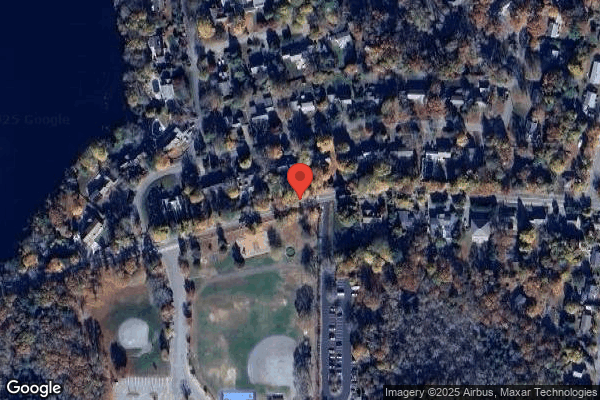
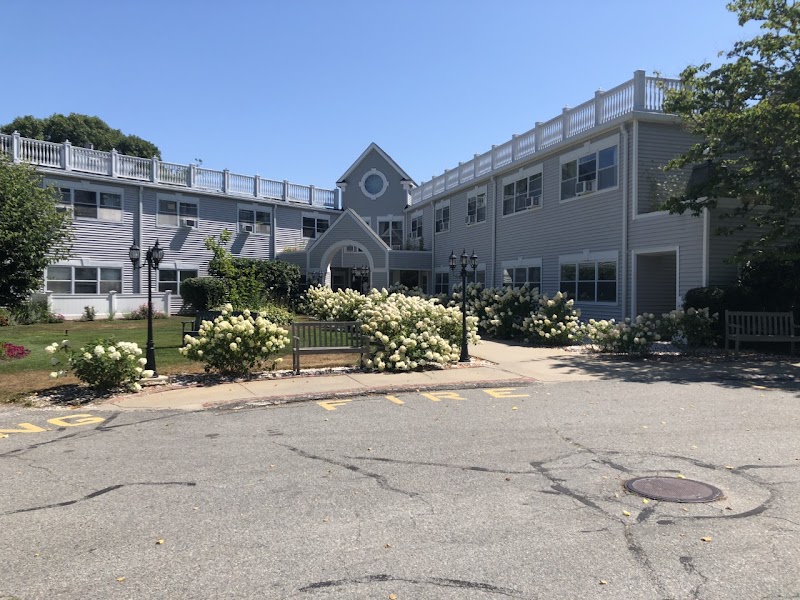
359 JONES RD, FALMOUTH, MA 02540 (774) 345-0220
For profit - Partnership 121 Beds ROYAL HEALTH GROUP Data: November 2025
Trust Grade
53/100
#177 of 338 in MA
Last Inspection: September 2024

Within standard 12-15 month inspection cycle. Federal law requires annual inspections.

Overview

Royal Nursing Center, located in Falmouth, Massachusetts, has a Trust Grade of C, which means it is average and in the middle of the pack compared to other facilities. It ranks #177 out of 338 in the state, placing it in the bottom half, and #7 out of 15 in Barnstable County, indicating that there are better local options available. The facility is currently worsening, with issues increasing from 3 in 2024 to 4 in 2025, and has a staffing rating of 3 out of 5 stars, with a turnover rate of 39%, which is on par with the state average. Notably, there were serious incidents, including a medication error where a resident received another resident's medication, leading to a hospital visit, and concerns about food safety practices in the kitchen. Despite these weaknesses, the center has more registered nurse coverage than 82% of facilities in Massachusetts, which is a positive aspect as it ensures better oversight of resident care.

Trust Score
C
53/100
In Massachusetts
#177/338
Bottom 48%
Safety Record
Moderate
Needs review
Inspections
Getting Worse
3 → 4 violations
Staff Stability
○ Average
39% turnover. Near Massachusetts's 48% average. Typical for the industry.
Penalties
○ Average
$8,278 in fines. Higher than 54% of Massachusetts facilities. Some compliance issues.
Skilled Nurses
✓ Good
Each resident gets 42 minutes of Registered Nurse (RN) attention daily — more than average for Massachusetts. RNs are trained to catch health problems early.
Violations
⚠ Watch
30 deficiencies on record. Higher than average. Multiple issues found across inspections.
★★★☆☆
3.0
Overall Rating
★★★☆☆
3.0
Staff Levels
★★★☆☆
3.0
Care Quality
★★★☆☆
3.0
Inspection Score
Stable
2024: 3 issues
2025: 4 issues

The Good

  • Full Sprinkler Coverage · Fire safety systems throughout facility
  • No fines on record
  • Staff turnover below average (39%)

    9 points below Massachusetts average of 48%

Facility shows strength in fire safety.

The Bad

3-Star Overall Rating

Near Massachusetts average (2.9)

Meets federal standards, typical of most facilities

Staff Turnover: 39%

Near Massachusetts avg (46%)

Typical for the industry

Federal Fines: $8,278

Below median ($33,413)

Minor penalties assessed

Chain: ROYAL HEALTH GROUP

Part of a multi-facility chain

Ask about local staffing decisions and management

The Ugly 30 deficiencies on record

1 actual harm
Sept 2025 3 deficiencies
CONCERN (D) 📢 Someone Reported This

A family member, employee, or ombudsman was alarmed enough to file a formal complaint

Potential for Harm - no one hurt, but risky conditions existed

Deficiency F0655 (Tag F0655)

Could have caused harm · This affected 1 resident

**NOTE- TERMS IN BRACKETS HAVE BEEN EDITED TO PROTECT CONFIDENTIALITY** Based on records reviewed and interviews, for one of three sampled residents, (Resident #1), the facility failed to ensure that ...

Read full inspector narrative →
**NOTE- TERMS IN BRACKETS HAVE BEEN EDITED TO PROTECT CONFIDENTIALITY** Based on records reviewed and interviews, for one of three sampled residents, (Resident #1), the facility failed to ensure that upon admission, nursing developed and implemented a baseline care plan with interventions, treatments, goals and outcomes that addressed the residents' overall immediate care needs.Findings include:Review of the Facility Policy titled Baseline Care Plans, dated as revised May 2023, indicated that a baseline care plan will be developed for each resident within 48-hours of admission to assure the resident's immediate care needs are met and maintained.The Policy further indicated the baseline care plan will be used until the staff can conduct the comprehensive assessment and develop an interdisciplinary person-centered comprehensive care plan. The baseline care plan is updated as needed to meet the residents' needs until the comprehensive care plan is developed.Resident #1 was admitted to the Facility in June 2025, diagnoses included hepatic encephalopathy, severe sepsis with septic shock, alcoholic cirrhosis of liver without ascites, type 2 diabetes mellitus, anemia in chronic kidney disease stage 2, opioid dependence, chronic pain syndrome, hereditary and idiopathic neuropathy, idiopathic gout, obstructive sleep apnea, lumbar region radiculopathy and primary hypertension.Review of Resident #1's Acute Rehabilitation Discharge summary, dated [DATE], indicated his/her immediate care needs were identified as followed;-fall, generalized weakness;-cirrhosis - hepatic encephalopathy;-pneumonia - vs- pulmonary edema;-Group G strep bacteremia;-chronic kidney disease;-chronic anemia;-heart failure;-chronic pain;-obstructive sleep apneaReview of Resident #1's Medical Record indicated there was no documentation to support that Baseline Care Plans were developed and implemented, or that Comprehensive Care Plans that addressed these areas of concern were in place within 48 hours of his/her admission or prior to 09/10/25 (day of survey).During an interview on 09/10/25 at 3:35 P.M., the Unit Manager said that the Minimum Data Set (MDS) Nurse was responsible for creating the Baseline Care Plans for the residents within 48 hours after admission. The Unit Manager said that she was not aware that the baseline care plans for Resident #1 had not been completed.During an interview on 09/10/25 at 4:10 P.M., the Assistant Director of Nurses (ADON) said that the MDS Nurse was responsible for creating the resident's baseline care plans within 48 hours after admission. The ADON said that she was not aware that the baseline care plans for Resident #1 had not been completed.During an interview on 09/10/25 at 4:35 P.M., the Director of Nurses (DON) said that it was her expectation that every resident has a baseline care plan completed within 48 hours after admission and said she was not aware that Resident #1's baseline care plans were not completed.
CONCERN (D) 📢 Someone Reported This

A family member, employee, or ombudsman was alarmed enough to file a formal complaint

Potential for Harm - no one hurt, but risky conditions existed

Deficiency F0697 (Tag F0697)

Could have caused harm · This affected 1 resident

**NOTE- TERMS IN BRACKETS HAVE BEEN EDITED TO PROTECT CONFIDENTIALITY** Based on records reviewed and interviews, for one of three sampled residents, (Resident #1), who was newly admitted to the facil...

Read full inspector narrative →
**NOTE- TERMS IN BRACKETS HAVE BEEN EDITED TO PROTECT CONFIDENTIALITY** Based on records reviewed and interviews, for one of three sampled residents, (Resident #1), who was newly admitted to the facility and whose Physician's orders included PRN (as needed) pain medication to manage chronic pain, the Facility failed to ensure that his/her pain was adequately treated and effectively managed.Findings include:Review of the Facility's Policy titled, Pain Management, dated as revised May 2025, indicated the following:-The Facility must ensure that pain management is provided to residents who require such services consistent with professional standards of practice, the comprehensive person-centered care plan and the resident's goals and preferences;-chronic pain refers to pain that typically lasts greater than 3 months and can be the result of an underlying medical disease or condition, injury, medical treatment, inflammation or unknown cause;-opioid use disorder refers to a problematic pattern of opioid use leading to clinically significant impairment or distress;-The Facility will utilize a systematic approach for recognition, assessment, treatment and monitoring of pain;-manage or prevent pain, consistent with the comprehensive assessment and plan of care, current professional standards of practice, and the resident's goals and preferences;Review of the Facility's Policy titled, Controlled Substances Administration and Accountability, dated as revised March 2025, indicated the following:- it is the policy of the facility to promote safe, high quality patient care, compliant with State and Federal regulations regarding monitoring the use of controlled substances;- ordering and receiving controlled substances, the pharmacy maintains the supply of controlled substances in automated dispensing system;Resident #1 was admitted to the Facility in June 2025, diagnoses included hepatic encephalopathy, severe sepsis with septic shock, alcoholic cirrhosis of liver without ascites, type 2 diabetes mellitus, anemia in chronic kidney disease stage 2, opioid dependence, chronic pain syndrome, hereditary and idiopathic neuropathy, idiopathic gout, obstructive sleep apnea, lumbar region radiculopathy and primary hypertension.Review of a Hospital Discharge summary, dated [DATE], indicated that Resident #1 had chronic pain and discharge medications included Oxycodone (opioid analgesic used for moderate to severe pain) IR (immediate release) 10 milligrams (mg) by mouth PRN (as needed) for severe pain (pain score 7 - 10) and further indicated that Resident #1's spouse stated that Resident #1 takes up to 50 mg of Oxycodone a day.Review of the Report submitted via the Health Care Facility Reporting System (HSCFRS), dated 7/03/25, (on behalf of Resident #1) indicated that on 6/29/25, Resident #1 told Family Member #1 that he/she was in terrible pain and that he/she had not received any pain medication. The Report indicated that Family Member #1 asked the nurse when Resident #1's pain medication would be available, and Family Member #1 was told by 2:00 P.M. The Report indicated that Resident #1 told Family Member #1 that he/she did not get his/her pain medication until 4:45 P.M.Review of Resident #1's Physician's Order Summary Report, dated 06/28/25, indicated his/her orders included Oxycodone IR 10 mg tablet by mouth every six hours PRN as needed for severe pain (pain score 7-10) and Acetaminophen tablet 325 mg, give two tablets by mouth every four hours as needed for pain.Review of Resident #1's Clinical Admission, dated 6/28/25, (completed by Nurse #2), indicated he/she had no indicators of pain, the pain level and pain scale were left blank.During an interview on 9/10/25 at 3:05 P.M., Nurse #2 said on the day of admission, Resident #1 was admitted to the facility from the hospital at approximately 4:30 P.M. Nurse #2 said that she sent all of Resident #1's hospital physician's orders to the on-call service provider (Third Eye) for verification. Nurse #2 said that Resident #1 requested pain medication upon arrival to the facility and said she told Resident #1 that the only medication she could give him/her was Acetaminophen. Nurse #2 said that she told Resident #1 that it was not easy to get oxycodone from the pharmacy and it would take some time to get the oxycodone.Nurse #2 said that she called the on-call provider to request that a prescription for oxycodone be faxed to the pharmacy for authorization for her to obtain the oxycodone from the Cubex (emergency medication kit). Nurse #2 said that once she got the authorization to obtain the oxycodone from the Cubex, she gave Resident #1 the oxycodone. Nurse #2 could not recall if she gave Resident #1 any Acetaminophen to Resident #1 prior to the oxycodone. Nurse #2 said that she gave Resident #1 one oxycodone 5 mg tablet and said that was all that was dispensed from the Cubex. Nurse #2 said that the Cubex only dispensed one oxycodone 5 mg tablet and said Resident #1's physician's orders were oxycodone 10 mg tablet. Nurse #2 said she could not explain why she did not notify the on-call provider or pharmacy that only one oxycodone 5 mg tablet was available. Nurse #2 said she could not recall exactly what time she administered the oxycodone to Resident #1 and said it was shortly before she went home at approximately 1:00 A.M. on 6/29/25. Nurse #2 said that she did not document that she administered the oxycodone 5 mg tablet to Resident #1 in his/her MAR, nor in his/her progress note and did not document Resident #1's pain assessment but said she should have.Review of an e-mail from the pharmacy, dated 07/07/25, indicated that on 6/29/25 at 12:35 A.M. and 12:36 A.M., a total of two Oxycodone IR 5 mg tablets were removed from the Cubex (emergency medication kit) by Nurse #2 for Resident #1.Review of Resident #1's Medical Record indicated there was no documentation to support that Nurse #2 administered a PRN dose of Oxycodone IR 5 mg to Resident #1 on 6/29/25.Resident #1 was administered Oxycodone IR 5 mg tablet on 6/29/25 at approximately 12:36 A.M. and did not receive any further Oxycodone PRN pain medication until 4:05 P.M. on 6/29/25, 16 hours after he/she received the last dose. Resident #1 had a Physician's Order to receive Oxycodone IR 10 mg every six hours PRN.Review of the Facility's Internal Investigation, dated 7/07/25 indicated the following:-6/28/25 at 11:04 P.M., Nurse contacted on-call provider for a new prescription of two oxycodone 5 mg tablets to be obtained from Cubex;-6/29/25 at 12:35 A.M., Nurse accessed Cubex to retrieve oxycodone for Resident #1. First drawer opened providing one oxycodone 5 mg tablet. The Nurse did not complete the removal process to obtain the second oxycodone 5 mg table and exited out of removal process before continuing onto second compartment for second tablet and was unaware that the remaining dose of oxycodone 5 mg tablet was located in the second compartment. Nurse administered only one oxycodone 5 mg tablet to Resident #1;6/29/25 at 6:02 A.M., Resident #1 medicated with Acetaminophen PRN as well as Diclofenac (topical anti-inflammatory pain medication) gel;-6/29/25 at 3:59 P.M., Resident #1's oxycodone 10 mg tablets arrived at the facility from the pharmacy;-6/29/25 at 4:05 P.M., Resident #1 medicated with oxycodone 10 mg;-7/01/25 at 2:26 A.M., Resident #1 medicated with oxycodone 10 mg;-7/01/25 at 8:00 A.M., Resident #1 requesting oxycodone, Nurse informed him/her that oxycodone was last administered at 4:00 A.M. and medication is ordered every six hours as needed and that medication is not due until 10:00 A.M.However, review of Resident #1's Medical Record indicated there was conflicting documentation in the MAR administration time (2:26 A.M.) (electronic time stamped) and the Narcotic Book administration time (4:00 A.M.) (handwritten entries by Nursing). The Record indicated that Resident #1 became angry and refused all 8:00 A.M. medications including the scheduled Acetaminophen, stated he/she was leaving Against Medical Advice (AMA). Nurse Practitioner was notified and saw Resident #1. Unit Manager obtained oxycodone 10 mg from the Cubex and administered oxycodone 10 mg to Resident #1.Review of Resident #1's Medication Administration Record (MAR), dated June 2025, (time stamped by entries made by Nursing in Electronic Medical Record) indicated he/she had a Physician's Order for Oxycodone IR 10 mg by mouth every six hours PRN for pain and Acetaminophen 325 mg, two tablets by mouth every four hours PRN for pain. The MAR indicated that Resident #1 did not receive any Acetaminophen until 6:02 A.M. on 6/29/25. The MAR also indicated that Resident #1 did not receive any oxycodone until 4:05 P.M. on 6/29/25 and was assessed with a pain level of 10 (highest level of pain) at that time.Review of a Nurse Progress Note, dated 6/29/25 at 9:12 A.M., written by Nurse # 4 (who was the 11:00 P.M. through 7:00 A.M. Nurse), indicated that Resident #1 awoke and requested pain medication. The Note indicated that Resident #1 was assessed, and Diclofenac was applied to lower back and abdomen, Resident #1 became agitated, called Family Member #1 and asked him/her to bring him/her pain medication that was stronger. The Note indicated that the Nurse told Family Member #1 that he/she cannot do that. The Note indicated that the pharmacy was contacted multiple times and Resident #1's medications would be arriving on the first run.The Surveyor was unable to interview Nurse #4 as she did not respond to the Department of Public Health's multiple telephone requests for an interview.Review of a Controlled Substance Register page specific to Resident #1's medications indicated that on 6/29/25, the facility received five Oxycodone IR 10 mg tablets from the pharmacy for Resident #1 and he/she was administered Oxycodone IR 10 mg by mouth PRN (handwritten entries by Nursing) during the following dates and times:-6/29/25 at 4:04 P.M.-6/29/25 at 10:37 P.M.-6/30/25 at 5:00 A.M.-6/30/25 at 4:32 P.M.-7/01/25 at 4:00 A.M.The Controlled Substance Register page specific to Resident #1's Oxycodone IR 10 mg tablet indicated there were zero Oxycodone IR 10 mg left for administration.During an interview on 9/10/25 at 3:35 P.M., the Unit Manager said that Resident #1 was admitted to the facility on [DATE] with a Physician's Order for Oxycodone IR 10 mg by mouth every six hours PRN. The Unit Manager said that Resident #1's medications were called into the pharmacy after 4:00 P.M. on 6/28/25 and would not be delivered to the facility until the next day because the pharmacy cut off time was 4:00 P.M. for same day delivery. The Unit Manager said that the nurses can order medications STAT from the pharmacy and the pharmacy will deliver the medications within four hours of being ordered. The Unit Manager said that nurses can obtain necessary medications from the Cubex until the resident's medications arrive from the pharmacy. The Unit Manager said that Nurse #2 did not access the Cubex correctly and missed the second Oxycodone IR 5 mg tablet for Resident #1 and said Resident #1 did not receive the correct dose of Oxycodone IR on 6/29/25 at 12:36 A.M. The Unit Manager said that Nurse #2 did not document in Resident #1's Medical Record the administration of Oxycodone IR 5 mg to him/her on 6/29/25 at 12:36 A.M. and said it was her expectation that nurses document all medications administered to resident's in the Medical Record.The Unit Manager said that on 7/01/25, Resident #1 requested Oxycodone IR 10 mg PRN at 8:00 A.M. and said when the nurse looked at Resident #1's Controlled Substance Register page, it indicated that Resident #1 had received Oxycodone IR 10 mg at 4:00 A.M. and was therefore not due for oxycodone until 10:00 A.M. The Unit Manager said that when she reviewed Resident #1's MAR, it indicated that Resident received Oxycodone IR 10 mg at 2:26 A.M. and he/she could have received the medication at 8:26 A.M. not 10:00 A.M. The Unit Manager said that the nurse notified her that Resident #1 was upset and was going to sign out AMA.The Unit Manager said that the nurse then notified her that Resident #1 was out of Oxycodone and said she (Unit Manager) contacted the Nurse Practitioner (NP) and the NP sent a prescription to the pharmacy so she could access the Cubex for the Oxycodone. The Unit Manager said that she obtained two Oxycodone IR 5 mg tablets from the Cubex and administered the two Oxycodone IR 5 mg tablets to Resident #1 prior to him/her leaving the facility. The Unit Manager said that she did not document in Resident #1's Medical Record that she administered the Oxycodone to Resident #1.During an interview on 9/10/25 at 4:35 P.M., the Director of Nurses (DON) said that it is her expectation that resident's medications are available from the pharmacy and that residents receive their PRN pain medication when they ask for them. The DON said that the nurses have access to the Cubex to obtain medications including narcotics (Oxycodone) for the residents until their own medication supply comes in from the pharmacy.
CONCERN (D) 📢 Someone Reported This

A family member, employee, or ombudsman was alarmed enough to file a formal complaint

Potential for Harm - no one hurt, but risky conditions existed

Medical Records (Tag F0842)

Could have caused harm · This affected 1 resident

Based on records reviewed and interviews for one of three sampled residents, (Resident #1), the facility failed to ensure they maintained complete and accurate medical record when nursing documentatio...

Read full inspector narrative →
Based on records reviewed and interviews for one of three sampled residents, (Resident #1), the facility failed to ensure they maintained complete and accurate medical record when nursing documentation in Resident #1's Medication Administration Record (MAR) and documentation in the Controlled Substance Register (record/log book used by the facility for maintaining accurate records of narcotics ordered and administered to each resident) related to the administration of Oxycodone conflicted, and therefore making on of them accurate.Findings include:Review of the facility's policy titled, Administering Medication, undated, indicated the following:- medications are administered in a safe and timely manner, as prescribed;-medications administration times are determined by resident need and benefit, not staff convenience;- the individual administering the medication initials the resident's MAR on the appropriate line after giving each medication;-as required for a medication the individual administering the medication records in the resident's medical record: the date and time the medication was administered, the dosage, the rout of administration, any complaints or symptoms for which the drug was administered, any results achieved and when those results were observed and the signature and title of the person administering the drug;Review of the facility's policy titled, Charting and Documentation, dated May 2023, indicated the following:- All services provided to the resident, progress toward the care plan goals or changes in the resident's medical, physical, functional, or psychosocial condition, shall be documented in the resident's medical record;- medications administered shall be documented in the resident medical record.Review of the facility's policy titled, Control Substance Administration and Accountability, dated as revised March 2025, indicated the following:-all controlled substances are recorded on the designated usage form;-in all cases, the dose noted on the usage form must match the dose recorded on the MAR, Controlled Drug Record, or other facility specified form and placed in the patient's medical record;-the Controlled Drug Record (or other specified form) serves the dual purpose of recording both narcotic disposition and patient administration;-the Controlled Drug Record is a permanent medical record document and in conjunction with the MAR is the source form documenting any patient-specific narcotic dispensed from the pharmacy.Resident #1 was admitted to the Facility in June 2025, diagnoses included hepatic encephalopathy, severe sepsis with septic shock, alcoholic cirrhosis of liver without ascites, type 2 diabetes mellitus, anemia in chronic kidney disease stage 2, opioid dependence, chronic pain syndrome, hereditary and idiopathic neuropathy, idiopathic gout, obstructive sleep apnea, lumbar region radiculopathy and primary hypertension.Review of Resident #1's Physician's Order Summary Report, dated 06/28/25, indicated his/her orders included Oxycodone (opioid analgesic used for moderate to severe pain) 10 milligrams (mg) immediate release (IR) tablet by mouth every six hours PRN (as needed) for severe pain (pain score 7-10) and Acetaminophen tablet 325 mg, give two tablets by mouth every four hours as needed for pain.Review of the MAR, dated 7/01/25, indicated that Resident #1 received Oxycodone IR 10 mg at 2:26 A.M. for pain level of 7. Review of a Controlled Substance Register page specific to Resident #1's medications indicated that on 6/29/25, Resident #1 was administered Oxycodone IR 10 mg at 4:04 A.M., and on 7/01/25 he/she received Oxycodone 10 mg at 4:00 A.M.Review of Resident #1's Medical Record indicated there was no documentation to support that Nurse #2 administered a PRN dose of Oxycodone IR 5 mg to Resident #1 on 6/29/25 at 12:35 A.M. The Record further indicated that on 7/01/25 at 8:00 A.M., Resident #1 requested oxycodone, Nurse informed him/her that oxycodone was last administered at 4:00 A.M. and medication is ordered every six hours as needed and that medication is not due until 10:00 A.M. However, per Resident #1's MAR he/she had received Oxycodone at 2:26 A.M., and therefore could have been administered the medication again, at the time of his/her request. During an interview on 9/10/25 at 3:35 P.M., the Unit Manager said that Nurse #2 did not document in Resident #1's Medical Record the administration of Oxycodone IR 5 mg to him/her on 6/29/25 at 12:36 A.M. and said it was her expectation that nurses document all medications administered to residents in the Medical Record.The Unit Manager said that on 7/01/25, Resident #1 requested Oxycodone IR 10 mg PRN at 8:00 A.M. and said when the nurse looked at Resident #1's Controlled Substance Register page it indicated that Resident #1 had received Oxycodone IR 10 mg at 4:00 A.M. and was not due for Oxycodone until 10:00 A.M. The Unit Manager said that when she reviewed Resident #1's MAR, it indicated that Resident received Oxycodone IR 10 mg at 2:26 A.M. and he/she could have received the medication at 8:26 A.M. not 10:00 A.M., which was why it was necessary for nurses to accurately document administration times of medications within the Medical Record. During an interview on 9/10/25 at 4:35 P.M., the Director of Nurses (DON) said that it is her expectation that all medications that are administered to residents be documented in the medical record and said that she expects that the MAR and Controlled Substance Register are accurate and have the same time of medication administration.
Apr 2025 1 deficiency 1 Harm
SERIOUS (G) 📢 Someone Reported This

A family member, employee, or ombudsman was alarmed enough to file a formal complaint

Actual Harm - a resident was hurt due to facility failures

Deficiency F0760 (Tag F0760)

A resident was harmed · This affected 1 resident

**NOTE- TERMS IN BRACKETS HAVE BEEN EDITED TO PROTECT CONFIDENTIALITY** Based on records reviewed and interviews for one of three sampled residents (Resident #1), who had severe cognitive impairment a...

Read full inspector narrative →
**NOTE- TERMS IN BRACKETS HAVE BEEN EDITED TO PROTECT CONFIDENTIALITY** Based on records reviewed and interviews for one of three sampled residents (Resident #1), who had severe cognitive impairment and was unable to identify him/herself, the Facility failed to ensure he/she was free from a significant medication error, when on 03/13/25, Resident #1 was administered another resident's medications in error. Resident #1 was transferred to the Hospital Emergency Department (ED) for evaluation, he/she remained in the Hospital overnight for monitoring and treatment to stabilize his/her blood pressure, which included administration of intravenous fluids and medications. Findings Include: Review of the Facility's Policy titled, Administering Medications, dated as revised October 2022, indicated the following: -only persons licensed or permitted by this state to prepare, administer and document the administration of medications may do so; -medications are administered in accordance with prescriber orders; -the individual administering medications verifies the resident's identity before giving the resident his/her medications; -the individual administering the medication checks the label to verify the right resident, right medication, right dosage, right time and right method (route) of administration before giving the medication; -medications ordered for a particular resident may not be administered to another resident, unless permitted by State law and facility policy, and approved by the Director of Nurses. Review of the Facility's Policy titled, Medication Error, dated March 2025, indicated the following: -it is the policy of the facility to ensure residents receive care and services safely in an environment free of significant medication errors; -the facility shall ensure medications will be administered according to physician's orders; -to prevent medication errors and ensure safe medication administration, nurses should verify the right medication, dose, route and time of administration, right resident and right documentation. Resident #1 was admitted to the Facility in April 2024, diagnoses included late onset Alzheimer's disease, dementia, anemia, hypertension, hyperlipidemia, anxiety disorder paroxysmal atrial fibrillation and osteoarthritis of right and left knees. Review of Resident #1's Quarterly Minimum Data Set (MDS), dated [DATE], indicated that he/she was severely cognitively impaired. Review of Resident #1's Medication Variance Report, dated 03/13/25, indicated that at 9:45 A.M. he/she was administered medications ordered for another resident (later identified as Resident #2, his/her roommate) in error, which included the following medications: -Celexa (antidepressant) 10 milligrams (mg); -Eliquis (anticoagulant) 5 mg; -Haldol (anti-psychotic) 5 mg ; -Isosorbide Extended Release (ER) (nitrate- dilates blood vessels) 30 mg ; -Protonix (proton pump inhibitor - reduces stomach acid) 40 mg; -Miralax (laxative) 17 grams; -Senna (treats constipation) 17.2 mg; -Digoxin 125 micrograms (cardiac glycoside - treats arrythmias); -Labetalol (antihypertensive) 800 mg; -Trazadone (antidepressant) 25 mg; -Amlodipine (antihypertensive) 2.5 mg. Further review of Resident #1's Physician's Orders indicated he/she did not have physician's orders for any of these medications. Review of Resident #1's Medication Administration Record (MAR), dated 03/13/25 indicated he/she was scheduled to have the following medications administered to him/her between 09:00 A.M. and 10:00 A.M.: -Sertraline (antidepressant) 100 mg; -Metoprolol ER (beta blocker) 25 mg. Review of the Facility's Internal Investigation Report, dated 03/13/25, indicated that Agency Nurse #1 administered Resident #2's morning medications to Resident #1 in error. The Report indicated that Resident #1 was transferred to the Hospital ED, where he/she required telemetry (continuous tracking of your hearts electrical activity) monitoring and returned to the Facility the following day. Review of Resident #2's Physician's Orders, dated March 2025, indicated that he/she had Physician's Orders for the following medications: -Celexa (antidepressant) 10 milligrams (mg); -Eliquis (anticoagulant) 5 mg; -Haldol (anti-psychotic) 5 mg ; -Isosorbide Extended Release (nitrate- dilates blood vessels) 30 mg ; -Protonix (proton pump inhibitor - reduces stomach acid) 40 mg; -Miralax (laxative) 17 grams; -Senna (treats constipation) 17.2 mg; -Digoxin 125 micrograms (mcg) (cardiac glycoside - treats arrythmias); -Labetalol (antihypertensive) 800 mg; -Trazadone (antidepressant) 25 mg; -Amlodipine (antihypertensive) 2.5 mg. The Report further indicated that Agency Nurse #1 approached Resident #1 called him/her by name and administered morning medications. The Report indicated that while Agency Nurse #1 was leaving Resident #1's room, a Certified Nurse Aide (CNA) entered the room, approached Resident #1 and addressed him/her by name. The Report indicated that Agency Nurse #1 confirmed Resident #1's name with the CNA and immediately realized she had administered Resident #2's medication to Resident #1 in error. Review of Resident #1's Hospital Discharge summary, dated [DATE], indicated that on 03/13/25, Resident #1 presented to the ED for an accidental overdose of his/her roommate's medications. The Summary indicated that Resident #1 was supposed to receive: Metoprolol and Sertraline in the morning and instead received the following medications in error: Celexa 10 mg, Eliquis 5 mg, Haldol 5 mg, Isosorbide ER 30 mg, Protonix 40 mg, Miralax, Senna, Digoxin 125 mcg, Labetalol 800 mg, Trazodone 25 mg and Amlodipine 2.5 mg. The Summary indicated that after the medication error, Resident #1's blood pressure was 85/42 (normal range 120/80) and that his/her normal blood pressure was 150/60. The Summary indicated that during Resident #1's hospital stay, he/she required telemetry monitoring, 1000 milliliters of normal saline intravenous fluids, Magnesium sulfate 2 grams intravenous fluid, and four doses of Potassium Chloride 10 Milliequivalent (mEq) intravenous fluids for electrolyte repletion. The Summary further indicated that nursing staff had difficulty getting Resident #1 to take activated charcoal (used to treat overdose), plan was to have an Naso Gastric (NG) tube ( a thin, soft tube made of rubber that is passed through the nose, down through the throat, and into the stomach) inserted, he/she was agitated and unable to tolerate the NG tube, and NG tube was removed. Review of Resident #1's Nurse Progress Note, written by Nurse #1, dated 03/13/25, indicated that during morning medication pass, he/she was administered incorrect medications, physician was notified and he/she was transferred to the hospital. Review of Nurse #1's Written Witness Statement, dated 03/13/25, indicated that she approached Resident #1 by name and administered medication to him/her. The Statement indicated that upon departing Resident #1's room, a CNA approached Resident #1 (calling him/her by another name), she immediately realized that she had made a medication error, notified the physician and Resident #1 was transferred to the hospital. During an interview on 04/15/25 at 2:37 P.M., Nurse #1 said that on 03/13/25, she was assigned to work the dementia unit and said it was the first time she had worked on that unit. Nurse #1 said that she prepared Resident #2's morning medications and went into his/her room to administer them. Nurse #1 said that there was only one resident in the room, the other bed linens were stripped from that bed, so she believed that there was only one resident living in the room at that time. Nurse #1 said that she approached Resident #1, who was in the room and addressed him/her using Resident #2's name, and that Resident #1 shook his/her head in an up and down motion like he/she was saying yes and then administered the medications to Resident #1. Nurse #1 said that a CNA entered the room and said good morning to Resident #1 by another name. Nurse #1 said that she asked the CNA what Resident #1's name was and the CNA told her Resident #1's name and that is when she realized she administered Resident #2's medications to Resident #1 in error. Nurse #1 said that she had not positively identified who Resident #1 was with another staff member, and said she did not look at Resident #2's or Resident #1's pictures on the MAR prior to administering medications to Resident #1. Nurse #1 said she was unaware that Resident #1 was unable to understand or recognize his/her own name, or that he/she responded to any name when addressed. Nurse #1 said that she did not follow the five rights of medication administration. During an interview on 04/08/25 at 1:31 P.M., the Unit Manager said that on 03/13/25, Nurse #1 notified her that she had made a medication error. The Unit Manager said that Nurse #1 was from an Agency and that it was the first time that Nurse #1 worked on the Dementia Unit. The Unit Manager said that Nurse #1 said that she called Resident #1 by (Resident #2's) name and said that Resident #1 shook his/her head nodding up and down, in a yes motion, and she administered medications to him/her. The Unit Manager said that Nurse #1 said that after she administered medications to Resident #1, a CNA entered the room and called Resident #1 by another name, and realized she had administered Resident #2's medications to Resident #1 in error. The Unit Manager said that Resident #1 had dementia and severe cognitive impairment and would not be able to understand if he/she was called by another name. During an interview on 04/08/25 at 1:47 P.M., the Assistant Director of Nurses (ADON) said she was made aware of Resident #1's medication error on 03/13/25 by the Unit Manager. The ADON said that it was Nurse #1's first time working on the Unit and said she did not verify Resident #1's identity with another staff member. The ADON said that it was her expectation that nurses follow the five rights of medication administration, and positively identify a resident before administering any medications. The ADON said that Resident #1 had dementia, with severe cognitive impairment and would not be able to understand if he/she was called by another name. During an interview on 04/08/25 at 2:05 P.M., the Director of Nurses (DON) said that it was her expectation that nurses follow the five rights of medication administration and positively identify each resident before administering medication to any resident. The DON said that Resident #1 had severe cognitive impairment and would not be able to understand if he/she was called by another name. On 04/08/25, the Facility was found to be in Past Non-Compliance and presented the Surveyor with a plan of correction which addressed the area(s) of concern as evidenced by: A. On 03/13/25, Resident #1 was assessed by nursing and transferred to the Hospital ED for evaluation and treatment. Resident #1 returned to the facility the next day, and was monitored by nursing. B. On 03/13/25 Nurse #1 was educated by the Assistant Director of Nurses on the Facility's Policy and Procedure on Medication Administration. C. On 03/13/25, a Quality Assurance Performance Improvement (QAPI) Committee meeting was held regarding medication administration, reduction of medication errors, resident identification, name band implementation for residents unable to confirm their identity. D. On 03/13/25, all Licensed staff were educated by the Corporate Nurse on the Facility's Medication Administration Policy, Resident Identification and the Five Rights of Medication Administration. E. 03/24/25, Random Medication Administration Competencies were conducted by Director of Nurses with licensed nursing staff. F. 04/01/25, An Audit was completed by the Unit Managers of Residents who were unable to identify themselves and those Residents had an identification wristband placed on their wrist. G. The Director of Nurses / Assistant Director of Nurses will conduct random medication administration competencies/audits with nursing staff three times weekly for four weeks, then they will audit 10% of nursing staff monthly for three months or until substantial compliance is met. H. The results of the audits will be presented and reviewed at the monthly QAPI Committee meeting for three months or until compliance is achieved. I. The Director of Nursing and/or designee are responsible for overall compliance.
Sept 2024 3 deficiencies
CONCERN (D)

Potential for Harm - no one hurt, but risky conditions existed

Deficiency F0578 (Tag F0578)

Could have caused harm · This affected 1 resident

Based on record review, policy review, and interview, the facility failed to accurately execute Advance Directives (written documents that tells your health care providers who should speak for you and...

Read full inspector narrative →
Based on record review, policy review, and interview, the facility failed to accurately execute Advance Directives (written documents that tells your health care providers who should speak for you and what medical decisions should be made if you become unable to speak for yourself) for one Resident (#44), out of a total sample of 22 residents. Specifically, for Resident #44 the facility failed to ensure the MOLST (Massachusetts Medical Order for Life-Sustaining Treatment) form was valid and reflected the signature of Resident #44's invoked (made active by a Physician) Health Care Proxy (HCP- a legal document that allows you to appoint someone you trust to make medical decisions on your behalf if you are unable to do so). Findings include: Resident #44 was admitted to the facility in November 2019 with diagnoses including Alzheimer's disease. Review of the facility's policy titled Advanced Directives, undated, indicated but was not limited to the following: -If the resident is incapacitated and unable to receive information about his or her right to formulate an advance directive, the information may be provided to the resident's legal representative. -The plan of care for each resident will be consistent with his or her documented treatment preferences and/or advance directive. -The interdisciplinary team will conduct ongoing review of the resident's decision-making capacity and communicate significant changes to resident's legal representative. Such changes will be documented in the care plan and medical record. Review of Resident #44's medical record indicated: -a HCP, dated 7/23/19, appointing Resident Representative #1 as the primary HCP, if that person is unwilling or unavailable to serve there is a Resident Representative #2 named, if that person is unwilling or unavailable to serve as HCP there is a Resident Representative #3 named. -a HCP activation form, dated 5/17/19, indicating that the Resident's dementia is so severe that the Resident lacks capacity to make or to communicate health care decisions. -a MOLST completed by Resident Representative #3 on 4/7/19. Review of Resident #44's Advance Directive care plan, initiated on 10/11/21, and revised on 4/1/24 indicated: Focus: I am unable to make health care decisions due to dementia. A MD has documented my incapacity. Primary HCP: Resident Representative #1, Alt HCP: Resident Representative #2, MOLST in place DNR, DNI, no dialysis, no artificial nutrition. Goal: Healthcare decisions made by my designated HCP will be honored and followed. Interventions: MOLST/Advanced Directives will be discussed with my HCP at quarterly care plan meetings to ensure decisions are accurately documented. -My Health care agent will be informed of their right to formulate advanced healthcare to guide facility staff and their attending physician in the provision of my care. During an interview on 9/12/24 at 11:18 A.M., Social Worker #1 said the MOLST was initiated at the hospital but should be reviewed quarterly at the facility. She said it should have been reviewed multiple times since Resident #44's admission in 2019 and most recently reviewed on 7/25/24. She said it was not identified that the primary or the first alternative HCP did not complete the MOLST. She said the Resident's HCP is available and willing to serve as the primary HCP. During an interview on 9/12/24 at 2:50 P.M., Social Worker #1 said she spoke with the primary HCP and that she was unsure why she wasn't asked to complete the MOLST and the person who completed it was Resident Representative #3. She said the Resident Representative would be in to initiate a new valid MOLST and this should have been identified sooner. During an interview on 9/16/24 at 12:33 P.M., the Assistant Director of Nursing (ADON) said the only time they would obtain a signature different than the primary HCP is if they were not available. She said Resident Representative #1 signs all the Resident's consents and the MOLST should have been reviewed multiple times and revised to have Resident Representative #1 complete the MOLST. She said that she is aware that Resident Representative #1 is available and willing to serve as the primary HCP.
CONCERN (D)

Potential for Harm - no one hurt, but risky conditions existed

Comprehensive Care Plan (Tag F0656)

Could have caused harm · This affected 1 resident

**NOTE- TERMS IN BRACKETS HAVE BEEN EDITED TO PROTECT CONFIDENTIALITY** Based on observation, interview, and record review, the facility failed to develop and implement a person-centered comprehensive...

Read full inspector narrative →
**NOTE- TERMS IN BRACKETS HAVE BEEN EDITED TO PROTECT CONFIDENTIALITY** Based on observation, interview, and record review, the facility failed to develop and implement a person-centered comprehensive care plan for one Resident (#11), out of a total sample of 18 residents. Specifically, the facility failed to: a. Implement a care plan to ensure Resident #11 was transferred with the assistance of two people; and b. Develop and implement a care plan for pressure injury prevention for Resident #11, who was assessed to be at risk for skin breakdown, resulting in a facility acquired unstageable (actual depth of ulcer is completely obscured by slough and/or eschar in the wound bed) right heel ulcer. Findings include: Resident #11 was admitted to the facility in June 2024 with diagnoses which included: cellulitis right lower extremity (LE), muscle weakness, unsteadiness on feet, delirium, and metabolic encephalopathy (brain dysfunction due to chemical imbalance). Review of the Minimum Data Set (MDS) assessment, dated 6/19/24, indicated Resident #11 scored 10 out of 15 on the Brief Interview for Mental Status (BIMS), indicating he/she had moderate cognitive impairment. a. Review of the facility's policy titled Safe Lifting and Movement of Residents, undated, indicated but was not limited to the following: -In order to protect the safety and well-being of staff and residents, and to promote quality care, this facility uses appropriate techniques and devices to lift and move residents. -Resident safety, dignity, comfort, and medical condition will be incorporated into goals and decisions regarding the safe transfer and moving of residents. -Manual lifting of residents shall be eliminated when feasible. -Nursing staff, in conjunction with the rehabilitation staff, shall assess individual resident needs for transfer assistance on an ongoing basis. Staff will document resident transferring and lifting needs in the care plan. -Staff responsible for direct resident care will be trained in the use of manual (gait/transfer belts, lateral boards) and mechanical lifting devices. -Mechanical lifting devices shall be used for heavy lifting including lifting and moving residents when necessary. Review of the MDS assessment, dated 6/19/24, indicated Section GG indicated sit to lying down and lying down to sit was substantial/maximal assistance, sit to stand was not applicable, chair to bed transfer was dependent. Review of Resident #11's Care Plan indicated but was not limited to the following: -I require assistance with activities of daily living care related to metabolic encephalopathy, acute delirium, shortness of breath, and weakness. -Transfers: dependent on two people with mechanical lift; date initiated 6/21/24. Revised to current transfer: Provide sub maximal/maximum assist of two people, left ankle foot orthosis to be worn for all transfers. During an interview on 9/11/24 at 12:20 P.M., Resident #11 said a Certified Nursing Assistant (CNA) was trying to transfer him/her out of a shower chair to a wheelchair which was blocked behind the bathroom door. Resident #11 said the CNA picked him/her up (demonstrated the motion of the CNA picking him/her up for the surveyor) and he/she told the CNA to put him/her down on the bed because he/she was never going to make it to the wheelchair; he/she didn't want to be dropped on the floor. Resident #11 said, The CNA put me on the bed and the CNA told me that she noticed I was bleeding, and she went out and got the nurse. Resident #11 said he/she was told he/she had to go to the hospital. Review of a Physical Therapy progress note, dated 7/2/24, indicated but was not limited to the following: -Resident #11 was dependent for functional transfers with partial to moderate assist, patient unable to ambulate, weight bearing is tolerated, transfer sit to stand not attempted due to medical condition and safety concerns chair to bed transfers, dependent toilet transfer others dependent, interventions bilateral lower extremities and supine. -Transfers to edge of bed Max assist times 2, remains fearful and complains of pain with gentle range of motion to bilateral knees. -Can resident sit unsupported times 30 seconds with feet flat on the floor with no back support?: No. During an interview on 9/17/24 at 8:40 A.M., Rehabilitation (Rehab) Staff #1 said Resident #11 was maximal (max) assist times 2 person to get to the edge of bed because he/she has retropulsion (leaning backwards). She said Resident #11 has been a mechanical lift since his/her re-admission in June 2024, and has never been upgraded, and remains a mechanical lift. Rehab Staff #1 said she has not assessed the Resident for showers, but if Resident #11 was to have a shower even now, Resident #11 would be a mechanical lift in/out of the shower chair. Rehab Staff #1 said the nurses have never been trained in any other transfer mode, including stand/pivot or squat/pivot, and the Resident remains a mechanical lift. During an interview on 9/17/24 at 9:23 A.M., Rehab Staff #2 said Resident #11 is a max assist and still is max assist for transfers. He said back in July, at the time of injury, Rehab was still working on bed mobility and transferring to edge of bed because of his/her strong severe retropulsion. Rehab Staff #2 said Resident #11 was a mechanical lift back in July and remains a mechanical lift now. Rehab Staff #2 said he was aware of the leg injury in July 2024 and his recollection was that Resident #11 hit his/her leg on something during a shower transfer. Rehab Staff #2 said the Resident has fragile skin, and it was a pretty significant injury of which he has never seen from a transfer. Rehab Staff #2 said Resident #11's only safe transfer out or into bed is a mechanical lift; a one person transfer with Resident #11 would not be safe even today. Review of the Facility Investigation Packet, dated 7/9/24, indicated but was not limited to the following: -Incident description: This writer responded to a call to help from CNA in the above resident's room. Upon entry, CNA stated that the resident had just gotten out of the shower and pointed out that he/she had a cut on his/her right lateral lower leg. Resident was assisted onto bed. Upon assessment, a large skin tear like wound was noted to the right lateral lower shin approximately 7 x 8 x 0.4 centimeters. This area was noted to be an existing large bruise (present on admission). On call physician was notified. Health care proxy was called and left a voicemail. Resident was sent to the emergency room for further evaluation and treatment per physician orders. -Resident unable to give description. Immediate Action Taken: -Resident was assisted back into bed. First aid applied. -Shower chair was inspected for any cracks, broken pieces, or sharp edges. None were found. Residents' nails were assessed and found to be longer in length with sharp edges. Nail care was provided to ensure not sharp edges. -Resident taken to hospital: N -Injuries Observed at Time of Incident: No injuries observed at time of incident. -Level of Pain: 0 -Mobility: Ambulatory with assistance -Mental status: Oriented person and place. -Injuries Reported Post Incident: Skin tear right lower leg (front) Other information: -Post shower. Skin very fragile and thin at baseline. Increase edema. Bruising to area (present on admission). -Residents fingernails noted to have sharpened edges with presumed blood under them. Witnesses: 1. CNA #1, dated 7/8/24, indicated but not limited to: - I turned to the dresser to grab the johnny and returned to the Resident to place the johnny on the person. Resident then stated, be careful my leg has a cut on it put and to put me in the bed It just needs a Band-Aid. At that time, I looked at his/her leg and noticed the skin was broken open. I immediately called out for the nurse. I assisted the resident onto the bed in a seated position. The nurse and I then assisted in getting both legs into bed. The nurse proceeded to complete first aid. Resident #11 was sent to the emergency room (ER). Resident #11 did not complain of any pain or discomfort in the area. 2. Nurse #2, dated 7/5/24 indicated but was not limited to: - I went to assist the CNA. Upon arrival to the room, the Resident was sitting upright on his/her bed. I quickly wrapped the wound with a clean towel and ran to get wound supplies. Upon return, the assigned nurse was also present in the room. I assisted with transferring Resident #11's legs into the bed. During an interview on 9/12/24 at 11:45 A.M., with the surveyor, Director of Nurses (DON), and Corporate Nurse #1 present, Resident #11 said he/she completed the shower, and the CNA wheeled him/her out of the bathroom in the shower chair, pushing the bathroom door open with the chair as they exited the bathroom. Resident #11 said the black wheelchair was behind the bathroom door, and the CNA lifted him/her up out of the chair (Resident demonstrated extending both arms in front of him/her making a lifting motion). Resident said he/she told the CNA, he/she was not going to make it to the wheelchair, and he/she needed to put him/her down before she dropped him/her. Resident #11 said the CNA threw/dropped him/her onto the bed and he/she rolled over to his/her left side. Resident #11 said that is when he/she hit the right leg because that is when it hurt. Resident #11 said CNA told her Oh my God you're bleeding and the CNA went to get help. Resident #11 said he/she never saw the blood because he/she was lying back to his/her left side on the bed. During an interview on 9/12/24 at 3:30 P.M., Nurse #2 said she was getting food out of the nourishment kitchenette across the hallway from Resident #11's room when she heard the call for help from CNA #1. Nurse #2 said she was the first one in the room and Resident #11 was sitting on the edge of the bed. During a telephonic interview on 9/12/24 at 3:45 P.M., CNA #1 said she had given Resident #11 a shower and wheeled him/her out of the shower room and positioned the shower chair by the bed. CNA #1 said she dried off Resident #11 and he/she said he/she was cold. CNA #1 said she turned to get a johnny off the dresser and Resident #11 complained his/her leg was burning and that he/she had a small cut on the leg. CNA #1 said she looked at Resident #11's leg and saw a large cut on the leg and went and notified the nurse. CNA #1 said she knew Resident #11 was a two person transfer and waited for Nurse #2 to assist her transferring Resident #11 from the shower chair to the bed. CNA #1 stated again, she did not transfer Resident #11 back to bed alone, she would never have attempted that because Resident #11 was not dressed, and she said she never hit Resident #11's legs on anything. During an interview on 9/17/24 at 12:25 P.M., the DON said they re-enacted the incident with the involved staff, and they found CNA #1 did not understand what a two-person transfer meant. She said CNA #1 thought a two-person transfer meant only two people had to be in the room. Corporate Nurse #1 said the CNA told them she only transferred Resident #11 into bed after she saw the wound on the leg to help the nurses. b. Review of LIPPINCOTT® NURSING PROCEDURES -11th Ed. (2019), indicated but was not limited to the following: Review Factors in the Development of Pressure ulcers. -Edema, anemia, hypoxia, or hypotension. -Neurologic impairment or immobility. -Altered mental status, including delirium or dementia. -Areas susceptible to pressure ulcers: Heel -Nursing Assessment -Assess for risk factors for pressure ulcer development and alter those factors, if possible. -Assess skin of the older adult frequently for the development of pressure ulcer. The Braden Scale for Predicting Pressure Sore Risk is one of the most commonly used instruments for predicting the development of pressure ulcers. -Stage the ulcer so appropriate treatment can be started. The National Pressure Ulcer Advisory Panel advocates the following staging system. -Unstageable-full-thickness tissue loss in which the base of the ulcer is covered by slough and/or eschar in the wound bed. - Prevent Pressure Ulcer Development -Provide meticulous care and positioning for immobile patients. -Inspect skin several times daily. Relieve the Pressure -Avoid elevation of head of bed greater than 30 degrees. -Reposition every 2 hours. -Use special devices to cushion specific areas (especially bony areas), such as flotation rings, lamb's wool or fleece pads, convoluted foam mattresses, booties, or elbow pads. Lift heels off the bed in bedbound patients. Do not use donut devices. Review of the facility's policy titled Prevention of Pressure Ulcers/Injuries, undated, indicated but was not limited to the following: -The purpose of this procedure is to provide information regarding identification of pressure ulcer injury risk factors and interventions for specific risk factors. Preparation: -Review of the resident's care plan and identify the risk factors as well as the interventions designed to reduce or eliminate those considered modifiable. Risk Assessment: -Assess the resident on admission (within 8 hours) for existing pressure ulcer/injury risk factors. Repeat the risk assessment weekly and upon any changes in condition. -Choose a frequency for repositioning based on resident's mobility, the support surface in use, skin condition and tolerance, and the resident's stated preferences. -Reposition residents who are chair bound or bed bound. -Reposition resident regularly based on the condition of the skin and the resident's comfort Monitoring: -Evaluate report and document potential changes in skin -Review the intervention strategies for effectiveness on an ongoing basis. Review of the facility's policy titled Skin Integrity Management, undated, indicated but was not limited to the following: -Residents with pressure ulcer risk factors are identified, assessed, and provided treatment according to standard practice. -To provide safe and effective care to prevent the occurrence of pressure ulcers, manage the treatment and promote healing of all wounds. Procedure: -Following admission, the [NAME] plus pressure ulcer or Braden scale is completed quarterly, changing condition, or changing skin integrity. -Resident skin integrity status and need for prevention interventions or treatment modalities is identified through review of assessment information. a. Identify resident's risk level. b. Care plan for residents at high risk for skin breakdown c. Perform skin inspections at admission and weekly. Document in resident record. Comprehensive care plan developed to include prevention and wound treatments, as indicated: a. Implement pressure ulcer prevention for identified risk factors. b. Evaluate the need for support services. Review of Resident #11's admission progress note, dated 6/2024, indicated but was not limited to the following: -Right toes blackened toes throughout all toes. -Right lower leg discoloration: length 12 cm, width 18 cm -Skin is ashen (pale gray or white color). Skin is dry/cracked. Decrease skin turgor (elasticity). -Resident has bilateral edema with excessive dry thick scaly skin covering the lower extremities. Review of the MDS assessment, dated 6/19/24, indicated: -Section M0150 Risk for pressure ulcers: Yes. -Section M0300 Unhealed pressure ulcers: No. -Section M1200 Skin and ulcer treatments: Pressure reducing bed. -Section GG0170 Mobility: roll left and right substantial/maximal assistance. Review of a progress note, dated 6/19/24 at 2:44 P.M., indicated Braden scale for predicting pressure ulcer risk evaluation score of 15, indicating a mild risk for pressure ulcer. Further review indicated Resident was chairfast (ability to walk is limited) and is very limited: Makes occasional slight changes in body or extremity position but unable to make frequent or significant changes independently. Friction and shear: potential problems. Review of the medical record indicated that on 7/5/24, Resident #11 sustained a large trauma wound to the right lower leg requiring emergency room treatment and weekly wound care by a consultant wound physician. Review of the Wound Care Clinic progress note, dated 7/15/24, indicated but was not limited to the following: -Traumatic open wound of right lower leg, initial encounter -No heel pressure wound at this visit. Review of the Wound Care Clinic progress note, dated 7/22/24, indicated but was not limited to the following: -Pressure injury right posterior lateral heel. -Peri-wound assessment: Intact -Exposed structure: Other (Comment) -Wound length: 3.5 centimeters (cm) -Wound width: 2.5 cm -Wound Depth: 0.1 cm -Wound surface area: 8.75 cm2 -Drainage amount: Moderate -Drainage description: serosanguineous Pressure ulcer of right heel, unstageable: -Continue skin prep daily, intensify offloading with offloading boot. -Showering-no showering right heel; unstable pressure wound cannot get wet Review of wound doctor appointments referral form, dated 7/22/24, indicated the following: -Wound follow-up -* note unstageable pressure wound right, posterior lateral heel. Must offload heel boot NOW. Further review of the medical record indicated no additional Braden risk assessments were performed after Resident #11 returned from the emergency room with a traumatic soft tissue injury to the right lower extremity 7/5/24. Further review of the care plan indicated there was no care plan developed or implemented for a resident at risk for skin breakdown or pressure ulcers upon admission or post traumatic soft tissue injury to right leg. During an interview on 9/12/24 at 12:00 P.M., the DON said Resident #11 had a facility acquired pressure ulcer that started out as a blister and is seen by the outside wound doctor for management. During an interview on 9/17/24 at 11:42 A.M., the Assistant Director of Nurses (ADON) said the nurses should be doing a weekly skin assessment of the whole body, looking to identify areas of potential skin breakdown, fragile skin areas and areas that may need attention or preventative treatment. She said she reviewed Resident #11's medical record and said the skin assessment, dated 7/17/24, indicated bilateral legs and feet have thick, dry skin that has been previously documented. The ADON said there was no additional documentation of skin concerns until the outside Consultant Wound Doctor identified the right heel pressure on 7/22/24. The ADON said she has not found any interventions for pressure relief to the right lower extremity at admission or after the Resident sustained the injury on 7/5/24. During an interview on 9/17/24 at 12:58 P.M., the ADON said the only pressure relief/prevention for Resident #11's right lower extremity was CNA repositioning logs which are standard for all residents. The ADON said there is no new orders for pressure relief interventions after the injury to the right leg. The ADON provided the surveyor with the CNA repositioning documentation. Review of the CNA documentation for Positioning Q (every) shift: Was the resident repositioned every two hours? Y-yes, N-No, indicated between 7/17/2024 through 7/22/2024, Resident #11 was not repositioned every two hours on the following shifts: -7/19/2024-11:00 P.M. through 7:00 A.M. -7/20/2024- 3:00 P.M. through 11:00 P.M. -7/21/2024- 3:00 P.M. through 11:00 P.M.
CONCERN (D)

Potential for Harm - no one hurt, but risky conditions existed

Infection Control (Tag F0880)

Could have caused harm · This affected 1 resident

Based on observation, interview, and policy review, the facility failed to ensure that infection control and prevention measures were followed during preparation of medication for administration. Fin...

Read full inspector narrative →
Based on observation, interview, and policy review, the facility failed to ensure that infection control and prevention measures were followed during preparation of medication for administration. Findings include: Review of the facility's Policy Statement for Administering Medications, undated, indicated that medications are administered in a safe and timely manner, and as prescribed. The policy statement included but was not limited to the following: -Staff follows established facility infection control procedures (e.g., handwashing, antiseptic (sic) technique, gloves, isolation precautions, etc.) for the administration of medications, as applicable. On 9/13/24 at 10:10 AM, on the Nantucket Unit, the surveyor observed Nurse #1 preparing Resident #22's morning medications. Nurse #1 touched multiple medication cards and the medication cart drawer handle with her bare hands. The Resident had an order for mirtazapine 7.5 milligrams (mg) by mouth every morning. Nurse #1 obtained a card of mirtazapine 30 mg from the medication cart, and in error, popped the pill into the med (medication) cup. After realizing she had poured the incorrect dose of mirtazapine, Nurse #1 inserted her bare finger into the med cup to remove the 30 mg tablet of mirtazapine. Nurse #1 did not sanitize her hands or apply a protective barrier to her hand to prevent contaminating the rest of the nine medications she had already poured for the Resident. During an interview with observation on 9/13/24 at 10:11 AM, the surveyor said to Nurse #1 that she had potentially contaminated the medications that were in the med cup, by scooping the mirtazapine 30 mg out of the med cup with her bare finger. She acknowledged that she did not adhere to accepted practices for infection control by her actions. Nurse #1 commented, That's bad. She then discarded the mirtazapine 30 mg tablet, poured mirtazapine 7.5 mg into the med cup, and administered all the Resident's morning medications. During an interview on 9/17/24 at 7:33 AM, the Director of Nursing (DON) said that Nurse #1 should not have inserted her finger into the med cup to scoop out the mirtazapine 30 mg tablet. The DON said that it was an infection control issue.
Jun 2023 10 deficiencies
CONCERN (D)

Potential for Harm - no one hurt, but risky conditions existed

Deficiency F0645 (Tag F0645)

Could have caused harm · This affected 1 resident

Based on record review, policy review, and interview, the facility failed to complete a Level I Preadmission Screening and Resident Review (PASRR- screen to determine if a resident had an intellectual...

Read full inspector narrative →
Based on record review, policy review, and interview, the facility failed to complete a Level I Preadmission Screening and Resident Review (PASRR- screen to determine if a resident had an intellectual or developmental disability and/or serious mental illness and needed further evaluation) for one Resident (#46), out of a total sample of 18 residents. Findings include: Review of the facility's policy titled admission Criteria, last reviewed October 2022, indicated but was not limited to: -All new admissions and readmissions are screened for mental disorders (MD), intellectual disabilities (ID) or related disorders (RD) per the Medicaid Pre-admission Screening and Resident Review (PASRR) process. -The facility conducts a Level I PASRR screen for all potential admissions, regardless of payor source, to determine if the individual meets the criteria for a MD, ID, or RD. Resident #46 was admitted to the facility in November 2022 with diagnoses of vascular dementia, major depressive disorder, and cerebral vascular accident (CVA). Review of Resident #46's Level 1 PASRR indicated it was signed and not dated by Social Worker (SW) #1, and Sections A1, A2, A3, and A4 which screen for intellectual or development disability (ID/DD) were not completed. During an interview on 6/8/23 at 7:19 A.M., the Director of Nurses (DON) said Social Services was responsible to oversee the process and complete the PASRRs. During an interview on 6/8/23 at 8:14 A.M., Social Worker #1 said the PASRR Level I was not completed.
CONCERN (D)

Potential for Harm - no one hurt, but risky conditions existed

Deficiency F0655 (Tag F0655)

Could have caused harm · This affected 1 resident

Based on record review, policy review, and interview, the facility failed to ensure staff developed and implemented a baseline care plan within 48 hours of the Resident's admission for one Resident (#...

Read full inspector narrative →
Based on record review, policy review, and interview, the facility failed to ensure staff developed and implemented a baseline care plan within 48 hours of the Resident's admission for one Resident (#46), in a total sample of 18 residents, to ensure that the Resident's immediate care needs were met. Findings include: Review of the facility's policy titled Care Plans-Baseline, not dated, included but was not limited to: -To ensure that the resident's immediate care needs are met and maintained, a baseline care plan will be developed within forty-eight (48) hours of the resident's admission. Resident #46 was admitted to the facility in November 2022 with diagnoses of vascular dementia, major depressive disorder, and cerebral vascular accident (CVA). Review of the admission Minimum Data Set (MDS) assessment indicated Resident #46 had severe cognitive impairment as evidenced by a Brief Interview for Mental Status (BIMS) score of 00 out of 15, and was dependent for bed mobility, dressing, bathing, and toileting. Review of the medical record failed to indicate a baseline care plan had been developed within 48 hours for the Resident's care to address his/her immediate needs as required. During an interview on 6/8/23 at 11:11 A.M., Unit Manager #1 could not explain why a baseline care plan had not been developed within 48 hours to address Resident #46's immediate needs as required. During a record review on 6/8/23 at 11:24 A.M., the Director of Nurses (DON), Social Worker #1 (SW) and surveyor reviewed Resident #46's medical record. The DON said the 48-hour base line care plan was not present. During an interview on 6/8/23 at 11:41 A.M., SW #1 said a 48-hour care plan should have been completed. During an interview on 6/8/23 at 12:35 P.M., the DON said a 48-hour care plan was not developed.
CONCERN (D)

Potential for Harm - no one hurt, but risky conditions existed

Comprehensive Care Plan (Tag F0656)

Could have caused harm · This affected 1 resident

Based on record review, policy review, and interview, the facility failed to ensure that individualized, comprehensive care plans were developed for one Resident (#46), out of a total sample of 18 res...

Read full inspector narrative →
Based on record review, policy review, and interview, the facility failed to ensure that individualized, comprehensive care plans were developed for one Resident (#46), out of a total sample of 18 residents. Specifically, the facility failed to ensure that Resident #46 had a care plan developed for the care of a blister formation on top of his/her left foot and left middle toe infection. Findings include: Review of the facility's policy titled Comprehensive Person-Centered Care Plan, not dated, included but was not limited to: -A comprehensive, person-centered care plan that includes measurable objectives and timetables to meet the resident's physical, psychosocial and functional needs is developed and implemented for each resident. -Assessments of residents are ongoing and care plans are revised as information about the residents and the residents' conditions change. -The Interdisciplinary Team must review and update the care plan when there has been a significant change in the resident's condition. Resident #46 was admitted to the facility in November 2022 with diagnoses of vascular dementia, major depressive disorder, and cerebral vascular accident (CVA) with hemiplegia (paralysis of one side of the body) affecting the left non-dominant side. Review of the Minimum Data Set (MDS) assessment, dated 5/26/23, indicated Resident #46 had severe cognitive impairment as evidenced by a Brief Interview for Mental Status (BIMS) score of 8 out of 15, was dependent for bed mobility, dressing, bathing, and toileting, and no coded pressure areas. Review of a progress note written by Nurse #6 on 6/6/23 indicated: -Apply Bactroban ointment to left reddened crusty toe twice a day (BID) x 7 days. Review of the current Physician's Orders indicated treatment orders: -Mupirocin External Ointment 2% (an ointment to treat secondarily infected traumatic skin lesions due to bacteria). Apply to left middle toe topically every day and evening shift for skin for seven days. -Left top of foot blister apply skin prep while intact every day and evening shift. Review of the comprehensive care plans failed to indicate a care plan had been developed to address the identified blister of the Resident's left foot or the left middle toe. During an interview on 6/8/23 at 11:15 A.M., Unit Manager (UM) #1 said Resident #46 had impaired skin. UM #1 could not explain why the comprehensive care plan had not been updated to address Resident #46's skin condition and treatment. UM #1 said nursing should have implemented a wound care plan. During an interview on 6/8/23 at 12:35 P.M., the Director of Nurses (DON) said a care plan was not implemented for preventative skin care or current wound care.
CONCERN (E)

Potential for Harm - no one hurt, but risky conditions existed

Deficiency F0679 (Tag F0679)

Could have caused harm · This affected multiple residents

Based on observations, interviews, and record review, the facility failed to provide one Resident (#21), out of a total sample of 18 residents, an activity program that engaged the Resident and suppor...

Read full inspector narrative →
Based on observations, interviews, and record review, the facility failed to provide one Resident (#21), out of a total sample of 18 residents, an activity program that engaged the Resident and supported their physical, mental, and psychosocial well-being. Findings include: Resident #21 was admitted to the facility in March 2023 with diagnoses which included diabetes mellitus, dementia, and cognitive-communication deficit. Review of the Minimum Data Set (MDS) assessment, dated 4/29/23, indicated Resident #21 scored a 9 out of 15 on the Brief Interview for Mental Status, indicating moderate cognitive impairment. Review of the care plan for Resident #21 indicated: Focus of Activities - Long Term Care Resident indicated he/she needed encouragement and reminders. Interventions included but were not limited to: -need for social prompts/cues in group settings -encourage and invite to structured programs daily -resident room interests include: folk music, outdoors, and chatting Review of the Recreation admission Assessment, dated 3/10/23, indicated Resident #21 enjoyed music (specifically, folk music), walking/wheeling outdoors, and talking/conversing. The assessment also indicated it was very important for Resident #21 to listen to music and to go outdoors. Review of the Recreation Quarterly/Annual Assessment, dated 6/5/23, indicated entertainment appliances or material that were in Resident #21's room included a phone, television, magazines, and books. The plan of care included: lunch social Monday through Friday in the Nantucket Unit dining room. Review of the One-on-One Activity Log indicated the Resident had received a one-on-one visit on three occasions: -4/15/23 -5/11/23 -5/27/23 Review of the Documentation Survey Report, on 6/8/23, for Activity Participation for June 2023 included documentation for 6/5/23 through 6/7/23. Review of Resident #21's activity participation record indicated he/she: -actively participated in activities on 6/7/23, -refused activities on 6/6/23, and -participation was not applicable on 6/5/23. The surveyor observed the following throughout the survey: -6/6/23 at 9:30 A.M., Resident #21 sitting in his/her wheelchair in the unit day room with breakfast tray in front of him/her with no staff or resident engagement/interaction -6/6/23 at 2:15 P.M., Resident #21 sitting in his/her wheelchair in the unit day room not facing the television with no staff or resident engagement/interaction -6/7/23 at 9:35 A.M., Resident #21 sitting in his/her wheelchair in the unit day room not facing the television, fidgeting at a table with no staff or resident engagement/interaction -6/7/23 at 1:19 P.M., Resident #21 sitting in his/her wheelchair in the unit day room not facing the television, he/she was grimacing and fidgeting at a table with no staff or resident engagement/interaction -6/8/23 at 8:04 A.M., Resident #21 sitting in his/her wheelchair in the unit day room at a table with no staff or resident engagement/interaction During a telephonic interview on 6/6/23 at 12:19 P.M., Family Member #1 said Resident #21 sits around and does nothing. Family Member #1 said when she comes in to visit, she finds Resident #21 in the day room idle and not interacting with staff or other residents. During an interview on 6/8/23 at 1:11 P.M., the Activities Director (AD) said the expectation is for staff to log attendance on the daily participation log. She said she could not find a participation log for Resident #21. The AD said Resident #21 is never just sitting in his/her room, he/she typically socializes in a small group, he/she stays in the unit dining room with the television and other residents. The AD said the activities department checks in on Resident #21 throughout the day and during mail delivery. The AD said Resident #21 sometimes goes to coffee social and has gone to two music entertainment activities. She said that usually, Monday through Friday, the Resident goes to the dining room for lunch. The AD said eating in a dining room is considered a social event because there are other residents and music in that room. During a follow up interview on 6/8/23 at 2:34 P.M., the AD said the process for ensuring the documentation of a residents' participation in activities is not fully in place. She said she has provided education for her staff, but the process needs more work to improve the documentation. The AD said there is no documentation that indicates Resident #21 has participated in any activities for the months of March, April, or May and that although the facility does work with him/her it is not documented in the medical record.
CONCERN (E)

Potential for Harm - no one hurt, but risky conditions existed

Deficiency F0680 (Tag F0680)

Could have caused harm · This affected multiple residents

Based on document review and interview, the facility failed to ensure the activities program was directed by a qualified professional who has completed a state approved training course. Findings incl...

Read full inspector narrative →
Based on document review and interview, the facility failed to ensure the activities program was directed by a qualified professional who has completed a state approved training course. Findings include: During an interview on 6/8/23 at 2:34 P.M., the Activity Director said she is newer to the role and still learning and trying to train the staff she supervises in the department. Review of the employee file for the Activity Director (AD) indicated the following: - she was offered and accepted the role of AD in November 2021 - she did not possess the completed training and qualifications of an AD - she signed a job description indicating she was the AD on 11/24/21 - she was offered and started a self-paced modular educational program to become a trained qualified AD in January 2023 During an interview on 6/8/23 at 3:00 P.M., the AD said she received some training from the previous AD who still currently works in the facility in another department. She said she trained briefly at a sister facility and then for a month or two in this facility at the end of 2021 into early 2022 and has been the activity director ever since. She said she is responsible for formulating, implementing and developing activity programs in the facility and in the community for all the residents residing at the facility. She said she supervises and trains the other staff within the activities department and has the previous activity director in the facility available for questions, but she is responsible for the activities department and is the director. She said she has not completed her course work to be a fully trained and certified activity director at this time, but if she stays on course with the program outline, she should be finished in 6 to 8 weeks and then would have the capability of sitting for the test to complete her training. During an interview on 6/8/23 at 3:18 P.M., the Administrator said he was aware the AD was not fully trained and qualified to serve as the facility AD and she has not yet completed her training. He said he was aware the facility is out of compliance with this requirement.
CONCERN (E)

Potential for Harm - no one hurt, but risky conditions existed

Incontinence Care (Tag F0690)

Could have caused harm · This affected multiple residents

Based on observation, record review, policy review, and interview, the facility failed for two Residents (#75 and #185), out of a total sample of 18 residents, to maintain professional standards in th...

Read full inspector narrative →
Based on observation, record review, policy review, and interview, the facility failed for two Residents (#75 and #185), out of a total sample of 18 residents, to maintain professional standards in the managing and care for urinary catheter devices. Specifically, the facility failed: 1. For Resident #75, to ensure the drainage bag and tubing were positioned to lessen the likelihood of complications; and 2. For Resident #185, to maintain the catheter in a manner to prevent the possibility of infection. Findings include: Review of the facility's policy titled Urinary Catheter Care, undated, indicated but was not limited to the following: - the purpose of the policy is to prevent catheter associated complications and infections - the drainage bag must be held or positioned lower than the bladder at all times to prevent urine in the tubing or drainage bag from flowing back into the urinary bladder - be sure the catheter tubing and drainage bag are kept off the floor Review of the facility's policy titled Suprapubic Catheter Care, undated, indicated but was not limited to the following: - the purpose is to prevent skin irritation at the insertion site and infection - the drainage bag must be held or positioned lower than the bladder at all times to prevent urine in the tubing or drainage bag from flowing back into the urinary bladder 1. Resident #75 was admitted to the facility in April 2023 with diagnoses including: retention of urine, enlarged prostate, and Parkinson's disease. Review of the medical record indicated Resident #75 had a suprapubic (SP) tube (a catheter used to drain urine that is inserted into the bladder and exits through the abdomen) placed on 6/5/23 by his/her urologist at the local hospital. During an interview on 6/6/23 at 11:40 A.M., the Resident said he/she did not know where the SP tube drainage bag was or how it worked. He/she also said they had not gotten out of bed at any point during the day so far. During an interview on 6/6/23 at 11:44 A.M., Certified Nursing Assistant (CNA) #2 said she had performed care on the Resident earlier but did not get them out of bed for the day yet. During an observation with interview on 6/6/23 at 11:48 A.M., the surveyor observed Resident #75 ask Nurse #1 where the urine is draining to. The surveyor observed Nurse #1 looking on both sides of the Resident's bed and heard Nurse #1 say she does not see a drainage bag. Nurse #1 removed the covers and a urinary drainage bag was observed by the Resident's right lower leg and about one third of the way full. The drainage bag was not observed to be positioned lower than the bladder to prevent urine in the tubing and drainage bag from flowing back into the bladder. Nurse #1 said the drainage bag should not be lying flat on the bed and it needed to remain below the catheter insertion site/bladder to prevent complications such as infection. On 6/7/23 at 8:04 A.M., the surveyor observed the urinary drainage bag connected to Resident #75 attached to the right side of the Resident's bed, with the bottom of the bag resting on the floor, placing the Resident at an increased risk of infection. During an interview on 6/7/23 at 8:06 A.M., Nurse #3 observed the urinary drainage bag touching the floor and said the drainage bag should not be touching the floor as doing so could potentially contaminate the bag or allow germs to enter the system resulting in an infection. During an interview on 6/7/23 at 3:52 P.M., the Director of Nurses (DON) was made aware of the surveyor's observations. The DON said a urinary drainage bag should not be lying flat on the bed next to a resident, nor should any part of the urinary drainage system tubing or bag be touching the floor at any time. She said the expectations set forth in the urinary catheter care policy were not met. 2. Resident #185 was re-admitted to the facility in May 2023 following a hospitalization with the insertion of a Foley catheter. Review of the care plans indicated Resident #185 was at risk for infection related to the indwelling Foley catheter. On 6/6/23 at 8:30 A.M., the surveyor observed Resident #185 lying in bed with their eyes closed. The surveyor observed a catheter drainage bag lying directly on the floor next to the bed, which increases the risk for infection. On 6/8/23 at 7:35 A.M., the surveyor observed Resident #185 lying in bed with their eyes closed. The surveyor was unable to see the catheter bag on either side of the bed. On 6/8/23 at 7:40 A.M., the surveyor and the Director of Nurses (DON) observed Resident #185 lying in bed. The DON lifted the blanket off of Resident #185 and found a catheter drainage leg bag (a bag which straps to the leg to allow for limited restrictions for mobility and for privacy). The leg bag was not positioned lower than the bladder to prevent urine in the tubing and drainage bag from flowing back into the urinary bladder. During an interview on 6/8/23 at 7:42 A.M., Nurse #5 said the CNA was responsible for changing the type of catheter bag and could have switched the bag to a leg bag in anticipation of the Resident getting out of bed. During an interview on 6/8/23 at 7:45 A.M., CNA #2 said she had not been in to care for Resident #185 since she had come in this morning at 7:00 A.M. During an interview on 6/8/23 at 7:46 A.M., the DON said the catheter drainage bag should not be on the floor due to the risk for infection and the bag should be below the bladder. She said the expectation was for staff to remove the leg bag when the Resident was going to bed at night and hang the catheter bag from the side of the bed, and Resident #185 should not be lying in bed with the leg bag on.
CONCERN (E)

Potential for Harm - no one hurt, but risky conditions existed

Deficiency F0712 (Tag F0712)

Could have caused harm · This affected multiple residents

Based on record reviews, policy review, and interviews, the facility failed to ensure required physician visits (every 30 days for the first 90 days and at least once every 60 days after) alternated b...

Read full inspector narrative →
Based on record reviews, policy review, and interviews, the facility failed to ensure required physician visits (every 30 days for the first 90 days and at least once every 60 days after) alternated between the Physician and the Nurse Practitioner (NP) for five Residents (#10, #19, #21, #30, and #70), in a total sample of 18 residents. Findings include: Review of the facility's policy titled Physician Services, undated, indicated but was not limited to: - The Physician will perform pertinent, timely medical assessments. - The Physician will visit the Resident at appropriate intervals. - Physician visits, frequency of visits, emergency care of residents, etc., are provided in accordance with current OBRA (Omnibus Budget Reconciliation Act) regulations and facility policy. 1. Resident #10 was admitted to the facility in December 2022 with diagnoses which included Alzheimer's dementia. The Resident's Health Care Proxy (HCP) was activated 12/12/22. Review of the medical record indicated Resident #10 was not seen by his/her attending physician. Resident #10 was visited by the NP for all visits and was last seen on 2/7/23. 2. Resident #19 was admitted to the facility in July 2017 with diagnoses which included dementia. Resident #19's HCP was activated on 7/14/17. Review of the medical record indicated Resident #19 was seen by his/her attending physician on 5/15/23, with no previous or subsequent visits by the attending physician. Resident #19 was visited by the NP for all previous and subsequent visits. 3. Resident #21 was admitted to the facility in March 2023 with diagnoses which included dementia. Resident #21's HCP was activated on 5/22/23. Review of the medical record indicated Resident #21 was visited by his/her attending physician on 5/8/23, 5/15/23, and 5/22/23. Resident #21 was visited by the NP for all previous and subsequent visits. 4. Resident #30 was admitted to the facility in February 2023 with diagnoses which included: hemiplegia and hemiparesis following non-traumatic intracerebral hemorrhage affecting the left non-dominant side (bleeding in the brain resulting in weakness to the left side of his/her body). Review of the medical record indicated Resident #30 was not visited by his/her attending physician throughout his/her stay at the facility. Resident #30 was visited by the NP for all visits. 5. Resident #70 was admitted to the facility in April 2022 with diagnoses which included type II diabetes. Review of the medical record indicated Resident #70 was visited only once by his/her attending physician on 4/10/23. Resident #70 was visited by the NP for all previous and subsequent visits. During an interview on 6/8/23 at 12:05 P.M., Unit Manager (UM) #1 said the physicians in the facility changed on 12/1/22. UM #1 said she does not track physician visits. She said she believed the physicians' computer system indicated when a resident needed to be visited and by which provider. UM #1 said that residents should be visited by their attending physician once per month for the first 90 days and then once every 60 days thereafter. During an interview on 6/8/23 at 12:55 P.M., the Director of Nursing (DON) said the expectation for Physician visit frequency was every 30 days for the first 90 days after admission and then once every 60 days thereafter. The DON said she was under the impression the physicians' group was tracking visits to ensure the proper provider saw the residents as needed. The DON said her expectation was that the physician would provide the initial history and physical visit for the residents at the facility. The DON said she would reach out to the physician's office for documentation of the physician's visits. The facility failed to provide evidence of the physician's visits prior to the conclusion of the survey.
CONCERN (E)

Potential for Harm - no one hurt, but risky conditions existed

Deficiency F0809 (Tag F0809)

Could have caused harm · This affected multiple residents

**NOTE- TERMS IN BRACKETS HAVE BEEN EDITED TO PROTECT CONFIDENTIALITY** Based on observations, interviews, and review of the meal truck delivery schedule, the facility failed to offer a nourishing eve...

Read full inspector narrative →
**NOTE- TERMS IN BRACKETS HAVE BEEN EDITED TO PROTECT CONFIDENTIALITY** Based on observations, interviews, and review of the meal truck delivery schedule, the facility failed to offer a nourishing evening snack when there was greater than 14 hours between dinner and breakfast service. Findings include: Review of the facility's policy titled Food and Nutrition Services, undated, indicated but was not limited to: -Nourishing snacks are available to the residents 24 hours a day. The resident may request snacks as desired, or snacks may be scheduled between meals to accommodate the resident's typical eating patterns. Review of the April 2023 Resident Council Minutes indicated residents had requested snacks in the evenings. Review of the Food Truck Delivery Times, undated, provided by the Food Service Director, indicated there was 15 hours between dinner and breakfast service on the Vineyard Sound Unit. The food truck delivery schedule indicated: -Dinner schedule: VS (Vineyard Sound) East 5:10 P.M. VS (Vineyard Sound) [NAME] 5:20 P.M. -Breakfast schedule: VS (Vineyard Sound) East 8:10 A.M. VS (Vineyard Sound) [NAME] 8:20 A.M. On 6/6/23 at 11:25 A.M., the surveyor observed the Vineyard Sound Unit kitchenette and observed it to be sparsely stocked with snacks and food. Specifically, the following observations were made: -The refrigerator contained 1 bottle of Boost (nutritional supplement), 2 bottles of Ensure (nutritional supplement), 1 carton of Almond Breeze non-dairy milk product, a package of string cheese (labeled for a specific resident) and 1 can of ginger ale - A cabinet contained a box of Sanka (instant decaffeinated coffee) and a bag of sugar On 6/7/23 at 7:55 A.M., the surveyor observed the Vineyard Sound Unit Kitchenette and observed it to be sparsely stocked with snacks and food. Specifically, the following observations were made: -The refrigerator contained 1 bottle of Boost, 2 bottles of Ensure, 1 carton of Almond Breeze, package of string cheese (labeled for a specific resident), 1 can of ginger ale, 2 individual cartons of milk, and 2 food containers (labeled for specific residents) -A cabinet contained a box of Sanka and a bag of sugar On 6/7/23 at 4:38 P.M., the surveyor observed the activity room snack area which consisted of minimal amounts of crackers, cookies, and peanut butter packets. During an interview on 6/7/23 at 4:29 P.M., Certified Nursing Assistant (CNA) #1 said snacks were brought up by the kitchen staff after dinner and passed to all residents before bed. CNA #1 said there was nowhere to document that a snack had been provided or how much of it a resident may have consumed. During an interview on 6/7/23 at 4:33 P.M., Nurse #2 said the kitchen brought snacks up after supper. She said supplements are stored in the clean utility room, and snacks are stored in the activity room. She said for residents who are diabetic the evening snack was documented, but for others there was not documentation to demonstrate whether an evening snack was offered and consumed. On 6/8/23 at 8:15 A.M., the surveyor heard Resident #73 say they have not announced breakfast yet this morning. At 8:25 A.M., the Administrator asked Resident #73 if he/she was ready for breakfast and he/she responded, Yes. On 6/8/23 at 8:48 A.M., the surveyor observed 18 residents in the Vineyard Sound dining room with residents asking Unit Manager #2 where breakfast was, stating I'm hungry and other residents yelling out non-sensible words. Unit Manager #2 answered, informing the residents that breakfast would arrive any minute. No residents were provided snacks while waiting for meal delivery. On 6/8/23 at 8:52 A.M., the surveyor observed the first food truck arrive on the Vineyard Sound Unit, for the east side residents. According to the food truck delivery schedule, breakfast arrived 42 minutes after it was due at 8:10 A.M. On 6/8/23 at 8:57 A.M., the kitchen announced all hands-on deck for Vineyard [NAME] truck. At this time there were 20 residents in the Vineyard Sound dining room and none of those residents had been served any food. During an interview on 6/8/23 at 8:59 A.M., Unit Manager #2 said the first meal truck delivery was for the residents who are in their rooms and the second meal truck delivery was for residents in the dining room. On 6/8/23 at 9:03 A.M., the surveyor observed the first meal tray being served in the Vineyard Sound unit dining room. The first meal was served in the dining room [ROOM NUMBER] minutes after the scheduled time of 8:20 A.M. On 6/8/23 at 9:15 A.M., the surveyor observed the last tray being delivered in the Vineyard Sound Unit dining room. According to the truck delivery time schedule this resulted in a 15-hour and 55-minute gap between the delivery of the evening meal on 6/7/23 and breakfast on 6/8/23. During an interview on 6/8/23 at 10:26 A.M., the Administrator and Director of Nurses (DON) said they were not sure why the Vineyard Sound Unit had 15 hours between the scheduled last meal (dinner) and first meal (breakfast) delivery but did acknowledge there had been many changes in kitchen staff. The Administrator said there was a staffing issue that morning in which the scheduled cook did not report to work and resulted in the residents on the Vineyard Sound Unit not having their meal at the planned time, creating a gap in meals of almost 16 hours. The DON said there is no documentation the facility could provide to ensure that a substantial snack was being provided in the evening for anyone who is not diabetic. The DON said she considers a substantial snack more than a small pack of crackers, and gave an example of a half sandwich, ice cream, or something similar. The surveyor, the Administrator, and the DON reviewed that those types of snacks were not observed in the nourishment kitchen or activity room throughout the survey and they agreed the snacks needed to be more sufficient and nourishing.
CONCERN (E)

Potential for Harm - no one hurt, but risky conditions existed

Food Safety (Tag F0812)

Could have caused harm · This affected multiple residents

Based on observation and interview, the facility failed to follow professional standards of practice for food safety and sanitation to prevent the potential spread of foodborne illness to residents wh...

Read full inspector narrative →
Based on observation and interview, the facility failed to follow professional standards of practice for food safety and sanitation to prevent the potential spread of foodborne illness to residents who are at high risk. Specifically, the facility failed to handle prepared foods during plating utilizing gloves and proper hand hygiene to prevent cross contamination. Findings include: Review of the 2013 Food Code (a model for safeguarding public health and ensuring food is unadulterated and honestly presented when offered to the consumer) indicated If used, SINGLE-USE gloves shall be used for only one task such as working with READY-TO-EAT FOOD or with raw animal FOOD, used for no other purpose, and discarded when damaged or soiled, or when interruptions occur in the operation. On 6/6/23 at 7:36 A.M., the surveyor observed [NAME] #1 while plating the meals at the prep station. [NAME] #1 was wearing gloves to pick up the food and plate it with the use of tongs and scoops. [NAME] #1 used his gloved hand to pick up biscuits, toast and orange slices. [NAME] #1 left the prep station with his gloves on and proceeded to the oven, opened the oven door and removed a tray of bacon, he then returned to the prep station and continued plating other meals. [NAME] #1 did not perform hand hygiene or change his gloves prior to returning to the prep station and continued to touch the tongs, scoops and prepared foods with the same gloves he wore while handling the oven door and tray of bacon resulting in potential cross contamination. On 6/7/23 between 11:41 A.M. and 11:52 A.M., the surveyor observed [NAME] #1, while plating the meals at the prep station. [NAME] #1 was wearing gloves to pick up the food and plate it with the use of tongs and scoops. [NAME] #1 left the prep station with his gloves on, went to the oven, opened the oven door and removed a plated grilled cheese. [NAME] #1 returned to the prep station, removed the grilled cheese from the plate, and placed it on the prep station to cut it and then placed it on a plate. [NAME] #1 was observed using the same gloved hands to pick up herbs, rolls, and slices of bread. [NAME] #1 was not observed to change his gloves or perform hand hygiene in between any of these tasks. During an interview on 6/7/23 at 10:21 A.M., the Regional Food Service Director said food should only be handled with clean gloves and gloves should be changed and hand hygiene performed when a cook moves between each station in the kitchen.
MINOR (B)

Minor Issue - procedural, no safety impact

Transfer Notice (Tag F0623)

Minor procedural issue · This affected multiple residents

Based on record reviews, policy review, and interviews, the facility failed to provide a written notice of the discharge/transfer to the resident or responsible party prior to discharging residents fr...

Read full inspector narrative →
Based on record reviews, policy review, and interviews, the facility failed to provide a written notice of the discharge/transfer to the resident or responsible party prior to discharging residents from the facility or to the hospital, for two Residents (#10 and #83), in a sample of 18 residents and 2 closed records. Findings include: Review of the facility's policy titled Discharge of Resident to Home or Other Facility/Unit, undated, indicated but was not limited to: - For Emergencies: Send transfer/discharge notice with resident. - Notification: Notices for all discharges or transfers will be mailed or faxed to the facility representative of the Office of the State Long-Term Care Ombudsman; Notices will be sent at the same time they are issued to resident and resident representatives; The following forms shall be used for notification: Notice of Transfer with 30 Day Notice or Notice of Transfer with Less than 30 Day Notice. 1. Resident #10 was admitted to the facility in December 2022 with a diagnosis of dementia. Resident #10's Health Care Proxy (HCP) was activated 12/12/22. Review of the medical record indicated the Resident was sent to the hospital for evaluation on 2/7/23 due to changes in health status. Review of the paper and electronic medical records failed to indicate documentation regarding the transfer notice upon discharge to the hospital for Resident #10. During an interview on 6/7/23 at 1:16 P.M., Unit Manager #1 said the Social Worker completes the transfer notice paperwork when a resident is discharged to the hospital. Unit Manager #1 said the information is then placed in the social services tab of the paper medical record. The Unit Manager reviewed the paper and electronic medical records and could not locate the transfer notice paperwork. During an interview on 6/7/23 at 1:23 P.M., the Social Worker said she was responsible for the transfer notice paperwork when a resident was discharged to the hospital. She said the paperwork is given to the Resident or mailed to the Resident representative with an explanation of the form. The Social Worker said she did not have a copy of the transfer notice paperwork given to Resident #10 or their Resident representative. 2. Resident #83 was admitted to the facility in April 2023 for short term rehabilitation. Review of the medical record indicated Resident #83 was discharged from the facility in April 2023. Review of the paper and electronic medical records failed to indicate any paperwork regarding the written notice of discharge (Notice of Transfer with Less than 30-day Notice). During an interview on 6/8/23 at 11:49 A.M., the Social Worker said she was responsible for providing the Notice of Transfer to residents. She said she had only been providing it to residents who had been sent out to the hospital and had not been providing any Notice of Transfer (with reason for discharge or appeal rights) to residents who were discharging to the community. She said she did not provide Resident #83 with the Notice of Transfer/Discharge.
Mar 2020 13 deficiencies
CONCERN (D)

Potential for Harm - no one hurt, but risky conditions existed

Resident Rights (Tag F0550)

Could have caused harm · This affected 1 resident

Based on observations and staff interview, while dining the facility failed to ensure residents' dignity for 3 residents (#75, #292, and #49) out of a total sample of 19 residents. Findings include: ...

Read full inspector narrative →
Based on observations and staff interview, while dining the facility failed to ensure residents' dignity for 3 residents (#75, #292, and #49) out of a total sample of 19 residents. Findings include: 1. For Resident #75, the facility failed to feed him/her in a dignified manner. Resident #75 was admitted to the facility in October of 2019 with diagnoses including adult failure to thrive and dysphagia (swallowing difficulties). Review of the most recent quarterly Minimum Data Set (MDS), with a reference date of 1/31/20, indicated Resident #75 received extensive to total dependence with all Activities of Daily Living (ADLs). On 3/2/20 at 12:20 P.M., the surveyor observed Nurse #9 pick up the Resident's fork and stood on his/her left side while attempting to place food into his/her mouth. The nurse acknowledged the surveyor and continued to attempt to feed the Resident while standing on their left side. The nurse was not observed to engage with the Resident in a respectful or dignified manner. During an interview with Unit Manager #2 on 3/4/20 at 3:08 P.M., the surveyor reviewed the concerns observed of staff standing while feeding resident #75 in an undignified manner. Unit Manager #2 said all staff should be seated beside the residents and engaging the Resident while feeding him/her and further said the staff need further education. 2.) For Resident #292, the facility failed to serve his/her lunch meal in a dignified manner. Resident #292 was admitted to the facility with diagnoses including Parkinson's disease, dementia with Lewy bodies, and dysphagia (swallowing difficulties). During a dining observation on 2/27/20 at 12:39 P.M., 15 out of 16 residents in the second floor unit dining room received and were eating their lunch meals. Resident #292 did not receive a lunch tray. Resident #292 was seated at a table with his/her roommate and a visitor. Resident #292 asked the surveyor, why am I still waiting for my lunch tray? On 2/27/20 at 12:52 P.M., Resident #292's tablemate completed his/her lunch and exited the dining room. At 12:53 P.M., a CNA noticed Resident #292 did not receive a lunch tray and was observed to call the kitchen and request a tray for Resident #292. At 12:58 P.M., Resident #292 received a lunch tray, 19 minutes after all other residents in the second floor dining room had received and were eating their meals. 3.) For Resident #290, the facility failed to serve his/her lunch meal in a dignified manner. Resident #290 was admitted to the facility with diagnoses including vascular dementia and metabolic encephalopathy. Review of the most recent MDS, with a reference date of 2/20/20, indicated Resident #290 received extensive to total assistance with all ADLs, except was independent with eating. During a lunch meal observation on 3/2/20 at 12:13 P.M., food truck #1 arrived to the second floor. 11 residents were seated at tables waiting for their meals to be delivered. At 12:14 P.M., nursing staff began passing trays from food truck #1. At 12:25 P.M., all residents in the second floor dining room were eating their meals except Resident #290, who did not receive a lunch tray. Resident #290 was observed seated at a table with 5 tablemates who were eating their lunch meals. On 3/2/20 at 12:45 P.M., an unidentified CNA brought Resident #290 her/his tray, 20 minutes after all other residents in the dining room were eating and finishing their meals. The Food Service Director (FSD) was present with the surveyor during the lunch meal observation. The FSD said the tray tickets needed to be revised so that all residents dining at a same table would be served simultaneously. 4.) The facility failed to feed Resident #49 in a dignified manner. On 3/3/20 at 12:18 P.M., the surveyor observed Resident #49 at the lunch table and his/her food was plated and uncovered in front of him/her. CNA#3 was observed at 12:45 P.M. to begin to assist resident with eating while she was standing. The CNA did not offer to reheat the food. The surveyor observed the CNA feeding the resident for 9 minutes and she did not attempt to speak or interact with Resident #49.
CONCERN (D)

Potential for Harm - no one hurt, but risky conditions existed

Deficiency F0657 (Tag F0657)

Could have caused harm · This affected 1 resident

**NOTE- TERMS IN BRACKETS HAVE BEEN EDITED TO PROTECT CONFIDENTIALITY** 2.) For Resident #42, the facility failed to review and revise the smoking care plan, according to facility policy. Resident #42...

Read full inspector narrative →
**NOTE- TERMS IN BRACKETS HAVE BEEN EDITED TO PROTECT CONFIDENTIALITY** 2.) For Resident #42, the facility failed to review and revise the smoking care plan, according to facility policy. Resident #42 is alert and oriented and his/her smoking assessment indicated unsupervised for smoking. During an interview with Resident #42 on 2/25/20 at 12:53 P.M., he/she told the surveyor they smoke frequently throughout the day and said he/she can go outside whenever they want for a smoke. The resident told the surveyor there are no specific smoking times because he/she is an independent smoker. During an observation on 2/27/20 at 11:30 A.M., the surveyor observed Resident #42 outside in the courtyard independently smoking. Review of the interdisciplinary team medical plan of care for smoking initiated on 4/10/19 was last revised on 10/17/19. As of this date the care plan for smoking had not been reviewed of revised since 10/17/19, and therefore was not revised this quarter per the facility policy. During an interview with Unit Manager #2 on 3/5/20 at 8:35 A.M., she confirmed Resident #42 remains an independent smoker and agreed the smoking care plan was not revised this quarter as it should have been per the facility smoking policy. 3.) For Resident #290, the facility failed to review and revise the care plans for clostridium difficile colitis (C-Diff- inflammation of the colon caused by bacteria causing diarrhea, stomach pain, and fever). Resident #290 was admitted to the facility in 2/2020 with diagnoses of C-Diff infection. Review of the most recent admission Minimum Data Set (MDS), with a reference date of 2/20/20, indicated the resident's cognition was intact, as evidenced by a Brief Interview for Mental Status (BIMS) score of 14 out of 15. Resident #290 received extensive to total assistance with all ADLs, except was independent with eating. During an observation and interview on 2/25/20 at 11:25 A.M., Resident #290 was lying in bed watching the television. Resident #290 was not observed on precautions for C-Diff infection. During an interview with Unit Manager #2 the surveyor inquired when the resident came off C-diff precautions. Unit Manager #2 said the resident had C-diff infection in the hospital, prior to admission. The Unit Manager said his/her stool was re-tested on [DATE] and the lab for the infection came back negative. The Unit Manager confirmed that contact precautions for C-diff were discontinued on 2/20/20. Review of the interdisciplinary team medical plan of care plan initiated on 2/26/20 inaccurately indicated that Resident #290 still had C-diff infection. The interventions listed included: maintain contact precautions for stool. Cohort individuals as able. Have non-infected roommate use commode/or offer room change if able. Update visitors on precautions. The facility failed to revise the care plan when the resident was taken off C-diff precautions. During an interview with Unit Manager #2 on 3/4/20 at 10:10 A.M., the Unit Manager said when the lab came back negative and precautions were discontinued, the care plan should have been updated and revised to reflect his/her current medical status. Based on record review and interviews, the facility failed to revise/update the care plans for smoking for 2 residents (#31, #42,) and failed to update the care plan for a resident with an infection (#290) from a sample of 19 residents. Findings include: Review of the facility's policy, titled Royal Health Group Smoking Policy and Procedure, updated 11/1/18, indicated that a specific care plan will be designed to meet the individual needs of the residents and will be reviewed quarterly and/or with changes in condition. All safety interventions will be included in this care plan, such as smoking apron, adaptive device etc. 1.) Resident #31 is alert and oriented and their smoking assessment indicated unsupervised for smoking. On 3/3/20 at 7:59 A.M., review of the medical record for Resident #31 indicated that a smoking care plan was initiated 8/5/2019 and revised on 10/1/19. The target date was listed as 12/20/19. As of this date the care plan for smoking had not been reviewed and/or revised as per facility policy. On 3/5/20 at 1:30 P.M. during an interview with Nurse #4, she said that Resident #31 is an independent smoker. Nurse #4 agreed that the Smoking Care Plan was not updated as per facility policy. She said that this is not something she would do.
CONCERN (D)

Potential for Harm - no one hurt, but risky conditions existed

Deficiency F0661 (Tag F0661)

Could have caused harm · This affected 1 resident

Based on record review and staff interviews, for one of one closed record (#90), the facility failed to ensure a recapitulation of the resident's stay was included in the medical record. Findings incl...

Read full inspector narrative →
Based on record review and staff interviews, for one of one closed record (#90), the facility failed to ensure a recapitulation of the resident's stay was included in the medical record. Findings include: Resident #90 was admitted to the facility in December of 2019 with diagnoses that included pneumonia, diabetes and congestive heart failure. Record review indicated Resident #90 was admitted for short term rehabilitation and was receiving skilled services for physical therapy, occupational therapy, speech therapy and skilled nursing care. On 1/14/20, a nursing progress note indicated Resident #90 was notified that his/her care no longer met the skilled skilled care requirements and he/she would be discharged on 1/16/20. Record review indicated on 1/16/20, Resident #90 was discharged from the facility. Record review indicated that the facility failed to complete a summary and/or recapitulation of the resident's stay/status in the medical record. During interview with the Medical Record's staff on 3/3/20 at 4:00 P.M., she said that she was unaware that a resident who had an anticipated discharge must have a summary and/or a recapitulation of their stay. She said that she was unaware of the term recapitulation and would go and discuss with the Director of Nurses. The Medical Record's staff returned and said that the facility did not summarize resident stays following an anticipated discharge. During interview with the Director of Nurses on 3/3/20 at 4:30 P.M., she said that she was unaware that a discharge summary/recapitulation was to be complete for residents that the facility knew were to be discharged .
CONCERN (D)

Potential for Harm - no one hurt, but risky conditions existed

ADL Care (Tag F0677)

Could have caused harm · This affected 1 resident

Based on observations, record reviews and interviews, the facility failed to provide personal care relative to facial hair and nail care for 3 residents (#290, #65, and #35), out of a total sample of ...

Read full inspector narrative →
Based on observations, record reviews and interviews, the facility failed to provide personal care relative to facial hair and nail care for 3 residents (#290, #65, and #35), out of a total sample of 19 residents. Findings include: 1.) For Resident #290, the facility failed to ensure personal care was provided relative to his/her facial hair. Review of the most recent admission Minimum Data Set (MDS), with a reference date of 2/20/20, indicated Resident #290 required total dependence/full staff performance with personal hygiene, including combing hair, brushing teeth and washing/drying their face and hands. During an initial observation on 2/27/20 at 11:25 A.M., Resident #290 was observed lying in bed. He/she had long white chin whiskers and white hairs on their upper lip. During a second observation on 2/27/20 at 12:50 P.M., the surveyor observed Resident #290 in the unit dining room. The resident's long white chin whiskers and upper lip hairs remained. The resident's head of hair appeared disheveled and looked greasy. During a subsequent observation on 3/2/20 at 12:15 P.M. the surveyor observed Resident #290 in the unit dining room. The resident's long white chin whiskers and upper lip hairs remained. Review of the medical record did not contain any documentation on the Behavior sheet or the Resident's Care Plan to indicate the resident's refusal to be shaven. During an interview with Unit Manager #2 on 3/3/20 at 12:36 P.M., she said the resident can be resistive to care. The Unit Manager said the nursing staff failed to indicate the resident's refusal to be shaven in their documentation. 3.) Resident #35 was observed by the surveyor on 3/3/20 at 8:30 A.M. in the dining room eating breakfast and he/she had extremely long thick nails, that appeared to have been filed to a point on his/her right hand only. The last MDS Assessment indicated that Resident #35 requires extensive assist for his/her activities of daily living and can be combative with care. Resident #35 is completely dependent upon staff for personal grooming and cleanliness. During an interview on 3/3/20 at 8:35 A.M. with CNA #2 (Certified Nursing Assistant), they said that Resident #35's fingernails have been like that since she started working on this unit and that they are very hard and thick. She said she tried cutting the Resident's nails with a clipper and was not able to trim them. There are no directives on the CNA care card on how to care for Resident #35's fingernails. During an interview on 03/03/20 at 09:13 AM with CNA #6, she said that she was told it was a deficiency and they asked the podiatrist to cut Resident #35's fingernails and he said he can only cut toe nails. There is no documentation to indicate that they are addressing the fingernails. During an interview with the Unit Manager #3 on 3/3/20 at 1:00 P.M, she said that at times the Resident is not cooperative with care. She also indicated that the nails are so thick they cannot trim the nails and that there is no documentation to indicate what the plan would be to get the nails cut on a regular basis. 2.) For Resident #65 the facility failed to ensure all grooming needs were met to maintain dignity. Review of the recent quarterly Minimum Data Set (MDS), with an Assessment Reference Date (ARD) of 1/24/20, indicated Resident #65 had moderate difficulty with hearing and did have infrequent behaviors such as refusal of care. For activities of daily living (ADL), the Resident required extensive assistance with personal hygiene/grooming. On 3/4/20 and 3/5/20 throughout the day the Resident was either observed in bed and then out to the chair in the room and dressed for the day. On both days the Resident was observed to have numerous facial hairs noted under the chin area. During interview on 3/5/20 at 9:45 A.M. with Certified Nursing Assistant (CNA) #6, who stated that she usually cares for the Resident. She indicated that the Resident is very hard of hearing so if you go in and startle him/ her by just touching his/her and not talking to him/her initially before you start care he/she might refuse, but the CNA knew how to approach and care for this Resident. The CNA stated that if you use the above approach, he/she usually does not refuse care. She further stated that she is an assist with her care and tries to do assist with the care. On 3/05/20 at 11:29 A.M. the surveyor brought the DON in the room to observe the Resident's facial/chin hair. The DON then instructed the CNA who was caring for the Resident to remove them.
CONCERN (D)

Potential for Harm - no one hurt, but risky conditions existed

Pressure Ulcer Prevention (Tag F0686)

Could have caused harm · This affected 1 resident

Based on record review and staff interview, the facility failed for 1 resident (#40), from a total sample of 19 residents, to ensure the facility provided care and treatment to promote healing of the ...

Read full inspector narrative →
Based on record review and staff interview, the facility failed for 1 resident (#40), from a total sample of 19 residents, to ensure the facility provided care and treatment to promote healing of the resident's pressure ulcer in accordance with the physician's orders and standards of practice. Findings include: Resident #40 was admitted to the facility in October of 2017 and has diagnoses that included stage 4 pressure ulcer of the sacrum. Record review indicated the consulting wound physician evaluated and treated Resident #40's wound weekly. Review of the wound physician's plans of care and for 10/30/19, 11/6/19, 11/13/19 and 11/20/19 indicated the treatment as follows: - apply hydrogel impregnated gauze to the wound bed (a gauze designed to add moisture to the wound bed), three times per week. - cover with a gauze island border dressing, (a dressing that is applied over the gauze to help manage fluid and promote a moist wound environment), daily. - and, apply skin prep to surrounding peri area daily. Review of the Treatment Administration Records (TAR) for October and November 2019 indicated the facility did not follow the treatment orders in accordance with the physician's order. The TAR indicated from 10/30/19 through 11/15/19, the wound treatment to the stage 4 pressure ulcer was to - cleanse the area with normal saline, pat dry, apply skin prep to surrounding skin, apply calcium alginate (a substance that supports moisture in a wound) to wound bed and cover with a silicone border gauze, twice a day. The treatment differed as the treatment per the wound physician was a hydrogel gauze applied three times per week and the TAR indicated a substance, not a gauze, was applied twice a day (not three times per week). On 11/15/19, the treatment was changed to include the wound physician orders to apply hydrogel impregnated gauze, twice a day, apply gauze island daily and skin prep to peri area. The TAR indicated the facility was applying the hydrogel gauze twice a day, not three times a week as ordered by the wound physician. Review of the 11/27/19 and 12/4/19, the wound physician notes indicated the wound was infected and changed the orders to: - apply gentamicin ointment daily (topical antibiotic) - apply gauze island daily - skin prep to peri area daily. Review of the TAR for November and December 2019 indicated that the staff did not alter the treatment of the wound to apply gentamycin ointment daily as ordered. Review of the wound physicians evaluation and plan beginning on 12/11/19 and continuing weekly through 3/3/20, the plan the wound physician notes indicated the plan for the pressure ulcer was to: - apply hydrogel gel daily; - gauze island with border apply daily; - skin prep apply daily to peri wound area; Review of the TARs for January 2020, February 2020 and March 2020, indicated the facility did not alter the order as prescribed by the wound physician. The treatment was: apply hydrogel impregnated gauze, twice a day, apply gauze island daily and skin prep to peri area. The wound physician had prescribed a hydrogel gel not an impregnated gauze and the treatment was to be done daily, not twice a day. Record review indicated Resident #40's physician reviewed the wound physician's consults and acknowledged the wound reports on 11/25/19, 11/26/19, 12/3/19, 12/19/19, 1/13/20, 1/9/20, 1/17/20 and 1/31/20. the treatments ordered by the wound consultant were accepted by the Physician. During interview on 3/03/20 at 1:20 P.M. with Unit Manager #2 she said that the prescribed plan by the wound physician was followed. She said that the wound physician documented the condition of the pressure ulcer weekly and ordered the treatments. She said it was her responsibility to review the evaluations and review the order changes with the Resident's physician. She said the facility followed the wound physician prescribed plan. The Unit Manager #2 reviewed the wound physician's prescribed plan and orders from October 2019 through March 2020. She could not explain why they were not followed. During interview with the Director of Nurses on 3/03/20 at 4:30 P.M., she said she had been made aware of the concern, but had no response to the facility not adhering to the prescribed plan by the wound physician from October 2019 through March 2020.
CONCERN (D)

Potential for Harm - no one hurt, but risky conditions existed

Incontinence Care (Tag F0690)

Could have caused harm · This affected 1 resident

Based on observation, interview and record review, the facility failed to provide care and services for a resident's Foley catheter (a thin tube inserted into the bladder to drain urine) for 1 residen...

Read full inspector narrative →
Based on observation, interview and record review, the facility failed to provide care and services for a resident's Foley catheter (a thin tube inserted into the bladder to drain urine) for 1 resident (#290), out of a total sample size of 19 residents. Specifically the resident's tubing was not kept from dragging on the floor for a resident at risk for urinary tract infections. Findings include: Review of policy and procedure for catheter care provided by the facility with a review date of 9/2019, indicated that for infection control and prevention of catheter associated urinary tract infections, catheter tubing and drainage bags are kept off the floor. Review of the most recent Minimum Data Set (MDS), with a reference date of 2/20/20, indicated the resident's cognition was intact, as evidenced by a Brief Interview for Mental Status (BIMS) score of 14 out of 15. Resident #290 received extensive to total assistance with all ADLs, except was independent with eating. The resident was coded as having an indwelling catheter in place. During an initial observation on 2/27/20 at 11:25 A.M., the surveyor observed Resident #290 lying in bed watching television. The resident's catheter bag and tubing were observed filled with urine, and lying directly on the floor, uncovered, and on the resident's left side of their bed. During a second observation on 2/27/20 from 12:08 to 12:12 P.M. the surveyor observed a Certified Nursing Assistant (CNA) wheel the resident from her/his room to the unit dining room on the second floor. The catheter tubing was observed to drag on the floor throughout the corridors, potentially contaminating the tubing and putting the resident at risk for infection. During a subsequent observation on 3/2/20 at 12:16 P.M., the surveyor observed Resident #290 seated in the unit dining room. The resident's catheter bag was uncovered and the tubing was dragging on the floor under his/her wheelchair. The surveyor observed while Resident #290 was seated in the dining room, the resident was kicking and his/her feet got tangled in the catheter tubing During an interview with Unit Manager #2 on 3/4/20 at 10:10 A.M. said the resident's Foley catheter and tubing should be up off the floor and covered at all times.
CONCERN (D)

Potential for Harm - no one hurt, but risky conditions existed

Respiratory Care (Tag F0695)

Could have caused harm · This affected 1 resident

Based on observation, interview and record review, the facility failed to provide the necessary respiratory care and services in accordance with professional standards of practice and the medical plan...

Read full inspector narrative →
Based on observation, interview and record review, the facility failed to provide the necessary respiratory care and services in accordance with professional standards of practice and the medical plan of care for one Resident (#65) in a of a total sample of 19 residents. Findings include: For Resident #65 the facility failed to administer oxygen therapy (O2) according to the Physician's orders. Resident #65 was admitted to the facility in October/2019 with diagnoses including toxic encephalopathy and acute respiratory failure with hypoxia. Review of Resident #65's clinical record indicated a Physician's order for oxygen at 2 to 4 liters/minutes (LPM) via nasal cannula (NC) to maintain an oxygen saturation (sat) greater than 90%. On 3/4/20 at 7:30 A.M. and 2:00 P.M. Resident #65 was first observed in bed and then in the chair with the O2 liter flow at 3 LPM. On 3/5/20 at 8:07 A.M., Resident #65 was observed in bed and the O2 liter flow was 3.5 LPM. On 3/5/20 at 11:00 P.M.,the DON and the surveyor entered the Resident's room and both observed the O2 liter flow was 3.5 LPM. The surveyor then spoke with Unit Manager 2 as to why the LPM was set at that higher rate and what were the 02 saturations to justify the liter flow being at 3 LPM and 3.5 LPM. Further clinical record review indicated that the Resident had respiratory assessments up until 2/7/20. The 02 saturations and liter flow were last documented 2/7/20. When the orders were input into the computer for the month of 3/2020 a respiratory assessment should have been in place, and it was not. The nurses notes dated 2/17/20 and 2/28/20 did indicate that the LPM was at 2 and the 02 sats over 90%. Other than those two notes there was no documentation in the clinical record with the Resident's 02 sats and what the LPM was set at. During interview on 03/05/20 11:15 AM, the Unit Manager and DON revealed that there was no documentation of the liter flow for this resident and there were no O2 sats taken either to support the higher liter flow of 3.5 liters that the surveyor and the DON observed. On 3/5/20 at 12:40 P.M., Unit Manager #2 said that there was no documentation with the LPM or the Residents 02 saturation levels.
CONCERN (D)

Potential for Harm - no one hurt, but risky conditions existed

Deficiency F0773 (Tag F0773)

Could have caused harm · This affected 1 resident

Based on record review and staff interview, the facility failed to obtain laboratory services when ordered by a physician for 1 resident (#49) out of a total sample of 19 residents. Findings include: ...

Read full inspector narrative →
Based on record review and staff interview, the facility failed to obtain laboratory services when ordered by a physician for 1 resident (#49) out of a total sample of 19 residents. Findings include: On 1/15/2020, the Pharmacy consultant reported to the physician that Resident #49 was receiving 2 diabetic medications daily, glimepiride and Metformin. The pharmacist recommended ordering Hemoglobin A1C now and then every 6 months to monitor the diabetic therapy. The Resident's physician prescriber signed the pharmacy report on 1/23/20 agreeing to the laboratory test now and then every 6 months. Record review indicated that the order to obtain a Hemoglobin A1C was transcribed for every 6 months, but failed to indicate that the Hemoglobin A1C was obtained on 1/23/20. Review of the laboratory reports indicated that the last Hemoglobin A1C test had been collected on 10/22/19. On 3/2/20 at 9:30 A.M., the facility staff were unable to locate a laboratory test for a Hemoglobin A1C since 1/23/20.
CONCERN (D)

Potential for Harm - no one hurt, but risky conditions existed

Dental Services (Tag F0791)

Could have caused harm · This affected 1 resident

Based on record review and staff interview the facility failed to obtain routine dental care for one resident (#87) out of a total sample of 19 residents. Findings include: 1. For Resident #87, the fa...

Read full inspector narrative →
Based on record review and staff interview the facility failed to obtain routine dental care for one resident (#87) out of a total sample of 19 residents. Findings include: 1. For Resident #87, the facility staff failed to obtain dental services timely after a family member's request for services. Record review indicated an interdisciplinary care plan conference record dated 8/21/19 indicated that the family wants to make sure the Resident's teeth are brushed. Further record review indicated another interdisciplinary care plan conference record dated 2/19/20 which now indicated that the Resident's representative inquired about the dentist visiting the Resident and that the Resident's teeth needed to be cleaned routinely. On 3/5/20 at 10:00 A.M. the surveyor spoke with Unit Manager #2 to inquire as to when the dentist was coming into the facility and when Resident #87 was going to be seen. Unit Manager #2 did not know about the family's request for the dentist. Unit Manager #2 indicated that she had not been at the care plan meeting and was unaware of the family's request and that no other staff who had been at the meeting informed her as to the family's request so the Resident had not been seen by the dentist.
CONCERN (D)

Potential for Harm - no one hurt, but risky conditions existed

Medical Records (Tag F0842)

Could have caused harm · This affected 1 resident

Based on record review and staff interview the facility failed to keep an accurate and complete medical record for Resident 242, from a total sample of 19 residents. Specifically, the nurse did not do...

Read full inspector narrative →
Based on record review and staff interview the facility failed to keep an accurate and complete medical record for Resident 242, from a total sample of 19 residents. Specifically, the nurse did not document an order from the Nurse Practitioner to change the size of a Foley Catheter ( a thin tube inserted into the bladder to drain urine). Findings include: For Resident #242 the facility failed to have current orders in place for the changing of the Resident's Foley catheter. Resident #242 was admitted to the Facility in 2/2020 with diagnoses including a stage 3 pressure ulcer. The Resident had a Foley catheter in place to aid in the healing of the pressure ulcer on the coccyx Record review indicated that a nurses note dated 3/1/20 stated that the Foley catheter was due to be changed this evening, however there were no 14 french (Fr) Foley catheters in the facility. The nurse indicated that she contacted the Nurse Practitioner who stated hold the catheter change until the 14 Fr Foley catheter was available in the facility. Further clinical record review indicated a nurses note dated 3/4/20 at 6:52 A.M. stating that the Foley catheter was changed/inserted at 3:00 A.M. with a 16 Fr and 10 ml balloon. The clinical record had no indication that the catheter size had changed from a 14 Fr to a 16 Fr. The clinical record had no current physician's order to change the size of the catheter from 14 Fr to 16 Fr. On 3/5/20 at 11:30 A.M. the surveyor interviewed Unit manager #3 about the above and she stated that she had talked to the Nurse practitioner on 3/3/20 and had obtained the order but forgot to write/input the order and write a nurses note.
CONCERN (E)

Potential for Harm - no one hurt, but risky conditions existed

Deficiency F0565 (Tag F0565)

Could have caused harm · This affected multiple residents

Based on review of the Resident Council meeting minutes, staff and resident interviews, the Facility failed to ensure that the Resident Council grievances were acted upon promptly. Findings include: D...

Read full inspector narrative →
Based on review of the Resident Council meeting minutes, staff and resident interviews, the Facility failed to ensure that the Resident Council grievances were acted upon promptly. Findings include: During the Group Interview on 3/2/19 at 11:00 A.M., 10 residents participated from 2 of the 3 units and responded to a series of questions related to quality of life and quality of care at the facility. The Residents expressed concerns that issues brought up at Resident Council were not addressed by the facility and that they felt the meetings were more a social event and not effective in rectifying complaints/issues. The Resident Council's President said the council was ineffective as the issues continue to be long standing/ongoing problems. The Residents said that they reported multiple food complaints month after month at their meetings and that problems continue. The Residents said food problems included: over cooked foods, cold/warm beverages, cold/hot foods not hot or cold enough, that they do not get what was on the menu and did not get preferences and/or foods according to their diets and frequently waited long periods of time to receive their meals during tray service. The Residents said that they were aware there had been changes in staff in the kitchen, but that food problems were long standing. The Resident said that they had a meeting and specifically discussed food and when asked said they have no Food Committee. Several residents reported individual problems that were problematic and the entire group supported their concerns. The concerns included no ice being available on the Units. Residents said that on Unit 1 a cooler was suppose to be brought to the unit with ice, but that it is frequently empty. The Residents said this was a daily concern. Residents said that during the dinner meal, they often did not receive their dinner tray until 7:00 P.M. They said they had asked the facility if the kitchen staff could help distribute trays so that they could get their meals earlier. The other concerns included receiving a hot dog roll and no hot dog, not being able to determine what the meal was when looking at it, and portion sizes not consistent. Further discussion with the Residents at the group, indicated that although the food concerns have been brought up month after month, and the facility had recently made an attempt to change some things, there was no consistency in the facility's efforts. The Residents said that there are no choices or consistency in the quality of food, and said it's a guessing game of what your meal will be. They said that the facility will deliver their tray and are unavailable to address meal problems during the meal service. The Residents said they ate the meal they got. Review of the Resident Council Meeting minutes dated 12/26/19, 1/29/20 and 2/26/20, support the Resident's concerns about food. The Residents reported individual concerns and reported concerns about ice availability. The facility informed the residents of changes in dietary management. The minutes included attachments for a response to the resident council. The response forms indicated the issue was addressed, but there was no indication that the facility identified and effectively addressed any issues as ongoing. During interview on 3/2/20 at 1:00 P.M., the Dietician said that she was aware of problems with quality of foods, consistency in serving planned menus, addressing residents preferences and choices, food temperature, food portion and services provided with distribution of meals. She said that the facility is meeting with residents before each Resident Council meeting to discuss food concerns. She said that it was a Food Committee meeting. The minutes of the food committee were requested. The Dietician said that she had only attended one meeting. The Administrator was interviewed on 3/3/20 at 10:00 A.M. and was asked for the Food Committee minutes. No minutes were provided. On 3/4/20 at 8:15 A.M., the Administrator said the Food Committee minutes were incorporated into the Resident Council minutes. The Administrator said that in addition to the Food Committee, the facility was addressing food concerns through QAPI. The Administrator provided an action plan of food service concerns from 8/21/19 through 2/4/20. Review of the action plan indicated that vacancies, uniforms, labeling of food, sanitation and emergency menus were addressed. The information failed to address residents' concerns voiced at the Resident Council meeting.
CONCERN (E)

Potential for Harm - no one hurt, but risky conditions existed

Comprehensive Care Plan (Tag F0656)

Could have caused harm · This affected multiple residents

5.) For Resident #42 the facility failed to develop a comprehensive person-centered activities care plan that included individualized measurable objectives and time frames to meet specific goals to ma...

Read full inspector narrative →
5.) For Resident #42 the facility failed to develop a comprehensive person-centered activities care plan that included individualized measurable objectives and time frames to meet specific goals to maintain and improve the resident's overall quality of life. Clinical record review of the resident's comprehensive Minimum Data Set (MDS), with a reference date of 4/9/19, indicated the resident found the following areas to be somewhat important: having books, newspapers, and magazines to read, listening to music he/she likes, and keeping up with the news. The resident found it very important to him/her to participate in religious services or practices. Further review of the medical record indicated the facility failed to develop an interdisciplinary comprehensive activities care plan that addressed any of the above areas and how the staff would provide daily activities to support his/her personal interests. During an interview with the Activities Director on 3/5/20 at 9:08 A.M., the surveyor and Activities Director reviewed the care plans together and were not able to locate an activities care plan. The Activities Director told the surveyor she doesn't document in the medical record documentation system (where all other care plans are documented in the facility) because she was never trained how to document in the electronic medical record. The Activities Director said the Minimum Data Set (MDS) nurses are supposed to implement and update all facility care plans. The Activities Director told the surveyor she could benefit from more education on care plans in general. During an interview with the MDS nurse on 3/4/20 at 1:37 P.M., the nurse confirmed all care plans should be integrated in the electronic documentation system and confirmed an activities care plan for Resident #42 was not developed. 6.) For Resident #75 the facility failed to develop a comprehensive person-centered activities care plan that included individualized measurable objectives and time frames to meet specific goals to maintain and improve the resident's overall quality of life. Clinical record review of the resident's comprehensive Minimum Data Set (MDS), with a reference date of 11/1/19, indicated the resident found the following areas to be somewhat important: having snacks available between meals, choosing own bedtime, and having family or close friends involved in discussions. The activities initial assessment located in the medical record dated 10/28/19 indicated the resident is interested in exercise, watching television, talking/conversing, and activities staff would offer 1 to 1 room visits 2 to 3 times each day with the dietary menu and offer independent activities of interest including magazines, puzzles, and books. Further review of the medical record indicated the facility failed to develop an interdisciplinary comprehensive activities care plan that addressed how the staff would provide daily activities to support his/her personal interests. During an observation on 2/27/20 at 11:01 A.M., the surveyor observed Resident #75 sleeping in her/his wheelchair in the hallway with a red blanket in their hand. The activity calendar indicated Jeopardy trivia was being held at 11:00 A.M. During a second observation on 3/2/20 at 9:19 A.M., the surveyor observed Resident #75 sleeping in his/her wheelchair in the hallway near the nurses station. During an interview with the MDS nurse on 3/4/20 at 1:37 P.M., the nurse confirmed all care plans should be in the electronic documentation system and confirmed an activities care plan for Resident #75 was not developed. 7.) For Resident #290 the facility failed to develop a comprehensive person-centered activities care plan that included individualized measurable objectives and time frames to meet specific goals to maintain and improve the resident's overall quality of life. Resident #290 was admitted to the facility in February of 2020 with diagnoses including vascular dementia, and metabolic encephalopathy. Clinical record review of the residents comprehensive MDS, with a reference date of 2/20/20, indicated the resident's cognition was intact, as evidenced by a BIMS score of 14 out of 15. Further review of the medical record indicated the facility failed to develop an interdisciplinary comprehensive activities care plan that addressed how the staff would provide daily activities to support his/her personal interests. During an interview with the MDS nurse on 3/4/20 at 1:37 P.M., the nurse confirmed all care plans should be in the electronic documentation system and confirmed an activities care plan for Resident #290 was not developed. 8). Resident #35 was admitted to the facility in 11/2016 with diagnoses of vascular dementia with behavioral disturbances, heart failure and chronic obstructive pulmonary disease. Resident #35 requires extensive assist for his/her activities of daily living and can be combative with care. On 3/3/20 at 8:30 A.M., the surveyor observed Resident #35 in the dining room with yellow, thickened, long sharp fingernails on his/her right hand. During an interview on 03/03/20 at 09:13 AM with CNA #6, she said that she was told that they asked the podiatrist to cut his/her fingernails and he said he can only cut toe nails. There is no documentation to indicate that they are addressing Resident #35's fingernails. During an interview with Unit Manager #3 on 03/03/20 at 09:25 A.M., she said that the staff soak the Resident's fingernails and file them as they cannot use a fingernail clipper because the nails are so thick and long. Unit Manager #3 said that the Podiatrist told her that he cannot trim fingernails. The Unit Manager and surveyor reviewed Resident #35's care plans and she said that there was no care plan developed to address the care for the thickened fingernails. The Certified Nursing Assistant's care cards were also reviewed and there was no detail for staff on how to care for Resident #35's fingernails. Review of monthly Nursing Summaries did not address the nails. The Physician's visit 12/27/19 and 2/20/20 did not address the Resident's fingernails. The Interdisciplinary Team also reviewed Resident #35's care plans in July and October 2019 and did not address his/her fingernails. 9). Resident #38 was admitted to the facility on 6/2019 with diagnoses of heart failure, dysphagia, weight loss, pressure ulcer, and obesity. Resident #38 is moderately cognitively impaired. Review of Resident #38's care plan's indicated that the facility failed to develop a plan of care plan for Activities with focus, goals and interventions/tasks with focus, goals and interventions/tasks. On 3/3/20 at 10:01 A.M., during an interview with Nurse #8, she said that she could not locate an Activities care plan for Resident #38. 10) Resident #71 was admitted to the facility with diagnoses of infection of left knee prosthesis, acute kidney failure, gastrointestinal hemorrhage. Resident is alert and oriented. On 03/02/20 at 09:32 A.M., review of Resident #71's medical record indicated there was no Activities care plan developed. 11) Resident #72 was admitted to the facility in January 2020. On 3/2/20 at 9:41 A.M., review of Resident #72's medical record indicated there was no Activities care plan developed. 12) On 3/2/20 at 9:44 A.M., review of Resident #73's medical record indicated there was no Activities care plan developed for the resident. On 3/3/20 at 1:30 P.M., during an interview with MDS Nurses #1 and #2, they said that they normally complete the care plans. They were not sure why there were no Activities care plans for several residents. On 3/5/20 at 9:20 A.M., during an interview with the Activities Director for the first and second floor, she said that she did not develop an Activities care plan and that she did not know who was responsible for developing an Activities care plan for the Residents. On 3/5/20 at 11:00 A.M., during an interview with the Activities Director for the DSCU (Dementia Special Care Unit), she said that she did not develop any Activities plans of care for the Residents. She was not aware this was her responsibility. Based on record review and staff interview, the facility failed to develop and implement an individualized, comprehensive care plan with specific interventions, with goals to maintain the resident's highest physical and psychosocial well-being for 12 residents (#87, #242, #63, #65, #42, #75, #290, #35, #38, #71,#72, #73 ) in a total sample of 19 residents. Findings include: 1.) For Resident # 87, the Facility failed to develop and implement an individualized, comprehensive care plan with specific interventions and goals to maintain the resident's highest physical and psychosocial well-being. Clinical record review indicated that the resident had the following physician orders pertaining to the Foley catheter: *Foley catheter care every shift *May irrigate Foley catheter if blocked with 30-60 mls of sterile normal saline *Change the collection bag every two weeks *May reinsert Foley catheter if unable to irrigate or becomes dislodged *Change Foley catheter with an 18 french 30 ml balloon monthly *Irrigate the Foley catheter every evening with 5 ml's of acetic acid solution 0.25% in 60 ml of Normal Saline *Nursing to write a progress note related to the Foley flushing Further clinical record review of the comprehensive care plans indicated that a care plan had not been implemented for the Resident's Foley catheter with focus, goals, and interventions/tasks. On 3/05/20 at 9:41 A.M., Unit Manager #2 said that the Facility failed to develop a comprehensive care plan addressing the Resident's Foley catheter. 2.) For Resident #242, the Facility staff failed to develop and implement an individualized, comprehensive care plan with specific interventions with goals to maintain the Resident's highest physical and psychosocial well-being for Activities. Resident #242 was admitted to the Dementia Special Care Unit (DSCU) in 2/2020. Clinical record review of the comprehensive care plans indicated that a care plan had not been implemented for Activities with focus, goals and interventions/tasks. On 3/5/20 at 9:50 A.M. during an interview with the Regional DSCU coordinator, she indicated to the surveyor that there was a miscommunication and that she thought the care plans were being done by the current DSCU manager and the current DSCU manager thought the Regional DSCU coordinator was completing the Activities care plans, which resulted in the care plans not being completed. 3.) For Resident # 63, the Facility failed to develop and implement an individualized, comprehensive care plan with specific interventions with goals to maintain the Resident's highest physical and psychosocial well-being for Activities. Resident #63 resided on the Dementia Special Care Unit (DSCU) on 2/12/20. Clinical record review of the comprehensive care plans indicated that a care plan had not been implemented for activities with focus, goals and interventions/tasks. On 3/5/20 at 9:50 A.M. the Regional DSCU coordinator indicated to the surveyor that there was a mis- communication and that she thought the care plans were being done by the current DSCU manager and the current DSCU manager thought the Regional DSCU coordinator was completing the activities care plans, which resulted in the care plans not being completed. 4.) For Resident #65, the facility staff failed to develop and implement an individualized, comprehensive care plan with specific interventions with goals to maintain the Resident's highest physical and psychosocial well-being for activities. Resident #65 was admitted to the facility in 10/2019 with diagnoses including toxic encephalopathy, acute respiratory failure with hypoxia and congestive heart failure. Clinical record review of the comprehensive care plans indicated that a care plan had not been implemented for activities. During an interview with the MDS nurse on 3/4/20 at 1:37 P.M., the nurse confirmed all care plans should be in the electronic documentation system and confirmed an activities care plan for Resident #65 was not developed.
CONCERN (F)

Potential for Harm - no one hurt, but risky conditions existed

Food Safety (Tag F0812)

Could have caused harm · This affected most or all residents

Based on observation, and staff interview, the facility failed to prepare, distribute, and serve food in accordance with professional standards for food service safety in the main kitchen and in 1 of ...

Read full inspector narrative →
Based on observation, and staff interview, the facility failed to prepare, distribute, and serve food in accordance with professional standards for food service safety in the main kitchen and in 1 of 3 nourishment kitchens on the resident units. Findings include: In the main kitchen on 2/27/20 at 8:22 A.M., the surveyor observed the following with the Registered Dietitian (RD), who was also the interim Food Service Director: -Dietary Staff #1 was preparing food, had facial hair present and was not wearing an appropriate beard restraint. -Dietary Staff #3 was observed pouring cups of coffee, placing them on residents' trays and then delivering the food trucks to the units. Dietary Staff #3 had facial hair and was also not wearing an appropriate hair or beard restraint. -There was black and brown grime build up observed inside the gasket of the meat and fish refrigerator. -Inside the walk-in refrigerator the surveyor observed 6 packages of ground beef thawing on the lower shelf. The RD/FSD said there should be a label and corresponding use-by-date on the ground beef to indicate when it was pulled from the freezer and when it will be used by. Observation of the second floor nourishment kitchen on 2/27/20 at 1:05 P.M. revealed: -The interior microwave roof was encrusted with green and black grime and food particles. - a greenish brown film build up in the internal ice machine reservoir. During an interview with the interim RD/FSD on 3/2/10 at 8:37 A.M. she told the surveyor all foods should be labeled and dated according to the facility policy with the appropriate use-by-date. During the breakfast meal on 3/3/20 at 8:05 A.M., the surveyor observed the following: -There was no menu or therapeutic spreadsheet available on or near the tray-line for the cook to reference to when plating the meal. -The surveyor checked the temperature log book, which was not filled out for the breakfast meal on 3/3/20 which was being served. Dietary Staff #4 (Cook), was serving the breakfast meal and told the surveyor she takes the temperatures after the meal is served and then goes back to write them down on the temperature log. The cook failed to take the temperatures at point of service, or prior to serving the meal. -Dietary Staff #2 was observed on the tray line with facial hair present, and was not wearing an appropriate hair or beard restraint. -The surveyor observed Dietary Staff #4 (Cook) using a spatula to serve the scrambled eggs on the tray-line. The cook failed to measure the appropriate serving size of the scrambled eggs, which was indicated as 1/2 cup on the therapeutic spreadsheets provided to the surveyor from the interim RD/FSD. During an interview with the interim RD/FSD on 3/3/20 at 2:35 P.M., she told the survey team she believes the cooks just guess how much to serve because that's how they've always done it here. The RD/FSD said there are inconsistencies in the corporate menus and therapeutic diet breakdowns need to be reviewed and revised. The RD/FSD said correct portion size scoops were recently purchased and need to be consistently implemented on the tray-line. The interim RD/FSD also said the dietary staff need to be re-educated to check food temperatures prior to serving meals at each point of service, and staff will be re-educated on the importance of hair nets and specifically beard restraints.
Understanding Severity Codes (click to expand)
Life-Threatening (Immediate Jeopardy)
J - Isolated K - Pattern L - Widespread
Actual Harm
G - Isolated H - Pattern I - Widespread
Potential for Harm
D - Isolated E - Pattern F - Widespread
No Harm (Minor)
A - Isolated B - Pattern C - Widespread

Questions to Ask on Your Visit

  • "Can I speak with families of current residents?"
  • "What's your RN coverage like on weekends and overnight?"

Our Honest Assessment

Strengths
  • • 39% turnover. Below Massachusetts's 48% average. Good staff retention means consistent care.
Concerns
  • • 30 deficiencies on record, including 1 serious (caused harm) violation. Ask about corrective actions taken.
  • • Grade C (53/100). Below average facility with significant concerns.
Bottom line: Mixed indicators with Trust Score of 53/100. Visit in person and ask pointed questions.

About This Facility

What is Royal Nursing Center, Llc's CMS Rating?

CMS assigns ROYAL NURSING CENTER, LLC an overall rating of 3 out of 5 stars, which is considered average nationally. Within Massachusetts, this rating places the facility higher than 99% of the state's 100 nursing homes. This mid-range rating indicates the facility meets federal standards but may have areas for improvement.
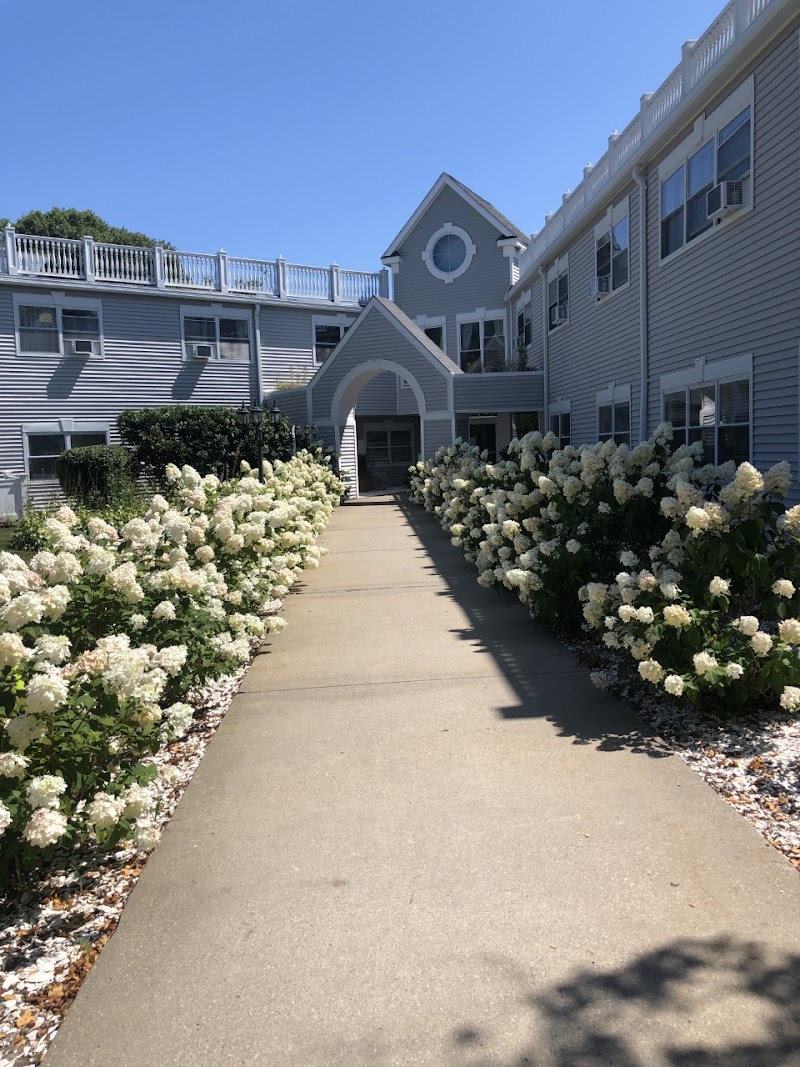
How is Royal Nursing Center, Llc Staffed?

CMS rates ROYAL NURSING CENTER, LLC's staffing level at 3 out of 5 stars, which is average compared to other nursing homes. Staff turnover is 39%, compared to the Massachusetts average of 46%. This relatively stable workforce can support continuity of care.

What Have Inspectors Found at Royal Nursing Center, Llc?

State health inspectors documented 30 deficiencies at ROYAL NURSING CENTER, LLC during 2020 to 2025. These included: 1 that caused actual resident harm, 28 with potential for harm, and 1 minor or isolated issues. Deficiencies causing actual harm indicate documented cases where residents experienced negative health consequences.
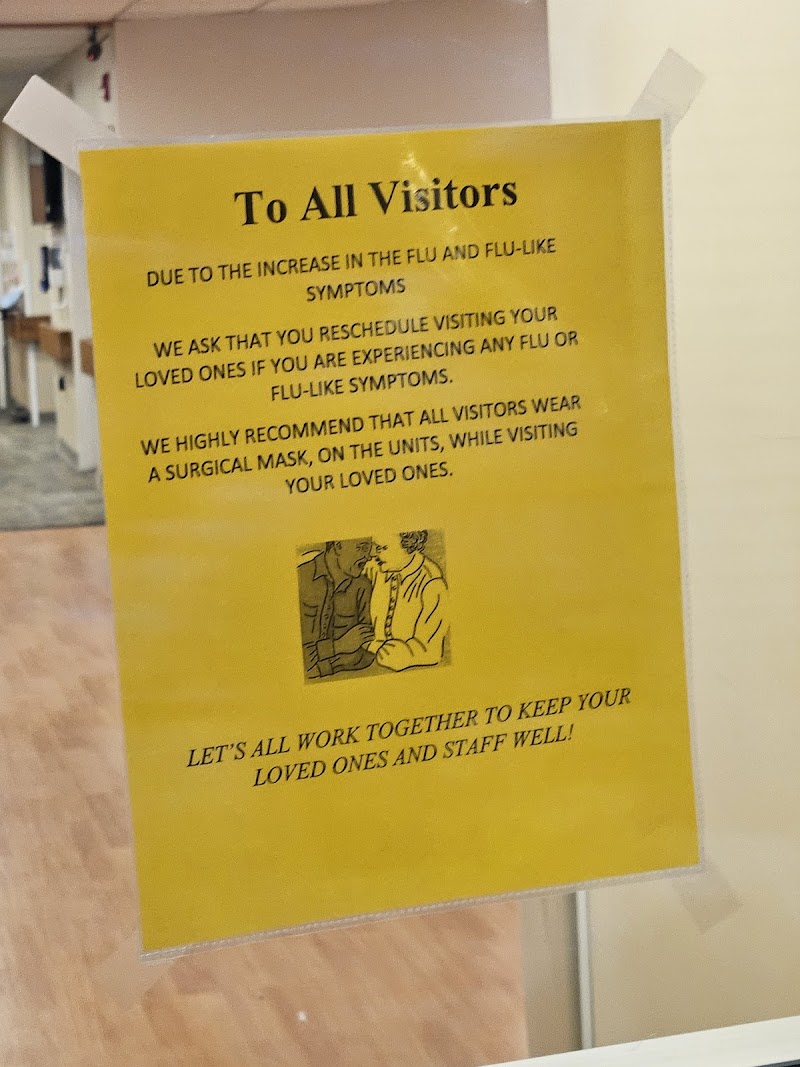
Who Owns and Operates Royal Nursing Center, Llc?

ROYAL NURSING CENTER, LLC is owned by a for-profit company. For-profit facilities operate as businesses with obligations to shareholders or private owners. The facility is operated by ROYAL HEALTH GROUP, a chain that manages multiple nursing homes. With 121 certified beds and approximately 100 residents (about 83% occupancy), it is a mid-sized facility located in FALMOUTH, Massachusetts.
How Does Royal Nursing Center, Llc Compare to Other Massachusetts Nursing Homes?

Compared to the 100 nursing homes in Massachusetts, ROYAL NURSING CENTER, LLC's overall rating (3 stars) is above the state average of 2.9, staff turnover (39%) is near the state average of 46%, and health inspection rating (3 stars) is at the national benchmark.

What Should Families Ask When Visiting Royal Nursing Center, Llc?

Based on this facility's data, families visiting should ask: "Can I visit during a mealtime to observe dining assistance and food quality?" "How do you handle medical emergencies, and what is your hospital transfer rate?" "Can I speak with family members of current residents about their experience?"

Is Royal Nursing Center, Llc Safe?

Based on CMS inspection data, ROYAL NURSING CENTER, LLC has a clean safety record: no substantiated abuse findings (meaning no confirmed cases of resident harm), no Immediate Jeopardy citations (the most serious violation level indicating risk of serious injury or death), and is not on the Special Focus Facility watch list (a federal program monitoring the lowest-performing 1% of nursing homes). The facility has a 3-star overall rating and ranks #1 of 100 nursing homes in Massachusetts. While no facility is perfect, families should still ask about staff-to-resident ratios and recent inspection results during their visit.

Do Nurses at Royal Nursing Center, Llc Stick Around?

ROYAL NURSING CENTER, LLC has a staff turnover rate of 39%, which is about average for Massachusetts nursing homes (state average: 46%). Moderate turnover is common in nursing homes, but families should still ask about staff tenure and how the facility maintains care continuity when employees leave.

Was Royal Nursing Center, Llc Ever Fined?

ROYAL NURSING CENTER, LLC has been fined $8,278 across 1 penalty action. This is below the Massachusetts average of $33,162. While any fine indicates a compliance issue, fines under $50,000 are relatively common and typically reflect isolated problems that were subsequently corrected. Families should ask what specific issues led to these fines and confirm they've been resolved.

Is Royal Nursing Center, Llc on Any Federal Watch List?

ROYAL NURSING CENTER, LLC is not on any federal watch list. The most significant is the Special Focus Facility (SFF) program, which identifies the bottom 1% of nursing homes nationally based on persistent, serious quality problems. Not being on this list means the facility has avoided the pattern of deficiencies that triggers enhanced federal oversight. This is a positive indicator, though families should still review the facility's inspection history directly.