BETHANY SKILLED NURSING FACILITY
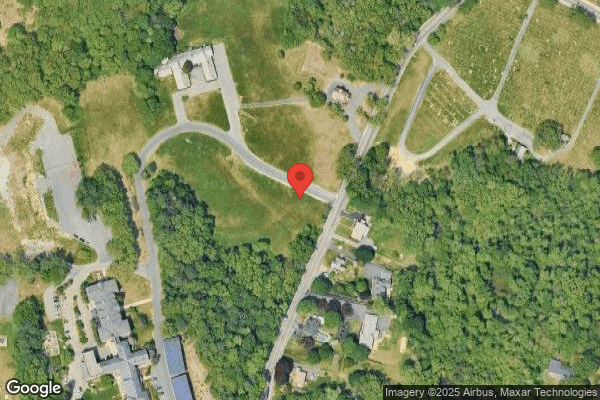
97 BETHANY ROAD, FRAMINGHAM, MA 01701 (508) 872-6750
Non profit - Corporation 169 Beds Independent Data: November 2025
Trust Grade
78/100
#8 of 338 in MA
Last Inspection: June 2025

Inspected within the last 6 months. Data reflects current conditions.

Overview

Bethany Skilled Nursing Facility has a Trust Grade of B, indicating it is a good choice but not without some concerns. It ranks #8 out of 338 facilities in Massachusetts, placing it in the top half of all nursing homes in the state, and #3 out of 72 in Middlesex County, meaning only two local options are better. The facility is improving, with issues declining from three in 2024 to none in 2025. Staffing is a strength, rated 5 out of 5 stars, with RN coverage higher than 77% of Massachusetts facilities and a turnover rate of 43%, which is average. However, there have been serious incidents, including one where a resident was injured after being transferred improperly with a Hoyer lift by a single staff member instead of the required two, as well as failures to offer necessary vaccinations to residents, raising concerns about safety and compliance. Overall, while the facility has strong staffing and is improving, families should be aware of the recent safety incidents.

Trust Score
B
78/100
In Massachusetts
#8/338
Top 2%
Safety Record
Moderate
Needs review
Inspections
Getting Better
3 → 0 violations
Staff Stability
○ Average
43% turnover. Near Massachusetts's 48% average. Typical for the industry.
Penalties
○ Average
$9,318 in fines. Higher than 68% of Massachusetts facilities. Some compliance issues.
Skilled Nurses
✓ Good
Each resident gets 64 minutes of Registered Nurse (RN) attention daily — more than 97% of Massachusetts nursing homes. RNs are the most trained staff who catch health problems before they become serious.
Violations
✓ Good
Only 4 deficiencies on record. Cleaner than most facilities. Minor issues only.
★★★★★
5.0
Overall Rating
★★★★★
5.0
Staff Levels
★★★☆☆
3.0
Care Quality
★★★★★
5.0
Inspection Score
Stable
2024: 3 issues
2025: 0 issues

The Good

  • 5-Star Staffing Rating · Excellent nurse staffing levels
  • Full Sprinkler Coverage · Fire safety systems throughout facility
  • No fines on record
  • Staff turnover below average (43%)

    5 points below Massachusetts average of 48%

Facility shows strength in staffing levels, fire safety.

The Bad

Staff Turnover: 43%

Near Massachusetts avg (46%)

Typical for the industry

Federal Fines: $9,318

Below median ($33,413)

Minor penalties assessed

The Ugly 4 deficiencies on record

2 actual harm
Sept 2024 2 deficiencies 2 Harm
SERIOUS (G) 📢 Someone Reported This

A family member, employee, or ombudsman was alarmed enough to file a formal complaint

Actual Harm - a resident was hurt due to facility failures

Comprehensive Care Plan (Tag F0656)

A resident was harmed · This affected 1 resident

**NOTE- TERMS IN BRACKETS HAVE BEEN EDITED TO PROTECT CONFIDENTIALITY** Based on records reviewed and interviews for one of three sampled residents (Resident #1), whose comprehensive plan of care indi...

Read full inspector narrative →
**NOTE- TERMS IN BRACKETS HAVE BEEN EDITED TO PROTECT CONFIDENTIALITY** Based on records reviewed and interviews for one of three sampled residents (Resident #1), whose comprehensive plan of care indicated he/she required the use of a Hoyer lift (mechanical mobility aid that supports a person's body weight to allow movement from one surface to another) with assistance of two staff members for all transfers, and that staff should reapproach him/her if he/she became combative with care, the Facility failed to ensure staff implemented and followed interventions in his/her care plan, when on 8/22/24, while waiting to be transferred back to bed, Resident #1 became agitated, and per Certified Nurse Aide (CNA) #1, she lifted Resident #1 up from his/her wheelchair with a Hoyer lift to relieve pressure from Resident #1's buttocks, however CNA #1 did so, without having another staff member present to assist her, and Resident #1 slid out of the Hoyer lift pad and fell forward onto the floor. Resident #1 was transferred to the Hospital Emergency Department (ED) where he/she was diagnosed with a scalp laceration, head injuries, fractures and was admitted . Findings include: Review of the Facility's Policy titled, Resident Care Planning, dated March 2017, indicated that: - the Facility provides individualized, person centered care which is reflected in each resident's care plan. To facilitate the creation of such plans, the Facility performs a comprehensive assessment on all residents, -the care plan will include an assessment of resident's strengths and needs and, -the care plan may be accessed by any person involved in the implementation of the care plan. Review of the Report submitted by the Facility via the Health Care Facility Reporting System (HCFRS), dated 08/27/24, indicated that on 8/22/24, a staff member (later identified as CNA #1) was preparing the resident for a transfer to bed from his/her wheelchair via mechanical lift (Hoyer). The Report indicated that Resident #1 became agitated and yelled, my butt is hurting, so CNA #1 raised Resident #1 slightly [up off the wheelchair using the Hoyer lift] to relieve pressure on his/her buttocks. The Report indicated that Resident was kicking and flailing, and then slid out of the Hoyer pad landing on the floor. The Report indicated that Resident #1 was transferred to the Hospital Emergency Department (ED) and diagnosed with a right clavicle (collar bone) fracture, question of a right temporal bone (side of skull) fracture, a scalp laceration requiring five staples and subarachnoid/subdural hemorrhages (brain bleeds). The Report indicated that Resident #1 returned to the Facility within 24 hours. Review of the Facility's Fall Investigation, dated 08/22/24, indicated that Resident #1 was being prepared to transfer from his/her wheelchair to bed via mechanical (Hoyer) lift. The Investigation indicated Resident #1 became agitated, was flailing, kicking, and yelling, and then slid to the floor hitting his/her head. The Investigation indicated that the root [cause] of the fall was that Resident #1 became agitated and combative while he/she was prepared for care and slid down the chair (lift pad). Review of Resident #1's Hospital Discharge Report, dated 08/23/24, indicated that Resident #1 was evaluated after a fall from a Hoyer lift, and he/she admitted to the Hospital's Surgical Intensive Care Unit (SICU). The Report indicated that a computerized tomography (CT) scan of Resident #1's head on 08/23/24 at 4:00 A.M., revealed worsening subdural and subarachnoid hemorrhages compared to a prior CT scan done on 08/22/24. The Report indicated that Resident #1's injuries were deemed non-operative given his/her Do Not Resuscitate/Do Not Intubate status. The Report indicated that Resident #1 also had an occipital (back of head) wound that required staples for closure, a right temporal bone (side of skull) fracture, and a right clavicle (collar bone) fracture. The Report indicated that Resident #1 was sent back to the facility on [DATE]. Resident #1 was admitted to the Facility in March 2017, diagnoses included dementia and major depressive disorder. Review of Resident #1's Quarterly Minimum Data Set (MDS) Assessment, dated 06/05/24, indicated he/she was dependent on staff for care and had severe cognitive impairment. Review of Resident #1's Activities of Daily Living Care Plan, reviewed and renewed with his/her June 2024 Quarterly MDS, indicated that Resident #1 required a Hoyer lift with the assistance of two staff members for transfers. Review of Resident #1's Behavior Care Plan, reviewed and renewed with his/her June 2024 Quarterly MDS, indicated that if Resident #1 resists ADLs, reassure him/her, leave and return five to ten minutes later to try again. During an interview on 09/26/23 at 3:03 P.M., (which included a review of her Written Witness Statement, dated 08/23/24), CNA #1 said she knew Resident #1 transferred with a mechanical lift and that two staff members were required to do the transfer. CNA #1 said she was in Resident #1's room waiting for CNA #2 to come and assist her. CNA #1 said Resident #1 was seated in his/her wheelchair on a Hoyer lift pad, but it was not attached to the Hoyer lift yet. CNA #1 said Resident #1 started yelling, my butt hurts, so she (CNA #1) attached the Hoyer lift pad straps to the Hoyer lift, pressed the lift button on the Hoyer lift, and lifted him/her (Resident #1) up a little. CNA #1 said when she lifted Resident #1 up with the Hoyer lift, his/her combative behavior worsened and Resident #1 fell forward out of the Hoyer pad onto the floor. CNA #1 said she was standing in front of Resident #1 when she lifted him/her up, but was unable to stop him/her (Resident #1) from falling to the floor and hitting his/her head. CNA #1 said that she did not wait for CNA #2 to assist her [with the transfer] because Resident #1 was yelling, but said she should have waited. During a telephone interview on 10/02/24 at 10:31 A.M., (which included a review of a statement taken during a telephone interview conducted by the Director of Nurses, dated, 08/23/24), CNA #2 said she knew Resident #1 well and that two staff members were required to transfer him/her safely. CNA #2 said on 08/22/24, she was providing care to another resident, when she heard CNA #1 yell her name. CNA #2 said she ran to Resident #1's room, and when she entered Resident #1's room, she saw Resident #1 lying on the floor with blood around his/her head. During an interview on 09/26/24 at 11:21 P.M., (which included a review of her Written Witness Statement, dated 08/22/24), Nurse #1 said she was familiar with Resident #1 and that he/she required a Hoyer lift with two staff members present to assist with his/her transfers. Nurse #1 said CNA #1 and CNA #2 called her to Resident #1's room, and when she entered Resident #1's room, she saw Resident #1 lying on the floor on his/her back between the bed and the Hoyer lift, and he/she had blood coming from his/her head. Review of a Nurse Progress Note, written by Nursing Supervisor #1, dated 08/22/24 at 7:35 P.M., indicated that Resident #1 was being transferred via Hoyer Lift, became anxious and agitated, was flailing and kicking, and then slid out of the Hoyer pad onto the floor hitting his/her head on the floor. The Note indicated Resident #1 was visibly bleeding from a laceration on the back of his/her head. The Note indicated that Resident #1's mobility order was Hoyer lift with assistance of two staff members. During an interview on 09/2624 at 1:18 P.M., Nursing Supervisor #1 said CNA #1 told her that Resident #1 had been yelling, kicking, and flailing in his/her wheelchair, and screaming that his/her butt hurt. Nursing Supervisor #1 said CNA #1 told her that she (CNA #1) had tried to relieve pressure on Resident #1's buttocks by lifting him/her up [with the Hoyer lift], while she waited for CNA #2 to come to Resident #1's room to assist her. Review of an Employee Warning Form, dated 08/23/24, completed by the Staff Development Coordinator (SDC) indicated that CNA #1 was issued a written warning related to Resident #1's fall from the Hoyer lift. During a telephone interview on 10/03/24 at 12:08 P.M., the Staff Development Coordinator (SDC) said she completed the Employee Warning Form on 08/23/24 for CNA #1 because she (CNA #1) lifted Resident #1 up in the Hoyer lift without another staff member present to assist her, which caused Resident #1 to fall. The SDC said that per Facility Policy, two staff members are required to be present for all Hoyer lift transfers. The SDC said that a transfer begins as soon as a staff member uses a Hoyer lift to begin lifting the resident from the surface he or she is seated on. During an interview on 09/26/24 at 11:40 P.M., Unit Manager #1 said that Resident #1 is dependent on staff for all care, and said he/she can be combative during care. Unit Manager #1 said if Resident #1 becomes combative during care, then the CNAs should tell the nurse, and reapproach the resident later. The Unit Manager said two staff members are always required for Hoyer lift transfers. During an interview on 09/26/24 at 1:37 P.M., the Director of Nurses (DON) said that two staff members are required to provide assistance to any resident when using a Hoyer lift for a transfer. The DON said CNA #1 told her that the Hoyer pad was connected to the Hoyer lift and that she slightly lifted Resident #1 with the Hoyer without the assistance from another staff member. The DON said that CNA #1 also told her that when she (CNA #1) began attaching the Hoyer straps to the Hoyer lift, that Resident #1 became more agitated and combative. The DON said that after this incident, for any resident requiring a Hoyer lift for transfers, two staff members must enter the resident's room simultaneously. On 09/26/24, the Facility presented the Surveyor with a plan of correction that addressed the areas of concern identified in this survey, the Plan of Correction provided is as follows: A. 8/22/24, Nursing immediately assessed Resident #1 for injuries, 911 was initiated and he/she was transferred to the Hospital Emergency Department, he/she returned within 24 hours. B. 8/23/24, The Staff Development Coordinator (SDC) initiated staff education on the use of mechanical lifts and all nursing staff were required to complete an additional Mechanical Lift competency that included return demonstration. C. Effective 08/23/24, daily visual observation audits by Nursing administration on the day and evening shifts were initiated to ensure two staff members were present for Hoyer lift transfers. Observation Audits will continue for 60-90 days D. 8/24/24, Resident #1 returned to the facility and his/her Comprehensive Care Plan was reviewed and revised. E. 8/26/24, The Facility recognized that all residents have the potential to be affected by the same deficient practice, and the DON completed a facility-wide audit for all Residents requiring Hoyer lifts which included a review of their Comprehensive Care Plans. F. 09/03/24, the Director of Rehabilitation (DOR) completed facility-wide audit of all residents requiring a Hoyer lift, to ensure the correct Hoyer pads were being used on all residents according to manufacturer's guidelines. G. 09/10/24, the area of concern and data collected, was presented at the Facility's Quality Assurance Performance Improvement (QAPI) Committee Meeting, and a QI project was developed. H. The Administrator, the Director of Nursing and/or their designees will be responsible for overall compliance.
SERIOUS (G) 📢 Someone Reported This

A family member, employee, or ombudsman was alarmed enough to file a formal complaint

Actual Harm - a resident was hurt due to facility failures

Accident Prevention (Tag F0689)

A resident was harmed · This affected 1 resident

**NOTE- TERMS IN BRACKETS HAVE BEEN EDITED TO PROTECT CONFIDENTIALITY** Based on records reviewed and interviews for one of three sampled residents (Resident #1), who required the use of a Hoyer lift ...

Read full inspector narrative →
**NOTE- TERMS IN BRACKETS HAVE BEEN EDITED TO PROTECT CONFIDENTIALITY** Based on records reviewed and interviews for one of three sampled residents (Resident #1), who required the use of a Hoyer lift (mechanical mobility aid that supports a person's body weight to allow movement from one surface to another) with assistance of two staff members for all transfers, the Facility failed to ensure he/she was provided with the necessary level of staff assistance to maintain his/her safety and prevent an incident/accident resulting in multiple injuries, when on 08/22/24, Certified Nurse Aide (CNA) #1 initiated a Hoyer lift transfer with Resident #1 from his/her wheelchair, without another staff member present to assist her, and Resident #1 slid forward in the Hoyer lift pad and fell forward onto the floor. Resident #1 was transferred to Hospital Emergency Department where he/she diagnosed with a scalp laceration, head injuries, fractures and was admitted . Findings include: Review of the Facility's Policy, titled Mechanical Lifts, dated as reviewed January 2024, indicated the following: - Two staff members must be present during the transfer, and - One staff (member) will monitor the clip/loop placement and steady the resident, while the second staff member will use the control to lower the resident into position. Review of the Report submitted by the Facility via the Health Care Facility Reporting System (HCFRS), dated 08/27/24, indicated that on 8/22/24, a staff member (later identified as CNA #1) was preparing the resident for a transfer to bed from his/her wheelchair via mechanical lift (Hoyer). The Report indicated that Resident #1 became agitated and yelled, my butt is hurting, so CNA #1 raised Resident #1 slightly up off the wheelchair to relieve pressure on his/her buttocks. The Report indicated that Resident was kicking and flailing, and then slid out of the Hoyer pad landing on the floor. The Report indicated that Resident #1 was transferred to the Hospital Emergency Department (ED) and diagnosed with a right clavicle (collar bone) fracture, question of a right temporal bone (side of skull) fracture, a scalp laceration requiring five staples and a subarachnoid/subdural hemorrhage (brain bleeds). The Report indicated that Resident #1 returned to the Facility within 24 hours. Review of the Facility's Fall Investigation, dated 08/22/24, indicated that Resident #1 was being prepared to transfer from his/her wheelchair to bed via mechanical lift. The Investigation indicated Resident #1 became agitated, flailing, kicking, and yelling, and then he/she slid to the floor hitting his/her head. The Investigation indicated that the root [cause] of the fall was that Resident #1 became agitated and combative while he/she was prepared for care and slid down the chair. However, the Investigation findings did not include that CNA #1 was alone at the time of Resident #1's fall and did not have another staff member with her when she lifted him/her up off the wheelchair, with the Hoyer lift. Review of Resident #1's Hospital Discharge Report, dated 08/23/24, indicated that Resident #1 was evaluated in the Hospital's Emergency Department after a fall from a Hoyer lift, and then admitted to the Hospital's Surgical Intensive Care Unit (SICU). The Report indicated that a computerized tomography (CT) scan of Resident #1's head on 08/23/24 at 4:00 A.M., revealed worsening subdural and subarachnoid hemorrhages (brain bleeds) compared to a prior CT scan done on 08/22/24. The Report indicated that Resident #1's injuries were deemed non-operative given his/her Do Not Resuscitate/Do Not Intubate status. The Report indicated that Resident #1 also had an occipital (back of head) wound that required staples for closure, a right temporal bone (side of skull) fracture, and a right clavicle (collar bone) fracture. The Report indicated that Resident #1 was sent back to the facility on [DATE]. Resident #1 was admitted to the Facility in March 2017, diagnoses included dementia, and major depressive disorder. Review of Resident #1's Activities of Daily Living Care Plan, reviewed and renewed with his/her June 2024 Quarterly MDS, indicated that Resident #1 required a Hoyer lift with the assistance of two staff members for transfers. Review of Resident #1's Behavior Care Plan, reviewed and renewed with his/her June 2024 Quarterly MDS, indicated that if Resident #1 resists ADLs, reassure him/her, leave and return five to ten minutes later to try again. During an interview on 09/26/23 at 3:03 P.M., (which included a review of her Written Witness Statement dated, 08/23/24), CNA #1 said she was in Resident #1's room waiting for CNA #2 to come and assist her with Resident #1's transfer. CNA #1 said Resident #1 was seated in his/her wheelchair on a Hoyer pad when he/she started yelling, my butt hurts. CNA #1 said she attached the Hoyer pad straps to the Hoyer lift, pressed the lift button on the Hoyer lift, and lifted him/her (Resident #1) up a little. CNA #1 said when she lifted Resident #1 up with the Hoyer lift, his/her combative behavior worsened and Resident #1 fell forward out of the Hoyer pad onto the floor. CNA #1 said she was standing in front of Resident #1 when she lifted him/her up in the Hoyer lift, but she was unable to stop him/her from falling to the floor and hitting his/her head. CNA #1 said she was aware that tow staff members needed to be present when doing Hoyer lift transfer, but that she did not wait for CNA #2 to come to assist her [with the transfer] because Resident #1 was yelling. During the interview with the surveyor, CNA #1 physically demonstrated how she lifted Resident #1 up alone in the Hoyer lift, and how he/she fell forward out of the Hoyer lift onto the floor. When CNA #1 reenacted the incident, she had the surveyor play her role as the only CNA present in Resident #1's room, and she (CNA #1) played the role of Resident #1. CNA #1 had the surveyor stand in front of her while she was seated in a chair. CNA #1 then demonstrated how Resident #1 fell from the raised Hoyer lift pad, by leaning her upper body far forward in her seat and then moving her entire body head-first toward the floor. During a telephone interview on 10/02/24 at 10:31 A.M., (which included a review of a statement obtained during a telephone interview conducted by the Director of Nurses, dated 08/23/24), CNA #2 said on 08/22/24, she was providing care to another resident in another room, when she heard CNA #1 yell her name. CNA #2 said when she arrived at Resident #1's room, she saw Resident #1 lying on the floor and blood was coming from his/her head. During an interview on 09/26/24 at 11:21 P.M., (which included a review of her Written Witness Statement dated 08/22/24), Nurse #1 said she was familiar with Resident #1 and said he/she required a Hoyer lift with two staff members present to assist for transfers. Nurse #1 said CNA #1 and CNA #2 called her to Resident #1's room, and when she entered his/her room, she saw Resident #1 lying on the floor on his/her back between the bed and the Hoyer lift, and he/she had blood coming from his/her head. During a telephone interview on 10/03/24 at 1:40 P.M., Nurse #2 said she heard CNA #1 and Nurse #1 yell to her to call 911. Nurse #2 said that after she called 911 and notified Nursing Supervisor #1, she entered Resident #1's room and saw Resident #1 lying on the floor on his/her back with blood near his/her head. Review of a Progress Note, written by Nursing Supervisor #1, dated 08/22/24 at 7:35 P.M., indicated that Resident #1 was being transferred via Hoyer Lift, became anxious and agitated, flailing and kicking, and then slid out of the Hoyer pad onto the floor in the supine (lying on back) position, hitting his/her head on the floor. The Note indicated Resident #1 was visibly bleeding from his/her head and that he/she had a laceration on the back of his/her head. The Note indicated that Resident #1's mobility order was Hoyer lift with an assist of two staff members. During an interview on 09/2624 at 1:18 P.M., Nursing Supervisor #1 said Nurse #2 called her to come emergently to Resident #1's room, and when she arrived, she saw Resident #1 lying on the floor with blood coming from the back of his/her head. Nursing Supervisor #1 said CNA #1 told her that Resident #1 had been yelling, kicking, and flailing in his/her wheelchair, and screaming that his/her butt hurt, so she tried to relieve pressure on Resident #1's buttocks while she waited for CNA #2 to assist her, by lifting him/her up off the wheelchair [with the Hoyer lift]. Review of an Employee Warning Form, dated 08/23/24, completed by the Staff Development Coordinator (SDC) indicated that CNA #1 was issued a written warning because of the incident with Resident #1. During a telephone interview on 10/03/24 at 12:08 P.M., the Staff Development Coordinator (SDC) said she completed the Employee Warning Form on 08/23/24 for CNA #1 because she (CNA #1) lifted Resident #1 up in the Hoyer lift without having another staff member present to assist her, which caused Resident #1 to fall. The SDC said that per Facility Policy, two staff members are required to be present for all Hoyer lift transfers. The SDC said that a transfer begins as soon as staff members use a Hoyer lift to start lifting the resident from the surface, he/she is seated on. During an interview on 09/26/24 at 1:37 P.M., the Director of Nurses (DON) said that when she interviewed CNA #1, CNA #1 told her that the Hoyer pad was connected to the Hoyer lift and that she slightly lifted Resident #1 up with the Hoyer lift without the assistance from another staff member. The DON said when CNA #1 went into Resident #1's room, Resident #1 became agitated and combative as soon as CNA #1 started hooking up the Hoyer pad to the machine. The DON said that following this incident, the Facility had determined that going forward, for any resident requiring a Hoyer lift for transfers, two staff members must enter the resident's room simultaneously. On 09/26/24, the Facility presented the Surveyor with a plan of correction that addressed the areas of concern identified in this survey, the Plan of Correction provided is as follows: A. 8/22/24, Nursing immediately assessed Resident #1 for injuries, 911 was initiated and he/she was transferred to the Hospital Emergency Department, he/she returned within 24 hours. B. 8/23/24, The Staff Development Coordinator (SDC) initiated staff education on the use of mechanical lifts and all nursing staff were required to complete an additional Mechanical Lift competency that included return demonstration. C. Effective 08/23/24, daily visual observation audits by Nursing administration on the day and evening shifts were initiated to ensure two staff members were present for Hoyer lift transfers. Observation Audits will continue for 60-90 days D. 8/24/24, Resident #1 returned to the facility and his/her Comprehensive Care Plan was reviewed and revised. E. 8/26/24, The Facility recognized that all residents have the potential to be affected by the same deficient practice, and the DON completed a facility-wide audit for all Residents requiring Hoyer lifts which included a review of their Comprehensive Care Plans. F. 09/03/24, the Director of Rehabilitation (DOR) completed facility-wide audit of all residents requiring a Hoyer lift, to ensure the correct Hoyer pads were being used on all residents according to manufacturer's guidelines. G. 09/10/24, the area of concern and data collected, was presented at the Facility's Quality Assurance Performance Improvement (QAPI) Committee Meeting, and a QI project was developed. H. The Administrator, the Director of Nursing and/or their designees will be responsible for overall compliance.
Apr 2024 1 deficiency
CONCERN (D)

Potential for Harm - no one hurt, but risky conditions existed

Deficiency F0883 (Tag F0883)

Could have caused harm · This affected 1 resident

**NOTE- TERMS IN BRACKETS HAVE BEEN EDITED TO PROTECT CONFIDENTIALITY** Based on interview, record and policy review, the facility failed to ensure that the Pneumococcal (any infection caused by bacte...

Read full inspector narrative →
**NOTE- TERMS IN BRACKETS HAVE BEEN EDITED TO PROTECT CONFIDENTIALITY** Based on interview, record and policy review, the facility failed to ensure that the Pneumococcal (any infection caused by bacteria called Streptococcus pneumoniae, or pneumococcus that can range from ear and sinus infections to pneumonia and bloodstream infections) Vaccination was offered to and/or administered as required to one Resident (#51) in five applicable residents, out of a total sample of 18 residents. Specifically, the facility failed to provide documentation evidence that Resident #51 was offered the Pneumococcal Vaccine (also referred to as Pneumovax) or did not receive the Pneumococcal Vaccine due to medical contraindication or refusal when: -The Resident was not up to date with his/her Pneumococcal vaccination status. -The Resident was eligible to receive a dose of Pneumococcal Vaccine upon his/her admission to the facility. Findings include: Review of the CDC guidelines titled Pneumococcal Vaccination Timeline for Adults, dated 3/15/23, indicated the following for adults aged 65 years and older: -Make sure your patients are up to date with Pneumococcal Vaccination. -If one dose only of PPSV23 (Pneumovax 23: Pneumococcal polysaccharide vaccine used to protect against 15 types of pneumococcal bacteria that commonly cause serious infections in adults) has been received at any age, . one dose of PCV20 (Prevnar 20: vaccine used to protect against 20 types of pneumococcal bacteria that commonly cause serious infections in adults) . should be administered no earlier than one year following the administration of the prior PPSV23 dose. Review of the facility policy, titled Policy for Pneumonia Vaccination, dated 2024 indicated: -It was the facility's policy that all residents over the age of 65 years be offered the Pneumonia vaccine. -Residents who were previously vaccinated with at least one dose of PPSV23 before or after age [AGE] should receive a single dose of PCV20. -The PCV20 should be administered at least one year after the PPSV23. Resident #51 was admitted to the facility in February 2023 with diagnoses including: Chronic Obstructive Pulmonary disease (COPD: a chronic lung disease that causes obstructed airflow and breathing problems) and Dementia (a group of conditions characterized by impairment of at least two brain functions, such as memory and loss of judgment, and interferes with daily life activity). Review of the Minimum Data Set (MDS) assessment dated [DATE], indicated Resident #51 was severely cognitively impaired as evidenced by a Brief Interview for Mental Status (BIMS) score of six out of 15 total points. Review of Resident #51's clinical record indicated that Resident #51: -was [AGE] years of age or older. -Healthcare Proxy (HCP: a person assigned to make healthcare decisions of behalf of the resident) was invoked on 2/27/23, due to a diagnosis of Dementia. -received one dose of Pneumococcal Polysaccharide Vaccine (PPV) on 1/1/98. -had not been administered the Pneumococcal Vaccine since he/she had been admitted to the facility in February 2023. Review of Resident #51's Immunization Record Information Form, dated 2/27/23, indicated the following: -Resident #51's HCP signed the Immunization Record Information Form. -The section to indicate whether the Resident had already received Pneumococcal vaccination, wanted the Pneumococcal vaccine, or did not want the Pneumococcal vaccine was blank. Review of Residents #51's April 2024 Physician orders included an order, initiated 2/27/23 with no stop date, which indicated: May have Pneumovax. Review of Resident #51's Massachusetts Immunization Information System (MIIS) record, undated, provided by the facility indicated the following: -The Resident received Pneumococcal PPV on 1/1/98. -The Resident was due to receive Pneumococcal PCV. Further review of Resident #51's MIIS record indicated no evidence that the Resident ever received any Pneumococcal Vaccine after 1/1/98. During an interview on 4/19/24 at 2:31 P.M., the Infection Preventionist (IP) said the facility obtained residents' vaccination statuses using the facility's Immunization Record Information Form when residents are admitted to the facility. The IP said she was responsible to review the Immunization Record Information Forms completed on residents' admissions to the facility and if any or all portions of the form were incomplete, she would follow-up with the resident or HCP (whichever was indicated as the responsible party) to determine whether vaccination had been completed or if the resident/HCP wanted or did not want vaccines to be administered. The IP said she was also responsible to track residents' vaccination statuses and if residents' vaccination statuses were not up to date, facility staff would offer them vaccines. The IP said all residents had an order from the Physician for Pneumococcal vaccination upon admission to the facility and that the facility adhered to CDC guidelines for Pneumococcal Vaccine administration. The IP also said she had been working on an audit of all residents in the facility relative to Pneumococcal vaccination status since she had started at the facility as the IP (which was in early 2021), as the facility was not in compliance with the requirements for Pneumococcal vaccinations for residents. The IP said at the time of the interview that the facility was still not in compliance for resident Pneumococcal vaccinations because the facility was focusing on administration of the most recent COVID-19 booster, per instruction of the Physician. The IP further said that Resident #51 had been eligible to receive a Pneumococcal Vaccine when he/she was admitted to the facility in February 2023 and that the IP would have to review the Resident's record to determine whether the vaccine had been administered. During a follow-up interview on 4/23/24 at 12:21 P.M., the IP said Resident #51 had been at the facility since February 2023, with a Physician's order for administering the Pneumococcal Vaccine. The IP also said Resident #51's Immunization Record Information Form had been signed by the Resident's HCP, but the section relative to Pneumococcal vaccination was blank, and the IP had not followed up with the Resident's HCP relative to Pneumococcal vaccination prior to the surveyor's inquiry. The IP said Resident #51's Pneumococcal Vaccine was not up to date. During an interview on 4/23/24 at 1:55 P.M., the facility Physician said if residents at the facility had already received a dose of PPSV23 and PCV13, the residents were considered to be up to date with their Pneumococcal Vaccine series and consideration of eligibility for providing one dose of PCV20 would be addressed after these residents received the most recent booster for COVID-19. The Physician also said the facility should have a protocol in place for Pneumococcal Vaccine administration to residents and if a resident was not up to date with their Pneumococcal Vaccine, the protocol should be followed. The Physician said he would have to be sure the facility had a protocol in place and that they followed the protocol. The surveyor informed the Physician that the facility provided a copy of their Policy for Pneumococcal Vaccination which indicated: -Residents who were previously vaccinated with at least one dose of PPSV23 before or after age [AGE] should receive a single dose of PCV20. -The PCV20 should be administered at least one year after the PPSV23. At this time, the Physician said if Resident #51's immunization record was accurate, the Resident would have required one dose of PCV20 to be considered up to date with the Pneumococcal Vaccine. The Physician further said the facility should have followed their policy.
Oct 2022 1 deficiency
CONCERN (D)

Potential for Harm - no one hurt, but risky conditions existed

Deficiency F0888 (Tag F0888)

Could have caused harm · This affected 1 resident

Based on record review, and interview the facility failed to ensure its staff implemented procedures to ensure all staff were fully vaccinated for COVID-19, to stop the spread of infection. Specifical...

Read full inspector narrative →
Based on record review, and interview the facility failed to ensure its staff implemented procedures to ensure all staff were fully vaccinated for COVID-19, to stop the spread of infection. Specifically, staff failed to ensure that two contracted staff, out of a total of four sampled contracted staff, were fully vaccinated for COVID-19 as required, before allowing them to enter and work at the facility. Findings include: Review of the facility COVID-19 screening documentation for 10/17/22 indicated contracted staff #1 and #2 were in the facility to repair a refrigerator in the facility kitchen. During an interview on 10/17/22 at 12:41 P.M., the Infection Control Nurse said that the refrigerator repairmen indicated, on the facility COVID-19 screening questionnaire dated 10/17/22, that they were vaccinated for COVID-19. She said the repairmen started working in the facility the prior Thursday (on 10/13/22). She also said that she did not have any evidence of COVID-19 vaccination for either repairman and that when she called the refrigerator repair company after the surveyor's inquiry on 10/17/22 to obtain proof of vaccination, she was told that the repairmen were not vaccinated for COVID-19. She said that she usually obtained evidence of vaccination status for contracted staff before they came to the facility, and she should have obtained evidence that the refrigerator repairmen were fully vaccinated before they came into the facility to work, as required, but she did not.
Understanding Severity Codes (click to expand)
Life-Threatening (Immediate Jeopardy)
J - Isolated K - Pattern L - Widespread
Actual Harm
G - Isolated H - Pattern I - Widespread
Potential for Harm
D - Isolated E - Pattern F - Widespread
No Harm (Minor)
A - Isolated B - Pattern C - Widespread

Questions to Ask on Your Visit

  • "Can I speak with families of current residents?"
  • "What's your RN coverage like on weekends and overnight?"

Our Honest Assessment

Strengths
  • • 43% turnover. Below Massachusetts's 48% average. Good staff retention means consistent care.
Concerns
  • • 4 deficiencies on record, including 2 serious (caused harm) violations. Ask about corrective actions taken.
Bottom line: Generally positive indicators. Standard due diligence and a personal visit recommended.

About This Facility

What is Bethany Skilled Nursing Facility's CMS Rating?

CMS assigns BETHANY SKILLED NURSING FACILITY an overall rating of 5 out of 5 stars, which is considered much above average nationally. Within Massachusetts, this rating places the facility higher than 99% of the state's 100 nursing homes. This rating reflects solid performance across the metrics CMS uses to evaluate nursing home quality.

How is Bethany Skilled Nursing Facility Staffed?

CMS rates BETHANY SKILLED NURSING FACILITY's staffing level at 5 out of 5 stars, which is much above average compared to other nursing homes. Staff turnover is 43%, compared to the Massachusetts average of 46%. This relatively stable workforce can support continuity of care.

What Have Inspectors Found at Bethany Skilled Nursing Facility?

State health inspectors documented 4 deficiencies at BETHANY SKILLED NURSING FACILITY during 2022 to 2024. These included: 2 that caused actual resident harm and 2 with potential for harm. Deficiencies causing actual harm indicate documented cases where residents experienced negative health consequences.

Who Owns and Operates Bethany Skilled Nursing Facility?

BETHANY SKILLED NURSING FACILITY is owned by a non-profit organization. Non-profit facilities reinvest revenue into operations rather than distributing to shareholders. The facility operates independently rather than as part of a larger chain. With 169 certified beds and approximately 74 residents (about 44% occupancy), it is a mid-sized facility located in FRAMINGHAM, Massachusetts.

How Does Bethany Skilled Nursing Facility Compare to Other Massachusetts Nursing Homes?

Compared to the 100 nursing homes in Massachusetts, BETHANY SKILLED NURSING FACILITY's overall rating (5 stars) is above the state average of 2.9, staff turnover (43%) is near the state average of 46%, and health inspection rating (5 stars) is much above the national benchmark.

What Should Families Ask When Visiting Bethany Skilled Nursing Facility?

Based on this facility's data, families visiting should ask: "Can I visit during a mealtime to observe dining assistance and food quality?" "How do you handle medical emergencies, and what is your hospital transfer rate?" "Can I speak with family members of current residents about their experience?"

Is Bethany Skilled Nursing Facility Safe?

Based on CMS inspection data, BETHANY SKILLED NURSING FACILITY has a clean safety record: no substantiated abuse findings (meaning no confirmed cases of resident harm), no Immediate Jeopardy citations (the most serious violation level indicating risk of serious injury or death), and is not on the Special Focus Facility watch list (a federal program monitoring the lowest-performing 1% of nursing homes). The facility has a 5-star overall rating and ranks #1 of 100 nursing homes in Massachusetts. While no facility is perfect, families should still ask about staff-to-resident ratios and recent inspection results during their visit.

Do Nurses at Bethany Skilled Nursing Facility Stick Around?

BETHANY SKILLED NURSING FACILITY has a staff turnover rate of 43%, which is about average for Massachusetts nursing homes (state average: 46%). Moderate turnover is common in nursing homes, but families should still ask about staff tenure and how the facility maintains care continuity when employees leave.

Was Bethany Skilled Nursing Facility Ever Fined?

BETHANY SKILLED NURSING FACILITY has been fined $9,318 across 1 penalty action. This is below the Massachusetts average of $33,172. While any fine indicates a compliance issue, fines under $50,000 are relatively common and typically reflect isolated problems that were subsequently corrected. Families should ask what specific issues led to these fines and confirm they've been resolved.

Is Bethany Skilled Nursing Facility on Any Federal Watch List?

BETHANY SKILLED NURSING FACILITY is not on any federal watch list. The most significant is the Special Focus Facility (SFF) program, which identifies the bottom 1% of nursing homes nationally based on persistent, serious quality problems. Not being on this list means the facility has avoided the pattern of deficiencies that triggers enhanced federal oversight. This is a positive indicator, though families should still review the facility's inspection history directly.