CASA DE RAMANA REHABILITATION CENTER

485 FRANKLIN STREET, FRAMINGHAM, MA 01702 (508) 872-8801
For profit - Limited Liability company 124 Beds Independent Data: November 2025
Trust Grade
68/100
#79 of 338 in MA
Last Inspection: November 2024

Within standard 12-15 month inspection cycle. Federal law requires annual inspections.

Overview

Casa de Ramana Rehabilitation Center has a Trust Grade of C+, indicating it is slightly above average but not exceptional. In Massachusetts, it ranks #79 out of 338 facilities, placing it in the top half, and #20 out of 72 in Middlesex County, meaning there are only 19 local options that are better. However, the facility is currently experiencing a worsening trend, with the number of issues reported doubling from 4 in 2023 to 8 in 2024. Staffing is a strength, boasting a 0% turnover rate, which is well below the state average, although the staffing rating itself is average at 3 out of 5. On the downside, the facility has incurred $8,512 in fines, which is considered average, and it also has some concerning incidents, such as a resident being left secured in a wheelchair for over three hours due to staff oversight and outdated pH testing strips being used in the kitchen. Additionally, not all residents had access to grievance forms, limiting their ability to report concerns. Overall, while there are strengths in staffing and overall rating, families should be aware of the troubling incidents and the trend of increasing issues.

Trust Score
C+
68/100
In Massachusetts
#79/338
Top 23%
Safety Record
Moderate
Needs review
Inspections
Getting Worse
4 → 8 violations
Staff Stability
○ Average
Turnover data not reported for this facility.
Penalties
✓ Good
$8,512 in fines. Lower than most Massachusetts facilities. Relatively clean record.
Skilled Nurses
○ Average
Each resident gets 40 minutes of Registered Nurse (RN) attention daily — about average for Massachusetts. RNs are the most trained staff who monitor for health changes.
Violations
⚠ Watch
20 deficiencies on record. Higher than average. Multiple issues found across inspections.
★★★★☆
4.0
Overall Rating
★★★☆☆
3.0
Staff Levels
★★★☆☆
3.0
Care Quality
★★★★☆
4.0
Inspection Score
Stable
2023: 4 issues
2024: 8 issues

The Good

  • Full Sprinkler Coverage · Fire safety systems throughout facility
  • No fines on record

Facility shows strength in fire safety.

The Bad

Federal Fines: $8,512

Below median ($33,413)

Minor penalties assessed

The Ugly 20 deficiencies on record

1 actual harm
Nov 2024 6 deficiencies
CONCERN (D)

Potential for Harm - no one hurt, but risky conditions existed

Deficiency F0645 (Tag F0645)

Could have caused harm · This affected 1 resident

Based on record review, and interview, the facility failed to accurately complete a Level I Preadmission Screening and Resident Review (PASARR- screen to determine if a resident had an intellectual or...

Read full inspector narrative →
Based on record review, and interview, the facility failed to accurately complete a Level I Preadmission Screening and Resident Review (PASARR- screen to determine if a resident had an intellectual or developmental disability (ID or DD) and/or serious mental illness (SMI) and needed further evaluation) for one Resident (#87), out of a total sample of 22 total residents. Specifically, for Resident #87, the facility failed to accurately complete a Level I PASRR indicating that the Resident had a diagnosis of Bipolar Disorder, and received emergency psychiatric services while hospitalized within the last two years in the community, resulting in a Level II PASRR Evaluation (an evaluation conducted to determine if an individual who screened positive for an SMI or ID/DD requires specialized services) not being completed as required. Findings include: Resident #87 was admitted to the facility in November 2023, with diagnoses including Bipolar Disorder (a mental health condition that causes extreme mood swings that include emotional highs [mania or hypomania] and lows [depression]), Anxiety Disorder (mental health disorder characterized by feelings of worry, anxiety, or fear that are strong enough to interfere with daily activities) and Major Depressive Disorder (symptoms lasting greater than two weeks of a persistently low or depressed mood and a loss of interest in activities that a person used to enjoy). Review of Resident #87's PASRR Level I Screening, dated 1/5/23, indicated No to the following questions: -Does the applicant have a documented diagnosis of a mental illness or disorder (MI/D) or substance use disorder (SUD) that may lead to chronic disability? -Within the past two years, is the applicant known to have required one of the treatments or interventions listed below, that is, or may be due to a mental illness or disorder (MI/MD) .one or more inpatient psychiatric hospitalizations, suicide attempt? Review of the Referral admission Information dated 10/19/23, indicated Resident #87 had a history of suicidal ideation while at the hospital requiring emergency mental health treatment. Further review of the Referral admission Information indicated that the Resident was diagnosed with Bipolar Disorder, Depression, and Anxiety. Review of the facility policy titled PASRR, last revised on 6/1/24, indicated the following: -a nursing facility must ensure an individual who has or is suspected of having SMI is referred to the DMH PASRR Unit . for a post-admission Level II evaluation. During an interview on 11/25/24 at 8:58 A.M., Social Worker (SW) #1 said that a new Level I PASRR should have been completed for Resident #87 as the Level I PASRR was not completed correctly. SW #1 also said that a request for a Level II PASRR should have been completed and had not been as required.
CONCERN (D)

Potential for Harm - no one hurt, but risky conditions existed

Deficiency F0676 (Tag F0676)

Could have caused harm · This affected 1 resident

**NOTE- TERMS IN BRACKETS HAVE BEEN EDITED TO PROTECT CONFIDENTIALITY** Based on observation, interview, and record review, the facility failed to provide Activities of Daily Living (ADLs: fundamental...

Read full inspector narrative →
**NOTE- TERMS IN BRACKETS HAVE BEEN EDITED TO PROTECT CONFIDENTIALITY** Based on observation, interview, and record review, the facility failed to provide Activities of Daily Living (ADLs: fundamental skills required to independently care for oneself, such as eating, bathing, and mobility) care and services pertaining to mobility for one Resident (#106), out of a total sample of 22 residents. Specifically, the facility failed to provide care and services that would maintain and/or improve Resident #106's functional mobility when the Resident was discontinued from Physical Therapy (PT) services and required the assistance of one staff member with ambulation. Findings include: Resident #106 was admitted to the facility in September 2024 with diagnoses including muscle weakness (lack of muscle strength), Wernicke's Encephalopathy (a brain and memory disorder caused by a lack of thiamine [vitamin B1], that causes mental confusion, vision problems, and lack of muscle coordination), Metabolic Encephalopathy (altered mental status) and Cognitive Communication Deficit (difficulty in communicating effectively due to an underlying cognitive impairment). Review of the Minimum Data Set (MDS) assessment dated [DATE], indicated Resident #106: -was cognitively impaired as evidenced by a Brief Interview for Mental Status (BIMS) score of 10 out of a total possible score of 15. -needed physical assistance for ambulation. On 11/20/24 at 9:04 A.M., the surveyor observed Resident #106 lying in bed. During an interview at the time, the Resident said he/she did not understand why he/she did not ambulate. During an interview on 11/20/24 at 10:55 A.M., Resident #106's Health Care Proxy (HCP- the person chosen as the healthcare decision maker when the individual is unable to do so for themself) said the Resident had been discontinued from Physical Therapy (PT) due to a lack insurance coverage. The HCP said the facility staff had not followed through to assist the Resident to ambulate and he/she was concerned that the Resident would decline in his/her ambulation status. Review of the November 2024 Physician's orders indicated: -HCP was invoked on 9/13/24. -May have Physical Therapy and treatment as indicated, started 9/6/24. Review of Resident #106's care plan for Physical Mobility, initiated on 9/6/24, indicated: -No weight bearing restrictions. -Resident is able to ambulate with assistance from one staff member with a rolling walker. Review of the Certified Nurses Aide (CNA) Clinical Flow Sheet Documentation for Ambulation indicated Resident #106 did not ambulate in October 2024 and November 2024. Review of the Physical Therapy documentation indicated Resident #106 was discontinued from Physical Therapy (PT) services on 10/3/24. During an interview on 11/21/24 at 9:33 A.M., Nurse #4 said Resident #106 had been ambulating with PT but had been discontinued from PT services. Nurse #4 said he was not aware of any other staff assisting the Resident with ambulating since PT services were discontinued. During an interview on 11/21/24 at 9:37 A.M., CNA #1 said Resident #106 was not assisted with ambulating by staff. During an interview on 11/21/24 at 9:45 A.M., Nurse #5 said Resident #106 was no longer on PT services and had not been assisted by staff with ambulating. During an interview on 11/21/24 at 10:02 A.M., the Rehabilitation Director said Resident #106 had been discharged from PT since 10/3/24. The Rehabilitation Director further said she was not aware the facility staff had not assisted the Resident to ambulate since PT services had been discontinued. The Rehabilitation Director said the facility staff should have followed the Resident's care plan and assisted the Resident with ambulating after the PTservices were discontinued. During an interview on 11/26/24 at 9:26 A.M., the Director of Nursing (DON) said he was not aware that the Resident had not been ambulated by staff and would review. During a follow-up interview on 11/26/24 at 9:57 A.M., the DON said according to the CNA documentation, Resident #106 had not been ambulated with the assistance of staff. The DON further said that the CNAs did not understand the Resident's plan of care and had not been providing ambulation assistance for the Resident but they should have.
CONCERN (D)

Potential for Harm - no one hurt, but risky conditions existed

ADL Care (Tag F0677)

Could have caused harm · This affected 1 resident

Based on observation, interview, and record review, the facility failed to provide assistance with activities of daily living (ADLs- fundamental skills required to independently care for oneself, such...

Read full inspector narrative →
Based on observation, interview, and record review, the facility failed to provide assistance with activities of daily living (ADLs- fundamental skills required to independently care for oneself, such as eating, bathing, and mobility) for one Resident (#1) out of a total sample of 22 residents. Specifically, the facility failed to ensure Resident #1 was provided personal hygiene assistance for nail trimming and cleaning. Findings include: Review of the Facility policy titled ADL Support Guideline, dated 8/10/17, indicated: -Residents who are unable to carry out ADLs independently will receive the services necessary to maintain good nutrition, grooming, and personal and oral hygiene. Resident #1 was admitted to the facility in August 2021, with diagnoses including Non-Traumatic Intracerebral Hemorrhage (bleeding in the brain that occurs without trauma or surgery), Intraventricular (a sudden bleeding in the tissues and ventricles of the brain) and Hemiplegia (paralysis of one side of the body) and Hemiparesis (muscle weakness or partial paralysis on one side of the body) following cerebral infarction, left non-dominant side. Review of Resident #1's Minimum Data Set (MDS) Assessment completed on 9/6/24, indicated: -The Resident was cognitively intact as evidenced by a Brief Interview for Mental Status (BIMS) score of 14 out of 15. -The Resident had no noted instances of rejection of care. -The Resident required partial to moderate assist (helper does less than half the effort. Helper lifts, holds or supports trunk or limbs, but provides less than half the effort) with personal hygiene. Review of the Resident's ADL care plan initiated on 2/26/22, revised on 4/3/24, indicated Resident #1 required partial/moderate assistance (physical assistance from one helper providing less than half of the effort). On 11/21/24 at 8:41 A.M., the surveyor observed that Resident #1's left-hand contracture (structural changes in the soft tissues causing joint deformities and loss of movement in the joints) was visible with the hand positioned in a fist resting on the bed at the Resident's side. The Resident was able to open the left hand for the surveyor, and the fingernails were observed to be untrimmed and jagged and had brown material underneath the nails on all fingers. The surveyor observed the Resident's middle finger had discoloration of the fingernail from the free edge and covering the majority of the entire nail bed. During an interview at the time, the Resident said the staff did not clean his/her hand every day. Resident #1 said he/she could not remember the last time his/her nails had been trimmed and that he/she would like someone to trim them his/her nails. During an interview on 11/21/24 at 11:58 A.M., Nurse #6 said the fingernail on the Resident's left middle finger looked like it had a fungal infection and needed to be reported to the Doctor. Nurse #6 said all of Resident #1's fingernails should have been trimmed and cleaned of debris during morning care which had already been completed earlier on this day. Nurse #6 said she was unaware of the potential fungal infection of the Resident's left middle fingernail or that the fingernails were not trimmed or cleaned. Nurse #6 said the Resident's hand should be checked during weekly skin inspections for any potential skin issues. Nurse #6 further said the untrimmed nails have the potential to cause skin breakdown and the nails should be cleaned and trimmed during ADL care or as needed (PRN) by the Certified Nurses Aides (CNAs) or nursing staff. During an interview on 11/25/24 at 12:53 P.M., Rehabilitation Staff #2 said if she observed a resident with nails that need to be trimmed and cleaned during treatment sessions she would report it to nursing. Rehabilitation Staff #2 said she had observed that Resident #1's fingernails on the left hand needed to be trimmed and cleaned when completing range of motion and splinting in recent treatment sessions. Rehabilitation Staff #2 said she could not recall specific dates or if she had reported the condition of the Resident's nails to nursing. During an interview on 11/26/24 at 8:20 A.M., the Director of Nursing (DON) said nail trimming and cleaning was done as needed (PRN) for all residents. The DON said in the case of Resident #1, when the nursing staff was putting on the Resident's hand splint the staff member should have been cleaning the Resident's hand, and if the nails are long and/or dirty they should be trimmed and cleaned. The DON said CNA or Nurses were responsible for donning and doffing hand splints. The DON said the Resident was dependent for hygiene of the contracted hand and the staff should be completing the care for him/her. The DON said when the Nurse on duty completed weekly skin checks, they were all encompassing and the Resident's hand should be opened and checked for any potential skin issues. The DON said the Resident does have some history of refusing certain aspects of care but was unaware if Resident #1 had refused any nail trimming or nail cleaning recently. During an interview on 11/26/24 at 9:40 A.M., the DON said he was unable to find any evidence that Resident #1 had refused to allow the staff to complete nail trimming or grooming.
CONCERN (E)

Potential for Harm - no one hurt, but risky conditions existed

Grievances (Tag F0585)

Could have caused harm · This affected multiple residents

Based on interview, and record review, the facility failed to ensure that information to file a grievance or complaint was readily available to residents during their facility stay, for seven Resident...

Read full inspector narrative →
Based on interview, and record review, the facility failed to ensure that information to file a grievance or complaint was readily available to residents during their facility stay, for seven Residents out of 13 residents. Specifically, for seven residents attending the Resident Council group meeting during the facility survey, the facility failed to ensure residents had access to grievance/concern/complaint forms so the residents could formulate grievances anonymously, should they choose not to alert a staff member of their concern(s). Findings include: Review of the facility policy titled Resident Rights and Responsibilities Guideline, last revised 9/27/18, indicated: -upon admission the Director of Admissions/Designee provided residents with a copy of Residents Rights. -you may voice grievances concerning your care without fear of discrimination or reprisal. Review of the facility's policy titled Resident- Grievance Guideline, last revised 6/26/19, indicated that it is the policy of this organization to: -support each Resident's right to voice concerns/grievances. -uphold the rights of Residents, legal representatives, other involved family member(s), or resident advocates to voice consumer concerns without discrimination or reprisal. Review of the facility's admission Agreement, last revised May 2021, indicated: -if you have a grievance or complaint, please bring it to the attention of your Nurse or social worker immediately. -there are also Concern Forms which we collect and will respond to within five business days. -forms can be found on every floor, located at the bulletin board area of each unit, at each elevator. -complaint resolution forms are located beside posted complaint resolution notices at the center. During a tour of the facility on 11/20/24 at 12:32 P.M., the surveyor did not observe the availability of grievance or concern forms on any of the facility's three nursing units located on three separate floors. During an observation and interview on 11/20/24 at 1:02 P.M., the surveyor and Nurse #1 observed that the grievance or concern forms were not available in the designated wall mounted folder on the first floor. Nurse #1 said that the grievance/concern forms were located in a file cabinet behind the nurses station. During an observation and interview on 11/20/24 at 1:05 P.M., the surveyor and Nurse #2 observed that the grievance or concern forms were not available in the designated wall mounted folder on the second floor. Nurse #2 said that the grievance/concern forms were located in a file cabinet behind the nurses station. During an observation and interview on 11/20/24 at 1:08 P.M., the surveyor and Nurse #3 observed that the grievance or concern forms were not available in the designated wall mounted folder on the third floor. Nurse #3 said that the grievance forms were located in a file cabinet behind the nurses station. During a group meeting on 11/20/24 at 2:31 P.M., seven out of 13 residents in attendance expressed concerns that the grievance forms were not readily available for them to voice complaints and that they had to ask a nursing staff member for the forms to file a complaint. During an interview on 11/20/24 at 3:40 P.M., the Administrator said the grievance forms should have been made readily available for residents on each floor to file a complaint anonymously and they were not. The Administrator also said that the residents could ask for the forms that were located behind the nurses stations from the nursing staff.
MINOR (B)

Minor Issue - procedural, no safety impact

MDS Data Transmission (Tag F0640)

Minor procedural issue · This affected multiple residents

Based on record review and interview the facility failed to complete the required Minimum Data Set (MDS) tracking record for one Resident (#84) out of a total sample of 22 records. Specifically, the ...

Read full inspector narrative →
Based on record review and interview the facility failed to complete the required Minimum Data Set (MDS) tracking record for one Resident (#84) out of a total sample of 22 records. Specifically, the facility failed to complete the MDS entry tracking record for Resident #84 when the Resident was readmitted to the facility after a discharge to an acute care hospital, with return anticipated. Findings include: Review of The Centers for Medicare and Medicaid (CMS) Minimum Data Set (MDS) 3.0 Resident Assessment Instrument (RAI) Manual dated October 2024, indicated: -For a resident discharged to a hospital or other setting who comes in and out of the facility on a relatively frequent basis and reentry can be expected, the resident is discharged return anticipated unless it is known on discharge that they will not return within 30 days. This status requires an Entry tracking record each time the resident returns to the facility. -The Entry tracking record must be completed every time a resident is admitted (admission) or readmitted (reentry) into a nursing home. -The Entry tracking record must be completed within 7 days after the admission/reentry, and it must be submitted no later than the 14th calendar day after the entry Resident #84 was admitted to the facility in July 2024 with diagnoses including Striatonigral Degeneration (a fatal neurodegenerative disease that effects the involuntary functions and motor control of the body) and Adult Failure to Thrive (a syndrome of global decline in older adults as a worsening of physical frailty that is frequently compounded by cognitive impairment, weight loss, decreased appetite or poor nutrition and inactivity). Review of Resident #84's clinical record indicated: -The Resident was discharged to the hospital on 9/24/24. -A discharge tracking record for the Resident was entered on 9/24/24, indicating the Resident was discharged with return anticipated. -The Resident was readmitted to the facility from the hospital on 9/27/24. -No evidence of an Entry tracking record was found in Resident #84's clinical record. During an interview on 11/21/24 at 12:53 P.M., MDS Coordinator #2 said an Entry tracking record should have been completed when Resident #84 returned to the facility on 9/27/24 but this was not done. MDS Coordinator #2 said they do not have a policy and procedure for completion of MDS assessments and tracking, that the facility used the RAI manual as a guide.
MINOR (B)

Minor Issue - procedural, no safety impact

Assessment Accuracy (Tag F0641)

Minor procedural issue · This affected multiple residents

**NOTE- TERMS IN BRACKETS HAVE BEEN EDITED TO PROTECT CONFIDENTIALITY** Based on observation, record review, and interview, the facility failed to ensure that Minimum Data Set (MDS) Assessments were a...

Read full inspector narrative →
**NOTE- TERMS IN BRACKETS HAVE BEEN EDITED TO PROTECT CONFIDENTIALITY** Based on observation, record review, and interview, the facility failed to ensure that Minimum Data Set (MDS) Assessments were accurately coded to reflect the Residents' status for one Residents (#87) out of a total sample of 22 residents. Specifically, for Resident #87, the facility failed to ensure that the MDS assessment was accurately coded for the use of limb restraints while in his/her wheelchair and out of bed and not while in bed. Findings include: 1. Resident #87 was admitted to the facility in November 2023, with diagnoses including Hemiplegia (paralysis on one side of the body), Hydrocephalus (abnormal enlargement of the brain cavity caused by a build-up cerebrospinal fluid) and left foot drop (difficulty lifting the front part of the foot). Review of the Resident #87's care plans, last revised 10/15/24, indicated: -The Resident uses a custom wheelchair with bilateral leg straps as a positioning device and enabler for them to get out of bed and participate in the long-term care community on a regular basis. -the Resident has a potential for psychosocial wellbeing problem related to bilateral leg restraints to keep him/her from falling out of his/her chair. They are unable to undo the straps themselves. Review of Resident #87's November 2024 Physician's orders indicated: -May use custom Broda Chair (specialty wheelchair designed to provide comfort, support, and mobility throughout the day) with Bilateral straps. Release bilateral straps every 2 hours and re-position, start date of 9/10/24. -Release bilateral leg straps and reposition while up in chair six times a day for positioning device management, start date of 11/16/24. Review of Resident #87's most recent Minimum Data Set (MDS) assessment dated [DATE], did not indicate that the Resident utilized limb restraints while in their chair or out of bed during the MDS observation period. Further review of the MDS Assessment indicated that the Resident had utilized limb restraints while in bed. On 11/20/24 at 9:37 A.M., the surveyor observed Resident #87 lying in bed. The surveyor did not observe the Resident having limb restraints in place while in bed. During an interview on 11/25/24 at 9:35 A.M., the MDS Nurse said that the Resident was not accurately coded relative to the use of limb restraints, and that Resident #87 did not utilize limb restraints while in bed.
Sept 2024 2 deficiencies 1 Harm
SERIOUS (G) 📢 Someone Reported This

A family member, employee, or ombudsman was alarmed enough to file a formal complaint

Actual Harm - a resident was hurt due to facility failures

Deficiency F0604 (Tag F0604)

A resident was harmed · This affected 1 resident

Based on interviews and records reviewed, for one of three sampled residents (Resident #1) who was moderately cognitively impaired, with behaviors that included unsafe rising and disrobing, the Facili...

Read full inspector narrative →
Based on interviews and records reviewed, for one of three sampled residents (Resident #1) who was moderately cognitively impaired, with behaviors that included unsafe rising and disrobing, the Facility failed to ensure Resident #1 was free from the use of a physical restraint imposed for the purpose of staff convenience when on 08/14/24 during the overnight shift, sometime between 5:30 A.M. and 6:00 A.M. (exact time unknown), Certified Nurse Aide (CNA) #1 and CNA #2 transferred Resident #1 into his/her a tilt back wheelchair, CNA #1 then placed a blanket across Resident #1's torso/lap area, then tied the blanket behind his/her wheelchair securing it snuggly in place, and then both CNA's left the room to care for other residents. Although CNA #2 witnessed CNA #1 tie the blanket in place, CNA #2 did not report it to anyone, and Resident #1 was left in his/her tilt back wheelchair secured by the blanket for at least three hours, until a staff member on the following shift discovered it and released the blanket. Findings include: Review of the Facility Policy titled Abuse Prohibition Guideline, dated as review 10/24/22, indicated the resident has the right to be free from abuse, neglect, misappropriation of resident property and exploitation. This includes freedom from corporal punishment, involuntary seclusion, and physical and chemical restraint not required to treat the resident's medical symptoms. Review of the Facility's Policy title, Use of Physical Restraints Guideline, dated 01/08/18, indicated the following: -restraints shall only be used for the safety and well-being of the residents and only after other alternatives have been unsuccessful, and -a physical restraint is defined as any manual method, physical or mechanical device, equipment or material that meets the following criteria: is attached or adjacent to the resident's body, cannot be removed easily by the resident, and restricts the resident's freedom of movement or normal access to his/her body. Review of the Report submitted by the Facility via the Health Care Facility Reporting System (HCFRS), dated 08/14/24, indicated that on 08/14/24, sometime between 8:30 A.M. and 9:00 A.M. (exact time unknown), an Occupational Therapist (later identified as OT #1), observed Resident #1 sitting in his/her wheelchair in his/her room with a blanket covering his/her torso/lap areas with the corners of the blanket tied in knots behind the back of the wheelchair. The Report indicated that CNA #1, CNA #2, and Nurse #1 were interviewed via the telephone and it was determined that sometime between 5:30 A.M. and 6:00 A.M. (exact time unknown), after providing care, CNA #1 tied (knotted in back of wheelchair) a blanket that she placed across Resident #1's lap/torso area due to his/her behavior of frequent undressing, and CNA #1 had said she did not want him/her sitting naked in his/her room. The Report also indicated that during the telephone interview it was determined that CNA #2 had been present when CNA #1 tied the blanket behind Resident #1's wheelchair, and that Nurse #1 was unaware of the incident because it had not been reported to her (by CNA #2). The Facility's Investigation Report Conclusion indicated that on 08/14/24 sometime between 5:30 A.M. and 6:00 A.M. (exact time unknown), CNA #1 placed a blanket over Resident #1 and fastened it behind him/her (tied in knots in the back of the wheelchair) as she felt this was the most effective way to preserve Resident #1's dignity and prevent him/her from sitting naked in his/her wheelchair. The Investigation indicated that CNA #2 was present when CNA #1 tied the blanket and questioned CNA #1 but did not report it to Nurse #1. The Report indicated that it was not until OT #1 attempted to reposition Resident #1's wheelchair, that she (or any other staff member) discovered that the blanket (covering Resident #1) was tied behind his/her wheelchair. Although Resident#1's impaired cognition minimized his/her understanding of the incident, an unimpaired individual would have experienced mental anguish after being treated by a caregiver in this manner. Resident #1 was admitted to the Facility in August 2024, diagnoses included toxic encephalopathy (brain functions are affected by toxins), rhabdomyolysis (causes muscle tissue to break down), and history of falling. Resident #1's admission Minimum Data Set (MDS) Assessment, dated 08/07/24, indicated Resident #1 had moderate cognitive impairment and required moderate assistance from staff for transfers. Review of Resident #1's Falls Care Plan, dated 08/06/24, indicated he/she was at high risk for falls and included an intervention that staff should anticipate and meet Resident #1's needs. The Care Plan also indicated that Resident #1 had a fall on 08/06/24. Review of Resident#1's Mental Status Care Plan, dated 08/05/24, indicated he/she had altered mental status and included an intervention for staff to monitor and maintain Resident #1's safety. During an interview on 09/03/24 at 12:09 P.M., which included a review of her Written Witness Statement, dated 08/14/24, Occupational Therapist (OT) #1 said that on 08/14/24 sometime between 8:30 A.M. and 9:00 A.M. (exact time unknown), she entered Resident #1's room and saw Resident #1 sitting in his/her tilted back wheelchair, wearing a [NAME] and said there was a blanket covering his/her lap/torso area. OT #1 said that when she attempted to reposition Resident #1's tilt back wheelchair to a more upright position, she noticed that the blanket that was across Resident #1's lap/torso area, was tied in knots behind his/her wheelchair. OT #1 said the blanket was tight enough that it was taut (stretched, had no slack) across Resident #1's abdomen. OT #1 said she immediately called Nurse #2 into Resident #1's room. During an interview on 09/03/24 at 1:11 P.M., Nurse #2 said that on 08/14/24, sometime between 8:30 A.M. and 9:00 A.M. (exact time unknown), OT #1 called her into Resident #1's room. Nurse #2 said she saw Resident #1 sitting in his/her tilt back wheelchair with a blanket across his/her lap/torso area and that it was tied behind his/her wheelchair. Nurse #2 said the top two corners of the blanket had been tied in a double knot, was physically holding Resident #1 back in his/her wheelchair, and was tied tight enough to keep Resident #1 from getting up (self-rising). During a telephone interview on 09/10/24 at 9:52 A.M., which included a review of her Written Witness Statement, dated 08/14/24, CNA #1 said that Resident #1 always tried to get out of his/her bed and/or out of his/her wheelchair, and also takes his/her clothes off. CNA #1 said that during her overnight shift which began on 08/13/24 and ended on 08/14/24, that she (CNA #1) and CNA #2 got Resident #1 up into his/her tilt back wheelchair sometime between 5:30 A.M. and 6:00 A.M. (exact time unknown), and that he/she began removing his/her clothing. CNA #1 said she then put a blanket over Resident #1 and had tucked it in behind his/her wheelchair to uphold her dignity. CNA #1 said she and CNA #2 left Resident #1 in his/her room seated in his/her wheelchair with it half-way tilted back, which, she said, was just enough so that he/she (Resident #1) could not get out of his/her wheelchair and then they left the room to continue to care for other residents. Review of CNA #2's Written Witness Statement, dated 08/14/24, indicated that CNA #2 said that on 08/14/24 sometime between 5:30 A.M. and 6:00 A.M. (exact time unknown), she and CNA #1 dressed Resident #1 in a [NAME] and transferred him/her to his/her wheelchair. The Statement indicated that she saw CNA #1 tying the blanket that was on Resident #1 and that she asked CNA #1 why she was tying him/her, and that CNA #1 told her it was for Resident #1's dignity. The Surveyor was unable to interview CNA #2 as she did not respond to the Department of Public Health's telephone or letter requests for an interview. During an interview on 09/12/24 at 4:36 P.M., which included a review of her Written Witness Statement, dated 08/14/24, Nurse #1 said that sometimes Resident #1 is a fall risk because he/she frequently tries to get up unassisted and that he/she also disrobes at times Nurse #1 said she had been in Resident #1's room while CNA #1 and CNA #2 were getting him/her out of bed and said she had also gone into his/her room afterwards to give him/her medications once he/she was out of bed. Nurse #1 said she saw the blanket across Resident #1's lap/torso, but said she did not realize it had been tied in place behind his/her wheelchair. Nurse #1 said that neither CNA #1 or CNA #2 told her that the blanket had been tied around Resident #1. During an interview on 09/03/24 at 2:05 P.M., the Director of Nurses (DON) said that on 08/14/24, Nurse #2 told him that Resident #1 was found tied into his/her wheelchair. The DON said he called several staff members in an attempt to determine who tied the blanket around Resident #1. The DON said CNA #1 told him she tied the blanket around Resident #1 because he/she was disrobing and she (CNA #1) wanted to preserve his/her dignity. The DON said that CNA #2 told him that she saw CNA #1 put a blanket across Resident #1's lap/torso and tie it behind his/her wheelchair. The DON said Nurse #1 had been unaware that CNA #1 had tied the blanket around Resident #1's wheelchair because she had not seen it, and that neither CNA #1 or CNA #2 had notified her. During an interview on 09/03/24 at 2:32 P.M., the Administrator said that on 08/14/24, the DON notified her that Nurse #2 reported to him that someone had placed a blanket across Resident #1's lap/torso and tied it in place in the back of his/her wheelchair. The Administrator said that she and the DON interviewed CNA #1 and she told them that she tied the blanket around Resident #1 to preserve Resident #1's dignity. The Administrator said that, although CNA #1 said she tied the blanket around Resident #1 and his/her wheelchair to preserve his/her dignity, that technically it was a restraint.
CONCERN (D) 📢 Someone Reported This

A family member, employee, or ombudsman was alarmed enough to file a formal complaint

Potential for Harm - no one hurt, but risky conditions existed

Abuse Prevention Policies (Tag F0607)

Could have caused harm · This affected 1 resident

Based on records reviewed and interviews, for one of three sampled residents (Resident #1), who had moderate cognitive impairment, the Facility failed to ensure staff implemented and followed their Ab...

Read full inspector narrative →
Based on records reviewed and interviews, for one of three sampled residents (Resident #1), who had moderate cognitive impairment, the Facility failed to ensure staff implemented and followed their Abuse Policy when on 08/14/24 sometime between 5:30 A.M. and 6:00 A.M. (exact time unknown), after witnessing Certified Nurse Aide (CNA) #1 put a blanket across Resident #1's lap/torso and secure it in place by tying it behind his/her wheelchair, CNA #2 did not report the incident to Nurse #1 or Administration, and Resident #1 remained in his/her room, unattended by staff, secured in his/her wheelchair for at least three hours before another staff member discovered and released it. Findings include: Review of the Facility Policy titled Abuse Prohibition Guideline, dated as review 10/24/22, indicated the following: -the resident has the right to be free from abuse, neglect, misappropriation of resident property and exploitation. This includes freedom from corporal punishment, involuntary seclusion, and physical and chemical restraint not required to treat the resident's medical symptoms, - all employees are identified as a covered individual and having knowledge of apparent abuse or neglect of a resident of misappropriation f resident's property, shall be obligated to report such incidents to his or her immediate supervisor, and -any staff observing suspected abuse, will remove the resident from danger immediately, and report to the licensed nurse. Review of the Report submitted by the Facility via the Health Care Facility Reporting System (HCFRS), dated 08/14/24, indicated that on 08/14/24 sometime between 8:30 A.M. and 9:00 A.M. (exact time unknown), an Occupational Therapist (later identified as OT #1), observed Resident #1 sitting in his/her tilt back wheelchair with a blanket covering his/her lap/torso with the corners tied in knots behind the back of the wheelchair. The Report indicated that CNA #1, CNA #2, and Nurse #1 were interviewed by telephone and it was determined that sometime between 5:30 A.M. and 6:00 A.M. (exact time unknown), after providing care, CNA #1 tied the blanket around Resident #1 due to his/her behavior of frequent disrobing, and did not want him/her sitting naked in his/her room. The Report also indicated that Administration determined that CNA #2 had been present when CNA #1 tied the blanket around Resident #1 and behind Resident #1's wheelchair, and that Nurse #1 had been unaware of the incident because it had not been reported to her by either CNA. The Facility's Investigation Report Conclusion indicated that on 08/14/24 sometime between 5:30 A.M. and 6:00 A.M. (exact time unknown), CNA #1 placed a blanket over Resident #1 and fastened it behind him/her as she felt this was the most effective way to preserve Resident #1's dignity and prevent him/her from sitting naked in his/her wheelchair. The Investigation indicated that CNA #2 was present when CNA #1 tied the blanket and questioned CNA #1, but did not report it to Nurse #1. The Report indicated that it was not until OT #1 attempted to reposition Resident #1's wheelchair, that she (or any other staff member) discovered that the blanket (covering Resident #1) was tied behind him/her. During an interview on 09/03/24 at 12:09 P.M., which included a review of her Written Witness Statement, dated 08/14/24, Occupational Therapist (OT) #1 said that on 08/14/24 sometime between 8:30 A.M. and 9:00 A.M. (exact time unknown), she entered Resident #1's room and saw Resident #1 sitting in his/her wheelchair wearing a [NAME] with a blanket over his/her lap/torso. OT #1 said that when she attempted to reposition Resident #1's wheelchair to a more upright position, she noticed that the blanket across Resident #1's lap/torso had been tied in a knots behind his/her wheelchair. OT #1 said the tied blanket was tight enough that it was taut (stretched, had not slack) across Resident #1's lap. OT #1 said she immediately called Nurse #2 into Resident #1's room. During an interview on 09/03/24 at 1:11 P.M., Nurse #2 said that on 08/14/24, sometime between 8:30 A.M. and 9:00 A.M. (exact time unknown), that OT #1 called her into Resident #1's room. Nurse #2 said she saw Resident #1 sitting in his/her wheelchair with a blanket across his/her lap/torso and tied behind his/her wheelchair. Nurse #2 said that the top two corners of the blanket had been tied in double knots and was holding Resident #1 back in his/her wheelchair, and said it was tied tight enough to keep Resident #1 from self-rising. During a telephone interview on 09/10/24 at 9:52 A.M., which included a review of her Written Witness Statement, dated 08/14/24, CNA #1 said that during her overnight shift which began on 08/13/24 at 11:00 P.M., and ended on 08/14/24 at 7:00 A.M., that she (CNA #1) and CNA #2 got Resident #1 up into his/her wheelchair sometime between 5:30 A.M. and 6:00 A.M. (exact time unknown), and that he/she (Resident #1) began removing his/her clothing. CNA #1 said she then put a blanket across Resident #1's lap/torso and tucked it in behind his/her wheelchair to uphold his/her dignity. CNA #1 said she and Resident #1 was seated in his/her wheelchair with it half-way tilted back, which was just enough that he/she (Resident #1) could not get out of his/her wheelchair. Review of CNA #2's Written Witness Statement, dated 08/14/24, indicated that on 08/14/24 sometime between 5:30 A.M. and 6:00 A.M. (exact time unknown), she (CNA #2) and CNA#1 dressed Resident #1 in a [NAME] and transferred him/her out of bed into his/her wheelchair. The Statement indicated that CNA #2 said she saw CNA #1 tying him/her (Resident #1) around the waist (with a blanket), and said that when she (CNA #2) asked CNA #1 why she was tying him/her with the blanket, CNA #1 told her that she was trying to keep Resident #1's dignity. Further review of CNA #2's Statement indicated there was no evidence to support that although CNA #2 questioned CNA #1 about tying the blanket behind Resident #!'s wheelchair, that CNA #2 reported the incident to anyone. The Surveyor was unable to interview CNA #2 as she did not respond to the Department of Public Health's telephone or letter requests for an interview. During a telephone interview on 09/12/24 at 4:36 P.M., which included a review of her Written Witness Statement dated 08/14/24, Nurse #1 said she worked during the overnight shift that began on 11:00 P.M. on 08/13/24 at 11:00 P.M., and ended on 08/14/24 at 7:00 A.M. Nurse #1 said she went into Resident #1's room to give him/her medications after Resident #1 was up in his/her wheelchair and noticed a blanket across his/her lap/torso, but said she had not noticed that it had been tied behind Resident #1's wheelchair. Nurse #1 said that CNA #1 and CNA #2 had told her (Nurse #1) that Resident #1 was all set in his/her wheelchair, but said neither one told her that the blanket across Resident #1's lap/torso had been tied behind his/her wheelchair. During an interview on 09/03/24 at 2:05 P.M., the Director of Nurses (DON) said that on 08/14/24, sometime in the morning, that Nurse #2 told notified him that OT #1 had found Resident #1 sitting in his/her wheelchair with a blanket across his/her torso/lap and tied behind his/her wheelchair. The DON said he investigated the incident and determined that CNA #1 had placed the blanket across Resident #1's lap/torso and tied it behind the back of Resident #1's wheelchair. The DON said CNA #2 witnessed CNA #1 tie the blanket, but had not reported it to Nurse #1 or Administration, and should have.
Sept 2023 4 deficiencies
CONCERN (D)

Potential for Harm - no one hurt, but risky conditions existed

Resident Rights (Tag F0550)

Could have caused harm · This affected 1 resident

**NOTE- TERMS IN BRACKETS HAVE BEEN EDITED TO PROTECT CONFIDENTIALITY** Based on observations, record reviews, policy review and interview the facility failed to ensure a dignified dining experience f...

Read full inspector narrative →
**NOTE- TERMS IN BRACKETS HAVE BEEN EDITED TO PROTECT CONFIDENTIALITY** Based on observations, record reviews, policy review and interview the facility failed to ensure a dignified dining experience for two Residents (#61 and #103) out of a total sample of 22 residents. Specifically, the facility staff did not promote dignity for Residents #61 and #103, by standing over both residents rather than sitting at eye level, while assisting them with their meals. Findings include: Review of the facility policy for Dignity, dated 9/20/18, indicated that residents who require staff assistance for feeding shall be fed by a staff member who is seated in a chair next to the residents, and staff shall not feed residents while in a standing position. 1. Resident #61 admitted to the facility in June 2023 with diagnoses including Dementia (a range of conditions that affect the brain's ability to think, remember, and function normally) and Dysphagia (difficulty swallowing food or liquid). Review of Resident #61's care plan for Activities of Daily Living (ADL's) last revised 6/20/23, indicated an intervention for limited physical assistance of one staff with meals. Review of Resident #61's Minimum Data Set (MDS) assessment dated [DATE], indicated that the Resident required the support of one person physically assisting them to eat. On 9/13/23 at 12:36 P.M., the surveyor observed Certified Nursing Assistant (CNA) #1 physically assisting Resident #61 with lunch. CNA #1 was standing over Resident #61 while feeding him/her lunch and was not seated at eye level. On 9/14/23 at 8:16 A.M., the surveyor observed CNA #2 physically assisting Resident #61 with breakfast. CNA #2 was standing over Resident #61 while feeding him/her breakfast and was not seated at eye level. 2. Resident #103 admitted to the facility in July 2023 with diagnoses including Dementia and Dysphagia. Review of Resident #103's care plan for ADL's, last revised 8/17/23, indicated an intervention for limited physical assistance of one staff for meals. Review of Resident #103's MDS dated [DATE] indicated that the Resident required the support of one person physically assisting them to eat. On 9/13/23 at 12:30 P.M., the surveyor observed CNA #3 physically assisting Resident #103 with lunch. CNA #3 was standing over Resident #103 while feeding him/her lunch and was not sitting at eye level. On 9/14/23 at 8:12 A.M., the surveyor observed CNA #2 physically assisting Resident #103 with breakfast. CNA #2 was standing over Resident #103 while feeding him/her breakfast and was not seated at eye level. During an interview on 9/14/23 at 8:41 A.M., during the breakfast meal observation with the Director of Nursing (DON), the DON said that the staff members should have been seated and not standing while feeding the residents.
CONCERN (D)

Potential for Harm - no one hurt, but risky conditions existed

ADL Care (Tag F0677)

Could have caused harm · This affected 1 resident

**NOTE- TERMS IN BRACKETS HAVE BEEN EDITED TO PROTECT CONFIDENTIALITY** Based on observation, record review and interview, the facility failed to provide necessary activities of daily living (ADLs-bat...

Read full inspector narrative →
**NOTE- TERMS IN BRACKETS HAVE BEEN EDITED TO PROTECT CONFIDENTIALITY** Based on observation, record review and interview, the facility failed to provide necessary activities of daily living (ADLs-bathing, dressing, grooming) for one Resident (#80), out of a total sample of 22 residents. Specifically, the facility staff failed to provide grooming pertaining to facial hair removal for Resident #80, who was unable to carry out his/her own ADLs. Findings include: Resident #80 was admitted to the facility in August 2020 with diagnoses including severe Dementia with agitation, and symptoms involving impaired cognitive functions. Review of Resident #80's care plan titled ADLs, revised 6/29/23, indicated the Resident had an ADL self-care performance deficit and the goal was to maintain the current level of function in ADLs. Review of Resident #80's care plan titled Alteration in Musculoskeletal Status Related to Right Wrist Drop, revised 6/29/23, indicated the following intervention: -Assist with ADLs and feeding if needed. Review of a Minimum Data Set (MDS) assessment dated [DATE], indicated Resident #80 had impaired short and long term memory, had severely impaired cognitive skills for daily decision making regarding tasks of daily living, and was totally dependent for personal hygiene. On 9/13/23 at 12:32 P.M., the surveyor observed Resident #80 seated in a reclined Geri chair (a supportive recliner designed to provide more substantial support and comfort than a standard chair) in the unit activity room. The Resident was dressed and observed to have facial hair. During an interview at the time, Certified Nurses Aide (CNA) #5 said Resident #80 was dependent for all ADL care. On 9/14/23 at 7:50 A.M., the surveyor observed Resident #80 seated in a Geri chair in the unit activity room. The Resident was dressed and observed to have facial hair. On 9/14/23 at 10:33 A.M., the surveyor and Nurse #3 observed Resident #80 who was seated in the Geri chair in the unit activity room. Nurse #3 said the Resident had some long facial hairs and he/she should not have them. Nurse #3 said staff had not provided grooming to remove the facial hair but should have.
CONCERN (D)

Potential for Harm - no one hurt, but risky conditions existed

Accident Prevention (Tag F0689)

Could have caused harm · This affected 1 resident

Based on observation, document review and interview, the facility failed to ensure the environment remained as free of accidental hazards for one Resident (#77), out of a total sample of 22 residents....

Read full inspector narrative →
Based on observation, document review and interview, the facility failed to ensure the environment remained as free of accidental hazards for one Resident (#77), out of a total sample of 22 residents. Specifically, the facility staff failed to ensure that Resident #77 did not maintain smoking materials on his/herself as agreed by his/her signing the facility smoking policy. Findings include: Review of the facility's Smoking Guideline policy, dated 4/21/23, indicated the following: -According to State Fire Safety Codes, the Administrator/designees implements methods for the storage of smoking materials, i.e.: matches, lighters, and cigarettes per safety codes. -The Interdisciplinary Team (IDT) ensures a Safe Smoking Evaluation is completed at the time of admission and/or when a resident expresses a desire to smoke (this must be completed for electronic cigarette/vaping devices also). -A Safe Smoking Evaluation will also be completed on a quarterly basis thereafter, and during a significant change of condition. -The evaluation is reviewed by the IDT for ongoing evaluation of resident's ability to safely smoke. -Safe smoking interventions are documented on the resident's care plan and are reviewed upon admission, quarterly or with a significant change of status to assure interventions are current and remain applicable based upon the Safe Smoking Evaluation outcomes. -Violations of the center's smoking rules will be addressed by the Administrator. -Repeated violations of the center's smoking rules despite re-education to a resident and/or their responsible person, may result in need for and assistance with determining alternative placement need to accommodate the resident's smoking requirements. Review of the facility's Smoking admission Agreement, dated April 2023, indicated the following: -All residents must smoke in designated smoking areas. -Residents are not allowed to keep smoking material or lighters in their possession. -Staff will provide the resident with their own materials at smoking times daily. -Residents acknowledge that adherence to the policy is necessary to continue to enjoy these smoking privileges, as non-compliance puts other residents at risk and will not be tolerated. -Residents acknowledge that if they are not compliant with this policy, that management reserves the right to revoke said resident smoking privileges. Resident #77 was admitted to the facility in March 2020 with diagnoses including tobacco use, psychoactive substance abuse (in remission) and cerebral infarction (stroke caused by disruptive blood flow to the brain due to problems with blood vessels that supply the brain). Review of Resident #77's admission documentation, signed 3/23/20, indicated the Resident initialed and acknowledged the facility's smoking policy which indicated residents were not allowed to keep smoking materials or lighters in their possession. Review of Resident #77's Smoking Care Plan, revised 10/31/22, indicated the following: -Instruct Resident about smoking risks and hazards and about smoking cessation aids that are available. Resident declines any cessation program/aid. -Instruct the Resident about the facility policy on smoking, location, times, and safety concerns. -The Resident requires supervision while smoking. -The Resident's smoking supplies are stored at the nurse's station. Review of a Minimum Data Set Assessment, dated 1/28/23, indicated Resident #77 was cognitively intact as evidenced by a score of 15 out of 15 on the Brief Interview for Mental Status (BIMS) assessment and used tobacco. Review of Resident #77's Safe Smoking Evaluation, dated 7/13/23, indicated the following: -Exhibits knowledge of center smoking rules. -Recognizes designated smoking area. -Knows how smoking materials are to be properly stored. -Can light, hold, and extinguish smoking materials. On 9/13/23 at 9:10 A.M., the surveyor observed Nurse #2 provide cigarettes to four residents preparing to go outside the facility to smoke. Resident #77, Activity Staff #1, four additional residents and the surveyor proceeded to the smoking area outside the facility. Activity Staff #1 was observed attempting to light a cigarette for one resident, however, it was unsuccessful. At this time, the surveyor observed Resident #77 remove a lighter from his/her pocket and light his/her own cigarette. Resident #77 said that he/she often does this during smoking breaks. The Activity Director came outside the facility at the request of staff and requested Resident #77 turn over the lighter to her, which the Resident reluctantly did. The Activity Director and Activity Staff #1 said the Resident should not have had the lighter in his/her pocket. During an interview on 9/13/23 at 11:19 A.M., Resident #77 said he/she often has his/her own lighter and understood the need for it to be kept locked up by staff. Resident #77 said he/she kept a lighter because if he/she turned in the lighter to staff, then he/she never saw it again. Resident #77 said staff acted like him/her keeping the lighter for his/her own personal use has never happened before, but it does happen. During an interview on 9/15/23 at 1:13 P.M., the Administrator and surveyor discussed the surveyor's observation of Resident #77's having his/her own lighter. The Administrator said she was aware of the Resident having a lighter on him/herself but it was taken away and safely stored. She said the Resident was non-compliant at times and that was a safety concern. The Administrator said the facility has attempted to search the Resident's room in the past but did not recall any searches being conducted recently. The Administrator said those safety searches were not always documented and she was aware of the safety risk related to Resident #77's non-compliance with storing smoking materials. The Administrator provided the surveyor with Resident #77's Safe Smoking Evaluations completed over the past year. She said the evaluations were completed quarterly or when there was a significant change in status. No further documented evidence of additional staff interventions for safe management of Resident #77's smoking materials were provided to the surveyor by the end of the survey.
CONCERN (D)

Potential for Harm - no one hurt, but risky conditions existed

Deficiency F0698 (Tag F0698)

Could have caused harm · This affected 1 resident

**NOTE- TERMS IN BRACKETS HAVE BEEN EDITED TO PROTECT CONFIDENTIALITY** Based on record review and interview, the facility failed to provide Dialysis (a treatment use to clean the blood when the kidne...

Read full inspector narrative →
**NOTE- TERMS IN BRACKETS HAVE BEEN EDITED TO PROTECT CONFIDENTIALITY** Based on record review and interview, the facility failed to provide Dialysis (a treatment use to clean the blood when the kidneys are not able remove waste and extra fluids in the blood) care and services for one Resident (#36), out of two applicable residents, in a total sample of 22 residents. Specifically, for Resident #36, the facility failed to ensure that post dialysis weights were documented as ordered by the Physician. Findings include: Resident #36 was admitted to the facility in January 2023 with a diagnosis of Chronic Kidney Disease (CKD-disease characterized by progressive damage and loss of function in the kidneys). Review of Resident #36's dialysis care plan dated 6/22/23, included the following: -Goal: Resident shall attend dialysis appointments as scheduled through the next review. -Intervention: Coordinate services with Dialysis. Monitor labs and vital signs as ordered. Review of a Physician's order dated 6/23/23, indicated: -Dialysis Days: Monday, Wednesday, and Friday at 6:30 A.M. Review of a Minimum Data Set (MDS) assessment dated [DATE], indicated Resident #36 was cognitively intact as evidenced by a score of 15 out of 15 on the Brief Interview for Mental Status (BIMS), and was receiving dialysis treatment. Review of Resident #36's nutrition care plan dated 6/30/23, included the following: -Goal: Resident shall maintain adequate nutrition and hydration as evidenced by weight through next review date. -Intervention: Monitor weights according to facility weight management protocol. Review of a Physician's order dated 7/28/23, indicated: -Enter dry weight (weight without any extra fluid in the body) post-dialysis. -notify the Physician of a ten pound increase, or decrease on Monday, Wednesday, and Friday. Review of the August 2023 Medication Administration Record (MAR) indicated the following: *Wednesday 8/2/23- No post dialysis weight (no dialysis treatment done). *Friday 8/4/23- No documented post dialysis weight. *Friday 8/11/23- No documented post dialysis weight. *Monday 8/14/23- No documented post dialysis weight. *Wednesday 8/16/23- No documented post dialysis weight. *Monday 8/28/23- No documented post dialysis weight. *Wednesday 8/30/23-hospitalized . Review of Resident #36's dialysis communication log indicated post dialysis weights documented for: 8/7/23, 8/9/23, 8/21/23, 8/23/23 and 8/25/23. Review of the clinical record indicated the Resident was hospitalized [DATE] through 9/6/23. Review of Resident #36's Weight and Vital Summary Form, indicated the following post dialysis dry weights: *Thursday 8/17/23: 230.56 pounds. *Monday 8/21/23: 226.8 pounds. Further review of the Weight and Vital Summary Form indicated no additional post dialysis dry weights for August 2023 and none documented for September 2023. Review of the September 2023 MAR indicated the following: *9/1/23, 9/4/23, and 9/6/23- hospitalized . *9/13/23- No documented post dialysis weight. Review of Resident #36's dialysis communication log indicated post weights were documented for 9/8/23, 9/11/23 and 9/15/23. During an interview on 9/15/23 at 2:33 P.M., after reviewing Resident #36's August 2023 and September 2023 MARs, Nurse #2 said the post dialysis weights were not documented on the MARs after each dialysis treatment. She said they may have been documented on the Resident's Weights and Vitals Summary Form or in the Resident's dialysis communication book, but after reviewing both with the surveyor, she said several post dialysis weights were not documented. Nurse #2 said the Physician's order for documenting the post dialysis dry weights was not followed as ordered.
Mar 2022 8 deficiencies
CONCERN (D)

Potential for Harm - no one hurt, but risky conditions existed

Safe Environment (Tag F0584)

Could have caused harm · This affected 1 resident

**NOTE- TERMS IN BRACKETS HAVE BEEN EDITED TO PROTECT CONFIDENTIALITY** Based on observations and interviews, the facility failed to ensure a clean homelike environment for three resident bathrooms, o...

Read full inspector narrative →
**NOTE- TERMS IN BRACKETS HAVE BEEN EDITED TO PROTECT CONFIDENTIALITY** Based on observations and interviews, the facility failed to ensure a clean homelike environment for three resident bathrooms, on one of three Nursing Units. Findings include: On 3/16/22 at 9:45 A.M. the surveyor observed that in room [ROOM NUMBER], the bathroom sink had rust stains and the faucet and handles were discolored with white stains. On 3/16/22 at 9:45 A.M. the surveyor observed that in room [ROOM NUMBER], the bathroom sink had rust stains, one missing back plate of the sink handle, and the faucet and handles were discolored with white stains. On 3/16/22 at 9:47 A.M. the surveyor observed that in room [ROOM NUMBER], the bathroom sink had rust stains, one cracked back plate of one sink handle, and the faucet and handles were discolored with white stains. During a tour of the resident rooms on 3/18/22 at 10:11 A.M. with Unit Manager (UM) #1, she said the bathroom sink in room [ROOM NUMBER] had rust stains and the faucet and handles were discolored with white stains. She said the bathroom sink in room [ROOM NUMBER] had rust stains, one missing back plate of a sink handle and the faucet and handles were discolored with white stains. She said the bathroom sink in room [ROOM NUMBER] had rust stains, a cracked back plate of a sink handle and the faucet handles were discolored with white stains. During a tour on 3/18/22 at 10:44 A.M. with the Maintenance Director, of resident bathrooms sinks in Rooms 304, 309 and 310, he said the sink conditions did not present a homelike environment, as required.
CONCERN (D)

Potential for Harm - no one hurt, but risky conditions existed

Report Alleged Abuse (Tag F0609)

Could have caused harm · This affected 1 resident

**NOTE- TERMS IN BRACKETS HAVE BEEN EDITED TO PROTECT CONFIDENTIALITY** Based on interview and record review the facility failed to report an injury of unknown origin to the State Survey Agency for on...

Read full inspector narrative →
**NOTE- TERMS IN BRACKETS HAVE BEEN EDITED TO PROTECT CONFIDENTIALITY** Based on interview and record review the facility failed to report an injury of unknown origin to the State Survey Agency for one Resident (#68) out of a total of 18 sampled residents. Findings Include: Review of the facility policy titled Conducting A Thorough Investigation of an Incident or Accident Guideline, revised 2/22/21, included but was not limited to: The facility must ensure that all allegations of abuse, neglect, injuries of unknown source, and misappropriation of resident property are reported immediately to the administrator of the facility, the State Survey Agency . Resident #68 was admitted to the facility in August 2020 with a diagnosis of Alzheimer's Disease. Review of the Minimum Data Set (MDS) dated [DATE], indicated that the Resident had a Brief Interview for Mental Status Score of 00 out of 15 indicating Severe Cognitive Impairment. Review of the MDS dated [DATE], indicated that the Resident had impairments with his/her long- term memory, short-term memory, and was severely impaired in his/her cognitive skills to make daily decisions. Review of the Incident/Accident Report dated 1/22/21 indicated that Resident #68 was found in his/her room in bed and had injuries of unknown origin including a hematoma (a pool of mostly clotted blood that forms in an organ, tissue, or body space) to the left side of his/her forehead, bruise on his/her left elbow, a bruise on his/her left knee, and was unable to tell staff what had happened to him/her. Review of the Health Care Facility Reporting System (State Survey Agency system where facilities report allegations of abuse, neglect, injuries of unknown origin and misappropriation.) indicated no evidence that the facility had reported Resident #68's injuries of unknown origin to the State Survey Agency. During an interview on 3/21/22 at 10:08 A.M., the Director of Nursing said that Resident #68's injuries of unknown origin should have been reported to the State Survey Agency within two hours of identifying the injuries, because there was no way to tell where the injuries came from, but they were not reported, as required.
CONCERN (D)

Potential for Harm - no one hurt, but risky conditions existed

Tube Feeding (Tag F0693)

Could have caused harm · This affected 1 resident

Based on observation, interview and record review, the facility failed to ensure staff followed professional standards to verify the proper placement of an enteral feeding tube (a method of providing ...

Read full inspector narrative →
Based on observation, interview and record review, the facility failed to ensure staff followed professional standards to verify the proper placement of an enteral feeding tube (a method of providing nutrition, fluids, and medications directly into the stomach via a gastric tube, g tube, which is inserted through the abdominal wall to give direct access to the stomach or upper intestines) prior to the administration of fluid and medication to one Resident (#73) of the 18 Residents sampled. Findings include: Review of an article in the Journal of Parenteral and Enteral Nutrition titled ASPEN (American Society of Enteral and Parenteral Nutrition) Safe Practices for Enteral Nutrition Therapy, dated 11/4/16, indicated the following: -The auscultatory method of tube tip placement confirmation is unreliable (listening to the sound of air, via stethoscope, injected into an enteral device, g-tube, to assess for correct placement of the end of the tube). Do not rely on the auscultatory method alone to differentiate between gastric and respiratory placement or gastric and small bowel placement. Review of the facility policy titled Enteral Feeding Guideline dated January 2020, indicated the following: -all personnel responsible for administering enteral nutrition formulas will be trained, qualified and competent in his or her responsibilities. -The facility will remain current in and follow accepted best practices in enteral nutrition. -Tube placement is checked per MD order or prior to feeding or administration of medication. Resident #73 was admitted to the facility in May of 2021 with a diagnosis of Dysphagia (difficulty swallowing), and subsequently had a Gastrostomy (a surgical opening made through the abdominal wall to directly access the stomach in order to provide nutrition, fluids and medication via a g-tube {Gastrostomy tube}). On 3/16/22 at 4:34 P.M., during the medication administration observation, Nurse #3 indicated that he had to check the placement of the g-tube to make sure it was in the stomach prior to the administration of water and medication. The surveyor observed Nurse #3 fill a piston syringe with air, attach it to the Resident's g-tube, and listen to the abdomen with a stethoscope while injecting air into the g-tube. Nurse #3 indicated he could hear the whoosh of air in the Resident's stomach, and that the placement was confirmed. He then proceeded to administer the water and medication as ordered. During an interview on 3/16/22 at 4:51 P.M., Nurse #3 said he was trained in school to check g-tube placement using the air auscultation method prior to the administration of fluids and medication and that the facility did not teach him to check g-tube placement using any other method. Review of the Order Summary Report dated 3/21/21 indicated the following active order: - Check tube for proper placement by X-ray as ordered by MD dated 2/17/22 Review of the treatment Administration Record for March 2021 indicated that the order to check the tube for proper placement was 'as needed' and had not been signed off for the month of March. There was no other indication in the treatment record that the tube placement was done, or the method used. Review of the facility Skills Checklist Gastrostomy Tube Feeding, undated, indicated to check for proper placement by one of the following methods: -aspiration of stomach contents, OR -draw 5-10 cubic centimeters (cc: a measurement) of air of into the syringe, place a stethoscope on the left side of the abdomen, attach syringe to the tube and gently inject air into the feeding tube and listen to the stomach for an air rush (the air auscultation method). During an interview on 3/21/22 at 1:26 P.M., the Assistant Director of Nurses (ADON) said the facility competency indicated the use of the air auscultation method or the aspiration of gastric contents methods for determining the proper placement of a g-tube, and that the facility used the Lippincott Manual for policy guidelines for nursing procedures. She said that nurses were taught how to check g-tube placement in the g tube competency upon hire, and annually thereafter. During an interview on 3/21/22 at 1:58 P.M., the ADON said she consulted the Director of Clinical Operations who indicated that the air auscultation method of checking placement of g-tubes was no longer recommended and that confirmation of placement should be done by aspiration (drawing out, using suction) of the g-tube for stomach contents. She said that the facility competency did not reflect the latest evidence as required and needed to be updated.
CONCERN (D)

Potential for Harm - no one hurt, but risky conditions existed

Medical Records (Tag F0842)

Could have caused harm · This affected 1 resident

**NOTE- TERMS IN BRACKETS HAVE BEEN EDITED TO PROTECT CONFIDENTIALITY** Based on record review and interview, the facility failed to accurately document repositioning for one Resident (#53) out of a t...

Read full inspector narrative →
**NOTE- TERMS IN BRACKETS HAVE BEEN EDITED TO PROTECT CONFIDENTIALITY** Based on record review and interview, the facility failed to accurately document repositioning for one Resident (#53) out of a total sample of 18 residents. Findings include: Review of the facility policy titled Charting and Documentation Guideline, revised November 2017, included but was not limited to: All services provided to the resident, progress toward the care plan goals The following information is to be documented in the resident medical record: -Treatments or services performed -Typical C.N.A. (certified nursing assistant) documentation consists of ADL (activities of daily living) Flow Sheets, Positioning Sheets, Resident #53 was admitted to the facility in May 2019 with diagnoses of dementia, muscle weakness and failure to thrive. Review of the Resident's care plan dated 5/31/2019, revised 2/7/2022, indicated: -dependent on two staff to turn and reposition/weight shift every two hours Review of the Resident's [NAME] (a brief overview of a patient's care needs) indicated: -Bed Mobility-dependent on two staff to turn and reposition/weight shift every two hours Review of the Resident's Positioning sheets indicated the following: December 2021 Positioning Sheet for 7:00 A.M. to 3:00 P.M., repositioning was not documented for 28 out of 31 days, and for 3:00 P.M. to 11:00 P.M., repositioning was not documented for 30 out of 31 days. February 2022 Positioning Sheet for 3:00 P.M. to 11:00 P.M., repositioning was not documented for 9 out of 28 days March 2022 Positioning Sheet for 3:00 P.M. to 11:00 P.M., repositioning was not documented for 15 out of 16 days During an interview on 3/17/22 at 10:48 A.M., Nurse #1 and the surveyor reviewed the positioning sheets together, and the Nurse said that the Resident was repositioned regularly, but sometimes the CNAs forgot to fill in the paperwork. During an interview 03/17/22 at 3:00 P.M., the Director of Nursing (DON) and the surveyor reviewed the Resident's December 2021, February 2022, and March 2022 positioning sheets together. The DON said that she was not aware that there had been so many documentation omissions on the positioning sheets, and this was not an acceptable documentation practice. The DON said that when the CNAs repositioned the Resident every two hours, they should have completed the documentation on the positioning sheets indicating the repositioning was completed, and this had not been done, as required.
CONCERN (D)

Potential for Harm - no one hurt, but risky conditions existed

Infection Control (Tag F0880)

Could have caused harm · This affected 1 resident

Based on interview and record review the facility failed to assess for symptoms of COVID-19 every shift during an outbreak of COVID-19 within the facility, for one Resident (#46) out of a total 18 sam...

Read full inspector narrative →
Based on interview and record review the facility failed to assess for symptoms of COVID-19 every shift during an outbreak of COVID-19 within the facility, for one Resident (#46) out of a total 18 sampled residents . Findings Include: Review of the facility policy titled COVID Symptom Surveillance Guideline, Revised 1/22, indicated the following: Outbreak Testing -When the center/unit is in an OUTBREAK Testing pattern, activate COVID-19 Symptom Surveillance Order in Point Click Care (PCC-the Electronic Medical Record the facility utilized) that requires the resident be monitored every shift until the center is no longer considered in outbreak testing. (Include all residents affected by outbreak testing needs) Review of the facility policy titled Infection Prevention and Control Guidelines, Reviewed 12/20/19, included but was not limited to : b. Policies and procedures reflect the current infection prevention and control standards of practice. Review of the Department of Public Health memo titled Update to Caring for Long-Term Care Residents during the COVID-19 Response, dated December 15, 2021, which was current guidance for the time period reviewed during survey, indicated the following: -Residents should be asked about COVID-19 symptoms and must have their temperatures checked a minimum of one time per day. -On unit(s) conducting outbreak testing, a long-term care facility should assess residents for symptoms of COVID-19 during each shift. During an interview on 3/21/22 at 11:26 A.M., the Administrator said the facility had begun outbreak testing on 1/5/21. She further said during the outbreak all residents and staff in the building were being tested as part of the outbreak testing. Resident #46 was admitted to the facility in February 2017. Review of the January 2022 Medication Review Report indicated the following order with a start date of 10/6/21: Respirations, oxygen saturation, and temperature Q (once) daily . Assess for additional new onset respiratory symptoms i.e.: runny nose, shortness of breath, wheezes, sore throat, cough, new loss of taste or smell, etc . Review of the January 2022 Treatment Administration Records indicated Resident #46 was only monitored one time daily during the month of January 2022 for signs and symptoms of COVID-19, respirations, oxygen saturations, and temperature. During an interview on 3/21/22 at 2:21 P.M., the Director of Nursing said that during outbreak testing all residents who are part of outbreak testing should have been monitored for signs and symptoms of COVID-19 every shift. She further said that during the outbreak testing in January Resident #49 should have been monitored for signs and symptoms of COVID-19 every shift and this was not done, as required.
CONCERN (F)

Potential for Harm - no one hurt, but risky conditions existed

Food Safety (Tag F0812)

Could have caused harm · This affected most or all residents

Based on observation and interview, the facility kitchen failed to ensure the strips used to test the pH (a measure of how acidic/basic water is) of the water in the sanitizing sink were of current da...

Read full inspector narrative →
Based on observation and interview, the facility kitchen failed to ensure the strips used to test the pH (a measure of how acidic/basic water is) of the water in the sanitizing sink were of current date. Findings include: During a tour of the kitchen on 3/18/22 at 7:29 A.M. with the Food Service Director (FSD), the surveyor observed the FSD check the pH of the water in the sink with the sanitizer solution in it. The result was 300. The surveyor observed a poster above the three compartment sink that indicated the pH range should be between 150-400. The surveyor reviewed the packaging of the pH strips and noted the expiration date of the strips to be 3/15/22. During an interview on 3/18/22 at 7:30 A.M., the FSD said the pH strips were outdated and should not have been used. She further said the pH strip supply she had on hand was all expired.
MINOR (B)

Minor Issue - procedural, no safety impact

Transfer Notice (Tag F0623)

Minor procedural issue · This affected multiple residents

Based on record review and interview, the facility failed to ensure the Resident/Resident Representative was given Notice of Transfer for one sampled Resident (#61), out of 18 sampled residents. Findi...

Read full inspector narrative →
Based on record review and interview, the facility failed to ensure the Resident/Resident Representative was given Notice of Transfer for one sampled Resident (#61), out of 18 sampled residents. Findings include: Review of the facility policy Notice of Transfer or Discharge From Center Guideline, dated 10/08/2018, included but not limited to: -If the center determines that a transfer or discharge of a resident is required, the center shall abide by all applicable requirements, including provision of adequate notice to the resident/legal representative. Resident #61 was admitted to the facility in April 2021 with diagnoses including Alzheimer's Disease and gastroesophageal reflux disease (GERD-heartburn caused by a backward flow, or reflux, of stomach acid into the esophagus). Review of the medical record indicated the Resident was transferred to the hospital twice in December 2021. Further review of the medical record did not contain any documentation that the Notice of Transfer was provided to the Resident/Resident Representative for both transfers. During an interview on 3/18/22 at 11:05 A.M., the Social Worker (SW) said there was no Notice of Transfer given to the Resident /Resident Representative for the hospital transfers in December 2021, as required.
MINOR (B)

Minor Issue - procedural, no safety impact

Deficiency F0625 (Tag F0625)

Minor procedural issue · This affected multiple residents

Based on record review and interview the facility failed to provide a bed hold notice upon transfer from the facility as required for four Residents (#61, #73, #78, and #79) out of a total sample of 1...

Read full inspector narrative →
Based on record review and interview the facility failed to provide a bed hold notice upon transfer from the facility as required for four Residents (#61, #73, #78, and #79) out of a total sample of 18 residents. Findings include: Review of the facility policy titled Bed Hold Guideline dated June 25, 2018 indicated: -The staff member facilitating the transfer will send the Bed Hold Policy Acknowledgement Form with the patient at the time of transfer. 1. Resident #79 was admitted to the facility in March of 2021. Review of the Resident's nursing progress note dated 2/19/2022 indicated that the Resident was transferred to the hospital. Review of the Resident's nursing progress note dated 2/20/2022 indicated that the Resident had been admitted to the hospital. Further review of the Resident's record indicated no evidence a written bed hold notice had been provided to the Resident and/or the Resident Representative. During an interview on 3/17/22 at 3:44 P.M., the Social Worker (SW) said that she was not able to provide any evidence that a bed hold notice was provided to the Resident and/or the Resident Representative related to the transfer to the hospital on 2/19/2022. 2. Resident #73 was admitted to the facility in May 2021. Review of the record indicated the Resident was transferred to the hospital in January 2022. Further review of the record indicated no documentation that the Resident or Resident Representative was given a written bed hold notice. During an interview on 03/21/22 at 11:09 A.M., the SW said that there was no documented evidence that a bed hold notice was provided to the Resident or Resident Representative when Resident #73 was transferred in January, as required. 3. Resident #61 was admitted to the facility in April 2021 with diagnoses including Alzheimer's Disease and gastroesophageal reflux disease (GERD-heartburn caused by a backward flow, or reflux, of stomach acid into the esophagus). Review of the medical record indicated the Resident was transferred to the hospital twice in December 2021. Further review of the medical record did not contain any documentation that the Bed Hold policy was provided to the Resident/Resident Representative for both transfers. 4. Resident #78 was admitted to the facility in March 2021 with diagnoses including major depressive and anxiety disorders. Review of the medical record indicated the Resident was transferred to the hospital in February 2022. Further review of the medical record did not contain any documentation that the Bed Hold policy was given to the Resident/Resident Representative. During an interview on 3/18/22 at 8:30 A.M., the SW said the Bed Hold policy was not given to Resident #61 and Resident #78 or the Resident Representatives upon transfers to the hospital, as required.
Understanding Severity Codes (click to expand)
Life-Threatening (Immediate Jeopardy)
J - Isolated K - Pattern L - Widespread
Actual Harm
G - Isolated H - Pattern I - Widespread
Potential for Harm
D - Isolated E - Pattern F - Widespread
No Harm (Minor)
A - Isolated B - Pattern C - Widespread

Questions to Ask on Your Visit

  • "Can I speak with families of current residents?"
  • "What's your RN coverage like on weekends and overnight?"

Our Honest Assessment

Strengths
  • • Licensed and certified facility. Meets minimum state requirements.
Concerns
  • • 20 deficiencies on record, including 1 serious (caused harm) violation. Ask about corrective actions taken.
Bottom line: Mixed indicators with Trust Score of 68/100. Visit in person and ask pointed questions.

About This Facility

What is Casa De Ramana Rehabilitation Center's CMS Rating?

CMS assigns CASA DE RAMANA REHABILITATION CENTER an overall rating of 4 out of 5 stars, which is considered above average nationally. Within Massachusetts, this rating places the facility higher than 99% of the state's 100 nursing homes. This rating reflects solid performance across the metrics CMS uses to evaluate nursing home quality.
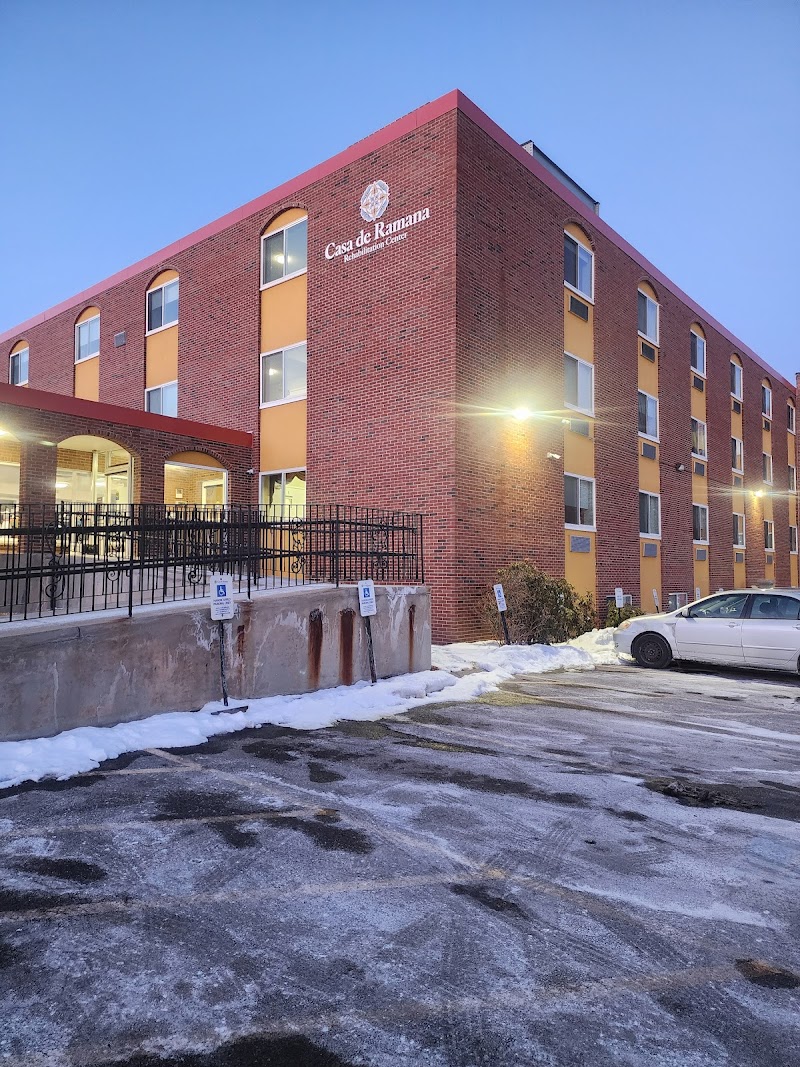
How is Casa De Ramana Rehabilitation Center Staffed?

CMS rates CASA DE RAMANA REHABILITATION CENTER's staffing level at 3 out of 5 stars, which is average compared to other nursing homes.

What Have Inspectors Found at Casa De Ramana Rehabilitation Center?

State health inspectors documented 20 deficiencies at CASA DE RAMANA REHABILITATION CENTER during 2022 to 2024. These included: 1 that caused actual resident harm, 15 with potential for harm, and 4 minor or isolated issues. Deficiencies causing actual harm indicate documented cases where residents experienced negative health consequences.
Who Owns and Operates Casa De Ramana Rehabilitation Center?

CASA DE RAMANA REHABILITATION CENTER is owned by a for-profit company. For-profit facilities operate as businesses with obligations to shareholders or private owners. The facility operates independently rather than as part of a larger chain. With 124 certified beds and approximately 104 residents (about 84% occupancy), it is a mid-sized facility located in FRAMINGHAM, Massachusetts.
How Does Casa De Ramana Rehabilitation Center Compare to Other Massachusetts Nursing Homes?

Compared to the 100 nursing homes in Massachusetts, CASA DE RAMANA REHABILITATION CENTER's overall rating (4 stars) is above the state average of 2.9 and health inspection rating (4 stars) is above the national benchmark.

What Should Families Ask When Visiting Casa De Ramana Rehabilitation Center?

Based on this facility's data, families visiting should ask: "Can I visit during a mealtime to observe dining assistance and food quality?" "How do you handle medical emergencies, and what is your hospital transfer rate?" "Can I speak with family members of current residents about their experience?"

Is Casa De Ramana Rehabilitation Center Safe?

Based on CMS inspection data, CASA DE RAMANA REHABILITATION CENTER has a clean safety record: no substantiated abuse findings (meaning no confirmed cases of resident harm), no Immediate Jeopardy citations (the most serious violation level indicating risk of serious injury or death), and is not on the Special Focus Facility watch list (a federal program monitoring the lowest-performing 1% of nursing homes). The facility has a 4-star overall rating and ranks #1 of 100 nursing homes in Massachusetts. While no facility is perfect, families should still ask about staff-to-resident ratios and recent inspection results during their visit.

Do Nurses at Casa De Ramana Rehabilitation Center Stick Around?

CASA DE RAMANA REHABILITATION CENTER has not reported staff turnover data to CMS. Staff turnover matters because consistent caregivers learn residents' individual needs, medications, and preferences. When staff frequently change, this institutional knowledge is lost. Families should ask the facility directly about their staff retention rates and average employee tenure.

Was Casa De Ramana Rehabilitation Center Ever Fined?

CASA DE RAMANA REHABILITATION CENTER has been fined $8,512 across 1 penalty action. This is below the Massachusetts average of $33,164. While any fine indicates a compliance issue, fines under $50,000 are relatively common and typically reflect isolated problems that were subsequently corrected. Families should ask what specific issues led to these fines and confirm they've been resolved.

Is Casa De Ramana Rehabilitation Center on Any Federal Watch List?

CASA DE RAMANA REHABILITATION CENTER is not on any federal watch list. The most significant is the Special Focus Facility (SFF) program, which identifies the bottom 1% of nursing homes nationally based on persistent, serious quality problems. Not being on this list means the facility has avoided the pattern of deficiencies that triggers enhanced federal oversight. This is a positive indicator, though families should still review the facility's inspection history directly.