OAK KNOLL REHABILITATION AND HEALTHCARE CENTER
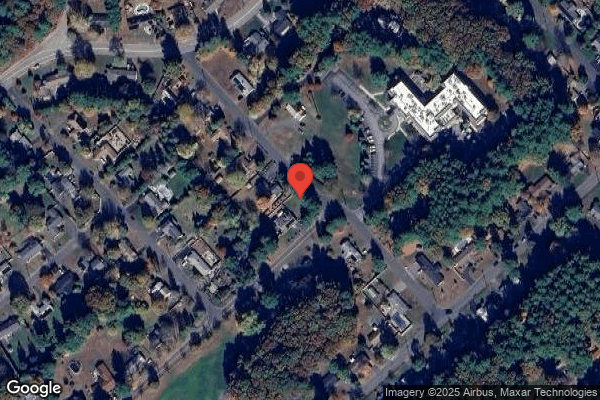

9 ARBETTER DRIVE, FRAMINGHAM, MA 01701 (508) 877-3300
For profit - Corporation 123 Beds ATLAS HEALTHCARE Data: November 2025 2 Immediate Jeopardy citations
Trust Grade
1/100
#305 of 338 in MA
Last Inspection: October 2024

Within standard 12-15 month inspection cycle. Federal law requires annual inspections.

Overview

Oak Knoll Rehabilitation and Healthcare Center received a Trust Grade of F, indicating significant concerns about the facility's quality and care. It ranks #305 out of 338 nursing homes in Massachusetts, placing it in the bottom half of facilities in the state, and #65 out of 72 in Middlesex County, meaning only a few local options are worse. While the facility is showing some improvement, reducing issues from 10 in 2024 to 2 in 2025, it still faces serious problems, including $325,875 in fines, which is higher than 97% of Massachusetts facilities and suggests ongoing compliance issues. Staffing is somewhat of a strength with a rating of 4 out of 5 stars and a turnover rate of 35%, which is lower than the state average. However, the facility has critical incidents, including a resident who died after choking on a meal because the staff did not provide the necessary supervision required in their care plan, highlighting serious failings in resident safety.

Trust Score
F
1/100
In Massachusetts
#305/338
Bottom 10%
Safety Record
High Risk
Review needed
Inspections
Getting Better
10 → 2 violations
Staff Stability
○ Average
35% turnover. Near Massachusetts's 48% average. Typical for the industry.
Penalties
⚠ Watch
$325,875 in fines. Higher than 86% of Massachusetts facilities, suggesting repeated compliance issues.
Skilled Nurses
○ Average
Each resident gets 37 minutes of Registered Nurse (RN) attention daily — about average for Massachusetts. RNs are the most trained staff who monitor for health changes.
Violations
⚠ Watch
45 deficiencies on record. Higher than average. Multiple issues found across inspections.
★☆☆☆☆
1.0
Overall Rating
★★★★☆
4.0
Staff Levels
★☆☆☆☆
1.0
Care Quality
★☆☆☆☆
1.0
Inspection Score
Stable
2024: 10 issues
2025: 2 issues

The Good

  • 4-Star Staffing Rating · Above-average nurse staffing levels
  • Full Sprinkler Coverage · Fire safety systems throughout facility
  • No fines on record
  • Staff turnover below average (35%)

    13 points below Massachusetts average of 48%

Facility shows strength in staffing levels, fire safety.

The Bad

1-Star Overall Rating

Below Massachusetts average (2.9)

Significant quality concerns identified by CMS

Staff Turnover: 35%

11pts below Massachusetts avg (46%)

Typical for the industry

Federal Fines: $325,875

Well above median ($33,413)

Significant penalties indicating serious issues

Chain: ATLAS HEALTHCARE

Part of a multi-facility chain

Ask about local staffing decisions and management

The Ugly 45 deficiencies on record

2 life-threatening
Jun 2025 2 deficiencies 2 IJ
CRITICAL (J) 📢 Someone Reported This

A family member, employee, or ombudsman was alarmed enough to file a formal complaint

Immediate Jeopardy (IJ) - the most serious Medicare violation

Comprehensive Care Plan (Tag F0656)

Someone could have died · This affected 1 resident

Based on records reviewed and interviews, for one of three sampled residents (Resident #1), who had a history of dysphagia (difficulty swallowing) with several episodes of choking which required nursi...

Read full inspector narrative →
Based on records reviewed and interviews, for one of three sampled residents (Resident #1), who had a history of dysphagia (difficulty swallowing) with several episodes of choking which required nursing staff to perform the Heimlich Maneuver (a first-aid procedure for dislodging an obstruction from a person's windpipe in which sudden strong pressure is applied on the abdomen, between the navel and the rib cage), the Facility failed to ensure his/her Dysphagia Care Plan was reviewed and/or revised related to effectiveness of interventions, when he/she remained on the same diet but continued to experience choking episodes and despite recommendations from Speech Therapy to implement a new intervention for direct supervision by staff during all meals, he/she was only supervised from a distance by staff. On 5/02/25, Resident #1 choked on his/her meal and died. Findings include: Review of the Facility's policy, titled Comprehensive Person-Centered Care Plans, with a revision date of March 2022, included the following: -A comprehensive, person-centered care plan that includes measurable objectives and timetables to meet the resident's physical, psychosocial and functional needs is developed and implemented for each resident. -Assessments of residents are ongoing and care plans are revised as information about the residents and the residents' conditions change. Resident #1 was admitted to the facility in July 2013, diagnoses included dysphagia, dementia, and right-side hemiplegia (paralysis) and hemiparesis (weakness) following a cerebral vascular accident (CVA/stroke). Review of Resident #1's Significant Change in Status Minimum Data Set (MDS) assessment, dated 05/06/24, indicated he/she scored a 12 out of 15 (0-7 suggests severe cognitive impairment, 8-12 suggests moderate cognitive impairment, and 13-15 suggests a resident is cognitively intact), required staff supervision for eating, and was on a mechanically altered diet. Review of Resident #1's Incident Investigation, dated 07/09/24, indicated Resident #1 had a choking episode during supper and nursing staff performed the Heimlich Maneuver with success. The Investigation indicated Resident #1's diet was downgraded from diced to ground and a request for a Speech Language Pathologist (SLP) screen was submitted. Review of Resident #1's Dysphagia Care Plan, reviewed and renewed with the Significant Change in Status MDS assessment, indicated the following interventions were initiated on 07/09/24: *Problem: [The Resident] is at risk for aspiration secondary to dysphagia following CVA. *Interventions included: -Instruct [the Resident] to eat in an upright position, to eat slowly, and to chew and bite thoroughly, -Encourage him/her to eat meals in highly visible areas, -Encourage him/her to take small bites followed by small sips, -Alternate liquids and solids, -Monitor for difficulty swallowing, holding food in mouth, -Monitor for coughing, shortness of breath, choking, labored respiration and or lung congestion. -Refer to SLP as indicated Review of Resident #1's Incident Investigation, dated 08/09/24, indicated Resident #1, who was seated near the Nurses Station, choked during supper and nursing staff performed the Heimlich Maneuver which caused him/her to expel large pieces of unchewed meat and bread. Further review of the Investigation indicated Resident #1 was re-educated to take small bites with small sips and alternate between, Resident #1 continued to be non-compliant with nursing education. Review of Resident #1's Dysphagia Care Plan indicated the following intervention was added on 08/09/24: -Re-educate/Encourage [the Resident] to take small bites alternating with small sips. Offer assistance /cut items such as bread into bite size pieces. Review of Resident #1's SLP Evaluation, dated 08/15/24, indicated Resident #1 reported knowingly overstuffing his/her oral cavity, and swallowing food without fully masticating (chewing) the bolus which led to the choking events. The Evaluation indicated that the SLP recommended a Modified Barium Swallow Study (a special x-ray to evaluate how well a person swallows) but Resident #1's Health Care Agent declined. Further review of the Evaluation indicated the SLP recommended that Resident #1 continue with his/her current diet of ground solids and thin liquids, the need for direct supervision by staff with PO [anything by mouth] and required the following swallow strategies/supervision: -Direct supervision with PO -Upright positioning -Slow rate of eating -Small bites -Aspiration Precautions -Safe swallow strategies Review of Resident #1's Dysphagia Care Plan indicated no additional interventions were added after the SLP Evaluation was conducted on 08/15/24, despite the recommendation from the SLP that Resident #1 needed direct supervision with po [intake]. Review of Resident #1's Nursing Progress Note, dated 11/25/24, indicated Resident #1 choked on food during his/her evening meal and nursing staff performed abdominal thrusts. The Note indicated Resident #1 had a large mouthful of cheese from pizza which was cleared from his/her mouth and throat. Review of Resident #1's Dysphagia Care Plan, indicated no revisions or additional interventions, including specifically the need for direct supervision by staff during meals per SLP, were entered following Resident #1's episode of choking on 11/25/24. Review of Resident #1's Incident Investigation, dated 12/18/24, indicated Resident #1 was seated at the Nurses' Station eating his/her meal when Nurse #2 heard Resident #1 cough. Nurse #2 assessed Resident #1 and noted that he/she was choking on a piece of broccoli, was unable to talk, and she initiated the Heimlich Maneuver with good effect. Review of Resident #1's Dysphagia Care Plan indicated no revisions, or additional interventions, including specifically the need for direct supervision by staff during meals per SLP, were entered following Resident #1's episode of choking on 12/18/24. During an interview on 06/03/25 at 3:05 P.M., Unit Manager #1 said when a resident choked, they would put in a request for a SLP evaluation. Unit Manager #1 said once a resident was evaluated by an SLP, the recommendations from the evaluation were written and given to her. Unit Manager #1 said Resident #1 and his/her family had been educated about the importance of adhering to his/her diet, but that she had not documented the education. Unit Manager #1 said the education she provided was mostly verbal or over the phone. Unit Manager #1 said she was unable to provide any additional documentation regarding Resident #1's SLP Evaluation conducted on 8/15/24, and was unable to offer an explanation as to why the recommendation for the addition of an intervention for nursing to provide direct supervision during meals was never added to the care plan or implemented. During a telephone interview on 06/04/25 at 8:24 A.M., Nurse #3 said Resident #1 always ate his/her meals at the Nurses Station. Nurse #3 said Resident #1 was at a very high risk for choking and that we all knew the sound Resident #1 made when he/she was choking. Nurse #3 said staff was always within earshot of Resident #1 during mealtimes, but that no one staff member was assigned to stay with Resident #1 while he/she was eating to provide direct supervision. Further review of Resident #1's medical record indicated there was no documentation to support that nursing made any additional referrals to Speech for Resident #1 for additional SLP evaluations following his/her choking episodes on 11/25/24 and 12/18/24, or that SLP's recommendation for direct supervision during meals was added to his/her Dysphagia Care Plan as an intervention. Review of the Report submitted by the Facility via the Health Care Facility Reporting System (HCFRS), dated 05/02/25, which included the Facility Investigation indicated Resident #1 was observed by a staff member to be eating lunch at the Nurses Station when the staff member noticed that Resident #1's lips were blue. The staff member summoned help from nearby nursing staff, who initiated the Heimlich Maneuver with assistance from Emergency Medical Technician's (EMTs), who were in the facility for a different resident, but Resident #1 lost consciousness and died at the facility. During a telephone interview on 06/04/25 at 1:24 P.M., the Director of Nurses (DON) said after Resident #1's SLP Evaluation on 8/15/24, the recommendation for direct supervision by staff during meals was not added to his/her care plan as an intervention. The DON also said, despite Resident #1 continuing to experience choking episodes while eating meals, there were no new interventions added and no changes were made to Resident #1's Dysphagia Care Plan.
CRITICAL (J) 📢 Someone Reported This

A family member, employee, or ombudsman was alarmed enough to file a formal complaint

Immediate Jeopardy (IJ) - the most serious Medicare violation

Accident Prevention (Tag F0689)

Someone could have died · This affected 1 resident

Based on records reviewed and interviews, for one of three sampled residents (Resident #1), who had a history of dysphagia (difficulty swallowing), was identified to be at increased risk for aspiratio...

Read full inspector narrative →
Based on records reviewed and interviews, for one of three sampled residents (Resident #1), who had a history of dysphagia (difficulty swallowing), was identified to be at increased risk for aspiration, with multiple choking episodes which required the nursing staff to perform the Heimlich Maneuver (a first-aid procedure for dislodging an obstruction from a person's windpipe in which sudden strong pressure is applied on the abdomen, between the navel and the rib cage), and for whom Speech Therapy had recommended the need for direct supervision by nursing staff while eating, the Facility failed to ensure they provided an adequate level of staff supervision for Resident #1 in an effort to maintain a safe environment, when on 5/02/25, he/she choked again on his/her meal, and although nursing staff performed the Heimlich Maneuver, Resident #1 died. Findings include: Review of the Facility's policy, titled Accidents and Incidents, with a revision date of April 2024 included the following: -It is the policy of the Facility to provide a safe and healthful work environment. -Definition of an incident: Any event occurring by chance or arising from unknown cause which is not consistent with the desired operation of the facility or the care of the resident. -The following data, as it may apply, must be obtained: Corrective action taken. Resident #1 was admitted to the facility in July 2013, diagnoses included dysphagia, dementia, and right-side hemiplegia (paralysis) and hemiparesis (weakness) following a cerebral vascular accident (CVA/stroke). Review of Resident #1's Documentation of Resident Incapacity Pursuant to the Massachusetts Health Care Proxy Law, indicated Resident #1 lacked the capacity to make, or to communicate, health care decisions and his/her HCP was invoked indefinitely, as of 05/09/24, due to moderate dementia. Review of Resident #1's Significant Change in Status Minimum Data Set (MDS) assessment, dated 05/06/24, indicated he/she scored a 12 out of 15 (0-7 suggests severe cognitive impairment, 8-12 suggests moderate cognitive impairment, and 13-15 suggests a resident is cognitively intact), required staff supervision for eating, and was on a mechanically altered diet. Review of Resident #1's Incident Investigation, dated 07/09/24, indicated Resident #1 had a choking episode during supper and nursing staff performed the Heimlich Maneuver with success. The Investigation indicated Resident #1's diet was downgraded from diced to ground and a Speech Language Pathologist (SLP) screen was submitted. Review of Resident #1's SLP Progress Note, dated 07/10/24, indicated the SLP attempted to evaluate Resident #1 and he/she refused the evaluation. Review of Resident #1's Physician's Order Report, dated August 2024, included an order for ground diet with thin liquids at all meals, along with a lip plate and adaptive cup. Review of Resident #1's Incident Investigation, dated 08/09/24, indicated Resident #1, who was seated near the Nurses Station, choked during supper and nursing staff performed the Heimlich Maneuver which caused him/her to expel large pieces of unchewed meat and bread. Further review of the Investigation indicated Resident #1 was re-educated to take small bites with small sips to alternate between, and that Resident #1 continued to be non-compliant with nursing education. Review of Resident #1's SLP Evaluation, dated 08/15/24, indicated Resident #1 reported knowingly overstuffing his/her oral cavity, and swallowing food without fully masticating (chewing) the bolus which led to the choking events. The Evaluation indicated that the SLP recommended a Modified Barium Swallow Study (a special x-ray to evaluate how well a person swallows) but Resident #1's Health Care Agent declined. Further review of the Evaluation indicated the SLP recommended that Resident #1 continue with current diet of ground solids and thin liquids and that he/she needed direct supervision with PO [anything by mouth], and he/she required the following swallow strategies/supervision: -Direct supervision with PO -Upright positioning -Slow rate of eating -Small bites -Aspiration Precautions -Safe swallow strategies Review of Resident #1's Dysphagia Care Plan indicated no additional interventions were added after the SLP evaluation dated 08/15/24, despite the recommendation from the SLP for him/her to receive direct supervision from staff with po [intake]. Review of Resident #1's Quarterly Minimum Data Set (MDS) assessment, dated 10/25/24, indicated he/she scored an 8 out of 15 on his/her BIMS, was on a mechanically altered diet, and required supervision at meals. Review of Resident #1's Nursing Progress Note, dated 11/25/24 and signed by Nurse #3, indicated Resident #1 choked on food during his/her evening meal and nursing staff performed abdominal thrusts. The Note indicated Resident #1 had a large mouthful of cheese from pizza which was cleared from his/her mouth and throat. The Note indicated that Resident #1 allowed staff to cut his/her food following the choking episode. Review of Resident #1's Incident Investigation, unsigned and dated 11/25/24, indicated Resident #1 choked during supper and nursing staff performed abdominal thrusts with good effect. The Investigation indicated Resident #1's invoked Health Care Agent was notified and refused for Resident #1's diet to be downgraded. During a telephone interview on 06/04/25 at 8:24 A.M., Nurse #3 said she was on duty for the 3:00 P.M. through 11:00 P.M. (evening) shift on 11/25/24. Nurse #3 said Resident #1 always ate his/her meals at the Nurses Station. Nurse #3 said Resident #1 ate a piece of pizza for the evening meal and choked on a large piece of cheese. Nurse #3 said she had to perform abdominal thrusts to help clear Resident #1's mouth and airway. Nurse #3 said Resident #1 was at a very high risk for choking and that we all knew the sound Resident #1 made when he/she was choking. Nurse #3 said staff was always within earshot of Resident #1 during mealtimes, but that no one staff member was assigned to stay with Resident #1 while he/she was eating to provide direct supervision. Review of Resident #1's Incident Investigation, dated 12/18/24 and signed by Nurse #2, indicated Resident #1 was seated at the Nurses' Station and eating his/her meal when Nurse #2 heard Resident #1 cough. The Investigation indicated Nurse #2 assessed Resident #1 and noted that he/she was choking on a piece of broccoli, was unable to talk and Nurse #2 initiated the Heimlich Maneuver with good effect. During an interview on 06/03/25 at 3:20 P.M., which included a review of his written statement, Nurse #2 said he was on duty during the evening shift on 12/18/24, and was at the Nurses Station when he heard Resident #1's voice changing and he knew he/she was choking. Nurse #2 said he performed the Heimlich Maneuver and Resident #1 coughed out a full piece of broccoli. Nurse #2 said that a referral for Resident #1 to have an evaluation by SLP should have been done, but that he did not put one in, and said that he had already done his part. Nurse #2 said Unit Manager #1 should have followed up on the need for a SLP referral. Review of Resident #1's medical record indicated that although he/she experienced two additional incidents of choking on food after his/her 8/15/24 SLP Evaluation, which required nursing staff to perform the Heimlich Maneuver, there was no documentation to support that nursing staff provided direct supervision during meals as recommended by SLP Therapy. Review of Resident #1's Physician's Orders, for the month of May 2025, included an order for a ground diet with thin liquids at all meals, along with a divided plate and adaptive cup. Review of the Report submitted by the Facility via the Health Care Facility Reporting System (HCFRS), dated 05/02/25, indicated Resident #1 was observed by a staff member to be eating lunch at the Nurses Station when the staff member noticed that Resident #1's lips were blue. The staff member summoned help from nearby nursing staff. That nursing staff initiated the Heimlich Maneuver with assistance from Emergency Medical Technician's (EMTs ) who were in the facility for a different resident, and that Resident #1 lost consciousness and died at the facility. During an interview on 06/03/25 at 2:09 P.M., which included review of her written statement, Nurse #1 said she was on duty on 05/02/25 during the 7:00 A.M. through 3:00 P.M. (day shift). Nurse #1 said she was standing at her medication cart on one side of the Nurses Station around 12:00 P.M., Resident #1 was seated near the Nurses Station, and two staff members were on the other side of the Nurses Station talking to each other when one of them called out that Resident #1 appeared to be choking. Nurse #1 said that Nurse #4 initiated the Heimlich Maneuver on Resident #1 and green mush was coming out of his/her mouth. Nurse #1 said EMTs were on the unit for a different resident and assisted nursing staff with bringing Resident #1 to his/her room to continue with abdominal thrusts and back blows, but said the interventions were unsuccessful. Nurse #1 said that Resident #1 always sat at the Nurses Station during mealtimes and that Resident #1 often needed to be reminded by staff to slow down and chew his/her food. Nurse #1 said there was no specific staff person or formal assignment for a staff member to provide supervision for Resident #1. Nurse #1 said whoever was at the Nurses Station would supervise him/her. The Surveyor was unable to interview Nurse #4, as he did not respond to the Department of Public Health's telephone or letter requests for an interview. During an interview on 06/03/25 at 1:18 P.M., which included review of her written statement, Certified Nurse Aide (CNA) #1 said she was on duty during the day shift on 05/02/25. CNA #1 said that Resident #1 often ate too fast and choked all the time, that it was normal for him/her. During an interview on 06/03/25 at 1:37 P.M., which included review of her written statement, CNA #2 said she was on duty during the day shift on 05/02/25. CNA #2 said Resident #1 ate his/her meals at the Nurses Station and there was no one specifically assigned to supervise Resident #1 because we are just all around. During a telephone interview on 06/05/24 at 8:16 A.M., CNA #3 said she was on duty during the day shift on 05/02/25. CNA #3 said Resident #1 was able to feed him/herself and eat his/her meals at the Nurses Station. CNA #3 said she was passing meal trays to residents in their rooms when she heard staff calling for help. During a telephone interview on 06/06/25 at 8:01 A.M., CNA #4 said she was on duty during the day shift on 05/02/25. CNA #4 said Resident #1 ate his/her meals at the Nurses Station and she did not think anyone was specifically assigned to supervise him/her while he/she was eating. Although staff said Resident #1 was seated during meals in front of the nursing station so they could watch him/her, staff said they were also passing out meal trays, administering medications or performing other tasks, and that there was no staff member specifically assigned to sit with and directly supervise him/her while eating. During an interview on 06/03/25 at 3:05 P.M., which included a review of her written statement, Unit Manager #1 said she was on duty during the day shift on 05/02/25. Unit Manager #1 said she was in her office when she heard a nurse calling for help. Unit Manager #1 said she came out of her office and saw Resident #1 seated at the Nurses Station and Nurse #4 performing abdominal thrusts on him/her. Unit Manager #1 said she performed back blows on Resident #1, and he/she coughed up chewed up pieces of broccoli and phlegm. Unit Manager #1 said they brought Resident #1 to his/her room where she (Unit Manager #1) and Nurse #4 continued with the Heimlich Maneuver. Unit Manager #1 said Resident #1 became unresponsive, EMTs were already at the Facility and confirmed that Resident #1 was in asystole (complete absence of a heartbeat) and Resident #1 was pronounced dead. Unit Manager #1 said Resident #1 refused to slow down when he/she ate and would stuff his/her mouth with food. Unit Manager #1 said Resident #1 and his/her family were educated about the importance of adhering to his/her diet, but that she did not document the education. Unit Manager #1 said the education was mostly verbal or over the phone. Unit Manager #1 said that the Unit Secretary or the Nurses on duty were expected to provide supervision for residents who ate their meals at the nurses station, but that there was no specific staff person assigned to provide the supervision. Unit Manager #1 said when a resident choked, they would put in a request for a SLP evaluation. Unit Manager #1 said when nursing staff called her to report a choking incident, she would remind them to put in a request for a SLP evaluation. Unit Manager #1 said once a resident was evaluated by an SLP, the recommendations from the evaluation were written and given to her. Unit Manager #1 said she was unable to provide any additional documentation for the surveyor during the survey related to the SLP Therapy Evaluation from 8/15/24, that recommended Resident #1 needed direct supervision from staff during PO (intake). During an interview on 06/03/25 at 2:40 P.M., the Rehabilitation Director said that residents were often referred to SLP for an evaluation due to choking or coughing episodes. The Rehabilitation Director said when he received a request for a resident to be evaluated due to choking, he made those requests a priority. The Rehabilitation Director said he was unable to provide any documentation to support that any additional SLP screens and/or evaluations were requested by the nursing staff for Resident #1 after the SLP evaluation that was completed on 08/15/24. During a telephone interview on 06/04/25 at 3:51 P.M., Speech Language Pathologist (SLP) #2 said he had worked with Resident #1 off and on over the years. SLP #2 said that he had observed Resident #1 several times, that due to his/her cognitive deficits and right-hand tremor, he/she had difficulty eating and did not always understand what he/she should be doing. SLP #2 said that when SLP makes a recommendation for direct supervision, it means that the resident requires a staff member to always be present with the resident during the entire time while eating and even if a resident was able to physically feed him/herself, they may need constant cueing for safety. During a telephone interview on 06/04/25 at 8:33 A.M., the Registered Dietician (RD) said Resident #1 ate his/her meals seated at the Nurses Station and said she considered that to be distant supervision. RD #1 said direct supervision meant a staff member who was certified in Cardiopulmonary Resuscitation (CPR) always had their eyes on a resident and did not walk away or have any other tasks to do during mealtimes. During a telephone interview on 06/04/25 at 1:24 P.M., the Director of Nurses (DON) said that it was her expectation that a referral to SLP would have been done after Resident #1's choking incidents on both 11/25/24 and 12/18/24. The DON said she was unable to find documentation to support that, but said it was facility protocol to refer a resident to SLP following any episodes of choking. The DON said that the SLP was the one to determine what level of supervision was required at mealtimes. The DON reviewed the SLP evaluation completed on 08/15/24 which included a recommendation from SLP for Resident #1 to have direct supervision when having anything by mouth. The DON said after Resident #1 had choking choking incidents on 11/25/24 and 12/18/24, he/she continued to receive distant supervision by staff at the Nurses Station when eating. The DON said that if Resident #1 required direct supervision, per the 8/15/24 SLP recommendation, that it meant that a staff member would be required to sit with him/her during mealtimes.
Oct 2024 10 deficiencies
CONCERN (D)

Potential for Harm - no one hurt, but risky conditions existed

Deficiency F0578 (Tag F0578)

Could have caused harm · This affected 1 resident

Based on record review, policy review, and interview, the facility failed to accurately execute Advance Directives (legal documents that provide instructions for medical care and only go into effect i...

Read full inspector narrative →
Based on record review, policy review, and interview, the facility failed to accurately execute Advance Directives (legal documents that provide instructions for medical care and only go into effect if you are unable to communicate your own wishes) for one Resident (#94) out of a total sample of 23 residents. Specifically, for Resident #94, the facility failed to ensure that the MOLST (Massachusetts Medical Order for Life-Sustaining Treatment) form was valid and reflected the signature of Resident #94's invoked (made active by a Physician) Health Care Proxy (HCP- the person chosen as the healthcare decision maker when the individual is unable to do so for themself). Findings include: Review of the facility policy for Advance Directives, last revised February 2022, indicated: -capacity to make health care decisions is the ability to understand and appreciate the nature and consequences of health care decisions, including the benefits and risks of and alternatives to any proposed health care, and to reach an informed decision. -In Massachusetts, the determination of a patient's lack of capacity must be made by a Physician in writing before a health care proxy can be put into effect. -health care decision made by an agent under the healthcare proxy is a decision which . is consistent with any limitations in the healthcare proxy and is consistent with responsible medical practice. Resident #94 was admitted to the facility in May 2024, with diagnoses including Dementia (a group of symptoms affecting memory, thinking and social abilities). Review of Resident #94's clinical record revealed: -a MOLST form signed on 2/5/23 by Resident #94's HCP prior to the Resident's admission to the facility. -a HCP activation form dated 5/4/24 after the MOLST form had been signed by the HCP. -no evidence that the MOLST form had been re-addressed with Resident #94's HCP after their facility admission and before the surveyor brought t it to the attention of the facility. During an interview on 10/29/24 at 9:50 A.M., Social Worker (SW) #2 said that the MOLST form was not valid as it had been signed by the HCP before the Resident had been deemed incapacitated by his/her Physician. SW #2 also said that a new MOLST form should have been completed upon the Resident's admission to the facility and it was not.
CONCERN (D)

Potential for Harm - no one hurt, but risky conditions existed

Deficiency F0604 (Tag F0604)

Could have caused harm · This affected 1 resident

Based on observation, interview, and record review, the facility failed to ensure that one Resident (#98), was free from physical restraints, out of a total sample of 23 residents. Specifically, for ...

Read full inspector narrative →
Based on observation, interview, and record review, the facility failed to ensure that one Resident (#98), was free from physical restraints, out of a total sample of 23 residents. Specifically, for Resident #98, the facility failed to: -appropriately assess and re-assess the use and need of wedge cushions (a triangular shaped cushion used to aid in positioning for health issues or comfort) as a restraint that was being used in the place of an ordered scoop mattress (a mattress with raised edges on all four sides to prevent accidental rolling out of bed). -obtain informed consent and review the risk/benefits with the Resident's Representative for the use of wedge cushions while the Resident was in bed to prevent him/her from exiting the bed, increasing the potential risk of accidental falls and injury. Findings include: Review of the facility policy titled Guidelines for the Use of a Restraint, revised 11/2016, indicated it was the policy of the facility to provide care and services to assist each resident to attain and maintain his/her highest practicable well-being in an environment that prohibits the use of restraints for discipline or convenience and limits restraint use to circumstances in which the resident has a medical symptom that warrants the use of restraints. The policy also included the following: -every resident has the right to be free from any physical or chemical restraints imposed for purposes of discipline or convenience . -when the use of restraints is indicated, the facility will use the least restrictive alternative for the least amount of time and document ongoing evaluation of the need for the restraints. -physical restraints are any manual method or physical or mechanical device, material, or equipment attached or adjacent to the resident's body that the individual cannot remove easily which restricts freedom of movement or normal access to one's body. -physical restraints may include, but are not limited to, leg restraints, arm restraints, hand mitts, soft ties or vests, lap cushions and lap trays that the resident cannot remove easily. -also included as restraints are facility practices that meet the definition of a restraint, such as: >using the side rails that keep a resident from voluntarily getting out of bed; >tucking in or using velcro to hold a sheet, fabric, or clothing tightly so that a resident's movement is restricted >placing a chair or bed so close to a wall that the wall prevents the resident from rising out of the chair or voluntarily getting out of the bed -removes easily means that the manual method, device, material, or equipment can be removed intentionally by the same manner as it was applied by the staff (e.g., side rails are put down, not climbed over) considering the resident's physical condition and ability to accomplish the objective . -convenience is defined as any action taken by the facility to control a resident's behavior or manage a resident's behavior with a lesser amount of effort by a facility and not in the resident's best interest. -freedom of movement means any change in place or position for the body or any part of the body that the person is physically able to control -before initiating any device that has a potential to act as a restraint, the facility will conduct a comprehensive assessment utilizing the Restraint/Positioning Assessment form -the assessment should include: -resident diagnoses and prior medical history -problem for which restraint use is being considered -falls history -behaviors -physical functioning status -evaluate the risks and benefits of ALL options -the order must be specific to: -the type of restraint to be used -time limitations for the use of the restraint -the diagnosis and specific medical symptoms to warrant the restraint -the frequency of observing and assessing the resident -the periodic removal/release of the restraint -in order to be fully informed, the facility will explain to the resident or resident representative, in terms specific to the resident's condition: -the specific medical symptoms/conditions that would require the use of the restraints -how the use of the restraint would treat the medical symptoms and assist the resident in attaining his/her highest level of physical/psychological well-being -the risks and benefits of restraint use -After reviewing the terms of the restraint use and being given the opportunity to discuss the risks, benefits and alternatives, the resident or, in the case of a resident who is incapable of making a decision, the legal surrogate or resident representative will give their permission by signing the Consent to the Use of Restraints form. Resident #98 was admitted to the facility in May 2024, with diagnoses including Severe Dementia (a group of symptoms that affects memory, thinking and interferes with daily life) with agitation, Adjustment Disorder (a disorder characterized by a group of symptoms such as stress, anxiety, feeling sad or hopeless, and physical symptoms that can occur after a stressful life event) with Anxiety (feeling of unease, such as worry or fear, that can be mild or severe/ intense, excessive, and persistent worry and fear about everyday situations) and muscle weakness. Review of the Minimum Data Set (MDS) Assessment, dated 8/2/24, indicated Resident #98: -had a Brief Interview of Mental Status (BIMS) score of 1 out of 15. -had other behaviors that occurred towards others (hitting, physical, throwing things, disruptive sounds). -was dependent on staff for activities of daily living (ADLs: basic skills you need to perform daily life activities, such as bathing, dressing, and eating) and had two or more falls since the previous assessment. Review of Resident #98's clinical record indicated: -Sustained a fall 5/10/24 out of his/her wheelchair in the dining room, and sustained falls on 6/1/24 and 6/13/24 out of his/her bed. -Falls Care Plan, initiated 5/7/24, included the following intervention: >scoop mattress (mattress with raised edges on the bottom and/or top and a space in the middle to allow access in/out of the bed which assists a resident to define the edges of the bed) while in bed (initiated 6/6/24). Review of the Restraint/Positioning Assessment, completed on 9/9/24, indicated the following: -the problem/diagnosis for which the restraint or positioning device was being considered: falls out of bed -Resident was severely cognitively impaired -had agitation and history of falls -had left upper extremity range of motion impairments -was dependent on staff for ADLs, transfers and mobility -type of restraint/positioning device being considered: scoop mattress in order to prevent self-injury while in bed -the summary of the explanation for the use of the scoop mattress included the following: Resident tries to get out of bed, has a history of falls and the mattress is used to prevent him/her from falling out of bed. Review of the October 2024 Physician's orders included the following: -activate Health Care Proxy (HCP: designated person who makes medical decisions when a person was unable), initiated 5/3/24 -fall precautions, initiated 6/4/24 -may utilize bilateral half side rails for medical necessity ., initiated 6/14/24 -scoop mattress at all times while in bed. Check every shift for placement, initiated 9/9/24 On 10/29/24 at 8:21 A.M., the surveyor observed the Resident was awake and lying upright in bed. The surveyor observed the head of the bed was elevated, bilateral side rails were in place and wedge cushions (shaped like V-shaped wedges, assist with posture, alignment and comfort during long sitting) were positioned adjacent to the side rails on both sides of the bed, at the same height as the side rails and extended from the Resident's hips to knees/lower legs. The surveyor observed there was no space between the side rails and the wedge cushions and a facility staff member was seated next to the Resident and assisting him/her with the breakfast meal. On 10/29/24 at 10:35 A.M., the surveyor observed Resident #98 lying in a low positioned bed. The surveyor observed the Resident was dressed in a hospital gown, bilateral side rails were in place, and wedge cushions were positioned adjacent to the side rails on both sides of the bed. The surveyor observed the wedge cushions were the same height as the side rails and were positioned under the fitted bottom sheet of the bed. The surveyor observed there was no space between the side rails and the wedge cushions, the Resident's eyes were open, and he/she waved at the surveyor. On 10/29/24 at 12:57 P.M., the Resident was observed dressed and seated in a specialized wheelchair in the dining room after lunch. On 10/29/24 at 2:17 P.M., the surveyor observed Resident #98 was awake and lying in a low positioned (in a lower position closer to the floor) bed with the head of the bed slightly elevated. Bilateral side rails were observed in place and wedge cushions positioned adjacent to the side rails on both sides of the bed, and under the fitted bottom sheet. The surveyor observed there was no space between the side rails and the wedge cushions. On 10/29/24 at 3:12 P.M., the surveyor and Certified Nurses Aide (CNA) #3 observed Resident #98 was awake and lying in a low positioned bed. the surveyor observed the bilateral side rails were in the up position, and wedge cushions were positioned on both sides of the Resident's lower extremities adjacent to the side rails and were under the fitted bottom sheet. During an interview at the time, CNA #3 said the wedge cushions were put under the bottom sheet of the bed and were in place to prevent the Resident from falling out of bed. CNA #3 said the Resident would try to get out of bed and would fall. On 10/29/24 at 3:23 P.M., the surveyor and Nurse #1 observed the Resident, and Nurse #1 said the Resident had previous falls and the wedge cushions were placed under the fitted bottom sheet on both sides to prevent him/her from getting out of bed and falling. Nurse #1 further said the mattress was not a scoop mattress and was not sure why a scoop mattress was not in place. Nurse #1 said the Resident would be unable to remove the wedge cushions that were placed under the bottom sheet. On 10/29/24 at 3:31 P.M., the surveyor and Unit Manager (UM) #1 observed Resident #98 and UM #1 said the Resident had previous falls out of the bed and the wedge cushions were put into place to prevent him/her from exiting the bed. UM #1 said the wedge cushions would be considered a restraint and an evaluation was completed. UM #1 said that she had considered the use of the wedge cushions the same as a scoop mattress. The surveyor relayed observation of the placement of the wedge cushions which were adjacent to the bilateral side rails and allowed no space between their use and the side rails, and that the wedge cushions were positioned under the fitted bottom sheet. UM #1 said the wedge cushions were placed that way to prevent the Resident from exiting the bed due his/her numerous falls. UM #1 said the Resident would be unable to remove the wedge cushions and because the wedge cushions were used, an assessment would need to be completed, and the Resident's Representative would be notified. UM #1 said she was not sure if consent was obtained for the use of the wedge cushions or if the risks/benefits of the intervention were reviewed with the Resident's Representative. During an interview on 10/29/24 at 3:59 P.M., the Director of Nursing (DON) said she looked at Resident #98's bed. The DON said what was currently in place was not a scoop mattress but were wedge cushions that were placed on both sides of the Resident. The DON said there was no space for the Resident to exit the bed because the wedge cushions were positioned under the fitted bottom sheet. The DON said the wedge cushions were the same height as the side rails that were also in place and that she would consider the wedge cushions use a restraint. The DON said if the wedge cushions were to be used, the Resident's Representative would need to be educated on their use, consent would have to be obtained, a Physician's order for their use would need to be in place, and the use as a restraint would need to be reviewed periodically.
CONCERN (D)

Potential for Harm - no one hurt, but risky conditions existed

MDS Data Transmission (Tag F0640)

Could have caused harm · This affected 1 resident

Based on record review and interview the facility failed to ensure that Minimum Data Set (MDS) assessments were transmitted within 14 days after the completion date for 17 Residents (#4, #43, #57, #90...

Read full inspector narrative →
Based on record review and interview the facility failed to ensure that Minimum Data Set (MDS) assessments were transmitted within 14 days after the completion date for 17 Residents (#4, #43, #57, #90, #95, #102, #103, #18, #51, #54, #65, #80, #81, #82, #100, #116, and #118) out of a total sample of 23 residents. Specifically, the facility failed to ensure that: 1) Comprehensive MDS assessments for Resident's #4, #43, #57, #90, #95, #102, #103 were not submitted late with submission dates more than 14 days after the completion date. 2) Non comprehensive MDS assessments for Residents #18, #51, #54, #65, #80, #81, #82, #100, #116, and #118 were not submitted late with submission dates more than 14 days after the completion date. Findings include: Review of The Centers for Medicare and Medicaid (CMS) MDS 3.0 Resident Assessment Instrument (RAI) Manual dated October 2024, indicated: -Comprehensive assessments (Omnibus Budget Reconciliation Act (OBRA)-required comprehensive assessments include the completion of both the MDS Assessment and the Care Area Assessment (CAA) process, as well as care planning. Comprehensive assessments are completed upon admission, annually, and when a significant change in a resident's status has occurred or a significant correction to a prior comprehensive assessment is required) must be transmitted (Assessment Transmission refers to the electronic transmission of submission files to the Internet Quality Improvement and Evaluation System (iQIES)), not later than 14 calendar days after completion of the care plan. -Further review of the RAI manual indicated that non comprehensive MDS assessments (OBRA-required non-comprehensive MDS assessments include a select number of MDS items, but not completion of the CAA process and care planning.) must be transmitted to IQIES no later than 14 calendar days after the MDS completion date. Review of the Facility's MDS 3.0 Final Validation Report indicated: -Comprehensive MDS assessments for Resident's #4, #43, #57, #90, #95, #102, #103 were submitted late with submission dates more than 14 days after the completion date. -Non comprehensive MDS assessments for residents #18, #51, #54, #65, #80, #81, #82, #100, #116, and #118 were submitted late with submission dates more than 14 days after the completion date. During an interview on 10/30/24 at 1:39 P.M., the Corporate MDS Coordinator said the facility uses the RAI manual to determine the dates for completion and submission of the facility's MDS assessments. The Corporate MDS Coordinator said the facility's regular MDS Coordinator is out on leave and the Corporate MDS Coordinator is responsible for the oversight of completion and submission of the facility's MDS assessments, while the regular facility MDS Coordinator is out on leave. The Corporate MDS Coordinator said the MDS assessments for the 17 Residents reviewed were submitted late per RAI manual standards. The Corporate MDS Coordinator said she was in the process of getting the MDS assessments up to date.
CONCERN (D)

Potential for Harm - no one hurt, but risky conditions existed

Deficiency F0645 (Tag F0645)

Could have caused harm · This affected 1 resident

Based on interview, and record review, the facility failed to ensure that a Preadmission and Resident Review Level I (initial PASRR - initial pre-screening completed prior to admission to a Nursing Fa...

Read full inspector narrative →
Based on interview, and record review, the facility failed to ensure that a Preadmission and Resident Review Level I (initial PASRR - initial pre-screening completed prior to admission to a Nursing Facility that assess for Serious Mental Illness[SMI] or Developmental Disabilities[DD]) screen was completed prior to admission to the facility for one Resident (#85), out of a total sample of 23 residents. Findings include: Resident #85 was admitted to the facility in April 2023, with diagnoses including Major Depressive Disorder (symptoms lasting greater than two weeks of a persistently low or depressed mood and a loss of interest in activities that a person used to enjoy) and Psychotic Disorder (serious mental disorders characterized by a disconnection from reality which results in strange behaviors often accompanied by disturbances of thought [excessive suspiciousness, guilt] and perception [hearing voices, seeing things, feeling things] with hallucinations [an experience involving the apparent perception of something not present]). Review of the PASRR Level I Screening, dated 4/19/23, indicated the Level I (initial pre-screening completed prior to admission to a Nursing Facility) Screen was completed after the Resident was admitted to the facility. During an interview on 10/30/24 at 3:55 P.M., Social Worker (SW) #1 said the PASRR Level I Screen should be completed prior to the Resident's admission to the facility. During a follow-up interview on 10/30/24 at 4:08 P.M., the surveyor and SW #1 reviewed Resident #85's PASRR Level I Screening and SW #1 said it was completed after the Resident's admission and should have been completed prior to his/her admission to the facility.
CONCERN (D)

Potential for Harm - no one hurt, but risky conditions existed

Deficiency F0646 (Tag F0646)

Could have caused harm · This affected 1 resident

Based on interview, and record review, the facility failed to notify the State Mental Health Authority for a Resident Review (person-centered assessment taking into account all relevant information) a...

Read full inspector narrative →
Based on interview, and record review, the facility failed to notify the State Mental Health Authority for a Resident Review (person-centered assessment taking into account all relevant information) after a significant change in mental condition occurred for one Resident (#98), out of a total sample of 23 residents. Specifically, the facility failed to request a Preadmission Screening and Resident Review Level II screen (PASRR- an evaluation done to determine if a resident has an intellectual or developmental disability and/or serious mental illness [SMI] and if a Resident is in need of additional specialized support services at the facility) after Resident #98 received emergency mental health interventions and was transferred to the hospital for a psychiatric evaluation. Findings include: Resident #98 was admitted to the facility in May 2024, with diagnoses including Severe Dementia (a group of symptoms that affects memory, thinking and interferes with daily life) with agitation, Adjustment Disorder (a disorder characterized by a group of symptoms such as stress, anxiety, feeling sad or hopeless, and physical symptoms that can occur after a stressful life event) with Anxiety (feeling of unease, such as worry or fear, that can be mild or severe/ intense, excessive, and persistent worry and fear about everyday situations), and Major Depressive Disorder (symptoms lasting greater than two weeks of a persistently low or depressed mood and a loss of interest in activities that a person used to enjoy). Review of Resident #98's clinical record included the following: -Nursing Progress Note, dated 8/17/24, which indicated the Resident punched a Certified Nurses Aide (CNA) in the face during care and when the CNA attempted to get away, the Resident grabbed the CNA's hand so hard it left a reddened area with scratches. A subsequent Nursing Note indicated Section 12 (Section 12 (a): allows for an individual to be brought against his or her will to a hospital for evaluation. Section 12 (b): allows for an individual to be admitted to a psychiatric unit for up to three business days against the individual's will or without the individual's consent) paperwork was received and the Resident was sent to the hospital for a psychiatric evaluation. -Nursing Progress Note, dated 8/30/24, indicated the Resident was re-admitted to the facility after being transferred to the hospital for a psychiatric evaluation. -no documented evidence that a PASRR Level II screen for Resident Review was completed after Resident #98 had a change/decline in his/her condition requiring psychiatric evaluation/treatment at the hospital. During an interview on 10/30/24 at 11:34 A.M., Social Worker (SW) #1 said she would have to review the Resident's paperwork after he/she was re-admitted back to the facility after the Section 12 hospitalization to determine if a PASRR Level II screen would be required. During a follow-up interview on 10/30/24 at 2:31 P.M., SW #1 said the PASRR Level II review was not submitted after Resident #98's hospitalization for psychiatric evaluation. SW #1 said she was going to submit the request for the Resident's Level II review today.
CONCERN (D)

Potential for Harm - no one hurt, but risky conditions existed

Quality of Care (Tag F0684)

Could have caused harm · This affected 1 resident

**NOTE- TERMS IN BRACKETS HAVE BEEN EDITED TO PROTECT CONFIDENTIALITY** Based on observation, interview, record review and policy review, the facility failed to provide treatments in accordance with p...

Read full inspector narrative →
**NOTE- TERMS IN BRACKETS HAVE BEEN EDITED TO PROTECT CONFIDENTIALITY** Based on observation, interview, record review and policy review, the facility failed to provide treatments in accordance with professional standards of practice for one Resident (#78) out of a total sample of 23 residents. Specifically, the facility failed to implement and perform care and treatment consistent with the Physician orders and professional standards of practice for a Resident with Diabetes Type II (DM II- a chronic medical condition where the body cannot effectively use insulin [hormone that regulates blood glucose/sugar] or produce enough insulin and has trouble controlling blood sugar levels), placing the Resident at risk for side effects of hyperglycemia (high blood sugar). Findings include: Review of the National Library of Medicine document titled, Management of Diabetes and Hyperglycemia in hospitalized Patients, dated October 2024, https://www.ncbi.nlm.nih.gov/books/NBK279093/ indicated: -hyperglycemia . is defined as blood glucose greater than 140 mg/dL (milligrams per deciliter) -for non-critically ill individuals, a glycemic goal of 100-180 mg/dL is recommended -there is a strong association between those with hyperglycemia and poor clinical outcomes such as mortality, infections and hospital complications. Review of the American Diabetes Association Treatment and Care target ranges for blood sugar testing, undated, https://diabetes.org/living-with-diabetes/treatment-care/checking-your-blood-sugar indicated: -before a meal: 80-130 mg/dL -1-2 hours after beginning of the meal: less than 180 mg/dL Review of the facility policy for Blood Glucose (sugar) Monitoring System, last revised January 2024 indicated: -to determine the capillary (small blood vessel) blood glucose levels for regulation of subcutaneous (under the skin) Insulin administration in accordance with Physician's orders. -for screening of asymptomatic or suspected hypoglycemia (low blood sugar) or hyperglycemia. -the Physician's order will include: >the frequency of testing >interventions >parameters (numerical or another measurable factor) Resident #78 was admitted to the facility in June 2022, with diagnoses including Diabetes Type II and hypoglycemia. Review of Resident #78's Nutrition Care Plan, last revised 8/7/24, indicated: -the goal is to maintain blood sugars between 80-180 mg/dL -an intervention to provide Insulin (hormone medication used to regulate blood sugar levels) and Finger Stick Blood Sugar (FSBS) as ordered -monitor for signs and symptoms of hypoglycemia and hyperglycemia Review of Resident #78's Minimum Data Set (MDS) assessment dated [DATE], indicated the Resident: -was cognitively intact as evidenced by a Brief Interview for Mental Status (BIMS) score of 15 out of total 15. -was diagnosed with Diabetes Mellitus and received Insulin injections. Review of Resident #78's October 2024 Physician's orders indicated: -Finger Stick Blood Sugar (FSBS) 4 times a day (before meals and at hour of sleep) -Special Instruction: **Follow facility protocol for fasting blood sugar less than 60 mg/dL. -Report HI (high) reading to MD (Medical Doctor)/NP (Nurse Practitioner)** start date of 4/28/23. -Novolog FlexPen (fast acting Insulin injection) U-100 Insulin Pen; 100 unit/mL (Units/Milliliters) (3 mL); amount 10 Units subcutaneous with meals: 8 A.M., 12 P.M., 5 P.M., start date of 12/29/23 Review of Resident #78's Vitals Report indicated high blood sugar levels on the following dates: -9/10/24: 500 mg/dL -9/23/24: 504 mg/dL -10/1/24: 532 mg/dL -10/2/24: 411 mg/dL -10/4/24: 492 mg/dL -10/5/24: 541 mg/dL -10/7/24: 452 mg/dL -10/9/24: 439 mg/dL -10/29/24: 422 mg/dL Review of Resident #78's Nursing Progress Notes indicated that nursing staff did not notify the Physician or Nurse Practitioner (NP) regarding the Resident's high blood glucose levels on any of the dates listed when the Resident's FSBS results were high. During an interview on 10/30/24 at 3:01 P.M., the Director of Nursing (DON) said that Resident #78 did not have any parameters for what high blood sugar levels were since his/her admission to the facility. The DON also said that although the Physician's orders indicated to follow facility policy for blood sugar, the facility did not have a policy for hyperglycemia and there was no evidence that the Physician and/or Nurse Practitioner (NP) were notified of the elevated blood sugars in the Nursing Progress Notes. During a follow-up interview on 10/30/24 at 3:29 P.M., the DON said that she expects the nursing staff to notify the Physician or NP if the Resident's blood sugar levels are over 450 mg/dL and the nursing staff did not. During an interview on 10/30/24 at 3:45 P.M., Resident #78's Physician said that he did not put in the current order for high blood sugar levels and that the order should have documented the numerical value for contacting the Physician. The Physician also said that he was not contacted for Resident #78's elevated blood sugar levels but that his NP may have been contacted. Further review of the medical record did not indicate that the NP was contacted regarding the high blood sugar levels resulted for Resident #78 on: 9/10/24, 9/23/24, 10/1/24, 10/2/24, 10/4/24, 10/5/24, 10/7/24, 10/9/24, and 10/29/24. During an interview on 10/30/24 at 4:29 P.M., Resident #78 said that he/she had been experiencing high blood sugars which makes him/her feel uncomfortable. Resident #78 also said that when the high blood sugars occurs, his/her mouth becomes dry, breath smells sweet, and he/she urinate a lot. Resident #78 said that a year ago he/she had been sent out to the hospital when his/her blood sugar went up to 500 mg/dL.
CONCERN (D)

Potential for Harm - no one hurt, but risky conditions existed

Respiratory Care (Tag F0695)

Could have caused harm · This affected 1 resident

**NOTE- TERMS IN BRACKETS HAVE BEEN EDITED TO PROTECT CONFIDENTIALITY** 2. Resident #24 was admitted to the facility in August 2024, with diagnoses including Pneumonia, Acute Respiratory Failure with ...

Read full inspector narrative →
**NOTE- TERMS IN BRACKETS HAVE BEEN EDITED TO PROTECT CONFIDENTIALITY** 2. Resident #24 was admitted to the facility in August 2024, with diagnoses including Pneumonia, Acute Respiratory Failure with hypoxia (a life-threatening condition where the lungs cannot provide enough oxygen to the body or remove enough carbon dioxide from the body, with difficulty attaining normal blood oxygen levels), and Orthopnea (discomfort with breathing while lying flat/supine). Review of the Resident's Minimum Data Set (MDS) assessment dated [DATE], indicated that the Resident was cognitively intact as evidenced by a Brief Interview for Mental Status (BIMS) score of 14 out of 15. Review of the Resident #24's October 2024 Physician's orders included the following: -Acetylcysteine (mucolytic - breaks down or dissolves mucus) solution; 100 milligrams (mg)/milliliters (ml) (10%); amount to administer (amt): 1 dose = 4 mls; inhalation. Special instructions: Shortness Of Breath (SOB)/wheeze, three times a day PRN (as needed), initiated 8/16/24, order active. -Albuterol Sulfate (bronchodilator - relaxes the airway muscles and open the airways) solution for nebulization. 2.5 mg/3 ml (0.083%); amt: 1 vial inhalation. Special instructions: for Bronchospasm, four times a day PRN, initiated 10/10/24, order active. -The Physician's orders did not include any orders for the care and maintenance of the nebulizer equipment or any special instructions for cleaning the nebulizer equipment after Acetylcysteine medication administration. Review of Resident #24's October 2024 Medication Administration Record (MAR) indicated the following medications were administered PRN as ordered: -Albuterol Sulfate solution for nebulization was administered once daily on: 10/12/24, 10/18/24, 10/22/24, and 10/24/24. -Acetylcysteine Solution for nebulization was administered once daily on: 10/5/24, 10/14/24, 10/16/24, 10/21/24, and 10/25/24. Review of the article, Acetylcysteine (inhalation route), reviewed at: https://www.mayoclinic.org/drugs-supplements/acetylcysteine-inhalation-route/description/drg - 20061456 indicated the following: -side effects: >patients using a face mask for inhalation of Acetylcysteine: the mask may leave a stickiness on your face This (stickiness) can be removed with water. >when you use Acetylcysteine, you may notice that the medicine has an unpleasant odor at first. However, this smell will go away soon after you use the medicine On 10/28/24 at 11:31 A.M. and 4:39 P.M., the surveyor observed Resident #24 lying in bed watching television, and the nebulizer equipment and tubing were laying on the Resident's nightstand table. The surveyor observed the nebulizer tubing and face mask were laying directly on the nightstand and touching the wood surface. The surveyor did not observe an equipment storage bag or date label on the nebulizer equipment. On 10/29/24 at 8:39 A.M., the surveyor observed Resident #24 lying in bed and the nebulizer equipment and tubing were laying on the nightstand table. The surveyor observed there was no equipment storage bag or date label on the nebulizer equipment. During an interview at the time, Resident #24 said that he/she have used the nebulizer equipment when he/she needed it, but the nebulizer equipment had never been changed. The Resident said he/she last used the nebulizer equipment a few days ago. Resident #24 further said that he/she had a nebulizer device at home and changed the home nebulizer equipment and tubing every few days. During an interview and observation on 10/30/24 at 12:46 P.M., Nurse #3 said the nebulizer equipment and tubing was changed once a week on Sunday by the night shift Nurse. Nurse #3 examined Resident #24's nebulizer equipment and tubing and said that there was a date written in marker which indicated 10/5. Nurse #3 said that the Resident's nebulizer equipment should have been changed on 10/28/24 and stored in a plastic bag but this had not been done. Nurse #3 said all nebulizer equipment and tubing are changed weekly, labeled and dated, and stored in a clean plastic bag when not in use. During an interview on 10/30/24 at 1:37 P.M., the Director of Nursing (DON) said nebulizer equipment should be changed once a week on Sunday by the night shift Nurse. The DON also said the nebulizer equipment changes should be recorded on the Treatment Administration Record (TAR). The DON said that there should have been an order from the Physician for nebulizer equipment maintenance but there was none. Based on observation, interview, policy and record review, the facility failed to ensure that respiratory care and services consistent with professional standards of practice, were provided for two Residents (#87 and #24), out of a total sample of 23 residents. Specifically, the facility failed to: 1. For Resident #87, routinely maintain the oxygen concentrator (a device used to deliver supplemental oxygen) air intake gross particle filter in accordance with Physician orders and manufacturers guidelines, placing Resident #87 at risk for equipment malfunction, impaired oxygen delivery and contamination. 2. For Resident #24, ensure that the Resident had an active Physician's order for nebulizer (delivery device used to administer medication in the form of an aerosol that is inhaled into the lungs) equipment care, handling, and storage, to prevent contamination and the spread of infections. Findings include: Review of the facility policy titled Oxygen and Respiratory Equipment Management, dated September 2009, revised February 2019, indicated the following: -It is the policy of this facility to provide consistent care of all oxygen and respiratory equipment in accordance with recognized infection control practices. -After obtaining a Physician order to initiate oxygen therapy, the Nurse will initiate oxygen therapy on a treatment sheet (documentation location where Nurses record delivery of oxygen and care of oxygen equipment for residents) including all required elements (monitoring and equipment care). -after a Physician order is received for hand held nebulizer treatment, the Nurse will: <obtain tubing, face mask and plastic bag. Write date on sticker. <add handheld nebulizer to treatment sheet. <tubing and mask are changed weekly on 11-7 shift. <the handheld nebulizer is to be rinsed, air dried and replaced in the appropriate (storage) bag after each use. Review of the New Life Elite Oxygen Concentrator Service Manual, undated, retrieved at https://files.caireinc.com/MN105-1-E.pdf indicated: -To ensure accurate output and efficient operation of the oxygen concentrator, the user must clean the gross particle filter weekly, as described below: >Remove the dirty air intake particle filter from the back of the unit, and install the clean filter stored in the pocket on the back of the unit. >Wash the dirty filter in warm soapy water and rinse. >Use a soft absorbent towel to remove excess water. >Place the clean air intake gross particle filter in the pocket on the back of the unit. 1. Resident #87 was admitted to the Facility in January 2022, with diagnoses including Chronic Obstructive Pulmonary Disease (COPD- a chronic lung disease that causes obstructed airflow from the lungs that leads to respiratory problems including difficulty breathing, shortness of breath and wheezing) and Chronic Respiratory Failure (a condition that occurs when the lungs cannot provide enough oxygen to the body or remove enough carbon dioxide from the body, identified with symptoms of trouble breathing and fatigue). Review of the Minimum Data Set (MDS) assessment dated [DATE], indicated Resident #87: -was severely cognitively impaired as evidenced by a Brief Interview for Mental Status (BIMS) score of 6 out of a total score of 15. -was receiving Oxygen therapy. Review of Resident #87's October 2024 Physician's orders included: -Oxygen at 2 Liters Per Minute (LPM - the flow rate of oxygen) via Nasal Cannula (NC - a thin flexible tube that provides supplemental oxygen through the nose via nasal prongs) continuous (non-stop), effective 1/8/23. -Rinse (oxygen concentrator) filter on Sunday night shift (11:00 P.M.-7:00 A.M.), effective 10/1/24 Review of Resident #87's current Comprehensive Care Plan, indicated: -Oxygen in use to promote comfort and optimize lung expansion, start date 11/22/22. >Administer Oxygen as ordered by Physician, effective 11/22/22. >Rinse oxygen concentrator filter weekly, effective 11/22/22. -Pneumonia (an infection of the lungs that may be caused by bacteria, viruses, fungi or aspiration [when food or liquid is accidentally inhaled into airways and lungs] and characterized by severe cough with phlegm, fever, chills and difficulty breathing), effective 9/29/24 >Keep room cool and free from irritants such as dust, effective 9/29/24. Review of Resident #87's October 2024 Treatment Administration Record (TAR) indicated that the oxygen concentrator filter had been cleaned on 10/27/24 as evidenced by the Nurse's signature of completion on the TAR. On 10/28/24 at 10:38 A.M., the surveyor observed Resident #87 lying in bed with Oxygen set at 2 LPM via NC from a New Life Elite oxygen concentrator located at the bedside. The surveyor observed the air intake gross particle filter on the back of the concentrator unit was covered in a thick layer of gray dust. During an observation and interview on 10/29/24 at 7:22 A.M., the surveyor and Unit Manager (UM) #2 observed Resident #87 lying in bed with Oxygen set at 2 LPM via NC from a New Life Elite oxygen concentrator and the air intake gross particle filter was covered in a thick layer of gray dust. UM #2 said the air intake gross particle filter should be cleaned weekly by the night shift Nurse on Sundays. UM #2 said that the oxygen concentrator filter was covered in thick gray dust and was not cleaned on Sunday as indicated had been done on the Resident's TAR. UM #2 said that air intake gross particle filters should be cleaned so that dirty air does not get inhaled by the Resident and to ensure accurate output of clean (filtered) air to the Resident. During a follow-up interview on 10/29/24 at 7:46 A.M., UM #2 said the New Life Elite oxygen concentrator user manual indicated that the air intake gross particle filters should be cleaned weekly because when the air intake gross particle filter is not cleaned weekly, the dirty filter could impact the oxygen concentrator function and impair oxygen flow to the Resident. UM #2 further said that impaired Oxygen flow could be dangerous for Resident #87 because the Resident might not get the correct Oxygen flow.
CONCERN (D)

Potential for Harm - no one hurt, but risky conditions existed

Deficiency F0698 (Tag F0698)

Could have caused harm · This affected 1 resident

Based on interview, record and policy review, the facility failed to ensure that professional standards of practice relative to dialysis (the process of cleansing the blood by passing it through a spe...

Read full inspector narrative →
Based on interview, record and policy review, the facility failed to ensure that professional standards of practice relative to dialysis (the process of cleansing the blood by passing it through a special machine, necessary when the kidneys are unable to filter the blood) care and services for one Resident (#32), of two applicable residents reviewed for dialysis, out of a total sample of 23 Residents. Specifically, for Resident #32, the facility failed to: 1. Monitor and assess the Physician's ordered fluid restriction to ensure adequate fluid intake. 2. Provide food items prior to dialysis as indicated in the plan of care and per the Resident's preferences. Findings include: Review of facility policy titled Guidelines for Initiating, Maintaining, and Removing Residents from Intake & Output Recording, dated 1/2016, indicated the following: -It is the policy of this facility to monitor the intake and output of residents as needed based on the resident's clinical condition and physician orders. -Conditions for which a resident must be put on I & O (intake and output) include the following: Dialysis and Fluid Restriction. -I & O monitoring will be communicated to all levels of staff. Review of the facility policy titled Fluid Restrictions, dated 2/12/24, indicated the following: -11:00 P.M. to 7:00 A.M. Nurse will transcribe the 24-hour totals to the Monthly I & O Record. -Any discrepancies or incomplete recordings will be reported to the Charge Nurse at this time. Review of the facility policy titled Nursing Management of Residents Requiring Dialysis, dated 1/8/19, indicated the following: -Notify Culinary Services of any need for meals to be sent with the Resident, day and time. Resident #32 was admitted to the facility in June 2022, with diagnoses including End Stage Renal Disease (ESRD - a medical condition where the kidneys cease functioning on a permanent basis leading to the need for a regular course of long-term dialysis [a procedure to remove waste products and fluid from the body when the kidneys stop working] or a kidney transplant to maintain life) on Hemodialysis (a machine filters wastes, salts and fluid from your blood when your kidneys are no longer healthy enough to do this work adequately), Hypotension (low blood pressure) of Hemodialysis, and Type 2 Diabetes (DM II - condition in which the body does not produce enough insulin hormone and has trouble controlling blood sugar levels). Review of the Minimum Data Set (MDS) Assessment, dated 9/6/24, indicated that Resident #32: -was cognitively intact as evidenced by a Brief Interview of Mental Status (BIMS) score of 15 out 15 -utilized a wheelchair -required set-up assistance from staff for eating and oral hygiene -received Hemodialysis during the assessment period Review of the October 2024 Physician's orders indicated the following: -the Resident has dialysis at the [dialysis clinic] at 7:00 A.M. Leaves the facility at 6:00 A.M., returns after 10:30 A.M. on Monday, Wednesday, Friday, initiated 6/7/23 -Fluid Restriction 1500 milliliters (ml) per day, initiated 7/27/23 Review of the Registered Dietician (RD) Progress Note, dated 9/6/24, indicated Resident #32 was on a 1500 ml Fluid Restriction. Review of the Nutritional Status Care Plan, dated 9/6/24, included the following interventions: -Resident was to be sent to dialysis center with half sandwich or peanut butter crackers and 4 ounces (oz) of juice. -Maintain Fluid Restriction of 1500 ml. During an interview on 10/29/24 at 12:47 P.M., Resident #32 said he/she did not eat anything at dialysis and would like to have something to eat. Resident #32 said he/she would accept food from the facility staff if they offered and was hungry while at dialysis. Resident #32 said the facility staff did not offer any food/snacks prior to him/her leaving for dialysis and his/her family had provided crackers for him/her to eat. During an interview on 10/29/24 at 1:04 P.M., Certified Nurses Aide (CNA) #1 said Resident #32 had been on a fluid restriction in the past but was unsure if the fluid restriction was still in place. The surveyor and CNA #1 reviewed the Care Assist Tool (electronic documentation that included specific information about the Resident) which indicated the Resident's diet, and CNA #1 said the Care Assist Tool did not indicate that the Resident was on a fluid restriction. CNA #1 said that since the fluid restriction was not indicated on the Care Assist Tool, Resident #32 must no longer be on fluid restriction. During an interview on 10/30/24 at 6:50 A.M., Nurse #5 (who worked the 11:00 A.M. to 7:00 P.M. shift), said Resident #32 was sometimes provided with crackers and coffee prior to leaving for dialysis. Nurse #5 further said Resident #32 was on a fluid restriction and the dietary department sent a portion of the amount of fluids (750 ml) with the Resident's meal trays and that Nursing staff provided the remainder of the fluids (750 ml). Nurse #5 said the CNAs should be documenting the fluid intake provided with meals and the Nurses would document the total amount of fluids provided from the nursing staff and from meals on each shift. Nurse #5 said the 11:00 P.M. to 7:00 A.M. Nurse was responsible for totaling the 24-hour fluid amount totals and documenting the fluid amounts on the Medication Administration Record (MAR). The surveyor requested to review the 24-hour fluid intake amounts with Nurse #5 at this time, and Nurse #5 said she was unable to find the 24-hour fluid intake totals in the MAR and requested assistance from Unit Manager (UM) #1. The surveyor, Nurse #5 and UM #1 tried to review Resident #32's fluid intake amounts as documented by the CNAs and were unable to find amounts of fluids provided daily for Resident #32. Both Nurse #5 and UM #1 said it would be important to find this information in the MAR so that abnormalities could be reported to the Physician or Nurse Practitioner (NP) in order to maintain proper fluid balance for any Resident on fluid restriction. During an interview on 10/30/24 at 7:09 A.M., the Food Service Director (FSD) said the dietary staff save Resident #32's breakfast tray in the kitchen until he/she returns from dialysis. The FSD further said the nursing staff were responsible for making sure Resident #32 received something to eat at 5:00 A.M. because the kitchen was not open at that time. The FSD said dietary staff stock the kitchenettes on the nursing units with foods like juice, yogurt, jelly, cereal, and bread that could be provided to the Resident before he/she went to dialysis. The FSD further said Resident #32's diet slip indicated he/she was on a 1500 ml Fluid Restriction. The FSD said the dietary department provided one-half of the 1500 ml (750 ml) of the fluid restriction, and the nursing department provided the other half, and were responsible for totaling the Resident's 24-hour fluid intake amounts. During an interview on 10/30/24 at 9:15 A.M., Nurse #1 and UM #1 said they were unsure why the CNA Care Assist Tool documentation was not indicating fluids amounts for Resident #32. Nurse #1 and UM #1 both said the 1500 ml Fluid Restriction was not on the Resident's Care Card (specific information about the Resident's care) for Resident #32 or under Diet in the Care Assist Tool, and that this was how the CNA's find the information on how to take care of the Resident. During an interview on 10/30/24 at 9:19 A.M., CNA #4 said that he/she referred to the Residents Care Card and Care Assist Tool for how to appropriately care for a Resident. During an interview on 10/30/24 at 9:43 A.M., UM #1 provided the surveyor with the October 2024 MAR for Resident #32, which indicated the total 24-hour Intake and Output documentation for fluids for the past 30 days. UM #1 said that the fluid amounts totals on the MAR for Resident #32 did not fall within the normal range, and staff had not maintained accurate monitoring of his/her fluid intake. UM #1 said inaccurate monitoring of the Resident's fluid intake could put the Resident at risk for fluid overload or dehydration. Review of the October 2024 Medication Administration Record (MAR) indicated Total 24-hour Intake and Output for Resident #32 from 10/01/24 through 10/30/24 indicted the following: -15 days that the Resident's fluid intake was below 1000 ml. -8 days that the 24-hour fluid intake totals were not documented. -2 days that the 24-hour fluid totals were over 1500 ml. During an interview on 10/30/24 at 10:15 A.M., Resident #32 said he/she did not have any food or drink from staff this morning prior to dialysis and ate a few crackers which were provided from his/her family before leaving. Resident #32 said he/she was uncomfortable, was very hungry and wanted to eat his/her breakfast. UM #1 was observed to ask the Resident if he/she would like to be changed or repositioned and Resident #32 said he/she needed to eat breakfast because he/she was diabetic. During an interview on 10/30/24 at 3:06 P.M., the RD said the facility staff save Resident #32's breakfast tray and it was provided to him/her when he/she returned from dialysis. The RD said snacks were available in the unit kitchenette that the nursing staff could provide to Resident #32. The RD said she was unsure if the Resident was provided with any food/fluids prior to leaving for dialysis. The RD further said Resident #32 has had hypoglycemic (low blood sugar) episodes in the past and that the dialysis center had suggested the facility send the Resident to dialysis with peanut butter crackers. The RD said she was not sure if staff have asked Resident #32 what his/her preferences were in regards to receiving breakfast or snacks prior to his/her dialysis treatments. The RD said that the Resident was on a fluid restriction and that the nursing staff were responsible for tracking the 24-hour fluid totals for accurate fluid restriction/fluid intake monitoring. The RD further said best practice would be for the Nurses to report abnormal fluid intakes which included fluid intake less than 1000 ml and greater than 2000 ml to the Medical Doctor to avoid any complications related to potential dehydration or fluid overload.
CONCERN (D)

Potential for Harm - no one hurt, but risky conditions existed

Medication Errors (Tag F0758)

Could have caused harm · This affected 1 resident

Based on record review, interview, and policy review, the facility failed to ensure that one Resident (#84), out of a total sample of 23 residents, was free from the risks of side effects resulting fr...

Read full inspector narrative →
Based on record review, interview, and policy review, the facility failed to ensure that one Resident (#84), out of a total sample of 23 residents, was free from the risks of side effects resulting from the unnecessary use of psychotropic medications. Specifically, the facility failed to ensure that appropriate monitoring for adverse consequences and side effects of antipsychotic medications using the Abnormal Involuntary Movement Scale (AIMS) assessment (a rating scale used to measure involuntary movements of the face, mouth, trunk, or limbs known as Tardive Dyskinesia (TD) in a resident taking antipsychotic medications) was completed timely in accordance with standards of practice. Findings include: Review of the facility policy titled Guidelines for Completing AIMS Testing, revised 10/2019, indicated: -All residents receiving antipsychotics (neuroleptics) will have an AIMS test completed prior to initiation of the medication and at least every six (6) months thereafter to monitor for movement disorder. -The AIMS aids in early detection of tardive dyskinesia as well as provides a method for ongoing surveillance. -In the absence of psychiatric services, the AIMS test will be completed by an authorized member of the nursing staff or the Nurse Practitioner. Review of the National Library of Medicine (NLM), dated 5/25/23, reviewed at: https://pmc.ncbi.nlm.nih.gov/articles/PMC10292174/ indicated but was not limited to: -The Abnormal Involuntary Movement Scale (AIMS) is administered every three to six months to monitor the patient for the development of TD (tardive dyskinesia - a syndrome characterized by abnormal involuntary movements of the patient's face, mouth, trunk, or limbs). In elderly patients, however, TD can develop after as little as one month. Resident #84 was admitted to the facility in November 2021, with diagnoses including Alzheimer's disease (a progressive disease that destroy memory, thinking, and behavior), Major Depressive Disorder (symptoms lasting greater than two weeks of a persistently low or depressed mood and a loss of interest in activities that a person used to enjoy), Anxiety (feeling of unease, such as worry or fear, that can be mild or severe/ intense, excessive, and persistent worry and fear about everyday situations), Restlessness (a feeling of discomfort that arises when a person is unable to relax or make progress), Agitation (a state of extreme arousal that can cause a person to feel tense, irritable, and unable to relax) and Insomnia (sleep disorder with trouble falling and/or staying asleep). Review of the Minimum Data Set (MDS) Assessment, dated 9/27/24, indicated Resident #84: -was moderately cognitively impaired as evidenced by a Brief Interview for Mental Status (BIMS) score of 8 out of a total of 15. -received an antipsychotic (psychotropic medication primarily used to manage psychosis [including delusions, hallucinations, paranoia or disordered thought]) and the antipsychotic was administered on a routine basis. Review of Resident #84's Care Plan last reviewed/revised on 10/23/24 included care planning to complete an AIMS test every six months and as needed (PRN). Review of Resident #84's October 2024 Physician's orders included: -Seroquel (Quetiapine - an antipsychotic medication used to treat agitation and anxiety) tablet (tab) 50 milligrams (mg), amount (amt) to be administered 1 tab = 50 mg, oral (by mouth). Special Instructions: For agitation, Give med (medication) during dinner time. At bedtime: 7:00 P.M., initiated 1/17/24, discontinued 10/11/24. -Seroquel (Quetiapine) tablet 25 mg, amt: 25 mg, oral. Special Instructions: For agitation, give med during dinner time. At bedtime: 8:00 P.M., initiated 10/11/24, discontinued 10/28/24. -Seroquel (quetiapine) tablet 50 mg, amt: 50 mg, oral. Special instructions: For agitation, give med during dinner time. At bedtime, 8:00 P.M., initiated 10/28/24, order active. Review of the October 2024 Medication Administration Record (MAR) for Resident #84 indicated that the Resident received the Seroquel medication as ordered. Review of Resident #84's clinical record did not indicate that an AIMS assessment was completed within the last six months. During an interview on 10/30/24 at 1:23 P.M., Unit Manager (UM) #2 said that the last time an AIMS assessment was completed for Resident #84 was on 1/31/24. UM #2 said that nursing should be checking on due dates for AIMS assessments. During an interview on 10/30/24 at 2:18 P.M., the Director of Nursing (DON) said AIMS assessments should be completed every six months for all residents receiving antipsychotic medications.
CONCERN (D)

Potential for Harm - no one hurt, but risky conditions existed

Infection Control (Tag F0880)

Could have caused harm · This affected 1 resident

Based on observation, interview, and record review, the facility failed to adhere to infection control standards to prevent contamination and stop the spread of infections for one Resident (#54), out ...

Read full inspector narrative →
Based on observation, interview, and record review, the facility failed to adhere to infection control standards to prevent contamination and stop the spread of infections for one Resident (#54), out of a total sample of 23 residents. Specifically, the facility failed to: 1. For Resident #54, perform appropriate hand washing/hygiene for five opportunities, during a wound care procedure which increased the Resident's risk for wound contamination and infection. 2. For Resident #54, Adhere to Enhanced Barrier Precautions (EBP: infection control guidelines that use Personal Protective Equipment [PPE] to reduce the spread of multidrug-resistant organisms [MDROs]) during medication and fluid administration through a gastrostomy tube (G-tube: a tube surgically inserted through the abdominal wall and into the stomach to provide nutrition, fluids and medications by bypassing the mouth and esophagus). Findings include: Review of the facility policy titled Handwashing, dated June 2012 with revision date of January 2016, indicated the following: -It is the policy of this facility to follow the Centers for Disease Control and Prevention (CDC) guidelines for hand hygiene .and reduce the risk of healthcare associated infections. Review of the Centers for Disease Control and Prevention Guidelines for Core Infection Prevention and Control Practices in All Settings indicated the following: >Use an alcohol-based hand rub or wash with soap and water for the following clinical indications: -Immediately before touching a patient. -Before performing an aseptic task (e.g., placing an indwelling device) or handling invasive medical devices. -Before moving from work on a soiled body site to a clean body site on the same patient. -After touching a patient or the patient's immediate environment. -After contact with blood, body fluids or contaminated surfaces. -Immediately after glove removal. Review of the Centers for Disease Control Hand Hygiene in Healthcare Settings Glove Use indicated the following: -Gloves are not a substitute for hand hygiene. -If your task requires gloves, perform hand hygiene prior to donning gloves, before touching the patient or the patient environment. -Perform hand hygiene immediately after removing gloves. -Change gloves and perform hand hygiene during patient care, if gloves become damaged, or visibly soiled with blood or body fluids following a task. -Change gloves and perform Hand hygiene when moving from work on a soiled body site to a clean body site on the same patient or if another clinical indication for hand hygiene occurs. -Never wear the same pair of gloves in the care of more than one patient. -Carefully remove gloves to prevent hand contamination. Review of the facility policy titled Personal Protective Equipment (PPE- protective gear which includes gloves, masks, gowns and eyewear to prevent the spread of infection), dated June 2021 revised September 2021 indicated: -Gloves >Perform hand hygiene after removing gloves. >Gloves do not replace hand hygiene. Resident #54 was admitted to the facility in October 2019, with diagnoses including Stage Four Pressure ulcer (full thickness loss of skin with extensive destruction/damage to muscle, bone or supporting structures such as tendon or joint capsule) of the sacral (bony structure located at the base of the spine) area and Neuromuscular Dysfunction of the Bladder (a condition where the nerves and muscles of the bladder do not work together well and can cause problems with the emptying of the bladder), dysphagia (difficulty swallowing), Cerebrovascular Accident (CVA: when blood flow to a part of the brain is stopped either by a blockage or a rupture of a blood vessel) and presence of gastrostomy tube (feeding tube). Review of the Minimum Data Set (MDS) Assessment, dated 9/13/24, indicated Resident #54: >was severely cognitively impaired as evidenced by staff interview. >had an indwelling urinary catheter (soft flexible tube that drains urine from the bladder). >was dependent for Activities of Daily Living (ADLs-the basic self-care needs including washing, dressing, and getting in and out of bed or chair). >had a feeding tube which provided greater than 51 percent (%) calorie needs and greater than 501 milliliters (mls) of fluids daily. Review of Resident #54's Comprehensive Person-Centered Care Plan indicated: >Pressure ulcer on the sacrum (large flat bone in the lower part of the spine), effective October 2020 >Feeding tube, effective March 2021 >Indwelling catheter, effective July 2022 1. Review of Resident #54's October 2024 Physician's orders indicated: >Stage 4 Pressure wound of the sacrum- wash with Normal Saline (NS- nine grams of salt per one liter of water solution) and pat dry. -Apply Santyl (a prescription ointment used remove dead tissue from wound beds) followed by Alginate Calcium (a fibrous dressing that absorbs wound drainage) followed by super absorbent gelling fiber with silicone border (an absorbent cover dressing that gels when exposed to liquids and has soft flexible edges made from silicone). -change three times a week. >Foley Catheter (a soft, flexible tube inserted to the bladder to drain urine) 16 French (5.3 millimeter tube) with 10 milliliter (ml) balloon (a tiny balloon at the end of the indwelling urinary catheter that is inflated with water to prevent the indwelling urinary catheter from sliding out of the body) to continuous drainage. On 10/30/24 at 11:50 A.M., the surveyor observed Nurse #4 and the Infection Preventionist (IP) Nurse provide the following wound care for Resident #54's sacral wound: -Nurse #4 and the IP performed hand hygiene and donned (put on) disposable gowns and gloves. -Nurse #4 and the IP then positioned the Resident into a side lying position in the bed. -Nurse #4 dragged Resident #54's urinary drainage bag (a collection bag attached to the indwelling Foley Catheter to collect urine), that was lying directly on the floor, across the floor and placed the urinary drainage bag on top of the Residents fitted sheet. -Nurse #4 removed the old sacral dressing from Resident #54 with the same gloves on that were used to pick up the urinary drainage bag from the floor and placed the old dressing into a trash bag. -Nurse #4 then removed her gloves and placed them in the trash bag. -Nurse #4 put on new gloves without performing hand hygiene first. -Nurse #4 cleansed the Resident's wound using NS with gauze and patted the area dry. -Nurse #4 removed her gloves and placed them in the trash bag. -Nurse #4 put on new gloves without performing hand hygiene first. -Nurse #4 then measured the Resident's wound which was 2 cm (centimeters) x 2 cm x 0.3 cm. -Nurse #4 removed her gloves and placed them in the trash bag. -Nurse #4 put on new gloves without performing hand hygiene first and applied Santyl to the wound bed, followed by Alginate Calcium. -Nurse # 4 removed her gloves and washed her hands in the bathroom sink. -Nurse #4 put on new gloves and covered the Alginate Calcium with super absorbent gelling fiber with silicone border. -Nurse #4 removed her gloves and put them in the trash bag. -Nurse #4 then reached into her pocket without performing hand hygiene first, retrieved a marker pen and initialed the outer dressing which was on the Resident's sacrum. During an interview on 10/30/24 at 12:18 P.M., Nurse #4 said that she had dragged the urinary drainage bag across the floor and put it on top of the Resident's fitted sheet prior to the dressing change so the urinary drainage bag would not pull on the Resident. Nurse #4 said she knew that the urinary drainage bag should not have been placed on the bed because it was dirty from being on the floor and could spread germs. Nurse #4 said that she sometimes brings a bottle of hand sanitizer into the room when she performs wound care. Nurse #4 said should have used hand sanitizer each time she removed her gloves while providing wound care for Resident #54, but she did not. Nurse #4 said that hand cleansing was important for the prevention of infection when providing wound care. During an interview on 10/30/24 at 12:18 P.M., the IP said she was aware that Nurse #4 had not performed hand hygiene after removing soiled gloves and before putting on new gloves several times during the dressing change but did not say anything to correct Nurse #4, but she should have. The IP said hands should be cleaned every time gloves are removed to prevent the spread of infection. 2. Review of the facility policy titled Enhanced Barrier Precautions, dated 4/1/24, indicated that it was the policy that all staff providing high-contact resident care activities will implement EBP for residents with any of the following: >infection or colonization with a CDC-targeted MDRO when Contact Precautions do not otherwise apply. >wound and/or indwelling medical device even if the resident is not known to be infected or colonized with a MDRO >high contact resident care activities are defined as to be .device care or use such as .feeding tubes . >indwelling medical devices include .feeding tubes . >a sign indicating the need for EBP will be placed conspicuously to alert staff before approaching the resident for care >a receptacle with necessary PPE will be placed in or near the room for easy accessibility Review of the October 2024 Physician's orders indicated the following: -NPO (nil per os or nothing by mouth), initiated 7/24/21 -flush G-tube with minimum of 15 ml water pre/post medication administration four times daily, initiated 3/4/22 -check G-tube placement before feeding and prior to medication administration every shift ., initiated 12/29/21 -water flushes 400 ml every 4 hours per Medical Doctor (MD) via G-tube, initiated 4/13/24 -may combine all liquid/medications via G-tube, initiated 3/16/23 -may crush medications per guidelines, initiated 4/6/21 -maintain EBP every shift ., initiated 12/5/22 On 10/30/24 at 9:54 A.M., the surveyor observed Nurse #2 administer medications via Resident #54's G-tube and the following was observed: -EBP signage was posted outside of the Resident's room and indicated for everyone to cleanse hands before entering and when leaving the room, wear gloves and a gown for high contact resident care activities including device care . feeding tubes -a compartment containing different sizes of gloves and gowns was hanging on the outside of the Resident's door -Nurse #2, who was outside of the Resident's room at the medication cart, crushed the medication, put it in a disposable cup and mixed it with warm water. -Nurse #2 donned (put on) gloves and entered the Resident's room with the cup of medication and water. Nurse #2 did not don a gown as required. -Nurse #2 used her gloved hands to move the Resident's blanket and hospital gown to expose the G-tube. -Nurse #2 opened a piston syringe packet, uncapped the G-tube and checked the residual (the volume of fluid or food remaining in the stomach during enteral nutritional feedings) using the piston syringe. -Nurse #2 then utilized the syringe connected to the G-tube, flushed the tube with 15 mls of water via gravity, then poured the cup containing the crushed medication and water into the syringe. -After administering the medication, Nurse #4 flushed the G-tube with 400 mls of water, replaced the cap on the end of the G-tube, disposed of the empty medication cup, doffed her gloves and exited the Resident's room. During an interview immediately following the observation, Nurse #2 said the Resident was on EBP precautions. Nurse #2 said a gown and gloves should be worn when providing direct care to the Resident. Nurse #2 said accessing his/her G-tube to administer medications was considered direct care. Nurse #2 said in addition to wearing the gloves, she should have worn a gown, but she did not.
Aug 2023 14 deficiencies
CONCERN (D)

Potential for Harm - no one hurt, but risky conditions existed

Deficiency F0552 (Tag F0552)

Could have caused harm · This affected 1 resident

**NOTE- TERMS IN BRACKETS HAVE BEEN EDITED TO PROTECT CONFIDENTIALITY** Based on record review and interview, the facility failed to ensure that residents and/or their representatives were informed an...

Read full inspector narrative →
**NOTE- TERMS IN BRACKETS HAVE BEEN EDITED TO PROTECT CONFIDENTIALITY** Based on record review and interview, the facility failed to ensure that residents and/or their representatives were informed and given necessary information to make health care decisions including the risks and benefits of psychotropic (any drug that affects behavior, mood, thoughts, or perception) medications prior to their use for two Residents (#8, and #102), out of a total sample of 21 Residents. Specifically: 1. For Resident #8, the facility staff failed to ensure the correct medication dose was documented on the Informed Consent for the use of an antidepressant (medicine used to treat clinical depression) medication. 2. For Resident #108, the facility staff failed to ensure the Resident was: a) was given the right to be informed of the risk and benefits of the use of an antipsychotic (medication which are to treat psychosis) medication. b) an Informed Consent was signed by the Resident or the Resident's Representative/Health Care Proxy (HCP) for the use of an antianxiety (medication that help reduce the symptoms of anxiety, such as panic attacks or extreme fear and worry) medication. Findings include: Review of the facility's Psychotropic Medication Management and Informed Consent policy, dated October 2019, indicated the following: -Prior to initiating the first dose of a psychotropic medication, an Informed Consent will be signed by the competent resident, invoked HCP, Guardian, or court appointed [NAME] Guardian (court appointed legal guardian), as appropriate. -The prescriber will discuss with the resident or the resident's legal representative the purpose of the medication as well as the risks and benefits. -The Informed Consent shall include at a minimum: a) The purpose of the administering the drug, b) The prescribed dosage, and c) Any known effect or side effect. -A new Informed Consent document is required for each psychoactive medication being prescribed. -A new Informed Consent is required each time a new or renewed prescription falls outside the dosage range to which the resident or the resident's representative previously consented, or once a year, whichever is shorter. Review of Guidelines for the Administration of Antipsychotic Medications policy, dated October 2019, indicated the following: -Prior to initiating the first dose of an antipsychotic medication, an Informed Consent will be signed by the competent resident, invoked HCP, or court appointed [NAME] Guardian. -The prescriber will discuss with the resident or the resident's legal representative, the purpose of the medication as well as the risks and benefits. 1. Resident #8 was admitted to the facility in August 2020 with diagnoses of Cerebral Palsy (a group of disorders that affect a person's ability to move and maintain balance and posture) and Cognitive Communication Deficit. Review of the Documentation of Resident Incapacity form dated 1/14/21, indicated Resident #8's HCP had been invoked. Review of a Physician's order dated 9/5/21, indicated: Citalopram (Celexa-an antidepressant medication) 40 milligrams (mg) once a day. Review of the Informed Consent for Psychotropic Administration Form for Celexa dated 10/6/22, indicated a dose of 20 mg or less, and it was signed by the HCP. Review of a Minimum Data Set (MDS) Assessment, with an assessment reference date of 12/30/22, indicated the Resident had severe cognitive impairment as evidenced by a score of 8 out of 15 on the Brief Interview for Mental Status (BIMS), had active diagnoses of Anxiety and Depression, and had been administered an antidepressant during the previous seven days. Review of a Behavioral Health Group note dated 7/17/23, indicated a primary diagnosis of major depressive disorder, recurrent and mild, and that Celexa 40 mg was being administered daily. Review of the July 2023 Medication Administration Record (MAR) indicated Resident #8 was administered 40 mg of Celexa once daily from 7/1/23 through 7/31/23. Review of the August [DATE], indicated Resident #8 was administered 40 mg of Celexa once daily from 8/1/23 through 8/24/23. During an interview on 8/24/23 at 3:01 P.M., after reviewing Resident #8's clinical record, Unit Manager (UM) #2 said the Informed Consent signed by the HCP did not indicate the correct dose of Celexa being administered. She said the HCP had not been informed of the correct dose, or of the choice of an alternative dose before the medication was administered. 2. Resident #102 was admitted to the facility in July 2023 with diagnoses including unspecified Severe Dementia with agitation. a) Review of a MDS Assessment, with an assessment reference date of 7/26/23, indicated the Resident had severe cognitive impairment as evidenced by a score of 00 out of 15 on the BIMS, had an active diagnosis of Dementia, and had been administered an antipsychotic medication in the previous five days. Review of a Physician's order dated 7/21/23, indicated: Aripiprazole (Abilify-an antipsychotic medication that works by helping to restore the balance of certain natural chemicals in the brain) 5 mg once a day. Review of the clinical record indicated a signed Informed Consent for the use of Abilify was obtained on 7/21/23. Further review of the Informed Consent form indicated the consent was signed by someone who was not the Resident. Review of the July 2023 MAR indicated Abilify was administered daily as ordered, from 7/22/23 through 7/30/23 (the MAR provided to the surveyor did not include 7/31/23's medication administration). Review of the Documentation of Resident Incapacity form indicated the HCP was invoked on 8/1/23. During an interview on 8/25/23 at 3:32 P.M., the Director of Nurses (DON) said the HCP should not have signed the consent for the administration of Abilify because the HCP had not been invoked until 8/1/23. b) Review of a Physician's order dated 7/27/23, indicated: Lorazepam (Ativan-antianxiety medication) 0.25 mg once a day at bedtime, and 0.25 mg once a day as needed (PRN). Review of the July 2023 MAR indicated Ativan was administered once daily at bedtime from 7/27/23 through 7/30/23, and no additional PRN doses were administered. Review of the clinical record indicated no signed Informed Consent for the administration of Ativan. During an interview on 8/25/23 at 3:32 P.M., the DON said that there should have been an Informed Consent for the use of Ativan before it was administered.
CONCERN (D)

Potential for Harm - no one hurt, but risky conditions existed

Deficiency F0554 (Tag F0554)

Could have caused harm · This affected 1 resident

**NOTE- TERMS IN BRACKETS HAVE BEEN EDITED TO PROTECT CONFIDENTIALITY** Based on observation, record review and interview, the facility failed to assess one Resident (#70), out of a total sample of 21...

Read full inspector narrative →
**NOTE- TERMS IN BRACKETS HAVE BEEN EDITED TO PROTECT CONFIDENTIALITY** Based on observation, record review and interview, the facility failed to assess one Resident (#70), out of a total sample of 21 residents, for self-administration of medications. Specifically, the facility staff failed to determine if self-administration of medications was clinically appropriate for Resident #70 while at the Dialysis Clinic. Findings include: Review of the facility policy titled, Self-Administration of Medications, revised 3/2022, included but was not limited the following: -Residents who desire to self-administer medications may do so if the interdisciplinary team (IDT) has determined that the practice would be safe for the resident and other residents of the facility. -If the resident desires to self-administer medication, an assessment is conducted by the IDT of the resident's cognitive, physical and visual ability to carry out this responsibility. -The IDT determines the resident's ability to self- administer medications by means of a skills assessment. -The results of the IDT assessment are recorded on the self-administration of medications in the resident's medical record. A periodic reassessment (at least annually and with significant change in status) of the resident's ability to continue self-administration should be conducted. -If the resident demonstrates the ability to safely self-administer medications, a Physician's order for self-administration is obtained and placed in the resident's medical record. -Self-administration teaching must be documented on the resident education form. A resident specific care plan must also be completed. -Nursing staff is responsible for recording self-administrated doses on the medication administration record (MAR). Review of the facility policy titled, Dialysis Treatment, Care and Transport of Residents Requiring, revised 1/8/2019, indicated the following: -The facility shall communicate with the designated dialysis center to identify the schedule of services for the resident. -The facility will initiate a communication book to accompany the resident to scheduled dialysis appointments. -The assigned Nurse will administer required medications and or treatments prior to the resident leaving the facility, as ordered. -Pertinent medication information will be recorded in this book by both the facility and the dialysis center staff to ensure continuity of care for the resident. -Upon return from dialysis treatment the Nurse will review the communication book for pertinent information, observations or recommendations. -The Nurse will contact the Physician, as needed, based on the information received from the dialysis center. -The Nurse will update the care plan as needed, based on the information received from the dialysis center and Physician orders. Resident #70 was admitted to the facility in July 2023 with diagnoses including: end stage renal disease (ESRD - a condition where the kidneys have lost most of their function) and was receiving dialysis treatment. Review of the Minimum Data Set (MDS) assessment dated [DATE], indicated Resident #70 was cognitively intact as evidenced by a Brief Interview of Mental Status (BIMS) score of 15 out of 15, and was receiving dialysis while in the facility. Review of the August 2023 Physician's orders included the following: -Send Midodrine (a medication used for low blood pressure) - 7.5 milligram (mg) tablet the 2:00 P.M. dose with patient to dialysis. Once a day on Monday, Wednesday and Friday at 9:00 A.M. -Midodrine 7.5 mg three times a day, 6:00 A.M., 2:00 P.M., and 10:00 P.M., hold for systolic blood pressure (SBP-is the highest arterial blood pressure of a cardiac cycle) greater than 160. Review of Resident #70's dialysis communication book on 8/23/23 at 3:35 P.M., the surveyor observed that it contained a plastic pouch with three small, round, white pills. The outside of the pouch was labeled with Resident #70's name and Midodrine 7.5 mg 2pm. Review of the August 2023 Medication Administration Record (MAR) indicated that Resident #70, took Midodrine with him/her to dialysis and the medication was not signed off by the Nurse as being administered. Review of Resident #70's care plan, Resident wishes to self-administer medication dated 8/16/23, indicated the following: -Assess resident for ability to safely self-administer medication. -Complete resident competency for each medication to be self-administered. -Complete self-administration of meds observation in electronic medical record (EMR). -Document resident education. -Monitor for compliance with medication administration schedule. -Monitor for continued ability to self-administer medication. -Obtain Physician's order for self-administration of medication. -Record medication administration on the electronic medical administration record (EMR). On 8/23/23 at 3:41 P.M., Unit Manager (UM) #1 reviewed the medical record with the surveyor. She said that there was no determination as required by the IDT that Resident #70 had the ability to self-administer medication. She further said that there was no self-administration of medication assessment completed, per policy. UM #1 also said that she was not sure why the Resident did not take the medication while at dialysis because there was no communication received from the dialysis center. Upon further review of the medical record UM#1 said that she was unable to provide documentation from the medical record or from the dialysis communication book about blood pressures and parameters for Resident #70 for the dialysis treatment on 8/23/23. During an interview on 8/23/23 at 4:45 P.M., UM #1 said that she called the Dialysis center, and they said that Resident #70 may have forgotten to take the Midodrine today. UM #1 further said that the medication should not have been left in the dialysis book and they (staff) should be communicating before and after every dialysis treatment.
CONCERN (D)

Potential for Harm - no one hurt, but risky conditions existed

Deficiency F0646 (Tag F0646)

Could have caused harm · This affected 1 resident

Based on interview and record review, the facility failed to ensure a Level II [comprehensive evaluation that identifies the specialized services required] Preadmission Screening and Resident Review (...

Read full inspector narrative →
Based on interview and record review, the facility failed to ensure a Level II [comprehensive evaluation that identifies the specialized services required] Preadmission Screening and Resident Review (PASRR- evaluation done if it was determined by the Level I [initial pre-screening] screen that a resident had an intellectual or developmental disability and/or serious mental illness [SMI] and if a resident was in need of additional support services at the facility) was submitted for one Resident (#48) out of a total sample of 21 residents. Specifically, for Resident #48, the facility staff failed to request a Level II PASRR evaluation when the Resident demonstrated an increase in behavioral, psychiatric, and mood-related symptoms resulting in a change to the Resident's plan of care. Findings Include: Resident #48 was admitted to the facility in November 2022 with diagnoses including Wernicke's Encephalopathy (a neurological disorder often associated with chronic alcoholism). Review of Resident #48's Level I PASRR screen dated 11/29/22, indicated that he/she had a history of alcohol abuse and did not meet criteria for Serious Mental Illness, therefore a Level II PASRR evaluation was not needed. Review of the Behavioral Health Group note dated 8/2/23, indicated the following: -The Resident was anxious with concerns for depression and agitation. -His/her speech was excessive and repetitive, often had trouble completing thoughts. -He/she would benefit from an increase in Zoloft (an anti-depressant medication) for depression/anxiety. -Diagnosis of Major Depression Disorder and Adjustment Disorder with Anxiety. Further review of the clinical record did not indicate that the PASRR Level I evaluation had been updated and resubmitted as required, after it had been identified that the Resident had a diagnosis of mental illness and had limitations in major life activities related to interpersonal functioning. During an interview on 8/28/23 at 3:44 P.M., Social Worker (SW) #1 said that a PASRR Level II screen request should have been submitted to the Department of Mental Health PASRR office and had not been, as required.
CONCERN (D)

Potential for Harm - no one hurt, but risky conditions existed

Comprehensive Care Plan (Tag F0656)

Could have caused harm · This affected 1 resident

**NOTE- TERMS IN BRACKETS HAVE BEEN EDITED TO PROTECT CONFIDENTIALITY** Based on record review and interview, the facility failed to implement a comprehensive person-centered care plan for one Residen...

Read full inspector narrative →
**NOTE- TERMS IN BRACKETS HAVE BEEN EDITED TO PROTECT CONFIDENTIALITY** Based on record review and interview, the facility failed to implement a comprehensive person-centered care plan for one Resident (#35), out of a total sample of 21 Residents. Specifically, for Patient #35, the facility staff failed to implement a care plan with interventions related to a re-occurring health problem that resulted in required hospitalizations. Findings include: Review of the facility Interdisciplinary Care Planning policy dated January 2022, indicated the following: -The care plan process is not limited to developing a written plan but also addresses the ongoing execution of care, treatment, and services with a person-centered approach. The plan is continually reevaluated and modified to ensure the resident's needs are met. Resident #35 was admitted to the facility in August 2014 with diagnoses including Angiodysplasia (a bleeding disorder in which one or more blood vessels in the gastrointestinal tract become dilated or stretched beyond their normal size) of the colon with hemorrhage (bleeding) and Gastro-Esophageal Reflux Disease (GERD-a digestive disease in which stomach acid or bile irritates the food pipe lining). Review of the clinical record indicated the Resident had been hospitalized from [DATE] through 12/29/22 due to rectal bleeding. Review of the clinical record indicated the Resident was re-hospitalized on [DATE]. A progress note dated 7/29/23, indicated the Resident was re-admitted to the facility from the hospital, where he/she had been medically treated for rectal bleeding. Review of Resident #35's care plans and Physician's orders did not indicate any interventions to monitor for signs and symptoms of rectal bleeding. During an interview on 8/24/23 at 10:25 A.M., after reviewing Resident #35's clinical record, Unit Manager (UM) #2 said there was not a care plan developed and implemented relative to the rectal bleeding. UM #2 said there were no interventions in place for the Resident's gastrointestinal issues but there should have been.
CONCERN (D)

Potential for Harm - no one hurt, but risky conditions existed

Deficiency F0657 (Tag F0657)

Could have caused harm · This affected 1 resident

Based on record review and interview, the facility failed to include one Resident (#21) and/or their Resident Representative in the care planning process out of a total sample of 21 residents. Specif...

Read full inspector narrative →
Based on record review and interview, the facility failed to include one Resident (#21) and/or their Resident Representative in the care planning process out of a total sample of 21 residents. Specifically, the facility staff was unable to provide evidence that Resident #21, and/or their Resident Representative had been invited to, and/or were included in care plan meetings as required. Findings include: Review of the facility policy titled Interdisciplinary Care Planning revised 1/2022, included: -The care planning process provides the resident and their representative with information on the plan for delivery of care and services and a means to remain actively engaged. -Responsible parties are notified by phone or mail in advance of the meeting which is scheduled based on the Medicare/MDS (MDS - Minimum Data Set) review. -The resident is invited to attend the scheduled meeting or the meeting can be held at the bedside if elected to do so by this resident. -The plan includes .involving residents and their representative in the planning process. Resident #21 was admitted to the facility in June 2022 with diagnoses including unspecified Dementia, unspecified psychosis, and Anxiety Disorder. Review of the Resident's clinical record showed evidence of a Health Care Proxy (HCP- an appointed individual to legally make medical decisions on a person's behalf if he/she became unable to do so) form dated 4/1/2019, but there was no evidence that the HCP was ever invoked (made active). Review of the Resident's clinical record showed evidence that MDS Assessments were completed on the following dates: -10/30/22 -3/3/23 -6/2/23 Review of the Resident's Care Plan Meeting Attendance sheets dated 12/16/22, 3/10/23, and 6/8/23, indicated that the only meeting participants were the Social Worker and the Unit Manager. There was no evidence that the Resident and/or their Representative were invited to, or participated in the care plan meeting process. Review of the Resident's clinical record did not provide any evidence that the Resident and/or their Representative were invited to, or participated in any care plan meetings. During an interview on 8/28/23 at 1:30 P.M., Social Worker (SW) #1 said that the residents' care plan meetings occur quarterly along with MDS assessment reviews. She said that she invites the resident if their HCP is not invoked, and if the HCP was invoked she invites the resident's representative. SW #1 said that she thought that Resident #21's HCP was invoked. SW #1 said she could not recall inviting the Resident to a care plan meeting, and said that she must have invited the Resident's Representative instead. SW#1 said that after reviewing the Resident's record she could not find any evidence that the HCP was ever invoked. She said that she was unable to provide evidence that the Resident or the Resident's Representative had been invited to, or participated in the care plan meeting process for the last three quarterly meetings. SW #1 said that the Resident should have been included in the care planning process but was not.
CONCERN (D)

Potential for Harm - no one hurt, but risky conditions existed

Pressure Ulcer Prevention (Tag F0686)

Could have caused harm · This affected 1 resident

**NOTE- TERMS IN BRACKETS HAVE BEEN EDITED TO PROTECT CONFIDENTIALITY** Based on observation, interview, record and policy review, the facility failed to provide care and treatment consistent with pro...

Read full inspector narrative →
**NOTE- TERMS IN BRACKETS HAVE BEEN EDITED TO PROTECT CONFIDENTIALITY** Based on observation, interview, record and policy review, the facility failed to provide care and treatment consistent with professional standards of practice to prevent the development and worsening of a pressure injury for one Resident (#96), out of a total sample of 21 residents. Specifically, the facility staff failed to: 1) Follow a Physician order for air mattress setting as an intervention to prevent pressure injury. 2) Follow a Physician ordered treatment to a pressure ulcer on the Resident's sacral region (the portion of the spine between the lower back and tailbone), lower medial coccyx (base of the spine, also known as the tail bone). Findings include: Review of the facility policy titled, Dressing Change Procedure, revised 11/16, indicated the following: -The dressing of choice, according to physician order, will be applied -All dressing changes are completed utilizing a clean technique unless ordered otherwise by the physician -Obtain/check Physician order -Apply dressing as ordered -Document the procedure in the medical record Review of the facility policy titled, Pressure Injury Prevention and Treatment Program, revised 1/21, indicated the following: -identify and evaluate the resident specific risk factors and changes in the resident's condition that may impact the development or healing of a pressure ulcer or injury. -identify and evaluate factors that can be removed or modified. -monitor the impact of the interventions -modify the interventions, as appropriate Resident #96 was admitted to the facility in May 2023, with the following diagnoses: failure to thrive (describes a syndrome of global decline), and unspecified pressure ulcer of sacral region, Stage 4 (Full-thickness skin and tissue loss with exposed or directly palpable fascia, muscle, tendon, ligament, cartilage or bone in the ulcer. Slough and/or eschar may be visible on some parts of the wound bed. Epibole [rolled edges], undermining and/or tunneling often occur. Depth varies by anatomical location) pressure ulcer of sacral region. Review of the most recent Minimum Data Set (MDS) assessment dated [DATE], indicated Resident #96 had a Brief Interview for Mental Status (BIMS) exam score of 3 out of 15, indicating he/she was severely cognitively impaired. The MDS further indicated the Resident was non-ambulatory and required assistance with bed mobility and transfer. 1) Review of the August 2023, Physician's order indicated: -Air mattress type/OTM (OSHA Technical Manual) settings at 98 kg for patient weight (216 lbs) alternating. -Check functioning and settings every shift. Review of the August 2023, Medication Administration Record (MAR) indicated that: -the air mattress was signed off as ordered (98 kg) for 8/7/23 through 8/24/23. -on 8/18/23 Resident #96 weighed 193.0 pounds. The Resident weight of 193.0 lbs would require the air mattress setting to 88 kg. On 8/24/23 at 10:56 A.M., the surveyor observed Resident #96 lying in bed on an air mattress with settings at 80 kilograms (kg) [176 lbs weight]. On 8/24/23 at 2:48 P.M., the surveyor and Nurse #3 observed Resident #96 lying in bed on an air mattress with settings at 80 kg. During an interview on 8/25/23 at 8:35 A.M., the Unit Manager (UM) #1 said that the facility had lost power two days prior and that the air mattress automatically recalibrates once reset to the resident's weight and that 80 kg would reflect that weight. When the surveyor asked if Resident #96 had been weighed recently, UM #1 said that he/she had not been weighed recently. She further said that she does not know how much the Resident weighs now [sic]. UM #1 reviewed the current Physician's orders and said that the air mattress was not set to the ordered settings. During an interview on 8/25/23 at 9:00 A.M., the Maintenance Director said that when the facility loses power the backup generator will kick in. He further said that only half of the lights in the facility will function but that the red plugs in the building remain functioning without interruption. He said that all medical equipment including air mattresses are plugged into the red plugs in the resident rooms. The Maintenance Director said the last power outage was a few weeks ago. 2) Review of the Wound Evaluation and Management Summary, dated 8/9/23, indicated the following: -Wound size length by width by depth (LxWxD) 3.5 x 3 x 1.5 centimeters (cm) -Surface area 10.50 cm2 (centimeters squared) -Undermining (when there is erosion under the visible wound) 2.5 cm at 12 o'clock On 8/24/23 at 10:56 A.M., the surveyor observed Resident #96's dressing change done by Nurse #1 after receiving approval from the Health Care Proxy. Nurse #1 identified herself as the facility Wound Care Nurse responsible for weekly wound rounds. Nurse #1 collected materials and washed her hands. CNA #1 was assisting Resident #96 in a side lying position. The surveyor observed the dressing was already removed, and the wound area was open to air. Nurse #1 used Santyl ointment (helps remove dead skin tissue and aid in wound healing) and spread it onto a Calcium Alginate border dressing (absorbent dressings made from seaweed) which had been cut from its original size and then inserted the square dressing, folded in half, into the opening of the wound on the lower medial coccyx, sacral region. Nurse #1 then covered the wound area with an Opti foam dressing border. Review of the August 2023 current Physician's orders included the following: -Santyl ointment; 250 unit/gram; amount (amt): 1 application (app); topical Special Instructions: Affected area. Once A Day 9:00 A.M. -Stage 4 Pressure wound of the lower medial coccyx: Normal Saline Wash (NSW), pat dry, apply Collagen rope w/(with) silver (Collagen rope with silver is a native collagen wound dressing with antibacterial silver) once daily x 9 Days. Cover w/ foam silicone border (self-adhering silicone dressing) once daily x 16 days. Peri wound treatment: House barrier cream apply once daily x 9 days. Once A Day 7:15 AM - 3:15 PM During an interview on 8/24/23 at 1:26 P.M., the surveyor and Nurse #1 reviewed Resident #96's current Physician orders and Nurse #1 said that staff would not know where to put the Santyl based on the Physician order or how much to apply as the current order was for one application to the affected site. She said that she usually covers the wound site with Santyl. Nurse #1 further said that she did not use the Collagen rope with silver because the wound was too big, so she used a Calcium Alginate dressing instead. She said that she did not follow the current Physician's orders during the wound dressing change and that she should have.
CONCERN (D)

Potential for Harm - no one hurt, but risky conditions existed

Incontinence Care (Tag F0690)

Could have caused harm · This affected 1 resident

Based on observation, record review and interview, the facility failed to follow the plan of care for an indwelling urinary catheter/Foley (a flexible tube that passes through the urethra and into the...

Read full inspector narrative →
Based on observation, record review and interview, the facility failed to follow the plan of care for an indwelling urinary catheter/Foley (a flexible tube that passes through the urethra and into the bladder to drain urine) for one Resident (#96) out of five applicable residents who required an indwelling urinary catheter, out of a total sample of 21 Residents. Specifically, the facility staff failed to ensure the correct size indwelling urinary catheter was in place for Resident #96 as ordered. Findings include: Resident #96 was admitted to the facility in May 2023, with diagnoses including bladder cancer. On 8/24/23 at 2:48 P.M., the surveyor and Nurse #3 observed Resident #96 lying in bed with a urinary catheter drainage bag that was hooked to the left side of the bed. During an interview at the time, Nurse #3 said that the Resident had a 16 French (FR)/ 10 cubic centimeter (cc) indwelling urinary catheter inserted. Review of the August 2023 Physician's orders indicated an order with a start date of 8/7/23: -22 FR/10 cc balloon. Review of the Indwelling Catheter Care plan, dated 8/24/23, indicated but was not limited to the following: -22 FR/10 cc balloon -check the patency (being open or unobstructed) of the catheter every shift -assess for signs and symptoms of infection i.e. fever, confusion, cloudy urine, foul odor, flank pain Review of the August 2023 Treatment Administration Record (TAR), indicated an order to change the 22 FR/ 10 cc Foley catheter monthly, on the first and the 23rd of the month, and it was initialed as being completed on 8/23/23. During an interview on 8/24/23 at 2:54 P.M., Nurse #3 said that the Physician's order for Resident #96 was for a 22 FR/10 cc balloon. She further said the urinary catheter currently in place was a 16 FR /10 cc balloon and not the urinary catheter that the Physician ordered. She said that the Physician's order should have been followed when the urinary catheter was changed, but it was not.
CONCERN (D)

Potential for Harm - no one hurt, but risky conditions existed

Deficiency F0698 (Tag F0698)

Could have caused harm · This affected 1 resident

Based on observation, interview and record review, the facility failed to ensure dialysis (a process by which waste substances are removed from a patient's body) care and services were provided for on...

Read full inspector narrative →
Based on observation, interview and record review, the facility failed to ensure dialysis (a process by which waste substances are removed from a patient's body) care and services were provided for one Resident (#70), out of five applicable resident who received dialysis out of a total sample of 21 residents. Specifically, the facility failed to ensure that its staff maintained ongoing communication and documentation with the dialysis center, including medication management, and assessment of the residents' condition before and after dialysis treatment, including site care, vital signs and weights. Findings include: Review of the facility policy titled, Dialysis Treatment, Care and Transportation of Residents Requiring [sic], revised 1/8/2019, indicated the following: -The facility shall communicate with the designated dialysis center to identify the schedule of services for the resident. -The facility will initiate a communication book to accompany the resident to scheduled dialysis appointments. -Pertinent medication information will be recorded in this book by both the facility and the dialysis center staff to ensure continuity of care for the resident. -Upon return from dialysis treatment the nurse will review the communication book for pertinent information, observation, or recommendations. -The nurse will contact the physician, as needed, based on the information received from the dialysis center. -The nurse will update the care plan, as needed, based on the information received from the dialysis center and physician orders. Resident #70 was admitted to the facility in July 2023 with diagnoses including end stage renal disease (ESRD - the stage of renal impairment that appears irreversible and permanent and requires a regular course of dialysis or kidney transplantation to maintain life). Review of the most recent Minimum Data Set (MDS) Assessment, dated 7/16/23, indicated Resident #70 was cognitively intact as evidenced by a Brief Interview of Mental Status (BIMS) score of 15 out of 15, and was receiving dialysis while in the facility. On 8/22/23 at 11:38 A.M., the surveyor observed Resident #70 sitting in a wheelchair in his/her bedroom. During an interview at the time, the resident said he/she goes to dialysis three days week on Monday, Wednesday, and Friday. Review of the Physician's note, dated 8/17/23, indicated: -ongoing routine hemodialysis per renal, Monday, Wednesday, and Friday Review of the August 2023 Physician's Orders included the following: -Right chest wall Hemodialysis (HD) catheter, check for signs and symptoms of infection, every shift: days, evenings, and nights. -Check right upper chest wall catheter (double lumen) for HD: intact/dry. Every shift; days, evenings, and nights, -send Midodrine [a medication used for low blood pressure]- (7.5mg) milligram tablet the 2:00 P.M., dose with patient to dialysis. Once a day on Monday, Wednesday, and Friday at 9:00 A.M. -Midodrine 7.5 mg three times a day, 6:00 A.M., 2:00 P.M., and 10:00 P.M., hold for systolic blood pressure (SBP-is the highest arterial blood pressure of a cardiac cycle) greater than 160. Review of the August 2023 Medication Administration Record (MAR) indicated that Resident #70 took Midodrine with him/her to dialysis. Review of the August 2023 Treatment Administration Record (TAR) indicated that on 8/23/23, the Nurse had initialed (as given) send Midodrine 7.5mg tablet the 2:00 P.M., dose with patient to dialysis, once a day on Monday, Wednesday, and Friday at 9:00 A.M. Review of Resident #70's Dialysis communication book on 8/23/23 at 3:35 P.M., the surveyor observed that it contained a plastic pouch with three small round white pills. The outside of the pouch was labeled with Resident #70's name and Midodrine 7.5 mg 2pm. Review of Resident #70's care plan, Resident wishes to self-administer medication, dated 8/16/23, indicated the following: -Assess resident for ability to safely self-administer medication. -Complete resident competency for each medication to be self-administered. -Complete self-administration of meds observation in electronic medical record (EMR). -Document resident education. -Monitor for compliance with medication administration schedule. -Monitor for continued ability to self-administer medication. -Obtain physicians order for self-administration of medication. -Record medication administration on the electronic medical administration record (EMAR). Review of Resident #70's Dialysis Communication Book indicated the Communication forms were not available for the following August dates: -Wednesday 8/2/23, 8/9/23, 8/16/23, 8/23/23 -Friday 8/11/23, 8/18/23 Review of Resident #70's care plan, Hemodialysis related to renal failure, dated 7/10/23, indicated but was not limited to the following: -Assess and document vital signs, including the blood pressure in the arm where is access site is not located, weights if ordered and communication the information including the resident's status with the dialysis facility prior to and post dialysis. -Frequency of dialysis Monday, Wednesday, and Friday -Maintain communication book for dialysis, enter pertinent information and send with resident to scheduled dialysis sessions. -Provide direct visual monitoring of the access site before and after dialysis -Review communication book upon return from dialysis During an interview on 8/23/23 at 3:41 P.M., the surveyor and Unit Manager (UM) #1 reviewed the Dialysis Communication Book and the medical record for Resident #70. UM #1 said that Resident #70 attended dialysis treatments every Monday, Wednesday, and Friday. She further said that the Nurses were supposed to fill out a communication form for every dialysis treatment, put it into the communication binder, and send it to the dialysis treatment center with the Resident. She said that the completed communication forms stay in the binder. During a review of Resident #70's dialysis communication binder, UM#1 said that she could not provide any evidence that communication forms were filled out and sent or received as required for each treatment in August. She further said that she was not sure why Midodrine was not administered while the Resident was at dialysis on 8/23/23, and that the medication does have parameters to monitor blood pressure prior to administration and that there was no communication received from the dialysis center regarding Residents #70's vital signs. UM #1 said that if there was a concern with the residents blood pressure, she would contact the Doctor, but that Resident #70 did not have Physician orders to obtain weights, vital signs, or inspect the HD site before and after dialysis treatments.
CONCERN (D)

Potential for Harm - no one hurt, but risky conditions existed

Deficiency F0760 (Tag F0760)

Could have caused harm · This affected 1 resident

**NOTE- TERMS IN BRACKETS HAVE BEEN EDITED TO PROTECT CONFIDENTIALITY** Based on interview, policy and record review, the facility failed to ensure one Resident (#96) was free of significant medicatio...

Read full inspector narrative →
**NOTE- TERMS IN BRACKETS HAVE BEEN EDITED TO PROTECT CONFIDENTIALITY** Based on interview, policy and record review, the facility failed to ensure one Resident (#96) was free of significant medication errors, out of a total sample of 21 residents. Specifically, the facility failed to ensure that its staff followed Physician's orders for: 1. Scheduled morphine (medication is used to treat severe pain) prior to a pressure ulcer dressing change as ordered. 2. By administering Morphine more frequently than ordered. Findings include: Resident #96 was admitted to the facility in May 2023, with following the diagnoses: Encephalopathy (medical term used to describe a disease that affects brain structure or function which causes altered mental state and confusion), failure to thrive (describes a syndrome of wide spread decline), status post transurethral resection of bladder tumor (TURBT) due to a bladder mass (the procedure done to diagnose and to treat early stage bladder cancer at the same time) and unspecified pressure ulcer of sacral region, Stage 4 (-full-thickness skin and tissue loss with exposed or directly palpable fascia [the band of thin, fibrous connective tissue that wraps around and supports every structure in the body], muscle, tendon, ligament, cartilage or bone in the ulcer. Slough and/or eschar [slough is non-viable yellow, tan, gray, green or brown tissue; usually moist, can be soft, stringy and mucinous in texture/eschar is dead or devitalized tissue that is hard or soft in texture; usually black, brown, or tan in color, and may appear scab-like, may be visible on some parts of the wound bed]. Epibole [rolled edges], undermining and/or tunneling often occur. Depth varies by anatomical location) pressure ulcer of sacral region. 1. Review of the Minimum Data Set (MDS) assessment dated [DATE], indicated: -Resident #96 had a Brief Interview for Mental Status (BIMS) exam score of 3 out of 15, indicating he/she was severely cognitively impaired. -the Resident was non-ambulatory and required assistance with bed mobility and transfers. Review of the August 2023 Physician's orders included the following: -start date of 8/21/23 Morphine - Schedule II (the drug has a high potential for abuse) solution: 20 milligram (mg)/5 milliliter (ml) (4 mg/ml); amt: 2.5 mg oral. Special Instructions: keep 8 hours (hrs) between each dose Twice A Day - PRN (as needed) Review of the August 2023 Medication Administration Record (MAR) indicated: Morphine - Schedule II solution: 20 milligram (mg)/5 milliliter (ml) (4 mg/ml); amt: 2.5 mg; oral Special Instructions: keep 8 hours (hrs) between each dose Twice A Day - PRN (as needed) was administered on 8/23/23 at 2:42 P.M. for pain. Review of the Narcotic book indicated: No morphine was documented as given on 8/23/23. 2. Review of the August 2023 Physician's orders included the following: -start date 8/22/23 Morphine concentrate Schedule II solution: 100 mg/5 ml (20 mg/ml); amt: 5 mg oral. Special Instructions: one hour before dressing, please keep 8 hours between scheduled and PRN doses. Review of the August 2023 Medication Administration Record (MAR) indicated: -Morphine concentrate Schedule II solution: 100 mg/5 ml (20 mg/ml); amt: 5 mg oral 7:15 A.M. - 3:15 P.M. -Special Instructions: one hour before dressing, please keep 8 hours between scheduled and PRN. -Doses were signed off as being administered on 8/22/23, 8/24/23 and 8/25/23. Review of the Narcotic book indicated: -Morphine concentrate Schedule II solution; give 5 mg oral Special Instructions: one hour before dressing, please keep 8 hours between scheduled and PRN doses. The following was indicated: 8/22/23 at 1:00 P.M., 0.25 ml was given. 8/22/23 at 2:30 P.M., 0.25 ml was given. 8/24/23 at 8:20 A.M., 0.25 ml was given. 8/25/23 at 8:25 A.M., 0.25 ml was given. During an observation on 8/23/23 at 2:26 P.M., Nurse #2 was heard discussing with Resident #96's Health Care Proxy (HCP) about the Morphine being given prior to the pressure dressing change. The HCP asked how long Nurse #2 will wait after Resident #96 was administered the scheduled Morphine before the wound pressure dressing will be changed. Nurse # 2 said to the HCP that the Morphine medication is PRN and can be given anytime. The HCP said that he/she is concerned and doesn't want Resident #96 to be in pain. Nurse #2 said that she gave the Morphine yesterday right before the wound dressing change and that Resident #96 has not had much pain. Nurse #2 further said that she just administered the Morphine to Resident #96. During an interview on 8/23/23 at 2:41 P.M., Nurse #2 said that Resident #96 is ordered Morphine 10-15 minutes before the wound dressing change. Nurse #2 said that Resident #96 received a PRN Morphine dose of 0.25 ml. During an interview on 8/24/23 at 10:38 A.M., Resident #96's HCP said he/she was concerned that the Resident did not receive Morphine prior to his/her scheduled wound dressing change as ordered on 8/23/23. He/she further said that the Resident did not appear to be in any pain after the dressing change but that he/she would like the Resident to have the pain medication before the treatment to prevent any pain. During an interview on 8/25/23 at 2:04 P.M., Unit Manager (UM) #1 and the surveyor reviewed the MAR and the Narcotic book and UM #1 said that Resident #96 has two different orders for Morphine, one PRN and one prior to the pressure wound treatments. UM #1 said that Resident #96 received in error, two doses of Morphine on 8/22/23 and did not receive it on 8/23/23 before the dressing change as ordered. UM #1 further said that there is no way to tell what time the medication was given on the MAR as it is not time stamped.
CONCERN (D)

Potential for Harm - no one hurt, but risky conditions existed

Deficiency F0772 (Tag F0772)

Could have caused harm · This affected 1 resident

Based on record review and interview, the facility failed to obtain Physician ordered laboratory specimens for one Resident (#11) out of a total sample of 21 residents. Specifically, the facility sta...

Read full inspector narrative →
Based on record review and interview, the facility failed to obtain Physician ordered laboratory specimens for one Resident (#11) out of a total sample of 21 residents. Specifically, the facility staff failed to obtain a Hemoglobin A1C (Hgb A1C - a blood test that measures the average blood sugar level over the past three months) level for Resident #11 as ordered by the Physician. Findings include: Resident #11 was admitted to the facility in March 2023 with a diagnosis of Type 2 Diabetes Mellitus (a chronic condition that affects the way the body processes blood sugar). Review of the Resident's Physician's orders included: -5/31/23 Please check A1C (Hgb A1C) -6/1/23 May have labs done .A1C .(due to blood clots at the lab) -6/5/23 May have STAT (immediately) .A1C today (patient refused on 6/2/23) Review of the Resident's clinical record nursing progress notes included: -6/1/23 .phone call received from the lab, they couldn't run .A1C due to blood clotting, will be added to the next lab day, NP notified. -6/5/23 patient refused (labs) .on Friday .draw labs STAT today . Review of the Resident's laboratory report dated 6/5/23 did not include any A1C results. Review of the Resident's clinical record did not provide any evidence that a laboratory specimen for Hgb A1C was ever obtained for the Resident. During an interview on 8/23/23 at 3:18 P.M., Unit Manager (UM) #3 said that the Resident was diagnosed with Diabetes and should have their A1C checked every three months. She further said that there was a Physician's order on 5/31/23 to perform the A1C lab test. UM #3 said that the test was attempted on 6/1/23 but the blood clotted and the test was rebooked for 6/2/23. She further added that the Resident refused any lab work on 6/2/23, and the Resident had labs drawn successfully on 6/5/23 but somehow the A1C test was overlooked and was not included. UM#3 said that the Resident should have had an A1C blood test performed as ordered, but it had not been done.
CONCERN (D)

Potential for Harm - no one hurt, but risky conditions existed

Deficiency F0801 (Tag F0801)

Could have caused harm · This affected 1 resident

Based on record review and interview, the facility failed to ensure the Food Service Director (FSD) held the required qualifications. Specifically, the facility failed to ensure there was a full-time...

Read full inspector narrative →
Based on record review and interview, the facility failed to ensure the Food Service Director (FSD) held the required qualifications. Specifically, the facility failed to ensure there was a full-time Registered Dietitian (RD) when the FSD: -was not a certified dietary manager. -was not a certified food service manager. -did not have a similar national certification in food service management and safety. -did not have an Associate's degree or higher in food service management or in hospitality. -did not have two or more years of experience in the position of Director of food and nutrition services in a nursing facility setting. Findings include: Review of the facility Director of Culinary Services (the FSD) job description indicated the following prerequisites: -High School Diploma and graduate of state approved course that provides 90 hours or more classroom instruction in food service supervision including Food Service Management, Nutrition and Sanitation, or -Any Bachelor's degree with 90 hours of State approved courses, or -Any Associates or Bachelor's degree in Nutrition, Restaurant Management or Culinary Arts, or -A minimum of three to five years as a Cook/Chef, and one to three years supervisory experience in food service in a health care setting. Review of the facility's list of personnel indicated a FSD was in place. During a tour of the kitchen on 8/25/23 at 11:00 A.M., both the RD and FSD were present. At this time, the RD said that she worked part-time. She said she was in the facility on Mondays and Thursdays, all day, and on Friday mornings. During an interview on 8/25/23 at 11:10 A.M., the FSD said she started as the department Director in March 2023 after being in a different dietary position. She said she had not obtained a certification in Dietary or Food Service Management. The FSD also said that she did not have an Associate's degree or higher in Food Service Management or Hospitality. She said she had a certification in food safety from an eight hour online class that she and the cooks had previously taken. During an interview on 8/25/23 at 2:19 P.M., the Administrator said the current FSD moved into that role earlier in the year when the previous FSD left the position. He said he would provide the date of her transfer into the Director's position. He said the RD was not a full time staff member and the current FSD did not have the required certification, but was due to take the course sometime in the fall. He said he was aware she was not currently qualified as required.
CONCERN (D)

Potential for Harm - no one hurt, but risky conditions existed

Deficiency F0883 (Tag F0883)

Could have caused harm · This affected 1 resident

**NOTE- TERMS IN BRACKETS HAVE BEEN EDITED TO PROTECT CONFIDENTIALITY** Based on document review and interview, the facility failed to offer and administer a Pneumococcal Immunization when requested, ...

Read full inspector narrative →
**NOTE- TERMS IN BRACKETS HAVE BEEN EDITED TO PROTECT CONFIDENTIALITY** Based on document review and interview, the facility failed to offer and administer a Pneumococcal Immunization when requested, for one Resident (#8), out of total sample of 21 Residents. Findings include: Review of the facility's Immunization and Vaccination of Residents policy, dated March 2021, indicated the following: -All residents will be offered the Influenza, Prevnar13, Pneumovax23, COVID-19 and Tetanus and Diphtheria Toxoid, or Tetanus, Diphtheria Pertussis Vaccines at the time of admission. -Vaccination consent forms will be completed by the resident /responsible person at the time of admission or prior to administration and maintained in the medical record. Resident #8 was admitted to the facility in August 2020 with diagnoses including Cerebral Palsy (a disorder of movement, muscle tone or posture), Anemia and history of Cancer. Review of the clinical record indicated no Pneumococcal Immunization Consent or documentation that the Resident was administered the Pneumococcal Vaccine. Review of a Minimum Data Set (MDS) assessment dated [DATE], indicated the Pneumococcal Vaccine was offered and declined. Review of a MDS assessment dated [DATE], indicated the Resident was not eligible for the Pneumococcal Vaccine. During an interview on 8/24/23 at 11:46 A.M., Unit Manager (UM) #2 said Resident #8 had no history of Pneumococcal Vaccine administration per his/her Complete Certificate of Immunization record documented in the Massachusetts Immunization Information System (MIIS). At the same time, UM #2 provided the surveyor with Resident #8's Pneumococcal Immunization Assessment form that was signed and dated 8/8/20 (admission date). The form indicated it was the Resident's wish to receive the Pneumonia Vaccine. UM #2 said the vaccine had not been administered as Resident #8 had requested.
CONCERN (E)

Potential for Harm - no one hurt, but risky conditions existed

Food Safety (Tag F0812)

Could have caused harm · This affected multiple residents

Based on observation and interview, the facility failed to maintain professional standards relative to food storage and sanitation in one of three nourishment kitchens. Findings include: Review of the...

Read full inspector narrative →
Based on observation and interview, the facility failed to maintain professional standards relative to food storage and sanitation in one of three nourishment kitchens. Findings include: Review of the facility's Nourishment policy dated January 2016, indicated the following: -Dietary is responsible for monitoring and recording the temperatures of both the refrigerator and freezer of the nourishment refrigerators. -All non-nourishment food will be discarded immediately Review of the 2022 United States Food and Drug Administration Food Code indicated the following: *Food shall be protected from contamination by storing the food: -In a clean, dry location. -Where it is not exposed to splash, dust, or other contamination. -At least 15 centimeters (six inches) above the floor. *Time/Temperature control for safety, cold holding: -Except during preparation, cooking, or cooling, or when time is used as the public health control, food shall be maintained at 5°Celsius (41°Fahrenheit) or less. During an observation of the first floor nourishment kitchen on 8/24/23 at 8:38 A.M., the following concerns were observed: -The internal refrigerator thermometer read 58 degrees Fahrenheit (F), and beverage/food items felt warm to the touch. -On top of the refrigerator, a half full bag of flavored coffee grounds with no Resident's name or date when opened, was stored. -In a cabinet above the refrigerator there were two boxes of cereals. One box was half-full, undated and was left open to the air. One box was two-thirds full, undated and was left open to the air. Neither box was labeled with a Resident's name. -In a cabinet below the microwave, a divided storage container held packets of salt, pepper, sugar, and sugar substitute. The container was dirty with condiment debris. During a second observation of the first floor nourishment kitchen on 8/25/23 at 10:50 A.M., the following concerns were observed: -The internal refrigerator thermometer read 52 degrees F. -The two cereal boxes remained stored in the same cabinet, were still open to the air, undated. and had no Resident's name on them. -The bag of coffee grounds remained stored on top of the refrigerator. It was not lableed with a Resident's name and was undated. -The condiment storage container remained dirty with food debris. During a third tour of the first floor nourishment kitchen, along with the Food Service Director (FSD), the Registered Dietitian (RD) and the surveyor, on 8/25/23 at 11:45 A.M., the following concerns were observed: -The internal refrigerator temperature read 50 degrees F. At this time, the FSD said the temperature was too high. -The bag of ground coffee remained on top of the refrigerator, unlabeled and undated. -Both boxes of cereal remained stored in the cabinet, open to the air, undated and had no Resident's name on them. Additionally, a large container of ground coffee was stored in the same cabinet next to the cereal, was undated when opened and had no Resident's name on it. -The condiment container remained with dirty food debris. During an interview on 8/25/23 at 11:50 A.M., the FSD said the boxes of cereal and containers of ground coffee were not items provided by the kitchen. She said that if they were for a Resident, they should have contained a Resident's name and date when brought in and/or opened. She said food should not be stored open to the air. She said she was unsure when the last time the condiment container had been cleaned and it should not have been dirty with food debris.
CONCERN (E)

Potential for Harm - no one hurt, but risky conditions existed

Infection Control (Tag F0880)

Could have caused harm · This affected multiple residents

Based on observations, policy reviews and interviews, the facility failed to adhere to Infection Control policies/practices during a COVID-19 outbreak. Specifically the facility staff failed to: 1) u...

Read full inspector narrative →
Based on observations, policy reviews and interviews, the facility failed to adhere to Infection Control policies/practices during a COVID-19 outbreak. Specifically the facility staff failed to: 1) utilize the appropriate precaution signs on one out of three units during an outbreak of COVID-19 infection. 2) use appropriate personal protective equipment (PPE) by staff in a manner that would minimize the spread of COVID-19 infection during an active outbreak for one Resident (#96) out of four applicable residents, out of a sample of 21 residents. 3) to ensure staff were tested for COVID-19 as required when the facility was experiencing an outbreak of COVID-19 infections. Findings include: Review of the facility policy titled, COVID-19 Control Plan, revised 5/14/23, indicated the following: *Residents in whom a diagnosis of COVID-19 is suspected or confirmed will be separated from non-infected residents. The following measures will be implemented: -An Isolation Precautions sign will be placed on the door and necessary personal protective equipment (PPE) will be utilized immediately. -Eye protection, gown, and gloves will also be worn per precaution guidelines. Review of the Massachusetts Department of Public Health (MA DPH) Memorandum titled Comprehensive PPE Guidance, dated 5/5/23, included the following PPE requirements for staff when caring for patients with suspected or confirmed COVID-19: -DPH recommends that a fit-tested N95 filtering face-piece respirator or alternative and eye protection be used when caring for patients with suspected or confirmed COVID-19. If there is any contact with potentially infectious material, an isolation gown and gloves should also be used. -Respirators: Proper use of respiratory protection by health care personnel (HCP) requires a comprehensive program (including medical clearance, training, and fit testing) that complies with the Occupational Safety and Health Administration (OSHA)'s Respiratory Protection Standard. -N95 respirators should always be discarded after doffing (removal), such as when leaving a patient room . -Eye Protection: Disposable eye protection should be discarded when it is removed for any reason; it should not be reused. Reusable eye protection should be cleaned and disinfected when visibly soiled and after removal/doffing. -Isolation Gowns: Gowns should be disposed of or laundered after each patient encounter. -Gloves: Gloves should be worn when there is any contact with potentially infectious material. HCP should perform hand hygiene prior to donning (putting on) and after doffing gloves. Review of the facility's Enhanced Barrier Precaution sign, undated, indicated the following procedure: *Everyone must: -clean their hands, including before entering and when leaving the room. -wear gloves and a gown for the following high contact activities: -Dressing-bathing/showering -Transferring -Changing linens -Providing hygiene -Changing briefs or assisted[sic] with toileting -Device care of use: central line, urinary catheter, feeding tube, tracheostomy -Wound care: any skin opening requiring a dressing. Review of the facility's Quarantine Droplet/Contact Precaution sign, undated, indicated the following: *Everyone must: -clean hands when entering and exiting -Wear the following PPE: -gown -N95 respirator -eye protection -gloves 1) Upon entrance to the facility on 8/22/23, there was a sign on the main reception desk stating that there were currently five COVID-19 positive cases on the Rehabilitation unit. During the initial pool process on the Rehabilitation Unit, on 8/22/23 there were no quarantine droplet/contact precaution signs noted to be hanging outside of any resident rooms. Enhanced Barrier signs were noted on the doors of the following rooms of COVID-19 positive residents: -203 -209 -212 -216 2) Resident #96 was admitted to the facility in May 2023 with diagnoses including: bladder cancer. Review of the clinical record indicated Resident #96 tested positive for COVID-19 infection on 8/16/23. On 8/22/23 at 8:27 A.M., the surveyor observed enhanced barrier signage outside of the Resident's room. The Resident was observed inside of the room, was not wearing a mask and was actively coughing. During an interview on 8/22/23 at 2:16 P.M., Unit Manager (UM) #1 said that the COVID-19 outbreak started the previous week. She further said that they are using enhanced barrier precaution signs to identify PPE for COVID-19 positive residents. UM #1 reviewed the enhanced barrier sign and said that it does not say to wear goggles or eye protections but that the staff should be wearing it when caring for COVID-19 positive residents. During an observation on 8/22/23 at 2:25 P.M., UM #1 was observed updating the enhanced barrier precautions signs to droplet/contact precautions signs outside of the COVID-19 positive rooms. On 8/24/23 at 10:56 A.M., the surveyor observed Nurse #1 and CNA #1 had entered Resident #96 room with no eye protection. On 8/24/23 at 11:28 A.M., the surveyor observed Nurse #1 exiting Resident #96's room wearing only an N95 mask and no eye protection. On 8/24/23 at 11:32 A.M., the surveyor observed Nurse #1 enter Resident #96's room with only an N95 mask and no other PPE as required. Signs for enhanced barrier precautions and droplet/contact precautions signs were posted outside of Resident #96's door. On 8/24/23 at 11:34 A.M., the surveyor observed CNA #1 enter Resident #96's room with no eye protection. During an interview on 8/24/23 at 11:45 A.M., Nurse #1 said that for COVID-19 positive residents, staff will use a gown, gloves, and an N95 mask. She further said that sometimes depending on the wound care being provided, she will use a face shield or eye protection. Nurse #1 said that as of yesterday Resident #96 was still testing positive for COVID-19 and that she should have worn an eye shield and she did not, because the Resident is Covid positive. During an interview on 8/24/23 at 11:48 A.M., CNA #1 said that the PPE for COVID-19 positive residents is an N95 mask, gloves and a gown. He further said that staff do not have to wear eye protection when taking care of COVID-19 positive residents. During an interview on 8/24/23 at 1:04 P.M., the Infection control Nurse said that for COVID-19 positive residents, staff are expected to use a gown, gloves, face shield and N95 mask for droplet/contact precautions. 3) Review of the facility policy titled COVID-19 Control Plan last revised 5/14/23 indicated the following: - The facility will perform all COVID-19 testing in accordance with DPH (Massachusetts Department of Public Health). Review of the Massachusetts Department of Public Health Update to Infection Prevention and Control Considerations When Caring for Long-Term Care Residents dated May 10, 2023 indicated the following: -Long-term care facilities are required to perform outbreak testing of residents and staff as soon as possible when a case is identified. -Once a new case is identified in a facility, following outbreak testing, long-term care facilities should test exposed residents and staff at least every 48 hours on the affected unit until the facility goes seven days without a new case unless a DPH Epidemiologist directs otherwise. During an interview on 8/24/23 at 12:57 P.M., the IC (Infection Control) Nurse said that the first case of COVID-19 infection for the current outbreak was identified in a resident on the subacute unit on 8/14/23. She said all the residents and staff on the subacute unit were tested immediately and two more residents tested positive. She said that the residents on the subacute unit are being tested every other day and all facility staff are required to test every other day prior to reporting to their work area. Review of the time card punch documentation for CNA #2 provided by the facility indicated CNA #2 worked in the facility on 8/15, 8/16, 8/20, 8/21, 8/23 and 8/24. Review of the COVID-19 staff testing logs provided by the facility showed no evidence that CNA #2 had been tested for COVID-19, every other day, between 8/15 and 8/24 as required. Review of the time card punch documentation for Laundry Personnel #1 provided by the facility indicated Laundry Personnel #1 worked in the facility on 8/13, 8/15, 8/16, 8/17, 8/18, 8/22, 8/23, and 8/24. Review of the COVID-19 staff testing logs provided by the facility showed evidence that Laundry Personnell #1 was tested for COVID-19 on 8/15 and 8/22 but showed no evidence that Laundry Personnel #1 had been tested every other day as required. Review of the time card punch documentation for Nurse #5 provided by the facility indicated Nurse #5 worked in the facility on 8/14, 8/16, 8/17, 8/19, 8/20, 8/21, 8/23 and 8/24. Review of the COVID-19 staff testing logs provided by the facility showed evidence that Nurse #5 was tested for COVID-19 on 8/20 but showed no evidence that Nurse #5 had been tested every other day as required. During an interview and staff COVID-19 testing log review on 8/28/23 at 11:34 A.M., the IC Nurse said that CNA #2 had not been tested for COVID-19 during the outbreak and Laundry Personnel #1 had only been tested two times during the outbreak. She said Nurse #5 had only been tested on e time for COVID-19 during the outbreak. She said that all facility staff should have been tested every other day as part of the COVID-19 infection outbreak but they had not been tested as required.
May 2023 1 deficiency
CONCERN (D) 📢 Someone Reported This

A family member, employee, or ombudsman was alarmed enough to file a formal complaint

Potential for Harm - no one hurt, but risky conditions existed

Notification of Changes (Tag F0580)

Could have caused harm · This affected 1 resident

Based on record reviews and interviews for two of three sampled residents (Resident #1 and Resident #3), the Facility failed to ensure that Nursing staff promptly notified the Resident's Physicians of...

Read full inspector narrative →
Based on record reviews and interviews for two of three sampled residents (Resident #1 and Resident #3), the Facility failed to ensure that Nursing staff promptly notified the Resident's Physicians of recommendations made by a provider as a result of resident consult, and failed to ensure Health Care Representatives were notified when the residents experienced a significant change in clinical status with a decline in condition, related to the development and worsening of pressure injuries. Findings include: Review of the Facility Policy titled Change in Resident's Condition or Status, dated as last revised 1/2016, indicated that the Facility will promptly notify the resident, his or her attending physician, and representative of changes in the resident's condition and/or status. The Policy indicated that the Licensed Nurse will notify the residents attending physician when: -there is a significant change in the resident's physical, mental, pain or psychosocial status; and -there is a need to alter the residents' treatment significantly. The Policy further indicated that unless otherwise instructed by the resident, the Licensed Nurse will notify the resident's next-of-kin, Health Care Proxy (HCP), or other representative when: -there is a significant change in the resident's physical, mental, pain or psychosocial status; and -it is necessary to transfer the resident to the hospital. 1. Resident #1 was admitted to the Facility in January 2022, diagnoses included malnutrition, diabetes mellitus, anemia, and cognitive impairment. A. Review of Resident #1's Notice of Communication with Immediate Family, Other Relatives and Friends Form, dated 01/10/22, indicated the Facility will communicate with the resident's family members, other relatives and/or close personal friends or any other persons identified by the resident. The Notice further indicated Resident #1's Representative / Health Care Agent (HCA) would be informed of Resident #1's clinical information. Review of Resident #1's Nurse Progress Note, dated 10/21/22, indicated he/she was identified to have three abraded (scraped or worn away) areas on his/her coccyx. Review of Resident #1's Nurse Progress Note, dated 10/23/22, indicated he/she had a fragile area to the middle of his/her buttocks bony prominence. Review of Resident #1's Nurse Progress Note, dated 11/05/22, indicated there were two open areas to his/her buttocks/coccyx. Review of Resident #1's Nurse Progress Note, dated 11/16/22, indicated he/she was seen by the wound team for a Stage III pressure injury and new wound to his/her groin. Review of Resident #1's Wound Evaluation and Management Summary, dated 11/30/22, indicated he/she developed a new Deep Tissue Injury (DTI, purple or maroon localized area of discoloration intact skin due to damage of underlying soft tissues from pressure and/or shearing) to his/her lower coccyx (tailbone area). Review of Resident #1's Medical Record, indicated there was no documentation to support that nursing contacted his/her Representative/HCA of the initial discovery of or the progressive worsening of his/her pressure injuries. During an interview on 6/05/23 at 1:54 P.M., Resident #1's Health Care Agent (HCA) said although she does not recall when she became aware of the original development of the pressure injury to his/her bottom, she said she was completely unaware of the extent of the pressure injury until she accompanied Resident #1 on 12/21/22, to his/her appointment to have the wound area debrided. Resident #1's HCA said when she saw the wound, she was shocked and could not understand how the pressure injury could have gotten so bad and said as soon as the Physician looked at the wound he had Resident #1 transferred to the Hospital Emergency Department for evaluation, and he/she was admitted . During an interview on 5/31/23 at 12:28 P.M., Unit Manager #1 said Resident #1's son (not the HCA) had been in his/her room multiple times (exact dates unknown) and knew about Resident #1's pressure injuries. B. Review of Resident #1's Nurse Progress Note dated 1/10/23, indicated at 7:10 A.M., he/she went out for a follow-up wound clinic appointment, unaccompanied by a Family Member, and did not returned to the Facility as of 4:21 P.M. Resident #1 was transferred directly from his/her wound appointment to the Hospital Emergency Department for evaluation and he/she was admitted secondary to sepsis of his/her Stage IV sacral wound. Review of Resident #1's Medical Record indicated there was no documentation to support that the Facility attempted to contact Resident #1's HCA to inform her of the Hospital Emergency Department transfer directly from his/her wound clinic appointment, or of his/her subsequent admission. During an interview on 6/05/23 at 1:54 P.M., Resident #1's Health Care Agent (HCA) said that the Facility never informed her that Resident #1 had not returned from his/her wound appointment on 1/10/23 and said when another family member arrived at the facility on 1/11/23 to visit Resident #1, they found just an empty bed, and the entire family was shocked. During an interview on 5/31/23 at 12:28 P.M., Unit Manager #1 said she thought the Wound Clinic had notified the Family of Resident #1's transfer directly from the wound appointment to the Hospital Emergency Department and Resident #1 being admitted . C. Review of Resident #1's Wound Evaluation and Management Summary, dated 10/26/22, indicated that the Wound Physician identified a new stage III pressure injury (full thickness tissue loss) to his/her upper coccyx. The Summary further indicated that the Wound Physician recommended obtaining a Group-2 mattress (powered pressure reducing mattress alternating pressure low air loss, or powered floatation without air loss) for Resident #1. Review of Resident #1's Physician's Orders, dated 11/16/22, indicated to obtain an air mattress. However, the order was obtained 20 days after the recommendation was made by the Wound Physician. During an interview on 5/31/23 at 3:47 P.M., the Director of Nurses (DON) said she was unable to find or provide Surveyor with supporting documentation to show Resident #1 had been provided with and placed on the air mattress prior to the Physician's Order obtained on 11/16/22. D. Review of Resident #1's Nurse Progress Note, dated 10/05/22, indicated there was a new order for the Behavior Health Group to assess him/her for the need to activate his/her HCP. Review of Resident #1's Behavioral Health Group Note, dated 11/02/22, indicated that he/she scored a 13/30 indicating moderate to severe cognitive deficits on the MOCA (Montreal Cognitive Assessment). The MOCA test detects levels of cognitive impairment, scoring ranges from zero through thirty. A score of 18-25, indicates mild cognitive impairment, a score of 10-17 indicates moderate cognitive impairment and fewer than 10 points indicates severe cognitive impairment. The Note further indicated that it was recommended to activate his/her HCP given Resident #1's cognitive status. Review of Resident #1's Physician's Order, dated 12/20/22, indicated to activate his/her HCP. However, the Order was obtained 48 days after the recommendation was made. During an interview on 5/31/23 at 12:58 P.M., Social Services said an e-mail from the Behavioral Health Group gets sent to various team members and said she usually only looks for medication changes and said she was not aware that it was recommended to activate Resident #1's HCP back on 11/02/22. During an interview on 5/31/23 at 12:28 P.M., Unit Manager #1 said she had not known that the Behavior Health Group provided a recommendation to activate Resident #1's HCP on 11/02/22 and said she never saw the recommendation. E. Review of Resident #1's Nutrition Progress Note, dated 12/09/22, indicated that the Dietician recommended Glucerna (nutritional shake providing extra protein without excess sugars) with his/her medication pass, super (fortified with nutrients) pudding with meals, and sugar free magic cup (fortified with nutrients) with meals. Review of Resident #1's Physician Orders, dated 12/19/22, indicated to provide 4 ounces of Glucerna with medication pass, super pudding with meals, and sugar free magic cup with meals However, the orders were obtained 10 days after the recommendations were made by the dietician. During an interview on 5/31/23 at 3:47 P.M., DON said she was unaware that the recommendations for Resident #1 from the Dietician, Wound Physician, and Behavioral Health went unnoticed by nursing. The DON said Behavioral Health sends an e-mail to the team with the recommendations, the Dietician usually speaks directly with nursing staff regarding their recommendations, and the Wound Nurse usually reviews the Wound Physician recommendations. The DON said it was her expectation that all recommendations given by any provider be promptly identified and reviewed by nursing with the resident's primary physician for any new orders and then followed through to completion. 2. Resident #3 was admitted to the Facility in May 2018, diagnoses included malnutrition, dementia, chronic renal insufficiency, and depression. Review of Resident # 3's Notice of Determination of Resident Incapacity, dated 8/16/18, indicated his/her Health Care Proxy (HCP) was activated. Review of Resident #3's Wound Evaluation and Management Summaries, dated 4/26/23, 5/03/23, 5/10/23, 5/17/23, 5/24/23, and 5/31/23 indicated that the Wound Physician continuously recommended placing an indwelling catheter to assist with pressure injury healing. Review of Resident #3's Medical Record indicated there was no documentation to support Nursing staff addressed the recommendations with his/her attending Physician. During an interview on 6/02/23 at 12:24 P.M., the Minimum Date Set (MDS) Nurse confirmed that Resident #3 did not have an indwelling catheter in place and she was unable to locate a Nurse Progress Note addressing the Wound Physician's recommendations. During an interview on 6/02/23 at 12:14 P.M., Unit Manager #1 said she does not look at the recommendations from the Wound Physician and said the Wound Nurse was responsible for looking at the recommendations given by the Wound Physician and any follow up that is needed. During an interview on 5/31/23 at 3:47 P.M., the Director of Nurses (DON) said she was unaware of the recommendation from the Wound Physician for Resident #3 went unnoticed. The DON said the Wound Nurse usually reviews the Wound Physician recommendations and follow through as needed. The DON said it was her expectation that all recommendations given by any provider be promptly identified and reviewed by nursing with the resident's primary physician for any new orders and then followed through to completion.
Jan 2022 18 deficiencies
CONCERN (D)

Potential for Harm - no one hurt, but risky conditions existed

Transfer Notice (Tag F0623)

Could have caused harm · This affected 1 resident

**NOTE- TERMS IN BRACKETS HAVE BEEN EDITED TO PROTECT CONFIDENTIALITY** Based on record review and interview, the facility failed to provide a written Notice of transfer/discharge to the hospital to t...

Read full inspector narrative →
**NOTE- TERMS IN BRACKETS HAVE BEEN EDITED TO PROTECT CONFIDENTIALITY** Based on record review and interview, the facility failed to provide a written Notice of transfer/discharge to the hospital to the resident and/or the resident's representative, for two Residents (#67 and #77) out of a total sample of 20 residents. Findings include: 1. Resident #67 was admitted to the facility in July 2019. During an interview on 12/28/21 at 10:57 A.M., Resident #67 said he/she had been hospitalized since admission, most recently about six weeks ago. Review of a nurse's note, dated 11/22/21, indicated the Resident had increased confusion and hallucinations. The note indicated the Resident was sent to the hospital for an evaluation. A nurse's note dated 11/27/21 indicated Resident # 67 was readmitted to the facility after being hospitalized . Review of the clinical record indicated a transfer/discharge Notice was not provided to Resident #67 or the resident's representative. During an interview on 12/31/21 at 11:45 A.M., the Social Worker (SW) said there was not a transfer discharge Notice provided to the Resident or resident's representative, as required, for the 11/22/21 transfer (and admission) to the hospital. 2. For Resident #77, the facility failed to notify the Resident in writing the reason for a transfer to the hospital on two different occasions. Resident #77 was admitted to the facility in October 2021. Record review indicated the Resident was transferred to the hospital on [DATE] and 12/2/21. Further review of the record indicated there were no Notice of Intent to Transfer or Discharge notices in the record. During an interview on 12/29/21 at 12:42 P.M. the SW said she was unable to locate a copy of the notices.
CONCERN (D)

Potential for Harm - no one hurt, but risky conditions existed

Deficiency F0625 (Tag F0625)

Could have caused harm · This affected 1 resident

**NOTE- TERMS IN BRACKETS HAVE BEEN EDITED TO PROTECT CONFIDENTIALITY** 3. Resident #85 was admitted to the facility in May 2020. Review of a Minimum Data Set (MDS) Assessment, dated 9/13/21, indicate...

Read full inspector narrative →
**NOTE- TERMS IN BRACKETS HAVE BEEN EDITED TO PROTECT CONFIDENTIALITY** 3. Resident #85 was admitted to the facility in May 2020. Review of a Minimum Data Set (MDS) Assessment, dated 9/13/21, indicated the Resident was discharged to the hospital on 9/13/21. Review of the clinical record indicated no documented evidence that a bed hold notice was provided to Resident #85, or his/her representative, as required, when the Resident was discharged to the hospital on 9/13/21. During an interview on 12/20/21 at 8:38 A.M., the SW said that she would try to locate evidence that a bed hold notice was issued for Resident #85 when he/she was hospitalized on [DATE]. No evidence that a bed hold policy was issued relative to Resident #85's hospitalization was provided by the facility prior to the end of the survey on 1/3/22. Based on record review and interview, the facility failed to provide a written Notice of bed-hold policy and return for three Residents (#67, #77 and #85) out of a total sample of 20 residents. Findings include: 1. Resident #67 was admitted to the facility in July 2019. Review of a nurse's note, dated 11/22/21, indicated the resident had increased confusion and hallucinations. The note indicated the resident was sent to the hospital for an evaluation. A nurse's note dated 11/27/21 indicated Resident # 67 was readmitted to the facility after being hospitalized . Review of the clinical record indicated a Notice of bed-hold policy and return was not provided to Resident #67 or the Resident's representative. During an interview on 12/31/21 at 11:45 A.M., the Social Worker (SW) said there was not a Notice of bed-hold policy provided to the resident or resident's representative, as required, for the 11/22/21 transfer (and admission) to the hospital. 2. For Resident #77, the facility failed to provide the Notice of bed-hold policy and return on two different occasions. Resident #77 was admitted to the facility in October 2021. Record review indicated the resident was transferred to the hospital on [DATE] and 12/2/21. Further record review indicated there were no written Notice of bed-hold policy and return in the record. During an interview on 12/29/21 at 12:42 P.M. the SW said she was unable to locate the notices.
CONCERN (D)

Potential for Harm - no one hurt, but risky conditions existed

Deficiency F0655 (Tag F0655)

Could have caused harm · This affected 1 resident

Based on observation, interviews and record review, the facility failed to develop and implement a baseline care plan within 48 hours for one Resident (#238), out of a total of 20 sampled residents. F...

Read full inspector narrative →
Based on observation, interviews and record review, the facility failed to develop and implement a baseline care plan within 48 hours for one Resident (#238), out of a total of 20 sampled residents. Findings include: Resident #238 was admitted to the facility in December 2021, with diagnoses including Alzheimer's disease, heart failure, hypertension, type 2 diabetes, restlessness and agitation, repeated falls, muscle weakness, chronic kidney disease and cerebral ischemia (a condition that occurs when there isn't enough blood flow to the brain, leading to death of brain tissue). Review of the Resident's most recent Minimum Data Set Assessment (MDS) indicated Resident #238 had moderate cognitive impairment as evidenced by a Brief Interview of Mental Status (BIMS) score of 8 out of 15. During an interview on 12/28/21 at 9:40 A.M., Resident #238's responsible party said he/she has not participated in any care planning meeting and did not recall having received a written summary of the Resident's initial plan of care. During an interview and review of the clinical record on 12/29/21 at 4:45 P.M., the Director of Nursing (DON) said she was unable to locate a baseline care plan for Resident #238. The surveyor and the DON reviewed the existing care plan in the Resident's record, noting there was only a nutrition care plan initiated within 48 hours of admission. She said there should be more information included in the care plan, and there was no evidence a baseline care plan had been completed as required.
CONCERN (D)

Potential for Harm - no one hurt, but risky conditions existed

Deficiency F0679 (Tag F0679)

Could have caused harm · This affected 1 resident

**NOTE- TERMS IN BRACKETS HAVE BEEN EDITED TO PROTECT CONFIDENTIALITY** Based on observations, record reviews, and interviews, the facility failed to provide, based on the comprehensive assessment, an...

Read full inspector narrative →
**NOTE- TERMS IN BRACKETS HAVE BEEN EDITED TO PROTECT CONFIDENTIALITY** Based on observations, record reviews, and interviews, the facility failed to provide, based on the comprehensive assessment, an ongoing program of activities to meet the interests for 2 Residents (#61 and #81) out of a sample of 20 residents. Findings include: 1. Resident #61 was admitted to the facility in October 2015. On 12/28/21 at 10:27 A.M., the surveyor observed the Resident lying in bed, calling out to get out of bed, not engaged in any activity. The Resident had glasses on, was alone in the room and the television (TV) was off. There was no evidence of any activity materials in the Resident's room. On 12/28/21 at 3:04 P.M., the surveyor observed the Resident sitting up in a recliner chair at the bedside. There were no activities taking place. The Resident was alone in the room, and the TV was off. Review of a Minimum Data Set (MDS) assessment dated [DATE], section F, indicated that the Resident felt it was very important to listen to music. The assessment also indicated an interest in the news, animals, meeting with people, keeping active, and going outside, weather permitting. Review of the Resident's care plan, dated 6/2/21, did not indicate any specific interests that the Resident enjoyed. On 12/29/21 at 9:57 A.M., the surveyor observed the Resident sitting in a recliner chair beside the bed. The Resident was alone in the room and the TV was off. The Resident was awake, with no activity taking place. When asked, the Resident said he/she would enjoy some music. During an interview on 12/29/21 at 10:08 A.M., the Activity Director (AD) said that the Resident usually was active every day. When asked what activities the Resident participated in yesterday, the AD said that her department was short staffed and she probably visited with the Resident yesterday but did not document it. When asked about the Resident's favorite activity the AD said that the Resident loved BINGO. The AD said she was familiar with the Resident's care plan but could not remember the preferred activities. When asked about music being the Resident's favorite activity, the AD said that the Resident use to have a radio but it broke, and she took it but forgot to bring back a new radio. On 12/30/21 at 9:05 A.M., the surveyor observed the Resident sitting up in a recliner chair beside the bed. The TV was off, there was a radio on the bedside table, but it was positioned on a table directly behind the Resident and it was not turned on. The Resident was sitting in silence. When asked, the Resident said he/she would like to listen to the radio but didn't know how to turn it on and he/she could not reach it. On 12/30/21 at 12:44 P.M., the surveyor observed the Resident sitting up in the recliner chair beside the bed. The TV was on but it was mute, and the radio was off. When asked why the radio was off the Resident said I don't why they turned it off. On 1/03/22 at 10:05 A.M., the surveyor observed the Resident sitting in the chair beside the bed. The Resident was alone in the room and not engaged in any activity. The TV and radio were both off. When asked the Resident said that he/she wished he/she could listen to the radio. 2. Resident #81 was admitted to the facility in March 2017. On 12/28/21 at 11:00 A.M., the surveyor observed the Resident sitting up in bed, not engaged in any activity. The TV was off. The Resident said that he/she would like to do more, but his/her movies were old. On 12/28/21 at 3:03 P.M., the surveyor observed the Resident lying in bed, awake, not participating in any activities. The Resident said he/she had nothing to do. During an interview on 12/29/21 at 5:15 P.M., the AD said that the Resident's plan was to have a 1:1 visits from the activity staff two to three times each week, and that his/her movies and books were brought in by his/her daughter. Review of Resident's activity participation log for the month of December 2021, indicated one 1:1 visit on December 21, 2021. No other activities of any kind were recorded for the month. Review of the MDS assessment dated [DATE], section F, indicated that it was very important to the Resident to have music to listen to, books, magazines, keep up with news, do things with groups of people, and participate in religious activities. Review of the Resident's Activities Care Plan dated 6/15/21 did not indicate any specific interests that the Resident enjoyed. On 12/30/21 at 9:03 A.M., the surveyor observed the Resident lying in bed, eyes open, not engaged in any activity. The TV was on but not programmed. The TV screen was black with an error message written in white letters. On 12/30/21 at 12:41 P.M., the surveyor observed the Resident sitting up in bed. The TV was off and there was no activity going on in the room. During an interview on 12/30/21 at 12:54 P.M., the AD said that she visited the Resident that morning, but the resident was dozing, and she would go back later in the afternoon. When asked what the activity plan would be for the resident for the rest of the day, the AD did not provide any specific activities that aligned with the Resident's individualized interests. On 1/03/22 at 10:10 A.M., the surveyor observed the Resident sitting up in bed looking forward. The TV was turned on but the screen was blank with an error message. The Resident was not engaged in any activity. Please refer to F656
CONCERN (D)

Potential for Harm - no one hurt, but risky conditions existed

Quality of Care (Tag F0684)

Could have caused harm · This affected 1 resident

Based on observation, record review, and interview the facility failed to ensure one Resident (#138) received treatment and care for a nephrostomy tube (a catheter that is surgically placed into the k...

Read full inspector narrative →
Based on observation, record review, and interview the facility failed to ensure one Resident (#138) received treatment and care for a nephrostomy tube (a catheter that is surgically placed into the kidney to drain urine). Findings include: Resident #138 was admitted to the facility in December 2021 with a nephrostomy tube. Review of the facility's Nephrostomy Tube policy, dated 7/21/12, indicated the following: Purpose: . To establish a uniform protocol for managing a nephrostomy tube. Irrigation of a nephrostomy tube is indicated if there is absence of urine in the drainage system . - Empty nephrostomy tube every shift and record drainage amount on the Treatment Administration Record (TAR), and - Notify physician with any concern. During an interview on 12/28/21 at 8:21 A.M., Resident #138 said the staff do not know how to take care of my nephrostomy tube. The Resident said I have told the nurses that they need to flush the tube, but they have never flushed it. The surveyor observed the nephrostomy tube attached to a drainage bag that was in a privacy bag. The urine that was observed in the tubing was a brownish, milky color. Review of physician's order, dated 12/11/21, indicated to empty nephrostomy bag every shift and document output. Review of the Treatment Administration Record (TAR) and the nurses notes, dated 12/11/21 through 12/27/21, indicated the facility did not document the output 37 out of 50 shifts. Further review of the nurses note's for the same time period indicated the physician was never notified there was no output or to ask the physician if the nephrostomy tube should be flushed. During an interview on 12/29/21 at 3:39 P.M., the Assistant Director of Nurses (ADON) said that when the Resident was admitted to the facility she educated the nursing staff on how to care for a nephrostomy tube. She said that she did educate that the output needed to be measured and documented every shift and if there was no output the nurses should have increased the resident's fluids intake and called the physician. The ADON said the nurses would not have flushed the nephrostomy tube without an order, but if there was no output the physician should have been called and updated. The ADON reviewed the TARs with the surveyor and said it was concerning that no output was documented on so many shifts, and said there was no documentation that the physician was notified to ask for further orders.
CONCERN (D)

Potential for Harm - no one hurt, but risky conditions existed

Accident Prevention (Tag F0689)

Could have caused harm · This affected 1 resident

Based on observation, record review and interview the facility failed to ensure adequate supervision and assistive devices were in place, failed to fully investigate the Resident's falls, and failed t...

Read full inspector narrative →
Based on observation, record review and interview the facility failed to ensure adequate supervision and assistive devices were in place, failed to fully investigate the Resident's falls, and failed to put adequate interventions in place to prevent two out of three falls for one Resident (#140), out of a total sample of 20 residents reviewed. Resident #140 was admitted to the facility in November 2021 with a diagnosis of a total hip replacement due to a fall at home. Review of the Resident Care Card, no date, indicated the Resident did not ambulate, was totally dependent for transfers via a hoyer lift (a mechanical lift). The Resident Care Card did not have any safety interventions for falls. Review of the, At risk for injury related to falls care plan, dated 11/19/21, indicated the following interventions: - Orient resident to room/facility, - Decrease clutter in resident environment, and - Physical therapy and occupational therapy as needed. Review of the Minimum Data Set (MDS) assessment, dated 11/25/21, indicated the Resident had severe cognitive impairment as evidenced by a score of 4 out of 15 on the Brief Interview of Mental Status (BIMS), needed extensive assist for activities of daily living, was dependent for transfers, did not ambulate and had a fall with major injury,within one month of admission. Review of the fall report, dated 12/13/21, indicated the Resident had an unwitnessed fall in his/her bedroom at 7:30 P.M. The Resident was observed on the floor near his/her bed. The report does not indicate if the Resident fell from the wheelchair or the bed. The report indicated the Resident was confused, agitated and incontinent. The only intervention that was in place at the time of this fall was that the bed or wheelchair was locked. The new interventions that were documented on the investigation were to frequently toilet the Resident (although the Resident was on a check and change program), bed and chair alarm and place the Resident by the nurses' station. Resident #140 was diagnosed Covid-19 positive on 12/14/21, so staff were not able to bring the Resident out to the nurses' station. Further review of the record indicated there were no additional interventions added to keep the Resident from falling during isolation. Review of the fall report, dated 12/15/21, indicated the Resident had an unwitnessed fall in his/her bedroom at 6:00 P.M. The Resident was observed on the floor near his/her bed. Witness statements indicated that the Resident was in bed before the fall, had a bed alarm in place, and the Resident was checked after supper. The new intervention was to check the Resident every 15 minutes. Review of the fall report, dated 12/22/21, indicated the Resident had an unwitnessed fall in his/her bedroom at 5:15 P.M. The Resident was found face down between the foot rests of the wheelchair. The report did not indicate if an alarm was in place or the last time the facility staff checked on the Resident. The Resident complained of forehead pain. The Resident was sent to the emergency room for an evaluation. On 12/28/21 at 9:21 A.M., the surveyor observed the Resident seated in a wheelchair directly outside his/her room. There was not a chair alarm in place. The Resident was agitated and said I can't stand being locked up like this. On 12/30/21 at 10:33 A.M., the surveyor observed the Resident in bed. There was no bed alarm in place, as planned. On 12/31/21 at 9:50 A.M., the surveyor and Unit Manager (UM) #3 observed the Resident seated in a wheelchair directly outside of his/her door. The Resident was observed without a chair alarm and was barefoot. UM #3 said the Resident should have something on his/her feet and should have a chair alarm in place. During an interview directly after the above observation with UM #3, the surveyor reviewed the falls. UM #3 said that when a resident is admitted to the facility and is high risk to fall the facility develops a care plan and puts interventions into place to prevent the resident from falls. UM #3 said that a care plan was developed but no individualized interventions were added. The surveyor reviewed the Resident's first fall. UM #3 said the investigation was incomplete because it did not have if the Resident fell from the bed or the wheelchair and interventions are supposed to be specific for that situation. The surveyor reviewed the second fall with UM #3, again she said the investigation does not indicate if the Resident fell from the bed or the wheelchair, so it is hard to know what the appropriate interventions should have been. The surveyor then reviewed the 3rd fall and UM #3 said that the investigation does not indicate if the chair alarm was in place. UM #3 had no evidence that the 15 minute checks were ever initiated, as planned, and was unaware of the last time the Resident was checked on. UM #3 said the investigations were incomplete, the new interventions were not specific for each fall.
CONCERN (D)

Potential for Harm - no one hurt, but risky conditions existed

Deficiency F0694 (Tag F0694)

Could have caused harm · This affected 1 resident

Based on observation, record review, and interview the facility failed to maintain one Resident's (#139) Peripherally Inserted Catheter (PICC - a long catheter that is inserted into a vein in the uppe...

Read full inspector narrative →
Based on observation, record review, and interview the facility failed to maintain one Resident's (#139) Peripherally Inserted Catheter (PICC - a long catheter that is inserted into a vein in the upper arm and guided into a large vein above the right side of the heart) consistent with professional standards of practice and failed to obtain an accurate order for the administration of an Intravenous antibiotic. Total sample of 20 residents reviewed. Findings include: Resident #139 was admitted to the facility in December 2021 with a diagnosis of infective endocarditis (an infection of the heart's inner lining). Review of the facility's Intravenous (IV) catheter flushing and Maintenance Guidelines, revised 10/2015, indicated the following: - Change the transparent dressing every seven days and document the external catheter length, - Change the needleless connector every seven days, and - Change the administration set every 24 hours. Review of the physician orders, dated 12/10/21, indicated the following: - PICC, external catheter length 12 centimeter (cm), - PICC, transparent dressing change weekly, and - Ceftriaxone 2 grams mixed with 20 ml; intravenous. The orders did not include to change the needless connector every seven days, to change the administration set every 24 hours or to measure the external length of the catheter. On 12/30/21 at 7:46 A.M., the surveyor observed the Resident in bed. The Resident had a PICC line to his/her right upper extremity. The PICC was covered with a transparent dressing. Next to the bed was an infusion pump with an empty bag of Ceftriaxone 2 Grams mixed in 100 milliliters of normal saline. There was no date on the administration set or the IV antibiotic. During an interview on 12/20/21 at 3:50 P.M., Nurse #9 said he took care of Resident #139 today. Nurse #9 said that he infused his/her IV today. The surveyor asked to see the medication that he infused. He took the Ceftriaxone that was in a powder that was attached to a bag of 100 ml solution of normal saline, but not mixed, out of the medication cart. The surveyor asked him to compare the medication against the physician's order. He said that the medication did not match the order because the order indicated to mix with 20 ml of solution not 100 ml and it did not specify what type of solution. During an interview on 12/31/21 at 8:50 A.M., Unit Manager (UM) #3 reviewed physician orders for care of the PICC line. UM #3 said the orders did not include to change the needleless connector weekly, to measure the length of the catheter or to change the administration set every 24 hours. UM #3 said that she could not say if the above was done because it was not documented anywhere.
CONCERN (D)

Potential for Harm - no one hurt, but risky conditions existed

Deficiency F0698 (Tag F0698)

Could have caused harm · This affected 1 resident

**NOTE- TERMS IN BRACKETS HAVE BEEN EDITED TO PROTECT CONFIDENTIALITY** Based on observation, record review and interview the facility failed to ensure that for one Resident (#77) who received dialysi...

Read full inspector narrative →
**NOTE- TERMS IN BRACKETS HAVE BEEN EDITED TO PROTECT CONFIDENTIALITY** Based on observation, record review and interview the facility failed to ensure that for one Resident (#77) who received dialysis, the comprehensive person-centered plan of care was implemented. Total sample was 20 residents reviewed. Findings include: Resident #77 was admitted to the facility in October 2021 with a diagnosis of End Stage Renal Disease. 1. Review of the Hemodialysis related to renal failure care plan, dated 10/18/21, indicated the following intervention; monitor patency of the arteriovenous (AV - a connection between an artery and a vein used for dialysis) by palpating for thrill and auscultating for bruit (bruit is a swishing sound and a thrill is a gentle vibration, both indicated if the fistula is properly working.) Record review indicated that on 12/2/21 the Resident was sent to the hospital straight from dialysis because the dialysis center was unable to access the AV fistula. The Resident was readmitted to the facility on [DATE] with a new AV fistula and a temporary Internal Jugular (IJ) central line (a catheter that is placed into the jugular vein) that would be used for dialysis while the new AV fistula healed. Review of the admission orders did not indicate to check the AV fistula for bruits and thrills. On 12/29/21 at 8:25 A.M., the surveyor observed the Resident in bed with a Kerlix dressing around his/her left upper arm. The Resident said he/she had to have a new fistula because the dialysis nurses were not able to use the old one. During an interview on 12/29/21 at 10:59 A.M., Unit Manager (UM) #3 said when the Resident returned from the hospital the nurse who admitted him/her should have obtained an order to check the AV fistula for bruits and thrills every shift. UM #3 said it is the policy of the facility to check the AV fistula every shift to make sure it was working. 2. Review of the physician's order, dated 11/29/21, indicated an order for a 1200 milliliter (ml) fluid restriction, per dialysis recommendation. On 12/29/21 at 8:20 A.M., the surveyor observed the following in the Resident's bedroom on his/her breakfast tray; 240 ml of milk, 120 ml of orange juice, 240 ml of coffee. In addition, on the Resident's bedside table there was a styrofoam cup that had a lid, there was approximately 240 ml of a clear liquid, one container of Ensure 240 ml and two containers of Nepro (a supplement for dialysis residents) that totaled 480 ml. On 12/30/21 at 8:40 A.M., the surveyor observed the Resident's breakfast tray in his/her bedroom. The Resident was not in the room. Review of the meal ticket did not indicate the Resident was on a 1200 ml fluid restriction. The breakfast tray included the following fluids; 120 ml of apple juice, 120 ml of milk, 240 ml of coffee. In addition there was one container of Nepro 240 ml on the bedside table. During an interview on 12/29/21 at 11:23 A.M., UM #3 said that when a resident is on a fluid restriction the daily fluids are divided between nursing and the dietary department. She said that in this specific situation the Resident should not receive more then 200 ml of fluid with each meal. UM #3 reviewed the physician's order for the fluid restriction and said the order was written incorrectly, because the order was supposed to be detailed to how many milliliters was to be given by nursing and how many milliliters was to be given from the dietary department. She said based on the surveyor's observations of the fluids that had been sent with the breakfast tray, the fluid restriction had not been followed. During an interview on 12/30/21 at 1:15 P.M., the Register Dietitian (RD) said the fluid restriction was never communicated to the kitchen. The surveyor showed the RD the Resident's breakfast ticket that indicated the Resident received 480 ml with breakfast. The dietician said all fluid restrictions needed to be documented on the Resident's meal ticket, and because it was not, the the kitchen did not know the resident was on a fluid restriction. 3. Review of the Impaired Nutrient Metabolism related to Renal Dysfunction care plan, dated 12/13/21, indicated the goal was for the Residents nutrient needs be met as evidenced by a Potassium level of 3.5 mEq/L (Milliequivalent/per Liter - normal range 3.5 - 5.1 mEq/L). One of the interventions included; monitor the communication book sent to the dialysis clinic. Review of the dialysis communication book, indicated a laboratory result, dated 12/15/21, which indicated the Resident had a high potassium value of 6.3 mEq/L. Documented on the laboratory result page was a note from dialysis, dated 12/16/21, that the nurse spoke with the Resident who said he/she received orange juice every morning. The dialysis nurse requested the orange juice not be given related to the high potassium level and given cranberry juice instead. On 12/29/21 at 8:24 A.M., the surveyor observed a 4 ounce glass of orange juice on the Resident's breakfast tray. The Resident said he/she was given orange juice every morning. On 12/29/21 at 8:30 A.M., the surveyor and UM #3 observed the orange juice on the Resident's breakfast tray. UM #3 looked at the ticket that was on the breakfast tray and said that the ticket did not indicate the Resident was not supposed to receive orange juice. UM #3 said the kitchen must not have been notified, because if they were it would have been documented on the ticket. UM #3 said that when the Resident returns from dialysis, the nurse was supposed to look in the communication book to ensure the facility was following up with any recommendation from the dialysis center. UM #3 said that no one had followed up with the recommendation to stop the orange juice.
CONCERN (D)

Potential for Harm - no one hurt, but risky conditions existed

Deficiency F0700 (Tag F0700)

Could have caused harm · This affected 1 resident

Based on interview and record review, the facility failed to assess for risk of entrapment from bed rails and failed to review the risks and benefits of bed rails with the resident or resident represe...

Read full inspector narrative →
Based on interview and record review, the facility failed to assess for risk of entrapment from bed rails and failed to review the risks and benefits of bed rails with the resident or resident representative for two quarterly assessments and one significant change in status (SCOS) assessment, for one Resident (#5) out of a total sample of 20 residents. Findings include: Review of the facility's Side Rails Guideline For Use Of policy, dated November 2017, indicated the following: -The side rail assessment will be completed quarterly or whenever there is a change in the resident's status that would impact comfort and care. Resident #5 was admitted to the facility in October 2019 with diagnoses including generalized weakness, heart failure, spinal stenosis, and obesity. Review of an Informed Consent For Use of Side Rails, dated 10/22/19, indicated Resident #5 consented to the use of side rails. Review of a physician's order, dated 7/9/20, indicated; May utilize two half side rails for medical necessity or patient request. Review of the clinical record indicated side rail assessments were not completed for the SCOS assessment on 6/26/20 and for the quarterly assessments on 3/26/21 and 9/24/21. During an interview on 12/31/21 at 9:17 A.M., the Director of Nurses said the side rail assessments should have been completed with the SCOS assessment in June 2020 and with the quarterly assessments in March and September 2021.
CONCERN (D)

Potential for Harm - no one hurt, but risky conditions existed

Medication Errors (Tag F0758)

Could have caused harm · This affected 1 resident

Based on interview and record review, the facility failed to limit an as needed (PRN) order for an anti-psychotic medication (a type of medication used to control psychotic symptoms), to 14 days for o...

Read full inspector narrative →
Based on interview and record review, the facility failed to limit an as needed (PRN) order for an anti-psychotic medication (a type of medication used to control psychotic symptoms), to 14 days for one Resident (#238) out of a total of 20 sampled residents. Resident #238 was admitted to the facility in December 2021 with diagnoses including Alzheimer's disease and restlessness and agitation. Review of the current Physician's Orders included the following: - Risperidone, an anti-psychotic medication, 0.25 milligrams (mg.), oral, every 4 hours PRN. The order indicates a start date of 12/7/21 with no end date. Review of a Medication Regimen Review (MRR) Note to Attending Physician from the Consultant Pharmacist dated 12/23/21 indicated the following recommendation: - This Resident was started on the anti-psychotic Risperidone to be taken PRN. Per regulatory guidelines, orders for anti-psychotic medications on a PRN basis must be limited to 14 days with no exceptions. If a new order for the anti-psychotic is to be written, a direct examination of the resident by the attending physician or prescribing practitioner is required to determine if the medication is still needed. Please consider the continued need for this medication. If discontinuation is contraindicated, please document continued need, including any improvement and benefit experienced by the Resident as a result of this medication. Further review of the MRR includes a response signed and dated 12/23/21 by the Nurse Practitioner indicating the following: - Continue current order and reassess in 6 months. Review of the clinical record did not indicate the attending physician or nurse practitioner documented a rationale for the continued use of Risperidone. nor did they limit the time frame to 14 days, as required. During an interview on 1/03/22 at 8:49 A.M., the Director of Nursing (DON) said PRN anti-psychotic medication should be limited to 14 days and are not to be open ended. If the PRN anti-psychotic is to be continued past 14 days, the resident needs to have an assessment by the attending physician indicating why the continued use is necessary. 2. For Resident #140, the facility failed to ensure the Resident did not receive a psychotropic PRN (as needed) drug past 14 days without a rationale and duration for use. Resident #140 was admitted to the facility in November of 2021. Review of the physician orders, dated 11/19/21, indicated; - Lorazepam (an anti anxiety medication) 0.5 milligrams (mg) three times a day PRN for anxiety. The order was open ended with no stop date, and -Trazodone (an anti depressant medication at times used for agitation) 25 mg two times a day PRN. The order was open ended with no stop date. Review of the Note to Attending Physician/Prescriber, printed on 11/23/21, indicated; the Resident is currently receiving the following psychotropic medications on a PRN basis, Lorazepam 0.5 mg three times a day PRN and Trazodone 25 mg two times a day PRN. Per regulatory guideline, the duration of treatment with such medications on a PRN basis should be limited to 14 days, however, a new order may be written to extend the duration beyond 14 days if the prescriber believes it is appropriate. Please evaluate the continued need for this medication, If it is to be extended, please document the rational for the extended time period in the medical record and indicate a specific duration. This note, to the attending physician, was not signed until 12/30/21. Review of the Medication Administration Record (MAR) dated, December 2021 indicated the Resident was administered the Lorazepam 19 out of 30 days and was administered the Trazodone 9 out of the 30 days. During an interview on 12/30/21 at 11:12 A.M., the Director of Nurses said that the facility cannot have open ended orders for PRN psychotropic medications and the orders should have been evaluated by the physician after 14 days.
CONCERN (D)

Potential for Harm - no one hurt, but risky conditions existed

Infection Control (Tag F0880)

Could have caused harm · This affected 1 resident

Based on observations, interviews, and record review, the facility failed to adhere to personal protective equipment (PPE) requirements on one out of three units relative to: a.) proper use of face m...

Read full inspector narrative →
Based on observations, interviews, and record review, the facility failed to adhere to personal protective equipment (PPE) requirements on one out of three units relative to: a.) proper use of face masks, and b.) proper cleaning and disinfection of eye protection. Findings include: Review of the Centers for Disease Control and Prevention document titled, Strategies for Optimizing the Supply of Facemasks, dated 11/23/20, updated May 2021, indicated that conventional capacity strategies for facemasks used to protect one's nose and mouth from exposure to splashes, sprays, splatter, and respiratory secretions (e.g., for patients on Droplet Precautions) included that facemasks should be removed and discarded after each patient encounter. Review of the CDC document titled, Strategies for Optimizing the Supply of Eye Protection, dated 9/13/21, included the following: - eye protection is used by healthcare personnel in healthcare settings to protect their eyes from exposure to splashes, sprays, splatter, and respiratory secretions - reusable eye protection should be cleaned and disinfected after each patient encounter - If a disposable face shield or goggles are cleaned and disinfected, they should be dedicated to one HCP and cleaned and disinfected whenever visibly soiled or removed (e.g., when leaving the isolation area) prior to putting it back on. Review of a facility document titled, Current COVID Positive Staff and Residents as of 12/29/21 indicated that Resident #21 tested positive for COVID-19 on 12/23/21. On 12/29/21 at 7:37 A.M., the surveyor observed signage on Resident #21's door that indicated he/she was under quarantine. The surveyor observed a Nurse exit Resident #21's room at that time, wearing a N95 facemask and eye protection. The Nurse did not clean and disinfect her eye protection and she did not change her facemask before walking across the hallway, where residents and staff were present, to the nursing station. She then proceeded to the medication cart and began dispensing medications. On 12/29/21 at 7:45 A.M., the surveyor observed a nurse enter Resident #21's room wearing a N95 facemask, eye protection, gown, and gloves. The nurse exited the room at 7:53 A.M. wearing the same N95 facemask and eye protection he wore into the room. He did not clean and disinfect his eye protection and he did not change his mask. During an interview on 12/29/21 at 12:00 P.M., Unit Manager (UM) #4 said that Resident #21 was under isolation due to being positive for COVID-19. When asked whether the signage on the Resident's door indicating quarantine was equivalent to isolation for COVID-19, UM #4 said that she would look into what signage was appropriate relative to the Resident's condition. During an interview on 12/29/21 at 12:50 P.M., Infection Preventionist (IP) #2 said that she oversaw infection prevention for staff at the facility. She said that residents who were positive for COVID-19 were placed under isolation and that when staff interacted with them, they were required to wear full PPE, including gowns, gloves, eye protection, and N95 facemasks. IP #2 said that when staff were finished caring for residents positive for COVID-19, they were required to dispose of their gowns and gloves prior to leaving the resident's room, and that they were required to clean their eye protection and change their masks. She said that since staff were not designated for the care of residents positive for COVID-19, it was important for them to clean their eye protection and change their facemasks so that COVID-19 would not be transmitted to others who did not have COVID-19. She also said that the facility did not have a shortage of PPE supplies and that there were enough N95 facemasks for staff to change them after their encounters with COVID positive residents. On 12/29/21 at 1:44 P.M., the surveyor observed one N95 mask and disinfectant wipes on the outside bin of Resident #21's room. The door was closed and there was no signage to indicate what precautions were in place. On 12/29/21 at 2:19 P.M., the surveyor observed a nurse enter Resident #21's room wearing a N95 facemask, eye protection, gown, and gloves. The Nurse exited the room at 2:24 P.M. wearing the same eye protection and N95 facemask she wore into the room. She cleaned and disinfected her eye protection, but she did not change her facemask. During an interview on 12/29/21 at 4:00 P.M., IP #1 said that staff were required to clean their eye protection and change their facemasks when they finished interacting with residents positive for COVID-19 as staff were not designated for those residents and were caring for other residents who were not positive for COVID-19. She said that they may have had to extend use of N95 facemasks when the supply chain was poor, but that the facility had enough N95 facemasks to change them after COVID-19 positive resident encounters. IP #1 further said that staff should have cleaned their eye protection and changed their facemasks after exiting Resident #21's room, as required.
CONCERN (D)

Potential for Harm - no one hurt, but risky conditions existed

Deficiency F0883 (Tag F0883)

Could have caused harm · This affected 1 resident

Based on interviews and record reviews, the facility failed to implement the facility policy for Immunization and Vaccination, to ensure that two Residents (#6 and #82) out of a total sample of 20 res...

Read full inspector narrative →
Based on interviews and record reviews, the facility failed to implement the facility policy for Immunization and Vaccination, to ensure that two Residents (#6 and #82) out of a total sample of 20 residents were offered vaccinations for both influenza and pneumonia as required. Findings include: Review of the facility policy titled, Immunization and Vaccination of Residents, revised 3/2021 included the following: - All residents will be offered the Influenza, Prevnar 13, Pneumovax 23, COVID-19, and Tetanus and Diphtheria Toxoid or Tetanus, Diphtheria Pertussis Vaccines at time of admission. - Influenza vaccine will be offered annually unless contraindicated or refused by the resident. - Influenza vaccination optimally should occur before the onset of influenza activity in the community to permit time for antibody production - Vaccination consent forms will be completed by the resident/responsible person at the time of admission or prior to admission and maintained in the medical record. 1. For Resident # 6, the facility failed to ensure his/her influenza and pneumonia vaccinations were up to date. Resident #6 was admitted to the facility in July 2018. Review of Resident #6's clinical record did not include informed consents for either the pneumonia or influenza vaccines. Further review of the clinical record included an entry that the Resident last received an influenza vaccine on 11/2/20, however no further vaccination information was found in the medical record as required. On 12/30/21 at 3:45 P.M., the Director of Nursing (DON) provided an informed consent, located in ICP #1's office, for the influenza vaccine signed by the Resident's responsible party dated 12/7/21 indicating they would like Resident #6 to receive the influenza vaccine this year, however there was no evidence that the Resident had received the vaccine as requested. The DON was unable to locate any further information regarding the pneumonia vaccine. On 12/30/21 at 5:30 P.M., the DON and ICP #1 provided documentation that Resident #6 received the influenza vaccine on 12/30/21, after the consent had been located in ICP #1's office. In addition, the ICP #1 provided evidence the Resident had received a pneumonia vaccine, PCV-13 on 12/15/14, however there was no evidence the resident received the necessary second dose in the series, the PPSV23. The ICP #1 said the Resident had not received nor was offered the second dose as required and was unsure how to proceed as it has been so many years since the Resident had received the first dose. 2. For Resident #82, the facility failed to offer or provide his/her influenza vaccination for 2021. Resident #82 was admitted to the facility in September 2021. Review of Resident #82's clinical record did not indicate any evidence that he/she was either offered or received his/her influenza vaccine for 2021. During an interview on 12/30/21 at 12:20 P.M., Unit Manager (UM) #1 said there was no record that Resident #82 was offered or received an influenza vaccination this season. During an interview 12/30/21 at 12:34 P.M., the ICP #1 said Resident #82 had not been offered or received the influenza vaccine for 2021.
CONCERN (E)

Potential for Harm - no one hurt, but risky conditions existed

Notification of Changes (Tag F0580)

Could have caused harm · This affected multiple residents

3. For Resident #22, the facility failed to notify the physician of ongoing and significant weight loss. Review of the facility's Weighing and Measuring policy, date revised October 2019, indicated th...

Read full inspector narrative →
3. For Resident #22, the facility failed to notify the physician of ongoing and significant weight loss. Review of the facility's Weighing and Measuring policy, date revised October 2019, indicated the following: Changes of five percent (%) in 30 days, seven and a half % in 90 days or 10 % in 180 days must be evaluated for significant change in the Resident's status. Notify the dietitian and attending physician of significant unplanned weight loss. Resident #22 was admitted to the facility in October 2019 with diagnoses including adult failure to thrive and dysphagia (difficulty swallowing). Review of the Resident's weights indicated the Resident weighed 182.2 lbs on 6/5/21 and weighted 152.2 pounds (lbs) on 12/6/21. A weight decrease of 30 lbs in six months, a 16.5 % loss, indicated a significant weight loss over six months. Review of the clinical record did not indicate the physician was made aware of the Resident's significant weight loss. During an interview on 12/30/21 at 11:48 A.M., the Registered Dietitian (RD) said she was aware of the Resident's ongoing weight loss issues. She said she had not notified the Resident's physician of the significant weight loss and was unsure if nursing had notified him, but would follow up on it. During an interview on 12/30/21 at 12:31 P.M., the RD said there was no documentation in the Resident's clinical record that indicated the physician was notified of the ongoing and significant weight loss over the last six months. Based on record review and interview the facility failed to notify the physician related to a change in status for three Residents (#77, #138 and #22) out of a total sample of 20 residents. Findings include: 1. Resident #77 was admitted to the facility October 2021. Review of the nurse's note, dated 10/20/21, indicated the resident's buttocks and coccyx were excoriated with open areas and a foam dressing was applied. There was no documentation the physician was notified. Further review of the nurses notes, 10/20/21 through 10/24/21, when the Resident was discharged to the hospital, indicated no further documentation related to the Resident's excoriated buttocks and coccyx. During an interview on 12/30/21 at 2:10 P.M., Unit Manager (UM) #3 said as far as she knew, the physician was not notified. 2. Resident #138 was admitted to the facility in December 2021 with a nephrostomy tube (a catheter that is surgically placed into the kidney to drain urine). Review of physician's order, dated 12/11/21, indicated to empty nephrostomy bag every shift and document output. Review of the Treatment Administration Record (TAR) and the nurses notes, dated 12/11/21 through 12/27/21, indicated the facility did not document the output 37 out of the 50 shifts. Further review of the nurses note's for the same time period indicated the physician was never notified related to the output. During an interview on 12/29/21 at 3:39 P.M., the Assistant Director of Nurses (ADON) said that when the Resident came to the facility she educated the nursing staff on how to care for the nephrostomy tube. She said that she did educate that the output needed to be measured and documented every shift and if there was no output the nurses should increase the Resident's fluid intake and call the physician. The ADON said there is no documentation that the physician was notified related to the output. Please refer to F694.
CONCERN (E)

Potential for Harm - no one hurt, but risky conditions existed

Comprehensive Care Plan (Tag F0656)

Could have caused harm · This affected multiple residents

3. For Resident #83, the facility failed to adhere to physician orders relative to: a.) completing weekly skin check assessments and b.) proper air mattress settings. Resident #83 was admitted to th...

Read full inspector narrative →
3. For Resident #83, the facility failed to adhere to physician orders relative to: a.) completing weekly skin check assessments and b.) proper air mattress settings. Resident #83 was admitted to the facility in October 2020 with diagnoses including muscle weakness and diabetes. Review of the facility policy titled, Weekly Skin Check Protocol, dated 6/2016 included the following: - it is the policy of the facility to provide routine, scheduled monitoring and assessment of all residents' skin to identify potential or existing skin conditions - each nurse must complete a thorough skin assessment on every resident .weekly - findings must be documented weekly on the skin check record form On 12/28/21 at 10:46 A.M., the surveyor observed Resident #83 lying in bed on an air mattress. The Resident looked to be average in size. The air mattress was set to the maximum setting at over 400 pounds (lbs.), and at static normal pressure. On 12/29/21 at 8:16 A.M., the surveyor observed Resident #83 lying in bed on the air mattress which was set at over 400 lbs., and at static normal pressure. Review of the Pressure Ulcer Care Plan, initiated 6/18/21, indicated that Resident #83 had potential for skin breakdown, required a pressure relieving mattress on his/her bed, and that weekly skin checks were to be provided. Review of the active Physician Order History included the following: - complete observation called Weekly Skin Check, dated 11/16/21 - check air mattress settings, that mattress is on and functioning every shift; set at 175 lbs., alternating every six minutes, dated 11/23/21 Review of the clinical record included no documented evidence that weekly skin check observations were completed between 11/16/21 and 11/28/21 or between 12/14/21 and 12/26/21, as ordered. During an interview on 12/29/21 at 9:14 A.M., Nurse #5 said that the air mattress was set at the maximum setting of over 400 lbs., at static normal pressure. Nurse #5 said that this setting was not correct, that the air mattress should have been set according to the Resident's weight, and that the Resident weighed 169 lbs. She said that the air mattress should have been set to 175 lbs., and at alternating pressure, as ordered by the physician. During an interview on 12/29/21 at 11:57 A.M., Unit Manager (UM) #4 said that Resident #83's air mattress had been set incorrectly, that it should have been set to 175 lbs., according to the Resident's weight of 169 lbs, and that it should not have been set for static pressure, but for alternating pressure, as ordered by the physician. UM #4 said that she found no documented evidence that Weekly Skin Check Observations were completed for Resident #83 between 11/16/21 and 11/28/21 or 12/14/21 and 12/26/21, as ordered. 4. For Resident #85, the facility failed to: a.) adhere to physician orders relative to obtaining daily weights and b.) implement the care plan relative to monitoring meal intakes. Resident #85 was admitted to the facility in May 2020 with diagnoses including diabetes and renal (kidney) failure. Review of the Nutrition Care Plan, initiated 5/26/20, included that Resident #85's food consumption was to be recorded daily for breakfast, lunch, and dinner. Review of the clinical record indicated that Resident #85's meal intakes were not recorded in accordance with the plan of care on the following dates: -12/1/21, 12/2/21, 12/12/21, 12/17/21, 12/25/21, 12/26/21, 12/28/21, 12/29/21, 12/30/21, and 12/31/21. Review of the Physician Order Report, dated 12/3/21 - 1/3/21, included the following: - daily weight; notify Nurse Practitioner (NP) of two pound (lb.) weight gain in 24 hours or five lb. weight gain in one week, dated 12/3/21 with a stop date of 12/6/21 - daily weight; notify NP of 2 lb. weight gain in 24 hours or five lb. weight gain in one week, dated 12/6/21 with no stop date Review of the clinical record included no documented evidence that Resident #85's weight was obtained daily, as ordered on the following dates: 12/4/21, 12/5/21, 12/14/21, 12/21/21, 12/25/21, or 12/26/21. During an interview on 1/3/22 at 12:38 P.M., UM #4 said that she found no documented evidence that Resident #85's weights were obtained daily, as ordered by the physician, on 12/4/21, 12/5/21, 12/14/21, 12/21/21, 12/25/21, or 12/26/21. She further said that there was no documented evidence that Resident #85's meal intakes were recorded in accordance with the plan of care on 12/1/21, 12/2/21, 12/12/21, 12/17/21, 12/25/21, 12/26/21, 12/28/21, 12/29/21, 12/30/21, or 12/31/21. UM #4 said that Resident #85's weights should have been obtained daily, as ordered by the physician, and that his/her meal intakes should have been recorded in accordance with the resident's Care Plan, but they were not. Based on observation, record review and interview, the facility failed to develop and/or implement a comprehensive person-centered care plan for five Residents (#5, #22, #83, #85 and #140) out of a total sample of 20 residents. Findings include: 1. For Resident #5, the facility failed to maintain daily Intake and Output (I & O) monitoring every (Q) shift as ordered. Resident #5 was admitted to the facility in October 2019 with diagnoses including chronic diastolic heart failure and pleural effusion (fluid that builds up between the lungs and chest). Review of a physician's order, initiated 7/9/20, indicated; Intake and output indicated, enter I & O Q shift on the resident's Vitals page. Additionally, a physician's order, initiated 5/21/21, indicated; 1500 cubic centimeter (cc) fluid restriction per day, dietary will send half of this amount on the Resident's tray with his/her meals. Review of the Resident's December Vital Sign sheet indicated no documented total daily fluid intake and no documented total urine output. During an interview on 12/31/21 at 11:50 A.M., Unit Manager (UM) #2 said the actual total daily fluid I & O's were not maintained as ordered. 2. For Resident #22, the facility failed to (A) maintain an air mattress pump setting as ordered, (B) monitor daily I & O as ordered (resident had an indwelling catheter and tube feeding), (C) develop and implement a resident centered care plan with goals addressing ongoing and significant weight loss, and (D) maintain a wound dressing as ordered. Resident #22 was admitted to the facility in October 2019 with diagnoses including adult failure to thrive, gastrostomy (opening into the stomach through the abdominal wall, to provide nutrition and hydration), dysphagia (difficulty swallowing) and pressure ulcer to the sacral area. (A) Review of a physician's order, dated 4/6/21, indicated; Air mattress set to 72 kilograms (kg), alternating Q nine minutes. Check function Q shift. On 12/28/21 at 9:54 A.M., the surveyor observed the Resident lying in bed on an air mattress. The air mattress pump was set at 80 kg, normal pressure with a cycle of 25 minutes. At this same time Nurse #2 said the Resident had a stage 3-4 open area to his/her sacrum On 12/29/21 at 11:19 A.M., the surveyor observed the Resident in bed on an air mattress. The pump setting remained 80 kg, normal pressure with cycle time of 25 minutes. On 12/29/21 at 3:30 P.M., the surveyor, UM #2 and Nurse #6 observed the Resident who was lying in bed on the air mattress which remained set at 80 kg, normal pressure with a cycle of 25 minutes. Both Nurse #6 and UM #2 reviewed the air mattress setting as ordered by the physician. Nurse #6 said the air mattress pump was not set as ordered by the physician. (B) Review of a physician's order, initiated 7/26/21, indicated; Intake and Output, enter I & O Q shift on the Resident's Vitals page. Review of the Resident's December 2021 Vital Sign sheet indicated the following: -No documented total daily fluid intake, -11 out of 31 days there was no documented urine output, and 5 out of 31 days had no measurable urine output. During an interview on 12/30/21 at 11:57 A.M., UM #2 said nursing had not documenting the fluid intake as ordered. She also said the urine output monitoring was not done consistently as ordered, and some days had no documented measurement for urine output. (C) Review of the clinical record indicated the Resident had ongoing weight loss. Review of the Resident's monthly weights indicated the Resident's weight was 152.2 pounds (lbs) on 12/6/21, and 182.2 lbs on 6/5/21. A weight decrease of 30 lbs in six months, a 16.5 % loss, indicated a significant weight loss over six months. Record review indicated a significant change in status (SCOS) Minimum Data Set (MDS) assessment was completed on 7/30/21. Review of section V (Care Area Assessment) of the SCOS MDS, indicated nutrition was a triggered area and a care plan would be developed. Review of a Nutritional readmission Assessment, dated 8/2/21, indicated the Resident was at risk for malnutrition, had dysphagia (difficulty swallowing), was tube fed and the current weight was 181 lbs. The assessment indicated the expected outcomes were to maintain weight per next review and have no signs and symptoms of intolerance to the tube feeding. Review of care plan Resident requires tube feeding related to inability for intake by mouth, last updated 12/29/21 indicated a goal that the Resident will not exhibit signs of complication from the feeding tube or enteral feeding solution. Review of the care plan Gastrostomy Tube (G-Tube) Feeding, with a start date of 3/22/21 and no update, indicated the G-Tube site will remain free from skin irritation, and will remain patent times 90 days. Further review of the clinical record indicated no care plan addressing the Resident's ongoing weight loss with interventions and goals to maintain weight. During an interview on 12/30/21 at 11:48 A.M., the Registered Dietitian (RD) said, after reviewing all of the Resident's care plans, that she had not implemented a nutritional care plan. She said the tube feeding care plans did not include goal and interventions to prevent ongoing weight loss. (D) For Resident #22, the facility failed to ensure the Physician's orders were followed relative to wound care. Resident #22 was admitted to the facility in October 2019. Review of the Physician's Orders included: Wound Treatment: Upper sacrum - clean with normal saline (a mixture of sodium chloride and water often used to cleanse wounds), pat dry. Apply Collagen powder (a treatment used to promote wound healing) and cover with ABD (a type of absorbent dressing), tape for retention once a day and as needed for soilage, initiated 12/8/21. During an observation and interview on 12/29/21 at 12:15 P.M., the surveyor observed Nurse #6 utilize a product called Micro Klenz antimicrobial wound cleanser (a commercial cleanser that cleans and manages infection in wounds) instead of normal saline to cleanse Resident #22's wound. When asked why he used a product other than normal saline, the nurse said, Micro Klenz was preferred because it is antimicrobial (prevents the growth of bacteria). He further said that Micro Klenz was not ordered by the physician and he should have used normal saline. 5. For Resident #140, the facility failed to follow the plan of care for falls. Resident #140 was admitted to the facility in November 2021 with a diagnosis of a total hip replacement due to a fall at home. Review of the, At risk for injury with falls care plan, dated 11/19/21, indicated the following interventions: - Orient resident to room/facility, - Decrease clutter in resident environment, and - Physical therapy and occupational therapy as needed, - Bed and Chair Alarm, added after a fall on 12/13/21, and - Every 15 minute checks, added after a fall on 12/15/21. Review of the fall report, dated 12/22/21, indicated the Resident had an unwitnessed fall in his/her bedroom at 5:15 P.M. The Resident was found face down between the foot rests of the wheelchair. The report did not indicate if an alarm was in place, or the last time the facility checked on the Resident. The Resident complained of forehead pain. The Resident was sent to the emergency room for an evaluation. On 12/28/21 at 9:21 A.M., the surveyor observed the Resident seated in a wheelchair directly outside his/her room. There was not a chair alarm in place, as planned. The Resident was agitated and said I can't stand being locked up like this. On 12/30/21 at 10:33 A.M., the surveyor observed the Resident in bed. There was not a bed alarm in place, as planned. On 12/31/21 at 9:50 A.M. the surveyor and UM #3 observed the Resident seated in a wheelchair directly outside of his/her bedroom. The Resident was observed without a chair alarm and was barefoot. UM #3 said the Resident should have had something on his/her feet and should have had a chair alarm in place. During an interview with UM #3, directly after the above observation, the surveyor reviewed the Resident's fall, dated 12/22/21. She said based on the investigation the Resident did not have a chair alarm and was unable to say if the every 15 minute checks were ever initiated or the last time the resident was checked. Please refer to F689.
CONCERN (E)

Potential for Harm - no one hurt, but risky conditions existed

Deficiency F0657 (Tag F0657)

Could have caused harm · This affected multiple residents

**NOTE- TERMS IN BRACKETS HAVE BEEN EDITED TO PROTECT CONFIDENTIALITY** Based on record review and interview, the facility failed to meet as an interdisciplinary team and review/revise the residents' ...

Read full inspector narrative →
**NOTE- TERMS IN BRACKETS HAVE BEEN EDITED TO PROTECT CONFIDENTIALITY** Based on record review and interview, the facility failed to meet as an interdisciplinary team and review/revise the residents' care plans after each assessment as required, for 8 Residents (#49, #61, #81, #83, #5, #22, #23, and #6) out of a sample of 20 residents. Findings include: Review of the Centers for Medicare and Medicaid Services (CMS) Long-Term Care Resident Assessment Instrument 3.0 User's Manual, Version 1.17.1, dated 10/2019, indicated that comprehensive minimum data Set (MDS) assessments included admission assessments, Annual assessments, and Significant Change in Status assessments. Review of the facility policy titled, Interdisciplinary Care Planning, dated 11/2017, included the following: - residents/resident representatives were to be involved in the care planning process - comprehensive care plans would be developed following the completion of comprehensive MDS assessments - care plans were to be continually re-evaluated and modified to ensure resident needs were met 1. For Resident #49, the facility failed to meet as an interdisciplinary team and review the Resident's care plan after each assessment both comprehensive and quarterly as required. Resident #49 was admitted to the facility in May 2019. Review of the assessments completed for the Resident in the last 9 months indicated: Quarterly Minimum Data Set (MDS) assessment dated [DATE] Annual Comprehensive MDS assessment dated [DATE] Quarterly MDS assessment dated [DATE] Review of the Resident's care plan indicated that it was last reviewed on 5/20/21. During an interview on 12/28/21 at 8:54 A.M., the Resident said that he/she didn't think the staff had invited him/her or the family to any care plan meetings in a long time. During an interview on 12/30/21 at 10:35 A.M., Unit Manager (UM) #4 said that she can not remember the last care plan meeting held for the Resident. During an interview on 1/03/22 at 12:23 P.M., The Director of Nursing and the Social Worker (SW) were unable to provide any evidence of care plan meetings held over the past year. They could not provide any explanation why the care plans were not reviewed with each assessment as required. During an interview on 1/3/22 at 12:52 P.M., the SW said she was unable to provide any documentation of care plan review meetings, and that there had not been any care plan meetings for the Resident in 2021. 2. For Resident #61, the facility failed to meet as an interdisciplinary team and review the Resident's care plan after each assessment both comprehensive and quarterly as required. Resident #61 was admitted to the facility in October of 2015. Review of the assessments completed for the Resident in the last 6 months indicated: Annual Comprehensive Minimum Data Set (MDS) assessment dated [DATE] Quarterly MDS assessment dated [DATE] Quarterly MDS assessment dated [DATE] Review of the Resident's care plan indicated that it was last reviewed on 6/2/21. During an interview on 1/03/22 at 12:23 P.M., The Director of Nursing and the Social Worker (SW) were unable to provide any evidence of care plan meetings held over the past year. They could not provide any explanation why the care plans were not reviewed with each assessment as required. During an interview on 1/03/22 at 12:52 P.M., the SW said she was unable to provide any documentation of care plan review meetings, and that there had not been any care plan meetings for the Resident in 2021. 3. For Resident #81, the facility failed to meet as an interdisciplinary team and review the Resident's care plan after each assessment both comprehensive and quarterly as required. Resident #81 was admitted to the facility in March 2017. Review of the assessments completed for the Resident in the last 9 months indicated: Annual Comprehensive Minimum Data Set (MDS) assessment dated [DATE] Quarterly MDS assessment dated [DATE] Quarterly MDS assessment dated [DATE] Review of the Resident's care plan indicated that it was last reviewed on 6/15/21. During an interview on 1/03/22 at 12:23 P.M., The Director of Nursing and the Social Worker (SW) were unable to provide any evidence of care plan meetings held over the past year. They could not provide any explanation why the care plans were not reviewed with each assessment as required. During an interview on 1/03/22 at 12:52 P.M., the SW said she was unable to provide any documentation of care plan review meetings, and that there had not been any care plan meetings for the Resident in 2021. 8. Resident #6 was admitted to the facility in July 2018. Review of the clinical record indicated the last care plan conference was 5/27/20. During an interview on 12/30/21 at 3:41 P.M., the Social Worker said that the last interdisciplinary care conference for Resident #6 was held on 5/27/20, she said that she dropped the ball, the care conferences should have been held quarterly and they were not, as required. 4. For Resident #83, the facility failed to provide documented evidence that the Resident's care plan was reviewed and revised by the interdisciplinary team, as required, following a.) completion of a Comprehensive Assessments after the Resident was admitted to the facility and b.) two Comprehensive Assessments completed relative to a significant change in the Resident's status. Resident #83 was admitted to the facility in October 2020. Review of the clinical record indicated that a Comprehensive Assessment was completed on 10/15/20 following the Resident's admission to the facility, and that Comprehensive Assessments were completed 12/25/20 and 6/18/21 relative to a significant change in the Resident's status. Further review of the clinical record indicated no documented evidence that the care plan was reviewed and revised by the interdisciplinary team following completion of the Comprehensive Assessments, as required. During an interview on 12/30/21 at 8:28 A.M., the Social Worker (SW) said that no interdisciplinary care plan meetings had been held with the Resident or Resident's Representative to review and revise the Resident's care plan, following completion of the Comprehensive Assessments completed on 10/15/20, 12/25/20, or 6/18/21, as required. 5. For Resident #5, the facility failed to ensure the interdisciplinary team reviewed and revised the care plans relative to the Resident's cardiac issues. Resident #5 was admitted to the facility in October 2019 with diagnoses including chronic diastolic heart failure, presence of a pacemaker (device used to maintain the electrical system in the heart) and pleural effusion (buildup of fluid between the lung and chest walls). Review of the care plan Resident has a history of chronic diastolic congestive heart failure, initiated 10/23/19, indicated it was last reviewed/revised by a nurse on 8/26/20. Review of the care plan Resident has a pacemaker, initiated 10/23/19, indicated it was last reviewed/revised by a nurse on 9/4/20. During an interview on 12/31/21 at 11:30 A.M., the SW said the last documented interdisciplinary team care plan meeting to review the Resident's care plans was done on 5/28/20. She said nursing may have updated the care plans above after the last interdisciplinary team meeting, but the team had not reviewed and/or revised all the care plans since 5/28/20. 6. For Resident #22, the facility failed to ensure the interdisciplinary team reviewed and revised care plans relative to Resident's Nothing By Mouth (NPO) status and Activities of Daily Living (ADL) deficits. Resident #22 was admitted to the facility in October 2019 with diagnoses including gastrostomy (opening through the abdominal wall into the stomach so nutrition and hydration could be provided), dysphagia (difficulty swallowing) and muscle weakness. Review of the care plan ADL Functional/Rehabilitation Potential, Deficits in ADLs, initiated 10/15/19 indicated it had been last reviewed/revised by nurse on 3/31/21. Review of the care plan Resident requires a tube feeding related to NPO status, initiated on 10/2/20, indicated it had been last reviewed/revised by a nurse on 3/22/21. During an interview on 12/31/21 at 11:30 A.M., the SW said the last documented interdisciplinary team care plan meeting was 7/20/20. She said the nurse may have updated these two care plans but there was not an interdisciplinary team review of them since July 2020. 7. For Resident #23, the facility failed to ensure the interdisciplinary team reviewed, revised and/or updated the care plan for Hospice care. Resident # 23 was admitted to the facility in April 2021 with diagnoses including vascular dementia with behavioral disturbances. Review of a physician's order, dated 7/7/21, indicated; Screen and admit to Hospice if appropriate. Review of nurse's note, dated 7/9/21, indicated the resident was admitted into Hospice care. Review of the clinical record indicated a care plan for Hospice care and end of life care was initiated on 7/9/21. During an interview on 12/31/21 at 11:30 A.M., the SW indicated there had been no interdisciplinary team care conference to review/revise care plans since the Resident had been admitted . She said the Hospice care plan had not been reviewed since being initiated in July 2021.
CONCERN (E)

Potential for Harm - no one hurt, but risky conditions existed

Food Safety (Tag F0812)

Could have caused harm · This affected multiple residents

Based on document review, observation and interview, the facility failed to store, consistently monitor food temperatures and serve food in accordance with professional standards for food service safe...

Read full inspector narrative →
Based on document review, observation and interview, the facility failed to store, consistently monitor food temperatures and serve food in accordance with professional standards for food service safety to minimize the risk of food borne illnesses. Findings include: Review of the facility's Sanitation policy, undated, indicated the following; Hands are to be washed after every possible contamination, and plastic gloves are required when working with any raw food. Review of the facility's Hand Washing and Cleanliness policies, undated, indicated the following relative to hand washing: -Staff should wash hands before beginning their shift. -Staff should wash hands before touching, preparing or serving food. -Staff should wash hands after touching unclean equipment and dirty dishes, and any other time deemed necessary. Review of the facility's Food Ordering and Receiving policy, undated, indicated the following; Date food supply in storage area to ensure proper rotation (every six months), and place new containers behind current supply of same item. Review of the facility's Refrigerator Guideline policy, undated, indicated the following: Label and date all leftovers, and label and date food items when removing from the freezer to thaw. Review of the facility's Food Temperature policy, undated, indicated the following; Take and record the temperatures for all items at all meals, and record temperatures on the temperature log. Food/Beverages reheating procedure; use food thermometer to make sure foods are cooked to safe temperature During an initial tour of the kitchen on 12/28/21 at 7:50 A.M., the surveyor observed the following concerns: -In the walk-in freezer the following items were undated when opened; a five pound (lb) bag of shrimp, a bag of meatballs and a bag of scallops. -In the dry storeroom the following items were undated when opened; an 80 ounce (oz) box of corn bread mix and a 20 lb bag of lentils. Additionally, there was a large bag of chocolate baking chips, undated and open to the air, stored on a lower shelf. -The meat slicer was dirty with dried food particles. -On a shelf next to stove, the following items were undated when opened; a three lb box of salt, a 42 oz container of oatmeal and a two lb bag of brown sugar. -In the two door refrigerator was an opened, five lb container of cottage cheese with a use by date of 12/23/21. The container was two thirds full and undated when opened. Additionally a 42 oz bottle of tomato juice, approximately half full, was undated when opened. During a second tour of the kitchen and observation of the breakfast meal service on 12/31/21 at 7:01 A.M., the surveyor observed the following concerns: -Dietary Staff #1 was serving the breakfast meal. She was wearing gloves and using her gloved hands to place the toast, English muffins and/or pancakes on plates. The surveyor observed her leave the tray line to open the oven, and open the microwave several times to heat up pancakes. She returned to serving the meal each time, without doffing the dirty gloves, washing her hands or donning new gloves. She was observed handling the toast, English muffins and/or pancakes with the same gloved hands. -Dietary Staff #2 left the meal service area but later returned. She was observed doffing her gloves and donning new gloves, but did not wash her hands between doffing and donning. -On the shelf beside the stove, the surveyor observed the following items that remained undated when opened; the three lb box of salt, the two lb bag of brown sugar and the container of uncooked oatmeal. Additionally, there was a 20 oz box of cream of wheat that was undated and opened. -In the dry storeroom, the following items remained undated when opened; the 80 oz box of corn bread mix, the 20 lbs bag of lentils and the large bag of chocolate baking chips (also remained opened to the air). Additionally, a 10 lb package of spaghetti was undated when opened. -In the walk-in freezer the following items remained undated when opened; the bags of meatball and sea scallops. Additionally, a 30 lb box of frozen diced carrots was open to the air. -In the walk-in refrigerator an uncovered, half eaten cream pie was stored on a shelf, uncovered and undated. The surveyor observed the recorded breakfast meal temperatures and the following had no documented temperatures; hollandaise sauce, pancakes, Canadian bacon (similar to ham) and pureed Canadian bacon. The surveyor requested to see the food temperature monitoring log and observed the following meals had no documented temperatures: -12/18/21 supper meal -12/21/21 breakfast and lunch meals. -12/28/21 supper meal was missing temperatures for meat, ground meat, coffee, milk, potato salad, alternate entree and desserts. The menu included turkey pot pie with crust (additionally, ground turkey was listed as an alternate texture), peas and carrots, cranberry sauce, soup, fruit sorbet, shrimp salad on a roll (alternate entree) and red bliss potato salad (with garden salad listed as an alternative to this item). During an interview on 12/31/21 at 11:50 A.M., the Food Service Director said all food and beverage items being served should have had a temperature taken and documented before the meal service. He said all food and beverage items should be dated when opened. He said all dietary staff should doff dirty gloves between tasks during the meal service, wash their hands and don new clean gloves before directly handling food items being served.
CONCERN (E)

Potential for Harm - no one hurt, but risky conditions existed

Medical Records (Tag F0842)

Could have caused harm · This affected multiple residents

Based on observations, record reviews and interviews, the facility failed to ensure the accuracy and completeness of medical records for a total of 4 Residents (#45, #82, #22, and #139) out of a total...

Read full inspector narrative →
Based on observations, record reviews and interviews, the facility failed to ensure the accuracy and completeness of medical records for a total of 4 Residents (#45, #82, #22, and #139) out of a total sample of 20 residents. Findings include: 1. For Resident # 45 the facility failed to discontinue an order for an air mattress when it was no longer in use and continued to sign off on the order daily as being monitored. Resident #45 was admitted to the facility in May 2020. Review of the current Physician's Orders indicated the following: - Air Mattress set to 72 kilograms (kg.), alternating pressure every nine minutes, check function every shift, initiated 4/5/21. Review of the December 2021 Treatment Administration Record (TAR) indicated that the nursing staff had been signing off on this order daily, three times per day. On 12/28/21, 12/29/21 and 12/30/21, the surveyor observed the Resident laying in his/her bed on a regular foam mattress at various times throughout the day. During an interview on 12/30/21 at 4:00 P.M., Unit Manager (UM) #2 said the Resident did not currently utilize an air mattress and the nursing staff should not have been signing off on the order. She further said that the order should have been discontinued when he/she stopped using the air mattress. 2. For Resident #82, the facility failed to ensure the completeness of orders for the care and services of a urinary catheter (a tube inserted into the bladder to drain urine). Resident #82 was admitted to the facility in September 2021 with diagnoses including urinary retention. On 12/28/21 at 11:01 A.M., the surveyor observed the Resident with a urinary catheter in place, with the drainage bag hanging off the side of his/her bed. On 12/29/21 at 9:08 A.M., the surveyor observed the Resident with the urinary catheter in place. Review of the Resident's Care Plan: included the following urinary catheter care instructions: - Use smallest size catheter lumen possible to avoid trauma, dated 10/6/21 - change catheter per physician's order, dated 10/6/21 Review of the Physician's Orders did not indicate a specific size and type of catheter to use if the catheter needed to be replaced, per the care plan. During an interview on 12/29/21 at 3:43 P.M., UM #2 said there was not a physician's order specific to Foley catheter replacement, including the type and size of catheter to be used. She further said there should have been an order indicating if the catheter was to dislodge or need to be replaced, the Resident is to go to the urologist (a doctor that specializes in the treatment of the function and disorders of the urinary system) for re-insertion. 3. For Resident #22, the facility failed to : (A) ensure the documentation for positioning every two hours was complete and accurate, and (B) the current orders for wound care were accurate. Resident #22 was admitted to the facility in October 2019 with limitation of activities due to disabilities, cerebral infarction (stroke), abnormal gait and mobility and a pressure ulcer to the sacral area. (A) Review of the right buttocks wound care plan, date initiated 10/15/20, indicated the following intervention: -Turn and reposition every two to three hours and as needed. Review of the May 2021 Positioning/Restraint Sheet, indicated the following shifts/days with no documented positioning: -5/28/21 from 8:00 A.M. through 2:00 P.M. -5/31/21 from 8:00 A.M. through 2:00 P.M. Review of the June 2021 Positioning/Restraint Sheet, indicated the following shifts/days with no documented positioning: -6/24/21 from 8:00 A.M. through 2:00 P.M. -6/25/21 from 8:00 A.M. through 2:00 P.M. Review of the October 2021 Positioning/Restraint Sheet, indicated the following shifts/days with no documented positioning: -10/28/21 from 8:00 A.M. through 2:00 P.M. -10/29/21 from 8:00 A.M. through 2:00 P.M. -10/31/21 from 8:00 A.M. through 2:00 P.M. During an interview on 12/30/21 at 11:10 A.M., Unit Manager (UM) #2 said the repositioning documentation for the months noted above was incomplete. She said the staff should have documented repositioning of Resident #22 every two hours. (B) Review of a physician's order, dated 10/22/21, indicated; Irrigate ulcer with normal saline (NS), pat dry. Apply Cavilon barrier (barrier use to maintain a continuous protective coating) to periwound, apply half MAXORG AG (dressing for skin that provides a high level of antimicrobial protection), cut to fit base only, and loosely fill wound bed including undermined areas, cover with six by six Optifoam (dressing which absorbs fluid drainage and is waterproof), change daily. Review of a physician's order, dated 12/8/21, indicated; Upper sacral wound, clean with NS and pat dry. Apply Collagen powder (skin care product) and cover with ABD pad (used for padding and protection of large wounds) and tape for retention, once daily and as needed for soilage. Review of the December 2021 Treatment Administration Record (TAR) indicated the original treatment order from 10/22/21 was not discontinued when the new treatment order was obtained on 12/8/21. Therefore the nurses continued to inaccurately initial the original treatment order as completed, even though they were no longer administering this treatment. During an interview on 12/29/21 at 3:20 P.M., Nurse #6 said the only treatment the Resident was receiving was the one the physician ordered on 12/8/21. He said the other treatment should have been discontinued and nursing should not have documented that both were administered. 4. For Resident #139, the facility failed to ensure the physician orders were accurate for the care and services of a Peripherally Inserted Central Catheter (PICC - a long catheter that is inserted into a vein in the upper arm and guided into a large vein above the right side of the heart) and failed to document accurately on the Medication Administration Record (MAR) and the Treatment Administration Record (TAR). Resident #139 was admitted to the facility in December 2021 with a diagnosis of infective endocarditis (an infection of the heart's inner lining). On 12/30/21 at 7:46 A.M., the surveyor observed the Resident in bed. The Resident had a PICC line to his/her right upper extremity. The PICC was covered with a transparent dressing. Next to the bed was an infusion pump with an empty bag of Ceftriaxone (an antibiotic) 2 Grams (Gm) mixed in 100 milliliters (ml) of normal saline. Review of the physician orders, dated 12/10/21, indicated the following: - Ceftriaxone 2 Gm mixed with 20 ml, intravenous (the orders did not include the type of solution to mix the antibiotic with and the amount of solution was incorrect) - PICC: Gauze dressing change as needed (PRN) - PICC: Gauze dressing change every 48 hours (the resident did not have a gauze dressing over the PICC), - PICC: Venous port non-coring needle (port is a central access device that is implanted under the skin and the non-coring needle is a specialized needle used to access the port) dressing change PRN, and - PICC: Venous port non-coring needle change weekly on Mondays (the resident did not have a port). Review of the MAR, dated December 2021, indicated the following: - The Ceftriaxone 2 Gm in 20 ml, intravenous was initialed as administered 12/10/21 through 12/29/21, and - The PICC Venous port non-coring needle and dressing change was initialed as done on 12/13/21, 12/20/21 and 12/27/21. Review of the TAR, dated December 2021 indicated the following: - The PICC: gauze dressing was initialed as changed every 48 hours. During an interview on 12/20/21 at 3:50 P.M., Nurse #9 said he took care of Resident #139 today. Nurse #9 said that he infused his/her IV antibiotic today. The surveyor asked to see the medication that he infused. He took the Ceftriaxone that was in a powder form attached to a bag of 100 ml solution of normal saline, but not mixed, out of the medication cart. The surveyor asked him to compare the medication against the physician's order. He said that the medication did not match the order because the order indicated to mix with 20 ml of solution not 100 ml and it did not specify what type of solution. Nurse #9 said he should have called the physician to clarify the order and not document an inaccurate order. Nurse #9 said the Resident does not have a gauze dressing so it should not be initialed as done on the TAR. In addition, Nurse #9 said the Resident does not have a venous port, so those orders were inaccurate. During an interview on 12/31/21 at 8:50 A.M., UM #3 said the Resident did not have a venous port or a gauze dressing over the PICC line. She said the orders for the Ceftriaxone were not correct because the amount of solution was wrong, that the facility never mixed an antibiotic in 20 ml of any solution. She said the nurses should have read the orders carefully and clarified them before initialing the wrong orders.
CONCERN (F)

Potential for Harm - no one hurt, but risky conditions existed

QAPI Program (Tag F0867)

Could have caused harm · This affected most or all residents

Based on record review and interview, the facility failed to develop and implement plans of action quarterly, as required, to correct identified quality deficiencies for three of four quarters in 2021...

Read full inspector narrative →
Based on record review and interview, the facility failed to develop and implement plans of action quarterly, as required, to correct identified quality deficiencies for three of four quarters in 2021. Findings include: During an interview on 1/03/22 at 8:49 A.M., the Administrator said that Quality Assurance Performance Improvement (QAPI) meetings were held quarterly. The Administrator provided a current QAPI plan dated December 2021 to address vaccine boosters and falls, but was unable to provide any other QAPI plans developed throughout 2021. Review of the QAPI plans for 2021: January - no QAPI plan provided March - QAPI plan dated 2018 provided (vaccination status for residents admitted through 2018) July - no QAPI plan provided Oct - no QAPI plan provided Dec - QAPI plan provided (focus on booster vaccines and falls) During an interview on 1/03/22 at 10:22 A.M., the Administrator said she had nothing else to show the surveyor relative to the facility's quarterly QAPI plans.
Understanding Severity Codes (click to expand)
Life-Threatening (Immediate Jeopardy)
J - Isolated K - Pattern L - Widespread
Actual Harm
G - Isolated H - Pattern I - Widespread
Potential for Harm
D - Isolated E - Pattern F - Widespread
No Harm (Minor)
A - Isolated B - Pattern C - Widespread

Questions to Ask on Your Visit

  • "What changes have you made since the serious inspection findings?"
  • "Can I speak with families of current residents?"
  • "What's your RN coverage like on weekends and overnight?"

Our Honest Assessment

Strengths
  • • 35% turnover. Below Massachusetts's 48% average. Good staff retention means consistent care.
Concerns
  • • Multiple safety concerns identified: 2 life-threatening violation(s), $325,875 in fines. Review inspection reports carefully.
  • • 45 deficiencies on record, including 2 critical (life-threatening) violations. These warrant careful review before choosing this facility.
  • • $325,875 in fines. Extremely high, among the most fined facilities in Massachusetts. Major compliance failures.
  • • Grade F (1/100). Below average facility with significant concerns.
Bottom line: Trust Score of 1/100 indicates significant concerns. Thoroughly evaluate alternatives.

About This Facility

What is Oak Knoll Rehabilitation And Healthcare Center's CMS Rating?

CMS assigns OAK KNOLL REHABILITATION AND HEALTHCARE CENTER an overall rating of 1 out of 5 stars, which is considered much below average nationally. Within Massachusetts, this rating places the facility higher than 0% of the state's 100 nursing homes. A rating at this level reflects concerns identified through health inspections, staffing assessments, or quality measures that families should carefully consider.

How is Oak Knoll Rehabilitation And Healthcare Center Staffed?

CMS rates OAK KNOLL REHABILITATION AND HEALTHCARE CENTER's staffing level at 4 out of 5 stars, which is above average compared to other nursing homes. Staff turnover is 35%, compared to the Massachusetts average of 46%. This relatively stable workforce can support continuity of care.

What Have Inspectors Found at Oak Knoll Rehabilitation And Healthcare Center?

State health inspectors documented 45 deficiencies at OAK KNOLL REHABILITATION AND HEALTHCARE CENTER during 2022 to 2025. These included: 2 Immediate Jeopardy (the most serious level, indicating potential for serious harm or death) and 43 with potential for harm. Immediate Jeopardy findings are rare and represent the most serious regulatory concerns. They require immediate corrective action.
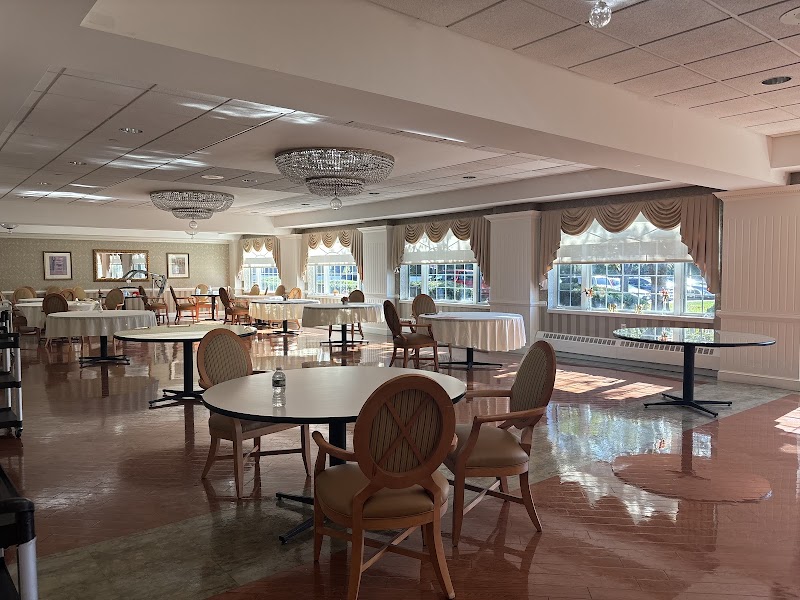
Who Owns and Operates Oak Knoll Rehabilitation And Healthcare Center?

OAK KNOLL REHABILITATION AND HEALTHCARE CENTER is owned by a for-profit company. For-profit facilities operate as businesses with obligations to shareholders or private owners. The facility is operated by ATLAS HEALTHCARE, a chain that manages multiple nursing homes. With 123 certified beds and approximately 102 residents (about 83% occupancy), it is a mid-sized facility located in FRAMINGHAM, Massachusetts.
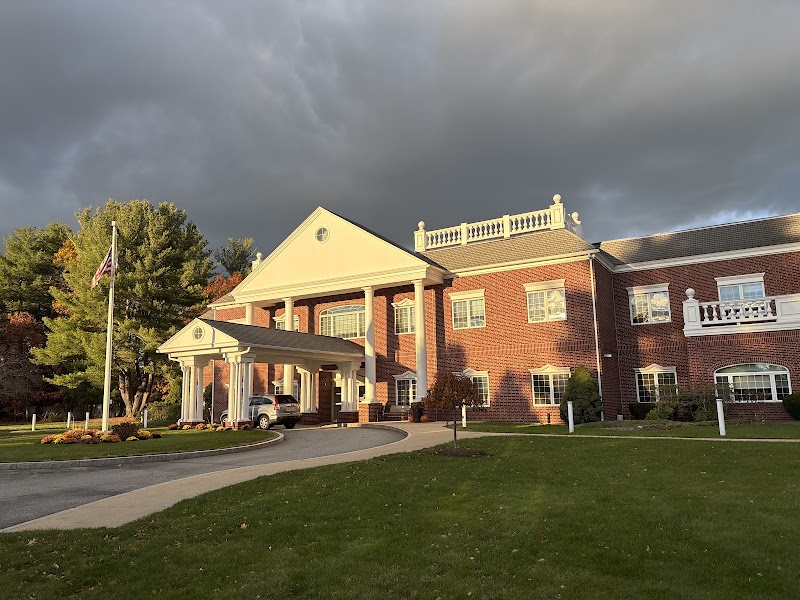
How Does Oak Knoll Rehabilitation And Healthcare Center Compare to Other Massachusetts Nursing Homes?

Compared to the 100 nursing homes in Massachusetts, OAK KNOLL REHABILITATION AND HEALTHCARE CENTER's overall rating (1 stars) is below the state average of 2.9, staff turnover (35%) is significantly lower than the state average of 46%, and health inspection rating (1 stars) is much below the national benchmark.

What Should Families Ask When Visiting Oak Knoll Rehabilitation And Healthcare Center?

Based on this facility's data, families visiting should ask: "What changes have been made since the serious inspection findings, and how are you preventing similar issues?" "Can I visit during a mealtime to observe dining assistance and food quality?" "How do you handle medical emergencies, and what is your hospital transfer rate?" "Can I speak with family members of current residents about their experience?" These questions are particularly relevant given the facility's Immediate Jeopardy citations.

Is Oak Knoll Rehabilitation And Healthcare Center Safe?

Based on CMS inspection data, OAK KNOLL REHABILITATION AND HEALTHCARE CENTER has documented safety concerns. Inspectors have issued 2 Immediate Jeopardy citations (the most serious violation level indicating risk of serious injury or death). The facility has a 1-star overall rating and ranks #100 of 100 nursing homes in Massachusetts. Families considering this facility should ask detailed questions about what corrective actions have been taken since these incidents.

Do Nurses at Oak Knoll Rehabilitation And Healthcare Center Stick Around?

OAK KNOLL REHABILITATION AND HEALTHCARE CENTER has a staff turnover rate of 35%, which is about average for Massachusetts nursing homes (state average: 46%). Moderate turnover is common in nursing homes, but families should still ask about staff tenure and how the facility maintains care continuity when employees leave.

Was Oak Knoll Rehabilitation And Healthcare Center Ever Fined?

OAK KNOLL REHABILITATION AND HEALTHCARE CENTER has been fined $325,875 across 1 penalty action. This is 9.0x the Massachusetts average of $36,338. Fines at this level are uncommon and typically indicate a pattern of serious deficiencies, repeated violations, or failure to correct problems promptly. CMS reserves penalties of this magnitude for facilities that pose significant, documented risk to resident health or safety. Families should request specific documentation of what issues led to these fines and what systemic changes have been implemented.

Is Oak Knoll Rehabilitation And Healthcare Center on Any Federal Watch List?

OAK KNOLL REHABILITATION AND HEALTHCARE CENTER is not on any federal watch list. The most significant is the Special Focus Facility (SFF) program, which identifies the bottom 1% of nursing homes nationally based on persistent, serious quality problems. Not being on this list means the facility has avoided the pattern of deficiencies that triggers enhanced federal oversight. This is a positive indicator, though families should still review the facility's inspection history directly.