SEACOAST NURSING AND REHABILITATION CENTER

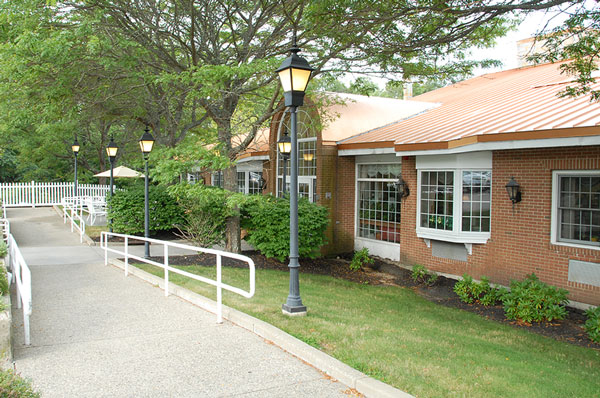
292 WASHINGTON STREET, GLOUCESTER, MA 01930 (978) 283-0300
For profit - Limited Liability company 142 Beds BANECARE MANAGEMENT Data: November 2025
Trust Grade
45/100
#178 of 338 in MA
Last Inspection: May 2025

Inspected within the last 6 months. Data reflects current conditions.

Overview

Seacoast Nursing and Rehabilitation Center has a Trust Grade of D, indicating it is below average with some concerns about care quality. It ranks #178 out of 338 facilities in Massachusetts, placing it in the bottom half, and #26 out of 44 in Essex County, meaning there are better local options available. The facility is experiencing a worsening trend, with issues increasing from 3 in 2024 to 9 in 2025. While staffing is a strength with a 4 out of 5 rating and turnover at 44% (average for the state), there are notable concerns, including $53,550 in fines and specific incidents where a resident suffered a decline in range of motion, and another received medication despite an unsafe blood pressure reading. Additionally, the facility failed to maintain proper infection control practices, which raises concerns about safety and overall care.

Trust Score
D
45/100
In Massachusetts
#178/338
Bottom 48%
Safety Record
Moderate
Needs review
Inspections
Getting Worse
3 → 9 violations
Staff Stability
○ Average
44% turnover. Near Massachusetts's 48% average. Typical for the industry.
Penalties
○ Average
$53,550 in fines. Higher than 74% of Massachusetts facilities. Some compliance issues.
Skilled Nurses
○ Average
Each resident gets 38 minutes of Registered Nurse (RN) attention daily — about average for Massachusetts. RNs are the most trained staff who monitor for health changes.
Violations
⚠ Watch
24 deficiencies on record. Higher than average. Multiple issues found across inspections.
★★★☆☆
3.0
Overall Rating
★★★★☆
4.0
Staff Levels
★★★★☆
4.0
Care Quality
★★★☆☆
3.0
Inspection Score
Stable
2024: 3 issues
2025: 9 issues

The Good

  • 4-Star Staffing Rating · Above-average nurse staffing levels
  • 4-Star Quality Measures · Strong clinical quality outcomes
  • Full Sprinkler Coverage · Fire safety systems throughout facility
  • No fines on record
  • Staff turnover below average (44%)

    4 points below Massachusetts average of 48%

Facility shows strength in staffing levels, quality measures, fire safety.

The Bad

3-Star Overall Rating

Near Massachusetts average (2.9)

Meets federal standards, typical of most facilities

Staff Turnover: 44%

Near Massachusetts avg (46%)

Typical for the industry

Federal Fines: $53,550

Above median ($33,413)

Moderate penalties - review what triggered them

Chain: BANECARE MANAGEMENT

Part of a multi-facility chain

Ask about local staffing decisions and management

The Ugly 24 deficiencies on record

1 actual harm
May 2025 9 deficiencies 1 Harm
SERIOUS (G)

Actual Harm - a resident was hurt due to facility failures

Deficiency F0688 (Tag F0688)

A resident was harmed · This affected 1 resident

**NOTE- TERMS IN BRACKETS HAVE BEEN EDITED TO PROTECT CONFIDENTIALITY** Based on observations, record reviews and interviews, the facility failed to prevent a decline in range of motion leading to the...

Read full inspector narrative →
**NOTE- TERMS IN BRACKETS HAVE BEEN EDITED TO PROTECT CONFIDENTIALITY** Based on observations, record reviews and interviews, the facility failed to prevent a decline in range of motion leading to the development of a contracture for one Resident (#46) out of a total sample of 26 residents. Findings include: Review of the facility policy titled 'Resident Mobility and Range of Motion, dated September 2024, indicated the following: - Residents will not experience an avoidable reduction in range of motion (ROM). - Residents with limited range of motion will receive treatment and services to increase and/or prevent a further decrease in (ROM). - Interventions may include therapies, the provision of necessary equipment, and/or exercises and will be based on professional standards of practice and be consistent with state laws and practice acts. Resident #46 was admitted to the facility in November 2020 with diagnoses including dementia, apraxia, polymyalgia rheumatica (a condition that causes muscle pain and stiffness), and abnormal posture. Resident #46's diagnosis list did not include a diagnosis of arthritis. Review of Resident #46's most recent Minimum Data Set (MDS), dated [DATE], indicated the Resident scored a 5 out of a possible 15 on the Brief Interview for Mental Status (BIMS) which indicated he/she has severe cognitive impairment. Section GG of this MDS indicated Resident #46 has no impairment to his/her range of motion of his/her bilateral upper and lower extremities. On 5/13/25 at 7:53 A.M., Resident #46 was observed lying in bed with his/her right hand in a closed fisted position. When the surveyor asked the Resident to open his/her hand, the Resident was able to straighten his/her thumb and pointer finger and the third through fifth fingers remained bent. The Resident then attempted to straighten these fingers using his/her left hand and was unable to, saying it was painful, and a facial grimace was observed during the attempt. Resident #46 said his/her fingers have been like this for a while. Review of Resident #46's medical record failed to indicate that the Resident had a documented limit of range of motion of the right hand in any physician, nurse practitioner, or nursing notes or in any nursing assessments. On 5/14/25 at 7:43 A.M., the surveyor again observed Resident #46 lying in bed. The Resident was again observed with his/her right third through fifth fingers bent in a claw position. Resident #46 said his/her right hand hurt, again attempted to open his/her fingers on his/her own and was unable to. The Resident again winced in pain with attempted movement of those fingers. During an interview on 5/14/25 at 7:45 A.M., Certified Nursing Assistant (CNA) #1 said Resident #46 is able to fully open his/her hand sometimes and that the hand is not always stuck closed. CNA #1 then entered Resident #46's room and with the Resident's permission attempted to straighten the Resident's right hand fingers. The Resident grimaced in pain when CNA #1 began to move the fingers, pulled his/her hand back and would not let CNA move the fingers anymore. During an interview on 5/14/25 at 7:51 A.M., Unit Manager #1 said Resident #46 was recently seen by occupational therapy for a change in range of motion to his/her right hand. Unit Manager #1 said the Resident was fully able to open his/her hand at that time. Unit Manager #1 said she was unaware that at this point in time the Resident was unable to open three fingers on his/her right hand. Unit Manager #1 said if any resident were to experience a change in range of motion, the nursing staff should make a referral to therapy and notify the nurse practitioner of this change. On 5/14/25 at 8:05 A.M., the Director of Rehabilitation (DOR) provided the surveyor with a therapy screen completed on 2/3/25. The screen indicated that Resident #46 was referred to therapy for splinting needs and contractures for his/her right ring finger. The screen further indicated that at this time the Resident was able to have full range of motion of the right ring finger and no evaluation or therapy was indicated. The DOR said she was unaware Resident #46 was unable to straighten three fingers during today's observation and said she would have an occupational therapist assess him/her today. On 5/14/25 at 12:25 P.M., the surveyor was provided with an occupational therapy evaluation completed on this date. The evaluation indicated the following: - Reason for referral: pt (patient) is an [AGE] year old (male/female) resident of this setting. pt referred to skilled intervention to address contracture management of right dominant hand. pt was previously screened in 2/25 due to middle right trigger finger. At the time pt was able to perform AROM (active range of motion) of all digits without c/o (complaints of) pain. At this time pts condition has exacerbated involving digits (fingers) 3-5/ pt demonstrates no pain in resting position and is able to use dominant hand for self feeding and other tasks using digits one and two. Pt at this time will benefit from skilled intervention to address decline through positioning, education and manual therapy as pt tolerates. (sic) - Medical history and complexities: Contracture right hand digits 3-5. - UE (upper extremity) ROM: impaired - Clinical impressions: skilled OT (occupational therapy) to address right dominant hand contracture in digits 3-5. During an interview with the DOR and the Occupational Therapist (OT) on 5/14/25 at 12:25 P.M., the DOR said the OT evaluated Resident #46 this morning and found a new contracture to the Resident's right hand. The OT said there was a definite new contracture of Resident #46's third through fifth fingers. The OT said she did not know the cause of the contracture, that he/she previously had a trigger finger and that the Resident does not have a diagnosis of arthritis. The OT said she made a goal for the Resident to tolerate a hand carrot (an orthotic in the shape of a carrot that gets progressively wider at the top of the orthotic. The carrot is labeled in stages, with the wider top being a higher number) and that during the evaluation, the Resident was able to tolerate the carrot at a level 6, but as soon as she attempted to move the carrot to level 7 (increased the opening of the fingers) the Resident experienced pain and removed the carrot. The OT said she recommended skilled intervention to treat the new contracture. During a follow-up interview on 5/14/25 at 12:36 P.M., Unit Manager #1 said she had not noticed Resident #46's hand had gotten worse since February. During an interview on 5/14/25 at 12:54 P.M., Resident #46's Health Care Proxy (HCP) said she had noticed the Resident was unable to open his/her right ring finger about two months ago. The HCP said that therapy saw the Resident at this point and although they said she could straighten his/her finger, his/her hand never fully open. The HCP said that she had noticed that Resident #46's hand had become more claw-like in the past few weeks and she had reported this to the nursing staff. Resident #46's HCP said she was told that the Resident had arthritis but said she has known the Resident for 47 years and has never known him/her to have arthritis. Resident #46's HCP said she has also noticed this decline in range of motion has also affected the Resident's ability to use the hand for everyday tasks such as self-feeding. She said that over the past weekend she noticed the Resident was unable to use a fork and was eating green beans like french fries. During an interview on 5/14/25 at 12:55 P.M., Nurse Practitioner #1 said she expects to be notified of any change in status with residents and was not notified of a change to Resident #46's range of motion of the right hand until today. Nurse Practitioner #1 said Resident #1 does not have a diagnosis of arthritis, but she feels this is a flare up of arthritis. Nurse Practitioner said it was unfair to call it a contracture until you attempted to treat the decline in range of motion, however said that could just be semantics because Resident #46 has had a definite new change in range of motion to his/her right hand. During an interview on 5/14/25 at 1:17 P.M., the Director of Nursing said she would expect any change in status, including a change in range of motion, to be referred to therapy and the Nurse Practitioner to be notified.
CONCERN (D)

Potential for Harm - no one hurt, but risky conditions existed

Deficiency F0605 (Tag F0605)

Could have caused harm · This affected 1 resident

**NOTE- TERMS IN BRACKETS HAVE BEEN EDITED TO PROTECT CONFIDENTIALITY** Based on record reviews and interviews, the facility failed to ensure one Resident (#69) was free from unnecessary psychotropic ...

Read full inspector narrative →
**NOTE- TERMS IN BRACKETS HAVE BEEN EDITED TO PROTECT CONFIDENTIALITY** Based on record reviews and interviews, the facility failed to ensure one Resident (#69) was free from unnecessary psychotropic medications by ensuring a reassessment of an as needed (PRN) dose of trazodone after 14 days, out of a total sample of 26 residents. Findings include: Review of the facility policy titled 'Psychotropic PRN Medication Use', dated September 2024, indicated the following: - Policy: the following requirements are in place to safeguard the health of our residents, ensure PRN orders for psychotropic medications do not remain in place for an extended period of time without being reviewed by the resident's physician and ensure that benefits and side effects of these medications are evaluated between required physician visits. -Type of PRN order: PRN orders for psychotropic medications excluding antipsychotics. Time Limitations: 14 days. Exception: Order may be extending past 14 days if the physician or prescribing practitioner believes it is appropriate to extend the order. Required actions: Attending physician or prescribing practitioner should document the rationale for the extended time period in the medical record and indicate the specific duration. Resident #69 was admitted to the facility in August 2024 with diagnoses including Alzheimer's Disease and adjustment disorder with mixed anxiety and depressed mood. Review of Resident #69's most recent Minimum Data Set (MDS), dated [DATE], indicated the Resident had a Brief Interview for Mental Status (BIMS) score of 7 out of a possible 15, which indicated he/she has severe cognitive impairment. During an interview on 5/13/25 at 8:08 A.M., Resident #69 said he/she was feeling well. The Resident was unable to answer specific questions about his/her medical diagnoses or medications. Review of Resident #69's physician orders indicated the following order initiated on 12/5/24: - Trazodone HCl (hydrochloride) Oral Tablet (a mood stabilizing medication), give 12.5 mg (milligrams) by mouth every 6 hours as needed (PRN) for anxiety, without a stop date. Review of the Medication Administration Records (MAR) for December 2024 through May 2025 indicated Resident #69 was given the PRN dose of trazodone 19 times on the following days: - In December: 12/19/24, 12/22/24, 12/29/24, 12/30/24 and twice on 12/31/24, - In January: 1/13/25, 1/17/25, 1/19/25, 1/22/25 and 1/30/25, - In February: 2/7/25 and 2/13/25, - In April: 4/26/25 and 4/29/25, - In May: 5/2/25, 5/4/25, 5/9/25 and 5/11/25. Review of the Psychiatric Nurse Practitioner note, dated 1/28/25, indicated the following: -PRN trazodone has been utilized with positive effect and Would recommend adding stop/re-eval date to PRN Trazodone. Review of the Physician and Nurse Practitioner notes from December 2024 to May 2025 failed to indicate any notes that the PRN trazodone was reassessed, or a reassessment date was added to the order. During an interview on 5/13/25 at 12:51 P.M., Nurse #1 said all PRN psychoactive medications need to be reassessed after 14 days and then an end date placed on the order so continued reassessment can be completed. During an interview on 5/13/25 at 12:59 P.M., Unit Manager #1 said all PRN psychoactive medications need to be reassessed after 14 days and then an end date placed on the order so continued reassessment can be completed. During an interview on 5/13/25 at 1:26 P.M., the Director of Nursing said all PRN psychotropic medications need to be reassessed after the first 14 days and then need an end date or reassessment date added to the order to ensure continued reassessment occurs.
CONCERN (D)

Potential for Harm - no one hurt, but risky conditions existed

Deficiency F0658 (Tag F0658)

Could have caused harm · This affected 1 resident

Based on observations, interviews, and record review, the facility to ensure that services provided met professional standards for one Resident (#43), out of 26 total sampled residents. Specifically, ...

Read full inspector narrative →
Based on observations, interviews, and record review, the facility to ensure that services provided met professional standards for one Resident (#43), out of 26 total sampled residents. Specifically, the facility failed to obtain and implement a physician's order for Resident #43's skin tear for approximately three days. Findings include: Review of the Massachusetts Board of Registration in Nursing Advisory Ruling on Nursing Practice, dated as revised April 11, 2018, indicated the following: - Nurse's Responsibility and Accountability: Licensed nurses accept, verify, transcribe, and implement orders from duly authorized prescribers that are received by a variety of methods (i.e., written, verbal/telephone, standing orders/protocols, pre-printed order sets, electronic) in emergent and non-emergent situations. Licensed nurses in a management role must ensure an infrastructure is in place, consistent with current standards of care, to minimize error. Review of the facility policy titled 'Care and Treatments: Skin/Wound Care: 2-Documentation Guidelines', dated as reviewed September 2024, indicated: - Physician orders will be in place for wounds requiring treatment. Resident #43 was admitted to the facility in April 2020 with diagnoses including Parkinson's disease and dementia. Review of the most recent Minimum Data Set (MDS) assessment, dated 3/6/25, indicated Resident #43 had severe cognitive impairment as evidenced by a Brief Interview for Mental Status exam score of 2 out of 15. On 5/13/25 at 8:27 A.M. and on 5/14/25 at 8:07 A.M., the surveyor observed Resident #43 with an undated foam dressing on his/her right forearm. The foam dressing was visibly soiled with what appeared to be drainage. Resident #43 was unable to say how he/she injured him/herself or when this foam dressing had been applied. Review of Resident #43's medical record, including physician's orders, progress notes, and plan of care, dated 5/10/25 to 5/14/24, failed to indicate the presence of a right arm skin tear, any physician order for the treatment of a right arm skin tear, or documentation that any wound treatment was implemented for a right arm skin tear. During an interview on 5/14/25 at 8:13 A.M., Certified Nurse Assistant (CNA) #2 said Resident #43 recently injured their right arm resulting in a skin tear and the nurse put a dressing on it. CNA #2 was unsure when this injury occured. During an interview on 5/14/25 at 8:15 A.M., Nurse #3 said a few days ago Resident #43 had a skin tear and a nurse put a dressing on it. Nurse #3 said there was not an order for the dressing but there should have been. Nurse #3 was unaware if the dressing had been changed since it was applied a few days ago. On 5/14/25 at 10:21 A.M., the surveyor observed Resident #43's right forearm wound with Nurse #3. Under the visably soiled undated dressing, there was an approximately half inch triangular wound with a red wound bed and dried dark red drainage. During an interview on 5/14/25 at 9:06 A.M., Unit Manager #2 said Resident #43 sustained a skin tear over the weekend on his/her right forearm and the nurse applied a dressing. Unit Manager #2 said a physician's order for the wound treatment was not obtained until this morning, which was at least three days after the skin tear had occurred, and after the surveyor brought it to the facilities' attention. Unit Manager #2 said that the treatment order should have been obtained when the dressing was first applied. Unit Manager #2 further said the danger of not obtaining a physician order for a wound treatment is that the dressing would not be implemented daily as required or completed correctly if it had been done. During an interview on 5/14/25 at 9:56 A.M., the Director of Nursing (DON) said wound treatments, such as dressings, for skin tears require a physician's order.
CONCERN (D)

Potential for Harm - no one hurt, but risky conditions existed

Deficiency F0692 (Tag F0692)

Could have caused harm · This affected 1 resident

**NOTE- TERMS IN BRACKETS HAVE BEEN EDITED TO PROTECT CONFIDENTIALITY** Based on observation, record review and interview, the facility failed to identify and address a significant weight loss for one...

Read full inspector narrative →
**NOTE- TERMS IN BRACKETS HAVE BEEN EDITED TO PROTECT CONFIDENTIALITY** Based on observation, record review and interview, the facility failed to identify and address a significant weight loss for one Resident (#14) out of a total of 26 sampled residents. Findings include: Review of the facility policy title 'Determining and Addressing Significant Weight Changes', dated September 2024, indicated: - Purpose: The nutritional and hydration status of residents will be maximized with appropriate and timely intervention. 1. A resident experiencing weight loss or gain per guidelines: a. 5% in one month, b. 10% in six months. should be referred to the dietitian for further monitoring. 2. The nurse will notify [Occupational therapy / Speech therapy] for screening as necessary and appropriate recommendations will be communicated by the nursing staff to the physician. Physician orders will be obtained for an evaluation if indicated and for all interventions. Resident #14 was admitted to the facility in December 2023 with diagnoses including unspecified dementia and cognitive communication deficit. Review of the Minimum Data Set Assessment (MDS), dated [DATE], indicated that Resident #14 was severely cognitively impaired as evidenced by a score of 00 out of a possible 15 on the Brief Interview for Mental Status Exam (BIMS). The MDS also indicated Resident #14 was dependent on staff assistance for meals. On 5/14/25 at 7:31 A.M., the surveyor observed Resident #14 resting in bed. Resident #14 appeared thin and frail and was unable to participate in the interview process. Review of Resident #14's care plans, initiated 12/22/23, indicated the following: - Focus: The resident has an ADL (Activities of Daily Living) self-care performance deficit r/t (related to) pain, generalized weakness. - Interventions: The resident needs set up/clean up assistance with eating. Review of Resident #14's physician orders indicated the following: - Magic Cup (a nutritional supplement) with meals breakfast, lunch, dinner, initiated 10/30/24. - Ensure Enlive, three times a day, initiated 9/5/24. - Fortified Cereal, with meals Super cereal with breakfast and super potato with lunch and supper; initiated 5/28/24. - Mirtazapine Give 15 mg by mouth one time a day for mood and appetite, initiated 9/20/24. Review of Resident #14's weights indicated: - 12/26/24: 126.3 lbs (pounds). - 1/6/25: 123.2 lbs. - 2/24/25: 116.2 lbs; a total loss of 8% of his/her total body weight since 12/26/25. - 3/13/25: 119.8 lbs. - 4/7/25: 114.2 lbs. Review of Resident #14's clinical record indicated Resident #14 was not assessed by the Dietitian for weight loss until 4/4/25; 39 days after Resident #14's significant weight loss was first documented. Review of the Dietitian's note, dated 4/4/25, indicated: - Gradual wt (weight) loss since mid-Dec. Wt fluctuations noted the past few weeks. Variable PO (by mouth) intake at meals, poor at times. Averages ~50-75% this past week. Staff to provide encouragement for adequate intake. Poor acceptance of ONS (ordered nutritional supplements) 25%. Rt (resident) is prescribed medications with known s/e (side effects) of inc (increased) appetite and wt (weight) gain. May need 1:1 supervision at meals for adequate intake. During an interview on 5/14/25 at approximately 8:30 A.M., Certified Nursing Assistant (CNA) #2 said that she did not think Resident #14 had any weight loss. CNA #2 said that Resident #14's appetite and intake would go up and down and within the past two months and that CNA's had started to cue or provide physical assistance to Resident #14 during meals. During an interview on 5/14/25 at approximately 8:35 A.M., Unit Manager #2 said that when a resident experiences weight loss, staff will re-weigh to verify and then the weight is put in the electronic medical record. Unit Manager #2 said that the Dietitian runs a report of the weights and would then assess and put in interventions to address the weight loss. Unit Manager #2 said that there is not much verbal communication regarding weight loss between nursing and the Dietitian because she can access the weights and reports electronically. During interviews on 5/14/25 at 9:06 A.M., and 9:38 A.M., the Dietitian said that she gets reports from the electronic record or verbally from staff when a Resident loses weight. The Dietitian said that within 24-48 hours she will assess the resident, ask for a re-weight, review possible interventions to address the weight loss and document in a progress note. The Dietitian said that Resident #14 was previously reviewed during risk meetings for weight loss but when he/she stabilized, he/she came off risk. The surveyor and the Dietitian reviewed Resident #14's weights and nutritional progress notes and assessments. The Dietitian was not aware that Resident #14 had a significant weight loss in February 2025 and that he/she had not been assessed for weight loss until April 2025. The Dietitian said that she missed Resident #14's February 2025 weight loss.
CONCERN (D)

Potential for Harm - no one hurt, but risky conditions existed

Deficiency F0761 (Tag F0761)

Could have caused harm · This affected 1 resident

**NOTE- TERMS IN BRACKETS HAVE BEEN EDITED TO PROTECT CONFIDENTIALITY** Based on observation and interview the facility failed to store all drugs and biologicals in accordance with currently accepted ...

Read full inspector narrative →
**NOTE- TERMS IN BRACKETS HAVE BEEN EDITED TO PROTECT CONFIDENTIALITY** Based on observation and interview the facility failed to store all drugs and biologicals in accordance with currently accepted professional principles on one of three units. Specifically, the facility failed to secure drugs and biologicals on one of three units during a medication pass when medication was left unattended at the nurse's station. Findings include: Review of facility policy titled 'Medication Management-Medication Storage', dated as revised September 2024, indicated: - The facility shall store all drugs and biologicals in a safe, secure, and orderly manner. 2. The nursing staff shall be responsible for maintaining medication storage and preparation areas and a clean safe and sanitary manner. 8. Drugs shall be stored in an orderly manner in cabinets drawers carts or automatic dispensing systems. On 5/14/25 at 7:28 A.M., the surveyor observed Nurse #4 prepare medications during a morning med pass on the Atlantic [NAME] Unit. Nurse #4 mixed miralax (laxative/stool softener) with a cup of water and placed the cup on top of her medication cart and proceeded to remove medication pills into a medication cup to be administered. The unlabeled cup of water containing the miralax was clear and looked like a clear cup of water. Nurse #4 said she would go back to administer the medication because the Resident was in the restroom and not available to take his/her medications. At 7:32 A.M., Nurse #4 proceeded to pick up the cup of water containing miralax and place it on top of the counter at the nurses' station directly in front of Nurse #4's medication cart. Nurse #4 then poured water into a new cup, picked up the medication cup containing pills and walked back to the Residents room and administered the pills with the cup of water that did not contain the miralax. The cup containing the miralax remained on the counter at the nurses' station and there were no staff present at the nurses station or in the hall. The surveyor continued to make observations from 8:02 A.M. to 8:26 A.M. and the cup containing miralax was left unattended throughout the observation period. The surveyor observed three residents walk by the cup containing miralax. The surveyor observed one resident walking behind the nurses' station and proceeded to touch items on the counter. The surveyor then informed Nurse #4 about the unattended miralax cup at the nurse's station. During an interview on 5/14/25 at 9:11 A.M., Nurse #4 said she did not realize she gave the resident water and said she remembers pouring a new fresh cup of water. The surveyor then pointed out the clear cup of miralax that was placed on the counter at the nurses' station and Nurse #4 said I can tell you if that is miralax or not, and proceeded to take a drink from the cup and said I messed up, I gave him/her water I can taste it, it's miralax. Nurse #4 said she did not give the miralax and said she should not have left the miralax unattended on the counter because residents or staff could have mistaken it for water and said medications must not be left unattended. During an interview on 5/14/25 at 9:30 A.M., Unit Manager #1 said medications should not be left unattended or on the counter at the nurses' station and said staff should not taste medication to confirm what type of medication it is if the medication is found or left unlabeled. The Unit Manager said residents on this unit have dementia and often wander around and could mistake the cup for water. During an interview on 5/14/25 at 11:25 A.M., the Director of Nursing (DON) said medication must be in stored appropriately in locked medication carts and not left out unattended where residents or staff could have access to them. The DON said it is her expectation that nurses would not taste or consume any medication to confirm what it is and said the medication should have been thrown out instead of left unattended on the counter.
CONCERN (D)

Potential for Harm - no one hurt, but risky conditions existed

Deficiency F0806 (Tag F0806)

Could have caused harm · This affected 1 resident

Based on observation, interviews, and record review, the facility failed to ensure that staff accommodated food preferences for one Resident (#65), out of a total sample of 26 residents. Specifically,...

Read full inspector narrative →
Based on observation, interviews, and record review, the facility failed to ensure that staff accommodated food preferences for one Resident (#65), out of a total sample of 26 residents. Specifically, the facility failed to honor Resident #65's preferences and served the Resident foods he/she disliked, including eggs, white bread, toast, and broccoli. Findings include: Review of the facility policy titled 'Resident Food Preferences and Choice, dated as reviewed September 2024, indicated: - Individual food preferences will be assessed upon admission and communicated to the interdisciplinary team. - When possible, staff will interview the resident directly to determine current food preferences based on history and life patterns related to food and mealtimes. - Facility staff may document the residents' significant food and eating preferences in the care plan. During a telephone interview on 5/13/25 at 9:43 A.M., the ombudsman said there is an ongoing concern at the facility regarding food choices being made available to residents. Resident #65 was admitted to the facility in November 2024 with diagnoses including protein-calorie malnutrition and dysphagia (difficulty swallowing). Review of the most recent Minimum Data Set (MDS) assessment, dated 2/19/25, indicated Resident #65 had moderate cognitive impairment as evidenced by a Brief Interview for Mental Status exam score of 12 out of 15. Review of Resident #65's plan of care related to nutrition, revised 3/11/25, indicated Resident #65 was at nutritional risk related to a diagnosis of protein-calorie malnutrition and a history of significant weight loss and dysphagia. This care plan indicated the following intervention: - Provide meals in keeping with resident's preferences. Review of Resident #65's assessment titled 'Nutritional Assessment', dated 11/29/24, indicated a problem of unplanned significant weight loss and the following nutrition intervention: - Honor food preferences as able. Review of Resident #65's diet slip, which was visible on the Resident's breakfast and lunch meal trays when they were delivered on 5/13/25, indicated: - Dislikes: broccoli, cheese, corn, eggs group, peas, sausage patty, scrambled egg, spinach, toast, white bread. On 5/13/25 at 8:11 A.M., the surveyor observed Resident #65 eating breakfast. Resident #65 said he/she was upset because he/she often gets food he/she dislikes. Resident #65 was noted to have scrambled eggs and white bread toast that was untouched on his/her meal tray. Resident #65 said he/she was not asked what they would like for breakfast but would never ask for eggs or toast because he/she does not like them. Resident #65 further said eggs cause him/her stomach upset and diarrhea. Resident #65 said staff knows he/she does not like these items and does not offer any substitutions. Resident #65 said he/she does not ask for a substitution because he/she does not want to be a bother. There was a meal slip present on the meal tray that indicated Resident #65 dislikes scrambled eggs, white bread, and toast. On 5/13/25 at 12:17 P.M., the surveyor observed Resident #65 eating lunch. Resident #65 was noted to have broccoli on his/her meal tray. Resident #65 said he/she does not like broccoli and that staff know this because it's written right on my tray. Resident #65 said he/she did not request broccoli. Resident #65 took a bite of broccoli, then spit it out and said he/she does not like broccoli at all. There was a meal slip present on the meal tray that indicated Resident #65 dislikes broccoli. During a follow up interview on 5/14/25 at 8:34 A.M., Resident #65 said he/she wishes the facility would honor his/her food preferences. Resident #65 said foods listed as a dislike on his/her meal slip are served to him/her at least three to four times every week. During an interview on 5/14/25 at 8:37 A.M., Certified Nurse Assistant (CNA) #2 said all residents' food preferences should be honored. CNA #2 said food items listed as a dislike on Resident #65's meal slip should not be served to him/her. CNA #2 said nurses are supposed to check all meal trays to ensure dislikes are not served before they are delivered to the Resident. CNA #2 said disliked food items are sometimes missed and served to residents, and if that happens the staff is expected to send a slip down to the kitchen to remind them not to include it on the meal tray. During an interview on 5/14/25 at 8:46 A.M., Unit Manager #2 said all residents' food preferences should be honored. Unit Manager #2 said a nurse is supposed to check each meal slip to make sure a disliked food is not served to the residents, unless the resident requests that food item. Unit Manager #2 said disliked foods are sometimes missed and served to residents, and if that happens the staff is expected to send a slip down to the kitchen to remind them not to include it on the meal tray. During an interview on 5/14/25 at 9:25 A.M., Dietary Staff #1 said he was responsible for checking disliked foods before putting food on each resident's tray. Dietary Staff #1 said all residents' food preferences should be honored. Dietary Staff #1 said if a food indicated as a dislike on a resident's meal slip then it should not be served to the resident. During an interview on 5/14/25 at 9:46 A.M., the Dietitian said all resident's food preferences should be honored. The Dietitian said Resident #65 doesn't like broccoli, white bread, or toast and that these are listed as dislikes on his/her meal slip. The Dietitian said he/she prefers muffins. The Dietitian was unaware that Resident #65 had concerns of the upset stomach or diarrhea with eggs but said eggs should not have been served because it was listed as a dislike on his/her meal slip. During an interview on 5/14/25 at 9:54 A.M., the Director of Nursing (DON) said food preferences should be honored. The DON said if a food was listed as a dislike on any resident's meal slip then it should not have been served. During a follow up interview on 5/14/25 at 11:04 A.M., the Dietitian said there were no food shortages on 5/13/25 that would have affected what Resident #65 was served.
CONCERN (D)

Potential for Harm - no one hurt, but risky conditions existed

Medical Records (Tag F0842)

Could have caused harm · This affected 1 resident

**NOTE- TERMS IN BRACKETS HAVE BEEN EDITED TO PROTECT CONFIDENTIALITY** Based on record review and interview, the facility failed to document urinary output as ordered for one Resident (#93) out of a ...

Read full inspector narrative →
**NOTE- TERMS IN BRACKETS HAVE BEEN EDITED TO PROTECT CONFIDENTIALITY** Based on record review and interview, the facility failed to document urinary output as ordered for one Resident (#93) out of a total sample of 26 residents. Findings include: Review of the facility's Nursing Service Documentation, dated September 2024 indicated; 5. Nursing documentation is performed as required by each person responsible for the care of the resident. 6. Every entry is noted by complete date, time and signature. Each set of initials used shall correspond to a complete signature. Review of the facility's policy titled 'Catheter Care', dated September 2024, indicated: 1. Residents with indwelling catheters should have their urinary output assessed at regular intervals to ensure that adequate drainage is occurring. Resident #93 was admitted to the facility in February 2024 with diagnoses including venous insufficiency and polyuria (urinating more than usual). Review of the Minimum Data Set Assessment (MDS), dated [DATE], indicated Resident #93 was cognitively intact as evidenced by a score of 15 out of a possible 15 on the Brief Interview for Mental Status Exam (BIMS). The MDS also indicated Resident #93 had an indwelling catheter. Review of Resident #93's physicians orders indicated the following orders: - Foley Catheter Size 16fr (french scale) Type 10 ml (milliliter) balloon, dated 3/26/24. - Check placement and provide foley catheter care every shift, dated 3/26/24. - Monitor urine output each shift BLADDER SCAN IF OUTPUT <200ML QSHIFT, dated 3/30/25. Review of Resident #93's Catheter care plan, dated 3/27/24, indicated the following intervention: - Monitor and document intake and output as per facility policy. Review of the April 2025 Treatment Administration Record (TAR) indicated Resident #93's output was not documented on the morning shift on 4/29/25, the evening shift on 4/2/25, and the night shift on 4/2/25, 4/3/25, 4/5/25, 4/6/25, 4/17/25, and 4/30/25. Review of the May 2025 TAR indicated Resident #93's output was not documented on the night shift on 5/4/25, the morning shift on 5/10/25, and the night shift on 5/11/25. During an interview on 5/14/25 at 10:16 A.M., the surveyor and Unit Manager #2 reviewed Resident #93's April 2025 TAR. Unit Manager #2 said staff should be documenting Resident #93's output as ordered.
CONCERN (E)

Potential for Harm - no one hurt, but risky conditions existed

Deficiency F0760 (Tag F0760)

Could have caused harm · This affected multiple residents

**NOTE- TERMS IN BRACKETS HAVE BEEN EDITED TO PROTECT CONFIDENTIALITY** Based on observations, record reviews and interviews, the facility failed to ensure that one Resident (#96) was free from signif...

Read full inspector narrative →
**NOTE- TERMS IN BRACKETS HAVE BEEN EDITED TO PROTECT CONFIDENTIALITY** Based on observations, record reviews and interviews, the facility failed to ensure that one Resident (#96) was free from significant medication errors out of a total sample of 26 residents. Specifically, the facility failed to ensure medications were not administered when the Resident #96's blood pressure was not within the parameters prescribed by the physician. Findings include: Resident #96 was admitted to the facility in July 2024 with diagnoses including congestive heart failure. Review of Resident #96's most recent Minimum Data Set (MDS), dated [DATE], indicated the Resident had a Brief Interview for Mental Status exam score of 8 out 15 which indicated the Resident had moderate cognitive impairment. The MDS also indicated Resident #96 requires partial to moderate assistance with functional daily tasks. Review of Resident #96's physician orders indicated the following orders: - Lasix Oral Tablet (a diuretic medication) 20 MG (milligrams). Give 20 mg by mouth one time a day for edema Hold for SBP (systolic blood pressure) < (less than) 110 AND Give 20 mg by mouth as needed for edema add 20mg to the scheduled 20mg to equal 40mg if not resolved within 3-5 days, contact the physician, initiated on 11/15/24. - Spironolactone (a blood pressure medication) Oral Tablet 25 MG. Give 25 mg by mouth one time a day for edema related to essential hypertension. Hold for BP less than 110 systolic, initiated on 11/21/24. Review of Resident #96's Medication Administration Report (MAR) for November 2024 indicated the following: - On 11/20/25, Resident #96 had a blood pressure of 102/62 and was given his/her dose of lasix. Review of Resident #96's Medication Administration Report MAR for December 2024 indicated the following: - On 12/12/25, Resident #96 had a blood pressure of 105/49 and was given his/her dose of lasix. - On 12/23/25, Resident #96 had a blood pressure of 99/60 and was given his/her dose of lasix and spironolactone. - On 12/31/25, Resident #96 had a blood pressure of 108/70 and was given his/her dose of lasix and spironolactone. Review of Resident #96's Medication Administration Report MAR for January 2025 indicated the following: - On 1/2/25, Resident #96 had a blood pressure of 106/86 and was given his/her dose of lasix. - On 1/3/25, Resident #96 had a blood pressure of 108/68 and was given his/her dose of lasix and spironolactone. - On 1/13/25, Resident #96 had a blood pressure of 102/65 and was given his/her dose of spironolactone. - On 1/14/25, Resident #96 had a blood pressure of 102/65 and was given his/her dose of lasix and spironolactone. - On 1/18/25, Resident #96 had a blood pressure of 108/68 and was given his/her dose of spironolactone. - On 1/20/25, Resident #96 had a blood pressure of 108/72 and was given his/her dose of spironolactone. - On 1/25/25, Resident #96 had a blood pressure of 102/70 and was given his/her dose of lasix and spironolactone. Review of Resident #96's Medication Administration Report MAR for February 2025 indicated the following: - On 2/1/25, Resident #96 had a blood pressure of 108/68 and was given his/her dose of lasix and spironolactone. - On 2/8/25, Resident #96 had a blood pressure of 88/52 and was given his/her dose of lasix. Review of Resident #96's Medication Administration Report MAR for March 2025 indicated the following: - On 3/15/25, Resident #96 had a blood pressure of 109/60 and was given his/her dose of lasix and spironolactone. - On 3/26/25, Resident #96 had a blood pressure of 108/72 and was given his/her dose of lasix and spironolactone. - On 3/27/25, Resident #96 had a blood pressure of 108/72 and was given his/her dose of lasix and spironolactone. Review of Resident #96's Medication Administration Report MAR for April 2025 indicated the following: - On 4/4/25, Resident #96 had a blood pressure of 108/68 and was given his/her dose of lasix and spironolactone. - On 4/24/25, Resident #96 had a blood pressure of 108/72 and was given his/her dose of lasix and spironolactone. Review of Resident #96's Medication Administration Report MAR for May 2025 indicated the following: - On 5/3/25, Resident #96 had a blood pressure of 108/72 and was given his/her dose of spironolactone. - On 5/4/25, Resident #96 had a blood pressure of 109/61 and was given his/her dose of lasix. During an interview on 5/13/25 at 12:52 P.M., Nurse #1 said if a parameter is written in the physician's order, it would show up when the nurse is providing medications to ensure the parameter is being followed. Nurse #1 said providing lasix and blood pressure medications when a resident's blood pressure is below the parameter could be dangerous because it could further lower the resident's blood pressure. During an interview on 5/13/25 at 1:00 P.M., Unit Manager #1 said nurses are expected to check the parameters of medications prior to administrating the medication. Unit Manager #1 said Resident #96 had parameters for his/her blood pressure and diuretic medications and these should have been followed. During an interview on 5/13/25 at 1:28 P.M., the Director of Nursing said she expects any medications with parameters to be held if the parameters are not met. The Director of Nursing said a resident with low blood pressure has a risk of their blood pressure dropping more if given blood pressure or diuretic medications.
CONCERN (E)

Potential for Harm - no one hurt, but risky conditions existed

Infection Control (Tag F0880)

Could have caused harm · This affected multiple residents

Based on observation, interviews, and records reviewed the facility failed to establish and maintain an infection prevention and control program designed to provide a safe, sanitary and comfortable en...

Read full inspector narrative →
Based on observation, interviews, and records reviewed the facility failed to establish and maintain an infection prevention and control program designed to provide a safe, sanitary and comfortable environment and to help prevent the development and transmission of communicable diseases and infections. Specifically, 1.) The facility failed to disinfect shared resident medical equipment and adhere to infection control guidelines during medication pass. 2.) For one Resident (#26) out of a total sample of 26 residents, the facility failed to implement Enhanced Barrier Precautions (EBP). Findings Include: Review of the facility policy titled 'Resident Care and Treatment- Diagnostic Testing Glucose Testing with Glucometer (Assure Platinum)', dated as revised September 2024, indicated: 14. Clean Assure Platinum according to manufacturer's guidelines. Meter shuts down after two minutes. Should use two wipes; the first to clean and the second to disinfect. Review of the manufacturers' guidelines for the Assure Prism Multi Use Glucometer indicated the following: - Cleaning and Disinfecting Procedures: Two disposable wipes will be needed for each cleaning and disinfecting procedure; one wipe for cleaning and a second wipe for disinfecting. Further review of the manufacturer's guidelines indicate only approved FDA (Food and Drug Administration) approved products are to be used on the glucometer and reference the CDC Guidelines for Fingerstick Devices. Review of the facility policy titled 'Infection Control Manual, Blood-Borne Pathogen Standards, Cleaning Equipment', dated as revised September 2024, indicated: 4. DME (durable medical equipment) must be cleaned and disinfected before use by another resident. 1.) On 5/14/25 at 7:34 A.M., the surveyor observed Nurse #4 pickup a white open container from on top of the medication cart, containing a glucometer, several lancets, and alcohol prep pads. Nurse #4 entered the Resident's room and placed the white open container directly on top of his/her uncleaned overbed table. Nurse #4 obtained the Resident's blood sugar and immediately put the glucometer back into the white container without cleaning it and potentially contaminating the contents of the container. Nurse #4 then returned to the medication cart and picked up the contaminated glucometer with her ungloved hand and placed the contaminated glucometer directly on top the medication cart. Nurse #4 obtained an alcohol hand wipe from a container located at the nurse's station and with her ungloved hand proceeded to wipe down the glucometer and placed it back into the white container that was potentially contaminated earlier. -At 7:46 A.M., the surveyor observed Nurse #4 pickup the white open container from on top of the medication cart, containing the potentially contaminated glucometer, several lancets, and alcohol prep pads. Nurse #4 entered a second Resident's room and placed the white open container directly on top of his/her uncleaned overbed table. Nurse #4 proceeded to put on gloves and was about to obtain the Residents blood sugar when the surveyor had to intervene and stop Nurse #4 from using the potentially contaminated glucometer to obtain the Residents blood sugar. During an interview on 5/14/24 at 7:50 A.M., Nurse #4 said the facility has bleach wipes available for cleaning but she uses the alcohol hand wipes because they are easier on the hands and said she was not sure how or when to clean glucometers. Nurse #4 said she wipes the glucometers down with the alcohol wipes when she is finished with her glucose checks. On 5/14/25 at 8:06 A.M., the surveyor observed Nurse #4 pickup the white open container from on top of the medication cart, containing the potentially contaminated glucometer, several lancets, and alcohol prep pads, she removed the glucometer and placed it directly on top of the medication cart, and proceeded to remove the lancets and alcohol prep pads and discarded them into the trash. Nurse #4 used her bare hand to obtain one bleach wipe and proceeded to wipe down the now empty white container and proceeded to use the same bleach wipe to wipe down the glucometer. Nurse #4 placed the wet glucometer directly back into the white container and then added lancets and alcohol prep pads directly on top of the wet glucometer. Nurse #4 then placed the white container on top of her medication cart. During a follow up interview on 5/14/25 at 8:09 A.M., Nurse #4 said she was not aware that the glucometer, lancets and equipment could not go into the Residents rooms and said she was just told to use bleach wipes and to clean the glucometer. Nurse #4 said she was unaware of the contact time for the bleach wipes because she doesn't usually use them. During an interview on 5/14/25 at 9:27 A.M., Unit Manager #1 said staff must clean the glucometer with bleach wipes after each use and said containers containing glucometer equipment should not be taken into resident rooms or placed on bedside tables because they are contaminated. Unit Manager #1 said staff must follow the bleach wipes recommendations for contact time and said the glucometer should be placed on a paper towel and left to dry for two minutes. Review of the bleach wipes used in the facility indicated the following: Super Sani-Cloth Germicidal Disposable Wipe. Contact Time: Use Unfold a clean wipe and thoroughly wet surface. Allow surface to remain went for two minutes. Let air dry. During an interview on 5/14/25 at 11:21 A.M., the Director of Nurses (DON) said staff must use approved bleach wipes to clean and disinfect shared equipment and said she expects staff to follow manufacturer's instructions for wiping and cleaning. The DON said she expects all staff to follow infection control guidelines for proper cleaning and disinfection and said not following recommendations could increase the risk of blood borne pathogens between residents if equipment is not properly cleaned in between use. The DON said alcohol hand wipes should not be used to clean equipment and said bleach wipes must be used and said nurses must follow the contact time of two minutes to allow the surface to dry after wiping it with a bleach wipe. During an interview on 5/14/25 at 1:03 P.M., Nurse Practitioner (NP) #1 said she expects staff to follow infection control guidelines with cleaning and disinfecting according to policy and manufacturers guidelines to prevent the spread of infection. 2.) Review of the Centers for Disease Control (CDC) website indicated the following, dated June 28, 2024: -Enhanced Barrier Precautions are an infection control intervention designed to reduce transmission of multidrug-resistant organisms (MDROs) in nursing homes. Enhanced Barrier Precautions involve gown and glove use during high-contact resident care activities for residents known to be colonized or infected with a MDRO as well as those at increased risk of MDRO acquisition (e.g., residents with wounds or indwelling medical devices). Review of facility policy from the Infection Control Manual, under the subject 'Enhanced Barrier Precautions', dated as reviewed 4/29/24, indicated the following: - Enhanced Barrier Precautions (EBP) refers to an infection control intervention designed to reduce transmission of multidrug- resistant organisms that employs targeted gown and glove use during high contact resident care activities. - EBP are indicated for residents with any of the following: wounds and/ or indwelling medical devices even if the resident is not known to be infected or colonized with a MDRO (multidrug resistant organism). Resident #26 was admitted to the facility in March 2024 with diagnoses that included adult failure to thrive, Chronic Obstructive Pulmonary Disease and localized edema. Review of Resident #26's most recent Minimum Data Set (MDS) Assessment, dated 3/12/25, indicated a Brief Interview for Mental Status exam score of 14 out of a possible 15, which indicated that the Resident had intact cognition. The MDS further indicated that the Resident had one stage 3 pressure ulcer that was not present on admission. On 5/13/25 at 7:46 A.M., Resident #26 was observed awake in bed. Resident #26 had an air mattress in place. Resident #26 said that he/she has a wound to his/her heel. There was no signage on the doorway of Resident #26's room indicating the use of Enhanced Barrier Precautions. On 5/14/25 at 6:58 A.M., Resident #26 was observed awake in bed. Resident #26 had a dressing to his/her right heel. There was no signage on the doorway of Resident #26's room indicating the use of Enhanced Barrier Precautions. On 5/14/25 at 7:18 A.M., the surveyor observed Nurse #2 perform a wound dressing change to Resident #26's right heel. Nurse #2 entered the Resident's room and sanitized her hands and applied gloves. The Nurse did not put on a gown during the wound dressing change. For the duration of the dressing change, the nurse utilized gloves only and did not put on a gown at any time. Review of the most recent wound consultant note, dated 5/12/25, indicated the following: - Resident #26 has a stage 3 pressure wound of the right heel, full thickness that measures 1.4 x 1.4 x 0.1 centimeters. Review of Resident #26's active care plan indicated the following: - Resident has an unstageable on [his/her] right heel, and a skin tear to the right calf, dated as revised 5/2/25. Review of the Care plan failed to indicate the use of EBP. Review of Resident #26's physician's orders indicated the following: - Cleanse right heel with wound cleanser, apply calcium alginate and foam dressing, one time a day, dated 4/15/25. - Monitor dressing to right heel every shift, dated 4/8/25. Review of physician orders failed to indicate the use of EBP. During an interview on 5/14/25 at 7:25 A.M., Nurse #2 said that when a resident has a wound, they should be on Enhanced Barrier Precautions. Nurse #2 said that when she changed the dressing on Resident #26's wound, she should have worn a gown, but she did not. She said typically there is a physician's order for Enhanced Barrier Precautions. During an interview on 5/14/25 at 7:28 A.M., Unit Manager #2 said that Resident #26 did not need to be on Enhanced Barrier Precautions because the wound was not infected. He said residents with a wound that is not infected do not require Enhanced Barrier Precautions. During an interview on 5/14/25 at 10:34 A.M., the Director of Nursing said anyone with tubes, IV lines, pressure injuries or surgical incisions should be on Enhanced Barrier Precautions. She said that there is typically a physician's order in place for the use of EBP. The Director of Nurses further said that when changing the dressing for Resident #26's wound, the nurse should have worn a gown and gloves.
May 2024 3 deficiencies
CONCERN (D)

Potential for Harm - no one hurt, but risky conditions existed

Deficiency F0554 (Tag F0554)

Could have caused harm · This affected 1 resident

Based on observation, interview, and record review, the facility failed to ensure that one Resident (#9) did not self-administer medications out of a total sample of 23 residents. Specifically, Reside...

Read full inspector narrative →
Based on observation, interview, and record review, the facility failed to ensure that one Resident (#9) did not self-administer medications out of a total sample of 23 residents. Specifically, Resident #9 was not assessed to be able to safely self administer medication, and was observed self administering medication. Findings include: The facility policy, titled 11 - Self Administration of Medications, dated as reviewed 9/23, indicated the following: -It is the responsibility of the interdisciplinary team (IDT) to determine that it is safe for the resident to self-administer medications before the resident may exercise that right. Procedure: 1. Upon request, assess the resident's ability to meet the criteria outlined above and document outcomes on the form Assessment for the Self-Administration of Medication. 2. If determined that the resident is capable of self-administering medications, obtain order from the MD (Medical Doctor). 3. Document on the resident's care plan. Resident #9 was admitted to the facility in March 2022 with diagnoses including arthritis, heart failure and asthma. Review of the most recent Minimum Data Set (MDS) assessment, dated 2/28/24, indicated that Resident #9 scored a 15 out of 15 on the Brief Interview for Mental Status exam, indicating that the Resident was cognitively intact. Review of Resident #9's active physician orders failed to indicate an order for self-administration of medication. The following orders were in place: -Advair Diskus Aerosol Powder Breath Activated 100-50 Mcg (micrograms)/dose (Fluticasone-salmeterol) 1 puff inhale orally two times a day for COPD (Chronic Obstructive Pulmonary Disease) have resident rinse mouth after each use, initiated 2/21/24. -Biotene Dry Mouth/Throat liquid (mouthwashes) 30 mL (milliliters) by mouth two times a day for mild pain, initiated 2/2/24. -Lidocaine Patch 4% apply to left knee topically one time a day for pain, initiated 5/1/23 -Prostat one time a day for low pre albumin 30 cc (cubic centimeter) po (by mouth) daily, initiated 5/4/24. -Boost plus two times a day for weight loss 240 m boost plus or equiv (sic.), initiated 2/21/24. -Lasix tablet 40 Mg (milligrams) (Furosemide) give 1 tablet by mouth one time a day every Mon (Monday), Wed (Wednesday), Fri (Friday) for fluid retention related to edema, unspecified, initiated 5/1/23. -Aspirin tablet chewable 81 Mg give 1 tablet by mouth one time a day related to heart failure, unspecified, initiated 9/19/23. -Cyanocobalamin (a synthetic form of vitamin B12) Oral Tablet give 500 Mcg by mouth one time a day for supplement, initiated 5/1/23. -Losartan Potassium Tablet give 50 Mg by mouth one time a day related to essential (primary) hypertension, initiated 5/1/23. -Protonix Tablet Delayed Release 40 Mg (Pantoprazole Sodium) give 40 Mg by mouth one time a day for heartburn, initiated 5/1/23. -Norvasc Tablet (Amlodipine Besylate) give 10 Mg by mouth one time a day for HTN (hypertension), initiated 5/1/23. -Cymbalta Oral Capsule Delayed Release Particles 20 Mg (Duloxetine HCl) give 2 capsule (sic.) by mouth one time a day for mood/pain related to major depressive disorder, anxiety disorder, initiated 6/17/23 -Neurontin Capsule (Gabapentin) give 300 Mg by mouth three times a day for pain management, initiated 5/1/23. -Preservision AREDS (Age-Related Eye Disease Study) 2 Oral Tablet Chewable (multiple vitamins with minerals) give 1 tablet by mouth in the morning for vision loss, initiated 3/18/24. Review of Resident #9's most recent Self-Administration of Medication Assessment, dated 2/20/24, indicated that the Resident did not wish to administer his/her medication. Further review of the assessment indicated Resident #9 was not approved to self-administer medication. Review of Resident #9's care plans failed to indicate a care plan for self-administration of medication. On 5/28/24 at 8:25 A.M., the surveyor observed Nurse #2 leave a cup full of medication, a supplemental shake, a small cup of yellow-orange liquid, a small cup of clear liquid, and an Advair inhaler in front of the Resident on a bedside table; Nurse #2 then left the room. The surveyor observed Resident #9 applying a white patch to his/her knee and self-administering medication from the cup without staff present. On 5/29/24 at 8:33 A.M., the surveyor observed Nurse #2 leave a cup full of medication, a supplemental shake, a small cup of yellow-orange liquid, a small cup of clear liquid, and an Advair inhaler on the Resident's bedside table, the Resident was exiting the bathroom; Nurse #2 then left the room. The surveyor observed Resident #9 self-administer his/her medications without staff present. Resident #9 intermittently coughed while swallowing the pills. During an interview on 5/29/24 at 9:50 A.M., Nurse #2 said Resident #9 self-administers all of his/her medication regularly, including self-applying a Lidocaine patch to his/her knee. Nurse #2 said she left the following medications on Resident #9's bedside table for the Resident to self-administer that morning: Advair, Biotene, a Lidocaine patch, Prostat, boost, Lasix, aspirin, Vitamin B12, Losartan potassium, Protonix, Norvasc, Cymbalta, Neurontin, and Preservision. During an interview on 5/29/24 at 8:44 A.M., Resident #9 said he/she self-administers medication without staff present every day. During a follow-up interview on 5/29/24 at 9:50 A.M., Nurse #2 said she did not know if Resident #9 had been assessed for self-administering medication. Nurse #2 said she would expect a resident to be assessed for the ability to self-administer medication before they do so, and that this should be documented in the Resident's physician orders. During an interview on 5/29/24 at 10:14 A.M., the Director of Nursing (DON) said a self-administration of medication assessment should be completed on admission, and quarterly; if a resident chooses to self-administer his/her medication they will be assessed to determine if this is appropriate. The DON said that the resident's care plan and physician's orders would be updated to specify that the resident was able to self-administer medication. During a follow-up interview on 5/29/24 at 10:38 A.M., the DON said a self-administration of medication assessment was completed for Resident #9 on 2/20/24 deeming the Resident unable to self-administer medication.
CONCERN (D)

Potential for Harm - no one hurt, but risky conditions existed

Comprehensive Care Plan (Tag F0656)

Could have caused harm · This affected 1 resident

Based on record reviews, observations and interviews, the facility failed to ensure resident centered care plans were implemented for two Residents (#36 and #59) out of a total sample of 23 residents....

Read full inspector narrative →
Based on record reviews, observations and interviews, the facility failed to ensure resident centered care plans were implemented for two Residents (#36 and #59) out of a total sample of 23 residents. Specifically, 1. For Resident #36, the facility failed to implement thigh high TED hose (compression stockings) as ordered by the Physician. 2. For Resident #59, the facility failed to implement pressure relieving boots, as ordered by the Physician. Findings include: 1. Resident #36 was admitted to the facility in January 2024 with diagnoses that included nephrotic syndrome, orthostatic hypotension, and small cell b-cell lymphoma. Review of Resident #36's most recent Minimum Data Set (MDS) assessment, dated 4/17/24, indicated Resident #36 scored a 15 out of a possible 15 on the Brief Interview for Mental Status (BIMS) indicating intact cognition. On 5/28/24 at 1:12 P.M., the surveyor observed Resident #36 out of bed in a geri-recliner chair, not reclined. Resident #36 was not wearing compression stockings on his/her legs. On 5/29/24 at 12:44 P.M., the surveyor observed Resident #36 out of bed in a geri-recliner chair, not reclined. Resident #36 was not wearing compression stockings on his/her legs. Review of Resident #36's active physician order, dated 3/28/24, indicated Thigh high [NAME] hose (compression stockings) on before getting out of bed. Every day shift for BLE (bilateral lower extremity) edema, hypotension. Review of Resident #36's Nurse Practitioner progress note, dated 5/9/24, indicated the Resident remains weak, with fluctuating edema. +1 edema of the both lower legs. (sic.) Review of Resident #36's nursing progress notes from 5/27/24 to 5/30/24 did not indicate that the Resident refused to wear the compression stockings. During an interview on 5/30/24 at 7:31 A.M., Unit Manager #1 said the nurses should follow each residents plan of care. During an interview on 5/30/24 at 7:35 A.M., Nurse #1 said nurses should be following each resident's physician orders. Nurse #1 said if the Resident refuses anything then it should be documented in a nursing note. During an interview on 5/30/24 at 10:34 A.M., the Director of Nurses said she expects that the compression stockings are on as ordered when the Resident is out of bed. 2. Resident #59 was admitted to the facility in August 2023 with diagnoses that included Parkinson's disease, dysphagia, hemiplegia and hemiparesis. Review of Resident #59's Minimum Data Set (MDS) assessment, dated 3/17/24, indicated Resident #59 was assessed by nursing staff to have moderately impaired cognition. On 5/28/24 at 7:58 A.M., the surveyor observed Resident #59 in bed without pressure relieving boots on his/her feet. The boots were observed to be on the floor in the closet. On 5/29/24 at 7:43 A.M., the surveyor observed Resident #59 in bed without pressure relieving boots on his/her feet. The boots were observed to be on the floor in the closet. Review of Resident #59's physician order, dated 4/18/24, indicated Pressure relieving boots to bilateral feet AAT's (at all times) while in bed. Review of Resident #59's nursing progress notes from 5/22/24 to 5/30/24 failed to indicate that the Resident refused pressure relieving boots to his/her feet. Review of Resident #59's Norton Pressure Ulcer Risk Scale, dated 3/18/24, indicated Resident #59 scored an 11, indicating the Resident was at high risk for developing pressure ulcers. On 5/30/24 at 7:31 A.M., the surveyor and Unit Manager #1 observed Resident #59 in bed without pressure relieving boots on his/her feet. Unit Manager #1 said Resident #59 should have boots on while in bed as ordered by the Physician. Unit Manager #1 said the Resident has a history of having a pressure ulcer on his/her heel/ankle due to positioning issues and that is why the Resident needs boots on in bed. During an interview on 5/30/24 at 7:35 A.M., Nurse #1 said Resident #59 has an order to have pressure relieving boots on while in bed and they should be on while the Resident is in bed. Nurse #1 said if the Resident refuses anything then it should be documented in a nursing note. During an interview on 5/30/24 at 10:34 A.M., the Director of Nurses said she would expect Resident #59's pressure relieving boots on when the Resident is in bed.
CONCERN (D)

Potential for Harm - no one hurt, but risky conditions existed

ADL Care (Tag F0677)

Could have caused harm · This affected 1 resident

**NOTE- TERMS IN BRACKETS HAVE BEEN EDITED TO PROTECT CONFIDENTIALITY** Based on observations, record review, policy review and interviews, the facility failed to provide assistance with Activities of...

Read full inspector narrative →
**NOTE- TERMS IN BRACKETS HAVE BEEN EDITED TO PROTECT CONFIDENTIALITY** Based on observations, record review, policy review and interviews, the facility failed to provide assistance with Activities of Daily Living (ADLs), for one Resident (#59) out of a total sample of 23 residents. Specifically, the facility failed to provide assistance with meals as per the plan of care for Resident #59. Findings include: Review of the facility policy titled Activities of Daily Living (ADLs), dated 9/23, indicated Appropriate care and services will be provided for residents who are unable to carry out ADLs independently, with the consent of the resident and in accordance with the plan of care, including appropriate support and assistance with: D. Dining (meals and snacks). Resident #59 was admitted to the facility in August 2023 with diagnoses that included Parkinson's disease, dysphagia, hemiplegia and hemiparesis. Review of Resident #59's Minimum Data Set (MDS) assessment, dated 3/17/24, indicated Resident #59 was assessed by nursing staff to have moderately impaired cognition. On 5/28/24 at 7:58 A.M., the surveyor observed Resident #59 in bed eating his/her breakfast. No staff were in the room to provide assistance or supervision. On 5/29/24 at 7:43 A.M. to 7:59 A.M., the surveyor observed Resident #59 in bed eating his/her breakfast. The Resident was observed to fall asleep at times. No staff were in the room to provide assistance or supervision. On 5/29/24 at 12:45 P.M., the surveyor observed Resident #59 seated in a wheelchair in his/her room eating lunch. No staff were in the room to provide assistance or supervision. On 5/30/24 from 7:27 A.M. to 7:31 A.M., the surveyor observed Resident #59 in bed eating his/her breakfast. No staff were in the room to provide assistance or supervision. Review of Resident #59's physician order, dated 9/1/23, indicated Feeding assistance with all meals for manipulation of utensils, opening containers, navigating tray, ID environmental barriers, and ability to bring utensils to his/her mouth for intake of proper nutrition. Review of Resident #59's current Activity of Daily Living care plan, indicated EATING: The resident requires physical assistance by (1) staff to eat. Review of Resident #59's current Nutrition care plan, indicated Pt (patient) has a dx (diagnosis) of Parkinson's, legally blind and requires staff assistance at meals. Provide staff assistance at meals per MD order. Review of Resident #59's active Certified Nurse Aide (CNA) [NAME] (resident specific care instructions), dated 5/30/24, indicated EATING: The resident requires physical assistance by (1) staff to eat. Provide diet as ordered: Mech (Mechanical) soft, thin liquids, one person assist. Provide staff assistance at meals per MD order. During an interview on 5/30/24 at 7:31 A.M., Unit Manager #1 said CNA's follow the Resident specific [NAME] to know the needs of the Resident on how they eat, transfer, ADL needs etc. Unit Manager #1 said the nurses should follow each residents plan of care and doctors orders. During an interview on 5/30/24 at 10:34 A.M., the Director of Nurses said she would expect nursing to follow Resident #59's physician order and plan of care to be assisted with meals.
Mar 2023 9 deficiencies
CONCERN (D)

Potential for Harm - no one hurt, but risky conditions existed

Deficiency F0558 (Tag F0558)

Could have caused harm · This affected 1 resident

**NOTE- TERMS IN BRACKETS HAVE BEEN EDITED TO PROTECT CONFIDENTIALITY** Based on observation, policy review and interviews the facility failed to ensure a call light was placed within reach of the res...

Read full inspector narrative →
**NOTE- TERMS IN BRACKETS HAVE BEEN EDITED TO PROTECT CONFIDENTIALITY** Based on observation, policy review and interviews the facility failed to ensure a call light was placed within reach of the resident for 1 Resident (#313), out of a total sample of 26 residents. Findings include: Review of facility policy titled 'Call bell Procedure' dated reviewed 12/22 indicated the following: General Guidelines: *5. When the resident is in bed or confined to a chair be sure the call light is within easy reach of the resident. Resident #313 was admitted to the facility in March 2023 with diagnoses including malignant neoplasm of lower lobe, right bronchus or lung. Review of Resident #313's nursing assessment dated [DATE] indicated Resident #313 was alert, oriented to person, place and situation, indicating intact cognition. On 3/13/23 at 9:27 A.M., Resident #313's call bell was observed on the floor out of reach from the Resident. On 3/15/23 at 9:20 A.M., Resident #313's call bell was observed on the floor out of reach from the Resident, he/she needed assistance in being adjusted in his/her bed but could not call for help. During an interview on 3/15/23 at 9:22 A.M., Nurse #1 said the Resident should have his/her call bell in reach at all times. During an interview on 3/15/23 at 1:08 P.M., Unit Manager #1 said call bells need to be within the Residents' reach at all times. During an interview on 3/16/23 at 8:55 A.M., the Director of Nursing said the call bell should be within Residents reach at all times and if a Resident is unable to use the given call bell, there are alternative call bells that can be provided.
CONCERN (D)

Potential for Harm - no one hurt, but risky conditions existed

Comprehensive Care Plan (Tag F0656)

Could have caused harm · This affected 1 resident

Based on observation, record review and interview the facility failed to ensure for one Resident (#54), out of a total sample of 26 residents that the medical plan of care was implemented for the use ...

Read full inspector narrative →
Based on observation, record review and interview the facility failed to ensure for one Resident (#54), out of a total sample of 26 residents that the medical plan of care was implemented for the use of a night guard. Findings include: Resident #54 was admitted to the facility in 12/2017 and has diagnoses that include type 2 diabetes's mellitus, nontraumatic subarachnoid hemorrhage, and mild cognitive impairment. Review of the Minimum Data Set Assessment, with an assessment reference date of 2/8/23 indicated Resident #54 had severe cognitive impairment with a score of 7 out of 15 on the Brief Interview for Mental Status Exam. Further, the MDS indicated Resident #54 required supervision for hygiene and was not coded as exhibiting behaviors. On 3/13/23 Resident #54 was lying on his/her bed. He/she was observed to have missing teeth. Review of Resident #54's medical record indicated the following: *A dental exam dated 1/27/23 and signed by an DMD, action required by nursing home staff: recommend OTC (over the counter) night guard to help prevent lower teeth from hitting extraction areas. Review of the order summary report indicated the following: *A physician's order category other, night guard to be worn HS (at hour of sleep), (when available) at bedtime for mouth comfort, dated 1/27/23. Review of the Medication Administration Record, dated for 3/2023 indicated the Night Guard was administered to Resident #54. On 3/15/23 at 9:46 A.M., Resident #54 said he/she has a night guard and does not wear it and said it's here somewhere (in his/her room.) He/she said he/she had broken teeth and has seen a dentist. During an interview on 3/15/23 at 4:07 P.M. Nurse #2 said that she has not seen the night guard for about two weeks and that Resident #54 will often refuse to wear it. Nurse #2 acknowledged it was being signed off on the MAR as being administered. Nurse #2 said the nursing staff should monitor the use of devices. The surveyor accompanied Nurse #2 to Resident #54's room. Resident #54 and Nurse #2 looked through some belongings/drawers and were not able to locate the night guard. During an interview on 3/15/23 at 4:22 P.M. the Director of Nursing (DON) was made aware that the night guard for Resident #54 could not be located by Nurse #2. The Director of Nursing said the expectation would be for the nursing staff to be aware of any device needed for residents and make sure it is available to administer to the resident and not sign it off as administered if it is not available. During a subsequent interview on 3/15/23 at 4:49 P.M., the DON said she could not locate the night guard for Resident #54 and would expect that the nursing staff to keep track of it.
CONCERN (D)

Potential for Harm - no one hurt, but risky conditions existed

Deficiency F0658 (Tag F0658)

Could have caused harm · This affected 1 resident

Based on record review and interview the facility failed to ensure professional standards of practice for 1 discharged Resident (#112) out of three discharged records reviewed. Specifically, the facil...

Read full inspector narrative →
Based on record review and interview the facility failed to ensure professional standards of practice for 1 discharged Resident (#112) out of three discharged records reviewed. Specifically, the facility failed to obtain a physician or nurse practitioner order for the RN (Registered Nurse) to provide the pronouncement of death. Findings include: Review of the facility's policy Care and Treatment, section: 'End of Life', dated as reviewed with no changes 9/22, indicated the following: Purpose: To eliminate substantial delays that may occur waiting for the attending physician or the medical examiner. Procedure: 1. RN (Registered Nurse) responsibilities; pronounce resident/patient) if physician indicates an inability to come to the facility and gives permission for the RN pronouncement. Document this in the nurses' note. Review of Resident #112's medical record indicated in a progress note dated 12/26/22 at 8:14 A.M., that at approximately 8:00 A.M., nursing notified by CNA (certified nursing assistant) patient found unresponsive laying supine in bed. Emergency response activated. Patient skin cool to touch, no pulse or respirations noted. No signs of injury noted. Patient status DNR (Do Not Resuscitate), DNI (Do Not Intubate), DNT (Do not transfer), Nurse Practitioner (NP) notified at 8:05 A.M., The note failed to document the permission/order for the RN to provide the pronouncement of death. During an interview on 3/13/23 at 3:53 P.M., the Director of Nursing said she would expect an order to be obtained for the pronouncement of death by the RN and said she was unable to locate one in the medical record.
CONCERN (D)

Potential for Harm - no one hurt, but risky conditions existed

ADL Care (Tag F0677)

Could have caused harm · This affected 1 resident

**NOTE- TERMS IN BRACKETS HAVE BEEN EDITED TO PROTECT CONFIDENTIALITY** Based on observations, record reviews and interviews, the facility failed to provide needed assist with Activities of Daily Livi...

Read full inspector narrative →
**NOTE- TERMS IN BRACKETS HAVE BEEN EDITED TO PROTECT CONFIDENTIALITY** Based on observations, record reviews and interviews, the facility failed to provide needed assist with Activities of Daily Living (ADLs) to 1 Resident (#13) out of a total sample of 26 Residents. Findings include: Review of facility policy titled 'Activities of Daily Living (ADLs), Supporting' reviewed 9/2022 indicated the following: Policy Interpretation and Implementation: *2. Appropriate care and services will be provided for residents who are unable to carry ADLs independently, with consent of the resident and in accordance with the plan of care, including appropriate support and assistance with: a. Hygiene (bathing, dressing, grooming, and oral care) Resident #13 was admitted to the facility in February 2023 with diagnoses including Alzheimer's disease, right femur fracture and multiple rib fractures. Review of of Resident #13's most recent Minimum Data Set (MDS) assessment dated [DATE] indicated that Resident #13 had a Brief Interview for Mental Status (BIMS) score of 99 out of a possible 15 indicating he/she has severe impaired cognition. The MDS further indicated that Resident #13 required extensive assistance of two persons for personal hygiene. On 3/13/23 at 9:16 A.M., the surveyor observed Resident #13 sitting in his/her chair outside of his/her room. The surveyor observed Resident #13's fingernails with dark green matter underneath and around the nail bed. On 3/15/23 at 7:00 A.M., the surveyor observed Resident #13 laying in in his/her bed with his/her fingernails with dark green matter around and underneath nail bed. Review of Resident #13's Activity of Daily Living care plan dated as initiated 2/24/23 indicated the following intervention: *Resident requires extensive assistance by (1) staff with personal hygiene and oral care. Further review of medical record failed to indicate that Resident #13 refused care. During an interview on 3/15/23 at 12:56 P.M., Certified Nursing Assistant (CNA#1) said Resident #13 requires total assistance with grooming, does not refuse care and that grooming is part of ADL care. During an interview on 3/15/23 at 1:03 P.M., Unit Manager #2 said grooming is part of daily tasks and should be completed during ADL care. During an interview on 3/16/23 at 8:53 A.M., the Director of Nursing said residents requiring total care should receive daily grooming with nails cleaned and trimmed, if any issues CNA would report to nurses.
CONCERN (D)

Potential for Harm - no one hurt, but risky conditions existed

Pressure Ulcer Prevention (Tag F0686)

Could have caused harm · This affected 1 resident

Based on record review and interview the facility failed to ensure for one Resident (#16) that professional standards of care were implemented out of a total sample of 26 residents. Specifically, the ...

Read full inspector narrative →
Based on record review and interview the facility failed to ensure for one Resident (#16) that professional standards of care were implemented out of a total sample of 26 residents. Specifically, the facility failed to 1. complete weekly skin assessments, in accordance with the medical plan of care, 2. failed to follow the physician's order related to documenting on a pressure injury, and 3. failed to complete weekly assessments of the identified pressure ulcer. Findings include: Review of the facility's policy titled 'Care and Treatments'; Skin/Wound Care dated as reviewed 9/22 indicated the following: A complete wound assessment and documentation may be done weekly on all pressure injuries/ulcers until they are healed. The criteria to be included: *Site location *Stage, this applies only to pressure ulcer injuries/ulcers. Wound healing is to be described by changes in the wound appearance and size, not by reverse down staging. *Size-length width and depth measured in centimeters. The length is listed first and identifies the measurement of the wound that is head to toe. The width is second and identifies the measurement of the wound that is side to side. Depth is third and identified the deepest area of the wound bed. *Appearance of the wound bed. *Undermining/tunneling-probe base of wound with gloved finger or cotton tip swab to identify if present. *Peri-wound (surrounding skin) describes the condition of the surrounding skin noting if it is intact, erythematous, indurated, edematous, macerated and the temperature if abnormal. *Drainage/exudate describe the amount, color, consistency, and odor. *Pain-document presence and measures taken to eliminate it or provide analgesia or both. Resident #16 was admitted to the facility in 7/2018 and has diagnoses that include other drug induced secondary Parkinsonism and adult failure to thrive. Review of the Minimum Data Assessment, with an Assessment Reference Date of 2/22/23, indicated Resident #16 had a moderately intact cognition based on a score of 11 out of 15 on the Brief Interview for Mental Status Exam, was dependent on staff for bathing and dressing, was at risk for developing pressure ulcers and had 1 unhealed stage 2 pressure ulcer, that was not present on admission or re-entry. Review of the facility Matrix provided to the surveyors on 3/13/23 indicated Resident #16 had a facility acquired stage 2 pressure ulcer. On 3/13/23 at 11:15 A.M., Resident #16 was observed resting in his/her bed. The bed was equipped with an air mattress. Review of Resident #16's medical record indicated the Norton Plus Pressure Ulcer Risk Scale assessments dated 2/21/23, 11/24/22, 8/24/22 and 5/23/22, indicated Resident #16 was at high risk for developing pressure ulcers. 1. Review of Resident #16's physician order summary report indicated the following: -Weekly skin (assessments) Friday 3-11 every evening shift, every Friday for monitoring, dated 9/23/2020 -weekly skin assessment and vital signs every Sunday 7-3 every day shift every Sunday for monitoring, dated 2/6/23. On 3/13/23 at 2:42 P.M., review of the medical record indicated weekly skin assessments for Resident #16 on the following dates: *1/20/23 *2/3/23 *2/19/23 *3/5/23 Further review of the medical record indicated a one time skin check dated 1/24/23 identifying a stage 2 pressure ulcer on Resident #16's coccyx. During an interview on 3/15/23 at 9:11 A.M., Unit Manger #1 said skin checks are done weekly for all residents including Resident #16. Unit Manager #1 reviewed the medical record and acknowledged that 3 weekly skin assessments were not completed 2/12/23, 2/26/23 and 3/12/23. 2. Review of Resident #16's medical record indicated the following: -A One Time Skin Check, dated 1/24/23, indicated a skin issue was identified as a new pressure ulcer, -Location and description of skin issue site: coccyx 0.5 cm (centimeter) times 0.5 cm x 0.2 deep stage 2. Review of the physician's order summary record indicated the following: -Cleanse area with wound cleanser GENTLY, pat dry. Do not worry about removing all of triad that is on skin, ok to leave thin layer triad to not cause further skin issues. Apply thin layer Triad paste to coccyx wound. Document size and description of wound and report concerns/changes to provider, one time a day for coccyx wound treatment, start date 2/17/23 discontinue date 3/14/23. Review of the Treatment Administration Sheets dated 2/2023 and 3/2023 failed to document the size and description of the wound, per the physician's orders. Review of the progress notes dated from 2/17/23 through 3/14/23 failed to document the size and description of the wound, per the physician's orders. During an interview on 3/15/23 at 9:11 A.M., Unit Manger #1 reviewed the record and said the only description of the pressure ulcer is on the 1/24/23 on the One Time Skin Check. Unit Manager #1 acknowledged there was no documentation of the size and description of the wound per the physician's orders. 3. Review of Resident #16's medical record indicated Resident #16 was identified on 1/24/23, on a One Time Skin Check dated 1/24/23 with a new skin issue, a new pressure ulcer. Location and description of skin issue site: coccyx 0.5 cm (centimeter) times 0.5 cm x 0.2 deep stage 2. Review of the Resident #16's care plan, dated 1/24/23, indicated Resident #16 has an actual skin impairment to skin integrity due to decreased/impaired mobility or function, fragile skin, incontinence, with an intervention: weekly treatment documentation to include measurement of each area of skin breakdown's width, length depth, type of tissue and exudate and any other notable changes or observations. Review of Resident #16's medical record progress notes, Treatment Administration Sheets, Medication Administration Sheets, failed to indicate weekly documentation to include measurement of the pressure area's width, length, depth, type of tissue and exudate and any other notable changes or observations. During an interview on 3/15/23 at 9:11 A.M., Unit Manger #1 reviewed the record and said the only description of the pressure ulcer is on the 1/24/23 One Time Skin Check, which identified the coccyx area with a stage 2 pressure ulcer. Unit Manager #1 said nursing should be reviewing the wound for progress towards healing, is there drainage?, and size of the wound at least weekly. During an interview on 3/15/23 at 9:55 A.M., the Director of Nursing (DON) said weekly skin checks should be completed per the physician's orders. The DON said Resident #16's stage 2 coccyx pressure ulcer healed 3/14/23, and that weekly wound assessments should have been completed, she acknowledged that weekly wound assessments were not completed for Resident #16.
CONCERN (D)

Potential for Harm - no one hurt, but risky conditions existed

Respiratory Care (Tag F0695)

Could have caused harm · This affected 1 resident

Based on record review and interview the facility failed to ensure professional standards of care for respiratory treatment for one Resident (#64) out of a total sample of 26 residents. Specifically, ...

Read full inspector narrative →
Based on record review and interview the facility failed to ensure professional standards of care for respiratory treatment for one Resident (#64) out of a total sample of 26 residents. Specifically, the facility failed to develop and implement a care plan for nebulizer equipment and failed to change the nebulizer mask and tubing timely. Findings include: Review of the facility's policy, Infection Control Manual, subject Respiratory Equipment, dated as reviewed 9/22. Purpose: to Prevent the transmission of infection associated with respiratory therapy tasks and equipment. Policy 5. Nebulizers should be rinsed and dried after each use. Wipe mouthpiece with a damp gauze or paper towel. Save equipment in clean plastic bag between treatments. Discard the administration set every 7 days. Resident #64 was admitted to the facility in May, 2021 with diagnoses that include chronic obstructive pulmonary disease. Review of the Minimum Data Set Assessment with an Assessment Reference Date of 2/8/23, indicated Resident #64 scored 15 out of 15 on the Brief Interview for Mental Status Exam, indicating intact cognition and requires extensive assistance with daily care activities. On 3/13/23 at 9:12 A.M. Resident #64 was in his/her room sitting in a wheelchair. A nebulizer mask and tubing were uncovered and on the bedside table. A bag on the floor between the bed and bedside table had a sticker on it dated 3/2/23. Resident #64 said he/she has a nebulizer treatment 2 times a day. Resident #64 said the mask and tubing are to be changed every Wednesday, but it does not always happen. On 3/13/23 at 4:48 P.M., Resident #64 was laying in his/her bed. The nebulizer was in the bag with a sticker dated 3/2/23. Review of the Resident #64's current physician's orders indicated the following: *Arformoterol Tartrate Nebulization Solution 15 MCG/2ML inhale orally via nebulizer two times a day, dated 8/12/22. *Pulmicort Suspension 0.5 MG/2ML vial inhale orally two times a day related to Chronic Obstructive Pulmonary Disease, combine with aformoterol via nebulizer, dated 12/9/22. The physician's orders failed to indicate an order for the treatment for the nebulizer equipment. Review of 3/2023 Medication Administration Record and Treatment Administration Record failed to indicate a plan of care or interventions for the nebulizer equipment. Review of Resident #64's care plans dated as initiated 12/10/22 indicated the problem: The resident has c/o respiratory symptoms, with the interventions of bronchodilators via nebulizer as ordered by the physician, dated 12/10/22. The respiratory care plan failed to have interventions for the nebulizer equipment. During an interview on 3/15/23 at 12:39 P.M., Unit Manager #1 said nebulizers are to be wiped down weekly and the tubing and mask are to be changed every 7 days. Unit Manger #1 said a physician order should be in place for the care of the equipment. During a review of Resident #64's record with Unit Manger #1, Unit Manager #1 acknowledged there were no interventions for the nebulizer equipment on either of the physician's orders or care plans.
CONCERN (D)

Potential for Harm - no one hurt, but risky conditions existed

Laboratory Services (Tag F0770)

Could have caused harm · This affected 1 resident

Based on record review and interview the facility failed to ensure laboratory results were obtained and the results were reported to the medical provider for 1 Resident (#73) out of a total sample of ...

Read full inspector narrative →
Based on record review and interview the facility failed to ensure laboratory results were obtained and the results were reported to the medical provider for 1 Resident (#73) out of a total sample of 26 residents. Findings include: Review of the facility's policy, undated indicated the following: Test Results. The resident's attending physician will be notified of the results of diagnostic tests. 1. Results of laboratory, radiological, and diagnostic tests shall be reported in writing to the resident's attending physicians or to the facility. 2. Should the test results be provided to the facility; the attending physician shall be promptly notified of the results. 3. The Director of Nursing Services, or charge nurse receiving the test results, shall be responsible for notifying the physician of such test results. 4. Signed and dated reports of all diagnostics services shall be made part of the resident's medical record. Resident #73 was admitted to the facility in 10/2022 with diagnoses that include cognitive communication deficit, chronic kidney disease, major depressive disorder, type 2 diabetes mellitus, and vascular dementia. On 3/15/23, review of the medical record indicated the following: *A behavioral health follow-up note, with a service date of 12/11/22, recommendation for labs, to check LFT (liver function test) *A physician's order dated 12/15/22 to change LFT to CMP, CBCD, TSH, HgbA1C on 12/15/22 in the morning for 1 day. During an interview on 3/15/23, at approximately 3:45 P.M., Nurse #4 said laboratory result reports are in the medical record, not on the EMR (electronic medical record.) Review of Resident #73's medical record did not include the results from the laboratory order, dated 12/15/22. Review of the nursing progress notes dated from 12/15/22 to 3/15/23, failed to indicate the 12/15/22, laboratory results were received, reviewed, or that the physician/nurse practitioner (NP) was notified of the laboratory results. During an interview on 3/15/23 at 4:51 P.M., the Director of Nursing said she could not locate the laboratory results report for the labs drawn on 12/15/22 for the Resident. The DON said the process is for the contracted lab to come to the facility and obtains the lab draw. Then the laboratory, faxes the results report to the facility, the nurses receive the results, reviews the results with the NP or physician and documents the information in the medical record.
CONCERN (E)

Potential for Harm - no one hurt, but risky conditions existed

Unnecessary Medications (Tag F0759)

Could have caused harm · This affected multiple residents

**NOTE- TERMS IN BRACKETS HAVE BEEN EDITED TO PROTECT CONFIDENTIALITY** Based on observation, record review and interview the facility failed to ensure it was free from a medication error rate of grea...

Read full inspector narrative →
**NOTE- TERMS IN BRACKETS HAVE BEEN EDITED TO PROTECT CONFIDENTIALITY** Based on observation, record review and interview the facility failed to ensure it was free from a medication error rate of greater than 5 percent. Three out of the four nurses observed made 6 errors in 32 opportunities resulting in a medication error rate of 18.75%. These errors impacted 3 Residents (#33, #69 and #316) out of 4 residents observed. Findings include: Review of facility policy titled 'Administering Medications' revised December 2012 indicated the following: Policy Statement: Medications shall be administered in a safe and timely manner, and as prescribed. Policy Interpretation and Implementation: *4. Medications must be administered within one (1) hour of their prescribed time, unless otherwise specified (for example, before and after meal orders). *7. The individual administering the medication must check the label three (3) times to verify the right resident, right medication, right dosage, right time and right method (route) of administration before giving the medication. 1. On 3/15/23 at 8:27 A.M., the surveyor observed a medication pass on Bayside resident care unit. Nurse #3 prepared and administered medications including the following to Resident #69: *Norvasc 2.5 mg (Milligram) 1 tab *Calcium carbonate 500 mg 1 tab *Celexa 10 mg 1 tab *Aspirin 81 mg chewable 1 tablet * Eliquis 2.5 mg 1 tab *metoprolol tartrate 50 mg 1 tab *Multivitamin with iron 1 tab *Magnesium Oxide 400 mg 1 tab *Prilosec 20 mg 1 cap *Vitamin D3 1000 units 1 tab *Aspercream lidocain 4% patch Review of the current physician's orders indicated the following: * Ecotrin low strength tablet Delayed Release 81 mg (Aspirin). Give 1 tablet by mouth one time a day for cardiac. *Multivitamin tablet (Multiple vitamin) Give 1 tablet by mouth one time a day for supplement. During an interview on 3/15/23 at 11:47 A.M., Nurse #3 acknowledge that she administered the wrong formula of the two medications. On 3/15/23 at 9:05 A.M., the surveyor observed a medication pass on Atlantic [NAME] resident care unit. Nurse #5 prepared and administered medication including the following to Resident #33: *Tylenol 500 mg (Milligram) 2 tablets *Allopurinol 100 mg 2 tablets *Aspirin Enteric Coated 81 mg 1 tablet *Vitamin D3 1000 units 1 tablet *Vitamin B 12 1000 mcg (micrograms) 1 tablet *Lexapro 5 mg 1 tablet *Metoprolol succinate 25 mg 1/2 a tablet (12.5 mg) *Cetirizine 10 mg 1 tablet. Review of the current physician's orders indicated the following medications to be administered at 8:00 A.M.: *Aspirin tablet 81 mg give 81 mg by mouth one time a day for Atrial Fibrillation *Tylenol tablet (Acetaminophen) give 1000 mg by mouth three times a day for discomfort 8:00 A.M., 2:00 P.M., 8:00 P.M. During an interview on 3/15/23 at 12:13 P.M., Nurse #5 said for Aspirin she normally gives the enteric coated because the Resident takes his/her medications whole. For administration outside of the one (1) hour window Nurse #5 acknowledge it was outside of the allocated administration time. On 3/15/23 at 9:23 A.M., the surveyor observed a medication pass on the Cape [NAME] way resident care unit. Nurse #1 prepared and administered medications including the following to Resident #316: *Tylenol 500 mg (milligram) 2 tablets *Calcium Carbonate 750 mg 1 tablet *Vitamin B 12 1000 mcg (Microgram) 1 tablet *Sennakot 8.6 mg 1 tablet *Polyethylene glycol 17 gm (Grams) *Vitamin D 3 1000 units 1 tablet *Metoprolol succinate 25 mg 1 tablet *Lovenox injection 40 mg/ 0.4 ml (Milliter) *Oxycodone 5 mg 2 tablets Review of the current physician's orders indicated the following medications to be administered at 8:00 A.M.: *Acetaminophen oral tablet 500 mg give 1000 mg by mouth three times a day for pain control post surgery for 14 days 8:00 A.M., 2:00 P.M., 8:00 P.M. *Calcium Carbonate Antacid Oral tablet chewable 750 mg. Give 750 mg by mouth two times a day for supplement. During an interview on 3/15/23 at 12:42 P.M., Nurse #1 said medication administration should occur between the 1 hour before and 1 hour after. She further said the workload on her assignment was not realistic to be able to complete task in a timely manner. During an interview on 3/16/23 at 8:51 A.M., the Director of Nursing said the expectation for medication administration is to occur within the 1 hr. before and after window. She further said the nurses are supposed to follow the five rights of medication administration and if medications were to be given late the physician would be notified for further orders.
CONCERN (E)

Potential for Harm - no one hurt, but risky conditions existed

Deficiency F0761 (Tag F0761)

Could have caused harm · This affected multiple residents

**NOTE- TERMS IN BRACKETS HAVE BEEN EDITED TO PROTECT CONFIDENTIALITY** Based on observation, policy review, and interviews the facility 1) failed to ensure medications were stored in a safe manner an...

Read full inspector narrative →
**NOTE- TERMS IN BRACKETS HAVE BEEN EDITED TO PROTECT CONFIDENTIALITY** Based on observation, policy review, and interviews the facility 1) failed to ensure medications were stored in a safe manner and 2) failed ensure outdated needles were not stored and made available for use in 2 out of 2 medications rooms. Findings include: Review of facility policy titled, 'Storage of Medications' dated as revised April 2007 indicated the following: Policy Statement: The facility shall store all drugs and biologicals in a safe, secure and orderly manner. Policy Interpretation and Implementation: *2. The nursing staff shall be responsible for maintaining medication storage and preparation areas in a clean, safe, and sanitary manner *9. Medications requiring refrigeration must be stored in a refrigerator located in the drug room at the nurses's station or other secured location. Medications must be stored separately from food and must be labeled accordingly ** Temperatures must be maintained at less than 41 degrees F (Fahrenheit) (refrigerator) and less than 1 degree (freezer) at all times. (Refrigerator temperatures/Nourishment kitchens, revised 9/22) 1. The facility failed to ensure medications were stored in a safe manner During an inspection of Bayside medication room on 3/15/23 at 12:01 P.M., the surveyor observed the medication refrigerator open with a recording temperature of 58 degrees F. The following medications were available in the refrigerator: -6 insulin pens (medication to treat diabetes) -3 vials of insulin (medication to treat diabetes) -1 box of bisacodly suppository (medication to treat constipation) -1 bottle of lactobacillus (probiotic) -3 boxes of eye drops -1 bottle of liquid ativan (medication to treat anxiety) -1 blister pack of marinol (medication to aide with appetite) -1 bottle of floradix (liquid iron) During an interview on 3/15/23 at 12:09 P.M., Nurse #4 said the temperature in the refrigerator was too high and all the medications needed to be discarded and replaced. She further said the refrigerator door should be closed before walking away. 2. The facility failed to ensure expired needle syringes were not available for use. During an inspection of the Atlantic shore medication room on 3/15/23 at 12:24 P.M., the following were observed in the medication room: -1 box of insulin syringes with an expiration date of 12/28/2022 -1 box of 1 ml (milliter) [NAME] point syringes with an expiration date of 12/28/2022. During an interview on 3/15/23 at 12:28 P.M., Nurse #5 said the expired needles should not be in the medication room. During an interview on 3/16/23 at 8:46 A.M., the Director of Nursing acknowledged that she had been made aware of the high refrigerator temperatures, and that nurses should ensure the refrigerator door closed completely to maintain the integrity of the medications. She further said expired needles should not be available for use.
Feb 2023 1 deficiency
CONCERN (D) 📢 Someone Reported This

A family member, employee, or ombudsman was alarmed enough to file a formal complaint

Potential for Harm - no one hurt, but risky conditions existed

Abuse Prevention Policies (Tag F0607)

Could have caused harm · This affected 1 resident

Based on records reviewed and interviews for four of five sampled Employee Personnel Records (Nurse Aide #1, Certified Nurse Aide (CNA) #3, Nurse #3, and Nurse #4), the Facility failed to ensure that ...

Read full inspector narrative →
Based on records reviewed and interviews for four of five sampled Employee Personnel Records (Nurse Aide #1, Certified Nurse Aide (CNA) #3, Nurse #3, and Nurse #4), the Facility failed to ensure that they implemented and followed their Facility Policy and conducted a Massachusetts Nurse Aide Registry (NAR) background check upon hire, in accordance with the Facility Policy. Findings include: Review of the Facility Policy titled, Freedom from Abuse, Neglect, and Exploitation, revised on 06/21/21, indicated the Nurse Aide Registry is checked prior to employment for all employees. Review of Nurse Aide #1's Personnel File indicated she was hired on 12/14/22. Review of Certified Nurse Aide (CNA) #3's Personnel File indicated she was hired on 02/01/23. Review of Nurse #3's Personnel File indicated she was hired on 01/04/23. Review of Nurse #4's Personnel File indicated she was hired on 01/25/23 During an interview on 03/02/23 at 2:35 P.M., the Administrator said the Facility was unable to provide any documentation to support that Nurse Aide #1, CNA #3, Nurse #3 and Nurse #4 had a Massachusetts NAR background check completed upon hire by the Facility.
Nov 2022 2 deficiencies
CONCERN (D) 📢 Someone Reported This

A family member, employee, or ombudsman was alarmed enough to file a formal complaint

Potential for Harm - no one hurt, but risky conditions existed

Abuse Prevention Policies (Tag F0607)

Could have caused harm · This affected 1 resident

Based on records reviewed and interviews, for one of three sampled residents (Resident #1), the facility failed to ensure staff implemented and followed their abuse policy, when Certified Nurse Aide (...

Read full inspector narrative →
Based on records reviewed and interviews, for one of three sampled residents (Resident #1), the facility failed to ensure staff implemented and followed their abuse policy, when Certified Nurse Aide (CNA) #2 alleged she heard CNA #1 being verbally abusive toward Resident #1 on 10/08/22. Although CNA #2 said she reported the allegation nursing, there was no documentation to support Administrative Staff were made aware of the allegation until 10/29/22, when CNA #2 reported the allegation in a written witness statement and put it underneath the Social Workers door. Findings include: Review of the Facility Policy titled Resident Rights and Ethics, dated November 2017, indicated as reviewed September 2021, indicated staff members are mandated to report all allegations or incidents of suspected abuse/neglect to their immediate supervisor, the nursing supervisor, Director of Nurses, Executive Director or directly to the Department of Public Health. The Policy indicated all allegations of abuse, neglect, or mistreatment should be reported immediately to the Director of Nurses and/or Executive Director. Review of Resident #1's medical record indicated he/she was admitted to the Facility in May 2021 with diagnoses that included dementia with agitation, delusional disorder, generalized anxiety disorder and repeated falls. Review of Resident #1's quarterly Minimum Data Set assessment, dated 07/28/22, indicated he/she had severe cognitive impairment and required extensive assistance with a one person physical assist with transfers, bed mobility and transfers. During an interview on 11/17/22 at 12:50 P.M., Certified Nurse Aide (CNA) #2 said that on 10/08/22 at approximately 7:30 P.M., she heard CNA #1 tell Resident #1 in an abrupt short tempered tone of voice, words to the effect of I told you already to sit here, you need to listen to me. CNA #2 said she entered Resident #1's room, saw Resident #1 lying in bed, and said she remained with Resident #1 until after CNA #1 left the room. CNA #2 said Resident #1 was crying and stated words to the effect of that is the one. CNA #2 said she thought Resident #1 was referring to CNA #1 as being the person that in the past (date unknown) he/she had said had been mean to him/her. CNA #2 said she went and reported the incident to Nurse #1 and another Nurse (identity unknown), but said they did not appear to be concerned about the incident. CNA #2 said she considered documenting the incident or contacting someone else, but said she did not know how to proceed, so she did not report the incident to anyone else at that time. During an interview on 11/28/22 at 9:28 A.M., Nurse #1 said he did recall an incident in (exact date unknown) in which CNA #2 told him she did not like CNA #1 because she (CNA #1) presented herself in a gruff manner. Nurse #1 said (to the best of his recollection) CNA #2 did not report being a witness to CNA #1 being verbally or physically abusive toward any residents. The facility was unable to provide any documentation to support that Nurse #1 looked into CNA #2's concerns, that he interviewed CNA #1 to see if there was a problem, if he interviewed any residents to see if anyone voiced or had concerns regarding care from staff, or that Nurse #1 reported the statement by CNA #2 to a supervisor. CNA #2 said on 10/29/22 she spoke to Nurse #2 and said she had concerns about CNA #1 in the past (10/08/22) and how CNA #1 interacted with a resident, and said Nurse #2 advised her to write a statement and to talk with the Social Worker. CNA #2 said she briefly saw the Social Worker on 10/29/22 and was asked to leave a written statement under her office door as she was leaving for the day. Review of CNA #2 Written Statement, dated 10/29/22, indicated (that on 10/8/22) she witnessed CNA #1 mistreating Resident #1, and that it sounded as though Resident #1 was being physically abused. The Statement indicated CNA #1's rough, inpatient, demanding manner could have hurt Resident #1. The Statement indicated the harsh, nasty, unbothered tone from CNA #1 shocked her. During an interview on 11/16/22 at 3:00 P.M., the Social Worker said she was Manager on Duty on 10/29/22. The Social Worker said she received some disjointed information from CNA #2 that was confusing and said she expressed to CNA #2 that she needed additional information related to CNA #1's rough tone of voice. The Social Worker said she left the facility for the day and discovered CNA #2's Written Statement in the morning on 10/31/22 under her office door. The Social Worker said she immediately gave it to the Administrator. During an interview on 11/16/22 at 10:00 A.M., the Administrator said the Social Worker handed her CNA #2's Written Statement at approximately 10:00 A.M. on 10/31/22. The Administrator said it was unknown why the Written Statement referencing an incident that occurred back on 10/08/22, was now just being received. The Administrator said she had not been aware of the alleged incident.
CONCERN (D) 📢 Someone Reported This

A family member, employee, or ombudsman was alarmed enough to file a formal complaint

Potential for Harm - no one hurt, but risky conditions existed

Report Alleged Abuse (Tag F0609)

Could have caused harm · This affected 1 resident

Based on interviews and records reviewed, for one of three sampled residents (Resident #1), the Facility failed to ensure that an allegation of suspected abuse was reported to the Department of Public...

Read full inspector narrative →
Based on interviews and records reviewed, for one of three sampled residents (Resident #1), the Facility failed to ensure that an allegation of suspected abuse was reported to the Department of Public Health (DPH) per required timeframe in accordance with the Facility Policy and Federal regulations. The Facility received a written statement on 10/31/22 alleging that Certified Nurse Aide (CNA) #1 was suspected of abusing Resident #1, however they did not report the allegation to the DPH until approximately 28 hours after receipt of the written statement on 11/01/22. Findings include: Review of the Facility Policy titled Resident Rights and Ethics, reviewed with no changes in September 2021, indicated the Director of Nurse or Executive Director will notify the DPH of any allegation of resident abuse, neglect or mistreatment, but not later than two hours, after the allegation is made if the events that cause the allegation involve abuse. Review of CNA #2 Written Statement, dated 10/29/22, indicated (that on 10/8/22) she witnessed CNA #1 mistreating Resident #1, and that it sounded as though Resident #1 was being physically abused. The Statement indicated CNA #1's rough, inpatient, demanding manner could have hurt Resident #1. The Statement indicated the harsh, nasty, unbothered tone from CNA #1 shocked her. During an interview on 11/16/22 at 3:00 P.M., the Social Worker said when she discovered CNA #2's Written Statement left under her locked office door in the morning on 10/31/22, she immediately gave it to the Administrator. During an interview on 11/16/22 at 10:00 A.M., the Administrator said the Social Worker handed her CNA #2's Written Statement at approximately 10:00 A.M. on 10/31/22. The Administrator said it was unknown why the Written Statement referencing an incident that occurred back on 10/08/22, was now just being received. The Administrator said she did not follow-up with CNA #2 on 10/31/22 to discuss the content of her Written Statement. The Administrator said following a discussion with the Social Worker and Staff Development Coordinator on 10/31/22, it was decided the Written Statement did not appear to be an allegation of abuse and was therefore not reported to the DPH. The Administrator said she reported the allegation of abuse on 11/01/22, after a new Director of Nurses arrived, reviewed CNA #1's written statement and felt it needed to be reported. Review of the report submitted by the Facility via Health Care Facility Reporting System (HCFRS), dated 11/01/22 and time stamped 2:12 P.M., indicated that a report was given to the Social Worker on 10/29/22 regarding an incident that occurred on 10/08/22.
Understanding Severity Codes (click to expand)
Life-Threatening (Immediate Jeopardy)
J - Isolated K - Pattern L - Widespread
Actual Harm
G - Isolated H - Pattern I - Widespread
Potential for Harm
D - Isolated E - Pattern F - Widespread
No Harm (Minor)
A - Isolated B - Pattern C - Widespread

Questions to Ask on Your Visit

  • "Can I speak with families of current residents?"
  • "What's your RN coverage like on weekends and overnight?"

Our Honest Assessment

Strengths
  • • 44% turnover. Below Massachusetts's 48% average. Good staff retention means consistent care.
Concerns
  • • 24 deficiencies on record, including 1 serious (caused harm) violation. Ask about corrective actions taken.
  • • $53,550 in fines. Extremely high, among the most fined facilities in Massachusetts. Major compliance failures.
  • • Grade D (45/100). Below average facility with significant concerns.
Bottom line: Trust Score of 45/100 indicates significant concerns. Thoroughly evaluate alternatives.

About This Facility

What is Seacoast's CMS Rating?

CMS assigns SEACOAST NURSING AND REHABILITATION CENTER an overall rating of 3 out of 5 stars, which is considered average nationally. Within Massachusetts, this rating places the facility higher than 99% of the state's 100 nursing homes. This mid-range rating indicates the facility meets federal standards but may have areas for improvement.
How is Seacoast Staffed?

CMS rates SEACOAST NURSING AND REHABILITATION CENTER's staffing level at 4 out of 5 stars, which is above average compared to other nursing homes. Staff turnover is 44%, compared to the Massachusetts average of 46%. This relatively stable workforce can support continuity of care.

What Have Inspectors Found at Seacoast?

State health inspectors documented 24 deficiencies at SEACOAST NURSING AND REHABILITATION CENTER during 2022 to 2025. These included: 1 that caused actual resident harm and 23 with potential for harm. Deficiencies causing actual harm indicate documented cases where residents experienced negative health consequences.
Who Owns and Operates Seacoast?

SEACOAST NURSING AND REHABILITATION CENTER is owned by a for-profit company. For-profit facilities operate as businesses with obligations to shareholders or private owners. The facility is operated by BANECARE MANAGEMENT, a chain that manages multiple nursing homes. With 142 certified beds and approximately 112 residents (about 79% occupancy), it is a mid-sized facility located in GLOUCESTER, Massachusetts.
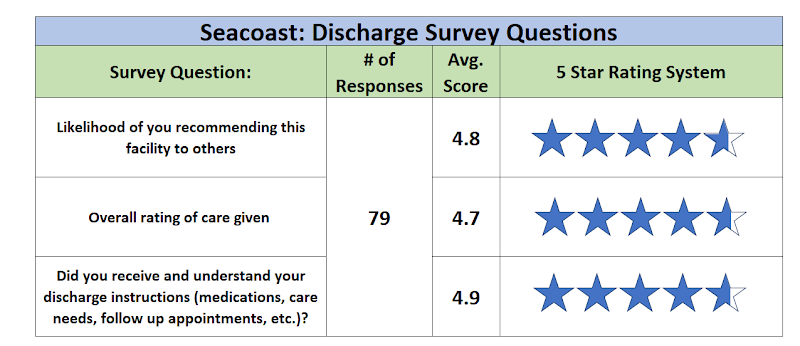
How Does Seacoast Compare to Other Massachusetts Nursing Homes?

Compared to the 100 nursing homes in Massachusetts, SEACOAST NURSING AND REHABILITATION CENTER's overall rating (3 stars) is above the state average of 2.9, staff turnover (44%) is near the state average of 46%, and health inspection rating (3 stars) is at the national benchmark.

What Should Families Ask When Visiting Seacoast?

Based on this facility's data, families visiting should ask: "Can I visit during a mealtime to observe dining assistance and food quality?" "How do you handle medical emergencies, and what is your hospital transfer rate?" "Can I speak with family members of current residents about their experience?"

Is Seacoast Safe?

Based on CMS inspection data, SEACOAST NURSING AND REHABILITATION CENTER has a clean safety record: no substantiated abuse findings (meaning no confirmed cases of resident harm), no Immediate Jeopardy citations (the most serious violation level indicating risk of serious injury or death), and is not on the Special Focus Facility watch list (a federal program monitoring the lowest-performing 1% of nursing homes). The facility has a 3-star overall rating and ranks #1 of 100 nursing homes in Massachusetts. While no facility is perfect, families should still ask about staff-to-resident ratios and recent inspection results during their visit.

Do Nurses at Seacoast Stick Around?

SEACOAST NURSING AND REHABILITATION CENTER has a staff turnover rate of 44%, which is about average for Massachusetts nursing homes (state average: 46%). Moderate turnover is common in nursing homes, but families should still ask about staff tenure and how the facility maintains care continuity when employees leave.

Was Seacoast Ever Fined?

SEACOAST NURSING AND REHABILITATION CENTER has been fined $53,550 across 1 penalty action. This is above the Massachusetts average of $33,614. Fines in this range indicate compliance issues significant enough for CMS to impose meaningful financial consequences. Common causes include delayed correction of deficiencies, repeat violations, or care failures affecting resident safety. Families should ask facility leadership what changes have been made since these penalties.

Is Seacoast on Any Federal Watch List?

SEACOAST NURSING AND REHABILITATION CENTER is not on any federal watch list. The most significant is the Special Focus Facility (SFF) program, which identifies the bottom 1% of nursing homes nationally based on persistent, serious quality problems. Not being on this list means the facility has avoided the pattern of deficiencies that triggers enhanced federal oversight. This is a positive indicator, though families should still review the facility's inspection history directly.