REGALCARE AT GREENFIELD

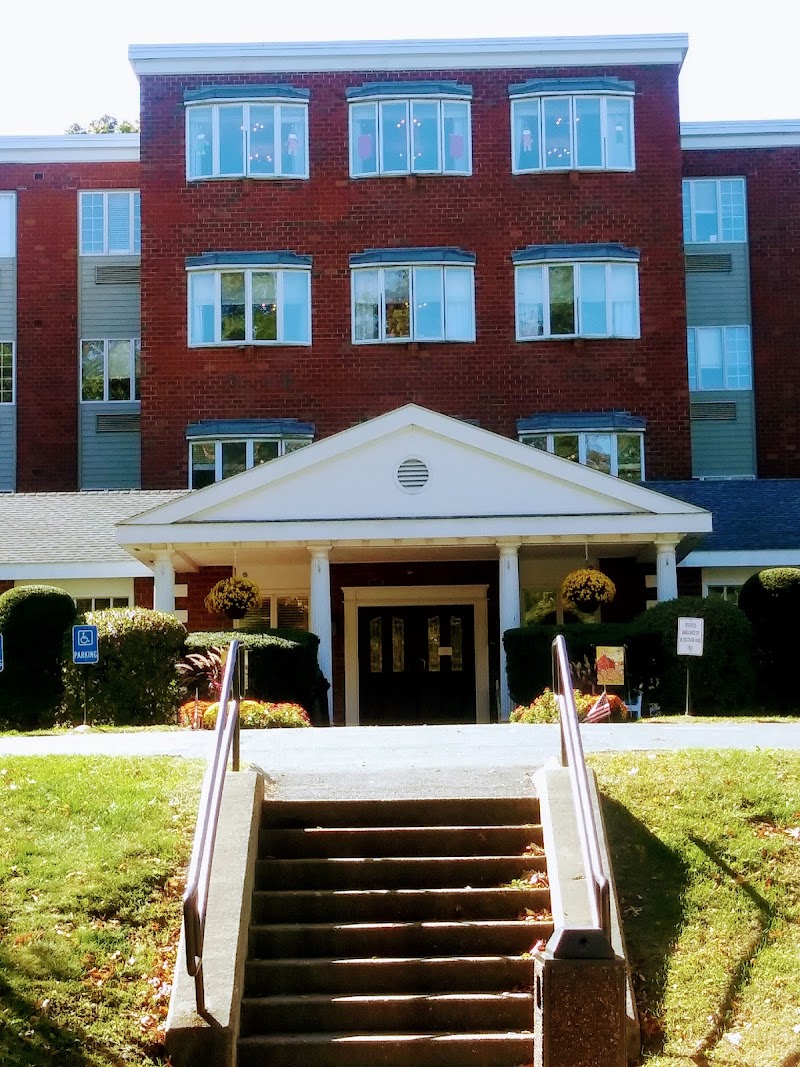
95 LAUREL STREET, GREENFIELD, MA 01301 (413) 774-3143
For profit - Limited Liability company 120 Beds REGALCARE Data: November 2025
Trust Grade
65/100
#172 of 338 in MA
Last Inspection: January 2025

Within standard 12-15 month inspection cycle. Federal law requires annual inspections.

Overview

RegalCare at Greenfield holds a Trust Grade of C+, indicating it is slightly above average but not outstanding. It ranks #172 out of 338 nursing homes in Massachusetts, placing it in the bottom half of the state, though it is the top facility among three in Franklin County. The facility's trend is worsening, with issues increasing from 2 in 2024 to 4 in 2025. Staffing is a significant concern, receiving only a 1-star rating, and has a turnover rate of 42%, which is around the state average. On a positive note, there have been no fines recorded, and the health inspection score is 4/5 stars, indicating good overall conditions. However, specific incidents of concern include a lack of fire prevention equipment in the smoking area and failure to replenish critical emergency medication kits, both of which could pose risks to residents. Additionally, there were issues with adherence to infection control practices during a COVID-19 outbreak, raising concerns about the facility's ability to manage health crises effectively.

Trust Score
C+
65/100
In Massachusetts
#172/338
Top 50%
Safety Record
Low Risk
No red flags
Inspections
Getting Worse
2 → 4 violations
Staff Stability
○ Average
42% turnover. Near Massachusetts's 48% average. Typical for the industry.
Penalties
✓ Good
No fines on record. Clean compliance history, better than most Massachusetts facilities.
Skilled Nurses
⚠ Watch
Each resident gets only 13 minutes of Registered Nurse (RN) attention daily — below average for Massachusetts. Fewer RN minutes means fewer trained eyes watching for problems.
Violations
⚠ Watch
18 deficiencies on record. Higher than average. Multiple issues found across inspections.
★★★☆☆
3.0
Overall Rating
★☆☆☆☆
1.0
Staff Levels
★★★★☆
4.0
Care Quality
★★★★☆
4.0
Inspection Score
Stable
2024: 2 issues
2025: 4 issues

The Good

  • 4-Star Quality Measures · Strong clinical quality outcomes
  • Full Sprinkler Coverage · Fire safety systems throughout facility
  • No fines on record
  • Staff turnover below average (42%)

    6 points below Massachusetts average of 48%

Facility shows strength in quality measures, fire safety.

The Bad

3-Star Overall Rating

Near Massachusetts average (2.9)

Meets federal standards, typical of most facilities

Staff Turnover: 42%

Near Massachusetts avg (46%)

Typical for the industry

Chain: REGALCARE

Part of a multi-facility chain

Ask about local staffing decisions and management

The Ugly 18 deficiencies on record

Jan 2025 4 deficiencies
CONCERN (D)

Potential for Harm - no one hurt, but risky conditions existed

ADL Care (Tag F0677)

Could have caused harm · This affected 1 resident

**NOTE- TERMS IN BRACKETS HAVE BEEN EDITED TO PROTECT CONFIDENTIALITY** Based on observation, interview, and record review, the facility failed to provide assistance with activities of daily living (A...

Read full inspector narrative →
**NOTE- TERMS IN BRACKETS HAVE BEEN EDITED TO PROTECT CONFIDENTIALITY** Based on observation, interview, and record review, the facility failed to provide assistance with activities of daily living (ADLs) care for four Residents (#41, #84, #9, and #19) out of a total sample of 19 residents, who required staff assistance for personal hygiene and grooming. Specifically, 1. For Residents #41 and #84, the facility failed to ensure the Residents were provided with assistance for nail care. 2. For Residents #9 and #19, the facility failed to ensure the Residents were provided assistance with grooming of unwanted facial hair. Findings include: Review of the facility policy titled Activities of Daily Living, revised 3/22, indicated the following: -Residents will be provided with care, treatment, and services as appropriate to maintain or improve as able, their ability carry out activities of daily living (ADLs). -Residents who are unable to carry out activities of daily living independently will receive the services necessary for activities of daily living. -Appropriate care and services will be provided for residents who are unable to carry out ADLs independently, with the consent of the resident and in accordance with the plan of care including appropriate support and assistance with: >Hygiene (bathing, dressing, grooming, and oral care) . Review of the facility policy titled Dignity, revised 4/22, indicated the following: -Each resident shall be cared for in a manner that promotes and enhances his or her sense of well-being, level of satisfaction with life, and feelings of self-worth and self-esteem. -When assisting with care, residents are supported in exercising their rights. For example, residents are: >Groomed as they wish to be groomed (hair styles, nails, facial hair, etc.) . 1a. Resident #41 was admitted to the facility in October 2024 with diagnoses including Acute Osteomyelitis of the right lower limb. Review of Resident #41's most recent comprehensive Minimum Data Set (MDS) Assessment, dated 10/27/24, indicated the Resident: -required supervision or touching assistance for personal care which included nail care, -he/she had clear speech, usually understood and usually understands, -scored a 12 out of 15 on the Brief Interview of Mental Status (BIMS) exam indicating he/she was moderately cognitively impaired. Review of Resident #41's Kardex (sheet utilized by Certified Nurses Aide [CNAs] that indicates a resident's level of care) indicated Resident #41 needed limited assistance (the Resident was highly involved in his/her daily care but required physical help at times). Review of Resident #41's Care Plan titled Resident has ADL Self-Care Deficit, initiated 10/22/24, indicated a goal of: -Resident will receive assistance as needed in ADL activities. Review of Resident #41's January 2025 CNA ADL Documentation from 1/1/25 through 1/27/25 indicated: -for 25 of 27 days, Resident #41 needed some form of staff assistance for ADL care. On 1/23/25 at 8:36 A.M., the surveyor observed Resident #41's fingernails to be long and had dark brown debris visible under his/her fingernails. During an interview at the time, Resident #41 said he/she would like to have his/her fingernails trimmed and cleaned. On 1/27/25 at 9:59 A.M., the surveyor observed Resident #41's fingernails to have jagged edges and remained with dark brown debris under the fingernails. During an interview at the time, the Resident said no staff had offered him/her fingernail care since he/she was admitted to the facility. During an interview on 1/27/25 at 10:14 A.M., Activities Assistant (AA) #1 said a hand care activity was provided regularly and this included soaking the fingers and nails, cleaning the fingernails, applying lotion to the hand, and nail polish if wanted. AA #1 said no staff had expressed that Resident #41 would benefit from the hand care activity, so he/she was not on the list for the hand care activity. During an observation and interview on 1/27/25 at 10:18 A.M., with the Infection Preventionist (IP), who was working as a CNA, the IP said CNAs should be checking the Resident's fingernails daily during ADL care and should clean the fingernails as needed. The IP further said if the Resident was not diabetic, the CNAs could clip the Resident's fingernails and if the Resident was diabetic, the Resident's Nurse could clip the fingernails. The surveyor and the IP observed Resident #41's fingernails and the IP said Resident #41's fingernails appeared dirty with dark debris under the fingernails, some fingernails were jagged, and fingernail care should have been provided to the Resident. 1b. Resident #84 was admitted to the facility in December 2024 with diagnoses including breast cancer. Review of Resident #84's most recent comprehensive MDS Assessment, dated 12/18/24, indicated the Resident: -required partial to moderate assistance for personal care which included nail care. -had clear speech, was able to be understood, and understands. -scored a 14 out of 15 on the BIMS exam indicating he/she was cognitively intact. Review of Resident #84's Kardex indicated Resident #84 was an assist of one staff member for personal care. Review of Resident #84's Care Plan titled Resident has ADL Self-Care Deficit, initiated 12/16/24, indicated the Resident was an assist of one staff member for personal care. Review of Resident #84's January 2025 CNA ADL Documentation from 1/1/25 through 1/27/25 indicated: -for 23 of 27 days, Resident #84 needed some sort of staff assistance for ADL care. During an observation and interview on 1/23/25 at 9:50 A.M., the surveyor observed Resident #84's fingernails to be very long extending well past the fingertips. Resident #84 said due to edema in his/her arm he/she was unable to maintain his/her fingernails and they needed to be clipped. During the observation, the IP entered the room and Resident #84 said to the IP that he/she needed his/her fingernails clipped. The IP said she would let the Resident's Nurse know. On 1/23/25 at 3:07 P.M., the surveyor observed Resident #84's fingernails remained unclipped and long. The surveyor relayed to three CNA's who were sitting at the charting area, that Resident #84 would like his/her fingernails trimmed. During an observation and interview on 1/27/25 at 2:07 P.M., the surveyor observed Resident #84's fingernails to be long extending past the fingertips and some nails were jagged. Resident #84 said he/she tried to clip his/her fingernails but due to the edema in his/her hand he/she was not able to clip his/her fingernails and they were now jagged in some areas. During an observation and interview on 1/27/25 at 4:07 P.M., the surveyor and CNA #2 observed Resident #84's fingernails. CNA #2 said Resident #84's fingernails were long and jagged and should have been clipped. CNA #2 further said CNA's should provide daily fingernail care including soaking the fingernails if needed, cleaning the fingernails, and if the Resident was not diabetic, they could be clipped or if the Resident was diabetic the CNA should let the Nurse know the Resident's fingernails needed to be clipped. CNA #2 was observed notifying the Nurse following the observation that Resident #84 needed his/her fingernails clipped. During an interview on 1/28/25 at 10:58 A.M., the Director of Nursing (DON) said hand care including caring for a Resident's fingernails should be done weekly but if the Resident's fingernails were observed to be dirty or jagged the fingernails should be cleaned and clipped that day. 2b. Resident #19 was admitted to the facility in July 2024 with diagnoses including Acute and Chronic Respiratory Failure with Hypoxia. Review of Resident #19's MDS assessment dated [DATE], indicated the Resident: -was cognitively intact as evidenced by a BIMS score of 13 out of a possible score of 15. -required partial or moderate assistance with personal hygiene activities. Review of Resident #19's ADL Flow Sheet indicated the Resident: -was last showered on 1/22/25. -typically required partial or moderate assistance with personal hygiene. During an observation and interview on 1/23/25 at 9:10 A.M., the surveyor observed Resident #19 had visible facial hair on his/her face. Resident #19 said he/she preferred to have facial hair removed but staff do not always offer to help him/her shave. On 1/24/25 at 10:24 A.M., the surveyor observed Resident #19 lying in bed with visible facial hair on his/her face. During an observation and interview on 1/24/25 at 2:55 P.M., the surveyor observed Resident #19 remained with facial hair. Resident #19 said that he/she would like to be shaved but no-one had offered. During an interview on 1/24/25 at 3:08 P.M., CNA #1 said that they do not typically remove facial hair for residents on the evening (3:00 P.M. through 11:00 P.M.) shift. CNA #1 further said that if a resident had expressed a desire to have facial hair removed on the day (7:00 A.M. through 3:00 P.M.) shift but the staff were unable to assist that resident with facial hair removal that day shift, staff would relay this to the evening shift and they would assist with shaving at that time. CNA #1 said she did not recall the day shift staff ever informing her that Resident #19 desired to be shaved or that day shift staff could not complete this task. During an interview on 1/24/25 at 3:08 P.M., Unit Manager (UM) #1 said that the standard procedure was that resident's facial hair was removed on their shower day and then more frequently based on observation of hair growth between shower days. UM #1 observed Resident #19 and said she could tell he/she needed to have his/her facial hair removed. During an interview on 1/28/25 at 10:53 A.M., the DON said the expectation was that the CNAs should observe residents for facial hair and ask if the resident desires to have their facial hair removed every day if facial hair was present. If a resident refused to have their facial hair removed it would be documented in the CNA charting. 2a. Resident #9 was admitted to the facility in September 2023 with diagnoses including Dementia and Major Depressive Disorder. Review of Resident #9's ADL Care Plan, initiated 10/4/23 and revised 10/6/23, indicated the following: -The Resident requires assist with bathing. -The Resident is dependent for personal hygiene. Review of Resident #9's MDS Assessment, dated 12/25/24, indicated the Resident: -was severely cognitively impaired as evidenced by a BIMS score of six out of 15 total possible points. -required substantial/maximal assist for showering and bathing. -required substantial/maximal assistance for personal hygiene (grooming). -did not exhibit any refusals of care during the observation period for the assessment. Review of Resident #9's January 2025 CNA Documentation Survey Report for Personal Hygiene from 1/1/25 through 1/28/25 indicated: -The Resident required varied levels of assistance from partial/moderate assistance to dependent assistance from staff for personal hygiene, including grooming. -The Resident did not exhibit any refusals of care relative to personal hygiene. On 1/24/25 at 10:23 A.M., the surveyor observed Resident #9 sitting in a wheelchair, dressed for the day and had facial hair underneath his/her chin. On 1/28/25 at 8:57 A.M., Resident #9 was observed in the dining room, sitting in a wheelchair and was dressed for the day. The Resident was observed with facial hair remaining under his/her chin. During an interview on 1/28/25 at 9:40 A.M., CNA #4 said Resident #9 required substantial/maximum assistance from staff with personal care. CNA #4 said Resident #9 was cooperative with care and had never refused care and was currently dressed for the day. During an interview on 1/28/25 at 9:48 A.M., CNA #3 said she did not remove the Resident's facial hair because some residents did not want the facial hair removed. CNA #3 said Resident #9 could ask staff to have his/her facial hair removed if needed. CNA #3 said usually the residents, or their family members would ask staff to remove facial hair then the staff would do it. When the surveyor asked Resident #9 if he/she had any concerns about the facial hair underneath his/her chin, the Resident said that he/she would like to have the facial hair under his/her chin removed. On 1/28/25 at 9:54 A.M., the surveyor observed CNA #3 and CNA #4 assist the Resident #9 to his/her room. On 1/28/25 at 10:08 A.M., the surveyor observed Resident #9 seated in a wheelchair near the nurses station and no longer had facial hair underneath his/her chin.
CONCERN (D)

Potential for Harm - no one hurt, but risky conditions existed

Deficiency F0761 (Tag F0761)

Could have caused harm · This affected 1 resident

Based on observation, and interview, the facility failed to ensure medications were stored according to professional standards of practice for one unit (4th floor) out of three units. Specifically, f...

Read full inspector narrative →
Based on observation, and interview, the facility failed to ensure medications were stored according to professional standards of practice for one unit (4th floor) out of three units. Specifically, for the 4th floor unit, the facility failed to: -store medications in pharmacy approved and pharmacy labeled containers. -accurately label medications for precautions and safe administration. Findings include: Review of the facility policy titled Medication Storage, revised March 2022, indicated the following: -Drugs and biologicals shall be stored in the packaging, containers or other dispensing systems in which they are received. -Only the issuing pharmacy is authorized to transfer medications between containers. On 1/23/25 at 1:35 P.M., the surveyor observed the following during a medication cart observation on the 4th floor unit: -multiple sandwich bags that contained medications, and a piece of paper indicating the medication names. -the sandwich bags were rubber-banded together in the bottom drawer of the medication cart with a resident's name attached to the rubber-band. -no evidence of pharmacy packaging or pharmacy labels. During an interview on 1/23/25 at 1:42 P.M., Nurse #1 said that the medications should not be stored in this manner. Nurse #1 further said the medications should either have been sent home with the resident's family or destroyed upon receipt. During an interview on 1/28/25 at 10:53 A.M., the surveyor reviewed the observation of medications stored in sandwich bags with the Director of Nursing (DON). The DON said the expectation if medications were received in this type of storage, they should be destroyed immediately. The DON further said that medications stored in this manner could not be accurately identified and staff could not verify the medications were prescribed for that resident.
CONCERN (D)

Potential for Harm - no one hurt, but risky conditions existed

Infection Control (Tag F0880)

Could have caused harm · This affected 1 resident

**NOTE- TERMS IN BRACKETS HAVE BEEN EDITED TO PROTECT CONFIDENTIALITY** Based on observation, interview, and record review, the facility failed to adhere to infection control standards to prevent the ...

Read full inspector narrative →
**NOTE- TERMS IN BRACKETS HAVE BEEN EDITED TO PROTECT CONFIDENTIALITY** Based on observation, interview, and record review, the facility failed to adhere to infection control standards to prevent the transmission of communicable diseases and infections for one Resident (#19) out of a total sample of 19 Residents. Specifically, for Resident #19, the facility failed to ensure that the Resident's indwelling urinary catheter bag and catheter tubing were maintained off the floor to stop the risk of contamination and spread of infections. Findings include: Review of the AHRQ (Agency for Healthcare Research and Quality) Safety Program for Long-Term Care: HAIs/CAUTI (Healthcare Associated Infections/Catheter Associated Urinary Tract Infections) power point titled Catheter Care and Maintenance (https://www.ahrq.gov), dated March 2017, indicated the following: -The catheter itself can act as a key highway or interstate for microbes [bacterial organisms that can cause infection] to get into that resident. >Probably the most common way microbes get in once an indwelling urinary catheter is in place, is by the outside surface of the catheter. >Bacteria and other pathogens are able to use the outer surface of the catheter to work their way up the urethra, and into the bladder. Review of the facility policy titled Indwelling Catheter Care, revised April 2022, indicated the following: - .always keep the drainage bag below the level of the resident's bladder and off the floor. Resident #19 was admitted to the facility in July 2024 with diagnoses including Obstructive and Reflex Uropathy. Review of Resident #19's Minimum Data Set (MDS) assessment dated [DATE] indicated the Resident: -was cognitively intact as evidenced by a Brief Interview for Mental Status (BIMS) score of 13 out of a possible score of 15. -had an indwelling urinary catheter. On 1/24/25 at 10:24 A.M., the surveyor observed Resident #19 lying in bed with the urinary catheter bag secured to the bed frame in a manner where the urinary catheter bag and catheter tubing were laying on the floor. On 1/24/25 at 2:55 P.M., the surveyor observed Resident #19 lying in bed and the urinary catheter bag was secured to the bed with the urinary catheter bag and catheter tubing laying on the floor. During an interview on 1/24/25 at 2:56 P.M., the surveyor and Nurse #2 observed Resident #19's urinary catheter bag. Nurse #2 said that the urinary catheter bag should not be positioned on the floor. Nurse #2 performed hand hygiene, donned a gown and gloves and removed and repositioned the urinary catheter bag off the Resident's bedroom floor. During an interview on 1/28/25 at 10:53 A.M., the Director of Nursing (DON) said the expectation for urinary catheter bag and catheter tubing positioning was that the equipment should be positioned off the floor as the floor was dirty and this was an infection control concern relative to the potential for contamination.
MINOR (C)

Minor Issue - procedural, no safety impact

Deficiency F0847 (Tag F0847)

Minor procedural issue · This affected most or all residents

Based on record review, and interview, the facility failed to ensure that the facility's Arbitration Agreement contained specific language as required pertaining to communication with federal, state, ...

Read full inspector narrative →
Based on record review, and interview, the facility failed to ensure that the facility's Arbitration Agreement contained specific language as required pertaining to communication with federal, state, or local officials, for three Resident's (#13, #81, #237) out of a total sample of three residents. Specifically, the facility failed to ensure that the Arbitration Agreements signed by Resident's #13, #81, #237 and/or their Representative's, explicitly stated that the Resident or anyone else (e.g., Resident's Representative) maintained the right to communicate with federal, state, or local officials such as federal and state surveyors, other federal or state health department employees and Representative(s) of the Office of the State Long Term Care Ombudsman. Findings include: Review of the facility's admission Packet, Exhibit C, Arbitration Agreement, undated, did not indicate the resident or anyone else (e.g., resident's representative) maintained the right to communicate with federal, state, or local officials such as federal and state surveyors, other federal or state health department employees and representative of the Office of the State Long Term Care Ombudsman. Review of signed arbitration agreements for Residents #13, #81, and #237 indicated the following: -Resident #13's Resident Representative signed the Arbitration Agreement on 4/10/24 -Resident #81's Resident Representative signed the Arbitration Agreement on 10//31/24 -Resident #237 signed the Arbitration Agreement on 3/18/21. Further review of the Arbitration Agreements indicated the signed Arbitration Agreements were missing information stating the Resident and/or Resident Representative maintained the right to communicate with federal, state, or local officials such as federal and state surveyors, other federal or state health department employees and Representative(s) of the Office of the State Long Term Care Ombudsman. During an interview on 1/23/25 at 3:26 P.M., the Administrator reviewed the signed Arbitration Agreements and said that the signed Arbitration Agreements did not indicate the Resident and/or the Resident Representative's maintained the right to communicate with federal, state, or local officials such as federal and state surveyors, other federal or state health department employees and Representative of the Office of the State Long Term Care Ombudsman. During an interview on 1/27/25 at 2:47 P.M., the Administrator said the facility's Arbitration Agreement did not contain all the necessary components and he needed to update the Arbitration Agreement to include that the resident or anyone else (e.g., resident's representative) maintained the right to communicate with federal, state, or local officials such as federal and state surveyors, other federal or state health department employees and Representative of the Office of the State Long Term Care Ombudsman.
Dec 2024 2 deficiencies
CONCERN (D) 📢 Someone Reported This

A family member, employee, or ombudsman was alarmed enough to file a formal complaint

Potential for Harm - no one hurt, but risky conditions existed

Deficiency F0760 (Tag F0760)

Could have caused harm · This affected 1 resident

Based on records reviewed and interviews, for one of three sampled residents (Resident #3), whose Physician's Orders included the administration of two different narcotic medications for pain, one was...

Read full inspector narrative →
Based on records reviewed and interviews, for one of three sampled residents (Resident #3), whose Physician's Orders included the administration of two different narcotic medications for pain, one was scheduled to be administered two times a day, the other medication could be administered every four hours as needed (PRN), the Facility failed to ensure the resident was free from significant medication errors, when on two separate occasions instead of being administered the PRN narcotic medication, Nurse #4 administered him/her the scheduled narcotic medication, placing Resident #1 at increased risk for adverse effects of a narcotic medication. Findings include: Review of the Facility's policy titled Oral Medication Administration, dated 04/2022, indicated the purpose of this procedure is to provide guidelines for the safe administration of oral medications. Steps in the procedure: -Place the Medication Administration Record (MAR) within easy viewing distance. -Select the medication from the unit dose drawer (medication cart). -Check the label on the medication and confirm the medication's name and dose with the MAR. -Check the medication dose. Re-check to confirm the proper dose. -For narcotics, check the narcotic record for the previous drug count and compare with the supply on hand. -Confirm the identity of the resident. -Allow the resident to swallow oral tablets or capsules at his/her comfortable pace. -Document medication administered on the MAR. Resident #3 was admitted to the Facility in April 2024, diagnosis include right hip osteoarthritis. Review of Resident #3's Medication Administration Record (MAR) for the month of July 2024 indicated his/her physician's orders for narcotic medications was as follows: -Oxycontin (opioid, narcotic)10 milligram (mg) extended-release (slowly released in the body over a period of time, usually 12 to 24 hours) tablet, give 10 mg by mouth two times a day for pain at 0800 (8:00 A.M.) and 1600 (4:00 P.M.). -Oxycodone (opioid, narcotic) 5 mg tablet, give 5 mg by mouth every four hours, as needed, for pain. -Oxycodone 5 mg tablet, give 10 mg [two tablets] by mouth every four hours, as needed, for pain. Review of Resident #3's Medication Variance Report, dated 07/05/24 and signed by Nurse #4, indicated that Resident #3 requested pain medication for pain level 8 out of 10 and that Resident #3 always asked for Oxycodone 10 mg [two 5 mg tablets] and this writer (Nurse #4) unintentionally administered the Oxycontin [two 10 mg tablets, total of 20 mg] instead of the Oxycodone to Resident #3. The Report indicated Resident #3 slept better and was easily aroused when it was time to wake up. Review of the Facility's Controlled Substance Log (book used by nursing to keep an accurate count of all narcotics and to record administration of narcotics) for Resident #3's Oxycontin, indicated that two Oxycontin 10 mg tablets were removed from the count on 07/05/24 at 2:30 A.M., by Nurse #4. Review of Resident #3's Medication Variance Report, dated 07/21/24 and signed by Nurse #4, indicated that the writer (Nurse #4) believed that at 2:00 A.M. after checking twice that she was giving him/her two tablets of the Oxycodone 5 mg, instead accidentally gave Resident #3 two [10 mg] tablets of Oxycontin [total of 20 mg], the error was discovered at change of shift during the narcotic count. The Report indicated Resident #3 stated he/she felt fine. Review of the Facility's Controlled Substance Log for Resident #3's Oxycontin, indicated that two Oxycontin 10 mg tablets for Resident #3 were removed from the count on 07/21/24 at 6:00 A.M., by Nurse #4. During a telephone interview on 12/05/24 at 10:46 A.M., Nurse #4 said she worked the night shift (11:00 P.M.- 7:00 A.M.) at the time of Resident #3's medication incidents [07/05/24 and 07/21/24]. Nurse #4 said that Resident #3's narcotic medications were in blister pack cards next to each other in the narcotic box. Nurse #4 said she thought she had pulled the correct card of medication, but on both occasions she pulled Resident #3's Oxycontin instead of his/her Oxycodone. Nurse #4 said she gave him/her two Oxycontin 10 mg tablets [total 20mg] instead of two Oxycodone 5 mg tablets [total 10mg] both times. Nurse #4 said the medications were the same color which may have contributed to the errors. During an interview on 12/04/24 at 3:35 P.M., the Director of Nurses (DON) said she had been notified of both Resident #3's medication errors. The DON said she expected the nurses to administer the medications as ordered by the physician.
CONCERN (D) 📢 Someone Reported This

A family member, employee, or ombudsman was alarmed enough to file a formal complaint

Potential for Harm - no one hurt, but risky conditions existed

Medical Records (Tag F0842)

Could have caused harm · This affected 1 resident

Based on records reviewed and interviews, for one of three sampled residents (Resident #3), whose Physician's orders included the administration of two different narcotic pain medications, one that wa...

Read full inspector narrative →
Based on records reviewed and interviews, for one of three sampled residents (Resident #3), whose Physician's orders included the administration of two different narcotic pain medications, one that was scheduled, the other was a PRN (as needed only), the Facility failed to ensure nursing maintained an accurate medical record when although Nursing documentation indicated Resident #3 was administered his/her PRN (as needed) pain medication, on two different occasions, he/she was actually administered his/her scheduled narcotic pain medication in error. Findings include: Review of the Facility's policy titled Charting and Documentation, dated 04/2022, indicated that medications administered shall be documented in the resident's medical record. Resident #3 was admitted to the Facility in April 2024, diagnosis include right hip osteoarthritis. Review of Resident #3's Medication Administration Record (MAR) for the month of July 2024 indicated the following: -Oxycontin (opioid, narcotic)10 milligram (mg) extended-release tablet, give 10 mg by mouth two times a day for pain at 0800 (8:00 A.M.) and 1600 (4:00 P.M.). -Oxycodone (opioid, narcotic) 5 mg tablet, give 5 mg by mouth every four hours, as needed, for pain. -Oxycodone 5 mg tablet, give 10 mg [two tablets] by mouth every four hours, as needed, for pain. Further review of the MAR indicated that on 07/05/24, Nurse #4 signed off that she administered the PRN narcotic, Oxycodone 5 mg by mouth as needed for pain, and on 07/21/24 Nurse #4 signed off that she administered the PRN narcotic Oxycodone 10 mg by mouth as needed for pain, despite having dispensed and administered his/her Oxycontin 10 mg two tablets (which was not a PRN medication), in error, on both occasions. Review of Resident #3's Medication Variance Report, dated 07/05/24 and signed by Nurse #4, indicated that Resident #3 requested pain medication for pain level 8 out of 10 and this writer (Nurse #4) unintentionally administered the Oxycontin instead of the Oxycodone to Resident #3. Review of the Facility's Controlled Substance Log (book used by nursing to keep an accurate count of all narcotics and to record administration of narcotics) for Resident #3 indicated that two Oxycontin 10 mg tablets for Resident #3 were removed from the count on 07/05/24 at 2:30 A.M., by Nurse #4. Review of Resident #3's Medication Variance Report, dated 07/21/24 and signed by Nurse #4, indicated that the writer (Nurse #4) accidentally gave Resident #3 two tablets of Oxycontin [instead of Oxycodone], the error was discovered at change of shift during the narcotic count. Review of the Facility's Controlled Substance Log for Resident #3 indicated that two Oxycontin 10 mg tablets for Resident #3 were removed from the count on 07/21/24 at 6:00 A.M., by Nurse #4. During a telephone interview on 12/05/24 at 10:46 A.M., Nurse #4 said she worked the night shift (11:00 P.M.- 7:00 A.M.) at the time of Resident #3's medication incidents (7/05/24 and 7/21/24). Nurse #4 said that Resident #3's narcotic medications were in blister pack cards next to each other in the narcotic box. Nurse #4 said she thought she had pulled the correct card, but on both occasions she pulled Resident #3's Oxycontin instead of his/her Oxycodone. Nurse #4 said the medications were the same color which may have contributed to the errors. During an interview on 12/04/24 at 3:35 P.M., the Director of Nurses (DON) said she had been notified of both Resident #3's medication errors. The DON said she expected the nurses to administer the medications as ordered by the physician and document medication administration accurately.
Nov 2023 6 deficiencies
CONCERN (D)

Potential for Harm - no one hurt, but risky conditions existed

Deficiency F0582 (Tag F0582)

Could have caused harm · This affected 1 resident

Based on record review and interview, the facility failed to ensure a Notice of Medicare Non-Coverage form (NOMNC - form given by the facility to all Medicare beneficiaries at least two days before th...

Read full inspector narrative →
Based on record review and interview, the facility failed to ensure a Notice of Medicare Non-Coverage form (NOMNC - form given by the facility to all Medicare beneficiaries at least two days before the end of a Medicare covered Part A stay) was issued to one Resident (#191) out of three applicable sampled residents. Findings include: Resident #191 was admitted to the facility in July 2023 under his/her Medicare Part A benefit. Review of the Skilled Nursing Facility (SNF) Beneficiary Protection Notification Review form completed by the facility indicated that Resident #191 ended his/her Medicare Part A benefit on 8/9/23. Further review of the form indicated no attached NOMNC form. During an interview on 11/20/23 at 9:37 A.M., the Social Work Consultant said she was unable to confirm if the Resident had been issued a NOMNC form as required, as there was not a copy available in the Resident's medical record or in the binder that was kept by the Social Services Department. She further said the Resident should have been issued a NOMNC form and a copy should have been placed in the medical record.
CONCERN (D)

Potential for Harm - no one hurt, but risky conditions existed

Assessment Accuracy (Tag F0641)

Could have caused harm · This affected 1 resident

**NOTE- TERMS IN BRACKETS HAVE BEEN EDITED TO PROTECT CONFIDENTIALITY** 2. Resident #59 was admitted to the facility in August 2022 with diagnoses including Alzheimer's Disease. Review of the November...

Read full inspector narrative →
**NOTE- TERMS IN BRACKETS HAVE BEEN EDITED TO PROTECT CONFIDENTIALITY** 2. Resident #59 was admitted to the facility in August 2022 with diagnoses including Alzheimer's Disease. Review of the November 2023 Physician's orders indicated the following: -Signed on to Hospice on 3/17/23 for Alzheimer's Disease. Review of the Resident's MDS Assessments dated 6/17/23, and 9/17/23, did not indicate that the Resident utilized Hospice services. During an interview on 11/21/23 at 11:03 A.M., the MDS Nurse said the Resident utilized Hospice services, and that the MDS Assessments dated 6/17/23, and 9/17/23, were not coded correctly and needed to be modified. Based on interviews and records review, the facility failed to accurately code the Minimum Data Set (MDS) Assessment for three Residents (#23, #59, and #88) out of a total sample of 18 residents. Specifically, the facility failed to code: 1. For Resident #23, that the Resident utilized a position change alarm (a Velcro seatbelt with an alarm that sounded if the Resident attempted to stand from his/her wheelchair). 2. For Resident #59, that the Resident was receiving Hospice services. 3. For Resident #88, accurately identify the Resident's discharge status. Findings include: 1. Resident #23 was admitted to the facility in September 2017 with diagnoses including Parkinson's Disease and Dementia. Review of the November 2023 Physician's orders indicated the following: -Velcro alarmed seatbelt to wheelchair for reminder to call for assistance every shift. -Special Instructions: Check placement and functioning every shift for safety, initiated 8/28/22. -Resident to remove Velcro alarmed seatbelt on command weekly on Monday day shift, initiated 8/29/22. Review of the Resident's MDS assessment dated [DATE], did not indicate that the Resident utilized any alarming devices. Review of a Nursing Progress Note dated 9/21/23, indicated: seatbelt on as ordered for safety, Resident tolerating it well. The surveyor observed the Resident utilizing the Velcro alarmed seat belt on the following dates and times: -11/16/23 at 9:33 A.M. -11/17/23 at 8:13 A.M. -11/17/23 at 4:45 P.M. -11/21/23 at 9:00 A.M. During an interview on 11/21/23 at 11:40 A.M., the MDS Nurse said the Resident utilized an alarmed seatbelt, and that the MDS assessment dated [DATE], was not coded correctly and needed to be modified. 3. Resident #88 was admitted to the facility in August 2023. Review of the Resident's Transfer/Discharge Evaluation dated 10/6/23, indicated the Resident was discharged from the facility to the community. Review of the discharge MDS assessment dated [DATE], indicated the Resident was discharged to the hospital. During an interview on 11/20/23 at 5:10 P.M., the MDS Nurse said the 10/6/23, MDS Assessment was coded inaccurately and needed to be modified to show that the Resident was discharged to the community not the hospital.
CONCERN (D)

Potential for Harm - no one hurt, but risky conditions existed

Deficiency F0761 (Tag F0761)

Could have caused harm · This affected 1 resident

Based on observation, interview, policy and manufacturer's guidelines review, the facility failed to label and date an opened multi-dose vial of Tubersol Purified Protein Derivative (PPD- a skin test ...

Read full inspector narrative →
Based on observation, interview, policy and manufacturer's guidelines review, the facility failed to label and date an opened multi-dose vial of Tubersol Purified Protein Derivative (PPD- a skin test where solution is injected under the skin and is used to diagnose Tuberculosis infection) stored in one (Unit Two) out of three Medication Storage rooms. Findings include: 1 Review of the facility policy titled, Medication Storage in the Facility, dated November 2021, indicated the following: -When the original seal of a manufacturer's container or vial is initially broken, the container or vial will be dated, if applicable for medications requiring a shortened expiration date. -The Nurse shall place a date opened sticker on the medication and enter the date opened, and the new date of expiration. Review of the manufacturer Sanofi Pasteur, Tuberculin - Purified Protein Derivative package insert indicated the following: -A vial of Tubersol PPD solution which has been entered (used) and in use for 30 days should be discarded. On 11/17/23 at 12:47 P.M., while inspecting the medication storage room on Unit Two with Nurse #2, the surveyor observed an open vial of Tubersol PPD, that was undated. during an interview at the time, Nurse #2 said she did not know when the vial had been opened, and that it should have been dated when it was opened. Nurse #2 further said the Tubersol PPD should be discarded. During an interview on 11/21/23 at 12:24 P.M., the Director of Nurses (DON) said the Tubersol PPD should have been dated when opened.
CONCERN (D)

Potential for Harm - no one hurt, but risky conditions existed

Medical Records (Tag F0842)

Could have caused harm · This affected 1 resident

**NOTE- TERMS IN BRACKETS HAVE BEEN EDITED TO PROTECT CONFIDENTIALITY** Based on record review and interview, the facility failed to ensure that a complete medical record was maintained for one Reside...

Read full inspector narrative →
**NOTE- TERMS IN BRACKETS HAVE BEEN EDITED TO PROTECT CONFIDENTIALITY** Based on record review and interview, the facility failed to ensure that a complete medical record was maintained for one Resident (#8) out of a total sample of 18 residents. Specifically, for Resident #8, the facility failed to ensure a Massachusetts Medical Orders for Life Sustain Treatment (MOLST-standardized medical order form for use by clinicians that care for patients with serious advancing illnesses that addresses the individual's request for life sustaining treatments) was readily available in the medical record. Findings include: Review of the facility policy titled Advance Directives, revised 4/2022, indicated the following: -Information about whether or not the resident has executed an Advanced Directive shall be displayed prominently in the medical record. Resident #8 was admitted to the facility in [DATE] with diagnoses including Type 2 Diabetes, Congestive Heart Failure, and Fibromyalgia. Review of the Resident's Advanced Directives care plan, initiated [DATE], indicated the following intervention: -Honor MOLST Review of the [DATE] Physician's orders indicated the following orders: -Do Not Resuscitate (DNR - do not use Cardiopulmonary Resuscitation [CPR-Chest Compressions] if the Resident's heart were to stop beating), Do Not Intubate (no breathing tube should be inserted if the Resident were stop breathing on their own), with an order date of [DATE]. Further review of the Resident's electronic medical record (EMR) indicated no evidence of the MOLST document. Review of the MOLST binder (a binder where nursing kept original MOLST documentation) on the unit the Resident resided on, indicated no MOLST document for Resident #8. During an interview on [DATE] at 10:09 A.M., Nurse #1 said if the Resident were to have a medical crisis and she needed to know if the Resident was a DNR she would look in the EMR at the Resident's MOLST. The surveyor and Nurse #1 reviewed the Resident's EMR and Nurse #1 said there was no MOLST in the EMR. Nurse #1 then said if the MOLST was not available in the EMR she would look in the MOLST binder. The surveyor and Nurse #1 reviewed the MOLST binder and she said there was no MOLST for Resident #8 in the binder. Nurse #1 said this was a concern as she would not know what the Resident's wishes were regarding the use of CPR during a medical crisis. During an interview on [DATE] at 10:11 A.M., Unit Manager (UM) #1 reviewed the EMR and the MOLST binder and was unable to locate a MOLST in either place for Resident #8. UM #1 said not having a MOLST in a readily accessible place was a problem because if there was an emergency the Nurses would not have clear directions as to the Resident's wishes.
CONCERN (E)

Potential for Harm - no one hurt, but risky conditions existed

Pharmacy Services (Tag F0755)

Could have caused harm · This affected multiple residents

Based on observation, interview, and policy review, the facility failed to ensure the replacement of an Emergency Kit (E-Kit) medication in one (Unit Three) out of one Medication Storage rooms where t...

Read full inspector narrative →
Based on observation, interview, and policy review, the facility failed to ensure the replacement of an Emergency Kit (E-Kit) medication in one (Unit Three) out of one Medication Storage rooms where the Emergency Kit (E-kit) was stored. Specifically, the facility failed to replace an Insulin (Insulin-a hormone that lowers the level of sugar in the blood, used to treat diabetes) E-Kit for the medication to be available if/when needed urgently. Findings include: Review of the policy titled Preparation and General Guidelines, dated November 2021 indicated the following: -Replenishment of the medication in the E-kit is scheduled so that no medication supply is exhausted. On 11/17/23 at 12:01 P.M., while inspecting the medication storage room on Unit Three with Nurse #1, the Insulin E-kit was observed to be unlocked and the following items were missing: -Insulin Glargine (long-acting insulin) -Insulin Lispro (fast-acting insulin) -Levimir (long-acting insulin) During an interview on 11/17/23 at 12:01 P.M., Nurse #1 said she was unable to determine when the Insulin E-kit had been opened, how long it had been opened, or if had been re-ordered. Nurse #1 said the Insulin medications that were missing from the E-kit were the ones that were used most often and could have been used for Residents from other units. She said when a medication is removed from the E-kit the Nurse should complete the re-order form that is enclosed in the E-kit, fax it to the Pharmacy, and place the form in the pharmacy bin at the nurses station. Nurse #1 could not provide evidence to the surveyor that the Insulin E-kit had been re-ordered. During an interview on 11/21/23 at 12:24 P.M., the Director of Nurses (DON) said the Insulin E-kit on Unit Three was the only Insulin E-kit in the facility. The DON said she was unable to determine when the E-kit had been opened or if it had been re-ordered.
CONCERN (F)

Potential for Harm - no one hurt, but risky conditions existed

Smoking Policies (Tag F0926)

Could have caused harm · This affected most or all residents

**NOTE- TERMS IN BRACKETS HAVE BEEN EDITED TO PROTECT CONFIDENTIALITY** Based on observation, interview, and record review, the facility failed to ensure their smoking policy addressed what preventati...

Read full inspector narrative →
**NOTE- TERMS IN BRACKETS HAVE BEEN EDITED TO PROTECT CONFIDENTIALITY** Based on observation, interview, and record review, the facility failed to ensure their smoking policy addressed what preventative measures were in place in the event of a fire emergency for one Resident (#8) out of one applicable resident. Specifically, the facility failed to ensure fire prevention equipment was readily available in the smoking area to ensure a safe smoking environment. Finding include: Review of the facility policy titled Smoking, revised 3/2022, indicated the following: -Smoking is only permitted in designated resident smoking areas, which are located outside of the building. -Metal containers, with self-closing cover devices, are available in smoking areas. Further review of the Smoking policy indicated no mention of what fire prevention equipment (fire extinguisher and fire blanket) should be available in the smoking areas in case of a fire emergency. Resident #8 was admitted to the facility in September 2023. Review of the Minimum Data Set (MDS) assessment dated [DATE], indicated the Resident had a Brief Interview of Mental Status (BIMS) score of 13 out of 15, indicating he/she was cognitively intact. During an interview on 11/16/23 at 9:30 A.M., Resident #8 said he/she was a smoker and that one of the facility's staff members would bring him/her out to smoke a couple times a day. Review of the Smoking Safety Screen dated 9/18/23, indicated the Resident required supervision and one to one assistance while smoking. During an observation and interview on 11/17/23 at 9:20 A.M., the surveyor observed Certified Nurses Aide (CNA) #1 take Resident #8 to the outdoor smoking area. The surveyor was unable to locate any emergency fire prevention equipment such as a fire extinguisher or fire blanket in the vicinity of the resident smoking area. When the surveyor asked CNA #1 what she would do if a Resident was accidently on fire, CNA #1 said she would use a fire extinguisher. When the surveyor asked about the fire extinguisher, CNA #1 said there used to be a fire extinguisher outside but she was unsure where it was and where the closest fire extinguisher could be located inside the building. CNA #1 further said she was unaware if there was a fire blanket available in the facility. On 11/17/23 at 9:25 A.M., the surveyor observed the Regional Maintenance Director open the front door of the facility and place a fire extinguisher outside the front door on the ground, and then close the front door. During an interview on 11/17/23 at 9:35 A.M., the Regional Maintenance Director said prior to placing the fire extinguisher on the ground outside the front door, there was no fire prevention equipment readily available in the smoking area. He further said there was also no fire blanket readily available in the smoking area and that both a fire extinguisher and fire blanket should be readily available in the smoking area in the event of a fire emergency. During an interview on 11/21/23 at 10:09 A.M., the Administrator said that all staff were educated on the smoking policy and proper procedure for supervising residents who smoke. She provided the surveyor with the Employee Education Attendance Record, dated 9/18/23 (that included CNA #1) which indicated the following procedures were supposed to take place when a resident was smoking: Fire extinguisher on front patio (did not include mention of a fire blanket). The Administrator further said when staff took a resident outdoors to smoke, they were supposed to take the fire blanket (located at the receptionist desk inside the front door) outside with them and neither taking the fire blanket outside nor having the fire extinguisher in place occurred during the smoking observation on 11/17/23.
Nov 2023 1 deficiency
CONCERN (D) 📢 Someone Reported This

A family member, employee, or ombudsman was alarmed enough to file a formal complaint

Potential for Harm - no one hurt, but risky conditions existed

Comprehensive Care Plan (Tag F0656)

Could have caused harm · This affected 1 resident

Based on records reviewed and interviews, for one of three sampled residents (Resident #1), who was assessed by nursing as being at high risk for skin breakdown, and who after his/her admission develo...

Read full inspector narrative →
Based on records reviewed and interviews, for one of three sampled residents (Resident #1), who was assessed by nursing as being at high risk for skin breakdown, and who after his/her admission developed a pressure injury to his/her coccyx area, the Facility failed to ensure they developed and implemented a comprehensive person-centered care plan related to his/her individual wound care needs for the promotion of healing and/or the prevention of worsening of his/her wound, which identified interventions, measurable objectives and desired outcomes. Findings Include: Review of the Facility's Policy, Comprehensive Care Plans, dated as revised April 2022 indicated the following: -Assessments of residents are ongoing and care plans are revised as information about the resident or residents condition change. -Identifying problem areas and their causes, and developing interventions that are targeted and meaningful to the resident, are the endpoint of an interdisciplinary process. Review of the Facility's Policy, Pressure Ulcer/Injury Risk Assessment, dated as revised March 2022 indicated the following: -Once the assessment is conducted and risk factors are identified and characterized, a resident-centered care plan can be created to address the modifiable risks for pressure ulcers/injuries. -Develop the resident-centered care plan and interventions based on the risk factors identified in the assessments, the condition of the skin, the resident's overall clinical condition, and the resident's stated wishes and goals. -The interventions must be based on current, recognized standards of care. -The effects of the interventions must be evaluated -The care plan must be modified as the resident's condition changes, or if current interventions are deemed inadequate. Resident #1 was admitted to the Facility in August 2023 diagnoses included, Congestive Heart Failure, Respiratory failure, Dysphagia, and a history of falls. Review of Resident #1's Norton Plus Pressure Scale Assessment, dated 08/24/23, indicated he/she was at high risk for skin breakdown as evidenced by a score of 12 (scores between 10 and 14 indicated high risk of pressure injury). Review of Resident #1's Physician's Orders for September 2023 indicated he/she had an order for Barrier Cream to bony prominence's twice a day and as needed (PRN). Review of Resident #1's Care Plan related to Actual Alteration in Skin Integrity, dated as initiated 08/24/23, indicated Resident #1 had a skin tear and the goal was to keep his/her skin intact. The Care Plan indicated that the following interventions were put in place: -Weekly documented skin check, -Dietary intervention/evaluation, -Consult and treatment by Certified Wound MD or Certified Wound Nurse as needed (PRN) During an interview on 11/08/23 at P.M., Nurse #1 said that she completed the skin evaluation for Resident #1 on 08/24/23. Nurse #1 said Resident #1 had no pressure injuries to his/her coccyx at that time, but did have fragile skin. Nurse #1 said Resident #1 was getting Barrier Cream to his/her coccyx area due to incontinence and said any interventions for skin care or treatments that were physician's orders, should also be on the residents care plan. Review of Resident #1's Weekly Wound Rounds Report, dated 09/15/23, indicated that Resident #1 had a pressure injury to his/her coccyx that measured 2 centimeters (cm) x 1.5 cm with slough and necrotic tissue. During a telephone interview on 11/15/23 at 11:50 A.M., Nurse #2 said on 9/18/23 she worked the evening shift and was called into Resident #1's room by the CNA providing him/her care, who asked her to check the residents coccyx area and said she noted he/she had wound. Nurse #2 said she called the on-call provider for wound care orders. Review of Resident #1's Treatment Administration Record (TAR), for September 2023 indicated he/she had new physician's order, dated 9/19/23, for nursing to cover his/her coccyx wound with aquacel ag and Opti foam (foam adhesive) dressing (twice a day) once on the day and evening shifts for wound care, after cleansing with normal saline. Review of the Nurse Practitioner Progress Note, dated 09/19/23, indicated Resident #1 had a 2 centimeter(cm) x 3 cm shallow pressure injury to his/her coccyx with eschar covering the wound base, with moderate erythema (redness) in the surrounding skin. Review of Resident #1's Care Plans related to Actual Alteration in Skin Integrity that had been developed secondary to a skin tear, indicated that the care plan had not been updated, and there were no additional interventions identified related to his/her pressure injury for wound healing or prevention of deterioration. During an interview on 11/08/23 at 1:54 P.M., the Occupational Therapist said Resident #1 had a cushion on his/her wheelchair since his/her admission for prevention of pressure injuries, that once the pressure injury developed, the therapy department upgraded him/her to a waffle cushion and then finally a Roho cushion to prevent further deterioration of the pressure injury. Review of Resident #1's Care Plan related to Actual Altercation in Skin Integrity indicated there was no documentation to support that the interventions and changes related his/her wheelchair cushion put in place by the Occupational Therapist were noted or added to his/her Care Plan. Further review of Resident #1's care plans indicated there was no documentation to support that although he/she had new physician's orders for wound care treatments to be completed twice daily by nursing to the pressure injury on his/her coccyx, that nursing either updated his/her care plan related to alteration in skin integrity or that nursing developed and implemented a separate individualized care plan related specifically to the development of a pressure injury that identified interventions, goals and/or outcomes. During an interview on 11/08/23 at 12:15 P.M., the Unit Manager said Resident #1 had developed a deep tissue injury to his/her coccyx and it had progressed quickly. The Unit Manager said it is their expectation that either the residents current Care Plans be updated with any new developments by nursing, or that a new care plan be developed and implemented by nursing related to that specific identified care need. During an interview on 11/08/23 at 2:02 P.M., the Director of Nurses (DON) said that Resident #1 developed a deep tissue injury to his/her coccyx and it progressed quickly. The DON said that his/her Care Plan related to risk for alteration in skin integrity had not been updated. The DON said that once a pressure injury was identified on Resident #1, an individualized Care Plan related to the development of a pressure injury with specific interventions, and goals related to the pressure injury should have been put in place by nursing, but was not.
May 2022 5 deficiencies
CONCERN (D)

Potential for Harm - no one hurt, but risky conditions existed

Comprehensive Care Plan (Tag F0656)

Could have caused harm · This affected 1 resident

**NOTE- TERMS IN BRACKETS HAVE BEEN EDITED TO PROTECT CONFIDENTIALITY** 2. For Resident #1, the facility staff failed to implement the care plan relative to the use of bolsters (a long, thick pillow u...

Read full inspector narrative →
**NOTE- TERMS IN BRACKETS HAVE BEEN EDITED TO PROTECT CONFIDENTIALITY** 2. For Resident #1, the facility staff failed to implement the care plan relative to the use of bolsters (a long, thick pillow used to aid in positioning), causing the Resident to lean over the left side of his/her chair, causing stiffness and discomfort. Resident #1 was admitted to the facility in May 2019 with diagnoses including low back pain and osteoporosis (a condition in which there is a decrease in the amount and thickness bone tissue which causes the bones to become weak and break more easily). Review of the Occupational Therapy Daily Treatment Notes included the following: - 2/8/22 Adapted scoot chair seat back with trial boosters bilaterally, leading to increased midline posture for meal. - 2/9/22 Reapplied right sided bolster in chair with immediate improvement in midline positioning for meals management. After skilled intervention, Resident initiated reach to table for cereal and drink cup management. - 2/10/22 Observed Resident during seated meal. Sustained corrected midline posture with bilateral bolsters for duration. Continue with added bolsters for all seated activities of interest. - 2/15/22 Resident posture in chair more midline using bilateral bolsters in adaptable seat back. - 2/16/22 Resident sustained near midline position (lean on right sided bolster to sustain posture for meal management). - 2/18/22 Discharge from services with goals met using scoot chair and bilateral seat bolsters inserted into seat back to promote midline sitting during meals and other seated activities of interest. Review of Resident #1's Fall care plan included an intervention to apply bilateral (both sides) bolsters in scoot chair (a low wheelchair designed to reduce the risk of falls for those who propel themselves with their feet), initiated by the Occupational Therapist on 2/18/22. Review of an Occupational Therapy screening form, dated 3/8/22 included the following: - Previously installed chair padding missing in Resident's seat back. Replaced for upright sitting position during meals and other seated activities of interest. On 4/27/22 at 8:33 A.M., the surveyor observed Resident #1 seated in his/her scoot chair, bent over at the waist with his/her head resting on the table in front of him/her, with a crumpled bed pillow at his/her left hip. On 4/28/22 at 9:28 A.M., the surveyor observed the Resident seated in his/her scoot chair with his/her body leaning over the left arm rest. During an observation and interview on 4/28/22 at 12:05 P.M., the surveyor observed the Resident leaning over the left side of his/her chair and Nurse #1 entering his/her room. Nurse #1 attempted to properly position the Resident, however the Resident cried out in discomfort and Nurse #1 called for assistance from CNA #2. Both Nurse #1 and CNA #2 assisted the Resident into an upright seated position with the Resident expressing discomfort by moaning and calling out, and tucked a pillow along the Resident's left side for support. Nurse #1 said the positioning problem was new for Resident #1. Neither Nurse #1 or CNA #2 were aware that the Resident was care planned to utilize bilateral bolsters for positioning support, and Nurse #1 said she didn't think they were ever used. When the surveyor asked Nurse #1 if she reviews the care plans, she said passing medications and doing treatments takes up her whole shift and she didn't have time to do anything else. During an interview 4/28/22 at 1:23 P.M., CNA #1 said she was not aware Resident #1 utilized bolsters for positioning, and they rely on the nursing staff to communicate this information to them. She said she does remember using rolled up soaker pads (waterproof, absorbent pads) alongside the Resident. During an interview on 4/29/22 at 8:12 A.M., the Occupational Therapist (OT) said he initiated a care plan to utilize bolsters in the Resident's scoot chair in February 2022. He further said he provided education to the clinical staff in March 2022 that included inserting bolsters or rolled up soaker pads into a zipped area in back of the Resident's scoot chair. During an interview on 4/29/22 at 8:56 A.M., the OT said there were no bolsters in or on the Resident's chair and he was unaware the Resident no longer had them. Based on interview and record review the facility failed to ensure its staff implemented the care plan for two residents (#1 and #20) resulting in: 1. Resident #20 not being provided with a two person assist for a transfer that resulted in being lowered to the floor on two occasions and, 2. Resident #1 not being provided with bolsters to prevent stiffness and discomfort. Findings Include: 1. For Resident #20 the facility failed to ensure the staff implemented the care plan relative to transfers that resulted in the Resident being lowered to the floor on two occasions. Resident #20 was admitted to the facility October 2021 with diagnoses including: Vascular Dementia, Charcot [NAME] Tooth Disease (a group of disorders that damage the nerves in the arms and legs), Neuropathy, and Osteoporosis. Review of the Fall Risk care plan indicated an approach dated 11/18/21: Two assist transfers to toilet with a gait belt. Review of the Morse Fall Scale (a tool utilized to assess level of risk for a fall) dated 11/22/21 indicated Resident #20 was at high risk for falls. Review of the Morse Fall Scale dated 2/14/22 indicated Resident #20 was at high risk for falls. Review of the Fall Investigation dated 11/30/21 indicated Resident #20 was lowered to the floor in the bathroom. Further review of the Fall Investigation indicated the Resident was being transferred by only one staff member at the time he/she was lowered to the floor. During an interview on 4/28/22 at 3:02 P.M., the Director of Nursing (DON) and the Assistant Director of Nursing (ADON) said the Resident was being transferred by only one staff member at the time he/she was lowered to the floor in the bathroom and that there should have been two people assisting with his/her transfer per the care plan, and there was not, as required. Review of the Fall Investigation dated 3/8/22 indicated Resident #20 was lowered to the floor in the bathroom. Further review of the Fall Investigation indicated the Resident was only being assisted by one CNA at the time he/she was lowered to the floor. During an interview on 5/2/22 at 9:35 A.M. the DON said the Resident was only being assisted by one CNA at the time he/she was lowered to the floor. There should have been two CNAs assisting him/her; one CNA who would hold onto the Resident's gait belt and one CNA would who assist with hygiene and clothing management as needed, and there was not, as required.
CONCERN (D)

Potential for Harm - no one hurt, but risky conditions existed

Pressure Ulcer Prevention (Tag F0686)

Could have caused harm · This affected 1 resident

Based on observations, interviews and record review, the facility failed to ensure that staff provided care and services consistent with professional standards of practice for one Resident (#62), out ...

Read full inspector narrative →
Based on observations, interviews and record review, the facility failed to ensure that staff provided care and services consistent with professional standards of practice for one Resident (#62), out of a total of 18 sampled residents, putting the Resident at risk for delayed healing and/or a worsening wound. Specifically, the staff failed to provide care as ordered to a facility acquired pressure injury (an area of skin breakdown due to prolonged exposure to pressure and shear leading to tissue ischemia [lack of blood supply to a part of the body] and cell death) including maintaining proper infection control measures while changing a wound dressing and proper settings for an air mattress. Findings include: Resident #62 was admitted to the facility in January 2022 with diagnoses including protein calorie malnutrition (a disorder caused by a lack of proper nutrition or an inability to absorb nutrients from food). Review of the Minimum Data Set (MDS) assessment, dated 1/15/22, indicated Resident #62 was severely cognitively impaired as evidenced by a score of 3 out of 15 on the Brief Interview of Mental Status (BIMS) Assessment. Further review of the MDS identified the Resident required extensive assistance of one person with bed mobility, was occasionally incontinent of urine, always incontinent of bowel, was admitted with his/her skin intact and was at risk for developing a pressure ulcer. Review of the facility policy titled, Skin Assessment and Wound Policy, dated 8/21/21, included the following: - Licensed nurses will assess every patient at least weekly for any changes in skin integrity. The center is responsible for coming up with a process to ensure each patient is addressed weekly. Review of the clinical record included Weekly Skin Assessments as follows: There was no evidence of weekly skin assessments being completed on 2/14/22, 2/21/22, and 2/28/22. 3/5/22 - skin intact There was no evidence of a weekly skin assessment completed on 3/12/22. 3/19/22 - wound identified as pea sized, open area on coccyx. 3/26/22 - very small open area on coccyx. 4/2/22 - small open area improving, treatment applied, specialty mattress added to interventions. There was no evidence of a weekly skin assessment completed on 4/9/22 4/16/22 - small open area, wound bed white, surrounding area pink. 4/23/22 - open area on coccyx, wound bed white, surrounding area pink. Review of an Event Report, dated 3/22/22, indicated that the Resident developed a pressure injury on his/her coccyx (a small triangular bone at the base of the spinal column), measuring 1 centimeter (cm.) long by 0.5 cm. wide with no staging completed (a numerical format used to classify a pressure injury), including documentation of both granulation tissue (healthy tissue) and slough (dead tissue). Review of Wound Management Detail Reports include the following: - 3/22/22 - Wound Measurement 1 cm. x 0.5 cm. with light, serosanguineous drainage (watery, pale red to pink in color due to small amounts of blood), unstageable (wound bed could not be visualized) with slough (dead tissue). Comments indicated the Resident was seen by Nurse Practitioner (NP) today and the NP indicated that the coccyx excoriation (a shallow wound, typically wearing away the top layer of skin, due to friction against the body) had worsened. The treatment was changed, air mattress added to the bed, and a cushion obtained for his/her wheelchair. - 3/29/22 - Wound Measurement 1 cm. x 0.7 cm., light serosanguineous drainage, unstageable, wound with 20% granulation (healthy) tissue and 80% slough, skin surrounding wound was pink/healthy and healing status was improving. Comments indicated the coccyx wound presented with slight improvement, wound bed with slough, some granulation tissue noted, no changes to the treatment at this time per the NP, keep the air mattress in place and reposition the Resident frequently. - 4/6/22 - Wound Measurement 1.5 cm. x 0.7 cm., moderate serosanguineous drainage, unstageable, 75% of wound covered with slough, did not indicate percentage of healthy/granulation tissue, skin surrounding wound presented with redness and wound healing status was stable. Comments indicated the wound bed presented with less slough, more beefy red (granulation) tissue visible. Skin surrounding wound was intact with no signs of infection. - 4/12/22 - Wound Measurement 1.4 cm. x 0.7 cm, light serosanguineous drainage, unstageable with 75% of wound covered with slough, did not indicate percentage of healthy/granulation tissue, skin surrounding wound presented with redness and wound healing status was improving. Comments indicated the wound bed presented with less slough noted, skin surrounding wound was slightly excoriated with no signs of infection. - 4/20/22 - Wound Measurement 0.9 cm. x 0.6 cm., light serosanguineous drainage, unstageable with slough (no percentage of slough or granulation tissue noted), skin surrounding wound was pink. There was no healing status described. Comments indicated the indicated wound bed was smaller in size with less slough, some granulation tissue, the skin surrounding wound was intact with no signs of infection. - 4/27/22 - Wound Measurement 0.9 cm. x 0.6 cm., light serosanguineous drainage, unstageable with 90% slough on the wound bed, skin surrounding wound presented with redness and wound healing status described as stable. Comments indicated the coccyx wound bed continues with slightly less slough, some granulation tissue noted around edges of the wound bed, area surrounding the wound was intact with no signs of infection. Review of the April, 2022 Physician's Orders included the following: - Weekly skin and body assessment, initiated 2/26/22 - Open area to coccyx: Cleanse wound with normal saline (a cleansing agent), apply zinc (an ointment used to protect skin) to the peri-wound (area surrounding wound) and apply a nickel-thick layer of Santyl ointment to wound bed and cover with Mepilex Border Flex (an adhesive foam bandage). Change daily and as needed (PRN), initiated 4/20/22. Review of Collagenase Santyl Ointment (an ointment used to aide in removing damaged skin to allow for wound healing and growth of healthy skin) application instructions indicated to apply Santyl out to the edges of the wound and to take care not to extend beyond the wound surface, although it does not harm healthy tissue. Review of a nursing Progress Note, dated 4/6/22, indicated the coccyx wound was measuring slightly bigger than last week (measurements are documented in the Wound Management Detail Report on this day) 1.5 cm. x 0.7 cm., wound bed improving with less slough (dead tissue that needs to be removed from the wound bed for healing to take place), will change treatment to daily from every other day. On 4/27/22 at 8:52 A.M., the surveyor observed a Panacea Air Element Mattress (a mattress system intended for providing pressure redistribution as part of an overall care plan to help treat and prevent pressure injuries) on the Resident's bed set at 250 pounds (lbs.) and not set correctly for the Resident's weight, as indicated by a dial on the motor at the foot of the Resident's bed. Review of the Resident's Vitals Report indicated the following Resident weights: 3/31/22 - 106.8 lbs 4/7/22 - 103.2 lbs 4/14/22 - 102.8 lbs 4/21/22 - 101.4 lbs. 4/28/22 - 98.6 lbs. On 4/28/22 at 9:52 A.M., the surveyor observed the Resident in bed with his/her air mattress set at 250 lbs. Review of the Panacea Air Element Mattress manufacturer guidelines included the following: - The pressure adjustment knob controls the air pressure in the mattress. Turning the knob clockwise will increase the pressure; counter-clockwise will decrease the pressure. Higher pressures will support heavier residents. On 4/29/22 at 10:19 A.M., the surveyor observed the Resident in bed with his/her air mattress set at 120 lbs. On 4/28/22 at 2:00 P.M., the surveyor observed Nurse #1 perform a dressing change to Resident #62's coccyx. Prior to performing the treatment, Nurse #1 pulled the curtain closed for privacy. She then donned (put on) sterile gloves and opened a sterile barrier to place on the Resident's bed side table without first disinfecting the table. At this point, Nurse #1 opened dressing supplies while still wearing sterile gloves and dropped them onto the sterile barrier. She then opened a vial of saline and squirted it onto a gauze square, then opened the tube of Santyl and applied a large dollop, approximately 2 cm. wide x 2 cm. high, on the Mepilex dressing. Nurse #1 then removed her sterile gloves, applied clean, non-sterile, gloves and positioned the resident onto his/her right side. The surveyor observed the Resident was wearing two pairs of incontinent briefs. The brief closest to the Resident's skin had adhesive tab closures and the second brief was an elastic pull-up brief. Nurse #1 said the CNAs should never apply two pairs of briefs, it is not good for the Resident's skin because they hold in heat and moisture. The surveyor observed that there was not a dressing covering the Resident's wound, which was approximately 1 cm x 0.5 cm with the wound bed 100% covered in tan/yellow slough. Nurse #1 said the CNAs must have removed the dressing when they put the Resident back to bed that afternoon. Nurse #1 removed her regular gloves, applied a new set of sterile gloves, dropping one glove halfway between the sterile field and the bed side table which contaminated the sterile glove. At this point, Nurse #1 did not replace the contaminated glove with either a clean or sterile glove. Nurse #1 cleansed the wound with saline moistened gauze and applied the Mepilex dressing with Santyl directly to the wound without applying zinc ointment to the peri-wound which was intended to protect the Resident's intact skin. Upon reviewing the wound treatment order with the surveyor, Nurse #1 said she forgot to apply the zinc. Nurse #1 was also unable to describe what 'nickel thick' meant relative to the amount of Santyl to apply to the wound, explaining her interpretation was the actual diameter of a nickel, not the width of a nickel, as intended. After reviewing the treatment, Nurse #1 said air mattresses were set up by maintenance. She also said she believes they are set up according to the resident's weight. The surveyor and Nurse #1 observed that the Resident's air mattress was set at 250 lbs. The surveyor reviewed the Resident's current weight of 98.6 lbs with Nurse #1. She said she didn't feel comfortable leaving the air mattress set at 250 lbs., and said it should probably be set at a lower weight. On 4/29/22 at 11:10 A.M., CNA #3 said it is unacceptable for a CNA to apply two sets of briefs on a resident because that practice could cause skin breakdown. On 4/29/22 at 11:35 A.M., the Director of Nursing (DON) said it is not acceptable for staff to apply two sets of briefs on a resident. On 4/29/22 at 1:48 P.M., the Assistant Director of Nursing (ADON) said she routinely conducts rounds on residents with wounds and documented her weekly findings on the Wound Management Detail Report. She also said that routine skin assessments should have been completed weekly for Resident #62 and that her assessments should not take the place of the weekly nursing skin assessment because her assessments are focused and specific and there is more information within the weekly skin assessments. She further said there was not a weekly skin assessment completed for Resident #62 on 3/12/22 and 4/9/22 and there should have been. The surveyor then reviewed Resident #62's air mattress settings with the ADON. She said maintenance set up the air mattresses and the clinical staff are responsible to adjust the settings. She said she was unable to say if 250 lbs. was too firm for the Resident but given the Resident's weight of 98.6 lbs., she would not choose to set the mattress at 250 lbs. She further said if a nurse did not know how to apply a medication such as Santyl, they should read the order, call the pharmacist, ask another nurse familiar with the product, or ask the ordering provider.
CONCERN (E)

Potential for Harm - no one hurt, but risky conditions existed

Infection Control (Tag F0880)

Could have caused harm · This affected multiple residents

Based on observations and interviews, the facility failed to ensure staff adhered to infection control practices for COVID-19 (a contagious respiratory illness) relative to hand hygiene and donning (p...

Read full inspector narrative →
Based on observations and interviews, the facility failed to ensure staff adhered to infection control practices for COVID-19 (a contagious respiratory illness) relative to hand hygiene and donning (putting on) Personal Protective Equipment (PPE) during a current facility-wide COVID-19 outbreak, potentially increasing the risk of spreading the virus to non-infected residents. 1. During an interview on 4/27/22 7:50 A.M., the DON said there are 13 residents currently positive for COVID-19. She further said staff were expected to don full PPE (gown, gloves, eye protection and N-95 respirator) upon entering any room that is identified as having Droplet Precautions (precautions used to prevent the spread of pathogens that are passed through respiratory secretions) which included both COVID positive and exposed residents. The staff were also expected to doff (take off) all PPE after exiting these rooms, complete with discarding the N-95 respirator and applying a new mask outside of the room to avoid exposure within the room. During an observation and interview on 4/29/22 at 10:26 A.M., the surveyor observed a call bell activated outside of a Unit 4 resident room where there was a resident who was identified as being positive for COVID-19. The surveyor also observed a sign outside of the room that indicated the resident was on Droplet Precautions. CNA #3 had donned the appropriate PPE (gown, gloves, eye protection and N-95 respirator) and CNA #4 told CNA #3, you don't have to do that and proceeded to enter the room wearing only a surgical mask. Upon exiting the room, the surveyor observed that CNA #4's surgical mask was not covering her nose. CNA #4 said she was unsure why the resident was on precautions and she thought full PPE was required only when providing care to a resident. After reviewing the Droplet Precaution sign, CNA #4 then said she should have worn a gown, gloves, face shield and N-95 while in the resident's room. On 4/29/22 at 10:53 A.M., during an observation and interview, the surveyor observed Nurse #1 providing care to a resident. The resident was on Droplet Precautions as evidenced by a Droplet Precautions sign outside the resident's door. Nurse #1 was wearing only a surgical mask while in the room. Nurse #1 said she should have been wearing a gown, gloves and N-95 mask as required but just wasn't thinking when she entered the resident's room. Nurse #1 further said she entered the room because she was told the resident needed pain medication. During an interview on 4/29/22 at 11:36 A.M., both the DON and the Administrator said that staff has been educated repeatedly regarding proper donning and doffing of PPE. They further said that both CNA #4 and Nurse #1 have been educated and did not adhere to the proper donning and doffing of PPE. 2. The facility failed to ensure staff properly performed hand hygiene after a resident interaction. Review of the facility policy titled Hand Hygiene, updated February 2022, indicated the following: -Provide hand hygiene before and after contact with each patient . On 4/28/22 at 1:26 P.M., CNA #5 was observed exiting a room on Unit 2. She doffed (took off) her PPE, which included a gown, eye protection, and a N95 face mask. After doffing her PPE, she donned a new face mask, picked up and placed a meal tray that she had brought out from the room in the meal truck (cart used to remove trays from the unit), and then proceeded to walk to the nurse's desk and began charting. During an interview following the observation CNA #5 said she had just exited a room where the resident was COVID-19 positive. She further said she should have performed hand hygiene after doffing her PPE and after touching the meal tray that had been in the Resident's room.
MINOR (B)

Minor Issue - procedural, no safety impact

MDS Data Transmission (Tag F0640)

Minor procedural issue · This affected multiple residents

**NOTE- TERMS IN BRACKETS HAVE BEEN EDITED TO PROTECT CONFIDENTIALITY** Based on record review and interview, the facility failed to transmit Minimum Data Set Assessment (MDS) information for one samp...

Read full inspector narrative →
**NOTE- TERMS IN BRACKETS HAVE BEEN EDITED TO PROTECT CONFIDENTIALITY** Based on record review and interview, the facility failed to transmit Minimum Data Set Assessment (MDS) information for one sampled Resident (#1), out of a total of 18 sampled residents. Findings include: Resident #1 was admitted to the facility in May 2019. Review of the clinical record indicated his/her annual MDS assessment dated [DATE] was still in process and not yet transmitted. During an interview on 4/29/22 at 3:00 P.M., the Director of Nursing (DON), after conferring with the MDS Nurse, said the assessment was not submitted in February 2022 and should have been.
MINOR (C)

Minor Issue - procedural, no safety impact

Staffing Information (Tag F0732)

Minor procedural issue · This affected most or all residents

Based on observation and interview, the facility failed to ensure the posting of the daily staffing information was of the current date. On 4/29/22 at 3:32 P.M., the surveyor and the Assistant Directo...

Read full inspector narrative →
Based on observation and interview, the facility failed to ensure the posting of the daily staffing information was of the current date. On 4/29/22 at 3:32 P.M., the surveyor and the Assistant Director of Nurses (ADON) observed the posted daily staffing information which was dated 4/27/22. The ADON said the posting did not indicate the current date of 4/29/22, as required.
Understanding Severity Codes (click to expand)
Life-Threatening (Immediate Jeopardy)
J - Isolated K - Pattern L - Widespread
Actual Harm
G - Isolated H - Pattern I - Widespread
Potential for Harm
D - Isolated E - Pattern F - Widespread
No Harm (Minor)
A - Isolated B - Pattern C - Widespread

Questions to Ask on Your Visit

  • "Can I speak with families of current residents?"
  • "What's your RN coverage like on weekends and overnight?"

Our Honest Assessment

Strengths
  • • No major safety red flags. No abuse findings, life-threatening violations, or SFF status.
  • • No fines on record. Clean compliance history, better than most Massachusetts facilities.
  • • 42% turnover. Below Massachusetts's 48% average. Good staff retention means consistent care.
Concerns
  • • 18 deficiencies on record. Higher than average. Multiple issues found across inspections.
Bottom line: Mixed indicators with Trust Score of 65/100. Visit in person and ask pointed questions.

About This Facility

What is Regalcare At Greenfield's CMS Rating?

CMS assigns REGALCARE AT GREENFIELD an overall rating of 3 out of 5 stars, which is considered average nationally. Within Massachusetts, this rating places the facility higher than 99% of the state's 100 nursing homes. This mid-range rating indicates the facility meets federal standards but may have areas for improvement.

How is Regalcare At Greenfield Staffed?

CMS rates REGALCARE AT GREENFIELD's staffing level at 1 out of 5 stars, which is much below average compared to other nursing homes. Staff turnover is 42%, compared to the Massachusetts average of 46%. This relatively stable workforce can support continuity of care.

What Have Inspectors Found at Regalcare At Greenfield?

State health inspectors documented 18 deficiencies at REGALCARE AT GREENFIELD during 2022 to 2025. These included: 15 with potential for harm and 3 minor or isolated issues.
Who Owns and Operates Regalcare At Greenfield?

REGALCARE AT GREENFIELD is owned by a for-profit company. For-profit facilities operate as businesses with obligations to shareholders or private owners. The facility is operated by REGALCARE, a chain that manages multiple nursing homes. With 120 certified beds and approximately 95 residents (about 79% occupancy), it is a mid-sized facility located in GREENFIELD, Massachusetts.
How Does Regalcare At Greenfield Compare to Other Massachusetts Nursing Homes?

Compared to the 100 nursing homes in Massachusetts, REGALCARE AT GREENFIELD's overall rating (3 stars) is above the state average of 2.9, staff turnover (42%) is near the state average of 46%, and health inspection rating (4 stars) is above the national benchmark.

What Should Families Ask When Visiting Regalcare At Greenfield?

Based on this facility's data, families visiting should ask: "Can you walk me through typical staffing levels on day, evening, and night shifts?" "Can I visit during a mealtime to observe dining assistance and food quality?" "How do you handle medical emergencies, and what is your hospital transfer rate?" "Can I speak with family members of current residents about their experience?" These questions are particularly relevant given the below-average staffing rating.

Is Regalcare At Greenfield Safe?

Based on CMS inspection data, REGALCARE AT GREENFIELD has a clean safety record: no substantiated abuse findings (meaning no confirmed cases of resident harm), no Immediate Jeopardy citations (the most serious violation level indicating risk of serious injury or death), and is not on the Special Focus Facility watch list (a federal program monitoring the lowest-performing 1% of nursing homes). The facility has a 3-star overall rating and ranks #1 of 100 nursing homes in Massachusetts. While no facility is perfect, families should still ask about staff-to-resident ratios and recent inspection results during their visit.

Do Nurses at Regalcare At Greenfield Stick Around?

REGALCARE AT GREENFIELD has a staff turnover rate of 42%, which is about average for Massachusetts nursing homes (state average: 46%). Moderate turnover is common in nursing homes, but families should still ask about staff tenure and how the facility maintains care continuity when employees leave.

Was Regalcare At Greenfield Ever Fined?

REGALCARE AT GREENFIELD has no federal fines on record. CMS issues fines when nursing homes fail to meet care standards or don't correct problems found during inspections. The absence of fines suggests the facility has either maintained compliance or corrected any issues before penalties were assessed. This is a positive indicator, though families should still review recent inspection reports for the full picture.

Is Regalcare At Greenfield on Any Federal Watch List?

REGALCARE AT GREENFIELD is not on any federal watch list. The most significant is the Special Focus Facility (SFF) program, which identifies the bottom 1% of nursing homes nationally based on persistent, serious quality problems. Not being on this list means the facility has avoided the pattern of deficiencies that triggers enhanced federal oversight. This is a positive indicator, though families should still review the facility's inspection history directly.