SEVEN HILLS PEDIATRIC CENTER
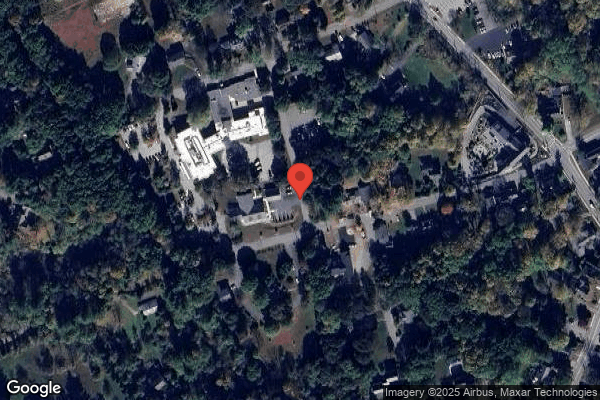
22 HILLSIDE AVENUE, GROTON, MA 01450 (978) 448-3388
Non profit - Other 83 Beds Independent Data: November 2025
Trust Grade
80/100
#121 of 338 in MA
Last Inspection: October 2024

Within standard 12-15 month inspection cycle. Federal law requires annual inspections.

Overview

Seven Hills Pediatric Center in Groton, Massachusetts, has a Trust Grade of B+, which means it is above average and generally recommended. It ranks #121 out of 338 facilities in the state, placing it in the top half, and #25 out of 72 in Middlesex County, indicating that only a few local options are better. The facility's trend is improving, with issues declining from six in 2023 to none in 2024. Staffing is a significant concern, as it received a 1/5 star rating and has a high turnover rate; however, the center has managed to maintain a turnover rate of 0%, which is well below the state average. Notably, there have been no fines, which is a positive sign. While there are strengths, there are also weaknesses to consider. For instance, a resident was not provided with the protective padding required by their care plan, resulting in a bruise. Additionally, the facility failed to maintain proper sanitation practices in the kitchen, which could lead to foodborne illnesses. Lastly, there were issues with obtaining consent for the use of psychotropic medications, affecting multiple residents. Overall, while Seven Hills Pediatric Center shows promise with its improving trend and lack of fines, families should be aware of the staffing concerns and specific incidents that have arisen in the past.

Trust Score
B+
80/100
In Massachusetts
#121/338
Top 35%
Safety Record
Low Risk
No red flags
Inspections
Getting Better
6 → 0 violations
Staff Stability
○ Average
Turnover data not reported for this facility.
Penalties
✓ Good
No fines on record. Clean compliance history, better than most Massachusetts facilities.
Skilled Nurses
○ Average
RN staffing data not reported for this facility.
Violations
○ Average
10 deficiencies on record. Average for a facility this size. Mostly minor or procedural issues.
★★★★☆
4.0
Overall Rating
★☆☆☆☆
1.0
Staff Levels
★★★★☆
4.0
Care Quality
★★★★★
5.0
Inspection Score
Stable
2023: 6 issues
2024: 0 issues

The Good

  • 4-Star Quality Measures · Strong clinical quality outcomes
  • Full Sprinkler Coverage · Fire safety systems throughout facility
  • No fines on record

Facility shows strength in quality measures, fire safety.

The Bad

No Significant Concerns Identified

This facility shows no red flags. Among Massachusetts's 100 nursing homes, only 0% achieve this.

The Ugly 10 deficiencies on record

Aug 2023 6 deficiencies
CONCERN (D)

Potential for Harm - no one hurt, but risky conditions existed

Deficiency F0552 (Tag F0552)

Could have caused harm · This affected 1 resident

**NOTE- TERMS IN BRACKETS HAVE BEEN EDITED TO PROTECT CONFIDENTIALITY** Based on record review and interview, the facility failed to obtain consent for the use of psychotropic medications as required ...

Read full inspector narrative →
**NOTE- TERMS IN BRACKETS HAVE BEEN EDITED TO PROTECT CONFIDENTIALITY** Based on record review and interview, the facility failed to obtain consent for the use of psychotropic medications as required for three Residents (#57, #73 and #80) out five residents reviewed, in a total sample of 19 residents. Findings include: Review of the facility's policy, Department of Nursing, Concern: Informed Consent for use Topic: Psychotropic medications, dated 5/22/19 indicated the following: -Prior to administering psychotropic medication listed on the schedule under subsection (b) the facility shall obtain written consent of the resident, the resident's health care proxy or the resident's guardian as required by M.G.L.c.111, Section 72BB. Attached Circular Letter 17-2699. Review of the Circular letter 17-2699, issued by: The Commonwealth of Massachusetts Executive Office of Health and Human Services Department of Public Health Bureau of Health Care Safety and Quality, dated February 1, 2017 indicated the following: -While prescribers are not required to complete this process each and every time a resident is administered a dose of psychotropic medication, written informed consent must be obtained each time a new or renewed prescription falls outside the dosage to which the resident or the resident's legal representative previously consented, or once a year, whichever is shorter. -In the event that the medication will continue to be administered in the following year without a change in dosage, the facility may re-use the form so long as the prescriber explains again the risks and benefits to the resident or his or her legal representative, and the facility representative updates the signatures and dates, the date of discussion with the prescriber, and facility representative information. -If all relevant information is identical, written informed consent may be renewed using the previously signed form by attaching a notice of renewal to the updated form. The notice and any additional attachments must include all necessary attestations and signatures that are on the original form, updated discussion dates, and updated names of prescriber and facility representative, as necessary. Each page of the notice and any additional attachments must be re-initialed, dated and numbered to precisely indicate the relative page number (e.g., 2 of 4, etc.) 1. Resident #57 was admitted to the facility in September 2018 with diagnoses including Epileptic Encephalopathy, developmental delay and intellectual delay. Review of Resident #57's most recent Minimum Data Set (MDS) assessment dated [DATE], indicated Resident #57 was cognitively impaired and dependent on staff for activities of daily living (ADLs). Review of Resident #57's Physician's orders indicated the following PRN (as needed) medications: Lorazepam (an anti-anxiety medication): 1 milligram (mg) every 8 hours for agitation, initiated 5/23/23. Lorazepam: 1 mg every 4 hours for seizure activity PRN, initiated 2/4/22. Diazepam (a controlled substance used to treat anxiety and seizures): 10 mg Nasal, as directed for seizure activity, initiated 2/18/22. Resident #57's consents for the use of the psychotropic medications were dated June 2022, and failed to indicate the use of the Lorazepam for agitation. During an interview on 8/16/23 at approximately 11:15 A.M., Social Worker (SW) #1 said that staff were in the process of obtaining updated consents. During an interview on 8/16/23 at 3:11 P.M., the Director of Nursing (DON) and the Administrator said that it was facility policy for consents to be completed annually. 2. Resident #73 was admitted to the facility in September 2020 with diagnoses including Chronic Respiratory Failure, Cerebral Palsy and seizure disorder. Review of Resident #73's most recent Minimum Data Set Assessment (MDS) dated [DATE], indicated that Resident #73 was cognitively impaired and dependent on staff for activities of daily living (ADLs). Review of Resident #73's Physician's orders indicated the following psychotropic medications: Diazepam (a medication used to treat anxiety and seizures) 10 milligrams(mg) as directed, seizure activity, PRN (as needed) for seizure activity greater than 3 minutes, dated 8/25/20. Diazepam 4 mg, every 8 hours, PRN. Dystonia. Dated 8/27/23. Diazepam, 2 mg TID (three times a day), dated 8/24/21. Diazepam, 3 mg give ml at 1800, dated 8/24/21. Lorazepam (an anti-anxiety medication) 1 mg, every 4 hours PRN, dated 2/7/22. Lorazepam, 1 mg TID, dated 2/14/22. Review of Resident #73's medical record indicated consents for the use of psychotropic medication administered to Resident #73, were dated 6/26/22. During an interview on 8/15/23 at 3:36 P.M., Social Worker #1 said consents for psychotropic medications were obtained verbally by the Minimum Data Set (MDS) Nurse, then the Social Worker would get the written consents for psychotropic medications. Social Worker #1 said the written consents for Resident #73 had not been obtained and should be obtained at least annually. 3. Resident #80 was admitted to the facility in April 2022 with diagnoses including Cerebral Palsy and seizure disorder. Review of Resident #80's most recent Minimum Data Set Assessment (MDS) dated [DATE] indicated Resident #80 was cognitively impaired and dependent on staff for activities of daily living (ADLs). Review of Resident #80's physician's orders indicated the following psychotropic medications: Clonzepam, 0.5 mg form, tab q 6 hours, PRN, dated 3/30/22. Diazepam 10 mg, daily PRN, indication seizures, dated 3/30/22. Clobazam (a sedative medication, used for seizures), 5 mg, dated 4/14/22. Clobazam, 7.5 mg, dated 4/14/22. Review of Resident #80's medical record indicated consents for the use of psychotropic medication administered to Resident #80, were dated 6/16/22. During an interview on 8/16/23 at 9:51 A.M., Social Worker #1 said consents for psychotropic medications were completed annually around this time of year.
CONCERN (D)

Potential for Harm - no one hurt, but risky conditions existed

Deficiency F0604 (Tag F0604)

Could have caused harm · This affected 1 resident

**NOTE- TERMS IN BRACKETS HAVE BEEN EDITED TO PROTECT CONFIDENTIALITY** Based on observation, record review and interview, the facility failed to identify and assess the use of a Sleep Safe Bed (also ...

Read full inspector narrative →
**NOTE- TERMS IN BRACKETS HAVE BEEN EDITED TO PROTECT CONFIDENTIALITY** Based on observation, record review and interview, the facility failed to identify and assess the use of a Sleep Safe Bed (also known as institutional beds, adaptive beds, enclosed canopy beds, special needs beds, and child-safe beds) as a restraint for one Resident (#57) out of a total sample of 19 residents. Specifically, the facility failed to conduct individualized and ongoing assessments on the use of the Sleep Safe Bed for Resident #57. Findings include: Review of the facility's Physical Restraint Policy, dated April 2018 indicated: *A restraint is defined as any manual method or any physical or mechanical device, material, or equipment attached to or adjacent to the body that the individual cannot remove easily which restricts freedom of movement or normal access to one's body and environment. *Physical Restraints may be used: If the resident is at significant risk of self-injury or injury to others and no safer alternative or setting can be found. *The assessment process for the use of physical restraints/enablers is ongoing and individualized. The assessment identifies the cause of the problem utilizing the pre-restraint assessment form. *If a restraint or enabler is utilized, the documentation in the medical record will include verification that: -The resident has medical symptoms for which the restraint has been determined to be achieved or maintain the highest level of mental, physical and psycho-social well-being. -A pre-restraining assessment has been conducted by the interdisciplinary team to ascertain the feasibility of less restrictive devices. -There has been consultation with appropriate health professionals such as occupational and/or physical therapists and their recommendations have been evaluated and implemented. -A care plan has been established that identifies the least restrictive restraint necessary for specified periods. Resident #57 was admitted to the facility in September 2018 with diagnoses including Epileptic Encephalopathy, developmental delay and intellectual delay. Review of Resident #57's most recent Minimum Data Set Assessment (MDS) dated [DATE], indicated Resident #57 was cognitively impaired and dependent on staff for activities of daily living (ADLs). On 8/15/23 at 7:51 A.M., the surveyor observed Resident #57 lying in bed. The bed was fully enclosed with panels and mesh on all sides which would prevent the Resident from getting out of bed. Resident #57 was moving around and put himself/herself into a position with his/her buttocks in the air and his/her head on the mattress. During an interview on 8/16/23 at 9:44 A.M., Physical Therapist (PT) #1 said that Resident #57 was currently on service with rehabilitation and able to kneel and crawl independently. PT #1 said that Resident #57 would not move on command, but has the ability to move. PT #1 said that Resident #57 utilizes the Sleep Safer Bed to prevent him/her from falling out of bed or getting out of bed due to safety concerns. PT #1 said that she was not aware if any assessments had taken place to determine the use of the Sleep Safe Bed as a restraint. Review of Resident #57's clinical record indicated: *An Interdisciplinary Team Quarterly Review note dated 6/13/23: The Sleep Safer Bed is on order and will ensure Resident will be able to safely remain in his/her bed without risk of injury as he/she is able to roll, transition into and out of sitting, kneeling and is able to crawl. *A Physical Therapy Note dated 6/26/23: Resident received a Sleep Safer Bed to prevent injury secondary to involuntary movements and ability to crawl, kneel, roll and transition into and out of sitting. Lower bed to lowest position when Resident is in bed for safety. *A Physician's order dated 9/21/18: Sleep Safer Bed to prevent injury secondary to involuntary movements. Lower bed to lowest position when resident in bed for safety. No restraints used. *A care plan titled Use of Adaptive Equipment dated 9/20/22: Posey bed with sides zipped and locked; Resident will be able to safely remain in his/her bed without risk of injury, as he/she is able to roll, transition into and out of sitting, kneeling and is able to crawl. Given his/her size, he/she requires the Sleep Safer Bed. Resident #57's clinical record failed to identifiy and assess the use of the Sleep Safer Bed as a restraint despite Resident #57's capability of crawling and purposeful movement. During an interview on 8/16/23 at 10:36 A.M., Nurse Supervisor #1 said that Resident #57's previous bed was not safe for him/her and that he/she uses the Sleep Safer Bed for safety. Nurse Supervisor #1 said that she was not aware if Resident #57's Sleep Safer Bed was assessed as a restraint. During an interview on 8/16/23 at 1:03 P.M., the Rehabilitation Director said Resident #57 has some purposeful movement as he/she was able to crawl, which is motivated by something he/she sees, like a toy. She said that Resident #57 has the Sleep Safer Bed for safety concerns and because it was for safety, the facility did not consider it to be a restraint.
CONCERN (D)

Potential for Harm - no one hurt, but risky conditions existed

Comprehensive Care Plan (Tag F0656)

Could have caused harm · This affected 1 resident

**NOTE- TERMS IN BRACKETS HAVE BEEN EDITED TO PROTECT CONFIDENTIALITY** Based on observation, record review and interview, the facility failed to implement the medical plan of care for one Resident (#...

Read full inspector narrative →
**NOTE- TERMS IN BRACKETS HAVE BEEN EDITED TO PROTECT CONFIDENTIALITY** Based on observation, record review and interview, the facility failed to implement the medical plan of care for one Resident (#72), out of a total sample of 19 residents. Specifically, the facility failed to ensure Resident #72 had both his/her glasses and hearing device applied, to assist in his/her ability to hear and see. Findings include: Resident #72 was admitted to the facility in March 2022 with diagnoses that include Respiratory Failure, seizure disorder, and congenital glaucoma. Review of Resident #72's Minimum Data Set (MDS) assessment dated [DATE], indicated Resident #72 had severe cognitive impairment, was dependent on staff for daily care, had moderate difficulty to hear, a hearing appliance was used, had highly impaired vision and used corrective lenses. Review of Resident #72's care plan with a start date of 1/20/23, focus of care and plan/services/approach: Resident will respond to multi-sensory cues during ADL, classroom and play experiences with changes in facial expressions, turning toward and/or visual attention to caregivers and objects of interest and maintain a relaxed muscle tone. Resident has glasses and bilateral hearing aids worn per nursing. On 8/15/23 at 11:14 A.M., Resident #72 was observed lying in bed as a Nurse was providing care and talking to him/her. Resident #72 did not have a hearing device or glasses on. On 8/16/23 at 11:41 A.M., Resident #72 was in his/her room sitting in his/her wheelchair and was observed not wearing his/her glasses or hearing device. He/she was looking in the direction of the television and he/she did not respond to the surveyor. On 8/16/23 at 12:55 P.M., Resident #72 was in his/her wheelchair and was observed not wearing his/her glasses or hearing device. During an interview with Certified Nursing Assistant (CNA) #1 who was with Resident #72, CNA #1 said Resident #72 did not have on his/her hearing aids or glasses, and that the Nurses put them on and kept the items in the medication cart. During an interview on 8/16/23 at 12:59 P.M., with Nurse #1 and Nurse #2, Nurse #2 said Resident #72 had a medical order to wear glasses and a hearing device. Nurse #1 said they were not provided or placed on Resident #72 that day. Nurse #1 located the Resident's glasses in the medication cart but was unable to find the hearing device. Nurse #2 and the surveyor went to Resident #72's room, where she located the hearing device in a bag on the back of Resident #72's chair. Nurse #2 placed both the glasses and hearing device on Resident #72 and right after, Resident #72 looked in the direction of Nurse #2 and the surveyor who was talking to him/her and he/she smiled.
CONCERN (D)

Potential for Harm - no one hurt, but risky conditions existed

Medication Errors (Tag F0758)

Could have caused harm · This affected 1 resident

**NOTE- TERMS IN BRACKETS HAVE BEEN EDITED TO PROTECT CONFIDENTIALITY** Based on record review and interview, the facility failed to ensure Physician orders for as needed (PRN) psychotropic medication...

Read full inspector narrative →
**NOTE- TERMS IN BRACKETS HAVE BEEN EDITED TO PROTECT CONFIDENTIALITY** Based on record review and interview, the facility failed to ensure Physician orders for as needed (PRN) psychotropic medications that surpassed 14 days had a duration for continued use, as required for three Residents (#57, #73 and #80) out of a total sample of 19 residents. Findings include: 1. Resident #57 was admitted to the facility in September 2018 with diagnoses including Epileptic Encephalopathy, developmental delay and intellectual delay. Review of Resident #57's Minimum Data Set (MDS) assessment dated [DATE], indicated Resident #57 was cognitively impaired and dependent on staff for activities of daily living (ADLs). Review of Resident #57's Physician's orders indicated the following PRN (as needed) medications: Lorazepam (an anti-anxiety medication): 1 milligram (mg) every 8 hours for agitation, initiated 5/23/23. Lorazepam: 1 mg every 4 hours for seizure activity PRN, initiated 2/4/22. The Physician orders failed to include a stop date or review date as required. The clinical record indicated Resident #57's consent for the use of the PRN psychotropic medications were dated June 2022, and failed to indicate the use of the Lorazepam for agitation. During an interview on 8/16/23 at 1:32 P.M., the Director of Nursing (DON) said that residents with orders for PRN psychotropic medications should have a documented rationale for the use of the medication. The DON was not aware of the requirement for a stop date or review date for PRN medications. 2. Resident #73 was admitted to the facility in September 2020 with diagnoses including Chronic Respiratory Failure, Cerebral Palsy and seizure disorder. Review of Resident #73's Minimum Data Set (MDS) assessment dated [DATE], indicated Resident #73 was cognitively impaired and dependent on staff for activities of daily living (ADLs). Review of Resident #73's Physician's orders indicated the following PRN psychotropic medications: Diazepam (a medication used to treat anxiety and seizures) 10 milligrams (mg) as directed, PRN for seizure activity greater than 3 minutes, dated 8/25/20. Diazepam 4 mg, every 8 hours, PRN. Dystonia. Dated 8/27/23. Lorazepam (an anti-anxiety medication) 1 mg, every 4 hours PRN, dated 2/7/22. The PRN psychotropic medication orders failed to have a stop and duration date as required. During an interview on 8/15/23 at 3:55 P.M., Nurse Practitioner (NP) #1 said residents are reviewed every 60 days, including the use of PRN medications. NP #1 said the PRN medications do not have a stop date due to the needs of the residents with autonomic symptoms. 3. Resident #80 was admitted to the facility in April 2022 with diagnoses including Cerebral Palsy and seizure disorder. Review of Resident #80's Minimum Data Set (MDS) assessment dated [DATE], indicated Resident #80 was cognitively impaired and dependent on staff for activities of daily living (ADLs). Review of Resident #80's physician's orders indicated the following psychotropic medications: Clonzepam, 0.5 mg form, tab q 6 hours, PRN, dated 3/30/22. Diazepam 10 mg, daily PRN, indication seizures, dated 3/30/22. The PRN psychotropic medication orders failed to have a stop and duration date as required. During an interview on 8/16/23 at 1:32 P.M., the Director of Nursing (DON) said that residents with orders for PRN psychotropic medications should have a documented rationale for the use of the medication. The DON was not aware of the requirement for a stop date or the review date for PRN medications.
CONCERN (D)

Potential for Harm - no one hurt, but risky conditions existed

Food Safety (Tag F0812)

Could have caused harm · This affected 1 resident

Based on observation, policy review and interview, the facility failed to ensure that food was stored in accordance with standards of practice for food safety. The facility also failed to ensure that ...

Read full inspector narrative →
Based on observation, policy review and interview, the facility failed to ensure that food was stored in accordance with standards of practice for food safety. The facility also failed to ensure that the kitchen was maintained in a clean, sanitary manner. Findings include: Review of the facility's policy, entitled Food Storage Policy, not dated, included the following: -All food must be labeled and dated. -All leftovers must be labeled and dated. -All food must be discarded after three days. -Any food item not dated will be discarded immediately. On 8/15/23 at 7:21 A.M., during a tour of the facility kitchen with the Food Service Director (FSD) present the following observations were made: *Reach in refrigerator #1: -A thermometer had an internal buildup of black substance, was dirty and unable to read. -A lunch in a bag, not dated or labeled that the FSD said belonged to staff, and removed it from the refrigerator. *Reach in refrigerator #2: -A large bag of dairy free yogurt, with a use by date of 8/5/23. -An individual cup of salsa, with a use by date 8/12/23 -The bottom shelf of the refrigerator had a thermometer stuck under a sheet pan, along with food grime, and a stained paper towel with food stains. *The walk-in refrigerator: -A plastic bag containing sliced tomatoes, dated 7/27/23. *Walk-in freezer: -The door to enter the walk-in freezer had a buildup of ice on the outside threshold and inside threshold, and ice and frost debris on the floor. -The ceiling had hanging ice and buildup of frost and water was dripping above the doorway, while the surveyor and FSD were in the freezer. -A bag of bread closed with a clip, not labeled, or dated. -A bag of frozen chicken patties, opened, not labeled or dated. -A bag of cooked ground beef, opened, not labeled or dated. -17 individual cups of prepared food, not labeled or dated. -An open bag of frozen pizza, that the FSD said was for the staff, not labeled or dated. Further observation of the kitchen with the FSD the following was observed: -Five ventilator grates in the hood vent above the stove area were laden with dust and a buildup of greasy grime. -The baseboard and windowsill near the hand sink had a buildup of dust and grime. During an interview at the time, the FSD said the hood ventilator grates have not been cleaned by kitchen or maintenance staff. Review of the sticker on the hood provided by the company indicated the last date of service was December 2022. The FSD said she would expect the kitchen to be clean. During a follow-up visit to the kitchen on 8/16/23 at 9:00 A.M., the ventilator grates in the hood vent were observed to still be laden with dust and greasy grime. The freezer door was observed with less frost and ice around the door. During an interview with the Maintenance Director and Administrator on 8/16/23 at 9:10 A.M., the Maintenance Director said the grates are not on a routine cleaning schedule. Regarding the walk-in freezer the Administrator said they have another reach-in freezer available for food requiring freezer storage (that was inaccessible at the time due to maintenance work).
CONCERN (D)

Potential for Harm - no one hurt, but risky conditions existed

Infection Control (Tag F0880)

Could have caused harm · This affected 1 resident

Based on interview, observations and policy review the facility failed to adhering to infection control practices during medication pass. Specifically, the facility staff failed to: 1) perform adequa...

Read full inspector narrative →
Based on interview, observations and policy review the facility failed to adhering to infection control practices during medication pass. Specifically, the facility staff failed to: 1) perform adequate hand hygiene throughout a medication pass. 2) adequately clean a mortar and pestle used for multiple residents. Findings include: Review of facility policy titled, Hand Hygiene revision date 8/2023 indicated the following: Indications for hand hygiene -Before touching a resident -Before clean or aseptic procedure -After body fluid exposure risk -After touching a resident -After touching a resident's surroundings -Before and after removing gloves Review of the facility policy titled, Medication Administration, revision date 8/2023, indicated the following: -Wipe clean mortar and pestle with gauze and alcohol in between residents. 1a. On 8/16/23 at 8:27 A.M., the surveyor observed Nurse #4 administering medications through a Gastrostomy/gastric tube (G-tube). Nurse #4 then doffed (removed) her gloves without performing hand hygiene, prepared the medication and began giving a Resident a nebulizer treatment with contaminated hands. Nurse #4 then donned (put on) gloves with contaminated hands and removed the nebulizer treatment when it was completed without performing hand hygiene. During an interview on 8/16/23 at 11:54 A.M., Nurse #4 said hand hygiene should be performed before donning gloves and after doffing gloves. 1b. On 8/16/23 from 8:17 A.M. to 8:47 A.M., and 8:55 A.M. to 9:31 A.M., the surveyor observed Nurse #4 during two medication administration passes. Nurse #4 was observed to wipe out the mortar bowl with only a gauze pad after crushing medications for each resident. Nurse #4 said the expectation for cleaning the mortar and pestle was wiping the bowl out with a gauze pad. During an interview on 8/16/23 at 1:38 P.M., the Director of Nurses (DON) said that she expects the Nurses to clean the mortar bowl and pestle with alcohol as well as gauze after each use.2. On 8/16/23 from 7:14 A.M. to 7:54 A.M., the surveyor observed Nurse #1 during medication administration pass. Nurse #1 was observed to wipe out the mortar bowl she had crushed medications in for each resident with a gauze pad in between each resident's medication. Nurse #1 said that is normal practice to wipe the bowl out with the gauze pad. During an interview on 8/16/23 at 1:38 P.M., the Director of Nurses (DON) said that she expects the Nurses to clean the mortar bowl and pestle with alcohol, then clean with a gauze pad after medications are crushed.
May 2022 4 deficiencies
CONCERN (D)

Potential for Harm - no one hurt, but risky conditions existed

Infection Control (Tag F0880)

Could have caused harm · This affected 1 resident

Based on observations, interviews, and record review, the facility failed to ensure its staff implemented infection prevention and control requirements according to standards of practice and proper ma...

Read full inspector narrative →
Based on observations, interviews, and record review, the facility failed to ensure its staff implemented infection prevention and control requirements according to standards of practice and proper mask use as personal protective equipment (PPE) for protection from exposure to respiratory secretions while performing aerosol-generating procedures (AGPs; procedures that stimulate coughing and promote generation of droplets in the air) for one Resident (#281) on Droplet Precautions whose COVID-19 Status was unknown, and relative to proper mask use as source control to reduce the risk of COVID-19 transmission for one Resident (#72) out of a total sample of 18 residents. Findings include: Review of the Centers for Disease Control and Prevention (CDC) document titled Strategies for Optimizing the Supply of Facemasks, dated 11/23/20, indicated that healthcare personnel were to use facemasks according to .Local, State, and Federal requirements and included the following: - When facemasks are used as PPE to protect one's nose and mouth from exposure to splashes, sprays, splatter, and respiratory secretions (e.g. for patients on Droplet Precautions), the facemask should be removed and discarded after each patient encounter. - When facemasks are used for source control while in the healthcare facility, they are to cover one's mouth and nose to prevent spread of respiratory secretions when talking, sneezing, or coughing. Review of the Centers for Disease Control and Prevention (CDC) document titled How to Use Your N95 Respirator, dated 3/16/22, included the following: -Wear your N95 properly so that it is effective. - N95s must form a seal to the face to work properly. Review of the facility's policy titled Infection Control: Standard/Transmission-Based Precautions, dated May 2022, included that the facility followed CDC and Massachusetts Department of Public Health (DPH) guidance for COVID-19 and that staff would follow signs posted outside of resident doors for which PPE to utilize. 1. For Resident #281, the facility failed to ensure its staff implemented proper use of a N95 mask as PPE while providing AGPs for the Resident who was on Droplet Precautions and whose status for COVID-19 was unknown. On 5/24/22 at 9:00 A.M., the surveyor observed signage outside of Resident #281's room that indicated Isolation Precautions and included the following: - A N95 respirator was required. - A facemask was acceptable only if a N95 was not available. - A fit tested N95 or higher was required for AGPs. - Picture images on the sign indicated that one mask was to be worn. On 5/24/22 at 9:42 A.M., the surveyor observed Nurse #3 enter Resident #281's room wearing a N95 mask positioned over a surgical style facemask and close the door. On 5/24/22 at 10:14 A.M., the surveyor observed Nurse #3 exit Resident #281's room wearing a surgical style facemask. During an interview on 5/24/22 at 10:14 A.M., Nurse #3 said that Resident #281 had a fever and increased respiratory secretions and was placed on Droplet Precautions. Nurse #3 said that she had just completed providing suction and cough assist procedures to the Resident when she exited the room at 10:14 A.M. Nurse #3 said that she wanted to be sure she was well protected when providing these procedures to residents and that when she was required to use a N95 mask, she always placed it over her surgical mask. She said that she removed the N95 after she completed care to Resident #281, but she did not change her surgical style facemask as it was covered by the N95 when she was in the room. Review of a Nursing Note, dated 5/24/22, included the following: - Resident #281 was noted to have increased copious secretions. - AGPs provided included suctioning, cough assist, and nebulizer treatment. - A COVID-19 test was obtained. During an interview on 5/25/22 at 1:23 P.M., Staff Development Coordinator (SDC) #2 said that she provided education to staff relative to proper use of PPE which included masks. SDC #2 said that wearing a N95 mask over a surgical mask should never happen, that it did not provide increased protection to the user, and that Nurse #3 should not have positioned a N95 over her surgical style facemask. She further said that Nurse #3 should have removed the surgical style facemask and applied a N95 directly over her mouth and nose to enter Resident #281's room. SDC #2 also said that Nurse #3 should not have worn the same surgical mask after exiting Resident #281's room, and that she should have discarded it and applied a new mask. 2. For Resident #72, the facility failed to ensure its staff implemented proper use of a facemask for source control by wearing the mask positioned so that the staff member's nose was exposed while interacting with and providing assistance to the Resident. During an observation on 5/24/22 at 9:43 A.M., the surveyor observed Certified Nurse Aide (CNA) #5 assist Resident #72 to his/her room by pushing him/her in a wheelchair. CNA #5 wore a surgical style facemask that was positioned so that his nose was exposed. CNA #5 moved between the Resident and the sink that was located by the door twice, his mask still positioned so that his nose was exposed. CNA #5 exited the room at 9:56 A.M., his mask still positioned under his nose. At no time during the observation did the surveyor observe CNA #5 to reposition his mask so that it covered his mouth and nose. During an interview on 5/24/22 at 9:59 A.M., CNA #5 said that staff were required to wear facemasks in the facility and when providing care to residents and that the facility provided the masks to staff. He said that sometimes the masks did not fit well, that they would fall under his nose and he needed to readjust them. During an interview on 5/25/22 at 1:23 P.M., SDC #2 said that all staff were required to wear facemasks that covered their mouths and noses when interacting with and providing care to residents in the facility. She also said that if staff had masks that did not fit properly, they should notify her as different sizes of masks were available. SDC #2 said that CNA #5 should have worn a proper fitting mask that covered his mouth and nose while he interacted with and provided care to Resident #72.
CONCERN (E)

Potential for Harm - no one hurt, but risky conditions existed

Comprehensive Care Plan (Tag F0656)

Could have caused harm · This affected multiple residents

3. For Resident #72, the facility failed to ensure staff implemented the Resident's care plan relative to the use of protective padding to the side rails while the Resident was in bed, which resulted ...

Read full inspector narrative →
3. For Resident #72, the facility failed to ensure staff implemented the Resident's care plan relative to the use of protective padding to the side rails while the Resident was in bed, which resulted in a bruise. Resident #72 was admitted to the facility in October 2014 with a diagnosis of epilepsy (abnormal activity in the brain resulting in seizures, in which symptoms can include uncontrollable jerking movements of the arms and legs). Review of the Physical Health Care Plan, initiated 10/18/21, indicated that Resident #72 required the use of adaptive equipment for safety, including padding for both side rails when the Resident was in bed. Review of a Nurse's Note, dated 5/18/22, indicated that a red and black egg-sized bruise was identified on Resident #72's left knee on 5/17/22 when he/she was in bed. Further review of the note indicated that the Resident's bumper pads were not in use at the time that the bruise was identified. Review of the facility's investigation, dated 5/20/22, included that staff identified a red and black egg-sized bruise on Resident #72's left knee while he/she was in bed on 5/17/22 and that the bumper pads were not in use in the bed, as required. Further review of the investigation included that the determined cause of the Resident's bruise was that the padding was not in place. On 5/24/22 at 10:22 A.M., the surveyor observed Resident #72 while he/she was in bed with both lower extremities exposed. The surveyor observed a large, dark purple bruise on the Resident's left knee. During an interview on 5/25/22 at 1:00 P.M., the Director of Nursing (DON) said that Resident #72 had sustained a bruise to his/her left knee while in bed on 5/17/22, and that the cause of the bruise was that staff failed to provide the required padding. The DON further said that the padding should have been provided, as required by the Resident's care plan. 4. For Resident #52, the facility failed to ensure its staff implemented the Resident's care plan relative to the application of a hand splint. Resident #52 was admitted to the facility in April 2011 with a diagnosis of spasticity (a condition in which there is an abnormal increase in muscle tone). Review of the Physical Health Care Plan, initiated 12/29/21, indicated that the Resident's functional needs included maintaining upper extremity flexibility and range of motion, and that the Resident required the use of a splint to the left wrist/hand when out of bed. Further review of the care plan indicated it was reviewed on 3/30/22 and that the Resident tolerated wearing the splint well. On 5/24/22 at 8:53 A.M., the surveyor observed Resident #52 out of bed, seated in his/her wheelchair. The wrist/hand splint was not on the Resident's left hand but was resting on the Resident's lap. On 5/25/22 at 8:30 A.M., the surveyor observed Resident #52 out of bed, seated in his/her wheelchair in his/her room. The wrist/hand splint was not on the Resident but was resting on a counter in the room. On 5/25/22 at 9:25 A.M., the surveyor observed Resident #52 out of bed, seated in his/her wheelchair in his/her room. The wrist/hand splint was not on the Resident and was still resting on a counter in the room. During an interview on 5/25/22 at 9:31 A.M., CNA #4 said that staff were to apply a splint to Resident #52's left wrist/hand when out of bed and that the Resident had been tolerating the splint without any complications. CNA #4 observed Resident #52 during the interview and said that the splint had not been applied as required, but it should have been. Based on observation, interview, and record review the facility failed to ensure staff followed the plan of care for four Residents (#31, #75, # 72 and #52). Specifically, the facility staff failed to: - ensure Resident #31 was administered the correct medication and wore a palm guard per the plan of care, - ensure Resident #75 utilized a pressure relieving device for his/her ear, - failed to ensure Resident #72 had padded side rails per the plan of care and, - failed to ensure Resident #52 utilized hand splints per the plan of care, in a total sample of 18 residents. Findings include: 1. Resident #31 was admitted to the facility in January 2008. A. Review of the facility policy for Medication Administration: Incident, reviewed 6/1/2018, indicated that it was the responsibility of the nurse who discovers a medication incident to initiate a Quality Assurance Performance Improvement (QAPI) tool. Medication related incidents that warrant immediate medical attention or direction include: -Omitted dose -Wrong dose -Wrong medication -Wrong time -Wrong resident Review of a QAPI Form, dated 2/3/22, indicated Resident #31 had been administered the wrong medication, wrong dose, at the wrong time. The Resident had received Phenobarbital (an anti-convulsant medication) 194.4 milligrams (mg.), instead of diazepam (a benzodiazepine) 4 mg. The medications were in the wrong slots in the medication cart, and the nurse did not double check the medication, dose, and time against the medication administration record. During an interview on 5/25/22 at 1:13 P.M., Nurse #1 said she had made a medication error and self reported it as soon as she realized it. The QAPI report was reviewed with Nurse #1 and she said the report was accurate. B. Review of the Care Card in Resident #31's room indicated the use of a right palm guard from the morning until evening. On 5/24/22 at 9:25 A.M., the surveyor observed Resident #31 in bed, without the palm guard on his/her right hand. The palm guard was observed on the bedside table. On 5/24/22 at 4:27 P.M., the surveyor observed Resident #31 in bed, without the palm guard on his/her right hand. The palm guard was observed in the same place as it had been during the previous surveyor observation. At this time, Nurse #3 told the surveyor the resident was not wearing the palm guard, but maybe the staff had removed it when they put the resident back to bed. On 5/25/22 at 9:08 A.M., Resident #31 was observed in a wheelchair, not wearing the right palm guard. During an interview with Certified Nurses' Aide (CNA) #2 at this time, she said she had just finished caring for Resident #31 and did not put the right palm guard on because she had forgotten. 2. Resident #75 was admitted to the facility in June 2003. On 5/24/22 at 8:54 A.M., the surveyor observed Resident #75 lying in bed with eyes closed. Review of the care card, located in the room, indicated the use of a gel ear donut. No such device was observed to be in use at that time. On 5/25/22 at 8:16 A.M., the surveyor observed Resident #75 lying in bed with eyes closed. No gel donut was observed. At this time, during an interview with CNA #2, she said the gel donut had been missing for some time and that she would call the rehabilitation department to find out what was going on, or had one been re-ordered. CNA #2 said the resident sometimes gets skin breakdown and that's what the donut was for. Review of the resident's care plan for functional needs, start date 10/27/21, indicated the resident was to use comfort foam to the right ear. There was no intervention for a gel donut for the resident's ear in the care plan. On 5/25/22 at 8:38 A.M. during an interview with the Rehabilitation Director, she said the gel donut was discontinued a while ago and the care card in the resident's room was incorrect. The decision had been made to use comfort foam to the resident's right ear. The Rehabilitation Director had a square piece of comfort foam with her which she said was to be used for Resident #75. She could not say how long the resident had gone without the comfort foam, but thought they had been using it.
CONCERN (E)

Potential for Harm - no one hurt, but risky conditions existed

Food Safety (Tag F0812)

Could have caused harm · This affected multiple residents

Based on observation, document review and interview, the facility failed to ensure staff: - maintained safe sanitation practices relative to monitoring food temperatures, - monitored the low temperat...

Read full inspector narrative →
Based on observation, document review and interview, the facility failed to ensure staff: - maintained safe sanitation practices relative to monitoring food temperatures, - monitored the low temperature dish machine temperatures and checked the chemical solution to ensure correct concentration and, - dated refrigerated food items once opened to help minimize and prevent the risk of food borne illnesses. Findings include: During the initial tour of the kitchen on 5/24/22 at 7:54 A.M., the surveyor observed in the refrigerator, the following items that were not dated when opened: - Three blocks of cheese, - Four sandwiches wrapped with plastic wrap, - One jar of minced garlic, - One jar of crushed peppers, - One bagel with cream cheese wrapped in plastic, - Three opened low fat Dannon yogurts, - Two bags of green lettuce, left open to air, - One bag of shredded carrots, and - One box of artisan rolls left open to air. Review of the Dish Machine Temperature Log, dated May 2022, indicated the dish machine temperatures and the chemical solution were not checked 30 out of the 46 times required. Review of the Daily Food Temperature log, dated May 2022, indicated the food temperatures were not checked for 22 out of 69 meals served. During an interview on 5/24/22 at 8:17 A.M., the surveyor reviewed the concerns with the Food Service Director (FSD). She said that the refrigerated items needed to be dated once opened and were not. The FSD said that the dish machine temperature and chemical solution were not checked as required and the food temperature were not taken with each meal.
MINOR (C)

Minor Issue - procedural, no safety impact

Transfer Notice (Tag F0623)

Minor procedural issue · This affected most or all residents

Based on record review and interview the facility failed to ensure staff issued the transfer/discharge notice for five Residents (#35, #51, #52, #56 and #78) out of a total sample of 18 residents. Fin...

Read full inspector narrative →
Based on record review and interview the facility failed to ensure staff issued the transfer/discharge notice for five Residents (#35, #51, #52, #56 and #78) out of a total sample of 18 residents. Findings include: Review of Residents' #35, #51, #52, #56 and #78 records, indicated all of the these Residents were transferred to the hospital with return expected. Continued review of the Residents' records indicated a transfer/discharge notice was not issued for these transfers. During an interview on 5/25/22 at 9:04 A.M., Social Worker (SW) #1 said that she was not aware that a transfer/discharge notice needed to be issued. SW #1 said that she did not know what a transfer/discharge notice was. During an interview on 5/25/22 at 9:30 A.M., the Director of Social Services said that she had worked at the facility for nine years and had never issued a transfer/discharge notice. The Director of Social Services said that the facility was not aware that it was a requirement.
Understanding Severity Codes (click to expand)
Life-Threatening (Immediate Jeopardy)
J - Isolated K - Pattern L - Widespread
Actual Harm
G - Isolated H - Pattern I - Widespread
Potential for Harm
D - Isolated E - Pattern F - Widespread
No Harm (Minor)
A - Isolated B - Pattern C - Widespread

Questions to Ask on Your Visit

  • "Can I speak with families of current residents?"
  • "What's your RN coverage like on weekends and overnight?"

Our Honest Assessment

Strengths
  • • Grade B+ (80/100). Above average facility, better than most options in Massachusetts.
  • • No major safety red flags. No abuse findings, life-threatening violations, or SFF status.
  • • No fines on record. Clean compliance history, better than most Massachusetts facilities.
Concerns
  • • No significant concerns identified. This facility shows no red flags across CMS ratings, staff turnover, or federal penalties.
Bottom line: Generally positive indicators. Standard due diligence and a personal visit recommended.

About This Facility

What is Seven Hills Pediatric Center's CMS Rating?

CMS assigns SEVEN HILLS PEDIATRIC CENTER an overall rating of 4 out of 5 stars, which is considered above average nationally. Within Massachusetts, this rating places the facility higher than 99% of the state's 100 nursing homes. This rating reflects solid performance across the metrics CMS uses to evaluate nursing home quality.

How is Seven Hills Pediatric Center Staffed?

CMS rates SEVEN HILLS PEDIATRIC CENTER's staffing level at 1 out of 5 stars, which is much below average compared to other nursing homes.

What Have Inspectors Found at Seven Hills Pediatric Center?

State health inspectors documented 10 deficiencies at SEVEN HILLS PEDIATRIC CENTER during 2022 to 2023. These included: 9 with potential for harm and 1 minor or isolated issues.

Who Owns and Operates Seven Hills Pediatric Center?

SEVEN HILLS PEDIATRIC CENTER is owned by a non-profit organization. Non-profit facilities reinvest revenue into operations rather than distributing to shareholders. The facility operates independently rather than as part of a larger chain. With 83 certified beds and approximately 78 residents (about 94% occupancy), it is a smaller facility located in GROTON, Massachusetts.

How Does Seven Hills Pediatric Center Compare to Other Massachusetts Nursing Homes?

Compared to the 100 nursing homes in Massachusetts, SEVEN HILLS PEDIATRIC CENTER's overall rating (4 stars) is above the state average of 2.9 and health inspection rating (5 stars) is much above the national benchmark.

What Should Families Ask When Visiting Seven Hills Pediatric Center?

Based on this facility's data, families visiting should ask: "Can you walk me through typical staffing levels on day, evening, and night shifts?" "Can I visit during a mealtime to observe dining assistance and food quality?" "How do you handle medical emergencies, and what is your hospital transfer rate?" "Can I speak with family members of current residents about their experience?" These questions are particularly relevant given the below-average staffing rating.

Is Seven Hills Pediatric Center Safe?

Based on CMS inspection data, SEVEN HILLS PEDIATRIC CENTER has a clean safety record: no substantiated abuse findings (meaning no confirmed cases of resident harm), no Immediate Jeopardy citations (the most serious violation level indicating risk of serious injury or death), and is not on the Special Focus Facility watch list (a federal program monitoring the lowest-performing 1% of nursing homes). The facility has a 4-star overall rating and ranks #1 of 100 nursing homes in Massachusetts. While no facility is perfect, families should still ask about staff-to-resident ratios and recent inspection results during their visit.

Do Nurses at Seven Hills Pediatric Center Stick Around?

SEVEN HILLS PEDIATRIC CENTER has not reported staff turnover data to CMS. Staff turnover matters because consistent caregivers learn residents' individual needs, medications, and preferences. When staff frequently change, this institutional knowledge is lost. Families should ask the facility directly about their staff retention rates and average employee tenure.

Was Seven Hills Pediatric Center Ever Fined?

SEVEN HILLS PEDIATRIC CENTER has no federal fines on record. CMS issues fines when nursing homes fail to meet care standards or don't correct problems found during inspections. The absence of fines suggests the facility has either maintained compliance or corrected any issues before penalties were assessed. This is a positive indicator, though families should still review recent inspection reports for the full picture.

Is Seven Hills Pediatric Center on Any Federal Watch List?

SEVEN HILLS PEDIATRIC CENTER is not on any federal watch list. The most significant is the Special Focus Facility (SFF) program, which identifies the bottom 1% of nursing homes nationally based on persistent, serious quality problems. Not being on this list means the facility has avoided the pattern of deficiencies that triggers enhanced federal oversight. This is a positive indicator, though families should still review the facility's inspection history directly.