REGALCARE AT HARWICH
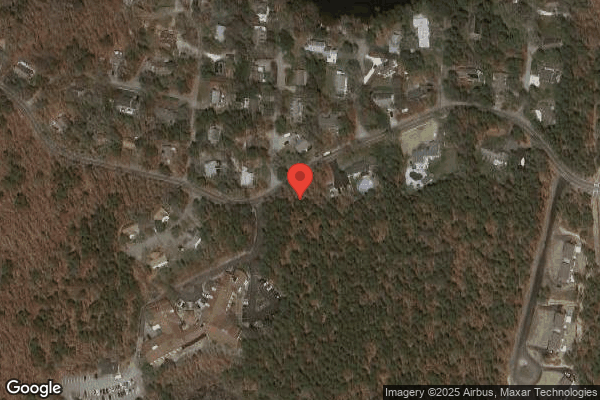

111 HEADWATERS DRIVE, HARWICH, MA 02645 (508) 430-1717
For profit - Limited Liability company 135 Beds REGALCARE Data: November 2025
Trust Grade
48/100
#173 of 338 in MA
Last Inspection: August 2024

Within standard 12-15 month inspection cycle. Federal law requires annual inspections.

Overview

RegalCare at Harwich has a Trust Grade of D, indicating below-average performance with some concerns about care quality. They rank #173 out of 338 nursing homes in Massachusetts, placing them in the bottom half of facilities statewide, and #6 out of 15 in Barnstable County, meaning only five local options are rated lower. The facility is showing an improving trend, with issues decreasing from eight in 2024 to just one in 2025. Staffing is a strength here, with a 4/5 star rating and a turnover rate of 21%, significantly better than the state average, suggesting that staff are experienced and familiar with residents. However, there are concerning incidents, including a failure to notify a physician about a resident's significant change in condition, which led to a serious health issue requiring hospitalization, and another resident experienced multiple falls due to inadequate supervision and care planning, resulting in injuries. Overall, while there are notable strengths in staffing and a positive trend, the facility still faces serious care challenges that families should consider.

Trust Score
D
48/100
In Massachusetts
#173/338
Bottom 49%
Safety Record
High Risk
Review needed
Inspections
Getting Better
8 → 1 violations
Staff Stability
✓ Good
21% annual turnover. Excellent stability, 27 points below Massachusetts's 48% average. Staff who stay learn residents' needs.
Penalties
○ Average
$15,593 in fines. Higher than 67% of Massachusetts facilities. Some compliance issues.
Skilled Nurses
✓ Good
Each resident gets 54 minutes of Registered Nurse (RN) attention daily — more than average for Massachusetts. RNs are trained to catch health problems early.
Violations
⚠ Watch
31 deficiencies on record. Higher than average. Multiple issues found across inspections.
★★★☆☆
3.0
Overall Rating
★★★★☆
4.0
Staff Levels
★★★☆☆
3.0
Care Quality
★★★☆☆
3.0
Inspection Score
Stable
2024: 8 issues
2025: 1 issues

The Good

  • 4-Star Staffing Rating · Above-average nurse staffing levels
  • Low Staff Turnover (21%) · Staff stability means consistent care
  • Full Sprinkler Coverage · Fire safety systems throughout facility
  • No fines on record
  • Staff turnover is low (21%)

    27 points below Massachusetts average of 48%

Facility shows strength in staffing levels, staff retention, fire safety.

The Bad

3-Star Overall Rating

Near Massachusetts average (2.9)

Meets federal standards, typical of most facilities

Federal Fines: $15,593

Below median ($33,413)

Minor penalties assessed

Chain: REGALCARE

Part of a multi-facility chain

Ask about local staffing decisions and management

The Ugly 31 deficiencies on record

3 actual harm
Aug 2025 1 deficiency
CONCERN (D) 📢 Someone Reported This

A family member, employee, or ombudsman was alarmed enough to file a formal complaint

Potential for Harm - no one hurt, but risky conditions existed

Resident Rights (Tag F0550)

Could have caused harm · This affected 1 resident

Based on records reviewed and interviews, for one of three sampled residents (Resident #1), the Facility failed to ensure he/she was treated in a dignified and respectful manner by a staff member when...

Read full inspector narrative →
Based on records reviewed and interviews, for one of three sampled residents (Resident #1), the Facility failed to ensure he/she was treated in a dignified and respectful manner by a staff member when 07/27/25, Certified Nurse Aide (CNA) #1 teased Resident #1 and sat on his/her lap. Findings include:Review of the Facility Policy titled Resident Rights, dated as revised April 2022, indicated that employees shall treat all residents with kindness, respect, and dignity. Review of the Report submitted by the Facility via the Health Care Facility Reporting System (HCFRS) dated 07/28/25, indicated that Resident #1's family (Family Member #1) was concerned with CNA #1's interaction with Resident #1, and that Family Member #1 thought his (CNA #1) behavior was bizarre in nature. During an interview on 08/28/25 at 7:22 A.M., Family Member #1 said she went to the Facility to visit Resident #1 and did not see him/her in his/her room, but could hear Resident #1 yelling, don't! Family Member #1 said she followed Resident #1's voice to Resident #2's room, opened the door, and saw CNA #1 sitting on Resident #1's lap. Family Member #1 said Resident #1 was upset and ran to her (Family Member #1). Family Member #1 said that CNA #1 and CNA #2 followed her and Resident #1 back to Resident #1's room, where CNA #1 apologized and said it was a joke. Review of the Facility's Internal Investigation Report Summary, undated, indicated that on 07/27/25, Resident #1 followed CNA #1 and CNA #2 into Resident #2's room. The Summary indicated that while Resident #1 was seated on an unoccupied bed in Resident #2's room, CNA #1 briefly engaged Resident #1 in a lighthearted interaction in an apparent attempt to redirect and comfort him/her. The Summary indicated that during this exchange, Family Member #1 arrived and misinterpreted CNA #1's behavior as inappropriate, specifically noting that it appeared that CNA #1 was sitting on Resident #1's lap. Resident #1 was admitted to the Facility in March 2024, diagnoses included dementia and psychotic disorder with delusions. Review of Resident #1's Quarterly Minimum Data Set (MDS) Assessment, dated 06/05/25, indicated that Resident #1 had severe cognitive impairment, was independent with ambulation, and dependent on staff for self-care. During an interview on 08/28/25 at 3:01 P.M. (which included a review of his Written Witness Statement, dated 07/28/25), CNA #2 said that Resident #1 followed him and CNA #1 into Resident #2's room, and sat on an unoccupied bed. CNA #2 said CNA #1 joked around with Resident #1 and bent forward to sit on his/her lap. CNA #2 said that Resident #1 yelled each time CNA #1 moved to sit on his/her lap. CNA #2 said that CNA #1 moved to sit on Resident #1's lap three times, and after each time he/she told him (CNA #1) to stop, but he did not. CNA #2 said that Family Member #1 walked into Resident #2's room and asked why CNA #1 was sitting on Resident #1's lap. During an interview on 08/28/25 at 12:48 P.M. (which included a review of his undated Written Witness Statement), Nurse #1 said that Family Member #1 reported to him that she went room to room looking for Resident #1 and could hear him/her screaming from behind Resident #2's room door. Nurse #1 said that Family Member #1 told him that when she opened the door, she saw Resident #1 in Resident #2's room and was upset because she saw CNA #1 sitting on Resident #1's lap. During an interview on 08/28/25 at 3:19 P.M., the Director of Nurses (DON) said that during her investigation, CNA #2 told her that Resident #1 followed him and CNA #1 into Resident #2's room where he/she sat on an unoccupied bed. The DON said that CNA #2 told her that CNA #1 was pretending to sit on Resident #1's lap and that when Family Member #1 opened the door to Resident #2's room, she became very upset and said, what if this was your parent? The DON said that she suspended CNA #1 and CNA #2 pending an internal investigation and then determined that this incident was a customer service and professionalism issue.
Aug 2024 8 deficiencies
CONCERN (D)

Potential for Harm - no one hurt, but risky conditions existed

Deficiency F0551 (Tag F0551)

Could have caused harm · This affected 1 resident

**NOTE- TERMS IN BRACKETS HAVE BEEN EDITED TO PROTECT CONFIDENTIALITY** Based on interview and record review, the facility failed to ensure a [NAME] Treatment Plan (court approved treatment plan for t...

Read full inspector narrative →
**NOTE- TERMS IN BRACKETS HAVE BEEN EDITED TO PROTECT CONFIDENTIALITY** Based on interview and record review, the facility failed to ensure a [NAME] Treatment Plan (court approved treatment plan for the administration of antipsychotic medications) was obtained prior to the administration of an antipsychotic medication for one Resident (#24), in a total sample of 20 residents. Findings include: Review of the website (www.mass.gov/[NAME]-guardianships) indicated but was not limited to the following: -A guardian for an adult is a person appointed by a judge in the Probate and Family Court who is responsible for making decisions for an individual after a judge has decided they aren't competent to make their own informed choices. Some guardians can make decisions about medical treatment for a person with mental illness that is considered extraordinary. These are called [NAME] guardianships. -At a [NAME] guardianship hearing, the person asking for the [NAME] guardianship asks the court to approve extraordinary medical treatment for an incapacitated person. This usually refers to treatment with antipsychotic medication . -If an incapacitated person is prescribed antipsychotic medications, the incapacitated person will need a guardian who has been given [NAME] authority by the court. Resident #24 was admitted to the facility in November 2023 with diagnoses which included traumatic subdural hemorrhage, traumatic brain injury, strange inexplicable behavior, and dementia with behavioral disturbances. Review of the medical record indicated Resident #24 was transferred to the facility from another nursing facility without Guardianship documents. The medical record indicated a Health Care Proxy was in effect upon admission in November 2023. Review of a progress note, dated 6/27/24, indicated the facility was notified that Resident #24 had a Guardian and the Guardian was unaware Resident #24 was residing in the facility. Additionally, the note indicated the Guardian had very little paperwork regarding the Guardianship and Treatment Plan. Review of the medical record included the letter, dated 6/26/24, which indicated the legal Guardian hereby revoked any and all past and/or current Health Care Proxies previously signed by Resident #24. Review of the medical record indicated Resident #24 was appointed a Guardian by the Commonwealth of Massachusetts Probate and Family Court on 1/25/23. The document further indicated that the legal guardian had authority to authorize treatment of the incapacitated person with antipsychotic medication in accordance with the treatment plan dated 1/25/23 which shall be reviewed on or before 1/23/24 and if not sooner extended, shall expire on 1/23/24. The document failed to include the Treatment Plan for the administration of antipsychotic medication and failed to include any subsequent review of the authorization. Review of the Physician's Orders indicated the following: -Risperidone 1 milligram (mg). Give 0.5 mg one time a day (11/1/23) (antipsychotic medication) -Risperidone 1mg two times a day (11/1/23) Review of the Medication Administration Records (MAR) for June, July, and August 2024 indicated the Risperidone was administered as ordered by the physician. Review of the Informed Consent for Psychotropic Administration Form for administration of the medication Risperidone, dated 7/1/23, indicated the consent form was signed by the legal guardian. Additional information on the consent form indicated the legal guardian checked off the box which attested to being the guardian with substituted judgement authority and the [NAME] Monitor has been informed and authorized this medication. Further review of the Informed Consent indicated if the proposed medication is an antipsychotic, and the resident has a guardian, evidence of [NAME] substituted judgement is required. The surveyor had requested a copy of the [NAME] Treatment Plan on 8/8/24 at 2:00 P.M and the facility was unable to provide the document. Further review of the medical record failed to indicate a current Court Ordered [NAME] Treatment Plan and failed to indicate the facility had tried to obtain such documentation since 6/27/24 when they were notified of the Guardianship (>40 days). On 8/13/24, the facility provided the surveyor with a copy of a fax transmittal timestamped 8/8/24 at 4:02 P.M. The fax indicated the facility was requesting authorization to treat with antipsychotic medication. During an interview on 8/13/24 at 12:00 P.M, Nurse #1 said every psychotropic medication needed consent and he was unsure of the process if a resident had a Guardian in place and deferred further questions to the Director of Nurses (DON). During an interview on 8/13/24 at 1:52 P.M., the DON said Resident #24 was on Risperidone, an antipsychotic, and had a Guardian. Additionally, she said there should be a [NAME] Treatment Plan in the record for the use of the antipsychotic and he/she did not have one in the medical record. The DON said they did not find out Resident #24 had a Guardian until June 2024; the Administrator was dealing with it and deferred further questions to the Administrator. During an interview on 8/13/24 at 2:21 P.M., the Administrator said there should be a [NAME] Treatment Plan in place for the Risperidone. She said when the Guardian surfaced in June, they should have submitted the documents requesting the Treatment Plan, but they did not. She said the form was faxed over last week (8/8/24) after the Treatment Plan was requested by the surveyor and she had no further information regarding the Treatment Plan at this time.
CONCERN (D)

Potential for Harm - no one hurt, but risky conditions existed

Comprehensive Care Plan (Tag F0656)

Could have caused harm · This affected 1 resident

Based on observations, interviews, and record review, the facility failed to ensure one Resident's comprehensive and individualized plan of care was implemented, for one Resident (#60), out of a total...

Read full inspector narrative →
Based on observations, interviews, and record review, the facility failed to ensure one Resident's comprehensive and individualized plan of care was implemented, for one Resident (#60), out of a total sample of 20 residents. Specifically, for Resident #60, the facility failed to place a padded floor mat to the left side of his/her bed. Findings include: Review of the facility's policy titled Comprehensive Person-Centered Care Plan, dated 4/17, included but was not limited to: -A comprehensive, person-centered care plan that includes measurable objectives and timetables to meet the resident's physical, psychosocial and functional needs is developed and implemented for each resident. - The care plan interventions are derived from a thorough analysis of the information gathered as part of the comprehensive assessment. -Assessments of residents are ongoing and care plans are revised as information about the residents and the residents' conditions change. -The Interdisciplinary Team must review and update the care plan when there has been a significant change in the resident's condition. Resident #60 was admitted to the facility in March 2022 with diagnoses including history of falling and fracture of the right femur. Review of the Minimum Data Set (MDS) assessment, dated 6/20/24, indicated Resident #60 had moderate cognitive impairment as evidenced by a Brief Interview for Mental Status (BIMS) score of 11 out of 15. Review of the care plan, initiated 3/8/22, indicated Resident #60 was at high risk for falls. The goal identified was that Resident #60 will be free of falls through the review date. Interventions included but were not limited to the following: -4/2/24 Padded floor mat to left side of bed. On 8/7/24 at 10:11 A.M., the surveyor observed Resident #60 lying in bed. There was a blue padded floor mat standing straight up against the wall opposite the foot of the bed. During an interview on 8/7/24 at 10:30 A.M., Nurse #2 and the surveyor observed the blue padded floor mat standing straight up against the wall. Nurse #2 said the mat should have been on the floor on the left side of the Resident's bed. On 8/8/24 at 11:09 A.M., the surveyor observed Resident #60 lying in bed. There was a blue padded floor mat standing straight up against the wall opposite the foot of the bed. During an interview on 8/8/24 at 11:15 A.M., Certified Nursing Assistant (CNA) #1 and the surveyor observed the blue padded floor mat standing straight up against the wall. CNA #1 said she had put Resident #60 in bed for a nap. CNA #1 said the blue mat was used because the resident falls, and she should have put the mat on the floor before she left the room. On 8/9/24 at 7:43 A.M., the surveyor observed Resident #60 lying in bed sleeping. There was a blue padded floor mat standing straight up against the wall opposite the foot of the bed. During an interview on 8/9/24 at 7:55 A.M., Unit Manager #1 (UM) and the surveyor observed the blue padded floor mat standing straight up against the wall. UM #1 said, I see they are not in use. UM #1 said the mat should have been on the floor on the left side of the Resident's bed. UM #1 said staff had not followed Resident #60's fall care plan.
CONCERN (D)

Potential for Harm - no one hurt, but risky conditions existed

Drug Regimen Review (Tag F0756)

Could have caused harm · This affected 1 resident

Based on record review and staff interview, the facility failed to ensure that for one Resident (#2), of a total sample of 20 residents, the pharmacy's monthly medication regimen review with recommend...

Read full inspector narrative →
Based on record review and staff interview, the facility failed to ensure that for one Resident (#2), of a total sample of 20 residents, the pharmacy's monthly medication regimen review with recommendations for the Resident was reported to the attending physician and director of nursing and acted upon timely. Findings include: Review of the facility's policy titled Medication Regimen Review, dated November 2021, included but was not limited to the following: Policy: The consultant pharmacist performs a comprehensive review of each resident's medication regimen and clinical record at least monthly. The medication regimen review (MRR) includes evaluating the resident's response to medication therapy to determine that the resident maintains the highest practicable level of functioning and preventing or minimizing adverse consequences related to medication therapy. The MRR also involves a thorough review of the resident records, and may include collaboration with the resident, family members or other resident representatives. MRR also involves reporting of findings with recommendations for improvement. All findings and recommendations are reported to the director of nursing and the attending physician, the medical director and the administrator. Resident #2 was admitted with diagnoses which included Type 2 diabetes mellitus and chronic systolic heart failure. Review of a Pharmacy Consultant Note, dated 6/2/24, indicated Resident #2's medications were reviewed and Please see the Consultant Pharmacist report for the recommendations. Review of the Consultant pharmacist's recommendations on 6/2/24 indicated to decrease the potassium chloride from 40 milliequivalents (meq) total per day, to 20 meq per day. During an interview on 08/09/24 at 12:57 P.M., the Director of Nurses (DON) said the facility missed it, in reference to the consultant pharmacist's recommendation on 6/2/24 to decrease the potassium chloride. Review of a separate report submitted by the consultant pharmacist on 7/4/24, titled Recommendations With No Response-DNS, the pharmacist indicated the resident currently receives potassium 20 meq ER (extended release) tablets twice daily. The K (potassium) lab most recent noted K-4.6 (potassium blood level) suggests decrease to 20 meq daily since this formulation is a 24-hour medication. The recommendation status from the physician was listed as no response and the Resident continued to receive potassium chloride 20 meq twice daily, for a total of 40 meq until the omission was discovered and the potassium chloride was decreased to 20 meq daily on 7/12/24.
CONCERN (D)

Potential for Harm - no one hurt, but risky conditions existed

Medical Records (Tag F0842)

Could have caused harm · This affected 1 resident

Based on record review and staff interview, the facility failed to maintain medical records that are complete, accurate, and systemically organized within accepted professional standards and practice ...

Read full inspector narrative →
Based on record review and staff interview, the facility failed to maintain medical records that are complete, accurate, and systemically organized within accepted professional standards and practice for one Resident (#91), out of a total sample of three closed records. Specifically, the facility failed to ensure the physician's order for destination of discharge was accurate. Findings include: Resident #91 was admitted to the facility in July 2024 with diagnoses including hypertension, heart failure, chronic kidney disease, and dementia. Review of a nurse's progress note, dated 7/22/24, indicated the Healthcare Proxy requested that referral be sent to Local skilled nursing facility (SNF) A for transfer as it was closer to family. Documents were sent to Local SNF A. Review of a Social Service's progress note, dated 7/23/24, indicated the social worker had reached out to Local SNF A who confirmed a bed offer had been approved for Resident #91. Resident #91 was transferring to Local SNF A by stretcher . by Ambulance company. Review of the Transfer/Discharge Evaluation-V7, dated 7/23/24, indicated Resident #91 was transferred to a SNF. Family request for transfer to Local SNF A to be close to family. Review of the July 2024 Physician's orders included but was not limited to: May discharge to Local SNF B During an interview on 8/13/24 at 10:44 A.M., Unit Manager (UM) #1 reviewed the Physician's order for discharge. UM #1 said Resident #91 had been discharged to Local SNF A not to Local SNF B. UM #1 said that was her error, in transcribing the order, as she had a few residents being discharged that week.
CONCERN (E)

Potential for Harm - no one hurt, but risky conditions existed

Safe Environment (Tag F0584)

Could have caused harm · This affected multiple residents

**NOTE- TERMS IN BRACKETS HAVE BEEN EDITED TO PROTECT CONFIDENTIALITY** Based on observation and interview, the facility failed to ensure the residents' environment was clean, comfortable, and homelik...

Read full inspector narrative →
**NOTE- TERMS IN BRACKETS HAVE BEEN EDITED TO PROTECT CONFIDENTIALITY** Based on observation and interview, the facility failed to ensure the residents' environment was clean, comfortable, and homelike. Specifically, the facility failed to ensure the residents' rooms and environment were maintained in good repair and homelike on two (Bayview and Cranview) of three resident care units. Findings include: Review of the facility's policy titled Accommodation of Needs and Preferences and Homelike Environment, dated as last revised 4/20/22, indicated but was not limited to the following: -Environment refers to any environment in the facility that is frequented by residents, including (but not limited to) the residents' rooms, bathrooms, hallways, dining areas, lobby, outdoor patios, therapy areas, and activity areas. -Orderly is defined as an uncluttered physical environment that is neat and well-kept. -The resident's environment will be maintained in a homelike manner to ensure appropriate housekeeping, clean linens in good repair, private closet space for each resident. Between 8/7/24-8/8/24, the surveyor observed the following on the Bayview unit: -The entrance to the Bayview unit had unpainted areas near the baseboard and the door and molding were chipped and discolored. -The breakfast dining room on Bayview had pieces of wood floor approximately eight to ten inches chipped and missing, the baseboard heating unit was missing the top cover, was bent and appeared in disrepair. The wall had an approximately four-foot scuff visible on the wall. -room [ROOM NUMBER]: The television cable and power plug were hanging from the television unplugged on the floor. The walls had oily drip marks over the walls on both resident sides, in addition to scuff marks and chipped paint. -room [ROOM NUMBER]: The thermostat was broken with internal wires exposed; the bathroom had a soap dispenser sized area unpainted with multiple layers of wall exposed. The heating unit in the room was observed to be dirty and discolored. -room [ROOM NUMBER]: The blinds for the window were broken, the corner of the wall was dented with parts of the molding lifting. -room [ROOM NUMBER]: The molding on the floor connecting the hallway and the resident room was broken and exposed cracked tiles. The blind on the window was broken. -room [ROOM NUMBER]: Five ceiling tiles were discolored from water stains, there was a crack in the window glass. -room [ROOM NUMBER]: The wall had holes, scuffs, and a large unpainted area. -room [ROOM NUMBER]: The ceiling tile had a discolored water stain visible. -room [ROOM NUMBER]: The thermostat was broken exposing the internal parts including wires. The closet was missing doors. -room [ROOM NUMBER]: The heating unit was discolored and cracked. The closet was missing doors. -room [ROOM NUMBER]: The room had a large black scuff on the wall about four feet in width. The closet doors were not attached and leaning against the closet. -room [ROOM NUMBER]: The ceiling tile had a discolored water stain visible. -room [ROOM NUMBER]: The bottom of the wall near the bathroom was missing molding, scratched, and discolored. -room [ROOM NUMBER]: The ceiling tile had two discolored water stains visible. -room [ROOM NUMBER]: The wall had multiple areas of unpainted areas visible, missing molding, and the heating unit appeared dirty, and the cover was on the ground. -room [ROOM NUMBER]: The wall had broken molding on the bottom of the wall exposing wood. -room [ROOM NUMBER]: The wall had holes visible and broken molding that was lifting from the wall. -room [ROOM NUMBER]: The wall had an area visible where the painting was cracked and peeling. The ceiling tiles had two discolored water stains. There was an area of the wall that was peeling. There was an area of molding missing and plaster was crumbled at the bottom of the wall with an unpainted area and wood exposed. On 8/12/24 at 1:00 P.M., the surveyor observed the following on the Cranview Unit: -The residents' shower room had a hole of approximately 12 inches wide on the corner of the wall with pieces of the inner plaster crumbled and a wood stud being exposed. -room [ROOM NUMBER]: The room was dirty with dozens of pieces of trash on the floor, the blind was broken, the headboard and footboard were broken. The dresser drawer was also broken. -The hallway window was cracked, and the screen frayed with a five-inch hole in the screen exposed. During an interview on 8/7/24 at 12:14 P.M., Resident #56's Representative said she wished the building looked better. She said the rooms were in disrepair and the bathrooms were gross. She said there are holes and scratches in the rooms and dining areas. She said the appearance of the unit's upstairs is depressing. During an interview on 8/7/24 at 2:43 P.M., the family member of a resident on Bayview said she was surprised by the environment and how much work was needed compared to the first floor. During an interview on 8/12/24 at 2:56 PM., Resident #75's Representative said the place has not had a lot of attention cosmetically since she had been visiting the Resident for a few months. During an observation with an interview on 8/12/24 at 3:12 P.M., the Regional Plant Manager said there was a gap of about three weeks where the building did not have a full time Maintenance Director. He said at that time he and another building's maintenance director were covering and attending to emergent issues that arose. He said the issues appeared to have been neglected for more than three weeks and his expectation is that all the issues identified would be fixed and walls painted. He said he would expect the wall to be repaired and paint to match. During an interview on 8/12/24 at 3:20 P.M., the Administrator said she has hired a maintenance director, and her expectation is that all these identified concerns are fixed and that he is rounding to ensure issues are identified quickly and responded to. She said during her lapse in coverage preventative maintenance was not being done.
CONCERN (E)

Potential for Harm - no one hurt, but risky conditions existed

Food Safety (Tag F0812)

Could have caused harm · This affected multiple residents

Based on observation, record review, and staff interview, the facility failed to ensure food was stored, in accordance with professional standards. Specifically, the facility failed to ensure 2 out of...

Read full inspector narrative →
Based on observation, record review, and staff interview, the facility failed to ensure food was stored, in accordance with professional standards. Specifically, the facility failed to ensure 2 out of 3 kitchenettes were maintained in a sanitary manner to store food. Findings include: Review of the 2022 Food Code by the Food and Drug Administration (FDA), revised 1/2023, indicated but was not limited to the following: -A permanent temperature measuring device is required in any unit storing time/temperature control for safety food because of the potential growth of pathogenic microorganisms should the temperature of the unit exceed Code requirements. In order to facilitate routine monitoring of the unit, the device must be clearly visible. 3-305.11 Food Storage. (A) Except as specified in ¶¶ (B) and (C) of this section, FOOD shall be protected from contamination by storing the FOOD: (1) In a clean, dry location; (2) Where it is not exposed to splash, dust, or other contamination; On 8/8/24 at 11:25 A.M., the surveyor observed the following in the Bayview kitchenette with the Unit Manager: -August 2024 refrigerator temperature log did not include a place to document temperatures for the freezer and none had been recorded between 8/1/24 and 8/8/24. The surveyor and Unit Manager observed the freezer full of small individual ice creams. The Unit Manager had to move multiple ice creams to find the thermometer which was observed covered in ice particles. -the surveyor and Unit Manager observed the counter drawers in the kitchenette to have a sticky substance when attempting to open them. One of the drawers had a brown sticky substance inside the drawer and on condiment packets. -the surveyor observed a baseball sized tin foil in the cabinet. The Unit Manager opened the tin foil and revealed a hamburger on a bun. The Unit Manager said she did not know who this belonged to and it was not made by the facility. - the surveyor observed an open, undated when opened, bottle of ranch dressing in a cabinet. The bottle indicated it should be refrigerated after opening. The expiration year on the bottle had been torn on the label and unable to read. During an interview on 8/8/24 at 11:25 A.M., Unit Manager #2 said she was not sure who was responsible for cleaning the cabinets, drawers or handles in the kitchenette. She said the cheeseburger and the ranch dressing should not have been kept in the cabinets. On 8/8/24 at 8:43 A.M., the surveyor observed the following in the Cranview Unit nourishment kitchen: - The freezer had a significant amount of frost built up throughout all surfaces. The freezer contained multiple individual portion sized cups of ice cream. The ice cream containers were coated with frost and soft when squeezed. Additionally, there was a half-gallon sized container of ice cream that was also soft. - There was no thermometer in the freezer, and no log for monitoring freezer temperatures. During an interview on 8/8/24 at 2:00 P.M., the Food Service Director (FSD) said that frozen items in the freezer should not be soft. She also said that the freezer temperatures should be monitored/recorded and acknowledged that there was no thermometer in the Cranview Unit freezer. The FSD said that food quality and safety can be affected by improper temperatures.
CONCERN (E)

Potential for Harm - no one hurt, but risky conditions existed

Infection Control (Tag F0880)

Could have caused harm · This affected multiple residents

Based on observation, interview, and record review, the facility failed to maintain an infection prevention and control program to help prevent the development and potential transmission of communicab...

Read full inspector narrative →
Based on observation, interview, and record review, the facility failed to maintain an infection prevention and control program to help prevent the development and potential transmission of communicable diseases and infections for five Residents (#24, #19, #82, #16, and #57). Specifically, the facility failed: 1. For Resident #24, to ensure staff wore personal protective equipment (PPE) as required for Isolation/Droplet Precautions (infection control precautions used for residents who are infected with certain infectious agents including COVID-19 for which additional precautions are needed to prevent infection transmission) while entering the room for medication administration; 2. For Residents #19 and #82, to ensure staff wore PPE as required for Isolation/Droplet Precautions while entering the room and providing morning coffee/snack and daily activity Chronicle; 3. For Resident #16, to ensure staff wore PPE as required for Contact Precautions (infection control precautions used for patients who may be infected with certain infectious agents for which additional precautions are needed to prevent infection transmission) while entering the room to provide housekeeping services; and 4. For Resident #57, to ensure staff wore PPE as required for Contact Precautions while entering the room to provide housekeeping services. Findings include: Review of the facility's policy titled Isolation: Categories of Transmission Based Precautions, dated as last revised 2/2024, indicated but was not limited to the following: -Standard Precautions shall be used when caring for residents at all times regardless of their suspected or confirmed infection status. Transmission-Based Precautions shall be used when caring for residents who are documented or suspected to have communicable diseases or infections that can be transmitted to others. -Transmission-Based Precautions will be used whenever measures more stringent than Standard Precautions are needed to prevent or control the spread of infection. -Based on Center for Disease Control (CDC) definitions, three types of Transmission-Based Precautions (airborne, droplet, and contact) have been established. DROPLET PRECAUTIONS: -In addition to Standard Precautions, implement droplet precautions for an individual documented or suspected to be infected with microorganisms transmitted by droplets (large particles (larger than 5 microns) that can be generated by the individual coughing, sneezing, and talking). -Examples of infections requiring Droplet Precautions include but are not limited to COVID-19. -Resident Placement: private room if possible, residents with the same infection may be cohorted, if private room is not achievable, use a curtain and maintain at least three feet of space between the infected resident and other residents. -Masks to be used when entering the room. -Eye protection to be used when entering the room. -Resident Care Equipment: when possible, dedicate the use of equipment to avoid sharing between residents. If use of common items is unavoidable, then adequately clean and disinfect them before use for another resident. -Signs: The facility will implement a system to alert staff and visitors to the type of precaution the resident requires. -The facility will also ensure that the resident's care plan and care specialist communication system indicated the type of precautions implemented for the resident. Review of the RED Isolation/Droplet Precaution signage posted indicated but was not limited to the following: STOP: ISOLATION-In addition to Standard Precautions Staff and Providers MUST: -Clean Hands when entering and exiting -Gown: Change between each Resident -N 95 Respirator (respiratory protective device designed to achieve a very close facial fit to filtrate airborne particles; the edges form a seal around the nose and mouth) -Eye Protection (goggles or face shield) -Gloves: Change between each Resident 1. Resident #24 was admitted to the facility in November 2023. Review of the medical record including progress notes, physician orders, and care plan indicated but were not limited to the following: -He/she tested positive for COVID-19 on 8/7/24 and COVID protocol was implemented. -Droplet Precautions for COVID-19 every shift. -Resident has an active infection and is being treated in an attempt to prevent the spread, Droplet Precautions. On 8/8/24 at 9:05 A.M. the surveyor observed the following: -There was a RED ISOLATION SIGN Posted on the doorway outside Resident #24's room and a plastic cart containing PPE outside the doorway. -Nurse #3 poured the morning medications for Resident #24. -Nurse #3 had a surgical mask on (being used on the unit by all staff for source control). -Nurse #3 put gloves on, opened the Lidoderm Patch (adhesive pain patch). -Nurse #3 picked up the medication cup, Lidoderm Patch, a cup of water and entered the room. -Resident #24 was observed coughing. -Nurse #3 administered the cup of medications to Resident #24, put the Lidoderm Patch on the overbed table and exited the room. -Nurse #3 removed gloves, performed hand hygiene, looked at her report sheet and said Resident #24 is positive for COVID-19. -Nurse #3 walked down the hallway to wash her hands. -Upon returning to the medication cart, Nurse #3 opened the plastic cart to get PPE. She put a gown on, put an N-95 over the surgical mask she had on, and put gloves on. -Nurse #3 entered the room and applied the Lidoderm Patch to Resident #24's back. -Nurse #3 removed the PPE, exited the room, performed hand hygiene, and put a new surgical mask on. Nurse #3 failed to put on a gown, N-95, or eye protection prior to entering the room with the medications. (The surveyor stood at the doorway and did not enter the room.) Nurse #3 failed to ensure the N95 had a close facial fit and failed to put on eye protection when she entered the room the second time. During an interview on 8/8/24 at 9:17 A.M., Nurse #3 said she should have had full PPE (gown, gloves, eye protection, and N-95) on to enter the room and to administer medications. During an interview on 8/8/24 at 9:20 A.M., Nurse #3 said she always put the N-95 over her surgical mask for extra protection because she does not want COVID again. Additionally, she said the eye protection/face shield is optional. She said she usually wears one if the resident is coughing a lot, but you do not have to wear it. During an interview on 8/8/24 at 9:55 A.M., Minimum Data Set (MDS) Nurse #2 said there are three residents positive for COVID, there is a Red Sign outside the door, and everyone needs to wear full PPE to enter the room. She said they had been fit tested and the N-95 does not go over the surgical mask, she said it must be fitted to your face to work properly. During an interview on 8/8/24 at 1:30 P.M., the Director of Nurse (DON) said if there is a Red Sign at the door everyone needs full PPE to enter the room regardless of which resident they are providing care for. Additionally, she said the N-95 does not go over the surgical mask, it needs to be fitted directly to the face or it is ineffective, and the eye protection/ face shield is not optional. She said everyone should have eye protection on to enter the room. 2. Resident #19 was admitted to the facility in August 2016. Review of the medical record including progress notes and physician's orders indicated but were not limited to the following: -He/she tested positive for COVID-19 on 7/30/24 and was on droplet precautions. -Droplet Precautions for COVID-19 every shift. Resident #82 was admitted to the facility in July 2023. Review of the medical record including progress notes and physician's orders indicated but were not limited to the following: -He/she tested positive for COVID-19 on 7/26/24 and was on droplet precautions through 8/5/24 During an interview on 8/7/24 at 10:00 A.M., Nurse #1 and MDS Nurse #2 said Resident #19 and #82's room had a red sign on it and everyone needed to wear full PPE to enter the room. On 8/7/24 at 10:50 A.M., the surveyor observed the following: -There was a RED ISOLATION SIGN Posted on the doorway to Resident #19 and #82's room and a plastic cart containing PPE outside the doorway. -Activity Assistant #2 was standing at the doorway to the room with a coffee cart. -Activity Assistant #2 entered the room without putting PPE on and was observed delivering coffee, a snack, and the Daily Chronicle to Residents #19 and #82. The Activity Assistant failed to put on PPE to enter the room and failed to perform hand hygiene between resident interaction. During an interview on 8/7/24 at 10:52 A.M., Activity Assistant #2 said she did not need PPE for either Resident and she did not know why the sign was still up, as they were both negative now. During an interview on 8/7/24 at 10:53 A.M., Nurse #1 said Resident #19 is still positive and everyone needs to wear full PPE to enter the room to provide care or see either resident in the room while the red sign is still up. During an interview on 8/8/24 at 2:55 P.M., the DON said if there is a Red Isolation Sign at the doorway everyone needs full PPE to enter the room regardless of which resident they are going to see or providing care for. Additionally, she said if staff are unsure why a sign is posted they should be checking with the nurse prior to entering the room. 3. Resident #16 was admitted to the facility in July 2024 with diagnoses including Extended Spectrum Beta Lactamase (ESBL a Multidrug Resistant Organism) and urinary tract infection (UTI). Review of the Centers for Disease Control and Prevention (CDC) guidance titled Implementation of Personal Protective Equipment (PPE) Use in Nursing Homes to Prevent Spread of Multidrug-resistant Organisms (MDROs), dated 8/1/23, indicated but was not limited to: -Contact Precautions are one type of Transmission-Based Precaution that are used when pathogen transmission is not completely interrupted by Standard Precautions alone. Contact Precautions are intended to prevent transmission of infectious agents, like MDROs, that are spread by direct or indirect contact with the resident or the resident's environment. -Contact Precautions require the use of gown and gloves on every entry into a resident's room. Review of Resident #16's current care plan indicated but was not limited to: -Resident has active infection and is being treated in attempt to prevent the spread. Is symptomatic and/or has a positive test indicating contagious stage urine: ESBL UTI, dated 8/5/24 -Transmission based precautions of contact, dated 8/5/24 The surveyor observed a contact precaution sign posted on the door entrance of Resident #16's room on: -8/7/24 at 10:20 A.M. -8/8/24 at 7:54 A.M. Further review of the facility posted contact precautions sign indicated but was not limited to: -Everyone must: -Clean their hands, including before entering and when leaving the room Providers and Staff must also: -Put on gloves before room entry. Discard gloves before room exit. -Put on gown before room entry. Discard gown before room exit. -Do not wear the same gown and gloves for the care of more than one person. On 8/7/24 at 10:20 A.M., the surveyor observed a contact precaution sign posted on Resident #16's doorway. Housekeeper #2 was in the room and was observed emptying Resident #16's trash. Housekeeper #2 was not wearing a gown. Housekeeper #2 exited the room and placed trash in a large bin. Housekeeper #2 removed her gloves and did not wash her hands. On 8/7/24 at 10:28 A.M., Nurse #2 said any staff entering Resident #16's room needed to wash their hands and put on gloves and a gown. Nurse #2 said Housekeeper #2 needed to wear a gown in the room and wash her hands when she left the room. 4. Resident #57 was admitted to the facility in July 2024 with diagnoses including Enterocolitis due to Clostridium Difficile (C-diff an infection that can be spread by direct contact with an infected person's bowel movements. The infection can also spread through contact with equipment or surfaces that have been contaminated by the germs). The surveyor observed a contact precaution sign posted on the door entrance of Resident #57's room on: -8/7/24 at 10:20 A.M. -8/8/24 at 7:54 A.M. On 8/8/24 at 7:54 A.M., the surveyor observed a contact precaution sign posted on Resident #16's and Resident #57's doorway. Housekeeper #2 was observed putting on gloves and entering Resident #16's room. Housekeeper #2 did not put on a gown. Housekeeper #2 emptied the trash and exited Resident #16's room. Housekeeper #2 placed the trash in a large bin. Housekeeper #2 then was observed to enter Resident #57's room without washing her hands and replacing her gloves. Housekeeper #2 emptied the trash and exited the room. During an interview on 8/8/24 at 8:10 A.M., Housekeeper #2 said she did not need a gown. Housekeeper #2 said she forgot to wash her hands and change her gloves. During an interview on 8/8/24 at 9:49 A.M., the Unit Manager (UM) #1 said Resident #16 was on contact precautions for ESBL and Resident #57 was on contact precautions for C-diff. UM #1 said staff entering a contact precaution room need to wash their hands and use appropriate PPE. Staff need to remove their PPE when leaving the room and wash their hands. UM #1 said Housekeeper #2 should have been wearing a gown and washed her hands when she exited Resident #16's room. The UM #1 said Housekeeper #2 should not have entered Resident #57's room wearing the same gloves. UM #1 said Housekeeper #2 did not follow the proper procedure for contact precautions. During an interview on 8/9/24 at 1:00 P.M., the Director of Nurses (DON) said Resident #16 had ESBL and Resident #57 had C-diff. The DON said she was aware Housekeeper #2 did not follow the contact precaution signage on either room. The DNS said Housekeeper #2 should have followed the signage for contact precautions.
MINOR (B)

Minor Issue - procedural, no safety impact

Assessment Accuracy (Tag F0641)

Minor procedural issue · This affected multiple residents

2. Resident #91 was admitted to the facility in July 2024 with diagnoses including hypertension, heart failure, chronic kidney disease, and dementia. Review of Resident #91's clinical record indicated...

Read full inspector narrative →
2. Resident #91 was admitted to the facility in July 2024 with diagnoses including hypertension, heart failure, chronic kidney disease, and dementia. Review of Resident #91's clinical record indicated a Physician's Order, dated 7/23/24, may discharge to [Name of local skilled nursing facility (SNF)]. Review of the Transfer/Discharge Evaluation-V7, dated 7/23/24, indicated Resident #91 was transferred to a SNF. Family requested for transfer to [Name of local SNF] to be close to family. Review of the Discharge MDS assessment section A, dated 7/23/24, indicated Resident #91 was discharged to acute care hospital. During an interview on 8/9/24 at 11:08 A.M., MDS Nurse #2 said the discharge status of Resident #91 was incorrectly coded and should have been coded as discharged to a skilled nursing facility. Based on interview and record review, the facility failed to ensure the Minimum Data Set (MDS) assessment was accurately completed for one Resident (#3), in a sample of 20 residents, and one Resident (#91), in a sample of three closed record reviews. Specifically, the facility failed: 1. To ensure the accurate admission date was reflected on three MDSs and limited range of motion was reflected on two MDSs for Resident #3; and 2. To ensure the accurate discharge location was reflected on the MDS for Resident #91. Findings include: 1. Resident #3 was admitted to the facility in October 2018 and developed a contracture. Review of the MDSs, dated 2/5/24, 5/2/24, and 8/1/24, indicated Resident #3 had an admission date of 11/24/23. During an interview on 8/13/24 at 10:15 A.M., MDS Nurse #1 said the MDSs inaccurately reflected the admission date for Resident #3 and would be updated to indicate the Resident was admitted in 2018. On 08/07/24 at 2:53 P.M., the surveyor observed Resident #3 wearing bilateral hand splints. Review of the Occupational Therapy Discharge Summary indicated services initiated 4/22/24 indicated the prior level of function of Resident #3's bilateral hands were fisted with a gauze roll in the left hand and a baseline of significant contractures to bilateral hands/wrists on 4/22/24. Review of the MDSs, dated 5/2/24 and 8/1/24, indicated Resident #3 had no functional impairment to range of motion on the upper extremities. During an interview on 8/13/24 at 1:14 P.M., MDS Nurse #2 said she had not seen the Occupational Therapy notes, did not know the Resident had a contracture, and the MDSs were inaccurate.
May 2023 9 deficiencies
CONCERN (D)

Potential for Harm - no one hurt, but risky conditions existed

Comprehensive Care Plan (Tag F0656)

Could have caused harm · This affected 1 resident

**NOTE- TERMS IN BRACKETS HAVE BEEN EDITED TO PROTECT CONFIDENTIALITY** 2. Resident #45 was admitted to the facility in June 2020 with diagnoses including syncope and collapse, unspecified dementia, a...

Read full inspector narrative →
**NOTE- TERMS IN BRACKETS HAVE BEEN EDITED TO PROTECT CONFIDENTIALITY** 2. Resident #45 was admitted to the facility in June 2020 with diagnoses including syncope and collapse, unspecified dementia, and post-traumatic stress disorder. Review of the medical record indicated Resident had four falls since December 2022. Review of the Incident Report and Investigation for the 12/24/22 fall indicated but was not limited to the following: - at 1:00 A.M., the Resident informed the staff he/she had rolled out of bed landing on their left side and placed themselves back to bed - the Resident was oriented to person, situation, place and time - there was no evidence of injury at the time of the fall and Resident #45 declined hospital evaluation Review of the progress notes following the incident indicated the following: - 12/24/22 at 1:40 A.M., Resident used call light to report he/she had rolled out of the bed onto his/her left side. Full assessment done, no new pain swelling or bruising in shoulder. Resident denied dizziness or head strike and declined hospital transfer. - 12/24/22 at 1:45 P.M., Resident stated he/she fell out of bed last night, complaint of increased left shoulder pain, refused to go to the hospital for evaluation. Physician (MD)aware and ordered x-ray of the left shoulder. - 12/24/22 at 10:51 P.M., (late entry) x-ray obtained awaiting results - 12/25/22 at 8:00 A.M., (late entry) MD notified of x-ray results, small fracture to left distal clavicle. - 12/25/22 at 12:52 P.M., two new MD orders received: one is for sling to the left arm and the second patient needs an orthopedic consult - call this in on 12/26/22 There are no further notes following the 12/25/22 at 12:52 P.M. entry to address the left clavicle fracture, orthopedic follow up or use of the sling from the date of the injury to 5/2/23. Review of Resident #45's current care plans indicated a care plan for the following: At risk for fall related to confusion, gait/balance problems, incontinence, unaware of safety needs (last revised 3/13/23). The new intervention following the 12/24/22 fall was found on an old care plan last revised on 1/3/23 (11 days after the fall) that indicated an intervention of medical work up and Physical Therapy (PT) evaluation. Review of the signed Radiology report from 12/25/22 indicated the following: - left complete shoulder, two views Results: - views indicate a left shoulder plate and screw fixation of an old healed fracture - there is a small fracture of the distal clavicle, lateral to the coracoclavicular joint, without visible callous, suggesting an acute or recent injury Conclusion: - small left distal clavicle fracture, acute or recent in appearance, correlate for recent trauma to this area Review of the Minimum Data set (MDS) with assessment reference date 14 days prior to the fall indicated the following: Functional abilities and goals, Section GG: - Eating: independent - Oral hygiene: independent - Toilet hygiene: independent - Shower/bathe self: partial/moderate assistance - Upper body dressing: independent - Lower body dressing: independent - Putting on/taking off footwear: independent Mobility, Section G: - Roll left and right: independent - Sit to lying position: independent - Lying to sitting position: independent - Sit to stand ability: independent - Chair to bed/bed to chair transfer: independent - Toilet transfers: independent - Walk 10 feet & 50 feet: independent - Walk 150 feet: supervision or touch assistance - Bend or stoop to pick up objects: independent Review of the Stern PT/OT Screen, completed on 12/26/22 at 2:37 P.M., indicated the following: - Reason for screen is status post fall - Device normally used by Resident - rolling walker, change noted in functional mobility area - comments for mobility indicated: Resident navigating without assistive device in room during care - patient unable to use rollator (rolling walker) at this time secondary to sling on left upper extremity (LUE). - ADL: hygiene and grooming: limited assist with one caregiver - upper body and lower body dressing: limited assist with one caregiver - comments for change in function indicate Resident will benefit from set up of meal tray, will require increase assistance from staff for grooming and upper body dressing until further assessment with orthopedic is completed secondary to sling - change in fall risk: increase risk secondary to inability to use rollator with sling - presence of orthotic: therapist provided left upper extremity sling per MD orders - no full evaluation necessary - overall: patient does not need further evaluation at this time, may need following orthopedic consult if new weight bearing or movement restrictions are ordered. During an interview on 5/3/23 at 10:56 A.M., the Director of Rehabilitation said rehabilitation(rehab) screens are completed for every person after a fall by viewing the 24-hour report for falls on point click care (PCC). She said if a person is picked up on services they will go straight to a full evaluation and Occupational Therapy (OT) & Physical Therapy (PT) split up screens and/or evaluations for each day. She said Resident #45 did not require a full evaluation and services by a skilled therapist following the fall with clavicle fracture as per the results of the screen that was completed on 12/26/22. Further review of the Resident's care plans failed to indicate a comprehensive individualized care plan was developed for the use of the sling to the LUE or for treatment of the new fracture. Review of the physician progress notes following the fall on 12/24/22, failed to indicate the Resident had a fall resulting in a new clavicle fracture, was using a sling to the LUE or any follow up recommendations or consults for orthopedics. During an interview on 5/3/23 at 9:38 A.M., Unit Manager (UM) #3 reviewed the medical record and said Resident #45 had a history of poor safety awareness and falls. She said the Resident had a self-reported fall on 12/24/22 and a coinciding x-ray result of new left distal fracture of the clavicle and new orders to wear a sling and see orthopedics for a consult. She said there was no follow up documentation in the progress notes, care plans, or medical record to indicate whether the Resident saw orthopedics, or why the sling use and orthopedic consult orders were discontinued on 12/27/22, 3 days following the fall. She viewed the calendars for Resident appointments and said she has no record of the Resident having an appointment or going to see the orthopedic doctor. She reviewed the resolved and canceled care plans for the Resident with the surveyor and said she could not locate a care plan that would indicate the Resident ever wore the sling to the LUE for the new clavicle fracture or that they were ordered to see orthopedics. During an interview on 5/3/23 at 10:27 A.M., Nurse #4 and Consulting staff #1 said the Resident's fall care plan had been updated with an intervention of medical work-up following the fall on 12/24/22 on 1/3/23. They could not locate a care plan for the new clavicle fracture or use of the sling to the LUE and said they would look further and provide the surveyor with their findings. No further documents were provided prior to the survey exit. During a follow up interview on 5/3/23 at 11:40 A.M., Unit Manager #3 said she spoke with the Resident's representative who had made a decision not to pursue an orthopedic consult at the time of the fall. She said she completed a second thorough review of the medical record for Resident #45, including all resolved and canceled care plans and could not find any documentation regarding the decision to not seek orthopedic consult, any progress notes or reason for the discontinuation of the sling use or any care plan for the treatment of the left clavicle fracture. During an interview on 5/3/23 at 11:48 A.M., the Director of Nurses said there is no documentation or individualized comprehensive care plan that could be located for the treatment of the left clavicle fracture and sling use. She said there should be a care plan, but it was missing. She said she believed the Resident may have been non-compliant with the LUE sling and declined orthopedic consult, but she couldn't find any documentation to support that notion. Based on observations, interviews, and record review, the facility failed to ensure an individualized plan of care was followed for two Residents (#53 and #45), in a total sample of 22 residents. Specifically, the facility failed: 1. For Resident #53, to follow the care plan of not providing paper products to the Resident who had a history of eating non-edible items; and 2. For Resident #45, to develop an individualized comprehensive plan of care following a new left clavicle fracture. Findings include: 1. Resident #53 was admitted to the facility in May 2021 with a diagnosis of dementia. Review of the Care Plans for Resident #53 included a Focus of behavioral problems including putting non-edible items in his/her mouth with a goal of not putting items in their mouth and interventions of removing all non-edible items from the food trays, supervising while eating to ensure he/she does not eat non-edible items and removing any non-edible objects from the room. Review of the printed meal tickets, provided by the kitchen to ensure correct dietary restrictions were followed on meal trays, included diet order, notes, and alerts. The meal tickets for Resident #53 failed to indicate that the Resident was not to have non-edible items on the food trays. On 4/30/23 at 11:25 A.M., the surveyor observed Resident #53 in the large activity room ripping up a Styrofoam cup into tiny pieces and placing a piece in his/her mouth and chewing. All residents in the room were observed to have Styrofoam cups. At 11:49 A.M. Resident #53 started to tear up the Daily Chronicle (a one-page facility newsletter). At 11:50 A.M., Activity Assistant #1 approached the Resident and started picking up the pieces of the cup and the pieces of the Daily Chronicle and said to Resident #53, What's in your mouth? Spit it out. The surveyor observed Resident #53 spit a piece of Styrofoam into the hand of the Activity Assistant. On 5/2/23 at 9:08 A.M., the surveyor observed Resident #53 in the small unit dining room feeding his/herself breakfast. The Resident's meal tray had a Styrofoam take-out container, a Styrofoam bowl and a Styrofoam cup. The surveyor observed one nurse walking around the room, supervising 10 residents. On 5/2/23 at 12:55 P.M., the surveyor observed Resident #53 in the large unit activity room having lunch. Certified Nursing Assistant (CNA) #3 was seated next to the Resident. During an interview at this time, CNA #3 said Resident #53 had started to rip up his/her meal ticket and eat it and the Resident had a history of eating non-edible items which was why the CNA was sitting with the Resident. During an interview on 5/3/23 at 9:56 A.M., Unit Manager #2 said Resident #53 had a history of eating non-edible items and it was noted on the Care Plan and on the [NAME] (resident information card for CNAs). The Unit Manager said the Therapeutic Activity Director for the unit was aware that Resident #53 was not to have disposable items such as Styrofoam. She said she was not sure how Activity Assistant #1 would have been made aware of the behavior as she wouldn't review the Care Plan or the [NAME]. During an interview on 5/3/23 at 12:25 P.M., Activity Assistant #1 said every day a Diet Type Report is printed from the electronic medical record and kept with the activity staff to ensure the proper diet is provided to residents. Review of the Diet Type Report printed on 5/3/23 indicated additional directions for Resident #53 of no paper products on trays. During an interview on 5/3/23 at 12:35 P.M., the Activity Assistant said she had not seen the alert indicating Resident #53 could not have paper products. During an interview on 5/3/23 at 12:38 P.M., the Food Service Director said she was unaware that Resident #53 could not have paper products and that was why it was not on the meal ticket and why Resident #53 had not been given regular and non-disposable dishes on 5/2/23. She said the alert should have been written on the meal ticket to alert the kitchen staff.
CONCERN (D)

Potential for Harm - no one hurt, but risky conditions existed

Quality of Care (Tag F0684)

Could have caused harm · This affected 1 resident

Based on record review, observation, interview, and policy review, the facility failed to ensure quality care and services were provided for one Resident (#46), out of a total sample of 22 residents. ...

Read full inspector narrative →
Based on record review, observation, interview, and policy review, the facility failed to ensure quality care and services were provided for one Resident (#46), out of a total sample of 22 residents. Specifically, the facility failed to ensure diabetic care was provided as ordered and documented correctly in the medical record. Findings include: Review of the facility's policy titled Diabetes Protocol, dated as revised April 2022, indicated but was not limited to the following: - the staff and physician will manage hypoglycemia appropriately - it is important to avoid over-treatment of hypoglycemia, which can result in rebound hyperglycemia and hamper subsequent glucose control Resident #46 was admitted to the facility in March 2023 with diagnoses including type 2 diabetes mellitus. Review of the medical record indicated Resident #46 was transferred to the hospital on 4/20/23 following a period of unresolved hypoglycemia (low sugar levels in the blood). Review of the progress note, dated 4/20/23 at 6:15 P.M. (18:15 military time), indicated the Resident was transferred in an immediate transfer to the hospital for urgent medical needs. Fingerstick blood sugar of 67, juice given; 5:00 P.M., Resident yelling out, capillary blood glucose, a fingerstick blood sugar test (CBG) was 54, then the CBG was 53 at 5:45 P.M., with altered mental status. No other progress notes were available detailing the hypoglycemic episode. Review of the Resident care plan for: Potential for hyperglycemia/hypoglycemia related to Diabetes mellitus type 2 included the following interventions: - administer insulin according to established parameters by physician - administer medications as ordered, see Medication Administration Record (MAR), monitor for signs and symptoms of effectiveness and side effects - check blood glucose levels per physician's order Review of the active Physician's Orders for Resident #46 at the time of transfer on 4/20/23 included but were not limited to the following: - Tresiba (diabetic insulin injectable medication) 18 units once daily at 9:00 A.M. - Glipizide (an oral medication for diabetes that helps lower blood sugar) 5 mg twice a day at 9:00 A.M., and 5:00 P.M. - Lispro insulin administered per a sliding scale (dosage depends on the CBG prior to administration) before meals daily at 6:30 A.M., 11:30 A.M., and 4:30 P.M. - Monitor for signs and symptoms of hypoglycemia (low blood sugar) and hyperglycemia (high blood sugar) every shift - If fingerstick blood sugar less than or equal to 70 and resident is responsive and able to swallow offer 8 milliliters (ml) of orange juice, recheck fingerstick blood sugar in 15 minutes as needed for hypoglycemia - Glucagon (a medication to treat severe low blood sugar) 1 mg injected as needed for blood sugar less than 70 if resident is not able or not willing to swallow - Check fingerstick blood sugar every 15 minutes until emergency medical services (EMS) arrive as needed for hypoglycemia Review of the blood sugar summary for the Resident on 4/20/23 indicated the following in regard to the hypoglycemic episode: - 4:51 P.M., CBG = 67 - 5:52 P.M., CBG = 54 (1 hour and 1 minute after the initial blood sugar below 70) - 6:03 P.M., CBG = 71 (11 minutes later) - 6:08 P.M., CBG = 59 (5 minutes later) - 6:14 P.M., CBG = 53 (6 minutes later) - 6:20 P.M., CBG = 71 (6 minutes later) There were no further documented CBG's beyond the 6:20 P.M. time. Review of the Medication Administration Record (MAR) for Resident #46 on 4/20/23 at the time of the incident indicated the following: - Glipizide was administered as ordered at 5:00 P.M. - Lispro insulin was held at 4:30 P.M. for CBG = 67 The MAR did not indicate that either the juice or Glucagon had been administered as ordered for hypoglycemia, nor did the MAR indicate CBG's were monitored every 15 minutes until EMS arrived. During an interview on 5/3/23 at 2:41 P.M., the Director of Nurses (DON) reviewed the medical record and said there was no documentation the Resident had CBGs every 15 minutes. She said she did look into whether or not a Glucagon kit was removed from the facility emergency medication bank and the pharmacy has notified her that a Glucagon kit was removed for the Resident on 4/20/23 at 6:08 P.M. She said upon viewing the documentation that it appears the process for hypoglycemia was not documented as it should have been. Review of the facility mealtimes indicated the evening meal would be delivered to Resident #46 sometime between 4:45 P.M. and 5:05 P.M. During an interview on 5/3/23 at 3:27 P.M., the infection prevention nurse (IP) and Unit manager (UM) #1 said they treated Resident #46 on 4/20/23 during the episode of hypoglycemia. The IP nurse said the Resident's CBG prior to dinner was 67 and he/she was asymptomatic. She said she had provided Resident #46 with juice as ordered and then stepped away. Unit Manager #1 said she was alerted by a Certified Nursing Assistant (CNA) that Resident #46 was confused, and the Unit Manager checked the Resident's blood sugar, and it was somewhere in the 50's. She said at that time, she gave the Resident 1 tube of Glutose Gel (an oral gel medication used to treat low blood sugar in diabetics). She said after about five minutes she rechecked the Resident's CBG and believes it elevated about 10 points, she said she then checked it again (timeframe uncertain) and the CBG was again lower than it should be, she said she then removed a Glucagon kit from the emergency medication bank and provided it to the IP nurse for administration to the Resident, estimating the time to be around 6:15 P.M., but she was unsure. She said she did not document the administration of the Glutose Gel, the checks of the CBG's or the administration of the Glucagon because she was just helping the IP nurse who was the nurse responsible for the Resident. She said she was unaware that there were no orders for the administration of the Glutose Gel. The IP nurse said she simply forgot to document the administration of the Glucagon following the incident but that she did provide the Glucagon injectable medication to the Resident at the time she was provided it by Unit Manager #1. The IP nurse said the documented times of the CBG's do not match her note because they were not entered into the system at the time of the emergency and the times had to be estimated. She said she believes the Resident left the facility between 6:23 P.M. and 6:30 P.M. She said when the Resident left the facility, he/she seemed to be more alert. She said she should have documented the administration of the medications and interventions on the MAR and written a more detailed timed out nurses note but did not and it was her error. Unit Manager #1 said she was unaware of what the policy was for hypoglycemic and diabetic management of a resident and used her best nursing judgement to treat the Resident. She said she was unaware that CBG's were to be completed at 15-minute intervals and once she began doing them used her nursing judgment and did them in shorter intervals. She said she should have documented the administration of Glutose Gel and a note to indicate the treatment of the Resident but did not. During an interview on 5/3/23 at 4:16 P.M., the DON was made aware of the information provided to the surveyor and reviewed the documentation. Unit Manager #1 was present and said she was unaware that the facility protocol did not include the administration of Glutose Gel and provided it without a physician's order. The DON said the situation and interventions, including 15-minute CBGs, were not documented as they should have been, and it appears the facility protocols were not followed.
CONCERN (D)

Potential for Harm - no one hurt, but risky conditions existed

Pressure Ulcer Prevention (Tag F0686)

Could have caused harm · This affected 1 resident

Based on observation, interview, record review, and policy review, the facility failed to ensure one Resident (#65), out of a total sample of 22 residents, received care and services consistent with p...

Read full inspector narrative →
Based on observation, interview, record review, and policy review, the facility failed to ensure one Resident (#65), out of a total sample of 22 residents, received care and services consistent with professional standards of practice to prevent and/or promote healing of pressure injuries. Specifically, the facility failed to conduct a comprehensive skin assessment including the size of a newly identified right outer ankle wound and initiate a (pressure or non-pressure) form per facility policy. Findings include: Review of the facility's policy titled Pressure Ulcer/Injury Risk Assessment, revised March 2022, indicated but was not limited to the following: -Risk factors that increase a resident's susceptibility to develop or to not heal PU/PIs include but are not limited to impaired/decreased mobility and decreased functional ability -Once the assessment is conducted and risk factors are identified and characterized, a resident-centered care plan can be created to address the modifiable risks for pressure ulcers/injuries -Conduct a comprehensive skin assessment with every risk assessment -The care plan must be modified as the resident's condition changes, or if current interventions are deemed inadequate Documentation: -The type of assessment conducted -Any change in the resident's condition, if identified -The condition of the resident's skin (i.e., the size and location of any red or tender areas), if identified -Initiation of a (pressure of non-pressure) form related to the type of alteration in skin if new skin alteration noted -Documentation in the medical record addressing MD notification if new skin alteration noted with change of plan of care, if indicated -Report other information in accordance with facility policy and professional standards of practice Resident #65 was admitted to the facility in October 2022 with diagnoses including unspecified fracture of upper end of right tibia, fracture of upper and lower end of right fibula, status post ORIF (open reduction and internal fixation) revision nonunion right proximal tibial fracture on 2/22/23, Type 2 diabetes mellitus with diabetic neuropathy, and chronic peripheral venous insufficiency. Review of the Minimum Data Set (MDS) assessment, dated 2/22/23, indicated Resident #65 was cognitively intact as evidenced by a Brief Interview for Mental Status (BIMS) score of 15 out of 15, was at risk for developing pressure ulcers, and had no unhealed pressure ulcers. The MDS also indicated Resident #65 was an extensive assist for bed mobility, transfer, and personal hygiene. Review of the Norton Plus Assessment (an assessment used to determine a person's risk for developing pressure injuries), dated 1/26/23, indicated a score of nine, which indicated a high risk of developing a pressure injury (high risk scores range from zero to ten). Review of the Activities of Daily Living (ADL) care plan indicated Resident #65 had a self-care deficit as evidenced by fractures and limited mobility, weakness, visual impairment, pain, and was post ORIF surgical repair to RLE (right lower extremity) fractures, revised 2/27/23. Interventions included a knee immobilizer to RLE, and skin checks as per MD orders, 2/27/23. Review of Physician's Orders indicated the following: -check skin integrity to RLE every shift, 2/25/23 During an interview on 5/1/23 at 9:18 A.M., Resident #65 said he/she broke the big bone in his/her leg and had to have surgery. Resident #65 said he/she was wearing a leg brace and had to keep it on day and night. The Resident said he/she got a wound on his/her right outer ankle, it's from the brace and said it was painful. The Resident said he/she could not recall staff removing the brace to look at his/her skin (MD order 2/25/23, may remove knee immobilizer to check for skin integrity every shift). Review of a Nursing Progress Note, dated 3/19/23 at 0:01 A.M., indicated Resident RLE outer shin has small open area, larger area is scabbed no signs or symptoms of infection. Peripheral skin is slightly pink. No drainage noted. No odor. New order for cleanse and DPD (dry protective dressing) daily and to monitor for infection every shift. Incision to RLE is CDI (clean, dry, intact) with no signs of infection. Review of the Skin Observation Tool, dated 3/16/23, did not indicate any open areas on the Resident's right outer ankle. Review of the Physician's Electronic Verbal Orders indicated the following: -monitor RLE open area for signs and symptoms of infection every shift until resolved, 3/19/23 -cleanse RLE outer shin with normal saline, pat dry, apply DPD daily until resolved, start 3/19/23 Further review of Resident #65's medical record failed to indicate a comprehensive skin assessment was conducted upon identification of the wound to include the type of injury (pressure-related versus non-pressure related), size (perpendicular measurements of the greatest extent of length and width of the PU/PI), and depth per facility policy. The medical record also failed to indicate a (pressure or non-pressure) form related to the type of alteration in skin was initiated per facility policy. During an interview on 5/2/23 at 5:21 P.M., Nurse #6 said, aside from the surgical wound, she noticed the Resident had another area on his/her right outer ankle that was open during her 3:00 P.M.-11:00 P.M. shift on 3/18/23 and was concerned about it. She said the Resident had some sort of brace from surgery on the right leg. She said she made an order on her own just after midnight on 3/19/23 to clean and dress it every night shift. She said she could not remember a description of the wound but said it was open and it looked like the brace was irritating it, pressing up on it or pushing it a bit. Nurse #6 said, I didn't contact a doctor that night or speak to a physician and thought she could write her own order for wound treatment per her nursing judgement. She said she asked the 11:00 P.M.-7:00 A.M. nurse (Nurse #5) to notify the physician for her. Nurse #6 said she did not do an incident report or a full skin assessment upon identification of the wound. During an interview on 5/3/23 at 10:02 A.M., Nurse #5 said she was familiar with the Resident but didn't know much about the wound because she worked the night shift 3/18/23 into 3/19/23 (11:00 P.M.-7:00 A.M.) and did not do a lot of treatments. Nurse #5 said Nurse #6 did report to her at change of shift at 11:00 P.M. about the wound and that it probably came from the brace. She said it was on the Resident's right outer ankle and Nurse #6 said she would put some orders in. Nurse #5 said she did not look at the wound herself. She said she assumed Nurse #6 wanted her to report it off to Unit Manager (UM) #1 at change of shift (7:00 A.M.) so she did, but said she did not notify the physician, she only reported it to UM #1. Review of a physical therapy Summary of Daily Skilled Services note, dated 3/20/23, indicated the patient had small sores along the ankle due to friction of the inferior boarder of the knee immobilizer. 4 cotton stockinette -2 feet long for potential use to block shearing forces of the inferior brace against the right ankle. The note indicated a call was placed to the orthopedist's office regarding the need to protect the right ankle against the brace. Review of Skilled Nursing Notes indicated the following: 3/20/23: -No right ankle wound skin assessment documented 3/21/23: -Scabbed wound noted on RLE ankle region, MD aware. Follow up appointment today with (Ortho). New order for wound management and knee immobilizer discontinuation. Skin good. No skin related concerns. Wound: N/A. -No documentation of size per facility policy 3/22/23: -No right ankle wound skin assessment documented Review of the Weekly Wound Rounds document, dated 3/23/23, indicated Resident #65 acquired a right ankle pressure area on 3/19/23. Review of the Wound Nurse Practitioner's (NP) Initial Progress Note, dated 3/23/23, indicated Resident #65 had an unstageable right lateral ankle pressure ulcer with 100% eschar (dead or devitalized tissue that is hard or soft in texture; usually black, brown, or tan in color, and may appear scab-like dead tissue). The wound measured 6 cm (centimeters) x 2 cm x 0.1 cm (no previous measurement by staff for comparison). Debridement was performed (removal of necrotic (dead) tissue from a wound to improve or facilitate the healing process). Treatment recommendations included to wash the wound, dry, apply Santyl (ointment that removes dead tissue from wounds so they can start to heal) to eschar, cover with double xeroform and cover with clean dry dressing daily and as needed and pressure relief/off-loading per the patient's plan of care. During an observation with interview on 5/2/23 at 2:55 P.M., the surveyor observed Nurse #7 perform a dressing change to the Resident's right outer ankle pressure ulcer with the assistance of Nurse #2. The surveyor observed a small amount of yellow drainage on the old dressing. The wound bed had minimal yellow slough (dead tissue, usually cream or yellow in color) and was approximately 2.5 cm (centimeters) long by 1.25 cm wide. The surrounding skin/margins were pink. No eschar, exudate (fluid), tunneling (opening underneath the skin/channels), undermining (significant erosion underneath wound margins), or purulent odor were observed. Resident #65 denied pain. Nurse #7 measured the wound and said it was 2 cm long x 1 cm wide x 0.1 cm depth. Nurse #7 said the surrounding skin was slightly red and inflamed. During an interview on 5/3/23 at 1:16 P.M., UM #1 said the wound was discovered during the 3:00 P.M.-11:00 P.M. shift on 3/18/23 but would have to look at the notes on it. She said it was reported verbally to her between shifts when she came on at 7:00 A.M. on 3/19/23. UM #1 said she did not recall Nurse #5 asking her to notify the physician and did not. UM #1 said the wound was put in the MD communication book on 3/21/23 (2 days later) after the Resident's ortho appointment who had recommended the immobilizer be discontinued and a recommendation made for wound care. UM #1 said the nursing progress notes should have had a full description of the wound including a baseline measurement and said a full skin assessment should have been completed. During an interview on 5/3/23 at 2:55 P.M., Nurse #6 said again she did not speak to the physician herself to obtain the 3/19/23 treatment orders but said a nurse told her it was okay to enter the orders but could not be sure. She said she is not familiar with writing orders in the computer and has to get help from other nurses. Nurse #6 said the wound bed during the initial finding looked clean that night and she was more alarmed by the dark tissue on the outside, a black scab around it, because she knew the Resident was diabetic. During an interview on 5/3/23 at 4:18 P.M., the Director of Nurses (DON) said staff should be documenting in a wound note what the wound is and what it looks like including a full description of the wound with measurements. She said once a new wound is identified, a wound rounds note should be done initially, then weekly. She said a weekly wound note was not completed for Resident #65's right outer ankle pressure area until 3/23/23, four days later, and a full skin assessment was not done until 3/24/23, five days later. The DON said a full skin assessment was not done when the area was first identified on 3/19/23 but should have been.
CONCERN (D)

Potential for Harm - no one hurt, but risky conditions existed

Incontinence Care (Tag F0690)

Could have caused harm · This affected 1 resident

**NOTE- TERMS IN BRACKETS HAVE BEEN EDITED TO PROTECT CONFIDENTIALITY** Based on interviews and record reviews, the facility failed to ensure an indwelling catheter was assessed for removal following ...

Read full inspector narrative →
**NOTE- TERMS IN BRACKETS HAVE BEEN EDITED TO PROTECT CONFIDENTIALITY** Based on interviews and record reviews, the facility failed to ensure an indwelling catheter was assessed for removal following a urology consult for Resident #56, out of four residents with catheters and a total sample of 22 residents. Findings include: Resident #56 was admitted to the facility in August 2022 and re-admitted to the facility in February 2023 with an indwelling Foley catheter. Review of the Hospital Discharge summary, dated [DATE], indicated Resident #56 had a chronic Foley catheter and a urinary tract infection. Review of the medical record indicated Resident #56 did not have a catheter prior to the hospital admission in February 2023. Review of the Care Plans for Resident #56 indicated the Resident had a urinary catheter related to urine retention (initiated 2/20/23) with interventions of an antibiotic on 3/13/23 for four days and to follow up with Urology. During an interview on 5/3/23 at 10:00 A.M., Unit Manager #2 said the catheter was not in place prior to the Resident's hospitalization and had reviewed the hospital discharge summary and was not sure why the hospital indicated the catheter was chronic, as it was new. She said for a resident with a new catheter the procedure was to assess for removal of the catheter and attempt to remove newly implemented catheters through a voiding trial which would include an order to check post-void residual after 8 hours and to conduct a bladder scan. Review of the Nursing Progress Note, dated 2/24/23, indicated the Foley catheter for Resident #56 was removed at 6:30 A.M. There was no corresponding note to indicate the results of the catheter removal including the post-void residual or bladder scan. Review of the Nursing Progress Note, dated 2/28/23, indicated Resident #56 had recently failed a trial to remove the catheter and the catheter was in place. Review of a Urology consult, dated 3/6/23, indicated Resident #56 had a Foley catheter and an attempt to remove the catheter indicated the Resident had retention of urine following a bladder scan. The Urologist's assessment indicated to provide one dose of an antibiotic prior to catheter removal, prompt the Resident to void four times per day and then perform intermittent catheterization and if post voiding residual volume is less than 300 cc (cubic centimeter) to stop catheterizing and follow up in one month. During an interview on 5/3/23 at 2:05 P.M., Unit Manager #2 said Resident #56 went out to the Urologist and following the appointment the Resident ended up having sediment in the catheter tubing and the plan was for an antibiotic. The Unit Manager reviewed the medical record and reviewed a nursing progress note, dated 3/7/23, indicating Resident #56 complained of discomfort in the peri area, a new order was implemented to change the Foley catheter and obtain a urinalysis with culture and sensitivity. The Unit Manager said the laboratory results came back on 3/13/23 and the Resident was started on an antibiotic for four days. The Unit Manager reviewed the Resident record and said she was unable to locate any information to indicate the Urologist recommendations were reviewed or followed. She said the family of Resident #56 had declined for the Resident to attend the follow-up with the Urologist. Review of the nursing progress notes, Physician Progress Notes, Treatment Administration Records, Medication Administration Records, and evaluations for Resident #56 from 3/6/23 through 5/3/23 did not indicate a voiding trial for removal of the urinary catheter was attempted. On 5/3/23 at 2:51 P.M., the surveyor attempted to contact Physician #1 with no return call.
CONCERN (D)

Potential for Harm - no one hurt, but risky conditions existed

Respiratory Care (Tag F0695)

Could have caused harm · This affected 1 resident

Based on observation, interview, and policy review, the facility failed for one Resident (#86), out of a total sample of 22 residents, to safely maintain and store respiratory equipment when not in us...

Read full inspector narrative →
Based on observation, interview, and policy review, the facility failed for one Resident (#86), out of a total sample of 22 residents, to safely maintain and store respiratory equipment when not in use by the Resident. Specifically, the facility failed to ensure filters on the oxygen concentrator were clean and nebulizer respiratory treatment equipment was stored in a manner to prevent germs and environmental debris from contaminating it, potentially resulting in respiratory infection. Findings include: Review of the facility's policy titled Administering Medications Through a Small Volume Handheld Nebulizer, dated as revised 4/2022, indicated but was not limited to the following: - the purpose of this procedure is to safely and aseptically (free of germs) administer aerosolized medication into the resident's airway - after the treatment is complete, rinse and disinfect the nebulizer equipment - when equipment is dry, store in a plastic bag with the resident's name and date on it Resident #86 was admitted to the facility in May 2021 with diagnoses including acute on chronic respiratory failure and chronic obstructive pulmonary disease. On 4/30/23 at 8:35 A.M., the surveyor observed Resident #86 in his/her room with his/her nebulizer mask and tubing left out on an overbed table, open to germs and environmental debris, not stored in a plastic storage bag. In addition, the oxygen concentrator, in use by the Resident, had filters on both sides that were laden in dust. During an interview on 4/30/23 at 2:03 P.M., the Resident said he/she has never seen anyone clean or change the filters of his/her oxygen concentrator and therefore is not sure how often it is done. Review of the current Physician's Orders indicated oxygen concentrator filters are to be cleaned weekly, rinse air filter and let air dry every Saturday night shift. (5/24/21) Review of the Medication Administration Record (MAR) for April 2023 indicated the oxygen concentrator filters were cleaned on 4/30/23. On 5/1/23 at 8:28 A.M., the surveyor observed both oxygen concentrator filters to be laden with dust. The surveyor observed the nebulizer mask and tubing on the overbed table lying on top of the nebulizer machine, not stored in a plastic storage bag. During an interview on 5/1/23 at 1:29 P.M., Resident #86 said no one had been in that he/she noticed to clean the filters on the oxygen concentrator. The surveyor observed that they were laden in dust and the nebulizer mask and tubing were lying on top of the overbed table open to environmental debris and germs, not stored in a plastic bag. The Resident said he/she does not ever recall seeing the nebulizer mask or tubing in a storage bag and cannot recall the staff ever cleaning it after he/she uses it. During an interview on 5/1/23 at 3:34 P.M., the Director of Nurses (DON) said the nebulizer mask and tubing should be stored in a plastic bag when not in use by the Resident after it is cleaned. She said the oxygen concentrator filters are ordered to be cleaned and replaced or changed weekly on Sundays. The DON observed the oxygen concentrator filters and said they did not appear to have been cleaned anytime recently and could not explain why the nurse had signed the MAR indicating they had been. She said the expectation for cleaning the oxygen concentrator filters was not met and the policy for storing the Resident's nebulizer mask and tubing was not followed.
CONCERN (D)

Potential for Harm - no one hurt, but risky conditions existed

Deficiency F0711 (Tag F0711)

Could have caused harm · This affected 1 resident

**NOTE- TERMS IN BRACKETS HAVE BEEN EDITED TO PROTECT CONFIDENTIALITY** Based on interviews and record reviews, the facility failed to ensure the physician reviewed the total program of care for Resid...

Read full inspector narrative →
**NOTE- TERMS IN BRACKETS HAVE BEEN EDITED TO PROTECT CONFIDENTIALITY** Based on interviews and record reviews, the facility failed to ensure the physician reviewed the total program of care for Residents #56, out of a total sample of 22 residents. Specifically, the physician failed to review the total programs of care for the re-admission status of Resident #56 with a new Foley catheter. Findings include: Resident #56 was admitted to the facility in August 2022 and re-admitted to the facility in February 2023 with an indwelling Foley catheter. Review of the Hospital Discharge summary, dated [DATE], indicated Resident #56 had a chronic Foley catheter and a urinary tract infection. Review of the medical record indicated Resident #56 did not have a catheter prior to the hospital admission in February 2023. During an interview on 5/3/23 at 10:00 A.M., Unit Manager #2 said the catheter was not in place prior to the Resident's hospitalization and had reviewed the hospital discharge summary and was not sure why the hospital indicated the catheter was chronic, as it was new. Review of the Physician's Progress Note, dated 2/17/23, indicated Resident #56 had a recent hospitalization and was returning to the facility. The Progress Note indicated Resident #56 was treated for a urinary tract infection and had a chronic Foley catheter. The note failed to indicate the catheter was new and what the plan was for the new catheter. Review of a Urology consult, dated 3/6/23, indicated Resident #56 had a Foley catheter and an attempt to remove the catheter indicated the resident had retention of urine following a bladder scan. The Urologist's assessment indicated to provide one dose of an antibiotic prior to catheter removal, prompt the Resident to void four times per day, and then perform intermittent catheterization and if post voiding residual volume is less than 300 cc (cubic centimeter) to stop catheterizing and follow up in one month. Review of a Physician's Progress Note, dated 3/8/23, did not address the Foley catheter or the Urologist's recommendations from 3/6/23. Review of a Physician's Progress Note, dated 3/13/23, indicated Resident #56 had a urinary tract infection and did not address the plan for the Foley catheter. Review of the Physician's Progress Note, dated 3/16/23, did not address the Foley catheter or the plan for the catheter. Review of a Physician's Progress Note, dated 4/5/23, indicated the visit was a follow up to pharmacy recommendations and for urge incontinence. The visit indicated the Resident had urge incontinence and to start Oxybutynin Chloride ER tablet 10 milligrams, once per day (a medication used to relax the bladder muscle to increase the volume of urine in the bladder can hold and to control the release of urine). The visit does not mention that Resident #56 has a catheter or how this plan related to the catheter of Resident #56. During an interview on 5/3/23 at 2:05 P.M., Unit Manager #2 reviewed the Physician's Progress Notes for Resident #56 and said the Foley catheter was not chronic for Resident #56 and she was not sure why the progress note from 2/17/23 indicated it was. The Unit Manager reviewed all physician progress notes and said the progress notes did not address that the Foley catheter was a new device. On 5/3/23 at 2:51 P.M., the surveyor attempted to contact Physician #1 with no return call.
CONCERN (D)

Potential for Harm - no one hurt, but risky conditions existed

Safe Environment (Tag F0921)

Could have caused harm · This affected 1 resident

Based on observation and interview, the facility failed to maintain a clean and sanitary environment for one Resident (#17), out of a total sample of 22 residents. Specifically, the facility failed to...

Read full inspector narrative →
Based on observation and interview, the facility failed to maintain a clean and sanitary environment for one Resident (#17), out of a total sample of 22 residents. Specifically, the facility failed to maintain the cleanliness of the Resident's room to avoid a strong smell of urine for three consecutive days. Findings include: Resident #17 was admitted to the facility in October 2018 with diagnoses which included dementia. Review of the Minimum Data Set (MDS) assessment, dated 3/9/23, indicated Resident #17 had an indwelling catheter. The Brief Interview for Mental Status (BIMS) assessment was not completed because Resident #17 was rarely/never understood. On 04/30/23 at 8:30 A.M., the surveyor smelled a strong smell of urine in the hallway by Resident #17's room. On 04/30/23 at 10:15 A.M., the surveyor smelled a strong urine smell outside Resident #17's room and upon entering the room, the strong smell of urine increased. On 4/30/23 at 4:15 P.M., the surveyor smelled the strong smell of urine outside Resident #17's room and a very strong smell of urine entering the room. On 5/1/23 at 11:44 A.M., the surveyor smelled a very strong smell of urine outside Resident #17's room and a stronger smell of urine inside the room. On 5/2/23 at 2:20 P.M., the surveyor smelled a strong smell of urine in the hallway outside Resident #17's room and a very strong smell of urine entering the room. During an interview on 5/2/23 at 2:25 P.M., Nurse #8 said Resident #17 was just changed and that is why the room had a strong smell of urine. During an interview on 5/2/23 at 2:30 P.M., Certified Nursing Assistant (CNA) #3 said she could smell the urine in the room, and said the facility had an air purifier in the Resident's room, but someone had taken it out. CNA #3 said Resident #17's urine did have a strong odor. During an interview on 5/2/23 at 3:35 P.M., the Administrator said she could not smell a strong urine odor outside or inside Resident #17's room. On 5/3/23 at 8:30 A.M., the surveyor observed Resident #17's room after being terminally cleaned by housekeeping. The surveyor did not smell the strong smell of urine in the hallway, and upon entering Resident #17's room, there was a mild smell of urine.
CONCERN (E)

Potential for Harm - no one hurt, but risky conditions existed

Infection Control (Tag F0880)

Could have caused harm · This affected multiple residents

**NOTE- TERMS IN BRACKETS HAVE BEEN EDITED TO PROTECT CONFIDENTIALITY** Based on observation, interview, and Centers for Disease Control and Prevention (CDC) guidance, the facility failed to ensure fa...

Read full inspector narrative →
**NOTE- TERMS IN BRACKETS HAVE BEEN EDITED TO PROTECT CONFIDENTIALITY** Based on observation, interview, and Centers for Disease Control and Prevention (CDC) guidance, the facility failed to ensure facemasks were used by staff in the long term care setting as a method of source control during the Department of Health and Human services Federal public health emergency for COVID-19. Findings include: Review of the CDC guidance titled Interim Infection Prevention and Control Recommendations for Healthcare Personnel During the Coronavirus Disease 2019 (COVID-19) Pandemic, updated September 2022, indicated but was not limited to the following: - Source control refers to use of respirators or well-fitting facemasks to cover a person's mouth and nose to prevent spread of respiratory secretions when they are breathing, talking, sneezing, or coughing. - Source control options for healthcare providers (HCP) include a well-fitting facemask. On 4/30/23 at 7:49 A.M., the surveyor observed signs posted at the entrance reception desk and in both elevators that indicated but was not limited to the following: - Attention staff and guests, we are happy to provide you with a surgical mask that must be worn at all times within the facility On 4/30/23 at 9:09 A.M., the surveyor observed Certified Nurse Assistant (CNA) #1 sitting beside Resident #84 assisting him/her with eating his/her breakfast meal. CNA #1 had his mask pulled down, not covering his nose or mouth. When the surveyor asked about mask use the CNA said he is supposed to have his nose and mouth covered by the mask at all times in the facility. During an observation with interview on 4/30/23 at 1:51 P.M., the surveyor observed Nurse #1 in the large common room on the Cranview unit assisting Resident #8 to a table for activities. Nurse #1 was observed to have his mask pulled down resting on his chin not covering his nose or mouth during this time. Nurse #1 said he is supposed to have his mask covering both his nose and mouth at all times when in resident areas. During an observation with interview on 4/30/23 at 1:53 P.M., the surveyor observed CNA #1 standing at a computer kiosk in the hallway of the Cranview unit outside of room [ROOM NUMBER]. His mask was pulled down to his chin, not covering his nose or mouth. He said, Oh, I'm sorry you got me again and adjusted his mask. He said he is supposed to have his mask up covering his nose and mouth at all times. During an interview on 4/30/23 at 1:57 P.M., Nurse #3 said all staff are required to wear a mask on any nursing unit or in any resident setting covering both their noses and their mouths and she expects that all staff keep their masks on while on the unit. During an observation with interview on 5/2/23 at 1:48 P.M., the surveyor observed Activity Assistant #1 in the large common room on the Cranview unit with her surgical mask pulled down covering only her mouth, leaving her nose exposed. She said she is supposed to have both her nose and mouth covered at all times with a surgical mask in the facility. During an observation with interview on 5/2/23 at 1:54 P.M., the surveyor observed CNA #2 walking in the hallway on the Cranview unit with her mask hanging below her nose exposing it. She said the mask keeps slipping down and she should get a new one because she is supposed to keep both her nose and mouth covered with a surgical mask at all times while working. During an interview on 5/2/23 at 2:02 P.M., the Infection Preventionist and Director of Nurses were made aware of the surveyors observations. They said staff are to wear masks at all times in all resident areas and the expectation was not met.
CONCERN (E)

Potential for Harm - no one hurt, but risky conditions existed

Deficiency F0888 (Tag F0888)

Could have caused harm · This affected multiple residents

Based on interview, policy review, and document review, the facility failed to implement a policy to grant COVID-19 vaccination exemptions for staff that included all the required components that were...

Read full inspector narrative →
Based on interview, policy review, and document review, the facility failed to implement a policy to grant COVID-19 vaccination exemptions for staff that included all the required components that were current and based on national standards for 2 of 2 reviewed exempt employees. Specifically, the facility failed to: 1. Ensure documentation was complete for Activity Assistant #2 with a length of time the exemption was granted, and which authorized or licensed COVID-19 vaccine was clinically contraindicated for the staff member; and 2. Maintain completed documentation for Certified Nurse Assistant (CNA) #3 indicating which authorized or licensed COVID-19 vaccine was clinically contraindicated for the staff member. Findings include: Review of the Centers for Medicare and Medicaid Services (CMS) Quality Safety and Oversight memo: QSO-23-07-ALL, Attachment A, dated 10/26/22, indicated but was not limited to the following: - Vaccination Exemptions: Facilities must have a process by which staff may request exemption from COVID-19 vaccination based on an applicable Federal law. -To protect long term care (LTC) residents from COVID-19, each facility must develop and implement policies and procedures as specified in §483.80(i) to ensure that all LTC staff are fully vaccinated against COVID-19. - The facility must track and securely document staff who have been granted an exemption from vaccination (this should include the type of exemption and supporting documentation) and staff for whom COVID-19 vaccination must be temporarily delayed. For temporary delays, facilities should track when the identified staff can safely resume their vaccination. *Note: Staff who are unable to furnish proper exemption documentation must be vaccinated or the facility must follow the actions for unvaccinated staff. - Medical Exemptions: Certain allergies or recognized medical conditions may provide grounds for a medical exemption. In general, CDC considers a history of a severe allergic reaction (e.g., anaphylaxis) after a previous dose or to a component of the COVID-19 vaccine, or an immediate (within 4 hours of exposure) allergic reaction of any severity to a previous dose, or known (diagnosed) allergy to a component of the COVID-19 vaccine, to be a contraindication to vaccination with COVID-19 vaccines. Medical exemption documentation must specify which authorized or licensed COVID-19 vaccine is clinically contraindicated for the staff member and the recognized clinical reasons for the contraindication. The documentation must also include a statement recommending that the staff member be exempted from the facility's COVID-19 vaccination requirements based on the medical contraindications. -Facilities must have a process to track and secure documentation of the vaccine status of staff whose vaccine is temporarily delayed. CDC recommends a temporary delay in administering the COVID-19 vaccination due to clinical considerations, including known COVID-19 infection until recovery from the acute illness (if symptoms were present) and criteria to discontinue isolation have been met. Review of the facility's policy titled: Employee COVID-19 vaccination, dated as revised March 2023, indicated but was not limited to the following: - Staff for whom COVID-19 vaccination must be temporarily delayed: for temporary delays facilities should track when the identified staff can safely resume vaccination - Medical exemption documentation must specify which authorized or licensed COVID-19 vaccine is clinically contraindicated for the staff member and the recognized clinical reason for the contraindication. Review of the facility's Staff COVID-19 Vaccination Matrix indicated two staff were granted medical exemptions. 1. Review of the COVID-19 vaccination medical exemption request form for Activity Assistant #2 indicated the following: - a medical exemption was requested by the staff member and granted on 12/8/22 - the form did not include information to which authorized or licensed COVID-19 vaccine is clinically contraindicated for the staff member - the form indicated to see attached document by the physician - the provided physician note indicated in May 2021 the staff member had an anaphylaxis reaction to COVID-19 vaccination, but did not indicate to which authorized or licensed COVID-19 vaccination - the physician note indicated: at this time, she cannot continue with said vaccines Neither the form nor physician note included information on whether the exemption would be temporary or permanent. 2. Review of the COVID-19 vaccination medical exemption request form for CNA #3 indicated the following: - a medical exemption was requested by the staff member on 10/5/20 and granted on 10/5/21 - the form did not include information to which authorized or licensed COVID-19 vaccine is clinically contraindicated for the staff member. During an interview with the Infection Preventionist (IP), Director of Nurses (DON) and Administrator on 5/2/23 at 2:02 P.M., the IP and DON reviewed the exemption forms and regulatory guidelines and said the forms were not complete as they should be. The Administrator said she understood that the documents needed to be complete and more specific to meet the requirements.
Jan 2023 2 deficiencies 2 Harm
SERIOUS (G) 📢 Someone Reported This

A family member, employee, or ombudsman was alarmed enough to file a formal complaint

Actual Harm - a resident was hurt due to facility failures

Notification of Changes (Tag F0580)

A resident was harmed · This affected 1 resident

**NOTE- TERMS IN BRACKETS HAVE BEEN EDITED TO PROTECT CONFIDENTIALITY** Based on record review and interviews, for one of three sampled Residents (Resident #1), who had a history of developing deep ve...

Read full inspector narrative →
**NOTE- TERMS IN BRACKETS HAVE BEEN EDITED TO PROTECT CONFIDENTIALITY** Based on record review and interviews, for one of three sampled Residents (Resident #1), who had a history of developing deep vein thrombosis (DVT, blood clots), the Facility failed to ensure staff notified his/her physician regarding a significant change in condition, when on 11/03/22 Resident #1 complained of right lower extremity discomfort, edema, swelling, and drainage was noted, however his/her physician was not notified. Resident #1 was discharged home the next day (11/04/22), complained of right lower extremity pain within an hour of being home and his/her right lower extremity was noted with redness and swelling. Resident #1 was transferred to the hospital where he/she was diagnosed with a DVT of the right lower extremity and required surgical intervention to implant an inferior vena cava (IVC) filter (a small device that can stop blood clots from going up into the lungs). Findings include: Review of the Facility's Policy titled, Change of Condition in a Resident Status, dated March 2017, indicated that the Nurse will notify the resident's physician where there has been a significant change in the resident's physical, emotional and mental condition. The Policy indicated that the Nurse will assess the resident's change of condition and document the findings in the medical record. Review of the Facility's Policy titled, Charting and Documentation, dated as revised April 2022, indicated that any changes in the resident's medical, physical, functional or psychosocial condition shall be documented in the medical record and notification of the physician and family. Resident #1 was admitted to the Facility in October 2022, diagnoses included history of deep vein thrombosis (DVT), rheumatoid arthritis, colitis (inflammatory reaction in the colon), gastroenteritis (stomach flu), and osteoporosis. During an interview on 1/17/23 at 11:55 A.M., Nurse #1 said that on 11/02/22, she completed a skin assessment on Resident #1. Nurse #1 said that she did a full head to toe assessment on Resident #1 and said that he/she did not have any edema, swelling, and did not voice any complaints of pain to his/her right lower extremity. Review of a Physical Therapy Treatment Encounter Note, dated 11/03/22 at 12:31 P.M., written by Physical Therapist Assistant (PTA) #1, indicated that Resident #1 had a slow shuffled gait during therapy session, complained of right lower extremity discomfort and requested to sit down. The Note indicated that increased edema and drainage was noted to Resident #1's right lower extremity and nursing was informed. During an interview on 1/19/23 at 12:14 P.M., Physical Therapy Assistant (PTA) #1 said that during a therapy session on 11/03/23, Resident #1 complained of pain in her/his right lower extremity. PTA #1 said that when she looked at Resident #1's right lower extremity, she noticed edema, swelling and some drainage. PTA #1 said that she had treated Resident #1 a few days prior and said that his/her right lower extremity was not edematous or swollen and said that Resident #1 did not complain of pain at that time. PTA #1 said there was definitely a change in condition with Resident #1, from when she last saw him/her. PTA #1 said she reported this to the 7:00 A.M. to 3:00 P.M. nurses working on Resident #1's unit. PTA #1 said she assisted Resident #1 into his/her wheelchair and transported him/her to the nursing station on his/her unit. PTA #1 said there were two nurses seated at the nursing station on the unit at that time, and said that she told them about Resident #1's right lower extremity, and then left Resident #1, seated in the wheelchair with the nurses at the nursing station. Review of an Occupational Therapy Treatment Encounter Note, dated 11/03/22 at 1:22 P.M., written by Occupational Therapist (OT) #1, indicated that the therapist attempted to assist Resident #1 with donning socks and Resident #1's right lower extremity was extremely edematous compared to the left lower extremity. The Note indicated that nursing was notified. During an interview on 1/19/23 at 11:53 A.M., Occupational Therapist (OT) #1 said that during a therapy session on 11/03/22, Resident #1's right lower extremity was very edematous and swollen compared to his/her left lower extremity. OT #1 said that she reported this to the 7:00 A.M. to 3:00 P.M. nurse working on Resident #1's unit. During an interview on 1/19/22 at 1:00 P.M., Nurse #2 (who was assigned to care for Resident #1 on the 7:00 A.M. to 3:00 P.M. shift on 11/03/22) said he did not recall any of the Rehabilitation Therapists reporting to him that Resident #1 complained of right lower extremity pain or that he/she had edema and swelling. Nurse #2 said he did not assess Resident #1 and said he did not notify the physician. During an interview on 1/19/23 at 12:32 P.M., Nurse #3 (who worked the 7:00 A.M. to 3:00 P.M. shift on Resident #1's unit on 11/03/22) said she did not recall any of the Rehabilitation Therapists reporting to her that Resident #1 complained of right lower extremity pain or that he/she had edema and swelling. Nurse #2 said she did not assess Resident #1 and said she did not notify the physician. Review of Resident #1's medical record indicated there was no documentation to support that any assessments were performed by nursing on 11/03/22 related to a change in condition that was reported to nursing by PTA #1 and OT #1. Furthermore, there was no documentation in Resident #1's medical record to support that the physician was notified of a change in condition on 11/03/22. During an interview on 1/17/23 at 2:15 P.M., the Administrator said that PTA #1 and OT #1 told her that during a therapy session, they noticed that Resident #1 had swelling and edema to his/her right lower extremity and that they reported the change in condition to nursing. The Administrator said that she could not determine what happened other than there was a miscommunication between therapy and nursing about a change in Resident #1's condition. Review of a Hospital Discharge summary, dated [DATE], indicated that Resident #1 presented with significant swelling of the entire right lower extremity with warmth, erythema, tenderness and an ecchymotic area at right lateral calf. Resident #1 was in pain and was unable to walk. Resident #1 was admitted to the hospital where he/she was diagnosed with extensive deep vein thrombosis (DVT) with occlusion of all major deep vessels of the right lower extremity. The Summary indicated that an acute DVT of the right lower extremity, unspecified vein and an acute DVT of proximal vein of the right lower extremity, unspecified laterally was noted on Ultrasound of the right lower extremity. Resident #1 required hospitalization for four days and surgery to implant an inferior vena cava (IVC) filter that can stop blood clots from going up into the lungs.
SERIOUS (G) 📢 Someone Reported This

A family member, employee, or ombudsman was alarmed enough to file a formal complaint

Actual Harm - a resident was hurt due to facility failures

Quality of Care (Tag F0684)

A resident was harmed · This affected 1 resident

**NOTE- TERMS IN BRACKETS HAVE BEEN EDITED TO PROTECT CONFIDENTIALITY** Based on record review and interviews, for one of three sampled Residents (Resident #1), who had a history of developing deep ve...

Read full inspector narrative →
**NOTE- TERMS IN BRACKETS HAVE BEEN EDITED TO PROTECT CONFIDENTIALITY** Based on record review and interviews, for one of three sampled Residents (Resident #1), who had a history of developing deep vein thrombosis (DVT, blood clots), the Facility failed to ensure nursing provided care and services that met professional standards of practice, related to a change in condition, when on 11/03/22, it was reported to nursing that Resident #1 complained of discomfort to his/her right lower extremity and was noted to have edema, swelling and drainage. However, there is no documentation to support Resident #1 was assessed by nursing after being notified of his/her change in condition. Resident #1 was discharged home the next day (11/04/22), complained of right lower extremity pain within an hour of being home and his/her right lower extremity was noted with redness and swelling. Resident #1 was transferred to the hospital where he/she was diagnosed with a DVT of the right lower extremity and required surgical intervention to implant an inferior vena cava (IVC) filter (a small device that can stop blood clots from going up into the lungs). Findings include: Review of the Facility's Policy titled, Change of Condition in a Resident Status, dated March 2017, indicated that the Nurse will notify the resident's physician where there has been a significant change in the resident's physical, emotional and mental condition. The Policy indicated that the Nurse will assess the resident's change of condition and document the findings in the medical record. Review of the Facility's Policy titled, Charting and Documentation, dated as revised April 2022, indicated that any changes in the resident's medical, physical, functional or psychosocial condition shall be documented in the medical record and notification of the physician and family. Resident #1 was admitted to the Facility in October 2022, diagnoses included history of deep vein thrombosis (DVT), rheumatoid arthritis, colitis (inflammation reaction in the colon), and osteoporosis. During an interview on 1/17/23 at 11:55 A.M., Nurse #1 said that on 11/02/22, she completed a skin assessment on Resident #1. Nurse #1 said that she did a full head to toe assessment on Resident #1 and said that he/she did not have any edema, swelling or any complaints of pain to his/her right lower extremity. Review of a Physical Therapy Treatment Encounter Note, dated 11/03/22 at 12:31 P.M., written by Physical Therapist Assistant (PTA) #1, indicated that Resident #1 had a slow shuffled gait during therapy session, complained of right lower extremity discomfort and requested to sit down. The Note indicated that increased edema and drainage was noted to Resident #1's right lower extremity and nursing was informed. During an interview on 1/19/23 at 12:14 P.M., Physical Therapy Assistant (PTA) #1 said that during a therapy session on 11/03/23, Resident #1 complained of pain in her/his right lower extremity. PTA #1 said that when she looked at Resident #1's right lower extremity, she noticed edema, swelling and some drainage. PTA #1 said that she had treated Resident #1 a few days prior and said that his/her right lower extremity was not edematous or swollen and said that Resident #1 did not complain of pain at that time. PTA #1 said there was definitely a change in condition with Resident #1, from when she last saw him/her. PTA #1 said she reported this to the 7:00 A.M. to 3:00 P.M. nurses working on Resident #1's unit. PTA #1 said she assisted Resident #1 into his/her wheelchair and transported him/her to the nursing station on his/her unit. PTA #1 said there were two nurses seated at the nursing station on Resident #1's unit at that time, that she told them about Resident #1's right lower extremity, and then left Resident #1, seated in the wheelchair with the nurses at the nursing station. Review of an Occupational Therapy Treatment Encounter Note, dated 11/03/22 at 1:22 P.M., written by Occupational Therapist (OT) #1, indicated that the therapist attempted to assist Resident #1 with donning socks and Resident #1's right lower extremity was extremely edematous compared to the left lower extremity. The Note indicated that nursing was notified. During an interview on 1/19/23 at 11:53 A.M., Occupational Therapist (OT) #1 said that during a therapy session on 11/03/22, Resident #1's right lower extremity was very edematous and swollen compared to his/her left lower extremity. OT #1 said that she reported this to the 7:00 A.M. to 3:00 P.M. nurse working on Resident #1's unit. During an interview on 1/19/22 at 1:00 P.M., Nurse #2 (who was assigned to care for Resident #1 on the 7:00 A.M. to 3:00 P.M. shift on 11/03/22) said he did not recall any of Rehabilitation Therapists reporting to him that Resident #1 complained of right lower extremity pain and that he/she had edema and swelling noted. Nurse #2 said he did not assess Resident #1 and said he did not notify the physician. During an interview on 1/19/23 at 12:32 P.M., Nurse #3 (who worked the 7:00 A.M. to 3:00 P.M. shift on Resident #1's unit on 11/03/22) said she did not recall any of the Rehabilitation Therapists reporting to her that Resident #1 complained of right lower extremity pain and that he/she had edema and swelling noted. Nurse #2 said she did not assess Resident #1 and said she did not notify the physician. Review of Resident #1's medical record indicated there was no documentation to support that any assessments were performed by nursing on 11/03/22 related to a change in condition that was reported to nursing by PTA #1 and OT #1. Furthermore, there was no documentation in Resident #1's medical record to support that the physician was notified of a change in condition on 11/03/22. During an interview on 1/17/23 at 2:15 P.M., the Administrator said that PTA #1 and OT #1 told her that during their therapy sessions (on 11/03/22) with Resident #1, they noticed he/she had swelling and edema to his/her right lower extremity and said they reported the change in condition to the nurse on his/her unit. The Administrator said that she could not determine what happened other than that there had been a miscommunication between therapy and nursing about a change in Resident #1's condition. Review of a Hospital Discharge summary, dated [DATE], indicated that Resident #1 presented with significant swelling of the entire right lower extremity with warmth, erythema, tenderness and an ecchymotic area at right lateral calf. Resident #1 was in pain and was unable to walk. Resident #1 was admitted to the hospital where he/she was diagnosed with extensive deep vein thrombosis (DVT) with occlusion of all major deep vessels of the right lower extremity. The Summary indicated that an acute DVT of the right lower extremity, unspecified vein and an acute DVT of proximal vein of the right lower extremity, unspecified laterally was noted on Ultrasound of the right lower extremity. Resident #1 required hospitalization for four days and surgery to implant an inferior vena cava (IVC) filter that can stop blood clots from going up into the lungs.
Jan 2020 11 deficiencies 1 Harm
SERIOUS (G)

Actual Harm - a resident was hurt due to facility failures

Accident Prevention (Tag F0689)

A resident was harmed · This affected 1 resident

Based on observation, interviews and record review , the Facility failed to ensure for 1 Resident (#67) of a total sample of 22 Residents, that there was adequate supervision and assistance devices to...

Read full inspector narrative →
Based on observation, interviews and record review , the Facility failed to ensure for 1 Resident (#67) of a total sample of 22 Residents, that there was adequate supervision and assistance devices to prevent falls including revision of the comprehensive care plan to create an environment free from accident hazards resulting in 6 falls including 2 with injury. Findings include: Review of the Facility's policy titled, Fall Management Guideline, indicated the following: *Residents will have a Fall Risk Evaluation completed upon admission. *Residents will be considered high risk for falls if they meet the following criteria: a. have fallen within the last 3 months b. have a score of 10 or above on the Fall Risk Evaluation form *Residents identified as high risk for falls will have an interim fall care plan developed upon admission. a. use Fall Care Plan Intervention Tool for suggested interventions based on identified risk factors b. update certified nursing assistant (CNA) care card/plan of care (POC) with appropriate interventions c. residents identified as high risk for falls, including new admissions, will be reviewed and care plans and CNA care cards updated as necessary *After the resident has been evaluated, the licensed nurse: f. updates the resident's care plan with identified interventions Resident #67 was admitted to the facility in October of 2019 and had diagnoses including falls at home with Lumbar compression fractures, Cerebrovascular Accident (CVA), seizures, vertigo (a sudden internal or external spinning sensation, often triggered by moving your head too quickly), and short-term memory deficit. Review of Resident #67 admission Fall Risk Evaluation form dated 10/05/19, indicated staff failed to follow the written instructions as the fall risk assessment was incomplete and ,therefore, did not accurately reflect the Resident's fall risk. Review of the Baseline Care Plan dated 10/5/19 indicated assistive devices of 1/4 upper bilateral bedrails, a rolling walker, and a wheelchair to prevent falls. Review of the Minimum Data Set (MDS) with a reference date of 10/10/19, indicated that Resident #67 had a score of 0 of 15 on the Brief Interview for Mental Status (BIMS), indicating that the Resident was severely cognitively impaired. The Resident required extensive assist for bed mobility, transfer, walking, toileting, and locomotion on unit. Mobility devices included a walker and a wheelchair and the Resident had a fall in the last month prior to admission, 2-6 months prior to admission, and a fracture related to a fall in the 6 months prior to admission. Review of Resident #67 Comprehensive Care Plan dated 10/15/19 indicated the following: 1. Keep call light and most frequently used personal items within reach 2. Provide verbal reminders to resident to call when needing assistance 3. Maintain room and pathways free of clutter, and insure adequate lighting-provide night light if needed 4. Toilet resident frequently or upon request 5. PT/OT evaluation as indicated 6. Make sure that all staff members are aware that resident is at high risk for falls 7. Make sure resident's shoes are well fitting with non-slip soles 8. Modify clothing if necessary 9. Instruct resident to sit on side of bed for one minute before standing 10. Assess need for fall interventions such as: low bed, gripper socks, raised toilet seat, padded floor next to bed 11. Provide chair with arms to assist with rising 12. Educate resident in safety awareness 13. Assess medications for contributing factors 14. Maintain record of falls, and evaluate for patterns Review of the clinical record indicated the following 6 incident/falls: (Fall #1) Review of the 10/23/19 fall Event/Incident Report indicated that at 11:30 P.M., Resident #67 had an unwitnessed fall in the room of another resident. (Fall #2) Review of the #1 of 2 fall on 11/08/19 Event/Incident Report indicated that at 12:00 P.M., Resident #67, during transfer with staff assistance, slid out of the wheelchair without injury. (Fall #3) Review of the #2 of 2 fall on 11/08/19 Event/Incident Report indicated that at 3:45 P.M., Resident #67 fell at the nurse's station while self-transferring. The fall was witnessed and resulted in a laceration above the Resident's left eyebrow after the Resident's face hit the floor, breaking his/her glasses. The Resident was transported to the emergency department for evaluation and returned the same day with 6 sutures. Immediate interventions included the Resident to be in supervised areas, a referral to physical therapy for gait training and balance, and to increase the Resident's ambulation to walking with a rolling walker (not added to the comprehensive care plan). (Fall #4) Review of the 11/15/19 fall Event/Incident Report indicated that at 1:00 P.M., Resident #67 had an unwitnessed fall in the dining room. Resident #67 was not in a supervised area. Immediate new interventions included a referral to physical therapy (PT) and occupational therapy (OT) to adjust the arms on the Broda chair, to secure the wheelchair at the table and approach from the front with explanation which were all added to the comprehensive care plan. (Fall #5) Review of the 11/16/19 fall Event/Incident Report indicated that at 7:05 A.M., Resident #67 was found lying on the floor of Resident #67's room in a prone position with the Resident's foot under the bed and he/she faced toward the dresser. Resident #67 was not in a supervised area. The Resident was transported to the hospital and admitted with an acute right hip fracture. Upon readmit to the Facility, fall interventions included maintaining the bed in a low position, and placing mats on the floor along the sides of the bed (already listed on the comprehensive care plan). (Fall #6) Review of the 11/23/19 fall Event/Incident Report indicated that at 1:30 P.M., Resident #67 was found on the floor next to the bed with the floor mat in place. During an interview on 1/6/19 at 2:18 P.M., the surveyor asked Unit Manager #1 (UM) about interventions for falls. The UM #1 said interventions are documented in the care plan or the fall risk packets after each fall and the Certified Nursing Assistant (CNA) care cards (which had not been updated despite 6 falls). During an interview on 1/7/19 at 1:05 P.M., the Administrator said a resident's comprehensive care plan and CNA care card should be revised after each fall with interventions written accordingly after each fall. The Facility failed to provide adequate supervision and assistance devices and create an environment free from accident hazards to prevent falls during a 4 week period which resulted in this resident sustaining 6 falls including 2 with injury.
CONCERN (D)

Potential for Harm - no one hurt, but risky conditions existed

Deficiency F0552 (Tag F0552)

Could have caused harm · This affected 1 resident

3. For Resident #87, the facility failed to fully inform the Resident/resident representative of the risks and benefits of receiving buspirone (an anti-anxiety medication) prior to administration. Re...

Read full inspector narrative →
3. For Resident #87, the facility failed to fully inform the Resident/resident representative of the risks and benefits of receiving buspirone (an anti-anxiety medication) prior to administration. Resident #87 was admitted to the facility in May of 2019 with diagnoses that included schizoaffective disorder and vascular dementia. Review of the physician's orders and medication administration record for Resident #87 indicated that he/she had been receiving buspirone daily since admission to the facility. There was no indication in the medication record that the risks/benefits and alternative treatment options were reviewed with the Resident/resident representative prior to administration of the medication to Resident #87. During an interview on 1/6/20 at 12:34 P.M. with Unit Manager #3, she said that she could not recall if the risks and benefits of medication use had been discussed with the resident/resident representative. Based on record review and staff interview, the facility failed to ensure that 3 residents (#75, #79, #87) of 22 sampled residents, have the right to be informed in advance, by the physician or other practitioner or professional, of the risks and benefits of proposed care, of treatment and treatment alternatives or treatment options including medications and the right to choose the alternative or option he/she prefers. Findings include: 1. For Resident #75, the Facility failed to ensure that the Resident/Healthcare Proxy was fully informed in advance and given information necessary to make health care decisions including dosing and consent for the medications Trazodone, Cymbalta, and Lorazepam. Resident #75 was admitted to the facility in November of 2019 with diagnoses that included Alzheimer's Disease, chronic kidney disease, and congestive heart disease. Review of the Minimum Data Set (MDS), with a reference date of 12/5/19, indicated the Resident had a Brief Interview for Mental Status (BIMS) score of 9 out of 15, indicating Resident #75 had moderately impaired cognition. There were no documented behaviors and the Resident received scheduled antidepressant medications. Review of the signed physician's orders, dated 11/28/19, indicated Resident #75 had an order for Trazodone (antidepressant), Cymbalta (antidepressant) and Lorazepam 0.5 mg at HS PRN (hour of sleep as needed (antianxiety). Review of the Medication Administration Record (MAR) indicated that the medication was administered as ordered. On 12/5/19 the physician activated the Resident's healthcare proxy due a decline in the Resident's cognition. There was no documentation in the medical record that risks and benefits of the medications were reviewed with the Resident/resident representative or alternatives for treatment reviewed. 2. For Resident #79, the facility failed to ensure that the Resident was fully informed in advance and given information necessary to make health care decisions including dosing and consent for the medication Celexa (escitalopram oxalate- antidepressant). Resident #79 was admitted to the facility in August of 2015 with diagnoses that included chronic pain, diabetes and depression. Review of the most recent quarterly MDS, with a reference date of 12/5/19, indicated the Resident was alert and oriented with a BIMS score of 15 of 15 indicating intact cognition, had no documented behaviors and received a scheduled antidepressant medication. Review of the signed physician's orders, dated 12/1/19, indicated Resident #79 had an order for Celexa (escitalopram oxalate) 5 mg daily with a start date of 6/26/19. Review of the Medication Administration Record (MAR) indicated that the medication was administered as ordered. Review of the medical record indicated there was no documented discussion of risks and benefits and alternatives for treatment with the Resident /resident representative. During an interview on 1/8/2020 at 2:11 P.M., Unit Manger #3 said she reviewed the medical record and could not find documentation of a discussion for the medication Celexa.
CONCERN (D)

Potential for Harm - no one hurt, but risky conditions existed

Deficiency F0554 (Tag F0554)

Could have caused harm · This affected 1 resident

Based on observation, resident and staff interviews, and medical record and policy review, the facility failed to follow their policy and ensure for 1 Resident (#79), from a total sample of 22 Residen...

Read full inspector narrative →
Based on observation, resident and staff interviews, and medical record and policy review, the facility failed to follow their policy and ensure for 1 Resident (#79), from a total sample of 22 Residents, that the interdisciplinary team determined that it was clinically appropriate for Resident #79 to self-administer medications. Findings include: On 1/2/2020 at 10:30 A.M. Resident #79 was observed in his/her bed. The surveyor observed a box of Gas-X (simethacone) 125 mg chewable tablets on the Resident's bedside table. The Resident said that his/her family member brought them in and he/she used them occasionally. The surveyor asked if the nursing staff were aware that the Resident had and used the Gas X. The Resident said, they should, they have been on my table. For Resident #79, the facility failed to follow the facility policy for self administration of medication to ensure that the Resident was capable of taking the medication safely and store the medication securely in the Resident's room. Review of the most recent quarterly Minimum Data Set, with a reference date of 12/5/19, indicated the Resident was alert and oriented with a BIMS score of 15 of 15, indicating intact cognitive status. Review of the medical record indicated that there was no order for the medication simethacone, no order to self administer medication, and no assessment or care plan for self administration of medication. On 1/7/20 at 11:37 AM the surveyor returned to interview Resident #79 and did not observe the box of simethacone tablets on the Resident's tray table, the Resident said he/she put the box in a zipped cloth bag, which was also located on the Resident's tray table. Review of the facility policy titled Self Administering Medication revised on 5/10/19, included the following: +The Facility, in conjunction with the interdisciplinary care team, should assess and determine, with respect to each resident , weather self administration of medication is safe and appropriate. +The Facility should ensure that orders for the Self-Administration list the specific medication(s) the resident may self administer. +If the resident is responsible for the storage of his/her medication. the facility should provide a secure compartment for storage of medication on accordance with facility policy. The storage compartment should be locked when not in use. +The facility should document the self administration of medication on the Resident's medication administration record according to the administration schedule. +The facility should document the self administration of medication in the resident's care plan. During an interview on 1/7/2020 at 11:45 A.M., Unit Manager #3 said she was not aware that the Resident had a box of simethacone tablets in his/her room or that he/she self administered the medication.
CONCERN (D)

Potential for Harm - no one hurt, but risky conditions existed

Comprehensive Care Plan (Tag F0656)

Could have caused harm · This affected 1 resident

Based on observation, record review, and staff interview, the Facility failed to ensure that for 1 Resident (#85), in a total sample of 22 Residents, that a comprehensive care plan was consistently im...

Read full inspector narrative →
Based on observation, record review, and staff interview, the Facility failed to ensure that for 1 Resident (#85), in a total sample of 22 Residents, that a comprehensive care plan was consistently implemented. Specifically, the facility failed to follow the physician's orders for foam booties to be worn at all times, except during care, to ensure Resident #85's heels are off-loaded to promote wound healing and prevent further skin breakdown. Findings include: Resident #85 was admitted to the facility in March of 2019 with diagnoses that included dementia, failure to thrive and pressure injuries to the left and right heel. Review of Resident #85's physician's orders for 12/19 and 1/20, indicated that foam booties should be on at all times and removed only for hygiene. Review of the pressure ulcer care plan for Resident #85 indicated that he/she had a stage 4 pressure ulcer (appears as full- thickness skin and tissue loss with exposed or directly palpable fascia, muscle, tendon, ligament, cartilage or bone in the ulcer) of the right heel, and an unstagable deep tissue injury due to eschar (dead or devitalized tissue that is hard or soft in texture; may appear scab-like) of the left heel. The care plan indicated a goal to heal pressure ulcers without complications. Multiple interventions were indicated, including to off-load heels at all times. On 01/07/20 at 9:16 A.M., Resident #85 was observed in the dinning room sitting in a wheelchair. No foam booties were observed on the Resident's feet. Further observations indicated that 2 blue boots were located in the closet of Resident #85's room. An observation was made of Resident #85 on 1/8/19 at 10:38 A.M., laying in bed with her eyes closed. There were no foam booties observed on Resident #85 per physician orders. Blue foam booties were observed on the bedside chair. Review of the treatment administration record for Resident #85, dated January 2020, indicated that the nursing staff were applying the foam booties every shift as per physician's orders. During an interview on 1/8/20 at 10:42 P.M., with Unit manager #2, the observations were brought to her attention. Unit Manager #2 said Resident #85 should have the blue foam booties on at all times per physician's orders. She further said, if the booties were not being worn, that should be written in the medical record.
CONCERN (D)

Potential for Harm - no one hurt, but risky conditions existed

Deficiency F0694 (Tag F0694)

Could have caused harm · This affected 1 resident

Based on record review and staff interview, the facility failed to ensure that for one resident (#208) of 22 sampled residents, professional standards of practice were followed for the care and treatm...

Read full inspector narrative →
Based on record review and staff interview, the facility failed to ensure that for one resident (#208) of 22 sampled residents, professional standards of practice were followed for the care and treatment of a peripherally inserted central catheter (PICC). Findings include: Resident #208 was admitted to the facility 12/2019 to continue intravenous (IV) treatment for osteomyelitis (an infection of the bone) of the left foot. The Minimum Data Set (MDS) with a reference date of 12/30/19, this Resident was alert to person only and required extensive assist for grooming, personal hygiene and dressing. Resident #208 was admitted to the facility with a peripherally inserted central catheter (PICC) for continued IV antibiotic administration. A PICC is an intravenous catheter inserted in the arm and advanced toward the heart for the purpose of long term IV treatment. Review of the clinical record indicated there was no total catheter length obtained from the hospital discharge summary upon admission to the Facility. There was no documentation indicating staff at the facility obtained the total catheter length in order to ensure that upon removal of the catheter, staff could ensure that the catheter was intact. Further review of the clinical record indicated there was no evidence from the hospital discharge summary that confirmation was obtained ensuring the location of the catheter tip following insertion. The PICC must be inserted into the distal third of the superior vena cava (large vein returning deoxygenated blood to the right atrium of the heart.) Chest x-ray is required to ensure proper placement into the distal third of the superior vena cava. According the facility PICC Line Care & Maintenance, revised 1/2019: *All new PICC line placements must be validated with a CXR prior to use; if a resident is admitted with a PICC line in place the admitting hospital must send an x-ray report or ECG report confirming placement. *The report must be received prior to use of the PICC line. During interview on 1/02/20 at 02:17 P.M., Unit Manager (UM) #1 said that when a resident is admitted to the facility, she expected a chest x-ray [to confirm placement], external catheter measurement, arm circumference measurement and total catheter length from the referring facility. UM #1 was not able to locate chest x-ray (or fluoroscopy report) or total catheter length for this PICC. On 01/06/20 at 8:54 A.M. UM #1 confirmed the lack of information on total catheter length and lack of confirmation of placement of PICC upon admission to the facility.
CONCERN (D)

Potential for Harm - no one hurt, but risky conditions existed

Deficiency F0712 (Tag F0712)

Could have caused harm · This affected 1 resident

Based on record review and staff interview, the facility failed to ensure that residents are seen by the physician at least every 30 days for the first 90 days after admission and at least 60 days the...

Read full inspector narrative →
Based on record review and staff interview, the facility failed to ensure that residents are seen by the physician at least every 30 days for the first 90 days after admission and at least 60 days thereafter, with altered visits by a nurse practitioner or physician's assistant for 1 (#2) of 22 sampled Residents. Findings include: For Resident #2, the facility failed to ensure that the Resident was seen by the physician and the visit documented in the clinical record. Resident #2 was admitted to the facility in November of 2012 with diagnoses including traumatic brain injury, hemiplegia, depression and fed exclusively via a gastrostomy feeding tube for nutrition and hydration. Review of the physician's progress notes, in the clinical record, indicated the physician's assistant documented a visit with the Resident on 1/22/19 and a second visit including a History and Physical on 1/29/19. The physician documented a visit with the Resident on 3/29/19. There was no documented evidence that the primary care physician or physician's assistant visited and evaluated the Resident as required by regulation after 3/29/19. During interview on 1/8/2020 at 10:03 A.M., the information was reviewed with Unit Manager #3 and said she would contact the physician. On 1/8/19 at 2:00 P.M. Unit Manager #3 returned to the surveyor and said that the physician was informed but did not provide any further information.
CONCERN (D)

Potential for Harm - no one hurt, but risky conditions existed

Medication Errors (Tag F0758)

Could have caused harm · This affected 1 resident

Based on record review and interview, the facility failed to ensure that residents who use psychotropic drugs prn (as needed) are limited to 14 days or extended beyond 14 days with a documented clinic...

Read full inspector narrative →
Based on record review and interview, the facility failed to ensure that residents who use psychotropic drugs prn (as needed) are limited to 14 days or extended beyond 14 days with a documented clinical rationale and duration for three Residents (#53, #87, and #75) out of a sample of 22 residents. Findings include: 1. For Resident #53, the facility failed to ensure that the physician documented in the medical record, a clinical rationale for the continued use of prn Xanax (antianxiety medication) beyond 14 days. Resident #53 was admitted to the facility in November of 2019 with diagnoses that included chronic obstructive pulmonary disease and anxiety. Review of the physician's orders for November 2019 and December 2019 for Resident #53 indicated an order for Xanax 1 milligrams (mg) every four hours prn for anxiety. There was no indication in the medical record that the physician documented a rationale for continued use beyond 14 days or a stop date. Review of the medication administration record for December 2019 indicated that Resident #53 received the prn dose of Xanax 18 out of 19 days. During an interview on 01/08/20 at 10:09 A.M., Unit manager #3 said there should be a stop date for the PRN Xanax for Resident #53 or documented rationale by the physician to extend beyond 14 days. 2. For Resident #87, the facility failed to ensure that the physician documented in the medical record, a clinical rationale for the continued use of Trazodone (antidepressant medication) beyond 14 days and include a stop date. Resident #87 was admitted to the facility in May of 2019 with diagnoses that included schizoaffective disorder and vascular dementia. Review of the physician's orders for December 2019 and January 2020 for Resident #87 indicated an order for Trazodone 50 milligrams (mg)at bedtime prn for insomnia (difficulty sleeping). Review of the medication administration record indicated that Resident #87 received a prn dose of Trazodone on 12/24/19. There was no documentation in the medical record that of a physician documented rationale for continued use beyond 14 days of use and a stop date. During an interview on 01/06/20 at 03:14 P.M., Unit manager #3 said there should be a stop date for the PRN Trazodone for Resident #87 or documented rationale by the physician to extend beyond 14 days. 3. For Resident #75, the Facility failed to ensure that an as needed (PRN) medication order for Lorazepam (antianxiety) was limited to 14 days or had a documented rationale for extended use of the medication with a stop date. Resident #75 was admitted to the facility in November of 2019 with diagnoses including Alzheimer's Disease, chronic kidney disease, and congestive heart disease. Review of the signed physician's orders, dated 11/28/19, indicated Resident #75 had an order for Lorazepam 0.5 mg at HS PRN (hour of sleep as needed {anti-anxiety}). Review of the Medication Administration Record (MAR) indicated that the medication was administered on 12/8/19 and 12/11/19. Review of the clinical record indicated that on 11/29/19 the pharmacy consultant made a recommendation that the Resident's PRN Lorazepam had a documented indication for use in the directions and a stop date. Review of the physician's orders indicated on 12/18/19 (19 days later), the nurse obtain an order to Add stop date of 14 days to the PRN/Ativan. There was no documented rationale by the physician to continue the prn medication. Review of the December 2019 MAR now indicated Lorazepam 0.5 mg give 1 tab po daily PRN at HS with the addition of the stop date 1/2/2020. During an interview on 1/8/2020 at 12:29 P.M., Unit Manger #3 said that she implemented the 14 days stop date after the pharmacy consultant recommendation, but could not explain why it took 19 days to obtain the physician's order.
CONCERN (E)

Potential for Harm - no one hurt, but risky conditions existed

Deficiency F0565 (Tag F0565)

Could have caused harm · This affected multiple residents

Based on review of the Resident Council meeting minutes and interviews, the Facility failed to ensure concerns brought forth by the Resident Council were addressed and/or responded to. Findings includ...

Read full inspector narrative →
Based on review of the Resident Council meeting minutes and interviews, the Facility failed to ensure concerns brought forth by the Resident Council were addressed and/or responded to. Findings include: Review of the Facility policy titled, Resident Grievance/Concern Resolution, dated as revised February 2017, indicated: - patient/resident and families have a right to voice grievances or concerns and expect the Facility to make every reasonable effort to resolve/address concerns. Staff members of the Facility are responsible to assist in the resolution of patient/resident and family grievances/concerns. During the Resident Group Interview on 1/2/20 at 10:00 A.M., 14 residents from two of the three resident units attended the meeting. The residents were asked a series of questions by the surveyor related to quality of life and quality of care at the Facility. All residents said they believed the Facility failed to address concerns, issues and/or complaints which were generated through the monthly Resident Council meetings. The Resident Council President said although the council continued to voice concerns/grievances on a monthly basis, most issues fell on deaf ears, or words to that effect, and said many of the issues continued to be ongoing with no resolution or positive outcome. The resident group voiced multiple on-going concerns/issues which included: - delay in response to call lights - staff speaking a language other than English while in the presence of residents - noise level on evening and night shift continued to be disruptive to residents - staff use of cell phones, often times while providing resident care, and several concerns of staff use of wireless ear pieces with use of cell phones - missing laundry - staff failed to knock upon entrance to resident rooms - snacks not being provided when requested - quality of food offered, and menu errors, which included posted alternative meals not available upon resident request - housekeeping concerns, which included more frequent cleaning of resident bathrooms Review of Resident Council meeting minutes, dated April 2019 though November 2019, indicated consistent documentation of the same issues and concerns which were expressed during the Resident Group Interview on 1/2/20. The council minutes indicated the Activity Director informed Facility staff of identified issues, but had no documentation which addressed unresolved and on-going concerns. During interview on 1/7/20 at 4:15 P.M., the Activity Director said she facilitated the monthly Resident Council meeting, prepared the monthly minutes and informed the appropriate responsible person, including the Administrator, of the concerns and grievances presented by residents during the group meeting. The Activity Director said she would speak with the appropriate Facility staff person about a concern/issue/grievance specific to that department, and then report back the next month to the Resident Council and document the response in the monthly minutes. The Activity Director said she did not have a formal process in place to ensure concerns/issues/grievances were documented, brought forward and resolved by the Facility. The Activity Director said although she was aware of on-going concerns/issues/grievances voiced by the Resident Council group, she was unable to provide the surveyor with any supporting documentation which addressed the unresolved and on-going issues. During an interview on 1/7/20 at 5:09 P.M., the surveyor discussed the on-going and unresolved concerns voiced during the Resident Group interview with the Administrator and the Corporate Clinical Nurse. The Administrator said although the Facility had a formal grievance policy and procedure in place, the Facility had no formal process in place to ensure concerns/issues/grievance by Resident Council were addressed and resolved. The Administrator said the Facility did not always view the concerns/issues/grievances expressed by the Resident Council as a formal type of grievance and the expectation was for department managers to follow through and resolve the presented issues. The Administrator was unable to provide the surveyor with any supporting documentation which addressed the unresolved and on -going issues presented during the Resident Group interview.
CONCERN (E)

Potential for Harm - no one hurt, but risky conditions existed

Deficiency F0838 (Tag F0838)

Could have caused harm · This affected multiple residents

Based on document review and interview, the Facility failed to conduct and document an assessment that accurately reflected their resident population and related care needs in the Facility Assessment ...

Read full inspector narrative →
Based on document review and interview, the Facility failed to conduct and document an assessment that accurately reflected their resident population and related care needs in the Facility Assessment tool. Findings include: Review of the Facility Assessment, dated 9/13/19, failed to include information on care and services provided to residents on the Dementia Special Care Unit. The Dementia Special Care Unit is licensed through the Commonwealth of Massachusetts, and is a dedicated and specialized unit which provides care to residents with a dementia diagnosis. During an interview on 1/8/20 at 2:08 P.M., the Administrator said the Facility had a certified Dementia Special Care Unit. The Administrator reviewed the Facility Assessment and said the assessment failed to include any information related to the Dementia Special Care Unit.
CONCERN (F)

Potential for Harm - no one hurt, but risky conditions existed

QAPI Program (Tag F0867)

Could have caused harm · This affected most or all residents

Based on staff interview and record review, including the facility policy/procedure for Quality Assurance/Quality Improvement (QAPI), the facility failed to implement plans of action and monitor, asse...

Read full inspector narrative →
Based on staff interview and record review, including the facility policy/procedure for Quality Assurance/Quality Improvement (QAPI), the facility failed to implement plans of action and monitor, assess, and document the data to identify if improvements were made. Findings include: Review of the facility policy titled Quality Assurance/Quality Improvement revised June 2017 indicated the following: *The facility would form a QAPI committee designed to meet monthly. *The purpose of the QAPI Committee is to review and analyze facility related data and direct appropriate actions for the facility response. The appointment of a PIP (performance improvement project) team may necessary to explore the depth of the issue and identify root so that interventions are appropriately resources. During an interview with 1/8/2020 at 1:31 P.M. the Administrator said that the facility does have a QAPI team that consists of the Medical Director, Director of Nurses, Assistant Director of Nurses, Activity Director, Food Service Supervisor, Maintenance and Housekeeping Director, Business office personnel and 3 Unit Managers. The last quarterly meeting was October 29, 2019. which also included pharmacy, x-ray and lab company. The Administrator said that QAPI committee self identifies concerns but could not provide any documentation to the surveyor that showed root cause analysis and improvement. The Administrator said they identify problems and implement plans but failed to document the implementation, monitoring data and demonstrate that improvement occurred.
MINOR (B)

Minor Issue - procedural, no safety impact

Deficiency F0655 (Tag F0655)

Minor procedural issue · This affected multiple residents

Based on record review, staff interview and observation, the facility failed to ensure for one resident, (#207) of 22 sampled resident, that the resident or resident representative, was provided the ...

Read full inspector narrative →
Based on record review, staff interview and observation, the facility failed to ensure for one resident, (#207) of 22 sampled resident, that the resident or resident representative, was provided the initial plan for delivery of care and services by receiving a written summary of the baseline care plan. Findings include: Resident #207 was admitted to the facility 12/2019 with diagnoses including altered mental status, protein calorie malnutrition and cellulitis of the lower extremity. On 1/02/20 at 10:37 A.M. & 1/6/20 at 8:30 A.M., the resident was interviewed by the surveyor. Resident #207 was alert and engaged in conversation with the surveyor. Resident #207 was unable to recall receiving a summary of the base line care plan. On 1/6/20, record review indicated that a base line care plan had been completed with no evidence that the care plan summary had been provided to the resident. 01/06/20 at 8:40 A.M., Unit Manager (UM) #1 was interviewed by the surveyor. UM #1 explained that she had completed the base line care plan for Resident #207. UM #1 further explained that following completion of the base line care plan, there should be a 72 hour care plan meeting. Review of the clinical record with UM #1 indicated that the 72 hour care plan meeting had not been conducted to review the base line care plan with this resident.
Understanding Severity Codes (click to expand)
Life-Threatening (Immediate Jeopardy)
J - Isolated K - Pattern L - Widespread
Actual Harm
G - Isolated H - Pattern I - Widespread
Potential for Harm
D - Isolated E - Pattern F - Widespread
No Harm (Minor)
A - Isolated B - Pattern C - Widespread

Questions to Ask on Your Visit

  • "Can I speak with families of current residents?"
  • "What's your RN coverage like on weekends and overnight?"

Our Honest Assessment

Strengths
  • • 21% annual turnover. Excellent stability, 27 points below Massachusetts's 48% average. Staff who stay learn residents' needs.
Concerns
  • • Multiple safety concerns identified: 3 harm violation(s). Review inspection reports carefully.
  • • 31 deficiencies on record, including 3 serious (caused harm) violations. Ask about corrective actions taken.
  • • $15,593 in fines. Above average for Massachusetts. Some compliance problems on record.
  • • Grade D (48/100). Below average facility with significant concerns.
Bottom line: Trust Score of 48/100 indicates significant concerns. Thoroughly evaluate alternatives.

About This Facility

What is Regalcare At Harwich's CMS Rating?

CMS assigns REGALCARE AT HARWICH an overall rating of 3 out of 5 stars, which is considered average nationally. Within Massachusetts, this rating places the facility higher than 99% of the state's 100 nursing homes. This mid-range rating indicates the facility meets federal standards but may have areas for improvement.

How is Regalcare At Harwich Staffed?

CMS rates REGALCARE AT HARWICH's staffing level at 4 out of 5 stars, which is above average compared to other nursing homes. Staff turnover is 21%, compared to the Massachusetts average of 46%. This relatively stable workforce can support continuity of care.

What Have Inspectors Found at Regalcare At Harwich?

State health inspectors documented 31 deficiencies at REGALCARE AT HARWICH during 2020 to 2025. These included: 3 that caused actual resident harm, 26 with potential for harm, and 2 minor or isolated issues. Deficiencies causing actual harm indicate documented cases where residents experienced negative health consequences.

Who Owns and Operates Regalcare At Harwich?

REGALCARE AT HARWICH is owned by a for-profit company. For-profit facilities operate as businesses with obligations to shareholders or private owners. The facility is operated by REGALCARE, a chain that manages multiple nursing homes. With 135 certified beds and approximately 89 residents (about 66% occupancy), it is a mid-sized facility located in HARWICH, Massachusetts.

How Does Regalcare At Harwich Compare to Other Massachusetts Nursing Homes?

Compared to the 100 nursing homes in Massachusetts, REGALCARE AT HARWICH's overall rating (3 stars) is above the state average of 2.9, staff turnover (21%) is significantly lower than the state average of 46%, and health inspection rating (3 stars) is at the national benchmark.

What Should Families Ask When Visiting Regalcare At Harwich?

Based on this facility's data, families visiting should ask: "Can I visit during a mealtime to observe dining assistance and food quality?" "How do you handle medical emergencies, and what is your hospital transfer rate?" "Can I speak with family members of current residents about their experience?"

Is Regalcare At Harwich Safe?

Based on CMS inspection data, REGALCARE AT HARWICH has a clean safety record: no substantiated abuse findings (meaning no confirmed cases of resident harm), no Immediate Jeopardy citations (the most serious violation level indicating risk of serious injury or death), and is not on the Special Focus Facility watch list (a federal program monitoring the lowest-performing 1% of nursing homes). The facility has a 3-star overall rating and ranks #1 of 100 nursing homes in Massachusetts. While no facility is perfect, families should still ask about staff-to-resident ratios and recent inspection results during their visit.

Do Nurses at Regalcare At Harwich Stick Around?

Staff at REGALCARE AT HARWICH tend to stick around. With a turnover rate of 21%, the facility is 25 percentage points below the Massachusetts average of 46%. Low turnover is a positive sign. It means caregivers have time to learn each resident's needs, medications, and personal preferences. Consistent staff also notice subtle changes in a resident's condition more quickly.

Was Regalcare At Harwich Ever Fined?

REGALCARE AT HARWICH has been fined $15,593 across 2 penalty actions. This is below the Massachusetts average of $33,235. While any fine indicates a compliance issue, fines under $50,000 are relatively common and typically reflect isolated problems that were subsequently corrected. Families should ask what specific issues led to these fines and confirm they've been resolved.

Is Regalcare At Harwich on Any Federal Watch List?

REGALCARE AT HARWICH is not on any federal watch list. The most significant is the Special Focus Facility (SFF) program, which identifies the bottom 1% of nursing homes nationally based on persistent, serious quality problems. Not being on this list means the facility has avoided the pattern of deficiencies that triggers enhanced federal oversight. This is a positive indicator, though families should still review the facility's inspection history directly.