BAKER-KATZ SKILLED NURSING AND REHABILITATION CTR
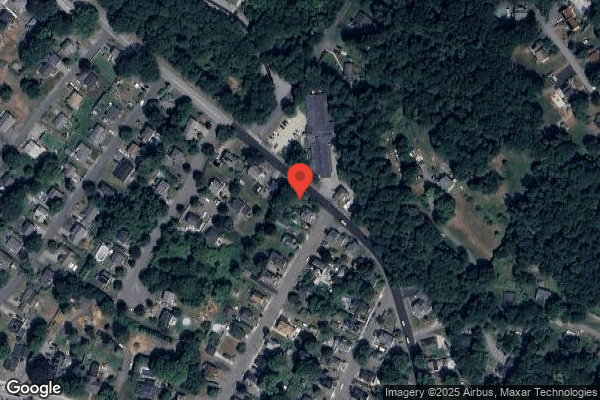
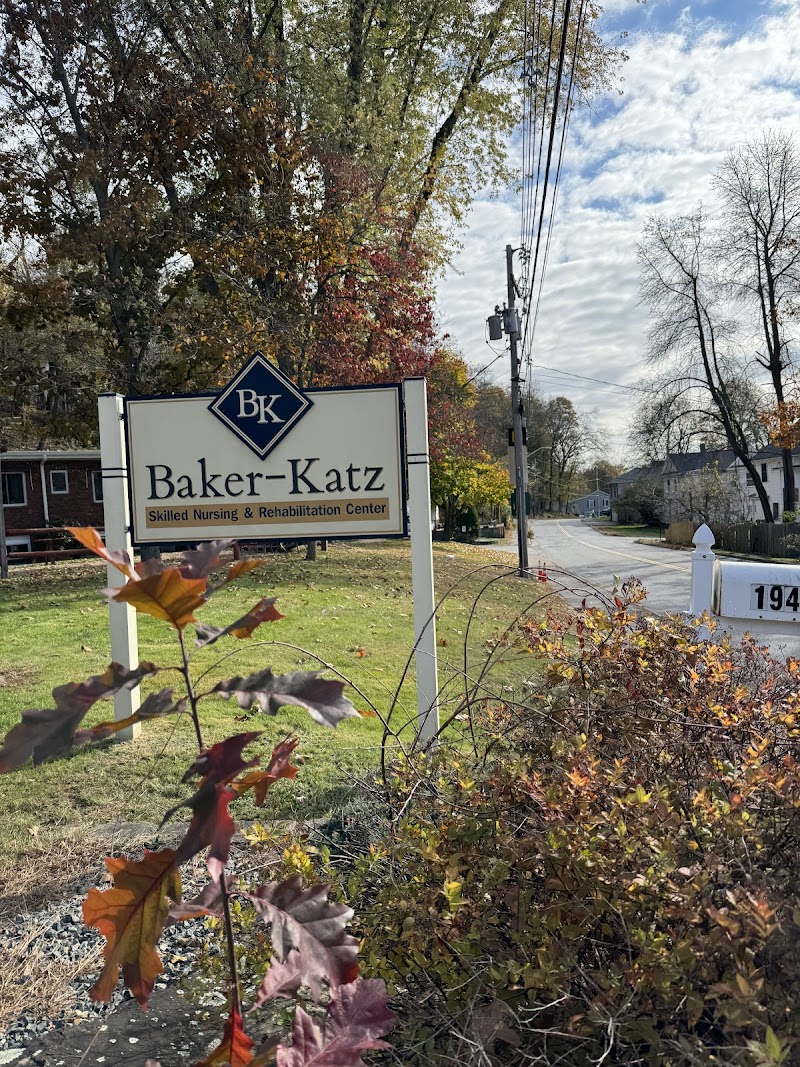
194 BOARDMAN STREET, HAVERHILL, MA 01830 (978) 373-5697
For profit - Limited Liability company 77 Beds Independent Data: November 2025
Trust Grade
65/100
#131 of 338 in MA
Last Inspection: May 2025

Inspected within the last 6 months. Data reflects current conditions.

Overview

Families considering Baker-Katz Skilled Nursing and Rehabilitation Center should note that it has a Trust Grade of C+, indicating a decent rating that places it slightly above average among nursing homes. It ranks #131 out of 338 facilities in Massachusetts, which means it is in the top half of the state’s nursing homes, and #21 out of 44 in Essex County, suggesting only a few local options are better. The facility's trend has been stable, with 17 concerns identified consistently over the last two years, indicating ongoing issues but no worsening situation. Staffing is a notable strength, with a turnover rate of 0%, which is well below the state average, though the staffing rating itself is only 2 out of 5 stars. There have been no fines reported, which is a positive sign, and the RN coverage is average, meaning residents receive standard nursing oversight. However, there are weaknesses to consider: recent inspections found that care plans were not followed for two residents at high risk for pressure ulcers, and respiratory care services were not consistently implemented for two others. Additionally, a treatment cart was left unlocked and unattended, raising concerns about medication safety. While there are positive aspects to Baker-Katz, families should weigh these concerns carefully when making their decision.

Trust Score
C+
65/100
In Massachusetts
#131/338
Top 38%
Safety Record
Low Risk
No red flags
Inspections
Holding Steady
4 → 4 violations
Staff Stability
○ Average
Turnover data not reported for this facility.
Penalties
✓ Good
No fines on record. Clean compliance history, better than most Massachusetts facilities.
Skilled Nurses
⚠ Watch
Each resident gets only 29 minutes of Registered Nurse (RN) attention daily — below average for Massachusetts. Fewer RN minutes means fewer trained eyes watching for problems.
Violations
⚠ Watch
17 deficiencies on record. Higher than average. Multiple issues found across inspections.
★★★☆☆
3.0
Overall Rating
★★☆☆☆
2.0
Staff Levels
★☆☆☆☆
1.0
Care Quality
★★★★☆
4.0
Inspection Score
Stable
2024: 4 issues
2025: 4 issues

The Good

  • Full Sprinkler Coverage · Fire safety systems throughout facility
  • No fines on record

Facility shows strength in fire safety.

The Bad

3-Star Overall Rating

Near Massachusetts average (2.9)

Meets federal standards, typical of most facilities

The Ugly 17 deficiencies on record

May 2025 4 deficiencies
CONCERN (D)

Potential for Harm - no one hurt, but risky conditions existed

Quality of Care (Tag F0684)

Could have caused harm · This affected 1 resident

Based on observation, record review and interview, the facility failed to provide treatment and care in accordance with professional standards of practice for two Residents (#24 and #199) who were ass...

Read full inspector narrative →
Based on observation, record review and interview, the facility failed to provide treatment and care in accordance with professional standards of practice for two Residents (#24 and #199) who were assessed to be at high risk for developing pressure ulcers, out of a total sample of 14 residents. Specifically, 1. For Resident #24, the facility failed to implement a physician's order for a treatment and plan for monitoring a blister. 2. For Resident #199, the facility failed to ensure his/her plan of care was implemented related to skin integrity. Findings include: Review of the facility's policy, not titled, revised 11/1/20 indicated the following: Purpose: To minimize the development of any type of ulcer and other skin issues through the systematic and regular inspections of the resident's skin, and to ensure early detection and interventions for all skin problems. Policy: 2. Residents will undergo a weekly body check by the licensed nurse. The facility will utilize the weekly body check form. 3. Certified Nursing Assistants will inspect the skin of each resident during daily care and whenever skin care is provided and report to the licensed nurse any changes to the resident's skin. 4. Licensed Nurse will respond to the report of skin problems and assess the resident's skin as soon as possible. 5. If skin breakdown is identified the physician will be notified and a treatment will be obtained. 7. Documentation by a member of the Nursing Administration team or designee shall include: - The date of assessment. - The stage of and measurements of pressure ulcer and size of non-pressure ulcer. - Description of drainage. - Description of odor. - The condition of surrounding tissue. - Any evidence of the progress or lack of healing. 8. The Licensed Nurse responsible for treatments on each unit will observe each ulcer in conjunction with treatment times and document the observation of the ulcer and or surrounding tissue on the Treatment Sheet. 9. A care plan will be developed and implemented and revised as necessary. 10. The resident will be followed weekly in the skin focus meeting until any pressure ulcer is resolved. 1. Resident #24 was admitted to the facility in March 2023 with diagnoses that include but are not limited to multiple sclerosis, other muscle spasm, major depression, and general paresis (a condition of muscular weakness caused by nerve damage, partial paralysis). Review of the Minimum Data Set (MDS) Assessment, dated 4/10/25, indicated Resident #24 scored a 13 out of 15 on the Brief Interview for Mental Status exam, indicating he/she as having intact cognition. Further, the MDS indicated Resident #24 had functional impairment in range of motion of his/her lower extremities, is dependent on staff for care including personal hygiene, lower body dressing and bathing, is at risk for developing pressure ulcers and did not have any pressure ulcers, or other wounds or skin problems. During an observation and interview on 5/20/25 at 7:58 A.M., Resident #24 was in bed. Resident #24 said he/she was not sure if he/she had any skin issues or areas. Resident #24 said he/she only gets out of bed to be weighed. Resident #24 was observed to be slight in stature and frail. Review of Resident #24's medical record indicated the following: -A physician's order dated 1/8/25 weekly skin check Friday 7-3 Document under Assessment Tab. -A Norton Scale for Predicting Risk of Pressure Ulcers dated 10/18/24, 1/10/25 and 4/4/25 assessed Resident #24 as High Risk for developing pressure ulcers. -A care plan with the focus: Resident has potential for altered skin breakdown r/t (related to) immobility, r/t multiple contracture bilateral ankle, knees, hip, trunk rotation prior to admission resulting in him/her being bedbound, multiple sclerosis, spasm, backpain with sciatica, depression, incontinent of urine and bowel. Can be resistive to care. Date initiated: 3/16/2023. Interventions included but not limited to, skin protocol per house policy, dated 3/16/25. -Weekly skin checks dated 4/11/25 and 4/18/25 indicating Resident #24's skin is intact. The next documented skin check was dated 5/2/25 which was completed 2 weeks later. Review of a Nursing Progress Note: dated 4/28/25 indicated: Aide reported a blister on R (right) lateral ankle, inspected and treated with skin prep and covered with a band aide. Blister is filled but intact. NP (nurse practitioner) notified. Review of a Nursing Progress note dated 5/3/25 at 06:48 (6:48 A.M.), indicated: corrective note: L (left) lateral ankle. This note indicated that the blister was on the left lateral ankle and not on the right as documented in the 4/28/25 nursing progress note. Further review of the medical record failed to indicate a new skin assessment after the identification of the new skin blister on Resident #24 was completed on 4/28/25. Further, the medical record failed to indicate an order for the treatment and monitoring of the identified blister was implemented on 4/28/25 when the blister was identified. Review of the weekly skin check dated 5/2/25, completed 5 days after the blister was documented on 4/28/25 on the lateral ankle, indicated site: left foot blister, the document under length, width depth or stage was left blank, nor was there any documentation of evidence of progress or lack of healing, description of the surrounding skin or odor or drainage. Other: BLE (bilateral Lower extremity) healing blisters. Review of the Treatment Administration Record (TAR) dated April 2025 failed to indicate the administration of a treatment or monitoring of the blister identified on 4/28/25 on Resident #24's right lateral ankle. Review of the TAR dated May 2025 indicated the following: -Blister to left lateral ankle. Apply skin prep and wrap with Kerlix. Every day and evening shift for Blister. The treatment was documented as administered beginning on the evening shift on 5/2/25. This order was implemented five days after the Blister was identified on Resident #24's ankle on 4/28/25. During an interview on 5/21/25 10:16 A.M., Nurse #1 said she was not caring for Resident #24 today but has recently taken care of him/her and that he/she has a blister on his/her foot. Nurse #1 said when a skin tear, blister or skin injury occurs the nurse practitioner is notified, and orders are put in place for treatment and the nurses follow the orders. During an interview on 5/21/25 at 9:24 A.M., the Unit Manager said all residents have weekly skin checks under assessments in the medical record. The Unit Manager said Resident #24 is at risk for pressure/skin injuries. The Unit Manager reviewed Resident #24's assessment tab and said the weekly skin check was not completed on 4/25/25 and should have been. The Unit Manager said she was aware that a blister was reported on Resident #24's foot. The Unit Manager said when an area is identified a new skin assessment is completed and an order for treatment is obtained at the time it is identified. During an interview on 5/21/25 at 9:23 A.M., the Director of Nursing (DON) said if a new skin area is identified on a resident, a skin incident report is completed, a skin check assessment is conducted, the Nurse Practitioner would be notified and an order for treatment would be obtained and entered under orders. The DON said she was not aware of the blister on Resident #24 until 5/6/25, did not have an incident report and expected a skin assessment to be completed and an order put in place for a treatment. During an interview 5/21/25 at 10:31 A.M., the Nurse Practitioner (NP) said Resident #24 has a history of developing blisters. The NP, who is also the Regional Nurse for the facility, said when a new area is identified an assessment including the location, and a complete description of the alteration in skin should be completed. The NP said the monitoring of the area would be part of the order for treatment to include the progress of the wound, odor, drainage, color of surrounding skin. The NP said she was made aware of the blister and ordered skin prep and a protective dressing and was not aware that the order was not implemented on 4/28/25 when the area was identified. The NP reviewed Resident #24's record and said there was no weekly wound documentation, and the treatment order did not include monitoring of the wounds response to treatment and should.2. Resident #199 was admitted to the facility in February 2025 with diagnoses that included dementia, pressure ulcer to sacral region, peripheral vascular disease, and venous insufficiency. Review of Resident #199's most recent Minimum Data Set (MDS) assessment, dated 4/27/25, indicated he/she was assessed by nursing staff to have severe cognitive impairments. The MDS further indicated the Resident is at risk for developing pressure ulcers and has one unstageable pressure ulcer. The MDS also indicated that he/she was dependent on staff for bathing, dressing and grooming. On 5/20/25 at 7:40 A.M. and 10:37 A.M., the surveyor observed Resident #199 in bed with his/her feet and heels flat on the mattress, no air boots, foam dressings or lambswool were observed on the Residents' feet. The surveyor observed two large blood blisters on his/her left foot and the top of his/her toes on both feet were red. On 5/21/25 at 7:36 A.M. and 9:11 A.M., the surveyor observed Resident #199 in bed with his/her feet and heels flat on the mattress, no air boots were observed on the Residents feet. The surveyor observed a lambswool only between the left toes and a dressing wrapped around his/her ankle and foot leaving the left heel exposed. The right heel had no dressing in place and the right toes were observed to have no lamb's wool. Review of Resident #199's physician order, dated 1/7/25, indicated Apply wisps of Lambswool between toes daily. Review of Resident #199's physician order dated 2/26/25, indicated apply skin prep to both feet, allow to air dry, apply Allevyn Foam Dressings to both heels, then place air boots on both feet for pressure prevention. Review of Resident #199's physician order, dated 4/23/25, indicated off load heels at all times using pillows. Review of Resident #199's nursing progress note, dated 5/17/25, indicated Patient noted to have 2 blood filled blisters 4(4X2) (4 centimeters by 2 centimeters) and (2x2) on the bottom of the left foot MD (medical doctor) updated skin prep applied and areas LOTA (leave open to air). Review of Resident #199's altered skin care plan, dated 3/26/25, indicated Offload heels. Apply Lambswool between toes daily. Notify MD if treatment is ineffective. Review of Resident #199's Norton Scale for Predicting Risk of Pressure Ulcer dated 4/29/25, indicated he/she scored a four indicating high risk. Review of Resident #199's nursing progress notes and May 2025 Treatment of Administration Record from 5/18/25 through 5/21/25 failed to indicate the Resident refused any treatments. During an interview and observation on 5/21/25 at 9:15 A.M., Nurse #1 said the expectation is that nurses follow physician's orders. Nurse #1 said there is only lambswool and a dressing on his/her left foot, but it does not cover the heel. Nurse #1 said if there is an order in place for a dressing to both heels, air boots to both feet and lambswool to all toes then it should be followed. Nurse #1 said his/her feet and heels are directly on the bed and there are no air boots on the Resident. During an interview and observation on 5/21/25 at 9:17 A.M., Certified Nurse Aide (CNA) #1 said the Resident has had wounds on and off on his/her feet and heels. The CNA said he/she does not remove their dressings or pillows. The CNA said his/her heels are flat on the mattress and not elevated and there is only a dressing and lambswool on the left foot. During an interview on 5/21/25 at 9:19 A.M., the Nurse Practitioner said the Resident is at high risk for developing pressure ulcers and has had multiple pressure ulcers in the past. The NP said the Resident does currently have skin breakdown on his/her feet and said the expectation is that nursing staff are following the plan of care and physician's orders. During an interview on 5/21/25 at 10:25 A.M., the Director of Nurses (DON) said she expects the Residents plan of care to be followed. The DON said this Resident does not refuse wound care or his/her heels to be elevated and said if they did it should be documented in a nursing progress note. The DON said his/her feet are very fragile and that is why the orders are in place to protect his/her skin.
CONCERN (D)

Potential for Harm - no one hurt, but risky conditions existed

Respiratory Care (Tag F0695)

Could have caused harm · This affected 1 resident

**NOTE- TERMS IN BRACKETS HAVE BEEN EDITED TO PROTECT CONFIDENTIALITY** Based on observation, record review and interviews, the facility failed to ensure that respiratory care services, consistent wit...

Read full inspector narrative →
**NOTE- TERMS IN BRACKETS HAVE BEEN EDITED TO PROTECT CONFIDENTIALITY** Based on observation, record review and interviews, the facility failed to ensure that respiratory care services, consistent with professional standards of practice, were implemented for two Residents (#16 and #18), out of a total sample of 14 residents. Specifically, facility staff failed to change oxygen and nebulizer tubing in accordance with the physician's orders. Findings include: Review of the facility's policy titled Oxygen Administration and Storage, not dated, indicated the following: -Purpose: Administration of oxygen as ordered by the physician. Ensure safe storage and proper handling of oxygen. -Procedure: 8. Change cannula, humidifier, tubing, and other disposable equipment weekly and as needed. Date, time, and initial tubing when changed. 1a. Resident #16 was admitted to the facility in August 2021 and has diagnoses that include but are not limited to cerebral infarction, chronic diastolic heart failure, and atrial fibrillation. Review of the Minimum Data Set (MDS) assessment, dated 4/24/25, indicated Resident #16 scored a 10 out of 15 on the Brief Interview for Mental Status exam, indicating Resident #16 as having moderate cognitive impairment. Further, the MDS indicated Resident #16 was dependent on staff for daily care including bathing, toileting and dressing and utilized oxygen therapy. On 5/20/25 at 7:40 A.M., Resident #16 was observed in bed with his/her eyes closed with a nasal cannula administering oxygen at 2 liters. Tape affixed to the oxygen tubing that was administering the oxygen was dated 5/7. Tubing attached to a nebulizer (a nebulizer is a drug delivery device used in the form of a mist inhaled into the lungs) unit on Resident #16's bedside table was dated 5/7. On 5/20/25 at 9:04 A.M., Resident #16 was observed in bed with oxygen running via a nasal cannula. Both the oxygen tubing and nebulizer tubing were dated 5/7. During an interview and observation on 5/20/25 at 9:42 A.M., Resident #16 said he/she uses oxygen all the time. Resident #16 said he/she uses the breathing treatment (nebulizer) every day. At this time the oxygen tubing was dated 5/20/25 and the nebulizer tubing was dated 5/7. Review of Resident #16's physician's orders indicated the following: -Change oxygen tubing and date. also clean concentrator filter weekly on Tuesday 11-7 (11:00 P.M. to 7:00 A.M.) every night shift every Tue, dated 4/25/25. (sic) -Change tubing and date neb (nebulizer) machine tubing every Tuesday 11-7 every night shift every Tue, dated 4/5/25. (sic) -May give supplemental o2 (oxygen) via NC (nasal cannula) to keep saturation above 92% every shift, dated 4/25/24 (the order failed to indicate how many liters of oxygen to administer) -Ipratoplum-Albuterol Solution 0.5-2.5 (3) MG/3ML 1 vial inhale orally every 8 hours for SOB (shortness of breath)/Wheezing via nebulizer x 15 minutes for SOB/Wheezing, dated 8/16/24. Review of the care plan with the focus: Resident has sleep apnea, Dyspnea (Shortness of breath), Asthma and Respiratory failure, date initiated 5/3/22, with the interventions: Change oxygen tubing and date. also clean concentrator filter weekly on Tuesday 11-7, dated 4/25/25. (sic) Change tubing and date neb machine tubing every Tuesday 11-7, date 4/25/25. Resident #16's oxygen tubing and nebulizer tubing were not changed weekly in accordance with the physician's orders and care plan. During an interview on 5/21/25 at 10:20 A.M., Nurse #1 said Resident #16 uses the nebulizer daily and the nursing staff provide the administration of the nebulizer treatment. Nurse #1 said the oxygen tubing and tubing for the nebulizer is to be changed weekly. Nurse #1 said she would expect that the nursing staff would see the date on the nebulizer when administering the nebulizer treatment. During an interview on 5/21/25 at 10:55 A.M., the Director of Nursing said she would expect respiratory equipment to be changed as indicated in the physician's order and would expect the nurses who are providing the daily nebulizer treatments to Resident #16 to see the equipment was not changed as required. 1b. Resident #18 was readmitted to the facility in December 2024 and has diagnoses that include but are not limited to acute and chronic respiratory failure with hypoxia, and chronic respiratory pulmonary disease. Review of Resident #18's MDS, dated [DATE], indicated Resident #18 scored a 9 out of 15 on the Brief Interview for Mental Status exam, indicating Resident #18 as having moderately intact cognition. Further review of the MDS indicated Resident #16 requires assistance with daily care and uses oxygen therapy. During an observation and interview on 5/20/25 at 8:13 A.M., Resident #18 was sitting up in bed with his/her breakfast tray in front of him/her. Resident #18 was wearing a nasal cannula which was administering 2.5 liters of oxygen from a concentrator located next to his/her bed. The oxygen tubing was dated 5/7. Resident #18 said staff change the tubing sometimes. During an observation on 5/20/25 at 10:44 A.M., Resident #18's oxygen tubing administering oxygen via the nasal cannula was dated 5/7. Review of Resident #18's physician's orders indicated the following: -Change tubing and oxygen concentrator every Tuesday on 11-7 and clean filter with warm water. Be sure to label new tubing with Date, every night shift every Tue, dated 4/25/25. -Oxygen as 2L (liters) via NC (nasal cannula) to maintain 02 sats greater than 90% every shift related to Chronic Obstructive Pulmonary Disease, Unspecified Acute and Chronic Respiratory Failure with Hypoxia, Acute and Chronic Respiratory Failure with Hypercapnia, dated 11/13/23. Review of a Care Plan with the focus: Resident has Emphysema/COPD (chronic obstructive pulmonary disease) positive nodule right lung-noncompliant/decreased safety awareness to wear oxygen date initiated 3/6/20, included the interventions dated 3/6/20 Give oxygen therapy as ordered by the physician, change and date tubing weekly. Resident #18's oxygen tubing was not changed weekly as indicated in accordance with the physician's orders and care plan. During an interview on 5/21/25 at 10:40 A.M., the Unit Manager said the oxygen tubing should be changed weekly and that it is written as a physician's order to be changed. The Unit Manager said the date of 5/7 would not have been weekly. During an interview on 5/21/25 at 10:55 A.M., the Director of Nursing said she would expect respiratory equipment including tubing to be changed per the physician's order.
CONCERN (D)

Potential for Harm - no one hurt, but risky conditions existed

Deficiency F0761 (Tag F0761)

Could have caused harm · This affected 1 resident

Based on observations and interviews, the facility failed to ensure nursing staff stored drugs and biologicals in accordance with State and Federal requirements. Specifically, the facility failed to e...

Read full inspector narrative →
Based on observations and interviews, the facility failed to ensure nursing staff stored drugs and biologicals in accordance with State and Federal requirements. Specifically, the facility failed to ensure two of two treatment carts were locked while a nurse was not present. Findings include: Review of the facility policy titled Storage of Medications, dated 2017, indicated The medication supply is accessible only to licensed nursing personnel, pharmacy personnel, or staff members lawfully authorized to administer medications. Medication rooms, carts, and medication supplies are locked when not attended by persons with authorized with authorized access. On 5/20/25 from 7:06 A.M. to 7:49 A.M., the surveyor observed the treatment cart unlocked and unsupervised in the A hall. Multiple staff members and residents were observed walking by the treatment cart. On 5/20/25 from 7:45 A.M. to 8:11 A.M., the surveyor observed the treatment cart unlocked and unsupervised in the B hall. Multiple staff members and residents were observed walking by the treatment cart. The surveyor was able to access the cart and observed multiple prescription ointments/creams and other treatment supplies. On 5/21/25 from 7:36 A.M. to 8:31 A.M., the surveyor observed the treatment cart unlocked and unsupervised in the B hall. Multiple staff members were observed to walk by the treatment cart. The surveyor was able to access the cart and observed multiple prescription ointments/creams and other treatment supplies. During an interview on 5/21/25 at 9:15 A.M., Nurse #1 said treatment carts should be locked at all times unless the nurse is at the cart. During an interview on 5/21/25 at 9:19 A.M., the Administrator and the Nurse Practitioner said treatment carts should be locked at all times unless the nurse is present at the cart.
CONCERN (D)

Potential for Harm - no one hurt, but risky conditions existed

Infection Control (Tag F0880)

Could have caused harm · This affected 1 resident

Based on observation, record review and interview, the facility failed to implement infection control practices to prevent the spread of infection. Specifically, two housekeeping staff failed to perfo...

Read full inspector narrative →
Based on observation, record review and interview, the facility failed to implement infection control practices to prevent the spread of infection. Specifically, two housekeeping staff failed to perform hand hygiene, and one entered a resident's room wearing potentially contaminated gloves. Findings include: Review of the facility's policy titled Handwashing/Hand Hygiene, not dated indicated the following: This facility considers hand hygiene the primary means to prevent the spread of infections. Policy Interpretation and Implementation included but was not limited to: 2. All personnel shall follow the handwashing/hand hygiene procedures to help prevent the spread of infections to other personnel, residents and visitors. 6. In most situations, the preferred method of hand hygiene is with an alcohol-based hand rub. If hands are not visibly soiled, use alcohol-based rub containing 60-95% ethanol or isopropanol for all the following situations: b. before donning sterile gloves, j. After removing gloves. During an observation in the B hall on 5/21/25 at 9:14 A.M., the surveyor observed the following: At 9:15 A.M. Housekeeper #1 exited a resident room wearing gloves on both hands. Housekeeper #1 touched the housekeeping cart in the hall, opened a cabinet on the side and with her gloved hands removed a spray bottle and toilet brush in a holder and entered a different resident room and entered the bathroom wearing the same gloves. At 9:16 A.M., Housekeeper #1 exited the resident's room with the same gloved hands, touched the cart with her gloved hands and put the items back in the cart. Housekeeper #1 then picked up the floor mop and entered the same resident room wearing the same potentially contaminated gloves. At 9:18 A.M., Housekeeper #1 exited the resident room, removed her gloves and without performing hand hygiene placed on new gloves and moved on to the next resident room. At 9:19 A.M., Housekeeper #2 exited a room wearing gloves, reentered the room after placing a rag in the water on the cart. Then exited the room, removed the gloves and put on new gloves without performing hand hygiene. At 9:40 A.M., Housekeeper #1 exited a resident room wearing gloves on both hands, removed the gloves and without performing hand hygiene placed on new gloves. Housekeeper #1 pushed the housekeeping cart a short distance, then removed supplies from the cart and entered a resident's room. During an interview on 5/21/25 at 10:24 A.M., Housekeeper #2 said hands are to be cleaned, pointing to the hand sanitizer dispenser on the wall after gloves are removed or before gloves are placed on and said gloves are not to be worn in the hall. During an interview on 5/21/25 at 10:40 A.M. the Unit Manger said housekeeping staff are to follow infection control procedures. The Unit Manger said staff should not wear dirty gloves in the hall, touching the cart, and should not go into a resident's room wearing dirty gloves. During an interview on 5/21/25 at 10:27 A.M., the Infection Control Preventionist Nurse said staff are to perform hand hygiene before and after putting on gloves, should not be wearing gloves in the hall and should perform hand hygiene and change gloves between tasks and should not wear the same gloves in multiple rooms.
Nov 2024 2 deficiencies
CONCERN (D) 📢 Someone Reported This

A family member, employee, or ombudsman was alarmed enough to file a formal complaint

Potential for Harm - no one hurt, but risky conditions existed

Notification of Changes (Tag F0580)

Could have caused harm · This affected 1 resident

Based on records reviewed and interviews, for one of three sampled residents (Resident #1), who on 10/26/24 was found lying on the floor by Nurse #1 after an unwitnessed fall, the Facility failed to e...

Read full inspector narrative →
Based on records reviewed and interviews, for one of three sampled residents (Resident #1), who on 10/26/24 was found lying on the floor by Nurse #1 after an unwitnessed fall, the Facility failed to ensure nursing reported the incident to the Physician, his/her Guardian, Administrative staff and to the oncoming Nurse as required, and per Facility policy. Findings Included: Review of the Facility's policy, titled Resident Assessment, revised 08/30/24, indicated the Facility shall promptly notify the resident, his/her attending Physician and representatives of changes in the residents medical/mental condition and/or status including an accident or incident involving the resident. Review of the Facility's policy, titled Accident and Incident Reports, undated, per Director of Nurses (DON) reviewed annually in December, indicated all accidents or incidents involving residents to notify the following; the attending Physician and follow any orders promptly, the DON within 24 hours of the incident or accident, the oncoming nurse, the family or responsible party and that it is imperative that this information is passed on in report to the oncoming nurse if they need to make a phone call to the family or responsible party. Resident #1 was admitted to the Facility in June 2020, diagnoses included dementia, type II diabetes, hypertension, osteoarthritis, schizophrenia, delusional disorders, anxiety, depression, and history of falls. Review of the Report submitted by the Facility via the Health Care Facility Reporting System (HCFRS), dated 11/07/24, indicated that on 10/26/24, Resident #1 was transferred to the Hospital Emergency Department (ED) secondary to a high blood glucose level and mental status changes. The Report further indicated the Facility received a phone call from the Hospital ED Nurse indicating Resident #1 was found to have rib fractures, bruising and sepsis. Review of the Facility Report, titled Summary of the Investigation, indicated on 10/26/24 Resident #1 had an unwitnessed fall at approximately 3:39 P.M., that the assigned Nurse (Nurse #1) had failed to report the incident to the Facility Physician/Nurse Practitioner, Resident #1's Responsible Party, the on coming shift nurse, or to Emergency Medical Services (EMS) and Hospital Emergency Department (ED) team. Review of Resident #1's Medical Record indicated Resident #1 was appointed a Guardian, that his/her Guardian contact information and Family member contact information were clearly indicated in his/her record. Review of Resident #1's Medical Record indicated that 10/26/24, there was no Nurse Progress Note, no Fall/Incident Report, and no documentation to support Resident #1 Guardian, Physician, Director of Nurses (DON) or the oncoming shift Nurse were notified of Resident #1's fall/incident. During a telephone interview on 11/21/24 at 2:37 P.M., Nurse #1 said on 10/26/24, somewhere around 3:00 P.M. she found Resident #1 in an unoccupied room lying on the floor on his/her side. Nurse #1 said Resident #1 was moving around, trying to get him/herself off the floor, but was unable. Nurse #1 said she had assessed Resident #1, completed his/her vital signs, checked his/her skin for bumps, bleeding, if he/she had pain and said she did not see anything wrong. Nurse #1 said she asked Nurse #2 to assist her to transfer Resident #1 back to his/her room. During a follow-up telephone interview on 11/21/24 at 3:28 P.M., Nurse #1 said on 10/26/24, somewhere around 6:30 P.M. a Certified Nurse Aide (CNA, later identified as CNA #1) approached her and said Resident #1 appeared to be pale, sweaty, and did not look well. Nurse #1 said she went to assess Resident #1 who was in bed, was pale, clammy, sweaty and had an elevated blood sugar. Nurse #1 said the Resident #1 told her that he/she did not eat and only had a small amount of water. Nurse #1 said she was unable to lower Resident #1's blood sugar, so she spoke to the Nurse Practitioner and they sent Resident #1 to the Hospital Emergency Department for further evaluation. Nurse #1 said she did not report Resident #1's fall to the Physician, the Director of Nurses, the Emergency Medical Services, the Emergency Staff Nurse, to the oncoming staff or to the Resident #1's Guardian. During a telephone interview on 11/21/24 at 12:25 P.M., Nurse #2 said on 10/26/24, Nurse #1 said Resident #1 had fallen and she needed help. Nurse #2 said upon arrival, Resident #1 was in an unoccupied room lying on the floor on his/her right side. Nurse #2 said she assisted Nurse #1 to transport Resident #1 to his/her room. Nurse #2 said Nurse #1 was assigned to Resident #1 and would have reported Resident #1's fall and completed his/her documentation relating to the fall, so she did not. During an interview on 11/20/24 at 10:38 A.M., the Director of Nurses (DON) said Nurse #1 did not inform her of Resident #1's fall on 10/26/24. The DON said Nurse #1 had called her on 10/26/24 and reported that Resident #1's blood sugars were elevated, and she was unable to reach the Nurse Practitioner (NP). The Director of Nurses said she was able to reach the NP immediately after speaking to Nurse #1 and the NP gave an order to transfer Resident #1 out to the ED for evaluation. During an interview on 11/20/24 at 10:40 A.M., the Administrator said Nurse #1 did not inform her of Resident #1's fall on 10/26/24. The Administrator said she received a phone call from the Nurse that worked the overnight shift on 10/26/27 into 10/27/24 who had informed that the Hospital called the Facility to inform them Resident #1 had fractures. The Administrator said she begun an investigation on 10/27/24, and was informed of Resident #1's fall on 10/26/24 during her investigation. During a follow-up interview on 11/20/24 at 2:22 P.M., the Director of Nurses said she could not find any documentation in Resident #1's Medical Record regarding his/her fall on 10/26/24, including any assessments or a Fall/Incident Report. The DON said it was her expectation that Nurse #1 should have assessed Resident #1 for injury, initiated obtaining neurological signs (fall was unwitnessed), and completed the Fall Packet. The DON said Nurse #1 should have also notified the Physician, Facility Administration staff, Resident #1's Guardian, documented the fall incident in a progress note, completed a Fall/Incident Report, notified the oncoming shift nursing staff, and obtained staff written statements, but she had not.
CONCERN (D) 📢 Someone Reported This

A family member, employee, or ombudsman was alarmed enough to file a formal complaint

Potential for Harm - no one hurt, but risky conditions existed

Deficiency F0658 (Tag F0658)

Could have caused harm · This affected 1 resident

Based on records reviewed and interviews, for one of three sampled residents (Resident #1), who on 10/26/24, was found lying on the floor by Nurse #1 after an unwitnessed fall, the Facility failed to ...

Read full inspector narrative →
Based on records reviewed and interviews, for one of three sampled residents (Resident #1), who on 10/26/24, was found lying on the floor by Nurse #1 after an unwitnessed fall, the Facility failed to ensure he/she was provided with nursing care and treatment that met professional standards of quality care, when although Nurse #1 said she assessed Resident #1 prior to moving him/her off of the floor, there was no documentation to support she adequately assessed Resident #1 after his/her fall for potential injury. Findings include: Standard Reference: Standard of Practice Reference: Pursuant to Massachusetts General Law (M.G.L), chapter 112, individuals are given the designation of registered nurse and practical nurse which includes the responsibility to provide nursing care. Pursuant to the Code of Massachusetts Regulation (CMR) 244, Rules and Regulations 3.02 and 3.04 define the responsibilities and functions of a registered nurse and practical nurse bear full responsibility for systematically assessing health status and recording the related health status and recording the related health data. They also stipulate that both the registered and practical nurse incorporated into the plan of care and implement prescribed medical regimens. The rules and regulations 9.03 define standards of Conduct for Nurses where it is stipulated that a nurse licensed by the Board shall engage in the practice of nursing in accordance with accepted standards of practice. Review of the Facility's policy, titled Resident Assessment, revised 08/30/24, indicated the Facility shall promptly notify the resident, his/her attending Physician and representatives of changes in the residents medical/mental condition and/or status including an accident or incident involving the resident. Review of the Facility's policy, titled Accident and Incident Reports, undated, per Director of Nurses (DON) reviewed annually in December, indicated all accidents or incidents involving residents to notify the following; the attending Physician and follow any orders promptly, the DON within 24 hours of the incident or accident, the oncoming nurse, the family or responsible party and that it is imperative that this information is passed on in report to the oncoming nurse if they need to make a phone call to the family or responsible party. The Policy indicated an unwitnessed fall, document a complete set of vital signs, complete neuro assessment in the nurse's note and document the fall on the 24 hour report book. The Policy indicated the incident report needs to be brought to morning meeting and followed up to ensure that all documentation is completed. Resident #1 was admitted to the Facility in June 2020, diagnoses included dementia, type II diabetes, hypertension, osteoarthritis, schizophrenia, delusional disorders, anxiety, depression, and history of falls. Review of the Report submitted by the Facility via the Health Care Facility Reporting System (HCFRS), dated 11/07/24, indicated that on 10/26/24, Resident #1 was transferred to the Hospital Emergency Department secondary to a high blood glucose level and mental status changes. The Report further indicated the Facility received a phone call from the Hospital ED Nurse indicating Resident #1 was found to have rib fractures, bruising and sepsis. During a telephone interview on 11/21/24 at 2:37 P.M., Nurse #1 said on 10/26/24, somewhere around 3:00 P.M. she found Resident #1 in an unoccupied room lying on the floor on his/her side. Nurse #1 said Resident #1 was moving around, trying to get him/herself off the floor, but was unable. Nurse #1 said she assessed Resident #1, completed his/her vital signs, checked his/her skin for bumps, bleeding, if he/she had pain and said she did not see anything wrong. Nurse #1 said she asked Nurse #2 to assist her to transfer Resident #1 back to his/her room. However, although Nurse #1 said she assessed Resident #1 after his/her fall, there was no documentation in Resident #1's Medical Record to support Nurse #1 had completed any type of assessment, including that she had obtained Resident #1's vital signs on 10/26/24, after his/her unwitnessed fall. During a follow-up telephone interview on 11/21/24 at 3:28 P.M., Nurse #1 said on 10/26/24, that although she did not document Resident #1's fall on 10/26/24, that she did assess him/her for potential injury before having Nurse #2 help her get Resident #1 up and back to his/her own room. Nurse #1 said she was aware of the Facility's Policy related to Resident Assessment and Accident/Incident Report, the Fall Packet, Procedures, and what was required of nursing if a resident had an unwitnessed fall. Nurse #1 said on 10/29/24, (three days after the incident) she provided a written statement and documented Resident #1's unwitnessed fall in his/her medical record including Resident #1's Neurological assessment. During a telephone interview on 11/21/24 at 12:25 P.M., Nurse #2 said on 10/26/24, Nurse #1 said Resident #1 had fallen and she needed help. Nurse #2 said upon arrival, Resident #1 was in an unoccupied room lying on the floor on his/her right side. Nurse #2 said Nurse #1 told her she had already assessed Resident #1 for potential injury. Nurse #2 said she assisted Nurse #1 to transport Resident #1 to his/her room. Nurse #2 said Resident #1 did not verbalize pain or discomfort. Nurse #2 said Resident #1's facial expression did not show signs of pain or discomfort and Resident #1 was able to ambulate, which was his/her baseline. Nurse #2 said on 10/27/24 she was asked by the Administrator and Director of Nurses if anything had happened on 10/26/24 to Resident #1 since he/she was not doing well. Nurse #2 said she had said no but shared details of the fall. During an interview on 11/20/24 at 10:40 A.M., the Administrator said she had received a phone call from the Nurse that worked the overnight shift on 10/26/27 into 10/27/24 to inform her the Hospital called the Facility to inform them Resident #1 had fractures. The Administrator said she had not been informed of Resident #1's fall on 10/26/24 until during her investigation. During an interview on 11/20/24 at 2:22 P.M., the Director of Nurses said she could not find any documentation in Resident #1's Medical Record regarding his/her fall on 10/26/24, including any assessments or a Fall/Incident Report. The DON said it was her expectation that Nurse #1 should have assessed Resident #1 for injury, initiated obtaining neurological signs (fall was unwitnessed), and completed the Fall Packet.
Jun 2024 2 deficiencies
CONCERN (D)

Potential for Harm - no one hurt, but risky conditions existed

Comprehensive Care Plan (Tag F0656)

Could have caused harm · This affected 1 resident

Based on record reviews, observations and interviews, the facility failed to ensure resident centered care plans were implemented for one Resident (#43) out of a total sample of 14 residents. Specific...

Read full inspector narrative →
Based on record reviews, observations and interviews, the facility failed to ensure resident centered care plans were implemented for one Resident (#43) out of a total sample of 14 residents. Specifically, for Resident #43, the facility failed to implement TED hose (compression stockings) as ordered by the Physician. Findings include: Resident #43 was admitted to the facility in November 2022 with diagnoses that included cerebral infarction due to embolism of right middle cerebral artery, aortic aneurysm, and essential primary hypertension. Review of Resident #43's most recent Minimum Data Set (MDS) assessment, dated 3/21/24, indicated Resident #43 scored a 2 out of a possible 15 on the Brief Interview for Mental Status (BIMS) indicating he/she has severe cognitive impairment. On 6/03/24 at 12:15 P.M., the surveyor observed Resident #43 seated in the dining room eating his/her lunch. Resident #43 was not wearing compression stocking on his/her legs. On 6/05/24 at 7:43 A.M., the surveyor observed Resident #43 seated in his/her room waiting to go to breakfast. Resident #43 was not wearing compression stockings on his/her legs. Review of Resident #43's nursing notes on 6/5/24 at 10:59 A.M., failed to indicate the Resident refused to wear his/her compression stockings. Review of Resident #43's care plan initiated 5/25/23 indicated the following: -Focus: Resident #43 has impaired cardiac with hypertension. -Intervention: Teds stockings on every AM and remove every bedtime. Further review of Resident #43's active physician order, dated 4/03/23 indicated Teds stockings on every AM and remove every bedtime every day and evening shift for to minimize syncopal (fainting) episodes. During an interview on 6/05/24 at 9:52 A.M., Nurse (#1) said Resident #43 wears an abdominal binder because of his/her syncopal episodes, but that she was unaware Resident #43 requires the use of compression stockings. During an interview on 6/05/24 at 9:43 A.M., with Resident #43's Certified Nursing Assistant (CNA) #2, she said that she was not aware that Resident #43 was supposed to wear compression stockings. During an interview on 6/05/24 at 10:05 A.M., the Director of Nursing said the nurse and CNA should follow each resident's plan of care and would expect the compression stockings to be applied per the physician's order.
CONCERN (D)

Potential for Harm - no one hurt, but risky conditions existed

Deficiency F0699 (Tag F0699)

Could have caused harm · This affected 1 resident

**NOTE- TERMS IN BRACKETS HAVE BEEN EDITED TO PROTECT CONFIDENTIALITY** 2. Resident #41 was admitted to the facility in April 2024 with diagnoses including anxiety, depression and PTSD (Post Traumatic...

Read full inspector narrative →
**NOTE- TERMS IN BRACKETS HAVE BEEN EDITED TO PROTECT CONFIDENTIALITY** 2. Resident #41 was admitted to the facility in April 2024 with diagnoses including anxiety, depression and PTSD (Post Traumatic Stress Disorder). Review of the most recent Minimum Data Set (MDS) assessment, dated 4/07/24, indicated that Resident #41 scored a 9 out of 15 on the Brief Interview for Mental Status exam (BIMS), indicating the Resident was moderately cognitively impaired. Further review of the MDS indicated that the Resident felt down, depressed, or hopeless nearly every day. Review of the most recent PTSD and Trauma Assessment, dated 4/03/24, indicated the following: -Resident #41 had a history of both physical and sexual assault/abuse on at least two occasions. -Resident #41 scored a 0 on section D, indicated the Resident did not acknowledge any ongoing signs of trauma. -Resident #41 does not discuss his/her trauma and that information regarding the trauma was provided by the Resident's son. The assessment failed to indicate Resident specific triggers for retraumatization, and failed to indicate that potential triggers were assessed during the biopsychosocial evaluation with his/her son. Review of Resident #41's PTSD care plan indicated the following: FOCUS: Trauma Care plan: at risk for psycho-social decline as evidence by PTSD, history of trauma r/t (related to) victim of sexual violence. INTERVENTIONS: -Acknowledge resident's physical response to anxiety, fear, etc. -Encourage resident to participate in daily activities she enjoys. -Encourage resident to verbalize their feelings and offer 1:1 support. Involve social services if negative thoughts are being voiced. The PTSD care plan failed to identify resident specific triggers that may be stressors or may prompt recall of the previous traumatic event and retraumatization. Review of the social Service clinical progress note, dated 4/04/24, indicated that Resident #41 had a history of PTSD, and that the Resident's son acknowledged that the Resident had a history of trauma related to sexual assault. Further review of the progress note indicated that the PHQ9 (Patient Health Questionnaire, a self-administered questionnaire that can be used to screen, diagnose, monitor, and measure the severity of depression) indicated the presence of minimal depression symptoms with a score of three, acknowledging the Resident felt down most of the time. During an interview on 6/05/24 at 8:58 A.M., Social Worker (SW) #1 said a care plan should be created upon admission for residents with a history of PTSD including information obtained from the resident and family regarding specific areas that may trigger the resident to become retraumatized. SW #1 said a PTSD and Trauma Assessment would be completed on admission and quarterly which should include potential triggers for retraumatization; SW #1 said that if triggers were assessed and no triggers could be identified that this would be documented in the PTSD and Trauma Assessment. SW #1 said that if a Resident was depressed that trauma would be considered as a possible source. SW #1 said that potential triggers for retraumatization would be assessed even if the Resident scored a 0 on section D of the PTSD and Trauma Assessment. SW #1 said that if a Resident had a history of sexual assault that an intervention for female-only caregivers would be added to the Resident's care plan. During a follow-up interview on 6/05/24 at 9:48 A.M., SW #1 said she updated Resident #41's care plan to include an intervention for female only caregivers, which should have been an intervention in place on the care plan, but was not. During an interview on 6/05/24 at 10:03 A.M., the Director of Nursing (DON) said that it is her expectation that residents care plans be individualized when they have PTSD, with resident specific triggers. Based on record review, policy review and interview, the facility failed to ensure a plan of care was developed for Trauma Informed Care with individualized interventions, for two Residents (#3 and #41) who have a history of Post Traumatic Stress Disorder (PTSD), out of a total sample of 14 residents. Findings include: The facility policy titled Trauma Informed Care, undated, indicated the following: -Traumatic event(s) cause an over-reactive adrenaline response influencing receptor sites. This creates biological changes in the brain. These biological changes persist long after the traumatic event(s). Future situations can make the person be hyper-responsive to these situations. Stress hormones suppress hypothalamic activity which can then create symptoms. Essentially maladaptive learning has been created in the brain. Interventions include: -Utilize all team resources to identify areas of trauma ad triggering events-stimuli -Identify and avoid behavioral triggers -Decrease stimuli that have negative effects 1. Resident #3 was admitted to the facility in January 2018 and had diagnoses that include anxiety disorder, major depressive disorder and dementia. Review of the most recent Minimum Data Set (MDS) assessment, dated 3/21/24, indicated that Resident #3 scored a 3 out of 15 on the Brief Interview for Mental Status exam (BIMS), indicating the Resident had severely impaired cognition. The MDS further indicated that Resident #3 had verbal and physically aggressive behavior toward others 4-6 days a week. Review of the most recent PTSD and Trauma Assessment, dated 3/20/24, indicated the following: -Resident #3 has a history of both physical and sexual assault/abuse; The assessment failed to indicate Resident specific triggers for retraumatization. Review of the current PTSD care plan indicated the following: FOCUS: Trauma Care plan At risk for psycho-social decline as evidenced by history of trauma r/t (related to) victim of physical abuse. INTERVENTIONS: -Allow resident to identify positive experiences in their life and successes as a resource such as when they are feeling anxious and overwhelmed. Encourage positive association with resources and name positive sensations that are calming or relaxing when discussing the resource; -Daughters and family are supportive and encourage to have continual contact and arrange for visitation if requested; -Encourage resident to participate in daily activities. Resident #3 enjoys listening to music, watching movies, visiting with dtrs/family, socializing with staff/1:1 visits; -Encourage resident to verbalize their feelings and offer 1:1 support. Involve social service if negative thoughts are being voiced. Provide 1:1 counseling services and psychiatric support. Behavioral Health services as needed; -Nursing staff to assess mood and effect daily. Encourage resident to access staff for support if mood and effect are out of normal limits. The PTSD care plan failed to identify resident specific triggers that may be stressors or may prompt recall of the previous traumatic event and retraumatization. Review of the most recent Psych Note, dated 5/24/24, indicated: -Staff report Resident #3 can be periodically anxious, yelling out, resistance to care, and selective with meds. Review of the Social Service clinical progress notes, dated 3/21/24, 1/04/24, 10/11/23, and 7/18/23, all indicate the following: -Resident #3 acknowledges a history of trauma related to physical and sexual abuse. Review of the current [NAME] (resident specific care instructions) indicated Resident #3 was dependent on staff for care. Review of the Treatment Administration Record (TAR) indicated that Nursing documented: -In May 2024 was resistive to care 4 times on the day shift, 16 times on the evening shift -In June 2024 was resistive to care 3 of 4 days on the day shift During an interview on 6/05/24 at 7:47 A.M., Resident #3's Certified Nursing Assistant (CNA) #1 said Resident #3 required total care and was very private. CNA #3 said that Resident #3 wanted the curtain pulled around his/her bed and if it isn't she would hear Resident #3 scream. CNA #1 was not aware if Resident #3 had a preference for female caregivers. During an interview on 6/05/24 at 8:58 A.M., Social Worker (SW) #1 said a care plan should be created upon admission for residents with a history of PTSD including information obtained from the resident and family regarding specific areas that may trigger the resident to become retraumatized. SW #1 said that she completes a PTSD assessment upon admission and quarterly, that identifies resident specific triggers, and that she tells staff to always consider trauma if a resident becomes distressed in situations. SW #1 said Resident #3 doesn't understand English so I don't communicate with him/her as much as I do other people but that the Resident had a very supportive family. SW #1 said that in this case she hadn't discussed the PTSD with the family although the family was very involved. SW #1 further said that she thinks Resident #3 prefers only female caregivers and that she will review Resident #3's care plan which sounds like it is generic. During a follow-up interview on 6/05/24 at 9:48 A.M., SW #1 said she updated Resident #3's care plan to reflect Resident #3's preference for female only caregivers, which should have been an intervention in place on the care plan, but was not. During an interview on 6/05/24 at 10:03 A.M., the Director of Nursing (DON) said that it was her expectation that residents care plans be individualized when they have PTSD with resident specific triggers.
Apr 2023 9 deficiencies
CONCERN (D)

Potential for Harm - no one hurt, but risky conditions existed

Resident Rights (Tag F0550)

Could have caused harm · This affected 1 resident

**NOTE- TERMS IN BRACKETS HAVE BEEN EDITED TO PROTECT CONFIDENTIALITY** Based on record review and interview, the facility failed to maintain resident's rights after the removal of shaving razors from...

Read full inspector narrative →
**NOTE- TERMS IN BRACKETS HAVE BEEN EDITED TO PROTECT CONFIDENTIALITY** Based on record review and interview, the facility failed to maintain resident's rights after the removal of shaving razors from 1 Resident's (#29) room, out of a total sample of 19 residents. Findings include: Review of the facility policy, titled Dignity and Respect, dated 8/1/22, indicated the following: -The resident has a right to a dignified existence, self-determination, and communication with and access to persons and services inside and outside the facility. -Grooming residents as they wish to be groomed (e.g., hair combed and styled, beards shaved and trimmed, nails clean and clipped). (A care plan will be added if unable to safely groom themselves) Resident #29 was admitted in July 2013 with diagnoses including hypertension. Review of the Minimum Data Set (MDS), dated [DATE], indicated that Resident #29 scored a 15 out of a possible 15 on the Brief Interview for Mental Status (BIMS), indicating intact cognition. Additional review of the MDS indicated that Resident #29 required one person physical assist with grooming. Review of the medical record indicated that Resident #29 was his/her own person and did not have a healthcare proxy invoked. Review of the care plan did not indicate that Resident #29 was unsafe to shave him/herself. Review of the progress note, dated 3/17/23, indicated that Resident #29 had razor blades in the bedside table and the Administrator determined that Resident #29 was not safe to keep the razors in his/her room. The progress note indicated that Resident #29 was upset and gave the razor blades over. The razor blades were locked in the medication cart. During an interview on 4/23/23 at 12:47 P.M., Social Worker #1 said that the a certified nursing aide told her that Resident #29 had disposable shaving razors in his/her bedside table. Social Worker #1 said that the razors were removed for safety reasons. She was not sure if an assessment had been done to determine if Resident #29 was safe, but was just told to remove them from his/her room. Social Worker #1 said that she was told by the Administrator to remove them and Resident #29 said that he/she was really upset. Social Worker #1 said that she interpreted the Resident was upset due to lack of independence. During an interview on 4/23/23 at 12:57 P.M., the Administrator said that Resident #29's disposable razors were locked in the medication cart and that his/her daughter came to pick up the razors. The Administrator said that Resident #29 has an electric razor for shaving. The Administrator said that if any resident came in and wanted to shave themselves with disposable razors then the razors would be locked in the medication cart and an assessment would be completed. Review of the medical record did not indicate that any shaving assessment had been completed to determine if Resident #29 was a safety risk when shaving. The record also did not indicate if Resident #29 made a choice in his/her preferred shaving method. During an interview on 4/23/23 at 1:05 P.M., Resident #29 said that he/she was upset that staff removed his/her razors from the room. Resident #29 said that staff shave him/her with an electric razor, but he/she prefers being shaved with a disposable razor.
CONCERN (D)

Potential for Harm - no one hurt, but risky conditions existed

Deficiency F0552 (Tag F0552)

Could have caused harm · This affected 1 resident

**NOTE- TERMS IN BRACKETS HAVE BEEN EDITED TO PROTECT CONFIDENTIALITY** Based on record review and interviews, the facility failed to obtain consent to administer a psychotropic medication for one Res...

Read full inspector narrative →
**NOTE- TERMS IN BRACKETS HAVE BEEN EDITED TO PROTECT CONFIDENTIALITY** Based on record review and interviews, the facility failed to obtain consent to administer a psychotropic medication for one Resident (#20) out of a sample of 19 Residents. Findings include: Review of the facility policy titled 'Psychotropic Medication Management' effective 10/14/2017 indicated the following: *Obtain physicians order for each psychoactive medication. Ensure that supportive diagnosis and target behaviors are documented and clearly identify the use of the medication is necessary and warranted. *Notify resident or responsible party of initiation of psychoactive medications, and with any changes to dose, and document in record. Resident #20 was admitted to the facility in February 2020 with diagnoses including anxiety disorder and major depressive disorder. Review of the most recent Minimum Data Set (MDS) dated [DATE] indicated that Resident #20 had a Brief Interview for Mental Status (BIMS) score of 13 out of a possible 15, indicating intact cognition. A review of Resident #20's Health Care Proxy (HCP) indicated it was invoked (a designated person who makes decisions on the Resident's behalf if the resident is incapable) in 2/26/20. A record review of Resident #20's April 2023 physician's orders indicated the following: *Lamictal 25 milligrams (a medication used as an anticonvulsant but can also be used as a mood stabilizer), give 2 tablets by mouth once a day related to anxiety disorder and major depressive disorder, 2/9/23. A review of Resident #20's April Medication Administration Record (MAR) indicated that Lamictal was administered daily as ordered. A review of a report from a Social Work consulting group dated 4/12/23 indicated the following: *Resident #20, recommend having a new consent signed for Lamictal. A review of the medical chart did not indicate a psychotropic consent was obtained prior to the medication order date on 2/9/23. During an interview with the Social Worker on 4/25/23 at 10:46 A.M., she said she was not sure if Resident #20's psychotropic consent was mailed out to the HCP to obtain a signed consent, she told the surveyor she called the HCP today to obtain verbal consent. During an interview with the HCP on 4/25/23 at 11:02 A.M., she said someone from the facility called her today to obtain verbal consent to administer Lamictal, they also told her they will be mailing her a consent today so she could sign it. During an interview with the Corporate Nurse on 4/25/23 at 7:50 A.M., she said psychotropic medications should not be administered without consent from the responsible party.
CONCERN (D)

Potential for Harm - no one hurt, but risky conditions existed

Comprehensive Care Plan (Tag F0656)

Could have caused harm · This affected 1 resident

Based on records reviewed and interviews, the facility failed to develop and implement a comprehensive person-centered care plan for a fluid restriction for 1 Resident (#10) who had a diagnosis of hea...

Read full inspector narrative →
Based on records reviewed and interviews, the facility failed to develop and implement a comprehensive person-centered care plan for a fluid restriction for 1 Resident (#10) who had a diagnosis of heart failure and end stage renal disease, out of a total sample of 19 residents. Specifically, Resident #10's physician's ordered fluid restriction did not have a break down for fluids per shift and staff were not aware of Resident #10's nursing fluid allowance. Findings include: Review of the facility policy titled, Fluid Restrictions, undated, indicated the total amount of fluids may need to be restricted in residents who have renal failure or congestive heart failure. All residents who are on fluid restrictions should be on daily intake and output. A nurse and a dietician can divide the total fluids allowed per day in the amount to be used on the 3 meal trays and an amount for nursing to utilize between meals and at night. Resident #10 was admitted to the facility in July 2012 with diagnoses including acute kidney injury, congestive heart failure and end stage renal disease. Review of the Minimum Data Set Assessment, dated 3/27/23, indicated Resident #10 was independent for meals. Review of the physician's order, dated 3/13/23, indicated a fluid restriction of 1000 milliliter (mls) daily. Further review indicated there was no breakdown of the fluid allowance per shift. Review of the plan of care related to potential for dehydration, dated 3/13/23, indicated: - Fluid restriction-1000 milliliter fluid per physician's order. Further review indicated there was no break of fluid allowance per shift. During an interview on 4/24/23 at 10:49 A.M., Certified Nurse Assistant #3 said that Resident #10 is on a fluid restriction and she is not allowed to give Resident #10 any fluids. During an interview on 4/24/23 at 11:34 A.M., CNA #4 said Resident #10 is on a fluid restriction. CNA #4 said she could give Resident #10 fluids but was not sure how much. During an interview on 4/24/23 at 1:39 P.M., Nurse #3 said that Resident #10 is on a fluid restriction and she can give him/her 8 ounces of fluid (240 mls) with each medication pass during her shift. During an interview on 4/25/23 at 7:42 A.M., Nurse #4 said Resident #10 is on a fluid restriction. He said he can give Resident #10 180 mls of fluid during the night shift (11:00 P.M. to 7:00 A.M.). During an interview on 4/25/23 at 9:10 A.M., Nurse #5 said Resident #10 is on a fluid restriction. Nurse #5 said that resident #10 receives 120 mls of fluid during the medication pass. During an interview on 4/25/23 9:37 A.M., the Unit Manager said that Resident #10 is on a fluid restriction. The Unit Manager said that nursing should follow the fluid restriction chart. The Unit Manager provided the surveyor with a fluid restriction chart. The fluid restriction chart, dated 2018, indicated: 1000 mL fluid restriction: -Total fluids by nursing: 300 mL 150 mL on Day Shift (7:00 A.M. to 3:00 P.M.) 150 mL on Evening Shift (3:00 P.M. to 11:00 P.M.) 0 mL on Night Shift (11:00 A.M. to 7:00 A.M.) During and interview on 4/25/23 at 10:36 A.M., the Director of Nursing said nursing should follow Resident #10's fluid restriction and nursing should be aware of the daily allowance. During an interview on 4/25/23 at 11:33 A.M., the Corporate Nurse said the fluid restriction should be broken down in the physician's order so nursing is aware how much fluid is allowed per shift.
CONCERN (D)

Potential for Harm - no one hurt, but risky conditions existed

Deficiency F0657 (Tag F0657)

Could have caused harm · This affected 1 resident

Based on observation, record review and interviews, the facility failed to revise the plan of care for 1 Resident (#38) out of a total sample of 19 residents. Specifically, the facility failed to ensu...

Read full inspector narrative →
Based on observation, record review and interviews, the facility failed to revise the plan of care for 1 Resident (#38) out of a total sample of 19 residents. Specifically, the facility failed to ensure that nursing revised a treatment order after Resident #38 who had a diagnosis of heart failure and edema was unable to wear his/her physician's ordered compression stockings (TEDs) on the left leg because Resident #38 sustained an injury. Findings include: Resident #38 was admitted to the facility in October 2019 with diagnosis including heart failure, atrial fibrillation and edema. Review of the Minimum Data Set assessment, dated 4/3/23, indicated Resident #38 can make himself/herself understood and that he/she understands others. The MDS indicated he/she required one person physician assist with dressing which included applying and removing TED hose. Review of the physician's order, dated 10/22/22, indicated for TEDs to be applied in the morning and removed at bedtime for edema. Review of the Nursing Note, dated 4/4/23, indicated Resident #38 was bleeding heavily from his/her left foot. Review of the physician's order, dated 4/5/23, indicated a treatment for Resident #38's left foot. Review of the Medication Administration Note, dated 4/10/23, indicated that nursing only applied one TED to the right foot because there was a left foot wound. However, further review indicated there was no revision of the physician's order or plan of care. Review of the Treatment Administration Record (TAR), dated April 2023, indicated nursing applied Resident #38's physician's ordered TEDs daily as ordered except on 4/23/23 which was left blank. Review of Resident #38's plan of care related to heart failure, dated as initiated 11/4/19 and reviewed on 4/12/23, indicated for TEDs to be applied in the morning and removed at bedtime. During observations on 4/23/23 at 8:00 A.M., 4/23/23 at 9:02 A.M., 4/23/23 at 11:47 A.M., 4/23/23 at 1:56 P.M., 4/24/23 at 8:27 A.M., 4/24/23 at 1:03 P.M., and 4/25/23 at 10:00 A.M., Resident #38 was sitting on his/her edge of bed with his/her feet in the dependent position. Resident #38 was not wearing his/her physician's ordered TED stocking on his/her left foot and Resident #38's left foot and leg was swollen. During an interview on 4/25/23 at 10:00 A.M., Resident #38 said that he/she only wears one TED stocking. Resident #38 said he/she stopped wearing both TEDs when he/she developed a wound on his/her left foot. During an interview on 4/24/23 at 1:42 P.M., Nurse #3 said that Resident #38 wears one TED stocking. She said Resident #38 has not be able to wear the TED on his/her left foot since he/she sustained a wound to his/her left foot. During an interview on 4/25/23 at 9:45 A.M., the Unit Manager said that Resident #38 is only wearing a TED stocking on his/her right foot. The Unit Manager said that nursing should have updated the physician's order. During and interview on 4/25/23 at 10:29 A.M., the Director of Nursing said that nursing should have updated the plan of care when Resident #38 was only able to wear one TED stocking. During an interview on 4/25/23 at 11:28 A.M., the Nurse Practitioner said that nursing should have updated the physician's order and plan of care when Resident #38 was only able to wear one TED stocking.
CONCERN (D)

Potential for Harm - no one hurt, but risky conditions existed

ADL Care (Tag F0677)

Could have caused harm · This affected 1 resident

Based on observations, record review and interviews, the facility failed to provide assistance with Activities of Daily Living (ADLs), specifically providing assistance with nail care, for one Residen...

Read full inspector narrative →
Based on observations, record review and interviews, the facility failed to provide assistance with Activities of Daily Living (ADLs), specifically providing assistance with nail care, for one Resident (#17) out of a total sample of 19 residents. Finding included: Review of the facility policy titled, Activities of Daily Living, dated as 1/1/15, indicated Resident's self image is maintained. Resident #17 was admitted to the facility in August 2021 with diagnosis including heart failure, major depression and anxiety. Review of the Minimum Data Set assessment, dated 4/10/23, indicated Resident #17 can make self understood, he/she can understand others and Resident #17 does not have any behaviors. The MDS indicated that indicated Resident #17 required total dependence of one staff member for personal hygiene which included applying makeup and washing hands. During an interview on 4/23/23 at 8:59 A.M., Resident #17 said he/she wanted his/her finger nails trimmed, filed, cleaned and painted. Resident #17 said the staff used to do finger nail care but they have not done his/her nails in a while. The surveyor observed Resident #17's nails, on his/her left hand the thumb nail was long and jagged, there was residue of old nail polish on his/her nail. On the right hand all 5 finger nails were long jagged and uneven with brown matter under the nails and there was chipped nail polish on all 5 nails. During an interview on 4/24/23 at 8:18 A.M., Resident #17 was in his/her room eating breakfast. Resident #17 said she would really like finger nail care. During an interview on 4/24/23 at 10:56 A.M., Certified Nurse Aide (CNA) #2 said that finger nail care including trimming, filing, cleaning and painting is provided by CNAs routinely during care. During an interview on 4/24/23 at 11:28 A.M. CNA #4 said nail care is performed by CNAs. On 4/24/23 at 11:34 A.M., the surveyor was accompanied by CNA #4 to Resident #17's room and observed Resident #17's finger nails. Resident #17 said that he/she bit the 4 finger nails off his/her left hand (exception of the thumb nail) because they were too long. Resident #17 said that he/she would like nail care. CNA #4 said she would provide Resident #17 with nail care on 4/24/23. During an interview on 4/24/23 at 1:43 P.M., Nurse #3 said that nail care can be completed by nursing and activities can provide nail polish. The surveyor made Nurse #3 aware of Resident #17's request for nail care. During an interview on 4/25/23 at 8:07 A.M., Resident #17 said he/she still didn't have his/her nail care provided. The Resident showed the surveyor his/her nails that were still long, jagged and uneven with brown matter under the nails and there was chipped nail polish. On 4/25/23 at 8:12 A.M., the surveyor observed the medical supply closet and there were nail clippers and nail files available for Resident use. During an interview on 4/25/23 at 9:16 A.M., Nurse #5 said that CNAs should perform nail care during activities of daily living. During an interview on 4/25/23 at 9:47 A.M., the Unit Manager said that nail care can be completed by CNAs. On 4/25/23 9:57 A.M., the surveyor accompanied by the Unit Manager to Resident #17's room. The Unit Manager observed Resident #17's finger nails. The Unit Manager said that the CNAs should have provided nail care to Resident #17. During an interview on 4/25/23 at 10:44 A.M., the Director of Nursing sad nail care should be provided during care.
CONCERN (D)

Potential for Harm - no one hurt, but risky conditions existed

Deficiency F0685 (Tag F0685)

Could have caused harm · This affected 1 resident

Based on observation, record review and interviews, the facility and its staff failed to ensure that routine assessments and devices used to maintain hearing were provided for one Resident (#17), out ...

Read full inspector narrative →
Based on observation, record review and interviews, the facility and its staff failed to ensure that routine assessments and devices used to maintain hearing were provided for one Resident (#17), out of 19 sampled residents. Specifically, the facility staff failed to provide and implement a treatment plan for chronic ear wax and failed to implement the use of hearing aids when Resident #17 complained of difficulty hearing. Findings include: Review of the facility policy titled, Hearing Aide: Care of, dated 9/1/04, indicated to maintain the resident's hearing aide in optimal condition: -periodically check the auditory canal for irritation, drainage, and soreness. -check ear piece for wax build up -over the ear style: if wax build up, use hearing aide cleaning kit to remove wax. If kit no available forward to hearing aide specialist. -in the care plan document the need, and care of the hearing aide. Resident #17 was admitted to the facility in August 2021 with diagnosis including heart failure, diabetes, major depression and anxiety. Review of the Minimum Data Set assessment, dated 4/10/23, indicated Resident #17's hearing was adequate and Resident #17 did not use hearing aides. The MDS indicated Resident #17 could make self understood and he/she could understand others. During an interview on 4/23/23 at 8:59 A.M., Resident #17 said he/she is hard of hearing. Resident #17 said he/she would like his/her ear wax removed. Resident #17 said he/she cannot wear his/her hearing aides because of ear wax build up and would like to see the Audiologist. Resident #17 pointed to a box on his/her table and the surveyor observed a hearing aide in the charger that had wax build up on it. Review of Resident #17's plan of care indicated there was no documentation to support the use of hearing aides. Review of the Audiology Request for Service form, dated 8/21/21, indicated that Resident #17 did not wish for alternative arrangements for audiology services. Review of the Nurse Practitioner's notes, dated 3/9/23, 3/30/23 and 4/13/23, indicated that Resident #17 has earwax. However, there was no documentation to support an ongoing treatment plan for ear wax. During an interview on 4/24/23 at 10:56 A.M., Certified Nursing Assistant (CNA) #2 said that Resident #17 does not wear hearing aides. During an interview on 4/24/23 at 11:28 A.M., CNA #3 said that Resident #17 is hard of hearing and does not wear hearing aides. During an interview on 4/24/23 at 1:43 P.M., Nurse #3 said Resident #17 does not wear hearing aides. During an interview on 4/25/23 at 9:16 A.M., Nurse #5 said that Resident #17 is hard of hearing and he/she refuses to wear hearing aides because of ear wax. Nurse #5 said that Resident #17 has ear wax and thought it was removed by the evening shift . During an interview on 4/25/23 at 9:47 A.M., the Unit Manager said she is not aware of any hearing concerns for Resident #17. The Unit Manager said that she is not aware that Resident #17 has hearing aides. The Unit Manger said that audiology services comes to the facility and Residents with hearing aides should be seen. During an interview on 4/25/23 at 10:44 A.M., the Director of Nursing (DON) said that she was not aware that Resident #17 used hearing aides. The DON said that audiology services are provided on site. During an interview on 4/25/23 at 11:21 A.M., the Nurse Practitioner (NP) said that in the past she has treated Resident #17's ear wax. The NP said she has not set up an ongoing treatment plan to help with the ear wax but she should have. The NP said nursing should have referred Resident #17 to audiology services for his/her hearing but did not.
CONCERN (D)

Potential for Harm - no one hurt, but risky conditions existed

Pressure Ulcer Prevention (Tag F0686)

Could have caused harm · This affected 1 resident

**NOTE- TERMS IN BRACKETS HAVE BEEN EDITED TO PROTECT CONFIDENTIALITY** 2) For Resident #2 the facility failed to ensure that he/she received treatment and services consistent with professional standa...

Read full inspector narrative →
**NOTE- TERMS IN BRACKETS HAVE BEEN EDITED TO PROTECT CONFIDENTIALITY** 2) For Resident #2 the facility failed to ensure that he/she received treatment and services consistent with professional standards of practice to promote wound healing were implemented. Resident #2 was admitted to the facility in June 2018 with diagnoses that include sacral spinal bifida, pressure ulcer of the left buttock, stage 4, pressure ulcer of the right buttock, unstageable, and paraplegia. Review of Resident #2's most recent Minimum Data Set (MDS) dated [DATE] indicated that the Resident had a Brief Interview for Mental Status (BIMS) score of 11 out of a possible 15 indicating that he/she has moderate cognitive impairment. Further review of the MDS indicated that Resident #2 has a stage 4 pressure ulcer and unhealed pressure ulcer and requires total dependence on all activities of daily living. The surveyor made the following observations: On 4/23/23 at 9:22 A.M. and 4/23/23 at 12:31 P.M., Resident #2 was observed lying in bed with his/her air mattress set to 350 pounds and his/her left heel was directly on the mattress, not offloaded. On 4/24/23 at 6:50 A.M., 4/24/23 at 8:18 A.M., and 4/24/23 at 9:47 A.M., Resident #2 was observed lying in bed with his/her air mattress set to 350 pounds and his/her left heel was directly on the mattress, not offloaded. Review of Resident #2's physician's orders with a start date of 10/12/23 indicated the following: *Air Mattress to bed - check function and setting (170) every shift if inflated *Offload L (left) heal [sic] while in bed. Review of Resident #2's pressure ulcer care plan initiated on 11/5/2018 indicated the following interventions: *Air mattress, check if inflated. Setting 170. *Follow facility policies/protocols for the prevention and treatment of skin breakdown. *Offload left heel at all times. Review of Resident #2's Wound Care Progress Report dated 3/28/23 indicated the following treatment recommendations: *Continued education to the patient to reposition and offload and reposition every two hours and as needed especially while in bed. *Pressure Relief/Offloading: *Facility pressure ulcer prevention protocol *Pressure redistribution mattress per facility protocol *Per patient's plan of care During an interview on 4/24/23 at 9:50 A.M., Nurse #1 said Resident #2 requires an air mattress to promote wound healing and it should be set by his/her weight or by physician's order and needs to be checked every shift. The surveyor and Nurse #1 checked Resident #2's air mattress settings together and observed it set to 350 pounds. Nurse #1 said it should not be at that setting and he adjusted it. Nurse #1 said an air mattress at the wrong setting could interfere with proper wound healing. Nurse #1 said Resident #2's left heel should be elevated while he/she is in bed. During an interview on 4/24/23 at 10:40 A.M. with the Nurse Practitioner and Administrator, they both said Resident #2's air mattress should have been set per physician's orders and his/her heel should be elevated while in bed. Based on observations, record reviews and interviews, the facility failed to 1.) ensure an air mattress was on the correct setting for 1 Resident (#41) who had actual skin breakdown and 2.) the facility failed to ensure that an air mattress was on the correct setting and his/her foot was elevated per the plan of care for 1 Resident (#2) with actual skin break down out of a total sample of 19 residents. Review of the facility policy titled Alternating Pressure Air Mattress dated 6/20/2022 indicated the following: Policy: To maintain adequate circulation, to relieve pain due to pressure and aide in healing and prevention of pressure ulcers. Procedures: *Verify MD (Medical Doctor) order and settings in according to manufacturer guidelines. *Check setting and function regularly 1.) For Resident #41, he/she had an actual pressure injury to his/her sacrum (tailbone) and right calf (back part of leg), the facility failed to ensure staff provided treatment and services consistent with professional standards of practice to promote wound healing. Resident #41 was admitted to the facility in October 2020 with diagnoses including peripheral vascular disease, anemia, dysphagia and paranoid schizophrenia. Review of the Significant Change in Status Minimum Data Set assessment, dated 2/13/23, indicated Resident #41 was sometimes able to make him/herself understood and sometimes understands others. The MDS indicated Resident #41 was dependent on two staff members for bed mobility and had range of motion impairments of the lower extremities on both sides. The MDS indicated he/she had pressure injures. Review of the physician's order, dated 10/5/22, indicated: -Air Mattress to bed - check function and settings (250) every shift Review of the Norton Scale for Predicting Pressure Ulcer, dated 2/7/23, indicated Resident #41 was at high risk for developing pressure ulcers. Review of the physician's order, dated 3/31/23, indicated: -Sacral wound daily dressing Review of the physician's order, dated 4/22/23, indicated: -Right calf wound twice daily dressing During observations on 4/23/23 at 7:46 A.M., 4/23/23 at 9:05 A.M., and 4/23/23 at 11:37 A.M., Resident #41 was in his/her bed and the air mattress was set to 100. During observations on 4/24/23 at 6:54 A.M., 4/24/23 at 7:29 A.M., 4/24/23 at 8:38 A.M., 4/24/23 at 9:47 A.M., 4/24/23 at 10:34 A.M., 4/24/23 at 11:16 A.M., and 4/24/23 at 1:01 P.M., Resident #41 was in his/her bed and the air mattress was set to 100. During observations on 4/25/23 at 6:47 A.M., 4/25/23 7:34 A.M., 4/25/23 9:26 A.M., and 4/25/23 at 10:10 A.M., Resident #41 was in his/her bed and the air mattress was set to 200. During an interview on 4/24/23 at 10:52 A.M., Certified Nurse Assistant #2 said that the nurse is responsible to make sure Resident #41's air mattress is set to the correct settings each shift. She said that she is not allowed to touch the air mattress settings. During an interview on 4/24/23 at 1:37 P.M., Nurse #3 said she is responsible to make sure Resident #41's air mattress is set to the correct settings each shift. During an interview on 4/25/23 at 7:41 A.M., Nurse #4 said that he is responsible to check to make sure that Resident #41's air mattress is set to the correct settings each shift. During an interview on 4/25/23 at 9:06 AM Nurse #5 said she is responsible to make sure Resident #41's air mattress is set to the correct settings each shift. During an interview on 4/25/23 at 9:32 A.M., the Unit Manager said that nursing should follow the physician's order to ensure the air mattress is set to the correct settings to promote wound healing each shift. During an interview on 4/25/23 at 10:27 A.M., the Director of Nursing said that nursing should follow the physician's order to ensure the air mattress is set to the correct settings to promote wound healing. During an interview on 4/25/23 at 11:37 A.M., the Nurse Practitioner said that nursing should follow the physician's order to ensure the air mattress is set to the correct settings to promote wound healing.
CONCERN (D)

Potential for Harm - no one hurt, but risky conditions existed

Respiratory Care (Tag F0695)

Could have caused harm · This affected 1 resident

**NOTE- TERMS IN BRACKETS HAVE BEEN EDITED TO PROTECT CONFIDENTIALITY** Based on observations, record review and interview, the facility failed to 1.) ensure Residents received oxygen according to pro...

Read full inspector narrative →
**NOTE- TERMS IN BRACKETS HAVE BEEN EDITED TO PROTECT CONFIDENTIALITY** Based on observations, record review and interview, the facility failed to 1.) ensure Residents received oxygen according to professional standards of practice and in accordance with physician's orders for 2 Residents (#22 and #20) and 2.) failed to maintain a continuous positive airway pressure (CPAP) face mask according to professional standards of practice in a way to prevent possible infections for 1 Resident (#17) out of a total of 19 sampled Residents. Findings include: Review of the facility policy titled 'Oxygen Administration', undated, indicated the following: *A physician order is required for continuous administration of oxygen. The order must include the percentage of oxygen concentration to be delivered expressed as liters/minute. *When oxygen therapy is ordered, the licensed clinician will verify the physician's order. Review of the facility policy titled 'Concentrator Maintenance', undated, indicated the following: Filter Cleaning: *Filters can be cleaned by manually removing dust by wiping with towel and/or shaking particles free or placing them in warm soapy water and allow to air dry. 1a.) For Resident #22, the facility failed to follow professional standards of practice and follow the physician's order to ensure the correct oxygen amount was administered as well as store and maintain oxygen equipment in a way to prevent possible infections. Resident #22 was admitted to the facility in March 2022 with diagnoses including Chronic Obstructive Pulmonary Disease (COPD), shortness of breath and acute and chronic respiratory failure. Review of Resident #22's most recent Minimum Data Set (MDS) dated [DATE] indicated that Resident #22 had a Brief Interview for Mental Status score of 11 out of a possible 15 indicating that he/she has moderate cognitive impairment. Further review of the MDS revealed that Resident #22 is on hospice care and exhibits no behaviors. The surveyor made the following observations: *On 4/23/23 at 9:45 A.M. and 12:28 P.M., Resident #22 was observed lying in bed and receiving 3.5 liters of oxygen (O2) via nasal cannula. The foam filters on the sides of the oxygen machine were observed to be covered in white dust particles. *On 4/24/23 at 6:59 A.M. and 11:31 A.M., Resident #22 was observed lying in bed and receiving 3.5 liters of oxygen (O2) via nasal cannula. The foam filters on the sides of the oxygen machine were observed to be covered in white dust particles. *On 4/25/23 at 7:39 A.M., Resident #22 was observed lying in bed and receiving 3.5 liters of oxygen (O2) via nasal cannula. The foam filters on the sides of the oxygen machine were observed to be covered in white dust particles. Review of Resident #22's physician's orders dated 10/12/2022 indicated the following: *Oxygen at 2LPM (liters per minute) via N/C (nasal cannula) continuously - may titrate to maintain O2 Sats (saturation) at or above 90% every shift. Review of Resident #22's document titled Hospice Comprehensive Assessment and Plan of Care Update Report dated 3/1/23 indicated the following order with a start date of 12/21/2022: *Medication: O2 - Oxygen - Humidified, Dose: 2 Liter, Frequency: O2 - continuous, Reason: Shortness of Breath Review of Resident #22's care plan for COPD and oxygen use, dated 3/9/2022, indicated the following interventions: *Oxygen per MD (Medical Doctor) order via nasal cannula. Cue to keep on Oxygen at all times. During an interview on 4/25/23 at 8:48 A.M., Nurse #1 said his expectations are for physician orders to be followed for Resident #22's oxygen administration. He continued to say if a Resident has COPD, and their oxygen levels are too high the accumulation of carbon monoxide can become a problem and the resident has a high risk of exhibiting a worsening of respiratory symptoms related to COPD. The surveyor and Nurse #1 observed Resident #22's oxygen rate together and it was set to 3.5 liters/minute. Nurse #1 said it was too high and not what the physician's order said. When he tested Resident #22's oxygen levels he said it was too high likely as a result of the increase rate of oxygen being administered. When asked to look at the oxygen filter pad, he said it was nasty and it should not be that dirty. He continued to say the overnight staff might not be cleaning them properly. 2.) For Resident #17 the facility failed to ensure they maintained a continuous positive airway pressure (CPAP) face mask according to professional standards of practice in a way to prevent possible infections. Resident #17 was admitted to the facility in August 2021 with diagnosis including heart failure, major depression and anxiety. Review of the Minimum Data Set assessment, dated 4/10/23, indicated Resident #17's was totally dependent on staff for personal hygiene. During an observation on 4/23/23 at 8:59 A.M., Resident #17's CPAP face mask was resting on a stuffed animal. During an observation on 4/24/23 at 8:18 A.M., Resident #17's CPAP face mask was resting on a bottle of shampoo that what laying flat on his/her night stand. During an observation on 4/25/23 at 9:57 A.M., Resident #17's CPAP face mask was resting on his/her night stand on top of personal items. During an interview on 4/24/23 at 1:43 P.M., Nurse #3 said that Resident #17's CPAP face mask should be stored in a bag when not is use. During an interview on 4/25/23 at 9:47 A.M., the Unit Manager said the CPAP face mask should be stored in a bag when not in use. During an interview on 4/25/23 at 10:44 A.M., the Director of Nursing said the CPAP face mask should be stored in a bag when not in use. 1b.) Resident #20 was admitted in February 2020 with diagnoses including chronic obstructive pulmonary disorder, major depressive disorder, and anxiety. Review of the Minimum Data Set (MDS), dated [DATE], indicated that Resident #20 scored a 13 out of a possible 15 on the Brief Interview for Mental Status (BIMS), indicating intact cognition. Additional review of the MDS indicated that Resident #20 requires extensive assist with bed mobility and transfers and is dependent with mobility on the unit. The MDS did not indicate that Resident #20 had any behaviors. During an observation on 4/23/23 at 8:34 A.M., Resident #20's oxygen was in his/her nose and running at 3.5 L/min (liters per minute) The back of the oxygen filter was coated in dust. During an observation on 4/24/23 at 8:44 A.M., Resident #20's oxygen was in his/her nose and running at 3.5 L/min (liters per minute) The back of the oxygen filter was coated in dust. Resident #20 also had a nebulizer dated 3/29/23 next to his/her bed. Resident #20 said that he/she used the nebulizer the night before. Review of the current physician's orders for Resident #20 indicated the following: - Oxygen at 4L via NC (nasal cannula) continuously to maintain O2 (oxygen) sats (saturation) greater than 90% every shift. During an interview on 4/25/23 at 8:00 A.M., Resident #20 said that he/she does not touch the oxygen concentrator or change any of the settings. During an interview on 4/25/23 at 8:48 A.M., Nurse #1 said his expectations are for physician orders to be followed for Resident #22's oxygen administration.
CONCERN (D)

Potential for Harm - no one hurt, but risky conditions existed

Medical Records (Tag F0842)

Could have caused harm · This affected 1 resident

**NOTE- TERMS IN BRACKETS HAVE BEEN EDITED TO PROTECT CONFIDENTIALITY** Based on record review and interview, the facility failed to 1. accurately document a blood sugar vital sign and 2. a meal perce...

Read full inspector narrative →
**NOTE- TERMS IN BRACKETS HAVE BEEN EDITED TO PROTECT CONFIDENTIALITY** Based on record review and interview, the facility failed to 1. accurately document a blood sugar vital sign and 2. a meal percentage for 1 Resident (#27) out of a total sample of 19 residents. Findings include: Resident #27 was admitted in April 2018 with diagnoses including type 2 diabetes. Review of the Minimum Data Set (MDS), dated [DATE], indicated that Resident #27 scored a 13 out of a possible 15 on the Brief Interview for Mental Status (BIMS), indicating intact cognition. 1. Review of the Medication Administration Record (MAR) for 4/19/23 indicated that Resident #27 was scheduled to receive a Novolog Insulin (a medication used to treat high blood sugar) injection after a blood sugar vital was obtained at 7:30 A.M. Review of the MAR indicated that Resident #27 had a blood sugar of 245 and received 2 units of Novolog. Review of the record indicated that the blood sugar was obtained at 9:45 A.M., 2 hours and 15 minutes after the scheduled time. During an interview on 4/24/23 at 9:18 A.M., Nurse #2 said that she obtained the blood sugar at 7:30, but documented the vital late in the chart. Nurse #2 said that the standard of practice is to document the vital once you obtain it. 2. Review of the MAR, dated 4/19/23, indicated that Resident #27 at 100 percent of his/her meal at lunch time. During an interview on 4/24/23 at 9:18 A.M., Nurse #2 said that Resident #27 ate very poorly that day at lunch and that the meal percentage was an error on the MAR. Review of the progress note, dated 4/19/23, indicated that Resident #27 took one bite of his/her lunch.
Understanding Severity Codes (click to expand)
Life-Threatening (Immediate Jeopardy)
J - Isolated K - Pattern L - Widespread
Actual Harm
G - Isolated H - Pattern I - Widespread
Potential for Harm
D - Isolated E - Pattern F - Widespread
No Harm (Minor)
A - Isolated B - Pattern C - Widespread

Questions to Ask on Your Visit

  • "Can I speak with families of current residents?"
  • "What's your RN coverage like on weekends and overnight?"

Our Honest Assessment

Strengths
  • • No major safety red flags. No abuse findings, life-threatening violations, or SFF status.
  • • No fines on record. Clean compliance history, better than most Massachusetts facilities.
Concerns
  • • 17 deficiencies on record. Higher than average. Multiple issues found across inspections.
Bottom line: Mixed indicators with Trust Score of 65/100. Visit in person and ask pointed questions.

About This Facility

What is Baker-Katz Skilled Nursing And Rehabilitation Ctr's CMS Rating?

CMS assigns BAKER-KATZ SKILLED NURSING AND REHABILITATION CTR an overall rating of 3 out of 5 stars, which is considered average nationally. Within Massachusetts, this rating places the facility higher than 99% of the state's 100 nursing homes. This mid-range rating indicates the facility meets federal standards but may have areas for improvement.
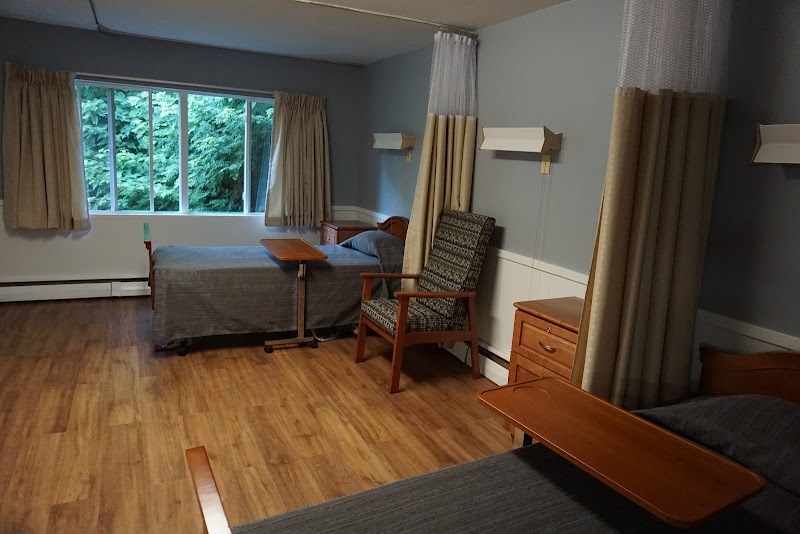
How is Baker-Katz Skilled Nursing And Rehabilitation Ctr Staffed?

CMS rates BAKER-KATZ SKILLED NURSING AND REHABILITATION CTR's staffing level at 2 out of 5 stars, which is below average compared to other nursing homes.

What Have Inspectors Found at Baker-Katz Skilled Nursing And Rehabilitation Ctr?

State health inspectors documented 17 deficiencies at BAKER-KATZ SKILLED NURSING AND REHABILITATION CTR during 2023 to 2025. These included: 17 with potential for harm.

Who Owns and Operates Baker-Katz Skilled Nursing And Rehabilitation Ctr?

BAKER-KATZ SKILLED NURSING AND REHABILITATION CTR is owned by a for-profit company. For-profit facilities operate as businesses with obligations to shareholders or private owners. The facility operates independently rather than as part of a larger chain. With 77 certified beds and approximately 48 residents (about 62% occupancy), it is a smaller facility located in HAVERHILL, Massachusetts.
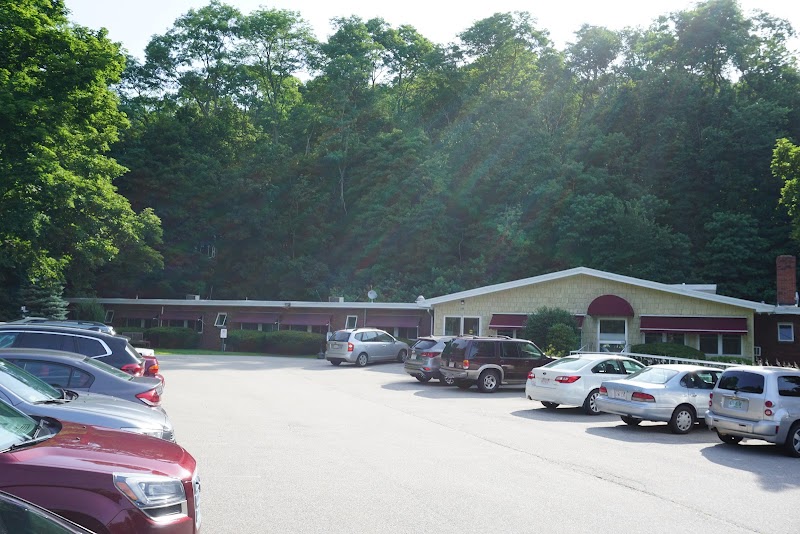
How Does Baker-Katz Skilled Nursing And Rehabilitation Ctr Compare to Other Massachusetts Nursing Homes?

Compared to the 100 nursing homes in Massachusetts, BAKER-KATZ SKILLED NURSING AND REHABILITATION CTR's overall rating (3 stars) is above the state average of 2.9 and health inspection rating (4 stars) is above the national benchmark.

What Should Families Ask When Visiting Baker-Katz Skilled Nursing And Rehabilitation Ctr?

Based on this facility's data, families visiting should ask: "Can you walk me through typical staffing levels on day, evening, and night shifts?" "Can I visit during a mealtime to observe dining assistance and food quality?" "How do you handle medical emergencies, and what is your hospital transfer rate?" "Can I speak with family members of current residents about their experience?" These questions are particularly relevant given the below-average staffing rating.

Is Baker-Katz Skilled Nursing And Rehabilitation Ctr Safe?

Based on CMS inspection data, BAKER-KATZ SKILLED NURSING AND REHABILITATION CTR has a clean safety record: no substantiated abuse findings (meaning no confirmed cases of resident harm), no Immediate Jeopardy citations (the most serious violation level indicating risk of serious injury or death), and is not on the Special Focus Facility watch list (a federal program monitoring the lowest-performing 1% of nursing homes). The facility has a 3-star overall rating and ranks #1 of 100 nursing homes in Massachusetts. While no facility is perfect, families should still ask about staff-to-resident ratios and recent inspection results during their visit.

Do Nurses at Baker-Katz Skilled Nursing And Rehabilitation Ctr Stick Around?

BAKER-KATZ SKILLED NURSING AND REHABILITATION CTR has not reported staff turnover data to CMS. Staff turnover matters because consistent caregivers learn residents' individual needs, medications, and preferences. When staff frequently change, this institutional knowledge is lost. Families should ask the facility directly about their staff retention rates and average employee tenure.

Was Baker-Katz Skilled Nursing And Rehabilitation Ctr Ever Fined?

BAKER-KATZ SKILLED NURSING AND REHABILITATION CTR has no federal fines on record. CMS issues fines when nursing homes fail to meet care standards or don't correct problems found during inspections. The absence of fines suggests the facility has either maintained compliance or corrected any issues before penalties were assessed. This is a positive indicator, though families should still review recent inspection reports for the full picture.

Is Baker-Katz Skilled Nursing And Rehabilitation Ctr on Any Federal Watch List?

BAKER-KATZ SKILLED NURSING AND REHABILITATION CTR is not on any federal watch list. The most significant is the Special Focus Facility (SFF) program, which identifies the bottom 1% of nursing homes nationally based on persistent, serious quality problems. Not being on this list means the facility has avoided the pattern of deficiencies that triggers enhanced federal oversight. This is a positive indicator, though families should still review the facility's inspection history directly.