LAKEVIEW HOUSE SKLD NRSG AND RESIDENTIAL CARE FAC

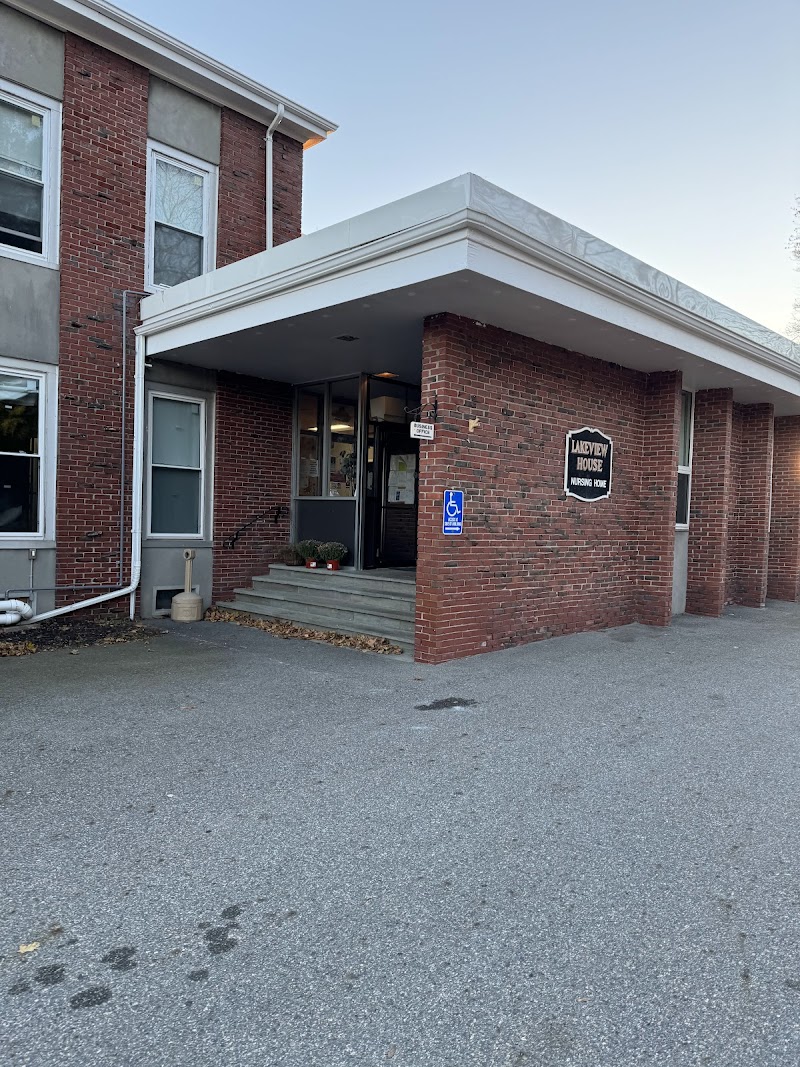
87 SHATTUCK STREET, HAVERHILL, MA 01830 (978) 372-1081
For profit - Corporation 91 Beds Independent Data: November 2025
Trust Grade
83/100
#96 of 338 in MA
Last Inspection: July 2025

Inspected within the last 6 months. Data reflects current conditions.

Overview

Lakeview House SKLD Nursing and Residential Care Facility in Haverhill, Massachusetts, has a Trust Grade of B+, which means it is above average and recommended for care. It ranks #96 out of 338 facilities in Massachusetts, placing it in the top half, and #13 out of 44 in Essex County, indicating that only 12 local options are better. However, the facility is currently facing a worsening trend, with reported issues increasing from 3 in 2024 to 4 in 2025. Staffing is a strong point with a rating of 4 out of 5 stars and a low turnover rate of 26%, significantly better than the 39% state average, suggesting staff stability. On the downside, the facility has concerning RN coverage, being lower than 82% of Massachusetts facilities, which could impact the quality of care. Inspector findings revealed some specific issues, such as a failure to notify a physician about a resident's worsening pressure wound and not updating care plans for residents after assessments. Additionally, proper eye care recommendations from an optometrist were not implemented for one resident. While there have been no fines reported, which is a positive sign, these incidents highlight areas that need attention to ensure residents receive the best possible care.

Trust Score
B+
83/100
In Massachusetts
#96/338
Top 28%
Safety Record
Low Risk
No red flags
Inspections
Getting Worse
3 → 4 violations
Staff Stability
✓ Good
26% annual turnover. Excellent stability, 22 points below Massachusetts's 48% average. Staff who stay learn residents' needs.
Penalties
✓ Good
No fines on record. Clean compliance history, better than most Massachusetts facilities.
Skilled Nurses
⚠ Watch
Each resident gets only 28 minutes of Registered Nurse (RN) attention daily — below average for Massachusetts. Fewer RN minutes means fewer trained eyes watching for problems.
Violations
⚠ Watch
12 deficiencies on record. Higher than average. Multiple issues found across inspections.
★★★★☆
4.0
Overall Rating
★★★★☆
4.0
Staff Levels
★★★★☆
4.0
Care Quality
★★★★☆
4.0
Inspection Score
Stable
2024: 3 issues
2025: 4 issues

The Good

  • 4-Star Staffing Rating · Above-average nurse staffing levels
  • 4-Star Quality Measures · Strong clinical quality outcomes
  • Low Staff Turnover (26%) · Staff stability means consistent care
  • Full Sprinkler Coverage · Fire safety systems throughout facility
  • No fines on record
  • Staff turnover is low (26%)

    22 points below Massachusetts average of 48%

Facility shows strength in staffing levels, quality measures, staff retention, fire safety.

The Bad

No Significant Concerns Identified

This facility shows no red flags. Among Massachusetts's 100 nursing homes, only 1% achieve this.

The Ugly 12 deficiencies on record

Jul 2025 4 deficiencies
CONCERN (D)

Potential for Harm - no one hurt, but risky conditions existed

Notification of Changes (Tag F0580)

Could have caused harm · This affected 1 resident

**NOTE- TERMS IN BRACKETS HAVE BEEN EDITED TO PROTECT CONFIDENTIALITY** Based on record review and interview, the facility failed to notify the physician of a significant change in status for one Resi...

Read full inspector narrative →
**NOTE- TERMS IN BRACKETS HAVE BEEN EDITED TO PROTECT CONFIDENTIALITY** Based on record review and interview, the facility failed to notify the physician of a significant change in status for one Resident (#2) out of a total sample of 14 residents. Specifically, after the worsening of a pressure wound on the sacrum of Resident #2. Findings include:Review of the facility policy titled Wound Care Protocol, undated, indicated the following: If a resident is found to have a wound/pressure area present at the time of amission, the following steps will be followed: Notification of the PCP (primary care physician) for treatment and/or evaluation/consult orders. Notification of Director/Assistant of Nurses.Orders for treatment will be addressed immediately. Assessments will be performed on an ongoing basis to ensure optimal healing. Wounds should be assessed and evaluated at each dressing change and updates made to the plan of care at this time if warranted. Resident #2 was admitted in April 2021 with diagnoses including dementia. Review of the Minimum Data Set (MDS), dated [DATE], indicated Resident #2 scored a 6 out of a possible 15 on the Brief Interview for Mental Status (BIMS), indicating severely impaired cognition. Review of the MDS indicated Resident #2 is at risk for developing pressure ulcers. Review of the Norton Pressure Ulcer Scale for Resident #2, dated 10/2/24, indicated that Resident #2 scored a 9 on the scale, indicating high risk for pressure ulcer development. Review of the medical record indicated that on 10/2/24, Resident #2 had developed a pressure wound of the sacrum (a triangular bone at the base of the spine). Review of the physician's orders indicated that Medihoney wound gel was implemented. Review of the skin check, dated 2/19/25, indicated that the pressure ulcer of the sacrum measured 0.4 (width) x 0.3 (length) centimeters (cm). Review of the skin check, dated 2/26/25, indicated that the pressure ulcer of the sacrum measured 1.3 cm (width) x 1 cm (length). Review of the nursing progress note, dated 2/26/25, indicated the following:-Skin note: Sacrum open area is larger. Res has started AB (antibiotic) therapy as well as Prednisone therapy this week due to URI. (upper respiratory infection) Review of the medical record failed to indicate that the nurse practitioner or physician had been notified of the change. Review of the skin check, dated 3/5/25, indicated that the sacrum wound measured at 1.8 cm x 1.5 cm, indicating further worsening of the wound. Review of the nursing progress note, dated 3/5/25, indicated the following:Skin note: Res. sacrum has not improved this week-larger. Review of the record failed to indicate any physician or nurse practitioner notes in the medical record between 2/26/25 and 3/7/25. Review of the physician's orders indicated that an air mattress and multivitamin was implemented on 3/7/25 for wound management, one week after the initial decline had been identified. Review of the nurse practitioner note, dated 3/7/25, indicated the following:-History dementia/rosecea; pt (patient) non-ambulant and is bed and chair bound; stage 2 sacral decub healed; pt eating and sleeping well without acute issues no falls; Patient is seen in the nursing facility for a planned Wellness Physical Visit. During an interview on 7/30/25 at 7:33 A.M., Nurse Practitioner #1 said that if a wound was deteriorating or worsened that staff should notify her, the physican or the other covering nurse practitioner. Nurse Practitioner #1 could not say if she was notified of Resident #2's worsening pressure ulcer. Nurse Practitioner #1 said that if there is a change in a Resident's wound status then it should be addressed. During an interview on 7/30/25 at 7:39 A.M., Physician #1 said that the nurse should call him or a nurse practitioner if there is a change in a Resident's wound. Physician #1 said he would try something to improve wound in house or maybe more frequent wound changes if the wound declined. Physician #1 said he would expect staff to notify him immediately and an intervention to be put in place immediately if a wound declined. During an interview on 7/30/25 at 7:48 A.M., Nurse #1 said that she did the skin check on 2/26/25 when the wound initially worsened and she notified the oncoming nurse that came on the next shift. Nurse #1 said that she notifies the nurse because it's too early to call the physician or nurse practitioner when she gets off of her shift. Nurse #1 said she would have expected the next shift nurse to notify the physician or nurse practitioner. During an interview on 7/30/25 at 9:57 A.M., the Director of Nursing and Assistant Director of Nursing said that if staff identify a worsening wound, then the process is to notify the nurse practitioner or physician right away and get in a new treatment. The DON and ADON said that it would be documented in the nurse practitioner's or physician's notes if they were notified about the worsening wound. The Director of Nursing said that since there was no documentation of the notification, the facility could not say that the provider was notified.
CONCERN (D)

Potential for Harm - no one hurt, but risky conditions existed

Deficiency F0657 (Tag F0657)

Could have caused harm · This affected 1 resident

**NOTE- TERMS IN BRACKETS HAVE BEEN EDITED TO PROTECT CONFIDENTIALITY** Based on record review and interview the facility failed to review and revise the care plan by the interdisciplinary team after ...

Read full inspector narrative →
**NOTE- TERMS IN BRACKETS HAVE BEEN EDITED TO PROTECT CONFIDENTIALITY** Based on record review and interview the facility failed to review and revise the care plan by the interdisciplinary team after each assessment, including both the comprehensive and quarterly review assessments for 2 Residents (#7 and #21) out of a total sample of 14 residents. Specifically:For resident #7 the facility failed to review and/or revise the care plan after the completion of a quarterly MDS dated [DATE].For Resident #21 the facility failed to review and/or revise the care plan after the completion of a comprehensive MDS dated [DATE]. Findings include:Review of the facility policy titled Care Plan Process, not dated, indicated care plans can be updated and revised when necessary and again quarterly. 1. Resident #7 was admitted to the facility in February 2023 with diagnoses including frontotemporal neurocognitive disorder, bipolar disorder and stroke. Review of Resident #7's Minimum Data Set (MDS) assessment dated [DATE] indicated the Resident scored a 7 out of 15 on the Brief Interview for Mental Status exam indicating severely impaired cognition. Further review indicated Resident #7 is totally dependent on staff for all activities of daily living. Review of the electronic and paper clinical medical record failed to indicate a current care plan. Further review indicated that the existing care plan had a next review date of 2/16/25 and had a target date for the next review of 5/17/25. During an interview on 7/29/2025 at 1:05 P.M. the MDS coordinator said that Resident #7 should have had an updated care plan, but she was behind and had not updated his/her care plan until today when it was bought to her attention that the care plans were out of date. 2. Resident #21 was admitted to the facility in May 2019 with diagnoses including dementia, heart disease and anxiety. Review of Resident #21's Minimum Data Set (MDS) assessment dated [DATE] indicated the Resident scored 15 out of 15 on the Brief Interview for Mental Status exam indicating intact cognition. Further review indicated Resident #21 is mostly independent for activities of daily living. Review of the electronic and paper clinical medical record failed to indicate a current care plan. Further review indicated that the existing care plan had a next review date of 4/19/25. During an interview on 7/29/2025 at 1:09 P.M. the Minimum Data Set (MDS) Coordinator said that she updated the care plans today after it was brought to her attention that the care plans had not been reviewed after the last MDS assessment. The MDS Coordinator said that the care plans should be reviewed after each MDS assessment. She then said that she was behind reviewing and updating the care plans.
CONCERN (D)

Potential for Harm - no one hurt, but risky conditions existed

Deficiency F0685 (Tag F0685)

Could have caused harm · This affected 1 resident

Based on interview and record review the facility failed to ensure that one Resident (#8), out of a total sample of 14 residents, received proper treatment to maintain vision ability. Specifically, th...

Read full inspector narrative →
Based on interview and record review the facility failed to ensure that one Resident (#8), out of a total sample of 14 residents, received proper treatment to maintain vision ability. Specifically, the facility failed to review and implement the optometrist's recommendation for a follow-up appointment and initiation of artificial tears (lubricating eye drops used to relieve dryness and irritation in the eyes). Findings include: Review of the undated facility policy, titled Opthalmology Services (sic.) indicated, but was not limited to, the following:- - All residents shall have proper eye care and eye wear appropriate to their needs.- - When services of an optometrist are needed or requested, such services shall be rendered with the knowledge of the attending physician.- - All ophthalmology/optometry services shall be documented and retained in the residents' medical record. Resident #8 was admitted to the facility in November 2010 with a diagnosis of bilateral age-related cataracts, and type 2 diabetes mellitus. Review of the most recent Minimum Data Set (MDS) assessment, dated 7/3/25, indicated that Resident #8 was cognitively intact as evidenced by a Brief Interview for Mental Status score of 15 out of 15. Review of Resident #8's consent form, signed 3/25/22, indicated the Resident consented to being seen by an optometrist. During an interview on 7/29/25 at 12:53 P.M. Resident #8 said he/she was waiting to be seen by the eye doctor because his/her eyes started bothering him/her about a week ago and that he/she had told staff about this. Resident #8 said that his/her eyes tend to be watery and that recently his/her vision has become blurry. The Resident said he/she had not used eye drops in the last year. Review of Resident #8's optometrist evaluation, dated 10/31/24 indicated the Resident had dry eyes, glaucoma suspect, pseudophakia (an artificially implanted lense), opacification (a clouding or loss of transparency in normally clear ocular tissues) and hyperopic astigmatism and presbyopia (two distinct vision conditions that can affect how clearly a person sees) with the following plan/recommendations:- New medication Order: Artificial tears solution apply one drop, both eyes, twice daily for indefinitely; follow up: 3-4 months.- Monitor IOP (Intraocular Pressure); follow-up: 3-4 months. Review of Resident #8's medical record failed to indicate that the optometry recommendations made on 10/31/25 were reviewed, that the artificial tears were implemented or that the Resident had been seen by an optometrist since 10/31/24. Review of the Eye Care Group Schedule indicated Resident #8 was scheduled to be next seen on 9/5/25, 10 months after the Resident's last optometry visit. During an interview on 7/30/25 at 11:57 A.M. the optometrist who had evaluated Resident #8 on 10/31/24 said that the Resident had dry eyes and that he had seen in the Resident's record that he/she had previously received artificial tears but was not receiving them at the time of the evaluation, so he recommended to initiate artificial tears. The optometrist said that untreated dry eyes can cause blurry vision and watery eyes. The optometrist said that based on his exam he was concerned about the Resident developing glaucoma and for that reason wanted to follow up in three to four months for a pressure check, to evaluate the effectiveness of the artificial tears and to check if the artificial tears were getting administered. The optometrist said that he would have expected the artificial tears to have been implemented, and the Resident had seen an optometrist three to four months after his evaluation on 10/31/24; the optometrist said that there were no contraindications for the implementation of either of his recommendations. The optometrist said that the facility could reach out to his company to schedule a follow up. During an interview on 7/29/25 at 12:49 P.M. Nurse #2 said Resident #8 was last seen by an optometrist on 10/31/25. During an interview on 7/30/25 at 8:37 A.M. the physician said that when a Resident is seen by specialty services that nursing will show the providers a copy of the specialists' recommendations and the providers will then review and sign the note. The physician said that he would expect a prn (as needed) order for artificial tears for a resident with dry eyes. During interviews on 07/29/2025 at 1:02 P.M., 7/29/25 at 2:59 P.M. and 7/30/25 at 10:12 A.M. the Director of Nursing (DON) said that she and the medical records staff review optometry recommendations and that Resident #8 should have been seen three to four months following the 10/31/24 optometry visit based on the optometrists recommendation and that the artificial tears were not implemented after the 10/31/24 optometry visit. The DON said she was not sure if any provider reviewed the 10/31/24 optometry recommendations and that providers would document if they had disagreed with the recommendations. The DON said that if the original optometrist was unable to see the Resident the facility could facilitate a visit with another optometrist.
MINOR (B)

Minor Issue - procedural, no safety impact

Deficiency F0637 (Tag F0637)

Minor procedural issue · This affected multiple residents

**NOTE- TERMS IN BRACKETS HAVE BEEN EDITED TO PROTECT CONFIDENTIALITY** Based on record review and interview the facility failed to complete a significant change Minimum Data Set (MDS) assessment for ...

Read full inspector narrative →
**NOTE- TERMS IN BRACKETS HAVE BEEN EDITED TO PROTECT CONFIDENTIALITY** Based on record review and interview the facility failed to complete a significant change Minimum Data Set (MDS) assessment for one Resident (#7) out of a total sample of 14 residents. Specifically, the facility failed to complete a significant change MDS when Resident #7 signed on to hospice.Findings include:Resident #7 was admitted to the facility in February 2023 with diagnoses including frontotemporal neurocognitive disorder, bipolar disorder and stroke. Review of the most recent Minimum Data Set (MDS) assessment dated [DATE] indicated that Resident #7 scored a 7 out of 15 on the Brief Interview for Mental Status exam indicating severely impaired cognition. Further review indicated Resident #7 is totally dependent on staff for all activities of daily living. Review of the physician's order dated 6/9/25 indicated the following order:-Pt (patient) may be seen by hospice and admitted if appropriate. Review of the progress note dated 6/11/25 indicated that hospice met with Resident #7 and deemed him/her appropriate for hospice services and was admitted to hospice. Review of Resident #7's medical record failed to indicate that a significant change MDS was completed within the required time frame of 14 days after a significant change. During an interview on 7/29/2025 at 1:05 P.M. the MDS coordinator said that Resident #7 should have had a significant change MDS completed when he/she signed on to hospice.
Aug 2024 3 deficiencies
CONCERN (D)

Potential for Harm - no one hurt, but risky conditions existed

Notification of Changes (Tag F0580)

Could have caused harm · This affected 1 resident

**NOTE- TERMS IN BRACKETS HAVE BEEN EDITED TO PROTECT CONFIDENTIALITY** Based on record review and interview, the facility failed to ensure staff alerted the physician when one Resident (#18) had a ch...

Read full inspector narrative →
**NOTE- TERMS IN BRACKETS HAVE BEEN EDITED TO PROTECT CONFIDENTIALITY** Based on record review and interview, the facility failed to ensure staff alerted the physician when one Resident (#18) had a change in condition, out of a total of eight sampled residents. Findings include: Resident #18 was admitted to the facility in February 2023 with diagnoses including dementia and hypertension. Review of Resident #18's Minimum Data Set Assessment (MDS) dated [DATE] indicated he/she is severely cognitively impaired as evidenced by a score of 7 out of a possible 15 on the Brief Interview for Mental Status Exam. The MDS also indicated Resident #18 requires assistance with bathing, dressing and eating. Review of Resident #18's active physicians orders indicated: Eliquis (a blood thinner) 2.5 MG (milligrams), give 1 tablet by mouth twice daily, initiated 2/2/23. Aspirin (an over the counter medication which is used to reduce pain, fever, and/or inflammation, and as an antithrombotic), 81 MG give 1 tablet by mouth daily, initiated 2/2/23. Review of Resident #18's clinical record included discharge paperwork from the hospital dated 7/25/24: Pt (patient) via EMS with c/o (complaints of) hematuria (blood in the urine). Per EMS staff noted small amount of blood in urine last night (7/24/24) but when providing incontinence care around lunch time, noted large amount of frank (visible) hematuria. Pt on Liquids. No hx (history) recent catheterizations. CT (computerized tomography) scan is consistent with cystitis (a bladder infection) as well as stones in the bladder. Review of Resident #18's nurse progress notes failed to indicate any entries for 7/24/24. Review of the nursing communication log indicated the following entries for the Resident: 7/24/24: 3:00 P.M. - 11:00 P.M. shift: Resident #18: dark blood on depend (incontinence brief). 7/24/24: 11:00 P.M. - 7:00 A.M. shift: Resident #18: blood in urine. During an interview on 8/6/24 at 11:46 A.M., Nurse #1 said she worked the 3:00 P.M. - 11:00 P.M. shift on 7/24/24. Nurse #1 said that towards the end of her shift, a Certified Nursing Assistant (CNA) alerted her that Resident #18 had some blood in his/her brief. Nurse #1 said she met with Nurse #2 and they decided to keep an eye on the resident overnight as there was not a lot of blood on the brief. Nurse #1 said she did not contact Resident #18's physician. During an interview on 8/6/24 at 12:23 P.M., Nurse #2 said she worked the 11:00 P.M. - 7:00 A.M. shift on 7/24/24. Nurse #2 said that she and Nurse #1 discussed Resident #18's hematuria and decided to monitor Resident #18 throughout the shift as there was not a lot of blood in the brief as Nurse #2 said that Resident #18 had a history of hematuria and it is a common symptom of a urinary tract infection. Nurse #2 said she was aware that Resident #18 was not being treated at that time for a bladder infection. Nurse #2 said she did not notify the physician. During an interview on 8/6/24 at approximately 1:15 P.M., Nurse #3 said she worked the 7:00 A.M. - 3:00 P.M. on 7/25/24. Nurse #3 said she did not recall if Nurse #2 informed her at report that Resident #18 had hematuria at night and thought another nurse had obtained the order and sent Resident #18 to the hospital. During an interview on 8/7/24 at 9:00 A.M., the Director of Nursing said that Nurse #1 and Nurse #2 should have documented in a nurse progress note and contact the physician after Resident #18 had hematuria on 7/24/24.
CONCERN (D)

Potential for Harm - no one hurt, but risky conditions existed

Deficiency F0604 (Tag F0604)

Could have caused harm · This affected 1 resident

**NOTE- TERMS IN BRACKETS HAVE BEEN EDITED TO PROTECT CONFIDENTIALITY** Based on observation, record review and interview, the facility failed to identify and assess the use of a geri-chair (a high ba...

Read full inspector narrative →
**NOTE- TERMS IN BRACKETS HAVE BEEN EDITED TO PROTECT CONFIDENTIALITY** Based on observation, record review and interview, the facility failed to identify and assess the use of a geri-chair (a high back chair on wheels with the ability to recline) as a restraint for one Resident (#8) out of a total of eight sampled Residents. Findings include: Review of the facility's Use of Restraints policy, dated July 2024, failed to indicate the frequency of assessment for restraints, the frequency for releasing the restraint, or the need for consent and a physician's order for the restraint. Resident #8 was admitted to the facility in June 2024 with diagnoses including stroke, aphasia, and bipolar disorder. Review of the Minimum Data Set Assessment (MDS) dated [DATE] indicated Resident #8 is cognitively intact as evidenced by a score of 14 out possible 15 on the Brief Interview for Mental Status Exam. The MDS also indicated that Resident #8 requires assistance with bathing, dressing and toileting. The MDS did not indicate any restraints for Resident #8. Review of Resident #8's Monthly Nursing Summaries indicated: June 2024: Mobility; Ambulation; walks with assist of one short distance. Wheelchair: Wheelchair with assist longer distance. Behavior problems: Poor safety awareness. Tries to get up and ambulate several times a day. July 2024: Mobility: Walks with assist of one short distance. Wheelchair with assist longer distance. Also uses geri-chair. Behavior problems: Attempts to get out of chair. On 8/6/24 at 8:09 A.M. the surveyor observed Resident #8 seated in a geri-chair in the reclined position in the dining area. On 8/6/24 at approximately 10:30 A.M., and 1:02 P.M., the surveyor observed Resident #8 in his/her room seated in a geri-chair in the reclined position. During an interview on 8/6/24 at 1:38 P.M., Resident #8 was in his/her room seated in the geri-chair in the reclined position. When asked if he/she likes the geri-chair, Resident #8 said, No. I hate it. I want to use my own feet. Resident #8 said he/she could not get out of the chair. There was no walker or standard wheelchair observed in Resident #8's room. Review of Resident #18's active physicians orders indicated: May use geri-chair, PRN (as needed). Review of Resident #18's behavioral care plan indicated: Problem start date: 6/24/24: Resident resists care and has poor safety awareness. He/she frequently attempts to transfer and ambulate without staff assistance. He/she is frequently reminded to ask for staff assistance to prevent falls as he/she has had a history of falls. Interventions: Assess resident's resistance to care. Re-educate the purpose and advantages of treatment for the resident. Maintain a calm environment and approach to the resident. Area will be barrier and clutter free to reduce the potential for falls. Additional review of Resident #18's care plans failed to indicate the use of the geri-chair. Review of Resident #28's rehab notes failed to indicate staff assessed for the use of a geri-chair. Review of the Adaptive Equipment/Restraint assessment dated [DATE] did not indicate the geri-chair was assessed, only for the use of a personal alarm. Review of Resident #18's Nurse progress notes indicated: 6/5/24: PA (personal alarm) alerted staff resident was getting out of bed. 6/12/24: Alarm sounded pt (patient) observed sitting on floor next to bed. 6/12/24: Resident tried to get out from the bed x 2. Removed PA. 6/13/24: Continues with poor safety awareness. 6/14/24: Resident ambulated X 1 without staff. 6/15/24: Continues with poor safety awareness and removing alarm. 6/16/24 This evening around 8:45 P.M., heard alarm sounding staff rushed to room, saw resident laying on floor. 6/17/24: Pt anxious/restless trying to get out of bed. 6/18/24: Pt tried to get up twice alone. Redirected. 6/27/24: Resident up in WC (wheelchair) in DR (dining room) PA in place. Resident observed standing up from WC himself/herself. This writer spoke with resident regarding safety. Resident just started laughing standing up from WC x 3. Redirected with little effect. 7/2/24: New Order, may use geri-chair PRN. 7/8/24: 7-3 shift: Attempting to get up despite education. 7/8/24 3-11-7 shift: Pt has continued to try and get up from geri-chair and bed. Did not listen to staff. Unaware of safety. Kept sliding himself/herself down the chair. Kept climbing out of bed. 7/12/24: Increased agitation, increased anxiety. Resident cont (sic) to try to climb out of geri chair. 7/13/24: Cont (sic) with poor safety awareness. Cont (sic) to try to climb out of geri chair. 7/14/24: Resident cont (sic) with poor safety awareness. Cont (sic) to climb out of geri-chair. 7/15/24: Laughing at staff trying to get out of bed by himself/herself. 7/15/24: 7-3 shift: Up in chair today. Occas (sic) trying to push and climb out of chair. In bed in the afternoon. On 8/7/24 at 7:30 A.M. the surveyor observed Resident #8 seated in his/her geri-chair in the reclined position in the dining room. During an interview on 8/7/24 at 7:38 A.M., Certified Nursing Assistant (CNA) #1 said that Resident #8 used to have a standard wheelchair and would push himself/herself up to stand and try to walk. CNA #1 said that Resident #8 is a fall risk and is now in the geri-chair to prevent him/her from falling. CNA #1 said Resident #8 will still sometimes try to get out of the chair, but because his/her legs are elevated he/she can't really lift himself/herself up. During an interview on 8/7/24 at 8:40 A.M., Nurse #3 said that Resident #8 used to have a standard wheelchair but is now in a geri-chair for comfort. Nurse #3 said that Resident #8 would sometimes try to stand up and walk when he/she was in the standard wheelchair. Nurse #3 said that Resident #8 can stand up from the geri-chair when it is not in the reclined position. On 8/7/24 at 8:46 A.M. and 10:49 A.M., the surveyor observed Resident #8 in his/her room seated in his/her geri-chair in the reclined position. During an interview on 8/7/24 at 9:12 A.M., the Director of Nursing (DON) said that Resident #8 was not safe in his/her standard wheelchair and was switched to the geri-chair. The DON said that Resident #8 had not told her that he/she does not like his/her geri-chair. The DON said that she thought an assessment for the use of the geri-chair had been completed. The Assistant Director of Nursing (ADON) was present and said she thinks that Resident #8 wants to get back to walking.
CONCERN (D)

Potential for Harm - no one hurt, but risky conditions existed

Deficiency F0805 (Tag F0805)

Could have caused harm · This affected 1 resident

**NOTE- TERMS IN BRACKETS HAVE BEEN EDITED TO PROTECT CONFIDENTIALITY** Based on observation, interview and record review, the facility failed to ensure that the correct diet texture was implemented f...

Read full inspector narrative →
**NOTE- TERMS IN BRACKETS HAVE BEEN EDITED TO PROTECT CONFIDENTIALITY** Based on observation, interview and record review, the facility failed to ensure that the correct diet texture was implemented for one Resident (#10) out of a total sample of eight residents. Specifically, the facility failed to ensure that Resident #10 received a ground textured diet as ordered by the physician. Findings include: Resident #10 was admitted to the facility in April 2022 with diagnoses including unspecified dementia, unspecified psychosis and Sjogren syndrome (An immune system illness that mainly causes dry eyes and dry mouth). Review of Resident #10's most recent Minimum Data Set Assessment (MDS) dated [DATE] indicated the Resident had a Brief Interview for Mental Status score of 8 out of a possible 15 indicating moderate cognitive impairment. Further review of the MDS indicated that the Resident is independent with eating and does not require staff supervision. The surveyor made the following observations: - On 8/6/24 at 8:06 A.M., Resident #10 received his/her breakfast tray while laying in his/her bed. The Certified Nursing Assistant (CNA) set up the tray and left the room. On Resident #10's breakfast tray was a meal card with a sticker that stated, Diabetic Ground. On the tray was a whole, uncut banana, and a bowl of cereal containing Cheerios and a cup of milk. The surveyor observed Resident #10 attempting to eat the banana but was having difficulty putting it in his/her mouth. The surveyor observed Resident #10 eating the dry Cheerios cereal with a spoon. The CNA did not pour the cup of milk into the cereal. - On 8/7/24 at 8:10 A.M., Resident #10 received his/her breakfast tray while laying in his/her bed. The Certified Nursing Assistant (CNA) set up the tray and left the room. On Resident #10's breakfast tray was a meal card with a sticker that stated, Diabetic Ground. On the meal tray were two pieces of uncut bread and along the edges and on the top of them were black marks indicating the bread had been toasted. The breakfast tray also contained a bowl containing Cheerios cereal and a cup of milk. The surveyor observed Resident #10 eating the toast and dry Cheerios with a spoon. The CNA did not pour the cup of milk into the cereal. Review of a document that hung at the nursing station indicated the diets that each resident is currently ordered. Review of this document indicated that Resident #10 is currently on a ground diet. Review of Resident #10's physician's orders dated August 1, 2024 - August 31, 2024, indicated the following order with a start date of 4/11/22: Diet - HCC, Ground. Review of Resident #10's document titled Resident's Census Sheet indicated that the Resident's current diet is a ground diet. Review of Resident #10's nutrition care plan revised and edited 6/15/24 indicated that the Resident is currently on a ground diet. Review of Resident #10's most recent Nutrition assessment dated [DATE] indicated that the Resident's current diet order is for a ground diet. Review of Resident #10's Quarterly Nutrition Review documents dated 7/13/23, 1/11/24 and 7/10/24 indicated that the Resident's current diet order is for a ground diet. Review of the Facility's Diet Manual Binder located at the nursing station indicated the following under the Ground Texture section: - Breads and Cereals: Foods Allowed - plain soft bread, dry cereals that soften in milk. Foods to Avoid - All other breads with dry, hard crusts. - Fruits and Fruit Juices: Foods Allowed - Well mashed bananas. Review of the Facility's Diet Manual binder located in the kitchen indicated the following under the two most liberalized, textured diets: - Under the Level 6: Soft & Bite-Sized Food for Adults section: - Fruit: soft and chopped to pieces no bigger than 1.5 cm (centimeters) x 1.5 cm pieces - Examples of food to avoid: cereal with milk, dry bread, dry cereal - Under the Level 5: Minced and Moist for Adults section: - Fruit: serve finely mashed - Foods to avoid: cereal with milk, dry bread, dry cereal During a telephone interview on 8/7/24 at 9:55 A.M., the Registered Dietitian (RD) said Resident #10 is currently ordered a ground textured diet. The RD continued to say residents on a ground diet should not have toast and should only have dry cereal if it is mixed in milk and should only have bananas if cut up. During an interview on 8/7/24 at 9:37 A.M., the Food Service Director (FSD) said the kitchen knows each resident's diet because their meal tickets are written by the RD. The FSD said Resident #10 is on a ground diet and should only have dry cereal if it is mixed in with milk and should only have a banana if it is cut up. The FSD said the CNAs should mix the cereal in milk and cut up the banana. The surveyor and the FSD reviewed the diet manual and the FSD said Resident #10 should not have toast. During an interview on 8/7/24 at 10:05 A.M., Nurse #3 and the Assistant Director of Nursing (ADON) said the CNAs should have poured milk into Resident #10's cereal and cut up his/her banana. Nurse #3 and the ADON said Resident #10 should not receive toast while on a ground diet. During an interview on 8/7/24 at 11:01 A.M., the Director of Nursing said staff should have cut up Resident #10's banana and poured milk in his/her cereal. The DON continued to say that Resident #10 should not receive toast while on a ground diet.
Jul 2023 5 deficiencies
CONCERN (D)

Potential for Harm - no one hurt, but risky conditions existed

Comprehensive Care Plan (Tag F0656)

Could have caused harm · This affected 1 resident

**NOTE- TERMS IN BRACKETS HAVE BEEN EDITED TO PROTECT CONFIDENTIALITY** Based on observations, record review and interviews the facility failed to follow physician orders for the use of heel protectio...

Read full inspector narrative →
**NOTE- TERMS IN BRACKETS HAVE BEEN EDITED TO PROTECT CONFIDENTIALITY** Based on observations, record review and interviews the facility failed to follow physician orders for the use of heel protection booties for 1 Resident (#3) out of a total sample of 12 Residents. Findings include: Resident #3 was admitted to the facility in January 2021 with diagnoses including Diabetic Nephropathy, Major Depressive Disorder, Falls and Left Hemiparesis. Review of Resident #3's most recent Minimum Data Set (MDS), dated [DATE], indicated the Resident had a Brief Interview for Mental Status (BIMS) score of 14 out of a possible 15, indicating he/she has intact cognition. The MDS also indicated Resident #3 is dependent for all bed mobility tasks. On 7/12/23 at 8:02 A.M., Resident #3 was observed lying in bed. His/her bilateral heels were directly on the bed and he/she was not wearing heel protection booties. On 7/12/23 at 12:00 P.M., Resident #3 was observed lying in bed. His/her bilateral heels were directly on the bed and he/she was not wearing heel protection booties. On 7/12/23 at 2:05 P.M., Resident #3 was observed lying in bed. His/her bilateral heels were directly on the bed and he/she was not wearing heel protection booties. Review of Resident #3's physician orders indicated the following orders: *Heel booties on while in bed, initiated on 1/14/21. During an interview on 7/12/23 at 2:21 P.M., the Resident said staff did not offer to put heel booties on his/her feet today. Resident said, I will wear them if they put them on. During an interview on 7/12/23 at 2:15 P.M., Certified Nursing Assistant (CNA) #2 said the nurse will tell her what equipment the Resident needs to use and she can check the Care Card (a from describing a resident's level of assist and any equipment needed) to see what is needed. CNA #2 was unaware Resident #3 required protective heel booties while in bed. Review of Resident #3's Care Card was not filled out and failed to indicate he/she required heel protective booties. During an interview on 5/17/23 at 2:37 P.M., Nurse #2 said the Resident is at risk for skin breakdown and he/she should be wearing heel booties while in bed. Nurse #2 said the CNA should reference the Care Card for equipment that is needed. Nurse #2 said she was unaware the Resident had not been wearing the protective heal booties throughout this day. During an interview on 7/13/23 at 11:28 A.M., the Unit Manager said all physician orders should be followed.
CONCERN (D)

Potential for Harm - no one hurt, but risky conditions existed

Deficiency F0657 (Tag F0657)

Could have caused harm · This affected 1 resident

**NOTE- TERMS IN BRACKETS HAVE BEEN EDITED TO PROTECT CONFIDENTIALITY** 2. Resident #10 was admitted to the facility in May 2019 with diagnoses including post traumatic stress disorder (PTSD), bipolar...

Read full inspector narrative →
**NOTE- TERMS IN BRACKETS HAVE BEEN EDITED TO PROTECT CONFIDENTIALITY** 2. Resident #10 was admitted to the facility in May 2019 with diagnoses including post traumatic stress disorder (PTSD), bipolar disorder and major depressive disorder. Review of Resident #10's most recent Minimum Data Set (MDS), dated [DATE], indicated he/she scored a 15 out of a possible 15 which indicated Resident #10 was cognitively intact. Further review of Resident #10's MDS indicated he/she required assist of one staff member for transfers. Review of the facility policy titled Multidisciplinary Fall Management, not dated, indicated 1. To ensure that each resident who is at high risk for falls and/or experience a fall at the facility is reviewed by a multidisciplinary team for causes, risk factors and measures/interventions to manage falls and prevent further falls. 2. To ensure that friends, patterns, facility hazards and safety issues are identified and corrected. Review of Resident #10's incident/accident report, dated 3/17/23, indicated steps taken to prevent recurrence: Resident #10 reminded to use call light staff for to assist. Review of Resident #10's incident/accident report, dated 3/24/23, indicated that an intervention or steps taken to prevent recurrence: was left blank. Review of Resident #10's Activity of Daily Living/ Falls care plan, revised 4/30/23, indicated Approach 3. Be sure area is barrier and clutter free. 4. Use of 1/2 rail for independent mobility and positioning. There was no indication that the intervention, remind Resident #10 to use the call light, was put on the care plan. During an interview on 7/13/23 at 8:08 A.M., the Minimum Data Set (MDS) Nurse said she is responsible for creating and revising resident care plans. The MDS Nurse said after a resident sustains a fall that an intervention is put into place usually immediately and should be on the resident care plan. The MDS Nurse said that the interventions from past falls for Resident #10 should be on the fall care plan but are not. Based on record review and interview, the facility failed to develop a person centered falls care plan for 2 Residents (#12 and #10) out of a total sample of 12 residents. Findings include: Review of the facility policy titled Multidisciplinary Fall Management, not dated, indicated 1. To ensure that each resident who is at high risk for falls and/or experience a fall at the facility is reviewed by a multidisciplinary team for causes, risk factors and measures/interventions to manage falls and prevent further falls. 2. To ensure that friends, patterns, facility hazards and safety issues are identified and corrected. 1. Resident #12 was admitted in April, 2022 with diagnoses including dementia. Review of the Minimum Data Set (MDS), dated [DATE], indicated that Resident #12 scored a 14 out of 15 on the Brief Interview for Mental Status (BIMS), indicating intact cognition. Review of the fall incident reports indicated the following: 11/12/22 : Resident #12 fell out of his/her bed with an intervention to remind the Resident to use his/her call light. 12/23/22: Resident #12 was observed sitting on the floor next to his/her bed. Review of the incident report did not indicate any interventions were reviewed or implemented for the fall. 4/6/23: Resident #12 fell out of his/her bed and hit his/her head. The Resident was sent to the hospital and a physical therapy evaluation took place. The record did not indicate that any interventions were reviewed or implemented after the fall. 7/9/23: Resident #12 had a witnessed fall next to the bed. Review of the incident report and care plan did not indicate that any interventions were updated or reviewed. Review of the care plan, dated 4/14/23, titled ADL's Functional Status/Rehabilitation Potential, indicated the following falls intervention: - Be sure his/her room is barrier and clutter free to reduce the potential for falls (initiated 4/14/23) Review of Resident #12's care plan did not indicate any other interventions related to falls or any interventions implemented prior to or after 4/14/23. During an interview on 7/12/23 at 8:19 A.M., the MDS nurse said that she is responsible for updating and managing the care plans. The MDS nurse said that the falls care plan is a part of the ADL (activities of daily living) care plan and should be updated when interventions are changed or reviewed. The MDS nurse said there is no individual fall care plan.
CONCERN (D)

Potential for Harm - no one hurt, but risky conditions existed

Quality of Care (Tag F0684)

Could have caused harm · This affected 1 resident

**NOTE- TERMS IN BRACKETS HAVE BEEN EDITED TO PROTECT CONFIDENTIALITY** Based on observations, record review and interviews, the facility failed to assess and investigate a bruise of unknown origin fo...

Read full inspector narrative →
**NOTE- TERMS IN BRACKETS HAVE BEEN EDITED TO PROTECT CONFIDENTIALITY** Based on observations, record review and interviews, the facility failed to assess and investigate a bruise of unknown origin for 1 Resident (#11) out of a total sample of 12 residents. Findings include: Review of the facility policy titled, Positioning/Skincare, undated, indicated the following: *Immediately report any changes in resident skin condition. Resident #11 was admitted to the facility in October, 2019 with diagnoses including insomnia, tremor, involuntary body movements. Review of Resident #11's most recent Minimum Data Set (MDS) dated [DATE] indicated the Resident has a Brief Interview for Mental Status (BIMS) score of 14 out of a possible 15 indicating he/she is cognitively intact. During an observation on 7/12/23 at 7:40 A.M., Resident #11 was observed sitting on his/her bed. He/she had a small purple discoloration approximately the size of a quarter resembling a bruise on his/her left knee. Resident #11 was wearing shorts and was dressed for the day. Review of Resident #11's weekly skin check completed on 7/12/23 did not indicate any bruising. Review Resident #11's nursing notes failed to indicate any bruising or skin alterations on his/her legs. During an interview on 7/13/23 at 8:43 A.M., Certified Nursing Assistant (CNA) #1 said Resident #11 needs help with ADL care and that he/she looks all over the Resident's body while providing care. CNA #1 said if any open areas or bruising is found during care, she would tell the nurse right away. During an interview on 7/13/23 at 8:45 A.M., Nurse #1 said staff will report any injuries or bruises to the nurse, the unit manager, or to the direct of nursing so they can assess how it happened. During an interview on 7/13/23 at 8:48 A.M., the Unit Manager said staff will report any injuries or bruises to her for follow up so she can assess how it happened and a skin check will be completed. The Unit Manager said a complete investigation would follow. On 7/13/23 at 8:50 A.M., the surveyor observed Nurse #1 and the Unit Manager walk into the Resident #11's room and observe the bruise located on Resident #11's left knee. Unit manager and Nurse #1 said they were not aware of the bruise and that it would be visible to staff, especially if the Resident was wearing shorts. The Unit Manager said she expects staff to identify and report injuries of unknown etiology. She said an incident report and skin check should have been completed for this bruise.
CONCERN (D)

Potential for Harm - no one hurt, but risky conditions existed

Deficiency F0699 (Tag F0699)

Could have caused harm · This affected 1 resident

**NOTE- TERMS IN BRACKETS HAVE BEEN EDITED TO PROTECT CONFIDENTIALITY** Based on record review and interview the facility failed to ensure a plan of care was developed for Trauma-Informed Care for one...

Read full inspector narrative →
**NOTE- TERMS IN BRACKETS HAVE BEEN EDITED TO PROTECT CONFIDENTIALITY** Based on record review and interview the facility failed to ensure a plan of care was developed for Trauma-Informed Care for one Resident (#10), who has the diagnosis of Post-Traumatic Stress Disorder, out of a total 12 sampled Residents. Findings include: Review of the facility policy titled Trauma Informed Care, dated 7/13/23, indicated It is the policy of the facility to ensure residents who are trauma survivors receive competent, trauma-informed care in accordance with CMS standards, as well as residents' preferences and experiences. The IDT team will ensure that an individualized resident centered care plan is developed for a resident that has experienced a traumatic event. Trauma care plan will be updated and revised on an ongoing basis. Resident #10 was admitted to the facility in May 2019 with diagnoses including post-traumatic stress disorder (PTSD), bipolar disorder and major depressive disorder. Review of Resident #10's most recent Minimum Data Set (MDS), dated [DATE], indicated he/she scored a 15 out of a possible 15 which indicated Resident #10 was cognitively intact. Review of Resident #10's medical record failed to indicate a plan of care was developed for his/her PTSD diagnosis. During an interview on 7/13/23 at 8:07 A.M., the Minimum Data Set (MDS) Nurse said that when a resident has a PTSD diagnosis they should have an assessment and a comprehensive care plan developed with triggers and interventions. The MDS Nurse said that a PTSD care plan has not been developed yet for Resident #10. During an interview on 7/13/23 at 9:33 A.M., the Social Worker said if a resident has a diagnosis of PTSD then a care plan should be developed.
CONCERN (D)

Potential for Harm - no one hurt, but risky conditions existed

Food Safety (Tag F0812)

Could have caused harm · This affected 1 resident

Based on observation and interview, the facility failed to follow proper sanitation and food handling practices during meal service to prevent the risk of foodborne illness. Findings include: During ...

Read full inspector narrative →
Based on observation and interview, the facility failed to follow proper sanitation and food handling practices during meal service to prevent the risk of foodborne illness. Findings include: During the lunch line service on 7/12/23, the surveyor made the following observations: *At 11:41 A.M., the Foodservice Director (FSD), who was serving the food, put oven mitts over her disposable gloves to replace a hot pan of meatloaf. The FSD changed her gloves without washing her hands and continued to serve food. *At 11:43 A.M., the FSD changed her gloves and did not wash her hands beforehand. *At 11:45 A.M., the FSD put gloved oven mitts over her disposable gloves to replace a hot pan of green beans. The FSD put on a new pair of disposable gloves over her soiled gloves. She did not wash her hands and continued to serve food. *At 11:49 A.M., the handle of the scooper for the mashed potatoes fell into the potatoes that was touched with soiled gloves prior, the FSD did not replace the mashed potatoes or scooper. *At 11:50 A.M., the FSD grabbed the refrigerator door with gloves on, she changed her gloves and did not wash her hands beforehand and continued serving food. *At 11:53 A.M., the FSD put gloved oven mitts over her disposable gloves to replace a hot pan of meatloaf. The FSD put on a new pair of disposable gloves over her soiled gloves. She did not wash her hands and continued serving food. During the entire lunch service, the FSD's thumb would touch the top of each plate with soiled gloves where food would touch. During an interview on 7/12/23 at 2:01 P.M., the FSD said her expectations are for staff to wash or sanitize their hands when changing gloves. She said she should have cleaned her hands when she changed gloves during lunch service especially when using the oven mitts. She said she doubled up on gloves because its hard to remove them when it is hot outside and she should have removed them, cleaned her hands and put new ones on.
Understanding Severity Codes (click to expand)
Life-Threatening (Immediate Jeopardy)
J - Isolated K - Pattern L - Widespread
Actual Harm
G - Isolated H - Pattern I - Widespread
Potential for Harm
D - Isolated E - Pattern F - Widespread
No Harm (Minor)
A - Isolated B - Pattern C - Widespread

Questions to Ask on Your Visit

  • "Can I speak with families of current residents?"
  • "What's your RN coverage like on weekends and overnight?"

Our Honest Assessment

Strengths
  • • Grade B+ (83/100). Above average facility, better than most options in Massachusetts.
  • • No major safety red flags. No abuse findings, life-threatening violations, or SFF status.
  • • No fines on record. Clean compliance history, better than most Massachusetts facilities.
  • • 26% annual turnover. Excellent stability, 22 points below Massachusetts's 48% average. Staff who stay learn residents' needs.
Concerns
  • • 12 deficiencies on record. Higher than average. Multiple issues found across inspections.
Bottom line: Generally positive indicators. Standard due diligence and a personal visit recommended.

About This Facility

What is Lakeview House Skld Nrsg And Residential Care Fac's CMS Rating?

CMS assigns LAKEVIEW HOUSE SKLD NRSG AND RESIDENTIAL CARE FAC an overall rating of 4 out of 5 stars, which is considered above average nationally. Within Massachusetts, this rating places the facility higher than 99% of the state's 100 nursing homes. This rating reflects solid performance across the metrics CMS uses to evaluate nursing home quality.

How is Lakeview House Skld Nrsg And Residential Care Fac Staffed?

CMS rates LAKEVIEW HOUSE SKLD NRSG AND RESIDENTIAL CARE FAC's staffing level at 4 out of 5 stars, which is above average compared to other nursing homes. Staff turnover is 26%, compared to the Massachusetts average of 46%. This relatively stable workforce can support continuity of care.

What Have Inspectors Found at Lakeview House Skld Nrsg And Residential Care Fac?

State health inspectors documented 12 deficiencies at LAKEVIEW HOUSE SKLD NRSG AND RESIDENTIAL CARE FAC during 2023 to 2025. These included: 11 with potential for harm and 1 minor or isolated issues.

Who Owns and Operates Lakeview House Skld Nrsg And Residential Care Fac?

LAKEVIEW HOUSE SKLD NRSG AND RESIDENTIAL CARE FAC is owned by a for-profit company. For-profit facilities operate as businesses with obligations to shareholders or private owners. The facility operates independently rather than as part of a larger chain. With 91 certified beds and approximately 22 residents (about 24% occupancy), it is a smaller facility located in HAVERHILL, Massachusetts.

How Does Lakeview House Skld Nrsg And Residential Care Fac Compare to Other Massachusetts Nursing Homes?

Compared to the 100 nursing homes in Massachusetts, LAKEVIEW HOUSE SKLD NRSG AND RESIDENTIAL CARE FAC's overall rating (4 stars) is above the state average of 2.9, staff turnover (26%) is significantly lower than the state average of 46%, and health inspection rating (4 stars) is above the national benchmark.

What Should Families Ask When Visiting Lakeview House Skld Nrsg And Residential Care Fac?

Based on this facility's data, families visiting should ask: "Can I visit during a mealtime to observe dining assistance and food quality?" "How do you handle medical emergencies, and what is your hospital transfer rate?" "Can I speak with family members of current residents about their experience?"

Is Lakeview House Skld Nrsg And Residential Care Fac Safe?

Based on CMS inspection data, LAKEVIEW HOUSE SKLD NRSG AND RESIDENTIAL CARE FAC has a clean safety record: no substantiated abuse findings (meaning no confirmed cases of resident harm), no Immediate Jeopardy citations (the most serious violation level indicating risk of serious injury or death), and is not on the Special Focus Facility watch list (a federal program monitoring the lowest-performing 1% of nursing homes). The facility has a 4-star overall rating and ranks #1 of 100 nursing homes in Massachusetts. While no facility is perfect, families should still ask about staff-to-resident ratios and recent inspection results during their visit.

Do Nurses at Lakeview House Skld Nrsg And Residential Care Fac Stick Around?

Staff at LAKEVIEW HOUSE SKLD NRSG AND RESIDENTIAL CARE FAC tend to stick around. With a turnover rate of 26%, the facility is 20 percentage points below the Massachusetts average of 46%. Low turnover is a positive sign. It means caregivers have time to learn each resident's needs, medications, and personal preferences. Consistent staff also notice subtle changes in a resident's condition more quickly.

Was Lakeview House Skld Nrsg And Residential Care Fac Ever Fined?

LAKEVIEW HOUSE SKLD NRSG AND RESIDENTIAL CARE FAC has no federal fines on record. CMS issues fines when nursing homes fail to meet care standards or don't correct problems found during inspections. The absence of fines suggests the facility has either maintained compliance or corrected any issues before penalties were assessed. This is a positive indicator, though families should still review recent inspection reports for the full picture.

Is Lakeview House Skld Nrsg And Residential Care Fac on Any Federal Watch List?

LAKEVIEW HOUSE SKLD NRSG AND RESIDENTIAL CARE FAC is not on any federal watch list. The most significant is the Special Focus Facility (SFF) program, which identifies the bottom 1% of nursing homes nationally based on persistent, serious quality problems. Not being on this list means the facility has avoided the pattern of deficiencies that triggers enhanced federal oversight. This is a positive indicator, though families should still review the facility's inspection history directly.