THE OXFORD REHABILITATION & HEALTH CARE CENTER
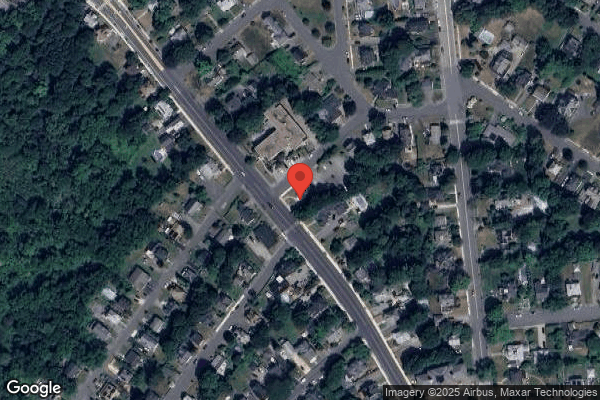
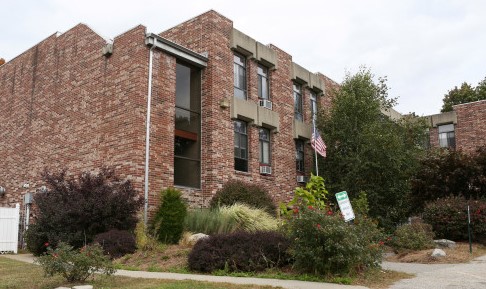
689 MAIN STREET, HAVERHILL, MA 01830 (978) 373-1131
For profit - Limited Liability company 120 Beds ATHENA HEALTHCARE SYSTEMS Data: November 2025
Trust Grade
3/100
#329 of 338 in MA
Last Inspection: February 2025

Within standard 12-15 month inspection cycle. Federal law requires annual inspections.

Overview

The Oxford Rehabilitation & Health Care Center has received a Trust Grade of F, indicating poor performance with significant concerns about care quality. Ranked #329 out of 338 facilities in Massachusetts, they are in the bottom half, and #43 out of 44 in Essex County, meaning only one nearby option is rated higher. The facility's trend is worsening, having increased from 13 issues in 2024 to 15 in 2025. While staffing is a relative strength with a 3/5 rating and a low turnover rate of 26%, they still face serious concerns, including $271,697 in fines, which is higher than 96% of facilities in the state. Specific incidents of neglect have been identified, such as a resident not receiving a necessary follow-up appointment for over ten months, and another not receiving oxygen according to medical orders, which raises serious concerns about the quality of care provided.

Trust Score
F
3/100
In Massachusetts
#329/338
Bottom 3%
Safety Record
High Risk
Review needed
Inspections
Getting Worse
13 → 15 violations
Staff Stability
✓ Good
26% annual turnover. Excellent stability, 22 points below Massachusetts's 48% average. Staff who stay learn residents' needs.
Penalties
✓ Good
$271,697 in fines. Lower than most Massachusetts facilities. Relatively clean record.
Skilled Nurses
✓ Good
Each resident gets 43 minutes of Registered Nurse (RN) attention daily — more than average for Massachusetts. RNs are trained to catch health problems early.
Violations
⚠ Watch
42 deficiencies on record. Higher than average. Multiple issues found across inspections.
★☆☆☆☆
1.0
Overall Rating
★★★☆☆
3.0
Staff Levels
★★☆☆☆
2.0
Care Quality
★☆☆☆☆
1.0
Inspection Score
Stable
2024: 13 issues
2025: 15 issues

The Good

  • Low Staff Turnover (26%) · Staff stability means consistent care
  • Full Sprinkler Coverage · Fire safety systems throughout facility
  • No fines on record
  • Staff turnover is low (26%)

    22 points below Massachusetts average of 48%

Facility shows strength in staff retention, fire safety.

The Bad

1-Star Overall Rating

Below Massachusetts average (2.9)

Significant quality concerns identified by CMS

Federal Fines: $271,697

Well above median ($33,413)

Significant penalties indicating serious issues

Chain: ATHENA HEALTHCARE SYSTEMS

Part of a multi-facility chain

Ask about local staffing decisions and management

The Ugly 42 deficiencies on record

2 actual harm
Feb 2025 15 deficiencies 1 Harm
SERIOUS (H)

Actual Harm - a resident was hurt due to facility failures

Free from Abuse/Neglect (Tag F0600)

A resident was harmed · This affected multiple residents

**NOTE- TERMS IN BRACKETS HAVE BEEN EDITED TO PROTECT CONFIDENTIALITY** Based on observation, record review and interview, the facility failed to protect one Resident (#92), from neglect, out of a tot...

Read full inspector narrative →
**NOTE- TERMS IN BRACKETS HAVE BEEN EDITED TO PROTECT CONFIDENTIALITY** Based on observation, record review and interview, the facility failed to protect one Resident (#92), from neglect, out of a total sample of 25 residents. Specifically, the facility neglected to schedule a follow-up appointment for over ten months when a physician's order was written for a Gastrointestinal Doctor consult to determine a possible colostomy (a surgical procedure that creates an opening (stoma) in the abdominal wall to divert stool from the colon directly into a bag or pouch) reversal procedure resulting in emotional distress. Findings include: Review of the facility policy titled Policy & Procedure Manual Abuse, Neglect and Exploitation, dated February 2023 indicated the following: - It is the policy of this facility to provide protections for the health, welfare and rights of each resident by developing and implementing written policies and procedures that prohibit and prevent abuse, neglect, exploitation and misappropriation of resident property. - Definitions: Neglect means failure of the facility, its employees, or service providers to provide goods and services to a resident that are necessary to avoid physical harm, pain, mental anguish, or emotional stress. Resident #92 was admitted to the facility in January 2024 with diagnoses including traumatic brain injury, colostomy status and adult failure to thrive. Review of Resident #92's most recent Minimum Data Set Assessment (MDS) dated [DATE] indicated that the Resident had a Brief Interview for Mental Status score of 12 out of 15 indicting moderate cognitive impairment. Further review of the Resident's MDS indicated that he/she has a colostomy and requires substantial/maximum assistance with toileting. During an interview on 2/24/25 at 8:36 A.M., Resident #92 said he/she wants his/her colostomy bag removed as he/she has had it for over one year and it really bothers him/her. The surveyor observed a colostomy bag on the lower left side of Resident #92's stomach. During a follow-up interview with Resident #92 on 2/26/25 at 10:00 A.M., Resident #92 said he/she wants his/her colostomy reversed and it is bullshit and it should have been reversed a long time ago. He/she continued to say it smells bad and it leaks sometimes. The Resident said he/she does not want to go out in public at times because it is embarrassing, especially if it smells. The Resident continued to say that he/she has been staying in his/her room more because of the colostomy bag. Review of Resident #92's Colostomy care plan dated 1/4/24 included interventions which indicated the following: Follow up with GI Consult if indicated. Refer to ostomy specialist as/if needed. Review of Resident #92's progress note written by the facility's Substance Abuse Counselor indicated the following: - Dated 2/23/24 at 2:55 P.M. - Check in with Resident on this day to learn he/she has not been seen by GI as he/she had requested in order to learn if his/her colostomy bag removed [sic]. This writer spoke with Unit Secretary to learn medical records need to be requested from an out of state hospital prior to establishing an appointment with GI near facility. Moreover, it was learned MD (medical doctor) need to order said appointment. Unit Secretary reports herself and medical records will follow up on Resident's request. Further review of the medical record failed to indicate any additional information regarding a follow up appointment with GI for colostomy removal was documented until 4/10/24, over a month after the Residents request on 2/23/24. Review of Resident #92's physician's order dated 4/10/24 indicated the following: GI consult for possible colostomy reversal. During a telephone interview on 2/26/25 at 10:19 A.M., the Medical Doctor (MD) said he saw Resident #92 two weeks ago with an ongoing plan to have a colostomy reversal. The MD said Resident #92 is in a good position to get his/her colostomy reversed but he/she needs to see a GI doctor first. During an interview on 2/26/25 at 8:44 A.M., Unit Secretary #1 said she is in charge of making appointments and managing paperwork for residents in the facility. She continued to say she has been attempting to make an appointment with a GI doctor but it is difficult since she does not have Resident #92's admission medical records. Unit Secretary #1 said she was unsure if the facility has obtained Resident #92's medical records yet. During an interview on 2/26/25 at 8:50 A.M., the Medical Records Coordinator said she does not believe that Resident #92's was admitted to this facility with his/her past medical records. The Medical Records Coordinator said when a resident is not admitted with their medical records they should be obtained as soon as possible. The Medical Records Coordinator said she believes Resident #92's medical records are in the facility but she needs to find them. During a follow-up interview on 2/26/25 at 10:15 A.M., the Medical Records Coordinator provided the surveyor with Resident #92's past medical records before he/she was admitted to the facility. The Medical Records Coordinator said she found them in a drawer in her office. Review of Resident #92's past hospital medical records included a cover sheet which indicated the following: - Purpose for which disclosure is to be made: Records needed to make an appointment to reverse colostomy. The cover sheet was signed and dated by Resident #92 on 8/20/24. Additionally, the coversheet had a stamped date of 8/26/24, had a date the documents were scanned on 8/27/24 and a printed dated of 8/29/24. The facility did not request to receive Resident #92's medical records from his/her previous medical facility until seven months since the progress note was written on 2/23/24 indicating that the medical records needed to be requested prior to establishing an appointment for a colostomy reversal with a GI doctor and over five months since the physician's order for a GI consult was developed. During a follow up interview on 2/26/25 at 10:28 A.M., just under two hours since the last interview, Unit Secretary #1 said she was able to get Resident #92 a pending appointment for a GI doctor in about 5 weeks from today, 22 minutes away from this facility. This was done after the facility provided the surveyor with Resident #92's medical records which were found in a drawer in the Medical Record Coordinator's office. During an interview with the Director of Nursing (DON) and Administrator in Training (AIT) on 2/27/25 at 8:33 A.M., they said referrals should be made as soon as possible but no specialty doctor would see Resident #92 until his/her medical records were available. The surveyor, DON and AIT reviewed the coversheet of Resident #92's hospital paperwork and they were not aware Resident #92's medical records were available in August, 2024. The DON said the facility had a delay in trying to contact a GI doctor for Resident #92's colostomy reversal and the facility dropped the ball on this and it should have been done sooner if the paperwork has been available since August. The DON and AIT said it is neglectful to not follow up on this concern. During a telephone interview with the interim Unit Secretary that was covering for Unit Secretary #1 while she was away from the building on 2/27/25 at 9:19 A.M., the interim Unit Secretary said she was in the role from September 2024 through January 2025. The interim Unit Secretary said Medical Records had Resident #92's hospital medical records before she started covering as interim Unit Secretary, but no one told her the paperwork was in the facility until right before Christmas time. Despite Resident #92's medical records being in the facility prior to September 2024 and despite the interim Unit Secretary being made aware that the medical records were in the facility just before Christmas time, an appointment with a GI doctor was not made until over ten months since the MD order was first written and one year since the resident first inquired about the colostomy reversal.
CONCERN (D)

Potential for Harm - no one hurt, but risky conditions existed

Resident Rights (Tag F0550)

Could have caused harm · This affected 1 resident

Based on observation and interview, the facility failed to ensure a dignified dining experience for one Resident, (#52), out of a total sample of 25 residents. Specifically, the facility failed to ens...

Read full inspector narrative →
Based on observation and interview, the facility failed to ensure a dignified dining experience for one Resident, (#52), out of a total sample of 25 residents. Specifically, the facility failed to ensure the needed assistance with a meal was provided resulting in a.) the Resident resorting to feeding him/herself with his/her hands and b. served the Resident in a Styrofoam dish with plastic utensils. Findings include: Resident #52 was admitted to the facility in July 2022 and has diagnoses that include vascular dementia and dysphagia (difficulty chewing and swallowing). Review of the most recent Minimum Data Set (MDS) assessment, dated 12/6/24, indicated that on the Brief Interview for Mental Status exam Resident #52 scored a 4 out of a possible 15, indicating severely impaired cognition. The MDS further indicated Resident #52 required supervision or touching assistance for eating. Review of the current Activities of Daily Living (ADL) care plan for Resident #52 indicated the following intervention: -Eating: max assist, dated as revised on 2/24/25. On 2/24/25 at 8:25 A.M., Resident #52 was observed in the unit dining room trying to feed him/herself eggs with the plastic fork provided by the facility. The meal was served in a Styrofoam container. As Resident #52 attempted to feed him/herself the eggs repeatedly fell off the fork into Resident #52's lap. Resident #52 ate the eggs with his/her hands from his/her lap. By 8:38 A.M., the floor underneath Resident #52 was covered in eggs. On 2/26/25 between 8:09 and 8:14 A.M., Resident #52 was seated in a chair in the unit dining room. Resident #52's body was leaning so far to the left that his/her left hand was an inch from the floor. As Resident #52 attempted to feed himself/herself eggs with a plastic food fork the eggs repeatedly fell to the floor. At 8:12 A.M., Resident #52 began eating the scrambled eggs with his/her hands. Throughout the observation the Director of Social Work stood within three feet of the resident facing him/her and did not intervene, offer assistance or find staff to assist the Resident. On 2/26/25 at 12:03 P.M., Resident #52 was observed seated in a chair in the unit dining room. A staff person served the lunch, partially set up the meal and then left the table to continue passing meals to other residents. The surveyor continued to make the following observations: -At 2:07 P.M., a staff person walked over to Resident #52, opened the milk container and poured it into Resident #52's cup, placed a chair beside him/her and walked away. -At 12:08 P.M., Resident #52 dropped food off the plastic fork he/she was using into his/her lap. -At 12:10 P.M., Resident #52 reached for cup of milk, and as he/she struggled to carry it to his/her mouth, Resident #52 rested his/her hand in meat and gravy, covering the underside of his/her palm covered in grave -At 12:11 P.M., Resident #52 used his/her hand to eat green beans. -At 12:11 P.M., Resident #52 used the meal ticket to his/her wipe mouth. -By 12:12 P.M., no staff had offered or assisted Resident #52 with the meal. During an interview on 2/27/25 at 8:36 A.M., Certified Nurse Assistant (CNA) #1 said that Resident #52 requires feeding assistance with meals. CNA #1 said that she knows the care Resident #52 needs based on his/her care card. CNA #1 showed the surveyor Resident #52's care which indicated he/she required substantial/ maximal assistance with eating. During an interview on 2/27/25 at 8:42 A.M., Unit Manager #2 said CNAs should provide the assistance based on the care card, Unit Manager #2 said that Resident #52 has been declining over the past few days, and he/she needs more assistance. Unit Manager #2 said that if the CNAs are not available the Nurse or anyone who is available, can assist during meals. The surveyor reviewed the surveyor's observations from 2/24/25 and 2/26/25 and Unit Manager #2 said that staff should intervene when the Resident is struggling. During an interview on 2/27/25 at 12:08 P.M., the Director of Nursing said that nursing should provide assistance with meals in accordance with the plan of care.
CONCERN (D)

Potential for Harm - no one hurt, but risky conditions existed

Abuse Prevention Policies (Tag F0607)

Could have caused harm · This affected 1 resident

Based on interviews and record review, the facility failed to implement written policies and procedures for the investigation of allegations of abuse, protection of residents during investigations, re...

Read full inspector narrative →
Based on interviews and record review, the facility failed to implement written policies and procedures for the investigation of allegations of abuse, protection of residents during investigations, reporting of allegations and investigative findings, and taking corrective actions to protect other residents from potential abuse for one Resident, (#55), out of a total sample of 25 residents. Findings include: Review of the facility policy titled Abuse, Neglect and Exploitation dated February 2023, indicated but was not limited to the following: -It is the policy of this facility to provide protections for the health, welfare and rights of each resident by developing and implementing written policies and procedures that prohibit and prevent abuse, neglect, exploitation and misappropriation of resident property. -Abuse means the willful infliction of injury unreasonable confinement intimidation or punishment with resulting physical harm, pain or mental anguish, which can include staff to resident abuse and certain resident to resident altercation's Abuse also includes the deprivation of any individual, including a caretaker, of goods or services that are necessary to attain or maintain physical mental and psychosocial well-being instances of abuse of all residents irrespective of any mental or physical condition, can cause physical harm, pain or mental anguish. It includes verbal abuse, sexual abuse, physical abuse, and mental abuse including abuse facilitated or enabled through the use of technology. Prevention of Abuse, Neglect and Exploitation: The facility will implement policies and procedures to prevent and prohibit all types of abuse neglect and misappropriation of resident property and exploitation that achieves; B. Written procedures for investigations that include: 1. Identifying staff responsible for the investigation; 3. Investigating different types of alleged violations; 4. Identifying and interviewing all involved persons, including the alleged victim, alleged perpetrator, witnesses, and others who might have knowledge of the allegations; 5. Focusing on the investigation on determining if abuse, neglect, exploitation, and/or mistreatment has occurred, the extent, and cause; and 6. Providing complete and thorough documentation of the investigation. Protection of Resident: The facility will make efforts to ensure all residents are protected from physical and psychological harm, as well as additional abuse, during and after the investigation. Resident #55 was admitted to the facility in October 2022 with diagnoses including major depressive disorder, anxiety, repeated falls and muscle weakness. Review of the most recent Minimum Data Set (MDS) assessment, dated 2/14/25, indicated that Resident #55 was cognitively intact as evidenced by a Brief Interview for Mental Status score of 15 out of 15. The MDS further indicated Resident #55 required supervision or touching assistance with walking. On 2/25/25 at 8:32 A.M., the surveyor reviewed two grievance forms for Resident #55 and dated 2/24/25. The grievance forms indicated the following: Grievance #1 indicated: On 2/22/25 (Resident in wheelchair) and Resident #55 and (third Resident) were in the elevator when it went to 2nd (floor). I was by the buttons when (Resident in wheelchair) told me to get out so he/she could get out. I was not in his/her way and I said you have plenty of room, then he/she told me I would be sorry when he/she rolled over my feet. I told him/her go ahead. It escalated by him/her calling me a bitch and other words. I responded by saying them back. That's when (third Resident) started laughing. (Resident in wheelchair) said he/she never liked me and I told him/her the same was mutual. (Third Resident) was blocking the elevator so I couldn't leave and go to my floor. I finally told him/her to please move and then he/she did. Grievance #2 indicated: On 2/23/25 the security guard started accusing me of starting with (Resident in wheelchair from Grievance #1) and wouldn't listen to me. He did it so unprofessional cause other residents heard him. He told me he was going to the Substance Abuse Counselor, Administrator In Training (AIT) and Social Worker to have me thrown out cause he believes (Resident in wheelchair). Grievance #1 and Grievance #2 was signed as received on 2/24/25 by Social Worker. The grievance form was signed and dated 2/25/25, by the AIT, Social Worker and Unit Manager #1 as reviewed and resolved. During an interview on 2/24/25 at 8:40 A.M., Resident #55 said he/she submitted two grievance forms to the social worker regarding an altercation with another resident in the elevator on 2/22/25. Resident #55 said the other resident threatened and rolled over his/her feet in the elevator. Resident #55 said he/she had a verbal altercation with the security guard on 2/23/25 and the security guard threatened to have him/her thrown out of the facility because he did not like the way Resident #55 was speaking to the resident in the elevator the day prior. Resident #55 said the security guard embarrassed and threatened him/her in front of other residents and said he doesn't like me. Resident #55 said he/she was upset and embarrassed by both situations and said he/she submitted a grievance form and told the Social Worker, but they won't do anything about it. Review of Resident #55 social service progress notes did not indicate any information regarding the reported grievances. The facility failed to provide any initial investigation into the allegations reported on 2/24/25. Review of the Health Care Facility Report System (HCFRS) failed to indicate the facility reported the allegation to the state agency. During an interview on 2/25/25 at 11:02 A.M., the Social Worker said she received two grievance forms from Resident #55 and said she did not feel they warranted to be reported as it was a verbal altercation between two residents and because she met with the security guard and gave the forms to the Administrator with the plan to perform customer service education with the security guard. The surveyor reviewed both grievance forms with the Social Worker. The Social Worker said she should have read the forms entirely and said threatening to roll over the resident's feet and threatening to have the Resident thrown out of the facility is concerning for verbal abuse. During an interview on 2/25/25 at 12:46 P.M., with the Administrator, AIT and the Director of Nurses (DON), the Administrator said he would expect the incidents to been investigated and reported. The AIT said she could not remember if she was notified last night or this morning and said she would expect any resident-to-resident altercations to be reported at the time of the event and investigated. The AIT said she did not receive a call over the weekend from staff regarding the resident to resident altercation. The AIT said she would expect measures to be taken to ensure residents feel safe and said the security guard should have been placed on administrative leave pending the investigation regarding suspected verbal abuse. The DON said they do not have any investigation information at this time and said they are starting the process now. During a follow-up interview on 2/27/25 at 10:25 A.M., the AIT said the security guard worked on 2/24/25 from 2:52 P.M., to 10:25 P.M., and said the Substance Abuse Counselor met with the security guard to go over customer service training on 2/25/25 and obtain a written statement. The AIT said she has not interviewed or met with the Security Guard as part of the investigation and that only the Substance Abuse Counselor has met with him. During an interview on 2/27/25 at 10:27 A.M., the DON said an investigation into the allegation should have been investigated immediately on the information that was reported and the grievances should have been reviewed per policy. Review of the Health Care Facility Reporting System (HCFRS) indicated the abuse allegation was submitted on 2/25/25; 24 hours after the allegation was made to the Social Worker. Refer to F609
CONCERN (D)

Potential for Harm - no one hurt, but risky conditions existed

Report Alleged Abuse (Tag F0609)

Could have caused harm · This affected 1 resident

Based on interviews and records reviewed, the facility failed to report an allegation of abuse to the State Agency for one Resident (#55) out of a total sample of 25 residents. Findings include: Revie...

Read full inspector narrative →
Based on interviews and records reviewed, the facility failed to report an allegation of abuse to the State Agency for one Resident (#55) out of a total sample of 25 residents. Findings include: Review of the facility policy titled Abuse, Neglect and Exploitation dated 2/2023, indicated but was not limited to the following: -It is the policy of this facility to provide protections for the health, welfare and rights of each resident by developing and implementing written policies and procedures that prohibit and prevent abuse, neglect, exploitation and misappropriation of resident property. -Abuse means the willful infliction of injury unreasonable confinement intimidation or punishment with resulting physical harm, pain or mental anguish, which can include staff to resident abuse and certain resident to resident altercation's Abuse also includes the deprivation of any individual, including a caretaker, of goods or services that are necessary to attain or maintain physical mental and psychosocial well-being instances of abuse of all residents irrespective of any mental or physical condition, can cause physical harm, pain or mental anguish. It includes verbal abuse, sexual abuse, physical abuse, and mental abuse including abuse facilitated or enabled through the use of technology. A. The facility will have written procedures that include: 1. Reporting all alleged violations to the Administrator, state agency, adult protective services and to all other required agencies (e.g., law enforcement when applicable within specified timeframes: a. Immediately, but no later than 2 hours after the allegation is made, if the events that cause the allegation involve abuse or result in serious body injury, or b. No later than 24 hours if the events that cause the allegation do not involve abuse and do not result in serious bodily injury. Resident #55 was admitted to the facility in October 2022 with diagnoses including major depressive disorder, anxiety, repeated falls and muscle weakness. Review of the most recent Minimum Data Set (MDS) assessment, dated 2/14/25, indicated that Resident #55 was cognitively intact as evidenced by a Brief Interview for Mental Status score of 15 out of 15. This MDS indicated Resident #55 required supervision or touching assistance with walking. On 2/25/25 at 8:32 A.M., the surveyor reviewed the two grievance forms dated 2/24/25. The grievance forms indicated the following: Grievance #1 indicated: On 2/22/25 (Resident in wheelchair) and Resident #55 and (third Resident) were in the elevator when it went to 2nd (floor). I was by the buttons when (Resident in wheelchair) told me to get out so he/she could get out. I was not in his/her way and I said you have plenty of room, then he/she told me I would be sorry when he/she rolled over my feet. I told him/her go ahead. It escalated by him/her calling me a bitch and other words. I responded by saying them back. That's when (third Resident) started laughing. (Resident in wheelchair) said he/she never liked me and I told him/her the same was mutual. (Third Resident) was blocking the elevator so I couldn't leave and go to my floor. I finally told him/her to please move and then he/she did. Grievance #2 indicated: On 2/23/25 the security guard started accusing me of staring with (Resident in wheelchair from Grievance form one) and wouldn't listen to me. He did it so unprofessional cause other residents heard him. He told me he was going to the Substance Abuse Counselor, Administrator In Training (AIT), and Social Worker to have me thrown out cause he believes (Resident in wheelchair). Grievance #1 and Grievance #2 was signed as received on 2/24/25 by Social Worker. The grievance form was signed and dated 2/25/25, by the AIT, Social Worker and Unit Manager #1 as reviewed and resolved. During an interview on 2/24/25 at 8:40 A.M., Resident #55 said he/she submitted two grievance forms to the social worker regarding an altercation with another resident in the elevator on 2/22/25. Resident #55 said the other resident threatened and rolled over his/her feet in the elevator. Resident #55 said he/she had a verbal altercation with the security guard on 2/23/25. Resident #55 said the security guard threatened to have him/her thrown out of the facility because he did not like the way Resident #55 was speaking to the resident in the elevator the day prior. Resident #55 said the security guard embarrassed and threatened him/her in front of other residents and said he doesn't like me and threatened to have Resident #55 thrown out of the facility. Resident #55 said he/she was upset and embarrassed by both situations and said he/she submitted a grievance form and told the Social Worker, but they won't do anything about it. During an interview on 2/25/25 at 11:02 A.M., the Social Worker said she received two grievance from Resident #55 and said she did not feel they warranted to be reported because it was a verbal altercation with another resident and she gave the forms to the Administrator and with the expectation for customer service education to be done with the security guard. The surveyor then reviewed both grievance forms with the Social Worker. The Social Worker said she should have read the forms entirely and said threatening to roll over the resident's foot and threatening to have the Resident thrown out of the facility is concerning for verbal abuse. During an interview on 2/25/25 at 12:48 P.M., with the Administrator, AIT, and the Director of Nurses (DON), the Administrator said he would expect the incidents to have been reported. The AIT said allegations of suspected abuse must be reported. The DON said they do not have any further details or reporting information at this time and said they are starting the process now. During an interview on 2/27/25 at 10:29 A.M., Director of Nurses (DON) said an investigation into the allegations should have been started on 2/24/25 and should have been reported per policy. Review of the Health Care Facility Reporting System (HCFRS) indicated the abuse allegation was submitted on 2/25/25; 24 hours after the allegation was made to the Social Worker.
CONCERN (D)

Potential for Harm - no one hurt, but risky conditions existed

Comprehensive Care Plan (Tag F0656)

Could have caused harm · This affected 1 resident

Based on observation and interview, the facility failed to implement the care plan for one Resident (#6) out of a total sample of 20 residents. Specifically, the facility failed to ensure that the cal...

Read full inspector narrative →
Based on observation and interview, the facility failed to implement the care plan for one Resident (#6) out of a total sample of 20 residents. Specifically, the facility failed to ensure that the call light was within reach of Resident #6 while he/she was in bed. Findings include: The facility policy titled Call Light, Use of, dated April 2015, indicated the following: -All residents/patients will have a call light or alternative communication device within his/her reach when unattended. Resident #6 was admitted to the facility in January 2011 and has diagnoses that include dysphagia (difficulty chewing and swallowing) and hemiplegia and hemiparesis following nontraumatic subarachnoid hemorrhage affecting right dominant side (stroke). Review of the most recent Minimum Data Set (MDS) assessment, dated 2/20/25, indicated that on the Brief Interview for Mental Status exam Resident #6 scored a 15 out of a possible 15, indicating intact cognition. The MDS further indicated Resident #6 requires substantial to maximal assistance with bed mobility. Review of the current Functional mobility care plan for Resident #6 indicated the following intervention: -Total dependent on 2 staff. Review of the current at risk for falls care plan for Resident #6 indicated the following intervention: -Call light within reach. During an observation and interview on 3/19/25 at 8:02 A.M., Resident #6 was observed in bed and his/her call bell was dangling behind the right side of the bed out of reach. Resident #6 said that he/she needed straws but could not call staff for help getting them because he/she could not reach the call bell. Resident #6 said, the next time I see them will be when they come to pick up my tray. During an interview on 3/19/25 at 10:33 A.M., Certified Nurse Assistant (CNA) #2 said that Resident #6 requires total assistance and should have a call bell within reach when he/she is in bed. During an interview on 3/19/25 at 10:58 A.M., with the Occupational Therapist she that she noticed when she was in Resident #6's room after breakfast that his/her call bell was out of reach behind the bed. The Occupational Therapist said you shouldn't have to write these basic thing on a sign but I will put a new one up today and add a reminder to staff to have Resident #6's call bell within reach During an interview on 3/19/25 at 11:24 A.M., the Director of Nursing said that call bells should be within reach when residents are in bed.
CONCERN (D)

Potential for Harm - no one hurt, but risky conditions existed

Deficiency F0658 (Tag F0658)

Could have caused harm · This affected 1 resident

**NOTE- TERMS IN BRACKETS HAVE BEEN EDITED TO PROTECT CONFIDENTIALITY** Based on observations, and interviews, the facility failed to ensure residents on the first-floor unit were provided with care i...

Read full inspector narrative →
**NOTE- TERMS IN BRACKETS HAVE BEEN EDITED TO PROTECT CONFIDENTIALITY** Based on observations, and interviews, the facility failed to ensure residents on the first-floor unit were provided with care in accordance with professional standards of practice. Specifically, two different surveyors at two different times observed Nurse #1 prepare and administer medications without referencing the medication administration record in the electronic health record. Findings include: Review of [NAME], Manual of Nursing Practice 11th edition, dated 2019 indicated the following: -The professional nurse's scope of practice is defined and outlined by the State Board of Nursing that governs practice. Review of the Massachusetts Board of Registration in Nursing Advisory Ruling on Nursing Practice, dated as revised April 11, 2018, indicated the following: -Nurse's Responsibility and Accountability: Licensed nurses accept, verify, transcribe, and implement orders from duly authorized prescriber that are received by a variety of methods (i.e., written, verbal/telephone, standing orders/protocols, pre-printed order sets, electronic) in emergent and non-emergent situations. Licensed nurses in a management role must ensure an infrastructure is in place, consistent with current standards of care, to minimize error. Review of the facility policy titled, Medications Administration - Oral, dated as revised June 2015, indicated: 1. Verify medication order of the Medication Administration Record (MAR). 5. Only prepare one resident medication at a time. 6. Compare the medication label to the resident's MAR. 9. Verify the medication is being administered at the proper time, in the prescribed dose, and by the correct route. 14. Do not touch the medication when opening the bottle or unit dose packaging. 1. On 3/19/25 between 7:16 A.M., through 7:24 A.M., the surveyor made a continuous observation of Nurse #1 going between two medication carts on the first-floor unit, neither of the medication cart's computer screens were open to the medication administration record in the electronic health record. The surveyor observed Nurse #1 preparing medications from several different prescription medication cards, over the counter bottles, and the surveyor observed Nurse #1 removing narcotics from the narcotic drawer without referencing the narcotic book. Nurse #1 placed the prepared medication cups in the top drawer of the medication cart. During this observation two different Residents came to the medication cart and Nurse #1 handed each resident a cup of medications from the top drawer of the medication cart without referencing the electronic health record. During an interview on 3/19/25, at 7:42 A.M., Nurse #1 said that she should not be preparing medications without reviewing the physician's orders. 2. On 3/19/25 at 7:40 A.M., the surveyor observed Nurse #1 preparing medications from several different medication cards and place them in a medication cup without reviewing the electronic health record. The surveyor observed the computer on top of the medication cart to be a blank blue screen while Nurse #1 was preparing the medications. During an interview on 3/19/25 at 7:49 A.M., Nurse #1 said that she was not following the medication administration policy, and she was preparing and administering medications from her memory. Nurse #1 said sometimes bad habits are hard to break. During an interview on 3/19/25 at 11:00 A.M., the Director of Nursing said that Nurse #1 should have reviewed the electronic health record during the medication pass.
CONCERN (D)

Potential for Harm - no one hurt, but risky conditions existed

ADL Care (Tag F0677)

Could have caused harm · This affected 1 resident

Based on observation and interview, the facility failed to provide assistance with Activities of Daily Living (ADL) for one Resident, (#52), out of a total sample of 25 residents. Specifically, for Re...

Read full inspector narrative →
Based on observation and interview, the facility failed to provide assistance with Activities of Daily Living (ADL) for one Resident, (#52), out of a total sample of 25 residents. Specifically, for Resident #52 the facility failed to provide assistance with feeding. Findings include: Review of the facility policy titled Activities of Daily Living, dated as April 2015, indicated: -A program of assistance and instruction in ADL skills is developed and implemented based on the individual evaluation to encourage the highest level of functioning. Resident #52 was admitted to the facility in July 2022 and has diagnoses that include vascular dementia and dysphagia (difficulty chewing and swallowing). Review of the most recent Minimum Data Set (MDS) assessment, dated 12/6/24, indicated that on the Brief Interview for Mental Status exam Resident #52 scored a 4 out of a possible 15, indicating severely impaired cognition. The MDS further indicated Resident #52 required supervision or touching assistance for eating. Review of Resident #52's care card, dated as revised on 12/2024, indicated for eating: Substantial/ maximum assistance. Review of the current Activities of Daily Living (ADL) care plan for Resident #52 indicated the following intervention: Eating: max assist, dated as revised on 2/24/25. Review of the POC (point of care) responses to the task of eating indicated that in the past 14 days Resident #52 required variable assistance with meals. Staff documented Resident #52 required the following level of assistance with feeding: -Setup: 4 times -Supervision or touching assistance: 11 times -Partial/moderate assistance: 7 times -Substantial/maximal assistance: 7 times On 2/24/25 at 8:25 A.M., Resident #52 was observed in the unit dining room trying to feed self eggs. As Resident #52 attempted to feed him/herself the eggs repeatedly fell off the fork into Resident #52's lap. Resident #52 resorted to eating the eggs with his/her hands. Throughout the observation a nurse stood within 5-6 feet of the Resident facing him/her and did not intervene or offer assistance to Resident #52. On 2/26/25 between 8:09 and 8:14 A.M., Resident was seated in a chair in the unit dining room. Resident #52's bodies was leaning so far to the left that his/her left hand was an inch from the floor. As Resident #52 attempted to feed himself/herself eggs with a plastic food fork the eggs repeatedly fell to the floor. At 8:12 A.M., Resident #52 began eating the scrambled eggs with his/her hands. Throughout the observation the Director of Social Work stood within 5-6 feet of the Resident facing him/her and did not intervene, offer assistance or find staff to assist the Resident. On 2/26/25 at 12:03 P.M., Resident #52 was observed seated in a chair in the unit dining room. A staff person served the lunch, partially set up the meal and then left the table to continue passing meals to other residents. The surveyor continued to make the following observations: -At 2:07 P.M., a staff person walked over to Resident #52, opened the milk container and poured it into Resident #52's cup, placed a chair beside him/her and walked away. -At 12:08 P.M., Resident #52 dropped food off the plastic fork he/she was using into his/her lap. -At 12:10 P.M., Resident #52 reached for cup of milk, and as he/she struggled to carry it to his/her mouth, Resident #52 rested his/her hand in meat and gravy. -At 12:11 P.M., Resident #52 used his/her hand to eat green beans. -At 12:11 P.M., Resident #52 used the meal ticket to his/her wipe mouth. -By 12:12 P.M., no staff had offered or assisted Resident #52 with the meal. During an interview on 2/27/25 at 8:36 A.M., Certified Nurse Assistant (CNA) #1 said that Resident #52 requires feeding assistance with meals. CNA #1 said that she knows the care Resident #52 needs based on his/her care card. CNA #1 showed the surveyor Resident #52's care which indicated he/she required substantial/maximal assistance with eating. During an interview on 2/27/25 at 8:42 A.M., Unit Manager #2 said CNAs should provide the assistance based on the care card, Unit Manager #2 said that Resident #52 has been declining over the past few days, and he/she needs more assistance. Unit Manager #2 said that if the CNAs are not available the Nurse or anyone who is available, can assist during meals. The surveyor reviewed the surveyor's observations from 2/24/25 and 2/26/25 and Unit Manager #2 said that staff should intervene when the Resident is struggling. During an interview on 2/27/25 at 12:08 P.M., the Director of Nursing said that nursing should provide assistance with meals in accordance with the plan of care.
CONCERN (D)

Potential for Harm - no one hurt, but risky conditions existed

Pressure Ulcer Prevention (Tag F0686)

Could have caused harm · This affected 1 resident

**NOTE- TERMS IN BRACKETS HAVE BEEN EDITED TO PROTECT CONFIDENTIALITY** Based on observation, record review and interview, the facility failed to ensure interventions related to pressure injury healin...

Read full inspector narrative →
**NOTE- TERMS IN BRACKETS HAVE BEEN EDITED TO PROTECT CONFIDENTIALITY** Based on observation, record review and interview, the facility failed to ensure interventions related to pressure injury healing were implemented for two Residents, (#5 and #39), out of a total of 25 sampled Residents. Specifically, the facility failed to ensure Resident #5 and Resident #39's air mattresses was on the correct setting. Findings include: Review of the facility policy titled Support Surface' undated, indicated the following but not limited to: -A physician's order is required for the use of a specialty support surface. The order shall include the type of mattress, the mode (alternating or static), and setting. -Specialty support surfaces will be checked each shift for proper functioning and or inflation. 1. Resident #5 was admitted to the facility in July 2023 with diagnoses including traumatic brain injury and hemiplegia and hemiparesis. Review of the Minimum Data Set Assessment (MDS) dated [DATE] indicated Resident #5 is moderately cognitively impaired evidenced by a score of 11 out of a possible 15. The MDS also indicated Resident #5 is dependent on staff for all activities of daily living and weighed 139 lbs (pounds). On 2/24/25 at 9:14 A.M., the surveyor observed Resident #5 resting in bed. Resident #5 appeared thin and frail and said that he/she was not comfortable. The surveyor observed the air mattress was set at 325 lbs. Review of Resident #5's clinical record indicated he/she had developed an unstageable pressure injury to his/her sacrum in January 2025. Review of Resident #5's physicians order dated 2/6/25 indicated: Specialty air mattress. Set at 150. Check setting and function every shift. On 2/25/25 at 12:14 P.M. and 2/26/25 at 8:09 A.M., the surveyor observed Resident #5 laying in bed with the air mattress set at 325 lbs. During an interview on 2/26/25 at approximately 8:12 A.M., Nurse # 2 said that air mattress setting is based on weights and orders. Nurse #2 said he thought Resident #5's air mattress should be set at 200 lbs and he/she would check. During an interview on 2/2/25 at approximately 8:20 A.M., Unit Manager #1 said that Resident #5's air mattress should be set based on the physician's order. 2. Resident #39 was admitted to the facility in November 2024 with diagnoses including chronic respiratory failure, interstitial pulmonary disease. Review of Resident #39's Minimum Data Set (MDS) assessment dated [DATE], indicated the Resident was cognitively intact as evidenced by a score of 15 out of 15 on the Brief Interview for Mental Status (BIMS). On 2/24/25 at 8:54 A.M., the surveyor observed the Resident sitting on his/her bed the air mattress dial was set at 80 lbs. (pounds). On 2/24/25 at 12:01 P.M., the surveyor observed the Resident sitting on his/her bed the air mattress dial was set at 80 lbs. On 2/25/25 at 7:42 A.M., the surveyor observed the Resident sitting on his/her bed the air mattress dial was set at 80 lbs. The Resident said he/she does not change the settings. Review of the Resident's current physician orders indicated the following:mSpecialty air mattress check setting and function every shift (set at 180) per patient request. Review of the Resident's care plan for potential alteration in skin integrity: with intervention initiated 2/11/25 indicated the following: Air mattress per request set at 180. During an observation and interview on 2/25/25 at 11:16 A.M., Nurse #4 said the air mattress should be set at the correct setting per the physician order. She further said the nurses are responsible for ensuring the air mattress is at the correct setting. During an interview on 2/26/25 at 10:00 A.M., the Director of Nursing (DON) said physician orders are to be followed as ordered.
CONCERN (D)

Potential for Harm - no one hurt, but risky conditions existed

Respiratory Care (Tag F0695)

Could have caused harm · This affected 1 resident

**NOTE- TERMS IN BRACKETS HAVE BEEN EDITED TO PROTECT CONFIDENTIALITY** Based on observation, interview and record review, the facility failed to provide respiratory care consistent with professional ...

Read full inspector narrative →
**NOTE- TERMS IN BRACKETS HAVE BEEN EDITED TO PROTECT CONFIDENTIALITY** Based on observation, interview and record review, the facility failed to provide respiratory care consistent with professional standards of practice for one Resident, (#39), out of a total sample of 25 residents. Specifically, the facility failed to ensure oxygen was administered at the correct setting. Findings include: Review of facility policy titled Oxygen Administration Nasal Cannula dated November 2020, indicated the following but not limited to: -To deliver low oxygen flow per physician's order (generally 1-6 LPM (liters per minute) and 24% -45% concentration) via nasal cannula. -Set the oxygen liter flow to the prescribed liters flow per minute. Resident #39 was admitted to the facility in November 2024 with diagnoses including chronic respiratory failure with hypercapnia, interstitial pulmonary disease. Review of Resident #39's Minimum Data Set (MDS) assessment dated [DATE], indicated the Resident was cognitively intact as evidenced by a score of 15 out of 15 on the Brief Interview for Mental Status (BIMS).MDS further indicated the Resident was on oxygen. On 2/24/25 at 8:54 A.M., the surveyor observed Resident #39 sitting on his/her bed wearing a nasal oxygen cannula. The oxygen concentrator was set at a flow rate of 2.5 liters per minute. On 2/24/25 at 12:01 P.M., the surveyor observed Resident #39 sitting on his/her bed wearing a nasal oxygen cannula. The oxygen concentrator was set at a flow rate of 2.5 liters per minute. On 2/25/25 at 7:42 A.M., the surveyor observed Resident #39 sitting on his/her bed wearing a nasal oxygen cannula. The oxygen concentrator was set at a flow rate of 2 liters per minute. Review of the current physician's orders for Resident #39 indicated the following: -Oxygen via nasal cannula at 4 liters per minute every shift for COPD (chronic obstructive pulmonary disease) check pulse oximeter and liters per minute. Review of Resident #39 plan of care for COPD requiring supplemental oxygen continuously date revised 11/18/24 with the following intervention: -Administer oxygen and monitor effectiveness by checking saturation as/if indicated. -Oxygen via nasal cannula at 4 liters/minute check pulse oximeter every shift. During an observation and interview on 2/25/25 at 11:16 A.M., Nurse #4 said the oxygen should be set at the correct setting per the physician orders. She further said nurses should be checking every shift. During an interview on 2/26/25 at 10:00 A.M., the Director of Nursing (DON) said physician orders are to be followed as ordered.
CONCERN (D)

Potential for Harm - no one hurt, but risky conditions existed

Medical Records (Tag F0842)

Could have caused harm · This affected 1 resident

Based on record review and interview, the facility failed to maintain accurate medical records for one Resident, (#86), out of 25 sampled residents. Specifically, for Resident #86 the facility failed ...

Read full inspector narrative →
Based on record review and interview, the facility failed to maintain accurate medical records for one Resident, (#86), out of 25 sampled residents. Specifically, for Resident #86 the facility failed to maintain accurate neurological flow sheets after two unwitnessed falls. Findings include: Review of the facility policy titled, Neurological Signs, dated August 2015, indicated the following: Any resident who sustains a head injury or when a head injury is questioned or suspected will have neurological signs monitored as follows: - Every fifteen (15) minutes for one (1) hour - Every thirty (30) minutes for one (1) hour - Every hour for four (4) hours - Every four (4) hours for sixteen (16) hours - Every eight (8) hours for forty eight (48) hours Neurological signs to be evaluated are inclusive of: - Pupils reaction to light (PEARL) - Level of Consciousness - Change in mental status - Change in speech - Change in strength in extremities - Vital Signs - Blood Pressure, Pulse, Respirations - Head pain - Nausea/vomiting The findings of each evaluation is compared, analyzed and documented in the medical record. The physician is promptly notified of any abnormal findings. Resident #86 was admitted to the facility in July 2022 with diagnoses including convulsions, repeated falls, and Wernicke's encephalopathy (confusion). Review of the most recent Minimum Data Set (MDS) assessment, dated 2/13/25, indicated that Resident #86 had a severe cognitive impairment as evidenced by a Brief Interview for Mental Status (BIMS) score of 6 out of 15. This MDS indicated Resident #86 required assistance with activities of daily living and he/she had two or more falls since his/her last assessment. Review of Resident #86's fall incident reports indicated he/she had unwitnessed falls in his/her room on 1/4/25 at 10:55 P.M. and on 1/27/25 at 9:40 A.M. Both fall investigations included a photocopy of neurological checks which started at 10:55 P.M. on 1/4/25 and 3:00 P.M. on 1/27/25. Comparative document review of both incident reports, dated 1/4/25 and 1/27/25, provided by the facility included the exact same 20 assessments for vital signs, orientation, level of consciousness, pupillary reactions, and nurse's initials. The only difference was the date and time at the top of the column for each of the 20 neurological assessments. During an interview on 2/27/25 at 11:15 A.M., Nurse #3 said she was the Nurse on duty when Resident #86 had a fall on 1/27/25, she reviewed the neurological sheet with the surveyor for 1/27/25. Nurse #3 said she did not document the neurological signs on the flow sheet that day. Nurse #3 said that Unit Manager #1 keeps a binder with neurological flow sheets and the Unit Manager is responsible for maintaining the documentation. During the interview on 2/27/25 at 10:26 A.M., the surveyor and the Director of Nursing reviewed the neurological sheet documents for Resident #86's falls dated 1/4/25 and 1/27/25 and the Director of Clinical Services said that the neurological signs should be documented accurately and she was not sure why they included the exact same data. Unit Manager #1 was unavailable for interview on 2/27/25 and staff were unable to provide the surveyor with the binder that the neurological sheet documents were maintained.
CONCERN (D)

Potential for Harm - no one hurt, but risky conditions existed

Infection Control (Tag F0880)

Could have caused harm · This affected 1 resident

NOT CORRECTED Based on observations and interview, the facility failed to adhere to infection control practices and standards, increasing the risk of contamination and spread of infection for resident...

Read full inspector narrative →
NOT CORRECTED Based on observations and interview, the facility failed to adhere to infection control practices and standards, increasing the risk of contamination and spread of infection for residents in the facility. Specifically, two different surveyors at different times during the day shift observed Nurse #1 touch pills directly with her ungloved hands during the medication pass. Findings include: Review of the facility policy titled, Medications Administration - Oral, dated as revised June 2015, indicated: 3. Perform hand hygiene. 14. Do not touch the medication when opening the bottle or unit dose packaging. 1. On 3/19/25 between 7:16 A.M., through 7:24 A.M., the surveyor made a continuous observation of Nurse #1 going between two medication carts on the first-floor unit. The surveyor observed Nurse #1 preparing medications from several different prescription medication cards, over the counter bottles, and narcotics, Nurse #1 was placing medications directly into her ungloved hands. Nurse #1 placed the medications into medication cups, and Nurse #1 administered medications to two different residents. 2. On 3/19/25 at 7:40 A.M., the surveyor observed Nurse #1 preparing medications. The surveyor observed Nurse #1 open the medication cart with her bare hands contaminating them. The surveyor then observed Nurse #1 remove several pills from 3 different medication cards and place them directly into her contaminated hand (contaminating the pills) before placing them in a medication cup. During an interview on 3/19/25 at 7:42 A.M. Nurse #1 said that she was not supposed to touch the pills with her ungloved hands. During an interview on 3/19/25 at 11:01 A.M., the Director of Nursing said that Nurse #1 should not have poured medications directly into her hands.
CONCERN (E)

Potential for Harm - no one hurt, but risky conditions existed

Unnecessary Medications (Tag F0759)

Could have caused harm · This affected multiple residents

Based on observations, interviews, and record reviews for two Residents, (#50 and #16), out of three residents observed, the facility failed to ensure it was free from a medication error rate of great...

Read full inspector narrative →
Based on observations, interviews, and record reviews for two Residents, (#50 and #16), out of three residents observed, the facility failed to ensure it was free from a medication error rate of greater than 5%. When one out of two nurses observed made three errors out of 28 opportunities resulting in a medication error rate of 10.71%. Specifically: 1.) For Resident #50, Nurse #1 administered Linzess (oral medication for constipation) after a meal when the medication was ordered to be administered 30 minutes before a meal. 2.) For Resident #16, Nurse #1 administered the incorrect dose (two sprays instead of one) of a nasal spray (Azelastine HCL, used for allergies) and Nurse #1 failed to administer the correct fiber medication (psyllium husk instead of calcium polycarbophil). Findings include: Review of the facility policy titled, Medications Administration - Oral, dated as revised June 2015, indicated: 1. Verify medication order of the Medication Administration Record (MAR). 6. Compare the medication label to the resident's MAR. 9. Verify the medication is being administered at the proper time, in the prescribed dose, and by the correct route. 1.) Resident #50 was admitted to the facility in January 2018 with diagnoses including anxiety, depression, and chronic idiopathic constipation. Review of the most recent Minimum Data Set (MDS) assessment, dated 1/17/25, indicated that Resident #50 was cognitively intact as evidenced by a Brief Interview for Mental Status (BIMS) score of 14 out of 15. On 2/26/25 at 8:18 A.M., the surveyor observed Nurse #1 prepare and administer Resident #50's morning medications. Resident #50 said he/she had already eaten his/her breakfast and there was no longer a breakfast tray with the Resident. Nurse #1 prepared and administered the following: - Linzess 145 micrograms (mcg), 1 capsule. Review of the medication bottle indicated the following take this medicine on an empty stomach, at least 30 minutes before the first meal of the day. Review of Resident #50's physician's order, dated 1/29/24, indicated: - Linzess Oral Capsule 145 mcg, give one capsule by mouth one time a day for constipation. Additional directions indicate to administer the medication 30 minutes prior to breakfast. Additional Administration notes indicate 7:00 A.M. During an interview on 2/26/25 at 1:54 P.M., Nurse #1 reviewed Resident #50's Linzess order and medication bottle and she said that the Linzess is ordered 30 minutes prior to breakfast, but she did not administer the medication prior to breakfast. During an interview on 2/26/25 at 1:58 P.M., Unit Manager #2 said Resident #50's Linzess should be administered before breakfast. During an interview on 2/26/25 at 2:55 P.M., the Director of Nursing said nursing should administer medications as ordered. 2.) Resident #16 was admitted to the facility May 2016 with diagnosis including chronic obstructive pulmonary disease, diabetes, and irritable bowel syndrome. Review of the most recent Minimum Data Set (MDS) assessment, dated 12/6/24, indicated that Resident #16 was cognitively intact as evidenced by a Brief Interview for Mental Status (BIMS) score of 15 out of 15. On 2/26/25 at 8:32 A.M., the surveyor observed Nurse #1 prepare and administer Resident #16's morning medications. Nurse #1 prepared and administered the following: - Azelastine HCL Solution 0.1%, 2 sprays in each nostril. - Psyllium Husk, one capsule. Further review of the medication bottle indicated the serving size was 5 capsules. Review of Resident #16's physician's order, dated 2/2/23, indicated: - Azelastine HCL Solution 0.1%, give one spay in both nostrils two times a day related to chronic obstructive pulmonary disease. - FiberCon Oral Tablet (Calcium Polycarbophil), give one tablet by mouth two times a day related to irritable bowel syndrome. During an interview on 2/26/25 at 8:33 A.M., Resident #16 said he/she took 2 sprays into each of his/her nostrils and that is how he/she takes the medication every day. During an interview on 2/26/25 at 1:56 P.M., Nurse #1 said Resident #16 should have only received one spray of the nasal spray in each nostril but did not. Nurse #1 said that she provided one capsule of the psyllium husk because that is what is provided by the facility. During an interview on 2/26/25 at 1:59 P.M., Unit Manager #2 said Resident #16's medications should be administered as ordered by the physician. Unit Manager #2 and the surveyor reviewed literature which indicated that psyllium husk and calcium polycarbophil are not the same medication. Unit Manager #2 said the facility should have the correct over the counter medications available for administration. During an interview on 2/26/25 at 2:57 P.M., the Director of Nursing said nursing should administer medications as ordered.
CONCERN (E)

Potential for Harm - no one hurt, but risky conditions existed

Deficiency F0761 (Tag F0761)

Could have caused harm · This affected multiple residents

2. The surveyor made the following observations: - On 02/26/25 at 11:43 A.M., the surveyor observed an unlocked and unattended medication cart on the first-floor unit. The surveyor was able to open an...

Read full inspector narrative →
2. The surveyor made the following observations: - On 02/26/25 at 11:43 A.M., the surveyor observed an unlocked and unattended medication cart on the first-floor unit. The surveyor was able to open and access the cart and staff were unaware. -On 2/25/25 at 6:49 A.M., the surveyor observed an unattended, unlocked medication cart on the second-floor unit. During an interview on 2/26/25 at 11:44 A.M., with Nurse #1, she said that the medication cart is supposed to be locked when unattended. During an interview on 2/27/25 at 8:33 A.M., the Director of Nursing (DON) and Administrator in Training (AIT) said all medication carts, medication rooms and treatment rooms should be locked when unattended. Based on observations and interviews, the facility failed to ensure drugs and biologicals were stored in accordance with acceptable professional standards of practice. Specifically, the facility failed to 1. Ensure a treatment room containing resident-specific creams, lotions and other biologicals was locked while unattended on the first floor unit and 2. Ensure medication carts were locked while unattended by staff on the first and second floor units. Findings include: Review of the facility policy titled Medication Storage Room/Medication Cart Policy, dated and revised January 2025, indicated the following: - Medications are stored primary in a locked mobile medication cart which is accessible only to licensed nursing personnel. - Storage for other medications will be limited to a locked medication room. - The medication cart is to be kept locked at all times when not in use by the nurse. The medication cart is to be locked when stored in the medication room or some other location. 1. The surveyor made the following observations on the first-floor medication treatment room next to the nursing station: - On 2/24/25 from 8:28 A.M. through 8:42 A.M., the medication treatment room door was open, no staff were in the room and residents were observed walking by it. Inside the treatment room was a shelf of treatment materials and an unlocked treatment cart containing resident-specific creams, lotions and other biologicals. The surveyor was able to open and access the treatment cart inside the room. - On 2/24/25 at 12:11 P.M., the medication treatment room door was open, no staff were in the room and a resident was observed walking into the treatment room. Inside the treatment room was a shelf of treatment materials and an unlocked treatment cart containing resident-specific creams, lotions and other biologicals. The surveyor was able to open and access the treatment cart inside the room. - On 2/25/25 at 6:49 A.M., the medication treatment room door was open, no staff were in the room and residents were observed walking by it. Inside the treatment room was a shelf of treatment materials and an unlocked treatment cart containing resident-specific creams, lotions and other biologicals. - On 2/26/25 at 7:52 A.M., the medication treatment room door was open, no staff were in the room and residents were observed walking by it. Inside the treatment room was a shelf of treatment materials and an unlocked treatment cart containing resident-specific creams, lotions and other biologicals. The surveyor observed a latex gloved stuffed into the latch of the door which was preventing the door from latching properly and locking. During an interview on 2/26/25 at 8:37 A.M., Unit Manager #1 said the treatment room contains creams, ointment, biologicals and other treatment materials for residents and it should be locked at all times. Unit Manager #1 continued to say the treatment cart inside the room is open because the door to the room should be locked. During an interview on 2/27/25 at 8:33 A.M., the Director of Nursing (DON) and Administrator in Training (AIT) said all medication carts, medication rooms and treatment rooms should be locked when unattended.
CONCERN (F)

Potential for Harm - no one hurt, but risky conditions existed

Safe Environment (Tag F0584)

Could have caused harm · This affected most or all residents

Based on observation and interview, the facility failed to provide a homelike environment during dining on 4 of 4 units. Specifically, the facility failed to ensure resident meals were served on stand...

Read full inspector narrative →
Based on observation and interview, the facility failed to provide a homelike environment during dining on 4 of 4 units. Specifically, the facility failed to ensure resident meals were served on standard dining ware and cutlery and instead were served Styrofoam boxes and plastic cutlery due to the dish machine being broken for approximately the last three months. Findings include: During breakfast and lunch meals of the entire survey period from 2/24/25 through 2/27/25, residents were observed eating their meals out of Styrofoam take-out containers and with plastic cutlery. During the resident screening process on 2/24/25, multiple residents from the first-floor units reported that all their meals have been served in Styrofoam containers and with plastic cutlery for months. One resident reported it is difficult to eat from plastic fork because the food will not stay on the utensils. Another resident on the first-floor reported that his/her food is always cold when delivered and it is likely from being in a Styrofoam box. During the resident screening process on 2/24/25, multiple residents from the second-floor units reported that all their meals are served in Styrofoam containers and with plastic utensils. Two residents reported they had resided in the facility for months and had always been served their meals with Styrofoam and plasticware. One Resident said that the facility used to serve meals with standard dining ware and cutlery, but since the dishwasher in the kitchen had broken down, they switched to disposable plateware for a few months. During the kitchen walk-through on 2/25/25 at 11:14 A.M., the Foodservice Director (FSD) said the dish machine has been broken and not functional for at least one month. The FSD then said there is a brand-new dishwasher in the hallway, and we are waiting for it to get installed, the FSD continued to say it has been in the hallway for a lot longer than one month. The FSD then said since the dish machine has been broken the facility has been using Styrofoam containers and plastic utensils for all meals. During the kitchen walk-through, the surveyor observed a brand-new dish machine in the hallway still wrapped in plastic. During an interview on 2/25/25 at 11:50 A.M., the Maintenance Director said the new dish machine in the hallway got delivered around November 2024 and we have received two quotes from different companies to install it. The Maintenance Director then said he thinks it would be a one-day job for installation. The Maintenance Director said he has sent the quotes to Accounts Payable but did not hear back at first and he has needed to keep following up. During the Resident Group interview on 2/25/25 at 1:17 P.M., 15 out of 15 residents all said the dishwasher has been broken for months and they have been eating out of Styrofoam containers. The residents continued to say they do not want to eat from Styrofoam containers and the plastic cutlery always break, they further said it was particularly awful at Thanksgiving and Christmas. Review of the work order invoices dated 8/16/24, 9/4/24 and 11/6/24 indicated that the facility had an outside company come into the facility to service the dish machine that is currently broken and not in use. Review of an invoice dated 11/22/24 indicated that the facility received an estimate for the installation of a new dish machine. During an interview with the acting Director of Nursing (DON), Administrator and Administrator in Training (AIT) on 2/25/25 at 12:55 P.M., the DON was not aware the dish machine has been broken. The DON, Administrator and AIT said residents eating from Styrofoam boxes with plastic utensils is not considered a homelike environment and they should be using standard dish ware and cutlery. The Administrator then said the facility has received several quotes and the dish machine has been getting repairs since October, but it keeps breaking down. The Administrator continued to say that the residents have been continuously eating from Styrofoam containers and with plastic utensils for at least one month. Refer to F908
CONCERN (F)

Potential for Harm - no one hurt, but risky conditions existed

Room Equipment (Tag F0908)

Could have caused harm · This affected most or all residents

Based on observation and interview, the facility failed to maintain kitchen equipment in safe operating condition. Specifically, the facility failed to ensure the dish machine was functioning properly...

Read full inspector narrative →
Based on observation and interview, the facility failed to maintain kitchen equipment in safe operating condition. Specifically, the facility failed to ensure the dish machine was functioning properly and replace it with a new, functional dish machine. Findings include: During breakfast and lunch meals of the entire survey period from 2/24/25 through 2/27/25, residents were observed eating their meals out of Styrofoam take-out containers and with plastic cutlery. During the resident screening process on 2/24/25, multiple residents from the first-floor and second-floor units reported that all of their meals have been served in Styrofoam containers and with plastic cutlery for months. During the kitchen walk-through on 2/25/25 at 11:14 A.M., the Foodservice Director (FSD) said the dish machine has been broken and not functional for at least one month. The FSD then said there is a brand-new dishwasher in the hallway and we are waiting for it to get installed, the FSD continued to say it has been in the hallway for a lot longer than one month. The FSD then said since the dish machine has been broken the facility has been using Styrofoam containers and plastic utensils for all meals. During the kitchen walk-through, the surveyor observed a brand-new dish machine in the hallway still wrapped in plastic. The surveyor also observed the current dish machine not in use as it was not functioning properly. During an interview on 2/25/25 at 11:50 A.M., the Maintenance Director said the new dish machine in the hallway got delivered around November 2024 and we have received two quotes from different companies to install it. The Maintenance Director then said he thinks it would be a one-day job for installation. The Maintenance Director said he has sent the quotes to Accounts Payable but did not hear back at first and he has needed to keep following up. During the Resident Group Interview on 2/25/25 at 1:17 P.M., 15 out of 15 residents all said the dishwasher has been broken for months and they have been eating out of Styrofoam containers since Thanksgiving of 2024. Review of the work order invoices dated 8/16/24, 9/4/24 and 11/6/24 indicated that the facility had an outside company come into the facility to service the dish machine that is currently broken and not in use. Review of an invoice dated 11/22/24 indicated that the facility received an estimate for the installation of a new dish machine. During an interview with the acting Director of Nursing, Administrator and Administrator in Training on 2/25/25 at 12:55 P.M., the Administrator said the facility has received several quotes and the dish machine has been getting repairs since October, but it keeps breaking down. The Administrator continued to say that the residents have been continuously eating from Styrofoam containers and with plastic utensils for at least one month.
Mar 2024 13 deficiencies
CONCERN (D)

Potential for Harm - no one hurt, but risky conditions existed

Grievances (Tag F0585)

Could have caused harm · This affected 1 resident

Based on interview and record review, the facility failed to ensure one Resident's (#105) grievance regarding missing personal items was addressed, out of a sample of 36 residents. Findings include: ...

Read full inspector narrative →
Based on interview and record review, the facility failed to ensure one Resident's (#105) grievance regarding missing personal items was addressed, out of a sample of 36 residents. Findings include: Review of the undated facility policy, titled Grievance Policy, indicated, but was not limited to, the following: - The facility will appoint a grievance officer who will be responsible for overseeing the grievance process including: - Receiving and tracking grievances - Conducting any necessary investigations; - Maintaining the confidentiality of information associated with a grievance (e.g. identity of a resident who makes an anonymous complaint); - Issuing written grievance decisions to the resident if requested; and - Coordinating with the state and federal agencies if necessary. - Upon receipt of the grievance, the staff person receiving the grievance shall immediately notify the grievance officer. - The grievance officer shall begin the grievance process by logging a summary of the grievance (if oral), the date the grievance was received and by initiating an investigation. - Review of any grievances filed should be completed within seven (7) days. If the review cannot be completed within this timeframe, the grievance officer should communicate the status of the review and an update time in which it is expected the review will be completed. - Upon completion of the review, the grievance officer should document the following: - The date the grievance was received; - A summary of the resident's grievance; - Steps taken to investigate the grievance; - A summary of the pertinent findings or conclusions regarding the grievance, - A statement as to whether the grievance was confirmed or not; and - Any corrective action taken or to be taken in response. - The grievance officer shall be responsible for providing the grievance sheet to the facility. - Records regarding grievances shall be retained at the facility for at least three (3) years. - The Director of Social Services has been appointed as the Grievance Officer. Resident #105 was admitted to the facility in July 2023 with diagnoses including Post Traumatic Stress Disorder (PTSD), anxiety, and depression. Review of the Minimum Data Set (MDS) assessment, dated 1/11/24, indicated that Resident #105 scored a 14 out of 15 on the Brief Interview for Mental Status (BIMS), which indicates the Resident was cognitively intact. During an interview on 03/26/24 at 9:00 A.M., Resident #105 said a box containing make up/facial products and jewelry had been missing for over a week. The Resident said he/she had told multiple staff members about his/her missing items, and that he/she also completed a written grievance about the items and handed it to the facility receptionist. During an interview on 3/28/24 at 12:22 P.M., Certified Nursing Assistant (CNA) #5 said she was aware that Resident #105's makeup had been missing for a few weeks. CNA #5 said Resident #105 told multiple staff members about his/her missing items. The CNA said that staff should let the social worker and nurse know if a resident's items go missing, but she was not sure if any staff had communicated the grievance to the social worker. On 3/28/24 at 9:00 A.M. the surveyor heard a resident say there are no grievance forms up here, can someone get me a grievance form on the 1st floor unit. The surveyor observed that there were no grievance forms available on the 1st floor unit. During an interview on 3/28/24 at 12:24 P.M., the unit secretary said she was aware that Resident #105's jewelry had been missing for over a month, the unit secretary said Resident #105 told everybody about his/her missing items. The unit secretary said there weren't grievance forms available on the unit at the time of the Resident's initial report so she told the Resident to go to a different floor to get a grievance form. During an interview on 3/29/24 at 8:35 A.M., unit manager #2 said the expectation was that when a resident voiced a grievance, a staff member would bring a grievance form to the resident and facilitate the grievance process; the completed form would then be brought to the social worker. During an interview on 3/29/24 at 9:16 A.M., the facility receptionist said residents give her written grievances, and that she will pass them along to be reviewed. The receptionist said if Resident #105 had given her a written grievance she would have put it in either the social workers or administrator's mailbox. During an interview on 3/29/24 at 9:50 A.M., the Social Worker said a grievance should be completed for missing items, and that if a grievance was completed for Resident #105's missing items, it would have been in the grievance binders. Review of the 2023 and 2024 grievance binders failed to indicate that a grievance regarding Resident #105's missing items was ever reviewed, filed, investigated or addressed. During an interview on 3/29/24 on 9:52 A.M., the administrator said all grievances are filed in the grievance binders, and that the facility receptionist often helps facilitate the grievance process. The administrator said that when a resident writes a grievance, the grievance is communicated up the chain of command according to the facility policy. The administrator said there should be grievance forms available on each unit. The administrator said he was unaware of Resident #105's missing items.
CONCERN (D)

Potential for Harm - no one hurt, but risky conditions existed

Report Alleged Abuse (Tag F0609)

Could have caused harm · This affected 1 resident

Based on interview and record review, the facility failed to report an allegation of sexual abuse to state officials for one Resident (#105) out of a total sample of 36 residents. Findings include: ...

Read full inspector narrative →
Based on interview and record review, the facility failed to report an allegation of sexual abuse to state officials for one Resident (#105) out of a total sample of 36 residents. Findings include: Review of the facility policy, titled Abuse, Neglect, and Exploitation, implemented February 2023 indicated, but was not limited to, the following: The facility will have written procedures that include: -Reporting of all alleged violations to the Administrator, state agency, adult protective services and to all other required agencies (e.g., law enforcement when applicable). Within specified timeframes: -Immediately, but no later than 2 hours after the allegation is made, if the events that cause the allegation involve abuse or result in serious bodily injury. -The Administrator will follow up with government agencies, during business hours, to confirm the initial report was received, and to report the results of the investigation when final within 5 working days of the incident, as required by state agencies. Resident #105 was admitted to the facility in July 2023 with diagnoses including Post Traumatic Stress Disorder (PTSD), anxiety, and depression. Review of the Minimum Data Set (MDS) assessment, dated 1/11/24, indicated that Resident #105 scored a 14 out of 15 on the Brief Interview for Mental Status (BIMS), which indicates the Resident was cognitively intact. During an interview on 03/26/24 at 9:00 A.M., Resident #105 said he/she was sexually assaulted around 3 A.M. last week. The Resident said he/she did not see who did it, but that someone had entered his/her room, felt his/her breast and twisted his/her nipple. Resident #105 said he/she had told the nurse, and the unit secretary. During an interview on 3/27/24 at 2:04 P.M., the unit secretary said Resident #105 had reported to her last week that somebody had entered the Resident's room in the middle of the night and was playing with his/her nipples. The unit secretary said she reported this to Unit Manager #1 as Resident #105's report was concerning for potential sexual abuse. During an interview on 3/27/24 at 1:59 P.M., Unit Manager #2 said the unit secretary had told her that Resident #105 had reported somebody had groped his/her breast in the middle of the night on 3/21/24. Unit Manager #2 said she had reported this to the Director of Nursing (DON) as the Resident's report was concerning for potential sexual abuse. Unit Manager #1 said all allegations of abuse must be reported to state officials within two hours. During an interview on 3/27/24 at 2:10 P.M., the DON said all allegations of abuse must be reported to state officials within two hours. The DON said that Resident #105 had reported that somebody had fondled his/her breast between 3-4 A.M., on 3/21/24. The DON said that an investigation had begun immediately, but was still ongoing. The DON said the allegation should have been reported to state officials within two hours. Review of the Health Care Facility Reporting System, as of 3/25/24, failed to indicate that Resident #105's allegation of sexual abuse had been reported to the State Agency (SA). During a follow-up interview on 3/27/24 at 3:30 P.M., the DON said she had initiated the report on 3/21/24, but that the report was never submitted. Review of the incident report form, dated 3/21/24, indicated that Resident #105 had reported to staff that he/she was touched inappropriately between the hours of 3 A.M., and 5 A.M. on 3/21/24. Further review of the incident report form indicated that it had not yet been submitted to the State Agency, and failed to indicate that the incident was reported to the police. During a follow-up interview on 3/29/24 at 10:55 A.M. the DON said any allegation of abuse must be reported to the police. The DON said that the incident had not been reported to the police. During a follow-up interview on 3/29/24 at 12:36 P.M., Resident #105 said he/she would have liked the sexual assault to have been reported to the police.
CONCERN (D)

Potential for Harm - no one hurt, but risky conditions existed

Tube Feeding (Tag F0693)

Could have caused harm · This affected 1 resident

**NOTE- TERMS IN BRACKETS HAVE BEEN EDITED TO PROTECT CONFIDENTIALITY** Based on observations, record review, and interviews, the facility failed to ensure enteral nutrition provided via a gastrostomy...

Read full inspector narrative →
**NOTE- TERMS IN BRACKETS HAVE BEEN EDITED TO PROTECT CONFIDENTIALITY** Based on observations, record review, and interviews, the facility failed to ensure enteral nutrition provided via a gastrostomy tube (a tube surgically inserted through the abdominal wall directly into the stomach with the purpose of delivering food, typically in the form of liquid formula) was provided according to professional standards. Specifically, the facility failed to ensure that Resident #112's enteral nutrition was administered within the physician-prescribed parameters resulting in a clinically significant and unintentional weight gain. Findings include: Review of the facility policy, titled Enteral Feeding, dated April 2015, indicated the following: -Enteral feeding provides an alternative method of nutritional support via a gastrostomy or jejunostomy tube and is used to enhance and maintain nutritional status when there is an inability to take adequate nutrients orally. Procedure: -Check physician order for formula, rate and water flushes Resident #112 was admitted to the facility in December 2023 with diagnoses including traumatic brain dysfunction. Review of the Minimum Data Set (MDS) assessment dated [DATE], indicated that Resident #112 was unable to complete a Brief Interview for Mental Status (BIMS) as the Resident was rarely or never understood. Further review of the MDS indicated resident #112 required partial assistant with eating. Review of Resident #112's weights and vitals summary indicated the following weight recordings: 12/11/23 - 178.4 (pounds) 12/25/23 - 182.9 lbs. 1/8/24 - 184.4 lbs. 2/6/24 - 189.2 lbs. 3/6/24 - 192 lbs. 3/25/24 - 186.1 lbs. Further review of Resident #112's weights and vitals summary indicated a clinically significant weight gain from 12/9/23 to 3/6/24 of 13.6 lbs., or 7.6% of the Resident's total body weight gained in three months. Review of the Dietitian Note, dated 3/7/24, indicated Resident #112 triggered for significant weight gain as evidence by a 13.6 lb. weight gain, 7.6% of the Resident's total body weight gained in three months. Review of Resident #112's care plan indicated the Resident receives feeding via a gastric tube due to dysphagia (difficulty swallowing) secondary to anoxic brain injury. The care plan had the following interventions: -G-tube (gastrostomy tube) feeding as ordered Review of Resident #112's active physician orders indicated the following order: -Enteral Feed Order with meals Twocal HN (a calorie and protein dense nutrition formula containing 475 calories per 240 milliliters) 240 mL (milliliters) VGT (via gastrostomy tube) if resident consumes <75% meals, initiated 12/11/23. During an interview on 3/28/24 at 12:20 P.M., CNA #5 said Resident #112 has a good appetite. During and interview on 3/28/24 at 12:34 P.M., CNA #6 said Resident #112 will typically finish 75-100% of his/her meals. During an interview on 3/28/24 at 2:40 P.M., Nurse #2 said Resident #112 should only receive his enteral nutrition if he/she eats less than 75% of his/her meal, and that if a nurse checks off that the enteral nutrition was administered and documents 240 that 240 mL of enteral nutrition formula was administered at that time. During an interview on 3/28/24 at 2:48 P.M. the Registered Dietitian (RD) said Resident #112 was eating well. The RD said if the Resident ate 75% or more of his/her meal nursing should not administer the enteral nutrition as this could potentially lead to weight gain. The RD said Resident #112's weight goal was to maintain his/her weight, but that the Resident had experienced a significant, unintentional weight gain. Review of Resident #112's most recent nutrition evaluation, dated 3/6/24, indicated the Resident was overweight according to his/her body mass index (a calculation approximating body fat using height and weight). During an interview on 3/28/24 at 3:16 P.M., Resident #112's family member said some weight loss would likely be beneficial, and that weight gain would be undesirable as the Resident was already overweight and had a recent cardiac event. The family member said Resident #112 eats well when he/she receives food he/she likes. Review of Resident #112's recorded intakes in the documentation survey report and documentation of enteral nutrition administration in the medication administration record indicated that nursing staff administered 240 mL of enteral nutrition formula, despite a recorded intake of 75-100%, nine times in December 2023, seven times in January 2024, five times in February 2024, and seven times in March 2024. During an interview on 3/29/24 at 10:33 A.M., the Director of Nursing (DON) said she would expect nursing staff to follow the prescribed parameters for an enteral nutrition order. The DON said that when nursing staff document 240 and check the order off as completed that this indicated 240 mL of enteral nutrition feeding formula was administered to Resident #112.
CONCERN (D)

Potential for Harm - no one hurt, but risky conditions existed

Deficiency F0694 (Tag F0694)

Could have caused harm · This affected 1 resident

**NOTE- TERMS IN BRACKETS HAVE BEEN EDITED TO PROTECT CONFIDENTIALITY** Based on interview, record review and observation for one resident (Resident #63) of a total of 36 sampled residents, the facili...

Read full inspector narrative →
**NOTE- TERMS IN BRACKETS HAVE BEEN EDITED TO PROTECT CONFIDENTIALITY** Based on interview, record review and observation for one resident (Resident #63) of a total of 36 sampled residents, the facility failed to implement medication orders and treatments for peripherally inserted central catheter (PICC) line sites. Specifically: the facility failed to document administration of the antibiotic ceftriaxone and saline flushes, assess the PICC line site, change and label the dressing, change the needless connector, change the tubing, or measure the external catheter length. The facility policy Central Venous Access Device Catheter Dressing Change dated January 2022, included but was not limited to: - Refer to the IV order form [Infusion Therapy Flow Sheet] for dressing change frequency. - Dressing changes will occur according to the IV order and when the dressing is compromised (drainage, moisture observed, loose, soiled). - Assessment should occur at least every two hours during a continuous infusion, before during and after medication administration, during dressing changes, at a minimum of once each shift, when not in use. - With each site assessment, the external catheter length is measured. - Label dressing with date, time, and nurse's initials. Resident #63 was admitted to the facility in March 2024, and had active diagnoses which included: acute and subacute infective endocarditis (inflammation of the inner lining of the heart chambers and valves) acute osteomyelitis of vertebrae (infection of the spinal bones), and discitis (infection of the discs that cushion the vertebrae). Review of Resident #63's Minimum Data Set (MDS) assessment dated [DATE] indicated a Brief Interview for Mental Status score of 14/15 points, signifying intact cognition. Further review of the MDS assessment indicated Resident #63 was independent with all activities of daily living and was prescribed an antibiotic. Review of Resident #63's current care plan indicated he/she received intravenous therapy of Ceftriaxone (an antibiotic). He/she had a PICC line located in the right arm, 4 French single lumen. Interventions included, but were not limited to: - Change IV (intravenous) tubing per policy and as needed. - IV as ordered. - Observe insertion site for signs and symptoms of infection (i.e., pain, redness, swelling warmth, infiltrate) and document. A 4 French (4 French refers to the outer diameter of the lumen (catheter). Specifically, a 4 French catheter has an outer diameter of approximately 1.33 millimeters. Review of Resident #63's physician orders dated March 2024 indicated: - Ceftriaxone sodium intravenous solution reconstituted two grams start date 3/8/24, use intravenously one time a day for endocarditis until 4/4/24. - Flush intravenous line with 10 milliliters (ml) of normal saline every shift. Review of Resident #63's Infusion Medication Administration Record dated March 2024, indicated that beginning on 3/8/24 at 8:00 A.M.: - Administer ceftriaxone two grams once daily at 8:00 A.M., with an end date of 4/4/24. - PICC line to be flushed with 10 milliliters of normal saline before and after medication administration. Review of the Infusion Medication Administration Record and nursing notes indicated daily administration of ceftriaxone and saline flushes only occurred on 3/9/24, 3/11/24, 3/12/24, 3/18/24, 3/20/24 and 3/25/24. Staff failed to document administration of ceftriaxone and saline flushes 13 out of 19 days. Review of Resident #63's Infusion Therapy Flowsheet dated March 2024, indicated: - Site assessment to occur at least once every shift (8:00 A.M., 2:00 P.M. and 8:00 P.M.), beginning on 3/8/24. - Transparent dressing change weekly and as needed, beginning on 3/12/24. - Needleless connector change weekly and as needed, beginning on 3/8/24. - Intermittent tubing change to be done every 24 hours, beginning on 3/8/24. - External catheter length documented prior to medication administration, weekly and as needed, beginning on 3/9/24. Review of Resident #63's Infusion Therapy Flowsheet dated March 2024 and nursing notes dated 3/9/24 to 3/26/24 indicated staff documented PICC line site assessment completion only on 3/9/24 and did not resume site assessments until 3/26/24. Staff failed to document site assessment 17 out of 19 days. The Infusion Therapy Flowsheet and nursing notes indicated staff did not document weekly dressing changes, weekly needleless connector changes, daily tubing changes, or weekly measurements of the catheter length. Review of Resident #63's weekly skin checks dated March 2024 did not reference the PICC line. On 3/27/24 at 9:15 A.M., the surveyor observed Resident #63's PICC line dressing. The dressing was undated, dirty, and approximately half of the dressing had lifted off the skin. At this time, Resident #63 said staff had not changed the tubing or dressing since his/her admission to the facility on 3/6/24. On 3/27/24 at 12:11 P.M., the surveyor observed a new dressing on Resident #63's PICC line site, dated 3/27/24. During an interview with the Clinical Nurse on 3/28/24 at 12:47 P.M., she reviewed Resident #63's PICC line orders, the Infusion Medication Administration Record, and the Infusion Therapy Flowsheet. The Clinical Nurse said that since the Resident's admission on [DATE] there had been no documented external catheter length measurements, no needleless connector changes, no tubing changes, and no dressing changes, until 3/26/24. During an interview with the Nursing Supervisor on 3/27/24 at 12:15 P.M., she said it was facility policy to date dressings and to change dirty dressings. The Nursing Supervisor said nursing staff should document the administration of antibiotics and saline flushes in the Infusion Medication Administration Record and PICC line treatments in the Infusion Therapy Flowsheet. During an interview with the Director of Nursing on 3/28/24 at 2:50 P.M., she said it was facility policy to follow physician orders for medication administration, to measure external catheter length, assess the PICC line site and change the tubing.
CONCERN (D)

Potential for Harm - no one hurt, but risky conditions existed

Deficiency F0790 (Tag F0790)

Could have caused harm · This affected 1 resident

**NOTE- TERMS IN BRACKETS HAVE BEEN EDITED TO PROTECT CONFIDENTIALITY** Based on observation, interview, and record review, the facility failed to provide dental services for one Resident (#105) out o...

Read full inspector narrative →
**NOTE- TERMS IN BRACKETS HAVE BEEN EDITED TO PROTECT CONFIDENTIALITY** Based on observation, interview, and record review, the facility failed to provide dental services for one Resident (#105) out of a total sample of 36 residents. Specifically, the facility failed to facilitate the replacement of Resident #105's dentures. Findings include: Review of the facility policy, titled Dental Services/Dentures, revised September 2017, indicated the following: Procedure: -Staff will assist residents in obtaining routine and emergency dental care. Services will be provided by the resident's dentist of choice, or by the facility's consulting dentist. -Staff will make transportation arrangements and/or provide transportation as necessary to the dentist's office for care, if such care is not able to be provided at the facility. -Nursing personnel will be responsible for supervision, and implementation of any prescribed changes made by the dentist and authorized by the resident's attending physician. -The appropriate health care professional will document the provision of dental services and oral hygiene procedures in the resident's clinical record. Loss or Damage of Dentures: -The facility must promptly, within 3 days refer the resident with lost or damaged dentures to dental services. If a referral does not occur within 3 days, the facility must provide documentation of what was done to ensure the resident could still eat and drink adequately while awaiting dental services and the extenuating circumstances that led to the delay. -The facility will assist the residents who are eligible and wish to participate to apply for reimbursement of dental services as an incurred medical expense under the State plan. -An investigation will be conducted to determine the cause for loss or damage to a resident's dentures. If staff mishandling of dentures is found to be a causative factor, the facility will be responsible for repair or replacement. Resident #105 was admitted to the facility in July 2023 with diagnoses including malnutrition. Review of the Minimum Data Set (MDS) assessment dated [DATE], indicated that Resident #105 scored a 14 out of 15 on the Brief Interview for Mental Status (BIMS), which indicates the Resident was cognitively intact. Review of Resident #105's dental care-plan indicated the following interventions: -Dental consult as needed -Monitor for difficulty chewing/swallowing -Monitor mouth every day for lesions During an interview and observation on 3/27/24 at 9:08 A.M., Resident #105 said he/she had lost his/her bottom dentures on November 22, 2023. The surveyor observed that the Resident was missing his/her bottom teeth. The Resident said he/she had gone back to the dentist and was told how much it would cost to replace the dentures. Resident #105 said he/she could not afford to pay for the new dentures. Resident #105 said he/she was having trouble chewing without his/her bottom dentures, and would like to have new dentures. Review of Resident #105's dental clinical notes report indicated the Resident received new upper and lower dentures on 11/8/23. Further review of the dental clinical notes report indicated Resident #105 had attended a dental appointment on 12/12/23 with the chief complaint i lost my lower denture and I need new denture (sic.). The report indicated Pt (patient) was given prices for the dentures and prices for each appointment to start denture steps. Pt (patient) will come back when he/she has finances. Review of Resident #105's dietitian note, dated 1/11/23, indicated the Resident had reported difficulty chewing related to missing bottom dentures to the Registered Dietitian (RD) on 1/11/23. During an interview on 3/29/24 at 3:38 A.M., Unit Manager #2 said if a resident lost their dentures that staff would follow up with the dentist to replace them. Unit Manager #2 said Resident #105 had gone to a dental appointment on 12/12/23 and that the Resident was provided the cost for new dentures. Unit Manager #2 said that the Resident's insurance did not cover the new dentures, and as Resident #105 could not afford new dentures no plans or appointments for denture replacement were made. Unit Manager #2 said no interventions ensuring Resident #105 could still eat or drink adequately were implemented until the Resident's food preferences were updated by the RD on 1/11/24, 50 days after Resident #105's dentures went missing. During an interview on 3/29/24 at 10:09 A.M. the RD said Resident #105 had lost his/her dentures, and to address this the RD updated food preferences on 1/11/24, 50 days after Resident #105 reports he/she had lost his/her dentures. The RD said she is unaware of what immediate interventions were implemented when the Resident first lost his/her dentures, and that nursing will typically implement initial interventions when dentures are lost. During a follow-up interview on 3/29/24 at 1:28 P.M., unit manager #2 reviewed the appointment scheduling system, Unit Manager #2 said Resident #105 had no upcoming dental appointments scheduled, and the most recent appointment was the appointment on 12/12/23. Further review of the appointment scheduling system with Unit Manager #2 indicated the following notation under the 12/12/23 appointment: dental for emergency exam, lower denture replacement Unit Manager #2 said staff were aware of the dentists recommendation for denture replacement and financial liability at the time of Resident #105's return to the facility from the dental appointment. During an interview on 3/29/24 at 1:16 P.M., the Administrator said he was not aware of Resident #105's missing dentures, and that the expectation was that staff review any recommendation's made by the dentist when the Resident returned to the facility from the dental appointment. The Administrator said that if a Resident was having trouble chewing after losing his/her dentures and the Resident could not afford new dentures, the facility would be responsible for paying for the new dentures.
CONCERN (D)

Potential for Harm - no one hurt, but risky conditions existed

Medical Records (Tag F0842)

Could have caused harm · This affected 1 resident

**NOTE- TERMS IN BRACKETS HAVE BEEN EDITED TO PROTECT CONFIDENTIALITY** Based on interview, record review and observation for two Residents (#63, #115) out of a total of 36 sampled residents, the faci...

Read full inspector narrative →
**NOTE- TERMS IN BRACKETS HAVE BEEN EDITED TO PROTECT CONFIDENTIALITY** Based on interview, record review and observation for two Residents (#63, #115) out of a total of 36 sampled residents, the facility failed to document medication orders and treatments for peripherally inserted central catheter (PICC) line sites. Specifically: 1. For Resident #63, the facility failed to document administration of the antibiotic ceftriaxone and saline flushes, assess the PICC line site, change and label the dressing, change the needless connector, change the tubing, or measure the external catheter length. 2. For Resident #115, the facility failed to document PICC line site assessment, dressing changes, changing needleless connectors, and measuring external catheter length. The facility policy Central Venous Access Device Catheter Dressing Change dated January 2022, included but was not limited to: - Refer to the IV order form [Infusion Therapy Flow Sheet] for dressing change frequency. - Dressing changes will occur according to the IV order and when the dressing is compromised (drainage, moisture observed, loose, soiled). - Assessment should occur at least every two hours during a continuous infusion, before during and after medication administration, during dressing changes, at a minimum of once each shift, when not in use. - With each site assessment, the external catheter length is measured. - Label dressing with date, time, and nurse's initials. 1. Resident #63 was admitted to the facility in March 2024, and had active diagnoses which included: acute and subacute infective endocarditis (inflammation of the inner lining of the heart chambers and valves) acute osteomyelitis of vertebrae (infection of the spinal bones), and discitis (infection of the discs that cushion the vertebrae). Review of Resident #63's Minimum Data Set (MDS) assessment dated [DATE] indicated a Brief Interview for Mental Status score of 14/15 points, signifying intact cognition. Further review of the MDS indicated Resident #63 was independent with all activities of daily living and was prescribed an antibiotic. Review of Resident #63's current care plan indicated he/she received intravenous therapy of Ceftriaxone (antibiotic). He/she had a PICC line located in the right arm, 4 French single lumen. Interventions included, but were not limited to: - Change IV (intravenous) tubing per policy and as needed. - IV as ordered. - Observe insertion site for signs and symptoms of infection (i.e., pain, redness, swelling warmth, infiltrate) and document. A 4 French (4 French refers to the outer diameter of the lumen (catheter). Specifically, a 4 French catheter has an outer diameter of approximately 1.33 millimeters. Review of Resident #63's physician orders dated March 2024 indicated: - Ceftriaxone sodium intravenous solution reconstituted two grams start date 3/8/24, use intravenously one time a day for endocarditis until 4/4/24. - Flush intravenous line with 10 milliliters (ml) of normal saline every shift. Review of Resident #63's Infusion Medication Administration Record dated March 2024, indicated that beginning on 3/8/24 at 8:00 A.M.: - Administer ceftriaxone two grams once daily at 8:00 A.M., with an end date of 4/4/24. - PICC line to be flushed with 10 milliliters of normal saline before and after medication administration. Review of the Infusion Medication Administration Record and nursing notes indicated daily administration of ceftriaxone and saline flushes only occurred on 3/9/24, 3/11/24, 3/12/24, 3/18/24, 3/20/24 and 3/25/24. Staff failed to document administration of ceftriaxone and saline flushes 13 out of 19 days. Review of Resident #63's Infusion Therapy Flowsheet dated March 2024, indicated: - Site assessment to occur at least once every shift (8:00 A.M., 2:00 P.M. and 8:00 P.M.), beginning on 3/8/24. - Transparent dressing change weekly and as needed, beginning on 3/12/24. - Needleless connector change weekly and as needed, beginning on 3/8/24. - Intermittent tubing change to be done every 24 hours, beginning on 3/8/24. - External catheter length documented prior to medication administration, weekly and as needed, beginning on 3/9/24. Review of Resident #63's Infusion Therapy Flowsheet dated March 2024 and nursing notes dated 3/9/24 to 3/26/24 indicated staff documented PICC line site assessment completion only on 3/9/24 and did not resume site assessments until 3/26/24. Staff failed to document site assessment 17 out of 19 days. The Infusion Therapy Flowsheet and nursing notes indicated staff did not document weekly dressing changes, weekly needleless connector changes, daily tubing changes, or weekly measurements of the catheter length. Review of Resident #63's weekly skin checks dated March 2024 did not reference the PICC line. On 3/27/24 at 9:15 A.M., the surveyor observed Resident #63's PICC line dressing. The dressing was undated, dirty, and approximately half of the dressing had lifted off the skin. At this time, Resident #63 said staff had not changed the tubing or dressing since his/her admission to the facility on 3/6/24. On 3/27/24 at 12:11 P.M., the surveyor observed a new dressing on Resident #63's PICC line site, dated 3/27/24. During an interview with the Clinical Nurse on 3/28/24 at 12:47 P.M., she reviewed Resident #63's PICC line orders, the Infusion Medication Administration Record, and the Infusion Therapy Flowsheet. The Clinical Nurse said that since the Resident's admission on [DATE] there had been no documented external catheter length measurements, no needleless connector changes, no tubing changes, and no dressing changes, until 3/26/24. During an interview with the Nursing Supervisor on 3/27/24 at 12:15 P.M., she said it was facility policy to date dressings and to change dirty dressings. The Nursing Supervisor said nursing staff should document the administration of antibiotics and saline flushes in the Infusion Medication Administration Record and PICC line treatments in the Infusion Therapy Flowsheet. During an interview with the Director of Nursing on 3/28/24 at 2:50 P.M., she said it was facility policy to follow physician orders for medication administration, to measure external catheter length, assess the PICC line site and change the tubing. 2. Resident #115 was admitted to the facility in February 2024, and had active diagnoses which included osteomyelitis of vertebrae (infection of the spinal bones) and discitis (infection of the discs that cushion the vertebrae). Review of Resident #115's hospital discharge record dated 2/28/24, indicated a peripherally inserted central catheter (PICC) line was inserted on 2/23/24. Review of Resident #115's Minimum Data Set (MDS) assessment dated [DATE], indicated a Brief Interview for Mental Status score of 15/15, signifying intact cognition. Further review of the MDS indicated the Resident was independent with activities of daily living and was prescribed an antibiotic. Review of Resident #115's most recent care plan indicated he/she receives intravenous (IV) therapy for vertebral osteomyelitis. Interventions included, but was not limited to: - Change IV tubing per policy and as needed. - IV as ordered. - Observe insertion site for signs and symptoms of infection (i.e., pain, redness, swelling, warmth, infiltrate) and document. Review of Resident #115's physician orders indicated: - Vancomycin HCL intravenous solution 1000 mg/200 milliliters. Use 1000 milligrams intravenously every 12 hours as related to osteomyelitis of vertebrae, dated 3/15/24 with an end date of 4/5/24. - Cefepime two grams every 8 hours, dated 3/16/24 with an end date of 4/5/24. The orders did not include saline flushes. Review of Resident #115's Infusion Medication Administration Record and nursing notes, dated March 2024, indicated: - No staff initials to document twice daily vancomycin administration between 3/15/24 and 3/27/24. - No staff initials to document daily administration of cefepime at 1:00 P.M. and 9:00 P.M. between 3/15/24 and 3/27/24. - No staff initials to document daily saline flushes at 1:00 P.M. and 9:00 P.M. between 3/15/24 and 3/27/24. Staff failed to document administration of vancomycin, cefepime and saline flushes daily for 12 out of 12 days. Review of Resident #115's Infusion Therapy Flowsheet dated March 2024, indicated: - Site assessment before and after medication administration, beginning on 3/17/24. - Transparent dressing change weekly and as needed, beginning on 3/16/24. - Needleless connector change weekly and as needed, beginning on 3/16/24. - Intermittent tubing changes every 24 hours, beginning on 3/17/24 - External catheter length prior to medication administration, weekly and as needed, beginning on 3/28/24. Review of Resident #115's Infusion Therapy Flowsheet and nursing notes dated 3/15/24 to 3/27/24, indicated: - Staff failed to document site assessment four times daily from 3/17/24 to 3/26/24. - Staff failed to document transparent dressing changes on 3/23/24. - Staff did not document changing needleless connectors - Staff failed to document external catheter length. Review of the weekly skin checks for March 2024 indicated there was no reference to Resident #115's PICC line. During an interview with the Nursing Supervisor on 3/27/24 at 12:15 P.M., she said it was facility policy to document the administration of antibiotics and saline flushes in the Infusion Medication Administration Record and PICC line treatments in the Infusion Therapy Flowsheet. During an interview with the Director of Nursing on 3/28/24 at 2:50 P.M., she said it was facility policy to follow physician orders for medication administration, to measure external catheter length, assess the PICC line site and change the tubing.
CONCERN (D)

Potential for Harm - no one hurt, but risky conditions existed

QAPI Program (Tag F0867)

Could have caused harm · This affected 1 resident

Based on interviews and policy review, the facility failed to have an effective Quality Assurance Performance Improvement (QAPI) program that had a systematic analysis and action plan to rectify ident...

Read full inspector narrative →
Based on interviews and policy review, the facility failed to have an effective Quality Assurance Performance Improvement (QAPI) program that had a systematic analysis and action plan to rectify identified issues. Specifically, after implementing actions to manage environmental concerns in the facility which included pest control management, cleanliness in the facility and managing repairs needed in the facility, the facility failed to measure the success and track the performance to ensure improvements were sustained. Findings include: A review of the facility policy titled 'Policy & Procedure Manual Quality Assurance and Performance Improvement (QAPI)' with no revision date indicated the following. -It is the policy of this facility to develop, implement, and maintain an effective, comprehensive, data driven QAPI program that focuses on indicators of the outcomes of care and quality of life and addresses all the care and unique services the facility provides. -The QAPI plan will address the following elements: a. Design and scope of the facility's QAPI program and QAA Committee responsibilities and actions. b. Policies and procedures for feedback, data collection systems, and monitoring. c. Process addressing how the committee will conduct activities necessary to identify and correct quality deficiencies. Key components of this process include, but are not limited to, the following: i. Sidetracking and measuring performance. ii. Establishing goals and thresholds for performance improvements. iii. Identifying and prioritizing quality deficiencies. iv. Systematically analyzing underlying causes of systemic quality deficiencies. v. Developing and implementing corrective action or performance improvement activities. vi. Monitoring and evaluating the effectiveness of corrective action/performance improvement activities and revising as needed. During a telephone interview on 3/25/24 at 11:18 A.M., the Ombudsman said the residents in the facility have been reporting an increase in mice in the facility. On 3/27/24 at 12:32 P.M., a Resident Council Meeting was held with thirteen residents in attendance. Ten out of the thirteen residents in attendance stated that the facility had a problem with mice, they said there were mice droppings in all their rooms. The residents said that the mice hide in the walls and come out into their rooms through the holes in the walls. During an interview on 4/1/24 at 2:16 PM, the Administrator said environmental rounds are completed daily, he said all managers are assigned rooms to monitor. He said any issues and concerns are discussed at morning meeting then dealt with as needed. The Administrator said the main project he is currently working on is replacing the ceiling tiles in several resident rooms. He said most of the ceilings tiles in the resident rooms have brown stains. He said the dirty rooms, broken equipment, broken furniture, and holes in the walls need to be addressed as well. The Administrator said there is still an ongoing mice problem in the facility. He said he has hired a pest control management company to take care of the problem, he said it has been difficult to manage the mice problem in the facility. Ref. F925
CONCERN (D)

Potential for Harm - no one hurt, but risky conditions existed

Infection Control (Tag F0880)

Could have caused harm · This affected 1 resident

Based on observation, document review and interview, the facility failed to ensure staff adhered to infection control practices during a medication pass. Findings include: Review of the facility polic...

Read full inspector narrative →
Based on observation, document review and interview, the facility failed to ensure staff adhered to infection control practices during a medication pass. Findings include: Review of the facility policy titled 'Medication Administration-Oral' dated June 2015 indicated in #14, do not touch the medication when opening the bottle or unit dose packaging. During medication pass on 3/27/24 at 7:39 A.M., the surveyor observed Nurse #1 dispense five medications by using her fingers to place the medications into a medication cup. During an interview on 3/27/24 at 7:43 A.M., Nurse #1 said that she should not have touched the medication.
CONCERN (D)

Potential for Harm - no one hurt, but risky conditions existed

Deficiency F0919 (Tag F0919)

Could have caused harm · This affected 1 resident

**NOTE- TERMS IN BRACKETS HAVE BEEN EDITED TO PROTECT CONFIDENTIALITY** Based on observation and interview the facility failed to ensure the call device system was working in one bedroom located on th...

Read full inspector narrative →
**NOTE- TERMS IN BRACKETS HAVE BEEN EDITED TO PROTECT CONFIDENTIALITY** Based on observation and interview the facility failed to ensure the call device system was working in one bedroom located on the first floor (room [ROOM NUMBER]). Findings include: On 5/6/24 at approximately 7:52 A.M., the surveyor entered room [ROOM NUMBER], and the Resident located in Bed C asked the surveyor to jiggle the call light string to turn off the call light. The Resident said the call light apparatus was broken and if the call light string was not hung in just the right way it would activate the system for each of the three beds in the room. The surveyor observed that the call lights for all three beds were activated, even though no one had pulled their call light strings. The surveyor moved the call light string in different directions and eventually the call lights turned off. The Resident said the call light system had not been functioning properly for many weeks. The Resident said he/she had told nursing about this issue may times over the past few weeks but it was still broken. During an interview on 5/6/24 at 10:26 A.M., the Maintenance Director said he was unaware of the broken call light in room [ROOM NUMBER], and that nursing staff had not informed him it was not functioning properly
CONCERN (E)

Potential for Harm - no one hurt, but risky conditions existed

Comprehensive Care Plan (Tag F0656)

Could have caused harm · This affected multiple residents

**NOTE- TERMS IN BRACKETS HAVE BEEN EDITED TO PROTECT CONFIDENTIALITY** Based on observation, record review and interview, the facility failed to ensure for five Residents (#7, #17, #23, #36 and #62) ...

Read full inspector narrative →
**NOTE- TERMS IN BRACKETS HAVE BEEN EDITED TO PROTECT CONFIDENTIALITY** Based on observation, record review and interview, the facility failed to ensure for five Residents (#7, #17, #23, #36 and #62) that care plans were implemented, out of a total sample of 36 residents. Specifically: 1. For Residents #7, #17, #23 and #62, the facility failed to provide supervision with meals, per the plan of care. 2. For Resident #36, the facility failed to ensure his/her heels were offloaded. Findings include: Review of the facility policy titled Activities of Daily Living (ADL) dated April 2015 indicated the following: A program of assistance and instruction in ADL skills is developed and implemented based on individual evaluation to encourage the highest level of functioning. 1. Resident #7 was admitted to the facility in January 2011 with diagnoses including bipolar disorder, depression and anxiety, stoke and dysphagia (difficulty eating). Review of the Minimum Data Set (MDS) assessment dated [DATE], indicated that Resident #7 scored a 14 out of 15 on the Brief Interview for Mental Status exam indicating intact cognition. Further review indicated that Resident #7 requires supervision for eating. Review of the hospital record titled 'Transition Record' and dated 4/18/22, indicated Resident #7 presented to the ER (emergency room) after a suicide attempt by means of cutting his/her wrists with a butter knife. Review of the facility document titled 'Behavioral Health Group', dated 3/11/24, indicated that Resident #7 has a history of suicide attempts including walking into traffic hoping to be hit by a car. Review of the care plan indicated that Resident #7 requires continual supervision of a 1:8 ratio for eating. Further review indicated a focus for alteration of mood as demonstrated by suicidal ideation/depressed mood with an intervention of no sharp utensils to be used during meals, rounded spoons provided for safety. On 3/26/24 at 8:47 A.M. and 12:40 P.M., the surveyor observed Resident #7 lying in bed eating. The surveyor observed a plastic fork on the tray with sharp tines. On 3/27/24 at 8:20 A.M., and 12:16 P.M., the surveyor observed Resident #7 lying in bed eating. The surveyor observed a plastic fork on the tray with sharp tines. During an interview on 3/27/24 at 12:40 P.M., Nurse #1 said that she would not expect that Resident #7 would have a fork on his/her meal trays if the care plan was for rounded utensils only. During an interview on 3/27/24 at 12:42 P.M., Unit Manager #1 said that she would not expect that Resident #7 would have a fork on his/her meal trays if the care plan was for rounded utensils only. 2. Resident #17 was admitted to the facility in June 2006 with diagnoses including stroke affecting the right side and dysphagia (difficulty eating). Review of the Minimum Data Set (MDS) assessment dated [DATE], indicated that Resident #17 is severely cognitively impaired. Review of the care plan dated 2/1/24, indicated that Resident #17 requires continual supervision small group 1:8 ratio to assist. Review of the facility document titled 'Documentation Survey Report v2' (where the nurse's aides document level of help required each shift) dated March 2024, indicated that Resident #17 required supervision to limited assist 23 out of 27 days for eating. On 3/26/24 at 8:35 A.M. and 12:08 P.M., the surveyor observed Resident #17 in his/her room sitting in a wheelchair eating breakfast without a staff member supervising. On 3/27/24 at 8:07 A.M., and 12:15 P.M., the surveyor observed Resident #17 in his/her room sitting in a wheelchair eating breakfast without a staff member supervising. On 3/28/24 at 8:06 A.M., the surveyor observed Resident #17 in his/her room sitting in a wheelchair eating breakfast without a staff member supervising. During an interview on 3/28/24 at 8:08 A.M., Certified Nurse's Aide (CNA) #2 said that no one has told her which residents need to be supervised with eating. CNA #2 said that she didn't really know where to find out where to find the care plan. 3. Resident #23 was admitted to the facility in January 2019 with diagnoses including Alzheimer's disease, bipolar disorder and anxiety disorder. Review of the care plan dated 1/11/24, indicated that Resident #23 requires continual supervision small group 1:8 ratio to limited assist due to progressive dementia. Review of the Minimum Data Set (MDS) assessment dated [DATE], indicated that Resident #23 is severely cognitively impaired. Further review indicated that Resident #23 required substantial to maximal assist with eating. Review of the facility document titled 'Documentation Survey Report v2' (where the nurse's aides document level of help required each shift) dated March 2024, indicated that Resident #23 requires supervision to maximum assist with eating. On 3/26/24 at 8:10 A.M., and 12:10 P.M., the surveyor observed Resident #23 in bed, a tray of food placed in front of him/her and without staff in the room supervising, the food had not been touched. During an interview on 3/26/24, at 12:18 P.M., Certified Nurse's Aide (CNA) #1 said that it is the nurse that decides if the resident gets out of bed to eat. CNA #1 then said that Resident #23 eats very slowly and needs encouragement. CNA #1 also said that someone has to be in the room supervising the Resident when he/she is eating. 4. Resident #36 was admitted to the facility in September 2022 with diagnoses including brain cancer, dementia and adult failure to thrive. Review of the Minimum Data Set (MDS) assessment dated [DATE], indicated that Resident #36 is severely cognitively impaired. Further review indicated that Resident #36 is totally dependent for all activities of daily living. Review of the doctor's orders dated March 2024 indicated an order to offload heels every shift as tolerated. Review of the progress notes dated February and March 2024 failed to indicated that Resident #36 refused to off load his/her heels. On 3/26/24 at 8:05 A.M., and 12:53 P.M., the surveyor observed that Resident #36's heels were not off loaded, in bed this morning and while in the reclining geri-chair (g-chair) during lunch. On 3/27/24 at 7:36 A.M., the surveyor observed Resident #36 lying in bed with both heels on the mattress, not off loaded. On 3/27/24 at 12:19 P.M., the surveyor observed Resident #36 in the 2nd floor dining room sitting in a g-chair. The surveyor observed that Resident #36's heels were directly on the footrest of the g-chair and not off loaded. On 3/28/24 at 8:14 A.M., the surveyor observed Resident #36 lying in bed with both heels on the mattress, not off loaded. During an interview on 3/28/24 at 8:15 A.M., Certified Nurse's Aide (CNA) #3 said that Resident #36 is supposed to have a pillow under his/her calves to keep his/her heels off of the mattress. 5. Resident #62 was admitted to the facility in July 2017 with diagnoses including Alzheimer's disease and muscle wasting with atrophy. Review of the Minimum Data Set (MDS) assessment dated [DATE] indicated Resident #62 scored a 2 out of 15 on the Brief Interview for Mental Status exam, indicating severe cognitive impairment. Further review indicated that Resident #62 required supervision with eating. Review of the care plan dated 3/18/24, indicated that Resident #62 requires continual supervision small group 1:8 ratio to assist with encouragement and reminders with increased fatigue and confusion. Review of the facility document titled 'Documentation Survey Report v2' (where the nurse's aides document level of help required each shift) dated March 2024, indicated that Resident #62 requires supervision to moderate assist with eating. On 3/26/24 at 8:49 A.M., and at 12:07 P.M., the surveyor observed Resident #62 in his/her room, eating alone, no staff supervising while the Resident was eating. On 3/28/24 at 08:05 AM the surveyor and Certified Nurse's Aides (CNA) #3 and #4 observed Resident #62 in bed eating without staff supervision. During an interview on 3/28/24 at 8:05 A.M., CNA #3 and CNA #4 said that Resident #62 is supposed to be supervised while eating.
CONCERN (F)

Potential for Harm - no one hurt, but risky conditions existed

Safe Environment (Tag F0584)

Could have caused harm · This affected most or all residents

**NOTE- TERMS IN BRACKETS HAVE BEEN EDITED TO PROTECT CONFIDENTIALITY** Based on interview, observations and a review of invoices, the facility failed to ensure a homelike environment for two of two r...

Read full inspector narrative →
**NOTE- TERMS IN BRACKETS HAVE BEEN EDITED TO PROTECT CONFIDENTIALITY** Based on interview, observations and a review of invoices, the facility failed to ensure a homelike environment for two of two resident occupied floors. Specifically, the facility failed to ensure bedroom ceilings, walls, furniture, bathrooms and floors were undamaged and clean. Findings include: 1. On 3/28/24 at 12:34 P.M. the surveyor started an observation of the second floor rooms room [ROOM NUMBER] - The bathroom ceiling was stained brown. room [ROOM NUMBER]- The bathroom ceiling was stained brown, behind bed A and B, the walls were scuffed and patched, without paint. room [ROOM NUMBER] - The bathroom ceiling was stained brown. room [ROOM NUMBER] - A hole in the wall behind bed B. room [ROOM NUMBER] - Mouse droppings under the radiator and the bathroom ceiling was stained brown. room [ROOM NUMBER] -The bathroom ceiling was stained brown and the bathroom heat vent was coming off the wall. room [ROOM NUMBER] - Holes in the wall behind bed B, the bed B head board was broken, there were mouse droppings in corners of the room, the bathroom light was not working, there were holes in the bathroom wall and the heat vent was rusted. room [ROOM NUMBER] - Walls on the side of bed A, behind bed B and C were patched and not painted. There were mouse droppings in the corners of the room. room [ROOM NUMBER] - Mouse droppings in the corners of the room. room [ROOM NUMBER] - Broken floor tile next to the door threshold, a hole in the wall behind bed C, mouse droppings in corners of the room. The bathroom soap dispenser was broken and the ceiling tiles were stained brown. room [ROOM NUMBER] - Holes in the wall behind bed B, the privacy curtain had a brown substance covering approximately a 12 inch area. Bathroom wall tile was broken and missing, room [ROOM NUMBER] - Mouse droppings in the corners of the room. room [ROOM NUMBER] - Mouse droppings in the corners of the room, the bathroom ceiling light cover was missing, the heat vent was coming off the wall. room [ROOM NUMBER] - Mouse droppings in the corners of the room. room [ROOM NUMBER] - Mouse droppings in the corners of the room, there was a hole in the wall behind bed C, the windowsill plaster was cracked and crumbling. room [ROOM NUMBER] - Mouse droppings in the corners of the room, there was a hole in the wall behind bed C, a hole behind the baseboard on the wall across from bed B and the baseboard was pulling away from the wall exposing multiple openings into the wall. room [ROOM NUMBER] - Mouse droppings in the corners of the room, and the bathroom ceiling tile was stained brown. room [ROOM NUMBER] - Mouse droppings in the corners of the room, the wall behind bed A was patched and without paint, there were holes in the ceiling tiles. room [ROOM NUMBER] - Mouse droppings in the corners of the room, the outside wall and windowsill was patched and without paint. room [ROOM NUMBER] - Mouse droppings in the corners of the room, a wall fan across from bed C was covered with a thick coating of dust. room [ROOM NUMBER] - Mouse droppings in the corners of the room, there was a hole in the wall under a window, a hole behind bed A, and a hole in the bathroom wall with a plastic bag stuffed in part of it. room [ROOM NUMBER] - Mouse droppings in corners, there was a hole in the wall under the heating vent that was falling off the wall. A patched, unpainted area behind bed A. Hallway at nurse's station - Nine ceiling tiles were stained brown. Men's hallway bathroom - Ceiling tile was stained brown. Unit shower room- Corner floor tile was broken and missing. On 3/28/24 at 1:18 P.M., Certified Nurse's Aide (CNA) #1 and the surveyor observed mouse droppings in several of the rooms on the second floor. During an interview on 3/28/24 at 1:18 P.M., CNA #1 said mouse droppings are all over the place in all the rooms. CNA #1 said that housekeeping staff had already cleaned the rooms that day. On 3/28/24 at 1:20 P.M., the Director of Housekeeping Services and the surveyor observed mouse droppings in several of the rooms on the second floor, the floors were dirty with a black buildup on edges of the floor where it meets the walls. During an interview on 3/28/24 at 1:20 P.M., the Director of Housekeeping Services said that the housekeeper had already cleaned the unit. He said that it is the expectation that the housekeeper would have cleaned all the corners of the rooms and the mouse droppings on the window sill. The Director of Housekeeping Services said the rooms were not clean. 2. On 3/28/24 at 4:36 P.M., and on 3/29/24 at 9:56 A.M., the surveyors observed the first floor resident unit, accompanied by the Maintenance Director: First floor hallway exterior exit - A gap under the door sweep measuring approximately one inch high by four inches long. First floor hallway - Twelve ceiling tiles have deep gouges each measuring approximately 2 1/2 feet. Shower room [ROOM NUMBER] - Dark splotches on the ceiling consistent with mold. Shower room [ROOM NUMBER] - Broken shower hose wrapped in tape. room [ROOM NUMBER] - Scuff marks on the bathroom door, tiles broken in the bathroom. room [ROOM NUMBER] - Scuff marks on the door, mouse droppings on the bedroom floor. room [ROOM NUMBER] - Leaking sink with a bucket underneath collecting water. The Resident said it has been leaking for a few months. Scuff marks on the bedroom door and the bathroom doors. room [ROOM NUMBER] - Mismatched/unfinished paint splotches, mouse droppings on the floor, paint chipping off the cork board and above the bed. room [ROOM NUMBER] - Hole under the sink in the bathroom consistent with mouse tunnels, broken storm window does not close. Broken drawer by A bed and broken white board above the window for C bed. room [ROOM NUMBER] - Paint chipping behind the bed and on the entrance door and baseboards, discoloration of ceiling consistent with water damage. room [ROOM NUMBER] - Mouse droppings on the floor behind the bedroom door, warped base coverings, two broken outlet covers, and paint chipping off the baseboard. room [ROOM NUMBER] - Water marks on the ceiling, and scuff marks on the bedroom and bathroom doors. Mice droppings under the radiator, bathroom ceiling tile hanging loose, and a hole below the sink measuring approximately two inches in diameter. room [ROOM NUMBER] - Gouged and dirty bedroom walls, unpainted plaster. Windows and screens are dirty and have significant dust buildup. Heating unit is scuffed and dirty. Two holes in the ceiling each measuring approximately two inches in diameter. [NAME] stain on the ceiling tile measuring approximately two feet by five inches. room [ROOM NUMBER] - Bathroom door is dirty and scuffed. Paint peeling off the cabinet doors. Bedroom wallpaper peeling off the wall and unpainted plaster patches. Broken dresser drawer by bed C. Floors are dirty with buildup of grime in the corners. room [ROOM NUMBER] - Bedroom ceiling tile is stained brown. Bedroom and bathroom doors scuffed and dirty. room [ROOM NUMBER] - Air conditioning unit has a black substance covering each of the vent fins. Three holes in the ceiling each measuring approximately two inches in diameter. Rusty air vent in the bathroom. Exterior windows dirty and dust buildup on screens. Grimy floors. room [ROOM NUMBER] - Two holes in the drop ceiling, each measuring approximately two inches in diameter. Rusty air vent in the bathroom. Exterior windows dirty and dust buildup on screens. Grimy floors. room [ROOM NUMBER] - Tiles missing behind the toilet and mouse droppings on the bathroom floor. Unfinished paint behind the bed. room [ROOM NUMBER] - Paint scuff marks by the entrance door and on the walls by A bed. Wallpaper peeling across from A bed. room [ROOM NUMBER] - Scuff marks on the wall by the bathroom, wallpaper peeling, and a hole in the ceiling measuring approximately two inches in diameter. room [ROOM NUMBER] - Paint chipping by the entrance door, mouse droppings under the radiator, large brown stain on the ceiling tile consistent with water damage. The Resident said the electrical outlet does not work consistently. room [ROOM NUMBER] - Mouse droppings observed on the floor of the bedroom closet. Rusty air vent in the bathroom. Exterior windows dirty and dust buildup on screens. Gouged and dirty walls. Unpainted wall plaster. room [ROOM NUMBER] - Water dripping from the ceiling, located at the entrance to the bathroom. A pool of water measuring approximately 15 inches in diameter was on the floor, under the leak. Bathroom ceiling tile had a brown stain measuring approximately 20 inches in diameter. Dirty bathroom wallpaper, air conditioner had a black substance on the vent fins. Rusty air vent in bathroom. Construction paper over the upper windows instead of blinds or curtains. Exterior windows dirty and dust buildup on the screens. Grimy floors. The Resident said the water has been leaking for several weeks. The Resident said he/she no longer uses the air conditioner because it smells of mold. Approximately, a two inch diameter hole in the ceiling. room [ROOM NUMBER] - Dirty floor, grime buildup in corners. Bathroom cabinets scuffed and dirty, a hole under the cabinet measuring approximately two inches in diameter. Bathroom ceiling tile has a large brown spot, dirty bathroom walls. Missing window curtain. room [ROOM NUMBER] - Bedroom and bathroom ceiling tiles have large brown stains. Broken window blinds. The Maintenance Director said he has attempted to patch numerous holes on the roof, but the roof still leaks into the residents' areas. The Maintenance Director said there has been a problem with mice in the building and that the ceiling holes should be repaired. The Maintenance Director said he has attempted to keep up with bedroom and bathrooms repairs but due to the building's advanced age and because residents leave food lying about, it has been difficult to keep the building in good repair. Ref. F867 and F925
CONCERN (F)

Potential for Harm - no one hurt, but risky conditions existed

Administration (Tag F0835)

Could have caused harm · This affected most or all residents

**NOTE- TERMS IN BRACKETS HAVE BEEN EDITED TO PROTECT CONFIDENTIALITY** Based on interview and observation, the facility failed to be administered in a manner that enables it to use its resources effe...

Read full inspector narrative →
**NOTE- TERMS IN BRACKETS HAVE BEEN EDITED TO PROTECT CONFIDENTIALITY** Based on interview and observation, the facility failed to be administered in a manner that enables it to use its resources effectively and efficiently to attain or maintain the highest practicable physical, mental, and psychosocial well-being of each resident. Specifically, the facility failed to: 1. Ensure its roof did not leak, which caused chronic widespread damage to bedroom and hallway ceiling tiles in resident care areas and 2. Ensure it had an effective pest control program. Findings include: 1. On 5/6/24 throughout the morning, the surveyors observed the first and second floor resident bedrooms and common areas. First floor: room [ROOM NUMBER] - Two ceiling tiles had brown stains. One ceiling tile had a stain approximately a foot in diameter and the other ceiling tile had two splotches of brown stains. room [ROOM NUMBER] - Two bedroom ceiling tiles by entrance door are bulging and have brown stains measuring approximately 24 inches x 30 inches. Two bathroom ceiling tiles above the toilet have dark brown stains measuring approximately 24 inches x 24 inches. room [ROOM NUMBER] - Bathroom ceiling tile is stained brown. Second floor: room [ROOM NUMBER] - The bathroom ceiling was stained brown. room [ROOM NUMBER] - The bathroom ceiling was stained brown. room [ROOM NUMBER] - The ceiling tiles above bed C were stained brown. room [ROOM NUMBER] - The ceiling tile above bed A had a brown stain greater than a foot in diameter. room [ROOM NUMBER] - The ceiling tile above bed A had a brown stain greater than a foot in diameter. room [ROOM NUMBER] - The bathroom ceiling tile had a brown stain greater than a foot in diameter. room [ROOM NUMBER] - The bathroom ceiling tile had a brown stain greater than a foot in diameter. room [ROOM NUMBER] - The bathroom ceiling tiles had brown stains greater than a foot in diameter. room [ROOM NUMBER] - The bathroom ceiling tile had a brown stain greater than a foot in diameter. Hallway at nurse's station - Thirteen ceiling tiles were stained brown. During an interview on 5/6/24, at 10:26 A.M., the Maintenance Director said the roof had been leaking for at least three years and during that time roofing contractors provided three quotes to replace the roof, but facility management had not approved any of these. The Maintenance Director said the last request for a quote to replace the roof, that he was aware of, was submitted approximately eleven months ago. The Maintenance Director said he tries to keep up with replacing damaged ceiling tiles, but the roof leaks every time it rains, and the ceiling tiles become wet and stained brown. The Maintenance Director said he had not been able to order more ceiling tiles to fix the second floor ceilings until 5/2/24, and these had not yet arrived. The Maintenance Director said the water stains on room [ROOM NUMBER]'s ceiling are a result of water gathering from the air conditioner above that room, or rain from the previous night. He said he will have to access the roof and seal any openings, so the water does not drip into room [ROOM NUMBER]'s ceiling. The Maintenance Director said he had no more ceiling tiles to replace the stained ceiling tiles in room [ROOM NUMBER]. During an interview on 5/6/24 at 11:27 A.M., the Administrator said he submitted an order for more ceiling tiles on 5/2/24. The Administrator said he is aware the ceiling tiles get wet after it rains and that the roof needs to be replaced. The Administrator said he recently obtained a quote from a contractor for replacing the roof, but that the work had not been approved by his manager. 2. On 5/6/24 at 7:52 A.M., the surveyor began interviewing residents on the first floor unit: room [ROOM NUMBER] - One Resident said he/she hears rodents running on top of the ceiling tiles every night. room [ROOM NUMBER] - One Resident said he/she has seen mice running on the bedroom floor. room [ROOM NUMBER] - Two Residents said they hear rodents running on top of their ceiling tiles every night and during the day running in and out of the bathroom and entry door. room [ROOM NUMBER] - Two Residents said they have seen mice in the bedroom during the day, a few days every week, and they run under the nightstands. One Resident said that approximately two weeks ago he/she woke up at night and a mouse was sitting on his/her shoulder. room [ROOM NUMBER] - One Resident said he/she hears rodents running on top of the ceiling tiles every night. room [ROOM NUMBER] - One Resident said he/she hears rodents running on top of the ceiling tiles every night. The Resident said one day he/she found a mouse on his/her bed. room [ROOM NUMBER] - One Resident said he/she hears rodents running on top of their ceiling tiles every night. The Resident said he/she sees mice during the day running in and out of the bathroom and entry door. room [ROOM NUMBER] - Two Residents said they hear rodents running on top of their ceiling tiles every night. One Resident said he/she sees mice every day running from behind the head of his/her bed and under the bathroom door. 3. On 5/6/24 at 7:56 A.M., the surveyor began interviewing residents on the first floor unit: room [ROOM NUMBER] - One Resident said he/she hears rodents running in the room. room [ROOM NUMBER] - One Resident said he/she has seen mice running on the bedroom floor. room [ROOM NUMBER] - One Resident said he/she hears rodents running around,, especially at night. room [ROOM NUMBER] - One Resident said he/she hears rodents running around, especially at night. room [ROOM NUMBER] - One Resident said he/she hears rodents running on top of the ceiling tiles every night and has seen small mice in the corner. room [ROOM NUMBER] - One Resident said he/she sees mice running around mostly at night but sometimes during the day. REF to F925
CONCERN (F)

Potential for Harm - no one hurt, but risky conditions existed

Deficiency F0925 (Tag F0925)

Could have caused harm · This affected most or all residents

**NOTE- TERMS IN BRACKETS HAVE BEEN EDITED TO PROTECT CONFIDENTIALITY** Based on interview, observations and review of Pest Control Logs and the Pest Control contract, the facility failed to ensure an...

Read full inspector narrative →
**NOTE- TERMS IN BRACKETS HAVE BEEN EDITED TO PROTECT CONFIDENTIALITY** Based on interview, observations and review of Pest Control Logs and the Pest Control contract, the facility failed to ensure an effective pest control program on two of two resident occupied floors. Findings include: Review of the Pest Control Services Agreement dated 8/8/2018, indicated a technician will inspect and treat for pests, including rodents, on a monthly basis. The agreement indicated that the resident bedroom will be treated upon request. Review of the Pest Control invoices indicated that from September 2023 through February 2024, technicians inspected and treated the building. Review of the Pest Control log, kept on the first and second floor nursing stations, indicated the Pest Control company had not inspected or treated resident bedrooms during November and December 2023, and as of 3/29/24 had not inspected or treated for pests, including rodents, during March 2024. Review of the Pest Control logs indicated 24 entries in which resident and staff reported mice in different locations, which included: - Bedrooms, bathrooms and closets - Running back and forth near windows - Medical records room - A hallway heater - Dirty utility room - Dayrooms A Pest Control entry by nursing staff dated 1/17/24, indicated Everywhere mice please help we can't even sit. [sic] 1. On 3/28/24 at 12:34 P.M. the surveyor started an observation of the second floor unit: room [ROOM NUMBER]- Mouse droppings in the corners of the room and under the nightstands. room [ROOM NUMBER]- Mouse droppings in the corners of the room. room [ROOM NUMBER]- Mouse droppings in the corners of the room. room [ROOM NUMBER]- Mouse droppings in the corners of the room. room [ROOM NUMBER]- Mouse droppings under the radiator. room [ROOM NUMBER]- Mouse droppings in the corners of the room. room [ROOM NUMBER]- Mouse droppings in the corners of the room. room [ROOM NUMBER]- Mouse droppings in the corners of the room. room [ROOM NUMBER]- Mouse droppings in the corners of the room. room [ROOM NUMBER]- Mouse droppings in the corners of the room. room [ROOM NUMBER]- Mouse droppings in the corners of the room. room [ROOM NUMBER]- Mouse droppings in the corners of the room. room [ROOM NUMBER]- Mouse droppings in the corners of the room. room [ROOM NUMBER]- Mouse droppings in the corners of the room. room [ROOM NUMBER]- Mouse droppings in the corners of the room and under the radiator. room [ROOM NUMBER]- Mouse droppings in the corners of the room. room [ROOM NUMBER]- Mouse droppings in the corners of the room. room [ROOM NUMBER]- Mouse droppings in the corners of the room. room [ROOM NUMBER]- Mouse droppings in the corners of the room. room [ROOM NUMBER]- Mouse droppings in the corners of the room. room [ROOM NUMBER]- Mouse droppings in the corners of the room. On 3/28/24 at 1:18 P.M., Certified Nurse's Aide (CNA) #1 and the surveyor observed mouse droppings in several of the rooms on the second floor. During an interview on 3/28/24 at 1:18 P.M., CNA #1 said that the mouse droppings are all over the place in all the rooms. CNA #1 said that house keeping staff had already cleaned the rooms that day. On 3/28/24 at 1:20 P.M., the Director of Housekeeping Services and the surveyor observed mouse droppings in several of the rooms on the second floor. 2. On 3/28/24 at 4:36 P.M., and on 3/29/24 at 9:56 A.M., accompanied by the Maintenance Director, the surveyors started an observation of the first floor unit: room [ROOM NUMBER] - Mouse droppings on the floor. room [ROOM NUMBER] - Mouse droppings on the floor. room [ROOM NUMBER] - Hole under the sink in the bathroom consistent with mouse tunnels. room [ROOM NUMBER] - Mouse droppings behind the bedroom door. room [ROOM NUMBER] - Mouse droppings under the radiator. Mouse-sized hole, measuring approximately two inches in diameter, below the bathroom cabinets. room [ROOM NUMBER] - Two holes in the ceiling measuring approximately two inches in diameter. room [ROOM NUMBER] - Three holes in the ceiling each measuring approximately two inches in diameter. room [ROOM NUMBER] - Two holes in the ceiling measuring approximately two inches in diameter. room [ROOM NUMBER] - Mouse droppings behind the bathroom toilet. room [ROOM NUMBER] - Hole in the ceiling, measuring approximately two inches in diameter. room [ROOM NUMBER] - Mouse droppings under the radiator. room [ROOM NUMBER] - Mouse dropping on the closet floor. room [ROOM NUMBER] - Hole under the bathroom cabinet measuring approximately two inches in diameter. Hallway exterior door - a gap between the floor and the bottom of the door measuring approximately two inches x seven inches, allowing rodents to enter and exit. During the observations on 3/28/24 and 3/29/24, the surveyor interviewed residents about the condition of their bedrooms. Residents said they see mice daily, during the daytime and at night. Residents said they have seen mice enter and exit holes in ceilings and under the bathroom cabinets. Residents from different bedrooms said they have seen mice run up and down the bedroom divider curtains to enter and exit the ceiling holes, and on wheelchairs. Residents said they no longer use their air conditioning units because when turned on, they smell of mice. A Resident said he/she found a dead mouse in his/her purse, located in the closet, and mouse droppings on the closet floor. A Resident said approximately three weeks ago, a ceiling tile in the hallway bathroom fell onto his/her head and mouse urine and droppings fell onto him. Residents said they have seen the Pest Control Technician treating for mice in the hallways and common areas, but not the bedrooms.
May 2023 12 deficiencies 1 Harm
SERIOUS (G)

Actual Harm - a resident was hurt due to facility failures

Respiratory Care (Tag F0695)

A resident was harmed · This affected 1 resident

**NOTE- TERMS IN BRACKETS HAVE BEEN EDITED TO PROTECT CONFIDENTIALITY** Based on observations, record review and interview, the facility failed to ensure Residents received oxygen according to profess...

Read full inspector narrative →
**NOTE- TERMS IN BRACKETS HAVE BEEN EDITED TO PROTECT CONFIDENTIALITY** Based on observations, record review and interview, the facility failed to ensure Residents received oxygen according to professional standards of practice and in accordance with physician's orders for 1 Resident (#23) out of a total sample of 33 residents. Findings include: Resident #23 was admitted to the facility in June 2022 with diagnoses that include chronic obstructive pulmonary disease, acute and chronic respiratory failure, morbid obesity and heart failure. Review of Resident #23's most recent Minimum Data Set (MDS) dated [DATE] indicated that the Resident had a Brief Interview for Mental Status score of 15 out of a possible 15 indicated that he/she is cognitively intact. The MDS further indicated that Resident #23 requires total dependence on all activities of daily living and receives respiratory care. The surveyor made the following observations: *On 5/9/23 at 10:54 A.M., Resident #23 was observed lying in bed receiving oxygen (O2) at 3 liters via nasal cannula. *On 5/10/23 at 7:26 A.M., Resident #23 was observed lying in bed receiving oxygen at 4 liters via nasal cannula. *On 5/10/23 at 12:37 P.M., Resident #23 was observed lying in bed receiving oxygen at 3.5 liters via nasal cannula. Review of Resident #23's physician's orders dated 3/15/23 indicated the following: *Oxygen via n/c (nasal cannula) at 2 liters/minute Review of Resident #23's care plan for congestive heart failure dated 6/21/22 indicated the following intervention: *Provide O2 @ 2 liters/minute Review of Resident #23's nursing progress notes for the Month of May, 2023 indicated the following: *5/1/23 at 1:29 P.M.: Resident #23 on 3 liters of O2 n/c (nasal cannula) continuous *5/8/23 at 2:00 P.M.: He/she is at 3 liters of O2 *5/8/23 at 6:02 P.M.: Patient is awake and alert on 4 liter nasal cannula Review of Resident #23's documents titled Lab Results Report indicated the following: *Collection Date 4/10/23: CO2 (Carbon Dioxide) 42 mmol/L with a normal reference range of 22-33. This result was marked in red as HH indicating it is very elevated. *Collection Date 5/1/23: CO2 (Carbon Dioxide) 47 mmol/L with a normal reference range of 22-33. This result was marked in red as HH indicating it is very elevated. During an interview on 5/10/23 at 1:55 P.M. Certified Nursing Assistant (CNA) #1 and Nurse #1 said Resident #23's oxygen levels should be set to 2 liters. CNA #1 and Nurse #1 said Resident #23 is very confused right now because her CO2 levels are high and his/her oxygen saturation levels are low so they increased the oxygen rate to 3 liters to get his/her oxygen levels where it should be. During the interview CNA #1 checked Resident #23's oxygen flow rate and said it was currently at 5 liters. CNA #1 and Nurse #1 did not know why it was set to 5 liters. Nurse #1 said the facility should be following the physician's order of 2 liters/minute for Resident #23. During an interview on 5/10/23 at 2:40 P.M., the Director of Nursing said her expectation is for Resident #23's physician's orders to be followed. She continued to say the Resident is receiving too much oxygen which could result in excess CO2 in his/her system.
CONCERN (D)

Potential for Harm - no one hurt, but risky conditions existed

Comprehensive Care Plan (Tag F0656)

Could have caused harm · This affected 1 resident

**NOTE- TERMS IN BRACKETS HAVE BEEN EDITED TO PROTECT CONFIDENTIALITY** 2) Resident #5 was admitted to the facility in November 2007 with diagnoses that include encephalopathy, hemiplegia, hemiparalys...

Read full inspector narrative →
**NOTE- TERMS IN BRACKETS HAVE BEEN EDITED TO PROTECT CONFIDENTIALITY** 2) Resident #5 was admitted to the facility in November 2007 with diagnoses that include encephalopathy, hemiplegia, hemiparalysis and anxiety disorder. Review of Resident #5's most recent Minimum Data Set, dated [DATE] indicated that the Resident had a Brief Interview for Mental Status (BIMS) score of 13 out of a possible 15 indicating that he/she is cognitively intact. The MDS further indicated that he/she requires total dependence for all activities of daily living and that he/she is currently on hospice care. Review of Resident #5's physician's orders indicated the following: *11/2/22: Screen and admit to hospice *11/26/22: Hospice Services Review of Resident #5's care plan history indicated that he/she had a hospice care plan that was resolved on 11/17/22 but did not have an active hospice care plan in place. During an interview on 5/10/23 at 1:51 P.M., Nurse #1 said Resident #5 is currently on hospice services and she would expect the facility to have an active care plan outlining the type of care Resident #5 requires. The surveyor and Nurse #1 looked through Resident #5's electronic medical record together and did not identify an active hospice care plan. Nurse #1 said Resident #5 should have a hospice care plan in place and was not sure why there was not one there. During an interview at 2:40 P.M. on 5/10/23, the Director of Nursing said hospice services evaluate each resident on hospice services and make recommendations and the facility should develop and implement a care plan based off those recommendations. She said Resident #5 should have an active hospice care plan. Based on observation, record review and interview, the facility failed to implement the plan of care for 1) an orthopedic hand roll for 1 Resident (#95) and 2) failed to develop a care plan related to hospice services for 1 Resident (#5) out of a total sample of 33 Residents. Resident #95 was admitted to the facility in February 2022 with diagnoses including dementia, cerebral infarction, and difficulty in walking. Review of the most recent Minimum Data Set Assessment (MDS) dated [DATE] indicated a Brief Interview for Mental Status score of 14 out of possible 15 indicating intact cognition. Further review of the MDS indicated resident did not have impairment on either upper or lower extremity. During an observation on 5/9/23 at 8:23 A.M., Resident #95 was observed in his/her bed with a touch pad call light with no hand roll in either hand. Resident #95 kept repeating him/herself and appeared confused. Review of Resident #95's medical record indicated the following: -Physician Order dated 5/3/23, for left hand roll splint to be donned after A.M. care. Splint to be worn as tolerated. Skin Inspection to be performed before and after splint application. -Occupational Therapy Treatment notes dated 5/3/23, indicated Resident tolerated wearing the left resting hand splint for 4 hours. Additional observations of Resident #95's hand roll not in place were made throughout the survey period on 5/10/23 at 9:01 A.M. and 3:23 P.M., and 5/11/23 at 10:02 A.M. During an interview on 5/11/23 at 11:20 A.M., Unit Manager #2 said she was unsure why Resident #95 did not have the hand roll as ordered. Unit Manager #2 said expectation is to follow physician orders.
CONCERN (D)

Potential for Harm - no one hurt, but risky conditions existed

ADL Care (Tag F0677)

Could have caused harm · This affected 1 resident

**NOTE- TERMS IN BRACKETS HAVE BEEN EDITED TO PROTECT CONFIDENTIALITY** 2. Resident #14 was admitted to the facility in December 2016 with diagnoses that include aphasia (loss of ability to speak caus...

Read full inspector narrative →
**NOTE- TERMS IN BRACKETS HAVE BEEN EDITED TO PROTECT CONFIDENTIALITY** 2. Resident #14 was admitted to the facility in December 2016 with diagnoses that include aphasia (loss of ability to speak caused by brain damage) following cerebral infarction, unspecified dementia and major depressive disorder. Review of Resident #14's most recent Minimum Data Set (MDS) dated [DATE] indicated that the Resident was coded for short-term and long-term memory problems and required supervision with meals. Review of Resident #14's Brief Interview for Mental Status (BIMS) report dated 9/29/22 revealed that he/she had a BIMS score of 0 out of a possible 15 indicating that he/she has severe cognitive impairment. On 5/9/23 at 8:26 A.M., 5/9/23 at 12:29 P.M. and 5/10/23 at 8:17 A.M., Resident #14 was observed in his/her room sitting on his/her bed behind a closed curtain eating his/her meals unsupervised. The Resident could not be observed from the hallway. On 5/9/23 at 8:26 A.M., the Resident received an egg quiche containing vegetables and soft bacon and a whole hashbrown, neither were cut up. The Resident told the surveyor he/she could not eat the food. Review of Resident #14's physician's orders dated 3/2/20 indicated the following: *Controlled carbohydrate diet, Mechanical Soft (Dental) Ground texture Review of Resident #14's Activities of Daily Living deficit care plan, dated and revised 9/3/20 indicated the following intervention: *Eating: Continual supervision small group 1-8 to assist d/t (due to) confusion and fatigue. Review of Resident #14's care plan with a focus of having no natural teeth, dated and revised 11/15/20 indicated the following intervention: *Monitor for difficulty chewing/swallowing. During an interview on 5/10/23 at 1:44 P.M. with Certified Nursing Assistant (CNA) #1 and Nurse #1, both CNA #1 and Nurse #1 said Resident #14 does not require supervision with meals. After reviewing Resident #14's care plan and MDS, CNA #1 and Nurse #1 said Resident #14 should be supervised with meals and said he/she is at risk of choking due to his/her therapeutic diet and not receiving supervision with meals. During an interview on 5/10/23 at 2:40 P.M., the Director of Nursing said Resident #14 should be receiving supervision with meals as he/she is at risk of choking. Based on record review, observation and interview the facility failed to provide supervision during meals for 2 Residents (#268 and #14) out of a total sample of 33 Residents. Findings Include: Review of the facility policy titled Activities of Daily Living, dated April 2015, indicated the following: *A program of activities of daily living (ADL) is provided to residents to maintain or restore maximum functional independence. The ability of each resident to meet the demands of daily living is assessed by a licensed nurse and/or other members of the interdisciplinary team. A program of assistance and instruction in ADL skills is developed and implemented based on the individual evaluation to encourage the highest level of functioning. The process is reviewed minimally quarterly. 1. Resident #268 was admitted to the facility in February 2021 with diagnoses including chronic obstructive pulmonary disease, seizures, asthma, and major depressive disorder. Review of Resident #268's most recent Minimum Data Set (MDS) dated [DATE], indicated he/she had a Brief Interview for Mental Status (BIMS) score of 12 out of a possible 15 which indicates he/she has moderately impaired cognition. The MDS also indicates Resident #268 requires setup and supervision for self-feeding. On 5/9/23 at 12:26 P.M., Resident #268 was observed sitting on the edge of his/her bed eating alone. There was no staff present to provide supervision. During a record review on 5/10/23 at 7:24 A.M., Resident #268's care plan last revised on 3/9/23 indicated the following: Eating: Continual supervision to assist, small group 1:8 d/t (due to) increased confusion and fatigue at times. On 5/10/23 from 7:58 A.M. to 8:12 A.M., Resident #268 was observed sitting on the edge of his/her bed eating alone. There was no staff present to provide supervision. On 5/10/23 at 12:09 P.M., Resident #268 was observed sitting on the edge of his/her bed eating alone. There was no staff present to provide supervision. On 5/10/23 at 12:14 P.M., Resident #268 was observed sitting on the edge of his/her bed leaning back on his/her elbows with eyes closed and a spoon in his/her hand. There was no staff present to provide supervision. During an interview with Unit Manager #2 on 5/11/23 at 8:15 A.M., she said that if a resident requires continual supervision with meals, there should be a staff member with the resident at all times. She said the care plans should be followed as written. During an interview on 5/11/23 at 8:32 A.M., the Director of Nurses (DON) said the expectation of continual supervision with meals is that nursing staff and CNA's always have the resident in view.
CONCERN (D)

Potential for Harm - no one hurt, but risky conditions existed

Quality of Care (Tag F0684)

Could have caused harm · This affected 1 resident

**NOTE- TERMS IN BRACKETS HAVE BEEN EDITED TO PROTECT CONFIDENTIALITY** Based on observations, record review and interview, the facility failed to ensure quality care was provided to one Resident (#16...

Read full inspector narrative →
**NOTE- TERMS IN BRACKETS HAVE BEEN EDITED TO PROTECT CONFIDENTIALITY** Based on observations, record review and interview, the facility failed to ensure quality care was provided to one Resident (#16), out of a total sample of 33 residents. Specifically, when on 5/8/23 Resident #16 returned from the hospital with a diagnosis of opiate overdose. The facility failed to adequately assess Resident #18 after the Resident returned from the hospital and update his/her plan of care. Findings include: Review of the facility policy titled; Intoxication Protocol dated December 2018 included the following: -Acute intoxication due to use of opioids. Range of dysfunctional behavior that may be present. -Apathy and sedation, disinhibition, psychomotor reflexes, impaired attention, impaired judgement, interference with personal functioning. Range of signs that may be present -Drowsiness, slurred speech, pupillary constriction, decreased level of consciousness. Documentation and Post-Intoxication Management -The resident's care plan must be updated with information regarding substance used, and intervention to address the substance use. The Residents care team must be informed of the incident. Resident #16 was admitted to the facility in June 2022 with diagnoses including alcohol dependence with alcohol-induced dementia, repeated falls, dysphagia, chronic obstructive pulmonary disease, seizure disorder and opioid dependence. Review of the most recent Minimum Data Set Assessment (MDS), dated [DATE], indicated a Brief Interview for Mental Status score of 15 out of a possible 15 indicating intact cognition. During an interview on 5/09/23 at 8:45 A.M., Resident #16 said he/she returned to the facility after two visits to the emergency room. Resident #16 said he/she obtained a burn two days ago after dropping hot water on his/her foot and sustained a burn. Resident #16 then said he/she returned to the emergency room after having some increasing shakiness and was told the discharge diagnosis was an opiate overdose and said he/she required narcan. Review of Resident #16 ' s medical record indicated the following: -A SBAR (a tool for Situation-Background-Assessment-Recommendation) note dated 5/8/23 indicated Resident's vital signs were stable but Resident #16 was shaky and requested to go to the hospital. -A nursing note dated 5/8/23 indicated, at 7:00 A.M. resident started shaking but vital signs and blood sugar were stable. Resident wanted to wait until smoke break was over before being sent to the hospital. Assisted Resident in lying down in bed, when the ambulance arrived the resident was difficult to respond. Resident was transported to the hospital. - Hospital emergency room discharge paperwork dated 5/8/23 indicated a discharge disposition of opiate overdose. -Further review of the medical record failed to indicate and updated plan of care or progress notes addressing the Opiate overdose diagnosis. The clinical record failed to indicate Resident #16's medications or care plans were reviewed or updated after his/her documented Opiate overdose. During an interview on 5/9/23 at 4:01 P.M., Unit Manager #2 said Resident #16 was sent out for weakness and tremors. Unit Manager #2 was unable to identify any interventions implemented after the Resident returned with the diagnosis. During an interview on 5/10/23 at 12:39 P.M., the Director of Nursing (DON) said the expectation for an overdose for Resident #16 would be to have the Substance Use Disorder Counselor speak with the Resident, notify the physician to obtain any new orders. The DON said there would be immediate interventions. The DON said she was unsure if Resident #16 required the use of Naloxone (NARCAN) and was unsure if the Resident had been seen by the Substance Use Disorder Councilor. The clinical record failed to indicate that the Substance Use Counselor evaluated Resident #16 upon his/her return from the hospital. During an interview on 5/11/23 at 9:42 A.M., the Substance Use Disorder Counselor said he spoke with Resident #16 on return and was unsure if he documented the occurrence. The Substance Use Disorder Counselor was unable to articulate what assessment occurred or interventions implemented to prevent a possible re-occurrence.
CONCERN (D)

Potential for Harm - no one hurt, but risky conditions existed

Deficiency F0685 (Tag F0685)

Could have caused harm · This affected 1 resident

**NOTE- TERMS IN BRACKETS HAVE BEEN EDITED TO PROTECT CONFIDENTIALITY** Based on interview and record review, the facility failed to provide routine vision services for 1 Resident (#42) out of a total...

Read full inspector narrative →
**NOTE- TERMS IN BRACKETS HAVE BEEN EDITED TO PROTECT CONFIDENTIALITY** Based on interview and record review, the facility failed to provide routine vision services for 1 Resident (#42) out of a total sample of 33 residents. Findings include: Review of facility policy titled Consultant Services dated April 2015 included the following: -Will identify and facilitate consultant services to meet the resident's needs, to ensure optimum care for each resident/patient through consultant services. -For optometry consults all families will sign a release form upon admission indicating whether they do or do not want the center to make these arrangements. Resident #42 was admitted to the facility in June 2021 with diagnoses including muscle weakness, wernicke's encephalopathy and dementia. Review of Resident #42's most recent Minimum Data Set (MDS) dated [DATE] indicated a Brief Interview for Mental Status (BIMS) score of 3 out of a possible 15 indicating severe cognitive impairment. During an interview on 5/9/23 at 8:17 A.M., Resident #42 said he/she was unable to read the papers in front of him/her and needed glasses. Review of Resident #42's medical record indicated the following: -A consent dated 7/21/20 indicated request to be seen for the vision services. -A physician order dated 8/24/21 indicated a consult for ophthalmic care as needed. During interviews on 5/9/23 at 4:45 P.M. and 5/10/23 at 11:15 A.M., Unit Manager #2 said she was unsure how often ophthalmology comes into the facility. Unit Manager #2 obtained Resident #42's signed consent for ophthalmology and was unsure why Resident #42 had not been seen. During an interview on 5/11/23 at 9:34 A.M., The Director of Nursing said there is a schedule for consultant services. The Director of Nursing said she is unsure when if the residents are seen automatically after signing the consents.
CONCERN (D)

Potential for Harm - no one hurt, but risky conditions existed

Deficiency F0740 (Tag F0740)

Could have caused harm · This affected 1 resident

**NOTE- TERMS IN BRACKETS HAVE BEEN EDITED TO PROTECT CONFIDENTIALITY** Based on interviews and record review the facility failed to provide recommended counseling services for 1 Resident (#90) out of...

Read full inspector narrative →
**NOTE- TERMS IN BRACKETS HAVE BEEN EDITED TO PROTECT CONFIDENTIALITY** Based on interviews and record review the facility failed to provide recommended counseling services for 1 Resident (#90) out of a total sample of 33 Residents. Findings include: Resident #90 was admitted to the facility in September 2021 with diagnoses including anxiety disorder, major depressive disorder, post-traumatic stress disorder, alcohol dependence and binge eating disorder. Review of the most recent Minimum Data Set assessment dated [DATE], indicated a Brief Interview for Mental Status score of 15 out of a possible 15 indicating intact cognition. During an interview on 5/9/23 at 8:13 A.M., Resident #90 said he/she used to see a talk therapist that he/she really liked but was no longer with the company. Resident #90 said he/she has not received talk therapy in a couple months. During an interview on 5/10/23 at 3:27 P.M., Resident #90 said there is a Nurse Practitioner that handles medications for psychiatry but is not a talk therapist. Resident #90 said he/she was unsure who handles getting another talk therapist but used to receive the service weekly. Review of Resident #90's medical record indicated the following: -A Care Plan dated 10/19/21 indicated 1:1 visits with the Social Worker to establish a relationship and build trust. Psych evaluation and follow up as needed for medication management and counseling. -A physician order dated 7/12/22 for psych consult and treatment as needed. -Behavior Health Therapy progress notes dated 2/13/23, indicated Resident #90 required therapy to achieve/maintain stability with recommendations for therapy 2-4 x a month. -Behavioral health therapy progress notes dated 2/27/23, indicated recommendations for therapy 2-4 x a month. -Behavioral health therapy progress notes dated 3/6/23, indicated therapist will be leaving the facility and gave recommendations for continued therapy. -Nursing Progress Notes dated 4/15/23, indicated Resident #90 had a blood sugar of 587 mg/dl. -Nursing Progress Notes dated 4/16/23 indicated nurse asked Resident #90 what he could have eaten to cause the increase in blood sugar the previous night Resident #90 reported he/she ate 13 packets of oatmeal. -Review of Behavioral Health Medication Management progress note dated, 4/30/23 indicated the Nurse Practitioner presented for medication management and Resident #90 appeared anxious, depressed and talkative. The note further indicated the resident can benefit from behavior management and psychiatric medications. During interviews on 5/11/23 at 9:24 A.M. and 10:55 A.M., the Director of Nursing (DON) said there was no talk therapist on staff and was unsure how long the talk therapist has not been available. The Director of Nursing said the Substance Use Disorder Counselor was available and spends a lot of time with the Residents. The DON said there was two licensed social workers on staff. There was no evidence in the clinical record to indicate that Resident #55 was being seen regularly by the facility staff for talk therapy. During an interview on 5/11/23 at 9:24 A.M., the Substance Use Disorder Counselor said he documents meetings with clients in the medical record. The Substance Use Disorder Councilor said he has met with Resident #55 but was unaware of how often and if it was documented in the medical record.
CONCERN (D)

Potential for Harm - no one hurt, but risky conditions existed

Unnecessary Medications (Tag F0759)

Could have caused harm · This affected 1 resident

Based on observations, record review and interviews, the facility failed to ensure it was free from a medication error rate of greater than 5 percent. One nurse out of three observed made 2 errors in ...

Read full inspector narrative →
Based on observations, record review and interviews, the facility failed to ensure it was free from a medication error rate of greater than 5 percent. One nurse out of three observed made 2 errors in 27 opportunities resulting in a medication error rate of 7.41%. These errors impacted 2 Residents (#72 and #55) out of 6 residents observed. Findings include: On 5/11/23 at 8:08 A.M., the surveyor observed a medication pass. Nurse #2 prepared and administered the following medications for Resident #72: -Multivitamin 1 tablet by mouth. Review of Resident #72 's medical record indicated the following: -Administer Vitamins/Minerals tablet 1 tablet by mouth one time a day. During an interview on 05/11/23 at 11:11 A.M., Nurse #2 acknowledged the administration of the wrong form of multivitamin and showed the surveyor the correct multivitamin with minerals bottle. On 5/11/23 at 8:16 A.M., the surveyor observed a medication pass. Nurse #2 prepared the following medications for Resident #55. - Guaifenesin 200 milligrams (mg) immediate release (IR) 3 tablets by mouth. Review of Resident #55 's medical record indicated the following: -Administer Guaifenesin Extended Release (ER) 12-hour 600 mg 1 tablet by mouth twice a day. During an interview on 5/11/23 at 11:11 A.M., Nurse #2 acknowledged the administration of the wrong form of Guaifenesin medication. Nurse #2 said there is a difference in the IR and ER forms of the medication.
CONCERN (D)

Potential for Harm - no one hurt, but risky conditions existed

Deficiency F0808 (Tag F0808)

Could have caused harm · This affected 1 resident

**NOTE- TERMS IN BRACKETS HAVE BEEN EDITED TO PROTECT CONFIDENTIALITY** Based on observation, record review and interview, the facility failed to provide 1 Resident (#14) with a therapeutic diet as or...

Read full inspector narrative →
**NOTE- TERMS IN BRACKETS HAVE BEEN EDITED TO PROTECT CONFIDENTIALITY** Based on observation, record review and interview, the facility failed to provide 1 Resident (#14) with a therapeutic diet as ordered by the physician out of a total sample of 33 Residents. Findings include: Resident #14 was admitted to the facility in December 2016 with diagnoses that include aphasia (loss of ability speak caused by brain damage) following cerebral infarction, unspecified dementia and major depressive disorder. Review of Resident #14's most recent Minimum Data Set (MDS) dated [DATE] indicated that the Resident was coded for short-term and long-term memory problems and required supervision with meals. Review of Resident #14's Brief Interview for Mental Status (BIMS) report dated 9/29/22 revealed that he/she had a BIMS score of 0 out of a possible 15 indicating that he/she has severe cognitive impairment. The surveyor made the following observation of Resident #14 sitting in his/her room behind a closed curtain: *On 5/9/23 at 8:26 A.M., the Resident received an egg quiche containing vegetables and soft bacon and a whole hashbrown, neither were cut up. The Resident told the surveyor he/she could not eat the food. Review of Resident #14's physician's orders dated 3/2/20 indicated the following: *Controlled carbohydrate diet, Mechanical Soft (Dental) Ground texture. Review of Resident #14's Activities of Daily Living deficit care plan, dated and revised 9/3/20 indicated the following intervention: *Eating: Continual supervision small group 1-8 to assist d/t (due to) confusion and fatigue. Review of Resident #14's care plan with a focus of having no natural teeth, dated and revised 11/15/20 indicated the following intervention: *Monitor for difficulty chewing/swallowing. Review of the facility's Diet Manual indicated the following guidelines for a Mechanical Soft Ground therapeutic diet: *Hashbrown's: chopped fine *Quiche: Vegetable chunks okay, cut up by nursing *Bacon: Crisp bacon allowed During an interview on 5/10/23 at 1:44 P.M. with Certified Nursing Assistant (CNA) #1 and Nurse #1, CNA #1 said she didn't know if Resident #14 was on a special diet. When the surveyor told Nurse #1 about Resident #14's special diet she said she would expect the food to be cut up very fine. When the surveyor showed CNA #1 and Nurse #1 a photo of Resident #14's breakfast on 5/9/23 they both said it does not appear to follow his/her therapeutic diet and the food is too big and he/she could choke. During an interview on 5/10/23 at 2:11 P.M., the Food Service Director said there is no difference between mechanical soft and ground diet textures and that is how they are printed on the meal tickets. During an interview on 5/10/23 at 2:40 P.M., after viewing a photo of Resident #14's breakfast on 5/9/23, the Director of Nursing said the food items do not follow his/her therapeutic diet and he/she is at risk of choking. During an interview on 5/11/23 at 9:55 A.M., the Regional Food Service Director observed a photo of Resident #14's breakfast on 5/9/23 and she said there should not be bacon in the quiche, the facility did not follow the recipe. She continued to say that the quiche and hashbrowns should have been cut up when a resident is on this therapeutic diet.
CONCERN (D)

Potential for Harm - no one hurt, but risky conditions existed

Food Safety (Tag F0812)

Could have caused harm · This affected 1 resident

Based on observation, interview and record review, the facility failed to properly store food items to prevent the risk of foodborne illness and in accordance with professional standards for food serv...

Read full inspector narrative →
Based on observation, interview and record review, the facility failed to properly store food items to prevent the risk of foodborne illness and in accordance with professional standards for food service safety. Review of the facility policy titled Personal Food Policy, undated, indicated the following: *No personal food may be brought to the facility kitchen. Findings include: During the initial walk through of the kitchen on 5/9/23 at 7:06 A.M., the surveyor made the following observations in the walk-in refrigerator: *A wrapped plate of lettuce, tomato and cheese with no identifier label or date. *A bowl of brown lettuce wrapped and dated 5/3. *Two containers labeled as pudding with dates of 4/11 and 4/22. *A bowl of what appeared to be chicken salad with no identifier label or date. *A container labeled as tomato soup dated 4/27. *A container labeled as olives dated 4/26. *A container labeled as vegetable puree dated 1/10. *A milk crate containing milk stored directly on the floor. The surveyor observed personal food items of the kitchen staff stored in the reach-in refrigerator. During a follow-up visit to the kitchen on 5/10/23 at 11:36 A.M., the surveyor made the following observations: *A container labeled as olives dated 4/26 in the walk-in refrigerator. During an interview on 5/10/23 at 12:00 P.M., the Food Service Director said foods are stored for up to 7 days before they get thrown out and all food items should be labeled with what they are and an expiration date. She continued to say food items should not be stored directly on the floor and staff's personal food should not be stored with resident food.
CONCERN (E)

Potential for Harm - no one hurt, but risky conditions existed

Resident Rights (Tag F0550)

Could have caused harm · This affected multiple residents

Based on observation and interview, the facility failed to 1.) provide a dignified dining experience for Residents on the 2nd floor as evidenced by, A. staff standing while assisting resident's with t...

Read full inspector narrative →
Based on observation and interview, the facility failed to 1.) provide a dignified dining experience for Residents on the 2nd floor as evidenced by, A. staff standing while assisting resident's with their meals and B. serving Residents at different tables and 2.) failed to ensure staff respected Resident's room privacy and provided care in a dignified manner on the 1st and 2nd floor units. Findings include: 1.) A. The following observations were made on the second-floor unit: *On 5/10/23 at 8:34 A.M., a staff member was observed standing over a resident, not at eye level while feeding the resident while he/she was sitting up in bed. *On 5/10/23 at 8:37 A.M., a staff member was observed standing over a resident, not at eye level while feeding the resident while he/she was sitting in his/her wheelchair in the dining room. *On 5/10/23 at 12:23 P.M., a staff member was observed standing over a resident, not at eye level while feeding the resident while he/she was sitting up in bed. During an interview on 5/10/23 at 1:44 P.M., Nurse #1 said staff should not be standing while feeding residents, they should be sitting at eye level. During an interview on 5/10/23 at 2:40 P.M., the Director of Nursing said staff should be sitting at eye level when feeding residents and that standing while feeding residents is not a dignified dining experience. B. On 5/9/23 at 12:42 P.M. the surveyor observed 6 trays in the food truck on the 2nd floor and staff were standing in the hallways. A staff person said that the trays belonged to people who were in the dining room, and they were waiting until another truck arrived so everyone could be served at the same time. The surveyor then observed that some of the trays belonged to Residents who were seated in the hallways and in their rooms waiting for their meals. On 5/10/23 at 12:17 P.M., the surveyor observed staff delivering the lunch meal on the 2nd floor. There were 2 residents seated by the nursing station. One Resident was eating his/her meal and the other was asking where his/her food was. When staff pushed a food truck by him/her she called out they're taking the food away! There were 7 Residents seated in the dining room and staff started serving meals to Residents seated at different tables. At 12:22 P.M., the staff were continuing to pass out trays to Resident's in their rooms while 3 Residents in the dinning room were waiting for their meals. Of the Resident's waiting, 2 required assistance with meals. At 12:26 P.M., the final Resident was served and assisted with his/her meal in the dining room. During an interview with Unit Manager #1 on 5/11/23 11:07 A.M., she said that they had reviewed the dining practices on the unit and had pushed for Resident's meal arrival times to be coordinated when Resident's are up. 2.) During initial interviews, multiple Residents reported Certified Nurses Aide (CNA) staff hide in their rooms and openly speak in foreign languages during care which they found upsetting as they are concerned CNA's could be speaking about them negatively. On 5/10/23 at 12:37 P.M. the surveyor observed 2 CNA's in a Resident's room standing and conversing in Spanish. The Resident's primary language was English. 1 CNA left the room and another entered and conversed again in Spanish. The CNA then left and the surveyor observed the remaining CNA in the Resident's room begin to provide assistance with his/her lunch meal. On 5/11/23 at 7:21 A.M., the surveyor observed 2 CNA's speaking Spanish in hallway on the 1st floor. Nearby Resident's could hear their conversation. On 5/11/23 at approximately 9:48 A.M., the surveyor observed 2 staff providing care to a Resident on the 1st floor. The curtain was pulled and the CNA's were conversing in Spanish. The Resident's primary language was English. On 5/11/23 at 8:40 A.M. the surveyor observed 2 CNA's in a Resident's room having a personal conversation discussing an interpersonal conflict including how the CNA was going to leave after his/her break. At the end of their conversation, 1 CNA left the room and the surveyor observed the remaining CNA assist the Resident with his/her breakfast meal. During an interview with the Administrator on 5/11/23 at approximately 7:45 A.M., he said that staff should not be having private conversations or conversing with one another in Spanish during care unless the Resident they are caring for is Spanish speaking.
CONCERN (E)

Potential for Harm - no one hurt, but risky conditions existed

Safe Environment (Tag F0584)

Could have caused harm · This affected multiple residents

**NOTE- TERMS IN BRACKETS HAVE BEEN EDITED TO PROTECT CONFIDENTIALITY** Based on observations and interviews, the facility failed to maintain a clean, homelike environment for Residents on 2 of 2 Resi...

Read full inspector narrative →
**NOTE- TERMS IN BRACKETS HAVE BEEN EDITED TO PROTECT CONFIDENTIALITY** Based on observations and interviews, the facility failed to maintain a clean, homelike environment for Residents on 2 of 2 Resident units: Findings include: During the Resident Group Interview on 5/10/23 at 1:00 P.M., participants reported concerns with the environment. Residents said that rooms were unclean and not homelike. On 5/10/23 9:08 A.M., the surveyor made observations in room [ROOM NUMBER]. There was free standing heating unit in the corner of the room with the duct attached to the window. There was thin piece of wood and duct-tape attached to the window with a gap between the wood and window that the surveyor was able to place her hand through. During environmental observations on 5/11/23 at 9:34 A.M. the surveyors observed the following: room [ROOM NUMBER]: There were stained ceiling tiles and the doors were scuffed. Shared bathroom between rooms [ROOM NUMBERS]: The doors were scuffed and the soap dispenser on the wall was broken. The ceiling tiles were stained. room [ROOM NUMBER]: The walls were scuffed and gouged. The window AC unit had silver tape across the edges and was visibly dusty. room [ROOM NUMBER]: The radiator had scraped patches of paint and the bathroom had a rusted vent. room [ROOM NUMBER]: The window AC unit was visibly dusty, with tape and a Resident reported it was non-functional. The floor was stained and the wall paper was peeling by C bed. Shared bathroom between rooms [ROOM NUMBERS]: There were stains in the ceiling tiles and the ceiling tile above the toilet was buckling. The doors to the bathroom were scuffed and gouged. room [ROOM NUMBER]: One of the legs on A bed was covered in masking and medical tape. The walls were scuffed and the Radiator had scraped paint and the closet doors had large scratches. room [ROOM NUMBER]: There was black electrical tape around the winnow AC unit. The baseboard heating was visibly rusted and there was a large buildup of dust and debris in the window. Shared bathroom between rooms [ROOM NUMBERS]: There were stains on the ceiling tile. The doors were scuffed and the vent cover was rusted. Shared bathroom between rooms [ROOM NUMBERS]: the doors were scuffed and the bottom base was buckling. The toilet seat was broken and Resident's in the room said that when they sit on the toilet they are afraid of sliding off. The Resident's said they reported the broken toilet seat but it had not been fixed. room [ROOM NUMBER]: There was a hole in the curtain and the closet doors were kept closed by being tied. room [ROOM NUMBER]: There were gouges and scrapes on the door to the bathroom. room [ROOM NUMBER]: The window AC unit was lined with duct tape. There was brown paper and duct tape on the top portion of the window to block out the sun as the window treatments did not fully cover the windows. The shower room by 113 had a strong odor of stale urine. There was yellowed and wet tape attached to the shower handle. The shower room by 115 had stained ceiling tiles. room [ROOM NUMBER]: There were brown stained ceiling tiles over toilet. room [ROOM NUMBER]: There were brown stained ceiling tile over toilet. room [ROOM NUMBER]: There were brown stained ceiling tiles over the toilet area. room [ROOM NUMBER]: There were gouges in wall below window AC unit. room [ROOM NUMBER]: There was while unpainted plaster on the wall. Shared bathroom between 209 and 210: There were stained ceiling tiles. room [ROOM NUMBER]: There were stained ceiling tiles and white unplastered paint on the wall. room [ROOM NUMBER]: There was a hole in the wall next to the closet and a hole in the wall by the bathroom door. room [ROOM NUMBER]: The baseboard was removed from the wall and there is a brown residue on the wall. There was white unpainted plaster on the wall. room [ROOM NUMBER]: There was a hole in the wall under the outlet next to the closet. The 2nd floor dining room had a baseboard peeling on the left side wall. During an interview with the Maintenance Director on 5/11/23 at 7:47 A.M., he said that there were plans for a new roof and additions to the building. The Maintenance Director said that he tries to check the rooms for updates when he does his rounds and that the facility had just incorporated a TELS (building management) system for staff to report issues with the environment.
CONCERN (E)

Potential for Harm - no one hurt, but risky conditions existed

Deficiency F0761 (Tag F0761)

Could have caused harm · This affected multiple residents

**NOTE- TERMS IN BRACKETS HAVE BEEN EDITED TO PROTECT CONFIDENTIALITY** Based on observations, policy review and interviews the facility failed to ensure medication carts were clean, had narcotics tha...

Read full inspector narrative →
**NOTE- TERMS IN BRACKETS HAVE BEEN EDITED TO PROTECT CONFIDENTIALITY** Based on observations, policy review and interviews the facility failed to ensure medication carts were clean, had narcotics that were secured appropriately in the refrigerator, and that medications once opened were dated according to manufacturer's guidelines on the 1st and 2nd floor nursing units. Findings include: Review of the facility policy titled; Medication Storage Room/Medication Cart Policy dated February 2018 included the following: -Medication carts will be cleaned at least weekly and daily as needed. All spills will be cleaned immediately. -Licensed personal will be responsible to check expiration dates on ordered medications, house stock medications, and supplies. -Nursing staff on all shifts and all units are directly responsible for maintaining proper cleanliness of all medication storage areas and mobile medication carts. *On 05/10/23 at 3:44 P.M., on the 1st floor medication [NAME] Middle Cart the surveyor observed the following: -A half of an unidentified tablet in a medication cup. - 37 loose pills and debris from medication packaging in 2 medication cart drawers - A bottle of tetrahydrozoline and zinc ophthalmic eye drops opened and undated. -Fluticasone propionate nasal spray three bottles opened, used and undated for 1 Resident. Nasal tips were visibly soiled with debris. -Fluticasone propionate nasal spray two bottles opened, used and undated for 1 Resident. Nasal tips were also visibly soiled and contained debris. -Two open bottles of Prosource plus undated, with dried crusted substance dripped down the side and within cap. (Medication bottle reads Discard three months after opening). During an interview on 5/10/23 at 4:06 P.M., Nurse #5 said it was the nursing staff 's responsibility to maintain medication cart cleanliness. *On 5/10/23 at 4:07 P.M., the surveyor observed the following in the 1st floor Medication Room: -An unlocked lock box (code lock) located in the refrigerator that contained lorazepam 2 milligram vials for Intravenous or Intramuscular use. During an interview on 05/10/23 at 4:15 P.M., Nurse #4 said the lorazepam should be locked up and was unsure why it wasn't. *On 05/10/23 at 04:17 P.M., the surveyor observed the following on the 1st floor [NAME] medication cart: -An opened spiriva inhaler without an open date. -A bottle of ProSource plus opened and undated. During an interview on 05/10/23 at 4:23 P.M., Nurse #4 said for the ProSource she goes by the expiration date. *On 05/10/23 at 4:50 P.M., on the 2nd floor Pentucket Second cart the surveyor observed the following: -An opened undated Stiolto Respimat inhaler. During an interview on 5/10/23 at 4:32 P.M., Unit Manager #2 said once something is opened there should be an open date and was unsure how long the inhaler was good for once opened. *On 5/10/23 at 5:01 P.M., on the 2nd floor Merrimack Cart the surveyor observed the following: - An opened undated bottle of ProSource. During an interview on 5/10/23 at 5:02 P.M., Nurse #3 said the ProSource should have an open date and believes it is good for one month once open. During an interview on 5/11/23 at 11:00 A.M., the Director of Nursing (DON) said nurses should be keeping medication carts clean at all times. The DON said once something that will be used for multi-use it should be dated with an open date. The DON also said Narcotics in the refrigerator should be under two locks, the medication room as well as a locked box in the refrigerator.
Jan 2023 2 deficiencies
CONCERN (D) 📢 Someone Reported This

A family member, employee, or ombudsman was alarmed enough to file a formal complaint

Potential for Harm - no one hurt, but risky conditions existed

Notification of Changes (Tag F0580)

Could have caused harm · This affected 1 resident

Based on records reviewed and interviews, for one of three sampled residents (Resident #1), whose Health Care Proxy had been activated, the Facility failed to ensure nursing notified his/her Health Ca...

Read full inspector narrative →
Based on records reviewed and interviews, for one of three sampled residents (Resident #1), whose Health Care Proxy had been activated, the Facility failed to ensure nursing notified his/her Health Care Agent of a change in condition, when he/she tested positive for and was diagnosed with COVID-19. Findings include: The Facility Policy, titled Significant Change in Condition, dated 04/2015, indicated the Physician, Resident, and/or Responsible Party would be notified by the nurse in the event of a change in condition. Resident #1 was admitted to the Facility in October 2021, diagnoses included Frontotemporal Dementia, Syncope, Alcohol Abuse, and adult failure to thrive. The Massachusetts Health Care Proxy Form, dated 08/20/21 indicated Resident #1 had a designated Health Care Agent. The Documentation of Resident Incapacity Form, dated 11/04/21, indicated Resident #1's Health Care Proxy was invoked. The Nurse Progress Note, dated 07/16/22 indicated Resident #1 tested positive for COVID-19 via rapid Binax test, and his/her physician was notified. Further review of Resident #1's medical record indicated there was no documentation to support that his/her Health Care Agent was notified of the positive COVID-19 test result. During interview on 01/12/23 at 8:30 A.M., the Director of Social Services said she would notify responsible parties (which included Health Care Agents) and families members, whenever there was a positive COVID-19 case in the Facility, in the event of an outbreak. The Director of Social Services said she would not call to notify responsible parties, Health Care Agents, or a family member of an individual resident COVID-19 results, that nursing would do that. The Director of Social Services said she did not notify Resident #1's Health Care Agent of his/her positive COVID-19 status. During interview on 01/12/23 at 9:35 A.M., Unit Manager #1 said it was the responsibility of the nurse who performed Resident #1's Binax test or received the laboratory report, to notify Resident #1's Health Care Agent of the positive result. Unit Manager #1 said there was currently no process to ensure the notification of the residents' responsible parties of a positive COVID-19 test. During interview on 01/11/23 at 2:43 P.M., the Director of Nurse (DON) said the nurse who conducts the COVID-19 test was responsible for notifying the resident's responsible party, and said the nurse who conducted Resident #1's Binax test on 07/16/22 should have notified his/her Health Care Agent. During interview on 01/12/22 at 3:00 P.M., the Assistant Director of Nurses said Resident #1's Health Care Agent should have been notified that he/she tested positive for COVID-19. The Facility was unable to provide any documentation to support that Resident #1's Health Care Agent was notified of his/her 7/16/22 positive COVID-19 test results.
CONCERN (D) 📢 Someone Reported This

A family member, employee, or ombudsman was alarmed enough to file a formal complaint

Potential for Harm - no one hurt, but risky conditions existed

Medical Records (Tag F0842)

Could have caused harm · This affected 1 resident

Based on records reviewed and interviews, for one of three sampled residents (Resident #1), the Facility failed to ensure they maintained a complete and accurate medical record related to provision of...

Read full inspector narrative →
Based on records reviewed and interviews, for one of three sampled residents (Resident #1), the Facility failed to ensure they maintained a complete and accurate medical record related to provision of care needs by staff. When Certified Nurse Aide (CNA) #1, who was not assigned to care for and provide assistance to Resident #1 with Activities of Daily Living (ADL), and had also not assisted another staff member in providing care to Resident #1, completed documentation on Resident #1's CNA ADL flow sheets for ADL care, including eating on multiple days. CNA #1 said she completed ADL flow sheet documentation to fill in the holes (blank entries) left on the residents' flow sheets and corrected inaccurate ADL flow sheet entries made by other CNAs. Findings include: The Facility Policy, titled, Medical Record Policy and Procedure, dated 01/01/20, indicated the Medical Record was a documentation of the services provided that captures data at the point of care. Resident #1 was admitted to the Facility in October 2021, diagnoses included Frontotemporal Dementia, Syncope, Alcohol Abuse, and adult failure to thrive. The Activities of Daily Living Care Plan, dated as revised on 07/19/22, indicated that for eating, Resident #1 required assistance/continual supervision in a small group (one staff member to eight residents) setting related to confusion. Review of Resident #1's August and September 2022 (ADL) Documentation Survey Report indicated, that although CNA #1 was not assigned to and had not assisted another staff member with Resident #1's care on any of these days, CNA #1 completed CNA documentation for care provided to Resident #1 on his/her ADL flow sheets for the following shifts: -08/02/22 7:00 A.M. - 3:00 P.M. shift: dressing, 3:00 P.M. - 11:00 P.M. shift: dressing, bathing, and walking. -08/06/22 11:00 P.M. -7:00 A.M. shift: bed mobility, dressing, personal hygiene, bathing, snacks, toilet, transfers, and walking. -08/16/22 11:00 P.M. -7:00 A.M. shift: bed mobility, dressing, personal hygiene, bathing, snacks, toilet, transfers, and walking, 7:00 A.M. - 3:00 P.M. shift :dressing, personal hygiene, bathing, transfers, and walking, 3:00 P.M. - 11:00 P.M. shift: bed mobility. -08/18/22 7:00 A.M. - 3:00 P.M. shift: dressing, personal hygiene, bathing, snacks, toilet, transfers, and walking. 3:00 P.M. to 11:00 P.M. shift: bed mobility. -08/20/22 7:00 A.M. - 3:00 P.M. shift: dressing, personal hygiene, bathing, snacks, toilet, transfers, and walking. 3:00 P.M. to 11:00 P.M. shift: bed mobility. -08/25/22 7:00 A.M. - 3:00 P.M. shift: dressing, personal hygiene, bathing, snacks, toilet, transfers, and walking. 3:00 P.M. to 11:00 P.M. shift: bed mobility. -08/27/22 7:00 A.M. - 3:00 P.M. shift: dressing, personal hygiene, bathing, snacks, toilet, transfers, and walking. 3:00 P.M. to 11:00 P.M. shift: bed mobility. -08/30/22 11:00 P.M. -7:00 A.M. shift: bed mobility, dressing, personal hygiene, bathing, snacks, toilet, walking. 7:00 A.M. to 3:00 P.M. shift: dressing, personal hygiene, bathing, snacks, toilet, transfers, and walking. 3:00 P.M. to 11:00 P.M. shift: bed mobility. -08/31/22 7:00 A.M. - 3:00 P.M. shift: dressing, personal hygiene, bathing, snacks, toilet, transfers, and walking. 3:00 P.M. to 11:00 P.M. shift: bed mobility. -09/01/22 dinner time meal. -09/02/22 7:00 A.M. to 3:00 P.M. shift: bed mobility, dressing, personal hygiene, bathing, snacks, toilet, and transfers, and that day's dinner time meal. -09/03/22 7:00 A.M. to 3:00 P.M. shift: bed mobility, dressing, personal hygiene, bathing, snacks, toilet, and transfers. 3:00 P.M. - 11:00 P.M. shift: dressing, personal hygiene, bathing, and toilet, and that day's breakfast and dinner. -09/04/22 7:00 A.M. to 3:00 P.M. shift: bed mobility, dressing, personal hygiene, bathing, snacks, toilet, and transfers, 3:00 P.M. - 11:00 P.M. shift: dressing, personal hygiene, bathing, toilet, and transfers, and that day's breakfast and lunch. -09/05/22 7:00 A.M. to 3:00 P.M. shift: bed mobility, dressing, personal hygiene, bathing, snacks, toilet, and transfers, and that day's breakfast. During interview on 01/12/23 at 11:10 A.M., Certified Nurse Aide #1 said she was also the Facility's Resident Care Coordination Assistant, and part of her responsibilities was to review CNA documentation for accuracy. CNA #1 said she had never been assigned to provide care for Resident #1, and had not assisted another CNA with his/her care. CNA #1 said that she at times has corrected other CNA's documentation on ADL flow sheets. CNA #1 said she has documented care on resident ADL flow sheets for care that she, herself had not performed. During interview on 1/12/23 at 3:00 P.M., The Assistant Director of Nurses (ADON) said CNA #1 should not have corrected any other CNA's documentation or documented care she had not actually performed.
Understanding Severity Codes (click to expand)
Life-Threatening (Immediate Jeopardy)
J - Isolated K - Pattern L - Widespread
Actual Harm
G - Isolated H - Pattern I - Widespread
Potential for Harm
D - Isolated E - Pattern F - Widespread
No Harm (Minor)
A - Isolated B - Pattern C - Widespread

Questions to Ask on Your Visit

  • "What safeguards are in place to prevent abuse and neglect?"
  • "Can I speak with families of current residents?"
  • "What's your RN coverage like on weekends and overnight?"

Our Honest Assessment

Strengths
  • • 26% annual turnover. Excellent stability, 22 points below Massachusetts's 48% average. Staff who stay learn residents' needs.
Concerns
  • • Multiple safety concerns identified: Federal abuse finding, 2 harm violation(s), $271,697 in fines, Payment denial on record. Review inspection reports carefully.
  • • 42 deficiencies on record, including 2 serious (caused harm) violations. Ask about corrective actions taken.
  • • $271,697 in fines. Extremely high, among the most fined facilities in Massachusetts. Major compliance failures.
  • • Grade F (3/100). Below average facility with significant concerns.
Bottom line: This facility has a substantiated abuse finding. Extreme caution advised. Explore alternatives.

About This Facility

What is The Oxford Rehabilitation & Health's CMS Rating?

CMS assigns THE OXFORD REHABILITATION & HEALTH CARE CENTER an overall rating of 1 out of 5 stars, which is considered much below average nationally. Within Massachusetts, this rating places the facility higher than 0% of the state's 100 nursing homes. A rating at this level reflects concerns identified through health inspections, staffing assessments, or quality measures that families should carefully consider.
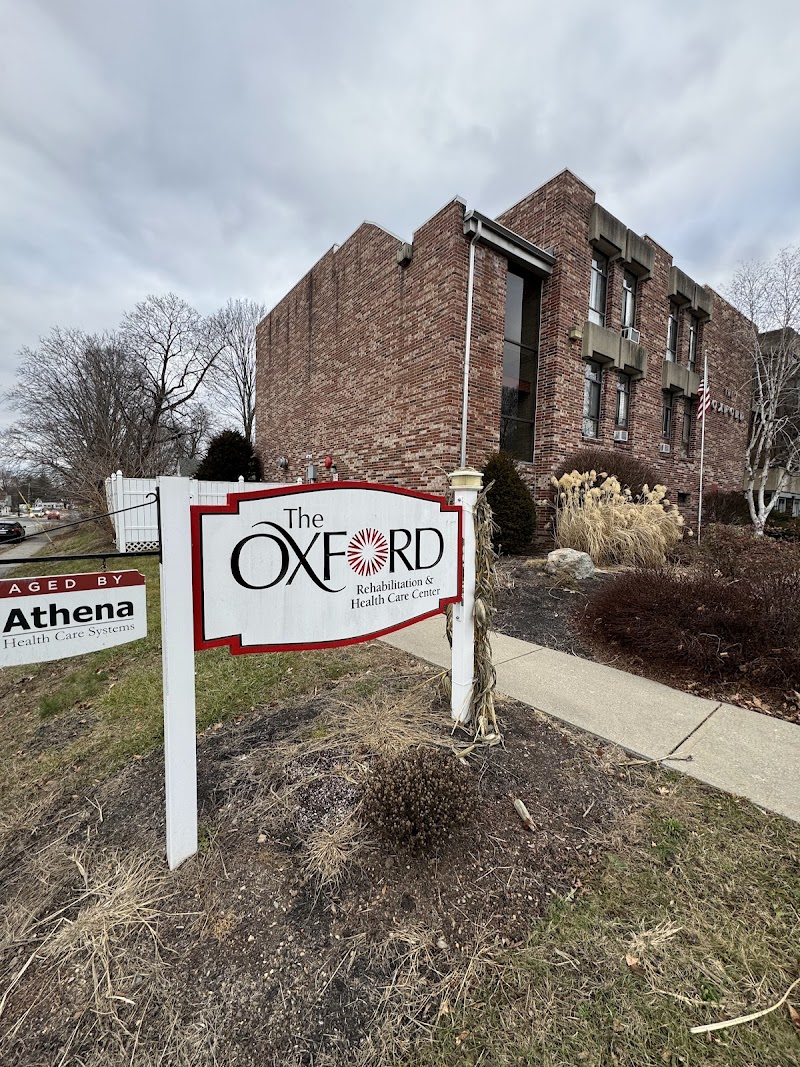
How is The Oxford Rehabilitation & Health Staffed?

CMS rates THE OXFORD REHABILITATION & HEALTH CARE CENTER's staffing level at 3 out of 5 stars, which is average compared to other nursing homes. Staff turnover is 26%, compared to the Massachusetts average of 46%. This relatively stable workforce can support continuity of care.

What Have Inspectors Found at The Oxford Rehabilitation & Health?

State health inspectors documented 42 deficiencies at THE OXFORD REHABILITATION & HEALTH CARE CENTER during 2023 to 2025. These included: 2 that caused actual resident harm and 40 with potential for harm. Deficiencies causing actual harm indicate documented cases where residents experienced negative health consequences.
Who Owns and Operates The Oxford Rehabilitation & Health?

THE OXFORD REHABILITATION & HEALTH CARE CENTER is owned by a for-profit company. For-profit facilities operate as businesses with obligations to shareholders or private owners. The facility is operated by ATHENA HEALTHCARE SYSTEMS, a chain that manages multiple nursing homes. With 120 certified beds and approximately 113 residents (about 94% occupancy), it is a mid-sized facility located in HAVERHILL, Massachusetts.
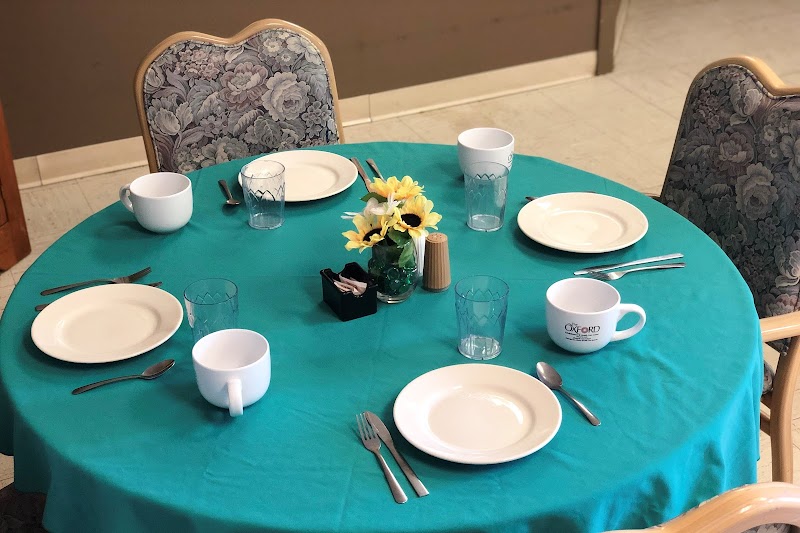
How Does The Oxford Rehabilitation & Health Compare to Other Massachusetts Nursing Homes?

Compared to the 100 nursing homes in Massachusetts, THE OXFORD REHABILITATION & HEALTH CARE CENTER's overall rating (1 stars) is below the state average of 2.9, staff turnover (26%) is significantly lower than the state average of 46%, and health inspection rating (1 stars) is much below the national benchmark.

What Should Families Ask When Visiting The Oxford Rehabilitation & Health?

Based on this facility's data, families visiting should ask: "What safeguards and monitoring systems are in place to protect residents from abuse or neglect?" "Can I visit during a mealtime to observe dining assistance and food quality?" "How do you handle medical emergencies, and what is your hospital transfer rate?" "Can I speak with family members of current residents about their experience?" These questions are particularly relevant given the substantiated abuse finding on record.

Is The Oxford Rehabilitation & Health Safe?

Based on CMS inspection data, THE OXFORD REHABILITATION & HEALTH CARE CENTER has documented safety concerns. The facility has 1 substantiated abuse finding (meaning confirmed case of resident harm by staff or other residents). The facility has a 1-star overall rating and ranks #100 of 100 nursing homes in Massachusetts. Families considering this facility should ask detailed questions about what corrective actions have been taken since these incidents.

Do Nurses at The Oxford Rehabilitation & Health Stick Around?

Staff at THE OXFORD REHABILITATION & HEALTH CARE CENTER tend to stick around. With a turnover rate of 26%, the facility is 19 percentage points below the Massachusetts average of 46%. Low turnover is a positive sign. It means caregivers have time to learn each resident's needs, medications, and personal preferences. Consistent staff also notice subtle changes in a resident's condition more quickly. Registered Nurse turnover is also low at 25%, meaning experienced RNs are available to handle complex medical needs.

Was The Oxford Rehabilitation & Health Ever Fined?

THE OXFORD REHABILITATION & HEALTH CARE CENTER has been fined $271,697 across 3 penalty actions. This is 7.6x the Massachusetts average of $35,796. Fines at this level are uncommon and typically indicate a pattern of serious deficiencies, repeated violations, or failure to correct problems promptly. CMS reserves penalties of this magnitude for facilities that pose significant, documented risk to resident health or safety. Families should request specific documentation of what issues led to these fines and what systemic changes have been implemented.

Is The Oxford Rehabilitation & Health on Any Federal Watch List?

THE OXFORD REHABILITATION & HEALTH CARE CENTER is not on any federal watch list. The most significant is the Special Focus Facility (SFF) program, which identifies the bottom 1% of nursing homes nationally based on persistent, serious quality problems. Not being on this list means the facility has avoided the pattern of deficiencies that triggers enhanced federal oversight. This is a positive indicator, though families should still review the facility's inspection history directly.