TIMOTHY DANIELS HOUSE
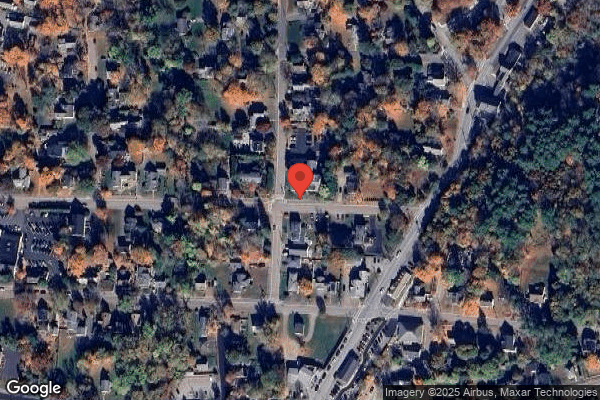
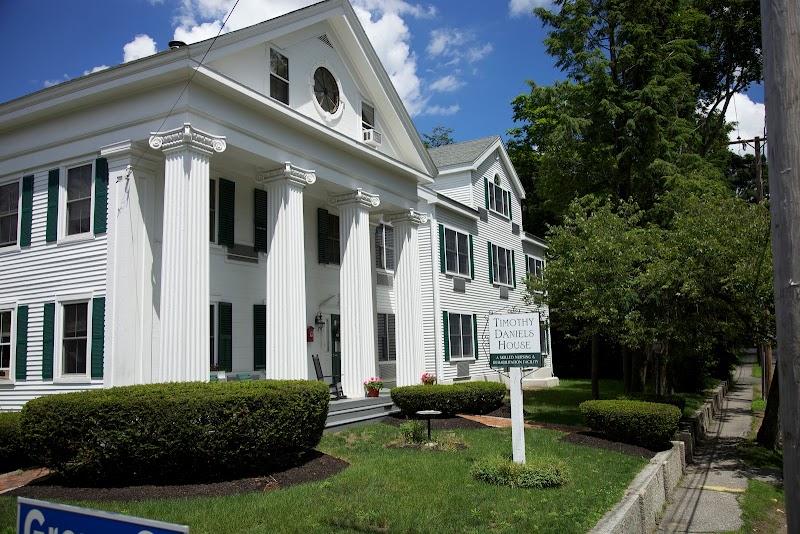
84 ELM STREET, HOLLISTON, MA 01746 (508) 429-4566
For profit - Corporation 40 Beds REHABILITATION ASSOCIATES Data: November 2025
Trust Grade
60/100
#188 of 338 in MA
Last Inspection: March 2025

Within standard 12-15 month inspection cycle. Federal law requires annual inspections.

Overview

Timothy Daniels House has a Trust Grade of C+, indicating it's slightly above average but not a top choice among nursing homes. It ranks #188 out of 338 facilities in Massachusetts, placing it in the bottom half, and #40 out of 72 in Middlesex County, meaning there are better local options available. The facility's performance is worsening, with issues increasing from 9 in 2024 to 16 in 2025, which raises concerns about the quality of care. Staffing is a strong point, with a perfect 5-star rating and turnover at 39%, which is good considering the state average. However, a significant concern is that the facility failed to maintain adequate RN coverage for several days, which could impact resident care, and they did not effectively manage infection control practices, posing a potential risk to residents' health. On a positive note, there have been no fines, which suggests compliance with regulations in other areas.

Trust Score
C+
60/100
In Massachusetts
#188/338
Bottom 45%
Safety Record
Low Risk
No red flags
Inspections
Getting Worse
9 → 16 violations
Staff Stability
○ Average
39% turnover. Near Massachusetts's 48% average. Typical for the industry.
Penalties
✓ Good
No fines on record. Clean compliance history, better than most Massachusetts facilities.
Skilled Nurses
✓ Good
Each resident gets 56 minutes of Registered Nurse (RN) attention daily — more than average for Massachusetts. RNs are trained to catch health problems early.
Violations
⚠ Watch
34 deficiencies on record. Higher than average. Multiple issues found across inspections.
★★★☆☆
3.0
Overall Rating
★★★★★
5.0
Staff Levels
★★★☆☆
3.0
Care Quality
★★☆☆☆
2.0
Inspection Score
Stable
2024: 9 issues
2025: 16 issues

The Good

  • 5-Star Staffing Rating · Excellent nurse staffing levels
  • No fines on record
  • Staff turnover below average (39%)

    9 points below Massachusetts average of 48%

Facility shows strength in staffing levels.

The Bad

3-Star Overall Rating

Near Massachusetts average (2.9)

Meets federal standards, typical of most facilities

Staff Turnover: 39%

Near Massachusetts avg (46%)

Typical for the industry

Chain: REHABILITATION ASSOCIATES

Part of a multi-facility chain

Ask about local staffing decisions and management

The Ugly 34 deficiencies on record

Mar 2025 16 deficiencies
CONCERN (D)

Potential for Harm - no one hurt, but risky conditions existed

Deficiency F0558 (Tag F0558)

Could have caused harm · This affected 1 resident

Based on observation, record review, and interviews, the facility failed to ensure reasonable accommodations were made for one Resident (#5), out of a total sample of 12 residents. Specifically, the f...

Read full inspector narrative →
Based on observation, record review, and interviews, the facility failed to ensure reasonable accommodations were made for one Resident (#5), out of a total sample of 12 residents. Specifically, the facility failed to ensure the call system button was accessible for Resident #5 to call for assistance. Findings include: Review of the facility's policy titled Answering the Call Light, revised October 2010, indicated but was not limited to: - The purpose of this procedure is to respond to the resident's requests and needs - When the resident is in bed or confined to a chair be sure the call light is within easy reach of the resident. Resident #5 was admitted to the facility in August 2024 with diagnoses including Parkinson's disease and right eye blindness. Review of the Minimum Data Set (MDS) assessment, dated 2/28/25, indicated Resident #5 had a severe cognitive deficit as evidenced by a Brief Interview for Mental Status (BIMS) score of 2 out of 15 and was dependent with activities of daily living. During an observation with interview on 3/4/25 at 8:58 A.M., the surveyor observed Resident #5 in bed. The Resident said he/she calls the staff for help with this thing. The surveyor observed Resident #5 looking around to locate their call light until he/she gave up. The surveyor observed the call light on the floor next to the bed, not within reach. On 3/4/25, at the following times, the surveyor observed Resident #5 in bed and his/her call light was positioned on the floor under his/her bed and out of their reach: - 12:09 P.M. - 12:39 P.M. - 2:21 P.M. - 4:15 P.M. - 4:23 P.M. Review of Resident #5's comprehensive care plan for right eye blindness indicated but was not limited to the following interventions: - Keep call light in reach at all times, created 9/6/24 Review of Resident #5's comprehensive care plan for at risk for falls indicated but was not limited to the following interventions: - Call light in reach, created 9/6/24 Review of Resident #5's comprehensive care plan for incontinent of bowel and bladder indicated but was not limited to the following interventions: - Call light in reach, created 9/6/24 During an interview on 3/6/25 at 7:22 A.M., Certified Nursing Assistant (CNA) #1 said all residents should always have their call light within their reach, regardless of their ability to use them. During an interview on 3/6/25 at 1:43 P.M., the Director of Nursing said regardless of a resident's ability to use their call light, the call light should be within their reach.
CONCERN (D)

Potential for Harm - no one hurt, but risky conditions existed

Deficiency F0645 (Tag F0645)

Could have caused harm · This affected 1 resident

Based on interview and record review, the facility failed to accurately complete a Level I Pre-admission Screening and Resident Review (PASARR) for one Resident (#9), out of a total sample of 12 resid...

Read full inspector narrative →
Based on interview and record review, the facility failed to accurately complete a Level I Pre-admission Screening and Resident Review (PASARR) for one Resident (#9), out of a total sample of 12 residents, resulting in Resident #9 being admitted to the facility without the determination of whether he/she screened positive for intellectual disability (ID)/developmental disability (DD) or serious mental illness (SMI) requiring further evaluation. Findings include: Review of the facility's policy titled Pre-admission Screen, dated 6/6/24, indicated but was not limited to the following: - It is the facility's policy that all patient admission/readmission referrals will have a pre-admission screen completed prior to admission. - This process will ensure that the facility can meet the needs of the patient and provide the necessary services that will enhance quality of patient care. - When the referral is received electronically via on-line referral systems the Director of Social Service/Designee will review the referral to determine if further review is necessary. If the referral does not require further review, the information is to be printed and placed in the patient's chart. Resident #9 was admitted to the facility in June 2022 with diagnoses including dementia and bipolar disorder. Review of Resident #9's Minimum Data Set (MDS) assessments indicated he/she was severely cognitively impaired through evidence of inability to complete the Brief Interview for Mental Status (BIMS). Further review of the assessments listed an active diagnosis of bipolar disorder since admission to the facility. Review of the PASARR screen for Resident #9, dated 6/2022, indicated: - The Resident had no documented diagnoses of mental illness or disorder. - The Resident had no treatments in the past two years due to a mental illness or disorder. - Negative SMI screen, Level II PASRR was not indicated. Review of Resident #9's comprehensive care plans indicated but were not limited to the following problem areas: - Resident needs assistance with ADLs (activities of daily living) due to impaired cognition, impaired mobility and unaware of need (sic) related to dementia and bipolar - At risk for falls due to impaired mobility, unaware of environment, incontinence, and daily psychotropic medication use related to dementia, bipolar, depression and anxiety. During an interview on 3/6/25 at 11:48 A.M., the Director of Nursing (DON) said PASARR are completed prior to admission either by the Social Worker or MDS nurse. The DON said they are able to review the resident's medical record prior to admission to complete the PASARR documentation. The DON reviewed the documentation related to Resident #9 and said the PASARR was not completed appropriately prior to admission. The DON said the information should have been resubmitted when the diagnosis was identified to ensure that he/she did not require specialized services.
CONCERN (D)

Potential for Harm - no one hurt, but risky conditions existed

Deficiency F0655 (Tag F0655)

Could have caused harm · This affected 1 resident

Based on record review and interview, the facility failed to develop and implement an individualized baseline care plan within the required 48 hours of admission for one Resident (#33), out of a total...

Read full inspector narrative →
Based on record review and interview, the facility failed to develop and implement an individualized baseline care plan within the required 48 hours of admission for one Resident (#33), out of a total sample of 12 residents. Findings include: Review of the facility's policy titled Care Plans-Baseline, last revised December 2016, indicated but was not limited to: - A baseline plan of care to meet the resident's immediate needs shall be developed for each resident within forty-eight (48) hours of admission. - To assure that the resident's immediate care needs are met and maintained, a baseline care plan will be developed within forty-eight (48) hours of the resident's admission. - The baseline care plan will be used until the staff can conduct the comprehensive assessment and develop an interdisciplinary person-centered care plan. Resident #33 was admitted to the facility in January 2025 with diagnoses including dementia and atrial fibrillation. Review of the Minimum Data Set (MDS) assessment, dated 1/17/25, indicated Resident #33 had a severe cognitive deficit as evidenced by a Brief Interview for Mental Status (BIMS) score of 7 out 15. Review of Resident #33's medical record failed to indicate baseline care plans had been developed for Resident #33, as evidenced by a blank baseline care plan packet. Further review of the medical record indicated Resident #33's comprehensive care plans were developed as follows: - Activities created 1/14/25 - Risk for bleeding, created 1/29/25 - Cognitive loss, created 1/29/25 - Incontinent of bladder and frequently incontinent of bowel, created 1/29/25 - At Risk for falls, created 1/29/25 - At Risk for pain, created 1/29/25 - At risk for alteration in skin, created 1/29/25 - Advanced Directives, created 1/29/25 - Behavioral symptoms, created 1/29/25 - At risk for respiratory distress, created 1/29/25 - Psychosocial well-being, created 2/7/25 During an interview on 3/5/25 at 11:21 P.M., the Director of Nursing (DON) said all new admissions have baseline care plans developed within 48 hours of admission that is then reviewed at the 72-hour care plan meeting. The DON reviewed Resident #33's medical record and said Resident #33's baseline care plans were not developed within 48 hours of admission but should have been.
CONCERN (D)

Potential for Harm - no one hurt, but risky conditions existed

Comprehensive Care Plan (Tag F0656)

Could have caused harm · This affected 1 resident

Based on observations, interviews, and record reviews, the facility failed to ensure a comprehensive care plan was developed and/or implemented for one Resident (#3), out of a total sample of 12 resid...

Read full inspector narrative →
Based on observations, interviews, and record reviews, the facility failed to ensure a comprehensive care plan was developed and/or implemented for one Resident (#3), out of a total sample of 12 residents. Specifically, for Resident #33, the facility failed to develop a comprehensive care plan related to anticoagulant usage. Findings include: Review of the facility's policy titled Care Plans, Comprehensive Person-Centered, revised 12/2016, included but was not limited to: - A comprehensive, person-centered care plan that includes measurable objectives and timetables to meet the resident's physical, psychosocial and functional needs is developed and implemented for each resident. - The interdisciplinary Team (IDT), in conjunction with the resident and his/her family or legal representative, develops and implements a comprehensive, person-centered care plan for each resident. - The care plan interventions are derived from a thorough analysis of the information gathered as part of the comprehensive assessment. - The comprehensive, person-centered care plan will: (a) include measurable objectives and timeframes; (b) describe the services that are to be furnished to attain or maintain the resident's highest practicable physical, mental and psychosocial well-being; (g) incorporate identified problem areas. - Assessments of residents are ongoing and care plans are revised as information about the residents and the residents' condition change. Resident #3 was admitted to the facility in April 2015 with diagnoses including depression, anxiety and a cardiac pacemaker (a device used to prevent the heart from beating too slowly). Review of Resident #3's Minimum Data Set (MDS) assessment, dated 1/24/25, indicated he/she had a moderate cognitive deficit as evidenced by a Brief Interview for Mental Status (BIMS) score of 10 out of 15. Further review of the MDS assessment indicated he/she received anticoagulant medication. Review of Resident #3's Physician's Orders indicated but was not limited to: - 10/24/24: Eliquis (anticoagulant medication) 5 milligrams (mg) one tablet by mouth twice daily. Review of Resident #3's Medication Administration Record (MAR) indicated he/she received Eliquis as ordered. Review of Resident #3's comprehensive care plans failed to indicate a care plan related to anticoagulant usage. During an interview on 3/5/25 at 11:08 A.M., Nurse #3 said either the nurse or MDS nurse will update care plans if there are any changes to a resident's status. Nurse #3 reviewed Resident #3's medical record and said there was not a care plan related to the Resident's anticoagulant use and it should be present. During an interview on 3/5/35 at 11:12 A.M., the Director of Nursing (DON) said care plans are developed and updated throughout a resident's course of care. The DON said she would expect any resident on an anticoagulant therapy to have a care plan related to its usage.
CONCERN (D)

Potential for Harm - no one hurt, but risky conditions existed

Deficiency F0658 (Tag F0658)

Could have caused harm · This affected 1 resident

Based on observation, interview, and record review, the facility failed to follow professional standards of practice for one Resident (#33), out of a total sample of 12 residents. Specifically, the fa...

Read full inspector narrative →
Based on observation, interview, and record review, the facility failed to follow professional standards of practice for one Resident (#33), out of a total sample of 12 residents. Specifically, the facility failed to ensure Resident #33's physician order for a psychiatric consultation was implemented and completed. Findings include: Review of Lippincott Manual of Nursing Practice 11th edition, dated 2019, indicated the following: -The professional nurse's scope of practice is defined and outlined by the State Board of Nursing that governs practice. Review of the Massachusetts Board of Registration in Nursing Advisory Ruling on Nursing Practice, dated as revised April 11, 2018, indicated: - Nurse's Responsibility and Accountability: Licensed nurses accept, verify, transcribe, and implement orders from duly authorized prescriber's that are received by a variety of methods (i.e., written, verbal/telephone, standing orders/protocols, pre-printed order sets, electronic) in emergent and non-emergent situations. Licensed nurses in a management role must ensure an infrastructure is in place, consistent with current standards of care, to minimize errors. Resident #33 was admitted to the facility in January 2025 with diagnoses including dementia, major depressive disorder, and adjustment disorder. Review of the Minimum Data Set (MDS) assessment, dated 1/17/25, indicated Resident #33 had a severe cognitive deficit as evidenced by a Brief Interview for Mental Status (BIMS) score of 7 out 15. Review of Resident #33's Physician's Orders, dated 1/15/25, indicated but was not limited to: - Psychiatric Consult Review of Resident #33's medical record failed to indicate a psychiatric consult had been obtained as ordered by the Physician. During an interview on 3/5/25 at 10:27 A.M., Nurse #3 said when a physician orders a psychiatric consultation, the nurse noting the order would notify the Director of Nursing (DON) and she would notify the psychiatric provider. Nurse #3 said the psychiatric provider comes to the facility on a weekly basis. Nurse #3 reviewed Resident #33's medical record and said she did not think the Resident was seen by the psychiatric provider because she did not see any documentation of it in the chart. During an interview on 3/6/25 at 1:03 P.M., Nurse Practitioner (NP) #1 said Resident #33 was medically stable and the expectation was for him/her to be seen within one month of the physician's order for the psychiatric consult. NP #1 said Resident #33 should have been seen by the psychiatric provider by now. During an interview on 3/5/25 at 11:21 P.M., the DON said when a physician orders a psychiatric provider consult for a resident, the nurse noting the order would notify her and she would notify the psychiatric provider. The DON said she reviewed her communication to the psychiatric provider and did not see any documentation of Resident #33 being assessed by the psychiatric provider. The DON said she had not been aware of Resident #33 needing to be seen by the psychiatric provider. The DON said Resident #33 should have been seen by the psychiatric provider as ordered.
CONCERN (D)

Potential for Harm - no one hurt, but risky conditions existed

Deficiency F0757 (Tag F0757)

Could have caused harm · This affected 1 resident

Based on record review and interview, the facility failed to monitor adverse consequences (side effects) of anticoagulant medications (used to prevent the blood from clotting; a blood thinner) for one...

Read full inspector narrative →
Based on record review and interview, the facility failed to monitor adverse consequences (side effects) of anticoagulant medications (used to prevent the blood from clotting; a blood thinner) for one Resident (#21), out of a total sample of 12 residents. Findings include: Review of the facility's policy titled Anticoagulation Therapy Management, undated, indicated but was not limited to: - Purpose: This facility directive outlines the policy and procedures for the proper management of patients receiving anticoagulation therapy. - Introduction: It is important to note that anticoagulation medications are more likely than others to cause harm due to complex dosing, insufficient monitoring, and inconsistent resident compliance. - Policy: It is the policy of the facility to maintain an anticoagulation management program to individualize patient care and reduce the likelihood of patient harm associated with anticoagulant use. - Procedure: A. Anticoagulation therapy management must include at a minimum: 1. Oversight and ongoing resident monitoring. Resident #3 was admitted to the facility in April 2015 with diagnoses including depression, anxiety and a cardiac pacemaker (a device used to prevent the heart from beating too slowly). Review of Resident #3's Minimum Data Set (MDS) assessment, dated 1/24/25, indicated he/she had a moderate cognitive deficit as evidenced by a Brief Interview for Mental Status (BIMS) score of 10 out of 15. Further review of the MDS assessment indicated he/she received anticoagulant medication. Review of Resident #3's Physician's Orders indicated but was not limited to: - Eliquis (anticoagulant) 5 milligrams (mg) one tablet by mouth twice daily. Review of Resident #3's Medication Administration Record (MAR) indicated he/she received Eliquis as ordered. Further review of Resident #3's medical record, including the MAR and Treatment Administration Record (TAR), failed to indicate he/she was monitored for adverse consequences of anticoagulant medication. During an interview on 3/5/25 at 9:43 A.M., Nurse #3 said all residents who were on anticoagulant therapy have orders on the MAR to monitor for side effects or consequences of anticoagulant use. Nurse #3 said the facility's process for anticoagulation monitoring is through MAR documentation. During an interview on 3/5/25 at 11:08 A.M., Nurse #3 reviewed Resident #3's medical record and said he/she did not have orders for monitoring of an anticoagulant but should. During an interview on 3/5/25 at 11:12 A.M., the Director of Nursing (DON) said residents on an anticoagulant needed to be monitored for side effects as well as signs/symptoms of bleeding. The DON said Resident #3 should have orders to monitor for signs/symptoms of bleeding and adverse side effects based on their anticoagulant use.
CONCERN (D)

Potential for Harm - no one hurt, but risky conditions existed

Food Safety (Tag F0812)

Could have caused harm · This affected 1 resident

Based on observation and interview, the facility failed to follow professional standards of practice for food safety and sanitation to prevent the potential of foodborne illness to residents who are a...

Read full inspector narrative →
Based on observation and interview, the facility failed to follow professional standards of practice for food safety and sanitation to prevent the potential of foodborne illness to residents who are at high risk. Specifically, the facility failed to properly label and date food products in one of one nourishment refrigerators for residents and ensure staff food items were stored separately from resident food items. Findings include: Review of the facility's policy titled Use and Storage of Foods Brought to Residents by Family and Visitors, undated, indicated but was not limited to the following: - Purpose: the purpose of this policy is to ensure safe and sanitary storage, handling, and consumption of foods brought into the facility by resident's family and visitors. - Policy: It is the policy of the facility to provide safe and sanitary storage and handling of foods brought into the facility by family and visitors and ensure that staff assist residents to access and consume these foods. - Food brought in from the outside will be checked by a member of the food and nutrition department or a licensed nursing staff to perform the following steps: food item(s) will be labeled with the resident's name, date it was prepared (if known) and the discard/use by date; the discard date for all perishable foods will be three days from the date the food was originally brought in. - Resident's perishable food will be kept in the third-floor refrigerator separate from the main kitchen food storage. - Separate food storage and preparation areas (including a microwave oven) are designated for use for food brought in from outside sources. - Temperature monitoring, disposal of outdated food and cleaning procedures for these areas will follow facility food safety and sanitation practices. On 3/4/25 at 8:21 A.M., the surveyor made the following observations of the Third Floor Refrigerator: - One small plastic container of salad dressing with no resident identification or dates. - One brown paper bag containing two plastic containers of soup and a roll in plastic wrapping. The brown paper bag was labeled with a resident name but was undated. - One unopened Fairlife Core Power Elite Vanilla protein shake with no resident identification. The protein shake was within the manufacturer's date of 5/18/25. On 3/4/25 at 9:43 A.M., the surveyor made the following observations of the Third Floor Refrigerator: - One plastic container full of egg bites, dated 3/4/25, and labeled only with a first name. Of note, no residents in the building per the facility provided census had the name identified on the container. There was a nurse scheduled to work on this date by the first name identified. - One plastic container of salad and salad dressing, dated 3/4/25, and labeled only with a first name. Of note, no residents in the building per the facility provided census had the name identified on the container. There was a nurse scheduled to work on this date by the first name identified. - One small plastic container of salad dressing with no resident identification or dates. - One brown paper bag containing two plastic containers of soup and a roll in plastic wrapping. The brown paper bag was labeled with a resident name but was undated. - One unopened Fairlife Core Power Elite Vanilla protein shake with no resident identification. The protein shake was within the manufacturer's date of 5/18/25. On 3/4/25 at 4:55 P.M., the surveyor made the following observations of the Third Floor Refrigerator: - One plastic container full of egg bites, dated 3/4/25, and labeled only with a first name. Of note, no residents in the building per the facility provided census had the name identified on the container. There was a nurse scheduled to work on this date by the first name identified. - One plastic container of salad and salad dressing, dated 3/4/25, and labeled only with a first name. Of note, no residents in the building per the facility provided census had the name identified on the container. There was a nurse scheduled to work on this date by the first name identified. - One small plastic container of salad dressing with no resident identification or dates. - One brown paper bag containing two plastic containers of soup and a roll in plastic wrapping. The brown paper bag was labeled with a resident name but was undated. - One unopened Fairlife Core Power Elite Vanilla protein shake with no resident identification. The protein shake was within the manufacturer's date of 5/18/25. On 3/5/25 at 7:38 A.M., the surveyor made the following observation of the Third Floor Refrigerator: - One plastic container full of egg bites, dated 3/4/25, and labeled only with a first name. Of note, no residents in the building per the facility provided census had the name identified on the container. There was a nurse scheduled to work on this date by the first name identified. - One unopened Fairlife Core Power Elite Vanilla protein shake with no resident identification. The protein shake was within the manufacturer's date of 5/18/25. On 3/5/25 at 12:51 P.M., the surveyor made the following observation of the Third Floor Refrigerator: - One plastic container full of egg bites, dated 3/4/25, and labeled only with a first name. Of note, no residents in the building per the facility provided census had the name identified on the container. There was a nurse scheduled to work on this date by the first name identified. - One unopened Fairlife Core Power Elite Vanilla protein shake with no resident identification. The protein shake was within the manufacturer's date of 5/18/25. During an interview on 3/4/25 at 9:21 A.M., Certified Nursing Assistant (CNA) #1 said there was no refrigerator for food storage of residents on the first floor and instead they used the refrigerator on the third-floor. CNA #1 said items are labeled with the resident name and use by date prior to storing them in the third-floor refrigerator. CNA #1 said only resident food items are stored in the third-floor refrigerator. During an interview on 3/5/25 at 11:32 A.M., the Food Service Director (FSD) said the refrigerator on the third-floor is for residents only. The FSD said no staff food items should be stored in the third-floor refrigerator as they have a refrigerator in the staff lounge located in the basement of the facility. During an interview on 3/5/25 at 11:40 A.M., Nurse #1 said resident food items are stored in the third-floor refrigerator. Nurse #1 said items are labeled with the resident name and expiration date prior to placing them in the refrigerator. Nurse #1 said staff also use the third-floor refrigerator and the room is typically used as a second break room for staff. Nurse #1 said the plastic container of egg bites and the plastic container of salad and salad dressing observed by the surveyor were her food items. During an interview on 3/5/25 at 1:08 P.M., the FSD said food items in the third-floor refrigerator should only be for residents. The FSD said items should be labeled with resident identification and a use by date. The FSD said no staff food items should be in the refrigerator.
CONCERN (E)

Potential for Harm - no one hurt, but risky conditions existed

Deficiency F0565 (Tag F0565)

Could have caused harm · This affected multiple residents

**NOTE- TERMS IN BRACKETS HAVE BEEN EDITED TO PROTECT CONFIDENTIALITY** Based on a resident group meeting, staff interviews, and document review, the facility failed to ensure concerns from the Reside...

Read full inspector narrative →
**NOTE- TERMS IN BRACKETS HAVE BEEN EDITED TO PROTECT CONFIDENTIALITY** Based on a resident group meeting, staff interviews, and document review, the facility failed to ensure concerns from the Resident Council were thoroughly documented to ensure the residents felt their concerns were acted upon timely and included the facility response to the group. Findings include: Review of the facility's policy titled Resident Council Policy, undated, indicated but was not limited to the following: - The Recreation Director facilitates the meeting; - Meeting minutes will include any topic of concern discussed, but not limited to concerns regarding practice, suggestions for review, equipment, and grievances; - The Recreation Director will act as the resident's advocate and actively seek a resolution to the issues that are of concern and will keep the resident appropriately appraised of the progress toward resolution; and - Resident council minutes are confidential, copies will be distributed to the administrator and activity file. Review of the Resident Council Meeting Notes with response indicated but were not limited to the following: 12/13/24: Seven residents in attendance Nursing: one resident expressed a concern about a Certified Nurse Aide (CNA). Rehab: one resident expressed a concern regarding his rehab exercise schedule. Maintenance: one resident requested their wheelchair be evaluated. December Responses: Nursing: Director of Nurses (DON) went to speak with resident and the resident could not recall any issues (neither the resident or specific concern is documented anywhere). Rehab: Resident is not on rehab, they are long term care and have dementia and don't understand (no indication if a conversation with the resident ever took place). Maintenance: rehab to assess wheelchair (no further follow up on whether or not that was ever completed). 1/28/25: 13 residents in attendance Nursing: Residents would like an employee of the month program in which they can also vote for outstanding employees. Dietary: It is proposed that seasonal muffins be available every Monday and named Muffin Mondays for fun and to give the residents something to look forward to. Maintenance: A hole in the wall in room [ROOM NUMBER] needs to be patched; residents also complained of the building temperature, it's either too hot or too cold at times. January Responses: Dietary: I am unable to change the weekly menu made by the dietitian, if muffins are on the menu they will be seasonal (there was no information on whether or not the dietitian was addressed to determine if this request could be a possibility). There were no responses completed from Nursing or any other department regarding employee of the month or any response from maintenance. 2/25/25: Nine residents in attendance Maintenance: blinds in room [ROOM NUMBER] need to be repaired. February Responses: There was no written response from maintenance, but there was a signed response form without a response. On 3/5/25 at 10:41 A.M., the surveyor held a group meeting with 12 residents in attendance. The residents shared the following information: - 5 out of the 12 residents said they do not believe their concerns are thoroughly addressed when issues are brought forward - 5 out of 12 residents said they do not have any outcome or follow up on the Muffin Monday request; issues with maintenance or general food concerns brought up over time and they are only addressed individually not as a group if any response comes at all. - 4 of 12 residents say they feel their rooms are clean, but not well maintained and have chipped paint and broken blinds and those things need to be worked on, but they never hear back from maintenance about their concerns and are not aware of any repairs or plans. - 4 of 12 residents said the cook was supposed to attend the meeting in February and never showed up and they feel they do not have good communication with the kitchen for their ongoing issues. - 8 of 12 residents said they are never made aware of follow up at the meetings and they think the vocal residents are spoken to individually and they are not reminded as a group of the previous months' business to determine if things have been resolved or ignored. - 8 of 12 residents said they believe resident council is not an effective manner to address their concern and they have to speak up over and over again without getting comments back and it can be frustrating and the process needs improvement. - 8 of 12 residents said they expect some form of follow-up or updates by the next resident council meeting at the latest. During an interview on 3/5/25 at 12:20 P.M., the Recreational Director said there were no documents when she started in December to document the Resident Council meeting minutes or follow up and she created the sheets. She said she was told to keep the minutes vague and not add details of concerns and if necessary, write an addendum sheet which is not part of the meeting minutes. She provided the surveyor with two Addendums she said were from the February meeting. Addendum A included an invitation for the Food Service Director (FSD) to attend the meeting and address the ongoing group concerns. She said the residents did invite the FSD to the meeting in February and she did not attend, but it was a communication issue in which she did not tell the FSD she was expected to attend the meeting. She said this information was not in the January Resident Council meeting notes because she was told to keep them vague and not add those details. She said it is also why the FSD not attending the meeting is not documented in the Resident Council notes anywhere. She said she puts the follow up forms out and gets them back, but they do not always have thorough responses and those responses aren't shared with the residents at the Resident Council meeting. She said they are just told what the notes say which are also vague. She said when she does not get a response back, she doesn't put out another form. Regarding the CNA issue, she said there would be no way of knowing who the CNA was or what the concern was unless she could remember because it is not documented anywhere and a grievance form was not done. She said she would elevate the concern to a grievance form if it was an issue of potential poor treatment or missing personal property. She said the meeting minute notes and responses need to be more comprehensive so the residents feel they are heard as a group and receive a response that is clear. She said she agrees with the residents that there is not a thorough process for documenting the concerns and follow up and sharing it as a group and it still needs work. During an interview on 3/5/25 at 12:49 P.M., the Administrator and DON were made aware of the concerns the residents shared in the resident group meeting in which they did not feel the resident council process was effective or they were being heard. The DON couldn't recall the specific CNA or issue regarding the CNA brought up in December 2024 and based on the paperwork couldn't tell. The Administrator said she understands the minutes are vague and the follow up is also not comprehensive for the residents to understand the outcomes. She said the Recreational Director is new, as are the forms in use and she was surprised the residents did not feel there was good communication. During an interview on 3/5/25 at 1:04 P.M., the FSD said she gets information from the Resident Council monthly and this month she received a whole separate addendum of issues. She said many times she believed the issues were individual driven and not group driven. She said she wasn't told she was requested at the February meeting until after the meeting or she would have attended. She said she tries to accommodate each individual residents' preferences and requests to the extent possible. She said, regarding Muffin Monday, she responded by telling them the menu is made by the dietitian; she must follow it and she cannot change it. She said she should have gone a step further and discussed the request with the dietitian but did not. She said she received the same concern on her addendum sheet for this month and an invitation to go to the meeting in March. She said things needed to be taken a step further to close the loop for the residents and she was trying her best to accommodate them.
CONCERN (E)

Potential for Harm - no one hurt, but risky conditions existed

Safe Environment (Tag F0584)

Could have caused harm · This affected multiple residents

**NOTE- TERMS IN BRACKETS HAVE BEEN EDITED TO PROTECT CONFIDENTIALITY** Based on observations and interviews, the facility failed to ensure the residents' environment was clean, comfortable, and homel...

Read full inspector narrative →
**NOTE- TERMS IN BRACKETS HAVE BEEN EDITED TO PROTECT CONFIDENTIALITY** Based on observations and interviews, the facility failed to ensure the residents' environment was clean, comfortable, and homelike. Findings include: On 3/4/25, the surveyor observed the following: - 7:37 A.M., room [ROOM NUMBER]A, right side rail with an exposed metal pin within reach of the resident while he/she is in bed. - 8:59 A.M., room [ROOM NUMBER], with torn dirty floor mats with exposed foam propped up against the wall; large dig marks in the wall by the head of the bed for bed C with paint removed and dry wall exposed; window blinds broken; exposed wires in electrical box at top of door; approximately 3-foot wide area of exposed dry wall with digs in the wall and missing paint at the head of bed A. - 9:10 A.M., room [ROOM NUMBER], with a pole with a nutrition pump attached with dried nutritional formula all over the pump, the pole and on the floor next to the resident's bed. During an interview on 3/4/25 at 4:03 P.M., the Maintenance Director said the facility uses a maintenance logbook on each nursing unit for the staff to communicate concerns they find in the facility. He said he performs life safety rounds weekly which included the functioning of exit lighting, smoke doors being closed, water temperatures being in range, and the functioning of the eyewash stations. He said he does not perform any kind of environmental rounds to observe the residents' environment for general repair needs or upkeep and to ensure the environment is homelike. He said anything that gets placed in the maintenance book is usually fixed within about three days. He said he checks the logs daily but there has been nothing in them for about the last week. During a Resident Group meeting held by the surveyor on 3/5/25 at 10:41 A.M., the group said they had concerns with the environment not being maintained including broken blinds, chipped paint and holes in the walls, but were unaware of any plans to correct the issues and don't get responses back from maintenance. Review of the maintenance log for both the first and second floor indicated the log was ongoing and did not have any new entries since 2/28/25. Further review indicated both logs had work requests that had not been signed off as completed as follows: 1st floor log: 2/28/25: First floor ladies room light is very dim and needs to be fixed 2nd floor log: 2/22/25: Blinds broken in room [ROOM NUMBER] During an interview on 3/6/25 at 11:24 A.M., Certified Nurse Aide (CNA) #5 said if they find any issues like broken blinds, chairs, or beds they notify the Nurse and from there she alerts maintenance. During an interview on 3/6/25 at 12:07 P.M., CNA #1 said if there are issues like broken blinds and things of that nature it gets reported to the Nurse and the Nurse then notifies maintenance either by speaking with him or writing it in a book so he can repair it. She said sometimes it takes time for it to be done. During an interview on 3/6/25 at 12:45 P.M., Nurse #3 said the facility is older and outdated and as far as she is aware she has never seen maintenance do any rounds or ask if anything needs repair. She said the staff usually tell the Nurse and they either tell maintenance directly or write it in the maintenance log on whichever floor they are on. She said frequently broken blinds, chipped paint, torn wallpaper and dinged up edges are reported and it just needs a little upkeep to look more like a home. She said there are plenty of things that need repair and it's hard for the Nurses to go back and check that things were done or to remember to document things like broken blinds and digs in the walls for maintenance to repair them. She said if these little things were repaired the facility would look much more homelike since people don't leave items like this un-repaired in their homes. On 3/6/25, the surveyors observed the following: Second Floor 12:19 P.M.: - Men's hallway bathroom (for resident use) with very dim lighting in the corner near the toilet making the area dark - A missing hand sanitizer outside of room [ROOM NUMBER] leaving exposed plastic and sharp edges. - An exposed metal screw/pin on the right upper side rail of the bed in 25A (in which a resident resides). - Broken window blinds in room [ROOM NUMBER]. - Broken window blinds in the hallway on the second floor leading to room [ROOM NUMBER]. First Floor 12:28 P.M.: - Men's hallway bathroom (for resident use) vent above the toilet laden with dust. - Women's hallway bathroom (for resident use) with stained ceiling tiles and a vent above the toilet laden in dust. - room [ROOM NUMBER] bathroom had a crack-like break in the wall with torn paper all around the soap dispenser. - room [ROOM NUMBER] bathroom had stained ceiling tiles and a vent over the sink area with one missing screw causing the vent to hang down on one side. - room [ROOM NUMBER] had digs in the wall by bed B with exposed dry wall. - the sitting/common room had torn wallpaper that was peeled back, dirty in appearance and had missing pieces all around the room. - Broken blinds in room [ROOM NUMBER]. - Bathroom connecting room [ROOM NUMBER] and 11 had stained/bowing ceiling tiles and an exposed heating element on the baseboard heater with no cover on the heater and a dirty floor. - Exposed dry wall with digs behind both bed A and C in room [ROOM NUMBER] with broken blinds, exposed wires on the top of the emergency exit door; and the emergency exit obstructed by a nightstand. - Egress door by room [ROOM NUMBER] was blocked with a reclining wheelchair. - Doorways and floorboards throughout the back hallway near rooms 5, 6, 7, 8, and 9 had peeling chipped paint, dirty peeling wallpaper and deep dings in the walls and doorframes. - An exposed wire and doorbell box on the wall by the nursing station on the first floor. - walls around the room and near the small kitchenette in the main dining area with chipped paint and scratched up walls. During an interview on 3/6/25 at 12:50 P.M., the Maintenance Director observed a few areas the surveyors had concerns with including the exposed metal pin on the bed of 25A, concerns in rooms 1, 2, 10, 11, the adjoining bathrooms and the common sitting room on the first floor. He said he was unaware of all these issues. He said when he walks the building it is specifically for the items on his check-off list like exit lighting, water temperatures and egress doors. He said the staff usually tell him about things verbally, leave him a voicemail or an email, or write in the logs on the units, but he wasn't aware of any of the issues the surveyor showed or discussed with him. He said he is trying to go through the rooms one at a time and update them but needs the rooms completely empty in order to start the work so he hasn't made much progress. He said the areas reviewed with him were not homelike; cracked walls, peeling wallpaper broken items did not create a homelike environment. During an interview on 3/6/25 at 1:08 P.M., the Administrator was made aware of the environmental concerns identified by the residents and the surveyors throughout the survey. She said she has an environmental checklist she uses to go through the rooms but does not keep them and has no record of any completed. She said the facility recently updated rooms 24, 25 and 26 and was surprised there were issues and said repairing things and updating the rooms was a work in progress.
CONCERN (E)

Potential for Harm - no one hurt, but risky conditions existed

Grievances (Tag F0585)

Could have caused harm · This affected multiple residents

Based on observation, interviews, and document review, the facility failed to ensure that residents had access to grievance forms and were aware they could formulate grievances anonymously, should the...

Read full inspector narrative →
Based on observation, interviews, and document review, the facility failed to ensure that residents had access to grievance forms and were aware they could formulate grievances anonymously, should they choose not to alert a staff member of their concern(s). Findings include: Review of the facility's policy titled Resident/Family Grievance Policy, undated, indicated but was not limited to the following: - It is the policy of this facility to provide a way in which residents, representatives or interested family members may voice a grievance - A grievance can be expressed verbally or in writing to any department manager, or Administrator or investigation. - Blank grievance forms are located at the nurses' stations and near the suggestion box located at the front door, or the Social worker will assist you in filling one out. On 3/4/25, the surveyors observed the following: - Grievance forms approximately six feet high above a suggestion box in the front lobby/entrance area. - Grievance forms in a blue, unlabeled folder hanging on a cork board on the second-floor, across from the nurses' station, approximately six feet high. - No forms or space for grievance forms were located by the first-floor nurses' station. Review of the facility Grievance Book and logs indicated no grievances had been filed for 2025 at the time of the survey. During a Resident Group meeting held on 3/5/25 at 10:41 A.M., the residents indicated the following: - 7 of the 12 residents in attendance said they can voice a grievance verbally, but were not aware they could complete a grievance anonymously, without having to notify a staff member nor were they aware of where the grievance forms were located. - 7 of 12 residents said the forms in the hallway were too high and they would not be capable of reaching them from their wheelchairs (when they were informed of the location in the front hallway by the surveyor) During an interview on 3/5/25 at 11:50 A.M., Certified Nurse Aide (CNA) #4 said if a resident has a concern or complaint, she alerts the Nurse. She said she did not know there were forms available for her to provide to the residents or how to assist them in completing a grievance. During an interview on 3/5/25 at 11:51 A.M., CNA #1 said if a resident had a concern, she would let the nurse know and the nurse takes care of it from there. She said she thinks the nurses have forms at the nurses' stations, but she doesn't know where they are kept or how to get one for the residents. During an interview on 3/5/25 at 11:52 A.M., CNA #4 and CNA #1 observed the first-floor hallway location of the grievance forms and said they were unaware the forms were there and available for the residents or families, but that any resident in a wheelchair would not be capable of reaching the forms and believes they should be moved to a lower spot. During an interview on 3/5/25 at 11:53 A.M., CNA #6 said he was not aware that the residents could put a complaint in writing without having to tell the staff and said the forms were so high up the majority of the residents wouldn't be able to reach them. During an interview on 3/5/25 at 12:56 P.M., the Administrator and Director of Nurses (DON) were made aware of the residents not having full understanding of the grievance process. The Administrator said she was surprised the residents were unaware of how to complete a grievance anonymously or where the forms were kept. When the height of the forms was discussed at being approximately six feet off the ground, the DON agreed that the forms were kept at an inaccessible height and even the forms at the nurses' stations were not at a level that could be reached by a resident in a wheelchair. She said the forms should be accessible to all residents independently.
CONCERN (E)

Potential for Harm - no one hurt, but risky conditions existed

Deficiency F0604 (Tag F0604)

Could have caused harm · This affected multiple residents

Based on observation, interview, and record review, the facility failed to ensure one Resident (#9), out of a total sample of 12 residents, was assessed for on-going use of a trunk restraint based on ...

Read full inspector narrative →
Based on observation, interview, and record review, the facility failed to ensure one Resident (#9), out of a total sample of 12 residents, was assessed for on-going use of a trunk restraint based on his/her medical status and needs. Findings include: Review of the facility's policy titled Restraints, undated, indicated but was not limited to the following: - In accordance with Federal and State laws regarding the use of physical restraints, the policy of this facility is to provide residents with the highest possible quality of care and life. - The intent of this policy is for each person to reach his or her practicable well-being in an environment that prohibits the use of restraints for discipline or convenience and limits restraint use to circumstances in which the resident has medical symptoms that warrant the use of restraints. - A restraint used for any reason other than medical symptoms, violates the rights of residents, reduces their quality of life, and presents significant physical and psychological risks. - Physical Restraints are defined as any method, physical, or mechanical device, material, or equipment attached or adjacent to the resident's body, that the individual cannot remove easily which restricts freedom of movement or normal access to one's body. - All residents will have a specific Doctor's orders that will include: (1) type of restraint; (2) when it is to be used; (3) the reason for its use (medical symptoms); (4) how frequently the resident is to be released (i.e., every 2 hours for exercise, toileting, or position change). - The resident and/or the responsible party shall be notified of the team's recommendation or outcomes. Resident #9 was admitted to the facility in June 2022 with diagnoses including repeated falls, dementia, and gait/mobility abnormalities. Review of Resident #9's Minimum Data Set (MDS) assessment, dated 1/17/25, indicated he/she was severely cognitively impaired through evidence of inability to complete the Brief Interview for Mental Status (BIMS). Further review of the assessment indicated the daily use of a trunk restraint when in chair or out of bed. Review of Resident #9's Physician's Orders indicated but were not limited to: - 3/20/24 to 3/5/25: seat belt while in wheelchair; release and reposition every two hours and for meals every shift. Review of Resident #9's Treatment Administration Record (TAR) from December 2024 to March 2025 indicated he/she was assessed for the release/repositioning of the seat belt every two hours each shift as ordered. On 3/4/25 at 8:59 A.M., the surveyor observed Resident #9 seated in a tilt in space wheelchair in the unit sitting room without a seat belt engaged. On 3/4/25 at 9:32 A.M., the surveyor observed Resident #9 seated in a tilt in space wheelchair in the unit sitting room without a seat belt engaged. On 3/4/25 at 11:12 A.M., the surveyor observed Resident #9 seated in a tilt in space wheelchair in the unit sitting room without a seat belt engaged. Resident #9's legs were swung over the right arm rest. On 3/5/25 at 3:45 P.M., the surveyor observed Resident #9 seated in a tilt in space wheelchair in the main dining area during an activity. Resident #9's seat belt was tied in a knot around his waist, not clipped. Review of Resident #9's initial Physical Restraint/Positioning Evaluation completed on 2/15/24 indicated but was not limited to the following: - Reason for Use of Physical Positioning: sliding out of chair/wheelchair, climbs out of wheelchair, restless leg, forward leaning in wheelchair, risk of falls. - History/Alternatives Attempted: recliner, 1:1 activities, scheduled rest times, anticipating hunger/pain/heat/cold, medication review. - Decisions: Resident safety risk at times in wheelchair; rehab/nursing/hospice consulted. - Notification of Health Care Proxy (HCP): 2/15/24. Review of Resident #9's medical record failed to indicate any additional assessments of the restraint were completed after 2/15/24. Further review of Resident #9's medical record failed to indicate any documentation of the reason for continued seat belt use or reason for discontinuing the seat belt. During an interview on 3/5/25 at 3:43 P.M., Nurse #1 said Resident #9's seat belt was discontinued today. Nurse #1 said prior to the seat belt being discontinued, it was assessed every two hours and released, and also removed at meal times. Nurse #1 said she was in the process of completing the order to discontinue the seat belt. Nurse #1 said the Resident's seat belt was discontinued because he/she was given a new wheelchair by the physical therapy department. Nurse #1 and the surveyor observed Resident #9's positioning in the tilt in space wheelchair. Nurse #1 said the seat belt should never be tied in a knot and removed the seat belt. Nurse #1 said she had not been able to update the Certified Nursing Assistants (CNAs) about the change in seat belt status since change of shift just occurred. Review of Resident #9's physical therapy documentation indicated he/she was receiving services for positioning. The documentation indicated the Resident was assessed by an outside company for a new wheelchair. Further review of the documentation failed to indicate a new wheelchair was provided to Resident #9. During an interview on 3/6/25 at 9:18 A.M., Physical Therapist (PT) #1 said Resident #9 has been followed by physical therapy services for positioning. PT #1 said Resident #9 has been in his/her personal wheelchair for more than five years and they were recently assessed by an outside company for a new wheelchair. PT #1 said the rehabilitation department has not provided the Resident with a new wheelchair. PT #1 said they did not assess Resident #9 for a restraint and were not aware the seat belt attached to the chair was being utilized by nursing. During an interview on 3/6/25 at 10:05 A.M., Nurse #3 said she was unaware quarterly assessments were to be completed for a restraint. Nurse #3 said Resident #9 was never reassessed for a restraint. Nurse #3 said the only documentation in the record about Resident #9's seat belt would be in the TAR to identify it was released throughout each shift daily. During an interview on 3/6/25 at 11:55 A.M., the Director of Nursing (DON) said restraint assessments should be completed on a quarterly basis to determine continued need of the device. The DON said Resident #9's seat belt was discontinued because he/she has had less behaviors and is able to be positioned appropriately with the tilting back of the wheelchair. The DON and the surveyor reviewed the observations made throughout the survey process. The DON said there should be documentation in the medical record as to why the seat belt was not applied and why it was discontinued. The DON said Resident #9's seat belt should never be tied in a knot when applied.
CONCERN (E)

Potential for Harm - no one hurt, but risky conditions existed

Deficiency F0761 (Tag F0761)

Could have caused harm · This affected multiple residents

Based on observation, record review, and interview, the facility failed to ensure all drugs and biologicals were stored in a safe and secure manner as required. Specifically, the facility failed to: 1...

Read full inspector narrative →
Based on observation, record review, and interview, the facility failed to ensure all drugs and biologicals were stored in a safe and secure manner as required. Specifically, the facility failed to: 1. Ensure medication carts were locked and secured when not in direct supervision of the licensed nurse on two of two units; 2. Ensure treatment carts were locked and secured when not in direct supervision of the licensed nurse on one of two units; 3. Ensure a refrigerator containing medications on one of two units was locked and secured when not in direct supervision of the licensed nurse; 4. Ensure two of two medication carts were clean and free of loose pills and debris; 5. Ensure multi-dose vials of medications were labeled with a date opened and a use by date per manufacturer's guidelines; and 6. Ensure unauthorized personnel did not have unsupervised access to medications in one of one medication rooms and one of the two medication carts as required. Findings include: Review of the facility's policy titled Medication Storage, undated, indicated but was not limited to: - A key element of medication management is medication storage, which includes security, safety, and integrity. - Medication will be stored in medication rooms, carts, boxes, and refrigerators and maintained within: Secured (locked) locations, accessible only to designated staff. - Medications and biologicals shall be labeled in accordance with currently accepted professional principles. - Multi-dose vials which have been opened or accessed (e.g., needle-punctured) should be dated and discarded within 28 days unless the manufacturer specifies a different (shorter or longer) date for the opened vial. 1. On 3/4/25, the surveyor observed the following on the First Floor Unit: - At 4:09 P.M., the medication cart was unlocked/unsupervised and a visitor with a child walked by the cart. - At 4:11 P.M., Nurse #5, walked by the unlocked/unattended medication cart and went down the hallway, out of sight of the medication cart. One resident walked past the medication cart. - At 4:13 P.M., Nurse #5, walked past the medication cart to the elevator and with her back to the unlocked/unattended medication cart went into the medication room. Two residents walked by the medication cart. - At 4:16 P.M., Nurse #5, walked away from the medication cart, leaving it unlocked/unattended and went back to the medication room. On 3/5/25 at 3:43 P.M., on the Second Floor Unit, the surveyor observed Nurse #4 walk away from the medication cart leaving it unlocked/unattended. During an interview on 3/5/25 at 3:50 P.M., Nurse #4 said she had walked away from the medication cart and entered the second floor dining room to give medications to a resident. Nurse #4 said she had her back to the medication cart, and it was not in her direct view. Nurse #4 said she should not have left the medication cart unlocked and unattended. During an interview 3/6/25 at 7:16 A.M., Nurse #5 said she should not have left the medication cart unlocked and unsupervised when not in her direct view. During an interview on 3/5/25 at 3:22 P.M., the Director of Nursing (DON) said all medication carts should not be left unlocked and unattended when not in direct view of the nurse. 2. On 3/4/25, on the Second Floor Unit, the surveyor observed: - At 8:48 A.M., the treatment cart unlocked/unattended and not in the direct view of the nurse. - At 8:54 A.M., Nurse #1 walked away from the treatment cart leaving it unlocked/unattended. - At 8:58 A.M., Nurse #1 walked away from the treatment cart leaving it unlocked/unattended. - At 8:59 A.M., Nurse #1 returned to the treatment cart and locked it. - At 12:29 P.M., 12:46 P.M., 12:54 P.M., 1:25 P.M., and 2:23 P.M., the treatment cart unlocked/unattended and not in the direct view of the nurse. During an interview on 3/5/25 at 12:03 P.M., Nurse #1 said she should have ensured the treatment cart was locked and secured when not in her direct view and supervision. During an interview on 3/5/25 at 3:22 P.M., the DON said all treatment carts should not be left unlocked and unattended when not in direct view of the nurse. 3. On the following dates and times on the Second Floor Unit the surveyor observed a medication refrigerator to the side of the nursing desk unlocked and unattended: - 3/4/25 at 9:02: A.M. - 3/4/25 at 10:10 A.M. - 3/4/25 at 12:29 P.M. - 3/5/25 at 7:32 A.M. - 3/5/25 at 9:49 A.M. The refrigerator contained but was not limited to: - One syringe of SpikeVax (COVID-19 Vaccine); - Two bottles of Acidophilus (probiotic); - One Insulin Pen; - Two boxes of Pneumococcal Vaccine; - One vial of Mantoux (used to detect tuberculosis infection); and - One container of Med Pass 2.0 Fortified Nutritional Shake During an interview on 3/5/25 at 9:51 A.M., Nurse #3 said the refrigerator was used for medication storage and contained resident-specific medications and vials of vaccines. Nurse #3 said the refrigerator should have been locked and inaccessible to anyone except designated staff, but it was not. During an interview on 3/5/25 at 12:03 P.M., Nurse #1 said the medication refrigerator on the Second Floor Unit contained resident-specific medications and vials of vaccines. Nurse #1 said the refrigerator should have been locked and secure when not in direct view of the nursing staff. During an interview on 3/5/25 at 3:22 P.M., the DON said the expectation was for the Second Floor Unit refrigerator to be locked and secure when not in direct view of the nursing staff. 4. On 3/4/25 at 10:10 A.M., the surveyor observed the Second Floor Unit medication cart to have loose pills and paper debris on the bottom of the second drawer. On 3/4/25 at 10:27 A.M., the surveyor observed in the First Floor Unit medication cart to have loose pills and paper debris on the bottom of the second drawer. During an interview on 3/4/25 at 10:12 A.M., Nurse #1 said the medication carts were cleaned monthly by the pharmacy. Nurse #1 said medication carts should be kept in a clean and sanitary manner. During an interview on 3/4/25 at 10:46 A.M., Nurse #2 said he was not sure when or who cleaned the medication carts. Nurse #2 said the medication carts should be kept in a clean and sanitary manner. During an interview on 3/5/25 at 3:22 P.M., the DON said the medication carts were cleaned weekly on the 11:00 P.M.- 7:00 A.M. shift. The DON said the expectation was for medication carts to be kept clean and free of loose pills and debris. 5. On 3/4/25 at 10:37 A.M. the surveyor observed the following in the First Floor Unit medication refrigerator: - Two multi-dose vials of influenza vaccine opened and undated. Manufacturer guidelines indicated that once the stopper of the multi-dose vial has been pierced, the vial must be discarded within 28 days. - One vial of multi-dose Mantoux open and dated 1/23/25. Manufacturer's guidelines indicated that once open use within 30 days During an interview on 3/5/25 at 3:22 P.M., the DON said vaccines should always be labeled with an open date and should be stored and discarded per manufacturer's guidelines. 6. On 3/4/25 at 10:27 A.M. and 10:31 A.M., Nurse #1 left the First Floor Unit medication cart unlocked and unattended while the surveyor was completing the medication storage task and had access to the medication cart. On 3/4/25 at 10:37 A.M., Nurse #1 unlocked and allowed access to the surveyor to the First Floor Unit medication room to complete the medication storage task. Nurse #1 left the surveyor unattended and unsupervised in the medication room from 10:37 A.M. until 10:45 A.M. During an interview on 3/4/25 at 10:46 A.M., Nurse #2 said he thought because the surveyor worked for the Department of Public Health it was acceptable to leave her unattended with the medication cart and in the medication room. Nurse #2 said he should not have left the surveyor unsupervised with the medication cart or in the medication room. During an interview on 3/5/25 at 3:22 P.M., the DON said medication carts and medications rooms should only be accessible to nursing staff; non-nursing staff or non-facility employees should not be left unsupervised in the medication room or with access to the medication cart.
CONCERN (E)

Potential for Harm - no one hurt, but risky conditions existed

Antibiotic Stewardship (Tag F0881)

Could have caused harm · This affected multiple residents

Based on record review and interview, the facility failed to establish and maintain an infection prevention and control program that included an antibiotic stewardship program with antibiotic use prot...

Read full inspector narrative →
Based on record review and interview, the facility failed to establish and maintain an infection prevention and control program that included an antibiotic stewardship program with antibiotic use protocols and a system to monitor antibiotic use. Findings include: Review of the facility's Antibiotic Stewardship Program policy, undated, indicated but was not limited to the following: - It is the policy of this facility to maintain an Antibiotic Stewardship Program (ASP) with the mission of promoting the appropriate use of antibiotics to treat infection and reduce possible adverse events associated with antibiotic use. - Accountability: We will have physician, nursing, and pharmacy leads responsible for promoting and overseeing antibiotic stewardship activities. - Tracking: We will monitor antibiotic use and outcome(s) from antibiotic use. - Key objectives for the ASP will be to establish an ASP and a system for tracking antibiotic use to meet the requirements of participation set out by CMS (Centers for Medicare and Medicaid Services) - Assessment of residents suspected of having an infection: Providers will utilize the McGeer's Criteria when considering initiation of antibiotics. Consistent with these criteria, the standardized Situation Background Assessment Recommendation (SBAR-structured communication framework for sharing information about the condition of a resident) form should be used for all residents suspected of having an infection. - Antibiotic time-out: At 72 hours after antibiotic initiation or first dose in the facility, each resident will be reassessed for consideration of antibiotic need, duration, selection, and de-escalation potential. Completion of an antibiotic time-out must be recorded in the resident record. Review of the Infection Tracking logs for the last three months (December 2024 through February 2025) indicated no residents with symptoms of an illness, who were not treated with antibiotics, were documented on the tracking logs. Further review of the February 2025 log indicated but was not limited to the following: - Resident #13 had a skin infection, date of onset 2/7/25, and symptom was coded as oozing and red. No culture was done and Resident #13 was treated with Doxycycline 100 milligrams (mg). The infection had cleared, was coded as HAI (facility acquired) and was counted toward monthly total. - Resident #86 had a urinary tract infection with a catheter, date of onset 2/27/25, and symptom was coded as labs for abnormal labs. No culture was obtained, a chest x-ray had been obtained. Resident #86 was treated with Vantin (antibiotic) 200 mg for one dose. The infection was identified as having cleared, was not coded as HAI or CAI (community acquired-prior to admission to facility) and was not counted toward monthly total. There was no January 2025 tracking log available for review. Review of Resident #4's medical record indicated he/she had been treated with Erythromycin (antibiotic) Ointment for an ophthalmic (eye) infection. Resident #4's antibiotic use failed to be included on a January 2025 tracking log. Further review of the December 2024 log indicated but was not limited to the following: - Resident #16 had a skin infection, date of onset was admitted with and was not counted toward monthly total. The Infection Tracking log failed to identify: - symptom(s); - culture date; - site; - results; - treatment(s); - if the infection cleared; and - final status (HAI/CAI) Further review of the November 2024 through February 2025 antibiotic logs failed to indicate Resident #13 received Cephalexin (antibiotic) three times a week prophylactically from 11/12/24 to 2/7/25 when it was discontinued. During an interview on 3/4/25 at 3:39 P.M., Nurse #1 said the Director of Nursing (DON) is the facility's Intervention Preventionist (IP). Nurse #1 reviewed the Second Floor Unit's antibiotic log and said there was no antibiotic log for January but there should have been, as Resident #4 had received Erythromycin Ointment. Nurse #1 said she was unaware how the prophylactic antibiotics were tracked but there was a Resident on the First Floor Unit who been on a prophylactic antibiotic which was recently discontinued. Nurse #1 said she had not utilized the SBAR assessment tool or McGeer's assessment when a resident was started on an antibiotic or had a suspected infection. During an interview on 3/6/25 at 2:38 P.M., Nurse Practitioner (NP) #1 said she does not participate in timeout meetings 72-hours after an antibiotic is initiated to review if it is effective or not nor does she utilize the timeout tool. NP #1 said if an antibiotic was not working the nurses would call her. During an interview on 3/5/25 at 2:34 P.M., the DON/IP said the facility did not track the use of prophylactic antibiotics. The DON/IP said the facility did not utilize the SBAR assessment tool/McGeer's assessment, or the timeout tool. The DON/IP said Resident #4's antibiotic use should have been listed on the January 2025 antibiotic list, but there was not one for the month of January 2025. The DON/IP said she should have been more specific and included required information for residents who started antibiotics while in the hospital. The DON/IP said the facility did have an antibiotic stewardship program, but it was not effective and did not follow the facility's policy.
CONCERN (F)

Potential for Harm - no one hurt, but risky conditions existed

Deficiency F0727 (Tag F0727)

Could have caused harm · This affected most or all residents

Based on nursing staff schedule review, nursing staff time sheet review, and interviews, the facility failed to ensure staffing included the services of a Registered Nurse (RN) for a minimum of eight ...

Read full inspector narrative →
Based on nursing staff schedule review, nursing staff time sheet review, and interviews, the facility failed to ensure staffing included the services of a Registered Nurse (RN) for a minimum of eight consecutive hours per day, seven days a week as required. Specifically, the facility failed to ensure RN coverage for eight hours per day seven days a week as follows: 7/1/24 through 9/30/24 there was no RN coverage in a 24-hour period for 6 of 92 days and 12/4/24 through 3/4/24 there was no RN coverage in a 24-hour period for 6 of 91 days. Findings include: Review of the nursing schedules, timecards, and agency staffing from 7/1/24 through 9/30/24 and 12/4/24 through 3/4/24 indicated there was no RN coverage during the day, evening, or night shift for the following days: - 7/6/24 - 8/25/24 - 8/31/24 - 9/14/24 - 9/22/24 - 9/28/24 - 12/15/24 - 12/26/24 - 12/29/24 - 1/7/25 - 2/15/25 - 2/23/25 During an interview on 3/5/25 at 2:39 P.M., the Administrative Assistant said she was responsible for scheduling nursing staff. The Administrative Assistant said she was aware of the requirement for eight hours of consecutive RN coverage per day. The Administrative Assistant said on days where she is unable to find RN coverage, the Director of Nursing (DON) typically comes into the building for eight hours. The Administrative Assistant reviewed the documentation for RN coverage for the dates in question and said that the DON does not always remember to punch; she had no proof the DON was in the building on the days in question. During an interview on 3/5/25 at 4:11 P.M., the DON said the facility attempts to have an RN in the building for eight hours per day consecutively. The DON said the facility often has trouble with RN coverage on the weekends. The DON said she will help with coverage if the shifts are unable to be covered and will be in the building for a minimum of eight consecutive hours on those days. The DON reviewed the dates in question for RN coverage and said she was not in the building on 12/15/24 and 12/16/24 because she had COVID. The DON said she did not have any proof of being in the building on any of the other dates in question. Prior to the survey exit, the facility failed to provide any additional documentation related to nurse staffing for the dates in question.
CONCERN (F)

Potential for Harm - no one hurt, but risky conditions existed

Infection Control (Tag F0880)

Could have caused harm · This affected most or all residents

Based on records reviewed, policy review and interviews, the facility failed to establish and maintain an infection prevention and control program designed to provide a safe, sanitary, and comfortable...

Read full inspector narrative →
Based on records reviewed, policy review and interviews, the facility failed to establish and maintain an infection prevention and control program designed to provide a safe, sanitary, and comfortable environment. Specifically, the facility failed to: 1. Perform surveillance activities to monitor and investigate causes of infections and the manner of spread throughout the facility; and 2. For Resident #21, ensure Gastrostomy tube (G-tube: a tube that is placed directly into the stomach through an abdominal incision for administration of nutrition, fluids, and medication) equipment was maintained in a clean and sanitary manner to decrease the risk of potential contamination and infection. Findings include: 1. Review of the facility's policy titled Infection Prevention and Control Program, undated, indicated but was not limited to the following: -This program will: a. Develop a system for preventing, identifying, reporting, and investigating communicable diseases. b. Perform surveillance activities to monitor and investigate causes of infection and manner of spread in order to prevent infection in the facility. c. Maintain a record of infection for each resident who has an infection. Review of the facility's policy titled General Infection Prevention and Control, undated, indicated but was not limited to the following: - It is the policy of this facility that: - Infection Surveillance will either be whole-house or targeted towards high-risk volume. - Criteria of infections *(McGeer's definitions-standardized guidance for infection criteria) will be approved by the committee and utilized by the Infection Preventionist (IP) in determining infection rates. Review of the facility's policy titled Policy for Surveillance for Infections, last revised July 2017, indicated but was not limited to the following: - Policy Statement: The Infection Preventionist will conduct ongoing surveillance for Healthcare-Associated Infections (HAIs) and other epidemiologically significant infections that have substantial impact on potential resident outcomes and that may require transmission-based precautions and other preventive measures. - Policy Interpretation and Implementation: - The purpose of the surveillance of infection is to identify both individual cases and trends of epidemiologically significant organisms and Healthcare-Associated Infections, to guide appropriate interventions, and to prevent future infections. - Infections that will be included in routine surveillance include those with: - Evidence of transmissibility in healthcare environment; - Available processes and procedures that prevent or reduce the spread of infections; - Clinically significant morbidity and mortality associated with infection; - Pathogen associated with serious outbreaks (example influenza). - Infections that may be considered in surveillance include those with limited transmissibility in a healthcare environment; and/or limited prevention strategies. Review of the Infection Surveillance Logs for December 2024, January 2025, and February 2025 indicated residents symptomatic of an illness who were not treated with an antibiotic were not recorded/documented on the surveillance sheets. Resident #186 was admitted to the facility in February 2025 with diagnoses including Influenza A and was placed on droplet precautions, was treated with Tamiflu (antiviral medication), and had an occasional cough. Resident #187 was admitted to the facility in February 2025 with diagnoses including Influenza A, was placed on droplet precautions, and had an occasional cough. Further review of the February 2025 Infection Surveillance Logs failed to indicate two Residents (#186 and #187) were on droplet precautions (implemented to prevent the spread of infections that are transmitted through respiratory droplets) and symptomatic for Influenza A, which they tested positive for. During the survey, the facility failed to provide assessments or Situation, Background, Assessment, and Recommendation (SBAR) forms indicating infection surveillance had occurred. During an interview on 3/5/25 at 2:34 P.M., the Director of Nursing (DON)/IP said she had purposely left Resident #186 and Resident #187 off the Infection Surveillance Logs because their infections were community acquired and not diagnosed at the facility. The DON/IP said she should have placed Resident #186 and Resident #187 on the Infection Surveillance Logs because they had exhibited symptoms of Influenza A and should have been tracked in case any other residents were diagnosed or exhibited symptoms of Influenza A. The DON/IP said the facility does not have an accurate surveillance process. 2. Review of the manufacturer's guidelines, dated 9/23/24, indicated but was not limited: - Maintenance: Cleaning and Disinfecting the Pump - With warm soapy water, dampen a cloth or sponge. Clean the pump housing and rotor. Clean the drop sensor parts with soft cotton swabs dipped in isopropyl alcohol. - When a pump has come in contact with biohazardous material such as formula spills or patient effluence, clean as above, using 70% isopropyl alcohol, or a disinfectant safe for plastics, instead of soapy water. Resident #21 was admitted to the facility in December 2023 with diagnoses including gastrostomy. Review of the Minimum Data Set (MDS) assessment, dated 1/10/25, indicated Resident #21 was cognitively intact as evidenced by a Brief Interview for Mental Status (BIMS) score of 15 out of 15. Further review of Resident #21's MDS indicated he/she had a feeding tube and received 51% or more of their total calories from the feeding tube. Review of Resident #21's March Physician's Orders indicated but was not limited to: - Glucerna 1.2 Cal, administer 57 milliliters (ml)/hour continuously via feeding tube, dated 12/21/23. - Flush gastrostomy with 200 ml water every four hours, date 12/21/23. On the following dates and times, the surveyor observed dried splatters of a thick, tacky, tan colored substance on Resident #21's tube feeding pump, pole, and on the floor underneath the pump: - 3/4/25 at 9:09 A.M., - 3/4/25 at 12:42 P.M., - 3/5/25 at 7:23 A.M., - 3/5/25 at 12:06 P.M., and - 3/5/25 at 1:25 P.M. During an interview on 3/5/25 at 7:23 A.M., Resident #21 said he/she was on a continuous tube feed and the nursing staff would hang his/her tube feed formula and provide flushes multiple times a day. Resident #21 said he/she was unaware of how often the staff would clean the tube feeding pump and pole, but the floor was mopped daily by housekeeping. During an interview on 3/5/25 at 1:25 P.M., Housekeeper #1 said the floor in each room would be mopped daily and had not yet mopped the floor in Resident #21's room. Housekeeper #1 and the surveyor observed splatter of a thick, tacky, tan colored substance on Resident #21's tube feeding pump, pole, and on the floor underneath the pump. Housekeeper #1 said to clean the dried-on formula she would need a stronger cleaning solution because it was thick and dried onto the floor. Housekeeper #1 said the tube feeding pump, pole, and the floor underneath was soiled and should have been cleaned. During an interview on 3/5/25 at 1:33 P.M., Nurse #1 and the surveyor observed dried splatters of a thick, tacky, tan colored substance on Resident #21's tube feeding pump, pole, and on the floor underneath the pump. Nurse #1 said housekeeping was responsible for cleaning the floor, but nursing staff was responsible for cleaning the feeding tube pump and pole. Nurse #1 said whoever dripped the tube feeding formula should have cleaned it right away. Nurse #1 said the expectation was for all equipment used for tube feeding to be clean and free of debris to decrease the risk of infection. During an interview on 3/5/25 at 3:31 P.M. the DON said the expectation for all feeding tube equipment and the surrounding floor is to be kept in a clean and sanitary manner to promote healthy infection control practices.
MINOR (B)

Minor Issue - procedural, no safety impact

MDS Data Transmission (Tag F0640)

Minor procedural issue · This affected multiple residents

Based on interview and record review, the facility failed to ensure that Minimum Data Set (MDS) assessments were transmitted within 14 days after a resident assessment was completed for three Resident...

Read full inspector narrative →
Based on interview and record review, the facility failed to ensure that Minimum Data Set (MDS) assessments were transmitted within 14 days after a resident assessment was completed for three Residents (#12, #27, and #31), out of a total sample of three residents. Specifically, the facility failed: 1. For Residents #12 and #27, to ensure their MDS assessments were transmitted into iQIES within 14 calendar days of completion; and 2. For Resident #31, to ensure his/her MDS discharge assessment was completed within the required timeframe. Findings include: Review of the Centers for Medicare and Medicaid Services (CMS) Resident Assessment Instrument (RAI) 3.0 Manual Chapter 2: Assessments for the RAI, dated October 2023, indicated but was not limited to: -The MDS must be transmitted (submitted and accepted into iQIES) electronically no later than 14 calendar days after the care plan completion date (V0200C2 + 14 calendar days). 1. Review of Resident #12's medical record indicated he/she had a MDS assessment completed, with Assessment Reference Date (ARD) 1/31/25, listed as Production Batch status. Review of Resident #27's medical record indicated he/she had a MDS assessment completed, with ARD 1/31/25, listed as Production Batch status. During a telephonic interview on 3/5/25 at 12:53 P.M., the MDS Nurse said a status of Production Batch for a MDS indicated it was completed but had not been transmitted to iQIES. The MDS Nurse said Residents #12 and #27's were submitted late on 3/4/25 more than 14 days after completion of the MDS. During an interview on 3/5/25 at 3:18 P.M., the Director of Nursing (DON) said the expectation was for MDS assessments to be completed and submitted timely. 2. Resident #31 was discharged from the facility in October 2024. Further review of Resident #31's medical record failed to indicate a discharge MDS was completed. During a telephonic interview on 3/5/25 at 12:53 P.M., the MDS nurse said a discharge MDS for Resident #31 had not been completed after their discharge from the facility but should have been completed and transmitted within 14 calendar days after discharge. During an interview on 3/5/25 at 3:18 P.M., the DON said the expectation was for MDS assessments to be completed and submitted timely.
Feb 2024 9 deficiencies
CONCERN (D)

Potential for Harm - no one hurt, but risky conditions existed

Accident Prevention (Tag F0689)

Could have caused harm · This affected 1 resident

Based on observation, interview, policy review, and record review, the facility failed to initiate and implement approaches to prevent future falls and provide adequate supervision and oversight to on...

Read full inspector narrative →
Based on observation, interview, policy review, and record review, the facility failed to initiate and implement approaches to prevent future falls and provide adequate supervision and oversight to one Resident (#25), out of 13 sampled residents, resulting in further falls. Findings include: Review of the facility's policy titled Falls Management Policy and Procedure, undated, indicated but was not limited to the following: - each resident must be assessed for potential risk of falls in order to take a preventative approach - discussions regarding risk must be based on individual assessment with input from the resident and/or family and the interdisciplinary team (IDT) - the purpose of the falls management program is to initiate preventative approaches to minimize falls with injuries; provide appropriate strategies and interventions directed to the resident; monitor and evaluate resident outcomes - the Director of Nurses (DON) ensures that falls and fall-related injury prevention is a standard of care; reviews event reports for all falls and recommends preventative measures - the Nurse initiates plan of care and implements strategies to prevent falls; completes a fall risk assessment; ensures fall prevention procedures are in use - the Certified Nurses Aide (CNA) follows procedure and care plan for all residents; assists residents when transferring, ambulating or walking as appropriate - the IDT reviews falls and fall prevention interventions and modify plan of care and CNA care card as indicated; and plays a significant role in falls prevention and management Review of the World Health Organization, Definition of a Fall, dated 4/26/2021, indicated a fall is defined as an event which results in a person coming to rest inadvertently on the ground, floor, or other lower level. Resident #25 was admitted to the facility in November 2023 with diagnoses including: unspecified dementia, unsteadiness on feet, repeated falls, diabetes mellitus type 2, and adult failure to thrive. Review of the medical record for Resident #25 indicated but was not limited to the following: - Resident #25 had a Brief Interview for Mental Status (BIMS) score of a 2 out of 10, indicating he/she had severe cognitive impairment - Resident #25's healthcare proxy (HCP) had been activated - Fall risk assessment, dated 11/4/23, indicated a score of 16, which indicated Resident #25 is high risk for falls - Progress note, dated 12/18/23, indicated Resident had a fall in his/her room while having a delusion - Progress note, dated 12/20/23, indicated Resident had a fall to his/her knees while in his/her room while appearing short of breath - Fall risk assessment, dated 12/22/23, indicated a score of 9, indicating a moderate risk for falls Review of the current comprehensive care plans, on 2/15/24, for Resident #25, indicated but were not limited to the following: PROBLEM: Decline in activities of daily living (ADLS) related to encephalopathy and dementia (revised/edited: 1/18/24) GOAL: Resident will increase independence with ADLS through next review (revised/edited: 1/18/24) INTERVENTIONS: Ambulation - supervision with rolling walker (RW) (created/start date: 1/18/24) Further review of the comprehensive care plans failed to indicate a care plan for fall risk or actual falls had been developed or implemented for the Resident since admission. Review of the Nurse Practitioner's Progress Notes, dated from 11/8/23 to current, indicated but were not limited to the following: - 11/8/23: ambulates with walker but often needs reminders to use - 11/16/23: ambulates with walker, needs reminders, able to redirect - 11/27/23: ambulates with supervision, but unsteady at times and forgets to use the walker Review of the IDT Progress Notes, dated 11/23/23 through 2/14/24, indicated nine times out of 73 days, the Resident required or was provided safety reminders to use his/her walker while ambulating. Review of the facility provided incident reports and investigations for Resident #25 indicated but were not limited to the following: 12/18/23 Unwitnessed fall at 1:15 P.M. - Resident uses a walker for ambulation and is non-compliant; Resident was trying to get to a sprinkler head that he/she thought was a bird in his/her room and appears to have stood on the bed prior to fall. - Resident was provided first aid to a skin tear on the right arm and was sent to the emergency room (ER) for evaluation. - Follow up nursing note, dated 12/18/23 at 10:30 P.M., indicated Resident returned from the ER with a negative head CT and a dressing to the right arm. 12/20/23 Witnessed fall at 9:00 P.M. - Resident was making grunting sounds. Nurse entered room to find Resident walking across the room, fall to his/her knees, and attempt to get back up. - Resident was provided first aid to a left knee abrasion. - Follow up Nursing Note, dated 12/21/23 at 12:12 P.M., indicated Resident had shortness of breath at rest and limited range of motion in the left elbow and orders were received for Resident to be sent to the ER. - Follow up Nursing Note, dated 12/22/23 at 10:23 P.M., indicated Resident #25 returned from the ER with a diagnosis of pneumonia and old healing rib fractures. Review of the current CNA care card in use indicated Resident #25 was forgetful, required an assist of one and used a walker for mobility. Review of the most recent Physical Therapy Discharge Summary for Resident #25, dated 2/2/24, indicated but was not limited to the following: - discharge recommendations: assistive device for safe functional mobility and 24-hour care On 2/14/23, the surveyor made the following observations of Resident #25 : - 8:31 A.M., Resident sitting on the edge of the bed speaking with surveyor, croc style shoes in place, call light in reach, rolling walker in the room against the wall by the head of the bed. - 9:55 A.M., Resident observed to be ambulating alone with croc style shoes in place, but no assistive device (walker), he/she appeared unsteady and was assisted back to his/her room by staff. - 12:31 P.M., Resident observed with shoes on ambulating alone to the nurses' station on the unit without the use of his/her walker, staff did not inquire to where the walker was or redirect Resident to its use. - 5:08 P.M., Resident observed with shoes on ambulating alone to the nurses' station on the unit without the use of his/her walker, he/she requested a drink from staff who promptly supplied the beverage and told the Resident they would carry it back to his/her room for them, they were not observed to inquire as to where the Resident's walker was or redirect the Resident to its use. On 2/15/24, the surveyor observed the following: - 8:21 A.M., Resident sitting in his/her room chair with shoes on and call light in reach, his/her walker was on the opposite side of the room by the head of the bed against the wall. - 8:51 A.M., staff member call out for help and Resident #25 was on his/her knees in the doorway of a room next to his/hers, the Resident did not have his/her walker with them - 8:53 A.M., Nurse #2 attempt to assess the Resident but he/she insisted on getting up and ambulated with the assist of CNA #3 back to his/her room without the use of his/her walker During an interview on 2/15/24 at 8:59 A.M., CNA #3 said she heard the Resident make a noise and turned to see the Resident falling onto his/her knees and she lowered him/her to the floor; he/she had slip on croc style shoes on and no walker with him/her. During an interview on 2/15/24 at 9:03 A.M., Nurse #2 said the Resident was lowered to the floor by CNA #3 and had on slip on style croc shoes and they were likely a factor in the incident and the new intervention would be to have the Resident wear Velcro or lace tied full shoes. She said the Resident did not have his/her walker with them. On 2/15/24, following the Resident's fall, the surveyor observed the following: - 2:09 P.M., Resident #25 was ambulating to the nurses' station with black Velcro shoes in place, but no assistive device (walker), he/she spoke with the nurse on duty; the Nurse on duty was not observed to inquire about where the Resident's walker was or redirect the Resident to its use. - 3:46 P.M., Resident #25 ambulated alone to the nurses' station with shoes in place, but without his/her walker and began speaking with nursing staff and was redirected to his/her room. The surveyor did not observe staff inquire about where the Resident's walker was or redirect the Resident to its use. During an interview on 2/15/24 at 3:41 P.M., Nurse #2 said Resident #25 had a fall earlier today (2/15/24) and she had not yet completed the full incident report packet, but the process included an incident report, witness statements, a neuro check sheet if a resident hit their head or the fall was unwitnessed, a pain assessment, a skin assessment, a fall risk assessment and updating the care plan with a new intervention to prevent further falls. Then notification to the MD and family/responsible party. She said the fall from today was witnessed and Resident #25 was lowered to the floor. She said the new intervention was already implemented which was a change in footwear from slip on croc style shoes to full shoes with Velcro closure. She said Resident #25 had a history of two prior falls since being at the facility, both occurring in December 2023. She reviewed the medical record for Resident #25 to review the previous interventions for falls and said there was no care plan in place for fall risk or fall prevention even though the Resident had two falls prior to the one today. She said the Resident should have a care plan and interventions to prevent falls in place but did not. On 2/16/24 at 8:08 A.M., the surveyor observed Resident #25 ambulate alone from his/her room to the dining room without his/her walker with shoes in place and sit at a table awaiting breakfast service; staff were not observed to inquire about where the Resident's walker was or redirect the Resident to use his/her walker. During an interview on 2/16/24 at 8:12 A.M., CNA #2 said Resident #25 has a walker but does not use it, she said she does not know if the Resident forgets or just does not want to use it. She said the Resident has a history of falls but is independent with ambulation. She reviewed the current CNA care card and said Resident #25 should be using his/her walker but does not. During an interview on 2/16/24 at 9:04 A.M., the MDS Nurse reviewed the medical record of Resident #25 and said the Resident had two falls prior to the last MDS and a care plan should have been developed for the Resident regarding his/her fall risk and actual falls but was not. During an interview on 2/16/24 at 9:06 A.M., the DON said Resident #25 was a fall risk since the time of admission and should have had a comprehensive care plan in place, especially following the falls that occurred in December 2023 and did not until 2/15/24 when the surveyor had brought the issue to Nurse #2's attention. During an interview on 2/16/24 at 9:51 A.M., CNA #1 said Resident #25 should be a limited assist or at least supervision for ambulation because he/she does not always remember to put footwear on and never brings his/her walker with them. She said the Resident is a fall risk and had a fall on 2/15/24. She reviewed the CNA care card and CNA flowsheet documentation for Resident #25 and said the care card is accurate and the documentation is not, she said the flowsheet reflects the Resident is independent with ambulation and that is not true. She said the staff probably should be redirecting the Resident to use his/her walker but do not. During an interview on 2/16/24 at 9:55 A.M., Nurse #1 said Resident #25 is supervision for ambulation and is supposed to use a rolling walker but does not consistently do so. She said the Resident has had a few falls and is non-compliant with the use of the walker and is a fall risk that requires supervision for safety and should be redirected to use the walker but is not. She reviewed the CNA flowsheet documentation and said the CNAs probably incorrectly documented the Resident as independent with ambulation because of his/her noncompliance but that was not accurate. On 2/16/24 at 9:57 A.M., the surveyor observed Resident #25 ambulate alone, with shoes in place, up to the nurse's medication cart, without the use of his/her walker. The surveyor did not observe the staff redirect the Resident to use his/her walker or inquire about where his/her walker was. Rehab staff #1 approached the Resident and told the Resident they needed to evaluate him/her and escorted the Resident back to his/her room. During an interview on 2/16/24 at 10:22 A.M., the DON reviewed the fall incident reports and investigations and Resident record and said she believed the 12/18/23 fall was related to the Resident having pneumonia and therefore no intervention other than the treatment for the pneumonia was put in place. She said the IDT should have provided a root cause analysis of the fall with a better intervention but had not. She said the 12/20/23 fall investigation and report was incomplete and no intervention was put in place following that incident to prevent future falls. She said Resident #25 has a history of non-compliance with their walker and was a safety risk and should have had a care plan in place indicating that and interventions following each fall but did not. She said the CNA flowsheet was incorrect and should reflect the Resident as requiring supervision for ambulation since he/she is non-compliant with the use of their assistive device. She said the staff should be attempting to redirect the Resident to use his/her walker and providing safety and redirection to prevent further falls. She said a care plan was developed for the Resident on 2/15/24 following the surveyor's inquiry. She said the falls management process was not followed as it should have been. During an interview on 2/16/24 at 10:39 A.M., Family Member #1 said Resident #25 was a safety risk and fall hazard and was provided with a walker to use while at the facility for safe walking and to help prevent falling. She said Resident #25 can be impulsive and quick to rise up from a sitting position and go and would require reminders and supervision for safety even when the Resident is defiant. She said her expectation is that the facility is supervising the Resident and ensuring the Resident is using the walker while ambulating and if other strategies are necessary to ensure the Resident's safety or prevent falls that the facility discuss that with her, but at this point she is not aware of any other things the facility has put in place to prevent further incidents of fall. During an interview on 2/16/24 at 11:35 A.M., Rehab Staff #1 said she is a physical therapist and performed a rehab screen on Resident #25 this morning, since the Resident had suffered a fall the day before (2/15/24). She said the Resident was previously on skilled physical therapy and was discharged in late January 2024 at a supervision with rolling walker level. She said the Resident appears to be at that baseline now, but the staff informed her the Resident does not use the walker and she said she has not ever seen the Resident use the walker as required for safe ambulation. She said she was going to watch Resident #25 for a few days to determine if he/she would benefit from skilled therapy, but that the staff should be encouraging and reminding the Resident to use the walker and supervising him/her for ambulation and that is not currently happening and she has not witnessed the staff remind or encourage the Resident to use the walker.
CONCERN (D)

Potential for Harm - no one hurt, but risky conditions existed

Deficiency F0761 (Tag F0761)

Could have caused harm · This affected 1 resident

Based on observation, policy review, and interview, the facility failed to store drugs and biologicals used in the facility in accordance with currently accepted professional principles. Specifically,...

Read full inspector narrative →
Based on observation, policy review, and interview, the facility failed to store drugs and biologicals used in the facility in accordance with currently accepted professional principles. Specifically, the facility failed to store drugs and biologicals in accordance with accepted professional standards until time of administration, including the appropriate accessory and cautionary instructions, and the expiration date when applicable on one of two units. Findings include: Review of the facility's policy titled Medication Administration General Guidelines, dated as last revised January 2018 with an effective date of February 2019, indicated but was not limited to the following: -When medications are administered by mobile cart, taken to the resident's location, medications are administered at the time they are prepared. Medications are not pre-poured either in advance of the med pass or for more than one resident at a time. Review of the facility's policy titled Storage of Medications, dated as last revised January 2018 with an effective date of February 2019, indicated but was not limited to the following: -The provider pharmacy dispenses medications in containers that meet regulatory requirements, including standards set forth by the United States Pharmacopeia (USP). Medications are kept in these containers. Nurses may not transfer medication from one container to another. -FIVE RIGHTS-right resident, right drug, right dose, right route, and right times, are all applied for each medication being administered. -All medications dispensed by the pharmacy are stored in the container with the pharmacy label. -Medications labeled for individual residents are stored separately. On 2/14/24, the surveyor observed the following during the morning medication pass: -At 10:00 A.M., Nurse #1 poured the scheduled morning medications for Resident #3 into one small, clear plastic medication cup which included: a. Amlodipine 5 milligrams (mg) (for blood pressure) b. Aspirin chewable 81 mg (for heart) c. Cranberry 405 mg (NOT POURED-dose needed to be clarified) (for bladder) d. Lexapro 20 mg (for depression) e. Lisinopril 5 mg (for blood pressure) f. Metoprolol Succinate 12.5 mg (for blood pressure) g. Multivitamin one tablet (vitamin supplement) h. Namenda 5 mg (for dementia) i. Seroquel 12.5 mg (for psychosis) j. Acetaminophen 500 mg (for knee pain) k. Vitamin D3 1000 units 2 tabs (supplement) -Resident #3 was asleep in his/her chair and the Nurse was unable to arouse to administer the medications. -Nurse #1 returned to the medication cart in the hallway by the nurses' station and put the clear, plastic medication cup (unlabeled and uncovered) in the top drawer of the medication cart, surrounded by over-the-counter pill bottles, other residents' eye drops in baggies and small ancillary items used during the medication pass. -Nurse #1 then proceeded to medicate two other residents with their scheduled morning meds (the clear plastic medication cup unlabeled and uncovered remained in the top drawer of the medication cart). -At 11:17 A.M., Nurse #1 returned to the med cart and unlocked it, retrieved the clear plastic cup of pills from the top drawer, and walked to Resident #3's room to attempt to medicate. Resident #3 was in the bathroom, so the Nurse left the room and returned the clear plastic medication cup of pills to the top drawer of the medication cart (still unlabeled and uncovered). - At 11:27 A.M., the clear plastic medication cup of pills was removed from the medication cart, a Cranberry 450 mg tablet (initial order was incorrect, dose was clarified by nurse, and rewritten) was added to the clear plastic medication cup that had been in the top drawer of the medication cart. -At 11:29 A.M., the medications in the clear plastic cup were administered to Resident #3. During an interview on 2/14/24 at 11:20 A.M., Nurse #1 said she did not know what to do with the medications after she poured them for Resident #3 since she was unable to administer them, so she just put them in the top drawer. She said they were not labeled or covered and probably should have been thrown away, but she wasn't sure what to do with them as this has never happened before. During an interview on 2/14/24 at 3:05 P.M., the Director of Nurses (DON) said the medications should have been disposed of if not able to administer at the time they were poured. She said the cup of pills should not have been put back into the medication cart.
CONCERN (E)

Potential for Harm - no one hurt, but risky conditions existed

Comprehensive Care Plan (Tag F0656)

Could have caused harm · This affected multiple residents

3. Resident #20 was admitted to the facility in August 2022 with diagnoses including Parkinson's disease and type 2 diabetes mellitus without complications. Review of the Minimum Data Set (MDS) asses...

Read full inspector narrative →
3. Resident #20 was admitted to the facility in August 2022 with diagnoses including Parkinson's disease and type 2 diabetes mellitus without complications. Review of the Minimum Data Set (MDS) assessment for Resident #20, dated 2/2/24, indicated the Resident scored 1 out of 15 on the BIMS assessment, indicating he/she had severe cognitive impairment and his/her healthcare proxy (HCP) had been activated. Section B of the MDS indicated Resident #20 wears hearing aids. During an interview on 2/14/24 at 2:13 P.M, Resident #20 said that his/her hearing aids have had periods of time when they were not in working order. Resident #20 said that at this time his/her daughter was in the process of repairing one of the hearing aids. Review of the Certified Nursing Assistant (CNA) care card indicated Resident #20 wore and required assistance with right and left hearing aids. Review of the current comprehensive care plans for Resident #20 failed to indicate that a care plan for Resident #20's communication had been developed or implemented. During an interview on 2/15/24 at 3:53 P.M., Resident #20's HCP said that when the Resident's hearing aids were functioning, he/she can communicate effectively but when one or both are broken, or he/she is not wearing them, then the Resident's hearing was impaired significantly and their communication with others was impacted. During an interview on 2/16/24 at 9:02 A.M., the MDS Coordinator said that she would expect all residents with impaired communication to have a care plan to provide goals and interventions for effective and satisfactory communication. She said that if a resident wears hearing aids to enhance communication that her expectation is that there is a care plan to address impaired hearing and Resident #20 should have had a care plan in place. Based on observation, interview, policy review, and record review, the facility failed for three Residents (#11, #25, and #20) to develop and implement comprehensive care plans to reflect the individual needs of the Residents, out of a total sample of 13 residents. Specifically, the facility failed: 1. For Resident #11, to develop and implement a care plan for oxygen use; 2. For Resident #25, to ensure a care plan was in place to address fall risk and potentially prevent falls; and 3. For Resident #20, to ensure a communication care plan was developed and implemented to address his/her impaired hearing. Findings include: Review of the facility's policy titled Care Planning - Interdisciplinary Team (IDT), dated as revised September 2013, indicated but was not limited to the following: - the facility's IDT is responsible for the development of an individualized comprehensive care plan for each resident - a care plan is based on the resident's comprehensive assessment and is developed by the IDT which includes, but is not limited to the following personnel: physician, nurse, dietician, social worker, therapists, activity director, certified nursing assistants (CNA) - the resident and or resident's family/legal representative are encouraged to participate in the development and revisions of the care plan. 1. Review of the facility's policy titled Oxygen Administration, dated as revised October 2010, indicated but was not limited to the following: - verify the physician order for oxygen - review the resident's care plan to assess for any special needs of the resident Resident #11 was admitted to the facility in December 2023 with diagnoses including: atrial fibrillation and recurrent personal history of pneumonia. Review of the medical record for Resident #11 indicated the Resident had a Brief interview for Mental Status (BIMS) of 6 out of 10, indicating he/she had severe cognitive impairment and his/her healthcare proxy (HCP) had been activated. Review of the current Physician's Orders for Resident #11 indicated but was not limited to the following: - Oxygen 2 - 5 L (liters) by nasal cannula for shortness of breath (12/22/23) Further review of the medical record indicated Resident #11 was oxygen dependent in his/her home prior to admission to the facility. During the survey, the surveyor made the following observations: - 2/14/24 at 8:34 A.M., a sign posted outside of Resident #11's bedroom door indicated that Oxygen was in use. - 2/14/24 at 11:02 A.M., Resident #11 was sitting in his/her room reading with Oxygen in place at 2 L by nasal cannula. - 2/14/24 at 4:50 P.M., Resident #11 was lying in bed watching TV with Oxygen in place at 2 L by nasal cannula. - 2/15/24 at 8:15 A.M., Resident #11 was sitting in a wheelchair in the dining room with Oxygen in place at 3 L by nasal cannula. Review of the baseline, admission care plan indicated Resident #11 was at risk for aspiration and used Oxygen by nasal cannula at 2 L. Review of the CNA care card indicated Resident #11 used Oxygen while in the facility at 2 L. Review of the most recent Minimum Data Set (MDS) assessment for Resident #11 failed to indicate under Section O that Resident #11 used Oxygen while in the facility. Review of the current comprehensive care plans in place for Resident #11 failed to indicate the Resident used Oxygen at the facility. During an interview on 2/16/24 at 9:03 A.M., the MDS Nurse said Resident #11 is on Oxygen and should have a comprehensive care plan in place for Oxygen use and did not. During an interview on 2/16/24 at 9:06 A.M., the Director of Nurses (DON) said Resident #11 does use Oxygen and did have baseline care plan at the time of admission. The DON said Resident #11 should have a comprehensive care plan in place and did not, and that was a mistake. 2. Resident #25 was admitted to the facility in November 2023 with diagnoses including: Unspecified dementia, unsteadiness on feet, repeated falls, diabetes mellitus type 2, and adult failure to thrive. Review of the medical record for Resident #25 indicated the Resident had a BIMS of 2 out of 10, indicating he/she had severe cognitive impairment and his/her healthcare proxy (HCP) had been activated. Further review of the medical record for Resident #25 indicated but was not limited to the following: - Fall risk assessment, dated 11/4/23, indicating a score of 16, which indicated Resident #25 is high risk for falls. - Notes indicated Resident #25 suffered two falls in December 2023, one on 12/18/23 and another on 12/20/23. - Fall risk assessment, dated 12/22/23, indicating a score of 9, which indicated Resident #25 was a moderate risk for falls. Review of the MDS, with an assessment reference date (ARD) of 12/27/23, failed to indicate in Section J that Resident #25 had a history of falling. Review of the current comprehensive care plans for Resident #25 failed to indicate a care plan for fall risk or actual falls had been developed or implemented. During an interview on 2/15/24 at 3:41 P.M., Nurse #2 said Resident #25 had a fall today (2/15/24) and had two prior falls since being in the facility. She said the care plan is to be updated with a new intervention following each incident. She reviewed the medical record for Resident #25 and said the Resident did not have a comprehensive care plan for fall risk or prevention. She said the Resident was at risk for falls and a care plan should be in place to help prevent falls and was not. During an interview on 2/16/24 at 9:04 A.M., the MDS Nurse reviewed the medical record of Resident #25 and said the Resident had two falls prior to the last MDS and a care plan should have been developed for the Resident regarding his/her fall risk and actual falls but was not. During an interview on 2/16/24 at 9:06 A.M., the DON said Resident #25 was a fall risk since the time of admission and should have had a comprehensive care plan in place, especially following the falls that occurred in December 2023 and did not until 2/15/24 when the surveyor brought the issue to Nurse #2's attention. Refer to F689
CONCERN (E)

Potential for Harm - no one hurt, but risky conditions existed

Deficiency F0727 (Tag F0727)

Could have caused harm · This affected multiple residents

Based on staffing time sheets and interviews, the facility failed to ensure staffing included the services of a Registered Nurse (RN) for a minimum of eight consecutive hours per day, seven days a wee...

Read full inspector narrative →
Based on staffing time sheets and interviews, the facility failed to ensure staffing included the services of a Registered Nurse (RN) for a minimum of eight consecutive hours per day, seven days a week as required. Specifically for the following quarters: July 1, 2023 through September 30, 2023 there was no RN coverage in a 24-hour period for 13 out of 92 days, October 1, 2023 through December 31, 2023 there was no RN coverage in a 24-hour period for 21 out of 92 days, and January 1, 2024 through February 13, 2024 there was no RN coverage in a 24-hour period for 2 out of 25 days. Findings include: Review of the nursing schedules, timecards, and agency staffing from July 1, 2023 through February 13, 2024 indicated there was no Registered Nurse coverage during the day, evening, or night shift for the following days: - 7/2, 7/8, 7/15, 7/22 and 7/30/23 -8/5, 8/13, 8/19, 8/27/23 -9/2, 9/10, 9/16, 9/30/23 -10/6, 10/7, 10/8, 10/9, 10/14, 10/22, 10/28/23 -11/5, 11/11, 11/12, 11/19, 11/25, 11/26/23 -12/1, 12/9, 12/10,12/17, 12/23, 12/24, 12/25, 12/29/23 -1/6, 1/7, 1/14, 1/20, 1/21, 1/28/24 -2/3, 2/4, 2/11/24 During an interview on 2/14/24 at 2:36 P.M., the Administrative Assistant said she was responsible for scheduling nursing staff. She said she was aware there was supposed to be an RN working 8 hours per day but there were no RNs available to work. She said the facility had been working with an agency staff to attempt to get weekend RN coverage. During an interview on 2/14/24 at 3:20 P.M., the Administrator said the facility has had days where there was not an RN at the facility for 8 hours.
CONCERN (E)

Potential for Harm - no one hurt, but risky conditions existed

Antibiotic Stewardship (Tag F0881)

Could have caused harm · This affected multiple residents

Based on record review, policy review, and interview, the facility failed to establish and maintain an infection prevention and control program that included an antibiotic stewardship program with ant...

Read full inspector narrative →
Based on record review, policy review, and interview, the facility failed to establish and maintain an infection prevention and control program that included an antibiotic stewardship program with antibiotic use protocols and a system to monitor antibiotic use. Findings include: Review of the facility's Antibiotic Stewardship Program policy, undated, indicated but was not limited to the following: -It is the policy of this facility to maintain an Antibiotic Stewardship Program (ASP) with the mission of promoting the appropriate use of antibiotics to treat infection and reduce possible adverse events associated with antibiotic use. -Accountability: We will have physician, nursing, and pharmacy leads responsible for promoting and overseeing antibiotic stewardship activities. -Assessment of residents suspected of having an infection: Providers will utilize the McGeer's Criteria when considering initiation of antibiotics. Consistent with these criteria, the standardized Situation Background Assessment Recommendation (SBAR-structured communication framework for sharing information about the condition of a resident) form should be used for all residents suspected of having an infection. -Antibiotic time-out: At 72 hours after antibiotic initiation or first dose in the facility, each resident will be reassessed for consideration of antibiotic need, duration, selection, and de-escalation potential. Completion of an antibiotic time-out must be recorded in the resident record. Review of the Infection Tracking logs for the last three months indicated no residents with symptoms not treated with antibiotics were on the logs. Further review of the February 2024 log indicated but was not limited to the following: -Resident #136 had a urinary tract infection, date of onset was 2/4/24, symptom code was U for urgency. A culture was obtained on 2/4/24, the results were enterococcus, and the Resident was treated with Cipro 250 milligrams (mg) for three days. The infection had cleared, was coded as CAI (community acquired-prior to admission to facility) and was not counted toward monthly total. -Resident #25 had a skin infection, date of onset was 2/8/24, and symptom code was MD for physician diagnosis. No culture was done, and the Resident was treated with Doxycycline 100 mg twice daily for four days. The infection had cleared, was coded as HAI (facility acquired) and was counted toward monthly total. The surveyor asked the Director of Nurses (DON)/ Infection Preventionist (IP) for any surveillance logs, McGeer's assessments or SBAR forms, or Antibiotic timeout forms that per policy should have been completed for logged infections. During an interview on 2/15/24 at 3:14 P.M., the DON/IP said they do not fill out or use any McGeer's assessment or the SBAR, and she had never heard of an antibiotic time out form. The surveyor reviewed the infection log/line list with the DON/IP. The DON/IP said the infection for Resident #136 was coded incorrectly on the line list. She said the infection was HAI or facility acquired and would be counted. Additionally, she said the infection did not meet the criteria for an infection as the only symptom was urgency and nothing else had been documented in the medical record. Regarding Resident #25, the DON/IP said there was no documentation of signs/symptoms of infection in the medical record; the Resident was seen by the wound doctor and she did not have any notes regarding symptoms or what the area looked like. The DON/IP said they were not following the policy and it needs to be changed.
CONCERN (E)

Potential for Harm - no one hurt, but risky conditions existed

Deficiency F0883 (Tag F0883)

Could have caused harm · This affected multiple residents

Based on record review, policy review, and interview, the facility failed to develop and implement policies and procedures to ensure residents/resident representatives were educated on benefits and po...

Read full inspector narrative →
Based on record review, policy review, and interview, the facility failed to develop and implement policies and procedures to ensure residents/resident representatives were educated on benefits and potential side effects of immunizations, documented consent or refusal of the immunization, and offered and administered the pneumococcal immunization in a timely manner for 4 out of 5 residents sampled. Specifically, the facility failed: 1. For Residents #22 and #12, to educate on benefits and potential side effects, offer the immunization, and document in the medical record consent/refusal; and 2. For Residents #24 and #2, to administer the Prevnar 20 (PCV20) pneumococcal vaccine after obtaining informed consent. Findings include: Review of the facility's policy titled Policy for Pneumococcal Vaccination of Residents, undated, indicated but was not limited to the following: -It is the policy of this facility that each resident or their responsible party will be asked on admission if the resident had the pneumococcal vaccination and their age at the time of vaccination. -If there is no evidence of vaccination, the vaccine will be offered to the resident. -Candidates for vaccination: 65 years or older, serious long-term problems such as heart disease, lung disease or diabetes. -Resistance to infection is lowered due to cancers and kidney failure. Review of the Centers for Disease Control and Prevention (CDC) guidance titled Pneumococcal Vaccination: Summary of Who and When to Vaccinate, last reviewed September 2023, indicated but was not limited to the following: - CDC recommends pneumococcal vaccination for all adults 65 years or older - For adults 65 years or older who don't have an immunocompromising condition and have not previously received any pneumococcal vaccine: give 1 dose PCV15 or PCV20 (when PCV15 is used, it should be followed by a dose of PPSV23 at least one year later. Their vaccines will then be complete. When PCV20 is used, their vaccines will then be complete). -For adults 65 years or older who have an immunocompromising condition and have not previously received any pneumococcal vaccine: give one dose of PVC15 or PCV20 (when PCV15 is used, it should be followed by a dose of PPSV23 at least 8 weeks later. Their vaccines will then be complete. When PCV20 is used, it does not need to be followed by a dose of PPSV23. Their vaccines are then complete). -For adults 65 years or older who have only received PPSV23, CDC recommends giving one dose of PCV15 or PCV20 at least one year after the most recent PPSV23. - For adults 65 years or older who don't have an immunocompromising condition who have only received PCV13, CDC recommends giving one dose of PCV20 or PPSV23 at least 1 year after PCV13. Regardless of vaccine used, their vaccines are then complete. -For adults 65 years or older who have an immunocompromising condition who have only received PCV13, CDC recommends giving one dose of PCV20 or PPSV23. Regardless of vaccine used, their vaccine are then complete. (PCV20 dose should be given at least one year after PCV13. The PPSV23 dose should be given at least eight weeks after PCV13). *Immunocompromising conditions include: chronic renal failure. 1A. Resident #22 was admitted to the facility in August 2022 with diagnoses which included vascular dementia, hypertension, heart failure, pulmonary embolism, cerebral infarction, and chronic kidney disease. Review of Resident #22's medical record included but was not limited to the following: -Heath Care Proxy (HCP) was activated 7/26/22. -HCP declined to complete the Vaccine Consent Form on admission, the document was undated and unsigned. -A second Vaccine Consent Form indicated that per Resident #22, he/she was up to date on all vaccines at this time, the document was undated and unsigned. -Physician's Orders/Infection Control section failed to indicate Resident #22 had received any Pneumococcal vaccines. -Failed to indicate the Resident and/or HCP were educated on the benefits of the pneumococcal vaccines and that consent or refusal was obtained since admission. Review of the Massachusetts Immunization Information System (MIIS) vaccine record provided by the DON failed to indicate Resident #22 had received any pneumococcal vaccines. During an interview on 2/15/24 at 3:14 P.M., the Director of Nurses (DON) said there was not a pneumococcal vaccine consent or refusal in the medical record and there should be. B. Resident #12 was admitted to the facility in June 2022 with diagnoses which included dementia, asthma, hypertension, and malignant neoplasm of the rectum. Review of Resident #12's medical record indicated but was not limited to the following: -HCP was activated 6/24/22. -The Vaccine Consent Form was incomplete, but signed by the HCP and dated 6/23/22. -Physician's Orders/Infection Control section indicated Resident #12 had received the Prevnar (PCV13) vaccine on 5/18/18 and the pneumococcal (PPSV23) vaccine on 5/23/19. -Failed to indicate the Resident and/or HCP were educated on the benefits of the pneumococcal vaccine Prevnar20 and that consent or refusal was obtained since admission. During an interview on 2/15/24 at 3:14 P.M., the DON said there is Vaccine Consent Form in the medical record and it should have been completed but it was not, therefore it should have been re-addressed with the HCP and it was not. 2A. Resident #24 was admitted to the facility in December 2023 with diagnoses which included anoxic brain damage, chronic kidney disease, hypertension, heart disease, heart failure, and diabetes. Review of Resident #24's medical record indicated but was not limited to the following: -HCP activation date was not documented on the physician's orders. -The Vaccine Consent form was completed and signed by the responsible party on 11/27/23. The form indicated permission to administer PPSV23 and PCV20. -Physician's Orders/Infection Control section indicated Resident #24 had received the Prevnar (PCV13) 8/19/15 vaccine and the pneumococcal (PPSV23) vaccine on 9/21/18. -Failed to indicate Resident #24 had been administered the PCV20 or that the physician deemed the PCV20 to be contraindicated. During an interview on 2/15/24 at 3:14 P.M., the DON said the HCP signed the consent for PCV20 back in November 2023, so it should have been given already; we missed it. 2B. Resident #2 was admitted to the facility in August 2022 with diagnoses which included dementia, heart disease, and chronic kidney disease. Review of Resident #2's medical record indicated but was not limited to the following: - HCP was activated on 8/31/22. -The Vaccine Consent Form was signed by the Resident and dated 11/30/22 consenting for PPSV23 and PCV20. -Failed to indicate the Resident's HCP was educated on the benefits of the pneumococcal vaccine Prevnar20, consent or refusal was obtained, or that the vaccine was administered. -Physician's Orders/Infection Control section indicated Resident #2 had received the PPSV23 vaccine on 11/6/19 and a pneumococcal unspecified vaccine on 9/21/14. -Failed to indicate Resident #2 had been administered the PCV20 or that the physician deemed the PCV20 to be contraindicated. During an interview on 2/15/24 at 3:14 P.M., the DON said the consent for PCV20 was signed back in November 2022 by the Resident, but it should have been reviewed with the HCP and then administered if the HCP consented. During an interview on 2/15/24 at 10:17 A.M., Nurse #2 said there is no easy way to find vaccination status, the consents should be in the chart, but they are not all in there. Additionally, she said the DON manages all of the vaccines. During an interview on 2/15/24 at 10:49 A.M., Nurse #1 said the DON takes care of the vaccines and tracks it, obtains the consent, and puts the orders in the computer. She said we just give it when it populates on the orders and the consents should be in the paper chart. During an interview on 2/15/24 at 3:14 P.M., the DON said we haven't started administering the PCV20 yet and there is not a policy for the PCV20 and there should be one. She said we have been slacking on the PCV20 as we were trying to get the Flu and RSV done for this year and then start the PCV20 after flu season was over. Additionally, she said the process needs improvement and the policy needs to be updated.
CONCERN (E)

Potential for Harm - no one hurt, but risky conditions existed

Deficiency F0887 (Tag F0887)

Could have caused harm · This affected multiple residents

Based on record review, policy review, and interview, the facility failed to develop and implement policies and procedures to ensure residents/resident representatives were educated on benefits and po...

Read full inspector narrative →
Based on record review, policy review, and interview, the facility failed to develop and implement policies and procedures to ensure residents/resident representatives were educated on benefits and potential side effects, documented consent or refusal of the immunization and offered and administered the COVID-19 immunization and/or booster in a timely manner for four out of five residents sampled. Specifically, the facility failed for four Residents (#22, #12, #2, and #20) to educate, offer and administer the immunization, and document in the medical record consent/refusal. Findings include: Review of the facility's policy titled COVID-19 Vaccination Policy for Resident and Staff, dated as revised 9/2022, indicated but was not limited to the following: -It is the policy of this facility to follow all updated regulatory guidance from Centers for Disease Control and Prevention (CDC), Centers for Medicare and Medicaid Services (CMS), and Massachusetts Department of Public Health (DPH) regarding resident care during the COIVD-19 outbreak. -It is the goal of the facility to provide the COVID-19 vaccine to all residents in a timely manner. -Residents who remain unvaccinated will be encouraged on a regular basis to receive the COVID-19 vaccination. -The facility will have information on all COVID-19 vaccines available. -Residents are considered eligible to receive the booster vaccine two months after completion of the primary series and must not have received any other COVID-19 vaccine in the last two months. A. Resident #22 was admitted to the facility in August 2022 with diagnoses which included vascular dementia, hypertension, heart failure, pulmonary embolism, cerebral infarction, and chronic kidney disease. Review of Resident #22's medical record included but was not limited to the following: -Heath Care Proxy (HCP) was activated 7/26/22. -HCP declined to complete the Vaccine Consent Form on admission; the document was undated and unsigned. -A second Vaccine Consent Form indicated that per Resident #22, he/she was up to date on all vaccines at this time. The document was undated and unsigned. -No other consent/declination forms were in the medical record, nor could the Director of Nurses (DON) produce any additional documentation. -Physician's Orders/Infection Control section indicated Resident #22 had received a COVID-19 vaccine on 2/11/21, 3/5/21, 11/10/21, 5/6/22, and 11/29/23. -Failed to indicate the Resident and/or HCP were educated on the benefits of the COVID-19 vaccines and that consent was obtained to administer the vaccine on 10/11/22 or 11/15/23. Review of the Massachusetts Immunization Information System (MIIS) vaccine record provided by the DON failed to note the 5/6/22 and 11/29/23 doses. Additionally, the MIIS report indicated a bivalent dose was administered on 10/12/22 and the Spikevax was administered on 11/15/23. Review of the vaccine administration record indicated the bivalent dose was administered on 10/12/22 and the Spikevax was administered on 11/15/23. During an interview on 2/15/24 at 3:14 P.M., the DON said there were no COVID consent forms and there should be one in the binder for each dose. B. Resident #12 was admitted to the facility in June 2022 with diagnoses which included dementia, asthma, hypertension, and malignant neoplasm of the rectum. Review of Resident #12's medical record indicated but was not limited to the following: -HCP was activated 6/24/22. -The Vaccine Consent Form was incomplete but the consent for the COVID-19 booster dose was checked off, the form was signed by the HCP and dated 6/23/22. -Physician's Orders/Infection Control section indicated Resident #12 had received COVID-19 vaccines on 3/3/21, 3/31/21, and 12/11/21. -Failed to indicate the Resident and/or HCP were educated on the benefits of the COVID-19 booster and subsequent doses available, that consent or refusal was obtained for each available dose, and that doses were administered. During an interview on 2/15/24 at 3:14 P.M., the DON said there was Vaccine Consent Form in the medical record, and it should have been completed and it was not, therefore it should have been re-addressed with the HCP and it was not. Additionally, she said she didn't think the HCP ever sent the consent form back but was unable to provide documentation of any calls/emails/discussion with HCP regarding the vaccine consents. C. Resident #2 was admitted to the facility in August 2022 with diagnoses which included dementia, heart disease, and chronic kidney disease. Review of Resident #2's medical record indicated but was not limited to the following: -HCP was activated on 8/31/22. -The Vaccine Consent Form was signed by the Resident and dated 11/30/22 consenting for the COVD-19 bivalent booster. -Physician's Orders/Infection Control section indicated Resident #2 had received COVID-19 vaccines on 1/24/21, 2/14/21, 11/2/21, and 12/11/21. -Failed to indicate Resident #2 had been administered the COVID-19 bivalent or any subsequent doses. -Failed to indicate the Resident and/or HCP were educated on the benefits of the COVID-19 vaccines, that consent or refusal was obtained since admission by the activated HCP, or that the doses were administered. During an interview on 2/15/24 at 3:14 P.M., the DON said the consent form in the chart is for the bivalent dose and at that time we were administering the monovalent dose. She said she must not have sent the HCP a new form and should have. D. Resident #20 was admitted to the facility in August 2022 with diagnoses which included dementia, chronic kidney disease, heart disease, diabetes, and heart failure. Review of Resident #20's medical record indicated but was not limited to the following: -HCP was activated 9/8/22. -The Vaccine Consent Form, signed by the Resident on 8/19/22 was incomplete and failed to address COVID-19 vaccine consent/refusal. -The Vaccine Consent Form, signed by HCP on 11/30/22 indicated he/she wanted to discuss the Pfizer bivalent booster vaccine with the Resident. -Failed to indicate the Resident and/or HCP were educated on the benefits of the COVID-19 vaccines, that any follow up conversation with Resident/HCP took place, consent or refusal was obtained by the activated HCP, or that the doses were administered. During an interview on 2/15/24 at 3:14 P.M., the DON said there was no follow up in the record regarding the COVID-19 vaccines. She said there should have been follow up with the HCP and documented consent/declination and there was not. During an interview on 2/15/24 at 3:14 P.M., the DON said the consents/declinations for vaccines should all be in the record and/or the vaccine binders and they are not. She said there are so many different forms in these records it is confusing, and we need to streamline the process so we don't miss anyone else.
CONCERN (F)

Potential for Harm - no one hurt, but risky conditions existed

Infection Control (Tag F0880)

Could have caused harm · This affected most or all residents

Based on record review, policy review, and interview, the facility failed to establish and maintain an infection prevention and control program designed to provide a safe, sanitary, and comfortable en...

Read full inspector narrative →
Based on record review, policy review, and interview, the facility failed to establish and maintain an infection prevention and control program designed to provide a safe, sanitary, and comfortable environment. Specifically, the facility failed to perform surveillance activities to monitor and investigate causes of infections and the manner of spread. Findings include: Review of the facility's policy titled Infection Prevention and Control Program, undated, indicated but was not limited to the following: -This program will: a. Develop a system for preventing, identifying, reporting, and investigating communicable diseases. b. Perform surveillance activities to monitor and investigate causes of infection and manner of spread in order to prevent infection in the facility. c. Maintain a record of infection for each resident who has an infection. Review of the facility's policy titled General Infection Prevention and Control, undated, indicated but was not limited to the following: -It is the policy of this facility that: a. Infection Surveillance will either be whole-house or targeted towards high-risk volume. b. Criteria of infections *(McGeer's definitions-standardized guidance for infection criteria) will be approved by the committee and utilized by the Infection Preventionist (IP) in determining infection rates. Review of the facility's policy titled Policy for Infection Prevention and Control Surveillance, undated, indicated but was not limited to the following: -It is the policy of this facility to closely monitor all residents who exhibit signs/symptoms of an infection. -The nurse or nursing assistant will notify the IP of suspected infections and record the information on the infection prevention and control form. -When a resident exhibits signs/symptom of suspected infection based on McGeer's definition the unit nurse will: a. Record name on the initial surveillance form b. Follow routine procedure of notifying attending physician and family, and begin close monitoring of vital signs, intake and output and fill relevant Situation Background Assessment Recommendation (SBAR-structured communication framework for sharing information about the condition of a resident). c. Document narrative nurses notes daily in presence or absence of symptoms until infection is resolved. Review of the Infection Tracking logs for the last three months indicated no residents with symptoms not treated with antibiotics were on the logs. The surveyor asked the Director of Nurses (DON)/ IP for any surveillance logs, McGeer's assessments or SBAR forms that per policy should have been completed for logged infections and any residents with any signs/symptoms of an infections that were not treated with antibiotics. During an interview on 2/15/24 at 3:14 P.M., the DON/IP said they do not fill out or use any McGeer's assessment or SBAR. Additionally, she said we don't have any surveillance process as we only have 36 residents, so we can just keep an eye on them. She said there is nothing formal and we need to change our policy, because we don't do those things.
MINOR (B)

Minor Issue - procedural, no safety impact

Assessment Accuracy (Tag F0641)

Minor procedural issue · This affected multiple residents

Based on observation, record review, and interview, the facility failed to complete a Minimum Data Set (MDS) assessment that accurately reflected the status of two Residents (#11 and #25), out of a to...

Read full inspector narrative →
Based on observation, record review, and interview, the facility failed to complete a Minimum Data Set (MDS) assessment that accurately reflected the status of two Residents (#11 and #25), out of a total sample of 13 residents. Findings include: Review of the facility's policy titled Comprehensive Assessment and the Care Delivery Process, dated as revised in December 2016, indicated but was not limited to the following: - comprehensive assessment, care planning and the care delivery process involve collecting and analyzing information, choosing and initiating interventions, and then monitoring results and adjusting interventions - assess the individual and gather relevant information from multiple sources including: observation, assessment, hospital discharge summaries, consultant reports, evaluations from other disciplines, symptom of condition related assessments - define current treatments and services and link with problems or diagnoses 1. Resident #11 was admitted to the facility in December 2023 with diagnoses including: atrial fibrillation and recurrent personal history of pneumonia. Review of the current Physician's Orders for Resident #11 indicated but was not limited to the following: - Oxygen 2 - 5 L (liters) by nasal cannula for shortness of breath (12/22/23) Review of the medical record indicated Resident #11 was oxygen dependent in his/her home prior to admission to the facility. During the survey, the surveyor made the following observations: - 2/14/24 at 11:02 A.M., Resident #11 was sitting in his/her room reading with Oxygen in place at 2 L by nasal cannula - 2/14/24 at 4:50 P.M., Resident #11 was lying in bed watching TV with Oxygen in place at 2 L by nasal cannula - 2/15/24 at 8:15 A.M., Resident #11 was sitting in a wheelchair in the dining room with Oxygen in place at 3 L by nasal cannula Review of the most recent MDS assessment for Resident #11 failed to indicate under Section O that Resident #11 used Oxygen while in the facility. During an interview on 2/16/24 at 9:03 A.M., the MDS Nurse reviewed the medical record for Resident #11 and said the MDS was incorrect and should have reflected the Oxygen use for Resident #11 under section O of the MDS and did not. 2. Resident #25 was admitted to the facility in November 2023 with diagnoses including: unspecified dementia, unsteadiness on feet, repeated falls, diabetes mellitus type 2, and adult failure to thrive. Review of the medical record for Resident #25 indicated he/she had suffered two falls in December 2023, one on 12/18/23 and another on 12/20/23 and was seen at the emergency room for both. Review of the MDS, with an assessment reference date (ARD) of 12/27/23, failed to indicate in Section J that Resident #25 had a history of falling. During an interview on 2/16/24 at 9:04 A.M., the MDS Nurse reviewed the medical record for Resident #25 and said the two falls the Resident had in December 2023 should have been coded on the MDS in section J and were not, and that was an error that required correction. Refer to F656
Aug 2022 9 deficiencies
CONCERN (D)

Potential for Harm - no one hurt, but risky conditions existed

Deficiency F0657 (Tag F0657)

Could have caused harm · This affected 1 resident

Based on interview and record review, the facility failed to ensure that comprehensive care plans were reviewed and revised for one Resident (#4), out of a total sample of 12 residents. Specifically, ...

Read full inspector narrative →
Based on interview and record review, the facility failed to ensure that comprehensive care plans were reviewed and revised for one Resident (#4), out of a total sample of 12 residents. Specifically, the facility failed to update the comprehensive care plan to indicate Resident #4 was receiving hospice services. Findings include: Resident #4 was admitted to the facility in November 2012 with diagnoses that included chronic kidney disease (CKD), Parkinson's disease, protein-calorie malnutrition, and Alzheimer's disease. Review of the medical record indicated Resident #4 had additional diagnoses of acute on chronic renal failure and he/she was refusing dialysis, and Multiple Myeloma (a form of cancer) and he/she stopped treatment after an oncology appointment on 4/29/22. Review of the Minimum Data Set (MDS) assessment, dated 5/16/22, indicated he/she had a Brief Interview for Mental Status (BIMS) score of 10 out of 15, which indicated he/she had moderately impaired cognition. Review of the medical record indicated Resident #4 had been admitted to Faith and Family Hospice as of 5/3/22. Review of the medical record failed to indicate that the comprehensive care plan for Resident #4 had been revised to indicate that he/she was receiving hospice services. During an interview on 08/02/22 at 3:10 P.M., the Director of Nurses (DON) said there is no care plan in place for hospice or end of life services for Resident #4. The DON said the care plans should be revised quarterly, and with any change of condition. The DON also said Resident #4's care plan should have been updated when he/she was admitted to hospice.
CONCERN (D)

Potential for Harm - no one hurt, but risky conditions existed

Deficiency F0658 (Tag F0658)

Could have caused harm · This affected 1 resident

Based on record review, interviews, and policy review, the facility failed to ensure the staff followed professional standards of practice for one Resident (#6), out of a total sample of 12 residents....

Read full inspector narrative →
Based on record review, interviews, and policy review, the facility failed to ensure the staff followed professional standards of practice for one Resident (#6), out of a total sample of 12 residents. Specifically, the facility failed to: 1. Follow the facility policy and perform an elopement assessment with the onset of new behaviors and before placing a Wanderguard on the Resident; 2. Transcribe physician medication orders for Seroquel accurately, resulting in a missed dose; and 3. Follow physician's orders to obtain weekly weights for a four-week period and then failed to follow a new order to obtain weights on Tuesdays and Thursdays. Findings include: Resident #6 was admitted to the facility in May 2022 with dementia. Review of the most recent Minimum Data Set (MDS) assessment, dated 5/23/22, indicated Resident #6 had a Brief Interview for Mental Status score of 4 out of 15, indicating he/she had severe impaired cognition. 1. Review of the facility's policy titled Wandering Resident/Elopement (not dated) indicated but was not limited to the following: - Assessment and Identification of Wandering Residents- Each resident will be assessed upon admission, quarterly, after a significant change in condition, and with the onset of any new behaviors. - Residents Identified At Risk For Elopement- Residents whose assessment identified wandering behavior shall also be considered at risk for elopement. If a resident is identified at risk for elopement, the following steps will be taken. - A Wanderguard bracelet may be placed on the resident to audibly alert the staff of attempts by the resident to exit. Review of the Nursing Note, dated 06/04/22 at 05:40 P.M., indicated at 3:30 P.M., Resident #6 was noted to be moving towards the front door. Certified Nursing Assistant (CNA) followed. Resident opened the door setting off the alarm. This Nurse and CNA attempted to redirect the Resident back inside with zero effect. Resident forced his/her way out the front door. Resident verbally abusive and physically threatening. Pushing and twisting peoples' fingers and hands away. This Nurse unable to redirect or calm Resident as he/she continued to escalate. 911 was called for assist. Two officers arrived, they were able to safely escort the Resident back into the facility and into his/her room. The Nurse Practitioner (NP) was notified of the episode. New orders: may apply Wanderguard when available. Seroquel 37.5 mg by mouth daily at 6:00 A.M. then re-evaluate in four days for effectiveness (do not alter time of dose). Resident was put on 15-minute checks for safety. Cooperative at this time sitting in day room eating evening meal. Review of the Nursing Note, dated 06/17/22 at 01:51 P.M., indicated the Resident removed the Wanderguard and this writer was unable to locate it. Wanderguard order discontinued. Will monitor Resident. He/She has made no further elopement attempts since initial incident. Review of the Physician's Orders indicated the following: -6/4/22 Wanderguard-apply when available Review of Resident #6's Elopement Risk Assessment indicated only one assessment had been performed and that was at the time of admission May 2022, indicating Resident #6 was not an elopement risk and a Wanderguard was not indicated at that time. During an interview on 08/01/22 at 01:08 P.M., the Director of Nurses (DON) said we did put a Wanderguard on the Resident, but he cut it off and refused it. The DON said because he had no more wander seeking behavior, we discontinued the Wanderguard. The surveyor and the DON reviewed the medical record and the last wander/elopement performed on Resident #6 was on admission; no wander/elopement assessment was performed on 6/4/22 or before the Wanderguard was put on or discontinued. The DON said the Resident should have had an Elopement Risk Assessment performed at the time the Resident attempted to exit the building on 6/4/22 and before the Wanderguard was put on the Resident. She said we discussed the Resident's behavior in morning meeting and felt he/she was no longer an elopement risk when the Wanderguard was discontinued but could not provide documentation. 2. Review of a Physician's Telephone Order, dated 5/31/22, indicated the following: -Increase Seroquel to 37.5 milligrams (mg) by mouth to be given at 6:00 A.M. -Discontinue Seroquel dose 25 mg at 9:00 A.M. -Update physician or nurse practitioner in three days on any changes seen. Review of the Medication Administration Record (MAR) indicated Resident #6 did not receive Seroquel dose of 37.5 mg on 6/4/22. Review of the orders written in the MAR indicated the facility staff discontinued the Seroquel order for 37.5 mg to be given at 6:00 A.M. on 6/3/22. During an interview on 08/01/22 at 03:05 P.M., the DON said she was not in the building on 6/4/22 and was not aware Resident #6 did not receive his/her morning dose of Seroquel. She is not sure why the original order was discontinued on 6/3/22. During a telephonic interview on 8/3/22 at 4:47 P.M., Physician #1 said Resident #6 has a long psyche history and had been on Seroquel for a long time. He said the Resident's Seroquel dose was increased from 25 mg to 37.5 mg on 5/31/22 and was not supposed to be discontinued; his office was supposed to be updated on the Resident's behavior to evaluate the effectiveness of the increased dose. He said the Resident should have received his/her morning Seroquel dose of 37.5 mg on 6/4/22. 3. Review of the facility's policy titled Resident's Weights Guideline (not dated) indicated but was not limited to the following: -It is the policy of this facility to maintain a record of weight for all residents in the facility. -Weights are done at a frequency ordered by the Physician. Review of Resident #6's Physician's Orders indicated the following: -Weekly weights 6/14/22 through 7/12/22. -Obtain Resident weights on Tuesday and Thursday weekly initiated 7/25/22. Review of Resident #6's recorded weights for June and July 2022 indicated the following weights were obtained: -6/22/22 weight 160 pounds (lbs.) -7/6/22 weight 158 lbs. -7/28/22 weight 168 lbs. During an interview on 08/01/22 at 01:08 P.M., the Director of Nurses (DON) said the resident weights are taken by the Certified Nursing Assistants and given to the nurses who put the weights in the computer. The DON and the surveyor reviewed Resident #6's physician's orders and the recorded weights in the medical record. The DON said the nursing staff did not weigh Resident #6 as the physician had ordered.
CONCERN (D)

Potential for Harm - no one hurt, but risky conditions existed

Accident Prevention (Tag F0689)

Could have caused harm · This affected 1 resident

Based on observation and staff interview, the facility failed to ensure the resident environment was free from hazardous chemicals for wandering residents. Findings include: On 7/28/22 at 12:44 P.M., ...

Read full inspector narrative →
Based on observation and staff interview, the facility failed to ensure the resident environment was free from hazardous chemicals for wandering residents. Findings include: On 7/28/22 at 12:44 P.M., the surveyor observed the soiled utility room on the first floor near the linen closet and resident rooms to be unlocked and unattended. There was no staff nearby and the room was dirty with a soiled towel lying on the floor at the base of the sink, scattered soiled paper towels, dirt, and debris throughout the floor. The toilet appeared dirty with a large amount of dark greenish-black material inside. On each day of the survey, the surveyor observed a confused, cognitively impaired, resident wandering near the soiled utility room and throughout the facility. On 7/29/22 at 8:25 A.M., the surveyor observed the soiled utility room door unlocked and unattended. The room remained in the same condition it was in on 7/28/22 at 12:44 P.M. In addition, the surveyor observed the cabinets on the lower, right-hand side of the room contained several hazardous chemical substances, including a commercial cleaning solution and bleach cleanser. During an interview on 7/29/22 at 8:25 A.M., the Director of Nurses (DON) said the unsecured chemicals and dirty soiled utility room were potential safety hazards to wandering residents.
CONCERN (D)

Potential for Harm - no one hurt, but risky conditions existed

Respiratory Care (Tag F0695)

Could have caused harm · This affected 1 resident

Based on observation and staff interview, the facility failed to ensure respiratory equipment was maintained in a clean and sanitary manner for one Resident (#12), out of a total sample of 12 resident...

Read full inspector narrative →
Based on observation and staff interview, the facility failed to ensure respiratory equipment was maintained in a clean and sanitary manner for one Resident (#12), out of a total sample of 12 residents. Findings include: Resident #12 was admitted in March 2022 with diagnoses which included congestive heart failure (CHF) and atrial fibrillation. On 7/29/22 at 2:51 P.M., the surveyor observed Resident #12 in his/her room with oxygen flowing via a nasal cannula at 2 liters per minute, delivered by an oxygen concentrator. However, the surveyor observed the nasal cannula was not positioned inside the Resident's nares (nostrils of the nose). During an observation with interview on 7/29/22 at 2:56 P.M., the surveyor observed Nurse #2 reapply the Resident's oxygen. The surveyor also observed that the Resident's oxygen tubing was not dated as to the last time it was replaced. Nurse #2 inspected the nasal cannula tubing and could not find the date that it was last changed. Nurse #2 said there was no way to tell when the nasal cannula tubing was last changed. Nurse #2 said the facility policy is that the 11:00 P.M. to 7:00 A.M. shift nurse changes the tubing weekly. Additionally, the surveyor observed the back air intake filter of the oxygen concentrator was coated with a significant amount of grey-colored dust and dirt. Nurse #2 said she would replace the nasal cannula tubing and clean the dust and dirt at the air intake filter of the oxygen concentrator.
CONCERN (E)

Potential for Harm - no one hurt, but risky conditions existed

Drug Regimen Review (Tag F0756)

Could have caused harm · This affected multiple residents

Based on interview and record review, the facility failed to provide a drug regimen review at least once per month by a licensed pharmacist for five Residents (#12, #25, #15, #20, and #24), out of fiv...

Read full inspector narrative →
Based on interview and record review, the facility failed to provide a drug regimen review at least once per month by a licensed pharmacist for five Residents (#12, #25, #15, #20, and #24), out of five sampled residents reviewed for unnecessary medications. Findings include: 1. Resident #12 was admitted to the facility in March 2022 with diagnoses which included Parkinson's disease. Review of the medical record indicated the monthly medication regimen review had not been conducted for March 2022, April 2022, May 2022, or June 2022 by a licensed pharmacist. 2. Resident #25 was admitted to the facility in March 2022 with diagnoses which included heart failure. Review of the medical record indicated the monthly medication regimen review had not been conducted for March 2022, April 2022, May 2022, or June 2022 by a licensed pharmacist. 3. Resident #15 was admitted to the facility in January of 2021 with diagnoses that included nontraumatic brain dysfunction. Review of the medical record indicated the monthly medication regimen review had not been conducted for January 2022, February 2022, March 2022, April 2022, May 2022, or June 2022 by a licensed pharmacist. 4. Resident #20 was admitted to the facility in November 2018 with diagnoses which included neurological condition. Review of the medical record indicated the monthly medication regimen review had not been conducted for December 2021, January 2022, February 2022, March 2022, April 2022, May 2022, or June 2022 by a licensed pharmacist. 5. Resident #24 was admitted to the facility in October 2018 with diagnoses which included nontraumatic brain dysfunction. Review of the medical record indicated the monthly medication regimen review had not been conducted for December 2021, January 2022, February 2022, March 2022, April 2022, May 2022, or June 2022 by a licensed pharmacist. During an interview on 8/2/22 at 3:59 P.M., the Director of Nurses said the facility had transitioned to a new pharmacy vendor in December of 2021 and had not received any medication regimen reviews from the pharmacist. The facility was not receiving monthly reviews for the period between December 2021 through June 2022.
CONCERN (E)

Potential for Harm - no one hurt, but risky conditions existed

Room Equipment (Tag F0908)

Could have caused harm · This affected multiple residents

**NOTE- TERMS IN BRACKETS HAVE BEEN EDITED TO PROTECT CONFIDENTIALITY** Based on observation and staff interviews, the facility failed to ensure staff implemented a system to ensure that all mechanica...

Read full inspector narrative →
**NOTE- TERMS IN BRACKETS HAVE BEEN EDITED TO PROTECT CONFIDENTIALITY** Based on observation and staff interviews, the facility failed to ensure staff implemented a system to ensure that all mechanical and electrical equipment was maintained in safe operating condition for the facility's Wanderguard system. Findings include: During the first day of survey, 7/28/22, the facility had a resident census of 30 residents and had identified one resident as an elopement risk, who utilized the Wanderguard system for safety. On 8/2/22 at 11:47 A.M., two surveyors observed the first floor door, near room [ROOM NUMBER], which exited to the back porch and ultimately the parking lot, was ajar, unalarmed, and easily accessible to staff, residents, and visitors. To the right of the door was the Wanderguard system code box. The two surveyors were able to enter and exit the building without difficulty and without alerting staff. On 8/2/22 at 1:25 P.M., the Director of Nurses, the Maintenance Director, and the Corporate Maintenance Director, accompanied the two surveyors to review the findings. The first floor door, near room [ROOM NUMBER], was ajar and unalarmed. With the door not securely closed, the Director of Nurses was able to exit the door, without sounding the Wanderguard system. On 8/2/22 at 1:42 P.M., the surveyor and facility leadership inspected the basement door, which is used for staff, visitors, and deliveries. A Wanderguard system code box was observed to the right of the door. The Director of Nurses was able to exit the basement door with the Wanderguard in hand, without sounding the alarm on several occasions. During an interview on 8/2/22 at 1:45 P.M., the Corporate Maintenance Director said the issue could be a sensitivity to the Wanderguard bracelet. He said the system should be fixed. During an interview on 8/2/22 at 1:20 P.M., the Maintenance Director said the facility does not have a routine process to check the alarmed doors to ensure they are in working order. He said he is usually just alerted when staff notices there is a problem.
CONCERN (F)

Potential for Harm - no one hurt, but risky conditions existed

Food Safety (Tag F0812)

Could have caused harm · This affected most or all residents

Based on observation and staff interview, the facility failed to ensure foods were stored, prepared, and served under sanitary conditions. Specifically, the facility failed 1. To ensure the kitchen w...

Read full inspector narrative →
Based on observation and staff interview, the facility failed to ensure foods were stored, prepared, and served under sanitary conditions. Specifically, the facility failed 1. To ensure the kitchen was kept clean and sanitary; and 2. To ensure the dish machine reached the appropriate temperatures to properly sanitize dishes. Findings include: 1. On 7/28/22 at 9:14 A.M., the surveyor observed the following sanitation concerns in the kitchen: -the microwave oven was not clean with food splatter on the inside surfaces. -the table to the left of the oven had a significant amount of flour and sugar spilled on the lower shelf. -the recessed handles for the reach in coolers and freezers had a significant amount of dried food and crumbs coating them. -Cooler #1 had a significant amount of dried food stuck to the bottom of the cooler. -Cooler #2 contained milk, produce, and eggs, and had rusted shelving throughout. 2. On 7/28/22 at 11:27 A.M., the surveyor observed the front of the dish machine which had gauges indicating the wash and rinse safe operating temperatures were: -The minimum safe wash temperature was listed as WASH 150 F (Fahrenheit) (MIN) -The minimum safe rinse temperature was listed as RINSE 180 F (MIN) The surveyor observed the dish machine in operation, and the following temperatures were observed: -Wash temperature indicated a high temperature of 144 degrees F during four individual wash cycles. -Rinse temperature indicated a high temperature of 175 degrees F during four individual rinse cycles. During an interview on 7/28/22 at 11:30 A.M., the [NAME] said that sometimes the dish machine had to be run more than once before the temperatures reached the acceptable level. After running the dish machine several times without it reaching the proper temperatures, the [NAME] said, They're usually higher than that. The [NAME] said the dish machine temperatures have been problematic and the service company informed her two months prior the heating element needed to be replaced. However, the [NAME] said no one from the service company had been out to repair the dish machine. During an interview on 7/29/22 at 11:27 A.M., the Food Service Supervisor (FSS) said the temperature gauges were faulty (proceeded to tap on the gauges to see if the temperatures changed) and needed to be replaced. The FSS ran the dish machine at that time, however, the wash temperature reached 144 degrees F and the rinse temperature reached 175 degrees F. On 7/29/22 at 11:38 A.M., the [NAME] ran the dish machine through another cycle at the surveyor's request. The wash temperature reached 144 degrees F, and the rinse temperature reached 172 degrees F. The [NAME] said, The needles aren't even moving. Review of the July 2022 Dish Machine Temperature logs indicated the facility was not able to consistently verify the operation of the dish machine to ensure proper sanitization of the dishes, and when temperatures did not meet the minimum temperature for sanitizing that appropriate measures were taken to ensure the dishes were safe for Resident use as follows: -no temperatures recorded for breakfast and lunch on 7/1/22 -no temperatures recorded for the supper meal on 7/6/22 -no temperatures recorded for the breakfast and lunch meals on 7/23/22 and 7/24/22. -no temperatures recorded for the supper meals on 7/26/22 and 7/27/22 -on 7/29/22, the temperatures for the breakfast meal were Wash: 149 F, Rinse: 159 F -on 7/29/22, for the lunch meal, rinse temperature was 166 F On 7/29/22 at 11:47 A.M., the FSS said he had placed a call to the service company. The surveyor informed the FSS and the cook that the dietary aide was observed using the dish machine to wash several stainless steel, square pans in preparation for the cookout being held for the noon meal that day. The cook and FSS said the facility would use paper products and plastic utensils until the dish machine was repaired.
CONCERN (F)

Potential for Harm - no one hurt, but risky conditions existed

Deficiency F0838 (Tag F0838)

Could have caused harm · This affected most or all residents

Based on Facility Assessment review and staff interview, the facility failed to identify resources based on the resident population to determine the necessary care and support services needed to care ...

Read full inspector narrative →
Based on Facility Assessment review and staff interview, the facility failed to identify resources based on the resident population to determine the necessary care and support services needed to care for residents. Specifically, the facility 1) Failed to accurately address the resources available for behavioral and mental health services; and 2) Failed to accurately address the nurse staffing plan based on the resident population and care needs required within the facility. Findings include: Review of the Facility Assessment, last updated 4/26/22, and reviewed with the Quality Assurance Performance Improvement (QAPI) Committee indicated the facility has 40 licensed beds and has an average daily census of 30 residents. 1) Review of the Facility Assessment Tool indicated the facility can provide care and treatment to residents with psychiatric/mood disorders including psychosis, impaired cognition, mental disorders, depression, anxiety, bipolar disorder, schizophrenia, and behaviors requiring interventions. The assessment further indicated the facility provided behavioral and mental health services as well as psychiatric services through specialized health care services for the care and treatment of residents. During an interview on 8/1/22 at 3:20 P.M., the Director of Social Services said the facility's psych services have not been active in the building since September 2021. 2) Review of the Facility Assessment Tool indicated as part of the nursing staff plan, a Charge Nurse (40 hours/week) and 16 hours for the weekend would be needed to oversee and direct the direct care of residents on the unit and contact physicians and services necessary to meet the resident's needs. Additionally, the nursing staff plan indicted the use of an RN (Registered Nurse) or LPN (Licensed Practical Nurse) for each shift on each unit. Review of the Nursing Schedules during the recertification survey (7/28/22 through 8/2/22) failed to indicate a Charge Nurse was available in the facility. In addition, the schedules only indicated one nurse was assigned to both the first and second floor units on the 11:00 P.M.- 7:00 A.M. shifts. During an interview on 8/2/22 at 3:23 P.M., the Facility Assessment was reviewed with the Administrator. He said there has not been psych services or a charge nurse working in the building for some time and this should be reflected in the Facility Assessment.
CONCERN (F)

Potential for Harm - no one hurt, but risky conditions existed

QAPI Program (Tag F0867)

Could have caused harm · This affected most or all residents

**NOTE- TERMS IN BRACKETS HAVE BEEN EDITED TO PROTECT CONFIDENTIALITY** Based on record review, interviews, and policy review, the facility failed to define, implement, and maintain a comprehensive qu...

Read full inspector narrative →
**NOTE- TERMS IN BRACKETS HAVE BEEN EDITED TO PROTECT CONFIDENTIALITY** Based on record review, interviews, and policy review, the facility failed to define, implement, and maintain a comprehensive quality assurance and performance improvement (QAPI) plan to address the full range of care and services provided by the facility, including infection control practices during the COVID-19 pandemic. Findings include: Review of the facility's policy titled Quality Assurance Improvement Plan [NAME] House (not dated) indicated but was not limited to the following: I. QAPI Goals/Purpose Statement -Our nursing home has a performance improvement program which systemically monitors, analyzes, and improves its performance to improve resident/patient outcomes. II. Scope -We will use the performance prioritization sheet to identify areas of improvement and rank them by factors such as prevalence, risk, cost, relevance, responsiveness, feasibility, and continuity. From this we will determine our Process Improvement Projects (PIPs). Our focus will also be on how we can create innovative best practices, while making sure resident's autonomy is maintained. III. Guidelines for Governance and Leadership -The Steering Committee with the administration is responsible and accountable for developing, leading, and closely monitoring a QAPI program. -The administrator ensures that the quality program is adequately resourced and is responsible for QAPI process. -The QAPI Steering Committee provides the backbone and structure for QAPI. The group includes all the Leadership team (list titles of team members including administrator, DON, medical director), plus additional staff members, (physician, contracted pharmacist, etc.). - QAPI Steering Committee maintains a QAPI manual that houses meeting minutes, project [NAME], PIP's, PDSA reviews, data, data analysis and sample performance improvement support tools. lV. Feedback, data systems and Monitoring -The information gathered is analyzed and compared to benchmarks and/or targets established by the facility. -Current scores are analyzed against benchmarks that have been set. - We have a mechanism for communicating patterns, trends identified during IDT meetings to the broader QAPI committee. -QAPI teams analyze data regularly as part of their project assignments. - A dashboard or dashboards for individual performances improvement projects are used to communicate progress and outcomes of individual QAPI projects. i. Monthly reports/graphs are developed- Department managers and/or the QAPI Lead is responsible for cataloging and maintaining these reports. ii. Logs- QAPI Lead is responsible for keeping logs up to date. iii. Minutes of all meetings -QAPI Lead is responsible for maintaining documentation. V. Guidelines for Performance Improvement Project (PIP) Teams d. PIPs are reported by the project lead to the monthly QAPI Committee verbally and documented in the meeting minutes. VI. Systematic Analysis and Systemic Action c. The QAPI Committee monitors progress to ensure that interventions or actions are implemented and effective in making and sustaining improvements. i. The QAPI Committee monitors the process according to pre-determined time frames, observing if the changes in the process resulted in the desired outcomes. (STUDY) ii. If the changes to the process have not resulted in the goal of the PIP, further changes are made and monitoring of the process takes place again. (ACT) iii. Once the PIP goals have been met, PIP will be placed on a permanent tracking log (Department Head audit sheets/SDC training calendar, etc.,) for ongoing (but less frequent) measurement, to assure the PIP doesn't get forgotten. VIII. The QAPI program will be evaluated annually by the Steering Committee with input from other staff and stakeholders. a. The key elements of the program will be reviewed to assure that they are occurring, that the program is efficient, it is accessible to community members and that the results are communicated to the appropriate audience. During an interview on 08/02/22 at 03:44 P.M., the Administrator said he does not have a specific QAPI plan running at this time. He said the QAPI team meets quarterly and discusses any facility issues in an informal process through conversation. He said he does not have any examples of current or past QAPI projects that systematically monitors, analyzes, and improves performances as outlined in the facility policy. When asked specifically, if he could speak to any QAPI program incorporating infection control relating to the COVID-19 pandemic, such as the use of personal protective equipment (PPE), outbreak management, testing requirements, visitation, or any changes to state and federal guidance he said, No. He added the Director of Nurses (DON) does do ongoing infection control education like hand washing and the use of personal protective equipment. The DON joined the meeting to speak to any COVID-19 QAPI projects she had in place. The DON said she has continued to provide ongoing staff education regarding COVID-19 infection control, but they were not developed into a QAPI project. The Administrator provided the surveyor a list of QAPI team members and the sign in sheets form the last three meetings. He was unable to produce any written documentation of any QAPI projects, data analysis, outcomes, or identify any staff member leading a QAPI project past or present.
Understanding Severity Codes (click to expand)
Life-Threatening (Immediate Jeopardy)
J - Isolated K - Pattern L - Widespread
Actual Harm
G - Isolated H - Pattern I - Widespread
Potential for Harm
D - Isolated E - Pattern F - Widespread
No Harm (Minor)
A - Isolated B - Pattern C - Widespread

Questions to Ask on Your Visit

  • "Can I speak with families of current residents?"
  • "What's your RN coverage like on weekends and overnight?"

Our Honest Assessment

Strengths
  • • No fines on record. Clean compliance history, better than most Massachusetts facilities.
  • • 39% turnover. Below Massachusetts's 48% average. Good staff retention means consistent care.
Concerns
  • • 34 deficiencies on record. Higher than average. Multiple issues found across inspections.
Bottom line: Mixed indicators with Trust Score of 60/100. Visit in person and ask pointed questions.

About This Facility

What is Timothy Daniels House's CMS Rating?

CMS assigns TIMOTHY DANIELS HOUSE an overall rating of 3 out of 5 stars, which is considered average nationally. Within Massachusetts, this rating places the facility higher than 99% of the state's 100 nursing homes. This mid-range rating indicates the facility meets federal standards but may have areas for improvement.
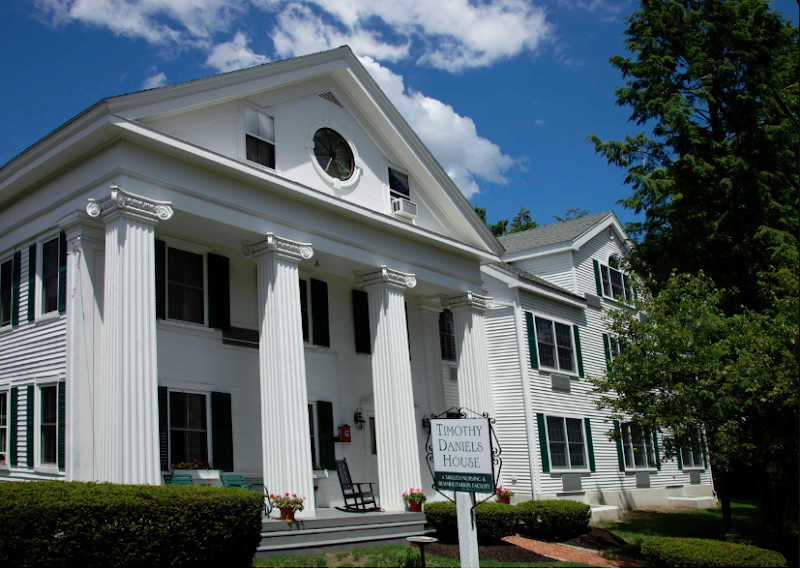
How is Timothy Daniels House Staffed?

CMS rates TIMOTHY DANIELS HOUSE's staffing level at 5 out of 5 stars, which is much above average compared to other nursing homes. Staff turnover is 39%, compared to the Massachusetts average of 46%. This relatively stable workforce can support continuity of care.

What Have Inspectors Found at Timothy Daniels House?

State health inspectors documented 34 deficiencies at TIMOTHY DANIELS HOUSE during 2022 to 2025. These included: 32 with potential for harm and 2 minor or isolated issues.
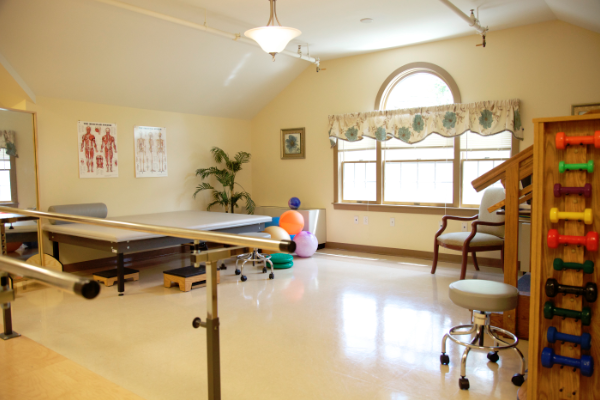
Who Owns and Operates Timothy Daniels House?

TIMOTHY DANIELS HOUSE is owned by a for-profit company. For-profit facilities operate as businesses with obligations to shareholders or private owners. The facility is operated by REHABILITATION ASSOCIATES, a chain that manages multiple nursing homes. With 40 certified beds and approximately 34 residents (about 85% occupancy), it is a smaller facility located in HOLLISTON, Massachusetts.

How Does Timothy Daniels House Compare to Other Massachusetts Nursing Homes?

Compared to the 100 nursing homes in Massachusetts, TIMOTHY DANIELS HOUSE's overall rating (3 stars) is above the state average of 2.9, staff turnover (39%) is near the state average of 46%, and health inspection rating (2 stars) is below the national benchmark.

What Should Families Ask When Visiting Timothy Daniels House?

Based on this facility's data, families visiting should ask: "Can I visit during a mealtime to observe dining assistance and food quality?" "How do you handle medical emergencies, and what is your hospital transfer rate?" "Can I speak with family members of current residents about their experience?"

Is Timothy Daniels House Safe?

Based on CMS inspection data, TIMOTHY DANIELS HOUSE has a clean safety record: no substantiated abuse findings (meaning no confirmed cases of resident harm), no Immediate Jeopardy citations (the most serious violation level indicating risk of serious injury or death), and is not on the Special Focus Facility watch list (a federal program monitoring the lowest-performing 1% of nursing homes). The facility has a 3-star overall rating and ranks #1 of 100 nursing homes in Massachusetts. While no facility is perfect, families should still ask about staff-to-resident ratios and recent inspection results during their visit.

Do Nurses at Timothy Daniels House Stick Around?

TIMOTHY DANIELS HOUSE has a staff turnover rate of 39%, which is about average for Massachusetts nursing homes (state average: 46%). Moderate turnover is common in nursing homes, but families should still ask about staff tenure and how the facility maintains care continuity when employees leave.

Was Timothy Daniels House Ever Fined?

TIMOTHY DANIELS HOUSE has no federal fines on record. CMS issues fines when nursing homes fail to meet care standards or don't correct problems found during inspections. The absence of fines suggests the facility has either maintained compliance or corrected any issues before penalties were assessed. This is a positive indicator, though families should still review recent inspection reports for the full picture.

Is Timothy Daniels House on Any Federal Watch List?

TIMOTHY DANIELS HOUSE is not on any federal watch list. The most significant is the Special Focus Facility (SFF) program, which identifies the bottom 1% of nursing homes nationally based on persistent, serious quality problems. Not being on this list means the facility has avoided the pattern of deficiencies that triggers enhanced federal oversight. This is a positive indicator, though families should still review the facility's inspection history directly.