DAY BROOK VILLAGE SENIOR LIVING
298 JARVIS AVENUE, HOLYOKE, MA 01040 (413) 538-7551
Non profit - Corporation 92 Beds INTEGRITUS HEALTHCARE Data: November 2025
Trust Grade
50/100
#214 of 338 in MA
Last Inspection: April 2025

Within standard 12-15 month inspection cycle. Federal law requires annual inspections.

Overview

Day Brook Village Senior Living in Holyoke, Massachusetts has received a Trust Grade of C, indicating it's average compared to other facilities. It ranks #214 out of 338 in the state, placing it in the bottom half, and #19 of 25 in Hampden County, suggesting there are only a few options that are better nearby. Unfortunately, the facility's trend is worsening, with issues increasing from 7 in 2024 to 19 in 2025. Staffing is a relative strength, with a 3/5 rating and a turnover rate of 39%, which is average but manageable. However, there have been concerning incidents, such as the failure to properly manage controlled substances, not honoring residents' meal preferences, and unsafe food handling practices in the kitchen, which could pose risks to residents. Overall, while there are strengths in staffing, the increasing issues and specific incidents highlight significant areas for improvement.

Trust Score
C
50/100
In Massachusetts
#214/338
Bottom 37%
Safety Record
Low Risk
No red flags
Inspections
Getting Worse
7 → 19 violations
Staff Stability
○ Average
39% turnover. Near Massachusetts's 48% average. Typical for the industry.
Penalties
✓ Good
No fines on record. Clean compliance history, better than most Massachusetts facilities.
Skilled Nurses
⚠ Watch
Each resident gets only 28 minutes of Registered Nurse (RN) attention daily — below average for Massachusetts. Fewer RN minutes means fewer trained eyes watching for problems.
Violations
⚠ Watch
37 deficiencies on record. Higher than average. Multiple issues found across inspections.
★★☆☆☆
2.0
Overall Rating
★★★☆☆
3.0
Staff Levels
★★★☆☆
3.0
Care Quality
★★☆☆☆
2.0
Inspection Score
Stable
2024: 7 issues
2025: 19 issues

The Good

  • Full Sprinkler Coverage · Fire safety systems throughout facility
  • No fines on record
  • Staff turnover below average (39%)

    9 points below Massachusetts average of 48%

Facility shows strength in fire safety.

The Bad

2-Star Overall Rating

Below Massachusetts average (2.9)

Below average - review inspection findings carefully

Staff Turnover: 39%

Near Massachusetts avg (46%)

Typical for the industry

Chain: INTEGRITUS HEALTHCARE

Part of a multi-facility chain

Ask about local staffing decisions and management

The Ugly 37 deficiencies on record

Apr 2025 16 deficiencies
CONCERN (D)

Potential for Harm - no one hurt, but risky conditions existed

Deficiency F0558 (Tag F0558)

Could have caused harm · This affected 1 resident

**NOTE- TERMS IN BRACKETS HAVE BEEN EDITED TO PROTECT CONFIDENTIALITY** Based on record review, observations, and interviews, the facility failed to provide appropriate access to the call light for on...

Read full inspector narrative →
**NOTE- TERMS IN BRACKETS HAVE BEEN EDITED TO PROTECT CONFIDENTIALITY** Based on record review, observations, and interviews, the facility failed to provide appropriate access to the call light for one Resident (#24) out of a total sample size of 18 residents. Specifically for Resident #24, the facility staff failed to place the Residents' call light within his/her reach placing Resident #24 at risk for unmet needs. Findings include: Review of the facility policy titled Resident's Rights Policy, revised 10/4/23, included but was not limited to: -Residents have rights and protections under Federal Law .are rendered without reprisals. < Residents have the right to reside and receive services in the facility with reasonable accommodation of needs and preferences except when to do so would endanger the health and safety of other residents. Review of the facility policy titled Call light answering, dated 5/2/05, included but was not limited to: < Prior to leaving the resident ask if there is anything else you can do for them. < Place the call light within reach of the resident. Review of the facility policy titled Initiating and Ending Clinical Nursing Procedures, dated 5/2/05, included but was not limited to: -It is the policy of this facility to follow all regulations and standards of care related to resident rights and provision of quality of care. To that end, all employees performing procedures in resident care settings will observe general practices relating to resident .dignity . and resident safety. <After performing the procedure, place call light within easy reach of the resident. Resident #24 was admitted to the facility in November 2024 with diagnoses including Parkinson's Disease and Hemiplegia/Hemiparesis following cerebral infarction affecting the left side. Review of the recent Minimum Data Set (MDS) assessment dated [DATE], indicated Resident #24: -has adequate hearing, clear speech, was able to be understood by others and has the ability to understand others. -has functional limitation in range of motion (ROM) to one side of the upper and lower extremity. -was receiving Hospice end of life services. Review of Resident #24's Social Service Progress Note dated 2/7/25, included but was not limited to: -Resident #24 would not answer questions for the Brief Interview for Mental Status (BIMS) assessment, but the BIMS had been attempted. Review of Resident #24's Comprehensive Person-Centered Care Plan indicated: -Problem: Resident has Hemiplegia of left side. -Interventions included: Place call light within the Residents' reach of the unaffected side and answer [call light] promptly. During an interview on 4/1/25 at 9:22 A.M., Resident #24 said that he/she wanted to tell the Nurse that it was time for his/her medication. Resident #24 said that he/she had a button to push but could not find the button. The surveyor observed that the Residents' call light [button] was located on top of the nightstand, on the left side of the Residents' bed and out of the Residents' reach. During an interview on 4/1/25 at 9:35 A.M., Certified Nurses Aide (CNA) #1 said when Resident #24 needed a drink or something else that the Resident would use the call light to call for the staff. The surveyor and CNA #1 observed Resident #24 lying in bed and the call light was located on top of the nightstand on the left side of the Residents' bed and out of reach for the Resident. CNA #1 said that she had moved the call light to the nightstand when she repositioned the Resident about an hour earlier and forgot to put the call light back within the Residents' reach but should have put the call light back. CNA #1 said that placing call lights within reach was important to Residents so that Residents can use the call light to call for staff when something is wrong or if they needed something. During an interview on 4/2/25 at 9:31 A.M., Nurse #1 said that Resident #24 had the ability to use the call light to call for staff assistance when needed. The surveyor and Nurse #1 observed that Residents #24's call light was secured/clipped to the left side of the bed below the lowest bar of the siderail and out of the Residents' reach. Nurse #1 said that the call light was not within the Residents' reach and should be within reach so that the Resident could call for assistance when needed. Nurse #1 said that the call light should have been clipped to the Residents' shirt and within reach. During an interview on 4/3/25 at 7:45 A.M., the Director Of Nursing (DON) said that call lights should be within a residents' reach at all times so that residents could alert the staff for anything needed.
CONCERN (D)

Potential for Harm - no one hurt, but risky conditions existed

Comprehensive Assessments (Tag F0636)

Could have caused harm · This affected 1 resident

**NOTE- TERMS IN BRACKETS HAVE BEEN EDITED TO PROTECT CONFIDENTIALITY** Based on interview, and record review, the facility failed to conduct an admission assessment and document participation in the ...

Read full inspector narrative →
**NOTE- TERMS IN BRACKETS HAVE BEEN EDITED TO PROTECT CONFIDENTIALITY** Based on interview, and record review, the facility failed to conduct an admission assessment and document participation in the assessment to determine the necessary care and services required for one Resident (#88) out of three closed records reviewed. Specifically, for Resident #88, the facility failed to conduct direct observation and communication and complete an accurate Resident assessment upon admission, resulting in the Resident eloping from the facility. Findings include: Review of the Centers for Medicare and Medicaid Services (CMS) Long-Term Care Facility Resident Assessment Instrument 3.0 User's Manual, dated October 2023, indicated the following relative to Cognition and Mood: -An interview is considered missed when the resident should have been interviewed, but the interview was not completed in the look back period of the assessment. -Regardless of the reason the interview was not completed -When a resident interview is missed: >C0100, is coded 1: Yes, the interview should be completed, and >The resident interview and staff assessment responses must be dashed if the interview was not completed. Resident #88 was admitted to the facility in January 2025 with diagnoses including alcohol use withdrawal, Wernicke Encephalopathy, Anxiety and Depression. Review of Resident #88's medical record indicated: -nursing admission assessment was not completed at the time of admission. -no nursing admission note with the date and time of the Resident's arrival to the facility, cognitive patterns, mood and behavior patterns, psychological well-being, and discharge planning was completed as required at the time of admission. Review of Resident #88's January 2025 medical record progress notes indicated: -1/24/25 at 12:00 P.M.: Social Services was informed that the Resident left AMA. Protective Services Referral was initiated. -1/24/25 at 15:59 (3:59 P.M.): Nursing Progress Note - Nursing called the Resident's cell phone and the Resident informed nursing that he/she was home safe. The Resident was not aware that he/she needed to sign a release form. The Resident stated he/she thought he/she could just leave when he/she wanted. -1/24/25 at 9:00 P.M.: NP [Nurse Practitioner]/PA [Physician Assistant] Progress Note - Resident seen, anxious and thinking of going home, discussed importance of staying and completing rehab, risk of going AMA, declined many questions, discussed with Social Service. Review of the Minimum Data Set (MDS) assessment dated [DATE], indicated Resident #88: -was severely cognitively impaired as evidenced by a Brief Interview for Mental Status (BIMS) score of 0 out of 15 total possible points. During an interview on 4/3/25 at 12:31 P.M., Social Worker (SW) #1 said she did not see the Resident or assess the Resident upon admission. SW #1 said she was informed by the nursing staff that Resident #88 had left the facility. During an interview on 4/3/25 at 1:38 P.M., the MDS Nurse said SW #1 was the staff member who completed the MDS Section C (Cognition) and Section D (Mood) assessments for Resident #88. During an interview on 4/3/25 at 1:41 P.M., SW #1 said she should not have documented a BIMS of 0 on Resident #88 since she never saw the Resident. SW #1 said the MDS assessment for Resident #88 was documented inaccurately. During an interview on 4/3/25 at 12:43 P.M., Nurse #8 said she saw Resident #88 between the hours of 7:00 A.M. to 9:00 A.M. on 1/24/25, and the Resident informed her that he/she wanted to leave the facility. Nurse #8 said she told the Resident to wait until he/she was seen by the Physician. Nurse #8 further said she went to the Resident's room and found the Resident's room empty at 11:30 A.M. and alerted the DON. Please Refer to F689
CONCERN (D)

Potential for Harm - no one hurt, but risky conditions existed

ADL Care (Tag F0677)

Could have caused harm · This affected 1 resident

**NOTE- TERMS IN BRACKETS HAVE BEEN EDITED TO PROTECT CONFIDENTIALITY** Based on observation, interview, and record review, the facility failed to provide grooming assistance for one Resident (#55), o...

Read full inspector narrative →
**NOTE- TERMS IN BRACKETS HAVE BEEN EDITED TO PROTECT CONFIDENTIALITY** Based on observation, interview, and record review, the facility failed to provide grooming assistance for one Resident (#55), out of a total sample of 18 residents. Specifically, the facility failed to ensure that Resident #55 was assisted with facial hair removal when he/she required assistance from staff with personal hygiene. Findings include: Review of the facility policy titled Activities of Daily Living (ADLs), effective 11/14/16, indicated: -each resident will receive the necessary care and services to attain or maintain the highest practicable physical, mental, and psychological wellbeing, consistent with the resident's comprehensive plan of care. The ADL policy also included the following: >The facility will provide care and services for hygiene-bathing, dressing and grooming. >The care and services for ADLs will be based on the resident's ability as identified in MDS assessment, Rehab evaluation, nursing assessment and person-centered care plan. >Resident's abilities, personal choices and self-image are accounted for during ADLs. >ADLs are documented in the clinical record by staff member supporting ADLs. Resident #55 was admitted to the facility in January 2023 with diagnoses including Depression and Hyperparathyroidism. Review of a Minimum Data Set (MDS) assessment dated [DATE] indicated Resident #55: -was moderately cognitively impaired as evidenced by a Brief Interview for Mental Status (BIMS) score of eight out of a total possible score of 15. -required assistance with personal hygiene. Review of the Comprehensive Care Plan, last revised 3/20/25, indicated Resident #55: -had decreased ability to provide self-care. -decreased ability to perform ADLs. -required assistance with grooming. On 3/31/25 at 10:55 A.M., the surveyor observed Resident #55's chin to have long, thick facial hair. During an interview at the time, Resident #55 said he/she does not like to have any facial hair and that staff will help remove the facial hair when he/she remembers to ask for assistance. On 4/1/25 at 10:55 A.M., the surveyor observed that Resident #55 remained with long, thick facial hair on his/her chin. During an interview at the time, Resident #55 said he/she forgot to ask staff to remove the facial hair. During an interview on 4/1/25 at 10:51 A.M., Certified Nurses Aide (CNA) #8 said she is familiar with Resident #55 and has provided care for the Resident many times. CNA #8 said that Resident #55 needs needs assistance with all ADLs and the CNA is aware that Resident #55 prefers not to have facial hair because he/she has requested in the past that the facial hair be removed. CNA #8 said if Resident #55 did not ask to have his/her facial hair removed then CNA #8 would offer to remove the Resident's facial hair. CNA #8 said that she is not required to document removal of facial hair for Resident #55 in the clinical record. During an interview on 4/01/25 at 2:17 P.M., the Director of Nursing (DON) said that CNAs are expected to ask all residents with facial hair if they would like to have facial hair removed and the CNAs should have removed Resident #55's facial hair. The DON said that removal of facial hair should have been addressed with Resident #55's daily ADL care but that it was not addressed.
CONCERN (D)

Potential for Harm - no one hurt, but risky conditions existed

Quality of Care (Tag F0684)

Could have caused harm · This affected 1 resident

**NOTE- TERMS IN BRACKETS HAVE BEEN EDITED TO PROTECT CONFIDENTIALITY** Based on record review, observations, and interviews, the facility failed to provide treatment and services adhering to professi...

Read full inspector narrative →
**NOTE- TERMS IN BRACKETS HAVE BEEN EDITED TO PROTECT CONFIDENTIALITY** Based on record review, observations, and interviews, the facility failed to provide treatment and services adhering to professional standards of practice related to Hospice services for one Resident (#62) out of a total sample of 18 residents. Specifically, for Resident #62, the facility failed to ensure that Hospice recommendations for comfort medication orders were implemented in a timely manner leading to a delay in medication administration for the Resident. Findings Include: Review of the facility policy titled Hospice Program, last revised 3/28/22, indicated: -when a resident participates in the hospice program, a coordinated plan of care between the facility, hospice agency and resident/family will be developed and shall include directives for managing pain and other comfort measures. -a member of the interdisciplinary clinical team from each facility and the hospice organization will be designated to ensure the coordination of care delivery. Resident #62 was admitted to the facility in January 2022 with diagnoses including Dementia. Review of the Minimum Data Set (MDS) assessment dated [DATE] indicated Resident #62: -was severely cognitively impaired as evidenced by a Brief Interview for Mental Status (BIMS) score of 00 out of 15. -was receiving Hospice services. -was having physical/verbal/other behaviors directed and not directed towards others. -was rejecting care. -was wandering during the seven day look back period. Review of Resident #62's clinical record indicated: -the Resident started receiving Hospice services on 1/17/25 -a Hospice Recommendation to Physicians Form dated 1/17/25 that was signed by the Resident's Physician to please add the following comfort medication orders: >Morphine Sulfate (opiate analgesic medication) 20 milligrams (mg)/milliliters (ml): give 0.25 ml (5 mg) by mouth sublingually [under the tongue] every 2 hours as needed (PRN) for pain or shortness of breath (SOB). Call if using more than 3 doses in 24 hours >Lorazepam (antianxiety medication) 0.5 mg tablets: give 1 tablet by mouth every 6 hours as needed (PRN) for anxiety and restlessness >Acetaminophen (pain/fever reliever medication) 650 mg suppository: insert 1 suppository (650 mg) rectally every 6 hours as needed (PRN) for mild pain or fever >Hyoscyamine (anticholinergic/ antispasmodic) 0.125 mg sublingual tablet: place 1 tablet (0.125 mg) under the tongue every 4 hours as needed for terminal secretions >Bisacodyl (laxative) 10 mg suppository: insert 1 suppository (10 mg) rectally as needed for constipation >Sennas (stimulant laxative) 8.6-50 mg: give 1 to 2 tablets by mouth 2 times daily as needed for constipation. -a Hospice Recommendation to Physician Form dated 2/27/25, signed by the Resident's Physician for the same comfort medication orders listed on 1/17/25, which further documented: *current issue: *patient on Hospice services since January 2025. *Comfort medications not yet added to the medication profile. -a Hospice Nursing Progress Note dated 3/7/25, that indicated a plan for the night Nurse to follow up that all standard Hospice comfort medications get on the patient's (medication) orders. -a Hospice Recommendation to Physician Form dated 3/13/25, that documented: *current issue: *ACTION NEEDED. *Patient admitted to Hospice services on 1/17/25, in need of comfort medication orders. This is the third recommendation submitted. -a Hospice Nursing Progress Note dated 3/13/25, that indicated recommendations left WITH URGENCY to ensure comfort medications orders are in place at extended care facility. Review of the April 2025 Physician's orders for Resident #62 indicated that the comfort medications were ordered on 3/13/25 (55 days after the initial recommendation by Hospice). During an interview on 4/3/25 at 9:01 A.M., the Director of Nursing (DON) said that Hospice recommendations should be followed up by the facility within 24 hours of the recommendation. During an interview on 4/3/25 at 11:01 A.M., the DON said that the Hospice recommendations should have been implemented when they were initially recommended, and Hospice recommendations had not been implemented.
CONCERN (D)

Potential for Harm - no one hurt, but risky conditions existed

Accident Prevention (Tag F0689)

Could have caused harm · This affected 1 resident

Based on record review, and interview, the facility failed to ensure the safety of one Resident (88) out of a total sample of 18 residents, who was at risk for elopement. Specifically, for Resident #...

Read full inspector narrative →
Based on record review, and interview, the facility failed to ensure the safety of one Resident (88) out of a total sample of 18 residents, who was at risk for elopement. Specifically, for Resident #88, the facility failed to assess on admission the Resident with a history of substance use disorder (SUD) for risk of elopement and initiate the elopement response when the Resident left the facility without staff being aware. Findings include: Review of the facility policy titled Elopement Prevention and Response, revised 2/24/25, indicated: -It is the policy of the facility to identify residents at risk for elopement through the completion of the Wandering/Elopement risk assessment and to provide a secure environment through the implementation of individualized care interventions. -It is the policy of the facility to ensure that residents who are at risk of elopement are escorted to and supervised during activities off unit such as rehab and outdoor activities. -Upon admission nursing will complete a wandering/elopement risk assessment. -If residents are determined to be at risk for elopement, a care plan goal and individualized approaches to ensure safety will be implemented in interdisciplinary team. -Care plan interventions will be based on assessment of risk factors for elopement including medical conditions, diagnoses including SUD (substance use disorder) history and risk for relapse and psychosocial triggers (new environment, change of routine, family dynamics). -At first notice that the resident does not seem to be in their usual/immediate living space, the resident is to be considered missing and supervisor (or highest-ranking on-site staff member) is notified. -If facility search is unsuccessful, the individual in charge will carry out the following: 1) Notify the Administrator and Director of Nursing (DON) 2) Notify the Police Department . Review of the facility policy titled Discharge Against Medical Advice (AMA), revised 2/20/19, indicated: -Ensure resident can make medical decisions. -Encourage the resident/legal representative to consult the attending physician before leaving the facility regarding his/her choice to leave the facility. -Place the documentation of staff/resident/legal representative interactions in the clinical record. Resident #88 was admitted to the facility in January 2025 with diagnoses of alcohol use withdrawal, Wernicke Encephalopathy, Anxiety and Depression. Review of Resident #88's medical record failed to indicate: -nursing admission assessment related to wandering or elopement risk. -nursing admission note to include the date and time of the Resident's arrival to the facility, assessment of mental status upon admission, and ambulation status. Review of Resident #88's January 2025 medical record progress notes indicated: -1/24/25 at 12:00 P.M.: Social Services was informed that Resident left AMA. Protective Services Referral was initiated. -1/24/25 at 15:59 (3:59 P.M.) Nursing Progress Note - Nursing called the Resident's cell phone and the Resident informed nursing that he/she was home safe. The Resident was not aware that he/she needed to sign a release form. The Resident stated he/she thought he/she could just leave when he/she wanted. -1/24/25 at 9:00 P.M.: NP [Nurse Practitioner]/PA[Physician Assistant] Progress Note - Resident seen, anxious and thinking of going home, discussed importance of staying and completing rehab, risk of going AMA, declined many questions, discussed with Social Service. During an interview on 4/3/25 at 12:29 P.M., the Director of Nursing (DON) said Resident #88 was admitted to the facility in January 2025. The DON said there was no nursing assessment completed for the Resident by nursing upon admission to the facility. The DON said that there was no nursing assessment of the Resident's cognitive status or whether the Resident was at risk for wandering/elopement. The DON further said there was no nursing admission note that could identify the time the Resident was admitted to the facility and if there were any obvious concerns the nursing staff could have identified and documented. During an interview on 4/3/25 at 12:22 P.M., the Registered Dietician (RD) said she had seen Resident #88 when he/she arrived at facility and had sent a diet slip to the kitchen so the Resident could receive his/her evening meal. During an interview on 4/3/25 at 12:31 P.M., Social Worker (SW) #1 said she did not see the Resident or assess the Resident upon admission. SW #1 said she was informed by the nursing staff that Resident #88 had left the facility. During an interview on 4/3/25 at 12:43 P.M., Nurse #8 said she saw Resident #88 between the hours of 7:00 A.M. to 9:00 A.M. on 1/24/25, and the Resident informed her that he/she wanted to leave the facility. Nurse #8 said she told the Resident to wait until he/she was seen by the Physician. Nurse #8 further said she went to the Resident's room and found the Resident's room empty at 11:30 A.M. and alerted the DON. During an interview on 4/3/25 at 1:19 P.M., the DON said she did not consider that Resident #88 had eloped as the facility called the Resident's home and the Resident said he/she was home safe. The DON said the Resident informed the facility staff that he/she had left the facility with an Uber driver. The DON said she sent paperwork and medications to the Resident's home and the Resident signed the AMA form. The DON said she should have initiated the facility's elopement policy, but she did not.
CONCERN (D)

Potential for Harm - no one hurt, but risky conditions existed

Deficiency F0692 (Tag F0692)

Could have caused harm · This affected 1 resident

**NOTE- TERMS IN BRACKETS HAVE BEEN EDITED TO PROTECT CONFIDENTIALITY** 2. Review of Nestle's At-a-Glance Nutritional Chart, dated 2019, indicated the following: -Boost Original is a moderate calorie...

Read full inspector narrative →
**NOTE- TERMS IN BRACKETS HAVE BEEN EDITED TO PROTECT CONFIDENTIALITY** 2. Review of Nestle's At-a-Glance Nutritional Chart, dated 2019, indicated the following: -Boost Original is a moderate calorie, moderate protein nutritional supplement used to help fill nutritional gaps. -Boost Glucose Control was nutrition for people with Diabetes. -helps meet the unique nutritional needs of people with Diabetes as part of a comprehensive Diabetes management plan. Resident #35 was admitted from the hospital to the facility in January 2025 with diagnoses including Diabetes Mellitus. Review of Resident #35's Weights Summary indicated the following: -1/8/25: 178.3 pounds (lbs.) -2/5/25: 170.8 lbs. -3/27/25: 138.4 lbs. Review of Resident #35's Diabetes Care Plan, dated 1/6/25, indicated the following: -Diet as ordered by MD (Medical Doctor). -Provide diabetic appropriate snacks. Review of the Minimum Data Set (MDS) Assessment, dated 1/9/25, indicated Resident #35: -was moderately cognitively impaired as evidenced by a Brief Interview for Mental Status (BIMS) score of nine out of 15 total possible points. -required substantial assistance for eating. -had experienced weight gain, not prescribed by the Physician. Review of Resident #35's Nutrition Care Plan, most recently revised 1/9/25, indicated: -Monitor intake at all meals. -Offer alternate choices as needed. -Document intake regarding % (percent) of solids and fluids consumed. -Weight every month on facility scale. -Provide diet as ordered. -Provide supplement as ordered by MD. Review of the Nutrition Consult, dated 1/6/25, indicated Resident #35: -was not receiving nutritional supplements. -had received intravenous fluids while in the hospital. -current weight was 178.3 lbs. -usual body weight (UBW) was 164.5 lbs. -was alert, confused, and forgetful. -usual intake was 0-100%, with an average of 40%. -The Dietician recommended: - follow meal intake and assess for additional nutrition interventions. Review of Resident #35's Physician order, dated 1/20/25, indicated: -controlled carbohydrates diet (restricts the intake of carbohydrates, and can be used to manage blood sugar levels). Review of Resident #35's Laboratory Blood Draw Report, dated 1/22/25, indicated the Resident's A1C (blood test used to measure the average amount of sugar in one's blood over the past three months) was 4.8 (less than 5.7 is considered in range). Review of Resident #35's clinical record indicated: -An order, dated 3/26/25, for Dietitian Consult. -Dietician Progress Note, dated 3/26/25, indicating a request for eight ounces (oz) of Boost Glucose Control drink supplement for the Resident, to be served with lunch for 21 days. -Physician order, dated 3/26/25, for one eight oz can/box Boost Glucose Control supplement drink with lunch for 21 days. Review of Resident #35's March 2025 Medication Administration Record (MAR) indicated: -The Resident received one eight oz can/box of Boost Glucose Control supplement drink with his/her lunch meal daily as ordered, on 3/27/25 through 3/31/25. -The Resident consumed 100% of the Boost Glucose Control supplement drink on 3/27/25, 3/28/25, 3/30/25, and 3/31/25. -The Resident consumed 20% of the Boost Glucose Control supplement drink on 3/29/25. Review of Resident #35's Physician Assistant (PA) Progress Note, dated 3/27/25, indicated: -Nursing reports decreased appetite. -Reported weight loss of 30 lbs. -The Resident had Hypokalemia, likely due to poor intake. -Resident does not appear to have lost that significant amount of weight on exam. -Repeat weight. -Encourage PO (by mouth) intake. -Dietician recommendations appreciated. -Dietician to follow. Review of Resident #35's Dietician Progress Note, dated 3/27/25, indicated the Resident had been re-weighed and experienced apparent approximate 30 lb weight loss in the past month. Review of Resident #35's April 2025 Medication Administration Record (MAR) indicated: -The Resident received one eight oz can/box of Boost Glucose Control supplement drink with his/her lunch meal daily, as ordered, on 4/1/25 through 4/3/25. -The Resident consumed 100% of the Boost Glucose Control supplement drink on 4/1/25 and 4/3/25. -The Resident consumed 50% of the Boost Glucose Control supplement drink on 4/2/25. On 4/2/25 at 9:07 A.M., the surveyor observed the following: -Resident #35 was sitting in a wheelchair, next to his/her bed, eating breakfast. -Resident #35 had a visitor who sat on the edge of the bed, next to the Resident. -There was an empty eight oz bottle of Boost Original nutritional supplement drink on the Resident's table and the supplement drink was in a plastic cup with ice and a straw. -The nutritional supplement drink bottle did not indicate glucose control, and indicated the drink contained 37 grams (g) of total carbohydrate. -The Resident repeatedly picked up the plastic cup containing supplement drink and drank from the straw. During an interview at the time, Resident #35's visitor said he/she came to the facility to visit with Resident #35 every day at breakfast time to encourage the Resident to eat. Resident #35's visitor said that staff at the facility were very helpful and always made sure the Resident had a Boost nutritional supplement drink with breakfast because the Resident did not always eat well. On 4/3/25 at 9:10 A.M., the surveyor observed the following: -Resident #35 was sitting upright in bed, eating breakfast. -The Resident had the same visitor as the previous day, who was sitting in a chair next to the Resident's bed. -There was an empty eight oz. bottle of Boost Original nutritional supplement drink on the Resident's table and the supplement drink was in a plastic cup with ice and a straw. -The nutritional supplement drink bottle did not indicate glucose control, and indicated the drink contained 37 grams (g) of total carbohydrate and 15 g of sugar. -The Resident alternated eating the breakfast meal and drinking the supplement drink. During an interview at this time, Resident #35's visitor said Certified Nurses Aide (CNA) #5 provided Resident #35 with the Boost Original supplement drink that morning at breakfast. Resident #35's visitor said the Resident liked the supplement drinks and that one was provided to the Resident every day with breakfast. Resident #35's visitor then said the Resident ended up drinking two of the supplement drinks the previous day (4/2/25) with breakfast. At this time, Nurse #7 entered the Resident's room holding a box of drink supplement and said she had a supplement drink for the Resident. Nurse #7 looked at the Resident's table and said, Oh, you already have one . then left the room with the additional box of drink supplement. Review of Resident #35's Meal Intake Record indicated the Resident consumed 100% of his/her breakfast meal on 4/2/25 and 4/3/25. Review of the Resident's clinical record failed to indicate any information relative to the nutritional drink supplements consumed by the Resident on 4/2/25 and 4/3/25. During an interview on 4/3/25 at 9:52 A.M., the Dietician said Resident #35 appeared to have had an approximate 30 lb weight loss over the previous month and that there may have been a problem with the accuracy of the scale. The Dietician said Resident #35 was supposed to receive one eight-ounce box of Boost Glucose Control drink supplement with lunch daily for 21 days and that staff were to monitor and record the amounts of meals and supplement drinks the Resident consumed. The Dietician said the Boost Glucose Control drink supplement was newly ordered due to the Resident's weight loss and diabetic condition. The Dietician said that Resident #35 had DM and that the Resident had always been concerned with his/her diabetic condition. The Dietician said she recommended the glucose control drink supplement for lunch time meals because lunch was when the Resident's intake appeared to be the lowest. The Dietician said for Residents with DM, it was important to consider the total carbohydrates in food and drinks when considering dietary needs. The Dietician then said the total carbohydrates in the Boost Original supplement drink that had been provided to resident #35 on 4/2/25 and 4/3/25 with breakfast contained 37 g of total carbohydrates. The Dietician said if the Resident was eating his/her meals and consuming regular drink supplements, this could impact the Resident's blood sugar and A1C levels. The Dietician also said nutritional supplements being provided to residents without an order and without her knowledge could impact her ability to accurately assess the residents' nutritional status and recommendations for nutritional interventions. The Dietician then said that she would review the Boost Glucose Control supplement drink contents for total carbohydrates and whether the Resident had any routine blood sugar monitoring in place and get back to the surveyor. During a follow-up interview on 4/3/25 at 10:08 A.M., the Dietician said the glucose control drink supplement contained 16 g of total carbohydrates compared to the Boost Original drink supplement that contained 37 g of total carbohydrates. During an interview on 4/3/25 at 10:55 A.M., CNA #5 said she gave Resident #35 a nutritional drink supplement every morning because she knew the Resident liked the drinks. CNA #5 said she would typically check with the Nurse before giving a resident a nutritional supplement drink and that she had not checked with the Nurse to see if giving the nutritional drink supplement to Resident #35 was okay. CNA #5 said she gave the Resident the nutritional drink supplement every day at breakfast because the Resident's visitor requested this and knew what the Resident liked. At this time, CNA #5 showed the surveyor the supply closet where the nutritional drink supplements were stored on the Unit. CNA #5 unlocked the supply closet door and the surveyor observed four different types of Boost nutritional drink supplements, including Boost Original and Boost Glucose Control. When the surveyor asked CNA #5 how she knew which supplement was to be provided for the residents, CNA #5 said she just always provided the Boost Original nutritional drink supplements. CNA #5 said she never provided Boost Glucose Control nutritional drink supplements to any resident. During an interview on 4/3/25 at 11:05 A.M., Nurse #7 said she overheard the surveyor speaking with Resident #35 about the nutritional supplement that morning at breakfast and she thought the Resident was supposed to receive one and did not get it. Nurse #5 said that was why she entered the room with a nutritional drink supplement for the Resident and that she assumed since the surveyor was speaking with the Resident about the supplement that the Resident was supposed to have one. During an interview on 4/3/25 at 11:40 A.M., Unit Manager (UM) #1 said she was not aware staff on the Unit had been providing nutritional supplement drinks to Resident #35 that were not ordered by the Physician. UM #1 said nutritional supplement drinks were to be provided to residents by a Nurse, according to the Physician's order. During an interview on 4/3/25 at 12:04 P.M., the Regional Nurse said that she realizes staff care and want to help the residents and that they may not realize providing additional nutrition supplements that are not ordered could impact a resident's medical care. The Regional Nurse said education needed to be provided to staff about the risk involved when nutritional inventions were not followed as ordered by the Physician. Based on record review, and interview, the facility failed to provide adequate nutritional care and services for two Residents (#54 and #35) out of a total sample of 18 residents, identified as being at risk for nutritional decline. Specifically: 1. For Resident #54, the facility failed to address significant weight loss and implement effective nutritional interventions when the Resident was identified as having greater than a 5 percent (%) weight loss in one month. 2. For Resident #35, the facility failed to provide the Resident with a diagnosis of Diabetes Mellitus (DM) the ordered glucose control nutritional supplement, when the nursing staff provided original nutritional supplements during meal times that were not ordered and MAR documentation indicated the Resident was receiving the glucose control supplement increasing the Resident's risk for inaccurate nutritional assessment and inappropriate management of blood sugar levels. Findings include: Review of the facility policy for Nutrition Management last revised 9/30/24, indicated: -Residents will receive care and services to ensure acceptable parameters of nutritional status are maintained to the extent possible as indicated by the resident's clinical condition. -Residents will receive a therapeutic diet when indicated. -Staff will consistently observe and monitor residents for changes and implement revisions to the care plan as needed. -provide a therapeutic diet that takes into account the resident's clinical condition and preferences when there is a nutritional indication. Resident #54 was admitted to the facility in May 2021 with diagnoses including Marfan Syndrome (rare genetic disorder of the connective tissue), hemiplegia and dysphagia. Review of the Minimum Data Set (MDS) assessment dated [DATE] indicated Resident #54: -was severely cognitively impaired as evidenced by a Brief Interview for Mental Status (BIMS) score of 00 out of 15. -was dependent on staff assistance with eating. Review of Resident #54's 2025 Weights indicated: -1/23/25: 175 pounds (lbs.) -2/17/25: 169.6 lbs. -3/13/25: 156.9 lbs. (significant weight loss of 6.96% from 2/17/25 and greater than 5% in 1 month) Review of Resident #54's Progress Notes indicated: -Dietician Note dated 3/13/25, documenting question weight loss, follow with re-weigh. -Dietician Note dated 3/27/25, documenting re-weight obtained with a 12-pound weight loss in the past month. No snacks. No episodes of upset stomach or vomiting noted. (Dietician) Follow with nursing for nutritional interventions. Review of Resident #54's Nutrition Care Plan, last revised 3/27/25, indicated: -at nutritional risk due to dysphagia with history of cerebrovascular accident, right sided weakness, legally blind with resulting decreased ability to eat on own despite adaptive equipment, expressive aphasia and erosive esophagitis with occasional emesis. -notify Dietician if persistent weight loss. During an interview on 4/1/25 at 1:09 P.M., the Dietician said that she had not implemented interventions for Resident #54 after identifying his/her weight loss. The Dietician also said that she should have added a supplement, but wanted to speak with the Unit Manager (UM) first and did not have the time to do so. Review of Resident #54's clinical record failed to indicate that any intervention had been made following the Resident's weight loss until the surveyor discussion with the Dietician.
CONCERN (D)

Potential for Harm - no one hurt, but risky conditions existed

Deficiency F0698 (Tag F0698)

Could have caused harm · This affected 1 resident

**NOTE- TERMS IN BRACKETS HAVE BEEN EDITED TO PROTECT CONFIDENTIALITY** Based on record reviews, and interviews, the facility failed to accurately monitor the fluid intake for one Resident (#36) out o...

Read full inspector narrative →
**NOTE- TERMS IN BRACKETS HAVE BEEN EDITED TO PROTECT CONFIDENTIALITY** Based on record reviews, and interviews, the facility failed to accurately monitor the fluid intake for one Resident (#36) out of a total sample of 18 residents. Specifically, for Resident #36, the facility staff failed to accurately allot the daily fluid intake as ordered by the Physician and monitor the total daily fluid intake for the Resident dependent on renal dialysis, placing him/her at risk for complications related to fluid overload. Findings include: Review of the facility policy titled Dialysis Residents-Coordination of Care, revised 11/19/18, included: -The nursing facility is responsible for the overall quality of care and services the resident receives and provides the services, consistent with professional standards of practices, to residents receiving dialysis as outlined by their comprehensive person-centered plan of care. >A comprehensive person-centered plan of care . will include: -monitoring of .fluid needs and restrictions. >The facility remains responsible for the overall quality of care the resident receives including the customary standards of care provided by the facility and including the following: -monitoring fluid balance through recording and assessment of intake and output as indicated. Review of the facility policy titled Intake and Output-Monitoring of, revised 10/30/18 indicated: -Intake and output measurement is instituted based on .physician order. >Intake and output will be monitored for the following residents: -Residents receiving dialysis. >Record intake amounts in cc's (cubic centimeters) including: -PO (per os), amounts taken by mouth. >Total shift and daily intake .records. >Document: -Intake .in resident's medical record. Review of the facility policy titled Fluid Restriction, revised January 2009, included: -When a physician orders a fluid restriction due to specific clinical condition, close monitoring will be provided to maintain adequate hydration. >Verify physician order. Order must include volume or range of fluid permitted during a 24-hour period. >Notify dietary department. a. Dietary to calculate amount of fluids to be provided on meal trays. >Calculated remaining amount of fluids to be provided by nursing. a. Calculate amount allotted for each shift. >Document: a. Intake in medical record. Resident #36 was admitted to the facility in May 2023 with diagnoses including End Stage Renal Disease (ESRD) and dependence on renal dialysis. Review of the Minimum Data Set (MDS) assessment dated [DATE], indicated Resident #36: -was receiving dialysis. -was receiving a therapeutic diet. Review Resident #36's Comprehensive Person-Centered Care Plan, revised 2/2/24, included: -Problem: End Stage Renal Disease with need for Hemodialysis (HD). <Interventions included: Fluid restriction as ordered with intake monitoring (see nutritional care plan). -Problem: Nutrition/ ESRD with Hemodialysis. <Interventions included: Provide diet as ordered: 1200 ml (milliliters or cc's) Fluid Restriction. <Document intake regarding percentage of .fluids consumed. Review of Resident #36's March 2025 Physician orders included: >Hemodialysis every Tuesday, Thursday and Saturday. >Fluid Restriction 1200 ml: -Day Shift (7:00 A.M. - 3:00 P.M.) Fluid Restriction 1200 ml: Breakfast = 240 ml, Lunch = 240 ml, Nursing day = 600 ml. Add meal intake to total shift intake. -Evening Shift (3:00 P.M.-11:00 P.M.) Fluid restriction 1200 ml: Dinner =120 ml, Nursing eve (evening) = 480 ml. Add meal intake to total shift intake. -Night Shift (11:00 P.M.- 7:00 A.M.) Fluid restriction 1200 ml: Nursing night = 120 ml. During an interview on 4/1/25 at 11:38 A.M., Nurse #10 said that she was the Nurse assigned to Resident #36. Nurse #10 said that Resident #36 was prescribed a 1200 ml fluid restriction daily. Nurse #10 said that the Registered Dietitian (RD) and the Unit Manager (UM) determined how much fluid is allotted for nursing and the dietary department for a 24-hour period. Nurse #10 said that the completion and totaling of the 24-hour fluid intake for Resident #36 should be done by the 11:00 P.M.-7:00 A.M. (night shift) Nurse and was important because HD residents could have cardio-pulmonary distress if too much fluid was taken in during a 24-hour period. The surveyor and Nurse #10 reviewed Resident #36's Medication Administration Records (MARs) which indicated: -January 2025 MAR: total allotted daily intake was 1800 ml (not 1200 ml as ordered by the Physician) for 31 out of 31 days, and the total daily intake was not totaled for 12 out of 31 days. -February 2025 MAR: total allotted daily intake was 1800 ml (greater than the 1200 ml ordered by the Physician) for 28 out of 28 days, and the total daily intake was not totaled for 20 out of 28 days. -March 2025 MAR: total allotted daily intake was 1800 ml for 31 out of 31 days, and the total daily intake was not totaled for 20 out of 31 days. During an interview on 4/1/25 at 12:12 P.M., the Director of Nursing (DON) said the RD determined the fluids allotted by shift/per day for dining services and nursing. The DON said that once the RD determines the total fluid allotment, the order should be entered into the resident's electronic medical record (EMR) by the RD or unit Nurses. The DON said that accuracy of monitoring and recording of fluid restrictions was important so that residents are provided with what is ordered by the Physician. The DON said that the unit Nurses were responsible for documenting and totaling fluid intake records. During an interview on 4/1/25 at 12:55 P.M., the RD said that fluid restrictions are determined by the ordering Physician. The RD said that Nurses enter the orders for fluid restriction into the EMR as ordered by the Physician. The RD said that the 1200 ml fluid restriction allotment was a pre-set, pre-established template within the facilities computer system and therefore not determined by the RD. The RD said that she did not follow the daily fluid intakes once the order has been entered into the residents EMR. The surveyor and the RD reviewed Resident #36's MARs for January 2025, February 2025, and March 2025. The RD said that the allotted fluids template on the MARs had totaled 1800 ml and not the 1200 ml as ordered by the Physician. The RD said that the 1200 ml fluid restriction allotment in the facilities computer system was wrong and needed to be corrected. The RD said that Nurses should be totaling the daily 24-hour intake consistently but that was not done.
CONCERN (D)

Potential for Harm - no one hurt, but risky conditions existed

Deficiency F0868 (Tag F0868)

Could have caused harm · This affected 1 resident

Based on interview, and records reviewed, the facility failed to ensure all required members of the QAPI Committee participated in quarterly QAPI meetings. Specifically, the facility failed to ensure ...

Read full inspector narrative →
Based on interview, and records reviewed, the facility failed to ensure all required members of the QAPI Committee participated in quarterly QAPI meetings. Specifically, the facility failed to ensure the Infection Preventionist (IP) attended and participated in one of four consecutive quarterly QAPI meetings reviewed. Findings include: Review of the facility's four most recent quarterly QAPI meeting attendance sheets provided by the facility indicated the following: -All required members were present for the meeting held on 1/28/25. -All required members were present for the meeting held on 10/17/24. -All required members were present for the meeting held on 7/17/24. -The Administrator, Director of Nursing (DON), and Medical Director were present for the meeting held on 2/8/24. -The IP was not present for the meeting held on 2/8/24. During an interview on 4/3/25 at 1:45 P.M., the Administrator said that the facility did not have an IP when the quarterly QAPI meeting was held on 2/8/24.
CONCERN (D)

Potential for Harm - no one hurt, but risky conditions existed

Infection Control (Tag F0880)

Could have caused harm · This affected 1 resident

2. Review of the facility policy titled General Cleaning and Maintenance of Equipment, revised 6/28/16, indicated: -Resident care equipment will be cleaned and decontaminated after use and will be pr...

Read full inspector narrative →
2. Review of the facility policy titled General Cleaning and Maintenance of Equipment, revised 6/28/16, indicated: -Resident care equipment will be cleaned and decontaminated after use and will be prepared for reuse. -Equipment and supplies will be cleaned and decontaminated as soon as practical after use. On 4/2/25 at 9:34 A.M., the surveyor observed Nurse #5 during the medication administration pass on Unit Two. The surveyor and Nurse #5 observed the medication administration cart to have a dried spilled liquid in the drawers and particles of medication pills left in the medication cart drawers, along with an old rusted scissors in a drawer. The surveyor further observed that the medication cart also contained stained dried dark particles in the corners of the drawers. During an interview at the time, Nurse #5 said she was an Agency Nurse and that this was her first time being on the medication cart. Nurse #5 said the medication cart could harbor bacteria which could lead to the spread of infections. On 4/2/25 at 9:37 A.M., the surveyor, Nurse #5, and Director of Nursing (DON) observed the same medication cart on Unit Two. The DON said the medication cart was dirty and needed to be cleaned. The DON said there was a cleaning schedule but was unsure when the medication cart was last cleaned and/or disinfected. Based on record review, observation, and interview the facility failed to adhere to infection control standards of practice for one Resident (#44) out of a total sample of 18 residents, and maintain sanitary medication storage for a medication administration cart on one unit (Unit Two) out of two units. Specifically, 1. For Resident #44, the facility staff failed to follow Physician orders for Enhanced Barrier Precautions (EBP's-the use of protective gowns and gloves during high contact care activities that may provide opportunity for transmission of medication resistant organisms through staff hands and/or clothing), while providing high contact wound care for the Resident. 2. the facility failed to maintain a clean medication administration cart during a medication administration observation on Unit Two putting the unit residents at risk for medication contamination. Findings include: 1. Review of the facility policy titled Enhanced Barrier Precautions, dated 1/10/23 included but was not limited to: -EBP's will be used in these conditions . <All residents on the unit with any wounds. -EBP's require gowns and gloves for all high contact care including . <Wound care, any skin opening requiring a dressing. Resident #44 was admitted to the facility in November 2024 with diagnoses including Pressure Ulcer (localized damage to the skin and/or underlying tissue that occurs as a result of long-term pressure) of the right heel area. Review of Resident #44's Comprehensive Person-Centered Care Plan indicated: -Problem: Pressure ulcer to right heel, effective 2/11/25. <Interventions: Treatment to area per Physician order. -Problem: EBP, last revised 2/25/25. <Interventions: EBP signage to residents' room and to utilize Personal Protective Equipment (PPE- special protective barriers like gloves, gowns, masks and/or goggles worn to create a barrier between a person and germs) per policy for high contact. Review of Resident #44's March 2025 Physician's orders indicated: -Right heel, day shift (7:00 A.M.-3:00 P.M.) apply collagen Puracol [brand] sheet, covered by foam and change daily. -Enhanced Barrier Precautions every shift. EBP signs posted on the resident's door with proper PPE. On 4/2/25 at 9:04 A.M., the surveyor observed Resident #44 seated in a wheelchair in his/her bedroom. The surveyor observed signage on the Resident's doorway which included: -ENHANCED BARRIER PRECAUTIONS. EVERYONE MUST: <Clean their hands, including before entering and when leaving the room. -PROVIDERS AND STAFF MUST ALSO: <Wear gloves and gowns for the following High-Contact Resident Care Activities: >Wound care: any skin opening requiring a dressing. On 4/2/25 at 11:02 A.M., the surveyor observed the following wound care provided to Resident #44: -Nurse #8 and Unit Manager (UM) #2 cleansed their hands with hand sanitizer, donned (put on) clean gloves and entered the Resident's room. -Nurse #8 and UM #2 were not observed to don gowns prior to entering the Resident's room. -Nurse #8 cleaned the work surface with a disinfectant wipe, allowed it to dry and then placed a clean towel on top of the disinfected work surface. -Nurse #8 discarded her gloves into a clear plastic trash bag being held by UM #2. Nurse #8 cleansed her hands with hand sanitizer and donned clean gloves. -Nurse #8 was then observed to set up dressing supplies on the clean work surface. -Nurse #8 doffed (removed) her gloves, discarded them into a clear trash bag being held by UM #2. Nurse #8 then cleansed her hands with hand sanitizer and donned clean gloves. -Nurse #8 removed the Resident's sock and shoe from the right foot followed by the old dressing that was in place on the Resident's right heel. -The old dressing was observed to contain a small amount of ensanguines (bloody) drainage and Nurse #8 discarded the old dressing into the clear plastic trash bag held by UM #2. -Nurse #8 then placed a clean dry towel under the Resident's right heel. -Nurse #8 doffed her gloves, discharged her gloves into the clear plastic trash bag being held by UM #2. Nurse #8 then cleansed her hands with hand sanitizer and donned clean gloves. -Nurse #8 cleansed the Resident's right heel wound with 4-inch x 4-inch gauze and normal saline solution. -Nurse #8 doffed her gloves and discarded them into the clear plastic trash bag held by UM #2, cleansed her hands with hand sanitizer and don new gloves. -Nurse #8 applied a 2-inch x 2-inch square of collagen Puracol dressing to the wound bed followed by a foam dressing. -Nurse #8 re-applied the Resident's sock and shoe. -UM #2 removed the residual dressing supplies from work surface and discarded them into the clear plastic trash bag. -UM #2 and Nurse #8 were observed to doff their gloves, discard the gloves into the clear plastic trash bag and cleanse their hands with hand sanitizer before exiting the Resident's room. The surveyor, Nurse #8, and UM #2, observed the EBP signage hanging on Resident #44's doorway. Nurse #8 said that the signage was for Resident #44 because the Resident required EBP. UM #2 said that the EBP signage was posted for Resident #44 because of the need for wound care. UM #2 said that all residents with wounds require EBP. Nurse #8 said that EBP prevents the residents from getting an infection from the staff. UM #2 said that she and Nurse #8 should have had gowns on when providing Resident #44's wound care but did not have gowns on. During an interview on 4/3/25 at 11:04 A.M., the Infection Preventionist (IP) said that all residents with wounds should be placed on EBP and that the nursing staff had been educated on the importance of EBP about a month ago. The IP said that EBP was needed to prevent residents from being exposed to germs by facility staff and that staff should be wearing gowns when providing wound care.
CONCERN (D)

Potential for Harm - no one hurt, but risky conditions existed

Deficiency F0883 (Tag F0883)

Could have caused harm · This affected 1 resident

**NOTE- TERMS IN BRACKETS HAVE BEEN EDITED TO PROTECT CONFIDENTIALITY** Based on interviews, and records reviewed, the facility failed to administer Pneumococcal Vaccinations for two Residents (#36 an...

Read full inspector narrative →
**NOTE- TERMS IN BRACKETS HAVE BEEN EDITED TO PROTECT CONFIDENTIALITY** Based on interviews, and records reviewed, the facility failed to administer Pneumococcal Vaccinations for two Residents (#36 and #81) of five applicable residents, out of a total sample of 18 residents, increasing the Residents' risk for acquiring Pneumococcal illnesses. Specifically, the facility failed to administer Pneumococcal Vaccines for Residents #36 and #81, when the Residents were eligible to receive, and consented to, the Pneumococcal immunization. Findings include: Review of the facility's policy titled Resident Pneumococcal Immunization, dated September 2011 and revised 9/1/23, indicated the following: -Residents will be offered immunizations to protect them against Pneumococcal disease unless the vaccine is medically contraindicated, or the resident has already been immunized. -Pneumococcal immunizations will be provided as recommended by the CDC (Centers for Disease Control and Prevention) Advisory Committee for Immunization Practices (APIC) recommendations. -Standing orders signed by the Medical Director for Pneumococcal immunization will be utilized. -Individual orders from each attending physician are not required. -It is best to use the PneumoRecs VaxAdvisor app or website. -The PneumoRecs VaxAdvisor app helps vaccination providers quickly and easily determine which Pneumococcal Vaccines a patient needs and when. Review of the CDC guidance titled Pneumococcal Vaccine Recommendations, dated 10/26/24, indicated the following for individuals [AGE] years of age and older: -Administer PCV (Pneumococcal Conjugate Vaccine) 15 (Pneumococcal immunization that protects against 15 types of Pneumococcal disease), PCV20 (Pneumococcal immunization that protects against 20 types of Pneumococcal disease), or PCV21 (Pneumococcal immunization that protects against 21 types of Pneumococcal disease), for all adults 50 years or older: -Who have never received any Pneumococcal Conjugate Vaccine. -Whose previous vaccination history is unknown. -If PCV15 is used, administer a dose of PPSV23 at least one year later. -The minimum interval is 8 weeks and can be considered in adults with an immunocompromising condition. -If PCV20 or PCV21 is used, a dose of PPSV23 is not indicated. 1. Resident #36 was admitted to the facility in May 2023 with diagnoses including Diabetes Mellitus (DM) and End Stage Renal Disease (ESRD). Review of Resident #36's Immunization Record indicated the Resident received a dose of PPSV23 Vaccine on 1/17/19. Review of Resident #36's clinical record indicated the following: -The Resident was greater than [AGE] years of age. -No evidence the Resident had received any Pneumococcal immunizations since the dose of PPSV23 on 1/17/19. -Consent for administration of Pneumococcal immunization, dated 4/12/24. Review of the CDC PneumoRecs VaxAdvisor online calculator indicated the following recommendation for Resident #36: -Give one dose of PCV15, PCV20, or PCV21 at least 1 year after the last dose of PPSV23. 2. Resident #81 was admitted to the facility in June 2024 with diagnoses including Hypertension, DM, and Chronic Kidney Disease (CKD). Review of Resident #81's clinical record indicated the following: -The Resident was greater than [AGE] years of age. -The Resident consented to receive the Pneumococcal immunization on 10/21/24. -No evidence the Resident had ever received a Pneumococcal Vaccine. Review of the CDC PneumoRecs VaxAdvisor online calculator indicated the following recommendation for Resident #81: -Give one dose of PCV15, PCV20, or PCV21. -If PCV20 or PCV21 is used, their Pneumococcal vaccinations are complete. -If PCV15 is used, follow with one dose of PPSV23 to complete their Pneumococcal vaccinations. During an interview on 4/1/25 4:30 P.M., the Regional Infection Preventionist (IP) said that Resident's #36 and #81 were not up-to-date with their Pneumococcal immunizations and that providing the Pneumococcal immunizations to both Residents had been missed by the facility. The Regional IP said that neither Resident #36 nor Resident #81 had any medical contraindications for the Pneumococcal immunizations being administered.
CONCERN (E)

Potential for Harm - no one hurt, but risky conditions existed

Pharmacy Services (Tag F0755)

Could have caused harm · This affected multiple residents

Based on observation, record review, and interview, the facility failed to establish a system of records of receipt and disposition of controlled medications consistent with applicable state and feder...

Read full inspector narrative →
Based on observation, record review, and interview, the facility failed to establish a system of records of receipt and disposition of controlled medications consistent with applicable state and federal requirements for two out of four medication carts on one unit (Unit One) out of two units observed to prevent loss, diversion and/or accidental exposure. Specifically, the facility failed to: -destroy controlled substance medications (including opioids, narcotics, and sedatives) that were removed from two locked medication carts on unit one and were being stored in the Administrator's office for a documented duration of greater than one year. -ensure the transfer of controlled substance medications from one page of the facility-controlled substance medication log book to another page of the log book was reconciled by the appropriate and required licensed nursing staff. Findings include: Review of the facility policy titled, Management of Controlled Substance in Skilled Nursing Facilities, revised 9/29/22, indicated: -Purpose: a) To minimize the opportunity for abuse or diversion of controlled substances. b) To promote occupational and patient safety. -To initiate a transfer page, complete transfer information at the bottom of inventory page. -Two licensed nursing staff signatures - the recording nurse and the witnessing nurse are required. -Destruction will occur when medications are discontinued, or at a minimum twice monthly. On 4/1/25 at 10:30 A.M., during a medication administration observation on unit one, the surveyor and Nurse #6 reviewed the controlled substance medication documentation labeled Book 108. The surveyor observed that narcotic medications had been removed from the controlled substance medication book and had been signed by two staff members as removed from count since 1/15/24. The surveyor observed that one Nurse had transferred pages of controlled substance medications without a second Nurse verification of transfer to other pages. The surveyor further observed that the controlled substance documentation in Book 108 failed to indicate that the controlled substance medications had been destroyed. On 4/1/25 at 10:51 A.M., the surveyor and Nurse #6 reviewed the controlled substance medication documentation book labeled Book 109. Nurse #6 said the controlled substance medications had been discontinued and released to the Director of Nursing (DON) for destruction since 5/15/24. The surveyor observed that the controlled substance medications in Book 109 indicated one Nurse had transferred pages of controlled substance medications from one page to another page without a second Nurse verification. Nurse #6 said two Nurses should have verified and documented the transfer of the controlled substance medications from one page to another, but they had not. On 4/1/25 at 10:51 A.M., the surveyor and the Director of Nursing (DON) reviewed the controlled substance medication books. The DON said two Nurses were expected to verify and document the transfer of the controlled substance medication from one page to another page, but they did not. The DON further said that controlled substance medications that had been removed from the nursing medication cart on unit one was under double lock and key in the Administrator's office. During an interview on 4/1/25 at 11:07 A.M., the Administrator said controlled substance medications were expected to be destroyed monthly. During an interview at the time, the DON said the controlled substance medications had been removed from the two medication carts on unit one to be destroyed and were documented on a controlled substance disposal record but had not yet been destroyed since 1/15/24. During an observation on 4/1/25 at 11:10 A.M., the surveyor observed two cabinets in the Administrator's office, containing multiple different controlled substances medications. Review of the controlled substance medication log documented and under lock and key in the Administrator's office, indicated that the controlled substances were removed from unit one on the following dates: -1/25/24 -5/15/24 -7/15/24 -8/15/24 -10/23/24 -10/28/24 -11/16/24 -12/23/24 -1/8/25 -1/29/25 Review of the controlled substance medications located in the Administrator's office included: -multiple cards of Tramadol (opioid pain medication) for multiple residents -multiple vials of Lorazepam (antianxiety medication) for multiple residents -multiple cards of Oxycodone (opioid pain medication) for multiple residents -multiple vials of Morphine Sulfate liquid (opiate narcotic pain medication) for multiple residents -multiple cards of Lorazepam tablets for multiple residents -multiple tablets of Hydromorphone (opioid pain medication) for multiple residents -multiple doses of Lyrica (used to treat nerve pain) for multiple residents -multiple doses of Clonazepam (antianxiety) for multiple residents -multiple doses of Ambien medication (sedative medication) for multiple residents -multiple doses of Dilaudid medications (opioid medication) for multiple residents -doses of Vimpat medication (antiseizure) for multiple residents -doses of Nayzilam medication (antiseizures) for multiple residents During a follow-up interview on 4/1/25 at 3:45 P.M., the DON said the controlled substance medications should have been destroyed but the controlled substance medications were not destroyed. The DON further said two Nurses should have documented the transfer of the controlled substance medications from one page of the controlled substance book to another page, but did not.
CONCERN (E)

Potential for Harm - no one hurt, but risky conditions existed

Menu Adequacy (Tag F0803)

Could have caused harm · This affected multiple residents

Based on observation, and interview, the facility failed to provide resident choices for beverage and meal preferences, on one unit (Unit Two) out of two units observed. Specifically, the facility fa...

Read full inspector narrative →
Based on observation, and interview, the facility failed to provide resident choices for beverage and meal preferences, on one unit (Unit Two) out of two units observed. Specifically, the facility failed to ensure that fluids and meal preferences were honored when the meals tickets identified residents' choices of fluids and meals. Findings include: Review of the facility policy titled Nutrition Management, revised 9/30/24, indicated: -Residents will receive care and services to ensure acceptable parameters of nutritional status are maintained to the extent possible as indicated by the resident's clinical condition. -Purpose is to provide nutritional care and services to each resident, consistent with the resident's comprehensive assessment. -To recognize, evaluate, and address the nutritional needs of every resident, including, but not limited to, the resident at risk or currently experiencing impaired nutrition. -To provide a therapeutic diet that considers the resident's clinical condition and preferences, when there is a nutritional indication. -Sufficient fluid intake is offered to maintain proper hydration and health. -Is offered a therapeutic diet when there is a nutritional problem, and the health care provider orders a therapeutic diet. On 4/1/25 at 8:16 A.M., the surveyor observed the following during the breakfast meal activity on the Unit Two dining area: -Dietary Aide #1 serving meals in styrofoam plates accompanied by plastic eating utensils. -All the meals that were to be served were placed in a large cart. -Three Certified Nurses Aides (CNA's) brought the large cart out of the dining room and walked from resident room to resident room and distributed the meals to the residents in the rooms and in the hallways. -One staff member was observed with a cart that contained pitchers of orange juice and cranberry juice. -The staff members walked from resident room to resident room and served the Residents with either orange juice or cranberry juice. On 4/1/25 at 8:48 A.M., the surveyor reviewed the meal tickets for the residents on Unit Two. The surveyor observed that the residents' meals tickets included oatmeal, whole milk, hot beverage of choice, Lactaid milk, and/or fortified cream of wheat. The surveyor observed that none of the item choices listed on the meal tickets were offered to the unit residents. The surveyor also observed that one resident received orange juice with his/her meal, and his/her meal ticket indicated no orange juice, only Lactaid milk. During an interview on 4/1/25 at 9:10 A.M., the Food Service Director (FSD) said the meal tickets were based on resident needs and preferences and were evaluated by the Registered Dietitian (RD). During an interview on 4/1/25 at 9:24 A.M., with the Unit Two staff, CNA #2 said all the CNAs knew the residents likes and dislikes and the CNAs did not follow the information on the meal tickets. During an interview on 4/1/25 at 9:26 A.M., CNA #3 said the facility staff knew the residents' likes and dislikes and only offered beverages that the residents would like. During an interview on 4/1/25 at 9:31 A.M., CNA #4 said the facility staff had been working in the facility for a long period of time and knew what the residents' preferences were. CNA #4 said the staff did not follow what the meal tickets indicated. During an interview on 4/1/25 at 9:33 A.M., Nurse # 3 said the CNAs were very familiar with the residents' likes and dislikes and would only provide what the CNAs think the residents would prefer. During an interview on 4/1/25 at 9:40 A.M., Nurse #2 said he was an Agency Nurse and that the CNAs knew the residents and were aware of the residents' preferences. Nurse #2 said he depended on the CNAs to provide what the residents needed related to food and fluid preferences. On 4/1/25 at 12:15 P.M., the surveyor observed one staff member going from resident room to resident room and serving the residents with either orange juice or cranberry juice. During an interview on 4/1/25 at 1:23 P.M., the RD said the menu and the meal tickets had been new six months ago. The RD said the CNAs were very familiar with the residents on Unit Two. The RD said that she was not aware the residents' meal tickets for preferences were not being followed but would review and get back to the surveyor. During an interview on 4/1/25 at 3:53 P.M., the Director of Nursing Services (DNS) said she would expect the CNAs to follow the meal tickets based on the residents dietary and fluid preferences. During a follow-up interview on 4/1/25 at 4:37 P.M., the RD said the CNAs needed to follow the meal tickets for residents' diet, choices, and fluid needs. The RD further said the resident given orange juice should not have been given orange juice when the meal ticket said no orange juice. On 4/2/25 at 8:38 A.M., the surveyor and the RD reviewed the meal ticket for a resident that had been served his/her breakfast meal. The RD said the resident should have received fortified cream of wheat as indicated on the meal ticket, but he/she did not receive the fortified cream of wheat. The RD said the fortified cream of wheat had been ordered for the resident due to weight loss and the resident should have received the fortified cream of wheat as ordered. On 4/3/25 at 8:02 A.M., the surveyor observed the breakfast meal being set up in the Unit Two dining room. The surveyor observed the FSD read the meal tickets, and the Dietary Aide would serve the meals on the styrofoam plates. The surveyor observed other staff members were receiving the plated resident meals and setting up the meals to be distributed to the residents who were in their rooms or seated in the hallways. On 4/3/25 at 9:02 A.M., the surveyor and the FSD reviewed the meal tickets. The meal tickets indicated fruited yogurt, corned beef hash, and fresh melon fruit cup. During an interview at the time, the FSD said the fruited yogurt, the corned beef hash and the fresh melon fruit cup were not provided to the residents as indicated on the residents meal tickets. The FSD said that they should have reviewed the meal tickets and honored the preferences on the tickets, but they did not. The surveyor and the FSD reviewed one resident's meal ticket which indicated pancake with syrup and saw that the resident received dried toasted bread. The FSD was observed asking the Dietary Aide why the resident received dried toast and the Dietary Aide said she gave the resident dried toast because she knew what the resident liked. On 4/3/25 at 9:07 A.M., when the surveyor asked to interview the Dietary Aide, the Dietary Aide said she would not respond to the surveyor. The Dietary Aide would not provide her name when the surveyor requested. During an interview on 4/3/25 at 12:18 P.M., the RD said the facility had fresh melon fruit in stock and that the staff should have provided the fresh melon fruit to the residents as indicated on the residents meal tickets. The RD said the fruited yogurt was available as indicated on the residents dietary slips. The RD further said the corned beef hash was put on the meal tickets by the dietary staff in error as they did not have corned beef hash on the menu.
CONCERN (E)

Potential for Harm - no one hurt, but risky conditions existed

Food Safety (Tag F0812)

Could have caused harm · This affected multiple residents

Based on observation, and interview, the facility failed to adhere to safe food practices to prevent contamination of food and beverage items intended for resident consumption in the facility's main k...

Read full inspector narrative →
Based on observation, and interview, the facility failed to adhere to safe food practices to prevent contamination of food and beverage items intended for resident consumption in the facility's main kitchen. Specifically, the facility failed to implement safe food practices in the main kitchen relative to labeling, dating and storage guidelines. Findings include: Review of the facility policy titled Dietary: Sanitary Conditions, last revised 9/21/22, indicated: -store, prepare, distribute and serve food under sanitary conditions. -follow proper sanitation and food handling practices to prevent the outbreak of foodborne illness. Safe food handling for the presentation of foodborne illnesses begins when food is received from the vendor and continues throughout the facility's food handling processes. -when food is purchased by the nursing home, inspection for safe transport and quality upon receipt and proper storage helps ensure its safety. Keeping track of when to discard perishable foods and covering, labeling and dating all foods stored in the refrigerator or freezer is indicated. -Dry food storage - desirable practices include managing the receipt of dry food, removing foods not safe for consumption, keeping dry foods in closed containers and rotating supplies. During an initial walk-through of the facility's main kitchen on 3/31/25 at 7:13 A.M., the surveyor observed the following: >the walk-in Refrigerator: -3 unlabeled and undated large pitchers of juice >the walk-in Freezer: -one unlabeled and undated box of 40 powdered donuts -one opened, resealed, unlabeled and undated clear bag of waffles -one opened, resealed, unlabeled and undated clear bag of onion rings -one opened, resealed, unlabeled and undated clear bag of French fries -two opened, resealed, unlabeled and undated clear bags of cookie dough -one opened resealed, unlabeled and undated clear bag of bag of spring rolls -one open to air, unlabeled and undated, box of lemon bars >dry storage area: -one opened, resealed, undated bag of spaghetti -one opened, resealed, undated bag of pudding mix -one opened, resealed, undated bag of muffin mix -one opened, resealed, undated box of lasagna -one open to air, undated box of lasagna -one opened, resealed, undated bag of oatmeal During an interview on 3/31/25 at 7:24 A.M., Dietary Staff #4 said that the food items in the walk-in refrigerator and walk-in freezer should have been labeled and dated, and they were not. Dietary Staff #4 also said that many of the staff in the main kitchen were new. During an interview on 3/31/25 at 7:27 A.M., Dietary Staff #3 said that the items opened in the dry storage area probably should have been labeled and dated. During an interview on 3/31/25 at 11:40 A.M., the Food Service Director (FSD) said that all unlabeled and undated items should have been labeled and dated after the items were opened. The FSD also said that the items should have indicated when they should be thrown away by the dietary staff.
CONCERN (E)

Potential for Harm - no one hurt, but risky conditions existed

Deficiency F0925 (Tag F0925)

Could have caused harm · This affected multiple residents

Based on observations, interviews, and records reviewed, the facility failed to maintain an effective pest control program to ensure that the facility was free of pests on one Resident Unit (Unit Two)...

Read full inspector narrative →
Based on observations, interviews, and records reviewed, the facility failed to maintain an effective pest control program to ensure that the facility was free of pests on one Resident Unit (Unit Two) of two Resident Units. Specifically, the facility staff failed to implement measures to eradicate and contain fruit flies located in the Unit Two Pantry, Unit Two hallways, and two Resident's rooms (#35 and #24), increasing the risk for rapid multiplicity of fruit flies and contamination. Findings include: Review of the facility's policy titled Pest Control, dated 2001 and updated 7/9/24, indicated the following: -The facility shall maintain an effective pest control program. -The facility maintain an on-going pest control program to ensure that the building is kept free of insects and rodents. -Maintenance services assist, when appropriate and necessary, in providing pest control services. Review of the Cleveland Clinic's guidance titled How To Get Rid of Fruit Flies for Good at https://health.clevelandclinic.org/how-to-get-rid-of-fruit-flies, dated 10/30/24, indicated the following: -Fruit flies are a nuisance. -Clean up any food spills and crumbs quickly. -Fruit flies have fondness for moist foods and humid climates. Review of the facility's Pest Control Service Inspection Report from the facility's contracted pest control company, dated 1/3/25, indicated the following: -Roach/Rodent/Fruit Fly service was provided. -An open condition for a large hole in the wall around the pipes in the cabinet under the Second Floor Pantry sink. -The hole in the wall could allow insects/rodents to enter. -The facility was responsible to fix the hole in the wall. -Action required for fixing the hole in the wall was first reported to the facility on 7/5/19. Further review of the facility's Pest Control Service Inspection Reports indicated the following: -Pest control inspection services were provided at the facility on: 1/7/25, 1/17/25, 2/7/25, 2/21/25, 3/7/25, 3/20/25, and 4/1/25. -The Pest control company's recommendation for the facility to fix the hole in the wall around the pipes in the cabinet under the Second Floor Pantry sink continued to display on all of stated pest control visits. During an interview on 3/31/25 at 9:25 A.M., Resident #35's visitor said that he/she observed fruit flies in Resident #35's room when he/she visited the Resident at meal times. On 3/31/25 at 3:21 P.M., the surveyor observed two fruit flies flying outside of Resident #24's room and landed on the surveyor's computer. On 4/2/25 at 7:57 A.M., the surveyor observed a fruit fly flying in the hallway, outside of the Pantry and near the surveyor's head, on Unit Two. During an interview on 4/2/25 at 8:00 A.M., Certified Nurses Aide (CNA) #3 said she has been seeing a few fruit flies throughout the Sunrise hallway on Unit Two. CNA #3 said she could not say whether fruit flies were present on the Memory Lane hallway of Unit Two because she did not work on that hallway of the Unit. During an interview on 4/2/25 at 8:09 A.M., CNA #6 said she had been seeing fruit flies a lot in the Memory Lane hallway on Unit Two. CNA #6 said she had not communicated her observations of the fruit flies to the facility because there were only a few flies. CNA #6 said she would let her Nurse know if she saw more fruit flies than usual and if she saw fruit flies in the residents rooms. On 4/2/25 at 9:07 A.M., the surveyor observed a fruit fly on the wall behind Resident #35's head while the Resident was eating in his/her room. During an interview at the time, Resident #35's visitor, who was also in the room, said he/she visited the Resident daily during breakfast and that he/she often saw a couple of fruit flies in the room when the Resident was eating. Resident #35's visitor said he/she often had to swat the fruit flies away from the Resident when the Resident was eating breakfast. Resident #35's visitor said he/she was not sure if the facility administration was aware of the fruit flies in the Resident's room. The surveyor observed the fruit fly on the wall behind Resident #35's head fly off of the wall and into the air. During an interview on 4/2/25 at 9:12 A.M., Nurse #1 said she noticed more fruit flies in the hallways on Unit Two. Nurse #1 said she assumed maintenance knew and was working on a solution. On 4/2/25 at 10:03 A.M., the surveyor observed two fruit flies in Resident #24's room, on the Resident's overbed table. During an interview on 4/2/25 at 10:05 A.M., the Maintenance Director said fruit flies had been an on-going issue in the facility. The Maintenance Director said nursing staff reported increased fruit fly activity on Unit Two a few weeks prior and that pest control services had been in to inspect the facility. On 4/2/25 at 11:09 A.M., the surveyor observed the following in the Unit Two Pantry: -The top of the sink was sealed off with plastic wrap and blue tape. -A large hole in the wall around the pipes in the Unit Two Pantry cabinet under the sink. -Brown-colored water stains on the floor of the cabinet. -Evidence of rodent droppings on the floor of the cabinet. -One fruit fly in the cabinet which flew out of the cabinet after the surveyor opened the cabinet door. -One plate containing partially wet yellow egg yolk and a covered cereal bowl was on the counter near the sink. -The cover on the cereal bowl indicated: 4/2, 0700. -Dried yellow substance on the counter next to the plate. -Two fruit flies were flying around in the food service area of the Pantry. During an interview at the time, Dietary Aide (DA) #2 said the sink was not in use and the Pantry needed to be cleaned. During an interview on 4/2/25 at 1:12 P.M., the Maintenance Director said there was no hole in the cabinet under the sink in the Unit Two Pantry. The surveyor and the Maintenance Director observed the inside of the cabinet under the sink in the Unit Two Pantry where there was a large hole around the pipes. The Maintenance Director said that he did not see why this would be a problem since the hole in the wall never came up as an issue with the pest control company. The Maintenance Director said he has been the Maintenance Director at the facility for about two and a half years. The Maintenance Director said he was responsible to retrieve the pest control reports from an online portal and that pest control recommendations would be completed. The surveyor and the Maintenance Director reviewed the pest control company reports which indicated the need for the facility to fix the hole in the cabinet around the pipes under the Unit Two Pantry sink. The surveyor and the Maintenance Director further reviewed that this recommendation was first made on 7/5/19 and on all pest control reports reviewed by the surveyor from 1/3/25 through 4/1/25. During an interview on 4/2/25 at 2:10 P.M., the Administrator said fruit flies had been a problem for the facility in the past and that he thought the presence of fruit flies on Unit Two had just occurred, over the last couple of days. The Administrator said the facility had enhanced its pest control services with the pest control company and that the Maintenance Director was responsible to implement the recommendations made by the pest control company. On 4/2/25 at 2:22 P.M., the surveyor placed a call to the facility's contracted pest control company and left a message with reception. A representative from the pest control company did not return the surveyor's call by the end of the survey period on 4/3/25.
MINOR (B)

Minor Issue - procedural, no safety impact

Deficiency F0582 (Tag F0582)

Minor procedural issue · This affected multiple residents

**NOTE- TERMS IN BRACKETS HAVE BEEN EDITED TO PROTECT CONFIDENTIALITY** Based on interview, and record review, the facility failed to issue the Skilled Nursing Facility Advanced Beneficiary Notice of ...

Read full inspector narrative →
**NOTE- TERMS IN BRACKETS HAVE BEEN EDITED TO PROTECT CONFIDENTIALITY** Based on interview, and record review, the facility failed to issue the Skilled Nursing Facility Advanced Beneficiary Notice of Non-coverage (SNF ABN: notice issued to a resident when a facility determines the beneficiary no longer qualifies for Medicare Part A skilled services and the resident has not used all his/her Medicare benefit days) for one Resident (#389) out of a total sample of 18 residents. Specifically, for Resident #389, the facility failed to issue a SNF ABN to the Resident and/ or Resident Representative when effective date of coverage for skilled services ended. Findings include: Review of the Advance Beneficiary Notice of Non-coverage (ABN) OMB Approval Number: 0938-0566, indicated the following: -The ABN must be reviewed with the beneficiary or his/her representative and any questions raised during that review must be answered before it is signed. -The ABN must be delivered far enough in advance that the beneficiary or representative has time to consider the options and make an informed choice. Employees or subcontractors of the notifier may deliver the ABN. ABNs are never required in emergency or urgent care situations. Once all blanks are completed and the form is signed, a copy is given to the beneficiary or representative. In all cases, the notifier must retain a copy of the ABN delivered to the beneficiary on file. -The beneficiary (or representative) must sign the notice to indicate that he or she has received the notice and understands its contents. If a representative signs on behalf of a beneficiary, he or she should write out representative in parentheses after his or her signature. The representative's name should be clearly legible or noted in print. -The beneficiary (or representative) must write the date he or she signed the ABN. If the beneficiary has physical difficulty with writing and requests assistance in completing this, the date may be inserted by the notifier. Resident #389 was admitted to the facility in [DATE]. Review of Resident #389's clinical record indicated: -the Resident was not his/her own responsible party. -the Resident's effective date of coverage for their skilled services ended on [DATE]. -the Resident remained in the facility and did not discharge. -no evidence that the SNF ABN had been issued to the Resident's Health Care Proxy (HCP- the person chosen as the healthcare decision maker when the individual is unable to do so for themself). During an interview on [DATE] at 10:12 A.M, the Clinical Reimbursement Coordinator said that she should have issued the SNF ABN form to the Resident's Responsible party (HCP) after he/she had come off (expired) their skilled benefit but she did not issue the SNF ABN form.
MINOR (B)

Minor Issue - procedural, no safety impact

Assessment Accuracy (Tag F0641)

Minor procedural issue · This affected multiple residents

**NOTE- TERMS IN BRACKETS HAVE BEEN EDITED TO PROTECT CONFIDENTIALITY** Based on record review, and interview, the facility failed to accurately code a Minimum Data Set (MDS) Assessment for one Reside...

Read full inspector narrative →
**NOTE- TERMS IN BRACKETS HAVE BEEN EDITED TO PROTECT CONFIDENTIALITY** Based on record review, and interview, the facility failed to accurately code a Minimum Data Set (MDS) Assessment for one Resident (#36) out of a total sample size of 18 residents. Specifically, for Resident #36, the facility staff failed to code the MDS accurately relative to antiplatelet (medication which prevents blood platelets from clumping together to form a clot) medication use. Findings include: Resident #36 was admitted to the facility in May 2023 with diagnoses including Aortic Valve Stenosis, Myocardial Infarction, and Hypertension. Review of Resident #36's March 2025 Physician orders included: -Enteric Coated Aspirin (antiplatelet medication) 81 mg (milligram), one tablet oral at noon for prevention of cardiac complications, effective 10/14/23. Review of the MDS assessment dated [DATE], indicated Resident #36: -was taking antianxiety, antidepressant, hypoglycemic and anticonvulsant medications. -was not coded for antiplatelet medication administration. During an interview on 4/1/25 at 10:27 A.M., MDS Nurse #1 said that the facility staff followed the Resident Assessment Instrument (RAI) Manual for guidance when completing a MDS assessment. MDS Nurse #1 said that Resident #36 was receiving an antiplatelet medication. MDS Nurse #1 said that Resident 36's MDS assessment dated [DATE], did not have an antiplatelet medication coded but should have. MDS Nurse #1 said that accurate MDS coding was important for person-centered care planning to ensure proper care and services were in place for Resident #36.
Mar 2025 3 deficiencies
CONCERN (D) 📢 Someone Reported This

A family member, employee, or ombudsman was alarmed enough to file a formal complaint

Potential for Harm - no one hurt, but risky conditions existed

Quality of Care (Tag F0684)

Could have caused harm · This affected 1 resident

Based on record review and interviews, for one of three sampled residents (Resident #1) who was exhibiting signs and symptoms of Influenza, the facility failed to ensure he/she was provided with quali...

Read full inspector narrative →
Based on record review and interviews, for one of three sampled residents (Resident #1) who was exhibiting signs and symptoms of Influenza, the facility failed to ensure he/she was provided with quality care and services that meet professional standards of practice, when after an Influenza test had been conducted on 03/06/25, with positive test results on 03/07/25, the test results were not obtained by nursing until 03/12/25, six days after the test was obtained, as a result Resident #1 was unable to receive antiviral medication used to treat Influenza putting him/her at risk for complications from influenza. Findings include: Review of the Facility's policy titled Laboratory and Radiology Services, dated as revised 11/17/16, indicated laboratory and testing will be performed as per medical provider orders and be communicated to the provider and recorded in the patient record in a timely and effective manner. The facility will promptly notify the ordering physician, physician assistant, nurse practitioner, or clinical nurse specialist of laboratory results that fall outside of clinical reference ranges in accordance with facility policies and procedures for notification of practitioner or per the ordering physician's order. Review of the Facility's policy titled, Influenza Outbreak Management, dated at revised 01/4/23, indicated residents of long-term care facilities can experience severe and fatal illness during influenza outbreaks. Preventing transmission of Influenza viruses and other infectious agents requires a multi-faceted approach that includes the following .Antiviral Treatment as recommended. Resident #1 was admitted to the facility in July 2020, diagnoses included unspecified dementia and major depressive disorder. Review of the Nurses' Progress Note, dated 03/6/25 indicated the Nurse Practitioner (NP) had been notified by a facility nurse that Resident #1 had a fever, cough and cold symptoms. The Nurses' Progress Note indicated that new Physician's orders for Resident #1 were obtained including a respiratory panel (a group of laboratory tests for the viruses that cause Influenza, COVID, and RSV). Review of Resident #1's Physician's Order, dated 03/06/25, indicated he/she had order for a respiratory panel laboratory test to include Influenza, COVID and RSV. Review of Resident #1's Laboratory Report, dated as specimen collected on 03/06/25, and resulted on 03/7/25, indicated Resident #1 was positive for Influenza. Review of the Nurse Practitioner's (NP) Progress Note, dated 03/12/25, indicated that no viral panel results for Resident #1 had been found at the facility and that the NP had obtained Resident #1's viral panel results from the offsite laboratory. The NP Progress Note indicated that staff appeared unaware of Resident #1's positive Influenza status, as he/she was not on precautions and there was no note indicating a provider was notified. The NP Progress Note also indicated that it was too late to start Tamiflu. During an interview on 03/27/25 at 7:45 A.M., the Nurse Practitioner (NP) said that the facility had not informed her or any other Provider of Resident #1's positive test result from 03/07/25, for Influenza. The NP said that if she had been made aware that Resident #1 had Influenza on 03/07/25, she would have offered him/her Tamiflu because Resident #1 was symptomatic and was at high risk for complications from influenza. The NP said that Tamiflu is not likely to work if it is started more than a day or two after the start of Influenza symptoms. The NP said that missed lab results have happened at the facility before. During an interview on 03/27/25 at 11:26 A.M., Nurse #1 said she had taken care of Resident #1 on 03/06/25 and that he/she had a fever and cough. Nurse #1 said that she obtained orders from the Nurse Practitioner for lab work, including a respiratory panel, and a chest x-ray. Nurse #1 said that she had taken care of Resident #1 again on 03/07/25 and that the Influenza test results had not been reported during her shift. Nurse #1 said she was not concerned that the respiratory panel results had not been reported because sometimes the respiratory panel takes two days. Nurse #1 said that she could have called the lab for the results. During an interview on 03/26/25 at 2:00 P.M., the Unit Manager said that the facility laboratory results are sent over to the facility and received from the laboratory printer on the nursing unit. The Unit Manager said there might have been a period-of-time when the lab printer was not working, but that the Nurse could have called the lab for the results. The Unit Manager said she was not aware that Resident #1 had Influenza until the NP told her on 03/12/25. The Unit Manager said that each Nurse was responsible for checking the lab printer for results for their assigned residents and following up with the Provider. During an interview on 03/26/25 at 3:30 P.M., the Infection Preventionist (IP) said that her process for monitoring infections in the Facility included listening to clinical reports, reviewing Nurse progress notes, and reviewing laboratory test results. The IP said that she had not been made aware that Resident #1 was positive for Influenza on 03/07/25. The IP said that his/her Nurse was responsible for checking Resident #1's lab results and notifying her of the results. During an interview on 03/26/25 at 4:15 P.M., the Director of Nurses (DON) said that the Nurse that swabbed Resident #1 on 03/06/25 should have looked for the Influenza test result the following day, and if the results were not available, she should have passed the information on in report for the next shift nurse to look for the results. The DON said if the Influenza test results had not been reported to the facility within a reasonable period of time the Nurse should have called the laboratory for the results. The DON said the facility did not obtain or act upon Resident #1's positive influenza test results timely.
CONCERN (D) 📢 Someone Reported This

A family member, employee, or ombudsman was alarmed enough to file a formal complaint

Potential for Harm - no one hurt, but risky conditions existed

Deficiency F0773 (Tag F0773)

Could have caused harm · This affected 1 resident

**NOTE- TERMS IN BRACKETS HAVE BEEN EDITED TO PROTECT CONFIDENTIALITY** Based on records reviewed and interviews, for one of three sampled residents (Resident #1), who was exhibiting signs and symtoms...

Read full inspector narrative →
**NOTE- TERMS IN BRACKETS HAVE BEEN EDITED TO PROTECT CONFIDENTIALITY** Based on records reviewed and interviews, for one of three sampled residents (Resident #1), who was exhibiting signs and symtoms of Influenza, and for whom nursing received a new order on 3/06/25 for an Influenza test, the Facility failed to ensure Nursing promptly notified the ordering physician, physician assistant, or nurse practitioner of the laboratory results, when he/she tested positive for Influenza on 03/07/25, but the provider was not made aware until 03/12/25, six days later. Findings Include: Review of the policy titled Laboratory and Radiology Services, dated as revised 11/17/16, indicated laboratory and testing will be performed as per medical provider orders and be communicated to the provider and recorded in the patient record in a timely and effective manner. The facility will promptly notify the ordering physician, physician assistant, nurse practitioner, or clinical nurse specialist of laboratory results that fall outside of clinical reference ranges in accordance with facility policies and procedures for notification of practitioner or per the ordering physician's order. Review of the Nurses' Progress Note, dated 03/06/25 indicated the Nurse Practitioner (NP) had been notified by a facility nurse that Resident #1 had a fever, cough and cold symptoms. The Nurses' Progress Note further indicated that new Physician's orders for Resident #1 were obtained including a respiratory panel (a group of tests for the viruses that cause Influenza, COVID, and RSV). Review of Resident #1's Physician's Order, dated 03/06/25, indicated he/she had an order for a respiratory panel laboratory test to include Influenza, COVID and RSV. Review of Resident #1's Laboratory Report, dated as specimen collected on 03/06/25, and resulted on 03/07/25, indicated Resident #1 was positive for Influenza. Review of the Nurse Practitioner's (NP) Progress Note, dated 03/12/25, indicated that no viral panel laboratory test result for Resident #1 had been found at the facility, and that the NP had obtained Resident #1's viral panel results from the offsite laboratory. The NP Progress Note indicated that staff appear unaware of Resident #1's positive Influenza status, as he/she was not on precautions and there was no note indicating a provider had been notified. During an interview on 03/28/25 at 7:25 A.M., the Senior Medical Technician from the offsite laboratory said Resident #1's positive Influenza test result had been sent to the facility on [DATE] at 1:52 P.M. During an interview on 03/27/25 at 11:26 A.M., Nurse #1 said that she had been assigned to take care of Resident #1 on 03/06/25, on the day shift, and that Resident #1 had a fever and cough. Nurse #1 said that she obtained orders from the Nurse Practitioner (NP) for lab work, including a respiratory panel, and a chest x-ray. Nurse #1 said a nurse that was helping her had obtained the nasal swab from Resident #1 for the Influenza test. Nurse #1 said she also worked on 03/07/25, on the day shift, and that she was not concerned when the respiratory panel results had not been reported because sometimes the respiratory panel takes two days. Nurse #1 said that she could have called the lab for the results. During an interview on 03/26/25 at 2:00 P.M., the Unit Manager said that the facility receives laboratory results from the lab printer at the Nurses' station. The Unit Manager said there might have been a period-of-time when the lab printer was not working, but that the Nurse could have called the lab for the results. The Unit Manager said she was not aware that Resident #1 had Influenza until the Nurse Practitioner told her on 03/12/25. The Unit Manager said that each Nurse was responsible for checking the lab printer for results for their assigned residents and following up with the Provider. During an interview on 03/26/25 at 4:15 P.M., the Director of Nurses (DON) said that the Nurse that swabbed Resident #1 on 030/6/25 should have looked for the influenza test results the following day, and if the results were not available, she should have passed the information on in report for the next shift nurse to look for the results. The DON said if the Influenza test results had not been reported to the facility in a reasonable period of time the Nurse should have called the laboratory for the results. The DON said the facility did not obtain or act upon, [which included notification to the Provider], Resident #1's positive Influenza test timely.
CONCERN (D) 📢 Someone Reported This

A family member, employee, or ombudsman was alarmed enough to file a formal complaint

Potential for Harm - no one hurt, but risky conditions existed

Medical Records (Tag F0842)

Could have caused harm · This affected 1 resident

Based on records reviewed and interviews, for three of three sampled residents, (Resident #1, Resident #2 and Resident #3), the Facility failed to ensure they maintained complete and accurate medical ...

Read full inspector narrative →
Based on records reviewed and interviews, for three of three sampled residents, (Resident #1, Resident #2 and Resident #3), the Facility failed to ensure they maintained complete and accurate medical records, when 1) for Residents #1, #2 and #3, who all tested positive for Influenza, there were no Physician's orders obtained and therefore no documentation related to the need for Droplet precautions to be initiated and 2) for Resident #1, his/her Certified Nurse Aide (CNA) Activities of Daily Living (ADL) Flow Sheets were incomplete. Findings include: Review of the Facility's Policy, titled Documentation-Clinical, dated revised 10/31/23 indicated the following: -This Facility meets DPH requirements for weekly summary of resident condition by ensuring documentation of medication and treatment administration every shift, interdisciplinary progress notes as needed, skin evaluations weekly and Functional Performance point of care documentation every shift. Resident status, including change in condition, nursing or other services provided and resident response or progress will be documented as warranted. -Purpose-to ensure accuracy and completeness of clinical documentation. -Change of condition/Incidents: complete documentation for change in resident condition or incidents, interventions, and resident response. Continue documentation as often as the resident condition warrants and at a minimum every shift for 72 hours or until the condition stabilizes or resolves. Review of the Facility's Policy titled, Influenza Outbreak Management, dated as revised 01/4/23 indicated in addition to Standard Precautions, Droplet Precautions will be implemented for all residents with suspected or confirmed influenza. 1. Resident #1 was admitted to the facility in July 2020, diagnoses included unspecified dementia and major depressive disorder. Review of Resident #1 Laboratory Report, dated 03/07/25, indicated he/she tested positive for Influenza. Review of Resident #1's Physician's Orders, dated March 2025, indicated there was no documentation to support that nursing obtained a Physician's order to implement Droplet Precautions when Resident #1 tested positive for Influenza. Review of Resident #1's Treatment Administration Record (TAR) for March 2025, indicated there was no documentation to support that Droplet precautions had been implemented. Resident #2 was admitted to the Facility in March 2025, diagnoses included acute kidney failure. Review of Resident #2's Nursing Progress Note, dated 03/24/25, indicated Resident #2 tested positive for Influenza. On 03/26/25 at 10:07 A.M., Surveyor #2 observed a Droplet Precaution sign posted on Resident #2's door. Although Resident #2 was observed to be on Droplet Precautions, review of Resident #2's Physician's Orders for the month of March 2025, indicated there was no documentation to support that nursing obtained a Physician's Order to include the implementation and duration for Droplet Precautions. Resident #3 was admitted to the facility in January 2023 with diagnoses including unspecified dementia and respiratory failure. Review of the Facility Line List for Influenza, provided by the facility, indicated Resident #3 tested positive for Influenza on 03/9/25. Review of Resident #3's Physician's Orders, dated March 2025, indicated there was no documentation to support that nursing obtained a Physician's order to implement Droplet Precautions when Resident #3 tested positive for Influenza. Review of Resident #3's Treatment Administration Record (TAR) for the month of March 2025, indicated there was no documentation to support that Droplet precautions had been implemented. During an interview on 03/26/25 at 2:00 P.M., the Unit Manager said that when a resident tests positive for Influenza it is the Nurses' responsibility to obtain a Physician's order to put the resident on droplet precautions. During an interview on 03/26/25 at 3:30 P.M., the Infection Preventionist (IP) said that when a resident tests positive for Influenza it is the Unit Manager's responsibility to obtain a Physician's order to put the resident on droplet precautions. 2. Resident #1 was admitted to the facility in July 2020 with diagnoses including unspecified dementia and major depressive disorder. Review of Resident #1's Minimum Data Set (MDS) Assessment, dated 12/19/24, indicated he/she required various levels of staff assistance with his/her Activities of Daily Living (ADLs) including but not limited to bathing, dressing, grooming, transfer, toileting and personal hygiene. Review of Resident #1's ADL Flow Sheets (CNA documentation) dated 03/01/25 through 03/25/25 indicated that for the following shifts, documentation on the flow sheets was incomplete: -7:00 A.M. to 3:00 P.M. 9 days (out of 25) all ADL care areas were left blank. -3:00 P.M. to 11:00 P.M. 12 days (out of 25) all ADL care areas were left blank. -11:00 P.M. to 7:00 A.M. 7 days (out of 25) all ADL care areas were left blank. During an interview on 03/26/25 at 1:45 P.M., the Director of Nursing said the CNAs are responsible for completing their documentation by the end of their shift.
Feb 2024 7 deficiencies
CONCERN (D)

Potential for Harm - no one hurt, but risky conditions existed

Deficiency F0685 (Tag F0685)

Could have caused harm · This affected 1 resident

**NOTE- TERMS IN BRACKETS HAVE BEEN EDITED TO PROTECT CONFIDENTIALITY** Based on interview and record review, the facility failed to ensure treatment and assistive devices for hearing were provided to...

Read full inspector narrative →
**NOTE- TERMS IN BRACKETS HAVE BEEN EDITED TO PROTECT CONFIDENTIALITY** Based on interview and record review, the facility failed to ensure treatment and assistive devices for hearing were provided to ensure one Resident (#35) out of a total sample of 18 residents, maintained his/her highest level of hearing abilities. Specifically, for Resident #35 the facility failed to ensure the Audiologist's (health care professional who diagnose, manage, and treat hearing, balance, or ear problems) recommendations to facilitate further medical follow-up related to the Resident's hearing loss was provided timely, so the Resident's request for hearing aids could be addressed. Findings include: Review of the facility policy titled Consulting services, Podiatry/Dental/Optometry/Audiology, approved date 12/22/16, indicated the following: -Appointment is arranged by facility staff. -Consultant brings forward to a licensed professional any urgent care needs based on their consultation. Resident #35 was admitted to the facility in September 2022 with a diagnosis of asymmetric hearing loss bilaterally (hearing loss in both ears where one ear hears better than the other and affects multiple areas of the ear). Review of the Minimum Data Set (MDS) assessment dated [DATE], indicated that the Resident was able to be understood, able to understand others, had clear speech, both long-term memory and short-term memory was intact, and was independent in his/her decision making. During an interview on 1/30/24 at 1:40 P.M., Resident #35 said he/she had trouble hearing and he/she had seen the Audiologist and wanted to get hearing aids, but had not heard anything further about moving forward with the process. Review of the Audiology Referral Form dated 10/6/23, indicated that the Resident complained of new changes in his/her hearing. Review of the Audiology note dated 10/23/23, indicated the Audiologist recommended the Resident have a medical consult for a mixed hearing loss prior to evaluating for hearing aids. Further review of the Resident's medical record indicated that no additional medical follow-up as requested by the Audiologist was completed. During an interview on 1/31/24 at 11:15 A.M., Unit Manager (UM) #2 said she could not tell if the Resident's Physician had reviewed the Audiologist's note and recommendation as the Audiologist's note was not signed off by the Physician. UM #2 further said the Physician should have reviewed the Audiologist's note, requested further medical follow-up, and signed the note that it had been reviewed, and this did not appear to have been done. During a follow-up interview on 1/31/24 at 12:50 P.M., UM #2 said the Resident should have been set up with an Ear, Nose, and Throat (ENT) Specialist visit and she could not find documentation that this had been done for the Resident.
CONCERN (D)

Potential for Harm - no one hurt, but risky conditions existed

Deficiency F0698 (Tag F0698)

Could have caused harm · This affected 1 resident

Based on interview and record review, the facility failed to ensure that one Resident (#37) out of a total sample of 18 residents, received dialysis (a procedure to remove waste products and fluid fro...

Read full inspector narrative →
Based on interview and record review, the facility failed to ensure that one Resident (#37) out of a total sample of 18 residents, received dialysis (a procedure to remove waste products and fluid from the body when the kidneys stop working) care consistent with professional standards of practice. Specifically, the facility failed to: 1. demonstrate ongoing communication and collaboration with the contracted dialysis facility, as required on dialysis treatment days. 2. failed to ensure Resident #37's prescribed medication was scheduled in such a way to be administered prior to dialysis treatment. Findings include: Review of the facility's policy titled; Coordination of Care of Dialysis Residents dated 11/19/18, indicated but was not limited to: -It is the policy of this facility that there is ongoing communication and coordination between the nursing facility and dialysis center to ensure the provision of continuity of care as outlined in the Resident's comprehensive person-centered care plan. -A comprehensive person-centered plan of care is developed and implemented based on comprehensive assessment in collaboration with the Dialysis Center, in accordance with professional standards of practice .Care plan will include .Medication management before, during or after dialysis per physician's orders. -The nursing facility will notify the dialysis center by telephone or in writing of any of the following prior to or at the time of treatment: a. Advance directives and code status: specific directives about treatment choices and any changes or need for further discussion with the Resident/Resident's representative, and the practitioner. b. The condition of the Resident's dialysis access site or device. c. The Resident's current vital signs and weight. d. The time and type of the Resident's last meal. e. The list of any medications given prior to the Resident's scheduled appointment. f. The description of the Resident's general condition. g. Changes and/or decline in condition. h. The occurrence or risk of falls and any concerns related to transportation to and from the dialysis center. Resident #37 was admitted to the facility in May 2023, with diagnoses including End Stage Renal Disease (ESRD - condition in which a person's kidneys cease functioning), required dialysis three times per week, and hypothyroidism (a condition where the thyroid gland does not make enough thyroid hormone). Review of the Resident's Dialysis Care Plan, initiated 6/5/23 included: -Establish communication with dialysis center (send dialysis communication form/book on dialysis days with required information). -Medication as ordered with optimal timing to maximize effectiveness. Review of the February 2024 Physician's orders indicated the following: -Dialysis days every shift weekly on Tuesday, Thursday, and Saturday at 5:30 A.M., initiated 7/21/23. -Levothyroxine (medication used to treat hypothyroidism) 25 microgram (mcg) tablet, give 1 tablet orally at 6:00 A.M. daily for hypothyroidism, initiated 5/23/23. 1. Review of the Resident's Dialysis Communication Book indicated no evidence that Dialysis Communication Records were completed as required during December 2023 and January 2024. During an interview on 2/2/24 at 11:25 A.M., the Dialysis Nurse at the contracted dialysis facility said that nursing facility residents are supposed to come to their treatment with a communication book/binder that includes a form called the Dialysis Communication Record that should be completed by the facility Nurse prior to sending the Resident for treatment. The Dialysis Nurse said the Dialysis Communication Record information should include the Resident's name, date of birth , any medication given prior to dialysis treatment, assessment information related to the Resident's access site (where the dialysis machine will connect to the bloodstream), time of last meal, last weight, date of last weight, any pertinent information or changes since last treatment, and signed by the facility Nurse completing the information. The Dialysis Nurse further said that the expectation was both the facility Nurse and the dialysis Nurse complete the Dialysis Communication Record completely every time the residents receive dialysis treatments. During an interview on 2/2/24 at 11:57 A.M., Unit Manager (UM) #2 said there was an expectation when a resident went out to dialysis, the facility Nurse sending the resident was supposed to fully complete the Dialysis Communication Record every time. The surveyor and UM #2 reviewed Resident #37's Communication Binder and UM #2 said the December 2023 and January 2024 Dialysis Communication Records were not completed as required. 2. Review of the Resident's December 2023 Medication Administration Record (MAR) indicated the Resident did not receive his/her Levothyroxine a total of six out of 31 opportunities with the reason documented as, held due to being out of the facility. Review of the Resident's January 2024 MAR indicated the Resident did not receive his/her Levothyroxine a total of three out of 31 opportunities with the reason documented as, held due to being out of the facility. Further review of the December 2023 and January 2024 MAR indicated the days when the Resident did not receive his/her Levothyroxine, he/she was out of the facility receiving dialysis services. During an interview on 2/2/24 at 11:57 A.M., UM #2 said the Resident should not have missed his/her Levothyroxine doses on dialysis days and that the medication should have been administered prior to his/her leaving the facility for his/her scheduled dialysis treatments. UM #2 further said the nursing staff should have requested a new order from the Physician to change the Levothyroxine administration time in order to accommodate the Resident's dialysis schedule.
CONCERN (D)

Potential for Harm - no one hurt, but risky conditions existed

Medication Errors (Tag F0758)

Could have caused harm · This affected 1 resident

2. Resident #1 was admitted to the facility in January 2021 with a diagnosis of Schizophrenia (a mood disorder that affects a person's ability to think, feel, and behave clearly). Review of the Febru...

Read full inspector narrative →
2. Resident #1 was admitted to the facility in January 2021 with a diagnosis of Schizophrenia (a mood disorder that affects a person's ability to think, feel, and behave clearly). Review of the February 2024 Physician's orders included: -Hemoglobin A1C (a blood test that measures average blood sugar levels over the past three months) times one and every six months, initiated 8/13/21 -Lipid profile (a blood test that measures the amount of cholesterol and other fats in the blood) times one and every six months, initiated 8/13/21 -TSH (a blood test that measures the amount of thyroid hormone in the blood) times one and every six months, initiated 8/13/21 -Haldol (an antipsychotic medication), 10 mg at bedtime for Schizophrenia. -Seroquel (an antipsychotic medication), 100 mg tablet, 100 mg oral at 8:00 P.M. to be given with 400 mg to equal 500 mg, initiated 11/25/22. Review of the Resident's medical record indicated the following lab results: -Hemoglobin A1C most recently obtained 11/13/23. -TSH level, 11/13/23 and most recently obtained 2/3/23 due to abnormal result obtained on 11/13/23. -Lipid panel, no evidence this was completed. Further review of the medical record indicated no evidence that Hemoglobin A1C and TSH levels were obtained between the Physician's order date of 8/13/21 and 11/13/23, and no evidence that a Lipid panel was ever obtained. During an interview on 2/2/24 at 5:03 P.M., both the Director of Nurses (DON) and UM #2 said there was no evidence the Resident had TSH and Hemoglobin A1C labs drawn prior to 11/13/23, and no evidence the Resident had Lipid labs drawn per the Physician's order. Based on record review and interview, the facility failed to ensure adequate psychotropic (drugs that affects how the brain works and causes changes in mood, awareness, thoughts, feelings or behavior) medication monitoring per Physician orders to promote and maintain the highest practicable mental, physical, and psychosocial well-being for two Residents (#56 and #1), out of a total sample of 18 residents. Specifically, the facility failed to: 1. obtain an EKG (Electrocardiogram - records the electrical signal from the heart to check for different heart conditions) per Physician orders for Resident #56. 2. obtain pertinent lab work per Physician's orders for Resident #1. Findings include: 1. Resident #56 was admitted to the facility in April 2023 with the following diagnoses: Dementia (a group of conditions characterized by impairment of at least two brain functions, such as memory and loss of judgment) with severe agitation, Anxiety Disorder (mental health disorder characterized by feelings of worry, anxiety, or fear that are strong enough to interfere with daily activities), Adjustment Disorder mixed with anxiety and depressed mood. Review of the Resident's February 2024 Physician's orders indicated the following in part: -Zyprexa (an antipsychotic medication), 5 milligrams (mg) order date 6/5/23 -Quetiapine Fumarate (an antipsychotic medication) 200 mg .to be given with 100 mg dose for a total dose of 300 mg order date 6/5/23 -Quetiapine Fumarate 50 mg, two tablets per day for 100 mg to be given with 200 mg dose for a total dose of 300 mg order date 6/5/23 -Lab draw at 6 A.M. monthly on 1st of January and July for diagnostic EKG, for QTc (QTc interval - the time it takes for the heart to contract and refill with blood before it beats again) and notify Behavioral Health Nurse Practitioner if QTc is greater than >475 milliseconds (ms) [normal QTc for adults: 350 - 460 ms]. Review of the Behavioral Health Group progress note dated 11/14/23, indicated the following plan/recommendation: -Medication monitoring: EKG Review of the medical record indicated no documented evidence that an EKG had been completed as ordered for medication monitoring for Resident #56. During an interview on 2/5/24 at 2:11 P.M., Unit Manager (UM) #1 said that she could not find any evidence that an EKG had been completed in July 2023 or January 2024 as ordered.
CONCERN (D)

Potential for Harm - no one hurt, but risky conditions existed

Deficiency F0761 (Tag F0761)

Could have caused harm · This affected 1 resident

Based on observation, interview and policy review, the facility failed to ensure the safe storage of medications. Specifically, the facility staff failed to ensure that one medication cart, out of fiv...

Read full inspector narrative →
Based on observation, interview and policy review, the facility failed to ensure the safe storage of medications. Specifically, the facility staff failed to ensure that one medication cart, out of five medication carts remained locked while unattended, allowing access to medications and risk of harm for other residents, visitors and staff. Findings include: Review of the facility policy titled Storage of Medications revised 6/10/22 indicated but was not limited to: - Only Licensed Nurses and Pharmacy personnel are allowed access to medications. -Medication rooms, carts, and medication supplies are locked or attended by persons with authorized access. On 2/1/24 from 8:35 A.M. - 9:00 A.M., the surveyor conducted a medication administration pass with Nurse #1. The surveyor observed that Nurse #1 parked the medication cart outside the resident's room, with the cart facing outward towards the hallway. Nurse #1 said she needed to obtain a set of vital signs prior to administering the medications to the resident, left the medication cart unlocked and proceeded down the hallway and around the corner out of direct view of the medication cart to locate the vital signs machine. While Nurse #1 was away from the unlocked medication cart, the surveyor observed Resident #55 walk out of his/her room and stand next to the unlocked medication cart waiting for Nurse #1 to return. When Nurse #1 returned with the vital signs machine, she escorted the Resident back into his/her room to obtain his/her vital signs, leaving the medication cart still unlocked. The surveyor observed that while she was in the Resident's room providing care to him/her, Nurse #1's back was to the hallway and out of direct view of the unlocked medication cart. During an interview on 2/1/24 at 8:50 A.M., Nurse #1 said she should not have left the medication cart unlocked and unattended. Please refer to F880
CONCERN (D)

Potential for Harm - no one hurt, but risky conditions existed

Infection Control (Tag F0880)

Could have caused harm · This affected 1 resident

Based on observation, interview and record review, the facility failed to ensure that infection control protocols was followed during a medication administration pass procedure. Specifically, the fac...

Read full inspector narrative →
Based on observation, interview and record review, the facility failed to ensure that infection control protocols was followed during a medication administration pass procedure. Specifically, the facility staff failed to ensure: 1. medical equipment utilized by multiple residents was sanitized appropriately between use. 2. medications were administered in such a way to prevent contamination, and risk of infection. Findings include: Review of the facility policy titled General Cleaning and Maintenance of Equipment revised 6/28/16, indicated but was not limited to: -Equipment is decontaminated with an Environmental Protection Agency (EPA) - facility approved disinfectant. Review of the facility policy titled Administration Procedures for all Medications dated 9/20/13, indicated but was not limited to: -Cleanse hands using an antimicrobial soap and water or facility-approved hand sanitizer before beginning a medication pass, before handling medication, and before contact with resident. During a medication administration pass on 2/1/24 at 8:35 A.M., the surveyor observed Nurse #1 obtain a resident's vital signs utilizing a machine that was used for multiple residents. When Nurse #1 completed the resident's vital signs, the surveyor observed Nurse #1 utilize a packaged instant hand sanitizing wipe with an ungloved hand and use the wipe to clean the contaminated blood pressure cuff while holding it against her body. Nurse #1 then placed the blood pressure cuff back into the holder on the vital signs machine. The surveyor did not observe Nurse #1 wash or sanitize her hands after cleaning the blood pressure cuff with the hand sanitizer wipe. Nurse #1 then proceeded to remove medications from a blister package (a card with bubbles or pockets that covers medicine tablets or capsules), and popped a pill out of the medication card into the palm of her ungloved hand. The surveyor observed Nurse #1 remove the medication from her palm with the fingers on her opposite ungloved hand and place into a medication cup. The surveyor observed Nurse #1 repeat the same process three times. During an interview on 2/1/24 at 8:50 A.M., the surveyor asked Nurse #1 if hand sanitizing wipes were appropriate for use in disinfecting multi-resident equipment and she said they were. Nurse #1 further said she should not have handled the medication with her bare hands because it posed a contamination risk. During an interview on 2/1/24 at 9:45 A.M., Nurse #2 said multi-resident use equipment needed to be cleaned with a specific purple-top container disinfectant. Nurse #2 pointed to a tub of this disinfectant on her medication cart, and indicated it was the required disinfectant to be used for cleaning and disinfecting multi-resident use equipment. Nurse #2 further said that Germicidal Alcohol Wipes and hand sanitizing wipes were not appropriate to use on resident equipment, they were meant only to use on the hands. During an interview on 2/1/24 at 11:10 A.M., UM #1 said if Nurses were to handle medication with their hands, their hands should be gloved, and even then, try to avoid handling medication in this way unless completely necessary, such as opening a capsule to empty the contents into a medication cup. UM #1 also said all staff should be using the facility approved disinfectant wipes, not hand sanitizing wipes to clean multi-resident use equipment.
CONCERN (D)

Potential for Harm - no one hurt, but risky conditions existed

Deficiency F0883 (Tag F0883)

Could have caused harm · This affected 1 resident

Based on interview and record review, the facility failed to administer Influenza Vaccination (annual Flu vaccine) and Pneumococcal Vaccination for three Residents (#5, #22, #64) out of a sample of fi...

Read full inspector narrative →
Based on interview and record review, the facility failed to administer Influenza Vaccination (annual Flu vaccine) and Pneumococcal Vaccination for three Residents (#5, #22, #64) out of a sample of five residents, to minimize the risk of facility acquired infections. Specifically, the facility staff failed to: 1. For Resident #5 and #22, ensure the Residents received the requested Prevnar 20 vaccine (PCV20 - a type of Pneumococcal Vaccination) as consented to by the Resident and/or the Resident's Representative. 2. For Resident #64, ensure the Resident received the requested PCV20 and annual Flu vaccine as consented to by the Resident and/or the Resident's Representative. Findings include: Review of the facility policy titled Resident Pneumococcal Immunization, last revised 9/1/23, indicated the following: -Residents of the facility will be offered immunization to protect them from Pneumococcal disease . -The Pneumococcal Vaccine/s will be documented within the Immunization Record inside the electronic health record (EHR). Review of the facility policy titled Resident Influenza (Seasonal) Immunization, last revised 4/8/21, indicated the following: -The seasonal Influenza Vaccine will be offered annually . -The Immunization Record inside the EHR will be used to document vaccine administration. 1a. Resident #5 was admitted to the facility in March 2023. Review of the Resident's Consent for Influenza and/or Pneumococcal and/or COVID Vaccine form, signed by the Resident and/or Resident's Representative on 9/25/23, indicated the Resident and/or the Resident's Representative consented to the Resident receiving the PCV20 vaccine. Review of the Resident's Immunization Record in the EHR indicated no documentation that the Resident had received or refused the consented to PCV20 vaccine. 1b. Resident #22 was admitted to the facility in March 2023. Review of the Resident's Consent for Influenza and/or Pneumococcal and/or COVID Vaccine form, dated for verbal consent from the Resident and/or Resident's Representative on 7/7/23, indicated the Resident and/or the Resident's Representative consented to the Resident receiving the PCV20 vaccine. Review of the Resident's Immunization Record in the EHR indicated no documentation that the Resident had received or refused the consented to PCV20 vaccine. During an interview on 1/31/24 at 10:03 A.M., Unit Manager (UM) #1 said consent was obtained from the Resident and/or Resident Representative for Resident #5 and Resident #22 to have the PCV20 vaccine. UM #1 said she reviewed the Residents EHR and could find no documentation to show that Resident #5 and Resident #22 had been offered and/or refused the PCV20 vaccine. UM #1 further said vaccinations should be provided to residents within a couple of days of the vaccine consent form being completed and this did not happen for Resident #5 or Resident #22. 2. Resident #64 was admitted to the facility in December 2023. Review of the Resident's Consent for Influenza and/or Pneumococcal and/or COVID Vaccine form, dated for verbal consent from the Resident and/or Resident's Representative on 12/29/23, and signed on 1/2/24 indicated the Resident and/or the Resident's Representative consented to the Resident receiving the annual flu vaccine and PCV20 vaccine. Review of the Resident's Immunization Record in the EHR indicated no documentation that the Resident had received or refused the consented to annual Flu vaccine or PCV20 vaccine. During an interview on 1/31/24 at 8:44 A.M., Nurse #3 said once a Resident and/or Resident Representative consents to a vaccination, it should be administered within a couple of days. Nurse #3 said typically vaccines such as the annual Flu vaccine and Pneumococcal Vaccine are available in the facility stock and once an order is in place the vaccine can be given. Nurse #3 further said even if a vaccine was not available in the facility, ordering it from the pharmacy only took a couple of days, so the vaccine should be given within a week of the Resident and/or Resident's Representative consenting to the vaccine. During a follow-up interview on 1/31/24 at 8:58 A.M., Nurse #3 said she reviewed Resident #64's EHR and could not find documentation that the Resident was offered or refused the annual Flu vaccine or PCV20 vaccine.
MINOR (C)

Minor Issue - procedural, no safety impact

Assessment Accuracy (Tag F0641)

Minor procedural issue · This affected most or all residents

**NOTE- TERMS IN BRACKETS HAVE BEEN EDITED TO PROTECT CONFIDENTIALITY** 4. Resident #73 was admitted to the facility in November 2023 with diagnoses including obstructive and reflux uropathy, unspecif...

Read full inspector narrative →
**NOTE- TERMS IN BRACKETS HAVE BEEN EDITED TO PROTECT CONFIDENTIALITY** 4. Resident #73 was admitted to the facility in November 2023 with diagnoses including obstructive and reflux uropathy, unspecified (a disorder of the urinary tract that occurs due to obstructed urinary flow which can cause back-up of urine into the kidneys), and utilized an indwelling urinary catheter (a thin, flexible tube inserted into the bladder to drain urine outside the body). Review of the February 2024 Physician's orders indicated the following: -Foley Catheter (a type of indwelling catheter), 18 French (size of catheter tubing), 5-10 milliliter balloon (part of the catheter that is inflated with sterile liquid in order to keep the catheter inside the bladder), initiated 12/15/23. Review of the most recent MDS assessment dated [DATE], indicated the Resident did not utilize an indwelling urinary catheter and that the Resident was frequently incontinent of urine. During an interview on 2/1/24 at 2:33 P.M., the MDS Nurse said the MDS assessment dated [DATE], did not indicate that the Resident utilized an indwelling urinary catheter, and the MDS Assessment was coded incorrectly and required modification. 3. Resident #7 was admitted to the facility in June 2023. Review of the Resident's most recent MDS assessment dated [DATE], indicated that Resident #7 had a fall with major injury since the previous MDS Assessment completed on 9/14/23. Review of the Resident's medical record indicated no documentation that the Resident had a fall with major injury between the 9/14/23 and 12/13/23 MDS Assessments. During an interview on 2/1/24 at 2:38 A.M., the MDS Nurse said the 12/13/23 MDS Assessment was coded inaccurately, and Resident #7 did not have a fall with major injury. Based on observation, record and policy review, and interview, the facility failed to accurately complete Minimum Data Set (MDS) Assessments for nine Resident's (#5, #19, #47, #56, #59, #64, #22, #7 and #73), out of a total sample of 18 residents. Specifically, 1. For Residents #5, #19, #47, #56, #59, and #64 the facility failed to accurately assess Sections C (cognitive patterns) and D (mood assessment). 2. Resident #22, the facility failed to ensure Sections C was accurately completed. 3. For Resident #7, the facility failed to accurately code the status of the Resident's fall. 4. For Resident #73, the facility failed to ensure the use of a catheter was accurately coded. Findings include: Review of the facility policy titled Care Planning, revised 10/28/22, included the following: -Resident Voice: Residents in our facilities will be interviewed, using the standard questionnaire pamphlet (refer to MDS Questionnaire/Cueing Pamphlet), unless their ability to Make Self Understood [B0700] is noted as a 3/ Rarely/Never understood, which will be determined by Social Services and documented in the Social Service Assessment. -The Resident Assessment Instrument (RAI) process will include direct observation and communication with the resident as well as communication with licensed and non-licensed staff members on all shifts. -Each team member is responsible for the timely completion, as well as the accuracy of each of their assigned sections as follows: --Section B . Social Work or designee --Section C . Social Worker or designee --Section D . Social Worker or designee -Residents will be interviewed . unless their ability to make self understood is noted as rarely/never understood . Review of the RAI 3.0 User's Manual, dated October 2023, indicated the following: -Attempt to conduct the interview with ALL residents. This interview is conducted during the look-back period of the Assessment Reference Date (ARD) and is not contingent upon item B0700, Makes Self Understood. 1a. Resident #5 was admitted to the facility in September 2023. Review of the MDS assessment dated [DATE], Section B indicated that Resident #5 had Moderate difficulty hearing, was Usually able to make self understood and Usually able to understand others. Further review of the MDS assessment indicated: -Section C (cognitive patterns) - was not completed. -Should a Brief Interview for Mental Status (BIMS) be conducted - no -Section D (mood assessment) -was not completed. -Should resident mood interview be conducted - no (resident is rarely=/never understood) 1b. Resident #19 was admitted to the facility in May 2020. Review of the MDS assessment dated [DATE], Section B indicated that Resident #19 had Moderate difficulty hearing, could Sometimes makes self understood and Sometimes is able to understand others. Further review of the MDS assessment indicated: -Section C (cognitive patterns) - was not completed. -Should a BIMS be conducted - no -Section D (mood assessment) - was not completed. -Should resident mood interview be conducted - no (resident is rarely=/never understood) 1c. Resident #47 was admitted to the facility in April 2023. Review of MDS assessment dated [DATE], Section B indicated that Resident #47 had Minimal difficulty hearing and Clear speech, was Able to make self understood and Able to understand others. Further review of the MDS assessment indicated: -Section C (cognitive patterns) - was not completed. -Should a BIMS be conducted - no -Section D (mood assessment) - was not completed. -Should resident mood interview be conducted - no (resident is rarely=/never understood) 1d. Resident #56 was admitted to the facility in April 2023. Review of the MDS assessment dated 12//10/23, Section B indicated that Resident #56 had Adequate hearing and Clear speech, was Able to make self understood and Able to understand others. Further review of the MDS assessment indicated: -Section C (cognitive patterns) - was not completed. -Should a BIMS be conducted - no -Section D (mood assessment) - was not completed. -Should resident mood interview be conducted - no (resident is rarely=/never understood) 1e. Resident #59 was admitted to the facility in January 2022. Review of MDS assessment dated [DATE], Section B indicated that Resident #59 had Adequate hearing and Clear speech, was Able to make self understood and Able to understand others. Further review of the MDS assessment indicated: -Section C (cognitive patterns) - was not completed. -Should a BIMS be conducted - no -Section D (mood assessment) - was not completed. -Should resident mood interview be conducted - no (resident is rarely=/never understood) 1f. Resident #64 was admitted to the facility in December 2023. Review of MDS assessment dated [DATE], Section B indicated that Resident #64 had Minimal difficulty hearing and Clear speech, was Able to make self understood and Able to understand others. Further review of the MDS assessment indicated: -Section C (cognitive patterns) - was not completed. -Should a BIMS be conducted - no -short -term memory problem -long term memory problem -severely impaired for daily decision making -Section D (mood assessment) - was not completed. -Should resident mood interview be conducted - no (resident is rarely=/never understood) -Staff assessment was completed During an interview on 1/31/24 at 4:03 PM. with Social Workers (SW) #1 and #2, SW#2 said that she did try to complete the interviews with residents, however when the residents are unable to answer the questions, or when much [sic] of the responses are nonsensical, she then will complete the staff assessment. SW #2 further said that she did attempt to complete the interviews, however coded them incorrectly when completing the MDS Assessment for all the Residents in question. During an interview on 2/1/24 at 12:34 P.M., SW #1 said, that based on the answers from Section B of the MDS Assessment, yes, we should have attempted to complete the interviews for all the Residents in question. During an interview on 2/1/24 at 1:17 P.M., the MDS Nurse said that the interviews should have been attempted with all the Residents in question and that the coding for Section C and D should have indicated yes, resident interview should be conducted. 2. Resident #22 was admitted to the facility in March 2023. Review of the Resident's most recent MDS assessment dated [DATE], Section B indicated the following: -Resident is not in a vegetative state -highly impaired hearing -utilized hearing aid -unclear speech -sometimes able to make self understood -sometimes able to understand others Further review of the MDS assessment indicated: -Section C (cognitive patterns) - was not completed. -should a BIMS be conducted - answer no, the Resident is rarely/never understood During an interview on 2/2/24 at 7:40 A.M., SW #1 said based on the answers from the MDS assessment dated [DATE], where Section B indicated the Resident was sometimes understood and sometimes understands, Section C was coded incorrectly and a BIMS assessment should have been conducted.
Nov 2022 1 deficiency
CONCERN (D) 📢 Someone Reported This

A family member, employee, or ombudsman was alarmed enough to file a formal complaint

Potential for Harm - no one hurt, but risky conditions existed

Deficiency F0919 (Tag F0919)

Could have caused harm · This affected 1 resident

**NOTE- TERMS IN BRACKETS HAVE BEEN EDITED TO PROTECT CONFIDENTIALITY** Based on observation, record review and interview, for four of five sampled residents (Residents #1, 3, 4 and 5), the Facility f...

Read full inspector narrative →
**NOTE- TERMS IN BRACKETS HAVE BEEN EDITED TO PROTECT CONFIDENTIALITY** Based on observation, record review and interview, for four of five sampled residents (Residents #1, 3, 4 and 5), the Facility failed to ensure that the residents call light/bell was accessible and within reach at all tines, so residents could call for staff assistance when needed. Findings include: The Facility's Call Light Policy, dated [DATE], indicated that prior to leaving the resident, place the call light within reach of the resident. 1. Review of Resident #1's admission Minimum Data Set (MDS), dated [DATE], indicated he/she was cognitively impaired, usually can make him/herself-understood and understands others, was occasionally incontinent of urine and had a history of falls. During an interview on [DATE] at 11:22 A.M., Complainant #1 said when she arrived on [DATE] at 6:00 P.M., Resident #1, who is a fall risk, was upset and was trying to get out of bed due to being incontinent of urine. Complainant #1 said Resident #1 was unable to notify the staff that he/she needed to be changed because his/her call bell was not within his/her reach, and was on the floor. Resident #1 was unable to be interviewed at the time of the survey because he/she had expired. 2. On [DATE] at 9:05 A.M., the Surveyor observed Resident #3 who was sitting in a wheelchair and his/her call bell was located on the floor, wedged between his/her bed and the wall, out of Resident #3's reach. Resident #3 was noted to be wheelchair bound and would not be have been able to gain access to the call bell on his/her own. Resident #3 said he/she uses the call bell to get assistance from staff for emergent care needs. 3. During an interview on [DATE] at 1:50 P.M., Resident #4 who was sitting up in his/her wheelchair, said he/she had been sick during the past few days and did not know where his/her call bell (hand held bell) was. Resident #4 said he/she did not use the wall call bell system (call bell cord that is attached to a wall mounted system), but that he/she used a hand held bell. Resident #4's hand held call bell was later located behind a closed bathroom door, and was not within his/her reach. 4. During an observation on [DATE] at 9:20 A.M., the Surveyor noted Resident #5 was lying in bed, and his/her call bell was located in a partially closed bureau drawer. The call bell was not within Resident #5's reach. During an interview on [DATE] at 10:45 A.M. Resident #5 said frequently when he/she is sitting up in his/her chair, staff do not make sure the call bell is within his/her reach, and that when he/she needs to call for assistance he/she can't get to the call bell. During an interview on [DATE] at 10:48 A.M., CNA #3 said acknowledged that Resident #3's and Resident #5's call bells were not within their reach if they needed to call for assistance. During an interview on [DATE] at 9:15 A.M., Resident #2 said he/she was concerned that residents who do not advocate for themselves, do not have their call bells in reach, to alert the staff of their needs. During an interview on [DATE] at 1:50 P.M., Unit Manager said Resident #4's call bell was not within his/her reach but was left in the bathroom by staff when Resident #4 was toileted.
Aug 2022 10 deficiencies
CONCERN (D)

Potential for Harm - no one hurt, but risky conditions existed

Notification of Changes (Tag F0580)

Could have caused harm · This affected 1 resident

Based on record review and interview, the facility failed to ensure staff notified a physician of a medication (narcotic) being unavailable for several days, to administer to one Resident (#74), out o...

Read full inspector narrative →
Based on record review and interview, the facility failed to ensure staff notified a physician of a medication (narcotic) being unavailable for several days, to administer to one Resident (#74), out of 19 sampled residents. Findings include: Review of the facility's policy for Medication Variance, dated 1/10/17, indicated the following: -A medication variance can include omission. -The purpose is to ensure the Resident is free from significant medication variances. -Nursing staff aware of medication variance are responsible to notify the physician. Resident #74 was admitted to the facility in August 2020 with diagnosis of chronic pain. Review of the June 2022 Medication Administration Record (MAR) indicated to administer methadone (narcotic used to treat pain) 10 milligrams (mg) by mouth daily. Further review indicated the medication was not administered to the Resident from 6/4/22 through 6/7/22. The medication was listed as unavailable. Review of the progress notes from 6/4/22 through 6/7/22 failed to indicate a physician or nurse practitioner (NP) was notified of the medication omissions. Review of a NP progress note, dated 6/7/22, indicated the Resident ran out of the methadone after the dose on 6/3/22 and staff did not request a refill until this clinician came in today. During an interview on 8/03/22 at 4:37 P.M., the Director of Nurses (DON) said she understood the concern of not notifying the physician/NP of the medication omissions in a timely manner. Refer to F 760
CONCERN (D)

Potential for Harm - no one hurt, but risky conditions existed

Comprehensive Care Plan (Tag F0656)

Could have caused harm · This affected 1 resident

2. Resident #67 was admitted to the facility in July 2021. Review of the Minimum Data Set (MDS) assessment, dated 7/7/22, indicated the Resident was cognitively intact as evidenced by a score of 13 o...

Read full inspector narrative →
2. Resident #67 was admitted to the facility in July 2021. Review of the Minimum Data Set (MDS) assessment, dated 7/7/22, indicated the Resident was cognitively intact as evidenced by a score of 13 out of 15 on the Brief Interview for Mental Status. Review of a nutritional assessment, dated 7/18/22, indicated a weight loss of 9 lbs in the past 6 months, with a question of accuracy regarding the 136 lb weight (obtained 6/30/22). Plan was to follow reweigh as available and assess nutritional risk if there was an actual weight loss. During an interview on 8/02/22 at 10:31 A.M., the Resident said he/she had no appetite lately due to a recent illness. Review of the August 2022 physician's orders indicated to obtain a monthly weight. Review of the weight record indicated the following: 7/30/22- (no weight listed) 6/30/22- 136 lbs 5/30/22- (no weight listed) 4/27/22- 148.20 lbs During an interview on 8/03/22 at 10:11 A.M., the RD said that ideally they would have had a reweigh done by now and she didn't know what else to say about it. The RD said that she was sure the Resident definitely had a weight loss now due to recent illness and loss of appetite. Based on interview and record review the facility failed to follow the care plan and implement their policy relative to weights, for two Residents (#75 and #67), out of 19 sampled residents. Findings include: Review of the facility policy for Nutrition Management, revised 6/6/22, indicated the following: Monitor resident's weight as ordered, at a minimum monthly, unless contraindicated by advanced directives. 1. Resident #75 was re-admitted to the facility in April 2022. Review of the Resident's care plan for nutrition, initially developed 1/5/22, indicated the Resident was at nutritional risk due to weight loss over time. The Resident was to be weighed monthly. Review of the weight variance report provided, indicated the Resident weighed 132 pounds (lbs) on 4/5/22. His/her most recent weight was 128.6 lbs, done on 6/20/22. No weight had been obtained since then. During an interview on 8/3/22 the Registered Dietician (RD) said the Resident had weight loss, but had not been weighed since 6/20/22, and was supposed to be weighed monthly.
CONCERN (D)

Potential for Harm - no one hurt, but risky conditions existed

Drug Regimen Review (Tag F0756)

Could have caused harm · This affected 1 resident

Based on record review and interview, the facility failed to ensure its staff responded to irregularities in the medication regimen review by the pharmacist timely, and to ensure the attending physici...

Read full inspector narrative →
Based on record review and interview, the facility failed to ensure its staff responded to irregularities in the medication regimen review by the pharmacist timely, and to ensure the attending physician's documented their review, including actions taken, in the medical record of two Residents (#13, and #74) out of a total sample of 19 residents. Findings include: 1. Resident #13 was admitted to the facility in September 2020. Review of Resident #13's medical record indicated that the pharmacy had conducted Medication Regimen Reviews (MRRs) and made recommendations on 1/3/22, 2/1/22, 3/1/22, 4/4/22 and 5/2/22. Further review of Resident #13's medical record indicated no documented evidence of the written recommendations for the reviews or the attending physician's response to the reviews. The reviews were requested from the facility. Review of the MRRs provided by the facility were as follows: Risperidone: MRRs dated 1/3/22, 2/1/22 and 3/1/22 indicated to reassess the need for as-needed (PRN) risperidone (an antipsychotic medication) every 14 days per Center for Medicare and Medicaid Services (CMS) guidelines. The physician signed, but did not date the review, and indicated the Resident was no longer on the as-needed risperidone. Review of the Physician's Orders indicated the as-needed risperidone was discontinued 3/21/22. Trazodone (an antidepressant medication): MRRs dated 1/3/22 and 2/1/22 indicated the physician should reassess the need for as needed trazodone. The MRR form dated 2/1/22 was signed and dated on 6/21/22 by the physician and indicated the resident was no longer on the as needed trazodone. Review of the Physician's Orders indicated the as-needed Trazodone was discontinued 2/22/22. Ondansetron (a medication used to prevent nausea and vomiting): MRR dated 5/2/22 indicated to consider discontinuing the as-needed ondansetron as it had not been used for over 60 days. The recommendation was approved and signed by the physician on 6/7/22. Review of the Physician's Orders indicated the as-needed Ondansetron was discontinued 6/7/22. Albuterol (an inhaled medication used to increase air flow to the lungs): MRRs dated 4/4/22 and 5/2/22 indicated to consider discontinuing the as-needed albuterol as it had not been used for over 60 days. The MRRs were unsigned by the physician. There was a note on the MRR dated 4/4/22 that indicated this recommendation was missed, and the albuterol was discontinued on 6/7/22. During an interview on 8/04/22 at 9:12 A.M., the Nurse Practitioner said the pharmacy recommendations should be addressed right away and that doesn't always happen. He further said the medical staff had brought this issue forward to nursing management as a concern. During an interview on 8/04/22 at 10:22 A.M., the Director of Nurses said there was an issue with the timely follow-up of pharmacy recommendations, and any recommendations made by the pharmacy should be followed up on as soon as possible, within a couple of days, and that had not been done. 2. For Resident #74 the facility failed to act upon pharmacy recommendations. Resident #74 was admitted to the facility in August 2020. Review of the monthly pharmacy consults indicated consults were completed on: 1/3/22, 2/1/22, 3/1/22, 4/4/22 and 5/2/22. All of the consults included the following recommendation that was to be acted upon by the physician: -Methadone (narcotic used to treat pain) is prescribed for once a day. The duration of action as an analgesic is approximately 8-12 hours. This Resident is currently prescribed methadone 10 milligrams (mg) daily. Please consider rescheduling to methadone 5 mg every 12 hours for better pain relief. Review of the pharmacy consults dated 3/1/22, 4/4/22 and 5/2/22 included the following recommendation that was to be acted upon by a physician: -Apixaban (blood thinner) is a twice daily (every 12 hours) medication due to its duration of action. The dose is either 5 mg every 12 hours or 2.5 mg every 12 hours depending on criteria. During an interview on 8/04/22 at 10:34 A.M., corporate nurse #1 and the surveyor reviewed the above listed pharmacy consults and Corporate Nurse #1 said there was no evidence the prescriber was notified of the recommendations each month and should have been. She said the process regarding pharmacy consult follow through was currently a work in progress.
CONCERN (D)

Potential for Harm - no one hurt, but risky conditions existed

Deficiency F0760 (Tag F0760)

Could have caused harm · This affected 1 resident

Based on record review and interview, the facility failed to ensure one Resident (#74) was free from a significant medication error, related to an omission of a narcotic, out of 19 sampled residents. ...

Read full inspector narrative →
Based on record review and interview, the facility failed to ensure one Resident (#74) was free from a significant medication error, related to an omission of a narcotic, out of 19 sampled residents. Findings include: Resident #74 was admitted to the facility in August 2020 with diagnosis including chronic pain. Review of the June 2022 Medication Administration Record (MAR) indicated to administer methadone (narcotic used to treat pain) 10 milligrams (mg) by mouth daily. Further review indicated the medication was not administered to the Resident from 6/4/22 through 6/7/22. The medication was listed as unavailable. Review of the National Library of Medicine website indicated opioid withdrawal, related to abruptly stopping the use of methadone, has an onset of 12-48 hours after the last dose and symptoms include (but not limited to) anxiety, nausea, vomiting. Review of a nurse practitioner (NP) progress note, dated 6/7/22, indicated the Resident ran out of the methadone after the dose on 6/3/22 and staff did not request a refill until this clinician came in today. The Resident complained of nausea and was somewhat anxious. No other symptoms noted. Further review indicated the NP spoke with a physician who recommended to give one extra dose of Klonopin (anti-anxiety) 2 mg today if the Resident had increased anxiety, and also ordered Zofran (anti-nausea) 4 mg every 6 hours as needed for nausea related to withdrawal side effects. The NP also spoke with the pharmacist and the methadone was to be sent to the facility STAT (immediately). Review of the June 2022 MAR indicated that on 6/7/22, Zofran 4mg was administered to the Resident for nausea, and Klonopin 2 mg was administered to the Resident for anxiety. During an interview on 8/03/22 at 4:37 P.M., the surveyor reviewed the concerns with the Director of Nurses (DON) and she said she was aware of the medication omission and she understood the concern of not notifying the physician/NP to request a prescription in a timely manner so the Resident would not have missed any doses.
CONCERN (D)

Potential for Harm - no one hurt, but risky conditions existed

Deficiency F0883 (Tag F0883)

Could have caused harm · This affected 1 resident

Based on record review and interview the facility staff failed to (1.) document the acceptance or refusal of immunizations for one Resident (#26) and (2.) offer the Pneumococcal Immunization for two R...

Read full inspector narrative →
Based on record review and interview the facility staff failed to (1.) document the acceptance or refusal of immunizations for one Resident (#26) and (2.) offer the Pneumococcal Immunization for two Residents (#74 and #182) out of a total sample of five applicable residents. Findings include: Review of the facility's Resident Influenza Immunization policy, dated 12/2016, indicated the following: -Influenza Vaccine will be offered annually, -The Influenza Vaccine administration or refusal will be documented, and -The Influenza Vaccine will be offered annually regardless of prior season declination. Review of the facility's Resident Pneumococcal Immunization policy, revised 2/23/2022, indicated the following: -Pneumococcal Immunization will be offered as recommended by the Center for Disease Control, -The Pneumococcal Immunization administration or declination will be documented in the electronic record. 1. For Resident #26, the facility staff failed to administer and/or document the Resident's refusal of the Influenza and Pneumococcal immunization. Resident #26 was admitted to the facility in December 2020. Record review indicated the Resident's guardian gave verbal consent, on 12/11/20, to administer the Pneumococcal and Influenza Immunizations. Continued record review indicated there was no documentation whether or not the Resident had received the immunizations. Record review indicated neither the Pneumococcal or Influenza Immunization was offered in 2021. Record review indicated the Resident's guardian gave verbal consent, on 3/2/22, for the Influenza Immunization. Continued record review indicated there was no documentation whether or not the Resident had received the Influenza Immunization. During an interview on 8/2/22 at 1:36 P.M., the Infection Preventionist (IP) said the Resident was combative with care so he/she probably was never administered the immunizations. The surveyor asked if the attempt to administer and/or the refusal of the immunizations were documented in the clinical record. The IP said she could not find any documentation to indicate if the Resident had received the immunizations or not. 2. For Resident #74, the facility staff failed to offer the Prevnar 23 (Pneumococcal) Immunization. Resident #74 was admitted to the facility in August 2020. Record review indicated the Resident had received Prevnar 13 (Pneumococcal) Immunization in November 2020. Further review indicated that the Prevnar 23 was not offered as required. During an interview on 8/2/22 at 1:39 P.M., the IP said the Prevnar 23 should have been offered but it was not. 3. For Resident #182, the facility staff failed to offer the Pneumococcal Immunization. Resident #182 was admitted to the facility in June 2022. Review of the Pneumococcal Informed Consent form, indicated the Resident had not received the Pneumococcal Immunization. The remainder of the form was incomplete and did not indicate if the Resident was offered the immunization or if he/she had accepted or declined the immunization. During an interview on 8/2/22 at 2:00 P.M., the IP said she did not know if the Resident had been offered the vaccination or not, because the form was incomplete. During an interview on 8/3/22 at 7:13 A.M., the Director of Nurses (DON) said that all immunizations were supposed to be offered during the admission process. She did not know why Resident #182 had not been offered the immunization.
CONCERN (E)

Potential for Harm - no one hurt, but risky conditions existed

Transfer Notice (Tag F0623)

Could have caused harm · This affected multiple residents

Based on record review and interview, the facility failed to ensure staff provided written notice of transfer for three Residents (#13, #73, and #77) out of 19 sampled residents. Findings include: 1. ...

Read full inspector narrative →
Based on record review and interview, the facility failed to ensure staff provided written notice of transfer for three Residents (#13, #73, and #77) out of 19 sampled residents. Findings include: 1. Resident #13 was admitted to the facility in September 2020. Review of the Minimum Data Set (MDS) Assessment, dated 5/11/22, indicated that Resident #13 had Dementia (a disorder which manifests as progressive impairment in memory, thinking and behavior) and severe cognitive impairment as evidenced by a score of three out of 15 on the Brief Interview of Mental Status (BIMS). Review of Resident #13's medical record indicated the Resident was transferred to the hospital for evaluation and treatment on 7/6/22. Further review of the record indicated there was no documented evidence that a written transfer notice was provided to the resident representative for the 7/6/22 transfer. During an interview on 08/04/22 at 10:59 A.M., the Social Worker (SW) said there was no record of a written transfer notice for Resident #13's hospitalization on 7/6/22 as required. 2. Resident #73 was admitted to the facility in December 2021. Review of the MDS Assessment, dated 7/16/22, indicated Resident #73 had dementia and severe cognitive impairment as evidenced by a score of one out of 15 on the BIMS. Review of Resident #73's medical record indicated the Resident was transferred to the hospital on 4/26/22. Further review of the record indicated no documented evidence that a written transfer notice had been provided to the resident representative. During an interview on 8/04/22 at 10:52 A.M., the SW said the resident representative was always notified when a resident was sent to the hospital but there was supposed to be a written transfer notice provided and if I don't have it, it doesn't exist. There was no evidence a transfer notice was provided to the resident representative for Resident #73's transfer on 4/26/22. 3. Resident #77 was admitted to the facility in May 2021. Review of the MDS Assessment, dated 7/13/22, indicated Resident #77 had Alzheimer's disease (a form of dementia: a disorder which manifests as progressive impairment in memory, thinking and behavior), was unable to complete the BIMS and was assessed by the staff to have severe cognitive impairment. Review of Resident #77's medical record indicated the Resident was sent to the hospital on 6/8/22. Further review of the record indicated no documented evidence that a transfer notice had been provided to the resident representative. During an interview on 8/4/22 at 11:01 A.M., the SW said there was no evidence a written transfer notice was provided to the resident representative for Resident #77's transfer on 6/8/22, as required.
CONCERN (E)

Potential for Harm - no one hurt, but risky conditions existed

Deficiency F0625 (Tag F0625)

Could have caused harm · This affected multiple residents

Based on record review and interview, the facility failed to ensure staff provided the Bed Hold Policy before/upon transfer for five Residents (#13, #26, #73, #77, and #80) out of 19 sampled residents...

Read full inspector narrative →
Based on record review and interview, the facility failed to ensure staff provided the Bed Hold Policy before/upon transfer for five Residents (#13, #26, #73, #77, and #80) out of 19 sampled residents. Findings include: 1. Resident #13 was admitted to the facility in September 2020. Review of Resident #13's medical record indicated the Resident was transferred to the hospital for evaluation and treatment on 7/6/22, 7/11/22 and 7/19/22. Further review of the record indicated no documented evidence that written bed-hold notices were provided to the Resident or resident representative prior to the transfers. During an interview on 08/04/22 at 10:59 A.M., the Social Worker (SW) said that no bed-hold notices were completed for Resident #13's hospitalizations as required. 2. Resident #26 was admitted to the facility in March 2022. Review of Resident #26's medical record indicated the Resident had been transferred to the hospital on 3/2/22, 3/11/22 and 4/16/22. Further review of the record indicated no documented evidence that written bed-hold notices were provided to the resident representative prior to the transfers. During an interview on 8/04/22 at 11:04 A.M., the SW said no bed-hold notices were completed for Resident #26's hospitalizations and they should have been completed as required. 3. Resident #73 was admitted to the facility in December 2021. Review of Resident #73's medical record indicated that the Resident was transferred to the hospital on 4/26/22. Further review of the record indicated no documented evidence that a written bed-hold notice had been provided to the resident representative. During an interview on 8/04/22 at 10:52 A.M., the SW said there was no bed-hold notice provided to the resident representative for Resident #73's hospitalization on 4/26/22 as required. 4. Resident #77 was admitted to the facility in May 2021. Review of Resident #77's medical record indicated the Resident was sent to the hospital on 4/25/22. Further review of the record indicated no documented evidence that a bed-hold notice had been provided to the resident representative for the 4/25/22 hospitalization. During an interview on 8/4/22 at 11:01 A.M., the SW said no written bed-hold notice was completed for the 4/25/22 transfer as required. 5. Resident #80 was admitted to the facility in May 2022. Review of a progress note, dated 6/30/22, indicated the Resident was transferred to the hospital for an emergent evaluation. The Resident was admitted to the hospital. Review of the clinical record indicated no evidence that a bed-hold notice was issued to the Resident. During an interview on 8/04/22 at 8:42 A.M., the business office manager said a bed-hold notice was never issued to the Resident and should have been.
CONCERN (E)

Potential for Harm - no one hurt, but risky conditions existed

Food Safety (Tag F0812)

Could have caused harm · This affected multiple residents

Based on observation, interview and policy review the facility failed to maintain appropriate kitchen sanitation methods, and failed to implement their policy, to prevent foodborne illness and food co...

Read full inspector narrative →
Based on observation, interview and policy review the facility failed to maintain appropriate kitchen sanitation methods, and failed to implement their policy, to prevent foodborne illness and food contamination related to hair restraints, food temperatures and hand hygiene. Findings include: Review of the facility policy titled Dietary Department Guidelines, revised 5/2018, indicated the following: -Employees should have access to proper hand washing facilities with available soap, hot water and disposable towels. Antimicrobial alcohol based hand sanitizer gels/foams or hand hygiene agents that do not require water, cannot be used in place of proper hand washing techniques in a food service setting. -Employees will wear hair restraints to prevent food contamination. Hair nets will be made available at the entrance of the kitchen. A clean hat, for example a chef's hat that restrains hair is also acceptable. -Refrigerated foods and cold foods will be held at refrigerator temps of 40 degrees Fahrenheit or below. On 8/2/22 at 8:06 A.M. the surveyor entered the facility kitchen and observed Dietary Aide (DA) #2 with a baseball style hat on. Her hair was not fully restrained as a long ponytail was observed pulled through the back of the hat and hanging freely. She said she thought the baseball hat was OK. On 8/4/22 at 11:20 A.M., the surveyor observed DA #1 in the kitchen wearing a facemask with much of his beard visible from the side/bottom of the mask. He was not wearing a beard guard to restrain facial hair, nor was he wearing a hairnet or hat. He said he wasn't wearing a hairnet and would get one. On 8/4/22 at 11:50 A.M. DA #2 was observed plating food for the residents in the facility kitchen. She left the serving area, returned and used a hand sanitizing wipe to clean her hands prior to returning to the food service area. A large wipe tub of hand sanitizing wipes was observed in the serving area. DA #1 said it was easier because the sink was on the other side of the kitchen. During an interview on 8/4/22 at 11:55 A.M. with the Food Service Director (FSD), he said DA #2's hair was not fully restrained by the hat she was wearing, and DA #1 should have had a hairnet and beard guard on while in the kitchen. He said the dietary staff should not be using hand sanitizers to perform hand hygiene. On 8/4/22 at 12:15 P.M. during observation of meal delivery on the second floor nursing unit, DA #1 was observed performing hand hygiene with an alcohol based rub, not soap and water, prior to serving residents food from a steam table. A tray of custard style desserts was observed at this time in the hallway without benefit of refrigeration. DA #1 said the temperatures for the desserts were done in the kitchen prior to coming to the unit and were not taken on the resident units. During an interview on 8/4/22 at 12:25 P.M. with DA #2, she said the temperature for the desserts were done prior to serving on the resident units and were not done in the kitchen.
CONCERN (E)

Potential for Harm - no one hurt, but risky conditions existed

Infection Control (Tag F0880)

Could have caused harm · This affected multiple residents

Based on policy review and interview, the facility failed to maintain an Infection Prevention and Control Program (IPCP), specifically by not completing the SBAR (Situation, Background, Assessment and...

Read full inspector narrative →
Based on policy review and interview, the facility failed to maintain an Infection Prevention and Control Program (IPCP), specifically by not completing the SBAR (Situation, Background, Assessment and Recommendation form), or the McGeer criteria (criteria used to substantiate a true infection), per their own program. Also, the facility failed to conduct an annual review of the IPCP. Findings include: Review of the facility policy for Infection Prevention and Control, dated September 2011, indicated the following, when a resident exhibits signs/symptoms of a suspected infection, based on McGeer criteria, the unit nurse will: - Record the resident's name on the Infection Prevention and Control Surveillance form (the Infection Preventionist (IP) said the facility used the SBAR), and - Call Physician and begin to closely monitor. During an interview on 8/3/22 at 7:30 A.M., the IP said that the nurses did not fill out the SBAR as the policy indicated. She also said before the nurse called the physician they needed to complete the McGeer criteria, to assess if a resident had signs and symptoms of an infection, but they do not, so she completed the form after the resident had already started on an antibiotic. The surveyor asked the IP to explain the purpose of the McGeer criteria and she said it needed to be completed before the physician was called because it was used to assess if a resident met the criteria of an infection. The IP said it really did not make sense to complete it after the physician had been called when the resident had already been started on an antibiotic. The IP said that she had not educated the nurses on the policy because the facility only had six of their own staff nurses and all of the other nurses were agency staff. She said the IPCP was not followed. The surveyor asked if the Infection Control Program had been reviewed on an annual basis and the IP said she didn't know. During an interview on 8/3/22 at 11:54 A.M., the Administrator said that the Infection Control Program was reviewed on an annual basis, but the review was not documented. The surveyor asked how he could show me that it had been reviewed. The surveyor explained to the administrator the concern that the program was not followed and staff had not been educated on the facility's program and that was why there was a concern related to the review date. The Administrator said he understood.
CONCERN (E)

Potential for Harm - no one hurt, but risky conditions existed

Deficiency F0925 (Tag F0925)

Could have caused harm · This affected multiple residents

Based on observation, record review and interview, the facility failed to ensure the facility was free of pests, specifically insects. Findings include: 1. On 8/02/22 the team of surveyors observed m...

Read full inspector narrative →
Based on observation, record review and interview, the facility failed to ensure the facility was free of pests, specifically insects. Findings include: 1. On 8/02/22 the team of surveyors observed multiple small flies in the main dining area (the area was not in use by residents) throughout the day. On 8/03/22 at 10:08 A.M., the surveyor observed multiple flies in the lounge room, on the first floor unit. During an interview on 8/03/22 at 10:38 A.M., Resident #122 said the flies were driving him/her crazy. The Resident said the flies join me for my meals and I really hate them. The Resident said he/she had told the facility staff but the situation was not getting any better. During the conversation a fly flew between the Resident and the surveyor. During an interview on 8/03/22 at 10:42 A.M., the Director of Maintenance said pest control services were in a couple of weeks ago. He said he was unaware of any active issues in the facility regarding pests. Review of the pest control report indicated they were at the facility on 7/21/22, the report did not indicate if there were any active issues. 2. On 8/03/22 at 11:15 A.M. the surveyor observed several small black flies in a common lounge area on a first floor unit. On 8/04/22 at 9:22 A.M. the surveyor observed numerous small black flies in a main dining room outside of the kitchen, particularly near a trash barrel just outside the kitchen entrance. On 8/04/22 at 1:28 P.M. the surveyor, accompanied by Certified Nurses Aide (CNA) #2, observed two small black flies in the kitchen/dining area on the second floor unit. On 8/04/22 at 1:34 P.M. the surveyor, accompanied by Activity Assistant (AA) #1, observed a tray of small bowls with canned pineapple in them on a tray in the second floor kitchen/dining area. Several residents were seated in the dining area. Three small black flies were observed on the pineapple, which was uncovered, intended for the residents. AA #1 told the surveyor she had been noticing small back flies in the facility since the beginning of the summer. In addition, AA #1 said she had seen the same type of flies in the staff breakroom. AA #1 then pointed out to the surveyor, two addition flies above the entrance to the unit kitchen.
Understanding Severity Codes (click to expand)
Life-Threatening (Immediate Jeopardy)
J - Isolated K - Pattern L - Widespread
Actual Harm
G - Isolated H - Pattern I - Widespread
Potential for Harm
D - Isolated E - Pattern F - Widespread
No Harm (Minor)
A - Isolated B - Pattern C - Widespread

Questions to Ask on Your Visit

  • "Can I speak with families of current residents?"
  • "What's your RN coverage like on weekends and overnight?"

Our Honest Assessment

Strengths
  • • No major safety red flags. No abuse findings, life-threatening violations, or SFF status.
  • • No fines on record. Clean compliance history, better than most Massachusetts facilities.
  • • 39% turnover. Below Massachusetts's 48% average. Good staff retention means consistent care.
Concerns
  • • 37 deficiencies on record. Higher than average. Multiple issues found across inspections.
  • • Grade C (50/100). Below average facility with significant concerns.
Bottom line: Mixed indicators with Trust Score of 50/100. Visit in person and ask pointed questions.

About This Facility

What is Day Brook Village Senior Living's CMS Rating?

CMS assigns DAY BROOK VILLAGE SENIOR LIVING an overall rating of 2 out of 5 stars, which is considered below average nationally. Within Massachusetts, this rating places the facility higher than 0% of the state's 100 nursing homes. A rating at this level reflects concerns identified through health inspections, staffing assessments, or quality measures that families should carefully consider.

How is Day Brook Village Senior Living Staffed?

CMS rates DAY BROOK VILLAGE SENIOR LIVING's staffing level at 3 out of 5 stars, which is average compared to other nursing homes. Staff turnover is 39%, compared to the Massachusetts average of 46%. This relatively stable workforce can support continuity of care.

What Have Inspectors Found at Day Brook Village Senior Living?

State health inspectors documented 37 deficiencies at DAY BROOK VILLAGE SENIOR LIVING during 2022 to 2025. These included: 34 with potential for harm and 3 minor or isolated issues.
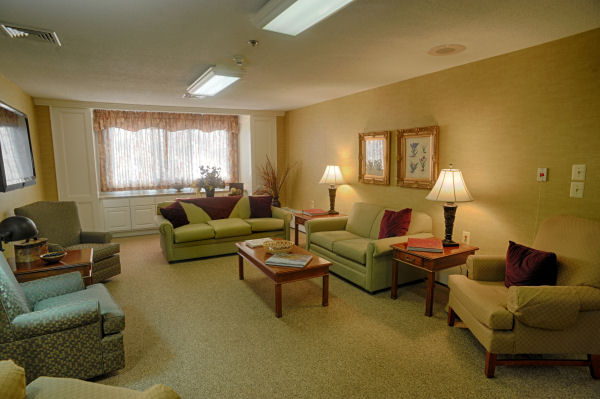
Who Owns and Operates Day Brook Village Senior Living?

DAY BROOK VILLAGE SENIOR LIVING is owned by a non-profit organization. Non-profit facilities reinvest revenue into operations rather than distributing to shareholders. The facility is operated by INTEGRITUS HEALTHCARE, a chain that manages multiple nursing homes. With 92 certified beds and approximately 87 residents (about 95% occupancy), it is a smaller facility located in HOLYOKE, Massachusetts.
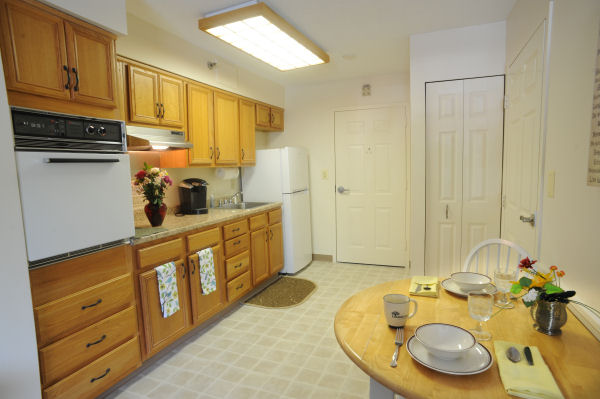
How Does Day Brook Village Senior Living Compare to Other Massachusetts Nursing Homes?

Compared to the 100 nursing homes in Massachusetts, DAY BROOK VILLAGE SENIOR LIVING's overall rating (2 stars) is below the state average of 2.9, staff turnover (39%) is near the state average of 46%, and health inspection rating (2 stars) is below the national benchmark.

What Should Families Ask When Visiting Day Brook Village Senior Living?

Based on this facility's data, families visiting should ask: "Can I visit during a mealtime to observe dining assistance and food quality?" "How do you handle medical emergencies, and what is your hospital transfer rate?" "Can I speak with family members of current residents about their experience?"

Is Day Brook Village Senior Living Safe?

Based on CMS inspection data, DAY BROOK VILLAGE SENIOR LIVING has a clean safety record: no substantiated abuse findings (meaning no confirmed cases of resident harm), no Immediate Jeopardy citations (the most serious violation level indicating risk of serious injury or death), and is not on the Special Focus Facility watch list (a federal program monitoring the lowest-performing 1% of nursing homes). The facility has a 2-star overall rating and ranks #100 of 100 nursing homes in Massachusetts. While no facility is perfect, families should still ask about staff-to-resident ratios and recent inspection results during their visit.

Do Nurses at Day Brook Village Senior Living Stick Around?

DAY BROOK VILLAGE SENIOR LIVING has a staff turnover rate of 39%, which is about average for Massachusetts nursing homes (state average: 46%). Moderate turnover is common in nursing homes, but families should still ask about staff tenure and how the facility maintains care continuity when employees leave.

Was Day Brook Village Senior Living Ever Fined?

DAY BROOK VILLAGE SENIOR LIVING has no federal fines on record. CMS issues fines when nursing homes fail to meet care standards or don't correct problems found during inspections. The absence of fines suggests the facility has either maintained compliance or corrected any issues before penalties were assessed. This is a positive indicator, though families should still review recent inspection reports for the full picture.

Is Day Brook Village Senior Living on Any Federal Watch List?

DAY BROOK VILLAGE SENIOR LIVING is not on any federal watch list. The most significant is the Special Focus Facility (SFF) program, which identifies the bottom 1% of nursing homes nationally based on persistent, serious quality problems. Not being on this list means the facility has avoided the pattern of deficiencies that triggers enhanced federal oversight. This is a positive indicator, though families should still review the facility's inspection history directly.