MISSION CARE AT HOLYOKE
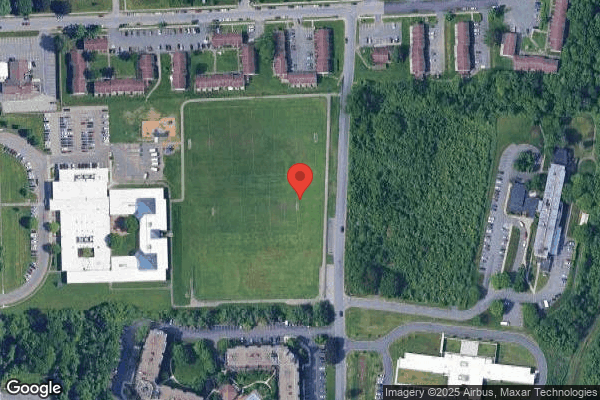
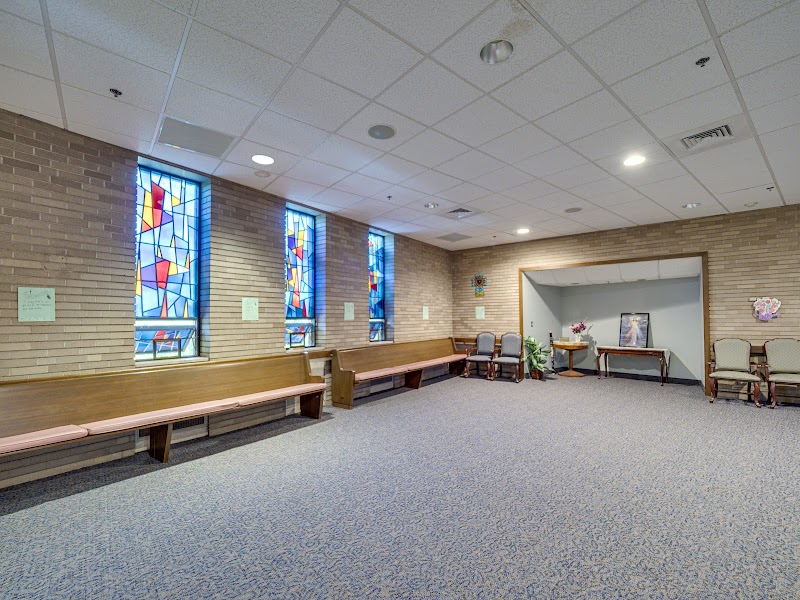
35 HOLY FAMILY ROAD, HOLYOKE, MA 01040 (413) 532-3246
For profit - Limited Liability company 125 Beds ICARE HEALTH NETWORK Data: November 2025 2 Immediate Jeopardy citations
Trust Grade
16/100
#230 of 338 in MA
Last Inspection: June 2025

Inspected within the last 6 months. Data reflects current conditions.

Overview

Families researching Mission Care at Holyoke should be aware that the facility has a Trust Grade of F, indicating significant concerns about care quality. It ranks #230 out of 338 nursing homes in Massachusetts, placing it in the bottom half of facilities in the state, and #20 out of 25 in Hampden County, indicating limited better options in the area. Unfortunately, the facility's performance is worsening, with the number of issues identified increasing from 6 in 2024 to 13 in 2025. While staffing is average with a turnover rate of 39%, the facility has faced serious problems, including a critical incident where a resident with a swallowing difficulty was left unsupervised with food not suited for them, leading to a tragic death. Additionally, there were serious medication errors involving residents that resulted in hospital transfers, highlighting ongoing safety and quality concerns.

Trust Score
F
16/100
In Massachusetts
#230/338
Bottom 32%
Safety Record
High Risk
Review needed
Inspections
Getting Worse
6 → 13 violations
Staff Stability
○ Average
39% turnover. Near Massachusetts's 48% average. Typical for the industry.
Penalties
○ Average
$25,562 in fines. Higher than 57% of Massachusetts facilities. Some compliance issues.
Skilled Nurses
○ Average
Each resident gets 31 minutes of Registered Nurse (RN) attention daily — about average for Massachusetts. RNs are the most trained staff who monitor for health changes.
Violations
⚠ Watch
38 deficiencies on record. Higher than average. Multiple issues found across inspections.
★★☆☆☆
2.0
Overall Rating
★★★☆☆
3.0
Staff Levels
☆☆☆☆☆
0.0
Care Quality
★★☆☆☆
2.0
Inspection Score
Stable
2024: 6 issues
2025: 13 issues

The Good

  • Full Sprinkler Coverage · Fire safety systems throughout facility
  • No fines on record
  • Staff turnover below average (39%)

    9 points below Massachusetts average of 48%

Facility shows strength in fire safety.

The Bad

2-Star Overall Rating

Below Massachusetts average (2.9)

Below average - review inspection findings carefully

Staff Turnover: 39%

Near Massachusetts avg (46%)

Typical for the industry

Federal Fines: $25,562

Below median ($33,413)

Moderate penalties - review what triggered them

Chain: ICARE HEALTH NETWORK

Part of a multi-facility chain

Ask about local staffing decisions and management

The Ugly 38 deficiencies on record

2 life-threatening 1 actual harm
Jun 2025 10 deficiencies
CONCERN (D)

Potential for Harm - no one hurt, but risky conditions existed

Resident Rights (Tag F0550)

Could have caused harm · This affected 1 resident

**NOTE- TERMS IN BRACKETS HAVE BEEN EDITED TO PROTECT CONFIDENTIALITY** Based on observations, interviews, and record reviews, the facility failed to provide a dignified existence by recognizing the i...

Read full inspector narrative →
**NOTE- TERMS IN BRACKETS HAVE BEEN EDITED TO PROTECT CONFIDENTIALITY** Based on observations, interviews, and record reviews, the facility failed to provide a dignified existence by recognizing the individuality of one Resident (#1), out of a total sample of 24 residents. Specifically, for Resident #1, the facility failed to promote the dignity of the Resident when staff walked by, looked into the Resident's room, and failed to intervene and cover the Resident's lower body when he/she was observed from the hallway to be uncovered in bed with his/her underwear briefs clearly visible. Findings include: Resident #1 was admitted to the facility in April 2021 with diagnoses including Dementia and Neurosyphilis. Review of the Minimum Data Set (MDS) assessment dated [DATE] indicated Resident #1: -was severely cognitively impaired as evidenced by a Brief Interview for Mental Status (BIMS) score of 6 out of a possible score of 15. -was dependent on staff for lower body dressing. On 6/6/25 from 8:14 A.M. through 8:45 A.M., the surveyor observed the following: -Resident #1 was visible from the hallway lying in his/her bed, uncovered by the bedsheet, with his/her underwear brief visible. -at 8:14 A.M., CNA #2 was observed walking past Resident #1's room, paused to look into the room, and then continued on down the hallway. -at 8:34 A.M., CNA #3 was observed walking past Resident #1's room, paused to look into the room, and then continued on down the hallway. -at 8:45 A.M., Nurse #3 wheeled her medication cart outside Resident #1's doorway facing the door, looked into the room, and then began to prepare medications for administration. On 6/6/25 at 8:45 A.M., the surveyor, Nurse #3, and CNA #3, observed the Resident from the hallway. During an interview at the time, CNA #3 said she could see Resident #1 from the door and that the Resident was uncovered. Nurse #3 said the Resident throws off the covers frequently. CNA #3 and Nurse #3 both said that if the Resident is observed uncovered that they should offer to cover the Resident. At this time, CNA #3 and Nurse #3 then went into the room and assisted Resident #1 to cover up with the bedsheet without issue. During an interview on 6/6/25 at 11:00 A.M., Nurse Consultant #1 (the previous Director of Nursing [DON]) said that if a Resident is observed to be uncovered or have their briefs visible from the door, the expectation is that staff would cover or offer to cover the Resident. Nurse Consultant #1 further said that even if the Resident frequently removes the blankets (covers) an attempt to cover the Resident should be made.
CONCERN (D) 📢 Someone Reported This

A family member, employee, or ombudsman was alarmed enough to file a formal complaint

Potential for Harm - no one hurt, but risky conditions existed

Deficiency F0551 (Tag F0551)

Could have caused harm · This affected 1 resident

**NOTE- TERMS IN BRACKETS HAVE BEEN EDITED TO PROTECT CONFIDENTIALITY** Based on interview, and record review, the facility failed to uphold Resident Rights for one Resident (#70), out of a total samp...

Read full inspector narrative →
**NOTE- TERMS IN BRACKETS HAVE BEEN EDITED TO PROTECT CONFIDENTIALITY** Based on interview, and record review, the facility failed to uphold Resident Rights for one Resident (#70), out of a total sample of 24 residents, relative to rights exercised by the Resident's Representative. Specifically, for Resident #70, the facility failed to implement an effective discharge planning process including documentation of referrals made and response from referrals that focused on the Resident Representative's goals of discharging the Resident to a skilled nursing facility closer to involved family members, putting the Resident at risk of decreased family visits. Findings include: Review of the Resident's [NAME] of Rights, revised in October 2024, indicated the following: -you have the right to exercise your rights as a resident and as a citizen. The facility must protect and promote your rights and support, encourage and assist you in exercising them. -you have the right to make choices about aspects of your life that are significant to you. Review of the facility Policy titled Discharge-Routine, review date 11/13/24, indicated the following: -the facility will provide a resident requesting a routine discharge with referrals and information necessary for their continuing care or aftercare needs. -the Social Work Department will attempt to ensure that a resident's home situation, financial resources, social needs, community resources, and personal goals are considered along with nursing requirements in routine discharge decisions. Resident #70 was admitted to the facility in July 2023, with diagnoses including unspecified Dementia with Psychotic Disturbance, Schizoaffective Disorder bipolar type, and catatonic disorder. Review of Resident #70's Massachusetts Health Care Proxy (HCP) Form, signed 7/23/20 by the Resident appointed Family Member #1 as a Health Care Agent. Review of Resident #70's Health Care Proxy activation form dated 4/31/24, indicated the Resident had their Health Care Proxy activated due to permanent and severe mental incapacity related to Dementia. Review of the Social Services Quarterly Note dated 9/13/24, indicated Resident #70's family's goal was to transfer the Resident to another facility closer to his/her family. Review of the Comprehensive Care Plan for Resident #70, initiated 9/13/24, indicated the following: -It was the desire of the Resident to be discharged to another facility closer to family. -The goal was to be assisted with information and referrals, if needed, regarding community-based services or other facilities in accordance with needs and preferences. -Interventions included the facility providing information that would help the Resident with continuing care needs. Review of Resident #70's Social Services Quarterly Note indicated the facility was currently working on a referral to another facility for placement because the goal was for Resident #70 to be closer to family and it was a financial burden for family to travel long distance using Uber services on the following dates: -12/10/24 -3/18/25 Review of a Resident Care Conference Progress Note dated 12/18/24, indicated there was a continued search for a Skilled Nursing Facility (SNF) that would allow the Resident to be closer to family as it was a hardship for family to visit the Resident. The Social Worker (SW) would continue to research potential facilities. Review of the Psychosocial Progress Note dated 1/30/25, indicated the facility spoke with a representative of another facility closer to the family, but the Resident's referral was not accepted. Review of the Comprehensive MDS dated [DATE], indicated Resident #70: -was severely cognitively impaired as evidenced by a Brief Interview of Mental Status (BIMS) assessment score of 7 out of a possible 15. -had a Healthcare Proxy that had been invoked. -goal was to be discharged to another facility. Further review of the clinical record failed to indicate any referrals or follow-up calls were made to other nursing facilities for Resident #70's placement since January 2025. During an interview on 6/5/25 at 11:15 A.M., Resident #70's Family Member (who was asked to speak on behalf of the HCP) said that it has been extremely difficult for family to visit Resident #70 because it is a far drive and expensive to travel because the family need to pay for an Uber ride. The Family Member said that they had numerous conversations with staff at the facility about having Resident #70 transferred closer to the family because they can only visit once every few weeks because of the distance. The Family Member said he/she did not feel the facility was making enough effort to help them find another facility. During an interview on 6/5/25 at 2:10 P.M., the Social Worker (SW) said Resident #70 has a HCP that has been invoked and family is responsible for making decisions for the Resident. The SW said the facility has not contacted other facilities to make additional referrals for alternate placement since January 2025. The SW said that the facility made referrals to other facilities in 2024 but the SW could not provide evidence relative to the referrals. The SW said that she had multiple meetings with Resident #70's HCP who had consistently expressed that it was a long distance to travel and a financial hardship for them to visit. The SW said it was the Health Care Proxy's preference to have Resident #70 transferred to a facility closer to the family. During a follow-up interview on 6/5/25 at 4:03 P.M., the SW said that it is the facility's responsibility to make referrals to other facilities when a Resident is looking for placement. The SW said they should have been actively pursuing one to two facilities at a time and should have followed through consistently but did not. The SW said that she was aware there had been no referrals made in the past six months and said this was not reasonable especially since the family was making their preferences known. During an interview on 6/10/25 at 11:40 A.M., the Administrator said that the SW is responsible to coordinate discharges and should have done more to assist Resident #70 with alternate placement closer to the family, especially since the family had been requesting assistance. The facility failed to provide any additional documentation pertaining to referrals and/or placement at another nursing facility for Resident #70 to the survey team at the time of survey exit.
CONCERN (D)

Potential for Harm - no one hurt, but risky conditions existed

Safe Environment (Tag F0584)

Could have caused harm · This affected 1 resident

Based on observations, record reviews, and interviews, the facility failed to ensure a clean and homelike environment was maintained for one Resident (#48) out of a total sample of 24 residents. Spec...

Read full inspector narrative →
Based on observations, record reviews, and interviews, the facility failed to ensure a clean and homelike environment was maintained for one Resident (#48) out of a total sample of 24 residents. Specifically, for Resident #48, the facility failed to maintain a clean and homelike environment relative to G-tube (gastrostomy tube: medical device inserted into the abdomen to deliver food, fluids, medications) feeding equipment and the surrounding space in the Resident's room. Findings include: Review of the facility policy titled 5&7 Step Daily Room Cleaning, undated, and utilized by the housekeeping staff indicated the following: -Spot clean all vertical surfaces/Clean IV (Intravenous) poles. -Spot clean walls. Resident #48 was admitted to the facility in March 2021 with diagnoses including Protein Calorie Malnutrition, history of diseases of the digestive system, Gastric Ulcer, Dysphagia and Adult Failure to Thrive. Review of Resident #48's Care Plans indicated the following in part: -Resident #48 was NPO (nothing by mouth) and a new G-tube was placed on 5/7/21 for severe Dysphagia. The surveyor observed the following while Resident #48 was lying in bed, on: -6/3/25 at 10:04 A.M. -6/5/25 at 10:34 A.M. -6/5/25 at 10:43 A.M. -The EnteraFlo (nutrition delivery system) pump (not in use), located to the left of the Resident's bed and attached to an IV pole, had a dried brownish colored substance built up, and was splattered on multiple spots including the pump, IV pole and the base of the IV pole. -The corkboard located on the wall to the left of Resident #48 had dried brownish color splatter marks. -The wall just beneath the corkboard had dried brownish color splatter marks. -The Resident's headboard of the bed had dried brownish color splatter marks on the left side. -The wall behind the Resident's bed had dried brownish color splatter marks. During an interview on 6/5/25 at 10:43 A.M., Nurse #8 said the Resident's G-tube pump, wall, headboard of the bed, and corkboard behind the Resident's bed were dirty with some type of dried brownish substance and should be cleaned. Nurse #8 said she was not sure how something like that would happen and that these areas should have been cleaned at the time it (spill) occurred. Nurse #8 said she was not sure who was responsible to clean the Resident's G-tube pump but thought that housekeeping would be responsible for the wall, headboard of the bed, and corkboard. During a follow-up interview on 6/5/25 at 10:59 A.M., Nurse #1 (shift supervisor) said he learned that housekeeping was responsible for daily cleaning of the Resident's G-tube pump, the IV pole which the pump hung from and the area around it including the headboard to the bed, the wall and corkboard. During an interview on 6/5/25 at 1:14 P.M., the Administrator said the Resident's G-tube pump should be cleaned daily by housekeeping. The Administrator further said that if staff had dropped or spilled the G-tube bag containing the nutritional supplement, the staff should have cleaned it immediately or called housekeeping to address the spill but had not.
CONCERN (D)

Potential for Harm - no one hurt, but risky conditions existed

Deficiency F0646 (Tag F0646)

Could have caused harm · This affected 1 resident

Based on observations, interviews, and record reviews, the facility failed to notify the state mental health authority (Pre-admission Screening and Resident Review [PASRR] Office) promptly of the need...

Read full inspector narrative →
Based on observations, interviews, and record reviews, the facility failed to notify the state mental health authority (Pre-admission Screening and Resident Review [PASRR] Office) promptly of the need for Resident Review for one Resident (#107) out of a total sample of 24 residents,when the Resident experienced a significant change in his/her mental condition from his/her initial Level I PASRR. Specifically, the facility failed to notify the PASRR Office of the need for Resident Review when Resident #107: -had diagnoses of Post Traumatic Stress Disorder (PTSD) and Personality Disorder. -newly expressed homicidal ideation (HI) and suicidal ideation (SI). -had psychotropic medication that was newly ordered and administered to the Resident to stabilize his/her mood. Findings include: Review of the facility's policy titled PASRR - MA (Massachusetts), dated 11/17/20, indicated the following: -The facility would follow Federal regulations and State required procedures for the screening of persons being admitted to, and residing in the facility for serious mental illness (SMI) . through the MA Department of Mental Health or its designee, the PASRR Unit, . -The facility would make post-admission referrals to the appropriate PASRR authority in accordance with the requirements of MassHealth Nursing Facility Bulletin 143 (July 2019). Resident #107 was admitted to the facility in July 2024, with diagnoses including Post-Traumatic Stress Disorder (PTSD) and Personality Disorder. Review of Resident #107's Level I PASRR, dated 6/26/24, indicated the following: -The Resident did not have any documented diagnosis of a mental illness or disorder (MI/D: Schizophrenia, Somatoform Disorder, Delusional Disorder, Mood, PTSD, Severe Anxiety/Panic Disorder, Schizoaffective Disorder, Other Psychotic Disorder, Paranoia, Personality Disorder, other mental disorder that may lead to chronic disability). -The Resident's screen for SMI was negative. -A Level II PASRR Evaluation was not indicated. Review of Resident #107's clinical record failed to indicate the Resident was ordered for any psychotropic medication when he/she was admitted to the facility. Review of Resident #107's Psychiatric Assessments indicated the following: >7/29/24 - The Resident was seen for initial evaluation and had a diagnosis of Other Specified Depressive Episodes. The Resident denied feelings of depression and anxiety. No evidence of delusions, paranoia, agitation, or aggression. Does not receive psychotropic medication. >8/7/24 - Assessed for mood and behavior and was having difficulty adjusting to a new roommate. The Resident was not on any psychotropic medications. >8/27/24 - Assessed for increased behaviors: aggressive, refusal of medications, physical with residents and staff. The Resident was not sleeping and had depressive episodes. >9/17/24 - Assessed for being sexually inappropriate to residents of the opposite gender, attempted to leave, and hit staff. The Resident refused to discuss the use of a mood stabilizer. >9/26/24 - Assessed for mood and behavior, and continued to be aggressive, combative, and exit seeking. The Resident had no HI/SI. The Resident experienced depressive episodes. >10/1/24 - Assessed for increased behaviors and was positive for HI/SI and made the following statement: I'm going to stab myself and will mess up my roommate by stabbing [him/her] when [he/she] falls asleep. Further review of this note indicated the Behavioral Health Provider notified the Nursing Supervisor at the facility. >10/10/24 - The Resident was agreeable to start on a mood stabilizer and Lamotrigine (medication that can be used to treat Bipolar Disorder, prevent episodes of depression, mania, and other mood changes) was recommended. >10/31/24 - Positive for HI/SI. >11/1/24 - Consent for Lamictal (brand name for Lamotrigine) was obtained. >12/27/24 - Restless, agitated, preys on nonresponsive residents. Start Sertraline and discontinue Lamictal. Review of Resident #107's Physician orders indicated the following: -Lamotrigine Oral Tablet Chewable 25 milligram (mg), give one tablet by mouth one time a day related to Adjustment Disorder with Depressed Mood (start date 11/2/24, discontinued 12/27/24). -Sertraline HCl (antidepressant medication) 25 mg tablet, give one tablet by mouth one time a day for Depression related to Adjustment Disorder with Depressed Mood (start date 12/28/24, with no stop date). Review of Resident #107's clinical record failed to include any evidence that Resident #107 was referred to the PASRR Office for Resident Review when the Resident experienced a change in mental condition from his/her initial Level I PASRR, dated 6/26/24. During an interview on 6/3/25 at 9:33 A.M., Resident #107 said he/she was very depressed and was getting more depressed living in the facility. The surveyor observed the Resident with a furrowed brow and the Resident did not make eye contact with the surveyor during the interview. On 6/4/25 at 9:40 A.M., the surveyor observed Resident #107 use his/her wheelchair to move through the hallway toward the surveyor. During an interview when Resident #107 reached the surveyor, the Resident said, . If I can't get out of here, I will commit suicide . I don't care . I'm sick of living . I will show them, and I have a date . The surveyor immediately reported the statements made by Resident #107 to a staff member at the nurses station. During an interview on 6/5/25 at 4:03 P.M., the Social Worker (SW) said Resident #107 had not been referred to the PASRR Office for Resident Review when the Resident experienced a change in mental condition and required implementation of psychotropic medication. The SW said that the Resident's change in behavior and the implementation of medication to treat the Resident's symptoms was considered a significant change in the Resident's mental condition. The SW said if she had submitted a request for Resident Review when the Resident experienced a significant change in mental condition, the Resident would have screened positive for SMI and triggered the need for a Level II PASRR Evaluation.
CONCERN (D)

Potential for Harm - no one hurt, but risky conditions existed

Accident Prevention (Tag F0689)

Could have caused harm · This affected 1 resident

**NOTE- TERMS IN BRACKETS HAVE BEEN EDITED TO PROTECT CONFIDENTIALITY** Based on observations, interviews, and record reviews, the facility failed to safely provide feeding assistance for two Resident...

Read full inspector narrative →
**NOTE- TERMS IN BRACKETS HAVE BEEN EDITED TO PROTECT CONFIDENTIALITY** Based on observations, interviews, and record reviews, the facility failed to safely provide feeding assistance for two Residents (#14 and #5), out of a total sample of 24 residents, when both Residents required assistance for eating, putting both residents at risk for aspiration. Specifically, 1. For Resident #14, the facility failed to ensure that safe swallow strategies recommended by the Speech Therapist (ST) were implemented and that liquids provided to the Resident were the ordered consistency. 2. For Resident #5, the facility failed to ensure the Resident was provided with nectar (mildly) thick beverages during the breakfast meal. Findings include: Review of the facility's Fluid Consistencies Chart, undated, indicated Honey consistency was described as a liquid that coats a fork and slowly sinks through the prongs (e.g. Yogurt, Honey). Review of the facility's Feeding (Dependent Feeding) Policy, revised 6/19/23, indicated the following: -Residents will be fed by staff that have appropriate training in feeding residents. -Prior to serving food, check diet slip to ensure proper resident and appropriate diet. -Cut or divide food into small portions and give resident a small amount at a time. -Give liquids slowly. -Alternate food and liquid. Review of the Facility Thick and Easy Honey Consistency Packet 6.5 grams (g) included the following directions: -Add 1 packet 6.5 g Thick and Easy Instant food and beverage thickening powder to 4 fluid ounces (fl.oz.) of liquid. -Stir with a spoon or fork for approximately 15 seconds or until thickener is dissolved. -Allow 1-4 minutes for product to reach desired thickness. 1. Resident #14 was admitted to the facility in January 2025, with diagnoses including Dysphagia, Frontotemporal Neurocognitive Disorder and Mild Intellectual Disability. Review of Resident #14's Minimum Data Set (MDS) dated [DATE], indicated the following: -Brief Interview of Mental Status (BIMS) Assessment score of 6 out a possible 15, indicating severe cognitive impairment. -required supervision for eating. -was prescribed a mechanically altered diet. Review of the Dysphagia Care Plan for Resident #14, initiated 1/15/25, indicated he/she was at risk of aspiration with the following interventions: -alternate small bites and sips. Use a teaspoon for eating. Do not use straws, effective 1/15/25. -instruct the Resident to eat slowly and to chew each bite thoroughly, effective 1/15/25. -provide with the dependent level of assistance for eating, revised 6/3/25 -provide him/her with honey thick liquids via teaspoon only, revised 6/4/25. -Resident to eat with dependent assistance of one staff member, revised 6/4/25. Review of a Nursing Progress Note dated 6/1/25, indicated Resident #14 was coughing during breakfast and breathing heavy and fast and the Provider was updated. Review of the Speech Therapy Evaluation and Plan of Treatment, start 6/2/25, indicated the following: -reason for referral: . Past medical history significant for dementia and dysphagia. Patient recently was diagnosed with Pneumonia following a suspected aspiration event. Patient is now on 2 Liters of Oxygen via Nasal cannula, is fully dependent for eating assistance and diet level is now NDD1 (National Dysphagia Diet Level 1- diet designed for people who have moderate to severe dysphagia, with poor oral phase abilities and reduced ability to protect their airway. Close or complete supervision and alternate feeding methods may be required) with Honey Thick liquids via teaspoon. -Recommendations Included: >Solids = Puree consistencies >Liquids = Honey Thick Liquids, Liquids by teaspoon. >Supervision for Oral Intake = Close Supervision Review of the Education Sign-In sheet dated 6/3/25, indicated Resident #14: -needed Honey Thick Liquids -was dependent for eating -staff were to give liquids by teaspoon. -the Education Form was signed by CNA #1. Review of the Provider Progress Note dated 6/3/25, indicated Resident #14: -had started on antibiotics for Pneumonia -diet had been downgraded -speech therapy was following -was on aspiration precautions Review of Resident #14's June 2025 Active Physician orders, indicated: -Honey thick consistency liquids and pureed food texture, effective 6/3/25. -Azithromycin (antibiotic) Tablet 250 mg for 5 days for infection, effective 6/3/25. Review of the Dietician Progress Note dated 6/4/25, indicated Resident #14: -was dependent on staff for eating -was on honey thick liquids -had Aspiration Pneumonia On 6/4/25 at 9:35 A.M., the surveyor observed the following during the breakfast meal: -CNA #1 was assisting Resident #14 with the breakfast meal (pureed eggs, pureed hashbrowns with onion, cream of wheat, pureed wheat toast, applesauce and 8 ounces of Lactaid milk). -CNA #1 was mixing hot food items with the applesauce on the spoon before giving the Resident bites. -CNA #1 poured the Lactaid milk into a cup, added 2 packets of thickener and immediately started providing Resident #14 large sips from the cup without verifying the consistency was appropriate. -Resident #14 was heard gulping his/her Lactaid milk from across the room. -CNA #1 gave Resident # 14 multiple over heaping teaspoons of food and only waited seconds in between bites (7 seconds/ 5 seconds/ 8 seconds/ 6 seconds/9 seconds), without verifying the Resident had tolerated the previous bite. -CNA #1 was observed providing Resident #14 bites of food before the Resident could fully swallow the previous bite. -Resident #14 was observed coughing and throat clearing during the meal. The surveyor observed when the Resident started coughing, CNA #1 lifted the cup of milk to Resident #14's mouth and gave him/her a swallow from the edge of the cup and instructed the Resident to take another sip. During an interview on 6/4/25 at 11:01 A.M., CNA #1 said that she was using applesauce to mix with some of the foods but did not tell anyone because she felt the pureed food was too dry. CNA #1 said she was not sure what the 'brown stuff' was on the tray and was unsure if the Resident knew what he/she was being fed. CNA #1 said that she did not have any concerns how Resident #14 had tolerated his/her breakfast and thought the Resident did well because he/she ate 100% of the meal. CNA #1 failed to recognize any concerning symptoms such as coughing or gulping and when the surveyor asked, said that there were no special feeding techniques to use for Resident #14, but you need to thicken his/her liquids to honey. CNA #1 said that during the breakfast meal she had forgotten that Resident #14 needed honey thick liquids and had given him/her some sips without thickening it first and did not tell anyone. CNA #1 said she added thickener to the milk and should have spoon fed it to Resident #14 but didn't, and realized the surveyor observed the Resident drink from the cup versus the spoon. CNA #1 said the Resident had Pneumonia but did not know why or what may have caused it. CNA #1 said that if a Resident had a change in diet or consistency, then the Speech Therapist would tell the staff. During an interview on 6/4/25 at 11:31 A.M., Nurse #1 said Resident #14 is prescribed antibiotics for Pneumonia and the CNAs are responsible for supervising meals and making sure liquids are thickened according to their order. Nurse #1 said if any Resident experiences coughing, not eating, swallowing hard or gulping, the Nurses should be told right away so they can evaluate the Resident and do a respiratory assessment. Nurse #1 also said that if any Resident receives honey thickened liquids, they should be spoon fed the thickened liquid. During an interview on 6/4/25 at 11:33 A.M., the Speech Therapist (ST) said Resident #14 liquid consistency was changed from nectar to Honey thick consistency on 6/3/25 because he/she was not tolerating the nectar well. The ST said staff including CNA #1 were educated on 6/3/25 about the change in fluid consistency and instructed that all honey liquids needed to be fed by teaspoon. The ST said the kitchen staff send up the thickener packets on the meal tray and the CNAs are responsible for thickening the liquids. The ST said Resident #14 has obvious oral motor manipulation [sic], and another bite should not be given unless he/she stops making those movements and his/her mouth is clear. The ST said the Resident should be offered teaspoon fed drinks in between bites. The ST said all feeding should be stopped if the Resident starts coughing or has throat clearing. The ST said staff should not be adding applesauce to other foods, because this alters the taste of foods and could be a quality-of-life issue. During an interview on 6/4/25 at 11:54 A.M., with Nurse Consultant (the previous Director of Nursing[DON]) #1 and Nurse Consultant (NC) #2, NC #1 said staff should be monitoring for signs and symptoms of aspiration during meal assistance, such as coughing or shortness of breath and update the Nurse right away. NC #1 said honey thick liquids should be spoon fed if directed by the ST, to avoid aspiration. NC #1 said CNA #1 was educated on 6/3/25 that Resident #14 required honey thick liquids by teaspoon, and CNA #1 should have used the teaspoon to give the Resident his/her drinks. NC #2 said that staff should wait to for Residents to swallow bites before giving another bite and that apple sauce should not have been mixed with Resident #14's other foods. 2. Resident #5 was admitted to the facility in March 2021, with diagnoses including pneumonitis due to inhalation of food and vomit, recurrent Pneumonia, acute respiratory failure with hypoxia, hypoxemia, dysphagia oropharyngeal phase, disturbances of salivary secretion, Dementia, and other frontotemporal neurocognitive disorder. Review of the Speech Therapy Evaluation and Plan of Treatment, completion date 4/16/24, indicated Resident #5: -had a diagnosis of dysphagia and was evaluated for swallowing function. -Goals of Care indicated: >that the Resident would tolerate the safest, least restrictive diet without signs or symptoms of aspiration. -The ST recommended the Resident be provided with a puree texture and nectar thick liquid consistency. Review of the Minimum Data Set (MDS) assessment dated [DATE], indicated Resident #5: -was severely cognitively impaired as eveidenced by a score of three out of a possible 15 on the Brief Interview for Mental Status (BIMS) exam. -had a diagnosis of dysphagia. -required a mechanically altered diet (pureed food, thickened liquids, etc.). -was dependent on a caregiver for eating assistance. Review of Resident #5's active Dysphagia Care Plan initiated 8/16/24, indicated: -was at risk for aspiration. -was dependent on staff for assistance with eating. -the goal of care was for the Resident to eat foods on his/her current diet and not have signs or symptoms of aspiration. -Interventions included: >If the Resident had an increased temperature, diminished breath sounds, coughing, or a gurgle sound to his/her voice, the Resident may have aspirated, initiated 8/16/24 -Diet was to be provided as ordered, initiated 8/16/24 Review of Resident #5's June 2025 Physician orders indicated the Resident was ordered for a house diet, pureed texture, and nectar thick consistency of liquids related to dysphagia, initiated 7/26/24. Review of Resident #5's breakfast dietary slip dated 6/6/25, indicated the Resident should be provided with a puree texture and nectar thick fluids. The dietary slip further indicated beverages would include nectar thick diet cranberry juice, nectar thick milk, nectar thick orange juice, and nectar thick chocolate health shake. On 6/6/25 at 9:23 A.M., during a dining observation, the surveyor observed Resident #5 lying in his/her bed, being assisted with the breakfast meal by Certified Nurses Aide (CNA) #4. During an interview at the time, CNA #4 said the Resident had just finished his/her breakfast meal. CNA #4 said the Resident drank all the beverages provided, as he/she typically did. The surveyor observed the beverage containers (cranberry juice, milk, orange juice, and health shake) were all empty. The surveyor observed the remaining few drops of cranberry juice to easily slide back and forth on the bottom of the empty cranberry juice container. CNA #4 said that the Resident's health shake was already available in a pre-thickened nectar thick consistency, and the other beverages would need to be thickened. When the surveyor asked CNA #4 if thickener was added to the Resident's cranberry juice, milk, and orange juice that were consumed, CNA #4 was observed to look around on the meal tray, pick up the plate and then pick up a packet of thickener that was located under the plate, and said that he had not seen the thickener. CNA #4 was observed adding the thickener to the Resident's empty milk container. The surveyor requested to speak with CNA #4 away from the Resident and asked if the thickener was added to the Resident's cranberry juice, milk, and orange juice before distributing to the Resident, and CNA #4 said he added thickener to the milk and the orange juice, but not to the cranberry juice. When the surveyor further asked CNA #4 why thickener had not been added to the cranberry juice, CNA #4 said he forgot to add the thickener. CNA #4 said Residents that drink thin/non-thickened liquids when they were ordered to have thickened liquids were at risk for aspiration. During an interview on 6/6/25 at 9:59 A.M., the surveyor discussed with Nurse #7 that Resident #5 drank non-thickened beverages during the breakfast meal. Nurse #7 said she believed the Resident was ordered a puree texture and nectar thick consistency diet. Nurse #7 said she would follow-up related to the Resident having received beverages that had not been thickened according to the Physician's order. During an interview on 6/6/25 at 10:10 A.M., the Director of Nursing (DON) said her experience in the facility was that residents' dietary slips were compared to their electronic medical records when the Nurses checked the meal trays and diets during meal pass. The DON said this process occurred with the Nurses standing alongside the CNA's. The DON said the kitchen provided thickener on the residents' trays, and sometimes there were more packets than were needed for the beverages on the tray. During an interview on 6/6/25 at 11:45 A.M., NC #1 said the staff assisting a Resident with eating would be responsible to ensure that liquids were thickened according to the Physician's order. NC #1 said providing the incorrect consistency of liquids to a Resident could pose a risk for aspiration, pneumonia, or illness.
CONCERN (D)

Potential for Harm - no one hurt, but risky conditions existed

Deficiency F0692 (Tag F0692)

Could have caused harm · This affected 1 resident

**NOTE- TERMS IN BRACKETS HAVE BEEN EDITED TO PROTECT CONFIDENTIALITY** Based on observations, interviews, and record reviews, the facility failed to provide nutrition and hydration services as requir...

Read full inspector narrative →
**NOTE- TERMS IN BRACKETS HAVE BEEN EDITED TO PROTECT CONFIDENTIALITY** Based on observations, interviews, and record reviews, the facility failed to provide nutrition and hydration services as required for one Resident (#75) out of a total sample of 24 residents. Specifically, for Resident #75, the facility failed to provide health shakes as ordered at the breakfast meal, putting the Resident at risk for compromised nutritional status. Findings include: Review of the facility policy titled Nourishments and Supplements, effective May 1995 and revised in January 2024, indicated but was not limited to the following: -Policy statement: High calorie food options .may be offered when a resident requires additional calories or nutrients. -Dining services will prepare nourishments as ordered. -Nursing staff will deliver nourishments/supplements to residents as ordered . Resident #75 was admitted to the facility in August 2021, with diagnoses including dysphagia, acquired absence of other specified parts of digestive tract, Dementia, and history of traumatic brain injury (TBI). Review of Minimum Data Set (MDS) assessment dated [DATE], indicated Resident #75: -scored a 12 out of a possible 15 on the Brief Interview for Mental Status (BIMS) exam, indicating the Resident's cognition was moderately impaired. -required set-up or clean-up assistance with meals. -had a significant weight loss (loss of five percent [%] or more in the last month or loss of 10% or more in the last six months) and was not on a Physician-prescribed weight loss regimen. -required a therapeutic diet. Review of Resident #75's Nutrition Progress Note dated 4/17/25, indicated: -the Resident had a 13.5 pound (lb.) weight loss over a four-month period, resulting in a weight loss percentage of 9.5%. -shakes would be added to the Resident's meal trays to increase calorie intake. Review of Resident #75's June 2025 Physician's orders indicated the Resident was ordered for one Mighty Shake (health shake) with meals for supplement, initiated 4/18/25. On 6/6/25 at 8:35 A.M., Resident #75 was observed eating breakfast in his/her bedroom and no health shake was provided on the Resident's meal tray. During an interview at the time, Resident #75 said he/she received health shakes at lunch and dinner and that he/she liked the health shakes and drank them all. Resident #75 said he/she did not receive a health shake with breakfast at this time. During an interview on 6/6/25 at 8:42 A.M., Nurse #6 said health shakes were provided to Residents by the kitchen and should come up on the Residents' meal trays. Nurse #6 reviewed Resident #75's Physician orders and said the Resident was ordered for health shakes with meals. Nurse #6 then reviewed the Resident's meal tray and said there was no health shake on the meal tray, but that there should have been a health shake on the meal tray. Nurse #6 reviewed the Resident's dietary slip and said the health shake was not indicated on the dietary slip. On 6/10/25 at 8:26 A.M., Resident #75 was observed to be eating breakfast in his/her bedroom and no health shake was provided to the Resident on the meal tray. The surveyor observed that the dietary slip failed to indicate that a health shake should have been provided on the meal tray. During an interview at the time, Resident #75 said he/she did not receive a health shake this morning. Resident #75 also said he/she did not receive a health shake the previous morning. During an interview on 6/10/25 at 8:45 A.M., Certified Nurses Aide (CNA) #5 removed Resident #75's meal tray from his/her bedroom, and said the Resident did not receive a health shake with his/her breakfast. CNA #5 said nutritional supplements should be written on Residents' dietary slips and the nutritional supplements should be provided by the kitchen. CNA #5 said she is Resident #75's regular CNA and had worked at the facility for about one year. CNA #5 said the Resident does not typically receive a health shake on his/her breakfast tray. On 6/10/25 at 8:59 A.M., the surveyor observed CNA #5 providing a health shake to Resident #75. During an interview at the time, CNA #5 said she was prompted to provide the Resident with a health shake due to the surveyors' questions. CNA #5 said she could see in the Resident's electronic medical record (EMR) that he/she should have received a health shake with breakfast but he/she did not receive a health shake with breakfast. At this time, the Resident showed the surveyor the health shake and said thanks. During an interview on 6/10/25 at 9:05 A.M., Nurse #4 said Resident #75 had recent weight loss and was ordered to be provided with health shakes. Nurse #4 said the Resident did not receive the health shakes with meals, and she had called the kitchen to request the kitchen deliver the health shakes. Nurse #4 said when a Resident is ordered for a nutritional supplement, it is indicated on the Resident's dietary slip. Nurse #4 said when a Nurse entered a Physician's order for a nutritional supplement, the Nurse should also complete a Diet Requisition and Dietician Communication Form and submit this form to the kitchen so that the nutritional supplement was provided on the Resident's meal trays. During an interview on 6/10/25 at 9:23 A.M., Nurse #5 said when a Nurse entered an order to administer a nutritional supplement with meals, the Nurse completed the Diet Requisition and Dietician Communication Form and provided the completed form to the kitchen so that the order could be added to the Resident's dietary slip by the kitchen. During an interview on 6/10/25 at 11:50 A.M., the Dietician said Resident #75 had experienced weight loss and the Dietician had recommended the Resident receive health shakes beginning in April 2025. The Dietician said the kitchen failed to indicate on Resident #75's breakfast dietary slip that he/she had been ordered to receive a health shake with breakfast. The Dietician also said the kitchen had indicated that Resident #75 had been ordered to receive a health shake with lunch and dinner only.
CONCERN (D)

Potential for Harm - no one hurt, but risky conditions existed

Deficiency F0790 (Tag F0790)

Could have caused harm · This affected 1 resident

**NOTE- TERMS IN BRACKETS HAVE BEEN EDITED TO PROTECT CONFIDENTIALITY** Based on observation, record review, and interview, the facility failed to assist one Resident (#89), out of a total sample of 2...

Read full inspector narrative →
**NOTE- TERMS IN BRACKETS HAVE BEEN EDITED TO PROTECT CONFIDENTIALITY** Based on observation, record review, and interview, the facility failed to assist one Resident (#89), out of a total sample of 24 residents, in obtaining routine dental services. Specifically, the facility failed to schedule dental appointments when consent was given, to ensure that Resident #89 received routine dental services as requested. Findings include: Resident #89 was admitted to the facility in April 2023 with diagnoses including Alzheimer's Disease. Review of the Request for Service Form, dated and signed 5/15/23, by the Resident Representative requested Dental Services. Review of a Physician's order dated 7/26/24, indicated: -May have Vision, Auditory, Dental, Podiatry, Wound Consult. Review of Resident #89's Dental Care Plan initiated 10/17/24, indicated: -the Resident has broken natural teeth and cavities noted on admission to the facility. -coordinate arrangements for dental care. Review of the Minimum Data Set (MDS) assessment dated [DATE], indicated Resident #89: -was severely cognitively impaired as evidenced by a Brief Interview of Mental Status (BIMS) score of 0 out of 15. -was dependent on staff for completion of oral hygiene. -has obvious or likely cavity or broken natural teeth. During an interview on 6/5/25 at 1:09 P.M., the Medical Records (MR) staff member said she oversees managing dental services and makes the referral request after the family signs the permission form. The MR staff member said when Resident #89 was admitted in April 2023, the request for services was signed by the Resident Representative but the Resident did not receive Dental Services due to an insurance issue. The MR staff said that Resident #89's insurance issue was resolved about six months later and he/she should have started dental services at that time but the services did not start. During an interview on 6/10/25 at 8:58 A.M., the Administrator said that Resident #89 should have been seen by Dental Services but was not. The Administrator said he was not aware that the Resident had not been seen by Dental Services and had they known, they could have made other arrangements to have Resident #89 seen by a different Dentist.
CONCERN (D)

Potential for Harm - no one hurt, but risky conditions existed

Infection Control (Tag F0880)

Could have caused harm · This affected 1 resident

Based on observations, and interviews, the facility failed to adhere to infection control standards of practice while serving meals to residents on one Unit (3rd Floor) out of three Units observed. Sp...

Read full inspector narrative →
Based on observations, and interviews, the facility failed to adhere to infection control standards of practice while serving meals to residents on one Unit (3rd Floor) out of three Units observed. Specifically, the facility failed to ensure that staff distributing food during the lunch meal service on the 3rd Floor Unit performed appropriate hand hygiene to prevent contamination and the spread of foodborne illnesses. Findings include: Review of the facility policy titled Hand Hygiene, last revised 6/19/24, indicated: -Hand hygiene will be performed in accordance with national standards from the Centers for Disease and Prevention and the World Health Organization (WHO). >Hand hygiene should be performed: -When coming on duty. -Before entering a resident's room and upon exiting a resident's room. -Before and after handling peripheral vascular catheters and other invasive devices. -After removing gloves or aprons. -After completing duty. >Alcohol-based hand rub may be used for all other hand hygiene opportunities (for example [e.g.] when soap and water is not indicated). -After caring for a resident including after removing gloves. -After contact with the resident environment. >Procedure for using Alcohol Sanitizer. -The alcohol hand sanitizer may be used routinely for hand hygiene unless hands are visibly soiled, then soap and water handwashing is required. On 6/5/25 at 12:40 P.M., the surveyor observed the following during the lunch tray meal pass observation on the 3rd Floor: -The meal truck was brought to the unit by kitchen staff and four Unit staff approached the meal truck, opened the truck and began removing meal trays from the truck without performing hand hygiene first. -Nurse #1, Nurse #2, and 2 Certified Nurses Aides (CNAs) on the 3rd floor Unit were observed passing out meal trays to residents in their rooms. -Nurse #1, Nurse #2, and the 2 CNA's, were observed entering resident's room, placing meal trays on the bedside tables, moving items off the bedside tables and positioning the bedside tables in front of the residents. -The surveyor observed the 4 staff members exiting resident rooms without performing hand hygiene after touching items in the resident rooms and continued passing meal trays from the meal truck to other residents. -The surveyor observed alcohol-based hand sanitizer available on the walls of the 3rd floor hallway. -The surveyor observed Nurse #2 exit a residents' room with gloves on his bilateral hands, and Nurse #2 removed the gloves while approaching Nurse #1. -Nurse #1 and Nurse #2 entered a resident room together without performing hand hygiene before entering the room. -The surveyor observed Nurse #1 and Nurse #2 assessing and examining the residents' intravenous line (IV). -The surveyor observed Nurse #1 and Nurse #2 exit the residents' room without performing hand hygiene, walk towards the meal truck outside and continued serving meal trays to residents in their rooms without performing hand hygiene. -The surveyor observed the 2 CNA's exiting the resident rooms with dirty meal trays in their hands, place the dirty trays on top of meal truck and continue to enter other resident rooms to distribute meal trays removed from the meal truck without performing hand hygiene between handling the dirty and the clean meal trays. During an interview on 6/5/25 at 1:15 P.M., Nurse #1 said that typically staff use the alcohol-based hand hygiene outside the resident rooms to clean their hands prior to entering resident rooms and then again upon exiting resident rooms to prevent cross contamination and spreading of infection to residents. Nurse #1 further said that he forgot to perform hand hygiene when he entered and exited resident rooms, and he should have been using the alcohol-based hand hygiene available to clean his hands to prevent the spread of infections to residents. During an interview on 6/5/25 at 1:28 P.M., Nurse #2 said that he had come out into the hallway with gloves on his bilateral hands but had washed his hands prior to applying the gloves. Nurse #2 further said that he was assessing a residents' IV, as it was his responsibility to ensure that the IV line was functioning appropriately. During an interview on 6/5/25 at 1:55 P.M., the Infection Control Nurse (ICP) said that the expectation for nursing staff on the unit during meal tray pass was that staff use the alcohol-based hand sanitizer that was available on the wall in the hallways to sanitize their hands prior to entering and exiting a resident room to prevent cross contaminations and the spread of infections to residents. The ICP also said that gloves were not to be worn by staff when staff were in the hallway. The ICP further said that staff were to remove gloves from their hands and perform hand hygiene prior to exiting resident rooms.
CONCERN (E)

Potential for Harm - no one hurt, but risky conditions existed

Drug Regimen Review (Tag F0756)

Could have caused harm · This affected multiple residents

Based on interviews, and record reviews, the facility failed to address and implement licensed Pharmacist recommendations in a timely manner for two Residents (#106 and #117) of five applicable reside...

Read full inspector narrative →
Based on interviews, and record reviews, the facility failed to address and implement licensed Pharmacist recommendations in a timely manner for two Residents (#106 and #117) of five applicable residents, out of a total sample of 24 residents. Specifically: 1. For Resident #106, the facility failed to implement the licensed Pharmacist's recommendation, which the Physician agreed with, to discontinue administration of a Multivitamin and initiate the use of Nephrocaps (vitamins for individuals with renal failure) when the Resident had a diagnosis of End Stage Renal Disease (ESRD) and administration of the Multivitamin was not recommended for use for individuals with an active ESRD diagnosis, increasing the Resident's risk for renal toxicity. 2. For Resident #117, the facility failed to ensure that the licensed Pharmacist's recommendation to evaluate the use of Acetaminophen-Codeine (medication used to treat pain) was addressed in a timely manner by the Physician when the Resident was on dialysis and Acetaminophen-Codeine was recommended to be avoided for dialysis patients. Findings include: Review of the facility policy titled Drug Regimen Review-Monthly indicated the following: -the Prescriber/Licensed Designee: >shall act upon the Drug Regimen Review findings/recommendations in a timely manner of 7-14 days or less. >shall document on the drug regimen review form whether he/she agrees or disagrees with the recommendation made and provide a brief clinical rationale if no change is to be made. 1. Review of the National Kidney Foundation guidance titled Vitamins and Minerals in Chronic Kidney Disease, 2025, reviewed at https://www.kidney.org/kidney-topics/vitamins-and-minerals-chronic-kidney-disease, indicated the following: -You may need to avoid some vitamins and minerals if you have kidney disease. -Some of these vitamins include Vitamin A, E, and K. -These vitamins are more likely to build up in your body and can cause harm if you have too much. -Over time, they can cause dizziness, nausea, and even death. Resident #106 was admitted to the facility in July 2024 with diagnoses including ESRD. Review of Resident #106's Physician orders, dated 10/3/24, indicated: -Multivitamin Mineral Oils Tablet, give one tablet by mouth one time a day, related to Unspecified Protein-Calorie Malnutrition. Review of Resident #106's Medication Regimen Review (MRR), dated 10/3/24, indicated the following: -The Resident was currently receiving Multivitamin. -Multivitamin was not recommended for use with an active diagnosis of ESRD because it contains Vitamin A and E. -Please evaluate and switch to Nephrocaps . if appropriate. -The Provider/ Physician reviewed and agreed with the licensed Pharmacist's recommendation. -The date the Provider agreed with the recommendation was not indicated on the MRR Physician Referrals/Findings Form, but the signed form was uploaded into the Resident's electronic health record (EHR) on 11/26/24. Review of Resident #106's Medication Administration Records (MARs) from October 2024 through April 2025 indicated the following: >October 2024 - The Multivitamin Mineral Oils Tablet was administered to the Resident 24 times between 10/3/24 and 10/31/24. >November 2024 - The Multivitamin Mineral Oils Tablet was administered to the Resident 17 times between 11/1/24 and 11/30/24. >December 2024 - The Multivitamin Mineral Oils Tablet was administered to the Resident 24 times between 12/1/24 and 12/31/24. >January 2025 - The Multivitamin Mineral Oils Tablet was administered to the Resident 27 times between 1/1/25 and 1/31/25. >February 2025 - The Multivitamin Mineral Oils Tablet was administered to the Resident 28 times between 2/1/25 and 2/28/25. >March 2025 - The Multivitamin Mineral Oils Tablet was administered to the Resident 30 times between 3/1/25 and 3/31/25. >April 2025 - The Multivitamin Mineral Oils Tablet was administered to the Resident 28 times between 4/1/25 and 4/30/25. >May 2025 - The Multivitamin Mineral Oils Tablet was administered to the Resident 15 times between 5/1/25 and 5/21/25. Review of Resident #106's Medication Regimen Review (MRR), dated 5/13/25, indicated: -The Resident was currently receiving Multivitamin. -Multivitamin was not recommended for use with an active diagnosis of ESRD because it contains Vitamin A and E. -Please evaluate and switch to Nephrocaps . if appropriate. -The Provider reviewed and agreed with the licensed Pharmacist's recommendation. Review of Resident #106's clinical record indicated: -The Multivitamin Mineral Oils Tablet was not discontinued until 5/21/25. -Nephrocaps were not started until 5/21/25. During an interview on 6/6/25 at 11:45 A.M., Nurse Consultant (NC) #1 (the previous Director of Nursing) said when the Physician agrees with the recommendations of the licensed Pharmacist, the nursing supervisor is required to transcribe the order into the Resident's clinical record. NC #1 said the orders based on the licensed Pharmacist's recommendations from October 2024 to discontinue the Multivitamin and initiate Nephrocaps were not implemented timely, so Resident #106 continued to receive the Multivitamin until 5/21/25. NC #1 also said Nephrocaps were not initiated for Resident #106 until 5/21/25. 2. Resident #117 was admitted to the facility in April 2025 with diagnoses including ESRD and Dependence on Renal Dialysis. Review of Resident #117's Physician orders from April 2025 through June 2025 indicated the following: -Acetaminophen-Codeine Tablet 300-30 mg, Give 2 tablets by mouth three times a day for pain, initiated 4/1/25 and discontinued 4/17/25 -Acetaminophen-Codeine Tablet 300-30 mg, Give 1 tablet by mouth three times a day for pain, initiated 4/17/25 and discontinued 4/28/25 -Acetaminophen-Codeine Oral Tablet 300-30 mg, Give 1 tablet by mouth three times a day, every Mon, Wed, Fri for pain, initiated 4/28/25 and active. Review of Resident #117's admission MRR dated 4/3/25, indicated: -the Resident was currently receiving Acetaminophen-Codeine 300-30 mg, 2 tablets TID (three times a day) for pain. -Recommended to avoid this medication in dialysis patients. Please evaluate. -Consider switch to alternative pain management such as Tramadol (opioid pain medication) if appropriate. -the Provider signature portion of the MRR document was left blank. Review of Resident #117's April 2025 MAR indicated: -the Resident received Acetaminophen-Codeine 300-30 mg, 2 tablets three times a day as ordered from 4/2/25 through 4/16/25. -the Resident received Acetaminophen-Codeine 300-30 mg, one tablet three times a day as ordered from 4/17/25 through 4/28/25. -the Resident received Acetaminophen-Codeine 300-30 mg, one tablet three times a day on dialysis days (Monday, Wednesday, Friday) on 4/30/25. Review of Resident #117's May 2025 MAR indicated: -the Resident received Acetaminophen-Codeine 300-30 mg, one tablet three times a day on dialysis days (Monday, Wednesday, Friday) as ordered. Review of Resident #117's June 2025 MAR indicated: -the Resident received Acetaminophen-Codeine 300-30 mg, one tablet three times a day on dialysis days (Monday, Wednesday, Friday) as ordered. During an interview on 6/6/25 at 9:21 A.M., NC #1 said the admission MRRs had not been addressed until today, 6/6/25, but should have been addressed promptly after the MRR was completed by the Consultant Pharmacist. NC #1 further said that admission MRRs had been sent to the email of a Supervisor who had been out on FMLA and the MRRs had not been seen by the facility until today, 6/6/25.
CONCERN (E)

Potential for Harm - no one hurt, but risky conditions existed

Food Safety (Tag F0812)

Could have caused harm · This affected multiple residents

Based on observations, interviews, and record reviews, the facility failed to ensure proper sanitation and food handling practices in the facility main kitchen and cleaning in three (Floor One, Two an...

Read full inspector narrative →
Based on observations, interviews, and record reviews, the facility failed to ensure proper sanitation and food handling practices in the facility main kitchen and cleaning in three (Floor One, Two and Three) out of the three kitchenettes on the resident care units. Specifically, the facility failed to: 1. ensure that dietary staff maintained and performed appropriate hand hygiene practices while preparing and serving meals for residents in the facility main kitchen. 2. ensure that cooking utensils, dishes, and countertops were properly cleaned and sanitized in the facility main kitchen. 3. ensure that the kitchenettes on Floors One, Two and Three were properly cleaned, and that utensils were stored in accordance with food service standards, putting the residents at risk for foodborne illness, cross-contamination, and food contamination. Findings include: Review of the facility policy titled Manual Ware Washing and Testing Sanitizer Concentration, effective October 2022, indicated but was not limited to the following: -Foods can become contaminated by coming into contact with surfaces that are not clean and sanitized. -Manual ware washing is used in most every unit daily, and the proper process must be followed every time wares are washed. -Manual ware washing steps must be followed in order as outlined below: 1. Sink set-up 2. Pre-clean 3. Wash: Agitate and scrub equipment and utensils in the wash compartment to remove visible grease and soils from the surface. 4. Rinse: Move equipment or utensil to the rinse compartment to remove any visible soils and soap . 5. Sanitize: Submerge equipment or utensil into the third sink for 60 seconds . 6. Air dry: Place equipment or utensils onto a clean surface to air dry. Do not dry with a towel or other method. 7. Return to storage -Must train associates on the proper ware washing procedure, including proper water temperatures, sanitizer concentration, the 60 second submersion time in sanitizer, and sanitizer testing. -Must monitor associates who are manually ware washing to ensure they are following the proper process. Review of the U.S. FDA's 2022 Food Code, February 2023, indicated but was not limited to the following: -Equipment food-contact surfaces and utensils shall be cleaned .at any time during the operation when contamination may have occurred. -Equipment food-contact surfaces and utensils shall be sanitized. - .Cleaned equipment and utensils .shall be stored in a clean, dry location; Where they are not exposed to splash, dust, dust or other contamination . Review of the facility policy titled Hand Hygiene, revised January 2025, indicated but was not limited to the following: >In the Food and Nutrition Services Department: All associates associated with the handling of food shall wash hands. >Hands are washed with soap and water at the following times, including but not limited to: -Before putting on gloves -After touching hair, skin, beard or clothing -After using tobacco products, eating or drinking -After handling soiled silverware/utensils -After removing gloves -After any other activity that may contaminate the hands Review of the facility policy titled Common Area Cleaning, effective May 2025, indicated but was not limited to the following: -Common areas will be cleaned per an established schedule . 1. On 6/5/25, the surveyor observed the following in the facility main kitchen: -At 11:48 A.M., the [NAME] took a sip of a beverage using gloved hands, then removed her gloves, wiped her face with her hands, and then applied new gloves. The surveyor intervened at this time to discuss hand hygiene practice concerns with the Cook. -At 11:52 A.M., Dietary Aide #2 adjusted his beard guard with his gloved hands, and continued to assist in the tray service line, touching residents' clean meal trays. -At 12:03 P.M., Dietary Aide #2 adjusted his beard guard with his gloved hands, and continued to assist in the tray service line, touching residents' clean meal trays. -At 12:04 P.M., Dietary Aide #2 adjusted his beard guard with his gloved hands, and then continued to assist in the tray service line, touching residents' clean meal trays. -At 12:10 P.M., Dietary Aide #3 adjusted his surgical mask to cover his mouth and nose using his gloved hands, then continued to open the refrigerator door and touch multiple covered food items. Dietary Aide #3 then rubbed his left eye with gloved hands and proceeded to open a package of rice. During an interview on 6/5/25 at 11:48 A.M., the [NAME] said when she touched her face with her hands, she should have washed her hands with soap and water prior to donning (putting on) new gloves, but she did not wash her hands with soap and water. During an interview on 6/5/25 at 1:15 P.M., Dietary Aide #3 said he should perform hand hygiene if he touched his surgical mask or his eye. Dietary Aide #3 said he typically used the back of his gloved hand to touch his surgical mask, and that this method was an acceptable practice. Dietary Aide #3 said the importance of proper hand hygiene practices was to keep residents safe. During an interview on 6/5/25 at 2:50 P.M., Dietary Aide #2 said he should remove contaminated gloves after touching his beard guard. Dietary Aide #2 said he should then perform hand hygiene, and apply new gloves. Dietary Aide #2 said the concern with not performing proper hand hygiene practices was that residents could get sick. During an interview on 6/5/25 at 4:34 P.M., the Food Service Director (FSD) said that he expected food service staff working in the main kitchen to remove contaminated gloves, wash hands with soap and water, and don clean gloves at the time the gloves were contaminated. The FSD said the concern with not performing proper hand hygiene practices was food contamination. 2. On 6/5/25 the surveyor observed the following in the facility main kitchen: >At 11:57 A.M., Dietary Aide #4 utilized the three-compartment sink for manual ware washing and performed the following steps: -Rinsed the spatula over the garbage disposal. -Washed the spatula in the wash sink. -Rinsed the spatula in the rinse sink. -Dipped the spatula in the sanitizer sink. -Rinsed the spatula over the garbage disposal. -Wiped the spatula off with a paper towel. Dietary Aide #4 was observed using the spatula to make peanut butter and jelly sandwiches, and dipping the spatula in a container of jelly. >At 12:10 P.M., Dietary Aide #3 scooped water into a bucket from the wash sink of the three-compartment sink for manual ware washing. The water in the wash sink was observed to contain dishes and food debris. The water scooped into the bucket was then used to wash the contaminated countertop. The countertop was then observed to be utilized to plate mashed potatoes. >At 12:16 P.M., Dietary Aide #4 utilized the three-compartment sink for manual ware washing and performed the following: -Rinsed the spatula over the garbage disposal. -Dipped the spatula in the wash sink. -Dipped the spatula in the sanitizer sink. -Rinsed the spatula over the garbage disposal. -Wiped the spatula off with a paper towel. Dietary Aide #4 was observed using the spatula to make sandwiches, and buttering bread with the spatula. >At 12:27 P.M., Dietary Aide #4 utilized the three-compartment sink for manual ware washing and performed the following: -Rinsed the spatula over the garbage disposal. -Washed the spatula in the wash sink. -Rinsed the spatula in the rinse sink. -Dipped the spatula in the sanitizer sink. -Dipped the spatula in the rinse sink. -Placed the spatula on the counter to dry. >At 12:28 P.M., Dietary Aide #4 removed a spatula from a drawer, rinsed the spatula over the garbage disposal, and then wiped the spatula with a paper towel. Dietary Aide #4 then used the spatula to make tuna fish sandwiches. During an interview on 6/5/25 at 1:15 P.M., Dietary Aide #3 said he washed contaminated countertops using the soapy water from the hose over the wash sink of the three-compartment sink. Dietary Aide #3 said if he was not going to use the countertop any longer, he obtained sanitizer solution from the hose over the sanitizer sink of the three-compartment sink and sanitized the countertop. During an interview on 6/5/25 at 2:45 P.M., Dietary Aide #4 said the steps involved in using the three-compartment manual ware washing sink were as follows: -Rinse food debris into the garbage disposal. -Wash the dish/utensil in the wash sink. -Rinse the dish/utensil in the rinse sink. -Put the dish/utensil in the sanitizer sink. -Rinse the dish/utensil in the rinse sink again if there is soap on the dish/utensil. -Dry off the dish/utensil with a paper towel. Dietary Aide #4 further said the dish/utensil should soak in the sanitizer sink for 30 minutes. Dietary Aide #4 said she never received training on proper use of the three-compartment manual ware washing sink. Dietary Aide #4 said no one had ever told her to wash and sanitize the dishes/utensils in the three-compartment sink any other way. During an interview on 6/5/25 at 4:34 P.M., the FSD said placing a dish/utensil back into the rinse sink of the three-compartment ware washing sink after sanitizing in the sanitizer sink could cause the dish/utensil to accumulate debris and could cause cross-contamination and pose a risk for foodborne illness. The FSD said dishes/utensils that had already been sanitized should not be rinsed off over the garbage disposal. The FSD said the water pressure from that faucet could cause debris from the garbage disposal to splash onto the clean dish/utensil and contaminate the dish/utensil. The FSD said use of a dish/utensil after being rinsed off over the garbage disposal could cause cross-contamination and pose a risk for foodborne illness. The FSD said it was important for dishes/utensils to soak in the sanitizer sink of the three-compartment manual ware washing sink per facility policy so that the dishes/utensils could be sanitized properly. The FSD said it was not sufficient to dip dishes/utensils in the sanitizer sink. The FSD also said that countertops should be cleaned between food preparations, using sanitizer solution. The FSD said using water from the wash sink of the three-compartment sink to wash countertops could contaminate the countertops and cause cross-contamination and pose a risk for foodborne illnesses. 3. On 6/6/25 at 11:36 A.M., the surveyor and the FSD observed the following in the Floor Two kitchenette: -Dried food splatter inside the microwave. -Dried liquid spillage on the bottom of the lower cabinet, with an open Cheerios container and spilled Cheerios in the cabinet. -Liquid spillage inside the resident refrigerator freezer. -Opened ceiling tile with exposed insulation and pipes over the microwave and open-top toaster oven. -Unpackaged disposable spoons, condiment packages, coffee packages and oatmeal packages were stored on top of the microwave. -Ice chest with a large crack, exposing foam insulation. -Ice scoop sitting on top of the utility cart in a puddle of water, the utility cart was observed with debris. During an interview at the time, the FSD said the open ceiling tile could allow for debris to fall onto the food packages and unpackaged spoons on top of the microwave as well as into the toaster oven. The FSD said the exposed insulation in the ice chest could cause physical contamination of insulation in residents' beverages. The FSD said the ice scoop should be stored in the provided container on the wall and should not be sitting on the utility cart. On 6/6/25 at 11:45 A.M., the surveyor and the FSD observed the following in the Floor Three kitchenette: -Dried food splatter in the microwave. -Inside cover of the ice chest with debris. -Dried spillage covering the majority of the outside (left side) of the resident refrigerator. -Liquid spillage inside the resident refrigerator on the bottom shelf. During an interview at the time, the FSD said the spilled food could grow mold and pose a risk for foodborne illnesses. On 6/6/25 at 11:54 A.M., the surveyor and the FSD observed the following in the Floor One kitchenette: -Dried food splatter in the microwave. -Debris and dried spillage on top of the microwave. -Excessive crumbs in the toaster oven. -Ice scoop sitting on top of the utility cart and the utility cart was observed with debris. -Opened sugar packets, empty soda bottles, bags of pretzels, and liquid spillage on the bottom of the lower cabinet. -Resident freezer with spillage. During an interview at the time, the FSD said the opened packets of sugar and spilled food and beverages could pose a risk for pests. Review of the Kitchenette Cleaning Logs from 6/6/25 through 6/10/25 indicated the following: -Kitchenette on Floor One: Documentation failed to indicate cleaning of the kitchenette from 6/6/25 through 6/10/25. -Kitchenette on Floor Two: Documentation failed to indicate cleaning of the kitchenette on 6/7/25 and 6/8/25. -Kitchenette on Floor Three: Documentation failed to indicate cleaning of the kitchenette from 6/7/25 through 6/10/25. During an interview on 6/10/25 at 9:15 A.M., Housekeeper #2 said the housekeeping department is responsible for cleaning the kitchenettes, including the refrigerators, toast ovens, and microwaves. Housekeeper #2 said the kitchenettes are cleaned once daily, around 7:30 A.M. Housekeeper #2 said the housekeeping staff completed the cleaning log when the kitchenette was cleaned. On 6/10/25 at 9:40 A.M., the surveyor and the Housekeeping Supervisor observed the following in Floor Three kitchenette: -Dried spillage covering the majority of the outside (left side) of the resident refrigerator. -Two dead bugs on the inside windowsill. -Dried food splatter in the microwave. During an interview at the time, the Housekeeping Supervisor said the housekeeping department is responsible for cleaning the kitchenettes on all three floors. The Housekeeping Supervisor said the cleaning logs posted in the kitchenettes should be completed by housekeeping staff when the kitchenettes were cleaned. The Housekeeping Supervisor said spillage of food/beverage and crumbs anywhere in the kitchenettes was a risk to the residents. On 6/10/25 at 9:55 A.M., the surveyor and the Housekeeping Supervisor observed the following in Floor Two kitchenette: -Dried food splatter in the microwave. -Liquid spillage in the resident freezer. -Ice chest with a large crack, exposing foam insulation. On 6/10/25 at 10:00 A.M., the surveyor and the Housekeeping Supervisor observed the following in Floor One kitchenette: -Dried food splatter in the microwave. -Excessive crumbs in the toaster oven. -Liquid spillage on the bottom shelf and door of the resident refrigerator. -Ice scoop sitting on top of the utility cart. During an interview at the time, the Housekeeping Supervisor said the expectation is that the housekeeping staff cleaned the kitchenettes, including but not limited to the refrigerators, cabinets, microwaves, and countertops.
Apr 2025 2 deficiencies 2 IJ
CRITICAL (J) 📢 Someone Reported This

A family member, employee, or ombudsman was alarmed enough to file a formal complaint

Immediate Jeopardy (IJ) - the most serious Medicare violation

Comprehensive Care Plan (Tag F0656)

Someone could have died · This affected 1 resident

**NOTE- TERMS IN BRACKETS HAVE BEEN EDITED TO PROTECT CONFIDENTIALITY** Based on records reviewed and interviews for one of three sampled residents (Resident #1), whose care plan interventions include...

Read full inspector narrative →
**NOTE- TERMS IN BRACKETS HAVE BEEN EDITED TO PROTECT CONFIDENTIALITY** Based on records reviewed and interviews for one of three sampled residents (Resident #1), whose care plan interventions included dependent with staff member assistance while eating, and that all food items were required to be pureed in consistency due to dypshagia (difficulty swallowing), the Facility failed to ensure nursing consistently implemented and followed interventions identified in his/her care plan related to eating. On 03/12/25 around 7:45 P.M., Certified Nurse Aide (CNA) #1 delivered Resident #1 a peanut butter and jelly sandwich as an evening snack to him/her in his/her room, CNA #1 did not remain with Resident #1 to assist him/her while he/she ate the sandwich, and left Resident #1 unsupervised with the sandwich, which was not the correct conisistency per his/her care plan. Fifteen minutes later, Resident #1 was found by staff unresponsive and without a pulse, CPR was initiated, 911 was activated, however Resident #1 was pronounced dead at the facility. Findings Include: Review of the Facility's Policy, titled Comprehensive Care Plan, dated as revised 04/17/24, indicated that the care plan is as follows: - Developed by the Interdisciplinary Team for each resident includes measurable objectives and timelines to accommodate preferences, and identified special medical, nursing and psychosocial needs. - Provides residents with all necessary care and services to enable them to achieve the highest quality of life. - Right to receive the services or items in the care plan. Resident #1 was admitted to the Facility in December 2021, diagnosis included dementia with agitation, dysphagia (difficulty swallowing), and schizophrenia. Review of Resident #1's Quarterly Minimum Data Set (MDS), dated [DATE], indicated Resident #1 was cognitively impaired, with a Brief Interview for Mental Status (BIMS) score of 2 out of 15 (0-7 suggests severe cognitive impairment, 8-12 suggests moderately impaired cognition, and 12-15 suggests a resident is cognitively intact). The MDS further indicated Resident #1 was dependent for eating. Review of Resident #1's Physician's Orders, dated as effective 07/26/24 (and remained active on his/her March 2025, physician's order), indicated he/she was on a Pureed/National Dysphagia Diet Level 1 (NDD1), consisting of only pureed textured foods related to dysphagia. Review of article related to Standardization for Optimal Care, by the American Dietetic Association; titled National Dysphagia Diets, indicated the following: - NDD1-Level 1 diet consists of foods that are pureed, homogenous (uniform structure throughout) and cohesive (how food stays together). -Foods should be pudding-like. -Foods that require bolus formation, controlled manipulation and chewing are not allowed. Review of Resident #1's Care Plan titled, Dysphagia, reviewed and renewed with the 03/09/25 MDS, indicated he/she was at risk for aspiration and interventions included the following: - dependent on one staff member for assistance for eating due to hand tremors, - provide him/her with the diet as ordered, NDD1 with thin liquids, -alternating small bites of pureed food, and sips of liquids. Review of Resident #1's Activities of Daily Living (ADL) Care Plan related to Eating, reviewed and renewed with the 03/09/25 MDS, indicated he/she had cognitive loss, and to provide dependent level assistance of one staff member for eating. Review of Resident #1's Care Card (utilized by the CNA's to ensure required level of care is provided to individual residents on a CNA's assignment), dated 03/12/25, indicated he/she was dependent with assistance of one staff member for eating, alternate small bites and sips of liquids, teaspoon for eating, instruct him/her to eat in upright position, and eat slowly. Review of the Facility's Investigation Report, dated 03/12/25, at 9:00 P.M., indicated on 03/12/25, Resident #1 died after aspirating (inhaling food or liquid into the lungs instead of esophagus) on a sandwich in his/her room, experienced a medical event and education began immediately for staff on diet levels. Review of CNA #3's Witness Statement, dated 3/14/25, (as documented by facility Administrative Staff during a telephone interview) indicated that (on 03/12/25) at around 8:00 P.M., she entered Resident #1's room, saw that he/she was pale, his/her lips were blue, he/she had no pulse and she called for the nurse. Review of CNA #1's Witness Statement, dated 3/13/25, (as documented by facility Administrative Staff during a telephone interview) indicated that (on 03/12/25) at around 7:45 P.M. (snack time), she gave Resident #1 a peanut butter and jelly sandwich and exited the room. The Statement indicated she (CNA #1) did not check Resident #1's CNA care card prior to providing him/her the snack. During a telephone interview on 04/03/25 at 12:58 P.M., CNA #1 said she has worked at the facility for 20 years, had taken care of Resident #1 in the past, but that it had been a few months since she last had him/her on her assignment. CNA #1 said that on 3/12/25 at around 7:45 P.M., she gave Resident #1 a peanut butter and jelly sandwich for his/her evening snack, that she did not check the CNA Care Card for level of supervision he/she required or his/her diet, left him/her unattended in his/her room and then continued passing out snacks to other residents on the unit. CNA # 1 said she knew how to check the residents' CNA Care Cards in the Electronic Medical Record (EMR) and that she should have checked it before handing out the snacks. During an interview on 04/01/25, at 12:16 P.M., the Rehabilitation Director (who is also the Speech Language Pathologist (SLP) said they last had Resident #1 on speech therapy caseload in November of 2023, and his/her diet was downgraded to pureed at that time. The Rehab Director said Resident #1 required close supervision with 1:1 provided by a staff member while eating. The Rehab Director said Resident #1 required a staff member present for safety reasons due to him/her eating too quickly, even on the pureed diet. The Rehab Director said Resident #1 was on a full a pureed diet and should not have been given a peanut butter and jelly sandwich. During an interview on 04/01/25, at 12:09 P.M., the Dietician said Resident #1 was dependent for eating, and was on a pureed consistency diet for safety while eating. The Dietician said Resident #1 should not have been left unattended with any food items and should not have been given a peanut butter and jelly sandwich. During an interview on 04/01/25, at 12:27 P.M. Nursing Supervisor #1 said Resident #1 was on a pureed diet, was dependent on staff for assistance when eating due to decreased cognition levels and should not have been given a sandwich or left alone with a food item. During an interview on 04/01/25 at 12: 30 P.M., the Director of Nurses said that CNA #1 should have reviewed and followed interventions from Resident #1's Plan of Care/Card, which included only giving him/her pureed food items, and that CNA #1 should have remained with Resident #1 in his/her room while he/she was eating. On 04/01/25, the Facility presented the Surveyor with a Plan of Correction that addressed the areas of concern identified in this survey; the Plan of Correction provided is as follows: A. On 03/12/25, an investigation along with the education of staff was initiated by the evening Nursing Supervisor on diet levels immediately following the incident with Resident #1. B. On 3/13/25, an AD HOC Quality Assurance Performance Improvement (QAPI) meeting was conducted, Resident #1's choking incident was reviewed and corrective action plan was developed. C. On 3/14/25, a Facility wide audit was initiated by the Director of Nursing to ensure all Residents had the correct consistency and required level of staff assistance with meals and snacks, accurately indicated on CNA Care Cards and Care Plans. D. The following changes (per the Director of Nursing) were immediately implemented related to the process for meal and snack tray delivery: - Dietary labels bins and separates snacks according to diet consistency - Education to dietary staff when loading the snack cart in the Kitchen and Nourishment Rooms on the units that they are assembled with identified sections that correlate by snack consistency and laminated lists of appropriate food items for specific diet levels. -Education to Nursing, Activities and Rehabilitation Staff on the updated process of checking diet orders and level of supervision required on the CNA Point of Care I-Pad tablet. E. On 3/17/25, Facility Administrative staff, Staff Development Coordinator (SDC) completed Education of all nursing staff, activity staff and rehabilitation staff on meal tray service policy, and snack policy which includes bringing the Point of Care tablet when passing snacks and meal trays prior to serving the resident's meal or snack and checking for current diet orders and consistency and providing the correct level of assistance needed. F. The Director of Nursing and or designee will conduct audits of the tray meal service, and snacks to ensure staff are providing the correct meal/diet and level of supervision. -Daily audits to be completed for one week , then three times weekly x two weeks, two times weekly x two weeks, weekly x two weeks, biweekly for one month then monthly x three months or until substantial compliance. The audits will be brought to quarterly QAPI meetings. G. The Director of Nursing and/or Designee are responsible for overall compliance.
CRITICAL (J) 📢 Someone Reported This

A family member, employee, or ombudsman was alarmed enough to file a formal complaint

Immediate Jeopardy (IJ) - the most serious Medicare violation

Accident Prevention (Tag F0689)

Someone could have died · This affected 1 resident

**NOTE- TERMS IN BRACKETS HAVE BEEN EDITED TO PROTECT CONFIDENTIALITY** Based on records reviewed and interviews, for one of three sampled residents (Resident #1), who had a diagnosis of dysphagia (di...

Read full inspector narrative →
**NOTE- TERMS IN BRACKETS HAVE BEEN EDITED TO PROTECT CONFIDENTIALITY** Based on records reviewed and interviews, for one of three sampled residents (Resident #1), who had a diagnosis of dysphagia (difficulty swallowing), with diet orders for pureed foods only and was dependent on staff to provide assistance when eating, the Facility failed to ensure he/she was provided with the necessary level of staff assistance while eating to maintain his/her safety to prevent an incident of choking. On 03/12/25 at around 7:45 P.M., Certified Nurse Aide (CNA) #1 delivered Resident #1 an evening snack which consisted of a peanut butter and jelly sandwich, to him/her in his/her room. CNA #1 did not remain with Resident #1 to assist him/her while he/she was eating, and left Resident #1 unsupervised with the sandwich. Fifteen minutes later, Resident #1 was found by staff unresponsive and without a pulse, CPR was initiated, 911 was activated, however Resident #1 was pronounced dead at the facility. Findings Include: Review of the Facility's Policy, titled Reportable Events-Reporting Allegations and Incidents/Investigation (MA), dated as reviewed 08/21/24, indicated that a death that is unanticipated, not related to the natural course of the residents illness, or is the result of an error, an event that is inconsistent with facility policy that causes death or serious injury, or that places the resident in imminent danger of serious harm is reportable. Review of the Facility's Policy, titled Modified Texture Foods, dated as revised January 2024, indicated that foods requiring modification to a puree texture will have a smooth texture. Review of the Facility's Investigation Report, dated 03/12/25, at 9:00 P.M., indicated on 03/12/25, Resident #1 died after aspirating (inhaling food or liquid into the lungs instead of esophagus) on a sandwich in his/her room, experienced a medical event and education began immediately for staff on diet levels. Resident #1 was admitted to the Facility in December 2021, diagnoses included dysphagia, dementia with agitation, and schizophrenia. Review of Resident #1's Physician's Orders, dated as effective 07/26/24 (and remained active on his/her March 2025, physician's order), indicated he/she was on a Pureed/National Dysphagia Diet Level 1 (NDD1), consisting of only pureed textured foods related to dysphagia. Review of article related to Standardization for Optimal Care, by the American Dietetic Association; titled National Dysphagia Diets, indicated the following: - NDD1-Level 1 diet consists of foods that are pureed, homogenous (uniform structure throughout) and cohesive (how food stays together). -Foods should be pudding-like. -Foods that require bolus formation, controlled manipulation and chewing are not allowed. Review of Resident #1's Quarterly Minimum Data Set (MDS), dated [DATE], indicated Resident #1 was cognitively impaired, with a Brief Interview for Mental Status (BIMS) score of 2 out of 15 (0-7 suggests severe cognitive impairment, 8-12 suggests moderately impaired cognition, and 12-15 suggests a resident is cognitively intact). The MDS further indicated Resident #1 was dependent for eating. Review of Resident #1's Care Plan titled, Dysphagia, reviewed and renewed with the 03/09/25 MDS, indicated he/she was at risk for aspiration and interventions included the following: - dependent on one staff member for assistance for eating due to hand tremors, - provide him/her with the diet as ordered, NDD1 with thin liquids, -alternating small bites of pureed food, and sips of liquids. Review of Resident #1's Activities of Daily Living (ADL) Care Plan related to Eating, reviewed and renewed with the 03/09/25 MDS, indicated he/she had cognitive loss. Interventions included, to provide dependent level assistance of one staff member for eating. Review of Resident #1's Nursing Progress Note, dated 03/10/25 at 08:40 A.M., indicated he/she was Dependent for eating. Review of CNA #3's Witness Statement, dated 3/14/25, (as documented by facility Administrative Staff during a telephone interview) indicated that (on 03/12/25) at around 8:00 P.M. she entered Resident #1's room, he/she looked pale, his/her lips were blue, and she called for the nurse. The Statement indicated that CNA #3 said she saw a quarter piece of a sandwich on Resident #1's nightstand, and that Resident #1 usually gets pudding or yogurt for a snack. Review of CNA #1's Witness Statement, dated 3/13/25, (as documented by facility Administrative Staff during a telephone interview) indicated that (on 03/12/25) at around 7:45 P.M. (snack time), she gave Resident #1 a peanut butter and jelly sandwich and exited the room. The Statement indicated that CNA #1 said she did not check the CNA Care Card prior to providing Resident #1's snack. During a telephone interview on 04/3/25 at 12:58 P.M., CNA #1 said she has worked at the facility for 20 years, had taken care of Resident #1 before, but said it had been a few months since she last had him/her on her assignment. CNA #1 said that on 03/12/25 around 7:45 P.M., she was handing out the evening snacks to the residents on Resident #1's unit. CNA #1 said she gave Resident #1 a peanut butter and jelly sandwich for his/her snack, without first checking his/her diet orders and CNA Care Card for level of assistance he/she required. CNA #12 said she left Resident #1 unattended in his/her room with the sandwich and continued to pass out snacks to other residents on the unit. CNA # 1 said she knew how to check the residents' CNA Care Cards in the Electronic Medical Record (EMR) and that she should have checked it before handing out the snacks. During an interview on 04/01/25, at 12:16 P.M., the Rehabilitation Director (who is also the Speech Language Pathologist (SLP) said they last had Resident #1 on speech therapy caseload in November of 2023, and his/her diet was downgraded to pureed at that time. The Rehab Director said Resident #1 required close supervision with 1:1 provided by a staff member while eating. The Rehab Director said Resident #1 required a staff member present for safety reasons due to him/her eating too quickly, even on the pureed diet. During an interview on 04/01/25, at 12:09 P.M., the Dietician said Resident #1 was dependent for eating, that a staff member had to be with him/her when eating, and that he/she had been on a pureed consistency diet for his/her safety for almost a year. The Dietician said Resident #1 should not have been left unattended with food and should not have been given a peanut butter and jelly sandwich. During an interview on 04/01/25, at 12:27 P.M. Nursing Supervisor #1 said she responded to Resident #1's room when the Code Blue was called, assisted in the resuscitation efforts until EMS arrived and took over care. Nursing Supervisor #1 said Resident #1 was on a pureed diet and was dependent on staff being with him/her for assistance while eating due to decreased cognition levels, and dysphagia. During an interview on 04/01/25 at 12: 30 P.M., the Director of Nurses (DON) said that CNA #1 should have checked to see what Resident #1's Physician's Diet Order was, should have checked his/her CNA Care Card prior to giving him/her a snack, and should have remained with Resident #1 while he/she was eating, but did not. The DON said CNA #1 had worked at the facility for twenty years and was very experienced. On 04/01/25, the Facility presented the Surveyor with a Plan of Correction that addressed the areas of concern identified in this survey; the Plan of Correction provided is as follows: A. On 03/12/25, an investigation along with the education of staff was initiated by the evening Nursing Supervisor on diet levels immediately following the incident with Resident #1. B. On 3/13/25, an AD HOC Quality Assurance Performance Improvement (QAPI) meeting was conducted, Resident #1's choking incident was reviewed and corrective action plan was developed. C. On 3/14/25, a Facility wide audit was initiated by the Director of Nursing to ensure all Residents had the correct consistency and required level of staff assistance with meals and snacks, accurately indicated on CNA Care Cards and Care Plans. D .The following changes (per the Director of Nursing) were immediately implemented related to the process for meal and snack tray delivery: - Dietary labels bins and separates snacks according to diet consistency - Education to dietary staff when loading the snack cart in the Kitchen and Nourishment Rooms on the units that they are assembled with identified sections that correlate by snack consistency and laminated lists of appropriate food items for specific diet levels. -Education to Nursing, Activities and Rehabilitation Staff on the updated process of checking diet orders and level of supervision required on the CNA Point of Care I-Pad tablet. E. On 3/17/25, Facility Administrative staff, Staff Development Coordinator (SDC) completed Education of all nursing staff, activity staff and rehabilitation staff on meal tray service policy, and snack policy which includes bringing the Point of Care tablet when passing snacks and meal trays prior to serving the resident's meal or snack and checking for current diet orders and consistency and providing the correct level of assistance needed. F. The Director of Nursing and or designee will conduct audits of the tray meal service, and snacks to ensure staff are providing the correct meal/diet and level of supervision. -Daily audits to be completed for one week , then three times weekly x two weeks, two times weekly x two weeks, weekly x two weeks, biweekly for one month then monthly x three months or until substantial compliance. The audits will be brought to quarterly QAPI meetings. G. The Director of Nursing and/or Designee are responsible for overall compliance.
Jan 2025 1 deficiency
CONCERN (D) 📢 Someone Reported This

A family member, employee, or ombudsman was alarmed enough to file a formal complaint

Potential for Harm - no one hurt, but risky conditions existed

Deficiency F0557 (Tag F0557)

Could have caused harm · This affected 1 resident

Based on records reviewed and interviews, for one of three sampled residents (Resident #1) who was cognitively intact, the Facility failed to ensure he/she was treated in a dignified and respectful ma...

Read full inspector narrative →
Based on records reviewed and interviews, for one of three sampled residents (Resident #1) who was cognitively intact, the Facility failed to ensure he/she was treated in a dignified and respectful manner, when on 12/09/24 during the day shift, Maintenance Assistant #1 hugged Resident #1 and kissed him/her on the mouth, without his/her consent, which made him/her feel uncomfortable. Findings include: Review of the Facility Policy titled Resident Rights and Responsibilities, dated as revised July 2017, indicated the Facility will protect and promote the rights of each resident as set forth in the Resident [NAME] of Rights, which includes the right to be treated with respect and dignity. Resident #1 was admitted to the Facility in March 2021, diagnoses included Chronic Obstructive Pulmonary Disorder (COPD), anxiety disorder, Post-Traumatic Stress Disorder (PTSD), major depressive disorder with psychotic symptoms, and schizoaffective disorder. Resident #1's Quarterly Minimum Data Set (MDS) Assessment, dated 11/03/24, indicated Resident #1 was cognitively intact with a score of 15 out of 15 on the Brief Interview for Mental Status (BIMS, scores indicate: 0-7 severe cognitive impairment, 8-12 moderate cognitive impairment, and 13-15 cognitively intact). Review of Resident #1's Medical Record indicated he/she had a court appointed guardian and treatment plan, dated as renewed on 09/09/24. Review of the Facility's Investigation Report, dated 12/09/24, indicated that Resident #1 had reported to staff that he/she was uncomfortable with a situation involving a staff member. The Report indicated that staff reported Resident #1's concern to the Social Worker and the Administrator. The Report indicated that Resident #1 told the Administrator that Maintenance Assistant (MA) #1, had hugged him/her on multiple occasions and that earlier that morning, on 12/09/24 (exact time unknown), he hugged and kissed him/her, making him/her feel uncomfortable. The Report indicated that Maintenance Assistant (MA) #1 told the Administrator that he hugged and kissed Resident #1, on the morning of 12/09/24, to comfort him/her after Resident #1 had told him that he/she was depressed. During an interview on 01/02/25 at 11:02 A.M., Resident #1 said that Maintenance Assistant (MA) #1 had hugged and kissed him/her on two other occasions and that he/she had been afraid to say anything to anyone about it. Resident #1 said that the last time Maintenance Assistant (MA) #1 had come to his/her room to say hello, he/she was still in bed, and that MA #1 was flirty during their conversation. Resident #1 said MA #1 leaned over and hugged him/her and gave him/her a 'mushy' kiss on the mouth without his/her consent. Resident #1 said the kiss didn't feel right and triggered his/her PTSD. Resident #1 said that he/she reported the incident to staff because he/she was afraid of it happening again. During an interview on 01/09/25 at 11:39 A.M., Maintenance Assistant #1 said that on the morning of 12/09/24 he had hugged Resident #1 and kissed him/her on the mouth. Maintenance Assistant #1 said that his behavior was inappropriate and that he regretted the incident. During an interview on 01/02/25 at 1:58 P.M., Laundry Assistant #1 said that on the morning of 12/09/24 (exact time unknown), she saw Maintenance Assistant #1 standing at Resident #1's bedside, and that MA #1 was laughing and conversing with him/her. During an interview on 01/02/25 at 12:50 P.M., the Director of Social Services said that when she spoke with Resident #1, on 12/09/24, he/she was weepy, fearful and reluctant to discuss the details of the incident that occurred with Maintenance Assistant #1 that morning. Review of the Notes from the Administrator and Director of Nurses (DON's) interview with Maintenance Assistant #1, dated 12/09/24 and signed by Maintenance Assistant #1, indicated that he told them he had stopped to say hello to Resident #1 that morning, while he was doing a routine water temperature check. The Notes indicated that Maintenance Assistant #1 told the Administrator and DON that Resident #1 told him that he/she was depressed, and that he gave him/her a hug and a kiss. The Notes indicated that Maintenance Assistant #1 told the Administrator and DON that he had kissed Resident #1 on the lips and he described it as just a peck. The Notes indicated that Maintenance Assistant #1 told the Administrator and DON that he considered Resident #1 a friend, that he had hugged him/her on other occasions, and that the morning of 12/09/24 was the only time that he had kissed him/her. The Notes indicated that when the Administrator asked Maintenance Assistant #1 if he acknowledged that what he had done was wrong, if he realized that he had crossed the line, and that he (Maintenance Assistant #1) responded yes. During an interview on 01/02/25 at 3:00 P.M., the Administrator said that Maintenance Assistant #1 admitted to hugging Resident #1 and kissing him/her on the mouth, on the morning of 12/09/24. The Administrator said that Maintenance Assistant #1 was suspended during the investigation and was later terminated based on his inappropriate actions toward a resident.
Apr 2024 6 deficiencies
CONCERN (D)

Potential for Harm - no one hurt, but risky conditions existed

Respiratory Care (Tag F0695)

Could have caused harm · This affected 1 resident

**NOTE- TERMS IN BRACKETS HAVE BEEN EDITED TO PROTECT CONFIDENTIALITY** Based on observation, interview and record review, the facility failed to provide respiratory care and services consistent with ...

Read full inspector narrative →
**NOTE- TERMS IN BRACKETS HAVE BEEN EDITED TO PROTECT CONFIDENTIALITY** Based on observation, interview and record review, the facility failed to provide respiratory care and services consistent with professional standards of practice for one Resident (#44) out of a total sample of 24 residents. Specifically, the facility staff failed to: -Implement a schedule for cleaning and storage of Resident #44's BiPAP mask (a mask used in conjunction with a BiPAP device [non-invasive ventilation machine that is capable of generating two adjustable pressure levels ), placing the Resident at risk for nosocomial (healthcare associated) infections. -Clean and maintain the Resident's oxygen concentrator (medical device that uses air in the atmosphere, filters it, and delivers air that is 90 - 95% oxygen concentrated) filter in accordance with professional standards and placing the Resident at risk for impaired oxygen delivery and equipment malfunction. Findings include: Review of the facility policy titled Concentrator Maintenance, undated, indicated the following: It is the facility policy that all respiratory therapy and oxygen equipment must be cleaned in order to prevent nosocomial infections and ensure proper function. Concentrator filters should be pulled from the side and cleaned by: 1. manually removing dust by wiping with towel and/or shaking particles free, 2. vacuuming the dust from the filter, or 3. placing the filter in warm soapy water and allow to air dry. Resident #44 was admitted to the facility in February 2022 with diagnoses including: Chronic Obstructive Pulmonary Disease (COPD- a chronic lung disease that causes obstructed airflow and breathing problems), Chronic Respiratory Failure (a long-term condition in which the respiratory system is unable to adequately exchange oxygen and carbon dioxide in the body) with Hypoxia (means decreased perfusion of oxygen to the tissues) and Obstructive Sleep Apnea (OSA - refers to apnea syndromes due primarily to collapse of the upper airway during sleep). Review of the Minimum Data Set (MDS) assessment dated [DATE], indicated Resident #44 was cognitively intact as evidenced by a Brief Interview for Mental Status (BIMS) score of 15 out of a total score of 15. Review of Resident #44's Physician's orders for March 2024 and April 2024 indicated: -Oxygen - 2 liters per minute (LPM) via nasal cannula (a device that delivers supplemental oxygen through a tube and into the nose) continuous. -BiPAP setting 25 centimeters water (cm/H2O)/5 cm/H2O: apply at bedtime and remove with morning care. -BiPAP mask and tubing to be bagged after use. -BiPAP mask to be cleaned daily with appropriate wipe or soap/water on day shift. -Clean oxygen concentrator filter weekly on Thursdays, 11:00 P.M. Review of Resident #44's Respiratory Care Plan initiated 2/3/23 indicated the following interventions: -BiPAP mask to be cleaned daily with soap and water on 7-3 shift -BiPAP mask and tubing to be bagged after use on 7-3 shift as ordered -Change oxygen tubing and clean filter on concentrator weekly as ordered During observation on 3/28/24 at 12:30 P.M. the surveyor observed the Resident's BiPAP mask laying face down on the bed and was not placed in a bag as required. During an interview at the time, the Resident said the BiPAP mask had not been cleaned and that the staff had never cleaned the BiPAP mask. During observation and interview on 3/28/24 at 4:10 P.M., the surveyor observed the Resident's BiPAP mask laying face down on the Resident's bed, without a protective covering bag. During an interview at the time, the Resident said that he/she asked staff for wipes to clean the BiPAP mask, but no wipes had been provided as requested. During an observation and interview on 4/2/24 at 8:57 A.M., the surveyor observed Resident #44 with Oxygen being administered via a nasal cannula connected to the oxygen concentrator and the Resident's BiPAP mask laying on the bed with dried yellow and white debris on the inside of the mask. The surveyor also observed a plastic storage bag hanging from the oxygen concentrator with a dried white substance coating the inside of the bag. The surveyor further observed that the oxygen concentrator filter was coated with a thick, gray, fibrous layer of dust over the filter surface. During an interview at the time, the Resident said that the dried white substance was dried saliva/spit in the BiPAP mask and staff has never cleaned the mask. During an interview on 4/2/24 at 10:01 A.M., Nurse #1 said that Resident #44's BiPAP mask should be cleaned and placed in a plastic bag, with the bag being changed weekly by the night shift staff. Nurse #1 said the storage bag for the Resident's BiPAP mask was dirty and he was unable to tell when the storage bag in Resident #44's room was last changed because there was no date on the bag. Nurse #1 also said that the filter located on the oxygen concentrator was dirty and that the night shift Nurse was responsible for the cleaning of the oxygen concentrator filters every week. During an interview on 4/2/24 at 10:30 A.M., the Infection Control (IC) Nurse said the nursing staff was responsible for cleaning the Resident's BiPAP mask and oxygen concentrator filter. The surveyor and the IC Nurse observed the oxygen concentrator filter on Resident #44's concentrator and the IC Nurse said the filter was dirty, which was concerning because the air the Resident was inhaling would be dirty. The IC Nurse further said that the Resident's dirty BiPAP mask should be cleaned and placed into the protective bag when the mask was not in use. During an interview on 4/2/24 at 11:48 A.M., the IC Nurse said she spoke with a representative from the oxygen and respiratory supply company that serviced the facility and asked what the potential risks were related to having a dirty oxygen concentrator filter. The IC nurse said she was told by the representative the oxygen concentrator could overheat and then shut off. When the surveyor asked the IC Nurse if the oxygen would stop flowing to the Resident if the concentrator overheated and shut down, the IC nurse said yes. During an observation on 4/2/24 at 12:22 P.M., the surveyor observed Resident #44 seated in his/her wheelchair at his/her bedside. The surveyor also observed that the Resident's BiPAP mask remained face down on top of the bed linens, not protected by a storage bag. The surveyor further observed that the undated, dirty storage bag remained hanging from the oxygen concentrator and the filter on back of the oxygen concentrator was not cleaned and remained coated in a layer of thick, gray, fibrous dust.
CONCERN (D)

Potential for Harm - no one hurt, but risky conditions existed

Deficiency F0698 (Tag F0698)

Could have caused harm · This affected 1 resident

**NOTE- TERMS IN BRACKETS HAVE BEEN EDITED TO PROTECT CONFIDENTIALITY** Based on observation, interview, and record review, the facility failed to provide dialysis services consistent with professiona...

Read full inspector narrative →
**NOTE- TERMS IN BRACKETS HAVE BEEN EDITED TO PROTECT CONFIDENTIALITY** Based on observation, interview, and record review, the facility failed to provide dialysis services consistent with professional standards of practice for one Resident (#94) out of a total sample of 24 residents. Specifically, the facility failed to: -consistently communicate the facility Nurse's assessment of the Resident prior to him/her going to dialysis. -collaborate with applying EMLA (Lidocaine) cream to the dialysis access site prior to the Resident leaving the facility to prevent pain when the dialysis site is accessed in the dialysis facility. -implement recommendations made by the dialysis center to remove pressure dressings within 24 hours of dialysis treatments to prevent clotting of the dialysis access site. Findings include: Resident #94 was admitted to the facility in February 2022, with a diagnosis of End Stage Renal Disease (ESRD: when the kidneys no longer work as they should to meet the body's needs) and was dependent on dialysis treatments (a treatment that does the work of the kidneys by removing waste products and excess fluids from the blood). Review of the facility's dialysis policy titled, Hemodialysis, revised 3/19/08, included but was not limited to: -The Dialysis Communication Form (a form that contains pertinent assessment information, including recommendations, between the facility and the dialysis center, usually placed in a book that accompanies the residents to dialysis treatments) will be utilized to facilitate communication between the facility and the dialysis center. -The facility will evaluate the resident on return from the dialysis center and document the evaluation. Review of the most recent Minimum Data Set (MDS) assessment dated [DATE], indicated Resident #94 was cognitively intact as evidenced by a Brief Interview for Mental Status (BIMS) score of 13 out of a score of 15, and the Resident received dialysis treatments. Review of the March 2024 Physician's orders indicated the following: -Dialysis on Tuesday, Thursday and Saturday every week, initiated 1/30/24 -Apply Lidocaine/Prilocaine 2.5 percent (%)/2.5% (numbing cream) externally every Tuesday, Thursday, and Saturday. Apply a dime sized amount to fistula site (area, usually an arm, where an artery and vein are surgically connected to provide an access site for the dialysis needles to puncture for dialysis treatment), initiated 1/20/24. -Hemodialysis, check access site left arm for signs of infection (warmth, redness, tenderness, swelling or bleeding) every shift, initiated 11/25/23. Review of the Resident's Dialysis Plan indicated the following: -Apply Lidocaine to left arm fistula before dialysis every Tuesday, Thursday and Saturday as ordered and cover with Tegaderm (a type of clear dressing), initiated 11/25/23 Review of the Resident's Dialysis Communication Forms included the following: -Tuesday, 1/16/24, a handwritten form placed inside the clear plastic outer front cover of the Dialysis Communication Book that read (exactly as written): >YOU MUST REMOVE THE BANDAGES OFF THE PATIENT'S ACCESS OR YOU WILL CLOT THE ACCESS OFF CAUSING THE PATIENT TO REQUIRE FURTHER SURGICAL INTERVENTION!!! >Also please apply EMLA (Lidocaine) cream to the access site before the patient leaves your facility for dialysis. It HURTS him to get his needles which was signed by a dialysis Nurse. -Saturday 1/20/24, the top half of the Dialysis Communication Form that should have included the facility Nurse's assessment of the Resident prior to going to dialysis was blank. >The bottom half of the form completed by the dialysis staff indicated: PLEASE TAKE THE DRESSINGS OFF WITHIN IN 24 HOURS. THE PATIENT'S ACCESS WILL CLOT!! IT WILL ALSO CAUSE MAJOR DAMAGE. >ALSO PLEASE MAKE SURE TO APPLY HIS/HER EMLA CREAM TO NUMB HIS/HER ACCESS SITE SO IT DOES NOT HURT HIM/HER SO MUCH. -Thursday 2/8/24 included a notation from the dialysis center that indicated, Please remove the bandages the next day!! Bandages were left on the Resident and caused indentations on the access site. -Thursday 2/22/24 indicated no assessment information (was left blank) was completed by the facility Nurse prior to sending the Resident for dialysis treatment. -Saturday 3/9/24 indicated no assessment information (was left blank) was completed by the facility prior to sending the Resident for dialysis treatment. -Thursday 3/21/24 included a notation from the dialysis center that indicated, The Resident had dressings from the last dialysis treatment and no Lidocaine cream over the access site. Please remove the dressings within 24 hours of dialysis treatments. The access may clot if the dressings continue to stay on the arm over 24 hours. -Saturday 3/23/24 included a handwritten note from the dialysis center that indicated, No communication book came with Resident today. Dressings need to be taken off within 24 hours of dialysis treatment. Resident came to dialysis on 3/21/24 and 3/23/24 with dressings on his/her arm and no Lidocaine cream over access. This may cause fistula to clot. During an observation and interview on 3/29/24 at 9:41 A.M., the Resident said he/she goes to dialysis every Tuesday, Thursday, and Saturday and has a place on his/her left upper arm for dialysis treatment access. The surveyor observed a white bandage wrapped snugly around the Resident's left upper arm. During an interview on 3/29/24 at 2:09 P.M., the Dialysis Facility Administrator said the dressings that the dialysis staff apply to the Resident's arm after dialysis treatment were pressure dressings and should be removed prior to the Resident going to bed, approximately six to eight hours after treatment. The Dialysis Facility Administrator said if pressure dressings remained in place too long, the fistula could clot, thus rendering the fistula unusable. The Dialysis Facility Administrator also said the pressure dressing should never be left on for more than 24 hours. The Dialysis Facility Administrator further said the fistula may still bleed when the facility Nurse removed the pressure dressing, bleeding should be minimal and the Resident may still require a smaller dressing to cover the dialysis access areas, but not a pressure dressing. During an interview on 3/29/24 at 2:50 P.M., Unit Manager (UM) #1 said prior to sending Resident #94 to dialysis, the facility Nurse should ensure Lidocaine cream was applied to Resident #94's fistula to prevent discomfort when the dialysis nurse accesses the fistula site with needles. UM #1said the facility Nurse should also ensure the facility portion of the Dialysis Communication Form was completed. UM #1 said that the Resident's fistula should be assessed regularly for bruit (a whooshing sound heard when a stethoscope is placed on the fistula) and thrill (a vibration felt when fingers are placed on the fistula) which ensure that the fistula is patent (working). UM #1 said bruit and thrill should be assessed every shift and the fistula should be assessed for excessive bleeding once the Resident returns back to the facility from dialysis. UM #1 said she tended to leave Resident #94's pressure dressing in place until the next morning because he/she takes a blood thinning medication and UM #1 was worried about the Resident experiencing excessive bleeding. UM #1 said the Dialysis Communication Form should be reviewed by the facility Nurse upon the Resident's return from dialysis to check for any updates or recommendations made by the dialysis team. On 3/29/24 at 3:00 P.M., the surveyor observed the Resident lying in bed, with a pressure dressing in place on the left upper arm from his/her dialysis treatment on 3/28/24. During an interview on 3/29/24 at 4:00 P.M., the Director of Nurses (DON) said that a Nurse cannot properly assess a dialysis site for infection or complications when the access site was covered with a pressure dressing. The DON said there was a problem related to communication between the dialysis facility and the nursing facility that needed to be addressed. During an observation and interview 3/29/24 at 4:15 P.M., the surveyor and Nurse #5 observed that Resident #94's left upper arm pressure dressing remained in place from his/her dialysis treatment on 3/28/24. Nurse #5 said she preferred to keep the Resident's dressing in place until the following day because she was concerned about the Resident bleeding too much because he/she takes a blood thinning medication. Nurse #5 said in order to assess the fistula for complications and infection, the pressure dressing would have to be removed. The surveyor then observed Nurse #5 remove the pressure dressing from the Resident's left upper arm. After removing the tape and two small, square gauze bandages covering the access sites, the surveyor observed indentations on the Resident's skin where the tape was removed as well as deep pits on the Resident's arm where the gauze squares had been, approximately one half to three-quarters of an inch deep. The surveyor also observed a scant amount of bleeding from one of the access sites. Nurse #5 said she understood the dialysis team wanted the pressure dressings removed within 24 hours, but Nurse #5 said she was worried that the Resident would have excessive bleeding and has had bleeding in the past. Nurse #5 said she had never communicated the Resident may have experienced excessive bleeding in the past to the dialysis team, but meant to write the dialysis team a note.
CONCERN (D)

Potential for Harm - no one hurt, but risky conditions existed

Deficiency F0760 (Tag F0760)

Could have caused harm · This affected 1 resident

Based on record review and interview, the facility failed to ensure that one Resident (#96) out of a total sample of 24 residents was free from a significant medication error. Specifically, the facil...

Read full inspector narrative →
Based on record review and interview, the facility failed to ensure that one Resident (#96) out of a total sample of 24 residents was free from a significant medication error. Specifically, the facility staff failed to: -discontinue an order for an antipsychotic medication (medication used to treat certain types of mental health problems whose symptoms include psychotic experiences) dosage of 20 milligrams (mg) of Abilify, before administering the newly ordered dosage of 25 mg of Abilify resulting in the Resident receiving an excessive dosage (45 mg) of the medication, which was greater than the recommended maximum dosage of 30 mg daily. Findings include: Resident #96 was admitted to the facility in February 2023 with a diagnosis of Schizophrenia (a chronic brain disorder with symptoms such as delusions, hallucinations, disorganized speech, trouble speaking, and lack of motivation). According to the Nursing Drug Handbook (2022), page 144, Aripiprazole (brand name Abilify, an antipsychotic medication) Indications and Dosage indicated but was not limited to: -for Schizophrenia: Initially 10-15 milligrams (mg) daily. Increase to maximum daily dose of 30 mg daily. Review of the March 2024 Physician's orders indicated: -Aripiprazole 20 mg tablet, administer one tablet orally at bedtime, order date 8/4/23 and discontinued 3/11/24. -Abilify 15 mg tablet by mouth once daily. Give with Abilify 10 mg tablet once daily for a total dose of 25 mg daily at 9:00 A.M., order date 3/5/24, started 3/6/24. Review of the Psychiatric Nurse Practitioner (NP) Visit Note dated 3/5/24 indicated: -Increase Abilify from 20 mg to 25 mg daily. Review of the Consultant Pharmacist Drug Regimen Review Report dated 3/6/24, indicated: -Please review/update diagnosis listed with Aripiprazole orders. -Currently lists Major Depressive Disorder (MDD - symptoms lasting greater than two weeks of a persistently low or depressed mood and a loss of interest in activities that a person used to enjoy) with morning orders (25 mg) and Catatonic Schizophrenia with evening orders (20 mg). Review of the March 2024 Medication Administration Record (MAR) indicated that the Resident received both the discontinued 20 mg dose of Abilify and the newly ordered 25 mg dose of Abilify from 3/6/24 through 3/10/24 (five days total). Review of a Nursing Progress Note dated 3/11/24, time stamped at 11:47 A.M., and authored by Unit Manager (UM) #1, indicated: After clarification with the Psychiatric NP, the Resident should only be taking Abilify 25 mg daily. During an interview on 3/29/24 at 2:42 P.M., UM #1 said she realized there was a medication error after reviewing the Consultant Pharmacist Recommendation referencing two separate doses of Abilify. UM #1 said she compared the Resident's chart, the MAR, and the Nursing Progress Notes and called the Psychiatric NP to clarify the order and it was determined that the Resident should not have received both the 25 mg and the 20 mg dose for a total daily Abilify dose of 45 mg (beyond the maximum daily recommended dose of 30 mg). UM #1 said the Nurse who failed to discontinue the Abilify 20 mg dose (the Nurse who was unavailable to interview during the survey) told UM #1 that she was distracted when she was transcribing the new order and forgot to discontinue the old (20 mg) order of Abilify, causing the Resident to receive an elevated dose (45 mg) of Abilify for five days.
CONCERN (D)

Potential for Harm - no one hurt, but risky conditions existed

Medical Records (Tag F0842)

Could have caused harm · This affected 1 resident

2. Resident #79 was admitted to the facility in July 2023, with diagnoses including Dementia (a decline in intellectual functioning, including problems with memory, reasoning and thinking) and cataton...

Read full inspector narrative →
2. Resident #79 was admitted to the facility in July 2023, with diagnoses including Dementia (a decline in intellectual functioning, including problems with memory, reasoning and thinking) and catatonic disorder (a group of symptoms that can affect movement, communication, and behavior). Review of the clinical record revealed a MOLST form that was signed on 7/17/23 by the Resident's HCP. Further review of the clinical record failed to indicate that Resident #79 had been deemed by a Physician or Nurse Practitioner as lacking the capacity to make their own health care decisions pertaining to medical care. During an interview on 4/1/24 at 4:03 P.M., SW #1 said that there was no evidence that the HCP had been activated by a Physician or NP. SW #1 also said that the HCP should not have signed the MOLST form as he/she did not have the authority to do so at the time the MOLST form was completed on 7/17/23. Based on record review and interview, the facility failed to accurately execute Advance Directives (written documents that tells your health care providers who should speak for you and what medical decisions should be made, if you become unable to speak for yourself) for two Residents (#30 and #79) out of a total sample of 24 residents. Specifically, the facility failed to ensure that the MOLST (Massachusetts Medical Order for Life-Sustaining Treatment) decisions were made by: 1. Resident #30, who had not been deemed as lacking capacity for informed decision making by the facility's Physician instead of their Health Care Proxy (HCP-a legally designated person who can make medical decisions for a person deemed by a medical professional to be unable to make their own medical decisions). 2. Resident #79, who was not determined by the Physician/ Nurse Practitioner (NP) as being unable to make their own medical decisions, instead of the HCP. Findings include: Review of the facility policy titled MOLST, last revised 2/19/21, indicated: -that if a resident (or if the resident lacks decision-making capacity, the legally recognized health care agent) wished to complete a MOLST for during the resident's stay, -provide a MOLST form for the Physician/Nurse Practitioner and the resident or the resident's legally designated health care agent to discuss, fill out and sign. -Notify the resident's Physician/Nurse Practitioner or the medical director that the resident or legally designated health care agent (if the resident lacks decision-making capacity), wishes to discuss the treatment options on the MOLST. 1. Resident #30 was admitted to the facility in April 2023, with diagnoses including Frontotemporal Neurocognitive Disorder (a type of Dementia resulting from damage to the neurons in the frontal and temporal lobes of the brain), Major Depressive Disorder (symptoms lasting greater than two weeks of a persistently low or depressed mood and a loss of interest in activities that a person used to enjoy), Bipolar Disorder (a disorder associated with episodes of mood swings ranging from depressive lows to manic highs), and Delusional Disorder. Review of the Resident's medical record indicated a MOLST form signed and dated by the Resident's HCP on 8/9/23, and signed and dated by the facility Nurse Practitioner (NP). The date on which the NP signed the MOLST form was illegible. Further review of the Resident's medical record indicated at the time the MOLST was completed the Resident was not been deemed incapable by a medical professional to be unable to make his/her own health care decisions. Additional review of the Resident's medical record indicated no documentation that the Resident was involved in the discussion making process to complete and create the MOLST. During an interview on 4/1/24 at 5:02 P.M., with Social Worker (SW) #1 and SW #2, SW #2 said Resident #30's HCP had not been activated (done when the Resident is deemed to be unable to make his/her own health care decisions) until January 2024. SW #2 further said the HCP should not have completed a MOLST form as he/she did not have the authority to do so at the time the MOLST form was completed on 8/9/23.
CONCERN (D)

Potential for Harm - no one hurt, but risky conditions existed

Smoking Policies (Tag F0926)

Could have caused harm · This affected 1 resident

**NOTE- TERMS IN BRACKETS HAVE BEEN EDITED TO PROTECT CONFIDENTIALITY** Based on interview, policy and record review, the facility failed to implement the facility smoking policy one Resident (#22) ou...

Read full inspector narrative →
**NOTE- TERMS IN BRACKETS HAVE BEEN EDITED TO PROTECT CONFIDENTIALITY** Based on interview, policy and record review, the facility failed to implement the facility smoking policy one Resident (#22) out of a total sample of 24 residents. Specifically, for Resident #22 the facility failed to ensure that staff completed re-admission smoking evaluations after the Resident was hospitalized on two occasions. Findings include: Review of the facility policy titled Resident Smoking-MA, reviewed 2/14/23, indicated the following: -Smoking evaluations: Smoking evaluations should be done upon admission/re-admission and after significant change in resident status. Resident #22 was admitted to the facility in June 2021, with diagnoses including Dementia (a group of conditions characterized by impairment of at least two brain functions, such as memory and loss of judgment) with severe mood disturbance and a history of a traumatic brain injury (TBI - a form of acquired brain injury that occurs when a sudden trauma causes damage to the brain). Review of list titled Smoking Group provided to the surveyors at the entrance conference on 3/28/24 indicated that Resident #22 was a smoker. Review of Resident #22's Smoking Care Plan, with a start date of 11/30/23 indicated the following intervention: -I will have smoking evaluations per facility policy, start date of 11/30/23. Review of the Nursing Progress Note dated 9/8/23, indicated that the Resident had been sent from the facility to the hospital. Review of the Nursing Progress Note dated 9/11/23, indicated that the Resident had returned to the facility after being hospitalized from [DATE] through 9/11/23. Review of the Nursing Progress Note dated 11/25/23, indicated that the Resident had been sent from the facility to the hospital. Review of the Nursing Progress Note dated 11/30/23, indicated that the Resident had returned to the facility after being hospitalized from [DATE] through 11/30/23. Review of the Resident's medical record indicated no documentation the Resident had a smoking evaluation completed upon his/her return from the hospital on 9/11/23 and 11/30/23. During an interview on 4/2/24 at 10:26 A.M., Nurse #3 said smoking evaluations should be completed at the time of admission and annually. During an interview on 4/2/24 at 12:33 P.M., the Administrator said per the facility policy smoking evaluations are done at the time a resident is admitted to the facility, at the time the resident return to the facility post-hospitalization, and if the resident has a significant change in status. The Administrator further said for Resident #22, smoking evaluations were not completed when he/she was re-admitted to the facility from the hospital on 9/11/23 and 11/30/23, and smoking evaluations should have been completed per facility policy.
CONCERN (E)

Potential for Harm - no one hurt, but risky conditions existed

Infection Control (Tag F0880)

Could have caused harm · This affected multiple residents

Based on observation, interview, record and policy review, the facility failed to ensure that staff adhered to infection control standards for transmission-based precautions for two Residents #61 and ...

Read full inspector narrative →
Based on observation, interview, record and policy review, the facility failed to ensure that staff adhered to infection control standards for transmission-based precautions for two Residents #61 and #79, and on two Units (Unit One and Unit Three) out of three units observed to stop the spread of infection in the facility. Specifically, the facility failed to ensure: 1. On Unit One, for Residents #61 and #79, that staff wore the required personal protective equipment (PPE) when caring for COVID-19 positive residents, to mitigate the spread of infection during a COVID-19 outbreak in the facility. 2. On Unit Three, that staff performed hand hygiene after caring for a COVID positive resident, between contact with multiple residents to prevent contamination and mitigate the spread of infection during a COVID-19 outbreak in the facility. Findings include: Review of the facility policy titled Isolation Policy and Procedures dated 10/22/21, indicated the following: *Droplet Precautions: -In addition to standard precautions, use droplet precautions for residents known or suspected to be infected with a microorganism transmitted by droplets that can be generated by the resident sneezing, coughing, talking, etc. -Perform hand hygiene, apply a gown, mask, goggle/eye protection, and gloves upon entering the resident's room. -Remove gloves, goggle/eye protection, gown, mask, and dispose before leaving the resident's room. -Perform hand hygiene. *Contact Precautions: -In addition to standard precautions, use contact precautions for residents known or suspected to be infected with microorganisms that can be easily transmitted by direct or indirect contact, such as environmental surfaces or resident care items. -Perform hand hygiene, apply a clean gown and gloves upon entering the resident's room. -Remove gloves, gown, and dispose before leaving the resident's room. -Perform hand hygiene. Review of the Isolation Precautions sign, utilized by the facility, indicated the following: -Everyone must clean their hands, including before entering and when leaving the room. -Providers and staff must also put on a gown, gloves, N95 mask, eye protection (goggles or face shield) before room entry. -Discard gloves and gloves between each resident. 1a. Resident #61 was admitted to the facility in April 2021 with diagnoses including Dementia (a decline in intellectual functioning, including problems with memory, reasoning and thinking) and Heart Failure (when the heart is unable to pump blood as it should resulting in fluid buildup in the feet, arms, lungs and other organs). Review of Resident #61's care plan for testing positive for the COVID virus, dated 3/27/24 indicated the following interventions: -Maintain transmission-based precautions (TBP) until all symptoms resolve or 14 days after the onset of illness. -Provide me and the staff who care for me with PPE during care and visits in my room. Review of Resident #61's care plan titled, I have an active infectious disease of COVID-19 dated 3/28/24, indicated that the Resident was required to be in isolation and on Droplet Precautions. Review of the Resident's April 2024 Physician's orders indicated that Resident #61 was on Droplet Precautions due to testing positive for COVID-19, with a start date of 3/28/24. On 3/28/24 at 8:53 A.M., the surveyor observed CNA #1 entering Resident #61's room with a surgical mask to assist the Resident with his/her breakfast. The surveyor observed that there was an Isolation Precautions sign located next to the room's entrance and a bin containing the appropriate PPE supplies as listed on the Isolation Precautions sign. During an interview immediately following the observation, CNA #1 said that she should have been wearing an N95 mask prior to entering Resident #61's room but she was not wearing the appropriate mask. During an interview on 3/28/24 at 8:56 A.M., Nurse #4 said that CNA #1 should have been wearing an N95 mask while in Resident #61's room. 1b. Resident #79 was admitted to the facility in July 2023, with diagnoses including Dementia (a group of conditions characterized by impairment of at least two brain functions, such as memory and loss of judgment) and catatonic disorder (a group of symptoms that can affect movement, communication, and behavior). Review of Resident #79's care plan for testing positive for the COVID virus, dated 3/28/24 indicated the following interventions: -Maintain transmission-based precautions until all symptoms resolve or 14 days after the onset of illness -Provide me and the staff who care for me with PPE during care and visits in my room Review of Resident #79's care plan titled, I have an active infectious disease of COVID-19 dated 3/28/24, indicated that the Resident was required to be in isolation and on Droplet Precautions. Review of the Resident's April 2024 Physician's orders indicated that Resident #79 was on Droplet Precautions due to testing positive for COVID-19, with a start date of 3/28/24. On 3/28/24 at 9:38 A.M., the surveyor observed Nurse #4 and Unit Manager (UM) #1 enter Resident #79's room without eye protection to provide care for Resident #79. The surveyor observed that there was an Isolation Precautions sign located next to the room's entrance and a bin containing the appropriate PPE supplies as listed on the Isolation Precautions sign. During an interview immediately following the observation, Nurse #4 asked the surveyor if her eyeglasses were appropriate eye protection. Unit Manager #1 said that both Nurse #4 and UM #1 should have been wearing the appropriate eye protection in the Resident's room. During an interview on 3/28/24 at 9:43 A.M., the Regional Clinical Director said that the staff should have been wearing N95 masks and eye protection when entering the COVID-19 positive residents' rooms. On 4/1/24 at 8:39 A.M., the surveyor observed CNA #2 exiting Resident #79's room after providing care. The surveyor observed that CNA #2 did not remove her N95 mask or change her goggles upon exiting the room. The surveyor also observed that CNA# 2 pulled a pair of gloves out of her pocket versus getting gloves from the PPE bin outside the room, and entered another COVID-19 positive residents' room. During an interview immediately following the observation, CNA #2 said that she had been rushing, should have put on a new mask, cleaned, or changed her eye protection and should have taken clean gloves from the PPE bin instead of her pocket and she did not so as required. During an interview on 4/1/24 at 8:56 A.M., the Regional Clinical Director said that CNA #2 should have disposed of the N95 mask and eye protection, and utilized clean PPE from the bin prior to entering another COVID-19 positive room. 2. Review of the facility policy titled Hand Hygiene, undated, indicated the following: *When to use alcohol hand sanitizer -After removing gloves -Before entering the residents' rooms -Before exiting the residents' rooms During an observation and interview on 3/28/24 at 9:29 A.M. on Unit Three, the surveyor observed CNA #3 exit a room with Isolation Precautions signage outside the door indicating the Resident was on precautions for COVID-19. CNA #3 doffed (took off) her PPE which included gloves, an N95 mask, and a gown but did not perform hand hygiene after doffing her PPE and exiting the room. The surveyor further observed CNA #3 leaving the COVID-19 precautions room and entering another Residents' room (who was not on precautions) without performing hand hygiene and touching the Resident on the hand. During an interview immediately following the observation, CNA #3 said she had been in the room where a Resident was COVID-19 positive and removed the COVID-19 positive Resident's meal tray from the room. CNA #3 further said that she should have performed hand hygiene after doffing her PPE but did not, as required.
Jan 2023 19 deficiencies 1 Harm
SERIOUS (G)

Actual Harm - a resident was hurt due to facility failures

Deficiency F0760 (Tag F0760)

A resident was harmed · This affected 1 resident

**NOTE- TERMS IN BRACKETS HAVE BEEN EDITED TO PROTECT CONFIDENTIALITY** Based on interviews and record reviews, the facility failed to ensure its staff prevented significant medications errors for two...

Read full inspector narrative →
**NOTE- TERMS IN BRACKETS HAVE BEEN EDITED TO PROTECT CONFIDENTIALITY** Based on interviews and record reviews, the facility failed to ensure its staff prevented significant medications errors for two Residents (#29 and #111), out of 24 sampled residents. Specifically, 1) Nurse #9 administered 80 units of Humulin-N insulin (an intermediate acting Insulin that lowers blood sugar, its effect typically starts in 90 minutes and lasts 24 hours) to Resident #29 without a Physician's order and the Resident was subsequently transferred to the hospital for evaluation, and 2) Nursing staff omitted the administration of Insulin as ordered by the Physician for Resident #111. Findings include: Review of the policy titled General Guidelines for Medication Administration, dated 8/2020, indicated at a minimum, the 5 Rights: right resident, right drug, right dose, right route, and right time-should be applied to all medication administration. Residents are identified before medication is administered using one method of identification. a. Checking the photograph attached to the medical record. b. Calling the resident by name (except in residents with cognitive impairment). c. Having the resident verify his/her last name. d. If necessary, verifying resident identification with other facility personnel. Review of the policy titled, General Guidelines for Medication Administration, dated 9/2018, indicated the following: -The individual who administers the medication dose records the administration on the Resident's MAR directly after the medication is given. -If a dose of regularly scheduled medication is withheld, refused, not available, the space provided on the front of the Medication Administration Record (MAR) for that dosage administration is initialed and circled. An explanatory note is entered on the reverse side of the record. 1. Resident #29 was admitted to the facility March 2022 with diagnoses of Diabetes Mellitus Type 2 (DM II), and Neurocognitive Disorder. Review of the Minimum Data Set (MDS) Assessment, dated 7/26/22, indicated a Brief Interview for Mental Status (BIMS) score of four out of 15, indicating the Resident had severe cognitive impairment. Review of the MAR dated August 2022, indicated the Resident was not prescribed Insulin to treat his/her Diabetes Mellitus. Review of a written statement from Nurse #9, dated 8/2/22, indicated that at approximately 7:50 A.M., Resident #29 had passed by him in the hallway, and he mistook him/her for another Resident. Nurse #9 further stated that when he questioned Resident #29 about his/her name, he/she did not respond, and allowed the Nurse to administer Insulin into his/her right arm. Nurse #9 stated that after he administered the Insulin, he went to the chart and realized the error. He notified his supervisor, and the Resident was transferred to the hospital at 8:30 A.M. Review of the facility Transfer Form, dated 8/2/22, indicated the Resident #29's blood sugar was 82 (normal blood sugar is between 70 and 100) at 5:15 A.M., and that he/she was given another Resident's 80 units of Humulin-N insulin in error. Review of the Hospital Discharge/Transfer Note dated 8/8/22, indicated the Resident was admitted to the hospital in the setting of accidental Insulin overdose and placed on D10 (intravenous fluid with a high concentration of sugar) drip to maintain his/her blood sugar. His/her hospital course was complicated by worsening hyponatremia (a condition that occurs when the level of sodium in the blood is too low) and lethargy. Review of the facility Physician Progress Note, dated 9/19/22, indicated the Resident had been admitted to the hospital from [DATE] through 8/8/22 after receiving 80 units of NPH Insulin in error. During an interview on 12/28/22 at 9:58 A.M. the Director of Nursing (DON) acknowledged that the medication error had occurred. 2. Resident #111 was admitted to the facility April 2022 with a diagnosis of Diabetes Mellitus Type 2 (DM II). Review of the MDS Assessment, dated 11/13/22, indicated a BIMS score of 15 out of 15, indicating the Resident was cognitively intact. Review of the Physician's Orders, dated December 2022, indicated the Resident had an order for Humulin-N insulin, inject 80 units subcutaneously twice daily, initiated 5/5/22. Review of the MAR, dated December 2022, indicated the following: -12/8/22 at 9:30 PM, nurse initials circled, documentation on the back of the MAR indicated-insulin not available/E-kit (emergency medication kit) on back order. -12/9/22 at 7:30 A.M., initials circled. No documentation on the reverse side. -12/9/22 at 9:30 P.M., initials circled. No documentation on the reverse side. -12/23/22 at 9:30 P.M., entry left blank. No documentation on the reverse side. -12/24/22 at 9:30 P.M., entry left blank. No documentation on the reverse side. -12/25/22 at 7:30 A.M., initials circled. No documentation on the reverse side. Review of the December 2022 Insulin Log (a document created by the facility where the Resident enters the date and time, he/she received insulin, and the nurse signs when the insulin is given) indicated the following: -12/8/22 at 9:30 P.M.-no medicine, written by Resident, not signed by nurse. -12/9/22 at 7:30 A.M.-no medicine, written by Resident, not signed by nurse. -12/9/22 at 9:30 P.M.-no medicine, written by Resident, not signed by nurse. -12/24/22 at 9:30 P.M.-no medicine, written by Resident, not signed by nurse. -12/25/22 at 7:30 A.M.-no Humulin at 2:30 P.M., written by Resident, not signed by nurse. -12/25/22 at 9:30 P.M.-unreadable entry by the Resident at 10:15 P.M., not signed by nurse. During an interview on 12/27/22 at 12:24 P.M., Resident #111 said that he/she had gone days without his/her insulin because it was not ordered correctly. He/she showed the surveyor the Insulin log and explained that he/she was given this by the facility to write down the time he/she received Insulin. The Resident showed the surveyor the Insulin log which consisted of columns with his/her name and space for documenting the entries to log the Insulin administration. The Resident further said that the nurses were supposed to sign the Insulin Log and showed the surveyor where he/she indicated on the log when Humulin-N insulin was not available. During an interview on 12/28/22 at 3:36 P.M. the DON said that when medications were not administered, the nurses were to circle their initials on the front of the MAR and write a note on the back of the MAR indicating why the medication was not given. The DON and the surveyor reviewed the MAR and Resident #111's Insulin Log. The DON said she had no evidence that Humulin-N had been administered to Resident #111 as ordered by the Physician on the following dates: -12/8/22 -12/9/22 -12/23/22 -12/24/22 -12/25/22 Refer to F580
CONCERN (D)

Potential for Harm - no one hurt, but risky conditions existed

Resident Rights (Tag F0550)

Could have caused harm · This affected 1 resident

Based on observation and interview, the facility failed to ensure its staff promoted care for residents in a manner and environment that maintained and enhanced each resident's dignity and respect, by...

Read full inspector narrative →
Based on observation and interview, the facility failed to ensure its staff promoted care for residents in a manner and environment that maintained and enhanced each resident's dignity and respect, by neglecting to sit with residents while providing dining assistance on one unit (Unit Three) out of three units observed. Findings Include: Review of the facility policy Feeding (Dependent Feeding), revised 6/5/19, indicated the following: -Give resident your complete attention, sit so you are at the same level of the resident. During an observation on 12/27/22 at 9:55 A.M., during the breakfast meal on Unit Three, the surveyor observed Nurse #1 standing while assisting a resident with the breakfast meal. The surveyor noted there were multiple empty chairs throughout the dining area available for the Nurse to use. During an observation on 12/28/22 from 9:23 A.M. 9:30 A.M., during the breakfast meal on Unit Three, the surveyor observed Certified Nurses Aide (CNA) #1 standing while assisting a resident with the breakfast meal. The surveyor also observed that CNA #1 made no attempt to converse with the Resident during the meal and that there were multiple empty chairs available for use throughout the dining area. During an interview on 12/28/22 at 9:35 A.M., CNA #1 said she sometimes stood over residents when she was assisting them with dining. She further said no one had ever taught her that she should sit down to assist a resident. She also said she normally tries to converse with a resident when they eat but the resident she was assisting today did not respond, so she did not think she needed to speak with him/her during the meal. During an interview on 12/28/22 at 2:42 P.M., the Regional Nurse said when a resident is being assisted with dining, the staff member should be at eye level while assisting the resident with his/her meal. She further said this typically meant the staff member should be seated next to the resident and they should have a natural conversation, engaging the resident even if the resident were unable to respond.
CONCERN (D)

Potential for Harm - no one hurt, but risky conditions existed

Deficiency F0558 (Tag F0558)

Could have caused harm · This affected 1 resident

**NOTE- TERMS IN BRACKETS HAVE BEEN EDITED TO PROTECT CONFIDENTIALITY** Based on observations and interview, the facility failed to provide reasonable and needed accomodations for one Resident (#19), ...

Read full inspector narrative →
**NOTE- TERMS IN BRACKETS HAVE BEEN EDITED TO PROTECT CONFIDENTIALITY** Based on observations and interview, the facility failed to provide reasonable and needed accomodations for one Resident (#19), out of a sample of 24 residents. Specifically, the facility staff failed to place a call bell within reach, making it impossible for the Resident to summon help when needed and placing him/her at increased risk for falls. Findings include: Resident #19 was admitted to the facility in December 2021. Review of the Minimum Data Set (MDS) assessment dated [DATE] indicated the Resident's cognition was moderately impaired as evidenced by a Brief Interview for Mental Status (BIMS) score of 11 out of 15, required extensive assistance with transfers in and out of bed, and had previously fallen two or more times. During an observation and interview on 12/27/22 at 10:34 A.M., the surveyor observed the Resident, lying in his/her bed which was pushed up against the wall on the right side of his/her room. The surveyor also observed the Resident's call bell hanging off of the control panel in the center of the room out of the Resident's reach. The surveyor asked the Resident how he/she would call the nurse if he/she needed help. The Resident then reached over to the side rail on his/her bed, feeling for the call bell which was not there, and said he/she would push the button. The surveyor subsequently observed the Resident lying in his/her bed with the call bell out of reach during the following dates and times: 12/28/22 at 7:51 A.M. 12/28/22 at 3:28 P.M. During an interview on 12/28/22 at 4:12 P.M., Certified Nursing Assistant (CNA) #2 said the Resident's call bell was not within reach and should have been because he/she was at risk for falling.
CONCERN (D)

Potential for Harm - no one hurt, but risky conditions existed

Deficiency F0561 (Tag F0561)

Could have caused harm · This affected 1 resident

**NOTE- TERMS IN BRACKETS HAVE BEEN EDITED TO PROTECT CONFIDENTIALITY** Based on interview and record review, the facility failed to ensure one Resident's (#40) personal care choices were honored, out...

Read full inspector narrative →
**NOTE- TERMS IN BRACKETS HAVE BEEN EDITED TO PROTECT CONFIDENTIALITY** Based on interview and record review, the facility failed to ensure one Resident's (#40) personal care choices were honored, out of a total sample of 24 residents. Specifically, the facility failed to provide showers for the Resident per his/her request. Findings include: Resident #40 was admitted to the facility in July 2021. Review of the Minimum Data Set (MDS) assessment dated [DATE] indicated the Resident was cognitively intact as evidenced by a Brief Interview of Mental Status (BIMS) score of 15 out of 15. Further review of the MDS Assessment indicated the Resident was totally dependent with the assistance of two persons for dressing, toileting, bathing, personal hygiene and transfers in and out of bed. During an interview on 12/27/22 at 2:15 P.M., Resident #40 said he/she would love to have a shower and was supposed to receive showers twice weekly. The Resident further said the staff did not shower him/her or wash his/her hair because the facility did not have a shower chair large enough to accommodate him/her. Review of the First Floor Shower List indicated the Resident was scheduled to have weekly showers on Tuesdays and Fridays between 7:00 A.M. and 7:00 P.M. Review of the Certified Nursing Assistant (CNA) daily flow sheets for November and December 2022 did not indicate the Resident had a shower during those months and no evidence the Resident refused any offered showers. During an interview on 12/28/22 at 3:25 P.M., CNA #4 said the Resident could not be showered because there was no shower chair large enough for him/her. CNA #4 also did not know how long it had been since the Resident was able to get into the shower. She further said there was a large shower chair upstairs, however it did not fit into the shower on the unit where the Resident resides. In addition, CNA #4 said she thought there might be a new shower chair on order for the Resident. During an interview on 12/29/22 at 9:15 A.M., the Director of Maintenance said he was unaware there was not a shower chair available for Resident #40, and to his knowledge there was not a chair on order for him/her. During an interview on 12/29/22 at 9:20 A.M., the Occupational Therapist (OT) said he was not aware the Resident had been unable to shower due to not having the appropriate size shower chair available to him/her. During a follow-up interview on 12/29/22 at 11:48 A.M., the Resident said that he/she was never offered a shower and reiterated the facility did not have a chair to fit him/her.
CONCERN (D)

Potential for Harm - no one hurt, but risky conditions existed

Notification of Changes (Tag F0580)

Could have caused harm · This affected 1 resident

Based on interview and record review, the facility failed to ensure that its staff provided Physician notification when insulin (a medication that controls the amount of sugar in the bloodstream) was ...

Read full inspector narrative →
Based on interview and record review, the facility failed to ensure that its staff provided Physician notification when insulin (a medication that controls the amount of sugar in the bloodstream) was not available to be administered as ordered for one Resident (#111), out of 24 sampled Residents. Findings include: 1. Resident #111 was admitted to the facility in April 2022 with a diagnosis of Diabetes Mellitus Type 2 (DM II). Review of the facility policy titled General Guidelines for Medication Administration, dated 8/2020, indicated the following: -If a dose of regularly scheduled medication is not available, the space provided on the front of the Medication Administration Record (MAR) for that dosage administration is initialed and circled. -An explanatory note is entered on the reverse side of the record. -If three consecutive doses, or in accordance with facility policy, of a vital medication are not available, the physician is notified. -Nursing documents the notification and the physician response. Review of the Physician's Orders, dated December 2022, indicated the following: - Humulin-N insulin, (an intermediate acting insulin that lowers blood sugar, its effect typically starts in 90 minutes and lasts 24 hours) inject 80 units subcutaneously twice daily, initiated 5/5/22. Review of the MAR, dated December 2022, indicated the following: -12/8/22: 9:30 P.M., nurse initials circled, documentation on the back of the MAR indicated-insulin not available/E-kit (emergency medication kit) on back order. -12/9/22: 7:30 A.M., initials circled. No documentation on the reverse side of the MAR. -12/9/22: 9:30 P.M., initials circled. No documentation on the reverse side of MAR. -12/23/22: 9:30 P.M., entry left blank. No documentation on the reverse side of MAR. -12/24/22: 9:30 P.M., entry left blank. No documentation on the reverse side of MAR. -12/25/22: 7:30 A.M., initials circled. No documentation on the reverse side of MAR. Review of the December 2022 Insulin Log (a document created by the facility where the Resident enters the date and time, whether he/she received insulin, and the nurse signature when the insulin is given) indicated the following: -12/8/22: 9:30 P.M.-no medicine, written by Resident, not signed by nurse. -12/9/22: 7:30 A.M.-no medicine, written by Resident, not signed by nurse. -12/9/22: 9:30 P.M.-no medicine, written by Resident, not signed by nurse. -12/24/22: 9:30 P.M.-no medicine, written by Resident, not signed by nurse. -12/25/22: 7:30 A.M.-no Humulin at 2:30 P.M., written by Resident, not signed by nurse. -12/25/22: 9:30 P.M.- unreadable entry by the Resident at 10:15 P.M., not signed by nurse. Review of the December 2022 Nurses Notes indicated no documented evidence that the Physician had been notified that Resident #111 had missed three consecutive doses of Humulin-N on 12/8/22-12/9/22 and on 12/24/22-12/25/22. During an interview on 12/28/22 at 4:14 P.M., the Director of Nurses (DON) said the Physician should have been notified of the missed insulin doses. She further said there was no evidence that the Physician had been notified, as required.
CONCERN (D)

Potential for Harm - no one hurt, but risky conditions existed

Safe Environment (Tag F0584)

Could have caused harm · This affected 1 resident

Based on observation and interview, the facility failed to ensure its staff provided a clean home-like environment for two Residents (#21 and #36), out of a sample of 24 Residents. Specifically, the f...

Read full inspector narrative →
Based on observation and interview, the facility failed to ensure its staff provided a clean home-like environment for two Residents (#21 and #36), out of a sample of 24 Residents. Specifically, the facility housekeeping staff failed to adequately clean wheelchairs so there was not a build up of food and other debris, that could potentially become a sanitary and safety concern. Findings Include: 1. Resident #21 was admitted to the facility in March 2021. During an observation on 12/28/22 at 8:23 A.M., the surveyor observed Resident #21 seated in his/her wheelchair. The surveyor observed the wheelchair to be filthy and appeared to not have been cleaned. The wheelchair had areas covered in a crusty white dried material, as well as a thick pink gummy substance. Upon further observation the surveyor observed areas on the wheelchair with a sticky substance that had accumulated hair and other debris. During an observation and interview on 12/28/22 at 10:47 A.M., the Housekeeping Director said housekeeping was the department that maintained wheelchair cleanliness. The Housekeeping Director and the surveyor observed Resident #21's wheelchair. The Housekeeping Director said the Resident's wheelchair was extremely dirty and should have never gotten to the point of being that filthy. He said it was important that resident wheelchairs got cleaned regularly to make sure the wheelchairs remained sanitary. He further said housekeeping had a schedule to bring wheelchairs at least monthly down to the housekeeping department and utilize the wheelchair cleaner (a machine that thoroughly cleans wheelchairs) but staff should also be wiping down wheelchairs as needed when they noticed they were dirty. He was able to provide the cleaning schedule but said there was no documentation available to show when Resident #21 last had his/her wheelchair thoroughly cleaned. 2. Resident #36 was admitted to the facility in April 2022. During observations made on 12/28/22 at 8:15 A.M., 9:18 A.M., and 10:36 A.M., the surveyor observed Resident #36 seated in his/her wheelchair. The wheelchair was noted to have dried splattered tan, white and grey substances on the large wheels, wheel rims and brake mechanisms on both sides of the wheelchair. During an interview on 12/28/22 at 10:42 A.M., Certified Nursing Assistant (CNA) #5 said if she noticed that a wheelchair is dirty with food, she would wipe it down, so the resident was sitting on a clean surface for infection control. She further said she thought maintenance was responsible for the cleaning and maintenance of the wheelchairs. During an interview on 12/28/22 at 10:46 A.M., Unit Manager (UM) #1 said there was a schedule that maintenance has as to when the wheelchair maintenance was done and the Housekeeping department was responsible for cleaning the chairs. UM #1 accompanied the surveyor to the solarium where the Resident was seated in the wheelchair and said the Resident's chair was dirty and looked as though it had not been cleaned in a while. She said the chairs were supposed to be cleaned and this was not done.
CONCERN (D)

Potential for Harm - no one hurt, but risky conditions existed

Deficiency F0604 (Tag F0604)

Could have caused harm · This affected 1 resident

Based on observation, interviews, and record review, the facility failed to ensure that its staff assessed, monitored and evaluated the use of a physical restraint for one Resident (#79), out of a sam...

Read full inspector narrative →
Based on observation, interviews, and record review, the facility failed to ensure that its staff assessed, monitored and evaluated the use of a physical restraint for one Resident (#79), out of a sample of 24 residents. Findings include: Review of the facility policy titled, Restraint-Physical, revised 3/11/21, indicated the following: - Physical Restraint, defined: any manual method or physical or mechanical device, material or equipment attached or adjacent to the resident's body that the individual cannot remove easily which restricts freedom of movement or normal access to one's body. - All residents will be assessed by the interdisciplinary team on admission or when the implementation of a restraint is considered for medical necessity to utilize a restraint. - If a restraint is determined to be medically necessary, the competent resident and/or responsible party and/or legal representative will be informed of the risks and benefits, possible negative outcomes, alternatives to restraint use and a written consent for the use of the restraint will be obtained. - A written physician's order is necessary when utilizing a restraint. The physician's order must be specific to the type of restraint, the time it will be used, and the medical necessity for its use. - The interdisciplinary care plan will contain the following: type of restraint, medical symptom for its use, time of use, and goals toward the progressive removal of the restraint or the progressive use of less restrictive devices, as appropriate. Resident #79 was admitted to the facility in November 2021 with diagnoses including Schizoaffective Disorder (a chronic mental health condition characterized primarily by symptoms of schizophrenia such as hallucinations or delusions as well as symptoms of a mood disorder such as mania and depression) and Anoxic Brain Injury (death of brain cells caused by a complete lack of oxygen to the brain). Review of the Minimum Data Set (MDS) Assessment, dated 10/9/22, indicated the Resident was mildly cognitively impaired as evidenced by a Brief Interview of Mental Status (BIMS) score of 12 out of 15. Further review of the MDS Assessment indicated there were no restraints or alarms in use for the Resident during the assessment period. During an observation and interview on 12/27/22 at 9:59 A.M., the surveyor observed Resident #79 seated in his/her wheelchair with an alarmed seat belt fastened around his/her waist. The surveyor asked the Resident if he/she was able to release the seat belt. The Resident said he/she could not undo it, that it was too hard, and that the staff do it for him/her. Review of the facility's Informed Consent for Restraint Usage form indicated that a waist seat belt was a type of restraint. Review of the Resident's Care Plan indicated no evidence of restraint usage. Review of the December 2022 Physician's Orders indicated no order for the usage of restraints. Review of the medical record indicated there were no quarterly restraint assessments completed after May 2022. During an observation and interview on 12/28/22 at 3:45 P.M., the surveyor observed the Resident seated in his/her wheelchair with the alarmed seat belt fastened around his/her waist in his/her room. The surveyor again asked the Resident if he/she could undo the belt. He/she attempted to release the push button latch and then said he/she was unable to do it. During an observation and interview on 12/29/22 at 12:43 P.M., Unit Manager (UM) #2 said there were only two residents on that unit that utilized alarmed seat belts, named both residents, neither of which was Resident #79. She further said residents that utilize alarmed seat belts should be able to demonstrate their ability to self-release as they are considered a restraint, restraint assessments should be completed every three months and yearly and require a Physician's order. Resident #79 was seated nearby during the interview with UM#2. UM #2 approached Resident #79 and requested for him/her to release his/her seatbelt. The surveyor observed the Resident fumble with the latch, and he/she said, I can't. UM #2 then released the belt and an audible alarm sounded. UM #2 then said she would investigate the situation and update the surveyor on her findings. During an interview on 12/29/22 at 2:13 P.M., UM #2 said Resident #79 should not have an alarming seatbelt. She further said that the Resident's seat belt was considered to be a restraint and in order to utilize an alarmed seat belt, there should have been a Physician's Order and consent from the Resident and/or his/her responsible person. She further should that the alarmed seat belt should have been included in the Resident's care plan and quarterly assessments related to restraint usage should have been completed. UM #2 said that if the alarmed seat belt was being used for safety and positioning, there should be documentation of the Resident's ability to self-release the seat belt to not be considered a physical restraint. UM #2 further said if the seat belt was to be utilized for safety and positioning, a screen by Occupational Therapy was required. During an interview on 12/30/22 at 2:10 P.M., UM #2 said there was no documented evidence that a Physician's Order was obtained for the use of the Resident's alarmed seat belt, a care plan developed for its use, or informed consent for restraint usage obtained. She further said that there were no quarterly restraint evaluations for August and November 2022, as required.
CONCERN (D)

Potential for Harm - no one hurt, but risky conditions existed

Comprehensive Care Plan (Tag F0656)

Could have caused harm · This affected 1 resident

Based on observation, interview, and record review, the facility failed to ensure that its staff developed and implemented the plan of care for three Residents (#17, #21 and #52), out of a sample of 2...

Read full inspector narrative →
Based on observation, interview, and record review, the facility failed to ensure that its staff developed and implemented the plan of care for three Residents (#17, #21 and #52), out of a sample of 24 residents. Specifically, the facility staff: 1) failed to complete weekly skin checks for three Residents (#17, #21 and # 52), and 2) failed to provide an intervention intended to prevent a pressure injury for one Resident (#21), placing them at increased risk for acquired pressure injuries (injury to skin and underlying tissue resulting from prolonged pressure on the skin). Findings include: 1. Resident #17 was admitted to the facility in March 2018 with diagnoses of Dementia and Peripheral Vascular Disease (PVD- a circulation disorder in which narrowed blood vessels reduce blood flow to the limbs). Review of the Minimum Data Set (MDS) Assessment, dated 11/20/22, indicated the Resident had one, unhealed, Stage Three Pressure Ulcer (a wound that has gone through all layers of skin into the fat tissue, caused by pressure). Review of the policy, Pressure Ulcer Prevention, dated 3/18/19, indicated the following: -The facility will perform body audits to evaluate skin integrity. -The nurse's initial on the Treatment Administration Record (TAR) indicate that a shower and a body audit was completed. Review of the December 2022 Physician's Orders indicated the Resident had an order for weekly skin assessments on Fridays to be completed on the 7:00 A.M.-7:00 P.M. shift, initiated on 5/4/19. Review of the November 2022 TAR indicated skin assessments had been scheduled to be conducted on the following dates: -11/4/22 -11/11/22 -11/18/22 -11/25/22 Further review of the TAR showed no documented evidence skin assessments had been completed on the dates as ordered. Review of the December 2022 TAR indicated skin assessments had been scheduled to be conducted on the following dates: -12/2/22 -12/9/22 -12/16/22 -12/23/22 -12/30/22 Further review of the TAR showed no documented evidence skin assessments had been completed on the dates as ordered. Review of the Nurses' Notes for November 2022 and December 2022 showed no documented evidence that weekly skin assessments had been completed as ordered. During an interview on 12/30/22 at 11:03 A.M., the Director of Nurses (DON) said the facility's Pressure Ulcer Prevention Policy indicated that Nurses were to perform skin checks on the residents' shower days and initial the TAR when it was completed. She further said that she had no evidence that the skin checks had been conducted for Resident #17 as ordered. 2. For Resident #21 the plan of care related to a) skin checks, and b) the use of an intervention to prevent pressure injuries as ordered by the Physician were not implemented. Resident #21 was admitted to the facility in March 2021 with a diagnosis of a left-hand contracture. a) Review of the December 2022 Physicians orders indicated the following: -Skin check weekly on Friday . Review of the December 2022 Treatment Administration Record (TAR) indicated no documentation that the Resident had received their weekly skin check on the following dates: -12/2/22 -12/23/22 -12/30/22 b) Review of the December 2022 Physicians orders indicated the following: -Rolled hand towel left palm/fingers on in the morning, removed at bedtime with a start date of 4/21/22 Review of the November 2022 TAR indicated no documentation that the hand towel had been applied on the following dates: -11/3/22 -11/23/22 -11/25/22 -11/27/22 Review of the December 2022 TAR indicated no documentation that the hand towel had been applied on the following dates: -12/1/22 -12/2/22 -12/7/22 Review of the telephone Physician Order dated 12/12/22 indicated the order had changed to the following: -Rolled abdominal (ABD: a type of gauze pad) pad and apply to left palm fingers in the morning and remove at bedtime. Review of the December 2022 TAR indicated no documentation that the ABD pad had been applied on 12/14/22 and 12/15/22. Review of the telephone Physician Order dated 12/17/22 indicated the order had changed to the following: -Rolled ABD pad apply to left palm fingers twice daily. Review of the December 2022 TAR indicated documentation that the ABD pad had only been applied only once daily, instead of twice daily on 12/18/22 and 12/23/22 . During an interview on 12/28/22 at 11:55 A.M., Nurse #1 said the Resident's current treatment was to have the ABD pad removed from his/her left palm each shift and replaced with a new ABD pad. Nurse #1 said treatments should be signed off on the TAR once they have been completed. The surveyor and Nurse #1 reviewed the November and December 2022 TARs and Nurse #1 said she was unable to tell if the treatments to the left hand contracture had been completed as ordered on the dates in question as they were not signed off as being completed. 3. For Resident #52 the facility failed to ensure its staff carried out the plan of care related to skin checks. Resident #52 was admitted to the facility in May 2022 with diagnoses including Schizoaffective Disorder, Paranoid Schizophrenia, Obstructive Uropathy, history of Traumatic Brain Injury (TBI). Review of the Minimum Data Set (MDS) Assessment, dated 11/13/22, indicated Resident #52 required limited assistance with bed mobility, and was at risk for developing pressure ulcers . Review of the December 2022 Physicians orders indicated the following: -Weekly skin check on Thursday. Review of the December 2022 TAR indicated no documentation that a skin check had been completed on the following dates: -12/1/22 -12/8/22 -12/15/22 -12/22/22 -12/29/22 During an interview on 1/3/22 at 8:19 A.M., the Director of Nursing (DON) said she was unable tell if Resident #21 and Resident #52 had their skin checks completed as ordered as there was no documentation indicating the skin checks had been completed. She further said nursing staff should have signed off on the TAR once the skin check was completed and if needed documented any findings in the nurses notes.
CONCERN (D)

Potential for Harm - no one hurt, but risky conditions existed

Pressure Ulcer Prevention (Tag F0686)

Could have caused harm · This affected 1 resident

**NOTE- TERMS IN BRACKETS HAVE BEEN EDITED TO PROTECT CONFIDENTIALITY** Based on observation, interview, and record review, the facility failed to provide the necessary treatment and services consiste...

Read full inspector narrative →
**NOTE- TERMS IN BRACKETS HAVE BEEN EDITED TO PROTECT CONFIDENTIALITY** Based on observation, interview, and record review, the facility failed to provide the necessary treatment and services consistent with professional standards of practice, to promote healing of existing pressure ulcers (wounds caused by prolonged pressure on the skin) for one of four applicable residents (Resident #14), out of a total sample of 24 residents. Specifically, the facility failed to ensure that ordered wound care treatments and skin checks to identify new areas of concern were completed as ordered. Findings include: Resident #14 was admitted to the facility in September 2022. During an observation on 12/27/22 at 9:26 A.M., the surveyor observed Resident #14 lying in bed on a pressure relief mattress set at 15 alternating with medium firmness. The surveyor also observed dressing supplies on the windowsill in the Resident's room. Review of the Minimum Data Set (MDS) assessment dated [DATE] indicated that Resident #14 had severe cognitive impairment as evidenced by a score of zero out of 15 on the Brief Interview of Mental Status (BIMS) Assessment, with the following diagnoses: -pressure ulcer of right buttock and sacrum -three unstageable (meaning unable to determine the depth of the wound because there is a thick layer of cellular debris and dead tissue covering the wound) pressure ulcers present on admission. Review of the MDS dated [DATE] indicated: -the Resident had one Stage 3 pressure ulcer (a wound involving skin and the tissue beneath the skin) -one unstageable pressure ulcer upon admission/reentry -had moisture associated skin damage -used a pressure relieving device for both the chair and the bed -was on a turning/repositioning program -and received wound care Review of the December 2022 Physician's orders indicated the following: -Santyl ointment (a product used to help the healing of burns and skin ulcers): cleanse Stage 4 pressure ulcer (a wound that extends through the skin, tissue and underlying muscle and bone) of coccyx with normal saline (a solution used to cleanse wounds), pat dry, apply Santyl, apply Alginate (a type of absorbent dressing) and cover daily (order date 10/26/22). -Cleanse right buttock open area with normal saline, pat dry and apply Santyl and Calcium Alginate and cover with a dry clean dressing daily (order date 11/15/22). -Skin checks weekly on Tuesday shower day (order date 10/19/22). Review of December 2022 Treatment Administration Record (TAR) indicated: -no documented evidence that right buttock treatments were completed on 12/2, 12/21, and 12/25, -no documented evidence that the coccyx treatments were completed on 12/2, 12/17, 12/18, 12/21, 12/24, 12/25, and 12/29, -no documented evidence that skin checks were completed on two of four opportunities (12/6/22 and 12/20/22). Review of progress notes indicated no documented evidence that the Resident had received wound care as there were no notes entered on 12/2, 12/17, 12/21, 12/24, 12/25, and 12/29/2022. During an interview on 1/03/23 at 9:49 A.M., Unit Manager (UM) #3 said wound care and skin check documentation were missing on the December TARs. She said there was no documented evidence that the wound care and skin checks were completed as ordered. She further said that if not done, the wounds could deteriorate and there could be a delay in identifying new areas of skin breakdown.
CONCERN (D)

Potential for Harm - no one hurt, but risky conditions existed

Deficiency F0688 (Tag F0688)

Could have caused harm · This affected 1 resident

**NOTE- TERMS IN BRACKETS HAVE BEEN EDITED TO PROTECT CONFIDENTIALITY** 2. For Resident #41, the facility failed to ensure its staff provided a prescribed device to be utilized to prevent further cont...

Read full inspector narrative →
**NOTE- TERMS IN BRACKETS HAVE BEEN EDITED TO PROTECT CONFIDENTIALITY** 2. For Resident #41, the facility failed to ensure its staff provided a prescribed device to be utilized to prevent further contracture of his/her hand. Resident #41 was admitted to the facility in May 2021 with a diagnosis of contracture to his/her right hand. Review of the MDS Assessment, dated 12/4/22, indicated the Resident was cognitively intact as evidenced by a Brief Interview of Mental Status (BIMS) score of 15 out of 15. Further review of the MDS Assessment indicated the Resident was totally dependent on staff for ADLs, and exhibited impaired range of motion to one of his/her upper extremities (shoulder, wrist, elbow or hand). Review of the Resident's ADL care plan, initiated 9/26/22 included the following interventions: -Physical Therapy (PT)/OT evaluate and treat as ordered -Provide me with my issued blue carrot orthosis (a device which painlessly positions severely contracted hands, providing caregivers with easier access to the hand to allow for daily skin care, help prevent nail puncture injuries, and control infection risk while monitoring progressive contracture reduction), every night during P.M. medications as I tolerate and remove during A.M -My blue carrot orthosis should be applied to the palm side of my right hand and fingers. -Please check the skin of my right hand and fingers for redness and/or discoloration in between. -Please ensure thorough washing and drying of my right hand and fingers every A.M. and P.M. shift. -Please ensure my fingernails are trimmed at all times. -Please encourage active/functional use of my right-hand fingers during daily functional tasks. Review of the December 2022 Physician's Orders indicated: - Blue Carrot Orthosis to right hand palm and fingers at bedtime, remove in the morning, initiated 9/24/22. - Physical, Occupational and Speech Therapy evaluation and treat as indicated, initiated 9/24/22. Review of the November and December Treatment Administration Records (TARs) indicated the following: - Blue Carrot Orthosis to right hand palm and fingers at bedtime, off at bedtime, initiated 9/24/22 For November 2022 the orthosis was not signed off by nursing for 18 out of 30 days. For December 2022 the orthosis was not signed off by nursing for 25 out of 28 days. During an observation and interview on 12/27/22 at 8:40 A.M., the surveyor observed the Resident's right hand to be contracted. The Resident said he/she had the contracture prior to his/her admission to the facility due to an acquired brain injury after a severe fall. The Resident said he/she was right-hand dominant and was unable to use that hand effectively. Resident #41 further said he/she used to have a carrot orthosis which he/she would wear nightly, however he/she did not know where it was as it had been missing for quite a while. During interviews with Certified Nursing Assistants (CNA) #2 and #3 on 12/28/22 at 4:15 P.M., CNA #2 said sometimes the Resident asked for a rolled-up washcloth to place into his/her hand, and that she was unaware the Resident had a blue carrot. CNA #3 said she remembered the Resident used to have a blue carrot however she had not seen this device in quite a while. During interviews on 12/29/22 at 8:20 A.M., with the Rehabilitation Director and OT, the Rehabilitation Director said the Resident was originally placed on OT service in May 2021 for contracture management with the goal to demonstrate no signs of redness with the use of the orthotic to his/her right hand. She further said the Resident was placed on OT service again in December 2021 and January 2022 for contracture management. The OT said the Resident was back on OT service beginning December 2022 with three times per week visits and that he was not aware the Resident did not currently have his/her blue carrot in his/her possession and had not been wearing it. During an interview on 12/29/22 at 11:30 A.M., the Resident said staff would try to place a rolled-up washcloth in his/her hand, but they were unable to roll it the same way every time. He/she further said the OT was able to locate the blue carrot orthotic in one of his/her drawers and had he/she known it were in there, it would have worn as ordered. In addition, the Resident said he/she was afraid it would now be uncomfortable for him/her to wear the blue carrot after [NAME] so long without using it. During an interview on 12/29/22 at 2:45 P.M., the Director of Nursing (DON) said if staff do not sign off on documentation such as the TAR, the Medication Administration Record (MAR) and the CNA flowsheets, it is assumed the task was not completed. Based on observation, interview, and record review, the facility and its staff failed to ensure that the appropriate equipment and assistance to maintain and improve mobility were provided for two Residents (#1 and #41), out of 24 sampled residents with limited mobility. Specifically, the facility staff failed to ensure devices were applied as ordered to prevent and limit contractures (deformity and rigidity of joints resulting in decreased function). Findings include: 1. Resident #1 was admitted to the facility in July 2022 with diagnoses including Traumatic Brain Injury (TBI) and Hemiplegia (muscle weakness or partial paralysis on one side of the body). Review of an Occupational Therapy (OT) note dated 8/10/22, indicated Resident #1 had a left hand contracture and included the following treatment goal: -the Resident would safely wear a hand roll on the left hand (used as a splint) for up to 8 hours with minimal redness, swelling, discomfort or pain. Review of the nursing care plan titled Left-Hand Roll, initiated 8/12/22, indicated the Resident had a left-hand contracture, and staff were to apply a left hand roll with morning care and remove it with evening care. It also indicated that the skin was to be assessed before and after the splint application. Review of an OT note dated 9/12/22, indicated the Resident was wearing the splint but maximum improvement was yet to be maintained. Review of the Minimum Data Set (MDS) assessment dated [DATE], indicated: -Resident #1 was cognitively intact as evidenced by a score of 14 out of 15 on the Brief Interview of Mental Status (BIMS) -was totally dependent on staff for all activities of daily living (ADLs - skills required to independently care for oneself including eating, bathing, dressing and mobility) -was receiving ongoing rehabilitation therapy During the following observations: -12/27/22 at 11:26 A.M., -12/28/22 at 8:46 A.M., and -12/29/22 at 9:23 and 10:16 A.M., the surveyor observed Resident #1 in his/her room, and found he/she was not wearing any splint/devices. During an interview on 12/29/22 at 9:23 A.M., Resident #1 using gestures and a communication board, indicated the splint was not applied on a regular basis. During an observation and interview on 12/29/22 at 10:16 A.M., the Director of Rehabilitation said Resident #1 was supposed to wear the hand splint on with morning (A.M.) care and off with evening (P.M.) care, that had been an intervention since August. The Director of Rehabilitation said she had found the splint in the Resident's room, showed the splint to the surveyor, and further said she reminded staff to apply the splint, as ordered. During an interview on 12/29/22 at 10:32 A.M., Nurse #2 said application and removal of the Resident's splint and skin checks to the area were documented on the TAR. Review of the December 2022 Treatment Administration Record (TAR) indicated no documented evidence that the Resident's splint was applied and removed, and that the skin was checked before and after the removal of the splint, as care planned. During an interview and review of the clinical record on 12/29/22 at 4:21 P.M., Unit Manager (UM) #1 said the application and removal of the splint, and the skin check prior to the application and upon removal should be documented on the TAR and was not, as required. She further said that there was no documented evidence that the Resident had worn the splint in December and if worn, how long the splint was tolerated.
CONCERN (D)

Potential for Harm - no one hurt, but risky conditions existed

Incontinence Care (Tag F0690)

Could have caused harm · This affected 1 resident

**NOTE- TERMS IN BRACKETS HAVE BEEN EDITED TO PROTECT CONFIDENTIALITY** 2. For Resident #75 the facility failed to ensure its staff documented whether catheter care and services provided to the Reside...

Read full inspector narrative →
**NOTE- TERMS IN BRACKETS HAVE BEEN EDITED TO PROTECT CONFIDENTIALITY** 2. For Resident #75 the facility failed to ensure its staff documented whether catheter care and services provided to the Resident were completed as ordered by the Physician. Resident #75 was admitted to the facility in April 2022 with diagnoses including Hypospadias (a condition in which the opening of the urethra is on the underside of the penis rather than the tip) and Benign Prostatic Hyperplasia (BPH-an overgrowth of the prostate). Review of the Urology Note dated 11/16/22, indicated the Resident was seen by the Urologist for Urinary Retention (when the bladder does not empty fully) and that the Resident's chronic urinary retention was being managed by use of an indwelling foley catheter (a tube that is inserted into the urethra and up into the bladder to aid in emptying the bladder). Review of the December 2022 Physician's orders indicated the following: -Foley catheter care every shift -Change foley catheter bag weekly every evening shift on Wednesday Review of the care plan titled, I have an indwelling catheter .with a start date of 11/29/22 indicated the following: -Catheter care every shift -Change bedside bag weekly (the bag that holds urine) -Monitor urine output every shift -Record output of urine every shift Review of the December 2022 Treatment Administration Record (TAR) indicated: -No documented evidence on 13 out of 54 shifts that foley catheter care had been performed. -No documented evidence on 12/7/22, 12/14/22, and 12/21/22, that the foley catheter bag was changed as ordered. Further review of the Resident's medical record indicated no documentation that urine output was being recorded. During an interview on 12/28/22 at 1:43 P.M., Nurse #1 said output should be recorded each shift in the TAR. She further said she could find no evidence that urine output was being documented for the month of December. During an interview on 12/29/22 at 9:33 A.M., Unit Manager (UM) #1 said she was unable to locate any urine output documentation for Resident #75 and urine output should be recorded each shift in the TAR. Based on observation, interviews, and record review, the facility failed to ensure that its staff provided appropriate care and services for three Residents (#14, #112, and #75), out of three applicable residents, with urinary catheters (tubes that drain urine from the bladder to a collection device outside the body) out of a total sample of 24 residents. Specifically, the facility staff failed to indicate: A) catheter care had been performed, B) evidence of drainage bag changes and urinary output recording, C) that dignity was provided relative to catheter drainage bags, and D) follow infection control practices to prevent contamination and infection. Findings include: 1. For Resident #14, the facility failed to ensure its staff documented catheter care and services as ordered by the Physician. Resident #14 was admitted to the facility in September 2022, with a diagnosis of Obstructive Uropathy (a condition in which urine cannot drain through the urinary tract). On 12/27/22 at 4:10 P.M., the surveyor observed Resident #14 lying in bed. There was a catheter drainage bag, not covered with a privacy cover, that contained clear amber colored urine, hanging off the bed frame. Review of the December 2022 Physician's Orders indicated the following orders: -Foley catheter to bedside drainage -Foley catheter care every shift -Change bedside drainage bag weekly on Wednesday -Change catheter monthly and as needed for low flow/blockage Review of the December 2022 Treatment Administration Record (TAR) indicated: -no documented evidence that the catheter had been changed monthly as ordered -14 out of 62 opportunities for catheter care were not documented as being done -two out of four opportunities for bedside drainage bag changes were not documented During an interview on 1/3/23 at 9:51 A.M., Unit Manager (UM) #3, after review of the December TAR for documentation of catheter care, catheter changes and catheter drainage bag changes as ordered, said there was missing documentation. That without documentation there was no evidence that catheter changes, bag changes and catheter care were done as ordered. 2. For Resident #112, the facility failed to ensure its staff: a) secured the catheter bag and tubing to prevent contact with the floor and increasing the risk of infection, and b) failed to document catheter care and urinary output as ordered. Resident #112 was admitted to the facility in April 2022 with diagnoses including Neuromuscular Dysfunction of Bladder (lack of bladder control related to nerve problems), and Obstructive Uropathy. Review of the Minimum Data Set (MDS) assessment dated [DATE], indicated: -Resident #112 was cognitively impaired as evidence by a score of 8 out of 15 on the Brief Interview of Mental Status (BIMS) exam -required extensive assist for most activities of daily living -was always incontinent and did not have a catheter at the time of the assessment a) During an observation on 12/27/22 at 12:00 P.M., the surveyor observed the Resident seated in a wheelchair (w/c), rolling up and down the corridor of the unit. The surveyor saw a catheter drainage bag, in a privacy bag, with the attached tubing dragging on the floor as he/she moved up and down the hallway. There were multiple staff in the hallway when the observation was made. During an observation on 12/27/22 at 12:09 P.M., the surveyor observed the Resident wheel the w/c into his/her room, stand up unassisted, and transfer to his/her bed while the catheter drainage bag was hanging on the w/c frame. The Resident was confused about the tubing which was stretched tightly from the w/c to the bed. Staff came into the room, held the drainage bag up above the Resident and then repositioned the drainage bag to hang off the bed frame. During an observation on 12/28/22 at 9:22 A.M., the surveyor observed Resident #112 seated in the solarium in a w/c. The catheter drainage bag was secured to the frame of the w/c and was covered with a privacy bag. The catheter tubing was observed laying on the floor. During an interview on 12/28/22 at 9:28 A.M., Unit Manager #1 said that the Resident's catheter drainage bag should be in a privacy bag at all times for dignity, the drainage bag should always be positioned below the level of the bladder and the tubing should not be in contact with the floor to prevent infections and this was not done as required. During an observation on 12/29/22 at 9:17 A.M., the surveyor observed the Resident seated in a w/c in the solarium, the catheter drainage bag was hanging from the w/c frame in a privacy bag and the catheter tubing was laying on the floor. b) Review of Resident #112's December 2022 Physician's Orders indicated: -Suprapubic catheter (S/P: a tube inserted through the abdominal wall into the bladder to drain urine from the bladder to a collection device outside the body)) care every shift -S/P catheter output every shift -Change drain sponge nightly -Change S/P catheter every 4 weeks Review of the Nursing Progress Note dated 11/11/22 indicated the Resident returned from a hospitalization with an S/P catheter in place. Review of the nursing care plan: Catheter associated urinary tract infection (UTI) initiated 12/20/22 indicated: -Suprapubic catheter, change catheter monthly and as needed, -S/P output every shift -S/P dressing and care every shift Review of the November 2022 TAR indicated: -the S/P drainage sponge was not documented as changed on 4 of 19 opportunities -the S/P output was not documented as done on 3 of 20 opportunities on the day shift and on 16 out of 20 opportunities on the night shift. -S/P care was not documented as done on 5 of 20 opportunities on the day shift and 4 of 20 opportunities on the night shift. Review of the December 2022 TAR indicated: -the S/P drainage sponge was not documented as changed on 9 of 18 opportunities. -the S/P output was not documented as done on 8 of 18 opportunities on the day shift and on 12 out of 18 opportunities on the night shift. -S/P care was not documented as done on 8 of 18 opportunities on the day shift and 14 of 20 opportunities on the night shift. During an interview on 12/29/22 at 4:40 P.M., UM #1 said she believed the staff were monitoring the Resident's output, but they were not documenting it. She further said that catheter care should also be documented when completed on the TAR and should be documented every shift as ordered. She said there was documentation missing and there was no way to know if the catheter care and outputs were completed every shift as ordered.
CONCERN (D)

Potential for Harm - no one hurt, but risky conditions existed

Respiratory Care (Tag F0695)

Could have caused harm · This affected 1 resident

**NOTE- TERMS IN BRACKETS HAVE BEEN EDITED TO PROTECT CONFIDENTIALITY** Based on observation, interview, and record review, the facility failed to ensure that its staff provided respiratory care consi...

Read full inspector narrative →
**NOTE- TERMS IN BRACKETS HAVE BEEN EDITED TO PROTECT CONFIDENTIALITY** Based on observation, interview, and record review, the facility failed to ensure that its staff provided respiratory care consistent with professional standards of practice for one Resident (#1) with a tracheostomy tube (trach: a surgically created opening (stoma) from the neck to the trachea to create an airway for those unable to breathe through the nose or mouth), out of one applicable residents with tracheostomies, out of a total sample of 24 residents. Specifically, facility staff failed to keep a spare tracheostomy tube (trach tube: a tube inserted into the tracheostomy to maintain an open airway) at the bedside in the event of an emergency, and document trach tie changes as ordered. Findings include: Review of an on-line article titled: Tracheostomy Care, published in Nursing Critical Care 2020, indicated: -emergency supplies should be immediately available at the bedside to protect the patient from complications of tracheostomy tube dislodgement -emergency supplies should include spare trach tubes . Resident #1 was admitted to the facility in July 2022 with a diagnosis of Chronic Respiratory Failure. Review of the Minimum Data Set (MDS) assessment dated [DATE] indicated: -Resident #1 was cognitively intact with a score of 14 out of 15 on the Brief Interview of Mental Status (BIMS) exam -totally dependent on staff for all activities of daily living (ADLs) -trach tube, suctioning and trach care -received Oxygen During an observation on 12/27/22 at 11:26 A.M., the surveyor observed Resident #1 lying in bed. The head of the bed was elevated, and the surveyor observed the trach tube partially covered by a trach mask (mask designed for covering a trach to deliver oxygen, medication treatments and humidity) delivering humidification. The trach sponge (dressing placed around the trach tube) was wet and had a large amount of sputum on it. The surveyor observed a suction machine in the room with the attached canister containing secretions and about a third full. The surveyor observed that there were no spare trach tubes visible in the room. During an observation on 12/28/22 at 8:31 A.M., the surveyor observed the Resident in bed watching a movie on his/her laptop. There were gurgling noises coming from the trach with each breath taken, and the trach sponge was saturated with secretions. There was no spare trach tube visible at the bedside. The surveyor alerted the Unit Manager (UM) #1 that the Resident needed assistance and UM #1 and Nurse #3 entered the room to provide suctioning to clear the Resident's trach and airway of secretions. During an interview on 12/28/22 at 8:41 A.M., Nurse #3 said that if the trach tube were to fall out (accidental decannulation) or be blocked, she would clean the stoma and insert a new trach tube. When the surveyor asked where the spare trach tube was, Nurse #3 looked for the spare trach tube and was not able to locate it at the Resident's bedside. During an interview on 12/28/22 at 8:43 A.M., UM #1 said that there should be a spare trach tube visible at the head of the bed in case of an emergency, and there was not one present as required.
CONCERN (D)

Potential for Harm - no one hurt, but risky conditions existed

Deficiency F0698 (Tag F0698)

Could have caused harm · This affected 1 resident

**NOTE- TERMS IN BRACKETS HAVE BEEN EDITED TO PROTECT CONFIDENTIALITY** Based on interviews and record review, the facility failed to ensure its staff provided care consistent with professional standa...

Read full inspector narrative →
**NOTE- TERMS IN BRACKETS HAVE BEEN EDITED TO PROTECT CONFIDENTIALITY** Based on interviews and record review, the facility failed to ensure its staff provided care consistent with professional standards of practice for one Resident (#91), out of 4 residents receiving dialysis in a total sample of 24 residents. Specifically, the facility staff failed to communicate effectively with the dialysis center by sending the Resident with incomplete, pertinent clinical information. Findings include: Resident #91 was admitted to the facility in September 2022 with a diagnosis of End Stage Renal Disease (ESRD-when kidneys no longer function well enough to meet a body's needs) and required dialysis (the process of removing excess water and toxins from the blood in people whose kidneys can no longer perform these functions naturally) on a Tuesday, Thursday and Saturday schedule. Review of the Minimum Data Set (MDS) assessment dated [DATE] indicated the Resident was cognitively intact as evidenced by a Brief Interview for Mental Status (BIMS) score of 15 out of 15. Review of the facility policy titled Dialysis, revised 3/19/08 indicated the following: - The Dialysis Communication Form will be utilized to facilitate communication between the facility and the dialysis center - The Dialysis Communication Form will be utilized each time a resident goes for a dialysis treatment. - The licensed nurse will document the resident's blood pressure, temperature, pulse, respiration and weight before the resident is sent to the dialysis center. - The licensed nurse will note any changes in condition from the last treatment in the communication section of the form. - A current copy of the Medication Administration Record (MAR) will be attached to the form. - The licensed nurse will sign in the nurse signature section. - The Dialysis Communication Form will be filed in the clinical record. During an interview on 12/28/22 at 11:53 A.M., the Resident said the facility staff fills out paperwork that is located in a book that went to dialysis with him/her. Review of the Resident's dialysis book that included the Dialysis Communication Forms indicated the Communication forms were missing the required documentation on the following dates: 10/8/22 10/13/22 10/15/22 10/18/22 12/20/22 Further review of the Resident's dialysis book indicated that Dialysis Communication Forms were not completed as required on the following dates: 9/20/22 9/24/22 9/29/22 10/1/22 10/15/22 10/20/22 10/25/22 11/1/22 11/3/22 11/5/22 11/10/22 11/12/22 11/15/22 11/17/22 11/19/22 11/22/22 11/24/22 11/26/22 12/13/22 12/15/22 12/17/22 12/22/22 12/24/22 During an interview on 12/28/22 at 3:20 P.M., Nurse #6 said the Dialysis Communication Forms should be fully completed prior to sending the Resident to dialysis. The surveyor and Nurse #3 reviewed the Resident's dialysis book together and Nurse #3 said that the communication forms were incomplete and should have been completed fully by the facility nurse. She further said the reason for the missing dates could have been because the Resident's dialysis book went missing and the facility had to make a new one. During an interview with the Director of Nursing (DON) and Unit Manager (UM) #2 on 12/30/22 at 8:33 A.M., the DON said the Residents Dialysis Communication Forms were not complete as required. UM #2 said the communication forms should be completed prior to the Resident being transferred to the dialysis center.
CONCERN (D)

Potential for Harm - no one hurt, but risky conditions existed

Pharmacy Services (Tag F0755)

Could have caused harm · This affected 1 resident

**NOTE- TERMS IN BRACKETS HAVE BEEN EDITED TO PROTECT CONFIDENTIALITY** Based on observation, interview, and record review, the facility failed to ensure its staff: 1) acquired and dispensed medicatio...

Read full inspector narrative →
**NOTE- TERMS IN BRACKETS HAVE BEEN EDITED TO PROTECT CONFIDENTIALITY** Based on observation, interview, and record review, the facility failed to ensure its staff: 1) acquired and dispensed medication as ordered for one Resident (#111), out of 24 sampled residents, and 2) replaced an Insulin Emergency Kit (E-Kit) on one out of one unit where the Insulin Emergency kits were stored. Findings include: 1. Resident #111 was admitted to the facility April 2022 with a diagnosis of Diabetes Mellitus Type 2 (DM II). Review of the MDS Assessment, dated 11/13/22, indicated a Brief Interview of Mental Status (BIMS) score of 15 out of 15, indicating the Resident was cognitively intact. Review of the Physician's Orders dated December 2022, indicated the Resident had an order for Humulin-N insulin, inject 80 units subcutaneously (beneath the skin) twice daily, initiated 5/5/22. Review of the policy titled, Ordering and Receiving Non-Controlled Medication, dated 8/2020, indicated the following: -Repeat medications (refills) are written on a medication reorder form or by peeling the reorder tab from the prescription provider. -Reorder medications based on the estimated refill date ([NAME]) on the pharmacy label, or at least three days in advance, to ensure adequate supply is on hand. -The refill order is called in, faxed, sent electronically, or otherwise transmitted to the pharmacy. -Reports discrepancies and omissions to the pharmacy within 24 hours from delivery. -Nurse shall also notify the charge nurse/supervisor in accordance with facility policy. Review of the policy titled, General Guidelines for Medication Administration dated 8/2020, indicated the following: -The individual who administers the medication dose records the administration on the Resident's Medication Administration Record (MAR) directly after the medication is given. -If a dose of regularly scheduled medication is withheld, refused, not available, the space provided on the front of the MAR for that dosage administration is initialed and circled. -An explanatory note is entered on the reverse side of the record. Review of the MAR, dated December 2022, indicated the following: -12/8/22 9:30 PM, nurse initials circled, documentation on the back of the MAR indicated-insulin not available on back order. -12/9/22 7:30 A.M., initials circled. No documentation on the reverse side. -12/9/22 9:30 P.M., initials circled. No documentation on the reverse side. -12/23/22 9:30 P.M., entry left blank. No documentation on the reverse side. -12/24/22 9:30 P.M., entry left blank. No documentation on the reverse side. -12/25/22 7:30 A.M., initials circled. No documentation on the reverse side. Review of the December 2022 Insulin Log (a document created by the facility where the Resident enters the date and time, he/she received insulin, and the nurse signs when the insulin is given) indicated the following: -12/8/22 9:30 P.M.-no medicine, written by Resident, not signed by nurse. -12/9/22 7:30 A.M.-no medicine, written by Resident, not signed by nurse. -12/9/22 9:30 P.M.-no medicine, written by Resident, not signed by nurse. -12/24/22 9:30 P.M.-no medicine, written by Resident, not signed by nurse. -12/25/22 7:30 A.M.-no Humulin at 2:30 P.M., written by Resident, not signed by nurse. -12/25/22 9:30 P.M.- unreadable entry by the Resident at 10:15 P.M., not signed by nurse. During an interview on 12/27/22 at 12:24 P.M., Resident #111 said that he/she has gone days without his/her insulin because it is not ordered correctly. During an interview and review of the Resident's MAR and Insulin Log on 12/28/22 at 4:14 P.M., the Director of Nurses (DON) said that there had been an issue obtaining Resident #111's Humulin-N medication. She said there was not a specific day or shift when medications were reordered and that the regular nurses usually order the medications when they see there was less than a 7-day supply. The DON said if the Resident ran out of Humulin-N, the medication was available in the E-kit. 2. Review of the policy titled, Emergency Pharmacy Services and Emergency kits, dated 8/2020, indicated the following: - The emergency supply along with a list of supply contents and expiration dates are maintained in the medication room. -When removing medication from the kit, break the green seal. -Complete the Dose Removal Form in its entirety, then place the form back into the kit for reconciliation upon return. -Close and re-seal the emergency kit with a red zip tie. Review of the Insulin Emergency Kit (a medication kit containing a variety of types of insulin including, rapid acting, short acting, intermediate acting, and long-acting insulin) contents list indicated the following: -Basalglar Kwik Pen-1 pen -Humalog- 1 vial -Humulin N -1 vial -Humulin-R-1 vial -Humulin 70/30- 1 vial -Insulin Aspart-1 vial -Insulin Glargine- 1 pen -Levamir-1 pen On 12/28/22 at 1:52 P.M., the surveyor observed the Insulin E-kit on Unit 2 to be open. The Humulin-N vial and Levamir pen were not found inside the kit. A Dose Removal Form was inside the kit and had not been filled out. A red zip tie was inside the kit. A label was in place in a section of the kit which read On Back order. During an interview on 12/28/22 at 1:52 P.M., Nurse #5 said he did not know how long the E-kit had been open. He said the E-kit should have been sealed with the red zip tie after it was opened, and it should have been reordered from the pharmacy. He said he could not provide any evidence that the E-kit had been re-ordered. During an interview on 12/29/22 at 12:17 P.M., Consultant Staff #2, said the pharmacy placed the back-order label inside the Insulin E-kit and that the 3-milliliter vial of Humulin-N has been discontinued. He further said that 10 milliliter vials were available, but they are more expensive. Consultant Staff #2 said the pharmacy decided to put the label in the Insulin E-kit while they were trying to figure out if they were going to fill the kit with the Humulin-N 10-milliliter vial. He further said that the E-kit was last replaced on 12/21/22, and that he was not aware of any communication from the pharmacy to the facility regarding Humulin-N not being available in the E-kits. During an interview on 12/29/22 at 4:09 P.M., the DON said she was not aware that a label which read On Back Order was inside the Insulin E-kit and that the contents of the E-kit did not contain Humulin-N. She said she could not provide any evidence of when the E-kit had been opened, or if it had been reordered.
CONCERN (D)

Potential for Harm - no one hurt, but risky conditions existed

Drug Regimen Review (Tag F0756)

Could have caused harm · This affected 1 resident

2. Resident #41 was admitted to the facility in May 2021 with diagnoses including Major Depressive Disorder and Bipolar Disorder [a mental health condition that causes extreme mood swings that include...

Read full inspector narrative →
2. Resident #41 was admitted to the facility in May 2021 with diagnoses including Major Depressive Disorder and Bipolar Disorder [a mental health condition that causes extreme mood swings that include emotional highs (mania or hypomania) and lows (depression)]. Review of the Consultant Pharmacist progress note indicated MRRs were completed by the Pharmacist on 11/3/22 and 12/6/22 and recommendations had been made on each date. Further review of the Resident's medical record did not include evidence of the MRR forms. Upon request from the surveyor, Unit Manager (UM) #2 provided the MRR forms for 11/3/22 and 12/6/22, both which indicated the following: - The Resident currently has an active order for Clonazepam (a medication used for anxiety) as needed (PRN) without a specified stop date. -Please note that CMS guidelines do not allow maintaining open ended orders for PRN psychotropics (medications that affect your central nervous system, changing how your brain processes information, such as altering your mood, thoughts, perceptions, emotions, and behaviors) on medication profiles. -Please evaluate and consider discontinuing Clonazepam PRN, if appropriate. There was no documentation that the MRRs from 11/3/22 and 12/6/22 had been reviewed, addressed, or signed by the attending Physician. During an interview on 12/28/22 at 2:13 P.M., UM #2 said the MRR form from 12/6/22 was found in the physician communication book and had not yet been seen by the attending Physician. She further said she did not know whether the Physician had seen the MRR from 11/3/22, there was no copy in the Resident's chart, and she had printed that copy from an email from the pharmacy. Based on interview and record review, the facility failed to ensure its staff responded to medication regime reviews (MRRs-pharmacy recommendations) timely and documented within the clinical record for two Residents (#113 and #41), out of a total sample of 24 residents. Findings Include: 1. Resident #113 was admitted to the facility in June 2022 with diagnoses including Bullous Pemphigoid (skin condition that can cause large blisters which can result in pain and itching), Vascular Dementia, antisocial personality disorder, and delusional disorder. Review of the Resident's medical record indicated MRRs were done by the Pharmacist on 7/20/22, 9/21/22, and 10/20/22 and recommendations had been made on each date. Further review of the Resident's medical record indicated no documentation the MRRs from 7/20/22, 9/21/22, or 10/20/22 had been reviewed, addressed, and signed by the attending Physician. During an interview on 12/28/22 at 1:24 P.M., Unit Manager (UM) #1 said the MRRs on the dates in question had not been reviewed, addressed, or signed by the attending Physician. She further said the MRRs are put in the Physician's book when they are given to the UM and should be addressed within a week of the Pharmacist submitting them to the facility and this did not appear to have been done, as required.
CONCERN (D)

Potential for Harm - no one hurt, but risky conditions existed

Deficiency F0761 (Tag F0761)

Could have caused harm · This affected 1 resident

Based on observation, record review, and interview, the facility failed to ensure that its staff stored drugs and biologicals in accordance with currently accepted professional principles on two of th...

Read full inspector narrative →
Based on observation, record review, and interview, the facility failed to ensure that its staff stored drugs and biologicals in accordance with currently accepted professional principles on two of three units. Specifically, the facility failed to ensure: A) an unattended medication cart was locked, B) expired patient specific medications were removed from the medication cart and medication storage room, and C) that medication refrigerator temperatures were monitored to ensure vaccines was kept under appropriate temperature controls. Findings include: Review of a facility pharmacy policy titled, Storage of Medications, effective September 2018, indicated the following: -Medications and biologicals are stored safely, securely, and properly and is accessible only to licensed nursing personnel, pharmacy personnel and staff members lawfully authorized to administer medications. -Outdated medications are removed from inventory and disposed of according to procedures for medication disposal. -The facility should check the refrigerator or freezer in which vaccines are stored at least two times a day, per Centers for Disease Control (CDC) guidelines. During an observation on 12/29/22 at 7:50 A.M., the surveyor observed an unlocked medication cart in the corridor on the first floor North unit. The medication nurse was not observed in the corridor and there was a resident seated in a wheelchair next to the cart. After approximately one minute, Nurse #8 entered the corridor up the hallway from where the medication cart was located. During an interview a minute after the observation, Nurse #8 said that he should not have left the cart unlocked and unattended. He said that the cart should always be locked for safety, as required. During an observation on 12/29/22 at 11:17 A.M., of the medication room on the second floor with Unit Manager (UM) #3, the surveyor discovered the following: -4 expired cards of Haldol (an antipsychotic medication) and 6 expired cards of Loperamide (a medication to treat diarrhea) for one Resident. -The medication refrigerator contained multiple boxes of Influenza (flu) vaccines. -Review of Medication Refrigerator Temperature Log indicated that temperatures should be checked twice daily by the staff and recorded on the log. -there was only one temperature recorded per day on the Temperature Log. -there were two days in which the temp was not checked at all on the Temperature Log. During an interview at the time of the observation, UM #3 said the expired medications should have been removed from the resident's designated medication bucket and placed in the blue discontinued bucket for disposal. She said that the concern is that staff could use the expired medication and they should not be used as they might not be effective. She further stated that there were two temperatures missing from the temperature log for the fridge and she was unsure what the frequency of the temperature checks for the refrigerator should be. During an observation on 12/29/22 at 11:32 A.M., of the second floor South medication cart with UM #3, the surveyor observed a card of Haldol (an antipsychotic medication) tablets in a Resident's section of active medications that had expired 10/15/22. UM #3 said the Resident was no longer on the medication and that the medication card should have been removed from the drawer and placed in the blue discontinued bucket to be destroyed. She said this was not done as required. During an interview on 1/3/23 at 2:29 P.M., the Regional Nurse said that the medication cart should be locked if the Nurse is not within direct vision of the cart. She further said that the expired medications should have been removed from the cart and that the medication in the bucket in the medication room should have been processed for disposal. During a subsequent interview on 1/3/23 at 3:07 P.M., the Regional Nurse said that she had spoken with the pharmacy and that the Consultant Pharmacist indicated that refrigerators storing vaccines should be manually checked twice a day to assure that the temperatures are within range to ensure vaccine integrity. This was not done as required.
CONCERN (D)

Potential for Harm - no one hurt, but risky conditions existed

Deficiency F0773 (Tag F0773)

Could have caused harm · This affected 1 resident

**NOTE- TERMS IN BRACKETS HAVE BEEN EDITED TO PROTECT CONFIDENTIALITY** Based on interview and record review, the facility failed to ensure staff obtained Physician's orders for COVID-19 testing prior...

Read full inspector narrative →
**NOTE- TERMS IN BRACKETS HAVE BEEN EDITED TO PROTECT CONFIDENTIALITY** Based on interview and record review, the facility failed to ensure staff obtained Physician's orders for COVID-19 testing prior to testing being conducted on two Residents (#12 and #88), out of a total sample of three residents. Findings Include: Review of the Centers for Medicare and Medicaid (CMS) Memo QSO-20-38-NH titled Interim Final Rule (IFC), CMS-3401-IFC, Additional Policy and Regulatory Revisions in Response to the COVID-19 Public Health Emergency related to Long-Term Care (LTC) Facility Testing Requirements, revised 9/23/22, indicated the following: -Conducting Testing- In accordance with 42 CFR § 483.50(a)(2)(i), the facility must obtain an order from a Physician, Physician Assistant, Nurse Practitioner, or Clinical Nurse Specialist in accordance with state law, including scope of practice laws to provide or obtain laboratory services for a resident, which includes COVID-19 testing (see F773). This may be accomplished through the use of Physician approved policies (e.g., standing orders), or other means as specified by scope of practice laws and facility policy. 1. Resident #12 was admitted to the facility in March 2022. Review of the Resident COVID-19 Testing Logs from November 2022 and December 2022 indicated Resident #12 was tested on [DATE] and 12/29/22. Review of the November 2022 and December 2022 Physician's orders indicated no orders for the administration of COVID-19 testing for Resident #12. 2. Resident #88 was admitted to the facility in April 2022. Review of the Resident COVID-19 Testing Logs from November 2022 and December 2022 indicated Resident #88 was tested on the following dates: -11/11/22 and 11/14/22 -12/15/22, 12/19/22, 12/20/22, 12/29/22, and 12/30/22 Review of the November 2022 and December 2022 Physician's orders indicated no orders for the administration of COVID-19 testing. During an interview on 1/3/23 at 1:00 P.M., with the Director of Nursing (DON), Regional Nurse, and Infection Preventionist (IP), the IP said Residents #12 and #88 were tested in November and December and that each resident should have a Physician's order for COVID-19 testing. During an interview on 1/3/23 at 3:06 P.M., the Regional Nurse said Residents #12 and #88 did not have Physician Orders in place for COVID-19 Testing and the facility was unable to locate any standing orders that the Medical Director had signed previously for COVID-19 testing.
CONCERN (D)

Potential for Harm - no one hurt, but risky conditions existed

Medical Records (Tag F0842)

Could have caused harm · This affected 1 resident

Based on interviews and record review, the facility failed to ensure that its staff accurately documented the use of a Continuous Positive Airway Pressure (CPAP) device (a machine that uses positive p...

Read full inspector narrative →
Based on interviews and record review, the facility failed to ensure that its staff accurately documented the use of a Continuous Positive Airway Pressure (CPAP) device (a machine that uses positive pressure to keep breathing airways open during sleep). Specifically, the facility staff failed to document the Resident's refusal of wearing the device. Findings include: Resident #79 was admitted to the facility in November 2021 with diagnoses including Chronic Obstructive Pulmonary Disease (COPD- a condition involving constriction of the airways and difficulty/ discomfort breathing) and Sleep Apnea (a sleep disorder in which breathing repeatedly stops and starts). Review of the December 2022 Physician's Orders included the following: - CPAP settings: 5-12 centimeters of water (cmH2O- unit that measures the pressure). Apply at bedtime, off in the morning, initiated 11/11/21. -Check skin before applying and after removing CPAP after every shift. Review of the November and December 2022 Treatment Administration Records (TARs) indicated no documentation of CPAP use on the following dates: -11/1 -11/3 -11/5-11/10 -11/13-11/26 -11/27-11/30 -12/1-12/2 -12/4-12/7 -12/9-12/14 -12/16 -12/19-12/25 -12/28 During an interview on 12/30/22 at 10:52 A.M., Unit Manager (UM) #2 said said the nurses were not signing off on applying the CPAP device because the Resident was probably refusing to wear it. During an interview on 12/30/22 at 12:16 P.M., the Director of Nursing (DON) said the Resident routinely refused his/her CPAP device and the order was supposed to have been discontinued. She further said the nurses should not have left the TAR blank and should have been recording that the Resident refused.
CONCERN (E)

Potential for Harm - no one hurt, but risky conditions existed

Medication Errors (Tag F0758)

Could have caused harm · This affected multiple residents

4. For Resident #41 the facility failed to ensure its staff limited the length of time an as needed (PRN) psychotropic medication was prescribed. Resident #41 was admitted to the facility in May 2021...

Read full inspector narrative →
4. For Resident #41 the facility failed to ensure its staff limited the length of time an as needed (PRN) psychotropic medication was prescribed. Resident #41 was admitted to the facility in May 2021 with diagnoses including Major Depressive Disorder and Bipolar Disorder. Review of the December 2022 Physician's Orders included the following: - Clonazepam (a medication used for anxiety), 0.5 mg., give one tablet by mouth every eight hours as needed for anxiety, not to exceed two doses in 24 hours, initiated 10/11/22, with no re-evaluation or stop date noted. Review of the medical record indicated no evidence that the attending Physician or the Psychiatrist reviewed and recommended to continue the Clonazepam after the initial 14 days. Review of the October 2022 Medication Administration Record (MAR) indicated the Resident received PRN Clonazepam on the following date: - 10/29/22 Review of the November 2022 MAR indicated the Resident received PRN Clonazepam on the following dates: -11/4/22 -11/7/22 -11/8/22 -11/13/22 -11/15/22 -11/16/22 -11/21/22 -11/24/22 -11/27/22 Review of the December 2022 MAR indicated the Resident received PRN Clonazepam on the following dates: -12/3/22 -12/18/11 -12/22/22 -12/25/22 During an interview on 12/28/22 at 2:12 P.M., Unit Manager (UM) #2 said psychotropic medications should be limited to 14 days. She further said there was no end date for the Resident's PRN Clonazepam medication, as required. 2. For Resident #113 the facility failed to ensure its staff monitored for side effects of psychotropic medication use. Resident #113 was admitted to the facility in June 2022 with diagnoses of Vascular Dementia, antisocial personality disorder, and delusional disorder. Review of the December 2022 Physician's orders indicated the following psychotropic medication use: -Quetiapine (also known as Seroquel-an antipsychotic) 1000 mg by mouth twice daily, with a start date of 6/7/22 Review of the December 2022 MAR indicated the resident received his/her Quetiapine as ordered twice daily in the month of December. Review of the care plan titled, I take psychotropic medications .initiated 6/7/22 indicated the following: -Monitor me for side effects of psychotropic medication use . Further Review of the Resident's medical record indicated no documentation that side effects of psychotropic medication use was being monitored. During an interview on 12/28/22 at 1:21 P.M., Nurse #1 said residents who are on a psychotropic medication were monitored every shift for adverse side effects of the medication use. She further said this information was documented on the MAR. During an interview on 12/28/22 at 1:23 P.M., Nurse #3 said Resident #113 utilized a psychotropic medication daily. She further said she was unable to find documentation that he/she was being monitored for adverse side effects of the psychotropic medication, as required. 3. For Resident #272 the facility failed to ensure its staff monitored for side effects of psychotropic medication use. Resident #272 was admitted to the facility in November 2021 with diagnoses including Schizoaffective Disorder, Post Traumatic Stress Disorder (PTSD), and Anxiety Disorder. Review of the December 2022 Physician's orders indicated the following psychotropic medication use: -Mirtazapine (also known as Remeron: an antidepressant) 7.5 mg at HS (bedtime) with a start date of 7/23/22 -Quetiapine 50 mg three times daily with a start date of 7/23/22 -Trazodone 200 mg two times daily with a start date of 7/23/22 Review of the December 2022 MAR indicated the resident received his/her Mirtazapine, Quetiapine, and Trazodone daily as ordered in the month of December. Review of the care plan titled, I take psychotropic medication .initiated 12/26/22 indicated the following: -Monitor me for side effects of psychotropic medication use . Further review of the Resident's medical record indicated no documented evidence on the MAR that side effects of psychotropic medication use was being monitored. During an interview on 12/29/22 at 8:15 A.M., Nurse #2 said residents on psychotropic medications should have been monitored every shift for side effects. She further said this information should have been documented in the MAR. She reviewed the December MAR and said she was unable to find any documentation that the Resident was being monitored for side effects of psychotropic medication use, as required. Based on interview and record review, the facility failed to ensure its staff managed and monitored the psychotropic (a drug that affects brain activities associated with mental processes and behavior) medication regimen to promote and maintain the highest practicable mental, physical, and psychosocial well-being of four Residents (#36, #113, #272, and #41) out of 24 sampled residents. Specifically, facility staff failed to: 1) ensure residents (#36, #113, #272) were consistently monitored for medication side effects and that, 2) ensure an as needed (PRN) psychotropic medication was time limited and reevaluated as required (Resident #41). Findings include: Review of the facility policy titled, Use of Psychoactive Medications and Gradual Dose Reductions (GDR), undated, indicated: -Psychoactive medications will be used in accordance with federal laws and the State Operations manual -The prescriber shall monitor and assess for efficacy, tolerability, and side effects and adjust dose as necessary Review of the facility policy titled use of PRN (as needed) Psychotropics, undated, indicated: -For psychotropics that are not antipsychotics: -Prescribers shall not order PRN psychotropic medications for greater than 14 days unless a specific note is written on the medical record. 1. For Resident #36, the facility staff failed to consistently monitor for side effects of psychotropic medications. Resident #36 was admitted to the facility in August 2022 with diagnoses of Bipolar Disorder, Undifferentiated Schizophrenia, Major Depressive Disorder and Anxiety. Review of the December 2022 Physician's Orders indicated the following: -Assess for the increase in adverse effects from psychoactive medications, if present, write a nurse's note and notify provider -Divalproex sodium (a medication used to treat epilepsy and bipolar disorder) 125 milligrams (mg: a measurement denoting strength) capsules, three capsules by mouth three times daily -Risperidone (a medication used to treat schizophrenia and bipolar disorders) 2 mg tablets, one tablet by mouth daily -Trazodone (a medication used to treat depression and difficulties sleeping) 150 mg tablet by mouth daily at bedtime (for insomnia and depression) Review of the September 2022 Medication Administration Record (MAR) indicated that psychotropic side effect monitoring was not documented as completed on 6 out of 60 opportunities. Review of the October 2022 Medication Administration Record indicated that psychotropic side effect monitoring was not documented as completed on 7 out of 62 opportunities. Review of the November 2022 Medication Administration Record indicated that psychotropic side effect monitoring was not documented as completed on 5 out of 60 opportunities. Review of the December 2022 Medication Administration Record indicated that psychotropic side effect monitoring was not documented as completed on 4 out of 56 opportunities. During an interview on 12/29/22 at 10:59 A.M., Unit Manager #2, who was functioning as a medication nurse at that time, said that psychotropic side effects monitoring should be entered into the MAR. During an interview on 12/29/22 at 4:17 P.M., Unit Manager #1 said psychotropic side effect monitoring should be done every shift and it wasn't done as ordered.
Understanding Severity Codes (click to expand)
Life-Threatening (Immediate Jeopardy)
J - Isolated K - Pattern L - Widespread
Actual Harm
G - Isolated H - Pattern I - Widespread
Potential for Harm
D - Isolated E - Pattern F - Widespread
No Harm (Minor)
A - Isolated B - Pattern C - Widespread

Questions to Ask on Your Visit

  • "What changes have you made since the serious inspection findings?"
  • "Can I speak with families of current residents?"
  • "What's your RN coverage like on weekends and overnight?"

Our Honest Assessment

Strengths
  • • 39% turnover. Below Massachusetts's 48% average. Good staff retention means consistent care.
Concerns
  • • Multiple safety concerns identified: 2 life-threatening violation(s), 1 harm violation(s), $25,562 in fines. Review inspection reports carefully.
  • • 38 deficiencies on record, including 2 critical (life-threatening) violations. These warrant careful review before choosing this facility.
  • • $25,562 in fines. Higher than 94% of Massachusetts facilities, suggesting repeated compliance issues.
  • • Grade F (16/100). Below average facility with significant concerns.
Bottom line: Trust Score of 16/100 indicates significant concerns. Thoroughly evaluate alternatives.

About This Facility

What is Mission Care At Holyoke's CMS Rating?

CMS assigns MISSION CARE AT HOLYOKE an overall rating of 2 out of 5 stars, which is considered below average nationally. Within Massachusetts, this rating places the facility higher than 0% of the state's 100 nursing homes. A rating at this level reflects concerns identified through health inspections, staffing assessments, or quality measures that families should carefully consider.
How is Mission Care At Holyoke Staffed?

CMS rates MISSION CARE AT HOLYOKE's staffing level at 3 out of 5 stars, which is average compared to other nursing homes. Staff turnover is 39%, compared to the Massachusetts average of 46%. This relatively stable workforce can support continuity of care.

What Have Inspectors Found at Mission Care At Holyoke?

State health inspectors documented 38 deficiencies at MISSION CARE AT HOLYOKE during 2023 to 2025. These included: 2 Immediate Jeopardy (the most serious level, indicating potential for serious harm or death), 1 that caused actual resident harm, and 35 with potential for harm. Immediate Jeopardy findings are rare and represent the most serious regulatory concerns. They require immediate corrective action.

Who Owns and Operates Mission Care At Holyoke?

MISSION CARE AT HOLYOKE is owned by a for-profit company. For-profit facilities operate as businesses with obligations to shareholders or private owners. The facility is operated by ICARE HEALTH NETWORK, a chain that manages multiple nursing homes. With 125 certified beds and approximately 117 residents (about 94% occupancy), it is a mid-sized facility located in HOLYOKE, Massachusetts.
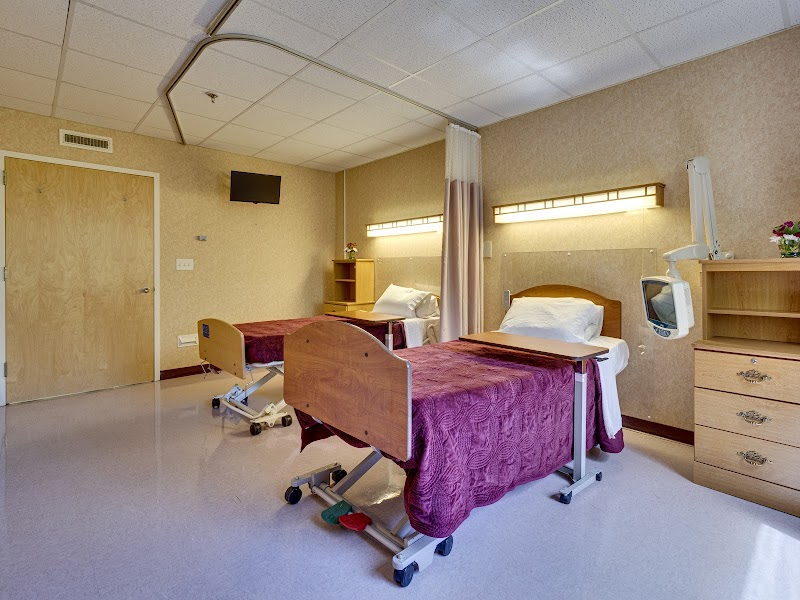
How Does Mission Care At Holyoke Compare to Other Massachusetts Nursing Homes?

Compared to the 100 nursing homes in Massachusetts, MISSION CARE AT HOLYOKE's overall rating (2 stars) is below the state average of 2.9, staff turnover (39%) is near the state average of 46%, and health inspection rating (2 stars) is below the national benchmark.

What Should Families Ask When Visiting Mission Care At Holyoke?

Based on this facility's data, families visiting should ask: "What changes have been made since the serious inspection findings, and how are you preventing similar issues?" "Can I visit during a mealtime to observe dining assistance and food quality?" "How do you handle medical emergencies, and what is your hospital transfer rate?" "Can I speak with family members of current residents about their experience?" These questions are particularly relevant given the facility's Immediate Jeopardy citations.

Is Mission Care At Holyoke Safe?

Based on CMS inspection data, MISSION CARE AT HOLYOKE has documented safety concerns. Inspectors have issued 2 Immediate Jeopardy citations (the most serious violation level indicating risk of serious injury or death). The facility has a 2-star overall rating and ranks #100 of 100 nursing homes in Massachusetts. Families considering this facility should ask detailed questions about what corrective actions have been taken since these incidents.

Do Nurses at Mission Care At Holyoke Stick Around?

MISSION CARE AT HOLYOKE has a staff turnover rate of 39%, which is about average for Massachusetts nursing homes (state average: 46%). Moderate turnover is common in nursing homes, but families should still ask about staff tenure and how the facility maintains care continuity when employees leave.

Was Mission Care At Holyoke Ever Fined?

MISSION CARE AT HOLYOKE has been fined $25,562 across 2 penalty actions. This is below the Massachusetts average of $33,334. While any fine indicates a compliance issue, fines under $50,000 are relatively common and typically reflect isolated problems that were subsequently corrected. Families should ask what specific issues led to these fines and confirm they've been resolved.

Is Mission Care At Holyoke on Any Federal Watch List?

MISSION CARE AT HOLYOKE is not on any federal watch list. The most significant is the Special Focus Facility (SFF) program, which identifies the bottom 1% of nursing homes nationally based on persistent, serious quality problems. Not being on this list means the facility has avoided the pattern of deficiencies that triggers enhanced federal oversight. This is a positive indicator, though families should still review the facility's inspection history directly.