M I NURSING & RESTORATIVE CENTER
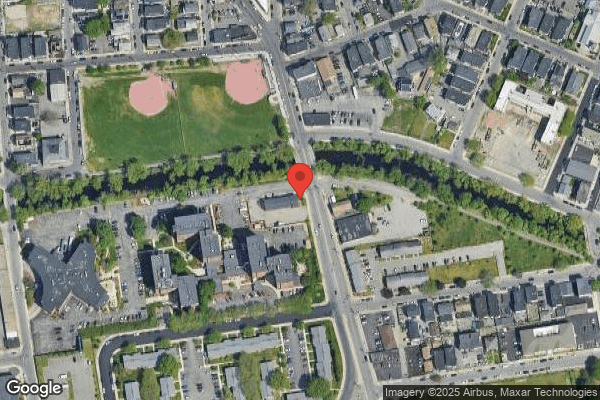
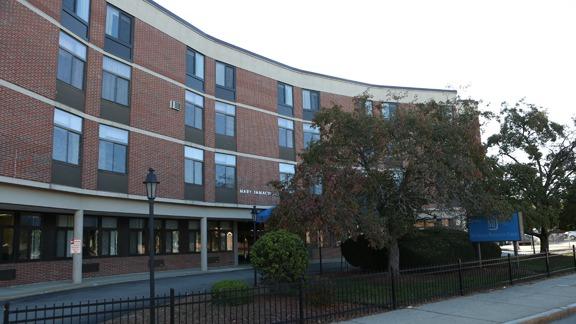
172 LAWRENCE STREET, LAWRENCE, MA 01841 (978) 685-6321
Non profit - Corporation 250 Beds COVENANT HEALTH Data: November 2025
Trust Grade
71/100
#103 of 338 in MA
Last Inspection: October 2024

Within standard 12-15 month inspection cycle. Federal law requires annual inspections.

Overview

M I Nursing & Restorative Center in Lawrence, Massachusetts has a Trust Grade of B, which means it is a good choice, though not the top tier. It ranks #103 out of 338 facilities in the state, placing it in the top half, and #16 out of 44 in Essex County, indicating only 15 local options are superior. The facility is improving, with issues dropping from 7 in 2023 to just 2 in 2024. Staffing is a strong point, rated 5 out of 5 stars with a turnover of only 29%, much lower than the state average, suggesting a stable and experienced team. However, the facility has faced some serious concerns, including a significant medication error where a resident received ten times the prescribed insulin dosage, leading to hospitalization, and instances of residents not receiving necessary assistance, highlighting areas for improvement in care and attention.

Trust Score
B
71/100
In Massachusetts
#103/338
Top 30%
Safety Record
Moderate
Needs review
Inspections
Getting Better
7 → 2 violations
Staff Stability
✓ Good
29% annual turnover. Excellent stability, 19 points below Massachusetts's 48% average. Staff who stay learn residents' needs.
Penalties
✓ Good
$7,901 in fines. Lower than most Massachusetts facilities. Relatively clean record.
Skilled Nurses
✓ Good
Each resident gets 47 minutes of Registered Nurse (RN) attention daily — more than average for Massachusetts. RNs are trained to catch health problems early.
Violations
⚠ Watch
19 deficiencies on record. Higher than average. Multiple issues found across inspections.
★★★★☆
4.0
Overall Rating
★★★★★
5.0
Staff Levels
★☆☆☆☆
1.0
Care Quality
★★★★☆
4.0
Inspection Score
Stable
2023: 7 issues
2024: 2 issues

The Good

  • 5-Star Staffing Rating · Excellent nurse staffing levels
  • Low Staff Turnover (29%) · Staff stability means consistent care
  • Full Sprinkler Coverage · Fire safety systems throughout facility
  • No fines on record
  • Staff turnover is low (29%)

    19 points below Massachusetts average of 48%

Facility shows strength in staffing levels, staff retention, fire safety.

The Bad

Federal Fines: $7,901

Below median ($33,413)

Minor penalties assessed

Chain: COVENANT HEALTH

Part of a multi-facility chain

Ask about local staffing decisions and management

The Ugly 19 deficiencies on record

1 actual harm
Oct 2024 2 deficiencies
CONCERN (D)

Potential for Harm - no one hurt, but risky conditions existed

Comprehensive Care Plan (Tag F0656)

Could have caused harm · This affected 1 resident

**NOTE- TERMS IN BRACKETS HAVE BEEN EDITED TO PROTECT CONFIDENTIALITY** 2. Resident #65 was admitted to the facility in October 2023 with diagnoses including deep vein thrombosis, Alzheimer's dementia...

Read full inspector narrative →
**NOTE- TERMS IN BRACKETS HAVE BEEN EDITED TO PROTECT CONFIDENTIALITY** 2. Resident #65 was admitted to the facility in October 2023 with diagnoses including deep vein thrombosis, Alzheimer's dementia and depression. Review of the Minimum Data Set assessment dated [DATE], indicated that Resident #65 is dependent on staff for lower body dressing and donning and doffing footwear. Further review indicated that Resident #65 scored a 9 out of 15 on the Brief Interview for Mental Status exam indicating moderately impaired cognition. Review of the physician's orders dated October 2024 indicated an order dated 4/18/24, to apply shin guards to bilateral lower extremities every day shift. Further review indicated an order dated 4/18/24, to remove bilateral shin guards every evening shift. Review of the care plan dated revised 9/24/24 indicated a focus problem of potential for skin impairment with an intervention of Shin Tubes to bilateral lower extremities. Apply upon rising and remove at bedtime. On 10/15/24 at 8:05 A.M. and 11:06 A.M. the surveyor observed Resident #65 in the dining room without shin guards in place. On 10/16/24 at 8:30 A.M., the surveyor observed Resident #65 in the dining room without shin guards in place. Review of the progress notes dated October 2024 failed to indicate Resident #65 refused the application of the shin guards. Further review of the progress note dated 10/15/24 indicated Resident #65 did not exhibit any unwanted behaviors. Review of the Medication Administration Record dated October 2024 failed to indicate that Resident #65 refused care or exhibited unwanted behaviors. During an interview on 10/17/24 at 7:30 A.M., the Director of Nursing said that the shin guards should have been applied as ordered. Based on observation, record review and interview, the facility failed to develop and implement the plan of care for two Residents (#140, #65) out of a total sample of 35 residents. Specifically: 1. For Resident #140, the facility failed to develop a plan of care to address a diagnosis of post-traumatic stress disorder. 2. For Resident #65, the facility failed to implement a physician's order for the use of shin guards. Findings include: 1. Resident #140 was admitted to the facility in May 2024, and had an active diagnosis of post-traumatic stress disorder (PTSD). Review of Resident #140's trauma informed care assessment dated [DATE], indicated he/she had a history of PTSD. Review of Resident #140's Minimum Data Set (MDS) assessment dated [DATE], indicated active diagnoses of PTSD, dementia, and psychotic disorder. The MDS also indicated a Brief Interview for Mental Status exam score of 3 out of 15, signifying severely impaired cognitive skills for daily decision making. Review of the MDS' PTSD assessment indicated staff did not identify, and left blank, triggers that could exacerbate the condition. Review of Resident #140's medical record indicated staff did not develop a care plan to address his/her diagnosis of PTSD. On 10/15/24 at 9:55 A.M., the surveyor observed Resident #140 lying awake in bed, and repeatedly bend and straightened his/her left leg. Resident #140 said he/she was not in physical pain and had a pleasant affect. Resident #140 was unable to answer any other of the surveyor's questions. During an interview with the MDS Coordinator on 10/16/24 at 1:35 P.M., she said that based on the MDS assessment Resident #140 had an active diagnosis of PTSD. The MDS Coordinator said this diagnosis should have resulted in staff creating a care plan to identify potential triggers that could lead to its exacerbation and interventions to manage the condition. The MDS Coordinator said staff had not developed a PTSD care plan for Resident #140.
CONCERN (D)

Potential for Harm - no one hurt, but risky conditions existed

Pressure Ulcer Prevention (Tag F0686)

Could have caused harm · This affected 1 resident

**NOTE- TERMS IN BRACKETS HAVE BEEN EDITED TO PROTECT CONFIDENTIALITY** Based on observation, record review and interview, the facility failed to implement the treatment orders for a pressure ulcer as...

Read full inspector narrative →
**NOTE- TERMS IN BRACKETS HAVE BEEN EDITED TO PROTECT CONFIDENTIALITY** Based on observation, record review and interview, the facility failed to implement the treatment orders for a pressure ulcer as recommended by the wound physician for one Resident (#4) out of a total sample of 35 residents. Specifically, the facility failed to implement updated recommendations to leave a pressure area on the right ischium (lower hip area) open to air for Resident #4. Findings include: Review of the facility policy titled Skin Program, revised and dated July 2024, indicated the following: - Residents who are admitted with or develop pressure areas will have a plan of treatment developed by the Unit Manager and Attending Provider. The provider will order a Wound Consult, after an evaluation, the wound physician/nurse will provide wound treatment recommendations. - Weekly documentation of wound physician treatments will be completed by the wound nurse. Resident #4 was admitted to the facility in January 2011 with diagnoses including multiple sclerosis, pressure ulcer, stage 4 and paraplegia. Review of Resident #4's most recent Minimum Data Set Assessment (MDS) dated [DATE] indicated that the Resident had a Brief Interview for Mental Status score of 9 out of 15 indicating moderate cognitive impairment. Further review of Resident #4's MDS indicated that he/she is at risk for developing pressure ulcers/injuries, currently has one or more unhealed pressure ulcer/injury and requires assistance with all activities of daily living. Review of Resident #4's physician's order dated 9/13/24 indicated the following: - cleanse right ischium with wound cleanser, apply calcium alginate and cover with bordered foam. Apply triad to peri (perineum) area. Review of Resident #4's Treatment Administration Record for the month of October 2024 indicated the physician's order dated 9/13/24 had been implemented. Review of the wound physician's visit for Resident #4 dated 10/11/24 indicated the following: - Wound #7 Right, Ischium Pressure, Treatment Recommendations: - apply open to air (OTA) to base of wound, secure with leave open to air. Review of Resident #4's document titled Wound - Weekly Observation Tool, dated 10/11/24 written by the wound physician indicated the following: - Location: right ischium, current treatment plan: LOTA (leave open to air) Review of Resident #4's active physician's order failed to indicate the wound physician's recommendation from 10/11/24 to leave Resident #4's right ischium open to air. During an interview on 10/16/24 at 9:57 A.M., Nurse #3 and the surveyor reviewed Resident #4's treatment orders, Nurse #3 said she completed Resident #4's treatment's first thing this morning. Nurse #3 said she put on wound cleanser and calcium alginate on the ischium and then covered it with bordered foam. On 10/16/24 at 11:00 A.M., Nurse #3 and the surveyor observed Resident #4's treatment areas to his/her right ischium. The area was observed to be covered with border foam and treated. During an interview on 10/16/24 at 11:12 A.M., Nurse #3 said she completed the treatment as it was ordered and was not sure why the Wound Doctor's new treatment recommendations to leave the right ischium open to air were not transcribed into the electronic medical record. During an interview on 10/17/24 at 8:13 A.M., with the Director of Nursing (DON) and the Assistant Director of Nursing (ADON), the DON said the Wound Physician comes into the facility on Fridays. The DON said the nursing manager follows the Wound Physician and if any new treatment recommendations are made the nursing manager will document them and implement them into the medical record. The DON and ADON said Resident #4's new treatment recommendations to leave his/her right ischium area open to air was missed and was not transcribed correctly into the electronic medical record which resulted in the resident not receiving the correct treatment.
Oct 2023 6 deficiencies
CONCERN (D)

Potential for Harm - no one hurt, but risky conditions existed

Deficiency F0657 (Tag F0657)

Could have caused harm · This affected 1 resident

**NOTE- TERMS IN BRACKETS HAVE BEEN EDITED TO PROTECT CONFIDENTIALITY** Based on observations, record review and interviews the facility failed to revise a care plan, specifically for use of geri slee...

Read full inspector narrative →
**NOTE- TERMS IN BRACKETS HAVE BEEN EDITED TO PROTECT CONFIDENTIALITY** Based on observations, record review and interviews the facility failed to revise a care plan, specifically for use of geri sleeves and hand gloves for one Resident (#3) out of a total sample of 39 residents. Findings Include: Review of facility policy titled 'Care Planning' last reviewed September 2017, indicated the following but not limited to: Policy: *The care plan is revised when appropriate to reflect the resident's current needs based on the evaluation of progress towards goals, response to care and treatment, and significant changes in the resident's status. Resident #3 was admitted to the facility in September 2021 with diagnoses including, dementia and anxiety. Review of Resident #3's most recent Minimum Data Set (MDS) assessment dated [DATE] indicated the Resident scored a 5 out of possible 15 on the Brief Interview for Mental Status (BIMS) exam indicating he/she has severe cognition impairment. The MDS further indicated the Resident did not have any behaviors and required extensive assistance of one person for activities of daily living. On 9/29/23 at 8:51 A.M., the surveyor observed Resident #3 lying in bed with bruises on his/her bilateral hands. On 10/2/23 at 12:41 P.M., the surveyor observed Resident #3 in his/her wheelchair in the hallway, he/she did not have geri sleeves/gloves on his/her arms/hands. On 10/3/23 at 10:30 A.M., the surveyor observed Resident #3 in his/her room sitting in his/her wheelchair. The Resident did not have geri sleeves/gloves on his/her arms/hands. Review of Resident #3's care plan titled 'Resident is on anticoagulation therapy. (Plavix), date initiated 3/3/2023 indicated the following intervention: *Geri sleeves in place, don (put on) in AM (morning) and doff (take off) at HS (bed time) daily. *Specialty gloves to bilateral hands daily for skin protection while self-propelling in wheelchair, dated 3/9/2023. Review of Resident #3's Treatment Administration Record (TAR) for the month of September 2023 failed to indicate the Resident had the interventions being monitored. During an interview on 10/3/23 at 10:36 A.M., Certified Nursing Assistant (C.N.A) #1 said she has never seen Resident #3 wear specialty gloves or geri sleeves, she further said the Resident has always refused to wear them. During an interview on 10/3/23 at 10:40 A.M., Unit Manager #1 said Resident #3 has been refusing the interventions for gloves and geri sleeves to protect his/her hands. She further said she should have removed the interventions from the care plans, revised and updated them. During an interview on 10/3/23 at 11:57 A.M., the Director of Nursing said care plans should be revised and updated with change in condition or care, quarterly and as needed.
CONCERN (D)

Potential for Harm - no one hurt, but risky conditions existed

ADL Care (Tag F0677)

Could have caused harm · This affected 1 resident

**NOTE- TERMS IN BRACKETS HAVE BEEN EDITED TO PROTECT CONFIDENTIALITY** Based on interview, record review and policy review the facility failed to ensure Activity of Daily Living (ADL) assistance was ...

Read full inspector narrative →
**NOTE- TERMS IN BRACKETS HAVE BEEN EDITED TO PROTECT CONFIDENTIALITY** Based on interview, record review and policy review the facility failed to ensure Activity of Daily Living (ADL) assistance was provided to one dependent Resident (#128), out of a total sample of 39 residents. Specifically, the facility failed to provide showers to Resident #128. Findings include: Review of facility policy titled, CNA (Certified Nursing Assistant) DOCUMENTATION revision date 10/2021 included the following: -CNA's will record the level of care for each assigned resident via the Electronic Medical Record. -Each shift is responsible for completing the documentation. -Team leaders and unit managers will perform periodic random audits to assure accuracy of CNA documentation. Resident #128 was admitted to the facility in June 2023 with diagnoses including hypertension, peripheral vascular disease, and Parkinson's disease. Review of Resident #128's Minimum Data Set assessment dated [DATE], indicated a Brief Interview for Mental Status score of 14 out of 15, indicating intact cognition. Further review indicates Resident #128 requires one-person physical assist for bathing. During an interview on 10/03/23 at 10:59 A.M., Resident #128 said he/she had not had a shower for three weeks. Resident #128 said he/she is supposed to get a shower on the 3-11 shift once a week. Resident #128 said he/she had been told that the staff did not have time to give him/her a shower and that the Unit Manager was aware. Review of the document for Resident #128 titled Certified Nursing Assistant documentation survey report for September 2023 indicated the following: -Bathing intervention indicated only Bed Baths (BB) and Tub Bath (TB) were documented for the month of September 2023. There was no documented Shower (SB) Review of Bathing Activities of Daily Living (ADL) from 9/3/23-10/3/23 indicated the following: -Bed Baths and a tub bath were completed. No showers were documented. During an interview on 10/03/23 at 1:04 P.M., Nurse #3 said she had heard of Resident #128 not receiving showers as scheduled. Nurse #3 said it looked as though Resident #128's shower days had been changed to Fridays during the day shift but to confirm with the Unit Manager. During an interview on 10/03/23 at 1:22 P.M., Unit Manager #2 said Resident #128 is scheduled for a shower on Thursday's 3-11 shift, and if he/she didn't receive one that day he/she was expected to receive on Friday during the day shift. The surveyor asked Unit Manager #2 if showers should be documented when given, the Unit Manager #2 said they should be documented. During an interview on 10/3/23 at approximately 2:00 P.M., the Assistant Director of Nursing (ADON) brought documentation to the surveyor and said Resident #128 was out at the hospital and had returned on 9/15/23. The ADON showed documentation to the surveyor that indicated Resident #128 had sutures in place after a toe amputation. Review of the Hospital Discharge documentation dated 9/14/23, indicated Resident #128 may shower once he/she has returned to the facility. During an interview on 10/3/23 at 2:34 P.M., the ADON said she recalls staff attempting to give Resident #128 a shower on the September 22nd 2023. CNA documentation did not support the shower attempt.
CONCERN (D)

Potential for Harm - no one hurt, but risky conditions existed

Respiratory Care (Tag F0695)

Could have caused harm · This affected 1 resident

**NOTE- TERMS IN BRACKETS HAVE BEEN EDITED TO PROTECT CONFIDENTIALITY** Based on observations, record review and interview the facility failed to provide respiratory care services in accordance with p...

Read full inspector narrative →
**NOTE- TERMS IN BRACKETS HAVE BEEN EDITED TO PROTECT CONFIDENTIALITY** Based on observations, record review and interview the facility failed to provide respiratory care services in accordance with professional standards of practice. Specifically the facility failed to change and clean the oxygen filter for one Resident (#8) out of a total sample 39 residents. Findings include: Review of facility policy titled 'Equipment for oxygen therapy', last revised April,2017, indicated the following but not limited to: *Policy: Oxygen is to be used only with a medical practitioner's order unless indicate, by the assessment of the licensed nurse, in emergency situations. *Maintenance: a. Filters are checked and cleaned weekly by oxygen supplier; weekly cleaning of the filter(s) is vital for optimal function. Resident #8 was admitted to the facility in July 2023 with diagnoses including Chronic obstructive pulmonary disease (COPD). Review of Resident #8's most recent Minimum Data Set, dated [DATE] indicated the Resident had a Brief Interview for Mental Status (BIMS) score of 9 out of a possible 15 indicating he/she had moderately impaired cognition. On 9/29/23 at 9:05 A.M., the surveyor observed Resident #8 lying in bed wearing a nasal cannula receiving oxygen at 2L (Liters)/minute. The oxygen concentrator filter was observed with a thick layer of dust coating. On 10/2/23 at 9:04 A.M., the surveyor observed Resident #8 lying in bed wearing a nasal cannula receiving oxygen at 2L (Liters)/minute. The oxygen concentrator filter was observed with a thick layer of dust coating. On 10/3/23 at 10:37 A.M., the surveyor observed Resident #8 lying in bed wearing a nasal cannula receiving oxygen at 2L (Liters)/minute. The oxygen concentrator filter was observed with a thick layer of dust coating. During an interview on 10/3/23 at 10:41 A.M., Unit Manager #1 said oxygen tubing and filter should be changed weekly and his/her oxygen filter should have been changed. During an interview on 10/3/23 at 11:57 A.M., the Director of Nursing said oxygen tubing and filters are changed weekly on the 11-7 PM shift by the nurses.
CONCERN (D)

Potential for Harm - no one hurt, but risky conditions existed

Unnecessary Medications (Tag F0759)

Could have caused harm · This affected 1 resident

Based on observations, record review, policy review, and interviews, the facility failed to ensure it was free from a medication error rate of greater than 5% when one out of two nurses observed made ...

Read full inspector narrative →
Based on observations, record review, policy review, and interviews, the facility failed to ensure it was free from a medication error rate of greater than 5% when one out of two nurses observed made seven errors out of 31 opportunities, resulting in a medication error rate of 22.58%. Those errors impacted one (Resident #84) out of three residents observed. Findings include: Review of the facility policy titled, Medication Administration dated 1/23 included the following: -Prior to administration, review and confirm medication orders for each individual resident on the Medication Administration Record (MAR). Compare the medication and dosage schedule on the resident's MAR with the medication label. -If it is safe to do so, medication tablets may be crushed or capsules emptied out when a resident has difficulty swallowing or is tube fed, using the following guidelines and with a specific order from prescriber. a. The need for crushing medications is indicated on the resident's orders and the MAR so that all personnel administering medications are aware of this need and the consultant pharmacist can advise on safety and alternatives, if appropriate, during Medication Regimen Reviews. b. Long-acting, extended release or enteric-coated dosage forms should generally not be crushed an alternative should be sought. -Verify medication is correct three times before administering the medication. -Medications are administered within 60 minutes of scheduled time, except before or after meal orders, which are administered based on mealtimes. On 9/29/23 at 11:18 A.M., the Surveyor observed a medication pass on the 2nd floor unit nursing unit. Nurse #2 prepared and administered the following medications to Resident #84: - Vitamin D 25 micrograms one tablet crushed. - Acetaminophen 325 milligrams (mg) two tablets crushed. - Amantadine 100 mg one capsule opened. - Omeprazole DR (delayed release) 20 mg one capsule opened. - Isosorbide Dinitrate 10 mg one tablet crushed. - Potassium chloride ER (extended release) 10 meq one capsule opened. Review of Resident #84's medical record indicated the following: -Order for Vitamin D3 800 milligrams by mouth daily start date 9/29/23. - Acetaminophen 325 mg tablet, two tablets by mouth two times a day, 8:00 A.M. and 6:00 P.M., start date 6/3/22. -Amantadine 100 mg capsule, one capsule by mouth two times a day, 9:00 A.M. and 9:00 P.M., start date 5/17/23. -Omeprazole 20 mg capsule delayed release, give one capsule by mouth two times a day 8:00 A.M. and 6:00 P.M., start date 9/21/2020. During an interview on 9/29/23 at 1:52 P.M., Nurse #2 said she didn't realize the dosage on the vitamin d bottle was not what was ordered. Nurse #2 said the expectation for crushing or opening medications is to not open medications that are extended or delayed release. Nurse #2 said the expectation for administering medications is an hour before and after the scheduled time and was aware the medications were late. During an interview on 10/03/23 at 2:21 P.M., the Director of Nurses (DON) said the expectation for medication administration is medications are given within an hour before and an hour after the scheduled time. The DON said the expectation is to ensure the five rights of medication administration and to not open extended release or delayed release medications.
CONCERN (D)

Potential for Harm - no one hurt, but risky conditions existed

Infection Control (Tag F0880)

Could have caused harm · This affected 1 resident

Based on observation, record review and interview the facility failed to ensure staff adhered to infection control practices by performing adequate hand hygiene during a medication pass. Findings incl...

Read full inspector narrative →
Based on observation, record review and interview the facility failed to ensure staff adhered to infection control practices by performing adequate hand hygiene during a medication pass. Findings include: Review of facility policy titled, Hand Washing revision date 10/2017 included the following: Hand hygiene shall be performed in the following, but not limited to: -Between handling of individual patients. -After contact with inanimate objects in the immediate vicinity. -Before and after entering a patient room. -Before handling medication On 9/29/23 at 11:04 A.M., the surveyor observed a medication pass. Nurse #2 began preparing a resident's medication. Nurse #2 failed to perform hand hygiene after medication preparation and prior to entering the residents room. On 9/29/23 at 11:21 A.M., the surveyor observed a medication pass. Nurse #2 began preparing a resident's medication. Nurse #2 crushed tablets and opened three capsules with bare hands. Nurse #2 failed to perform hand hygiene prior to entering the resident's room to administer the medications. During an interview on 9/29/23 at 11:27 A.M., Nurse #2 said the expectation was to perform hand hygiene prior to entering a residents room.
CONCERN (E)

Potential for Harm - no one hurt, but risky conditions existed

Comprehensive Care Plan (Tag F0656)

Could have caused harm · This affected multiple residents

**NOTE- TERMS IN BRACKETS HAVE BEEN EDITED TO PROTECT CONFIDENTIALITY** 3) Resident #121 was admitted to the facility in June 2023 with diagnoses including Chronic Obstructive Pulmonary Disease, hyper...

Read full inspector narrative →
**NOTE- TERMS IN BRACKETS HAVE BEEN EDITED TO PROTECT CONFIDENTIALITY** 3) Resident #121 was admitted to the facility in June 2023 with diagnoses including Chronic Obstructive Pulmonary Disease, hypertension, and muscle weakness. Review of Resident #121's most recent Minimum Data Set (MDS) assessment dated [DATE] indicated that the Resident had a Brief Interview for Mental Status score of 15 out of a possible 15 indicating that he/she is cognitively intact. Further review of Resident #121's MDS indicated that he/she requires extensive assistance with all activities of daily living. The surveyor made the following observations: *On 10/2/23 at 8:43 A.M., Resident #121 was lying in bed with his/her feet directly on the mattress. His/her feet and ankles were visibly swollen. The Resident told the surveyor his/her legs are very swollen and have been for a long time. He/she continued to say they are supposed to be elevated with a pillow, but the pillow was on the other side of the room. *On 10/3/23 at 8:45 A.M., Resident #121 was lying in bed with his/her feet directly on the mattress. His/her feet and ankles were visibly swollen. Review of Resident #121's medical record did not indicate a care plan for edema management or a physician's order to elevate legs. Review of Resident #121's skin evaluation dated 9/14/23 indicated the following: *The patient had +2 edema on the left pedal area. Review of Resident #121's physician's progress note dated 9/28/23 indicated the following: *Evaluation for BLE (basal lower extremity) edema - BLE edema with worsening During an interview on 10/3/23 at 10:06 A.M., Nurse #1 said Resident #121 is dependent on care and he/she does have edema in his/her legs. Nurse #1 and the surveyor reviewed the Resident's medical record and did not identify an edema care plan or orders for elevating legs. She continued to say she thinks an edema care plan would be beneficial for Resident #121. During an interview on 10/3/23 at 12:03 P.M., the Director of Nursing said she would expect a care plan for edema management to be in Resident #121's record. 2) For Resident #69, the facility failed to develop and implement an individualized plan of care for dementia. Review of the facility policy titled, Individualized Care Plan for The Resident with Dementia, last revised 4/13, indicated the following: Policy: *All residents will be assessed for transitions in the course of dementia. All patients care plans must be individualized to meet their specific needs and identify aims and goals of care/treatment. Purpose: *The Purpose of this policy all clinical staff with guidance, to assist them in meeting the specific needs of patients with dementia. To use a person-centered, culturally sensitive approach to providing care that meets a resident's changing needs and respects his or her preferences. Procedure: *2. A care plan will be established that encompasses person-centered care. *4. The interdisciplinary team develops a plan of care that involves appropriate interventions. Document on care plan and Care Needs Sheet. *5. Routine assessment and monitoring of the resident's physical symptoms and pain. Resident #69 was admitted to the facility in November 2020 with diagnoses including unspecified dementia, unspecified severity, without behavioral disturbance psychotic disturbance, mood disturbance and anxiety and major depressive disorder. Review of Resident #69's most recent Minimum Data Set (MDS) dated [DATE], indicated that the Resident had a Brief Interview for Mental Status (BIMS) score of 14 out of a possible 15 indicating he/she is cognitively intact. Further review of the MDS indicated Resident #69 has an active diagnosis of Non-Alzheimer's Dementia. Review of Resident #69's medical record failed to indicate a care plan for dementia. During an interview on 10/3/23 at 10:01 A.M., Social Worker #1 said a resident with a diagnosis of dementia should have an individualized care plan for dementia. During an interview on 10/3/23 at 11:57 A.M., the Director of Nursing said Resident #69 should have an individualized care plan for dementia with interventions. Based on observations, interview and record review, the facility failed to develop and implement care plans for three Residents (#99, #69, #121) out of a total sample of 39 residents. Specifically, 1a) for Resident #99, the facility failed to implement a history of elopement care plan and 1b) failed to implement a mood care plan addressing the resident's weepiness. 2) for Resident #69, the facility failed to develop and implement a dementia care plan, and 3) For Resident #121, the facility failed to develop and implement an edema management care plan. Findings include: 1a) Review of facility policies titled 'Resident Elopement' with a revision date of January 2019 indicated the following: -The facility will ensure our residents' safety and will identify both on admission and ongoing the potential for residents at risk for elopement. Resident #99 was admitted to the facility in August 2022 with diagnoses including Dementia. A review of the most recent Minimum Data Set (MDS) dated [DATE] indicated that the resident is rarely and never understood. During an observation on 9/29/23 at 9:09 A.M., Resident #99 was observed leaving the dining room on his/her own walking towards the main exit door, it took a Certified Nursing Assistant (CNA) a few minutes to find and redirect the Resident back to the dining room. A review of Resident #99's admission medical record included an application for and authorization of temporary involuntary hospitalization, Massachusetts General Law Chapter 123, Sections 12 (a) and 12 (b) dated 8/10/22 which indicated the following: -Has gone missing 3 times in facility. Undirectable, poor safety awareness, poor judgement, unable to return to facility due to confused state, does not let staff know whereabouts. Found outside wandering in the woods. A review of Resident #99's elopement evaluations dated 5/11/23 and 8/7/23 indicated the resident is still at risk for elopement. A review of Resident #99's Activities of Daily Living care plan implemented on 2/20/23 and 8/24/23 indicated the following: -Transfer: the resident is able to transfer without assistance but when he/she tires, requires assist of 1. -Ambulation: requires supervision with ambulation, redirect when intrusive in other resident's space. A review of Resident #99's Anxiety medication care plan implemented on 10/3/23 indicated the following: -Resident refuses any form of wander guard or any device to prevent him/her from leaving the unit. -When by the exit door try to divert his/her attention A review of Resident #99's care plan did not indicate that a history of elopement care plan had been implemented at admission. A review of the facility elopement book placed at the receptionist's desk did not have Resident #99's picture and any pertinent information. During an interview with Social Worker #2 on 10/3/23 at 10:29 A.M., she said a personalized behavior care plan with personalized interventions based on the resident's history of elopement should have been implemented at admission. During an interview with the Director of Nurses on 10/3/23 at 11:38 A.M., she said residents with a history of behaviors should have personalized behavior care plans with personalized interventions. 1b) Review of facility policy titled 'Care Planning' with a revision date of September 2017 indicated the following: -The interdisciplinary team will address individualized resident needs in order to attain or maintain the resident's highest practicable physical, psychosocial, functional, spiritual and emotional well-being. Care plan development will include approaches and interventions specific to the individual resident's condition and should consider the resident's expectations, characteristics and preference of daily routines. Resident #99 was admitted to the facility in August 2022 with diagnoses including Post Traumatic Stress Disorder (PTSD). A review of the most recent Minimum Data Set (MDS) dated [DATE] indicated the resident is rarely and never understood. During an observation on 9/29/23 at 9:09 A.M., Resident #99 was observed leaving the dining room on his/her own, walking towards the main exit door crying. The Certified Nurses Assistant (CNA) was able to redirect the resident from the exit and tried to calm the resident down. During an observation on 9/29/23 at 11:23 A.M., Resident #99 was observed being weepy in the hallway, the CNA was sitting beside the resident trying to calm him/her down. A review of the August behavior documentation indicated that the resident was observed crying on the following dates, 8/9/23 day shift, 8/15/23 day shift, 8/17/23 day shift, 8/24/23 day shift and 8/30/23 day shift. A review of the September behavior documentation indicated that the resident was observed crying on the following dates, 9/18/23 day shift, 9/19/23 day shift and 9/24/23 day shift. A review of the resident's care plan did not indicate that the frequent crying had been care planned. During an interview with the Social Worker on 10/3/23 at 10:35 A.M., she said the resident's weepy mood should be care planned with personalized interventions. During an interview with the Director of Nurses on 10/3/23 at 11:38 A.M., she said Resident #99 should have an individualized mood care plan addressing his/her weepiness.
Sept 2023 1 deficiency 1 Harm
SERIOUS (G) 📢 Someone Reported This

A family member, employee, or ombudsman was alarmed enough to file a formal complaint

Actual Harm - a resident was hurt due to facility failures

Deficiency F0760 (Tag F0760)

A resident was harmed · This affected 1 resident

**NOTE- TERMS IN BRACKETS HAVE BEEN EDITED TO PROTECT CONFIDENTIALITY** Based on records reviewed and interviews for one of three sampled residents (Resident #1), whose diagnoses included diabetes mel...

Read full inspector narrative →
**NOTE- TERMS IN BRACKETS HAVE BEEN EDITED TO PROTECT CONFIDENTIALITY** Based on records reviewed and interviews for one of three sampled residents (Resident #1), whose diagnoses included diabetes mellitus and had Physician's orders for insulin to manage the condition, the Facility failed to ensure he/she was free from significant medication errors, when on 09/07/23, after the Physician wrote a new order for insulin, nursing misread and did not clarify the order, and it was transcribed incorrectly onto his/her Medication Administration Record. As a result, from 09/08/23 to 09/11/23, nursing administered 30 units (10 x the dose ordered) of insulin to Resident #1 instead of the 3 units as ordered by his/her Physician. On 09/12/23, Resident #1 was noted to be lethargic, unresponsive, was hypoglycemic (low blood sugar), was transferred to the Hospital Emergency Department for evaluation and was admitted to the Hospital for treatment. Findings Include: Review of the Facility Policy titled Medication Order/Reorder Procedure, dated as revised 12/2018, indicated a medical practitioner's order is needed for all medications ordered for residents and indicated the order will include the name of the medication, dose, administration route, and any special instructions. The Policy indicated that the nurse must ensure the order contains the name of the medication, dose, frequency, and route of administration. Resident #1 was admitted to the Facility in October 2019, diagnoses included adult failure to thrive, stage four chronic kidney disease, dependence on renal dialysis, heart failure, depression, anxiety disorder, and diabetes mellitus. Review of Resident #1's Physician's Orders, dated 09/07/23 and signed by the Physician, indicated Lantus 3 u daily. The Physician's order did not have the word unit written out for the dosage and the order did not contain the route of administration and was therefore an incomplete order. Review of Resident #1's Medical Record indicated there was no documentation to support that nursing made an attempt to clarify his/her Physician's orders for his/her Lantus insulin dosage or to clarify the incomplete order (missing route of administration) when his/her Physician wrote the order on 09/07/23, or before the insulin was administered to Resident #1. Review of Resident #1's MAR, for the Month of September 2023, indicated that he/she had a new order effective 09/08/23, to administer Lantus Subcutaneous Solution 100 units/milliliter (ML) inject 30 units subcutaneously at bedtime for diabetes mellitus. The MAR indicated Resident #1 was administered 30 units Lantus insulin subcutaneously on 09/08/23, 09/09/23, 09/10/23, and 09/11/23. However, the Physician's order was for 3 u (units) not 30 and as a result, Resident #1 was administered 10 x the intended dose. Review of the Facility Incident Report, dated 09/12/23, indicated a Physician's Order for Resident #1's insulin dosage was transcribed into his/her MAR as 30 units (Lantus insulin) and that the Physician's Medication Order read 3 u daily. The Report indicated Lantus (30 units) was administered to Resident #1 from 09/08/23 to 09/11/23. The Report indicated that Resident #1's Physician was notified of the medication error and ordered to discontinue the insulin due to a hypoglycemic reaction (symptoms can range from sweating, fatigue, irregular or fast heart beat, confusion,and as worsens, slurred speech, loss of coordination and unresponsiveness). Review of Resident #1's Nurse Progress Note, dated 09/12/23, indicated he/she was observed to be lethargic and not responding, was transferred into bed, and a blood sugar was obtained with a result of 40 milligrams per deciliter mg/dl (severe low blood sugar is below 54 mg/dl). The Note indicated Resident #1 was diaphoretic (sweating), had rapid respirations, Glucagon (a hormone that raises blood sugar) was administered via intramuscular injection, 911 was called, and he/she was transferred to the Hospital Emergency Department. Review of Resident #1's Hospital Discharge summary, dated [DATE], indicated Resident #1 presented to the Hospital Emergency Department on 09/12/23 with an episode of iatrogenic hypoglycemia (result of insulin excess and compromised glucose counter-regulation) and non-responsiveness. The Discharge Summary indicated that upon arrival at the Hospital Emergency Department Resident #1's blood glucose was 80 mg/dl which subsequently fell to 25 mg/dl which was thought to be related to slow metabolism of insulin in the setting of end stage renal disease. The Discharge Summary indicated that per review of records, Resident #1 had been re-started by his/her Physician on an insulin regimen of 3 units of Lantus at bedtime on 09/07/23 but had been mistakenly receiving 30 units of Lantus at bedtime. During an interview on 09/27/23 at 11:51 A.M., Nurse #1 said that, on 09/12/23, after Resident #1 returned to the Facility from dialysis, he/she became lethargic and diaphoretic with a blood glucose level of 40 mg/dl. Nurse #1 said she yelled for assistance, Resident #1 was assisted into bed, he/she was administered Glucagon, an emergency code was initiated, 911 was called and he/she was transferred to the Hospital Emergency Department. During an interview on 09/27/23 at 12:14 P.M., Unit Manager #1 said that on 09/12/23, she was in her office and was notified that one of the nurses needed help. Unit Manager #1 said she responded and observed Resident #1 in bed and not responsive. Unit Manager #1 said an emergency code was called, Glucagon was administered to Resident #1, vital signs were taken, and 911 was called. During an interview on 10/02/23 at 1:23 P.M. and 10/12/23 at 1:43 P.M., Nurse #3 said that, on 09/07/23, he worked the 3:00 P.M. to 11:00 P.M. and did not have any residents assigned to him, but was assisting at the nurses desk on all of the units. Nurse #3 said he saw Resident #1's Physician on the unit but did not know why she was there to see Resident #1, but said he later saw Physician's orders flagged in Resident #1's chart. Nurse #3 said he transcribed the Physician's order for Lantus insulin into Resident #1's MAR in the computer. Nurse #3 said he has been a nurse for approximately 10 years and said the components that made up a complete Physician's medication order included that the order was written for the right resident, included the medication, the dosage, route of administration, and frequency of administration. Nurse #3 said the components of a complete medication dosage in a Physician's order included the quantity and unit of measure for the medication. Nurse #3 said he was aware that a u could represent units for insulin orders but said it was not typically used and that the word units should be written out. Nurse #3 said when he saw Resident #1's orders written by his/her Physician on 09/07/23, he did not realize the order indicated Lantus 3 u daily (for units). Nurse #3 said he thought the order was written as Lantus 30 daily and said that was what he transcribed into Resident #1's MAR. Nurse #3 said he did not call Resident #1's Physician to verify or clarify the insulin order when he thought it indicated Lantus 30 daily, and just transcribed it into the MAR. Nurse #3 said after Resident #1 experienced the hypoglycemic incident, he looked at the Physician's order a second time and said he could see how the order could have been read as either Lantus 30 units or 3 u, but said the u wasn't written clearly. Nurse #3 said he should have called Resident #1's Physician on 09/07/23 to clarify the order. During an interview on 09/27/23 at 12:14 P.M, Unit Manager #1 said that after Resident #1 had the hypoglycemic incident, she discovered, while going through his/her Medical Record, an order for Lantus 30 units had been transcribed and said she called Resident #1's Physician and confirmed that what she had ordered was Lantus 3 units for him/her and not 30 units. Unit Manager #1 said that if a Physician writes an insulin order with a u or does not write out the word units, the nurse needs to call the Physician to clarify the order. During an interview on 10/03/23 at 9:51 A.M., the Physician said she wrote an order for Lantus 3 units to be administered to Resident #1 daily but said she did not write out the word unit. The Physician said, rather than administering 3 units of Lantus insulin to Resident #1, nursing administered 30 units. The Physician said 30 units of Lantus insulin was not an appropriate dosage to administer to Resident #1. The Physician said she would never start any patient on Lantus 30 units daily because that would be too much, even if a patient did not have all of the co-morbidities that Resident #1 had. The Physician said iatrogenic hypoglycemia, as indicated on Resident #1's Hospital Discharge Summary, meant that his/her hypoglycemia was medication induced. The Physician said nursing had not contacted her to clarify the insulin order she wrote for Resident #1 on 09/07/23. During an interview on 10/04/23 at 1:34 P.M., the Assistant Director of Nursing (ADON) said Nurse #3 should have called Resident #1's Physician to obtain a new order for his/her insulin, written out the telephone order, and documented that he had called the Physician to verify the order in a Nurse Progress Note. During an interview on 09/27/23 at 1:05 P.M. and 1:42 P.M., the Director of Nursing (DON) said she found Resident #1's medication error after he/she was transferred to the Hospital Emergency Department. The DON said she and the Assistant Director of Nursing saw the Physician's Order in Resident #1's Medical Record was written as 3 u (Lantus insulin) and when they checked his/her MAR they saw that 30 units (Lantus) had been administered. The DON said although the Physician should not have used a u and should have written out the word unit when Resident #1's insulin order was written, said Nurse #3 was equally responsible and should have clarified the Physician's order that day.
Sept 2022 10 deficiencies
CONCERN (D)

Potential for Harm - no one hurt, but risky conditions existed

Deficiency F0658 (Tag F0658)

Could have caused harm · This affected 1 resident

**NOTE- TERMS IN BRACKETS HAVE BEEN EDITED TO PROTECT CONFIDENTIALITY** Based on observation, record review and interview, the facility failed to ensure that an air mattress was set to the appropriate...

Read full inspector narrative →
**NOTE- TERMS IN BRACKETS HAVE BEEN EDITED TO PROTECT CONFIDENTIALITY** Based on observation, record review and interview, the facility failed to ensure that an air mattress was set to the appropriate setting for 1 Resident (#210) out of a total sample of 35 residents. Findings include: Resident #210 was admitted to the facility in 08/2022 with diagnoses that include senile degeneration of the brain, moderate protein-calorie malnutrition, and transient cerebral ischemic attack. Review of Resident #210's most recent Minimum Data Set (MDS) dated [DATE] revealed that the Resident was unable to complete the Brief Interview for Mental Status assessment, indicating that he/she has severe cognitive impairment. The MDS also indicated that the Resident requires extensive assistance for bed mobility and transfers. The surveyor made the following observations: *On 9/8/22 at 7:43 A.M., the Resident's air mattress was set to the firm setting (350 pounds). *On 9/8/22 at 9:53 A.M., the Resident's air mattress was set to the firm setting (350 pounds). The facility failed to provide an air mattress policy and said they follow the manufacturer's recommendations. Review of the Meridian Medical Ultracare Air Mattress's operator's manual, states: The pressure of the mattress can be adjusted by choosing the patients' corresponding weight setting by turning the dial to soft for a lower weight or to firm for a higher weight. Review of the document titled COVEN Nutrition Assessment signed and dated 8/25/22 indicated that the Resident weighed 68 pounds in May 2022 and 125 pounds in 2019. During an interview on 9/8/22 at 11:31 A.M., Nurse #1 said Resident #210 received a pressure relieving mattress because he/she is so frail. Nurse #1 said the air mattress should be set based on the size of the person; if they were heavier, it would be set higher, if they were lighter, it would be set lower. She further said the air mattress should be set in the middle for this Resident. The surveyor and the nurse observed the air mattress to be set at the firm (350 pounds) setting. During an interview on 9/8/22 at 12:48 P.M., Nurse #2 was unsure how the settings work for an air mattress. She further said it might have something to do with how frail the resident might be, and she thinks it might have to do with the resident's weight.
CONCERN (D)

Potential for Harm - no one hurt, but risky conditions existed

Quality of Care (Tag F0684)

Could have caused harm · This affected 1 resident

**NOTE- TERMS IN BRACKETS HAVE BEEN EDITED TO PROTECT CONFIDENTIALITY** Based on observation, record review and interview the facility failed to identify and assess changes in skin condition for 1 Res...

Read full inspector narrative →
**NOTE- TERMS IN BRACKETS HAVE BEEN EDITED TO PROTECT CONFIDENTIALITY** Based on observation, record review and interview the facility failed to identify and assess changes in skin condition for 1 Resident (#159) out of a total sample of 35 residents. Finding Included: Review of the facility policy titled, Skin Program supporting, revised December 2018, indicated the following: *All residents will have a daily skin inspection done by the Nursing Assistant (CNA). Skin issues will be referred to team leaders immediately for further assessment. All residents will have weekly skin inspection done by the team leader and documented in ECS in weekly notes. Resident #67 was admitted to the facility in August, 2021 with diagnoses including essential hemorrhagic thrombocythemia, chronic kidney disease, Chronic Obstructive Pulmonary Disease (COPD), and adult failure to thrive. Review of Resident #159's most recent Minimum Data Set (MDS) dated [DATE] indicated the Resident had a Brief Interview for Mental Status score of 15 out of a possible 15 which indicated he/she is cognitively intact. The MDS also indicated Resident #159 requires supervision with personal hygiene tasks and transfers. On 9/07/22 at 10:46 A.M., Resident #159 was observed having a scab and faint yellow bruising in the corner of his/her right eye. During an interview on 09/08/22 at 12:33 P.M., Resident #159 told the surveyor he/she scratched his/her eye it in his/her sleep a few weeks ago. During an interview on 9/08/22 at 12:40 P.M., Unit Manager #1 said she was not made aware of any scab or faint yellow bruising by staff on Resident #159's right eye. Unit Manager #1 then observed Resident #159's right eye and said he/she normally has dry skin and acknowledged the scab and faint bruising. Unit Manager #1 was asked what the protocol is when a skin change is identified. She said the area would be assessed and measured and the doctor and family would be notified. Unit Manager #1 also said that the wound care team would be consulted. Review of the medical record on 9/08/22 at 10:16 A.M., indicated no skin issues in weekly nursing notes or in past weekly skin assessments completed on 9/05/22, 8/29/22, 8/22/22, 8/08/22, and 8/01/22.
CONCERN (D)

Potential for Harm - no one hurt, but risky conditions existed

Deficiency F0685 (Tag F0685)

Could have caused harm · This affected 1 resident

**NOTE- TERMS IN BRACKETS HAVE BEEN EDITED TO PROTECT CONFIDENTIALITY** Based on interviews and record review, the facility failed to provide vision services (recommended follow-up visit) for 1 Reside...

Read full inspector narrative →
**NOTE- TERMS IN BRACKETS HAVE BEEN EDITED TO PROTECT CONFIDENTIALITY** Based on interviews and record review, the facility failed to provide vision services (recommended follow-up visit) for 1 Resident (#134) out of a total sample of 35 residents. Findings include: Resident #134 was admitted to the facility in April 2017 with diagnoses including diabetes and dementia. Review of Resident #134's most recent Minimum Data Set (MDS) dated [DATE] revealed he/she had a Brief Interview for Mental Status score of 10 out of a possible 15 which indicated he/she has moderate cognitive impairment. The MDS also indicated Resident #134 requires extensive assistance from staff for all daily needs and has severely impaired vision. During an interview on 9/07/22 at 8:42 A.M., Resident #134 said he/she would like to see the eye doctor. Review of Resident #134's physician orders indicated the following order: *Optometry consult as needed, initiated on 8/8/19. Review of Resident #134's medical record indicated Resident #134 was seen by the eye doctor on 7/9/21. The recommendation from this appointment was the following. *Plan: follow-up: priority comprehensive 1/29/22. During an interview on 9/08/22 at 8:56 A.M. Unit Manager #1 said appointment summaries from the eye visits are sent to the medical records director at the facility. The Unit Manager was unable to say how recommendations were ensured to be followed-up on and that this was a broken system in the building. Unit Manager #1 said Resident #134 was never seen for the recommended eye visit in January 2022.
CONCERN (D)

Potential for Harm - no one hurt, but risky conditions existed

Deficiency F0687 (Tag F0687)

Could have caused harm · This affected 1 resident

**NOTE- TERMS IN BRACKETS HAVE BEEN EDITED TO PROTECT CONFIDENTIALITY** Based on observation, interview, and record review the facility failed to provide proper foot care to maintain good foot health ...

Read full inspector narrative →
**NOTE- TERMS IN BRACKETS HAVE BEEN EDITED TO PROTECT CONFIDENTIALITY** Based on observation, interview, and record review the facility failed to provide proper foot care to maintain good foot health for 1 Resident (#116) out of a total sample of 35 residents. Findings include: Resident #116 was admitted in 05/2022 with diagnoses including high blood pressure. Review of the Minimum Data Set (MDS), dated [DATE], indicated that Resident #116 scored a 15 out of 15 on the Brief Interview for Mental Status (BIMS), indicating intact cognition. Resident #116 is an extensive assist with personal hygiene. During an observation on 9/7/2022 at 9:40 A.M., Resident #116 had long, yellow, hardened toenails. Review of the Resident's medical record indicated the facility's ancillary service podiatry care provider's consent form was incomplete. During an interview on 9/8/22 at 10:10 A.M., the Assistant Director of Nursing said that podiatry and foot care services are only provided by the podiatrist through the facility's contracted provider. Nurses and Certified Nursing Aides do not provide toenail care. During an interview on 9/9/22 at 9:11 A.M., the Unit Secretary, the individual who schedules podiatrist visits and initiates the completion of the consent, said that she is not familiar with why the consent was not completed for podiatry services. She said that she would have expected that form to be completed upon admission by the healthcare proxy or guardian or the individual themselves, if capable. There is no indication in the medical record that Resident #116 had been seen by podiatry since admission.
CONCERN (D)

Potential for Harm - no one hurt, but risky conditions existed

Deficiency F0688 (Tag F0688)

Could have caused harm · This affected 1 resident

**NOTE- TERMS IN BRACKETS HAVE BEEN EDITED TO PROTECT CONFIDENTIALITY** Based on observation, interview and record review the facility failed to follow the recommended wearing schedule of a left hand ...

Read full inspector narrative →
**NOTE- TERMS IN BRACKETS HAVE BEEN EDITED TO PROTECT CONFIDENTIALITY** Based on observation, interview and record review the facility failed to follow the recommended wearing schedule of a left hand and elbow orthotic for contracture management for 1 Resident (#15) out of a total sample of 35 residents. Findings include: Residents #15 was admitted to the facility in November, 2021 with diagnoses including type 2 diabetes mellitus, hemiplegia, and contracture of muscle. Review of Resident #15's most recent Minimum Data Set Assessment (MDS) dated [DATE] indicated a Brief Interview Mental Status (BIMS) score of 15 out of a possible 15 indicating Resident #15 has intact cognition. The MDS also indicated Resident #15 requires extensive assistance with self-care activities. During an observation on 9/07/22 at 9:31 A.M., Resident #15 was sitting up in bed with his/her left hand in a closed fisted position. Resident #15 said he/she was unable to open or move the left hand and was supposed to have a splint on his/her hand but has not been wearing it. Review of Resident #15's medical record indicated the Resident had been treated by occupational therapy from 2/3/22 to 5/17/22. The discharge summary on 5/17/22 indicated Resident #15 was tolerating up to 3-4 hours of left upper extremity splint wearing and that staff had been educated on putting these splints on daily to prevent further contractures. Review of Resident #15's active and discontinued orders failed to indicate an order for the left upper extremity splint at the time of discharge from occupational therapy. In addition, review of Resident #15's care plans failed to indicate the use of a left extremity splint. During an interview on 9/8/22 at 11:01 A.M., the Occupational Therapist (OT) said if a resident is given a splint with therapy, education is performed to teach all staff how to put on/take off the splint once therapy is discontinued. The OT said a physician's order is written to ensure the wearing of the splint provided by therapy. The OT said Resident #15 had been provided a left hand and left elbow splint by therapy and that the staff were all educated regarding the use and wearing schedule of each splint. The OT said the order must not have been written because the Resident had not been wearing the splints.
CONCERN (D)

Potential for Harm - no one hurt, but risky conditions existed

Deficiency F0692 (Tag F0692)

Could have caused harm · This affected 1 resident

**NOTE- TERMS IN BRACKETS HAVE BEEN EDITED TO PROTECT CONFIDENTIALITY** Based on interviews and record reviews, the facility failed to address a significant weight change in a timely manner for 1 Resi...

Read full inspector narrative →
**NOTE- TERMS IN BRACKETS HAVE BEEN EDITED TO PROTECT CONFIDENTIALITY** Based on interviews and record reviews, the facility failed to address a significant weight change in a timely manner for 1 Resident (#147) out of a total sample of 35 residents. Findings Include: Review of the undated facility policy titled, Tracking Weight Changes, indicated the following: *The individual, family (or representative), physician, and Registered Dietitian Nutritionist (RDN) or designee will be notified of any individual with an unintended significant weight change of 5% in one month, 7.5% in three months, or 10% in 6 months. Resident #147 was admitted in May, 2022 with diagnoses including congestive heart failure (CHF). Review of the Minimum Data Set (MDS), dated [DATE], indicated that Resident #147 scored an 8 out of 15 on the Brief Interview for Mental Status (BIMS), which indicates moderate cognitive impairment. Resident #147 requires limited assistance from one staff with eating. Review of current physician's orders indicated that Resident #147 was to be weighed daily. Review of Resident #147's weight record indicated that Resident #147 weighed 178 pounds (lbs.) on 8/29/22, and 193.3 lbs. on 8/31/22, a 16 lb. weight gain which was clinically significant (8.8%). Subsequent documented weights indicated the following on 9/1/22 (192.6 lbs.), and 9/8/22 (192 lbs.) which confirm a significant weight gain. Review of a Nutrition/Dietary note dated 9/9/22 indicated that the Registerd Dietitian (RD) had evaluated Resident #147 on the date the note was written, 9 days after the significant weight change was originally documented. During an interview on 9/9/22 at 9:40 A.M., the RD said that staff had not notified her of the significant weight gain until 9/9/22. The RD said that if she was aware of Resident #147's weight change she would have evaluated the Resident on the same day as the weight change.
CONCERN (D)

Potential for Harm - no one hurt, but risky conditions existed

Dental Services (Tag F0791)

Could have caused harm · This affected 1 resident

**NOTE- TERMS IN BRACKETS HAVE BEEN EDITED TO PROTECT CONFIDENTIALITY** Based on observation, interview and record review, the facility failed to provide dental services to 1 Resident (#124) out of a ...

Read full inspector narrative →
**NOTE- TERMS IN BRACKETS HAVE BEEN EDITED TO PROTECT CONFIDENTIALITY** Based on observation, interview and record review, the facility failed to provide dental services to 1 Resident (#124) out of a total sample of 35 residents. Findings include: Review of the facility policy titled, Routine Dental Care, dated April 2007 indicated the following: *Our facility's routine dental care includes, but is not limited to: b. Consultation with the resident, staff, and dental consultant. Resident #124 was admitted to the facility in November 2021 with diagnoses including diabetes and dementia. Review of Resident #124's most recent Minimum Data Set Assessment (MDS) dated [DATE] indicated the Resident had a Brief Interview for Mental Status (BIMS) score of 13 out of a possible 15 which indicated intact cognition. The MDS also indicated Resident #124 requires limited assistance from staff for brushing his/her teeth. During an interview on 9/07/22 at 9:01 A.M., Resident #124 was observed to have several missing teeth and the teeth still present were discolored. Resident #124 said his/her teeth are uncomfortable at times and he/she needs to be seen by the dentist. Resident #124 said he/she has never seen dentist while at the facility. Review of Resident #124's medical record indicated the Resident had requested dental services on 6/3/22. There was no indication in the Resident's medical record that he/she was ever seen by the dentist. Review of Resident #124's physician orders indicated an order for dental consult as needed dated 11/3/21. Review of the comprehensive skilled nursing summary dated 11/3/21 indicated the staff was unable to examine Resident #124's teeth. Review of the two subsequent comprehensive nursing summaries on 1/31/22 were not completed and the oral sections on both were blank. During an interview on 9/08/22 at 9:46 A.M., Unit Manager #1 said Resident #124 was never seen by the dentist.
CONCERN (D)

Potential for Harm - no one hurt, but risky conditions existed

Infection Control (Tag F0880)

Could have caused harm · This affected 1 resident

Based on observation, record review and interview the facility failed to implement appropriate infection prevention and control practices during medication administration for 1 of 4 nurses on 1 of 4 u...

Read full inspector narrative →
Based on observation, record review and interview the facility failed to implement appropriate infection prevention and control practices during medication administration for 1 of 4 nurses on 1 of 4 units observed. Findings include: During a medication pass observation on 9/8/22, at 8:12 A.M., the surveyor observed Nurse #1 attempt to pour an AREDS 2 tablet (a vision supplement) in a medication cup. Nurse #1 was having difficulty getting the tablet to fall into the medication cup and used her finger nail to push the tablet (contaminating it) into the medication cup, contaminating the contents of the medication cup. The surveyor then observed Nurse #1 to pour 2 tablets of a multivitamin into the top of the medication bottle top. Nurse #1 then attempted to pour one of the tablets back into the bottle, but was having difficulty getting the tablet back into the bottle. The surveyor then observed Nurse #1 use her fingernail to push the tablet (contaminating it) back into the bottle, contaminating the contents of the medication bottle. Nurse #1 then administered the contaminated medication to the resident. During an interview on 9/8/22, at 8:17 A.M., Nurse #1 acknowledged the use of her finger nail to push the tablets and thus contaminating them.
CONCERN (D)

Potential for Harm - no one hurt, but risky conditions existed

Deficiency F0919 (Tag F0919)

Could have caused harm · This affected 1 resident

Based on observation and interview, the facility failed to ensure for one Resident (#510), out of 35 sampled residents, that the call bell system (a communication system for residents to contact staff...

Read full inspector narrative →
Based on observation and interview, the facility failed to ensure for one Resident (#510), out of 35 sampled residents, that the call bell system (a communication system for residents to contact staff for assistance) in the resident's room was functional. Findings include: On 9/07/22 at 9:31 A.M., Resident #510 was observed resting in his/her bed in his/her room which he/she occupied alone. Resident #510 pressed his/her call bell button to demonstrate to the surveyor that his/her call bell did not function. The call light was observed to have all parts connected into the wall behind Resident #510's bed and observed to not illuminate/or sound above the door outside his/her room. Resident #510 said he motioned staff to come in when they went by when he/she needed something. On 9/08/22 at 11:55 A.M., Resident #510 was observed resting in bed. He/she said the call bell continued to not be working and pressed the button. The call light did not illuminate or sound outside his/her door outside the room. At this time Nurse #1 was made aware and checked on the call bell. She acknowledged it was not working. During an interview on 9/08/22 at 12:50 P.M. Unit Manager said all call bells should be working for residents to call for assistance.
CONCERN (E)

Potential for Harm - no one hurt, but risky conditions existed

ADL Care (Tag F0677)

Could have caused harm · This affected multiple residents

**NOTE- TERMS IN BRACKETS HAVE BEEN EDITED TO PROTECT CONFIDENTIALITY** 3. Resident #67 was admitted to the facility in September 2021 with diagnoses including unspecified dementia with behavioral dis...

Read full inspector narrative →
**NOTE- TERMS IN BRACKETS HAVE BEEN EDITED TO PROTECT CONFIDENTIALITY** 3. Resident #67 was admitted to the facility in September 2021 with diagnoses including unspecified dementia with behavioral disturbances, benign intercranial hypertension, and Type 2 Diabetes Mellitus. Review of Resident #67's most recent Minimum Date Set dated 7/10/22 revealed the Resident had a Brief Interview for Mental Status score of 2 out of a possible 15 which indicated he/she has severe cognitive impairment. The MDS also indicated Resident #67 requires extensive assistance with personal hygiene tasks. On 9/7/22 at 9:35 A.M. Resident #67 was observed sitting in the dining room. He/she had significant chin hair. On 9/8/22 at 8:15 A.M. Resident #67 was observed sitting in the dining room eating breakfast. Resident #67 had significant chin hair. On 9/8/22 at 12:50 P.M. Resident #67 was observed ambulating in the hallway. Resident #67 had significant chin hair. Review of Resident #67's Activity of Daily Living care plan last revised on 7/15/22 indicated the following intervention: *Personal Hygiene/Oral Care: (the Resident) requires assist of 1 staff with personal hygiene and oral care. During an interview on 9/08/22 at 9:03 A.M., Certified Nursing Assistant CNA) #4 said all unwanted facial hair is removed during daily care. CNA #4 was asked what she does if the resident refuses care. She said she doesn't force it and documents the refusal. CNA #4 reported she is not assigned to Resident #67 today. During an interview on 9/08/22 at 9:13 A.M., CNA #3 caring for Resident #67, was asked about Resident #67's facial hair. CNA #3 said she did not attempt to remove Resident #67's facial hair during morning care. CNA #3 was asked if Resident #67 refused any care this morning, she said no. Review of Resident #67's medical record on 9/08/22 at 9:45 A.M., indicated was no documentation Resident #67 had any refusals or behaviors impeding daily care. Based on observation, interviews and record reviews, the facility failed to provide necessary assistance for Activities of Daily Living (ADLs) for 4 Residents (#16, #28, #67, and #147) by failing to provide showers (Resident #16), failing to remove facial hair (Residents #28 and #67) and feeding assistance (Resident #147) out of a total sample of 35 residents. Findings include: Review of the facility policy titled, Activities of Daily Living, supporting, revised March 2018, indicated the following: *Residents will be provided with care, treatment and services as appropriate to maintain or improve their ability to carry out activities of daily living (ADLs). *Appropriate care and services will be provided for residents who are unable to carry out ADLs independently, with the consent of resident in accordance with the plan of care, including appropriate support and assistance with: *Hygiene (bathing, dressing and oral care) *Feeding *If residents with cognitive impairment or dementia resist care, staff will attempt to identify the underlying cause of the problem and not just assume the resident is refusing or declining care. Approaching the resident in a different way or at a different time, or having another staff member speak with the resident may be appropriate. *The resident's response to interventions will be monitored, evaluated and revised appropriate. 1. Resident #16 was admitted to the facility in February 2019 with diagnoses that included dementia and muscle weakness. Review of Resident #16's most recent Minimum Data Set (MDS) dated [DATE] revealed the Resident was unable to complete the Brief Interview for Mental Status assessment and staff has assessed him/her to have moderate cognitive impairment. The MDS also indicated Resident #16 was dependent on staff for all bathing tasks. Resident #16 was observed sitting in the dining room on 9/07/22 at 11:12 A.M. The Resident's hair was greasy. Review of Resident #16's activity of Daily Living last revised 12/22/21 indicated the following intervention: *Bathing/showering: The Resident is dependent with bathing/showering. Shower schedule Thursday 7-3 (shift) and Sunday 3-11 (shift). I (the Resident) will often go out to lunch with family on Wednesday's and prefer a shower in the morning. Review of the floor assignment/shower schedule indicated Resident #16 is scheduled for showers on Sunday's and Wednesdays. Review of the report titled Documentation Survey Report dated for the months of August and September 2022 indicated Resident #16 has had only 1 shower in 2 months. The report also indicated Resident #16 had only refused care on 1 potential shower day. During an interview on 9/09/22 at 7:40 A.M. Certified Nursing Assistant (CNA) #1 said Resident #16 was scheduled for showers twice a week and does not refuse showers. 2. Resident #28 was admitted to the facility in May 2019 with diagnoses including dementia and muscle weakness. Review of Resident #28's most recent Minimum Date Set (MDS) dated [DATE] revealed the Resident had a Brief Interview for Mental Status score of 2 out of a possible 15, which indicated he/she has severe cognitive impairment. The MDS also indicated Resident #28 requires extensive assistance with personal hygiene tasks. Resident #28 was observed sitting in his/her room on 9/7/22 at 9:08 A.M. He/she had significant chin hair. Resident #28 was observed sitting in the dining room on 9/8/22 at 12:55 P.M. The Resident had significant chin hair. Review of Resident #28's Activity of Daily Living care plan last revised on 6/30/22 indicated the following intervention: *Personal Hygiene/Oral Care: (the Resident) is totally dependent on staff for all grooming needs, as he/she is unaware to initiate the task or complete the task due to dementia. During an interview on 9/08/22 at 12:57 P.M., Certified Nursing Assistant (CNA) #2 said all unwanted facial hair should be removed during daily care. CNA #2 was unable to say why Resident #28 had a significant amount of chin hair. 4. Resident #147 was admitted in May, 2022 with diagnoses including blindness and dementia. Review of the Minimum Data Set (MDS), dated [DATE], revealed that Resident #147 scored a 8 out of 15 on the Brief Interview for Mental Status (BIMS) assessment, which indicated moderate cognitive impairment. Resident #147 requires limited assistance from one staff with eating. During an observation on 9/8/22 at 7:59 A.M., Resident #147 was seen eating in his/her room without assistance. Resident #147 was utilizing his/her hands to locate and eat scrambled eggs. During an observation on 9/9/22 at 7:52 A.M. Resident #147 was seen completing an entire meal in his/her room without assistance. Resident #147 utilized his/her hands to locate and eat all food items including scrambled eggs. Review of the current care plan for Resident #147 indicated the following: *Eating: The Resident is totally dependent on 1 staff for eating. Review of the most recent nutrition assessment for Resident #147, dated 8/30/22, indicated the following: *Eating Ability: Dependent During an interview on 9/9/22 at 10:40 A.M., Certified Nursing Assistant (CNA) #4 said that level of feeding assist is determined by checking the care plan in the electronic medical record. CNA #4 said that she is not sure what the care plan says for Resident #147. During an interview on 9/9/22 at 10:46 A.M., Unit Manager (UM) #3 said that the level of care provided to all residents should reflect the level of care outlined in their care plan.
Understanding Severity Codes (click to expand)
Life-Threatening (Immediate Jeopardy)
J - Isolated K - Pattern L - Widespread
Actual Harm
G - Isolated H - Pattern I - Widespread
Potential for Harm
D - Isolated E - Pattern F - Widespread
No Harm (Minor)
A - Isolated B - Pattern C - Widespread

Questions to Ask on Your Visit

  • "Can I speak with families of current residents?"
  • "What's your RN coverage like on weekends and overnight?"

Our Honest Assessment

Strengths
  • • 29% annual turnover. Excellent stability, 19 points below Massachusetts's 48% average. Staff who stay learn residents' needs.
Concerns
  • • 19 deficiencies on record, including 1 serious (caused harm) violation. Ask about corrective actions taken.
Bottom line: Mixed indicators with Trust Score of 71/100. Visit in person and ask pointed questions.

About This Facility

What is M I Nursing & Restorative Center's CMS Rating?

CMS assigns M I NURSING & RESTORATIVE CENTER an overall rating of 4 out of 5 stars, which is considered above average nationally. Within Massachusetts, this rating places the facility higher than 99% of the state's 100 nursing homes. This rating reflects solid performance across the metrics CMS uses to evaluate nursing home quality.
How is M I Nursing & Restorative Center Staffed?

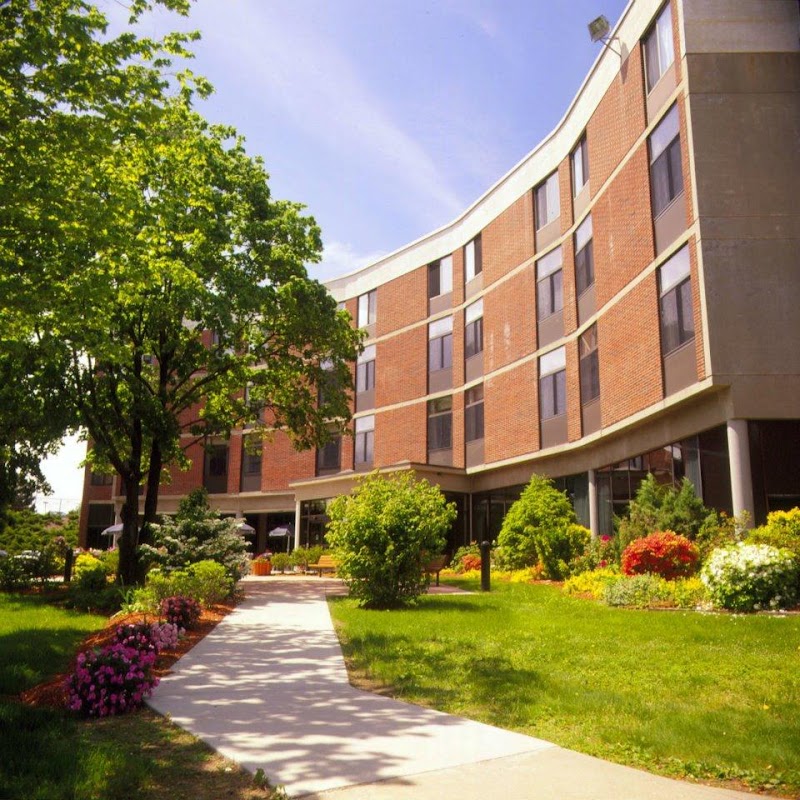
CMS rates M I NURSING & RESTORATIVE CENTER's staffing level at 5 out of 5 stars, which is much above average compared to other nursing homes. Staff turnover is 29%, compared to the Massachusetts average of 46%. This relatively stable workforce can support continuity of care.

What Have Inspectors Found at M I Nursing & Restorative Center?

State health inspectors documented 19 deficiencies at M I NURSING & RESTORATIVE CENTER during 2022 to 2024. These included: 1 that caused actual resident harm and 18 with potential for harm. Deficiencies causing actual harm indicate documented cases where residents experienced negative health consequences.
Who Owns and Operates M I Nursing & Restorative Center?

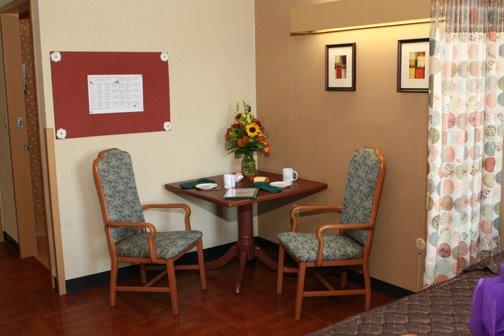
M I NURSING & RESTORATIVE CENTER is owned by a non-profit organization. Non-profit facilities reinvest revenue into operations rather than distributing to shareholders. The facility is operated by COVENANT HEALTH, a chain that manages multiple nursing homes. With 250 certified beds and approximately 192 residents (about 77% occupancy), it is a large facility located in LAWRENCE, Massachusetts.
How Does M I Nursing & Restorative Center Compare to Other Massachusetts Nursing Homes?

Compared to the 100 nursing homes in Massachusetts, M I NURSING & RESTORATIVE CENTER's overall rating (4 stars) is above the state average of 2.9, staff turnover (29%) is significantly lower than the state average of 46%, and health inspection rating (4 stars) is above the national benchmark.

What Should Families Ask When Visiting M I Nursing & Restorative Center?

Based on this facility's data, families visiting should ask: "Can I visit during a mealtime to observe dining assistance and food quality?" "How do you handle medical emergencies, and what is your hospital transfer rate?" "Can I speak with family members of current residents about their experience?"

Is M I Nursing & Restorative Center Safe?

Based on CMS inspection data, M I NURSING & RESTORATIVE CENTER has a clean safety record: no substantiated abuse findings (meaning no confirmed cases of resident harm), no Immediate Jeopardy citations (the most serious violation level indicating risk of serious injury or death), and is not on the Special Focus Facility watch list (a federal program monitoring the lowest-performing 1% of nursing homes). The facility has a 4-star overall rating and ranks #1 of 100 nursing homes in Massachusetts. While no facility is perfect, families should still ask about staff-to-resident ratios and recent inspection results during their visit.

Do Nurses at M I Nursing & Restorative Center Stick Around?

Staff at M I NURSING & RESTORATIVE CENTER tend to stick around. With a turnover rate of 29%, the facility is 17 percentage points below the Massachusetts average of 46%. Low turnover is a positive sign. It means caregivers have time to learn each resident's needs, medications, and personal preferences. Consistent staff also notice subtle changes in a resident's condition more quickly. Registered Nurse turnover is also low at 23%, meaning experienced RNs are available to handle complex medical needs.

Was M I Nursing & Restorative Center Ever Fined?

M I NURSING & RESTORATIVE CENTER has been fined $7,901 across 1 penalty action. This is below the Massachusetts average of $33,158. While any fine indicates a compliance issue, fines under $50,000 are relatively common and typically reflect isolated problems that were subsequently corrected. Families should ask what specific issues led to these fines and confirm they've been resolved.

Is M I Nursing & Restorative Center on Any Federal Watch List?

M I NURSING & RESTORATIVE CENTER is not on any federal watch list. The most significant is the Special Focus Facility (SFF) program, which identifies the bottom 1% of nursing homes nationally based on persistent, serious quality problems. Not being on this list means the facility has avoided the pattern of deficiencies that triggers enhanced federal oversight. This is a positive indicator, though families should still review the facility's inspection history directly.