ROYAL WOOD MILL CENTER
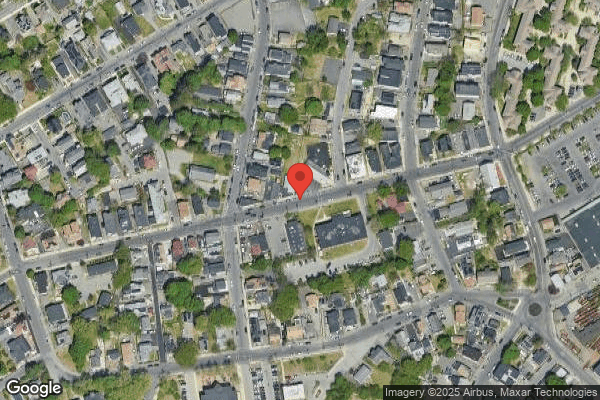
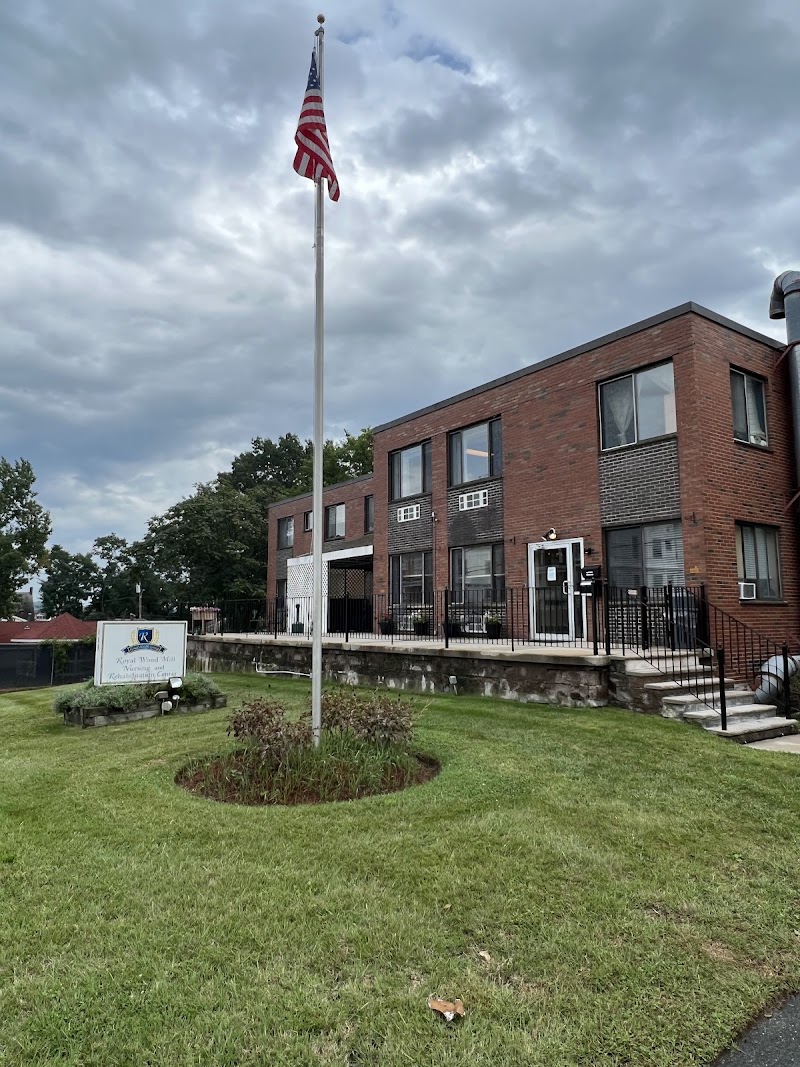
800 ESSEX STREET, LAWRENCE, MA 01841 (978) 686-2994
For profit - Corporation 94 Beds ROYAL HEALTH GROUP Data: November 2025
Trust Grade
5/100
#320 of 338 in MA
Last Inspection: April 2025

Within standard 12-15 month inspection cycle. Federal law requires annual inspections.

Overview

Royal Wood Mill Center in Lawrence, Massachusetts, has a Trust Grade of F, indicating significant concerns about the care provided at the facility. Ranking #320 out of 338 in the state places it in the bottom half of Massachusetts nursing homes, and #41 out of 44 in Essex County means there are very few local options that perform better. The facility's situation is worsening, with the number of reported issues increasing from 11 in 2024 to 12 in 2025. Although staffing turnover is excellent at 0%, indicating that staff remain long-term, the facility has a concerning level of fines totaling $41,701, which is higher than 77% of facilities in Massachusetts. Specific incidents highlighted by inspectors include a serious failure to secure medications, leading to a resident ingesting multiple antipsychotic tablets and requiring emergency hospitalization, and a failure to prevent a decline in range of motion for another resident. While the facility has some strengths in staff retention, the overall care quality and safety issues raise significant concerns for families considering this nursing home.

Trust Score
F
5/100
In Massachusetts
#320/338
Bottom 6%
Safety Record
High Risk
Review needed
Inspections
Getting Worse
11 → 12 violations
Staff Stability
○ Average
Turnover data not reported for this facility.
Penalties
○ Average
$41,701 in fines. Higher than 62% of Massachusetts facilities. Some compliance issues.
Skilled Nurses
○ Average
Each resident gets 34 minutes of Registered Nurse (RN) attention daily — about average for Massachusetts. RNs are the most trained staff who monitor for health changes.
Violations
⚠ Watch
40 deficiencies on record. Higher than average. Multiple issues found across inspections.
★☆☆☆☆
1.0
Overall Rating
★☆☆☆☆
1.0
Staff Levels
★☆☆☆☆
1.0
Care Quality
★★☆☆☆
2.0
Inspection Score
Stable
2024: 11 issues
2025: 12 issues

The Good

  • Full Sprinkler Coverage · Fire safety systems throughout facility
  • No fines on record

Facility shows strength in fire safety.

The Bad

1-Star Overall Rating

Below Massachusetts average (2.9)

Significant quality concerns identified by CMS

Federal Fines: $41,701

Above median ($33,413)

Moderate penalties - review what triggered them

Chain: ROYAL HEALTH GROUP

Part of a multi-facility chain

Ask about local staffing decisions and management

The Ugly 40 deficiencies on record

6 actual harm
Apr 2025 12 deficiencies
CONCERN (D)

Potential for Harm - no one hurt, but risky conditions existed

Abuse Prevention Policies (Tag F0607)

Could have caused harm · This affected 1 resident

**NOTE- TERMS IN BRACKETS HAVE BEEN EDITED TO PROTECT CONFIDENTIALITY** Based on record review and interviews, the facility failed to ensure staff implemented abuse policies and procedures for one Res...

Read full inspector narrative →
**NOTE- TERMS IN BRACKETS HAVE BEEN EDITED TO PROTECT CONFIDENTIALITY** Based on record review and interviews, the facility failed to ensure staff implemented abuse policies and procedures for one Resident (#28) out of a total of 20 sampled Residents. Specifically, for Resident #28 staff failed notify facility administration of an accusation that a Certified Nurse's Aide (CNA) wrapped a remote cord around his/her neck. Findings include: Review of the facility policy titled Abuse, undated, indicated that any employee who suspects an alleged violation shall immediately notify the executive director or his/her designee. Resident #28 was admitted to the facility in January 2025 with diagnoses including stroke with left sided hemiplegia/hemiparesis, dementia and depression. Review of the Minimum Data Set (MDS) dated [DATE] indicated that Resident #28 is totally dependent for all activities of daily living and scored an 11 out of 15 on the Brief Interview for Mental Status exam indicating moderate cognitive impairment. Review of the progress notes dated 3/23/25 at 21:28 indicated that at around 7:00 P.M. Resident #28 accused CNA #2 of wrapping the call light cord around his/her neck. Review of the progress note dated 3/24/25, at 17:21 indicated that the Director of Nursing (DON) was notified at 4:00 P.M. that Resident #28's spouse reported that Resident #28 said that the evening prior a CNA had wrapped a call light cord around his/her neck. During an interview on 4/7/25 at 11:19 A.M. the Director of Nursing (DON) said that she had not been made aware of the accusation of abuse until the next afternoon on 3/24/25 at around 4:00 P.M The DON said that the nurse who first heard of the accusation of abuse should have reported it to administration immediately so the facility could report the allegation of abuse to the state agency within the 2 our timeframe and start the investigation of the allegation immediately.
CONCERN (D)

Potential for Harm - no one hurt, but risky conditions existed

Report Alleged Abuse (Tag F0609)

Could have caused harm · This affected 1 resident

**NOTE- TERMS IN BRACKETS HAVE BEEN EDITED TO PROTECT CONFIDENTIALITY** Based on record review and interview, the facility failed to report an incident of resident to resident abuse to the state agenc...

Read full inspector narrative →
**NOTE- TERMS IN BRACKETS HAVE BEEN EDITED TO PROTECT CONFIDENTIALITY** Based on record review and interview, the facility failed to report an incident of resident to resident abuse to the state agency for one Resident (#11) out of a total sample of 20 residents. Findings include: Review of the facility policy titled Abuse Policy, undated, indicated the following: - The ED (executive director) shall also notify the appropriate state agency in accordance with the state law. - The results of all investigations must be reported immediately to the ED or his/her designee and the appropriate state agency, as required by state law. Resident #11 was admitted in November 2010 with diagnoses including dementia. Review of the Minimum Data Set (MDS), dated [DATE], indicated Resident #11 scored a three out of a possible 15 on the Brief Interview for Mental Status exam, indicating severe cognitive impairment. Review of the MDS indicated Resident #11 has verbal and physical behaviors. Review of the incident report, dated 9/29/24, indicated Resident #11 walked into another Resident's room and slapped the Resident on the side of the face. Review of the healthcare facility reporting system failed to indicate that the incident had been reported. During an interview on 4/7/25 at 8:40 A.M., the Director of Nursing said that she should have reported the resident to resident interaction to the state agency.
CONCERN (D)

Potential for Harm - no one hurt, but risky conditions existed

Investigate Abuse (Tag F0610)

Could have caused harm · This affected 1 resident

**NOTE- TERMS IN BRACKETS HAVE BEEN EDITED TO PROTECT CONFIDENTIALITY** Based on record review and interview, the facility failed to thoroughly investigate an injury of uknown origin for one Resident ...

Read full inspector narrative →
**NOTE- TERMS IN BRACKETS HAVE BEEN EDITED TO PROTECT CONFIDENTIALITY** Based on record review and interview, the facility failed to thoroughly investigate an injury of uknown origin for one Resident (#18) out of a total sample of 21 residents. Specifically, Resident #18 was found to have a dislocated shoulder and the facility interviewed the staff on the morning shift of the incident, but no other staff that had taken care of Resident #18. Findings include: Review of the policy titled Abuse Policy, undated, indicated the following: -The facility shall take the following steps to prevent, detect, and report abuse, neglect, injuries of unknown source, and misappropriation of resident property. - Where the circumstances of the alleged violation warrants, the DNS or his/her designee, shall initiate a physical and mental assessment of the resident and document the findings. Factual information only shall be documented, no assumptions. - Interview staff members implicated. - Interview other staff members. Employee should document incident in a written statement. - Interview with resident or resident witnesses. Supervisor to document written statement from resident(s). Resident #18 was admitted in November 2023 with diagnoses including hypertension. Review of the Minimum Data Set (MDS), dated [DATE], indicated Resident #18 scored a 1 out of a possible 15 on the Brief Interview for Mental Status exam, indicating severe cognitive impairment. Review of an incident report, dated 6/20/24, indicated Resident #18 had malpositioning of the right shoulder and pain of a 6/10. An x-ray was completed and it was determined that Resident #18 had a dislocated shoulder. Review of the incident report indicated that two of the certified nursing aides were interviewed regarding the dislocated shoulder on the morning it was discovered. Review of the Resident interview with the social worker indicated that Resident #18 said I fell asleep, and when I woke up my shoulder was in pain. During an interview on 4/8/25 at 1:43 P.M., the Director of Nursing said that when an injury of uknown source occurs, she will typically interview everyone on the shift and would interview staff that were on the schedule days before the event occurred. Review of the incident report failed to indicate that staff were interviewed on any of the shifts from the day or night prior to Resident #18 waking up with pain with a dislocated shoulder. During an interview on 4/9/25 at 8:35 A.M., the Director of Nursing said that she should have investigated and interviewed staff from the shift the night prior to the incident.
CONCERN (D)

Potential for Harm - no one hurt, but risky conditions existed

Safe Transfer (Tag F0626)

Could have caused harm · This affected 1 resident

Based on interviews and record review, for one of two sampled discharge residents (Resident #67), the facility failed to permit Resident #67 to return following an evaluation in the emergency departme...

Read full inspector narrative →
Based on interviews and record review, for one of two sampled discharge residents (Resident #67), the facility failed to permit Resident #67 to return following an evaluation in the emergency department (ED) when on 02/10/25, the Facility considered Resident #67 discharged at the time of the transfer. Findings include: Review of the facility policy titled Transfer and Discharge (including AMA), dated revised January 2025, indicated that an emergent section 12 discharge authorizes temporary involuntary hospitalization for up to 72 hours. Further review indicated that the resident will be permitted to return to the facility upon discharge from the acute care setting if the resident's needs can be met by the facility. Resident #67 was admitted to the facility in February 2025 with diagnoses including disorganized schizophrenia, high blood pressure and schizoaffective disorder. Review of the progress note dated 2/7/25, indicated that Resident #67 scored a 15 out of 15 on the Brief Interview for Mental Status exam, indicating intact cognition. Review of the progress notes dated 2/10/25, indicated that Resident #67 was agitated and destroying property inside his/her room, wandering into other resident's rooms and rummaging through their belongings, Further review indicated that Resident #67 left the facility by ambulance at 10:00 A.M. Review of the facility document titled Notice of Intent Not to Readmit Resident Following Hospitalization or Other Medical Leave of Absence from the Facility with Less than 30 Days' Notice (Expedited Appeal), dated 2/10/25, indicated that the move is necessary for your own welfare and your needs cannot be met within the nursing facility. During an interview on 4/6/25 at 11:54 A.M. the Social Worker (SW) said that Resident #67 was not harming her/himself or others. The SW also said that the document titled Notice of Intent Not to Readmit Resident Following Hospitalization or Other Medical Leave of Absence from the Facility with Less than 30 Days' Notice (Expedited Appeal), dated 2/10/25, was transferred with the Resident at the time of discharge to the hospital because the facility considered Resident #67 to be discharged at the time of the transfer to the hospital. During an interview on 4/6/25 at 12:40 P.M., the SW said that no bed hold notice was sent with Resident #67 or given to the brother, who had financial power of attorney, because the facility was not allowing Resident #67 to return to the facility. The SW then said that at no time after the Resident was transferred to the hospital did the facility reach out to the hospital to inquire how Resident #67 was progressing and whether or not the facility might be able to meet the needs of the Resident once he/she was cleared by the hospital for return to the facility.
CONCERN (D)

Potential for Harm - no one hurt, but risky conditions existed

Comprehensive Care Plan (Tag F0656)

Could have caused harm · This affected 1 resident

**NOTE- TERMS IN BRACKETS HAVE BEEN EDITED TO PROTECT CONFIDENTIALITY** Based on record review and interview, the facility failed to update the plan of care after an incident of physical abuse for one...

Read full inspector narrative →
**NOTE- TERMS IN BRACKETS HAVE BEEN EDITED TO PROTECT CONFIDENTIALITY** Based on record review and interview, the facility failed to update the plan of care after an incident of physical abuse for one Resident (#11) out of a total sample of 20 residents. Findings include: Review of the policy titled Abuse Policy, undated, indicated the following: - The facility shall take the following steps to prevent, detect, and report abuse, neglect, injuries of unknown source, and misappropriation of resident property. - ABUSE: unjustified physical contact, intentional or careless, which is likely to result in physical or psychological harm. - If the suspected perpetrator is another resident, the DNS (director of nursing services) or his/her designee, shall separate the residents so they do not have access to each other until the circumstances of the alleged incident can be determined. - Where the circumstances of the alleged violation warrants, the DNS or his/her designee, shall initiate a physical and mental assessment of the resident and document the findings. Factual information only shall be documented, no assumptions. - The ED (executive director) shall also notify the appropriate state agency in accordance with the state law. - The results of all investigations must be reported immediately to the ED or his/her designee and the appropriate state agency, as required by state law. Resident #11 was admitted in November 2010 with diagnoses including dementia. Review of the Minimum Data Set (MDS), dated [DATE], indicated Resident #11 scored a three out of a possible 15 on the Brief Interview for Mental Status exam, indicating severe cognitive impairment. Review of the MDS indicated Resident #11 has verbal and physical behaviors. Review of the care plan for Resident #11 indicates the following: - Resident has a behavior problem AEB (as evidenced by): cursing at others, screaming at others, accusatory towards others, verbally intrusive. Grabbing others, kicking others, pushing others, hitting others, physically aggressive toward others, physically intrusive (initiated 11/20/20) - Interventions: * 1:1 monitoring for safety PRN (as needed) (initiated 4/7/25) * Administer medications as ordered. (initiated 11/20/20) * Anticipate and meet the resident's needs to prevent frustration and behaviors (initiated 11/20/20) * Assist the resident to develop more appropriate methods of coping and interacting. Encourage him/her to express his/her feelings appropriately. (initiated 11/20/20) * Caregivers to provide opportunity for positive interaction and attention. Stop and talk with him/her when passing by (initiated 11/20/20) * Explain all procedures to the resident before starting and allow ample time for him/her to adjust to changes (initiated 11/20/20) * Intervene as necessary to protect the rights and safety of others. Approach/speak in a calm manner. Divert attention. Remove from situation and take to alternate location as needed. (initiated 8/10/23) * Obtain MD ordered lab work when ordered to r/o (rule out) cause of increased confusion/agitation (initiated 9/27/22) * Provide a program of activities that is of interest and accommodates residents status (initiated 2/18/21) Review of the incident report, dated 9/29/24, indicated Resident #11 had walked into another Resident's room and slapped the other Resident on the side of the face. Review of the care plan failed to indicate that it had been reviewed or updated after the incident of abuse. During an interview on 4/8/25 at 1:40 P.M., the Director of Nursing said that it is facility protocol to update the plan of care after a resident to resident incident, but that she probably missed it and said the care plan should have been updated.
CONCERN (D)

Potential for Harm - no one hurt, but risky conditions existed

Pressure Ulcer Prevention (Tag F0686)

Could have caused harm · This affected 1 resident

**NOTE- TERMS IN BRACKETS HAVE BEEN EDITED TO PROTECT CONFIDENTIALITY** Based on record review and interview, the facility failed to follow a physician's order for air mattress settings for three Resi...

Read full inspector narrative →
**NOTE- TERMS IN BRACKETS HAVE BEEN EDITED TO PROTECT CONFIDENTIALITY** Based on record review and interview, the facility failed to follow a physician's order for air mattress settings for three Residents (#49, #17 and #268) out of a total sample of 20 residents. Findings include: Review of the policy titled Prevention of Pressure Ulcers/Injuries, dated May 2023, indicated the following: - Select appropriate support surfaces based on the resident's mobility, continence, skin moisture and perfusion, body size, weight, and overall risk factors. Review of the facility policy titled Support Surface Guidelines, dated October 2023, indicated the following: - Any individual at risk for developing pressure ulcers may be placed on a redistribution support surface, such as foam, gel, static air, alternating air, or air-loss or gel when lying in bed. - Support surfaces alone are not effective in preventing pressure ulcers, but studies indicate that the use of appropriate support surfaces with interventions such as turning, repositioning and moisture management can assist in reducing pressure ulcer development. - Support surfaces are modifiable. Individual resident needs differ. A review of the operator's manual titled 'Med-Aire Melody Alternating Pressure Low Air Loss Mattress Replacement System, item #14026' indicated the following: -Indications-The Med Aire Melody Alternating Pressure and Low Air Loss Mattress Replacement System, item #14026 is indicated for the prevention and treatment of any and all stage pressure ulcers when used in conjunction with a comprehensive pressure ulcer management program. 1. Resident #49 was admitted to the facility in January 2022 with diagnoses including Parkinson's disease, dementia and chronic kidney disorder. Review of the Minimum Data Set Assessment (MDS) dated [DATE] indicated Resident #49 is severely cognitively impaired evidenced by a score of four out of a possible 15 on the Brief Interview for Mental Status Exam. The MDS also indicated Resident #49 requires assistance with bathing and dressing. Review of the Support Surface Guidelines policy, dated October 2023 indicated: Use of a pressure ulcer risk scale such as the [NAME] or Braden Scale to help determine need for and appropriate type of pressure relieving devices. Refer to bed selection algorithm for support surface selection. On 4/6/25 at 7:49 A.M., the surveyor observed Resident #49 asleep in bed. Resident #49 was on an air mattress set at 200 lbs. Review of Resident #49's most recent weight obtained on 4/1/25 indicated he/she weighed 122 lbs. Review of the physicians orders indicated: Air Mattress - Pressure set per residents most recent weight; +/- 10 lbs. Document weight. Check placement and function every shift, initiated 1/28/25. Review of Resident #49's care plans indicated: Focus: Resident has potential for developing pressure ulcers r/t (related to) bowel and bladder incontinence, revised 1/23/23. Interventions: The resident requires pressure reducing devices on bed and wheelchair. Review of Resident #49's Braden Scale for Predicting Pressure Ulcer Risk Evaluation, dated 1/17/25 indicated he/she was at risk for developing pressure ulcers. On 4/7/25 at 7:28 A.M., the surveyor observed Resident #49 asleep in bed. The air mattress was set at 200 lbs. On 4/7/25 at 8:27 A.M., Unit Manager #1 was observed seated next to Resident #49 assisting him/her with the breakfast meal. Resident #49 was laying in bed and the air mattress was set to 200 lbs. Unit Manager #1 said that the air mattress should be set to Resident #49's weight. During an interview on 4/8/25 at 7:38 A.M., the Director of Nursing said that the expectation is for staff to set air mattresses at the correct setting. 2. Resident #17 was admitted in April 2013 with diagnoses including dementia. Review of the Minimum Data Set (MDS), dated [DATE], indicated Resident #17 did not participate in the Brief Interview for Mental Status exam, but was moderately cognitively impaired. Review of the MDS indicated Resident #17 is dependent for all activities of daily living and mobility. Review of the most recent wound doctor evaluation, dated 4/2/25, indicated that Resident #17 has an unstageable wound of the left foot. Review of the current physician's orders indicate the following order: -Air mattress- pressure set per resident's most recent weight +/- 10 pounds. Document weight. Check placement and function every shift. Review of Resident #17's weight summary indicated his/her most recent weight, on 4/4/25, was 85 pounds. During an observation on 4/6/25 at 9:37 A.M., Resident #17's air mattress was set to 330 pounds of pressure. During an observation on 4/7/25 at 7:24 A.M., Resident #17 was lying in bed with the air mattress set at 280 pounds of pressure. During an observation on 4/8/24 at 7:54 A.M., Resident #17's air mattress was set to 280 pounds of pressure. During an interview on 4/9/24 at 8:37 A.M., the Director of Nursing said that she would expect staff to follow the physician's orders for air mattress settings. 3. Resident #268 was admitted to the facility in February 2025 with diagnoses including type 2 diabetes. A review of the Minimum Data Set, dated [DATE] did not indicate a Brief Interview for Mental Status score. A review of the care plan initiated on 2/24/25 indicated the Resident is not able to make his/her own health care decisions. Further review of the care plan initiated on 2/26/25 indicated that the Resident has actual impairment to skin integrity as evidenced by an undetermined thickness deep tissue injury to the right 4th and 5th toe, an undetermined thickness deep tissue injury to the right lateral heel, an undetermined thickness deep tissue injury to the left great toe, 4th and 5th toes and an undetermined thickness deep tissue injury to the left heel. A review of Resident #268's April 2025 physician's orders indicated the following: -Air Mattress-Pressure set per resident's most recent weight, plus or minus 10 pounds. Document weight. Check placement and function every shift. Order dated, 3/20/25. A review of Resident #268's most recent weight dated 4/6/25 indicated the Resident weighed 169.8 pounds. On 4/6/25 at 9:40 A.M., the surveyor observed the Resident in bed. The air mattress was set at 210. On 4/7/25 at 9:32 A.M., and 12:12 P.M., the surveyor observed the Resident in bed. The air mattress was set at 320. On 4/8/25 at 3:36 A.M., the surveyor observed the Resident in bed. The air mattress was set at 320. During an interview and observation on 4/8/25 at 7:51 A.M., the surveyor and Unit Manager #2 observed the Resident in bed with the air mattress setting at 320. Unit Manager #2 said as per the physician's orders, the air mattress should be set at the Resident's current weight plus or minus 10 pounds. Unit Manager #2 said the air mattress should be set at 180. During an interview on 4/8/25 at 7:53 A.M., the Director of Nurses said the Resident's air mattress should be set as per the physician's orders, the Resident's current weight plus or minus 10 pounds. The DON said the air mattress should be set at 180.
CONCERN (D)

Potential for Harm - no one hurt, but risky conditions existed

Accident Prevention (Tag F0689)

Could have caused harm · This affected 1 resident

**NOTE- TERMS IN BRACKETS HAVE BEEN EDITED TO PROTECT CONFIDENTIALITY** Based on observations, record review and interview, the facility failed to ensure three residents (#58, #17, and #2) were free f...

Read full inspector narrative →
**NOTE- TERMS IN BRACKETS HAVE BEEN EDITED TO PROTECT CONFIDENTIALITY** Based on observations, record review and interview, the facility failed to ensure three residents (#58, #17, and #2) were free from accidents and hazards including elopement and failed to ensure the appropriate interventions were implemented for safety. Specifically, 1. For Resident #58, the facility to a. prevent an elopement from a secured unit and b. perform a thorough investigation 2. For Resident #17, the facility failed to implement a falls intervention 3. For Resident #2, the facility failed to apply seizure pads to bilateral side rails as ordered Findings include: Review of the facility policy titled Resident Elopement and Wandering, dated June 2024, indicates the following: - Resident elopement is defined as that situation where a cognitively impaired resident or someone with impaired safety awareness actually leaves the facility premises/property without staff knowledge. - When the resident is located: - Nursing to assess the resident thoroughly and document findings in the medical record/nurses notes - Notify the MD, DON, Nurse Supervisor, Resident's legal representative/family - Investigate causal factors related to the elopement - Update the post elopement evaluation form & incident report - Update care plan - Reporting: the Executive Director or designee shall notify the state agency as required by law 1a. Resident #58 was admitted in November 2023 with diagnoses including frontotemporal neurocognitive disorder and unspecified psychosis. Review of the Minimum Data Set (MDS), dated [DATE], indicated Resident #58 scored a 7 out of a possible 15 on the Brief Interview for Mental Status exam, indicating severe cognitive impairment. Review of the current care plan indicates the following: - Resident has a behavior problem AEB (as evidenced by): wandering, pacing (initiated 12/7/23) Review of the care plan failed to indicated Resident #58 was at risk for elopement prior to his/her elopement. Review of the elopement assessment, dated 6/4/24, indicated Resident #58 was not an elopement risk. Review of the incident report, dated 7/13/24, indicated Resident #58 had been seen outside of the facility and stated he/she was walking to the store. Resident #58 was returned to the facility and put on 15 minute checks and a wanderguard (a device applied to set off a door alarm if the Resident attempts to exit) was applied to Resident #58. During an interview on 4/7/25 at 8:33 A.M., the Director of Nursing said Resident #58 was on the first floor when it happened and he/she must have walked out the front door because it is unlocked. Review of the census report failed to indicate Resident #58 had been on the first floor since admission. During an interview on 4/7/25 at 10:55 A.M., Nurse #6 said that Resident #58 has been on the second floor since admission and she was at the facility when the elopement occurred, but could not recall how Resident #58 got out of the building. Nurse #6 said that Resident #58 could have gone out of the building with the smoking group and just started walking away when someone was not looking, but she is not sure. 1b. Review of the investigation report failed to include witness statements to recount the events that occurred on 7/13/24. During an interview on 4/7/25 at 8:33 A.M., the Director of Nursing said that when a Resident elopes from the facility, they would put the Resident on the second floor because the second floor is a locked and secured unit. The Director of Nursing said that she should have reported it and does not remember if she ever obtained witness statements. 2. Review of the policy titled Managing Falls and Fall Risk Policy Statement, undated, indicated the following: - The staff, with the input of the attending physician, will implement a resident-centered fall prevention plan to reduce the specific risk factors of falls for each resident at risk or with a history of falls. - If falling recurs despite initial interventions, staff will implement additional or different interventions, or indicate why the current approaches remain relevant. - The staff will monitor and document each resident's response to interventions intended to reduce falling or the risks of falling. - If the resident continues to fall, staff will re-evaluate the situation and whether it is appropriate to continue or change current interventions. Resident #17 was admitted in April 2013 with diagnoses including dementia. Review of the Minimum Data Set (MDS), dated [DATE], indicated Resident #17 did not participate in the Brief Interview for Mental Status exam, but is moderately cognitively impaired. Review of the MDS indicated Resident #17 is dependent for all activities of daily living and mobility. Review of the falls care plan for Resident #17 indicated the following: - Resident is at risk for falls r/t (related to) decreased safety awareness d/t (due to) dementia and psychosis (initiated 11/4/20) * Anticipate and meet the resident's needs (initiated 12/18/22) * Bed and chair alarm in place at all times. Check every shift for functioning and placement (initiated 2/21/23) * Educate the resident/caregivers about safety reminders and what to do if a fall occurs (initiated 11/24/22) * RESOLVED: Encourage the resident not to furniture walk when in room. Educate him/her on the safety risks of doing so (initiated 3/19/22; resolved on 3/20/25) * Encourage the resident to participate in activities that promote exercise and physical activity for strengthening and improved mobility as tolerated (initiated 11/4/20) * Ensure that the resident is wearing the appropriate footwear when in wheelchair and when in bed (initiated 11/18/23) * Ensure the resident's call light is within reach and encourage him/her to use it for assistance as needed (initiated 4/3/23) * Follow facility fall protocol (initiated 11/4/20) * May use geri chair for enhanced comfort/positioning (initiated 3/18/25) * The resident requires total assistance with wheelchair mobility (initiated 11/4/20) * RESOLVED: Physical therapy evaluation (initiated 3/19/22; resolved on 3/24/22) * RESOLVED: Pt evaluate and treat as ordered or PRN (as needed) (initiated 5/24/23; resolved on 3/24/22) * RESOLVED: PT evaluated and treat as ordered or PRN (initiated 2/23/24; resolved 5/20/24) * RESOLVED: PT evaluate and treat as ordered or PRN (initiated 6/2/24; resolved 8/9/24) * RESOLVED: Rehab to screen resident to assess safety of furniture placement in room (initiated 3/19/22; resolved 6/23/22) * Remind resident to call staff for help and do not try to pick things up from the floor (initiated 5/23/23) Review of the fall risk assessment, dated 5/16/24, indicated Resident #17 was at risk for falls. Review of the incident report, dated 6/2/24, indicated Resident #17 fell in the unit dining room on his/her left side and was found face down. The fall was unwitnessed. Review of the care plan indicated that an intervention for PT to evaluate and treat was ordered on 6/2/24. Review of the rehab notes failed to indicate that PT ever evaluated or treated Resident #17. Review of the incident report, dated 6/22/24, indicated Resident #17 fell in his/her room at the bedside. Review of the care plan failed to indicated that it was revised or updated after the fall on 6/22/24. Review of the incident report, dated 12/11/24, indicated Resident #17 was found on the dining room floor face down. The fall was unwitnessed. During an interview on 4/8/24 at 1:41 P.M., the Director of Nursing said that usually the team will discuss falls the next day and will update the plan of care. The Director of Nursing said that rehab should have seen Resident #17 after his/her fall on 6/22/24, but did not. The Director of Nursing said that the rehab department attends the interdisciplinary team meetings and that Resident #17 should have been seen after discussing the fall. 3. Resident #2 was admitted to the facility in April 2000 with diagnoses including epilepsy and epileptic syndromes with complex and partial seizures. A review of the most recent Minimum Data Set, dated [DATE] did not indicate a Brief Interview for Mental Status score because the Resident is rarely/never understood. A review of Resident #2's April 2025 physician's orders indicated the following: -Seizure pads to bilateral side rails. Check placement every shift. Order date, 12/21/22. On 4/7/25 at 7:35 A.M., and 9:40 A.M., the surveyor observed the Resident sleeping in bed with one seizure pad on the left side rail. On 4/8/25 at 3:35 A.M., the surveyor observed the Resident sleeping in bed with one seizure pad on the left side rail. During an interview and observation on 4/8/25 at 7:40 A.M., the surveyor and Unit Manager #1 observed the Resident sleeping with one seizure pad on the left side rail. Unit Manager #1 found the other seizure pad on the Resident's dresser. Unit Manger #1 said as per the physician's orders, the Resident should always have two seizure pads on the side rails while in bed. During an interview on 4/8/25 at 7:53 A.M., the Director of Nurses (DON) said physician's orders should always be followed. The DON said Resident # 2 should always have two seizure pads while in bed because of his/her history of seizures. Ref to F842
CONCERN (D)

Potential for Harm - no one hurt, but risky conditions existed

Deficiency F0825 (Tag F0825)

Could have caused harm · This affected 1 resident

**NOTE- TERMS IN BRACKETS HAVE BEEN EDITED TO PROTECT CONFIDENTIALITY** Based on record review and interview, the facility failed to ensure specialized rehab services were provided in a timely fashion...

Read full inspector narrative →
**NOTE- TERMS IN BRACKETS HAVE BEEN EDITED TO PROTECT CONFIDENTIALITY** Based on record review and interview, the facility failed to ensure specialized rehab services were provided in a timely fashion for one Resident (#28) out of a total sample of 20 residents. Findings include: Review of the facility policy titled Specialized Rehabilitative Services, not dated, indicated that the facility provides specialized rehabilitative services by qualified professional personnel. Resident #28 was admitted to the facility in January 2025 with diagnoses including stroke with left sided hemiplegia/hemiparesis, contracture of muscle of left hand and dementia. Review of the Minimum Data Set (MDS) dated [DATE] indicated that Resident #28 is totally dependent for all activities of daily living and scored an 11 out of 15 on the Brief Interview for Mental Status exam indicating moderate cognitive impairment. Further review indicated range of motion impairment on one side of upper extremity including wrist and hand. On 4/06/25, at 7:59 A.M. the surveyor observed Resident #28 lying in bed. The surveyor observed that Resident #28 had a severely contracted hand and fingers. The surveyor also observed that Resident was without a palm guard/splint on the left wrist/hand. The surveyor was not able to locate a palm guard/hand splint in Resident #28's room. During an interview on 4/06/25, at 7:59 A.M. Resident #28 said that he/she used to have something on his/her hand but has not had one in a long time. Review of the admission documentation received by the facility from the Resident's prior nursing facility indicated that Resident #28 was receiving occupational therapy to address the contracture's of his/her left hand. Review of the occupational therapy discharge note from the prior facility, dated 1/20/25, indicated the following: a. Patient will safely wear least restrictive splinting/orthotic device during daily tasks without skin irritation and complaints of discomfort in order to improve PROM (passive range of motion) for adequate hygiene and inhibit abnormal positions. b. progress and response to treatment: patient made consistent progress throughout plan of treatment with donning of palm guard s/p (status post) PROM to L (left) digits tolerating 8 hrs (hours). c. D/C (discharge) recs (recommendations): Recommend continuation of splinting of L hand and PROM to LUE (left upper extremity) at new LTC (long term care) facility. Review of the progress note, from prior facility, dated 12/30/24, indicated the following: eMar - Medication Administration Note. Note Text: Apply palm guard to left. hand during AM care post hand hygiene as tolerated. every day shift check for placement, reapply as needed, check skin for integrity. unable to find. On 4/6/25 at 12:32 P.M., the surveyor observed Resident #28 without a palm guard/splint on the left wrist/hand. The surveyor was not able to locate a palm guard/hand splint in Resident #28's room. On 4/7/25, at 12:14 P.M. the surveyor observed Resident #28 lying in bed without a palm guard/splint on the left wrist/hand. The surveyor was not able to locate a palm guard/hand splint in Resident #28's room. Review of the physician's orders dated April 2025 failed to indicate an order for a palm guard/hand splint. Further review failed to indicate an order for rehabilitation therapy. Review of the care plan failed to indicate the use of a palm guard/hand splint. During an interview on 4/07/25, at 2:33 P.M. the Director of Rehab (DOR) said he was not under the impression from nursing that Resident #28 had been receiving therapy at the previous facility so he did not look for and/or read any therapy notes from the previous facility. The DOR said that it is the responsibility of nursing to inform the rehab department when a resident is admitted who needs therapy, as all admissions are not automatically screened for potential therapy needs. The DOR said that Resident #28 should have been at least screened by therapy upon admission as he/she was receiving occupational therapy at his/her previous nursing home. During an interview on 4/08/25, at 8:35 A.M., Resident #28 said that he/she was given the palm guard yesterday and that before yesterday he/she did not have one since coming to the building. During an interview on 4/08/25 at 8:39 A.M., Nurse #7 said that prior to yesterday she had not seen a palm guard/hand splint on Resident #28. During an interview on 4/08/25, at 8:40 A.M., CNA #5 said that she is Resident #28's regular CNA and she has never seen a palm guard/hand splint for Resident #28 prior to today.
CONCERN (D)

Potential for Harm - no one hurt, but risky conditions existed

Infection Control (Tag F0880)

Could have caused harm · This affected 1 resident

**NOTE- TERMS IN BRACKETS HAVE BEEN EDITED TO PROTECT CONFIDENTIALITY** Based on observation, policy review and interview, the facility failed to maintain an infection prevention and control program d...

Read full inspector narrative →
**NOTE- TERMS IN BRACKETS HAVE BEEN EDITED TO PROTECT CONFIDENTIALITY** Based on observation, policy review and interview, the facility failed to maintain an infection prevention and control program designed to provide a safe, sanitary, and comfortable environment, and to help prevent the development and potential transmission of communicable diseases and infections. Specifically the facility failed to: 1. Ensure that nursing performed hand hygiene (HH) and changed a wound dressing in accordance of professional standards to prevent infection. 2. Ensure the nurse did not touch medications while dispensing. 3. Ensure personal protective equipment (PPE) was readily available to staff when needed. 4. For Resident #40, the facility failed to implement contact precautions after he/she developed symptoms and tested positive for Clostridioides difficile (C-Diff; a bacterium that causes an infection of the colon, the longest part of the large intestine). Findings include: 1. Review of the facility policy titled Dry, Clean Dressings, dated October 2023 indicated that hand hygiene is to be performed before and after glove changes. Resident #28 was admitted to the facility in January 2025 with diagnoses including stroke with left sided hemiplegia/hemiparesis, dementia and depression. Review of the Minimum Data Set (MDS) dated [DATE] indicated that Resident #28 is totally dependent for all activities of daily living and scored an 11 out of 15 on the Brief Interview for Mental Status exam indicating moderate cognitive impairment. During a dressing change on 4/7/25, at 12:14 P.M., the surveyor observed the following: Nurse #4 donned gloves and gathered supplies from the treatment cart. Nurse #4 then doffed gloves and donned gloves without performing hand hygiene (HH) potentially contaminating the new gloves. Nurse #4 then poured saline onto gauze and cleaned the pressure ulcer with potentially contaminated gloves. Nurse #4 then doffed her gloves, went to the treatment cart to obtain skin prep and donned new gloves without performing HH potentially contaminating them. Nurse #4 then opened and applied skin prep to the skin surrounding the wound with potentially contaminated gloves on. Nurse #4 then doffed her gloves and donned new gloves without performing HH. Nurse #4 then continued the the wound treatment. Nurse #4 then doffed her gloves and donned new gloves without performing HH two more times during the application of the wound treatment. During an interview on 4/7/25, at 12:25 P.M., Nurse #4 said that she was supposed to perform HH before and after glove changes. During an interview on 4/7/25, at 1:48 P.M., the Director of Nursing said that HH is to be performed before donning and after doffing gloves. 2. During medication pass on 4/7/25, at 7:30 A.M. the surveyor observed Nurse #8 to open an acidophilus capsule with her bare hands potentially contaminating the medication. During an interview on 4/7/25 at 7:45 A.M. Nurse #8 said that she thought because she sanitized her hands it was ok to touch the pills. During an interview on 4/8/25, at 7:42 A.M. the Director of Nursing said that it is never okay to touch medication with bare hands. 3. On 4/6/25, at 7:04 A.M. the surveyor observed outside of room [ROOM NUMBER], a precaution sign for enhanced barrier precautions. The surveyor also observed that there was no PPE cart in the area for PPE to be readily available to staff when needed. During an interview on 4/08/25, at 7:42 A.M. the Director of Nursing said that it is the expectation that a PPE cart is positioned outside of a resident's room who is on enhanced barrier precautions so that PPE is readily available to the staff when needed. 4. Resident #40 was admitted to the facility in January 2025 with diagnoses including acute respiratory failure with hypoxia and type II diabetes. Review of the Minimum Data Set Assessment (MDS) dated [DATE] indicated Resident #40 is cognitively intact evidenced by a score of 14 out of 15 in the Brief Interview for Mental Status Exam. The MDS also indicated Resident #40 requires assistance with bathing and dressing. Review of the Clostridium Difficile (C-Diff) policy, undated, indicated: 9. Residents with diarrhea associated with C. difficile (i.e. residents who are colonized and symptomatic) are placed on Contact Precautions. 10. Residents with diarrhea and suspected C. difficile are placed on contact precautions while awaiting laboratory results. Review of the Nurse Progress Notes indicated: 3/28/2025: Resident reports having diarrhea for days.During 3-11 shift aide reports loose stool x1 will continue to monitor. 3/30/2025: No report of loose stools during shift. Sample picked up from lab. Awaiting further results 4/4/2025: Resident tested positive for C-Diff. [Physician] ordered Vancomycin 125 mg every 6 hrs for 6 weeks. Review of the physicians orders indicated: All staff must adhere to contact precautions (gown and gloves) every shift for precautions, initiated 4/6/2025; 48 hours after Resident #40 tested positive for C-Diff. During observations on 4/6/25 at 7:15 A.M., the surveyor observed Resident #40's room. There were no precaution signs or PPE cart indicating he/she was on precautions. During an interview on 4/6/25 at 7:59 A.M. Resident #40 said that he/she had been ill with C-Diff since last week. During the interview, the surveyor observed Unit Manager #1 place a precaution cart outside of Resident #40's room which included personal protective equipment. During an observation on 4/6/25 at approximately 10:00 A.M., the surveyor observed a sign had been posted outside of Resident #40's room indicating: Contact Precautions; Everyone must clean their hands with alcohol-based hand cleaner or soap and water before entering the room. Providers and staff must also: Put on gloves before room entry. Discard gloves before room exit. Put on gown before room entry if providing direct care or coming in contact with resident, resident clothing, bedding, etc. Discard gown before room exit. Do not wear the same gown and gloves for the care of more than one resident. Use dedicated or disposable equipment. Clean and disinfect re-usable equipment before use on another person. During an interview on 4/7/25 at 9:52 A.M., Unit Manager #1 said that residents should be placed on contact precautions for C-Diff when symptoms start and when the lab results come back positive. Unit Manager #1 said she did not work on Friday, (4/4/25), when Resident #40's results came back positive. Unit Manager #1 said she put the precaution cart in place, hung the sign and input orders for contact precautions for Resident #40 on 4/6/25; 48 hours after Resident #40 had a confirmed case of C-Diff. During an interview on 4/8/25 at 7:40 A.M., the Director of Nursing (DON) said that residents should be placed on contact precautions when there is suspicion of C-Diff and a lab pending.
CONCERN (E)

Potential for Harm - no one hurt, but risky conditions existed

Deficiency F0658 (Tag F0658)

Could have caused harm · This affected multiple residents

**NOTE- TERMS IN BRACKETS HAVE BEEN EDITED TO PROTECT CONFIDENTIALITY** 2. Review of the facility policy titled Administering Medications, dated August 2024, failed to indicate that the nurse is to ch...

Read full inspector narrative →
**NOTE- TERMS IN BRACKETS HAVE BEEN EDITED TO PROTECT CONFIDENTIALITY** 2. Review of the facility policy titled Administering Medications, dated August 2024, failed to indicate that the nurse is to check the medications against the physician's orders. During medication pass on 4/7/25, at 8:48 A.M., Nurse #3 told the surveyor that her medication cart computer was broken. Nurse #3 then said that she was stationing her medication cart near the nurse's station because she was using the computer at the nurse's station to pass medications. The surveyor then observed Nurse #3 read from the computer at the nurse's station. Nurse #3 then returned to the medication cart where she dispensed four medications into a medication cup from memory. The surveyor then observed Unit Manager (UM) #1 print out a list of 3 more medications and hand the list to Nurse #3. Nurse #3 dispensed the medications from the list. UM #1 then told Nurse #3 that she could not print out the remaining medications scheduled to be dispensed, wrote them out on a piece of paper and handed the hand written list to Nurse #3. Nurse #3 did not check the hand written note against the physician's orders in the computer for accuracy. Nurse #3 then dispensed the medications from the hand written list that UM #1 had written and administered all of the medications to the resident. During an interview on 4/7/25, at 9:03 A.M., Nurse #3 said that she is supposed to triple check each medication against the physician's order before administering the medications to the resident. Nurse #3 then said that she did not triple check medications while dispensing the medications. Nurse #3 also said that she depended upon UM #1 to accurately write down the scheduled medications and should not have. During an interview on 4/7/25 at 11:19 A.M. the Director of Nursing (DON) said that if a nurse's medication cart computer is not working then she is to print out the Medication Administration Record (MAR) for each resident before preparing the medications. The DON then said that it is the standard of practice for a nurse to check each medication 3 times against the physician's order during the dispensing of the medications to ensure accuracy. Based on observation, record review, the facility failed to provide care in accordance with professional standards of care, and for one Resident (#30) out of a sample of 20 residents, the facility failed to follow physician's orders as indicated. Specifically: 1. The facility failed to ensure staff were awake and alert during the 11:00 P.M. - 7:00 A.M. shift. 2. The facility failed to ensure the nurse checked medications against the physician's order three times when dispensing a medication. 3. For Resident #30, the facility took blood pressures on his/her right arm while the physician's orders indicated not to do so. Findings include: 1. Review of the facility's Employee Handbook dated March 2017 indicated: Hours and Compensation: All employees working a shift of 6 hours or more will be entitled to a paid 15 minute rest break and an un-paid 30 minute meal break. Employees must clock in and out for their allotted meal break. Code of Conduct: As a company team member, employees are expected to accept certain responsibilities, follow acceptable business principles in matters of conduct, and exhibit a high degree of integrity at all times. This not only involves sincere respect for the rights and feelings of others, but also demands that employees refrain from any behavior that might be harmful to themselves, co-workers, residents, the company or that might be viewed unfavorably by current or potential customers or by the public at large. Types of behavior and conduct that the company considers inappropriate include, but are not limited to the following: Sleeping or loitering during working hours. During the Resident Group Interview on 4/7/25 at 11:00 A.M., six participating members reported that staff on the 11:00 P.M. - 7:00 A.M. shift sleep during the night on both the 1st and 2nd floor nursing units. One Resident said that he/she observes staff making beds by placing sheets and blankets over chairs. Another Resident said that they had reported this issue to the Administrative team, and although the incidents have improved, staff are continuing to sleep during the overnight shift. Review of the grievance dated 3/19/25 indicated: Description of Complaint: Staff sleeping. Resident stated these were concerns he/she had previously had but wanted [Administrator] to know. Summary of findings: Resident attended resident council in February and expressed concerns. DON educated staff. Second resident council meeting residents expressed improvement. Corrective Action: Education to be provided by Administrator. Resident assured Administrator will follow up. Resident agreeable to plan although he/she is discharging. Attached to the grievance was an in-service sheet indicating Education topic: Staff are not to sleep on shift. The sheet indicated two nurses and one Certified Nursing Aid (CNA) working the 3:00 P.M. - 11:00 P.M. and one nurse working the 11:00 P.M. - 7:00 A.M. were given the education. Review of the Resident Council Meeting Minutes for January 2025, February 2025 and March 2025 failed to include Resident reported concerns related to staff sleeping on the overnight shift. During an early morning visit on 4/8/25 at 3:00 A.M., the surveyors entered the building and observed the following: Upon entry to the first floor unit a high pitched, loud alarm sounded. The surveyors observed that no staff members responded to the alarm and a surveyor silenced the alarm. The surveyor then observed in the first floor dining room, that all the lights were off and the room was dark. The surveyor then observed CNA#2 with her head down on a rolled up blanket on a table sleeping. The surveyor then observed CNA #3 wrapped up in blankets, sitting in a chair with her feet elevated, sleeping. Upon entry to the second floor unit, no staff was observed at the Nurses station. All the residents were asleep, the surveyor found Nurse #1 and CNA #1 in the dining room sleeping. The dining room was dark, all the lights were turned off. CNA #1 was wrapped in linens and blankets. Nurse #1 was sitting and sleeping in a chair in the corner, she had no linens and blankets covering her. Both CNA #1 and Nurse #1 said they were sleeping because they were on their break. Review of the time cards punches for Nurse #1, CNA #1, CNA #2 and CNA #3 indicated they did not punch out during the 11:00 P.M. - 7:00 A.M., shift at any time for a scheduled break. During an interview on 4/8/25 at 4:19 A.M., the Administrator said that she began her employment at the facility in February 2025. The Administrator said that she believed that concerns related to staff sleeping at night were brought up during the January 2025 Resident Council meeting and were addressed by the Director of Nursing by providing education to staff. The Administrator said that resident's may have brought up the concerns again during the February 2025 Resident Council meeting, but she was not sure. The Administrator said that staff are to punch out when taking their breaks and CNA's should take turns and leave the unit while on break. The Administrator said that nurses are expected to be available 24 hours a day and should not be sleeping while on break. The Administrator said that Nurses and CNA's should not be sleeping on resident units.3. Resident #30 was admitted to the facility in December 2024 with diagnoses including end stage renal disease, dependence on renal dialysis and an arteriovenous fistula. A review of the facility policy titled 'Hemodialysis Access Care' dated 5/2023 indicated the following: -Care of AVFs (Arterio-Venous Fistula): -To prevent infection and/or clotting, do not use the access arm to take blood pressure. A review of the most recent Minimum Data Set (MDS) dated [DATE] indicated a Brief Interview for Mental Status BIMS) score of 9 out of a possible 15 indicating moderate cognitive impairment. A review of Resident #30's April 2025 physician's orders indicated the following: -No blood pressure on right arm every shift. Start date, 12/9/24. A review of Resident #30's vitals: blood pressure indicated the following: -4/4/25, 9:35 P.M., 150/54 mmHg (millimeters of mercury) (Sitting r/arm). -2/7/25, 5:15 A.M., 134/68 mmHg (millimeters of mercury) (Lying r/arm). -2/6/25, 2:08 P.M., 150/78 mmHg (millimeters of mercury) (Sitting r/arm). -1/17/25 10:46 P.M., 110/60 mmHg (millimeters of mercury) (Lying r/arm). -1/6/25-6:54 A.M., 130/70mmHg (millimeters of mercury) (Lying r/arm). -1/5/25-2:45 P.M., 134/67 mmHg (millimeters of mercury) (Lying r/arm). -1/4/25-12:50 A.M., 116/56 mm/Hg (millimeters of mercury) (Lying r/arm). -1/3/25-1:43 P.M., 110/53 mm/Hg (millimeters of mercury) (Lying r/arm). -1/2/25- 5:50 P.M., 113/57 mm/Hg (millimeters of mercury) (Lying r/arm). -1/1/25- 8:45 P.M., 100/50 mm/Hg (millimeters of mercury) (Sitting r/arm). During an interview and medical record review on 4/7/25 at 12:47 P.M., the Director of Nurses and Unit Manager #1 said the Nurses should follow the physician's orders and not take blood pressure on Resident #30's right arm. Ref F842
CONCERN (E)

Potential for Harm - no one hurt, but risky conditions existed

Deficiency F0761 (Tag F0761)

Could have caused harm · This affected multiple residents

**NOTE- TERMS IN BRACKETS HAVE BEEN EDITED TO PROTECT CONFIDENTIALITY** Based on observations, interviews and policy review, the facility failed to ensure staff stored drugs and biological's in accord...

Read full inspector narrative →
**NOTE- TERMS IN BRACKETS HAVE BEEN EDITED TO PROTECT CONFIDENTIALITY** Based on observations, interviews and policy review, the facility failed to ensure staff stored drugs and biological's in accordance with State and Federal requirements. Specifically: 1. The facility failed to ensure medication and treatment carts were locked while a nurse was not present and failed to ensure medications were not left unattended on top of the medication cart when a nurse was not present. 2. The facility failed to ensure medications were not left at the bedside for one Resident (#64) out of a total of 20 sampled Residents. Findings include: 1. Review of the facility policy titled Administering Medications, dated August 2024 indicated that during the administration of medications, the medication cart will be kept closed and locked when out of sight of the nurse. Further review indicated that no medications are to be left on top of the cart and all medications must be inaccessible to residents and other passers by. Review of the facility policy titled Storage of medications, not dated, indicated that unlocked medication carts are not left unattended. On 4/6/25, at 7:04 A.M., the surveyor observed the first floor medication carts and a treatment cart open and not in view of the nurse. Nurse #5 then left the area without securing the carts, while the oncoming nurse and 2 residents were in the hallway next to the open carts and had full access to them. On 4/7/25, at 9:08 A.M. the surveyor observed Nurse #4 walk away from the medication cart with an entire card of Rosuvastatin on top of the cart. During an interview on 4/07/25, at 9:08 AM Nurse #4 said she should not have left the card of medicine on top of the medication cart On 4/7/25 at 9:40 A.M., the surveyor observed Nurse #3 seated behind the nurses station. Nurse #3's medication cart was in the hallway, out of view and unlocked and unattended. Nurse #3 then entered the medication room and closed door behind her, while her medication cart continued to be unlocked and unsupervised. Nurse #3 exited the medication room and sat at the nurses station to continue her documentation. Unit Manager #1 arrived on the unit and then secured the medication cart. During an interview on 4/7/25 at 9:46 A.M., Nurse #3 said she did not lock the medication cart when she should have. On 4/7/25, at 10:03 A.M. the surveyor observed Nurse #6 enter a resident's room, on the second floor, to deliver medication. The surveyor observed that Nurse #6 had her back to the medication cart and the medication cart was unlocked. The surveyor also observed that there were two residents standing next to the medication cart, potentially having full access to it. During an interview on 4/7/25 at 10:11 A.M., Nurse #6 said that she should not have left the medication cart unlocked. On 4/7/25, at 10:16 A.M., the surveyor observed a treatment cart unlocked on first floor. 2. Resident #64 was admitted to the facility in August 2024 with diagnoses including malignant neoplasm of unspecified kidney and urinary retention. Review of the Minimum Data Set assessment dated [DATE] indicated Resident #64 is cognitively intact as evidenced by a score of 15 out of a possible 15 on the Brief Interview for Mental Status Exam. During an interview on 4/6/25 at 9:18 A.M., the surveyor observed Resident #64 in bed and a cup of pills on his/her dresser. Resident #64 said the nurse had given him/her the medications and he/she told her that he/she would take the medications and then he/she went back to sleep. Review of the Medication Administration Record (MAR) for April 2025 on 4/6/25 at 10:17 A.M. indicated nursing had administered the following medications to Resident #64: HydroCHLOROthiazide Oral Tablet 25 MG (Hydrochlorothiazide) Give 1 tablet by mouth in the morning for HTN amLODIPine Besylate Oral Tablet 10 MG (Amlodipine Besylate) Give 1 tablet by mouth in the morning for HTN Colace Oral Capsule 100 MG (Docusate Sodium) Give 1 capsule by mouth two times a day for Constipation Tamsulosin HCl Oral Capsule 0.4 MG (Tamsulosin HCl) Give 0.4 mg by mouth in the morning related to MALIGNANT NEOPLASM OF UNSPECIFIED KIDNEY traMADol HCl Oral Tablet 50 MG (Tramadol HCl) Review of Resident #64's Self Administration of Medications assessment dated [DATE] indicated he/she was not able to administer his/her own medications or store medications at bedside. During an interview on 4/8/25, the Director of Nursing said that medications should not be left at bedside and the nurse should have administered Resident #64's medications.
CONCERN (E)

Potential for Harm - no one hurt, but risky conditions existed

Medical Records (Tag F0842)

Could have caused harm · This affected multiple residents

**NOTE- TERMS IN BRACKETS HAVE BEEN EDITED TO PROTECT CONFIDENTIALITY** Based on observation, record review and interview, the facility failed to ensure medical records were complete and accurate for ...

Read full inspector narrative →
**NOTE- TERMS IN BRACKETS HAVE BEEN EDITED TO PROTECT CONFIDENTIALITY** Based on observation, record review and interview, the facility failed to ensure medical records were complete and accurate for 4 residents, (#40, #30, #2 and #268) out of total of 20 sampled Residents. Specifically: 1. For Resident #40, the facility failed to accurately document an order and implementation related to oxygen use. 2. For Resident #30 the facility inaccurately documented that they took blood pressures on the correct arm. 3. For Resident #2, the facility inaccurately documented that they applied both seizure pads in the Resident's bed. 4. For Resident #268, the facility inaccurately documented that the air mattress settings were set correctly. Findings include: Review of the Charting and Documentation policy, undated, indicated: Documentation in the medical record will be objective (not opinionated or speculative), complete and accurate. 1. Resident #40 was admitted to the facility in January 2025 with diagnoses including acute respiratory failure with hypoxia and type II diabetes. Review of the Minimum Data Set Assessment (MDS) dated [DATE] indicated Resident #40 is cognitively intact evidenced by a score of 14 out of 15 in the Brief Interview for Mental Status Exam. The MDS also indicated Resident #40 requires assistance with bathing and dressing. Additional review of the MDS indicated Resident #40 was on oxygen therapy. During an interview on 4/6/25 at 7:59 A.M., the surveyor Resident #40 was seated in his/her wheelchair in his/her room not wearing oxygen. Review Resident #40's physicians orders indicated: O2 @ 1-4L /min via nasal cannula continuous to maintain O2 (oxygen) sats (saturations) greater than 90%, initiated 1/14/25. Review of Resident #40's care plans indicated: Focus: The resident requires oxygen therapy r/t (related to) respiratory failure, pulmonary collapse and OSA (obstructive sleep apnea), initiated 1/15/25. Interventions: Oxygen settings: The resident has 02 @ 1-4L/min as ordered. See MAR (Medication Administration Record). On 4/6/25 at 11:46 A.M., the surveyor observed Resident #40 asleep in bed, not wearing oxygen. During an interview on 4/6/25 at 1:08 P.M., Resident #40 was observed in his/her room seated in his/her wheelchair, not wearing oxygen. Resident #40 said he/she doesn't wear oxygen and hasn't since being in the facility. During an interview on 4/7/25 at 8:25 A.M., Nurse #3 said that Resident #40 is on oxygen PRN (as needed). On 4/7/25 at 7:33 A.M., the surveyor observed Resident #40 seated in his/her wheelchair in the lobby area, not wearing 02. During an interview on 4/7/25 at 9:52 A.M., Unit Manager #1 said that Resident #40 utilizes oxygen PRN. Unit Manager #1 and the surveyor reviewed Resident #40's physicians orders and Unit Manager #1 said that the order was transcribed in error and it should be PRN. Review of the January 2025, February 2025, March 2025 and April 2025 MAR indicated nursing staff were signing off on all three shifts that Resident #40 was receiving continuous oxygen daily from admission through 4/7/25; after Unit Manager #1 said that the oxygen order was written incorrectly. During an interview on 4/8/25 at 8:36 A.M., The Director of Nursing (DON) said that Resident #40's oxygen order should have been PRN and nurses should be paying attention to the orders and documenting medications/treatments that are implemented. 2. Resident #30 was admitted to the facility in December 2024 with diagnoses including end stage renal disease, dependence on renal dialysis and an arteriovenous fistula. A review of the most recent Minimum Data Set (MDS) dated [DATE] indicated a Brief Interview for Mental Status score of 9 out of a possible 15 indicating moderate cognitive impairment. A review of Resident #30's April 2025 physician's orders indicated the following: -No blood pressure on right arm every shift. Start date, 12/9/24. A review of Resident #30's vitals: blood pressure indicated the following: -4/4/25, 9:35 P.M., 150/54 mmHg (millimeters of mercury) (Sitting r/arm). -2/7/25, 5:15 A.M., 134/68 mmHg (millimeters of mercury) (Lying r/arm). -2/6/25, 2:08 P.M., 150/78 mmHg (millimeters of mercury) (Sitting r/arm). -1/17/25 10:46 P.M., 110/60 mmHg (millimeters of mercury) (Lying r/arm). -1/6/25-6:54 A.M., 130/70mmHg (millimeters of mercury) (Lying r/arm). -1/5/25-2:45 P.M., 134/67 mmHg (millimeters of mercury) (Lying r/arm). -1/4/25-12:50 A.M., 116/56 mm/Hg (millimeters of mercury) (Lying r/arm). -1/3/25-1:43 P.M., 110/53 mm/Hg (millimeters of mercury) (Lying r/arm). -1/2/25- 5:50 P.M., 113/57 mm/Hg (millimeters of mercury) (Lying r/arm). -1/1/25- 8:45 P.M., 100/50 mm/Hg (millimeters of mercury) (Sitting r/arm). A review of Resident #30's January 2025 Medication Administration Record (MAR) indicated Nurses documented they took the Residents blood pressure on the left arm on 1/17/25 evening shift, 1/6/25 night shift, 1/5/25 day shift, 1/4/25 night shift,1/3/25 day shift, 1/2/25 evening shift, 1/1/25 evening shift. A review of Resident #30's February 2025 MAR indicated Nurses documented they took the Resident's blood pressure on the left arm on 2/7/25 night shift, 2/6/25 day shift. A review of Resident #30's April 2025 MAR indicated Nurses documented they took the Resident's blood pressure on the left arm on 4/4/25 day shift. During an interview and medical record review on 4/7/25 at 12:47 P.M., the Director of Nurses and Unit Manager #1 said the Nurses document accurately in the medical record. They both said Nurses should not document that they took blood pressures on the left arm when they took blood pressures on the right arm. 3. Resident #2 was admitted to the facility in April 2000 with diagnoses including epilepsy and epileptic syndromes with complex and partial seizures. A review of the most recent Minimum Data Set (MDS) dated [DATE] did not indicate a Brief Interview for Mental Status (BIMS) score because the Resident is rarely/never understood. A review of Resident #2's April physician's orders indicated the following: -Seizure pads to bilateral side rails. Check placement every shift. Order date, 12/21/22. On 4/7/25 at 7:35 A.M., and 9:40 A.M., the surveyor observed the Resident sleeping in bed with one seizure pad on the left side rail. On 4/8/25 at 3:35 A.M., the surveyor observed the Resident sleeping in bed with one seizure pad on the left side rail. A review of Resident # 2's Treatment Administration Record (TAR) indicated that staff had documented on 4/7/25 day shift and 4/8/25 night shift that the Resident had two seizure pads to bilateral side rails while in bed. During an interview 4/8/25 at 7:40 A.M., the Unit Manager #1 said Nurses should document accurately in the medical record. During an interview on 4/8/25 at 7:53 A.M., the Director of Nurses said Nurses should document accurately in the medical record. The DON said Nurses should not document that the Resident has both seizure pads in bed when they only have one. 4. Resident #268 was admitted to the facility in February 2025 with diagnoses including type 2 diabetes. A review of the Minimum Data Set, dated [DATE]/5/25 did not indicate a Brief Interview for Mental Status score. Review of the care plan initiated on 2/24/25 indicated the Resident is not able to make their own health care decisions. Review of the care plan initiated on 2/26/25 indicated that the Resident has actual impairment to skin integrity as evidenced by a deep tissue injury to right 4th and 5th toe, deep tissue injury to the right lateral heel, deep tissue injury to the left great toe, 4th and 5th toes and a deep tissue injury to the left heel. Review of Resident #268's April 2025 physician's orders indicated the following: -Air Mattress-Pressure set per resident's most recent weight, plus or minus 10 pounds. Document weight. Check placement and function every shift. Order dated, 3/20/25. Review of Resident #268's most recent weight dated 4/6/25 indicated the Resident weighed 169.8 pounds. On 4/6/25 at 9:40 A.M., the surveyor observed the Resident in bed. The air mattress was set at 210. On 4/7/25 at 9:32 A.M., 12:12 P.M., the surveyor observed the Resident in bed. The air mattress was set at 320. On 4/8/25 at 3:36 A.M., the surveyor observed the Resident in bed. The air mattress was set to 320. A review of Resident # 268's Treatment Administration Record indicated that Nurses documented on 4/6/25 day shift, 4/7/25 day shift and 4/8/25 night shift that the air mattress was set per the Resident's weight plus or minus 10 pounds. During an interview on 4/8/25 at 7:51 A.M., the Unit Manager #2 said the Nurses should document accurately in the medical record. During an interview on 4/8/25 at 7:53 A.M., the Director of Nurses said the Nurses should document accurately in the medical record.
Apr 2024 9 deficiencies
CONCERN (D)

Potential for Harm - no one hurt, but risky conditions existed

Resident Rights (Tag F0550)

Could have caused harm · This affected 1 resident

**NOTE- TERMS IN BRACKETS HAVE BEEN EDITED TO PROTECT CONFIDENTIALITY** Based on observation and interview, the facility failed to ensure staff respected resident room privacy for one Resident (#15) o...

Read full inspector narrative →
**NOTE- TERMS IN BRACKETS HAVE BEEN EDITED TO PROTECT CONFIDENTIALITY** Based on observation and interview, the facility failed to ensure staff respected resident room privacy for one Resident (#15) out of a total of 16 sampled residents. Findings include: Resident #15 was admitted to the facility in February 2021 with diagnoses including chronic obstructive pulmonary disease, toxic encephalopathy, and unspecified psychosis. Review of the Minimum Data Set Assessment (MDS) dated [DATE] indicated Resident #15 scored 5 out of a possible 15 on the Brief Interview for Mental Status Exam indicating he/she is severely cognitively impaired. On 4/19/24 at 6:50 A.M., a Certified Nursing Assistant (CNA) was observed standing in Resident #15's room in front of the shared closet space while Resident #15 slept in bed. The door to the closet was open and the CNA was putting on his/her jacket. Upon seeing the surveyor, the CNA left the room and walked down the hallway. The surveyor then observed a green purse, a phone plugged into the wall and charging, a plastic shopping bag and a food container on top of the bureau. At 7:03 A.M., the surveyor observed the same CNA enter Resident #15's room and then promptly exit the room holding a green purse and went through the stairwell. At 7:04 A.M., the surveyor observed that the phone and charger, plastic bag and food container were no longer in the room. During an interview on 4/19/24 at 9:39 A.M., Unit Manager #2 said that there is an area on the unit where staff are expected to leave their personal belongings. Unit Manager #2 said that staff should not be storing their personal belongings in resident rooms.
CONCERN (D)

Potential for Harm - no one hurt, but risky conditions existed

Deficiency F0604 (Tag F0604)

Could have caused harm · This affected 1 resident

**NOTE- TERMS IN BRACKETS HAVE BEEN EDITED TO PROTECT CONFIDENTIALITY** Based on observation, record review and interview the facility failed for one Resident (#58), out of a total sample of 16 reside...

Read full inspector narrative →
**NOTE- TERMS IN BRACKETS HAVE BEEN EDITED TO PROTECT CONFIDENTIALITY** Based on observation, record review and interview the facility failed for one Resident (#58), out of a total sample of 16 residents, to remain free from a potential restraint. Specifically, the facility failed to identify and assess the use of a specialized low chair used by Resident #58 as a potential restraint. Findings include: Review of the facility's policy, titled 'Use of Restraint', dated November 2023 indicated the following: Restraints shall only be used for the safety and well-being of the resident(s) and only after other alternatives have been tried unsuccessfully. Restraints shall only be used to treat the resident's medical symptom(s) and never for discipline or staff convenience, or for the prevention of falls. When the use of restraints is indicated, the least restrictive alternative will be used for the least amount of time necessary and the ongoing reevaluation for the need for restraints will be documented. Policy Interpretation and Implementation: 1 physical restraints are defined as any manual method or physical or mechanical device, material or equipment attached or adjacent to the resident's body that the individual cannot remove easily, which restricts freedom of movement or restricts normal access to one's body. 2. The definition of a restraint is based on the functional status of the resident and not the device. If the resident cannot remove a device in the same manner in which the staff applied it given that resident's physical condition; (i.e. side rails are put back down, rather than climbed over), and this restricts his/her typical ability to change position or place, that device is considered a restraint. 3. Examples of devices that are/may be considered physical restraints including leg restraints, arm restraints, hand mitts, soft ties or vest, wheelchair safety bars, geri-chairs, and lap cushions and trays that the resident cannot remove. 4. Practices that inappropriately utilize equipment to prevent resident mobility are considered restraints and are not permitted, including: c. Placing a resident in a chair that prevents the resident from rising. 5. Restraints may only be used if/when the resident has a specific medical symptom that cannot be addressed by another less restrictive interventions and a restrain (sic) is required to: a. treat a medical condition b. Protect the resident's safety; and c. help the resident attain the highest level of his/her physical or psychological well-being. 6. Prior to placing a resident in restraints, there shall be a restraint assessment and review to determine the need for restraints the assessment shall be used to determine possible underlying causes of the problematic medical symptom to determine if there are less restrictive interventions (programs, devices, referrals, etc.) that may improve symptoms. 9. Restraints shall only be used upon the written order of a physician and after obtaining consent from the resident and/or representative (sponsor). The order shall include the following: a. the specific reason for the restraint (as it relates to the resident's medical symptom); b. How the restraint will be used to benefit the resident's medical symptom; and c. they type of restraint, and period of time for the use of the restraint. 17. Care plans for residents and restraints will reflect interventions that address not only the immediate medical symptoms, but the underlying problems that may be causing the symptom(s). 18. Care Plans shall also include the measures taken to systematically reduce or eliminate the need for restraint use. Resident #58 was admitted to the facility in December 2023 and has diagnoses including repeated falls, and unspecified dementia. Review of the Minimum Data Set (MDS) assessment dated [DATE] indicated Resident #58 scored a 0 out of 15 on the Brief Interview for Mental Status exam, which indicates Resident #58 has severe cognitive impairment, used a manual wheelchair for mobility and was dependent on staff to sit to stand and required substantial maximum assistance with transfers. On 4/18/24 at 10:20 A.M., Resident #58 was observed in the dining/sitting room, seated in a chair that was lower than a standard chair height. The chair was equipped with wheels and was not consistent with a manual wheelchair and observed to be a specialized geri-chair. Resident #58 was alert and responded to the surveyor's greeting but was unable to participate in an interview. On 4/18/24 at 1:52 P.M., Resident #58 was observed in the sitting room, seated in a low chair. On 4/22/24 at 8:50 A.M., Resident #58 was observed seated in a low chair, at a table located in the sitting room. On 4/22/24 at 9:12 A.M., Resident #58 was observed seated in a low chair, which was slightly reclined. Resident #58 was observed sitting up and had both his/her feet on the floor. Review of Resident #58's medical record indicated the following: The active physician's orders failed to indicate an order for the use of the low chair. A care plan dated 3/13/24 with the focus of self- care performance deficit r/t (related to) difficulty initiating, sequencing, and completing tasks d/t (due to) dementia, indicated the interventions of a wheelchair. The [NAME] (a document used by staff to guide daily care activities) failed to indicate the use of a low chair and indicated the use of a wheelchair. Further, Review of Resident #58's medical record failed to indicate an evaluation for the use of a physical restraint was completed. During an interview on 4/18/24 at 1:59 P.M., Nurse #1 said Resident #58 has resided at the facility for a few months. Nurse #1 said the Resident has confusion, had behaviors of exit seeking, used a wheelchair, and he/she can stand up but does not have good balance and needs to be assisted. During an interview on 4/22/24 at 8:58 A.M., CNA #1 said Resident #58 is a fall risk, has had some falls and has a bed and chair alarm. CNA #1 said Resident #58 can bear weight and can transfer with one or two staff. CNA #1 said Resident #58 was using a wheelchair but was leaning and was given the recliner chair about a month or so ago. CNA #1 said Resident #58 can use his/her feet to move the chair and that she has not seen Resident #58 try to get up from the low chair. During a subsequent interview on 4/22/24 at 9:08 A.M., CNA #1 said that she went to PT (physical therapy) downstairs and got the chair to give to Resident #58. CNA #1 said PT looked at Resident #58 in the chair. On 4/22/24 at 9:16 A.M., the surveyor observed CNA #1 assist Resident #58 to stand from the low chair. Resident #58 required assistance to stand from the chair and then sat back down. CNA #1 said Resident #58 is not as alert today and some days he/she will try to get up. During an interview on 4/22/24 at 9:56 A.M., The Director of Rehabilitation (DOR) said Resident #58 is on occupational therapy with the goal for Resident #58 to be more stable in his/her core. The DOR said Resident #58 has had multiple falls, is very impulsive, falls laterally (leaning to one side). The DOR said Resident #58 was using a regular manual wheelchair for mobility. The DOR said he did not know where the current low chair that Resident #58's is using came from and that he did not provide the low chair. The DOR said the low chair is more of a positioning seating system. The DOR said Resident #58's hips are not in a neutral position in the low chair, making it lower than a standard height chair which would make it more difficult to stand up from the chair. The DOR said Resident #58 can sit to stand from the wheelchair, using the parallel bar. The DOR said he did not know how long Resident #58 has been using the low chair, he did not assess the chair and it was not favorable as it was too low. During an interview on 4/22/24 at 10:57 A.M., the Director of Nursing said the low chair Resident #58 observed to using has not been assessed as a possible restraint and should be.
CONCERN (D)

Potential for Harm - no one hurt, but risky conditions existed

Deficiency F0694 (Tag F0694)

Could have caused harm · This affected 1 resident

Based on observations, record review, policy review, and interview, the facility failed to provide care and maintenance of a peripherally inserted central catheter (PICC), consistent with professional...

Read full inspector narrative →
Based on observations, record review, policy review, and interview, the facility failed to provide care and maintenance of a peripherally inserted central catheter (PICC), consistent with professional standards of practice for one Resident (#41), out of a total sample of 16 residents. Specifically, for Resident #41 the facility failed ensure nursing completed a PICC line dressing change as ordered by the physician on 4/18/24 and nursing failed to ensure the PICC line dressing allowed nursing to observe the insertion site (insertion site was covered by a 2x2 gauze pad). Findings include: Review of the facility policy, Central Venous Catheter Care and Maintenance, dated September 2023, indicated to provide a general procedure regarding central venous catheters. *Site Care and Observation Observe the insertion site every shift for signs and symptoms or intravenous (IV) related complications including but not limited to pain, redness/hematoma, swelling/edema/infiltration, and DVT (Deep Vein Thrombosis). -Monitor and assess insertion site and surrounding area every shift for signs and symptoms or IV related complications. *Dressing Change -Change PICC line catheter transparent dressing every 7 days. Resident #41 was admitted to the facility in October 2018 with diagnoses including paraplegia, diabetes, neuromuscular dysfunction of the bladder and osteomyelitis. Review of the Minimum Data Set (MDS) assessment, dated 4/10/24, indicated Resident #41 had a Brief Interview for Mental Status (BIMS) score of 14 out of a possible 15 which indicated he/she was cognitively intact. The MDS indicated he/she received an antibiotic and received intravenous medications. Review of the plan of care related to osteomyelitis indicated, dated as revised 3/14/24, indicated: - Monitor intravenous (IV) site to right upper extremity for signs/symptoms of IV related complications. Review of the plan of care related to intravenous medications, dated as revised 3/14/24, indicated the following interventions: - Monitor dressing at IV site daily. Change as ordered. See treatment administration record (TAR). - Monitor/document/report to physician signs or symptoms (s/sx) of infiltration at the site: edema at the insertion site, taut or stretched skin, blanching or coolness of the skin, slowing or stopping of the infusion, and/or leaking of IV fluid out of the insertion site. - Monitor/document/report to physician s/sx of infection at the right upper extremity (RUE) PICC site: drainage, inflammation, swelling, redness and/or warmth Review of the physician's order, dated 3/14/24, indicated: - PICC line to right upper extremity, every 7 day dressing change: change transparent dressing, change all needleless connectors and change all lumen caps (prime new needless connectors with saline prior to connecting). On 4/18/24 at 8:34 A.M., 4/19/24 at 8:46 A.M., and 4/22/24 at 8:54 A.M., the surveyor observed Resident #41's PICC line dressing. The dressing was dated 4/16/24 and the insertion site was covered by a 2x2 gauze and therefore staff were unable to assess the insertion site. Review of the Treatment Administration Record (TAR), dated April 2024, indicated nursing changed the transparent dressing on 4/18/24. However, based on observations on 4/18/24, 4/19/24, and 4/22/24 the dressing was dated 4/16/24. During an interview on 4/22/24 at 8:59 A.M., Nurse #2 said she last changed Resident #41's PICC line dressing on 4/16/24. Nurse #2 said she did not know she should not have placed gauze over the insertion site during the dressing change. During an interview on 4/22/24 at 8:44 A.M., the Director of Nursing (DON) said Resident #41's PICC line dressing should be changed according to the physician's order. The DON said that nursing should not have placed gauze under the transparent dressing and nursing could not assess the insertion site.
CONCERN (D)

Potential for Harm - no one hurt, but risky conditions existed

Respiratory Care (Tag F0695)

Could have caused harm · This affected 1 resident

**NOTE- TERMS IN BRACKETS HAVE BEEN EDITED TO PROTECT CONFIDENTIALITY** Based on interview, record and policy review and observation for one Resident (#21) of 16 sampled residents, the facility failed...

Read full inspector narrative →
**NOTE- TERMS IN BRACKETS HAVE BEEN EDITED TO PROTECT CONFIDENTIALITY** Based on interview, record and policy review and observation for one Resident (#21) of 16 sampled residents, the facility failed to clean the oxygen concentrator filters resulting in a thick layer of dust. Findings include: Review of the facility's Oxygen Administration Via Nasal Cannula, Mask, CPAP, BIPAP policy dated May 2023, indicated, but was not limited to: - Oxygen concentrators will be checked frequently, and filter cleaned no less than weekly. Resident #21 was admitted to the facility in September 2015, and had diagnoses which included chronic obstructive pulmonary disease (an inflammatory lung disease that causes obstructed airflow from the lungs), asthma and congestive heart failure (inability to maintain adequate blood circulation, symptoms include shortness of breath). Resident #21's minimum data set assessment dated [DATE] indicated he/she has shortness of breath while sitting at rest and lying down. Resident #21's care plan dated 12/9/21, indicated he/she was at risk for ineffective breathing pattern due to chronic obstructive pulmonary disease (COPD). Interventions included: - Administer oxygen therapy as ordered by MD. - Resident requires oxygen therapy related to COPD and chronic heart failure. - May have oxygen two to four liters via nasal cannula to maintain blood oxygen saturation greater than 90% as ordered. See treatment administration record (TAR). Review of Resident #21's physician orders indicated: - Wash oxygen filter weekly with warm water, every night shift every Wednesday for oxygen, dated 6/13/2018. Review of Resident #21's TAR dated 4/17/24, indicated nursing staff cleaned the oxygen concentrator filter on this date. On 4/18/24 at 12:47 P.M. and 4/19/24 at 11:00 A.M., the surveyor observed Resident #21 lying awake in bed. An oxygen concentrator was running, and the Resident wore a nasal cannula. The surveyor observed the two oxygen concentrator air filters, and both were covered in a thick layer of white dust. The surface of the filter was completely obscured. During an interview with Unit Manager #1 on 4/19/24 at 11:05 A.M., she said oxygen concentrator filters are required to be cleaned every week. The surveyor told Unit Manager #1 that on 4/18/24 and again this morning, surveyors observed that Resident #21's oxygen concentrator filters were covered in a thick layer of dust. Unit Manager #1 accompanied the surveyor to Resident #21's bedroom and together observed the oxygen concentrator filters. Unit Manager #1 said the filters were covered in dust and it appeared nursing staff had not cleaned them on Wednesday 4/17/24, contrary to the documentation on the Resident's TAR. Review of Resident #21's nursing progress notes dated March 2024 and April 2024, did not reference oxygen concentrator filters.
CONCERN (D)

Potential for Harm - no one hurt, but risky conditions existed

Medical Records (Tag F0842)

Could have caused harm · This affected 1 resident

**NOTE- TERMS IN BRACKETS HAVE BEEN EDITED TO PROTECT CONFIDENTIALITY** Based on interview, record and policy review and observation for one Resident (#21) of 16 sampled residents, the facility failed...

Read full inspector narrative →
**NOTE- TERMS IN BRACKETS HAVE BEEN EDITED TO PROTECT CONFIDENTIALITY** Based on interview, record and policy review and observation for one Resident (#21) of 16 sampled residents, the facility failed to accurately document cleaning of the oxygen concentrator filters. Findings include: Review of the facility's Oxygen Administration Via Nasal Cannula, Mask, CPAP, BIPAP policy dated May 2023, indicated, but was not limited to: - Oxygen concentrators will be checked frequently, and filter cleaned no less than weekly. Resident #21 was admitted to the facility in September 2015, and had diagnoses which included chronic obstructive pulmonary disease (an inflammatory lung disease that causes obstructed airflow from the lungs), asthma and congestive heart failure (inability to maintain adequate blood circulation, symptoms include shortness of breath). Resident #21's minimum data set assessment dated [DATE], indicated he/she has shortness of breath while sitting at rest and lying down. Resident #21's care plan dated 12/9/21, indicated he/she was at risk for ineffective breathing pattern due to chronic obstructive pulmonary disease (COPD). Interventions included: - May have oxygen two to four liters via nasal cannula to maintain blood oxygen saturation greater than 90% as ordered. See treatment administration record (TAR). Review of Resident #21's physician orders indicated: - Wash oxygen filter weekly with warm water, every night shift every Wednesday for oxygen, dated 6/13/2018. Review of Resident #21's TAR dated 4/17/24, indicated nursing staff cleaned the oxygen concentrator filter on this date. On 4/18/24 at 12:47 P.M. and 4/19/24 at 11:00 A.M., the surveyor observed Resident #21 lying awake in bed. An oxygen concentrator was running, and the Resident wore a nasal cannula. The surveyor observed the two oxygen concentrator air filters, and both were covered in a thick layer of white dust. The surface of the filter was completely obscured. During an interview with Unit Manager #1 on 4/19/24 at 11:05 A.M., she said oxygen concentrator filters are required to be cleaned every week. The surveyor told Unit Manager #1 that on 4/18/24 and again this morning, surveyors observed that Resident #21's oxygen concentrator filters were covered in a thick layer of dust. Unit Manager #1 accompanied the surveyor to Resident #21's bedroom and together observed the oxygen concentrator filters. Unit Manager #1 said the filters were covered in dust and it appeared nursing staff had not cleaned them on Wednesday 4/17/24. Unit Manager #1 reviewed Resident #21's April TAR and said that contrary to the documentation signed by nursing staff, his/her filters were not cleaned on 4/17/24.
CONCERN (E)

Potential for Harm - no one hurt, but risky conditions existed

Deficiency F0761 (Tag F0761)

Could have caused harm · This affected multiple residents

2) Medications were opened and undated on two of three sampled medication carts. a. On 4/22/24 at 9:50 A.M., the surveyor observed on the Arlington Unit high side medication cart the following: - On...

Read full inspector narrative →
2) Medications were opened and undated on two of three sampled medication carts. a. On 4/22/24 at 9:50 A.M., the surveyor observed on the Arlington Unit high side medication cart the following: - One vial humulin 70/30 insulin, opened and undated. - One vial lispro insulin, opened and undated. - One lantus solostar insulin pen, opened and undated. During an interview on 4/22/24 at 9:55 A.M., Nurse #2 said medications should be dated when opened. b. On 4/22/24 at 10:00 A.M., the surveyor observed on the Arlington Unit low side medication cart the following: - One basaglar insulin kwik pen, opened and undated. - One novolog insulin flex pen, opened and undated. During an interview on 4/22/24 at 10:02 A.M., Nurse #1 said medications should be dated when opened. During an interview on 4/22/24 at 10:04 A.M., the Director of Nursing said insulins should be dated when opened. Based on observation, policy review, and interview, the facility failed to ensure 1) medication rooms on two of two units were locked and secured while not in use and 2) medications were opened and dated on 2 of 3 sampled medication carts. Findings include: Review of the facility policy, Storage of Medications, dated May 2023, indicated the facility stores all drugs and biologicals in a safe, secure, and orderly manner. 5. Discontinued, outdated, or deteriorated drugs or biologicals are returned to the dispensing pharmacy or destroyed. 8. Compartments (including, but not limited to, drawers, cabinets, rooms, refrigerators, carts, and boxes) containing drugs and biologicals are locked when not in use. 11. Medications requiring refrigeration are stored in a refrigerator located in the drug room at the nurses' station or other secured location. Medications are stored separately from food and are labeled accordingly. 1) Medication rooms on two of two units were unlocked and not in a secured location while not in use. a. On 4/18/24 at 8:15 A.M., the surveyor observed the Arlington Unit medication room unlocked and unattended. There were residents and non-licensed staff members in the hallway. On 4/18/24 at 8:24 A.M., the surveyor entered the medication room without facility staff. The surveyor observed insulins, eye drops, intravenous medications, and over the counter medications. On 4/18/24 at 8:36 A.M., Nurse #1 arrived at the Arlington Unit medication room. Nurse #1 said the medication room door should be locked when unattended. The Arlington Unit medication room was observed unlocked and unattended for a total of 21 minutes. b. On 4/19/24 at 6:58 A.M., the surveyor observed the door to the medication room on the Pacific Unit was unlocked and ajar. There were no staff in the area to monitor the medication room. Nurse #3 arrived at 7:00 A.M. to begin his shift. Nurse #3 said that the door to the medication room should be locked and secured when not in use by the nurse. During an interview on 4/22/24 at 8:45 A.M., the Director of Nursing said medication rooms should be locked when unattended.
CONCERN (E)

Potential for Harm - no one hurt, but risky conditions existed

Food Safety (Tag F0812)

Could have caused harm · This affected multiple residents

Based on observation, record review and interview the facility failed to ensure food was stored and the kitchen was maintained, in accordance with professional standards for food service safety to pre...

Read full inspector narrative →
Based on observation, record review and interview the facility failed to ensure food was stored and the kitchen was maintained, in accordance with professional standards for food service safety to prevent possible foodborne illness. Findings include: Review of the Food and Drug Administration document titled Storage Basics, dated as current 1/18/23 indicated the following: *Keep your appliances at the proper temperatures. Keep the refrigerator temperature at or below 40° (Fahrenheit) (4° C). The freezer temperature should be 0° (degrees) F (-18° C). Check temperatures periodically. Appliance thermometers are the best way of knowing these temperatures and are generally inexpensive. Review of the facility's policy, titled 'Preventing Foodborne Illness-Food Handling', dated May 2023, indicated the following: Food will be stored, prepared, handled and served so that the risk of foodborne illness is minimized. 4. Functioning of the refrigeration and food temperatures will be monitored at designated intervals throughout the day and documented according to state-specific requirements. Federal standards require that refrigerated food be stored below 41 degrees F (Fahrenheit), and that freezers keep frozen food solid. 8. All food service equipment and utensils will be sanitized according to current guidelines, and manufacturer's recommendations. During a tour of the kitchen on 4/18/24 at 7:04 A.M., with the Food Service Director (FSD), the following observations were made in the three-door reach-in freezer: - three individual containers of ice cream, that were soft and not frozen solid to touch. - one box of frozen uncooked cookies, that was open, and the internal plastic wrap was left open leaving the cookies exposed and not secured. - one box of precooked French toast, that was open and not secure, with the French toast exposed. The precooked French toast was soft and not frozen solid to touch. During the observation with the FSD, [NAME] #1 placed a box of frozen precooked pancakes into the freezer, left unwrapped with the pancakes exposed. Review of the document titled 'Freezer Temperature Log', with the month and year blank, hanging on the door of the three-door reach-in freezer, indicated the following instructions corrective action of temperature greater than 0 degrees F. Further review of the Freezer Temperature Log, indicated the following temperatures, recorded by staff of the freezer including: - 17 out of the last 18 days (of April) recorded temperatures ranging between 4.1 degrees F and 16 degrees F, all of which were above 0 degrees F. in the A.M., and; - 15 out of last 18 days (of April) recorded temperatures ranged between 3.1 degrees F and 30 degrees F in the P.M. Further review of the document failed to have any written entries of correction actions for the recorded temperatures greater than 0 degrees F. During a return observation on 4/18/24 at 7:28 A.M., revealed the internal thermometer of the three-door reach-in freezer as 38.0 degrees F. During an interview on 4/18/24 at 7:35 A.M., the FSD said food stored in the freezer should be covered and secured and should not be left open to air, which could dry out the food. The FSD said that frozen food should be frozen solid. During an interview on 4/18/24 at 7:36 A.M., [NAME] #1 said the French toast removed from the freezer was soft and not solid and said the ice cream is not always frozen solid. Additionally, during the tour of the kitchen with the FSD on 4/18/24 at 7:17 A.M., the following was observed in the reach in refrigerator: -one package of plastic wrapped tortillas, not labeled or dated. -one cut tomato wrapped in plastic, not labeled, or dated. -one cut onion wrapped in plastic, not labeled, or dated. -eight small bowls of covered fruit, not labeled, or dated. The FSD said all items stored in the refrigerator are to be labeled and dated. In a second reach-in freezer, the surveyor observed: -one box of beef patties which was open, not wrapped, and exposed. During the tour the surveyor and FSD observed the ice machine and made the following observation: -the ice scoop holder hung on the wall next to the ice machine, had a small amount of standing water and black debris particles on the bottom. The FSD said it needs to be cleaned. During a follow-up observation on 4/18/24 at 2:15 P.M., of the three-door reach-in freezer the outside thermometer read 6 degrees F, and the internal thermometer read as 9 degrees. -An individual ice cream cover was touched; the cover could be pushed in indicating the ice cream was not frozen solid. During an interview on 4/18/24 at 2:18 P.M., the FSD said she checked the freezer four times during the day and did not record any temperatures below five degrees Fahrenheit. The FSD said not all items in the freezer were frozen solid and that the vendor who services the freezer has been called to come out and look at the freezer.
CONCERN (E)

Potential for Harm - no one hurt, but risky conditions existed

Room Equipment (Tag F0908)

Could have caused harm · This affected multiple residents

Based on observations, record review and interview the facility failed to ensure a reach in freezer containing food for preperation in the facility's main kitchen, was in a safe operable condition, en...

Read full inspector narrative →
Based on observations, record review and interview the facility failed to ensure a reach in freezer containing food for preperation in the facility's main kitchen, was in a safe operable condition, ensuring that frozen food was frozen solid. Findings include: Review of the Food and Drug Administration document titled Storage Basics, dated as current 1/18/23 indicated the following: *Keep your appliances at the proper temperatures. Keep the refrigerator temperature at or below 40° (Fahrenheit) (4° C). The freezer temperature should be 0° (degrees) F (-18° C). Check temperatures periodically. Appliance thermometers are the best way of knowing these temperatures and are generally inexpensive. Review of the facility's policy, not dated, titled 'Refrigerator/Freezer Maintenance and Operation' indicated the following: *Refrigerators and freezers are closely monitored for proper operation and temperature. *Temperatures are recorded and units cleaned to ensure proper operation. *If any refrigerators/freezer is discovered to not maintain proper temperatures, the Maintenance Supervisor will check, assess and if needed, contact the service vendor to service the unit as quickly as possible. *Items that cannot be maintained in the affected unit will be stored properly in a functioning unit. If alternate storage is not available, then affected items will be discarded. Review of the facility's policy, titled 'Preventing Foodborne Illness-Food Handling', dated May 2023, indicated the following: Food will be stored, prepared, handled, and served so that the risk of foodborne illness is minimized. 4. Functioning of the refrigeration and food temperatures will be monitored at designated intervals throughout the day and documented according to state-specific requirements. Federal standards require that refrigerated food be stored below 41 degrees F (Fahrenheit), and that freezers keep frozen food solid. During a tour of the kitchen on 4/18/24 at 7:04 A.M., with the Food Service Director (FSD), the following observations were made in the three-door reach-in freezer: - three individual containers of ice cream were soft and not frozen solid to touch. - one box of precooked french toast was soft and not frozen solid to touch. Review of the document titled 'Freezer Temperature Log', with the month and year blank, hanging on the door of the three-door reach-in freezer, indicated the following instructions corrective action of temperature greater than 0 degrees F. Further review of the Freezer Temperature Log, indicated the following temperatures, recorded by staff of the freezer including: - 17 out of the last 18 days (of April) recorded temperatures ranging between 4.1 degrees F and 16 degrees F, all of which were above 0 degrees F. in the A.M., and; - 15 out of last 18 days (of April) recorded temperatures ranging between 3.1 degrees F and 30 degrees F in the P.M. Further review of the document failed to have any written entries of correction actions for the recorded temperatures greater than 0 degrees F. During a return observation on 4/18/24 at 7:28 A.M., revealed the internal appliance thermometer of the three-door reach in freezer as 38.0 degrees F. During an interview on 4/18/24 at 7:35 A.M., the FSD director said that frozen food should be frozen solid. During an interview on 4/18/24 at 7:36 A.M., [NAME] #1 said the French toast removed from the freezer was soft and not solid and said the ice cream is not always frozen solid. During a follow-up observation on 4/18/24 at 2:15 P.M., of the three-door reach in freezer, the outside thermometer was 6 degrees F, and the internal thermometer was observed as 9 degrees. Food was stored in the freezer. An individual ice cream container's cover was touched and the cover could be pushed in indicating the ice cream was not frozen solid. During an interview on 4/18/24 at 2:18 P.M., the FSD said she checked the freezer four times during the day. The FSD said not all items in the freezer were frozen solid and that the vendor who services the freezer has been called to come out and look at the freezer.
MINOR (B)

Minor Issue - procedural, no safety impact

Deficiency F0582 (Tag F0582)

Minor procedural issue · This affected multiple residents

Based on record review and interview the facility staff failed to inform two out of three residents reviewed, or their representatives with potential liability for payment for non-covered services inc...

Read full inspector narrative →
Based on record review and interview the facility staff failed to inform two out of three residents reviewed, or their representatives with potential liability for payment for non-covered services including estimated cost of services. Findings include: The Advanced Beneficiary Notice (SNFABN) is a form which provides information to Residents and/or their beneficiaries so that they can decide if they wish to continue receiving the skilled services they are receiving at the facility that may not be paid for by Medicare and assume financial responsibility for these services. Review of the facilities' SNFABN form failed to include the cost of rehab services for two of three applicable residents. During an interview on 4/22/24 at 11:10 A.M., the Director of Nursing said the cost indicated on the form was for room and board and did not include skilled services, such as rehab.
Apr 2024 2 deficiencies 2 Harm
SERIOUS (G) 📢 Someone Reported This

A family member, employee, or ombudsman was alarmed enough to file a formal complaint

Actual Harm - a resident was hurt due to facility failures

Accident Prevention (Tag F0689)

A resident was harmed · This affected 1 resident

**NOTE- TERMS IN BRACKETS HAVE BEEN EDITED TO PROTECT CONFIDENTIALITY** Based on records reviewed and interviews, for one of three sampled residents (Resident #1), who had dementia, was known to wande...

Read full inspector narrative →
**NOTE- TERMS IN BRACKETS HAVE BEEN EDITED TO PROTECT CONFIDENTIALITY** Based on records reviewed and interviews, for one of three sampled residents (Resident #1), who had dementia, was known to wander and put objects in his/her mouth, the Facility failed to ensure that he/she was provided with an adequate level of staff supervision and an environment that was free from safety hazards, when on 03/29/24 nursing staff failed to secure medications delivered from the pharmacy, left them unattended at the Nurses' Station, and Resident #1 gained accessed to and was believed to have ingested multiple Seroquel (antipsychotic) and Risperidone (antipsychotic) tablets. Resident #1 was transferred to the Hospital Emergency Department for evaluation and monitoring, later that evening he/she required intubation and admission to the Hospital Intensive Care Unit. Findings include: The Facility Policy, titled Safety and Supervision of Residents, dated 11/2017, indicated the Facility would maintain an environment as free from accident hazards as possible, and resident safety, supervision, and assistance to prevent accidents were Facility-wide priorities. The Facility Policy, titled Storage of Medications, dated 05/2023, indicated the Facility would store all drugs and biologicals in a safe, secure, and orderly manner. Review of the Facility's Investigation Report, undated, indicated that on 03/29/24, sometime in the early morning, Resident #1 was found with two ripped open cards of medication (Seroquel and Risperidone) that were not secured. The Report indicated that it was unclear whether Resident #1 had ingested any of the medications, and he/she was transferred to the Hospital Emergency Department. Review of the Facility's Pharmacy Delivery Manifest, dated 03/29/24 and signed by Nurse #1 at 01:39 A.M., indicated the pharmacy had delivered five medications, which included: -Seroquel 150 mg (10 tablets) which were prescribed and ordered for Resident #2 and -Risperidone 1 mg (25 tablets) which were prescribed and ordered for Resident #3. Resident #1 was admitted to the Facility in April 2021, diagnoses included neurocognitive disorder, history of alcohol use, dementia, and substance use disorder. Review of Resident #1's Physician Order Summary Report, dated for March 2024, indicated he/she had physician's orders for the following: -Depakote (anticonvulsant, also used to treat anxiety), 250 mg, by mouth, three times daily, dated 03/28/24. -Lexapro (antidepressant), 5 mg, by mouth, once daily, dated 01/04/23. -Trazodone (antidepressant, also used to treat insomnia), 50 mg, by mouth, at bedtime, dated 03/06/24. -Resident #1 did not have physician's orders for Seroquel or Risperidone. Review of Resident #1's Behavior Care Plan, dated as revised on 03/20/24, indicated he/she had behaviors including intrusive wandering, rummaging, and chewing on his/her clothing. Interventions included staff would anticipate and meet his/her needs whenever possible. Review of Resident #1's Elopement and Wandering Care Plan, dated as revised on 03/11/24, indicated interventions including distracting him/her from wandering by offering pleasant diversions. Review of Resident #1's Nurse Progress Note, dated 03/29/24, indicated he/she was transferred to the Hospital Emergency Department after staff found him/her with pharmacy medication packages ripped open. Review of Resident #1's Hospital Discharge summary, dated [DATE], indicated Resident #1 was admitted to the Hospital Emergency Department on 03/29/24, and was diagnosed with encephalopathy as a result of accidental ingestion and overdose of Seroquel and Risperidone at the Facility, and while in the Hospital Emergency Department, Resident #1's heart rate and blood pressure were elevated, he/she developed respiratory failure, and required intubation, ventilation, sedation, and was admitted to the Intensive Care Unit. The Discharge Summary indicated Resident #1 was extubated three days later on 04/01/24, and was discharged from the hospital on [DATE] to a rehabilitation facility. During a telephone interview on 04/10/24 at 8:42 A.M., Nurse #1 said she was the nurse who worked the 11:00 P.M., (03/28/24) to 07:00 A.M., (03/29/24) shift on the unit where Resident #1 resided. Nurse #1 said Resident #1 was awake, wandering the unit, and had been wandering and standing over near the Nurses' Station throughout the shift. Nurse #1 said there was a pharmacy delivery that arrived at 01:39 A.M., and that there were only a few medications in the package, which were enclosed in a sealed red plastic bag. Nurse #1 said she did not secure the medications in the medication cart or in the units locked medication room, which was located directly behind the Nurses' Station, but said she left them in the red plastic bag on the desk at the Nurses' Station throughout the shift. Nurse #1 said she should have secured the medications, but had not. Nurse #1 said when she came back to the Nurses' Station at 06:00 A.M., Resident #1 was standing alone, near the Nurses' Station, the red plastic bag with the medications in it was torn open, and that multiple tablets of Risperidone and Seroquel tablets were missing from the medication cards. Nurse #1 said she found some pills on the floor, so she was unsure how many pills Resident #1 had ingested. Nurse #1 said Resident #1 was immediately transferred to the Hospital Emergency Department via 911. During a telephone interview on 04/09/24 at 11:24 A.M., Certified Nurse Aide (CNA) #1 said Resident #1 was known to wander intrusively, rummage through others' belongings, would eat others' food, would take anything that was left unsupervised, and was known to go behind the Nurses' Station and steal food. CNA #1 said that throughout the 11:00 P.M., (03/28/24) to 07:00 A.M., (03/29/24) shift, Resident #1 was wandering the unit and was difficult to redirect. During a telephone interview on 04/12/24 at 09:09 A.M., CNA #2 said Resident #1 was known to wander intrusively, would take things he/she found especially food, and was known to seek food to eat. CNA #2 said that on the 11:00 P.M., (03/28/24) to 07:00 A.M., (03/29/24) shift, Resident #1 was difficult to redirect and she had to help him/her back to bed several times throughout the night. During an interview on 04/09/24 at 07:46 A.M., and throughout the survey, the Director of Nurses (DON) said it was her expectation that nurses would secure all medications in the locked medication carts or locked medication room, but on 03/29/24 Nurse #1 had not done either and as a result, Resident #1, who was known to wander, rummage, eat things that he/she found, and required supervision, gained access to and ingested medications that were not prescribed to him/her, required transfer to the Emergency Department and admission to the Hospital.
SERIOUS (G) 📢 Someone Reported This

A family member, employee, or ombudsman was alarmed enough to file a formal complaint

Actual Harm - a resident was hurt due to facility failures

Deficiency F0761 (Tag F0761)

A resident was harmed · This affected 1 resident

**NOTE- TERMS IN BRACKETS HAVE BEEN EDITED TO PROTECT CONFIDENTIALITY** Based on records reviewed and interviews, for one of three sampled residents (Resident #1), who was known to wander, rummage, an...

Read full inspector narrative →
**NOTE- TERMS IN BRACKETS HAVE BEEN EDITED TO PROTECT CONFIDENTIALITY** Based on records reviewed and interviews, for one of three sampled residents (Resident #1), who was known to wander, rummage, and eat food he/she found, the Facility failed to ensure that medications were kept locked up (secured) or under direct supervision of nursing staff, when on 03/29/24, Nurse #1 left a medication package delivered from the Pharmacy unattended on the desk at the Nurses' Station, and as a result, Resident #1 was later found with the opened package and was believed to have ingested multiple Seroquel (antipsychotic) and Risperidone (antipsychotic) tablets. Resident #1 was transferred to the Hospital Emergency Department for evaluation and monitoring, and later required intubation and admission to the Hospital Intensive Care Unit. Findings include: The Facility Policy, titled Storage of Medications, dated 05/2023, indicated the Facility would store all drugs and biologicals in a safe, secure, and orderly manner. Review of the Facility's Investigation Report, undated, indicated that on 03/29/24, sometime in the early morning, Resident #1 was found with two ripped open cards of medication (Seroquel and Risperidone) that were not secured. The Report indicated it was unclear whether Resident #1 ingested any of the medications, and he/she was transferred to the Hospital Emergency Department. Review of the Facility's Pharmacy Delivery Manifest, dated 03/29/24 and signed by Nurse #1 at 01:39 A.M., indicated the pharmacy had delivered five medications, which included: -Seroquel 150 mg (10 tablets) which were prescribed and ordered for Resident #2 and -Risperidone 1 mg (25 tablets) which were prescribed and ordered for Resident #3. Resident #1 was admitted to the Facility in April 2021, diagnoses included neurocognitive disorder, history of alcohol use, dementia, and substance use disorder. Review of Resident #1's Physician Order Summary Report, dated for March 2024, indicated he/she had physician's orders for the following: -Depakote (anticonvulsant, also used to treat anxiety), 250 mg, by mouth, three times daily, dated 03/28/24. -Lexapro (antidepressant), 5 mg, by mouth, once daily, dated 01/04/23. -Trazodone (antidepressant, also used to treat insomnia), 50 mg, by mouth, at bedtime, dated 03/06/24. -Resident #1 did not have physician's orders for Seroquel or Risperidone. Review of Resident #1's Nurse Progress Note, dated 03/29/24, indicated he/she was transferred to the Hospital Emergency Department after staff found pharmacy packages ripped open. Review of Resident #1's Hospital Discharge summary, dated [DATE], indicated Resident #1 was admitted to the Hospital Emergency Department on 03/29/24, was diagnosed with encephalopathy as a result of accidental ingestion and overdose of Seroquel and Risperidone at the Facility, and while in the Hospital Emergency Department, Resident #1's heart rate and blood pressure were elevated, he/she developed respiratory failure, and required intubation, ventilation, sedation, and was admitted to the Intensive Care Unit. The Discharge Summary indicated Resident #1 was extubated three days later on 04/01/24, and was discharged from the hospital on [DATE] to a rehabilitation facility. During a telephone interview on 04/10/24 at 8:42 A.M., Nurse #1 said she was the nurse who worked the 11:00 P.M., (03/28/24) to 07:00 A.M., (03/29/24) shift on the unit where Resident #1 resided. Nurse #1 said Resident #1 was awake, wandering the unit, and had been wandering and standing over near the Nurses' Station throughout the shift. Nurse #1 said there was a pharmacy delivery that arrived at 01:39 A.M., and that there were only a few medications in the package, which were enclosed in a sealed red plastic bag. Nurse #1 said she did not secure the medications in the medication cart or the units locked medication room, which was located directly behind the Nurses' Station, but said she left them in the red plastic bag on the desk at the Nurses' Station throughout the shift. Nurse #1 said she should have secured the medications. Nurse #1 said when she came back to the Nurses' Station at 06:00 A.M., Resident #1 was standing alone, near the Nurses' Station, the red plastic bag with the medications in it was torn open, and multiple tablets of Risperidone and Seroquel were missing from those medication cards. Nurse #1 said she saw that there were some pills on the floor so she picked them up, so she was unsure how many of the pills Resident #1 may have ingested. Nurse #1 said she called poison control, notified the physician, and that Resident #1 was immediately transferred to the Hospital Emergency Department via 911 for evaluation and monitoring. During a telephone interview on 04/09/24 at 11:24 A.M., Certified Nurse Aide (CNA) #1 said Resident #1 was known to wander intrusively, rummage through others' belongings, and to eat others' food, would take anything that was left unsupervised, and was known to go behind the Nurses' Station and steal food. During an interview on 04/09/24 at 07:46 A.M., and throughout the survey, the Director of Nurses (DON) said it was facility policy and her expectation that nurses secure all medications in the locked medication carts or locked medication room, but on 03/29/24 Nurse #1 had not done either, and as a result, Resident #1 had accessed and ingested medications that were not prescribed to him/her and required transfer to the Emergency Department and admission to the Hospital.
Dec 2023 1 deficiency
CONCERN (E) 📢 Someone Reported This

A family member, employee, or ombudsman was alarmed enough to file a formal complaint

Potential for Harm - no one hurt, but risky conditions existed

Medical Records (Tag F0842)

Could have caused harm · This affected multiple residents

Based on records reviewed and interviews for three of three sampled residents (Resident #1, Resident #2, and Resident #3), who had diagnoses that included dysphagia (difficulty swallowing), the Facili...

Read full inspector narrative →
Based on records reviewed and interviews for three of three sampled residents (Resident #1, Resident #2, and Resident #3), who had diagnoses that included dysphagia (difficulty swallowing), the Facility failed to ensure they maintained accurate medical records related to the level of care and assistance they required from staff, when Certified Nurse Aide (CNA) documentation on Activity of Daily Living (ADL) Flowsheets for level of assistance provided to the residents for eating was inconsistent, inaccurate and/or incomplete (left blank). Findings Include: 1)Resident #1 was admitted to the Facility in April 2019, diagnoses included traumatic brain injury, dysphagia, aphasia, cerebral palsy, hypotension, bradycardia, bipolar disorder, and anxiety disorder. Review of Resident #1's Quarterly Minimum Data Set Assessment, dated 11/15/23, indicated he/she demonstrated signs and symptoms of possible swallowing disorder that included loss of liquids/solids from mouth when eating or drinking and coughing or choking during meals or when swallowing medications. Review of Resident #1's ADL Self Care Performance Deficit Care Plan, dated as revised 06/08/23, indicated he/she required supervision to limited assist with meals. Review of Resident #1's Physician's Orders, for November 2023, indicated he/she was to receive a house diet with dysphagia mechanical soft texture. Review of the Unit Mealtime Requirements List, undated and provided to the Surveyor by the Unit Manager on the day of the Survey, indicated that Resident #1 was on a dysphagia mechanical soft texture diet, had a diagnosis of dysphagia and that he/she required continual supervision with meals. The List indicated any residents on an altered texture or with a dysphagia diagnosis needed to be coded at a minimum for continual supervision (for meals). Review of Resident #1's Documentation Survey Report (also known as CNA ADL Flow Sheets), for the month of November 2023, indicated that for eating, CNAs coded assistance provided to him/her during the following shifts as: 7:00 A.M. to 3:00 P.M.: -11/01/23-11/07/23, required setup or clean-up assistance -11/08/23, blank -11/09/23-11/10/23, required setup or clean-up assistance -11/12/23-11/13/23, required setup or clean-up assistance -11/14/23, blank -11/15/23-11/17/23, required setup or clean-up assistance -11/18/23, blank -11/19/23, required setup or clean-up assistance -11/20/23, blank 3:00 P.M. to 11:00 P.M.: -11/01/23-11/03/23, required setup or clean-up assistance -11/04/23-11/05/23, independent -11/06/23-11/09/23, required setup or clean-up assistance -11/10/23, blank -11/11/23-11/14/23, required setup or clean-up assistance -11/15/23, blank -11/16/23, independent -11/17/23, required setup or clean-up assistance -11/18/23-11/19/23, independent During an interview on 12/12/23 at 12:53 P.M., CNA #1 said Resident #1 had a history of swallowing issues and would eat fast, so he/she ate in the dining room and said staff always watched him/her during meals. During an interview on 12/12/23 at 2:45 P.M., Nurse #1 said Resident #1 ate in the dining room and that he/she required supervision. During a telephone interview on 12/18/23 at 1:18 P.M., CNA #4 said she had provided care to Resident #1 regularly. CNA #4 said Resident #1 ate his/her meals in the dining room and said she always made sure she watched him/her. CNA #4 said she had documented the level of assistance provided to Resident #1 as either independent or set-up for eating in the ADL Flowsheets because she thought that in order to document supervision, she had to be sitting right beside the resident at all times during the meal. During a telephone interview on 12/18/23 at 3:47 P.M., CNA #5 said she had provided care for Resident #1 many times. CNA #5 said Resident #1 always ate his/her meals in the dining room and she supervised him/her during meals. CNA #5 said she thought maybe she documented Resident #1's level of assistance as independent or set-up for eating in the ADL Flowsheets by mistake because there was so much to do in the computer. 2) Resident #2 was admitted to the Facility in April 2019, diagnoses included paranoid schizophrenia, anxiety, depression, dementia, and dysphagia. Review of Resident #1's Quarterly Minimum Data Set Assessment, dated 10/04/23, indicated he/she demonstrated signs and symptoms of possible swallowing disorder that included loss of liquids/solids from mouth when eating or drinking and coughing or choking during meals or when swallowing medications. Review of Resident #2's Swallowing Deficit Care Plan, dated as revised 10/05/23, indicated he/she was to remain supervised during meals. Review of Resident #2's Physician's Orders, for November 2023, indicated he/she was to have a house diet with a dysphagia mechanical soft texture. Review of the Unit Mealtime Requirements List, undated and provided to the Surveyor by the Unit Manager on the day of the Survey, indicated that Resident #2 was on a dysphagia mechanical soft texture diet, had a diagnosis of dysphagia and that he/she required continual supervision with meals. The List indicated any residents on an altered texture or with a dysphagia diagnosis needed to be coded at a minimum for continual supervision (for meals). Review of Resident #2's Documentation Survey Report (also known as CNA ADL Flow Sheets), for the month of November 2023, indicated that for eating, CNAs coded assistance provided to him/her during the following shifts as: 7:00 A.M. to 3:00 P.M.: -11/01/23-11/05/23, independent -11/06/23, required setup or clean-up assistance -11/07/23, independent -11/09/23, blank -11/10/23-11/11/23, required setup or clean-up assistance -11/13/23-11/15/23, required setup or clean-up assistance -11/16/23-11/24/23, independent -11/25/23, blank -11/26/23-11/30/23, independent 3:00 P.M. to 11:00 P.M.: -11/01/23, required setup or clean-up assistance -11/02/23, independent -11/03/23-11/06/23, required setup or clean-up assistance -11/07/23-11/09/23, independent -11/10/23-11/11/23, required setup or clean-up assistance -11/12/23, independent -11/13/23, required setup or clean-up assistance -11/14/23, independent -11/15/23, required setup or clean-up assistance -11/16/23-11/17/23, independent -11/18/23-11/21/23, required setup or clean-up assistance -11/22/23, independent -11/23/23-11/25/23, required setup or clean-up assistance -11/26/23-11/28/23, independent -11/29/23, required setup or clean-up assistance -11/30/23, independent During an interview on 12/12/23 at 3:27 P.M., CNA #2 said Resident #2 typically ate meals in the dining room but sometimes ate in his/her room and said staff watched him during meals. During a telephone interview on 12/19/23 at 11:44 A.M., CNA #6 said he had provided care for Resident #2 on several occasions. CNA #6 said he supervised Resident #2 for meals. CNA #6 said he documented Resident #2's level of assistance as set-up for eating in the ADL Flowsheets because he/she required both set-up and supervision and said it was confusing when he documented because he could only choose one option. 3) Resident #3 was admitted to the Facility in February 2012, diagnoses included diabetes mellitus, schizophrenia, anxiety, and dysphagia. Review of Resident #3's Physician's Orders, dated 11/29/23, indicated he/she was to receive a house consistent carbohydrate diet with dysphagia mechanical soft texture. Review of Resident #3's ADL Self Care Performance Deficit Care Plan, dated as revised 12/04/23, indicated he/she required moderate assistance to eat. Review of the Unit Mealtime Requirements List, undated and provided to the Surveyor by the Unit Manager on the day of the Survey, indicated that Resident #3 was on a dysphagia mechanical soft texture diet, had a diagnosis of dysphagia, and that he/she required continual supervision at a minimum (for meals) which was not consistent to what his/her care plan indicated that he/she required for assistance. Review of Resident #3's Documentation Survey Report (also known as CNA ADL Flow Sheets), for the month of December 2023, indicated that for eating, CNAs coded assistance provided to him/her at during the following shifts as: 7:00 A.M. to 3:00 P.M.: -12/05/23, required setup or clean-up assistance -12/07/23, independent -12/08/23-12/09/23, required setup or clean-up assistance -12/12/23, required setup or clean-up assistance -12/13/23, required setup or clean-up assistance 3:00 P.M. to 11:00 P.M.: -12/05/23, required setup or clean-up assistance -12/11/23, required setup or clean-up assistance -12/15/23-12/16/23, required setup or clean-up assistance During an interview on 12/12/23, CNA #2 said Resident #3 sometimes required to be fed by staff and sometimes he/she required supervision. During an interview on 12/12/23 at 3:44 P.M., the Director of Nursing (DON) said Resident #1 and Resident #2 required supervision for meals. The DON said there was a chart on the unit to notify staff of residents who had dysphagia and residents who need assistance with meals. The DON said CNAs should have documented Resident #1 and Resident #2's ADL Flowsheets as supervision for level of assistance provided for eating. The DON said CNAs should have documented Resident #3's ADL Flowsheets as partial assistance for the level of assistance provided for eating. The DON said although staff are supervising the residents during meals, there was a documentation issue and said they were not coding the ADL Flowsheets correctly.
Mar 2023 16 deficiencies 4 Harm
SERIOUS (G)

Actual Harm - a resident was hurt due to facility failures

Deficiency F0688 (Tag F0688)

A resident was harmed · This affected 1 resident

**NOTE- TERMS IN BRACKETS HAVE BEEN EDITED TO PROTECT CONFIDENTIALITY** Based on observations, record reviews and interviews, the facility failed to prevent a decline in range of motion for 1 Resident...

Read full inspector narrative →
**NOTE- TERMS IN BRACKETS HAVE BEEN EDITED TO PROTECT CONFIDENTIALITY** Based on observations, record reviews and interviews, the facility failed to prevent a decline in range of motion for 1 Resident (#30) out of a total sample of 21 residents. Findings include: Resident #30 was admitted to the facility in June 2022, with diagnoses hemiplegia (paralysis) of the left side. Review of Resident #30's most recent Minimum Data Set (MDS) dated [DATE], indicated the Resident has a Brief Interview for Mental Status (BIMS) score of 15 out of a possible 15, indicating he/she is cognitively intact. On 3/2/23 at approximately 8:30 A.M., Resident #30 was observed sitting in his/her wheelchair. Resident #30's right foot was pointing towards the ground and inward. When asked, Resident #30 was unable to move his/her ankle. Review of Resident #30's medical record failed to indicate any other neurological disorders that would affect his/her right lower extremity. Review of the physical therapy evaluation dated 6/8/22, indicated Resident #30 had full range of motion of his/her right lower extremity, was able to weight bear on his/her right leg as tolerated and had no contraindications to therapy or activity. The evaluation did not indicate Resident #30 had a contracture of his/her right ankle. Review of a physical therapy evaluation dated 1/9/23, indicated Resident #30 had a new impairment of range of motion to the right lower extremity and that his/her functional limitations were present due to contracture. The evaluation indicated the contracture was of the right ankle but that physical therapy would not be treating the contracture because nursing would be managing this impairment. During an interview on 3/2/23 at 2:12 P.M., Certified Nursing Assistant (CNA) #7 said she is familiar with Resident #30 and provides care to him/her often. CNA #7 said Resident #30's foot is always pointed inwards/down. CNA #7 said the Resident used to be able to move his/her right foot but has not been able to for quite some time. During an interview on 3/2/23 at 2:00 P.M., Nurse #1 said she is very familiar with Resident #30 but was unaware of any decrease in the Resident's range of motion of his/her right ankle. Nurse #1 and the surveyor observed Resident #30's right ankle and foot together and Nurse #1 acknowledged the Resident's foot turns inward and pointing towards the floor. Nurse #1 attempted to provide range of motion to the Resident's right ankle joint and as she did so the Resident said it was painful to move. Nurse #1 was unable to move the ankle joint in any direction and said it felt stuck. Nurse #1 said Resident #30 is in bed a lot and does not move and this may be the cause of the decrease in range of motion to his/her right ankle. Nurse #1 said this is a change of range of motion because Resident #30 used to be able to move his/her right ankle. Nurse #1 said she has no idea when this decrease in range of motion occurred and had not informed the Director of Nursing or the Director of Rehabilitation that Resident #30 had a change in status. During an interview on 3/2/23 at 2:15 P.M., the Director of Rehabilitation (DOR) said he had never received a referral from nursing regarding a decrease in range of motion for Resident #30. The DOR also said he was unaware the physical therapist knew about the Resident's right ankle contracture. The DOR said he would expect that he would have been told about Resident #30's new ankle contracture and that a new contracture would be treated and informed of whether the outcome would improve a resident's functional level. During an interview on 3/02/23 at 2:35 P.M., the Director of Nursing (DON) said she expects the nursing staff to make a referral to therapy if there is a decline in a resident's range of motion. The DON said she was unaware Resident #30 had a new right ankle contracture and that both physical therapy and the nursing staff were aware of it.
SERIOUS (G)

Actual Harm - a resident was hurt due to facility failures

Accident Prevention (Tag F0689)

A resident was harmed · This affected 1 resident

**NOTE- TERMS IN BRACKETS HAVE BEEN EDITED TO PROTECT CONFIDENTIALITY** Based on record review and interviews, the facility failed to 1) prevent 1 Resident (#9) from choking by providing the wrong die...

Read full inspector narrative →
**NOTE- TERMS IN BRACKETS HAVE BEEN EDITED TO PROTECT CONFIDENTIALITY** Based on record review and interviews, the facility failed to 1) prevent 1 Resident (#9) from choking by providing the wrong diet and 2) failed to prevent 1 Resident (#26) from falling out of a total sample of 21 residents. Findings include: 1. Resident # 9 was admitted to the facility in March 2018, with diagnoses including dysphagia (difficulty swallowing) and dementia. Review of Resident #9's most recent Minimum Data Set, dated [DATE], indicated the Resident had a Brief Interview for Mental Status (BIMS) score of 9 out of a possible 15, which indicated he/she has moderate cognitive impairment. The MDS also indicates Resident #9 requires supervision for self-feeding at meals. Review of the nursing note dated 1/26/23, indicated the following: Note Text: Roommate was heard asking for help in the hallway. Writer rushed to check what was going on and noted that (Resident #9) was unresponsive, drooling, and lips looked blue. Writer called for help and started to rescue resident. Solid pieces of sprouts were removed from resident's mouth. Resident was repositioned since he/she was seated at a 90 degree angle and after several attempts to empty his/her mouth, resident gained consciousness, and was put on oxygen, blood pressure was noted to be elevated 208/110/92 on left hand, 164/112/102 on right hand. 911 was called, resident left the facility conscious, in a stretcher at 12:38. Review of the incident report dated 1/26/23, indicated the following: *Nursing description: Roommate was heard asking for help during lunch time. writer found resident drooling, lips looked blue and unresponsive. Writer shouted for help, removed pieces of food in mouth, repositioned resident and continued to remove visible pieces of food. Resident was able to breathe, put on 02 (oxygen), VS (vital signs) taken. BP (blood pressure) noted to be elevated. 911 was called and resident was sent out to [NAME] General conscious but not at baseline. *Description: Solid foods removed from mouth, as (he/she) gained consciousness, resident was encouraged to cough hard. Kitchen supervisor informed due to texture of food noted, DON and doctor all aware. *Factors: texture of food Review of Resident #9's physician orders at the time of this incident indicated Resident #9 had been prescribed the following diet as of 5/8/17: *House diet, dysphagia mechanical soft (IDDSI Level 5) texture, written 5/8/17. The therapeutic diet form provided to the surveyor indicated a dysphagia mechanical soft (IDDSI Level 5) texture diet would consist of ground meat with pureed vegetables and fruits. Review of Resident #9's Activity of Daily Living care plan last revised 1/20/23, indicated an intervention written on 2/17/21 for the Resident to have supervision for meals. Review of Resident #9's Dehydration care plan last revised 1/20/23, indicated an intervention written 11/20/20 for the Resident to have supervision with po (by mouth) intake. Review of Resident #9's [NAME] (a form indicating the level of assistance needed for tasks) indicated Resident #9 requires supervision for meals. During an interview on 3/2/23 at 11:55 A.M., Nurse #2 said she was Resident #9's nurse on the day of the above incident. Nurse #2 said she was called to Resident #9's room and when she arrived the Resident was choking on his/her lunch. Nurse #2 said Resident #9's lips were blue, he/she was not responsive, and she needed to call a code blue. Nurse #2 said she pulled brussels sprouts out of Resident #9's mouth. Nurse #2 said Resident #9 did not have supervision during his/her meal and did not have pureed vegetables as ordered. During an interview on 3/2/23 at 12:02 P.M., the Speech Language Pathologist (SLP) said she recently evaluated Resident #9 due to a choking incident. The SLP said during Resident #9's choking incident, the Resident had not been given the correct prescribed diet of pureed vegetables and had been given regular brussels sprouts. The SLP said she believed the meal ticket used by the kitchen did not match the physician orders which may have caused the wrong diet texture to be sent to the Resident. During an interview on 3/2/23 at 12:54 P.M., the Director of Nurses (DON) said Resident #9 was eating in his/her room alone when the choking incident occurred. The DON said she could not remember the food that had been taken out of Resident #9's mouth because it happened prior to her arriving at the Resident's room but said the incident report and investigation concluded the incident occurred due to the texture of food the Resident received. 2. Review of the facility policy titled, Managing Falls and Fall Risk Policy Statement, undated, indicated the following: *Based on previous evaluations and current data, the staff will identify interventions related to the resident's specific risks and causes to try to prevent the resident from falling and to try to minimize complications from falling. *The staff, with the input of the attending physician, will implement a resident-centered fall prevention plan to reduce the specific risk factor(s) of falls for each resident at risk or with a history falls. Resident #26 was admitted to the facility in September 2019, with diagnoses including encephalopathy and diabetes. Review of Resident #26's most recent Minimum Data Set (MDS) dated [DATE], indicated the Resident has a Brief Interview for Mental Status score of 15 out of a possible 15, indicating he/she is cognitively intact. Review of a fall incident report dated 1/14/22, indicated the following: *Description of incident: pt. (patient) was unattended in hall bathroom and transferred (attempted) from toilet to wheelchair (wheelchair). *Clinical summary: pt is impulsive and non-compliant with asking for help. Care plan indicates pt needs constant supervision with toileting and this did not occur. Staff education provided immediately following incident. Review of Resident #26's Activity of Daily Living care plan last revised on 2/27/23, indicated the following interventions: *Toilet use: the resident is extensive assist of 2 with washing hands, adjusting clothing, cleaning self and providing incontinent care. Review of Resident #26's Functional Performance care plan last revised 2/27/23, indicated the following intervention: toileting/incontinent care: total assist of 1-2. During an interview on 3/2/23 at 8:31 A.M., the Director of Nursing said Resident #26 sustained a fall when he/she was left alone in the bathroom. The Director of Nursing said the Resident should not have been left alone and this is why the fall occurred.
SERIOUS (G)

Actual Harm - a resident was hurt due to facility failures

Deficiency F0692 (Tag F0692)

A resident was harmed · This affected 1 resident

**NOTE- TERMS IN BRACKETS HAVE BEEN EDITED TO PROTECT CONFIDENTIALITY** Based on observation, record review and interview the facility failed to identify a significant weight loss in a timely manner f...

Read full inspector narrative →
**NOTE- TERMS IN BRACKETS HAVE BEEN EDITED TO PROTECT CONFIDENTIALITY** Based on observation, record review and interview the facility failed to identify a significant weight loss in a timely manner for 1 Resident (#23), out of a total sample of 21 residents. Findings include: Review of the facility policy titled; Weight Surveillance, undated, indicated the following: -Resident weights are an important indicator of nutritional status and overall health status. -Re-weights are to be obtained if there is a three-pound discrepancy from the previous weight. Licensed staff will do a re-weigh and notify unit manager if discrepancy is accurate. -Unit Manager will report to Physician, Dietician, MDS Coordinator and Responsible Person, any significant unplanned weight loss or weight gain. -Significant weight change is considered if 5% or more gain or loss within one month, 7.5% or more gain or loss in three months, or 10% or more gain or loss in six months. Resident #23 was admitted to the facility in April 2013, with diagnoses including adult failure to thrive, cerebrovascular disease and dementia. Review of the most recent Minimum Data Set (MDS) assessment, dated, 12/14/22, indicated a Brief Interview for Mental Status score of 9 out of a possible 15, indicating moderate cognitive impairment. Further review of the MDS indicated Resident #23 required extensive assistance for personal hygiene tasks and limited assistance for eating. Review of Resident #23's weight's summary indicated the following: 1/11/23: 110 lbs. (Standing) 1/16/23: 111.5 lbs. (Wheelchair) 1/23/23: 108.8 lbs. 2/1/23: 109 lbs. 2/6/23: 108.9 lbs. (Standing) 2/14/23: 107 lbs. (Standing) 2/20/23: 98.5 lbs. (Sitting) - -9.55 % Loss Since weight on 1/23/23 2/24/23: 101 lbs. (Standing) 2/25/23: 98.0 lbs. (Standing) 2/27/23: 98.8 lbs. (Wheelchair) 3/1/23: 103 lbs. Review of Resident #23's medical record indicated the following: -A Quarterly Nutritional assessment dated [DATE], indicated Resident #23 weighed 120.5 lbs.(pounds) with a Body Mass Index (BMI) of 28.0. Weight loss is not a goal at this time due to history of unintentional weight loss. Goals for Resident #23 maintain current weight without further unintentional weight loss and return to usual level of intakes. -Diet Order dated 10/20/22, for dysphagia mechanical soft. Send soup for lunch/dinner. Fortified cereal with breakfast. Fortified mashed potatoes with lunch. -A Nutrition care plan, revision date 12/13/22, indicated nutritional problem related to variable intake and history of significant weight loss due to dementia and tooth pain. Interventions include monitor Residents' weight as ordered and record. Notify MD with weight changes +/- 3 lbs in one week, +/- 5 Lbs. in one month. Monitor/Record/Report to MD emaciation, muscle wasting, significant weight loss 3 lbs 1 week, >5% in 1 month, >7.5% in 3 moths and >10% in 6 months. -A Quarterly Nutritional assessment dated [DATE], indicated nutrition diagnosis of history of inadequate oral intakes related to tooth pain and reduced appetite evidenced by variable/poor intake and a weight loss of 12.1% in 90 days. Most recent weight 108.1 lbs. -Review of documented meal percentages for the month of February 2023 revealed the following: - 9 documented times 76-100% of his/her meal. - 23 documented times 51%-75% of his/her meal. -40 documented times 26-50% of his/her meal. -11 documented times ate 0-25% of his/her meal. - Refused 1 meal. Review of documented meal percentages for the month of January 2023 revealed the following : -8 undocumented meal times -12 times 76-100% of meal. -14 times 51-75% of meal -40 time 26-50% -16 times 0-25% -Refused 3 meals. Review of the clinical record did not indicate that the significant weight loss, that occurred on 2/20/23, was identified or addressed. During an interview on 3/02/23 at 12:11 P.M., Nurse #4 said the expectation for weekly weights is to notify the physician of weight change +/- 3 lbs. Nurse #4 was unable to identify documentation regarding the weight loss being identified. During an interview on 3/03/23 at 10:32 A.M., Resident #23's legal guardian said she was not notified of the significant weight loss of Resident #23 and said Resident #23 appeared gaunt the last time she visited. During an interview on 3/03/23 at 11:28 A.M., the Dietitian said she works one day a week in the facility. The Dietitian said she will run a weight report if she has time but relies on nursing for communication regarding any new weight loss. The Dietitian said the cause of Resident #23's weight loss is his/her tooth pain. The Dietitian said she was not notified of the significant weight loss on 2/20/23.
SERIOUS (G)

Actual Harm - a resident was hurt due to facility failures

Dental Services (Tag F0791)

A resident was harmed · This affected 1 resident

**NOTE- TERMS IN BRACKETS HAVE BEEN EDITED TO PROTECT CONFIDENTIALITY** Based on observation, record review, policy review and interviews, the facility failed to provide 1 Resident (#23) with dental s...

Read full inspector narrative →
**NOTE- TERMS IN BRACKETS HAVE BEEN EDITED TO PROTECT CONFIDENTIALITY** Based on observation, record review, policy review and interviews, the facility failed to provide 1 Resident (#23) with dental services out of a total sample of 21 residents. Specifically, the facility failed to follow up on a canceled oral surgery appointment resulting in infection, weight loss and continuous pain. Findings include: Review of the facility policy titled, Dental Services, revision date December 2016, indicated: - Routine and emergency dental services are available to meet the resident's oral health services in accordance with the resident's assessment and plan of care. -Routine and emergency dental services are provided to our residents through: a. A contract agreement with a licensed dentist that comes to the facility. b. Referral to the resident's personal dentist; c. Referral to community dentists; d. Referral to other health care organizations that provide dental services. -Medicare and Medicaid residents will be billed for routine and emergency dental services. -Social Services representative or designee will assist residents with appointments, transportation arrangements, and for reimbursement of dental services under the state plan, if eligible. Resident #23 was admitted to the facility in April 2013 with diagnoses including adult failure to thrive, cerebrovascular disease and dementia. Review of the most recent Minimum Data Set (MDS) assessment dated [DATE], indicated a Brief Interview for Mental Status score of 9 out of a possible 15, indicating moderate cognitive impairment. Further review of the MDS indicated Resident #23 required extensive assistance for personal hygiene tasks, including oral care. During an observation on 3/01/23 at 8:06 A.M., Resident #23 was observed sitting up in a wheelchair being fed by a Certified Nursing Assistant (CNA). Resident #23 was observed to be making moaning noises while eating. During an interview on 3/03/23 at 8:06 A.M., CNA #5 was able to assist the surveyor with translation while the surveyor asked Resident #23 questions. Resident #23 was able to answer yes/no questions and could make motions or gestures. Resident #23 was asked if he/she had pain in his/her mouth and Resident #23 nodded his/her head yes and pointed to the left side of his/her face. The surveyor asked CNA #5 to ask Resident #23 if he/she was having bad pain in his/her mouth. Resident #23 nodded his/her head yes and motioned his/her hand in a way which CNA #5 was able to translate as throbbing. Resident #23 was asked if the pain was throbbing and he/she nodded yes. Resident #23 was asked where the pain was throbbing and motioned to his/her left side of the mouth. Review of Resident #23's medical record indicated the following: -A health status note dated 8/4/22, indicated Resident #23 began an antibiotic for a tooth infection. -A Dental Treatment note dated 8/19/22, indicated Resident #23 had mild swelling and inflammation of gingival in the area of the lower left molars. The Dental Treatment not indicated Resident #23 complained of throbbing pain on and off in this area and was very tender to palpation. The Dental Treatment note indicated a recommendation for Resident #23 to see an oral surgeon as soon as possible for x-ray, evaluation, and treatment. -A Physician order dated 8/19/22, indicated for Resident #23 to Rinse mouth and spit out with warm salt water three times a day for gum discomfort. -A health status note dated 8/23/22, indicated Resident #23 has an appointment scheduled on 8/30/22 for dental consult and follow up. -A health status note dated 8/29/22, indicated the oral surgeon's office called and rescheduled Resident #23's appointment to 9/26/22. Call placed to Son. -A health status note dated 9/26/22, indicated Resident #23 missed the oral surgery appointment on 9/26/22 due to his/her son not arriving to transport the Resident. The appointment was rescheduled for 10/14/22 and a voicemail was left for social worker so he could schedule transportation for the Resident. -A health status note dated 9/15/22, indicated Resident #23 continued to eat soup and had his/her diet changed to accommodate eating needs until he/she is able to have oral surgery. -Resident #23 was seen by dental services again on 9/26/22, and the Dentist indicated his/her oral tissue was inflamed and bleeds easily and had very poor oral hygiene. The Dentist notes also indicated Resident #23 does not brush his/her teeth due to pain in the left lower quadrant of his/her mouth. The Dentist noted the Director of Nursing said Resident #23 had an appointment with an outside dentist scheduled and asked the facility to please monitor Resident #23 for broken teeth, pain or discomfort. -A health status note dated 10/14/22, indicated Resident #23's son called the facility to cancel the scheduled dental appointment. -Resident #23's medical record failed to indicate any further discussion on rescheduling a oral surgery appointment. Review of a nursing note dated 2/16/23, indicated Resident #23 complained of oral pain and the oral exam showed a purulent (producing pus) area, requiring the use of an antibiotic for treatment of an infection in the same area of the mouth as documented during August 2022. During an interview on 3/02/23 at 12:22 P.M., Nurse #4 said Resident #23 had an appointment scheduled for the oral surgeon but had issues with insurance as well as Resident #23's son canceling an appointment. Nurse #4 said the mouth infections that Resident #23 has had are related to the surgery that has not occurred. Nurse #4 instructed the surveyor to speak with the Director of Nursing in regards to the appointment because she did not know anymore about the subject. During an interview on 3/03/23 at 8:37 A.M., Nurse #6 said Resident #23 has been having some dental issues and just finished an antibiotic for an infection. Nurse #6 then began a physician ordered oral care treatment with the surveyor present. Resident #23 said he/she had pain in the mouth and was resistant to an oral swab being placed in his/her mouth. During an interview on 3/3/23 at 8:14 A.M., CNA #5 was unable to find mouth care products for Resident #23. CNA #5 said staff does not brush Resident #23's teeth due to pain and he/she is only able to use mouth wash. During an interview on 3/2/23 at 1:09 P.M., The Director of Nursing (DON) said Resident #23 had an oral surgery consult booked but the Resident's son had canceled the appointment. The DON said Resident #23's son wants to go to the appointment with him/her and she will need to call him and see. The DON said the Resident's mouth infection is related to the dental work that needs to be completed. During an interview on 3/3/23 at 9:09 A.M., the Director of Social Services said that if a Resident has a legal guardian in place, that guardian needs to be informed of all treatment interventions and is responsible for making all treatment decisions. The Director of Social Services said Resident #23's Guardian was aware that Resident #23's son was going to take him/her to the oral surgeon appointment but was unaware if she was ever informed that the appointment was canceled as required. The Director of Social Services said the facility has had difficulties booking oral surgery appointments for residents with Medicaid insurance and who have a Guardian, however the Director of Social Services said the oral surgery office did not refuse to accept Resident #23. The Director of Social Services said Resident #23's son had agreed to pay for Resident #23's appointment but took the money back when he canceled the appointment and believes this may be a reason the appointment had not been rescheduled. The Director of Social Services said he was unaware if the facility attempted to rebook the oral surgery appointment, find a different oral surgeon that would accept Medicaid insurance or discussed covering the cost of Resident #23's dental treatment. During an interview on 3/3/23 at 10:33 A.M., Resident #23's Guardian said the dental problems have been an ongoing issue and the facility was trying to fix it. The Guardian at first could not remember why Resident #23 did not attend the scheduled oral surgery appointments but then remembered that the Resident's son canceled the appointments. The Guardian said she was never consulted prior to the Resident's son canceling the appointment and does not remember receiving a call back from the facility regarding rescheduling the appointment. The Guardian was unsure of the current status of the appointments and said, I think we could have done better. During interviews on 3/2/23 at 1:09 P.M., and 3/3/23 at 9:28 A.M., the DON said Resident #23 had an oral surgery appointment scheduled but the Resident's son had canceled the appointment. The DON was unable to say whether the Resident's Guardian was aware of the canceled appointment. The DON said she was unsure if any other attempt had been made to reschedule an appointment and said Resident #23's repeated mouth infections are related to the dental work that needs to be completed.
CONCERN (D)

Potential for Harm - no one hurt, but risky conditions existed

Resident Rights (Tag F0550)

Could have caused harm · This affected 1 resident

**NOTE- TERMS IN BRACKETS HAVE BEEN EDITED TO PROTECT CONFIDENTIALITY** 2. For Resident #28 the facility failed to provide a dignified dining experience. Resident #28 was admitted to the facility in M...

Read full inspector narrative →
**NOTE- TERMS IN BRACKETS HAVE BEEN EDITED TO PROTECT CONFIDENTIALITY** 2. For Resident #28 the facility failed to provide a dignified dining experience. Resident #28 was admitted to the facility in May 2013, with diagnoses including dysphagia, gastro-esophageal reflux disease and weakness. Review of the most recent Minimum Data Set assessment dated [DATE], indicated a Brief Interview for Mental Status score of 3 out of possible 15, indicating severe cognitive impairment. During an observation on 3/1/23 at 8:17 A.M., Resident #28 was in bed and being fed by a staff member who stood at his/her bedside. During observations on 3/2/23 at 8:04 A.M. and 3/3/23 at 7:53 A.M., Resident #28 was observed in bed and being fed by a staff member standing to the side of the bed and over the Resident. During an interview on 3/3/23 at 10:48 A.M., the Director of Nursing said it was undignified to stand over a resident while feeding. Based on record review, interview and observation, the facility failed to ensure it 1) spoke to and about residents on the second floor unit in a dignified manner and 2) provided a dignified dining experience for 1 Resident (#28) out of a total sample of 21 residents. Findings include: Review of the facility policy titled, Quality of Life-Dignity, revision date 2009 included: -Residents shall be treated with dignity and respect at all times. -Staff shall speak respectfully to residents at all times, including addressing the resident by his or her name of choice and not labeling or referring to the resident by his or her room number, diagnosis, or care needs. 1) During a breakfast meal observation on the second floor on 3/2/23, Nurse #1 was standing in the hallway approximately 5 feet from the dining room entrance and called down the hallway to Certified Nurse Aide (CNA) #2, who stood approximately 20 feet away, to ask if Resident #22 was a feeder. CNA #2 responded No. At the time, there were approximately 3 residents in the hallway, residents in the dining room and residents in their bedroom with open doors. During a breakfast meal observation on the second floor on 3/3/23, Nurse #3 was removing meal trays from the food truck, which was located directly in front of the dining room entrance. Nurse #3 handed a meal tray to a CNA and said the meal was for a feeder. There were two residents in the dining room at this time. During a breakfast meal observation on the first floor 3/3/23 at 7:50 A.M., two staff members were standing in the hallway in front of the dining room entrance and passing breakfast meal trays to residents. One staff member at the meal truck told another staff member that a tray was ready for a feeder. A resident was sitting approximately 5 feet from the meal truck. Review of the Certified Nursing Assistant [NAME] dated 3/1/23, indicated that 8 residents living on the second floor were described in bold letters as FEEDERS, and required staff supervision or assistance with eating. The [NAME] is a paper file system for staff that gives a brief overview of each resident's care needs. During an interview on 3/2/23 at 12:25 P.M., the Director of Nursing (DON) said it was inappropriate and undignified for staff to call residents, who required staff help during meals, feeders. The DON said staff should use a respectful descriptor such as feeding assist, instead.
CONCERN (D)

Potential for Harm - no one hurt, but risky conditions existed

Notification of Changes (Tag F0580)

Could have caused harm · This affected 1 resident

Based on record review and interviews, for one of the 21 sampled residents (Resident #23) the facility failed to ensure nursing staff notified Resident #23's Guardian of a significant weight loss. Fin...

Read full inspector narrative →
Based on record review and interviews, for one of the 21 sampled residents (Resident #23) the facility failed to ensure nursing staff notified Resident #23's Guardian of a significant weight loss. Findings include: Review of the facility policy titled, Advance Directives/HCP Invocation/Legal Representation review date December 2020, indicated: -The plan of care for each resident will be consistent with his or her documented treatment preferences and/or advanced directive. -The interdisciplinary team will conduct ongoing review of the resident's decision-making capacity and communicate significant changes to the resident's legal representative. Such changes will be documented in the care plan and medical record. Resident #23 was admitted to the facility in April 2013, with diagnoses including adult failure to thrive, cerebrovascular disease and dementia. Review of the most recent Minimum Data Set (MDS) assessment dated , 12/14/22, indicated a Brief Interview for Mental Status score of 9 out of a possible 15, indicating moderate cognitive impairment. Further review of the MDS indicated Resident #23 required extensive assistance for personal hygiene tasks. Review of Resident #23's medical record indicated the following: -A Care Plan initiated 11/17/20 indicated Resident #23 was not capable of making his/her own informed healthcare decisions and had a Guardianship in place. Interventions included Notify Family and Legal Guardian of any changes in Resident#23's medical condition and the appointed health care representative will make all health care decisions as the resident has been determined incapacitated. -Review of Resident #23's Weight Record indicated: - Resident #23's weight's summary: 2/27/23: 98.8 lbs. (Wheelchair) 2/25/23: 98.0 lbs. (Standing) 2/24/23: 101 lbs. (Standing) 2/20/23: 98.5 lbs. (Sitting) 2/14/23: 107 lbs. (Standing) 2/6/23: 108.9 lbs. (Standing) 2/1/23: 109 lbs. 1/23/23: 108.8 lbs. 1/16/23: 111.5 lbs. (Wheelchair) -On 01/23/2023, Resident #23 weighed 108.9 lbs. On 02/20/2023, Resident #23 weighed 98.5 pounds, which is a -9.55 % loss in one month. -Further review of Resident #23's medical record failed to indicate that nursing staff identified the significant weight loss and notified the Guardian. During an interview on 3/03/23 at 10:32 A.M., Resident #23's Guardian said facility staff had not notified them of Resident #23's significant weight loss. The Guardian said that during the last visit to the facility Resident #23 appeared gaunt. The Guardian said she had no idea how low Resident #23's weight had gone. During an interview on 3/03/23 at 09:28 A.M., the Director of Nursing said a guardian needs to be contacted and notified of any change in status and it is expected to be documented in the medical record.
CONCERN (D)

Potential for Harm - no one hurt, but risky conditions existed

Deficiency F0583 (Tag F0583)

Could have caused harm · This affected 1 resident

Based on observations and interviews, the facility failed to ensure resident Protected Health Information (PHI) was secure and not visible to others on one of two nursing units. Findings include: Revi...

Read full inspector narrative →
Based on observations and interviews, the facility failed to ensure resident Protected Health Information (PHI) was secure and not visible to others on one of two nursing units. Findings include: Review of the facility policy titled Privacy Notice, undated, indicated the facility has a duty to respect to PHI, including that it is required by law to maintain the privacy of PHI. During an observation on 3/02/23 at 8:25 A.M., an Electronic Health Record (EHR) located on a medication cart on the 1st floor hallway, was open, unattended and the screen of residents' PHI was visible to passersby. During an observation on 3/02/23 at 8:53 A.M., during a medication pass, Nurse #1 left the EHR computer screen open, revealing PHI to passerbys in the hallway. During an interview on 3/2/23 at 8:55 A.M., Nurse #1 said the expectation is to close the computer screen to prevent PHI from being visible. Nurse #1 said the computer screen was open and revealed residents PHI.
CONCERN (D)

Potential for Harm - no one hurt, but risky conditions existed

Deficiency F0604 (Tag F0604)

Could have caused harm · This affected 1 resident

**NOTE- TERMS IN BRACKETS HAVE BEEN EDITED TO PROTECT CONFIDENTIALITY** Based on observations, record review, policy review and interview, the facility failed to prevent the use of restraints without ...

Read full inspector narrative →
**NOTE- TERMS IN BRACKETS HAVE BEEN EDITED TO PROTECT CONFIDENTIALITY** Based on observations, record review, policy review and interview, the facility failed to prevent the use of restraints without appropriate assessment for 2 Residents (#19 and #26) out of a total sample of 21 residents. Findings include: Review of the facility policy titled, Use of Restraints, undated, indicated the following: *Restraints shall only be used for the safety and well-being of the resident(s) and only after other alternatives have been tried unsuccessfully. *Restraints shall only be used to treat the resident's medical symptom(s) and never for discipline or staff convenience or for the prevention of falls. *Physical restraints are defined as any manual method or physical or medical device, material or equipment attached or adjacent to the resident's body that the individual cannot easily remove, which restricts freedom of movement or restricts normal access to one's body. *Prior to placing a resident in restraints, there shall be a pre restraining assessment and review to determine the need for restraints. The assessment shall be used to determine possible underlying causes of the problematic medical symptom and to determine if there are less restrictive interventions (programs, devices, referrals, etc.) that may improve the symptoms. *Restraints shall only be used upon the written order of a physician and after obtaining consent from the resident and/or representative. *Documentation regarding the use of restraints shall include: a. a description of the resident's medical symptoms that warranted the use of restraints; b. how the restraint use benefits the resident by addressing the medical symptom; c. the type of physical restraint used. 1. Resident #19 was admitted to the facility in July 2015, with diagnoses including psychosis and brain damage. Review of Resident #19's most recent Minimum Data Set (MDS) dated [DATE], indicated the Resident has a Brief interview for Mental Status (BIMS) score of 3 out of a possible 15, which indicates he/she has severe cognitive impairment. On 3/2/21 at 8:00 A.M., Resident #19 was observed with the bottom of the bed elevated so that his/her feet and legs were above the level of his/her waist. The Resident nodded his/her head no when asked if this position was comfortable and nodded his/her head yes when asked if it was difficult to move in this position. Review of Resident #19's care plans failed to indicate a care plan for the Resident to be positioned this way in bed or for use of a restraint. Review of Resident #19's medical record failed to indicate a restraint assessment had been completed. During an interview on 3/2/23 at 8:02 A.M., Certified Nursing Assistant (CNA) #1 said Resident #19's legs were elevated because he/she moves around a lot and throws him/herself on the floor, so the staff position the Resident in bed to restrict his/her movement. During an interview on 3/2/23 at 8:10 A.M., Nurse #1 said Resident #19's legs were elevated to restrict his/her movement because he/she moves a lot and will fall out of bed. Nurse #1 said the staff position the Resident like this whenever he/she is unsupervised to keep her safe. Nurse #1 said the staff have never assessed the Resident's positioning as a restraint and could not say whether it was a restraint or not. During an interview on 3/2/23 at 8:31 A.M., the Director of Nursing said a restraint is present if positioning is restricting movement. The Director of Nursing said Resident #19's positioning was a restraint. 2. Resident #26 was admitted to the facility in September 2019, with diagnoses including encephalopathy and diabetes. Review of Resident #26's most recent Minimum Data Set (MDS) dated [DATE], indicated the Resident has a Brief Interview for Mental Status score of 15 out of a possible 15, indicating he/she is cognitively intact. On 3/1/23 at 8:03 A.M., and 11:35 P.M., Resident #26 was observed lying in bed. His/her bed was against the wall preventing him/her from getting out of bed on that side. On 3/2/23 at 8:05 A.M., Resident #26 was observed lying in bed. His/her bed was against the wall preventing him/her from getting out of bed on that side. On 3/2/23 at 11:15 A.M., Resident #26 was observed lying in bed. His/her bed was against the wall preventing him/her from getting out of bed on that side. Review of Resident #26's falls care plan, last revised 2/27/23, indicated he/she may have the left side of the bed against the wall for safety. During an interview on 3/2/23 at 8:31 A.M., the Director of Nursing said a restraint is present if positioning is restricting movement or if a resident's bed is positioned against the wall. The Director of Nursing said if a bed is against the wall for safety, this will still need to be assessed as a restraint and re-assessed as indicated. Review of Resident #26's medical record failed to indicate a restraint assessment had ever been completed.
CONCERN (D)

Potential for Harm - no one hurt, but risky conditions existed

Comprehensive Care Plan (Tag F0656)

Could have caused harm · This affected 1 resident

**NOTE- TERMS IN BRACKETS HAVE BEEN EDITED TO PROTECT CONFIDENTIALITY** 2. For Resident #62, the facility failed to ensure the resident's gastrostomy dressing was changed daily as ordered by the physi...

Read full inspector narrative →
**NOTE- TERMS IN BRACKETS HAVE BEEN EDITED TO PROTECT CONFIDENTIALITY** 2. For Resident #62, the facility failed to ensure the resident's gastrostomy dressing was changed daily as ordered by the physician. Resident # 62 was admitted to the facility in November 2021, with diagnoses including chronic obstructive pulmonary disease, type 2 diabetes mellitus, and gastrostomy status (a surgical opening into the stomach to introduce food). Review of the most recent Minimum Data Set (MDS) assessment, dated 2/8/23, indicated a Brief Interview for Mental Status score of 15 out of a possible 15, indicating intact cognition. During an interview/observation on 3/02/23 at 7:53 A.M., Resident #62 said he/she still had a g-tube, and it was only used for water and medication. Resident #62 showed the surveyor the g-tube with the dressing dated 2/27/23. This indicated the dressing had not been changed in 2 days. Review of Resident #62' s medical record indicated: -A physician order dated 1/5/23, indicated Clean G-tube site with Normal Saline, pad dry, apply T-shape dressing, secure with cloth tape every evening shift. Check and report to MD any signs or symptoms of infection. During an interview on 3/02/23 at 1:14 P.M., the Director of Nursing said the expectation is to always follow physicians' orders and the dressing should have been completed every evening shift. Based on observations, record reviews and interviews, the facility failed to 1) implement a fall care plan for 2 Residents (#19 and #26) and 2) failed to implement a physician's order for a dressing change for 1 Residents (#62), out of a total sample of 21 residents. Findings include: 1a. Resident #19 was admitted to the facility in July 2015, with diagnoses including psychosis and brain damage. Review of Resident #19's most recent Minimum Data Set (MDS) dated [DATE], indicated a Brief Interview for Mental Status (BIMS) score of 3 out of a possible 15, which indicates he/she is has severe cognitive impairment. Review of Resident #19's physician orders indicated: *Floor mat on right side of bed all shifts every shift for protection, initiated on 8/13/2021. Review of Resident #19's falls care plan last revised 1/30/23, indicated the following intervention: *Floor mat to the right side of bed. On 3/1/23 at 7:30 A.M. and on 3/2/21 at 8:00 A.M., 9:30 A.M., and 11:00 P.M., Resident #19 was observed lying in bed without a floor mat on either side of the bed. During an interview on 3/2/23 at 11:23 A.M., Nurse #1 said Resident #19 is a high falls risk. Nurse #1 said Resident #19 should have a fall mat next to his/her bed and there used to be one and she was not sure why the Resident no longer had a fall mat. 1b. Resident #26 was admitted to the facility in September 2019, with diagnoses including encephalopathy and diabetes. Review of Resident #26's most recent Minimum Data Set (MDS) dated [DATE], indicated a Brief Interview for Mental Status score of 15 out of a possible 15, indicating he/she is cognitively intact. Review of Resident #26's falls care plan, last revised 2/27/23, indicated the following intervention: *Floor mat to right side of bed. On 3/1/23 at 8:03 A.M., and 11:35 P.M., Resident #26 was observed lying in bed. There was a fall mat on the right side of the bed approximately 3 feet away from the bed and not directly next to it. On 3/2/23 at 8:05 A.M., Resident #26 was observed lying in bed. There was a fall mat on the right side of the bed approximately 3 feet away from the bed and not directly next to it. On 3/2/23 at 11:15 A.M., Resident #26 was observed lying in bed. There was a fall mat leaning against the second bed in the room, not positioned on the floor net to the Resident's bed. During an interview on 3/02/23 at 11:23 A.M., Nurse #1 said Resident #26 is a falls risk and the fall mat should be placed directly next to the bed for it to effectively work as a fall intervention.
CONCERN (D)

Potential for Harm - no one hurt, but risky conditions existed

Drug Regimen Review (Tag F0756)

Could have caused harm · This affected 1 resident

**NOTE- TERMS IN BRACKETS HAVE BEEN EDITED TO PROTECT CONFIDENTIALITY** Based on record review and interview, the facility failed to ensure pharmacy recommendations were reviewed in a timely manner fo...

Read full inspector narrative →
**NOTE- TERMS IN BRACKETS HAVE BEEN EDITED TO PROTECT CONFIDENTIALITY** Based on record review and interview, the facility failed to ensure pharmacy recommendations were reviewed in a timely manner for 1 Resident (#66) out of a total sample of 21. Findings include: Review of the facility policy titled Pharmacy Recommendations Protocol (undated) indicated the following: -MD/NP recommendations will be reviewed with MD/NP/PA and follow through completed based on their direction. Resident #66 was admitted in January 2023, with diagnoses including dementia without behavioral disturbance, psychotic disturbance, mood disturbance, and anxiety. Review of the Minimum Data Set (MDS) dated [DATE], indicated Resident #66 scored a 10 out of 15 on the Brief Interview for Mental Status (BIMS), which indicated mild cognitive impairment. Review of Resident #66's medical record indicated the following physician orders: -Seroquel (an antipsychotic medication) 50 milligrams (mg) at bedtime, initiated 1/11/23 and discontinued 2/24/23 -Seroquel 100 mg at bedtime, initiated 2/24/23. Review of Resident #66's pharmacy recommendation dated 2/6/23, indicated Resident #66 did not have an appropriate diagnosis for the use of an antipsychotic medication, and that a diagnosis was needed to support therapy. Further review of the pharmacy recommendation indicated it had been reviewed by the psychiatrist, who recommended the addition of the following diagnosis: F25.9 (schizoaffective disorder). During an interview on 3/2/23, the Director of Nursing (DON) said the expectation is the psychiatrist reviews all new pharmacy recommendations on a weekly basis. The DON also said the pharmacy recommendation from 2/6/23 was not reviewed by the psychiatrist until yesterday, on 3/1/23, almost a month after it was submitted.
CONCERN (D)

Potential for Harm - no one hurt, but risky conditions existed

Medication Errors (Tag F0758)

Could have caused harm · This affected 1 resident

**NOTE- TERMS IN BRACKETS HAVE BEEN EDITED TO PROTECT CONFIDENTIALITY** Based on record review and interview, the facility failed to ensure an appropriate diagnosis was provided to support the use of ...

Read full inspector narrative →
**NOTE- TERMS IN BRACKETS HAVE BEEN EDITED TO PROTECT CONFIDENTIALITY** Based on record review and interview, the facility failed to ensure an appropriate diagnosis was provided to support the use of antipsychotic medication for 1 Resident (#66) out of a total sample of 21. Findings include: Resident #66 was admitted in January 2023, with diagnoses including dementia without behavioral disturbance, psychotic disturbance, mood disturbance, and anxiety. Review of the Minimum Data Set (MDS) dated [DATE], indicated Resident #66 scored a 10 out of 15 on the Brief Interview for Mental Status (BIMS), which indicates mild cognitive impairment. Review of Resident #66's medical record indicated the following physician orders: -Seroquel (an antipsychotic medication) 50 milligrams (mg) at bedtime for antipsychotic, initiated 1/11/23 and discontinued 2/24/23 -Seroquel 100 mg at bedtime for antipsychotic, initiated 2/24/23. Review of Resident #66's pharmacy recommendation dated 2/6/23, indicated Resident #66 did not have an appropriate diagnosis for the use of an antipsychotic medication, and that a diagnosis was needed to support therapy. The pharmacy review indicated the following list of approved diagnosis for the use of antipsychotics: Schizophrenia Tourette Syndrome Huntington Disease Schizoaffective disorder Delusional disorder Mania, Bipolar disorder Depression with psychotic features Schizophreniform disorder Psychosis NOS Atypical psychosis Brief psychotic disorder Dementing illness with associated behavioral symptoms Medical illness/delirium with manic/psychotic symptoms/treatment related to psychosis/mania. Review of Resident #66's medical record failed to indicate that the Resident had any of the diagnosis from the pharmacy recommendation's approved list of diagnosis for the use of antipsychotic medication. Further review of the pharmacy recommendation indicated it had been reviewed by the psychiatrist, who recommended the addition of the following diagnosis: F25.9 (schizoaffective disorder). During an interview on 3/2/23, the Director of Nursing (DON) said the psychiatrist reviewed the pharmacy recommendation yesterday on 3/1/23, almost a month after it was submitted. The DON also said antipsychotic medications should not be administered without an appropriate diagnosis, and that Resident #66 does not have an appropriate diagnosis but should have one to justify the administration of Seroquel.
CONCERN (D)

Potential for Harm - no one hurt, but risky conditions existed

Deficiency F0825 (Tag F0825)

Could have caused harm · This affected 1 resident

**NOTE- TERMS IN BRACKETS HAVE BEEN EDITED TO PROTECT CONFIDENTIALITY** Based on record review and interviews, the facility failed to provide rehabilitation services for 1 Resident (#23) out of a tota...

Read full inspector narrative →
**NOTE- TERMS IN BRACKETS HAVE BEEN EDITED TO PROTECT CONFIDENTIALITY** Based on record review and interviews, the facility failed to provide rehabilitation services for 1 Resident (#23) out of a total sample of 21 residents. Findings include: Resident #23 was admitted to the facility in April 2013 with diagnoses including dementia. Review of the most recent Minimum Data Set Assessment (MDS) dated [DATE] indicated the Resident has a Brief Interview for Mental Status (BIMS) score of 9 out of a possible 15 indicating he/she has moderate cognitive impairment. Review of the Oral Health assessment dated [DATE], indicated Resident #23 had broken, carious teeth with inflamed gums. Review of Resident #23's weight log indicated he/she had experienced weight loss in October 2022 and February 2023. Review of Resident #23's medical record indicated the following: *An at risk note written on 8/9/22 which indicated a referral to speech therapy needed to be made for Resident #23 due to his/her tooth pain. *A dietary note written on 8/10/22 which indicated the Director of Nursing requested Resident #23 to be evaluated by speech therapy to assess for a diet downgrade. During an interview on 3/2/23 at 12:02 P.M., the Speech Therapist said she has been splitting her time between this facility and a different facility and is not at the facility full time. The Speech Therapist said there have been several residents waiting for a speech therapy evaluation for several months to determine if they require a downgrade to their diet and she has not been able to get to all of them. During an interview on 3/3/23 at 11:55 A.M., the Director of Rehabilitation (DOR) said he has never received a screen for Resident #23 to be seen by speech therapy. The DOR looked through Resident #23's past therapy treatments since June 2022 and said the Resident has not been seen by speech therapy. During an interview on 3/3/23 at 11:57 A.M., the Director of Nursing said she had put in two referrals for Resident #23 to be seen by speech therapy for a downgrade for his/her diet and was unaware that speech therapy had never evaluated the Resident.
CONCERN (D)

Potential for Harm - no one hurt, but risky conditions existed

Medical Records (Tag F0842)

Could have caused harm · This affected 1 resident

**NOTE- TERMS IN BRACKETS HAVE BEEN EDITED TO PROTECT CONFIDENTIALITY** Based on observation, record review and interview, the facility failed to accurately document treatments for 1 resident (#62) ou...

Read full inspector narrative →
**NOTE- TERMS IN BRACKETS HAVE BEEN EDITED TO PROTECT CONFIDENTIALITY** Based on observation, record review and interview, the facility failed to accurately document treatments for 1 resident (#62) out of a total resident sample of 21 residents. Findings include: Resident # 62 was admitted to the facility in November 2021, with diagnoses including chronic obstructive pulmonary disease, type 2 diabetes mellitus, and gastrostomy status (a surgical opening into the stomach to introduce food). Review of the most recent Minimum Data Set (MDS) assessment dated [DATE], indicated a Brief Interview for Mental Status score of 15 out of a possible 15 indicating intact cognition. During an interview and observation on 3/02/23 at 7:53 A.M., Resident #62 said he/she still had a g-tube, and it was only used for water and medication. Resident #62 showed the surveyor the g-tube and the dressing, which was dated 2/27/23. Review of Resident #62' s medical record indicated: -A physician order dated 1/5/23, indicated Clean G-tube site with NS, pad Dry apply T-shape dressing secure with cloth tape every evening shift. Check and Report to MD any s/sx of infection. -Treatment Administration Record for February 2023 and March 2023, indicated G-tube dressing was changed on the following dates, 2/28/23, 3/1/23. The record indicated inaccurately documention that the dressing had been changed. During an interview on 3/02/23 at 1:14 P.M., The Director of Nursing (DON) said the expectation of nursing documentation is to be accurate, and nursing should not be documenting a treatment was completed if it was not performed.
CONCERN (D)

Potential for Harm - no one hurt, but risky conditions existed

Infection Control (Tag F0880)

Could have caused harm · This affected 1 resident

3a. The facility failed to maintain proper PPE use and hand hygiene during meal pass and medication administration. During an observation on 3/01/23 at 8:07 A.M., Certified Nursing Assistant #6 (CNA) ...

Read full inspector narrative →
3a. The facility failed to maintain proper PPE use and hand hygiene during meal pass and medication administration. During an observation on 3/01/23 at 8:07 A.M., Certified Nursing Assistant #6 (CNA) was observed passing trays on the 2nd floor unit. CNA #6 was observed wearing gloves while reaching in the breakfast tray cart. CNA #6 then walked down the hallway and was observed wiping a residents face with the same pair of gloves on. CNA #6 then began placing new trash bags in empty linen bins with the same pair of gloves on. CNA #6 was observed going into two different Residents rooms and grabbing a breakfast tray out of one of them with the same pair of gloves on. During an interview on 3/1/23 at 8:12 A.M., CNA #6 said she had gloves on because she had touched a brief and placed it in the trash. CNA #6 said gloves were not supposed to be used for multiple tasks and they should be removed, and hand hygiene completed. 3b. During a medication pass on 1st floor unit on 3/2/23 at 8:47 A.M., Nurse #1 was observed leaving a residents room after an assessment, removed gloves, returned to the medication cart to continue preparing medication without performing hand hygiene. Nurse #1 after preparing medication went back into the resident's room to administer medication without performing hand hygiene. During an interview on 3/2/23 at 8:55 A.M., Nurse #1 said hand hygiene should be completed at the start of each medication pass and in between residents. Nurse #1 was unsure why she didn't complete hand hygiene after removing gloves and beginning preparing medication. During an interview on 3/02/23 at 4:32 P.M., The Director of Nursing said gloves should never be worn in the hallway and hand hygiene performed in between care activities. 3. On 3/01/23 at 12:00 P.M., a CNA opened the meal truck that had trays already eaten, took butter off of a tray that had been consumed, and provided the butter to another resident. During an interview on 3/2/23 at 4:36 P.M., the surveyor told the DON of the observations made of staff distributing snacks, meals and medications with gloves and no hand hygiene. The DON said the staff have been educated that gloves should not be used in the hall and that hand hygiene should be performed between care activity. Based on observation, record review and interview, the facility failed to implement standards of practice to prevent the spread of infection including Covid-19 on 2 of 2 units when 1. Unvaccinated staff failed to wear an N95 mask and 2. staff failed to wear personal protection equipment properly, and perform hand hygiene during distribution of snacks, meals, and medication administration on the Arlington Unit Findings include: 1. The Facility failed to ensure that 2 of 2 staff unvaccinated for Covid-19, wore N95 masks or equivalent while providing care to residents. Review of the facility's policy titled Covid-19 Vaccine Policy dated as revised 10/29/22, indicated the following: *All unvaccinated personnel will wear a NIOSH (National Institute for Safety and Health)-approved N95 or equivalent or high-level respirator for source control, when providing direct care or interacting with residents. On 3/1/23, review of the facility's documentation for staff vaccinations, indicated there were two nursing staff that had been granted valid exemptions from being vaccinated for Covid-19. During an interview on 3/1/23 at 4:13 P.M., the Director of Nursing (DON) said there are two nursing staff who are unvaccinated for Covid-19 and are required to test two times a week and to always wear N95 masks. On 3/1/23 at 4:34 P.M., Nurse #5, who was identified as being exempt from the Covid-19 vaccines, was observed in the hall at the medication cart, administering an inhaler to a resident. Nurse #5 was wearing a surgical mask and not an N95 or equivalent. On 3/2/23 at approximately 3:00 P.M., Nurse #5 was on the unit wearing a surgical mask. On 3/2/23 at approximately 4:00 P.M , Nurse #7, who was identified by the facility as exempt from the Covid-19 vaccine, was observed in a resident's room wearing a surgical mask and not an N95 or equivalent. During an interview on 3/2/23 at 4:36 P.M., the surveyor told the DON of the observations of the two unvaccinated staff wearing surgical masks. The DON said that was a problem and she would address it. 2. During observations on the Arlington unit, the surveyor made the following observations: * On 3/1/23 at 10:40 A.M., a Certified Nursing Assistant (CNA) was observed wearing her mask below her nose and wearing blue gloves on each hand. The CNA was touching items on the snack cart, scooping ice, distributing snacks and pouring drinks for residents in the day room and in and out of resident rooms. The CNA did not remove the gloves or perform hand hygiene at any time. The CNA, wearing her mask below her nose, asked the nurse on the unit a question. The nurse failed to instruct or redirect the CNA to properly wear the mask. *On 3/1/23 at 5:08 P.M., the supper food truck arrived at the Arlington Unit. Three CNAs donned gloves and stood near the truck. One CNA had her gloved hand leaning on the wall. The nurse reviewed the trays and started handing the trays to the gloved CNAs. CNAs went in an out of rooms with gloved hands delivering trays. One CNA wearing gloves on both hands entered a resident room, put down the tray and exited, then wearing the same gloves proceeded to the food truck, removed another tray, and entered the day room. In the day room, wearing the same gloves the CNA touched a recliner putting it and the resident in it in an upright position and placed the tray in front of the resident, then went to the truck and removed another tray to deliver to a resident. At no time did the CNA remove his gloves and perform hand hygiene between resident's rooms and being in contact with the resident's environments. *On 3/1/23 at 4:46 P.M., Nurse #5 was at the medication cart wearing gloves on both hands. Nurse #5 proceeded to hold a handheld inhaler medication up to a resident's mouth and administered the medication. Nurse #5 then placed the inhaler in a box and with his gloved hands opened the drawer and place the box into the mediation cart. Nurse #5 then removed the gloves and without performing hand hygiene pushed the medication cart down the hall.
CONCERN (E)

Potential for Harm - no one hurt, but risky conditions existed

ADL Care (Tag F0677)

Could have caused harm · This affected multiple residents

**NOTE- TERMS IN BRACKETS HAVE BEEN EDITED TO PROTECT CONFIDENTIALITY** 3) For Resident #62 the facility failed to follow the plan of care in supervision during meals. Resident # 62 was admitted to t...

Read full inspector narrative →
**NOTE- TERMS IN BRACKETS HAVE BEEN EDITED TO PROTECT CONFIDENTIALITY** 3) For Resident #62 the facility failed to follow the plan of care in supervision during meals. Resident # 62 was admitted to the facility in November 2021, with diagnoses including chronic obstructive pulmonary disease, type 2 diabetes mellitus, and gastrostomy status (a surgical opening into the stomach to introduce food). Review of the most recent Minimum Data Set (MDS) assessment dated [DATE], indicated a Brief Interview for Mental Status score of 15 out of a possible 15, indicating intact cognition. Further review of the MDS indicated Resident #62 required supervision while eating. During an observation on 3/01/23 at 8:07 A.M., Resident #62 was observed sitting up in bed feeding him/herself breakfast. Resident #62 was not being supervised while eating. There were no staff present to provide supervision or assist as needed. During an observation on 3/02/23 at 11:41 A.M., Resident #62 was observed independently feeding him/herself lunch. During an observation on 3/03/23 at 7:47 A.M., Resident #62 was delivered his/her breakfast tray. At 7:54 A.M., Resident #62 was observed feeding him/herself independently with no supervision. Review of Resident #62's medical record indicated the following: -A Care plan for ADL (Activities of Daily Living) deficit related to decreased endurance, COPD and muscle weakness. Interventions dated 2/10/23, included supervision with eating. During an interview on 3/03/23 at 8:21 A.M., Nurse #6 said supervision for meals means keeping your eyes on the resident at all times. Nurse #6 was unsure why Resident #62 would require supervision with meals but said the expectation would be to follow the care plan or update it. 4) Resident # 9 was admitted to the facility in March 2018, with diagnoses including dysphagia (difficulty swallowing) and dementia. Review of Resident #9's most recent Minimum Data Set (MDS) dated [DATE], indicated the Resident had a Brief Interview for Mental Status (BIMS) score of 9 out of a possible 15, which indicated he/she has moderate cognitive impairment. The MDS also indicated Resident #9 requires supervision for self-feeding at meals. On 3/1/23 at 7:43 A.M., Resident #9 was observed eating alone while sitting in bed. There were no staff present to provide supervision or assist as needed. On 3/1/23 at 5:16 P.M., the surveyor made the following observation: *At 5:16 P.M., Resident #9's dinner tray was delivered by a Certified Nurse Aide (CNA), who then exited the room. The privacy curtain was pulled all around Resident #9's bed. *Resident #9 was observed in bed, with the dinner tray in front of him/her, consisting of three mounds of food, a cup of milk, and coffee with a straw. Resident #9 was struggling to pull the plastic wrap off the cup of milk and was heard saying I can't open this. *At 5:19 P.M., Resident #9 was struggling with the spoon and scooped a large, dense blob of food, which fell off the spoon and onto the front of Resident #9's chest. He/she then proceeded to eat spoonful after spoonful of puree fruit without stopping in between bites. *At 5:25 P.M., Resident #9 said all done. *At no time was staff present during the meal to provide supervision or assistance. On 3/2/23 at 8:12 A.M., Resident #9 was observed eating breakfast alone while sitting in bed. There were no staff present to provide supervision or assist as needed. On 3/2/23 at 11:53 A.M., Resident #9 was observed eating lunch alone while sitting in bed. There were no staff present to provide supervision or assist as needed. Review of Resident #9's Activity of Daily Living care plan, last revised 1/20/23, indicated the following intervention: *Eating: the resident requires supervision during meals. Review of a nursing progress note dated 2/2/23, indicated the following: *pt. (patient) was transferred to the dining room for visual supervision and monitoring while eating. Pt. is a fast eater encourage pt. to eat slowly. The writer believes pt. should be on visual supervision during mealtime. Review of Resident #9's [NAME] (a form indicating the level of assist needed for all tasks) indicated Resident #9 requires supervision during meals. Review of the Speech Therapy Discharge summary dated [DATE], indicted the following: *To facilitate safety and efficacy, it is recommended the patient use the following strategies during intake: Alternation of liquids/solids, Bolus size modifications, General swallow techniques/precautions and NO straws. During an interview on 3/1/23 at 12:11 P.M., CNA #3 said Resident #9 requires supervision throughout meals. During an interview on 3/2/23 at 12:02 P.M., the Speech Therapist said Resident #9 is unable to initiate safe swallow strategies on his/her own during meals and would need supervision/verbal cueing from staff to do so. Based on observations, record reviews and interviews the facility failed to provide assistance as needed during meal time to 4 Residents (Resident #2, #51, #62 and #9), out of a total sample of 21 residents. Findings include: 1) Resident #2 was admitted to the facility in April 2000, and has active diagnoses which include stroke, dementia and dysphagia (difficulty in swallowing food or liquid). Review of Resident #2's Minimum Data Set (MDS) assessment dated [DATE], indicated severely impaired cognitive skills for daily decision making, required extensive one person physical assistance for eating, and had difficulty swallowing. Resident #2's physcian order dated 1/17/23, indicated he/she required aspiration precautions due to dysphagia. Resident #2's occupational therapy progress report dated 3/1/23, indicated he/she required substantial and maximal assistance for eating. Resident #2's care plan, dated 7/8/22 indicated he/she was at risk for aspiration due to coughing during meals, holding food in cheeks, and dysphagia. Required interventions included monitor for difficulty swallowing, holding food in the mouth, prolonged swallowing time, repeated swallows per bite, coughing, throat clearing, drooling and pocketing food in the mouth. The care plan indicated Resident #2 was dependent on staff with meals. Resident #2's care plan for activities of daily living dated 8/6/21, indicated he/she required total assistance from staff to eat. During an observation on 3/2/23 at 8:02 A.M., Resident #2 was lying supine in bed and eating pureed food from a plate with a spoon. The plate was on a side table positioned over Resident #2's lap. Resident #2 had food on his/her face and appeared to be having difficulty moving the spoon into his/her mouth. There were no staff in the bedroom at this time. Resident #2 was unable to reply to the surveyor's questions because of his/her stroke status. The surveyor left the bedroom and at approximately 8:04 A.M. asked CNA #2 if Resident #2 required staff assistance to eat. CNA #2 said that he/she required set-up help only and did not need staff supervision or assistance to eat. During an interview with Nurse #3 on 3/2/23 at 8:05 A.M., she said she thought Resident #2 required staff supervision and assistance to eat. Nurse #3 then entered the room and began to assist Resident #2 to eat. At approximately 8:15 A.M., Nurse #8 showed the surveyor Resident #2's [NAME], which indicated he/she was a Feeder and required supervision/assistance to eat. [NAME] is a paper file system for staff that gives a brief overview of each resident's care needs. 2) Resident #51 was admitted to the facility in April 2019, and has active diagnoses which include cerebral palsy, traumatic brain injury and dysphagia (difficulty in swallowing food or liquid). Review of Resident #51's Minimum Data Set (MDS) assessment dated [DATE], indicated he/she required one person physical assistance to eat. Review of Resident #51's occupational therapy evaluation and Discharge summary dated [DATE], indicated a recommendation for supervision during meals to maintain safety with feeding secondary to psychiatric and cognitive functioning. Resident #51's physician order dated 12/12/22, indicated he/she required a dysphagia mechanical soft diet. Resident #61's care plan dated 12/20/22, indicated he/she had a swallowing deficit as evidenced by coughing during meals and pocketing food due to dysphagia. Interventions included informing all staff of his/her safety needs during meals, monitor/document/report to physician for difficulty swallowing, holding food in mouth, prolonged swallowing time, repeated swallows per bite, coughing, throat clearing, drooling and/or pocketing food in mouth. The care plan indicated that Resident #51's eating status should be documented on the [NAME]. Review of Resident #51's [NAME] indicated he/she did not require supervision or feeding assistance to eat, contrary to the physcian's order and care plan. During an observation of Resident #51 on 3/2/23 at 7:51 A.M., the Resident was in his/her bedroom sitting in a chair and with a tray table over his/her lap. Resident #51 was bent over the plate and quickly eating ground sausage. There were no staff in the bedroom at this time. The surveyor remained in the bedroom for approximately 2 minutes and during this time no staff entered to supervise or assist Resident #51 to eat. During an interview with the Director of Nursing (DON) on 3/2/23 at 12:25 P.M., she said that both Resident #2 and Resident #51 required staff supervision and assistance during meals because of their dysphagia diagnoses and assessments, which indicated they both required physical assistance and supervision to eat.
CONCERN (E)

Potential for Harm - no one hurt, but risky conditions existed

Deficiency F0679 (Tag F0679)

Could have caused harm · This affected multiple residents

**NOTE- TERMS IN BRACKETS HAVE BEEN EDITED TO PROTECT CONFIDENTIALITY** Based on observations, record review and interview, the facility failed to 1) provide an activity program for 1 Resident (#19) o...

Read full inspector narrative →
**NOTE- TERMS IN BRACKETS HAVE BEEN EDITED TO PROTECT CONFIDENTIALITY** Based on observations, record review and interview, the facility failed to 1) provide an activity program for 1 Resident (#19) out of a total sample of 21 residents and 2) failed to provide an activity program for the 28 residents on the first-floor unit, Findings include: 1. For Resident #19, the facility failed to develop and implement an activity program. Resident #19 was admitted to the facility in July 2015, with diagnoses including psychosis and brain damage. Review of Resident #19's most recent Minimum Data Set (MDS) dated [DATE], indicated the Resident has a Brief interview for Mental Status (BIMS) score of 3 out of a possible 15, which indicates he/she has severe cognitive impairment. Resident #19 was not observed in any group activities or observed to have any one-on-one activities throughout all days of survey (3/1/23 through 3/3/23). Resident #19 was observed only in bed. The television was on, however the head of Resident #19's bed was often lowered and the television was turned in a direction facing the door, not allowing him/her to fully see the screen. Review of Resident #19's activity care plan last revised 1/30/23, indicated the following: *Focus: activities - (the Resident) needs sensory activities and hand over hand repetitive demonstration related to her dx of anoxic brain damage. *Goal - will show satisfaction with activity she participates in by verbal and facial expression thru next review, Resident needs assist with activity participation: she will actively participate in sensory stimulation groups 3x/week when OOB (out of bed). *Interventions: provide (the Resident) with sensory stimulation materials to encourage involvement when in activity groups, staff will provide hand over hand demonstrations and assist (the Resident) with completion of tasks in activities. Further review of section F of the most recent MDS indicated Resident #19's activity preferences included being with groups of people, listening to music, being around animals such as pets, participating in favorite activities, participating in religious activities or practices, and spending time outdoors. Review of the facility activity calendar for the past three months indicated the following: *There was only one sensory activity listed on the calendar per week. *Each day listed smoking as 2 of the 4 daily activities. *One on one visits were not listed as an activity occurring in the building. Review of the activity participation logs for January to March 2023, indicated Resident #19 has not participated in any activities and staff only attempted to engage him/her 7 times. During an interview on 3/03/23 at 8:20 A.M., the Activities Director said Resident #19 has a difficult time participating in activities due to his/her cognitive function and needs a personalized activity program. The Activities Director said Resident #19 should be offered group and one-on-one activities daily, and reviewed the participation logs with the surveyor. After reviewing the participation logs, the Activities Director said it had not been documented that Resident #19 has participated in any activities since January 2023, and acknowledged the Resident had not participated in any activities during the days of survey. 2. The facility failed to provide an activities program for the residents on the first-floor unit. Throughout all days of survey (3/1/23 through 3/3/23), the surveyors only observed 1 scheduled activity (bingo) on the first-floor unit. During an interview on 3/1/23 at 7:56 A.M., a resident on the first floor unit said the only activity in the buiding is bingo three times a week and other than that, he/she is bored. During an interview on 3/1/23 at 8:07 A.M., a resident on the first floor unit said he/she is bored because the only activity offered during the week is bingo. During an interview on 3/1/23 at 2:20 P.M., a resident said activities staff provide a calendar but mostly the residents do coloring, bingo and get outside two times a day to smoke During an interview on 3/03/23 at 8:20 A.M., the Activities Director said she creates the activity calendar based on resident preference. The Activities Director said there are only two activity staff in the building and with staffing so low it is not possible to run structured group activities throughout the day. She said each floor should have at least one structured activity per day and this has not happened in the last few months. The Activities Director said the activity staff are also responsible for taking residents out for smoking, so she has added it to the calendar as an activity even though not all residents in the building smoke and she believes it is not an activity. The Activities Director said the nursing staff do not assist with setting up activities, so the residents often have nothing to do during the day.
Understanding Severity Codes (click to expand)
Life-Threatening (Immediate Jeopardy)
J - Isolated K - Pattern L - Widespread
Actual Harm
G - Isolated H - Pattern I - Widespread
Potential for Harm
D - Isolated E - Pattern F - Widespread
No Harm (Minor)
A - Isolated B - Pattern C - Widespread

Questions to Ask on Your Visit

  • "Can I speak with families of current residents?"
  • "What's your RN coverage like on weekends and overnight?"

Our Honest Assessment

Strengths
  • • Licensed and certified facility. Meets minimum state requirements.
Concerns
  • • Multiple safety concerns identified: 6 harm violation(s), $41,701 in fines. Review inspection reports carefully.
  • • 40 deficiencies on record, including 6 serious (caused harm) violations. Ask about corrective actions taken.
  • • $41,701 in fines. Higher than 94% of Massachusetts facilities, suggesting repeated compliance issues.
  • • Grade F (5/100). Below average facility with significant concerns.
Bottom line: Trust Score of 5/100 indicates significant concerns. Thoroughly evaluate alternatives.

About This Facility

What is Royal Wood Mill Center's CMS Rating?

CMS assigns ROYAL WOOD MILL CENTER an overall rating of 1 out of 5 stars, which is considered much below average nationally. Within Massachusetts, this rating places the facility higher than 0% of the state's 100 nursing homes. A rating at this level reflects concerns identified through health inspections, staffing assessments, or quality measures that families should carefully consider.
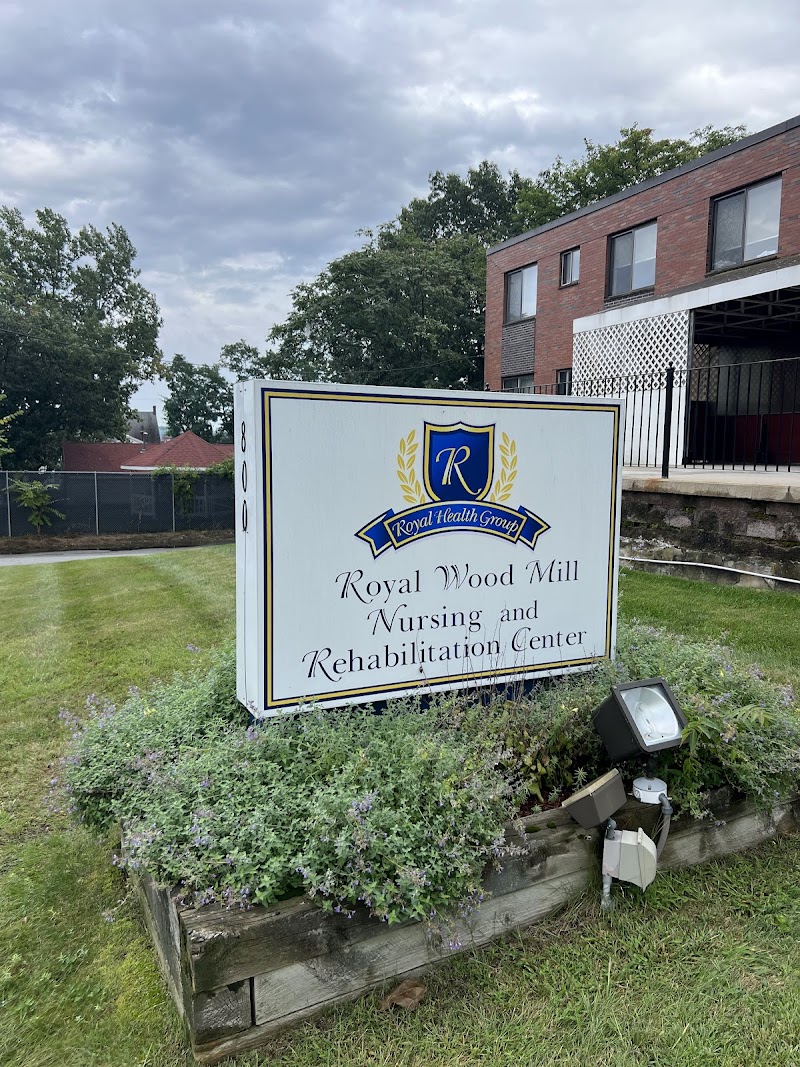
How is Royal Wood Mill Center Staffed?

CMS rates ROYAL WOOD MILL CENTER's staffing level at 1 out of 5 stars, which is much below average compared to other nursing homes.

What Have Inspectors Found at Royal Wood Mill Center?

State health inspectors documented 40 deficiencies at ROYAL WOOD MILL CENTER during 2023 to 2025. These included: 6 that caused actual resident harm, 33 with potential for harm, and 1 minor or isolated issues. Deficiencies causing actual harm indicate documented cases where residents experienced negative health consequences.
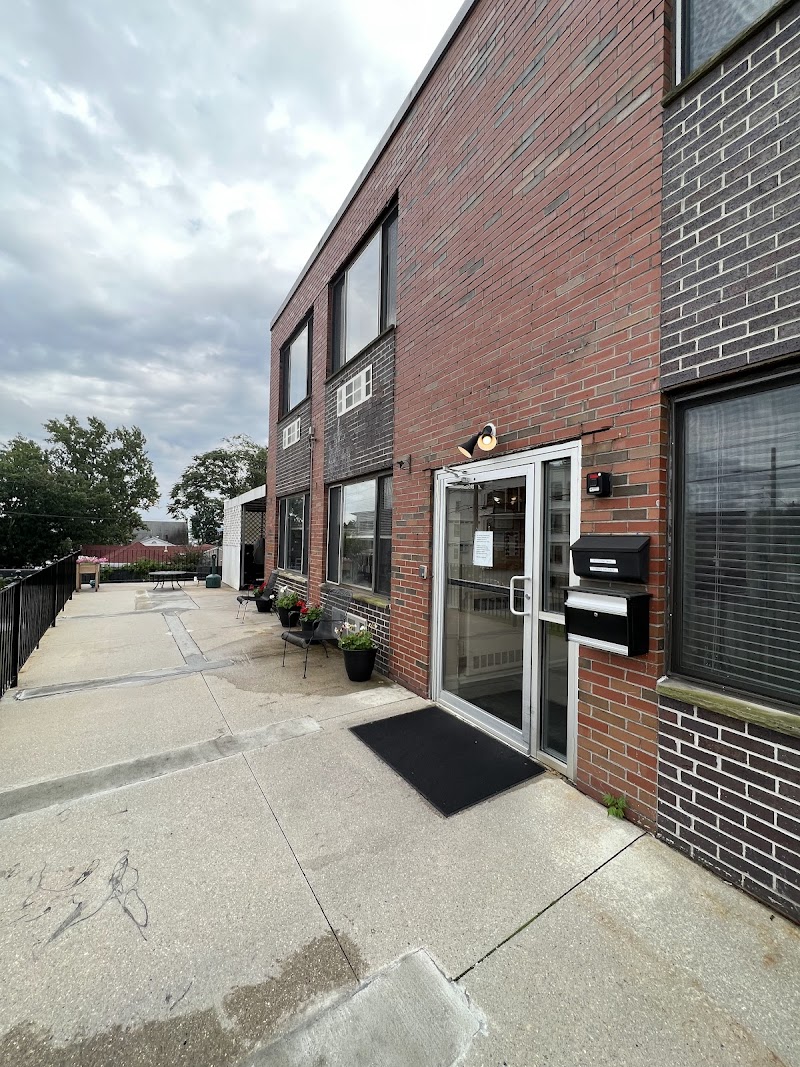
Who Owns and Operates Royal Wood Mill Center?

ROYAL WOOD MILL CENTER is owned by a for-profit company. For-profit facilities operate as businesses with obligations to shareholders or private owners. The facility is operated by ROYAL HEALTH GROUP, a chain that manages multiple nursing homes. With 94 certified beds and approximately 61 residents (about 65% occupancy), it is a smaller facility located in LAWRENCE, Massachusetts.
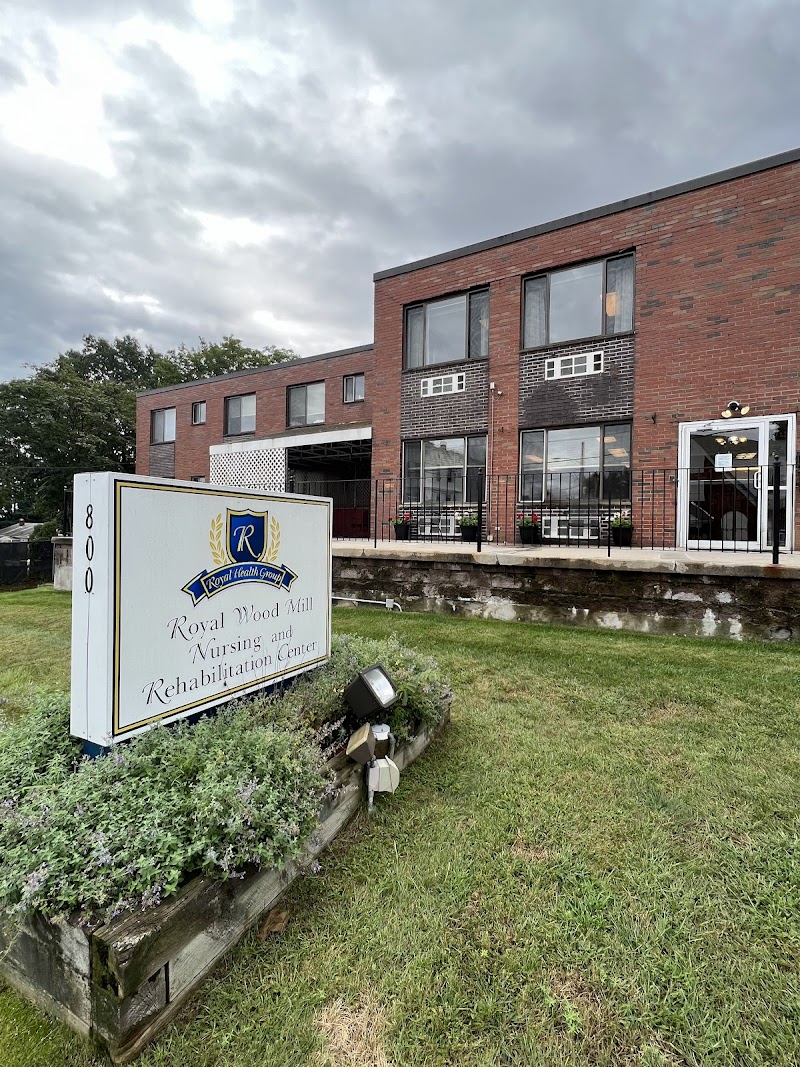
How Does Royal Wood Mill Center Compare to Other Massachusetts Nursing Homes?

Compared to the 100 nursing homes in Massachusetts, ROYAL WOOD MILL CENTER's overall rating (1 stars) is below the state average of 2.9 and health inspection rating (2 stars) is below the national benchmark.

What Should Families Ask When Visiting Royal Wood Mill Center?

Based on this facility's data, families visiting should ask: "Can you walk me through typical staffing levels on day, evening, and night shifts?" "Can I visit during a mealtime to observe dining assistance and food quality?" "How do you handle medical emergencies, and what is your hospital transfer rate?" "Can I speak with family members of current residents about their experience?" These questions are particularly relevant given the below-average staffing rating.

Is Royal Wood Mill Center Safe?

Based on CMS inspection data, ROYAL WOOD MILL CENTER has a clean safety record: no substantiated abuse findings (meaning no confirmed cases of resident harm), no Immediate Jeopardy citations (the most serious violation level indicating risk of serious injury or death), and is not on the Special Focus Facility watch list (a federal program monitoring the lowest-performing 1% of nursing homes). The facility has a 1-star overall rating and ranks #100 of 100 nursing homes in Massachusetts. While no facility is perfect, families should still ask about staff-to-resident ratios and recent inspection results during their visit.

Do Nurses at Royal Wood Mill Center Stick Around?

ROYAL WOOD MILL CENTER has not reported staff turnover data to CMS. Staff turnover matters because consistent caregivers learn residents' individual needs, medications, and preferences. When staff frequently change, this institutional knowledge is lost. Families should ask the facility directly about their staff retention rates and average employee tenure.

Was Royal Wood Mill Center Ever Fined?

ROYAL WOOD MILL CENTER has been fined $41,701 across 1 penalty action. The Massachusetts average is $33,496. While any fine indicates a compliance issue, fines under $50,000 are relatively common and typically reflect isolated problems that were subsequently corrected. Families should ask what specific issues led to these fines and confirm they've been resolved.

Is Royal Wood Mill Center on Any Federal Watch List?

ROYAL WOOD MILL CENTER is not on any federal watch list. The most significant is the Special Focus Facility (SFF) program, which identifies the bottom 1% of nursing homes nationally based on persistent, serious quality problems. Not being on this list means the facility has avoided the pattern of deficiencies that triggers enhanced federal oversight. This is a positive indicator, though families should still review the facility's inspection history directly.