KIMBALL FARMS NURSING CARE CENTER
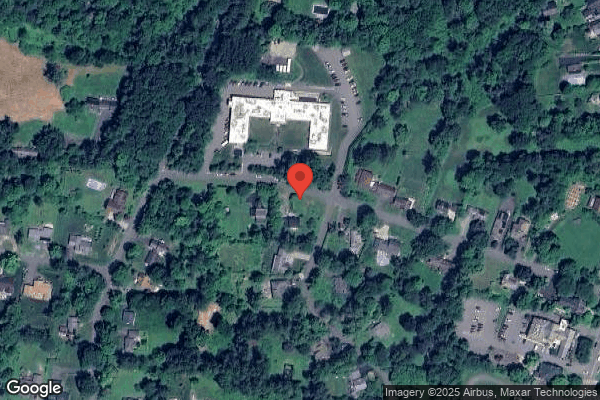

40 SUNSET AVENUE, LENOX, MA 01240 (413) 637-5011
Non profit - Corporation 74 Beds INTEGRITUS HEALTHCARE Data: November 2025
Trust Grade
80/100
#94 of 338 in MA
Last Inspection: August 2024

Within standard 12-15 month inspection cycle. Federal law requires annual inspections.

Overview

Kimball Farms Nursing Care Center has a Trust Grade of B+, indicating it is above average and recommended for families considering care options. It ranks #94 out of 338 facilities in Massachusetts, placing it in the top half, and #4 out of 13 in Berkshire County, meaning there are only three local facilities that are rated higher. The facility's trend is stable, with 12 issues identified in both 2023 and 2024, which highlights a consistent level of concerns but no improvement or worsening. Staffing received a below-average rating of 2 out of 5 stars, although the turnover rate is excellent at 0%, suggesting that the staff remains long-term, which can help with continuity of care. There have been no fines recorded, which is a positive sign, and the facility has average RN coverage, meaning there are sufficient registered nurses to monitor resident care. However, recent inspections revealed concerning incidents, such as the failure to complete required assessments for multiple residents, which could impact their care and safety. Overall, while there are strengths in staff stability and no fines, the facility must address the identified deficiencies to ensure better compliance and care quality.

Trust Score
B+
80/100
In Massachusetts
#94/338
Top 27%
Safety Record
Low Risk
No red flags
Inspections
Holding Steady
3 → 3 violations
Staff Stability
○ Average
Turnover data not reported for this facility.
Penalties
✓ Good
No fines on record. Clean compliance history, better than most Massachusetts facilities.
Skilled Nurses
✓ Good
Each resident gets 48 minutes of Registered Nurse (RN) attention daily — more than average for Massachusetts. RNs are trained to catch health problems early.
Violations
⚠ Watch
12 deficiencies on record. Higher than average. Multiple issues found across inspections.
★★★★☆
4.0
Overall Rating
★★☆☆☆
2.0
Staff Levels
★★★☆☆
3.0
Care Quality
★★★★☆
4.0
Inspection Score
Stable
2023: 3 issues
2024: 3 issues

The Good

  • Full Sprinkler Coverage · Fire safety systems throughout facility
  • No fines on record

Facility shows strength in fire safety.

The Bad

Chain: INTEGRITUS HEALTHCARE

Part of a multi-facility chain

Ask about local staffing decisions and management

The Ugly 12 deficiencies on record

Aug 2024 3 deficiencies
CONCERN (D)

Potential for Harm - no one hurt, but risky conditions existed

PASARR Coordination (Tag F0644)

Could have caused harm · This affected 1 resident

Based on interview, record and record review, the facility failed to coordinate assessments with the Preadmission and Resident Review (PASRR) Unit (state office that identifies evidence of serious men...

Read full inspector narrative →
Based on interview, record and record review, the facility failed to coordinate assessments with the Preadmission and Resident Review (PASRR) Unit (state office that identifies evidence of serious mental illness [SMI] and/or intellectual or developmental disabilities [ID/DD] in all individuals seeking admission to a nursing facility that is Medicaid or Medicare certified) for one Resident (#55) out of a total sample of 18 residents. Specifically, for Resident #55, the facility failed to ensure a Level II Resident Review (Level II Evaluation - a comprehensive independent evaluation conducted by the appropriate state designated authority that determines whether an individual has a mental disorder [MD], ID or a related condition, determines the appropriate setting for the individual, and recommends what, if any, specialized services and/or rehabilitative services the individual needs. The Level II PASRR cannot be conducted by the nursing facility) was completed when it was identified Resident #55 would exceed their PASRR Level II Provisional Emergency Determination (Provisional Emergency - A Categorical Determination (CD) that applies when an individual seeking admission to a nursing facility requires protective services or seeks admission during an emergency situation on a night, weekend, or holiday. The provisional emergency CD is time-limited, and individuals admitted to a nursing facility under this CD may remain for a maximum of seven calendar days before the individual must receive a post-admission screening). Findings include: Review of the facility policy titled Preadmission Screening and Resident Review (PASRR), revised 9/22/23, indicated the following: -Post admission Responsibilities -Expiration of Exempted Hospital Discharge (EHD) or Categorical Determination (CD) (SMI Only) -Facility must notify when resident will not be discharged before expiration of EHD stay and needs to request a Level II PASRR from the Department of Mental Health (DMH) or their Designee. -Facility determines the resident will not be discharged before expiration of the CD selected below and is requesting a Level II PASRR from the Department of Mental Health (DMH) or Designee. -Convalescent Care -Provisional Emergency -Respite Resident #55 was admitted to the facility February 2024 with diagnoses of Unspecified Dementia with Behavioral Disturbance (progressive disease with impairment in memory and functioning that includes symptoms such as depression, anxiety, psychosis, agitation, aggression, disinhibition, and sleep disturbances) and Major Depressive Disorder. Review of the PASRR Abbreviated Level II Evaluation Determination Summary, dated 2/17/24, indicated the following: -Your PASRR Level II evaluation has been completed. It has been determined that you are appropriate for a Provision Emergency admission to a Nursing Facility that cannot exceed-7-calendar days. Should the length of your stay in the nursing facility need to exceed the 7-calendar day approval of the Provisional Emergency, the nursing facility must submit request on your behalf for an additional Level II Resident Review by the 2nd calendar day after your admission. Further review of the Resident's medical record indicated no documentation the PASRR Unit received an updated PASRR Level I Screening-Expiration of EHD/CD when Resident #55 exceeded his/her 7-calendar day approval to evaluate the need for an additional PASRR Level II Evaluation. During an interview on 8/14/24 at 2:09 P.M., the Social Worker said she was unable to provide the original PASRR Level I Preadmission Assessment. The SW said she only had a PASRR Level II Evaluation for Provisional Emergency CD and it indicated a PASRR Level I Screening-Expiration of EHD/CD should have been submitted when it was determined the Resident would exceed his/her Provisional Emergency 7-calendar day approval and she was unable to provide any documentation to show the PASRR Unit had received and reviewed an updated PASRR Level I Screening once the Resident exceeded the 7-calendar day approval.
CONCERN (D)

Potential for Harm - no one hurt, but risky conditions existed

Deficiency F0646 (Tag F0646)

Could have caused harm · This affected 1 resident

Based on interview, record and policy review, the facility failed to notify the State Mental Health Authority for a resident review (person-centered assessment taking into account all relevant informa...

Read full inspector narrative →
Based on interview, record and policy review, the facility failed to notify the State Mental Health Authority for a resident review (person-centered assessment taking into account all relevant information) after a significant change in mental condition occurred for one Resident (#120) out of a total sample of 18 residents. Specifically, the facility failed to request a Preadmission Screening and Resident Review Level II screen (PASRR- an evaluation done to determine if a resident has an intellectual or developmental disability and/or serious mental illness[SMI] and if a Resident is in need of additional specialized support services at the facility) after Resident #120 received emergency mental health interventions and experienced limitations in major life activities due to mental illness. Findings include: Review of the facility policy titled Preadmission Screening and Resident Review (PASRR), revised on 9/22/23 indicated the following in part: -Resident-Significant Change --Referral to DDS (Department of Developmental Services)/DMH (Department of Mental Health) by Affiliate is necessary when resident has experienced a significant change in condition (mental illness or health status) that may impact the residents PASRR disability status, the appropriateness of SNF (Skilled Nursing Facility) placement and/or specialized services. --Requires interdisciplinary review or revision of the care plan; and may result in a positive Level I Screen for SMI (Serious Mental Illness) .or may result in a change in previous PASRR determinations. Resident #120 was admitted to the facility in June 2023, with the following diagnoses: Major Depression (a mood disorder that causes a persistent feeling of sadness and loss of interest), and Anxiety Disorder (mental health disorder characterized by feelings of worry, anxiety, or fear that are strong enough to interfere with daily activities). Review of the PASRR Level I Screen (initial pre-screening completed prior to admission to a Nursing Facility) dated 6/28/23, indicated the following: -Resident #120 had a documented mood disorder (Bipolar Disorder/Major Depression). -In the past two years the Resident did not have any treatments due to SMI. -In the past six months or currently, the Resident did not have limitations in major life activities due to SMI. -Negative Level I Screen result, indicating a Level II PASRR evaluation was not needed. Review of the Social Service progress note dated 7/29/24, indicated the following: -Social Worker (SW) made aware that the Resident had an incident which appeared to be a suicide attempt. -He/she was immediately sent to the ER while the covering SW worked on a psych hospital referral as it was clear he/she needed an inpatient stay. Further review of the medical record indicated no documented evidence that a PASRR resident review had been conducted after a significant change in mental condition occurred, that may have resulted in a positive Level I Screen for SMI or a change in the previous PASRR determination. During an interview on 8/14/24 at 3:45 P.M., the SW said that Resident #120 was sent out on 7/24/24 due to a change in his/her mental health and suicide attempt. The SW said that the Resident was sent to the hospital for safety, followed by a transfer to an in-patient psychiatric program. The SW said that she was unable to locate any additional PASRR Screens in the medical record, only the Level I screen dated 6/28/23. The surveyor and SW reviewed the Level I PASRR dated 6/28/23 and noted it to indicate the following at the top of the form: -Resident review (Level I Screening Form required if Significant Change in Condition: newly indicated Serious Mental Illness (SMI), exacerbation of SMI, or improvement/decline in condition). The SW said that a Resident Review should have been completed and then submitted to the PASRR office as the Resident had a significant change in his/her SMI indicating that a Level II PASRR should have been requested.
CONCERN (D)

Potential for Harm - no one hurt, but risky conditions existed

Deficiency F0883 (Tag F0883)

Could have caused harm · This affected 1 resident

**NOTE- TERMS IN BRACKETS HAVE BEEN EDITED TO PROTECT CONFIDENTIALITY** Based on interview, record and policy review, the facility failed to offer the Pneumococcal (infections caused by bacteria calle...

Read full inspector narrative →
**NOTE- TERMS IN BRACKETS HAVE BEEN EDITED TO PROTECT CONFIDENTIALITY** Based on interview, record and policy review, the facility failed to offer the Pneumococcal (infections caused by bacteria called Streptococcus Pneumoniae, or Pneumococcus that can cause Pneumonia and blood stream infections) Vaccination as recommended to one Resident (#57), out of five applicable residents, out of a total sample of 18 residents. Specifically, the facility failed to ensure that Pneumococcal Vaccinations were offered to, received by, or declined by Resident/Resident Representative #57 at the time of admission or shortly thereafter, putting the Resident at risk for developing facility acquired Pneumonia. Findings include: Review of the facility policy titled Resident Pneumococcal Immunization, effective 9/2011, and revised 9/1/23, indicated: -Residents .will be offered immunization to protect them from Pneumococcal disease unless the vaccine is medically contraindicated, or the resident has already been immunized. -Pneumococcal Immunizations will be provided as recommended by the Center for Disease Control and Prevention (CDC) Advisory Committee for Immunization Practices (ACIP) recommendations. -Immunization status will be reviewed to determine eligibility for immunization. -CDC link Pneumococcal Vaccine Timing for Adults greater than or equal to 65 years (cdc.gov) included other adults and indicated that adults age [AGE]-64 with certain underlying medical conditions or other risk factors who have not previously received a Pneumococcal Conjugate Vaccine (PCV - a vaccine that helps protect against diseases caused by pneumococcal bacteria) or whose previous vaccination status is unknown should receive one dose of PCV (either PCV-20 [protects against 20 types of pneumococcal bacteria] or PCV-15 [protection for 15 types of pneumococcal vaccines]), adults who have received PPSV-23 (Pneumococcal Polysaccharide Vaccine 23 [protect against serious infections caused by 23 types of pneumococcal bacteria]) only may receive a Pneumococcal Conjugate Vaccine (either PCV-20 or PCV-15) equal to or greater than one year after their last PPSV-23 dose. -Residents with unknown or uncertain immunization status may be immunized, as the benefit of immunization outweighs any risk related to re-immunization. -If there is no prior evidence of vaccination, vaccine status is unknown or uncertain, the vaccine will be offered in accordance with CDC ACIP recommendations. Resident #57 was admitted to the facility in June 2023, with the diagnoses of Dementia (a group of conditions characterized by impairment of at least two brain functions, such as memory and loss of judgment), and Parkinson's Disease (a chronic degenerative disorder of the central nervous system characterized by tremor and impaired muscular coordination) and age was greater than 65 at the time of admission. Review of the Resident's Consent for Influenza and/or Pneumococcal and/or COVID Vaccine Form, dated 10/18/23, indicated no documented evidence that the Pneumococcal Vaccine information had been provided or that the Resident/Resident Representative had given consent or declined the PCV-20 or the PPSV-23 vaccine (the sections were blank). Review of the facility's Immunization Record for Resident #57 indicated the PCV-20 immunization was offered and declined on 7/30/24. During an interview on 8/14/24 at 9:17 A.M., the surveyor and the Infection Preventionist (IP) reviewed the Consent for Vaccine completed on 10/18/23. The IP said the Vaccine Consent form did not indicate that the Pneumococcal Vaccine information had been provided or that the vaccine had been consented to or declined. The surveyor and the IP reviewed the Immunization Record documentation entry dated 7/30/24, that indicated the PCV-20 Vaccine had been offered and declined. The IP said that she had documented that the PVC-20 was offered and declined because the consent had not been obtained. The IP further said that she should have called the Resident Representative and offered the vaccine prior to documenting that the vaccine had been offered and declined. The IP said the Resident/Resident Representative should have been provided with vaccine information and offered the vaccine if it was consented to, but that she had not done this. During an interview on 8/14/24 at 9:43 A.M., the IP said that she had provided vaccine information to Resident #57's Resident Representative and he/she consented for the Resident to receive the PCV-20 and PPSV-23 vaccinations. The IP said the Resident should have received the PCV-20 vaccine.
May 2023 3 deficiencies
CONCERN (E)

Potential for Harm - no one hurt, but risky conditions existed

MDS Data Transmission (Tag F0640)

Could have caused harm · This affected multiple residents

Based on record review and interview, the facility failed to ensure its staff completed Discharge Minimum Data Set (MDS) Assessments for three Residents (#19, #70 and #73) out of 14 sampled Residents....

Read full inspector narrative →
Based on record review and interview, the facility failed to ensure its staff completed Discharge Minimum Data Set (MDS) Assessments for three Residents (#19, #70 and #73) out of 14 sampled Residents. Findings include: Review of the Centers for Medicare and Medicaid Services (CMS) Resident Assessment Instrument (RAI) version 3.0 Manual, dated October 2019, indicated the Discharge MDS Assessment must be completed no later than 14 calendar days after the date of discharge from the facility. 1. Resident #19 was admitted to the facility in December 2022. Review of the medical record indicated the Resident was discharged from the facility on 4/19/23. Further review of the medical record indicated no Discharge MDS Assessment was completed. 2. Resident #70 was admitted to the facility in April 2023. Review of the medical record indicated the Resident was discharged from the facility on 4/19/23. Further review of the medical record indicated no Discharge MDS Assessment was completed. 3. Resident #73 was admitted to the facility in January 2023. Review of the medical record indicated the Resident was discharged from the facility on 4/17/23. Further review of the medical record indicated no Discharge MDS was completed. On 5/19/23 at 11:51 A.M., the MDS Nurse said the required Discharge MDS Assessments for Residents #19, #70 and #73 were not completed, as required.
CONCERN (E)

Potential for Harm - no one hurt, but risky conditions existed

Assessment Accuracy (Tag F0641)

Could have caused harm · This affected multiple residents

**NOTE- TERMS IN BRACKETS HAVE BEEN EDITED TO PROTECT CONFIDENTIALITY** 3. Resident #25 was admitted to the facility in February 2023. Review of the MDS assessment dated [DATE] indicated the Resident ...

Read full inspector narrative →
**NOTE- TERMS IN BRACKETS HAVE BEEN EDITED TO PROTECT CONFIDENTIALITY** 3. Resident #25 was admitted to the facility in February 2023. Review of the MDS assessment dated [DATE] indicated the Resident received an antidepressant medication on six out of the last seven days, since admission. Review of the Resident's record indicated no physician's orders for an antidepressant medication. On 5/13/23 at 3:08 P.M., the Director of Nursing (DON) said the Resident was never prescribed an antidepressant medication and the the MDS Assessment should be modified to reflect this. Based on record review and interview the facility failed to ensure its staff accurately completed Minimum Data Set (MDS) Assessments for three Resident's (#44, #60, and #25) out of a total of 18 residents sampled. Specifically, the facility staff failed to accurately code an MDS Assessment relative to falls for Resident #44, mood assessment for Resident #60, and use of an antidepressant for Resident #25. Findings include: 1. Resident #44 was admitted to the facility in April 2023. Review of a nurses note dated 5/3/23 indicated Resident #44 fell on this date and was subsequently transferred to the hospital to be evaluated. Review of MDS Assessment with a target date of 5/5/23 indicated that the Resident had no falls since admission/entry, re-entry, or the prior assessment. During an interview on 5/18/23 at 1:06 P.M., The MDS Nurse said that the review period for this assessment was from 4/28/23 through 5/5/23 and should have indicated that the Resident did have a fall since admission/entry, re-entry or prior to this assessment and it did not. 2. Resident #60 was admitted to the facility in February 2023. Review of the MDS assessment dated [DATE] indicated the following: Section B (Hearing, Speech, and Vision) -Resident is not in a vegetative state -Had the ability to hear adequately -Had clear speech with distinct intelligible words -Made self-understood -Had the ability to clearly comprehend others. Section D (Mood) -Mood interview should not be conducted because the Resident is rarely or never understood. During an interview on 5/18/23 at 1:06 P.M., the MDS Nurse said that interviews are to be done if the resident can answer the questions. She said that if a resident does not give an answer or the answers are so abstract that it does not make any sense, then it will be noted that they are not able to answer, and a staff interview would then be completed. She said that if the resident is capable, then the interview should be attempted. She continued to say that for this case the interview should have been conducted with Resident #60 and was not.
CONCERN (F)

Potential for Harm - no one hurt, but risky conditions existed

Deficiency F0638 (Tag F0638)

Could have caused harm · This affected most or all residents

Based on record review and interview, the facility failed to ensure its staff completed Quarterly Minimum Data Set (MDS) Assessments within the required timeframe for 12 Residents (#10, #17, #23, #26,...

Read full inspector narrative →
Based on record review and interview, the facility failed to ensure its staff completed Quarterly Minimum Data Set (MDS) Assessments within the required timeframe for 12 Residents (#10, #17, #23, #26, #29, #41, #43, #50, #53, #61, #66 and #73 out of 14 sampled residents. Findings include: Review of the Centers for Medicare and Medicaid Services (CMS) Resident Assessment Instrument (RAI) version 3.0 Manual, dated October 2019, indicated the Quarterly MDS Assessment must be completed no later than 14 calendar days after the Assessment Reference Date (ARD- refers to the last day of the observation period that the assessment covers for the resident). 1. Resident #10 was admitted to the facility in January 2021. Review of the medical record indicated the 4/14/23 Quarterly MDS Assessment was not completed. 2. Resident #17 was admitted to the facility in January 2023. Review of the medical record indicated the 4/13/23 Quarterly MDS Assessment was not completed. 3. Resident #23 was admitted to the facility in September 2021. Review of the medical record indicated the 4/21/23 Quarterly MDS Assessment was completed 5/17/23. 4. Resident #26 was admitted to the facility in December 2022. Review of the medical record indicated the 4/21/23 Quarterly MDS Assessment was not completed. 5. Resident #29 was admitted to the facility in September 2016. Review of the medical record indicated the 4/14/23 Quarterly MDS Assessment was not completed. 6. Resident #41 was admitted to the facility in May 2018. Review of the medical record indicated the 4/7/23 Quarterly MDS Assessment was completed 5/17/23. 7. Resident #43 was admitted to the facility in July 2020. Review of the medical record indicated the 4/7/23 Quarterly MDS Assessment was completed 5/17/23. 8. Resident #50 was admitted to the facility in January 2022. Review of the medical record indicated the 4/21/23 Quarterly MDS Assessment was not completed. 9. Resident #53 was admitted to the facility in January 2020. Review of the medical record indicated the 4/14/23 Quarterly MDS Assessment was not completed. 10. Resident #61 was admitted to the facility in December 2021. Review of the medical record indicated the 4/7/23 Quarterly MDS Assessment was completed 5/17/23. 11. Resident #66 was admitted to the facility in January 2022. Review of the medical record indicated the 4/14/23 Quarterly MDS Assessment was not completed. 12. Resident #73 was admitted to the facility in January 2023. Review of the medical record indicated the 4/14/23 Quarterly MDS Assessment was not completed. On 5/18/23 at 12:45 P.M., the MDS nurse said the Quarterly MDS Assessments for Residents #10, #17, #23, #26, #29, #41, #43, #50, #53, #61, #66, and #73 were not completed within the required timeframe.
Aug 2021 6 deficiencies
CONCERN (D)

Potential for Harm - no one hurt, but risky conditions existed

Resident Rights (Tag F0550)

Could have caused harm · This affected 1 resident

Based on observations and interviews, the facility failed to ensure each resident was treated with respect and dignity relative to dining on one out of three units. Findings include: On 8/17/21 at 8...

Read full inspector narrative →
Based on observations and interviews, the facility failed to ensure each resident was treated with respect and dignity relative to dining on one out of three units. Findings include: On 8/17/21 at 8:39 A.M., the surveyor observed a Resident seated in a chair in the hallway, with his/her breakfast placed on a tray table in front of him/her on the Dementia Special Care Unit (DSCU). A staff member was observed standing to the left of the Resident, and was bent over while assisting him/her with their breakfast. During the observation, the staff member remained standing over the resident while assisting him/her with the meal. On 8/18/21 at 8:24 A.M., the surveyor observed an employee seated in the dining area on the DSCU, helping a Resident with his/her meal. The employee turned and loudly said to another employee who was in the hallway, not in the same room, is she a feeder now? During an interview, on 8/19/21 at 2:53 P.M., the Director of Nurses (DON) said that the expectation is for staff to be seated next to a resident or at eye level while assisting them with meals. The DON also said, that calling a resident a feeder when they require assistance during meals is not okay. During an interview, on 8/19/21 at 3:26 P.M., the Staff Development Coordinator (SDC) said that staff should be seated while assisting residents with meals. The SDC also said that using words like feeder is a label and should not be done; other language should have been used.
CONCERN (D)

Potential for Harm - no one hurt, but risky conditions existed

Comprehensive Care Plan (Tag F0656)

Could have caused harm · This affected 1 resident

**NOTE- TERMS IN BRACKETS HAVE BEEN EDITED TO PROTECT CONFIDENTIALITY** Based on observations, interviews and record reviews, the facility failed to ensure the plan of care for one sampled Residents (...

Read full inspector narrative →
**NOTE- TERMS IN BRACKETS HAVE BEEN EDITED TO PROTECT CONFIDENTIALITY** Based on observations, interviews and record reviews, the facility failed to ensure the plan of care for one sampled Residents (#22) was implemented, out of a total sample of 18 residents. Findings include: For Resident #22, the facility failed to A.) provide the required assistance with meals, and B) obtain weights as ordered by the Physician. Resident #22 was admitted to the facility in June 2021 with diagnoses including Congestive Heart Failure (CHF- weakness in the heart that leads to a buildup of fluid in the lungs and surrounding body tissues) and dementia. A.) On 8/17/21 at 9:45 A.M. during the initial pool process, the surveyor observed Resident #22 seated in a wheelchair in the unit dining area during breakfast. No staff were present in the dining area. A set up breakfast meal was positioned on the table in front of him/her, and was untouched. The Resident's head was down, his/her eyes were closed, and he/she was holding an empty cup on his/her lap. Review of the Minimum Data Set (MDS) Assessment, dated 6/9/21, indicated Resident #22 exhibited severe cognitive impairment as evidenced by a Brief Interview of Mental Status (BIMS) score of 5 out of 15, and required extensive assistance of staff with eating. Review of the Activities of Daily Living (ADL) Care Plan, initiated on 6/2/21, indicated the Resident required physical assistance from staff with eating due to cognitive deficits, decreased endurance and generalized weakness. Review of the 8/2021 Certified Nurse Aide (CNA) care card, dated 7/1/21, indicated Resident #22 required physical assistance from staff with meals. Review of the Speech Therapy Discharge summary, dated [DATE], indicated the Resident was to remain on a modified texture diet and was to have supervision during meals. Review of the survey information, provided by the facility on 8/17/21, indicated Resident #22 was listed as a resident who could be assisted by the facility's trained paid feeding assistants. On 8/18/21 at 9:05 A.M. through 10:02 A.M., the surveyor observed Resident #22 seated in a wheelchair in his/her room during breakfast. An over bed table was positioned in front of him/her and there was no staff present in the room during the meal. On several occasions, the Resident was heard to call out somebody help me and help, I need help. The surveyor entered the Resident's room at this time, and observed the resident with a fork in his/her hand, but did not have food on the fork. On 8/18/21 at 1:41 P.M., the surveyor observed Resident #22 seated in a wheelchair in his/her room eating lunch. There was no staff present in the room. On 8/19/21 at 8:27 A.M. through 8:38 A.M., Resident #22 was seated in the unit dayroom. He/She had a beverage and a plate containing cookies and crackers. The Resident was observed to occasionally cough while eating and was stating will somebody help me. There was no staff present during the observation. During an interview, on 8/19/21 at 8:44 A.M., Nurse #6 said Resident #22 needed to have a staff person sit with him/her during meals because he/she required assistance and supervision. During an interview, on 8/19/21 at 9:26 A.M., Nurse #1 said that the unit did not utilize the paid feeding assistants on a regular basis. She said that they were not available during breakfast on this unit and on occasion may come to the unit to ask if feeding assistance is needed, but said that this didn't happen very often. During an interview, on 8/19/21 at 9:21 A.M., Unit Manager (UM) #1 said that Resident #22's plan of care indicated that he/she required assistance with meals. She further said that the Resident's ability had improved, but thought that supervision should be provided during meals. UM #1 said that supervision means that a staff person would sit with him/her and have eyes on the Resident. UM #1 said the Resident should be eating meals in the unit dayroom, and should not be eating in his/her room. She further said that she was not aware of the Speech Therapist recommendations from 7/22/21 indicating that the Resident required supervision due to swallowing difficulties. B.) Review of the 8/2021 Physician's Orders, indicated an order initiated 6/2/21 for staff to obtain Resident #22's weight daily prior to breakfast and to notify the physician with a gain or loss of three pounds (lbs) in two days or five pounds in one week. Review of the Medication Administration Record (MAR), dated June 2021, indicated that no weights were obtained for Resident #22 on eight out of 28 days. Further review indicated that the Resident refused on two of those occasions and that the nurse indicated the weight was not obtained due to the Resident sleeping on three occasions. On three occasions, there was no indication why the Resident's weight was not obtained as ordered by the physician. Review of the MAR, dated July 2021, indicated that no weights were obtained for Resident #22 on ten of the 31 days. Review of the MAR, dated August 2021, indicated that no weights were obtained for Resident #22 on ten of the 18 days reviewed. Further review indicated that the Resident refused on three occasions, but no explanation was provided for the seven days that the Resident's daily weight was not obtained. During an interview, on 8/19/21 at 8:29 A.M., UM #1 said there could be numerous reasons why the Resident's weight was not obtained. She said that if the weight was not obtained, as ordered by the Physician, then a notation should be documented as to why it was not measured.
CONCERN (D)

Potential for Harm - no one hurt, but risky conditions existed

Accident Prevention (Tag F0689)

Could have caused harm · This affected 1 resident

Based on observation, interviews and policy review, the facility failed to ensure the environment remained free of accident hazards relative to smoking safety in the designated smoking area. Findings...

Read full inspector narrative →
Based on observation, interviews and policy review, the facility failed to ensure the environment remained free of accident hazards relative to smoking safety in the designated smoking area. Findings include: A review the facility policy titled, Resident Smoking Policy, revised on 8/1/18, indicated that protective equipment would be provided in the designated smoking location. This included: -Fire blanket -Safety ashtrays -Fire extinguisher -Call system A review of the current list of residents who smoke, provided to the surveyors by the facility upon entrance, indicated there was one resident who actively smoked cigerattes. During an observation and interview, on 8/18/21 at 1:55 P.M., the Staff Development Coordinator (SDC) and surveyor observed the smoking area. The surveyor did not observe a smoking blanket nor a fire extinguisher in or near the designated smoking area. The SDC said there was no fire extinguisher or fire blanket located outside in the designated area or inside near the designated smoking area, as required. During an interview, on 8/18/21 at 3:34 P.M., the Administrator said smoking safety items include, a smoking apron, a fire extinguisher and a smoking blanket, and the required missing items will be purchased.
CONCERN (D)

Potential for Harm - no one hurt, but risky conditions existed

Medical Records (Tag F0842)

Could have caused harm · This affected 1 resident

Based on interviews and record reviews, the facility failed to maintain complete and accurate medical records for two sampled Residents (#22 and #29), out of a total sample of 18 residents. Findings ...

Read full inspector narrative →
Based on interviews and record reviews, the facility failed to maintain complete and accurate medical records for two sampled Residents (#22 and #29), out of a total sample of 18 residents. Findings include: 1. For Resident #22, the facility failed to ensure his/her medical record was accurate relative to documenting Covid-19 signs and symptoms. Review of the facility policy entitled Covid-19 Prevention and Outbreak Management, revised 8/4/21, indicated the following: -residents are monitored for Covid-19 symptoms and must have their temperatures checked a minimum of one time per day -if a resident is symptomatic for Covid or positive for Covid or exposed to Covid-19, symptom monitoring is enhanced to every four hours on day and evening shift. -symptoms listed include: temperature equal to or greater then 100 degrees Fahrenheit, chills, new or worsening cough, shortness of breath, muscle aches, new onset loss of taster or smell, fatigue, headache, sore throat, running nose, gastrointestinal symptoms such as nausea, vomiting, diarrhea . Resident #22 was admitted to the facility in June 2021. Review of a nurse's note, dated 6/26/21, indicated Resident #22 was having difficulty breathing and wheezing during the shift. The physician was updated and new orders were obtained. Review of the nurses' notes, dated 6/27/21, indicated the Resident had a change in condition and the physician was updated. The Resident was placed on oxygen therapy at 1.5 liters per minute (LPM) and continued to have intermittent wheezing. Review of the nurses' notes, dated 6/28/21, indicated the Resident was not him/herself, had chest congestion and was receiving oxygen therapy at 2 LPM (up from 1.5 previously administered). The notes indicated the Resident was weak, required more assistance and had a low oxygen saturation level. The notes also indicated the Resident had increased lethargy and had refused dinner. Review of a nurse's note, dated 6/29/21, indicated Resident #22 continued to be lethargic and show signs of shortness of breath and wheezing. The physician was notified and new orders were given. Review of the Medication Administration Record (MAR), dated June 2021, indicated an order for Covid-19 screening every day and evening shift. The order indicated to obtain the Resident's temperature, oxygen saturation and assess for worsening or new onset of Covid-19 symptoms. The symptoms listed on the MAR included shortness of breath, malaise (general feeling of discomfort, illness or uneasiness)9 and oxygen saturation level. Further review of the Covid screening from 6/26/21 through 6/29/21 did not indicate Resident #22 had shortness of breath nor malaise as indicated in the nurses' notes. During an interview, on 8/18/21 at 1:35 P.M., Unit Manager (UM) #1 said she could not explain why the MAR from 6/26/21 through 6/29/21 time period did not match what was documented in the progress notes relative to Resident #22's COVID-19 symptoms. 2. For Resident #29, the facility failed to ensure it maintained complete documentation relative to a change in his/her condition. Resident #29 was admitted to the facility in December 2015. Review of a nurse's note, dated 4/27/21, indicated Resident #29 had complaints of discomfort to his/her left side of the face near the ear. The note indicated this nurse attempted to look inside of the Resident's mouth and noted that the area on the left side of the face was swollen and tender/painful to touch. The note indicated that a request was left for the physician to assess the area and to advise on how to proceed. Review of the clinical record did not indicate any follow up by the physician nor any further information about the area to the Resident's face. During an interview, on 8/19/21 at 12:50 P.M., the Director of Nurses (DON) said that she spoke with the Unit Manager about the 4/27/21 incident. The DON said that the Unit Manager saw the request for the physician to assess Resident #29 on 4/27/21, went to assess the Resident relative to the area on his/her left side of the face, and said she did not see anything concerning so she did not have the physician follow up. The DON said that the Unit Manager should have put in a progress note indicating what was done, but said that this did not occur.
CONCERN (D)

Potential for Harm - no one hurt, but risky conditions existed

Infection Control (Tag F0880)

Could have caused harm · This affected 1 resident

3. On 8/18/21 at 8:50 A.M., the surveyor observed CNA #3 exit a Residents' room, doff (take off) and dispose of her gloves. She then opened the clean PPE container, located in the hallway, removed and...

Read full inspector narrative →
3. On 8/18/21 at 8:50 A.M., the surveyor observed CNA #3 exit a Residents' room, doff (take off) and dispose of her gloves. She then opened the clean PPE container, located in the hallway, removed and donned a new face shield. CNA #3 proceeded to the clean linen cart and removed towels before entering a Residents room. When she was asked how often hand hygiene should be done, CNA #3 said she was supposed to wash her hands after taking off her gloves and did not, as required. During an interview, on 8/19/21 at 1:16 P.M., the Infection Control Nurse said that it is an expectation that when staff remove their gloves, they should immediately perform hand hygiene. Based on observations, interviews and record reviews, the facility failed to follow infection control guidelines relative to A.) conducting hand hygiene to prevent the potential spread of infection, and B.) administering a Covid-19 test for one sampled Resident (#22), out of a total of 18 residents. Findings include: 1. The facility failed to ensure staff conducted hand hygiene before donning and after doffing gloves during a dressing change procedure. Review of the facility's policy titled, Aseptic Dressing Change and Wound Measurement, dated 10/1/10, indicated, but is not limited to: - Remove and discard disposable gloves in a plastic bag at bedside. - Perform hand hygiene. During an observation, on 8/18/21 at 11:00 A.M., Nurse #5 donned and doffed gloves numerous times during a dressing change procedure. Nurse #5 did not sanitize her hands after doffing soiled gloves and before donning new gloves two times during the procedure. During an interview, on 8/18/21 at 12:26 P.M., Nurse #5 said she did not realize she did not sanitize her hands, as required. 2. During the dressing change procedure, Certified Nurse Aide (CNA) #1 was observed standing on the side of the bed, rubbing the back of the Resident with her ungloved hands. Once the procedure was complete, CNA #1 applied gloves to provide personal care to the Resident. She did not sanitize her hands prior to donning gloves. Review of the facility policy's policy titled, Donning and Doffing PPE-COVID Pandemic, revised 1/18/21, indicated, but is not limited to: -Proper sequence for donning PPE, perform hand hygiene by using : a. alcohol-based hand rub b. soap and water for 20 seconds -Proper sequence for doffing PPE, perform hand hygiene when exiting the room: a. alcohol-based hand rub During an interview, on 8/18/21 at 2:08 P.M., CNA #1 said she did not sanitize her hands prior to donning gloves, as required. 4. For Resident #22, the facility failed to follow their policy relative to conducting a Covid-19 test when signs/symptoms of infection were present. Review of the facility policy entitled Covid-19 Prevention and Outbreak Management, revised 8/4/21, indicated the following: -A positive Covid -19 screening include: temperature equal to or greater then 100 degrees Fahrenheit, chills, new or worsening cough, shortness of breath, muscle aches, new onset loss of taster or smell, fatigue, headache, sore throat, running nose, gastrointestinal symptoms such as nausea, vomiting, diarrhea . -if worsening OR new onset of Covid symptoms OR if temperature is 100 degrees Fahrenheit or greater, call the physician, -test the resident per testing policy using BinaxNOW and PCR (polymerase chain reaction) test. -immediately place the resident on isolation/special droplet precautions -increase the frequency of Covid-19 screening to every four hours . Resident #22 was admitted to the facility in June 2021. Review of a nurse's note, dated 6/26/21, indicated Resident #22 was having difficulty breathing and wheezing during the shift. The physician was updated and new orders were obtained. Review of the nurses' notes, dated 6/27/21, indicated the Resident had a change in condition and the physician was updated. The Resident was placed on oxygen therapy at 1.5 liters per minute (LPM) and continued with intermittent wheezing. Review of the nurses' notes, dated 6/28/21, indicated the Resident was not him/herself, had chest congestion and was receiving oxygen therapy at 2 LPM (up from 1.5 previously administered). The nurse indicated the Resident was weak, required more assistance and had a low oxygen saturation level. The Resident had increased lethargy and refused dinner. Review of a nurse's note, dated 6/29/21, indicated Resident #22 continued to be lethargic and show signs of shortness of breath and wheezing. The physician was notified and new orders were given. Review of the clinical record did not indicate that Covid-19 testing was conducted during 6/26/21 through 6/29/21 time period. During an interview, on 8/18/21 at 1:35 P.M., Unit Manager (UM) #1 said Resident #22 was Covid naive (has not had Covid-19), and she was not sure why the facility did not conduct a Covid test when he/she was symptomatic from 6/26/21 through 6/29/21. The UM further said that when a resident presents with signs/symptoms consistent with Covid-19 infection, a test is conducted as part of the facility process. During an interview, on 8/19/21 at 1:27 P.M., the Infection Preventionist (IP) said that when a resident presented with Covid-19 signs/symptoms as per the screening process, the physician would be notified and the resident should be checked for Covid-19 with BinaxNOW (rapid Covid-19 test) or PCR test (polymerase chain reaction test- a molecular test that detects the virus). She said that the facility had a standing order from the Medical Director to test any residents relative to Covid-19, and that if a resident is symptomatic, the facility would test the resident, put him/her on precautions, consult with the physician and await further instructions.
CONCERN (E)

Potential for Harm - no one hurt, but risky conditions existed

Deficiency F0761 (Tag F0761)

Could have caused harm · This affected multiple residents

**NOTE- TERMS IN BRACKETS HAVE BEEN EDITED TO PROTECT CONFIDENTIALITY** Based on observations and interviews, the facility failed to A.) ensure a medication cart was clean and sanitary, on one of thre...

Read full inspector narrative →
**NOTE- TERMS IN BRACKETS HAVE BEEN EDITED TO PROTECT CONFIDENTIALITY** Based on observations and interviews, the facility failed to A.) ensure a medication cart was clean and sanitary, on one of three units, and B.) failed to ensure stored narcotics were properly labeled, on two of three units. Findings include: A.) During an observation on [DATE] at 7:46 A.M. of the [NAME] Unit Medication Cart #3 with Nurse #3, the third medication drawer was found to be very sticky with a brown substance spilled onto the floor of the drawer. There were other bottles in the same drawer that were sticking to the floor of the drawer and they could not be easily removed from the drawer for usage. During an interview, on [DATE] at 7:50 A.M., Nurse #3 said the third drawer of the medication cart had a brown, sticky substance on the floor of the drawer and had not been cleaned, as required. B.) The facility failed to ensure narcotics were properly labeled when stored on two of three units. - During the observation on [DATE] at 7:57 A.M. of the Sedgewick Unit Medication Cart #4 with Nurse #4, one random opened bottle of Morphine Sulfate (MS04-a narcotic) Liquid 15 milliliter (ml) with a syringe was found in a clear plastic cup. The MS04 bottle was not labeled with a resident name nor a prescribed dose. During an interview, on [DATE] at 9:13 A.M., Nurse #4 said the MS04 bottle belonged to a specific resident that had expired a week ago. She further said the MS04 was not labeled with a resident name nor a prescribed dose, as required. - During an observation on [DATE] on 9:10 A.M. of the Windemere Unit Medication Cart #2 with Nurse #5, three bottles of opened MS04 15 ml were found in the narcotic drawer. Each bottle was stored in a clear, plastic drinking cup. Each cup had a specific resident name written on it, however the MS04 bottles did not have a label indicating a specific resident or a prescribed dose. During an interview, on [DATE] at 9:15 A.M., Nurse #2 said none of the three MS04 bottles that were stored in the plastic cups had a label with a resident's name and a prescribed dose, as required. During an interview, on [DATE] at 1:14 P.M., the Director of Nurses (DON) said the MS04 bottles are obtained from the Pyxis (an automated medication dispensing system) when needed. She said the MS04 bottles are only labeled with the medication name and strength. She further said by storing the bottles in a plastic cup and hand labeling the cups with a resident name, there is room for error and that the bottles were not labeled with a specific resident name and dosage ordered, as required.
Understanding Severity Codes (click to expand)
Life-Threatening (Immediate Jeopardy)
J - Isolated K - Pattern L - Widespread
Actual Harm
G - Isolated H - Pattern I - Widespread
Potential for Harm
D - Isolated E - Pattern F - Widespread
No Harm (Minor)
A - Isolated B - Pattern C - Widespread

Questions to Ask on Your Visit

  • "Can I speak with families of current residents?"
  • "What's your RN coverage like on weekends and overnight?"

Our Honest Assessment

Strengths
  • • Grade B+ (80/100). Above average facility, better than most options in Massachusetts.
  • • No major safety red flags. No abuse findings, life-threatening violations, or SFF status.
  • • No fines on record. Clean compliance history, better than most Massachusetts facilities.
Concerns
  • • 12 deficiencies on record. Higher than average. Multiple issues found across inspections.
Bottom line: Generally positive indicators. Standard due diligence and a personal visit recommended.

About This Facility

What is Kimball Farms Nursing's CMS Rating?

CMS assigns KIMBALL FARMS NURSING CARE CENTER an overall rating of 4 out of 5 stars, which is considered above average nationally. Within Massachusetts, this rating places the facility higher than 99% of the state's 100 nursing homes. This rating reflects solid performance across the metrics CMS uses to evaluate nursing home quality.
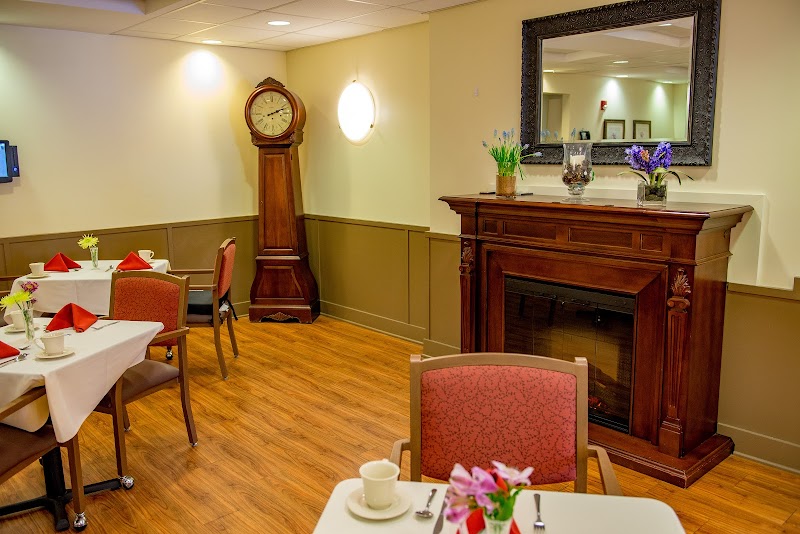
How is Kimball Farms Nursing Staffed?

CMS rates KIMBALL FARMS NURSING CARE CENTER's staffing level at 2 out of 5 stars, which is below average compared to other nursing homes.

What Have Inspectors Found at Kimball Farms Nursing?

State health inspectors documented 12 deficiencies at KIMBALL FARMS NURSING CARE CENTER during 2021 to 2024. These included: 12 with potential for harm.

Who Owns and Operates Kimball Farms Nursing?

KIMBALL FARMS NURSING CARE CENTER is owned by a non-profit organization. Non-profit facilities reinvest revenue into operations rather than distributing to shareholders. The facility is operated by INTEGRITUS HEALTHCARE, a chain that manages multiple nursing homes. With 74 certified beds and approximately 71 residents (about 96% occupancy), it is a smaller facility located in LENOX, Massachusetts.
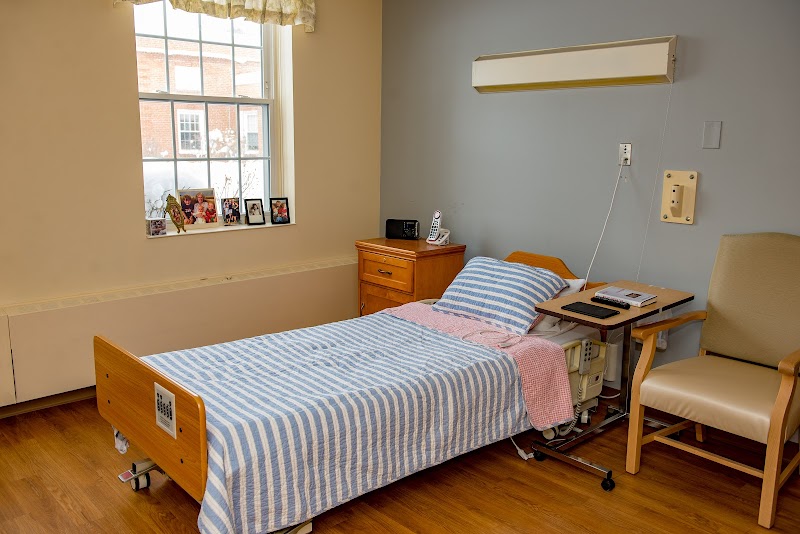
How Does Kimball Farms Nursing Compare to Other Massachusetts Nursing Homes?

Compared to the 100 nursing homes in Massachusetts, KIMBALL FARMS NURSING CARE CENTER's overall rating (4 stars) is above the state average of 2.9 and health inspection rating (4 stars) is above the national benchmark.

What Should Families Ask When Visiting Kimball Farms Nursing?

Based on this facility's data, families visiting should ask: "Can you walk me through typical staffing levels on day, evening, and night shifts?" "Can I visit during a mealtime to observe dining assistance and food quality?" "How do you handle medical emergencies, and what is your hospital transfer rate?" "Can I speak with family members of current residents about their experience?" These questions are particularly relevant given the below-average staffing rating.

Is Kimball Farms Nursing Safe?

Based on CMS inspection data, KIMBALL FARMS NURSING CARE CENTER has a clean safety record: no substantiated abuse findings (meaning no confirmed cases of resident harm), no Immediate Jeopardy citations (the most serious violation level indicating risk of serious injury or death), and is not on the Special Focus Facility watch list (a federal program monitoring the lowest-performing 1% of nursing homes). The facility has a 4-star overall rating and ranks #1 of 100 nursing homes in Massachusetts. While no facility is perfect, families should still ask about staff-to-resident ratios and recent inspection results during their visit.

Do Nurses at Kimball Farms Nursing Stick Around?

KIMBALL FARMS NURSING CARE CENTER has not reported staff turnover data to CMS. Staff turnover matters because consistent caregivers learn residents' individual needs, medications, and preferences. When staff frequently change, this institutional knowledge is lost. Families should ask the facility directly about their staff retention rates and average employee tenure.

Was Kimball Farms Nursing Ever Fined?

KIMBALL FARMS NURSING CARE CENTER has no federal fines on record. CMS issues fines when nursing homes fail to meet care standards or don't correct problems found during inspections. The absence of fines suggests the facility has either maintained compliance or corrected any issues before penalties were assessed. This is a positive indicator, though families should still review recent inspection reports for the full picture.

Is Kimball Farms Nursing on Any Federal Watch List?

KIMBALL FARMS NURSING CARE CENTER is not on any federal watch list. The most significant is the Special Focus Facility (SFF) program, which identifies the bottom 1% of nursing homes nationally based on persistent, serious quality problems. Not being on this list means the facility has avoided the pattern of deficiencies that triggers enhanced federal oversight. This is a positive indicator, though families should still review the facility's inspection history directly.