LIFE CARE CENTER OF NASHOBA VALLEY


191 FOSTER STREET, LITTLETON, MA 01460 (978) 486-3512
For profit - Limited Liability company 120 Beds LIFE CARE CENTERS OF AMERICA Data: November 2025
Trust Grade
85/100
#31 of 338 in MA
Last Inspection: August 2025

Inspected within the last 6 months. Data reflects current conditions.

Overview

Life Care Center of Nashoba Valley in Littleton, Massachusetts has a Trust Grade of B+, indicating it is above average and recommended for families considering long-term care. Ranked #31 out of 338 facilities in Massachusetts, it falls in the top half, suggesting it offers quality care compared to many others in the state. The facility is improving, with concerns decreasing from 7 issues in 2024 to 4 in 2025, which is a positive trend. Staffing is rated at 4 out of 5 stars, showing decent support, but the turnover rate of 42% is average, meaning some staff may not stay long-term. Notably, the facility has no fines on record, which is encouraging, and it provides more RN coverage than 78% of Massachusetts facilities, ensuring better oversight of resident care. However, there are some concerns highlighted in recent inspections. For example, one resident did not have a comprehensive care plan that addressed their specific needs for assistance with daily activities, which could impact their quality of care. Additionally, another resident's medication care plan was not updated to reflect their current treatment, potentially leading to health risks. Lastly, recommendations from the consulting pharmacist regarding medication reviews were not communicated effectively, which could affect residents' wellbeing. Overall, while there are strengths in staffing and RN coverage, families should consider these care plan management issues when evaluating this facility.

Trust Score
B+
85/100
In Massachusetts
#31/338
Top 9%
Safety Record
Low Risk
No red flags
Inspections
Getting Better
7 → 4 violations
Staff Stability
○ Average
42% turnover. Near Massachusetts's 48% average. Typical for the industry.
Penalties
✓ Good
No fines on record. Clean compliance history, better than most Massachusetts facilities.
Skilled Nurses
✓ Good
Each resident gets 51 minutes of Registered Nurse (RN) attention daily — more than average for Massachusetts. RNs are trained to catch health problems early.
Violations
⚠ Watch
15 deficiencies on record. Higher than average. Multiple issues found across inspections.
★★★★★
5.0
Overall Rating
★★★★☆
4.0
Staff Levels
★★★★★
5.0
Care Quality
★★★★☆
4.0
Inspection Score
Stable
2024: 7 issues
2025: 4 issues

The Good

  • 4-Star Staffing Rating · Above-average nurse staffing levels
  • 5-Star Quality Measures · Strong clinical quality outcomes
  • Full Sprinkler Coverage · Fire safety systems throughout facility
  • No fines on record
  • Staff turnover below average (42%)

    6 points below Massachusetts average of 48%

Facility shows strength in staffing levels, quality measures, fire safety.

The Bad

Staff Turnover: 42%

Near Massachusetts avg (46%)

Typical for the industry

Chain: LIFE CARE CENTERS OF AMERICA

Part of a multi-facility chain

Ask about local staffing decisions and management

The Ugly 15 deficiencies on record

Aug 2025 4 deficiencies
CONCERN (D)

Potential for Harm - no one hurt, but risky conditions existed

Comprehensive Care Plan (Tag F0656)

Could have caused harm · This affected 1 resident

Based on observation, record review and interview the facility failed to ensure a comprehensive person-centered care plan with individualized interventions was developed for one Resident (#79), out of...

Read full inspector narrative →
Based on observation, record review and interview the facility failed to ensure a comprehensive person-centered care plan with individualized interventions was developed for one Resident (#79), out of three residents reviewed for Activities of Daily Living (ADLS), out of a total sample of 23 residents. Findings include:Resident #79 was admitted to the facility in November 2024 with diagnoses that include but are not limited to Alzheimer's disease, chronic obstructive pulmonary disease, and type 2 diabetes mellitus. Review of the Minimum Data Set (MDS) assessment, dated 6/30/25, indicated Resident #79 scored a 6 out of 15 on the Brief Interview for Mental Status exam indicating he/she as having severe cognitive impairment. Further, the MDS indicated Resident #79 required partial to moderate assistance for oral hygiene, required set-up for eating, required substantial/maximal assistance for toileting, upper and lower body dressing, putting on/off footwear, personal hygiene and he/she was dependent for bathing/showers. On 8/12/25 at 12:30 P.M., the surveyor observed Resident #79 in his/her bed with staff assisting to cut up his/her meal and then exited the room.A review of the established ADL care plan of care and Kardex (a document used to guide Certified Nurse's Assistants (CNA), dated current on 8/12/25, failed to indicate what level of care Resident #79 required for eating.During an interview on 8/13/25 at 4:19 P.M., CNA #1 said a Kardex is used to inform a CNA of a resident's needs. CNA #1 said she cares for Resident #79 and that he/she can eat after he/she is set up, uses a stand lift for transfers, is incontinent and is dependent on staff for bathing and dressing. Review of Resident #79's clinical record included the following care plan related to ADL performance:Focus: Resident has an ADL self-care performance deficit related to Confusion, Dementia, Fatigue, Impaired balance, date initiated 3/31/25.Goal: The resident will maintain current level of function in Assist of 2 through review date. (SIC) Revision date 6/23/25. Interventions:*Resident uses size L (large) protective underwear during the day hours and size L brief at night, date initiated 6/30/25. *AM ROUTINE: The residents preferred dressing/grooming, date initiated 3/31/25 The Care Plan failed to include specific person-centered interventions for all of Resident #79's ADL needs.During an interview on 8/13/25 at 3:54 P.M., Unit Manager #1 said after a resident is admitted each department develops their care plan for the resident. Unit Manager #1 said the care plans should reflect a resident's specific needs and the care plans are reviewed by the team quarterly.During an interview on 8/14/25 at 1:09 P.M., the MDS Nurse said Resident #79's ADL care plan lacks his/her specific ADL needs and should include all his/her specific ADL needs so staff would know how to care for the Resident.
CONCERN (D)

Potential for Harm - no one hurt, but risky conditions existed

Deficiency F0657 (Tag F0657)

Could have caused harm · This affected 1 resident

**NOTE- TERMS IN BRACKETS HAVE BEEN EDITED TO PROTECT CONFIDENTIALITY** Based on record review and interview, the facility failed to ensure for 1 Resident (#3), out of a total sample of 23 residents, ...

Read full inspector narrative →
**NOTE- TERMS IN BRACKETS HAVE BEEN EDITED TO PROTECT CONFIDENTIALITY** Based on record review and interview, the facility failed to ensure for 1 Resident (#3), out of a total sample of 23 residents, that the care plans were revised to reflect a resident's status. Specifically, -For Resident #3 the care plan for anticoagulant medication (a medication used to prevent blood clots from forming in the bloodstream) was not revised to reflect the current anticoagulation treatment. Findings include: Review of the facility's policy titled, Area of Focus: Care Planning-Baseline, Comprehensive, and Routine Updates dated as reviewed 11/25/24, included but not limited to the following: Comprehensive Care Plan. 2. The Comprehensive Care Plan must be updated with each MDS (Minimum Data Set) assessment and periodically.Resident #3 was admitted to the facility in April 2023 and has diagnoses that include but are not limited to hypertension and unspecified atrial fibrillation.Review of the most recent MDS assessment dated [DATE] indicated Resident #3 scored a 15 out of 15 on the Brief Interview for Mental Status exam, indicating he/she as having intact cognition. Further the MDS indicated Resident #3 was administered a high-risk drug class of anticoagulant medication.Review of Resident #3's physician's orders indicated the following:-Eliquis (anticoagulant medication) 2.5 mg (milligrams) (Apixaban), give 1 tablet by mouth two times a day for a-fib (Atrial Fibrillation) order date 2/27/25. Review of Resident #3's care plans indicated the following:-Resident is on anticoagulant therapy Coumadin (a type of anticoagulant medication), as ordered secondary to DX (diagnosis) A-Fib, cardiac pacemaker, date initiated 5/3/2023. Goal INR (International Normalized Ration, a standard measure used to assess blood coagulation) and/or Protime (a blood test which measures how quickly the blood clots) within specific limits through next review, date initiated 5/3/23, revision on 5/13/25 and a target date of 10/9/25.Review of the order listing report indicated Resident #3's Coumadin Tablet 4 mg was discontinued on 1/9/25. Review of the Care Plan indicates it conflicts with the current order for Eliquis dated 2/27/25.Review of the MDS assessments indicated Resident #3 had a comprehensive MDS dated [DATE] and a quarterly MDS 7/23/25 which indicates 2 MDS assessments were completed since Resident #3 anticoagulant medication changed from Coumadin to Eliquis.During an interview on 8/14/25 at 12:48 P.M., Unit Manager #1 reviewed Resident #3's care plan and said if the Resident is off coumadin it should not be on the care plan. Unit Manager #1 reviewed the orders and said the coumadin was discontinued in January 2025 and that the care plan should have been reviewed and revised during the quarterly care plan reviews. During an interview on 8/14/25 at 1:00 P.M. the MDS nurse said care plans are reviewed every 90 days and that nursing staff are to make updates or changes on care plans in between MDS assessments. The MDS nurse said the coumadin should have been resolved on the anticoagulant care plan.
CONCERN (D)

Potential for Harm - no one hurt, but risky conditions existed

Drug Regimen Review (Tag F0756)

Could have caused harm · This affected 1 resident

**NOTE- TERMS IN BRACKETS HAVE BEEN EDITED TO PROTECT CONFIDENTIALITY** Based on record review and interview, the facility failed to ensure for 2 Residents (#19 and #79), out of 5 applicable residents...

Read full inspector narrative →
**NOTE- TERMS IN BRACKETS HAVE BEEN EDITED TO PROTECT CONFIDENTIALITY** Based on record review and interview, the facility failed to ensure for 2 Residents (#19 and #79), out of 5 applicable residents, out of a total sample of 23 residents, that the consulting pharmacist's monthly medication regimen review recommendations were conveyed to the provider (physician/nurse practitioner) and acted upon timely. Findings include: Review of the facility's policy entitled, Pharmacy Services and Medication Regimen Review (MRR), dated reviewed 9/16/24, included but was not limited to the following: -The facility maintains the resident's highest practicable level of physical, mental and psychosocial well-being and prevents or minimizes adverse consequences related to medication therapy to the extent possible, by providing oversight by a licensed pharmacist, attending physician, medical director, and the director of nursing (DON).Procedure: 8. The consulting pharmacist will provide the resident's MRRs to the facility identified personnel who will ensure that the attending physician, medical director, director of nursing and other necessary facility staff receive the recommendations. 1. Resident #19 was admitted to the facility in May 2024 and has diagnoses that include but are not limited to Parkinson's disease, monoplegia of lower limb following cerebral infarction affecting right dominant side, and dementia.Review of the most recent Minimum Data Set assessment dated [DATE] indicated Resident #19 scored a 4 out of 15 on the Brief Interview for Mental Status exam indicating he/she has severe cognitive impairment.Review of Resident #19's clinical record indicated the following monthly medication reviews identified as having consultation reports:10/29/24, 11/30/25, 1/27/25, 4/25/25, 5/27/25 and 6/23/25.Further review of the clinical record including the EHR (electronic health record) and paper chart failed to reveal the reports and what the consulting pharmacist's recommendations entailed.On 8/13/25 at 3:30 P.M., Unit Manager #1 provided the surveyor with Resident #19's the consulting pharmacist reports. Review of the reports with Unit Manager #1 indicated the following:a. A Consultation report dated as issued on 10/29/24, indicated the following:-Please evaluate the continued risk versus benefit for metformin hydrochloride (an antidiabetic agent that lowers blood sugar). The area for the DON comments and signature was blank. Unit Manger #1 said the recommendation was not done. b. A Consultation report dated as issued on 11/30/24, indicated the following:-Please consider adding periodic (e.g., weekly) orthostatic BP (blood pressure measurements as suggested in the guidelines. The area for the DON comments and signature was blank. Unit Manger #1 said the recommendation was not reviewed or implemented. c. Consultation reports dated as issued 1/27/25, 4/25/25, and on 7/25/25, indicated the following: -Resident receives two or more medications that are contraindicated due to increased risk of serotonin syndrome (a condition caused by excessive serotonin: Rasagiline mesylate (medication used for symptoms of Parkinson's disease) and Buspirone Hydrochloride (medication used for anxiety). Recommendation: As this combination is contraindicated, please discontinue one of the above medications, tapering when necessary, and consider alternate therapy. The reports dated 1/27/25 and 4/25/25 were blank in the areas for the DON to enter comments and signature. The report dated 7/25/25 had no written response or signature of the physician to accept, accept with modifications or decline the recommendation made by the consulting pharmacist. Unit Manager #1 said one of the medications was discontinued on 8/5/25, and that the same recommendation was made multiple times and was not addressed timely. d. A consultation report dated as issued on 5/27/25, indicated the following:-Resident receives midodrine for treatment for orthostatic hypotension at 8 am, 2 pm and 8 pm (sic). Please update the administration times to ensure this medication is not given after 6 pm or after the evening meal, or less than 4 hours before bedtime. The report failed to have the physician's response or signature. Unit Manager #1 said the recommendation was not implemented. e. A consultation report dated as issued 6/23/25, indicated the following:-Resident takes metformin for diabetes, levothyroxine for hypertension and atorvastatin for hyperlipidemia, if not recently done, consider A1C (a blood test to measure the sugar in your blood), TSH (a laboratory test to check thyroid stimulating hormone level), and lipids (a laboratory test to measure the level of fat in your blood). The report failed to have the signature or response to the recommendation. Unit Manager #1 said the recommendation was not implemented.Further interview at this time Unit Manager #1 said the pharmacist comes in monthly to review all residents' medications. Unit Manager #1 said pharmacist's recommendations were emailed to the Director of Nursing and when they were without a DON the recommendations got lost in transition and were not addressed timely. 2. Resident #79 was admitted to the facility in November 2024 with diagnoses that include but are not limited to Alzheimer's disease, chronic obstructive pulmonary disease, and type 2 diabetes mellitus.Review of the Minimum Data Set (MDS) assessment, dated 6/30/25, indicated Resident #79 scored a 6 out of 15 on the Brief Interview for Mental Status exam indicating he/she as having severe cognitive impairment. Review of Resident #79's clinical record indicated the following pharmacist's monthly medication reviews identified as having consultation reports: 1/27/25, 3/31/25 and 6/23/25.Further review of the clinical record including the EHR and paper chart failed to reveal the reports and what the consulting pharmacist's recommendations entailed.Review of the consultant pharmacist reports provided by the Director of Nursing (DON) indicated the following:a. Issued 1/27/25; Nursing: Resident receives tamsulosin (medication to treat a large prostate) at bedtime. Recommendation: To decrease the risk of adverse effects: Administer approximately 30 minutes after the same meal each day. The area for the physician's signature and the Director of Nursing (DON) signature was blank. b. Issued 3/31/25; Resident receives Airsupra (treatment to prevent bronchoconstriction) (albuterol/budesonide) 90 micrograms (mcg)/80mmcg. Two puffs every four hours as needed for shortness of breath for COPD (chronic obstructive pulmonary disease) without a diagnosis of asthma documented in the medical record. Airsupra is only approved for the as-needed treatment or prevention of bronchoconstriction and to reduce the risk of exacerbations in patients with asthma. Recommendations: Please consider discontinuing Airsupra and initiating albuterol MDI 2 puffs every 4 hours PRN (as needed) for shortness of breath. Wait 1 minute between puffs. Please fax back ‘Time sensitive/clinical priority recommendations. The space for the physician's signature and DON comments and signature was blank. c. Two reports Issued 6/23/25; 1. Resident receives Valproic Acid (a medication used to treat neurological and psychiatric conditions) but does not have a trough concentration documented in the medical record within the previous 6 months. Recommendation: Please consider a valproic acid trough (a laboratory blood test to determine the lowest level of the drug while in the therapeutic range) concentration on the next convenient lab day, 1 week after any dosage changes, every 6 months thereafter, and as clinically indicated. The physician's response to accept, accept with modification or decline the recommendations was blank. The space for the physician and DON signature was blank. 2. Resident receives Risperdal (a medication to treat psychosis) Recommendation: Please ensure monitoring of specific target behaviors, documentation of the frequency and impact of behaviors, nonpharmacological interventions and outcomes, overall goals of therapy, history of outcomes of prior medications including previous reduction attempts. The area on the report for the physician response and signature was blank, and the DON signature was blank.During an interview on 8/14/25 at 11:59 A.M., the Director of Nursing said the three pharmacist consultant recommendation reports dated 1/27/25, 3/31/25 and 6/23/25 were not addressed and she would have expected the recommendations to be addressed timely by staff because the providers are readily available to respond.
CONCERN (D)

Potential for Harm - no one hurt, but risky conditions existed

Deficiency F0761 (Tag F0761)

Could have caused harm · This affected 1 resident

Based on observation, record review and interview, the facility failed to ensure that medication was stored in accordance with professional standards of practice. Specifically, a medication used to tr...

Read full inspector narrative →
Based on observation, record review and interview, the facility failed to ensure that medication was stored in accordance with professional standards of practice. Specifically, a medication used to treat hemorrhoids was left on a bureau in Resident #113's room and not secured over three days. Findings include: Review of the facility's policy titled, Storage and Expiration Dating of Medications and Biologicals, dated with a revision date 8/1/24, indicated:-Procedure: Facility should ensure external use medications and biologicals, including treatment items, are securely stored in a locked cabinet/cart or in a locked medication room that is inaccessible by residents or visitors. Resident #113 was admitted to the facility in January 2022 and has diagnoses that include but are not limited to unspecified dementia, mixed incontinence and type 2 diabetes mellitus. Review of the Minimum Data Set assessment, dated 7/16/25 indicated Resident #113 scored a 3 out of 15 on the Brief Interview of Mental Status, indicating Resident #113 as having severe cognitive impairment.On 8/12/25 at 4:46 P.M., the surveyor observed a large tube with long tip of hemorrhoid cream on top of the bureau across from the footboard in Resident #113's room. Resident #113 was in bed with his/her eyes closed. Review of Resident #113's physician's orders did not indicate an order for hemorrhoid treatment. On 8/13/25 at 7:43 A.M., and 11:15 A.M., the surveyor observed a large tube with a long tip of hemorrhoid cream on the bureau across from the Resident's foot of bed, out in the open. During an observation and interview on 8/14/25 at 12:33 P.M., Unit Manager #1 said the facility does have hemorrhoid cream as a facility product and the medicated cream is kept in the locked treatment cart. Unit Manager #1 and the surveyor went to Resident #113's room and observed the large tube of hemorrhoid cream on the Resident #113's bureau. Unit Manager #1 said any treatment including hemorrhoid cream should be kept in the locked medication cart. Unit Manager #1 said the tube was out in the open and staff should have seen it and removed it from the Resident's room. Unit Manager #1 said Resident #113 does not have an order for the hemorrhoid cream and she wondered if it was brought in by family. During an interview 8/14/2025 at 1:43 P.M., the Assistant Director of Nursing said all medications including treatments should not be stored in a resident's room regardless of whether it is house stock or if the resident has a physician's order and care plan for self-administration.
Aug 2024 7 deficiencies
CONCERN (D)

Potential for Harm - no one hurt, but risky conditions existed

Resident Rights (Tag F0550)

Could have caused harm · This affected 1 resident

Based on observation, record review, and interview the facility failed to ensure that dignity was maintained for residents during dining on one unit, (designated as a Dementia Special Care Unit), out ...

Read full inspector narrative →
Based on observation, record review, and interview the facility failed to ensure that dignity was maintained for residents during dining on one unit, (designated as a Dementia Special Care Unit), out of three resident care units. Findings include: Review of the Health Care Reporting System indicated the facility submitted a Dementia Special Care Unit disclosure form dated 2/13/24. Review of the facility's policy dated reviewed: 09/25/2023, indicated, each resident has the right to be treated with dignity and respect. Interactions and activities with residents, staff, temporary agency staff, or volunteers must focus on maintaining and enhancing the resident's self-esteem, self-worth, and incorporating the resident's goals preferences, and choices. Staff must respect the resident's individuality as well as, honor and value their input. Procedure. 1. All residents will be treated with dignity and respect. 2. Promoting resident independence and dignity while dining, such as avoiding c. Staff standing over residents while assisting them to eat; d. Staff interacting/conversing only with each other rather than residents while assisting with meals; g Staff should not discuss residents in settings where others can overhear private or protected information or document in charts/electronic records where others can see a resident's information. On 7/30/24 at 9:22 A.M., the surveyor made the following observations during the breakfast meal in the dining room: -Three staff members, with approximately 20 residents at tables eating or being assisted with eating their breakfast. The three staff were at different tables and were conversing with each other across the room about a resident (not identified by name) saying he/she's family does not see this and the resident needs PT (physical therapy). The staff continued to talk freely around the residents while they ate, about their concerns about another resident. -One Certified Nursing Assistant (CNA) was standing while assisting a resident to eat. The CNA was not at eye level with the resident who required the assistance. On 7/31/24 at the following observations were made in the dining room during the lunch: -At 12:56 P.M. a CNA was standing while feeding a resident to eat his/her lunch, then moved to another resident and while standing began to feed that resident. At 1:02 P.M., the CNA continued to feed a resident while standing above the eye level of the resident. During an interview on 7/31/24 at 2:30 P.M., CNA #1 said there are many residents on her assignment that require assistance with eating. CNA #1 said staff are supposed to be sitting on the same level as the resident. CNA #1 said she was helping two residents at different tables and that is why she did not sit on their level. During an interview on 7/31/24 at 3:48 P.M., Activities Assistant (AA) #1 said during meals staff who are feeding residents should be sitting with the resident. AA #1 said during meals conversations should be towards residents and not with other staff. AA #1 said they were talking about a resident who they were concerned about.
CONCERN (D)

Potential for Harm - no one hurt, but risky conditions existed

Deficiency F0604 (Tag F0604)

Could have caused harm · This affected 1 resident

**NOTE- TERMS IN BRACKETS HAVE BEEN EDITED TO PROTECT CONFIDENTIALITY** Based on observation, record review and interview the facility failed to ensure one Resident (#92), out of a total sample of 25 ...

Read full inspector narrative →
**NOTE- TERMS IN BRACKETS HAVE BEEN EDITED TO PROTECT CONFIDENTIALITY** Based on observation, record review and interview the facility failed to ensure one Resident (#92), out of a total sample of 25 residents, was assessed for the use of a possible physical restraint. Specifically, Resident #92 wore a one- piece outfit adjacent to his/her body and zippered up the back. Findings include: Review of the facility's policy titled 'Physical Restraint Use' revised: 12/29/2023, indicated the following: Policy: the intent is for each resident to attain and maintain his/her highest practical well-being in an environment that prohibits the use of physical restraints for discipline or convenience, prohibits the use of physical restraints to unnecessarily inhibit a resident's freedom of movement or activity, and limits physical restraint use to circumstances in which the resident has medical symptoms that may warrant the use of restraints. Definitions Physical restraint -any manual method or physical or mechanical device, equipment, or material that meets all of the following criteria: a. Is attached or adjacent to the resident's body, b. cannot be removed easily (meaning it can be removed intentionally by the resident in the same manor it was applied by the staff); and c Restricts the resident's freedom of movement or normal access to his/her body. Procedure Assessment, 1. When alternatives to restraint use are not effective, the interdisciplinary team evaluates the least restrictive to promote safety and attain/maintain the highest practical physical, mental, and psychosocial function of the resident. 2. The type of restraining device, frequency/duration, and medical reason(s) for restraining device are documented on the Physical restraint Informed Consent. 3. The resident or resident representative may request the use of a physical restraint, however, if there is no medical symptoms identified that require treatment, Resident #92 was admitted to the facility in November 2023 with diagnoses that include but not limited to Alzheimer's Disease, depression unspecified, and dementia. Review of the most recent Minimum Data Set assessment dated [DATE] indicated Resident #92 was assessed by staff as having severely impaired cognition and requiring substantial/maximum assistance with toileting and upper body and lower body dressing. During the survey the following observations were made: -On 7/30/24 at 7:46 A.M., Resident #92 was standing at the nursing desk and made eye contact with the surveyor but did not respond to the surveyor's verbal greeting. -On 7/30/24 at approximately 4:30 P.M., Resident #92 was observed wearing a snug fitting one-piece outfit with a zipper on the back that extended from the bottom of the back up to the neck, walking down the hall with a Certified Nursing Assistant (CNA). -On 7/31/24 at 7:39 A.M., 9:01 A.M., and 1:06 P.M., Resident #92 was wearing a one-piece outfit with a snug fit and zipper up the back, while sitting in the dining room. -On 7/31/24 at 4:48 P.M., Resident #92 was walking down the hall with a CNA, wearing a one-piece outfit with a zipper up the back. -On 8/1/24 at 8:29 A.M., Resident #92 was wearing a one-piece outfit with a zipper up the back while sitting in the dining room. Review of the care plan dated 11/24/24 indicated: Resident is at risk of injury/poisoning due to wandering on the secure memory unit. I have been observed putting inedible objects and feces/liquids in my mouth with an intervention dated 11/24/23 utilize adaptive clothing as able per HCP (health care proxy) request. Review of Resident #92's medical record failed to indicate a restraint assessment was completed to assess whether the one-piece outfit was a restraint. During an interview on 7/31/24 at 4:53 P.M., CNA #2 said the Resident has several one-piece suits and wears them to prevent him/her from getting into his/her poop. CNA #2 said the Resident cannot open or remove the clothing because the zipper is on the back. CNA #2 said the Resident's family provided the one-piece suit and that he/she has been wearing them for a few months. During an interview on 8/1/24 at 8:21 A.M., Activity Assistant (AA) #2 said Resident #92 does not have behaviors but does have PICA (a condition where a person eats things that are not food and don't have nutritional value or purpose) and that he/she wears a one-piece outfit to prevent his/her from reaching into his/her incontinence brief. During an interview on 8/1/24 at 8:54 A.M., Nurse #4 said they (staff) use a 'onesie' with a zip up back to keep Resident #92 from putting things in his/her mouth that he/she should not eat. Nurse #4 said Resident #92 is provided incontinence care every few hours and would have access to his/her body during that time. Nurse #4 said Resident #92 would not be able to remove the 'onesie' him/herself. Nurse #4 said she could not recall when the one-piece outfit was implemented. During an interview on 8/1/24 at 9:04 A.M. Unit Manager (UM) #3 said Resident #92 wears a one-piece outfit to prevent him/her from digging in his/her incontinent brief. UM #3 said she is not sure if it could be easily removed by the Resident. UM #3 reviewed Resident #92's medical record and said she did not see any assessment for the use of the one-piece outfit as a possible restraint. During an interview on 8/1/24 at 10:12 A.M., the Director of Nursing said the one-piece outfit is adjacent to the Resident's body and that was looked at as a behavior intervention and not looked at in the way of a potential restraint.
CONCERN (D)

Potential for Harm - no one hurt, but risky conditions existed

Transfer Requirements (Tag F0622)

Could have caused harm · This affected 1 resident

**NOTE- TERMS IN BRACKETS HAVE BEEN EDITED TO PROTECT CONFIDENTIALITY** Based on record review and interview the facility failed for one Resident (#75), out of a sample of 25 residents, to convey to t...

Read full inspector narrative →
**NOTE- TERMS IN BRACKETS HAVE BEEN EDITED TO PROTECT CONFIDENTIALITY** Based on record review and interview the facility failed for one Resident (#75), out of a sample of 25 residents, to convey to the receiving provider the necessary information to care for the resident. Review of the facility's policy titled 'Transfers and Discharges' dated as revised 6/28/2024 indicates Policy: the facility will follow limited conditions under which CMS (Centers of Medicare and Medicaid) has outlined how the facility may initiate transfer or discharge of a resident, the documentation that must be included in the medical record, and who is responsible for making he documentation. Additionally, the facility will ensure the information that must be conveyed to the receiving provider for residents being transferred or discharged to another health care setting is provided in accordance to federal guidance. Resident #75 was admitted to the facility in January 2021 with diagnoses that include depression, unspecified dementia, delusional disorder transient ischemic attack and cerebral infarction. Review of the Minimum Data Set (MDS) assessment dated [DATE] indicated Resident #75 has severely impaired cognition and requires substantial/maximum assistance for daily care including toileting, bathing and dressing. Further review of the MDSs completed indicated Resident #75 had a discharge with a return expected on 7/24/24 and an entry MDS on 7/29/24, which indicated Resident #75 went to the hospital. Review of Resident #75's medical record indicated a 'behavior note' dated 7/24/24; MD (medical doctor) recommended to send resident out for assessment, family made aware. Resident was taken finally to the hospital around 5 pm (sic). Further review of the medical record failed to indicate the written conveyance of information to care for Resident #75 was sent to the receiving provider. During an interview on 7/31/24 at 12:52 P.M., Nurse #5 said when a resident is sent to the hospital an MD order is obtained, and the face sheet, medication orders and advanced directive information is sent with the resident, and that a referral is also sent called an e-interact which includes information for the Resident's care. During an interview on 7/31/24 at 2:38 P.M. Unit Manger #3 said a e-interact is used to provided information to the hospital when a resident is transferred. Unit Manager #3 said she could not find an e-interact or any supporting information that was sent with Resident #75 when he/she was transferred to the hospital on 7/24/24. During an interview on 8/1/24 9:54 A.M., the Director of Nursing said the MD called the emergency room directly to give a history and report on Resident #75. The DON reviewed the medical record and said the only nursing documentation was the behavior note on 7/24/24. The DON said the nursing staff should have completed and sent the e-interact form to the hospital.
CONCERN (D)

Potential for Harm - no one hurt, but risky conditions existed

Deficiency F0658 (Tag F0658)

Could have caused harm · This affected 1 resident

**NOTE- TERMS IN BRACKETS HAVE BEEN EDITED TO PROTECT CONFIDENTIALITY** Based on observation, record review and interviews, the facility failed to ensure professional standards of practice were follow...

Read full inspector narrative →
**NOTE- TERMS IN BRACKETS HAVE BEEN EDITED TO PROTECT CONFIDENTIALITY** Based on observation, record review and interviews, the facility failed to ensure professional standards of practice were followed for one Resident (#19) out of a total sample of 25 residents. Specifically, the facility failed to ensure nurses were not leaving medications with the Resident without proper assessment, and ensuring a physician order was in place for medication administration. Findings include: Review of the facility policy titled 'Administration of Medications' revised August 2023, indicated the following but not limited to: -Medication administration is the responsibility of those individuals who through certification and licensure are authorized in their state to administer medications in a skilled nursing facility. -A physician order that includes dosage, route, frequency, duration, and other required considerations including the purpose, diagnosis or indication for use is required for administration of medication. Resident #19 was admitted to the facility in October 2022 with diagnoses including unspecified glaucoma and polyneuropathy. Review of Resident #19's Minimum Data Set (MDS), dated [DATE], indicated the Resident scored a 15 out of a possible 15 on the Brief Interview for Mental Status (BIMS) indicating he/she was cognitively intact. The MDS further revealed the Resident did not have behaviors. On 7/31/24 at 9:38 A.M., the surveyor observed Nurse #3 prepare medications for Resident #19 for administration. Nurse #3 prepared all morning medications to be administered. He took a bottle of Flonase nasal spray from the medication cart and said the Resident receives it every morning but could not see the order. Nurse #3 said maybe the order dropped off. Nurse #3 and the surveyor proceeded into Resident #19's room for medication administration. Resident #19 said he/she was not pleased with how the medication administration was occurring as his/her spouse normally administers his/her medications when the nurses bring them to the room. Resident #19 was yelling out loud in frustration. On 7/31/24 at 9:50 A.M., Resident #19 started yelling and raising his/her voice and said that he/she should not be subjected to a change happening because the surveyor was present. He/she further said he/she has been receiving the Flonase nasal spray every day until this morning. Resident #19's spouse said that she has been administering the medications and the eye drops once the nurses brought them into the room. She further said since there are three eye drops it takes about 15 minutes of the nurses' time, and she understands they are busy. When asked if an assessment had been done for the Resident to self-administer medication, Resident #19's spouse said he/she was not aware. Review of Resident #19's medical record failed to indicate an assessment for self-administration of medication had been completed. The records also failed to indicate an order to administer Flonase nasal spray. During an interview on 7/31/24 at 10:04 A.M., Nurse #3 said nurses are not supposed to leave medications with the residents until administration is completed, a self-administration assessment should be completed, and physician order is required for all medication administration. Nurse #3 said that Resident #19 is particular with how he/she receives his/her medications. During an interview on 7/31/24 at 10:33 A.M. Unit Manager #1 said she was not aware that Resident #19's spouse was administering the eye drops and medications once the nurses brought them into the room. Unit Manager #1 said the Resident had not been assessed for self-administration and nurses are to stay with the residents until the administration is completed. During an interview on 8/1/24 at 8:25 A.M., the Director of Nursing said nurses are to stay with the residents during medication administration unless they have been assessed for self-administration. She further said all medications administered should have a physician order.
CONCERN (D)

Potential for Harm - no one hurt, but risky conditions existed

ADL Care (Tag F0677)

Could have caused harm · This affected 1 resident

**NOTE- TERMS IN BRACKETS HAVE BEEN EDITED TO PROTECT CONFIDENTIALITY** Based on observations, record review and interview the facility failed to ensure for one Resident (#55) that care was provided i...

Read full inspector narrative →
**NOTE- TERMS IN BRACKETS HAVE BEEN EDITED TO PROTECT CONFIDENTIALITY** Based on observations, record review and interview the facility failed to ensure for one Resident (#55) that care was provided in accordance to the plan of care. Specifically, Resident #55 was not provided supervision by staff during his/her breakfast meals. Findings include: Review of the facility's policy, titled 'Activities of Daily Living' revised 2/12/2024 indicated, the resident will receive assistance as needed to complete activities of daily living (ADLS). Resident #55 was admitted to the facility in December 2022 with diagnoses that include chronic kidney disease, chronic obstructive pulmonary disease, adjustment disorder with depressed mood, and unspecified dementia. Review of the Minimum Data Set (MDS) assessment dated [DATE] indicated Resident #55 scored 3 out of 15 on the Brief Interview for Mental Status exam indicating a severe cognitive impairment and for eating requires supervision/or touching assistance, helper provides verbal cues/or touching steadying assistance as resident completes activity. On 7/30/24 at 9:14 A.M., Resident #55 was observed sitting up in bed, with his/her breakfast tray in front of him/her. The breakfast consisted of barely consumed cut up pancakes, coffee, hot cereal, and milk. Resident #55 was using his/her left hand, which was shaky, and had difficulty placing the cup down on the tray. There was no staff in the room or nearby. At 9:29 A.M., staff entered the room, verbally encouraged the resident to eat and promptly left. Review of Resident #55's medical record indicated the following: -A physician's order for regular diet, regular texture, 12/1/2022. -A [NAME] Report (a document used to inform staff of a resident's care needs) Eating: Resident is able to: eat with supervision and set-up help. Assist if needed. -A care plan, 'Resident has an ADL (activities of daily living) self-care performance deficit r/t (related to) confusion, decreased awareness of his/her needs' Interventions: Eating Resident is able to: eat with supervision and set-up help. Assist if needed. 12/12/2022. Review of the Documentation Survey Report v2 for ADL- eating indicated Resident #55 was documented on 7/30/34 and 7/31/24 at 0800 (8:00 A.M.) as eating self-performance as limited assistance and set-up help only. On 7/31/24 at 8:41 A.M., Resident #55 was sitting up in bed at approximately 60-70 degrees with his/her breakfast tray in front of him/her. The breakfast tray was set-up and Resident #55 was eating bread with jelly on it then placed it on the front of him/her and not on the tray. -8:44 A.M., Resident #55 had his/her cup of milk in his/her hand was not actively drinking and no staff was present or nearby. -At 8:54 A.M., the toast was partially consumed, the eggs were barely eaten, and the coffee was untouched. Resident #55 was staring off and not actively eating. There were no staff in the room or nearby. - At 9:05 A.M., Resident #55 was staring at his/her food. Not actively eating and no staff were in the room or nearby. -At 9:11 A.M., Resident #55 was staring at his/her untouched breakfast, was not actively eating and no staff were present in the room nor nearby. -At 9:18 A.M., Certified Nursing Assistant (CNA) #4 entered the room, provided brief encouragement, exited the room and Resident picked up his/her spoon to eat but did not actively eat. - At 9:24 A.M., forty-three minutes after the observation began, a CNA entered and encouraged Resident #55 to eat. -At 9:27 A.M., Resident #55's breakfast tray with partially consumed eggs and untouched hot cereal was removed by the CNA. On 8/1/24 at 8:44 A.M., Resident #55 was observed sitting up in bed with his/her breakfast tray in front of him/her holding a cup of milk. No staff were present or nearby. -At 8:51 A.M., Resident #55 eyes were closed. There were no staff present to provide supervision or cueing. - At 9:01 A.M., Resident #55 eyes were opened but not actively eating his/her breakfast. No staff were in the room nor nearby. - At 9:07 A.M., Resident #55 remained with his/her breakfast tray in front of him/her not actively eating, and no staff present nor nearby. -At 9:14 A.M., Resident #55's had a spoon in his/her right hand, dropped the spoon and picked up the cut-p French toast with his/her fingers. The hot cereal, French toast, and coffee were barley eaten. -At 9:17 A.M., Resident #55's milk was partially consumed. He/she was not actively eating. Staff were not in the room or nearby. -At 9:21 A.M., Resident #55 was holding a cup and drinking milk. Observation of the clip board in Resident #55's room, indicated for eating Resident #55 requires set up and cues. During an interview on 8/01/24 at 9:22 A.M. thirty-eight minutes after the observation began, Certified Nursing Assistant (CNA) #3 said she just checked in on Resident #55 and that the Resident needs cueing to eat on his/her own. CNA #3 said the Resident likes to drink his/her beverages first. CNA said the supervision that is provided to the Resident when he/she eats in his/her room is staff going back to check on him/her to give him/her cues to eat. During an interview on 8/01/24 at 10:09 A.M., the Director of Nursing said Resident #55 should be provided with the supervision and assistance he/she requires.
CONCERN (D)

Potential for Harm - no one hurt, but risky conditions existed

Accident Prevention (Tag F0689)

Could have caused harm · This affected 1 resident

**NOTE- TERMS IN BRACKETS HAVE BEEN EDITED TO PROTECT CONFIDENTIALITY** Based on observation, record review and interview for one Resident (#12), out of a total sample of 25 residents, the facility fa...

Read full inspector narrative →
**NOTE- TERMS IN BRACKETS HAVE BEEN EDITED TO PROTECT CONFIDENTIALITY** Based on observation, record review and interview for one Resident (#12), out of a total sample of 25 residents, the facility failed to ensure interventions were implemented in accordance with the medical plan of care. Specifically, the bed alarm for Resident #12, who was assessed by nursing as being a high risk for falls was not in use while Resident #12 was in bed. Findings include: Resident #12 was admitted to the facility in March 2021 with diagnoses that include osteoporosis, unspecified dementia and repeated falls. Review of the Minimum Data Set assessment dated [DATE] indicated Resident #12 scored a 3 out of 15 on the Brief Interview for Mental Status exam, indicating severe cognitive impairment, requires substantial/maximum assistance with bathing dressing and transfers and uses a bed alarm daily. Review of Resident #12's medical record indicated the following: -A physician's order dated 4/10/23 bed alarm at bedtime and monitor for function and placement. -A [NAME] Report (a document which summarizes the plan of care, used by staff) bed and chair alarm for safety. - A care plan: Resident is at risk for falls with the intervention/task bed and chair alarm for safety 3/2/2021. - A Fall risk evaluation dated 5/15/24 post event score of 26, (a score of 10 or above is high fall risk.) On 7/30/24 at 4:26 P.M., and 5:03 P.M., Resident #12 was observed resting in his/her bed. The bed alarm cord was not plugged in to an alarm box. During an interview on 7/31/24 at 4:09 P.M., Nurse #6 said Resident #12 does have a risk for falls care plan and uses a bed and chair alarm. . On 7/31/24 at 4:17 P.M., Resident #12 was observed resting in his/her bed. The bed alarm cord was stuck in the bedside drawer and was not attached to the alarm box. During the observation Unit Manager #3 entered the room and observed the bed alarm cord not plugged into the alarm box. Unit Manager #3 found the alarm box in Resident #12's bedside drawer and said it should have been plugged in and in use.
CONCERN (D)

Potential for Harm - no one hurt, but risky conditions existed

Food Safety (Tag F0812)

Could have caused harm · This affected 1 resident

Based on observation and interview, the facility failed to appropriately use gloves in a sanitary manner during the lunch time meal service. Findings include: During an observation on 7/31/24 at 12:1...

Read full inspector narrative →
Based on observation and interview, the facility failed to appropriately use gloves in a sanitary manner during the lunch time meal service. Findings include: During an observation on 7/31/24 at 12:10 P.M., the cook was wearing gloves during the serving line and, with gloves, opened the oven door. With the same contaminated gloves, the cook proceeded to touch the fish that he was serving on a plate. With the same contaminated gloves, the cook touched meatloaf twice and then another plate with fish. The cook also grabbed a hot dog roll to serve with the same contaminated gloves. During an interview on 7/31/24 at 12:15 P.M., the Food Service Director was notified of the glove use and, she said that the cook should change his gloves after touching the oven door. The Food Service Director proceeded to educate the cooks on glove changing.
Jun 2023 4 deficiencies
CONCERN (D)

Potential for Harm - no one hurt, but risky conditions existed

Deficiency F0657 (Tag F0657)

Could have caused harm · This affected 1 resident

**NOTE- TERMS IN BRACKETS HAVE BEEN EDITED TO PROTECT CONFIDENTIALITY** 2) Resident #35 was admitted to the facility in January 2020 with diagnoses that include unspecified dementia, history of fallin...

Read full inspector narrative →
**NOTE- TERMS IN BRACKETS HAVE BEEN EDITED TO PROTECT CONFIDENTIALITY** 2) Resident #35 was admitted to the facility in January 2020 with diagnoses that include unspecified dementia, history of falling and dependence on a wheelchair. Review of Resident #35's most recent Minimum Data Set (MDS) dated [DATE] indicated that Resident #35 had a Brief Interview for Mental Status score of 3 out of a possible 15 indicating that he/she has severe cognitive impairment. The MDS further indicated that Resident #35 requires total dependence with transfers, extensive assistance with locomotion on the unit, exhibited no behaviors and did not use a bed or chair alarm. During an observation on 6/6/23 at 7:39 A.M., Resident #35 was observed sleeping in his/her bed, next to the bed on the floor was a device labeled as Secure Universal Alarm, for use as a pad alarm. This was plugged in leading to the Resident's mattress on his/her bed. Review of Resident #35's current care plans and physician's orders did not indicate the use of a bed alarm. Review of Resident #35's discontinued physician's orders indicated the following order with a discontinued date of 1/27/21: Check function of bed and chair alarm every shift. During an interview on 6/7/23 at 9:11 A.M., Nurse #1 said Resident #35 uses a bed and chair alarm, he/she has good and bad days, and we use the alarm as a precautionary method for falls. She further said the doctor puts in an order for a bed alarm and the facility will update the care plan for it. During an interview on 6/7/23 at 10:36 A.M., Unit Manager #1 said the facility is trying to stop using bed alarms, if a resident uses one it should be care planned and there should be an active physician's order for one. When asked if Resident #35 uses a bed alarm she said he/she does not, but the night shift nurses will use bed alarms even when they are not supposed to. Unit Manager #1 and the surveyor looked through Resident #35's medical record and did not see a physician's order or care plan for the use of a bed alarm. Unit Manager #1 and the surveyor went into Resident #35's room and discovered a surface alarm pad on the Resident's mattress, Unit Manager #1 removed it and said it should not be there. During an interview on 6/7/23 at 12:24 P.M., the Director of Nursing said any resident using a bed alarm should have a care plan for one so staff can check that it is functioning properly. She said Resident #35 should have a care plan for a bed alarm if he/she is using one. Based on observation, record review and interviews, the facility failed to revise the resident centered care plans for 2 Residents (#11 and #35) out of a total sample of 25 residents. Specifically, 1) for Resident #11 the care plan for risk for falls was not revised and 2) for Resident #35, the facility failed to revise his/her care plan for the use of a bed alarm. Findings include: 1.) Resident #11 was admitted to the facility in January 2021 and has diagnoses that include atrial fibrillation, unspecified dementia and history of falling. Review of the Minimum Data Set Assessment, with an Assessment Reference Date of April 11, 2023, indicated Resident #11 scored 5 out of 15 on the Brief Interview for Mental Status Exam indicating severe cognitive impairment, requires extensive assistance from staff for activities of bed mobility, transfers, dressing and was dependent on staff for bathing. Further, the MDS indicated a bed alarm was in use daily and a chair alarm was not used. On 6/6/23 at 8:26 A.M., Resident #11 was observed sitting in a wheelchair in the hall. Resident #11 was repetitively calling out to staff. Resident #11 was pushing his/her wheelchair down the hall. An alarm box with cord was affixed to the wheelchair. Review of Resident #11's medical record indicated the following: -A fall assessment dated [DATE] with a score of 13 indicating Resident #11 as a high fall risk. -A [NAME] (a document used by Certified Nursing Assistants (CNA) to reference a resident's daily care needs), dated as of 6/6/23, which indicated floor mats to both sides of bed while in bed, bed alarm check alarm for function, dated 9/27/21. The [NAME] did not indicate the use of a chair alarm. -A care plan for falls due to decreased safety awareness due to cognitive loss, dated as initiated 1/11/21, which indicated floor mats to both sides of bed while in bed, bed alarm check every shift. The care plan did not have the use of chair alarm as an intervention. -Review of the physician order summary did not indicate orders for fall mats, a bed alarm or chair alarm. On 6/6/23 at 1:38 P.M. and 1:57 P.M., Resident #11 was observed in bed. No floor mats were on either side of his/her bed. Floor mats were not observed in the room. On 6/7/23 at 7:30 A.M., Resident #11 was in bed. CNA #1 was providing care. There were no floor mats observed near the bed or in the room. On 6/7/23 at 9:27 A.M., Resident #11 was in the hall in his/her wheelchair. CNA #1 showed the surveyor the chair alarm and how it was connected to a pad beneath Resident #11. During an interview on 6/7/23 at 9:25 A.M., CNA #1 said Resident #11 is a fall risk. CNA #1 said both a bed alarm and chair alarm are used to alert staff if the resident is moving. CNA #1 said floor mats are not in the room and are not being used. During an interview on 6/07/23 at 10:59 A.M., Nurse #2 said Resident #11 has not had any recent falls. Nurse #2 said Resident #11 only has a bed alarm and not a chair alarm. Nurse #2 said floor mats are no longer in use and she has not seen floor mats on either side of the bed in a few months. Nurse #2 reviewed the fall care plan and said the intervention of floor mats was on the care plan and should not be there and that a chair alarm is not on the care plan and is no longer needed. Review of Resident #11's medical record indicated care plan review progress notes dated 2/12/23 and 5/13/23 indicating care plans were reviewed.
CONCERN (D)

Potential for Harm - no one hurt, but risky conditions existed

Pressure Ulcer Prevention (Tag F0686)

Could have caused harm · This affected 1 resident

**NOTE- TERMS IN BRACKETS HAVE BEEN EDITED TO PROTECT CONFIDENTIALITY** Based on observation, record review, and interview the facility failed to implement the physician ordered treatment of a right h...

Read full inspector narrative →
**NOTE- TERMS IN BRACKETS HAVE BEEN EDITED TO PROTECT CONFIDENTIALITY** Based on observation, record review, and interview the facility failed to implement the physician ordered treatment of a right heel pressure injury for 1 Resident (#97) out of a total sample of 25 residents. Findings Include: Resident #97 was admitted to the facility in June 2022 with a diagnosis of muscle weakness. Review of the Minimum Data Set (MDS), dated [DATE], indicated that Resident #97 scored a 12 out of 15 on the Brief Interview for Mental Status (BIMS), which indicates moderate cognitive impairment. Further review of the MDS indicated Resident #97 requires extensive assist of two persons for bed mobility. Review of Resident #97's physician orders indicated the following order initiated on 2/1/23: *Apply Bilat LE (both lower extremity) prevalon boots (pressure relieving, heel protecting boots) while in bed. On 6/6/23 at 8:15 A.M., the surveyor observed Resident #97 laying in bed without prevalon boots on. The surveyor observed a pair of prevalon boots on a different bed in the Resident's room. On 6/7/24 at 7:28 A.M., the surveyor observed Resident #97 laying in bed without prevalon boots on. The surveyor observed a pair of prevalon boots on the Resident's bed. On 6/7/24 at 9:05 A.M., the surveyor observed Resident #97 laying in bed without prevalon boots on. The surveyor observed a pair of prevalon boots on the Resident's bed. During an interview on 6/7/23 at 11:00 A.M., Nurse #3 said Resident #97 should have prevalon boots on at all times while in bed, if the resident kicks off the boots the expectation is the staff will place the boots back on the Resident's feet. Nurse #3 also said if the resident refuses the boots, this will be documented. Nurse #3 said she does not remember if the resident was wearing the boots when she conducted a blood glucose check that morning. Review of Resident #97's medical record indicated Nurse #3 conducted a blood glucose check on 6/7/23 at 8:31 A.M. The Resident's medical record also failed to indicate documentation regarding refusing prevalon boots, and failed to indicate a care plan regarding the refusal of medical treatments. During an interview on 6/7/23 at 12:27 A.M., the Director of Nursing (DON) said the boots should be applied as ordered, and that she would expect staff to put the boots back on if staff observe that the boots were off while the Resident is in bed. The DON also said that if Resident #97 refused to have the boots put back on the refusal would be documented, and if the Resident had recurring refusals of medical treatments a care plan would be developed. The DON said she would have expected Nurse #3 to have put the boots back on the Resident when the Nurse interacted with the Resident during the blood glucose check on 6/7/23 at 8:31 A.M.
CONCERN (D)

Potential for Harm - no one hurt, but risky conditions existed

Drug Regimen Review (Tag F0756)

Could have caused harm · This affected 1 resident

**NOTE- TERMS IN BRACKETS HAVE BEEN EDITED TO PROTECT CONFIDENTIALITY** Based on record review and interview, the facility failed to 1. ensure recommendations from the Monthly Medication Review, condu...

Read full inspector narrative →
**NOTE- TERMS IN BRACKETS HAVE BEEN EDITED TO PROTECT CONFIDENTIALITY** Based on record review and interview, the facility failed to 1. ensure recommendations from the Monthly Medication Review, conducted by the pharmacist, were addressed and implemented for 2 Residents (#89 and #11) and 2. ensure the monthly drug regimen review by a licensed pharmacist, reported to the physician, the use of a PRN (as needed) psychotropic medication was limited to 14 days for 1 Resident (#91), out of a total sample of 25 residents. Findings include: Review of the facility policy titled LTC Facility's Pharmacy Services and Procedures Manual, revised 3/3/20, indicated the following: *Facility should encourage Physician receiving the medication regimen review (MRR) and Director of Nursing to act upon the recommendations contained in the MRR. *The attending physician should document in the residents' health record that the identified irregularity has been reviewed and what, if any, action has been taken to address it. *Facility should alter the Medical Director where MRRs are not addressed by the attending physician in a timely manner. *The attending physician should address the consultant pharmacist's recommendation no later than their next scheduled visit to the facility to assess the resident, either 30 or 60 days per applicable regulation. 1a. For Resident #89, the facility failed to address and implement recommendations made by the pharmacist. Resident #89 was admitted to the facility in May 2022 with diagnoses that include unspecified dementia, anxiety disorder and major depressive disorder. Review of Resident #89's most recent Minimum Data Set (MDS) dated [DATE] indicated that the Resident had a Brief Interview for Mental Status score of 4 out of a possible 15 indicating that he/she has severe cognitive impairment. Further review of the MDS indicated that Resident #89 requires extensive assistance with all activities of daily living. Review of a progress note dated 1/12/23 written by the pharmacist indicated the following: Please see Consultant Pharmacist monthly medication regimen review report for individual recommendations. Review of document titled Consultation Report, dated January 1, 2023, through January 31, 2023 indicated the following signed and dated by the pharmacist on 1/12/23: *Comment: Resident #89 has dementia and has orders to receive Cyclobenzaprine Hydrochloride (a muscle relaxant) as needed. *Recommendation: Please discontinue Cyclobenzaprine Hydrochloride at this time as medication has not been used in 6 months. *Rationale for Recommendation: Medications with anticholinergic properties and adverse central nervous system effects can negatively impact cognitive function with dementia. The Consultation Report failed to indicate that the attending physician reviewed the pharmacist's recommendations. Review of Resident #89's current physician's order with a start date of 4/4/23 indicate the following order: *Cyclobenzaprine HCl (Hydrochloride) Tablet 5 MG (milligrams), Give 1 tablet by mouth every 8 hours as needed for muscle spasm Review of Resident #89's Medication Administration Record reports for the months of March and April 2023 indicated that Resident #89 received the following medication on 4/17/23, 5/17/23: *Cyclobenzaprine HCl Tablet 5 MG (milligrams), Give 1 tablet by mouth every 8 hours as needed for muscle spasm During an interview on 6/7/23 at 10:28 A.M., Unit Manager #1 said all pharmacy recommendations should be reviewed by the doctor and they would say if they agreed or disagreed with the recommendation. She continued to say that Resident #89's January pharmacy report should have been addressed by the doctor and Resident #89 should not have received the medication without the doctor's review. During an interview on 6/7/23 at 10:49 A.M., the Director of Nursing said the physician should have reviewed Resident #89's January 2023 pharmacy recommendations and was not sure why it was not completed. 1b. For Resident #11 the facility failed to ensure the Physician/Prescriber was made aware and addressed recommendations made by the consulting pharmacist. Resident #11 was admitted to the facility in January 2021 and has diagnoses that include unspecified dementia. Review of the Minimum Data Set Assessment, with an Assessment Reference Date of April 11, 2023, indicated Resident #11 scored 5 out of 15 on the Brief Interview for Mental Status Exam indicating severe cognitive impairment requires extensive assistance from staff for activities of bed mobility, transfers, dressing and was dependent on staff for bathing. Review of Resident #11's medical record indicated a progress note dated 4/11/23 written by the consulting pharmacist, which indicated to see report. Further review of the medical record failed to indicate a report from the pharmacist dated 4/11/23 was in the record. During an interview on 6/6/23 at 3:35 P.M., Unit Manager #1 said the Director of Nurses typically gets the reports (from the pharmacist) and then passes them on to the nurses for review. She reviewed the record and said the report was not present in the record. On 6/6/23 at 5:15 P.M., Unit Manager #1 provided the pharmacist report dated 4/11/23. Review of the document labeled Consultation Report, dated as issued 4/11/23 indicated the following: Resident #11 is noted to have reduce pill burden, recommendation: Please consider discontinuing MVI (multivitamins) and Cranberry tablets. Rationale for recommendation: A person-centered, interdisciplinary approach is recommended to identify medication that may have limited benefit if individual with life-limiting disease or where bothersome side effects outweigh the potential benefits. The document indicated the Physician's Response: was not checked off to accept, accept with modification, or decline recommendations, nor was it signed by the Physician/Prescriber. Review of the Physician's order summary sheet, dated as active orders as of 6/7/12 indicated the following: -An order, dated 12/19/2022, Cranberry Extract Tablet, give 900 mg by mouth one time a day for recurring UTI (urinary tract infection), give two 450 mg tabs. -An order, dated 12/19/2022, multi-Vitamin tablet, Give 1 tablet by mouth one time a day for supplement. 2. For Resident #91, the pharmacist monthly review failed to identify a PRN clonazepam (an antianxiety medication) order was limited to 14 days, unless otherwise documented by the prescribing practitioner that it is appropriate to extend beyond 14 days. Resident #91 was admitted to the facility in May 2023 with a diagnosis of fracture of the right hummers. An admission Minimum Data Set, dated [DATE] indicated Resident #91 scored a 10 out of 15 on the Brief Interview for Mental Status (BIMS) indicating Resident #91 had moderate cognitive impairment. Review of the physician's orders for the month of May 2023 and June 2023 indicated a physician's order dated 5/3/23 for: clonazepam give 1 milligram every 12 hours as needed for anxiety. The order had no stop date and was currently still in effect. The clonazepam had been in place for 34 days without a reevaluation. Review of the Pharmacist's monthly review indicated a review was conducted on 5/11/23 and no irregularities were identified with Resident #91's medications.
CONCERN (D)

Potential for Harm - no one hurt, but risky conditions existed

Medication Errors (Tag F0758)

Could have caused harm · This affected 1 resident

**NOTE- TERMS IN BRACKETS HAVE BEEN EDITED TO PROTECT CONFIDENTIALITY** Based on record review and interview the facility failed to ensure for one Resident (#91) out of seven applicable residents in a...

Read full inspector narrative →
**NOTE- TERMS IN BRACKETS HAVE BEEN EDITED TO PROTECT CONFIDENTIALITY** Based on record review and interview the facility failed to ensure for one Resident (#91) out of seven applicable residents in a total sample of 25 residents, that a PRN (as needed) order for clonazepam (an antianxiety medication) was limited to 14 days and was not renewed unless the attending physician or prescribing practitioner evaluated the resident for the appropriateness of the medication. Findings include: Review of the facility's policy titled: Psychotropic Medication Use with the last revision date of 10/24/22 indicated the following: Policy: 8. PRN psychotropic medications should be ordered for no more than 14 days. Each resident who is taking a PRN psychotropic drug will have his or her prescription reviewed by the physician or prescribing practitioner every 14 days and also by a pharmacist every month. Resident #91 was admitted to the facility in May, 2023 with a diagnosis of fracture of the right humerus. Review of the Minimum Data Set, dated [DATE] indicated Resident #91 scored a 10 out of 15 on the Brief Interview for Mental Status (BIMS) indicating Resident #91 had moderate cognitive impairment. Review of the physician's orders for the month of May 2023 and June 2023 indicated a physician's order dated 5/3/23 for: clonazepam give 1 milligram every 12 hours as needed for anxiety. The order had no stop date and was currently still in effect. The clonazepam had been in place for 34 days without a reevaluation. On 6/7/23 at 2:00 P.M., during an interview with the Director of Nursing, she said the physician would be coming in today to reevaluate the medication.
Understanding Severity Codes (click to expand)
Life-Threatening (Immediate Jeopardy)
J - Isolated K - Pattern L - Widespread
Actual Harm
G - Isolated H - Pattern I - Widespread
Potential for Harm
D - Isolated E - Pattern F - Widespread
No Harm (Minor)
A - Isolated B - Pattern C - Widespread

Questions to Ask on Your Visit

  • "Can I speak with families of current residents?"
  • "What's your RN coverage like on weekends and overnight?"

Our Honest Assessment

Strengths
  • • Grade B+ (85/100). Above average facility, better than most options in Massachusetts.
  • • No major safety red flags. No abuse findings, life-threatening violations, or SFF status.
  • • No fines on record. Clean compliance history, better than most Massachusetts facilities.
  • • 42% turnover. Below Massachusetts's 48% average. Good staff retention means consistent care.
Concerns
  • • 15 deficiencies on record. Higher than average. Multiple issues found across inspections.
Bottom line: Generally positive indicators. Standard due diligence and a personal visit recommended.

About This Facility

What is Life Of Nashoba Valley's CMS Rating?

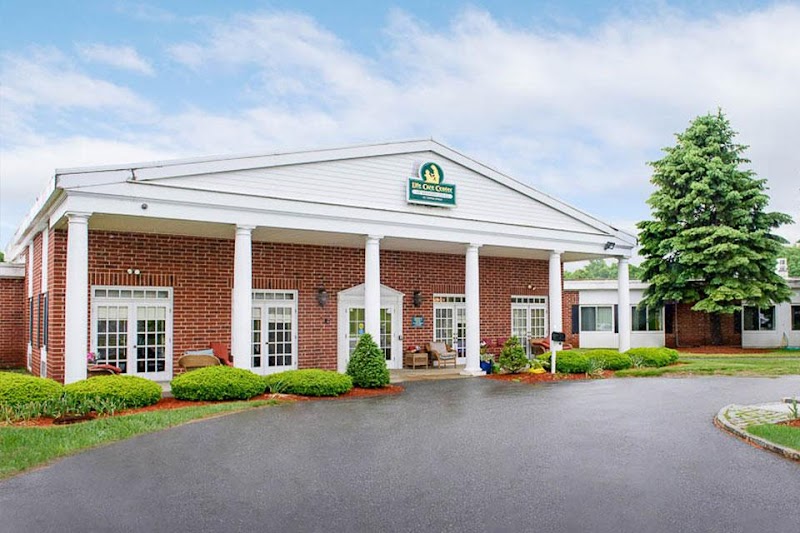
CMS assigns LIFE CARE CENTER OF NASHOBA VALLEY an overall rating of 5 out of 5 stars, which is considered much above average nationally. Within Massachusetts, this rating places the facility higher than 99% of the state's 100 nursing homes. This rating reflects solid performance across the metrics CMS uses to evaluate nursing home quality.
How is Life Of Nashoba Valley Staffed?

CMS rates LIFE CARE CENTER OF NASHOBA VALLEY's staffing level at 4 out of 5 stars, which is above average compared to other nursing homes. Staff turnover is 42%, compared to the Massachusetts average of 46%. This relatively stable workforce can support continuity of care.

What Have Inspectors Found at Life Of Nashoba Valley?

State health inspectors documented 15 deficiencies at LIFE CARE CENTER OF NASHOBA VALLEY during 2023 to 2025. These included: 15 with potential for harm.

Who Owns and Operates Life Of Nashoba Valley?

LIFE CARE CENTER OF NASHOBA VALLEY is owned by a for-profit company. For-profit facilities operate as businesses with obligations to shareholders or private owners. The facility is operated by LIFE CARE CENTERS OF AMERICA, a chain that manages multiple nursing homes. With 120 certified beds and approximately 111 residents (about 92% occupancy), it is a mid-sized facility located in LITTLETON, Massachusetts.
How Does Life Of Nashoba Valley Compare to Other Massachusetts Nursing Homes?

Compared to the 100 nursing homes in Massachusetts, LIFE CARE CENTER OF NASHOBA VALLEY's overall rating (5 stars) is above the state average of 2.9, staff turnover (42%) is near the state average of 46%, and health inspection rating (4 stars) is above the national benchmark.

What Should Families Ask When Visiting Life Of Nashoba Valley?

Based on this facility's data, families visiting should ask: "Can I visit during a mealtime to observe dining assistance and food quality?" "How do you handle medical emergencies, and what is your hospital transfer rate?" "Can I speak with family members of current residents about their experience?"

Is Life Of Nashoba Valley Safe?

Based on CMS inspection data, LIFE CARE CENTER OF NASHOBA VALLEY has a clean safety record: no substantiated abuse findings (meaning no confirmed cases of resident harm), no Immediate Jeopardy citations (the most serious violation level indicating risk of serious injury or death), and is not on the Special Focus Facility watch list (a federal program monitoring the lowest-performing 1% of nursing homes). The facility has a 5-star overall rating and ranks #1 of 100 nursing homes in Massachusetts. While no facility is perfect, families should still ask about staff-to-resident ratios and recent inspection results during their visit.

Do Nurses at Life Of Nashoba Valley Stick Around?

LIFE CARE CENTER OF NASHOBA VALLEY has a staff turnover rate of 42%, which is about average for Massachusetts nursing homes (state average: 46%). Moderate turnover is common in nursing homes, but families should still ask about staff tenure and how the facility maintains care continuity when employees leave.

Was Life Of Nashoba Valley Ever Fined?

LIFE CARE CENTER OF NASHOBA VALLEY has no federal fines on record. CMS issues fines when nursing homes fail to meet care standards or don't correct problems found during inspections. The absence of fines suggests the facility has either maintained compliance or corrected any issues before penalties were assessed. This is a positive indicator, though families should still review recent inspection reports for the full picture.

Is Life Of Nashoba Valley on Any Federal Watch List?

LIFE CARE CENTER OF NASHOBA VALLEY is not on any federal watch list. The most significant is the Special Focus Facility (SFF) program, which identifies the bottom 1% of nursing homes nationally based on persistent, serious quality problems. Not being on this list means the facility has avoided the pattern of deficiencies that triggers enhanced federal oversight. This is a positive indicator, though families should still review the facility's inspection history directly.