JULIAN J LEVITT FAMILY NURSING HOME
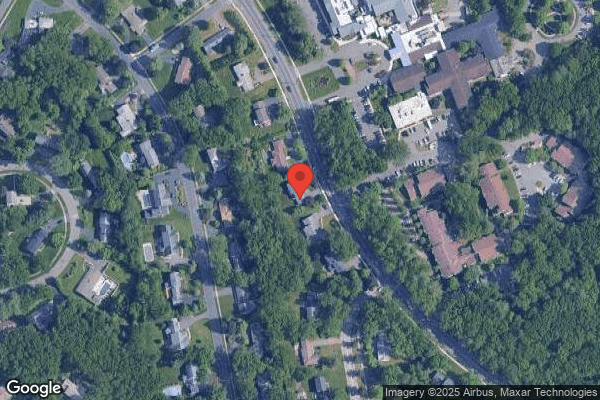
770 CONVERSE STREET, LONGMEADOW, MA 01106 (413) 567-6211
Non profit - Corporation 200 Beds CHELSEA JEWISH LIFECARE Data: November 2025
Trust Grade
53/100
#93 of 338 in MA
Last Inspection: May 2025

Inspected within the last 6 months. Data reflects current conditions.

Overview

Julian J Levitt Family Nursing Home has a Trust Grade of C, which means it is average-right in the middle among similar facilities. It ranks #93 out of 338 nursing homes in Massachusetts, placing it in the top half, and #8 out of 25 in Hampden County, indicating that there are only seven local options considered better. The facility is improving, with the number of issues decreasing from 11 in 2024 to 8 in 2025. However, staffing is below average, with a rating of 2 out of 5 stars and a turnover rate of 43%, which is higher than the state average. There have also been concerning incidents, including situations where residents were not provided the required assistance during transfers, leading to serious injuries like fractures. While they have good quality measures and a solid overall rating of 4 out of 5 stars, the nursing home must address staffing and ensure adherence to care plans to enhance resident safety.

Trust Score
C
53/100
In Massachusetts
#93/338
Top 27%
Safety Record
High Risk
Review needed
Inspections
Getting Better
11 → 8 violations
Staff Stability
○ Average
43% turnover. Near Massachusetts's 48% average. Typical for the industry.
Penalties
✓ Good
$21,064 in fines. Lower than most Massachusetts facilities. Relatively clean record.
Skilled Nurses
⚠ Watch
Each resident gets only 19 minutes of Registered Nurse (RN) attention daily — below average for Massachusetts. Fewer RN minutes means fewer trained eyes watching for problems.
Violations
⚠ Watch
24 deficiencies on record. Higher than average. Multiple issues found across inspections.
★★★★☆
4.0
Overall Rating
★★☆☆☆
2.0
Staff Levels
★★★★★
5.0
Care Quality
★★★☆☆
3.0
Inspection Score
Stable
2024: 11 issues
2025: 8 issues

The Good

  • 5-Star Quality Measures · Strong clinical quality outcomes
  • Full Sprinkler Coverage · Fire safety systems throughout facility
  • No fines on record
  • Staff turnover below average (43%)

    5 points below Massachusetts average of 48%

Facility shows strength in quality measures, fire safety.

The Bad

Staff Turnover: 43%

Near Massachusetts avg (46%)

Typical for the industry

Federal Fines: $21,064

Below median ($33,413)

Minor penalties assessed

Chain: CHELSEA JEWISH LIFECARE

Part of a multi-facility chain

Ask about local staffing decisions and management

The Ugly 24 deficiencies on record

3 actual harm
May 2025 7 deficiencies
CONCERN (D)

Potential for Harm - no one hurt, but risky conditions existed

Resident Rights (Tag F0550)

Could have caused harm · This affected 1 resident

Based on observation, interview, and record reviews, the facility failed to ensure personal care was provided with respect and dignity, in a manner to maintain and enhance quality of life for one Resi...

Read full inspector narrative →
Based on observation, interview, and record reviews, the facility failed to ensure personal care was provided with respect and dignity, in a manner to maintain and enhance quality of life for one Resident (#539) out of a total sample of 36 residents. Specifically, the facility failed to: -Ensure that Resident #539 was covered/clothed as requested by the Resident when during personal care, staff left the Resident exposed and uncovered in his/her bed, when the Resident required assistance from staff for personal care, resulting in the Resident feeling disrespected and dehumanized. -Ensure a timely response to Resident #539's undignified experience which increased the Resident's risk for further undignified experiences at the facility. Findings include: Resident #539 was admitted to the facility in April 2025 with diagnoses including Osteoarthritis of bilateral knees, muscle weakness, difficulty in walking, need for assistance with personal care, Osteoarthritis of the right shoulder, pain in right shoulder, and pain in right knee. Review of Resident #539's At Risk Care Plan initiated 4/16/25, indicated: -The Resident was at risk for falls, skin breakdown, Activities of Daily Living (ADL) functioning limitations and pain related to a diagnosis of [muscle] weakness. -Staff were to provide assistance with ADL completion. Review of the Physical Therapy (PT) Care Plan initiated 4/17/25, indicated Resident #539: -has generalized weakness. -required assistance with transfers. Review of the Occupational Therapy (OT) Care Plan initiated 4/17/25, indicated Resident #539: -required assistance with upper body and lower body dressing. Review of the Facility's Record of Resident Grievance for Resident #539, dated 4/17/25, indicated: -The Certified Nurses Aide (CNA #5) took the blankets down and took [pulled] the Resident's hospital gown up and left the room to get the supplies. -The Resident felt exposed and felt their dignity was violated. -The outcome, dated 4/18/25, included communication with family and Resident. -The resolution was that CNA #5 was not to enter Resident #539's room. -The Resident's daughter had called and left a message for Unit Manager (UM) # 1. UM #1 had left a return voicemail for the Resident's daughter. The Resident was updated that his/her daughter was called and stated [daughter aware with correction]. Further review of the Record of Resident Grievance Form indicated Resident #539 (who was his/her her own decision maker) did not sign the Grievance outcome. Review of the Minimum Data Set (MDS) Assessment, dated 4/22/25, indicated Resident #539: -was cognitively intact as evidenced by a Brief Interview for Mental Status (BIMS) score of 15 out of a total possible score of 15. -was able to make him/herself understood and understood others. -demonstrated no behaviors. -required moderate assistance from staff to perform rolling from left to right. -required moderate assistance from staff for completion of toileting. -required moderate assistance from staff for dressing. Review of Resident #539's ADL Care Plan initiated on 4/29/25, indicated: -was unable to perform ADLs independently due to Osteoarthritis of the right knee and right shoulder. -required assistance from staff for bathing and dressing. -required assistance with mobility. During an interview on 4/30/25 at 2:32 P.M., Resident #539 said on 4/16/25, during the 11:00 P.M. to 7-00 A.M. (11-7) shift, a CNA was rude and disrespectful to him/her. Resident #539 said that he/she had used the bed pan, and urine had spilled onto the bed and hospital gown that he/she wore at that time. Resident #539 said the while CNA was assisting him/her to change the hospital gown and bedding, the CNA removed the Resident's hospital gown, and while the CNA was changing the bed linen, the CNA left the Resident naked and exposed. Resident #539 said that he/she told the CNA that he/she was cold and asked to be covered. Resident #539 said the CNA did not answer him/her, left him/her exposed, uncovered and cold, and pointed towards the wall (to indicate where Resident #539 needed to turn). Resident #539 said the CNA then left the room. Resident #539 said the CNA made him/her feel very nervous and vulnerable and the CNA was in charge of the situation. The Resident said the CNA was mean and disrespectful by not responding to him/her when he/she asked to be covered, and that being left naked and exposed was a very undignified experience. Resident #539 said that around 7:30 A.M. to 8:00 A.M., (on 4/17/25) he/she told Nurse #4 what had happened and gave Nurse #4 the details of the incident and explained how he/she felt mistreated. Resident #539 said that same day, mid-morning, he/she then told Rehabilitation (Rehab) Staff # 1 in detail about the previous night's events, and Rehab Staff #1 said he/she should not have been treated that way. Resident #539 said around 3:15 P.M. on 4/17/25, CNA #5 entered his/her bedroom to provide care, and he/she told the CNA that he/she had reported the incident from the previous night, did not want care provided from CNA #5 and the CNA exited the room. Resident #539 said later in the evening on 4/17/25 around 6:00 P.M., Unit Manager (UM) #1 came to see him/her, and he/she told UM #1 all the same details, and that he/she felt mistreated, disrespected, undignified, and dehumanized. Resident #539 said UM #1 told Resident #539 that she would talk with CNA # 5 about what happened. During an interview on 4/30/25 at 4:28 P.M., with the Director of Nursing (DON) and Administrator on 4/30/25 at 4:28 P.M., the DON said UM #1 notified her about Resident #539's complaint about CNA #5, and that it was a customer service complaint. The DON said UM #1 handled the Resident's complaint by conducting education with the staff and was not sure if a grievance form had been completed. The DON said she did not know why UM #1 did not speak with Resident #539 until 6:00 P.M on 4/17/25. The DON also said she was not sure why CNA #5 had gone back into Resident #539's room if CNA #5 had been educated by UM #1 to not provide care to Resident #539. During a follow-up interview on 5/2/25 at 9:05 A. M., Resident #539 said the following: -On 4/17/25 around 7:30 A.M., the Resident told Nurse #4 that the CNA on the 4/16/25 (11-7 P.M.) shift made the Resident feel disrespected and undignified, relative to leaving the Resident naked and exposed, and that the CNA was mean and unkind. -Nurse #4 appeared to the Resident to be exasperated that the event had occurred. -Mid-morning, on 4/17/25, Resident #539 told Rehab Staff #1 about the event that occurred on the 4/16/25 (11-7 P.M.) shift with the CNA. -SW #1 came to see the Resident on 4/17/25 between 3:00 P.M. and 3:30 PM at which time the Resident told SW #1 the details of the event that occurred with the CNA during the previous night's 11-7 (P.M.) shift. -The Resident said SW #1 listened to him/her and said, Oh, that's terrible. -Resident #539 said that UM #1 visited him/her around 6:30 P.M. on 4/17/25 and said to Resident #539 that she was going to speak with CNA# 5 about the incident. -Resident #539 said that at no point on 4/17/25 did any staff members he/she spoke with about the 4/16/25 event offer to file a formal complaint or grievance, and that he/she did not put anything in writing. -Resident #539 said no staff member came back to discuss the outcome of his/her reported incident with CNA #5 until 4/30/25, after he/she made the surveyor aware of the situation. -Resident #539 said he/she did not feel like things were handled appropriately and nothing ever came of reporting the event until [the surveyor] came into the facility. During an interview on 5/2/25 at 11:07 A.M., Rehabilitation Staff #1 said she did the Physical Therapy Evaluation for Resident #539 on 4/17/25. Rehab Staff #1 said she recalled the Resident being a little upset about something that happened during the (11-7 P.M.) shift with a staff member, but did not remember the details of what the Resident said. Rehab Staff #1 said she reported the Resident's complaint to UM #1 around 11:00 A.M. on 4/17/25. During an interview on 5/2/25 at 11:42 A.M., Nurse # 4 said that when he went to see Resident #539 on 4/17/25 in the morning, the Resident reported that he/she felt disrespected by a staff member on the prior (11-7 P.M.) shift. Nurse #4 said he could not recall the details of what the Resident had said, but that the Resident was angry about the incident, and that Nurse #4 told UM #1 and SW #1 right away because they were sitting in the office near the Resident's room. Nurse #4 said that anytime a facility receives a complaint from a Resident, the facility process was for a staff designee to complete an investigation right away, and that the incident should be reported to the DON and the Administrator immediately. During an interview on 5/2/25 at 12:33 P.M., UM #1 said that she and SW #1 were notified by Nurse #4 on 4/17/25 around 7: 30 A.M. that Resident #539 had a concern about staff on the (11-7 P.M.) shift. UM #1 said she was told by SW #1 that SW #1 would go see the Resident. UM #1 said she was unsure of when SW # 1 went to see Resident #539 about the complaint, but that around 3:00 P.M., SW #1 told her that the Resident had a concern involving an (11-7 P.M.) shift CNA and the that the CNA should be educated on customer service. UM #1 said that shortly after 3:00 P.M., CNA #5 had already gone back into Resident #539's room to take vital signs at the beginning of her shift and then CNA #5 came to speak with UM #1 because Resident #539 told CNA #5 that he/she had reported CNA #5 and did not want the CNA to provide care for him/her. UM #1 said she then educated CNA #5 about customer service, obtained a statement about the incident on 4/17/25 from the CNA, and instructed CNA #5 not to go into Resident #539's room. UM #1 said SW #1 completed a Grievance Form, and UM #1 completed education to CNA #5 as an outcome to the grievance. UM #1 said that she was under the impression SW #1 would have followed-up with the Resident right away after the incident had been reported to them at 7:30 A.M. and was not sure why SW #1 did not see the Resident until around 3:00 P.M. UM #1 said she did not speak with the Resident about the 4/16/25 incident until sometime between 5:00 P.M. and 6:00 P.M. on 4/17/25 (9.5 - 10.5 hours after the Resident's report to Nurse #4). UM #1 said the Resident told her that the CNA #5 was unfriendly, had a flat affect, and had left him/her naked and exposed which made him/her feel uncomfortable. UM #1 said Resident #539 was upset to have been left naked and when the Resident asked to be covered, the CNA did not cover him/her and gestured for him/her to roll over leaving him/her exposed. UM #1 said that if a Resident had a complaint or concern, a staff member should have interviewed the Resident as soon as possible and should have informed administration. UM #1 said she though the Resident's concern about CNA #5 was a customer service concern that could be corrected with staff education. During an interview on 5/2/25 at 1:22 P.M., SW #1 said on 4/17/25 between 7:30 A.M.- 8:30 A.M., Nurse #4 told her that Resident #539 that a complaint from the (11-7 P.M.) shift. SW #1 said she went into the Resident's room around 8:30 A.M. but the Resident was working with a therapy staff member at the time, so SW #1 told Resident #539 that she would come back. SW #1 said that her workday got very busy, and she forgot to return to see the Resident until around 3:00 P.M. SW #1 said Resident #539 told her about the incident with CNA #5 at that time. SW #1 said Resident #539 told her that CNA #5 did not introduce herself, did not talk to the Resident, and instead of asking the Resident to roll over in the bed, pointed with her finger. SW #1 said Resident #539 further said that CNA #5 removed the Resident's hospital gown, and the Resident told the CNA that he/she was cold, and asked to be covered up, but the CNA left the room for supplies without covering the Resident as requested. Resident #539 told SW #1 that she thought the situation was undignified. SW #1 said she then returned to the office and told UM #1 that CNA #5 needed to be educated for dignity related to leaving Resident #539 exposed and cold while providing care. SW #1 said the Resident was bothered and saddened by the event on 4/17/25, and that Resident #539 said he/she would never treat a patient the way CNA #5 treated him/her. SW #1 said at the time of her interview with Resident #539 on 4/17/25, CNA #5 had already gone into the Resident's room and the Resident had told the CNA to leave. SW #1 said she completed a Grievance Form on 4/17/25, gave it to UM #1 but it was left on the UM's desk and forgotten about until 4/30/25, when the surveyor inquired about the incident that occurred on 4/16/25. SW #1 said that she should have gone back right away to see Resident #539 in the morning of 4/17/25 but did not because she forgot and got busy. During an interview on 5/2/25 at 3:26 P.M., the Administrator said a thorough investigation should have been completed immediately after Resident #539 had voiced a complaint to Nurse #4 on 4/17/25 at 7:30 A.M. The Administrator said when the Resident was unavailable to speak with SW #1 in the morning on 4/17/25, SW #1 should have gone back as soon as possible to ask thorough questions about the incident details and to check on how the Resident was doing. The Administrator said she and the DON completed a follow-up investigation after the surveyor brought it to their attention on 4/30/25, and Resident #539 was very clear about feeling intimidated and vulnerable on 4/17/25. The Administrator also said since SW #1 did not go back to interview the Resident right away, there was a several hour delay in the initial investigation. The Administrator said completing a through investigation on 4/17/25 would have prevented CNA #5 from going into Resident #539's room on 4/17/25 in an attempt to provide care.
CONCERN (D)

Potential for Harm - no one hurt, but risky conditions existed

PASARR Coordination (Tag F0644)

Could have caused harm · This affected 1 resident

Based on record review, and interview, the facility failed to refer one Resident (#77) for a Preadmission Screening and Resident Review (PASRR- a federal and state-required process that is designed to...

Read full inspector narrative →
Based on record review, and interview, the facility failed to refer one Resident (#77) for a Preadmission Screening and Resident Review (PASRR- a federal and state-required process that is designed to, among other things, identify evidence of serious mental illness [SMI] and/or intellectual or developmental disabilities [ID/DD] in all individuals [regardless of source of payment] seeking admission to Medicaid-or Medicare-certified nursing facilities) Level II Evaluation (an evaluation conducted to determine if an individual with a newly evident or possible SMI, ID, or a related condition for Level II resident review upon a significant change in status assessment) out of a total sample of 36 residents. Specifically, for Resident #77, the facility failed to refer the Resident for a Level II PASRR Evaluation after receiving a new diagnosis of Psychosis. Findings include: Resident #77 was admitted to the facility in December 2017 with diagnoses including history of alcohol abuse and Depression. Review of the Diagnosis List indicated Resident #77 has the following current diagnoses in part: -Dementia-onset 2/22/24 -Anxiety-onset 2/22/24 -Psychosis-onset 9/26/24 -Delusional Disorder-onset 9/26/24 Review of the PASRR completed 11/12/17, failed to indicate that Resident #77 had a serious mental health disorder that would indicate a Level II Evaluation was required. Review of the H&P (History and Physical) completed on 11/26/17, indicated Resident #77 was diagnosed with alcohol abuse and Depression. Further review of the H&P failed to indicate documented evidence of diagnoses of Psychosis, Anxiety, and Delusional Disorder. Review of the Behavioral Health Note dated 3/29/23, indicated Resident #77 was diagnosed with Dementia, Psychosis, Depression, Anxiety, and Alcohol Abuse. Further review of Resident #77's medical record failed to indicate documented evidence that a PASRR Level II Evaluation was conducted after a newly evident or possible serious mental health disorder was identified on 3/29/23 or 9/26/24. During an interview on 5/7/25 at 12:19 P.M., Social Worker (SW) #2 said that she could not speak to the Behavioral Health Note dated 3/29/23, that indicated Resident #77's Psychosis diagnosis. SW #2 said that the Psychosis diagnosis, as far as she was aware, was added on 9/26/94, and when that new mental health diagnosis was identified, a request for a PASRR Level II Evaluation should have been made to the PASRR office but had not been made, as required.
CONCERN (D)

Potential for Harm - no one hurt, but risky conditions existed

Quality of Care (Tag F0684)

Could have caused harm · This affected 1 resident

Based on observations, record review, and interviews, the facility failed to ensure one Resident (#52) received treatment and care in accordance with professional standards of practice, out of total s...

Read full inspector narrative →
Based on observations, record review, and interviews, the facility failed to ensure one Resident (#52) received treatment and care in accordance with professional standards of practice, out of total sample of 36 residents. Specifically, for Resident #52, the facility failed to follow-up with a recommendation made by the Ophthalmologist to increase the use of Refresh Optive Ophthalmic (a preservative-free eye drop designed to relieve dry eye symptoms) from two times per day to four times per day. Findings include: Resident #52 was admitted to the facility in September 2024 with diagnoses including Myasthenia Gravis and Dementia. Review of the Provider Encounter Progress Note, dated 1/9/25, indicated the following in part: -Patient had bilateral ectropion (condition in which your eyelid turns outward) with retracted lower lid history of recurrent conjunctivitis (eye infection) . Review of the Ophthalmologist Report of Consultation, dated 3/10/25, indicated the following: -Recommended to use Refresh Optive in both eyes four times a day -Consultant signature -Provider initials Review of Resident #52's active Physician orders as of 5/5/25, indicated the following order: -Refresh Optive Mega-3 Ophthalmic Solution 0.5-1-0.5 %. Instill one drop in both eyes two times a day for eye health, initiated 1/9/25. Review of the March 2025 through May 2025 Medication Administration Records (MARs) indicated: -Refresh Optive Mega-3 Ophthalmic Solution 0.5-1-0.5 % was administered as ordered, two times per day. -the administered frequency failed to reflect the Ophthalmologist's recommendation made on 3/10/25, for four times per day. On 4/30/25 at 3:41 P.M., the surveyor observed Resident #52 seated in his/her wheelchair in his/her room with Health Care Proxy (HCP)/family present. Resident #52 was observed to have red, watery bilateral lower lids, and a yellow crusty substance on the left upper lid. During an interview at the time, Resident #52's HCP said Resident #52 used eye drops and that his/her eyes usually looked that way. During an interview on 5/5/25 at 2:19 P.M., Unit Manager (UM) #2 said the two initials on the Ophthalmologist Consultant Report dated 3/10/25 belonged to the Ophthalmologist and the Provider at the facility. UM #2 said that this indicated that the Provider reviewed and agreed with the recommendations made by the Ophthalmologist. UM #2 said after the recommendations had been reviewed and accepted by the Provider, the Nurse should have changed the order to reflect the new recommendation to increase the Refresh Optive Mega-3 Ophthalmic Solution 0.5-1-0.5 % from two times a day to four times a day and that did not occur.
CONCERN (D)

Potential for Harm - no one hurt, but risky conditions existed

Deficiency F0685 (Tag F0685)

Could have caused harm · This affected 1 resident

**NOTE- TERMS IN BRACKETS HAVE BEEN EDITED TO PROTECT CONFIDENTIALITY** Based on observation, interview, and record reviews, the facility failed to provide treatment for hearing loss for one Resident ...

Read full inspector narrative →
**NOTE- TERMS IN BRACKETS HAVE BEEN EDITED TO PROTECT CONFIDENTIALITY** Based on observation, interview, and record reviews, the facility failed to provide treatment for hearing loss for one Resident (#121), out of a total sample of 36 residents. Specifically, the facility failed to ensure recommendations made from the Audiologist (professional that specializes in diagnosing, treating, and managing hearing loss and balance disorders) were implemented for Resident #121 in order to improve his/her hearing ability. Findings include: Resident #121 was admitted to the facility in October 2021 with diagnoses including need for assistance with personal care and hearing loss. Review of the Cognitive Impairment/Communication Care Plan initiated 5/10/22, indicated Resident #121: -had an alteration in communication due to difficulty hearing, and included the following interventions also initiated 5/10/22: >Audiology Consult as needed. >Use assistive hearing device as needed. >Utilize communication board/paper as needed. Review of the Request for Service Form, signed by Resident #121 on 5/15/23, indicated he/she consented to Audiology Services. Review of the Provider Note dated 1/15/25, indicated Resident #121: -was currently receiving Debrox (medication applied directly inside the ears to loosen and unclog built-up earwax) to his/her ears in anticipation of audiology visit this week . -was receiving communication via white board . Review of the January 2025 Medication Administration Record (MAR) indicated Debrox Otic Solution, 5 drops to both ears twice daily for five days for ear wax removal, initiated 1/10/25 through 1/16/25. Review of the Audiology Consult, dated 1/22/25 indicated Resident #121: -was seen due to increased complaints of newly decreased hearing -communication was via use of a white board -had visibly occluding (obstructed) cerumen (earwax) on the left ear -had some non-occluding cerumen on the right ear -had perforation of tympanic membrane (ruptured ear drum) present in the right ear -hearing aids were cleaned and checked for fit, Resident was pleased with sound quality of hearing aids -the left hearing aid may need manufacturer repair due to weak sound quality -was unable to complete pure tone testing and speech testing due to visibly occluded cerumen in both ears, the wax was too deep for removal .wax needs removal -Recommendation for Attending Medical Doctor (MD)/Nursing Staff: >wax needs removal in the left ear. >Medical Consult due to: wax removal needed-left ear. >Change (hearing aid) batteries weekly. >Clean hearing aids after use. >Daily use of hearing aids is recommended. >Please contact MD for wax removal orders. >Please open battery door when hearing aids were not in use. -Action to be taken by Audiologist: Re-evaluate Resident after wax removal Review of the Provider Note dated 2/10/25, indicated Resident #121 was very hard of hearing and communicated through a white board. Further review of the Provider Note failed to indicate the results or any mention of the Audiologist's Recommendations from 1/22/25. Review of the Minimum Data Set (MDS) Assessment, dated 2/15/25, indicated Resident #121: -was cognitively intact as evidenced by a Brief Interview of Mental Status (BIMS) score of 15 out of 15 -required substantial/maximum assistance with personal hygiene, dressing upper body -understands and was understood -had highly impaired hearing and utilized hearing aids Review of the Social Service assessment dated [DATE], indicated: -Resident was seen by Audiology with a report that his/her (ear) wax was impacted and to be taken out . Review of the Resident's clinical record failed to indicate documented evidence of the facility follow-up relative to the Audiologist's Recommendations from 1/22/25. On 4/30/25 at 11:00 A.M., the surveyor observed Resident #121 dressed in a hospital gown and lying in bed. When the surveyor attempted to conduct an interview, the Resident said he/she couldn't hear a thing and instructed the surveyor to utilize the white board located in the room. The Resident was also observed with no hearing aids in place during the observation. On 5/2/25 at 11:05 A.M., the surveyor observed the Resident lying in bed, dressed in a hospital gown and watching television with closed captions on and he/she was not wearing hearing aids. During an interview using the whiteboard for communication, the Resident said he/she could not recall having another audiology appointment after the one in January 2025, and could not recall any follow-up from the January 2025 appointment relative to his/her hearing. Resident #121 said he/she had wax in his/her inner ears and that the Audiologist cleaned his/her hearing aids. Resident #121 further said after the hearing aids were cleaned by the Audiologist, they worked better for about three days and then had wax built up on them again and were not helpful with his/her hearing. When the surveyor asked about his/her hearing aids, the Resident said he/she thought the hearing aids may be in a drawer in his/her room but was not sure where they were located. Resident #121 said he/she was not sure anything could be done to help with his/her hearing, but he/she would like to be able to hear better. On 5/7/25 at 9:56 A.M., the surveyor and Unit Manager (UM) #3 reviewed Resident #121's clinical record. During an interview at the time, UM #3 said Resident #121 utilized a white board to communicate because he/she was hard of hearing. UM #3 said she could not recall Resident #121 using hearing aids and would have to look into the Audiologist's Recommendations from January 2025. UM #3 also said she would look into the location of the Resident's hearing aids. During an interview on 5/7/25 at 11:25 A.M., Certified Nurses Aide (CNA) #1 said Resident #121 was very hard of hearing and that facility staff utilized a white board to communicate with him/her. CNA #1 said she was not aware that Resident #121 had hearing aids. During a follow-up interview on 5/7/25 at 10:20 A.M., UM #3 said she was able to locate the hearing aids in the Resident's room. UM #3 said she was unable to verify that the Audiologist's Recommendations from 1/22/25 were implemented and/or reviewed with the Provider for follow-up. UM #3 said when a Consultant evaluates a Resident, the report would be emailed to the facility, printed out and reviewed with the facility Provider. UM #3 said the Provider would initial the Consult Form to indicate it was reviewed and would implement new orders if indicated. UM #3 said the Audiology Consult dated 1/22/25 for Resident #121 was not initialed as reviewed by the Provider. UM #3 further said there was no indication that there was follow-up to the Audiologist's Recommendations, that she had reviewed the Resident's clinical record for orders for wax removal after the 1/22/25 and was unable to find that this was implemented.
CONCERN (D)

Potential for Harm - no one hurt, but risky conditions existed

Deficiency F0773 (Tag F0773)

Could have caused harm · This affected 1 resident

Based on records review, and interviews, the facility failed to obtain laboratory services as ordered by the Physician for one Resident (#143) of five applicable residents, out of a total sample of 36...

Read full inspector narrative →
Based on records review, and interviews, the facility failed to obtain laboratory services as ordered by the Physician for one Resident (#143) of five applicable residents, out of a total sample of 36 residents. Specifically, the facility failed to obtain laboratory services as ordered by the Physician, to check Resident #143's Keppra (Levetiracetam: medication used to manage seizures) level, placing the Resident at risk for inadequate medication monitoring and complications related to medication use. Findings include: Review of the facility's policy titled Lab and Diagnostic Test Results - Clinical Protocol, undated, indicated the following: -The physician will identify, and order diagnostic and lab testing based on diagnostic and monitoring needs. -The reason for getting a test often affects the urgency of acting upon the result. Resident #143 was admitted to the facility in May 2024 with diagnoses including Epilepsy. Review of Resident #143's Final Levetiracetam Level Result, drawn 2/27/25 with results obtained on 3/3/25, indicated the Resident's Levetiracetam level was 4.5 ug (microgram)/mL (milliliter), (reference range is 3.0 - 60.0 ug/mL). Review of Resident #143's Physician Assistant (PA) Progress Note, dated 5/2/25, indicated the following: -The Resident was noted with a decline in status and weight loss. -The Resident was a full code (use of all possible medical interventions to be used to sustain one's life) status. -The Resident had a seizure disorder and was maintained on Keppra. -No recent seizure activity. -Obtain Keppra level. Review of Resident #143's May 2025 Physician orders indicated: -Keppra oral tablet 500 milligrams (mg), give one tablet by mouth two times a day for seizure disorder, dated 8/30/24. -An order, dated 5/2/25, for . Keppra level on 5/5/25. Review of Resident #143's May 2025 Medication Administration Record (MAR) indicated: -Keppra was administered to the Resident as ordered by the Physician. -The box indicating Keppra level on 5/5/25 was blocked off with an x. Review of Resident #143's clinical record failed to include any evidence the Resident's Keppra level was drawn on 5/5/25. During an interview on 5/7/25 at 1:10 P.M. the Director of Nursing (DON) said Keppra level results usually took a couple of days to be communicated to the facility from the lab, so the results may not have been available yet. The DON said she would provide the laboratory requisition slip as evidence the Keppra level was drawn for Resident #143 on 5/5/25. During an interview on 5/7/25 at 3:30 P.M., Unit Manager (UM) #4 said a Keppra level was ordered to be drawn for Resident #143 on 5/5/25. UM #4 said the Keppra level was not drawn for the Resident because no laboratory requisition had been completed by the facility. During a follow-up interview on 5/7/25 at 3:53 P.M., the DON said potential risks for not obtaining lab services to draw Resident #143's Keppra level included an increased risk for seizure activity if the Keppra level was too low and increased risk of toxicity if the level was too high.
CONCERN (D)

Potential for Harm - no one hurt, but risky conditions existed

Medical Records (Tag F0842)

Could have caused harm · This affected 1 resident

**NOTE- TERMS IN BRACKETS HAVE BEEN EDITED TO PROTECT CONFIDENTIALITY** Based on interviews, and record reviews, the facility failed to maintain complete and accurate clinical records for three Reside...

Read full inspector narrative →
**NOTE- TERMS IN BRACKETS HAVE BEEN EDITED TO PROTECT CONFIDENTIALITY** Based on interviews, and record reviews, the facility failed to maintain complete and accurate clinical records for three Residents (#155, #533, and #423) out of a total sample of 36 residents. Specifically, 1. For Resident #155, the facility failed to record the Resident's post void residual (PVR: amount of urine remaining in the bladder after one urinates) when PVRs were ordered to monitor the Resident's Kidney Disease, placing the Resident at risk for inadequate monitoring of his/her medical condition. 2.For Resident # 533, the facility failed to document the administration of a newly ordered dose of Lasix (diuretic medication that helps reduce fluid buildup in the body), when the Resident experienced symptoms of Congestive Heart Failure (CHF: type of heart failure that occurs when the heart cannot pump blood as well as it should), placing the Resident at risk for inadequate monitoring of his/her medical condition. 3. For Resident #423, the facility failed to document the administration of PRN (as needed) antipsychotic (medication used to treat psychosis, a mental health condition where individuals experience difficulties distinguishing between reality and what is not real) medication as required, placing the Resident at risk for inadequate monitoring of his/her medical condition. Findings include: 1. Resident #155 was admitted to the facility in September 2024 with diagnoses including Urinary Tract Infection (UTI), Acute Kidney Failure, and Dementia. Review of Resident #155's Physician Progress Note, dated 4/21/25, indicated: -The Resident had a positive urinalysis (UA: urine test often done to check for UTI and/or kidney disease). -The Resident had Acute Kidney Injury (AKI) and Acute Renal Failure. -The Resident had Chronic Kidney Disease. -Bladder scan (non-invasive ultrasound of the bladder used to determine how much urine remains in one's bladder after urination) for [urine] retention issues. Review of Resident #155's April 2025 Physician orders indicated the following: -An order, dated 4/21/25: -PVR every shift for kidney disease for three days. ->(greater than) 350 [milliliters], insert Foley catheter. Review of Resident #155's April Medication Administration Record (MAR) indicated: -PVRs were recorded on the night shift on 4/21/25, 4/22/25, and 4/23/25. -PVRs were recorded on the day shift on 4/22/25, 4/23/25, and 4/24/25. -PVR was recorded on the evening shift on 4/23/25. -No PVRs were recorded on the evening shifts on 4/22/25 and 4/24/25. Review of Resident #155's clinical record failed to include any evidence that the Resident's PVRs were recorded for the evening shifts on 4/22/25 and 4/24/25. During an interview on 5/7/25 at 11:15 A.M., Unit Manager (UM) #2 said Nurse #7 and Nurse #8 were responsible for Resident #155's care for the evening shifts on 4/22/25 and 4/24/25. During an interview on 5/7/25 at 2:01 P.M., Nurse #8 said she did not usually work on the hallway where Resident #155 resided. Nurse #8 said that she was not responsible to provide care for the Resident between 4/22/25 and 4/24/25, when PVRs were to be completed and recorded in the Resident's record. During an interview on 5/7/25 at 2:06 P.M., Nurse #7 said she was familiar with and had provided care for Resident #155. Nurse #7 said if the Resident had an order for PVRs every shift, then the PVRs would be completed. Nurse #7 said if she was the Nurse to have completed the Resident's PVR, she would have written the PVR amount on her resident report sheet and may not have entered the PVR amount in the Resident's record. During an interview on 5/7/25 at 1:10 P.M., the Director of Nursing (DON) said when PVRs were ordered to be completed for a Resident, the Nurses were responsible to record the PVR amounts in the Resident's record when the bladder scan for PVR was completed. The DON said Resident #155 had a UTI at the time the PVRs were ordered and that the Resident had kidney disease. The DON said recording the PVR amounts was an important piece for monitoring the Resident's condition, to ensure the Resident was urinating enough. The DON said the Resident's PVR amount should have been recorded in the Resident's clinical record for the evening shifts on 4/22/25 and 4/24/25. 3. Resident #423 was admitted to the facility in February 2025 with diagnoses including vascular Dementia unspecified severity, without behavioral disturbance, psychotic disturbance, mood disturbance, anxiety and anemia. Review of the Minimum Data Set (MDS) Assessment, dated 2/17/25, indicated Resident #423 was severely cognitively impaired as evidenced by a Brief Interview for Mental Status (BIMS) score of seven out of a total of 15 possible points. Review of Resident #423's Hospital Discharge summary, dated [DATE], indicated the following order: -Seroquel 12.5 milligram (mg), by mouth two times a day as needed (PRN), for agitation. Review of Resident #423's Physician's orders for May 2025 indicated: -Seroquel Oral tablet, give 12.5 mg by mouth every 12 hours as needed for agitation related to vascular Dementia, unspecified severity, without behavioral disturbance, psychotic disturbance, mood disturbance, and anxiety for 14 days, started 5/2/25. On 5/6/25 at 10:02 A.M., the surveyor observed Resident #423's Seroquel medication card with Nurse #6 with the following findings: -the Seroquel medication card was received from the pharmacy on 5/3/25 -the Seroquel medication card had (14 full tabs) 28 half tabs. -four pills were missing on the medication card. During an interview at the time, Nurse #6 said she was not sure when the medications were administered to the Resident, because there was no record on the MAR and there was no Progress Note. Review of Resident #423's May 2025 Medication Administration Records (MAR) failed to indicate that the Resident was administered PRN Seroquel medication on any days in May 2025. During an interview on 5/7/25 at 10:57 A.M., Nurse #2 said she would occasionally pick up shifts on the unit where Resident #423 resided. Nurse #2 said the Resident had increased behaviors in the evenings. Nurse #2 said she would usually give Resident #423 his/her PRN Seroquel and would usually put the medication in ice cream before the Resident's behaviors got to the point where it would be difficult to manage. Nurse #2 said she would not always document the administration of the medication, but she should. During a follow-up interview on 5/7/25 at 1:28 P.M., the DON said the Nurses should have signed off the administration of the Seroquel medications when they were administered but they had not always done so. 2. Resident #533 was admitted to the facility in April 2025 with diagnoses including Acute on Chronic Heart Failure, Ischemic Cardiomyopathy, and Hypertension (HTN). Review of the Resident #533's Skilled Nursing Note dated 4/28/25, indicated the Resident had a weight gain of 4 lbs. (pounds) and the Provider ordered Lasix 20 mg (milligrams) to be given in the P.M. [sic] for 3 days. Review of the Resident #533's Medication Administration Record for April 2025 indicated the following: -Lasix 20 mg in P.M. [sic] for 3 days was ordered to start on 4/28/25. -Lasix 20 mg was administered on 4/29/25 as ordered. -Lasix 20 mg was administered on 4/30/25 as ordered. Review of Resident #533's clinical record failed to include any evidence that the Resident was administered Lasix 20 mg as ordered on 4/28/25. During an interview on 5/6/25 at 8:46 A.M., the surveyor and Nurse #5 reviewed the April 2025 MAR and Nurse #5 said that the order for Lasix 20 mg in the P.M. was not signed off as given on 4/28/25 but should have been signed off if it was given. Nurse #5 said the Resident would be at risk for worsening Congestive Heart Failure if the medication was not given as ordered.
CONCERN (E)

Potential for Harm - no one hurt, but risky conditions existed

Infection Control (Tag F0880)

Could have caused harm · This affected multiple residents

Based on interviews, and record reviews, the facility failed to implement a system of surveillance for infection tracking, placing residents at risk for inadequate infection monitoring and spread of i...

Read full inspector narrative →
Based on interviews, and record reviews, the facility failed to implement a system of surveillance for infection tracking, placing residents at risk for inadequate infection monitoring and spread of infections. Specifically, the facility failed to: -Maintain an up-to-date infection line listing for tracking incidents of infection in the facility when the facility's Infection Prevention and Control Plan indicated an up-to-date infection line listing would be maintained. -Include required information on the infection line listing for infection monitoring and tracking. Findings include: Review of the facility's policy titled Infection Control Guidelines for all Nursing Procedures, dated February 2014, indicated the following: -The purpose was to provide guidelines for general infection control while caring for residents. -The Infection Control Nurse, interchangeable referred to as Infection Preventionist (IP), and/or the Director of Nursing (DON) are responsible for the Infection Control Program in the facility. Review of the facility's Infection Prevention and Control Plan, undated, indicated: -The purpose was to establish a program to identify, treat and track infections . in an effort to prevent infectious disease processes for continuous quality improvement. -A system of infection surveillance serves as a core activity of the facility's infection prevention and control program. -Its purpose is to identify infections and monitor adherence to recommended infection prevention and control practices in order to reduce infections and prevent the spread of infections. -Surveillance is one of the most important elements of an infection control program. -Surveillance is defined as the collection, assembly and analysis of infections in the facility. -Surveillance provides knowledge of the specific and unique problems in each facility and is the foundation for the entire program. -Key components include: >To obtain optimum control of infections by identification of the numbers and characteristics of both community and facility acquired infections. >To identify and measure baseline information about the frequency and type of facility acquired infections. >To provide a basis for evaluating effects of infection control measures and policies. -The IP serves as the leader in surveillance activities, maintains documentation of incidents, findings, and any corrective actions made by the facility. -To facilitate the collection of relevant resident infection data, a line listing form will be used to collect data by incidence as it is verified. -The line listing will include but is not limited to: >Resident identification >Room number >Date of admission >Date of onset of symptoms >Specific signs and symptoms >Site of infection >Organism(s) >Treatment -The update [sic] McGeer criteria or other nationally-recognized surveillance criteria will be used to define infections. -Periodic review of line listing by IP or other nursing staff will be done to look for evidence of clustering, cross contamination, trends or other patterns of deviation from standards. -At the end of each month, data will be review [sic] and analyzed and documented. During an interview on 5/1/25 at 3:53 P.M. the Infection Preventionist (IP) said she was new to the IP role and that the Staff Development Coordinator (SDC) and Director of Nursing (DON) were assisting her with infection prevention in the facility. The IP said the facility used McGeer criteria for infections and that she used a monthly line listing to track residents on antibiotic medication for infections. The IP also said she would use the information on the line listing to see if there were any trends for infections in the facility. The IP said she would complete the line listing at the end of each month for residents identified to have had infections requiring antibiotic treatment during the month. The IP provided the surveyor with a manilla folder labeled April. The surveyor observed that the folder included several completed McGeer infection criteria worksheets and failed to include any line listing. When the surveyor asked, the IP said the line listing had not yet been started for April 2025. During an interview on 5/6/25 at 9:55 A.M. with the IP and SDC, the IP said the antibiotic line listing for April 2025 had been completed. The IP and the SDC both said that the antibiotic line listing was the only infection tracker line listing used for the facility. The surveyor, the IP, and the SDC reviewed the completed April 2025 Line Listing for Antibiotic Use and observed as follows: -The columns on the Antibiotic Use line listing indicated: >Resident Name and Room Number (#). >Start Date. >Antibiotic. >Care Plan (Yes/No). >End Date. >Progress Documented. >Culture/Sensitivity. >Site. >Signature. -There were no columns to indicate: *date of admission *date of onset of symptoms *specific signs and symptoms, and organism(s) -The Line Listing for Antibiotic Use indicated 23 active resident infections treated with antibiotics during the month of April 2025. >Thirteen infections were listed as urinary infections. >Five infections were listed as viral infections. >Three infections were listed as skin/wound infections. >One infection was listed as sepsis. >No resident room numbers were recorded on the Line Listing. >The antibiotic column was not filled in for four residents. The IP and SDC both said the column titled Start Date referred to the antibiotic start date and that there were no columns on the line listing for symptom onset, and specific signs and symptoms of infection. When the surveyor asked how monitoring trends of infections in the facility was completed without completing the line listing until the end of the month, the SDC said, Right. During an interview on 5/6/25 at 2:00 P.M., the DON said the facility did have a line listing for tracking infections in addition to the Line Listing for Antibiotic Use. The DON said the Infection Tracker Line Listing was a shared document on the computer and that several staff could access the Tracker. At this time, the DON showed the facility's Infection Tracker Line Listing to the surveyor which included the following columns: -First Name. -Last Name. -Floor. -Long Term Care (LTC)/Short Term Rehab (STR). -Onset Date (or date of admission if admitted with). -Diagnosis. -Diagnostic Test. -Type of Infection. -Facility Acquired? -Catheter? (UTI Only). -Microorganisms. -MDRO (multi-drug resistant organism). -Precautions. -Met McGeers Criteria? -Infection Care Planned? -MD/NP Notified? -Responsible Party Notified? -Clinical Notes. -The Infection Tracker Line Listing failed to include resident room numbers, and specific signs and symptoms of infection. The DON said she would provide a copy of the facility's Infection Tracker Line Listing to the surveyor for residents with active infections during the month of April 2025. On 5/6/25 at 3:15 P.M., the facility provided the Infection Tracker Line Listing for residents with active infections during the month of April 2025 to the surveyor. The surveyor reviewed the facility's Infection Tracker Line Listing as follows: -Twelve residents were listed on the Infection Tracker Line Listing for a total of 12 infections (one resident was listed twice for a UTI with the same onset date). -Three of the 12 residents listed on the Infection Tracker Line Listing as having infections and being treated with an antibiotic medication were not indicated on the facility's Line Listing for Antibiotic Use. -Fourteen of the residents listed on the facility's Line Listing for Antibiotic Use as having infection and being treated with antibiotic medication were not indicated on the facility's Infection Tracker Line Listing. -Resident room numbers were not indicated on the facility's Infection Tracker Line Listing. -Specific signs and symptoms of infection were not listed on the facility's Infection Tracker Line Listing for any resident on the Line Listing. During a follow-up interview on 5/7/25 at 1:10 P.M., the DON said the facility's Infection Tracker Line Listing was to be used to track all infections in the facility. The DON said that the Unit Managers (UMs) at the facility had access to the Infection Tracker Line Listing and that the UMs were supposed to enter resident information into the Infection Tracker Line Listing upon the onset of infection symptoms. The DON said if a resident was not on the Infection Tracker Line List, it was because the UM did not enter the information. The DON said the Infection Tracker Line Listing did not contain information including resident room numbers and signs and symptoms of infection. The DON said including resident room numbers and infection signs and symptoms would be important because each unit at the facility had three wings, and it would be important to identify whether similar symptoms and infections were occurring on like-assignments and if clusters of infections were occurring. The DON said the Infection Tracker Line Listing would need to be updated to ensure accuracy, and that as the DON at the facility, she was responsible for the IPCP (Infection Prevention and Control Program).
Jan 2025 1 deficiency
CONCERN (D) 📢 Someone Reported This

A family member, employee, or ombudsman was alarmed enough to file a formal complaint

Potential for Harm - no one hurt, but risky conditions existed

Accident Prevention (Tag F0689)

Could have caused harm · This affected 1 resident

**NOTE- TERMS IN BRACKETS HAVE BEEN EDITED TO PROTECT CONFIDENTIALITY** Based on records reviewed and interviews, for one of three sampled residents (Resident #1), who required the use of a Hoyer lift...

Read full inspector narrative →
**NOTE- TERMS IN BRACKETS HAVE BEEN EDITED TO PROTECT CONFIDENTIALITY** Based on records reviewed and interviews, for one of three sampled residents (Resident #1), who required the use of a Hoyer lift (mechanical mobility aid that supports a person's body weight to allow movement from one surface to another), the Facility failed to ensure his/her environment was as free of incidents/accidents as possible, when on 11/19/24, Certified Nurse Aide (CNA) #3 and CNA #4, who had set up and prepared him/her for transfer out of bed, did not properly set up (position of the legs/base) the Hoyer lift, as they transferred Resident #1 the lift started to tip over sideways, Resident #1 was lowered to the floor by staff during the incident, and the Hoyer lift completely tipped over landing on the floor next to the resident. Findings include: Review of the Battery Operated Patient Lift Owners manual (specific to the Hoyer lifts the Facility utilized), provided to the surveyor by the Facility, indicated the following instructions to transfer a person from bed: - Open the base (legs) and move the lift slowly towards the patient and position the spreader bar (the area where the Hoyer sling, that holds a patient, attaches to the lift), over the patient's chest. - Lower the cradle to a point where the sling's loops can reach the cradle's hooks and attach the sling to the cradle hooks. - Lift the patient above the bed by using the hand control. - Pull lift away from the bed and rotate the patient so they are facing the back of the lift. - Close the base (legs) and slowly move patient over the wheelchair (wheelchair wheels must be locked) or commode, opening the base for stability. - Then lower the patient onto the surface by pressing the down button. Review of the Facility's Competency titled, Skill Performance - Mechanical Lift indicated the following step: - Position lift over resident in bed (or in front of resident if in chair). Spread open and lock mechanical lift feet. - Guide lift away from starting point (bed or chair) - Position resident over bed or chair - First assist repositions themselves to support resident in sling, use sling loops to ensure correct potion as resident is lowered into chair (or bed). Review of the Facility Investigation, dated 11/19/24, which included written statements provided by staff, indicated that on 11/19/24 at 8:15 A.M., after Resident #1 received morning personal care, he/she was in the Hoyer lift, the lift tipped over and he/she was lowered to the ground. Resident #1 was admitted to the Facility in February 2024, diagnoses included Dementia and recent fall resulting in a Subdural Hematoma (pool of blood between the brain and it's outermost covering), Subgleal Hematoma (blood accumulation between the skull and scalp) and Subarachnoid Hemorrhage (bleeding in the space between the brain and the tissue covering the brain). Review of Resident #1's Quarterly Minimum Data Set (MDS) Assessment, dated 10/12/24, indicated he/she had severe cognitive impairment and was dependent on staff for chair/bed-to-chair transfers. Review of Resident #1's ADL Care Plan, reviewed and renewed with his/her October 2024 MDS, indicated he/she was dependent on two staff members for transfers and utilized a Hoyer lift. Review of Resident #1's Care [NAME] (used by the CNAs to determine individual care needs) indicated he/she required assistance of two staff members with a mechanical lift (Hoyer). Review of a Nursing Progress Note written by Nurse #1, dated 11/19/24 at 8:58 A.M., indicated Resident #1 was receiving care in the morning with two CNAs (CNA #3 and CNA #4) present while he/she was in the Hoyer lift. The lift tipped over and the Resident #1 was lowered to the ground by the CNAs, and no injuries were observed. During an interview on 01/08/25 at 2:21 P.M., Nurse #1 said on the morning of 11/19/24 at approximately 8:15 A.M., another staff nurse notified her that Resident #1 was on the floor. Nurse #1 said when she arrived to Resident 1's room, CNA #3, CNA #4, and his/her spouse were present, the wheelchair (which was empty) was facing her, the Hoyer lift was lying sideways on the floor, and Resident #1 was seated on the floor leaning against the wheelchair. Nurse #1 said she assessed Resident #1 by obtaining his/her vital signs and performed a physical and a neurological assessment. Nurse #1 said she determined Resident #1 had no injuries and was not exhibiting signs or symptoms of pain. Nurse #1 said CNA #3 and CNA #4 reported to her that Resident #1 had not hit his/her head, and he/she was safely transferred into his/her wheelchair. Nurse #1 said after the incident, the Executive Director, along with CNA #3 and CNA #4 attempted a re-enactment. Nurse #1 said based on that re-enactment it was determined that the CNAs had failed to widen the base legs of the Hoyer lift, and once the CNAs attempted to move Resident #1 into his/her wheelchair, the weight shift caused the Hoyer lift to tip, that the CNAs were unable to stabilize the Hoyer lift, so they had no choice but to lower Resident #1 to the floor for his/her safety. Nurse #1 said that when residents are being lifted and lowered while in the Hoyer lift, the legs (base) should be in an open position to provide balance and stability. During an interview on 01/09/25 at 9:45 A.M., which included review of her written Witness Statement, CNA #3 said that on 11/19/24 at approximately 8:15 A.M., she and CNA #4 utilized a Hoyer lift to attempt to transfer Resident #1 out of bed to his/her wheelchair. CNA #3 said that when they started to move Resident #1 into his/her wheelchair, she was behind him/her guiding his/her upper body and CNA #4 was next to him/her near his/her legs, the Hoyer tipped sideways toward CNA #4 and actually hit her (CNA #4) in the face. CNA #3 said she and CNA #4 grabbed a hold of the Hoyer sling Resident #1 was seated in, lowered him/her to the floor, and the Hoyer lift ended up sideways on the floor, as well. CNA #3 said that she and CNA #4 made a mistake by not opening the Hoyer legs. The surveyor asked CNA #3 if she knew she was supposed to widen the Hoyer lift legs, but that she did not realize that was supposed to be done. CNA #3 said she thought that the reason to open and close the legs at the base of the Hoyer was to fit the Hoyer lift around objects such as larger wheelchair wheels. During an interview on 01/09/25 at 10:15 A.M., which included review of her written Witness Statement, CNA #4 said that on 11/19/24 at approximately 8:15 A.M., she and CNA #3 were using a Hoyer lift to transfer Resident #1 from his/her bed to his/her wheelchair. CNA #4 said CNA #3 was behind Resident #1 and that she was near his/her leg and as they were moving him/her, the Hoyer began to tilt sideways and while tilting, it hit her face. CNA #4 said that she and CNA #3 decided it would be safer to lower Resident #1 to the floor, and when they lowered him/her down, the Hoyer lift fell down sideways. CNA #4 said that when she and CNA #3 transferred Resident #1, they did not have the legs (base) to the Hoyer lift in the open position, and was unaware that having the legs open while lifting and lowering a resident was required for balance and safety. During an interview on 01/08/25 at 3:10 P.M, Unit Manager #1 said she was told CNA #3 and CNA #4 lowered Resident #1 to the floor on 11/19/24 at 8:15 A.M. because the Hoyer lift tilted sideways due CNA #3 and CNA #4 failing to open the Hoyer lift legs (base) causing a weight shift resulting in the Hoyer lift to tip. During an interview on 01/09/25 at 9:50 A.M., the Occupational Therapist (OT) said in order to operate a Hoyer lift safely, the (base) legs must be in the open position prior to and while lifting a resident, and should be open when lowering a resident back down (to the destination surface), and that the widened base provides stability and balance to the Hoyer lift, preventing it from tipping over in the event of a weight shift. During an interview on 01/09/25 at 1:30 P.M., the Director of Rehabilitation said that she could not speak to the incident on 11/19/24 at 8:15 A.M., when Resident #1 was lowered to the floor by CNA #3 and CNA #4, as she was not involved in the related investigation. The Director of Rehabilitation with the surveyor, reviewed the Hoyer lift owner manual that indicated the base (the legs) should be open prior to lifting and prior to lowering a resident. The Director of Rehabilitation said reasoning behind having the base open was to provide a wider base of support for increased stability, and keeping the legs in the narrow position could render the Hoyer lift unstable and a weight shift could cause the Hoyer lift to tip. The Director of Rehabilitation further said that because of this, the Hoyer legs/base should be open when lifting and lowering a patient. During an interview on 01/09/25 at 2:35 P.M., the Director of Nursing (DON) said she was not working on 11/19/24 when Resident #1 was lowered to the floor by CNA #3 and CNA #4, but said however that the Executive Director and another staff member, along with CNA #3 and CNA #4 re-enacted the incident shortly after it occurred. The DON said that all clinical staff, which included certified nurse aides were provided education and competencies related to mechanical lift transfers upon hire and annually. During an interview on 01/09/25 at 3:15 P.M., the Executive Director (ED) said on 11/19/24, she received a call that Resident #1 had experienced an incident where he/she was lowered to the floor. The ED said that she, along with one of the nurse managers went up to the unit and had CNA #3 and CNA #4 re-enact what they did. The ED said the CNAs showed her how the wheelchair was positioned near the bed and how they transferred Resident #1 from the bed to the chair (by going over the wheelchair arm rest). The ED said she asked them if they were sure they had opened the legs, and said the CNAs told her they were sure they were open but said they were unsure at what point in the process the Hoyer base legs were open or closed. On 01/09/24, the Facility was found to be in Past Non-Compliance and provided the surveyor with a plan of correction which addressed the area of concern as evidenced by: A) On 11/19/24, Resident #1 was immediately assessed by nursing for injuries, none were noted and he/she did not voice any complaints of pain. B) On 11/19/24, and 11/21/24 the Director of Rehabilitation and the Staff Development Coordinator re-educated CNA #3 and CNA #4 regarding Hoyer lift usage which included a written competency and return demonstration. C) On 11/20/24, Resident #1 was re-assessed by Rehabilitation staff to determine if he/she required alternative seating. D) On 11/20/24, 11/21/24 and 11/22/24, the Staff Development Coordinator and the Director of Rehabilitation provided in-person education to all clinical staff titled, Full Body Mechanical Lift which included competencies with demonstration. E) On 11/19/24, the Staff Development Coordinator provided education to all clinical staff titled, Hoyer Transfer Protocol which indicated until further notice all Hoyer lift transfers required two CNAs and one Nurse be present to ensure the Hoyer lift base is opened for stability while lowering a resident into a wheelchair. The Education included a written page from the Hoyer lift owners manual that highlighted the following: - Pull lift away from the bed and rotate the patient so they are facing the back of the lift - Close the base and slowly move patient over the wheelchair, opening the base for stability. F) On 11/20/24 and ongoing, the Rehabilitation department is screening all residents in the Facility that require a total mechanical lift to ensure appropriate Hoyer sling size, appropriate seating and auditing/observing clinical staff during Hoyer transfers to ensure correctness and safety is maintained. G) On 11/20/24 and ongoing, the Rehabilitation department, Nurse Managers, and Staff Nurses are conducting random audits to ensure mechanical lift transfers are carried out appropriately and safely. H) On 11/20/24 an Ad-Hoc Quality Assurance Performance Improvement (QAPI) meeting was held. The Facility leadership team developed a plan of correction related to the deficient practice. The Project Leader is the Executive Director, Key Area for Improvement - Hoyer Transfers. I) Effectiveness of this plan will be reviewed during Monthly QAPI meetings until further notice. J) Director of Nursing and Executive Director will be responsible for overall compliance.
May 2024 2 deficiencies 2 Harm
SERIOUS (G) 📢 Someone Reported This

A family member, employee, or ombudsman was alarmed enough to file a formal complaint

Actual Harm - a resident was hurt due to facility failures

Comprehensive Care Plan (Tag F0656)

A resident was harmed · This affected 1 resident

**NOTE- TERMS IN BRACKETS HAVE BEEN EDITED TO PROTECT CONFIDENTIALITY** Based on records reviewed and interviews for one of three sampled residents (Resident #1), who's comprehensive care plan indicat...

Read full inspector narrative →
**NOTE- TERMS IN BRACKETS HAVE BEEN EDITED TO PROTECT CONFIDENTIALITY** Based on records reviewed and interviews for one of three sampled residents (Resident #1), who's comprehensive care plan indicated he/she required assistance of two staff members for bed mobility, the Facility failed to ensure staff implemented and followed interventions in his/her care plan, when on 04/28/24 Certified Nurse Aide (CNA) #1 provided care to Resident #1, who was in bed, without another staff member present to assist her. CNA #1 rolled Resident #1 on his/her side, away from her, Resident #1 rolled off the bed, fell onto the floor, landing on his/her right side and immediately complained of pain. Resident #1 was transferred to the Hospital Emergency Department (ED) and diagnosed with acute non-displaced (stable) fractures of the right superior and inferior pubic rami (group of bones that make up the pelvis). Findings include: Review of the Facility's undated policy, titled Care Plans-Comprehensive, indicated residents will have a person-centered comprehensive care plan developed and implemented to meet preferences and goals, and address the resident's medical, physical, mental, and psychosocial needs. Review of the Report submitted by the Facility via the Health Care Facility Reporting System (HCFRS), dated 05/03/24, indicated that on 04/27/24 (per interview with the Director of Nurses the correct date of the incident was 04/28/24), Resident #1 slid out of bed during care. The Report indicated that he/she was transferred to the Hospital ED and was found to have pelvic fractures. Review of Resident #1's Hospital Discharge summary, dated [DATE], indicated Resident #1 sustained acute non-displaced fractures of the right superior and inferior pubic rami, and the fractures did not require surgical intervention. Resident #1 was admitted to the Facility in May 2019, diagnoses included general Osteoarthritis and Rheumatoid Arthritis. Review of Resident #1's Fall Risk Assessment, dated 02/28/24, indicated he/she was at increased risk for falls. Review of Resident #1's Quarterly Minimum Data Set (MDS) Assessment, dated 03/02/24, indicated he/she scored a 15 out of 15 on his/her Brief Interview for Mental Status (BIMS) Assessment (0-7 suggests severe cognitive impairment, 8-12 suggests moderately impaired cognition, and 12-15 suggests a resident is cognitively intact). The MDS also indicated that he/she was totally dependent on staff for bathing, dressing, hygiene, transfers, incontinent care, and was non-ambulatory. During an interview on 05/21/23 at 8:18 A.M., Resident #1 said that about three weeks ago, he/she rolled out of bed onto the floor and broke his/her pelvis. Resident #1 said there were always supposed to be two staff members to provide his/her care but that day, there was only one CNA (identified as CNA #1), Resident #1 said CNA #1 washed him/her that morning and then rolled him/her onto his/her side. Resident #1 said that if they had used two CNAs like they were supposed to one of them would have been able to hold onto him/her so he/she would not have fallen out of bed. Review of Resident #1's Falls Care Plan, with a review date of 03/14/24, indicated he/she required assistance of two staff members for bed mobility and transfers. Review of Resident #1's Behavior Care Plan, with a review date of 03/14/24, indicated he/she required assistance of two staff members for care due to accusatory behaviors. Review of Resident #1's Activities of Daily Living (ADL) Care Plan, with a review date of 03/14/24, indicated he/she utilized bilateral ¼ side rails in bed and required two staff members for turning and repositioning. Review of Resident #1's Care [NAME] card (used by the CNAs to determine individual care needs) indicated he/she required assistance of two staff members for bed mobility and had padded side rails. During an interview on 05/21/24 at 1:22 P.M., (which included review of her 4/28/24, Nurse Progress Note) Nurse #1 said that on 04/28/24 at approximately 11:00 A.M., CNA #1 called for help and said that Resident #1 fell. Nurse #1 said it shocked her that Resident #1 had fallen because he/she was non ambulatory and had no previous falls. Nurse #1 said that she noticed immediately that Resident #1's side rails were down and that she asked CNA #1 (in the presence of Resident #1) why the side rails were down. Nurse #1 said Resident #1 answered her and said that he/she told CNA #1 to put the side rail down. Nurse #1 said that Resident #1 had always required assistance of two staff members for positioning and provision of care, but said CNA #1 did not have another staff member assist her that day. During a telephone interview on 05/22/24 at 2:01 P.M., (which included review of her 4/28/24, Nurse Progress Note) the Nursing Supervisor said that on 04/28/24 at approximately 11:00 A.M., CNA #1 called for help and said that Resident #1 fell. The Nursing Supervisor said she entered Resident #1's room with Nurse #1, and said she observed that both side rails were down and the bed was in a high position. The Nursing Supervisor said that immediately following the incident, she spoke with CNA #1 and reviewed Resident #1's care plan with her, which indicated he/she required assistance of two staff members for bed mobility and that he/she was also required that bilateral side rails were in use. During a telephone interview on 05/21/24 at 2:11 P.M., (which included review of her 4/28/24, Written Witness Statement) CNA #1 said that Resident #1 was on her assignment for the 7:00 A.M. to 3:00 P.M. shift on 04/28/24. CNA #1 said she was familiar with Resident #1 and had taken care of him/her before. CNA #1 said she was in the middle of washing Resident #1 in bed and once she was ready to roll Resident #1 onto his/her side to wash his/her back, Resident #1 told her to put the side rail down. CNA #1 said she told Resident #1 she could remove the padding to make it easier for Resident #1 to hold onto the side rail but that Resident #1 insisted she (CNA #1) put the side rail down, so she did. CNA #1 said once she began to roll Resident #1 (away from her) onto his/her side, he/she rolled off the bed and she could not catch him/her. CNA #1 said the bed was in the high position at the time of the fall. CNA #1 said she knew that Resident #1 required assistance of two staff members for mechanical lift transfers but until this incident happened, said no one had told her that Resident #1 also required assistance of two staff members for mobility and positioning. CNA #1 said she did not know Resident #1 also required assistance of two staff members due to accusatory behaviors. CNA #1 said she had recently completed her orientation and that no one showed her where the CNA Care [NAME] cards was located. However, review of CNA #1's Education Acknowledgement Form, dated and signed by CNA #1 on 03/19/24, indicated CNA #1 acknowledged she was educated on the resident Care [NAME] Cards and Care Plans. The Form indicated CNAs and nurses are required to check and be knowledgeable of resident's plan of care by checking the Care [NAME] Cards or Care Plans before providing care. Review of CNA #1's Employee Conference Record, dated 04/29/24 and signed by the Director of Nurses (DON) and CNA #1, indicated CNA #1 failed to follow the plan of care when she provided care to Resident #1 without another staff member's assistance which was reflected as a requirement on his/her care plan. The Record indicated Resident #1 slid from the bed and sustained a fracture. During an interview on 05/21/24 at 3:45 P.M., the Director of Nurses (DON) said that her investigation indicated that CNA #1 had not gotten assistance from another staff member to help with Resident #1's bed mobility during care. The DON said CNA #1 should have followed Resident #1's care plan, that CNA #1 should have requested and obtained assistance from another staff member to help care for Resident #1 in bed.
SERIOUS (G) 📢 Someone Reported This

A family member, employee, or ombudsman was alarmed enough to file a formal complaint

Actual Harm - a resident was hurt due to facility failures

Accident Prevention (Tag F0689)

A resident was harmed · This affected 1 resident

**NOTE- TERMS IN BRACKETS HAVE BEEN EDITED TO PROTECT CONFIDENTIALITY** Based on records reviewed and interviews for one of three sampled residents (Resident #1), who required assistance of two staff ...

Read full inspector narrative →
**NOTE- TERMS IN BRACKETS HAVE BEEN EDITED TO PROTECT CONFIDENTIALITY** Based on records reviewed and interviews for one of three sampled residents (Resident #1), who required assistance of two staff members for bed mobility, the Facility failed to ensure he/she was provided with the necessary level of staff assistance and required assistive device (bilateral side rails) to maintain his/her safety and prevent an incident/accident resulting in an injury, when on 04/28/24 during the provision of care, Certified Nurse Aide (CNA) #1, who had not gotten another staff member to assist her, put the side rails down, rolled Resident #1 on to his/her side in bed, Resident #1 rolled off the bed onto the floor, landing on his/her right side and immediately complained of pain. Resident #1 was transferred to the Hospital Emergency Department (ED) and diagnosed with acute non-displaced (stable) fractures of the right superior and inferior pubic rami (group of bones that make up the pelvis). Findings include: Review of the Facility's undated policy for Activities of Daily Living (ADL), indicated in order to protect the safety and well-being of staff and residents, and to promote quality care, the facility provides assistance with activities of daily living as needed. The policy indicated ADL included (but was not limited to), positioning and transfers. The policy indicated ADL assistance will be provided according to the needs of the residents. Review of the Report submitted by the Facility via the Health Care Facility Reporting System (HCFRS), dated 05/03/24, indicated that on 04/27/24 (per interview with the Director of Nurses the correct date of the incident was 04/28/24), Resident #1 slid out of bed during care. The Report indicated that he/she was transferred to the Hospital ED and was found to have pelvic fractures. Review of Resident #1's Hospital Discharge summary, dated [DATE], indicated Resident #1 sustained acute non-displaced fractures of the right superior and inferior pubic rami, the fractures did not require surgical intervention. Resident #1 was admitted to the Facility in May 2019, diagnoses included general Osteoarthritis and Rheumatoid Arthritis. Review of Resident #1's Fall Risk Assessment, dated 02/28/24, indicated he/she was at increased risk for falls. Review of Resident #1's Quarterly Minimum Data Set (MDS) Assessment, dated 03/02/24, indicated he/she scored a 15 out of 15 on his/her Brief Interview for Mental Status (BIMS) Assessment (0-7 suggests severe cognitive impairment, 8-12 suggests moderately impaired cognition, and 12-15 suggests a resident is cognitively intact). The MDS also indicated that he/she was totally dependent on staff for bathing, dressing, hygiene, transfers, incontinent care, and was non-ambulatory. During an interview on 05/21/23 at 8:18 A.M., Resident #1 said that about three weeks ago, he/she rolled out of bed onto the floor and broke his/her pelvis. Resident #1 said there was always supposed to be two staff members to provide his/her care but that day, there was only one CNA (identified as CNA#1). Resident #1 said that CNA #1 washed him/her that morning and then rolled him/her onto his/her side. Resident #1 said that his/her right leg slid over his/her left leg and he/she rolled off the bed onto the floor. Resident #1 said that if they had used two CNAs like they were supposed to one of them would have been able to hold onto him/her so he/she would not have fallen out of bed. Resident #1 said he/she has not been out of bed since the fall because he/she would not be comfortable in his/her wheelchair. Resident #1 said that he/she continues to have right sided pain. Review of Resident #1's Falls Care Plan, with a review date of 03/14/24, indicated he/she required assistance of two staff members for bed mobility and transfers. Review of Resident #1's Behavior Care Plan, with a review date of 03/14/24, indicated he/she required assistance of two staff members for care due to accusatory behaviors. Review of Resident #1's ADL Care Plan, with a review date of 03/14/24, indicated he/she utilized bilateral ¼ side rails in bed and required two staff members for turning and repositioning. Review of Resident #1's Care [NAME] Card (used by the CNAs to determine individual care needs) indicated he/she required assistance of two staff members for bed mobility and had padded side rails. During an interview on 05/21/24 at 1:22 P.M., (which included review of her 4/28/24, Nurse Progress Note) Nurse #1 said that on 04/28/24 at approximately 11:00 A.M., CNA #1 called for help and said that Resident #1 fell. Nurse #1 said that she went to Resident #1's room and observed him/her lying on the floor on his/her right side. Nurse #1 said Resident #1 was alert and complained of right sided pain but there was no visible injury. Nurse #1 said it shocked her that Resident #1 had fallen because he/she was non ambulatory and had no previous falls. Nurse #1 said that she noticed immediately that Resident #1's side rails were down and asked CNA #1 (in the presence of Resident #1) why the side rails were down. Nurse #1 said Resident #1 answered her and said that he/she told CNA #1 to put the side rail down. Nurse #1 said that Resident #1 had always required assistance of two staff members for positioning and when providing care, but that CNA #1 did not have another staff member assist her that day. Nurse #1 said Resident #1 has not been out of bed since his/her fall because Resident #1 does not feel like he/she could tolerate sitting in his/her wheelchair. During a telephone interview on 05/22/24 at 2:01 P.M., (which included review of her 4/28/24, Nurse Progress Note) the Nursing Supervisor said that on 04/28/24 at approximately 11:00 A.M., CNA #1 called for help and said that Resident #1 fell. The Nursing Supervisor said she entered Resident #1's room with Nurse #1 and Resident #1 was on the floor, lying on his/her right side, and said he/she had right sided pain. The Nursing Supervisor said Resident #1 was transferred to the Hospital ED. The Nursing Supervisor said she observed that both side rails were down and the bed was in a high position. The Nursing Supervisor said that immediately following the incident, she spoke with CNA #1 and reviewed Resident #1's care plan with her, which indicated he/she required assistance of two staff members for bed mobility and when providing care, as well as also requiring bilateral side rails in use. The Nursing Supervisor said Resident #1 now has more pain than he/she did prior to the fall on 04/28/24. During a telephone interview on 05/21/24 at 2:11 P.M., (which included review of her 4/28/24, Written Witness Statement) CNA #1 said that Resident #1 was on her assignment for the 7:00 A.M. to 3:00 P.M. shift on 04/28/24. CNA #1 said she was familiar with Resident #1 and had taken care of him/her before. CNA #1 said she was in the middle of washing Resident #1 in bed and once she was ready to roll Resident #1 onto his/her side to wash his/her back, Resident #1 told her to put the side rail down. CNA #1 said she told Resident #1 she could remove the padding on the side rail so Resident #1 could hold onto the rail but that Resident #1 insisted she (CNA #1) put the side rail down, so she did. CNA #1 said once she began to roll Resident #1, onto his/her side away from her, he/she rolled off the bed and she could not catch him/her. CNA #1 said she knew that Resident #1 required assistance of two staff members for mechanical lift transfers but until this incident happened, but no one told her that Resident #1 required assistance of two staff members for mobility and positioning. CNA #1 and she did not know Resident #1 required assistance of two staff members during care due to accusatory behavior. CNA #1 said she had recently completed her orientation and that no one showed her where the CNA Care [NAME] was located. However, review of CNA #1's Education Acknowledgement Form, dated and signed on 03/19/24 by CNA #1, indicated CNA #1 acknowledged she was educated on the residents' Care [NAME] Cards and Care Plans. The Form indicated CNAs and nurses are required to check and be knowledgeable of resident's plan of care by checking the ([NAME]) Care Cards or Care Plans before providing care. Review of CNA #1's Employee Conference Record, dated 04/29/24 and signed by the Director of Nurses (DON) and CNA #1, indicated CNA #1 failed to follow the plan of care when she provided care to Resident #1 without another staff member's assistance which was reflected as a requirement on his/her care plan. The Record indicated Resident #1 slid from the bed and sustained a fracture. During an interview on 05/21/24 at 3:45 P.M., the Director of Nurses (DON) said that Resident #1 required assistance of two staff members for repositioning, bed mobility, and due to accusatory behaviors, as indicated on his/her resident [NAME] Care Card. The DON said that on 04/28/24 at approximately 11:00 A.M., CNA #1 lowered Resident #1's side rail, rolled him/her onto his/she side [away from her] without the assistance of another staff member for assistance, Resident #1 rolled off the bed, onto the floor, and sustained pelvic fractures. The DON said she was unaware that Resident #1 had not been out of bed since the fall on 04/28/24. The DON said CNA #1 should have followed Resident #1's care plan and [NAME], that CNA #1 and should have requested and obtained assistance from another staff member to help provide care for Resident #1, who was in bed .
Apr 2024 1 deficiency
CONCERN (D) 📢 Someone Reported This

A family member, employee, or ombudsman was alarmed enough to file a formal complaint

Potential for Harm - no one hurt, but risky conditions existed

Deficiency F0583 (Tag F0583)

Could have caused harm · This affected 1 resident

Based on records reviewed and interviews, for two of three sampled residents (Resident #1 and Resident #2), who were severely cognitively impaired, the Facility failed to ensure Resident #1 and Reside...

Read full inspector narrative →
Based on records reviewed and interviews, for two of three sampled residents (Resident #1 and Resident #2), who were severely cognitively impaired, the Facility failed to ensure Resident #1 and Resident #2's right to personal privacy was respected, when on 03/14/24, Certified Nurse Aide (CNA) #1 used her personal cell phone to participate in a non-work related, live video call, while providing care to Resident #1 and Resident #2, without the consent of the residents or their representatives. Findings include: Review of the Facility's Residents Rights Policy, undated, indicated the resident has a right to a dignified existence, self-determination, and communication with and access to persons and services inside and outside the facility. The Policy indicated that the Federal and State laws guarantee certain basic rights to all residents of the facility, these rights include the resident's right to privacy and confidentiality. The Policy indicated the Facility would make every effort to assist each resident in exercising his/her rights to assure that the resident is always treated with respect, kindness, and dignity. Review of the Facility's Mobile Device Use Policy, undated, indicated: - The Facility recognizes that cellular phones and other wireless devices have become a general means of communication within our culture. This policy is to ensure there is no interference with job performance, HIPPA violations, and resident privacy with the use of cell phones. - Photo, video, or audio recording with a personal mobile device is strictly prohibited. - Mobile device usage for personal reasons is limited to before shift, after shift, and on breaks in nonresident care areas. Use of cell phones in resident care areas is strictly prohibited. Review of the Facility's Internal Investigation Report, undated, indicated on 03/14/24 a staff member reported that CNA #1 answered an incoming video call while providing care to Resident #1 and Resident #2. The Report indicated that CNA #1 did not end the call and continued with resident care. The Report indicated CNA #1 confirmed during an interview, that she answered the video call, placed the phone down (on speaker mode) and continued with the call during the provision of care to Residents #1 and Resident #2. A) Resident #1 was admitted to the Facility in February 2024, diagnoses included Parkinson's Disease and neurocognitive disorder with Lewy Bodies (progressive dementia that results from protein deposits in nerve cells of brain). Review of Resident #1's most recent Minimum Data Set (MDS) assessment, dated 02/14/24, indicated he/she had severely impaired cognitive skills for daily decision making, and that he/she was dependent on staff for activities of daily living (ADLs) and mobility. Review of Resident #1's Medical Record indicated his/her Health Care Proxy (HCP) was activated on 02/09/24. During a telephone interview on 04/10/24 at 11:18 A.M., Certified Nurse Aide (CNA) #2 (which also included a review of her written witness statement dated 03/14/23) said that while she was in the shower room on 03/14/24, she was assisting CNA #3 with getting Resident #1 to his/her chair after being weighed. CNA #2 said CNA #1 was called to the shower room to help. CNA #2 said that CNA #1 answered a video call on her personal cell phone and remained on the call in the shower room, while she assisted with care for both Resident #1 and Resident #2. CNA #2 said that when she and CNA #3 got Resident #1 into his/her recliner chair, he/she was agitated. CNA #2 said CNA #1 turned her phone to show Resident #1's face and said to the person on the phone, look at this [guy/girl], he/she needs to calm down. CNA #2 said she heard the person on the phone reply yeah, he/she does need to calm down! During a telephone interview on 04/10/24 at 11:31 A.M., Certified Nurse Aide (CNA) #3 (which also included a review of his written witness statement dated 03/14/23) said that he was not sure if CNA #1 was using her phone during care with Resident #1, because his full attention was on the resident. During a telephone interview on 04/17/24 at 08:02 A.M., Certified Nurse Aide (CNA) #1 (which also included a review of her written witness statement dated 03/14/23) said she was supervising residents in the dining room when at the end of the lunch meal she was asked to help the CNAs that were performing resident care in the shower room. CNA #1 said that after she entered the shower room, she received a video call on her personal phone from her family member. CNA #1 said she answered the video call while assisting with Resident #1, and said she turned the phone's camera toward his/her face and said to the person on the phone, look at him/her, he/she needs to calm down. B) Resident #2 was admitted to the Facility in September 2023, diagnoses included Alzheimer's Disease, anxiety disorder, and aphasia (a language disorder caused by damage in a specific area of the brain that controls language expression and comprehension). Review of Resident #2's most recent MDS assessment, dated 01/11/24, indicated he/she had severely impaired cognitive skills for daily decision making, and that he/she was dependent on staff for ADLs and mobility. Review of Resident #2's Medical Record indicated his/her HCP was activated on 09/21/23. CNA #2 said that after assisting Resident #1, she returned to the bathroom to assist Resident #2. CNA #2 said she asked CNA #1 for help transferring Resident #2 off of the toilet and back into his/her wheelchair. CNA #2 said that CNA #1 entered the bathroom, while the video call on her personal cell phone was still active, and she (CNA #1) turned the phone to video Resident #2 and said, look at him/her too. CNA #2 said that CNA #1 then propped the phone (which was on speaker mode) on the bathroom sink while the video call was still active. CNA #2 said that she could not be sure if the person on the phone could see Resident #2 during personal care, but said she recalled hearing a female voice on the phone say, you guys look like you could use some help. Review of the Director of Nurses (DON) Written Summary of her interview with CNA #1, dated 03/14/24, indicated CNA #1 told the DON that she angled the camera at Resident #2 and said look at him/her before placing her phone on the sink area which was on the other side of the bathroom. The Summary indicated CNA #1 admitted she propped her cell phone up so that she could continue her phone conversation, however CNA #1 was adamant that Resident #2's care and transfer were not in view of the phone's camera. CNA #1 told the Surveyor she went into the bathroom to assist CNA #2 with transferring Resident #2 from the toilet back into his/her wheelchair. CNA #1 denied showing Resident #2's face on the video call and denied saying look at him/her. CNA #1 said that although the video call was still active, she propped the phone on the sink, so the camera was pointed at her (CNA #1's) back, obstructing the view of Resident #2. CNA #1 said that while the view of Resident #2 during care was obstructed, the audio was not. When the Surveyor asked CNA #1 if she recalled the person on the phone saying, you guys look like you need some help she told the surveyor that the comment was made by the person on the phone while she was assisting with Resident #1, not Resident #2. CNA #1 said she did not obtain consent from Resident #1 and Resident #2, or the Resident's Representatives, prior to including their audio and/or video during her personal video call. Although CNA #1 told the surveyor that she did not turn the phone's camera toward Resident #2 and say, look at him/her (as CNA #2 indicated in her interview with the DON on 3/14/24 and to the Surveyor on 04/10/24), CNA #1's statement seems suspect given her admittance to doing so, during her interview with the DON on 03/14/24, immediately following the incident. During an interview on 04/10/24 at 1:40 P.M., the Director of Nurses (DON) said CNA #1 should not have used her personal cell phone device in a resident care area. The DON said that after she and the Administrator interviewed CNA #1, they sent her home pending the results of the investigation. The DON said the outcome of the Facility's internal investigation was that CNA #1 had violated the privacy of Residents #1 and #2, violated Facility policy and went against the standard of care provided at the Facility. On 04/10/24, The Facility presented the Surveyor with a plan of correction that addressed the areas of concern identified in this survey, The Plan of Correction is as follows: A. Facility Administration suspended Certified Nurse Aide (CNA) #1 on 03/14/24 during the investigation and terminated her on 03/15/24. B. On 03/14/24, Resident #1 and Resident #2 were assessed by nursing and had no ill effects from the incident. C. On 03/14/24, Resident #1 and Resident #2 were assessed by Social Services and found to be comfortable in their surroundings. Both Resident #1 and Resident #2 received additional support visits from Social Services on 03/15/24 and 03/16/24. D. On 03/14/24, since it was determined by the facility that all residents where potentially at risk to be effected by this issue, the Director of Nurses and Department Heads educated all staff regarding the Facility's Mobile Device Use Policy, Resident Rights and Customer Service. E. The area of concern will be reviewed at the April 2024 QAPI meeting on 04/22/24, and the committee will continue to review the issue monthly for a minimum of three months, to ensure substantial compliance. F. The Administrator and Director of Nursing are responsible for overall compliance.
Feb 2024 8 deficiencies
CONCERN (D)

Potential for Harm - no one hurt, but risky conditions existed

Deficiency F0558 (Tag F0558)

Could have caused harm · This affected 1 resident

**NOTE- TERMS IN BRACKETS HAVE BEEN EDITED TO PROTECT CONFIDENTIALITY** Based on observations, interviews, and record review, the facility failed to provide care and services to accommodate the needs ...

Read full inspector narrative →
**NOTE- TERMS IN BRACKETS HAVE BEEN EDITED TO PROTECT CONFIDENTIALITY** Based on observations, interviews, and record review, the facility failed to provide care and services to accommodate the needs of one Resident (#128) out of a total sample of 35 residents. Specifically, for Resident #128 who was ordered for 15-minute safety checks, the facility staff failed to respond to a call light in a timely manner to provide assistance with repositioning, personal care and meal assistance. Findings include: Resident #128 was admitted to the facility in January 2024 with diagnoses including Dementia (a group of conditions characterized by impairment of at least two brain functions, such as memory and loss of judgment), Dysphagia (difficulty swallowing), Aphasia (inability to speak), fall with hip fracture, surgical wound infection with a wound vac (negative pressure wound therapy, a therapeutic technique using a suction pump, tubing, and a dressing to remove excess fluids and promote wound healing), and COVID-19. Review of the Minimum Data Set (MDS) assessment dated [DATE] indicated the Resident was severely cognitively impaired as evidenced by a Brief Interview for Mental Status (BIMS) score of one out of a possible 15. Further review of the MDS Assessment indicated the Resident sustained a fall with a fracture prior to admission, and was dependent on staff for assistance with eating, toileting, hygiene, mobility, and transfers. Review of the February 2024 Physician's orders included: -Initiate 15-minute checks, start date 2/5/24 (assess the Resident for safety every 15 minutes). On 2/15/24 at 7:40 A.M., the surveyor heard two staff members discussing that Resident #128 was observed to be agitated that morning and had been pulling on his/her wound vac tubing. On 2/15/24 between 9:30 A.M. to 9:55 A.M., the surveyor observed that no staff members conducted a 15-minute check on the Resident. The surveyor entered the Resident's room at 9:55 A.M. and observed the Resident seated in a recliner chair next to his/her bed, and was slumped sideways. The Resident was observed to be wearing a top with no bottoms. The Resident was further observed sitting on an absorbent pad with his/her bottom exposed and his/her incontinent brief wrapped around his/her thighs. The surveyor observed a sheet crumpled on the floor in front of the Resident and an overbed table containing the Resident's untouched breakfast tray placed within arm's reach of the Resident. The Resident was observed alternatively reaching out to the table, grabbing at his/her incontinent briefs, crossing, and uncrossing his/her legs repeatedly, bending his/her knees, and attempting to pull up his/her legs towards his/her stomach. The surveyor observed the Resident grab a cup of orange juice from the breakfast tray and dropped the cup, spilling the contents on the floor. The surveyor was unable to locate any staff members after looking outside the door to obtain assistance. The Resident's call bell cord was observed tied to the bed rail on the opposite side of the bed. The surveyor pushed the call bell button and activated the call light for the Resident at 9:57 A.M. The surveyor also remained with the Resident to ensure his/her safety until assistance arrived. The surveyor continued to observe the Resident as he/she continued to move around in his/her recliner, alternatively grabbing at items within his/her reach and moving his/her legs and torso. The surveyor observed the Resident pick up his/her spoon, attempt to place the spoon into the food and bring the spoon back to his/her mouth. The surveyor observed the Resident lean forward at the waist, attempted to put his/her fingers into his/her food, and subsequently brought his/her hand to his/her mouth. -At 10:14 A.M., the surveyor observed the Resident lean forward to reach his/her breakfast tray on the overbed table, and slid the tray off the table and onto the floor, spilling the contents on the side of his/her recliner chair and the floor. -At 10:15 A.M., (18 minutes after the surveyor pushed the call bell button for assistance), Certified Nurses Aide (CNA) #3 arrived in the room to assist the Resident. During an interview on 2/15/24 at 10:45 A.M., CNA #3 said the Resident had been agitated, and usually sat outside of his/her room for supervision, however the Resident was now on Isolation Precautions because he/she was Covid positive and had to stay in his/her room with the door closed. When the surveyor asked CNA #3 how did staff ensure the Resident was safe behind his/her closed door, CNA #3 said the Resident was to be checked for safety every 15 minutes. When the surveyor reviewed with CNA #3 that more than 30 minutes had passed without the staff observating the Resident or conducting 15-minute checks, CNA #3 said staff should have been checking in on the Resident every 15 minutes. During an interview on 2/16/24 at 10:15 A.M., CNA #5 said call lights should be answered by any staff who notices the call light, including non-clinical staff members. CNA #5 further said 15 minutes was too long to wait for a call bell to be answered. During an interview on 2/16/24 at 10:18 A.M., CNA #3 said all staff were responsible for answering call lights. She said she was not aware of a facility policy that dictates how quickly a call light should be answered. During an interview on 2/16/24 at 10:25 A.M., Nurse #1 said that all staff were responsible for answering call lights and the call lights should be answered promptly. Nurse #1 further said residents should not wait longer than 10-15 minutes maximum. During an interview on 2/16/24 at 11:11 A.M., the Assistant Director of Nursing (ADON) said every single employee in the facility was responsible for answering the call lights. The ADON further said it was the expectation to check with the Resident, find out what the Resident needed and defer to the individual who would be responsible to take care of what the Resident needed. The ADON said if a Nurse was nearby, but in the middle of a medication pass when a call light was on, the expectation would be for that Nurse to seek out assistance from another staff member to check on the resident and that a resident should not wait more than five minutes to have their call light answered. Refer to F656
CONCERN (D)

Potential for Harm - no one hurt, but risky conditions existed

Deficiency F0655 (Tag F0655)

Could have caused harm · This affected 1 resident

**NOTE- TERMS IN BRACKETS HAVE BEEN EDITED TO PROTECT CONFIDENTIALITY** Based on observation, interview, policy and record review, the facility failed to ensure that baseline care plans were developed...

Read full inspector narrative →
**NOTE- TERMS IN BRACKETS HAVE BEEN EDITED TO PROTECT CONFIDENTIALITY** Based on observation, interview, policy and record review, the facility failed to ensure that baseline care plans were developed for two Residents (#261 and #262) out of total sample of 35 residents. Specifically, the facility failed to: 1. For Resident #261, develop a baseline care plan relative to communication within 48-hours for Resident #261 who was nonverbal. 2. For Resident #262, develop a baseline care plan that included Physician orders for care and services relative to Oxygen (O2) use and laryngectomy care within 48-hours of admission. Findings include: Review of the facility policy titled Care Plans - Preliminary, undated, indicated the following: -A preliminary plan of care to meet the resident's immediate needs shall be developed for each resident within twenty-four (24) hours of an admission. -To assure that the resident's immediate care needs are met and maintained, a preliminary (interim) care plan will be developed within twenty-four (24) hours of the resident's admission. -The Interdisciplinary Team will review the Attending Physician order (e.g. dietary needs, medications, and routine treatments, etc.) and implement a nursing care plan to meet the resident's immediate care needs. -The preliminary (interim) care plan will be used until the staff can conduct the comprehensive assessment and develop an interdisciplinary care plan. 1. Resident #261 was admitted to the facility in February 2024 with the following diagnoses: Aphasia (a comprehension and communication [reading, speaking, or writing] disorder resulting from damage or injury to the specific area in the brain), unspecified sequelae of cerebral infarction (stroke - affects your blood flow to the brain causing cell death). Review of a progress note dated 2/2/24, indicated the following: -Multiple CVA's (Cerebrovascular Accident - Stroke) -Severe aphasia present with spouse stating he/she is able to understand conversation Review of the medical record indicated no documented evidence that a baseline care plan had been developed relative to the Resident's communication deficits. During an interview on 2/15/24 at 10:57 A.M., Unit Manager (UM) #3 said that the facility did not have a form or assessment that they refer to as a baseline care plan, but they do complete nursing assessments upon admission as well as an admission care plan that reviews falls, skin and activities of daily living (ADL) function. The surveyor and UM #3 reviewed the assessments and care plans and UM #3 said that she did not see a baseline care plan relative to communication for Resident #261. During an interview on 2/20/24 at 11:16 A.M., Certified Nurses Aides (CNA) #6 and #7 said that they were not at work the day the Resident was admitted to the facility but met him/her very soon after admission. CNA #6 and #7 both said that it could be difficult to communicate with the Resident if his/her family was not there to help. CNA #7 said that occasionally the Resident will shake his/her head but really is not able to answer basic questions or make his/her basic needs known verbally. During an interview on 2/21/24 at 8:46 A.M., the surveyor and Social Worker (SW) #2 reviewed the 48-72 Hour admission Care Conference form. SW #2 said the document indicated that Resident #261 did not have any functional limitations related to hearing, vision, cognitive, speech, falls or elopement. The surveyor asked if this was an accurate representation of the Residents' speech/communication ability and SW #2 said that it was not as he/she is unable to communicate. SW #2 said that the Resident does however communicate better with his/her family, just not with the facility staff. SW #2 further said that it did not appear that a baseline communication care plan had been developed for Resident #261 within the first 48 hours of his/her admission to the facility, but one should have been. 2. Resident #262 was admitted to the facility in February 2024 with the following diagnoses: Acute Respiratory Failure with hypoxia (a life-threatening condition where the lungs cannot provide enough oxygen to the body or remove enough carbon dioxide), malignant neoplasm of larynx (laryngeal cancer or throat cancer), laryngectomy status (a surgical removal of the larynx [voice box] that creates a surgical opening in the neck, called a stoma, for breathing), Congestive Heart Failure (CHF- caused when the heart is unable to pump blood effectively resulting in fluid build-up in the lungs, arms, feet and other organs), malignant neoplasm of urethra (urethral cancer), Chronic Obstructive Pulmonary Disease (COPD- a chronic lung disease that causes obstructed airflow and breathing problems). Review of the facility policy titled oxygen Administration, undated, indicated the following: -Verify that there is a Physician's order for this procedure. -Review the Physician's orders and facility protocol for oxygen administration. -Review the resident's care plan to assess for any special needs of the resident. Review of the Minimum Data Set Assessment (MDS) dated [DATE] indicated the following: -Resident #262 scored a 12 out of 15 on the Brief Interview of Mental Status (BIMS) assessment indicating moderate cognitive impairment. Review of the hospital discharge note, dated 2/6/24 indicated the following: -Liters per minute (LPM): 5 LPM -Mode of delivery (Oxygen): tracheostomy mask (trach mask - allows for the delivery of O2 and aerosol via a mask placed over a laryngectomy stoma) Review of the 48-72 Hour admission Care Conference form indicated no documented evidence that Resident required the use of oxygen or that he/she required specialized services relative to the laryngectomy. Review of the February 2024 Physician orders indicated the following: -May administer Oxygen 3.5 Liters [sic] via trach mask at 28% continuous every shift, ordered on 2/14/24 -Change and date oxygen tubing weekly on 11-7 (P.M.) on Wednesday night, ordered on 2/12/24 -Cover laryngectomy stoma for showers, ordered on 2/12/24 -Monitor laryngectomy stoma for white voice prosthesis placement (a valve that allows speaking) every shift, ordered on 2/12/24 -Monitor stoma to neck for redness or drainage every shift, ordered on 2/12/24 Review of Laryngectomy Stoma Care Plan indicated that it was initiated on 2/13/24 (greater than 48 hours after the Resident's admission to the facility). During an observation and interview on 2/14/24 at 11:30 A.M., the surveyor observed that the Resident was receiving Oxygen at 2.5 LPM via a trach mask placed over his/her laryngectomy stoma. When the surveyor asked, the Resident said he/she was unsure of what liter flow the Oxygen was supposed to be set at. During an interview on 2/20/24 at 1:02 P.M., the surveyor and Unit Manager (UM) #3 reviewed the 48-72 Hour admission Care Conference form. UM #3 said she did not see any indication why the Resident was receiving continuous Oxygen, and any documentation that the Resident had a laryngectomy. During a follow-up interview on 2/20/24 at 1:26 P.M., the surveyor and UM #3 reviewed the Resident's admission orders and care plans. UM #3 said that the Resident was on Oxygen when he/she was admitted to the facility and that an Oxygen order was not in place until 2/12/24 (greater than 48 hours after admission). UM #3 said that a baseline care plan had not been developed within 48 hours of admission.
CONCERN (D)

Potential for Harm - no one hurt, but risky conditions existed

Comprehensive Care Plan (Tag F0656)

Could have caused harm · This affected 1 resident

**NOTE- TERMS IN BRACKETS HAVE BEEN EDITED TO PROTECT CONFIDENTIALITY** Based on observations, interviews, and record review, the facility failed to ensure a plan of care was implemented for one Resid...

Read full inspector narrative →
**NOTE- TERMS IN BRACKETS HAVE BEEN EDITED TO PROTECT CONFIDENTIALITY** Based on observations, interviews, and record review, the facility failed to ensure a plan of care was implemented for one Resident (#128) out of a total sample of 35 residents. Specifically, the facility staff failed to: 1. Conduct safety checks every 15 minutes, per Physician's order. 2. Assist the Resident with his/her breakfast meal per his/her plan of care. Findings include: Resident #128 was admitted to the facility in January 2024 with diagnoses including Dementia (a group of conditions characterized by impairment of at least two brain functions, such as memory and loss of judgment), Dysphagia (difficulty swallowing), Aphasia (inability to speak), fall with hip fracture, surgical wound infection with a wound vac (negative pressure wound therapy, a therapeutic technique using a suction pump, tubing, and a dressing to remove excess fluids and promote wound healing), and COVID-19. Review of the Minimum Data Set (MDS) assessment dated [DATE] indicated the Resident was severely cognitively impaired as evidenced by a Brief Interview for Mental Status (BIMS) score of one out of a possible 15. Review of the February 2024 Physician's orders indicated: -initiate every 15-minute check, initiated 2/5/24 (assess the Resident for safety every 15 minutes). 1. On 2/15/24 between 9:30 A.M. to 10:15 A.M., the surveyor observed that no staff members conducted a 15-minute check on Resident #128 as ordered. The surveyor observed the Resident seated in a recliner chair next to his/her bed in his/her room. The Resident was observed to not be fully dressed and was only wearing a top and no bottom garment. The surveyor observed that the Resident was slumped sideways in the recliner chair, seated on an absorbent pad with his/her bottom exposed and his/her incontinent briefs wrapped around his/her thighs. The surveyor further observed that a crumpled sheet was laying on the floor in front of the Resident. The Resident was observed alternatively reaching out to an overbed table placed within arm's reach of the Resident with a breakfast meal tray, grabbing at his/her incontinent briefs, crossing, and uncrossing his/her legs repeatedly, bending his/her knees, and attempting to pull up his/her legs towards his/her stomach. The surveyor observed the Resident grabbing items from the breakfast tray and spilling on the recliner chair and floor. The surveyor was unable to locate any staff members after looking outside the door to obtain assistance for the Resident. The surveyor pushed the button for the call bell which was tied to the bed rail on the opposite side of the bed from the Resident and activated the call light to summon assistance. The surveyor also remained with the Resident to ensure his/her safety until staff arrived. While the surveyor was waiting for staff to respond, the Resident was observed to continue squirming back and forth in the recliner chair, and was able to slide his/herself forward, which resulted in his/her bottom being on the edge of the chair seat, and at risk for sliding off the chair and onto the floor. During an interview on 2/15/24 at 10:45 A.M., CNA #3 said the Resident had been agitated, and usually sat outside of his/her room for supervision, however the Resident was currently on Isolation Precautions for COVID-19 and had to remain in his/her room with the door closed. When the surveyor asked CNA #3 how staff ensured that the Resident was safe behind his/her closed room door, CNA #3 said the Resident was to be checked for safety every 15 minutes. When the surveyor reviewed with CNA #3 that more than 30 minutes had passed without staff checking on the Resident, she said staff should have been checking in on the Resident every 15 minutes. 2. Review of the Resident's MDS assessment dated [DATE], indicated the Resident experienced coughing and/or choking during meals or when swallowing medications and required partial to moderate assistance with eating. Review of the Resident's Care Plan indicated the following: -Risk for Aspiration (when something such as food or liquid enters your airway or lungs by accident which may cause serious health problems such as pneumonia) due to dysphagia and esophageal dysmotility (a condition in which food and fluids do not easily pass through one's throat), initiated 1/17/24. Intervention: Supervise Resident for all meals. -Nutrition, initiated 1/19/24. Interventions: Assist Resident with feeding and monitor Resident during meals and report signs/symptoms of choking and/or swallowing difficulties. -Activities of Daily Living (ADLs: fundamental skills required to independently care for oneself, such as eating, bathing, and mobility), initiated 1/19/24. Intervention: Assist Resident during meals. Review of the Resident's most recent Care Card (a communication tool for clinical staff that provides a summary of a resident's care needs) indicated the Resident required assistance with eating. On 2/15/24 between 9:30 A.M. to 10:15 A.M., the surveyor observed the Resident grab a cup of orange juice from the breakfast tray and dropped the cup, spilling the contents on the floor. The Resident also grabbed a spoon from the breakfast tray, and attempted unsuccessfully to eat by placing the spoon into the food and bringing it to his/her mouth. The Resident then proceeded to lean forward at the waist and attempted to place his/her fingers into his/her food and brought his/her hand back to his/her mouth. The Resident was further observed to continue reaching forward towards his/her breakfast tray, ultimately pushing the breakfast tray sideways on the table with his/her fingertips and spilling contents from the tray to the floor. During an interview on 2/16/24 at 10:01 A.M. with CNA's #4 and #5, CNA #4 said the Resident required staff to assist him/her with all meals and the information pertaining to meal assistance was accessible to all CNAs on the Resident's Care Card. CNA #5 said the Resident required staff assistance for meals and should not have been left alone in his/her room with a meal tray because he/she was at risk for choking. During an interview on 2/20/24 at 12:42 P.M., the Speech Language Pathologist (SLP) said the Resident experienced significant esophageal dysmotility, was an impulsive eater and required staff assistance with all meals. The SLP further said that due to the Resident's condition, food tended to sit in his/her throat putting him/her at risk for aspiration pneumonia (pneumonia caused when food or liquid is accidentally inhaled into the airways and lungs). The SLP said the Resident required staff to be present to ensure the Resident did not shovel the food into his/her mouth as well as to assist the Resident by cueing him/her to sip fluids between bites of food to aid in the food moving down the Resident's esophagus (throat). During an interview on 2/21/24 at 8:00 A.M., Unit Manager (UM) #2 said the Resident required assistance with meals and should not have had his/her breakfast meal with him/her while alone in the room.
CONCERN (D)

Potential for Harm - no one hurt, but risky conditions existed

Deficiency F0685 (Tag F0685)

Could have caused harm · This affected 1 resident

**NOTE- TERMS IN BRACKETS HAVE BEEN EDITED TO PROTECT CONFIDENTIALITY** Based on interviews and record review the facility failed to ensure an audiology (hearing services) appointment was arranged for...

Read full inspector narrative →
**NOTE- TERMS IN BRACKETS HAVE BEEN EDITED TO PROTECT CONFIDENTIALITY** Based on interviews and record review the facility failed to ensure an audiology (hearing services) appointment was arranged for one Resident (#123) out of a total sample of 35 residents. Specifically, the facility staff failed to ensure that Resident #123, who had diagnosed hearing loss was provided with audiology services as required. Findings include: Review of the facility policy titled Services Provided by Other Providers, undated, indicated the following: -Resident will be screened for services needed that are provided by other providers including podiatry, eye and dental services, podiatry, psychiatric services, and others. This is part of their rights living in the facility. [sic] -Audiology consult and services will be provided either in-house or out of the facility. -Documentation of services provided will be documented. [sic] Resident #123 was admitted to the facility in October 2021 with a diagnosis of hearing loss. Review of the Minimum Data Set (MDS) assessment dated [DATE], indicated the Resident had a Brief Interview of Mental Status (BIMS) score of 15 out of 15, indicating he/she was cognitively intact. During an interview on 2/15/24 at 9:25 A.M., the surveyor and the Resident had to communicate with the use of a white board, with the surveyor writing down the questions for the Resident to read as he/she was unable to hear the surveyor when they spoke to him/her. Resident #123 said he/she used to have hearing aids, but they did not work well so he/she did not have them at the facility. The Resident further said the last time he/she was seen by an Audiologist (health care professional who diagnose, manage, and treat hearing, balance, or ear problems) was about three years ago. He/she said he/she would love to be able to hear better and see if his/her hearing aids could be adjusted to help him/her hear. Review of the Social Services Progress Note dated 5/15/23, indicated the Resident had signed up for audiology services with the facility's contracted company. Further review of the Resident's medical record indicated no documentation that the Resident had been seen by audiology services. During an interview on 2/15/24 at 9:53 A.M., Nurse #6 said the Resident previously had hearing aids but no longer wore them. Nurse #6 said all audiology documentation should be in the Resident's medical record and she was unable to find any documentation that the Resident had seen an Audiologist while in the facility. During an interview on 2/15/24 at 12:39 P.M., Social Worker (SW) #1 said the Resident had completed the consent form for audiology services on 5/15/23 but she was unable to find any documentation that the Resident had been seen by audiology services since completing the consent form. SW #1 further said at the time of admission residents are offered audiology services, but she could not tell if Resident #123 had been offered services at the time of his/her admission. SW #1 said ancillary services such as audiology are not provided regularly to residents throughout the year unless staff notice changes in a resident, and there was no set process to assess annually if a resident were to need ancillary services such as audiology. During a follow-up interview on 2/15/24 at 2:41 P.M., SW #1 said the Audiologist had been at the facility in June 2023, August 2023, and October 2023, and she was unsure why Resident #123 had not been seen by the Audiologist.
CONCERN (D)

Potential for Harm - no one hurt, but risky conditions existed

Deficiency F0761 (Tag F0761)

Could have caused harm · This affected 1 resident

**NOTE- TERMS IN BRACKETS HAVE BEEN EDITED TO PROTECT CONFIDENTIALITY** Based on observation, policy review and interview, the facility failed to ensure that medications were appropriately secured on ...

Read full inspector narrative →
**NOTE- TERMS IN BRACKETS HAVE BEEN EDITED TO PROTECT CONFIDENTIALITY** Based on observation, policy review and interview, the facility failed to ensure that medications were appropriately secured on two Units (A1 and [NAME] 1) out of five units observed. Specifically, the facility staff failed to ensure that unattended medication storage carts were securely locked and not accessible to residents, staff and visitors. Findings include: Review of the facility policy titled Storage of Medication, undated, indicated: -The facility shall store all drugs and biologicals in a safe, secure and orderly manner. Review of the facility policy titled Administering Medication, undated, indicated the following: - During the administration of medications, the medication cart will be kept closed and locked when out of sight of the medication Nurse. On 2/20/24 at 3:22 P.M., the surveyor observed that medication cart #2 on the A1 Unit was left unattended and unlocked. The unattended, unlocked medication cart was located between rooms [ROOM NUMBERS] with the cart drawers facing the hallway making the drawers accessible to be opened by anyone walking by the cart. The surveyor also observed that the resident assignment sheet was left on top of the medication cart and resident information was visible. The surveyor observed Nurse #8 entering room [ROOM NUMBER] while the surveyor was waiting for the Nurse to return to the unattended medication cart. The surveyor also observed one Certified Nurses Aide (CNA) who answered call lights in rooms [ROOM NUMBERS] and walked by the unlocked, unattended medication cart four times. During an interview when Nurse #8 returned to her medication cart, Nurse #8 said her medication cart was unlocked and the cart should not have been unlocked. Nurse #8 also said her resident assignment sheet should have been turned face down on the top of the medication cart. On 2/20/24 at 3:29 P.M., the surveyor observed that a medication cart on the [NAME] 1 Unit was left unattended, and unlocked. The unattended medication cart was located between rooms [ROOM NUMBERS]. The surveyor observed Nurse #9 exiting room [ROOM NUMBER], which was located two doors away from the unattended, unlocked medication cart. During an interview following the observation when Nurse #9 returned to her medication cart, Nurse #9 she said her medication cart should not have been left unlocked.
CONCERN (E)

Potential for Harm - no one hurt, but risky conditions existed

Medical Records (Tag F0842)

Could have caused harm · This affected multiple residents

2b. For Resident #78 the facility failed to ensure the Physician's orders and Care Plan accurately reflected the advanced directives documented on the Resident's MOLST. Resident #78 was admitted to th...

Read full inspector narrative →
2b. For Resident #78 the facility failed to ensure the Physician's orders and Care Plan accurately reflected the advanced directives documented on the Resident's MOLST. Resident #78 was admitted to the facility in July 2021 with diagnoses including: Parkinson's Disease (a chronic degenerative disorder of the central nervous system), Chronic Pulmonary Edema (a condition in which too much fluid accumulates in the lungs), and Dementia (a group of conditions characterized by impairment of at least two brain functions, such as memory and loss of judgment). Review of the Resident's MOLST form signed and dated by the Physician on 10/10/23 indicated the following: -Attempt Resuscitation (perform cardiopulmonary resuscitation also known as CPR, in the event the heart stops beating) -Intubate and Ventilate (place a breathing tube down the throat to assist with breathing) -Transfer to Hospital -Use Dialysis short term only (a procedure to remove waste products and excess fluid from the blood) -Use Artificial Nutrition short term only (liquid food and fluids given by tube inserted into the stomach, also known as a feeding tube) -Use Artificial Hydration short term only (fluids directly administered into a vein) Review of the February 2024 Physician's orders indicated the following: -Do not resuscitate (DNR), initiated 8/3/21 -Do not intubate (DNI) and ventilate (DNV), initiated 8/3/21 -No dialysis, initiated 8/27/21 -No feeding tubes, initiated 8/27/21 Review of the Resident's Advanced Directives Care plan last revised 6/1/23 indicated: -DNR -DNI -No dialysis -No tube feed During an interview on 2/16/24 at 1:09 P.M., Nurse #1 said if the Resident's heart were to stop, the first place she would look to determine what the Resident's wishes are would be the MOLST form. The surveyor and Nurse #1 reviewed Resident #78's MOLST form (which indicated the Resident wished to be resuscitated) and Physician's orders (which indicated DNR, DNI, No dialysis and tube feed) and Nurse #1 said the MOLST and the Physician orders should match, and they did not. During an interview on 2/16/24 at 1:33 P.M., Nurse #2 said the first place she would look to determine a code status would be the computer if she were logged on and whatever (code status) was on the most recent MOLST form. Nurse #2 said the MOLST form should match the Physician's orders, but did not in this case for Resident #78, which could lead to confusion. During an interview on 2/16/24 at 1:40 P.M., Unit Manager (UM) #2 said if a resident were to code (stop breathing or heart stops beating), she would look for their code status wherever she could locate the information the quickest, the electronic health record (EHR) if she was signed into the computer, or the MOLST form in the paper chart if the EHR was unavailable to her. UM #3 further said the MOLST form dated 10/10/23, was the most recent one on file for Resident #78, and the Physician orders and Care Plan should reflect the most recent MOLST, but they did not and there was a discrepancy. Based on interview and record review the facility failed to ensure accurate medical records were maintained for five Residents (#21, #141, #78, and #262) out of a total sample of 35 residents. Specifically, the facility staff failed to: 1. For Resident #21, ensure Physician's orders accurately indicated the process for maintaining the Resident's enteral nutrition (a form of nutrition delivered into the digestive system as a liquid/ also referred to as tube feed) on dialysis (treatment used to treat end stage renal disease[ESRD]) days and the Resident's total amount of enteral nutrition formula consumed daily was documented each shift as ordered. 2. For Residents #141, #78, and #262, ensure the Residents Advanced Directives (wishes a person makes regarding end of life care) decisions made on their Massachusetts Medical Orders for Life Sustaining Treatment (MOLST- document that provides specific instruction on medical care one wishes to receive or not receive) was documented accurately throughout the medical record. Findings include: 1. For Resident #21 the facility failed to ensure accurate Physician orders were in place for the administration of enteral nutrition through a g-tube when the Resident left the facility for dialysis and returned to the facility after dialysis treatments. The facility staff also failed to ensure the amount of enteral nutrition that the Resident received was documented each shift as ordered by the Physician. Resident #21 was admitted to the facility in March 2023 with diagnoses including ESRD (End Stage Renal Disease - a condition where the kidneys have reached an advanced state of loss of function), dependent on dialysis, dysphagia (difficulty swallowing), and utilized a g-tube (gastronomy tube: tube inserted directly into the stomach to provide nutrition and water). During the initial screening process on 2/14/24 at 11:53 A.M., the surveyor observed Resident #21's room was empty and his/her enteral nutrition formula was hung at the bedside. The surveyor was told by facility staff that Resident #21 was currently off the unit at dialysis. On 2/16/24 at 1:42 P.M., the surveyor observed that Resident #21 was not in his/her room and the enteral nutrition formula was hung at bedside. When the surveyor inquired about the Resident, facility staff said he/she was currently off the unit at dialysis. Review of the February 2024 Physician's orders indicated the following: -Enteral Nutrition via Pump-Two Cal (a type of enteral nutrition formula) at 40 milliliters (ml) per hour for 17 hours via pump per g-tube. Start infusion at 6:00 A.M. and continue until 11:00 P.M., one time a day, and remove per schedule, start date of 1/24/24. -Document total amount of formula provided each shift, start date of 7/25/23. -Dialysis days: Monday, Wednesday, Friday .pick up 3:00 P.M., .start date of 8/25/23. Further review of the Resident's Physician's orders indicated no order for stopping and/or holding his/her g-tube enteral nutrition while he/she was out at dialysis on Mondays, Wednesdays, and Fridays. Review of the February 2024 Medication Administration Record (MAR) indicated no documentation on the total amount of enteral nutrition formula provided on the following shifts: -2/1/24 no documentation on 7:00 A.M. to 3:00 P.M. (Day shift), or 11:00 P.M. to 7:00 A.M. (Night shift). -2/5/24 no documentation on Day shift -2/7/24 no documentation on Night shift -2/13/24 no documentation on Night shift During an interview 2/15/24 at 10:42 A.M., Nurse #6 said when the Resident goes to dialysis on Monday, Wednesday, and Friday, his/her tube feed is stopped when he/she leaves the facility and then the tube feed is resumed when he/she returns to the facility from dialysis. The surveyor and Nurse #6 reviewed the current Physician's orders and Nurse #6 said there is no indication in the orders that the tube feed should be stopped when the Resident goes to dialysis and resumed when he/she returns from dialysis. During an interview on 2/16/24 at 5:11 P.M., Nurse #10 said Resident #21 goes to dialysis on Monday, Wednesday, and Friday. Nurse #10 said the Resident's tube feed is stopped when he/she leaves the facility and when the Resident returns to the facility from dialysis he/she has the g-tube reconnected to continue his/her tube feeding. During an interview on 2/15/24 at 12:54 P.M., the Dietitian said the Resident's tube feed should be held while he/she was out at dialysis. The Dietitian further said an order should be in place with directions on holding the Resident's enteral nutrition when he/she leaves the facility for dialysis and restarting the enteral nutrition when he/she returned to the facility from dialysis. The Dietician said the Nurses should document how much formula the Resident received each shift. During an interview on 2/20/24 at 11:33 A.M., the Director of Nurses (DON) said on 2/1/24, 2/5/24, 2/7/24, and 2/13/24, there were omissions on the MAR for the amount of formula the Resident received on the shifts in question. The DON also said that she did not believe there was an order in place that addressed stopping and resuming the Resident's enteral nutrition on his/her dialysis days. 2a. For Resident #141 the facility failed to ensure the Physician's orders accurately indicated the Resident's wishes documented on his/her MOLST form. Resident #141 was admitted to the facility in June 2023 with diagnoses including Cardiomyopathy (chronic disease of the heart muscle which makes it difficult to deliver blood to the body and can lead to heart failure) and chronic kidney disease (CKD - when the kidneys are damaged and cannot filter blood the way that it should). Review of the Resident's MOLST form signed by Resident #141 and the Physician Assistant (PA), dated 11/29/23, indicated the Resident wished to be transferred to the hospital. Review of the February 2024 Physician's orders indicated an order for Do Not Transfer to Hospital, start date 11/29/23. During an interview on 2/20/24 at 1:18 P.M., Nurse #4 said if she needed to check if Resident #141 wished to be transferred out to the hospital, she would review the Physician's orders. The surveyor and Nurse #4 reviewed the Physician's orders and Nurse #4 said the Physician's orders indicated the Resident did not wish to be transferred to the hospital. The surveyor and Nurse #4 then reviewed the Resident's MOLST and Nurse #4 said the MOLST indicated that the Resident wished to be transferred to the hospital. Nurse #4 further said the MOLST and the Physician's order did not match and that the Physician's orders were inaccurate and need to be corrected. During an interview on 2/20/24 at 1:50 P.M., Unit Manager (UM) #1 said any documentation in the medical record related to advanced directives should accurately reflect the Resident's wishes on the MOLST and for Resident #141 the Resident's Physician's orders did not accurately reflect the Resident's wishes documented on his/her MOLST form. 2c. For Resident #262 the facility failed to ensure that accurate and consistent information relative to the Resident's Advanced Directives was included in the medical record. Resident #262 was admitted to the facility in February 2024 with diagnoses including Acute Respiratory Failure with hypoxia (a life-threatening condition where the lungs cannot provide enough oxygen to the body or remove enough carbon dioxide), malignant neoplasm of larynx (laryngeal cancer or throat cancer), tracheostomy status (a medical procedure that involves creating an opening in the neck in order to place a tube into a person's trachea, or windpipe), Congestive Heart Failure (CHF- a group of signs and symptoms, caused by an impairment of the heart's blood pumping function), malignant neoplasm of urethra (urethral cancer), Chronic Obstructive Pulmonary Disease (COPD-is a chronic inflammatory lung disease that causes obstructed airflow from the lungs). Review of the MOLST form signed by Resident #262 on 2/6/24 and by the Physician Assistant (PA) on 2/7/24, indicated the following: -Do Not Resuscitate -Do Not Intubate or Ventilate -Transfer to the hospital Review of the Advanced Directives Care Plan initiated on 2/9/24 indicated the following: -Full code (if a person's heart stopped beating and/or they stopped breathing, all resuscitation procedures will be provided to keep them alive). Review of the Minimum Data Set (MDS) Assessment, dated 2/12/24 indicated the following: -Resident scored a 12 out of 15 on the Brief Interview of Mental Status (BIMS) indicating moderate cognitive impairment. -Resident wishes to be Do Not Resuscitate and Do Not Intubate. Review of the Physician Assistant (PA) acute/follow-up progress note dated 2/12/24, and signed by the PA on 2/20/24, indicated in part, .Code Status .was discussed with patient in length, he/she wishes to remain a full code at this time. Review of the Social Service Assessment, dated 2/14/24 indicated the following: -Full Code Review of the February 2024 Physician orders indicated the following orders initiated on 2/14/24: -DNR -DNI Review of the Nurse Practitioner (NP) encounter progress note dated 2/15/24 and signed by the NP on 2/17/24 indicated, in part, .Code Status .was discussed with patient in length he/she wishes to remain a full code at this time. During an interview on 2/20/24 at 2:16 P.M., Social Worker (SW) #3 said the MOLST form that was signed by the Resident on 2/6/24, and signed by the PA on 2/7/24, indicated the Resident wished to be DNR/DNI. SW #3 said the initial Advanced Directives Care Plan was developed on 2/9/24 and indicated the Resident wished to be a full code. SW #3 said the Social Service Assessment completed on 2/14/24 indicated the Resident wished to be a full code. SW #3 further said that she could not speak to the reason why the information did not match as required. During an interview on 2/20/24 at 3:30 P.M., Nurse #11 said that if a resident becomes unresponsive, she would stay with the resident while having someone retrieve the MOLST. The surveyor and Nurse #11 reviewed Resident #262's MOLST form that indicated DNR/DNI. Nurse #11 said that she would honor the Resident's MOLST and would not initiate resuscitation. During an interview on 2/20/24 at 4:28 P.M., the surveyor and the Director of Nurses (DON) reviewed the medical record notes relevant to Resident #262's advanced directives. The DON said that there was a discrepancy in the documentation and agreed that it was difficult to discern if in fact the Resident wished to be resuscitated in the event of a respiratory and/or cardiac arrest. The DON said that the Physician order dated 2/14/24 indicated the Resident wished to be a DNR/DNI. The DON further said that the encounter note dated 2/15/24 indicated the NP spoke with the Resident at length and that the Resident wish was to continue full code status. The DON said that she would continue to look for admission orders that addressed the Residents code status as there appeared to be no orders prior to 2/14/24. The DON requested time to obtain the progress note written by the PA that she felt would corroborate the MOLST form that was signed by the Resident on 2/6/24 and later signed by the PA on 2/7/24. On 2/21/24 at 9:05 A.M., the DON provided the surveyor a copy of the PA Progress Note. The progress note indicated the following: Code Status -This was discussed with patient in length, he/she wishes to remain full code at this time. The DON was unable to further comment on the multiple discrepancies throughout the medical record of the Resident's advanced directive wishes, or if the advanced directives had ever been fully discussed with the Resident after he/she signed the MOLST form upon admission to the facility.
CONCERN (E)

Potential for Harm - no one hurt, but risky conditions existed

Infection Control (Tag F0880)

Could have caused harm · This affected multiple residents

**NOTE- TERMS IN BRACKETS HAVE BEEN EDITED TO PROTECT CONFIDENTIALITY** 2. On 2/15/24 at 1:30 P.M., during an observation on the A1 Unit, the surveyor observed Droplet Precautions signage posted outsi...

Read full inspector narrative →
**NOTE- TERMS IN BRACKETS HAVE BEEN EDITED TO PROTECT CONFIDENTIALITY** 2. On 2/15/24 at 1:30 P.M., during an observation on the A1 Unit, the surveyor observed Droplet Precautions signage posted outside of room [ROOM NUMBER]. The Droplet Precautions sign indicated that staff should perform hand hygiene, wear a mask, and eye protection such as goggles or a face shield. The surveyor observed Housekeeper #1 enter room [ROOM NUMBER] that was identified for droplet precautions. The surveyor further observed that Housekeeper #1 was wearing only a surgical mask and no other required PPE as listed on the droplet precautions sign. The surveyor observed that Housekeeper #1 did not change the surgical mask, or perform hand hygiene as indicated on the Droplet Precaution signage when exiting the precautions room. During an interview at the time, the surveyor reviewed the Droplet Precautions sign with Housekeeper #1. Housekeeper #1 said that she put on a gown (which was not required) and removed the gown in the resident's room. When the surveyor asked Housekeeper #1 if she wore eye protection while in the room, Housekeeper #1 shook her head and indicated that she did not wear eye protection. During an interview on 2/16/24 at 11:50 A.M., the ICP said that Housekeeper #1 should have worn eye protection when servicing a room with Droplet Precautions in place. Based on observation, interview, record and policy review, the facility failed to ensure that staff adhered to infection control standards for residents on Transmission-based Precautions on three Units (C1, C2, and A1) out of six units observed, to prevent contamination and mitigate the spread of infection. Specifically, the facility staff failed to ensure: 1. On the C1 and C2 Units, that the required personal protective equipement (PPE) was worn when caring for COVID-19 positive residents on Isolation Precautions. 2. On the A1 Unit, that the appropriate PPE was worn when providing services in a room identified for Droplet Precautions. Findings Include: Review of Facility Policy titled Personal Protective Equipment (PPE), undated, indicated the following: -Masks, Eye Protection, and Face Shields: Wear a mask and eye protection or a face shield to protect mucous membranes of the eyes, nose, and mouth during procedures and resident-care activities that are likely to generate splashes or sprays of blood, body fluids, secretions, and excretions. -Residents on contact and/or isolation precaution will have precaution setup available to staff and family members including Personal Protective Equipment (PPE). Review of Facility Policy titled COVID-19 Infection Control Protocol, revised 11/6/23, indicated the following: -The facility will follow transmission-based protocol in use of PPE according to Department of Health guidelines: >N-95 (mask), gown, gloves, and eye protection will be utilized for confirmed positive cases. Review of the Isolation Precautions sign, updated 3/9/23 and utilized by the facility, indicated the following: Staff and Providers must: -Clean hands: when entering and exiting -Gown: change between each resident -N95 Respirator mask -Eye Protection (goggles or face shield) -Gloves: change between each resident -Keep door closed (unless safety concern or not on physically separate unit) -Use patient dedicated or disposable equipment. Clean and disinfect shared equipment. Review of the Droplet Precautions sign, undated, and utilized by the facility, indicated the following: Everyone must: -Clean their hands, including before entering and leaving the room -Make sure their eyes, nose, and mouth are fully covered before room entry -Utilize a Face Shield or Goggles with a mask -Remove face protection before room exit 1a. On 2/15/24 at 9:30 A.M., during an observation on the C1 Unit, the surveyor observed Nurse #7 preparing to enter room [ROOM NUMBER]. The surveyor observed signage outside the room indicating Isolation Precautions and staff requirements were to clean hands when entering and exiting the room, wear a gown, N95 respirator mask, eye protection of goggles or face shield, and gloves. Nurse #7 was observed performing hand hygiene, and donning (putting on) an N95 mask, gown, and gloves. The surveyor did not observe Nurse #7 donning eye protection (face sheild or goggles) prior to entering the isolation precautions room. During an interview on 2/15/24 at 9:33 A.M., the surveyor and Nurse #7 reviewed the precautions signage posted outside room [ROOM NUMBER] which indicated the use of PPE including eye protection of goggles or face shield. Nurse #7 said that she should have been wearing eye protection when in the room, and had not been wearing any eye protection as indicated on the Isolation Precautions sign. During an interview on 2/14/24 at 2:12 P.M., the Infection Control Preventionist (ICP) said the expectation for staff going into a room identified as Isolation Precautions would be to don PPE which includes a gown, gloves, eye protection, and N95 masks as indicated via signage outside of the resident's room. On 2/15/24 at 4:45 P.M., the surveyor observed Certified Nurses Aide (CNA) #8, who was wearing a blue surgical mask prepare to enter room [ROOM NUMBER] with Isolation Precautions signage on the door. The surveyor observed CNA #8 don a gown, gloves, and a face shield, but did not change the blue surgical mask already being worn to an N95 mask prior to entering the isolation room. During an interview on 2/15/24 at 4:58 P.M. with Unit Manager (UM) #4, the surveyor relayed what was observed prior to CNA #8 entering room [ROOM NUMBER]. The surveyor requested that UM #4 verify that the required PPE was being used by CNA #8. The surveyor observed UM #4 check the PPE storage bin located outside of room [ROOM NUMBER] and then proceeded to refill the N95 masks in the PPE storage bin. UM #4 then donned an N95 mask, gown, gloves, and eye protection and entered the room where CNA #8 was assisting the Resident. During a follow-up interview on 2/15/24 at 5:01 P.M., UM #4 said that she observed CNA #8 wearing a surgical mask in room [ROOM NUMBER] and provided the CNA with an N95 mask. UM #4 said that CNA #8 should have been wearing an N95 mask as indicated on the Isolation Precaution signage and she was not wearing one as required. 1b. On 2/14/24 at 12:15 P.M., during an observation on C2 Unit, the surveyor observed CNA #9 enter a resident room with an Isolation Precaution sign hung outside the door. CNA #9 entered the resident room without first donning any eye protection. The surveyor observed that CNA #9 was not wearing any eye protection when exiting the Isolation Precaution room at 12:20 P.M. During an interview at the time, CNA #9 said the resident in the isolation room was positive for COVID-19, and that he should have donned eye protection prior to entering the isolation room. During an interview on 2/14/24 at 2:10 P.M., UM #2 said when staff entered a room where a resident was under isolation precautions for COVID-19, the staff must first don a gown, an N-95 mask, gloves and eye protection. UM #2 further said that CNA #9 should have worn eye protection when he entered the isolation room.
MINOR (B)

Minor Issue - procedural, no safety impact

Assessment Accuracy (Tag F0641)

Minor procedural issue · This affected multiple residents

**NOTE- TERMS IN BRACKETS HAVE BEEN EDITED TO PROTECT CONFIDENTIALITY** Based on interview and record review, the facility failed to ensure that Minimum Data Set (MDS) Assessments were completed accur...

Read full inspector narrative →
**NOTE- TERMS IN BRACKETS HAVE BEEN EDITED TO PROTECT CONFIDENTIALITY** Based on interview and record review, the facility failed to ensure that Minimum Data Set (MDS) Assessments were completed accurately for two Residents (#125 and #159) out of a total sample of 35 residents. Specifically, the facility staff failed to accurately reflect on the MDS Assessment: 1. For Resident #125, that the correct weight was entered on the Annual MDS. 2. For Resident #159, an accurate discharge status when completing an unplanned discharge MDS Assessment. Findings include: 1. Resident #125 was admitted to the facility in November 2022 with a diagnosis of Diabetes (chronic condition that affects the way the body processes blood sugar/glucose) and weight loss. Review of the Annual MDS assessment dated [DATE], Section K: Swallowing/Nutritional status documented the Resident's weight as 137 pounds. Further review of the resident's clinical record indicated a weight of 144 pounds documented on 10/23/23. During an interview on 2/20/24 at 3:05 P.M., the surveyor and the MDS Nurse reviewed Section K of the MDS assessment dated [DATE], where the weight was documented as 137 pounds. The surveyor and the MDS Nurse also reviewed the clinical record which showed 144 pounds for 10/23/23, and was within the seven day look back period for the 10/28/23 MDS assessment. The MDS Nurse said the 137 pounds listed on the MDS Assessment was coded incorrectly, and the appropriate weight was 144 pounds. 2. Resident #159 was admitted to the facility in January 2024 with a diagnosis of after care of injury of peroneal nerve (peroneal nerve branches from the sciatic nerve and provides sensations to the front and sides of the legs and top of the feet) at lower level of left leg. Review of the Unplanned Discharge MDS assessment dated [DATE], Section A: Identification Information indicated that Resident #159's Discharge Status was coded as Home/Community. Review of Resident #159's progress notes indicated that the resident was discharged to a hospital on 1/18/24. During an interview on 2/20/24 at 3:05 P.M., the surveyor and the MDS Nurse reviewed the 1/18/24 Discharge MDS Assessment for Section A2105 Discharge status which indicated a discharge status to Home/ Community. The MDS Nurse said that the Discharge status on the 1/18/24 MDS Assessment was coded incorrectly and should have indicated a discharge to the hospital.
Feb 2023 3 deficiencies 1 Harm
SERIOUS (G) 📢 Someone Reported This

A family member, employee, or ombudsman was alarmed enough to file a formal complaint

Actual Harm - a resident was hurt due to facility failures

Accident Prevention (Tag F0689)

A resident was harmed · This affected 1 resident

**NOTE- TERMS IN BRACKETS HAVE BEEN EDITED TO PROTECT CONFIDENTIALITY** Based on records reviewed and interviews for one of three sampled residents (Resident #2), who was assessed by nursing as being ...

Read full inspector narrative →
**NOTE- TERMS IN BRACKETS HAVE BEEN EDITED TO PROTECT CONFIDENTIALITY** Based on records reviewed and interviews for one of three sampled residents (Resident #2), who was assessed by nursing as being at an increased risk for falls, and who required extensive assistance from two staff members during transfers, the Facility failed to ensure he/she was provided with the necessary level of staff assistance during a transfer to maintain his/her safety in an effort to prevent an incident and/or accident resulting in an injury. On 02/05/23, during the day shift, Certified Nurse Aide (CNA) #2 transferred Resident #2 without a second staff member to assist her, Resident #2 lost his/her balance, fell, as was later transferred to the Hospital Emergency Department where he/she was diagnosed with a right distal femur (thigh bone) fracture, he/she was admitted and required surgical intervention to repair the fracture. Findings include: Resident #2 was admitted to the facility in December 2021, medical diagnoses included dementia and anemia. Review of Resident #2's Fall Risk Assessment, dated 01/29/23, indicated he/she had a score of 13, which indicated he/she was at an increased risk for falls. Review of Resident #2's Annual Minimum Data Set (MDS) Assessment, dated 12/31/22, indicated that his/her cognitive patterns were moderately impaired, with a score of 8 out of 15 on the Brief Interview for Mental Status (BIMS). The MDS indicated Resident #2 required extensive physical assistance from two staff members for toileting and transfers. Review of Resident #2's Care Card (Certified Nurse Aide, reference guide, identifies residents specific care needs, including number of staff required to provide assistance during tasks), undated, indicated he/she was dependent and required assistance of two staff members for transfers. Review of Resident #2's Occupational Therapy Evaluation, dated 01/30/23, indicated he/she had recently returned from the hospital after a transfusion for anemia and required assist of two staff members to transfer. Review of Resident #2's Activity of Daily Living (ADL) Flowsheets, dated January 2023, (as documented by the CNAs) indicated that he/she was dependent on two staff members for transfers on the day shift, often required a mechanical lift for transfers in the evening. Review of Resident #2's ADL Flowsheets, dated February 2023, (as documented by the CNAs) indicated that, even prior to his/her fall on 2/05/23, he/she was dependent on two staff members for transfers on the day shift and consistently required a mechanical lift for transfers on the evening shift. During an interview on 02/23/23 at 1:15 P.M., Physical Therapist (PT) #1 said she evaluated Resident #2 on 01/30/23 after he/she returned from the hospital where he/she was admitted for anemia and required a transfusion. PT #1 said that prior to the fall on 02/05/23, Resident #2 required assistance from two staff members for safe transfers and that had been his/her baseline. PT #1 further said that Resident #2's anemia made him/her weak and that nursing staff could downgrade a resident's transfer status to require a mechanical lift for safety reasons, at any time. During an interview on 02/23/23 at 3:12 P.M., Nurse #1 said that two CNAs attempted to stand-pivot transfer Resident #2 into bed, during the evening shift on 02/03/23, and he/she was too weak to transfer. Nurse #1 said the CNAs had to use a mechanical lift to safely get Resident #2 into bed, so she sent a screen request to the Rehabilitation Department. Review of Resident #2's Rehabilitation Screen, dated 02/03/23 indicated staff were finding it unsafe to transfer him/her into bed without a mechanical lift. The Screen also indicated Resident #2's legs were too weak to utilize a sit to stand lift. Review of the Facility's Incident Report, dated 02/05/23, indicated that CNA #2 reported that while she was transferring Resident #2 with a walker at 11:50 A.M., his/her legs buckled, and he/she fell to his/her knees. Review of Resident #2's Hospital Discharge summary, dated [DATE], indicated Resident #2 was admitted to the hospital on [DATE] and was diagnosed with a right femur fracture, related to a mechanical fall at the facility, for which he/she underwent surgical repair. The Summary Indicated Resident #2's hospital stay was further complicated by post operative blood loss anemia. Review of CNA #2's Written Witness Statement, dated 02/05/23, indicated that when she (CNA #2) transferred Resident #2, with assist of one, he/she had difficulty standing up from the edge of his/her bed. The Statement indicated that once Resident #2 was standing, he/she then started to tip forward, she (CNA #2) tried to lower him/her to the floor, but it was too late and he/she fell to the floor on his/her knees. Review of a Facility Employee Conference Record, dated 02/05/23, indicated CNA #2 told the Director of Nurses (DON) that she had transferred Resident #2 with one assist based on Resident #2's Care Card. The Conference report indicated the Director of Nurses (DON) reviewed Resident #2's Care Card and it indicated he/she required assistance from two staff members with transfers. During an interview on 02/23/23 at 2:36 P.M., Nurse #2 said that while she was working the evening shift on 02/05/23, CNA #2 came to tell her that Resident #2 had fallen during a transfer and was on the floor. Nurse #2 said she entered Resident #2's room and he/she was sitting on the floor with his/her back against the bed. Nurse #2 said that CNA #2 told her that while she was transferring Resident #2 with assist of one, his/her knees buckled, and he/she fell to the floor. Nurse #2 said Resident #2 required two staff members for safe transfers and CNA #2 should not have transferred him/her alone. During an interview on 02/23/23 at 4:00 P.M., the Director of Nurses (DON) said Resident #2 required assistance of two staff members for safe transfers, as indicated on his/her Care Card. The DON said that on 02/05/23 at approximately 11:35 A.M., CNA #2 attempted to stand Resident #2 up from the edge of the bed and had difficulty. The DON said that instead of getting a second staff member to assist, CNA #2 transferred Resident #2 by herself, resulting a fall. The DON said Resident #2 was sent to the emergency department and was diagnosed with a right femur fracture.
CONCERN (D) 📢 Someone Reported This

A family member, employee, or ombudsman was alarmed enough to file a formal complaint

Potential for Harm - no one hurt, but risky conditions existed

Abuse Prevention Policies (Tag F0607)

Could have caused harm · This affected 1 resident

**NOTE- TERMS IN BRACKETS HAVE BEEN EDITED TO PROTECT CONFIDENTIALITY** Based on records reviewed and interviews, for one of three sampled residents (Resident #3), the Facility failed to ensure staff ...

Read full inspector narrative →
**NOTE- TERMS IN BRACKETS HAVE BEEN EDITED TO PROTECT CONFIDENTIALITY** Based on records reviewed and interviews, for one of three sampled residents (Resident #3), the Facility failed to ensure staff implemented and followed their Abuse Policy related to the need to immediately report an allegation of physical abuse to the Administrator or Director of Nursing (DON). When on 02/03/23, during the evening shift, Nurse #3 was made aware of an allegation of potential physical abuse by Resident #3, who alleged that a Certified Nurse Aide (CNA) punched him/her in the face three times, that morning. However, Facility Administration was not made aware of Resident #3's allegation immediately by Nurse #3, per facility policy, and Administration only became aware it during the course of this survey when the Surveyor brought it to the attention of the Director of Nurses, which was almost three weeks after the allegation was made. Findings include: Review of the Facility's Policy, titled Abuse Prevention: Reporting, undated, included the following: -Employees, facility consultants and/or Attending Physicians must immediately report suspected abuse or incidents of abuse to the Director of Nursing Services. In the absence of the Director of Nursing Services such reports may be made to the Nurse Supervisor on duty. -The Administrator and the Director of Nursing Services must be immediately notified of suspected abuse or incidents of abuse. If such incidents occur or are discovered after hours, the administrator and Director of Nursing Services must be called at home or paged and informed of such incident. Resident #3 was admitted to the Facility in January 2021, medical diagnoses included Parkinson's Disease, dementia and unspecified psychosis. The admission Minimum Data Set (MDS), dated [DATE], indicated Resident #3 was cognitively intact as indicated by a score of 14 out of 15 on the Brief Interview for Mental Status (BIMS). Review of a Nurse Progress Note, dated 02/03/23 and written by Nurse #3, indicated that Resident #3 reported that a CNA punched him/her in the head multiple times while he/she was shaving him/herself that morning. The Note indicated Resident #3 had difficulty identifying the CNA that was allegedly involved and could not give more details of the event. The Note indicated this writer (Nurse #3) assessed Resident #3 and did not notice any marks or bruises. During an interview on 02/23/23 at 12:11 P.M., the Director of Nurses (DON) said she was not aware of the allegation of physical abuse, reported to Nurse #3, by Resident #3 on 02/03/23. The DON said she would need to investigate and get back to the Surveyor. During follow-up interviews on 02/23/23 at 4:00 P.M. and 4:30 P.M., the DON said Nurse #3 told her she did not report Resident #3's allegation of physical abuse because his/her claims did not align with his/her statements and there were no marks on his/her face. The DON said when she is able investigate and unsubstantiate an allegation of abuse within the window of time required to report it to the Department of Public Health (DPH), she does not report the allegation to DPH. The DON said Nurse #3 may have ruled out abuse by talking to the resident and staff, and did not report it. The DON later said that Nurse #3 should have reported the allegation to her or the Administrator immediately, so the abuse policy could have been implemented and a full investigation could have been be initiated timely.
CONCERN (D) 📢 Someone Reported This

A family member, employee, or ombudsman was alarmed enough to file a formal complaint

Potential for Harm - no one hurt, but risky conditions existed

Comprehensive Care Plan (Tag F0656)

Could have caused harm · This affected 1 resident

**NOTE- TERMS IN BRACKETS HAVE BEEN EDITED TO PROTECT CONFIDENTIALITY** Based on records reviewed and interviews for one of three sampled residents (Resident #2), who was assessed to by nursing to be ...

Read full inspector narrative →
**NOTE- TERMS IN BRACKETS HAVE BEEN EDITED TO PROTECT CONFIDENTIALITY** Based on records reviewed and interviews for one of three sampled residents (Resident #2), who was assessed to by nursing to be at an increased risk for falls and required extensive assistance from two staff members for safe transfers, the Facility failed to ensure they developed individualized plans of care that were consistent with his/her assessments, that care plan interventions were specific to his/her identified care needs related to level of staff assistance required during transfers to maintain his/her safety, and that interventions in place on his/her resident care card were consistently implemented by staff On 02/05/23, although Resident #2's Care Card (utilized by Certified Nurse Aides to determine level of assistance required by each resident) indicated he/she required assistance of two staff members for safe transfers, Certified Nurse Aide (CNA) #2 transferred Resident #2 without another staff member present to assist her, Resident #2 lost his/her balance, fell, and was later transferred to the Hospital Emergency Department where he/she was diagnosed with a right distal femur (thigh bone) fracture, was admitted , and required surgical intervention to repair the fracture. Findings include: Review of the Facility's Policy, titled Care Plans, undated, indicated Residents will have a person-centered comprehensive care plan developed and implemented to meet his/her other preferences and goals and to address the resident's medical, physical, mental, and psychosocial needs. Resident #2 was admitted to the facility in December 2021, medical diagnoses included dementia and anemia. Review of Resident #2's Fall Risk Assessment, dated 01/29/23, indicated he/she had a score of 13, which indicated he/she was at an increased risk for falls. Review of the Facility's Incident Report, dated 02/05/23, indicated that CNA #2 reported that while she was transferring Resident #2 with a walker at 11:50 A.M., his/her legs buckled, and he/she fell to his/her knees. Review of Resident #2's Hospital Discharge summary, dated [DATE], indicated Resident #2 was admitted to the hospital on [DATE] and was diagnosed with a right femur fracture, related to a mechanical fall at the facility, for which he/she underwent surgical repair. The Summary Indicated Resident #2's hospital stay was further complicated by post operative blood loss anemia. Review of CNA #2's Written Witness Statement, dated 02/05/23, indicated that when she (CNA #2) transferred Resident #2, with assist of one, he/she had difficulty standing up from the edge of his/her bed. The Statement indicated that once Resident #2 was standing, he/she then started to tip forward, she (CNA #2) tried to lower him/her to the floor, but it was too late, and he/she fell to the floor on his/her knees. Review of a Facility Employee Conference Record, dated 02/05/23, indicated CNA #2 told the Director of Nurses (DON) that she had transferred Resident #2 with one assist based on Resident #2's Care Card. The Conference report indicated that the DON reviewed Resident #2's Care Card and it indicated he/she required assistance from two staff members with transfers. Review of Resident #2's Care Card (Certified Nurse Aide, reference guide, identifies residents specific care needs, including number of staff required to provide assistance during tasks), undated, indicated he/she was dependent and required assistance of two staff members for transfers. During an interview on 02/23/23 at 1:36 P.M., Certified Nurse Aide #3 said that even prior to his/her fall on 02/05/23, Resident #2 required assistance from two staff members when transferring. CNA #3 said she references the resident Care Card to determine what level of assistance a resident requires to safely transfer them. During an interview on 02/23/23 at 1:15 P.M., Physical Therapist (PT) #1 said she evaluated Resident #2 on 01/30/23 after he/she returned from the hospital for a blood transfusion. PT #1 said that prior to the fall on 02/05/23, Resident #2 required minimal to moderate assistance from two staff members for safe transfers and said that had been his/her baseline. Review of Resident #2's Activity of Daily Living (ADL) Flowsheets dated January 2023, (as documented by the CNAs) indicated that he/she was dependent on two staff members for transfers on the day shift, but often required a mechanical lift for transfers in the evening. Review of Resident #2's ADL Flowsheets, dated February 2023, (as documented by the CNAs) indicated that prior to his/her fall on 2/05/23, he/she was dependent on two staff members for transfers on the day shift and consistently required a mechanical lift for transfers on the evening shift. Review of Resident #2's Occupational Therapy Evaluation, dated 01/30/23, indicated he/she had recently returned from the Hospital after a blood transfusion for anemia and required assistance of two staff members to transfer. Review of Resident #2's Annual Minimum Data Set (MDS) Assessment, dated 12/31/22, indicated Resident #2 required extensive physical assistance from two staff members for transfers. Review of Resident #2's At Risk for Falls Care Plan, dated as reviewed 01/12/23, indicated he/she was at risk for falls due to decreased safety awareness, history of falls, unsteady gait and weakness related to anemia. A Care Plan goal indicated that Resident #2 would not have falls with injury through 02/27/23, and interventions included that staff were to assist with transfers and mobility. Further review of Resident #2's Falls Care Plan, indicated it did not identify or describe the level of assistance he/she required or the number of staff required to assist him/her with transfers and mobility, in order to maintain his/her safety. Review of Resident #2's Activities of Daily Living (ADL) Care Plan, dated as reviewed 01/12/23, indicated interventions included staff to assist with transfers. Further review of Resident #2's ADL Care Plan, indicated it did not identify or describe the level of assistance he/she required or the number of staff required to assist him/her with transfers and mobility, in order to maintain his/her safety. During an interview on 02/23/23 at 2:36 P.M., Nurse #2 said that while she was working the evening shift on 02/05/23, CNA #2 came to tell her that Resident #2 had fallen during a transfer and was on the floor. Nurse #2 said that CNA #2 told her that while she was transferring Resident #2 with assist of one, his/her knees buckled, and he/she fell to the floor. Nurse #2 said Resident #2 required two staff members for safe transfers and CNA #2 should not have transferred him/her alone. During an interview on 02/23/23 at 4:00 P.M., the Director of Nurses (DON) said Resident #2 required assistance of two staff members for safe transfers, as indicated on his/her Care Card. The DON said that on 02/05/23 at approximately 11:35 A.M., CNA #2 attempted to stand Resident #2 from the edge of the bed and had difficulty. The DON said that instead of getting a second staff member to assist with the transfer, CNA #2 transferred Resident #2 by herself, resulting a fall with an injury. The DON said Resident #2's Care Plans did not specify the level of assistance he/she required and that his/her Care Plans should have been updated by nursing
Aug 2022 2 deficiencies
CONCERN (D)

Potential for Harm - no one hurt, but risky conditions existed

Comprehensive Care Plan (Tag F0656)

Could have caused harm · This affected 1 resident

Based on observations, interview and record review, the facility failed to ensure that its staff implemented the plan of care for one sampled Resident (#108), out of a total sample of 30 residents. Sp...

Read full inspector narrative →
Based on observations, interview and record review, the facility failed to ensure that its staff implemented the plan of care for one sampled Resident (#108), out of a total sample of 30 residents. Specifically, the facility staff failed to apply leg protectors for visible skin tears and bruises on Resident #108's lower extremities, putting him/ her at risk for further injury. Findings include: Resident #108 was admitted to the facility in October 2021. Review of the 8/2022 Physician's Orders, indicated an order, initiated 6/26/22, to apply leg protectors to the Resident's bilateral lower extremities, which were to be worn at all times and may be removed for care every shift. Review of the current Potential for Skin Breakdown Care plan indicated Resident #108 was at risk for potential skin breakdown and included the following intervention: -apply leg protectors to the resident's bilateral lower extremities. May remove for care and reapply (initiated 7/11/22). On the following dates and times: 8/10/22 at 10:52 A.M., 8/11/22 at 1:41 P.M., 8/12/22 at 8:30 A.M. and 12:01 P.M., and 8/16/22 at 8:32 A.M., the surveyor observed Resident #108 seated in the a recliner in the common room on the unit with other residents. Resident #108 was dressed, had socks and shoes on and was observed to have a bandage on his/her left front shin. The Resident did not have leg protectors applied, as ordered by the Physician. Review of the 8/2022 Treatment Administration Record (TAR) indicated leg protectors were signed off as applied on all three shifts from 8/3/22 through 8/15/22. During an interview on 8/16/22 at 8:36 A.M., Nurse #1, who was Resident #108's Nurse, said the Resident had leg protectors to protect his/her legs from skin tears/bruises which were to be applied in the morning. Nurse #1 said that the Resident's leg protectors could be taken off for care but should be on for all shifts. The surveyor inquired if Resident #108 had the leg protectors on currently, with Nurse #1 responding that she needed to put them on.
CONCERN (D)

Potential for Harm - no one hurt, but risky conditions existed

Medical Records (Tag F0842)

Could have caused harm · This affected 1 resident

Based on interviews and record review, the facility failed to ensure the clinical record relative to advanced directives (written statement of a person's wishes for medical treatment if the person is ...

Read full inspector narrative →
Based on interviews and record review, the facility failed to ensure the clinical record relative to advanced directives (written statement of a person's wishes for medical treatment if the person is unable to communicate them) was accurately completed by its staff for one sampled Resident (#60), out of a total sample of 30 residents. Findings include: Resident #60 was admitted to the facility in March 2022. Review of the clinical record indicated a Massachusetts Medical Orders for Life-Sustaining Treatment (MOLST) form, completed, and signed by the Resident's Representative on 3/16/22, which included the following advanced directives: -Do Not Resuscitate (DNR - do not provide cardiopulmonary treatment, for example chest compressions or cardiac drugs, if a person's heart stops beating) -Do Not Intubate and Ventilate (DNI - do not insert a breathing tube if a person's breathing is impaired) -Do Not Transfer to the Hospital (unless needed for comfort) Further review of the MOLST form did not indicate that the Resident's Representative made a decision about Non-Invasive Ventilation (NIV - use of breathing support administered via face mask or nasal cannula (tube inserted into the nose) usually with added Oxygen to provide breathing support) as this section was not completed, nor was MOLST form signed by the Physician/Practitioner. Review of the 8/2022 Physician's orders indicted Resident #60 had the following advanced directives initiated 6/16/22: -DNR -DNI -Do Not Hospitalize -Do Not Use Non-Invasive Ventilation Review of the Interdisciplinary Care Plan Meeting Record, dated 6/23/22, indicated Resident #60's advanced directives were reviewed by facility staff and that the Resident's Representative was invited but did not attend the meeting. Further review of the Care Plan Meeting Record form indicated sections that were to be reviewed if a resident was a DNR and included an audit to indicate that the MOLST form was signed by the Physician and responsible person (Resident/ Resident Representative). Review of this section did not show documented evidence that it was reviewed during the Care Plan meeting as it was left blank. During an interview and review of the clinical record on 8/12/22 at 10:43 A.M., with Unit Manager (UM) #1 regarding the unsigned MOLST form in the Resident's clinical record and the discrepancy about using Non-Invasive Ventilation, UM #1 said that she would check at the Nurses station to see if there was another MOLST form for Resident #60 that was completed and signed by the Physician. During a follow-up interview on 8/12/22 at 12:35 P.M., UM #1 provided a copy of the MOLST form that was completed by the Resident Representative and signed and dated by the Physician/ Practitioner on 4/5/21, prior to the Resident's admission to the facility. UM #1 said that the completed MOLST form was found in overflow/ medical records and that she would put it in the Resident's clinical record.
Understanding Severity Codes (click to expand)
Life-Threatening (Immediate Jeopardy)
J - Isolated K - Pattern L - Widespread
Actual Harm
G - Isolated H - Pattern I - Widespread
Potential for Harm
D - Isolated E - Pattern F - Widespread
No Harm (Minor)
A - Isolated B - Pattern C - Widespread

Questions to Ask on Your Visit

  • "Can I speak with families of current residents?"
  • "What's your RN coverage like on weekends and overnight?"

Our Honest Assessment

Strengths
  • • 43% turnover. Below Massachusetts's 48% average. Good staff retention means consistent care.
Concerns
  • • Multiple safety concerns identified: 3 harm violation(s). Review inspection reports carefully.
  • • 24 deficiencies on record, including 3 serious (caused harm) violations. Ask about corrective actions taken.
  • • $21,064 in fines. Higher than 94% of Massachusetts facilities, suggesting repeated compliance issues.
  • • Grade C (53/100). Below average facility with significant concerns.
Bottom line: Mixed indicators with Trust Score of 53/100. Visit in person and ask pointed questions.

About This Facility

What is Julian J Levitt Family's CMS Rating?

CMS assigns JULIAN J LEVITT FAMILY NURSING HOME an overall rating of 4 out of 5 stars, which is considered above average nationally. Within Massachusetts, this rating places the facility higher than 99% of the state's 100 nursing homes. This rating reflects solid performance across the metrics CMS uses to evaluate nursing home quality.
How is Julian J Levitt Family Staffed?

CMS rates JULIAN J LEVITT FAMILY NURSING HOME's staffing level at 2 out of 5 stars, which is below average compared to other nursing homes. Staff turnover is 43%, compared to the Massachusetts average of 46%. This relatively stable workforce can support continuity of care.

What Have Inspectors Found at Julian J Levitt Family?

State health inspectors documented 24 deficiencies at JULIAN J LEVITT FAMILY NURSING HOME during 2022 to 2025. These included: 3 that caused actual resident harm, 20 with potential for harm, and 1 minor or isolated issues. Deficiencies causing actual harm indicate documented cases where residents experienced negative health consequences.
Who Owns and Operates Julian J Levitt Family?

JULIAN J LEVITT FAMILY NURSING HOME is owned by a non-profit organization. Non-profit facilities reinvest revenue into operations rather than distributing to shareholders. The facility is operated by CHELSEA JEWISH LIFECARE, a chain that manages multiple nursing homes. With 200 certified beds and approximately 181 residents (about 90% occupancy), it is a large facility located in LONGMEADOW, Massachusetts.
How Does Julian J Levitt Family Compare to Other Massachusetts Nursing Homes?

Compared to the 100 nursing homes in Massachusetts, JULIAN J LEVITT FAMILY NURSING HOME's overall rating (4 stars) is above the state average of 2.9, staff turnover (43%) is near the state average of 46%, and health inspection rating (3 stars) is at the national benchmark.

What Should Families Ask When Visiting Julian J Levitt Family?

Based on this facility's data, families visiting should ask: "Can you walk me through typical staffing levels on day, evening, and night shifts?" "Can I visit during a mealtime to observe dining assistance and food quality?" "How do you handle medical emergencies, and what is your hospital transfer rate?" "Can I speak with family members of current residents about their experience?" These questions are particularly relevant given the below-average staffing rating.

Is Julian J Levitt Family Safe?

Based on CMS inspection data, JULIAN J LEVITT FAMILY NURSING HOME has a clean safety record: no substantiated abuse findings (meaning no confirmed cases of resident harm), no Immediate Jeopardy citations (the most serious violation level indicating risk of serious injury or death), and is not on the Special Focus Facility watch list (a federal program monitoring the lowest-performing 1% of nursing homes). The facility has a 4-star overall rating and ranks #1 of 100 nursing homes in Massachusetts. While no facility is perfect, families should still ask about staff-to-resident ratios and recent inspection results during their visit.

Do Nurses at Julian J Levitt Family Stick Around?

JULIAN J LEVITT FAMILY NURSING HOME has a staff turnover rate of 43%, which is about average for Massachusetts nursing homes (state average: 46%). Moderate turnover is common in nursing homes, but families should still ask about staff tenure and how the facility maintains care continuity when employees leave.

Was Julian J Levitt Family Ever Fined?

JULIAN J LEVITT FAMILY NURSING HOME has been fined $21,064 across 2 penalty actions. This is below the Massachusetts average of $33,290. While any fine indicates a compliance issue, fines under $50,000 are relatively common and typically reflect isolated problems that were subsequently corrected. Families should ask what specific issues led to these fines and confirm they've been resolved.

Is Julian J Levitt Family on Any Federal Watch List?

JULIAN J LEVITT FAMILY NURSING HOME is not on any federal watch list. The most significant is the Special Focus Facility (SFF) program, which identifies the bottom 1% of nursing homes nationally based on persistent, serious quality problems. Not being on this list means the facility has avoided the pattern of deficiencies that triggers enhanced federal oversight. This is a positive indicator, though families should still review the facility's inspection history directly.