D'YOUVILLE CARE FOR ADVANCED THERAPY
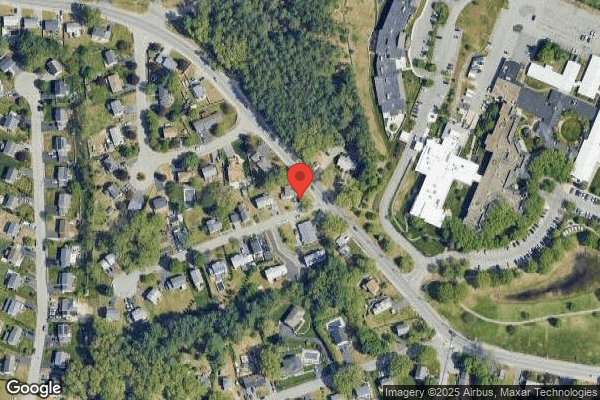
1071 VARNUM AVENUE, LOWELL, MA 01854 (978) 569-1071
Non profit - Corporation 33 Beds CARMELITE SISTERS FOR THE AGED AND INFIRMED Data: November 2025
Trust Grade
90/100
#19 of 338 in MA
Last Inspection: July 2025

Inspected within the last 6 months. Data reflects current conditions.

Overview

D'Youville Care for Advanced Therapy in Lowell, Massachusetts, has received a Trust Grade of A, indicating excellent care and high recommendations. Ranked #19 out of 338 facilities statewide, they are in the top half of Massachusetts nursing homes, and #8 out of 72 in Middlesex County, showing that only a few local options are better. The facility is improving, having reduced their issues from 2 in 2024 to 0 in 2025. However, they have a concerning staffing turnover rate of 52%, which is above the state average, and while their RN coverage is average, it is crucial for monitoring resident care. Specific incidents noted include a failure to provide timely assistance for a resident needing toileting, resulting in unattended care, and another case where a resident went 24 hours without receiving ordered intravenous fluids, both of which highlight areas needing attention despite the overall positive rating and lack of fines.

Trust Score
A
90/100
In Massachusetts
#19/338
Top 5%
Safety Record
Low Risk
No red flags
Inspections
Getting Better
2 → 0 violations
Staff Stability
⚠ Watch
52% turnover. Above average. Higher turnover means staff may not know residents' routines.
Penalties
✓ Good
No fines on record. Clean compliance history, better than most Massachusetts facilities.
Skilled Nurses
✓ Good
Each resident gets 47 minutes of Registered Nurse (RN) attention daily — more than average for Massachusetts. RNs are trained to catch health problems early.
Violations
✓ Good
Only 5 deficiencies on record. Cleaner than most facilities. Minor issues only.
★★★★★
5.0
Overall Rating
★★★☆☆
3.0
Staff Levels
★★★★☆
4.0
Care Quality
★★★★★
5.0
Inspection Score
Stable
2024: 2 issues
2025: 0 issues

The Good

  • 4-Star Quality Measures · Strong clinical quality outcomes
  • Full Sprinkler Coverage · Fire safety systems throughout facility
  • No fines on record

Facility shows strength in quality measures, fire safety.

The Bad

Staff Turnover: 52%

Near Massachusetts avg (46%)

Higher turnover may affect care consistency

Chain: CARMELITE SISTERS FOR THE AGED AND

Part of a multi-facility chain

Ask about local staffing decisions and management

The Ugly 5 deficiencies on record

Apr 2024 2 deficiencies
CONCERN (D) 📢 Someone Reported This

A family member, employee, or ombudsman was alarmed enough to file a formal complaint

Potential for Harm - no one hurt, but risky conditions existed

ADL Care (Tag F0677)

Could have caused harm · This affected 1 resident

Based on records reviewed and interviews for one of three sampled residents (Resident #1), who required physical assistance from staff with toileting and hygiene, the Facility failed to ensure staff p...

Read full inspector narrative →
Based on records reviewed and interviews for one of three sampled residents (Resident #1), who required physical assistance from staff with toileting and hygiene, the Facility failed to ensure staff provided assistance in a timely manner, when after putting Resident #1 on the bed pan, the staff member left at the end of the shift, had not informed oncoming staff that Resident #1 was on the bed pan, and as a result his/her care needs went unattended for an extended period of time. Findings Include: Resident #1 was admitted to the Facility in December 2023, diagnoses included left femur (thigh bone) fracture, left lower radius (wrist) fracture, muscle weakness, difficulty walking, bilateral hearing loss, and history of falls. Review of Resident #1's Physician's Order Summary Report, for the month of December 2023, indicated he/she was non-weight bearing to his/her left upper extremity. Review of Resident #1's admission Minimum Data Set (MDS) Assessment, dated 12/28/23, indicated he/she was physically dependent on staff for dressing, hygiene, bathing, ambulation, toileting transfers, and toileting hygiene. Review of Resident #1's Activity of Daily Living (ADL) Function Care Plan, dated as initiated 12/21/23, indicated he/she had a deficit with performing self-care due to weakness, pain and left hip and left radius fractures. The Care Plan indicated that Resident #1 required assistance from a nurse or Certified Nurse Aide (CNA) for toileting. During a telephone interview on 04/09/24 at 9:19 A.M., Family Member #1 said that on 12/28/23, Resident #1 called him/her on the telephone and said a staff member had just put him/her on the bed pan. Family Member #1 said almost two hours later, Resident #1 called back and said he/she was still on the bed pan. During a telephone interview on 04/16/24 at 3:38 P.M., CNA #2 said although she was unsure of the date, during her 7:00 A.M. to 3:00 P.M. shift, she was in the hallway and heard Resident #1 yelling for help. CNA #2 and said when she went into his/her room, Resident #1 told her that a man from the night shift (11:00 P.M. to 7:00 A.M.) put him/her on the bed pan and then forgot about him/her. CNA #2 said Resident #1 had moved the bed pan out from under himself/herself, he/she had urinated and moved his/her bowels in the bed pan, and said he/she was laying on a cloth pad on the bed with a dirty bottom. CNA #2 said she assisted him/her with care, then went to tell the Director of Nursing (DON) immediately and said the DON went to speak to Resident #1. During a telephone interview on 04/22/24 at 9:39 A.M., CNA #3 said he worked for a staffing agency and does not recall putting a resident on a bed pan when he worked the 11:00 P.M. to 7:00 A.M. shift on 12/27/23 into 12/28/23. CNA #3 said he did not recall there being an issue. During a telephone interview on 04/16/24 at 12:08 P.M. and on 04/17/24 at 12:10 P.M., the Director of Nursing (DON) said although she did not recall all the details and did not recall the exact date, said there had been an issue with Resident #1 being left on a bed pan. The DON said she a CNA who worked on the 11:00 P.M. to 7:00 A.M. shift put Resident #1 onto the bed pan before leaving the at the end of the shift and said at approximately 7:30 A.M., Resident #1 reported he/she had been left on the bed pan for a long time. The DON said that after she spoke to staff, she determined that Resident #1 had been left on the bed pan for approximately one hour. The DON said a resident should not be left on a bed pan by staff any longer than twenty minutes, at the most. The DON said that it was not ideal for Resident #1 to be left on the bed pan for that amount of time and said the expectation was that if a resident was put on a bed pan, staff was supposed to either wait with the resident or to come back after a few minutes and check on the resident (to assist them off the bed pan). The DON said if a resident is put on a bed pan at the change of shift, it should be reported at the change of shift to on-coming staff.
CONCERN (D) 📢 Someone Reported This

A family member, employee, or ombudsman was alarmed enough to file a formal complaint

Potential for Harm - no one hurt, but risky conditions existed

Medical Records (Tag F0842)

Could have caused harm · This affected 1 resident

Based on records reviewed and interviews for one of three sampled residents (Resident #1) the Facility failed to ensure they maintained complete and accurate medical records when 1) Resident #1's Cert...

Read full inspector narrative →
Based on records reviewed and interviews for one of three sampled residents (Resident #1) the Facility failed to ensure they maintained complete and accurate medical records when 1) Resident #1's Certified Nurse Aide (CNA) Activity of Daily Living (ADL) Flow Sheet documentation was not consistently completed each shift by CNAs and 2) Resident #1's Weekly Skin Check documentation was not accurately documented by nurses. Findings Include: The Facility Policy titled Documentation in the Medical Record, dated 11/30/23, indicated each resident's medical record shall contain an accurate representation of the actual experiences of the resident and include enough information to provide a picture of the resident's progress through accurate and timely documentation. The Policy indicated documentation should be accurate, relevant and contain sufficient details about the resident's care and/or responses to care. Resident #1 was admitted to the Facility in December 2023, diagnoses included left femur (thigh bone) fracture, left lower radius (wrist) fracture, muscle weakness, difficulty walking, bilateral hearing loss, and history of falls. Review of Resident #1's admission Minimum Data Set (MDS) Assessment, dated 12/28/23, indicated he/she had a Brief Interview for Mental Status (BIMS) score of 15 (cognitively intact), he/she was physically dependent on staff for dressing, hygiene, bathing, ambulation, and toileting transfers. 1)Review of Resident #1's ADL Function Care Plan, dated as initiated 12/21/23, indicated he/she required assistance from staff with bathing and showering, dressing, personal hygiene, and toileting. Review of Resident #1's At Risk for Alteration in Skin Integrity Care Plan, dated as initiated 12/31/23, indicated he/she required he/she required assistance from staff to turn and reposition at least every two hours. Review of Resident #1's CNA Flow Sheets, dated 12/21/23 through 12/31/23, indicated for the following shifts, documentation on CNA Flow Sheets were incomplete for oral care, dressing, bed mobility, toileting, bowel and bladder elimination, and transfers: 7:00 A.M. to 3:00 P.M. - 2 days (out of 10) were left blank 3:00 P.M. to 11:00 P.M.- 5 days (out of 10) were left blank 11:00 P.M. to 7:00 A.M.- 4 days (out of 10) were left blank Review of Resident #1's CNA Flow Sheets, dated 12/21/23 through 12/31/23, indicated for the following shifts, documentation for repositioning was incomplete: 7:00 A.M. to 3:00 P.M. - 2 days (out of 10) positioning every two hours was left blank 3:00 P.M. to 11:00 P.M.- 5 days (out of 10) positioning every two hours as left blank 11:00 P.M. to 7:00 A.M.- 3 days (out of 10) positioning every two hours was left blank Review of Resident #1's CNA Flow Sheets, dated 01/01/24 through 01/31/24, indicated CNA Flow Sheets for pressure injury preventions, bowel and bladder elimination, toileting, dressing, transfers, and bed mobility were incomplete on the following shifts: 7:00 A.M. to 3:00 P.M. - 5 days (out of 31) were left blank 3:00 P.M. to 11:00 P.M.- 8 days (out of 31) were left blank 11:00 P.M. to 7:00 A.M.- 8 days (out of 31) were left blank Review of Resident #1's CNA Flow Sheets, dated 01/01/24 through 01/31/24, indicated for the following shifts, documentation for repositioning was incomplete: 7:00 A.M. to 3:00 P.M. - 5 days (out of 31) positioning every two hours was left blank 3:00 P.M. to 11:00 P.M.- 8 days (out of 31) positioning every two hours was left blank 11:00 P.M. to 7:00 A.M.- 8 days (out of 31) positioning every two hours was left blank During an interview on 04/16/25 at 12:08 P.M., the Director of Nursing (DON) said CNA Flow Sheets documentation should completed by CNAs on each shift and said CNA Flow Sheets should not be left blank. The DON said even if specific care did not occur or was not provided to a resident during the shift, CNA's should still document and should use a corresponding code to indicate specific care was not provided. 2) Review of Resident #1's Nurse Progress Note, dated 12/26/24, indicated he/she was observed to have an open area with a pink wound base and serosanguinous drainage (contains both blood and the liquid, serum, part of blood) on his/her left buttock Review of Resident #1's Wound Physician's Note, dated 01/02/24, indicated he/she had a Stage 3 (full thickness tissue loss, slough may be present) a pressure injury to his/her left buttock that measured 0.7 centimeters (cm) in length by 1.0 width x 0.1 cm depth and a pressure injury to his/her right buttock measuring 2 cm x 1.5 cm x 0.1 cm. Review of Resident #1's Weekly Skin Check, dated 01/06/24 (completed by Nurse #2), indicated he/she was noted by nursing to have Stage 2 (partial thickness loss of dermis presenting as a shallow open ulcer with red or pink wound bed) pressure injuries to his/her right and left buttock. However, this was not consistent with Resident #1's wound staging of his/her right and left buttock pressure injuries, as documented on 01/02/24 by the wound Physician. Review of Resident #1's Skin Issue Report, dated 01/10/24, indicated he/she was observed to have a closed reddened pressure injury to his/her left heel. Review of Resident #1's Wound Physician's Note, dated 01/16/24, indicated that in addition to his/her right and left buttock pressure injuries, he/she had a new closed Deep Tissue Injury (DTI, pressure injury that remains closed and progresses rapidly to full thickness skin and tissue loss) on his/her left heel that measured 2 cm x 3 cm x 0 cm. Review of Resident #1's Weekly Skin Check, dated 01/17/24 (completed by Nurse #2), indicated he/she was noted to have open areas to his/her left buttocks and left heel. The Skin Check did not include Resident #1's right buttock pressure injury. However, this was not consistent with Resident #1's pressure injuries, as documented on 01/16/24 by the wound Physician. Review of Resident #1's Wound Physician's Note, dated 01/23/24, indicated that although his/her right buttock wound had resolved, he/she still had a left buttock pressure injury and a left heel deep tissue injury. Review of Resident #1's Weekly Skin Check, dated 01/24/24, indicated that he/she was noted to have no observed skin issues. However, this was not consistent with what was documented on 01/23/24 in Resident #1's wound Physician note. Review of Resident #1's Wound Physician's Note, dated 01/30/24, indicated although his/her left buttock wound had resolved, he/she had a left heel wound that was consistent with a Stage 3 pressure injury. Review of Resident #1's Weekly Skin Check, dated 01/31/24, indicated he/she was noted by nursing to have no observed skin issues. However this was not consistent with what was documented on 01/30/24 in Resident #1's wound Physician note. Review of Resident #1's wound Physician's Note, dated 02/06/24, indicated his/her left heel ulcer was not yet healed. During a telephone interview on 04/17/24 at 2:47 P.M., Nurse #2 said she had never been assigned to Resident #1 and could not recall doing a skin check assessment on him/her but said she did assist with skin checks if other nurses need her help. During a telephone interview on 04/16/24 at 12:08 P.M. and 1:47 P.M., the Director of Nursing (DON) said Resident #1's weekly skin check on 01/06/24 should not have been documented as a Stage 2 pressure injury, by Nurse #2, if his/her wound Physician had staged the pressure injury as a Stage 3. The DON said Nurse #2 documented Resident #1 had two left buttock wounds on 01/17/24 and said it appeared that she may have mistakenly documented left twice rather than choosing the drop down option in the computer to indicate he/she had one left and one right pressure injury. The DON said the weekly skin checks on 01/24/24, 01/25/24, and 01/31/24 were inaccurate and said that nurses should have documented all the pressure injuries that Resident #1 had.
Oct 2023 1 deficiency
CONCERN (D) 📢 Someone Reported This

A family member, employee, or ombudsman was alarmed enough to file a formal complaint

Potential for Harm - no one hurt, but risky conditions existed

Deficiency F0694 (Tag F0694)

Could have caused harm · This affected 1 resident

Based on records reviewed and interviews for one of three sampled residents (Resident #1) who had a Physicians order for continuous intravenous (IV) fluid, the Facility failed to ensure intravenous fl...

Read full inspector narrative →
Based on records reviewed and interviews for one of three sampled residents (Resident #1) who had a Physicians order for continuous intravenous (IV) fluid, the Facility failed to ensure intravenous fluids were administered as ordered, and as a result he/she went twenty-four hours without being administered IV fluids. Findings include: Review of the Facility policy titled Ordering Infusion Medications, dated June 2016, indicated infusion therapy is initiated upon a physician's order and a Facility nurse acting in conjunction with the Physician, may take a verbal or telephone order and initiate infusion therapy. The Policy indicated that some of the information the order should contain included the patient's name, medication or solution, frequency, rate of infusion, and duration of therapy. Review of the Facility Report submitted to the Department of Public Health via the Health Care Facility Reporting System (HCFRS), dated 10/06/23, indicated that, on 09/15/23, Resident #1's Nurse Practitioner (NP) ordered he/she be administered intravenous (IV) fluids, one liter to be infused at 75 cubic centimeters (cc) per hour and after one liter, to continue IV fluids at 50 cc per hour, with no stop date at that time. The Report indicated that when the order was transcribed into Resident #1's Medication Administration Record (MAR), the second liter of IV fluids (that was supposed to infuse continuously at 50 cc per hour) was not correctly timed, and as a result, he/she received a second liter of IV fluids 24 hours after the time it was supposed to be administered. The Report indicated that Resident #1 did not receive the IV fluids continuously at 50 cc per hour and that he/she received less IV fluids than had been ordered. Resident #1 was admitted to the Facility in September 2023, diagnoses included difficulty walking, uterine cancer, morbid obesity, cellulitis of the abdominal wall, congestive heart failure, and chronic kidney disease. Review of Nurse Practitioner (NP) Progress Note, dated 09/14/23, indicated Resident #1 experienced weakness and the inability to walk, he/she was positive for covid-19 and felt lethargic. The Progress Note indicated Resident #1 had mild hypotension (low blood pressure) that would be monitored and fluids (via an IV) would be given if needed. Review of Resident #1's Physician's Interim/Telephone Orders, dated 09/15/23, indicated to administer (IV) dextrose 5% normal saline (NS) 75 cc per hour for one liter and once completed administer (IV) dextrose 5% NS 50 cc per hour one liter, continuous indefinite. Review of Resident #1's MAR, for the Month of September 2023, indicated he/she was administered dextrose 5% at 75 cc per hour starting at 3:00 P.M. on 09/15/23 which continued to infuse into the 11:00 P.M. to 7:00 A.M. shift on 09/15/23 and was due to finish infusing at approximately 4:00 A.M. The MAR indicated that the second liter of IV fluids at 50 cc per hour was scheduled to be started at 4:00 A.M. on 09/16/23. However, further review of Resident #1's MAR indicated the next liter of IV fluids was not started until 09/17/23 at 4:00 A.M., and therefore he/she went twenty-four hours without being administered IV fluids. From 9/15/23 through 9/18/23, Resident #1 was due to be administered a total of 3 liters of IV fluids, however he/she only received 2 liters of IV fluids during that time. Review of the Facility's Medication Incident Report, dated 09/18/23, indicated that a medication error occurred on 09/16/23 due to an IV fluid order entry error which resulted in Resident #1 receiving less IV fluid than had been ordered (by his/her NP). During an interview on 10/16/23 at 11:39 A.M., the Nurse Practitioner (NP) said that on 09/15/23 she provided a telephone order to a nurse (exact name unknown) for Resident #1 to be administered one liter of IV fluid at 75 cc per hour and then for IV fluid to be administered at 50 cc per hour continuously. The NP said Resident #1 had not received IV fluids continuously and had only received two liters of IV fluids total. During a telephone interview on 10/17/23 at 11:19 A.M., Nurse #3 said on 09/15/23 he obtained the order for IV fluids for Resident #1 from his/her NP. Nurse #3 said, although he did not recall what the infusion rates were, said the NP had ordered continuous IV fluids for Resident #1. Nurse #3 said the order was complicated and that he wanted to make sure that the timing was correct to ensure IV fluids remained continuous so he asked for assistance with transcribing the order. Nurse #3 said he thought that due to the way he had input the order when he transcribed it into Resident #1's MAR in the computer, that it would show up on for the 50 cc per hour IV fluids to start at 4:00 A.M. on 09/16/23 which was the approximate time that the liter running at 75 cc per hour would stop. Nurse #3 said that it was not until the next time he returned to work that he was told that he had timed the order incorrectly. During an interview on 10/16/23 at 2:44 P.M., the Director of Nursing (DON) said that the NP had notified her on 09/18/23 that Resident #1 had not received IV fluids continuously as she (NP) had ordered. The DON said Resident #1 did not receive continuous IV fluids because there had been a timing error when the order was transcribed into his/her MAR. The DON said because the second liter of IV fluids at 50 cc per hour was supposed to start at 4:00 A.M. on 09/16/23 and because that date/time fell on the 11:00 P.M. to 7:00 A.M. from 09/15/23 into 09/16/23, the order should have been transcribed into Resident #1's MAR on the 09/15/23 night shift, but said Nurse #3 timed it for the night shift on 09/16/23 which made it scheduled for twenty four hours after it was supposed to start.
Aug 2023 2 deficiencies
CONCERN (D)

Potential for Harm - no one hurt, but risky conditions existed

Deficiency F0554 (Tag F0554)

Could have caused harm · This affected 1 resident

**NOTE- TERMS IN BRACKETS HAVE BEEN EDITED TO PROTECT CONFIDENTIALITY** Based on observation, record review and interview the facility failed to ensure one Resident (#1) was assessed for the ability t...

Read full inspector narrative →
**NOTE- TERMS IN BRACKETS HAVE BEEN EDITED TO PROTECT CONFIDENTIALITY** Based on observation, record review and interview the facility failed to ensure one Resident (#1) was assessed for the ability to self-administer medications out of a total sample of 12 residents. Findings include: Review of the facility policy titled Self-Administration of Medications dated February 2019, indicated the following: -if the resident desires to self-administer medications, an assessment is conducted by the interdisciplinary team of the resident's cognitive (including orientation of time), physical, and visual ability to carry out this responsibility during the care planning process. Resident #1 was admitted to the facility in August 2023 with diagnoses including fall with fracture and gastroesophageal reflux disease without esophagitis. Review of the Minimum Data Set assessment dated [DATE], indicated Resident #1 scored a 9 out of a possible 15 on the Brief Interview for Mental Status (BIMS), indicating he/she had moderate cognitive impairment and needed assistance with activities of daily living. Review of Resident #1's record indicated an order for Creon Oral Capsule Delayed Release Particles 36000-114000 unit, give 1 capsule by mouth with meals for digestion aide. Further review of Resident #1's medical record indicated there was no evidence an assessment was conducted for the self-administration of medications. On 8/22/23 at 9:48 A.M., the surveyor observed Resident #1 eating breakfast in his/her bedroom. The surveyor observed two large capsules inside a medication cup on his/her breakfast tray. Resident #1 said the two capsules are his/her Creon (a medication used to treat people who cannot digest food normally) and that he/she takes it during meals. Resident #1 said the nurse prepares the medications and gives them to him/her with the meal tray. Resident #1 said the nurse does not stay to watch him/her take the medications. On 8/22/23 at 1:20 P.M., the surveyor observed Resident #1 having lunch. The surveyor observed five large capsules inside a medication cup on the Resident's lunch tray. Resident #1 said the nurse gave the medications to him/her along with the lunch tray, and then left the bedroom. Resident #1 said he/she always takes the Creon during meals by himself/herself. During an interview on 8/22/23 at 1:26 P.M., Nurse #1 said Resident #1 can self-administer his/her Creon during meals. Nurse #1 said that she prepares and gives the Creon to Resident #1 when the meal trays are delivered to him/her. Nurse #1 said Resident #1 was not assessed for self-administration of medication because he/she was alert and oriented and had been self-administering medications at home by himself/herself. During an interview on 8/22/23 at 2:05 P.M., the Director of Nursing (DON) said any residents who wish to self-administer medications need to be assessed for self-administration of medications. The DON said Resident #1 self-administers his/her Creon at the facility during meals. The DON reviewed Resident #1's medical record, including assessments, and said he/she did not have an assessment completed for the self-administration of medication.
CONCERN (D)

Potential for Harm - no one hurt, but risky conditions existed

Unnecessary Medications (Tag F0759)

Could have caused harm · This affected 1 resident

Based on observation, interview and record review, the facility failed to ensure it was free from a medication error rate of greater than 5 percent. Two of three nurses observed made 15 errors in 33 o...

Read full inspector narrative →
Based on observation, interview and record review, the facility failed to ensure it was free from a medication error rate of greater than 5 percent. Two of three nurses observed made 15 errors in 33 opportunities on one of one unit, resulting in a medication error rate of 45.45%. These errors impacted two Residents (#283 and #231) out of 4 residents observed. Finding include: Review of the facility policy titled Medication Administration - General Guidelines dated as revised January 2018, indicated: -Medications are administered in accordance with written orders of the prescriber. -Medications are administered within sixty (60) minutes of scheduled time, except before, with or after meal orders, which are administered based on meal times. Review of the facility's policy for medications titled Preparation and General Guidelines dated as revised January 2018, did not reference the preparation or administration of inhaled medications. 1. Review of Resident #283's active August 2023 physician orders indicated they included: *Trelegy Ellipta Inhalation Aerosol Powder Breath Activated 200-62.5-25 MCG/ACT (Fluticasone-Umeclidinium-Vilanterol), one puff inhale orally one time a day for COPD (Chronic obstructive pulmonary disease), dated 8/18/23. Review of the manufacturer's instructions (viewed on manufacturer's website on 8/22/23) indicated TRELEGY can cause serious side effects, including: fungal infection in your mouth or throat (thrush). Rinse your mouth with water without swallowing after using TRELEGY to help reduce your chance of getting thrush. During the medication administration pass on the first floor unit on 8/22/23 at 8:28 A.M., the surveyor observed Nurse #2 administer seven medications to Resident #283, which included: *Trelegy 200 - 62.5 -15 mcg (micrograms,) one puff from an inhaler The surveyor observed that after Nurse #2 administered the Trelegy Ellipta to Resident #283, Nurse #2 did not offer water or instruct the Resident to swish and spit with water. During an interview on 8/22 at 8:35 A.M., Nurse #2 said Resident #283 did not need to swish and spit with water following the administration of Trelegy Ellipta because the medication was not steroid-based. During an interview on 8/23/23 at 8:01 A.M., the Director of Nursing said nursing staff should instruct residents inhaling Trelegy Ellipta to swish and spit with water following administration to reduce the risk of an oral fungal infection. 2. Review of Resident #231's active physician orders for August 2023 indicated: Duloxetine 20 milligram (mg) one capsule, to be administered at 8:00 A.M. Multi Vitamin one tablet, to be administered at 8:00 A.M. Vitamin C 500 mg [one] tablet, to be administered two times a day at 8:00 A.M. and 8:00 P.M. Aspirin 81 mg one tablet, to be administered two times a day at 9:00 A.M. and 9:00 P.M. Amlodipine 5 mg one tablet, to be administered one time a day at 9:00 A.M. Atenolol 50 mg one tablet, to be administered one time a day at 9:00 A.M. Atvorstatin 20 mg [one] tablet, to be administered one time a day at 9:00 A.M. Celebrex 200 mg one capsule, to be administered one time a day at 9:00 A.M. Ferrousul (dosage not indicated) one tablet, to be administered one time a day at 9:00 A.M. Januvia 25 mg one tablet, to be administered one time a day at 9:00 A.M. Lasix 40 mg [one tablet] to be administered one time a day at 9:00 A.M. Losartan Potassium 100 mg [one] tablet, to be administered one time a day at 9:00 A.M. Lyrica 75 mg [one tablet] to be administered two times a day at 9:00 A.M. and 9:00 P.M. Flovent inhaler 110 micrograms one puff to be inhaled, to be administered two times a day at 9:00 A.M. and 9:00 P.M. Review of the manufacturer's guidelines (viewed on the manufacturer's website on 8/23/23) indicated FLOVENT can cause serious side effects, including: fungal infections in your mouth or throat (thrush). Rinse your mouth with water without swallowing after using FLOVENT to help reduce your chance of getting thrush. During the medication administration pass on the first floor unit on 8/22/23 from 10:58 A.M., to 11:07 A.M., the surveyor observed Nurse #3 administer 14 medications to Resident #231, which included: Duloxetine 20 milligram (mg) one capsule (administered approximately three hours after the scheduled time) Multi Vitamin one tablet (administered approximately three hours after the scheduled time) Vitamin C 500 mg one tablet (administered approximately three after the scheduled time) Aspirin 81 mg one tablet (administered approximately two hours after the scheduled time) Amlodipine 5 mg one tablet (administered approximately two hours after the scheduled time) Atenolol 50 mg one tablet (administered approximately two hours after the scheduled time) Atvorstatin 20 mg one tablet (administered approximately two hours after the scheduled time) Celebrex 200 mg one capsule (administered approximately two hours after the scheduled time) Ferrousul (dosage not indicated) one tablet (administered approximately two hours after the scheduled time) Januvia 25 mg one tablet (administered approximately two hours after the scheduled time) Lasix 40 mg one tablet (administered approximately two hours after the scheduled time) Losartan Potassium 100 mg one tablet (administered approximately two hours after the scheduled time) Lyrica 75 mg one tablet (administered approximately two hours after the scheduled time) Flovent inhaler 110 micrograms one puff (administered approximately two hours after the scheduled time) The surveyor observed that after Nurse #3 administered the Flovent inhaler to Resident #231, Nurse #3 did not offer water or instruct the Resident to swish and spit with water. During an interview on 8/23/23 at 8:01 A.M., the Director of Nursing (DON) said nursing staff should administer medications within one hour of scheduled times. The DON said nursing staff should instruct residents inhaling Flovent to swish and spit with water following administration to reduce the risk of developing an oral fungal infection.
Understanding Severity Codes (click to expand)
Life-Threatening (Immediate Jeopardy)
J - Isolated K - Pattern L - Widespread
Actual Harm
G - Isolated H - Pattern I - Widespread
Potential for Harm
D - Isolated E - Pattern F - Widespread
No Harm (Minor)
A - Isolated B - Pattern C - Widespread

Questions to Ask on Your Visit

  • "Can I speak with families of current residents?"
  • "What's your RN coverage like on weekends and overnight?"

Our Honest Assessment

Strengths
  • • Grade A (90/100). Above average facility, better than most options in Massachusetts.
  • • No major safety red flags. No abuse findings, life-threatening violations, or SFF status.
  • • No fines on record. Clean compliance history, better than most Massachusetts facilities.
  • • Only 5 deficiencies on record. Cleaner than most facilities. Minor issues only.
Concerns
  • • No significant concerns identified. This facility shows no red flags across CMS ratings, staff turnover, or federal penalties.
Bottom line: Generally positive indicators. Standard due diligence and a personal visit recommended.

About This Facility

What is D'Youville Care For Advanced Therapy's CMS Rating?

CMS assigns D'YOUVILLE CARE FOR ADVANCED THERAPY an overall rating of 5 out of 5 stars, which is considered much above average nationally. Within Massachusetts, this rating places the facility higher than 99% of the state's 100 nursing homes. This rating reflects solid performance across the metrics CMS uses to evaluate nursing home quality.

How is D'Youville Care For Advanced Therapy Staffed?

CMS rates D'YOUVILLE CARE FOR ADVANCED THERAPY's staffing level at 3 out of 5 stars, which is average compared to other nursing homes. Staff turnover is 52%, compared to the Massachusetts average of 46%. RN turnover specifically is 70%, which is notably high. RNs provide skilled clinical oversight, so turnover in this role can affect medical care quality.

What Have Inspectors Found at D'Youville Care For Advanced Therapy?

State health inspectors documented 5 deficiencies at D'YOUVILLE CARE FOR ADVANCED THERAPY during 2023 to 2024. These included: 5 with potential for harm.

Who Owns and Operates D'Youville Care For Advanced Therapy?

D'YOUVILLE CARE FOR ADVANCED THERAPY is owned by a non-profit organization. Non-profit facilities reinvest revenue into operations rather than distributing to shareholders. The facility is operated by CARMELITE SISTERS FOR THE AGED AND INFIRMED, a chain that manages multiple nursing homes. With 33 certified beds and approximately 28 residents (about 85% occupancy), it is a smaller facility located in LOWELL, Massachusetts.
How Does D'Youville Care For Advanced Therapy Compare to Other Massachusetts Nursing Homes?

Compared to the 100 nursing homes in Massachusetts, D'YOUVILLE CARE FOR ADVANCED THERAPY's overall rating (5 stars) is above the state average of 2.9, staff turnover (52%) is near the state average of 46%, and health inspection rating (5 stars) is much above the national benchmark.

What Should Families Ask When Visiting D'Youville Care For Advanced Therapy?

Based on this facility's data, families visiting should ask: "Can I visit during a mealtime to observe dining assistance and food quality?" "How do you handle medical emergencies, and what is your hospital transfer rate?" "Can I speak with family members of current residents about their experience?"

Is D'Youville Care For Advanced Therapy Safe?

Based on CMS inspection data, D'YOUVILLE CARE FOR ADVANCED THERAPY has a clean safety record: no substantiated abuse findings (meaning no confirmed cases of resident harm), no Immediate Jeopardy citations (the most serious violation level indicating risk of serious injury or death), and is not on the Special Focus Facility watch list (a federal program monitoring the lowest-performing 1% of nursing homes). The facility has a 5-star overall rating and ranks #1 of 100 nursing homes in Massachusetts. While no facility is perfect, families should still ask about staff-to-resident ratios and recent inspection results during their visit.

Do Nurses at D'Youville Care For Advanced Therapy Stick Around?

D'YOUVILLE CARE FOR ADVANCED THERAPY has a staff turnover rate of 52%, which is 6 percentage points above the Massachusetts average of 46%. Moderate turnover is common in nursing homes, but families should still ask about staff tenure and how the facility maintains care continuity when employees leave.

Was D'Youville Care For Advanced Therapy Ever Fined?

D'YOUVILLE CARE FOR ADVANCED THERAPY has no federal fines on record. CMS issues fines when nursing homes fail to meet care standards or don't correct problems found during inspections. The absence of fines suggests the facility has either maintained compliance or corrected any issues before penalties were assessed. This is a positive indicator, though families should still review recent inspection reports for the full picture.

Is D'Youville Care For Advanced Therapy on Any Federal Watch List?

D'YOUVILLE CARE FOR ADVANCED THERAPY is not on any federal watch list. The most significant is the Special Focus Facility (SFF) program, which identifies the bottom 1% of nursing homes nationally based on persistent, serious quality problems. Not being on this list means the facility has avoided the pattern of deficiencies that triggers enhanced federal oversight. This is a positive indicator, though families should still review the facility's inspection history directly.