D'YOUVILLE SENIOR CARE
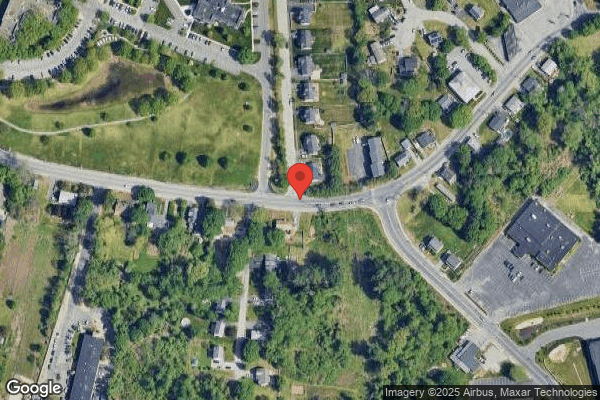

981 VARNUM AVENUE, LOWELL, MA 01854 (978) 454-5681
Non profit - Corporation 208 Beds Independent Data: November 2025
Trust Grade
53/100
#151 of 338 in MA
Last Inspection: April 2025

Within standard 12-15 month inspection cycle. Federal law requires annual inspections.

Overview

D'Youville Senior Care in Lowell, Massachusetts, has a Trust Grade of C, which means it is average compared to other facilities. It ranks #151 out of 338 in the state, placing it in the top half, and #33 out of 72 in Middlesex County, indicating there are only a few local options that are better. The facility is improving, with issues decreasing from 10 in 2024 to 9 in 2025. However, staffing is a concern, as it has a below-average rating of 2 out of 5 stars, with a turnover rate of 41%, which is about average for the state. While the facility has less RN coverage than 96% of Massachusetts facilities, indicating a potential lack of oversight, it’s worth noting that there were serious incidents reported. For example, there was a failure to implement necessary safety interventions for a resident prone to falls, resulting in multiple falls without proper alarms in place. Additionally, there were concerns about medication storage and food safety, including improper labeling and cleanliness in medication carts and kitchens. Overall, while there are some strengths, particularly in its ranking, families should be aware of these significant weaknesses when considering this nursing home.

Trust Score
C
53/100
In Massachusetts
#151/338
Top 44%
Safety Record
Moderate
Needs review
Inspections
Getting Better
10 → 9 violations
Staff Stability
○ Average
41% turnover. Near Massachusetts's 48% average. Typical for the industry.
Penalties
○ Average
$20,267 in fines. Higher than 65% of Massachusetts facilities. Some compliance issues.
Skilled Nurses
⚠ Watch
Each resident gets only 17 minutes of Registered Nurse (RN) attention daily — below average for Massachusetts. Fewer RN minutes means fewer trained eyes watching for problems.
Violations
⚠ Watch
29 deficiencies on record. Higher than average. Multiple issues found across inspections.
★★★☆☆
3.0
Overall Rating
★★☆☆☆
2.0
Staff Levels
★★☆☆☆
2.0
Care Quality
★★★☆☆
3.0
Inspection Score
Stable
2024: 10 issues
2025: 9 issues

The Good

  • Full Sprinkler Coverage · Fire safety systems throughout facility
  • No fines on record
  • Staff turnover below average (41%)

    7 points below Massachusetts average of 48%

Facility shows strength in fire safety.

The Bad

3-Star Overall Rating

Near Massachusetts average (2.9)

Meets federal standards, typical of most facilities

Staff Turnover: 41%

Near Massachusetts avg (46%)

Typical for the industry

Federal Fines: $20,267

Below median ($33,413)

Minor penalties assessed

The Ugly 29 deficiencies on record

1 actual harm
Apr 2025 9 deficiencies
CONCERN (D)

Potential for Harm - no one hurt, but risky conditions existed

Deficiency F0554 (Tag F0554)

Could have caused harm · This affected 1 resident

**NOTE- TERMS IN BRACKETS HAVE BEEN EDITED TO PROTECT CONFIDENTIALITY** Based on record review, observation and interview the facility failed to ensure one Resident (#259) out of a total sample of 35 ...

Read full inspector narrative →
**NOTE- TERMS IN BRACKETS HAVE BEEN EDITED TO PROTECT CONFIDENTIALITY** Based on record review, observation and interview the facility failed to ensure one Resident (#259) out of a total sample of 35 residents did not self-administer medication without an assessment or physician's order. Findings include: Review of the facility policy titled Self-Administration of Medications, dated February 2019, indicated residents are permitted to self-administered medications if the facility's interdisciplinary team has determined that the practice would be safe for the resident and other residents of the facility and there is a prescriber's order to self-administer. Resident #259 was admitted to the facility in April 2025 and has diagnoses which include diabetes and depression. Review of Resident #259's Minimum Data Set assessment dated [DATE] indicated a score of 15, signifying intact cognition. Review of Resident #259's clinical record indicated there was no assessment for the self-administration of medications. Review of Resident #259's physician orders dated April 2025 indicated there was no order for the self-administration of medications. Review of Resident #259's care plan failed to indicate a plan of care for Resident #259 to self-administer medications. On 4/8/25 at 8:40 A.M., the surveyor observed Resident #259 sitting in his/her room. Resident #259 was holding a medication cup which contained approximately 7 pills of different sizes and colors. Resident #259 said a nurse handed the cup of pills to him/her this morning and then left the room. Resident #259 said he/she had not taken any of the pills because he/she wanted to ask the nurse a question about one of the medications. Resident #259 said nurses sometimes hand him/her the cup of pills and then leave the room before he/she takes them. During an interview with the Director of Nursing (DON) on 4/9/25 at 12:30 P.M., she said the facility had not assessed Resident #259 for the ability to self-administer medications. The DON said the interdisciplinary team had not determined whether Resident #259 could safely self-administer medications, and there was not a physician's order for the Resident to self-administer medications. The DON said nursing staff should observe the Resident take all medications before leaving the room and not leave medications with the Resident.
CONCERN (D)

Potential for Harm - no one hurt, but risky conditions existed

Deficiency F0655 (Tag F0655)

Could have caused harm · This affected 1 resident

**NOTE- TERMS IN BRACKETS HAVE BEEN EDITED TO PROTECT CONFIDENTIALITY** Based on record review and interview, the facility failed to ensure it developed a baseline care plan for skin breakdown within ...

Read full inspector narrative →
**NOTE- TERMS IN BRACKETS HAVE BEEN EDITED TO PROTECT CONFIDENTIALITY** Based on record review and interview, the facility failed to ensure it developed a baseline care plan for skin breakdown within 48 hours of admission for one Resident(#181) out of a total sample of 35 residents. Findings include: Review of the facility's policy titled Wound and Skin Care - Pressure Injury Prevention and Management, dated 5/16/24 indicated: - After completing a thorough assessment/evaluation, the interdisciplinary team shall develop a relevant care plan that includes measurable goals for prevention and management of pressure injuries with appropriate interventions. Resident #181 was admitted to the facility in March 2025, and has diagnoses which include right hip fracture, severe dementia, depression, muscle weakness and abnormalities of mobility. Review of Resident #181's admission assessment, dated 3/15/25 indicated that he/she had a dressing on the right hip, bruising to bilateral antecubital and redness under both breasts. The assessment indicated Resident #181 triggered for the development of a skin/wound care plan. Review of Resident #181's skin assessment dated [DATE] indicated he/she scored a 9, signifying he/she was at a very high risk for skin breakdown. Review of Resident #181's medical record indicated the first time a skin/pressure/vascular ulcer care plan was initiated, occurred on 3/21/25, four days after the baseline care plan was required. During an interview on 4/10/25 at 9:41 A.M., with the Director of Nursing (DON) she said that Resident #181 was admitted with a risk for skin breakdown. The DON said it is her expectation that staff develop a baseline care plan to address the risk of skin breakdown within 48 hours of admission, and had not.
CONCERN (D)

Potential for Harm - no one hurt, but risky conditions existed

Comprehensive Care Plan (Tag F0656)

Could have caused harm · This affected 1 resident

3. Review of the facility policy titled Wound and Skin Care-Pressure Injury Prevention and Management, dated 6/26/24, indicated the following: -This home is committed to the prevention of avoidable pr...

Read full inspector narrative →
3. Review of the facility policy titled Wound and Skin Care-Pressure Injury Prevention and Management, dated 6/26/24, indicated the following: -This home is committed to the prevention of avoidable pressure injuries, unless clinically unavoidable, and to provide treatment and services to heal the pressure ulcer/injury, prevent infection and the development of additional pressure ulcers/injuries. -Evidence based interventions for prevention will be implemented for all residents who are assessed at risk or who have a pressure injury present. Basic or routine care interventions could include, but are not limited to: Redistribution pressure (such as repositioning, protecting and/or offloading heels, etc.). Resident #8 was admitted to the facility in June 2024 with diagnoses that included type 2 Diabetes Mellitus, diabetic polyneuropathy, and acquired absence of left leg above the knee. Review of Resident #8's most recent Minimum Data Set (MDS) assessment, dated 2/14/25, indicated he/she has severe cognitive deficits. The MDS further indicated Resident #8 requires dependent assistance for all self-care activities and is at risk for pressure ulcers. Review of Resident #8's physician order, dated 8/1/24, indicated the following: PREVALON BOOT-RIGHT FOOT AT ALL TIMES may remove for hygiene/care every shift. Review of Resident #8's Norton Pressure Ulcer Risk Scale, dated 3/7/25, indicated Resident #8's scored a 6, indicating the Resident was at high risk for developing pressure ulcers. Review of Resident #8's nursing progress notes for the past 30 days failed to indicate the Resident refused a pressure relieving boot to his/her right foot. On 4/8/25 at 8:04 A.M., 4/9/25 at 8:23 A.M., 9:31 A.M., and 4:18 P.M., and 4/10/25 at 6:46 A.M., 8:11 A.M., and 1:36 P.M., Resident #8 was observed lying in his/her bed. Resident #8 was not wearing a Prevalon boot on his/her right foot. The Prevalon boot was not observed in Resident #8's room. During an interview on 4/10/25 at 1:51 P.M., Unit Manager #2 said Resident #8 used to have booties, but doesn't believe he/she wears them anymore, but would need to check. Unit Manager #2 reviewed the current physician's orders and confirmed Resident #8 does currently have an active order for a Prevalon boot to the right foot. Unit Manager #2 said the boot should be worn as ordered by the physician and it should be documented if the resident refuses. During an interview on 4/10/25 at 2:55 P.M., the Director of Nursing said she expects the Prevalon boot to be worn as ordered and documented in the nurse's note if the resident refuses. Based on record review, interviews, and policy review, the facility failed to ensure a resident-centered personalized care plan was developed and/or implemented for three Residents (#95, #89 and #8) out of a total sample of 35 residents. Specifically: 1. For Resident #95, the facility failed to develop a Hemodialysis (a medical treatment used for patients with advanced kidney failure It involves a machine that filters wastes and fluids form the body when the kidneys can no longer perform this function adequately) care plan. 2. For Resident #89, who has hearing and vision deficits, the facility failed to develop hearing and vision care plans. 3. For Resident #8, the facility failed to implement his/her right Prevalon boot (pressure relieving boot) per his/her physician's order. Finding Include: Review of the facility policy titled Comprehensive Care Plans, dated, 2/28/24, indicated the following: -It is the policy of this home to develop and implement a comprehensive person-centered care plan for each resident, consistent with resident rights, that includes measurable objectives and time-frames to meet a resident's medical, nursing, and mental and psychosocial needs that are identified in the resident's comprehensive assessment. 1. The care planning process will include an assessment of the resident's strengths and needs. Services provided are arranged by the home, as outlined by the comprehensive care plan, shall be culturally-competent and trauma-informed. 2. The comprehensive care plan will be developed within 7 days after the completion of the comprehensive Minimum Data Set (MDS) assessment. All Care Areas triggered by the MDS will be considered in developing the plan of care. Other factors identified by IDT (interdisciplinary team), or in accordance with the resident's preferences, will also be addressed in the plan of care. 3. The comprehensive care plan will describe, at a minimum, the following: a. The services that are to be furnished to attain or maintain the resident's highest practicable physical, mental, and psychosocial well-being. 5. The comprehensive care plan will be reviewed and revised by the IDT after each comprehensive and quarterly MDS assessment. 1. Resident #95 was admitted to the facility in March 2025 with diagnoses that include end stage renal disease and dependence on renal dialysis. Review of Resident #95's most recent Minimum Data Set (MDS) assessment, date 3/17/25, indicated a Brief Interview for Mental Status exam score of 15 out of a possible 15. indicating that the Resident is cognitively intact. The MDS further indicates that the Resident receives Hemodialysis. Review of physician orders, dated 3/7/25, indicated the following orders: -No blood pressures or blood draws for left arm. -Monitor fistula site for s/s [signs and symptoms] of infection or displacement/bleeding, etc. Auscultate bruit/thrill. Document in progress notes any issues. Notify MD [Medical Doctor]. Review of Resident #95's active care plan failed to indicate a plan of care specific to Hemodialysis management. During an interview on 4/11/25 at 7:17 A.M., Unit Manager #1 said that Resident #95 receives Hemodialysis treatments and should have a comprehensive dialysis care plan in place to include the care of dialysis access and any dietary restrictions, but they did not. During an interview on 4/11/25 at 8:20 A.M., the Director of Nurses said that she would expect a comprehensive dialysis care plan in place for a resident on Hemodialysis. 2. Resident #89 was admitted to the facility in November 2024 with diagnoses that include sensorineural hearing loss, bilateral and blindness in left eye. Review of Resident #89's most recent Minimum Data Set (MDS) Assessment, dated 2/13/25, indicated a Brief Interview for Mental Status exam score of 15 out of a possible 15 indicating that the Resident was cognitively intact. The MDS further indicated that the Resident had adequate vision and hearing. Review of the physician's order, dated 11/8/24, indicated the following order: -Consultation services: audiology, dental, ophthalmology, podiatry, and psych. Review of Resident #89's consultation consent for service, dated 11/8/24, indicated Resident #89 requests for audiology, dental, eye care, and behavioral health. Review of Resident #89's active care plans failed to indicate a plan of care plan specific to vision and hearing impairment. During an interview on 4/10/25 at 1:02 P.M., Resident #89 said that even while wearing hearing aids, his/her hearing has declined since admission to facility. Resident #89 said that he/she has had some falls and thinks that that could be related to his/her impaired vision. Resident #89 said he/she would like to be seen by the doctor that visits the facility to have his/her vision and hearing examined, and although he/she has repeatedly asked the staff to schedule the appointment he/she has not yet been seen. During an interview on 4/10/25 at 2:16 P.M., Unit Manager #3 said that Resident #89 has impaired hearing and vision should have a comprehensive care plan in place to include the care of a resident with hearing and vision and impairments, but did not. During an interview on 4/11/25 at 9:52 A.M., the Director of Nurses said that she would expect a comprehensive hearing and vision care plan in place for a resident with hearing and vision impairments.
CONCERN (D)

Potential for Harm - no one hurt, but risky conditions existed

Deficiency F0658 (Tag F0658)

Could have caused harm · This affected 1 resident

**NOTE- TERMS IN BRACKETS HAVE BEEN EDITED TO PROTECT CONFIDENTIALITY** Based on record review and interview, the facility failed to ensure care and services were provided according to accepted standa...

Read full inspector narrative →
**NOTE- TERMS IN BRACKETS HAVE BEEN EDITED TO PROTECT CONFIDENTIALITY** Based on record review and interview, the facility failed to ensure care and services were provided according to accepted standards of clinical practice for one Resident (#118) out of a total sample of 35 residents. Specifically, the facility failed to ensure Resident #118's diet was changed as recommended, following a choking incident, that resulted in a hospitalization to have food extricated from his/her esophagus. Findings include: Review of the facility policy titled Verbal Orders, dated 3/27/24, indicated the following: -Physician orders may be received by telephone, by a licensed nurse or other licensed or registered health care specialist who is legally authorized to do so. 1. Repeat any prescribed orders back to the physician or health care provider. 2. Use clarification questions to avoid misunderstandings. Resident #118 was admitted to the facility in December 2023 with diagnoses including food in the esophagus causing other injury and esophageal obstruction. Review of the most recent Minimum Data Set (MDS) assessment, dated 3/6/25 indicated that on the Brief Interview for Mental Status exam Resident #118 scored a 15 out of a possible 15, indicating intact cognition. The MDS further indicated Resident #118 had no swallowing issues and did not complain of difficulty or pain when swallowing. Review of the record indicates that Resident #118 had a 5 day hospitalization in January 2025. Review of the hospital admission note indicates: Usual state of health until 3 days ago while eating dinner choked on a piece of beef stew. Review of the hospital Discharge summary, dated [DATE], indicated: -Diet/Nutrition: Adult diet room service: full liquid; CHO (consistent carbohydrate diet) consistent 90g (grams). -EGD (Esophagogastroduodenoscopy (EGD) is a test to examine the lining of the esophagus, stomach, and first part of the small intestine) findings: Impression: -Food in the lower third of the esophagus. Removal was successful -Benign appearing esophageal stenosis. Not dilated -Esophagitis with no bleeding -GEJ (Gastro Esophageal Junction) ulcer as detailed -Torturous esophagus -Gastritis, characterized by erythema -Normal examined duodenum Recommendation: -Clear liquid diet today. Tomorrow can carefully advance to mechanical soft diet (a texture modified diet that restricts foods that are difficult to chew or swallow. It is considered Level 2 of the National Dysphagia Diet in the United States . Foods can be pureed, finely chopped, blended or ground to make them smaller, softer and easier to chew) but do not advance beyond to solid food until GI (gastrointestinal) clinic follow-up. -Pertinent Physical Exam at time of discharge: Issues requiring follow-up -Continue with full liquid to mechanical soft diet do not use regular solid food Review of the active Physician's order, with a start date of 1/15/25, indicated the following order: -Diet Type: low sodium (2-3 gram) House Consistent Carbohydrate -Diet Texture: Regular -Fluid Consistency: thin Review of the telephone order, dated 1/24/25, indicated to resume treatments, diet, code status and all ancillaries. Review of the Diet Communication Sheet, dated 1/24/25, indicated the following areas checked off for Resident #118's diet: -Low Sodium (2-3 grams) -House consistent Carbohydrate (3-5 CHO servings). The communication sheet failed to indicate what texture the food should be. Review of the Physician progress note, dated 1/28/25, indicated the following: -The patient presented to ED (emergency department) on 1/19/25 due to nausea, vomiting and trouble swallowing with concern for possible food impaction. Per chart, the patient was eating dinner when he/she choked on a piece of beef stew and ever since he/she has had trouble swallowing (including medications) and vomiting. -The patent was admitted for further management of food impaction and RUQ (right upper quadrant) epigastric pain. GI (gastroenterologist) was consulted and recommended EGD (Esophagogastroduodenoscopy (EGD) is a test to examine the lining of the esophagus, stomach, and first part of the small intestine). EGD done on 1/9 showed food in the lower third of the esophagus (removal was successful). Benign-appearing esophageal stenosis. - He/she was able to tolerate clear liquid after EGD but needs GI follow up before advancing diet to solid food. GI recommended PO (by mouth) PPI (Proton Pump Inhibitor which is a medication that reduces stomach acid) until the GI clinic followed up discharge, resumed Eliquis 2 days after discharge to ensure biopsy bleeding resolves, continue carafate and repeat endoscopy in 2 months to confirm Esophagitis. Review of Resident #118's care plans indicate the following: 1. A nutritional status care plan, dated as reviewed 1/30/25, indicated the following interventions: -Honor my weight preferences 1/22/24 -Educate me and my family & friends on appropriate foods and food/drink textures to bring in for my enjoyment, as well as foods/textures to avoid. 2/28/24 -HCC, Low Sodium, thin liquids, regular texture. 3/26/24 -House diabetic supplement TID between meals. 3/7/25 -I enjoy double vegetable portions and no starch at lunch and dinner meals. 2/8/24 -I/my representative will meet with dietary and nursing staff to let them know my dietary preferences. 12/26/23 -Offer bedtime snack. 3/8/24 -Provide a diet with my preferences and the appropriate textures of foods and thickness of liquids as ordered by my MD/NP. 12/26/23 The care plan fails to indicate any active or resolved interventions that indicate Resident #118 was ever on a mechanically altered texture or refused a mechanically altered texture. Review of the clinical progress notes indicate the following: -A weight change note by the Dietitian, dated 1/30/25, indicated : Reviewed soft meal choices and resident aware of ground textured diet. SLP (Speech and Language Pathologist) evaluation ordered. Encouraged importance of caloric and protein intake. Resident agreeable to start house diabetic supplement between meals to meet nutrient needs at this time. Will continue to monitor weight weekly. Review of the Rehab Screening Form, dated 2/3/25, indicated a referral was made on that date to have Resident #118's swallowing ability assessed. The SLP documented the following: -SIGNIFICANT FINDINGS: Pt (patient) denies any difficulty with swallowing; c/o (complain of) food sticking in esophagus. Educ (educated) to pt on Ground diet option. Pt is aware of his/her issue and prefers to self select softer foods. Pt also with broken top dentures, in process of getting new ones. Pharyngeal swallow appeared WFL (within full limits) for thins. -Pt to f/u (follow-up) with GI for recommendations re: esophageal dysfunction. Review of a GI consult note, dated 2/26/25, indicated the following: Diagnosis: -Recent esophageal food impaction -Dysphagia (difficulty chewing and swallowing) -Peptic esophageal stricture Plan for EGD with stricture dilation in next 1-2 months The GI consult made no recommendations regarding the diet. Review of the GI consult, dated 4/7/25, indicated that biopsies were taken at GE junction. The visit note failed to indicate a diet change was recommended During an interview on 4/09/25 at 10:59 A.M., with Resident #118 he/she said that in January 2025 his/her dentures broke and that while eating beef stew in the unit dining room one day he/she didn't chew the beef right and it got stuck right here (points to middle of his/her chest). Resident #118 said that everyone heard me throwing up for the next two days, but it wouldn't come up and that after two days he/she requested to be sent to the hospital. Resident #118 said that when he/she first returned from the hospital he/she consumed only liquids and then mashed potatoes for a few days, but that after that staff started serving him/her meat again. Resident #118 said I was so scared and would pull it (the meat) apart really small. Resident #118 showed the surveyor his/her dentures that he/she was wearing. The dentures are still broken and missing the entire top left side. Resident #118 said that he/she continues to have a feeling at times that the food is moving down very slowly and that he/she gets scared it will get stuck, however she had a GI follow-up appointment on 4/7/25 and that they told her this was normal because he/she was still healing. During an interview on 4/10/25 at 9:40 A.M., with the Food Service Director he said that Resident #118 is on a regular textured diet. He reviewed the history of Resident #118's diet orders and said that it has not changed from a regular texture at any time during 2025. The FSD explained that if a resident requires a mechanical soft diet it is different than a regular, and that it would be ground mechanical soft meat and either pureed vegetables and diced potatoes. During an interview on 4/10/25 at 10:08 A.M., with the Speech and Language Pathologist she said that she screened Resident #118 on 2/3/25, 11 days after his/her return from the hospital. The SLP said that it is not within her scope of practice to override the hospital diet recommendation, but that she did educate Resident #118 about the ground diet at that time. She said that if a Resident is not given their recommended diet she believes that Physician would have a risk benefit conversation with the resident. The SLP added, that Resident #118 should not have a regular texture diet until the facility got the okay from GI. During an interview on 4/11/25 at 8:41 A.M., with the facility Medical Director he said that upon return from the hospital in January he would have expected that the EGD recommendations be followed and that the facility change the Resident's diet to mechanical soft until follow-up with GI. He said that in a case such as this the Physician should have very clearly written the order to change the diet as it was recommended by the hospital so that there was not any ambiguity about the required diet. The Medical Director said that if 11 days later when the resident was seen by the SLP and the resident expressed a diet to self select soft food rather than he would have expected the Physician to be notified so that a decision could be made as to whether they would override the recommendations made by the hospital following the EGD. Prior to doing this he would expect the Physician multiple risk benefit conversations to occur between the MD and Resident so that it was clear how unsafe this could be and for these conversations to be documented in clinical visit notes. The Medical Director said that not following this diet places the Resident at risk of aspiration, choking episodes or death and he would want that to be very clear to the Resident before going against medical advice and not maintaining the appropriate diet. During an interview on 4/11/25 at 9:24 A.M., with Resident #118's Physician he said that he was under the impression that the facility changed Resident #118's diet when he/she returned from the hospital in January. He said that the risk of not ordering the Resident the recommended diet was that the choking could occur again, as well as the risk of aspiration and death. The Physician said that it looks like a mistake happened and luckily nothing happened to him/her. During an interview on 4/11/25 at 9:43 A.M., with the Director of Nursing she said that the diet should have been changed upon return and that she agreed with the Medical Director and Physician, that by not changing Resident #118's diet to the recommended consistency following a choking incident, that this placed Resident #118 at the risk of aspiration and/or death. As well, upon resident's readmission to the facility following the incident, she would have expected nursing to have submitted a diet slip to the kitchen that was accurate.
CONCERN (D)

Potential for Harm - no one hurt, but risky conditions existed

ADL Care (Tag F0677)

Could have caused harm · This affected 1 resident

Based on observation, record review and interview the facility failed to ensure nursing staff provided assistance with Activities of Daily Living (ADLs) for one dependent Residents (#43) out of a tota...

Read full inspector narrative →
Based on observation, record review and interview the facility failed to ensure nursing staff provided assistance with Activities of Daily Living (ADLs) for one dependent Residents (#43) out of a total sample of 35 residents. Specifically, for Resident #43 the facility failed to provide assistance with the removal of unwanted facial hair. Findings Include: Review of the facility policy titled Activities of Daily Living (ADL's), undated, indicated the following: -The facility will, based on the resident's comprehensive assessment and consistent with the resident's needs and choices, ensure a resident's abilities in ADL's do not deteriorate unless deterioration is unavoidable. -Care and services will be provided for the following activities of daily living: Bathing, dressing, grooming and oral care. -A resident who is unable to carry out activities of daily living will receive the necessary services to maintain good nutrition, grooming and personal and oral hygiene. Resident #43 was admitted to the facility in November 2024, with diagnoses including Parkinson's Disease with dyskinesia (uncontrolled, involuntary muscle movement), major depressive disorder, and dementia. Review of Resident #43's most recent Minimum Data Set (MDS) assessment, dated 2/27/25, indicated the Resident had a Brief Interview for Mental Status exam score of 14 out of a possible 15, indicating he/she has intact cognition. The MDS further indicated Resident #43 requires partial/moderate assistance to substantial/maximal assistance for all self-care activities. On 4/8/25 at 8:00 A.M., 9:31 A.M., and 3:56 P.M., 4/9/25 at 8:05 A.M., and 3:56 P.M., 4/10/25 at 8:12 A.M., 8:42 A.M., and 12:30 P.M., Resident #43 was observed with upper lip and chin hair. Record review of Resident #43's ADL care plan on 4/8/25 at 2:20 P.M., indicated the following: Assist me with personal hygiene. Last revised 11/25/24. Review of the record failed to indicate Resident #43 had refused to have his/her facial hair removed. During an interview on 4/9/25 at 4:06 P.M., Resident #43 said he/she normally does not have facial hair and staff normally remove it for him/her, but haven't done it in a while. Review of Resident #43's shaving care card on 4/10/25 at 9:03 A.M., indicated he/she was last shaved on 3/11/25. Review of Resident #43's nursing progress notes failed to indicate he/she refused care. During an interview on 4/10/25 at 1:46 P.M., Unit Manager #2 said we normally shave Residents during morning care with their permission. Unit Manager #2 said if a resident refuses care, the Certified Nursing Assistant (CNA) will notify the nurse, and they will reattempt care. If the resident still refuses care, it should be documented in the medical record. During an interview on 4/10/25 at 2:56 P.M., the Director of Nursing said she would expect facial hair to be removed with the resident's permission during routine care and any refusals should be documented in the medical record.
CONCERN (D)

Potential for Harm - no one hurt, but risky conditions existed

Deficiency F0808 (Tag F0808)

Could have caused harm · This affected 1 resident

**NOTE- TERMS IN BRACKETS HAVE BEEN EDITED TO PROTECT CONFIDENTIALITY** Based on interviews, record review and observation, the facility failed to provide the prescribed therapeutic diet to one Reside...

Read full inspector narrative →
**NOTE- TERMS IN BRACKETS HAVE BEEN EDITED TO PROTECT CONFIDENTIALITY** Based on interviews, record review and observation, the facility failed to provide the prescribed therapeutic diet to one Resident (#16), out of a total sample of 35 residents. Specifically, the facility failed to provide Resident #16 with a ground textured diet as prescribed by the physician. Findings Include: Review of the facility policy titled Therapeutic diets, revised July 2023, indicated, but was not limited to, the following: - The attending physician will prescribe a therapeutic diet. - A tray identification system is established to ensure that each patient/resident receives his or her diet as ordered. - The dietitian records in the patients/residents medical record significant information relating to the patients/residents response to his or her therapeutic diet. - Mechanically altered diets will be considered therapeutic diets. Resident #16 was admitted to the facility in May 2022 with a diagnosis of macular degeneration. Review of the most recent Minimum Data Set (MDS) assessment, dated 1/23/25, indicated that Resident #16 scored an 11 out of 15 on the Brief Interview for Mental Status exam, indicating the Resident had moderate cognitive impairment. Review of Resident #16's incident report form, submitted on 11/6/24, indicated the Resident experienced a choking episode on 11/4/24. Further review of the report indicated the Resident required an abdominal thrust and that the Resident had expelled a portion of a muffin from his/her mouth. Review of Resident #16's Speech Language Pathologist's (SLP's) evaluation and plan of care, dated 11/14/24, indicated the Resident was referred to the SLP for a swallowing assessment due to a choking incident. Review of Resident #16's SLP encounter note, dated 11/26/24, indicated the Resident benefited from well moistening his/her muffin and portioning into small bite size pieces to facilitate better bolus cohesion and oral transit. Review of Resident #16's SLP Discharge summary, dated [DATE], indicated a recommendation for a ground diet with moistened soft bread allowed. Review of Resident #16's care plans indicated that the Resident was at risk for choking/aspiration due to a choking episode on 11/4/24, with the following intervention: - Ground texture with meals, initiated 11/23/24. Review of Resident #16's physician's orders indicated the following active order: - House/regular diet, ground texture, thin liquids consistency, moistened soft bread allowed, initiated 11/14/2024. Review of the facilities dietary manual indicated that potato chips should be avoided on a ground diet. Review of the quick reference diet guide indicated that hard or crunchy foods should be avoided on a ground diet. On 4/8/25 at 5:14 P.M., the surveyor observed Resident #16 eating dinner, the Resident was served potato home fries which were not peeled/had skins on them. On 4/9/25 at 8:29 A.M. the surveyor observed Resident #16 eating breakfast; the Resident was served a muffin. The muffin was whole and not moistened with butter or jelly. On 4/9/25 at 12:04 P.M. the surveyor observed Resident #16 eating lunch; the Resident was served potato chips. On 4/10/25 at 8:11 A.M. the surveyor observed Resident #16 eating breakfast; the Resident was served a muffin. The muffin was whole and not moistened with butter or jelly. During a continuous observation starting at 11:40 A.M., the Surveyor observed Resident #16 arriving to the dining room. The Resident was not asked what he/she wanted to eat for lunch and at 12:00 P.M., the Resident was served a tuna salad sandwich and potato chips. The Resident's meal ticket indicated a ground diet with alfredo and a roll. At 12:09 P.M., the surveyor observed Resident #16 eating the potato chips off his/her plate. During an interview on 4/10/25 at 12:52 P.M., the SLP said that she would expect a physician's order with exceptions regarding food items prohibited by a resident's prescribed textural diet. The SLP said there would need to be an order for an exception for potato chips for any resident on a ground diet. The SLP said that Resident #16's muffin should be moistened by staff as the Resident has had several choking episodes in the past and that the Resident should not be receiving potato chips or potatoes with skins on them. The SLP said that potato chips, potatoes with skins and muffins that were not moistened could put the Resident at risk for choking/aspiration and downstream risks of aspiration like pneumonia. During an interview on 4/10/25 at 1:14 P.M., the Food Service Director (FSD) said he would expect that if a resident was on a ground diet that any muffins served to the resident would be moistened with butter and/or jelly at point of service by staff. The FSD said the Quick Reference Diet Guide was posted on the wall for staff reference and that residents on ground diets should not receive potatoes with skin on them as that would be a choking hazard. The FSD said he would expect the diet manual to be followed and that he would expect a physician order to be in place with exceptions for any food items prohibited by a prescribed diet. The FSD said that if a resident wanted a food item prohibited by his/her prescribed diet that staff should reach out to a nurse and the SLP for evaluation who will update the diet order; the FSD said that he would expect this process to happen before the resident was served a food item prohibited by his/her diet. Review of the record failed to indicate the MD was aware that the Resident was being served items not permitted on a ground diet. Following observations and interviews with the Surveyor a care plan intervention was revised on 4/10/25 by Unit manager #4 with the following addition: - Ground texture with meals, I and my HCP have opted to waive diet option and allow chips when I want them with supervision. During an interview on 4/11/25 at 9:57 A.M., Unit Manager #4 said that if staff were unsure if certain foods were allowed on a particular diet that they should ask the Unit Manager or dietary staff. Unit Manager #4 said she spoke with the Resident's health care proxy and Nurse Practitioner on 4/10/25 and updated the Resident's care plan regarding the potato chips after the Resident had been served potato chips, but would have expected that process to have happened before the Resident was served potato chips. Unit Manager #4 said the Residents daughter was planning on coming in to sign a waiver to allow the Resident to eat potato chips, but had not yet done so. Review of Resident #16's progress note, dated 4/10/25 at 3:14 P.M., indicated that the Resident's health care proxy will be coming in that night to sign a waiver to allow the Resident to eat potato chips despite being prescribed a ground diet. Further review of Resident #16's physician's orders indicated the following order: - May have chips with meals, initiated on 4/10/25 at 4:50 P.M. Review of the order indicated that the exception for chips was initiated after the surveyor had brought the concern to the attention of the facility and after the surveyor had observed the Resident being served potato chips twice. During an interview on 4/11/25 at 10:20 A.M. the Director of Nursing (DON) said texture restrictions should be followed unless there was a waiver or physician-ordered exception.
CONCERN (D)

Potential for Harm - no one hurt, but risky conditions existed

Medical Records (Tag F0842)

Could have caused harm · This affected 1 resident

Based on observation, record review, and interview, the facility failed to maintain an accurate medical record for three Residents (#8, #40 and #95), out of a total sample of 35 residents. Specificall...

Read full inspector narrative →
Based on observation, record review, and interview, the facility failed to maintain an accurate medical record for three Residents (#8, #40 and #95), out of a total sample of 35 residents. Specifically: 1. For Resident #8, the nurses documented in the Treatment Administration Record (TAR) the Resident was wearing his/her right lower extremity Prevalon boot (pressure relieving boot) when he/she was not. 2. For Residents #40 and #95 the facility failed to accurately document the location of blood pressure (BP) readings. Findings Include: Review of the facility policy titled Documentation in the Medical Record, dated 11/29/23 indicated the following: Policy: - Each resident's medical record shall contain an accurate representation of the actual experiences of the resident and include enough information to provide a picture of the resident's progress through accurate and timely documentation. Policy Explanation and Compliance Guidelines: -Documentation should be factual, objective and resident centered. -Documentation should be accurate, relevant, and contain sufficient details about the resident's care and/or response to care. 1. Resident #8 was admitted to the facility in June 2024 with diagnoses that included Type 2 Diabetes Mellitus, diabetic polyneuropathy, and acquired absence of left leg above the knee. Review of Resident #8's most recent Minimum Data Set (MDS) assessment, dated 2/14/25, indicated he/she has severe cognitive deficits. The MDS further indicated Resident #8 requires dependent assistance for all self-care activities and is at risk for pressure ulcers. On 4/8/25 at 8:04 A.M., 4/9/25 at 8:23 A.M., 9:31 A.M., and 4:18 P.M., and 4/10/25 at 6:46 A.M., 8:11 A.M., and 1:36 P.M., Resident #8 was observed lying in his/her bed. Resident #8 was not wearing his/her Prevalon boot on his/her right foot. The Prevalon boot was not observed in Resident #8's room. Review of Resident #16's physician order, dated 8/1/24, indicated the following: PREVALON BOOT-RIGHT FOOT AT ALL TIMES may remove for hygiene/care every shift. Review of Resident 8's Norton Pressure Ulcer Risk Scale, dated 3/7/25, indicated Resident #8's scored a 6.0, indicating the Resident was at high risk for developing pressure ulcers. Review of the April 2025 Treatment Administration Record (TAR) indicated that nursing documented on all shifts for April 8th, 9th and day shift on April 10th, that Resident #8 was wearing his/her right Prevalon boot, contrary to direct observation he/she was not. Review of Resident #8's medical record on 4/9/25 at 9:31 A.M., failed to indicate he/she refused to wear his/her right lower extremity Prevalon boot. During an interview on 4/10/25 at 1:51 P.M., Unit Manager #2 said Resident #8 used to have booties, but doesn't believe he/she wears them anymore, but would need to check. Unit Manager #2 reviewed the current physician's orders and confirmed Resident #8 currently has an active order for a Prevalon boot to the right foot. Unit Manager #2 said the boot should be worn as order by the physician and documented accurately in the medical record During an interview on 4/10/25 at 2:55 P.M., the Director of Nursing said she expects application of the Prevalon boot to be accurately documented in the medical record, and indicated if the resident refuses. 2a. Resident #40 was admitted to the facility in January 2018 with a diagnosis of end stage renal disease. Review of the most recent Minimum Data Set (MDS) assessment, dated 3/27/25, indicated that Resident #40 scored a 15 out of 15 on the Brief Interview for Mental Status exam, indicating the Resident was cognitively intact Review of Resident #40's care plans indicated the Resident required Hemodialysis due to end stage renal disease, with the following intervention: - Note: Do not draw blood or take B/P (blood pressure) in left arm with graft, initiated 10/21/2020. Review of Resident #40's active physician orders indicated the following order: - No BPs or lab draws in L (left) arm, initiated 11/4/2019. Review of Resident #40's blood pressure readings indicated nursing obtained his/her blood pressure on his/her left arm on the following dates: 7/4/24, 7/14/24, 7/23/24, 9/19/24, 11/17/24, 11/19/24, 11/29/24, 12/30/24 and 1/15/25. During an interview on 4/9/25 at 3:15 P.M., Resident #40 said staff only use his/her right arm to take blood pressure readings, never his/her left arm. During an interview on 4/9/25 at 10:41 A.M., Unit Manager #1 said Resident #40's left arm should not be used to take blood pressure readings as the Resident had a dialysis fistula on that arm. Unit Manager #1 said the nurses had documented that the blood pressure was taken using Resident #40's left arm in error as they only use the Resident's right arm. During an interview on 4/9/25 at 10:51 A.M., the Director of Nursing said she would expect nurses to document the location of a blood pressure reading accurately. 2b. Resident #95 was admitted to the facility in March 2025 with diagnoses that include end stage renal disease and dependence on renal dialysis Review of Resident #95's most recent Minimum Data Set (MDS) assessment, date 3/17/25, indicated a Brief Interview for Mental Status exam score of 15 out of a possible 15, indicating that the Resident is cognitively intact. The MDS further indicates that the Resident receives Hemodialysis. Review of physician orders dated 3/7/25 indicated the following orders: -No blood pressures or blood draws for left arm. -Monitor fistula site for s/s [signs and symptoms] of infection or displacement/bleeding, etc. Auscultate bruit/thrill. Document in progress notes any issues. Notify MD [Medical Doctor]. Review of Resident #95's care plan failed to indicate a plan of care specific to Hemodialysis management. Review of the weights and vital signs portal in the Electronic Medical Record (EMR) indicated that on 3/17/25 and on 3/19/25 blood pressures were obtained on the left arm. During an interview and observation on 4/10/25 at 11:11 A.M., the surveyor observed a fistula to Resident #95's left arm. Resident #95 said that he/she has restrictions in his/her left arm and would not let a nurse or anyone else check blood pressure on the left arm. During an interview on 4/9/25 at 10:53 A.M., Unit Manager #1 said that Resident #95 is alert and oriented and would not allow staff to obtain blood pressure on his/her left arm. She said she believes this is a documentation error. During an interview on 4/9/25 at 10:51 A.M., the Director of Nursing said she would expect nurses to document the location of a blood pressure reading accurately.
CONCERN (E)

Potential for Harm - no one hurt, but risky conditions existed

Deficiency F0761 (Tag F0761)

Could have caused harm · This affected multiple residents

**NOTE- TERMS IN BRACKETS HAVE BEEN EDITED TO PROTECT CONFIDENTIALITY** Based on observation and interview the facility failed to ensure that drugs and biologicals used in the facility were stored and...

Read full inspector narrative →
**NOTE- TERMS IN BRACKETS HAVE BEEN EDITED TO PROTECT CONFIDENTIALITY** Based on observation and interview the facility failed to ensure that drugs and biologicals used in the facility were stored and labeled in accordance with currently accepted professional principles, and that medication carts were kept clean and tidy in four out of six medication carts reviewed. Specifically, 1. The facility failed to store medications as indicated in the refrigerator. 2. The facility failed to store treatment supplies separate from oral and other medications. 3. The facility failed to maintain clean medication carts without spills. 4. The facility failed to ensure that medication stored in the medication carts were labeled with resident identifiers. Findings include: Review of facility policy titled Medication Storage in the Facility, dated as effective February 2019, indicated the following: -Medications and biologicals are stored safely, securely, and properly, following manufacturer's recommendations or those of the supplier. -A. The provider pharmacy dispenses medications in containers that meet regulatory requirements, including standards set forth by the United States Pharmacopoeia (USP). Medications are kept in these containers. Nurses may not transfer medications from one container to another or return partially used medications to the original container. -C. All medications dispensed by the pharmacy are stored in the container with the pharmacy label. -D. Orally administered medications are stored separately from externally used medications and treatments. -I. Medication storage areas are kept clean, well-lit, and free of clutter and extreme temperatures and humidity. -Temperature: -D. Medications requiring refrigeration are kept in the refrigerator at temperatures between 35 degrees Fahrenheit and 46 degrees Fahrenheit. 1. On 4/9/25 at 7:03 A.M., the surveyor observed an unopened vial of Lantus insulin and an unopened vial of Humalog insulin stored in medication cart one on the [NAME] Unit. During an interview on 4/9/25 at 7:03 A.M., Nurse #1 said that insulin should be stored in the fridge until it is opened, and only once it is opened it can be stored in the medication cart for up to 28 days. During an interview on 4/9/25 at 11:00 A.M., Unit Manager #1 said that insulin should be stored in the fridge until it is opened. 2. On 4/9/25 at 9:09 A.M., the surveyor observed treatment supplies unbagged bottles of nystatin powder were stored in the medication cart with oral medications in the long term care medication cart on the [NAME] Lane Unit. During an interview on 4/9/25 at 9:10 A.M., Nurse #2 said that treatment supplies should not be stored with oral medications. 3. On 4/9/25 at 9:09 A.M., the surveyor observed the bottom of a drawer in the long term care medication cart on the [NAME] Unit to have a sticky brown substance spilled on it. When the surveyor lifted medication bottles from the draw, they stuck to the substance. On 4/9/25 at 12:45 P.M., the surveyor observed the bottom of a drawer in medication cart 2 on the [NAME] Unit to have a sticky brown substance spilled in it where medications to be administered were stored. During an interview on 4/9/25 at 9:10 A.M., Nurse #2 said that sometimes medications leak, but that the medication cart should be kept clean. 4. On 4/9/25 at 12:38 P.M., The surveyor observed medication cart 1 on the [NAME] Lane to have one open vial of Lantus insulin and one open vial of Humalog insulin labeled with open and expiration dates, but no resident identifiers on the vials. The vials were both stored freely in the cart and not in original packaging. The surveyor also observed one Albuteral inhaler stored in the top draw of the medication cart. The inhaler did not have a resident identifier on it and was stored freely in the medication cart, and not in it's original packaging. During an interview on 4/9/25 at 12:43 P.M., Nurse #3 said that the inhaler probably came out of the emergency medication kit and that's why it is not labeled, but whoever removed it should have labeled it with the resident's name. Nurse #3 also said that the insulin vials should have resident names on them because you cannot use one vial of insulin for administration to more than one resident. On 4/9/25 at 2:35 P.M., the surveyor observed medication cart 2 on the Wannalancit Unit to have two vials of Humalog Insulin with open and expiration dates on the label, but no resident identifiers on the vial. The Vials were stored freely in the medication cart and were not in their original packaging. During an interview on 4/9/25 at 2:38 P.M., Nurse #4 said that sometimes the insulin is taken from the emergency kit so there is no resident name on it, but it should have been labeled with a resident name when it was taken for use. During an interview on 4/9/25 at 2:52 P.M., the Director of Nurses said that she would expect that medication carts are kept clean and that medications are labeled for individual resident use as appropriate.
CONCERN (E)

Potential for Harm - no one hurt, but risky conditions existed

Food Safety (Tag F0812)

Could have caused harm · This affected multiple residents

Based on observation and interview, the facility failed to store food in accordance with professional standards for food service safety. Specifically, the facility failed to ensure that food was dated...

Read full inspector narrative →
Based on observation and interview, the facility failed to store food in accordance with professional standards for food service safety. Specifically, the facility failed to ensure that food was dated in the main kitchen and on three of five unit kitchenettes, that produce showing significant signs of decomposition was discarded, that food was not stored on or below potential sources of environmental contamination, that food was not stored directly on the floor and that the facility process for dented cans was followed. Findings include: Review of the facility's policy titled Storage of Food in Refrigerator, revised July 2023, indicated, but was not limited to, the following: - Food being returned to storage after cooking or preparation must be covered tightly, labeled and dated. - Food items that remain sealed from the supplier may be held until the expiration date if unopened. Review of the facility's policy titled Food brought in by Family or Visitors - Use and Storage, revised October 2010, indicated, but was not limited to, the following: - It is the right of the residents of this facility to have food brought in by family or other visitors, however, the food must be handled in a way to ensure the safety of the resident. - All food items that are already prepared by the family or visitor brought in must be labeled with resident name, content and date. a. The facility may refrigerate labeled and dated prepared items in the Unit nourishment refrigerator. b. The perishable food must be consumed by the resident within 3 days. c. If not consumed within 3 days, food will be thrown away by facility staff. d. The facility will not be responsible for maintaining any reusable items. e. Dining services monitor the Unit nourishment refrigerator and monitor. On 4/8/25 at 7:11 A.M., the surveyor made the following observations during the initial walk through of the main kitchen: - A can of tuna with a significant dent on the lid and rim of the can in the dry storage area, stored with the other cans of food; the can was not labeled do not use or stored in a box. - A can of white kidney beans with a significant dent on the rim of the can in the dry storage area stored with other cans of food; the box containing the can was open and the can was not labeled do not use. - A can of mushroom stems and pieces with a significant dent on the lid and rim of the can in the dry storage area, stored with the other cans of food; the box containing the can was open and the can was not labeled do not use. - A bug-trapping light/device on the wall in the dry-storage area, there was a viscous yellow liquid containing trapped insects that was in the process of dripping over the edge of the device; there was a large container of oatmeal stored directly below the device. - Three boxes of coffee ice cream stored directly on the freezer floor. - Black and blueish-white wispy growth on multiple spots on the shelving unit in the walk-in refrigerator; there was food stored on and below the shelves. - Thickened apple juice opened and dated 1/25 in the walk-in refrigerator. - Six plastic containers labeled AS 3/28 in the walk-in refrigerator. - [NAME] cooking wine stored directly on the floor propping the door open in the dry storage area. - Whipped cream in a piping bag, open but undated, in the reach-in refrigerator. - A container with pastries labeled Danish dated 3/31 and 4/7. - Cabbage with significant signs of decomposition including textural and color changes in the walk-in refrigerator. - A bag of herbs with significant signs of decomposition including textural and color changes in the walk-in refrigerator. On 4/8/25 at 8:15 A.M., the surveyor made the following observations in the S unit kitchenette refrigerator: - A plastic bag with three containers of food, undated. - A take-out food leftover container, undated. On 4/8/25 at 8:22 A.M., the surveyor made the following observations in the A unit kitchenette refrigerator: - A cup containing a thick brown liquid, the cup was labeled with a Resident name but was undated. On 4/8/25 at 8:24 A.M., the surveyor made the following observations in the C unit kitchenette refrigerator: - A container of food that was undated. - A baked good consistent in appearance with cornbread that was wrapped but undated. On 4/10/25 at 11:02 A.M., the surveyor made the following observations in the C unit kitchenette refrigerator: - A nutritionally fortified supplemental shake that was open but undated and unlabeled. On 4/10/25 at 11:04 A.M., the surveyor made the following observations in the A unit kitchenette refrigerator: - Two nutritionally fortified supplemental shakes that were open but undated and unlabeled. During an interview on 4/8/25 at 7:44 A.M., the executive chef said all food should be labeled and dated when opened or prepared and discarded after three days. The executive chef said that food should not be stored directly on the floor. The executive chef said that the staff member who receives and puts stock away should inspect cans and should remove dented cans from dry storage and set them aside in the main kitchen to be returned, notify management about the dented cans, and label the cans with do not use; the executive chef said the dented cans should have been set aside when the boxes containing the cans were opened. During an interview on 4/8/25 at 7:51 A.M., the Registered Dietitian (RD) said dented cans pose a risk for food borne illness, thickened juices should be labeled, and that the whipped cream piping bag should have been dated when it was opened. The RD said the cabbage and herbs should be discarded. During an interview on 4/8/25 at 5:18 P.M., the Food Service Director (FSD) said kitchen staff will check unit kitchenettes for expired and undated food in the morning and at night before they leave. The FSD said that nursing staff were dating and checking food if family brings food in from outside of the facility. During an interview on 4/1/25 at 11:05 A.M., Unit Manager #2 said if family brings food in from outside of the facility that nurses will date the food. Unit Manager #1 said that undated food must be discarded, that open supplements should be dated when opened, and that nurses check the unit refrigerators daily.
Aug 2024 1 deficiency
CONCERN (D) 📢 Someone Reported This

A family member, employee, or ombudsman was alarmed enough to file a formal complaint

Potential for Harm - no one hurt, but risky conditions existed

Medical Records (Tag F0842)

Could have caused harm · This affected 1 resident

Based on records reviewed and interviews, for two of three sampled residents, (Resident #1 and Resident #2) the Facility failed to ensure they maintained complete and accurate medical records, when 1)...

Read full inspector narrative →
Based on records reviewed and interviews, for two of three sampled residents, (Resident #1 and Resident #2) the Facility failed to ensure they maintained complete and accurate medical records, when 1) a signed informed written consent was not obtained for Resident #1 related to the administration of psychotropic medications, as required and 2) nursing documentation for Resident #2 related to the conduction of weekly skin assessments was incomplete, and assessments missing. Findings include: The Facility policy, titled Documentation in the Medical Record, dated 11/29/23, indicated each resident's medical record would contain an accurate representation of the actual experiences of the resident and include enough information to provide a picture of the resident's progress through accurate and timely documentation. 1) Review of the Circular Letter 17-2-699 issued by the Massachusetts Department of Public Health, dated 02/01/17, indicated that in order to meet M.G.L Section 72 BB of Chapter 111 requirements for documenting informed consent, the Facility must have completed the Department's prescribed form prior to or upon administration and include the form in the resident's medical record. The Circular Letter indicated written informed consent must be completed, including all necessary signatures, prior to or upon administration, and included in the resident's medical record. Further review of the Circular Letter indicated verbal consent by telephone, even if witnessed by a second staff member of the Facility, did not constitute written consent. The Facility's policy, titled Use of Psychotropic Medications, dated 01/30/24, indicated for each psychotropic medication ordered, consent, either verbal or written from the resident or their representative, would be obtained prior to initiation of the medication, verbal consent would be documented in the interdisciplinary notes as well as in the consent form, and any if a resident was placed on a dose outside the expected range, a new consent would be signed. The Policy indicated the completed, signed, and dated consent would be filed in the resident's medical record. Resident #1 was admitted to the Facility in May 2023, diagnoses included dementia, anxiety, and insomnia. Review of Resident #1's Health Care Proxy Activation Form, dated 05/31/23, indicated his/her Health Care Proxy was activated indefinitely, and his/her Health Care Agent (HCA) was responsible for making health care decisions. Review of Resident #1's Order Recap Report, dated 10/01/23 through 02/15/24, indicated he/she had physician orders for the following: A physician's order, dated 10/24/23 for Lorazepam (anxiolytic) 0.5 milligrams (mg) sublingually (under the tongue) every two hours as needed for anxiety/agitation. A physician's order, dated 12/27/23 for Lorazepam 0.5 mg sublingually every day at bedtime before left foot dressing change. Review of Resident #1's Medication Administration Records (MARs) for October 2023, November 2023, December 2023, January 2024, and February 2024 indicated he/she was administered Lorazepam as ordered. Review of Resident #1's Consent Form for the administration of Anxiolytics/Sedatives/Hypnotics, dated 10/25/23, indicated Nurse #1 obtained verbal consent for the administration of Lorazepam 0.5 mg sublingually every two hours as needed from Resident #1's Health Care Agent (HCA) over the phone. Further review of Resident #1's Consent Form for Anxiolytics/Sedatives/Hypnotics indicated the form was not signed by his/her HCA, and did not include documentation that his/her HCA understood the risks and benefits of the use of Lorazepam. Further Review of Resident #1's Medical Record indicated there was no Consent Form for administration of his/her additional dose of an Anxiolytics/Sedatives/Hypnotics documented when the order, dated 12/27/23 for Lorazepam 0.5 mg sublingually every day at bedtime before left foot dressing change was obtained. During an interview on 08/21/24 at 2:20 P.M., the Director of Nurses said informed written consent should be obtained and signed by the resident or their representative whenever a psychotropic medication was ordered and administered, but for Resident #1, it was not. 2) The Facility Policy, titled Wound and Skin Care- Skin Assessment, updated 06/26/24, indicated nursing would complete a full body skin check for each resident, and would document the observations in the medical record. Resident #2 was admitted to the Facility in August 2019, diagnoses included chronic obstructive pulmonary disease, chronic congestive heart failure, repeated falls, and dementia. Review of Resident #2's Skin Integrity Care Plan, dated as revised 05/24/24, indicated nursing would complete a weekly skin check. Review of the Weekly Skin Check Schedule for the B Unit indicated Resident #2 was scheduled for weekly skin checks on Thursdays during the 11:00 P.M., to 07:00 A.M., shift. Review of Resident #2's Medical Record indicated there was no documentation to support that weekly skin checks were completed on 08/01/24, and 08/15/24. During a telephone interview on 08/23/24 at 1:57 P.M., the Director of Nurses (DON) said nurses were expected to complete weekly skin checks for each resident, and document it in their electronic medical record on the residents' Weekly Skin Check assessment tool. The DON said there is a binder on each unit with the weekly skin check schedule, that nursing is expected to follow that schedule and said Resident #2 should have had skin checks completed by nursing every Thursday but did not.
May 2024 9 deficiencies
CONCERN (D)

Potential for Harm - no one hurt, but risky conditions existed

Notification of Changes (Tag F0580)

Could have caused harm · This affected 1 resident

**NOTE- TERMS IN BRACKETS HAVE BEEN EDITED TO PROTECT CONFIDENTIALITY** Based on record review and interview, the facility failed to notify the physician of the unavailability of a treatment supply fo...

Read full inspector narrative →
**NOTE- TERMS IN BRACKETS HAVE BEEN EDITED TO PROTECT CONFIDENTIALITY** Based on record review and interview, the facility failed to notify the physician of the unavailability of a treatment supply for daily wound care for one Resident (#9), in a total sample of 36 residents. Specifically, for Resident #9, nursing failed to notify the physician when his/her physician's ordered flagyl (medication used for wound odor) was unavailable for two days and the santyl (medicated ointment for wounds) was unavailable for four days. Findings include: Review of policy titled 'Resident/Patient Change in Condition', dated as reviewed March 2024, indicated: - The physician/nurse practitioner, resident/patient and/or legal representative will be promptly notified by the licensed nurse of the need to alter or discontinue treatment due to adverse consequences or to commence a new form of treatment. Resident #9 was admitted to the facility in May 2017 with diagnoses including dementia with behaviors, depression, and pressure ulcer of sacral region. Review of Resident #9's most recent Minimum Data Set (MDS), dated [DATE], indicated the Resident had a Brief Interview for Mental Status (BIMS) score of 99 which indicates unable to respond to interview questions and the staff assessed him/her to have severe cognitive impairment. The MDS also indicated that the Resident was dependent for all care and mobility. Review of the physician progress note, dated 5/13/24, indicated Resident #9 had a pressure ulcer of sacral region and the plan was to continue flagyl (antibiotic, medication crushed and sprinkled in wound to decrease odor) and santyl (used to remove damaged tissue from ulcers) and that he/she was followed closely by hospice for this. Review of Resident #9's physician's orders, dated 5/8/24, indicated: - Santyl apply to coccyx every day, mix with crushed flagyl. - Flagyl 500 milligrams (mg) apply to coccyx wound topically for coccyx wound. - Wash coccyx wound with wound cleanser, mix flagyl with santyl, apply to coccyx wound bed, cover with calcium alginate followed by 4 x 4 border foam dressing every day for coccyx wound. Review of Medication Administration Record (MAR), dated May 2024, indicated the santyl ointment was signed off with a chart code of 9 on 5/19/24, 5/20/24, 5/21/24, and 5/22/24 which indicated to see the nurse's notes. Review of MAR, dated May 2024, indicated the flagyl was signed off with chart code of 9 on 5/19/24 and 5/20/24 indicating to see nurse's notes. Review of Resident #9's nurse's notes regarding orders-administration, dated 5/19/24 at 2:02 P.M., indicated: - santyl unavailable - flagyl unavailable Review of Resident #9's nurse's notes regarding orders-administration, dated 5/20/24 at 3:26 P.M., indicated: - santyl was unavailable. Review of Resident #9's nurse's notes regarding orders-administration, dated 5/20/24 at 3:27 P.M., indicated: - flagyl was unavailable. Review of Resident #9's nurse's notes regarding orders-administration, dated 5/21/24 at 2:06 P.M., indicated: - santyl was unavailable. Review of Resident #9's nurse's notes regarding orders-administration, dated 5/22/24 at 3:07 P.M., indicated: - santyl was unavailable. Review of Treatment Administration Record (TAR), dated May 2024, indicated in a separate physician's order that the coccyx wound treatment of santyl and flagyl was signed off as completed, as ordered on 5/19/24, 5/20/24, 5/21/24, and 5/22/24, however the nurse's notes regarding orders-administration on 5/19/24, 5/20/24, 5/21/24, and 5/22/24, indicated the flagyl was unavailable on 5/19/24 and 5/20/24 and the santyl was unavailable on 5/19/24, 5/20/24, 5/21/24 and 5/22/24. During an interview on 5/30/24 at 12:35 P.M. Nurse # 2 said that she did not have the santyl and flagyl as ordered by the physician (Nurse #2 worked 5/20/24, 5/21/24, and 5/22/24). Nurse #2 said she reached out to the pharmacy and the santyl was on backorder. Nurse #2 said she did not reach out to the physician to notify him of the unavailable medication. Nurse #2 said she should have reached out to the physician for and alternate treatment order. On 5/31/24 at 3:54 P.M., the surveyor attempted to interview Nurse #13 and he declined to be interviewed. During an interview on 5/30/24 at 1:00 P.M., with Hospice Nurse #1 she said she was unaware that santyl was not available. Hospice Nurse #1 said she would have expected to be notified if a treatment that was ordered was not available but was not. Review of Resident #9's medical record failed to indicate the physician was notified of the unavailability of the flagyl and santyl and there was no documentation to support that Resident #9's treatment plan was altered as a result of the medications being unavailable. During an interview on 5/30/24 at 1:37 P.M., the Director of Nursing (DON) said that when a medication or treatment is unavailable, nursing should notify the physician to alter the treatment plan. The DON said she was not made aware that Resident #9's santyl and flagyl were unavailable but should have been.
CONCERN (D)

Potential for Harm - no one hurt, but risky conditions existed

Investigate Abuse (Tag F0610)

Could have caused harm · This affected 1 resident

**NOTE- TERMS IN BRACKETS HAVE BEEN EDITED TO PROTECT CONFIDENTIALITY** Based on record review and interview, the facility failed to investigate an allegation of potential sexual abuse for one Residen...

Read full inspector narrative →
**NOTE- TERMS IN BRACKETS HAVE BEEN EDITED TO PROTECT CONFIDENTIALITY** Based on record review and interview, the facility failed to investigate an allegation of potential sexual abuse for one Resident (#121) out of a total sample of 36 residents. Findings include: Review of the facility policy titled 'Prevention, Identification, Investigation and Reporting of Abuse, Neglect, Mistreatment or Exploitation of a Resident or Misappropriation of Resident Property', dated 4/2023, indicated the following: - The facility will monitor and assess specific events, occurrences, patterns and trends that may constitute abuse, neglect, mistreatment or exploitation of a resident or the misappropriation of resident property. All Nursing Home Staff must immediately report to his/her supervisor any suspected abuse, neglect, mistreatment, or exploitation of a resident. - Sexual abuse is the non-consensual contact of any type with a resident that includes, but is not limited to, sexual harassment, sexual coercion, or sexual assault. - Investigation: the facility will investigate all allegations and types of incidents as listed above in accordance with facility procedure for investigation/reporting/response as described below. The facility will take all reasonable steps to protect resident's from harm during the entire investigation. Resident #121 was admitted in June 2023 with diagnoses including anxiety and dementia. Review of the Minimum Data Set Assessment (MDS), dated [DATE], indicated the Resident scored a 14 out of 15 on the Brief Interview for Mental Status (BIMS), indicating intact cognition. Review of the progress note, dated 2/8/24, indicated the following: Resident voiced concern to this writer that he/she was unhappy with being on this floor, and unhappy with roommate. He's/she's a klepto (kleptomaniac) and he's/she's always kissing on me. He/she stated that he/she wanted more activities, exercise. I told him/her that I would pass it on to Social Services. During an interview on 5/31/24 at 7:51 A.M., the Director of Nursing said that she was not notified of that allegation and said that if she was then she would have completed a full investigation. During an interview on 5/31/24 at 8:20 A.M., Social Worker #1 said that when she was notified of Resident #121's complaint of his/her roommate, the always kissing me statement was never brought to her attention. She said that when she spoke to Resident #121, the Resident did not mention that part.
CONCERN (D)

Potential for Harm - no one hurt, but risky conditions existed

Deficiency F0658 (Tag F0658)

Could have caused harm · This affected 1 resident

**NOTE- TERMS IN BRACKETS HAVE BEEN EDITED TO PROTECT CONFIDENTIALITY** 3.) Resident #43 was admitted to the facility in August 2023 with diagnoses including type 2 diabetes. Review of the Minimum Da...

Read full inspector narrative →
**NOTE- TERMS IN BRACKETS HAVE BEEN EDITED TO PROTECT CONFIDENTIALITY** 3.) Resident #43 was admitted to the facility in August 2023 with diagnoses including type 2 diabetes. Review of the Minimum Data Set Assessment (MDS), dated [DATE], indicated Resident #43 had a Brief Interview for Mental Status (BIMS) score of 13 out of a possible 15 which indicated he/she was cognitively intact. Review of the Insulin Glargine Solution instructions indicated: - Subcutaneous injection (uses a short needle to inject a medication into the fatty tissue layer between your skin and muscle). Do not administer into the muscle (intramuscular). On 5/31/24 at 8:54 A.M., the surveyor observed Nurse #8 prepare and administer medications for Resident #43 including: - Insulin Glargine Solution 100 UNIT/ML. Inject 50 unit(s) subcutaneously one time a day for diabetes. Nurse #8 used a 100 unit /1.0 mL insulin syringe to draw up the required dose. (100unit/ 1.0mL insulin syringe with an orange cap, needle length is 1/2 inch (12.7 mm). The surveyor observed Nurse #8 walked into Resident #43's room and lifted the Residents shirt up exposing the Resident #43's right arm. Nurse #8 then explained to Resident #43 that he was going to administer the insulin injection into his/her right deltoid (which is a muscle in the upper arm) and began to mark the area on the right deltoid by placing his left middle and left index finger in the shape of a V on the right deltoid muscle (this is a nursing technique to outline the deltoid muscle for intramuscular injections). Nurse #8 said I am going to administer the medication into the right deltoid muscle and used an alcohol swab to cleanse the right deltoid muscle. The Nurse then positioned the needle at a 90-degree angle and pressed his hand into the muscle to prepare to inject the needle. The surveyor intervened to prevent Nurse #8 from injecting the insulin into the exposed and prepped deltoid muscle, thus making it an intramuscular injection. The surveyor asked Nurse #8 if the order is for an intramuscular injection and Nurse #8 said yes. The surveyor then asked Nurse #8 to review the physician order prior to administering the injection. Nurse #8 reviewed the order and said the medication is a subcutaneous injection and he should not have prepared to administer the injection into the right deltoid as insulin is not an intramuscular injection. Nurse #8 then obtained another alcohol pad and proceeded to cleanse a different location on Resident #43's right arm and injected the subcutaneous injection appropriately as ordered by the physician. Review of the Physician's Order dated 3/6/24, indicated: - Insulin Glargine Solution 100 UNIT/ML. Inject 50 unit(s) subcutaneously one time a day for diabetes. Start Date 3/06/2024, at 9:00 A.M. During an interview on 5/31/24 at 9:06 A.M., Nurse #8 said insulin is not to be administered intramuscularly and that he should not have prepped the skin to inject the insulin into the right deltoid. Nurse #8 said he knows the insulin is a subcutaneous injection and that he was nervous. During an interview on 5/31/24, at 9:13 A.M., Unit Manager #2 said physician orders should be followed and said the nurse should not have attempted to administer the insulin into the deltoid muscle as insulin must be injected subcutaneously. During an interview on 5/31/24 at 10:21 A.M., The Director of Nursing (DON) said the nurse should have known that insulin does not get injected into the muscle and she expects the nurse to know the difference between an intramuscular injection and a subcutaneous injection. Based on observations, interview, record review, and policy review, the facility failed to follow professional standards of practice for three Residents (#109, #117, and #43), out of a total sample of 36 residents. Specifically: 1.) For Resident #109, the facility failed to ensure nursing changed an indwelling urinary catheter drainage bag as ordered by the physician. 2.) For Resident #117, the facility failed to ensure nursing implemented a physician's ordered wander guard. 3.) For Resident #43, the facility failed to provided nursing services or care that adhere to accepted standards of quality regarding administration of injectable medications. Findings include: 1.) Review of the facility policy titled 'Indwelling Urinary Catheter, Insertion, Care, Removal', dated April 2023, indicated the intent of the policy is to not only give guidance for urinary catheter maintenance techniques, but also to assist in the prevention of catheter associated urinary tract infections. C. Maintenance. 6. Urinary drainage bags should be changed when visibly soiled, leaking, or there is contamination of the closed system. Resident #109 was admitted to the facility in March 2024 with diagnoses including urine retention, anxiety, and peripheral vascular disease. Review of the Minimum Data Set Assessment (MDS), dated [DATE], indicated he/she required indwelling urinary catheter. On 5/29/24 at 8:07 A.M., the surveyor observed Resident #109 in his/her bed. His/her urinary drainage bag was dated 5/17/24. Review of the physician's order, dated 4/25/24, indicated: - Change catheter drainage bag, every day shift every Friday. Review of the Treatment Administration Record (TAR), dated May 2024, indicated nursing implemented the physician's order and changed Resident #109's catheter drainage bag on 5/24/24. During an interview on 5/31/24 at 10:36 A.M., Nurse #8 said he was Resident #109's nurse on 5/24/24. Nurse #8 said that he could not recall changing Resident #109's indwelling urinary drainage bag. Nurse #8 said that if he had to change Resident #109's indwelling urinary drainage bag he would have dated the bag and would have discarded the old bag. During an interview on 5/30/24 at 2:24 P.M., Nurse #7 said she changed Resident #109's urinary drainage bag on 5/29/24 because the bag was compromised. Nurse #7 said she did not document the drainage bag change in the record but should have. During an interview on 5/30/24 at 10:23 A.M., Unit Manager #2 said that that nursing should have changed Resident #109's catheter bag as ordered by the physician. Unit Manager #2 said nursing should document changes of urinary catheter bags. During an interview on 5/30/24 at 1:53 P.M., the Director of Nursing said indwelling urinary catheter drainage bags should be changed according to the physician's order. 2.) Resident #117 was admitted to the facility in September 2023 with diagnoses including major depression, borderline personality disorder, anxiety, and vascular dementia. Review of the Minimum Data Set Assessment (MDS), dated [DATE], indicated Resident #117 had a Brief Interview for Mental Status (BIMS) score of 14 out of a possible 15 which indicated he/she was cognitively intact. Review of Resident #117's physician's orders, dated 9/1/23, indicated: - Apply Secure Care Wander Guard to: Right Lower Extremity (RLE) Serial Number: A20270934 Expiration Date: 8/31/24 - Secure Care Wander Guard: Check Function, every night shift. - Secure Care Wander Guard: Monitor Placement, every shift. Review of the nursing notes dated 9/1/23, 9/2/23, and 9/6/23, indicated the wander guard was in place. Review of the Resident #117's plan of care on 5/31/24, failed to include the use of the wander guard. On 5/29/24 at 7:44 A.M., 5/30/24 at 8:13 A.M., and on 5/31/24 at 8:53 A.M., the surveyor observed Resident #117 in his/her room without a wander guard. There was no wander guard on his/her extremities, wheelchair, or walker. During an interview on 5/31/24 at 6:55 A.M., Nurse #3 said Resident #117 doesn't have a wander guard. Nurse #3 said she doesn't know a mechanism to check the wander guard function. Review of the Treatment Administration Record (TAR), dated May 2024, indicated Nurse #3 checked the function of Resident #117's wander guard 12 times during the month of May 2024. On 5/31/24 at 8:53 A.M., the surveyor and Nurse #7 were unable to observe the physician's ordered wander guard. Nurse #7 said Resident #117 does not have a wander guard and has not used one in while. Review of the Treatment Administration Record (TAR), dated May 2024, indicated Nurse #7 checked for Resident #117's wander guard 18 times during the month of May 2024. During an interview on 5/31/24 at 8:58 A.M., Unit Manager #2 said that Resident #117 does not have a wander guard. Unit Manager #2 said the machine to check the wander guard function is located on the A Unit and there was not a wander guard function checker on the B Unit. Unit Manager #2 said that nursing should ensure there was a wander guard for Resident #117 before implementing the order. During an interview on 5/31/24 at 10:40 A.M., the Director of Nursing said that nursing should implement the physician's order for the wander guard.
CONCERN (D)

Potential for Harm - no one hurt, but risky conditions existed

Deficiency F0685 (Tag F0685)

Could have caused harm · This affected 1 resident

**NOTE- TERMS IN BRACKETS HAVE BEEN EDITED TO PROTECT CONFIDENTIALITY** Based on observations, records reviewed and interviews, the facility failed provide necessary services to ensure one Resident (#...

Read full inspector narrative →
**NOTE- TERMS IN BRACKETS HAVE BEEN EDITED TO PROTECT CONFIDENTIALITY** Based on observations, records reviewed and interviews, the facility failed provide necessary services to ensure one Resident (#36) out of a total sample of 36 Residents, was able to effectively communicate his/her needs. Findings include: Resident #36 was admitted to the facility in January 2023 with diagnoses including dementia, anxiety and neurocognitive disorder. Review of the most recent Minimum Data Set Assessment (MDS), dated [DATE], indicated that Resident #36 was severely cognitively impaired and was unable to complete a Brief Interview for Mental Status (BIMS) score. Review of the MDS indicated Resident #36 had moderate difficulty using a hearing aid and he/she could sometimes make self understood and he/she can sometimes understand others. Review of Resident #36's active physician's orders, indicated: - Bilateral hearing aids - ensure placement in the morning and remove at bedtime. Every day and evening shift, dated 1/31/23. Review of the Medication Administration Record (MAR) and Treatment Administration Record (TAR), dated May 2024, indicated: - On 5/28/24, Resident #36 was provided his/her hearing aids on the day shift - On 5/28/24, Resident #36 bilateral hearing aids were removed at bedtime. - On 5/29/24, Resident #36 was provided his/her hearing aids on the day shift. - On 5/29/24, Resident #36 Code 9 = See other /see Nurses Notes Still Missing. Further review of the MAR and TAR indicated Resident #36 had missing hearing aids twenty-two days during the Month of May 2024. Review of Resident #36's communication plan of care indicated the following: - Ensure my hearing aids are in when awake, place in medication room when taken out, initiated 1/30/2023. Review of the Grievance binder dated 2024 did not include any documentation of Resident #36's missing hearing aids. During an observation on 5/29/24 at 8:53 A.M., Resident #36 was sitting in the dining room eating breakfast. The Resident had one hearing aid in his/her left ear. On 5/30/24 at 7:01 A.M., Resident #36 was sitting in a wheelchair across from the nurse's station. The surveyor attempted to speak with Resident #36 but he/she said I can't hear you they lost my hearing aids. This one and Resident #36 pointed to his/her right ear. Resident #36 did not have a hearing aid in his/her right ear. Resident #36 had a hearing aid in the left ear. During an observation on 5/30/24 at 11:42 A.M., Resident #36 was observed sitting in the dining room. The Resident had one hearing aid in the left ear. The surveyor observed staff attempting to communicate with Resident #36, however it was unclear if Resident #36 heard them as he/she did not respond. During an interview on 5/30/24 at 7:10 A.M., Nurse #9 said Resident #36 wears bilateral hearing aids and resident information can be found on the care card located in the staff break room. Nurse #9 said staff use this information to know specifics for each resident. Review of the care card printout located in the break room did not indicate that Resident #36 used bilateral hearing aids. During an interview on 5/30/24 at 11:38 A.M., Certified Nurse Assistant (CNA) #2 said Resident #36 should have bilateral hearing aids but he/she lost the right one a couple weeks ago and only has one. During an interview on 5/30/23 at 11:46 P.M., Nurse #10 said Resident #36 should wear bilateral hearing aids because he/she had difficulty hearing. During an interview on 5/30/23 at 9:31 A.M., the Director of Nursing (DON) said a grievance form should have been completed for the missing hearing aid and measures should have been implemented to assist with communication. The DON said staff should not be documenting administration or removal of both hearing aids if one is missing. The DON was unable to provide a grievance form during the time of the survey.
CONCERN (D)

Potential for Harm - no one hurt, but risky conditions existed

Deficiency F0694 (Tag F0694)

Could have caused harm · This affected 1 resident

**NOTE- TERMS IN BRACKETS HAVE BEEN EDITED TO PROTECT CONFIDENTIALITY** Based on observations, record review and interviews, the facility failed to provide care and maintenance of a peripherally inser...

Read full inspector narrative →
**NOTE- TERMS IN BRACKETS HAVE BEEN EDITED TO PROTECT CONFIDENTIALITY** Based on observations, record review and interviews, the facility failed to provide care and maintenance of a peripherally inserted central catheter (PICC) consistent with professional standards of practice for one Resident (#95), out of a total sample of 36 residents. Specifically, for Resident #95, the facility failed to ensure nursing completed a PICC line dressing change as ordered by the physician. Findings include: Review of facility policy titled 'Central Line Dressing Change', dated June 2016, indicated, but was not limited to, the following: - The transparent dressing will be used over the insertion site and it will be changed every 7 days or immediately if the dressing is loose or soiled. - If there is drainage or bleeding from insertion site, sterile gauze with transparent dressing will be used. - Needles connectors will be attached to every lumen of the catheter and will be changed every 7 days, after lab draws or as needed. - During dressing change observe the site for signs and symptoms of complications and measure the external length of the central line catheter. Resident #95 was admitted to the facility in May 2024 with diagnoses including osteomyelitis of vertebra of lumbar region. Review of the most recent Minimum Data Set Assessment (MDS), dated [DATE], indicated that Resident #95 was cognitively intact as evidenced by a Brief Interview for Mental Status (BIMS) score of 15 out of 15. The MDS further indicated that the Resident was receiving intravenous medication. Review of the plan of care related to PICC line for IV (intravenous) medication administration, dated 5/15/24, indicated the following interventions: - Change my PICC line dressing per facility policies and procedures and my MD (doctor of medicine)/NP (nurse practitioner) orders, Notify my MD/NP of any abnormalities. Change the infusion caps and flush my PICC per my MD/NP orders. Monitor my PICC line site every shift including but not limited to redness, swelling, line migration, bleeding. Report abnormalities to my MD/NP. Review of the physician's order, dated 5/9/24, indicated the following: - PICC catheter dressing change as needed for compromised dressing. Change needless connection device with each dressing. PICC catheter dressing change every day shift every Friday change needless connection device with each dressing change. On 5/29/24 at 8:47 A.M., the surveyor observed Resident #95's PICC line dressing on his/her left upper arm. The dressing was peeling off, undated and insertion site with bloody drainage. The Resident said someone was supposed to change the dressing but never went back to change it. On 5/30/24 at 1:09 P.M., the surveyor observed Resident #95's PICC line dressing on his/her left upper arm. The dressing was peeling off, undated and insertion site with bloody drainage. Review of Medication Administration Record (MAR), dated May 2024, failed to indicate that nursing staff changed the PICC line dressing on 5/17/24 and 5/24/24; the MAR was not signed off. Review of Resident #95's progress note, dated 5/20/24, indicated Pick [sic] line dressing changed today. Further review of Resident #95's MAR failed to indicate that on 5/20/24 an as needed order for PICC dressing change had occurred. During an interview on 5/30/24 at 1:18 P.M., Nurse #1 said the PICC line dressing are changed 24 hours after admission or insertion and then weekly. She said Resident #95's dressing change should have occurred every Friday and as needed and would be documented in the MAR. During an interview on 5/30/24 at 1:21 P.M., Unit Manager #1 said the PICC line dressing for Resident #95 should have been changed every Friday. She further said dressing should be dated, initialed and time stamped. During an interview on 5/30/24 at 1:54 P.M., the Director of Nursing said the expectation is that PICC line dressing should be completed weekly, as needed and should be dated.
CONCERN (D)

Potential for Harm - no one hurt, but risky conditions existed

Deficiency F0808 (Tag F0808)

Could have caused harm · This affected 1 resident

**NOTE- TERMS IN BRACKETS HAVE BEEN EDITED TO PROTECT CONFIDENTIALITY** Based on observation, record review and interview, the facility failed to provide a therapeutic diet as ordered for two Resident...

Read full inspector narrative →
**NOTE- TERMS IN BRACKETS HAVE BEEN EDITED TO PROTECT CONFIDENTIALITY** Based on observation, record review and interview, the facility failed to provide a therapeutic diet as ordered for two Resident's (#179 and #142) out of a total sample of 36 residents. Findings include: 1.) Resident #179 was admitted in July 2023 with diagnoses including dementia and Parkinson's disease with dyskinesia (involuntary muscle movements). Review of the most recent Minimum Data Set Assessment (MDS), dated [DATE], indicated that Resident #179 was severely impaired cognitively as evidenced by a Brief Interview for Mental Status (BIMS) score of 7 out of 15. Review of MDS indicated that Resident #179 requires supervision or touching assistance with meals. Review of the physician's orders for Resident #179 indicated the following: - Diet: House, thin liquids, ground texture large portions. (Initiated 7/2023). Review of the nutritional care plan indicated the following: - Super cereal with breakfast. (Initiated 11/2023). - Super mashed potato with lunch meals. (Initiated 10/2023). Review of the dietary progress noted, dated 2/24/24, indicated the following recommendations: - Continue on supplements and fortified foods. Review of Resident #179's the lunch diet slip dated 5/30/24 indicated: - Half cup - Super Mashed Potato. During an observation on 5/29/24 at 8:59 A.M., Resident #179 was not served super cereal during the breakfast meal. Resident #179 was eating a muffin and scrambled eggs. During an observation on 5/30/24 at 8:51 A.M., Resident #179 was not served super cereal during the breakfast meal. Resident #179 was eating french toast and scrambled eggs. During an observation on 5/30/24 at 12:23 P.M., Resident #179 did not have super mashed potatoes during the lunch meal. Resident #179 was eating soup from a bowl, meat sauce, parmesan cheese and polenta from a lip plate. During an interview on 5/30/24 at 12:43 P.M., Certified Nursing Assistant (CNA) #2 said Resident #179 has super mashed during lunch meals and pointed to the plate containing the meat sauce, parmesan cheese and polenta. During an interview and observation on 5/30/24 at 12:46 P.M., Nurse #9 said Resident #179 was not eating super mashed with the lunch meal as the polenta and super mashed have a different color. During an interview on 5/31/24 at 7:16 A.M., the Director of Nurses (DON) said Resident #179 should have been given fortified foods during breakfast and lunch. During an interview on 5/31/24 at 11:04 A.M. the Dietician said Resident #179 should be given super cereal and super mashed during meals. 2.) Resident #142 was admitted in July 2023 with diagnoses including dementia and dysphagia. Review of the most recent Minimum Data Set Assessment (MDS), dated [DATE], indicated that Resident #142 is severely cognitively impaired and was unable to complete a Brief Interview for Mental Status (BIMS) score. Additional review of the MDS indicated that Resident #142 is dependent for all Activities of Daily Living (ADL) care needs. Review of the physician's orders for Resident #142 indicated the following: - Diet: Pureed, moist, house, thin liquids. Double portions. (Initiated 7/2023.) Review of Resident #142's nutritional care plan indicated the following: - Super cereal with breakfast and Super mashed potato with lunch and dinner. (Last revised 11/2023). Review of Resident #142's lunch diet slip dated 5/30/24 indicated: - Half cup - Super Mashed Potato. During an observation on 5/29/24 at 8:47 A.M., Resident #142 was eating ground house muffin, eggs, and oatmeal. Resident #142 did not have super cereal during the breakfast meal. During an observation on 5/30/24 at 9:17 A.M., Resident #142 did not have super cereal during the breakfast meal. During an observation on 5/30/24 at 12:30 P.M., Resident #142 did not have super mashed potatoes during the lunch meal. During an interview on 5/30/24 at 12:33 P.M., Certified Nursing Assistant (CNA) #1 said Resident #142 can't eat too much food so we don't give it. During an interview on 5/31/24 at 7:16 A.M. the Director of Nurses (DON) said resident #142 should have been given fortified foods during breakfast and lunch. During an interview on 5/31/24 at 11:04 A.M. the Dietician said Resident #142 should be given super cereal and super mashed potatoes during meals and said staff should not decide to not give the fortified foods without discussing it with the team.
CONCERN (D)

Potential for Harm - no one hurt, but risky conditions existed

Deficiency F0810 (Tag F0810)

Could have caused harm · This affected 1 resident

**NOTE- TERMS IN BRACKETS HAVE BEEN EDITED TO PROTECT CONFIDENTIALITY** Based on observation, record review and interview, the facility failed to provide the correct adaptive equipment for one Residen...

Read full inspector narrative →
**NOTE- TERMS IN BRACKETS HAVE BEEN EDITED TO PROTECT CONFIDENTIALITY** Based on observation, record review and interview, the facility failed to provide the correct adaptive equipment for one Resident (#179) out of a total sample of 36 residents. Findings include: Resident #179 was admitted in July 2023 with diagnoses including dementia and Parkinson's disease with dyskinesia (involuntary muscle movements). Review of the most recent Minimum Data Set Assessment (MDS), dated [DATE], indicated that Resident #179 is severely cognitively impaired as evidenced by a Brief Interview for Mental Status (BIMS) score of 7 out of 15. Review of the MDS indicated that Resident #179 requires supervision or touching assistance with meals. Review of Resident #179's active physician's orders, dated 1/5/24, indicated that Resident #179 requires a nosey cup (an adaptive drinking cup with a U-shape carved into the lid of one side) at meals. Review of the nutritional care plan indicated the following: - Lip plate and nosey cup with meals, dated 10/13/23. Review of Resident #179's diet slip, dated 5/30/24, indicated: - Nosey cup. During an observation on 5/29/24 at 8:59 A.M., Resident #179 was observed drinking orange juice from a regular cup and a second cup of milk was delivered in a regular cup. A nosey cup was not used or provided during the breakfast meal. During an observation on 5/30/24 at 8:51 A.M., staff placed one cup of juice and one cup of milk for Resident #179. The juice and milk were delivered in regular cups. A nosey cup was not used or provided during the breakfast meal. During an observation on 5/30/24 at 12:23 P.M., Resident #179 was observed drinking juice from a regular cup and a second cup of milk was delivered in a regular cup. A nosey cup was not used or provided during the lunch meal. During an interview on 5/30/24 at 12:46 A.M., Certified Nursing Assistant (CNA) #2 said Resident #179 should use a nosey cup but they don't have any available to use. During an interview on 5/31/24 07:16 A.M., The Director of Nursing said Resident #179 should be using a nosey cup for beverages and she expects staff to follow physician orders.
CONCERN (E)

Potential for Harm - no one hurt, but risky conditions existed

Deficiency F0761 (Tag F0761)

Could have caused harm · This affected multiple residents

**NOTE- TERMS IN BRACKETS HAVE BEEN EDITED TO PROTECT CONFIDENTIALITY** Based on observations, interviews and policy review the facility failed to ensure staff stored medications and biologicals in ac...

Read full inspector narrative →
**NOTE- TERMS IN BRACKETS HAVE BEEN EDITED TO PROTECT CONFIDENTIALITY** Based on observations, interviews and policy review the facility failed to ensure staff stored medications and biologicals in accordance with State and Federal laws. Specifically, the facility failed to: 1.) Ensure medications with shortened expiration dates were dated once opened in 5 of 6 medication carts observed, and 2.) Ensure medication carts were locked when unattended. Findings include: Review of the facility policy, titled 'Medication Storage in the Facility', dated 2/2019, indicated the following but not limited to: - Medications and biologicals are stored safely, securely, and properly, following manufacturer's recommendations or those of the supplier. - The medication supply is accessible only to licensed nursing personnel, pharmacy personnel, or staff members lawfully authorized to administer medication. - When the original seal of a manufacturer's container or vial is initially broken, the container or vial will be dated. - The nurse shall place a date opened sticker on the medication and enter the date opened and the new date of expiration. The expiration date of the vial or container will be 30 days unless the manufacturer recommends another date or regulations/guidelines require different dating. 1.) On 5/31/24 at 6:59 A.M., on the Belvidere Lane Unit, the surveyor and Nurse #3 observed the following in the medication cart: one bottle of Prostat (liquid protein) opened and undated. Review of the manufacturer's guidelines indicated discard three months after opening. During an interview on 5/31/24 at 7:05 A.M., Nurse #3 said Prostat should be dated when opened. On 5/31/23 at 7:09 A.M., on the [NAME] Lane Unit, the surveyor and Nurse #4 observed the following in the medication cart: Trelegy ellipta (an inhaler to treat asthma) inhaler, opened and undated. Review of the manufacturer's guidelines indicated discard six weeks once opened. During an interview on 5/31/24 at 7:13 A.M., Nurse #4 said inhalers should be dated when opened. On 5/31/24 at 7:16 A.M., on the [NAME] Lane Unit, the surveyor and Nurse #2 observed the following in the medication cart: one bottle of Prostat, opened and undated. During an interview on 5/31/24 at 7:20 A.M., Nurse #2 said Prostat should be dated when opened. On 5/31/24 at 7:24 A.M., on the [NAME] Lane Unit, the surveyor and Nurse #5 observed the following in the medication cart: - two bottles of latanoprost (eye drops to treat glaucoma) 0.005% eye drops, opened and undated. - two bottles of dorzolamide (medication to treat glaucoma) 2%, opened and undated. - one bottle of brimonidine (medication to treat glaucoma) tartrate 0.1%, opened and undated. - one bottle of timolol (medication used to treat glaucoma) 0.5%, opened and updated. - fluticasone propionate (an inhaler used to treat asthma) and salmeterol 500/50 inhaler, opened and undated. During an interview on 5/31/24 at 7:33 A.M., Nurse #5 said inhalers and eye drops should be dated when opened. On 5/31/24 at 7:42 A.M., on the [NAME] Lane Unit, the surveyor and Nurse #6 observed the following in the medication cart: - one bottle of dorzolamide 2%, opened and undated. - two bottles of latanoprost 0 .005%, opened and undated. During an interview on 5/31/24 at 7:50 A.M., Nurse # 6 said the eye drops should be dated when opened. During an interview on 5/31/24 at 10:22A.M., the Director of Nursing (DON) said she would expect inhalers and eye drops to be dated when they are opened and expiry date and for medications with shortened expiration date after opening would be opened and dated following pharmacy/manufacturer's directions for expiration. 2.) On 5/31/24 at 7:29 A.M., the surveyor observed a medication cart on the Belvidere Lane Unit, unlocked, with one drawer open and pulled out. The surveyor observed a Resident sitting directly in front of the unlocked medication cart. The surveyor was able to access the medication cart, open all of the drawers, have full access to the medications in the cart. There were no staff present in the area of the unlocked medication cart. During an interview on 5/31/24, at 7:40 A.M., Nurse #8 saw the surveyor standing next to the unlocked medication cart, and saw a Resident sitting directly in front of the unlocked medication cart. Nurse #8 said that he was down the hall and should have locked the medication cart before walking away. Nurse #8 said that the medication cart should be locked at all times. During an interview on 5/31/24, at 9:13 A.M., Unit Manager #2 said unlocked medication carts should not be left unattended and must be locked when not in use. During an interview on 5/31/24 at 10:21 A.M., The Director of Nursing (DON) said medication carts must be locked and not left open or accessible by residents.
CONCERN (E)

Potential for Harm - no one hurt, but risky conditions existed

Infection Control (Tag F0880)

Could have caused harm · This affected multiple residents

Based on observations and interview, the facility failed to implement practices for the prevention of potential infection on 1 out of 5 resident units. Specifically: 1.) Nursing staff failed to proper...

Read full inspector narrative →
Based on observations and interview, the facility failed to implement practices for the prevention of potential infection on 1 out of 5 resident units. Specifically: 1.) Nursing staff failed to properly disinfect equipment used for multiple residents during the medication pass. 2.) Nursing staff failed to appropriately perform hand hygiene after doffing contaminated gloves. Findings include: Review of the facility policy titled 'Glucose, Blood-Monitoring', revised January 2014, indicated the following: - Wipe down glucometer with bleach wipes after each use. Review of the facility policy titled 'Determining Precaution Type Policy', dated 4/26/24, indicated the following: - Resident-Care Equipment: If use of common items is unavoidable, then adequately clean and disinfect them before use for another resident. Review of the facility policy titled 'Infection Prevention and Control Plan Oversight', dated 2024, indicated the following: - Implementation of appropriate infection prevention and control measures. - Staff competency of infection prevention and control processes including managing equipment and devices. 1.) On 5/31/24 at 7:43 A.M., Nurse #8 was observed exiting a resident's room carrying a glucometer and placing it into a case on top of the medication cart, without cleaning it, and began documenting on the computer. On 5/31/24 at 8:18 A.M., Nurse #8 was observed entering a resident's room during a medication pass to check a residents blood sugar. Nurse #8 was then observed wiping down the glucometer (machine used for checking blood sugar levels) with an alcohol wipe before checking the residents blood sugar. During an interview on 5/31/24 at 9:02 A.M., Nurse #8 said he uses alcohol wipes to disinfect the glucometers and said he did not know if he was supposed to use any other disinfectant. During an interview on 5/31/24, at 9:13 A.M., Unit Manager #2 said alcohol wipes should not be used to clean and disinfect glucometer devices. Unit Manager #2 said approved bleach wipes must be used. During an interview on 5/31/24 at 10:21 A.M., the Director of Nursing (DON) said glucometers must be disinfected with approved bleach wipes and not alcohol pads. The DON said cleaning must be done after each use and stored appropriately. 2.) On 5/31/24 at 7:43 A.M., Nurse #8 was observed exiting a resident's room carrying a glucometer with gloved hands and placing it into a case on top of the medication cart. The nurse then removed his gloves, touched the contaminated side of the glove with his bare hand, did not perform hand hygiene, and began documenting on the computer. On 5/31/24 at 8:20 A.M., Certified Nursing Assistant (CNA) #3 was observed exiting the bathroom with a resident and used her gloved hands to touch the bathroom door handle and bedroom door handle to open the door wider. CNA #3 was observed removing her gloves touching the contaminated surface with her bare hands and did not perform hand hygiene after removal of the gloves. During an interview on 5/31/24, at 9:13 A.M., Unit Manager #2 said staff should not touch surfaces with contaminated gloves and staff are expected to remove gloves correctly and not touch the dirty side of gloves with bare hands. The Unit Manager #2 said hand hygiene should be performed before and after wearing gloves. During an interview on 5/31/24 at 10:21 A.M., The Director of Nursing (DON) said staff should not be touching door handles with contaminated gloves and she expects staff to follow infection control practices when removing gloves.
Apr 2023 9 deficiencies 1 Harm
SERIOUS (G)

Actual Harm - a resident was hurt due to facility failures

Accident Prevention (Tag F0689)

A resident was harmed · This affected 1 resident

**NOTE- TERMS IN BRACKETS HAVE BEEN EDITED TO PROTECT CONFIDENTIALITY** 2. For Resident #64 the facility failed to implement an intervention of chair sensors to prevent recurring falls. Resident #64 w...

Read full inspector narrative →
**NOTE- TERMS IN BRACKETS HAVE BEEN EDITED TO PROTECT CONFIDENTIALITY** 2. For Resident #64 the facility failed to implement an intervention of chair sensors to prevent recurring falls. Resident #64 was admitted to the facility in May 2022 with diagnoses including fracture of the right femur, history of falling, and dementia. Review of the most recent Minimum Data Set Assessment (MDS) dated [DATE], indicated a Brief Interview for Mental Status score of 3 out of possible 15 indicating severe cognitive impairment. Review of Resident #64's medical record indicated the following: -A Care Plan for falls revision date of 11/28/22, indicated an intervention initiated 7/8/22 for bed and chair sensor for safety. Review of the facility fall incident report dated 8/5/22, indicated Resident #64 had an unwitnessed fall and safety alarms that were ordered but not in place at the time of the fall. Review of the facility fall incident report dated 8/23/22, indicated Resident #64 had an unwitnessed fall and safety alarms were attached but not sounding at the time of the fall. Review of the facility fall incident report dated 12/17/22, indicated Resident #64 had a fall that resulted in a laceration to the eyebrow and documentation indicated that Resident #64 did not have a chair alarm at the time of the fall. During an interview on 4/13/23 at 12:10 P.M., Unit Manager #3 said Resident #64 required both chair and bed alarms for safety. Based on observations, record review and interviews, the facility failed to 1. prevent a fall that resulted in facial fractures for Resident (#137) and 2. implement chair sensors for safety for Resident (#64) out of a total sample of 37 Residents. 1. For Resident #137, the facility failed to provide the required two person assist with a transfer, resulting in a fall with facial fractures. Findings include: Review of the facility policy titled Fall Prevention/Reduction Program dated and revised on 2/2023 indicated the following: *The falls prevention/reduction program is designed to ensure a safe environment for all residents based on identified risk factors with continuous assessment and evaluation to maintain their safety, comfort, mental and physical wellbeing, with the respect to ethical issues bearing the management of falls and the balance between promoting independence and freedom of movement and the desire to eliminate falling and prevent related injuries. *The facility recognizes the definition of a fall to be unintentionally coming to rest on the ground, floor, or other lower level but not as a result of an overwhelming external force (e.g., resident pushes another resident). *Nursing staff to ensure appropriate information is included in the care plan/care card and then communicated to appropriate staff with documented education instructions as needed. Resident #137 was admitted to the facility in February 2023 with diagnoses including Parkinson's disease, and a history of repeated falls. Review of the most recent Minimum Data Set (MDS) dated [DATE] indicated a Brief Interview for Mental Status (BIMS) exam score of 13 out of a possible 15 indicating intact cognition. Further review of the MDS indicated that the Resident needs extensive assistance for self-performance and needs two person physical assistance for support. During an observation on 4/11/23 at 8:24 A.M., Resident #137 was observed with facial bruises on the right side of his/her face. He/she told the surveyor approximately two weeks ago, a Certified Nurse's Assistant (CNA) dropped him/her on the floor during a transfer. The Resident said he/she requires two person assist with transfers. Resident #137 added that as a result of the fall, he/she had several fractures on his/her face. A Review of the fall care plan initiated 2/27/23 indicated the following: *Transfers-2 staff assist for all transfers *Toileting-I need 2 staff assist *Bed mobility-I need 2 assist with repositioning A Review of Resident #137's [NAME] care card indicated 2 assist for transfers. A review of an incident report dated 4/4/23 included the following witness statement from (CNA) #2. I brought the resident his/her linen as he/she was about to be put in the chair by someone from therapy. I asked if I could get his/her weight before she/he got into a recliner chair and then I would move him/her to the chair. I got his/her weight and then brought him/her back to her room, positioned his/her chair facing the recliner and locked the wheels. I put my arms under him/her and got him/her by the pants to stand while he/she had his/her arms around me. I counted to three and we stood together. I began to pivot him/her to the right when I think he/she tripped or slipped and his/her weight started to shift to the left. I couldn't support his/her sudden change and fell to the left with him/her. We fell to the ground together and he/she hit his/her head on the table and started bleeding from his/her nose. The person from therapy left to get the nurses who came, and we moved him/her to the bed. A review of an X-ray report completed by the Medical Doctor (MD) #1 on 4/4/23 at 7:24 P.M., indicated the following final result: *Acute, displaced fracture of the floor and lateral wall of the right orbit without evidence of extraocular muscle entrapment. *Acute, displaced fractures of multiple walls of the right maxillary sinus, with hemorrhage filling the sinus. *Acute, mildly displaced fractures of the bilateral nasal bones *Right periorbital/facial subcutaneous hematoma During an interview on 4/13/23 at 2:50 P.M., with CNA #2, she said she was working on 4/4/23 on the 3 P.M.-11 P.M. shift. She said she made an error in judgement while transferring Resident #137 alone to his/her chair. She lost her balance and they both fell to the ground. CNA#2 said she should have followed the plan of care and transferred the Resident with another CNA or Nurse. During an interview on 4/13/23 at 9:53 A.M., with Nurse #4, she said CNA #2 should not have transferred Resident #137 alone because Resident #137 requires 2 staff assist for all transfers. During an interview on 4/13/23 at 10:12 A. M., with the Director of Nurses and the Assistant Director of Nurses, they said the CNAs on the unit are expected to follow the plan of care, and the [NAME] care card. They said Resident #137 is a 2 person for all transfers and CNA #2 should not have transferred him/her on her own.
CONCERN (D)

Potential for Harm - no one hurt, but risky conditions existed

Deficiency F0552 (Tag F0552)

Could have caused harm · This affected 1 resident

**NOTE- TERMS IN BRACKETS HAVE BEEN EDITED TO PROTECT CONFIDENTIALITY** 2. For Resident #10 the facility failed to obtain up to date psychotropic consents. Resident #10 was admitted to the facility in...

Read full inspector narrative →
**NOTE- TERMS IN BRACKETS HAVE BEEN EDITED TO PROTECT CONFIDENTIALITY** 2. For Resident #10 the facility failed to obtain up to date psychotropic consents. Resident #10 was admitted to the facility in March 2022 with diagnoses including dementia with behavioral disturbances, congestive heart failure, major depressive disorder and osteoporosis. Review of the most recent Minimum Data Set Assessment (MDS) dated [DATE] indicated a Brief Interview for Mental Status score of 3 out of a possible 15 indicating severe cognitive impact. Review of Resident #10's physician orders indicated the following: -Lexapro oral tablet give 10 milligrams (mg) by mouth one time a day, written 3/29/23. -Seroquel oral tablet 100 mg, give 100 mg one time a day, written 2/21/23. -Seroquel oral tablet 25 mg, give 75 mg two times a day, written 2/21/23. Review of Resident #10's medical record indicated the following: -A psychotropic consent form for the medication Seroquel, dated 3/29/22 with no signature of Resident or Resident Representative. -The medical record failed to indicate current psychotropic consents. During an interview on 4/12/23 at 2:07 P.M., Unit Manager #3 said psychotropic consents need to be completed yearly or when a new medication is prescribed. 3. For Resident #52 the facility failed to obtain up to date psychotropic consents. Resident #52 was admitted to the facility in May 2022 with diagnoses including Parkinson's disease, Neurocognitive Disorder with Lewy Bodies and Chronic Kidney disease. Review of the most recent Minimum Data Set Assessment (MDS) dated [DATE] indicated a Brief Interview for Mental Status score of 3 out of a possible 15 indicating severe cognitive impact. Review of Resident #52's physician orders indicated the following: - Lorazepam Oral Concentrate 2 milligrams (MG) per Milliliter (ML), give 0.25 mg by mouth every 6 hours as needed for anxiety, written 3/6/23. - Lorazepam Oral Concentrate 2 milligrams (MG) per Milliliter (ML), give 0.50 mg by mouth every 6 hours as needed for anxiety, written 3/6/23. - Lorazepam Oral Concentrate 2 milligrams (MG) per Milliliter (ML), give 1 mg by mouth every 6 hours as needed for anxiety, written 3/6/23. Review of Resident #52's medical record failed to indicate a psychotropic consent had been obtained for Lorazepam. During an interview on 4/12/23 at 2:07 P.M., Unit Manager #3 said psychotropic consents need to be completed yearly or when a new medication is prescribed. Unit Manager #3 also said prior to starting new psychotropic medications consents need to be obtained. Based on record reviews, policy review and interviews, the facility failed to obtain consent for the use of psychotropic medications for 3 Residents (#114, #10 and #52) out of a total sample of 37 residents. Findings include: Review of the facility policy titled, Psychotropic Med Use, dated 2/2021 indicated the following: *Nursing: ensures informed consent has been obtained from resident/responsible party. 1. Resident #114 was admitted to the facility in July 2017 with diagnoses including dementia with behavioral disturbance. Review of Resident #114's most recent Minimum Data Set (MDS), dated [DATE], indicates the Resident has a Brief Interview for Mental Status score of 3 out of a possible 15, indicating he/she has severe cognitive impairment. The MDS also indicates Resident #114 requires minimal assistance from staff for functional daily tasks. Review of Resident #114's physician orders indicated the following: *Trazodone (an anti-depressant medication) tablet 50 MG (milligrams). Give 25 mg by mouth every 24 hours as needed for agitation, written 4/6/23. *Seroquel Tablet (an antipsychotic medication). Give 25 mg by mouth two times a day, written 1/3/23. *Seroquel Tablet 50 MG. Give 50 mg by mouth two times a day, written 1/3/23. *Buspirone tablet (an anti-anxiety medication). Give 15 mg by mouth three times a day for behavior, written 12/15/22. *Seroquel tablet 50 MG. Give 50 mg by mouth one time a day for anxiety/agitation, written 7/29/22. *Fluoxetine tablet (an anti-depressant medication) 10 MG. Give 3 tablet by mouth one time a day for depression, written 2/20/2019. Review of Resident #114's psychotropic consent forms indicate the consents for use of the above medications were last signed on 5/12/21. During an interview on 4/12/23 at 8:17 A.M., Unit Manager #1 said psychotropic consents need to be signed when a resident begins the medication and yearly. During an interview on 4/12/23 at approximately 11:15 A.M., the Director of Nursing said the building is behind on obtaining consents for psychotropic consents.
CONCERN (D)

Potential for Harm - no one hurt, but risky conditions existed

Free from Abuse/Neglect (Tag F0600)

Could have caused harm · This affected 1 resident

**NOTE- TERMS IN BRACKETS HAVE BEEN EDITED TO PROTECT CONFIDENTIALITY** Based on record review and interviews, the facility failed to prevent resident to resident incidents involving unwelcomed sexual...

Read full inspector narrative →
**NOTE- TERMS IN BRACKETS HAVE BEEN EDITED TO PROTECT CONFIDENTIALITY** Based on record review and interviews, the facility failed to prevent resident to resident incidents involving unwelcomed sexual behavior for 1 Resident (#141) out of a total sample of 37 residents. Findings include: Resident #141 was admitted to facility in August 2021 with diagnoses including unspecified dementia, unspecified severity with agitation. Review of Resident #141's most recent Minimum Data Set (MDS), dated [DATE], indicated the Resident had a Brief Interview for Mental Status score of 10 out of a possible 15, indicating he/she has moderate cognitive impairment. Review of an incident report dated 6/1/21 indicated the following: *A nurse walked into Resident #141's room as he/she had his/her hand on another resident's head pushing it into his/her groin area. *The resident whose head was being forced down said he/she felt abused. *The intervention was for Resident #141 to continue on 15-minute checks. Review of Resident #141's physician orders indicated the following order written 6/3/22: *May be on 15-minute checks for inappropriate behavior every shift NURSES TO ENSURE THIS IS COMPLETE. Review of the Medication Administration Report (MAR) for June 2022 indicated the nurses checked off the 15-minute checks were completed, however the 15-minute check reports provided to the surveyors did not start documenting 15-minute checks were occurring until 6/15/22. During an interview on 4/13/22 at approximately 9:30 A.M., the Assistant Director of Nursing said 15-minute checks should not just be on the MAR and there should be a paper copy of the checks with the nursing staff initials for every 15-minute increment. She said all 15-minute papers for Resident #141 had been provided and could not speak to why there were no forms completed from 6/3/22 to 6/14/22. Review of an incident report dated 6/16/22 indicated the following: *Resident #141 was observed by staff to have his/her hand on his/her groin while his/her other hand was on another resident's breast. Review of an incident report dated 1/15/23 indicated the following: *A resident approached a nurse and said Resident #141 had attempted to lift his/her shirt and Resident #141 attempted put his/her hand under it. *The intervention on the incident report was for Resident #141 to be placed on 15-minute checks and to see behavioral health services. Review of Resident #141's 15-minute checks provided by nursing indicated checks were completed every 15 minutes for every shift on only 41 out of 299 days from June 16, 2022, to April 10, 2023. Review of Resident #141's medical record indicated the Resident was not seen by behavioral services until 1/26/23. Review of the behavioral services note dated 1/26/23 indicted the Resident was seen for a routine visit and there had been no reported inappropriate behaviors. The note failed to indicate the recommendation for Resident #141 to be seen due to his/her behavior. During an interview on 4/13/23 at 9:44 A.M., the Director of Nursing (DON) said Resident #141 has had several unwanted sexual interactions with other residents. The DON said the nursing staff would attempt to keep Resident #141 away from other residents, however the other residents are cognitively impaired and would go over to Resident #141 if called. The DON said all 15-minute checks need to be completed on paper sheets and not recorded as complete in the MAR. The DON observed the 15-minute check lists provided to the surveyor and said the checks were not fully completed. The DON said if behavioral services are recommended for a resident after an incident, she expects those services to be provided within the next week. The DON was unable to say why there was a delay in behavioral services in seeing Resident #141 or why the incident was not discussed during the behavioral health session.
CONCERN (D)

Potential for Harm - no one hurt, but risky conditions existed

Deficiency F0658 (Tag F0658)

Could have caused harm · This affected 1 resident

**NOTE- TERMS IN BRACKETS HAVE BEEN EDITED TO PROTECT CONFIDENTIALITY** Based on observations, record reviews and interviews the facility failed to ensure nursing staff provided care and services that...

Read full inspector narrative →
**NOTE- TERMS IN BRACKETS HAVE BEEN EDITED TO PROTECT CONFIDENTIALITY** Based on observations, record reviews and interviews the facility failed to ensure nursing staff provided care and services that met professional standards of practice for 1 Resident (#102) out of a sample of 37 Residents. Specifically, for Resident #102 the facility failed to identify and timely treat a Multi-Drug Resistant Organism identified in a urine culture. Findings include: Review of facility policy titled Resident/Patient Change in Condition revision date 3/20 indicated the following: -To provide timely communication on resident/patient status changes which is essential to the delivery of quality nursing and medical care. -Physician/Nurse Practitioner will be promptly notified by the licensed nurse in the event a resident experience a significant change in clinical health including critical diagnostic test results. -The notification including date, time and description of the event along with any orders from the physician/nurse practitioner shall be documented in the residents clinical record and nurses notes. Resident #102 was admitted to the facility in August 2016 with diagnoses including dementia, hypertension, and acute kidney failure. Review of the most recent Minimum Data Set Assessment (MDS) dated , 1/12/23 , indicated a Brief Interview for Mental Status score of 99 indicating Resident #102 was unable to complete the assessment. During an observation on 4/11/23 at approximately 8:10 A.M., Resident #102's room was not occupied by the Resident and no precaution signs were on the door. Review of Resident #102's medical record indicated the following: -A physician order dated 3/21/23, obtain Urinalysis with culture and sensitivity may straight catheterize resident if needed. -Progress notes dated, 3/22/23, 3/23/23, 3/24/23, 3/25/23, 3/26/23, 3/27/23, 3/29/23, 3/31/23, 4/1/23, 4/2/23 indicated urine was unable to be obtained. -A health status progress note dated 4/4/23 indicated, Resident #102 had hematuria (blood in urine) a urinalysis with culture and sensitivity was obtained and Nurse Practitioner was notified. -A physician order dated 4/5/23, for Ciprofloxacin 500 milligrams (MG) two times a day for a Urinary Tract Infection. -laboratory results dated [DATE] indicated Extended Spectrum Beta Lactamase (ESBL) detected. Lab Results also indicated ESBL was resistant to Ciprofloxacin (the antibiotic that was prescribed). - An order dated 4/11/23 indicated to begin Macrobid oral capsule every 12 hours for a Urinary Tract Infection (UTI) for 7 days. (5 days after the resulted ESBL positive lab) During an interview on 4/12/23 at 2:13 P.M., Unit Manager #3 said she was notified yesterday of the ESBL positive status. Unit Manager #3 said Resident #102's antibiotic was changed to reflect the antibiotic resistance of the lab results. Unit Manager #3 was unable to provide documentation that the physician or nurse practitioner was notified of the lab result on 4/6/23. Unit Manager #3 said when a Resident isn't treated for an infection timely with the correct antibiotic there is a risk of sepsis (a life threatening complication of an infection).
CONCERN (D)

Potential for Harm - no one hurt, but risky conditions existed

Deficiency F0740 (Tag F0740)

Could have caused harm · This affected 1 resident

**NOTE- TERMS IN BRACKETS HAVE BEEN EDITED TO PROTECT CONFIDENTIALITY** Based on record review and interviews, the facility failed to provide behavioral services in a timely manner to 2 Residents (#10...

Read full inspector narrative →
**NOTE- TERMS IN BRACKETS HAVE BEEN EDITED TO PROTECT CONFIDENTIALITY** Based on record review and interviews, the facility failed to provide behavioral services in a timely manner to 2 Residents (#104 and #115) out of a total sample of 37 residents. Findings include: Review of the facility policy titled, Psychiatric Services, dated March 2016, indicated the following: *It is the policy of this facility to ensure appropriate psychiatric, behavioral, and medication management to enhance the capacity/ability of our residents to reach their highest practicable level of functioning. *Nursing requests for Geri-psych services (evaluations, emergencies, follow-ups, capacity evals, neuro-psych, evaluations, therapy, consultation, and/or education, for example) are discussed at CAR, morning report, and/or interdisciplinary team unless there is a clinical emergency. *Referrals to Geri-psych correlate with entries in the resident's chart and the doctor's order. *Nursing creates the (consulting agency) referral form and faxes it along with the face sheet and doctor's order form, places it in the log/communication book or hands it to the social workers. Communication between shifts is important to provide appropriate resident care. *The resident, responsible party or legal guardian must agree to the referral. *Nursing contacts the physician and documents in the chart. 1. Resident #104 was admitted to the facility in December 2022 with diagnoses including dementia, depression, and anxiety. Review of Resident #104's most recent Minimum Data Set, dated [DATE], indicated the Resident has a Brief Interview for Mental Status (BIMS) score of 3 out of a possible 15 which indicates he/she has severe cognitive impairment. The MDS also indicated Resident #104 requires extensive assistance from staff for functional daily tasks. Review of the social services note, dated, 3/22/23, indicated the following Resident #104 scored a 14 out of a possible 27 on the PHQ-9 assessment (assessment of level of depression) and said he/she feels he/she would be better of dead sometimes. The note also indicated the social worker spoke with nursing and nursing also reported the Resident had shown signs of depression. The note further indicated Unit Manager #1 was going to refer the Resident to behavioral health services and social work will continue to provide psychosocial support as needed. Review of the behavioral services referral book on the unit failed to indicate Resident #104 had been referred. Review of Resident #104's medical record failed to indicate social services has seen the Resident since the note written on 3/22/23. During an interview on 4/12/23 at 12:34 P.M., Social Worker #2 said Resident #104 has had a difficult time adjusting to staying for long term care and had increased depression. Social Worker #2 said she referred the Resident to nursing for behavioral services and nursing was to take care of that referral. Social Worker #2 said nursing had not followed up with her if behavioral services had been in to see the Resident and she herself had not followed up with the Resident either. During interviews on 4/12/23 at 12:27 P.M., and 4/13/23 at 7:33 A.M., Unit Manager #1 said the consulting behavioral services are in the building at least once a week. Unit Manager #1 said Resident #104 has not yet been seen by behavioral services because the consent for treatment has not yet been signed by the Resident's health care proxy (HCP). When asked, Unit Manager #1 said she first spoke with the Resident's HCP on 4/12/23 regarding the consent needing to be signed for the Resident to be treated. Unit Manager #1 said nursing attempted to call the HCP on 4/6/23 without success. Review of Resident #104's nursing notes failed to indicate a note of the failed attempt to call for consent on 4/6/23. In addition, a nursing note written on 4/3/23 indicates a nurse spoke with the Resident's HCP for consent for a vaccination but failed to obtain consent to be treated by behavioral services at this point. Consent to be seen was not obtained until 4/13/23, 3 weeks after the referral. 2. Resident #115 was admitted to the facility in November 2018 and had diagnoses that included dementia, major depressive disorder and generalized anxiety disorder. Review of the most recent Minimum Data Set (MDS) assessment, dated 1/19/23, indicated that Resident #115 was unable to complete the Brief Interview for Mental Status exam and was assessed by staff to have severely impaired cognition. During a record review the following was indicated: * A Health Status note, dated 6/1/22 that indicated: Resident #115 was seen with a male resident who was attempting to push his/her head towards his/her groin, residents were separated, Resident #115 was checked and found to have no injuries, when asked if he/she felt abuse he/she said yes, he/she also stated that he/she feels safe atthis [sic] time. Review of the behavioral services referral book on the unit failed to indicate Resident #115 had been referred following the assault on 6/1/23. Review of Resident #115's medical record failed to indicate social services had seen the Resident following the assault on 6/1/22. Review of care plan failed to indicate a care plan had been developed following the assault on 6/1/23. Review of the facility's internal investigation into the assault on 6/1/23 indicated the following: * A form titled Allegation of abuse, mistreatment or neglect initial investigation form was completed. The section titled Briefly Describe Event indicated resident seen pushing Resident #115's head toward his/her genitals. During an interview with Social Worker #2 on 4/13/23 at 11:02 A.M., she said that she was not the Social Worker at the time of the incident but that social services is responsible to provide support in the building to residents following incidents. Social Worker #2 said the expectation would be that the Social Worker would see the resident and write a progress note in the clinical record. During an interview with the Director of Nursing on 4/13/23 at 11:58 A.M., she said that she would expect that a care plan to monitor Resident #115's status would be put into place following an assault and following Resident #115 voicing that he/she felt abused. The DON said that she would expect the Social Worker to have been notified following the assault and that they write a progress note. As well, she added Psych services are in the building twice a week and available if a referral is put in the behavioral services referral book.
CONCERN (D)

Potential for Harm - no one hurt, but risky conditions existed

Drug Regimen Review (Tag F0756)

Could have caused harm · This affected 1 resident

**NOTE- TERMS IN BRACKETS HAVE BEEN EDITED TO PROTECT CONFIDENTIALITY** Based on record review and interview the facility failed to implement pharmacy recommendations for 1 Resident (#10) out of a tot...

Read full inspector narrative →
**NOTE- TERMS IN BRACKETS HAVE BEEN EDITED TO PROTECT CONFIDENTIALITY** Based on record review and interview the facility failed to implement pharmacy recommendations for 1 Resident (#10) out of a total of 37 sampled residents. Findings include: Review of a facility policy titled Consultant Pharmacist Reports dated February 2019 indicated: -Pharmacist observations and recommendations regarding residents' medication therapies are communicated to those with authority and/or responsibility to implement the recommendations, and are responded to in an appropriate and timely fashion -All non-urgent recommendations or irregularities must be addressed/reviewed within 30 days of the consultant's monthly visit. Resident #10 was admitted to the facility in March 2022 with diagnoses including dementia with behavioral disturbances, congestive heart failure, major depressive disorder, and osteoporosis. Review of the most recent Minimum Data Set Assessment (MDS) dated [DATE], indicated a Brief Interview for Mental Status score of 3 out of a possible 15 indicating severe cognitive impairment. Review of Resident #10's medical record indicated the following: -A Pharmacy Recommendation signed and agreed by the physician dated, 10/12/22, indicated a serum vitamin d level to be drawn in 3 months. -Review of the medical record indicated the serum vitamin d level was not obtained. During an interview on 4/12/23 at 1:59 P.M., Unit Manager #3 said the expectation for pharmacy recommendations is to complete them as ordered. Unit Manager #3 said she was unsure why the lab was not ordered.
CONCERN (D)

Potential for Harm - no one hurt, but risky conditions existed

Infection Control (Tag F0880)

Could have caused harm · This affected 1 resident

**NOTE- TERMS IN BRACKETS HAVE BEEN EDITED TO PROTECT CONFIDENTIALITY** Based on observation, interview, and record review, the facility failed to implement transmission-based precautions timely to he...

Read full inspector narrative →
**NOTE- TERMS IN BRACKETS HAVE BEEN EDITED TO PROTECT CONFIDENTIALITY** Based on observation, interview, and record review, the facility failed to implement transmission-based precautions timely to help prevent the spread of potential infection for one Resident (#102) out of a total sample of 37 residents. Resident #102 was admitted to the facility in August 2016 with diagnoses including dementia, hypertension, and acute kidney failure. Review of the most recent Minimum Data Set Assessment (MDS) dated [DATE], indicated a Brief Interview for Mental Status score of 99 indicating Resident #102 was unable to complete the assessment. During an observation on 4/11/23 at approximately 8:10 A.M., Resident #102's room was not occupied by the Resident and no precaution signs were on the door. During an observation on 4/12/23 at 8:22 A.M., Resident #102's room had a precaution sign with personal protective equipment on the door. Review of Resident #102's medical record indicated the following: -laboratory results dated [DATE] indicated Extended Spectrum Beta Lactamase (ESBL) detected. Lab Results also indicated ESBL was resistant to Ciprofloxacin (the antibiotic that was prescribed). (ESBL is a multi-drug resistant organism that requires - An order dated 4/11/23 indicated to begin Macrobid oral capsule every 12 hours for a Urinary Tract Infection (UTI) for 7 days. During an interview on 4/12/23 at 2:13 P.M., Unit Manager #3 said she was notified yesterday of the ESBL positive status and Resident #102 was placed on precautions. Unit Manager #3 was unsure why Resident #102 was not placed on precautions when the lab resulted.
CONCERN (E)

Potential for Harm - no one hurt, but risky conditions existed

Comprehensive Care Plan (Tag F0656)

Could have caused harm · This affected multiple residents

**NOTE- TERMS IN BRACKETS HAVE BEEN EDITED TO PROTECT CONFIDENTIALITY** 4. For Resident #52 the facility failed to implement the care plan for the Resident requiring continuous supervision while ambul...

Read full inspector narrative →
**NOTE- TERMS IN BRACKETS HAVE BEEN EDITED TO PROTECT CONFIDENTIALITY** 4. For Resident #52 the facility failed to implement the care plan for the Resident requiring continuous supervision while ambulating. Resident #52 was admitted to the facility in May 2022 with diagnoses including Parkinson's disease, Neurocognitive Disorder with Lewy Bodies and Chronic Kidney disease. Review of the most recent Minimum Data Set Assessment (MDS) dated [DATE] indicated a Brief Interview for Mental Status score of 3 out of a possible 15 indicating severe cognitive impairment. Further review indicated Resident #52 required supervision for locomotion on the unit. During an observation on 4/12/23 at 9:37 A.M., Resident #52 approached the nurse's station independently and began talking with this surveyor. Resident #52 had an area to the left side of his/her head that was yellow/blue in color. Resident #52 asked staff where his/her room was and was instructed by staff. During an observation on 4/12/23 at 2:05 P.M., Resident #52 was observed walking up to the nurses station independently with no immediate supervision. During an observation on 4/12/23 at 2:22 P.M., Resident #52 was observed in his/her room alone ambulating independently with no supervision. Review of Resident #52's medical record indicated the following: -A Care Plan with a revision date 2/13/23 indicated Resident #52 was at risk for falls with interventions including utilizing a walker, needing continuous supervision for safety and may need a 1 assist at times. -Certified Nursing Assistant Care Card (A document that explains assistance residents may require) indicated Resident #52 required continuous supervision with ambulation. -Fall Incident from 3/26/23 indicated Resident #52 had an unwitnessed fall on 3/26/23 in a common area. Resident #53 sustained a hematoma to the left side of his/her head. Review notes for fall incident indicate Resident #53 is at risk for falls and requires continual supervision for ambulation and may be 1 assist at times. During an interview on 4/13/23 at 8:56 A.M., Certified Nursing Assistant (CNA) #3, said Care Cards are up to date and inform staff who would need assistance or supervision for ambulation. During an interview on 4/13/23 at 12:10 P.M., Unit Manager #3 said continual supervision means keeping eyes on someone at all times. Unit Manager #3 said Resident #52 is continual supervision and ambulates throughout the unit. 2. Resident #40 was admitted to the facility in January 2013 with diagnoses including Dementia, Cerebral Infarction, and Anxiety. Review of Resident #40's most recent Minimum Data Set (MDS), dated [DATE], indicated that he/she was unable to complete the Brief Interview for Mental Status exam and was assessed by staff to have severely impaired cognition. A. During observations on 4/11/23 the surveyor observed the following: - From 8:20 A.M. to 8:26 A.M., Resident #40 was observed to not have dentures in his/her mouth while eating his/her breakfast in bed. A denture cup with dentures was observed to be on the bedside table. - From 12:26 P.M. to 12:30 P.M., Resident #40 was observed to not have dentures in his/her mouth while eating his/her lunch in bed. A denture cup with dentures was observed to be on the bedside table. During an observation on 4/12/23 the surveyor observed the following: - From 8:13 A.M. to 8:22 A.M., Resident #40 was observed to not have dentures in his/her mouth while eating his/her breakfast in bed. Review of Resident #40's Activity of Daily Living Care Plan, revised 1/16/23, indicated Ensure I have my dentures in place to eat. Provide routine oral hygiene twice daily and as needed. Place dentures in soaking bath each evening. Clean, rinse and return to me in AM. Dependent on 1 staff, I have full upper and lower dentures. Review of Resident #40's [NAME], not dated, indicated he/she has dentures. B. During observations on 4/11/23 the surveyor observed the following: - At 7:49 A.M., Resident #40 was observed in bed and he/she did not have non-skid socks on. - At 8:20 A.M., Resident #40 was observed in bed and he/she did not have non-skid socks on. - At 12:26 P.M., Resident #40 was observed in bed and he/she did not have non-skid socks on. - At 2:09 P.M., Resident #40 was observed in bed and he/she did not have non-skid socks on. During observations on 4/12/23 the surveyor observed the following: - At 8:13 A.M., Resident #40 was observed in bed and he/she did not have non-skid socks on. - At 12:19 P.M., Resident #40 was observed in bed and he/she did not have non-skid socks on. Review of Resident #40's Fall Care Plan, revised 1/18/22, indicated I must wear appropriate footwear. Non-skid socks when in bed. Review of Resident #40's most recent Minimum Data Set (MDS), dated [DATE], indicated he/she had not exhibited any behaviors for rejection of care. Review of Resident #40's Nursing Progress Notes, indicated the last nursing note written for Resident #40 by nursing was on 3/11/23. During an interview on 4/12/23 at 12:21 P.M., Unit Manager #2 said the expectation is for the Certified Nurse Aide (CNA) to follow the residents plan of care which should be on the [NAME] and said if they are unsure they can ask a nurse. During an interview on 4/13/23 at 9:14 A.M., the Director of Nurses (DON) said the expectation is that nursing staff and CNAs would follow either the care plan or [NAME] for each resident. 3. Resident #14 was admitted to the facility in October 2017 with diagnoses including Presence of a Cardiac Pacemaker, Chronic Kidney Disease, Atherosclerotic Heart Disease and Hyperlipidemia. Review of Resident #14's most recent Minimum Data Set, dated [DATE], indicated he/she scored a 15 out of 15 on the Brief Interview for Mental Status exam which indicated Resident #14 was cognitively intact. Review of Resident #14's Pacemaker Care Plan, dated 3/13/23, indicated: · Monitor my vital signs as ordered by my MD/NP and inform them of any significant abnormalities as needed. · Please report to my MD/NP as needed of any signs or symptoms of altered cardiac output or pacemaker malfunction: dizziness, syncope, difficulty breathing (Dyspnea), pulse rate lower than programmed rate, lower than baseline blood pressure. Review of Resident #14's Hospital Paperwork, dated 12/8/2020, indicated he/she had a pacemaker lead replacement Tuesday 12/8/2020 for a Medtronic Right sided pacer. Review of Resident #14's Annual History and Physical, dated 3/2/23, indicated he/she has diastolic dysfunction with history of permanent pacemaker. Review of Resident #14's April 2023 Physician Orders, failed to indicate an order for pacemaker checks. During an interview on 4/12/23 at 2:01 P.M., the Director of Nurses (DON) said the facility does not have a specific policy on how to manage a resident with a pacemaker. The DON said her expectation is that if a resident does have a pacemaker that resident would have a personalized care plan that would have when the resident would have pacemaker checks and when the resident would have to see the cardiologist next. The DON said she was unsure if the residents paced rate would need to be on the care plan and said that she would have to look in the hospital discharge summary to get the information. During an interview on 4/13/23 at 10:12 AM, the Minimum Data Set (MDS) Nurse said a pacemaker care plan would have the make and model, serial number, when the pacemaker should be checked and the cardiologist the resident is followed by. The MDS Nurse acknowledged that the care plan did not have any of these details on the pacemaker care plan for Resident #14. Based on observations, record reviews and interviews, the facility failed to 1) follow physician orders for the offloading of heels for 1 Resident (#101), 2) failed to implement resident interventions for 1 Resident (#40) 3) failed to develop a comprehensive pacemaker care plan for 1 Resident (#14) and 4) failed to implement a falls care plan for 1 Resident (#52) out of 37 residents Findings include: 1. Resident #101 was admitted to the facility in September 2017 with diagnoses including frontotemporal neurocognitive disorder. Review of Resident #101's most recent Minimum Data Set, dated [DATE], indicated the Resident is unable to complete the Brief Interview for Cognitive status and staff has assessed him/her to have severe cognitive impairment. On 4/11/23 at 8:08 A.M., Resident #101 was observed lying in bed with both heels directly on the bed, not offloaded. An offloading cushion was observed on the chair opposite the bed. On 4/12/23 at 7:35 A.M., Resident #101 was observed lying in bed with both heels directly on the bed, not offloaded. An offloading cushion was observed on the chair opposite the bed. Review of Resident #101's physician orders indicated the following orders: * OFF-LOAD HEELS at all times IN/OUT of bed, written 4/7/21. * Elevate heels off mattress when in bed, written 12/31/19. Review of the [NAME] Skin Assessment completed on 1/30/23, indicated Resident #101 was at moderate risk for pressure ulcer development. During an interview on 4/13/23 at 7:47 A.M., Nurse #3 said Resident #101's heels should be elevated when lying in bed and was not aware they had not been during the surveyor's observations.
CONCERN (E)

Potential for Harm - no one hurt, but risky conditions existed

ADL Care (Tag F0677)

Could have caused harm · This affected multiple residents

**NOTE- TERMS IN BRACKETS HAVE BEEN EDITED TO PROTECT CONFIDENTIALITY** 3. Resident #63 was admitted to the facility in October 2021 with diagnoses including Alzheimer's disease. Review of Resident #...

Read full inspector narrative →
**NOTE- TERMS IN BRACKETS HAVE BEEN EDITED TO PROTECT CONFIDENTIALITY** 3. Resident #63 was admitted to the facility in October 2021 with diagnoses including Alzheimer's disease. Review of Resident #63's most recent Minimum Data Set (MDS) dated [DATE], indicated the Resident had a Brief Interview for Mental Status (BIMS) score of 14 out of a possible 15 which indicated he/she is cognitively intact. The MDS also indicated Resident #63 requires supervision during meals. On 4/11/23 at 10:30 A.M., Resident #63 was observed sitting in bed eating breakfast alone with eggs on his/her shirt. There were no staff present to provide assistance or supervision. On 4/12/23 at 9:45 A.M., Resident #63 was observed sitting in bed eating breakfast alone in his/her room. There were no staff present to provide assistance or supervision. On 04/12/23 at 1:10 P.M., Resident #63 was observed sitting up in bed with a full lunch tray in front of him/her and no staff present to provide assistance or supervision. On 4/12/23 at 1:23 P.M., Resident #63's full lunch tray was observed being removed by staff without the attempt to have the Resident eat any of his/her lunch. Review of Resident #63's activity of daily living care plan indicated the following intervention: *Eating: continual supervision, SFG (supervised feeding group) 1:8. I require assistance to complete meals due to fatigue. During an interview on 4/12/23 at 2:14 P.M., Nurse #1 was asked what level of supervision Resident #63 requires for meals. She said he/she can eat on his/her own after we setup the tray. Nurse #1 was informed that Resident #63's care plan indicates continual supervision, and that the Resident requires assistance to complete meals due to fatigue. She said we leave the tray in front of Resident #63 to eat on his/her own and we will wake him/her up if he/she falls asleep so he/she can eat. During an interview on 4/13/23 at 10:36 A.M., Assistant Director of Nursing (ADON) was asked what the expectation is for continual supervision and assist to complete meal due to fatigue. She said it would be expected the Resident would be checked on to ensure he/she completes his/her meal and provide assistance as needed. 4. For Resident #185, the facility failed to provide weekly showers. Review of the facility policy titled, Bath, Shower, dated April 2023, indicated the following: Purpose *To clean and refresh the resident/patient Assessment Guidelines: *Resident/patient's preference for time of day, frequency, and type of bath. Procedure: *Encourage resident/patient to do as much of his/her own care as possible; supervise and assist resident/patient as necessary. Resident #185 was admitted to the facility in November 2022, with diagnoses including syncope and collapse, acute embolism (obstruction of an artery) and thrombosis (clotting of blood in a part of circulatory system) of unspecified deep veins of right lower extremity, and unspecified fracture of lower end of left femur. Review of Resident #185's most recent Minimum Data Set (MDS) dated [DATE], indicated the Resident had a Brief Interview for Mental Status (BIMS) score of 15 out of a possible 15, indicating he/she is cognitively intact. The MDS also indicated Resident #185 requires extensive assist of one person for all self-care activities. During an interview on 4/11/23 at 8:16 A.M., Resident #185 said he/she does not receive regular showers. Resident #185 was asked if he/she would like a shower, he/she said yes. Review of the shower schedule for the unit indicated Resident #185 is scheduled to have a weekly shower on Mondays on the 7:00 A.M. to 3:00 P.M. shift. Record review on 4/12/23 at 8:11 A.M., indicated Resident #185 received 1 shower in the past 30 days. Review of Resident #185's record failed to indicate he/she refused care. During an interview on 4/12/23 at 9:33 A.M., Resident #185 was asked if she had received a shower this morning, he/she said no. During an interview on 4/12/23 at 2:17 P.M., Nurse #1 was asked about the unit shower schedule. She said there is a weekly shower schedule indicating when each resident is to receive a shower. Nurse #1 was asked if a scheduled shower is missed or refused how is it handled. She said if there is a refusal the CNA will tell the nurse and it will be documented in the nurses note, and a shower will be attempted at a later time. During an interview on 4/13/23 at 8:06 A.M., Nurse #2 was informed that Resident #185 was reporting he/she was not receiving his/hers weekly scheduled shower. Nurse #2 said she was not aware that Resident #185 was not receiving showers or that he/she was refusing care. During an interview on 4/13/23 10:51 A.M., the Ombudsman said she has received reports from residents that weekly showers are not happening as they should. 5. For Resident #55, the facility failed to provide assistance with grooming. Review of the facility policy titled Activities of Daily Living; Grooming, dated 4/2022, indicated the following: Purpose: *To provide assistance to resident/patient as necessary. Policy: *The ability of each resident to meet the demands of Activities of Daily Living is assessed by the care team. A program of assistance for Activities of Daily Living skills is implemented. Grooming/Hygiene: D. Instruction or assistance with mouth care, shaving, make-up, nails and hair care are provided, up to dependence if needed. Resident #55 was admitted to the facility in December 2022 with diagnoses including epilepsy, unspecified, Type 2 Diabetes Mellitus with diabetic neuropathy (weakness, numbness and pain from nerve damage), and unspecified intellectual disabilities. Review of Resident #55's most recent Minimum Data Set (MDS) assessment dated [DATE], indicated that he/she had a Brief Interview for Mental Status (BIMS) score of 8 out of a possible 15 which indicated that he/she has moderate cognitive impairment. The MDS also indicated Resident #55 requires extensive assist of one person for daily self-care. On 4/11/23 at 8:58 A.M., Resident #55 was observed sitting in his/her room washed and dressed and had long facial hair on his/her chin. Resident #55 was asked about his/her facial hair and said he/she prefers no chin hair. Resident #55 was asked if he/she would like it removed and he/she said yes. On 4/12/23 at 8:34 A.M., Resident #55 was observed sitting in his/her room washed and dressed and had long facial hair on his/her chin. Resident #55 was asked if he/she was asked if he/she would like their facial hair removed during morning care, he/she said no. On 4/13/23 at 7:54 A.M., Resident #55 was observed sitting in his/her room washed and dressed and had long facial hair on his/her chin. Resident #55 was asked if he/she was asked if he/she would like their facial hair removed during morning care, he/she said no. During an interview on 4/13/23 at 8:08 A.M., Nurse #2 said facial hair removal is part of a resident's care and they should be asked if they would like it removed. Nurse #2 was asked if it is documented when a resident refuses care. She said the CNA will report a refusal of care to the nurse and it is documented in the nursing note. Record review on 4/13/23 at 11:10 A.M., failed to indicate Resident #55 had any refusals or behaviors impeding morning care. Based on record review, observation and interview the facility failed to 1) ensure they provided supervision during meals for 3 Residents (#40, #68, and #63) 2) failed to ensure they provided showers to 1 Resident (#185), and 3) failed to provide assistance with removal of facial hair to 1 Resident (#55), out of a total sample of 37 Residents. Findings Include: Review of the facility policy titled Meal Service in Resident/Patient Room, dated 7/2022, indicated the following: *Residents/patients are encouraged to eat in the dining areas but may be provided with meal service in rooms in accordance with their plan of care and at the request of the resident/patient. *Assistance with eating : B. Provide supervision, limited assistance, extensive assistance, and/or total assistance as required by the resident's current level of self-performance in eating. 1. Resident #40 was admitted to the facility in January 2013 with diagnoses including Dementia, Cerebral Infarction, and Anxiety. Review of Resident #40's most recent Minimum Data Set (MDS), dated [DATE], indicated he/she was unable to complete the Brief Interview for Mental Status exam and was assessed by staff to have severely impaired cognition. A. During observations on 4/11/23 the surveyor observed the following: - From 8:20 A.M. to 8:26 A.M., Resident #40 was observed in his/her bed without any staff present, eating his/her breakfast and was observed to be having difficulty bringing food to his/her mouth. - From 12:26 P.M. to 12:30 P.M., Resident #40 was observed in his/her bed without any staff present, eating his/her lunch and was observed to be eating with his/her hands instead of utensils at times. During observations on 4/12/23 the surveyor observed the following: - From 8:13 A.M. to 8:22 A.M., Resident #40 was observed in his/her bed without any staff present, eating his/her breakfast and was observed to be eating with his/her hands instead of utensils at times. - From 12:10 P.M. to 12:22 P.M., Resident #40 was observed in his/her bed without any staff present, eating his/her lunch and was observed only to consume approximately 20% of his/her meal and was observed to then fall asleep. Review of Resident #40's Activity of Daily Living Care Plan, revised 1/16/23, indicated Out of bed for meals with supervision d/t aspiration risk. Continual supervision 1:8 ratio, set up tray and assure I know where each food item is on plate. May need assist to complete meal if not participating in task. Review of Resident #40's Nutritional Care Plan, dated 7/11/22, indicated My meals are to be supervised due to my risk of aspiration. Review of Resident #40's [NAME] (a form indicating the level of assistance a resident requires), not dated, indicated he/she requires supervision by a staff member for meals. During an interview on 4/12/23 at 12:21 P.M., Unit Manager #2 said the expectation is for the Certified Nurse Aide (CNA) to follow the residents plan of care which should be on the [NAME] and said if they are unsure they can ask a nurse. During an interview on 4/13/23 at 9:14 A.M., the Director of Nurses (DON) said the expectation is that nursing staff and CNAs would follow either the care plan or [NAME] for each resident. 2. Resident #68 was admitted to the facility in January 2020 with diagnoses including Dysphagia, Chronic Obstructive Pulmonary Disease, Chronic Diastolic Heart Failure, and Anxiety. Review of Resident #68's most recent Minimum Data Set (MDS), dated [DATE], indicated he/she scored a 6 out of 15 on the Brief Interview for Mental Status exam which indicated he/she had severely impaired cognition. On 4/11/23 the following was observed by the surveyor: - From 8:21 A.M. to 8:35 A.M., Resident #68 was observed in his/her bed with out any staff present, eating his/her breakfast and was observed to fall asleep at times. - From 12:20 P.M. to 12:27 P.M., Resident #68 was observed in his/her bed with out any staff present and eating his/her lunch. On 4/12/23 the following was observed by the surveyor: - From 8:14 A.M. to 8:24 A.M., Resident #68 was observed in his/her bed with out any staff present and eating his/her breakfast. - From 12:09 P.M. to 12:21 P.M., Resident #68 was observed in his/her bed with out any staff present and eating his/her lunch. Review of Resident #68's Activity of Daily Living Care Plan, revised 1/9/23, indicated Eating: continual supervision by staff ratio 1:8 with prompting/cues/refocusing to task. Review of Resident #68's [NAME] (a form indicating the level of assistance a resident requires), not dated, indicated he/she required supervision by a staff member for meals. During an interview on 4/12/23 at 12:21 P.M., Unit Manager #2 said the expectation is for the Certified Nurse Aide (CNA) to follow the residents plan of care which should be on the [NAME] and said if they are unsure they can ask a nurse. During an interview on 4/13/23 at 9:14 A.M., the Director of Nurses (DON) said the expectation is that nursing staff and CNAs would follow either the care plan or [NAME] for each resident.
Feb 2023 1 deficiency
CONCERN (E)

Potential for Harm - no one hurt, but risky conditions existed

Infection Control (Tag F0880)

Could have caused harm · This affected multiple residents

**NOTE- TERMS IN BRACKETS HAVE BEEN EDITED TO PROTECT CONFIDENTIALITY** Based on observation and interview the facility failed to ensure 1.) staff performed hand hygiene when indicated and 2.) wore pr...

Read full inspector narrative →
**NOTE- TERMS IN BRACKETS HAVE BEEN EDITED TO PROTECT CONFIDENTIALITY** Based on observation and interview the facility failed to ensure 1.) staff performed hand hygiene when indicated and 2.) wore proper Personal Protective Equipment (PPE) when treating a COVID-19 positive resident, during a COVID-19 outbreak at the facility. Findings include: Review of the facility's policy titled, Handwashing/ Hand Hygiene, dated 9/2021, indicated Hand Hygiene must be performed minimally under the following conditions: K. After removing gloves; N. Upon completion of duty. Review of the facility's policy titled, Personal Protective Equipment (PPE), reviewed 1/2022, indicated B. Gowns, in addition to wearing a gown as outlined in Standard Precautions, wear a clean gown when entering the room if you anticipate that your clothing will have substantial contact with the resident, environmental surfaces or items in the resident's room or if the resident is incontinent, has diarrhea etc. C. PPE, Appropriate PPE is to be used during the following high-contact resident care activities: A. Dressing B. Bathing/Showering C. Transferring D. Providing Hygiene E. Changing Linens F. Changing briefs or assisting with toileting Gloves and gown are donned prior to the high-contact care activity. Change PPE before caring for another resident. During an initial interview on 2/7/23 at 8:45 A.M., the Nursing Home Administrator, Infection Preventionist Nurse and Director of Nursing (DON) indicated that the facility had been in a COVID-19 outbreak since 12/31/22. The Infection Preventionist Nurse said that the most recent COVID-19 positive case for residents was on 2/3/22 and that there remained 7 residents in the facility that were presently COVID-19 positive. 1.) During an observation on 2/7/23 at 9:45 A.M., the surveyor observed Housekeeper #1 cleaning the [NAME] Unit main dining room, wearing a glove on each hand. Housekeeper #1 finished cleaning, removed the gloves, then without performing hand hygiene pushed his cart to the exit door, pushed open the door with his hand, contaminating the door's surface and exited the dining room. During an observation on 2/7/23 at 9:50 A.M., on the [NAME] Unit (6 residents on the unit are presently COVID-19 positive) the surveyor observed Housekeeper #2 exit a resident room, remove his gloves and place the gloves in the trash. Then, without performing hand hygiene, Housekeeper #2 pushed open an exit door, contaminating its surface and exited the unit. The surveyor continued to make the following observation on the unit: * At 9:57 A.M., Housekeeper #3 exited the soiled utility room with a glove on each hand. Housekeeper #3 removed his gloves in the hallway and placed them in the trash. Then, without performing hand hygiene, was observed to push his trash cart to the unit exit, push open the exit door with his hand, contaminating the door's surface and exit the unit. During an observation on the [NAME] Unit on 2/7/23 at 10:20 A.M., the surveyor observed a Certified Nursing Assistant (CNA) exit a resident room, wearing a glove on each hand and carrying a bag of soiled linen in each hand. The CNA walked to the soiled utility closet, and with a gloved hand entered a code in the keypad and pushed open the door, contaminating the surfaces of both the keypad and door. During an interview on 2/7/23 at 12:01 P.M., the Administrator, Infection Preventionist Nurse and DON said it was the expectation that staff perform hand hygiene before and after they DON and DOFF gloves. Further, they said it was their expectation the staff not wear gloves in the hallway or touch surfaces, such as the keypad to the soiled utility room and it's door, while wearing gloves. 2.) During an observation on 2/7/23 at 11:10 A.M., on the [NAME] Unit (6 residents on the unit are presently COVID-19 positive) the surveyor observed an Occupational Therapist (OT) #1 in a COVID 19+ resident room treating the resident. OT #1 was not wearing a protective gown. A sign hanging on the door at the entryway to the room indicated the staff were to follow ISOLATION droplet/contact precautions and were required to wear a gown when in the room. The surveyor continued to make the following observations: * At 11:10 A.M., OT #1 had her right arm around the resident's waist and her left hand on the resident's walker as she walked the resident to the bathroom. OT #1 entered the bathroom with the resident and could be overheard guiding the resident through the removal of his/her pants. * At 11:14 A.M., a Certified Nursing Assistant (CNA) knocked on the door and asked OT #1 to step out and assist her. The two walked down the corridor and entered another resident room. The CNA was overheard instructing OT #1 to wear a protective gown while working with the resident in the COVID-19 positive room. * At 11:15 A.M., OT #1 walked back up the corridor and said to the surveyor I should be wearing a gown when providing personal care, as she placed on a gown on and re-entered the room. During an observation and interview with OT #1 on 2/7/23 at 11:34 A.M., the surveyor observed OT #1 exiting the COVID-19 positive resident room. As OT #1 exited the room, she grabbed her satchel bag that she had hung in the resident's room and placed it around her neck. OT #1 said that she should have been wearing a protective gown when providing care to a resident on COVID-19 precautions. OT #1 then exited the unit and went to the facility's dementia unit to provide further therapy. During an observation in the Dementia unit's shared dining room on 2/7/23 from 11:42 A.M., to 11:48 A.M., the surveyor observed OT #1 adjusting a resident seated at a table of 3 residents. The surveyor observed OT #1 less than 6 feet apart from the residents, talking closely to them and still wearing the contaminated satchel bag around her neck. During an interview on 2/7/23 at 12:01 P.M., the Administrator, Infection Preventionist Nurse and DON said it was the expectation that staff wear full PPE, including a gown during therapy and high contact care such as toileting, to a COVID-19 positive resident. Further they said staff should not take personal items into a COVID-19 positive room and then wear the item to other units in the facility.
Understanding Severity Codes (click to expand)
Life-Threatening (Immediate Jeopardy)
J - Isolated K - Pattern L - Widespread
Actual Harm
G - Isolated H - Pattern I - Widespread
Potential for Harm
D - Isolated E - Pattern F - Widespread
No Harm (Minor)
A - Isolated B - Pattern C - Widespread

Questions to Ask on Your Visit

  • "Can I speak with families of current residents?"
  • "What's your RN coverage like on weekends and overnight?"

Our Honest Assessment

Strengths
  • • 41% turnover. Below Massachusetts's 48% average. Good staff retention means consistent care.
Concerns
  • • 29 deficiencies on record, including 1 serious (caused harm) violation. Ask about corrective actions taken.
  • • $20,267 in fines. Higher than 94% of Massachusetts facilities, suggesting repeated compliance issues.
  • • Grade C (53/100). Below average facility with significant concerns.
Bottom line: Mixed indicators with Trust Score of 53/100. Visit in person and ask pointed questions.

About This Facility

What is D'Youville Senior Care's CMS Rating?

CMS assigns D'YOUVILLE SENIOR CARE an overall rating of 3 out of 5 stars, which is considered average nationally. Within Massachusetts, this rating places the facility higher than 99% of the state's 100 nursing homes. This mid-range rating indicates the facility meets federal standards but may have areas for improvement.

How is D'Youville Senior Care Staffed?

CMS rates D'YOUVILLE SENIOR CARE's staffing level at 2 out of 5 stars, which is below average compared to other nursing homes. Staff turnover is 41%, compared to the Massachusetts average of 46%. This relatively stable workforce can support continuity of care.

What Have Inspectors Found at D'Youville Senior Care?

State health inspectors documented 29 deficiencies at D'YOUVILLE SENIOR CARE during 2023 to 2025. These included: 1 that caused actual resident harm and 28 with potential for harm. Deficiencies causing actual harm indicate documented cases where residents experienced negative health consequences.
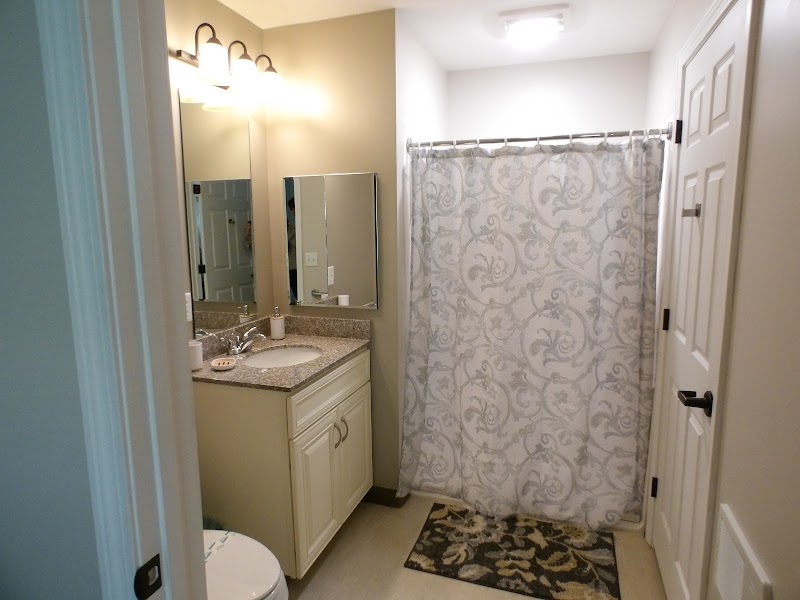
Who Owns and Operates D'Youville Senior Care?

D'YOUVILLE SENIOR CARE is owned by a non-profit organization. Non-profit facilities reinvest revenue into operations rather than distributing to shareholders. The facility operates independently rather than as part of a larger chain. With 208 certified beds and approximately 201 residents (about 97% occupancy), it is a large facility located in LOWELL, Massachusetts.
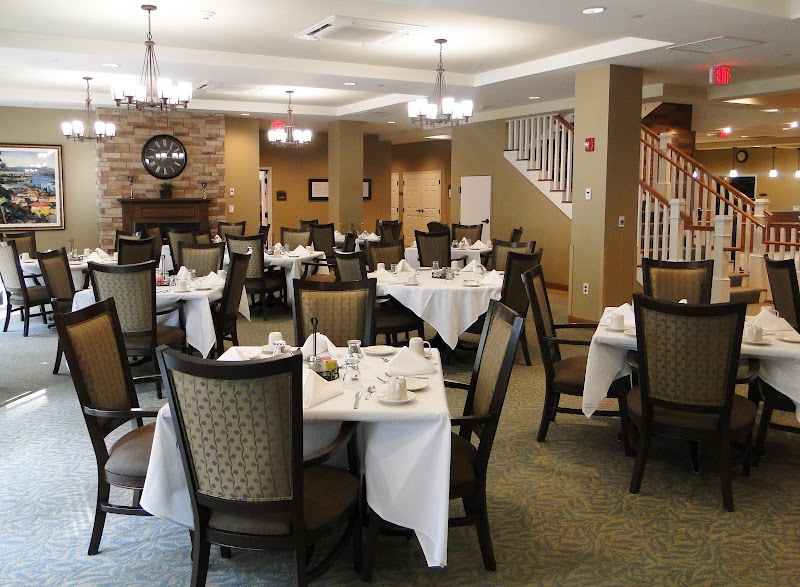
How Does D'Youville Senior Care Compare to Other Massachusetts Nursing Homes?

Compared to the 100 nursing homes in Massachusetts, D'YOUVILLE SENIOR CARE's overall rating (3 stars) is above the state average of 2.9, staff turnover (41%) is near the state average of 46%, and health inspection rating (3 stars) is at the national benchmark.

What Should Families Ask When Visiting D'Youville Senior Care?

Based on this facility's data, families visiting should ask: "Can you walk me through typical staffing levels on day, evening, and night shifts?" "Can I visit during a mealtime to observe dining assistance and food quality?" "How do you handle medical emergencies, and what is your hospital transfer rate?" "Can I speak with family members of current residents about their experience?" These questions are particularly relevant given the below-average staffing rating.

Is D'Youville Senior Care Safe?

Based on CMS inspection data, D'YOUVILLE SENIOR CARE has a clean safety record: no substantiated abuse findings (meaning no confirmed cases of resident harm), no Immediate Jeopardy citations (the most serious violation level indicating risk of serious injury or death), and is not on the Special Focus Facility watch list (a federal program monitoring the lowest-performing 1% of nursing homes). The facility has a 3-star overall rating and ranks #1 of 100 nursing homes in Massachusetts. While no facility is perfect, families should still ask about staff-to-resident ratios and recent inspection results during their visit.

Do Nurses at D'Youville Senior Care Stick Around?

D'YOUVILLE SENIOR CARE has a staff turnover rate of 41%, which is about average for Massachusetts nursing homes (state average: 46%). Moderate turnover is common in nursing homes, but families should still ask about staff tenure and how the facility maintains care continuity when employees leave.

Was D'Youville Senior Care Ever Fined?

D'YOUVILLE SENIOR CARE has been fined $20,267 across 2 penalty actions. This is below the Massachusetts average of $33,282. While any fine indicates a compliance issue, fines under $50,000 are relatively common and typically reflect isolated problems that were subsequently corrected. Families should ask what specific issues led to these fines and confirm they've been resolved.

Is D'Youville Senior Care on Any Federal Watch List?

D'YOUVILLE SENIOR CARE is not on any federal watch list. The most significant is the Special Focus Facility (SFF) program, which identifies the bottom 1% of nursing homes nationally based on persistent, serious quality problems. Not being on this list means the facility has avoided the pattern of deficiencies that triggers enhanced federal oversight. This is a positive indicator, though families should still review the facility's inspection history directly.