FAIRHAVEN HEALTHCARE CENTER
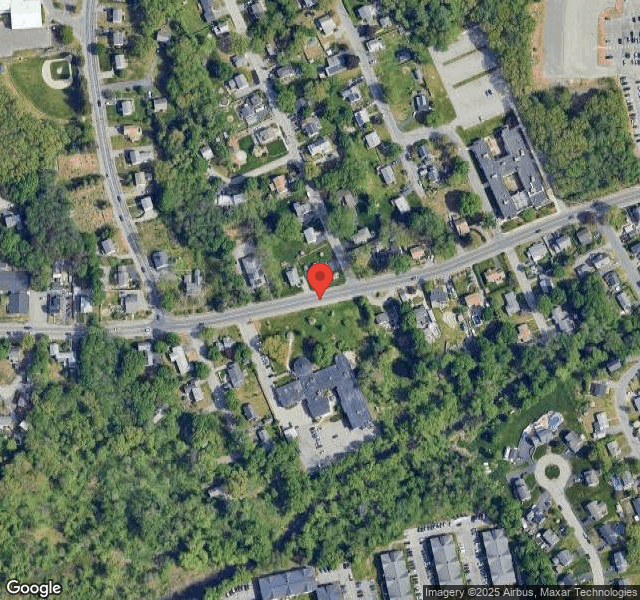

476 VARNUM AVENUE, LOWELL, MA 01854 (978) 458-3388
For profit - Limited Liability company 169 Beds LME FAMILY HOLDINGS Data: November 2025
Trust Grade
43/100
#215 of 338 in MA
Last Inspection: October 2024

Within standard 12-15 month inspection cycle. Federal law requires annual inspections.

Overview

Fairhaven Healthcare Center has received a Trust Grade of D, indicating below-average performance with some notable concerns. It ranks #215 out of 338 facilities in Massachusetts, placing it in the bottom half, and #43 out of 72 in Middlesex County, meaning only a few local options are better. The facility's trend is improving, with a slight decrease in issues from 17 in 2023 to 16 in 2024, but it still has significant deficiencies, including a serious incident where a resident did not receive necessary nutritional supplements after significant weight loss. Staffing is a relative strength with a 3/5 rating and a turnover rate of 37%, which is below the state average, but concerningly low RN coverage means less oversight for residents. Additionally, the facility has faced $15,030 in fines, which is average, but it's important to note that 41 total issues were found during inspections, including 39 potential harm concerns.

Trust Score
D
43/100
In Massachusetts
#215/338
Bottom 37%
Safety Record
Moderate
Needs review
Inspections
Getting Better
17 → 16 violations
Staff Stability
○ Average
37% turnover. Near Massachusetts's 48% average. Typical for the industry.
Penalties
○ Average
$15,030 in fines. Higher than 54% of Massachusetts facilities. Some compliance issues.
Skilled Nurses
⚠ Watch
Each resident gets only 17 minutes of Registered Nurse (RN) attention daily — below average for Massachusetts. Fewer RN minutes means fewer trained eyes watching for problems.
Violations
⚠ Watch
41 deficiencies on record. Higher than average. Multiple issues found across inspections.
★★☆☆☆
2.0
Overall Rating
★★★☆☆
3.0
Staff Levels
★★☆☆☆
2.0
Care Quality
★★☆☆☆
2.0
Inspection Score
Stable
2023: 17 issues
2024: 16 issues

The Good

  • Full Sprinkler Coverage · Fire safety systems throughout facility
  • No fines on record
  • Staff turnover below average (37%)

    11 points below Massachusetts average of 48%

Facility shows strength in fire safety.

The Bad

2-Star Overall Rating

Below Massachusetts average (2.9)

Below average - review inspection findings carefully

Staff Turnover: 37%

Near Massachusetts avg (46%)

Typical for the industry

Federal Fines: $15,030

Below median ($33,413)

Minor penalties assessed

Chain: LME FAMILY HOLDINGS

Part of a multi-facility chain

Ask about local staffing decisions and management

The Ugly 41 deficiencies on record

1 actual harm
Oct 2024 15 deficiencies
CONCERN (D)

Potential for Harm - no one hurt, but risky conditions existed

Resident Rights (Tag F0550)

Could have caused harm · This affected 1 resident

**NOTE- TERMS IN BRACKETS HAVE BEEN EDITED TO PROTECT CONFIDENTIALITY** Based on observation, record review and interview, the facility failed to provide a dignified existence for one Resident (#317) ...

Read full inspector narrative →
**NOTE- TERMS IN BRACKETS HAVE BEEN EDITED TO PROTECT CONFIDENTIALITY** Based on observation, record review and interview, the facility failed to provide a dignified existence for one Resident (#317) out of a total sample of 24 Residents. Specifically, the facility failed to utilize a privacy bag while Resident #317's urinary catheter bag was visible and in use. Findings include: Review of the facility policy titled Resident Rights Policy and Procedures, revised and dated 9/18/23, indicated the following: Federal and state laws guarantee certain basic rights to all residents of this facility. These rights include the resident's right to a dignified existence. Resident #317 was admitted to the facility in October 2024 with diagnoses including acute and chronic respiratory failure with hypoxia and type 2 diabetes mellitus. Review of Resident #317's most recent Minimum Data Set Assessment (MDS) dated [DATE] indicated the resident had a Brief Interview for Mental Status score of 13 out of a possible 15 indicating intact cognition. The MDS further indicated that Resident #317 is dependent on staff for toileting hygiene. The surveyor made the following observations: - On 10/21/24 at 8:01 A.M., Resident #317 was sleeping in his/her bed. A urinary catheter bag with visible yellow urine was hanging from the bed. The urinary catheter bag could be seen from the Resident's doorway in the hallway. No privacy bag was in use. - On 10/21/24 at 12:57 A.M., Resident #317 was in his/her room eating lunch while sitting in his/her wheelchair. The Resident's urinary catheter bag was clipped to the left arm rest of the wheelchair with yellow urine visible. The urinary catheter bag was visible from the Resident's doorway in the hallway. No privacy bag was in use. - On 10/22/24 at 6:47 A.M., Resident #317 was sleeping in his/her bed. A urinary catheter bag with visible yellow urine was hanging from the bed. The urinary catheter bag could be seen from the Resident's doorway in the hallway. No privacy bag was in use. - On 10/22/24 at 8:21 A.M., Resident #317 was laying in his/her bed awake, eating breakfast. A urinary catheter bag with visible yellow urine was hanging from the bed. The urinary catheter bag could be seen from the Resident's doorway in the hallway. A privacy bag was observed next to the hanging urinary catheter bag but was not in use. - On 10/22/24 at 9:47 A.M., Resident #317 was laying in his/her bed. A urinary catheter bag with visible yellow urine was hanging from the bed. The urinary catheter bag could be seen from the Resident's doorway in the hallway. A privacy bag was observed next to the hanging urinary catheter bag but was not in use. - On 10/23/24 at 6:58 A.M., Resident #317 was sleeping in his/her bed. A urinary catheter bag with visible yellow urine was hanging from the bed. The urinary catheter bag could be seen from the Resident's doorway in the hallway. No privacy bag was in use. Review of Resident #317's physician's orders dated 10/16/24 indicated the following: - Foley Catheter care every shift - Replace foley bag monthly the 16th every month - Insert foley catheter 16fr (French) with 5ml (milliliter) balloon. - Change foley catheter bag as needed During an interview on 10/23/24 at 8:56 A.M., Nurse #3 said all urinary catheter bags should have a privacy bag when in use so they cannot be seen from the hallway. Nurse #3 and the surveyor observed Resident #317's urinary catheter bag from the hallway and she said it should have a privacy bag covering it. During an interview on 10/23/24 at 9:02 A.M., the Assistant Director of Nursing said Resident #317 should have a privacy bag over his/her catheter bag when in use.
CONCERN (D)

Potential for Harm - no one hurt, but risky conditions existed

Comprehensive Care Plan (Tag F0656)

Could have caused harm · This affected 1 resident

**NOTE- TERMS IN BRACKETS HAVE BEEN EDITED TO PROTECT CONFIDENTIALITY** 2. Review of the facility policy titled Pacemaker Checks', dated April 2024, indicated the following: Identify type and identifi...

Read full inspector narrative →
**NOTE- TERMS IN BRACKETS HAVE BEEN EDITED TO PROTECT CONFIDENTIALITY** 2. Review of the facility policy titled Pacemaker Checks', dated April 2024, indicated the following: Identify type and identification number of pacemaker resident/patient has on admission and note same in medical record. Document in the medical record. Resident #94 was admitted to the facility in August 2023 with diagnoses that include presence of cardiac pacemaker. Review of Resident #94's most recent Minimum Data Set (MDS) dated [DATE], indicated a Brief Interview for Mental Status (BIMS) score of 10 out of a possible 15 indicating he/she had moderate impaired cognition. Review of Nursing- admission readmission-V2 assessment dated [DATE] indicated the Resident had a pacemaker upon admission. Review of the Resident medical record failed to indicate a care plan was developed for the pacemaker. During an interview on 10/22/24 at 11:18 A.M., Unit Manager #1 said that the Resident's pacemaker was new and that a care plan should have been developed. During an Interview on 10/23/24 at 12:10 P.M., the Assistant Director of Nursing (ADON) said a care plan for pacemaker should have been developed. Based on observation, record review and interview, the facility failed to ensure person-centered care plans with measurable goals and individualized interventions were developed and implemented for two residents (#58 and #94), out of 24 sampled residents. Specifically: 1. For Resident #58 the facility failed to develop a plan of care related to the prevention of pressure ulcers. 2. For Resident #94, the facility failed to develop comprehensive pacemaker care plan. Findings include: 1. Resident #58 was admitted to the facility in June 2024 and has diagnoses that include adult failure to thrive, type 2 diabetes mellitus, and need for assistance with personal care. During an observation and interview on 10/21/24 at 9:41 A.M., Resident #58 was laying on his/her bed without sheets under him/her. Resident #58 said he/she was incontinent and staff stripped his/her bed. Review of the Minimum Data Set (MDS), assessment dated [DATE], indicated Resident #58 scored a 14 out of 15 on the Brief Interview for Mental Status exam, indicating he/she as having intact cognition, and requires set up/clean up assistance with toileting and is at risk of developing pressure ulcers. Review of the comprehensive MDS dated [DATE] indicated at section M that Resident #58 was at risk for developing pressure ulcers. Review of the Care Area Assessment (CAA) Pressure Ulcer/Injury indicated Resident is at risk of PI (pressure injury) r/t (related to) needing assistance with ADLs (activities of daily living) and incontinence and a pressure ulcer/injury will be addressed in a care plan. Review of the Norton Plus (an assessment that determines the level of risk for developing pressure ulcers/injuries) completed for Resident #58 indicated the following: -6/7/24 assessed score of 12 moderate risk. -6/21/24 assessed score of 11 moderate risk. -6/28/24 assessed score of 10 high risk. -7/5/24 assessed score of 11 moderate risk. Review of Resident #58's care plans failed to indicate a care plan for the risk of developing pressure ulcers/injuries was developed. During an interview on 10/23/24 at 9:16 A.M., Certified Nursing Assistant (CNA) #3 said Resident #58 requires assistance with daily care. CNA #3 said the Resident wears a brief and is incontinent of urine. During an interview on 10/23/24 at 9:41 A.M., Nurse #5 said Resident #58 is incontinent of bladder. Nurse #5 said incontinence is a risk for developing pressure ulcers and Resident #58 should have a risk for pressure injury care plan. During an interview on 10/23/24 at 9:45 A.M., Unit Manager #4 said incontinence puts a resident at risk for skin breakdown. Unit Manager #4 said Resident #58 is incontinent of bladder and should have a risk for skin breakdown care plan.
CONCERN (D)

Potential for Harm - no one hurt, but risky conditions existed

ADL Care (Tag F0677)

Could have caused harm · This affected 1 resident

**NOTE- TERMS IN BRACKETS HAVE BEEN EDITED TO PROTECT CONFIDENTIALITY** Based on observations, record review, policy review and interviews, the facility failed to provide supervision with meals for on...

Read full inspector narrative →
**NOTE- TERMS IN BRACKETS HAVE BEEN EDITED TO PROTECT CONFIDENTIALITY** Based on observations, record review, policy review and interviews, the facility failed to provide supervision with meals for one Resident, (#44) out of a total sample of 24 residents. Findings include: Review of the facility policy titled Activities of Daily Living (ADL) dated as revised April 2024, indicated A program of activities of daily living (ADL) is provided to residents to maintain or restore maximum functional independence. The ability of each resident to meet the demands of daily living is assessed by a licensed nurse and/or other members of the interdisciplinary team. A program of assistance and instruction in ADL skill is developed and implemented based on the individual evaluation to encourage the highest level of functioning. This process is reviewed minimally quarterly. Resident #44 was admitted to the facility in March 2017 with diagnoses including dysphasia, hyperlipidemia, failure to thrive and bipolar disorder. Review of the Minimum Data Set (MDS) assessment, dated 9/1/2024, indicated Resident #44 did not have a Brief Interview for Mental Status (BIMS) assessment completed. Further review of the MDS indicated Resident #44 is dependent on staff for all functional tasks. On 10/21/24 at 8:45 A.M., the surveyor observed Resident #44 in bed, breakfast was set up on the overbed table, and the Resident was attempting to eat the meal. Eggs were observed on the Residents chest, overbed table and floor. The Resident was not visible from the hallway, no staff were present in the room throughout the breakfast meal. On 10/22/24 from 8:18 A.M. to 8:59 A.M., the surveyor made the following observations: Resident #44 was sitting up sleeping in bed, the breakfast tray was placed on the overbed table. The Resident was not visible from the hallway, no staff were present in the room. At 8:55 A.M., the surveyor observed a staff member walk into the Residents room and set up breakfast items on the overbed table, pour milk into the cereal bowl and exit the room. The Resident remained sitting up sleeping. The Resident was not visible from the hallway, and no staff were present in the room. At 8:58 A.M., the surveyor observed a staff member walk into Resident #44's room and remove the breakfast items from the overbed table and exit the Residents room. The Resident remained sitting up in bed sleeping. The staff member made no attempts to arouse Resident #44 throughout the observations. Review of Resident #44's nutrition care plan indicated has a potential for impaired nutrition status due to variable po (oral) intake with the following interventions: EATING: Supervision 1:8 ratio with occasional assist (assistance) of one. Resident prefers to eat meals in his/her room. Staff assist him/her to sit upright in his/her chair, and provide set-up help and cues for all meals. [NAME] mug (thermal mug) with cover at all meals. Dated 3/24/17. Allow the resident adequate time to consume meals Dated 3/28/2017. He/she may refuse meals at times. Diet liberalized to encourage eating. Staff to offer him/her extra portions of the foods he/she may enjoy. Dated: 9/09/2024 Review of Resident # 44's CNA (Certified Nursing Assistant) Resident Care Card (form indicating level of care) indicated the following: -Eating- Independent, assist into chair and set up for all meals. -Provide mug with lid for hot liquids. During an interview on 10/22/24 at 12:57 A.M., CNA #6 said Resident #44 needs help with eating because he/she needs reminders. CNA #6 said staff use the [NAME] and care cards to see what level of assistance each resident requires and said she documents care in the computer. During an interview on 12/23/24 at 11:49 A.M., the Director of Nursing said she expects staff to follow the care plan and provide supervision to residents if indicated and said Resident #44 should not be eating alone.
CONCERN (D)

Potential for Harm - no one hurt, but risky conditions existed

Pressure Ulcer Prevention (Tag F0686)

Could have caused harm · This affected 1 resident

**NOTE- TERMS IN BRACKETS HAVE BEEN EDITED TO PROTECT CONFIDENTIALITY** 2. Resident #61 was admitted to the facility in October 2024 with diagnoses including heart failure and chronic respiratory fail...

Read full inspector narrative →
**NOTE- TERMS IN BRACKETS HAVE BEEN EDITED TO PROTECT CONFIDENTIALITY** 2. Resident #61 was admitted to the facility in October 2024 with diagnoses including heart failure and chronic respiratory failure with hypoxia. Review of Resident #61's most recent Minimum Data Set Assessment (MDS) dated [DATE] indicated that the Resident had a Brief Interview for Mental Status score of 14 out of a possible 15 indicating intact cognition. The MDS further indicated that the Resident is at risk of developing pressure ulcers/injuries and is dependent on staff for activity of daily living care. Review of Resident #61's wound care evaluation performed by the wound physician dated 10/21/24 indicated the following: Pressure Ulcer Coccyx, stage 3. Treatment Recommendations: Cleanse the wound with normal saline moistened gauze, apply collagen with silver, cover with silicone border foam dressing QD (once daily) and PRN (as needed). Review of a nursing progress note dated 10/21/24 created by Nurse #3 indicated the following: Dressing changed. Applied collagen and bordered gauze to R (right) buttock/coccyx. Review of Resident #61's physician's order dated 10/21/24 indicated the following: Treatment Order (cleanse with wound cleanser and apply collagen and bordered gauze) Location: (coccyx/right buttock) Review of Resident #61's document titled Pressure Ulcer Evaluation dated 10/22/24 indicated that the Resident had a Stage 3 Pressure ulcer on his/her right buttock and is followed by wound care. Review of Resident #61's Treatment Administration Record for October 2024 indicated the following treatment on 10/22/24 and 10/23/24: Treatment Order (cleanse with wound cleanser and apply collagen and bordered gauze) Location: (coccyx/right buttock) On 10/23/24 at 11:15 A.M., the surveyor observed Nurse #3 perform treatment on Resident #61's right buttock/coccyx wound. The surveyor observed Nurse #3 apply collagen cream on the wound, not collagen with silver. During an interview on 10/23/24 at 11:29 A.M., Nurse #3 said the wound doctor comes in on Mondays and the Assistant Director of Nursing (ADON) shadows the wound doctor. Nurse #3 said when the wound doctor makes wound treatment recommendations, she tells the ADON so they can get implemented. The surveyor and Nurse #3 reviewed the wound doctor's recommendations for collagen with silver, the surveyor asked Nurse #3 why the active order in the electronic medical record is for collagen and not collagen with silver and Nurse #3 was not sure. Nurse #3 said she just follows the orders as they are written. When asked what the difference between collagen and collagen with silver was, Nurse #3 was not sure. During an interview on 10/23/24 at 11:38 A.M., the ADON said she will get the wound doctor recommendations by the following day at the latest. The ADON said the silver in collagen has antimicrobial benefits and helps with wound healing. The ADON said she would expect the wound doctor's recommendations to be followed. During a follow up interview on 10/23/24 at 12:07 P.M., the ADON said she spoke with the wound doctor and Resident #61 should be receiving collagen with silver and it was an oversight by the facility. Based on observation, record review and interview, the facility failed to provide the necessary treatment and services for two residents (#37 and #61) with pressure ulcers, out of a total sample of 24 residents. Specifically: 1. The facility failed to implement soft booties to Resident #37's feet in accordance to the medical plan of care. 2. The facility failed to implement the treatment orders for a pressure ulcer as recommended by the wound physician for Resident #61. Findings include: Review of the facility's policy titled 'Prevention and Management of Pressure Injuries, dated 7/23 included but not limited to indicates the following: Policy: Residents with pressure injuries and those at risk for skin breakdown are identified, assessed and provided with appropriate treatment to encourage healing and/or maintenance of skin integrity. Care Plans are developed based on individual resident's goals and decisions for treatment. Ongoing monitoring and evaluation are provided to ensure optimal resident outcomes. The facility follows NPUAP (National Pressure Injury Advisory Panel) guidelines when staging wounds. Wound treatments: Wound treatments are done per MD (medical doctor) order. 1. Resident #37 was admitted to the facility in May 2016 and has diagnoses that include but are not limited to chronic obstructive pulmonary disease, moderate protein calorie malnutrition, neoplasm of unspecified part of right bronchus or lung, and bipolar disorder. Review of the most current Minimum Data Set assessment, dated 9/21/24 indicated Resident #37 scored a 12 out of 15 on the Brief Interview for Mental Status (BIMS) exam, indicating he/she as having moderately impaired cognition, is dependent on staff for bed mobility and dressing, does not display behaviors, is at risk for developing pressure ulcers and has two pressure ulcers. During an observation and interview on 10/21/24 at 8:40 A.M., Resident #37 was lying on an air mattress. Resident #37 said he/she could not walk, that he/she had a dressing on his/her feet that the nurse changes. Both of Resident #37's feet were observed with nonskid socks on a flat pillow. Resident #37's feet/heels were flat on the pillow and not offloaded. On 10/21/24 at 1:37 P.M., Resident #37's was observed in bed wearing slipper socks, his/her legs were on a flat pillow and his/her feet were directly on the air mattress. On 10/21/24 at 4:13 P.M., Resident #37 was observed in bed, wearing slipper socks on both feet, with his/her feet on a pillow and his/her heels on the air mattress. One soft pillow was loose in the bed. On 10/22/24 at 8:41 A.M., Resident #77 was in bed, with his/her left foot in a soft bootie and a nonskid slipper sock on his/her right foot. Review of Resident #37's physician's order indicated the following: -wash right ankle with Vashe, pat dry, apply CMS fiber and cover with silicone border dressing daily and PRN (as needed) dated 8/27/24. -soft booties to both feet while in bed, every shift for redness to right ankle, dated 9/1/23. Review of Resident #37's care card failed to indicate the use of soft booties. During an interview on 10/22/24 at 12:38 P.M., Nurse #5 said Resident #37 has an open area on his/her right ankle and it has been there for a few months. Nurse #5 said the area is macerated around the wound with slough in the wound bed. Nurse #5 said they provide a treatment for the wound per the orders. During an interview on 10/23/24 at 8:21 A.M., Certified Nursing Assistant (CNA) #4 said Resident #37 requires his/her feet to be on a pillow or booties. CNA #4 said the Resident should have the booties on while in bed. CNA #4 said the booties may have been in the laundry and that is why they were not on. During an interview on 10/23/24 at 8:42 A.M., Nurse #5 said Resident #5 should have soft booties on both feet while in bed. Nurse #5 said yesterday (10/22/24) she put on one soft bootie on his/her foot with the ankle wound. Nurse #5 said the other bootie may have been in the laundry. During an interview on 10/23/24 at 12:23 P.M., the Assistant Director of Nursing said staff are to go to the laundry to get the soft booties and to make sure Resident #37 is wearing the soft booties per the orders.
CONCERN (D)

Potential for Harm - no one hurt, but risky conditions existed

Accident Prevention (Tag F0689)

Could have caused harm · This affected 1 resident

**NOTE- TERMS IN BRACKETS HAVE BEEN EDITED TO PROTECT CONFIDENTIALITY** Based on observation, record review and interview the facility failed for one Resident (#76), out of a total sample of 24 reside...

Read full inspector narrative →
**NOTE- TERMS IN BRACKETS HAVE BEEN EDITED TO PROTECT CONFIDENTIALITY** Based on observation, record review and interview the facility failed for one Resident (#76), out of a total sample of 24 residents, to ensure interventions to maintain his/her safety were implemented in accordance to the plan of care. Findings include: Resident #76 was admitted to the facility in July 2022 and has diagnoses that include dysthymic disorder (dysthymia is a chronic form of depression), anxiety, and diabetes. Review of the Minimum Data Set (MDS) assessment, dated 10/7/24, indicated Resident #76 had a Brief Interview for Mental Status (BIMS) score of 14 out of a possible 15 which indicated intact cognition. Review of MDS indicated that Resident #76 requires setup assistance with meals. Review of Resident #76's incident report dated 8/30/24 indicated that Resident #76 suffered burns from spilled hot coffee to the suprapubic area and bilateral thighs and was sent to the emergency room for evaluation. Corrective measures indicated in the incident report include the following: -Facility coffee cups with be served with lids. -The resident has an insulated coffee cup with a lid and has been educated to use this for his/her coffee. -A cup holder will be provided for his/her wheelchair to enable easier mobility. -Education has been provided for his/her wheelchair to enable easier mobility. -Education has been provided for safety rounds during meals/activities. Review of Resident #76's skin care plan dated 8/30/24, indicated Resident #76 received bilateral thigh, scrotal and suprapubic burns from a spilled coffee and included the following intervention: Resident will use a covered cup/mug or covered Styrofoam cup per patient preference with all hot liquids to avoid further burns. Review of Resident #76's ADL (Activities of Daily Living) care plan dated as revised 8/30/24, indicated the following interventions: Eating- [NAME] mug with cover at all meals. All hot liquids should be covered or a covered Styrofoam cup may be used per patient request. During observations throughout the survey Resident #76 failed to have a cup holder attached to his/her wheelchair. Review of Resident #76's diet slip did not indicate the need for lids with coffee. On 10/21/24 at 8:39 A.M., the surveyor observed Resident #76 seated in a wheelchair in the communal dining room during the breakfast meal. Resident #76 picked up a blue mug containing hot coffee and began to drink from the mug. The mug did not have a lid. There was no lid placed on the table. Staff were present in the dining room passing out hot coffee and beverages. There was no cup holder attached to the wheelchair. On 10/22/24 at 12:16 P.M., the surveyor observed Resident #76 seated in a wheelchair in the communal dining room during the lunch meal. Staff were present in the dining room passing out hot coffee and beverages. Staff placed a blue mug containing coffee in front of Resident 76. The mug did not have a lid. Resident #76 picked up a blue mug containing hot coffee and began to drink from the mug. There was no cup holder attached to the wheelchair. During an interview on 10/22/24 at 1:38 P.M., Unit Manager #4 said Resident #76 requires coffee with lids due to a burn and said he/she should not be given hot coffee without a lid. Unit Manager #4 said Resident #76 may refuse a lid, but staff should encourage the use of the lid. On 10/23/24 at 8:05 A.M., the surveyor observed Resident #76 seated in a wheelchair in the communal dining room during the breakfast meal. Staff were present in the dining room passing out hot coffee and beverages. Staff placed a blue mug containing coffee in front of Resident 76. The mug did not have a lid. Resident #76 picked up a blue mug containing hot coffee and began to drink from the mug. There was no cup holder attached to the wheelchair. During an interview on 10/23/24 at 8:39 A.M., the Food Service Director (FSD) said Residents who require a lid with coffee will have diet slips indicating that lids are required. The FSD said nursing will fill out a pink dietary communication slip and she will update it in the system. The FSD said she did not have a communication slip for Resident #76 and the diet slip should indicate lids with hot coffee. During an interview on 10/23/24 at 9:30 A.M., the Assistant Director of Nursing (ADON) said Resident #76 should be given coffee with lids due to a history of burns from coffee and said his/her diet slip should say coffee with lids. The ADON said he/she will refuse the lids, and he/she will rip it off due to no safety awareness. The ADON said Resident #76 can eat unsupervised, but he/she should be given coffee with lids. During an interview on 10/23/24 at 12:15 P.M., the Director of Nursing said Resident #76 had burns due to spilled hot coffee and said staff should not be passing out coffee without lids and said care plan interventions are to be followed. The DON said the diet slip should indicate the need for lids.
CONCERN (D)

Potential for Harm - no one hurt, but risky conditions existed

Incontinence Care (Tag F0690)

Could have caused harm · This affected 1 resident

**NOTE- TERMS IN BRACKETS HAVE BEEN EDITED TO PROTECT CONFIDENTIALITY** Based on observation, record review and interviews, the facility failed to ensure services to maintain continence were implement...

Read full inspector narrative →
**NOTE- TERMS IN BRACKETS HAVE BEEN EDITED TO PROTECT CONFIDENTIALITY** Based on observation, record review and interviews, the facility failed to ensure services to maintain continence were implemented for one Resident (#58), out of a total sample of 24 residents. Specifically, for Resident #58 the facility failed to evaluate his/her incontinence and failed to develop a person-centered plan of care with individualized interventions for bladder incontinence. Findings include: Review of the facility's policy titled, Bladder and Bowel Continence Evaluation and Management Planning, dated April 2024, indicated the following: Resident/patients who are incontinent of urine or bowel will be identified, evaluated and provided appropriate treatment and services to achieve or maintain as much normal urinary function as possible and within the capability of the resident. Procedure: Upon admission or re-admission, a 3-day observation tool will be conducted to determine the resident's level of continence of both bladder and bowel. Based upon this information the next step would be to complete a Bladder and Bowel Evaluation to determine the appropriate program for the resident who is identified with bladder or bowel incontinence. The Bladder and Bowel Evaluation will additionally be completed annually, quarterly and when a significant change is identified. A 3-day Observation tool may be initiated at any time to determine a consistent level or continence or incontinence or to be utilized in the development of a Re-training program of an Individualized Toileting Program. Establish, implement, review and revise as necessary, a plan of care for any resident/patient at risk for bladder incontinence, and any resident/patient with bladder incontinence. The plan of care should be individualized, and management should be based on the resident/patient's Bladder and Bowel Evaluation and 3-day Observation Tool which direct the staff towards a program likely to be the most beneficial to the residents. Resident #58 was admitted to the facility in June 2024 and has diagnoses that include adult failure to thrive, type 2 diabetes mellitus, and need for assistance with personal care. Review of the Minimum Data Set (MDS) assessment dated [DATE], indicated Resident #58 scored a 14 out of 15 on the Brief Interview for Mental Status exam, indicating he/she as having intact cognition, and requires set up/clean up assistance with toileting. During an observation and interview on 10/21/24 at 9:41 A.M., Resident #58 was laying on his/her bed without sheets under him/her. Resident #58 said he/she was incontinent, and they stripped his/her bed. Resident #58 said he/she wears a brief and does not always know when he/she has the urge. Review of Resident #58's medical record indicated the following: -A 'Nur-Bladder and Bowel' evaluation dated 6/7/24 indicated Resident #58 as continent of bladder, no further evaluation needed. -The Care Area Assessment (CAA) of the MDS dated [DATE] indicated Resident #58 requires assistance with toileting and has episodes of incontinence and the urinary incontinence will be addressed in a care plan. -The MDS dated [DATE] indicated at section H, Resident #58 does not have a toileting program and is occasionally incontinent of bladder. -The MDS dated [DATE] indicated at section H, Resident #58 does not have a toileting program and is frequently incontinent of bladder. Review of the MDS's dated 6/13/24 and 9/11/24 indicate that Resident #58 experienced a decline in urinary continence going from occasionally incontinent of bladder to frequently incontinent of bladder. Further review of Resident #58's medical record failed to indicate a care plan for urinary incontinence with individualized interventions was developed. The record also failed to indicate any further 'Nur-Bladder and Bowel' evaluation was implemented and any 3-day Observation tool was completed to determine if Resident #58 could benefit from a toileting program related to the determination of the type of incontinence he/she experiences. During an interview on 10/23/24 at 9:16 A.M., Certified Nursing Assistant (CNA) #3 said Resident #58 requires assistance with daily care and often refuses assistance, so you must give him/her time and reapproach. CNA #3 said Resident #58 wears a brief and is incontinent of urine. CNA #3 said Resident #58 had urinary incontinence since he/she was admitted . CNA #3 said Resident #58 will attempt to go to the bathroom to change his/her brief. CNA #3 said she was not aware of Resident #58 having a toileting plan. During an interview on 10/23/24 at 9:35 A.M., Nurse #5 said Resident #58 is incontinent of urine all the time and believed he/she was incontinent of urine since he/she was admitted a few months back. Nurse #5 said Resident #58's bed will be wet in the morning and the Resident will remove his/her sheets. Nurse #5 said during the day Resident #58 will attempt to toilet him/herself or change his/her brief. Nurse #5 said she did not know if any evaluation was done to determine what type of incontinence, and she would need to ask the unit manager. Nurse #5 said residents with incontinence usually have a plan of care in place. During an interview on 10/23/24 at 9:45 A.M., Unit Manager #4 said at admission residents are assessed for Bladder and Bowel to determine if they are continent of bladder and bowel. Unit Manger #4 said the CNAs will document on the Activities of Daily Living sheets if a resident is incontinent of bladder and are to report if a resident has a change in continence. Unit Manager #4 said Resident #58 tries to be independent and he/she uses incontinence briefs and will go to the bathroom to change his/her briefs. Unit Manager #4 said she was not aware if Resident #58 was assessed with a 3-day observation tool to assist in determining a plan for Resident #58. Unit Manager #4 said Resident #58 should have a care plan for urinary incontinence. During an interview on 10/23/24 at 10:50 A.M., the Director of Nursing said Resident #58's admission Bowel and Bladder evaluation indicated he/she as continent of bladder on admission. The DON said a new assessment should have been triggered after admission. The DON said a quarterly Bladder and Bowel evaluation should have been completed at the time of the quarterly MDS. The DON said a 3-day bladder voiding trial should have been completed to determine the type of bladder incontinence Resident #58 has and to determine if he/she would benefit from a toileting plan. The DON said a care plan for bladder incontinence should have been developed.
CONCERN (D)

Potential for Harm - no one hurt, but risky conditions existed

Deficiency F0692 (Tag F0692)

Could have caused harm · This affected 1 resident

**NOTE- TERMS IN BRACKETS HAVE BEEN EDITED TO PROTECT CONFIDENTIALITY** Based on observation, record review and interview, the facility failed to ensure staff implemented interventions related to weig...

Read full inspector narrative →
**NOTE- TERMS IN BRACKETS HAVE BEEN EDITED TO PROTECT CONFIDENTIALITY** Based on observation, record review and interview, the facility failed to ensure staff implemented interventions related to weight loss for one Resident (#13) out of a total of 24 sampled residents. Findings include: Review of the facility's weight policy, dated August 2023, indicated: Policy: the facility residents are weighted weekly, monthly, or as needed following MD orders. - All weight loss/gain of three or more pounds or more on a resident weighing 100 pounds or less and weight loss/gain of five pounds or more on a resident weighing 100 pounds or more requires a reweigh for verification. - Weights are documented in the resident's/patient's medical record and/or weight book. - If a significant weight loss/gain is identified (greater than 5% in 30 days or greater than 10% in 6 months), the IDT (interdisciplinary team), Dietitian, Physician and Family are notified. - All residents with a significant weight loss are reviewed by the Interdisciplinary team and the resident/responsible party and interventions implemented as appropriate and are monitored weekly. Resident #13 was admitted to the facility in July 2022 with diagnoses including dementia and lactose intolerance. Review of the Minimum Data Set Assessment (MDS) dated [DATE] indicated he/she was severely cognitively impaired evidenced by a score of six out of a possible 15 on the Brief Interview for Mental Status Exam. The MDS also indicated Resident #13 required supervision/touching assistance for meals. On 10/21/24 at 8:39 A.M., the surveyor observed Resident #13 resting in bed. Resident #13 was unable to participate in the interview process due to his/her cognitive status. Resident #13 presented as thin and frail. Review of Resident #13's weights indicated the following: 4/2/24: 145.7 lbs (pounds) 5/2/24: 142.7 lbs 6/2/24: 136 lbs 7/2/24: 132.6 lbs (a total loss of 8.99% of his/her body weight in three months) 7/25/24: 128.2 lbs 8/1/24: 130 lbs lbs 8/8/24: 126.8 lbs (a total loss of 12.97% of his/her body weight in four months) 8/28/24: 127 lbs 9/2/24: 123.2 lbs (a total loss of 15.4% of his/her body weight in five months) 10/2/24: 124.4 lbs 10/10/24: 123.6 lbs 10/18/24: 121.5 lbs (a total loss of 16.61% of his/her body weight in six months) Additional review of the clinical record indicated that the Dietitian recommended interventions related to Resident #13's weight loss which included limiting/avoiding lactose (implemented in July 2024) and fortified foods (implemented in August 2024). Review of the Dietitian Evaluation dated 9/4/24, indicated: Wt (weight) loss continues despite addition of fortified foods. Recommend Mighty Shakes BID (twice daily) d/t (due to) sig (significant) wt loss. Will continue to monitor wt and [intake] for indications for further intervention. Review of Resident #13's physicians orders, and Treatment Administration Record dated September 2024 indicated the Dietitians recommendation for Mighty Shakes twice daily was not implemented. Review of the Dietitian Note dated 10/10/24, indicated: His/Her appetite is decreased, possibly r/t (related to) pain . He/She receives fortified foods r/t (related to) sig wt loss. Recommend Mighty Shake TID (three times daily) d/t continued sig wt loss and decreased appetite. Review of Resident #13's physicians orders indicated an order for Mighty Shakes three times daily was initiated on 10/11/24. During an interview on 10/22/24 at 11:39 A.M., Certified Nursing Assistant (CNA) #1 said Resident #13's appetite is variable. During an interview on 10/22/24 at 1:44 P.M., Physician #1 said that recommendations made by the Dietitian for supplements should be initiated immediately after being reviewed by the physician or Nurse Practitioner (NP). On 10/23/24 at 8:30 A.M., the surveyor observed Resident #13 eating breakfast in the dining room eating small bites of his/her meal. During an interview on 10/23/24 at 9:05 A.M., Family Member #1 said that Resident #13 had been losing weight and staff have been in touch with her to keep her updated on changes. During an interview on 10/23/24 at 10:21 A.M., the Dietitian said when he makes recommendations for the use of supplements he puts the order in the electronic record which is then reviewed before being initiated. The Dietitian said he was not aware that the recommendations for Mighty Shakes twice daily were not implemented in September 2024. During an interview on 10/23/24 at 11:38 A.M., Unit Manager #1 said that when residents are having weight loss, the team discusses their status at Risk Meetings and the Dietitian will make recommendations. Unit Manager #1 said that the Dietitian puts the orders in the electronic record which is then reviewed by the Physician or Nurse Practitioner. During an interview on 10/23/24 at 1:05 P.M., the Director of Nursing (DON) said that when a resident loses weight, the team meets and discusses interventions like fortified food and supplements. The DON said that either the Dietitian or Nursing inputs the orders into the electronic record which is then approved by the Physician or Nurse Practitioner. The DON said that interventions should be implemented right away and was not aware that the Dietitians recommendations for twice daily Mighty Shakes were not implemented in September 2024.
CONCERN (D)

Potential for Harm - no one hurt, but risky conditions existed

Deficiency F0698 (Tag F0698)

Could have caused harm · This affected 1 resident

**NOTE- TERMS IN BRACKETS HAVE BEEN EDITED TO PROTECT CONFIDENTIALITY** Based on observation, record review and interviews, the facility failed for one Resident (#11), out of a total sample of 24 resi...

Read full inspector narrative →
**NOTE- TERMS IN BRACKETS HAVE BEEN EDITED TO PROTECT CONFIDENTIALITY** Based on observation, record review and interviews, the facility failed for one Resident (#11), out of a total sample of 24 residents, to ensure professional standards of care and treatment for hemodialysis (a treatment where a machine removes blood from your body, filters it through a dialyzer (artificial kidney) and returns the cleaned blood to your body). Specifically, the facility failed to adhere to emergency care practices for the use of a venous catheter, failed to have a person-centered care plan with individualized interventions and failed to ensure communication between the facility and dialysis treatment center was consistent according to the medical plan of care. Findings include: Review of the facility's policy titled, 'Hemodialysis dated April 2024, included but was not limited to the following: To provide comprehensive care to residents/patients that receive hemodialysis treatments. Procedure admission Assessment: Determine the type of hemodialysis access device. Care of Venous Catheter: -Hemodialysis catheters are not to be accessed by any nurse at the facility. -Perform hand hygiene before and after the assessment of venous catheter. -Assess the insertion site every shift for the following and document: a. Pain, b. Infection. C. Fever/chills, d. Bleeding, e. Dislodgement. -Keep dressing clean and dry. -Keep catheter taped to skin to prevent pulling -Showers/Baths should not be given. -A non-serrated clamp is to be kept bedside for emergencies. Communication -Communication between the facility and the hemodialysis center will occur using a communication book/sheet that consist of: a. vital signs, b. Cope of MAR, c. Any change of condition from last dialysis treatment i.e., i. Changes in weight, ii. Falls -Documentation will be completed prior to dialysis treatment, -The communication book/sheet will be reviewed upon return from dialysis. Resident #11 was admitted to the facility in October 2022 with diagnoses of end stage renal disease, and dependence on renal dialysis. Review of the most recent Minimum Data Set (MDS) assessment dated [DATE], indicated Resident #11 scored a 12 out of 15 on the Brief Interview for Mental Status exam indicating he/she as having moderately impaired cognition, is dependent on staff for bathing and dressing and is on dialysis. During an interview and observation on 10/21/24 at 7:51 A.M., Resident #11 said he/she has a chest port for dialysis because the fistula in his/her arm did not work. Resident #11 pulled the top of his/her shirt down, revealing a catheter with a dressing, and a double lumen extending down from the dressing. Resident #11 said the dialysis staff take care of the chest port. No emergency items including a clamp were in the Resident's immediate area. During an interview on 10/22/24 at 3:16 P.M., Resident #11 said he/she always had the chest port even when he/she had a left arm fistula. Resident #11 said he/she was not aware of any supplies used for emergency care of the chest catheter. Further, Resident #11 said he/she returned from dialysis a few hours ago and his/her communication book was in his/her dialysis bag. Review of Resident #11's physician's orders indicated the following: -An order dated 10/6/22 Dialysis Days: Times: Tuesday, Thursday and Saturday at 7:20 A.M. -Monitor Dialysis Port every shift related to end stage renal disease for s/s (signs and symptoms) of infection/bleeding/dressing status, dated 10/22/22. -VS (vital signs every Tuesday, Thursday and Saturday for dialysis, document in the dialysis book. One time a day every Tue, Thu, Sat for documentation for dialysis. Review of the physician's orders failed to have non-serrated clamps for emergencies related to the venous catheter access site for dialysis. Review of Resident #11 care plans indicated a care plan dated as revised 9/10/24, Resident needs hemodialysis r/t (related to) renal failure. Review of the dialysis care plan failed to indicate the location of Resident #11's dialysis access site, nor have interventions related to the access site, or the intervention to have non-serrated clamps bedside for emergencies. Review of Resident #11's communication book indicated the following: -October 2024, Hemodialysis Communication documents were missing for the dates of 10/8/24, 10/15/24 and 10/22/24. -September 2024, the Hemodialysis Communication document was missing for the date 9/24/24. -August 2024, the Hemodialysis Communication documents were missing for the dates of 8/1/24, 8/17/24. During an interview on 10/22/24 at 4:10 P.M., Nurse #6 said he works on the 3 to 11 shift and that Resident #11 is already back from dialysis. Nurse #6 said Resident #11 goes to dialysis Tuesday, Thursdays and Saturdays. Nurse #6 said the Resident has a chest port access for the dialysis treatment. At 4:16 P.M., Nurse #6 and the surveyor went to Resident #11's room. Nurse #6 said staff monitor the dialysis access site each shift. Nurse #6 said he was not aware of an emergency plan or need for emergency supplies at bedside and would send Resident #11 to the ED (emergency department) if he/she had an emergency with the dialysis access site. During an interview on 10/22/24 at approximately 4:20 P.M., Unit Manager #4 said they expect the nurses to check the dialysis access site each shift, to make sure the dressing is intact. Unit Manager #4 said she was not aware of the need for a clamp in the event of an emergency with the chest catheter dialysis access site. Unit Manager said nursing staff should complete the communication sheet and review the communication sheet upon return on each dialysis day for Resident #11. During an interview on 10/22/24 at 4:32 P.M., the Assistant Director of Nursing (ADON) said staff are to send Resident #11 with a completed communication document for each dialysis treatment. The ADON said the dialysis staff change the dressing to the chest port and facility staff are to monitor the dialysis access site each shift. The ADON said the dialysis care plan should have the location of Resident #11's dialysis access site with the intervention to monitor the site. The ADON said Resident #11 does not have a non-serrated clamp in his/her room and that clamps are available to the nursing staff in the IV kit or foley catheter kit. During an interview on 10/23/24 at 7:36 A.M., the ADON said the non-serrated clamp should be on Resident #11's bedside for emergencies. During an interview on 10/23/24 at 10:44 A.M., the Director of Nursing said a non-serrated clamp should be with the Resident in the event of an emergency. The DON said the dialysis care plan should be resident specific with the location of the dialysis access site, and the physician's order to monitor the chest port should have the specific location of the chest port.
CONCERN (D)

Potential for Harm - no one hurt, but risky conditions existed

Unnecessary Medications (Tag F0759)

Could have caused harm · This affected 1 resident

**NOTE- TERMS IN BRACKETS HAVE BEEN EDITED TO PROTECT CONFIDENTIALITY** Based on observation, record review, and interview, the facility failed to ensure it was free from a medication error rate of fi...

Read full inspector narrative →
**NOTE- TERMS IN BRACKETS HAVE BEEN EDITED TO PROTECT CONFIDENTIALITY** Based on observation, record review, and interview, the facility failed to ensure it was free from a medication error rate of five percent or greater. Two out of four nurses observed made three errors in 28 opportunities on two of the three units resulting in a medication error rate of greater than 5%. These errors impacted two Resident (#317 and #44), out of nine residents observed. Findings include: Review of the facility policy titled 'Administering of Medications' dated April 2019, indicated the following but not limited to: -Medications are administered in accordance with prescriber orders, including any required time frame. -The individual administering the medications checks the label three times to verify the right resident, right medications, right dosage, right time and method (route) of administration before giving the medication. 1. During a medication pass on 10/23/24 at 8:19 A.M., on the [NAME] unit, the surveyor observed Nurse #3 prepare and administer including the following medications to Resident #317: -Albuterol nebulizer 0.083% via nebulizer -Lidocaine 4% patches to chest and back -Celexa 20 milligram (mg) one tablet by mouth -Plavix 75 mg one tablet by mouth -Protonix 40 mg enteric coated one tablet by mouth Nurse #3 said she was not going to administer the following medications due to being outside of the parameters. -Amlodipine (medication for high blood pressure) 10 mg -Lasix 40 mg (a medication to remove excessive fluids from the body) Review of the current physician orders indicated the following orders. -Amlodipine 10 mg give one tablet for primary pulmonary hypertension. -Lasix 40 mg give one tablet for primary pulmonary hypertension. During an interview on 10/23/24 at 11:00 A.M., Nurse #3 said she did not administer the two medications because of the low blood pressure of 98/68. Nurse #3 further said she did not have physician orders with parameters to follow and should not have held the medications without a physician order. 2. During a medication pass on 10/23/24 at 8:49 A.M., on Highlands one unit, the surveyor observed Nurse #4 prepare and administer the following medications to Resident #44: -Vitamin B12 1000 micrograms one tablet by mouth -Aripiprazole (an antipsychotic medication for treatment of mood disorders) 30 milligram one tablet (Directions on the medication card said, do not crush, do not chew, swallow whole) Nurse #4 prepared and crushed the medications and administered to Resident #44. During an interview on 10/23/24 at 11:41 A.M., Nurse #4 said the Resident requested the medication to be crushed. When asked if a physician order was required to crush medications especially ones with specific directions of not to crush, Nurse #4 said an order is required. During an interview on 10/23/24 at 11:46 A.M., Unit Manager #2 said nursing would follow the pharmacy guidelines for medication administration. She further said if a Resident required their medications to be crushed an alternative would be requested from the physician. During an interview on 10/23/24 at 1:51 P.M., the Assistant Director of Nursing (ADON) said medication administration should follow physician orders. The ADON further said even with a nurse's clinical judgment, the physician's order should be followed.
CONCERN (D)

Potential for Harm - no one hurt, but risky conditions existed

Deficiency F0761 (Tag F0761)

Could have caused harm · This affected 1 resident

**NOTE- TERMS IN BRACKETS HAVE BEEN EDITED TO PROTECT CONFIDENTIALITY** Based on observation and interview, the facility failed to ensure medications were labeled with open dates and failed to ensure ...

Read full inspector narrative →
**NOTE- TERMS IN BRACKETS HAVE BEEN EDITED TO PROTECT CONFIDENTIALITY** Based on observation and interview, the facility failed to ensure medications were labeled with open dates and failed to ensure outdated medications were not available for administration on two of four resident care units. Findings include: Review of the facility policy titled Medication Storage, undated, indicated the following: - The nursing staff is responsible for maintaining medication storage and preparation areas in a clean, safe, and sanitary manner. -If the facility has discontinued, outdated or deteriorated medications or biologicals, the dispensing pharmacy is contacted for instructions regarding returning or destroying these items. - Multi-dose vials that have been opened or accessed (e.g., needle punctured) are dated and discarded within 28 days unless the manufacturer specifies a shorter or longer date for the open vial. - If medication containers have missing, incomplete, improper or incorrect labels, contact the dispensing pharmacy for instructions regarding returning or destroying these items. During an observation of the [NAME] Unit medication Cart One on 10/23/24 at 2:30 P.M., the following medications were observed without open dates: -One 30 fluid ounce bottle of ProSource Liquid Protein, opened and undated, therefore unable to determine an expiration date. -One bottle of fluticasone nasal spray (nasal spray contain steroid used to treat allergies) 50 mcg (micrograms) opened and undated, therefore unable to determine the expiration date. Manufacturer instructions indicated to discard after using 120 sprays. - One bottle of saline nasal spray, opened and undated, therefore unable to determine an expiration date. Manufacturer instruction indicated to discard the bottle after 30 days of opening. -One Budesonide 80 mcg (micrograms)/formoterol fumarate dihytdrate 4.5 mcg., Inhaler, opened and undated, therefore unable to determine an expiration date. Manufacturer instructions indicated to discard 3 months after the foil pouch is opened. - Fluticasone Propionate (an inhaled medication to treat breathing conditions) 110 mcg (micrograms) opened and undated, therefore unable to determine an expiration date. Manufacturer instruction indicated to discard the bottle after 60 days of opening. -Fluticasone-salmeterol (an inhaled medication to treat breathing conditions) 100 mcg/ 50 mcg., opened and undated, therefore unable to determine an expiration date. Manufacturer instructions indicated to discard 30 days after the foil pouch is opened. -Albuterol Sulfate (an inhaled medication to treat breathing conditions) 90 mcg., opened and undated, therefore unable to determine an expiration date. Manufacturer instructions indicated to discard 30 days after the foil pouch is opened. During an observation of the Centerville Unit medication Cart One on 10/23/24 at 2:55 P.M., the following medications were observed without open dates: -One Budesonide 160 mcg (micrograms)/formoterol fumarate dihytdrate 4.5 mcg., Inhaler, opened and undated, therefore unable to determine an expiration date. Manufacturer instructions indicated to discard 3 months after the foil pouch is opened. -One package of ipratropium Bromide and albuterol sulfate (an inhaled medication to treat breathing conditions) 0.5 mg/ 3 mg/ml (milligrams/milliliter) opened and undated, therefore unable to determine an expiration date. Manufacturer instructions indicated once removed from foil pouch individual vials should be used within one week. -One Dorzolamide 2 % eye solution bottle open and undated, bottle was placed in a plastic bag and clear liquid was spilled in the bag. The bottle, label and inside of bag was wet. Dispense date printed on the bag was 4/20/24. - One 1 ml Vial Tuberculin Purified Protein Derivative (Mantoux) Tubersol Multi-dose vial (10 Tests), opened and undated, therefore unable to determine expiration date. Manufacturer instructions indicated to discard 30 days after opening. During an interview on 10/23/24 at 2:34 P.M., Nurse #4 said medications must be labeled and dated when opened. During an interview on 10/23/24 at 2:54 P.M., Unit Manager #1 said medications must be dated when opened and expired medications should not be in the medication cart. During an interview on 10/23/24 at 3.45 P.M., the Director of Nursing said medications requiring dates when opened should be labeled and dated.
CONCERN (D)

Potential for Harm - no one hurt, but risky conditions existed

Deficiency F0808 (Tag F0808)

Could have caused harm · This affected 1 resident

**NOTE- TERMS IN BRACKETS HAVE BEEN EDITED TO PROTECT CONFIDENTIALITY** Based on observation, record review and interview, the facility failed to provide the prescribed, therapeutic diet for one Resid...

Read full inspector narrative →
**NOTE- TERMS IN BRACKETS HAVE BEEN EDITED TO PROTECT CONFIDENTIALITY** Based on observation, record review and interview, the facility failed to provide the prescribed, therapeutic diet for one Resident (#317) out of a total sample of 24 Residents. Specifically, Resident #317 was prescribed a therapeutic Mechanical soft (Dental) Ground texture diet and did not receive ground textures during meals. Findings include: Resident #317 was admitted to the facility in October 2024 with diagnoses including acute and chronic respiratory failure with hypoxia and type 2 diabetes mellitus. Review of Resident #317's most recent Minimum Data Set Assessment (MDS) dated [DATE] indicated the resident had a Brief Interview for Mental Status score of 13 out of a possible 15 indicating intact cognition. The MDS further indicated under Section L Oral/Dental Status that Resident #317 has obvious or likely cavity or broken natural teeth. During an interview on 10/21/24 at 8:43 A.M., Resident #317 told the surveyor he/she has a hard time eating bread because he/she is missing a lot of teeth. The surveyor observed Resident #317 to be missing many upper and lower teeth with blackened color on the visible teeth. Resident #317 showed the surveyor his/her breakfast plate with 3 pieces of toast cut in half left on the plate, he/she said he/she cannot eat because of his/her teeth. During an interview on 10/21/24 at 12:57 A.M., Resident #317 was sitting in his/her room in his/her wheelchair eating lunch with family members. Resident #317's family member said Resident #317 has trouble eating bread products and meats because of his/her teeth. Review of Resident #317's physician's order dated 10/10/24 indicated the following: - Controlled Carb (carbohydrate) diet, Mechanical Soft (Dental) Ground Texture, no bread, fortified foods Review of Resident #317's nutrition care plan dated 10/17/24 indicated the following intervention: - Provide, serve diet as ordered. - Monitor/document/report PRN (as needed) any s/sx (signs/symptoms) of dysphagia: Pocketing, choking, coughing, drooling, holding food in mouth, several attempts at swallowing, refusing to eat, appears concerned during meals Review of Resident #317's Nutritional Risk assessment dated [DATE], completed by the Registered Dietitian (RD) indicated the following: - Resident #317 prefers softer foods d/t (due to) missing some teeth, recommend mech (mechanical) soft diet. Will continue to monitor. During an observation on 10/22/24 at 12:23 P.M., Resident #317 was in his/her room in his/her wheelchair eating his/her lunch. The Resident opened his/her meal to show the surveyor an uncut, grilled cheese sandwich with the crust on it. At 12:27 P.M., a certified nursing assistant entered the room and left at 12:29 P.M., she did not check his lunch meal. During an interview on 10/22/24 at 12:33 P.M., Unit Manager #3 observed Resident #317's lunch with the surveyor. She said she was not sure if he/she can eat that and left to get the Food Service Director (FSD). At 12:39 P.M., the FSD and RD entered Resident #317's room and observed the uncut grilled cheese. The surveyor, FSD and RD reviewed the Resident's diet order for a ground textured diet, and they said it was not a ground texture. During an interview on 10/22/24 at 12:58 P.M., Unit Manager #3, the Assistant Director of Nursing and Administrator said Resident #317 will get assessed by Speech Therapy to see what diet is appropriate. During a telephone interview on 10/22/24 at 1:18 P.M., the Speech Therapist said a Resident on a ground textured diet should not have any bread products due to risk of choking. During an interview on 10/22/24 at 1:30 P.M., the FSD and surveyor reviewed the facility's therapeutic diets, none of which mentioned ground textures. The FSD said if Resident #317's diet order says ground texture then he/she should be on the Mechanically Altered diet, not the Mechanically Dental Soft diet. The FSD continued to say bread products would be puree texture on the Mechanically altered diet. During an interview on 10/22/24 at 1:43 P.M., the Administrator said all physician's orders should be followed as written. The Administrator continued to say she was not sure why Resident #317 was on a ground diet when the facility's therapeutic diets do not use ground diets. The Administrator then said she spoke with Resident #317, and he/she told her that he/she has a hard time with the crust and only can eat the center since it is easier to chew with his/her teeth. During a follow up interview with the Administrator on 10/22/24 at 2:19 P.M., she said she spoke with the nursing facility where Resident #317 was previously at and was assessed by Speech Therapy there but was not screened by Speech Therapy at this facility, she said he/she should have been screened upon admission to this facility.
CONCERN (D)

Potential for Harm - no one hurt, but risky conditions existed

Medical Records (Tag F0842)

Could have caused harm · This affected 1 resident

**NOTE- TERMS IN BRACKETS HAVE BEEN EDITED TO PROTECT CONFIDENTIALITY** Based on observations, record review and interviews, the facility failed to maintain an accurate medical record for one Resident...

Read full inspector narrative →
**NOTE- TERMS IN BRACKETS HAVE BEEN EDITED TO PROTECT CONFIDENTIALITY** Based on observations, record review and interviews, the facility failed to maintain an accurate medical record for one Resident (#94) out of a total sample of 24 Residents. Findings include: Resident #94 was admitted to the facility in July 2023 and has diagnoses that include pressure ulcer of sacral region. Review of Resident #94's most recent Minimum Data Set (MDS) dated [DATE], indicated a Brief Interview for Mental Status (BIMS) score of 10 out of a possible 15 indicating he/she had moderate impaired cognition. The MDS further indicated the Resident had a pressure ulcer. Review of Resident 94's physician orders indicated the following order initiated on 12/27/23: Specialty air mattress set at 165 check setting and function every shift to help with wound healing. On 10/22/24 at 10:53 A.M., the surveyor observed the air mattress set at 180 lbs (pounds). On 10/23/24 at 7:09 A.M,. the surveyor observed the air mattress set at 180 lbs. Review of the Treatment Administration Record (TAR) for October 2024, indicated the nurses signed off that the air mattress was set at 165 lbs. During an interview on 10/23/24 at 11:50 A.M., Unit Manager #1 said the air mattress goes by the Resident's weight, and said the Resident weighed 178 pounds, and that the physician's orders and the TAR orders should reflect the correct setting. During an interview on 10/23/24 at 12:09 P.M., the Assistant Director of Nursing (ADON) said the nurses should not be documenting inaccurately in the TAR. She further said the air mattress is set by the Resident's weight.
CONCERN (E)

Potential for Harm - no one hurt, but risky conditions existed

Deficiency F0658 (Tag F0658)

Could have caused harm · This affected multiple residents

**NOTE- TERMS IN BRACKETS HAVE BEEN EDITED TO PROTECT CONFIDENTIALITY** 2. Resident #40 was admitted to the facility in August 2015 with diagnoses including quadriplegia, contracture right elbow, cont...

Read full inspector narrative →
**NOTE- TERMS IN BRACKETS HAVE BEEN EDITED TO PROTECT CONFIDENTIALITY** 2. Resident #40 was admitted to the facility in August 2015 with diagnoses including quadriplegia, contracture right elbow, contracture left elbow, and dementia. Review of Resident #40's most recent Minimum Data Set Assessment (MDS), dated [DATE], indicated the Resident had a Brief Interview for Mental Status (BIMS) score of 10 out of a possible 15, indicating he/she has moderate cognitive impairment. Further review indicated Resident #40 is dependent on staff for all functional tasks. Review of Resident #40's active physician's orders indicated the following: -Hand rolls at night daily every evening shift for Contractures. Dated: 12/08/2023 -Hand rolls off every day shift for Contractures. Dated 12/28/2023 Review of Resident #40's Occupational Therapy (OT) Discharge summary dated [DATE], included the following information: Patient will safely wear least restrictive splining /orthotic device night hours only without complaints of discomfort in order to improve ability to participate with self-feeding. Review of the OT In-Service training dated 3/6/24 indicated the following: -Topic Splint care and universal cuff use during meals. -Resident should wear comfy palm roll splints overnight. Review of Resident #40's care plans failed to indicate the use of bilateral hand rolls. On 10/21/24, at 7:29 A.M., the surveyor observed Resident #40 laying in bed sleeping. Resident #40 was not wearing bilateral hand rolls. The hand rolls were not visible in the room. A hand written sign was observed hanging behind the Residents bed that indicated Please put hand rolls in hands at night when he/she sleeps. Thanks Rehab. On 10/22/24, at 7:21 A.M., the surveyor observed Resident #40 laying in bed sleeping. Resident #40 was not wearing bilateral hand rolls. The hand rolls were not visible in the room. A hand written sign was observed hanging behind the Residents bed that indicated Please put hand rolls in hands at night when he/she sleeps. Thanks Rehab. During an interview on 10/22/24, at 1:05 P.M., Certified Nursing Assistant (CNA) #7 said the Resident cannot move his/her fingers well and said the Resident did not have on hand rolls when she came in this morning and said she has never seen Resident #40 wearing them. During an interview on 10/22/24 at 9:04 A.M., Nurse #7 said she was unaware that Resident #40 had hand rolls and said she did not see hand rolls on the Resident. During an interview on 10/22/24 at 1:21 P.M., Unit Manager #4 said she was not aware of the Resident requiring hand rolls and said staff should be placing them on in the evening and removing them in the morning as the order is written. Unit Manager #4 said she would find hand rolls for the Resident. During an interview on 10/23/24 at 9:14 P.M., the Assistant Director of Nurses (ADON) said Resident #40 was receiving occupational therapy and should be wearing bilateral hand rolls as ordered. During an interview on 10/23/24 at 11:43 P.M., the Director of Nurses (DON) said Resident #40 should have been wearing the hand rolls and said orders should be followed. 3. Resident #78 was admitted to the facility in February 2024 with diagnoses including major depressive disorder, traumatic brain injury, acute pain due to trauma, anxiety, alcohol abuse, suicidal ideations, cognitive communication deficit, and expressive language disorder. Review of Resident #78's most recent Minimum Data Set Assessment (MDS), dated [DATE], indicated the Resident had a Brief Interview for Mental Status (BIMS) score of 11 out of a possible 15, indicating he/she has moderate cognitive impairment. Review of Resident #78's active physician's orders indicated the following: -15 minute checks for safety every shift for Safety, for 14 Days. Start Date:10/15/2024. Review of the Nurse Practitioner progress note dated 10/17/24, indicated: Resident #78 had an unwitnessed fall and was found on the floor at bedside. The Resident was agitated and verbally aggressive towards staff. Resident refused assessment and was transported to the hospital after making SI/HI statement. Review of the Nursing Progress note dated 10/16/24 indicated: Safety precautions in place. Call light within reach. Recommendations: Continue to monitor with 15-minute checks for safety. Review of Resident #78's Falls care plan dated 2/27/24, indicated Resident #78 is at risk for falls due to history of fall with injury - s/p (status post) fall with comp fx (compound fracture) 3/3/24- unwitnessed fall in room, 4/15/24 - witnessed fall in parking lot. Dated as revised 5/23/24. The falls care plan failed to indicate the need for 15-minute checks. On 10/22/24 from 8:35 A.M. to 9:11 A.M., the surveyor observed Resident #78 in his/her room sitting in a wheelchair with a breakfast tray place on the overbed table. No staff were observed providing 15-minute checks to Resident #78 and no staff were visible in the hallway walking by or looking into Resident #78's room throughout the observation. At 9:12 A.M., a staff member walked into Resident #78's room to remove the breakfast tray. During an interview on 10/22/24 at 12:48 P.M., Behavioral Health Nurse Practitioner (NP) #2 said Resident #78 had a recent fall and was sent to the hospital and said he/she has a history of behaviors with recent suicide ideations. NP #2 said Resident #78 has been doing well and is currently on 15-minute checks for safety after the fall. During an interview on 10/22/24 at 1:39 P.M., Unit Manager (UM) #4 said Resident #78 is on 15 minute checks for safety for recent falls and history of behaviors. UM #4 said she expects staff to conduct 15-minute checks and to follow the physician orders. UM #4 said staff are to document safety checks in the binder and showed the surveyor the binder and said staff should not document checks that were not completed. During an interview on 10/23/24 at 9:37 A.M., The Assistant Director of Nursing said 15 minute safety checks were implemented due to a recent fall and said Resident #78 reported his/her call light in bathroom was not working. The ADON said Resident #78 has a history of behaviors and requires 15-minute checks for safety but is not an elopement risk. During an interview on 10/23/24 at 12:14 P.M., the Director of Nurses (DON) said Resident #78 is behavioral and said 15 minute checks were implemented for safety. The DON said Resident #78 could be harmful to him/herself and staff must follow physician orders. Based on observation, record review and interview, the facility failed to meet professional standards of quality for three Residents (#61, #40 and #78), out of a total of 24 residents. Specifically: 1. For Resident #61, the facility failed to apply wound care dressing per physician orders. 2. For Resident #40, the facility failed to apply hand rolls to both hands per physician orders. 3. For Resident #78, the facility failed to provide 15-minute checks and ensure a wanderguard was in place per physician orders. Findings include: 1. Resident #61 was admitted to the facility in October 2024 with diagnoses including need for assistance with personal care. Review of Resident #61's most recent Minimum Data Set Assessment (MDS) dated [DATE] indicated that the Resident had a Brief Interview for Mental Status score of 14 out of a possible 15 indicating intact cognition. The MDS further indicated that the Resident is at risk of developing pressure ulcers/injuries and is dependent on staff for activity of daily living care. On 10/23/24 at 11:17 A.M., the surveyor observed Nurse #3 prepare to perform a wound dressing change for Resident #61. Nurse #3 was observed removing a soiled silicone dressing from the Resident's buttock. The silicone dressing had no date or initials. Review of Resident #61's physician's order dated 10/21/24 indicated the following: Treatment Order (cleanse with wound cleanser and apply collagen and bordered gauze) Location: (coccyx/right buttock). During an interview on 10/23/24 at 11:36 A.M., Nurse #3 said the silicone foam dressing was the incorrect treatment applied. Nurse #3 said there was no shortage of the border gauze dressing. During an interview on 10/23/24 at 12:05 P.M., the Assistant Director of Nursing (ADON) said nursing staff should follow the orders as ordered and follow facility protocols for wound care treatment.
CONCERN (E)

Potential for Harm - no one hurt, but risky conditions existed

Respiratory Care (Tag F0695)

Could have caused harm · This affected multiple residents

**NOTE- TERMS IN BRACKETS HAVE BEEN EDITED TO PROTECT CONFIDENTIALITY** 2. Resident #42 was admitted to the facility in February 2024 with diagnoses including dependence on other enabling machines and...

Read full inspector narrative →
**NOTE- TERMS IN BRACKETS HAVE BEEN EDITED TO PROTECT CONFIDENTIALITY** 2. Resident #42 was admitted to the facility in February 2024 with diagnoses including dependence on other enabling machines and devices BIPAP, (bilevel positive airway pressure machine that delivers air through a mask on your face), chronic obstructive pulmonary disease, obstructive sleep apnea, dependency on supplemental oxygen, chronic respiratory failure with hypoxia, and morbid obesity. Review of Resident #42's most recent Minimum Data Set (MDS) dated [DATE], indicated the Resident scored a 15 out of possible 15 on the Brief Interview for Mental Status (BIMS) exam indicating he/she was cognitively intact. On 10/21/24 at 8:15 A.M., the surveyor observed Resident #42 sleeping in bed wearing oxygen. The oxygen tubing was dated 3/10/24. The concentrator had one 540 ml (milliliter) bottle of sterile water connected and was dated 6/7/24. There was one clear bag hanging off the side of the concentrator with a label which indicated: Date issued 9/23/24. Time: 0645. Equipment in use; BIPAP connecting tubing. The concentrator had a thick layer of dust covering the entire filter. The BIPAP machine was located on the bedside table and contained no water. The facemask was visibly dirty with discolored yellow and tan flakes and stains covering the entire facemask. On 10/22/24 at 7:56 A.M., the surveyor observed Resident #42 sleeping in bed. The oxygen tubing was dated 3/10/24. The concentrator had one 540 ml bottle of sterile water connected and was dated 6/7/24. There was one clear bag hanging off the side of the concentrator with a label which indicated: Date issued 9/23/24. Time: 0645. Equipment in use; BIPAP connecting tubing. The concentrator had a thick layer of dust covering the entire filter. The BIPAP machine was located on the bedside table and contained no water. The facemask was visibly dirty with discolored yellow and tan flakes and stains covering the entire facemask. Review of Resident #42's active physician orders indicated the following: -Oxygen as needed via nc (nasal cannula) at 2 LPM (liters per minute) as needed as needed [SIC] for keep sas [SIC] >90% Start Date: 08/29/2023. -Change O2 tubing every Sunday on the 7 am to 3 pm shift. In the morning every Sunday. Dated 6/5/22. -Change BIPAP tubing every Sunday 7 AM - 3 PM one time a day every Sun. Dated 2/12/23. -Change distilled water at bedtime every evening shift. Dated 12/28/21. -Clean filter weekly with soap and water rinse and dry on Friday. Dated 12/31/21. -Tubing wash bi-monthly with mild detergent soap and rinse with water air dry wipe BIPAP machine with damp cloth on the 1st and 15th every month for BIPAP maintenance. Dated 3/15/22. -Wash mask everyday with soap and water air dry on 7-3 shift every day shift. Dated 12/29/21. -BIPAP on at all time while resident is sleeping/taking a nap. Every shift. Dated 1/4/23. -BIPAP setting auto BIPAP 15 max IPAP 5 min EPAP bleed in 2L/min oxygen every shift. Dated 10/11/23. Review of the Treatment Administration Record (TAR) for October 2024, indicated the Resident had been wearing the BIPAP at night for the past 20 consecutive nights. There was no documented refusal to wear the BIPAP. Further review of the TAR indicated the following: -O2 tubing was documented as changed on 10/20/24 -BIPAP tubing was documented as changed on 10/20/24. -Distilled water was documented as changed 12 of the 20 documented days during the month of October. The last documented change was 10/20/24. -The filter was documented as cleaned with soap and water on 10/18/24. -The BPAP tubing was documented as changed on 10/20/24. -The mask was documented as last washed on 10/21/24. During an interview on 10/22/24 at 1:02 P.M., Certified Nursing Assistant (CNA) #7 said the Nurses clean the oxygen and BIPAP equipment and put it on the resident when he/she needs it. On 10/22/24 at 12:34 P.M., the surveyor observed the oxygen tubing changed dated 10/22/24. The concentrator had a new one 540 ml (milliliter) bottle of sterile water connected and was dated 10/22/24. There was one clear bag hanging off the front of the concentrator labeled Date 10/22/24. The concentrator still had a thick layer of dust covering the entire filter. The BIPAP machine was located on the bedside table and contained no water. The facemask was cleaned. During an interview on 10/22/24 at 1:25 P.M., Unit Manager #4 said she went into Resident #42's room while he/she was outside and changed out the respiratory and BIPAP equipment, washed the facemask and equipment and removed the old water and dated the tubing because sometimes the Resident will refuse and it is easier to change it when he/she is not in the room. UM #4 said the oxygen tubing and filters are changed every Sunday and said the BIPAP equipment needs to be cleaned daily and air dried. UM #4 said tubing needs to be dated weekly and stored in a bag with name and room number. UM #4 said physician orders must be followed and if the Resident is refusing care it needs to be documented by the nurses in the TAR and not documented as administered. During an interview on 10/23/24 at 9:24 A.M., the Assistant Director of Nursing (ADON) said the oxygen tubing and filters are changed weekly, and the BIPAP mask should be cleaned daily. During an interview on 10/23/24 at 11:47 A.M., the Director of Nursing (DON) said staff must follow physician orders for respiratory care and cleaning and said the tubing must be dated appropriately and changed according to the order. The DON said the filters and masks must be checked and cleaned weekly. The DON said Resident #42 should not have distilled water attached to the concentrator that is outdated. 2. Resident #77 was admitted to the facility in January 2024 with diagnoses including dependence on other enabling machines and devices (CPAP). Review of Resident #77's most recent Minimum Data Set (MDS) dated [DATE], indicated the Resident scored a 10 out of possible 15 on the Brief Interview for Mental Status (BIMS) exam indicating he/she was moderately cognitively impaired. On 10/22/24 at 8:15 A.M., the surveyor observed the oxygen concentration in Resident #77's room with a thick layer of dust on the filter. The CPAP machine was visibly dirty and laying on the bedside table. On 10/22/24 at 11:13 A.M., the surveyor and Nurse #1 observed the oxygen concentrator with a thick dust covered filter, the tubing was undated, the CPAP mask was laying on the bedside table. Review of physician order dated 1/10/2024 indicated the following: CPAP to be worn at bedtime. Settings set between 8-20 with 2 liters per minute oxygen every evening shift for insomnia. Review of the Treatment Administration Record (TAR) for October 2024, indicated the Resident had been wearing the CPAP at night for the past 17 consecutive nights. There was no documented refusal to wear the CPAP. During an interview on 10/22/24 at 11:22 A.M., Nurse #1 said he did not know how often the oxygen filter was changed and how often the CPAP cleaning was one. During an interview on 10/22/24 at 11:24 A.M., Unit Manager #1 said the oxygen tubing and filters are changed weekly, and the CPAP mask should be cleaned daily. During an interview on 10/23/24 at 9:24 A.M., the Assistant Director of Nursing (ADON) said the oxygen tubing, filters are changed weekly on 11-7 shift and are stored in a bag with name and room number and the CPAP mask is cleaned daily and air dried.Based on observations, record review and interview, the facility failed to provide respiratory care services in accordance with professional standards of practice for three Residents (#317, #77, #42) out of a total sample of 24 Residents. Specifically, the facility failed to: 1. Ensure oxygen filters were in use while Resident #317 was receiving oxygen via nasal cannula 2. Ensure oxygen filter was clean, oxygen tubing was dated and labeled and CPAP (continuous positive airway pressure) machine was clean and stored in a sanitary way. 3. Ensure oxygen filter was clean, oxygen tubing was dated and labeled, distilled water was changed and dated, and BIPAP (bilevel positive airway pressure) machine was clean and stored in a sanitary way. Findings include: Review of facility policy titled 'Oxygen Administration Nasal Cannula' dated April 2024, indicated the following but not limited: -To deliver low flow oxygen per physician's order. -Oxygen source. Review of facility policy titled 'CPAP/BiPAP Management' dated April 2024, indicated the following but not limited to: -Masks and nasal pillows wash daily with mild detergent (rinse thoroughly with warm water to remove all detergent and residue air dry. 1. Resident #317 was admitted to the facility in October 2024 with diagnoses including acute and chronic respiratory failure with hypoxia and type 2 diabetes mellitus. Review of Resident #317's most recent Minimum Data Set Assessment (MDS) dated [DATE] indicated the resident had a Brief Interview for Mental Status score of 13 out of a possible 15 indicating intact cognition. The MDS further indicated that Resident #317 requires oxygen therapy. The surveyor made the following observations: - On 10/21/24 at 8:01 A.M. and 8:43 A.M., Resident #317 was sleeping in his/her bed receiving oxygen via nasal cannula. The oxygen machine did not have any external filters in place. - On 10/21/24 at 12:57 A.M., Resident #317 was in his/her bedroom sitting in his/her wheelchair receiving oxygen via nasal cannula. The oxygen machine did not have any external filters in place. - On 10/22/24 at 7:10 A.M.,, Resident #317 was sleeping in his/her bed receiving oxygen via nasal cannula. The oxygen machine did not have any external filters in place. Review of Resident #317's physician's order dated 10/8/24 indicated the following: Oxygen at 4-10 LPM (liters per minute) via NC (nasal cannula) continuously every shift Review of Resident #317's oxygen therapy care plan dated 10/8/24 indicated the following intervention: Oxygen Settings: O2 (oxygen) via nasal prongs @ 4-10 liters continuously. During an interview on 10/22/24 at 12:45 P.M., Unit Manager #3 and the surveyor observed Resident #317's oxygen concentrator machine. Unit Manager #3 and the surveyor observed the oxygen machine to not have any external filters on either side. The surveyor asked Unit Manager #3 if the machine was supposed to have filters on it and she was unable to answer the question and said she would go ask the Assistant Director of Nursing (ADON). During an interview on 10/22/24 at 1:03 A.M., the ADON observed the oxygen machine and said there were no external filters. The ADON said she was not sure if it should have filters since it is a high flow oxygen machine. At 1:16 P.M., the ADON said she would expect the oxygen machine to be ready for use once delivered but will need to review the oxygen machine's operator's manual. Review of the oxygen concentrator's operator's manual indicated there was a spot for cabinet filters on the sides of the machine. Further review of the manual indicated instructions for routine cleaning of the oxygen filters indicating they should be in use while the machine is operating. During an interview on 10/22/24 at 1:28 P.M., the surveyor and ADON reviewed the manual and she said filters should be in place on Resident #317's oxygen concentrator machine. On 10/23/24 at 11:14 A.M., a representative from the company that provided Resident #317's oxygen concentrator arrived at the facility with external filters. He said the machine should have filters on it.
CONCERN (E)

Potential for Harm - no one hurt, but risky conditions existed

Infection Control (Tag F0880)

Could have caused harm · This affected multiple residents

**NOTE- TERMS IN BRACKETS HAVE BEEN EDITED TO PROTECT CONFIDENTIALITY** 2 Review of the facility's policy, Glucose monitoring equipment, revised August 2024, included but not was limited to the follow...

Read full inspector narrative →
**NOTE- TERMS IN BRACKETS HAVE BEEN EDITED TO PROTECT CONFIDENTIALITY** 2 Review of the facility's policy, Glucose monitoring equipment, revised August 2024, included but not was limited to the following: Blood glucose monitoring equipment will be checked for accuracy, including a quality control test performance. Blood glucose monitoring equipment will be cleaned with a bleach wipe before and after use and/or as per manufacturer guidelines. On 10/23/24 at 7:45 A.M., the surveyor observed Nurse #1 gather supplies to check a resident's blood sugar. The surveyor observed Nurse #2 exit the resident's room and place the glucometer back in the basket on his medication cart that contained other blood sugar testing items. On 10/23/24 at 7:49 A.M., the surveyor observed Nurse #1 checking another resident's blood sugar without cleaning the glucometer. During an interview on 10/23/24 at 7:54 A.M., Nurse #1 said the glucometer should be sanitized after each use. During an interview on 10/23/24 at 12:13 P.M., the Assistant Director of Nursing (ADON) said glucometers should be sanitized after each use. 3. Review of the facility's policy titled, 'Prevention and management of Pressure injuries' dated July 2023 included but was not limited to the following: Infection control: -Clean technique is utilized in performing dressing changes. Sterile technique may be ordered by the physician as indicated. -Standard precautions are utilized per policy unless otherwise indicated. On 10/23/24 at 11:17 A.M., the surveyor observed Nurse #3 perform wound care on Resident #61. During the wound care treatment, the following were observed: -Nurse #3 was observed placing the dressing treatment supplies on the Resident's bed, then proceeded with removing the old, soiled dressing from Resident #61's right buttock, Nurse #3 did not perform hand hygiene after removing her gloves. -Nurse #3 applied new gloves without performing hand hygiene, applied a new dressing to the Resident's wound. Nurse #3 proceeded to remove her gloves without hand hygiene, removed a sharpie from her pocket and dated the Resident's dressing while on the Resident's body. -Nurse #3 then removed the unused portion of the dressing treatment supplies and placed them in the Resident's personal drawer which contained personal clothing in the drawer. During an interview on 10/23/24 at 11:36 A.M., Nurse #3 said she should perform hand hygiene after removing gloves, use a sterile field to place dressing treatment supplies, and to store the dressing supplies appropriately. Nurse #3 further said she should not be writing on the Resident and should have dated the dressing prior to applying to the Resident. During an interview on 10/23/24 at 12:05 P.M., the Assistant Director of Nursing (ADON) said nurses are to follow the facility wound care protocol and hand hygiene should be performed before putting on gloves, in between changes and after completing the treatment. Based on observation, record review and interview, the facility failed to follow infection control practices to prevent possible spread of infection by: 1. Failing to perform proper hand hygiene and failing to use Personal Protective Equipment (PPE) for an Enhanced Barrier Precaution room. 2. Failing to sanitize shared medical equipment between residents, specifically a glucometer (a machine used to test blood sugar). 3. Failing to follow infection control practices during a wound dressing change, specifically not performing hand hygiene after glove removal and storage of wound treatment supplies. Findings include: Review of the facility's policy titled Personal Protective Equipment, undated, indicated the following: - Personnel who perform tasks that may involve exposure to blood/body fluids are provided appropriate personal protective equipment (PPE). - PPE is required for transmission-based precautions is maintained outside and inside the resident's room, as needed - Training on proper donning, use of PPE is provided upon orientation and at regular intervals. 1. The surveyor observed signage indicating Enhanced Barrier Precautions hanging outside of rooms [ROOM NUMBERS] on the Belvidere Unit. The signage indicated the following: - Everyone must: clean their hands, including before entering and when leaving the room. - Providers and staff must also wear gloves and a gown for the following high contact resident care activities: dressing, bathing/showering, transferring, changing linens, providing hygiene, changing briefs or assisting with toileting, wound care. `On 10/21/24 the surveyor made the following observations: - At 12:43 P.M., a housekeeper entered room [ROOM NUMBER], identified as occupying a resident requiring enhanced barrier precautions, without performing hand hygiene. The housekeeper then exited room [ROOM NUMBER] without performing hand hygiene. The housekeeper then proceeded to enter room [ROOM NUMBER], occupied by a resident requiring enhanced barrier precautions, without performing hand hygiene. The housekeeper changed the trash with her bare hands. Then outside of room [ROOM NUMBER] the housekeeper put gloves on both hands without performing hand hygiene, re-entered room [ROOM NUMBER] and then proceeded to exit. At 12:59 P.M., the housekeeper entered room [ROOM NUMBER] wearing the same gloves and exited the room to remove her gloves. At 1:02 P.M., she put on a new pair of gloves without performing hand hygiene and was observed changing the trash and sweeping. On 10/22/24 the surveyor made the following observations: - At 11:49 A.M., two certified nursing assistants (CNA) were observed in room [ROOM NUMBER], identified by a sign that the room was occupied by a resident requiring enhanced barrier precautions, one CNA (#2) was making the Resident's bed while the other CNA was wheeling out the Hoyer lift. The resident was observed to be sitting in his/her [NAME] chair in his/her room while the CNAs were in his/her room. The CNAs were observed wearing masks, no gloves or gowns in the room. During an interview on 10/22/24, CNA #2 said the Resident in room [ROOM NUMBER] is totally dependent on staff for all ADL care and requires two staff members for transfer. CNA #2 continued to say she was just providing ADL care to that resident and needed another CNA to help her. During an interview on 10/23/24 at 9:10 A.M., the Assistant Director of Nursing (ADON), who is also the Infection Preventionist, said she would expect staff to be following the instructions for each precaution sign outside of a resident's room. The ADON said housekeepers should be performing hand hygiene before entering rooms and when exiting rooms. The ADON further said all staff including CNAs should be following the enhanced barrier instructions for PPE while providing care to the residents.
Mar 2024 1 deficiency
CONCERN (E) 📢 Someone Reported This

A family member, employee, or ombudsman was alarmed enough to file a formal complaint

Potential for Harm - no one hurt, but risky conditions existed

Deficiency F0561 (Tag F0561)

Could have caused harm · This affected multiple residents

**NOTE- TERMS IN BRACKETS HAVE BEEN EDITED TO PROTECT CONFIDENTIALITY** Based on records reviewed, interviews and observations, the Facility failed to ensure they supported each residents' right to se...

Read full inspector narrative →
**NOTE- TERMS IN BRACKETS HAVE BEEN EDITED TO PROTECT CONFIDENTIALITY** Based on records reviewed, interviews and observations, the Facility failed to ensure they supported each residents' right to self determination which included facilitating the residents choice to eat meals in their rooms, when all facility residents were issued a notification letter indicating residents were required to eat in facility dining room, exceptions were made for illness and approvals by nursing, however in addition the residents were also notified that nursing staff would no longer deliver meal plates to residents rooms, therefore forcing some residents who were approved by nursing to eat in their rooms, to facilitate the process themselves. Findings include: Review of the Facility's Policy titled, Resident Rights Policy and Procedures, dated revised 09/18/23, indicated that residents have the right to self-determination. Review of the Facility's notification letter sent to the Facility's residents, dated 03/13/24 by Administration, indicated the Facility noticed an increase in staff delivering food to residents' rooms and that it needed to stop immediately. The notification letter indicated effective immediately all residents unless sick or approved by nursing will need to come to the dining room to eat and staff will no longer be delivering food plates to resident rooms. Review of the Facility's Policy titled, Food and Dining Service, dated April 2024, indicated all residents are required to eat in the dining room and only if a resident is sick or has been approved by his/her nurse they may eat in their room. During a tour of the Facility on 03/08/24 at 12:12 P.M., the Surveyor observed 18 residents seated at various tables in the dining room located on the first floor and staff were serving meals on dinner plates to the residents at their tables. The Surveyor then observed Resident #2 ambulating in the hallway with a rolling walker, there was a glass dinner plate with food rested on the seat of the rolling walker, and Resident #2 was transporting the meal to his/her room. Although there were nursing staff observed in the hallway, none of the staff members stopped to assist Resident #2 to his/her room with his/her meal. During an interview on 03/28/24 at 12:35 P.M., Resident #2 said that he/she does not want to eat with other residents in the dining room and wants to eat in his/her room. Resident #2 said, it is difficult and a pain in the butt during mealtimes. Resident #2 said he/she needs to use his/her rolling walker to ambulate around the unit, including when he/she needed to go to the dining room to get his/her meals. Resident #2 said he/she gets his/her meal which staff put on a dinner plate, places it on the seat off his/her rolling walker and pushes the rolling walker back to his/her room. Resident #2 said at times his/her food choices will have hot food items on the plate and beverages, that it is challenging when he/she must balance the dinner plate and beverages on the seat of his/her rolling walker and then get them safely back to his/her room. Resident #2 said the beverage cart brought around by staff does not always go to each of the residents' rooms prior to mealtimes. Resident #2 said this is happening, because they (the facility) do not want us to eat in our rooms, Resident #2 also said the residents' were told that we needed to transport our own food at mealtimes, if we wanted to eat in our rooms. Resident #2 was admitted to the Facility in January 2021, diagnoses included anoxic brain damage (lack of oxygen to the brain), cerebral infarction (stroke), psychoactive substance abuse (patterned use of a drug and consumes substance which are harmful to themselves), anxiety, hypertension, lumbago with sciatica on the right side (low back pain that shoots down legs and sometimes to the toes), and depression. Review of Resident #2's Quarterly Minimum Data Set (MDS), dated [DATE], indicated that he/she was alert, oriented, made his/her own healthcare decisions, and was able to make his/her needs known. The MDS indicated Resident #2's mobility status was independent with a walker. Review of Resident #2's Activities of Daily Living (ADL) Plan of Care, revised 01/11/24, indicated Resident #2's was independent with ambulation, but required supervision when off unit or outside and he/she uses a rolling walker. The Plan of Care indicated Resident #2 was able to eat independently. Review of Resident #2's Behavioral Health Group Nurse Practitioner Progress Note, dated 03/26/24, indicated Resident #2 was alert and oriented to person, place and time. The Progress Note indicated Resident #2 complained of anxiety in the afternoons and evenings. The Progress Note indicated Resident #2, at times, could be forgetful and ambulated with a walker. During an interview on 03/28/24 at 12:35 P.M., Resident #3 said that he/she was not able to eat meals in the dining room because he/she has a lot of anxiety, does not like to be around a lot of people and feels calmer eating in his/her room. Resident #3 said that he/she uses a cane when ambulating, walks to the dining room with his/her cane, will take his/her meal on a plate or in a bag (sandwich bag), and then walks it back to his/her room. Resident #3 said it is hard, but he/she does not want to eat in the dining room and enjoys having his/her meal in his/her room. Resident #3 said he/she can look out the window in his/her room while eating and was able to enjoy his/her meal without feeling anxious and nervous. Resident #3 was admitted to the Facility in June 2021, diagnoses included chronic obstructive pulmonary disease (diseases that cause airflow blockage and breathing related problems), unspecified psychosis (mental disorder characterized by a disconnection from reality), depression, anxiety, bipolar disease (a disorder associated with mood swings ranging from depressive lows to manic highs), and unspecified convulsions (condition where muscles contract and relax quickly and cause uncontrolled shaking of the body). Review of Resident #3's Brief Interview for Mental Status (BIMS), dated 02/03/24, indicated Resident #3 scored 11 out of 15 on his/her Brief Interview for Mental Status (BIMS) which was indicative of moderate cognitive impairment. Review of Resident #3's Social Services Quarterly Progress Note, dated 02/03/24, indicated Resident #3 was his/her own decision maker and ambulated with a cane. Review of Resident #3's Activities of Daily Living (ADL) Plan of Care, revised 02/01/24, indicated Resident #3 was independent with ambulation, but required supervision outside due to uneven surfaces and he/she uses a cane. The Plan of Care indicated Resident #3 was able to eat independently. Review of Resident #3's Behavioral Health Group Nurse Practitioner Progress Note, dated 03/26/24, indicated Resident #3 was alert and oriented to person, place and time. The Progress Noted indicated Resident #3 complained of anxiety in the afternoons and evenings. The Progress Note indicated that staff reported Resident #3 was anxious and restless in the early evenings and during dinner times. During an interview on 04/10/24 at 1:36 P.M., Certified Nurse Aide (CNA ) #2 said Residents #2 and Resident #3 were independent with mobility, eating and did not need staff assistance. CNA #2 said she has not assisted either of the residents with transporting their meals to their rooms during lunch and dinner, because they are independent. CNA #2 said Resident #2 uses his/her rolling walker to transport his/her plate of food from the dining room to his/her room during mealtimes. CNA #2 said Resident #3 uses his/her cane to ambulate and transports his/her meal on a plate or in a bag (sandwich bag) to get it from the dining room to his/her room during mealtimes. During an interview on 04/10/24 at 11:40 A.M., the Director of Social Services said the Resident Council President spoke to her when several residents voiced concerns after Administration distributed the Facility's notification letter to the residents, which indicated that residents were not allowed to eat in their rooms, effective immediately. The Director of Social Services said the residents were upset about how this information had been presented to them, that the residents felt not only were they not notified in a timely manner, but the residents said it was their right to eat in their room. The Director of Social Services said during mealtimes residents who are able to transport their own meal can be seen in the hallways transporting their meals from the dining room to their rooms. During an interview on 03/28/24 at 5:11 P.M., the Director of Nursing (DON) said it feels like for the residents, who should feel like they are living in a homelike environment, are now needing to ask for permission to eat in their rooms, because it needs to be cleared (approved) by nursing. The DON said residents have the right to eat their meals where ever they would like during mealtimes, and that the Facility is and needs to feel like their home. The DON said the Facility does not want the residents to eat in their rooms, because of the pests control issues in the Facility. The DON said staff will deliver meals to residents in their rooms who are unable to get their own meal during mealtimes. However, the DON said for the residents who are able to ambulate independently, they have to go get and transport their meals on dinner plates (not on a serving tray) from the dining room to their rooms. The DON said she does have concerns about residents being made to transport their meals to their rooms. The DON also said she feels like it is a safety issue, as well. During an interview on 03/28/24 at 3:38 P.M. the Administrator said, approximately two months ago she recalled staff sharing with her that less residents were going to and eating in the dining room for meals. The Administrator said their Pest Control Company reported to them that there was an increase in pest activity in their ceilings and that they had observed belongings in residents' rooms, some of which included soiled food dishes and stored food items, which could be why they had more pest activity. The Administrator said she developed a letter informing residents they had to go to the dining room for meals and that residents needed to speak with the nursing staff if they are not feeling well or to discuss the reason why they were unable to go to the dining room. The Administrator said the residents, who chose to and were approved by nursing to eat in their rooms, then transport their own meals from the dining room to their room. The Administrator said she is aware the residents have rights, but also said the Facility and other residents have the right to live in a pest free environment.
Dec 2023 1 deficiency
CONCERN (D) 📢 Someone Reported This

A family member, employee, or ombudsman was alarmed enough to file a formal complaint

Potential for Harm - no one hurt, but risky conditions existed

Accident Prevention (Tag F0689)

Could have caused harm · This affected 1 resident

**NOTE- TERMS IN BRACKETS HAVE BEEN EDITED TO PROTECT CONFIDENTIALITY** Based on records reviewed and interviews for one of three sampled residents ((Resident #1) who was non-ambulatory, was dependent...

Read full inspector narrative →
**NOTE- TERMS IN BRACKETS HAVE BEEN EDITED TO PROTECT CONFIDENTIALITY** Based on records reviewed and interviews for one of three sampled residents ((Resident #1) who was non-ambulatory, was dependent on staff for mobility and required an assistive device (mechanical lift) for all transfers, the Facility failed to ensure that in an effort to maintain Resident #1's safety to prevent an incident/accident while being transferred by staff, that he/she was provided with a mechanical lift that staff had been trained to use and was appropriate for him/her based on his/her physical limitations, which included an inability to weight bear or physically participate due to paralysis of his/her upper/lower extremities, therefore placing him/her at increased risk for injury. Findings include: During the dates of the survey, 12/18/23 and 12/19/23, the surveyor requested that the facility provide several Policy and Procedures (P&P), however they were not provided despite multiple requests, the P&P's requested were as follows: - Mechanical lifts use for resident transfers - Staff training and competency on use of sit to stand transfer lifts. - Equipment Inspection / Maintenance Policy - Outside Equipment (not provided by facility vendor) for resident use The surveyor sent an additional request to the facility for copies of their P&P's on 01/02/24 via email, however the facility did not provide the surveyors with copies as requested. Resident #1 was admitted to the facility in, October of 2023, from another rehabilitation facility, medical history included incomplete quadriplegia (paralysis of arms and legs) of the cervical spine, right lower leg fracture, diabetes, neurogenic (unable to control) bladder and bowel, convulsions, depression, anxiety, high blood pressure and deep tissue injury to right heel. Review of the transferring Facility's Discharge Summary and referral, indicated Resident #1 was dependent for all care needs and required a mechanical lift for all transfers, specifically a Hoyer Lift (a mechanical lift that requires minimal physical effort for persons that cannot bear weight). The Summary indicated Resident #1 was wheelchair bound, and used his/her motorized wheelchair for mobility. The Summary indicated Resident #1 had advanced from non-weight bearing status to weight bearing for pivot/transfer as tolerated with physical therapy strengthening to return home with his/her prior level of assistance. However, review of the Facility's Physical Therapy Evaluation and Treatments Notes, for October 2023, indicated Resident #1 experienced pain that limited ankle range of motion and weight bearing, and that he/she required continued use of a Hoyer Lift (mechanical lift) for all transfers for safety Review of Resident #1's admission Minimal Data Set Assessment (MDS) dated [DATE], indicated he/she was dependent for all care and was non-ambulatory. The MDS indicated that sit to stand observations and chair/bed-chair transfer observations for Resident #1 were not attempted due to his/her medical condition or safety concerns. Review of Resident #1's Comprehensive Care Plan, initiated in conjunction with his/her admission MDS, indicated he/she was non-ambulatory and required a mechanical lift for transfers. During an interview on 12/18/23 at 1:07 P.M., Resident #1's Health Care Agent (HCA)/Care-giver said Resident #1 used a sit to stand mechanical lift at home for all transfers prior to his/her right lower leg fracture. The Health Care Agent (HCA)/Care-giver said she brought Resident #1's sit to stand lift into the Facility and wanted staff (Certified Nurse Aides, CNA's) to use the sit to stand lift when transferring Resident #1. Review of Resident #1's medical record indicated there was no documentation to support the Rehabilitation, Nursing or Maintenance staff were consulted regarding the use of a sit to stand lift for Resident #1's transfers for either appropriateness of the device or for safety. During an interview on 12/19/23 at 10:00 A.M., the Director of Rehabilitation said Resident #1's HCA had brought a sit to stand mechanical lift into the facility. The Director of Rehab said nursing staff were told not to use the sit to stand lift brought in by the HCA. The Director of Rehab said she was not aware the sit to stand lift had been left in Resident #1's room. The Director of Rehab said maintenance department staff would need to inspect any equipment for safety first that was brought into the facility by residents or family. During an interview 12/19/23 at 10:11 A.M., the Unit Manager said when outside equipment, like a sit to stand lift, is brought into the facility by a family member, the maintenance department needs to check it out and inspect it for safety before it can be used by or on a resident in the facility. During an interview on 12/19/23 at 3:10 P.M., Certified Nursing Assistant (CNA) #1 said Resident #1's HCA brought in a sit to stand lift and insisted they (CNAs) used the lift for his/her transfers. CNA #1 said she had been using the sit to stand lift for Resident #1's transfers and was not aware she was not supposed to use it. Although CNA #1 said she used the sit to stand lift to transfer Resident #1, the facility was unable to provide any documentation to support that CNA #1, or any other staff members had been trained on the proper use of a sit to stand lift, or if rehabilitation had determined that a sit to stand lift was appropriate and safe for staff to use to transfer him/her. During interview on 12/19/23 at 10:05 A.M., the Staff Development Coordinator (SDC) said that Resident #1 did have a sit to stand mechanical lift in his/her room. The SDC said the Administrator was notified and nursing staff were instructed not to use the lift because they do not use that type of lift in this facility and do not have a policy or procedure for it's use. The SDC said, to her knowledge, staff were not using the sit to stand lift to transfer Resident #1. The SDC said she was not aware that CNA #1 was using the sit to stand lift to transfer Resident #1. The SDC said Resident's HCA was very upset when she was notified by Administration that staff were not allowed to use the sit to stand lift. During interview on 12/18/23 at 2:40 P.M., the Maintenance Director said he did recall Resident #1, but said he had not inspected the sit to stand lift that was brought to the facility by the Resident #1's HCA/family member to use for his/her transfers. During interview on 12/19 23 at 8:10 A.M., the Maintenance Assistant said he was not aware of a special lift brought in to the facility for Resident #1 and had not inspected that piece of equipment. The Assistant said when any equipment comes into the facility, they inspect it to make sure it is working properly. The Assistant said he was not sure if there was a specific facility policy regarding the inspection of equipment brought into the facility, and said it's just what we do. Review of the Maintenance Request Log, dated 10/2023 through 12/2023, indicated there was no documentation to support Resident #1's sit to stand lift had been inspected by maintenance. During an interview on 12/18/23 at 2:20 P.M., the Director of Nursing (DON) said the facility did not use the sit to stand mechanical lifts, or stand lifts, and said that the facility only utilized Hoyer mechanical lifts, for resident transfers. During a follow-up interview on 12/19/23 at 10:45 A.M., the DON said she had just become aware that CNA #1 had indeed been using the sit to stand lift brought in by the Resident's HCA/family member to transfer him/her, without having any facility training or a facility policy being put in place. During interview on 12/19/23 at 11:00 A.M., the Administrator said maintenance should check out all equipment that comes into the facility for safety. The Administrator said when the sit to stand lift brought in by Resident #1's HCA was brought to her attention, she explained to the HCA/Family member that the lift was a liability and that staff were not able to use it for Resident #1's transfers. The Administrator said the facility does not use sit to stand mechanical lifts and does not have a policy for it's use. The Administrator said Resident #1's HCA/Family Member had not asked if it was okay to bring in or have staff use the lift in the facility and was asked to remove it from the facility.
Nov 2023 13 deficiencies 1 Harm
SERIOUS (G)

Actual Harm - a resident was hurt due to facility failures

Deficiency F0692 (Tag F0692)

A resident was harmed · This affected 1 resident

**NOTE- TERMS IN BRACKETS HAVE BEEN EDITED TO PROTECT CONFIDENTIALITY** Based on observation, record review and interview, the facility failed to ensure nutritional supplements were provided to one Re...

Read full inspector narrative →
**NOTE- TERMS IN BRACKETS HAVE BEEN EDITED TO PROTECT CONFIDENTIALITY** Based on observation, record review and interview, the facility failed to ensure nutritional supplements were provided to one Resident (#15), after having sustained significant weight loss, out of a total of 25 sampled Residents. Subsequently, Resident #15 continued to lose weight. Findings include: Review of the facility's Weight/Weight Loss Policy, dated August 2023, indicated: *If a significant weight loss/gain is identified (>5% in 30 days or 10% in 6 months the IDT (interdisciplinary team), Dietitian, Physician and Family are notified. *All Residents with a significant weight loss reviewed by the IDT and the resident/responsible party and interventions implemented as appropriate and are monitored weekly. Resident #15 was admitted to the facility in October 2019 with diagnoses including vascular dementia and dysphagia. Review of the Minimum Data Set Assessment (MDS dated ) 10/25/23 indicated Resident #15 scored a 7 out of a possible 15 on the Brief Interview for Mental Status Exam indicating he/she has severe cognitive impairment. The MDS also indicated that Resident #15 requires assistance with bathing, dressing and transfers. On 11/13/23 at 9:33 A.M., the surveyor observed Resident #15 seated in the hallway in his/her wheelchair. Resident #15 appeared thin and frail. Review of the Dietitian's Quarterly assessment dated [DATE] indicated recommendations for Resident #15's Ensure supplement to be increased from twice a day to three times a day. Review of Resident #15's physicians orders on 11/13/23 indicated: Ensure Clear two times a day for risk for malnutrition, initiated 4/7/23; the order failed to indicate the recommendation for Ensure Clear three times daily was implemented. Review of Resident #15's weights indicated the following: 8/15/23: 106.2 lbs (pounds) 9/12/23: 100 lbs (a loss of 5.84% of his/her total body weight) 10/17/23: 99 lbs 10/31/23: 98 lbs 11/7/23: 97 lbs (a loss of 8.66% of his/her total body weight) Review of the clinical record failed to indicate Resident #15 was assessed or identified has having continued or significant weight loss in September 2023 or October 2023. Review of the Risk Note dated 11/10/23 indicated: Will add supplements for weight loss BID (twice daily); an intervention ordered since 4/7/23. Review of the physician's orders on 11/14/23 indicated Resident #15's orders for Ensure twice daily had been ended and replaced with a new order dated 11/13/23 for Resident #15 to receive Mighty Shakes twice daily. During interviews on 11/14/23 at 7:53 A.M., and 8:36 A.M. and the Dietitian said he started working at the facility last month. The Dietitian said that Resident #15 was reviewed at risk meetings for weight loss and that Resident #15 had orders for Ensure Clear. The Dietitian said that because there was a shortage of Ensure Clear, and because Resident #15's orders were not changed for a substitute supplement, Resident #15 had not been getting his/her ordered supplements. The Dietitian said that he attributed Resident #15's weight loss to him/her not receiving supplements. The Dietitian said last Friday, (11/10/23), he recommended to change the Ensure to Mighty Shake so Resident #15 would get supplements as ordered. The Dietitian said that he was not aware of the previous dietitian's recommendations for Resident #15 to receive Ensure three times daily. The Dietitian said that he would expect recommendations made to address weight loss to be implemented. Review of Resident #15's Medication Administration Records (MAR) for September 2023, October 2023 and November 2023 all indicated he/she received Ensure Clear twice daily as ordered. Review of the Resident Council minutes dated 9/19/23 and 10/17/23 indicated participating residents had expressed concerns regarding a lack of Ensure supplements. During an interview with the Food Service Director (FSD) on 11/14/23 at 8:36 A.M., she said that for about six weeks, there had been no Ensure available at the facility. The FSD said that there were other supplements available to Residents. Review of the Supplier notice dated 9/7/23 indicated that Ensure was out of stock with no expected recovery date listed for Ensure Clear and 29 other types of Ensure. Review of an email between the Supplier and the Administrator In Training (AIT) dated 11/14/23 at 9:19 A.M., indicated that there continued to be shortages and Ensure continued to be unavailable with the exception of Ensure Plus Fiber Vanilla 8 oz. During an interview on 11/14/23 at 8:42 A.M. Nurse #2 said that he was not sure how long the facility has not had Ensure in stock. Nurse #2 said that if a Resident has orders for an item that is not available, the nurse staff should document that it is not available and alert the physician. Nurse #2 said he could not say if Resident #15 had received an alternative supplement. During an interview on 11/14/23 at 8:44 A.M. Unit Manager #1 said that she thought the facility had been without Ensure for about a month. Unit Manager #1 said staff should have provided Resident #15 with an alternative supplement and documented in the medical record. Unit Manager #1 said she could not determine if Resident #15 had received an alternative supplement. During an interview on 11/14/23 at 10:09 A.M., the Physician Assistant (PA) said that he had been aware of Resident #15's weight loss. The PA said he was not aware that the previous Dietitian had recommended Resident #15 receive supplements three times daily. The PA said that the facility had been having difficulty obtaining Resident #15's Ensure supplements. The PA said that last week he was told Resident #15 had been receiving supplements infrequently and he had told facility staff to change Resident #15's orders to an alternative supplement.
CONCERN (D)

Potential for Harm - no one hurt, but risky conditions existed

Deficiency F0554 (Tag F0554)

Could have caused harm · This affected 1 resident

**NOTE- TERMS IN BRACKETS HAVE BEEN EDITED TO PROTECT CONFIDENTIALITY** Based on observation, record review, and interview, the facility failed to ensure two Residents (#18 and #45) were assessed for ...

Read full inspector narrative →
**NOTE- TERMS IN BRACKETS HAVE BEEN EDITED TO PROTECT CONFIDENTIALITY** Based on observation, record review, and interview, the facility failed to ensure two Residents (#18 and #45) were assessed for the ability to self-administer medications, out of a total sample of 25 residents. Findings include: Review of the facility policy titled Self-Administration of Medications, dated July 2023, indicated that residents are afforded the right to self-administer their own medications, upon request, and after determination the practice is safe. If the resident elects to self-administer his/her own medications, an evaluation of their cognitive, physical and visual ability to perform this task is conducted to ensure accurate and safe medication management. 1. Resident #18 was admitted to the facility in April 2023 with a diagnosis of chronic obstructive pulmonary disease (COPD). On 11/13/23, at 7:42 A.M., and 1:42 P.M., the surveyor observed 1 Albuterol inhaler (used to treat COPD) and one Symbacort inhaler (used to treat COPD) on the windowsill of the Resident's room. During an interview on 11/13/23, at 7:42 A.M., Resident #18 said that he/she always keeps the inhalers in his/her room and uses them when he/she needs to. Review of the doctor's orders dated November 2023 indicated the following orders: 1. Albuterol Sulfate (sensor) Inhalation Aerosol Powder Breath Activated 108 (90 Base) MCG/ACT (Albuterol Sulfate with sensor) 2 puff inhale orally every 4 hours as needed. may self administer and store at bedside. 2. Symbicort 160-4.5 MCG/ACT Aerosol, INHALE 2 PUFFS BY MOUTH TWICE DAILY **RINSE MOUTH AFTER USE* may self administer and store at bedside. On 11/14/23, at 7:08 A.M., the surveyor and Nurse #4 observed Resident #18 to have both the Albuterol and the Symbicort inhalers in his/her pants pocket. Review of the medical record failed to indicate a self administration of medication assessment had been completed to determine if Resident #18 was capable of safely self administering the inhalers. During an interview on 11/14/23, at 7:15 A.M., Nurse # 6 said that she did not know if Resident #18 had been assessed to self administer the inhalers. During an interview on 11/14/23 04:36 PM Unit Manager #2 said that she was not able to locate a self administration of medication assessment in Resident #18's medical record. During an interview on 11/14/23 04:36 PM Unit Manager #3 said that she was not able to locate a self administration of medication assessment in Resident #18's medical record. 2. Resident #45 was admitted to the facility in June 2021 with diagnoses including cirrhosis, end stage kidney disease and diabetes. Review of the Minimum Data Set assessment dated [DATE], indicated that Resident #45 scored an 8 out of 15 on the Brief Interview for Mental Status exam indicating moderate cognitive impairment. Review of the medical record failed to indicate a self administration of medication assessment. Review of the doctor's orders dated November 2023 failed to indicate Resident #45 had an order for self administration of medication. On 11/14/23, at 7:46 A.M., the surveyor observed Nurse #5 pour the following medication into a medication cup: a) Lactulose Solution 15 ml (milliliters) and then poured into 6 ounces of prune juice. b) Colace 100 mg (milligrams) (a stool softener) c) Lisinopril 20 mg (used to treat high blood pressure) The surveyor then observed Nurse #5 to place the medications on Resident #45's over the bed table and exit the room without observing whether or not Resident #45 took the medication. During an interview on 11/14/23, at 7:48 A.M. Nurse #5 said that she always leaves the medication for Resident #45 in his/her room because Resident #45 likes to take the medications with his/her breakfast. Nurse #45 said that she did not know if Resident #45 had been assessed for self administration of medication.
CONCERN (D)

Potential for Harm - no one hurt, but risky conditions existed

Notification of Changes (Tag F0580)

Could have caused harm · This affected 1 resident

**NOTE- TERMS IN BRACKETS HAVE BEEN EDITED TO PROTECT CONFIDENTIALITY** Based on record review and interview, the facility failed to notify the physician of a newly developed skin injury for one Resid...

Read full inspector narrative →
**NOTE- TERMS IN BRACKETS HAVE BEEN EDITED TO PROTECT CONFIDENTIALITY** Based on record review and interview, the facility failed to notify the physician of a newly developed skin injury for one Resident (#102) out of a total of 25 sampled Residents. Findings include: Review of the facility's Condition: Significant Change policy, dated April 2023 indicated: *The physician, resident/patient and/or responsible party will be notified by the nurse in the event of a change in condition. *Order changes given by the physician will be carried out. *The notification shall be documented in the clinical record Resident #102 was admitted to the facility in August 2023 with diagnoses including aphasia and dementia. Review of Resident #102's Minimum Data Set assessment dated [DATE] indicated he/she is severely cognitively impaired and requires assistance with all activities of daily living. Review of the clinical record on 11/13/23 at 8:30 A.M., indicated a nursing progress note written on 11/13/23 at 7:52 A.M.: Patient alert and responsive, in bed all shift, easily arousable by verbal stimuli, skin color warm on touch, has small opening on his/her coccyx, foam dressing applied precautiously, staff encouraged to reposition. During an interview on 11/15/23 at 7:33 A.M., Nurse #2 said that when a Resident is found to have a new skin injury, staff are to alert the Unit Manager and the physician who will then order a treatment. Review of the clinical record on 11/14/23 at 7:45 A.M., failed to indicate Resident #102 physician had been notified of his/her newly developed skin injury or that an order for a treatment was implemented. During an interview on 11/14/23 at approximately 1:30 P.M., CNA #4 said he/she was assigned to Resident #102. CNA #4 said that she was not aware of Resident #102 having any open areas or skin issues. During an interview on 11/14/23 at approximately 1:45 P.M., Unit Manager #1 said she was not aware of any skin issues for Resident #102 and was not aware of the nurse progress note on 11/13/23 indicating Resident #102 had a skin injury to his/her coccyx. Review of the clinical record on 11/15/23 included a nurse progress note dated 11/14/23 indicating Resident was observed to have an open area around the buttocks and treatment orders were obtained. During an interview on 11/15/23 at 9:10 A.M., Unit Manager #1 said that nurse staff should have alerted her and the physician on 11/13/23 when staff found the new skin injury on Resident #102. During an interview on 11/15/23 at approximately 10:15 A.M., the Physician Assistant (PA) said that he was not alerted by staff of a newly developed skin injury for Resident #102 until 11/15/23. The PA said that staff had alerted an on-call physician on 11/14/23 to obtain treatment orders.
CONCERN (D)

Potential for Harm - no one hurt, but risky conditions existed

Deficiency F0604 (Tag F0604)

Could have caused harm · This affected 1 resident

Based on observations, record review, and interview, the facility failed to identify and assess the use of pillows placed underneath a fitted sheet below the side rails on both sides of the bed as a p...

Read full inspector narrative →
Based on observations, record review, and interview, the facility failed to identify and assess the use of pillows placed underneath a fitted sheet below the side rails on both sides of the bed as a potential restraint for one Resident (#25), out of a total sample of 25 residents. Findings include: Review of the facility policy titled, Restraints Management, dated as revised August 2018, indicated it is the policy of this facility to utilize restraints only when clinically justifiable to treat the resident's medical condition while maintaining the resident's highest practicable level of physical and psychological wellbeing. Restraints will be utilized only after alternatives to restraints and/or least restrictive restraints have been attempted. The need for a restraint will be evaluated by the interdisciplinary team (IDT) and this recommendation will be reviewed with the resident and/or responsible party. The interdisciplinary team will evaluate the resident on admission, annually, quarterly and initiation of restraint with significant change of condition to determine the need for continued use of the restraint and to evaluate for opportunities to reduce or eliminate the restraint. 1. Physical Restraints: Is any manual, mechanical or physical device, material or equipment attached or adjacent to the resident's body that the individual cannot remove easily, which restricts freedom of movement or normal access to one's body. Also included as restraints are facility practices that meet the definition of a restraint, such as: -Tucking in, or using Velcro to hold a sheet, fabric or clothing tightly so that a resident's movement is restricted; -Using devices in conjunction with a chair, such as trays, tables, bars or belts, that the resident cannot remove easily, that prevent the resident from rising; -Placing a chair or bed so close to a wall that the wall prevents the resident from rising out of the chair or voluntarily getting out of bed. Resident #25 was admitted to the facility in June 2021 with diagnoses including anxiety and schizoaffective disorder. Review of the Minimum Data Set (MDS) assessment, dated 9/12/23, indicated Resident #25 did not use restraints. Review of NUR - Restraint Evaluation - V 2, dated 5/17/23, indicated Resident #25 does not need restraint. Review of the physician's order, dated active 11/15/23, failed to include use of restraints. Review of the plan of care, dated active 11/15/23, failed to include the use of restraints. On 11/14/23 at 7:36 A.M., the surveyor observed Resident #25 with his/her legs hanging off the edge of his/her bed. Resident #25's feet were touching the fall mats on the floor. The surveyor immediately called out for help. Certified Nurse Assistant (CNA) #2 entered Resident #25's room and said Resident #25 is a high fall risk and he/she will try to get out of bed. On 11/15/23 at 8:00 A.M., the surveyor entered Resident #25's room. Resident #25 was making grunting sounds and was trying to throw his/her legs over a pillow that folded over and was tucked under his/her fitted sheet below the side rail. The surveyor went into the room and observed another pillow tucked under the fitted sheet below the side rail on the other side of the bed. On 11/15/23 at 8:29 A.M., CNA #4 said Resident #25 is a high risk for falls and staff use floor mats. CNA #4 observed the pillows under the fitted sheets and said the pillows are used to prevent Resident #25 from getting out of bed. On 11/15/23 at 8:30 A.M., CNA #5 enters Resident #25's room, and said the pillows are put under the fitted sheets to prevent him/her from jumping out of bed. During an interview on 11/15/23 at 8:32 A.M., Nurse #2 said that Resident #25 is at risk for falls and that staff put the pillows under the fitted sheet to prevent him/her from getting out of bed. On 11/15/23 at 10:35 A.M., CNA # 6 was observed removing the pillows from Resident #25's bed. CNA #6 said that Resident #25 cannot remove the pillows tucked under his/her fitted sheet and they should not be there. During an interview on 11/15/23 at 10:45 A.M., Unit Manager #1 said that pillows under the fitted sheet would be considered a restraint, and a restraint assessment should be completed.
CONCERN (D)

Potential for Harm - no one hurt, but risky conditions existed

Comprehensive Care Plan (Tag F0656)

Could have caused harm · This affected 1 resident

**NOTE- TERMS IN BRACKETS HAVE BEEN EDITED TO PROTECT CONFIDENTIALITY** Based on observation, record review and interview, the facility failed to implement the plan of care for two Residents (#25 and ...

Read full inspector narrative →
**NOTE- TERMS IN BRACKETS HAVE BEEN EDITED TO PROTECT CONFIDENTIALITY** Based on observation, record review and interview, the facility failed to implement the plan of care for two Residents (#25 and #102) out of a total of 25 sampled Residents. Findings include: 1. For Resident #25, the facility failed to ensure his/her air mattress was set at the appropriate setting. Resident #25 was admitted to facility in March 2022 with diagnoses including dementia and dysphagia. Review of the Minimum Data Set Assessment (MDS) dated [DATE], indicated Resident #25 is cognitively impaired and totally dependent on staff for all activities of daily living. During observations on 11/13/23 at 8:00 A.M. and 11/14/23 at 7:36 A.M., Resident #25 was laying in bed on an air mattress set at 450 lbs (pounds). Resident #25 was thin and frail in stature. There was a label on the air mattress pump indicating Set at #3. Resident #25 was unable to participate in an interview due to his/her cognition. Review of the physician's orders indicated: Air mattress every shift static setting #3; every shift, 8/10/23. Review of the clinical record indicated Resident #25's most recent weight was documented at 128.5 lbs on 11/8/23 and that Resident #25 has a Stage III wound on his/her sacrum that is monitored by the wound physician. During an observation on 11/14/23 at 12:46 P.M., the surveyor and Unit Manager #1 observed Resident #25 lying in bed and the air mattress was set at 450 lbs. Unit Manager #1 said that the mattress should not be at that setting and set it to 150 lbs. Unit Manager #1 said that the instructions for Setting #3 meant the 3rd light (which indicated 150 lbs) should be illuminated. 2. For Resident #102 the facility failed to obtain weights as ordered by the physician. Resident #102 was admitted to the facility in August 2023 with diagnoses including aphasia and dementia. Review of Resident #102's Minimum Data Set assessment dated [DATE], indicated he/she is severely cognitively impaired and requires assistance with all activities of daily living. On 11/13/23 at 8:10 A.M Resident #102 was observed lying in bed. Resident #102 was thin and frail. Resident #102 was unable to engage in an interview due to his/her cognition. Review of the current physician's orders included an order for monthly weights. Review of the clinical record indicated Resident #102's most recent weight was obtained on 9/11/23 and he/she weighed 113 lbs (pounds) The clinical record failed to indicate any weight was obtained for Resident #102 for the month of October 2023. During an interview on 11/15/23 at approximately 9:15 A.M., Unit Manager #1 said that weights should be documented in the clinical record and that nursing should have obtained a weight for Resident #102 for October 2023.
CONCERN (D)

Potential for Harm - no one hurt, but risky conditions existed

ADL Care (Tag F0677)

Could have caused harm · This affected 1 resident

Based on observation, record review and interview, the facility failed to provide the necessary activities of daily living for dependent residents for one Resident (#76) out of a total sample of 25 re...

Read full inspector narrative →
Based on observation, record review and interview, the facility failed to provide the necessary activities of daily living for dependent residents for one Resident (#76) out of a total sample of 25 residents. Specifically, the facility failed to provide continuous supervision during mealtimes for Resident #76. Findings include: Resident #76 was admitted to the facility in January 2019 with diagnoses including cerebral infarction and psychosis. Review of Resident #76's most recent Minimum Data Set Assessment (MDS) indicated that the Resident had a Brief Interview for Mental Status score of 6 out of a possible 15 indicating that he/she has severe cognitive impairment. Further review of the MDS indicated that the Resident requires total dependence with all activities of daily living (ADLs) and supervision with meals. During the survey the following observations were made: *On 11/13/23 at 8:04 A.M., Resident #76 was eating breakfast in his/her bed behind a closed bed curtain and could not be seen from the hallway. He/she had scrambled eggs on his/her chest. No staff members were in the room. *On 11/14/23 from 8:12 A.M., to 8:18 A.M., Resident #76 was eating in his/her bed behind a closed bed curtain and could not be seen from the hallway. He/she had scrambled eggs on his/her chest. No staff members were in the room. *On 11/14/23 at 12:22 P.M., Resident #76 was observed eating lunch in his/her wheelchair in a different Resident's room. No staff members were present in the room. *On 11/15/23 at 8:10 A.M., Resident #76 was eating in his/her bed behind a closed privacy curtain and could not be seen from the hallway. No staff members were in the room. Review of Resident #76's ADL care plan indicated the following intervention: *Dated and revised 6/27/23: EATING: continual supervision and cues group ratio 1:8. Easily distracted needs cues and encouragement to ensure adequate intake. During an interview on 11/15/23 at 8:18 A.M., Certified Nursing Assistant (CNA) #3 said Resident #76 does not need supervision with meals. During an interview on 11/15/23 at 8:35 A.M., Nurse #7 said Resident #76 can feed him/herself and was not aware his/her care plan said he/she needed continuous supervision.
CONCERN (D)

Potential for Harm - no one hurt, but risky conditions existed

Accident Prevention (Tag F0689)

Could have caused harm · This affected 1 resident

**NOTE- TERMS IN BRACKETS HAVE BEEN EDITED TO PROTECT CONFIDENTIALITY** Based on observation, record review and interview the facility failed to ensure that the resident's environment was free from ac...

Read full inspector narrative →
**NOTE- TERMS IN BRACKETS HAVE BEEN EDITED TO PROTECT CONFIDENTIALITY** Based on observation, record review and interview the facility failed to ensure that the resident's environment was free from accident hazards for two Residents (#56 and #82) out of a total of 25 sampled Residents. Specifically, the facility failed to ensure Resident #56's and Resident #82's cigarettes and cigarette lighters were kept in a secure location. Findings include: Review of the facility policy titled Resident Smoking Policy, not dated, indicated that it is the policy of the facility to provide a healthy and safe environment for residents, staff and visitors by limiting the use of tobacco smoking materials on its campus. Further review indicated that all cigarettes, igniting and smoking materials will be kept in a secure location designated at the facility. Residents will not be permitted to retain such items in their possession. Smoking will take place under the supervision of a staff member. The staff member will have the responsibility of lighting all cigarettes. 1. Resident #56 was admitted to the facility in December 2022 with diagnoses including liver cancer, depression and anxiety. Review of the Minimum Data Set assessment dated [DATE], indicated that Resident #56 scored an 11 out of a possible 15 on the Brief Interview for Mental Status exam indicating moderate cognitive impairment. On 11/13/23, at 7:42 A.M., 9:23 A.M. and on 11/14/23, at 7:07 A.M., the surveyor observed Resident #56 to have cigarettes on his/her over the bed table. During an interview on 11/14/23, at 7:07 A.M., Nurse #6 said that residents are not allowed to have smoking materials in their room. 2. Resident #82 was admitted to the facility in January 2021 with diagnoses including nicotine dependence cigarettes, anoxic brain damage and stroke. On 11/13/23, at 9:49 A.M. the surveyor observed Resident #82 to have cigarettes in his/her t-shirt pocket. On 11/13/23, at 1:15 P.M., the surveyor observed the Activities Director standing outside supervising residents while they smoke. The surveyor also observed a plastic orange lock box labeled to keep smoking supplies in and locked at all times. The label also indicated that the box was to be stored in the medication room. During an interview on 11/13/23, at 1:15 P.M., the Director of Activities said that she is outside supervising the residents when they smoke. She then said that all smoking materials are to be kept locked up and she gives each resident two or three cigarettes per their request. The Director of Activities then said that she lights all of the resident's cigarettes. The Director of Activities then said that all excess smoking materials are collected before the residents return to the facility. On 11/14/23, at 7:18 A.M., the surveyor and Unit Manager #3 observed a pack of cigarettes and a lighter on Resident #82's over the bed table. During an interview on 11/14/23, at 7:19 A.M., Unit Manager #3 said that residents are not allowed to have smoking supplies in their room and they are to be kept locked up in the medication room.
CONCERN (D)

Potential for Harm - no one hurt, but risky conditions existed

Tube Feeding (Tag F0693)

Could have caused harm · This affected 1 resident

**NOTE- TERMS IN BRACKETS HAVE BEEN EDITED TO PROTECT CONFIDENTIALITY** Based on observations, records review, interview and policy review, the facility failed to ensure enteral nutrition provided via...

Read full inspector narrative →
**NOTE- TERMS IN BRACKETS HAVE BEEN EDITED TO PROTECT CONFIDENTIALITY** Based on observations, records review, interview and policy review, the facility failed to ensure enteral nutrition provided via a gastrostomy tube (G-tube, a feeding tube in the abdomen used to provide nutrition) was provided in accordance with professional standards of practice for one Resident (#6) out of a total sample of 24 residents. Specifically, the facility failed to obtain a new tube feeding bag for water after the bag was observed to be in use for over three days. Findings include: Review of the facility policy titled Enteral feedings - Safety Precautions, revised and dated November 2018 indicated the following: *Sterile formula in a closed system has a maximum hang time of 48 hours. *Change administration sets for open-system enteral feedings at least every 24 hours, or as specified by the manufacturer. Resident #6 was admitted to the facility in December 2020 with diagnoses including quadriplegia and dysphagia (difficulty swallowing). Review of Resident #6's most recent Minimum Data Set Assessment (MDS) dated [DATE], indicated that the Resident had a Brief Interview for Mental Status score of 9 out of a possible 15 indicating that he/she has moderate cognitive impairment. The MDS further indicated that Resident #6 requires extensive assistance with all activities of daily living. The surveyor observed the following: *On 11/13/23 at 11:06 A.M., and on 11/14/23 at 6:56 A.M., Resident #6 was lying in his/her bed receiving tube feeding and water via a tube feeding pump. The water bag hanging on the pump indicated it was water with a date of 11/10/23 and a time of 11:00 P.M. Review of Resident #6's physician's orders dated 9/18/23 indicted the following: *Enteral Feed Order every shift TF (tube feeding) order: MAIN ORDER Glucerna 1.5 @ 80mL/hr (milliliters per hour) x 18 hours/day w/275ml water flush q6 hours (every 6 hours) *Enteral Feed Order: every 6 hours 275 ml water every 6 hours Review of Resident #6's care plan dated 6/20/19 indicated the following: *Focus: Resident #6 requires tube feeding (PEG-tube) (a feeding tube passed into the stomach through the abdominal wall) related to swallowing problem. During an interview on 11/14/23 at 7:35 A.M., Unit Manager #2 said Resident #6's tube feeding machine handles the water flush. She said the entire tube feeding system needs to be changed and cleaned when the tube feeding, and water cycles are complete. Unit Manager #2 and the surveyor observed the tube feeding system together, Unit Manager #2 said the water bag should be changed daily and it is out of date. She said the facility ran out of water bags recently and they had to manually administer the water and the water bag never got changed since then.
CONCERN (D)

Potential for Harm - no one hurt, but risky conditions existed

Respiratory Care (Tag F0695)

Could have caused harm · This affected 1 resident

2.) For Resident #22 the facility failed to change the oxygen tubing as ordered and ensure a filter was being used on the oxygen concentrator. Resident #22 was admitted to the facility in June 2020 wi...

Read full inspector narrative →
2.) For Resident #22 the facility failed to change the oxygen tubing as ordered and ensure a filter was being used on the oxygen concentrator. Resident #22 was admitted to the facility in June 2020 with diagnoses including chronic obstructive pulmonary disease, chronic diastolic heart failure and morbid obesity. Review of Resident #22's most recent Minimum Data Set Assessment (MDS) indicated that the resident had a Brief Interview for Mental Status score of 14 out of 15 indicating that he/she is cognitively intact. Further review of the MDS indicated that Resident #22 requires extensive assistance with all activities of daily living and requires oxygen therapy. The surveyor made the following observations: *On 11/13/23 at 11:14 A.M., Resident #22 was observed lying in his/her bed receiving oxygen via a nasal cannula. The oxygen tubing and had a piece of tape on it with the date 10/31 written. The oxygen concentrator also did not have an external filter in the back. Resident #22 said it has been a long time since someone changed the tubing, and it feels very rigid. He/she also said since he/she received the oxygen concentrator there has not been a filter on the back of it. *On 11/14/23 at 9:43 A.M., Resident #22 was observed lying in his/her bed receiving oxygen via a nasal cannula. The oxygen tubing and had a piece of tape on it with the date 10/31 written. The oxygen concentrator also did not have an external filter in the back. Review of Resident #22's physician's orders indicated the following: *Dated 6/26/22: Change oxygen tubing every Sunday 11-7 shift every night shift every Sunday for O2 (oxygen) *Dated 7/6/22: Oxygen at 3.5 LPM (liters per minute) via nc (nasal cannula) continuously for COPD (chronic obstructive pulmonary disease) During an interview on 11/14/23 at 9:45 A.M., Nurse #10 said oxygen tubing should be changed weekly and the physician's order should be followed. The surveyor and Nurse #10 walked into Resident #22's room and observed the oxygen tubing dated 10/31 and the concentrator missing a filter. She said this is a big problem, the machine should have a filter and the tubing should be changed. Based on observations, record review and interview the facility failed to provide respiratory care services in accordance with professional standards of practice. Specifically, the facility failed to 1. For Resident #97 the facility failed to ensure nursing obtained a physician's order for oxygen use, and 2. failed to change the oxygen tubing as ordered and ensure a filter was being used on the oxygen concentrator for one Resident (#22) out of a total sample of 24 residents. Findings include: Review of the facility oxygen policy titled Nasal Cannula, undated, indicated the following: *Procedure: Verify physician orders Review of the facility's oxygen policy titled Equipment Change/Disinfection, undated, indicated the following: *Oxygen Concentrators: Rinse and dry the external filter weekly and PRN (as needed) when visibly dusty. 1.) For Resident #97 the facility failed to ensure nursing obtained a physician's order for oxygen use. Resident #97 was admitted to the facility in July 2023 with diagnoses including obesity, anxiety and dependence on supplemental oxygen. Review of the Minimum Data Set (MDS) assessment, dated 10/12/23, indicated Resident #97 required oxygen therapy. On 11/13/23 at 11:01 A.M., 11/14/23 at 7:30 A.M., 11/14/23 at 2:16 P.M., 11/14/23 at 4:39 P.M., 11/15/23 at 6:52 A.M., 11/15/23 at 8:51 A.M., Resident #97 was in his/her bed receiving oxygen at 3 liters per minute via a nasal cannula. Review of the physician's order, dated active 11/15/23, failed to include orders for oxygen. Review of the plan of care, dated active 11/15/23, failed to include use of oxygen. On 11/15/23 at 8:52 A.M., Nurse #7 accompanied the surveyor to Resident #97's room. Nurse #7 said that Resident #97 requires continuous oxygen. Nurse #7 said that oxygen use requires a physician's order. During an interview on 11/15/23 at 9:22 A.M., Unit Manager #2 said use of oxygen requires a physician's order. During an interview on 11/15/23 at 9:03 A.M., the Physician's Assistant (PA) said that oxygen use requires an order.
CONCERN (D)

Potential for Harm - no one hurt, but risky conditions existed

Deficiency F0698 (Tag F0698)

Could have caused harm · This affected 1 resident

Based on observations, interviews, and record review the facility failed to implement a physician's order to give phosphate binders (a medication to absorb phosphate from the food you eat) at the appr...

Read full inspector narrative →
Based on observations, interviews, and record review the facility failed to implement a physician's order to give phosphate binders (a medication to absorb phosphate from the food you eat) at the appropriate time for one Resident (#11) out of a total sample of 24 residents. Findings include: Resident #11 was admitted to the facility in October 2022 with diagnoses including end stage renal disease and chronic obstructive pulmonary disease. Review of Resident #11's most recent Minimum Data Set Assessment (MDS) indicated that the Resident had a Brief Interview for Mental score of 13 out of a possible 15 indicating that he/she is cognitively intact. The MDS further indicated that the Resident requires extensive assistance with all activities of daily living and is currently on dialysis. Review of Resident #11's physician's orders dated 6/19/23 indicated the following: *Sevelamer Carbonate Tablet 800 MG (milligrams) - Give 2 tablet by mouth with meals for hyperphosphatemia (high phosphate levels in the blood) three times daily According to (the kidney center's) Kidney Care Professional Standards of Practice, phosphate binders help to pass excess phosphorus out of the body in the stool, reducing the amount of phosphorus that gets into the blood. Usually, phosphate binders are taken within 5 to 10 minutes before or immediately after meals and snacks. Review of Resident #11's lab report summaries from the dialysis center indicated the following: *October 2023: Phosphorus 7.2 (normal range 3.0 - 5.5). Plan for the month: Please give sevelamer carbonate with all meals! *November 2023: Phosphorus: 5.8. Plan for the month: Sevelamer carb 2 tabs with meals Review of Resident #11's Dialysis Communication Record from 11/2/23 indicated the following post dialysis treatment report: *Continue to give phosphorus binder Sevelamer Carbonate with all meals Review of the facility's mealtime schedule indicated that residents receive their breakfast, lunch, and dinner meals at 8:00 A.M., 12:00 P.M. and 5:00 P.M. respectively. Review of Resident #11's medication administration times for Sevelamer Carbonate indicated the following: *Date: 9/30/23, Scheduled Time: 8:00 A.M., Administered Time: 1:32 P.M. - 5 hours and 32 minutes late *Date: 9/30/23, Scheduled Time: 12:00 P.M., Administered Time: 1:35 P.M. - 1 hour 35 minutes late *Date: 9/30/23, Scheduled Time: 5:00 P.M., Administered Time: 7:09 P.M. - 2 hours 9 minutes late *Date: 10/1/23, Scheduled Time: 8:00 A.M., Administered Time: 10:44 A.M. - 2 hours 44 minutes late *Date: 10/1/23, Scheduled Time: 5:00 P.M., Administered Time: 5:59 P.M. - 59 minutes late *Date: 10/3/23, Scheduled Time: 8:00 A.M., Administered Time: 1:33 P.M. - 5 hours 33 minutes late *Date: 10/3/23, Scheduled Time: 12:00 P.M., Administered Time: 1:34 P.M. - 1 hour 34 minutes late *Date: 10/1/23, Scheduled Time: 5:00 P.M., Administered Time: 6:31 P.M. - 1 hour 31 minutes late *Date: 10/4/23, Scheduled Time: 8:00 A.M., Administered Time: 9:26 A.M. - 1 hour 26 minutes late *Date: 10/4/23, Scheduled Time: 5:00 P.M., Administered Time: 6:02 P.M. - 1 hour 2 minutes late *Date: 10/5/23, Scheduled Time: 8:00 A.M., Administered Time: 1:32 P.M. - 5 hours 32 minutes late *Date: 10/5/23, Scheduled Time: 12:00 P.M., Administered Time: 1:13 P.M. - 1 hour 13 minutes late *Date: 10/5/23, Scheduled Time: 5:00 P.M., Administered Time: 7:41 P.M. - 2 hours 41 minutes late *Date: 10/6/23, Scheduled Time: 8:00 A.M., Administered Time: 9:37 A.M. - 1 hour 37 minutes late *Date: 10/7/23, Scheduled Time: 8:00 A.M., Administered Time: 9:51 A.M. - 1 hour 51 minutes late *Date: 10/8/23, Scheduled Time: 12:00 P.M., Administered Time: 1:03 P.M. - 1 hour 3 minutes late *Date: 10/8/23, Scheduled Time: 5:00 P.M., Administered Time: 7:13 P.M. - 2 hours 13 minutes late *Date: 10/9/23, Scheduled Time: 8:00 A.M., Administered Time: 9:50 A.M. - 1 hour 50 minutes late *Date: 10/10/23, Scheduled Time: 8:00 A.M., Administered Time: 10:08 A.M. - 2 hours 8 minutes late *Date: 10/10/23, Scheduled Time: 12:00 P.M., Administered Time: 1:02 P.M. - 1 hour 2 minutes late *Date: 10/10/23, Scheduled Time: 5:00 P.M., Administered Time: 5:53 P.M. - 53 minutes late *Date: 10/11/23, Scheduled Time: 5:00 P.M., Administered Time: 6:22 P.M. - 1 hour 22 minutes late *Date: 10/12/23, Scheduled Time: 8:00 A.M., Administered Time: 10:38 A.M. - 2 hours 38 minutes late *Date: 10/13/23, Scheduled Time: 8:00 A.M., Administered Time: 10:06 A.M. - 2 hours 6 minutes late *Date: 10/13/23, Scheduled Time: 12:00 P.M., Administered Time: 1:52 P.M. - 1 hour 52 minutes late *Date: 10/13/23, Scheduled Time: 5:00 P.M., Administered Time: 10:36 P.M. - 5 hours 36 minutes late *Date: 10/14/23, Scheduled Time: 8:00 A.M., Administered Time: 2:11 P.M. - 6 hours 11 minutes late *Date: 10/14/23, Scheduled Time: 12:00 P.M., Administered Time: 2:12 P.M. - 2 hours 12 minutes late *Date: 10/14/23, Scheduled Time: 5:00 P.M., Administered Time: 7:29 P.M. - 2 hours 29 minutes late *Date: 10/30/23, Scheduled Time: 8:00 A.M., Administered Time: 9:24 A.M. - 1 hour 24 minutes late *Date: 10/31/23, Scheduled Time: 8:00 A.M., Administered Time: 12:20 P.M. - 4 hours 20 minutes late *Date: 10/31/23, Scheduled Time: 12:00 P.M., Administered Time: 1:23 P.M. - 1 hour 23 minutes late *Date: 11/1/23, Scheduled Time: 8:00 A.M., Administered Time: 9:47 A.M. - 1 hour 47 minutes late *Date: 11/1/23, Scheduled Time: 12:00 P.M., Administered Time: 11:00 A.M. - 1 hour early *Date: 11/1/23, Scheduled Time: 5:00 P.M., Administered Time: 7:21 P.M. - 2 hours 21 minutes late *Date: 11/2/23, Scheduled Time: 5:00 P.M., Administered Time: 6:11 P.M. - 1 hour 11 minutes late *Date: 11/3/23, Scheduled Time: 8:00 A.M., Administered Time: 10:26 A.M. - 2 hours 26 minutes late *Date: 11/4/23, Scheduled Time: 8:00 A.M., Administered Time: 11:34 A.M. - 3 hours 34 minutes late *Date: 11/5/23, Scheduled Time: 8:00 A.M., Administered Time:11:03 A.M. - 3 hours 3 minutes late *Date: 11/6/23, Scheduled Time: 5:00 P.M., Administered Time: 6:18 P.M. - 1 hour 18 minutes late *Date: 11/7/23, Scheduled Time: 8:00 A.M., Administered Time: 1:28 P.M. - 5 hours 28 minutes late *Date: 11/7/23, Scheduled Time: 12:00 P.M., Administered Time: 1:29 P.M. - 1 hour 29 minutes late *Date: 11/7/23, Scheduled Time: 5:00 P.M., Administered Time: 6:22 P.M. - 1 hour 22 minutes late *Date: 11/8/23, Scheduled Time: 12:00 P.M., Administered Time: 11:01 A.M. - 59 minutes early *Date: 11/8/23, Scheduled Time: 5:00 P.M., Administered Time: 6:11 P.M. - 1 hour 11 minutes late *Date: 11/9/23, Scheduled Time: 8:00 A.M., Administered Time: 10:48 A.M. - 2 hours 48 minutes late *Date: 11/9/23, Scheduled Time: 12:00 P.M., Administered Time: 1:18 P.M. - 1 hour 18 minutes late *Date: 11/10/23, Scheduled Time: 12:00 P.M., Administered Time: 1:51 P.M. - 1 hour 51 minutes late *Date: 11/10/23, Scheduled Time: 5:00 P.M., Administered Time: 6:48 P.M. - 1 hour 48 minutes late *Date: 11/11/23, Scheduled Time: 8:00 A.M., Administered Time: 1:24 P.M. - 5 hours 24 minutes late *Date: 11/11/23, Scheduled Time: 12:00 P.M., Administered Time: 1:25 P.M. - 1 hour 25 minutes late *Date: 11/11/23, Scheduled Time: 5:00 P.M., Administered Time: 8:32 P.M. - 3 hours 32 minutes late *Date: 11/12/23, Scheduled Time: 8:00 A.M., Administered Time: 9:01 A.M. - 1 hour 1 minute late *Date: 11/12/23, Scheduled Time: 12:00 P.M., Administered Time: 1:24 P.M. - 1 hour 24 minutes late *Date: 11/13/23, Scheduled Time: 8:00 A.M., Administered Time: 9:07 A.M. - 1 hour 7 minutes late During an interview on 11/14/23 at 1:38 P.M., Resident #11 does not recall ever getting medication with his/her meals. During an observation on 11/15/23 at 8:02 A.M., Resident #11 was eating his/her breakfast in his/her room, the Resident said he/she did not get any medication with his/her breakfast. During an interview on 11/15/23 at 9:23 A.M., Nurse #9 said Resident gets Sevelamer for dialysis. When asked what the medication is used for, Nurse #9 did not know. She further said if the medication is ordered with meals, Resident #11 should be taking it with meals. During an interview on 11/15/23 at 9:33 A.M., Nurse #8 said Resident #11 should be getting the Sevelamer with his/her meals as ordered. During an interview on 11/15/23 at 9:45 A.M., Physician's Assistant #1 said it is suboptimal for Resident #11 to receive his/her phosphate binder not with meals and he/she should be getting it with meals as it is ordered.
CONCERN (E)

Potential for Harm - no one hurt, but risky conditions existed

Unnecessary Medications (Tag F0759)

Could have caused harm · This affected multiple residents

Based on observation, record review and interview the facility failed to ensure that it is free of medication error rates of five percent or greater. Specifically, the medication error rate was 15.63%...

Read full inspector narrative →
Based on observation, record review and interview the facility failed to ensure that it is free of medication error rates of five percent or greater. Specifically, the medication error rate was 15.63%. Findings include: Review of the facility policy titled Specific Medication Administration Procedures IIB2 Oral Medication Administration, dated revised December 2019, indicated to review and confirm medication orders for each individual resident on the Medication Administration Record Prior to administering medications to each resident. Further review failed to indicate that the nurse is to hold medications when vital signs are outside the ordered parameters. 1. Resident #81 was admitted to the facility in December 2021 with diagnoses including hypertension (high blood pressure), peripheral vascular disease and chronic obstructive pulmonary disease (COPD) Review of the doctor's orders dated November 2023 indicated the following orders: a. Advair Diskus aerosol powder breath activated 500-50 MCG/ACT (Fluticasone-Salmeterol) one puff inhale orally two times a day related to COPD. b. Irbesartan tab 75 mg (milligrams) give one tablet orally one time a day related to hypertension . hold for systolic blood pressure (SBP) less than 100. c. Metoprol Succinate 25 mg ER (extended release) give one tablet one time a day related to peripheral vascular disease and hypertension . hold for systolic blood pressure less than 100. d. Metoprol Succinate 50 mg ER (extended release) give one tablet one time a day related to peripheral vascular disease and hypertension . hold for systolic blood pressure less than 100. During medication pass on 11/14/23, at 8:56 A.M. the surveyor observed Nurse #4 to give the following medications to Resident #81. a. Irbesartan tab 75 mg (milligrams) give one tablet orally one time a day related to hypertension . hold for systolic blood pressure (SBP) less than 100. b. Metoprol Succinate 25 mg ER (extended release) give one tablet one time a day related to peripheral vascular disease and hypertension . hold for systolic blood pressure less than 100. c. Metoprol Succinate 50 mg ER (extended release) give one tablet one time a day related to peripheral vascular disease and hypertension . hold for systolic blood pressure less than 100. The surveyor did not observe Nurse #4 administer the Advair Diskus aerosol powder breath activated 500-50 MCG/ACT (Fluticasone-Salmeterol) one puff inhale orally two times a day related to COPD that was scheduled to be given at 8:00 A.M. During an interview on 11/14/23, at approximately 9:00 A.M., Nurse #4 said that the Resident #81's SBP was below 100 and she should not have administered the medication with orders to hold for SBP. Nurse #4 then said that all of the medications ordered for 8:00 A.M. and 9:00 A.M. had been administered. 2. Resident #13 was admitted to the facility in July 2022 with diagnoses including osteoarthritis, iron deficiency anemia and B group vitamin deficiency. Review for the doctor's orders dated November 2023 indicated an order for Calcium 600 mg (milligrams) + D3 400 IU (international units) give one tablet by mouth one time a day for minerals. During medication pass on 11/14/23, at approximately 9:10 A.M., the surveyor observed Nurse #3 administer Calcium 600 mg + D3 200 IU one tablet to Resident #13. During an interview on 11/14/23, at approximately 9:45 A.M., Nurse #3 said that he didn't realize that the amount of the D3 in the bottle was not what the doctor ordered.
CONCERN (E)

Potential for Harm - no one hurt, but risky conditions existed

Medical Records (Tag F0842)

Could have caused harm · This affected multiple residents

5. For Resident #22, the facility documented that oxygen tubing was changed weekly when it was not. Resident #22 was admitted to the facility in June 2020 with diagnoses including chronic obstructive...

Read full inspector narrative →
5. For Resident #22, the facility documented that oxygen tubing was changed weekly when it was not. Resident #22 was admitted to the facility in June 2020 with diagnoses including chronic obstructive pulmonary disease, chronic diastolic heart failure and morbid obesity. Review of Resident #22's most recent Minimum Data Set Assessment (MDS) indicated that the resident had a Brief Interview for Mental Status score of 14 out of 15 indicating that he/she is cognitively intact. Further review of the MDS indicated that Resident #22 requires extensive assistance with all activities of daily living and requires oxygen therapy. The surveyor made the following observations: *On 11/13/23 at 11:14 A.M., Resident #22 was observed lying in his/her bed receiving oxygen via a nasal cannula. The oxygen tubing and had a piece of tape on it with the date 10/31 written. Resident #22 said it has been a long time since someone changed the tubing, and it feels very rigid. *On 11/14/23 at 9:43 A.M., Resident #22 was observed lying in his/her bed receiving oxygen via a nasal cannula. The oxygen tubing and had a piece of tape on it with the date 10/31 written. Review of Resident #22's physician's orders indicated the following: *Dated 6/26/22: Change oxygen tubing every Sunday 11-7 shift every night shift every Sunday for O2 (oxygen) *Dated 7/6/22: Oxygen at 3.5 LPM (liters per minute) via nc (nasal cannula) continuously for COPD (chronic obstructive pulmonary disease) Review of Resident #22's Treatment Administration Record indicated that facility staff documented that Resident #22's oxygen tubing was changed on 11/12/23 despite the oxygen tubing being dated as 10/31. During an interview on 11/14/23 at 9:45 A.M., Nurse #10 said oxygen tubing should be changed weekly and it should be documented accurately. Based on observation, interview and record review, the facility failed to 1.) ensure a Section-12 form, (a form utilized to hospitalize individuals on an emergency basis due to psychiatric concerns) was completed accurately for one Resident (#57) and 2.) failed to maintain a complete and accurate medical record for four Residents (#13, #81, #15, #22) out of a total sample of 25 Residents. Specifically, nursing staff documented that medications and treatments had been administered when they had not. Findings include: 1. Resident #57 was admitted to the facility in June 2021 with diagnoses including multiple sclerosis (MS) and paraplegia. Review of the clinical record included a Section-12 form dated 11/9/23 indicated it was completed by the Physicians Assistant (PA). The form was checked off for both safety concerns indicating Resident #57 was at substantial risk of physical harm to himself/herself and was also at substantial risk of physical harm to other persons. The form also indicated: Specify Evidence including behavior and symptoms; safety of himself/herself and other due to risks by vaping in the room and refusal of contraband material collection with increased verbal agitation and paranoia. The form also indicated that the PA did not personally evaluate the Resident, indicating: Seen recently by psych NP, extreme agitation reported. During an interview on 11/14/23 at 9:59 A.M., the PA said that he had completed the Section-12 form after being notified by the facility that Resident #57 was vaping in his/her room. The PA said he/she did not examine Resident #57 himself/herself and based the verbiage on what had been written by the PNP previously. The PA said that he thought there had been concerns about the vape pens being a possible fire hazard, but did not know if staff had looked into the risks or how it was related to the Section -12. During an interview on 11/17/23 at 8:52 A.M., the Director of Nursing (DON) said she was present when Resident #57 was transferred to the hospital. The DON said that the Administrator In Training had concerns regarding the use of the vape pens as a possible fire hazard because he/she is alone in that room and helpless in bed, but did not know if any research had been done related to vaping and possible fires. The DON said that decision to have Resident #57 sent out on a Section -12 was based on he/she being found a second time with vaping materials. The DON said that Resident #57 had not threatened to harm himself/herself or others, (contradicting what was indicated on the Section-12 forms). Review of the hospital paperwork dated 11/9/23 indicated: Subjective/objective: Pt (patient) is diagnosed with Multiple Sclerosis and the disease has progressed to the degree he/she requires nursing care for all his/her personal needs. Pt's arms are bent at the below and lie on his/her chest with his/her hands clenched in a fist position. Clinical Impression: Pt from [facility] due to safety concerns around vaping in room and with increased verbal agitation and paranoia. Pt is a paraplegic and has limited movement with his/her arms.Pt denies any paranoia thought content, denies SI (suicidal ideation)/HI (homicidal ideation), and denies any passive SI thoughts.Pt informed that the section 12 was invalid due to the misrepresentation of statements that do not meet threshold of imminent risk to self or others especially since pt has no mobility. Recommendations and plan: Consulted with [physician] and agreed that pt does not meet threshold for section 12 status .the pt can be returned to facility. 2. Resident #15 was admitted to the facility in October 2019 with diagnoses including vascular dementia and dysphasia. Review of the Minimum Data Set Assessment (MDS dated ) 10/25/23 indicated Resident #15 scored a 7 out of a possible 15 on the Brief Interview for Mental Status Exam indicating he/she has severe cognitive impairment. The MDS also indicated that Resident #15 requires assistance with bathing, dressing and transfers. Review of Resident #15's physicians orders on 11/13/23 indicated: Ensure Clear two times a day for risk for malnutrition, initiated 4/7/23. Review of Resident #15's Medication Administration Records (MAR) for September 2023, October 2023 and November 2023 all indicated he/she received Ensure Clear twice daily as ordered. During interviews on 11/14/23 at 7:53 A.M., and 8:36 A.M. and the Dietitian said that there was a supply shortage and there had not been Ensure available in the facility. During an interview with the Food Service Director (FSD) on 11/14/23 at 8:36 A.M., she said that for about six weeks, there had been no Ensure available at the facility. Review of the Supplier notice dated 9/7/23 indicated that Ensure was out of stock with no expected recovery date listed for Ensure Clear and 29 other types of Ensure. Review of an email between the Supplier and the Administrator In Training (AIT) dated 11/14/23 9:19 A.M., indicated that there continued to be shortages and Ensure continued to be unavailable with the exception of Ensure Plus Fiber Vanilla 8 oz. During an interview on 11/14/23 at 8:42 A.M. Nurse #2 said that he was not sure how long the facility has not had Ensure in stock. Nurse #2 said that if a Resident has orders for an item that is not available, the nurse staff should document that it is not available and alert the physician. During an interview on 11/14/23 at 8:44 A.M. Unit Manager #1 said that she thought the facility had been without Ensure for about a month. Unit Manager #1 said staff should have documented that the Ensure was not available to administer to Resident #15 .3. Resident #13 was admitted to the facility in July 2022 with diagnoses including osteoarthritis, iron deficiency anemia and B group vitamin deficiency. Review for the doctor's orders dated November 2023 indicated an order for Calcium 600 mg (milligrams) + D3 400 IU (international units) give one tablet by mouth one time a day for minerals. During medication pass on 11/14/23, at approximately 9:10 A.M., the surveyor observed Nurse #3 administer Calcium 600 mg + D3 200 IU one tablet to Resident #13. Review of the medication administration record dated November 2023 indicated that Nurse #3 documented that he gave 1 tablet of Calcium 600 mg + D3 400 IU. During an interview on 11/14/23, at approximately 9:45 A.M., Nurse #3 said that he didn't realize that the amount of the D3 was not what the doctor ordered. Nurse #3 said he should not have documented that he had given Calcium 600 mg + D3 400 IU when he had only given Calcium 600 mg + D3 200 IU. 4. Resident #81 was admitted to the facility in December 2021 with diagnoses including hypertension (high blood pressure), peripheral vascular disease and chronic obstructive pulmonary disease (COPD) Review of the doctor's orders dated November 2023 indicated the following order: Advair Diskus aerosol powder breath activated 500-50 MCG/ACT (Fluticasone-Salmeterol) one puff inhale orally two times a day related to COPD. During medication pass on 11/14/23, at 8:56 A.M., the surveyor did not observe Nurse #4 administer the Advair Diskus aerosol powder breath activated 500-50 MCG/ACT (Fluticasone-Salmeterol) one puff inhale orally two times a day related to COPD that was scheduled to be given at 8:00 A.M. Review of the medication administration record (MAR) dated November 2023 indicated that Nurse #4 documented that she administered the Advair Diskus aerosol powder breath activated 500-50 MCG/ACT to Resident #81. During an interview on 11/14/23, at 9:45 A.M., Unit Manager #2 said that Nurse #4 should not have documented on the MAR that she had given the Advair if she didn't give it.
MINOR (C)

Minor Issue - procedural, no safety impact

Staffing Information (Tag F0732)

Minor procedural issue · This affected most or all residents

Based on observation, record review and interview the facility failed to ensure the nursing staffing data was posted daily in a prominent area and readily accessible to residents and visitors as requi...

Read full inspector narrative →
Based on observation, record review and interview the facility failed to ensure the nursing staffing data was posted daily in a prominent area and readily accessible to residents and visitors as required. Findings include: On 11/13/23 at 7:00 A.M., 11/14/23 at 7:00 A.M. and at 2:11 P.M., and on 11/15/23 at 6:50 A.M. and 9:35 A.M., the surveyor was unable to locate the daily staff posting data, in a readily accessible area for residents and visitors. During an interview on 11/14/23 at 2:11 P.M., the receptionist said there was no staffing data posted, in a readily accessible area for residents and visitors. On 11/14/23 at 2:12 P.M., Unit Manager #3 was unable to locate the daily staffing data, in a readily accessible area for residents and visitors. During an interview on 11/14/23 at 2:14 P.M., the scheduler said she does the staffing and is responsible for posting the staffing schedules at the time clock, but she does not post the daily nursing staffing data in a prominent area that is readily accessible to residents and visitors. On 11/15/23 at 9:35 A.M., the Administrator in Training (AIT) and the surveyor attempted to locate the daily nursing staffing data. The AIT and the surveyor were unable to locate daily staffing data posted in a prominent area that was readily accessible to residents and visitors as required.
May 2023 3 deficiencies
CONCERN (D) 📢 Someone Reported This

A family member, employee, or ombudsman was alarmed enough to file a formal complaint

Potential for Harm - no one hurt, but risky conditions existed

Safe Environment (Tag F0584)

Could have caused harm · This affected 1 resident

**NOTE- TERMS IN BRACKETS HAVE BEEN EDITED TO PROTECT CONFIDENTIALITY** Based on observations and interviews, for two of three sampled nursing units (Belvidere and Pawtucketville), the Facility failed...

Read full inspector narrative →
**NOTE- TERMS IN BRACKETS HAVE BEEN EDITED TO PROTECT CONFIDENTIALITY** Based on observations and interviews, for two of three sampled nursing units (Belvidere and Pawtucketville), the Facility failed to ensure they provided and maintained a safe, clean, comfortable, and homelike environment in resident rooms and bathrooms. Findings include: During an environmental tour, conducted with the Director of Maintenance on 05/10/23 at 9:47 A.M., the Surveyor observed the following: room [ROOM NUMBER]: -The ceiling tile to the right of bed one (closest to the door) had a large brown stain. -The bathroom shower had a black mildew-like substance along the seams and perimeter of the shower stall where the floor tiles met the wall tiles and the substance extended up inside the corner of the shower wall and was observed along the grout underneath the shower control panel, that was also noted to be dripping water. room [ROOM NUMBER]: -The bathroom toilet seat (blue in color) was significantly worn, and the blue color around the back curve of the toilet seat and around to the right side was worn off, and showed patches of white color in some areas and patches of brown color in some of the worn off areas. -The toilet bowl had specks of brown stains or debris along the bottom. room [ROOM NUMBER]: -There was no toilet seat on the toilet, just the brackets that would hold a toilet seat if one were present, the toilet bowl was wide open, posing a safety risk for residents. There was an over the toilet commode inside the shower stall but not over the toilet, as a substitute for a toilet seat. -The bathroom shower control panel had no handle on it to be able to turn the shower off and on (Facility census indicated two residents resided in this room). -The inside upper portion of the bathroom door had the remains of multiple pieces of what appeared to be paper, stuck to the door in a large U shaped pattern. -The wall at the head of bed one (closest to the door), to the left of the bed was painted brown and had two large areas beside the headboard of the bed where the brown paint was worn off the wall that left white patches, which appeared to be drywall showing. room [ROOM NUMBER]: -The ceiling vent in the bathroom was bent, inverted upward and a thick layer of gray dust-like debris covered the majority of the vent. -The bathroom ceiling tiles in the right hand corner of the bathroom were stained brown and were not positioned properly in the metal frame of the ceiling. During the Environmental Tour (conducted with the Surveyor on 05/10/23 at 9:47 A.M.), the Maintenance Director said the following; -he could not know for sure what the dark substance was on the tiles where the floor met the walls, in the corner going up the wall, or on the tile under the shower control in room [ROOM NUMBER]. The Maintenance Director said it could be mildew and said it should not be there. -the ceiling tile to the right of bed number one in room [ROOM NUMBER] needed to be replaced. -the toilet seat in room [ROOM NUMBER] needed to be replaced. -the toilet in room [ROOM NUMBER] should have had a toilet seat on it, even if staff move the commode over the toile. -he was not aware of all of the paper stuck to the inside of the bathroom door. -he was not aware that the shower control had no handle to turn it on and off. -the shower control handle needed to be fixed. -the bathroom ceiling vent in room [ROOM NUMBER] should have been cleaned -the bathroom ceiling tiles in the right hand corner in the bathroom needed to be replaced. During an interview on 05/10/23 at 10:16 A.M., Certified Nurse Aide (CNA) #1 said she had the residents who resided in room [ROOM NUMBER] on her assignment. CNA #1 said she was not sure how long the shower control handle had been missing or how long there had been no toilet seat on the toilet. CNA #1 said she washed one of the residents who reside in the room this morning by seating the resident on a commode in the shower and used a basin filled with water to give the resident a sponge bath. CNA #1 said when either of the residents in that room needed a shower, she would bring them to another resident's bathroom to shower them. During an interview on 05/11/23 at 3:32 P.M., the Administrator said she had not been aware of the issues found in rooms 204, 420, 402, and 411, but said after they were discovered, the Maintenance Director told her about them. The Administrator said the Maintenance Director should be conducting rounds and going into each room and bathroom in order to know what is needed and said staff should have brought the issues to the attention of the Maintenance Director also.
CONCERN (D) 📢 Someone Reported This

A family member, employee, or ombudsman was alarmed enough to file a formal complaint

Potential for Harm - no one hurt, but risky conditions existed

Quality of Care (Tag F0684)

Could have caused harm · This affected 1 resident

Based on records reviewed and interviews for one of three sampled residents (Resident #2), who experienced symptoms of a urinary tract infection (UTI) and whose laboratory results indicated he/she had...

Read full inspector narrative →
Based on records reviewed and interviews for one of three sampled residents (Resident #2), who experienced symptoms of a urinary tract infection (UTI) and whose laboratory results indicated he/she had a UTI, the Facility failed to ensure Resident #2 was administered treatment for his/her UTI in a timely manner. On 03/22/23 Resident #2's Laboratory Result Report was reported to the Facility at 10:04 A.M. and indicated that his/her urinalysis and culture and sensitivities results were positive for a urinary tract infection. However, Physician's Treatment Orders for Resident #2's urinary tract infection were not obtained by nursing until 03/25/23, three days later, at which point he/she was started on an antibiotic. Findings Include: Review of the Facility Policy titled Urinary Tract Infections, dated 04/2015, indicated it was the policy of the Facility to treat only symptomatic urinary tract infections (UTIs). Resident #2 was admitted to the Facility in March 2023, diagnoses included; left knee fracture, multiple fractures of left ribs, repeated falls, difficulty walking, and chronic pain. Review of Resident #2's Physician's Summary Report, dated 03/20/23, indicated for nursing to obtain his/her urine specimen and send to the laboratory for a urinalysis and urine culture and sensitivities (U/A C&S). Review of Resident #2's Nurse Practitioner (NP) Progress Note, dated as 03/21/23 and noted as a late entry, indicated that on 03/20/23 Resident #2 experienced suprapubic discomfort, on-going dysuria (painful or difficult urination) and that laboratory results for a U/A C&S were pending. Review of Resident #2's Laboratory Result Report, dated 03/22/23, indicated his/her urine was collected by the facility and received by the laboratory on 03/20/23. The Report indicated that Resident #2's results were positive for a UTI and indicated that the results of his/her U/A C&S were reported to the Facility at 10:04 A.M. on 03/22/23. Review of Resident #2's Nurse Progress Note, dated 03/24/23, indicated that his/her U/A C&S results were forwarded to his/her NP. However, this was two days after the Laboratory Result Report indicated (that on 03/22/23) the results had been reported to the Facility. Review of Resident #2's Nurse Progress Note, dated 03/25/23, indicated that Resident #2 had a UTI and Macrobid (antibiotic) 100 milligrams (mg) was started. Review of Resident #2's Medication Administration Record, for the month of March 2023, indicated he/she was administered the first dose of Macrobid on 03/25/23 at 9:00 P.M. (three days after his/her laboratory results were noted as reported to the Facility as positive for a UTI). Review of Resident #2's Medical Record indicated there was no documentation to support that nursing obtained treatment orders for Resident #2's UTI prior to 03/25/23. During an interview on 05/10/23 at 2:38 P.M., Nurse #1 said he worked on the 7:00 A.M. to 3:00 P.M. shift on 03/22/23 (when Laboratory Results Report indicated results reported to Facility) and said that he could not recall if he was aware to watch for Resident #2's pending U/A C&S results. Nurse #1 said although he could not recall reporting Resident #2's laboratory results to his/her NP during his shift on 03/22/23, said if the laboratory reported the results to the Facility that day, he would have been responsible for reporting the results to his/her NP. Nurse #1 said laboratory results are faxed to the Facility and said sometimes when the faxes come in they get moved and he may not have seen them. Nurse #1 said if he had seen Resident #2's laboratory results he would have called his/her Physician to obtain treatment orders. Nurse #1 said it was important to report Laboratory results for a positive UTI right away to prevent complications from occurring and for the safety of the resident, so that antibiotics can be started right away. During an interview on 05/10/23 at 3:41 P.M., Nurse #3 said she worked the 3:00 P.M.-11:00 P.M. shift on 03/22/23 and said she did not recall if she was aware that Resident #2 had U/A C&S results pending and said she did not recall seeing laboratory results for Resident #2 during her shift. Nurse #3 said if she had seen Resident #2's U/A C&S results on 03/22/23 she would have reported them to his/her NP right away and written a Nurse Progress Note that would have included if any treatment orders that were obtained at the time. Nurse #3 said she administered Resident #2's first does of Macrobid on 03/25/23 at 9:00 P.M. However, this was three days after Resident #2's Laboratory Results Report was provided to the Facility. During an interview on 05/11/23 at 11:56 A.M., the Unit Manager said when urine specimens are sent to the laboratory for a U/A C&S, the laboratory will fax results back in two to three days. The Unit Manager said the nurses should be aware that laboratory tests are pending and should be watching for the results to come in. The Unit Manager said when results are reported from the laboratory, nurses should call to notify the Physician or Nurse Practitioner right away so that if an antibiotic is needed, treatment orders can be obtained so treatment is not delayed. During an interview on 05/11/23 at 2:12 P.M., the Nurse Practitioner said Resident #2 experienced symptoms of a UTI and said she ordered a urine specimen be sent to laboratory for a U/A C&S on 03/20/23. The NP said she was not notified that Resident #2 had positive results on 03/22/23 and said she would have expected to be notified of his/her results that day. The NP said 03/22/23 was a Wednesday and although she was not at the Facility on Wednesdays, staff were still supposed to call her that day and said she would be the one to return any calls. The NP said if she had been notified about Resident #2's UTI prior to 03/25/23, she would have ordered an antibiotic before 03/25/23 and would have written it in her Progress Notes. The NP said it was important to start treatment for UTIs right away. During an interview on 05/11/23 at 2:54 P.M., the Director of Nursing (DON) said that U/A C&S results are usually completed two days after a urine specimen is sent to the laboratory and said nurses should be on the lookout for results. The DON said she was unsure why Resident #2's laboratory results were not reported to the NP right away because at the time of the incident, she was not employed by the Facility. The DON said nurses should have notified Resident #2's NP right away and obtained treatment orders for his/her UTI in order to help treat the infection faster and prevent complications.
CONCERN (D) 📢 Someone Reported This

A family member, employee, or ombudsman was alarmed enough to file a formal complaint

Potential for Harm - no one hurt, but risky conditions existed

Deficiency F0773 (Tag F0773)

Could have caused harm · This affected 1 resident

Based on records review and interviews for one of three sampled residents (Resident #2), who experienced signs and symptoms of a urinary tract infection, the Facility failed to ensure urinalysis and u...

Read full inspector narrative →
Based on records review and interviews for one of three sampled residents (Resident #2), who experienced signs and symptoms of a urinary tract infection, the Facility failed to ensure urinalysis and urine culture and sensitivities (U/A C&S, tests done to determine a urinary tract infections, which bacteria is causing the infection and the best medicine to treat it) laboratory results were promptly reported to his/her health care providers (Physician and/or Nurse Practitioner). On 03/22/23, the Laboratory reported the results of Resident #2's U/A C&S to the Facility at approximately 10:00 A.M., however Resident #2's Health Care Provider was not notified of the results until 03/24/23, two days later. Findings Include: Review of the Facility Policy titled Diagnostic Services, dated 04/2015, indicated that when test results were received by the Center, the attending Physician shall be notified of all results. Resident #2 was admitted to the Facility in March 2023, diagnoses included; left knee fracture, multiple fractures of left ribs, repeated falls, difficulty walking, and chronic pain. Review of Resident #2's Order Summary Report, dated 03/20/23, indicated for nursing to obtain a is/her urine specimen and send to the laboratory for a urinalysis and urine culture and sensitivities (U/A C&S). Review of Resident #2's Nurse Practitioner (NP) Progress Note, dated as 03/21/23 and noted as a late entry, indicated that on 03/20/23 Resident #2 experienced mild suprapubic (lower abdomen near pelvis) discomfort, on-going dysuria (painful or difficult urination) and that laboratory results for a urinalysis and urine culture and sensitivities were pending. Review of Resident #2's Laboratory Result Report, dated 03/22/23, indicated his/her urine was collected by the facility and received by the laboratory on 03/20/23. The Report indicated that the results of Resident #2's U/A C&S were reported to the Facility at 10:04 A.M. on 03/22/23. Review of Resident #2's Nurse Progress Note, dated 03/24/23, indicated that his/her urine culture and sensitivities results were forwarded to his/her NP (which was two days after the Laboratory Result Report indicated the results had been reported to the Facility). Review of Resident #2's Nurse Practitioner's Order, dated 03/25/23, indicated he/she was to be administered Macrobid (antibiotic) 100 milligram (mg) capsule by mouth twice daily for seven days for a UTI. Review of Resident #2's NP Note, dated 03/27/23, indicated that on 03/25/23 he/she was started on Macrobid for a UTI. During an interview on 05/10/23 at 2:38 P.M., Nurse #1 said he worked on the 7:00 A.M. to 3:00 P.M. shift on 03/22/23 (when Laboratory Results Report indicated results were reported to the Facility) and said Resident #2 was on his assignment that day. Nurse #1 said he could not recall if he was aware to watch for U/A C&S results that were pending for Resident #2. Nurse #1 said if he had reported Resident #2's results to his/her NP on 03/22/23, he would likely have written a Nurse Progress Note and said he did not recall exactly what happened that day. Nurse #1 said laboratory results are faxed to the Facility and said sometimes when the faxes come in, they get moved and he may not see them. Nurse #3 said she had worked the 3:00 P.M.-11:00 P.M. shift on 03/22/23 and said she did not recall if she was aware that Resident #2 had U/A C&S results pending that day and said she did not recall seeing laboratory results for Resident #2 during her shift that day. Nurse #3 said if she had reported Resident #2's U/A C&S results to his/her NP on 03/22/23 she would have written a Nurse Progress Note about it that would have included if any treatment orders had been obtained. Review of Resident #2's Medical Record indicated there was no documentation to support that his/her NP was notified of his/her U/A C&S results on 03/22/23 or prior to 03/24/23. During an interview on 05/16/23 at 1:38 P.M., Nurse #5 said she worked 11:00 P.M.-7:00 A.M. on 03/23/23 into 03/24/23. Nurse #5 said although she did not recall forwarding Resident #2's U/A C&S results to his/her NP on 03/24/23, said if her Nurse Progress Note indicated that she forwarded his/her results, the only way she would have forwarded them to the NP would have been via text. During an interview on 05/11/23 at 11:56 A.M., the Unit Manager said when urine specimens are sent to the laboratory for a U/A C&S, the laboratory will fax results back within two to three days. The Unit Manager said the nurses should be aware that laboratory tests are pending and should be watching for the results to come in. The Unit Manager said when results are reported from the laboratory, nurses should call to notify the Physician or Nurse Practitioner right away. During an interview on 05/11/23 at 2:12 P.M., the Nurse Practitioner said Resident #2 experienced symptoms of a UTI and said she ordered a urine specimen be sent to laboratory for a U/A C&S on 03/20/23. The NP said she was not notified that Resident #2 had positive results on 03/22/23 and said she would have expected to be notified of his/her results that day. The NP said if she had been notified about Resident #2's UTI prior to 03/25/23, she would have ordered an antibiotic before 03/25/23 and would have written it in her Progress Notes. During an interview on 05/11/23 at 2:54 P.M., the Director of Nursing (DON) said that U/A C&S results are usually completed two days after a urine specimen is sent to the laboratory and said nurses should be on the lookout for results. The DON said she was unsure why Resident #2's laboratory results were not reported to the NP right away because at the time of the incident, she was not employed by the Facility. The DON said nurses should have notified Resident #2's NP of his/her laboratory results right away in order to obtain treatment orders.
Oct 2022 8 deficiencies
CONCERN (D)

Potential for Harm - no one hurt, but risky conditions existed

Resident Rights (Tag F0550)

Could have caused harm · This affected 1 resident

2b.) Resident #41 was admitted to the facility in August 2022, with diagnoses including sepsis, retention of urine, dysuria and hepatic failure. Review of Resident #41's medical record indicated an ac...

Read full inspector narrative →
2b.) Resident #41 was admitted to the facility in August 2022, with diagnoses including sepsis, retention of urine, dysuria and hepatic failure. Review of Resident #41's medical record indicated an active physician's order dated 8/21/22 to check Foley catheter every shift. - On 10/18/22 at 9:30 A.M., the surveyor observed Resident #41's uncovered Foley catheter drainage bag upon entering his/her room. - On 10/18/22 at 9:40 A.M., the surveyor observed nursing staff enter the room to provide Resident #41 with assistance and then exit the room. Resident #41's Foley catheter bag remained uncovered and visible as you enter his/her room. - On 10/18/22 at 10:53 A.M., the surveyor observed from the doorway Resident #41's uncovered Foley catheter bag. - On 10/18/22 at 12:40 P.M., the surveyor observed Resident #41's uncovered Foley catheter bag. During an interview on 10/20/22 at 7:30 A.M., the Director of Nursing (DON) said it was the expectation that Foley catheter bags be in a privacy bag. Based on observation and interview the facility failed to ensure that 1.) a dignified dining experience was provided for one Resident (#78) and 2.) Foley catheter bags were placed in privacy bags to ensure a dignified existence for two Residents (#22 and #41), out of a total 24 sampled residents. Findings include: 1.) The facility policy titled Resident Rights, undated, indicated the following: * Ensure the resident has the right to a dignified existence and to communicate with individuals and representatives of choice; * Smile and look them in the eyes when communicating; * not using personal cell phone in resident care areas. Resident #78 was admitted to the facility in January 2016, and had diagnoses that included dementia without behavioral disturbance and dysphagia (difficulty chewing and swallowing). Review of the most recent Minimum Data Set (MDS) assessment, dated 9/26/22 revealed that Resident #78 was unable to complete the Brief Interview for Mental Status (BIMS) exam, and was assessed by staff to have had severely impaired cognition. The MDS further indicated Resident #78 required extensive physical assistance from staff for eating. During an observation on 10/18/22 at 8:56 A.M., Resident #78 was observed in bed and a Certified Nursing Assistant (CNA) was feeding him/her breakfast. While feeding Resident #78 breakfast the CNA was on his cell phone. During an observation on 10/19/22 at 8:53 A.M., Resident #78 was observed in bed and a Nurse (#3) was standing over Resident #78, feeding the Resident breakfast. During an interview with a facility Certified Nursing Assistant (CNA) #3 on 10/19/22 at 11:21 A.M., she said that it was the expectation that staff be seated at eye level when feeding residents and that the staff be engaging with the resident, not using their cell phone. During an interview with the Director of Nursing (DON) on 10/20/22 at 8:55 A.M., the observations of Resident #78's breakfast meals were shared with her. The DON said it was the expectation that staff sit at eye level and engage with resident's when feeding and that cells phones not be used at any time during feeding. 2a.) Resident #22 was admitted to the facility in August 2015, and had diagnoses that included traumatic spinal cord dysfunction and dementia. Review of the most recent Minimum Data Set (MDS) assessment, dated 7/27/22, revealed that on the Brief Interview for Mental Status (BIMS) exam Resident #22 scored a 6 out of a possible 15, indicating severely impaired cognition. The MDS further indicated Resident #22 had no behaviors of refusing care, required extensive to total assist with his/her activities of daily living and had an indwelling catheter in place. During an observation on 10/19/22 at 8:09 A.M., Resident #22 was observed in bed from the doorway of his/her room. He/she had a Foley catheter bag that was flat on the floor and was not in a privacy bag. During an observation in 10/20/22 at 7:35 A.M., Resident #22 was observed in bed from the doorway of his/her room. He/she had a Foley catheter bag that was laying partially on the floor and partially on a fall mat. The bag was not in a privacy bag. During an interview and observation with Resident #22's Certified Nursing Assistant (CNA) #4 on 10/20/22 at 7:50 A.M., he said that it was the expectation that CNA's ensure that Foley catheter bags always be placed in a privacy bag. The surveyor and CNA #4 observed Resident #22's bag not in a privacy bag and CNA #4 said, oh that is not right, it should be in a privacy bag and off of the floor. During an interview with Resident #22's Nurse (#3) on 10/20/22 at 7:56 A.M., she said Foley catheter bags must be in privacy a bag. During an interview with the Director of Nursing on 10/20/22 at 8:55 AM she said it was the expectation that Foley catheter bags be in privacy bag.
CONCERN (D)

Potential for Harm - no one hurt, but risky conditions existed

Comprehensive Care Plan (Tag F0656)

Could have caused harm · This affected 1 resident

Based on observation, record review and interview the facility failed to ensure a weekly skin check was completed as ordered by the physician for one Resident (#20) out of a total 24 sampled residents...

Read full inspector narrative →
Based on observation, record review and interview the facility failed to ensure a weekly skin check was completed as ordered by the physician for one Resident (#20) out of a total 24 sampled residents. Findings include: The facility policy titled Weekly Body Audit, dated 7/17, indicated the following: * All residents will have a body audit to address any skin issues on a weekly basis. If an alteration in skin integrity (bruise, pressure injury, non pressure wound, rash abrasion, skin tear, reddened area, etc.) is discovered, it will be documented on the Weekly Skin Audit form as soon as the nurse observes the area. Monitoring of the area will continue until area is resolved. Resident #20 was admitted to the facility in January 2019, and had diagnoses that included vascular dementia and type II diabetes. Review of the most recent Minimum Data Set (MDS) assessment, dated 7/29/22, revealed that on the Brief Interview for Mental Status (BIMS) exam, Resident #20 scored a 9 out of a possible 15 indicating moderately impaired cognition. The MDS further indicated Resident #20 had no behaviors and required extensive to total assistance with all aspects of his/her care. During an observation and interview on 10/18/22 at 8:50 A.M., Resident #20 was observed in bed. There was an scratch, approximately a 1/4 inch long in size, of dried blood over his/her right eye. Resident #20 said that he/she did not know how he/she got it. During a record review 10/18/22 at 10:36 A.M., the record indicated: * The most recent skin assessment, was completed on 10/11/22, and made no mention of the area. * The record failed to indicate a clinical progress note regarding the bloody scratch over Resident #20's right eye. * The record failed to indicate the physician was aware of the area, or that there was a treatment order in place for the area. During a follow-up record review on 10/19/22, the record indicated that the most recent skin assessment was completed on 10/11/22 and failed to indicate staff were aware of the dried bloody scratch above Resident #20's right eye. During an interview and observation with Resident #20's Certified Nursing Assistant (CNA) #4 on 10/19/22 at 12:10 P.M., he said that Resident #20 required total care from staff and that his/her skin is perfect. The surveyor and CNA #4 then observed the area above Resident #4's right eye and CNA #4 said that Resident #20 scratched him/herself sometimes because he/she had dry skin. CNA #4 was not sure if a Nurse was aware of the area. During an interview and observation with Resident #20's Nurse (#2) on 10/19/22 at 12:16 P.M., she reviewed the Treatment Administration Record (TAR) and said that there was not an order for an area above Resident #20's right eye. As well, she said that Resident #20's weekly skin check was overdue, that the last skin check for Resident #20 had been done on 10/11/22 and at that time there were no areas noted on Resident #20. The surveyor and Nurse #2 observed the area over Resident #20's right eye and she said that she would describe it as a scabbed abrasion on right forehead, 1/2 centimeter. During an interview with the Director of Nursing on 10/20/22 at 8:55 A.M., she said it was the expectation that weekly skin checks be done as ordered, and a skin assessment initiated whenever a new area was observed.
CONCERN (D)

Potential for Harm - no one hurt, but risky conditions existed

Deficiency F0694 (Tag F0694)

Could have caused harm · This affected 1 resident

Based on observation, record review and interview the facility failed to ensure nursing followed a physician's order regarding a peripherally inserted central catheter (PICC) line dressing change for ...

Read full inspector narrative →
Based on observation, record review and interview the facility failed to ensure nursing followed a physician's order regarding a peripherally inserted central catheter (PICC) line dressing change for 1 Resident (#41) out of a total of 24 sampled Residents. Findings include: Resident #41 was admitted to the facility in August 2022 with diagnoses including sepsis, retention of urine, dysuria and hepatic failure. Review of the facility's policy titled, Central Venous Access Device Catheter Dressing Change, dated January 2022, indicated dressing changes will occur according to the IV Order and when the dressing is compromised (drainage/moisture observed, loose, soiled). Label dressing with date, time and nurse's initials. Review of Resident #41's October Physician Orders indicated an active order dated 10/04/22 to change IV dressing every day shift every Monday and as needed. During an observation on 10/18/22 at 8:06 A.M., the surveyor observed a PICC line dressing undated, unlabeled on Resident #41's left upper arm. Blood was visible under the transparent PICC line dressing. During an interview on 10/18/22 at 12:43 P.M., Unit Manager #1 said Resident #41 has had the PICC Iine for about two weeks and as far as she knew it has not been changed this week. During an interview on 10/19/22 at 9:04 A.M., Nurse #2 said she did not change the PICC line dressing as ordered. During an interview on 10/20/22 at 7:30 A.M., the Director of Nursing said it is her expectation that the nurses follow physician orders regarding the PICC line dressing changes.
CONCERN (D)

Potential for Harm - no one hurt, but risky conditions existed

Unnecessary Medications (Tag F0759)

Could have caused harm · This affected 1 resident

Based on observation, record review and interview, the facility failed to ensure it was free of a medication error rate of greater than 5%. The surveyor observed 2 of 4 licensed nurses make errors whi...

Read full inspector narrative →
Based on observation, record review and interview, the facility failed to ensure it was free of a medication error rate of greater than 5%. The surveyor observed 2 of 4 licensed nurses make errors while administering medications on 2 of 3 resident care units. Two errors in 29 opportunities were observed resulting in a medication error rate of 6.9%. Findings include: Review of the facility policy titled Medication Administration-General Guidelines and dated as revised December 2019 indicated that if a scheduled dose of medication is unavailable documentation of the un-administered dose is done as instructed by the procedures for use of the electronic medication administration record (EMAR) system. Further review indicated that medications are are administered in accordance with written orders of the prescriber. 1. Resident #91 was admitted to the facility in June 2021 with diagnoses including multiple sclerosis, depression and chronic pain. Review of the October 2022 doctor's orders indicated an order for Aubagio 14 mg (milligrams) give 1 tablet by mouth one time a day. During medication pass on 10/19/22, at 8:10 A.M., the surveyor observed Nurse #7) to pour medications for Resident #91. The surveyor failed to observe Nurse #7 pour the medication Aubagio. Review of the Medication Administration Record on 10/19/22, at 9:10 A.M., indicated that Nurse #7 documented that she had administered Aubagio 14 mg to Resident #91. During an interview on 10/19/22, at 9:15 A.M., the surveyor asked to see the medication card containing the medication Aubagio 14 mg. Nurse #7 then said that the medication was not available from the pharmacy. The surveyor then asked to see the EMAR. Nurse #7 acknowledged that she had inaccurately documented that the medication had been administered. During an interview on 10/19/22 10:36 AM the director of nursing said that the nurse should not have documented that she gave a medication that was not available. 2. Resident #30 was admitted to the facility in March 2014 with diagnoses including cerebral palsy, seizure disorder and depression. During medication pass on 10/19/22, at 9:35 A.M., the surveyor observed Nurse #2) to pour medications for Resident #30. The surveyor observed Nurse #2 to pour Carbamazepine (used to treat seizures, nerve pain and bipolar disorder) 100 mg, 1 tablet, place in applesauce and administer to the Resident. Review of the October 2022 doctor's orders indicated an order for Carbamazepine 100 mg, give 3 tablets by mouth at 9:00 A.M. During an interview on 10/19/22, at 10:08 A.M. the surveyor informed Nurse #2 that Carbamazepine 100 mg, 1 tablet was administered to Resident #30. Nurse #2 said she thought she had administered 3 tablets but wasn't sure.
CONCERN (D)

Potential for Harm - no one hurt, but risky conditions existed

Deficiency F0761 (Tag F0761)

Could have caused harm · This affected 1 resident

**NOTE- TERMS IN BRACKETS HAVE BEEN EDITED TO PROTECT CONFIDENTIALITY** 4. During an observation on 10/18/22 at 7:56 A.M., the surveyor observed an unattended medication cart on the [NAME] Unit. There...

Read full inspector narrative →
**NOTE- TERMS IN BRACKETS HAVE BEEN EDITED TO PROTECT CONFIDENTIALITY** 4. During an observation on 10/18/22 at 7:56 A.M., the surveyor observed an unattended medication cart on the [NAME] Unit. There was a needle and 3/4 vial full of insulin on top of the cart. During an interview on 10/18/22 at 7:58 A.M., the Nurse (#3) returned to the medication cart, said she just got called away. Nurse #3 said that medications were not supposed to be left unattended on top of a medication cart. Based on observation and interview the facility failed to ensure medications were properly stored and properly labeled in 3 out of 3 medication carts observed and 2. failed to ensure a medication was locked and secured on 1 of 3 resident units. Findings include: Review of the facility policy titled Medication Storage in the Facility and dated as revised December 2019, indicated that medications requiring refrigeration are kept in the refrigerator. Further review indicated that orally administered medications are kept separate from externally used medications and treatments such as creams. Further review indicated that when the original seal of a manufacturer's container is initially broken, the container will be dated with a date opened sticker on the medication and the nurse will enter the date opened and the new date of expiration. Further review indicated that * Medications and biologicals are stored safely, securely and properly, following manufacturer's recommendations or those of the supplier. 1. On 10/19/22, at 12:14 P.M., the surveyor observed the following in the Highlands unit Medication cart; 1 bottle of Lantus insulin unopened with directions to refrigerate until opened. Bottle warm to touch. During an interview on 10/19/22, at 12:14 P.M., Nurse #4 said the insulin should have been refrigerated. 2. On 10/19/22, at 12:40 P.M., the surveyor observed the following in the [NAME] unit Medication cart; 1 tube of Betamethasone cream (used to treat a variety of skin conditions) stored with oral medications. During an interview on 10/19/22, at 12:40 P.M., Nurse #5 said that the Betamethasone cream was not supposed to be stored in the medication cart. 3. On 10/19/22, at 12:55 P.M. the surveyor observed the following in the Pawtucket unit medication cart; 1 bottle of LiquaCel concentrated protein, open and without a date. Review of the manufacturer's directions indicated that the bottle expires 3 months after opening. 1 Wixela inhaler (used to treat asthma) open and without a date. Review of the manufacturer's directions indicated to discard the inhaler 1 month after opening. During an interview on 10/19/22, at 1:05 P.M., Nurse #6 acknowledged the unlabeled medication.
CONCERN (D)

Potential for Harm - no one hurt, but risky conditions existed

Dental Services (Tag F0791)

Could have caused harm · This affected 1 resident

**NOTE- TERMS IN BRACKETS HAVE BEEN EDITED TO PROTECT CONFIDENTIALITY** Based on observation, record review and interview, the facility failed to ensure dental services and follow up was provided to 1...

Read full inspector narrative →
**NOTE- TERMS IN BRACKETS HAVE BEEN EDITED TO PROTECT CONFIDENTIALITY** Based on observation, record review and interview, the facility failed to ensure dental services and follow up was provided to 1 Resident (#2) out of a total of 24 sampled Residents. Findings include: Resident #2 was admitted to the facility in February 2017 with diagnoses including anoxic brain damage and vascular dementia. Review of Resident #2's most recent Minimum Data Set assessment dated [DATE] indicated he/she scored a 5 out of 15 on the Brief Interview for Mental Status (BIMS) indicating severe cognitive impairment and he/she requires assistance with bathing, dressing and transfers. Review of Resident #2's clinical record indicated he/she had a Guardianship in place effective 4/20/2017. During an interview with Resident #2 on 10/18/22 at 8:20 A.M., the surveyor observed Resident #2's teeth were broken and had dark discoloration. Resident #2 said that his/her teeth bother him/her sometimes. Review of Resident #2's diagnosis list indicated a diagnosis of Dental Caries (tooth decay) added on 4/25/22. Review of Resident #2's most recent dental visit note dated 7/19/22 indicated: Patient has rampant decay. Ideally recommend extraction of root tips to prevent pain and/or infection. Clinical exam reveals all root tips on the maxilla and all mandibular teeth. Discussed extracting upper teeth and fabricating a complete upper denture. The lower would be difficult to have a full denture unless his/her mandibular bilateral [NAME] are removed. Ideally all teeth would be extracted. Patient would like to think about it. Recommend follow up to review treatment plan. Recalls: Adult Prophy (cleaning) 9/16/22 Resident #2's clinical record failed to indicate any follow up was completed with Resident #2, his/her Guardian or physician regarding the dentist's recommendations for tooth extraction and fittings for dentures. The clinical record also failed to indicate that Resident #2 had received a follow up visit in September 2022 as indicated in the 7/19/22 note. During an interview with the Staff Development coordinator on 10/20/22 at 10:10 A.M. she said that she confirmed that Resident #2 did not receive a follow up dental visit and could not say why there was no documented follow up with Resident #2 or his/her Guardian about potential teeth extraction and fitting for dentures.
CONCERN (D)

Potential for Harm - no one hurt, but risky conditions existed

Medical Records (Tag F0842)

Could have caused harm · This affected 1 resident

Based on record review and interview the facility failed to ensure medical records were accurate for 2 Residents (#41 and #91) out of a total sample of 24 residents. Findings include: 1. Resident #41 ...

Read full inspector narrative →
Based on record review and interview the facility failed to ensure medical records were accurate for 2 Residents (#41 and #91) out of a total sample of 24 residents. Findings include: 1. Resident #41 was admitted to the facility in August 2022 with diagnoses including sepsis, retention of urine, dysuria and hepatic failure. Review of Resident #41's October Physician Orders indicated an active order dated 10/04/22 to change IV dressing every day shift every Monday and as needed. Review of Resident #41's October 2022 Medication Administration Record indicated a check mark with Nurse #2's initials on the date of 10/17/22 which indicated that the IV dressing change was as administered. During an observation on 10/18/22 at 8:06 A.M., the surveyor observed a PICC line dressing undated, unlabeled on Resident #41's left upper arm. During an interview on 10/19/22 at 9:04 A.M., Nurse #2 said she did not change the PICC line dressing as ordered but signed off the order as if she did. During an interview on 10/20/22 at 7:30 A.M., the Director of Nursing said it is her expectation that if a nurse signs off that they completed an order that she expects that the order has been done. 2. For Resident #91 the facility failed to accurately document the omission of a scheduled medication during medication pass. Resident #91 was admitted to the facility in June 2021 with diagnoses including multiple sclerosis, depression and chronic pain. Review of the October 2022 doctor's orders indicated an order for Aubagio 14 mg (milligrams) give 1 tablet by mouth one time a day. During medication pass on 10/19/22, at 8:10 A.M., the surveyor observed Nurse #7 ) to pour medications for Resident #91. The surveyor failed to observe Nurse #7 pour the medication Aubagio. Review of the Medication Administration Record on 10/19/22, at 9:10 A.M., indicated that Nurse #7 documented that she had administered Aubagio 14 mg to Resident #91. During an interview on 10/19/22, at 9:15 A.M., the surveyor asked to see the medication card containing the medication Aubagio 14 mg. Nurse #7 then said that the medication was not available from the pharmacy. The surveyor then asked to see the EMAR. Nurse #7 acknowledged that she had inaccurately documented that the medication had been administered.
CONCERN (D)

Potential for Harm - no one hurt, but risky conditions existed

Infection Control (Tag F0880)

Could have caused harm · This affected 1 resident

**NOTE- TERMS IN BRACKETS HAVE BEEN EDITED TO PROTECT CONFIDENTIALITY** 2.) During observations of the breakfast meals on the [NAME] Unit on 10/18/22, 10/19/22 and 10/20/22 the following was observed:...

Read full inspector narrative →
**NOTE- TERMS IN BRACKETS HAVE BEEN EDITED TO PROTECT CONFIDENTIALITY** 2.) During observations of the breakfast meals on the [NAME] Unit on 10/18/22, 10/19/22 and 10/20/22 the following was observed: * Housekeeping were sweeping the length of the unit corridor, while staff passed by them, as they passed out breakfast to the residents. * On 10/20/22, the housekeeping staff entered several resident rooms, and emptied trash cans while the residents in the rooms ate breakfast. During an interview with the Director of Nursing on 10/20/22 at 10:45 A.M., she said it was the expectation that housekeeping not clean resident rooms or units while residents were dining. Based on observation and interview the facility failed to maintain an infection control program designed to provide a safe and sanitary environment to help prevent the transmission of disease and infection. Findings include: 1. On 10/18/22, at 2:02 P.M., the surveyor observed Nurse #3 standing at the medication cart in the Highlands unit hallway, with her mask hanging off of one ear. When Nurse #3 saw the surveyor she placed her mask on to cover her mouth and nose. 2. On 10/19/22, at 7:51 A.M., the surveyor observed Housekeeper #1 standing in the doorway of a resident's room with her mask below her mouth, talking to another housekeeper just inside the doorway. During an interview on 10/19/22, at 7:51 A.M., Housekeeper #1 acknowledged that her mask was below her mouth. 3. On 10/19/22, at 12:46 P.M., the surveyor observed Certified Nurse's Aide (CNA) #5, in the dining room on the Pawtucket unit, hugging a co-worker with her mask pulled down below her mouth. During an interview on 10/19/22, at 12:49 P.M., CNA #5 said she should not have had her mask pulled down.
Understanding Severity Codes (click to expand)
Life-Threatening (Immediate Jeopardy)
J - Isolated K - Pattern L - Widespread
Actual Harm
G - Isolated H - Pattern I - Widespread
Potential for Harm
D - Isolated E - Pattern F - Widespread
No Harm (Minor)
A - Isolated B - Pattern C - Widespread

Questions to Ask on Your Visit

  • "Can I speak with families of current residents?"
  • "What's your RN coverage like on weekends and overnight?"

Our Honest Assessment

Strengths
  • • 37% turnover. Below Massachusetts's 48% average. Good staff retention means consistent care.
Concerns
  • • 41 deficiencies on record, including 1 serious (caused harm) violation. Ask about corrective actions taken.
  • • $15,030 in fines. Above average for Massachusetts. Some compliance problems on record.
  • • Grade D (43/100). Below average facility with significant concerns.
Bottom line: Trust Score of 43/100 indicates significant concerns. Thoroughly evaluate alternatives.

About This Facility

What is Fairhaven Healthcare Center's CMS Rating?

CMS assigns FAIRHAVEN HEALTHCARE CENTER an overall rating of 2 out of 5 stars, which is considered below average nationally. Within Massachusetts, this rating places the facility higher than 0% of the state's 100 nursing homes. A rating at this level reflects concerns identified through health inspections, staffing assessments, or quality measures that families should carefully consider.

How is Fairhaven Healthcare Center Staffed?

CMS rates FAIRHAVEN HEALTHCARE CENTER's staffing level at 3 out of 5 stars, which is average compared to other nursing homes. Staff turnover is 37%, compared to the Massachusetts average of 46%. This relatively stable workforce can support continuity of care.

What Have Inspectors Found at Fairhaven Healthcare Center?

State health inspectors documented 41 deficiencies at FAIRHAVEN HEALTHCARE CENTER during 2022 to 2024. These included: 1 that caused actual resident harm, 39 with potential for harm, and 1 minor or isolated issues. Deficiencies causing actual harm indicate documented cases where residents experienced negative health consequences.

Who Owns and Operates Fairhaven Healthcare Center?

FAIRHAVEN HEALTHCARE CENTER is owned by a for-profit company. For-profit facilities operate as businesses with obligations to shareholders or private owners. The facility is operated by LME FAMILY HOLDINGS, a chain that manages multiple nursing homes. With 169 certified beds and approximately 116 residents (about 69% occupancy), it is a mid-sized facility located in LOWELL, Massachusetts.
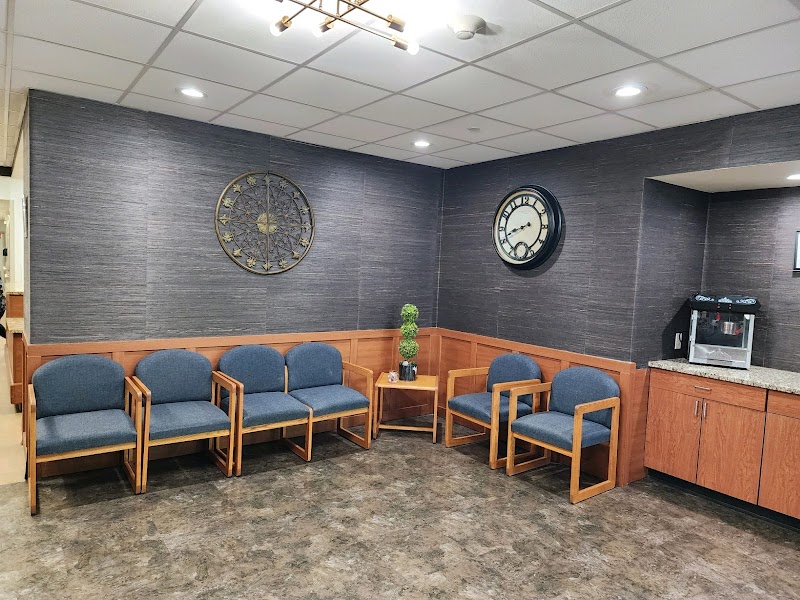
How Does Fairhaven Healthcare Center Compare to Other Massachusetts Nursing Homes?

Compared to the 100 nursing homes in Massachusetts, FAIRHAVEN HEALTHCARE CENTER's overall rating (2 stars) is below the state average of 2.9, staff turnover (37%) is near the state average of 46%, and health inspection rating (2 stars) is below the national benchmark.

What Should Families Ask When Visiting Fairhaven Healthcare Center?

Based on this facility's data, families visiting should ask: "Can I visit during a mealtime to observe dining assistance and food quality?" "How do you handle medical emergencies, and what is your hospital transfer rate?" "Can I speak with family members of current residents about their experience?"

Is Fairhaven Healthcare Center Safe?

Based on CMS inspection data, FAIRHAVEN HEALTHCARE CENTER has a clean safety record: no substantiated abuse findings (meaning no confirmed cases of resident harm), no Immediate Jeopardy citations (the most serious violation level indicating risk of serious injury or death), and is not on the Special Focus Facility watch list (a federal program monitoring the lowest-performing 1% of nursing homes). The facility has a 2-star overall rating and ranks #100 of 100 nursing homes in Massachusetts. While no facility is perfect, families should still ask about staff-to-resident ratios and recent inspection results during their visit.

Do Nurses at Fairhaven Healthcare Center Stick Around?

FAIRHAVEN HEALTHCARE CENTER has a staff turnover rate of 37%, which is about average for Massachusetts nursing homes (state average: 46%). Moderate turnover is common in nursing homes, but families should still ask about staff tenure and how the facility maintains care continuity when employees leave.

Was Fairhaven Healthcare Center Ever Fined?

FAIRHAVEN HEALTHCARE CENTER has been fined $15,030 across 1 penalty action. This is below the Massachusetts average of $33,229. While any fine indicates a compliance issue, fines under $50,000 are relatively common and typically reflect isolated problems that were subsequently corrected. Families should ask what specific issues led to these fines and confirm they've been resolved.

Is Fairhaven Healthcare Center on Any Federal Watch List?

FAIRHAVEN HEALTHCARE CENTER is not on any federal watch list. The most significant is the Special Focus Facility (SFF) program, which identifies the bottom 1% of nursing homes nationally based on persistent, serious quality problems. Not being on this list means the facility has avoided the pattern of deficiencies that triggers enhanced federal oversight. This is a positive indicator, though families should still review the facility's inspection history directly.