NORTHWOOD REHABILITATION & HEALTHCARE CENTER
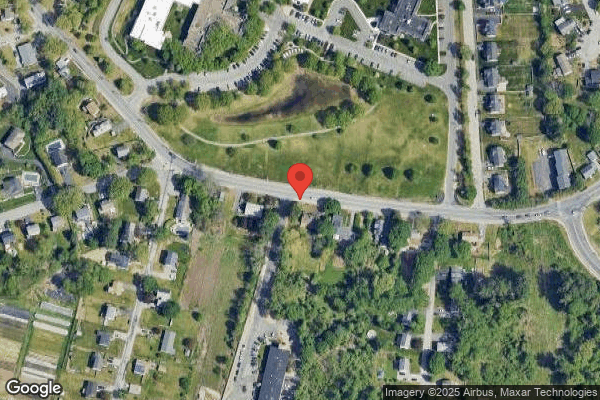
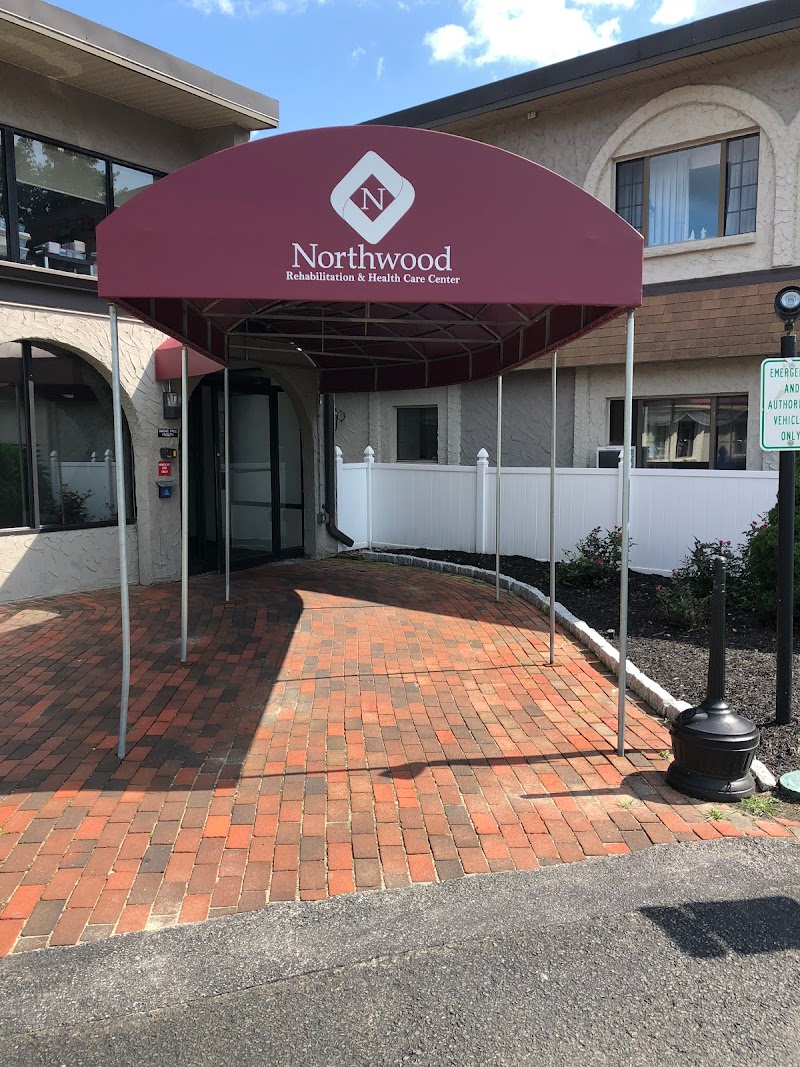
1010 VARNUM AVENUE, LOWELL, MA 01854 (978) 458-8773
For profit - Corporation 123 Beds ATHENA HEALTHCARE SYSTEMS Data: November 2025
Trust Grade
0/100
#303 of 338 in MA
Last Inspection: August 2024

Within standard 12-15 month inspection cycle. Federal law requires annual inspections.

Overview

Northwood Rehabilitation & Healthcare Center has received a Trust Grade of F, indicating significant concerns about the quality of care provided. Ranking #303 out of 338 facilities in Massachusetts and #64 out of 72 in Middlesex County places it in the bottom half of nursing homes, suggesting limited options for families looking for better alternatives. The facility's performance is worsening, with the number of issues increasing from 14 in 2023 to 19 in 2024. Although staffing turnover is relatively good at 26%, below the state average, the overall staffing rating is only 2 out of 5 stars, indicating below-average performance. The facility has also accumulated $165,780 in fines, which is higher than 91% of Massachusetts facilities, highlighting ongoing compliance problems. Specific incidents of concern include a failure to address significant weight loss in a resident and not following through with care plans for residents with pressure ulcers, which could lead to further health complications. Additionally, the facility did not implement recommendations for behavioral health services for a resident requiring psychiatric care. While there are some strengths, like lower staff turnover, the numerous serious issues and poor trust grade suggest that families should carefully consider their options when evaluating this facility.

Trust Score
F
0/100
In Massachusetts
#303/338
Bottom 11%
Safety Record
High Risk
Review needed
Inspections
Getting Worse
14 → 19 violations
Staff Stability
✓ Good
26% annual turnover. Excellent stability, 22 points below Massachusetts's 48% average. Staff who stay learn residents' needs.
Penalties
✓ Good
$165,780 in fines. Lower than most Massachusetts facilities. Relatively clean record.
Skilled Nurses
⚠ Watch
Each resident gets only 26 minutes of Registered Nurse (RN) attention daily — below average for Massachusetts. Fewer RN minutes means fewer trained eyes watching for problems.
Violations
⚠ Watch
56 deficiencies on record. Higher than average. Multiple issues found across inspections.
★☆☆☆☆
1.0
Overall Rating
★★☆☆☆
2.0
Staff Levels
★★★☆☆
3.0
Care Quality
★☆☆☆☆
1.0
Inspection Score
Stable
2023: 14 issues
2024: 19 issues

The Good

  • Low Staff Turnover (26%) · Staff stability means consistent care
  • Full Sprinkler Coverage · Fire safety systems throughout facility
  • No fines on record
  • Staff turnover is low (26%)

    22 points below Massachusetts average of 48%

Facility shows strength in staff retention, fire safety.

The Bad

1-Star Overall Rating

Below Massachusetts average (2.9)

Significant quality concerns identified by CMS

Federal Fines: $165,780

Well above median ($33,413)

Significant penalties indicating serious issues

Chain: ATHENA HEALTHCARE SYSTEMS

Part of a multi-facility chain

Ask about local staffing decisions and management

The Ugly 56 deficiencies on record

7 actual harm
Aug 2024 18 deficiencies 2 Harm
SERIOUS (G)

Actual Harm - a resident was hurt due to facility failures

Pressure Ulcer Prevention (Tag F0686)

A resident was harmed · This affected 1 resident

**NOTE- TERMS IN BRACKETS HAVE BEEN EDITED TO PROTECT CONFIDENTIALITY** Based on observations, record review and interviews the facility failed to ensure two Residents (#108 and #100) with pressure ul...

Read full inspector narrative →
**NOTE- TERMS IN BRACKETS HAVE BEEN EDITED TO PROTECT CONFIDENTIALITY** Based on observations, record review and interviews the facility failed to ensure two Residents (#108 and #100) with pressure ulcers receive care consistent with professional standards of practice to promote healing, prevent infection and prevent new ulcers from developing. Specifically, 1. For Resident #108 the facility failed to: 1a. Implement recommendations from the consultant wound physician and, 1b. Ensure air mattress settings were set according to the plan of care. 2. For Resident #100 the facility failed to implement recommendations from the consultant wound physician. Findings Include: Review of facility policy titled Consultant Services, dated as April 2015, indicated the following: -Policy: [The facility] will identify and facilitate consultant services to meet the resident's needs, to ensure optimum care for each resident/ patient through consultant services. - Procedure: The charge nurse will then notify the attending physician of findings and he/she can then order the specific treatments as outlined by the consultant. Review of facility policy titled Prevention and Management of Pressure Injuries, undated, indicated the following: -Standard: the facility is dedicated to preventing pressure injuries and to developing a preventive plan of care based on individual needs. Residents receive the care and services they need according to established practice guidelines, so that residents who enter the facility without a pressure injury do not develop one unless the individuals clinical condition demonstrates that they were unavoidable. The necessary treatment and services will be provided to promote healing, prevent infection and prevent new pressure injuries from developing. -Policy: Residents with pressure injuries and those at risk for skin breakdown are identified, assessed, and provided appropriate treatment to encourage heeling and/or maintenance of skin integrity. Care plans are developed based on individual resident's goals and decisions for treatment. Ongoing monitoring and evaluation are provided to ensure optimal resident outcomes. -Protocol -Assessment: 2. The resident is assessed for pressure injury risk factors. -The Resident's skin is observed daily with care 4. Residents will have a weekly body audit completed by the licensed staff. Review of facility policy titled Pressure Injury/ Non-Pressure Wound Risk Management, undated, indicated the following: -Those residents who score at risk on the Braden or Norton Scale, or those identified to be at risk through comprehensive assessment or who have actual skin impairment are provided with care to address their individual risk factors and goals of treatment. -Procedure: Determine cause of pressure and remove the causative agent if possible. Interventions may include: 2. Provide appropriate pressure redistributing devices to beds and wheelchairs. 3. Heels are extremely vulnerable and must be elevated completely off the bed and /or chair surface. Residents identified at risk will have an order in place to offload heels. 1. Resident #108 was admitted to the facility in May 2024 with diagnoses that include acute metabolic acidosis and protein- calorie malnutrition. Review of Resident #108's most recent Minimum Data Set (MDS) Assessment, dated 6/7/24, indicates a Brief Interview for Mental Status (BIMS) score of 9 out of a possible 15, indicating the Resident has moderate cognitive impairment. The MDS further indicates that the resident has no pressure ulcer or injuries but is at risk for developing pressure ulcers or injuries. The MDS indicates that Resident #108 has no diabetic foot ulcers or other open lesions on the foot. Further the MDS indicates that Resident #108 requires substantial/ maximal assistance for activities of daily living (ADLs) On 8/26/24 at 9:22 A.M., Resident #108 was observed lying in bed, an air mattress was in use. Resident #108 said he has a sore on his/her right heel that developed at the facility. His/her heels were directly on the mattress. Review of Weekly skin Audit, dated 6/1/24 indicated the following: -Indicate type of audit: Admission/ Readmission -Are there any skin impairments: No Review of Resident #108's Norton Assessment (an assessment tool used to determine risk for development of pressure ulcers), dated 6/1/24 indicated a score of 8, indicating that Resident #108 is at high risk of developing pressure ulcers. Review of the progress notes indicated the following: -A nursing progress note dated 6/30/24 indicated but was not limited to, Pt [patient] has blister on his/her right heel. -A second nursing progress note dated 6/30/24 indicated that the Resident was Noted to have a blister to right heel, area is blanchable. Measures 2.0 centimeters (cm) length, 3.0 cm, zero depth noted, no drainage. An Interim Skin Audit with an effective date of 6/30/24 indicated the following: -Are there pre-existing skin impairments? No. -Are there any new skin impairments? Yes. -If yes, indicate type(s): New suspected pressure ulcer/ deep tissue injury (DTI) indicated as being located on the right heel. A Pressure Injury Evaluation with an effective date of 6/30/24 indicated Resident #108 has an unstageable deep tissue injury (DTI)to the right heel with a date of origin of 6/30/24. Review of Resident #108's active care plan indicated the following: -A care plan dated as initiated on 7/10/24, ten days after the right heel ulcer was noted, which indicated the resident has potential alteration in skin integrity related to decreased/ impaired mobility or function, friction, nutrition, risk assessment, shearing (sic) with interventions including apply heel protectors posey Xlg Rx (extra-large prescribed) (sic) as ordered with skin prep. -A care plan dated as initiated on 8/13/24, forty-four days after the right heel ulcer was noted, which indicated actual alteration in skin integrity related to decreased mobility, DTI unstageable to right heel with interventions that included to follow physician's orders for skin care and treatments. 1a. On 8/26/24 at 9:22 A.M., Resident #108 was observed by the surveyor lying on his/her back in bed, an air mattress was in place, and the Resident's heels were noted to be directly on the mattress. On 8/27/24 at 10:13 A.M., the surveyor observed a nurse and a certified nurse's assistant (CNA) place a pillow under the Resident #108's knees, leaving bilateral heels to fall directly on the mattress. On 8/28/24 at 10:13 A.M., Resident #108 was observed lying in bed with his/her heels directly on the mattress. An off-loading boot was observed in the corner of the room in a chair, not in use. On 8/28/24 at 4:00 P.M., Resident #108 was observed lying in bed, sleeping with bilateral heels directly on the mattress. On 8/29/24 at 6:50 A.M., Resident #108 was observed lying in bed on his/her back with bilateral heels directly on the mattress. Review of Resident #108's medical record indicated that a consultant wound physician assessed the Resident on 7/9/24 for an initial evaluation. The progress note indicated that the resident presented with wounds on his/her left posterior heel, right posterior heel. Both areas were classified as unstageable DTIs. Recommendations for treatment included skin prep to bilateral heels every shift, off-load wound, float heels in bed: 2 pillows under the ankle; pressure off-loading boot. Review of Resident #108's July 2024 Treatment Administration Record (TAR) indicated that skin prep was initiated to bilateral heels once daily on 6/27/24 and failed to indicate that the frequency was increased to every shift as recommended by the consultant wound physician. The July 2024 TAR also indicated that an order to off load heels every shift was initiated on 6/26/24 but failed to indicate that a pressure off-loading boot was initiated as per the consultant wound physician's recommendations. Review of the consultant wound physician's progress note, dated 7/23/24, indicated that the left heel DTI had resolved, and that the right heel continues to be evaluated as an unstageable DTI. The recommendations for treatment of the right heel were skin prep to right heel every shift (3 times daily), off-load wound, float heels in bed; pressure off-loading boot. Review of Resident #108's July 2024 TAR indicated that skin prep was discontinued on 7/23/24 to bilateral heels, and an order was put into place for skin prep to the right heel daily on 7/24/24. Review of the July 2024 TAR failed to indicate that skin prep had been ordered as recommended every shift (3 times daily) or that a pressure- off loading boot was initiated. Review of the consultant wound physician progress note, dated 8/6/24, indicated that the right heel had a full thickness, stage 3 pressure wound. The wound size was documented as 0.5 cm x 0.5 cm with no measurable depth. Treatment recommendations made included Alginate Calcium, apply once daily for 30 days, cover with a gauze island dressing once daily, off-load wound, float heels in bed: pressure off-loading boot. Review of Resident #108's August 2024 TAR failed to indicate that the recommendations for Alginate Calcium and pressure off-loading boot were put into place. The treatment order for the right heel remained as skin prep once daily. Review of the consultant wound physician progress note, dated 8/13/24, indicated a right heel wound size of 1.0 cm x 1.0 cm with no measurable depth. Treatment recommendations made included hydrocolloid sheet (thin). apply three times per week for 30 days, off-load wound, float heels in bed: pressure off-loading boot. Review of Resident #108's August 2024 TAR indicated that until 8/16/24 the treatment to the right heel was skin prep once daily and that the treatment recommendations for hydrocolloid sheet were not put into place until 8/17/24, four days after the recommendation was made. The August 2024 TAR also failed to indicate that an off-loading boot was put into place. Review of the consultant wound physician progress note, dated 8/20/24 indicated a right heel wound size of 1.0 cm x 1.0 cm x 0.1 cm depth. Recommendations to continue the same treatment were made. Review of the consultant wound physician progress note, dated 8/30/24, indicated a right heel full thickness stage 3 pressure wound that measured 1.0 cm x 1.0 cm x 0.1 cm depth. Wound progress was documented as not at goal. Recommendations were made to change treatment to Alginate calcium once daily x 30 days, then wrap with gauze (kerlix). Recommendations remain to float heels in bed, pressure off- loading boot. During an interview on 8/27/24 at 12:47 P.M., Nurse #3 said that when recommendations are made from the consultant wound physician, they should be communicated to the Nurse Practitioner and put into place. During an interview on 8/29/24 at 10:46 A.M., the Director of Nurses (DON) said that a nurse from the facility rounds every week with the consultant wound physician, and that nurse is responsible for communicating and implementing those recommendations. The DON said that consultant wound physician recommendations should be implemented within 24 hours and not implementing recommendations could contribute to worsening of a pressure area. During an interview on 8/29/24 at 3:00 P.M., the consultant wound physician said that the facility should elevate heels with the use of an off-loading boot as recommended. He said there have been several times that he has noticed heels are not being off-loaded appropriately. The consultant wound physician said he would expect that his recommendations be put into place. 1b. On 8/26/24 at 9:22 A.M., Resident #108 was observed lying in bed on his/her back on an air mattress that was set at 250. On 8/28/24 at 10:13 A.M., and 2:07 P.M., Resident #108 was observed lying in bed on his/her back on an air mattress that was set at 250. On 8/29/24 at 6:50 A.M., Resident #108 was observed sleeping in bed on his/her back on an air mattress that was set at 250. On 8/29/24 at 10:27 A.M., a nurse was in Resident #108's room completing a wound dressing change. The nurse exited the room and the Resident remained in bed, lying on an air mattress that was set on 250. Review of physician's orders failed to indicate an order for an air mattress. Review of Resident #108's active care plan dated as initiated on 8/13/24 indicated that the Resident has a DTI unstageable to right heel with interventions that included specialty air mattress setting 140 (sic). Review of Resident #108's current weight indicated that on 8/1/24 he/she weighed 141.6 pounds. During an interview on 8/29/24 at 10:46 A.M., the Director of Nurses (DON) said there should be a physician's order for the air mattress, and that it should be set at or around the resident's weight. She said the air mattress should be set at around 140. If the mattress is set too high, it could be a safety issue, and would be ineffective as a pressure relieving mattress. During an interview on 8/29/24 at 3:00 P.M., the consultant wound physician said it is inappropriate to over inflate an air mattress, and it becomes more like a regular mattress. Overinflating the mattress has the potential to cause worsening of the wound.2. Resident #100 was admitted to the facility in August 2023 with diagnoses including heart failure and muscle weakness. Review of Resident #100's most recent Minimum Data Set (MDS) dated [DATE], indicated the Resident had a Brief Interview for Mental Status (BIMS) score of 15 out of a possible 15, which indicated he/she had intact cognition. The MDS also indicated Resident #100 required maximal assistance from staff for bed mobility tasks. Review of the Wound Evaluation & Summary Management note dated 8/20/24, indicated Resident #100 has a pressure wound to his/her left posterior heel for over 210 days and the wound is not at goal. On 8/26/24 at 9:55 A.M., Resident #100 was observed lying in bed with both heels lying directly on the mattress. During this observation, Resident #100 said he/she has a wound on his/her left heel. On 8/27/24 at 7:10 A.M., Resident #100 was observed lying in bed with both heels lying directly on the mattress. On 8/28/24 at 8:26 A.M., Resident #100 was observed lying in bed with both heels lying directly on the mattress. Review of Resident #100's physician orders indicated the following order: -Offload heels every shift as tolerated, initiated 7/28/24. Review of the Wound physician notes dated 7/23/24, 7/30/24, 8/6/24, 8/13/24 and 8/20/24 -Pressure off-loading boot, Prevalon (a pressure relieving positioning boot), float heels in bed, off-load wound. Review of Resident #100's skin integrity care plan, last revised 7/24/24, indicated the following interventions: -Follow MD (physician) orders for skin care and treatments, -Provide positioning intervention as indicated on impaired functional mobility care plan. During an interview on 8/27/24 at 10:55 A.M., Resident #100 said he/she used to have a boot for his/her left heel but has not had one in months. On 8/28/24 at 8:41 A.M., Resident #100 was observed lying in bed with both heels directly on the mattress and not offloaded from pressure. During an interview on 8/27/24 at 11:01 A.M., Certified Nursing Assistant #1 said Resident #100 has protective socks but does not need to elevate his/her heels while in bed. During an interview on 8/27/24 at 11:09 A.M., Nurse #2 said Resident #100 has a wound on his/her left heel and should be offloaded from pressure at all times when lying in bed. Nurse #2 said the Resident does not have a prevalon boot. During an interview on 8/28/4 at 8:54 A.M., Nurse #7 said Resident #100 has had a wound on his/her left heel for several months and is treated by the wound doctor every week. Nurse #7 said Resident #100 should be offloading his/her heels while in bed and his/her heels should never be directly on the bed. Nurse #7 said Resident #100 does not have a prevalon boot. During an interview on 8/28/24 at 9:56 A.M., the Director of Nursing said nursing is responsible for making sure all recommendations from the wound doctor are transcribed over and followed. The Director of Nursing said all wound recommendations are expected to be followed.
SERIOUS (G)

Actual Harm - a resident was hurt due to facility failures

Deficiency F0740 (Tag F0740)

A resident was harmed · This affected 1 resident

**NOTE- TERMS IN BRACKETS HAVE BEEN EDITED TO PROTECT CONFIDENTIALITY** Based on observations, record review and interviews, the facility failed to provide behavioral health services by a) ensuring re...

Read full inspector narrative →
**NOTE- TERMS IN BRACKETS HAVE BEEN EDITED TO PROTECT CONFIDENTIALITY** Based on observations, record review and interviews, the facility failed to provide behavioral health services by a) ensuring recommendations from the Psychiatric Nurse Practitioner were implemented and b) psychotropic medications were provided as ordered for one Resident (#80) out of a total sample of 30 residents. Findings include: Review of the facility policy titled, Psychotropic Medication Management, dated April 2015, indicated the following: -Administer medications as directed by the physician and manufacturer. -Monitor target behaviors daily for antipsychotics, antidepressants and anxiolytics using behavior monitoring tool. -Review the care plan with IDT (interdisciplinary team) when a resident is admitted on psychoactive medications, quarterly, annually and as needed for changes in resident status and revise as necessary. -Review should include verification that adequate indications for use of the psychotropic medication exist, the medications are note being used for extended duration, and residents are free from duplicate therapy and being monitored for adverse consequences, per current professional standards of practice and in accordance with Federal and State guidelines. Review of the policy titled, Consultant Services, sated April 2015, indicated the following: -A note should be recorded on the consultation form by any health care consultant who sees the resident/patient at the request of the MD of family. The consultant should document findings and recommendations on this form. -The charge nurse will then notify the attending physician of findings and he/she can then order the specific treatments as outlined by the consultant. Resident #80 was admitted to the facility in June 2024 with diagnoses including Alzheimer's Disease, major depression, unspecified dementia with other behavioral disturbance. Review of Resident #80's most recent Minimum Data Set (MDS) dated [DATE], indicated the Resident had severe cognitive impairment with a score of 0 out of a possible 15 on the Brief Interview for Mental Status. The MDS also indicated Resident #80 required partial assistance with all functional daily tasks. Throughout the survey, Resident #80 was observed pacing throughout the C Unit and was unable to be redirected by staff. During the survey period, Resident #80 sustained two falls and was involved in a resident-to-resident altercation. Review of the Documentation Survey Report for the months of June, July and August, indicated Resident #80 displayed behaviors daily, however, did not specify the type of behaviors. Review of the admitting Nurse Practitioner note written on 6/5/24 indicated the following: -Resident #80 was admitted to the facility with a preexisting prescription for Risperidone (an antipsychotic medication) and Trazadone (a mood stabilizer) and the plan was to continue both medications. -Resident #80 was cooperative with exam upon admission. At time of admission, the following orders were initiated for Resident #80: -Psych consult as indicated. -Risperidone 0.25 mg (milligrams) oral tablet, every 24 hours PRN (as needed). -Risperidone 0.25 mg BID (twice a day). -Trazadone 50 mg at bedtime. a. Review of Resident #80's nursing notes, six weeks after admission indicated the following: -6/23/24: Patient had episodes of increased agitation with physical aggression towards staff. Banging on the table and throwing stuff off the nurse's station counter, redirected multiple times and Risperidone utilized as needed with no effect. -6/28/24: Patient is having increased behaviors, agitation, intrusive yelling and aggression. -6/30/24: Resident walked through halls all day and had to be redirected. -7/3/24: resident continue with increased agitation and aggressive behavior towards staff and other residents. Resident not redirectable, PRN risperidone administered in the AM with no effects. -7/3/24: Patient continued to exhibit increased behaviors, with physical aggression towards staff and attempting to hit other residents. New order to increased risperidone. 7/4/24: patient has not slept in days. Increased confusion, restlessness, agitation and aggression towards staff and residents. Patient refusing to take medications. The nurse received doctor ordered to send resident out to ER, nurse complied. 7/4/24: patient returned from (hospital) with recommendations to increase Risperdal to 1 mg (milligram) at HS (night) and .5 mg in am and .5 mg as needed for agitation. 7/6/24: Resident alert, (he/she) has been up all night and refused to take medication. (He/she Was very aggressive and agitated, going from room to room uncovering residents who are sleeping this shift. (He/she) Was very difficult to redirect. Roommate was very upset and not happy because (he/she) kept going to her, screaming, yelling at her and calling her names. 7/6/24: Resident #80 had hit his/her roommate and was being sent out to the hospital for a psychiatric evaluation. 7/8/24: a psych consult was requested for Resident #80. Review of Resident #80's medical record indicated he/she was first evaluated by the behavioral health team on 7/11/24, six weeks after the Resident's admission, over two weeks after his/her first behaviors presented and over a week after the Resident had been aggressive towards staff and residents. Review of the behavioral health note indicated the following: - Problem: 86 YO (year old) new to this clinician, here for LTC (long term care) as family was no longer able to care for (him/her) at home. (He/she) has a psych hx (history) of dementia with ETOH (alcohol) abuse, MDD (major depressive disorder), agitation, aggression, and psychosis. Seen per staff request for initial assessment and due to significant mood and behavioral disturbance. Staff report resident has been highly irritable, agitated, restless, delusional and aggressive at times since admission and has had to be sent out on multiple occasions. (He/she) Has had multiple evaluations by the crisis team in the ER and they have been upward titrating (his/ her) Risperdal with some benefit. Staff report (he/she) is now being less aggressive but remains highly restless and intrusive and can be difficult to redirect at times. -Plan/recommendations: Remeron (a mood stabilizer), recommend trialing resident on Remeron 7.5 MG (milligrams) PO (by mouth) daily at bedtime to help with mood and appetite. Review of the nursing note from 7/11/24 indicated Resident #80 was seen by the Psychiatric Nurse Practitioner, however, failed to indicate the recommendation for the initiation of Remeron was relayed to the Physician. Review of the Medication Administration Record for July and August 2024 failed to indicate Remeron was initiated. Review of the Physician note dated 7/26/24, failed to indicate the physician was aware of this recommendation. Review of the nursing notes from July and August 2024 indicated the following: -7/15/24: Continues to have increased anxiety and aggression. (He/she) was wandering the hallway at about 7PM, (he/she) slapped a staff's hand who was sitting there documenting. -7/20/24: Resident #80 refused all day time medications. -8/2/24: Resident was observed pulling on another resident's hair by staff .Social worker made aware and working on section 12 (involuntary transportation to hospital for evaluation of mental health). Resident #80 returned to the facility the same day, on 8/2/24. Resident #80 was seen by the Psychiatric Nurse Practitioner again on 8/16/24, 2 weeks after the Resident was sectioned 12'd to the hospital for being a danger to self or others. Review of the Psychiatric Nurse Practitioner indicated the following: -Chief complaint: Pt (patient) pacing around unit, agitation, aggression, and refusing medications. Target symptoms: aggression. agitation, anxiety and paranoia. -Clinical assessment: Patient pacing in (his/her) room and unit, patient with agitation, and at times moving fast, restless, having racing thoughts, and refusing medications. Aggressive, poor concentration, poor judgement, aggressive behaviors. No s/sx (signs or symptoms) of SI (Suicide Ideation). Recommending to start Ativan (an anti-anxiety medication) 0.5mg as follows: give 1 tab by mouth twice a day prn for anxiety/agitation. -Plan/recommendation: Notify of any changes or concerns. Continue to monitor. Recommendation to start new medication(s). Recommending start Ativan as follows: 0.5mg as follows: give 1 tab by mouth twice a day prn for anxiety/agitation. Recommending to start Depakote (mood stabilizer) 125 mg twice a day r/t (due to) psychotic disorder with delusions due to known physiological condition. Review of the nursing note on 8/16/24 failed to indicate these recommendations were reported to the physician. Review of the Medication Administration Record for August 2024, failed to indicate Ativan or Depakote were ever initiated. Review of the Physician note dated 8/20/24 failed to indicate the physician was made aware of these recommendations. The surveyor attempted to call the physician and his office said he was unavailable for the week. Review of Resident #80's psychotropic medication care plan, last revised 7/2/24, indicated the following intervention: -investigate/monitor need for psychological/psychiatric support provide services as ordered by the physician. During an interview on 8/29/24 at 9:37 A.M., Nurse Practitioner #1 said all recommendations from behavioral health are sent to her by nursing for her to approve. Nurse Practitioner #1 said she was not aware of the Remeron recommendation in July and approved the recommendation for Ativan and Depakote in August but was never aware the medications had not been given. During an interview on 8/29/24 at 9:45 A.M., Nurse #6 said Resident #80 displays a lot of behaviors. Nurse #6 said behavioral health services are at the facility weekly, however, Resident #80 has only been seen twice since admission. Nurse #6 said she feels Resident #80 would have benefitted from being seen more often. Nurse #6 said recommendations from behavioral health are given to nurse who then sends them over to the physician. Nurse #6 said Resident #80's family was never contacted to sign the consent for use of Remeron which is why the Resident was never started on that medication. Nurse #6 said she was also aware of the recommendation to start Ativan and Depakote, however, never followed up to see if the doctor approved and should start them. During an interview on 8/29/24 at 9:55 A.M., Social Worker #1 and the Director of Social Services both said Resident #80 exhibits behaviors often and his/her behavior is pretty significant. Both said behavioral health is in the building weekly but Resident #80 was only seen once a month because of billing and should have been seen more frequently. During an interview on 8/29/24 at 10:59 A.M., Corporate Nurse #1 said she would expect Resident #80 to have been seen by behavioral services after every resident-to-resident incident and when the Resident presented with increased behaviors. During an interview on 8/29/24 at 10:23 A.M., the Director of Nursing (DON) said behavioral services are in the building at least once a week and residents are seen on an as needed basis. The DON said behavioral health services should evaluate/treat a resident who is experiencing increased behaviors and who are involved in resident-to-resident incidents with each increase of behavior or incident. The DON said Resident #80 should have been seen more regularly by the behavioral health team. The DON said if the Psychiatric Nurse Practitioner makes recommendations, the nurses are expected to notify the physician so they can be implemented if he agrees. The DON was unaware of the recommendations made and that they were never followed through. During an interview on 8/29/24 at 2:14 P.M., the Psychiatric Nurse Practitioner said all recommendations are given to nursing and it is expected that the nursing staff report these recommendations to the physician and follow through with them. The Psychiatric Nurse said she was unaware that the three recommendations made were never followed up with and that Resident #80 should have been seen more frequently due to his/her behaviors/presentation. b. Review of the Medication Administration Report for June, indicated Resident #80 was prescribed the following psychotropic medications: -Trazadone oral tablet, 50mg. Give one tablet at bedtime related to major depressive disorder, initiated on 6/5/24 -Risperidone oral tablet 0.5mg. Give 1 tablet by mouth two times a day related to major depressive disorder, initiated on 6/5/24. --Risperidone oral tablet .25mg. Give one tablet by mouth every 24 hours as needed for anxiety, initiated on 6/5/24 Review of the Medication Administration Report for July, indicated Resident #80 was prescribed the following psychotropic medications: -Risperidone oral tablet 0.5 mg. Give 1 tablet two times a day related to major depressive disorder, initiated on 6/5/24 and discontinued on 7/4/24. -Risperidone oral tablet. Give .5mg by mouth three times a day related to Alzheimer's Disease, initiated, and discontinued on 7/4/24. -Risperidone oral tablet 0.5 mg by mouth one time a day related to Alzheimer's Disease, initiated on 7/5/24 and discontinued on 7/8/24. -Risperidone oral tablet 1 mg. Give 1 tablet by mouth in the evening related to unspecified dementia, initiated on 7/5/24 and discontinued on 7/16/24. -Risperidone oral tablet 0.5 mg. Give 1 tablet by mouth at bedtime for increased behavior, initiated 7/15/24 and discontinued 7/24/24. -Risperidone oral tablet 1 mg. Give 1 mg by mouth one time a day for increased behavior, initiated 7/16/24 and discontinued 7/24/24. -Risperidone oral tablet 0.5 mg. Give 1 tablet at bedtime for increased behavior, initiated on 7/24/24 -Risperidone oral tablet 1 mg. Give 1mg by mouth one time a day for increased behavior, initiated 7/25/24. -Risperidone oral tablet 0.25mg. Give one tablet by mouth every 24 hours as needed for anxiety, initiated on 6/5/24 and discontinued on 7/5/24. -Risperidone oral tablet 0.5mg. Give one tablet by mouth every 8 hours as needed for behaviors related to unspecified dementia, initiated 7/5/24. -Risperidone oral tablet. Give 0.5mg by mouth every 8 hours as needed for increased agitation related to major depressive disorder, initiated 7/3/24 and discontinued 7/9/24. -Trazadone 50 mg. Give 1 tablet by mouth at bedtime related to major depressive disorder, initiated 6/5/24 and discontinued on 7/4/24. -Trazadone 50 mg. Give 1 tablet by mouth at bedtime related to major depressive disorder, initiated on 7/25/24. -Trazadone 50 mg. Give 1 tablet by mouth in the afternoon related to major depressive disorder, initiated on 7/23/24. Review of the Psychiatric Nurse Practitioner and Physician notes failed to indicate a recommendation to stop Resident #80's Trazadone on 7/4/24, and he/she was without the mood stabilizer for 20 days. Throughout this time period, there were several nursing notes indicating Resident #80 had increased anxiety and agitation and had several occasions of refusing his/her medications. In addition, there was no indication for a recommendation to start the second dose of Trazadone on 7/25/24 when the medication was reintroduced on 7/23/24. Further review indicated that Resident #80's went 6 days (from 7/9/24 to 7/14/24) with only a one-time dose of the antipsychotic Risperidone, with no indication of that dose reduction being recommended by the Physician or nurse Practitioner. On 7/15/24, after 6 days without the second dose of antipsychotic medication, Resident #80 was physically aggressive towards a staff member. Review of the Medication Administration Report for August, indicated Resident #80 was prescribed the following psychotropic medications: -Risperidone oral tablet 0.5 mg. Give one tablet by mouth at bedtime for increased behavior, initiated on 7/24/24 and discontinued on 8/6/24. -Risperidone oral tablet 1 mg. Give 1 mg by mouth one time a day for increased behavior, initiated on 7/25/24 and discontinued on 8/6/24. -Trazadone 50 mg. Give 1 tablet by mouth at bedtime related to major depressive disorder, initiated 7/25/24 and discontinued 8/20/24. -Trazadone 50 mg. Give 1 tablet by mouth in the afternoon related to major depressive disorder, initiated 7/23/24 and discontinued 8/20/24. -Trazadone 50 mg. Give 1 tablet by mouth three times a day for increased agitation related to dementia, initiated on 8/20/24. -Trazadone 50 mg. Give 1 tablet by mouth every 8 hours as needed for increased agitation, initiated on 8/20/24 and discontinued on 8/21/24. -Trazadone 50 mg. Give 1 tablet by mouth every 8 hours as needed for increased agitation for 14 days, initiated on 8/21/24. Review of the Psychiatric Nurse Practitioner and Physician notes failed to indicate a recommendation to stop Resident #80's Risperidone on 8/6/24 and he/she has been without the antipsychotic medication since, a total of 23 days. Review of the physician note dated 8/20/24 indicated the following: -The patient does have a history of dementia with behavioral disturbance. The patient is currntly on Risperdal 1 mg p.o.q.a.m. (by mouth every morning) and .5mg p.o.h.s.p.r.n. (by mouth every day as needed), although this was scheduled through 8/6/24. It is unclear if this has been continued. Review of Resident #80's psychotropic medication care plan, last revised 7/2/24, indicated the following intervention: -Administer medication as prescribed by the physician. Review of Resident #80's behavioral care plan, last revised 7/19/24, indicated the following intervention: -Administer medications as ordered and monitor for effectiveness. Document resident's medication effects and notify MD/NP if behavior escalates. The surveyor attempted to call the physician and his office said he was unavailable for the week. During an interview on 8/29/24 at 9:37 A.M., Nurse Practitioner #1 said she was unaware Resident #80's Trazadone and Risperidone had been stopped and did not know why that would have happened. Nurse Practitioner said all medication changes should be approved by the physician. During a follow-up interview on 8/29/24 at 1:07 P.M., Nurse Practitioner #1 said the side effects of stopping an antipsychotic abruptly without tapering would be increased behaviors which Resident #80 has been exhibiting. Nurse Practitioner said the abrupt stopping without authorization from the medical team can be harmful to the Resident. During an interview on 8/29/24 at 9:45 A.M., Nurse #6 said she was aware there was a period Resident #80 was not on any psychotropic medication and was unsure of the reason. During an interview on 8/29/24 at 10:23 A.M., the Director of Nursing (DON) said she was unaware of both the Trazadone and Risperidone being discontinued and could not explain how or why this occurred. The DON said there are possible side effects of stopping psychotropic medications without a taper, which would include instability, shakes, increased agitation and confusion, and general symptoms of withdrawal. During an interview on 8/29/24 at 10:59 A.M., Corporate Nurse #1 said she would expect Resident #80 to have been seen by behavioral services after every resident-to-resident incident and when the Resident presented with increased behaviors. Corporate Nurse #1 said she would expect the interdisciplinary team to discuss every incident, including a medication review and the stopping of Resident #80's Risperidone and Trazadone should have been caught by the team. Corporate Nurse #1 said stopping antipsychotic medications abruptly would create increased symptoms. Corporate Nurse #1 said the facility had recently completed education on psychotropic medications and she believes a nurse put an end date on all psychotropic medications without speaking with the doctor. Corporate Nurse #1 said the facility went through all the medication orders to ensure this end date was deleted, however the end date of Resident #80's Risperidone must have been missed. During an interview on 8/29/24 at 2:14 P.M., the Psychiatric Nurse Practitioner said she was unaware that Resident #80's medication had been stopped and said this could have caused harm to the Resident causing increased behaviors, instability and a fast increasing of symptoms.
CONCERN (D)

Potential for Harm - no one hurt, but risky conditions existed

Deficiency F0552 (Tag F0552)

Could have caused harm · This affected 1 resident

**NOTE- TERMS IN BRACKETS HAVE BEEN EDITED TO PROTECT CONFIDENTIALITY** 2. Resident #98 was admitted to the facility in April 2023 with diagnoses including metabolic encephalopathy, bipolar disorder, ...

Read full inspector narrative →
**NOTE- TERMS IN BRACKETS HAVE BEEN EDITED TO PROTECT CONFIDENTIALITY** 2. Resident #98 was admitted to the facility in April 2023 with diagnoses including metabolic encephalopathy, bipolar disorder, and Post Traumatic Stress Disorder (PTSD). Review of the most recent Minimum Data Set (MDS) dated [DATE], indicated he/she had severe cognitive impairments. Further review of the MDS indicated he/she required substantial/maximal to dependent assistance from staff for activities of daily living (ADLs). Review of Resident #98's physician orders, dated 3/5/24, indicated: Lorazepam Oral Concentrate 2 MG/ML, Give 1 ml by mouth every 6 hours as needed for anxiety. Review of Resident #98's physician order, dated 3/27/24, indicated: Mirtazapine Oral Tablet 45 MG, Give 0.5 tablet by mouth in the evening related to major depressive disorder recurrent, unspecified. Review of Resident #98's August Medication Administration Record (MAR) indicated his/her Mirtazapine was administered daily from 8/1/24 to 8/28/24. Review of Resident #98's March Medication Administration Record (MAR) indicated his/her Lorazepam was administered on 3/6/24 and 3/9/24. Review of Resident #98's medical record failed to indicate that a psychotropic consent was obtained for Lorazepam and Mirtazapine. During an interview on 8/28/24 at 10:07 A.M., Nurse #10 said psychotropic medication consents are obtained on admission and yearly. During an interview on 8/28/24 at 10:36 A.M., the Director of Nursing said psychotropic consents should be signed on admission, annually and if a new psychotropic medication is started. Based on record review and interview the facility failed to obtain informed consent for the administration of psychotropic medication for two Residents (#80 and #98) out of a total sample of 30 residents. Findings include: The facility policy titled Psychotropic Medication Informed Consent-Massachusetts Only, dated February 2016, indicated the following: -Prior to administering psychotropic medication , the facility shall obtain the informed consent of the resident, the resident's health care proxy or the resident's guardian. 1. Resident #80 was admitted to the facility June 2024 and has diagnoses that include Alzheimer's disease and Major Depressive Disorder. Review of the most recent Minimum Data Set (MDS) assessment, dated 6/12/24, indicated that on the Brief Interview for Mental Status exam Resident #80 scored a 0 out of a possible 15, indicating severely impaired cognition. Review of the record indicated the following: -A Health Care Proxy was on file however the Physician had not yet invoked the HCP. -A consent for the psychotropic medication Trazadone, dose range 0-600 mg (milligrams), signed by Resident #80's designated Health Care Proxy (HCP) on 6/05/24. Review of the clinical record failed to indicate Resident #80 consented to the administration of Trazadone or had deferred to his/her HCP to sign for him/her. During an interview on 8/29/24 at 8:18 A.M., Nurse #6 said the following: -If a Resident is their own person and their HCP has not been invoked by the Physician then they should sign their own consents, including consents for psychotropic medication. During an interview on 8/29/24 at 9:37 A.M., with the Director of Nursing (DON) said: -Resident #80's HCP is not activated until the Physician completes the HCP activation form and writes an order to invoke the HCP. -Until the HCP is activated a Resident should sign their own consents.
CONCERN (D)

Potential for Harm - no one hurt, but risky conditions existed

Notification of Changes (Tag F0580)

Could have caused harm · This affected 1 resident

Based on observation, record review and interview, the facility failed to notify a physician or provider of a Continuous Positive Airway Pressure (CPAP) machine that was not functioning and was unable...

Read full inspector narrative →
Based on observation, record review and interview, the facility failed to notify a physician or provider of a Continuous Positive Airway Pressure (CPAP) machine that was not functioning and was unable to be implemented as per the Resident's plan of care for one Resident (#26) out of a total sample of 30 residents. Findings Include: Review of facility policy titled Condition: Significant Change, dated April 2025, indicated the following: -Staff will communicate with the physician, resident/ patient, and family regarding changes in condition to provide timely communication of resident/ patient status change which is essential to quality care management. -This notification should be documented in the clinical record. Resident #26 was admitted to the facility in May 2023 with diagnoses that include chronic obstructive pulmonary disease (COPD), acute respiratory failure with hypoxia and obstructive sleep apnea. Review of Resident #26's most recent Minimum Data Set (MDS) Assessment, dated 5/22/24 indicated a Brief Interview for Mental Status (BIMS) score of 15 out of 15, indicating that the Resident is cognitively intact. The MDS also indicated that the Resident uses non- invasive ventilation and oxygen therapy. On 8/26/24 at 9:48 A.M., Resident #26 was observed sitting up in his/her wheelchair utilizing oxygen. Resident #26 said that he/she was tired and has been waking up often at night because his/her CPAP machine was not functioning. He/she said it was last functioning on 8/18/24. He/she said he/she has been waking up and not feeling well rested, and at times falling asleep in his/her wheelchair. The CPAP machine was observed with an error code, System fault, refer to user guide, Error 006. Resident #26 said he/she was waiting for the facility to get a replacement CPAP machine. On 8/26/24 at 2:33 P.M., the surveyor observed Resident #26's CPAP machine with the error code, System fault, refer to user guide, Error 006. The surveyor asked the Resident if he/she was managing the process to obtain a new CPAP machine or if the facility staff were facilitating it. He/she said that the facility was supposed to be ordering a new CPAP machine, and that the Assistant Director of Nurses (ADON) said she was working on it. On 8/27/24 at 8:36 A.M., Resident #26 was up in his/her wheelchair eating breakfast. He/she said they did not have their CPAP machine last night and had a restless night sleep without it. He/she said no one has followed up with him/her yet about the new machine and said, my sleep is suffering without it. The error code remains on the CPAP machine. On 8/28/24 at 10:19 A.M., Resident #26 is in his/her room. The error message remains on the CPAP machine and Resident #26 said he/she has not yet been provided a new CPAP machine. Review of Resident #26's active care plan indicated that he/she has a diagnosis of COPD with interventions that included CPAP on at bedtime and off in the morning. Review of Progress notes from 8/14/24 through 8/28/24 failed to indicate that a provider has been notified about the non-functioning CPAP machine. During an interview on 8/27/24 at 12:42 A.M., Nurse #2 said that Resident #26's CPAP machine is not working. She said a physician or Nurse Practitioner should be notified, but did not know if they had. During an interview on 8/27/24 at 2:14 P.M., the ADON said that if the CPAP machine is not functioning and being implemented then a provider should be made aware, and it should be documented in the medical record. She said that the Admissions Director assists in ordering equipment and would be ordering the CPAP machine. During an interview on 8/27/24 at 2:40 P.M., Nurse Practitioner #1 said that she was not aware that Resident #26's CPAP machine had not been functioning for over one week and she would have expected to be notified. Nurse Practitioner #1 said that not utilizing a CPAP machine as ordered could result in respiratory compromise. During an interview on 8/28/24 at 10:26 A.M., the Admissions Director said that when CPAP machines are ordered, they come the next day. She said she was told on 8/22/24 that Resident #26 needed a new CPAP machine but was not notified of the settings of the CPAP machine which are required to order it until 8/26/24. At the time of the interview, the CPAP machine had still not arrived at the facility. During an interview on 8/28/24 at 2:38 P.M., the Director of Nurses said she was aware that the CPAP machine was not functioning. She said that nursing should have notified a physician or Nurse Practitioner and documented that in the medical record.
CONCERN (D)

Potential for Harm - no one hurt, but risky conditions existed

Deficiency F0583 (Tag F0583)

Could have caused harm · This affected 1 resident

Based on observations and interviews, the facility failed to ensure resident protected health information (PHI) was secure and not visible to others on one of three nursing units. Findings include: On...

Read full inspector narrative →
Based on observations and interviews, the facility failed to ensure resident protected health information (PHI) was secure and not visible to others on one of three nursing units. Findings include: On 8/27/24 at 8:01 A.M., Nurse #2 prepared medications for a resident on the A unit. Nurse #2 left her medication cart to administer medications and left her computer screen open with the electronic health record visible in the hallway. On 8/27/24 at 8:07 A.M., Nurse #2 prepared medications for a resident on the A unit. Nurse #2 left her medication cart to administer medications and left her computer screen open with the electronic health record visible in the hallway. During an interview on 8/27/24 at 8:09 A.M., Nurse #2 said that she should have locked her computer screen because the resident's protected health information was visible on the screen when she walked away, but she did not. On 8/28/24 at 8:52 A.M., Nurse #7 on the A unit walked away from her medication cart and left the computer screen open with the electronic health record visible and protected health information exposed. During an interview on 8/28/24 at 2:30 P.M., the Director of Nurses said that nurses should close or lock the screens when they walk away from computers to ensure protected health information is not visible.
CONCERN (D)

Potential for Harm - no one hurt, but risky conditions existed

Safe Environment (Tag F0584)

Could have caused harm · This affected 1 resident

Based on observation, record review and interviews the facility failed to maintain a homelike environment at the facility. Specifically, the facility failed to provide the resident's access to the onl...

Read full inspector narrative →
Based on observation, record review and interviews the facility failed to maintain a homelike environment at the facility. Specifically, the facility failed to provide the resident's access to the only resident bathroom in the facility located on the level of their main dining room and activity room. Findings include: During a Resident Group Meeting on 8/27/24 at 11:00 A.M., the residents in attendance indicated that the only resident bathroom on the main floor, next to the resident dining room has been out of service for 6 months. They said they were told by facility management that the toilet is cracked but that there is no plan to fix it. The residents expressed being upset stating it is very inconvenient and said that they are forced to go back to their units, during meals if they need to use the bathroom. During an interview on 8/28/24 at 10:47 A.M., a family member said the main floor resident bathroom has been broken for a long time with no resolution from facility and the residents who come downstairs for meals and activities are inconvenienced by it and may miss things because they have to go back upstairs. He/she said It really affects their quality of life. During an interview on 8/28/24 at 11:19 A.M., the Maintenance Director said the resident bathroom has been kept out of service for several months but that the toilet is not cracked, that's just what the facility told the residents. He said that the facility has had a drainage issue that has impacted the toilet and that in May the toilet started clogging. At that time he had multiple vendors out to clear and assess the system. The Maintenance Director said that the facility hasn't reopened the bathroom for fear of certain residents re-clogging the toilet but that he had been in the bathroom the previous day and it flushed fine. Review of the service invoices provided by the Maintenance Director indicated the following: 1. A service invoice, dated 5/09/24: Shut down water to toilet in bathroom in hallway*Drained down and removed toilet*Hydro jet sprayed 30'*Removed heavy blockage of paper and wipesReinstalled wall hung toilet with tank toilet*Restored water to toilet. (sic) 2. A service invoice, dated 5/10/24: Tested system and placed back in service. Recommend a cleaning in the near future. During an interview on 8/29/24 at 10:41 A.M., the Nursing Home Administrator (NHA) said the facility had a significant flood in the building due to back ups in the plumbing system, including the toilet. He said that the facility will need to do bigger repairs at some point to address the plumbing system but that he is not sure if the Maintenance Director had started getting quotes to initiate that process. The NHA deferred to the Maintenance Director regarding the bathroom's repair status and would not say why the bathroom had not been reopened. During a follow-up interview on 8/29/24 at 11:25 A.M., the Maintenance Director said he has not started the process of obtaining quotes to fix the bigger problem under the building and that he was in a holding pattern until his Regional Director authorized this. In the meantime, he said that he could have the company flush the system again, open the bathroom back up to the residents, and monitor the situation but that he has been reluctant to do that because he knows the same residents will clog the toilet again.
CONCERN (D)

Potential for Harm - no one hurt, but risky conditions existed

Comprehensive Care Plan (Tag F0656)

Could have caused harm · This affected 1 resident

Based on record review, interviews, and policy review, the facility failed to ensure a resident-centered personalized care plan was developed and/or implemented for two Residents (#16 and #105) out of...

Read full inspector narrative →
Based on record review, interviews, and policy review, the facility failed to ensure a resident-centered personalized care plan was developed and/or implemented for two Residents (#16 and #105) out of a total sample of 30 residents. Specifically: 1. For Resident #16, the facility failed to implement multipodus boots (pressure relieving boots) per his/her physician's order. 2. For Resident #105, the facility failed to develop a care plan for a hearing loss diagnosis. Findings Include: Review of policy titled, Splints/Orthotics/Prosthetics, last revised April 2015, indicated the following: Policy: -Residents will receive splint/orthotic/prosthetic devices as deemed appropriate by the physician and rehabilitation services. Staff will monitor the circulation and skin integrity of residents using these devices at least every shift as part of routine care, or more often as ordered by the physician. -Nursing staff will apply remove the designated splint/orthotic/prosthetic device during scheduled wearing times. -If the resident refuses to wear the device, notify the rehab department, physician and responsible party. Review of the policy titled, Comprehensive Care Plans, undated, indicated the following: Policy: -The facility is committed to providing residents with all necessary care and services to enable them to achieve the highest quality of life. Recognizing each resident as an individual, we identify and meet those needs in a resident-centered environment. Care plans are oriented towards preventing avoidable decline in clinical and functional levels maintaining a specific level of function and reflect resident preferences and right to refuse certain services or treatment. -Based on the above the interdisciplinary team develops a comprehensive care plan for each resident that includes measurable objectives and timelines to accommodate preferences, special medical, nursing, and physical social needs identified in the RAI (Resident Assessment Instrument) and IDT (Interdisciplinary Team). -The Care Plan is evaluated and revised as needed, but at least quarterly. 1. Resident #16 was admitted to the facility in May 2022 with diagnoses that included cerebral infarction, chronic leg syndrome, and cellulitis of the left toe. Review of Resident #16's most recent Minimum Data Set (MDS) assessment, dated 7/24/24, indicated Resident #16 scored a 13 out of a possible 15 on the Brief Interview for Mental Status (BIMS) indicating he/she is cognitively intact. Further review of the MDS indicated Resident #16 requires substantial/maximal to dependent assistance for all self-care activities and is at risk for pressure ulcers. On 8/26/24 at 8:33 A.M., 8/27/24 at 7:24 A.M., and 12:01 P.M., and 8/28/24 6:30 A.M. Resident #16 was observed lying in his/her bed. Resident #16 was not wearing his/her multipodus boots on his/her feet. The mutlipodus boots were observed on Resident #16's windowsill. Review of Resident #16's physician order, dated 3/1/24, indicated Multipodus boots at 6 PM, off at midnight for skin check. Reapply and remove after morning care. On at all times when OOB (out of bed) in w/c (wheelchair). Skin checks every shift as needed. Every shift for preventative maintenance. Review of Resident #16's nursing progress notes for the past 30 days failed to indicate the Resident refused pressure relieving boots to his/her feet. Review of Resident 16's Norton Pressure Ulcer Risk Scale, dated 7/18/24, indicated Resident #16 scored a 7.0, indicating the Resident was at high risk for developing pressure ulcers. During an interview on 8/28/24 at 6:37 A.M., Certified Nursing Assistant (CNA) #4 said Resident #16 has booties, but he/she does not wear them at night. CNA #4 said she was not aware if Resident #16 wears them during the day as she works the overnight shift. During an interview on 8/28/24 at 10:36 A.M., Nurse #10 said Resident #16 has booties that he/she wears during the night and are removed during morning care. Nurse #10 said it should be documented if the resident refuses. During an interview on 8/28/24 at 10:45 A.M., the Director of Nursing said she expects the booties to be worn as ordered and documented in the nurse's note if the resident refuses care. 2. Resident #105 was admitted to the facility in January 2024 with diagnoses that included conductive hearing loss, bilaterally and dementia. Review of Resident #105's most recent Minimum Data Set (MDS) assessment, dated 7/10/24, indicated Resident #105 has severe cognitive deficits. Further review of the MDS indicated Resident #105 requires substantial/maximal assistance for self-care activities and has an active diagnosis of conductive hearing loss, bilaterally. During an interview on 8/26/24 at 8:29 A.M., the Surveyor attempted to speak with Resident #105, the Resident did not respond to the questions asked and appeared to have difficulty hearing. During a record review on 8/27/24 at 3:09 A.M., a nursing progress note dated 3/26/24 indicated the following: Resident had 1:1 with therapist. Virtual visit from Health Drive behavioral health. Resident had difficulty with session due to difficulty hearing. Resident is hard of hearing. Unit Manager to request audiology to visit with Health Drive. Resident will benefit from this, will look for alternative means until able to have consult. Review of Resident #105's medical record failed to indicate a care plan was developed for his/her hearing deficits. During an interview on 8/28/24 at 10:03 A.M., Nurse #10 said she was not aware that Resident #105 was hard of hearing and that a care plan should have been put in place with interventions on his/her admission. During an interview on 8/28/24 at 10:39 A.M., the Director of nursing said she would expect a hearing care plan to be developed and implemented on admission.
CONCERN (D)

Potential for Harm - no one hurt, but risky conditions existed

ADL Care (Tag F0677)

Could have caused harm · This affected 1 resident

**NOTE- TERMS IN BRACKETS HAVE BEEN EDITED TO PROTECT CONFIDENTIALITY** Based on observations, record review, policy review and interviews, the facility failed to provide showers for one Resident (#10...

Read full inspector narrative →
**NOTE- TERMS IN BRACKETS HAVE BEEN EDITED TO PROTECT CONFIDENTIALITY** Based on observations, record review, policy review and interviews, the facility failed to provide showers for one Resident (#100) out of a total sample of 30 residents. Findings include: Review of the facility policy titled, Activities of Daily Living, dated April 2015, indicated the following: -A program of activities of daily living (ADL) is provided to residents to maintain or restore maximum functional independence. The ability of each resident to meet the demands of daily living is assessed by a licensed nurse and/or other members of the interdisciplinary team. A program of assistance and instruction in ADL skills is developed and implemented based on the individual evaluation to encourage the highest level of functioning. This process is reviewed minimally quarterly. Resident #100 was admitted to the facility in August 2023 with diagnoses including heart failure and muscle weakness. Review of Resident #100's most recent Minimum Data Set (MDS) dated [DATE], indicated the Resident had a Brief Interview for Mental Status (BIMS) score of 15 out of a possible 15, which indicated he/she had intact cognition. The MDS also indicated Resident #100 required maximal assistance from staff for showering tasks. During an interview on 8/26/24 at 9:55 A.M., Resident #100 said he/she has not taken a shower in over six months. Resident #100 had greasy looking hair and dry skin on his/her face. Review of Resident #100's activity of daily living care plan last revised on 7/24/24, indicated the following intervention: -shower/bathe self - substantial/maximal assistance. Review of the shower list indicated Resident #100 is scheduled to receive showers on Fridays. Review of the Documentation Survey Report for the months of April, May, June, July, and August 2024 indicated the Resident had not been provided a shower in the last 5 months. During an interview on 8/27/24 at 10:51 A.M., Certified Nursing Assistant (CNA) #2 said all residents are scheduled for weekly showers. During an interview on 8/27/24 at 10:55 A.M., Resident #100 said he/she had only had two showers since being admitted to the facility. Resident #100 said it can be painful to take a shower because water does not feel good on his/her nerves but he/she would still like to have a full shower every once in a while. During an interview on 8/27/24 at 11:01 A.M., CNA #1 said all residents are scheduled for weekly showers. CNA #1 said Resident #100 has a wound on his/her heel but is still able to shower. CNA #1 said she was unaware when Resident #100 last had a shower and if he/she refused it would be documented. During an interview on 8/27/24 at 11:09 A.M., Nurse #2 said Resident #100 is able to take a shower even though he/she has a wound on his/her foot. Nurse #2 said all residents are scheduled for weekly showers and the nursing staff document all refusals of care. During an interview on 8/27/24 at 11:32 A.M., the Director of Nursing said all residents are scheduled for weekly showers and unless the resident refuses, scheduled showers should be provided. Review of Resident #100's medical chart failed to indicate Resident #100 refused showers.
CONCERN (D)

Potential for Harm - no one hurt, but risky conditions existed

Quality of Care (Tag F0684)

Could have caused harm · This affected 1 resident

**NOTE- TERMS IN BRACKETS HAVE BEEN EDITED TO PROTECT CONFIDENTIALITY** Based on observations, record review and interviews, the facility failed to 1) ensure a diabetic wound dressing was changed dail...

Read full inspector narrative →
**NOTE- TERMS IN BRACKETS HAVE BEEN EDITED TO PROTECT CONFIDENTIALITY** Based on observations, record review and interviews, the facility failed to 1) ensure a diabetic wound dressing was changed daily for one Resident (#8) and 2) failed to follow a physician's order for monitoring of congestive heart failure for one Resident (#100) out of a total sample of 30 residents. Findings include: 1. Resident #8 was admitted to the facility in July 2021 with diagnoses including diabetes. Review of Resident #8's most recent Minimum Data Set (MDS) dated [DATE], indicated the Resident had a Brief Interview for Mental Status (BIMS) score of 14 out of a possible 15, which indicated he/she was cognitively intact. The MDS also indicated Resident #8 required supervision for all functional daily tasks. During an interview on 8/26/24 at 10:09 A.M., Resident #8 was observed lying in bed with both legs raised on pillows. The Resident had dressings on both feet, dated 8/24/24. Both dressings were significantly discolored with a brown substance and there was a spoiled odor in the room. When asked about his/her foot dressings, Resident #8 said neither dressing was changed the day prior and he/she often has to get after the nurses to do the dressing changed. Review of Resident #8's physician orders indicated the following orders: *Right plantar second toe: Cleanse with normal saline apply Methylene blue foam dressing follow by ABD pad (large wound bandage) and kerlix (bandage), every day shift for diabetic wound for 30 days. (initiated 8/14/24) *Right plantar first toe: cleanse with normal saline apply Methylene blue foam dressing follow by ABD pad and kerlix. every day shift for diabetic wound for 30 days. (initiated 8/14/24) *Left plantar first toe: cleanse with normal saline apply Methylene blue foam dressing follow by ABD pad and kerlix. every day shift for diabetic wound for 30 days. (initiated 8/14/24) During an interview on 8/28/24 at 12:48 P.M., the Assistant Director of Nursing (ADON) said all physician orders should be followed as written. The ADON said nurses should write a daily note for all wound changes. During an interview on 8/28/24 at 2:24 P.M., the Director of Nursing said she expects all treatments to be followed. 2. Resident #100 was admitted to the facility in August 2023 with diagnoses including heart failure and muscle weakness. Review of Resident #100's most recent Minimum Data Set (MDS) dated [DATE], indicated the Resident had a Brief Interview for Mental Status (BIMS) score of 15 out of a possible 15, which indicated he/she had intact cognition. The MDS also indicated Resident #100 required maximal assistance from staff for showering tasks. Review of Resident #100's physician orders indicated the following order: -Daily weight. Report weight gain of greater than 3LBs (pounds) in a day and 5 LBs in a week in the morning related to unspecified diastolic (Congestive) heart failure, weigh before breakfast, initiated 8/2/24. Review of Resident #100's weights indicated the following: -On 8/2/24, the Resident weighed 143.8 lbs. -On 8/3/24, the Resident weighed 140.6 lbs, a 3 lb decrease in a day. -On 8/4/24, the Resident weighed 132.8 lbs, an 8 lb decrease in a day. -On 8/5/24, the Resident weighed142.2 lbs, a 10 lb increase in a day. - On 8/10/24, the Resident weighed138.8 lbs. -On 8/11/24, the Resident weighed143 lbs, a 4.4 lb increase in a day. -On 8/13/24, the Resident weighed138 lbs. -On 8/14/24, the Resident weighed144 lbs, a 4 lb increase in a day. -On 8/15/24, the Resident weighed140 lbs., a 4 lb decrease in a day. -On 8/16/24, the Resident weighed143 lbs, a 2 lb increase in a day. - On 8/21/24, the Resident weighed144.2 lbs. -On 8/22/24, the Resident weighed141 lbs, a 3 lb decrease in a day. -On 8/24/24, the Resident weighed142 lbs. -On 8/25/24, the Resident weighed138 lbs, a 4lb decrease in a day. Review of the nursing notes for the month of August 2024 failed to indicate the physician was notified with any of the weight changes meeting the parameters of the physician order. Resident #100's physician notes were not in his/her electronic or paper medical record and the facility was unable to provide this surveyor with the physician notes. The surveyor attempted to call the physician for an interview and the physician's office told the surveyor that the physician was not available the week of survey. During an interview on 8/28/24 at 8:54 A.M., Nurse #7 said weights are taken as ordered and the nurses are expected to look at the weights and notify the physician as needed. Nurse #7 said if the physician needed to be notified, they would also write a note to document the notification. During an interview on 8/28/24 at 9:56 A.M., the Director of Nursing (DON) said all weights are taken as ordered and nurses are expected to look at the weights to identify any significant changes or need to contact the physician. The DON reviewed Resident #100 weight changes throughout the month of August 2024 and said the physician should have been notified with these weight changes and was unaware if that had occurred.
CONCERN (D)

Potential for Harm - no one hurt, but risky conditions existed

Deficiency F0692 (Tag F0692)

Could have caused harm · This affected 1 resident

**NOTE- TERMS IN BRACKETS HAVE BEEN EDITED TO PROTECT CONFIDENTIALITY** Based on observations, record review, policy review and interviews, the facility failed to adequately maintain the nutrition and...

Read full inspector narrative →
**NOTE- TERMS IN BRACKETS HAVE BEEN EDITED TO PROTECT CONFIDENTIALITY** Based on observations, record review, policy review and interviews, the facility failed to adequately maintain the nutrition and hydration status of three Residents (#66, #86, and #34) out of a total sample of 30 residents. Specifically, the facility failed to 1) identify and implement interventions for a significant weight loss for Resident #66), 2) identify and implement interventions for a significant weight gain for Resident #86 and 3) failed to obtain monthly weights for one Resident (#34) who was identified to have a significant weight loss when the weight was obtained, out of a total sample of 30 residents. Findings include: Review of the facility policy titled Weights, dated August 2015, indicated the following: -The following residents/patients are weighed weekly X4: -Newly admitted residents/patients. -Newly readmitted residents/patients. -Residents/patients with an unanticipated, unplanned weight loss of >5% in one month. -Residents/patients with an MD order for weekly weights. -Other residents/patients at the discretion of the IDT. -Thereafter, residents will be weighed monthly, unless clinically indicated. -All weight loss/gain of 3 pounds or more on a resident weighing 100 pounds or less ad weight loss/gain of 5 pounds or more on a resident weighing 100 pounds or more requires a reweigh for verification. -If a significant weight loss/gain is identified (>5% in 30 days or > 10% in 6 months), the IDT (interdisciplinary team), Dietitian, Physician and family are notified. -All residents with a significant weight loss are reviewed by the interdisciplinary team and the resident/responsible party and interventions implemented as appropriate and are monitored weekly. 1. Resident #66 was admitted to the facility in October 2023 with diagnoses including diabetes and dysphagia. Review of Resident #66's most recent Minimum Data Set (MDS) dated [DATE], indicated the Resident scored a 5 out of a possible 15 on the Brief Interview for Mental Status, which indicated he/she has severe cognitive impairment. The MDS also indicated Resident #66 requires assistance for all functional daily tasks. Review of Resident #66's weights indicated the following: -On 4/30/24, the Resident weighed 205.0 pounds. -On 5/1/24, a reweight was completed and the Resident weighed 205.0 pounds. -On 6/2/24, the Resident weighed 196.6 pounds, a 4% weight loss. -On 7/3/24, the Resident weighed 173.2 pounds, an additional 11.9% weight loss in 1 month. -On 8/1/24, the Resident weighed 175.0 pounds, a total of 14.63% weight loss in four months. Resident #66 was able to be interviewed, however, could not answer specific questions about his/her weight status. Review of Resident #66's medical record failed to indicate any nutritional interventions were implemented during any of these periods of weight loss. Review of Resident #66's nutritional care plan, last revised 8/13/24, indicated the following interventions: -Monitor/evaluate weight/weight changes. -Notify RD (Registered Dietitian), family and physician of significant weight changes. Review of Resident #66's medical record indicated Resident #66 had been hospitalized several times from October 2023 to March 2024, however, has not been hospitalized since March 2024. The Nurse Practitioner note dated 6/27/24 indicated Resident #66's edema status was stable. Review of Resident #66's medical record failed to indicate a nutritional assessment had been completed since the Resident had a significant weight loss. The record also failed to include any dietary notes since the weight loss had occurred. During an interview on 8/27/24 at 1:58 P.M., the Registered Dietitian (RD) said she works 4 days a week at the facility and she reviews the weekly weight report at least weekly and all residents with significant weight changes are discussed at the weekly facility At Risk meeting. The RD said if a resident were to have a significant weight loss, the interventions provided would be fortified foods, supplements, weight monitoring and then possibly medication if needed. The RD said Resident #66 is receiving hospice services so the decision for nutritional interventions is up to hospice. The RD said Resident #66's significant weight loss was discussed in At Risk meeting but only that weights should be discontinued due to hospice services, and nutritional interventions were not discussed. The RD said she knew of the weight loss and did not implement an intervention because Resident #66 was on hospice. The RD said nutritional interventions should be put in place after a significant weight loss for all residents, regardless of hospice services, and this was missed for Resident #66. During an interview on 8/28/24 at 8:54 A.M., Nurse #7 said the nursing assistants obtain weights and then the nurses enter the weights into the electronic medical record. Nurse #7 said the nurses are expected to look at the previous weights and identify if there had been a significant weight change and notify the physician and dietitian. Nurse #7 said Resident #66 is receiving hospice services but is not actively dying. Nurse #7 said Resident #66 eats well and would be agreeable to supplements or extra foods. During an interview on 8/28/24 at 9:56 A.M., the Director on Nursing (DON) said nurses are expected to monitor weights to identify possible significant weight changes. The DON said if a significant weight loss is identified, a reweight should be obtained within 48 hours, and, if the significant change is confirmed, the physician, dietitian and family should be notified. The DON said the dietitian should also be monitoring weights in order to identify any significant weight changes. The DON said the facility completes At Risk meetings every week and all residents with a significant weight change are discussed. The DON said if a resident were to have a significant weight loss, the dietitian should initiate an intervention immediately. When asked about Resident #66's significant weight loss, the DON said he/she was discussed at the At Risk meeting, however, was unaware if any interventions were initiated. The DON said weight loss/nutritional interventions are still appropriate and can still be initiated for Residents who are receiving hospice services. 2. Resident #86 was admitted to the facility in November 2023 with diagnoses including diabetes. Review of Resident #86's most recent Minimum Data Set (MDS) dated [DATE], indicated the Resident was unable to complete the Brief Interview for Mental Status (BIMS) and the staff had assessed him/her to have moderate cognitive impairment. The MDS also indicated Resident #86 required supervision for self-feeding tasks. Review of Resident #86's weights indicated the following: -On 05/01/2024, the resident weighed 148 lbs. On 08/01/2024, the resident weighed 160.2 pounds which is a 8.24 % gain in three months. Review of Resident #86's nutritional care plan, last revised 8/9/24, indicated the following interventions: -Monitor/evaluate weight/weight changes. -Notify RD (Registered Dietitian), MD (physician) and family of any significant weight changes. Review of Resident #86's communication care plan, last revised 11/6/23, indicated the Resident would need translator services for communication and did not indicate Resident #86 had receptive aphasia (difficulty understanding written and spoken language). Review of the nutritional assessment dated [DATE] indicated Resident #86 had a significant weight gain and a high A1C lab (the level of sugar in your blood). Review of Resident #86's medical record failed to indicate any education was provided to Resident #86 regarding his/her weight gain and increased A1C lab. During an interview on 8/27/24 at 1:58 P.M., the Registered Dietitian (RD) said she works 4 days a week at the facility, and she reviews the weekly weight report at least weekly and all residents with significant weight changes are discussed at the weekly facility At Risk meeting. The RD said she mainly focuses on weight loss, but if a resident were to have a significant weight gain, the nurses would be notified, and education provided to the resident. The RD said Resident #86 is non-verbal and aphasic and would not be able to complete education. The RD said she did not attempt education with the use of a translator. During an interview on 8/28/24 at 9:56 A.M., the Director of Nursing (DON) said nurses are expected to monitor weights to identify possible significant weight changes. The DON said if a significant weight change is identified, a reweight should be obtained within 48 hours, and, if the significant change is confirmed, the physician, dietitian and family should be notified. The DON said the dietitian should also be monitoring weights to identify any significant weight changes. The DON said the facility completes At Risk meetings every week and all residents with a significant weight change, gains, or losses, are discussed. The DON said she would expect interventions to be put in place for weight gains as much as losses, such as education with the resident. The DON said it is concerning for a resident with diabetes to gain weight as it is not healthy. The DON said education should be provided to any resident with a significant weight gain and said she was unaware if Resident #86 had aphasia. The DON said the dietitian should have attempted to educate Resident #86.3. Resident #34 was admitted to the facility in December 2023 and has diagnoses that include Dysphagia (difficulty chewing and swallowing) and Major Depressive Disorder. Review of the most recent Minimum Data Set (MDS) assessment, dated 8/05/24, indicated that on the Brief Interview for Mental Status exam Resident #34 scored a 10 out of a possible 15, indicating moderately impaired cognition. The MDS further indicated Resident #34 requires set-up or clean up assistance with eating. Review of Resident #34's weight report indicated the following weights were obtained: -5/7/24: 122.4 -6/6/24: 119 lbs. -8/25/24: 103 pounds (lbs.) The record failed to indicate that the Resident was weighed in July 2024 or that Resident #34 was reweighed after a significant weight loss of 13.35 % was recorded on 8/25/24. Review of the clinical progress notes and current care plan failed to indicate Resident #34 refused to be weighed. Review of the most recent Diet Nutrition Assessment, dated 6/02/24, indicated: Reports sores in mouth so difficulty chewing. (sic) Review of the current nutrition care plan for Resident #34 indicated: Resident at Risk for Nutritional Decline related to diagnosis of FTT (failure to thrive), potential malnutrition. The care plan indicated the following interventions: -Monitor/evaluate weight/weight changes. -Obtain weights per protocols and record. During an interview on 8/27/24 at 8:09 A.M., Resident #34 said he/she has lost weight but doesn't know why. Resident #34 was unable to recall if he/she had discussed this weight loss with the Physician or Dietitian. During on an interview on 8/27/24 at 1:58 P.M., the Registered Dietitian (RD) said the following: -Resident weights are expected to be obtained monthly and are obtained by the CNAs. -Resident should be reweighed if there is a 5 lb. discrepancy from the previous weight. -She is in the building 26 hours a week and each time runs a weight report. If she notices any residents missing a monthly weight, she lets the CNAs and nurses know that the resident needs to be weighed. -She remembers that Resident #34 didn't get weighed in July and thinks she spoke to a nurse about it but cannot remember if she ever followed up, and had not documented any follow-up. -She does not get notified by nursing if there is a weight loss, nor would she expect to be notified as she identifies the weight loss when she is in the building and addresses the weight loss as needed. During an interview on 8/28/24 at 10:01 A.M., Resident #34's Certified Nursing Assistant (CNA) #5 she said that all residents are weighed at the beginning of the month and if you are working the 1st of the month, day shift, it is your responsibility to get the residents on your assignment weighed. CNA #5 said that if a resident refuses to be weighed, the CNAs will get the nurse and together try to get the resident to agree to be weighed. Once the weight is obtained the CNAs give the weight to the nurse who enters the weight in the computer. The Nurse tells the CNA if a resident has had a weight loss and needs to be reweighed. CNA #5 said that Resident #34 has a good appetite and he/she does not refuse to be weighed. During an interview on 8/28/24 at 10:13 A.M., the Director of Nursing (DON) said that residents are supposed to be weighed monthly and if the resident refused to be weighed it would be documented in the clinical record. The DON said if a significant weight loss is documented it is the expectation that the resident is reweighed to determine accuracy.
CONCERN (D)

Potential for Harm - no one hurt, but risky conditions existed

Respiratory Care (Tag F0695)

Could have caused harm · This affected 1 resident

Based on observation, policy review, record review and interview the facility failed to provide respiratory care consistent with professional standards of practice for two residents (#26 and #30) out ...

Read full inspector narrative →
Based on observation, policy review, record review and interview the facility failed to provide respiratory care consistent with professional standards of practice for two residents (#26 and #30) out of a total sample of 30 residents. Specifically, 1. For Resident #26 the facility failed to ensure physician's orders included settings for a Continuous Passive Airway Pressure (CPAP) machine, and that the CPAP machine was functioning and available for use. 2. For Resident #30 the facility failed to obtain a complete physician's order for oxygen administration that included an oxygen flow rate. Findings Include: 1. Review of Facility Policy titled CPAP/ BiPAP Management, dated as revised April 2015, indicated the following: - Licensed nursing will provide CPAP/ BiPAP to treat sleep apnea or sleep disorders as ordered by the physician. Resident #26 was admitted to the facility in May 2023 with diagnoses that include chronic obstructive pulmonary disease (COPD), acute respiratory failure with hypoxia and obstructive sleep apnea. Review of Resident #26's most recent Minimum Data Set (MDS) Assessment, dated 5/22/24 indicated a Brief Interview for Mental Status (BIMS) score of 15 out of 15, indicating that the Resident is cognitively intact. The MDS also indicated that the Resident uses non- invasive ventilation and oxygen therapy. 1a. On 8/26/24 at 9:48 A.M., Resident #26 was observed sitting up in his/her wheelchair. A CPAP machine was observed on his/her bedside table. Review of Resident #26's active physician's orders failed to indicate an order with CPAP settings for Resident #26's CPAP. Review of Resident #26's active care plan failed to indicate settings for his/her CPAP machine. During an interview on 8/27/24 at 2:14 P.M., the Assistant Director of Nurses (ADON) said that CPAP settings should be included in physician's orders, but they were not. During an interview on 8/28/24 at 2:38 A.M., the Director of Nurses said that CPAP orders should include the settings for use and for Resident #26 the orders did not include the settings. 1b. On 8/26/24 at 9:48 A.M., Resident #26 was observed sitting up in his/her wheelchair utilizing oxygen. Resident #26 said that he/she was tired and has been waking up often at night because his/her CPAP machine was not functioning. He/she said it was last functioning on 8/18/24. He/she said he/she has been waking up and not feeling well rested, and at times falling asleep in his/her wheelchair. The CPAP machine was observed with an error code, System fault, refer to user guide, Error 006. Resident #26 said he/she was waiting for the facility to get a replacement CPAP machine. On 8/26/24 at 2:33 P.M., the surveyor observed Resident #26's CPAP machine with the error code, System fault, refer to user guide, Error 006. The surveyor asked the Resident if he/she was managing the process to obtain a new CPAP machine or if the facility staff were facilitating it. He/she said that the facility was supposed to be ordering a new CPAP machine, and that the Assistant Director of Nurses (ADON) said she was working on it. On 8/27/24 at 8:36 A.M., Resident #26 was up in his/her wheelchair eating breakfast. He/she said they did not have their CPAP machine last night and had a restless night sleep without it. He/she said no one has followed up with him/her yet about the new machine and said, my sleep is suffering without it. The error code remains on the CPAP machine. On 8/28/24 at 10:19 A.M., Resident #26 is in his/her room. The error message remains on the CPAP machine and Resident #26 said he/she has not yet been provided a new CPAP machine. Review of Resident #26's progress notes indicated the following: On 8/17/24 a progress note triggered from the Electronic Medication Administration Record (EMAR) indicated that the CPAP machine was not in use. -On 8/22/24 a progress note triggered form the EMAR indicated CPAP broken pt (patient) calling company. -On 8/22/24 a progress note triggered from the EMAR indicated, CPAP machine is not working. -On 8/23/24 a progress note indicated, Pt requesting for new CPAP machine, ADON (Assistant Director of Nurses) aware. - On 8/27/24 a progress note triggered from the EMAR indicated, CPAP not working. Review of Resident #26's active care plan indicated that he/she has a diagnosis of COPD with interventions that included CPAP on at bedtime and off in the morning. During an interview on 8/27/24 at 12:42 A.M., Nurse #2 said that Resident #26's CPAP machine is not working and has not been working for over a week. She did not know the status of obtaining a new CPAP machine. During an interview on 8/28/24 at 2:38 P.M., the Director of Nurses said that she has been aware for about a week that the CPAP machine is not functioning, and it should have been replaced but it had not yet. 2. Review of facility policy titled Oxygen Administration Nasal Cannula, dated as revised November 2020, indicated the following: -Policy: to deliver low flow oxygen, per the physician's order (generally 1-6 liters per minute [lpm] and 24%-45% concentration) via nasal cannula. -Set the oxygen liter flow to the prescribed liters flow per minute. Resident #30 was admitted to the facility in April 2024 with diagnoses that include chronic obstructive pulmonary disease, acute and chronic respiratory failure with hypoxia, pulmonary hypertension, and emphysema. Review of Resident #30's most recent Minimum Data Set Assessment, dated 7/24/24 indicated a Brief Interview for Mental Status (BIMS) score of 11 out of a possible 15, indicating that Resident #30 has moderate cognitive impairment. The MDS further indicated that oxygen therapy is not utilized. On 8/26/24 at 9:18 A.M., and 2:21 P.M., Resident #30 was observed utilizing oxygen via nasal cannula at 2 liters per minute (lpm). On 8/27/24 at 7:34 A.M., 8:07 A.M., and 12:32 P.M., Resident #30 was observed utilizing oxygen via nasal cannula at 2 lpm. Review of Resident #30's active care plan indicated that Resident #30 has a diagnosis of COPD with interventions that included to administer oxygen and monitor effectiveness by checking saturation as indicated. Review of Resident #30's active physician's orders as of 8/27/24 indicated the following: -Wean oxygen as tolerated to maintain o2 sats [oxygen saturation] over 90% every shift for COPD, dated 4/22/24. Review of Resident #30's physician orders failed to indicate the liter flow for oxygen administration. During an interview on 8/27/24 at 12:44 P.M , Nurse #2 said Resident #30 receives oxygen at 2 lpm. The surveyor and Nurse #2 reviewed active physician's orders for Resident #30 and Nurse #2 said the order is not specific to liter flow and how much oxygen to administer, but that it should be. During an interview on 8/28/24 at 2:37 A.M., the Director of Nurses said that oxygen orders should specify if they are continuous or as needed and should have a specific liter flow or liter flow range to administer and Resident #30's physician's orders did not.
CONCERN (D)

Potential for Harm - no one hurt, but risky conditions existed

Deficiency F0698 (Tag F0698)

Could have caused harm · This affected 1 resident

2. Resident #51 was admitted to the facility in July 2024 with diagnoses that include end stage renal disease and dependence on renal dialysis. Review of Resident #51's most recent Minimum Data Set (M...

Read full inspector narrative →
2. Resident #51 was admitted to the facility in July 2024 with diagnoses that include end stage renal disease and dependence on renal dialysis. Review of Resident #51's most recent Minimum Data Set (MDS) Assessment, dated 7/31/24, indicated a Brief Interview for Mental Status (BIMS) score of 14 out of a possible 15, indicating that the Resident is cognitively intact. the MDS further indicated that the resident received dialysis. On 8/26/24 at 8:53 A.M. Resident #51 was observed laying in bed, a right chest dialysis catheter was observed. The surveyor did not observe any emergency supplies or clamp at the bedside. On 8/27/24 at 8:42 A.M., Resident #51 was observed in his/her room. The surveyor did not observe any emergency supplies or clamp at the bedside. Review of Resident #51's active care plan indicated that the Resident requires hemodialysis Stage 5 CKD [chronic kidney disease] Currently using Rt [right] chest port for Dialysis (sic), with interventions that include, if resident has bleeding, apply firm and steady pressure. During an interview on 8/28/24 at 12:13 P.M., Nurse #7 said that Resident #51 has a left arm fistula that is not currently being used for dialysis, so he/she is receiving dialysis through a central line in his/her chest. Nurse #7 said there is no clamp in Resident #51's room for emergencies, and as far as she knows it is not the policy to keep one. During an interview on 8/28/24 at 2:34 P.M., the Director of Nursing (DON) said that she expects the dialysis policy to be followed, which includes maintaining an emergency clamp in the room of all residents who receive Dialysis treatment. Based on observations, record review, policy review and interviews, the facility failed to ensure services consistent with professional standards of practice related to Hemodialysis (the process of cleansing the blood by passing it through a special machine, necessary when the kidneys are unable to filter the blood) were provided for two Residents (#46 and #51) out of a total sample of 30 residents. Specifically, for Residents #46 and #51, the facility failed to ensure that emergency supplies were at the bedside. Findings include: The facility policy titled Hemodialysis, dated April 2015, indicated the following: -Policy: to provide comprehensive care to residents/patients that receive Hemodialysis treatments. -Care of a venous catheter: a non-serrated clamp is to be kept at the bedside for emergencies. -Emergency Care: 2. Accidental dislodgement or removal of catheter -a. Clamp the catheter using non-serrated clamp 1. Resident #46 was admitted to the facility in September 2019 and has diagnoses that include End Stage Renal Disease and dependence of renal dialysis. Review of the most recent Minimum Data Set (MDS) assessment, dated 6/19/24, indicated on the Brief Interview for Mental Status exam Resident #46 scored a 12 out of a possible 15 indicating moderately impaired cognition. The MDS further indicated that Resident #46 received dialysis treatment. Review of the care plans for Resident #46 indicated a care plan Resident requires Hemodialysis End Stage Renal Disease (sic). During an interview on 8/26/24 at 7:49 A.M., Resident #46 said he/she goes to dialysis 3 times a week. Resident #46 said that that there are not any emergency supplies, including a clamp kept in his/her room. With the surveyor, Resident #46 checked his bedside table and room, and verified a clamp was not in the room. During an interview on 8/28/24 at 2:34 P.M., the Director of Nursing (DON) said she expects the dialysis policy to be followed, which includes maintaining an emergency clamp in the room of all residents who receive Dialysis treatment.
CONCERN (D)

Potential for Harm - no one hurt, but risky conditions existed

Deficiency F0699 (Tag F0699)

Could have caused harm · This affected 1 resident

Based on record review and interview the facility failed to ensure a Trauma Informed Care Plan, with resident specific interventions and triggers, was developed for one Resident (#75), out of a total ...

Read full inspector narrative →
Based on record review and interview the facility failed to ensure a Trauma Informed Care Plan, with resident specific interventions and triggers, was developed for one Resident (#75), out of a total sample of 30 residents. Findings include: The facility policy titled Trauma Informed Care, undated, indicated the following: 4. Social Service will screen each resident for a history of trauma upon admission. Documentation regarding the resident's psychosocial well-being including their response to stressful life events/trauma and coping mechanisms will be reflected in the initial Social Service Assessment and/or Social service Progress notes. 5. A trauma informed care plan will be documented in the resident's medical record by social service in conjunction with the IDT Resident #75 was admitted to the facility in August 2024 and has diagnoses that include alcohol-induced pancreatitis, depression and anxiety disorder. Review of the most recent Minimum Data Set (MDS) assessment, dated 8/09/24, indicated that on the Brief Interview for Mental Status exam Resident scored a 10 out of 15, indicating moderately impaired cognition. Review of the clinical record indicated the following: -A SUD (Substance Use Disorder) progress note: Processed emotions with Resident #75. PT (patient) has anxiety over next steps after (facility name). Coordinated ice coffee for PT, which helps me with my anxiety. Discussed prayer and meditation as healthy coping skills. -A Social Service admission Note that included: He/she has a lengthy trauma history but denies have trauma issues (sic). During an interview on 8/29/24 at 9:57 A.M., with Social Worker (#1) and the Director of Social Service they said that Resident #75 has been at the facility several times for care and that during a prior stay had disclosed an unimaginable trauma situation. The Director of Social Service said that one of the biggest triggers of this trauma present when it gets closer to the residents discharge or when discharge is discussed with him/her. She said as soon as you have a discharge date , Resident #75's behaviors increase and if you back off then the behaviors decrease. Review of Resident #75's current care plan failed to indicate a care plan had been developed for Resident #75's known trauma history, with resident specific triggers and interventions. During an interview on 8/29/24 at 12:06 P.M., SW #1 said that Resident #75 should have a trauma care plan in place with resident specific triggers and interventions. During an interview on 8/29/24 at 12:12 P.M., the Director of Social Service said that Resident #75 should have a trauma care plan in place with resident specific triggers and interventions, but that she did not put one in place because the Resident did not disclose this trauma directly to her.
CONCERN (D)

Potential for Harm - no one hurt, but risky conditions existed

Unnecessary Medications (Tag F0759)

Could have caused harm · This affected 1 resident

Based on observations, record review, policy review, and interviews, the facility failed to ensure it was free from a medication error rate of greater than 5% when 1 out of 2 nurses observed made 5 er...

Read full inspector narrative →
Based on observations, record review, policy review, and interviews, the facility failed to ensure it was free from a medication error rate of greater than 5% when 1 out of 2 nurses observed made 5 errors out of 26 opportunities, resulting in a medication error rate of 19.23%. Those errors impacted one Resident (#86), out of four residents observed. Specifically, for Resident #86, Nurse #4 failed to administer his/her medications within the one-hour time frame. Findings Include: Review of facility policy titled Medication Administration- Oral, dated June 2015 indicated the following: Procedure: 1. Verify Medication order on Medication Administration Record (MAR). Check against physician order. 9. Verify that the medication is being administered at the proper time, in the prescribed dose, & by the correct route. On 8/27/24 at 10:12 A.M., the surveyor observed Nurse #4 prepare and administer morning medications to Resident #86 including the following: -Metformin 500 milligrams (mg), 2 tablets -Metoprolol 25 mg, 1 tablet -Methocarbamol 500 mg, 1 tablet -Lantus insulin 12 units -Colace 100 mg, 1 capsule Review of Resident #86's physician's orders indicated the following: -Metformin 500 mg give 2 tablets two times daily (1000 mg BID) for diabetes with breakfast and dinner at 8 A.M. and 5 P.M., dated 11/2/23. Administered at 10:12 A.M., 2 hours and 12 minutes after the scheduled time and not with breakfast. -Metoprolol Tartrate 25 mg, give one tablet by mouth twice daily for hypertension at 8 A.M. and 5 P.M., dated 5/20/24. Administered at 10:12 A.M., 2 hours and 2 minutes after the scheduled time. -Methocarbamol 500 mg one tablet twice daily at 8 A.M. and 7 P.M., dated 11/20/24. Administered at 10:12 AM., 2 hours and 12 minutes after the scheduled time. -Lantus subcutaneous solution 100 unit/ml (insulin glargine) inject 12 units subcutaneously in the morning at 8 A.M. and Lantus subcutaneous solution 100 unit/ ml (insulin glargine) inject 10 units subcutaneously at bedtime at 7 P.M. for diabetes, dated 5/2/24. Administered at 10:12 A.M., 2 hours and 12 minutes after the scheduled time. -Colace 100 mg twice daily for constipation at 8 A.M. and 5 P.M, dated 11/2/23. Administered at 10:12 A.M., 2 hours and 12 minutes after the scheduled time. During an interview on 8/27/24 at 10:17 A.M., Nurse #4 said that medications should be given within one hour before or after the scheduled time. She said she did not administer medications within the appropriate time frame. Nurse #4 also said that Metformin should have been given to Resident #86 with breakfast as ordered but it was not. During an interview on 8/28/24 at 2:32 P.M., the Director of Nurses (DON) said that nurses have one hour before and after the scheduled administration time to administer medications. The DON further said that physician orders that specify to administer with meals should be given with meals.
CONCERN (D)

Potential for Harm - no one hurt, but risky conditions existed

Deficiency F0761 (Tag F0761)

Could have caused harm · This affected 1 resident

Based on observations, interviews, and policy review, the facility failed to ensure staff stored all drugs and biologicals in accordance with accepted professional standards of practice. Specifically,...

Read full inspector narrative →
Based on observations, interviews, and policy review, the facility failed to ensure staff stored all drugs and biologicals in accordance with accepted professional standards of practice. Specifically, 1. The facility failed to ensure medications were labeled and stored according to manufacturer's guidelines in two of four medication carts. 2. The facility failed to ensure that unlicensed personnel were supervised while in the medication room. Findings Include: Review of facility policy titled Medication Storage room/ Medication Cart Policy, dated February 2018, indicated the following: -The facility provides pharmaceutical services that are conducted in accordance with accepted ethical and professional standards of practice and that meet applicable Federal, State and Local Laws, rules, and regulations. -Medications are stored primarily in a locked mobile medication cart which is accessible only to licensed nursing personnel. -Storage for other medications will be limited to a locked medication room. 1. On 8/27/24 at 7:45 A.M., the surveyor observed the following in the A wing medication cart #1: - An opened and undated Symbicort inhaler with instructions to discard the inhaler three months after opening. - An opened and undated Advair diskus inhaler with instructions to discard one month after opening the foil pouch or when the counter reads zero, whichever comes first. - An opened and undated Lispro insulin pen which expires 28 days after opening. - A, opened and undated bottle of prosource liquid protein which indicates on the bottle to discard three months after opening. During an interview with Nurse #8 she said the nurse who opens an inhaler, insulin or any other medication with a shortened expiration date is responsible for labeling it with an open date. She said the inhalers, insulin and prosource liquid protein did not have open dates on them and they should have. On 8/27/24 at 8:07 A.M., the surveyor observed the following in the A wing medication cart #2 - An opened and undated Incruse inhaler with directions to discard six weeks after opening. During an interview on 8/27/24 at 8:09 A.M., Nurse #2 said the inhaler was opened and did not have an open date documented, but it should have one. During an interview on 8/27/24 at 11:37 A.M., the Director of Nurses (DON) said that all medications with shortened expiration dates should be labeled with open dates. She said the nurse who opens the medication is responsible for dating the medication. 2. On 8/27/24 at 11:11 A.M. Nurse #2 opened the medication room door to allow access to the maintenance worker and substance abuse counselor. Once inside, Nurse #2 left the room with those two employees unsupervised in the medication room. During an interview on 8/27/24 at 11:37 A.M., the Director of Nursing said only nurses are allowed in the medication room and if any other employees need to enter the medication room, they must be supervised by a licensed nurse the entire time.
CONCERN (D)

Potential for Harm - no one hurt, but risky conditions existed

Infection Control (Tag F0880)

Could have caused harm · This affected 1 resident

Based on observation, interviews, and policy review, the facility failed to ensure transmission-based precautions were followed to prevent the spread of infections, and that appropriate hand hygiene p...

Read full inspector narrative →
Based on observation, interviews, and policy review, the facility failed to ensure transmission-based precautions were followed to prevent the spread of infections, and that appropriate hand hygiene practices were followed. Specifically, 1. The facility failed to ensure a nurse and a certified nursing assistant (CNA) appropriately donned (put on) a precaution gown while caring for a Resident on enhanced barrier precautions (EBP). 2. The facility failed to ensure a nurse performed hand hygiene between glove use. Findings Include: 1. Review of facility policy titled Enhanced Barrier Precautions Policy, undated, indicated the following: -It is the policy of this facility to implement enhanced barrier precautions for preventing transmission of novel or targets multidrug resistant organisms (MDROs). Novel or targeted MDROs are organisms that are resistance to all or most antibiotics tested, are uncommon in a geographic area, or have special genes that allow them to spread their resistance to other genes. -Enhanced barrier precautions require the use of gown and gloves for certain residents during specific high-contact resident care activities in which there is an increased risk for transmission of multidrug- resistant organisms. High contact resident care activities include bathing/ showering, providing hygiene, dressing, transferring, linen changes, toileting, device care and wound care. -Enhanced barrier precautions will be continued while the qualifying condition or indwelling device is still active or in use. On 8/27/24 at 11:42 A.M., the surveyor observed a pressure ulcer wound with Nurse #2. Upon entry into the Resident room, there was a sign posted at the doorway that indicated the resident was on EBP and that everyone must wear gloves and gown for high-contact resident care activities including wound care. Certified Nurse Aid (CNA) #3 assisted Nurse #2 with a pressure ulcer dressing change. Both Nurse #2 and CNA #3 wore gloves into the room but did not don a precaution gown, and both wore only gloves for the duration of the procedure. During an interview on 8/27/24 at 11:54 A.M., CNA #3 said that the EBP sign outside of the Resident's room was just a warning that the resident has a wound and that it is optional to wear a gown. During an interview on 8/27/24 at 11:55 A.M., Nurse #2 said that EBP should have been followed including donning a precaution gown to perform the dressing change. She said that she did not wear a gown for the dressing change, but she should have. During an interview on 8/28/24 at 10:25 A.M., the Infection Preventionist said she could not recall what personal protective equipment (PPE) should be worn for EBP and said, but it's on the sign. The surveyor shared the concerns regarding the CNA and Nurse's lack of PPE during a wound treatment of a resident on EBP and she said that she would educate the staff on what PPE to wear. During an interview on 8/29/24 at 10:46 A.M., the Director of Nurses (DON) said that EBP should have been followed and she would expect that staff don a precaution gown and gloves when performing a dressing change. 2. Review of facility policy titled Hand Hygiene, dated April 2015, indicated the following: -Policy: to protect residents/patients from health-care associated infections. -When to use the alcohol hand sanitizer: after removing gloves. On 8/27/24 at 11:42 A.M., the surveyor observed a pressure ulcer wound dressing change with Nurse #2. Nurse #2 donned gloves upon entering the Resident's room. She then removed the old dressing, removed her gloves, and donned new gloves without performing hand hygiene between glove use. Nurse #2 then cleansed the wound and removed her gloves again, followed by donning new gloves, without performing hand hygiene. Nurse #2 then removed the gloves that she had just donned because she forgot her scissors on her medication cart, left room to get them, came back and donned new gloves, again without performing hand hygiene. Nurse #2 then applied the new dressing to the Resident's wound. During an interview on 8/27/24 at 11:55 A.M., Nurse #2 said that she should have performed hand hygiene each time she removed her gloves, but she did not since she forgot her hand sanitizer, so she couldn't. During an interview on 8/27/24 at 10:46 A.M., the Director of Nurses (DON) said that staff should perform hand hygiene every time they remove gloves and before donning new gloves.
CONCERN (E)

Potential for Harm - no one hurt, but risky conditions existed

Deficiency F0725 (Tag F0725)

Could have caused harm · This affected multiple residents

Based on interviews and record review, the facility failed to ensure that sufficient staffing levels were maintained to safely and adequately meet each resident's personal care needs. Finding Include...

Read full inspector narrative →
Based on interviews and record review, the facility failed to ensure that sufficient staffing levels were maintained to safely and adequately meet each resident's personal care needs. Finding Included: Review of the Facility Assessment indicated the following: Staffing Plan: Nursing: Licensed Nurses (LN): RN (Registered Nurse, LPN (Licensed Practical Nurse), LVN (Licensed Vocational Nurse), provided direct care: -Director of Nursing: 1 RN Full time days. -Assistant Director of Nursing: 1 RN full-time days. -2 Unit managers' days: 1 RN, 1 LPN. - Weekend supervisor: 1 RN. -Second Shift Supervisor: Position is open. -12 Nurses for 116 residents first and second shift. -3 Nurses for 116 residents third shift. -8 RN's, 18 LPN's. Direct Care Staff: Certified Nursing Assistants (CNA): -1 CNA per 10 Residents first shift. -1 CNA for 12 Residents second shift. -1 CNA for 20 Residents third shift. -2 Nurses per shift per unit (3) first and second shift and 1 Nurse for third shift each unit (3) -Infection control/wound nurse Staffing Assignments: -On shift software allow staff and scheduler to ensure proper staffing is available at all times. We have a consistent assignment for continuity of care which are rotated every few months so staff can know all residents. Review of the HPPD (hours per patient per day) report provided by the facility indicated 1.90 budgeted hours for Nursing as well as 1.90 budgeted hours for Certified Nursing Assistants. Review of the working schedules and HPPD report for January through March 2024 indicated the facility failed to meet appropriate staffing levels for 23 out of 91 days. Further review of the HPPD report and working schedules for May through July 2024 indicated the facility failed to meet the appropriate staffing levels for 26 out of 92 days. During an interview on 8/29/24 at 10:57 A.M., Corporate Nurse #1 said the facility has new leadership and she was not aware that there were staffing issues. She said the facility will make staffing adjustments as needed and will investigate current staffing levels.
CONCERN (E)

Potential for Harm - no one hurt, but risky conditions existed

Medical Records (Tag F0842)

Could have caused harm · This affected multiple residents

4. Review of the policy titled Hemodialysis, dated April 2015, indicated the following: -Do not take blood pressure readings or perform venipuncture on the access arm. Resident #53 was admitted to th...

Read full inspector narrative →
4. Review of the policy titled Hemodialysis, dated April 2015, indicated the following: -Do not take blood pressure readings or perform venipuncture on the access arm. Resident #53 was admitted to the facility in May 2024 with diagnoses including fluid overload and dependence on renal dialysis. Review of Resident #53's most recent Minimum Data Set (MDS) Assessment, dated 5/25/24, indicate a Brief Interview for Mental Status (BIMS) score of 10 out of 15 indicating that the Resident has moderate cognitive impairment. The MDS further indicates that Resident #53 receives dialysis. On 8/28/24 at 8:28 A.M., Resident #83 said that he/she is on dialysis and has a left arm fistula used for dialysis treatments. Resident #83 said that he/she cannot have blood pressures done on his/her left arm. Review of physician's orders indicated the following: -Site of AV (arteriovenous) shunt check bruit and thrill every shift, dated 8/2/24. Review of Resident #53's active care plan indicated that the Resident requires hemodialysis for end stage renal disease. Review of blood pressure readings indicated that blood pressure was documented as being obtained on Resident #53's left arm on 5/19/24, 5/20/24, 8/3/24, 8/4/24, and 8/5/24. During an interview on 8/28/24 at 2:36 P.M., the Director of Nurses (DON) said that blood pressures are not taken in an arm with dialysis access and that the medical record was inaccurate. 3. For Resident #16, the facility failed to accurately document the wearing of bilateral lower extremity multipodus boots. Resident #16 was admitted to the facility in May 2022 with diagnoses that included cerebral infarction, chronic leg syndrome, and cellulitis of the left toe. Review of Resident #16's most recent Minimum Data Set (MDS) assessment, dated 7/24/24, indicated Resident #16 scored a 13 out of a possible 15 on the Brief Interview for Mental Status (BIMS) indicating he/she is cognitively intact. Further review of the MDS indicated Resident #16 requires substantial/maximal to dependent assistance for all self-care activities and is at risk for pressure ulcers. On 8/26/24 at 8:33 A.M., 8/27/24 at 7:24 A.M., and 12:01 P.M., and 8/28/24 6:30 A.M. Resident #16 was observed lying in his/her bed. Resident #16 was not wearing his her multipodus boots on his/her feet. The mutlipodus boots were observed on Resident #16's windowsill. Review of Resident #16's physician order, dated 3/1/24, indicated Multipodus boots at 6PM, off at midnight for skin check. Reapply and remove after morning care. On at all times when OOB (out of bed) in w/c (wheelchair). Skin checks every shift as needed. Every shift for preventative maintenance. Review of Resident #16's nursing progress notes for the past 30 days failed to indicate the Resident refused pressure relieving boots to his/her feet. Review of Resident #16's Medication Administration Record (MAR) for 8/26/24 through 8/28/24 indicated staff had signed off that he/she was wearing his/her multipodus boots. During an interview on 8/28/24 at 10:36 A.M., Nurse #10 said Resident #16 has booties that he/she wears during the night and are removed during morning care. Nurse #10 said it should be documented correctly in the medical record and indicated if the resident refuses. During an interview on 8/28/24 at 10:45 A.M., the Director of Nursing said she expects the booties to be worn as ordered by the physician, accurately documented in the medical record, and indicated if the resident refuses. 2c. Review of Resident #80's medical record failed to indicate any physician notes were included in the medical chart. During an interview on 8/29/24 at 12:39 P.M., Corporate Nurse #1 said the medical record is not complete without the physician documentation and the facility needs to put a process in place to ensure this documentation is included in the medical record. Based on record review, policy review and interview the facility failed to ensure accurate documentation in the medical record for four Residents (#46, #80, #16 and #53) out of a total sample of 30 residents. Specifically: 1. For Resident #46 staff documented in the medical record that blood pressures were being taken in the left arm, when they were being taken in the right arm. 2a. For Resident #80 the facility failed to maintain a valid Massachusetts Order for Life Sustaining Treatment (MOLST) in the medical record. 2b. For Resident #80 the facility failed to accurately code the MDS regarding Advanced Directive status. 2c. For Resident #80's his/her medical record failed to indicate any physician notes were included in the medical chart. 3. For Resident #16 the facility failed to accurately document the wearing of bilateral lower extremity multipodus boots 4. For Resident #53 staff documented in the medical record that blood pressures were being taken in the left arm, when they were being taken in the right arm. Findings Include: 1. For Resident #46 staff documented in the medical record that blood pressures were being taken in the left arm, when they were being taken in the right arm. Review of the policy titled Hemodialysis, dated April 2015, indicated the following: -Do not take blood pressure readings or perform venipuncture on the access arm. Resident #46 was admitted to the facility in September 2019 and has diagnoses that include End Stage Renal Disease and dependence of renal dialysis. Review of the most recent Minimum Data Set (MDS) assessment, dated 6/19/24, indicated on the Brief Interview for Mental Status exam Resident #46 scored a 12 out of a possible 15 indicating moderately impaired cognition. The MDS further indicated that Resident #46 received dialysis treatment. Review of the care plans for Resident #46 indicated a care plan Resident requires Hemodialysis End Stage Renal Disease (sic). The care plan included the following intervention: -Left arm AV fistula -No blood pressure or labs/blood drawn to left arm. Review of the current Physician orders for Resident #46 included the following order: HEMODIALYSIS: no BP (blood pressure)/blood draw/IV to left arm due to Hemodialysis fistula, start date 9/12/23. During an interview on 8/26/24 at 7:49 A.M., Resident #46 said he/she goes to dialysis 3 times a week. Resident #46 said that the nurse staff do not take his/her blood pressure from the left arm, they take it from his/her right arm only. Review of the blood pressure summary report for the past 30 days indicated that nurses documented that Resident #46's blood pressure was taken from the left arm on: 8/20/24, 8/13/24, 8/08/24, and 8/01/24. During an interview on 8/27/24 at 11:35 A.M., the Director of Nursing (DON) said that a resident that receives Hemodialysis should never have their blood taken from the arm that the fistula is located due to the risk of bleeding out. The DON said that she expects that the documentation be accurate in the medical record and that if staff are taking the blood pressure from Resident #46's right arm, they document this in the record. 2a. For Resident #80 the facility failed to maintain a valid MOLST in the medical record. The facility policy titled Medical Orders for Life Sustaining Treatment MOLST (Massachusetts & Rhode Island), dated August 2015, indicated the following: -Once the MOLST form is completed, it must be signed by the resident/patient, or if the resident/patient lacks decision-making capacity the resident's/patient's legally recognized health care agent, and the attending health care provider. Resident #80 was admitted to the facility June 2024 and has diagnoses that include Alzheimer's disease and Major Depressive Disorder. Review of the most recent Minimum Data Set (MDS) assessment, dated 6/12/24, indicated that on the Brief Interview for Mental Status exam Resident #80 scored a 0 out of a possible 15, indicating severely impaired cognition. The MDS further indicated Resident #80 had an activated Health Care Proxy (HCP) and orders for Do Not Resuscitate (DNR) and Do Not Intubate (DNI). Review of the record indicated Resident #80 had a MOLST in the medical record however the section for the signature of Resident #80 or the responsible party was blank. During an interview on 8/29/24 at 8:18 A.M., with Resident #80's Nurse (#6) she said that the MOLST needs to be signed by the responsible party for it to be valid. She reviewed the unsigned MOLST in Resident #80's record and she said that is not valid and a new one will need to be completed. During an interview on 8/29/24 at 9:37 A.M., with the Director of Nursing (DON) she said that without a signature from the Resident or responsible party on the MOLST, it is not valid. During an interview on 8/29/24 at 9:47 A.M., with the Social Worker (#1) she and Director of Social Service, Resident #80's MOLST was reviewed and they said it is not valid because it is not signed. 2b. Review of the record indicated Resident #80: -Had a MOLST in the medical record however the section for the signature of Resident #80 or the responsible party was blank. -Had a Health Care Proxy (HCP) on record, however the HCP activation form was blank and there was not an order to invoke the HCP. During an interview on 8/29/24 at 8:18 A.M., with Resident #80's Nurse #6 she said: -The MOLST needs to be signed by the responsible party for it to be valid. She reviewed the unsigned MOLST in Resident #80's record and she said that is not valid and a new one will need to be completed. -She reviewed the blank HCP activation form and said that Resident's HCP is not activated without the form being completed and without an order to invoke the HCP by the Physician. During an interview on 8/29/24 at 9:37 A.M., with the Director of Nursing (DON) she said: -Without a signature from the Resident or responsible party on the MOLST it is not valid. -The HCP is not activated until the Physician completes the HCP activation form and writes an order to invoke the HCP. -The MDS is inaccurately coded in Section S. She said that until there is a valid MOLST in place, Resident #80 should not be coded as being DNR/DNI status and until the Physician completes the HCP activation form and writes an order to invoke the HCP, the MDS should not be coded as being activated. During an interview on 8/29/24 at 9:45 A.M., with the MDS Nurse (#1) she said that the Social Workers complete section S of the MDS. MDS Nurse #1 said that the MDS coordinator reviews the completed MDS but she is not sure if it is for accuracy or for completion. During an interview on 8/29/24 at 9:47 A.M., with the Social Worker (#1) she said that she completed Section S of the MDS. Social Worker #1 said that she coded the MDS based off of what she read in the hospital paperwork and was not aware that the MOLST was not valid at the time she completed the MDS or that the Physician had not completed the HCP activation form and had not written an order to invoke the HCP.
Jun 2024 1 deficiency
CONCERN (D) 📢 Someone Reported This

A family member, employee, or ombudsman was alarmed enough to file a formal complaint

Potential for Harm - no one hurt, but risky conditions existed

Medical Records (Tag F0842)

Could have caused harm · This affected 1 resident

Based on records reviewed and interviews, for one of three sampled residents (Resident #2), whose diagnosis included diabetes, with physician orders to monitor and evaluate skin integrity to his/her f...

Read full inspector narrative →
Based on records reviewed and interviews, for one of three sampled residents (Resident #2), whose diagnosis included diabetes, with physician orders to monitor and evaluate skin integrity to his/her feet, the Facility failed to ensure they maintained a complete and accurate medical record, when from 03/06/24 through 04/02/24, diabetic foot care was documented as not applicable (N/A) on a recurring basis. Findings include: The Facility Policy, titled Nursing Documentation, dated 02/2016, indicated licensed staff would document information related to the resident's condition and care provided in the resident's medical record, and documentation would be clear, concise, and not subject to misinterpretation. The Facility Policy, titled Diabetic Foot Care, dated 06/2015, indicated nursing staff would provide diabetic foot care which included washing, examining, and reporting any changes or irregularities to the physician. The Facility Policy, titled Refusal of Treatment and Services, dated 04/2015, indicated that residents had the right to refuse treatment, and that professional staff would determine and document in the medical record the resident's statement of and reason for refusal of care, and notification to the resident's physician. Resident #2 was admitted to the Facility October 2023, diagnoses included diabetes, end stage renal failure with dialysis, dementia, congestive heart failure, and history of wounds on his/her feet. Review of Resident #2's Physician Order Summary Report indicated he/she had a physician's order, dated 03/05/24, for nursing staff to observe his/her socks and shoes for fit. The Order indicated if there were any pressure areas, wash Resident #2's feet with warm water and soap, and not to soak his/her feet, completely dry his/her feet, interdigital spaces, toes, and apply lotion. The Order further indicated for nursing to evaluate the skin integrity of Resident #2's feet, ankles, heels, and nails for discoloration, swelling, cuts, blisters, corns, calluses, dry skin, and eschar. Review of Resident #2's Physician Order Summary Report, indicated he/she had a physician's order, dated 03/05/24, for nursing to monitor and document when he/she was noncompliant with care, interventions, and outcomes of the interventions. Review of Resident #2's Treatment Administration Record (TAR), dated March 2024, indicated that for the following dates, nursing documented Not Applicable (N/A) for his/her foot care: 03/11/24, 03/12/24, 03/13/24, 03/14/24, 03/16/24, 03/17/24, 03/19/24, 03/20/24, 03/21/24, 03/22/24, 03/23/24, 03/25/24, 03/26/24, 03/27/24, 03/28/24, 03/30/24, and 03/31/24. Review of Resident #2's TAR, dated March 2024, indicated that for the dates that Resident #2's foot care was documented as N/A, there was no documentation by nursing to support that he/she had refused foot care. Further review of Resident #2's medical record indicated there were no nursing progress documentation to support that he/she refused diabetic foot care in the month of March 2024. During an interview on 06/05/24 at 01:47 P.M., Unit Manager #1 said Resident #2 was known to refuse foot care and would not allow nursing staff to remove his/her shoes and socks. Unit Manager #1 said nursing staff should have documented Resident #2's refusal of care every time he/she refused foot care. During an interview on 06/12/24 at 8:49 A.M., Nurse #3 said she was familiar with Resident #2, and said he/she would usually refuse to allow nursing staff to remove his/her shoes and socks, and would refuse foot care. Nurse #3 said she did not document that Resident #2 refused care (despite his/her refusal of foot care) because he/she allowed other aspects of care. During interview on 06/05/24 at 02:12 P.M., the Director of Nurses (DON) said Resident #2 was known to refuse care and said the documentation should match his/her behaviors daily. The DON said the documentation of N/A was not appropriate for Resident #2's foot care and said if he/she refused care then nursing should have documented that he/she refused.
Aug 2023 14 deficiencies 1 Harm
SERIOUS (G)

Actual Harm - a resident was hurt due to facility failures

Accident Prevention (Tag F0689)

A resident was harmed · This affected 1 resident

**NOTE- TERMS IN BRACKETS HAVE BEEN EDITED TO PROTECT CONFIDENTIALITY** Based on observation, record review , policy review and interview the facility failed to ensure two Residents (#71 and #73) were...

Read full inspector narrative →
**NOTE- TERMS IN BRACKETS HAVE BEEN EDITED TO PROTECT CONFIDENTIALITY** Based on observation, record review , policy review and interview the facility failed to ensure two Residents (#71 and #73) were provided effective interventions and supervision to prevent falls, out of a total sample of 36 residents. Specifically, the facility failed to 1) ensure for Resident #71 that effective interventions were in place to prevent further falls after sustaining multiple falls which then resulted in Resident #71 sustaining a hip fracture, and 2) ensure for Resident #73 was provided effective supervision and interventions to prevent a fall. Findings include: Review of the facility policy titled Falls Management last revised August 2018 indicated that a fall risk evaluation will be conducted after each fall and the interdisciplinary team will develop, initiate, and implement an appropriate individualized care plan based on the fall risk evaluation score. Review of the facility policy titled Comprehensive Care Plans dated last revised November 2017 indicated the care plan is revised as needed. 1. Resident #71 was admitted to the facility in February 2019 with diagnoses including dementia with behavioral disturbance, weakness and history of transient ischemic attacks (mini strokes). Review of the Minimum Data Set assessment dated [DATE], indicated that Resident #71 was an extensive assist of two staff members for transfers in and out of chairs and bed. Further review indicated that Resident #71 scored four out of 15 on the Brief Interview for Mental Status exam indicating severe cognitive impairment. Review of the medical record indicated that Resident #71 fell out of bed on 1/5/23. Further review failed to indicate that the plan of care was reviewed or revised. Review of the facility document titled Nur- Fall Risk Assessment -V2 dated 1/6/23, indicated that Resident #71 scored a 13 (above a score of 10 is considered high risk) indicating a high risk for falls. Review of the medical record indicated that Resident #71 fell in her/his room on 3/16/23. Further review failed to indicate that the plan of care was reviewed or revised. Review of the facility document titled Nur- Fall Risk Assessment -V2 dated 3/16/23, indicated that Resident #71 scored a 16 indicating a high risk for falls. Review of the medical record indicated that Resident #71 in her/his room on 4/6/23. Further review failed to indicate that the plan of care was reviewed or revised. Review of the facility document titled Nur- Fall Risk Assessment -V2 dated 4/6/23, indicated that Resident #71 scored a 20 indicating a high risk for falls. Further review of the three documents ( Nur- Fall Risk Assessment -V2 dated 1/6/23, 3/16/23 and 4/6/23)indicated an increasing rate of risk for falls with each fall. Review of the medical record indicated that Resident #71 fell in the lounge on 5/2/23. Further review indicated that Resident #71 sustained a fracture of the left femoral neck ( a type of hip fracture) requiring hospitalization and surgical intervention. Review of Resident #71's care plan with the focus on falls, dated as initiated 4/27/22, indicated that the interventions in place to prevent falls included the following: a) Invite, encourage, remind, escort to activity programs consistent with the Resident's interests to enhance physical strengthening needs. b) Provide, monitor use of adaptive devices: walker, wheelchair c) Referral for screen an treatment as needed: PT (physical therapy), OT (occupational therapy) and mental health. d) Remind Resident #71 and reinforce safety awareness: a) when rising from a lying position, sit on side of bed for a few minutes before transferring/standing. b) Educate/remind Resident to request assistance prior to ambulation. c) appropriate footwear. Further review failed to indicate that the care plan was reviewed or updated until 5/23/23, after Resident #71 sustained a hip fracture from falling out of a chair. Review of the Nurse's note dated 5/2/23, indicated that Resident #71 was in the lounge room when a certified Nurse's aide found the Resident on the floor and yelled for the nurse to help. Further review indicated that Resident #71 stated that she/he was attempting to get the walker but her/his feet got all tangled up. Review of the facility document titled #268 Fall, dated 5/2/23, indicated that Resident #71 was wearing improper footwear at the time of the fall. During an interview on 8/9/23, at 2:16 P.M., the SDC (Staff Development Coordinator) said that he was not able to locate any documentation in the medical record that indicated the care plan was reviewed or updated after the falls that occurred on 1/5/23, 3/16/23 and 4/6/23, for if effectiveness of the current interventions were adequate to prevent further falls. The SDC then said that the care plan should have been reviewed and updated to determine if the current interventions were adequate to prevent further falls. 2. For Resident #73 the facility failed to implement effective interventions including adequate supervision to prevent Resident #73 from falling. The most recent fall on 8/7/23 resulted in a hematoma and abrasion on his/her forehead. Resident #73 was transferred to the hospital emergency department for further evaluation and returned to the facility. Resident #73 was admitted to the facility in May 2019 with diagnoses including heart disease, unspecified dementia, and repeated falls. Review of Resident #73's Minimum Data Set assessment with an assessment reference date of 5/31/23 indicated Resident #73 scored an eight out of 15 on the Brief Interview for Mental Status, indicating moderately intact cognition, and required extensive assistance from staff for transfers and toileting. Review of Resident #73's medical record indicated Fall Risk Assessments dated 3/24/23, 5/24/23 and 6/19/23 indicated Resident #73 was assessed as a high risk for falls. On 8/9/23 at 9:17 A.M., Resident #73 was in his/her room, sitting in a wheelchair. The right side of Resident #73's forehead was reddened and bruised. Resident #73 said he/she fell skipping down the stairs to see his/her sister. A CNA was in the room assisting the resident in the other bed. On 8/9/23 at 9:23 A.M., the CNA left the room. Resident #73 remained in the room without staff present, a chair alarm box was attached to his/her wheelchair. At 9:27 A.M., the chair alarm sounded when Resident #73 leaned forward in his/her chair, it turned off when he/she leaned back after approximately one minute. No staff were observed to respond during the time the alarm sounded. Review of Resident #73's incident reports indicated the following: -On 2/15/23 at 14:48 (2:48 P.M.) Resident #73 sustained a fall on 2/15/23 in his/her room. Resident #73 was trying to transfer from the toilet to his/her wheelchair. The staff statements indicated it was an unwitnessed fall. No injury. -On 2/24/23 Resident #73 was on the floor in his/her room at about 5:15 P.M. during mealtime. Resident stated he/she was trying to pick up ice from the floor and fell from his/her wheelchair. Resident was assessed for a bump on his/her upper forehead. The fall was unwitnessed. -On 3/24/23 Resident #73 fell in his/her bathroom at 12:05 P.M., the incident description indicated the Resident said he/she (had) gone into the bathroom by him/herself and tripped and hit his/her head three times. He/she is complaining of having pain in the forehead. The incident report indicated the Resident did not call for assistance when ambulating from his/her wheelchair. The fall was unwitnessed. -On 6/19/23 at 11:11 A.M., Resident was found sitting on his/her bathroom floor. Resident said he/she propelled him/herself and put him/herself on the toilet then tried to use the bar to pull him/herself up and fell to the floor on his/her buttocks. The fall was unwitnessed. -On 8/7/23 at 17:52 (5:52 P.M.) Patient (Resident #73) had an unwitnessed fall in his/her room from his/her wheelchair. He/she stated that he/she was trying to go downstairs to see his/her friend. Upon assessment, the patient was observed to sustain a hematoma on his/her forehead, and he/she complained of pain on his/her left side. MD (medical doctor) notified and advised to send patient to the ED (emergency department) for evaluation. Patient has a history of falls due to poor safety awareness. A nursing progress note dated 8/7/23 indicated a call was made to the hospital, spoke to the nurse who confirmed that the patient did not sustain any fracture and will be returning to the facility. Review of the incident reports indicated all five of Resident #73's falls reviewed were unwitnessed, three were while Resident #73 was in the bathroom alone, and two falls were when Resident #73 was alone in his/her room. On 8/9/23 at 10:09 A.M., Review of Resident #73 care plan dated as revised 7/17/23 indicated the following: At risk for fall related injury related to disease process/condition (dementia, diabetes, PVD (peripheral vascular disease) CVD (coronary artery disease) .) fall history 6/19/23, fall in last month, fall in the last 2-6 months, medication usage antidepressant, use of assistive devices walker/wheelchair. Interventions included: *Call bell in reach. Give reminders to use the call bell, dated 10/24/22. *Encourage Resident to go to day room after A.M. care, 6/19/23. *Fall mats on either side of bed when resident in bed, 11/17/22. *Invite encourage, remind, escort to activity programs consistent with resident's interests to enhance physical strengthening needs 5/11/22 *Keep bed in the lowest position 11/17/22. *Padded side rails 6/14/23 * Provide/monitor use of adaptive devices: walker/wheelchair 4/27/22 *Referral for screen and treatment as needed: PT (physical therapy) *Report falls to physician and responsible party 4/27/22. *Use fall risk screen to identify risk factors 4/27/23. At the time of the care plan review, the care plan did not indicate the use of a chair alarm and indicated canceled as potential preventative measure in place is/are bed alarm, floor mat alarm, other alarm, canceled date 4/27/22. Review of the physician's orders indicated an order dated 8/9/23, two days after the 8/7/23 fall, for a chair alarm, check placement and function every shift. Review of the Resident Care Card (a reference card which breaks down a resident's daily needs), dated 3/2020 indicated the following under additional information, staff to be with the pt (patient) at all times during toileting, dated 9/16. 15-minute checks dated 10/17. Toilet after meals and before sleep. Staff being with Resident #73 during toileting did not occur in three falls. The care plan and Resident Care card had conflicting information regarding Resident #73 implemented safety interventions to prevent falls. During an interview on 8/9/23 at 12:47 P.M., CNA #4 said Resident #73 is a high risk for falling and you must keep your eye on him/her because he/she will sneak away and go back to his/her room. CNA #4 said Resident #73 believes his/her roommate is a sibling and that is why he/she wants to go back to his/her room. CNA #4 said he always tries to know where Resident #73 is. During an interview on 8/9/23 at 4:18 P.M., CNA #5 said she was working with Resident #73 the evening of his/her last fall (8/7/23) CNA #5 said Resident #73 is at risk for falls, needs frequent checks and they (staff) try to keep him/her out of his/her room. CNA #5 said Resident #73 would not have dinner in the dining room and was left in his/her room during the dinner meal. CNA #5 said staff were passing trays and helping other residents when Resident #73 fell in his/her room. During an interview on 8/10/23 at 11:03 A.M. Unit Manager #1 said Resident #73 is not on 15-minute safety checks and said she just reinstated the chair alarm after this last fall. Unit Manager #1 said Resident #73 is mostly continent and that is why he/she tries to go into the bathroom him/herself. Unit Manager #1 reviewed the fall care plan and said interventions were related to bed safety and could be updated to address Resident #73's safety when in his/her room for using the bathroom or when in his/her room alone. Aside from encouraging Resident #73 to go to the day room after morning care the care plan failed to have effective person-centered interventions to prevent the risk of falling for Resident #73, who is a known high risk for falls, who has known falls during bathroom use, or when in the room without supervision.
CONCERN (D)

Potential for Harm - no one hurt, but risky conditions existed

Report Alleged Abuse (Tag F0609)

Could have caused harm · This affected 1 resident

**NOTE- TERMS IN BRACKETS HAVE BEEN EDITED TO PROTECT CONFIDENTIALITY** Based on record review and interview, the facility failed to report an unexpected death to the state survey agency for 1 Residen...

Read full inspector narrative →
**NOTE- TERMS IN BRACKETS HAVE BEEN EDITED TO PROTECT CONFIDENTIALITY** Based on record review and interview, the facility failed to report an unexpected death to the state survey agency for 1 Resident (#101) out of a total sample of 36 residents. Findings include: Review of regulation §483.12(c) indicates that in response to alleged abuse or injuries of unknown origin, the facility must (1) Ensure that all alleged violations involving abuse, neglect, exploitation or mistreatment, including injuries of unknown source and misappropriation of resident property, are reported immediately, but not later than 2 hours after the allegation is made, if the events that cause the allegation involve abuse or result in serious bodily injury, or not later than 24 hours if the events that cause the allegation do not involve abuse and do not result in serious bodily injury, to the administrator of the facility and to other officials (including to the State Survey Agency and adult protective services where state law provides for jurisdiction in long-term care facilities) in accordance with State law through established procedures. Resident #101 was admitted to the facility in April, 2023 with diagnoses including dementia. Review of the Minimum Data Set (MDS), dated [DATE], indicated that Resident #101 scored a 5 out of a possible 15 on the Brief Interview for Mental Status (BIMS). Further review of the MDS indicated that Resident #101 required extensive assist with transfers. Review of the nursing progress note, dated 6/9/23, indicated a certified nursing aide went into Resident #101's room and found the Resident lying on the floor on his/her left side next to the bed with frank red blood coming out of the Resident's mouth. Resident #101 was pronounced dead shortly after. There was no indication in the clinical record or upon interview that the death was expected. Review of the healthcare facility reporting system did not indicate that the unexpected death was reported to the state survey agency.
CONCERN (D)

Potential for Harm - no one hurt, but risky conditions existed

Investigate Abuse (Tag F0610)

Could have caused harm · This affected 1 resident

**NOTE- TERMS IN BRACKETS HAVE BEEN EDITED TO PROTECT CONFIDENTIALITY** Based on record review and interview, the facility failed to 1. investigate a bruise of unknown origin for 1 Resident (#62) and ...

Read full inspector narrative →
**NOTE- TERMS IN BRACKETS HAVE BEEN EDITED TO PROTECT CONFIDENTIALITY** Based on record review and interview, the facility failed to 1. investigate a bruise of unknown origin for 1 Resident (#62) and 2. investigate an unexpected death for 1 Resident (#101) out of a total sample of 36 residents. Findings include: Review of the facility policy titled Abuse Prohibition Policy, dated July 2018, indicated the following: - Any incidents of actual or suspected abuse must have an incident report completed. In addition to the incident report, the supervisory personnel are responsible to ensure that the initial investigation regarding the incident occurs timely and appropriate interventions are put into place to ensure resident safety or protect the resident from additional harm. - These interventions will include the obtaining of statements from witnesses of incidents, the outcome of the supervisory investigation, and the timely notification of Administrative personnel regarding the incident to ensure that a comprehensive internal facility investigation is completed in a timely fashion and appropriate staff interventions are included in the resident's comprehensive care plan of care. 1. Resident #62 was admitted to the facility in June, 2021 with diagnoses including dementia. Review of the Minimum Data Set (MDS), dated [DATE], indicated that Resident #62 is severely cognitively impaired. Review of the progress note, dated 7/31/23, indicated that Resident #62 was observed to have a dark bruise on his/her left hand with two swollen fingers. The note indicated the doctor was notified and an x-ray was ordered. There was no indication in the progress note of the cause of the bruise. Review of the incident reports for Resident #62 did not indicate that an investigation was completed for the bruise of unknown origin on the left hand. During an interview on 8/10/23 at 9:15 A.M., Nurse #1 said that there was not an investigation completed. 2. Resident #101 was admitted to the facility in April, 2023 with diagnoses including dementia. Review of the Minimum Data Set (MDS), dated [DATE], indicated that Resident #101 scored a 5 out of a possible 15 on the Brief Interview for Mental Status (BIMS). Review of the MDS indicated that Resident #101 required extensive assist with transfers. Review of the nursing progress note, dated 6/9/23, indicated a certified nursing aide went into Resident #101's room and found the Resident lying on the floor on his/her left side next to the bed with frank red blood coming out of the Resident's mouth. Resident #101 was pronounced dead shortly after. Review of the incident reports for Resident #101 did not indicate that any incident report was completed for the fall and death. During an interview on 8/8/23 at 2:42 P.M., the Staff Development Coordinator said that he was unsure of why an incident report was not completed after the incident, but that an incident report should have been completed.
CONCERN (D)

Potential for Harm - no one hurt, but risky conditions existed

ADL Care (Tag F0677)

Could have caused harm · This affected 1 resident

Based on observations, interview and record review, the facility failed to provide the necessary activities of daily living care for a dependent resident for one Resident (#37) out of a total sample o...

Read full inspector narrative →
Based on observations, interview and record review, the facility failed to provide the necessary activities of daily living care for a dependent resident for one Resident (#37) out of a total sample of 36 residents. Specifically, the facility failed to 1a) provide supervision with meals and 1b) remove unwanted facial hair for Resident #37. Review of the facility policy titled Activities of Daily Living dated April 2015 indicated the following: *A program of activities of daily living (ADL) is provided to residents to maintain or restore maximum functional independence. A program of assistance and instruction in ADL skills is developed and implemented based on individual evaluation to encourage the highest level of functioning. Findings include: 1a) Resident #37 was admitted to the facility in July 2017 with diagnoses including hemiplegia and hemiparalysis affecting left dominant side, unspecified osteoarthritis and muscle weakness. Review of Resident #37's most recent Minimum Data Set (MDS) indicated that the Resident had a Brief Interview for Mental Status score of 10 out of a possible 15 indicating he/she has moderate cognitive impairment. Further review of the MDS indicated that Resident #37 requires extensive assistance with all activities of daily living and supervision with meals. The surveyor made the following observations: *On 8/8/23 at 11:40 A.M., 8/9/23 at 8:11 A.M. and 8/10/23 at 8:21 A.M., Resident #37 was observed lying in bed eating his/her meal on the bedside table. No staff were in the room providing continual supervision. Review of Resident #37's Resident Care Card had the following checked off: *Nutrition: Continual supervision 1:8 *Meal location: Eats in room and eats in dining room Review of Resident #37's ADL deficit care plan dated and revised 7/25/22 indicated the following interventions: *Eating: continuous supervision 1:8. Review of Resident #37's care plan for having no natural teeth, dated and revised 4/23/22 indicated the following intervention: *Monitor for difficulty chewing/swallowing. During an interview on 8/10/23 at 9:58 A.M., Certified Nursing Assistant (CNA) #2 said staff uses the Resident's care card to see what level of supervision they need with meals. She continued to say that continual supervision 1:8 means residents need to be supervised at all times in a group setting such as in the dining room. If they are not in the dining room, then they need constant supervision while they eat in their room. She further said that Resident #37 needs continuous supervision and should not be eating alone. During an interview on 8/10/23 at 10:08 A.M., Nurse #3 said continuous supervision 1:8 means residents need supervision in a group setting such as the dining room and should not be eating in their room alone. Nurse #3 was unaware Resident #37 required continuous supervision 1:8 and should not have been eating in his/her room alone. 1b) Resident #37 was admitted to the facility in July 2017 with diagnoses including hemiplegia and hemiparalysis affecting left dominant side, unspecified osteoarthritis and muscle weakness. Review of Resident #37's most recent Minimum Data Set (MDS) indicated that the Resident had a Brief Interview for Mental Status score of 10 out of a possible 15 indicating he/she has moderate cognitive impairment. Further review of the MDS indicated that Resident #37 requires extensive assistance with all activities of daily living and supervision with meals. The surveyor made the following observations: *On 8/8/23 at 11:11 A.M., 8/9/23 at 8:11 A.M. and 8/10/23 at 8:21 A.M., Resident #37 was observed lying in bed. He/she had visible facial on his/her chin and upper lip area. Review of Resident #37's Resident Care Card had the following checked off: *Person Hygiene (Grooming): Dependent on staff Review of Resident #37's ADL deficit care plan dated and revised 7/25/22 indicated the following interventions: *Grooming: Assist to dependent of 1-2 (staff) During an interview on 8/8/23 at 11:11 A.M., Resident #37 said he/she would like his/her facial hair shaved off as he/she does not like it. During an interview on 8/9/23 at 12:05 P.M., Certified Nursing Assistant (CNA) #1 said residents who are dependent on staff need to help with shaving and if facial hair is visible, we ask them if they would like it shaved off. The surveyor and CNA #1 asked Resident #37 if he/she would like his/her facial hair shaved off and Resident #37 said he/she would like it shaved. Resident #37 continued to say he/she could not remember the last time his/her face was shaved. CNA #1 began looking for the razor that Resident #37's family member brought in, but she could not find it. CNA #1 continued to say Resident #37 typically does not refuse care and he/she should have had his/her face shaved.
CONCERN (D)

Potential for Harm - no one hurt, but risky conditions existed

Deficiency F0679 (Tag F0679)

Could have caused harm · This affected 1 resident

**NOTE- TERMS IN BRACKETS HAVE BEEN EDITED TO PROTECT CONFIDENTIALITY** Based on observations, record reviews and interviews, the facility failed to provide activities for 1 Resident (#23) out of a to...

Read full inspector narrative →
**NOTE- TERMS IN BRACKETS HAVE BEEN EDITED TO PROTECT CONFIDENTIALITY** Based on observations, record reviews and interviews, the facility failed to provide activities for 1 Resident (#23) out of a total sample of 36 Residents. Findings include: Resident #23 was admitted to the facility in March 2022 with diagnoses including major depressive disorder, cognitive communication deficit, frontal lobe and executive function deficit following cerebral infarction, adjustment disorder with depressed mood, hemiplegia, Type 2 Diabetes Mellitus, and morbid obesity. Review of the Minimum Data Set (MDS), dated [DATE], indicated that Resident #23 indicates the Resident has a Brief Interview for Mental Status (BIMS) score of 13 out of a possible 15, indicating he/she has intact cognition. The MDS also indicates Resident #23 requires extensive assistance from staff for all functional tasks. On 8/8/23 at 9:26 A.M., Resident #23 was observed in his/her room lying in bed, watching television. Resident #23 said he/she was bored sitting in his/her room watching television every day. There were no independent activity materials in his/her room. On 8/8/23 at 2:25 P.M., Resident #23 was observed sitting in his/her room on the edge of the bed watching television. The Resident said he/she was bored and wishes there was more to do than sit and watch television. The Resident said no one was in to visit with him/her today and he/she was not given or offered any activities to do in his/her room. On 8/9/23 at 12:19 P.M., Resident #23 was observed sitting on the edge of his/her bed eating lunch alone at the bedside table. The Resident said he/she had a shower yesterday, but no staff offered any activities in or outside of his/her room. The Resident said he/she is unable to read the calendar in his/her room because the lettering is too small even with glasses on. The Resident also said he/she can't get to the calendar to read it without staff assisting him/her to walk to the calendar. The Resident said no staff have been in today to offer any activities and that he/she is not aware of any activities on the unit. The Resident said he/she would attend activities if they interested him/ her. On 8/9/23 2:15 P.M., Resident #23 was observed lying in bed watching television while the activities department was playing a movie in the main dining room on the unit. The Resident said no one has come in to offer any activities or tell him/her about the movie playing in the dining room. The Resident said he/she would have gone to watch the movie if staff told him/her it was playing. Review of Resident #23's care plan last revised 5/18/2023, indicated the Resident is at risk for social isolation due to cognitive deficits. Resident #23 enjoys trivia, music word searches, and watching television. Resident #23 would benefit from invites/reminders to groups, escort to/from groups, encourage and praise, etc. Review of Resident #23's activity care plan last revised 8/30/2022, indicated following interventions: *Provide monthly programming calendar *Encourage participation *Offer 1:1 visits *Introduce to peers with similar interest *Offer invites and reminders to activities of possible interest *Offer Resident independent leisure activities as needed *Offer escort to/from activities of interest as needed Review of Resident #23's activity assessment dated [DATE], indicated Resident #23 is interested in activities and will need assistance in new situations. The activity assessment also indicated the Resident enjoys self-directed activities, television, computer, tablet, exercise, sports, music, reading, watching movies, trips, shopping, talking, conversations, parties, social events, community outings, and group organizations. The activity assessment indicates the Resident enjoys scheduled morning activities in his/her room. Review of Resident #23's activity attendance documentation indicated that Resident #23 refused participation in group activities on 3 of 9 days in August and on 5 days there is no documentation of any activities offered or refused. On 8/8/23 it is documented that Resident #23 actively engaged in special events, however, Resident #23 was not observed in any group activity during the day time shift. During an interview on 8/10/23, at 8:27 A.M. Certified Nursing Assistant (CNA) #6 said Residents that attend activities will be documented in the electronic medical record (EMR) in the computer and that the activities director will keep an attendance of who attends. CNA #6 said if Residents refuse an activity, it will also be documented in the EMR. During an interview on 08/10/23, at 08:53 A.M. Unit Manager #1 said she would expect the activities care plan to be followed and documentation to be accurate. The Unit Manager said staff will document AE meaning actively engaged, this means the resident participated in the activity. The Resident was not observed watching the movie in the dining room on 8/9/23. The Unit Manager said staff should not be documenting resident participation in an activity if the Resident did not do so. During an interview on 8/10/23, at 8:34 A.M. the Activities Director said Residents are assessed for activity preferences on admission and quarterly. The Activities Director said staff will document in the EMR for all activities that residents attend, and staff will document refusals as well. The Activities Director said staff offer 1 to 1 visit to all Residents daily and provide activities in Resident rooms such as puzzles, tablets and magazines. The Activities Director said staff should be documenting refusals or attendance in PCC (electronic medical record). The Activities Director said Resident #23 will attend activities, but he/she is new to the unit and stays in his/her room.
CONCERN (D)

Potential for Harm - no one hurt, but risky conditions existed

Respiratory Care (Tag F0695)

Could have caused harm · This affected 1 resident

Based on observation, policy review, record review, and interview the facility failed to ensure staff provided care consistent with professional standards, related to replacing and dating oxygen tubin...

Read full inspector narrative →
Based on observation, policy review, record review, and interview the facility failed to ensure staff provided care consistent with professional standards, related to replacing and dating oxygen tubing for two Residents (#32 and #40) out of a total sample of 36 residents. Review of the facility policy titled Oxygen Administration Nasal Cannula, dated and revised November 2020 indicated the following: *Replace and date cannula and tubing weekly or when visibly soiled or damaged Findings include: 1. Resident #32 was admitted to the facility in March 2022 with diagnoses including chronic obstructive pulmonary disease (COPD), chronic respiratory failure with hypoxia and obstructive sleep apnea. Review of Resident #32's most recent Minimum Data Set (MDS) indicated that the Resident had a Brief Interview for Mental Status score of 15 out of a possible 15 indicating that he/she is cognitively intact. Further review of the MDS indicated that Resident #32 requires assistance with all activities of daily living. The surveyor made the following observations: *On 8/8/23 at 10:32 A.M. and 8/9/23 at 7:22 A.M., the oxygen tubing connected to Resident #32's bilevel positive airway pressure machine (a machine that provides oxygen to help someone breath) was labeled with a piece of tape dated 7/18. Review of Resident #32's physician's orders dated 5/20/23 indicated the following: *Change O2 (oxygen) tubing every Saturday on 11-7. Label with date changed. Review of Resident #32's COPD care plan dated 3/17/22 indicated the following interventions: *Administer oxygen and monitor effectiveness by checking saturation as indicated *Patient has Bipap on at HS (bed time) and off in AM (morning), auto setting Review of Resident #32's Treatment Administration Records for the months of July and August 2023 indicated that staff signed off that the following treatment was being done: *Apply Bipap daily at HS and off in AM every day and evening shift related to COPD and obstructive sleep apnea. During an interview on 8/9/23 at 10:01 A.M., Resident #32 said he/she does not remember staff changing his/her oxygen tubing. During an interview on 8/9/23 at 10:57 A.M., Nurse #4 said oxygen tubing gets changed monthly and nurses are responsible for changing it. During an interview on 8/9/23 at 12:26 P.M., Nurse #2 said oxygen tubing gets changed every Sunday and it gets labeled with the date it was changed. When asked why Resident #32's label said 7/18 she said it means the tubing has not been changed since 7/18. 2. Resident #40 was admitted to the facility in November 2018 with diagnoses including chronic obstructive pulmonary disease (COPD), type 2 diabetes mellitus and chronic heart failure. Review of Resident #40's most recent Minimum Data Set (MDS) indicated that the Resident had a Brief Interview for Mental Status score of 8 out of possible 15 indicating that he/she has moderate cognitive impairment. Further review of the Resident's MDS indicated that he/she requires assistance with all activities of daily living and is on oxygen therapy. The surveyor made the following observation: On 8/8/23 at 10:17 A.M., Resident #40's was observed sleeping being provided oxygen via nasal cannula. The oxygen tubing had a piece of tape attached to it with the date 7/18. Review of Resident #40's physician's orders dated 4/22/23 indicated the following: *Change O2 (oxygen) tubing every Saturday on 11-7. Label with date changed. Review of Resident #40's COPD care plan dated 5/24/22 indicated the following interventions: *O2 at 2 LPM (liters per minute) as needed for SOB (shortness of breath) *Remind Resident not to touch the oxygen canister, also for him/her not to allow anyone other than staff to touch it Review of Resident #40's Treatment Administration Records for the months of July and August 2023 indicated that Resident was being provided oxygen therapy. During an interview on 8/8/23 at 1:31 P.M., Resident #40 said he/she does not remember when staff changed his/her oxygen tubing. During an interview on 8/9/23 at 10:57 A.M., Nurse #4 said oxygen tubing gets changed monthly and nurses are responsible for changing it. During an interview on 8/9/23 at 12:26 P.M., Nurse #2 said oxygen tubing gets changed every Sunday and it gets labeled with the date it was changed. When asked why Resident #40's label said 7/18 she said it means the tubing has not been changed since 7/18.
CONCERN (D)

Potential for Harm - no one hurt, but risky conditions existed

Deficiency F0699 (Tag F0699)

Could have caused harm · This affected 1 resident

**NOTE- TERMS IN BRACKETS HAVE BEEN EDITED TO PROTECT CONFIDENTIALITY** 2. Resident #45 was admitted to the facility in July, 2023, and diagnoses including traumatic Post-Traumatic Stress Disorder (PT...

Read full inspector narrative →
**NOTE- TERMS IN BRACKETS HAVE BEEN EDITED TO PROTECT CONFIDENTIALITY** 2. Resident #45 was admitted to the facility in July, 2023, and diagnoses including traumatic Post-Traumatic Stress Disorder (PTSD), depression, and paranoid schizophrenia. Review of Resident #45's most recent Minimum Data Set (MDS) assessment dated [DATE], indicated that Resident #45 had a Brief Interview for Mental Status (BIMS) exam score of 14 out of 15 indicating he/she is cognitively intact. Review of the care plan on 8/9/23 at 10:45 A.M., indicated Resident #45 has a diagnosis of PTSD with the potential for retraumatization. Further review indicated interventions including the following: - Encourage and empower resident to be involved in their own care. - Encourage resident to express their feelings, concerns, and thoughts in a safe place. - Refer the resident to psychiatric services for added support as needed. - Social Services to provide support as needed. Review of Resident #45's care plan failed to indicate the development of a comprehensive trauma informed care plan with identified triggers and interventions for his/her diagnosis of PTSD. During an interview on 8/9/23 at 10:58 A.M., the Staff Development Coordinator (SDC) said that the care plan is not individualized and the triggers for PTSD should be listed along with preventative measures and specific interventions for that resident. Based on record review and interview the facility failed to develop a comprehensive trauma informed care plan for 2 Residents (#38 and #45) out of a total sample of 36 residents. Findings include: Review of the facility policy titled, Trauma Informed Care, undated, indicated the following: *Policy It is the policy of this facility to ensure residents who are trauma survivors receive culturally competent, trauma-informed care in accordance with professional standards of practice. Procedure: *4. Documentation regarding the resident's psychosocial well-being including their response to stressful life events/trauma and coping mechanisms will be reflected in the Social Service Assessment and/or Social Service Progress Notes. *5. A trauma informed care plan will be documented in the resident's medical record by social service in conjunction with the interdisciplinary team. 1. Resident #38 was admitted to the facility in July, 2023 with diagnoses including Post Traumatic Stress Disorder (PTSD), anxiety disorder and major depression. Review of the care plan dated 7/27/23, indicated a focus area for alteration in mood secondary do diagnoses of MDD (major depressive disorder), anxiety, PTSD and bi-polar disorder. Further review indicated interventions including the following: - Assist resident to identify triggers or events that may precipitate symptoms. - Approach resident warmly and calmly. - Assess the environment for quiet at night. - Document symptoms and changes in mood or behavior. - Encourage resident to discuss feeling of sadness anxiety, loss, or frustration. - Establish trusting relationships through 1:1 visits. - Involve family and others in visiting - Refer to psych services PRN Review of the care plan failed to indicate Resident specific triggers or interventions during a triggered episode of PTSD. During an interview on 8/9/23, at 10:58 A.M. the SDC said that the care plan is not individualized and the triggers for PTSD should be listed along with preventative measures and specific interventions for that resident.
CONCERN (D)

Potential for Harm - no one hurt, but risky conditions existed

Deficiency F0712 (Tag F0712)

Could have caused harm · This affected 1 resident

Based on record review and interviews, the facility failed to ensure that 1 Resident (#86) was seen by a physician every 90 days out of a total sample of 36 residents. Finding include: Resident #86 w...

Read full inspector narrative →
Based on record review and interviews, the facility failed to ensure that 1 Resident (#86) was seen by a physician every 90 days out of a total sample of 36 residents. Finding include: Resident #86 was admitted to the facility with diagnoses including anemia, Parkinson's Disease, unspecified protein-calorie malnutrition and dementia. Review of Resident #86's most recent Minimum Data Set (MDS), with an assessment reference date of 5/10/23, indicated Resident #86 had a Brief Interview for Mental Status (BIMS) score of 5 out of 15, indicating he/she had severe cognitive impairment. Further review of the MDS indicated Resident #86 required extensive assistance from staff for care activities including bathing, hygiene, toileting and dressing. Review of Resident #86's medical record indicated a physician's progress note dated 3/15/23. The medical record failed to include any notes from the physician to indicate the Resident was seen by the physician in the last 90 days. During an interview on 8/9/23 at 3:45 P.M., Unit Manager #1 (UM#1) said Resident #86's physician was in last week, (which would exceed 90 days since the last documented physician's visit of 3/15/23). UM #1 was unable to locate any documentation for the visit and said it may not have been added to the medical record yet. During an interview on 8/10/23 at 12:46 A.M., the Staff Development Coordinator said he was unable to obtain any documentation that Resident #86's physician had documented a visit since 3/15/23.
CONCERN (D)

Potential for Harm - no one hurt, but risky conditions existed

Unnecessary Medications (Tag F0759)

Could have caused harm · This affected 1 resident

Based on observation, interview and record review, the facility failed to ensure it was free from a medication error rate of greater than 5 percent. Two out of 4 nurses observed made 2 errors in 27 op...

Read full inspector narrative →
Based on observation, interview and record review, the facility failed to ensure it was free from a medication error rate of greater than 5 percent. Two out of 4 nurses observed made 2 errors in 27 opportunities on one of four units resulting in a medication error rate of 7.41%. These errors impacted 2 Residents (#56 and #96) out of 6 residents observed. Findings include: Review of the facility policy titled Medication Administration by Route or Dosage and dated March 2017, indicated that the nurse is to verify medication orders on Medication Administration Record (MAR) and check against physician order. 1. Resident #56 was admitted to the facility in November 2022 with diagnoses including anemia in chronic kidney disease, dependence on renal dialysis, end stage renal disease, and hyperlipidemia. Review of the doctor's orders dated June 2023 indicated an order for Sevelamer Carb - Renvela (used to treat end stage renal disease) 3200 mg (milligrams) four tablets (800 mg) by mouth three times daily at 8:00 A.M., 12:00 P.M., and 4:00 P.M. Medication to be taken with food. During medication pass on 8/9/23, at 9:05 A.M., the surveyor observed Nurse #4 give Sevelamer Car - Renvela, 3200 mg (milligrams) four tablets (800 mg) without food. During an interview on 8/9/23, at 9:07 A.M., Nurse #4 said she did not administer the medication with food when food is required during administration. 2. Resident #96 was admitted to the facility in February 2023 with diagnoses including immunodeficiency, unspecified protein calorie malnutrition, chronic kidney disease, pulmonary hypertension, polyneuropathy, hypo-osmolality and hyponatremia, iron deficiency anemia, and cirrhosis of liver. On 8/9/23 at 8:35 A.M., the surveyor observed Nurse #6 prepare and administer medications to Resident #96. Review of the Physician's Orders, dated 8/09/23, indicated: - Sodium Chloride 1 gram (used to treat low sodium levels) one tablet by mouth once daily at 8:00 A.M. On 8/09/23 at 9:10 A.M., during the medication reconciliation the surveyor observed that Sodium Chloride 1 gram was not administered. Review of the Medication Administration Record, dated August 9, 2023, indicated Nurse #6 administered the Sodium Chloride 1 gram during the observed medication pass, but she did not. During an interview on 8/09/23 at 11:10 A.M., the Infection Control Nurse said Resident #96 did receive his/her physician's ordered Sodium Chloride 1 gram but it was administered after the observed medication pass and was not given with the scheduled medications. The Infection Control Nurse printed the medication administration report that indicated the Sodium Chloride 1 gram was documented as administered at the same time as the observed medication pass. The Infection Control Nurse said Nurse #6 should not have documented that the Sodium Chloride 1 gram was given during the observed medication pass if it was not administered at that time.
CONCERN (D)

Potential for Harm - no one hurt, but risky conditions existed

Deficiency F0808 (Tag F0808)

Could have caused harm · This affected 1 resident

**NOTE- TERMS IN BRACKETS HAVE BEEN EDITED TO PROTECT CONFIDENTIALITY** Based on observations, interviews and record review, the facility failed to provide a prescribed therapeutic diet for one Reside...

Read full inspector narrative →
**NOTE- TERMS IN BRACKETS HAVE BEEN EDITED TO PROTECT CONFIDENTIALITY** Based on observations, interviews and record review, the facility failed to provide a prescribed therapeutic diet for one Resident (#34) out of a total sample of 36 residents. Specifically, the facility failed to provide lactose free milk during meals for Resident #34. Findings include: Review of the facility policy titled Food & Dining Service, dated April 2015 indicated the following: *The objective of food service is to supply to the resident a diet comparable with his/her needs *Therapeutic Diets: Prepared and served as prescribed by attending physician. Planned by a qualified registered dietitian. Resident #34 was admitted to the facility in June 2021 with diagnoses including type 2 diabetes mellitus and congestive heart failure. Review of Resident #34's most recent Minimum Data Set (MDS) indicated that the resident has a Brief Interview for Mental Status score of 14 out of a possible 15 indicating that he/she is cognitively intact. Further review of the MDS indicates that the Resident requires assistance with all activities of daily living. The surveyor made the following observations during the breakfast meals: *On 8/8/23 at 8:36 A.M. and 8/10/23 at 8:36 A.M., Resident #34 was observed sitting on his/her bed eating breakfast. Review of the Resident's meal ticket indicated 8 oz. (ounces) Lactaid Milk and Other (almond milk). Resident #34's meal tray did not have lactose free milk or almond milk. *On 8/10/23 at 8:12 A.M., the nourishment refrigerator on the unit contained numerous containers of lactose free milk. During an interview on 8/8/23 at 8:36 A.M., Resident #34 said he/she does not always get his/her lactose free milk and he/she cannot eat his/her cereal or put milk in his/her coffee. Review of Resident #34's physician's orders dated 7/8/22 indicated the following: *Lactose Restricted Diet Review of Resident #34's Nutritional Decline care plan dated and revised 3/30/23 indicates that Resident #34 is Lactose Intolerant with the intervention to provide meals per physician's diet order. Review of Resident #34's Medical Nutrition Therapy assessment dated [DATE] indicated the following: *Diet: Lactaid Restricted During an interview on 8/10/23 at 8:44 A.M., Nurse #2 said nurses and aides should be checking the meal ticket when they drop off meals for the residents. The surveyor and Nurse #2 observed Resident #34's meal tray and ticket and confirmed there was no lactose free milk or almond milk on the tray. Nurse #2 said it is our fault and the staff should be checking the meal ticket when dropping off the meal and checking the nourishment refrigerator for the milk.
CONCERN (D)

Potential for Harm - no one hurt, but risky conditions existed

Medical Records (Tag F0842)

Could have caused harm · This affected 1 resident

Based on record review and interview, the facility failed to maintain accurate medical records. Specifically, staff signed off on the Treatment Administration Record (TAR) that oxygen tubing was chang...

Read full inspector narrative →
Based on record review and interview, the facility failed to maintain accurate medical records. Specifically, staff signed off on the Treatment Administration Record (TAR) that oxygen tubing was changed, when it had not been changed, for 2 Residents (#32 and #40) out of a total sample of 36 residents. Review of the facility policy titled Oxygen Administration Nasal Cannula, dated and revised November 2020 indicated the following: *Replace and date cannula and tubing weekly or when visibly soiled or damaged Review of the facility policy titled Treatments dated April 2015 indicated the following: *All treatments must be charted as ordered on the treatment sheet by indicating initial inappropriate slot. If the treatment is omitted, circle your initials and indicate on the back of the treatment sheet the date, time, and reason for omission. Findings include: 1. Resident #32 was admitted to the facility in March 2022 with diagnoses including chronic obstructive pulmonary disease (COPD), chronic respiratory failure with hypoxia and obstructive sleep apnea. Review of Resident #32's most recent Minimum Data Set (MDS) indicated that the Resident had a Brief Interview for Mental Status score of 15 out of a possible 15 indicating that he/she is cognitively intact. Further review of the MDS indicated that Resident #32 requires assistance with all activities of daily living. The following observations were made by the surveyor: *On 8/8/23 at 10:32 A.M. and 8/9/23 at 7:22 A.M., the oxygen tubing connected to Resident #32's bilevel positive airway pressure machine (a machine that provides oxygen to help someone breath) was labeled with a piece of tape dated 7/18. Review of Resident #32's physician's orders dated 5/20/23 indicated the following: *Change O2 (oxygen) tubing every Saturday on 11-7. Label with date changed. Review of Resident #32's COPD care plan dated 3/17/22 indicated the following interventions: *Administer oxygen and monitor effectiveness by checking saturation as indicated *Patient has Bipap on at HS (bedtime) and off in AM (morning), auto setting Review of Resident #32's Treatment Administration Records for the months of July 2023 and August 2023 indicated that staff signed off that the following treatment was done on 7/22/23, 7/29/23 and 8/5/23: *Change O2 tubing every Saturday on 11-7. Label with date changed. During an interview on 8/9/23 at 10:01 A.M., Resident #32 said he/she does not remember staff changing his/her oxygen tubing. During an interview on 8/9/23 at 10:57 A.M., Nurse #4 said oxygen tubing gets changed monthly and nurses are responsible for changing it. During an interview on 8/9/23 at 12:26 P.M., Nurse #2 said oxygen tubing gets changed every Sunday and it gets labeled with the date it was changed. When asked why Resident #32's label said 7/18 she said it means the tubing has not been changed since 7/18 and it should have been. Nurse #2 said the TAR is inaccurate, that the tubing was not changed since the tubing is labeled as 7/18 and it should not have been documented that it was changed. 2. Resident #40 was admitted to the facility in November 2018 with diagnoses including chronic obstructive pulmonary disease (COPD), type 2 diabetes mellitus and chronic heart failure. Review of Resident #40's most recent Minimum Data Set (MDS) indicated that the Resident had a Brief Interview for Mental Status score of 8 out of possible 15 indicating that he/she has moderate cognitive impairment. Further review of the Resident's MDS indicated that he/she requires assistance with all activities of daily living and is on oxygen therapy. During the survey the surveyor made the following observation: On 8/8/23 at 10:17 A.M., Resident #40's was observed sleeping wearing a nasal cannula providing oxygen. The oxygen tubing had a piece of tape attached to it with the date 7/18. Review of Resident #40's physician's orders dated 4/22/23 indicated the following: *Change O2 (oxygen) tubing every Saturday on 11-7. Label with date changed. Review of Resident #40's COPD care plan dated 5/24/22 indicated the following interventions: *O2 at 2 LPM (liters per minute) as needed for SOB (shortness of breath) *Remind Resident not to touch the oxygen canister, also for her not to allow anyone other than staff to touch it Review of Resident #40's Treatment Administration Records for the months of July 2023 and August 2023 indicated that staff signed off that the following treatment was done on 7/22/23, 7/29/23 and 8/5/23: *Change O2 tubing every Saturday on 11-7. Label with date changed. During an interview on 8/8/23 at 1:31 P.M., Resident #40 said he/she does not remember when staff changed his/her oxygen tubing. During an interview on 8/9/23 at 10:57 A.M., Nurse #4 said oxygen tubing gets changed monthly and nurses are responsible for changing it. During an interview on 8/9/23 at 12:26 P.M., Nurse #2 said oxygen tubing gets changed every Sunday and it gets labeled with the date it was changed. When asked why Resident #40's label said 7/18 she said it means the tubing has not been changed since 7/18 and it should have been. She further said it is inaccurate that the tubing was changed since the tubing is labeled as 7/18 and it should not have been documented that it was changed.
CONCERN (E)

Potential for Harm - no one hurt, but risky conditions existed

Comprehensive Care Plan (Tag F0656)

Could have caused harm · This affected multiple residents

**NOTE- TERMS IN BRACKETS HAVE BEEN EDITED TO PROTECT CONFIDENTIALITY** 2a. Resident #1 was admitted to the facility in February, 2023 with diagnoses including dementia, major depressive disorder, Anx...

Read full inspector narrative →
**NOTE- TERMS IN BRACKETS HAVE BEEN EDITED TO PROTECT CONFIDENTIALITY** 2a. Resident #1 was admitted to the facility in February, 2023 with diagnoses including dementia, major depressive disorder, Anxiety, abnormalities of gait and mobility. Review of Resident #1's most recent Minimum Data Set (MDS), dated [DATE], indicated the Resident had a Brief Interview for Mental Status (BIMS) score of 0 on the Brief Interview for Mental Status (BIMS) examination, indicating an inability to participate. On 8/08/23 at 9:05 A.M., Resident #1 was observed sitting in his/her wheelchair in the dining room. The Resident had a tab alarm system (magnetic fall prevention product used when a Resident is sitting in a chair. The garment clip attaches to the Resident's clothing. The magnet will be pulled free from the alarm, and it will sound continuous until the caregiver re-attaches the magnet to the alarm.) wrapped around the handle of the wheelchair on the left side. The alarm was not attached to the Resident. On 8/08/23 at 10:59 A.M., Resident #1 was observed lying in bed with the sensor alarm attached and functioning on his/her bed. On 8/08/23 at 12:16 P.M., Resident #1 was observed sitting in his/her wheelchair in the dining room. The Resident had a tab alarm system wrapped around the handle of the wheelchair on the left side. The alarm was not attached to the Resident. Review of Resident #1's physician orders indicated the following: * Monitor the function and placement of motion sensor alarm in the room every shift; Dated 6/14/2023. * Monitor function and placement of tab alarm while on the chair every shift; Dated 6/14/2023 Review of Resident #1's care plan last revised on 8/01/23 indicated the following interventions: *Tab alarm During an interview on 8/08/23 at 1:39 P.M., Certified Nursing Assistant (CNA) #6 said Resident #1 needs alarms because he/she has had a lot of falls. CNA #6 said the Resident needs alarms when in bed and when sitting in his/her wheelchair. During an interview on 8/08/23 at 1:42 P.M., Nurse #3 said Resident #1 has a lot of falls and he/she needs alarms in bed and on his/her wheelchair. Nurse #6 said Resident #1 tries to transfer his/herself out of bed and into chairs and falls and that alarms are put on for safety. During an interview on 8/08/23 at 1:47 P.M., Unit Manager #1 said Residents have tab alarms and alarm sensors in their rooms and if a Resident has an order or care plan intervention, it is to be followed for safety reasons. Unit Manager #1 said staff are expected to follow the plan of care and all safety measures in place. Unit Manager #1 said interventions are implemented after a fall and should be followed to prevent another fall. Unit Manager #1 said Resident #1 has a tab alarm when he/she is in the wheelchair. Unit Manager #1 observed the tab alarm not clipped to Resident #1. The Unit Manager #1 said the alarm is not effective if it is not attached to Resident #1 clothing. The Unit Manager #1 said the string needs to be shorter and clipped to the Resident #1's clothing. Unit Manager #1 said Resident #1 needs the alarm for safety and proceeded to attach the clip to Resident #1's sweater.2b. During an observation on 8/8/23 at 10:59 A.M., Resident #1 was in bed and his/her heels were not offloaded. During an observation on 8/8/23 at 12:02 P.M., Resident #1 was in bed and his/her heels were not offloaded. During an observation on 8/9/23 at 8:05 A.M., Resident #1 was in bed and his/her heels were not offloaded. Review of the Wound Progress Note, dated 8/9/23, indicated Resident #1 had a deep tissue injury of the right heel for greater than 7 days in duration. Review of the physician orders indicated that Resident #1 had an order to off-load heels when in bed, initiated on 8/4/23. Based on observations, policy review, record reviews and interviews, the facility failed to implement the plan of care for 2 Residents (#1 and #59) out of a total sample of 36 residents. Findings include: Review of the facility policy titled, Comprehensive Care Plans, revised November 2017, indicated the following: *Policy *Based on the above, the Interdisciplinary Team develops a comprehensive care plan for each resident that includes measurable objectives and timelines to accommodate preferences, special medical, nursing and psychosocial needs identified in the Resident Assessment Instrument and Interdisciplinary Team. 1. Resident #59 was admitted to the facility in July 2018 with diagnoses including dementia, major depression with severe psychotic symptoms and heart failure. Review of the Minimum Data Set (MDS) assessment dated [DATE], indicated Resident #59 has as severe cognitive deficit and was unable to participate in the Brief Interview for Mental Status exam. Further review indicated Resident #59 is dependent for all activities of daily living (ADL's). Review of the doctor's orders dated August 2023 indicated the following: - Bilateral hand grips on at all times, check placement every shift. - Palm guards to hands, on at all times, may remove for ADLs only. - Off load heels daily every shift as tolerated. - [NAME] foam to bilateral upper extremities daily, off during care only. Review of the Occupational Therapy note dated 12/22/22, indicated Resident #59 exhibits significant reduction in flexor tone in both hands. Easily opened for skin hygiene and placement of orthotics for contracture management. On 8/9/23 at 3:36 P.M., the surveyor observed Resident #59 in bed. The surveyor also observed a pair of hand grips on top of the dresser, no [NAME]-sleeves on the Resident's arms, and Resident #59's heels not offloaded and lying flat on the mattress. During an interview on 8/9/23, at 3:40 P.M. Certified Nurse's Aide (CNA) #3 said that Resident #59 is supposed to have Geri-sleeves and hand grips on at all times. CNA #3 then said that the CNA's can find out what special needs a resident has on the Resident Care Card each resident has. Review of the Resident Care Card dated 3/18/21, indicated Geri-sleeves to bilateral extremities. On 8/9/23, at 4:20 P.M., the surveyor with Unit Manager #1, observed Resident #59 in bed without hand grips, Geri-sleeves or heels off loaded. During an interview on 8/9/23 at 4:20 P.M., Unit Manager #1, said that she was not aware of the palm guards. Unit Manager #1 said that Resident #59 I supposed to have Geri-sleeves on at all times, heels offloaded and hand grips. Unit Manager #1 then said that she could only find one of the hand grips and didn't know where the other one was. On 8/10/23, at 7:15 A.M., the surveyor observed Resident #59 in bed with her/his heels not offloaded.
CONCERN (E)

Potential for Harm - no one hurt, but risky conditions existed

Medication Errors (Tag F0758)

Could have caused harm · This affected multiple residents

**NOTE- TERMS IN BRACKETS HAVE BEEN EDITED TO PROTECT CONFIDENTIALITY** 2. Resident #29 was admitted to the facility in April 2023 with diagnoses including anxiety disorder, major depression and demen...

Read full inspector narrative →
**NOTE- TERMS IN BRACKETS HAVE BEEN EDITED TO PROTECT CONFIDENTIALITY** 2. Resident #29 was admitted to the facility in April 2023 with diagnoses including anxiety disorder, major depression and dementia. Review of the doctor's orders dated August 2023 indicated the following orders: a. Haloperidol Lactate (Haldol) (an anti-psychotic) 2 mg/ml (milligrams/milliliter) give 0.25 ml by mouth every 4 hours as needed (PRN) for agitation related to anxiety disorder for 30 days, re-evaluate in 30 days and dated 7/20/23. b. Lorazepam (Ativan) tablet 1 mg, give 1 tablet every 4 hours PRN for anxiety related to anxiety disorder and dated 6/28/23. Review of the Medication Administration Record (MAR) dated August 2023 indicated that the PRN Haldol was administered on 8/2/23 and the PRN Ativan was administered on 8/4/23. Review of the medical record failed to indicate that the use of the PRN Ativan was reviewed by the Doctor/Nurse Practitioner (NP) as required every 14 days. Review of the medical record failed to indicate that the Resident was seen, for evaluation of the use of Haldol, by the Doctor or NP prior to continuing the use of the PRN Haldol, every 14 days as required. During an interview on 8/8/23, at 1:44 P.M. Unit Manager #2 said that the PRN anti-anxiety medications are supposed to be reviewed every 14 days and didn't know why they had not. She then said that the PRN use of an antipsychotic requires the Doctor or NP to come in and evaluate the residents before continuing the medication. 3. Resident #38 was admitted to the facility in July 2023 with diagnoses including anxiety disorder, major depression and Post Traumatic Stress Disorder (PTSD). Review of the current Doctor's order indicated the following: a. Diazepam (Valium, a benzodiazepine) 5 mg (milligrams) tablet, give 2.5 mg by mouth every 8 hours as needed (PRN) for muscle spasm dated to start 7/24/23. b. Alpraxolam (Xanax, a benzodiazepine) 0.5 mg 1 tablet by mouth every 8 hours PRN for anxiety dated to start 7/23/23. Review of the Medication Administration Record (MAR) indicated that Resident #38 was administered the PRN Xanax on 8/3/23 and 8/8/23. Further review indicated that PRN Valium was administered on 8/3/23, 8/4/23, 8/5/23, 8/6/23, and twice on 8/7/23. Review of the facility document titled Psychiatric Evaluation and Consultation dated 7/25/23, indicted to a recommendation to discontinue the Xanax as the Resident was also taking another anti-anxiety medication at the same time (Valium). During an interview on 8/8/23, at 1:44 P.M., Unit Manager #2 said that she remembers the psych nurse practitioner (NP) making a recommendation to either discontinue the the valium or the xanax but the Residents primary care NP said no because the Valium was being used to treat muscle spasms. Unit Manager #2 then said that she was not able to locate any documentation regarding the conversation with the NP. She then said that the PRN (as needed) antianxiety medications are supposed to be reviewed every 14 days and didn't know why they had not. Based on observation, record review and interview the facility failed to 1. monitor and notify the medical provider to evaluate the effectiveness of a psychotropic medication, prescribed and administered for the targeted behavior of refusing showers for one Resident (#86) and 2. failed to ensure psychotropic medications administered as needed (PRN) were re-evaluated, included a duration of use for 2 Residents (29 and #38) and 3. failed to review the duplicative use of two different anti-anxiety medications for one Resident (#38) out of a total sample of 36 residents. Specifically, 1. Resident #86 was administered a dose of Trazadone once a week for 8 consecutive weeks and a shower was not provided. 2. For Resident #38 the facility failed to review the use of PRN (as needed) antianxiety medication every 14 days as required and failed to review the consecutive use of 2 different benzodiazepines (Valium and Xanax) Findings include: Review of the facility's policy, titled Psychotropic Medication Management, dated Aril 2015 indicated the following: Policy. Each resident's drug regimen will be free from unnecessary drugs. Administration of psychoactive medications will focus on the individual needs of the resident and will be prescribed only when necessary and clinically indicated to treat specific conditions and symptoms as diagnosed and documented. Psychoactive medication management will include implementation of behavioral interventions, gradual dose reduction attempts, and adequate monitoring that complies with federal and state guidelines. Procedure. Obtain physicians order for each psychoactive medication. Ensure that supportive diagnosis and target behaviors are documented and clearly identified; the use of the medication is necessary and warranted. Monitor the resident's response to the medication and for any potential adverse consequences of the medication. Review should include verification that adequate indications for use of the psychotropic medication exist, the medications are not being used for an extended duration, and residents are free of duplicative therapy and being monitored for adverse consequences, per current professional standards of practice and in accordance with federal and state guidelines. 1. Resident #86 was admitted to the facility with diagnoses including anemia, Parkinson's Disease, unspecified protein-calorie malnutrition and dementia. Review of Resident #86's most recent Minimum Data Set (MDS), dated [DATE], indicated Resident #86 had a Brief Interview for Mental Status (BIMS) score of 5 out of 15, indicating he/she had severe cognitive impairment. Further review of the MDS indicated Resident #86 required extensive assistance from staff for care activities including bathing, hygiene, toileting, dressing and exhibited verbal and physical behaviors. On 8/9/23 at 12:17 P.M., Resident #86 was observed in bed, unshaven. Review of the order summary report as of 8/2023 indicated the following physician's orders: *Trazadone HCI (An antidepressant medication) Oral Tablet 50 MG, give 1 tablet by mouth every Monday related to unspecified dementia, unspecified severity, with other behavioral disturbance, give one weekly one hour prior to shower, dated 3/27/23. Review of Resident #86's care plans indicated the following: *A care plan with the focus Resident yells out and will swear at staff during care dated as revised 3/2/23. *A care plan with the focus Resident at risk for complications related to daily use of antipsychotic, anti-anxiety medication: diagnosis of dementia with behaviors, anxiety, revised on 5/16/2023 indicated the intervention: *Monitor for effectiveness of psychotropic drugs dated 6/20/2022. Review of the Certified Nursing Assistant (CNA), documentation survey report dated for June 2023, July 2023 and August 2023 indicated that Resident #86 was scheduled for showers weekly on Monday's on the 3:00 P.M.-11:00 P.M The documentation indicated Resident #86 did not receive showers on the following dates: *June 19, June 26, *July 3, July 10, July 17, July 24, July 31 *August 7 Review of the Medication Administration Record (MAR) dated June 2023, July 2023 and August through 8/10/23 indicated Resident #86 was administered physician's ordered Trazadone one hour prior to showers for his/her behaviors related to care on the following dates: *June 19, June 26, *July 3, July 10, July 17, July 24, July 31 *August 7 Resident #86 was administered Trazadone eight consecutive Mondays one hour before eight consecutive showers that did not occur. Review of Resident #86's medical record progress notes from 6/2023 through 8/09/23 failed to indicate any documentation of Resident #86 not being provided showers on Mondays after receiving Trazadone or that the Nurse Practitioner or Behavioral Health Provider was notified that Resident #86 showers did not occur after the being administered Trazadone on scheduled for shower days. Review of the most recent Psychiatric Evaluation and Consultation progress note with a service date of 7/8/23 indicated the following: Resident is more amenable for assistance with ADLS (activities of daily living), in addition to his hygiene and showers. During an interview on 8/9/23 at 2:21 P.M., the Staff Developer Coordinator (SDC) nurse said the use of the medication (Trazadone) was an attempt to decrease the Resident's anxiety for showers, but he/she still refused, so the staff would bath him/her the way he/she would let them. The SDC said the medical staff and psychiatric staff would evaluate the use of medications (psychotropic medications.) During an interview on 8/09/23 at 3:21 P.M. Nurse #7 said she works the 3:00 P.M.- 11:00 P.M. shift. Nurse #7 said Resident #86 has behaviors of refusing care including showers. Nurse #6 said Resident #86 had Ativan prescribed for shower days, but it was not effective, and it was switched to Trazadone on Mondays. Nurse #7 said even with the Trazadone, it has not helped the Resident to allow staff to give him/her showers. Nurse #6 said she has told the Nurse Practitioner that the Resident still rejects care but did not notify them specifically that showers were not occurring on the days he/she is administered Trazadone. Nurse #6 looked at the medical record and said she did not believe it was documented in progress notes that the Nurse Practitioner was notified. During an interview on 8/10/23 at 8:30 A.M., the Behavioral Health Nurse Practitioner said Resident #86 has a history of refusing care. The Behavioral Health NP said she does periodic reviews of Resident #86's medication and consults with staff. The Behavioral Health NP said staff did not make her aware that showers were not occurring for Resident #86 after the administration of Trazadone for eight consecutive weeks. The Behavioral Health NP said that knowing this now, she would review the need for the medication and would slowly titrate and maybe discontinue the medication. During an interview on 8/10/23 at 11:35 A.M., the Nurse Practitioner (NP) said she has known Resident #86 for over one year now. The NP said Resident #86 has dementia with behaviors with agitation and aggression and refuses care. The NP said refusing care has been a known issue and said Trazadone was ordered to be administered an hour before the Resident is assisted in showers. The NP said she checks in with staff frequently and said she was aware the Resident still has behaviors of refusing care but was not made aware that Resident #86 has not had a shower for 8 consecutive weeks after the administration of the Trazadone.
CONCERN (E)

Potential for Harm - no one hurt, but risky conditions existed

Dental Services (Tag F0791)

Could have caused harm · This affected multiple residents

**NOTE- TERMS IN BRACKETS HAVE BEEN EDITED TO PROTECT CONFIDENTIALITY** Based on observation, interview and record review, the facility failed to provide dental services for 4 Residents (#46, #74, #88...

Read full inspector narrative →
**NOTE- TERMS IN BRACKETS HAVE BEEN EDITED TO PROTECT CONFIDENTIALITY** Based on observation, interview and record review, the facility failed to provide dental services for 4 Residents (#46, #74, #88 and #23) out of a total sample of 36 residents. Findings include: Review of the facility policy titled Dental Services/Dentures, dated September 2017, indicated the following: -Dental services will be provided to each resident, as needed, by a qualified dentist, as part of the facility's oral health program. -Staff will assist residents in obtaining routine and emergency dental care. Services will be provided by the resident's dentist of choice or by the facilities consulting dentist. -Staff will make transportation arrangements and or provide transportation as necessary to the dentist office for care if such car is not able to be provided at the facility. -The administrator, Director of Nursing, or designee will arrange for emergency dental services if a resident attending dentist is unavailable. Review of the facility policy titled Oral Health, dated August 2018, indicated the following: -A comprehensive oral health program is provided either directly or through written agreement for all residents to ensure oral health needs are met. This program includes resident evaluation, oral prophylaxis and dental care as needed. -Oral evaluations and dental services are to be documented by the appropriate health care professional in the resident's clinical record. Review of the facility policy titled Consultant Services, dated April 2015, indicated the following: -[NAME] Health Care Systems will identify and facilitate consultant services to meet the residents needs, to ensure optimum care for each resident/patient through consultant services. -For podiatry, dental, and optometry consults, all families will sign a release form upon admission indicating whether they do or do not want the center to make these arrangements. -Once the consultant is identified by the MD and after the family has been notified and given permission for the consult, the staff will call the consultant to notify in/her of the request and document response in medical record. 1. Resident #46 was admitted to the facility in November 2022, with diagnoses including end stage renal disease and chronic diastolic congestive heart failure. Review of Resident #46's most recent Minimum Data Set (MDS) dated [DATE], revealed the Resident had a Brief Interview for Mental Status (BIMS) score of 11 out of a possible 15, indicating he/she has moderate cognitive impairments. The MDS also indicated Resident #46 requires extensive assistance of one person for all self-care activities. During an interview on 8/08/23 at 7:49 A.M., Resident #46 said he/she had 7 bottom teeth extracted in May, and he/she was waiting to have impressions done for new top and bottom dentures. Review of Resident #46's medical record indicated a note on 7/7/23 stating a call was placed to the dental service office regarding the Resident's follow up on 7/11/23 conflicting with Resident #46's dialysis appointment. The note indicated that the dentist would return on 7/17/23 to see the Resident. Further review of the medical record indicated Resident #46 was examined by the dentist on 7/11/23 prior to leaving for his/her dialysis appointment, but impressions were not completed. The medical record failed to indicate the dentist returned on 7/17/23 to complete impressions for new dentures for Resident #46. Review of the facility's records of scheduled dental visits provided by the Staff Development Coordinator (SDC) on 8/9/23 at 10:17 A.M., failed to indicate Resident #46 had any future dental appointments scheduled for impressions to be completed. During an interview on 8/10/23 at 8:16 A.M., the Staff Development Coordinator said he was not aware that Resident #46 was not seen by the dentist for his/her impressions and he would investigate as to when he/she will have them done. 2. Resident #74 was admitted to the facility in June 2019, with diagnoses including hemiplegia and hemiparesis following cerebral infarct affecting right dominant side, and Type II diabetes Review of Resident #74's most recent Minimum Data Set (MDS) dated [DATE], revealed the Resident had a Brief Interview for Mental Status (BIMS) score of 11 out of a possible 15, indicating he/she has moderate cognitive impairments. The MDS also indicated Resident #74 requires extensive assistance of one to two people for all self-care activities. During an interview on 8/08/23 at 8:02 A.M., Resident #74 said his/her dentures had been missing for a few months. Resident #74 said he/she told staff. Review of Resident #74's medical record indicated that he/she's was last seen by the dentist on 7/11/23. At that time Resident #74 informed the dentist that his/her dentures had been lost and needed new ones. Further review of Resident #74's dental appointment recommended the fabrication of a complete upper denture to improve patient's ability to chew and quality of life. Review of the facilities records of scheduled dental visits provided by the Staff Development Coordinator (SDC) on 8/9/23, at 10:17 A.M., failed to indicate Resident #74 had any future dental appointments scheduled for fabrication of new upper dentures. During an interview on 8/10/23 at 8:16 A.M., the Staff Development Coordinator said he was not aware an appointment had not been made for Resident #74 to have new dentures fabricated and would look into getting him/her an appointment. 4. Resident #23 was admitted to the facility in February 20222 with diagnoses including major depressive disorder, cognitive communication deficit, frontal lobe and executive function deficit following cerebral infarction, adjustment disorder with depressed mood, hemiplegia, Type 2 DM, morbid obesity. Review of the Minimum Data Set (MDS), dated [DATE], indicated that Resident #23 has a Brief Interview for Mental Status (BIMS) score of 13 out of a possible 15, indicating intact cognition. The MDS also indicates Resident #23 requires extensive assistance from staff for all functional tasks. Review of the Nutrition Therapy Assessment, dated 11/15/22, indicated that Resident #23 is a nutritional risk related to diagnosis of diabetes, hepatic failure, ulcerative colitis, hypertension, and GERD. Review of the Nutrition Therapy Assessment indicated that Resident #23 has difficulty chewing related to edentulous condition. Resident #23 was referred to dental services and nursing and admissions was notified. Review of the clinical record indicated that Resident #23 signed a request for dental services with the consulting dental agency, dated 11/15/2022. Review of the clinical record does not indicate that Resident #23 was seen by a contract or outside service for oral evaluation since admission. During an interview on 8/8/23 at 9:26 A.M., Resident #23 said he/she had dentures but lost them prior to admission and has been asking to see a dentist since admission. Resident #23 said he/she told multiple staff that he/she needs new dentures but has not been to the dentist. Resident #23 was observed to have no teeth and no dentures in his/her mouth. During an interview on 8/9/23 at 2:30 P.M., Unit Manager #1 said appointments are made for residents in the unit book and rides are set up for residents if needed. Residents are added to the list if they need or request to be seen by the dentist. Unit Manager #1 said she was unaware if Resident #23 was ever seen by the dentist. Unit Manager #1 said Resident #23 has signed consent for dental services and should have been seen by the dentist. Unit Manager #1 said dietary or nutritional recommendations should be followed within 48 hours and that Resident #23 should have been added to the list for dental services. 3. Resident #88 was admitted to the facility in April 2023 with diagnoses including dysphagia (difficulty swallowing), failure to thrive and malnutrition. During an interview on 8/823, at 8:30 A.M., Resident #88 said that his/her upper bridge denture is missing and hasn't heard anything about it getting replaced. Resident #88 then said that he/she needs to see a dentist. Review of the nurse's note dated 6/26/23, indicated that Resident #88 reported to the nurse that he/she put his/her upper partial denture in a napkin, and it went to the kitchen. A search of the kitchen was not productive. Further review indicated that the Unit Manager is to contact dental services. Review of the nurse's notes failed to indicate that dental services had been contacted. Review of the care plan indicated Resident #88 has poor dentition and to consult dental services as needed. During an interview on 8/9/23, at 7:55 A.M., Unit Manager #2 said she didn't think that Resident #88 had signed the consent for dental services as originally, he/she was supposed to be short term care. During an interview on 8/09/23, at 7:57 A.M., the Admissions Director said that she didn't know why the signed consent for dental services had not been placed in the Resident's chart. The Admissions Director then produced a document signed by the Resident for consent for dental services dated 6/5/23. She then said that Resident #88 was not on the list to be seen by the dentist. During an interview on 8/9/23, at 8:06 A.M., the Medical Records Director said that she is responsible for scheduling residents for dental visits, and she does not see that Resident #88 is on the schedule to be seen by dental services. During an interview on 8/9/23, at 8:12 A.M., the Executive Director said that there was not a grievance filed for the lost denture and he was not aware of it.
Dec 2022 2 deficiencies
CONCERN (D) 📢 Someone Reported This

A family member, employee, or ombudsman was alarmed enough to file a formal complaint

Potential for Harm - no one hurt, but risky conditions existed

Notification of Changes (Tag F0580)

Could have caused harm · This affected 1 resident

Based on records reviewed and interviews, for one of three sampled residents (Resident #1), who sustained burns to his/her right upper thigh and abdomen, the Facility failed to ensure nursing staff no...

Read full inspector narrative →
Based on records reviewed and interviews, for one of three sampled residents (Resident #1), who sustained burns to his/her right upper thigh and abdomen, the Facility failed to ensure nursing staff notified his/her physician of a change in condition, and obtain physician's orders for treatment in a timely manner. Findings include: The Facility Policy, titled Condition: Significant Change, dated 4/2015, indicated nursing staff would communicate with the physician regarding changes in condition to provide timely communication of resident status change which was essential to quality care management, and communication would be documented in the clinical record. The Facility Policy titled Treatments, dated 4/2015, indicated: -It was the responsibility of nursing staff to constantly evaluate the health state of residents as to the need for treatments. - An order would be written for each treatment indicating the treatment type, frequency, and location. - Treatments would be reviewed daily, and the physician notified of any changes. Resident #1 was admitted to the Facility in November 2018, diagnoses included Chronic Obstructive Pulmonary Disease (COPD), Diabetes, and Peripheral Vascular Disease. The Facility's Investigation Final Report, undated, indicated Resident #1 reported that Resident #2 was pushing him/her (Resident #1) in his/her wheelchair after smoke break, and his/her (Resident #1's) portable oxygen canister was sliding off the handles of the wheelchair. The Report indicated Resident #1 said Resident #2 then placed his/her (Resident #1's) portable oxygen canister on his/her lap. The Investigation Report indicated that on 11/05/22, Nurse #2 was aware of the wound, however did not notify Resident #1's physician or document the wound in his/her medical record. The Investigation Report also indicated several other nurses were aware that Resident #1 had burns on his/her right leg and abdomen but did not notify the physician. During interview on 12/27/22 at 3:10 P.M., Nurse #2 said that on 11/05/22 at 2:00 P.M., Resident #1 said his/her right upper thigh area was itchy. Nurse #2 said she observed two thin red lines each about two to three inches long. Nurse #2 said Resident #1 told her another resident had placed his/her (Resident #1's) portable oxygen tank on his/her lap. Nurse #2 said she thought maybe the lines were caused by pressure from the oxygen tank and said she did not complete a pressure area assessment, did not notify the physician, and did not document her assessment anywhere in Resident #1's medical record. The Nurse Progress Note, dated 11/26/22, indicated that around 8:00 A.M., Nurse #1 noticed a dressing on Resident #1's thigh. The Note indicated Resident #1 said he/she had a burn caused by a portable oxygen tank. The Weekly Skin Audit, dated 11/26/22, indicated Resident #1 had the following skin alterations: - Right lower quadrant abdominal area, an open area that measured 0.75 centimeters (cm) by 0.50 cm, wound bed red. - Right hip area, an open blister that measured 3.5 cm by 1.5 cm, wound bed red, surrounding skin erythema (red and swollen). - Right thigh, two linear lined with dried scabs and closed blisters that measured 13 cm by 0.75 cm. Review of Resident #1's Medical Record indicated that on 11/26/22 and 11/27/22, Nursing obtained the following treatment orders from the physician: - Monitor right upper thigh anterior burns and right lower quadrant abdominal burn for symptoms of infection every shift. - Cleanse right anterior thigh burns with normal saline water, apply bacitracin, cover with border gauze until resolved every day. - Cleanse right lower quadrant abdomen burn with normal saline water, apply bacitracin, cover with border gauze until resolved every day. Further review of Resident #1's Medical Record indicated there was no documentation to support that Nursing notified the physician or obtained treatment orders prior to 11/26/22. During interview on 12/22/22 at 12:37 P.M., Nurse #4 said that on 11/24/22 she worked the 3:00 P.M. to 11:00 P.M., shift, and at the beginning of her shift, Resident #1 told her the dressing to his/her right thigh needed to be changed. Nurse #4 said she had not yet gotten shift change report, so she reinforced the existing dressing with tape. Nurse #4 said that during shift change report, the 7:00 A.M., to 3:00 P.M., nurse did not mention Resident #1's right thigh wounds. During interview on 12/22/22 at 11:33 A.M., Nurse #3 said she was not assigned to Resident #1 but answered his/her call bell and noticed there was a dressing to his/her upper right thigh. Nurse #3 said the skin under the dressings was red and raised and said she applied a new bandage but did not check Resident #1's physician's orders, speak to Resident #1's assigned nurse, or document the dressing change. During interview on 12/29/22 at 2:38 P.M., Nurse #1 said that on 11/26/22 she was the nurse assigned to Resident #1 on the 7:00 A.M. to 3:00 P.M., shift. Nurse #1 said that during the morning medication pass she observed that Resident #1 had a dressing to his/her right upper thigh area and said Resident #1 told her it was from a burn he/she got from an oxygen tank. Nurse #1 said she had been Resident #1's nurse several times in the weeks prior to 11/26/22 but had not known of the burn or that Resident #1 had a dressing to that leg, as he/she was normally dressed and there was no physician's order for a dressing or documentation in his/her medical record. Nurse #1 said she reported this to Nurse Supervisor #1. During interview on 12/29/22 at 3:08 P.M., Nurse Supervisor #1 said that some time in early November (exact date unknown), Resident #1 told her, in passing, that he/she had a burn on his/her leg and said that he/she had already told his/her nurse. Nurse Supervisor #1 said she was not working on Resident #1's unit that day. Nurse Supervisor #1 said that there was another time (exact date unknown) that she was asked by a certified nurse aide (CNA) to look at Resident #1's right thigh and saw a dried, flattened blister. Nurse Supervisor #1 said she applied a protective dressing to the wound but did not follow up with Resident #1's assigned nurse and did not check his/her Medical Record for documentation or an order for a dressing. Nurse Supervisor #1 said that on 11/26/22, Nurse #1 reported to her that Resident #1 had a burn to his/her right upper thigh that she had previously been unaware of. Nurse Supervisor #1 said this was when she reviewed Resident #1's Medical Record and realized there was no documentation regarding the wound and that his/her physician had not been notified. During interview on 12/22/22 at 8:22 A.M., the Director of Nurses (DON) said that on 11/26/22 she was notified that Resident #1 had burns on his/her right upper thigh and right abdomen. The DON said when she did her investigation, she determined that the burns were there since at least 11/05/22, and had not been reported to the physician, nor had a treatment order been obtained. The DON said nursing staff should have notified the physician and obtained a treatment order immediately upon becoming aware of the burns. On the day of the survey,12/22/22, the Facility was found to be in Past Non-Compliance and provided the Surveyor with a plan of correction which addressed the area of concern as evidenced by: A. 11/26/22, Resident #1's physician was notified of the burns to his/her right upper thigh and abdomen. B. 11/26/22, Physician's Order were obtained, and medical record review indicated treatments were put in place for Resident #1's wounds. C. 11/26/22, Nursing Supervisors, SDC, and staff nurses, checked on all residents that utilize portable oxygen containers to ensure there were no unreported skin issues, and that equipment was properly secured. D. 11/26/22, the Quality Assurance Performance Improvement Plan indicated there was a nursing department head meeting to determine a plan of correction. E. 12/01/22, The Staff Development Coordinator (SDC) conducted in-services and educated all facility staff that residents may only be transported by staff members. F. 12/01/22, The SDC conducted in-services and educated nursing staff that portable oxygen canisters must never be placed on a person's lap. G. 12/03/22, The SDC conducted in-services and educated nursing staff to report any incidents, accidents, or skin issues to the Physician and Health Care Proxy, as well as document, write a statement, and complete incident reports. H. 12/05/22, the DON began weekly audits of all portable oxygen containers to ensure they were secured to the wheelchairs, audits will be on-going. I. The Director of Nurses/designee is responsible for overall compliance
CONCERN (D) 📢 Someone Reported This

A family member, employee, or ombudsman was alarmed enough to file a formal complaint

Potential for Harm - no one hurt, but risky conditions existed

Deficiency F0658 (Tag F0658)

Could have caused harm · This affected 1 resident

Based on records reviewed and interviews, for one of three sampled residents (Resident #1), the Facility failed to ensure nursing provided care and services that were in accordance with professional s...

Read full inspector narrative →
Based on records reviewed and interviews, for one of three sampled residents (Resident #1), the Facility failed to ensure nursing provided care and services that were in accordance with professional standards of care, when on 11/05/22, Nurse #1 was aware that Resident #1 had an injury to his/her right upper leg, and did not take the appropriate action to notify the physician, obtain orders for treatment to the wounds, and did not document the wounds. Furthermore, from 11/05/22 through 11/18/22, several other nurses were made aware of the wounds and applied treatments to the affected area, without first reviewing his/her treatment orders or documenting that they provided wound care. Findings include: The Facility's Policy titled Treatments, dated 4/2015, indicated: - It was the responsibility of nursing staff to constantly evaluate the health state of residents as to the need for treatments. - An order would be written for each treatment indicating the treatment type, frequency, and location. - Treatments would be reviewed daily, and the physician notified of any changes. Resident #1 was admitted to the Facility in November 2018, diagnoses included Chronic Obstructive Pulmonary Disease (COPD), Diabetes, and Peripheral Vascular Disease. The Facility's Investigation Final Report, undated, indicated Resident #1 reported that Resident #2 was pushing him/her (Resident #1) in his/her wheelchair after smoke break, and his/her (Resident #1's) portable oxygen canister was sliding off the handles of the wheelchair. The Report indicated Resident #1 said Resident #2 then placed his/her (Resident #1's) portable oxygen canister on his/her lap. The Investigation Report indicated that on 11/05/22, Nurse #2 was aware of the wound, however did not notify Resident #1's physician or document the wound in his/her medical record. The Investigation Report also indicated several other nurses were aware that Resident #1 had burns on his/her right leg and abdomen but did not notify the physician. During interview on 12/27/22 at 3:10 P.M., Nurse #2 said that on 11/05/22 at 2:00 P.M., Resident #1 said his/her right upper thigh area was itchy. Nurse #2 said she observed two thin red lines each about two to three inches long. Nurse #2 said Resident #1 told her another resident had placed his/her (Resident #1's) portable oxygen tank on his/her lap. Nurse #2 said she thought maybe the lines were caused by pressure from the portable oxygen tank and said she did not complete a pressure area assessment, did not notify the physician, and did not document her assessment anywhere in Resident #1's medical record. During interview on 12/22/22 at 11:33 A.M., Nurse #3 said that some day in November (exact date unknown), although she was not assigned to Resident #1, answered his/her call bell and noticed there was a dressing to his/her upper right thigh. Nurse #3 said the skin under the dressings was red and raised and said she applied a new bandage but did not check Resident #1's physician's orders, speak to Resident #1's assigned nurse, or document the dressing change. During interview on 12/22/22 at 12:37 P.M., Nurse #4 said that on 11/24/22 she worked the 3:00 P.M. to 11:00 P.M. shift, and at the beginning of her shift, Resident #1 told her the dressing to his/her right thigh needed to be changed. Nurse #4 said she had not yet gotten shift change report, so she reinforced the existing dressing with tape, and went back to get report. Nurse #4 said that during shift change report, the 7:00 A.M., to 3:00 P.M., nurse did not mention Resident #1's right thigh wounds or need for dressing changes. During interview on 12/29/22 at 2:38 P.M., Nurse #1 said that on 11/26/22 she was the nurse assigned to Resident #1 on the 7:00 A.M. to 3:00 P.M. shift. Nurse #1 said that during the morning medication pass she observed that Resident #1 had a dressing to his/her right upper thigh area and said Resident #1 told her it was from a burn he/she got from his/her portable oxygen tank. Nurse #1 said she had been Resident #1's nurse several times in the weeks prior to 11/26/22 but had not known of the burn or that Resident #1 had a dressing to that leg, as he/she was normally dressed. Nurse #1 said there was no physician's order for a dressing or documentation in his/her medical record. Nurse #1 said she reported this information to Nurse Supervisor #1. The Nurse Progress Note, dated 11/26/22, indicated that around 8:00 A.M., Nurse #1 noticed a dressing on Resident #1's thigh. The Note indicated Resident #1 said he/she had a burn caused by a portable oxygen tank. The Weekly Skin Audit, dated 11/26/22, indicated Resident #1 had the following skin alterations: - Right lower quadrant abdominal area, an open area that measured 0.75 centimeters (cm) by 0.50 cm, wound bed red. - Right hip area, an open blister that measured 3.5 cm by 1.5 cm, wound bed red, surrounding skin erythema (red and swollen). - Right thigh, two linear lined with dried scabs and closed blisters that measured 13 cm by 0.75 cm. Review of Resident #1's Medical Record indicated that on 11/26/22 and 11/27/22 Nursing staff obtained the following treatment orders from the physician: - Monitor right upper thigh anterior burns and right lower quadrant abdominal burn for symptoms of infection every shift. - Cleanse right anterior thigh burns with normal saline water, apply bacitracin, cover with border gauze until resolved every day. - Cleanse right lower quadrant abdomen burn with normal saline water, apply bacitracin, cover with border gauze until resolved every day. Further review of Resident #1's Medical Record indicated there was no documentation to support that Nursing notified the physician or obtained treatment orders prior to 11/26/22. During interview on 12/29/22 at 3:08 P.M., Nurse Supervisor #1 said that early in November (exact date unknown), Resident #1 told her in passing that he/she had a burn on his/her leg and said that he/she had already told his/her nurse. Nurse Supervisor #1 said she was not working on Resident #1's unit that day. Nurse Supervisor #1 said that there was another time that she was asked by a Certified Nurse Aide (CNA) to look at Resident #1's right thigh and saw a dried, flattened blister. Nurse Supervisor #1 said she applied a protective dressing to the wound but did not follow up with Resident #1's assigned nurse and did not check his/her Medical Record for documentation or an order for a dressing. Nurse Supervisor #1 said that on 11/26/22, Nurse #1 reported to her that Resident #1 had a burn to his/her right upper thigh that she had previously been unaware of. Nurse Supervisor #1 said this was when she reviewed Resident #1's Medical Record and realized there was no documentation regarding the wound and that his/her physician had not been notified. During interview on 12/22/22 at 8:22 A.M., the Director of Nurses (DON) said that on 11/26/22 she was notified that Resident #1 had burns on his/her right upper thigh and right abdomen. The DON said when she did her investigation, it was determined that these burns were there since at least 11/05/22, (approximately three weeks) and had not been reported to the physician, nor had a treatment order been obtained. The DON said nursing staff should have notified the physician and obtained a treatment order immediately upon becoming aware of the burns. On the day of the survey,12/22/22, the Facility was found to be in Past Non-Compliance and provided the Surveyor with a plan of correction which addressed the area of concern as evidenced by: A. 11/26/22, Resident #1's physician was notified of the burns to his/her right upper thigh and abdomen. B. 11/26/22, Physician's Order were obtained, and medical record review indicated treatments were put in place for Resident #1's wounds. C. 11/26/22, Nursing Supervisors, SDC, and staff nurses, checked on all residents that utilize portable oxygen containers to ensure there were no unreported skin issues, and that equipment was properly secured. D. 11/26/22, the Quality Assurance Performance Improvement Plan indicated there was a nursing department head meeting to determine a plan of correction. E. 12/01/22, The Staff Development Coordinator (SDC) conducted in-services and educated all facility staff that residents may only be transported by staff members. F. 12/01/22, The SDC conducted in-services and educated nursing staff that portable oxygen canisters must never be placed on a person's lap. G. 12/03/22, The SDC conducted in-services and educated nursing staff to report any incidents, accidents, or skin issues to the Physician and Health Care Proxy, as well as document, write a statement, and complete incident reports. H. 12/05/22, the DON began weekly audits of all portable oxygen containers to ensure they were secured to the wheelchairs, audits will be on-going. I. The Director of Nurses/designee is responsible for overall compliance
Sept 2022 21 deficiencies 4 Harm
SERIOUS (G)

Actual Harm - a resident was hurt due to facility failures

Free from Abuse/Neglect (Tag F0600)

A resident was harmed · This affected 1 resident

**NOTE- TERMS IN BRACKETS HAVE BEEN EDITED TO PROTECT CONFIDENTIALITY** Based on record review and interview, the facility failed to 1. protect residents from ongoing verbal abuse after 1 Resident (#7...

Read full inspector narrative →
**NOTE- TERMS IN BRACKETS HAVE BEEN EDITED TO PROTECT CONFIDENTIALITY** Based on record review and interview, the facility failed to 1. protect residents from ongoing verbal abuse after 1 Resident (#76) alleged abuse to staff and 2.) failed to protect 1 Resident (#88) who does not have the ability to consent to physical touch with another resident out of a total of 32 sampled Residents. Findings include: Review of the facility policy titled Abuse prohibition policy revised September 2020 indicated the following: *Every [NAME] facility has the responsibility to ensure that each resident has the right to be free from abuse, mistreatment, neglect, exploitation, and misappropriation. *The procedure includes screening of personnel for a history of abuse. *Identifying events, occurrences, patterns, and trends of potential abuse for residents. *Performing internal facility investigations of alleged violations and identification of staff members responsible for investigating incidents and the reporting of same to proper authorities. *Protecting residents from harm during an investigation of alleged abuse. *It will be the facility's responsibility to identify, correct and intervene in situations where abuse, mistreatment, neglect, exploitation and/or misappropriation of resident property occur. 1. Resident #76 was admitted to the facility in September, 2021 with diagnoses including post traumatic stress disorder (PTSD), End stage renal disease (ESRD), and Diabetes Mellitus. Review of Resident #76's Minimum Data Set (MDS) assessment completed 8/10/22 indicated that Resident #76 had a Brief Interview for Mental Status (BIMS) score of 15 out of possible 15, indicating intact cognition. During review of the facility's incident report titled Abuse by Staff-Verbal dated 8/23/22, a witness statement written by the Assistant director of nurses(ADON) indicated that she came in to work on the morning of 8/23/22 and read a note from the 24-hour report regarding an alleged incident of abuse the night before during the 3:00 P.M.-11:00 P.M. shift regarding certified nurse's assistant (CNA #2) toward Resident #76. The witness statement indicated Resident #76 alleged that CNA #2 had been treating him/her poorly. It had been happening since CNA #2 was assigned to his/her unit. Resident #76 said that CNA #2's demeanor toward him/her makes him/her feel like a burden. CNA #2 told Resident #76 she/he used the call light too often. CNA #2 also became angry at the sound of Resident #76's chair alarm and when Resident #76 requested to be changed after a bowel movement, CNA #2 made it clear she did not want to change him/ her. During an interview with the ADON on 9/30/22 at 9:54 A.M., she said the incident happened during the 3:00P.M. -11:00 P.M. shift, Resident #76 reported the incident at the end of the shift to Nurse #6, Nurse #6 wrote the incident progress note at midnight. Nurse #6 failed to alert administration of Resident #76's allegation of abuse, therefore, CNA #2 returned to work on 8/23/22 and began working on the 7:00 A.M. -3:00P.M. shift putting Resident #76 and other Residents at risk for continued abuse. During an interview with the Director of Nurses (DON) at 3:15 P.M., on 9/30/22, she said CNA #2 who was already in the building and providing care to the Residents was walked out of the building at 9:15 A.M., on 8/23/22.The investigation concluded it was in the best interest of the facility terminate CNA #2 based on neglect and verbal abuse. During an interview with both the ADON and the DON on 9/26/22 at 8:57 A.M., they both stated that the above incident was abusive towards Resident #76 and substantiated that CNA #2 was abusive towards Resident #76. 2. For Resident #88, the facility failed to prevent physical contact between him/her and Resident #39. Resident #88 is unable to consent to physical intimacy and expressed relief when he/she was separated from Resident #39. Review of the Facility's Abuse Prohibition Policy dated 2020 indicated: *Sexual Abuse includes but is not limited to: sexual harassment, sexual coercion, or sexual assault. Sexual abuse is non consensual sexual contact of any type with a resident. Resident #88 was admitted to the facility in August 2022 with diagnoses including developmental disorder and anxiety disorder. Review of his/her most recent Minimum Data Set Assessment indicated he/she scored a 3 out of a possible 15 on the Brief Interview for Mental Status Exam (BIMS) indicating he/she is severely cognitively impaired and he/she requires assistance with transfers, dressing and toileting. Review of Resident #88's clinical record included a letter from Resident #88's family physician dated 8/20/21, regarding his/her cognitive status: The patient suffers from mental retardation. His/Her cognitive ability is lacking and he/she requires constant supervision which to date has been provided by his/her sister. Resident #88 is illiterate and lacks insight and any learning capacity due to cognitive dysfunction. The clinical record also indicated that Resident #88 became Resident #39's roommate in August 2022. Resident #39 was admitted to the facility in July 2021 with diagnoses including unspecified psychosis, brain injury and psychotic disorder. Review of his/her most recent Minimum Data Set Assessment indicated he/she scored a 15 out of 15 on the Brief interview for Mental Status Exam (BIMS) indicating he/she is cognitively intact and he/she requires assistance with toileting and dressing. Review of Resident #39's clinical record indicated he/she has an activated health care proxy, (meaning he/she cannot make medical decisions for himself/herself due to his/her traumatic brain injury) Review of Resident #39's clinical record indicated a nurse progress Note dated 9/2/22, that staff had observed Resident #39 holding hands with his/her roommate (Resident #88) during an activity. Later that afternoon staff opened the door to their room and observed Resident #88 sitting on Resident #39's lap fully clothed but jumped up nervous. The note indicated that staff then placed the residents on 15 minute checks. Review of Resident #88's nursing progress note dated 9/2/22, indicated that Resident #88's sister was notified of the incident and she was upset and concerned about Resident #88's safety. She said that Resident #88 was never involved in that lifestyle. The clinical record failed to indicate an evaluation of Resident #88's ability or willingness to participate in touching or being with Resident #39, or methods for staff to monitor the interactions between Resident #88 or Resident #39 other than 15 minute checks. Review of Resident #88's nursing progress note dated 9/4/22, indicated Resident #88 said he/she was scared because Resident #39 was being loud and throwing things. Resident #88's sister reported that in the night, Resident #39 had removed Resident #88's blanket off the bed and an immediate room change then took place, (2 days after the 15 minute checks had been initiated and after Resident #88 had been observed on Resident #39's lap). Review of Resident #88's social service progress note dated 9/6/22, indicated that Resident #88 met with the Social Worker and told her about what happened and was scared, but is now happy in his/her new room. Review of Resident #39's Psychiatric Nurse Practitioner Note dated 9/13/22, indicated: Resident and his/her roommate (Resident #88), who has a developmental disorder became very close and he/she thinks they were in a relationship. Per the nursing staff he/she was inappropriate at times with touching him/her, lying in his/her bed and holding hands with him/her throughout the day. [Resident #39] asked him/her to sit on his/her lap to stop his/her legs from shaking which was very inappropriate. Resident #39 was told that they had to break up and the roommate had to change rooms as the family was very upset and they demanded an immediate room change for safety. During an interview with Resident #39 on 9/26/22, at 11:05 A.M., when asked how long he/she and Resident #88 were together he/she responded 3 weeks. When asked if they were physically romantic, Resident #39 said that they held hands and kissed. Resident #39 said that staff at the facility were not supportive of their relationship and that they had to break up when Resident #88's family found out. Resident #39 said that Resident #88 acts afraid when he/she sees him/her now and that it is upsetting for Resident #39. During an interview with Unit Manager #1 on 9/22/22, at 8:46 A.M., she said that Resident #88 could not cognitively consent to being in a physical or romantic relationship. During an interview with Nurse #3 on 9/22/22, at 8:32 A,M. he said that Resident #88 could not consent to being physical or in a relationship with another resident. During an interview with the Psychiatric Social Worker on 9/22/22, at 11:39 A.M., she said that during her visit with Resident #39 on 9/7/22, he/she had disclosed that Resident #39 and Resident #88 had been kissing previous to 9/2/22, and that Resident #39 had said that they were attracted to each other. The Psychiatric Social Worker said that she did not share this information with staff at the facility. During interview an on 9/22/22, at 12:32 P.M., and 9/23/22 at 1:03 P.M. the Director of Nursing (DON) said that she thought Resident #88 was moved out of the room on 9/2/22, and not placed on 15 minute checks. The DON acknowledged that physical incidents could still have occurred with both residents sharing the room while on 15 minute checks. The DON said that the ideal intervention for safety would have been an immediate room change off of the unit. During a follow up interview with the Social Worker and the Director of Nursing on 9/26/22, at 11:26 A.M. the Social Worker said that after they were informed of Resident #39's disclosure of kissing Resident #88 on 9/22/22, but they did not consider it to be assault even though Resident #88 is not able to consent, because they did not feel Resident #39 was malicious, and Resident #88 seemed to be a willing participant. The facility failed to prevent physical contact between Resident #88 and Resident #39. Using the reasonable person concept, a person who is unable to understand or consent to physical contact or romantic involvement with another, would suffer emotional distress.
SERIOUS (G)

Actual Harm - a resident was hurt due to facility failures

Deficiency F0658 (Tag F0658)

A resident was harmed · This affected 1 resident

**NOTE- TERMS IN BRACKETS HAVE BEEN EDITED TO PROTECT CONFIDENTIALITY** 3. For Resident #39, the facility administered insulin without an order. Review of the Code of Massachusetts Regulations Section...

Read full inspector narrative →
**NOTE- TERMS IN BRACKETS HAVE BEEN EDITED TO PROTECT CONFIDENTIALITY** 3. For Resident #39, the facility administered insulin without an order. Review of the Code of Massachusetts Regulations Section 9.03- Standards of Conduct for Nurses, current through 8/5/22, indicated a nurse licensed by the Board shall not administer any prescription drug or non-prescription drug to any person in the course of nursing practice except as directed by an authorized prescriber. Review of facility policy titled 'Medication Administration by Route or Dosage', revised March 2017, indicated the following: Procedure: Verify medication order on Medication Administration Record (MAR). Check against physician order. Resident #39 was admitted to the facility in July 2021 with diagnoses including diabetes mellitus and major depressive disorder. Review of Resident #39's Minimum Data Set Assessment (MDS) dated [DATE], indicated that Resident #39 was cognitively intact and scored a 15 out of 15 on the Brief Interview for Mental Status (BIMS), required assistance with care activities and received insulin (an injectable medicine used to treat blood sugar). On 9/21/22, at 9:42 A.M., Resident #39 was observed sitting in his/her room. The Resident said he/she had a concern with his/her insulin administration this morning. Resident #39 said no one had ordered his/her insulin and he/she did not get the correct dose this morning. Resident #39 said this morning after breakfast he/she was given 45 units of insulin instead of the 72 units he/she is supposed to receive. Resident #39 said the nurse told him/her that maybe he/she would get the rest of the dose this afternoon. Review of Resident #39's medical record indicated the following: -A physician's order dated 6/16/22, for Humalog 50/50 (a combination insulin made up of intermediate-acting insulin and a fast acting insulin) MIX vial: generic: Insulin Lispro Protamine. Inject 72 units subcutaneously every morning. Rotate sites. -September 2022 Medication Administration Record (MAR) which indicated the Resident had received 72 units of insulin on 9/21/22 During an interview on 9/21/22, at 10:02 A.M., Nurse #1 said that she only gave the Resident 45 units of insulin as that was all she had on hand. Nurse #1 said there were no other vials of the insulin in the medication fridge. Nurse #1 said she had not notified the physician or Nurse Practitioner of the incorrect dose of insulin being administered and had not gotten an order to administer 45 units only prior to administration. During an interview on 9/21/22, at 10:14 A.M., the Assistant Director of Nursing said the nurse should not have administered a partial dose of the insulin. The Assistant Director of Nursing said that the nurse should have notified the provider that there wasn't enough for a full dose and then gotten a new order. The Assistant Director of Nursing said the nurse can't just administer what is left. During an interview on 9/21/22, at 2:44 P.M., the Director of Nursing said she was aware of the incorrect dose of insulin being given to Resident #39. She said the nurse should have obtained an order prior to administration and said it was serious. Based on observation, interview and record review, the facility 1). failed to assess a relationship between 2 Residents (#39 and #88), 2). failed to obtain a physician's order and assess for the use of oxygen for 1 Resident (#42) and 3). administered insulin without a physician's order for 1 Resident (#39) out of a total sample of 32 residents. Findings include: 1. For Resident #88, the facility failed to assess the relationship between him/her and his/her roommate (Resident #39). Resident #88 does not have the capacity to consent to a romantic relationship or physical intimacy. Resident #88 expressed relief when he/she was separated from Resident #39. American Nursing Associations Scope and Standards of Nursing Practice, 2010, pg 32,: Standard 1. Assessment: The Registered Nurse (RN) collects comprehensive data pertinent to the consumer's health and/or the situation. Competencies: Collects comprehensive data including but not limited to physical functional, psychosocial, cognitive and ongoing process while honoring the uniqueness of the person. Resident #88 was admitted to the facility in August 2022 with diagnoses including developmental disorder and anxiety disorder. Review of his/her most recent Minimum Data Set Assessment indicated he/she scored a 3 out of a possible 15 on the Brief Interview for Mental Status Exam (BIMS) indicating he/she is severely cognitively impaired and he/she requires assistance with transfers, dressing and toileting. Review of Resident #88's clinical record included a letter from Resident #88's family physician dated 8/20/21, regarding his/her cognitive status: The patient suffers from mental retardation. His/Her cognitive ability is lacking and he/she requires constant supervision which to date has been provided by his/her sister. Resident #88 is illiterate and lacks insight and any learning capacity due to cognitive dysfunction. The clinical record also indicated that Resident #88 became Resident #39's roommate in August 2022. Resident #39 was admitted to the facility in July 2021 with diagnoses including unspecified psychosis, brain injury and psychotic disorder. Review of his/her most recent Minimum Data Set Assessment indicated he/she scored a 15 out of 15 on the Brief interview for Mental Status Exam (BIMS) indicating he/she is cognitively intact and he/she requires assistance with toileting and dressing. Review of Resident #39's clinical record indicated he/she has an activated health care proxy, (meaning he/she cannot make medical decisions for himself/herself due to his/her traumatic brain injury). Review of Resident #39's clinical record indicated a nurse progress note dated 9/2/22, that staff had observed Resident #39 holding hands with his/her roommate (Resident #88) during an activity. Later that afternoon staff opened the door to their room and observed Resident #88 sitting on Resident #39's lap fully clothed but jumped up nervous. The note indicated that staff then placed the residents on 15 minute checks. On 9/23/22, the surveyor was informed that the facility does not have a policy regarding resident interpersonal relationships or ability to consent to physical or romantic relationships. The clinical record failed to indicate assessments for either Resident #88 or Resident #39 identifying a possible relationship, Resident #88's ability or willingness to participate in touching or being with Resident #39, or methods for staff to monitor the interactions between Resident #88 and Resident #39. During an interview with Resident #39 on 9/26/22, at 11:05 A.M., when asked how long he/she and Resident #88 were together he/she responded 3 weeks. When asked if they were physically romantic, Resident #39 said that they held hands and kissed. Resident #39 said that staff at the facility were not supportive of their relationship and that they had to break up when Resident #88's family found out. Resident #39 said that Resident #88 acts afraid when he/she sees him/her now and that it is upsetting for Resident #39. Review of Resident #39's Psychiatric Nurse Practitioner Note dated 9/13/22, indicated: Resident and his/her roommate (Resident #88), who has a developmental disorder became very close and he/she thinks they were in a relationship. Per the nursing staff he/she was inappropriate at times with touching him/her, lying in his/her bed and holding hands with him/her throughout the day. [Resident #39] asked him/her to sit on his/her lap to stop his/her legs from shaking which was very inappropriate. Resident #39 was told that they had to break up and the roommate had to change rooms as the family was very upset and they demanded an immediate room change for safety. The Psychiatric Nurse Practitioner note indicated that staff had knowledge of Resident #39's involvement with Resident #88 including touching, lying in bed with him/her and holding hands. During an interview with the Psychiatric Nurse Practitioner on 9/23/22, at 10:55 A.M., she said that she had been informed of Resident #39's inappropriate behavior by nursing staff. During an interview with Activities Assistant #1 on 9/22/22, at 8:41 A.M. she said that it was common to see Resident #88 and Resident #39 together. She said that she had seen them holding hands on 9/2/22, and alerted the Activities Director. She also said that in the weeks before that, she had seen them sitting on a bed together and had heard staff talking about how close the two of them were getting. During an interview with Unit Manager #1 on 9/22/22, at 8:46 A.M., she said that she had been alerted by Activities on 9/2/22, that Resident #39 and Resident #88 had held hands during a movie. She said previous to 9/2/22, that she was not aware that Resident #39 or Resident #88 had been involved with one another, but that they were often seen seated together during activities or meals. Unit Manager #1 said that Resident #88 could not cognitively consent to being in a physical or romantic relationship. During an interview with Nurse #3 on 9/22/22, at 8:32 A.M. he said that staff were not really aware of the relationship between Resident #39 and Resident #88 because they always kept the door shut. Nurse #3 said that Resident #88 could not consent to being physical or in a relationship with another resident. During an interview with the Social Worker on 9/22/22, at 9:02 A.M. she said that if two residents in the facility were to begin a romantic relationship, the expectation would be for them to be assessed for the ability to consent to engage in the relationship. The Social Worker said that Resident #39 had been known to act in a caregiver role to his/her roommates. She said that Resident #39 had been seen holding hands with Resident #88, bringing him/her to activities, and sitting together for meals. She said previous to 9/2/22, she had not believed these behaviors to be indicative of romantic or physical in nature between Resident #39 and Resident #88. During an interview with the Psychiatric Social Worker on 9/22/22, at 11:39 A.M., she said that during her visit with Resident #39 on 9/7/22, he/she had disclosed that Resident #39 and Resident #88 had been kissing previous to 9/2/22, and that Resident #39 had said that they were attracted to each other. The Psychiatric Social Worker said that she did not share this information with staff at the facility. During interviews on 9/22/22, at 12:32 P.M., and 9/23/22, at 1:03 P.M. the Director of Nursing (DON) said that if Residents wish to engage in relationships, they should be assessed for the capacity to consent. She said that she had been aware of Resident #39 frequently being seen holding hands with Resident #88 but she thought that they were just friends. The DON said that Resident #39 had a history of caring for his/her roommates. The DON said that she thought Resident #88 was moved out of the room on 9/2/22, and not placed on 15 minute checks. The DON acknowledged that physical incidents could still have occurred with both Residents' sharing the room while on 15 minute checks. The DON said that the ideal intervention for safety would have been an immediate room change off of the unit. Review of Resident #88's nursing progress note dated 9/4/22, indicated that Resident #88 said he/she was scared because Resident #39 was being loud and throwing things. Resident #88's sister reported that in the night, Resident #39 had removed Resident #88's blanket off the bed and an immediate room change then took place, (2 days after the 15 minute checks had been initiated and after Resident #88 had been observed on Resident #39's lap) Review of Resident #88's social service progress note dated 9/6/22, indicated that Resident #88 met with the Social Worker and told her about what happened and was scared, but is now happy in his/her new room. The facility failed to assess the relationship between Resident #88's and Resident #39 despite multiple staff observations and reports of behaviors indicative of intimacy like hand holding. Using the reasonable person concept, a person who is unable to understand or consent to physical contact or romantic involvement with another, would suffer emotional distress. 2. For Resident #42, the facility failed to obtain a physician's order and assess for the use of oxygen. Resident #42 was admitted to the facility in June 2022 with diagnoses including adult failure to thrive, heart disease and cancer. Review of Resident #42's Minimum Data Set Assessment (MDS) dated [DATE], indicated that Resident #42 scored a 13 out of 15 on the Brief Interview for Mental Status exam, which indicated Resident #42 is cognitively intact. On 9/21/22, at 7:53 A.M. and 4:31 P.M., the surveyor observed Resident #42 with oxygen via nasal cannula running at 3 liters (L) per minute. During an interview on 9/21/22, at 7:53 A.M. Resident #42 said that he/she had been using oxygen for quite some time. Review of the Resident's medical record failed to indicate a doctor's order for the use of oxygen. Further review failed to indicate that the use of oxygen was evaluated and monitored for effective use. During an interview on 9/22/22, at 12:53 P.M. Unit Manager (UM) #2 said that all oxygen use requires a doctor's order and should be reflected on the treatment record. UM #2 also said that the evaluation and monitoring of the use of oxygen should include oxygen saturations both on and off of the oxygen at least every shift. During an interview on 9/22/22, at 1:47 P.M., the Director of Nursing (DON) said that all oxygen use requires a doctor's order. The DON also said that she could not find a policy that indicated the need for a doctor's order for oxygen or how to assess the use of oxygen.
SERIOUS (G)

Actual Harm - a resident was hurt due to facility failures

Pressure Ulcer Prevention (Tag F0686)

A resident was harmed · This affected 1 resident

**NOTE- TERMS IN BRACKETS HAVE BEEN EDITED TO PROTECT CONFIDENTIALITY** Based on observation, record review and interview, the facility failed to provide necessary treatment to prevent the worsening o...

Read full inspector narrative →
**NOTE- TERMS IN BRACKETS HAVE BEEN EDITED TO PROTECT CONFIDENTIALITY** Based on observation, record review and interview, the facility failed to provide necessary treatment to prevent the worsening of pressure ulcers for 1 Resident (#43) out of a total of 32 sampled residents. Findings include: Review of the facility's Prevention and Management of Pressure Injuries policy, dated July 2017 indicated: Wound treatments are done per physician order. Stage 3 and Stage 4 pressure injuries should be covered. Resident #43 was admitted to the facility in April 2022 with diagnoses including dementia, dysphagia and muscle weakness. Review of his/her most recent Minimum Data Set assessment dated [DATE], indicated he/she was severely cognitively impaired and requires assistance with bathing, dressing and toileting. On 9/21/22, at 8:16 A.M., the surveyor observed Resident #43 asleep in bed. One foot was flat on the mattress and the other foot was resting on the floor. Review of Resident #43's care plans indicated: Actual skin alteration in skin integrity, dated 7/31/22; Goal: Resident will show evidence of healing. Interventions: Medicate per orders, complete skin condition check, heels offloaded while in bed, provide positioning intervention as indicated on impaired functional mobility care plan, follow MD orders for skin care and treatments. Review of Resident #43's clinical record indicated he/she developed a deep tissue injury (a kind of pressure injury with localized damage to the skin and underlying soft tissue usually over a bony prominence or related to a medical or other device) on his/her left heel. Review of Resident #43's physician's orders indicated a treatment addressing the deep tissue injury dated: 7/31/22, Normal Saline Wash (NSW) pat dry, skin prep and leave open to air every (Q) shift until resolved. Offload heels at all times when in bed. Review of the Wound Physician's progress note dated 8/2/22, indicated: Unstageable Deep Tissue Injury (DTI), 2 CM (centimeters) X 2 CM Exudate (drainage): None Surface Area: 4.00 CM Objective: Control Infection Treatment plan: Skin prep Q shift; 3 times per day for 30 days. Review of Resident #43's August Treatment Administration Record indicated his/her wound treatments were not completed on the 7:00 A.M.- 3:00 P.M. shift on 8/2/22, 8/3/22, 8/9/22, 8/17/22, 8/26/22; and also not completed on the 3:00 P.M. -11:00 P.M. shift on 8/3/22, 8/11/22, 8/14/22, 8/23/22, 8/26/22. Review of the Wound Physician's progress note dated 8/23/22, indicated: Stage III Left Heel Ulcer: 4 centimeters (CM) X 4 CM X. 01 CM (which indicated the wound opened) Surface area: 16 CM Slough (dead tissue separating from the ulcer): 50% Granulation tissue (new connective tissue): 50% Exudate: None Periwound (surrounding skin) radius: Odor Treatment Recommendations: Leptospermum honey, apply once daily for 30 days; Metronidazole (an antibiotic) gel, apply once daily for 30 days. Gauze island with BDR (border) apply once daily for 30 days. Objective: Control infection Required surgical Debridement. (A surgical procedure to remove dead tissue from the wound) Review of the nursing progress note dated 8/26/22, indicated: This writer called Nurse Practitioner to report that patient's treatment Metronidazole (flagyl) gel hasn't been delivered due to order faxed had no strength in it, new order given to d/c Metronidazole gel and continue with med honey. The nursing progress note indicated that Resident #43 did not receive an ordered treatment for three days to his/her left heel due to a transcription error on the faxed order. Review of the nursing progress note dated 8/29/22: Resident with left heel wound getting worse. Seen today by nurse practitioner. X-Ray to left heel to evaluate for osteomyelitis, Start Doxycycline 100 mg by mouth BID x 7 days, Augmentin 875/125 mg by mouth BID x 7 days. (Antibiotics to treat infections) Review of the Wound Physician progress note dated 8/30/22, indicated: Stage III Left heel wound: 4 CM X 4 CM X .1 CM Surface area: 16 CM Exudate: Moderate serous (Fluid draining from the wound; there had been none at the previous visit) Slough: 100% (an increase of dead tissue from the previous visit by 50%.) Required Debridement During an interview with the Wound Physician on 9/23/22, at 3:06 P.M., he said that he was not aware that Resident #43 went 3 days without having a treatment as ordered. During an interview with the Director of Nursing and the Assistant Director of Nursing on 9/26/22, at 8:42 A.M., they said that they were not aware about treatments not being completed as ordered for Resident #43.
SERIOUS (H)

Actual Harm - a resident was hurt due to facility failures

Deficiency F0692 (Tag F0692)

A resident was harmed · This affected multiple residents

**NOTE- TERMS IN BRACKETS HAVE BEEN EDITED TO PROTECT CONFIDENTIALITY** 4. For Resident #60, the facility failed to identify and address a significant weight loss. Resident #60 was admitted to the fac...

Read full inspector narrative →
**NOTE- TERMS IN BRACKETS HAVE BEEN EDITED TO PROTECT CONFIDENTIALITY** 4. For Resident #60, the facility failed to identify and address a significant weight loss. Resident #60 was admitted to the facility in October 2021 with diagnoses including Dementia and Dysphagia. Review of the most recent Minimum Data Set (MDS) completed in 7/13/22 indicated that Resident #60 could not complete a Brief Interview for Mental Status (BIMS) score because he/she is rarely or never understood indicating severe cognitive impairment. Further review of the medical record indicated Resident #60 has an invoked health care proxy (HCP) with an invocation date 2/17/22. During an observation on 9/21/22 at 8:53 A.M., Resident #60 was observed wandering in and out of rooms. Resident #60 appeared thin and frail. Review of Resident #60's medical record indicated the following weights: *10/22/21-159.2 lbs. (pounds) (Standing) *11/2/21-160.2 Ibs. *11/19/21-128.0 lbs. (Standing) *12/1/21-126.0 Ibs. *12/8/21-125.2 lbs. *1/25/22-123.8 lbs. *2/1/22-123.8 lbs. *2/17/22-124.4 lbs *3/1/22-127.0 lbs. *4/1/22-121.0 lbs. (Standing) *5/1/22-121.8 lbs. *6/2/22-120.2 lbs *7/1/22-122.0 lbs *8/2/22-122.2 lbs *9/1/22-127.6 lbs *9/23/22-129.8 lbs In the 91-day period between 11/2/21 and 2/1/22, Resident #60 had a weight change of 22.72 % lbs indicating a severe weight loss. Review of the nutrition assessment completed on 11/2/21 indicated that Resident #60's Body Mass Index (BMI) indicated he/she was overweight and that the weight loss was desired. However, there was no indication in the medical record that the responsible party (HCP) was notified of the weight changes and if he/she was aware and in agreement that the weight loss between 11/2/21 and 2/1/22 being desired. During an interview with the Dietician on 9/23/22 at 9:38 A.M., she said she was not employed at the facility at the time of Resident #60's weigh loss and was not the Dietitian that completed the evaluation on 11/2/21. The Dietitian said the expectation is for the facility to re-weigh the Resident within 24-48 hours to confirm the weight change, notify the responsible party, confer with the interdisciplinary team (IDT) and come up with interventions. The Dietician also said she considers the 22.72% weight change in that 90-day period (11/2/21-2/1/22) to be significant. During a follow up interview with the Dietician on 9/23/22 at 9:46 A.M., she said to confirm if the weight change was desirable, the responsible party should have been made aware (since the Resident is not able to make his/her own decisions) so that the responsible party could make the decision whether the weight changes were desirable or not. She said it would be hard to determine if the Resident desired the weight loss since no one communicated with the responsible party to determine that. During an interview with the Director of Nurses on 9/26/22 at 8:08 A.M., she said she expects re-weighs to be completed if the weight is in question, notify the responsible party to find out if the weight change is desired or not, if it is not desired, work with the interdisciplinary team (IDT) to come up with interventions. 5. For Resident #102, the facility failed to identify and address a significant weight loss. Resident #102 was admitted to the facility in June 2021 with diagnoses including Alzheimer's disease. Review of the minimum data set (MDS) completed on 8/31/22 indicated that Resident #102 had a brief interview for mental status (BIMS) score of 99 indicating severe impairment. Further review of the medical record indicated that Resident #102 has an invoked health care proxy (HCP) invoked 2/17/22. During an observation on 9/21/22 at 8:38 A.M., Resident #102 was observed in the dining room waiting for breakfast. Review of Resident #102's medical record indicated the following weights: *6/7/21-189 lbs-Standing *9/2/21-186.2 lbs *10/1/21-183.8 lbs *10/12/21-185.0 lbs *11/1/21-182.6 lbs *12/1/21-183.2 lbs *1/25/22-174.4 lbs *2/1/22-175.9 lbs *3/1/22-175.0 lbs *4/1/22-186.8 lbs-Wheelchair *6/29/22-166.2 lbs *7/1/22-160.6 lbs *8/2/22-160.0 lbs *9/1/22-165.2 lbs *9/1/22-164.8 lbs For the 91-day period between 4/1/22 and 7/1/22, Resident #102 had a severe weight loss of 14.03%. Review of the nutritional assessment completed on 6/1/22 indicated that Resident #102 is in the weight class 1 obesity, yet not appropriate for a weight reduction diet due to age and diagnosis, the progress note continued to state that weight loss is anticipated as the diagnosis progresses. Further review of the medical record did not include any documentation from the physician indicating that weight loss is anticipated due to Resident # 102's diagnosis or that Resident #102 was actively declining medically which was causing his/her weight loss. During an interview with the dietician on 9/23/22 at 9:50 A.M., she said she was not employed at the facility at the time of Resident #102's weight loss and did not complete the nutritional assessment dated [DATE]. The Dietitian said a reweigh should have been done to confirm the actual weight on 4/1/22, then notify the responsible party of the weight change, wait for the responsible party to determine if the weight change is desirable or not, if not desirable, work with the interdisciplinary team to put in interventions. The dietician also stated that the weight loss between 4/1/22 and 7/1/22 was a significant weight loss. During an interview with the dietician on 9/23/22 at 9:54 A.M., she said to determine if the weight loss is anticipated due to a diagnosis, there should be documentation from the physician indicating that, and more documentation indicating the responsible party being notified of the physician's expectations. During an interview with the Director of Nurses on 9/26/22 at 8:19 A.M., she said that if a weight appears to be off, a reweigh needs to be done immediately, to confirm the correct weight, if a weight change is noted, the interdisciplinary team (IDT) should be notified so they can come up with interventions, she also said that responsible parties should be notified of weight changes or expected weight changes due to diagnoses. 6. For Resident #46, the facility failed to identify and address a significant weight loss. Resident #46 was admitted to the facility in June 2022 with diagnoses including Dementia. Review of the minimum data set (MDS) completed on 7/7/22 indicated that Resident #46 was not able to complete a brief interview for mental status (BIMS) score because he/she is rarely or never understood. Further review of the medical record indicated that Resident #46's health care proxy (HCP) is invoked. During an observation on 09/21/22 at 8:46 A.M., a staff member was observed feeding Resident #46, the Resident appeared thin and frail. Further review of the medical record indicated the following weights: *7/1/22-110.2 lbs *8/2/22-102.0 lbs *9/2/22-98.7 lbs For the 32-day period between 7/1/22 and 8/2/22, Resident #46 had a severe weight loss of 7.44%. During an interview with the dietician on 9/21/22 at 11:44 A.M., she said that a weight change was missed between 7/1/22 and 8/2/22. The Dietician said a re-weigh should have been done to confirm the weight change, and if confirmed, the responsible party should have been notified of the weight change, work with him/her to come up with ideas on an intervention that would assist the Resident in a weight gain. The Dietician also said the interdisciplinary team (IDT) should be notified to include other interventions. The Dietician stated that the weight loss between 7/1/22 and 8/2/22 was a significant weight loss. During an interview with the Director of nurses on 9/26/22 at 8:12 A.M., she said the Resident #46 should have been re-weighed, when weight change was confirmed, the responsible party should have been notified and the interdisciplinary team (IDT) should have been notified as well. Based on observation, record review and interview, the facility failed to identify and address significant weight loss and failed to implement interventions to prevent weight loss for 6 residents (#7, #28, #105, #60, #102 and #46) out of a total of 32 sampled Residents. Findings include: Suggested parameters for evaluating significance of unplanned and undesired weight loss are: Interval Significant loss Severe Loss 1 month 5% Greater than 5% 3 months 7.5% Greater than 7.5% 6 months 10% Greater than 10% Review of the facility's Weights policy, dated 2015 indicated: *All weight loss/gain of 3 lbs or more on a resident weighing 100 lbs or less and weight loss/gain of 5 pounds or more on a resident weighing 100 lbs or more requires a reweigh for verification. A Reweigh is done on the same scale, with a licensed nurse present. *If a significant weight loss/gain is identified (< 5% in 30 days or > 10% in six months, the IDT, Dietitian, physician and family are notified. *All residents with a significant weight loss are reviewed by the interdisciplinary team and the resident/responsible party and interventions are implemented as appropriate and are monitored weekly. 1. For Resident #28, the facility failed to identify and address a significant weight loss. Resident #28 was admitted to the facility in July 2018 with diagnoses including dementia and dysphagia. Review of his/her most recent Minimum Data Set assessment dated [DATE] indicated he/she is severely cognitively impaired and requires assistance with bathing, dressing and eating. On 9/21/22 at 8:54 A.M., the surveyor observed Resident #28 resting in bed. He/she appeared frail. Review of Resident #28's care plans indicated: Resident #28 at risk for nutritional decline, revised 6/29/22. Interventions: Provide diet as ordered. Provide snacks as desired and in compliance with diet order. Monitor weight as needed. Dietitian to evaluate and make diet change recommendations as needed. Allow the resident adequate time to consume meals. Encourage resident to attend food related activities. Assist with intake as needed. Adaptive equipment as ordered. Provide medical food supplement. Review of Resident #28's weights indicated: 7/1/22: 153.4 lbs (pounds) 8/2/22: 143 lbs a severe loss of 6.78 % of his/her total body weight in 1 month. 9/2/22: 140.4 lbs a severe loss of 8.47% of his/her total body weight in 2 months. Review of the clinical record indicated that Resident #28 had most recently been evaluated by a Dietitian on 6/29/22; previous to the severe weight loss. The clinical record failed to indicate any progress notes or evaluations completed by nursing or the Physician regarding Resident #28's weight loss. During an interview with Unit Manager #3 on 9/22/22 at 10:50 A.M., she said that Certified Nurses Aides (CNAS) obtain weights and give them to the nursing staff who then put them in the computers. Unit Manager #3 said that if there is a 3 lb difference a re-weigh should be done within a couple days to verify and if its a verified change, then the Dietitian and the Physician is notified to assess the Resident. Unit Manager #3 said staff did not tell her that Resident #28 had a weight loss. During an interview with the Nurse Practitioner on 9/22/22 at 11:35 A.M., she said that she was not aware that Resident #28 had lost weight. She said that the expectation is for staff to notify her when a Resident has a significant weight loss. During an interview with the Dietitian on 9/23/22 at 8:24 A.M., she said that she had not been made aware of Resident #28's weight loss. She said she would have asked for a re-weigh to confirm the weight loss and then looked at possible interventions to address Resident #28's weight loss. 2. For Resident #105 the facility failed to identify and address a significant weight loss. Resident #105 was admitted to the facility in January 2022 with diagnosis including dementia and arthritis. Review of Resident #105's most recent Minimum Data Set assessment dated [DATE] indicated he/she is severely cognitively impaired and requires assistance with bathing, dressing and toileting. Review of Resident #105 weights indicated: 12/2/21: 144.8 lbs (pounds) 2/1/22: 143 lbs 3/2/22: 141 lbs 4/1/22 131 lbs; a severe weight loss of 7% of his/her total body weight in 1 month. 5/1/22: 125.6 lbs; 6/2/22: 123.8 lbs; a severe weight loss of 14.5% of his/her total body weight in 6 months. 7/1/22: 124.6 lbs 8/9/22: 131.2 lbs 9/1/22: 126.5 lbs Review of Resident #105's clinical record indicated that Resident #105 had been evaluated by a Dietitian on 5/24/22; 54 days after his/her severe weight loss was first documented on 4/1/22. The evaluation indicated that Resident #105 was hospitalized and should be evaluated upon his/her return. (Resident #105 had sustained the weight loss prior to his/her hospitalization.) Resident #105's clinical record failed to indicate he/she was re-evaluated by a Dietitian upon his/her return from the hospital on 5/25/22 and was not assessed again by a Dietitian until 9/1/22. The evaluation dated 9/1/22 indicated that Resident #105 had sustained a previous weight loss and the evaluation indicated his/her current weight was based on the 8/9/22 weight. During an interview on 9/23/22 at 12:07 P.M., the Dietitian said she was not employed at the facility at the time of Resident #105's weight loss. She said that Resident #105 should have been evaluated upon his/her return from the hospital. 3. For Resident #7, the facility failed to provide fortified foods as recommended by the Dietitian to address a significant weight loss. Resident #7 was admitted to the facility in June 2018 with diagnoses including Alzheimer's disease and unspecified psychosis. Review of his/her most recent Minimum Data Set assessment dated [DATE] indicated he/she is cognitively intact and requires assistance with bathing, dressing and eating. On 9/21/22 at 10:41 A.M., the surveyor observed Resident #7 resting in bed. He/she appeared frail and thin. On 9/22/22 at approximately 10:00 A.M., the surveyor observed staff assisting Resident #7 with eating his/her breakfast. Review of Resident #7's weights indicated: 6/2/22: 125.5 lbs (pounds) 7/6/22: 119 lbs; a significant loss of 5% of his/her total body weight in 1 month. 8/9/22: 109.2 lbs 8/24/22: 114.4 lbs 9/2/22: 117 lbs Review of the clinical record indicated that the Dietitian evaluated Resident #7 and recommended he/she receive fortified foods at all meals as an intervention to address the weight loss. On 9/22/22 at 11:10 A.M. the surveyor and the Food Service Director reviewed Resident #7's meal tickets. The Food Service Director said that although Resident #7 was receiving fortified cereal with breakfast, he/she was not receiving fortified foods with lunch or dinner as recommended by the Dietitian. Review of the Nurse Practitioner Note dated 9/7/22 indicated that Resident #7's current weight is 117 lbs, but his/her weight in June 2022 was 125 lbs. Last September 2021, the patient was 133 lbs. Resident #7 is on a regular textured thin liquid diet and his/her food is fortified. During an interview with the Nurse Practitioner on 9/22/22 at 11:35 A.M., she said she was not aware that Resident #7 was not receiving fortified foods with all his/her meals.
CONCERN (D)

Potential for Harm - no one hurt, but risky conditions existed

Report Alleged Abuse (Tag F0609)

Could have caused harm · This affected 1 resident

**NOTE- TERMS IN BRACKETS HAVE BEEN EDITED TO PROTECT CONFIDENTIALITY** Based on record review and interview, the facility failed to report an incident of abuse in a timely manner for one Resident (#7...

Read full inspector narrative →
**NOTE- TERMS IN BRACKETS HAVE BEEN EDITED TO PROTECT CONFIDENTIALITY** Based on record review and interview, the facility failed to report an incident of abuse in a timely manner for one Resident (#76) out of a sample of 32 Residents. Findings include: Resident #76 was admitted to the facility in September, 2021 with diagnoses including Post traumatic stress disorder (PTSD), End stage renal disease (ESRD), and Diabetes Mellitus. Further review of the Minimum Data Set (MDS) dated [DATE] indicated that Resident #76 had a Brief Interview for Mental Status (BIMS) score of 15 out of possible 15 indicating intact cognition. During review of an incident report titled Abuse by Staff-Verbal dated 8/23/22, a witness statement written by the assistant director of nurses stated that she came into work on the morning of 8/23/22 and read a note from the 24-hour report regarding an incident of abuse the night before (8/22/22) during the 3 P.M-11 P.M shift regarding certified nurse assistant (CNA #2) alleged abuse towards Resident #76. During an interview with both the assistant director of nursing (ADON) and director of nursing (DON) on 9/26/22 at 8:57 A.M., they both confirmed that the facility policy expectation is for staff to report an incident of abuse within less than two hours, they both said that the above incident was not reported within less than two hours by staff.
CONCERN (D)

Potential for Harm - no one hurt, but risky conditions existed

Investigate Abuse (Tag F0610)

Could have caused harm · This affected 1 resident

Based on record review and interview, the facility failed to investigate physical contact as potential abuse between 2 Residents (#39 and #88); out of a total of 32 sampled residents. Resident #88 is ...

Read full inspector narrative →
Based on record review and interview, the facility failed to investigate physical contact as potential abuse between 2 Residents (#39 and #88); out of a total of 32 sampled residents. Resident #88 is unable to consent to romantic involvement and physical intimacy. Findings include: Review of the Facility's Abuse Prohibition Policy dated 2020 indicated: *Any incidents of actual or suspected abuse must have an incident report completed. In addition to the incident report, the supervisory personnel are responsible to ensure that the initial investigation regarding the incident occur timely. Resident #88 was admitted to the facility in August 2022 with diagnoses including developmental disorder and anxiety disorder. Review of his/her most recent Minimum Data Set Assessment indicated he/she scored a 3 out of a possible 15 on the Brief Interview for Mental Status Exam (BIMS) indicating he/she is severely cognitively impaired and that he/she requires assistance with transfers, dressing and toileting. Review of Resident #88's clinical record included a letter from Resident #88's family physician dated 8/20/21, regarding his/her cognitive status: The patient suffers from mental retardation. His/Her cognitive ability is lacking and he/she requires constant supervision which to date has been provided by his/her sister. Resident #88 is illiterate and lacks insight and any learning capacity due to cognitive dysfunction. The clinical record also indicated that Resident #88 became Resident #39's roommate in August 2022. Resident #39 was admitted to the facility in July 2021 with diagnoses including unspecified psychosis, brain injury and psychotic disorder. Review of his/her most recent Minimum Data Set Assessment indicated he/she scored a 15 out of 15 on the Brief interview for Mental Status Exam (BIMS) indicating he/she is cognitively intact and he/she requires assistance with toileting and dressing. Review of Resident #39's clinical record indicated he/she has an activated health care proxy, (meaning he/she cannot make medical decisions for himself/herself due to his/her traumatic brain injury) Review of Resident #39's clinical record indicated a nurse progress note dated 9/2/22, that staff had observed Resident #39 holding hands with his/her roommate (Resident #88) during an activity. Later that afternoon staff opened the door to their room and observed Resident #88 sitting on Resident #39's lap fully clothed but jumped up nervous. The note indicated that staff then placed the residents on 15 minute checks. Review of Resident #88's nursing progress note dated 9/2/22, indicated that Resident #88's sister was notified of the incident and she was upset and concerned about Resident #88's safety. Review of Resident #39's Psychiatric Nurse Practitioner Note dated 9/13/22, indicated: Resident and his/her roommate (Resident #88), who has a developmental disorder became very close and he/she thinks they were in a relationship. Per the nursing staff he/she was inappropriate at times with touching him/her, lying in his/her bed and holding hands with him/her throughout the day. [Resident #39] asked him/her to sit on his/her lap to stop his/her legs from shaking which was very inappropriate. Resident #39 was told that they had to break up and the roommate had to change rooms as the family was very upset and they demanded an immediate room change for safety. During an interview on 9/26/22, at 11:05 A.M., Resident #39 said, when asked how long he/she and Resident #88 were together, he/she responded 3 weeks. When asked if they were physically romantic, Resident #39 said that they held hands and kissed. Resident #39 said that staff at the facility were not supportive of their relationship and that they had to break up when Resident #88's family found out. Resident #39 said that Resident #88 acts afraid when he/she sees him/her now and that it is upsetting for Resident #39. During an interview on 9/22/22, at 11:39 A.M., the Psychiatric Social Worker said that during her visit with Resident #39 on 9/7/22, the Resident had disclosed that Resident #39 and Resident #88 had been kissing previous to 9/2/22, and that Resident #39 had said that they were attracted to each other. The Psychiatric Social Worker said that she did not share this information with staff at the facility and she said she was never interviewed by staff regarding Resident #39. During an interview on 9/22/22, at 12:32 P.M., with the Director of Nursing (DON), the surveyor informed the DON of Resident #39's disclosure of kissing Resident #88 to the Psychiatric Social Worker. The surveyor inquired if the DON had performed any investigations regarding Resident #39 and Resident #88 and she said not formally. During a follow up interview with the DON and the Social Worker on 9/23/22, at 1:03 P.M., the surveyor again inquired if any investigation was completed regarding Resident #39 and Resident #88. During a follow up interview with the Social Worker and the Director of Nursing on 9/26/22, at 11:26 A.M. the Social Worker said that after they were informed of Resident #39's disclosure of kissing Resident #88 on 9/22/22, they did not consider it to be assault even though Resident #88 is not able to consent, because they did not feel Resident #39 was malicious and Resident #88 seemed to be a willing participant. When the surveyor inquired if any investigations were completed the DON and Social Worker said no.
CONCERN (D)

Potential for Harm - no one hurt, but risky conditions existed

Transfer Notice (Tag F0623)

Could have caused harm · This affected 1 resident

**NOTE- TERMS IN BRACKETS HAVE BEEN EDITED TO PROTECT CONFIDENTIALITY** Based on record review and interview, the facility failed to provide one Resident (#16), out of a total sample of 32 residents, ...

Read full inspector narrative →
**NOTE- TERMS IN BRACKETS HAVE BEEN EDITED TO PROTECT CONFIDENTIALITY** Based on record review and interview, the facility failed to provide one Resident (#16), out of a total sample of 32 residents, the required transfer notices when Resident #16 was transferred to the hospital. Findings include: Review of facility policy titled 'Discharge Planning', August 2018, indicated the following: -Social Service will ensure systems are implemented to provide written notification to the resident/ responsible party prior to transfer/discharge in accordance with Massachusetts Department of Public Health/ Division of Health Care Facility Licensure. -The Intent to Discharge notice will be provided and will include: 1. The reason and effective date of discharge/transfer. 2. The location to which the resident is to be transferred/discharged . 3. An explanation to the right to appeal. 4. The name, address and telephone number of the ombudsman and other parties/ agencies required by the state. 5. The name, address, and telephone number of protection and advocacy agencies for individuals with developmental disabilities or mental illness. 6. A statement as to how the resident will be prepared/ oriented to the move. Acute Care Setting Transfer/ Discharges: In the event of an unplanned transfer to an acute care setting, notice will be provided in writing to the resident/ responsible party as soon as practicable. -Emergency transfers to acute care hospitals or psychiatric hospital/unit are defined as failure to effect such would endanger the health, safety or welfare of the resident or other residents. These transfers are interpreted as involuntary or facility initiated, and the facility has developed the following procedures to comply with this requirement. -Acute Care Hospitalization: 1) The Notice of Immediate Emergency Transfer to a Hospital must be completed and sent with the resident. 2) A copy must also be sent to the resident's responsible party. 3) The facility's Policy for the Reservation of Beds: Notification to Residents must also accompany the notice sent to the resident and their responsible party. 4) Both notices that are sent with the resident upon transfer should be stapled to the interagency transfer form. Resident #16 was admitted to the facility in September 2021 with diagnoses including hypertension and heart disease. Review of Resident #16's Minimum Data Set Assessment (MDS) dated [DATE], indicated the Resident was moderately cognitively impaired and scored an 8 out of 15 on the Brief Interview for Mental Status (BIMS) assessment. The MDS further indicated the Resident had no behaviors, did not reject care and required assistance with care activities. Review of Resident #16's medical record indicated the following: -A Nursing Progress Note dated 5/18/22: Initially patient was speaking and responding then slouched over in chair and would no longer communicate with staff. 911 called and patient taken via ambulance to hospital. -A Nursing Progress note dated 5/24/22: Resident #16 was re-admitted to the facility at approximately 2:40 P.M. Further review of Resident #16's medical record failed to indicate transfer/discharge notification was completed for the hospitalization. During an interview on 9/23/22, at 2:01 P.M., the Social Worker said transfer/discharge notices have not been completed for any residents. The Social Worker said she identified this as an issue months ago but has not been able to implement any changes yet.
CONCERN (D)

Potential for Harm - no one hurt, but risky conditions existed

Deficiency F0625 (Tag F0625)

Could have caused harm · This affected 1 resident

**NOTE- TERMS IN BRACKETS HAVE BEEN EDITED TO PROTECT CONFIDENTIALITY** Based on record review and interview, the facility failed to provide written notification of the bed hold policy for 1 Resident ...

Read full inspector narrative →
**NOTE- TERMS IN BRACKETS HAVE BEEN EDITED TO PROTECT CONFIDENTIALITY** Based on record review and interview, the facility failed to provide written notification of the bed hold policy for 1 Resident (#16) out of a total sample of 32 residents. Findings include: Review of facility policy titled 'Discharge Planning', August 2018, indicated the following: -Emergency transfers to acute care hospitals or psychiatric hospital/unit are defined as failure to effect such would endanger the health, safety or welfare of the resident or other residents. These transfers are interpreted as involuntary or facility initiated, and the facility has developed the following procedures to comply with this requirement. -Acute Care Hospitalization: 1) The Notice of Immediate Emergency Transfer to a Hospital must be completed and sent with the resident. 2) A copy must also be sent to the resident's responsible party. 3) The facility's Policy for the Reservation of Beds: Notification to Residents must also accompany the notice sent to the resident and their responsible party. 4) Both notices that are sent with the resident upon transfer should be stapled to the interagency transfer form. Resident #16 was admitted to the facility in September 2021 with diagnoses including hypertension and heart disease. Review of Resident #16's Minimum Data Set Assessment (MDS) dated [DATE] indicated the Resident was moderately cognitively impaired and scored an 8 out of 15 on the Brief Interview for Mental Status (BIMS) assessment. The MDS further indicated the Resident had no behaviors, did not reject care and required assistance with care activities. Review of Resident #16's medical record indicated the following: -A Nursing Progress Note dated 5/18/22: Initially patient was speaking and responding then slouched over in chair and would no longer communicate with staff. 911 called and patient taken via ambulance to the hospital. -A Nursing Progress note dated 5/24/22: Resident #16 was re-admitted to the facility at approximately 2:40 P.M. Further review of Resident #16's medical record failed to indicate bed hold notification was sent. During an interview on 9/23/22 at 2:01 P.M., the Social Worker said a copy of the bed hold policy has not been sent with any residents as required. The Social Worker said she identified this as an issue months ago but has not implemented any plan to correct it yet.
CONCERN (D)

Potential for Harm - no one hurt, but risky conditions existed

Deficiency F0637 (Tag F0637)

Could have caused harm · This affected 1 resident

**NOTE- TERMS IN BRACKETS HAVE BEEN EDITED TO PROTECT CONFIDENTIALITY** Based on record review and interview the facility failed to ensure that a Significant Change Minimum Data Set Assessment, (MDS) ...

Read full inspector narrative →
**NOTE- TERMS IN BRACKETS HAVE BEEN EDITED TO PROTECT CONFIDENTIALITY** Based on record review and interview the facility failed to ensure that a Significant Change Minimum Data Set Assessment, (MDS) was completed within the required time frame for 1 Resident (#42), out of a total of 32 sampled residents. Findings include: Resident #42 was admitted to the facility in June 2022 with diagnoses including adult failure to thrive, heart disease and cancer. Review of the medical record indicated an MDS assessment dated [DATE], indicated that Resident #42 scored a 13 on the Brief Interview for Mental Status exam, which indicated Resident #42 is cognitively intact. Review of the doctor's orders indicated an order for Hospice services on 7/28/22. Review of the medical record indicated a facility document titled All Care Hospice Patient Consent Form dated 7/29/22, that indicated Resident #42 was admitted to Hospice services on 7/29/22. Review of the medical record failed to indicate that a significant change MDS was completed upon enrolling in Hospice services as required. During an interview on 9/22/22, at 1:10 P.M. the MDS coordinator said that the significant change MDS should have been completed.
CONCERN (D)

Potential for Harm - no one hurt, but risky conditions existed

Assessment Accuracy (Tag F0641)

Could have caused harm · This affected 1 resident

**NOTE- TERMS IN BRACKETS HAVE BEEN EDITED TO PROTECT CONFIDENTIALITY** Based on record review and interview the facility failed to accurately complete the Minimum Data Set (MDS) for 1 Resident (#36) ...

Read full inspector narrative →
**NOTE- TERMS IN BRACKETS HAVE BEEN EDITED TO PROTECT CONFIDENTIALITY** Based on record review and interview the facility failed to accurately complete the Minimum Data Set (MDS) for 1 Resident (#36) out of a total sample of 32 residents. Findings include: During an interview on 9/21/22, 9:42 A.M., Resident #36 said that his/her elbow had a decrease in range of motion (ROM) in the right elbow since he/she had a stroke. Resident #36 said that he/she has had therapy but was not able to get full ROM back. Resident #36 then attempted to extend his/her arm but was not able to straighten out at the elbow. Review of the Minimum Data Set (MDS) MDS dated [DATE], indicated that Resident #36 had an upper extremity (UE) impairment on one side. Review of the MDS dated [DATE], indicated that Resident #36 had no UE impairment. Review of the MDS dated [DATE], indicated that Resident #36 had no UE impairment. Review of the MDS dated [DATE], indicated that Resident #36 had an UE impairment on one side. Review of the MDS dated [DATE], indicated that Resident #36 had no UE impairment. Review of the Occupational Therapy (OT) notes dated 7/14/21, through 3/30/22, indicated that Resident #36 was admitted with right sided Hemiparesis and required dynamic functional activities to increase range of motion. During an interview on 9/22/22, at 1:11 P.M., the MDS Coordinator said that all of the MDS's should have been documented to reflect an UE impairment on one side.
CONCERN (D)

Potential for Harm - no one hurt, but risky conditions existed

ADL Care (Tag F0677)

Could have caused harm · This affected 1 resident

**NOTE- TERMS IN BRACKETS HAVE BEEN EDITED TO PROTECT CONFIDENTIALITY** Based on observation, record review and interview the facility failed to ensure the necessary services to carry out activities o...

Read full inspector narrative →
**NOTE- TERMS IN BRACKETS HAVE BEEN EDITED TO PROTECT CONFIDENTIALITY** Based on observation, record review and interview the facility failed to ensure the necessary services to carry out activities of daily living, specifically, removal of facial hair, was provided to 2 Residents (#34 and #95) out of a total sample of 32 residents. Finding Include: Review of the facility's policy titled Activities of Daily Living, revised April 2015, indicated a program of activities of daily living (ADL) is provided to residents to maintain or restore maximum functional independence. The ability of each resident to meet the demands of daily living assessed by a licensed nurse, and/or other members of the interdisciplinary team. A program of assistance and instruction in ADL skills is developed and implemented based on the individual evaluation to encourage the highest level of functioning. The process is reviewed minimally quarterly. 1. Resident #95 was admitted to the facility in February 2022 with diagnoses including Wernicke's Encephalopathy (degenerative brain disorder), chronic obstructive pulmonary disease (COPD), acute kidney failure, and unspecified mood affective disorder. Review of Resident #95's most recent Minimum Data Set (MDS) assessment dated [DATE], indicated that he/she had a Brief Interview for Mental Status (BIMS) score of 14 out of a possible 15 which indicated that he/she is cognitively intact. The MDS also indicated that Resident #95 requires extensive assist for daily self-care and personal hygiene. The following observations were made by the surveyor: On 9/21/22, at 9:13 A.M., Resident #95 was observed sitting up in his/her bed dressed and had facial hair above his/her lip. Resident #95 was asked about his/her facial hair above his/her lip and said he/she prefers no lip hair. Resident #95 said he/she needs help removing hair on his/her lip. On 9/22/22, at 9:05 A.M., Resident #95 was observed sitting up in bed eating his/her breakfast and had visible facial hair above his/her lip. On 9/22/22, at 12:10 P.M., Resident #95 was observed dressed sitting up in bed eating his/her lunch and had hair above his/her lip. On 9/23/22, at 8:54 A.M., Resident #95 was observed sitting up in bed eating his/her breakfast and had hair above his/her lip. Review of Resident #95's care plan on 9/23/22 at 9:30 A.M., last revised on 6/24/22, indicated he/she is dependent for grooming and hygiene. During an interview on 9/23/22, at 10:05 A.M., Certified Nursing Assistant (CNA) #1 said it was her job to remove Resident #95's facial hair during morning care. CNA #1 was asked if she asked Resident #95 if he/she would like he/she's facial hair removed. She said she did not ask the resident this morning. CNA #1 was asked if Resident #95 can make her needs know, she said yes. 2. Resident #34 was admitted to the facility in December 2021 with diagnoses including schizoaffective disorder and vascular dementia with behavioral disturbance. Review of Resident #34's Minimum Data Set Assessment (MDS) dated [DATE], indicated the Resident was severely cognitively impaired and scored a 1 out of 15 on the Brief Interview for Mental Status (BIMS). The MDS indicated the resident required assistance with grooming and does not reject care. On 9/21/22, at 8:20 A.M., Resident #34 was observed in his/her room with thick hair covering his/her upper lip and chin. Resident #34 said he/she would allow staff to remove his/her facial hair. On 9/22/22, at 10:38 A.M., Resident #34 was observed in his/her bedroom with facial hair on the upper lip and chin. On 9/23/22, at 11:20 A.M., Resident #34 was observed in his/her bedroom with facial hair on his/her upper lip and chin. During an interview on 9/22/22, at 10:43 A.M., Unit Manager #1 said that Resident #34 is dependent on staff for care and does not refuse care.
CONCERN (D)

Potential for Harm - no one hurt, but risky conditions existed

Deficiency F0685 (Tag F0685)

Could have caused harm · This affected 1 resident

Based on interview and record review, the facility failed to provide routine vision services for 1 Resident (#47) out of a total sample of 32 residents. Findings include: Review of the facility's pol...

Read full inspector narrative →
Based on interview and record review, the facility failed to provide routine vision services for 1 Resident (#47) out of a total sample of 32 residents. Findings include: Review of the facility's policy titled Consultant Services, revised April 2015, indicated: *Athena Health Care Systems will identify and facilitate consultant services to meet the resident's needs, to ensure optimum care for each resident/patient through consultant services. Resident #47 was admitted to the facility in July 2022 with diagnoses that included acute kidney failure, malignant neoplasm unspecified, malignant neoplasm of rectum, chronic obstructive pulmonary disease (COPD), and schizophrenia. Review of Resident #47's most recent Minimum Data Set (MDS) 9/13/22 revealed Resident #47 has a Brief Interview for Mental Status (BIMS) score of 14 out of a possible 15 which indicated he/she is cognitively intact. The MDS also indicated Resident #47 requires extensive assistance from staff for all self-care activities. During an interview on 9/23/22 at 8:30 A.M., Resident #47 said his/her reading glasses prescription could be a little better. Resident #47 said he/she hasn't seen eye doctor in a very long time. He/she was asked if he/she would like to see an eye doctor, he/she said yes. Resident #47 was asked if he/she told staff about his glasses, he/she said yes, a long time ago. Review of Resident #47's medical record on 9/23/22 at 8:30 A.M., indicated Resident #47 signed a consent to see optometry on 7/7/22 and a doctors order on 8/12/22 to consult ophthalmic care as needed. A review of the facilities vision services records provided by the Director of Nursing (DON) on 9/23/22 at 10:53 A.M., indicated no record of Resident #47 being seen by an eye doctor. During an interview on 9/23/22 at 11:25 A.M., Nurse #5 said once a resident reports an issue with his/her vision or glasses, she would contact the vision services company directly and fill out the form to get the resident on the upcoming schedule. Nurse #5 was asked if she was aware that Resident #47's reading glasses prescription was not strong enough, and he/she was having difficulties reading, she said no.
CONCERN (D)

Potential for Harm - no one hurt, but risky conditions existed

Accident Prevention (Tag F0689)

Could have caused harm · This affected 1 resident

**NOTE- TERMS IN BRACKETS HAVE BEEN EDITED TO PROTECT CONFIDENTIALITY** Based on observation, record review and interview, the facility failed to provide adequate supervision and implement and update ...

Read full inspector narrative →
**NOTE- TERMS IN BRACKETS HAVE BEEN EDITED TO PROTECT CONFIDENTIALITY** Based on observation, record review and interview, the facility failed to provide adequate supervision and implement and update a falls care plan resulting in falls for 1 Resident (#43) out of a total of 32 sampled residents. Findings include: Review of the facility's Falls Management policy dated August 2018 indicated: *A fall risk evaluation will be conducted by the nurse on duty/supervisor on any resident/patient sustaining a fall with or without injury. Once the resident/patient is clinically evaluated as being stable, vital signs, neurological signs, range of motion and evaluation of cognitive status will be documented. Resident #43 was admitted to the facility in April 2022 with diagnoses including dementia, dysphagia and muscle weakness. Review of his/her most recent Minimum Data Set assessment dated [DATE] indicated he/she was severely cognitively impaired and requires assistance with bathing, dressing and toileting. On 09/26/22 at 7:47 A.M., Resident #43 was laying in bed and appeared restless. Review of Resident #43's falls risk assessments dated 4/6/22, 6/23/22, 7/27/22 and 8/26/22 all indicated he/she scored at risk for falls. Review of Resident #43's care plans indicated the following: Resident has impaired functional mobility related to cognitive impairment and behavior problem, 4/21/22: Interventions: Ambulation: continual supervision, assist of 1 when fatigued. Transfers, assist of 1, when agitated assist of 2. Behavior Problems related to diagnosis Dementia/wandering intrusively, 5/8/22. Interventions: Address wandering behavior by walking with or attempt to redirect from the area. attempt to engage resident in diversional activities. Intervene as need to protect the rights and safety of others. Resident will have a 1:1 with him/her until further notice (5/27/22; no indication of end date) At risk for falls related to decreased safety awareness, 4/21/22: Interventions: Invite, encourage, remind, escort to activity programs consistent with resident's interests. (7/27/22) Provide environmental adaptations: call light within reach, adequate glare free lighting, area free of clutter. Report falls to physician and responsible party. Resident to be toileted after every meal daily. (6/23/22) Review of Resident #43's fall investigations indicated the following: On 6/23/22 at 2:15 P.M., Resident #43 was found on the floor of his/her room. He/she was not 1:1 per his/her care plan. The intervention implemented to prevent further falls was for him/her to be toileted after meals. On 7/8/22 at 2:45 P.M., Resident #43 was found sitting on the floor by his/her chair. He/she was not 1:1 per his/her care plan. The investigation indicated that the intervention to be implemented to prevent further falls was for Resident #43 to be in the TV room while awake, but this was not documented on his/her falls care plan On 7/14/22 at 4:00 P.M. Resident #43 was found on his/her knees and elbows in his/her room where he/she sustained a skin tear on his/her elbow. He/she was not 1:1 per his/her care plan. The intervention to prevent further falls was for a rehab screen to assess increased weakness. On 8/25/22 at 9:30 P.M. Resident #43 was found on the floor in another Resident's room laying on his stomach where he/she sustained another skin tear. He/she was not 1:1 per his/her care plan. There were no updates to his/her care plan. On 8/30/22 at 5:53 P.M. Resident #43 fell while walking with his/her spouse. There were no updates to his/her care plan. During an interview with the Director of Nursing (DON) and the Assistant Director of Nursing on 9/26/22 at 8:42 A.M they said that it is expected for investigations to to be conducted and care plans to be updated after a resident falls. The DON said she was not aware that Resident #43's care plans still indicated he/she should be 1:1.
CONCERN (D)

Potential for Harm - no one hurt, but risky conditions existed

Respiratory Care (Tag F0695)

Could have caused harm · This affected 1 resident

**NOTE- TERMS IN BRACKETS HAVE BEEN EDITED TO PROTECT CONFIDENTIALITY** 2. Resident #5 was admitted to the facility in June 2021 with diagnoses including acute chronic diastolic congestive heart failu...

Read full inspector narrative →
**NOTE- TERMS IN BRACKETS HAVE BEEN EDITED TO PROTECT CONFIDENTIALITY** 2. Resident #5 was admitted to the facility in June 2021 with diagnoses including acute chronic diastolic congestive heart failure, obstructive sleep apnea adult, and cellulitis bilateral (both) lower extremity. Review of the most recent Minimal Date Set (MDS) dated [DATE] revealed that Resident #5 had a Brief Interview for Mental Status (BIMS) score of 15 out of a possible 15, which indicated that he/she had no cognitive impairment. The MDS also indicated that Resident #5 required supervision for all self-care activities. Review of the facility's policy entitled CPAP/BIPAP (continuous positive airway pressure/bilevel positive airway pressure) Management indicated the following: *CPAP/BIPAP System/Machine Cleaning of Equipment: Masks and Nasal Pillows: -Wash daily with mild detergent (rinse thoroughly with warm water to remove all detergent and residue: air dry. Documentation: -Document on the individual's treatment sheet or nursing progress note his/her response to CPAP/BIPAP. -Add the wearing and cleaning routine of equipment on the TAR (Treatment Administration Record). On 9/21/22 at 8:47 A.M., Resident #'5's CPAP machine and mask was observed on his/her side table. Resident #5 was asked if the CPAP machine is cleaned daily. He/she reported that the machine and mask have not been cleaned since he/she got it. Record review on 9/23/22 at 8:06 A.M., indicated a physician order on 8/11/22 for CPAP to be worn on HS (Hours Sleep) and off in AM and to clean mask daily. On 9/23/22 at 8:40 A.M., Resident #5 was asked how his CPAP machine is working, he/she said he/she was still getting used to it. Resident #5 said it had not been cleaned that day. During an interview on 9/23/22 at 10:47 A.M., Nurse #5 was asked if there was a CPAP management protocol, and if so, could she tell the surveyor what it was. Nurse #5 said the nurse, or the Certified Nursing Assistant (CNA) cleans the CPAP machine every morning and it is logged in the TAR. Review of the TAR on 9/26/22 at 10:20 A.M., indicated clean CPAP mask daily every day shift with a start date of 8/12/22. Review of the TAR and progress notes for the month of September failed to indicate cleaning of Resident #5's CPAP machine or mask had occurred. Based on observation, record review, and interview the facility failed to ensure staff provided care consistent with professional standards, related to 1. Replacing and dating oxygen tubing for one Resident (#42) and 2. Dating and cleaning a CPAP (continuous positive airway pressure) mask and tubing for one Resident (#5) out of a total sample of 32 residents. Findings include: Review of the facility policy titled Oxygen Administration - Reservoir or Pendant Style Nasal Cannula/Oximizer, dated April 2015, indicated to replace and date cannula and tubing weekly or when visibly soiled or damaged. 1. Resident #42 was admitted to the facility in June 2022 with diagnoses including adult failure to thrive, heart disease and cancer. Review of the medical record indicated an MDS assessment dated [DATE], indicated that Resident #42 scored a 13 on the Brief Interview for Mental Status exam, which indicated Resident #42 is cognitively intact. On 9/21/22, at 7:53 A.M. and 4:31 P.M., the surveyor observed Resident #42 with oxygen via nasal cannula running at 3 liters (L) per minute. the surveyor also observed that the oxygen tubing was not labeled or dated. During an interview on 9/21/22, at 7:53 A.M. Resident #42 said that he/she had been using oxygen for quite some time. Resident #42 also said that he was not aware if the oxygen tubing had been changed but he/she didn't think so. During an interview on 9/22/22, at 12:53 P.M. Unit Manager (UM) #2 said that all oxygen use requires the tubing to be changed weekly and that should be reflected on the Treatment Administration Record (TAR). Review of the TAR failed to indicate the use of oxygen or that oxygen tubing had been changed. During an interview on 9/22/22, at 1:47 P.M., the Director of Nursing (DON) said that oxygen tubing should be changed weekly for infection control and the care of the oxygen tubing should be documented on the TAR.
CONCERN (D)

Potential for Harm - no one hurt, but risky conditions existed

Pharmacy Services (Tag F0755)

Could have caused harm · This affected 1 resident

**NOTE- TERMS IN BRACKETS HAVE BEEN EDITED TO PROTECT CONFIDENTIALITY** Based on observation, record review, and interview the facility failed to verify a medication before use, that was brought in fr...

Read full inspector narrative →
**NOTE- TERMS IN BRACKETS HAVE BEEN EDITED TO PROTECT CONFIDENTIALITY** Based on observation, record review, and interview the facility failed to verify a medication before use, that was brought in from home, for 1 Resident (#107) out of a total sample of 32 residents. Findings Include: Review of facility policy titled 'Medications Brought to the Facility by Physicians or Residents/Family Members', dated 2017, indicated the following: *Medications from Home- in order to safeguard the quality and stability of medications used within the facility, medications brought to the facility by other than the designated pharmacist or agent can be accepted only if there is a current order for use, the medication container is properly labeled, in a proper container, has not expired and has been positively identified by the Physician or Pharmacist prior to use. Facility will have documentation that the identification has been made. Resident #107 was admitted to the facility in [DATE] with diagnoses including Pulmonary Hypertension, Chronic Obstructive Pulmonary Disease, Diastolic Congestive Failure, obstructive sleep apnea and chronic respiratory failure with hypoxia. Review of Resident #107's physician orders indicated an active order for Ambrisentan 10 mg (medication for pulmonary hypertension) to be given once daily. Review of Resident #107's progress note written on [DATE] indicated: - As an added note, when preparing his/her evening medications I noticed that his/her medication bag labeled Ambrisentan (from home) had viagra in it. All three bags labeled this way had the wrong medication in them. I took the viagra out, there was no Ambrisentan to be found. On [DATE] at 12:59 P.M., the surveyor observed a medication bottle labeled with Resident #107's name and information. The medication bottle was labeled as Ambrisentan. During an interview at that time, Nurse #4 said that Resident #107's spouse brings in the Ambrisentan prescription bottle regularly. Nurse #4 said no one verifies that it is the correct medication inside the bottle and said nursing staff trust that it is what the prescription bottle says it is. During an interview on [DATE] at 1:03 P.M., the Assistant Director of Nursing said that the Ambrisentan prescription bottle for Resident #107 was brought in by his/her spouse regularly and the prescription was not verified by the Physician or Pharmacist prior to use. Further review of Resident #107's medical record indicated there was no documentation to support that the identification of medication had been made.
CONCERN (D)

Potential for Harm - no one hurt, but risky conditions existed

Deficiency F0761 (Tag F0761)

Could have caused harm · This affected 1 resident

Based on observation and interview, the facility failed to ensure medications were properly labeled in 2 of 2 medication carts observed. Findings include: Review of the facility policy titled Medicati...

Read full inspector narrative →
Based on observation and interview, the facility failed to ensure medications were properly labeled in 2 of 2 medication carts observed. Findings include: Review of the facility policy titled Medication Storage Room/Medication Cart Policy, dated February 2018, indicated that drugs requiring refrigeration are stored separately in a refrigerator. Further review indicated that licensed personal will be responsible to check expiration dates on ordered medications, house stock medications and supplies. 1. During inspection of the second floor medication cart on 9/26/22, at 7:53 A.M., the surveyor observed the following: a. 2 Budesonide Formoterol inhaler (used to treat asthma) without date when opened. One of the inhalers was dispensed on 6/2/22, and the other inhaler was dispensed on 6/27/22. Review of the manufacturers directions Budesomide inhalers expire 3 months after opening. b. 1 Lantus insulin pen open without a date c. 1 plastic packet of different colored powder without label or date in top drawer of medication cart. d. 1 container of tucks pads e. 1 tube of barrier moisture ointment f. 1 bottle of Vasha wound cleansing solution During an interview on 9/26/22, at 7:50 A.M., Nurse #2 said she had put a resident's medication in the plastic packet, and crushed them, to give them later with his breakfast. Nurse #2 also acknowledged that the topical treatments should not be kept with the oral medication. 2. During inspection of the first floor medication cart on 9/26/22, at 9:03 A.M., the surveyor observed the following: a. 2 bottles of artificial tears open, without a date. b. 1 bottle of Lantus insulin open, without a date. Review of the manufacturer's directions indicated that the insulin expires 28 days from the date opened. c. 1 Trelegy inhaler (used to treat asthma) open without a date. Review of the manufacturer's directions indicated that the inhaler expires 3 months after opening d. 1 bottle of Latanoprost eye drops (used to treat glaucoma) unopened and in the top drawer of the medication cart. The bottle was room temperature. The date dispensed was 9/24/22. The bottle is labeled to keep refrigerated until use. During an interview on 9/26/22, at 9:06 A.M. Unit Manager #2 acknowledged the unlabeled medication and said that the bottle of Latanoprost should have been refrigerated.
CONCERN (D)

Potential for Harm - no one hurt, but risky conditions existed

Dental Services (Tag F0791)

Could have caused harm · This affected 1 resident

Based on observation, interview and record review, the facility failed to provide dental services for 1 Resident (#47) out of a total sample of 32 residents. Findings include: Review of the facility'...

Read full inspector narrative →
Based on observation, interview and record review, the facility failed to provide dental services for 1 Resident (#47) out of a total sample of 32 residents. Findings include: Review of the facility's policy titled Consultant Services as revised April 2015, indicated: *Athena Health Care Systems will identify and facilitate consultant services to meet the resident's needs, to ensure optimum care for each resident/patient through consultant services. Resident #47 was admitted to the facility in July, 2022, with diagnoses including acute kidney failure, malignant neoplasm unspecified, malignant neoplasm of rectum, chronic obstructive pulmonary disease (COPD), and schizophrenia. Review of Resident #47's most recent Minimum Data Set (MDS) 9/13/22 indicated Resident #47 scored 14 out of 15 on the Brief Interview for Mental Status (BIMS) which indicated he/she is cognitively intact. The MDS also indicated Resident #47 requires extensive assistance from staff for all self-care activities. On 9/21/22 at 10:17 A.M., Resident #47 was observed having missing teeth while speaking to his/her roommate. Review of Resident #47's medical record on 9/22/22 at 11:06 A.M., indicated a doctors order on 8/12/22 for dental services as needed and a consent for dental services form signed on 7/7/22. Review of Resident #47's medical record on 9/22/22 at 2:03 P.M., indicated an oral assessment was completed on 7/7/22 indicating 4 or more decayed or broken teeth/roots. There was no report of mouth pain at the time of the oral assessment. During an interview on 9/23/22 at 8:30 A.M., Resident #47 was asked if he/she had been seen by a dentist recently, he/she said no but he/she would like to see one. Resident #47 said he/she was having a little mouth pain and said he/she told someone about this pain awhile ago. Review of the facilities records of dental visits provided by the Director of Nursing (DON) on 9/23/22 at 10:53 A.M., indicated no record of Resident #47 being seen by a dentist. During an interview on 9/23/22 at 11:25 A.M., Nurse #5 said she was not aware of Resident #47's mouth pain. She said when a resident complains of mouth/dental pain the nurse notifies the dental provider directly and a form is filled out to get the resident on the upcoming dental schedule. Nurse #5 referenced the upcoming dental schedule and Resident #47 was not scheduled to be seen.
CONCERN (D)

Potential for Harm - no one hurt, but risky conditions existed

Medical Records (Tag F0842)

Could have caused harm · This affected 1 resident

**NOTE- TERMS IN BRACKETS HAVE BEEN EDITED TO PROTECT CONFIDENTIALITY** Based on interview and record review, the facility failed to maintain an accurate medical record for 1 Resident (#39) out of a t...

Read full inspector narrative →
**NOTE- TERMS IN BRACKETS HAVE BEEN EDITED TO PROTECT CONFIDENTIALITY** Based on interview and record review, the facility failed to maintain an accurate medical record for 1 Resident (#39) out of a total sample of 32 residents. Findings include: Review of facility policy titled 'Medication Administration by Route or Dosage', revised March 2017, indicated the following: Procedure: Verify medication order on Medication Administration Record (MAR). Check against physician order. Resident #39 was admitted to the facility in July 2021 with diagnoses including diabetes mellitus and major depressive disorder. Review of Resident #39's Minimum Data Set Assessment (MDS) dated [DATE] indicated the Resident was cognitively intact and scored a 15 out of 15 on the Brief Interview for Mental Status (BIMS), required assistance with care activities and received insulin (an injectable medicine used to treat blood sugar). On 9/21/22 at 9:42 A.M., Resident #39 was observed sitting in his/her room. The Resident said he/she had a concern with his/her insulin administration this morning. Resident #39 said no one had ordered his/her insulin and he/she did not get the correct dose this morning. Resident #39 said this morning after breakfast he/she was given 45 units of insulin instead of 72 units, which is what he/she is supposed to receive. Resident #39 said the nurse told the Resident that maybe he/she would get the rest of the dose this afternoon. Review of Resident #39's medical record indicated the following: -A physician's order dated 6/16/22 for Humalog 50/50 (a combination insulin made up of intermediate-acting insulin and a fast acting insulin) MIX vial: generic: Insulin Lispro Protamine. Inject 72 units subcutaneously every morning. Rotate sites -September 2022 Medication Administration Record (MAR) which indicated the Resident had received 72 units of insulin on 9/21/22 During an interview on 9/21/22 at 10:02 A.M., Nurse #1 said that she only gave the Resident 45 units of insulin as that was all she had on hand. Nurse #1 said there were no other vials of the insulin in the medication fridge. Nurse #1 said she had not notified the physician or Nurse Practitioner of the incorrect dose of insulin being administered and had not gotten an order to administer 45 units only prior to administration. During a follow up interview on 9/21/22 at 10:09 A.M., Nurse #1 acknowledged there was no documentation on the September MAR to indicate Resident #39 did not get a complete dose of insulin. Nurse #1 said she signed off on the medication which indicated the full dose was given, even though it wasn't and said she shouldn't have signed off on it. During an interview on 9/21/22 at 10:14 A.M., the Assistant Director of Nursing said the nurse should not have signed off on the insulin administration since the full dose was not given. The Assistant Director of Nursing said that the nurse should have notified the provider that there wasn't enough for a full dose and then gotten a new order. The Assistant Director of Nursing said the nurse can't just administer what is left. During an interview on 9/21/22 at 2:44 P.M., the Director of Nursing said she was aware of the incorrect dose of insulin being given to Resident #39. She said the nurse should have obtained an order prior to administration and said it was serious.
CONCERN (D)

Potential for Harm - no one hurt, but risky conditions existed

Infection Control (Tag F0880)

Could have caused harm · This affected 1 resident

Based on observation and interview the facility failed to ensure that infection control practices used to stop the spread of infection was maintained during medication pass on 3 out of 3 units observe...

Read full inspector narrative →
Based on observation and interview the facility failed to ensure that infection control practices used to stop the spread of infection was maintained during medication pass on 3 out of 3 units observed. Findings include: Review of the facility policy titled Medication Administration - Oral and dated June 2015, indicated that prior to preparing a resident's medication the nurse is to perform hand hygiene (HH). Further review indicated that the nurse is not to touch the medication. Further review indicated that after administering the medication the nurse is to perform HH. 1. During the second floor medication pass on 9/26/22, at 7:35 A.M., the surveyor observed the following; a. Nurse #2 poured a resident's medication into a plastic medication cup. The surveyor then observed the Nurse #2 spill 5 of the pills onto the top of the medication cart, contaminating the pills. The surveyor then observed Nurse #2 take a spoon to put the contaminated pills back into the medication cup, contaminating the rest of the pills in the cup. The surveyor then observed Nurse #2 administer the contaminated pills to the resident. During an interview on 9/26/22, at 7:50 A.M., Nurse #2 acknowledged that she had contaminated the pills and administered the contaminated pills to the resident. 2. During the first floor medication pass on 9/26/22, at 8:38 A.M. the surveyor observed Unit Manager (UM) #2 to do the following; a. prepared medication without first performing HH. b. poured several tablets of vitamin D3 into the bottle cap and then use her finger to prevent more than the ordered tablets from going into the medication cup, contaminating the tablets. UM #2 then poured the extra tablets back into the bottle contaminating the tablets in the bottle. c. upon exiting a resident's room after instilling eye drops, UM#2 removed her gloves and exited the room without performing HH, went down the hall to medication storage room, opened the door contaminating the door knob. During an interview on 9/26/22, at 9:02 A.M., UM#2 acknowledged her breaches in infection control. 3. During the first floor medication pass on 9/26/22, at 9:10 A.M., the surveyor observed Nurse #5 to do the following; a. prepared medication without first performing HH. During an interview on 9/26/22, at 9:28 A.M., Nurse #5 acknowledged the breach in infection control.
CONCERN (E)

Potential for Harm - no one hurt, but risky conditions existed

Comprehensive Care Plan (Tag F0656)

Could have caused harm · This affected multiple residents

**NOTE- TERMS IN BRACKETS HAVE BEEN EDITED TO PROTECT CONFIDENTIALITY** 4. For Resident #44 the facility failed to implement a doctor's order to obtain a weights monthly. Review of the facility policy...

Read full inspector narrative →
**NOTE- TERMS IN BRACKETS HAVE BEEN EDITED TO PROTECT CONFIDENTIALITY** 4. For Resident #44 the facility failed to implement a doctor's order to obtain a weights monthly. Review of the facility policy titled Weights revised in August 2015 indicated the following: *Residents will be weighed monthly unless clinically indicated. Resident #44 was originally admitted to the facility readmitted to the facility in June 2022 with diagnoses including Dementia. Review of the Minimum Data Set (MDS) dated [DATE], indicated Resident #44 could not complete a Brief Interview for Mental Status (BIMS) score because he/she is rarely/never understood. On 9/21/22, at 8:30 A.M., the surveyor observed Resident #44 in bed, in a low position, sleeping. Resident #44 appeared thin and frail. Review of the September 2022 physician's orders indicated an order for monthly weights on the 1st. Further review of the medical record indicated that a monthly weight was not taken on 5/1/22. During an interview with the Dietician on 9/23/22, at 10:12 A.M., she said Resident #44 was on monthly weights. She then said that she would expect the Resident to be weighed monthly as per the physician's orders even if the plan was for him/her to transfer to another facility. During an interview on 9/26/22, at 8:18 A.M., the Director of Nurses said monthly weights should be done as per the physician's orders. 3. For Resident #39, the facility failed to develop and implement care plans related to: A. Suicidal ideation. and B. behavioral care plans identifying behaviors involving another Resident (#88) without the capacity to consent to intimate physical touching. A. Resident #39 was admitted to the facility in July 2021 with diagnoses including unspecified psychosis, brain injury and psychotic disorder. Review of Resident #39's Minimum Data Set Assessment (MDS) dated [DATE] indicated the Resident was cognitively intact and scored a 15 out of 15 on the Brief Interview for Mental Status (BIMS). The MDS further indicated the Resident had physical and verbal behaviors directed at others 4 to 6 days out of 7 days, other behavioral symptoms not directed towards others (e.g. physical symptoms such as hitting or scratching self, pacing, rummaging, public sexual acts, disrobing in public, throwing or smearing food or bodily wastes, or verbal/vocal symptoms like screaming, disruptive sounds) occurred daily over the previous 7 days, required assistance with care activities and received an antipsychotic, antianxiety and antidepressant medication and that he/she requires assistance with toileting and dressing. Review of Resident #39's clinical record indicated the following: -He/she has an activated health care proxy, (meaning he/she cannot make medical decisions for himself/herself due to his/her traumatic brain injury). -A nursing progress note dated 9/15/21: Asked Certified Nursing Assistant (CNA) which one of the liquids on my dresser will help me commit suicide. CNA removed liquids and notified nurse. Social Worker and Assistant Director of Nursing made aware. Frequent checks in place. -A nursing progress note dated 12/29/21: Resident took all his/her PM meds .at 8:15 he/she walked out of his/her room holding a jacket. Resident #39 passed by the nursing station to the elevator. The writer and one of the CNAs followed him/her to the lobby. He/she tried to push the main door to open but the door was locked. He/she sat down and stated he/she wanted to go out but did not explain why. The writer left the aide with Resident #39, went back to the floor to call the health care proxy and requested another aide to go down and help. After a few minutes they informed the writer that the Resident had opened the main door and they had followed him/her. The writer dialed 911, we communicated with the other staff members and followed them with my colleague. They informed us they were at another facility nearby. We notified the police of the location. We stayed with the Resident until the ambulance came and they took him/her to the hospital. The hospital called with an update that he/she has suicidal ideation. -A Nurse Practitioner note dated 1/24/22: Patient had been sent out to [NAME] General Hospital for psychiatric admission earlier this month. He/she had eloped from the building and was out onto the street. He /she apparently called 911 during this episode where he/she told staff that he/she was feeling suicidal that he/she was going to walk to the water to drown himself/herself. -A Psych Nurse Practitioner note dated 8/3/22: During evaluation Resident #39 said he/she might as well just kill himself/herself, he/she was very vague with a plan and told me I have one, but I will not tell you. Apparently he/she has made the statement several times in the past. Recommendations: at this time I would recommend close monitoring for suicidal ideation at this time. Further review of Resident #39's clinical record failed to indicate any care plans related to Resident #39's history of suicidal ideation. During an interview on 9/23/22 at 12:02 P.M., the Assistant Director of Nursing said psych services is in at least weekly and sometimes more frequently. The Assistant Director of Nursing said care plans are kept in the electronic health record, but there might also be paper copies in the Resident's chart. The Assistant Director of Nursing said she is familiar with the Resident and said he/she has behaviors of saying he/she should just kill him/herself. The Assistant Director of Nursing reviewed Resident #39's care plans and said there should be a care plan to reflect the Resident's history of suicidal ideation in his/her chart. On 9/23/22 at 12:25 P.M., the Assistant Director of Nursing provided the surveyor with a paper suicidal ideation care plan (after reviewing the Resident's medical record and acknowledging there was no care plan in place for suicidal ideation) dated 9/16/21 and said the Social Worker said she had it in her office and it was not anywhere in the Resident's medical record. During an interview on 9/23/22 at 12:30 P.M., the Social Worker said that she was familiar with Resident #39. She said the Resident has had a lot going on since admission including elopements and other issues. The Social Worker said she found the care plan in a soft file for Resident #39 that was in her office. The Social Worker said there would have been no way for this to be accessible to staff on the unit. The Social Worker acknowledged it was not in the resident's medical record or electronic health record or anywhere accessible to staff and there was no way for staff to know what interventions should be implemented related to the Resident's suicidal ideation. The Social Worker acknowledged it should have been in the chart.B. During an interview with Resident #39 on 9/26/22, at 11:05 A.M., when asked how long he/she and Resident #88 were together he/she responded 3 weeks. Resident #39 said that they held hands and kissed. Resident #39 said that staff at the facility were not supportive of their relationship and that they had to break up when Resident #88's family found out. Resident #39 said that Resident #88 acts afraid when he/she sees him/her now and that it is upsetting for Resident #39. Review of Resident #39's clinical record indicated a nurse progress note dated 9/2/22, indicating that staff had observed Resident #39 holding hands with his/her roommate (Resident #88) during an activity. Staff later opened the door to their room and observed Resident #88 sitting on Resident #39's lap fully clothed but jumped up nervous. The note indicated that staff then placed the Residents on 15 minute checks. Review of Resident #39's care plans on 9/22/22, at 8:00 A.M., failed to indicate a behavioral care plan or interventions to identify a method for monitoring ongoing interactions, or methods to ensure safe interactions between Resident #39 and Resident #88, or any other residents on the unit. During interviews on 9/22/22, at 12:32 P.M., and 9/23/22, at 1:03 P.M. the Director of Nursing (DON) said that she thought Resident #88 was moved out of the room on 9/2/22 and not placed on 15 minute checks. The DON acknowledged that physical incidents could still have occurred with both Residents' sharing the room while on 15 minute checks. The DON also said that the ideal intervention for safety would have been an immediate room change off of the unit. Review of Resident #88's clinical record indicated a nursing progress note dated 9/4/22, in which Resident #88 said he/she was scared because his/her roommate was being loud and throwing things. The note also indicated that Resident #88's sister reported that in the night, Resident #39 had removed Resident #88's blanket off the bed and an immediate room change then took place. Review of Resident #39's Nursing Progress Notes indicated the following: -9/4/22, 9:38 P.M. Resident sent to ER for violence and behavioral disturbances. Was chasing staff away and throwing furniture away. stated feeling distressed as the roommate has been moved from the room. -9/10/22, 9:30 P.M., Resident approached writer at PM and stated he/she is refusing to stay with new roommate, stated I saw him/her with my ex-relationship at bingo and I don't want him/her near me! .Roommate approached writer and stated he/she would like to be the one to move out of the room due to not liking the room and not feeling comfortable there. Roommate was moved and Resident #39 stated I'm sorry, but my relationship was ruined and I'm upset. During an interview on 9/22/22, at 8:32 A,M., Nurse #3 said that since Resident #88 moved to a different unit, Resident #39 has been depressed. During an interview on 9/22/22, at 8:35 A.M., with Nurse #6 said that Resident #39 had been angry at times since Resident #88 had moved off the unit. She said that Resident #39 had become angry when he/she saw Resident #88 with another resident at activities and yelled and said that Resident #88 came on to me! During an interview on 9/22/22 at 8:46 A.M., Unit Manager #1 said that since Resident #88 had moved to a different unit, Resident #39 has felt jilted. Unit Manager #1 said that Resident #39 had a new roommate who moved in on 9/21/22. Review of Resident #39's care plans on 9/22/22, at 9:00 A.M. failed to include the development of care plans to monitor Resident #39's varying moods and the impact on other residents on the unit, how to keep other residents safe from Resident #39 unpredictable outbursts, and how to ensure the safety of any potential roommates for Resident #39. During an interview on 9/22/22 at 9:02 A.M. the Social Worker said that after the incident between Resident #39 and Resident #88 on 9/2/22, she had updated Resident #39's care plan to address potential social isolation. She acknowledged that there were no updates regarding ongoing monitoring of Resident #39's behaviors or interventions regarding to to keep other residents, including future roommates safe. Based on record review and interview the facility failed to develop and implement care plans for 5 Residents (#39, #41, #42, #44 and #88) out of a total sample of 32 residents. Findings include: Review of the facility policy titled Comprehensive Care Plans and revised November 2017, indicated the following: This facility is committed to providing residents with all necessary care and services to enable them to achieve the highest quality of life. Recognizing each resident as an individual, we identify and meet those needs in a resident-centered environment. The Interdisciplinary Team develops a comprehensive Care Plan for each resident that includes measurable objectives and timelines to accommodate preferences, special medical, nursing and psychosocial needs. Care plans are oriented toward preventing avoidable decline in clinical and functional levels, maintaining a specific level of functioning and reflect resident preferences and right to refuse certain services or treatment. Care plans are a combination of: -Data concerning the resident that is obtained from the physician -Clinical records such as the hospital discharge summary -Evaluations done professional and other disciplines -The resident and/or family goals for treatment -Acute/chronic events, behaviors and/or illnesses 1. For Resident #42 the facility failed to develop a care plan for the use of oxygen and for hospice services. A. Resident #42 was admitted to the facility in June 2022 with diagnoses including adult failure to thrive, heart disease and cancer. Review of the medical record indicated an MDS assessment dated [DATE], indicated that Resident #42 scored a 13 on the Brief Interview for Mental Status exam, which indicated Resident #42 is cognitively intact. On 9/21/22, at 7:53 A.M. the surveyor observed Resident #42 with oxygen via nasal cannula running at 3 liters (L) per minute. During an interview on 9/21/22, at 7:53 A.M., Resident #42 said that he/she had been using oxygen for quite some time. B. Review of the doctor's orders indicated an order for Hospice services on 7/28/22. Further review failed to indicate an order for oxygen. Review of the medical record indicated a facility document titled All Care Hospice Patient Consent Form dated 7/29/22, that indicated Resident #42 was admitted to Hospice services on 7/29/22. Review of the care plan failed to indicate a care plan for hospice services or for the use of oxygen. During an interview on 09/22/22 12:56 P.M., Unit manager (UM) #2 said that she could not find a hospice care plan or a care plan for the use of oxygen, in the medical record. UM #2 then said that Resident #42 should have had both a hospice care plan and a use of oxygen care plan developed. 2. For Resident #41, the facility failed to develop a care plan related to a peripherally inserted central catheter. Resident #41 was admitted in January 2022, with diagnoses including fracture of the right fibula, fracture of the right tibia and displaced fracture of the left femur. Review of Resident #41's medical record indicated that a peripherally inserted central catheter (PICC) line was inserted on 9/2/22, at the hospital into the right arm. The record indicated Resident #41 returned to the facility on 9/3/22, with the PICC line intact to the right arm. Review of Resident #41's medical record with Unit Manager #2 9/23/22 at 11:22 A.M. indicated there was no documentation to support that a care plan had been developed for his/her PICC line. During an interview with Unit Manager #2 on 9/23/22, at 11:22 A.M. she said there was not a care plan in place for the PICC line. She said it is the expectation that a care plan would be developed and implemented.
CONCERN (E)

Potential for Harm - no one hurt, but risky conditions existed

Deficiency F0710 (Tag F0710)

Could have caused harm · This affected multiple residents

**NOTE- TERMS IN BRACKETS HAVE BEEN EDITED TO PROTECT CONFIDENTIALITY** 5. For Resident #84, the facility failed to notify the Physician of a severe weight gain. Review of Resident #84's weights indic...

Read full inspector narrative →
**NOTE- TERMS IN BRACKETS HAVE BEEN EDITED TO PROTECT CONFIDENTIALITY** 5. For Resident #84, the facility failed to notify the Physician of a severe weight gain. Review of Resident #84's weights indicated: 8/3/22: 176 pounds 9/6/22: 193.04 pounds a severe gain of 9.68 % of his/her total body weight in 1 month. Review of Resident #84's medical record indicated there was no documentation to support that the physician or the dietitian was aware of the his/her weight gain. During an interview with Nurse Practitioner #1 on 9/22/22 at 11:37 A.M., she could not say that she was aware of the weight gain. Review of Resident #84's medical record with Unit Manager #2 on 9/23/22 at 9:38 A.M., indicated there was no documentation to support that a reweigh was taken or that the physician had been updated on the weight loss and weight gain. During an interview with the Director of Nursing on 9/22/22 at 12:47 P.M., said she would expect the nurses to call the physician or nurse practitioner to report a 5 pound or more weight gain or weight loss. 2. For Resident #60, the facility failed to notify the physician of a significant weight loss. Resident #60 was admitted to the facility in October 2021 with diagnoses including Dementia and Dysphagia. Review of the most recent Minimum Data Set (MDS) completed in 7/13/22 indicated that Resident #60 could not complete a Brief Interview for Mental Status (BIMS) score because he/she is rarely or never understood indicating severe impairment. During an observation on 09/21/22 at 08:53 A.M., Resident #60 was observed wandering in and out of rooms, he/she appeared very thin and frail. Review of Resident #60's medical record indicated the following weights: *10/22/21-159.2 lbs. *11/2/21-160.2 Ibs. *11/19/21-128.0 lbs. *12/1/21-126.0 Ibs. *12/8/21-125.2 lbs. *1/25/22-123.8 lbs. *2/1/22-123.8 lbs. *2/17/22-124.4 lbs *3/1/22-127.0 lbs. *4/1/22-121.0 lbs. *5/1/22-121.8 lbs. *6/2/22-120.2 lbs *7/1/22-122.0 lbs *8/2/22-122.2 lbs *9/1/22-127.6 lbs *9/23/22-129.8 lbs In the 91-day period between 11/2/21 and 2/1/22, Resident #60 lost 22.72 % lbs. indicating a severe weight loss. During an interview with the Dietician on 9/23/22 at 9:38 A.M., she said the expectation is for the facility to re-weigh the Resident within 24 hours to confirm the weight change, notify the responsible party, the interdisciplinary team (IDT) which includes the physician, and come up with interventions. The dietician also said she considers the weight change in that 90-day period (11/2/21-2/1/22) to be significant. During an interview with the Director of Nurses on 9/26/22 at 8:08 A.M., she said she expects reweighs to be completed if the weight is in question, notify the interdisciplinary team (IDT) which includes the physician, work with the interdisciplinary team (IDT) to come up with interventions. 3. For Resident #102, the facility failed to notify the physician of a significant weight loss. Resident #102 was admitted to the facility in June 2021 with diagnoses including Alzheimer's disease. Review of the minimum data set (MDS) completed on 8/31/22 indicated that Resident #102 had a brief interview for mental status (BIMS) score of 99 indicating severe impairment. During an observation on 09/21/22 at 08:38 A.M., Resident #102 was observed in the dining room waiting for breakfast. Review of Resident #102's medical record indicated the following weights: *6/7/21-189 lbs-Standing *9/2/21-186.2 lbs *10/1/21-183.8 lbs *10/12/21-185.0 lbs *11/1/21-182.6 lbs *12/1/21-183.2 lbs *1/25/22-174.4 lbs *2/1/22-175.9 lbs *3/1/22-175.0 lbs *4/1/22-186.8 lbs-Wheelchair *6/29/22-166.2 lbs *7/1/22-160.6 lbs *8/2/22-160.0 lbs *9/1/22-165.2 lbs *9/1/22-164.8 lbs For the 91-day period between 4/1/22 and 7/1/22, Resident #102 had a severe weight loss of 14.03%. During an interview with the dietician on 9/23/22 at 9:50 A.M., she said a re-weigh should have been done on the weight on 4/1/22 to confirm the actual weight, then notify the responsible party if there was a weight change, work with the interdisciplinary team (IDT) which includes the physician to put in interventions. The dietician also stated that the weight loss between 4/1/22 and 7/1/22 was a significant weight loss. During an interview with the Director of Nurses on 9/26/22 at 8:19 A.M., she said that if a weight appears to be off, a re-weigh needs to be done immediately, to confirm the correct weight. If a weight change is noted, the interdisciplinary team (IDT) which includes the physician should be notified so the team can come up with interventions, if the physician states that the weight changes are expected due to the diagnoses, that specific documentation should be added in the Resident's medical record. 4. For Resident # 46, the facility failed to notify the physician of a significant weight loss. Resident #46 was admitted to the facility in June 2022 with diagnoses including Dementia. Review of the minimum data set (MDS) completed on 7/7/22 indicated that Resident #46 was not able to complete a brief interview for mental status (BIMS) score because he/she is rarely or never understood. Further review of the medical record indicated that Resident #46's health care proxy (HCP) is invoked. During an observation on 9/21/22 at 8:46 A.M., a staff member was observed feeding the Resident. The Resident appeared thin and frail. Further review of the medical record indicated the following weights: *7/1/22-110.2 lbs *8/2/22-102.0 lbs *9/2/22-98.7 lbs For the 32-day period between 7/1/22 and 8/2/22, Resident #46 had a severe weight loss of 7.44%. During an interview with the Dietician on 9/21/22 at 11:44 A.M., she said that a weight loss was missed and not tracked between 7/1/22 and 8/2/22. The dietician said a re-weigh should have been done to confirm the weight loss and if confirmed, the interdisciplinary team (IDT), which includes the physician should be notified to include other interventions. The dietician stated that the weight loss between 7/1/22 and 8/2/22 was a significant weight loss. During an interview with the Director of nurses on 9/26/22 at 8:12 A.M., she said the Resident #46 should have been re-weighed, when weight change was confirmed, the interdisciplinary team (IDT) which includes the physician should have been notified as well. Based on observation, record review and interview, the facility failed to notify the physician of changes in Resident weights for 5 Residents (#28, #84, #60, #102, and #46) out of a total of 32 sampled Residents. Findings include: Review of the facility's Weights policy, dated 2015 indicated: *All weight loss/gain of 3 lbs or more on a resident weighing 100 lbs or less and weight loss/gain of 5 pounds or more on a resident weighing 100 lbs or more requires a reweigh for verification. A Reweigh is done on the same scale, with a licensed nurse present. *If a significant weight loss/gain is identified (< 5% in 30 days or > 10% in six months, the IDT, Dietitian, physician and family are notified. *All residents with a significant weight loss are reviewed by the interdisciplinary team and the resident/responsible party and interventions are implemented as appropriate and are monitored weekly. 1. For Resident #28, the facility failed to notify the Physician of a significant weight loss. Resident #28 was admitted to the facility in July 2018 with diagnoses including dementia and dysphagia. Review of his/her most recent Minimum Data Set assessment dated [DATE] indicated he/she is severely cognitively impaired and requires assistance with bathing, dressing and eating. On 9/21/22 at 8:54 A.M. the surveyor observed Resident #28 resting in bed. He/she appeared frail. Review of Resident #28's weights indicated: 7/1/22: 153.4 lbs (pounds) 8/2/22: 143 lbs a significant loss of 6.78 % of his/her total body weight in 1 month. 9/2/22: 140.4 lbs 8.47 a severe loss of 8.47% of his/her total body weight in 2 months. The clinical record failed to indicate any progress notes or evaluations completed by nursing or the Physician regarding Resident #28's weight loss. During an interview with Unit Manager #3 on 9/22/22 at 10:50 A.M., she said that Certified Nurses Aides (CNAS) obtain weights and give them to the nursing staff who then put them in the computers. Unit Manager #3 said that if there is a 3 lb difference a re-weigh should be done within a couple days to verify and if its a verified change, then the Dietitian and the Physician is notified to assess the Resident. Unit Manager #3 said staff did not tell her that Resident #28 had a weight loss. During an interview with the Nurse Practitioner on 9/22/22 at 11:35 A.M., she said that she was not aware that Resident #28 had lost weight. She said that the expectation is for staff to notify her when a Resident has a significant weight loss.
Understanding Severity Codes (click to expand)
Life-Threatening (Immediate Jeopardy)
J - Isolated K - Pattern L - Widespread
Actual Harm
G - Isolated H - Pattern I - Widespread
Potential for Harm
D - Isolated E - Pattern F - Widespread
No Harm (Minor)
A - Isolated B - Pattern C - Widespread

Questions to Ask on Your Visit

  • "Can I speak with families of current residents?"
  • "What's your RN coverage like on weekends and overnight?"

Our Honest Assessment

Strengths
  • • 26% annual turnover. Excellent stability, 22 points below Massachusetts's 48% average. Staff who stay learn residents' needs.
Concerns
  • • Multiple safety concerns identified: 7 harm violation(s), $165,780 in fines. Review inspection reports carefully.
  • • 56 deficiencies on record, including 7 serious (caused harm) violations. Ask about corrective actions taken.
  • • $165,780 in fines. Extremely high, among the most fined facilities in Massachusetts. Major compliance failures.
  • • Grade F (0/100). Below average facility with significant concerns.
Bottom line: Trust Score of 0/100 indicates significant concerns. Thoroughly evaluate alternatives.

About This Facility

What is Northwood Rehabilitation & Healthcare Center's CMS Rating?

CMS assigns NORTHWOOD REHABILITATION & HEALTHCARE CENTER an overall rating of 1 out of 5 stars, which is considered much below average nationally. Within Massachusetts, this rating places the facility higher than 0% of the state's 100 nursing homes. A rating at this level reflects concerns identified through health inspections, staffing assessments, or quality measures that families should carefully consider.
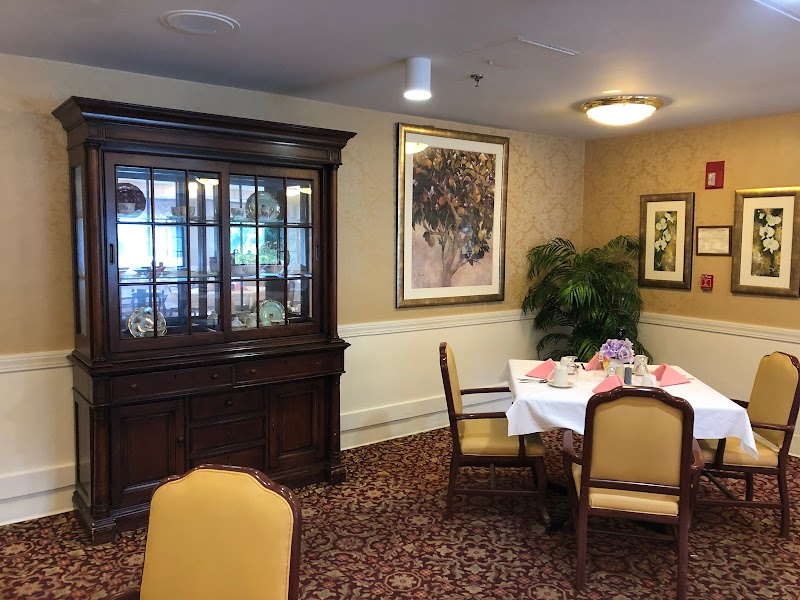
How is Northwood Rehabilitation & Healthcare Center Staffed?

CMS rates NORTHWOOD REHABILITATION & HEALTHCARE CENTER's staffing level at 2 out of 5 stars, which is below average compared to other nursing homes. Staff turnover is 26%, compared to the Massachusetts average of 46%. This relatively stable workforce can support continuity of care. RN turnover specifically is 55%, which is notably high. RNs provide skilled clinical oversight, so turnover in this role can affect medical care quality.

What Have Inspectors Found at Northwood Rehabilitation & Healthcare Center?

State health inspectors documented 56 deficiencies at NORTHWOOD REHABILITATION & HEALTHCARE CENTER during 2022 to 2024. These included: 7 that caused actual resident harm and 49 with potential for harm. Deficiencies causing actual harm indicate documented cases where residents experienced negative health consequences.
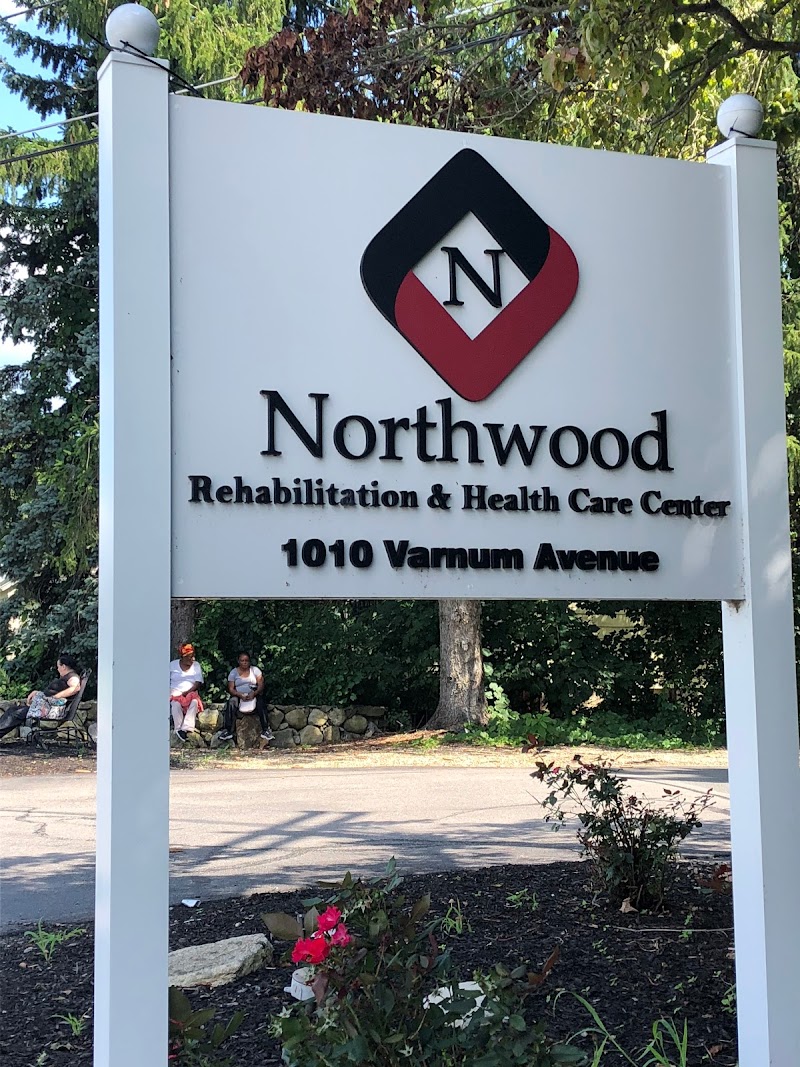
Who Owns and Operates Northwood Rehabilitation & Healthcare Center?

NORTHWOOD REHABILITATION & HEALTHCARE CENTER is owned by a for-profit company. For-profit facilities operate as businesses with obligations to shareholders or private owners. The facility is operated by ATHENA HEALTHCARE SYSTEMS, a chain that manages multiple nursing homes. With 123 certified beds and approximately 117 residents (about 95% occupancy), it is a mid-sized facility located in LOWELL, Massachusetts.
How Does Northwood Rehabilitation & Healthcare Center Compare to Other Massachusetts Nursing Homes?

Compared to the 100 nursing homes in Massachusetts, NORTHWOOD REHABILITATION & HEALTHCARE CENTER's overall rating (1 stars) is below the state average of 2.9, staff turnover (26%) is significantly lower than the state average of 46%, and health inspection rating (1 stars) is much below the national benchmark.

What Should Families Ask When Visiting Northwood Rehabilitation & Healthcare Center?

Based on this facility's data, families visiting should ask: "Can you walk me through typical staffing levels on day, evening, and night shifts?" "Can I visit during a mealtime to observe dining assistance and food quality?" "How do you handle medical emergencies, and what is your hospital transfer rate?" "Can I speak with family members of current residents about their experience?" These questions are particularly relevant given the below-average staffing rating.

Is Northwood Rehabilitation & Healthcare Center Safe?

Based on CMS inspection data, NORTHWOOD REHABILITATION & HEALTHCARE CENTER has a clean safety record: no substantiated abuse findings (meaning no confirmed cases of resident harm), no Immediate Jeopardy citations (the most serious violation level indicating risk of serious injury or death), and is not on the Special Focus Facility watch list (a federal program monitoring the lowest-performing 1% of nursing homes). The facility has a 1-star overall rating and ranks #100 of 100 nursing homes in Massachusetts. While no facility is perfect, families should still ask about staff-to-resident ratios and recent inspection results during their visit.

Do Nurses at Northwood Rehabilitation & Healthcare Center Stick Around?

Staff at NORTHWOOD REHABILITATION & HEALTHCARE CENTER tend to stick around. With a turnover rate of 26%, the facility is 20 percentage points below the Massachusetts average of 46%. Low turnover is a positive sign. It means caregivers have time to learn each resident's needs, medications, and personal preferences. Consistent staff also notice subtle changes in a resident's condition more quickly.

Was Northwood Rehabilitation & Healthcare Center Ever Fined?

NORTHWOOD REHABILITATION & HEALTHCARE CENTER has been fined $165,780 across 2 penalty actions. This is 4.8x the Massachusetts average of $34,737. Fines at this level are uncommon and typically indicate a pattern of serious deficiencies, repeated violations, or failure to correct problems promptly. CMS reserves penalties of this magnitude for facilities that pose significant, documented risk to resident health or safety. Families should request specific documentation of what issues led to these fines and what systemic changes have been implemented.

Is Northwood Rehabilitation & Healthcare Center on Any Federal Watch List?

NORTHWOOD REHABILITATION & HEALTHCARE CENTER is not on any federal watch list. The most significant is the Special Focus Facility (SFF) program, which identifies the bottom 1% of nursing homes nationally based on persistent, serious quality problems. Not being on this list means the facility has avoided the pattern of deficiencies that triggers enhanced federal oversight. This is a positive indicator, though families should still review the facility's inspection history directly.