REGALCARE AT LOWELL

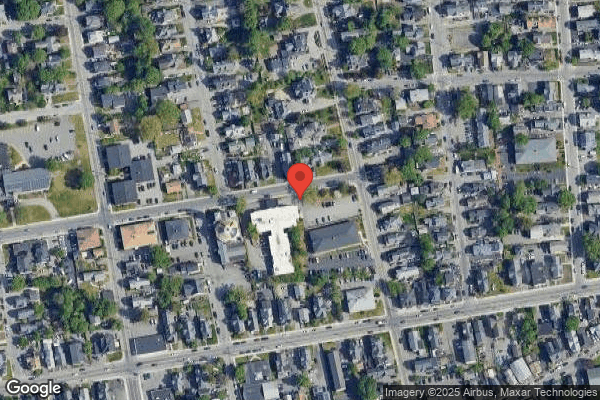
30 PRINCETON BOULEVARD, LOWELL, MA 01851 (978) 954-8086
For profit - Corporation 90 Beds REGALCARE Data: November 2025 1 Immediate Jeopardy citation
Trust Grade
8/100
#317 of 338 in MA
Last Inspection: March 2025

Within standard 12-15 month inspection cycle. Federal law requires annual inspections.

Overview

RegalCare at Lowell has received a Trust Grade of F, indicating significant concerns about the facility's quality and care. Ranking #317 out of 338 nursing homes in Massachusetts places it in the bottom half of facilities in the state, and #70 out of 72 in Middlesex County suggests only one local option is better. Unfortunately, the facility is worsening, with issues increasing from 4 in 2024 to 15 in 2025. While staffing is a strength with a 4/5 star rating and a low turnover rate of 13%, indicating that staff are stable and familiar with residents, the facility has concerning fines totaling $106,739, higher than 88% of state facilities. Specific incidents include a critical failure to provide adequate care for a resident with suicidal ideation, resulting in an attempted suicide, and serious lapses in care for a resident with dementia who eloped from the facility and sustained injuries, highlighting significant safety concerns.

Trust Score
F
8/100
In Massachusetts
#317/338
Bottom 7%
Safety Record
High Risk
Review needed
Inspections
Getting Worse
4 → 15 violations
Staff Stability
✓ Good
13% annual turnover. Excellent stability, 35 points below Massachusetts's 48% average. Staff who stay learn residents' needs.
Penalties
○ Average
$106,739 in fines. Higher than 64% of Massachusetts facilities. Some compliance issues.
Skilled Nurses
○ Average
Each resident gets 41 minutes of Registered Nurse (RN) attention daily — about average for Massachusetts. RNs are the most trained staff who monitor for health changes.
Violations
⚠ Watch
44 deficiencies on record. Higher than average. Multiple issues found across inspections.
★☆☆☆☆
1.0
Overall Rating
★★★★☆
4.0
Staff Levels
★★★☆☆
3.0
Care Quality
★☆☆☆☆
1.0
Inspection Score
Stable
2024: 4 issues
2025: 15 issues

The Good

  • 4-Star Staffing Rating · Above-average nurse staffing levels
  • Low Staff Turnover (13%) · Staff stability means consistent care
  • Full Sprinkler Coverage · Fire safety systems throughout facility
  • No fines on record
  • Staff turnover is low (13%)

    35 points below Massachusetts average of 48%

Facility shows strength in staffing levels, staff retention, fire safety.

The Bad

1-Star Overall Rating

Below Massachusetts average (2.9)

Significant quality concerns identified by CMS

Federal Fines: $106,739

Well above median ($33,413)

Significant penalties indicating serious issues

Chain: REGALCARE

Part of a multi-facility chain

Ask about local staffing decisions and management

The Ugly 44 deficiencies on record

1 life-threatening 2 actual harm
Mar 2025 15 deficiencies 1 IJ
CRITICAL (J)

Immediate Jeopardy (IJ) - the most serious Medicare violation

Deficiency F0742 (Tag F0742)

Someone could have died · This affected 1 resident

**NOTE- TERMS IN BRACKETS HAVE BEEN EDITED TO PROTECT CONFIDENTIALITY** Based on record review and interview, the facility failed to provide the appropriate treatment and services for one Resident (#7...

Read full inspector narrative →
**NOTE- TERMS IN BRACKETS HAVE BEEN EDITED TO PROTECT CONFIDENTIALITY** Based on record review and interview, the facility failed to provide the appropriate treatment and services for one Resident (#7), with a known history of depression and suicidal ideation out of a total sample of 28 residents. Specifically, for Resident #7, the facility failed to implement and update the plan of care, resulting in an attempted suicide after the vocalization of suicidal ideation (SI). Findings include: Review of the facility policy titled Behavior Management, dated 04/2022, indicated the following: -The facility will provide and residents will receive behavioral health services as needed to attain or maintain the highest practicable physical, mental, and psychosocial well-being in accordance with the comprehensive assessment and plan of care. - The IDT staff will identify, document, and inform the physician about specific details regarding changes in an individuals mental status, behavior, and cognition including: * Onset, duration, intensity and frequency of behavioral symptoms * Any precipitating or relevant factors or environmental triggers (e.g., medication changes, infection, recent transfer from hospital) and * New onset or changes in behavior will be documented. - The interdisciplinary team (IDT) will elevate new or changing behavioral symptoms in order to identify underlying causes and address any modifiable factors that may have contributed to the resident's change in condition. - The interdisciplinary team will evaluate behavioral symptoms in residents to determine the degree of severity, distress and potential safety risk to the resident, and develop a plan of care accordingly. Safety strategies will be implemented immediately if necessary, to protect the resident and others from harm. - Interventions will be individualized and part of an overall care environment that supports physical, functional, and psychosocial needs, and strives to understand, prevent or relieve the resident's distress or loss of abilities. Psychiatric recommendations will be reviewed by the IDT and will implement as indicated. - Interventions and approaches will be based on a detailed assessment of physical, psychological and behavioral symptoms and their underlying causes, as well as the potential situational and environmental reasons for the behavior. The care plan will include, as a minimum: * A description of the behavioral symptoms * Targeted and individualized interventions for the behavioral and/or psychosocial symptoms; * The rationale for interventions and approaches; * Specific and measurable goals for targeted behaviors; and * How the staff will monitor for effectiveness of the interventions - Non-pharmacologic approaches will be utilized to the extent possible to avoid or reduce the use of psychoactive medication to manage behavioral symptoms. Review of the facility policy titled Suicide Threats, dated [DATE], indicates the following: - All nursing personnel and other staff involved in caring for the resident shall be informed of the suicide threat and instructed to report changes in the resident's behavior immediately. - As indicated, a psychiatric consultation or transfer for emergency psychiatric evaluation may be indicated. - If the resident remains in the facility, staff will monitor the resident's mood and behavior and update care plans accordingly, until a physician has determined that a risk of suicide does not appear to be present. Review of the facility assessment, dated [DATE], indicated that the facility manages, on average, 30 residents with behavioral health needs. Review of the facility assessment indicated the facility is able to manage the medical conditions and mental health conditions related to psychiatric symptoms and behavior, assessment of gradual dose reduction, identify and implement interventions to help support individuals with issues such as dealing with anxiety, care of someone with cognitive impairment, care of individuals with depression, trauma/PTSD (post-traumatic stress disorder), other psychiatric diagnoses, intellectual or developmental disabilities, contract with external psychological services, utilize a code system, and trauma informed care planning. The facility assessment indicated the facility had a contracted Social Worker for 16 hours per week for a census of 59 residents. Resident #7 was admitted in [DATE] with diagnoses including major depressive disorder, history of suicidal ideations, post traumatic stress disorder (PTSD), and bipolar disorder. Review of the Minimum Data Set (MDS) assessment, dated [DATE], indicated Resident #7 scored a 14 out of a possible 15 on the Brief Interview for Mental Status exam, indicating intact cognition. During an interview on [DATE] at 9:49 A.M., Resident #7 said Some staff care and some don't. I am depressed a lot and take medication for that. I have 3 kids but they don't talk to me and this past August I tried to kill myself. I was really low and depressed. When I did what I did, I screamed cause it hurt. My heart stopped and I died on the table at the hospital. Three or four weeks before, I started getting really down, I had no one to talk to and it just got worse I was letting myself go. I wasn't eating and was staying in my room more and more and then I drank nail polish remover. Now I lay in bed a lot and watch tv and cry because I miss my kids and it is sad. Review of the current care plan indicated Resident #7 has a history of suicidal ideation with the following interventions: - Provide a safe environment, free from things that may harm the client (initiated [DATE]) - Encourage the client to avoid decisions during the time of crisis until alternatives can be considered (initiated [DATE]) - Encourage the client to talk freely about feelings and help plan alternative ways of handling disappointment, anger and frustration (initiated [DATE]) - Encourage the client to talk about their feelings and problem solve alternatives (initiated [DATE]) - Monitor resident for signs and symptoms of suicidal ideation (initiated [DATE]) - Social services to check in periodically with the resident to ensure safety (initiated [DATE]) - [DATE] Resident mloa (medical leave of absence) d/t (due to) suicide attempt (initiated [DATE]) - Encourage out of room activities (initiated [DATE]) Review of the nursing progress note, dated [DATE], indicated the following: Resident had suicidal ideation. Told one of the staff that he/she would like to kill him/herself but he/she doesn't have a plan. NP (nurse practitioner) notified and gave an order to send resident to hospital for evaluation. Unable to reach son via phone. Resident transferred to hospital. Review of a nursing progress note, dated [DATE], indicated the following: Resident returned from hospital emergency room at approximately 1900 (7:00 P.M.) . There was no medication changes. He/she is to follow up with the physician and psych. Upon returning no vocalization of wanting to die/harm him/herself. He/she continues to deny having a plan. Declined dinner, offered alternate but refused. On 20 minute checks. No acute distress note. Physician on call notified of his/her return. HCP (healthcare proxy) called but no answer. Review of the medical record failed to indicate that 20 minute checks had been initiated or that a physician's order was put in place for 20 minute checks. Review of the hospital discharge paperwork, dated [DATE], indicated the following: Pt (patient) tells this writer that he/she did make SI (suicidal ideation) statements; 'wanting to die, take my life, I've just had it and got to a point,' and 'tired of anything.' Pt denies a plan and denies any intent. Pt reports he/she has been feeling this way on and off for the past month and only today did he/she disclose it. This writer stated the nurse said he/she was having a good day up until 2:50 P.M. when the activities lady went into pt's room and pt disclosed SI thoughts to this staff person. Pt cannot recall if he/she took medication for depression . pt had been at his/her current facility for the past 6 years and states it is lonely, I'm by myself all the time. Pt used to have a roommate but states he/she was difficult. Pt denies any history of attempts, gestures, SIB (self injurious behavior) or psych hospitalizations. This writer spoke to the nurse prior to meeting with the pt and the nurse reported pt had a boyfriend at the facility but the relationship ended about 1-2 months ago . Pt reports being upset that he/she has not heard from his/her children in months. Review of the psychiatric progress note from the hospital, dated [DATE], indicated the following: Discussed talk therapy referral and pt was agreeable stating he/she just needs someone to talk to. Review of the consultant psychiatric nurse practitioner note, who provides medication management services, dated [DATE], indicated the following: Resident reports he/she has been more depressed starting last week and made end of life statement. Reports he/she still feels this way but with no plan in plan . Of note, resident was previously in a relationship with another resident, which did not end well. Since then resident has been more depressed and isolated to his/her room. Review of the note indicated a recommendation to discontinue the Wellbutrin and obtain labs. Review of Nurse Practitioner #1's progress note, dated [DATE], indicated Resident #7 said he/she will not attempt to hurt him/herself, but does not really have much to live for. Review of the plan indicated the following: Depression with attention seeking behavior. Psych does not feel that he/she will harm him/herself. They feel that he/she is confused, although I did sit with him/her today for quite some time. He/she answers questions appropriately, does engage and is able to conduct meaningful conversation. Review of the clinical record failed to indicate that the care plan was reviewed, updated, or implemented upon Resident #7's return to the facility after the verbalization of suicidal ideation on [DATE]. Review of the medical record failed to indicate a referral for talk therapy services was made or that Resident #7 received talk therapy from psych services or social services. Review of the nursing progress note, dated [DATE], indicated the following: Resident shouted from his/her room 'help, I'm dying'. When the nurse got to the resident's room, the resident was on a wheelchair and seemed to be weak an not on [sic] his/her baseline, then he/she stated he/she had taken something which he/she does not want to tell. 2 cups were on the table, one had coffee and another one had pink liquid ¾ full which immediately we identified as nail polish remover. 911 was activated, vital signs taken and staff stayed with him/her. On call doctor and DON notified, unable to reach son over the phone. Resident transferred to hospital. Review of the hospital discharge paperwork, dated [DATE], indicated the following: presented to hospital for suicide attempt of ingesting nail polish remover in the context of multiple environmental stressors, and worsening of depressive episode. per ED (emergency department) records, the patient is a resident of a Nursing facility. Focal to the SA (suicide attempt), patient reports an increase of hopelessness and loneliness after attempting to contact his/her son multiple times failed. After ingestion of nail polish remover, he/she called for help and was brought to the ED, and transferred to ICU (intensive care unit) after multiple episodes of non-sustained V. Tach (ventricular tachycardia- a heart rate of over 100 beats per minute) and acute encephalopathy (disorder of the brain which can cause confusion) (8/17-[DATE]). He/she was diagnosed with Non- STEMI (non- ST- segment myocardial infarction) (heart attack) on presentation thought to be secondary to demand ischemia (decreased blood flow) in the setting of cardiomyopathy (disease of the heart muscle). Review of the Patient Safety Plan provided by the hospital on discharge on [DATE] indicated the following: - Warning signs: feeling depressed and lonely, lack of contact with family, medication issues, nursing home placement, and loss of past roles - Internal coping strategies: Playing bingo and poker with activities department - People and social settings that provide distraction: activities in the dayroom at the facility - People who I can ask for help: the director of nursing - Making environment safe: spending more time in the mileu and less isolating in room. Review of the current care plan indicated the following revisions after the attempted suicide: - [DATE]: [DATE] resident mloa d/t suicide attempt - [DATE] : encourage out of room activities During a follow-up interview on [DATE] at 8:04 A.M., Resident #7 said that he/she had had the nail polish remover in his/her possession since she originally admitted to the facility. During an interview on [DATE] at 12:14 P.M., Social Worker #1 said that she is only in the facility two days per week, and that her main role is doing assessment and ensuring the facility is in compliance with needed things such as care plan reviews. Social Worker #1 said if a Resident expresses suicidal ideation then she would expect to be told of the incident and she would see the resident as soon as possible upon return from the psychiatric hospitalization. Social Worker #1 said that the outside services that are offered from contracted staff are medication management and talk therapy. Social Worker #1 said that although she was in the building on [DATE], following Resident #7's hospital assessment for SI, she was not notified of the suicidal ideation from Resident #7. She said that she did not see or speak with Resident #7 and was then away the week after that. Social Worker #1 said that if she had seen or assessed Resident #7, it would be documented in the medical record. Social Worker #1 said that she would expect the care plan to be updated and an interdisciplinary team review of the Resident following a statement of suicidal ideation. During an interview on [DATE] at 12:42 P.M., the psychiatric Nurse Practitioner (NP) said that if a Resident is expressing suicidal ideation, then the environment should be checked and be free of harmful items and the care plan should be updated. During an interview on [DATE] at 9:05 A.M., the Director of Nursing said that when a Resident expresses suicidal ideation or returns from the hospital after expressing suicidal ideation, then behavioral health services, including talk therapy, should be initiated immediately. The Director of Nursing said that the Resident's environment should always be assessed for safety. The Director of Nursing said that Resident #7 was previously in a relationship and it was a terrible time and had a huge affect on him/her. The Director of Nursing said that just before the suicidal ideation, Resident #7 was really wrapped up in his/her kids not calling and that it was difficult because he/she already has major depression. The Director of Nursing said that if there is an increase in worsening depression, then there is always someone from psychiatric services they can call. The Director of Nursing said, after verbalization of suicidal ideation, she updates the care plan and notifies the interdisciplinary team. The Director of Nursing said that anything that was developed at the hospital would be reviewed in the facility and make sure it's appropriate.
CONCERN (D)

Potential for Harm - no one hurt, but risky conditions existed

Resident Rights (Tag F0550)

Could have caused harm · This affected 1 resident

Based on observation, interviews, and reviewed records, the facility failed to ensure staff treated residents in a dignified manner to effectively communicate in a language they understand for one Res...

Read full inspector narrative →
Based on observation, interviews, and reviewed records, the facility failed to ensure staff treated residents in a dignified manner to effectively communicate in a language they understand for one Resident (#2) out of a total sample of 28 Residents. Findings include: The facility failed to indicate a language/communication policy was available as requested during the survey. Resident #2 was admitted to the facility in January 2023 with diagnoses including weakness, hemiplegia and hemiparesis following cerebral infarction effecting right dominant side, and weakness. Review of the most recent Minimum Data Set (MDS) assessment, dated 2/27/25, indicated Resident #2 did not have a Brief Interview for Mental Status assessment completed and was assessed by staff to have moderately impaired cognition. The MDS further indicated Resident #2 speaks Cantonese. Review of Resident #2's communication care plan dated, 2/19/25, indicated the following interventions: -Resident has impaired communication related to primary language is Cantonese. -Enlist use of communication devices as needed (i.e.) communication board, sign language specify. -Allow time to process information -Anticipate resident needs if resident is unable to express needs. -Assess body and facial expressions. During an observation on 3/25/25 at 8:33 A.M., Resident #2 was observed sitting in the main dining room in a wheelchair. Certified Nursing Assistant (CNA) #3 entered the dining room and was observed walking over to the Resident, moved the wheelchair closer to the table and then walked out of the dining room. CNA #3 did not speak to Resident #2 during the observation. During an observation on 3/26/25 at 7:46 A.M., Resident #2 was observed sitting in the main dining room in a wheelchair. The surveyor observed a staff member deliver a breakfast tray to Resident #2. The staff member was observed speaking to Resident #2 in English. Resident #2 did not try to engage or acknowledge the staff member. During an observation on 3/26/25 at 8:20 A.M., the survey observed CNA #2 deliver a breakfast tray to Resident #2. The CNA was observed speaking to Resident #2 in English. Resident #2 did not try to engage or acknowledge CNA #2. During an observation on 3/26/25 at 9:24 A.M., Resident #2 was observed sitting in the main dining room in a wheelchair. The surveyor observed a staff member walk into the dining room and was observed speaking English to two other residents seated in the dining room. The staff member did not try to engage or acknowledge Resident #2. During an observation on 3/26/25 at 9:42 A.M., Family Member #2 was observed asking staff if someone could take Resident #2 to the bathroom. Resident #2 was observed engaging, smiling and talking to Family Member #2 in Cantonese. CNA #2 walked over to Resident #2 and began pushing him/her in the wheelchair down the hall to the Residents room without engaging or speaking to Resident #2. CNA #2 and Occupational Therapist (OT) #1 were then observed undressing Resident #2, pulling his/her pants down and placing him/her on the toilet and then both exited the bathroom. CNA #2 and OT #1 did not speak or engage with Resident #2 during the entire observation. During an observation on 3/26/25 at 9:54 A.M., Unit Manager #1 and the Infection Control Nurse entered Resident #2's room and began to assist Resident #2 off the toilet. Unit Manager #1 and the Infection Control Nurse were observed speaking English to Resident #2 and said, Here you can wash your hands, as they turned the wheelchair towards the sink and turned the water on. Resident #2 did not engage or acknowledge the staff members. Family Member #2 was observed speaking to the Resident in Cantonese and the Resident could be heard exchanging in the conversation. Family Member #2 said she would wash the Residents' hands. Unit Manager #1 and the Infection Control Nurse then exited the Residents room. Throughout the observations a communication board was not observed or utilized and staff did not utilize a language line for interpreter services. During an interview on 3/26/24 at 10:00 A.M., Family Member #2 said Resident #2 understands and can communicate in Cantonese, but staff do not understand him/her and do not try to communicate in any way other than speaking English, which the Resident does not understand. During an interview on 3/26/25 at 10:04 A.M., CNA #2 said she does not know what language Resident #2 speaks and said she can't understand Resident #2 because he/she does not speak English. When the surveyor asked CNA #2 how she communicates with Resident #2 she said the family is usually here. When asked how she communicates if the family is not present CNA #2 said I'm not sure. During an interview on 3/26/25 at 10:06 A.M., Nurse #4 said Resident #2 speaks Cantonese and does not understand English and said there is a kitchen staff member who speaks Cantonese that could help if needed. Nurse #2 said he was not aware of a translation or language line in the facility and has never seen or used a communication board for the Resident. During an interview on 3/26/25 at 10:09 A.M., Unit Manager #1 said Resident #2 doesn't speak English and said if he/she is shouting or grimacing staff will know he/she needs to use the bathroom. Unit Manager #1 said staff can use the language line if needed and said staff should communicate with Resident #2 during care. Unit Manager #1 said she has not used the language line and has not seen a communication board used with Resident #2. During an interview on 3/27/25 at 8:34 A.M., Nurse #5 said Resident #2 speaks Cantonese and said if he/she yells out she will know the Resident needs to use the bathroom or is in pain. Nurse #5 said the facility does not use an interpreter line and is not aware of any communication board used for Resident #2. Nurse #2 said she speaks to the Resident in English, but he/she can't understand what she is saying. During an interview on 3/27/25 at 10:27 A.M., Director of Nurses (DON) said Resident #2 requires translation services and said staff should be utilizing the translation line to communicate with the Resident. The DON said the communication care plan should be followed by all staff and she expects staff to use a communication board to assist with communication.
CONCERN (D)

Potential for Harm - no one hurt, but risky conditions existed

Deficiency F0558 (Tag F0558)

Could have caused harm · This affected 1 resident

Based on observations, record review, and interviews, the facility failed to ensure a call light was within reach for one Resident (#2) out of a total sample of 28 residents. Findings include: Reside...

Read full inspector narrative →
Based on observations, record review, and interviews, the facility failed to ensure a call light was within reach for one Resident (#2) out of a total sample of 28 residents. Findings include: Resident #2 was admitted to the facility in January 2023 with diagnoses including weakness, hemiplegia and hemiparesis following cerebral infarction effecting right dominant side, and weakness. Review of the most recent Minimum Data Set (MDS) assessment, dated 2/27/25, indicated Resident #2 did not have a Brief Interview for Mental Status assessment completed and was assessed by staff to have moderately impaired cognition. The MDS further indicated Resident #2 speaks Cantonese. During an observation on 3/25/25 at 7:27 A.M., Resident #2 was in bed, the call light was located behind the bed on the floor. The call light was out of reach. During an observation on 3/26/25 at 7:12 A.M., Resident #2 was in bed, the call light was located behind the bed on the floor. The call light was out of reach. During an interview on 3/26/25 at 10:05 A.M., CNA #2 said Resident #2 uses the call light and staff will check on him/her during the day. During an interview on 3/26/25 at 10:07 A.M., Nurse #4 said Resident #2 can use the call light if he/she needs to but will yell out if he/she needs something. During an interview on 3/26/25 at 10:10 A.M., Unit Manager #1 said Resident #2 can use the call light and said the call light should be accessible at all times. During an interview on 3/27/25 at 10:28 A.M., Director of Nurses (DON) said she expects all residents to have access to call lights and said call lights should be functioning and within reach of the Resident.
CONCERN (D)

Potential for Harm - no one hurt, but risky conditions existed

Comprehensive Care Plan (Tag F0656)

Could have caused harm · This affected 1 resident

Based on observation, interviews, and reviewed records, the facility failed to implement a communication care plan for one Resident (#2) out of a total sample of 28 Residents. Findings include: Resid...

Read full inspector narrative →
Based on observation, interviews, and reviewed records, the facility failed to implement a communication care plan for one Resident (#2) out of a total sample of 28 Residents. Findings include: Resident #2 was admitted to the facility in January 2023 with diagnoses including weakness, hemiplegia and hemiparesis following cerebral infarction effecting right dominant side, and weakness. Review of the most recent Minimum Data Set (MDS) assessment, dated 2/27/25, indicated Resident #2 did not have a Brief Interview for Mental Status assessment completed and was assessed by staff to have moderately impaired cognition. The MDS further indicated Resident #2 speaks Cantonese. Review of Resident #2's communication care plan dated, 2/19/25, indicated the following interventions: -Resident has impaired communication related to primary language is Cantonese. -Enlist use of communication devices as needed (i.e.) communication board, sign language specify. -Allow time to process information -Anticipate resident needs if resident is unable to express needs. -Assess body and facial expressions. During an observation on 3/25/25 at 8:33 A.M., Resident #2 was observed sitting in the main dining room in a wheelchair. Certified Nursing Assistant (CNA) #3 entered the dining room and was observed walking over to the Resident, moved the wheelchair closer to the table and then walked out of the dining room. CNA #3 did not speak to Resident #2 during the observation. During an observation on 3/26/25 at 7:46 A.M., Resident #2 was observed sitting in the main dining room in a wheelchair. The surveyor observed a staff member deliver a breakfast tray to Resident #2. The staff member was observed speaking to Resident #2 in English. Resident #2 did not try to engage or acknowledge the staff member. During an observation on 3/26/25 at 8:20 A.M., the survey observed CNA #2 deliver a breakfast tray to Resident #2. The CNA was observed speaking to Resident #2 in English. Resident #2 did not try to engage or acknowledge CNA #2. During an observation on 3/26/25 at 9:24 A.M., Resident #2 was observed sitting in the main dining room in a wheelchair. The surveyor observed a staff member walk into the dining room and was observed speaking English to two other residents seated in the dining room. The staff member did not try to engage or acknowledge Resident #2. During an observation on 3/26/25 at 9:42 A.M., Family Member #2 was observed asking staff if someone could take Resident #2 to the bathroom. Resident #2 was observed engaging, smiling and talking to Family Member #2 in Cantonese. CNA #2 walked over to Resident #2 and began pushing him/her in the wheelchair down the hall to the Residents room without engaging or speaking to Resident #2. CNA #2 and Occupational Therapist (OT) #1 were then observed undressing Resident #2, pulling his/her pants down and placing him/her on the toilet and then both exited the bathroom. CNA #2 and OT #1 did not speak or engage with Resident #2 during the entire observation. During an observation on 3/26/25 at 9:54 A.M., Unit Manager #1 and the Infection Control Nurse entered Resident #2's room and began to assist Resident #2 off the toilet. Unit Manager #1 and the Infection Control Nurse were observed speaking English to Resident #2 and said, Here you can wash your hands, as they turned the wheelchair towards the sink and turned the water on. Resident #2 did not engage or acknowledge the staff members. Family Member #2 was observed speaking to the Resident in Cantonese and the Resident could be heard exchanging in the conversation. Family Member #2 said she would wash the Residents' hands. Unit Manager #1 and the Infection Control Nurse then exited the Residents room. Throughout the observations a communication board was not observed or utilized, and staff did not utilize a language line for interpreter services. During an interview on 3/26/24 at 10:00 A.M., Family Member #2 said Resident #2 understands and can communicate in Cantonese, but staff do not understand him/her and do not try to communicate in any way other than speaking English, which the Resident does not understand. During an interview on 3/26/25 at 10:04 A.M., CNA #2 said she does not know what language Resident #2 speaks and said she can't understand Resident #2 because he/she does not speak English. When the surveyor asked CNA #2 how she communicates with Resident #2 she said the family is usually here. When asked how she communicates if the family is not present CNA #2 said I'm not sure. During an interview on 3/26/25 at 10:12 A.M., Unit Manager #1 said staff can use the language line if needed and said staff should communicate with Resident #2 during care. Unit Manager #1 said staff should follow the care plan when providing care. During an interview on 3/27/25 at 10:29 A.M., Director of Nurses (DON) said the communication care plan should be followed by all staff and she expects staff to use a communication board to assist with communication.
CONCERN (D)

Potential for Harm - no one hurt, but risky conditions existed

Quality of Care (Tag F0684)

Could have caused harm · This affected 1 resident

**NOTE- TERMS IN BRACKETS HAVE BEEN EDITED TO PROTECT CONFIDENTIALITY** Based on observation, record review and interview, the facility failed to provide treatment and care in accordance with professi...

Read full inspector narrative →
**NOTE- TERMS IN BRACKETS HAVE BEEN EDITED TO PROTECT CONFIDENTIALITY** Based on observation, record review and interview, the facility failed to provide treatment and care in accordance with professional standards of practice for one Resident (#51), out of a total sample of 28 residents. Specifically, the facility failed to identify a skin wound to the right elbow and document it on a skin assessment. Findings include: Resident #51 was admitted to the facility in January 2025 with diagnoses including sepsis, non-pressure chronic ulcer of lower leg, generalized edema, peripheral vascular disease, and kidney failure. Review of Resident #51's most recent Minimum Data Set (MDS) assessment, dated 2/25/25, indicated the Resident scored a 15 out of total 15 on the Brief Interview for Mental Status indicating intact cognition. The MDS further indicated Resident #51 requires substantial/maximal assistance with activities of daily living tasks. During an observation on 3/25/25 at 12:07 P.M., the surveyor observed Resident #51 in bed with both arms exposed. The Resident was observed to have a dime sized dark pink, raised swollen, circular scabbed area to the right elbow. The center of the scab was yellow and brown with what appeared to be white and yellow dried skin surrounding the center. The skin around the scab was raised, swollen and pink. The Resident reported occasional pain when he/she rubs the area on surfaces and said they know about it, I show them my arms. Review of Resident #51's weekly skin checks, dated 2/28/25, 3/1/25, 3/7/25, and 3/14/25, and 3/21/25 indicated the Residents skin was not intact with open areas documented to right and left shin that were not new areas. No skin impairment to the right elbow was documented on the skin checks. Review of Resident #51's skin integrity care plan dated 1/17/25, indicated the following: Focus area of Vascular wound to r (right) shin, Advanced Age, Decreased/impaired mobility or function and Decrease sensory perception. Interventions include: -Monitor for signs and symptoms of infection. -Protective skin care with incontinent care. -Skin assessments weekly. -Turn and reposition every 2 hours. Review of Resident #51's most recent [NAME] plus pressure ulcer scale, dated 2/9/25, indicated the Resident was at high risk for developing pressure injuries. Review of the active physician orders indicated the following: -Barrier Cream: Apply House Barrier Cream to bony prominences ever [sic] shift and as needed to prevent skin breakdown. Every shift for preventative measures. Start date 1/16/25. Review of Resident #51's Medication and Treatment Administration Record for the month of March 2025 indicated the order for Barrier Cream was documented as administered as ordered during the month. Review of the progress notes entered in Resident #51's medical record failed to indicate any nursing progress note related to changes in Resident #51's skin, specifically the area to his/her right elbow. During an interview on 3/25/25 at 1:36 P.M., CNA #2 said Resident #51 has a lot of swelling to his/her lower legs and said the Resident scratches his/her skin a lot and has an area on the right arm that has been there a while. During an observation on 3/26/25 at 8:39 A.M., Nurse #4 and the surveyor observed Resident #51 sitting up in bed with his/her right arm exposed. Nurse #4 observed the area to the right elbow and said he was not aware of the area to the right elbow and said he would document the area to the right elbow on a skin check and notify the provider for treatment orders. Nurse #4 and the surveyor reviewed Resident #51's medical record and Nurse #4 said he completed the last skin check on 3/21/25 and did not notice the area to the right elbow and said it looked like an old open area that is scabbed over. Nurse #4 said the area must be documented and reported for follow-up and treatment. During an interview on 3/26/25 at 9:05 A.M., Unit Manager #1 said Resident #51 has weekly skin checks and said she was not aware of the area to the right elbow and said the area should have been documented on a skin check and a treatment order should be in place. Unit Manager #1 said she would notify the Nurse Practitioner to get a treatment order and said she would add the right elbow to the weekly wound rounds to keep an eye on it because it could become a pressure area because of the location. During an interview on 3/26/25 at 9:15 A.M., the Director of Nurses (DON) said the area to the Residents' right elbow is not new and said it should have been documented on the weekly skin checks and said a treatment order should have been in place. The DON said the area looks like an unstageable wound because of the scabbed top layer and said she can't see the depth of the wound. The DON said the area should be included in the weekly wound rounds to prevent additional skin breakdown. Review of Resident #51's medical record on 3/27/25 failed to indicate a skin assessment was completed after 3/21/25, and further review of the medical record failed to indicate any nursing progress notes related to the skin area on the right elbow. During a phone interview on 3/27/25 at 10:39 A.M., Nurse Practitioner #2 said she would expect wounds and skin conditions to be assessed and documented and said she was not aware of any open skin areas and would need to check her notes on Resident #51. Review of the active physician orders on 3/27/25 failed to indicate any new treatment orders were implemented to the area on the right elbow. During a follow-up interview on 3/27/25 at 8:25 A.M., the Director of Nurses said a skin check should have been completed when the area to the right elbow was observed and said the physician should have been notified for treatment orders to be implemented.
CONCERN (D)

Potential for Harm - no one hurt, but risky conditions existed

Incontinence Care (Tag F0690)

Could have caused harm · This affected 1 resident

Based on observation, record review, and interview, the facility failed to ensure professional standards of practice for the care of a suprapubic urinary catheter (a tube placed through the suprapubic...

Read full inspector narrative →
Based on observation, record review, and interview, the facility failed to ensure professional standards of practice for the care of a suprapubic urinary catheter (a tube placed through the suprapubic region into the bladder to drain urine) for one Resident (#47) out of a total sample of 28 residents. Specifically, the facility failed to ensure nursing changed Resident #47's urinary catheter in accordance with physician's orders. Findings include: Review of the facility policy titled Catheter Insertion- Male, dated as revised 4/2022, indicated verify that there is a physician's order. 4. Use the smallest catheter possible, consistent with good drainage, to minimize urethral trauma. Resident #47 was admitted to the facility in March 2022 with diagnoses including urethral fistula, urinary retention, and neuromuscular dysfunction of the bladder. Review of the most recent Minimum Data Set (MDS) assessment, dated 2/20/25, indicated that Resident #47 was rarely understood. This MDS indicated Resident #47 had an indwelling catheter. Review of Resident #47's plan of care related to suprapubic catheter care, dated 1/5/23, indicated: - 14 French 10 cc balloon related to neurogenic bladder. Review of Resident #47's *RC Nursing Evaluation assessment, dated 2/26/25, indicated: - 3c. 14 F catheter 10 cc. Review of Resident #47's active physician's order, dated 12/8/23, indicated: - Suprapubic Catheter 14 French / 10 milliliter continuous to a drainage bag, every shift. Review of Resident #47's active physician's order, dated 11/15/24, indicated: - Change suprapubic catheter every 30 days and as needed for blockage. 14 French, inflate with 10 cc, every evening shift every 4 weeks, on Thursday. Review of Resident #47's Treatment Administration Record (TAR), dated 3/13/25, indicated nursing changed his/her suprapubic catheter as ordered by the physician. On 3/25/25 at 3:16 P.M., and on 3/27/25 at 8:07 A.M., the surveyor observed Resident #47 with a 16 French 5 cc balloon suprapubic urinary catheter. Review of indwelling catheter sizing indicates a 14 French catheter is 4.7 millimeters in diameter and a 16 French catheter is 5.3 millimeters, which the 16 French is 0.6 millimeters larger in diameter than at 14 French catheter. During an interview on 3/27/25 at 8:38 A.M., Nurse #1 said she changed Resident #47's suprapubic catheter based on the physician's order. During an interview on 3/27/25 at 10:33 A.M., the Infection Control Nurse said that Nurse #1 should have changed Resident #47's suprapubic catheter according to the physician's order. The Infection Control Nurse observed Resident #47's suprapubic catheter which was sized 16 French 5 cc balloon. During an interview on 3/27/25 at 11:15 A.M., the Director of Nursing said nursing should implement the catheter size in accordance with the physician's order and that the consequences of inserting a size too large could potentially result in pain and necrosis.
CONCERN (D)

Potential for Harm - no one hurt, but risky conditions existed

Deficiency F0740 (Tag F0740)

Could have caused harm · This affected 1 resident

**NOTE- TERMS IN BRACKETS HAVE BEEN EDITED TO PROTECT CONFIDENTIALITY** Based on record review and interview, the facility failed to maintain the highest practicable physical, mental, and psychosocial...

Read full inspector narrative →
**NOTE- TERMS IN BRACKETS HAVE BEEN EDITED TO PROTECT CONFIDENTIALITY** Based on record review and interview, the facility failed to maintain the highest practicable physical, mental, and psychosocial well-being for one Resident (#7) with a history of suicidal ideation (SI) and depression, out of a total sample of 28 residents. Specifically, Resident #7 was not provided with appropriate behavioral health services following verbalization of SI and attempted to kill him/herself at the facility by ingesting nail polish remover. Findings include: Review of the facility policy titled Behavior Management, dated 04/2022, indicated the following: - The facility will provide and residents will receive behavioral health services as needed to attain or maintain the highest practicable physical, mental, and psychosocial well-being in accordance with the comprehensive assessment and plan of care. - The IDT staff will identify, document, and inform the physician about specific details regarding changes in an individuals mental status, behavior, and cognition including: * Onset, duration, intensity and frequency of behavioral symptoms * Any precipitating or relevant factors or environmental triggers (e.g., medication changes, infection, recent transfer from hospital) and * New onset or changes in behavior will be documented. - The interdisciplinary team (IDT) will elevate new or changing behavioral symptoms in order to identify underlying causes and address any modifiable factors that may have contributed to the resident's change in condition. - The interdisciplinary team will evaluate behavioral symptoms in residents to determine the degree of severity, distress and potential safety risk to the resident, and develop a plan of care accordingly. Safety strategies will be implemented immediately if necessary, to protect the resident and others from harm. - Interventions will be individualized and part of an overall care environment that supports physical, functional, and psychosocial needs, and strives to understand, prevent or relieve the resident's distress or loss of abilities. Psychiatric recommendations will be reviewed by the IDT and will implement as indicated. - Interventions and approaches will be based on a detailed assessment of physical, psychological and behavioral symptoms and their underlying causes, as well as the potential situational and environmental reasons for the behavior. The care plan will include, as a minimum: * A description of the behavioral symptoms * Targeted and individualized interventions for the behavioral and/or psychosocial symptoms; * The rationale for interventions and approaches; * Specific and measurable goals for targeted behaviors; and * How the staff will monitor for effectiveness of the interventions - Non-pharmacologic approaches will be utilized to the extent possible to avoid or reduce the use of psychoactive medication to manage behavioral symptoms. Review of the facility policy titled Suicide Threats, dated [DATE], indicates the following: - All nursing personnel and other staff involved in caring for the resident shall be informed of the suicide threat and instructed to report changes in the resident's behavior immediately. - As indicated, a psychiatric consultation or transfer for emergency psychiatric evaluation may be indicated. - If the resident remains in the facility, staff will monitor the resident's mood and behavior and update care plans accordingly, until a physician has determined that a risk of suicide does not appear to be present. Review of the facility assessment, dated [DATE], indicated that the facility manages, on average, 30 residents with behavioral health needs. Review of the facility assessment indicated the facility is able to manage the medical conditions and mental health conditions related to psychiatric symptoms and behavior, assessment of gradual dose reduction, identify and implement interventions to help support individuals with issues such as dealing with anxiety, care of someone with cognitive impairment, care of individuals with depression, trauma/PTSD (post-traumatic stress disorder), other psychiatric diagnoses, intellectual or developmental disabilities, contract with external psychological services, utilize a code system, and trauma informed care planning. The facility assessment indicated the facility had a contracted Social Worker for 16 hours per week for a census of 59 residents. Resident #7 was admitted in [DATE] with diagnoses including major depressive disorder, history of suicidal ideations, post-traumatic stress disorder (PTSD), and bipolar disorder. Review of the Minimum Data Set (MDS) assessment, dated [DATE], indicated Resident #7 scored a 14 out of a possible 15 on the Brief Interview for Mental Status exam, indicating intact cognition. During an interview on [DATE] at 9:49 A.M., Resident #7 said Some staff care and some don't. I am depressed a lot and take medication for that. I have 3 kids but they don't talk to me and this past August I tried to kill myself. I was really low and depressed. When I did what I did, I screamed cause it hurt. My heart stopped and I died on the table at the hospital. Three or four weeks before, I started getting really down, I had no one to talk to and it just got worse I was letting myself go. I wasn't eating and was staying in my room more and more and then I drank nail polish remover. Now I lay in bed a lot and watch tv and cry because I miss my kids and it is sad. Review of the current care plan indicated Resident #7 has a history of suicidal ideation with the following interventions: - Provide a safe environment, free from things that may harm the client (initiated [DATE]) - Encourage the client to avoid decisions during the time of crisis until alternatives can be considered (initiated [DATE]) - Encourage the client to talk freely about feelings and help plan alternative ways of handling disappointment, anger and frustration (initiated [DATE]) - Encourage the client to talk about their feelings and problem solve alternatives (initiated [DATE]) - Monitor resident for signs and symptoms of suicidal ideation (initiated [DATE]) - Social services to check in periodically with the resident to ensure safety (initiated [DATE]) - [DATE] Resident mloa (medical leave of absence) d/t (due to) suicide attempt (initiated [DATE]) - Encourage out of room activities (initiated [DATE]) Review of the psychiatric consultant progress note, dated [DATE], indicated Resident #7 had symptoms of anxiety and depression and indicated the following: Patient reported on his/her mood and stated 'I am always depressed. I just keep to myself and it's easier now that I have the room to myself. I prefer it this way and just to spend some time thinking.' Patient was receptive to offered support and feedback. Review of the progress note indicated a plan to follow up with Resident #7 in two weeks. Review of the nursing progress note, dated [DATE], indicated the following: Resident had suicidal ideation. Told one of the staff that he/she would like to kill him/herself but he/she doesn't have a plan. NP (nurse practitioner) notified and gave an order to send resident to hospital for evaluation. Unable to reach son via phone. Resident transferred to hospital. Review of a nursing progress note, dated [DATE], indicated the following: Resident returned from hospital emergency room at approximately 1900 (7:00 P.M.). There was no medication changes. He/she is to follow up with the physician and psych. Upon returning no vocalization of wanting to die/harm him/herself. He/she continues to deny having a plan. Declined dinner, offered alternate but refused On 20 minute checks. No acute distress note. Physician on call notified of his/her return. HCP (healthcare proxy) called but no answer. Review of the medical record failed to indicate that 20 minute checks were completed or that there was a physician's order for 20 minutes checks. Review of the hospital discharge paperwork, dated [DATE], indicated the following: Pt (patient) tells this writer that he/she did make SI (suicidal ideation) statements; 'wanting to die, take my life, I've just had it and got to a point,' and 'tired of anything.' Pt denies a plan and denies any intent. Pt reports he/she has been feeling this way on and off for the past month and only today did he/she disclose it. This writer stated the nurse said he/she was having a good day up until 2:50 P.M. when the activities lady went into pt's room and pt disclosed SI thoughts to this staff person. Pt cannot recall if he/she took medication for depression . pt had been at his/her current facility for the past 6 years and states it is lonely, 'I'm by myself all the time'. Pt used to have a roommate but states he/she was difficult. Pt denies any history of attempts, gestures, SIB (self injurious behavior) or psych hospitalizations. This writer spoke to the nurse prior to meeting with the pt and the nurse reported pt had a boyfriend at the facility but the relationship ended about 1-2 months ago . Pt reports being upset that he/she has not heard from his/her children in months. Review of the psychiatric progress note from the hospital, dated [DATE], indicated the following: Discussed talk therapy referral and pt was agreeable stating he/she just needs someone to talk to. Review of the clinical record failed to indicate that social services or psychiatric services; specifically talk therapy, had been provided upon Resident #7's return to the facility after the verbalization of suicidal ideation on [DATE]. Review of the nursing progress note, dated [DATE], indicated the following: Resident seen by physician today. New order received to increase Seroquel (and antipsychotic medication used for Bipolar disorder) to 200 mg (milligrams) twice daily, 150 mg daily at 1 pm, add Wellbutrin xl (a medication used to treat depression) 150 mg daily and psych consult. Review of the consultant psychiatric nurse practitioner note, who provides medication management, dated [DATE], indicated the following: Resident reports he/she has been more depressed starting last week and made end of life statement. Reports he/she still feels this way but with no plan in place . Of note, resident was previously in a relationship with another resident, which did not end well. Since then resident has been more depressed and isolated to his/her room. Review of the note indicated a recommendation to discontinue the Wellbutrin and obtain labs. Review of Nurse Practitioner #1's progress note, dated [DATE], indicated Resident #7 said he/she will not attempt to hurt him/herself, but does not really have much to live for. Review of the plan indicated the following: Depression with attention seeking behavior. Psych does not feel that he/she will harm him/herself. They feel that he/she is confused, although I did sit with him/her today for quite some time. He/she answers questions appropriately, does engage and is able to conduct meaningful conversation. Review of the medical record failed to indicate behavioral health services had provided talk therapy since [DATE] or that a referral was made for talk therapy services, as recommended from the hospital. Review of the medical record failed to indicate that social services had provided any services or initiated any talk therapy after Resident #7's verbalization of suicidal ideation on [DATE]. Review of the nursing progress note, dated [DATE], indicated the following: Resident shouted from his/her room 'help, I'm dying'. When the nurse got to the resident's room, the resident was on a wheelchair and seemed to be weak an not on [sic] his/her baseline, then he/she stated he/she had taken something which he/she does not want to tell. 2 cups were on the table, one had coffee and another one had pink liquid ¾ full which immediately we identified as nail polish remover. 911 was activated, vital signs taken and staff stayed with him/her. On call doctor and DON notified, unable to reach son over the phone. Resident transferred to hospital. Review of the hospital discharge paperwork, dated [DATE], indicated the following: presented to hospital for suicide attempt of ingesting nail polish remover in the context of multiple environmental stressors, and worsening of depressive episode. per ED (emergency department) records, the patient is a resident of a Nursing facility. Focal to the SA (suicide attempt), patient reports an increase of hopelessness and loneliness after attempting to contact his/her son multiple times failed. After ingestion of nail polish remover, he/she called for help and was brought to the ED, and transferred to ICU (intensive care unit) after multiple episodes of non-sustained V. Tach (ventricular tachycardia- a heart rate of over 100 beats per minute) and acute encephalopathy (disorder of the brain which can cause confusion) (8/17-[DATE]). He/she was diagnosed with Non- STEMI (non- ST- segment myocardial infarction) (heart attack) on presentation thought to be secondary to demand ischemia (decreased blood flow) in the setting of cardiomyopathy (disease of the heart muscle). Patient arrived to hospital .I interviewed the patient on [DATE]. Patient is alert, oriented to person, date, month, year and place. He/she is aware of the admission, and is able to express clearly that he/she took sips of the acetone nail polish remover, in an attempt to end his/her life. He/she expresses regret, remorse over the act stating 'it was stupid'. He/she is not able to clearly say what precipitated the event, but says 'I had just had it'. He/she adamantly denies that he/she would ever do this again stating, 'I would never do this, it scared the hell out of me, I don't want to die'. He/she identifies that his/her thoughts are active in the evening and race impacting his/her sleep and ability to fall asleep. Additionally he/she adds images, or 'flashbacks' to past traumas of previous abusive relationships. He/she denies any AH (actual harm), HI, no longer expressing SI . The patient is oriented x3, has a clear understanding of events leading to his/her admission, is understanding of his/her medications benefits and side effects, is wanting treatment and agreeable to treatment. Review of the Patient Safety Plan provided by the hospital on discharge on [DATE] indicated the following: - Warning signs: feeling depressed and lonely, lack of contact with family, medication issues, nursing home placement, and loss of past roles - Internal coping strategies: Playing bingo and poker with activities department - People and social settings that provide distraction: activities in the dayroom at the facility - People who I can ask for help: the director of nursing - Making environment safe: spending more time in the milieu and less isolating in room. Review of the care plan indicated the following revisions completed after Resident #7's attempted suicide: - [DATE]: [DATE] resident mloa d/t suicide attempt - [DATE] : encourage out of room activities During a follow-up interview on [DATE] at 8:04 A.M., Resident #7 said that he/she had had the nail polish remover in his/her possession since she originally admitted to the facility. During an interview on [DATE] at 10:50 A.M., Certified Nursing Assistant (CNA) #3 said that she has been working at the facility about a year and knows about Resident #7's suicide attempt. CNA #3 said she was taking care of Resident #7 the morning of the suicide attempt, but was not made aware of the incident until after it occurred. During an interview on [DATE] at 10:55 A.M., Nurse #4 said that he knows Resident #7 and that the Resident has on and off days related to his/her mood and has verbalized that he/she is depressed. Nurse #4 said that on the day of the suicide attempt he went into the room when he heard Resident #7 screaming and found the nail polish remover. Nurse #4 said that Resident #7 has a history of being sent out and leading up to that event had been down, but could not tell them why. Nurse #4 remembers Resident #7 was having a down day and was not happy in the morning before the incident and that he did what he normally does when Resident #7 is down and let him/her be. Nurse #4 said he does not remember the social worker seeing Resident #7 on that day, or at all during that time period. During an interview on [DATE] at 12:14 P.M., Social Worker #1 said that she is in the facility two days per week, and that her main role is doing assessments and ensuring the facility is in compliance with necessary things such as care plan reviews. Social Worker #1 said if a Resident expresses suicidal ideation then she would expect to be told of the incident and she would see the resident upon return from the psych hospitalization. Social Worker #1 said that the outside services that are offered from contracted staff are medication management and talk therapy. Social Worker #1 said that although she was in the building on [DATE], following Resident #7's hospital assessment for SI, she was not notified of the suicidal ideation from Resident #7; therefore, she did not see or speak with Resident #7. During an interview on [DATE] at 12:23 P.M., Activities Assistant #1 said that Resident #7 is involved in activities, but that she had noticed a change in Resident #7's attendance to activities leading up to the suicide attempt, as she indicated in a witness statement at the time of the incident. During an interview on [DATE] at 12:42 P.M., the psychiatric Nurse Practitioner (NP) said that she provides strictly medication management in the facility and has a colleague that provides talk therapy to residents. The psychiatric NP said that Resident #7's medications were adjusted after the suicidal ideation incident, but that the therapeutic effects of medications can take up to 4-6 weeks to take effect. The psychiatric NP said she notified her colleague, who provides talk therapy, the day of her evaluation of Resident #7 on [DATE]. The psychiatric NP said that if a Resident is expressing suicidal ideation, then the environment should be checked and be free of harmful items and the care plan should be updated. During an interview on [DATE] at 8:11 A.M., the contracted psychiatric Social Worker said that she comes in bi-weekly to provide individual psychotherapy to residents. The psychiatric Social Worker said that she was not made aware of Resident #7's suicidal ideation until her colleague told her on [DATE], seven days after the initial SI verbalization. The psychiatric Social Worker said that by the time she came into the facility, Resident #7 had already gone out to the hospital for the suicide attempt. During an interview on [DATE] at 8:46 A.M., Nurse Practitioner #1 said that if a Resident expresses suicidal ideation, then she would expect psychiatric services or the social worker to see the Resident immediately to determine the appropriate action. Nurse Practitioner #1 said she would have expected psych services or social services to be provided for Resident #7 after his/her suicidal ideation on [DATE]. During an interview on [DATE] at 9:05 A.M., the Director of Nursing said that when a Resident expresses suicidal ideation or returns from the hospital after expressing suicidal ideation, then behavioral services, including talk therapy, should be initiated immediately. She said that although the talk therapist comes in every two weeks, that they can reach out to the psychiatric service provider and have someone else come in to see a resident if there is a need. The Director of Nursing said that it should all be documented in the medical record and if 20 or 30 minute checks were done then they should be uploaded in the record. The Director of Nursing said that the Resident's environment should always be assessed for safety. The Director of Nursing said that Resident #7 was previously in a relationship and it was a terrible time and had a huge affect on him/her. The Director of Nursing said that just before the suicidal ideation, Resident #7 was really wrapped up in his/her kids not calling and that it was difficult because he/she already has major depression. The Director of Nursing said that if there is an increase in worsening depression, then there is always someone from psychiatric services they can call.
CONCERN (D)

Potential for Harm - no one hurt, but risky conditions existed

Deficiency F0745 (Tag F0745)

Could have caused harm · This affected 1 resident

**NOTE- TERMS IN BRACKETS HAVE BEEN EDITED TO PROTECT CONFIDENTIALITY** Based on record review and interview, the facility failed to provide medically related social services to one Resident (#7) out ...

Read full inspector narrative →
**NOTE- TERMS IN BRACKETS HAVE BEEN EDITED TO PROTECT CONFIDENTIALITY** Based on record review and interview, the facility failed to provide medically related social services to one Resident (#7) out of a total sample of 28 residents, after their verbalization of suicidal ideation (SI). Findings include: Review of the facility policy titled Suicide Threats, dated [DATE], indicates the following: - All nursing personnel and other staff involved in caring for the resident shall be informed of the suicide threat and instructed to report changes in the resident's behavior immediately. - As indicated, a psychiatric consultation or transfer for emergency psychiatric evaluation may be indicated. - If the resident remains in the facility, staff will monitor the resident's mood and behavior and update care plans accordingly, until a physician has determined that a risk of suicide does not appear to be present. Review of the facility policy titled Behavior Management, dated 04/2022, indicated the following: - The facility will provide and residents will receive behavioral health services as needed to attain or maintain the highest practicable physical, mental, and psychosocial well-being in accordance with the comprehensive assessment and plan of care. Resident #7 was admitted in [DATE] with diagnoses including major depressive disorder, history of suicidal ideations, post traumatic stress disorder (PTSD), and bipolar disorder. Review of the most recent Minimum Data Set (MDS) assessment, dated [DATE], indicated Resident #7 scored a 14 out of a possible 15 on the Brief Interview for Mental Status exam, indicating intact cognition. Review of the care plan, initiated [DATE], indicated Resident #7 has a history of suicidal ideation with the following interventions: - Provide a safe environment, free from things that may harm the client (initiated [DATE]) - Encourage the client to avoid decisions during the time of crisis until alternatives can be considered (initiated [DATE]) - Encourage the client to talk freely about feelings and help plan alternative ways of handling disappointment, anger and frustration (initiated [DATE]) - Encourage the client to talk about their feelings and problem solve alternatives (initiated [DATE]) - Monitor resident for signs and symptoms of suicidal ideation (initiated [DATE]) - Social services to check in periodically with the resident to ensure safety (initiated [DATE]) During an interview on [DATE] at 9:49 A.M., Resident #7 said Some staff care and some don't. I am depressed a lot and take medication for that. I have 3 kids but they don't talk to me and this past August I tried to kill myself. I was really low and depressed. When I did what I did, I screamed cause it hurt. My heart stopped and I died on the table at the hospital. Three or four weeks before, I started getting really down, I had no one to talk to and it just got worse I was letting myself go. I wasn't eating and was staying in my room more and more and then I drank nail polish remover. Now I lay in bed a lot and watch tv and cry because I miss my kids and it is sad. Review of the nursing progress note, dated [DATE], indicated the following: Resident had suicidal ideation. Told one of the staff that he/she would like to kill him/herself but he/she doesn't have a plan. NP (nurse practitioner) notified and gave an order to send resident to hospital for evaluation. Unable to reach son via phone. Resident transferred to hospital. Review of a nursing progress note, dated [DATE], indicated the following: Resident returned from hospital emergency room at approximately 1900 (7:00 P.M.). There was no medication changes. He/she is to follow up with the physician and psych. Upon returning no vocalization of wanting to die/harm him/herself. He/she continues to deny having a plan. Declined dinner, offered alternate but refused On 20 minute checks. No acute distress note. Physician on call notified of his/her return. HCP (healthcare proxy) called but no answer. Review of the hospital discharge paperwork, dated [DATE], indicated the following: Pt (patient) tells this writer that he/she did make SI (suicidal ideation) statements; 'wanting to die, take my life, I've just had it and got to a point,' and 'tired of anything.' Pt denies a plan and denies any intent. Pt reports he/she has been feeling this way on and off for the past month and only today did he/she disclose it. This writer stated the nurse said he/she was having a good day up until 2:50 P.M. when the activities lady went into pt's room and pt disclosed SI thoughts to this staff person. Pt cannot recall if he/she took medication for depression . pt had been at his/her current facility for the past 6 years and states it is lonely, 'I'm by myself all the time'. Pt used to have a roommate but states he/she was difficult. Pt denies any history of attempts, gestures, SIB (self injurious behavior) or psych hospitalizations. This writer spoke to the nurse prior to meeting with the pt and the nurse reported pt had a boyfriend at the facility but the relationship ended about 1-2 months ago . Pt reports being upset that he/she has not heard from his/her children in months. Review of the psychiatric progress note from the hospital, dated [DATE], indicated the following: Discussed talk therapy referral and pt was agreeable stating he/she just needs someone to talk to. Review of the medical record failed to indicate behavioral health services had provided talk therapy since [DATE]. Review of the medical record failed to indicate that social services had provided any services or initiated any talk therapy after Resident #7's verbalization of suicidal ideation on [DATE]. Review of the nursing progress note, dated [DATE], indicated the following: Resident shouted from his/her room 'help, I'm dying'. When the nurse got to the resident's room, the resident was on a wheelchair and seemed to be weak an not on [sic] his/her baseline, then he/she stated he/she had taken something which he/she does not want to tell. 2 cups were on the table, one had coffee and another one had pink liquid ¾ full which immediately we identified as nail polish remover. 911 was activated, vital signs taken and staff stayed with him/her. On call doctor and DON notified, unable to reach son over the phone. Resident transferred to hospital. During an interview on [DATE] at 12:14 P.M., Social Worker #1 said that she is in the facility two days per week, and that her main role is doing assessments and ensuring the facility is in compliance with necessary things such as care plan reviews. Social Worker #1 said if a Resident expresses suicidal ideation then she would expect to be told of the incident and she would see the resident upon return from the psych hospitalization. Social Worker #1 said that the outside services that are offered from contracted staff are medication management and talk therapy. Social Worker #1 said that although she was in the building on [DATE], following Resident #7's hospital assessment for SI, she was not notified of the suicidal ideation of Resident #7; therefore, she did not see or speak with Resident #7. During an interview on [DATE] at 12:42 P.M., the psych Nurse Practitioner (NP) said that she provides strictly medication management in the facility and has a colleague that provides talk therapy to residents. The psych NP said that Resident #7's medications were adjusted after the suicidal ideation incident, but that the therapeutic effects of medications can take up to 4-6 weeks to take effect. The psych NP said she notified her colleague, who provides talk therapy, the day of her evaluation of Resident #7 on [DATE]. The psych NP said that if a Resident is expressing suicidal ideation, then the environment should be checked and be free of harmful items and the care plan should be updated. During an interview on [DATE] at 8:11 A.M., the contracted psych Social Worker said that she comes in bi-weekly to provide individual psychotherapy to residents. The psych Social Worker said that she was not made aware of Resident #7's suicidal ideation until her colleague told her on [DATE], seven days after the initial SI verbalization. The psych Social Worker said that by the time she came into the facility, Resident #7 had already gone out to the hospital for the suicide attempt. During an interview on [DATE] at 9:05 A.M., the Director of Nursing said that when a Resident expresses suicidal ideation or returns from the hospital after expressing suicidal ideation, then psych services, including talk therapy, should be initiated immediately and that she would expect the facility Social Worker to be notified and see the resident to provide support.
CONCERN (D)

Potential for Harm - no one hurt, but risky conditions existed

Deficiency F0806 (Tag F0806)

Could have caused harm · This affected 1 resident

Based on observation, interview, and record review, the facility failed to provide foods that accommodates resident preferences to one Resident (#6) out of a total sample of 28 residents. Specifically...

Read full inspector narrative →
Based on observation, interview, and record review, the facility failed to provide foods that accommodates resident preferences to one Resident (#6) out of a total sample of 28 residents. Specifically, the facility failed to consistently honor Resident #6's food preferences. Findings include: Review of the facility policy titled Food and Nutrition Services, dated as revised 1/2025, indicated that each resident is provided with a nourishing, palatable, well-balanced diet that meets his or her daily nutritional and special dietary needs, taking into consideration the preferences of each resident. 4. Reasonable efforts will be made to accommodate resident choices and preferences. 7. Food and nutrition services staff will inspect food trays to ensure that the correct meal is provided to each resident. a. If an incorrect meal is provided to a resident, nursing staff will report it to the food service manager. During the initial screening process on 3/25/25 and through the Recertification survey, the team of surveyors received several complaints of resident's food preferences not being consistently honored at meal times. Resident #6 was admitted to the facility in January 2025 with diagnoses including morbid obesity, heart failure, pemphigoid, and fibromyalgia. Review of the most recent Minimum Data Set (MDS) assessment, dated 2/4/25, indicated that Resident #6 was cognitively intact as evidenced by a Brief Interview for Mental Status exam score of 15 out of 15. During an interview on 3/25/25 at 7:47 A.M., Resident #6 said that the kitchen never gets his/her meals correctly. The Resident said that he/she used to have a phone in his/her room to call the kitchen, but there is no phone in this room. Resident #6 said that the food could improve by offering more choices, the Resident continued to say he/she is not always getting preferences for meals and receives corn which he/she does not like. During a follow up interview on 3/25/25 at 12:18 PM Resident #6 said that the kitchen staff did not get his/her lunch correctly and he/she needed to wait for staff to bring back the correct meal. On 3/27/25 at 12:10 P.M., the surveyor observed the [NAME] serving the lunch meal line in the first-floor unit dining room. The surveyor observed Resident #6's meal ticket which included dislikes of corn, peas, and wax beans. The [NAME] said Resident #6 complains about not getting the correct meal preferences and she needs to pay extra close attention to what she serves Resident #6. The [NAME] read Resident #6 dislikes, and she said that Resident #6 dislikes wax beans and then the [NAME] plated Resident #6's lunch tray which included a mixed vegetable containing green beans, corn, peas, and carrots. At 12:11 P.M., the surveyor followed the Activities Assistant to Resident #6's room where Resident #6 was served the mixed vegetables containing green beans, corn, and peas. Resident #6 became angry and yelled at the Activities Aide and the Infection Control Nurse. Resident #6 said that staff never get his/her meals correct. The surveyor and the Infection Control Nurse reviewed Resident #6's diet slip, and the Infection Control Nurse said that staff did not honor Resident #6's preferences. During an interview on 3/27/25 at 12:51 P.M., the Food Service Director said that he was aware of Resident #6's ongoing food preference concerns, and he said that staff should honor his/her food preferences. During an interview on 3/27/25 at 12:43 P.M., the Dietitian said she was aware of Resident #6's ongoing food preference concerns, and she said that staff should honor his/her food preferences. During an interview on 3/27/25 at 12:59 P.M., the Administrator said that staff should honor Resident #6's food preferences.
CONCERN (D)

Potential for Harm - no one hurt, but risky conditions existed

Deficiency F0865 (Tag F0865)

Could have caused harm · This affected 1 resident

Based on interview and record review, the facility failed to develop, implement and maintain a Quality Assurance and Performance Improvement (QAPI) program, which focuses on indicators of outcomes of ...

Read full inspector narrative →
Based on interview and record review, the facility failed to develop, implement and maintain a Quality Assurance and Performance Improvement (QAPI) program, which focuses on indicators of outcomes of quality of life, quality of care, and services to residents in the facility. Specifically, the facility failed to ensure a QAPI plan was implemented and addressed concerns regarding the behavioral health services and medically related social services provided when a Resident (#7) with a known history of suicidal ideations (SI) attempted suicide at the facility. Findings include: The facility policy titled Quality Assurance Performance Improvement, dated 4/17, indicated the following: -The facility has a Quality Assurance / Performance Improvement Program which systematically monitors, analyzes and improves its performance to improve resident outcomes. II. Feedback, Data systems and Monitoring. a.a. QAPI is integrated into the responsibilities and accountabilities of all senior management. b.b. The following data is monitored through QAPI: i. Input from caregivers, residents, families, and others; ii. Adverse events; iii. Performance indicators; iv. Survey findings. Review of the medical record for Resident #7 indicated the following: -A nursing progress note, dated 8/7/24, indicated: Resident had suicidal ideation. Told one of the staff that he/she would like to kill herself but he/she doesn't have a plan. NP (nurse practitioner) notified and gave an order to send resident to hospital for evaluation. Unable to reach son via phone. Resident transferred to hospital. Review of the psychiatric progress note from the hospital, dated 8/7/24, indicated the following: Discussed talk therapy referral and pt was agreeable stating he/she just needs someone to talk to. Review of the clinical record failed to indicate that social services or psychiatric services; specifically talk therapy, had been provided upon Resident #7's return to the facility after the verbalization of suicidal ideation on 8/7/24. Review of the medical record failed to indicate behavioral health services had provided talk therapy since 7/23/24 or that a referral was made for talk therapy services, as recommended from the hospital. -A nursing progress note, dated 8/17/24: Resident shouted from his/her room 'help, I'm dying'. When the nurse got to the resident's room, the resident was on a wheelchair and seemed to be weak an not on [sic] his/her baseline, then he/she stated he/she had taken something which he/she does not want to tell. 2 cups were on the table, one had coffee and another one had pink liquid ¾ full which immediately we identified as nail polish remover. 911 was activated, vital signs taken and staff stayed with him/her. On call doctor and DON notified, unable to reach son over the phone. Resident transferred to hospital. Resident #7 was hospitalized following this suicide attempt from 8/17/24 - 9/19/24. During an interview on 3/27/25 at 1:14 P.M., with the Nursing Home Administrator (NHA) and Director of Nursing (DON) the facilities QAPI process was reviewed, including how new QAPI projects are determined. The surveyor asked if adverse events are something that it is analyzed by the QAPI team and the NHA responded absolutely. The surveyor asked if a QAPI was initiated after the actual suicide attempt by Resident #7 in August 2024 and the NHA responded no. Both the NHA and DON then indicated that they would considered an attempted suicide in the facility an adverse event.
CONCERN (D)

Potential for Harm - no one hurt, but risky conditions existed

Safe Environment (Tag F0921)

Could have caused harm · This affected 1 resident

**NOTE- TERMS IN BRACKETS HAVE BEEN EDITED TO PROTECT CONFIDENTIALITY** Based on observation, interview and policy review the facility failed to provide a safe environment on one of two nursing units....

Read full inspector narrative →
**NOTE- TERMS IN BRACKETS HAVE BEEN EDITED TO PROTECT CONFIDENTIALITY** Based on observation, interview and policy review the facility failed to provide a safe environment on one of two nursing units. Specifically, in an resident room on the unit, that was not secured and was accessible to residents and staff, a radiator cover was removed and the electric radiator parts/motors were spread out on the floor, exposing electric wires within the radiator. Findings include: A review of the facility policy titled Resident Rights: Accommodation of Needs and Preferences and Homelike Environment, not dated, indicated that the facility will provide a safe, clean, comfortable and homelike environment. On 3/27/25, at 8:25 A.M., the surveyor observed room [ROOM NUMBER] to be an unoccupied room on a resident unit, that was not secured and was accessible to residents and staff. In the room a radiator cover was removed and the electric radiator parts/motors were spread out on the floor, exposing electric wires within the radiator During an interview on 3/27/25 at 8:39 A.M., Nurse #2 said that there are residents with dementia and behavior of wandering that reside on the unit. Nurse #2 said that room [ROOM NUMBER] would not be safe for them to go into. Nurse #2 said that the room should be secured so residents couldn't wander in and hurt themselves. During an interview on 3/27/25 at 8:41 A.M., the Minimum Data Set Nurse said that there are residents with dementia and behavior of wandering that reside on the unit. She said that room [ROOM NUMBER] would not be safe for them to go into.
CONCERN (E)

Potential for Harm - no one hurt, but risky conditions existed

Deficiency F0679 (Tag F0679)

Could have caused harm · This affected multiple residents

2. Resident #2 was admitted to the facility in January 2023 with diagnoses including hemiplegia and hemiparesis following cerebral infarction effecting right dominant side and weakness. Review of the ...

Read full inspector narrative →
2. Resident #2 was admitted to the facility in January 2023 with diagnoses including hemiplegia and hemiparesis following cerebral infarction effecting right dominant side and weakness. Review of the most recent Minimum Data Set (MDS) assessment, dated 2/27/25, indicated Resident #2 did not have a Brief Interview for Mental Status assessment completed and was assessed by staff to have moderately impaired cognition. The MDS further indicated Resident #2 speaks Cantonese, has clear speech but is rarely/never understood, and is dependent on staff for care.Review of Section F. on the MDS indicated an interview for daily and activity preferences should not be conducted and indicated the Resident is rarely/never understood and family/significant other not available. On 3/25/25 the following was observed:-At 9:30 A.M., Resident #2 was observed sitting in the main dining room in a wheelchair. The television was on.-At 9:45 A.M., the activity calendar had Coffee Social, as the activity. The activity was not observed on the unit and Resident #2 remained in the dining room sitting alone at a table. On 3/26/25 the following was observed:- At 9:24 A.M., Resident #2 was observed sitting in the main dining room in a wheelchair. The television was on.- The activity calendar lists 9:45 A.M., Coffee Social, as the activity. The activity was not observed on the unit and Resident #2 remained in the dining room sitting alone at a table. - At 9:35 A.M., Resident #2 was observed sitting in the main dining room in a wheelchair. The television was on.-At 9:40 A.M., Resident #2 was observed sitting in the main dining room in a wheelchair. The television was on.-The activity calendar lists 10:00 A.M., Communion, as the activity. The activity was not observed on the unit and Resident #2 remained in the dining room sitting alone at a table. -At 10:10 A.M., Resident #2 was observed sitting in the main dining room in a wheelchair. The television was on.-The activity calendar lists 10:45 A.M., Exercise Group, as the activity. The activity was not observed on the unit and Resident #2 remained in the dining room sitting alone at a table.During an interview on 3/26/24 at 10:02 A.M., Family Member #2 said Resident #2 speaks Cantonese and enjoys watching television, listening to music and talking with others and can communicate in Cantonese, but staff do not try to communicate in any way other than speaking English, which the Resident does not understand. Family Member #2 said he/she would enjoy conversation, music or movies in his/her language.Review of Resident #2's activity care plan indicated the following interventions:-Resident has a potential for altered activity patter(n) related to routine involvement with the following: -Introduce to other residents with similar interests, disabilities, and/or limitations.-Invite resident to activities that promote additional intake of food and fluids as allowed. Ensure that all snacks and beverages offered comply with diet restrictions prescribed.-Invite to scheduled activities.-Offer to assist/escort resident to activity functions. During an interview on 3/27/25 12:38 P.M., Activities Assistant #2 said Resident #2 doesn't speak English and can't participate in most activities due to a language barrier. The Activities Assistant #2 said she talks to the resident, but he/she can't understand her. Activities Assistant #2 said she called Resident #2's family member today because she did not know what language the Resident speaks. The Activities Assistant said the television is on in the dining room but Resident #2 does not understand English and just sits in his/her chair. Review of the February 2025 and March 2025 Recreation Participation Record indicated the following: February 2025, 9 out of 28 days indicated Resident #2 was coded as I for Independent with Socializing/Socials/ Talking on Phone/Visits/ Sending Cards and Relaxing/Looking out/People Watching & window/ Resting/Thinking. -Six days indicated S for Sleeping / In Bed during Baking/ Cooking Refreshments Carts. March 1st - March 24th 2025, indicated Likes to sit and watch T.V. in Day Room. Resident #2 was coded as L for limited engagement with Movies/TV, Socializing/Socials/ Talking on Phone/Visits/ Sending Cards and Relaxing/Looking out/People Watching & window/ Resting/Thinking.During an interview on 3/27/25 at 12:41 P.M., the Director of Activities said she expects the calendar to be followed as scheduled and said staff should invite all residents to the activities. The Activities Director said she expects care plans to be implemented and followed and said staff should know how to communicate with the Resident and offer activities he/she may be interested in. During an interview on 3/27/25 at 12:54 P.M., the Director of Nurses (DON) said activities should be conducted and offered to all residents and said if a resident does not enjoy group activities staff should offer other opportunities and attempt to engage with the Residents in ways he/she may enjoy and understand. The DON said an activities assessment should indicate the types of things Resident #2 enjoys doing and should include his/her language needs.Further review of the medical record failed to indicate an activity assessment was completed.During a follow up interview on 3/31/25 at 8:35 A.M., the DON said Resident #2 did not have an activities assessment completed and said all Residents should have an activities assessment completed with care plan interventions specific to his/her needs. Based on observations, interviews, and records reviewed, the facility failed to provide an activities program to: 1. Residents on two of two units observed, and 2. One Resident (#2) out of a total sample of 28 residents.Findings include:Review of the facility policy titled Daily Programming, not dated, indicated that it is the policy of the facility to provide meaningful activities appropriate to the Resident's cognitive, physical, and social abilities on a regular basis, to enhance their quality of life. Review of the facility policy titled Activity Program for Residents with Cognitive Impairment, not dated, indicated that it is the policy of this facility to offer meaningful activity programs to residents who display disorientation to time place and/or person.1. Review of the activity schedule for 3/25/25 indicated the following:9:45 A.M., a coffee social.10:15 A.M., Movin N Groovin-1st10:45 A.M., Stretch and Tone-2nd1:30 P.M., Room visits 2:00 P.M., Travelogue3:00 P.M., Bingo3:45 P.M., Room VisitsOn 3/25/25 between 9:00 A.M. and 11:33 A.M. the surveyor observed 4 residents sitting in the dining room on the second floor. The television was on but no scheduled activity was taking place. The surveyor also observed that none of the residents were watching the television. Two were sleeping and 2 were staring forward.On 3/25/25 between 1:30 P.M. and 3:30 P.M. the surveyor observed no activity taking place on the second floor. Two residents were sitting in the dining room, there was no music, no TV and no individualized activities for the residents.During an interview on 3/25/25 at 3:30 P.M. supervisor Unit Manager #1 said activities are always happening on the floor. When asked why activities were not occurring on the unit she was not able to give an answer.Review of the activity schedule for 3/26/25 indicated the following: 9:45 A.M., a coffee social.10:00 A.M., communion10:45 A.M., Stretch and Tone. 2:00 P.M., Target Practice3:00 P.M., Family Feud3:45 P.M., Room VisitsOn 3/26/25, between 9:30 A.M., and 11:00 A.M. the surveyors observed no activities on the 1st and 2nd floor units all morning.During an interview on 3/26/25, at 11:57 A.M., Certified Nurse's Aide #3 said that mostly bingo happens on the 2nd floor but there are not many activities for residents with dementia. She said that they don't have activities sometimes.During resident group meeting on 3/26/25 at 11:00 A.M., 4 out of 4 residents said that there has been no activities director for awhile and as a result there has been a reduction in the number of activities. They said that the posted activities calendar is not accurate and the activities posted don't happen. 4 out of 4 also said that there are no activities seen for dementia residents, activities are sparse and dementia residents sit in the dining room not doing much.Review of the activity schedule for 3/27/25 indicated the following: 9:45 A.M., a coffee social.10:15 A.M., Movin N Groovin-1st (sic)10:45 A.M., Stretch and Tone-2nd1:00 P.M., Art Group 2:00 P.M., Bingo3:00 P.M., Men's Group3:45 P.M., Room VisitsOn 3/27/25 from 8:30 A.M., to 10:15 A.M., the surveyor observed several residents sitting in the dining room. The surveyor observed the television on but no one was watching. One resident was sleeping, one resident was staring off into space and one resident was trying to engage all passers by in conversation. During an interview on 3/27/25 at 10:20 A.M., Activity Assistant (AA) #1 said that on 3/25/25, she was the only staff in the activity department for the day. AA #1 then said that no activities took place 3/25/25 on the second floor. AA #1 then said that her hours start at 9:45 A.M. and the other Activity Assistant starts her day at 10:00 A.M. AA #1 also said that there has not been an activity director for several months. AA #1 then acknowledged that there are residents with dementia who are sitting in the dining rooms for long periods of time without any activity.
CONCERN (E)

Potential for Harm - no one hurt, but risky conditions existed

Laboratory Services (Tag F0770)

Could have caused harm · This affected multiple residents

**NOTE- TERMS IN BRACKETS HAVE BEEN EDITED TO PROTECT CONFIDENTIALITY** Based on record reviews and interviews, the facility failed to ensure they provided laboratory services to meet the needs of its...

Read full inspector narrative →
**NOTE- TERMS IN BRACKETS HAVE BEEN EDITED TO PROTECT CONFIDENTIALITY** Based on record reviews and interviews, the facility failed to ensure they provided laboratory services to meet the needs of its residents. Specifically, the facility failed to maintain a current Clinical Laboratory Improvement Amendment (CLIA) certificate appropriate for the level of testing performed within the facility. Findings include: On [DATE] at 7:15 A.M., the surveyor observed a CLIA certificate posted on the bulletin board adjacent to the lobby near the Administrator's office with an expiration date of [DATE]. On [DATE] the surveyor requested the facility's CLIA certificate. On [DATE], the Administrator provided the surveyor with a CLIA certificate dated as expired [DATE] and the following document indicating Application Name: CLIA Laboratory Program dated [DATE], which indicated the payment was made on [DATE], for a CLIA renewal application. Further review of the documents provided by the facility indicated that an incomplete application was submitted but not followed up on until the day of survey on [DATE]. During an interview on [DATE] at 1:00 P.M., the Administrator said the facility provides testing that requires a CLIA certificate and said the certificate should have been renewed but was not. The Administrator said she started the application process but did not follow up on additional documents that were needed to renew the certificate.
CONCERN (E)

Potential for Harm - no one hurt, but risky conditions existed

Deficiency F0808 (Tag F0808)

Could have caused harm · This affected multiple residents

Based on observations, diet manual review, and interviews, the facility failed to ensure that the [NAME] consistently prepared meals according to the therapeutic diet manual as ordered by the physicia...

Read full inspector narrative →
Based on observations, diet manual review, and interviews, the facility failed to ensure that the [NAME] consistently prepared meals according to the therapeutic diet manual as ordered by the physician. Specifically, the facility failed to ensure the [NAME] consistently served the IDDSI 6 (soft and bite sized) therapeutic diet in accordance with 13 applicable resident's physician's order. Findings include: Review of the facility policy titled Therapeutic Diet, dated as revised 4/22, indicated that therapeutic diets are prescribed by the attending physician to support the resident's treatment and plan of care and in accordance with his or her goals and preferences. 1. Diet will be determined in accordance with the resident's informed choices, preferences, treatment goals and wishes. Diagnosis alone will not determine whether the resident is prescribed a therapeutic diet. 2. A therapeutic diet must be prescribed by the resident's attending physician (or non-physician provider). The attending physician may delegate this task to a registered or licensed dietitian as permitted by state law 3. Diet order should match the terminology used by the food and nutrition services department. 4. A 'therapeutic diet is considered a diet ordered by a physician, practitioner or dietitian as part of treatment for a disease or clinical condition, to modify specific nutrients in the diet, or to alter the texture of a diet, for example: d. altered consistency diet. 5. If a diet is ordered, the provider will specify the texture modification. The International Dysphagia Diet Standardization Initiative (IDDSI), through consultation and following best practice principles, has developed a global standardized way of describing foods and drinks that are safest for people with feeding, chewing or swallowing problems. Review of the IDDSI Food and Drinks Classification Adults, dated 8/7/24, indicated the following: - Level 7: Regular, includes normal everyday foods of various textures that are developmentally and age appropriate. Biting and chewing ability needed. - Level 6: Soft and Bite- Sized, includes tender and moist throughout, with no thin liquid leaking or dripping from the food. Chewing ability is needed. https://www.iddsi.org/images/Publications-Resources/Poster/posterenglishinternational7aug2024.pdf a. Review of the facility's diet manual titled Therapeutic Breakdowns, dated as revised 9/15/16, indicated the following therapeutic diet breakdown for Tuesday 3/25/25: - IDDSI 7 Regular Texture: Pork, 3 ounces ½ inch strips Roasted Potatoes, 4 ounces quartered Mixed Vegetables, 4 ounces sliced carrots - IDDSI 6 Soft and Bite Size: Pork, 3 ounces 1/2 inch diced Roasted Potatoes, 4 ounces 1/2 inch soft mashable, no skin Mixed Vegetables, 4 ounces mashable mixed vegetables (no peas or corn) On 3/25/25 at 12:11 P.M., during a lunch time observation the surveyor observed three different residents who had diet slips which indicated IDDSI 6 Soft and Bite Size. - The residents received pork that served cubed, the cubes were cut greater than 1/2 inch and the cubes of pork were not diced. - The residents received potatoes were the same potatoes served to the IDDSI 7 residents, and there was skin on the potatoes. - The residents received the same mixed vegetables served to the IDDSI 7 residents which included whole green and yellow beans measuring approximately 2-3 inches in length and baby whole carrots approximately 2 inches in length. The surveyor observed one Resident (#4) who was served the IDDSI 6 meal, and he/she was edentulous and he/she was unable to eat his/her meal. b. Review of the facility's diet manual titled Therapeutic Breakdowns, dated as revised 9/15/16, indicated the following therapeutic diet breakdown for Wednesday 3/26/25: - IDDSI 7 Regular Texture: Chicken Pot Pie, 1/24th of a pan Broccoli, 4 ounces - IDDSI 6 Soft and Bite Size: Chicken Pot Pie, 6 oz 1/2 inch diced chicken with mashable vegetable. Broccoli, 4 oz mashable On 3/26/25 during the lunch meal tray line the surveyor observed the [NAME] serve six different residents who had diet slips which indicated IDDSI 6 Soft and Bite Size. - The residents received the same chicken pot pie as the IDDSI 7 residents. - The residents received the same broccoli as the IDDSI 7 residents. On the 3/26/25 at 12:12 P.M., the surveyor conducted a test tray of IDDSI 6 Soft and Bite Size diet, the chicken in the chicken pot pie were long thick pieces of pulled chicken greater than 1 inch in length and the chicken was not diced according to the therapeutic breakdown. The broccoli was served whole (floret, flower buds and stem, stalk) approximately 1 inch in length and 2 inches in diameter, the stems were firm, and the surveyor was unable to mash the broccoli. During an interview on 3/26/25 at 12:15 P.M., the [NAME] said she prepared the meal for lunch on 3/26/25. The [NAME] said that she prepared the IDDSI 7 and IDDSI 6 chicken pot pie in the same manner, she boiled chicken thighs and then shredded the chicken meat with a fork, and she was serving the same pot pie to both the IDDSI 7 and IDDSI 6 diet textures. The surveyor observed five residents who had been served the IDDSI 6 diet, two of the Residents said that the broccoli was too hard to eat. c. Review of the facility's diet manual titled Therapeutic Breakdowns, dated as revised 9/15/16, indicated the following therapeutic diet breakdown for Thursday 3/27/25: - IDDSI 7 Regular Texture: Au Gratin Potato, 4 ounce - IDDSI 6 Soft and Bite Size: Au Gratin Potato, 4 ounce 1 mashable cubes no skin. On 3/27/25 between 11:45 A.M., through 12:05 P.M., during the lunch meal tray line the surveyor observed the [NAME] serve five different residents who had diet slips which indicated IDDSI 6 Soft and Bite Size. The [NAME] was serving au gratin potatoes for both the IDDSI 7 and IDDSI 6 diet from the same pan. The pan contained slices of potatoes, some of which were greater than 1 inch in diameter. The top of the au gratin potatoes was crispy. During an interview on 3/27/25 at 12:05 P.M., the [NAME] said she doesn't always pay attention to the IDDSI numbers, and she said that IDDSI 7 is regular texture and the IDDSI 6 is chopped texture The [NAME] said that the Residents who were receiving IDDSI 7 and IDDSI 6 are receiving the same au gratin potatoes today which included sliced potatoes. On 3/27/25 at 12:15 P.M., the surveyor and the Director of Nursing observed a Resident (#9) who required an IDDSI 6 diet. He/she was served au gratin potatoes that were served greater than 1 inch in diameter and he/she couldn't eat because it was too hard and big. During an interview on 3/27/25 at 12:43 P.M., the Dietitian said the [NAME] should follow meal textures according to the therapeutic diet manual. The surveyor shared the observations of the lunch meals from 3/25/25, 3/26/25, and 3/27/25 and the Dietitian said that the [NAME] did not follow the therapeutic diet breakdown for the IDDSI 6 diets. During an interview on 3/27/25 at 12:51 P.M., the Food Service Director said the [NAME] should follow meal textures according to the therapeutic diet manual. The surveyor shared the observations of the lunch meals from 3/25/25, 3/26/25, and 3/27/25 and the Food Service Director said that the [NAME] did not follow the therapeutic diet breakdown for the IDDSI 6 diets. During an interview on 3/27/25 at 12:59 P.M., the Administrator said the [NAME] should follow meal textures according to the therapeutic diet manual. The surveyor shared the observations of the lunch meals from 3/25/25, 3/26/25, and 3/27/25 and the Administrator said that the [NAME] did not follow the therapeutic diet breakdown for the IDDSI 6 diets. The Administrator provided the surveyor with a list of therapeutic diets, and she said there were 13 residents with physician ordered IDDSI 6 diets on 3/25/25, 3/26/25, and 3/27/25.
CONCERN (F)

Potential for Harm - no one hurt, but risky conditions existed

Safe Environment (Tag F0584)

Could have caused harm · This affected most or all residents

**NOTE- TERMS IN BRACKETS HAVE BEEN EDITED TO PROTECT CONFIDENTIALITY** Based on observations, interviews and policy review, the facility failed to maintain a homelike environment on 2 out of 2 reside...

Read full inspector narrative →
**NOTE- TERMS IN BRACKETS HAVE BEEN EDITED TO PROTECT CONFIDENTIALITY** Based on observations, interviews and policy review, the facility failed to maintain a homelike environment on 2 out of 2 resident units in the facility. Specifically on 2 of 2 units there were stained ceiling tiles, missing thresholds, broken blinds, holes in walls, gouged walls, peeling baseboards, missing baseboards, peeling wallpaper, dark and brown substance on ceiling tiles, stained floor tiles and missing closet doors. Findings include: A review of the facility policy titled, Resident Rights: Accommodation of Needs and Preferences and Homelike Environment, not dated, indicated that the facility will provide a safe, clean, comfortable and homelike environment. On 3/27/25 between 7:22 A.M. and 8:45 A.M., the surveyor observed the following in the bedrooms on the first floor unit: 100: A hole in the bathroom ceiling next to the vent. 101: The door bed had a brown substance was on the wall and the toilet was continuously running. 102: A wall was patched white and not painted. 103: A wall was patched white and not painted, the bathroom faucet was loose, the bifold closet doors were broken. 104: The bathroom toilet was continuously running, the bathroom radiator was rusted. 105: A wall was patched white and not painted, the bathroom radiator was rusted. 106: The bathroom ceiling was stained brown, the ceiling over the door bed was stained brown, the ceiling over the window had plaster and paint falling down, the top edge of window frame with peeling paint falling onto the window ledge. 107: The bathroom walls had 2 holes and ripped wall paper, the ceiling above the window was stained brown with plaster and paint peeling and the phone jack behind the window bed was pulled out of the wall. 108: The ceiling above the window was stained brown with plaster and paint peeling, and the ceiling above the window bed was stained brown. 109: The door bed's privacy curtain had multiple brown spots, the ceiling above the window had a hole and was stained brown with plaster and paint peeling. The window bed's privacy curtain was stained brown. 110: The ceiling above the window had a hole and was stained brown with plaster and paint peeling. 111: The walls were scuffed and the ceiling above the window was stained brown with paint peeling. 112: The ceiling above the window was stained brown with plaster, wallpaper and paint peeling. 113: The edge of the bathroom radiator was coming off, the ceiling above the window was stained brown with plaster, wallpaper and paint peeling. 114: The wall behind both beds had white patches and were not painted, the bathroom ceiling was stained brown and peeling and the toilet was continuously running. 115: The ceiling above the window was stained brown with plaster and paint peeling. 116: The ceiling above the window was patched white and not painted. 117: The ceiling above the door bed was stained brown. 118: The closet door was missing, corner of the baseboard was missing. 119: The plaster above the window was cracked. 120: The ceiling was stained brown, and the toilet was continuously running. 121: The bathroom shelf was rusted, the ceiling over the tub was coming down, the walls and ceiling was patched white and not painted, and the wall behind the window bed was gauged. Additionally on the unit the following was observed: -Two ceiling tiles in the hallway between rooms [ROOM NUMBERS] were stained brown. -The wall corners in the dining room were gauged. -The wallpaper border in the hallway was peeled off. On 3/27/25 between 9:01 A.M. and 10:15 A.M., the surveyor observed the following in the bedrooms on the second floor unit: 200: The tiles around the toilet were missing and the toilet was being held in place with pieces of cardboard. 201: The bathroom faucet was loose, the window screen has a hole and blind slats were missing. 202: The blind slats were missing and broken. 203: The toilet was continuously running, the faucet was loose and the wall was patched white and not painted. 204: The wall was patched white and not painted. 205: The sink faucet was loose and the wall was patched white and not painted. As well, the wall was gauged behind the window bed. 206: The wall behind the window bed was gauged, the walls were patched without paint, the window blinds were broken, and the sink drain was leaking onto the floor. 207: The blinds were broken, the wall behind the bed was gauged, scuffed and patched without paint. 208: The bathroom faucet was loose. 209: The closet door was broken. 210: The door bed's mattress had hole in the center. 211: The bottom drawer of a dresser was without a handle and would not close, the wallpaper border was peeling in multiple areas and the wall behind the window bed was gauged. 212: The wall behind the door bed was gauged. 213: The bathroom threshold was partially missing and partially held together with green tape, the tiles surrounding the toilet were stained a blackish brown and there were circular brown stains throughout floor of the room. 214: The sink drain was leaking onto the floor, the bathroom threshold was missing with broken tiles. 215: There was a hole in the wall behind the door bed, gauges in the wall behind the window bed, walls were patched but not painted, the corner of the wall next to the bathroom was broken with missing plaster. 216: The window blinds were broken, the walls were scuffed in the room and bathroom. 217: The toilet paper holder was broken and parts missing, the walls were patched and without paint. 218: The walls were scuffed. 219: The window blind slats were missing and the wall was scuffed. 220: The wall was scuffed with paint missing. During an interview on 3/27/25, at 6:55 A.M., the Administrator said that there was not a specific plan in place to fix the environment other than ongoing continued maintenance. During an interview on 3/27/25, at 8:19 A.M., The Director of Maintenance said he is the only member of the maintenance department. He said that he tries to keep up with the needed repairs, but an extra set of hands would help. When asked if he was able to keep up with the needed repairs he said that he was not able to answer that question. The Maintenance Director said that he completes room rounds monthly. By the end of the survey the Maintenance Director was unable to produce documentation to support room rounds were completed.
Apr 2024 4 deficiencies
CONCERN (D)

Potential for Harm - no one hurt, but risky conditions existed

ADL Care (Tag F0677)

Could have caused harm · This affected 1 resident

**NOTE- TERMS IN BRACKETS HAVE BEEN EDITED TO PROTECT CONFIDENTIALITY** 2. For Resident #47, the facility failed to provide supervision during meals that included soft bread as indicated in the physic...

Read full inspector narrative →
**NOTE- TERMS IN BRACKETS HAVE BEEN EDITED TO PROTECT CONFIDENTIALITY** 2. For Resident #47, the facility failed to provide supervision during meals that included soft bread as indicated in the physician's order. Resident #47 was admitted to the facility in September 2019 with diagnoses including dysphagia and hemiplegia affecting the right dominant side. A review of the most recent Minimum Data Set (MDS) assessment dated [DATE] indicated a Brief Interview for Mental Status (BIMS) score of 13 out of a possible 15 indicating intact cognition. On 4/1/24 at 8:17 A.M., the surveyor observed the Resident eating breakfast alone in bed. The breakfast tray contained fried sunny side up eggs and coffee cake. There was no staff member in the area supervising the Resident while he/she was eating. On 4/3/24 at 8:33 A.M., the surveyor observed the Resident eating breakfast alone in bed. The breakfast tray contained fried sunny side up eggs and French toast. There was no staff member in the area supervising the Resident while he/she was eating. On 4/3/24 at 12:12 P.M., the surveyor observed the Resident eating lunch alone in bed. The lunch tray contained pureed potatoes and squash and an iced spice cake for dessert. There was no staff member in the area supervising the Resident while he/she was eating. A review of the April active physician's orders indicated the following: *Regular/liberalized diet IDDSI 5 Minced & Moist texture, IDDSI 0 thin liquids consistency, allow soft breads with direct supervision. During an interview on 4/4/24 at 11:20 A.M., Certified Nurse's Assistant (CNA) #1 said that physician's orders should be followed at all times. He said the Resident should be supervised during meals that include soft bread on his/her meal tray. During an interview on 4/3/24 at 12:26 P.M., the Dietician said staff should follow the physician's orders, she said the Resident should be supervised directly when he/she has soft bread on his/her meal tray. The Dietician said that soft breads include, French toast, coffee cake and iced spice cake. During an interview on 4/3/24 at 12:33 P.M., the Speech Therapist said that staff are expected to follow the physician's orders. She said the Resident can tolerate soft breads at this time but direct supervision while eating the bread is required. During an interview with the Director of Nurses on 4/3/24 at 12:52 P.M., she said that staff are expected to follow the physician's orders, she said Resident #47 should be supervised directly during meals that include soft bread on his/her meal tray. Based on observation, record review and interview for two Residents (#37 and #47), out of a total sample of 16 residents, the facility failed to provide activities of daily living (ADLs) in accordance with the plan of care. Specifically, 1. The facility failed to provide Resident #37, mouth care and 2. The facility failed to provide supervision during meals that included soft bread for Resident #47. Findings include: Review of the facility's policy entitled, Activities of Daily Living, policy dated as revised 3/2022 indicates, Residents who are unable to carry out activities of daily living independently will receive the services necessary for activities of daily living. 1. Resident #37 was admitted to the facility in June 2017 with diagnoses including hemiplegia and hemiparesis following cerebral infarction affecting right dominant side, contracture of muscle right hand, obstructive and reflux uropathy, cognitive communication deficit, dysphagia, and neuromuscular dysfunction of the bladder. Review of Resident #37's Minimum Data Set (MDS) assessment, dated 3/14/24, indicated that Resident #37 is rarely/never understood, was assessed by staff as having severely impaired cognitive skills for daily decision making, and is dependent on staff for oral hygiene and personal hygiene. Further, the MDS indicated Resident #37 has physical behaviors and is not coded as rejecting care. On 4/1/24 at 8:19 A.M., Resident #37 was observed in bed. Resident #37 was observed to have an enteral feed pump on his/her left side of bed. Resident #37 was observed to have three scattered, dry, red areas across his/her lower lip. Resident #37 did not respond to the surveyor's greeting. On 4/01/24 at 3:16 P.M., and at 3:47 P.M., Resident #37 was observed resting in bed. Resident #37 was observed to have scattered, red areas and residue across his/her lower lip. On 4/02/24 at 8:15 A.M., Resident #37 was observed resting in bed, with his/her eyes opened. Resident #37 was observed to have dry, flakey residue, and red areas across his/her lower lip. On 4/02/24 at 9:55 A.M., Resident #37 was observed resting in bed. Resident #37's lower lip was red, had buildup of pale-colored scaley, flakes. Resident #37 made eye contact and was observed to be mouth breathing. On 4/02/24 at 1:52 P.M., Resident #37 was observed resting in bed. Resident #37's was observed to have pale-colored scales/flakes and red areas on his/her lower lip. Resident #37 was awake and opened his/her mouth which revealed residue covering his/her front teeth. Review of Resident #37's medical record indicated the following: -A physician's order dated 3/11/24 NPO diet (nothing by mouth). -A phsycian's order dated 10/15/21, oral care two times a day for mouth care. -A care plan dated as initiated 6/9/2017, Resident is dependent for ADL care in bathing grooming, personal hygiene, dressing, eating, bed mobility, transfer, locomotion, related to CVA (cerebral vascular accident), with a goal Resident's ADL care needs will be anticipated and met throughout the next review period x 90 days. Interventions included: Provide Resident with assist to dependent for bathing, grooming, and dressing, dated 8/26/2017. -A care plan dated as initiated 6/9/2017, Resident has an enteral feeding tube to meet nutritional needs, r/t (related to) dysphagia following CVA, Interventions included Mouth care q (every) shift and prn (as needed), dated 6/16/2017. -A [NAME] (a document that outlines a resident daily care needs) dated as of 4/3/24, indicated dressing/grooming/bathing Mouth care q shift and prn. MDS [NAME] report indicated: ADL personal hygiene: total dependence, one person physical assist. During an interview on 4/03/24 at 10:52 A.M., Certified Nursing Assistant (CNA) #1 said he has taken care of Resident #37 the last three days. CNA #1 said Resident #37 is dependent on care and he gets him/her washed and dressed. CNA #1 said Resident #37 will use his/her left arm to fight care but that the Resident has accepted care this week. CNA #1 said he provides oral care and uses a face cloth, swab, and mouthwash. CNA #1 said he saw the red areas on the Resident's lower lip. During an interview on 4/3/24 at 11:01 A.M. Nurse #2 said Resident #37 requires mouth care and does get cracked, dry lips and they use something on it that she could not recall. During an interview on 4/03/24 at 11:15 A.M. the Director of Nursing (DON) was made aware of the observation made of Resident #37's mouth. The DON said ADL care for the Resident's mouth should be done at least each shift and as needed.
CONCERN (D)

Potential for Harm - no one hurt, but risky conditions existed

Deficiency F0685 (Tag F0685)

Could have caused harm · This affected 1 resident

**NOTE- TERMS IN BRACKETS HAVE BEEN EDITED TO PROTECT CONFIDENTIALITY** Based on observation, interview, and record review for one Resident (#48), the facility failed to implement the use of one avail...

Read full inspector narrative →
**NOTE- TERMS IN BRACKETS HAVE BEEN EDITED TO PROTECT CONFIDENTIALITY** Based on observation, interview, and record review for one Resident (#48), the facility failed to implement the use of one available hearing aid, out of a total sample of 16 residents. Findings include: Review of the facility's policy entitled, Care of Hearing Device, dated as revised 4/2022 indicated the purpose of caring for a hearing aid is to maintain the resident's hearing as the highest attainable level. Preparation, Review of the resident's care plan to assess or any special needs of the resident. Resident #48 was admitted to the facility in November 2019 and has diagnoses that include but not limited to adult failure to thrive and unspecified dementia. Review of Resident #48's Minimum Data Set assessment, dated 2/29/24 indicated Resident #48 scored a 3 out of 15 on the Brief Interview for Mental Status exam indicating Resident #48 as having a severe cognitive impairment and has highly impaired hearing and uses a hearing appliance. On 4/01/24 at 7:57 A.M., Resident #48 was observed in bed, with his/her breakfast tray in front of him/her. Resident #48 said he/she was unable to hear and pointed to his/her right ear. When asked if he/she had a hearing aid he/she did not respond. On 4/01/24 at 3:40 P.M., Resident #48 was observed resting in bed awake. He/she was not observed to have any hearing devices. Resident #48 responded to the surveyors greeting after repeating and changing the tone. On 4/02/24 at 9:54 A.M. Resident #48 was resting in bed. No hearing device was observed. During an interview on 4/2/24 at 9:54 A.M., Certified Nursing Assistant #1 (CNA) said he does not recall Resident #48 as having hearing aids. During an interview on 4/2/24 at 10:09 A.M., Nurse #3 said Resident #48 has a hearing aid and it has not been placed in yet. Nurse #3 said Resident #48 does take the hearing aids out at times. Nurse #3 showed the surveyor one hearing aid that was on a charger locked in the medication room. Review of Resident #48's medical record indicated the following: -A [NAME] report dated as of 4/3/24 indicated: hearing, highly impaired, uses hearing aide. Communication/Vision/Hearing, I have hearing aids but often take them out soon after they are placed in by staff. - A Care plan dated 11/13/24, Resident has impaired communication, hearing problem, interventions ensure hearing amplifier aid/glasses or other assistive devices are in place. Further review of Resident #48's medical record indicated the following: The Medication Administration Record dated for March 2024, indicated the order schedule as; Hearing Aids one time a day put on hearing aids, start date 2/27/2021. The order to put on hearing aids one time a day was documented as administered four out of 31 days. During an interview on 4/2/24 at 1:36 P.M., Nursing Supervisor #1 said Resident #48 had a hearing aid that went missing in December and still had one hearing aid for use for his/her right ear. Nursing supervisor #1 said review of the MAR, indicates staff are not documenting the administration of the hearing aid and are marking it as on hold, or see progress note, which indicates it is missing.
CONCERN (D)

Potential for Harm - no one hurt, but risky conditions existed

Deficiency F0805 (Tag F0805)

Could have caused harm · This affected 1 resident

**NOTE- TERMS IN BRACKETS HAVE BEEN EDITED TO PROTECT CONFIDENTIALITY** Based on observations, interviews and record review, the facility failed to provide food in form to meet the needs of one Reside...

Read full inspector narrative →
**NOTE- TERMS IN BRACKETS HAVE BEEN EDITED TO PROTECT CONFIDENTIALITY** Based on observations, interviews and record review, the facility failed to provide food in form to meet the needs of one Resident (#47) out of a sample of 16 Residents. Specifically, the facility failed to provide an International Dysphagia Diet Standardization Initiative (IDDSI) level 5 diet as indicated in the physician's orders. Findings include: A review of the facility policy titled Therapeutic Diet with a revision date of April 2022 indicated the following: *A therapeutic diet is considered a diet ordered by a physician, practitioner or dietitian as part of treatment for a disease or clinical condition, to modify specific nutrients in the diet or to alter the texture of a diet. A review of the Dysphagia Diet (Level 5) handout indicated the following: *Level 5 foods are soft and moist but will not leak, drip or crumble *Can be scooped with a fork *Need only minimal chewing but no biting *Lumps should be minced into pieces no larger than 4 millimeters in size (the size of a short grain of rice or smaller) Resident #47 was admitted to the facility in September 2019 with diagnoses including dysphagia and hemiplegia affecting the right dominant side. A review of the most recent Minimum Data Set (MDS) assessment dated [DATE] indicated a Brief Interview for Mental Status (BIMS) score of 13 out of a possible 15 indicating intact cognition. On 4/1/24 at 8:17 A.M., the surveyor observed the Resident eating breakfast alone in bed without supervision. The breakfast tray contained whole fried sunny side up eggs and coffee cake. Resident #47 said he/she was having a hard time eating the eggs because they were not cut into tiny pieces. On 4/3/24 at 8:33 A.M., the surveyor observed the Resident eating breakfast alone in bed without supervision. The breakfast tray contained whole fried sunny side up eggs and French toast. Resident #47 said he/she was having a hard time eating the eggs because they were not cut into tiny pieces. A review of the April active physician's orders indicated the following: *Regular/liberalized diet IDDSI 5 Minced & Moist texture, IDDSI 0 thin liquids consistency, allow soft breads with direct supervision. During an interview on 4/4/24 at 11:20 A.M., Certified Nurse's Assistant (CNA) #1 said that staff are expected to follow the physician's orders at all times. He said the Resident's food should be cut up into tiny pieces as ordered. During an interview on 4/3/24 at 12:26 P.M., the Dietitian said staff should follow physician's orders. She said the Resident should be getting a dysphagia level 5 diet that includes a minced and moist diet texture. She said staff should be available to cut up the Resident's food into tiny pieces as needed. During an interview on 4/3/24 at 12:33 P.M., the Speech Therapist said that the physician's orders should be followed at all times. She said the Resident's diet should be a liberalized diet IDDSI level 5, she said the diet should be minced and moist. The Speech Therapist said that the sunny side up eggs served to the Resident should have been minced or cut up into very tiny little pieces. During an interview with the Director of Nurses on 4/3/24 at 12:52 P.M., she said that staff are expected to follow the physician's orders, she said Resident #47's dysphagia diet should be at level 5, minced and moist texture, as indicated in the physician's orders.
CONCERN (E)

Potential for Harm - no one hurt, but risky conditions existed

Tube Feeding (Tag F0693)

Could have caused harm · This affected multiple residents

**NOTE- TERMS IN BRACKETS HAVE BEEN EDITED TO PROTECT CONFIDENTIALITY** Based on observation, record review, and interview, the facility failed to provide water flushes via an enteral feeding tube in ...

Read full inspector narrative →
**NOTE- TERMS IN BRACKETS HAVE BEEN EDITED TO PROTECT CONFIDENTIALITY** Based on observation, record review, and interview, the facility failed to provide water flushes via an enteral feeding tube in accordance with physician's orders for one of two applicable Residents (#37), out of a total of 16 sampled Residents. Findings include: Review of the facility's policy, entitled, Enteral Nutrition, dated as revised April 2022 indicated the following: The principle indication for enteral nutrition is a functional tract with sufficient length and absorptive capacity and the inability to take nutrients through the oral route either totally or in part such as the inability to swallow without choking or aspiration or lack of sufficient alertness for oral nutrition. 2. The interdisciplinary team (IDT) collaborates with the physician, and the resident or his/her DPOA for health care, family, or surrogate to determine the clinical rationale for tube feeding placement. This may include but is not limited to: a. An assessment of the resident's clinical status, which may include usual food and fluid intake, pertinent laboratory values, appetite, and usual weight and weight changes; 9. When the resident is fed by tube: a. Nursing staff is assigned to specific enteral feeding responsibilities. These may include but not limited to iv. flushing with water at appropriate intervals, 10. The Registered Dietician Nutritionists (RDN) completes the Nutritional Care Process to include but not limited to the following: a. calculations of estimated energy protein, and fluid requirements; b. Assessment of the appropriateness of the enteral formula and water flushes based on comparison of the resident's condition and nutrient needs versus the specific properties of the available enteral formulas: c. Recommendations, as needed, for alternate formulas and rates or amounts of administration of the formula or water to meet the resident's needs. Resident #37 was admitted to the facility in June 2017 with diagnoses that include hemiplegia and hemiparesis following cerebral infarction affecting right dominant side, obstructive and reflux uropathy, cognitive communication deficit, dysphagia (difficulty swallowing) following cerebral infarction. Review of Resident #37's Minimum Data Set assessment, dated 3/14/24, indicated that Resident #37 is rarely/never understood, has severely impaired cognitive skills for daily decision making, has an indwelling urinary catheter, and is dependent for daily care and has a feeding tube as a nutritional approach. On 4/1/24 at 8:19 A.M., Resident #37 was observed in bed with an enteral feed pump on his/her left side of bed. Resident #37 was observed to have three scattered, dry, red areas across his/her lower lip. Resident #37 did not respond to the surveyor's greeting. Review of Resident #37's medical record indicated Resident #37 was hospitalized from [DATE] through 3/11/24. Further, Resident #37's medical record indicated the following: *A physician's order dated 3/11/24 NPO diet (nothing by mouth) *Free water flush 200 ml (milliliters) every 6 hours to equal 800 ml per 24 hours, four times a day, dated 3/24/24. Review of the Medication Administration Record (MAR) indicated the order, free water flush 200 mls every 6 hours to equal 800 mls per 24 hours, four times a day, as written 3/22/24. *Care Plan dated 6/9/17, Resident has an enteral feeding tube to meet nutritional needs r/t (related to) dysphagia following a CVA (cerebral vascular accident). Intervention, water flushes per MDO (medical doctor order)-see MAR (medication administration record) Review of Comprehensive Nutritional Evaluation dated 3/12/24 indicated the following: Estimated fluid needs: CC 1625-1950, Is resident is at nutritional risk? yes. Swallowing difficulties related to dysphagia as evidenced by NPO and need for tube feeding to meet nutritional needs. Resident had an extended mloa (medical leave of absence) 2/22/24-3/11/24 for sepsis and acute renal failure and aspiration pna (pneumonia) A nutrition progress note dated 3/22/24 indicated the following: Rec (recommend) increase free water flush to 200 ml every 6 hours to equal 800 ml per 24 hours. A nutrition progress note dated, 4/2/24 Res (Resident) tube feeding changed back to his/her previous formula. His/her orders are Jevity 1.2 cal Administer via pump 100 ml per hour times 16 hours; (1600 ml per day) TF (tube feed) provides 1920kcal, 88.8 g pro, 1291 mls free water. Formua provides 100% of the 24 essential vitamins and minerals. Review of the Medication Administration Record (MAR), dated March 2024 indicated the following: -enteral feed order every shift flush peg tube with 200 mls of water every 6 hours to equal 800 mls per 24 hours, start date, 3/22/24, 2300 (10:30 P.M.) Further, the MAR indicated the following: *3/22/24 night shift, was blank indicating Resident #37 was not administered the 200 mls of water flush per physician's order. *3/23/23, the MAR was blank, indicating Resident #37 was not administered the 200 mls water flush equaling 800 mls over 24 hours. *3/24/24, the MAR was blank, indicating Resident #37 was not administered the 200 mls water flush equaling 800 mls over 24 hours. *3/25/24, the MAR was blank, indicating Resident #37 was not administered the 200 mls water flush equaling 800 mls over 24 hours. *3/26/24, the MAR was blank, indicating Resident #37 was not administered the 200 mls water flush equaling 800 mls over 24 hours. Resident #37 failed to be administered the water flush equaling 800 mls per 24 hours for a total of four days, resulting in Resident #37 having a deficit of 3200 mls of water. Further review of the MAR indicated the following: *3/27/24, 3/28/24, 3/29/24, 3/30/24, and 3/31/24 Resident #37 was administered 200 ml water flush three times a day: day, evening, night shift, equally 600 ml of water, and not the ordered 800 ml of water as ordered, resulting in Resident #37 with a 200 ml water deficit daily for 5 days, totaling 1000 ml water deficit. Review of the MAR dated April 2024 indicated the following: Enteral feed order every shift flush peg tube with 200 mls of water every 6 hours to equal 800 ml per 24 hours, start dated 3/22/24. *4/1/24 200 ml was administered on day, evening, and nights, equaling 600 mls and not 800 mls, as ordered, resulting in a 200 ml water deficit on 4/1/24. During an interview on 4/2/24 at 4:54 P.M., Nurse #1 said Resident #37 has a feeding tube and a suprapubic catheter and staff needs to make sure he/she is hydrated. Nurse #1 said the feeding tube needs to be patent and has an order for a water flush with medication administration. Nurse #1 said he would use nursing judgement to flush with water. During an interview on 4/2/24 at 4:59 P.M., the Registered Dietician (RD) said Resident #37 was recently hospitalized and she did a comprehensive assessment when he/she returned to the facility. The RD said Resident #37 requires enteral feeding and is at risk for weight loss, risk of overfeeding or under feeding and hydration status. RD said Resident #37's fluid needs are between 1624-1950 range. The RD said she calculates Resident #37's calorie and fluid requirements, and recommended additional daily water flush to 200 ml every six hours for a total of 800 ml. The RD reviewed the MAR and said she did not know why it looked the way it did and said that the orders should be followed. During an interview on 4/2/24 at 5:25 P.M., the Director of Nursing (DON) and the Infection Preventionist Nurse (IP Nurse) said the order for Resident #37's water flush is 200 ml every 6 hours for a total of 800 mls over 24 hours. The DON reviewed the MAR and said it looks like Resident #37 did not get the flushes on the days that were left blank on the MAR and did not get the water flushes on the other days as ordered by doctor. The IP Nurse said the order for the water flushes is in place to keep Resident #37 hydrated.
May 2023 5 deficiencies
CONCERN (D) 📢 Someone Reported This

A family member, employee, or ombudsman was alarmed enough to file a formal complaint

Potential for Harm - no one hurt, but risky conditions existed

Notification of Changes (Tag F0580)

Could have caused harm · This affected 1 resident

**NOTE- TERMS IN BRACKETS HAVE BEEN EDITED TO PROTECT CONFIDENTIALITY** Based on records reviewed and interviews for three of six sampled residents (Resident #1, #4, and #5) who had Physician's Orders...

Read full inspector narrative →
**NOTE- TERMS IN BRACKETS HAVE BEEN EDITED TO PROTECT CONFIDENTIALITY** Based on records reviewed and interviews for three of six sampled residents (Resident #1, #4, and #5) who had Physician's Orders for a Physical Therapy evaluation and treatment as indicated, the Facility failed to ensure the Physicians were notified in a timely manner that the Facility was unable to provide Physical Therapy evaluations or Physical Therapy treatment services for these residents because the Facility did not have a Physical Therapist. Findings Include: Review of the Facility Policy titled Change of Condition In A Resident, dated March 2017, indicated the nurse will notify the resident's attending Physician or On-Call Physician when there has been a need to alter the resident's medical treatment significantly. A. Resident #1 was admitted to the Facility in April 2023, diagnoses included left sided hemiplegia (paralysis on one side of the body) following a cerebral infarction (stroke), Parkinson's disease (disorder of central nervous system that affects movement), anxiety, hypertension, diabetes mellitus, and arthritis. Review of Resident #1's admission Minimum Data Set (MDS), dated [DATE], indicated he/she required assistance of one staff member for transfers and for ambulation. The MDS indicated Resident #1 was unsteady and could only stabilize himself/herself with human assistance with ambulation, moving on and off the toilet, sitting to a standing position, and for transferring between the bed, chair and wheelchair. The MDS indicated Resident #1 had left sided upper and lower extremity impairment. Review of Resident #1's Order Summary Report, for April 2023, indicated that on 04/26/23, a Physician's Telephone Order was obtained for a Physical Therapy (PT) evaluation and treat as indicated. Review of Resident #1's Physician's Note, dated 04/27/23, indicated Resident #1 had been hospitalized after he/she was unable to stand after sustaining a fall and was diagnosed with a right cerebellar acute infarct (stroke). The Note indicated that Resident #1's treatment plan included a PT consultation. Review of Resident #1's Nurse Practitioner (NP) Progress Note (written by NP #1), dated 05/09/23, indicated he/she was seen by NP #1 as a follow-up for a cerebral vascular accident (stroke), hypertensive heart disease, and fatigue. The Note indicated Resident #1 experienced left sided hemiparesis and for him/her to continue Occupational Therapy (OT) and Physical Therapy (PT). Review of Resident #1's Medical Record indicated there was no documentation to support Resident #1 was provided with a PT evaluation or any PT services. Further review of Resident #1's Medical Record indicated there was no documentation to support Resident #1's Physician or Nurse Practitioner were notified that the Facility was unable to provide him/her with a PT evaluation or any PT services. During an interview on 05/31/23 at 3:23 P.M., the Unit Manager said Resident #1 was initially admitted to the Facility (April 2023) to receive PT so he/she could return home. The Unit Manager said Resident #1 had not received any PT services at the Facility. The Unit Manager said she had not notified Resident #1's Physician that he/she was not receiving PT services and said she was not sure when Resident #1's NP was informed. During an interview on 06/07/23 at 11:11 A.M., Nurse Practitioner (NP) #1 said Resident #1 experienced a CVA and was admitted to the Facility from an acute rehabilitation Facility so he/she could receive OT and PT services. NP #1 said that, at the time she wrote a Progress Note for her visit with Resident #1 on 05/09/23, she had not been notified by nursing that he/she had not received PT services. NP #1 said the Facility had not notified her that Resident #1 had not been provided with PT services until sometime after 05/09/23 (exact date unknown). During an interview on 06/08/23 at 10:32 A.M., Physician #1 said when he wrote the Progress Note for his visit with Resident #1 on 04/27/23, said he had not been notified by nursing that Resident #1 had not received a PT evaluation or any PT services at the Facility. Physician #1 said although he was unsure of the exact date, said sometime in mid-May, he became aware from an outside source that the Facility was unable to provide PT services to residents. Physician #1 said the Facility had not notified him that they could not provide PT services. Physician #1 said when he gave an order for a resident, he expected the Facility to follow the orders and said he would have expected to be notified by the Facility that they were unable to provided PT services to residents. During an interview on 05/31/23 at 4:19 P.M., the Director of Nursing (DON) said she did not know if Resident #1's Physician was notified that there were no PT services at the Facility when the Physician's Order was obtained for him/her to receive a PT evaluation and treatment. The DON said she did not know when Resident #1's NP made aware there was no PT at the Facility. B. Resident #4 was admitted to the facility in April 2023 diagnoses included, chronic respiratory failure with hypoxia (absence of enough oxygen in the tissues to sustain bodily functions) and hypercapnia (excessive carbon dioxide in the bloodstream due to inadequate respiration), chronic congestive heart failure, unsteadiness on feet, and difficulty walking. Review of Resident #4's Physician's Orders, for April 2023, indicated that on 04/29/23, a Physician's Verbal Order was obtained for a PT evaluation and treatment as indicated. Review of Resident # 4's Medical Record indicated there was no documentation to support he/she was provided with a PT evaluation or any PT services. Review of Resident #4's NP Progress Note (written by NP #2), dated 05/04/23, indicated he/she required significant rehabilitation and would be transferred to another Skilled Nursing Facility because the Facility was unable to provide him/her with PT services. During an interview on 06/07/23 at 12:39 P.M. Nurse Practitioner #2 said she was not initially notified by nursing that they were unable to provide PT for Resident #4. NP #2 said approximately one week after Resident #4 was admitted to the Facility, she became aware from an outside source, that he/she had not received any PT services at the Facility. NP #2 said after she became aware, Resident #4 was discharged from the Facility and transferred to another Skilled Nursing Facility where he/she would be provided with PT. During an interview on 05/31/23 at 3:23 P.M. the Unit Manager said the Facility was unable to provide Resident #4 with PT services and said he/she was discharged from the Facility and transferred to another Skilled Nursing Facility because he/she required PT services. C. Resident #5 was admitted to the Facility in May 2023, diagnoses include, contusion of hip, repeated falls, acute pain due to trauma, unsteadiness on feet, and lack of coordination. Review of Resident #5's MDS, dated [DATE] indicated he/she required extensive assistance of one from staff member for transfers and that he/she was non-ambulatory. Review of Resident #5's Physician's Orders, for May 2023, indicated that on 05/03/23, a Physician's Telephone Order was obtained for a PT evaluation and treatment as indicated. Review of Resident #5's Medical Record indicated there was no documentation to support he/she was provided with a PT evaluation or any PT services. During an interview on 05/31/23 at 3:23 P.M. the Unit Manager said Resident #5 had to be discharged to another Skilled Nursing Facility where he/she could receive PT services. During an interview on 06/07/23 at 11:29 A.M., Nurse Practitioner (NP) #1 said she was not initially notified by the Facility that they were unable to provide PT services. NP #1 said that sometime just before Resident #5 was transferred to another facility that could provide him/her with PT services (exact date unknown) was when she was made aware the Facility was unable to provide PT services. During an interview on 05/31/23 at 4:19 P.M., the Director of Nursing (DON) said if a Physician's Order was obtained and the Facility was unable to carry out the order for the residents, the Physician should have been notified by nursing.
CONCERN (D) 📢 Someone Reported This

A family member, employee, or ombudsman was alarmed enough to file a formal complaint

Potential for Harm - no one hurt, but risky conditions existed

Comprehensive Care Plan (Tag F0656)

Could have caused harm · This affected 1 resident

**NOTE- TERMS IN BRACKETS HAVE BEEN EDITED TO PROTECT CONFIDENTIALITY** Based on records reviewed and interviews, for three of six sampled residents (Residents #3, #4, and #5), whose plans of care ind...

Read full inspector narrative →
**NOTE- TERMS IN BRACKETS HAVE BEEN EDITED TO PROTECT CONFIDENTIALITY** Based on records reviewed and interviews, for three of six sampled residents (Residents #3, #4, and #5), whose plans of care indicated they required Physical Therapy services, the Facility failed to ensure they implemented and followed interventions identified in their individualized plans of care when Residents #3, #4, and #5 were not screened by or provided services for Physical Therapy while at the Facility. Findings Include: Review of the Facility Policy titled Comprehensive Care Plans, dated as revised April 2022, indicated a comprehensive, person-centered care plan that includes measurable objectives and timetables to meet the resident's physical, psychosocial, and functional needs is developed and implemented for each resident. The Policy indicated the Comprehensive Care Plan described the services that were to be furnished to attain or maintain the resident's highest practicable physical, mental, and psychosocial wellbeing. A. Resident #3 was admitted to the Facility in May 2023, diagnoses included sepsis (the body's extreme reaction to an infection, which can lead to organ failure, tissue damage and death), hypotension, malignant neoplasm, cerebral infarction (stroke), deep venous thrombosis (a blood clot in a deep vein, usually the legs), and unspecified lack of coordination. Review of Resident #3's Minimum Data Set (MDS), dated [DATE], indicated he/she required extensive assistance of two staff members for transfers and indicated he/she was non-ambulatory. Review of Resident #3's Physician's Orders, for May 2023, indicated that on 05/17/23, a Physician's Telephone Order was obtained for a PT (PT) evaluation and treatment as indicated. Review of Resident #3's Fall Care Plan, dated 05/17/23, indicated he/she was to be referred for a Physical Therapy (PT) screen and receive treatment as needed. Review of Resident #3's Medical Record indicated there was no documentation to support he/she was evaluated by a Physical Therapist (PT) or received PT services as ordered by his/her Physician. During an interview on 06/07/23 at 11:29 A.M., Nurse Practitioner (NP) #1, said the Facility did not have PT services available and said Resident #3 had not received PT at the Facility. NP #1 said Resident # 3 should have received PT services. B. Resident #4 was admitted to the Facility in April 2023 diagnoses included, acute and chronic respiratory failure with hypoxia (absence of enough oxygen in the tissues to sustain bodily functions) and hypercapnia (excessive carbon dioxide in the bloodstream due to inadequate respiration), acute on chronic congestive heart failure, unsteadiness on feet, and difficulty walking. Review of Resident #4's Physician's Orders, for April 2023, indicated that on 04/29/23, a Physician's Verbal Order was obtained for PT evaluation and treatment as indicated. Review of Resident #4's Activities of Daily Living (ADL) Care Plan, dated 05/01/23, indicated he/she was to be referred for a PT screen and receive treatment as needed. Review of Resident # 4's Medical Record indicated there was no documentation to support he/she was evaluated by a PT and no documentation to support he/she received PT services as ordered by his/her Physician. Review of Resident #4's NP Progress Note by NP #2, dated 05/04/23, indicated he/she required significant rehabilitation and would be transferred to another Skilled Nursing Facility because the Facility was unable to provide him/her with PT services. During an interview on 06/07/23 at 12:39 P.M. Nurse Practitioner (NP) #2 said Resident #4 required PT services and said the Facility was unable to provide Physical Therapy for him/her. During an interview on 05/31/23 at 3:23 P.M. the Unit Manager said the Facility was unable to provide Resident #4 with PT services. C. Resident #5 was admitted to the Facility in May 2023, diagnoses included, contusion of hip, repeated falls, acute pain due to trauma, unsteadiness on feet, and unspecified lack of coordination. Review of Resident #5's admission MDS, dated [DATE] indicated he/she required extensive assistance of one staff member for transfers and indicated that he/she was non-ambulatory. Review of Resident #5's Physician's Orders, for May 2023, indicated that on 05/03/23, a Physician's Telephone Order was obtained for a PT evaluation and treatment as indicated. Review of Resident #5's 72-Hour Meeting Form, dated 05/03/23 indicated he/she needed Physical Therapy (PT) services. Review of Resident #5's Activity of Daily Living Care Plan, dated 05/04/23, indicated he/she required a referral for a PT screen and treatment as needed. Review of Resident #5's Social Service Progress note, dated 05/11/23 indicated he/she required PT and that he/she was transferred to another Skilled Nursing Facility where he/she would be provided PT services. Review of Resident #5's Medical Record indicated there was no documentation to support that he/she was evaluated by PT and no documentation to support he/she received PT services. During an interview on 05/31/23 at 3:23 P.M. the Unit Manager said Resident #5 had to be discharged to another Skilled Nursing Facility where he/she could receive PT. During an interview on 06/07/23 at 11:29 A.M., Nurse Practitioner #1 said Resident #5 required a PT evaluation and treatment and said the Facility did not have PT services available for him/her. During an interview on 06/08/23 at 11:08 A.M., the Director of Nursing (DON) said Resident #3, #4, and #5 should have had PT evaluations and treatment as indicated according to their Care Plans but said there was no PT staff at the Facility to provide them the services.
CONCERN (E) 📢 Someone Reported This

A family member, employee, or ombudsman was alarmed enough to file a formal complaint

Potential for Harm - no one hurt, but risky conditions existed

Deficiency F0825 (Tag F0825)

Could have caused harm · This affected multiple residents

**NOTE- TERMS IN BRACKETS HAVE BEEN EDITED TO PROTECT CONFIDENTIALITY** Based on records reviewed and interviews for four of six sampled residents (Residents #1, #3, #4, and #5), who had Physician's O...

Read full inspector narrative →
**NOTE- TERMS IN BRACKETS HAVE BEEN EDITED TO PROTECT CONFIDENTIALITY** Based on records reviewed and interviews for four of six sampled residents (Residents #1, #3, #4, and #5), who had Physician's Orders for Physical Therapy evaluations and treatment as indicated, the Facility failed to ensure they had a provider that could meet the Specialized Rehabilitative Services needs specifically related to Physical Therapy for their residents, as a result, Resident #1, #3, #4, and #5 had not received Physical Therapy while in the Facility and Resident #4 and #5 required transfer to another Facility to receive Physical Therapy. Findings Include: Review of the Facility Policy titled Specialized Rehabilitative Services, dated as revised April 2022, indicated it was the policy of the Facility to provide specialized rehabilitative services in accordance to state and federal guidelines. The Policy indicated the Facility would provide specialized rehabilitative services such as, but not limited to, physical therapy, speech language pathology, occupational therapy, respiratory therapy, and rehabilitative services for mental illness and intellectual disability or services of a lesser intensity as set forth at 483l.120 (c) are required in the resident's comprehensive plan of care. Review of the Facility Policy titled Rehabilitation Services, dated as revised April 2022, indicated that physical/occupational therapy services were part of a constellation of rehabilitative services designed to improve or restore functionality following disease, injury, or loss of a body part. The Policy indicated the resident must be under the care of and referred for therapy services by a Physician who is a Doctor of Medicine. A. Resident #1 was admitted to the Facility in April 2023, diagnoses included left sided hemiplegia (paralysis on one side of the body) following a cerebral infarction (stroke), Parkinson's disease (disorder of central nervous system that affects movement), anxiety, hypertension, diabetes mellitus, and arthritis. Review of Resident 1's Hospital Discharge summary, dated [DATE], indicated discharge instructions included Professional Skilled Services for: Nursing, Occupational Therapy, Physical Therapy, and Speech/Language Pathology and indicated that he/she would be discharged to the Facility. Review of Resident #1's admission Minimum Data Set (MDS), dated [DATE], indicated he/she required assistance of one staff member for transfers and ambulation. The MDS indicated Resident #1 was unsteady and could only stabilize himself/herself with human assistance with ambulation, moving on and off the toilet, from sitting to a standing, and for transferring between the bed, chair and wheelchair. The MDS indicated Resident #1 had left sided upper and lower extremity impairment. Review of Resident #1's Physician's Orders, for April 2023, indicated that on 04/26/23, a Physician's Telephone Order was obtained for a Physical Therapy (PT) evaluation and treatment as indicated. Review of Resident #1's Physician's Note, dated 04/27/23, indicated Resident #1 had been hospitalized after he/she was unable to stand after sustaining a fall and was diagnosed with a right cerebellar acute infarct (stroke). The Note indicated that Resident #1's plan included a PT consultation. Review of Resident #1's Nurse Practitioner (NP) Progress Note (written by NP #1), dated 05/09/23, indicated he/she was seen by the NP as a follow-up for a cerebral vascular accident (stroke), hypertensive heart disease, and fatigue. The Note indicated Resident #1 experienced left sided hemiparesis. The Note indicated for Resident #1 to continue Occupational Therapy (OT) and Physical Therapy (PT). During an interview on 06/07/23 at 11:11 A.M., Nurse Practitioner (NP) #1 said Resident #1 experienced a CVA and was admitted to the Facility from an acute rehabilitation Facility so he/she could receive Occupational and Physical Therapy. NP #1 said, at the time she wrote her Progress Note on 05/09/23 she was not aware Resident #1 had not received Physical Therapy services and said Resident #1 should have received Physical Therapy services. Review of Resident #1's Medical Record indicated there was no documentation to support that Resident #1 was provided with a PT evaluation or any PT services since he/she was admitted to the Facility. During an interview on 05/31/23 at 2:17 P.M., Nurse #1 said she did not know why Resident #1 had not received PT services. During an interview on 05/31/23 at 3:23 P.M., the Unit Manager said Resident #1 was initially admitted to the Facility to receive PT so he/she could return home. The Unit Manager said Resident #1 had not received PT at the Facility. During an interview on 06/08/23 at 11:37 A.M., Physician #1 said Resident #1 should have received PT services at the Facility, and that he had been notified by an outside source that the Facility was unable to provide residents with Physical Therapy services. B. Resident #3 was admitted to the Facility in May 2023, diagnoses included sepsis (the body's extreme reaction to an infection, which can lead to organ failure, tissue damage and death), hypotension, malignant neoplasm, cerebral infarction (stroke), deep venous thrombosis (a blood clot in a deep vein, usually the legs), and unspecified lack of coordination. Review of Resident #3's Minimum Data Set (MDS), dated [DATE], indicated he/she required extensive assistance of two staff members for transfers and indicated he/she was non-ambulatory. Review of Resident #3's Physician's Orders, for May 2023, indicated that on 05/17/23, a Physician's Telephone Order was obtained for a Physical Therapy (PT) evaluation and treatment as indicated. Review of Resident #3's Fall Care Plan, dated 05/17/23, indicated he/she was to be referred for a PT screen and treatment as needed. Review of Resident #3's Medical Record indicated there was no documentation to support he/she was provided with a PT evaluation and no documentation to support he/she received any PT services. During an interview on 06/07/23 at 11:29 A.M., Nurse Practitioner (NP) #1, said the Facility did not have PT services available and said he/she did not receive any PT at the Facility. NP #1 said Resident # 3 should have received PT services. C. Resident #4 was admitted to the facility in April 2023 diagnoses included, acute and chronic respiratory failure with hypoxia (absence of enough oxygen in the tissues to sustain bodily functions) and hypercapnia (excessive carbon dioxide in the bloodstream due to inadequate respiration), acute on chronic congestive heart failure, unsteadiness on feet, and difficulty walking. Review of Resident #4's Physician's Orders, for April 2023, indicated that on 04/29/23, a Physician's Verbal Order was obtained for a PT evaluation and treatment as indicated. Review of Resident #4's Activities of Daily Living (ADL) Care Plan dated 05/01/23 indicated he/she was to be referred for a PT screen and treatment as needed. Review of Resident # 4's Medical Record indicated there was no documentation to support he/she was provided with a PT evaluation and no documentation to support he/she received any PT services. Review of Resident #4's NP Progress Note by NP #2, dated 05/04/23, indicated he/she required significant rehabilitation and would be transferred to another Skilled Nursing Facility because the Facility was unable to provide him/her with PT services. Review of Resident #4's Nurse Progress Note, dated 05/04/23 indicated Resident #4 was being transferred to another Facility because he/she required PT. During an interview on 05/31/23 at 3:23 P.M. the Unit Manager said the Facility was unable to provide Resident #4 with Physical Therapy services and said he/she was transferred to another Skilled Nursing Facility that could provide him/her with PT services. During an interview on 06/07/23 at 12:39 P.M. Nurse Practioner #2 said Resident #4 required PT services and said he/she was transferred to another Skilled Nursing Facility where he/she could receive the PT services he/she needed. D. Resident #5 was admitted to the Facility in May 2023, diagnoses include, contusion of hip, repeated falls, acute pain due to trauma, unsteadiness on feet, and unspecified lack of coordination. Review of Resident #5's admission MDS, dated [DATE], indicated he/she required extensive assistance of one staff member for transfers and indicated he/she was non-ambulatory. Review of Resident #5's Physician's Orders, for May 2023, indicated that on 05/03/23, a Physician's Telephone Order was obtained for a PT evaluation and treatment as indicated. Review of Resident #5's 72-Hour Meeting Form, dated 05/03/23 indicated he/she needed PT. Review of Resident #5's Activity of Daily Living Care Plan, dated 05/04/23, indicated he/she required a referral for a PT screen and treatment as needed. Review of Resident #5's Nurse Progress note, dated 05/15/23, indicated he/she was transferred to another Facility to receive PT. Review of Resident #5's Medical Record indicated there was no documentation to support he/she was provided with a PT evaluation and no documentation to support he/she received any PT services. During an interview on 05/31/23 at 3:05 P.M., the Director of Social Services said the Facility was unable to provide Physical Therapy services to Resident #5 and said he/she was transferred to another Skilled Nursing Facility so that he/she could receive the Physical Therapy services he/she needed. During an interview on 05/31/23 at 3:23 P.M. the Unit Manager said Resident #5 had to be discharged to another Skilled Nursing Facility where he/she could receive Physical Therapy services. During an interview on 06/07/23 at 11:29 A.M., Nurse Practitioner #1 said Resident #5 required a Physical Therapy evaluation and treatment and said the Facility did not have Physical Therapy services available for him/her. During an interview on 05/31/23 at 10:37 A.M., the Director of Rehabilitation said she had only been in this position for about a week and said two weeks prior to starting within her role, she had worked at the Facility to assist with Occupational Therapy evaluations and treatments. The Director of Rehabilitation said there had not been any Physical Therapy staff on service at the Facility since she had been there. The Director said there was a Telehealth Physical Therapist (PT) who did one evaluation via phone while she was present to facilitate and said she's only used the Telehealth PT that one time since she has worked at the Facility. The Director said the Telehealth PT was used to conduct Physical Therapy evaluations only and said if it was determined that Physical Therapy was warranted, the Telehealth PT would develop a treatment plan which would then require an actual Physical Therapist or Physical Therapy Assistant (PTA) to be present at the Facility in order to provide Physical Therapy services. During an interview on 06/06/23 at 3:46 P.M., the Telehealth PT said she worked per diem for the Facility and said she had been providing Telehealth PT for the Facility for approximately four to five months. The Telehealth PT said that the only PT service she could provide via Telehealth was a PT evaluation which required the assistance from a facilitator at the Facility. The Telehealth PT said although a Physical Therapy evaluation could be done via Telehealth, said she could not provide PT treatments to residents and said there needed to be an actual PT or a PTA physically on site at the Facility to provide any PT treatments. During an interview on 05/31/23 at 4:19 P.M., the Director of Nursing (DON) said the Facility provided PT services via a Telehealth PT along with a PTA who was at the Facility, but said she thought the PTA left in early March. The DON said she was unsure, but thought that since the PTA left, the Facility continued to provide PT services via the Telehealth PT. The DON said she did not know what Telehealth PT services consisted of and said she was unsure of the limitations of Telehealth PT. Although the DON said the Facility continued to provide PT services via the Telehealth PT, this was not consistent with what the Director of Rehabilitation and the Telehealth PT told the Surveyor. During an interview on 05/31/23 at 4:43 P.M., the Administrator said the Facility has not had a Physical Therapist since November 2022 and said the Facility has not had a PTA for four to six weeks. The Administrator said she did not know in what capacity or how often the Facility utilized the Telehealth PT and said she did not know the limitations of the Telehealth PT.
CONCERN (E) 📢 Someone Reported This

A family member, employee, or ombudsman was alarmed enough to file a formal complaint

Potential for Harm - no one hurt, but risky conditions existed

Deficiency F0826 (Tag F0826)

Could have caused harm · This affected multiple residents

**NOTE- TERMS IN BRACKETS HAVE BEEN EDITED TO PROTECT CONFIDENTIALITY** Based on records reviewed and interviews for four of six sampled residents (Residents #1, #3, #4, and #5), who each had Physicia...

Read full inspector narrative →
**NOTE- TERMS IN BRACKETS HAVE BEEN EDITED TO PROTECT CONFIDENTIALITY** Based on records reviewed and interviews for four of six sampled residents (Residents #1, #3, #4, and #5), who each had Physician's Orders for Physical Therapy evaluation and treatment as indicated, the Facility failed to ensure they had qualified personnel available to provide Physical Therapy services to residents. Findings Include: Review of the Facility Policy titled Specialized Rehabilitative Services, dated as revised April 2022, indicated it was the policy of the Facility to provide specialized rehabilitative services in accordance to state and federal guidelines. The Policy indicated the Facility would provide specialized rehabilitative services such as, but not limited to, physical therapy, speech language pathology, occupational therapy, respiratory therapy, and rehabilitative services for mental illness and intellectual disability or services of a lesser intensity as set forth at 483l.120 (c) are required in the resident's comprehensive plan of care. Review of the Facility Policy titled Rehabilitation Services, dated as revised April 2022, indicated that physical/occupational therapy services were part of a constellation of rehabilitative services designed to improve or restore functionality following disease, injury, or loss of a body part. The Policy indicated the resident must be under the care of and referred for therapy services by a Physician who is a doctor of medicine. During an interview on 05/31/23 at 4:43 P.M., the Administrator said the Facility has not had a PT since November 2022 and said the Facility has not had a PTA for four to six weeks. The Administrator said she did not know in what capacity or how often the Facility utilized the Telehealth PT and said she did not know the limitations of the Telehealth PT because that was the scope of practice for therapy. A. Resident #1 was admitted to the Facility in April 2023, diagnoses included left sided hemiplegia (paralysis on one side of the body) following a cerebral infarction (stroke), Parkinson's disease (disorder of central nervous system that affects movement), anxiety, hypertension, diabetes mellitus, and arthritis. Review of Resident 1's Hospital Discharge summary, dated [DATE], indicated discharge instructions included Professional Skilled Services for: Nursing, Occupational Therapy (OT), Physical Therapy (PT), and Speech/Language Pathology (SLP) and that he/she would be discharged to the Facility. Review of Resident #1's Physician's Orders, for April 2023, indicated that on 04/26/23, a Physician's Telephone Order was obtained for a PT evaluation and treatment as indicated. Review of Resident #1's Physician's Note, dated 04/27/23, indicated Resident #1 had been hospitalized after he/she was unable to stand after sustaining a fall and was diagnosed with a right cerebellar acute infarct (stroke). The Note indicated that Resident #1's plan included a PT consultation. Review of Resident #1's Nurse Practitioner (NP) Progress Note (written by NP #1), dated 05/09/23, indicated he/she was seen by the NP as a follow-up for a cerebral vascular accident (stroke), hypertensive heart disease, and fatigue. The Note indicated Resident #1 experienced left sided hemiparesis. The Note indicated for Resident #1 to continue Occupational and Physical Therapy. During an interview on 06/07/23 at 11:11 A.M., Nurse Practitioner (NP) #1 said Resident #1 experienced a CVA and was admitted to the Facility from an acute rehabilitation Facility so he/she could receive PT and OT. NP #1 said Resident #1 had not received PT at the Facility. Review of Resident #1's Medical Records indicated there was no documentation to support that any PT performed a PT evaluation for Resident #1 and no documentation to support that a PT or PTA provided him/her with PT services. During an interview on 05/31/23 at 2:17 P.M., Nurse #1 said she did not know if the Facility had a PT and said she did not know why Resident #1 had not received PT services. During an interview on 05/31/23 at 3:23 P.M., the Unit Manager said Resident #1 was initially admitted to the Facility to receive PT so he/she could return home. The Unit Manager said Resident #1 had not received PT at the Facility. The Unit Manager said, although she was unsure, she thought the last time there was a PT at the Facility was at the end of March. During an interview on 06/08/23 at 10:32 A.M., Physician #1 said Resident #1 required PT and said he later found out the Facility did not have an actual PT to provide physical therapy services. B. Resident #3 was admitted to the Facility in May 2023, diagnoses included sepsis (the body's extreme reaction to an infection, which can lead to organ failure, tissue damage and death), hypotension, malignant neoplasm, cerebral infarction (stroke), deep venous thrombosis (a blood clot in a deep vein, usually the legs), and lack of coordination. Review of Resident #3's Physician's Orders, for May 2023, indicated that on 05/17/23, a Physician's Telephone Order was obtained for a PT evaluation and treatment as indicated. Review of Resident #3's Medical Records indicated there was no documentation to support that any PT performed a PT evaluation for him/her and no documentation to support that a PT or PTA provided him/her with PT services. During an interview on 06/07/23 at 11:29 A.M., Nurse Practitioner (NP) #1, said because the Facility did not have Physical Therapy, and that Resident #3 had not received any PT at the Facility. C. Resident #4 was admitted to the Facility in April 2023, diagnoses included acute and chronic respiratory failure with hypoxia (absence of enough oxygen in the tissues to sustain bodily functions) and hypercapnia (excessive carbon dioxide in the bloodstream due to inadequate respiration), acute on chronic congestive heart failure, unsteadiness on feet, and difficulty walking. Review of Resident #4's Physician's Orders, for April 2023, indicated that on 04/29/23, a Physician's Verbal Order was obtained for a PT evaluation and treatment as indicated. Review of Resident #4's Medical Records indicated there was no documentation to support that any PT performed a PT evaluation for him/her and and no documentation to support that a PT or PTA provided him/her with PT services. Review of Resident #4's NP Progress Note, (written by NP #2) dated 05/04/23, indicated he/she required significant rehabilitation and would be transferred to another Skilled Nursing Facility because the Facility was unable to provide him/her with Physical Therapy Services. During an interview on 06/07/23 at 12:39 P.M. Nurse Practitioner #2 said Resident #4 required PT services and said when she became aware the Facility did not have PT services, he/she was transferred to another Skilled Nursing Facility where he/she could receive the PT services he/she needed. Review of Resident #4's Nurse Progress Note, dated 05/04/23 indicated Resident #4 was being transferred to another Facility because he/she required Physical Therapy. During an interview on 05/31/23 at 3:23 P.M. the Unit Manager said the Facility did not have a Physical Therapist (PT) and was unable to provide Resident #4 with PT services. The Unit Manager said Resident #4 was transferred to another Skilled Nursing Facility where he/she could receive PT services. D. Resident #5 was admitted to the Facility in May 2023, diagnoses included contusion of hip, repeated falls, acute pain due to trauma, unsteadiness on feet, and unspecified lack of coordination. Review of Resident #5's Physician's Orders, for May 2023, indicated that on 05/03/23, a Physician's Telephone Order was obtained for a PT evaluation and treatment as indicated. Review of Resident #5's 72-Hour Meeting Form, dated 05/03/23 indicated he/she needed PT. Review of Resident #5's Social Service Progress note, dated 05/11/23 indicated he/she required PT and requested a transfer to another Facility to receive PT. Review of Resident #5's Medical Records indicated there was no documentation to support that any PT performed a PT evaluation for him/her and no documentation to support that a PT or PTA provided him/her with PT services. During an interview on 06/07/23 at 11:29 A.M., Nurse Practitioner #1 said Resident #5 required a PT evaluation and treatment and said the Facility did not have PT available for him/her. NP #1 said Resident #5 was transferred to another Skilled Nursing Facility so he/she could receive the PT services he/she needed. During an interview on 05/31/23 at 10:37 A.M., the Director of Rehabilitation said there had not been any Physical Therapy staff at the Facility since she had been there, which was approximately three weeks. The Rehabilitation Director said there was a Telehealth Physical Therapist (PT) who did one evaluation via phone while she (Rehabilitation Director) was present and said she's only used the Telehealth PT that one time. During an interview on 06/06/23 at 3:46 P.M., the Telehealth PT said she worked per diem for the Facility and said she had been providing Telehealth PT for the Facility for approximately four to five months. The Telehealth PT said that the only PT service she could provide via Telehealth was a PT evaluation which required the assistance from a facilitator at the Facility. The Telehealth PT said although a PT evaluation could be done via Telehealth, said there needed to be an actual PT or a PTA physically on site at the Facility to provide any PT treatments. During an interview on 05/31/23 at 4:19 P.M., the Director of Nursing (DON) said the Facility provided PT services were via a Telehealth PT along with a PTA who was at the Facility, however said she thought the PTA left in early March. The DON said she did not know what Telehealth PT consisted of and said she was unsure of the limitations of Telehealth PT.
CONCERN (E) 📢 Someone Reported This

A family member, employee, or ombudsman was alarmed enough to file a formal complaint

Potential for Harm - no one hurt, but risky conditions existed

Medical Records (Tag F0842)

Could have caused harm · This affected multiple residents

Based on records reviewed and interviews for five of six sampled residents (Resident #1, #2, #3, #4, and #5), who although their Physician's Orders indicated they were to receive PT services, but not ...

Read full inspector narrative →
Based on records reviewed and interviews for five of six sampled residents (Resident #1, #2, #3, #4, and #5), who although their Physician's Orders indicated they were to receive PT services, but not had actually not received Physical Therapy (PT) services during their admission, the Facility failed to ensure documentation maintained in their medical records was accurate when Nurse Progress Notes indicated that current skilled services received by Residents #1, #2, #3, #4, and #5, at the Facility included Physical Therapy services. Findings Include: Review of the Facility Policy titled Charting and Documentation, dated as revised April 2022, indicated that documentation in the Medical Record would be objective, complete and accurate. A. Resident #1 was admitted to the Facility in April 2023, diagnoses included left sided hemiplegia (paralysis on one side of the body) following a cerebral infarction (stroke), Parkinson's disease (disorder of central nervous system that affects movement), anxiety, hypertension, diabetes mellitus, and arthritis. Review of Resident #1's Nurse Progress Notes, dated 05/01/23, 05/02/23, 05/04/23, 05/05/23, 05/06/23, 05/07/23, 05/09/23, 05/10/23, 05/11/23, 05/16/23, 05/17/23, 05/20/23, 05/21/23, 05/22/23, 05/23/23, 05/24/23, 05/27/23, 05/28/23, 05/30/22, all indicated that the current skilled services he/she received at the Facility included Physical Therapy. Review of Resident #1's Medical Record indicated there was no documentation to support he/she received any PT services during his/her admission to the Facility. During an interview on 05/31/23 at 2:17 P.M., Nurse #1 said she documented that the current skilled services received at the Facility included Physical Therapy services in Resident #1's Nurse Progress Note because she thought Physical Therapy was one of the services he/she was supposed to receive when he/she was admitted to the Facility. During an interview on 05/31/23 at 3:23 P.M., the Unit Manager said Resident #1 had not received PT at the Facility. The Unit Manager said Resident #1's Nurse Progress Notes that indicated his/her current skilled services received at the Facility included Physical Therapy services were inaccurate and said nurses should only have documented the services that were provided to Resident #1. B. Resident #2 was admitted to the Facility in May 2023, diagnoses included sepsis (life threatening complication of an infection that triggers an inflammatory response throughout the body), anemia, congestive heart failure, falls, chronic kidney disease, delusional disorder, and anxiety disorder. Review of Resident #2's Nurse Progress Notes, dated 05/12/23, 05/14/23, 05/16/23, 05/17/23, 05/18/23, 05/20/23, 05/23/23, 05/24/23, 05/25/23, 05/26/23, 05/27/23, 05/28/23, and 05/30/23, all indicated that the current skilled services he/she received at the Facility included Physical Therapy. Review of Resident #2's PT Evaluation and Plan of Treatment Note (via Telehealth), dated 05/11/23 indicated that he/she received a Physical Therapy evaluation on 05/11/23 for a duration of one day and a frequency of one time. The Evaluation Note indicated the certification period was from 05/11/23-05/11/23. Review of Resident #2's Medical Record indicated there was no documentation to support that a PT Treatment Plan was developed for him/her on 05/11/23 and there was no documentation to support that he/she received any PT services at the Facility after his/her (Telehealth) PT evaluation on 05/11/23. During an interview on 05/31/23 at 10:37 A.M., the Director of Rehabilitation said Resident #2 was evaluated by a Telehealth PT on 05/11/23 because he/she was unsteady on his/her feet, but said he/she was not picked up for PT services after he/she was evaluated. During an interview on 06/06/23 at 3:46 P.M., the Telehealth PT said she did not complete a PT Treatment Plan for Resident #2 on 05/11/23 because as a result of his/her evaluation, it was decided that he/she would receive Occupational Therapy services only. C. Resident #3 was admitted to the Facility in May 2023, diagnoses included sepsis (the body's extreme reaction to an infection, which can lead to organ failure, tissue damage and death), hypotension, malignant neoplasm, cerebral infarction (stroke), deep venous thrombosis (a blood clot in a deep vein, usually the legs), and lack of coordination. Review of Resident #3's Physician's Orders, for May 2023, indicated that on 05/17/23, a Physician's Telephone Order was obtained for a PT evaluation and treatment as indicated. Review of Resident #3's Nurse Progress Notes dated 05/17/23, 05/18/23, 05/19/23, 05/20/23, 05/21/23, and 05/22/23 all indicated the current skilled services he/she received at the Facility included Physical Therapy. Review of Resident #3's Medical Record indicated there was no documentation to support he/she received any PT services since he/she was admitted to the Facility. D. Resident #4 was admitted to the Facility in April 2023 diagnoses included, acute and chronic respiratory failure with hypoxia (absence of enough oxygen in the tissues to sustain bodily functions) and hypercapnia (excessive carbon dioxide in the bloodstream due to inadequate respiration), acute on chronic congestive heart failure, unsteadiness on feet, and difficulty in walking. Review of Resident #4's Physician's Orders, for April 2023, indicated that on 04/29/23, a Physician's Verbal Order was obtained for a PT evaluation and treatment as indicated. Review of Resident #4's Nurse Progress Notes, dated 04/30/23, and 05/01/23 indicated that the current skilled services he/she received at the Facility included Physical Therapy. Review of Resident # 4's Medical Record indicated there was no documentation to support he/she received any PT services since he/she was admitted to the Facility. During an interview on 05/31/23 at 3:23 P.M. the Unit Manager said Resident #4 had not received any PT services at the Facility. E. Resident #5 was admitted to the Facility in May 2023, diagnoses include, contusion of hip, repeated falls, acute pain due to trauma, unsteadiness on feet, and lack of coordination. Review of Resident #5's Physician's Orders, for May 2023, indicated that on 05/03/23, a Physician's Telephone Order was obtained for a PT evaluation and treatment as indicated. Review of Resident #5's Nurse Progress Notes, dated 05/03/23, 05/04/23, 05/05/23, and 05/12/23, all indicated that the current skilled services he/she received at the Facility included Physical Therapy. Review of Resident #5's Medical Record indicated there was no documentation to support he/she received any PT services since he/she was admitted to the Facility. During an interview on 05/31/23 at 3:05 P.M., the Director of Social Service said the Facility was unable to provide PT services to Resident #5 and said he/she was transferred to another Skilled Nursing Facility so that he/she could receive the PT services he/she needed. During an interview on 05/31/23 at 4:19 P.M., the Director of Nursing (DON) said the Nurse Progress Notes that indicated Resident #1, #2, #3, #4 and #5 had received skilled services that included PT were documented in error.
Mar 2023 2 deficiencies 2 Harm
SERIOUS (G) 📢 Someone Reported This

A family member, employee, or ombudsman was alarmed enough to file a formal complaint

Actual Harm - a resident was hurt due to facility failures

Deficiency F0655 (Tag F0655)

A resident was harmed · This affected 1 resident

Based on records reviewed and interviews, for one of three sampled residents (Resident #1), who had dementia, with a history of wandering and exit seeking, but whose nursing admission assessment relat...

Read full inspector narrative →
Based on records reviewed and interviews, for one of three sampled residents (Resident #1), who had dementia, with a history of wandering and exit seeking, but whose nursing admission assessment related to his/her risk for elopement was left incomplete and unfinished, the Facility failed to ensure they developed and implemented a baseline care plan that at a minimum contained the necessary information for staff to properly care for him/her. On 02/22/23, Resident #1 left the Facility, unbeknownst to staff, and was found 0.4 miles away at his/her Family's residence by a Family Member. Resident #1 was noted to be bleeding from his/her head and left elbow, 911 was called, and he/she was transferred to the Hospital Emergency Department for evaluation. Resident #1 was diagnosed with a head injury, an injury to his/her left eyebrow, and having had a fall. Findings include: The Facility was unable to provide any policies regarding the development of baseline care plans and/or policy that addressed the care needs of a wandering or exit seeking resident. Resident #1 was admitted to the Facility in February 2023, diagnoses dementia and a history of falls. The Hospital History and Physical Report, dated 02/10/23, indicated Resident #1 was admitted to the Emergency Department following a fall at home, was assessed to be confused and was wandering. The Report indicated hospital nursing staff placed him/her in a Soma bed (a bed with a mesh enclosure) for safety, and that his/her family was unable to safely keep Resident #1 at home. The Facility Nursing Evaluation, dated 02/17/23, indicated Resident #1 was disoriented and had short term memory issues. Review of Resident #1's facility Elopement Risk Scale Assessment, dated 02/17/23, indicated he/she was ambulatory but was not dependent with ambulation, could not follow instructions, could communicate with staff, and was medically diagnosed with dementia. However further review of the Elopement Risk Assessment indicated it was incomplete, that the section of the assessment form designated for history of wandering, observations, and current behaviors, were left blank. During interview on 03/06/23 at 2:32 P.M., Nurse #3 said she assessed Resident #1 upon his/her initial admission to the facility. Nurse #3 said Resident #1 was confused, and she deferred most of the admissions questions to his/her Family Member. Nurse #3 said Resident #1's Family was mostly concerned about his/her fall risk and said she did not ask questions regarding his/her elopement risk factors. Nurse #3 said she reviewed Resident #1's Hospital discharge paperwork, but did not recall reading that he/she had been wandering while at the Hospital. During interview on 03/08/23 at 1:18 P.M., Nurse #2 said that he was Resident #1's nurse a few times during his/her admission to the Facility and said Resident #1 would become increasingly confused in the evenings, would gather his/her clothes, ambulate around the unit, and ask staff about how to get home. Nurse #2 said he did not report Resident #1's behaviors to anyone and did not complete an Elopement Risk Assessment that included Resident #1's behaviors. The Nurse Progress Note, dated 02/17/23, indicated Resident #1 was confused, ambulated independently, was asking to go home, and staff had to redirect him/her. The Nurse Progress Note, dated 02/19/23, indicated Resident #1 was confused, refused care from staff, and was up several times looking to go home. The Nurse Progress Note, dated 02/21/23, indicated Resident #1 had periods of confusion and forgetfulness, had gathered his/her clothing, and was looking for a way to go home. Review of Resident #1's Medical Record indicated, that despite his/her exit seeking behaviors, that there was no documentation to support they had developed and implemented a baseline care plan for his/her wandering and exit seeking behaviors in an effort to keep him/her safe. During interview on 03/06/23 at 2:13 P.M., the Regional Director of Clinical Operations said Resident #1's Elopement Risk Scale, dated 02/17/23, was incomplete. The Nurse Progress Note, dated 02/22/23, indicated Resident #1's Family Member called the Facility to report that Resident #1 was found at their house at 5:10 P.M., bleeding from his/her head and arm. The Progress Note indicated Resident #1 was transferred from his/her Family's home to the Hospital Emergency Department via 911. Review of the Facility's Security Camera Footage from 02/22/23 and time stamped 4:27 P.M., indicated Resident #1 left the Facility through a back door fire exit. The Facility's Investigation Summary, dated 02/22/23 indicated that on 02/22/23 Resident #1's Family Member called to notify staff that Resident #1 was at his house, 0.4 miles away from the Facility, and was bleeding from a cut on his/her head. The Summary indicated Resident #1 was taken to the Hospital Emergency Department via 911 and returned to the Facility later that day. The Hospital Emergency Department History and Physical, dated 02/22/23, indicated Resident #1 had an injury to his/her left eyebrow, was diagnosed with a fall and head injury, and was discharged back to the Facility that same day. Review of Resident #1's facility Skin Observation Tool, dated 02/23/23, indicated he/she had the following new areas of skin alterations: -Left elbow wound, measuring 18 centimeters (cm) by 7 cm, -Left knee wound, scabbed, no measurements indicated, -Face wound at the corner of his/her right eye, no measurements indicated, -Left lower leg (rear), scabbed, no measurements indicated. During interview on 03/09/23 at 1:27 P.M., Nurse #4 said that on 02/22/23 she worked a double shift on the other hall on the unit from Resident #1. Nurse #4 said Resident #1 was wandering about the unit for most of the day, and said she last saw him/her in the dayroom/dining on the unit at 4:30 P.M. Nurse #4 said Resident #1's Family called the Facility at 5:00 P.M. to report he/she was at their home. During interview on 03/06/23 at 3:03 P.M., Nurse #1 said she was Resident #1's Nurse on 02/22/23 on the 3:00 P.M., to 11:00 P.M., shift, and said she administered Resident #1 medications at 4:33 P.M. in the dayroom on the unit. Nurse #1 said that Nurse #4 told her at 5:00 P.M., that Resident #1's Family had called and said Resident #1 had left the Facility, was at their home, and that they sent him/her to the Hospital Emergency Department via 911. Nurse #1 said she did not know Resident #1 had a history of wandering and asking to go home. During interview on 03/10/23 at 12:51 P.M., the Administrator said the Facility did not have a policy specific to development of baseline care plans. During interview on 03/10/23 at 12:54 P.M., the Director of Nurses (DON) said she could not recall if she was aware of Resident #1's behaviors as noted in his/her Nurse Progress Notes of asking about going home and gathering his/her belongings. The DON said these behaviors should have triggered the Facility to develop a plan of care to prevent elopement.
SERIOUS (G) 📢 Someone Reported This

A family member, employee, or ombudsman was alarmed enough to file a formal complaint

Actual Harm - a resident was hurt due to facility failures

Accident Prevention (Tag F0689)

A resident was harmed · This affected 1 resident

Based on records reviewed, interviews, and observations, for one of three sampled residents, (Resident #1), had dementia, with a history of wandering and exit seeking behaviors, the Facility failed to...

Read full inspector narrative →
Based on records reviewed, interviews, and observations, for one of three sampled residents, (Resident #1), had dementia, with a history of wandering and exit seeking behaviors, the Facility failed to ensure he/she was appropriately assessed by nursing for his/her risk of elopement to determine his/her needs related to preventative measures for safety, including the necessary level of staff supervision to maintain his/her safety in an effort to prevent an incident/accident (elopement) resulting in an injury, and failed to ensure alarmed doors were kept secured, with alarms systems sounding and functioning adequately. On 02/22/23, Resident #1, unbeknownst to staff, eloped from the facility by exiting the through a fire exit door, and was found 0.4 miles away at his/her Family's residence by a Family Member. Resident #1 was noted to be bleeding from his/her head and left elbow, 911 was called, and he/she was transferred to the Hospital Emergency Department for evaluation. Resident #1 was diagnosed with a head injury, an injury to his/her left eyebrow, and having had a fall. It was later determined that Resident #1 eloped through an alarmed door that had been left unlocked and then made his/her way through a second alarmed door that should have, but did not, alarm at the nurses station to alert staff. Findings include: The Facility Policy, titled, Missing Resident/Elopement, dated 03/2022, indicated staff would promptly report any resident who tries to leave the premises to the Charge Nurse or Director of Nursing. The Facility was unable to provide any policies regarding alarmed doors or care of a wandering or exit seeking resident. Resident #1 was admitted to the Facility in February 2023, diagnoses included dementia and a history of falls. The Hospital History and Physical Report, dated 02/10/23, indicated Resident #1 was admitted to the Emergency Department following a fall at home, was assessed to be confused and was wandering, The Report indicate hospital nursing staff placed him/her in a Soma bed (a bed with a mesh enclosure) for safety and that his/her family were unable to safely keep Resident #1 at home. The Facility's Nursing Evaluation, dated 02/17/23, indicated Resident #1 was disoriented, and had short term memory issues. Review of Resident #1's facility Elopement Risk Scale Assessment, dated 02/17/23, indicated he/she was ambulatory but was not dependent with ambulation, could not follow instructions, could communicate with staff, and was medically diagnosed with dementia. However further review of the Elopement Risk Assessment indicated it was incomplete, that the section of the assessment form designated for history of wandering, observations, and current behaviors, were left blank. During interview on 03/06/23 at 2:32 P.M., Nurse #3 said she assessed Resident #1 upon his/her initial admission to the facility. Nurse #3 said Resident #1 was confused, and she deferred most of the admissions questions to his/her Family Member. Nurse #3 said Resident #1's Family was mostly concerned about his/her fall risk and said she did not ask questions regarding his/her elopement risk factors. Nurse #3 said she reviewed Resident #1's Hospital discharge paperwork, but did not recall reading that he/she had been wandering while at the Hospital. The Nurse Progress Note, dated 02/17/23, indicated Resident #1 was confused, ambulated independently, was asking to go home, and staff redirected him/her. The Nurse Progress Note, dated 02/19/23, indicated Resident #1 was confused, refused care from staff, and was up several times looking to go home. The Nurse Progress Note, dated 02/21/23, indicated Resident #1 had periods of confusion and forgetfulness, and had gathered his/her clothing and was looking for a way to go home. During interview on 03/08/23 at 1:18 P.M., Nurse #2 said that he was Resident #1's nurse a few times during his/her admission to the Facility and said Resident #1 would become increasingly confused in the evenings, would gather his/her clothes, ambulate around the unit, and ask staff about how to get home. Nurse #2 said he did not report Resident #1's behavior to anyone and did not complete an Elopement Risk Assessment that included Resident #1's behaviors. The Nurse Progress Note, dated 02/22/23, indicated Resident #1's Family Member called the Facility to report that Resident #1 was found at their house at 5:10 P.M., bleeding from his/her head and arm. The Progress Note indicated Resident #1 was transferred from his/her family's home to the Hospital Emergency Department via 911. Review of the Facility's Security Camera Footage from 02/22/23, and time stamped 4:27 P.M., indicated Resident #1 left the Facility through the back door fire exit. During a tour of the Facility with the Director of Nurses (DON) on 03/06/23 at 7:40 A.M., the Surveyor observed there was a set of self-closing swinging doors outside the unit dining room, and on the far right corner of the dining room, there was a fire exit door with a red magnet-style alarm in the shape of a stop sign affixed to the upper right corner of the door, with a key in it, that was turned to the off position. During the Observation, when the door was opened, no alarm sounded. On the other side of this door was a small hallway and another door with a keypad style alarm, which did alarm when opened. Beyond that door, there were seven stairs leading down to an outside door, which opened to a parking lot and was not alarmed. The DON said doors alarmed with a keypad should sound an alarm at a panel located near the Nurses' Station, which would alert staff that someone had opened the door. At 7:56 A.M., at the request of the Surveyor, the DON sounded the keypad alarmed door located at the top of the stairs of the fire exit, while the Surveyor stayed to observe the alarm panel at the first floor Nurses' Station. During the observation the Surveyor noted that when the alarmed door (with the keypad) was opened by the DON and the door alarm sounded, the alarm panel at the Nurses' Station did not sound. The Surveyor also noted that the alarm could not be heard from the outside of the dining room with the doors closed. During interview on 03/06/23 at 7:56 A.M., the Assistant Director of Nurses (ADON) , who was at the Nurse's station with the Surveyor, said she too could not hear the fire exit door alarm sounding, and acknowledged that the door alarm panel at the nurses station was not sounding. The Facility's Investigation Summary, dated 02/22/23, indicated that on 02/22/23 Resident #1's Family Member called to notify staff that Resident #1 was at his house, 0.4 miles away from the Facility, and was bleeding from a cut on his/her head. The Investigation Summary indicated Resident #1 was taken to the Hospital Emergency Department via 911 and returned to the Facility later that day. During interview on 03/06/23, Certified Nurse Aide (CNA) #1 said that on 02/22/23 at 4:30 P.M., she last saw Resident #1 seated in the dayroom on the unit. CNA #1 said she did not see Resident #1 leave the unit and did not hear any door alarms sounding. During interview on 03/09/23 at 1:27 P.M., Nurse #4 said that on 02/22/23 she worked a double shift on the other hall on the unit from Resident #1. Nurse #4 said Resident #1 was wandering about the unit for most of the day, and said she last saw him/her in the dayroom on the unit at 4:30 P.M. Nurse #4 said Resident #1's Family called the Facility at 5:00 P.M. to report he/she was at their home. Nurse #4 said that later that night, someone reviewed the Facility's Security Camera Footage and it revealed that Resident #1 had left the facility through a fire exit door, that he/she had to walk through the unit dayroom/dining room to get to. Nurse #4 said she did not hear a door alarm sound when Resident #1 left, and said when staff tested the alarm that night, staff were unable to hear the alarm on the unit, when outside of the dayroom/dining room doors. During interview on 03/06/23 at 3:03 P.M., Nurse #1 said she was Resident #1's nurse on 02/22/23 on the 3:00 P.M., to 11:00 P.M., shift, and said she administered Resident #1 medications at 4:33 P.M. in the dayroom on the unit. Nurse #1 said that Nurse #4 told her at 5:00 P.M., that Resident #1's Family had called and said Resident #1 had left the Facility and was at their home, and they sent him/her to the Hospital Emergency Department via 911. Nurse #1 said she did not know Resident #1 had a history of wandering and asking to go home. Nurse #1 said she did not hear any door alarms sound when Resident #1 eloped. The Hospital Emergency Department History and Physical, dated 02/22/23, indicated Resident #1 had an injury to his/her left eyebrow, was diagnosed with a fall and head injury, and was discharged back to the Facility that same day. Review of Resident #1's facility Skin Observation Tool, dated 02/23/23, indicated he/she had the following new areas of skin alterations: -Left elbow wound, measuring 18 centimeters (cm) by 7 cm. -Left knee wound, scabbed, no measurements indicated. -Face wound at the corner of his/her right eye, no measurements indicated. -Left lower leg (rear), scabbed, no measurements indicated. During interview on 03/10/23 at 12:54 P.M., the Director of Nurses (DON) said she could not recall if she was aware of Resident #1's behaviors as noted in his/her Nurse Progress Notes of asking about going home and gathering his/her belongings. The DON said these behaviors should have triggered the Facility to develop a plan of care to prevent an elopement. During interview on 03/06/23 at 2:13 P.M., the Regional Director of Clinical Operations said Resident #1's Elopement Risk Scale, dated 02/17/23, was incomplete. During interview on 03/06/23 at 8:45 A.M., the Administrator said the Facility currently did not have a Maintenance Director, and said their other Facilities' Maintenance Departments would come to help out. The Administrator said she did not know if routine door alarm checks were done, and was unable to provide any documentation to support that door alarm checks or maintenance related to the functional status of door alarms, were completed at the Facility prior to 03/06/23. On the day of the survey, there was a contracted Door/Alarm Company on-site at the facility to inspect doors, door alarms, and alarm panels, the Contractor completed any issues found that required repairs.
Feb 2023 18 deficiencies
CONCERN (D)

Potential for Harm - no one hurt, but risky conditions existed

Resident Rights (Tag F0550)

Could have caused harm · This affected 1 resident

Based on observations, record review and interviews, the facility failed to provide a dignified existence for 1 Resident (#14) out of a total sample of 22 Residents. Findings include: Review of the fa...

Read full inspector narrative →
Based on observations, record review and interviews, the facility failed to provide a dignified existence for 1 Resident (#14) out of a total sample of 22 Residents. Findings include: Review of the facility policy titled 'Resident Rights' revised in April 2022 indicated the following: *Employees shall treat all residents with kindness, respect and dignity *Residents have a right to a dignified existence Resident #14 was admitted to the facility in October 2015 with diagnoses including dementia and hemiplegia and hemiparesis. Review of the most recent Minimum Data Set (MDS) completed on 11/24/22, did not indicate a Brief Interview for Mental Status (BIMS) score since Resident #14 is rarely/never understood. During an observation on 2/15/23, at 9:21 A.M., Certified Nurse's Assistant (CNA) #2 was observed wheeling Resident #14 to the dining area. The surveyor asked CNA #2 if Resident #14 had eaten breakfast, CNA #2 said he/she already ate in his/her room, I helped him/her. He/she is a feeder. During an interview on 2/15/23, at at 9:25 A.M., CNA #2 said she should be identifying Resident #14 as totally dependent for meals and not a feeder. During an interview on 2/15/23, at 10:01 A.M., Unit Manager (UM)#1 said residents should not be referred to as feeds by the CNAs. During an interview on 2/15/23, at 10:42 A.M., the Director of Nurses said CNAs should not be identifying and calling residents totally dependent for meals as feeds.
CONCERN (D)

Potential for Harm - no one hurt, but risky conditions existed

Deficiency F0578 (Tag F0578)

Could have caused harm · This affected 1 resident

**NOTE- TERMS IN BRACKETS HAVE BEEN EDITED TO PROTECT CONFIDENTIALITY** Based on record review and interviews, the facility failed to follow 1 Resident's (#33) Guardianship and [NAME] treatment plan o...

Read full inspector narrative →
**NOTE- TERMS IN BRACKETS HAVE BEEN EDITED TO PROTECT CONFIDENTIALITY** Based on record review and interviews, the facility failed to follow 1 Resident's (#33) Guardianship and [NAME] treatment plan out of a sample of 22 Residents. Findings include: Review of the facility policy titled 'Advance Directives' and dated as revised April 2022 indicated the following: *Advance directive-a written instruction such as a living will or durable power of attorney for health care, recognized by state law, relating to the provisions of health care when the individual is incapacitated. *Advance Directives will be respected in accordance with state law and facility policy. *The plan of care for each resident will be consistent with his or her documented treatment preferences and or/advance directive. *If the resident or representative refuses treatment, the facility and care providers will determine the decision-making capacity of the resident and invoke the decisions of the legal representative if appropriate to the situation. Resident #33 was admitted to the facility in July 2022 with diagnoses including unspecified psychosis and depression. Review of Resident #33's medical record indicated that the resident had a permanent guardianship decree and a [NAME] treatment plan with an expiration date of 11/16/23, in place. Review of Resident #33's physician's orders dated 2/2023 indicated the following: *Abilify oral tablet 10 MG (milligrams) give 1 tablet by mouth one time a day for psychosis, may mix in a drink. Review of Resident #33's care plan initiated 7/29/22, indicated the following: *Resident #33 is resistive to care related to cognitive loss and a history of mental health issues and self-neglect, refusing all psychotropic medications, per [NAME] guardianship, oral psychotropic medications may be crushed and hidden in food for medication compliance. Further review of the guardianship and treatment plan failed to indicate specific instructions to mix Resident 33's psychotropic medications in food or drink. During an interview on 2/15/23, at 9:00 A.M., Nurse #5 said that Resident #33 refuses his/her Abilify daily, she has to mix it in a drink without the resident's knowledge as per the care plan so he/she can successfully take it. Review of the Medication Administration Record (MAR) dated January and February 2023 indicated Resident #33 received Abilify 10 MG daily. During an interview on 2/15/23, at 12:29 P.M., the Director of Nursing said that that there should be specific instructions given by the court outlined in the Guardianship and treatment plan allowing the facility to mix Resident #33's psychotropics in food. During an interview on 2/16/23, at 8:12 A.M., the Social Worker said instructions by the court to mix Resident's #33's psychotropic medications in food were missing in the guardianship and treatment plan.
CONCERN (D)

Potential for Harm - no one hurt, but risky conditions existed

Notification of Changes (Tag F0580)

Could have caused harm · This affected 1 resident

**NOTE- TERMS IN BRACKETS HAVE BEEN EDITED TO PROTECT CONFIDENTIALITY** Based on interview, record review, and policy review, the facility failed to notify the physician of a significant weight loss f...

Read full inspector narrative →
**NOTE- TERMS IN BRACKETS HAVE BEEN EDITED TO PROTECT CONFIDENTIALITY** Based on interview, record review, and policy review, the facility failed to notify the physician of a significant weight loss for 1 Resident (#52) out of a total sample of 22 residents. Findings include: Review of the facility policy titled Weight Measurement and dated as revised 8/2022, indicated that the RN (Registered Nurse) supervisor will notify the Physician, responsible party and the Dietician when a 5 LB (pound) more or less variance is noted. Resident #52 was admitted to the facility in April 2021 with diagnoses including peripheral vascular disease, dementia and chronic kidney disease. Review of the Minimum Data Set (MDS) assessment dated [DATE], indicated that Resident #52 scored a 4 on the Brief Interview for Mental Status exam, indicating Resident #52 has severe cognitive impairment. Further review indicted that a significant un-planned weight loss had occurred. Review of the facility document titled Weights and Vitals Summary indicted the following weights: 9/6/2022: 189.8 lbs (pounds) 10/13/2022: 168.8 lbs; a significant weight loss of 8.89% of his/her total body weight in one month. 11/15/2022: 167.2 lbs Review of the doctor's notes dated 10/16/22, and 11/26/22, failed to indicate that the physician was notified of the significant weight loss. Review of the medical record failed to indicate that the dietitian was notified of the significant weight loss. Review of the Nurse's Notes failed to indicate that Resident #52 had a significant weight loss. Further review failed to indicate that the physician or dietitian was notified of the significant weight loss. During an interview on 2/15/23, at 2:04 P.M., The Dietitian said when she started working at the facility in December, she went through the MDS schedule for every resident to determine if they were due for dietary review and then moved forward. The Dietitian also said that nursing lets me know and I run weight reports through the software program that contains the medical record of each resident. During an interview on 2/16/23, at 8:29 A.M., the Dietitian said that she had recommended a speech evaluation on 12/20/22, when she had discovered the significant weight loss. The Dietitian then said that she was not able to locate the speech evaluation that she requested on 12/20/22. The Dietitian then said that she had spoken with the therapy department and was told that Resident #52 had not been seen by the speech pathologist to determine if a change in Resident #52's weight was a result of difficulty swallowing.
CONCERN (D)

Potential for Harm - no one hurt, but risky conditions existed

Deficiency F0604 (Tag F0604)

Could have caused harm · This affected 1 resident

Based on observations, record review and interviews, the facility failed to complete a restraint assessment for one Resident (#14) out of a sample of 22 Residents. Findings include: Review of the faci...

Read full inspector narrative →
Based on observations, record review and interviews, the facility failed to complete a restraint assessment for one Resident (#14) out of a sample of 22 Residents. Findings include: Review of the facility policy titled Use of Restraints and dated as revised March 2022 indicated the following: *Physical restraints are defined as any manual method or physical or mechanical device, material or equipment attached or adjacent to the resident's body that the individual cannot remove easily, which restricts freedom of movement or restricts normal access to one's body. *Prior to placing a resident in restraints, there shall be a pre-restraining assessment and review to determine the need for restraints. The assessment shall be used to determine possible underlying causes of the problematic medical symptom and to determine if there are less restrictive interventions(programs,devices,referrals) that may improve the symptoms. Resident #14 was admitted to the facility in October 2015 with diagnoses including dementia and hemiplegia and hemiparesis. Review of the most recent minimum data set (MDS) completed on 11/24/22, indicated that Resident #14 is rarely/never understood and totally dependent for bed mobility, requiring two staff for physical assistance. During observations on 2/14/23, at 9:48 A.M., and 10:25 A.M., Resident #14 was observed sleeping in between two long pillows. The pillows appeared to be restricting his/her movements in bed. During an observation on 2/15/23, at 6:30 A.M., Resident #14 was observed lying in bed in between two long pillows with minimal space for movement. Review of the medical record did not indicate a pre-restraining assessment for the use of the pillows as a possible restraint. During an interview, Certified Nursing Assistant (CNA) #4, said that the two pillows are in place to prevent any injuries on Resident #14's elbows when he/she moves around, CNA #4 said the pillows appeared to be restricting his/her movements in bed. During an interview on 2/15/23, at 8:34 A.M., Unit Manager (UM) #1 said the pillows should not be in Resident #14's bed since they appeared to be restricting his/her movements. Unit manager #1 said no pre-restraint assessment had been completed to determine if the pillows were restraints or not for Resident #14. During an interview on 2/15/23, at 10:42 A.M., the Director of Nursing said a pre-restraint assessment should have been completed prior to placing the two pillows that appeared to be restricting Resident #14's movements.
CONCERN (D)

Potential for Harm - no one hurt, but risky conditions existed

Assessment Accuracy (Tag F0641)

Could have caused harm · This affected 1 resident

**NOTE- TERMS IN BRACKETS HAVE BEEN EDITED TO PROTECT CONFIDENTIALITY** Based on observation, record review and interview, the facility failed to accurately complete a Minimum Data Set (MDS) assessmen...

Read full inspector narrative →
**NOTE- TERMS IN BRACKETS HAVE BEEN EDITED TO PROTECT CONFIDENTIALITY** Based on observation, record review and interview, the facility failed to accurately complete a Minimum Data Set (MDS) assessment for 2 Residents (#60 and #71) out of a total sample of 22 Residents. 1.) For Resident #60 the facility failed to accurately code a Minimum Data Set Assessment (MDS) related to dialysis. Resident #60 was admitted to the facility in October 2022 with diagnosis including end stage renal disease, urinary retention and diabetes. Review of Resident #60's MDS, dated [DATE], indicated he/she was not receiving dialysis. Review of Resident #60's physician's orders included an order dated, 10/19/22 indicating Resident #60 required dialysis. Review of Resident #60's plan of care related to hemodialysis dated 10/10/22, indicated exhibits or is at risk for impaired renal function and is at risk for complications related to hemodialysis. During an interview on 2/15/23 at 4:44 P.M., the Clinical Reimbursement Coordinator said she did not code the MDS correctly. 2.) For Resident #71 the facility failed accurately code a Minimum Data Set Assessment (MDS) related to hospice. Review of Resident #71's MDS, dated [DATE], indicated he/she was not receiving hospice services. Review of Resident #71's physician's order included an order, dated 9/12/22, indicating hospice evaluation and treatment. Review Resident #71's clinical nursing note included a note, dated 9/12/22, indicating he/she was admitted to hospice. During an interview on 2/15/23 at 4:50 P.M., the Clinical Reimbursement Coordinator said she did not code the MDS correctly.
CONCERN (D)

Potential for Harm - no one hurt, but risky conditions existed

Deficiency F0657 (Tag F0657)

Could have caused harm · This affected 1 resident

Based on observation, interview and record review, the facility failed to revise the plan of care for 1 Resident (#3) out of a total sample of 22 residents. Specifically, the facility failed to ensure...

Read full inspector narrative →
Based on observation, interview and record review, the facility failed to revise the plan of care for 1 Resident (#3) out of a total sample of 22 residents. Specifically, the facility failed to ensure that nursing obtained a treatment order after Resident #3 had bleeding on his/her shin during a shower and Nurse #4 applied a foam dressing. Findings include: Review of the facility policy titled Care of Skin Tears, dated as revised April 2022, indicated that nursing should obtain physician's orders. Resident #3 was admitted to the Facility in February 2022 with diagnosis including congestive heart failure, angina pectoris (chest pain), depression, and pain. Review of the nursing note, dated 2/12/23, indicated Resident #3 was bleeding from his/her left shin during shower. First aid was provided and a foam dressing was applied. During observations on 2/14/23 at 7:53 A.M., 2/14/23 at 10:22 A.M., 2/14/23 at 12:28 P.M., 2/15/23 at 7:04 A.M., 2/15/23 at 9:24 A.M., 2/15/23 at 1:04 P.M. and at 2/15/23 4:21 P.M. Resident #3 had a foam dressing that was undated on his/her left shin. Review of the active physician's orders dated 2/15/22, indicated there was no physician's order for treatment to Resident #3's left shin. During an interview on 2/15/23 at 5:19 P.M., Nurse #4 said he did not obtain a physician's order for the foam dressing he applied to Resident #3's left shin. He said he notified the physician but did not obtain an order for on going care treatment and care of the left shin. During an 2/15/23 05:29 PM Unit Manager #2 said that Nurse #4 should have obtained a physician's order for Resident #3's left shin dressing. During an interview on 2/15/23 at 4:41 P.M., the Director of Nursing said nursing should have obtained a physician's order for Resident #3's left shin dressing.
CONCERN (D)

Potential for Harm - no one hurt, but risky conditions existed

Deficiency F0658 (Tag F0658)

Could have caused harm · This affected 1 resident

Based on observation, record review, policy review, and interview, the facility failed to ensure that staff provided care and treatment according to acceptable standards of clinical practice for 1 Res...

Read full inspector narrative →
Based on observation, record review, policy review, and interview, the facility failed to ensure that staff provided care and treatment according to acceptable standards of clinical practice for 1 Resident (#21) out of a total sample of 22 residents. Findings include: 1. For Resident #21 the facility failed to change enteral tubing (tubing connected to a bottle of liquid food, fed through the abdomen via a surgical insertion) with an enteral feeding bottle change and failed to label bottles of enteral feeding with the date, time and amount at the time of hanging the enteral feeding bottles. Resident #21 was admitted to the facility in October 2019 with diagnoses including dysphagia, flaccid hemiplegia and stroke. Review of the doctor's orders dated February 2023 indicated the following order: Enteral Feed: Spike Set Change Closed System/RTH: change feeding spike set as needed with each new bottle. Further review indicated an order for Jevity 1.0 at 100 ml (milliliters) per hour x 16 hours. Up at 6 P.M., down at 10 A.M. On 2/14/23, at 7:58 A.M. the surveyor observed Resident #21 lying in bed with enteral tubing dated 2/13/23, at 6 P.M. The surveyor then observed the tube feed bottle was not labeled with the date, time and amount and had 900 ml's out of 1000 ml's left in the bottle, indicating that the bottle had been hanging for 1 hour and the tubing had not been changed when the new bottle of enteral feeding was hung. During an interview on 2/14/23, at 10:25 A.M. Nurse #1 said night nurse changed bottle and used the same tubing. Nurse #1 said the night nurse should have changed tubing with each bottle change. Nurse #1 also said that she noticed the tube feed bottle was not labeled and she labeled the bottle at 10 this morning. Nurse #1 also said that the feeding is scheduled for 6 P.M., through 10 A.M. On 2/15/23, at 6:50 A.M., the surveyor observed an enteral feeding bag and a water flush bag hanging, with the enteral feeding running at 100 ml/hour. Both of the bags were not labeled with their contents, date or amounts, nor was the tubing labeled. On 2/15/23, at 10:25 AM the surveyor observed an enteral feeding bag and a water flush bag hanging, with the enteral feeding running at 100 ml/hour. Both of the bags were now labeled with tape indicating that they had been hung on 2/14/23, at 10 P.M. The surveyor also observed that the tubing attached to the bags was not labeled with date and time. During an interview on 2/15/23, at 10:25 A.M., Nurse #2 said that she had labeled the bags this morning because she noticed that the nurse that hung them last night forgot to. Nurse #2 then said that she thought the tube feed was supposed to be started at 10 P.M. and that is why she labeled them as starting at 10 P.M. Nurse #2 also said that she did not know how much enteral feeding solution had been placed in the bag so she didn't know how much Resident #21 had received. Nurse #2 then said that she had not realized that the tubing was not labeled either.
CONCERN (D)

Potential for Harm - no one hurt, but risky conditions existed

Accident Prevention (Tag F0689)

Could have caused harm · This affected 1 resident

**NOTE- TERMS IN BRACKETS HAVE BEEN EDITED TO PROTECT CONFIDENTIALITY** Based on interview and record review, the facility failed to implement a care plan to prevent falls, and thoroughly investigate ...

Read full inspector narrative →
**NOTE- TERMS IN BRACKETS HAVE BEEN EDITED TO PROTECT CONFIDENTIALITY** Based on interview and record review, the facility failed to implement a care plan to prevent falls, and thoroughly investigate falls for 2 Residents (#7, and #37). Findings include: Review of the facility policy, titled Falls and Fall Risk Managing, revised March 2022, indicated the following: *If falling recurs despite initial interventions, staff will implement additional or different interventions, or indicate why the current approach remains relevant. *If the resident continues to fall, staff will re-evaluate the situation and whether it is appropriate to continue or change current interventions. 1. Resident #7 was admitted in December, 2022 with diagnoses including repeated falls. Review of the Minimum Data Set (MDS), dated [DATE], indicated that Resident #7 scored a 9 out of a possible total score of 15 on the Brief Interview for Mental Status (BIMS), which indicates mild cognitive impairment. The MDS also indicated that Resident #7 requires one person physical assist with bed mobility, transfer, and walking. Review of Resident #7's fall reports failed to indicated that witness statements were completed for the following falls: 2/4/22 2/27/22 4/26/22 8/2/22 4/26/22 8/2/22 8/8/22 9/13/22 10/3/22 10/24/22 Review of Resident #7's falls care plan indicated the following intervention: *Rehab to evaluate resident and maintenance to evaluate toilet seat, initiated 11/23/2022 Review of Resident #7's medical record failed to indicate Resident #7 was evaluated by rehabilitation services. During an interview on 2/15/23 at 11:49 A.M., the Occupational Therapist confirmed that no therapy evaluation was completed following the implementation of Resident #7's care plan. During an interview on 2/16/23 at 11:30 A.M., the Director of Nursing (DON) said she would not consider a fall investigation to be complete if it is missing witness statements. The DON also acknowledged the failure to implement Resident #7's care plan to be evaluated by rehabilitation services. 2. Resident #37 was admitted in June, 2022 with diagnoses including Repeated falls. Review of the Minimum Data Set (MDS), dated [DATE], indicated that Resident #37 scored an 8 out of a possible 15 on the Brief Interview for Mental Status (BIMS), which indicates moderate cognitive impairment. The MDS also indicated that resident #37 requires supervision - oversight, encouragement or cueing with bed mobility, transfer, and walking. Review of Resident #37's fall reports failed to indicated that witness statements were completed for the following falls: 5/17/22 7/7/22 7/23/22 7/30/22 7/31/22 9/16/22 Review of Resident #37's fall care plans indicated that an initial care plan was created on 6/22/22, and was not updated again until 9/16/22. During an interview on 2/16/23 at 11:30 A.M., the Director of Nursing (DON) said that a new intervention to prevent future falls should be attempted after every fall, which should be updated in the care plans. The DON also said that she would not consider a fall investigation to be complete if it is missing witness statements.
CONCERN (D)

Potential for Harm - no one hurt, but risky conditions existed

Deficiency F0692 (Tag F0692)

Could have caused harm · This affected 1 resident

**NOTE- TERMS IN BRACKETS HAVE BEEN EDITED TO PROTECT CONFIDENTIALITY** Based on observation, record reviewed, policy review and interviews, the facility failed to ensure nursing implemented the facil...

Read full inspector narrative →
**NOTE- TERMS IN BRACKETS HAVE BEEN EDITED TO PROTECT CONFIDENTIALITY** Based on observation, record reviewed, policy review and interviews, the facility failed to ensure nursing implemented the facility's policy for re-weighs and monitoring a significant weight loss for 2 Residents (#60 and #52) out of 22 sampled residents. Findings include: Review of the facility policy titled Weight Management, dated as revised 8/22, indicated that residents with a weight variance of 5 pounds more or less than the previous month will be re-weighed. 1. Resident #60 was admitted to the facility in October 2022 with diagnosis including end stage renal disease, urinary retention and diabetes. Review of Resident #60's quarterly Minimum Data Set assessment, dated 1/3/23, indicated he/she did not experience a weight loss. During interviews conducted between 2/14/23 and 2/16/23, Resident #60 expressed concerns about the kitchen not consistently honoring his/her food preferences resulting in him/her not eating all of his/her meals. During an observation on 2/14/23 at 8:51 A.M., Resident #60's breakfast ticket indicated he/she prefers corn flakes with breakfast. There was no cornflakes on his/her tray. During an observation on 2/15/23 at 8:50 A.M., Resident #60's breakfast ticket indicated he/she prefers corn flakes with breakfast. There was hot cereal on his/her tray, which Resident #60 said he/she did not like. Review of the Weight Record indicated: -On 1/7/23: 184.6 (pounds) lbs -On 2/2/23: 179.5 lbs (a loss of 5.1 lbs, with no re-weigh) -On 2/7/23: 174.3 lbs (a loss of 5.2 lbs, with no re-weigh, and a loss of 10.3 pounds in a month) On 1/7/23, the resident weighed 184.6 pounds and on 2/7/23, the resident weighed 174.3 pounds which is a -5.58 % loss of his/her total body weight. During an interview on 2/15/23 at 3:31 P.M., the Dietitian said she runs weights monthly but didn't have a specific date she completed the weight review. The dietitian was not sure if Resident #60's weights were accurate but said nursing should have obtained a re-weigh. During an interview on 2/15/23 at 5:20 P.M., Unit Manager #2 said nursing should have obtained re-weighs to verify Resident #60's weight loss. Unit Manager #2 said the weights should have been obtained the next day and was not sure why there was no weight after 2/7/23. 2. Resident #52 was admitted to the facility in April 2021 with diagnoses including peripheral vascular disease, dementia and chronic kidney disease. Review of the Minimum Data Set (MDS) assessment dated [DATE], indicated that resident #52 scored a 4 on the Brief Interview for Mental Status exam, indicating Resident #52 has severe cognitive impairment. Further review indicted that a significant un-planned weight loss had occurred. Review of the facility document titled Weights and Vitals Summary indicted the following weights: 9/6/2022: 189.8 lbs (pounds) 10/13/2022: 168.8 lbs (a loss of 21 lbs, with no re-weigh) On 9/6/22, the resident weighed 189.8 lbs and on 10/13/22, the resident weighed 168.8 lbs which is a significant loss of -8.89 % of his/her total body weight in one month. Review of the Nurse's Notes failed to indicate that Resident #52 had had a significant weight loss. Further review failed to indicate that nursing re-weighed Resident #52 During an interview on 2/15/23, at 2:04 P.M. The Dietitian said that when she started working at the facility she went through the MDS schedule for every resident to determine if their weights were stable and then moved forward. The Dietitian also said that nursing lets her know of a significant weight loss and she runs weight reports through the software program that contains the medical record of each resident. The Dietician then said that normally a change of 3 to 5 pounds would require nursing to re-weigh the resident to make sure an accurate weight was obtained.
CONCERN (D)

Potential for Harm - no one hurt, but risky conditions existed

Deficiency F0726 (Tag F0726)

Could have caused harm · This affected 1 resident

Based on record review and interviews for one of 22 sampled residents (Resident #54), whose physician's orders included a change in his/her pantoprazole tablet (medication used to treat acid reflux) t...

Read full inspector narrative →
Based on record review and interviews for one of 22 sampled residents (Resident #54), whose physician's orders included a change in his/her pantoprazole tablet (medication used to treat acid reflux) the facility failed to ensure that nursing staff were competent related to implementing (transcribing- copy from one place to another) physician's orders. Finding include: Resident #54 was admitted to the facility in October 2022 with diagnosis including acid reflux. Review of the Medication Administration Record (MAR), dated February 2023, indicated an active physician's order, dated 10/7/22, for nursing to administer pantoprazole tablet 40 milligrams (mg), administer 1 tablet by mouth in the morning (once a day). Review of the written physician's order in the medical record, dated 1/24/23, indicated for nursing to: -increase pantoprazole tablet 40 mg, administer 1 tablet by mouth twice daily. Further review indicated that the order was noted (audited by and implemented by a signature of the nurse who completed the task). Review of the MAR, dated February 2023, indicated there was no documentation to support that nursing implemented the physician's order from 1/24/23. During an interview on 2/15/23 at 10:10 A.M., Unit Manager #2 said that the physician's order, dated 1/24/23, to increase the pantoprazole was not implemented by nursing. Unit Manager #2 said that the nurse who noted the order should have implemented the order and the overnight nurse should have reviewed the order during the 24 hour chart check (process in which a nurse reviews orders written each day to ensure orders are transcribed correctly). During an interview on 2/15/23 at 10:30 A.M., the Director of Nursing said nursing should have implemented the physician's order for the increase in the pantoprazole tablet. The surveyor requested the facility policy for medication transcription and 24 hour chart checks. The surveyor requested the name of the nurse and his/her competencies who noted the order on 1/24/23 (the signature was not legible). During a follow up interview on 2/15/23 at 12:39 P.M., Unit Manager #2 said she contacted the Nurse Practitioner and she implemented the physician's order from 1/24/23. During a follow up interview on 2/16/23 at 2:00 P.M., the Director of Nursing was unable to provide the surveyor with policies or the name and file of the nurse who did not implement the physician's order from 1/24/23.
CONCERN (D)

Potential for Harm - no one hurt, but risky conditions existed

Drug Regimen Review (Tag F0756)

Could have caused harm · This affected 1 resident

**NOTE- TERMS IN BRACKETS HAVE BEEN EDITED TO PROTECT CONFIDENTIALITY** Based on interview, and record review, the facility failed to 1) review pharmacy recommendations within a timely manner for 2 Re...

Read full inspector narrative →
**NOTE- TERMS IN BRACKETS HAVE BEEN EDITED TO PROTECT CONFIDENTIALITY** Based on interview, and record review, the facility failed to 1) review pharmacy recommendations within a timely manner for 2 Residents (#7, and #37), and 2) failed to complete an Abnormal Involuntary Movement Scale (AIMS) assessment for 1 Resident (#37) while on antipsychotic medications out of a total sample of 22 residents. Findings Include: 1. Resident #7 was admitted in December, 2022 with diagnoses including Dementia, Anxiety, Depression, Schizophrenia. Review of the Minimum Data Set (MDS), dated [DATE], indicated that Resident #7 scored a 9 out of a possible 15 on the Brief Interview for Mental Status (BIMS), which indicates mild cognitive impairment. The MDS also indicated that Resident #7 requires one person physical assist with bed mobility, transfer, and walking. Review of a pharmacy recommendation, dated 11/29/22 indicated a recommendation for the facility to evaluate the continued use of a combination of medications (Oxycodone, an opioid, and Klonopin, a medication used to treat and prevent seizures), and deemed to put Resident #7 at risk for adverse effects such as drowsiness, lethargy, dizziness, and respiratory depression. The pharmacy recommendation also indicated the recommendation was reviewed by the Director of Nursing on 2/15/23, 2 ½ months after the initial recommendation was made, at which point the Nurse Practitioner was notified. During an interview on 2/14/23, at 10:30 A.M., the Director of Nursing (DON) said she would expect the Nurse Practitioner (NP) to review pharmacy recommendations on their next visit after the recommendation is made, and that the NP visits the building 2-3 times a week. The DON said that the NP reviewed the pharmacy recommendation for the first time today,(2/14/23), 2 ½ months after the recommendation was made. 2. Resident #37 was admitted in June, 2022 with diagnoses including Depression, Repeated falls. Review of the Minimum Data Set (MDS), dated [DATE], indicated that Resident #37 scored an 8 out of a possible total score of 15 on the Brief Interview for Mental Status (BIMS), which indicates moderate cognitive impairment. The MDS also indicated that resident #37 requires supervision - oversight, encouragement or cueing with bed mobility, transfer, and walking. Review of Resident #37's current physician orders indicated the following order: *Seroquel 75 mg (an antipsychotic medication) Review of Resident #37's care plan indicated the following care plan: *Resident #37 is at risk for complications related to the use of psychotropic medications. - Abnormal Involuntary Movement Scale (AIMS) testing per protocol. Review of Resident #37's medical record indicated that the most recent Abnormal Involuntary Movement Scale (AIMS) test was in June, 2022. Review of a Pharmacy Recommendation, dated 12/28/22 indicated a recommendation for the facility to conduct an Abnormal Involuntary Movement Scale (AIMS) assessment for Resident #37 as the Resident is taking Seroquel, an antipsychotic medication. The pharmacy recommendation also indicated that it was reviewed by the Nurse Practitioner today (2/15/23), 2 months after the recommendation was made. During an interview on 2/15/23, at 2:30 P.M., the Director of Nursing (DON) said Abnormal Involuntary Movement Scale (AIMS) assessments should be completed every 6 months for residents on antipsychotic medications, and that one was completed today after the concern was brought up by the surveyor, and 8 months after the Resident's previous AIMS assessment. During an interview on 2/15/23 at 2:40 P.M., the Director of Social Services said that Abnormal Involuntary Movement Scale (AIMS) assessments should be completed every 6 months.
CONCERN (D)

Potential for Harm - no one hurt, but risky conditions existed

Medical Records (Tag F0842)

Could have caused harm · This affected 1 resident

**NOTE- TERMS IN BRACKETS HAVE BEEN EDITED TO PROTECT CONFIDENTIALITY** Based on record review, and interview the facility failed to maintain a complete and accurate medical record for two Residents (...

Read full inspector narrative →
**NOTE- TERMS IN BRACKETS HAVE BEEN EDITED TO PROTECT CONFIDENTIALITY** Based on record review, and interview the facility failed to maintain a complete and accurate medical record for two Residents (#7, and #3) out of a total sample of 22 residents. Findings include: 1. Resident #7 was admitted in December, 2022 with diagnoses including Dementia, Anxiety, Depression, Schizophrenia. Review of the Minimum Data Set (MDS), dated [DATE], indicated that Resident #7 scored a 9 out of a possible 15 on the Brief Interview for Mental Status (BIMS), which indicates mild cognitive impairment. The MDS also indicated that Resident #7 requires one person physical assist with bed mobility, transfer, and walking. Review of Resident #7's medical record indicated a medication regimen review completed by the pharmacist on 8/10/22, and a report with comments and recommendations was provided to the facility. During an interview on 2/14/23, at 10:30 A.M., the Director of Nursing (DON) said that the facility has not maintained records of the pharmacist recommendations. 2.) For Resident #3 the facility failed to maintain a complete and accurately documented medical record related to advanced directives. Specifically, when staff affixed a name sticker to his/ her Massachusetts Medical Orders for Life-Sustaining Treatment (MOLST), his/her name was spelled incorrectly resulting in a MOLST form that was not valid. Resident #3 was admitted to the Facility in February 2022 with diagnosis including congestive heart failure, angina pectoris (chest pain), depression and pain. Review of Resident #3's MOLST form, dated as signed on 2/3/23, the surveyor observed a sticker affixed to form. The sticker that was applied to the sheet had Resident #3's name spelled incorrectly. During an interview and observation on 2/15/23, at 4:21 P.M., the Director of Nursing said the sticker used on the MOLST form did not have Resident #3's name spelled correctly. The DON said she would have to update the MOLST.
CONCERN (D)

Potential for Harm - no one hurt, but risky conditions existed

Deficiency F0883 (Tag F0883)

Could have caused harm · This affected 1 resident

**NOTE- TERMS IN BRACKETS HAVE BEEN EDITED TO PROTECT CONFIDENTIALITY** Based on record review, policy review, and interview, the facility failed to ensure that its staff implemented it's policy to of...

Read full inspector narrative →
**NOTE- TERMS IN BRACKETS HAVE BEEN EDITED TO PROTECT CONFIDENTIALITY** Based on record review, policy review, and interview, the facility failed to ensure that its staff implemented it's policy to offer education and an updated Pneumococcal Conjugate Vaccine (PCV) to one Resident (#54) who was eligible to receive it, out of 5 applicable Residents. Finding include: Review of the facility policy titled, Pneumonia Vaccine, dated as revised 4/22, all residents will be assessed and offered the pneumococcal vaccine. Resident #54 was admitted to the facility in October 2022 with diagnosis including acute respiratory failure, pneumonia and bacteremia. Review of the quarterly Minimum Data Set assessment (MDS), dated [DATE], indicated that he/she makes self understood and could understand others. The MDS further indicated that his/her pneumococcal vaccination was not up to date and the vaccine had not been offered. Review of the Pneumococcal Vaccine Informed Consent, dated as signed 10/7/22, indicated that Resident #54 wished to receive pneumococcal vaccine. Review of the physician's order dated 1/10/23, indicated may administer the pneumococcal vaccination. During an interview on 2/15/23, at 9:59 A.M., Resident #54 said he/she has had pneumonia in the past and that he/she would like the vaccine. During an interview on 2/15/23, at 10:04 A.M., Unit Manager #2 said the pneumococcal vaccination was not administered. She said the nurse who reviewed the order should have implemented the physician's order and administered the pneumococcal vaccination. During an interview on 2/15/23, at 10:30 A.M., the Director of Nursing said that Resident #54 should have received his/her pneumococcal vaccination. During an interview on 2/15/23, at 4:30 P.M., the Clinical Reimbursement Coordinator (CRC) said she reviews the pneumococcal vaccination during the MDS assessment reference date. The CRC said that she notified the nurse practitioner (NP) that the pneumococcal vaccination was not up to date and the NP wrote the order for nursing to administer the vaccine.
CONCERN (E)

Potential for Harm - no one hurt, but risky conditions existed

Comprehensive Care Plan (Tag F0656)

Could have caused harm · This affected multiple residents

**NOTE- TERMS IN BRACKETS HAVE BEEN EDITED TO PROTECT CONFIDENTIALITY** 8.) For Resident #3 the facility failed to ensure that nursing implemented a physician's order for compression stockings. Reside...

Read full inspector narrative →
**NOTE- TERMS IN BRACKETS HAVE BEEN EDITED TO PROTECT CONFIDENTIALITY** 8.) For Resident #3 the facility failed to ensure that nursing implemented a physician's order for compression stockings. Resident #3 was admitted to the Facility in February 2022 with diagnosis including congestive heart failure, angina pectoris (chest pain), depression, pain Review of the most recent Minimum Data Set assessment, dated 2/6/23, indicated he/she did not have any behaviors. The MDS indicated he/she required one person physical assistance for dressing which includes how the resident puts on, fastens and takes off all items of clothing, including removing compression stockings. Review of the physician's order, dated 2/9/13, indicated for nursing to apply compression stockings (TEDS) apply in the morning and remove at bed time. During observations on 2/14/23 at 7:53 A.M., 2/14/23 at 10:22 A.M., 2/14/23 at 12:28 P.M., 2/15/23 at 7:04 A.M., 2/15/23 at 9:24 A.M., 2/15/23 at 1:04 P.M., 2/15/23 4:21 P.M. and 2/16/23 at 7:09 A.M Resident #3 was observed not wearing his/her physician's ordered compression stockings. Review of the Treatment Administration Record (TAR), dated February 2023, indicated nursing applied Resident #3's compression stockings on 2/14/23, 2/15/23 and 2/16/23 at 6:00 A.M.,. However during observations he/she was not wearing the compression stockings. During an observation 2/15/23 at 4:21 P.M., with Director of Nursing she said that Resident #3's legs were swollen and observed Resident #3 was not wearing his/her physician's order compression stockings but should have been. The compression stockings were on the window. During an interview on 2/15/23 at 5:29 P.M. Unit Manager #2 said she should have put on Resident #3's compression stockings on 2/15/23 and said that nursing should be applying Resident #3's compression stockings. During an interview on 2/16/23 at 7:13 A.M. Nurse #4 said that the certified nurse aides applied Resident #3's compression stockings on 2/16/23 and Resident #3 should be wearing them. During an interview on 2/16/23 at 7:34 A.M., the Director of Nursing was made aware that Resident #3's compression stockings were not applied and the treatment sheet was signed off that they were applied. 9.) For Resident #60 the facility failed to ensure they developed a care plan and obtained physician's orders with the correct dialysis schedule. Specifically when Resident #60 received dialysis on Mondays and Fridays. Review of the facility policy Care of a Resident with End-Stage Renal Disease, dated as revised April 2022, indicated the care plan will be developed. Resident #60 was admitted to the facility in October 2022 with diagnosis including end stage renal disease, hemiplegia following cerebral infraction and deep vein thrombosis of right lower extremity. Review of Resident #60's plan of care related to skin breakdown, dated 10/10/22, indicated he/she required hemodialysis three times a week. Review of the physician's order, dated 10/19/22, indicated dialysis days are Monday, Wednesday and Friday. Review of Resident #60's Dialysis Communication Form, dated 11/28/22, indicated dialysis scheduled days are Monday and Friday. During an interview on 2/14/23 at 7:43 A.M., Resident #60 said he/she attends dialysis twice a week on Monday and Friday. During an interview on 2/15/23 at 3:31 P.M., the Dietitian said Resident #60 attends dialysis three times per week. During an interview on 2/16/23 at 8:34 A.M., Nurse #3 said that Resident #60 attends dialysis twice a week. During an interview on 2/16/23 at 8:36 A.M., Unit Manager #2 said the care plan and the physician's order should match Resident #60's dialysis scheduled. During an interview on 2/16/23 at 9:44 A.M., the Director of Nursing said the care plan and the physician's order should match Resident #60's dialysis scheduled. 4.)For Resident #10, the facility failed to develop and implement a behavior care plan. Resident #10 was admitted to the facility in May 2021 with diagnoses including schizophrenia. The most recent minimum data set (MDS) completed in 12/1/22 indicated a Brief Interview for Mental Status (BIMS) score of 13 out of a possible 15 indicating intact cognition. During an observation on 2/14/23 at 10:01 A.M., Resident #10 was observed sleeping in his/her bed fully clothed. She/he appeared to be shivering. Resident #10's bed had no bedsheets or blankets on it. Bedsheets and blankets were not observed in the vicinity of Resident #10's room. During an observation on 2/15/23 at 6:46 A.M., Resident #10 was observed sitting on his/her bed with no undergarments, the bed only had a fitted sheet on, no blankets were observed on the bed or in the vicinity of Resident #10's room. She/he appeared to be shivering. During an interview on 2/15/23 at 6:55 A.M., Certified Nursing Assistant (CNA) #4 said Resident #10 has a history of removing all her bedsheets and blankets every night, the other CNAs are aware of this as well so they just remove all bedsheets and blankets from his/her room. CNA #4 said she does not documented this specific behavior from Resident #10. Review of Resident #10's behavior sheet documented by Certified Nursing Assistants did not indicate this specific behavior was documented. Review of Resident #10's behavior care plan did not indicate that this specific behavior was documented. During an interview on 2/15/23 at 9:43 A.M., the the social worker said Resident #10 has a history of removing his/her blankets, an individualized care plan was missing. 5.) For Resident #27, the facility failed to label his/her oxygen tubing as ordered. Resident #27 was admitted to the facility in May 2022 with diagnoses including respiratory failure. Further review of the medical record indicated Resident #27 is currently on hospice. The most recent Minimum Data Set (MDS) completed in 11/17/22 indicated a Brief Interview for Mental Status (BIMS) score of 15 out of a possible 15 indicating intact cognition. During an observation on 2/14/23 at 9:06 A.M., Resident #27 was observed lying in bed wearing the nasal cannula, the oxygen tubing was not labeled. During an observation on 2/15/23 at 6:30 A.M., Resident #27 was observed sleeping wearing the nasal cannula, the oxygen tubing was not labeled. Review of Resident #27's physician's orders dated February 2023 indicated the following: *oxygen at 2.5 L/min via nasal cannula continuously. *oxygen tubing change weekly, label each component with date and initials. During an interview on 2/15/23 at 8:20 A.M., Nurse #5 accompanied the surveyor into Resident #27's room, she confirmed there was no label on the oxygen tubing, she said Resident #27's oxygen tubing should be changed, labeled and dated weekly. During an interview on 2/15/23 at 10:02 A.M., Unit Manager #1 (UM#1) said Resident #27's oxygen tubing should be labeled, dated and changed weekly. During an interview on 2/15/23 at 10:44 A.M., the Director of Nursing (DON) said Resident #27's oxygen tubing should be changed, labeled and dated weekly. 6.) For Resident #14, the facility failed to a.) implement a communication care plan and b.) offload bilateral heels as per the physician's orders. Resident #14 was admitted to the facility in October 2015 with diagnoses including dementia and hemiplegia and hemiparesis. Review of the most recent minimum data set (MDS) completed on 11/24/22 did not indicate a brief interview for mental status (BIMS) score since Resident #14 is rarely/never understood. a.) During an observation on 2/15/23 at 8:44 A.M., Certified Nursing Assistants CNA #2 and CNA #3 were observed getting Resident #14 ready for breakfast, speaking to him/her in Portuguese. Review of Resident #14's care plan did not indicate a communication care plan specific to Resident #14's language. During an interview on 2/15/23 at 8:46 A.M., Certified Nursing Assistants (CNA) #2 and #3 both said Resident #14 does not understand English anymore since his/her Dementia has progressed, he/she only understands Portuguese which is his/her first language. During an interview on 2/15/23 at 8:50 A.M., the social worker said a communication care plan specific to Resident #14's language of communication should be added to his/her care plan. b.) During observations on 2/14/23 at 9:56 A.M., and 10:22 A.M., Resident #14 was observed in bed with his/her heels not off loaded. Review of Resident #14's physician's orders dated February 2023 indicated the following: *apply skin prep to bilateral heels and offload when in bed every shift During observations on 2/15/23 at 6:30 A.M., and 8:24 A.M., Resident #14 was observed in bed with his/her heels not off loaded. During an interview on 2/15/23 at 8:26 A.M., CNA #2 said Resident #14's heels should be offloaded with a pillow every time he/she is in bed. During an interview on 2/15/23 at 8:27 A.M., Unit Manager (UM) #1 she said Resident #14's heels should be offloaded with a pillow while in bed. 7.) For Resident #8, the facility failed to implement an individualized suicidal ideation care plan. Resident #8 was admitted to the facility in November 2021 with diagnoses including bipolar disorder and a history of post traumatic disorder. Review of the most recent minimum data set (MDS) completed in 1/25/23 indicated a Brief Interview for Mental Status (BIMS) score of 12 out of a possible 15 indicating moderate cognitive impairment. During a record review on 2/15/23 at 9:35 A.M., Resident #8's Medi telecare therapy notes dated 9/23/22 indicated the following: *Patient reports to feelings of depression, passive suicidal thoughts, hopelessness and discouragement. Further review of Resident #18's care plan did not indicate a personalized care plan addressing his/her passive suicidal thoughts. During an interview on 2/15/23 at 10:15 A.M., the social worker said Resident #18 should have an individualized suicidal ideation care plan in place with appropriate interventions. Based on observation, record review and interviews, the facility failed to ensure the plan of care was implemented for 9 Residents (#21, #52, #65, #10, #27, #14, #8, #3 and #60) out of a total sample of 22 Residents. Findings include: Review of the facility policy titled Comprehensive Care Plans, dated as revised 4/2022, indicated that the care plan describes the services that are to be furnished to attain or maintain the resident's highest practicable physical, mental, and psychosocial well-being. Further review indicated that the care plan will describe the services that would otherwise be provided but are not provided due to the resident exercising his or her rights, including the right to refuse. 1. For Resident #21 the facility failed to change enteral tubing (tubing connected to a bottle of liquid food, fed through the abdomen via a surgical insertion) with an enteral bottle change. Resident #21 was admitted to the facility in October 2019 with diagnoses including dysphagia, flaccid hemiplegia and stroke. Review of the doctor's orders dated February 2023 indicated the following order: Enteral Feed: Spike Set Change Closed System/RTH: change feeding spike set as needed with each new bottle. Further review indicated an order for Jevity 1.0 at 100 ml (milliliters) per hour x 16 hours. Up at 6 P.M., down at 10 A.M. On 2/14/23, at 7:58 A.M. the surveyor observed Resident #21 lying in bed with enteral tubing dated 2/13/23, at 6 P.M. The surveyor then observed the tube feed bottle was not labeled and had 900 ml's out of 1000 ml's left in the bottle, indicating that the bottle had been hanging for 1 hour and the tubing had not been changed when the new bottle of tube feed was hung. During an interview on 2/14/23, at 10:25 A.M. Nurse #1 said the night nurse changed the bottle and used the same tubing. Nurse #1 said the night nurse should have changed tubing with each bottle change. Nurse #1 also said that she noticed the tube feed bottle was not labeled and she labeled the bottle at 10 A.M. this morning. Nurse #1 also said that the feeding is scheduled for 6 P.M., through 10 A.M. On 2/15/23, at 6:50 A.M., the surveyor observed a tube feeding bag and a water flush bag hanging, with the tube feeding running at 100 ml/hour. Both of the bags were not labeled with their contents, date or amounts, nor was the tubing labeled. On 2/15/23, at 10:25 AM the surveyor observed a tube feeding bag and a water flush bag hanging, with the tube feeding running at 100 ml/hour. Both of the bags were now labeled with tape indicating that they had been hung on 2/14/23, at 10 P.M. The surveyor also observed that the tubing attached to the bags was not labeled with date and time. During an interview on 2/15/23, at 10:25 A.M., Nurse #2 said that she had labeled the bags this morning because she noticed the nurse who hung them last night forgot to label them. Nurse #2 then said that she thought the tube feed was supposed to be started at 10 P.M. and that is why she labeled them as starting at 10 P.M. Nurse #2 also said that she did not know how much tube feed solution had been placed in the bag so she didn't know how much Resident #21 had received. Nurse #2 then said that she had not realized that the tubing was not labeled either. 2. For Resident #52 the facility failed to implement the plan of care to offload heels while in bed. Resident #52 was admitted to the facility in April 2021 with diagnoses including peripheral vascular disease, dementia and chronic kidney disease. Review of the Minimum Data Set (MDS) assessment dated [DATE], indicated that resident #52 scored a 4 on the Brief Interview for Mental Status exam, indicating Resident #52 has severe cognitive impairment. Review of the doctor's orders for February 2023 indicated the following order: Elevate heels while in the bed and in chair. Minimize pressure and moisture. Review of the care plan dated initiated 1/17/23, indicated an intervention to offload heels from the mattress when in bed. Further review failed to indicate Resident #52 refused to elevate his/her heels off of the mattress. Review of the nurse's notes failed to indicate Resident #52 refused care. On 2/14/23, at 10:35 A.M., the surveyor observed Resident #52 lying in bed with his/her heels lying flat on the mattress. The surveyor observed that there was no pressure relieving device in the bed and his/her heels were not elevated off of the mattress. On 2/14/23, at 12:38 P.M., the surveyor observed Resident #52 lying in bed with his/her heels lying flat on the mattress. On 2/15/23, at 6:50 A.M., the surveyor observed Resident #52 lying in bed with his/her heels lying flat on the mattress. During an interview on 2/15/23, at 10:13 A.M., the Wound Nurse Practitioner said that Resident #52 was supposed to have his/her heels elevated at all times for pressure relief. 3. Resident #65 the facility failed to implement the plan of care to offload heels while in bed. Resident #65 was admitted to the facility in April 2022 with diagnoses including adult failure to thrive, traumatic amputation of left great toe and neuropathy. Review of the Minimum Data Set (MDS) assessment dated [DATE], indicated that resident #65 scored a 0 on the Brief Interview for Mental Status exam, indicating Resident #65 has severe cognitive impairment. Review of the doctor's orders dated February 2023 indicated an order for heels to be off loaded in bed. Review of the care plan failed to indicate that Resident #65 refuses to elevate his/her heels off of the mattress. On 2/14/23, at 7:55 A.M. the surveyor observed Resident #65 lying in bed with both heels not off loaded and lying on top of a pillow. On 2/14/23, at 12:39 P.M., the surveyor observed Resident #65 lying in bed with both heels not off loaded and lying flat on a pillow. During an interview on 2/14/23, at 12:39 P.M. Certified Nurse's Aide (CNA) #1 said that Resident #65 does not refuse to keep his/her feet elevated. On 2/15/23, at 6:54 A.M., the surveyor observed Resident #65 lying in bed with both heels not off loaded and lying on the mattress. During an interview on 2/15/23, at 10:13 A.M., the Wound Nurse Practitioner said that Resident #65 is supposed to have his/her heels elevated off of the mattress at all times for pressure relief. On 2/16/23, at 7:25 A.M. the surveyor observed Resident #65 to have both heels resting on the mattress, not off loaded.
CONCERN (F)

Potential for Harm - no one hurt, but risky conditions existed

Safe Environment (Tag F0584)

Could have caused harm · This affected most or all residents

**NOTE- TERMS IN BRACKETS HAVE BEEN EDITED TO PROTECT CONFIDENTIALITY** Based on observation, interview and record review, the facility failed to ensure that Residents residing on 2 of 2 Units were fr...

Read full inspector narrative →
**NOTE- TERMS IN BRACKETS HAVE BEEN EDITED TO PROTECT CONFIDENTIALITY** Based on observation, interview and record review, the facility failed to ensure that Residents residing on 2 of 2 Units were free from neglect. Specifically, the facility failed to ensure basic bathing products (including linens such as towels and face cloths and body wash), were provided as necessary to ensure staff was able to provide routine bathing care for all residents. Findings include: Review of the RegalCare at [NAME] Facility Assessment Tool, dated as February 2023, indicated the facility has a capacity of 90 Residents. The 1st Floor Unit is a long term care unit with 47 beds and the 2nd Floor Unit is a short term care and long term care unit with 43 beds. The facility assessment indicated a census of 70 Residents at the time of the assessment and indicated: *Dressing: -51 residents residents required assistance of 1-2 staff members to perform the activity of daily living. -17 resident were totally dependent on staff members to perform the activity. *Bathing: -51 residents residents required assistance of 1-2 staff members to perform the activity of daily living. -17 resident were totally dependent on staff members to perform the activity. During an interview on 2/14/23, at 10:22 A.M., a Family Member said to the surveyor that she had to buy her family member towels and body wash because the facility did not provide them over this past weekend. During interviews on 2/14/23, during the 7:00 A.M. to 3:00 P.M. shift, multiple residents and facility staff voiced concerns about the lack of laundry, specifically towels and face cloths, and the lack of body wash, which negatively impacts the ability for residents to receive bathing care. The staff said there was no body wash available for use over the past weekend to bathe residents with. During observations on 2/15/23, the surveyor observed staff on the 2nd Floor Unit waiting for towels to provide morning care (dressing and bathing) to the residents. After waiting about 29 minutes, two staff were observed coming down the hall with linen to provide care for residents. The staff said they needed to go get linens from laundry and they were only able to obtain linens to bathe two people each. The staff said this is not unusual and they frequently have to go find linens for morning care. During an observation on 2/15/23, at 9:10 A.M., the Director of Nursing and the surveyor observed the 2nd floor Linen closet to have no towels or face cloths. During an interview on 2/15/23, at 4:17 P.M., the Administrator said that since the change in ownership staff are reviewing par levels for linen on the units. The Administrator said she was not aware of staff not having linen for bathing and dressing. The Administrator said she was not aware of staff running out of body wash to use for resident bathing. During an observation on 2/15/23, at 4:20 P.M., the Director of Nursing, accompanied by the surveyor, observed the 2nd Floor Unit linen room. There were no towels or face cloths available for care. During interviews on 2/15/23, during the 11:00 P.M.- 7:00 A.M., 7:00 A.M. - 3:00 P.M. and the 3:00 P.M.- 11:00 P.M. shifts, staff said that they do not have enough linens or body wash to perform personal care for residents who require showers or bed baths, or who may have become soiled. During an observation 2/16/23, at 7:05 A.M., the surveyor observed the 2nd Floor Unit Linen Room to have only 3 towels available and one package of unopened new facecloth's available for personal care. Staff said they had not obtained linens to provide personal care for the day to residents and were waiting on linens to arrive. During an observation 2/16/23, at 7:07 A.M., the surveyor observed the 1st Floor Unit Linen Room to have 4 towels available and one package of unopened new facecloth's available for personal care. Staff said they had not obtained linens to provide personal care for the day to residents and were waiting on linens to arrive. During an observation on 2/16/23, at 7:17 A.M., the surveyor observed, with the laundry aide, the Laundry Room to have 4 towels available for use and a stack of 14 face cloths available for use. During an interview on 2/16/23, at 12:39 P.M., the Laundry Aide and the Receptionist said that there are not enough towels in the facility. The Laundry aide said that on 2/15/23, she was given a few more new packages of new face cloths. The laundry aide said that the laundry department is open between 6:30 A.M. to 3:00 P.M., and that towels and face clothes are delivered daily between 8:30 A.M. and 9:00 A.M. and again between 1:30 P.M. to 2:00 P.M. During an observation on 2/16/23, at 8:09 A.M., the surveyor and the Director of Nursing observed the 2nd Floor central supply closet to have no body wash available for resident use. The Director of Nursing said that the par level was 20 but there were none available to provide Residents routine bathing care. During an interview on 2/16/23, at 8:16 A.M., the Human Resources (HR) manager (who is also responsible for central supply) said that there was no body wash available in the central supply closet for delivery to the unit. The HR manager said that nursing could use bottles of periwash (specific soap used to wash around the genitals including the anus) until body wash arrives. On 2/16/23, at 8:22 A.M., the surveyor and the HR manager observed the 1st floor central supply closet to have 2 bottles of body wash available for resident use. The HR manager said that the par level was 20 but there were none available to provide residents with routine bathing care. During an interview on 2/16/23, at 8:23 A.M., the the HR manager said she orders 3 cases a week of body wash. The surveyor requested 3 months of supporting documentation of body wash deliveries. During a follow-up interview on 2/16/23, at 11:37 A.M., the the HR manager reviewed the following invoices with the surveyor: -2/15/23 3 cases of 48- 8 ounce (oz) body wash -2/8/23 1 case of 48- 8 oz body wash -2/1/23 1 case of 48- 8 oz body wash -1/25/23 no body wash was delivered -1/20/23 no body wash was delivered -The HR Manager was unable to provide and invoices between 12/29/22 and 1/20/23 -12/29/22 1 case of 48- 8 oz body wash -12/19/22 1 case of 48- 8 oz body wash -12/22/22 no body wash was delivered -12/12/22 1 case of 48- 8 oz body wash -12/8/22 1 case of 48- 8 oz body wash -11/10/22 1 case of 48- 8 oz body wash The HR manager said she delivers supplies to the unit twice a week and she receives an order once a week. The HR manager said she does not have an order form that she uses for each unit and said she does not keep track of what she delivers to the units. She said the Certified Nurse Aides will tell her when supplies are low and that she is not sure how long a bottle of bodywash would last each resident. During the Resident Group meeting on 2/16/23, at 10:00 A.M., 7 out 7 residents said that they have been impacted by the lack of towels, face cloths and body wash. The residents reported that they routinely are unable to shower or bathe. The residents said that some of their families/visitors have had to buy supplies for them because the facility does not consistently provide towels, face cloths or body wash. Immediately following the Resident Group Meeting, the surveyor accompanied a resident to his/her room and the resident showed the surveyor his/her personal supply of towels, bodywash and shampoo supplied by his/her family. The resident said without his/her family supplying these items, he/she would not be able to bathe regularly because the facility runs out of these supplies frequently. During an interview on 2/16/23, at 12:59 P.M., the Administrator said she is responsible for the oversight of laundry department until she hires a maintenance director. The Administrator said that the laundry department is staffed between 6:30 A.M. to 3:00 P.M. each day. She said that between 3:00 P.M. to 6:30 A.M., nursing can come down and get laundry if they need it. She said she was not aware that staff did not have enough linen to provide personal care. The Administrator said that the HR manager is responsible for central supply and that the HR manager should use par levels to stock the units. She said she was not aware that staff did not have enough body wash to provide personal care to residents on both the 1st and 2nd floor units.
CONCERN (F)

Potential for Harm - no one hurt, but risky conditions existed

Grievances (Tag F0585)

Could have caused harm · This affected most or all residents

2.) For Resident #60 the facility failed to implement the grievance policy to ensure the prompt resolution of all grievances. Review of the facility policy titled Grievance, dated as revised 3/22, in...

Read full inspector narrative →
2.) For Resident #60 the facility failed to implement the grievance policy to ensure the prompt resolution of all grievances. Review of the facility policy titled Grievance, dated as revised 3/22, indicated that if a resident has a complaint, the staff member should file a written grievance with the facility using the grievance/complaint form. Review of the Social Service note dated 1/3/23, indicated Resident #60 had a few concerns. Further review indicated that the items were reviewed with the administrator and a grievance was filed. Review of the grievance log indicated there were no grievances filed for Resident #60. During an interview on 2/15/23, at 3:41 P.M., the Social Worker said she emailed the administrator Resident #60's concerns. During an interview on 2/15/23, at 4:16 P.M., the Administrator and Director of Nursing said there were no grievances for Resident #60. During an follow up interview on 2/15/23, at 5:29 P.M., the Social Worker said she should have written a formal grievance and not emailed the Administrator Resident #60's concerns. During a follow up interview on 2/16/23, at 7:59 A.M., the Administrator said the Social Worker should have filled out a grievance form but did not. Based on policy review and interview the facility failed to 1.) provide prompt resolutions or follow up to residents who brought forward concerns to staff and 2.) failed to complete a grievance form for 1 sampled Resident (#60) out of a total of 22 sampled residents. Findings include: Review of the facility policy titled Grievance, dated as revised March 2022 indicated: *If a Resident, and/or health care representative has a complaint, a staff member should encourage and assist the Resident or person acting on the Resident's behalf to file a written grievance with the facility using the Grievance/Complaint form. *The Administrator will review the findings with the person investigating the complaint to determine what corrective actions need to be made. *The Resident, and/or health care representative or person filing the grievance and/or complaint on behalf of the Resident will be informed of the findings of the investigation and the actions that will be taken to correct any identified problems. This report will be completed by the Administrator within 3-5 working days of the receipt of the grievance or complaint with the facility. 1.) The facility failed to investigate and provide a resolution to multiple resident grievances reported after a.) the removal of the microwaves off both the 1st and 2nd floor nursing units and b.) the television was broken on the 2nd floor. A.) During initial interviews on 2/14/23, multiple residents reported to the surveyors that the microwaves had been removed from the units suddenly and without any explanation. Residents reported that this was disruptive to their lives and that they were unable to heat up food that was brought in from their visitors or have their meals re-heated if they were cold. Staff confirmed that the microwaves were removed from the units sometime in the first week of February. During an interview with the Social Worker on 2/15/23, at 3:50 P.M., she said that administration removed the microwave off the units and if residents need items to be heated, that staff would need to leave the unit and use the break room or activity room microwaves. During the Resident Group Meeting on 2/16/23, at 10:00 A.M. 7 of 7 residents were vocalizing they were upset and how disruptive the removal of the microwave had been without being notified beforehand. Residents reported that they have not had a means to heat up food brought in by family and visitors and their personal food items had to be discarded. Resident's said that staff have been unable to leave the unit so they have not had any food items be re-heated at any time since the microwaves were removed. The residents reported the microwaves had been removed for a few weeks. All participating residents said The Administrator was aware of their concerns as were multiple staff members but they were not given an opportunity to discuss their concerns or be offered a resolution. One resident said he/she was attempting to speak with the Administrator about the microwave and the Administrator said It's gone, got on the elevator and left without turning around or speaking to him/her. During an interview on 2/15/23, at 4:09 P.M., the Administrator said there were safety concerns about residents using the Microwave independently so the microwaves had been removed. She said that she had informed staff and her expectation would be that staff would have informed the residents. B.) During the Resident Group Meeting on 2/16/23, at 10:00 A.M., resident participants who reside on the 2nd floor reported that the common room television had not been working for a couple weeks. The residents said that staff was aware and that residents were not notified of any updates of when it would be fixed or if a new one would be obtained. One resident reported that if it had not been for someone's family member bringing in a TV for the facility to borrow for a day, they would not have been able to watch the Superbowl in the common area. The resident's said that they missed having a television in the common area as it was nice to have a place to sit and socialize and watch TV. During an interview on 2/16/23, at approximately 10:50 A.M. Activity's Assistant #1 said that she was working on Sunday, 1/29/23, when the television broke on the 2nd floor and that the Administrator was aware but she did not know when it would be fixed. During an interview on 2/16/23, at 12:16 P.M., the Administrator said that she thought the television was broken about a week ago.
CONCERN (F)

Potential for Harm - no one hurt, but risky conditions existed

Administration (Tag F0835)

Could have caused harm · This affected most or all residents

Based on observations and interviews, the facility failed to ensure it was administered in a manner that enabled the facility to use its resources effectively to attain the highest practicable physica...

Read full inspector narrative →
Based on observations and interviews, the facility failed to ensure it was administered in a manner that enabled the facility to use its resources effectively to attain the highest practicable physical, mental, and psychosocial well-being for each resident. Specifically, the facility failed to ensure the facility consistently provided an adequate supply of basic bathing necessities including linens such as towels, face cloths and body wash. Finding include: Throughout the recertification survey from 2/14/23, through 2/16/23, the survey team made multiple observations of a lack of necessary supplies (including linens and body wash) required to bathe residents on both the 1st and 2nd floor nursing units. During interviews on 2/14/23, multiple residents and facility staff voiced concerns about the lack of laundry; specifically towels, face clothes, and body wash, which negatively impacts the ability for Residents to receive any bathing care. The staff said there was no body wash available for use over the past weekend to bathe residents with. During the Resident Group meeting on 2/16/23, at 10:00 A.M., 7 out 7 residents said that have been impacted by the lack of towels, face cloths and body wash. The residents reported that they routinely are unable to shower or bathe. The residents said that some of their families/visitors have had to buy supplies for them because the facility does not consistently provide towels, face cloths or body wash. During an interview on 2/16/23, at 8:23 A.M., the the Human Resource (HR) manager said she orders 3 cases a week of body wash. The surveyor requested 3 months of supporting documentation of body wash deliveries. During a follow-up interview on 2/16/23, at 11:37 A.M., the the HR manager reviewed the following invoices with the surveyor: -2/15/23 3 cases of 48- 8 ounce (oz) body wash -2/8/23 1 case of 48- 8 oz body wash -2/1/23 1 case of 48- 8 oz body wash -1/25/23 no body wash was delivered -1/20/23 no body wash was delivered -The HR Manager was unable to provide and invoices between 12/29/22 and 1/20/23 -12/29/22 1 case of 48- 8 oz body wash -12/19/22 1 case of 48- 8 oz body wash -12/22/22 no body wash was delivered -12/12/22 1 case of 48- 8 oz body wash -12/8/22 1 case of 48- 8 oz body wash -11/10/22 1 case of 48- 8 oz body wash The HR manager said she delivers supplies to the unit twice a week and she receives an order once a week. The HR manager said she does not have an order form that she uses for each unit and said she does not keep track of what she deliveries to the units. During interviews on 2/15/23, at 4:17 P.M., and 2/16/23, at 12:59 P.M. the Administrator said that since the change in ownership, staff are reviewing par levels for linen on the units. The Administrator then said that the HR manager is responsible for central supply and that the HR manager should use par levels to stock the units. She said she was not aware that staff did not have enough body wash to provide personal care to residents on both the 1st and 2nd floor units.
CONCERN (F)

Potential for Harm - no one hurt, but risky conditions existed

Deficiency F0868 (Tag F0868)

Could have caused harm · This affected most or all residents

Based on observation and interview the facility failed to ensure they maintained a Quality Assurance/Performance Improvement (QAPI) Committee that consisted of the required members. Findings include:...

Read full inspector narrative →
Based on observation and interview the facility failed to ensure they maintained a Quality Assurance/Performance Improvement (QAPI) Committee that consisted of the required members. Findings include: Review of the undated facility policy, titled Quality Assurance/Assessment and Performance Improvement Plan, indicated the following: *The Quality Assessment and Assurance (QAA) Committee consists of the Director of Nursing, the Medical Director, the administrator, at least two other members of facility staff, and the infection control and prevention officer. *The QAA meets at least quarterly to coordinate and evaluate the activities under the QAPI program. *A Quality Assurance and Performance Improvement (QAPI) steering Committee, which includes the Medical Director as co-chair, meets monthly and is accountable for the continuous improvement in Quality of Life and Quality of Care. Review of the Quality Assurance and Performance Improvement (QAPI) attendance logs from November 2022 through February 2023 indicated that the Medical Director was absent from all QAPI meetings. During an interview on 2/16/23, at 1:45 P.M., the Administrator said either the Medical Director or a designee should attend Quality Assurance and Performance Improvement (QAPI) meetings at least quarterly, and that no records of QAPI meetings exist prior to November 2022. The Administrator said that the Medical Director has not attended any QAPI meetings.
Understanding Severity Codes (click to expand)
Life-Threatening (Immediate Jeopardy)
J - Isolated K - Pattern L - Widespread
Actual Harm
G - Isolated H - Pattern I - Widespread
Potential for Harm
D - Isolated E - Pattern F - Widespread
No Harm (Minor)
A - Isolated B - Pattern C - Widespread

Questions to Ask on Your Visit

  • "What changes have you made since the serious inspection findings?"
  • "Can I speak with families of current residents?"
  • "What's your RN coverage like on weekends and overnight?"

Our Honest Assessment

Strengths
  • • 13% annual turnover. Excellent stability, 35 points below Massachusetts's 48% average. Staff who stay learn residents' needs.
Concerns
  • • Multiple safety concerns identified: 1 life-threatening violation(s), 2 harm violation(s), $106,739 in fines. Review inspection reports carefully.
  • • 44 deficiencies on record, including 1 critical (life-threatening) violation. These warrant careful review before choosing this facility.
  • • $106,739 in fines. Extremely high, among the most fined facilities in Massachusetts. Major compliance failures.
  • • Grade F (8/100). Below average facility with significant concerns.
Bottom line: Trust Score of 8/100 indicates significant concerns. Thoroughly evaluate alternatives.

About This Facility

What is Regalcare At Lowell's CMS Rating?

CMS assigns REGALCARE AT LOWELL an overall rating of 1 out of 5 stars, which is considered much below average nationally. Within Massachusetts, this rating places the facility higher than 0% of the state's 100 nursing homes. A rating at this level reflects concerns identified through health inspections, staffing assessments, or quality measures that families should carefully consider.

How is Regalcare At Lowell Staffed?

CMS rates REGALCARE AT LOWELL's staffing level at 4 out of 5 stars, which is above average compared to other nursing homes. Staff turnover is 13%, compared to the Massachusetts average of 46%. This relatively stable workforce can support continuity of care.

What Have Inspectors Found at Regalcare At Lowell?

State health inspectors documented 44 deficiencies at REGALCARE AT LOWELL during 2023 to 2025. These included: 1 Immediate Jeopardy (the most serious level, indicating potential for serious harm or death), 2 that caused actual resident harm, and 41 with potential for harm. Immediate Jeopardy findings are rare and represent the most serious regulatory concerns. They require immediate corrective action.

Who Owns and Operates Regalcare At Lowell?

REGALCARE AT LOWELL is owned by a for-profit company. For-profit facilities operate as businesses with obligations to shareholders or private owners. The facility is operated by REGALCARE, a chain that manages multiple nursing homes. With 90 certified beds and approximately 55 residents (about 61% occupancy), it is a smaller facility located in LOWELL, Massachusetts.

How Does Regalcare At Lowell Compare to Other Massachusetts Nursing Homes?

Compared to the 100 nursing homes in Massachusetts, REGALCARE AT LOWELL's overall rating (1 stars) is below the state average of 2.9, staff turnover (13%) is significantly lower than the state average of 46%, and health inspection rating (1 stars) is much below the national benchmark.

What Should Families Ask When Visiting Regalcare At Lowell?

Based on this facility's data, families visiting should ask: "What changes have been made since the serious inspection findings, and how are you preventing similar issues?" "Can I visit during a mealtime to observe dining assistance and food quality?" "How do you handle medical emergencies, and what is your hospital transfer rate?" "Can I speak with family members of current residents about their experience?" These questions are particularly relevant given the facility's Immediate Jeopardy citations.

Is Regalcare At Lowell Safe?

Based on CMS inspection data, REGALCARE AT LOWELL has documented safety concerns. Inspectors have issued 1 Immediate Jeopardy citation (the most serious violation level indicating risk of serious injury or death). The facility has a 1-star overall rating and ranks #100 of 100 nursing homes in Massachusetts. Families considering this facility should ask detailed questions about what corrective actions have been taken since these incidents.

Do Nurses at Regalcare At Lowell Stick Around?

Staff at REGALCARE AT LOWELL tend to stick around. With a turnover rate of 13%, the facility is 32 percentage points below the Massachusetts average of 46%. Low turnover is a positive sign. It means caregivers have time to learn each resident's needs, medications, and personal preferences. Consistent staff also notice subtle changes in a resident's condition more quickly. Registered Nurse turnover is also low at 12%, meaning experienced RNs are available to handle complex medical needs.

Was Regalcare At Lowell Ever Fined?

REGALCARE AT LOWELL has been fined $106,739 across 2 penalty actions. This is 3.1x the Massachusetts average of $34,146. Fines at this level are uncommon and typically indicate a pattern of serious deficiencies, repeated violations, or failure to correct problems promptly. CMS reserves penalties of this magnitude for facilities that pose significant, documented risk to resident health or safety. Families should request specific documentation of what issues led to these fines and what systemic changes have been implemented.

Is Regalcare At Lowell on Any Federal Watch List?

REGALCARE AT LOWELL is not on any federal watch list. The most significant is the Special Focus Facility (SFF) program, which identifies the bottom 1% of nursing homes nationally based on persistent, serious quality problems. Not being on this list means the facility has avoided the pattern of deficiencies that triggers enhanced federal oversight. This is a positive indicator, though families should still review the facility's inspection history directly.