ABBOTT SKILLED NURSING & REHABILITATION CENTER
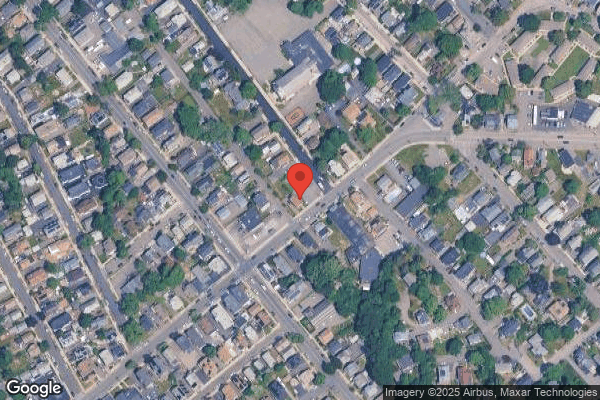

28 ESSEX STREET, LYNN, MA 01902 (781) 595-5500
For profit - Limited Liability company 55 Beds Independent Data: November 2025
Trust Grade
70/100
#62 of 338 in MA
Last Inspection: May 2025

Inspected within the last 6 months. Data reflects current conditions.

Overview

Abbott Skilled Nursing & Rehabilitation Center has a Trust Grade of B, indicating it is a good facility, solid but not at the top tier. It ranks #62 out of 338 nursing homes in Massachusetts, placing it in the top half of the state, and #6 of 44 in Essex County, meaning only five local options are better. The facility has a stable trend in its performance, with five issues reported in both 2024 and 2025. Staffing is rated 4 out of 5 stars, which is a strength, but the turnover rate of 46% is average compared to the state average of 39%. The facility has not incurred any fines, which is a positive sign, and it has average RN coverage, ensuring residents receive necessary medical attention. Some concerns were noted during inspections, such as failures in infection control practices, with staff not performing hand hygiene after using personal protective equipment and not completing required assessments for residents on antipsychotic medications. Overall, while there are strengths in staffing and no fines, these infection control issues raise some red flags that families should consider.

Trust Score
B
70/100
In Massachusetts
#62/338
Top 18%
Safety Record
Low Risk
No red flags
Inspections
Holding Steady
5 → 5 violations
Staff Stability
⚠ Watch
46% turnover. Above average. Higher turnover means staff may not know residents' routines.
Penalties
✓ Good
No fines on record. Clean compliance history, better than most Massachusetts facilities.
Skilled Nurses
○ Average
Each resident gets 37 minutes of Registered Nurse (RN) attention daily — about average for Massachusetts. RNs are the most trained staff who monitor for health changes.
Violations
⚠ Watch
21 deficiencies on record. Higher than average. Multiple issues found across inspections.
★★★★☆
4.0
Overall Rating
★★★★☆
4.0
Staff Levels
★★★☆☆
3.0
Care Quality
★★★★☆
4.0
Inspection Score
Stable
2024: 5 issues
2025: 5 issues

The Good

  • 4-Star Staffing Rating · Above-average nurse staffing levels
  • Full Sprinkler Coverage · Fire safety systems throughout facility
  • No fines on record

Facility shows strength in staffing levels, fire safety.

The Bad

Staff Turnover: 46%

Near Massachusetts avg (46%)

Higher turnover may affect care consistency

The Ugly 21 deficiencies on record

May 2025 5 deficiencies
CONCERN (D)

Potential for Harm - no one hurt, but risky conditions existed

Abuse Prevention Policies (Tag F0607)

Could have caused harm · This affected 1 resident

Based on observation, interviews and records reviewed, the facility failed to implement written policies and procedures for the investigation of allegations of abuse, protection of residents during in...

Read full inspector narrative →
Based on observation, interviews and records reviewed, the facility failed to implement written policies and procedures for the investigation of allegations of abuse, protection of residents during investigations, reporting of allegations and investigative findings, and taking corrective actions to protect other residents from potential abuse, for one Resident (#192), out of a total sample of 13 residents. Findings include: Review of the facility policy titled Freedom from Abuse, Neglect, & Exploitation, dated 8/1/22, indicated, but was not limited to: -The Facility will provide an environment in which the resident is free from abuse, neglect, mistreatment, misappropriation of resident property, or exploitation, including but not limited to freedom from corporal punishment, and voluntary seclusion, and any physical or chemical restraint that is not required to treat their residents' medical symptoms. -Performing internal facility investigations of alleged violations and identification of staff members responsible for investigating incidents and the reporting of the same to proper authorities. -Protecting residents from harm during an investigation of alleged abuse. -Reporting of all alleged violations of resident abuse to appropriate per state agencies utilizing the proper online reporting system with the same with the simultaneous development of corrective actions determined as part of the internal facility investigation to prevent further occurrences of abuse. Abuse Prevention -It will be the facilities responsibility to identify, correct, and intervene in situations where Abuse, Mistreatment, Neglect, Exploitation, Harm, Willful Acts and/or Misappropriate of Resident Property occur. Identification -The following require an incident report, supervisory follow-up and a comprehensive internal facility investigation which shall be performed with subsequent timely notification to the appropriate agencies as warranted. Abuse/Potential Abuse -Willful infliction of injury (physical abuse) -Intimidation (Verbal Abuse) -Unreasonable confinement (Involuntary Seclusion) -Punishment with resulting physical harm, pain or mental anguish (Physical Abuse) -Deprivation by an individual of goods and services necessary to maintain physical and mental well-being (Neglect). -Injuries of unknown origin including bruises, skin tears, laceration, etc. Investigations -Any incidents of actual suspected abuse must have an incident report completed in addition to the incident report the supervisory personnel are responsible to ensure that the internal investigation regarding the incident occurs timely and appropriate interventions are put into place to ensure residents safety or protect the resident from additional harm. -These interventions will include the obtaining of statements from witnesses of incidents, the outcome of the supervisory investigation and the timely notification of administrative personnel regarding the incident to ensure that a comprehensive internal facility investigation is completed in a timely fashion and appropriate staff interventions are included in the residence comprehensive plan of care -The executive director shall assume the overall responsibility to ensure that incident reports are accurately completed and personal statements are obtained timely to ensure proper completion of the internal facility investigation the executive director shall ensure that the appropriate agency agencies are notified in writing as warranted of abuse allegations in all investigatory findings by utilizing the state documentation tool the initial report shall be submitted to the department immediately but not later than two hours after the allegation is made a final report will be submitted to DPH within five business days of the incident if alleged violation is verified appropriate corrective action will be taken. Reporting/Response -All alleged violations of incidents included within the definition of abuse, mistreatment, neglect, involuntary seclusion or misappropriation of resident property shall be reported to the Department of Public Health, Division of Health Care Quality upon receipt of the facility's report of basic findings. The facility must then begin an internal investigation of the incident. Resident #192 was admitted to the facility in May 2025 and has diagnoses that include muscle weakness, osteoarthritis of right and left knee (joint disease), thrombocytopenia (low platelet count), dementia and protein-calorie malnutrition. Review of the most recent Minimum Data Set (MDS) assessment, dated 5/11/25, indicated that Resident #192 had severe cognitive impairment as evidenced by a Brief Interview for Mental Status (BIMS) score of 3 out of 15, and required substantial/maximum assistance with activities of daily living. On 5/20/25 at 1:56 P.M., the surveyor along with Unit Manager #1, Certified Nursing Assistant (CNA)#1 and CNA #2 observed Resident #192's skin. Resident #192 had bruising and open areas observed to his/her bilateral upper extremities. During the observation CNA #1 and CNA #2 said they reported the bruising and open skin area to the right arm to Nurse #1 yesterday while providing care. During an interview on 5/20/25 at 2:08 P.M., Unit Manager #1 said she was not aware of the bruising and skin areas and said nursing staff should have reported the bruising and open areas yesterday. Unit Manager #1 said the findings are concerning and an investigation should have been started to determine how the bruising and open skin areas occurred. During an interview on 5/20/25 at 2:15 P.M., the Director of Nurses (DON) said the bruising and open skin areas observed today by the Unit Manager are concerning and said when the nurse was notified by the CNA yesterday, the Nurse should have performed a skin assessment and documented the findings and reported it so we could investigate how the Resident developed the bruising and open areas. During an interview on 5/20/25 2:20 P.M., Resident Representative #1 who is the Residents Healthcare Proxy, said she noticed the bruising and bloody area to the Resident's right wrist yesterday and said she asked the staff about it, but they did not know how it occurred. During an interview on 5/20/25 2:38 P.M., Nurse #1 said she saw dark bruising and a large open skin area on the right wrist yesterday in the shape of a U with dried blood and said it was the first time she noticed it. Nurse #1 said she probably should have reported it but said she didn't know if it was new or not. Nurse #1 said she did not document the area and did not report the bruising or open skin area to the right wrist. During an interview on 5/21/25 at 10:58 A.M., the Director of Nurses (DON) said the injuries to Resident #192 are unknown and need to be investigated and reported. The DON said she has to go back and get statements from staff who took care of the Resident as part of the investigation process. The DON said she would have expected the skin areas and bruises to be documented on a skin check when the nurse observed the areas on 5/19/25. The DON said bruises and open skin areas must be reported and investigated and should be done timely right then and there. The DON said she observed the areas on Resident #192 on 5/20/25. During an interview on 5/21/25 at 11:00 A.M., The Administrator said the facility must report and investigate all injuries of unknown origin and said she expects staff to report and document any bruising or open areas. The Administrator said CNA's had reported that they saw the areas the day prior on 5/19/25, and that the nurse confirmed she didn't do anything about it and did not report it. The Administrator said reporting to state agency is pending an investigation and said investigations must be started immediately for concerns for abuse and neglect. The facility failed to provide any initial investigation into the injuries of unknown origin reported on 5/19/25 and did not have any investigation information related to the bruising and open skin observations found on 5/20/25. Review of the Health Care Facility Report System (HCFRS) on 5/21/25 failed to indicate the facility reported the incident to the state agency. Refer to F609, F610, F684
CONCERN (D)

Potential for Harm - no one hurt, but risky conditions existed

Report Alleged Abuse (Tag F0609)

Could have caused harm · This affected 1 resident

Based on observations, records reviewed and interviews, the facility failed to report allegations of potential abuse (injuries of unknown source) to the State Agency for one Resident (#192) out of a t...

Read full inspector narrative →
Based on observations, records reviewed and interviews, the facility failed to report allegations of potential abuse (injuries of unknown source) to the State Agency for one Resident (#192) out of a total sample of 13 residents. Findings include: Review of the facility policy titled Freedom from Abuse, Neglect, & Exploitation, dated 8/1/22, indicated, but was not limited to: -Reporting of all alleged violations of resident abuse to appropriate per state agencies utilizing the proper online reporting system with the same with the simultaneous development of corrective actions determined as part of the internal facility investigation to prevent further occurrences of abuse. -The executive director shall assume the overall responsibility to ensure that incident reports are accurately completed and personal statements are obtained timely to ensure proper completion of the internal facility investigation the executive director shall ensure that the appropriate agency agencies are notified in writing as warranted of abuse allegations in all investigatory findings by utilizing the state documentation tool. The initial report shall be submitted to the department immediately but not later than two hours after the allegation is made. A final report will be submitted to DPH within five business days of the incident. If alleged violation is verified, appropriate corrective action will be taken. Reporting/Response -All alleged violations of incidents included within the definition of abuse, mistreatment, neglect, involuntary seclusion or misappropriation of resident property shall be reported to the Department of Public Health, Division of Health Care Quality upon receipt of the facility's report of basic findings. The facility must then begin an internal investigation of the incident. Resident #192 was admitted to the facility in May 2025 and has diagnoses that include muscle weakness, osteoarthritis of right and left knee (joint disease), thrombocytopenia (low platelet count), dementia and protein-calorie malnutrition. Review of the most recent Minimum Data Set (MDS) assessment, dated 5/11/25, indicated that Resident #192 had severe cognitive impairment as evidenced by a Brief Interview for Mental Status (BIMS) score of 3 out of 15, and required substantial/maximum assistance with activities of daily living. On 5/20/25 at 1:56 P.M., the surveyor along with Unit Manager #1, Certified Nursing Assistant (CNA)#1 and CNA #2 observed Resident #192's skin. Resident #192 had bruising and open areas observed to his/her bilateral upper extremities. During the observation CNA #1 and CNA #2 said they reported the bruising and open skin area to the right arm to Nurse #1 yesterday while providing care. During an interview on 5/20/25 at 2:08 P.M., Unit Manager #1 said staff must report injuries of unknown origin and said bruising and open skin areas must be investigated and reported. Review of the Health Care Facility Report System (HCFRS) on 5/20/25 failed to indicate the facility reported the allegation to the state agency. During an interview on 5/21/25 at 10:59 A.M., the Director of Nurses (DON) said the injuries to Resident #192 are unknown and need to be investigated and reported The DON said she observed the areas on Resident #192 on 5/20/25 but did not report the it to the state agency and said they are starting the investigation process now. During an interview on 5/21/25 at 11:03 A.M., The Administrator said the facility must report and investigate all injuries of unknown origin for suspected and abuse must be reported. The Administrator said reporting to state agency is pending and if blatant abuse is identified it needs to be reported in two hours and if not blatant abuse it must be reported within 24 hours. Review of the Health Care Facility Report System (HCFRS) on 5/21/25 failed to indicate the facility reported the allegation to the state agency. Refer to F610, F684
CONCERN (D)

Potential for Harm - no one hurt, but risky conditions existed

Investigate Abuse (Tag F0610)

Could have caused harm · This affected 1 resident

Based on observation, interviews and records reviewed, the facility failed to Initiate an investigation of an alleged violation of abuse including injuries of unknown source for one Resident (#192) ou...

Read full inspector narrative →
Based on observation, interviews and records reviewed, the facility failed to Initiate an investigation of an alleged violation of abuse including injuries of unknown source for one Resident (#192) out of a total sample of 13 residents. Specifically for Resident #192 who on 5/19/25, was found to have bruising and open skin areas to his/her upper extremities, the facility failed to prevent further potential abuse or mistreatment while the investigation of an alleged violation is in progress. Findings include: Review of the facility policy titled Freedom from Abuse, Neglect, & Exploitation, dated 8/1/22, indicated, but was not limited to: -The Facility will provide an environment in which the resident is free from abuse, neglect, mistreatment, misappropriation of resident property, or exploitation, including but not limited to freedom from corporal punishment, and voluntary seclusion, and any physical or chemical restraint that is not required to treat their residents' medical symptoms. -Performing internal facility investigations of alleged violations and identification of staff members responsible for investigating incidents and the reporting of the same to proper authorities. -Protecting residents from harm during an investigation of alleged abuse. Abuse Prevention -It will be the facilities responsibility to identify, correct, and intervene in situations where Abuse, Mistreatment, Neglect, Exploitation, Harm, Willful Acts and/or Misappropriate of Resident Property occur. Identification -The following require an incident report, supervisory follow-up and a comprehensive internal facility investigation which shall be performed with subsequent timely notification to the appropriate agencies as warranted. Abuse/Potential Abuse -Willful infliction of injury (physical abuse) -Intimidation (Verbal Abuse) -Unreasonable confinement (Involuntary Seclusion) -Punishment with resulting physical harm, pain or mental anguish (Physical Abuse) -Deprivation by an individual of goods and services necessary to maintain physical and mental well-being (Neglect) -Injuries of unknown origin including bruises, skin tears, laceration, etc. Investigations -Any incidents of actual suspected abuse must have an incident report completed in addition to the incident report the supervisory personnel are responsible to ensure that the internal investigation regarding the incident occurs timely and appropriate interventions are put into place to ensure residents safety or protect the resident from additional harm. -These interventions will include the obtaining of statements from witnesses of incidents, the outcome of the supervisory investigation and the timely notification of administrative personnel regarding the incident to ensure that a comprehensive internal facility investigation is completed in a timely fashion and appropriate staff interventions are included in the residence comprehensive plan of care Resident #192 was admitted to the facility in May 2025 and has diagnoses that include muscle weakness, osteoarthritis of right and left knee (joint disease), thrombocytopenia (low platelet count), dementia and protein-calorie malnutrition. Review of the most recent Minimum Data Set (MDS) assessment, dated 5/11/25, indicated that Resident #192 had severe cognitive impairment as evidenced by a Brief Interview for Mental Status (BIMS) score of 3 out of 15, and required substantial/maximum assistance with activities of daily living. On 5/20/25 at 1:56 P.M., the surveyor along with Unit Manager #1, Certified Nursing Assistant (CNA)#1 and CNA #2 observed Resident #192's skin. Resident #192 had bruising and open areas observed to his/her bilateral upper extremities. During the observation CNA #1 and CNA #2 said they reported the bruising and open skin area to the right arm to Nurse #1 yesterday while providing care. During an interview on 5/20/25 at 2:08 P.M., Unit Manager #1 said staff must report injuries of unknown origin and said bruising and open skin areas must be investigated and reported. During an interview on 5/21/25 at 10:59 A.M., the Director of Nurses (DON) said the injuries to Resident #192 are unknown and need to be investigated and reported The DON said she observed the areas on Resident #192 on 5/20/25 but did not report the it to the state agency and said they are starting the investigation process now. During an interview on 5/21/25 at 11:03 A.M., The Administrator said the facility must report and investigate all injuries of unknown origin for possible suspected and abuse must be reported. The Administrator said reporting to state agency is pending an investigation and said investigations must be started immediately for concerns for abuse and neglect. The facility failed to provide any initial investigation into the injuries of unknown origin reported on 5/19/25 and did not have any investigation information related to the bruising and open skin observations found on 5/20/25. Refer to F684
CONCERN (D)

Potential for Harm - no one hurt, but risky conditions existed

Quality of Care (Tag F0684)

Could have caused harm · This affected 1 resident

Based on observations, interviews and records reviewed, the facility failed to provide care, consistent with professional standards of practice one Resident (#192) out of a total sample of 13 resident...

Read full inspector narrative →
Based on observations, interviews and records reviewed, the facility failed to provide care, consistent with professional standards of practice one Resident (#192) out of a total sample of 13 residents. Specifically, for Resident #192 the facility failed to identify a change in his/her skin condition and failed to ensure weekly skin checks were completed. Findings include: Resident #192 was admitted to the facility in May 2025 and has diagnoses that include muscle weakness, osteoarthritis of right and left knee (joint disease), thrombocytopenia (low platelet count), dementia and protein-calorie malnutrition. Review of the most recent Minimum Data Set (MDS) assessment, dated 5/11/25, indicated that Resident #192 had severe cognitive impairment as evidenced by a Brief Interview for Mental Status (BIMS) score of 3 out of 15, and required substantial/maximum assistance with activities of daily living. Review of the Nursing admission progress note dated 5/5/25, indicated the following: Skin check which revealed Stage 1 pressure ulcer to left buttocks and bilateral heels. New order for skin prep every shift. Multiple purpura (red or purple discolored spots on skin) and bruising noted to extremities. Review of Resident #192's physician orders indicated the following: -Skin check weekly sat (Saturday) 3:00 P.M. to 11:00 P.M., every evening shift, every Sat for skin prevention. Dated: 5/5/25. Review of Resident #192's Medical Record on 5/20/25, failed to indicate the physician order for weekly skin checks were completed as ordered. Further review of the medical record indicated the last documented skin assessment was on 5/5/25. Review of the Nurse Practitioner (NP) progress note dated 5/9/25 & 5/14/25 indicated the Residents skin is warm, dry, intact ecchymosis (skin discoloration) to right lower extremity. During an interview on 5/20/25 at 1:23 P.M., Nurse #1 said the physician order for weekly skin checks was not completed and said there is no skin assessment documented since admission. Nurse #1 reviewed the online medical record with the surveyor and Nurse #1 said the Medication Administration Record was checked off as completed on 5/10/25 and 5/17/25 but no skin assessment was completed as ordered and contained no documented skin assessment details. During an interview on 5/20/25 at 1:26 P.M., Unit Manager #1 reviewed Resident #192's medical record with the surveyor and said Resident #192 did not have a skin assessments completed as ordered and said nurses must document a skin assessment including the type of wounds, location, measurements and observations on the skin assessment. Unit Manager #1 said physician orders for weekly skin checks must be completed as ordered and documented in the medical record. On 5/20/25 at 1:56 P.M., the surveyor along with Unit Manager #1, Certified Nursing Assistant (CNA)#1 and CNA #2 observed Resident #192's skin. Resident #192 was observed lying in bed with his/her feet flat on the bed. Unit Manager #1 inspected both heels and said both heels and coccyx are clean, dry and intact. Observations to Resident #192 lower legs included, right lower leg had faded yellow, light purple bruising scattered over the right knee area, scattered bruising with discoloration to the right lower leg with dark purple, dark pink, and lighter pink areas extending down the lower leg. The outer right lower extremity had larger dark purple, dark pink bruising. The left lower leg had fading yellow and light purple scattered bruising. The top of the left big toe was red, with dark pink skin across the top and bottom and appeared swollen. The toenail had dark brown and black broken pieces with flaky, yellow, dried skin. The left foot, second toe, had two dark pink and red round areas located on top of the toes with dark yellow, light brown thick flaky skin across the tops of the toes. As CNA #1 and CNA#2 proceeded to reposition the Resident, the Resident said My wrists are so sore. Ouch, ouch, ouch it hurts! It hurts!. Unit Manager #1 proceeded to lift the Residents right shirt sleeve. The Residents right wrist had numerous dark pink and purple bruises extending over the upper side of the right hand. The bruising extended to the wrist and outer lower forearm, with three open skin areas with bright red dried, blood with darker edges. There was a large bruise observed on the inner side of the forearm that extended from the front (anterior) side of the elbow between the arm and lower forearm to the wrist and contained multiple darker bruised areas throughout the lower arm. Unit Manager #1 proceeded to lift the Residents left shirt sleeve. The Residents' left wrist had numerous dark pink and purple bruises extending over the upper side of the right wrist. The bruising extended to the wrist and outer lower forearm, with two open skin areas with dark red dried, blood with darker edges. During the observation CNA #1 and CNA #2 said they reported the bruising and open skin area to the right arm to Nurse #1 yesterday while providing care. During an interview on 5/20/25 at 2:08 P.M., Unit Manager #1 said she was not aware of the open skin areas and bruising and said nursing staff should have reported the bruising and open areas and said the Resident is in pain and said the findings are concerning. Unit Manager #1 said the physician and family should have been notified and an investigation should have been started to determine how the bruising and skin tears occurred. During an interview on 5/20/25 at 2:15 P.M., the Director of Nurses (DON) said nursing should have completed the physician order for weekly skin checks and documented the skin assessment findings in the medical record.
CONCERN (F)

Potential for Harm - no one hurt, but risky conditions existed

Infection Control (Tag F0880)

Could have caused harm · This affected most or all residents

Based on observations, interviews and records reviewed, the facility failed to implement the infection prevention and control program. Specifically, the facility failed to implement an infection contr...

Read full inspector narrative →
Based on observations, interviews and records reviewed, the facility failed to implement the infection prevention and control program. Specifically, the facility failed to implement an infection control surveillance plan for identifying, tracking, monitoring and/or reporting of infections, communicable diseases and outbreaks among residents and staff. Findings include: Review of the facility policy titled Infection Control, undated, indicated the following: -The facility has an established infection control program which has been designed to provide a safe, sanitary and comfortable environment and to help prevent the development and transmission of disease and infection. Infection Control Program -Investigates, controls, and prevents infection in the facility. -Decides what procedures, such as isolation, should be applied to an individual resident and maintains a record of incidents and corrective actions related to infections. Review of the facility policy titled Infection Prevention and Control Manual, dated 10/4/20, indicated the following: -The Infection Preventionist (IP) will track/monitor surveillance of healthcare acquired, and community acquired infections -The IP will investigate outbreaks and implement infection prevention interventions within the guidance of CDC/CMS/OSHA/DPH (Center for Disease Control, Centers for Medicare & Medicaid Services, Occupational Safety and Health Administration, Department of Public Health) -The IP will assist with reporting an outbreak of communicable diseases to the county state health departments as required after consultation with administrations and the Medical Director. Review of the facility's Facility Assessment, dated June 2024, indicated the following: -Infection Control Program Evaluation (Infection Risk Assessment) -Ongoing monitoring identifies staff, volunteer, visitor may have a contagious condition. -Infection control risk assessment is done yearly to determine any needs. -The facility tracks all infections that occur. -A line listing is completed monthly to track and trend infections and antibiotic use. Review of the facility's binder titled Infection Control Line Listings provided by the Director of Nursing, indicated documents titled Monthly Infection Control Log (Line List) for the month of March 2025. The March Monthly Line Listing indicated 20 Residents with GI (gastrointestinal) infections and eight employees with GI infections, N/V (nausea/vomiting) loose watery stools was handwritten on the top of the form. The Line Listing failed to include Resident and Employee specific infection control criteria, including Nursing Home Acquired, Hospital Acquired or Community Acquired Infection information, isolation type, antibiotic information with start/stop dates, X-Ray, or Culture Results (Organism Identified) and classification. The line listing criteria fields were left blank and contained no information. The Infection Control Line Listing Binder did not contain any Infection Control Surveillance information or plan for identification related to the outbreak during March 2025. During an interview on 5/21/25 at 9:53 A.M., the Infection Preventionist said they did not report the gastrointestinal outbreak and said she does not have information regarding how it started and said numerous residents and staff had symptoms including nausea, vomiting and diarrhea. The IP said she did not have any information regarding measures implemented or surveillance information from the outbreak that happened and said infection control measures should have been implemented and documented as part of the infection control program. During an interview on 5/21/25 at 10:21 A.M., the Director of Nurses (DON) said, the facility should have reported and documented the gastrointestinal outbreak and contacted the local health department for guidance to rule out Norovirus (contagious virus that causes vomiting and diarrhea) as the facility had numerous employees and residents with symptoms. The DON said they did not obtain cultures to test for Norovirus and said outbreaks and infections must be tracked, reported documented.
Jun 2024 5 deficiencies
CONCERN (D)

Potential for Harm - no one hurt, but risky conditions existed

Deficiency F0578 (Tag F0578)

Could have caused harm · This affected 1 resident

**NOTE- TERMS IN BRACKETS HAVE BEEN EDITED TO PROTECT CONFIDENTIALITY** Based on record review and interviews, the facility failed to formulate an advance directive for one Resident (#5) out of a tota...

Read full inspector narrative →
**NOTE- TERMS IN BRACKETS HAVE BEEN EDITED TO PROTECT CONFIDENTIALITY** Based on record review and interviews, the facility failed to formulate an advance directive for one Resident (#5) out of a total sample of 14 residents. Specifically, the facility failed to initiate the court process to renew an expired [NAME] guardianship (a treatment plan that states that antipsychotic medications are so intrusive, and their side effects are potentially so severe, that a court must approve them). Findings include: Review of the facility policy titled 'Advanced Care Planning' revised [DATE] indicated the following: - Advance Directives-written or verbal directions related to specific treatment choices that communicate the resident's preferences about designation of a decision making proxy. - A resident/patient's role in advance care planning depends on the extent of their decision-making capacity. - A resident's/patient's role in advance care planning depends on their decision-making capacity, family considerations and other factors. A resident/patient may still be able to participate to some extent in advance care planning even if someone else is the primary decision maker. - When a substitute decision maker is involved, staff guides them regarding their roles and relevant procedures. - New or revised documents and orders may be needed to implement revised or new treatment choices. Resident #5 was admitted to the facility in [DATE] with diagnoses including paranoid schizophrenia and bipolar disorder. Review of Resident #5's most recent Minimum Data Set (MDS), dated [DATE] indicated a Brief Interview for Mental Status (BIMS) score of 12 out of a possible 15 indicating the Resident has moderate cognitive impairment. Review of Resident #5's [DATE] physician's orders indicated the following: - Olanzapine (an antipsychotic medication) oral tablet 5 milligrams, give 2 tablets by mouth two times a day for schizophrenia. Start date [DATE]. Review of the medical record indicated that the Resident has a legal guardian and a [NAME] monitor. Further review of Resident #5's medical record indicated a [NAME] treatment plan with permission from court to treat the Resident with Olanzapine 5 milligrams twice a day. The treatment plan was approved on [DATE]. The treatment plan further indicated that that it would be reviewed one year from [DATE] on [DATE] and shall expire at 4:00 P.M., on [DATE]. Review of the [DATE] Medication Administration Record (MAR) indicated the following: - Resident #5 was administered Olanzapine twice daily as ordered from [DATE] to [DATE]. Review of the [DATE] Medication Administration Record (MAR) indicated the following: - Resident #5 was administered Olanzapine twice daily as ordered from [DATE] to [DATE]. During an interview on [DATE] at 8:54 A.M., the Social Worker said she was not aware that Resident #5's [NAME] treatment plan had expired. She said she was waiting for the court to inform her that the treatment plan was expired so she could start the renewal process. During an interview on [DATE] at 11:01 A.M., the Director of Nurses (DON) #2 said the Social Worker is responsible for tracking all [NAME] treatment plans and start the renewal process in advance before they expire. The Director of Nurses said starting the renewal process in advance ensures that the treatment plan is renewed in a timely manner so that the Resident can continue to receive their antipsychotic medication as ordered. She said the Social Worker started the renewal process today. During a telephone interview on [DATE] at 1:56 P.M., the Guardian/[NAME] Monitor said that Resident #5's treatment plan is currently expired. She said it is the facility's responsibility to start the treatment plan's renewal process months in advance. She said this would ensure the renewed treatment plan is in place so that the Resident can continue to receive his/her antipsychotic medication as ordered. The Guardian/[NAME] monitor said she heard from the facility's lawyer today about starting the treatment plan renewal process.
CONCERN (D)

Potential for Harm - no one hurt, but risky conditions existed

ADL Care (Tag F0677)

Could have caused harm · This affected 1 resident

**NOTE- TERMS IN BRACKETS HAVE BEEN EDITED TO PROTECT CONFIDENTIALITY** Based on observation, interview and record review, the facility failed to provide assistance with activities of daily living (AD...

Read full inspector narrative →
**NOTE- TERMS IN BRACKETS HAVE BEEN EDITED TO PROTECT CONFIDENTIALITY** Based on observation, interview and record review, the facility failed to provide assistance with activities of daily living (ADLs) for residents who are dependent on staff for one Resident (#22) out of a total sample of 14 residents. Specifically, the facility failed to provide supervision while eating for Resident #22. Findings include: Review of the facility policy titled Activities of Daily Living, dated 1/1/15, indicated the following: - A program of ADLs is provided to residents by the following method: The ability of each resident to meet the demands of daily living is assessed by a licensed nurse and/or member of the interdisciplinary team. A program of assistance and instruction in ADL skills is implemented. - Feeding: Meals are planned considering needs and desires of residents. Resident #22 was admitted to the facility in August 2021 with diagnoses including cerebral infarction, hemiplegia, aphasia and dysphagia. Review of Resident #22's most recent Minimum Data Set Assessment (MDS), dated [DATE], indicated that the Resident had a Brief Interview for Mental Status score of 0 out of a possible 15 indicating severe cognitive impairment. Further review of the MDS indicated that Resident #22 requires supervision or touching assistance while eating. The surveyor made the following observations: - On 6/4/23 at 8:33 A.M., Resident #22 was observed laying in bed. A certified nursing assistant (CNA) brought in his/her breakfast, set up the tray and left the room. At 9:03 A.M., 30 minutes since Resident #22 received his/her breakfast, no staff member supervised him/her eating or provided any assistance. - On 6/4/24 at 12:49 P.M., Resident #22 was observed laying in his/her bed, a CNA brought in his/her lunch, set up the tray and left the room. Resident #22's bedside curtain was drawn, and he/she could not be seen from the hallway. At 1:11 P.M., 22 minutes later, no staff members entered the Resident's room to provide supervision or assistance. - On 6/5/24 at 8:23 A.M., Resident #22 was observed laying in his/her bed, a CNA brought in his/her breakfast, set up the tray and left the room. At 8:29 A.M., with no staff supervision or assistance, Resident #22 was heard making a wet cough for about ten seconds with food in his/her hands. The surveyor asked CNA #2 to check in on Resident #22 after he/she was heard coughing. CNA #2 said Resident #22's food should be cut up but he/she does fine with eating on his/her own. CNA #2 left Resident #22's room at 8:41 A.M., at 8:46 A.M., the surveyor observed Resident #22 eating a muffin with his/her hands with crumbs throughout his/her face. At 8:54 A.M., Resident #22 had not received supervision while eating since CNA #2 left the room at 8:41 A.M. Review of Resident #22's care plan dated 3/28/23 indicated the following: - Focus: Resident #22 is on a mechanically altered diet d/t (due to) dysphagia. He/she is at risk for dysphagia - Interventions: diet as ordered Review of Resident #22's Speech/Language Pathology Discharge summary dated [DATE] to 5/12/23 indicated the following: - He/she requires assist for set up and use of safe swallowing strategies, i.e. 90 degrees upright, slow rate, small sips and bites and to alternate bites and sips. Review of Resident #22's physician's order dated 5/12/23 indicated the following: - Regular diet, regular texture, upgrade diet to regular texture, cut-up food. Review of Resident #22's active [NAME] (a nursing care card), indicated the following under the eating section: Continual supervision (1:8). Review of Resident #22's Nutritional assessment dated [DATE] indicated the following: - encourage good po (by mouth)/fluid intake, supervise eating. During an interview on 6/5/24 at 9:45 A.M., the Unit Manager said supervision with meals means someone should always be watching the Resident while they are eating. The Unit Manager continued to say if a resident is eating in his/her room then a nurse or CNA should be in the room with the resident. The surveyor and Unit Manager reviewed Resident #22's medical record and the Unit Manager said Resident #22 should be supervised with meals and a staff member should be in the room with him/her while eating. During an interview on 6/5/24 at 11:58 P.M., Director of Nursing (DON) #2 said a resident who needs supervision with meals can be checked in on by staff while they are eating and then staff can leave and check in on other residents eating and return to the resident. When asked how is the resident supervised at all times while a staff member is checking in on other residents, the DON #2 could not answer.
CONCERN (D)

Potential for Harm - no one hurt, but risky conditions existed

Deficiency F0685 (Tag F0685)

Could have caused harm · This affected 1 resident

**NOTE- TERMS IN BRACKETS HAVE BEEN EDITED TO PROTECT CONFIDENTIALITY** Based on record review and interview, the facility failed to follow up with recommendations made by the Audiologist for one Resi...

Read full inspector narrative →
**NOTE- TERMS IN BRACKETS HAVE BEEN EDITED TO PROTECT CONFIDENTIALITY** Based on record review and interview, the facility failed to follow up with recommendations made by the Audiologist for one Resident (#17) out of a total sample of 14 residents. Specifically, for Resident #17 the facility failed to follow up with the Audiologist's recommendation to remove ear wax from the Resident's right ear within a reasonable amount of time. Findings include: Resident #17 was admitted to the facility in November 2021 with diagnoses including Alzheimer's disease and vascular dementia. Review of Resident #17's most recent Minimum Data Set Assessment (MDS) dated [DATE], indicated that the Resident had a Brief Interview for Mental Status score of 0 out of 15 indicating that he/she has severe cognitive impairment. Further review of the MDS indicated that Resident #17 has not refused care and is dependent for all activities of daily living. Review of Resident #17's physician's order dated 8/8/22 indicated the following: - Audiologist consult as needed. Review of Resident #17's form titled Request for service dated September 2022 indicated that the Resident requested to be seen by the Audiologist. Review of Resident #17's Audiologist referral evaluation dated 2/21/24 indicated the following: - Reason for Referral: Resident complains of newly decreased hearing. Newly decreased participation in social activities including decreased interaction. - Comment: Otoscopy found impacted cerumen (ear wax) deep in the right ear. Once the canal is cleaned further testing can be attempted. - Recommendations for Attending MD (Medical Doctor)/nursing staff: Wax needs removal right ear - Action to be taken by Audiologist: Re-evaluate patient after Wax Removal. Review of a binder at the nursing station containing the contracted Audiologist visit summaries from 2/21/24 indicated the following for Resident #17: - Wax needs removal right ear. During an interview on 6/4/24 at 12:30 P.M., Nurse #1 said the facility uses a contracted company for hearing services. She continued to say that if the Audiologist makes recommendations the facility should follow up on them as soon as possible. During an interview on 6/5/24 at 9:45 A.M., the Unit Manager and Social Worker #1 said the facility uses a contracted company for Audiology services and once a Resident gets admitted a consent form is filled out. The Unit Manager and the surveyor reviewed Resident #17's Audiology visit from 2/21/24 and the medical record, the Unit Manager was unable to locate any follow up or any implemented interventions that the Audiologist recommended. The Unit Manager said interventions should have been implemented since the Audiology visit from 2/21/24. During an interview on 6/5/24 at 11:58 P.M., Director of Nursing (DON) #2 said the recommendations made by the audiologist should have been followed up on right away so interventions and physician's orders could be implemented.
CONCERN (D)

Potential for Harm - no one hurt, but risky conditions existed

Respiratory Care (Tag F0695)

Could have caused harm · This affected 1 resident

**NOTE- TERMS IN BRACKETS HAVE BEEN EDITED TO PROTECT CONFIDENTIALITY** Based on observation, interviews, policy review and record review the facility failed to maintain respiratory equipment accordin...

Read full inspector narrative →
**NOTE- TERMS IN BRACKETS HAVE BEEN EDITED TO PROTECT CONFIDENTIALITY** Based on observation, interviews, policy review and record review the facility failed to maintain respiratory equipment according to professional standards of practice for two Residents (#289 and #9), out of a total sample of 14 residents. Specifically, 1. For Resident #289 the facility failed to obtain a physician's order for the use of a continuous positive airway pressure machine (CPAP, machine used to treat sleep apnea). 2. For Resident #9, the facility failed to ensure the oxygen concentrator filter was clean. Findings include: 1. Review of the facility's policy titled CPAP Management, dated as revised 12/28/22, indicated nursing will provide CPAP to treat sleep apnea or sleep disorders as ordered by the physician. Resident #289 was admitted to the facility in May 2024 with diagnoses including vascular dementia, coronary artery disease, and sleep apnea (interrupted breathing during sleep). On 6/4/24 at 7:42 A.M., the surveyor observed Resident #289 in bed with a CPAP at bedside. During an interview on 6/4/24 at 12:30 P.M., Resident #289 said he/she wears CPAP every night. Review of the hospital Discharge summary, dated [DATE], indicated Resident #289 has sleep apnea and uses CPAP. Review of the nursing progress note, dated 5/30/24 at 6:20 A.M., indicated: - CPAP machine at bedtime. Review of the nursing progress note, dated 6/1/24 at 10:51 P.M., indicated: - CPAP machine on at bedtime. Review of the nursing progress note, dated 6/2/24 at 8:01 P.M., indicated: - CPAP machine on at bedtime. Review of the nursing progress note, dated 6/4/24 at 3:34 A.M., indicated: - CPAP machine utilized at bedtime. Review of nursing progress note, dated 6/5/24 at 6:56 A.M., indicated: - CPAP on and functioning properly. Review of Resident #289's physician's orders failed to indicate an order for the use of CPAP. Review of the plan of care on 6/5/24, dated as initiated on 5/29/24, failed to include the use of CPAP. During an interview on 6/5/24 at 6:45 A.M., Certified Nurse Assistant (CNA) #1 said Resident #289 wears CPAP at night. During an interview on 6/5/24 at 7:05 A.M., Nurse #3 said Resident #289 wears CPAP at night. Nurse #3 said Resident #289 wore CPAP last night and she removed it before medication administration this morning. During an interview on 6/5/24 at 8:40 A.M., Nurse #4 said Resident #289 wears a CPAP at night and requires physicians' order for use. During an interview on 6/5/24 9:14 A.M., the Unit Manager said use of a CPAP machine requires a physicians' order. The Unit Manager reviewed the medical record and said Resident #289 did not have a physician's order for the use of a CPAP, but should have. During an interview 6/5/24 at 11:36 A.M., Director of Nursing #2 said Resident #289 did not have physician's order for CPAP machine, but should have. 2. Review of the facility policy titled Oxygen Concentrator Cleaning, reviewed 1/3/24, indicated Oxygen company will change concentrator filters weekly. Resident #9 was admitted to the facility in August 2022 with diagnoses that included Chronic Obstructive Pulmonary Disease (COPD), anxiety and dependence on supplemental oxygen. Review of Resident #9's most recent Minimum Data Set (MDS), dated [DATE], indicated he/she scored a 14 out of a possible 15 on the Brief Interview for Mental Status (BIMS) indicating the Resident is cognitively intact. Further review of the MDS indicated the Resident is receiving oxygen therapy. On 6/4/24 at 8:12 A.M. and 11:28 A.M., the surveyor observed Resident #9 in bed receiving oxygen via nasal cannula. The surveyor observed the oxygen filter on the oxygen concentration had a layer of gray dust. On 6/5/24 at 7:52 A.M., the surveyor observed Resident #9 in bed receiving oxygen via nasal cannula. The surveyor observed the oxygen filter on the oxygen concentration had a layer of gray dust. Review of Resident #9's physician order, dated 11/30/23, indicated oxygen @ (at) 1-4 LPM (liters per minute) via nasal cannula or to maintain Sats (saturation) above 90%. On 6/5/24 at 7:56 A.M., the surveyor, Nurse #1 and Director of Nurses (DON) #1 observed Resident #9's oxygen concentrator filter. The oxygen filter was observed to have a thick layer of gray dust, Nurse #1 and DON #1 said the filter needs to be changed immediately because it is dirty. DON #1 said she would have to find out what the policy is for changing the oxygen concentrator filters. During an interview on 6/5/24 at 8:06 A.M., Nurse #2 said Resident #9's oxygen concentrator filter is very dirty and said nursing should be changing the filter weekly with the oxygen tubing change.
CONCERN (D)

Potential for Harm - no one hurt, but risky conditions existed

Deficiency F0805 (Tag F0805)

Could have caused harm · This affected 1 resident

**NOTE- TERMS IN BRACKETS HAVE BEEN EDITED TO PROTECT CONFIDENTIALITY** Based on observations, interviews and record review, the facility failed to provide food in a form that meets the needs of one R...

Read full inspector narrative →
**NOTE- TERMS IN BRACKETS HAVE BEEN EDITED TO PROTECT CONFIDENTIALITY** Based on observations, interviews and record review, the facility failed to provide food in a form that meets the needs of one Resident (#22) out of a total sample of 14 residents. Specifically, for Resident #22 the facility failed to provide food in a cut-up texture as ordered by the physician. Findings include: Review of the facility policy titled Texture and Consistency-Modified Diets, undated, indicated the following: - Policy: Texture and consistency-modified diets will be individualized with modifications made by the speech/language pathologist and physician in conjunction with the registered dietitian or designee and director of food and nutrition services. A written order is needed. Resident #22 was admitted to the facility in August 2021 with diagnoses including cerebral infarction, hemiplegia, aphasia and dysphagia. Review of Resident #22's most recent Minimum Data Set Assessment (MDS) dated [DATE], indicated that the Resident had a Brief Interview for Mental Status score of 0 out of a possible 15 indicating severe cognitive impairment. Further review of the MDS indicated that Resident #22 requires supervision or touching assistance while eating. The surveyor made the following observations: - On 6/4/23 at 8:33 A.M., Resident #22 was lying in his/her bed and received breakfast. On the tray were pancakes cut into pieces that were larger than the fork prongs and two, sausage links not cut up. - On 6/5/24 at 8:23 A.M., Resident #22 was lying in his/her bed and received breakfast. On his/her tray was a muffin, not cut up and a piece of egg bake containing large chunks of broccoli, not cut up. At 8:29 A.M., with no staff supervision or assistance, Resident #22 was heard making a wet cough for about ten seconds with food in his/her hands. The surveyor asked Certified Nurse Aide (CNA) #2 to check in on Resident #22 after he/she was heard coughing. CNA #2 said Resident #22's food should be cut up. The surveyor and CNA #2 observed Resident #22's meal ticket stating, soft cut up food. CNA #2 said the kitchen should be cutting up Resident #22's food but if we notice it is not cut up then we should do it. CNA #2 left Resident #22's room at 8:41 A.M., at 8:46 A.M., the surveyor observed Resident #22 eating a muffin with his/her hands with crumbs throughout his/her face. Review of Resident #22's physician's order dated 5/12/23 indicated the following: - Regular diet, regular texture, upgrade diet to regular texture, cut-up food. Review of Resident #22's care plan dated 3/28/23 indicated the following: - Focus: Resident #22 is on a mechanically altered diet d/t (due to) dysphagia. He/she is at risk for dysphagia. - Interventions: diet as ordered. Review of Resident #22's Speech/Language Pathology Discharge summary dated [DATE] to 5/12/23 indicated the following: - Pt (patient) is tolerating advanced diet texture to regular cup up textures with thin liquids without overt s/sx (signs/symptoms) of aspiration. He/she requires assist for set up and use of safe swallowing strategies, i.e. 90 degrees upright, slow rate, small sips and bites and to alternate bites and sips. During an interview on 6/5/24 at 9:45 A.M., the Unit Manager and surveyor reviewed Resident #22's physician's order and the Unit Manager said he/she should be receiving cut up foods. The surveyor showed the Unit Manager the photos of his/her meals from 6/4/24 and 6/5/24 and he said they are not cut up properly. He continued to say either the kitchen or the CNAs should be cutting up Resident #22's food before he/she receives it. During an interview on 6/5/24 at approximately 10:00 A.M., the Food Service Director (FSD) and FSD in training said the cook should be cutting up foods if the resident's meal ticket says to. During a phone interview on 6/5/24 at 11:25 A.M., the Registered Dietitian said Resident #22's food should be cut up and usually the CNAs will cut it up for the resident. During an interview on 6/5/24 at 11:58 P.M., the Director of Nursing (DON) #2 reviewed the photos of Resident #22's meals and she said they are not cut up. She continued to say if the physician's order is for cut up foods then the food should be cut up.
Nov 2023 2 deficiencies
CONCERN (D)

Potential for Harm - no one hurt, but risky conditions existed

Deficiency F0887 (Tag F0887)

Could have caused harm · This affected 1 resident

Based on record review and interview the facility failed to 1. maintain for Resident (#2), out of sample of five residents, documentation that the resident was screened for the eligibility for the Cov...

Read full inspector narrative →
Based on record review and interview the facility failed to 1. maintain for Resident (#2), out of sample of five residents, documentation that the resident was screened for the eligibility for the Covid-19 vaccination, or that the resident had been immunized for Covid-19, and 2. failed to ensure documentation was maintained for the Covid-19 vaccine status for one of two employees reviewed. Findings include: Review of the Facility's policy, entitled Covid-19 Vaccine Immunization Requirements for Residents and Staff, revision date 12/28/2022 indicated the following: The facility is committed to continually taking critical steps to ensure we respond effectively to COVID-19, the COVID-19 vaccine will be offered to resident and staff unless medically contraindicated, the resident or staff member has already been immunized or refuses the vaccine. Education will be provided to residents, resident representatives, and staff regarding the benefits and potential side effects associated with the COVID-19 vaccine. Process: Individuals should be screened to determine if they are an appropriate candidate for the vaccine prior to offering the vaccine. Screening should include prior immunization of the COVID-19 vaccine, medical precautions, and any additional contraindications. 1. Resident #2 was admitted to the facility in July 2023. Review of Resident #2's medical record failed to indicate documentation that Resident #2 was screened for the eligibility for the Covid-19 vaccination. Further, the medical record failed to indicate if Resident #2 received the Covid-19 vaccination. During an interview on 11/15/23 at approximately 2:00 P.M., the Director of Nursing said when a resident is admitted they are screened for the eligibility for the Covid-19 vaccine, or the history of the resident's Covid-19 vaccine administration is obtained and documented in the medical record. The DON said on admission they review the discharge summary, review the MIIS (Massachusetts Immunization Information System (MIIS) for this information, and will ask the resident or health care proxy. The DON said the status of the Covid-19 vaccination should be in the medical record under immunizations. The DON said believed Resident #2 had been vaccinated for Covid-19 but was unable to provide documentation, nor was the vaccination status for Resident #2 in the medical record. 2. For Employee #1 the facility failed to maintain documentation on her Covid-19 vaccination status. Review of the Facility's document which listed the Covid-19 vaccination status for employees, Employee #1 name nor information was listed. During an interview on 11/15/23 at 2;49 P.M., the Administrator said she did not have documented information on Employee #1's Covid-19 vaccination status and that Employee #1 said (today) that she has had have three vaccines for Covid-19. The Administrator said the facility does maintain documentation on employees Covid-19 vaccination status and in this case, it was not in her folder.
CONCERN (E)

Potential for Harm - no one hurt, but risky conditions existed

Infection Control (Tag F0880)

Could have caused harm · This affected multiple residents

Based on observation, record review and interview the facility failed to ensure infection control standards of practice for the prevention of infections were implemented. Specifically, housekeeping st...

Read full inspector narrative →
Based on observation, record review and interview the facility failed to ensure infection control standards of practice for the prevention of infections were implemented. Specifically, housekeeping staff failed to perform hand hygiene after removing personal protection equipment (PPE) and moving from one resident room to another. The facility has one resident care unit. Findings include: Review of the Facility's policy entitled, The infection Prevention Program, dated August 2017, indicated the following: This facility has developed and maintains an Infection Control Prevention Program that provides a safe, sanitary, and comfortable environment to help prevent the development and transmission of infection. Hand Hygiene: When to wash hands (at a minimum) included but not limited to; -After completing tasks at one patient/resident area before moving on to another station. -After contact with items/surfaces in patient/resident areas -Before and after entering isolation, precaution setting When to Use the Alcohol hand Sanitizer -After removing gloves -Before entering the residents' room -Before exiting the residents' room During an interview on 11/15/23 at 7:41 A.M., Nurse #1 said the facility has residents who currently have Covid-19 and are on isolation precautions. During an observation on 11/15/23 at 7:53 AM., the following was observed: Housekeeper #1 exited a resident room removed her gloves and without performing hand hygiene touched the wet floor sign in the hall, then touched the housekeeping cart and pushed it to the next room. Housekeeper #1 without performing hand hygiene donned gloves and entered a resident's room. Housekeeper #1 exited the room, placed trash in the trash bin on the housekeeping cart, removed her gloves, and failed to perform hand hygiene. Housekeeper #1 then moved the housekeeping cart to the next room, which had a sign on the door indicating enhanced precautions. The Housekeeper was instructed by the Maintenance Director to don PPE. Without performing hand hygiene Housekeeper #1 donned PPE in this order; gloves, gown and goggles and entered the room, occupied by two residents. At no time during the PPE process did Housekeeper #1 perform hand hygiene, nor did the Maintenance Director, direct Housekeeper #1 to use hand sanitizer that was located on the wall outside of the resident room. Housekeeper #1 removed the PPE in the doorway, except for the goggles and exited the room without performing hand hygiene. Housekeeper #1 then moved the housekeeping cart to the next room. Without performing hand hygiene donned PPE, knocked on the door, touched the door handle and when she got no response, Housekeeper #1 moved the cart to the next room, identified by a sign as requiring enhanced precautions. Housekeeper #1 knocked on the closed door and entered the room. Housekeeper #1 doffed her gloves, gown and mask touched the surgical mask under the K-95 and did not perform hand hygiene in the doorway of the room she was exiting. Housekeeper #1 then pushed the housekeeping cart down the hall, used her potentially contaminated hands to use a keypad, went through a door, returned, and then pushed the housekeeping cart to the housekeeping closet where she touched the door handle. During an observation on 11/15/23 at 9:56 A.M., Housekeeper #1 exited a resident room removed gloves and without performing hand hygiene moved the cart to another resident room, donned gloves without first performing hand hygiene and entered the room. During an interview on 11/15/23 at 9:58 A.M, the housekeeping supervisor said the housekeeping staff are to wash hands or use hand sanitizer after removing gloves, after removing PPE, before putting on gloves, after being in contact with a resident's environment and when exiting or entering a resident's room. Without ever having performed hand hygiene between glove use, between entering and exiting resident rooms, and during the PPE donning and doffing process Housekeeper #1 potentially contaminated the environment in resident care areas.
Apr 2023 9 deficiencies
CONCERN (D)

Potential for Harm - no one hurt, but risky conditions existed

Notification of Changes (Tag F0580)

Could have caused harm · This affected 1 resident

**NOTE- TERMS IN BRACKETS HAVE BEEN EDITED TO PROTECT CONFIDENTIALITY** Based on record review and interview the facility failed to notify the physician of a change in status, specifically for a signi...

Read full inspector narrative →
**NOTE- TERMS IN BRACKETS HAVE BEEN EDITED TO PROTECT CONFIDENTIALITY** Based on record review and interview the facility failed to notify the physician of a change in status, specifically for a significant weight gain for 1 Resident (#11) out of a total sample of 17 residents. Findings include: Review of the facility policy titled, Weight Policy and Procedure, dated and revised 9/7/2022 indicated the following: *A weight variance is defined as any unplanned gain/loss as followed: *+/-5% in 1 month *For any weight variance the following should occur: *MD (medical doctor) documentation of plan of care with persistent weight loss *Nursing documentation of change to plan of care, notifications, resident condition *Resident progress and potential for occurrence of significant change will be discussed at the Weekly Clinical Meeting. Resident #11 was admitted to the facility in August 2017 with diagnoses that include mechanical complication of internal right knee, peripheral vascular disease and chronic kidney disease stage 2. Review of Resident #11's most recent Minimum Data Set, dated [DATE], indicated that Resident #11 scored a 15 out of a possible 15 on the Brief Interview for Mental Status exam indicating that he/she is cognitively intact. Further review of the MDS indicated that Resident #11 required total dependence on all activities of daily living and exhibited no behaviors. Review of Resident #11's Weights and Vitals summary indicated the following: 2/27/23 - 258.2 lbs. (pounds) 3/6/23 - 269.8 lbs. 3/13/23 - 271.4 lbs. 3/20/23 - 271 lbs. 3/21/23 - 269 lbs. 3/27/23 - 273.4 lbs. (a 5.89% weight gain in 1 month) Review of Resident #11's progress notes, physician notes and physician's orders, failed to indicate any review of the significant weight gain or any documentation to support the physician was made aware of the significant weight gain. During an interview on 4/19/23 at 12:18 P.M., the Corporate Nurse said the physician should have been notified of the significant weight gain.
CONCERN (D)

Potential for Harm - no one hurt, but risky conditions existed

Deficiency F0604 (Tag F0604)

Could have caused harm · This affected 1 resident

Based on observations, record review and interviews the facility failed to ensure a scoop mattress implemented for 1 Resident (#29) was assessed as a potential restraint, out of a total sample of 17 r...

Read full inspector narrative →
Based on observations, record review and interviews the facility failed to ensure a scoop mattress implemented for 1 Resident (#29) was assessed as a potential restraint, out of a total sample of 17 residents. Findings include: Review of the facility's policy entitled, Physical Restraint Procedure, not dated, indicated Federal guidelines define a physical restraint as; any manual, physical or mechanical device, material or equipment attached or adjacent to the resident's body, that cannot be removed easily by the individual which restricts movement or access to his or her own body. Procedures for physical restraint as follows: Prior to the initiation of a restraint, staff will identify medical symptoms and issues for which a restraint is being considered. This will include the collection of date and the evaluation of circumstances surrounding the symptoms. Staff will comprehensively assess the resident with the goal of identifying the underlying cause of symptoms (e.g., postural hypotension, use of sedative, hypnotic and anti-hypertensive medication, unsafe transfer to toilet, gait impairment, environmental hazards, decreased muscle strength, and/or range of motion or balance disturbance). Resident #29 was admitted to the facility in July 2022 and has diagnoses that include intracranial hemorrhage and unspecified convulsions. Review of the Minimum Data Set Assessment (MDS), with an Assessment Reference Date of 2/3/22 indicated Resident #29 scored a 6 out of 15 on the Brief Interview for Mental Status Exam, indicating a severe cognitive impairment. Further, the MDS indicated Resident #29 required extensive assistance with bed mobility, transfers, hygiene and was dependent on staff for bathing. On 4/18/23 at 7:30 A.M., Resident #29 was observed resting in his/her bed on a scoop mattress with raised sides. On 4/19/23 at 8:56 A.M., Resident #29 was observed resting in bed with a scoop mattress with raised sides on his/her right and left side. Resident #29 did not respond when asked if he/she could get out of bed. On 4/19/23 at 11:17 A.M., Resident #29 was observed resting on his/her back in bed on a scoop mattress. Review of Resident #29's medical record indicated the following: *A physician's order dated 12/2/2022, Scoop mattress to bed to aid with positioning-check placement and function every shift. *A care plan with a revision date of 11/17/22, Resident at risk for falling R/T (related to) decreased vision left eye with an intervention dated 12/2/22 scoop mattress to bed. Review of the document titled, Accident/Incident Report Investigation Form-Falls, indicated date of incident 12/2/22. Resident #29 was found more than halfway OOB (out of bed.) Unable to correct positioning and required to be safely lowered (to the floor). Intervention placed to prevent further occurrence, scoop mattress. Review of the medical record failed to indicate a restraint assessment was conducted to ensure the use of the scoop mattress was not a potential restraint for Resident #29. During an interview on 4/19/23 at 9:09 A.M., Nurse #3 said she did not know why the Resident had a scoop mattress. Further, Nurse #3 said the Resident stays in bed most of the time. During an interview on 4/19/23 at 2:08 P.M., the Director of Nursing (DON) said she started at the facility in January, which was after Resident #29's fall on 12/2/22. The DON said the use of the scoop mattress would require an order and was likely in use to prevent injury. Corporate Nurse #1 joined the interview and verified an order was in place for the scoop mattress and said it was not a restraint and was used to prevent an injury because the Resident is a high fall risk. The surveyor and Corporate Nurse #1 went to Resident #29's room and observed Resident #29 resting on a scoop mattress. When asked how the scoop mattress was determined to not be a restraint. The DON said the use of a device such as a scoop mattress, would require an assessment to determine whether it was a restraint.
CONCERN (D)

Potential for Harm - no one hurt, but risky conditions existed

Comprehensive Care Plan (Tag F0656)

Could have caused harm · This affected 1 resident

2.) For Resident #4, the facility failed to implement a physician's orders for TED stockings. Resident #4 was admitted to the facility in March 2022 with diagnoses including edema. Review of the Minim...

Read full inspector narrative →
2.) For Resident #4, the facility failed to implement a physician's orders for TED stockings. Resident #4 was admitted to the facility in March 2022 with diagnoses including edema. Review of the Minimum Data Set (MDS) completed in 2/11/23 indicated a Brief Interview for Mental Status (BIMS) score of 13 out of a possible 15 indicating intact cognition. A review of Resident #4's April physician's orders indicated the following: *TED stockings to bilateral lower extremity (BLE) apply in AM (morning) take off at HS (hour of sleep) every shift. During an observation on 4/18/23 at 9:47 A.M., 4/18/23 at 11:59 A.M., and 4/19/23 at 8:18 A.M., Resident #4 was observed sitting in a recliner chair, with no TED stockings on. During an interview with the Certified Nurse's Assistant CNA (#1) on 4/19/23 at 8:28 A.M., she said the Resident has not worn the TED stockings in a while, she thought Resident #4 no longer required the stockings During an interview with the Nurse (#1) on 4/19/23 at 8:34 A.M., she said Resident #4 needs to wear TED stockings as ordered due to a diagnosis of edema. During an interview with the Corporate Nurse on 4/19/23 at 8:56 A.M., she said physician's orders should be followed as ordered. Based on observations, records reviewed and interviews the facility failed to ensure the plan of care was implemented for 2 Residents (#29 and #4), out of a total sample of 17 residents for 1.) Resident #29 the facility failed to implement the use of fall mats on either side of Resident #29's bed per the fall risk care plan and for 2.) Resident #4, the facility failed to follow the physician's orders, specifically failed to apply (Thrombo-Embolic Deterrent, TED) stockings as ordered. Findings include: 1.) Resident #29 was admitted to the facility in July 2022 and has diagnoses that include intracranial hemorrhage and unspecified convulsions. Review of the Minimum Data Set Assessment (MDS), with an Assessment Reference Date of 2/3/22, indicated Resident #29 scored a 6 out of 15 on the Brief Interview for Mental Status Exam, indicating a severe cognitive impairment. On 4/18/23 at 7:30 A.M., Resident #29 was observed resting in his/her bed on a scoop mattress. The bed was in a low position. Review of Resident #29's medical record indicated the following: * Fall Risk Evaluations, dated 11/11/22, 12/15/22 and 2/1/23, indicated a category of high risk (for falls). *A care plan with a revision date of 11/17/22 Resident at risk for falling R/T (related to) decreased vision left eye, with an intervention dated 10/22/22 Provide blue mats on both sides of the bed to prevent injuries. Review of the document titled, Accident/Incident Report Investigation Form-Falls, indicated, date of incident 10/22/22, time of incident 5:30 P.M. Resident observed by CNA (Certified Nursing Assistant) sitting on the floor. Further, the supervisory review indicated Resident rolled out of bed. Intervention placed to prevent further occurrence, mats to both sides of bed. On 4/18/23 at 4:00 P.M., Resident #29 was observed resting on his/her back in bed on a scoop mattress. There were no mats observed on either side of the Resident's bed. On 4/19/23 at 6:40 A.M., Resident #29 was observed resting on his/her back in bed on a scoop mattress. There were no mats observed on either side of the Resident's bed. On 4/19/23 at 8:56 A.M., Resident #29 was observed resting in bed with a scoop mattress. There were no mats on either side of Resident #29's bed and there were no mats observed in the Resident's room. On 4/19/23 at 11:17 A.M., Resident #29 was observed resting on his/her back in bed on a scoop mattress. There were no mats observed on either side of the Resident's bed. During an interview on 4/19/23 at 9:56 A.M., CNA #2 (with CNA #1 used to assist with interpretation) said she works with Resident #29 and assists him/her to be comfortable, provides positioning, keeps him/her dry, and said the Resident does not like to get out of bed. CNA #2 said the bed is low and she was not aware of any other safety interventions used. During an interview on 4/19/23 at 9:46 A.M., Nurse #3 said Resident #29 had a history of falls. Further interview on 4/19/23 at 10:04 A. M., Nurse #3 said Resident #29 fell a while ago and she did not recall fall mats being used. Nurse #3 and the surveyor went to Resident #29's room and Nurse #3 acknowledged there were no blue mats in the Resident's room, or on either side of the Resident's bed. During an interview on 4/19/23 at 2:06 P.M., the Director of Nursing said interventions should be in place per Resident #29's fall care plan.
CONCERN (D)

Potential for Harm - no one hurt, but risky conditions existed

Deficiency F0658 (Tag F0658)

Could have caused harm · This affected 1 resident

**NOTE- TERMS IN BRACKETS HAVE BEEN EDITED TO PROTECT CONFIDENTIALITY** Based on record review and interview the facility failed to ensure professional standards of nursing practice; 1.) the facility ...

Read full inspector narrative →
**NOTE- TERMS IN BRACKETS HAVE BEEN EDITED TO PROTECT CONFIDENTIALITY** Based on record review and interview the facility failed to ensure professional standards of nursing practice; 1.) the facility failed to administer a physician's ordered medicated vaginal cream and failed to document in the medical record why the medication was not administered for 1 Resident (#20) out of a total sample of 17 residents and 2.) the facility failed ensure nursing obtained a physician's order for a RN (Registered Nurse) to perform a pronouncement of death for 1 discharged Resident (#35), out of three discharged records reviewed. Findings include: 1.) Resident #20 was admitted to the facility in February 2023 with diagnoses that include end stage renal disease and anxiety. Review of Resident #11's most recent Minimum Data Set (MDS) dated [DATE], revealed that he/she scored a 14 out 15 on the Brief Interview for Mental Status Exam indicating that he/she is cognitively intact. Further review of the MDS indicated that Resident #11 requires extensive assistance with all activities of daily living and exhibited no behaviors. Review of a physician's progress note dated 3/8/2023 indicated the following: *Resident #20 continues to have dysuria (discomfort when urinating). We will try estrogen vaginal cream to the distal aspect of the vaginal mucosa. Review of Resident #20's physician orders in the electronic medical record indicated the following: *Order Date 3/8/23: Estrogens Conjugated Vaginal Cream 0.625 MG/GM (milligram per gram) (Estrogens, Conjugated Vaginal) Insert 0.5 mg (milligram) vaginally at bedtime related to CERVICALGIA for 7 days *Dated 3/16/23: Estrogens Conjugated Vaginal Cream 0.625 MG/GM (milligram per gram) (Estrogens, Conjugated Vaginal) Insert 0.5 mg (milligram) vaginally at bedtime every Mon (Monday), Thu (Thursday) related to CERVICALGIA Review of Resident #20's Medication Administration Records (MAR) for March 2023 indicated that on March 9, March 14, March 15, March 23 and March 30 the medication was coded as a 9 indicating other/see nurses notes. Review of Resident #20's Medication Administration Records for April 2023 indicated that on April 3, April 10, April 13 and April 17 the medication was coded as a 9 indicating other/see nurses notes. Review of Resident #20's Medication Administration Records for March and April 2023 indicated that the Resident was documented not receiving his/her ordered medication for 9 of 17 scheduled administrations. During an interview on 4/19/23 at 9:24 A.M., Resident #20 said he/she does not recall receiving the vaginal cream. He/she continued to say that he/she has some burning when he/she urinates. During an interview on 4/19/23 at 9:39 A.M., Nurse #1 said Resident #20 is usually on her assignment. Nurse #1 said Resident #20 was receiving the vaginal cream due to a recent urinary tract infection and discomfort while urinating. She said the Resident should be getting it twice weekly. The surveyor and Nurse #1 looked at Resident #20's Medication Administration Record together, she said when a 9 is coded it means the Resident typically did not receive the medication and the Nurse should write a progress note explaining why. Nurse #1 could not find any progress notes written for each documented 9 code. She continued to say it appears Resident #20 did not get his/her medication on the days coded with a 9. Nurse #1 further said if Resident is not receiving his/her medication as ordered it could result in retention of urine, an increased risk in developing another urinary tract infection and impact dialysis treatment due to fluid retention. During an interview on 4/19/23 at 10:01 A.M., the Director of Nursing (DON) said based off of the MAR for March and April, she would say Resident #20 did not get vaginal cream on the days coded with a 9. The surveyor and DON looked through Resident #20's electronic medical records and there were no progress notes written explaining why Resident #20 did not get his/her medication. During an interview on 4/19/23 at 12:19 P.M., the DON said she followed up with the nurse who documented Resident #20's order. The DON said the nurse said the medication was unavailable, so she did not give it to the resident. The DON continued to say that the Nurse failed to contact the physician to obtain new orders as an alternative. 2.) Review of Resident #35's medical record indicated the following: -Progress note dated 3/9/23, indicated that at 2:30 A.M. Resident #35 was found unresponsive with no respirations and no pulse. A call was placed to hospice and a Registered Nurse was sent to complete the pronouncement. The administrator was notified. -The medical record failed to document notifying Resident #35's attending facility physician. Further review indicated there was documentation to support a physician's order for the RN pronouncement of death. During an interview on 4/19/23 at 12:18 P.M., the Corporate Nurse reviewed the medical record and electronic medical record and was unable to find documentation that the attending facility physician was made aware of death and nursing obtained a physician's order for the RN pronouncement of death. The Corporate Nurse said she would expect an order from a physician for the RN pronouncement.
CONCERN (D)

Potential for Harm - no one hurt, but risky conditions existed

Deficiency F0692 (Tag F0692)

Could have caused harm · This affected 1 resident

**NOTE- TERMS IN BRACKETS HAVE BEEN EDITED TO PROTECT CONFIDENTIALITY** Based on observation, interview, policy review and record review, the facility failed to identify and address a significant weig...

Read full inspector narrative →
**NOTE- TERMS IN BRACKETS HAVE BEEN EDITED TO PROTECT CONFIDENTIALITY** Based on observation, interview, policy review and record review, the facility failed to identify and address a significant weight gain for 1 Resident (#11) out of a sample of 17 Residents. Findings include: Review of the facility policy titled Weight Policy and Procedure dated and revised 9/7/2022 indicated the following: *A weight variance is defined as any unplanned gain/loss as followed: *+/-5% in 1 month *For any weight variance the following should occur: *MD (medical doctor) documentation of plan of care with persistent weight loss *Nursing documentation of change to plan of care, notifications, resident condition *RD (registered dietitian) documentation and care plan revisions as needed *RD recommendations for interventions *Resident progress and potential for occurrence of significant change will be discussed at the Weekly Clinical Meeting. Resident #11 was admitted to the facility in August 2017 with diagnoses that include mechanical complication of internal right knee, peripheral vascular disease and chronic kidney disease stage 2. Review of Resident #11's most recent Minimum Data Set, dated [DATE], indicated that the Resident scored a 15 out of a possible 15 on the Brief Interview for Mental Status exam indicating that he/she is cognitively intact. Further review of the MDS indicated that Resident #11 required total dependence on all activities of daily living and exhibited no behaviors. Review of Resident #11's Weights and Vitals summary indicated the following: 2/27/23 - 258.2 lbs. (pounds) 3/6/23 - 269.8 lbs. 3/13/23 - 271.4 lbs. 3/20/23 - 271 lbs. 3/21/23 - 269 lbs. 3/27/23 - 273.4 lbs. (a 5.89% weight gain in 1 month, 15.2 lbs.) Review of Resident #11's care plan indicated the following: Focus: Resident #11 is at nutritional risk due to high BMI (body mass index) (morbid obesity), therapeutic diet and weight fluctuations r/t (related to) lymphedema. - Revised 10/3/22 Goal: Resident #11 will not have significant wt (weight) gain from current wt: 263# (pounds). - Revised 12/29/22 Further review of Resident #11's electronic medical record and paper medical record did not indicate any dietary/nutrition progress notes, weight change progress notes, assessments or interventions that were implemented for the significant weight gain. During an interview on 4/18/23 at 1:21 P.M., the Registered Dietitian (RD) said Resident #11 should have been seen after the significant weight gain and interventions should have been documented and implemented to determine why the significant weight gain happened. The RD further said she is not very familiar with Resident #11. She continued to say that are no systems in place for when nutrition assessments should be done so she does not know when they need to be completed, she further said they should be done upon admission and quarterly. During an interview on 4/19/23 at 9:02 A.M., the Corporate Nurse said not having any documentation in the medical record for Resident #11's significant weight gain is a concern.
CONCERN (D)

Potential for Harm - no one hurt, but risky conditions existed

Deficiency F0698 (Tag F0698)

Could have caused harm · This affected 1 resident

**NOTE- TERMS IN BRACKETS HAVE BEEN EDITED TO PROTECT CONFIDENTIALITY** Based on observations, record review and interviews, the facility failed to ensure they maintained an updated communication book...

Read full inspector narrative →
**NOTE- TERMS IN BRACKETS HAVE BEEN EDITED TO PROTECT CONFIDENTIALITY** Based on observations, record review and interviews, the facility failed to ensure they maintained an updated communication book for dialysis care and failed to ensure the dialysis communication book consistently went with the Resident to and from dialysis for 1 Resident (#20) out of a total sample of 17 residents. Findings include: Resident #20 was admitted to the facility in February 2023 with diagnoses that include end stage renal disease and anxiety disease. Review of Resident #11's most recent Minimum Data Set (MDS) dated [DATE], revealed that he/she scored a 14 out 15 on the Brief Interview for Mental Status exam indicating that he/she is cognitively intact. Further review of the MDS indicated that the Resident requires extensive assistance with all activities of daily living and exhibited no behaviors. Review of Resident #20's physician orders indicated the following: *Dated 2/20/23: Dialysis every Tuesday, Thursday and Saturday with a 9:00 A.M., pick up *Dated 2/20/23: Ensure Dialysis Communication Book has returned with the patient after each of his/her dialysis sessions - check for new orders in the afternoon every Tue, Thu, Sat for Dialysis Communication. *Dated 2/21/23: Send patient with Dialysis Communication Book for each dialysis appointment (9:00 A.M. on Tue (Tuesday), Thu (Thursday) and Sat (Saturday)) in the morning every Tue, Thu, Sat for Dialysis Communication. Review of Resident #20's dialysis care plan revised on 3/28/2023, indicated the following interventions: *Ensure Dialysis Communication Book has returned with the patient after each of his/her dialysis sessions - check for new orders in the afternoon every Tue, Thu, Sat for Dialysis Communication. *Monitor labs and report to doctor as needed. During an observation on 4/18/23 at 11:59 A.M., Resident #20's Dialysis Communication book was observed on a shelf above the Nursing Station. Resident #20 was not in the facility and he/she was at dialysis. During an interview on 4/18/23 at 12:21 P.M., Nurse #2 said Resident #20 goes to dialysis three times each week and he/she is currently at dialysis. She continued to say that Resident #20 should be taking his/her communication book to and from dialysis so we can communicate any changes between the facilities. When asked why Resident #20 did not have his/her dialysis book with him/her today she said she was not sure but he/she should of taken it to treatment. The surveyor and Nurse #2 looked through Resident #20's communication book together, Nurse #2 said the book looks bare and would expect it to be filled out more, she said she the book is empty because Resident #20 has not been consistently taking it with him/her to dialysis treatments but should be. During an interview on 4/18/23 at 12:46 P.M., the surveyor and Nurse #2 and the Director of Nursing (DON) looked through Resident #11's dialysis communication book together. Upon review of Resident #20's Dialysis Communication Book, the section Resident #20 Dialysis Communication had communication notes for the dates 3/2/23 and 2/28/23, no other notes were observed. The section treatment details report had treatment reports until 3/9/23, indicating that 16 dialysis treatment details reports were not in the communication book. Nurse #2 said she usually has to go hunting for the treatment details reports and they should be current and in the binder. The DON said Resident #20 should be taking the communication book to and from dialysis treatments so the facility can look for recommendations from the dialysis center including monitoring vital signs, lab results and weights. The DON said that she would expect the physician's orders to be followed. During an interview on 4/19/23 at 9:01 A.M., the Corporate Nurse said Resident #20's dialysis communication book should be up to date and the facility should be following physician orders for Resident #20 to bring and return his/her dialysis communication book from treatment. During an interview on 4/19/23 at 9:25 A.M., Resident #20 said he/she does not remember taking a a communication binder from the facility to dialysis treatment.
CONCERN (D)

Potential for Harm - no one hurt, but risky conditions existed

Unnecessary Medications (Tag F0759)

Could have caused harm · This affected 1 resident

Based on observations, record review and interviews, the facility failed to ensure it was free from a medication error rate of greater than 5 percent. One nurse out of two nurses observed made 3 error...

Read full inspector narrative →
Based on observations, record review and interviews, the facility failed to ensure it was free from a medication error rate of greater than 5 percent. One nurse out of two nurses observed made 3 errors in 34 opportunities resulting in a medication error rate of 8.82%. These errors impacted 2 Residents (#5 and #16) out of 5 residents observed. Findings include: Review of facility policy titled Medication Administration Policy and Procedure dated 1/2016 indicated: -Administration of the correct medication *All medications ordered are to be available for administration. *All medication labels are to be checked against the med sheet. *All medications are to be given by physician's order. -Administration of the correct dosage, form, and route. *Dosage, route of and drug form are only as ordered by physician. On 4/18/23 at 9:24 A.M., the surveyor observed a medication pass. Nurse #3 prepared and administered the following medications for Resident #5: -Aspirin 325 milligrams tablet. Review of Resident #5's medical record indicated the following: -Aspirin 325 milligrams EC (enteric coated, protective coating that prevents dissolution or disintegrating in the gastric environment) tablet orally two times a day for prophylaxis order date 5/14/2020. During an interview on 4/18/23 at 2:01 P.M., Nurse #3 acknowledged the administration of the wrong form of Aspirin. On 4/18/23 at 9:45 A.M., the surveyor observed a medication pass. Nurse #3 prepared the following medications for Resident #16. -Metformin (a diabetes medication used to maintain blood sugar levels) 500 milligram (MG) tab. -Metformin 500 mg tab. (a second tab, that was removed from a different pill package, that was intended for the evening administration) -Aspirin 81 mg EC tab. On 4/18/23 at 10:11 A.M., the surveyor stopped Nurse #3 at Resident #16's door prior to administering the medications and asked Nurse #3 to return to the medication cart. The Surveyor identified the observation of two doses of Metformin being dispensed and prepared to administer to Resident #16. Nurse #3 said she pulled two Metformin tablets on accident. Nurse #3 said the extra dose of Metformin could have decreased Resident #16's blood sugar. Review of Resident #16's medical record indicated the following: - Aspirin oral capsule 81 mg by mouth once daily - Metformin 500 mg by mouth twice daily During an interview on 4/18/23 at 2:01 P.M., Nurse #3 said she administered aspirin 81 mg EC tablet and not aspirin 81 mg capsule. During an interview on 4/19/23 at 8:55 A.M., the Corporate Nurse said nurses are expected to follow the 5 rights of medication administration. The Corporate Nurse said nurses are expected to double check and to give the correct ordered medication.
CONCERN (D)

Potential for Harm - no one hurt, but risky conditions existed

Medical Records (Tag F0842)

Could have caused harm · This affected 1 resident

**NOTE- TERMS IN BRACKETS HAVE BEEN EDITED TO PROTECT CONFIDENTIALITY** 2.) Resident #20 was admitted to the facility in February 2023 with diagnoses that include end stage renal disease and anxiety d...

Read full inspector narrative →
**NOTE- TERMS IN BRACKETS HAVE BEEN EDITED TO PROTECT CONFIDENTIALITY** 2.) Resident #20 was admitted to the facility in February 2023 with diagnoses that include end stage renal disease and anxiety disease. Review of Resident #11's most recent Minimum Data Set (MDS) dated [DATE] revealed that he/she scored a 14 out 15 on the Brief Interview for Mental Status exam indicating that he/she is cognitively intact. Further review of the MDS indicated that the Resident requires extensive assistance with all activities of daily living and exhibited no behaviors. Review of a physician's progress note dated 3/8/2023 indicated the following: *Resident #20 continues to have dysuria (discomfort when urinating). We will try estrogen vaginal cream to the distal aspect of the vaginal mucosa daily for 1 week and then 2 times weekly. Review of Resident #20's physician orders in the electronic medical record indicated the following: *Order Date 3/8/23: Estrogens Conjugated Vaginal Cream 0.625 MG/GM (milligram per gram) (Estrogens, Conjugated Vaginal) Insert 0.5 mg (milligram) vaginally at bedtime related to CERVICALGIA for 7 days *Dated 3/16/23: Estrogens Conjugated Vaginal Cream 0.625 MG/GM (milligram per gram) (Estrogens, Conjugated Vaginal) Insert 0.5 mg (milligram) vaginally at bedtime every Mon (Monday), Thu (Thursday) related to CERVICALGIA. During an interview on 4/19/23 at 9:39 A.M., Nurse #1 said Resident #20 is usually on her assignment. The surveyor and Nurse #1 looked at Resident #20's physician order together, when asked what cervicalgia meant she said it means cervix pain. After looking up what cervicalgia means it was defined as neck pain. When asked if vaginal cream would be an intervention for neck pain Nurse #1 said no and this was clearly coded as an error and was inaccurate. During an interview on 4/19/23 at 10:01 A.M., the Director of Nursing (DON) was asked cervicalgia meant, she said it means cervix pain. After looking up what cervicalgia means it was defined as neck pain. The DON continued to say this was absolutely not correct and is the result of inaccurate medical coding. Based on observations, records reviewed and interviews, the facility failed to accurately document in the medical record for 2 Residents ( #4 and #20) out of a sample of 17 Residents. 1). For Resident #4, the facility failed to accurately document on the Treatment Administration Record (TAR), specifically, nursing documented that Resident #4 was wearing (Thrombo-Embolic Deterrent) TED stockings when he/she was not. 2). For Resident #20, the facility failed to accurately identify a diagnosis of cervicalgia (neck pain) for a physician's order. Findings include: 1.) Resident #4 was admitted to the facility in March 2022 with diagnoses including edema. Review of the Minimum Data Set (MDS) completed 2/11/23 indicated a Brief Interview for Mental Status (BIMS) score of 13 out of a possible 15 indicating intact cognition. A review of Resident #4's April physician's orders indicated the following: *TED stockings to bilateral lower extremity (BLE) in AM (morning) off at HS (bedtime) every shift. A review of a progress note written on 4/3/23 indicated the following: *TED stockings to BLE on in AM off at HS every shift and documented as resident refused. A review of the TAR on 4/3/23 indicated that Resident #4's TED stockings were applied during the day and evening shift. However, the TEDs were documented as refused in the nursing note. During an observation on 4/18/23 at 9:47 A.M., and 11:59 A.M., Resident #4 was observed sitting in a recliner chair, with no TED stockings on. A review of the TAR indicated that on 4/18/23, TED stockings were applied during the day shift. However, the TEDS were not observed on. During an interview with Nurse #1 on 4/19/23 at 8:34 A.M., said nurses are supposed to make sure Resident #4 is wearing TED stockings before signing off as applied in the TAR. During an interview with the Corporate Nurse on 4/19/23 at 8:56 A.M., she said nurses should accurately document the TAR.
CONCERN (E)

Potential for Harm - no one hurt, but risky conditions existed

Deficiency F0757 (Tag F0757)

Could have caused harm · This affected multiple residents

Based on records reviewed and interview, the facility failed to ensure an Abnormal Involuntary Movement Scale (AIMS) assessment (a test used monitor for adverse consequences of antipsychotic medicatio...

Read full inspector narrative →
Based on records reviewed and interview, the facility failed to ensure an Abnormal Involuntary Movement Scale (AIMS) assessment (a test used monitor for adverse consequences of antipsychotic medication) was completed for 3 Residents(#23, #8 and #32) who were receiving antipsychotic medications out of a total sample of 17 Residents. Findings include: Review of the facility policy titled, Psychotropic Medication Management, dated 10/14/17, indicated psychoactive medication management will include adequate monitoring and an Abnormal Involuntary Movement Scale (AIMS) assessment. 1.) For Resident #23 there was no documentation to support an Abnormal Involuntary Movement Scale (AIMS) assessment was completed. Resident #23 was admitted to the facility March 2023 with diagnoses including vascular dementia with anxiety, cognitive communication deficit and delusions. Review of the Minimum Data Set Assessment, dated 4/2/23, indicated Resident #32 received an antipsychotic medication for 6 days. Review of the Physician's order, dated 3/27/23, indicated for nursing to administer: -Zyprexa (antipsychotic medication) Oral Tablet 5 milligrams, administer one tablet by mouth at bedtime for agitation and delirium. Review of the Physician's order, dated 4/4/23, indicated for nursing to administer: -Zyprexa Oral Tablet 5 milligrams, administer one half tablet by mouth in the afternoon for delusions and agitation. Review of the Electronic Medical Record and the Chart on 4/18/23, indicated there was no documentation support that staff completed an Abnormal Involuntary Movement Scale (AIMS) assessment as required. 2.) For Resident #8 there was no documentation to support an Abnormal Involuntary Movement Scale (AIMS) assessment was completed. Resident #8 was admitted to the facility March 2023 with diagnoses anxiety, restless legs syndrome and major depressive disorder. Review of the Minimum Data Set Assessment, dated 3/21/23, indicated Resident #8 received an antipsychotic medication for 7 days. Review of the Physician's order, dated 3/15/23, indicated for nursing to administer: -Quetiapine Fumarate (antipsychotic medication) Oral Tablet 25 milligrams administer 1.5 tablets by mouth at bedtime related to anxiety. Review of the Electronic Medical Record and the Chart on 4/18/23, indicated there was no documentation support that staff completed an Abnormal Involuntary Movement Scale (AIMS) assessment as required. 3.) For Resident #32 there was no documentation to support an Abnormal Involuntary Movement Scale (AIMS) assessment was completed. Resident #32 was admitted to the facility March 2023 with diagnoses including dementia, anxiety and cataracts. Review of the Minimum Data Set Assessment, dated 3/28/23, indicated Resident #32 received an antipsychotic medication for 7 days. Review of the Physician's order, dated 3/22/23, indicated for nursing to administer: -Risperdal (antipsychotic medication) Oral Tablet, administer 0.25 milligrams by mouth at bedtime related to other symptoms and signs involving cognitive functions and awareness. Review of the Electronic Medical Record and the Chart on 4/18/23, indicated there was no documentation support that staff completed an Abnormal Involuntary Movement Scale (AIMS) assessment as required. During an interview on 4/18/23 at 12:56 P.M., the Director of Nursing said that the AIMs assessments were not completed as required.
Understanding Severity Codes (click to expand)
Life-Threatening (Immediate Jeopardy)
J - Isolated K - Pattern L - Widespread
Actual Harm
G - Isolated H - Pattern I - Widespread
Potential for Harm
D - Isolated E - Pattern F - Widespread
No Harm (Minor)
A - Isolated B - Pattern C - Widespread

Questions to Ask on Your Visit

  • "Can I speak with families of current residents?"
  • "What's your RN coverage like on weekends and overnight?"

Our Honest Assessment

Strengths
  • • No major safety red flags. No abuse findings, life-threatening violations, or SFF status.
  • • No fines on record. Clean compliance history, better than most Massachusetts facilities.
Concerns
  • • 21 deficiencies on record. Higher than average. Multiple issues found across inspections.
Bottom line: Mixed indicators with Trust Score of 70/100. Visit in person and ask pointed questions.

About This Facility

What is Abbott Skilled Nursing & Rehabilitation Center's CMS Rating?

CMS assigns ABBOTT SKILLED NURSING & REHABILITATION CENTER an overall rating of 4 out of 5 stars, which is considered above average nationally. Within Massachusetts, this rating places the facility higher than 99% of the state's 100 nursing homes. This rating reflects solid performance across the metrics CMS uses to evaluate nursing home quality.
How is Abbott Skilled Nursing & Rehabilitation Center Staffed?

CMS rates ABBOTT SKILLED NURSING & REHABILITATION CENTER's staffing level at 4 out of 5 stars, which is above average compared to other nursing homes. Staff turnover is 46%, compared to the Massachusetts average of 46%. This relatively stable workforce can support continuity of care.

What Have Inspectors Found at Abbott Skilled Nursing & Rehabilitation Center?

State health inspectors documented 21 deficiencies at ABBOTT SKILLED NURSING & REHABILITATION CENTER during 2023 to 2025. These included: 21 with potential for harm.
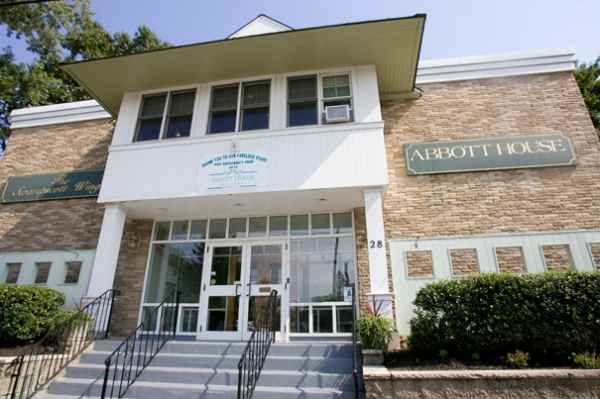
Who Owns and Operates Abbott Skilled Nursing & Rehabilitation Center?

ABBOTT SKILLED NURSING & REHABILITATION CENTER is owned by a for-profit company. For-profit facilities operate as businesses with obligations to shareholders or private owners. The facility operates independently rather than as part of a larger chain. With 55 certified beds and approximately 39 residents (about 71% occupancy), it is a smaller facility located in LYNN, Massachusetts.
How Does Abbott Skilled Nursing & Rehabilitation Center Compare to Other Massachusetts Nursing Homes?

Compared to the 100 nursing homes in Massachusetts, ABBOTT SKILLED NURSING & REHABILITATION CENTER's overall rating (4 stars) is above the state average of 2.9, staff turnover (46%) is near the state average of 46%, and health inspection rating (4 stars) is above the national benchmark.

What Should Families Ask When Visiting Abbott Skilled Nursing & Rehabilitation Center?

Based on this facility's data, families visiting should ask: "Can I visit during a mealtime to observe dining assistance and food quality?" "How do you handle medical emergencies, and what is your hospital transfer rate?" "Can I speak with family members of current residents about their experience?"

Is Abbott Skilled Nursing & Rehabilitation Center Safe?

Based on CMS inspection data, ABBOTT SKILLED NURSING & REHABILITATION CENTER has a clean safety record: no substantiated abuse findings (meaning no confirmed cases of resident harm), no Immediate Jeopardy citations (the most serious violation level indicating risk of serious injury or death), and is not on the Special Focus Facility watch list (a federal program monitoring the lowest-performing 1% of nursing homes). The facility has a 4-star overall rating and ranks #1 of 100 nursing homes in Massachusetts. While no facility is perfect, families should still ask about staff-to-resident ratios and recent inspection results during their visit.

Do Nurses at Abbott Skilled Nursing & Rehabilitation Center Stick Around?

ABBOTT SKILLED NURSING & REHABILITATION CENTER has a staff turnover rate of 46%, which is about average for Massachusetts nursing homes (state average: 46%). Moderate turnover is common in nursing homes, but families should still ask about staff tenure and how the facility maintains care continuity when employees leave.

Was Abbott Skilled Nursing & Rehabilitation Center Ever Fined?

ABBOTT SKILLED NURSING & REHABILITATION CENTER has no federal fines on record. CMS issues fines when nursing homes fail to meet care standards or don't correct problems found during inspections. The absence of fines suggests the facility has either maintained compliance or corrected any issues before penalties were assessed. This is a positive indicator, though families should still review recent inspection reports for the full picture.

Is Abbott Skilled Nursing & Rehabilitation Center on Any Federal Watch List?

ABBOTT SKILLED NURSING & REHABILITATION CENTER is not on any federal watch list. The most significant is the Special Focus Facility (SFF) program, which identifies the bottom 1% of nursing homes nationally based on persistent, serious quality problems. Not being on this list means the facility has avoided the pattern of deficiencies that triggers enhanced federal oversight. This is a positive indicator, though families should still review the facility's inspection history directly.