LIFE CARE CENTER OF THE NORTH SHORE
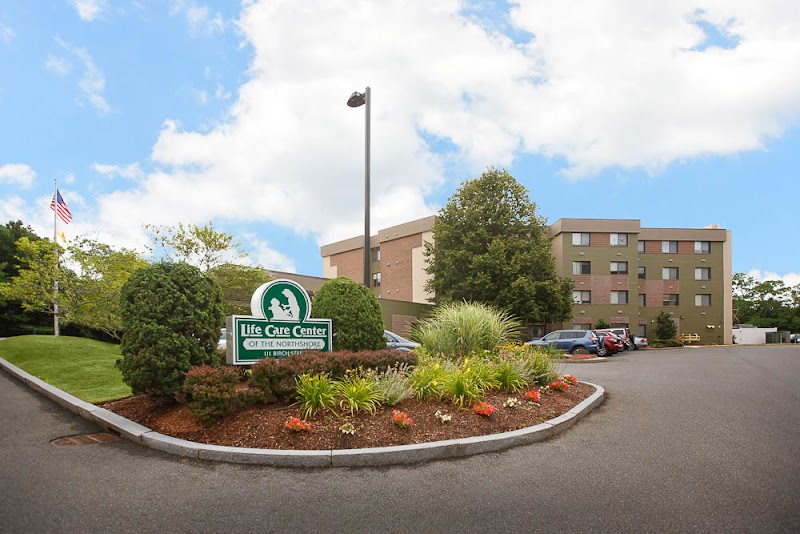
111 BIRCH STREET, LYNN, MA 01902 (781) 592-9667
For profit - Corporation 123 Beds LIFE CARE CENTERS OF AMERICA Data: November 2025
Trust Grade
61/100
#102 of 338 in MA
Last Inspection: April 2025

Within standard 12-15 month inspection cycle. Federal law requires annual inspections.

Overview

Life Care Center of the North Shore has a Trust Grade of C+, indicating it is slightly above average but not exceptional. It ranks #102 out of 338 nursing homes in Massachusetts, placing it in the top half of facilities in the state, and #15 out of 44 in Essex County, meaning there are only a few local options that are better. The facility shows an improving trend, with issues decreasing from 6 in 2024 to 4 in 2025. Staffing is a strong point, with a 4 out of 5 star rating and a turnover rate of 27%, significantly lower than the state average, suggesting that staff are familiar with the residents. However, there are concerning incidents, such as a failure to properly manage and treat pressure ulcers for residents, and complaints about food being served at unsafe or unappetizing temperatures, indicating room for improvement in care and service quality.

Trust Score
C+
61/100
In Massachusetts
#102/338
Top 30%
Safety Record
Moderate
Needs review
Inspections
Getting Better
6 → 4 violations
Staff Stability
✓ Good
27% annual turnover. Excellent stability, 21 points below Massachusetts's 48% average. Staff who stay learn residents' needs.
Penalties
○ Average
$12,901 in fines. Higher than 67% of Massachusetts facilities. Some compliance issues.
Skilled Nurses
✓ Good
Each resident gets 47 minutes of Registered Nurse (RN) attention daily — more than average for Massachusetts. RNs are trained to catch health problems early.
Violations
⚠ Watch
25 deficiencies on record. Higher than average. Multiple issues found across inspections.
★★★★☆
4.0
Overall Rating
★★★★☆
4.0
Staff Levels
★★★★☆
4.0
Care Quality
★★★★☆
4.0
Inspection Score
Stable
2024: 6 issues
2025: 4 issues

The Good

  • 4-Star Staffing Rating · Above-average nurse staffing levels
  • 4-Star Quality Measures · Strong clinical quality outcomes
  • Low Staff Turnover (27%) · Staff stability means consistent care
  • Full Sprinkler Coverage · Fire safety systems throughout facility
  • No fines on record
  • Staff turnover is low (27%)

    21 points below Massachusetts average of 48%

Facility shows strength in staffing levels, quality measures, staff retention, fire safety.

The Bad

Federal Fines: $12,901

Below median ($33,413)

Minor penalties assessed

Chain: LIFE CARE CENTERS OF AMERICA

Part of a multi-facility chain

Ask about local staffing decisions and management

The Ugly 25 deficiencies on record

2 actual harm
Apr 2025 4 deficiencies
CONCERN (D)

Potential for Harm - no one hurt, but risky conditions existed

Notification of Changes (Tag F0580)

Could have caused harm · This affected 1 resident

**NOTE- TERMS IN BRACKETS HAVE BEEN EDITED TO PROTECT CONFIDENTIALITY** Based on observation, record review and interview, the facility failed to notify the physician of a change in condition for thre...

Read full inspector narrative →
**NOTE- TERMS IN BRACKETS HAVE BEEN EDITED TO PROTECT CONFIDENTIALITY** Based on observation, record review and interview, the facility failed to notify the physician of a change in condition for three Residents, (#35, #40, and #100), out of a total of 29 sampled residents. Specifically, the facility failed to notify the physician of a change in condition related to a Gastrointestinal (GI) Outbreak. Findings include: Review of the facility's Acute Gastrointestinal Surveillance Line List, dated 4/1/25, identified 19 residents as having signs and symptoms that included abdominal pain, diarrhea, and/or vomiting. The earliest recorded onset was 3/19/25 and 15 out of 19 had resolved by 4/1/25. Review of the facility policy titled Change in a Resident's Condition or Status, dated as reviewed September 2024, indicated that the facility shall promptly notify the resident, his or her attending physician and representative of changes in the resident's medical/mental condition and or status. 1a. Resident #35 was admitted to the facility in April 2022 with diagnoses including dementia, stroke, and diabetes. Review of the most recent Minimum Data Set (MDS) assessment, dated 1/8/25, indicated that Resident #35 was rarely/never understood and was assessed by staff has having severe cognitive impairment. The MDS also indicated that he/she was dependent for all aspects of care. Review of facility's Gastroenteritis Surveillance Line List, dated 4/1/25, indicated that Resident #35 began to exhibit GI symptoms which included diarrhea on 3/29/25, with symptom resolution on 3/31/25. Review of Resident #35's nursing progress note, dated 3/30/25, indicated had a large vomit following [his/her] transfer with aide of mechanical lift on to the recliner. Tolerated sitting in the recliner until the beginning of the evening shift when [he/she] transferred on to the bed and discovered [he/she] had a large loose stool. [sic]. Further review of the nursing progress notes 3/28/25 through 4/3/25 failed to indicate physician had been notified of Resident #35's change in condition. 1b. Resident #40 was admitted to the facility in November 2023 with diagnoses including Parkinson's Disease. Review of the most recent MDS, dated [DATE], indicated that Resident #40 was cognitively intact as evidenced by a Brief Interview for Mental Status (BIMS) score of 15 out of a possible 15. The MDS also indicated he/she was dependent for all aspects of care. Review of facility's Gastrointestinal Surveillance Line List, dated 4/1/25, indicated Resident #40 began to exhibit GI symptoms which included vomiting and diarrhea on 3/30/25, with symptom resolution on 4/1/25. Review of Resident #40's nursing progress notes, dated 3/26/25 and 4/1/25, indicated that Resident #40 received Pepto-Bismol Oral Suspension for complaints of loose stools/ diarrhea. Further review of nursing progress notes 3/26/25 through 4/3/25 failed to indicate that a physician had been notified of Resident #40's change in condition. 1c. Resident #100 was admitted to the facility in May 2024 with diagnoses including a stroke. Review of the most recent MDS, dated [DATE], indicated that Resident #100 was cognitively intact as evidenced by a BIMS score of 13 out of a possible 15. The MDS also indicated that he/she required moderate assist for activities of daily living and supervision for mobility. Review of facility's Gastrointestinal Surveillance Line List, dated 4/1/25, indicated that Resident #100 began to exhibit GI symptoms that included vomiting and diarrhea on 3/27/25, with resolution of symptoms on 3/30/25. Review of Resident #100's weights and vitals summary, dated 4/3/25, indicated the following weights: 3/31/25 147.5 pounds (lbs.). 4/1/25 140.5 lbs. Review of Resident #100's Medication Administration Record (MAR), dated 4/2/25, indicated that Resident #100's weight was 140.5 lbs. Review of Resident #100's registered dietician progress note, dated 4/2/25, indicated that Resident #100 had a seven-pound weight loss from 3/31/25 until 4/1/25. Action: no new changes at this time monitor weights/protocol [sic]. Review of Resident #100's nursing progress notes, dated 3/27/25 through 4/3/25, failed to indicate that the physician had been notified of Resident #100's change in condition in regard to GI symptoms and weight loss. During a phone interview on 4/2/25 at 1:13 P.M., the Medical Director said that she had not been notified of any Gastrointestinal (GI) Outbreak at the facility, but it is her Nurse Practitioner (NP) that usually takes calls over the weekend so she would check with her to see if the NP had received any calls. The surveyor read Resident #35 and Resident #40's names to her, and she said she did not have any notes on either of those Residents. During a follow-up phone interview on 4/2/25 at 1:19 P.M., the Medical Director said that she checked with her NP and confirmed that they did not receive any calls from the facility over the weekend about any signs and symptoms of vomiting and diarrhea. During a phone interview on 4/3/25 at 8:22 A.M., the Medical Director said she would have ordered stool sample testing for Norovirus if she had been aware of the amount of residents that were affected. She said that the results of the testing would not change the treatment as it is essentially supportive care, but would be helpful to determine if results should be escalated to the Medical Director, etc. She said she had spoken with her NP again yesterday to educate her about the communication that was necessary to monitor for trends in conditions of residents. She said the NP was also unaware of the number of residents that had been affected by the GI symptoms. During an interview on 4/3/25 at 8:10 A.M., the MDS Coordinator said there were residents with symptoms on Wednesday (3/26/25), Thursday (3/27/25), and Friday (3/28/25), but that over the weekend (3/29/25-3/30/25) the number of cases blew up. She said there were no stools sent to check for Norovirus. She said in general it was more vomiting than loose stools. She said that from what she understood, somebody should notify the MD (physician) or Medical Director in the case of any type of outbreak. She was not sure if anyone notified the Medical Director. She said nurses should write a note about what was happening throughout their shift and notify the MD or NP of symptoms or changes in condition. She said she would consider this a change in condition where notification should be sent to MD or NP. She would expect that the NP or MD would be called over the weekend as these symptoms started. She would expect that nurses are assessing and documenting assessment on hydration. During an interview on 4/3/25 at 08:21 A.M., the Infection Preventionist said nurses should be documenting their symptoms and with persistent symptoms should notify MD, NP, and family. She said she reviewed documentation and there is no documentation in progress notes. She was not notified when the number of cases blew up over the weekend. She said that the NP or MD should have been notified. She said over the weekend the Medical Director should have been notified, and they were not. She said nurses should be assessing hydration status, should have orders for monitoring, assessing, and encouraging oral intakes. She did not see any Norovirus testing asked about, discussed, or ordered. During an interview on 4/3/25 at 9:39 A.M., the Director of Nursing (DON) said there should be documentation in the nursing progress notes about the residents having GI signs and symptoms. She would consider these symptoms to be a change in condition and would expect the NP or MD to be notified. The notification should be documented in the medical record even if the NP or MD was notified in person. She said nurses should have a daily note for ongoing assessment to monitor for hydration status. She said when GI symptoms increased over the weekend, the NP or call service should have been notified. She said the process during an outbreak is to notify the Medical Director. The DON was unaware that only three of the 19 Residents included on the GI line listing had any documentation in their medical record. She was also unaware that Resident #100 had a seven-pound weight loss from 3/31/25 to 4/1/25 and was one of the Residents affected by the GI outbreak. She said that NP or MD should have been notified but they were not. Refer to F842
CONCERN (D)

Potential for Harm - no one hurt, but risky conditions existed

Medical Records (Tag F0842)

Could have caused harm · This affected 1 resident

**NOTE- TERMS IN BRACKETS HAVE BEEN EDITED TO PROTECT CONFIDENTIALITY** 2. Resident #43 was admitted to the facility in June 2024 with a diagnosis of end stage renal disease. Review of the Minimum Da...

Read full inspector narrative →
**NOTE- TERMS IN BRACKETS HAVE BEEN EDITED TO PROTECT CONFIDENTIALITY** 2. Resident #43 was admitted to the facility in June 2024 with a diagnosis of end stage renal disease. Review of the Minimum Data Set (MDS), dated [DATE], indicated Resident #43 scored a 15 out of 15 on the Brief Interview for Mental Status (BIMS) indicating the Resident was cognitively intact Review of Resident #43's active physician orders indicated the following order: - Dialysis patient: Receives dialysis at dialysis center Monday Wednesday Friday. Do not take BP (blood pressure) on LEFT arm with fistula/shunt. Review of Resident #43's blood pressure readings indicated nursing obtained his/her blood pressure on his/her left arm on the following dates: 2/1/25, 2/2/25, 2/8/25, 2/9/25, 2/15/25, 2/18/25, 2/22/25, 3/1/25, 3/3/25, 3/8/25, 3/9/25, 3/15/25, 3/16/25, 3/17/25, 3/22/25, 3/23/25, 3/29/25, 3/30/25. During an interview on 4/2/25 at 10:50 A.M. Resident #43 said staff only use his/her right arm to take blood pressure readings, never his/her left arm. During an interview on 4/2/25 at 10:57 A.M., Unit Manager #1 said Resident #43's left arm should not be used to take blood pressure readings as the Resident had a dialysis fistula on that arm. Unit Manager #1 Said the nurses had documented that the blood pressure was taken using Resident #43's left arm in error as they only use the Resident's right arm. During an interview on 4/2/25 at 3:06 P.M. the Director of Nursing (DON) said she would expect nurses to accurately document which arm was used for blood pressure readings. Based on record review and interview, the facility failed to maintain complete and accurate medical records. Specifically, 1. During a gastrointestinal (GI) outbreak on the Garden View Unit, the facility failed to document symptoms exhibited by 16 out of 19 residents with a GI illness. 2. For one Resident (#43) out of a total sample of 29 residents, nursing documented they obtained blood pressure from his/her left arm when they did not. Findings include: Review of the facility policy, titled Nursing Documentation, reviewed September 2024, indicated, but was not limited to, the following: - The medical record must also reflect the resident's condition, and the care and services provided across all disciplines to ensure information is available to facilitate communication among the interdisciplinary team. On 4/1/25 at 7:23 A.M., the Director of Nurses (DON) said that there was a current Norovirus outbreak in the facility that started over the weekend, but was not sure how many residents were affected. Review of the LTC (Long Term Care) Acute Gastroenteritis Surveillance Line List, dated 4/1/25, that was provided to the surveyor on 4/1/25 indicated that 19 residents were exhibiting a combination of symptoms that included nausea, vomiting and diarrhea. Further review of the line list indicated that the first resident began with symptoms on 3/19/25 and the most recent began on 3/30/25. Review of the medical records for all 19 residents indicated on the line list failed to indicate any documentation regarding GI symptoms for 16 out of 19 residents. During an interview on 4/3/25 at 7:59 A.M., Nurse #2 said if a resident was experiencing GI symptoms (nausea, vomiting and diarrhea) it should be documented in the nurses' notes, and if symptoms persisted then it should be reported to the physician and documented. During an interview on 4/3/25 at 8:10 A.M., the Minimum Data Set (MDS) Nurse said that residents began to experience symptoms last week, and that the GI illness really blew up over the weekend. She said that residents with symptoms were not tested for Norovirus. She said that residents were experiencing more vomiting than diarrhea. She said that the nurses on the floor should be documenting symptoms and interventions provided for the residents during this time and anything that happens on their shift in the medical record. She said she would consider the GI illness a change in condition where documentation would be necessary. She said she would expect that nurses are assessing and documenting hydration status of a resident with a GI illness. During an interview on 4/3/25 at 8:21 A.M., The Infection Control Nurse said that nursing staff should be documenting all symptoms of the GI illness in the medical record, but she said that she reviewed the documentation and there was no documentation regarding symptoms. She said that the GI illness Blew up over the weekend, but she was not called or notified of it until she returned to work on Monday. She said that nurses should be assessing and documenting hydration status for residents with GI symptoms, but they were not. During an interview on 4/3/25 at 9:41 A.M., the Director of Nurses said that residents who were exhibiting symptoms of GI illness were experiencing what she would consider a change in condition. She said that symptoms and assessments of the residents should have been documented in the medical records of the residents, but they were not.
CONCERN (E)

Potential for Harm - no one hurt, but risky conditions existed

Deficiency F0804 (Tag F0804)

Could have caused harm · This affected multiple residents

Based on observation and interviews, the facility failed to serve food that was palatable, and at a safe and appetizing temperature, on three out of three units. Findings include: Review of a blank Te...

Read full inspector narrative →
Based on observation and interviews, the facility failed to serve food that was palatable, and at a safe and appetizing temperature, on three out of three units. Findings include: Review of a blank Test Tray Audit form indicated that the meal cart should be served within 15-20 minutes, that the temperature for cold foods should be less than 50 degrees Fahrenheit and the temperature for hot food should be greater than 120 degrees Fahrenheit. During the initial tour of the facility on 4/1/25 the surveyors met with residents; eleven residents voiced dissatisfaction with the temperature and/or taste of the food served at the facility. During the resident group meeting on 4/2/25 at 10:32 A.M. the surveyors met with residents; five out of five residents said the food was often cold when delivered. On 4/2/25 at 8:00 A.M. the surveyor observed staff calibrating the thermometers to be used for test trays. On 4/2/25 at 8:24 A.M., the Oceanview unit food truck arrived at the resident care unit. After all resident trays were served the surveyor received the test tray at 8:50 A.M., 26 minutes after the truck had arrived. The following was recorded and observed: - Cream of wheat was 100 degrees Fahrenheit, tasted cold, not hot, and bland. - Scrambled eggs were 108 degrees Fahrenheit and tasted cool not hot. - Toast was 90 degrees Fahrenheit, was soggy and tasted cold. - Cheesy hashbrowns were 110 degrees Fahrenheit, had good flavor but tasted lukewarm, not hot. - Milk was 58 degrees Fahrenheit and tasted warm, not cold. - Orange juice was 60 degrees Fahrenheit and tasted warm, not cold. On 4/2/25 at 8:38 A.M. the Hillview unit food truck arrived at the resident care unit. After all resident trays were served the surveyor received the test tray at 8:58 A.M., 20 minutes after the truck had arrived. The following was recorded and observed: - Scrambled eggs were 120 degrees Fahrenheit, tasted warm, not hot and were not seasoned. - Cheesy hashbrowns were 122 degrees Fahrenheit and tasted warm, not hot. - Toast was 110 degrees Fahrenheit and tasted warm, the toast had a soggy texture. - Juice was 51 degrees Fahrenheit and tasted cool not cold. - Milk was 46 degrees Fahrenheit and tasted cold. On 4/2/25 at 8:30 A.M., the Garden view unit food truck arrived at the resident care unit, the surveyor observed food was served on paper products. After all resident trays were served the surveyor received the test tray at 8:55 A.M., 25 minutes after the truck had arrived, and the following was recorded and observed: - Oatmeal was 130 degrees and tasted warm, not hot. - Scrambled eggs were 105 degrees Fahrenheit, tasted cool not hot and were bland. - Cheesy hashbrowns were 110 degrees Fahrenheit and tasted warm not hot. - Toast was 80 degrees Fahrenheit and was soggy. - Milk was 50 degrees Fahrenheit. - Juice was 40 degrees Fahrenheit. During interviews on 4/2/25 at 9:05 A.M. and 4/3/25 at 8:30 A.M. the Food Service Director (FSD) said that her expectation for how quickly the meal cart was served and the acceptable temperatures for cold and hot foods was consistent with the parameters outlined on the Test Tray Audit form. The FSD said the Garden view meals were served using paper products due to a Norovirus outbreak. During an interview on 4/2/25 at 2:20 P.M. the Registered Dietitian said she would expect hot food to be at least 140 degrees Fahrenheit when residents receive their trays.
CONCERN (E)

Potential for Harm - no one hurt, but risky conditions existed

Food Safety (Tag F0812)

Could have caused harm · This affected multiple residents

Based on observation and interview, the facility failed to store food in accordance with professional standards for food service safety. Specifically, the facility failed to ensure that food was dated...

Read full inspector narrative →
Based on observation and interview, the facility failed to store food in accordance with professional standards for food service safety. Specifically, the facility failed to ensure that food was dated in the main kitchen and unit kitchenettes, and that raw chicken was not stored above ready-to-eat food. Findings include: Review of the facility's policy titled Food Safety, revised May 2022, indicated, but was not limited to, the following: - Food is stored and maintained in a clean, safe and sanitary manner following federal, state and local guidelines to minimize contamination and bacterial growth. - Pre-packaged food is placed in a leak-proof, pest-proof, non-absorbent, sanitary (NSF) container with a tight-fitting lid. The container is labeled with the name of the contents and date (when the item is transferred to the new container). 'Use by date' is noted on the label or product when applicable. - All cooked and ready-to-eat food is stored above all raw food. - Leftovers are dated properly and discarded after 72 hours unless otherwise indicated. - Frozen, raw meat that is placed in a cooler is in a pan and labeled with pulled and use by dates. Review of the facility's policy titled Food from Outside Sources, reviewed June 2024, indicated, but was not limited to, the following: - Adhere to expiration date on prepackaged food items; Items should be discarded if past expiration date. - Foods that have been partially eaten (leftovers) should not be stored in the communal refrigerator but may be stored in a resident's personal refrigerator. On 4/1/25 at 7:08 A.M. the surveyor made the following observations during the initial walkthrough of the main kitchen: - Two bags of raw chicken stored on the top tray on a rack in the walk-in refrigerator. The bags of chicken were open, undated, and were above a tray of cooked pork and ready-to-eat deli-meat. - Two sandwiches wrapped but undated in the walk-in refrigerator. - A bag of shredded cheese open but undated in the walk-in refrigerator. - A container of fried food, undated and unlabeled in the walk-in refrigerator. - A container of pasta salad open but undated in the walk-in refrigerator. - American cheese open but undated in the walk-in refrigerator. - Salami partially wrapped and undated in the walk-in refrigerator. - Deli turkey open and partially wrapped but undated in the walk-in refrigerator. - A container of thickened dairy drink open and dated 3/6 in the reach-in refrigerator. - A container of vegetable juice open with no use-by date in the reach-in refrigerator. - A container of cranberry juice open but undated in the reach-in refrigerator. On 4/1/25 at 7:38 A.M. the surveyor made the following observations in the Hillview kitchenette refrigerator: - An open apple juice dated 3/18. - An open orange juice dated 3/23. - An open cranberry juice, undated. On 4/1/25 at 7:43 A.M., the surveyor made the following observations in the 4th view kitchenette refrigerator: - Smoked cooked salami open and wrapped in a black plastic bag, undated. - An egg salad sandwich undated. - Two open containers of apple juice dated 3/18. - A brown paper bag containing leftover food dated 3/28. - A plastic cup containing leftover food, undated. - A brown paper bag with three containers of leftover food inside, labeled with a resident name but undated. On 4/2/25 at 8:12 A.M. the surveyor made the following observations in the Garden view kitchenette refrigerator: - A half-gallon of whole milk with an expiration date of 3/26/25 - A half-gallon of skim milk with an expiration date of 3/27/25. During an interview on 4/2/25 at 8:13 A.M. Certified Nursing Aide #1 said the expired milk should not be in the fridge. She said the kitchen comes every day to check the dates and organize the kitchen and they should have removed it once it expired. During an interview on 4/1/25 at 7:19 A.M. the Assistant Food Service Director said the raw chicken should not have been stored above the cooked pork and that all prepared and open food should be wrapped and dated. During interviews on 4/1/25 at 7:25 A.M. and 4/2/25 at 7:37 A.M. the Food Service Director (FSD) said all open and prepared food items should be dated and discarded after three days, including in the kitchenette refrigerators; the FSD said undated and expired foods should be discarded.
Apr 2024 6 deficiencies
CONCERN (D)

Potential for Harm - no one hurt, but risky conditions existed

Resident Rights (Tag F0550)

Could have caused harm · This affected 1 resident

3. Resident #97 was admitted to the facility in March 2024 with diagnoses including drug induced polyneuropathy and muscle weakness. Review of Resident #97's most recent Minimum Data Set (MDS) assessm...

Read full inspector narrative →
3. Resident #97 was admitted to the facility in March 2024 with diagnoses including drug induced polyneuropathy and muscle weakness. Review of Resident #97's most recent Minimum Data Set (MDS) assessment, dated 3/14/24, indicated the Resident scored a 12 out of a possible 15 on the Brief Interview for Mental Status exam, indicating moderate cognitive impairment. The MDS further indicated that Resident #97 required partial assistance of one person for personal hygiene. During an observation and interview on 4/16/24 at 8:35 A.M., the surveyor observed Resident #97 lying in his/her bed with a thick layer of facial hair on his/her chin. Resident #97 said he/she would like the chin facial hair removed and said staff had not offered. On 4/17/24 at 8:11 A.M., the surveyor observed Resident #97 lying in his/her bed with a thick layer of facial hair on his/her chin. On 4/17/24 at 11:40 A.M., the surveyor observed Resident #97 lying in his/her bed with a thick layer of facial hair on his/her chin. The Resident said he/she does not like to have the facial hair. On 4/17/24 at 2:56 P.M., the surveyor observed Resident #97 lying in bed with thick facial hair chin hair. On 4/18/24 at 9:33 A.M., the surveyor observed Resident #97 lying in bed with thick layer of facial hair on his/her chin. Review of Resident #97's medical record failed to indicate refusal of care. During an interview on 4/18/24 at 9:40 A.M., Certified Nursing Assistant (CNA) #4 said the CNAs are suppose to offer to shave all the residents during morning care. CNA #4 said Resident #97 moved to the unit a few days ago and had not refused activities of daily living care. Based on observations, record review and interviews the facility failed to ensure a dignified existence for three Residents (#23, #45 and #97) out of a total sample of 24 residents. Specifically for Residents #23, #45 and #97 the facility failed to assist with the removal of unwanted chin hair. Findings include: Review of the facility policy titled Dignity, dated as reviewed 9/25/23, indicated that each resident has the right to be treated with dignity and respect. Review of the facility policy titled Activities of Daily Living (ADLs), dated reviewed 2/12/24, indicated that the resident will receive assistance as needed to complete ADLs. 1. Resident #23 was admitted to the facility in July 2009 with diagnoses including traumatic brain injury and post traumatic stress disorder. Review of the most recent Minimum Data Set (MDS) assessment, dated 3/29/24, indicted that Resident #23 scored a 9 out of 15 on the Brief Interview for Mental Status exam, indicating moderate cognitive impairment. The MDS further indicated Resident #23 requires moderate assistance with personal hygiene. Resident #23's current Activities of Daily Living care plan indicates Resident #23 requires assist of one staff member to complete personal hygiene. The care plan failed to indicate that Resident #23 refuses care. Review of the progress notes dated March 2024 and April 2024 failed to indicate Resident #23 refused care. On 4/16/24 at 9:45 A.M., Resident #23 was observed in the day room with a significant amount of chin hair. On 4/17/24 at 7:10 A.M., Resident #23 was observed in the main dining room eating breakfast. Resident #23 was observed to continue to have a significant amount of chin hair. During an interview on 4/17/24 at 10:28 A.M., Resident #23 said the chin hair was embarrassing and he/she hates it. Resident #23 said that staff does not offer to remove the chin hair. During an interview on 4/18/24 at 9:45 A.M., Certified Nursing Assistant (CNA) #4 said that it is the responsibility of the CNA's to remove unwanted chin hair daily with morning care. During an interview on 4/18/24 at 9:46 A.M., Nurse (#3) said that it is the responsibility of the CNA's to remove unwanted chin hair daily with morning care. 2. Resident #45 was admitted to the facility in October 2023 with diagnoses including osteoarthritis, weakness and depression. Review of the most recent Minimum Data Set (MDS) assessment, dated 3/14/23, indicated that Resident#45 scored a 12 out of 15 on the Brief Interview for Mental Status exam, indicting moderate cognitive impairment. The MDS further indicated Resident #45 requires substantial assistance with personal hygiene. Resident #45's current Activities of Daily Living care plan, dated as revised 10/19/23, indicated that Resident #45 requires an assist of one to complete person hygiene tasks. Review of the progress notes dated March 2024 and April 2024 failed to indicated that Resident #45 refuses care. On 4/16/24 at 7:50 A.M., the surveyor observed Resident #45 with a significant amount of chin hair. On 4/17/24 at 8:10 A.M., and 2:55 P.M., the surveyor observed Resident #45 with a significant amount of chin hair. During an interview on 4/17/24 at 3:20 P.M., Resident #45 said he/she doesn't like having chin hair and would like it removed. Resident #45 then said that usually his/her daughter removes the chin hair but she hasn't been in lately and the staff doesn't remove it. During an interview on 4/18/24 at 9:45 A.M., Certified Nursing Assistant (CNA) #4 said that it is the responsibility of the CNA's to remove unwanted chin hair daily with morning care. During an interview on 4/18/24 at 9:46 A.M., Nurse (#3) said that it is the responsibility of the CNA's to remove unwanted chin hair daily with morning care.
CONCERN (D)

Potential for Harm - no one hurt, but risky conditions existed

Deficiency F0604 (Tag F0604)

Could have caused harm · This affected 1 resident

2. Resident #102 was admitted to the facility in July 2023 and had diagnoses including syncope and collapse and repeated falls. Review of the most recent Minimum Data Set (MDS) assessment, dated 1/24...

Read full inspector narrative →
2. Resident #102 was admitted to the facility in July 2023 and had diagnoses including syncope and collapse and repeated falls. Review of the most recent Minimum Data Set (MDS) assessment, dated 1/24/24, indicated that Resident #102 was rarely or never understood and had moderately impaired cognition. The MDS further indicated that Resident #102 did not utilize restraints. Review of Resident #102's Fall Risk evaluation, dated 3/14/24, indicated the following: -Resident #102 scored an 18, indicating that he/she was at high risk for falls. (10 or above, interventions to address the fall risk should be initiated). Review of Resident #102's current care plans failed to indicate a care plan for the use of a restraint. Review of the record failed to indicate: -An assessment for the use of a restraint. -A consent had been obtained for the use of a restraint. -A physician's order for the use of a restraint. Review of falls reports for Resident #102 indicated he/she had experienced falls from his/her bed on 9/7/23 and 3/14/24. On 4/16/24 at 8:07 A.M., Resident #102 was observed in bed asleep. There was a fall mat on the right side of the bed and a pillow tucked snuggly underneath the fitted sheet, running the length of the right side of Resident #102's body. On 4/17/24 at 7:02 A.M., Resident #102 was observed in bed asleep. There was a fall mat on the right side of the bed and two pillow tucked snuggly underneath the fitted sheet, running the length of the right side of Resident #102's body. On 4/17/24 at 9:17 A.M., Resident #102 was observed in bed eating breakfast. There was a fall mat on the right side of the bed and two pillows tucked snuggly underneath the fitted sheet, running the length of the right side of Resident #102's body. On 04/18/24 at 6:50 A.M., Resident #102 was observed in bed asleep. There was a fall mat on the right side of the bed and a pillow tucked snuggly underneath the fitted sheet, running the length of the right side of Resident #102's body. During an interview on 4/18/24 at 6:54 A.M., Certified Nursing Assistant (CNA) #1 she said that at night time Resident #102 requires total care and that Resident #102 has behavior of kicking his/her legs and trying to climb out of bed. CNA #1 explained that is why we put the pillow under the sheet, to stop him/her from getting out of bed. CNA #1 said that the pillow is under the sheet on the right side of the bed and the fall mat on the right side of the bed, because that is the side of the bed that Resident #102 tries to get out of. During an interview on 4/18/24 at 6:59 A.M., Nurse (#1) said that Resident #102 has had falls and that he implemented the fall mat on the right side of the bed because that's the side of the bed that Resident #102 tries to get out of. The Surveyor and Nurse #1 then observed Resident #102 in bed asleep with the pillow under the fitted sheet, running the length of Resident #102's body. Nurse #1 said that he was not aware that the pillow was put there and that he was not sure if a pillow under a fitted sheet, to prevent a resident from getting out of bed, should be assessed as a potential restraint. During an interview on 4/18/24 at 9:40 A.M., the Director of Nursing (DON) said that the facility is restraint free and that staff should not be putting pillows under the fitted sheet to prevent a resident from getting out of bed. The DON said that if she knew staff were doing this she would have assessed the resident for the use of a restraint. Based on observations, record review, policy review and interviews, the facility failed to ensure two Residents (#81 and #102) were free from restraints out of a total sample of 24 residents. Specifically, the facility failed to identify and assess the use of pillows under a fitted sheet as a potential restraint for Residents #81 and #102. Findings include: The facility policy titled Physical Restraint Use, dated as revised 12/29/23, indicted that a physical restraint is any manual method or physical or mechanical device, equipment, or material that meets the following criteria: a. Is attached or adjacent to the resident's body b. Cannot be removed easily by the resident (meaning it can be removed intentionally by the resident in the same manner as it was applied by staff); and c. Restricts the resident's freedom of movement or normal access to his/her body. 1. Resident #81 was admitted to the facility in September 2023 with diagnoses including stroke with residual left sided hemiplegia (paralysis) and hemiparesis (muscle weakness). Review of the most recent Minimum Data Set (MDS) assessment, dated 3/25/24, indicated that Resident #81 was unable to complete the Brief Interview for Mental Status exam and had severe cognitive impairment. The MDS further indicted Resident #81 requires substantial assistance for bed mobility, is unable to stand and does not use restraints. Review of the nursing progress notes indicated the following: -A note, dated 12/27/23, indicated that Resident #81 slid out of bed. -A note, dated 1/14/24, indicated that Resident #81 was found sitting on the edge of the bed all night, active and restless and did not sleep. -A note, dated 3/22/24, indicated that Resident #81 continued to attempt to climb out of bed. Review of Resident #81's care plan failed to indicate a care plan for the use of restraints or for the placement of pillows under the fitted sheet. Review of the record failed to indicate: -An assessment for the use of a restraint. -A consent had been obtained for the use of a restraint. -A physician's order for the use of a restraint. On 4/16/24 at 9:26 A.M., the surveyor observed Resident #81 in bed. There were pillows under the fitted sheet on both sides of Resident #81's body, extending the the length of the bed. On 4/17/24 at 7:20 A.M., the surveyor observed Resident #81 in bed. There were pillows under the fitted sheet on both sides of Resident #81's body, extending the length of the bed. On 4/18/24 at 7:12 A.M., the surveyor observed Resident #81 in bed. There were pillows under the fitted sheet on both sides of Resident #81's body, extending the length of the bed. During an interview on 4/18/24 at 7:10 A.M., Certified Nursing Assistant (CNA) #3 said that the night staff put the pillows there because the Resident had been trying to get out of bed. CNA #3 said that placing the pillows under the fitted sheet acts as a restraint and prevents the Resident from climbing out of bed. During an interview on 4/18/24 at 7:12 A.M., Nurse (#4) said that the pillows act as a restraint and had been placed there by the night shift staff.
CONCERN (D)

Potential for Harm - no one hurt, but risky conditions existed

Deficiency F0658 (Tag F0658)

Could have caused harm · This affected 1 resident

**NOTE- TERMS IN BRACKETS HAVE BEEN EDITED TO PROTECT CONFIDENTIALITY** Based on observations, interview, and record review, the facility failed to meet professional standards of quality for one Resid...

Read full inspector narrative →
**NOTE- TERMS IN BRACKETS HAVE BEEN EDITED TO PROTECT CONFIDENTIALITY** Based on observations, interview, and record review, the facility failed to meet professional standards of quality for one Resident (#8), out of a total sample of 24 residents. Specifically for Resident #8 the facility failed to communicate the appropriate diet and assess the diet texture for Resident #8 upon readmission from a hospital stay. Findings include: Review of the facility policy titled: Hydration and Nutrition, dated 8/24/23, indicated the following: -Is offered a therapeutic diet when there is a nutritional problem, and the health care provider orders a therapeutic diet. -Consultation with dietary and therapy personnel is performed on admission and as needed. Review of the facility policy titled: 'Easy to Chew Diet, dated as revised 2/28/22, indicated the following: -The Easy to Chew Diet is a modification in texture of the Regular Diet, designed to not include food that is hard, tough, chewy, fibrous, stringy and/or crunchy. -The Easy to Chew diet is used for individuals having difficulty chewing. Individuals likely to benefit from and Easy to Chew Diet are residents with poor or missing dentition, and/or neurological or anatomical impairment impacting the ability to chew and swallow. Resident #8 was admitted in May 2013 with diagnoses including anoxic brain injury, dysphagia, unspecified protein calorie malnutrition, hemiplegia, dementia and aphasia. Review of Resident #8's most recent Minimum Data Set (MDS) assessment, dated 3/12/24, indicated Resident #8 had a Brief Interview for Mental Status exam score of 13 out of a possible 15, indicating intact cognition. The MDS further indicated that Resident #8 is on a therapeutic diet. Resident #8 was evaluated by speech therapy on 12/20/23, and Resident #8's diet was downgraded to Regular- easy to chew texture, thin consistency. Further review of speech therapy Discharge summary dated [DATE] indicated the following: -Regular Diet, Easy to Chew (ETC), Thin Liquids -Pt (Patient) need to be boosted prior to meals, will hang up sign. -Pt on ETC thin, given recent difficulty with mastication/limited dentition, pt will remain on ETC. Review of Resident #8's care plan indicated the following: -Provide, serve diet as ordered: Regular diet, no salt packet- inner Lip Plate with all meals. Monitor intake and record q meal. Dated as revised on 4/11/2024. -Observe and report PRN (as needed) and s/sx (signs or symptoms) of dysphagia: Pocketing, choking, coughing, drooling, holding food in mouth, several attempts at swallowing, refusing to eat, appears concerned during meals. Dated 6/5/19. Review of the facility nutritional care manual indicate the following: Level 7 Easy to chew diet is a textured modified diet that is used when a patient has mild chewing concerns and is not for patients with swallowing issues. It is prescribed to people who may have difficulty chewing hard, tough, stringy, or crunchy foods. The Level 7 Regular Easy to chew diet may include soft, tender moist foods, should be able to bite off food and chew without tiring easily, avoid hard, tough, stringy, or crunch foods, there are no food size restrictions but may benefit from foods cut up at service. Level 7 Regular foods are normal everyday foods of various textures. No restriction, this is not a textured modified diet. Review of the clinical record indicated that Resident #8 was transferred to the hospital on 1/27/24, for abnormal vital signs. Review of the nursing home to hospital transfer form indicated Resident #8 had difficulty chewing and swallowing. The transfer form failed to indicate that Resident #8 was receiving a therapeutic diet, Regular- Easy to chew, thin liquid diet. Review of Resident #8's re-admission paperwork dated 1/31/24 indicated the following: -Feeding assistance: Needs assistance -Diet Order: Regular Review of Resident #8's medical record indicated a diet order was dated 1/31/24 -Regular diet- Regular texture, thin consistency, no salt packet lip plate. Review of the medical record failed to indicate Resident #8 was assessed by speech therapy after Resident #8 was re-admitted to the facility with a diet upgrade to a regular diet. During an observation on 4/16/24 at 8:23 A.M., Resident #8 was observed sitting up in bed eating 2 whole sausages, scrambled eggs, orange juice, coffee, cereal with milk and oatmeal. Resident #8 was struggling to cut up one sausage using one hand with the fork. The Resident was not using a lip plate. During an observation on 4/17/24 at 8:28 A.M., Resident #8 was observed sitting up in bed eating breakfast in bed with a lip plate. Observed on the wall directly across from the Residents bed were two printed signs taped to the closet door: Sign one: Staff/Caregivers: PLEASE READ BEFORE GIVING PATIENT FOOD/DRINK. THANK YOU SPEECH THERAPIST. Sign two: Safe swallow strategies regular, no beef thin liquids, NSG (nursing) to cut up food into bite sized pieces. -Small amounts- *please cut up food into bite sized pieces* During an interview on 4/17/24 at 8:44 A.M., Nurse #2 said Resident #8 can eat alone but needs food cut up because she had a choking issue a couple months ago and was seen by speech therapy. During an interview on 4/17/24 at 11:19 A.M., Rehabilitation Services Staff (RSS) #2 said a Regular Easy to Chew diet is a therapeutic diet that means meat it ground up, nothing sticky or difficult to chew and requires an assessment by speech therapy. RSS #2 said a speech assessment is necessary to upgrade a diet to Regular. During an interview on 4/18/24 at 8:38 A.M., the Director of Nursing (DON) said residents who are new admissions or readmissions are reviewed during group meetings and any new orders or recommendations are assessed and updated. The DON said readmission paperwork should be reviewed to ensure orders, care plans and [NAME] information is accurate. The DON said Resident #8's transfer from to the hospital was not accurate and should have indicated that he/she was on a therapeutic diet. The DON said she would expect the transfer form to be accurate and include dietary information. The DON said a speech evaluation should have been completed on Resident #8 when he/she returned from the hospital on a regular diet due to his/her history of choking and speech evaluation on 1/10/24. During an interview on 4/18/24 at 11:01 A.M., the DOR said regular easy to chew texture is different from a regular diet and that a regular diet is an upgrade and requires an assessment. The DOR said Resident #8 was not evaluated in the hospital or in the facility after 1/10/24.
CONCERN (D)

Potential for Harm - no one hurt, but risky conditions existed

Quality of Care (Tag F0684)

Could have caused harm · This affected 1 resident

Based on observation, record review, and interview, the facility failed to follow a physician order for one Resident (#32) out of a total sample of 24 residents. Specifically, the facility failed to i...

Read full inspector narrative →
Based on observation, record review, and interview, the facility failed to follow a physician order for one Resident (#32) out of a total sample of 24 residents. Specifically, the facility failed to implement the use of TED (Thrombo Embolic Deterrent) stocking (stockings used to prevent edema and blood clots). Findings include: Resident #32 was admitted in November 2015 with diagnoses including hyperlipidemia and dementia. Review of the most recent Minimum Data Set (MDS) assessment, dated 2/28/24, indicated that Resident #32 scored a 10 out of a possible 15 on the Brief Interview for Mental Status exam, indicating moderate cognitive impairment. The MDS further indicated that Resident #32 requires substantial to moderate assistance with lower body dressing. Review of the current physician orders indicated the following order: -Teds stocking on in AM off in PM During an observation on 4/16/24 at 9:26 A.M., Resident #32 was seated in a chair in his/her room with swelling on the lower right leg. Resident #32 was wearing non-skid socks, but not TED stockings. During an observation on 4/17/24 at 9:34 A.M., Resident #32 was seated in a chair in his/her room with swelling on the lower right leg. Resident #32 was wearing non-skid socks, but not TED stockings. During an observation on 4/18/24 at 9:26 A.M., Resident #32 was seated in a chair in his/her room with swelling on the lower right leg. Resident #32 was wearing non-skid socks, but not TED stockings. During an interview on 4/18/24 at 9:28 A.M., Nurse (#4) said that Resident #32 should be wearing TED stockings since they are ordered for the Resident. Nurse #4 said that the 11-7 shift should be putting the stockings on when Resident #32 gets ups.
CONCERN (D)

Potential for Harm - no one hurt, but risky conditions existed

Pressure Ulcer Prevention (Tag F0686)

Could have caused harm · This affected 1 resident

Based on observations, record reviews and interviews, the facility failed to ensure two Residents (#91 and #97), out of a total sample of 24 residents, received necessary treatment and services, consi...

Read full inspector narrative →
Based on observations, record reviews and interviews, the facility failed to ensure two Residents (#91 and #97), out of a total sample of 24 residents, received necessary treatment and services, consistent with professional standards of practice, to promote healing, prevent infection and prevent new ulcers from developing. Specifically, 1. For Resident #91 the facility failed to implement interventions to prevent pressure ulcer development for a resident and is totally dependent on staff, placing him/her at increased risk for pressure ulcer development. The Resident developed a stage 2 pressure ulcer within 24 days of admission. 2. For Resident #97 the facility failed to implement Prevalon heel boots as ordered. Findings include: Review of facility policy titled Skin Integrity & Pressure Ulcer/Injury Prevention and Management, dated as reviewed March 2023, indicated the following: -A resident with pressure ulcers receives necessary treatment and services, consistent with professional standards of practice, to promote healing, prevent infection and prevent new ulcers from developing. 1. For Resident #91, who readmitted to the facility with new skin issues, the facility failed to put interventions in place, to prevent further decline until 24 days later, when Resident #91 developed a pressure ulcer. Resident #91 was admitted to the facility in November 2021 with diagnoses including Alzheimer's dementia and muscle weakness. Review of the most recent Minimum Data Set (MDS) assessment, dated 2/16/2024, indicated Resident #91 had a Brief Interview of Mental Status exam score of 6 out of a possible 12, indicating severe cognitive impairment. The MDS further indicated Resident #91 is high risk for pressure ulcers and indicated one Stage 1 pressure ulcer (Intact skin with non-blanchable redness of a localized area usually over a bony prominence), three Stage 2 pressure ulcers' (Partial thickness loss of dermis presenting as a shallow open ulcer with a red or pink wound bed, without slough. May also present as an intact or open/ruptured blister), and one Stage 3 pressure ulcer (Full thickness tissue loss. Subcutaneous fat may be visible, but bone, tendon or muscle is not exposed. Slough may be present but does not obscure the depth of tissue loss. May include undermining and tunneling). Review of Resident #91's clinical record indicated he/she was readmitted to the facility in January 2024. The nursing admission assessment, dated 1/10/24, indicated the following skin conditions were observed: -Right heel- redness, Left heel-redness, and Coccyx Redness (blanchable) intact. At the time of admission, the record failed to indicate that a skin care plan was developed or interventions put in place, to address Resident #91's skin issues. Review of Resident #91's skin assessments indicated the following: -An assessment, dated 1/17/24: Redness blanchable bilateral heels. -An assessment, dated 2/2/24: Left Buttock open area stage 2 ulcer. Review or Resident #91's clinical progress note, dated 2/1/24, indicated: -Nurse taking care of this resident reported that he/she had an open area on his/her coccyx/buttock area. Upon inspection there are 2 areas that are open, base of wounds are beefy red. The left buttock has a 2 cm by 1.9 cm area that is a stage 2. No apparent drainage from site; surrounding skin is pinkish red in color and blanchable. The coccyx crack has an open area that is 2 cm by 0.5 cm; no apparent drainage from wound, stage 2. Both were cleaned and triad cream applied. Resident is positioned in bed slightly to the right side. Will be monitored on Tuesday by the Wound team. Review of Resident #91's skin care plan indicated that Resident has stage 3 pressure ulcer to the coccyx r/t (related to) immobility, incontinence-facility acquired. Stage 2 pressure ulcer to right heel-facility acquired-healed x 1 week. Stage 3 pressure ulcer on midback/spine-facility acquired, Revised 3/26/24. Interventions on the care plan included: -Wound care to coccyx normal saline wash, pat dry apply medihoney (Wound gel) to wound bed and apply antifungal cream to peri wound and cover with mepilex dressing daily. And as needed soilage/removal. Dated 2/2/24. -Weekly treatment documentation to include measurement of each area of skin breakdown's width, depth, type of tissue and exudate. Dated 2/2/24. -The resident needs assistance to turn/reposition /weight shift in chair at least every 2-3 hours. Dated 2/2/24. -Set air mattress as ordered, dated 2/28/24. -Pillows to float heels while in bed as tolerated. Dated 3/1/24. -Air mattress to bed- setting to patient weight -check function every shift. Revised 3/18/24. -To mid back (left side) nsw (normal saline wash), pat dry (dry) apply medihoney to wound bed, apply triad to peri wound and mepilex dressing three times a week. Revised 4/1/24. During an interview on 4/17/24 at 9:44 A.M., with the facility's Wound Nurse she said, Resident #91 should have had treatments put in place at the time of admission due to the skin issues that were identified at that time. The Wound Nurse said that at minimum preventative interventions should have included skin prep, floating his/her heels, an air mattress, and triad cream should have been applied to the coccyx. The Wound Nurse said she first became aware of the skin issues on 2/6/24 when open area developed on the coccyx. During an interview on 4/17/24 at 9:47 A.M., the Director of Nursing Services (DON) said wound rounds are scheduled weekly and documented by the Wound Nurse. The DON said that nursing should have implemented preventative measures upon Resident #91's admission and reviewed weekly to prevent worsening of the wounds, not after a wound developed on 2/1/24. 2. Resident #97 was admitted to the facility in March 2024 with diagnoses including muscle weakness, drug induced polyneuropathy and difficulty in walking. Review of Resident #97's most recent Minimum Data Set (MDS) assessment, dated 3/14/24, indicated Resident #97 scored a 12 out of a possible 15 on the Brief Interview for Mental Status exam, indicating moderate cognitive impairment. The MDS further indicated that the Resident was at risk for developing pressure ulcers. Review of Resident #97's physician's orders dated 4/11/24, indicated the following order: -Prevalon boots to bilateral lower extremities while in bed every shift. Review of the Nurse Practitioner progress note dated 4/12/24 indicated the following: -Deep tissue injury-bilateral heels due to spending most of his/her time in bed with his/her heels digging in a mattress. Prevalon boots have been added for his/her protection and staff also use skin prep. Review of the Treatment Administration Record for April 2024 indicated that staff had documented that the Resident had the Prevalon heel boots on during the time of the surveyors' observations: On 4/16/24 at 8:35 A.M., the surveyor observed Resident #97 lying in bed and he/she did not have Prevalon heel boots on. On 4/17/24 at 7:32 A.M., the surveyor observed Resident #97 lying in bed and his/her heels were directly placed on the mattress. Resident #97 did not have the Prevalon heel boots on. On 4/17/24 at 11:43 A.M., the surveyor observed Resident #97 lying in bed with his/her heels directly placed on the mattress. Resident #97 said his/her heels were in pain. the surveyor observed the heels which were reddened and non-blanchable (discoloration of the skin that does not turn white when pressed). On 4/17/24 at 2:56 P.M., the surveyor observed Resident #97 lying in bed and he/she did not have the Prevalon heel boots on. During an interview on 4/18/24 at 9:37 A.M., Nurse (#3) said if a Resident had an order for Prevalon boots then the boots should be on as ordered. During an interview on 4/18/24 at 9:43 A.M., the Director of Nursing said physician orders should be followed as ordered.
CONCERN (D)

Potential for Harm - no one hurt, but risky conditions existed

Deficiency F0761 (Tag F0761)

Could have caused harm · This affected 1 resident

Based on observation, policy review and interview the facility failed to ensure medications were labeled properly and failed to ensure treatment items were not stored with oral medications in one of t...

Read full inspector narrative →
Based on observation, policy review and interview the facility failed to ensure medications were labeled properly and failed to ensure treatment items were not stored with oral medications in one of three medication carts observed. Findings include: The facility policy titled Storage and Expiration Dating of Medications, Biological's, dated as revised 8/7/23, indicated the following: -External use medications and biological's are stored separately from internal use medications and biological's. -Once any medication or biological package is opened, the facility should follow manufacturer/supplier guidelines with respect to expiration dates for opened medications. Facility staff should record the date opened on the primary medication container when the medication has a shortened expiration date once opened. On 4/17/24, at 3:14 P.M., the surveyor observed the following in the Hillview medication cart: -1 Arnuity inhaler (used to treat asthma) open and without a date. Review of the manufacturer's directions indicated to discard the inhaler 6 weeks after opening. -1 bottle of Calamine topical lotion -1 box of Tucks hemorrhoidal pads -1 tube of Preparation H hemorrhoidal cream During an interview on 4/17/24, at 3:14 P.M., Nurse #5 said she was not able to locate a date of when the inhaler was opened.
Jul 2023 4 deficiencies
CONCERN (D) 📢 Someone Reported This

A family member, employee, or ombudsman was alarmed enough to file a formal complaint

Potential for Harm - no one hurt, but risky conditions existed

Notification of Changes (Tag F0580)

Could have caused harm · This affected 1 resident

Based on records reviewed and interviews for one of three sampled residents (Resident #1), who was receiving medications that could increase the risk of bleeding, the Facility failed to ensure nursing...

Read full inspector narrative →
Based on records reviewed and interviews for one of three sampled residents (Resident #1), who was receiving medications that could increase the risk of bleeding, the Facility failed to ensure nursing immediately notified Resident #1's Physician when he/she was observed with facial bruising that had appeared several days after he/she experienced an unwitnessed fall. Findings Include: The Facility Policy titled Changes in Resident's Condition or Status, dated as reviewed 08/08/22, indicated the Facility will notify the resident, his/her primary care provider, and resident/representative, of changes in the resident's condition or status. The Policy indicated the Facility must immediately inform the resident, consult with the resident's physician, and notify, consistent with his or her authority when there is; -An accident involving the resident which results in injury and has the potential for requiring physician intervention. -A significant change in the resident's physical, mental, or psychosocial status (that is a deterioration in health, mental, or psychosocial status in either life-threatening conditions or clinical complications) -A need to alter treatment significantly (that is to discontinue an existing form of treatment due to adverse consequences, or to commence a new form of treatment Resident #1 was admitted to the Facility in June 2023, diagnoses included coronary artery disease, congestive heart failure, cardiomyopathy (disease of the heart muscle, making it hard for the heart to deliver blood to the body), and colon cancer. Review of Resident #1's Physician's Orders, dated 06/10/23, indicated he/she was to be administered Clopidogrel Bisulfate (Plavix, an antiplatelet inhibitor, inhibits blood clotting) 75 milligram (mg) tablet by mouth once daily and Coumadin (anticoagulant, blood thinner) 2.5 mg by mouth in the evening. The Physician's Orders, dated 06/10/23, indicated to monitor Resident #1 every shift for signs or symptoms of bleeding, including black tarry stools, bleeding gums, bruising, or nose bleed, related to anticoagulant use. Review of Resident #1's Nurse Progress Note, dated 06/11/23, indicated he/she was observed sitting on the floor, (fall) with no injuries noted. Review of Resident #1's Facility Incident Report, dated 06/11/23, indicated he/she experienced an unwitnessed fall and was observed sitting on the floor inside his/her room. The Incident Report indicated that a predisposing physiological factor for the fall included gait imbalance. There was no documenation to support that Resident #1's provider (physician or nurse practitioner) was notified by nursing on 6/11/23 of the unwitnessed fall, and being found on the floor. Review of the Facility Witness Interview Statement, dated 06/21/23 and signed by Nurse #3, indicated when she (Nurse #3) came to work on Monday 06/13/23 (however Monday was 06/12/23), she noticed Resident #1 had a bruise on his/her forehead. The Statement further indicated that when she worked 06/17/23, she noticed Resident #1's forehead bruise had spread to his/her eyes. The Statement indicated she asked a nurse what happened to Resident #1 and was told by the nurse that it was from his/her fall. The Statement indicated that Nurse #3 assumed Resident #1's bruise was from his/her fall on 06/11/23. During an interview on 07/25/23 at 3:12 P.M., Nurse #3 said that on 06/13/23 she worked a 3:00 P.M. to 11:00 P.M. shift and said she observed a bruise above Resident #1's nose and above his/her eyes. The Surveyor reviewed Nurse #3's written Witness Statement, dated 06/21/23, with her and asked her to confirm when she first observed Resident #1's bruise because 6/13/23 was not a Monday as her Statement had indicated. Nurse #3 confirmed that the date she first observed Resident #1's bruise was on 06/13/23. Nurse #3 said when she worked again on 06/17/23 Resident #1's bruises spread to his/her eyes and eyelids. Nurse #3 said she could not recall if Resident #1 was on anticoagulants and said if a resident was on an anticoagulant he/she should be monitored for bruising. Nurse #3 said she did not notify Resident #1's Physician or Nurse Practitioner on 06/13/23 when she first observed his/her bruise or on 06/17/23 when his/her bruise had spread. Review of Resident #1's Medical Record indicated there was no documentation to support his/her Physician was immediately notified when his/her facial bruising was first observed on 06/13/23. There was no documentation to support Resident #1's Physician was immediately notified after his/her bruise had spread on 06/17/23. Review of Resident #1's Medication Administration Record, for the month of June 2023, included an identification photo of his/her face. Directly underneath the photo of Resident #1 indicated the date the photo was taken was 06/15/23. Resident #1's photo revealed a large bruise on his/her forehead and revealed what appeared to be bruising under each eye. Review of Resident #1's Nurse Progress Note, dated 06/20/23 and noted as a late entry for 06/19/23, indicated that Resident #1 was noted with bruises on his/her face. The Progress Note indicated that later in the shift Resident #1 reported to the Assistant Director of Nursing (ADON) that he/she was having a hard time breathing, was noted to have a change in vital signs with his/her oxygen saturation level (amount of oxygen circulating in blood) had decreased to 90% (normal is 95-100%) and his/her respirations were twenty-six (12-20 is normal range). The Progress Note indicated Resident #1's Nurse Practitioner was notified and he/she was transferred to the Hospital Emergency Department for further evaluation. Review of Resident #1's Hospital Emergency Department Notes, dated 06/19/23, indicated he/she was alert, oriented, and presented with significant bruising to his/her forehead with bilateral racoon eyes (bruising around eyes). The Emergency Department Note indicated Resident #1 was diagnosed with a subdural hematoma (type of brain bleed) and indicated that he/she was transferred to an affiliated Hospital for treatment. During an interview on 07/27/23 at 11:46 A.M., Resident #1's Physician said although he had not seen any facial bruise when he saw Resident #1 on 06/14/23, said he could not recall being notified by the facility about any bruises observed by nurses. The Physician said if nursing had notified him about Resident #1's bruises he would absolutely have provided new orders which may have included adjusting his/her medications or holding the administration of his/her Plavix (Clopidogrel Bisulfate), and ordered laboratory blood work. During an interview on 08/01/23 at 12:51 P.M., the Nurse Practitioner (NP) said she could not recall being notified by nursing about any facial bruising observed on Resident #1 that appeared approximately three days after his/her fall on 06/11/23. The NP said if nursing had notified her about Resident #1's facial bruises, she would have provided orders to nursing and said she likely would have ordered for him/her to be transferred to the Hospital Emergency Department for evaluation. During an interview on 07/25/23 at 3:57 P.M., the Assistant Director of Nursing (ADON) said Resident #1 should have been monitored for any signs of bleeding that included nose bleeds, blood in their urine, petechiae (tiny round brown-purple spots due to bleeding under the skin), or bruising. The ADON said she had a few days off at the time when Resident #1's bruises were first observed by nursing, and said she did not see his/her bruising until 06/19/23. The ADON said when she saw Resident #1 on 06/19/23, he/she had diffuse black and purple bruising on his/her forehead and bilateral periorbital (around eyes) bruising. The ADON said nursing should have notified Resident #1's Physician or Nurse Practitioner when his/her bruising was first observed. During an interview on 07/25/23 at 5:28 P.M., the Director of Nursing (DON) said Resident #1 was on Plavix and Coumadin and said nursing should have monitored Resident #1 for signs of bleeding such as nose bleeds, tarry stools, and any bruising. The DON said nursing should have notified Resident #1's Physician when his/her bruise was observed because it could indicate internal bleeding and said that subdural hematomas could happen over several days.
CONCERN (D) 📢 Someone Reported This

A family member, employee, or ombudsman was alarmed enough to file a formal complaint

Potential for Harm - no one hurt, but risky conditions existed

Deficiency F0655 (Tag F0655)

Could have caused harm · This affected 1 resident

**NOTE- TERMS IN BRACKETS HAVE BEEN EDITED TO PROTECT CONFIDENTIALITY** Based on records reviewed and interviews for one of three sampled residents (Resident #1), who was at increased risk for falls d...

Read full inspector narrative →
**NOTE- TERMS IN BRACKETS HAVE BEEN EDITED TO PROTECT CONFIDENTIALITY** Based on records reviewed and interviews for one of three sampled residents (Resident #1), who was at increased risk for falls due to decreased strength and decreased activity tolerance, the Facility failed to ensure they developed a baseline Care Plan within forty-eight hours of admission that addressed Resident #1's risk for falls, that identified goals that were consistent with Physician's Orders and his/her rehabilitation needs so staff could properly care for him/her. Findings Include: The Facility Policy titled Baseline Care Plan, dated as revised 08/17/22, indicated that a baseline Care Plan would be developed for every resident within forty-eight hours of admission to provide an initial set of instructions needed to provide effective and person-centered care of the resident that meet professional standards of care. Resident #1 was admitted to the Facility in June 2023, diagnoses included coronary artery disease, congestive heart failure, cardiomyopathy (disease of the heart muscle, making it hard for the heart to deliver blood to the body), and colon cancer. Review of Resident #1's Nurse Progress Note, dated 06/11/23, indicated he/she was observed sitting on the floor (fall) with no injuries noted. Review of Resident #1's Facility Incident Report, dated 06/11/23, indicated he/she experienced an unwitnessed fall and was observed sitting on the floor inside his/her room. The Incident Report indicated that a predisposing physiological factor for the fall included gait imbalance. Review of Resident #1's Physical Therapy (PT) Evaluation and Plan of Treatment, dated 06/11/23, indicated he/she demonstrated impaired right and left lower extremity strength and that he/she had poor activity tolerance. The PT Evaluation indicated that Resident #1 had functional mobility deficits after a complicated hospitalization and indicated that due to documented physical impairments and associated functional deficits, one of the risks without therapeutic intervention included falls. Review of Resident #1's Occupational Therapy (OT) Evaluation and Plan of Treatment, dated 06/12/23, indicated he/she was below his/her functional baseline and indicated that his/her barriers included decreased strength, decreased balance, and decreased activity tolerance, all which impacted his/her ability to safely perform activities of daily living. Review of Resident #1's Medical Record indicated there was no documentation to support that a baseline Care Plan was established within forty-eight hours of his/her admission that addressed goals and interventions related to his/her risk for falls. During an interview on 07/27/23 at 11:46 A.M., Resident #1's Physician said Resident #1 was at a high risk for falls and said he/she was frail and had a lot of medical issues. During an interview on 07/25/23 at 3:57 P.M., the Assistant Director of Nursing (ADON) said she believed that baseline Care Plans were supposed to be established within seventy-two hours of admission. The ADON said Resident #1's baseline Care Plan was established later than it should have been. The ADON said baseline Care Plans were established in the electronic Medical Record. During the interview with the Surveyor, the ADON logged into Resident #1's electronic Medical Record, and verified his/her baseline Care Plan for At Risk for Falls was not established until 06/15/23 (which was 96 hours after he/she was admitted to the Facility). The ADON said the Certified Nurse Aide (CNA) [NAME] (provides resident centered care information including safety) gets automatically populated when the baseline Care Plans are established and said Resident #1's CNA [NAME] would not have been established until 06/15/23 (which was 96 hours after he/she was admitted to the Facility). During an interview on 07/25/23 at 5:28 P.M., the Director of Nursing (DON) said that upon admission to the Facility, Resident #1 was weak, had a diagnosis of cancer, and required assistance with activities of daily living. The DON said baseline Care Plans should be established immediately and no later than twenty-four hours after admission.
CONCERN (D) 📢 Someone Reported This

A family member, employee, or ombudsman was alarmed enough to file a formal complaint

Potential for Harm - no one hurt, but risky conditions existed

Deficiency F0760 (Tag F0760)

Could have caused harm · This affected 1 resident

Based on records reviewed and interviews for one of three sampled residents (Resident #1), whose Hospital Discharge Medication Orders included administration of a medication that helped to increase hi...

Read full inspector narrative →
Based on records reviewed and interviews for one of three sampled residents (Resident #1), whose Hospital Discharge Medication Orders included administration of a medication that helped to increase his/her blood pressure, the Facility failed to ensure his/her medications were accurately reconciled upon admission by nursing in an effort to ensure he/she was free from a significant medication error. As a result, Resident #1 was not administered the medication, Midodrine (an alpha-adrenergic antagonist medication that causes blood vessels to tighten to increase blood pressure) while at the Facility. Findings Include: The Facility Policy titled Medication Reconciliation Across the Continuum of Care, dated as reviewed 08/17/23, indicated medications will be reconciled by the licensed nurse. Resident #1 was admitted to the Facility in June 2023, diagnoses included coronary artery disease, congestive heart failure, colon cancer, and post operative cardiogenic shock (life-threatening condition in which the heart suddenly can not pump enough blood to meet the body's needs). Review of Resident #1's Hospital Discharge Orders for medications, dated 06/10/23, indicated he/she was to be administered Midodrine (an alpha-adrenergic antagonist medication that causes blood vessels to tighten to increase blood pressure) 5 milligrams (mg) tablet by mouth every eight hours (which would be three doses in twenty-four hours for a total of 15 mg). Review of Resident #1's Hospital Provider Discharge Summary Documentation, dated 06/10/23, indicated he/she was started on Midodrine in the Intensive Care Unit (ICU) and the medication was continued throughout his/her Hospital stay. The Discharge Summary indicated that Resident #1 was discharged on Midodrine, and will need to follow-up with his/her Primary Care Provider and/or Cardiologist to discuss weaning this medication in the outpatient setting. Review of Resident #1's Hospital Discharge Documentation titled Your Follow-Up Appointments, dated 06/10/23, indicated he/she needed to make an appointment with a Cardiologist within one to two weeks of discharge to discuss cardiac optimization and Midodrine weaning. The Documentation provided the name, address, and phone number of the Cardiologist Resident #1 was to have the appointment with. Review of Resident #1's Hospital Nursing Patient Assessment, dated 06/10/23, indicated his/her blood pressures taken on 06/10/23 were 122/59, 101/52, and 119/62. Review of Resident #1's Medical Record indicated there was no documentation to support that Midodrine 5 mg tablet by mouth every eight hours was transcribed into his/her Physician's Orders or onto the Medication Administration Record (MAR) by nursing. There was also no documentation to support that nursing obtained an order from the Physician when reviewing Resident #1's medications upon admission, to discontinue the Midodrine. During an interview on 07/25/23 at 11:46 A.M., Resident #1's Physician said he was not aware Resident #1's Hospital Discharge Orders included Midodrine 5 mg by mouth every eight hours. The Physician said if Midodrine was ordered in Resident #1's Hospital Discharge Orders, then nursing should have carried it over to his/her Facility medications to be administered. The Physician said he had not provided any orders for nursing to discontinue his/her Midodrine. During an interview on 07/27/23 at 10:29 A.M., the Director of Nursing (DON) said she was not aware that Resident #1 had Hospital Discharge Medication Orders for Midodrine and said she did not know what happened with the order. The DON said nursing should have input the Hospital Discharge Order for Resident #1's Midodrine then reconciled and verified his/her medication orders with his/her Physician.
CONCERN (D) 📢 Someone Reported This

A family member, employee, or ombudsman was alarmed enough to file a formal complaint

Potential for Harm - no one hurt, but risky conditions existed

Medical Records (Tag F0842)

Could have caused harm · This affected 1 resident

Based on records reviewed and interviews for one of three sampled residents (Resident #1), who sustained an unwitnessed fall and required timed neurological assessments, the Facility failed to ensure ...

Read full inspector narrative →
Based on records reviewed and interviews for one of three sampled residents (Resident #1), who sustained an unwitnessed fall and required timed neurological assessments, the Facility failed to ensure they maintained complete and accurate medical records related to the documentation of neurological assessments when, on 06/11/23, after Resident #1 was found by staff after his/her unwitnessed fall, nursing documentation related to neurological assessments was incomplete. Findings Include: The Facility Policy titled Neurological Assessment, dated as reviewed 08/17/22, indicated the Neurological Assessment in the Facility's Electronic Medical Records System shall be initiated by a written Physician's Order for neurological checks or when indicated by resident assessment (e.g., head injury, post fall, neurological decompensation). Resident #1 was admitted to the Facility in June 2023, diagnoses included coronary artery disease, congestive heart failure, cardiomyopathy (disease of the heart muscle, making it hard for the heart to deliver blood to the body), and colon cancer. Review of Resident #1's Fall Incident Report, dated 06/11/23, indicated that he/she had an unwitnessed fall and was observed sitting on the floor in his/her room. Review of Resident #1's Nurse Progress Note, dated 06/11/23, indicated he/she was alert at baseline, observed sitting on the fall (floor), with no injuries and that neuro checks were in place. Review of Resident #1's Neurological Checklist indicated that he/she required an initial neurological (neuro) assessment by nursing and at the following intervals after the initial assessment: -every fifteen minutes (x3) -every thirty minutes (x4) -every two hours (x4) -every four hours (x4) -every eight hours (x4) -twenty-four hours (x1) Further review of Resident #1's Neurological Checklist indicated that nursing documented the date and time of initial neuro evaluation as 06/11/23 at 4:30 P.M. The next set of neuro checks were due to be completed by nursing at 4:45 and 5:00 P.M., however review of Resident #1's Medical Record indicated they were not completed. Resident #1's Neurological Checklists included an area titled Vital Signs and an area titled Neurological Check. The Neurological Check area of the assessment included several other sections, each containing check boxes to indicate the nurse's assessment of a resident's pupil reactivity, level of consciousness, upper and lower motor function, speech, and facial symmetry. Each of the sections also included an option to check off, if the nurse was unable to assess/obtain an assessment for any of the particular sections. Further review of Resident #1's Medical Record indicated he/she was due for neuro checks and vital sign assessments at the below listed intervals and times, however documentation was left blank and the check boxes that indicated that the nurse was unable to assess or obtain any part of the assessments were left blank also: -second two hour; 06/11/23 at 11:00 P.M. -third two hour; 06/12/23 at 1:00 A.M. -fourth two hour; 06/12/23 at 3:00 A.M. -first four hour; 06/12/23 at 7:00 A.M. During an interview on 07/25/23 at 1:22 P.M., Nurse #1 said Resident #1 was on her assignment when she worked the 7:00 A.M. to 3:00 P.M. shift on 06/12/23. Nurse #1 said she was unsure if she completed any neuro assessments on Resident #1 during her shift that day. Nurse #1 said she thought she may have completed Resident #1's neuro assessments but forgot to document them. During an interview on 07/31/23 at 8:26 A.M., Nurse #6 said although he was unsure of the date, Resident #1 fell shortly after he/she was admitted . Nurse #6 said he worked his 11:00 P.M. to 7:00 A.M. (06/11/23 into 06/12/23) shift after Resident #1 fell and said he had been aware he/she required neuro assessments. Nurse #6 said that during his shift that night, he did not complete any full neuro assessments on Resident #1 because when attempted to complete them, Resident #1 told him he/she was feeling okay and told him that it was too late at night. Nurse #6 said although Resident #1 did not let him complete a full neuro assessment, he did a partial neuro assessment because when he spoke to Resident #1, his/her speech and mental status appeared to be okay. Nurse #6 said he did not document the partial neuro assessment in Resident #1's Neurological Checklist and also did not document that he was unable to complete a full neuro assessment for him/her (due to his/her refusal) because he forgot to document it. Review of Resident #1's Nurse Progress Note, dated 06/12/23, indicated that at 12:52 A.M. Nurse #6 documented that Resident #1's vital signs were taken, he/she was alert and oriented, lung sounds were clear with no respiratory distress, and neuros were intact (however Nurse #6 told the Surveyor that Resident #1 would not allow him to complete a full neuro assessment and he only completed a partial neuro assessment). Review of Resident #1's Medical Record indicated there was no documentation to support that nursing documented any completed neuro assessments after his/her first two hour neuro assessment had been completed. During an interview on 07/25/23 at 3:57 P.M., the Assistant Director of Nursing (ADON) said the time intervals that were expected to be completed for neurological assessments after a head strike or an unwitnessed fall, will show up in a resident's electronic Medical Record when they are due and said staff should document the completed neuro assessments per policy. The ADON said the initial neuro assessment should be done immediately after a head strike or unwitnessed fall. The ADON logged into Resident #1's Medical Record during the interview with the Surveyor and verified there were no other neuro assessments documented for Resident #1 after the first second hour neuro assessment was documented. The ADON said nursing should have documented all Resident #1's neuro assessments in his/her electronic Medical Record. During an interview on 07/25/23 at 5:28 P.M., the Director of Nursing (DON) said completing neurological assessments were important to help determine if a resident experienced any acute neurological or mental status changes. The DON said she had been aware that neurological signs for Resident #1 had not been fully documented as per policy by nursing and said his/her neurological assessments should have been documented. On 07/25/23, the Facility was found to be in Past Non-Compliance and presented the Surveyor with a plan of correction which addressed the area of concern as evidenced by: A) Resident #1 was discharged from the Facility. B) DON and ADON audited all residents who experienced falls within a sixty day period. The audits included determination if neurological assessments were completed in the electronic Medical Record completed by 06/27/23. C) ADON provided education to licensed nurses regarding ensuring that neurological assessments were recorded in the resident's electronic medical record according to the Facility Policy by 07/07/23. D) DON or designee conducted weekly audits to ensure on-going compliance. E) DON or designee modified the on-going weekly audits and will continue with on-going daily audits Monday-Friday, to ensure that neurological assessments are completed in the resident's electronic Medical Records. F) Quality Assurance Performance Improvement (QAPI) Committee reviewed Facility Plan of Correction 06/28/23. G) DON and ADON will present follow-up with audits to QAPI at next meeting 08/24/23 and Plan of Correction will continue until determined by QAPI. H) DON and/or designee are responsible for overall compliance with the Facility Plan of Correction.
Feb 2023 8 deficiencies 1 Harm
SERIOUS (G)

Actual Harm - a resident was hurt due to facility failures

Pressure Ulcer Prevention (Tag F0686)

A resident was harmed · This affected 1 resident

**NOTE- TERMS IN BRACKETS HAVE BEEN EDITED TO PROTECT CONFIDENTIALITY** Based on record review and interview, the facility failed to prevent a pressure ulcer of the left heel from worsening when a phy...

Read full inspector narrative →
**NOTE- TERMS IN BRACKETS HAVE BEEN EDITED TO PROTECT CONFIDENTIALITY** Based on record review and interview, the facility failed to prevent a pressure ulcer of the left heel from worsening when a physician's order for a treatment was not implemented for 1 Resident (#100) out of a total sample of 23 residents. Findings include: Review of the facility policy titled Skin Integrity & Pressure Ulcer Prevention and Management, dated 04/2022, indicates the following: * Any changes or open areas are reported to the Nurse. Nurse will complete further inspection/assessment and provide treatment if needed. * A skin assessment/inspection should be performed weekly by a licensed nurse. * Measures to maintain and improve the resident's tissue tolerance to pressure are implemented in the plan of care. * When skin breakdown occurs, it requires attention and a change in the plan of care may be indicated to treat the resident. Resident #100 was admitted in November 2022 with diagnoses including neuromuscular dysfunction of the bladder. Review of the Minimum Data Set (MDS), dated [DATE], indicated that Resident #100 scored a 9 out of 15 on the Brief Interview for Mental Status (BIMS) exam, indicating severe cognitive impairment. The MDS further indicated Resident #100 requires extensive assistance with personal hygiene. Review of the current care plan indicated the following: - Has break in skin integrity, admitted with pressure ulcers (initiated 7/20/22) Interventions: - Pressure reducing mattress (initiated 7/20/22) - Treatment as ordered (initiated 7/20/22) - Weekly skin checks (initiated 7/20/22) Review of the nursing progress note, dated 1/20/23, indicated that an open area was found on the left heel. Review of the Medication Administration Record (MAR) for January 2023 indicated that, on 1/24/23, 4 days after the initial observation of the wound, there was an order to Cleanse wound left heel with normal saline, pat dry, skin prep peri wound, Apply Aqucel AG to wound bed and secure with kerlix, change three times per week on Tuesday, Thursday, and Saturday. Review of the January 2023 MAR indicated that the facility did not implement the physician's order. Review of the Wound Observation Tool, dated 1/25/23, indicated that Resident #100 had a left outer heel wound that was a stage 3 and the measurements were 1.3 centimeters (cm) in length, 1.9 cm in width, and 0.1 cm in depth. Review the medical record indicates there is no evidence that the treatment was performed to prevent the worsening of the pressure injury except for one time, on 1/27/23. Review of the Wound Observation Tool, dated 1/31/23, indicated that the left outer heel wound had worsened and the measurements were 3.0 cm in length, 1.8 cm in width, and 0.1 cm in depth. Review of the MAR for January 2023 indicated that on 1/31/23, 11 days after the initial observation, an order went in place for Saline wash solution. Apply to left lateral heel topically every shift every 3 days for cleansing pressure area. Apply honey gel, apply exudry and secure with dry dressing; change every 3 days. During an interview on 2/22/23 at approximately 1:30 P.M., the Assistant Director of Nursing said that she wasn't sure why the treatment order was not completed on the MAR, but it looked like the nurses treated both heels on some days between 1/20/23 and 1/31/23. The Assistant Director of Nursing provided no further information regarding the wound and was not sure why the order was transcribed but not implemented.
CONCERN (D)

Potential for Harm - no one hurt, but risky conditions existed

Resident Rights (Tag F0550)

Could have caused harm · This affected 1 resident

**NOTE- TERMS IN BRACKETS HAVE BEEN EDITED TO PROTECT CONFIDENTIALITY** Based on observation, record review, and interview, the facility failed to cover a catheter with a privacy bag for 1 Resident (#...

Read full inspector narrative →
**NOTE- TERMS IN BRACKETS HAVE BEEN EDITED TO PROTECT CONFIDENTIALITY** Based on observation, record review, and interview, the facility failed to cover a catheter with a privacy bag for 1 Resident (#100) out of a total sample of 23 residents. Findings include: Review of the policy titled Dignity, dated 9/30/22, indicated the following: * A resident has a right to be treated with respect and dignity including: - Refraining from practices demeaning to residents, such as leaving catheter bags uncovered. Resident #100 was admitted in November 2022 with diagnoses including neuromuscular dysfunction of the bladder. Review of the Minimum Data Set (MDS), dated [DATE], indicated that Resident #100 scored a 9 out of 15 on the Brief Interview for Mental Status (BIMS), which indicates moderate cognitive impairment. Resident #100 requires extensive assist with personal hygiene. During an observation on 2/21/23 at 8:47 A.M., Resident #100 was laying in bed and his/her catheter bag was on the side of the bed, facing the door. There was no privacy cover on the catheter bag. During an observation on 2/22/23 at 7:59 A.M., Resident #100 was laying in bed and his/her catheter bag was on the side of the bed, facing the door. There was no privacy cover on the catheter bag. During an interview on 2/22/23 at 12:23 P.M., the Director of Nursing said that a resident with a catheter should have a privacy cover on a catheter bag when they leave the room or if there are outsiders in the building.
CONCERN (D)

Potential for Harm - no one hurt, but risky conditions existed

Deficiency F0578 (Tag F0578)

Could have caused harm · This affected 1 resident

Based on record review and interview the facility failed to a.) properly complete a Massachusetts Order for Life Sustaining Treatment (MOLST) form and b.) ensure the advanced directive decisions were ...

Read full inspector narrative →
Based on record review and interview the facility failed to a.) properly complete a Massachusetts Order for Life Sustaining Treatment (MOLST) form and b.) ensure the advanced directive decisions were made by the responsible party (the Resident) for one Resident (#17), out of a total 23 sampled residents. Findings include The facility policy titled Advance Directives and Advance Care Planning, dated as reviewed 9/30/22, indicated the following: * Residents have the right to self-determination regarding their medical care. This includes the right of an individual to direct his or her own medical treatment, including the right to execute or refuse to execute an advanced directive. * When a resident is incompetent, he/she is unable to make his or her own decisions. A resident should not be presumed incompetent unless a physician renders an opinion of such, and even then, such presumption could be rebutted or challenged. A resident is in fact incompetent only when a court with jurisdiction over the resident declares such. Resident #17 was admitted to the facility in November 2022 and had diagnoses that included severe protein-calorie malnutrition and adult failure to thrive. Review of the most recent Minimum Data Set (MDS) assessment, dated 11/28/22, indicated Resident #17 scored an 8 out of a possible 15 on the Brief Interview for Mental Status exam, indicating moderate cognitive impairment. During a record review on 2/21/23 at 8:55 A.M., the following was indicated: * The MOLST in the record was not signed by Resident #17, who did not have an activated Health Care Proxy (HCP). * In the signature section of the MOLST form an individual had written done by phone consent with daughter on 11/15/22. * The HCP was activated by the physician on 11/25/22, 10 days after obtaining telephone consent for the MOLST from the designated HCP/daughter. Review of the current care plan for Resident #17 indicated the following: * Resident #17 has Advance Directives- DNR - Do Not Resuscitate, do not intubate and ventilate, do not use non invasive ventilation and do not transfer to the hospital. During an interview on 2/23/23 at 8:32 A.M., with Resident #17's Certified Nursing Assistant (CNA) #2 she said that Resident #17's daughter visited frequently. During an interview with the facility's Social Worker on 2/23/23 at 8:56 A.M., she said the following: * Until a HCP is activated a resident is their own responsible person and should sign their own MOLST; * Phone consent was not an acceptable form of a signature for advanced directive wishes on the MOLST and that a signature should have been obtained; * The Social worker said it was her oversight and that she had called the HCP once to try to set up a time to get the MOLST signed, but had not heard back and never followed-up.
CONCERN (D)

Potential for Harm - no one hurt, but risky conditions existed

Comprehensive Assessments (Tag F0636)

Could have caused harm · This affected 1 resident

Based on observation, record review and interview the facility failed to 1. complete an accurate Minimum Data Set Assessment (MDS) for 1 Resident (#41), out of a total sample of 24 residents, and 2. f...

Read full inspector narrative →
Based on observation, record review and interview the facility failed to 1. complete an accurate Minimum Data Set Assessment (MDS) for 1 Resident (#41), out of a total sample of 24 residents, and 2. failed to ensure MDS discharge assessments were completed for 3 of 3 applicable residents. Findings include: 1. Resident #41 was admitted to the facility in July 2020 with diagnoses that include dementia, diabetes's mellitus, and hypertension. Review of the quarterly Minimum Data Set Assessment (MDS) with an assessment reference date of 11/23/22 and a comprehensive MDS with an assessment reference date of 8/26/22, indicated under section P restraints, that a restraint was used daily while in a chair or out of bed. During a record review on 2/22/23 Resident #41's medical record indicated the following: *No physician's order for the use of a restraint. *No consent for the use of a restraint. *No care plan for the use of a restraint. During an observation on 2/22/23 at 2:02 P.M., Resident #41 was observed in bed with pillow on his/her left side and a pressure relief air mattress in use. No restraint was observed. During an interview on 2/22/23 at 2:04 P.M., Nurse #3 said Resident #41 did not have a restraint. During an interview on 2/22/23 at 2:16 P.M., the Minimum Data Assessment nurse said there were no residents in the facility using a restraint. Review of Resident #41's MDS with the MDS nurse, indicated the use of a restraint daily. The MDS nurse said the MDS was not accurate and would need to be modified. 2. The facility failed to complete discharge MDS assessments for 3 of 3 residents. Review of the medical records indicated the following: a) Resident #23 was discharged from the facility on 11/18/22. Review of the MDS assessments indicated the last completed MDS was dated 9/28/22. A discharge MDS was not completed as required. b) Resident #48 was discharged from the facility on 11/2/22. Review of the MDS assessments indicated the last completed MDS was dated 10/7/22. A discharge MDS was not completed as required. c) Resident #88 was discharged from the facility on 11/3/22. Review of the MDS assessments indicated the last completed MDS was dated 10/5/22. A discharge MDS was not completed as required. During an interview on 2/21/23 at 1:42 P.M., the MDS nurse acknowledged the discharge MDS assessments were not completed for the 3 residents timely, and she would complete them that day.
CONCERN (D)

Potential for Harm - no one hurt, but risky conditions existed

Comprehensive Care Plan (Tag F0656)

Could have caused harm · This affected 1 resident

**NOTE- TERMS IN BRACKETS HAVE BEEN EDITED TO PROTECT CONFIDENTIALITY** Based on observation, interview, and record review, the facility failed to develop a personalized care plan for communication/la...

Read full inspector narrative →
**NOTE- TERMS IN BRACKETS HAVE BEEN EDITED TO PROTECT CONFIDENTIALITY** Based on observation, interview, and record review, the facility failed to develop a personalized care plan for communication/language for 2 Russian speaking Residents (#11 and #103), and failed to implement a care plan for 1 Resident (#25), out of a total sample of 23 residents. Findings include: 1. Resident #11 was admitted in August 2022 with diagnoses including dementia. Review of Resident #11's Minimum Data Set (MDS), dated [DATE], indicated that Resident #11 scored a 7 out of possible 15 on the Brief Interview for Mental Status (BIMS), which indicates severe cognitive impairment. During an observation on 12/21/23 at 10:03 A.M., Resident #11 was speaking with the surveyor and could only communicate in Russian. During an interview on 2/22/23 at 8:24 A.M., Certified Nurse Aide (CNA) #1 said that Resident #11 speaks only Russian. Review of the care plan did not indicate that Resident #11 spoke only Russian. Review of Resident #11's medical record failed to indicated that there was a language/communication care plan in place. 2. Resident #103 was admitted in September 2022 with diagnoses including heart failure. Review of Resident #103's Minimum Data Set (MDS), dated [DATE], indicated that he/she scored a 3 out of possible 15 on the Brief Interview for Mental Status (BIMS), which indicates severe cognitive impairment. During an interview on 2/21/23 at 8:29 A.M., Resident #103 spoke to the surveyor in Russian. During an interview on 2/22/23 at 8:24 A.M., CNA #1 said that Resident #103 speaks only Russian. Review of the care plan did not indicate that Resident #103 spoke only Russian. Review of Resident #103's medical record failed to indicated that there was a language/communication care plan in place. During an interview on 2/22/23 at 12:19 P.M., the Director of Nursing (DON) said that residents should have communication cards or that the interpreter line is available. The Director of Nursing said that if there is a problem with communication then there should be a care plan in place. When the surveyor asked how staff know what language a resident speaks if they don't have a care plan, the DON said that nurses pass that information on. 3. For Resident #25 the facility failed to implement the plan of care to provide two staff during activities of daily living. Resident #25 was admitted to the facility in March 2018 with diagnoses that include spinal fusion, dysphagia, and dementia with other behavioral disturbance. Review of the Minimum Data Set (MDS) Assessment, with an assessment reference date of 11/30/22, indicated Resident #25 was assessed by staff as having severely impaired cognition (never/rarely makes decisions), and is dependent on staff for bathing, dressing and transfers. Review of Resident #25's medical record indicated the following: * A care plan with the focus, Activities of Daily Living, dated as initiated 9/14/18 with the intervention dated 6/6/19, requires 2 persons due to accusatory nature of patient. *A care plan with the focus, Resident has potential to be physically aggressive (hitting staff or grabbing staff ) due to his/her dementia when staff are trying to do ADL care with him/her, dated 11/20/22. During an observation on 2/22/23 at 3:52 P.M. the surveyor heard Resident #25 calling out and making repetitive verbalizations in his/her primary language. Upon entering the room, the surveyor observed a Certified Nursing Assistant (CNA) providing care to Resident #25. There were no other staff in the room. During an interview on 2/22/23 at 4:03 P.M., Nurse #2 said Resident #25 can be behavioral during care and will hit staff. Nurse #2 said residents who are behavioral during care need to have 2 staff provide care. During an interview on 2/22/23 at 4:16 P.M., CNA #3 said Resident #25 was in a good mood during care and because of that she was able to care for Resident #25 by herself. During an observation on 2/23/23 at 10:20 A.M., Resident #25 was observed dressed and resting in bed. During an interview on 10:28 A.M., CNA #4 said she provided ADL care to Resident #25 that day. CNA #4 some days Resident #25 is okay and someday's not okay and refuses care. CNA #4 said she provided most of the care alone and had another CNA help a little. CNA #4 said she provides care to Resident #25 by herself when he/she is not refusing care.
CONCERN (D)

Potential for Harm - no one hurt, but risky conditions existed

ADL Care (Tag F0677)

Could have caused harm · This affected 1 resident

**NOTE- TERMS IN BRACKETS HAVE BEEN EDITED TO PROTECT CONFIDENTIALITY** Based on observation, record review and interview the facility failed to ensure assistance with feeding was provided to two Resi...

Read full inspector narrative →
**NOTE- TERMS IN BRACKETS HAVE BEEN EDITED TO PROTECT CONFIDENTIALITY** Based on observation, record review and interview the facility failed to ensure assistance with feeding was provided to two Residents (#17 and #320) out of a total 23 sampled residents. Findings include: Review of the facility policy titled Activities of Daily Living (ADLs), dated as reviewed 8/22/22, indicated: * The resident will receive assistance as needed to complete activity of daily living (ADLs). Any change in the ability to perform ADLs will be documented and reported to the licensed nurse. * Quality of care is a fundamental principle that applies to all treatment and care provided to facility residents. Based on the comprehensive assessment of a resident, the facility must ensure that residents receive treatment and care in accordance with professional standards of practice, the comprehensive person-centered care plan, and the resident's choices. 1. Resident #17 was admitted to the facility in November 2022 and had diagnoses that included severe protein-calorie malnutrition and adult failure to thrive. Review of the most recent Minimum Data Set (MDS) assessment, dated 11/28/22, indicated Resident #17 scored an 8 out of a possible 15 on the Brief Interview for Mental Status exam, indicating moderate cognitive impairment. The MDS further indicated Resident #17 required extensive one person physical assistance with eating. During an observation on 2/21/23 at 7:58 A.M., Resident #17 was observed in bed, with a breakfast tray in front of him/her. Resident #17 appeared very thin and frail and was using a spoon to feed himself/herself milk. There were no staff present to supervise or assist the resident. The surveyor continued to make the following observation: * At 8:03 A.M., Resident #17 had made no attempt to eat the food and was using a spoon to drink his/her coffee. During a record review the following was indicated for Resident #17: * The current Activity of Daily Living (ADL) care plan indicated an intervention requires assist of staff for eating. * The current [NAME] (resident specific instructions for staff regarding a resident's care needs) indicated EATING: Resident #17 requires assist of staff for eating. * The most recent Hospice RN Comprehensive Update, dated 2/13/23, indicated Resident #17 Eating: needs to be fed. * A nursing skilled nursing note dated 2/17/23, indicated total care with ADLs and meals. During an observation on 2/22/23 at 7:57 A.M., a Certified Nursing Assistant (CNA) delivered a breakfast tray to Resident #17, then exited the room leaving Resident #17 with no assistance. The surveyor continued to make the following observation: * By 8:09 A.M., no staff had entered the room to assist Resident #17 and the food remained untouched. Resident #17 was using a spoon to drink his/her milk. During an observation on 2/23/23 at 8:16 A.M., Resident #17 was observed in bed with a breakfast tray directly in front of him/her. The food on the tray was untouched and Resident #17 was using a spoon to drink his/her milk. There were no staff present to supervise or assist Resident #17. The surveyor continued to make the following observation: * By 8:21 A.M., no staff had entered the room to assist Resident #17 and the food remained untouched. During an interview on 2/23/23 at 8:32 A.M., with Resident #17's CNA (#2) she said that she thinks that Resident #17 can feed him/herself. CNA #2 said she did not know what a [NAME] was and that if she was unsure about a resident's care needs she would ask the nurse. During an interview on 2/23/23 at 8:36 A.M., with Resident #17's Nurse (#1) she said the CNA's were expected to follow the instructions on the [NAME] regarding resident's level of care needs. Nurse #1 said the [NAME] was readily available for the CNAs. 2. Resident #320 was admitted to the facility in February 2023 and had diagnoses including dysphagia, oropharyngeal phase (difficulty chewing and swallowing) and Hemiplegia/Hemiparesis following cerebral infarction affecting right dominant side (stroke). Review of the most recent Minimum Data Set (MDS), dated [DATE], indicated Resident #320 was unable to complete the Brief Interview for Mental Status exam and was assessed by staff to have modified independent cognition. The MDS further indicated Resident #320 required extensive physical assistance with eating. During an observation on 2/21/23 at 7:55 A.M., Resident #320 was observed in bed with a tray of food directly in front of him/her. Resident #320 was staring at the tray making no attempts to eat. No staff were present to supervise or assist. The surveyor continued to make the following observation: * At 8:04 A.M., Resident #320 was feeding self scrambled eggs with his/her hands. Several pieces of eggs had dropped on his/her chest. No staff were present to assist the Resident. During a record review the following was indicated for Resident #320: * The current Activity of Daily Living (ADL) care plan indicated an intervention EATING: extensive assist. * The current [NAME] (resident specific instructions for staff regarding a resident's care needs) indicated: EATING: extensive assist. * The most recent nutrition assessment, completed 2/17/23, indicated Requiring assistance with meals. During an observation on 2/22/23 at 7:54 A.M., Resident #320 was observed in bed. A Certified Nursing Assistant (CNA) placed a tray of food on a tray table directly in front of Resident #320 and exited the room. The surveyor continued to make the following observation: * By 8:16 A.M., no staff had entered the room since the breakfast was served 22 minutes earlier, to assist Resident #320. During an observation on 2/23/23 at 8:16 A.M., Resident #320 was observed in bed with a tray of food directly in front of him/her. Resident #320 was making no attempt to self feed. There were no staff present to supervise or assist the Resident. * By 8:21 A.M., no staff had entered the room or offered assistance and Resident #320 continued to stare at the plate of food, making no attempts to self feed. During an interview on 2/23/23 at 8:34 A.M., with Resident #320's CNA (#2) she said that Resident #320 needs assistance with eating. She could not say why she did not help him/her that morning. CNA #2 said she did not know what a [NAME] was and that if she was unsure about a resident's care needs she would ask the nurse. During an interview on 2/23/23 at 8:38 A.M., with Resident #320's Nurse (#1) she said the CNA's were expected to follow instructions on the [NAME] regarding resident's level of care needs. Nurse #1 said the [NAME] was readily available for the CNAs.
CONCERN (D)

Potential for Harm - no one hurt, but risky conditions existed

Infection Control (Tag F0880)

Could have caused harm · This affected 1 resident

Based on observation and interview the facility failed to ensure infection control practices were performed on a unit where a COVID-19 positive resident resided. Findings include: The facility policy ...

Read full inspector narrative →
Based on observation and interview the facility failed to ensure infection control practices were performed on a unit where a COVID-19 positive resident resided. Findings include: The facility policy titled Transmission-based Precautions and Isolation Procedures, dated as revised 8/22/22, indicated the following: Standard Precautions include: 1. Hand hygiene: g. Before applying gloves; h. After removal of gloves l. before putting on and after removing PPE, including gloves. Hand hygiene after removing PPE is particularly important to remove any pathogens that might have been transferred to bare hands during the removal process During an observation on the 3rd floor unit on 2/22/23 at 7:54 A.M., the surveyor observed a Certified Nurse Aide (CNA) exit a resident room, wearing a glove on each hand and carrying a bag of soiled linen. The CNA used one of the gloved hands to open a rest room door. During an observation on 2/22/23 at 10:15 A.M., the surveyor observed a Nurse standing at the medication cart on the 3rd floor unit with her mask below her chin for 5 minutes. The nurse's medication cart was positioned directly outside the open door of a room, where a COVID-19 positive resident was residing. During an interview with the Nursing Home Administrator (NHA) on 2/23/23 at 12:38 P.M., the surveyor shared the observations with her. The NHA said it was the expectation that staff not wear gloves in the hallway or open doors with potentially contaminated gloved hands and that staff wear masks on resident units.
CONCERN (E)

Potential for Harm - no one hurt, but risky conditions existed

Deficiency F0658 (Tag F0658)

Could have caused harm · This affected multiple residents

**NOTE- TERMS IN BRACKETS HAVE BEEN EDITED TO PROTECT CONFIDENTIALITY** Based on observation and interview, the facility failed to identify an appropriate setting for a pressure relieving air mattress...

Read full inspector narrative →
**NOTE- TERMS IN BRACKETS HAVE BEEN EDITED TO PROTECT CONFIDENTIALITY** Based on observation and interview, the facility failed to identify an appropriate setting for a pressure relieving air mattresses for 3 Residents (#100, #41 and #92) at risk for pressure injuries, out of a total sample of 23 residents. Findings include: 1. Resident #100 was admitted in November 2022 with diagnoses including neuromuscular dysfunction of the bladder. Review of the Minimum Data Set (MDS), dated [DATE], indicated that Resident #100 scored a 9 out of 15 on the Brief Interview for Mental Status (BIMS) exam, which indicates severe cognitive impairment. The MDS further indicates Resident #100 requires extensive assist with personal hygiene. Review of the current care plan indicated the following: Has break in skin integrity, admitted with pressure ulcers (initiated 7/20/22) Interventions: Pressure reducing mattress (initiated 7/20/22) Treatment as ordered (initiated 7/20/22) Weekly skin checks (initiated 7/20/22) Review of the clinical record indicated that Resident #100 had pressure ulcers of the left and right heel. During an observation on 2/21/23 at 8:27 A.M., Resident #100 was laying in bed and the air mattress was set to a level 3. During an observation on 2/22/23 at 1:04 P.M., Resident #100 was laying in bed and the air mattress was set to a level 3. During an observation on 2/23/23 at 8:30 A.M., Resident #100 was laying in bed and the air mattress was set to a level 3. Review of the care plan and physician's orders did not indicate what level Resident #100's air mattress should be set at. During an interview on 2/23/23 at 8:46 A.M., the Assistant Director of Nursing said that air mattresses are set for care and comfort of the resident. When asked how the setting is determined for residents with pressure ulcers, the Assistant Director of Nursing said that she could not answer that question. 2. Resident #41 was admitted in July 2020 and had active diagnoses including pressure injuries on the left leg and and coccyx, diabetes and dementia. Review of Resident #41's Minimum Data Set assessment, dated 11/23/22, indicated he/she had severely impaired cognition, was at risk for the development of pressure injuries and required a pressure relieving device for the bed. Resident #41's care plan, dated 1/17/23, indicated he/she was at risk for further skin breakdown. Interventions included an air mattress, to be checked for functioning every shift. The care plan did not indicate the required air pressure setting. Review of Resident #41's physician's orders did not indicate what level his/her air mattress should be set at. Review of Resident #41's Wound Observation note, dated 2/21/23, indicated she had an air mattress. The note did not indicate the required air pressure setting. During an observation on 2/21/23 at 8:36 A.M., Resident #41 was lying in bed and appeared asleep. The air mattress pump was set to normal and the air pressure dial was set to 19 of a possible 20 firmness level. The setting did not indicate weight. During an observation on 2/22/23 at approximately 4:00 P.M., Resident #41 was lying in bed. The air mattress pump was set to normal and the air pressure dial was set to 19 of a possible 20 firmness level. During an observation on 2/23/23 at 9:16 A.M., Resident #41 was lying in bed. The air mattress pump was set to normal and the air pressure dial was set to 19 of a possible 20 firmness level. 3. Resident #92 was admitted to the facility in November 2021 and had active diagnoses which included dementia and chronic kidney disease. Review of Resident #92's Minimum Data Set assessment, dated 1/25/23, indicated he/she had severely impaired cognition, was at risk for the development of pressure injuries and required the use of a pressure relieving device. Review of Resident #92's physician order, dated 6/11/21, indicated he/she required the use of an air mattress and for staff to check placement and functioning every shift. The order did not indicate a specific pressure setting. Review of Resident #92's care plan, dated 6/17/22, indicated he/she was at risk for skin breakdown The care plan did not reference the use of an air mattress. During an observation on 2/21/23 at approximately 8:00 A.M., Resident #92 was lying in bed and his/her air mattress pump firmness was set to Comfort level 5. Level 5 appeared to be the firmest pressure setting. During an observation on 2/22/23 at approximately 7:30 A.M., Resident #92 was lying in bed and his/her air mattress pump firmness was set to Comfort level 5. During an interview with the Administrator on 2/23/23 at 9:53 A.M., she said she was unsure of how staff determined air mattress settings. Policies and procedures provided by the Administrator did not reference a procedure for setting the appropriate air mattress pressure.
Nov 2022 3 deficiencies 1 Harm
SERIOUS (G) 📢 Someone Reported This

A family member, employee, or ombudsman was alarmed enough to file a formal complaint

Actual Harm - a resident was hurt due to facility failures

Pressure Ulcer Prevention (Tag F0686)

A resident was harmed · This affected 1 resident

**NOTE- TERMS IN BRACKETS HAVE BEEN EDITED TO PROTECT CONFIDENTIALITY** Based on records reviewed and interviews for one of three sampled residents (Resident #1) who was admitted to the Facility witho...

Read full inspector narrative →
**NOTE- TERMS IN BRACKETS HAVE BEEN EDITED TO PROTECT CONFIDENTIALITY** Based on records reviewed and interviews for one of three sampled residents (Resident #1) who was admitted to the Facility without pressure injuries, and was assessed by nursing to be at increased risk for skin breakdown, the Facility failed to ensure nursing adequately assessed and consistently monitored his/her skin in an effort to maintain his/her skin integrity. Resident #1 developed pressure injuries on both heels on 10/18/22, there were no nursing assessments of the pressure injuries and physician's orders for treatments were not obtained timely in an effort to prevent worsening of his/her wounds. Findings include: The Facility Policy titled Skin Integrity and Pressure Ulcer/Injury Prevention and Management, dated as revised on 08/25/21, indicated that a skin assessment/inspection should be performed weekly by a licensed nurse. The Facility Policy titled Changes in Resident's Condition or Status, dated as revised on 08/18/22, indicated that the Facility will notify the resident, his/her primary care provider, and representative of changes in the resident's condition or status. The Policy indicated that Federal Regulations required that the Facility must immediately notify the resident's Physician and notify, consistent with his/her authority, the resident representative when there is a need to alter treatment significantly (that is a need to discontinue an existing form of treatment due to adverse consequences or to commence a new form of treatment). Review of Resident #1's admission Minimum Data Set (MDS) assessment dated [DATE], indicated he/she was admitted to the Facility in October 2022, diagnoses included right hip fracture, COVID-19, difficulty walking, muscle weakness, and need for assistance with personal care. The MDS indicated that Resident #1's skin was intact, that he/she had no unstageable deep tissue injuries (DTI, a pressure injury which presents as deep red, purple, or maroon areas of intact skin, non-intact skin, or blood-filled blisters caused by damage to the underlying soft tissue), no suspected DTIs, and no unhealed pressure injuries. The MDS indicated that he/she was at increased risk for developing pressure injuries. Review of Resident #1's Occupational Therapy Summary of Daily Skilled Services Note, dated 10/18/22, indicated that the Occupational Therapist (OT) observed DTIs on both of his/her heels and an off-loading cushion was provided. The Note indicated that nursing was notified. Review of Resident #1's Medical Record indicated there was no documentation to support that his/her Physician was immediately notified of the new pressure injuries or that orders were obtained by nursing for treatments to Resident #1's heels on 10/18/22. Review of Resident #1's Occupational Therapy Summary of Daily Skilled Services Note, dated 10/25/22, indicated that the OT consulted with nursing and the wound team regarding his/her worsening bilateral DTIs and requested that the wound team treat him/her. Review of Resident #1's Wound Observation Tools, dated 10/25/22, indicated that he/she was found to have the following: - an unstageable Facility acquired pressure injury on his/her right heel that measured 4.0 centimeters (cm) x 2.0 cm, - - an unstageable Facility acquired pressure injury on his/her left heel with 80% necrotic tissue visible under a blister that measured 6.4 cm x 7.5 cm. The Wound Observations Tools indicated that 10/25/22 was the first observation of the wounds. Review of Resident #1's Physician's Orders, on 10/25/22 (seven days after the DTI injuries to his/her heels were found) indicated treatment orders were obtained by nursing for treatment to his/her pressure injuries as follows: -left heel wash with normal saline, apply skin prep, and cover with a foam dressing daily for his/her blister wound -right heel wash with normal saline, apply skin prep each shift for DTI. Review of Resident #1's Medical Record indicated there was no documentation to support that his/her bilateral heel wounds were assessed and measured by nursing, that his/her Physician was notified, or that treatment Orders were obtained and administered prior to 10/25/22, which was seven days after they were first observed. Review of Resident #1's Medical Record indicated that after his/her initial admission skin assessment, there was no documentation to support that licensed nurses conducted weekly skin assessments (due 10/10/22, 10/17/22, and 10/24/22) to identify any signs of changes in his/her skin integrity. During an interview on 11/29/22 at 12:19 P.M., the Occupational Therapist (OT) said that when she provided therapy services for Resident #1 on 10/18/22, she observed purplish/blackish areas on both of his/her heels and said she told Nurse #1 that day. The OT said that, although she could not recall how Resident #1's heel injuries had changed, when she provided therapy services for him/her on 10/25/22, his/her heels wounds appeared worse than when she had seen them on 10/18/22. The OT said she asked the wound team to look at Resident #1's heels on 10/25/22. During an interview on 11/29/22 at 2:43 P.M., Nurse #1 said she did not recall when Resident #1's heel wounds were first observed and said she was not approached by any staff members on 10/18/22 about pressure injuries on his/her heels. During an interview on 12/05/22 at 10:43 A.M., Resident #1's Physician said although he could not recall the exact date he was notified about Resident #1's pressure injuries, said if he had been notified on 10/18/22, he would have provided treatment orders on that date. Resident #1's Physician said, the date that treatment orders were obtained by nursing, was the date he was first notified. Review of Resident #1's Treatment Administration Record (TAR), dated 10/2022, indicated treatment orders were obtained from the Physician on 10/25/22. During an interview on 11/29/22 at 3:54 P.M., the Interim Director of Nursing (DON) said skin checks were supposed to be completed by nurses each week after admission. The DON said after Resident #1's admission assessment, nurses did not do any weekly skin checks on Resident #1. The DON said she was a member of the wound team and said that on 10/25/22, the wound team was first notified about Resident #1's heels. The DON said when the wound team assessed Resident #1's heels on 10/25/22, one heel had a fluid filled blister with a dark area visible underneath it and the other heel had a purple area that was a DTI. The DON said she was not aware that the OT had discovered Resident #1's pressure injuries on his/her heels on 10/18/22 and said staff were expected to notify the wound team when any new wounds were observed so the wounds could be assessed and treatment orders could be obtained right away. The DON said treatment orders for Resident #1's left and right heels were not obtained until 10/25/22.
CONCERN (D) 📢 Someone Reported This

A family member, employee, or ombudsman was alarmed enough to file a formal complaint

Potential for Harm - no one hurt, but risky conditions existed

Notification of Changes (Tag F0580)

Could have caused harm · This affected 1 resident

**NOTE- TERMS IN BRACKETS HAVE BEEN EDITED TO PROTECT CONFIDENTIALITY** Based on records reviewed and interviews for one of three sampled residents (Resident #1) who developed new skin breakdown on 10...

Read full inspector narrative →
**NOTE- TERMS IN BRACKETS HAVE BEEN EDITED TO PROTECT CONFIDENTIALITY** Based on records reviewed and interviews for one of three sampled residents (Resident #1) who developed new skin breakdown on 10/18/22, the Facility failed to ensure his/her Physician was immediately notified after he/she developed pressure injuries to both heels in order to obtain treatment orders. Resident #1's Physician was not notified of his/her pressure injuries until 10/25/22, seven days after his/her pressure injuries were first observed. Findings include: The Facility Policy titled Changes in Resident's Condition or Status, dated as revised on 08/18/22, indicated that the Facility will notify the resident, his/her primary care provider, and representative of changes in the resident's condition or status. The Policy indicated that Federal Regulations required that the Facility must immediately notify the resident's Physician and notify, consistent with his/her authority, the resident representative when there is a need to alter treatment significantly (that is a need to discontinue an existing form of treatment due to adverse consequences or to commence a new form of treatment). Review of Resident #1's admission Minimum Data Set (MDS) assessment dated [DATE], indicated he/she was admitted to the Facility in October 2022, diagnoses included right hip fracture, COVID-19, difficulty walking, muscle weakness, and need for assistance with personal care. The MDS indicated Resident #1's skin was intact, that he/she had no unstageable deep tissue injuries (DTI, a pressure injury which presents as deep red, purple, or maroon areas of intact skin, non-intact skin, or blood-filled blisters caused by damage to the underlying soft tissue), no suspected DTIs, and no unhealed pressure injuries. The MDS indicated that he/she was at increased risk for developing pressure injuries. Review of Resident #1's Occupational Therapy Summary of Daily Skilled Services Note, dated 10/18/22, indicated that the Occupational Therapist (OT) observed DTIs on both of his/her heels and an off-loading cushion was provided. The Note indicated that Nursing was notified. During an interview on 11/29/22 at 12:19 P.M., the Occupational Therapist (OT) said that when she provided therapy services for Resident #1 on 10/18/22, she observed purplish/blackish areas on both of his/her heels and said she told Nurse #1 that day. Review of Resident #1's Medical Record from 10/18/22 through 10/24/22, indicated there were no nursing progress notes or nursing assessments completed related to skin breakdown. Review of Resident #1's Medical Record from 10/18/22 through 10/24/22, indicated there was no documentation to support that his/her Physician was immediately notified of the new pressure injuries, or that orders were obtained by nursing for treatments to Resident #1's heels. During an interview on 11/29/22 at 2:43 P.M., Nurse #1 said she did not recall when Resident #1's heel wounds were first observed and said she was not approached by any staff members on 10/18/22 about pressure injuries on his/her heels. Review of Resident #1's Occupational Therapy Summary of Daily Skilled Services Note, dated 10/25/22, indicated that the OT consulted with nursing and the wound team regarding his/her worsening bilateral DTIs and requested that the wound team treat him/her. The OT said that, although she could not recall how Resident #1's heel injuries had changed, when she provided therapy services for him/her on 10/25/22, said his/her heels wounds appeared worse than when she had seen them on 10/18/22. The OT said she asked the wound team to look at Resident #1's heels on 10/25/22. Review of Resident #1's Wound Observation Tools, dated 10/25/22, indicated that he/she was found to have the following areas of skin breakdown: - an unstageable Facility acquired pressure injury on his/her right heel that measured 4.0 centimeters (cm) x 2.0 cm, - an unstageable Facility acquired pressure injury on his/her left heel with 80% necrotic tissue visible under a blister that measured 6.4 cm x 7.5 cm. The Wound Observations Tools indicated that 10/25/22 was the first observation of the wounds. Review of Resident #1's Physician's Orders, on 10/25/22 (seven days after the DTI injuries to his/her heels were found) indicated treatment orders were obtained by nursing for treatment to his/her pressure injuries as follows: -left heel wash with normal saline, apply skin prep, and cover with a foam dressing daily for his/her blister wound -right heel wash with normal saline, apply skin prep each shift for DTI. During an interview on 12/05/22 at 10:43 A.M., Resident #1's Physician said although he could not recall the exact date he was notified about Resident #1's pressure injuries, said if he had been notified on 10/18/22, he would have provided treatment orders on that date. The Physician said, the date that treatment orders were obtained by nursing, was the date he was first notified. Review of Resident #1's Treatment Administration Record (TAR), dated 10/2022, indicated treatment orders were obtained from the Physician on 10/25/22. During an interview on 11/29/22 at 3:54 P.M., the Interim Director of Nursing (DON) said she was a member of the wound team and on 10/25/22 the wound team was first asked to look at Resident #1's heels. The DON said when the wound team assessed Resident #1's heels on 10/25/22, they observed one heel had a fluid filled blister with a dark area visible underneath it and the other heel had a purple area that was a DTI. The Interim DON said she was not aware that the OT had discovered Resident #1's pressure injuries on 10/18/22 and said staff were expected to notify the wound team when the pressure areas were first observed so the wound team could notify the Physician for treatment orders. The Interim DON said no treatments orders were obtained for Resident #1's heel wounds until 10/25/22.
CONCERN (D) 📢 Someone Reported This

A family member, employee, or ombudsman was alarmed enough to file a formal complaint

Potential for Harm - no one hurt, but risky conditions existed

Comprehensive Care Plan (Tag F0656)

Could have caused harm · This affected 1 resident

**NOTE- TERMS IN BRACKETS HAVE BEEN EDITED TO PROTECT CONFIDENTIALITY** Based on records reviewed and interviews for one of three sampled residents (Resident #1), who was at risk for the development o...

Read full inspector narrative →
**NOTE- TERMS IN BRACKETS HAVE BEEN EDITED TO PROTECT CONFIDENTIALITY** Based on records reviewed and interviews for one of three sampled residents (Resident #1), who was at risk for the development of pressure injuries, the Facility failed to ensure nursing staff consistently implemented and followed interventions identified in his/her plan of care related to his/her risk for skin breakdown, in an effort to maintain his/her skin integrity. Findings Include: The Facility Policy titled Skin Integrity and Pressure Ulcer/Injury Prevention and Management, dated as revised on 08/25/21, indicated that a skin assessment/inspection should be performed weekly by a licensed nurse. The Facility Policy titled Comprehensive Care Plans and Revisions, dated 03/02/22, indicated that the Facility should monitor the resident over time to help identify changes in the resident condition that may warrant an update to the person-centered care plan. Review of Resident #1's admission Minimum Data Set (MDS) assessment dated [DATE], indicated he/she was admitted to the Facility in October 2022, diagnoses included right hip fracture, COVID-19, difficulty walking, muscle weakness, and need for assistance with personal care. The MDS indicated that Resident #1's skin was intact, that he/she had no unstageable deep tissue injuries (DTI, a pressure injury which presents as deep red, purple, or maroon areas of intact skin, non-intact skin, or blood-filled blisters caused by damage to the underlying soft tissue), no suspected DTIs, and had no unhealed pressure injuries. The MDS indicated that he/she was at increased risk for developing pressure injuries. Review of Resident #1's At Risk for Break in Skin Integrity Care Plan, dated as initiated 10/09/22, included an intervention for licensed nurses to perform weekly skin checks on him/her. During an interview on 11/29/22 at 2:43 P.M., Nurse #1 said skin checks were supposed to be completed every Monday by 11:00 P.M.-7:00 A.M. shift nurses. Review of Resident #1's Medical Record indicated there was no documentation to support that licensed nurses performed weekly skin checks on 10/10/22, 10/17/22, or 10/24/22, per his/her plan of care. During an interview on 11/29/22 at 3:54 P.M., the Interim Director of Nursing (DON) said skin checks were supposed to be completed by nurses each week after admission. The DON said after Resident #1's admission assessment, there were no other skin checks completed by licensed nurses. The DON said she was not sure why skin checks were not completed.
Understanding Severity Codes (click to expand)
Life-Threatening (Immediate Jeopardy)
J - Isolated K - Pattern L - Widespread
Actual Harm
G - Isolated H - Pattern I - Widespread
Potential for Harm
D - Isolated E - Pattern F - Widespread
No Harm (Minor)
A - Isolated B - Pattern C - Widespread

Questions to Ask on Your Visit

  • "Can I speak with families of current residents?"
  • "What's your RN coverage like on weekends and overnight?"

Our Honest Assessment

Strengths
  • • 27% annual turnover. Excellent stability, 21 points below Massachusetts's 48% average. Staff who stay learn residents' needs.
Concerns
  • • 25 deficiencies on record, including 2 serious (caused harm) violations. Ask about corrective actions taken.
  • • $12,901 in fines. Above average for Massachusetts. Some compliance problems on record.
Bottom line: Mixed indicators with Trust Score of 61/100. Visit in person and ask pointed questions.

About This Facility

What is Life Of The North Shore's CMS Rating?

CMS assigns LIFE CARE CENTER OF THE NORTH SHORE an overall rating of 4 out of 5 stars, which is considered above average nationally. Within Massachusetts, this rating places the facility higher than 99% of the state's 100 nursing homes. This rating reflects solid performance across the metrics CMS uses to evaluate nursing home quality.
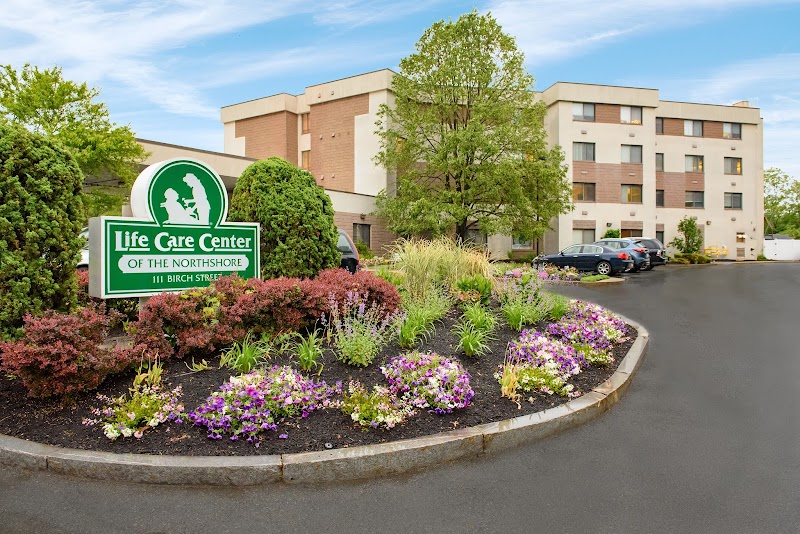
How is Life Of The North Shore Staffed?

CMS rates LIFE CARE CENTER OF THE NORTH SHORE's staffing level at 4 out of 5 stars, which is above average compared to other nursing homes. Staff turnover is 27%, compared to the Massachusetts average of 46%. This relatively stable workforce can support continuity of care.

What Have Inspectors Found at Life Of The North Shore?

State health inspectors documented 25 deficiencies at LIFE CARE CENTER OF THE NORTH SHORE during 2022 to 2025. These included: 2 that caused actual resident harm and 23 with potential for harm. Deficiencies causing actual harm indicate documented cases where residents experienced negative health consequences.
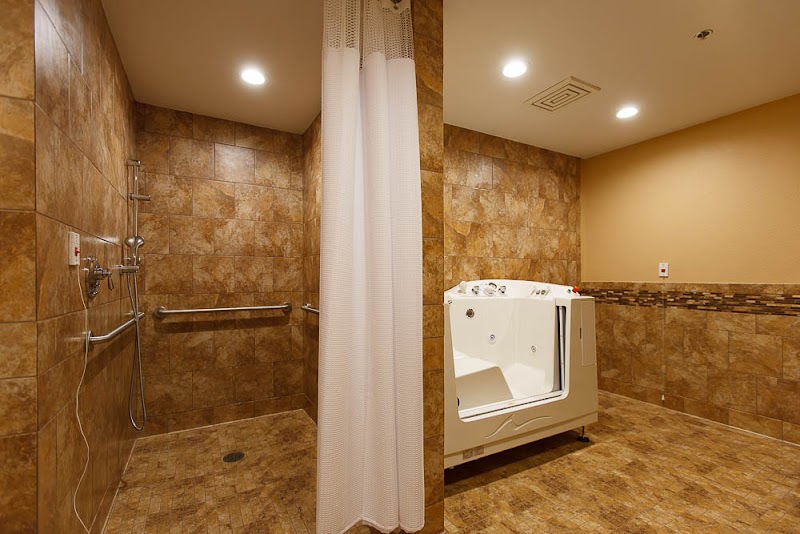
Who Owns and Operates Life Of The North Shore?

LIFE CARE CENTER OF THE NORTH SHORE is owned by a for-profit company. For-profit facilities operate as businesses with obligations to shareholders or private owners. The facility is operated by LIFE CARE CENTERS OF AMERICA, a chain that manages multiple nursing homes. With 123 certified beds and approximately 114 residents (about 93% occupancy), it is a mid-sized facility located in LYNN, Massachusetts.

How Does Life Of The North Shore Compare to Other Massachusetts Nursing Homes?

Compared to the 100 nursing homes in Massachusetts, LIFE CARE CENTER OF THE NORTH SHORE's overall rating (4 stars) is above the state average of 2.9, staff turnover (27%) is significantly lower than the state average of 46%, and health inspection rating (4 stars) is above the national benchmark.

What Should Families Ask When Visiting Life Of The North Shore?

Based on this facility's data, families visiting should ask: "Can I visit during a mealtime to observe dining assistance and food quality?" "How do you handle medical emergencies, and what is your hospital transfer rate?" "Can I speak with family members of current residents about their experience?"

Is Life Of The North Shore Safe?

Based on CMS inspection data, LIFE CARE CENTER OF THE NORTH SHORE has a clean safety record: no substantiated abuse findings (meaning no confirmed cases of resident harm), no Immediate Jeopardy citations (the most serious violation level indicating risk of serious injury or death), and is not on the Special Focus Facility watch list (a federal program monitoring the lowest-performing 1% of nursing homes). The facility has a 4-star overall rating and ranks #1 of 100 nursing homes in Massachusetts. While no facility is perfect, families should still ask about staff-to-resident ratios and recent inspection results during their visit.

Do Nurses at Life Of The North Shore Stick Around?

Staff at LIFE CARE CENTER OF THE NORTH SHORE tend to stick around. With a turnover rate of 27%, the facility is 19 percentage points below the Massachusetts average of 46%. Low turnover is a positive sign. It means caregivers have time to learn each resident's needs, medications, and personal preferences. Consistent staff also notice subtle changes in a resident's condition more quickly. Registered Nurse turnover is also low at 17%, meaning experienced RNs are available to handle complex medical needs.

Was Life Of The North Shore Ever Fined?

LIFE CARE CENTER OF THE NORTH SHORE has been fined $12,901 across 2 penalty actions. This is below the Massachusetts average of $33,208. While any fine indicates a compliance issue, fines under $50,000 are relatively common and typically reflect isolated problems that were subsequently corrected. Families should ask what specific issues led to these fines and confirm they've been resolved.

Is Life Of The North Shore on Any Federal Watch List?

LIFE CARE CENTER OF THE NORTH SHORE is not on any federal watch list. The most significant is the Special Focus Facility (SFF) program, which identifies the bottom 1% of nursing homes nationally based on persistent, serious quality problems. Not being on this list means the facility has avoided the pattern of deficiencies that triggers enhanced federal oversight. This is a positive indicator, though families should still review the facility's inspection history directly.