DEXTER HOUSE HEALTHCARE
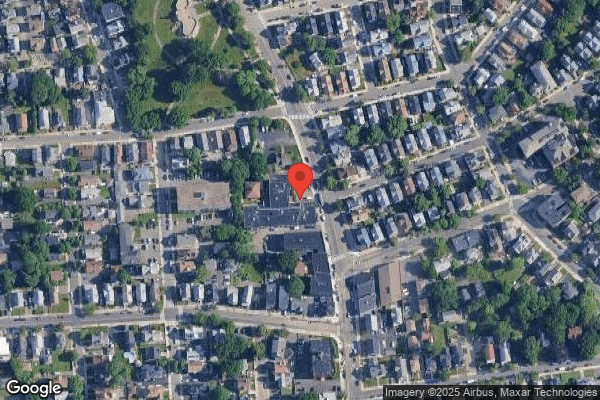

120 MAIN STREET, MALDEN, MA 02148 (781) 324-5600
For profit - Corporation 130 Beds NEXT STEP HEALTHCARE Data: November 2025
Trust Grade
70/100
#83 of 338 in MA
Last Inspection: October 2024

Within standard 12-15 month inspection cycle. Federal law requires annual inspections.

Overview

Dexter House Healthcare in Malden, Massachusetts, has earned a Trust Grade of B, meaning it is a good option for families seeking care, though it may not be the top choice. It ranks #83 out of 338 facilities in the state, placing it in the top half, and #21 out of 72 in Middlesex County, indicating only a few local options are better. The facility is improving, with issues decreasing from 8 in 2024 to just 1 in 2025. Staffing is a strength, boasting a 4/5 rating with a turnover of 36%, lower than the Massachusetts average, and the facility has excellent RN coverage, being better than 97% of state facilities. However, there have been some concerning findings, such as failed maintenance of laundry equipment, improper food storage practices, and lapses in infection control standards for shared equipment, which families should consider when making their decision.

Trust Score
B
70/100
In Massachusetts
#83/338
Top 24%
Safety Record
Low Risk
No red flags
Inspections
Getting Better
8 → 1 violations
Staff Stability
○ Average
36% turnover. Near Massachusetts's 48% average. Typical for the industry.
Penalties
✓ Good
No fines on record. Clean compliance history, better than most Massachusetts facilities.
Skilled Nurses
✓ Good
Each resident gets 60 minutes of Registered Nurse (RN) attention daily — more than 97% of Massachusetts nursing homes. RNs are the most trained staff who catch health problems before they become serious.
Violations
⚠ Watch
21 deficiencies on record. Higher than average. Multiple issues found across inspections.
★★★★☆
4.0
Overall Rating
★★★★☆
4.0
Staff Levels
★★★★★
5.0
Care Quality
★★★☆☆
3.0
Inspection Score
Stable
2024: 8 issues
2025: 1 issues

The Good

  • 4-Star Staffing Rating · Above-average nurse staffing levels
  • 5-Star Quality Measures · Strong clinical quality outcomes
  • Full Sprinkler Coverage · Fire safety systems throughout facility
  • No fines on record
  • Staff turnover below average (36%)

    12 points below Massachusetts average of 48%

Facility shows strength in staffing levels, quality measures, fire safety.

The Bad

Staff Turnover: 36%

Near Massachusetts avg (46%)

Typical for the industry

Chain: NEXT STEP HEALTHCARE

Part of a multi-facility chain

Ask about local staffing decisions and management

The Ugly 21 deficiencies on record

Sept 2025 1 deficiency
CONCERN (D) 📢 Someone Reported This

A family member, employee, or ombudsman was alarmed enough to file a formal complaint

Potential for Harm - no one hurt, but risky conditions existed

Deficiency F0760 (Tag F0760)

Could have caused harm · This affected 1 resident

**NOTE- TERMS IN BRACKETS HAVE BEEN EDITED TO PROTECT CONFIDENTIALITY** Based on records reviewed and interviews, for one of three sampled residents (Resident #2), the Facility failed to ensure he/she...

Read full inspector narrative →
**NOTE- TERMS IN BRACKETS HAVE BEEN EDITED TO PROTECT CONFIDENTIALITY** Based on records reviewed and interviews, for one of three sampled residents (Resident #2), the Facility failed to ensure he/she was free from a significant medication error, when on 08/07/25, Nurse #1 administered Epinephrine (hormone that increases adrenaline) to him/her instead of Glucagon (hormone that increases blood glucose level), in error.Findings include: The Facility Policy, titled Administering Medications, dated as revised 09/2024, indicated, the individual who administered medications would check the label to verify the right resident, right medication, right dosage, right time, and right route of administration before giving the medication. Resident #2 was admitted to the Facility in July 2025, diagnoses included left femur fracture, hypertension, and diabetes.Review of Resident #2's Hospital Discharge summary, dated [DATE], indicated that on 08/07/25, while at the Facility, Resident #2 experienced a change in mental status, was assessed by nursing, and found to have a blood glucose level of 59 milligrams/deciliter (mg/dl) (low). The Hospital Discharge Summary indicated that the Facility nurse attempted to administer a Glucagon injection, however, administered an EpiPen injection, by mistake.Review of Resident #2's Order Summary Report indicated he/she had a Physician's order, dated 07/08/25, to administer Glucagon (a hormone produced by the pancreas that plays a crucial role in regulating blood sugar levels by increasing glucose concentration in the bloodstream) 1 milligram (mg) intramuscularly (IM) as needed for blood sugar less than 70 mg/dl if he/she was not responsive or not able or willing to swallow.Further review of Resident #2's Order Summary indicated he/she did not have a physician's order for Epinephrine.Review of the Facility's Emergency Kit Contents List, located one kit on each unit, indicated the kit contained the following:-Gvoke (Glucagon) 1mg per 0.2ml Hypopen injection.-Epinephrine (EpiPen, also known as adrenaline, is both a neurotransmitter and a hormone. It plays an important role in your body's fight-or-flight response. It's also used as a medication to treat many life-threatening conditions) 0.3mg per 0.3 milliliters (ml) injection.According to Mayoclinic.org, serious side effects of Epinephrine include increased blood pressure, which can lead to heart attack or stroke, as well as vomiting, tremors, and seizures. During an interview on 09/02/25 at 03:44 P.M., Nurse #1 said that on 08/07/25 at 10:00 P.M., she was alerted by another staff member that Resident #2 had a change in mental status and was shaking. Nurse #1 said Resident #2's blood glucose level was 59 mg/dl (low). Nurse #1 said she used her cell phone to call 911 while she tried giving him/her orange juice with sugar mixed in it, however he/she was unable to drink it. Nurse #1 said she then was instructed by the 911 dispatcher to administer Glucagon. Nurse #1 said she was unable to unlock the medication room door, which was where the Emergency Kit for that unit was located, and ran upstairs to another unit to get the Glucagon from their kit. Nurse #1 said the nurse on the other unit handed her Glucagon and an EpiPen, and she went back to Resident #2's room. Nurse #1 said she opened and read the instructions for the Glucagon, but when she administered the injection, she reached for, opened, and administered the EpiPen, by mistake. Nurse #1 said she was unaware that she had made the medication error until the following day, when the Administrator called her.During an interview on 09/02/25 at 01:52 P.M., The Director of Nurses (DON) said Nurse #1 should have ensured she administered the correct medication but did not.On 09/02/25, the Facility was found to be in Past Non-Compliance and presented the Surveyor with a plan of correction, with an effective date of 08/09/25, which addressed the area(s) of concern as evidenced by:A. 08/08/25, Resident #2 was readmitted to the Facility and had no ill effects as a result of the medication error that occurred on 08/07/25.B. 08/08/25, The ADON conducted a medication administration skills observation with Nurse #1.C. 08/08/25, The Ad-Hoc Quality Assurance Performance Improvement Action Plan indicated the Facility Leadership developed a plan to correct the deficient practice and ensure that residents were free from significant medication errors.D. 08/08/25, The DON and ADON educated all licensed staff on medication administration best practices, with focus on the Emergency Supply Kit review.E. 08/08/25, The DON and ADON began random medication pass observations with licensed staff.F. The DON and/or ADON will conduct ongoing weekly medication pass observations for four weeks.G. Results of the weekly medication pass observations will be reviewed at QAPI by the DON and/or ADON.H. The DON and/or ADON will continue to conduct annual and PRN medication competencies for all licensed staff.I. The DON/designee are responsible for overall compliance.
Oct 2024 8 deficiencies
CONCERN (D)

Potential for Harm - no one hurt, but risky conditions existed

Resident Rights (Tag F0550)

Could have caused harm · This affected 1 resident

**NOTE- TERMS IN BRACKETS HAVE BEEN EDITED TO PROTECT CONFIDENTIALITY** Based on observation, policy review, and interview the facility failed to provide a dignified dining experience for two Resident...

Read full inspector narrative →
**NOTE- TERMS IN BRACKETS HAVE BEEN EDITED TO PROTECT CONFIDENTIALITY** Based on observation, policy review, and interview the facility failed to provide a dignified dining experience for two Residents (#1 and #34) out of a total sample of 19 residents. Specifically, the facility failed to ensure that staff members were not standing over Resident #1 and Resident #34 while providing feeding assistance. Findings include: Review of the facility policy titled Resident Rights, revised January 2024, indicated the following: -Employees shall treat all residents with kindness, respect, and dignity. 1.) Resident #1 was admitted to the facility in August 2013 with diagnosis including traumatic brain injury. Review of the Minimum Data Set (MDS), dated [DATE], indicated that Resident #1 was unable to participate in a Brief Interview for Mental Status (BIMS) as the Resident was rarely/never understood. Further review of the MDS indicated Resident #1 had impaired range of motion of upper extremities on both sides, and that the Resident was dependent on staff for eating assistance. On 10/1/24 at 8:20 A.M., the surveyor observed a staff member providing feeding assistance to Resident #1 in his/her room. The Resident was in bed and the staff member was standing over him/her while providing assistance. The bed was not raised, and the staff member and the Resident were not at eye level. On 10/2/24 at 8:19 A.M., the surveyor observed a staff member providing feeding assistance to Resident #1 in his/her room. The Resident was in bed and the staff member was standing over him/her while providing assistance. The bed was not raised, and the staff member and the Resident were not at eye level. During an interview on 10/2/24 at 12:52 A.M., the Assistant Director of Nursing (ADON) said staff should be at eye level with a resident, and not be standing, while providing feeding assistance. 2.) Resident #34 was admitted to the facility in June 2024 with diagnosis including dementia. Review of the Minimum Data Set (MDS), dated [DATE], indicated that Resident #34 scored an 8 out of 15 on a Brief Interview for Mental Status (BIMS) indicating moderate cognitive impairment. Further review of the MDS indicated Resident #34 was dependent on staff for partial/moderate feeding assistance. On 10/2/24 at 8:30 A.M., the surveyor observed a staff member providing feeding assistance to Resident #34 in his/her room. The Resident was in bed and the staff member was standing over him/her while providing assistance. The bed was not raised, and the staff member and the Resident were not at eye level. During an interview on 10/2/24 at 12:52 A.M., the Assistant Director of Nursing (ADON) said staff should be at eye level with a resident, and not be standing, while providing feeding assistance.
CONCERN (D)

Potential for Harm - no one hurt, but risky conditions existed

Comprehensive Care Plan (Tag F0656)

Could have caused harm · This affected 1 resident

**NOTE- TERMS IN BRACKETS HAVE BEEN EDITED TO PROTECT CONFIDENTIALITY** 2.) Resident #11 was admitted to the facility in July 2024 with diagnoses including cancer, manic depression, and schizophrenia....

Read full inspector narrative →
**NOTE- TERMS IN BRACKETS HAVE BEEN EDITED TO PROTECT CONFIDENTIALITY** 2.) Resident #11 was admitted to the facility in July 2024 with diagnoses including cancer, manic depression, and schizophrenia. Review of the Minimum Data Set (MDS), dated [DATE], indicated that Resident #11 scored an 11 out of 15 on a Brief Interview for Mental Status (BIMS) indicating moderate cognitive impairment. Review of the behavioral health group note, dated 8/15/24, indicated Resident #11 had a history of suicide attempt and that the Resident had stated he/she had jumped out of a window in a nursing home. Review of Resident #11's care plans failed to indicate that a care plan addressing Resident #11's history of suicide attempts was developed. During an interview on 10/2/24 at 10:47 A.M., Nurse #1 said he was unaware of Resident #11's history of suicide attempts, and that he would expect a care plan to be developed specific to the Resident's history of suicide attempts. Nurse #1 said the interdisciplinary team, including nurses and social workers, review the behavioral health group notes. During an interview on 10/2/24 at 12:22 P.M., the Social Worker (SW) said she would expect nurses and the social workers to review the behavioral health group notes. The SW said she would expect a specific care plan to be developed addressing a resident's history of suicide attempts. During an interview on 10/2/24 at 12:47 P.M., the Assistant Director of Nursing (ADON) said she would expect a resident with a history of suicide attempts to have a care plan developed specifically addressing the history of suicide attempts Based on observation, record review and interview, the facility failed to 1.) implement the plan of care related to keeping the call light within reach for one Resident (#50), and 2.) failed to develop a care plan related to a history of suicide attempts for one Resident (#11) out of a total of 19 sampled residents. Findings include: Review of the facility policy, titled Care Plans, Comprehensive Person-centered, indicated, but was not limited to, the following: - A comprehensive, person-centered care plan will be developed for each resident. The care plan will include objectives that meet the resident's physical, psychosocial and functional needs is developed for each resident. - The resident comprehensive care plan will identify problem areas and their causes as warranted and developing interventions that are targeted and meaningful to the resident. - Evaluation of residents is ongoing and care plans are revised as information about the resident and the resident conditions change. 1.) Resident #50 was admitted to the facility in December 2021 with diagnoses including weakness and unsteadiness on feet. Review of the most recent Minimum Data Set (MDS) assessment, dated 8/27/24, indicated Resident #50 was moderately impaired as evidenced by a score of 11 out of a possible 15 on the Brief Interview for Mental Status Exam. The MDS also indicated Resident #50 required assistance with ambulation and transfers. Review of Resident #50's fall care plan, dated 12/6/21, indicated the following interventions: call light within reach. Review of the facility's policy titled Answering Call Lights, dated April 2018, indicated: When the resident is in bed, provide the call light within easy reach of the resident. On 10/1/24 at 8:08 A.M., and 2:11 P.M., the surveyor observed Resident #50 laying in bed. His/her call light was draped over his/her overbed light hanging behind Resident and out of reach. On 10/2/24 at 7:50 A.M., and 2:19 P.M., the surveyor observed Resident #50 dozing in bed. His/her call light was draped on top of overbed light hanging behind the Resident and out of reach. During an interview on 10/2/24 at 2:24 P.M., the Assistant Director of Nursing (ADON) and the Administrator said that call lights should be placed within the reach of residents at all time.
CONCERN (D)

Potential for Harm - no one hurt, but risky conditions existed

Deficiency F0658 (Tag F0658)

Could have caused harm · This affected 1 resident

Based on record review and interview, the facility failed to ensure medications were administered as ordered for one Resident (#72) out of a total of 19 sampled residents. Specifically, nursing staff ...

Read full inspector narrative →
Based on record review and interview, the facility failed to ensure medications were administered as ordered for one Resident (#72) out of a total of 19 sampled residents. Specifically, nursing staff failed to administer insulin per the physicians' sliding scale order. Findings include: Review of the facility's policy titled Administering Medications, dated February 2020, indicated: Medications are administered in a safe, timely manner and as prescribed. Medications are administered in accordance with prescriber orders. Resident #72 was admitted to the facility in April 2024 with diagnoses including diabetes. Review of the Minimum Data Set (MDS) assessment, dated 8/26/24, indicated Resident #72 had severe cognitive impairment as evidenced by a score of 3 out of a possible 15 on the Brief Interview for Mental Status Exam. The MDS also indicated Resident #3 required assistance with bathing, dressing and transfers. Review of Resident #72's physician's orders indicated: Novolin R injection solution 100 unit/ML (insulin) Inject as per sliding scale if: 0-200 if FSBS (fasting blood sugars) between 0-60 administer no insulin and follow hypoglycemic protocol and notify MD/RNP: 200 - 250 = 2 251 - 300 = 4 301 - 350 - 6 351 - 400 = 8 401 - 450 = 10 If greater than 450, call on-call provider. Review of Resident #72's September 2024 Medication Administration Record indicated the following: 9/3/24, 12:00 A.M.: BS (blood sugar) 200; no insulin amount documented. Resident #72 should have received 2 units. 9/8/24, 6:00 A.M.: BS 219; no insulin administered. Resident #72 should have received 2 units. 9/8/24, 6:00 P.M.: BS 219; no insulin administered. Resident #72 should have received 2 units. 9/9/24, 6:00 A.M.: No blood sugar level or insulin was documented. 9/13/24, 6:00 A.M.: BS 213; no insulin administered. Resident #72 should have received 2 units. 9/22/24, 8:00 P.M.: BS 213; no insulin administered. Resident #72 should have received 2 units. 9/29/24, 7:30 A.M.: No blood sugar level or insulin was documented. During an interview on 10/2/24 at 2:24 P.M., the Assistant Director of Nursing ADON and the Administrator said that staff should administer medications per the physician's order.
CONCERN (D)

Potential for Harm - no one hurt, but risky conditions existed

ADL Care (Tag F0677)

Could have caused harm · This affected 1 resident

**NOTE- TERMS IN BRACKETS HAVE BEEN EDITED TO PROTECT CONFIDENTIALITY** 2. Resident #59 was admitted to the facility in August 2022 with diagnoses including dementia and malnutrition. Review of the M...

Read full inspector narrative →
**NOTE- TERMS IN BRACKETS HAVE BEEN EDITED TO PROTECT CONFIDENTIALITY** 2. Resident #59 was admitted to the facility in August 2022 with diagnoses including dementia and malnutrition. Review of the Minimum Data Set (MDS) assessment, dated 7/23/24, indicated Resident #59 had severe cognitive impairment and was dependent on staff for eating. Review of the Activities of Daily Living (ADL) care plan, dated 8/4/22, indicated: Resident has ADL self care deficient [sic]. Interventions: Total assistance with eating, 8/4/22. On 10/1/24 at 8:43 A.M., the surveyor observed Resident #59 seated in his/her room with his/her breakfast plate in front of him/her. Resident #59 was alone and appeared uninterested in the meal. Certified Nurse Assistant (CNA) #4 entered the room and asked Resident #59 if he/she was eating and then left to go to another room saying she would check in later. At approximately 8:50 A.M., the surveyor observed Resident #59 taking small bites of his/her breakfast meal. There was no staff in the room providing assistance. During an interview on 10/1/24 at 12:13 P.M., Family Member #1 said that he was visiting and going to assist Resident #59 with the lunch meal when it arrives. Family Member #1 said he and other family members come in to assist Resident #59 with lunch. Family Member #1 said that staff do not assist Resident #59 with meals. On 10/2/24 at 8:34 A.M., the surveyor observed Resident #59 in bed. His/her breakfast plate was on his/her overbed table and food was splattered across the table. The breakfast tray with his/her drinks and hot cereal was across the room on his/her bureau. Resident #59 was hitting the table repeatedly with his/her hand and not eating. There was no staff in the room providing assistance. During an interview on 10/2/24 at 8:37 A.M., CNA #3 said that Resident #59 is not on her assignment today but she has cared for him/her in the past. CNA #3 said that the Resident does not need assistance with meals. During an interview on 10/2/24 at 8:38 A.M., CNA #2 said that Resident #59 does not need help with his/her meals. On 10/2/24 at 8:40 A.M., the surveyor observed Resident #59 rubbing his/her blanket on the overbed table across the food that had been splattered on the table. Resident #59's blanket was saturated with food and no staff were in the area. On 10/2/24 at 12:22 P.M., the surveyor observed Resident #59 seated alone in his/her room with his/her lunch plate on the overbed table, uncovered and untouched, in front of him/her. Resident #59's lunch tray with beverages was across the room on top of his/her bureau. CNA #3 observed the surveyor standing outside Resident #59's room and then entered the room and sat to assist Resident #59 with his/her meal. During an interview on 10/2/24 at 2:24 P.M., the Assistant Director of Nursing (ADON) and the Administrator said that resident care plans should be followed. The ADON said that the level of assistance Resident #59 needs for meals changes day to day but that staff should be present with him/her during meals for cuing. Based on observation, record review and interview, the facility failed to provide assistance with meals for two Residents (#21 and #59), out of a total of 19 sampled residents. Findings include: Review of the facility's Care Plans policy dated November 2017 indicated: A comprehensive person-centered care plan will be developed for reach resident. The care plan will include objectives that meet the resident's physical and functional needs for each resident. Review of the facility's Activities of Daily Living (ADLs) policy, dated April 2018 indicated: Residents who are unable to carry out activities of daily living independently will receive the services necessary for activities of daily living. Appropriate care and services will be provided for residents who are unable to carry out ADLs independently with the consent of the resident and in accordance with the plan of care, including appropriate support and assistance with dining (meals and snacks). 1. Resident #21 was admitted to the facility in September 2022 and has diagnoses that include but are not limited to cerebral infraction, adult failure to thrive, unspecified severe protein-calorie malnutrition, dysphagia, and cognitive communication deficit. Review of the Minimum Data Set assessment dated [DATE] indicated Resident #21 scored an 11 out of 15 on the Brief Interview for Mental Status indicating Resident #21 had moderately intact cognition and required supervision or touching assistance with eating. Review of Resident #21's Activities of Daily Living (ADL) care plan, dated as initiated 9/30/2022, indicated: Resident has ADL self-care deficit as evidenced by needing assistance with all ADLs (activities of daily living) Interventions: Eating: Independent with set up ->continued supervision, 11/13/22. On 10/1/24 at 10:15 A.M., Resident #21 was observed in bed with a breakfast tray in front of him/her. Resident #21's position was reclined at approximately 45 degrees. Resident was observed chewing with his/her eyes closed. When he/she opened his/her eyes, he/she said he/she was not comfortable. There was not staff in the room or nearby. On 10/1/24 at 12:14 P.M., Resident #21 observed in bed. His/her partially consumed breakfast tray remained in front in front of him/her and his/her eyes were closed. On 10/1/24 at 12:28 P.M., a certified nursing assistant (CNA) entered Resident #21's room with a lunch tray. The CNA set up the tray and exited the room with the breakfast tray. Resident #21 was in his/her room with the privacy curtain pulled, Resident #21 was not able to be seen from the hall. Staff were observed passing lunch trays to residents. On 10/1/24 at 12:34 P.M., Resident #21 was observed with his/her lunch tray untouched and had his/her eyes closed. Resident #21 was positioned at approximately 30-40 degrees and was not upright. On 10/1/24 at 12:38 P.M., Resident #21 had his/her lunch tray which was untouched in front of him/her. Resident #21's eyes were closed. At no time did staff enter the room to supervise or offer any assistance or cueing to eat. On 10/2/24 at 8:53 A.M., Resident #21 was observed with his/her breakfast tray in front of him/her. Resident #21 was not actively eating; the food was untouched and his/her were eyes closed. There were no staff present with Resident #21. At 9:02 A.M., the breakfast tray was no longer present in Resident #21's room. During an interview on 10/2/24 at 12:31 P.M., Nurse #3 said Resident #21 takes his/her time eating. Nurse #3 said we cue him/her from time to time, he/she is not always interested in eating and does need supervision. During an interview on 10/2/24 at 2:04 P.M., CNA #5 said Resident #21 is dependent on care and sometimes refuses and staff need leave and return later. CNA #5 said Resident #21 has not been eating too much and they leave the meal trays. CNA #5 said Resident #21 needs supervision for eating, that staff are not always in the room but check in on him/her to make sure he/she is eating.
CONCERN (D)

Potential for Harm - no one hurt, but risky conditions existed

Deficiency F0761 (Tag F0761)

Could have caused harm · This affected 1 resident

**NOTE- TERMS IN BRACKETS HAVE BEEN EDITED TO PROTECT CONFIDENTIALITY** Based on observation, record review, and interview the facility failed to ensure all drugs and biologicals were stored in a safe...

Read full inspector narrative →
**NOTE- TERMS IN BRACKETS HAVE BEEN EDITED TO PROTECT CONFIDENTIALITY** Based on observation, record review, and interview the facility failed to ensure all drugs and biologicals were stored in a safe and secure manner. Specifically, the facility failed for Resident #73, to ensure topical medications were not left unattended in the Resident's room. Findings include: Review of the facility's policy: Storage of Medications, dated 4/2018 indicated the facility shall store drugs and biologicals in a safe, secure, and orderly manner. Guidelines: 2. The nursing staff shall be responsible for maintaining medication storage and preparation areas in a clean, safe, and sanitary manner. 4. Drugs for external use, shall be clearly marked as such, and shall be stored separately from other medications. 7. Drugs shall be stored in an orderly manner in cabinets, drawers, carts, automatic dispensing systems. Resident #73 was admitted to the facility in November 2023. Review of the Minimum Data Set (MDS) assessment dated [DATE] indicated Resident #73 scored an 8 out of fifteen on the Brief Interview for Mental Status (BIMS), indicating he/she had moderately intact cognition. On 10/01/24 at 9:00 A.M., the surveyor observed Resident #73 sitting on the side of his/her bed with the curtain drawn between him/her's roommate. The surveyor observed a bottle labeled Ammonium Lactate 12% lotion with Resident #73's name on it, on the bed side table of Resident #73's roommate. The roommate said that is not mine, referring to the lotion bottle. Review of the medical record for Resident #73 indicated the Resident had not been assessed for self-administering medications. Further review of Resident #73's medical record indicated the following physician's pharmacy order: -Amlactin Daily External Lotion 12% (lactic acid) (Ammonium Lactate) Apply to bilat (bilateral) feet topically every evening shift for dryness, dated 1/31/24. The surveyor made the following observations: -On 10/01/24 at 9:32 A.M., the Ammonium Lactate 12% lotion bottle ordered for Resident #73 was on the bedside table of Resident #73's roommate. -On 10/01/24 at 12:22 A.M., the Ammonium Lactate 12% lotion bottle ordered for Resident #73 was on the bedside table of Resident #73's roommate. -On 10/01/24 at 3:22 PM the Ammonium Lactate 12% lotion bottle ordered for Resident #73 was on the bedside table of Resident #73's roommate. -On 10/02/24 at 8:38 A.M. the Ammonium Lactate 12% lotion bottle ordered for Resident #73 was on the bedside table of Resident #73's roommate. During an interview and observation on 10/2/24 at 8:40 A.M., Nurse #3 said Resident #73 does not self-administer medications and the nursing staff are responsible for administering the Ammonium Lactate 12% lotion for Resident #73. Nurse #3 went to Resident #73's room with the surveyor, removed the Ammonium Lactate 12% lotion from Resident #73's roommates bedside table and said it should not be left in a resident's room and should be locked in the treatment cart. During an interview on 10/2/24 at 12:19 P.M., the Assistant Director of Nursing said all medications including topical medications should be locked in the medication or treatment carts and not left in a resident's room.
CONCERN (D)

Potential for Harm - no one hurt, but risky conditions existed

Deficiency F0790 (Tag F0790)

Could have caused harm · This affected 1 resident

**NOTE- TERMS IN BRACKETS HAVE BEEN EDITED TO PROTECT CONFIDENTIALITY** Based on interview and record review the facility failed to obtain routine and 24-hour emergency dental care for one Resident (#...

Read full inspector narrative →
**NOTE- TERMS IN BRACKETS HAVE BEEN EDITED TO PROTECT CONFIDENTIALITY** Based on interview and record review the facility failed to obtain routine and 24-hour emergency dental care for one Resident (#11) out of a total sample of 19 residents. Specifically, the facility failed to provide dental services after Resident #11 had voiced that his/her dentures were ill-fitting, and failed to implement the dentist's recommendations for follow-up appointments. Findings include: Review of the facility policy, titled Dental Services, revised November 2017, indicated, but was not limited to, the following: - Routine and emergency dental services are available to meet the resident's oral health services in accordance with the resident's assessment and plan of care. - All dental services provided are recorded in the resident's medical record. Resident #11 was admitted to the facility in July 2024 with diagnosis including cancer. Review of the Minimum Data Set (MDS), dated [DATE], indicated Resident #11 scored an 11 out of 15 on the Brief Interview for Mental Status (BIMS) which indicated he/she had moderate cognitive impairment. Further review of the MDS indicated the Resident had obvious or likely cavity or broken natural teeth. During an interview on 10/1/24 at 8:01 A.M., Resident #11 said his/her dentures don't fit and that he/she would like to have the dentures fitted as he/she would prefer to use them; the Resident said that this has been the case for a few weeks and that he/she had told staff about his/her ill-fitting dentures. Review of Resident #11's care plans indicated the following care plan initiated on 8/7/24: - Care deficit pertaining to the teeth oral cavity characterized by; altered oral mucous membrane; problems with dentures/ teeth/ gums related to: Broken/carious teeth noted on exam. Further review of the care plan indicated the following intervention initiated on 8/7/24: - Refer to dentist as needed. Review of the dental group note, dated 9/5/24, indicated Resident #11 was seen by a dentist for denture step 5. Further review of the note indicated the Resident received dentures with a recommendation for an annual exam. The following appointments were recommended: - Denture Follow-Up on 9/6/24 - Annual Exam on 9/21/24 Review of Resident #11's medical record failed to indicate the Resident attended the recommended denture follow up or annual exam or that the Resident was seen by a dentist after 9/5/24. Further review of the medical record failed to indicate the Resident was scheduled to see the dentist, or that the Resident had refused to attend any dental appointments. During an interview on 10/2/24 at 10:39 A.M., Certified Nursing Aide (CNA) #6 said that Resident #11 had dentures but he/she does not wear them because the Resident said they don't fit and were too small; CNA #6 said the Resident first mentioned this three weeks ago. During a follow-up interview on 10/2/24 at 1:19 P.M., CNA #6 said that she did not tell the nurse about Resident #11's complaint of his/her dentures being too small and not fitting well because the nurse already knew. During an interview on 10/2/24 at 10:43 A.M., Nurse #1 said the dentist comes every month and that if there was a dental issue the facility would call the dentist and they could come sooner. Nurse #1 said that nurses review the dental group notes/dentist paperwork for recommendations after each visit. Nurse #1 said that Resident #11 recently received dentures but did not wear them and said he was not aware of the Resident's complaints that the dentures were ill-fitting. Nurse #1 said nurses were involved in upcoming dental appointments and would leave notes for upcoming appointments. Nurse #1 said he was unaware of any upcoming dental appointments and that he would have expected the CNA to notify him of the Resident's complaints that the dentures did not fit well and were too small. During an interview on 10/2/24 at 12:48 P.M., the Assistant Director of Nursing (ADON) said refusal for dental appointments would be documented and that she would expect the dentist recommendations for follow-up appointments to be implemented. The ADON said she would expect the CNA to have notified the nurse or tell supervisors about the Resident's complaints about the dentures not fitting well.
CONCERN (E)

Potential for Harm - no one hurt, but risky conditions existed

Infection Control (Tag F0880)

Could have caused harm · This affected multiple residents

Based on observations and staff interviews, the facility failed to follow infection control standards of practice for the cleaning of shared resident equipment. Findings include: Review of the facil...

Read full inspector narrative →
Based on observations and staff interviews, the facility failed to follow infection control standards of practice for the cleaning of shared resident equipment. Findings include: Review of the facility policy titled Obtaining a Fingerstick Glucose Level, dated 11/2020, indicated the purpose of this procedure is to obtain a blood sample to determine the resident's blood glucose level. The following equipment and supplies will be necessary when performing this procedure: -Disinfected blood glucose meter (glucometer). Steps in the Procedure: -Clean and disinfect reusable equipment between uses according to the manufacturer's instructions and current infection control standards of practice. Review of the facility policy titled Infection Control Guidelines for Nursing Procedures, dated as revised 7/2024, indicated guidelines for general infection control while caring for residents. Resident-Care Equipment: -When possible, dedicate the use of non-critical resident-care equipment items such as sphygmomanometer (used to take blood pressure) to avoid sharing between residents. -If use of common items is unavoidable, then adequately clean and disinfect them before use for another resident. During Medication Observation on the Dolphin Lane unit on 10/2/24 at 7:41 A.M., the surveyor observed breaches in infection control practices when the nurse did not clean the shared resident equipment of the glucometer that was observed to be carried in and out of Residents rooms without cleaning the device. The glucometer is a handheld device that is used in diabetes management to measure the concentration of glucose in the blood. The surveyor observed Nurse #2 entered four different resident's room to take blood sugar measurement using the glucometer and after using it did not clean and/or disinfect between each resident. The surveyor observed the glucometer not being cleaned between resident use or before being returned to the medication cart. During Medication Observation on the Dolphin Lane unit on 10/2/24 at 7:57 A.M., the surveyor observed breaches in infection control practices when Nurse #2 did not clean the shared resident equipment of the portable vital sign device that was observed to be wheeled in out of resident's rooms without cleaning the device. The portable caddy is a device that measures the vital signs of individual residents including a measurement of pulse, blood pressure, temperature, and oxygen saturation rate. The surveyor observed Nurse #2 entered two different residents' rooms to take and record Vital signs using the portable caddy. The surveyor observed the portable device not being cleaned between each resident use and the caddy device did not have the cleaners/disinfectant wipes housed on the bracket shelf. During interview on 10/2/24 at 8:12 A.M., Nurse #2 said she did not disinfect the glucometer or the vital sign caddy, but she should have. During interview on 10/2/24 at 2:57 P.M., The Assistant Director of Nurses, who was also the designated Staff Development Coordinator and the Infection Control Nurse, said shared resident equipment should be disinfected/cleaned before use for another resident.
CONCERN (E)

Potential for Harm - no one hurt, but risky conditions existed

Deficiency F0909 (Tag F0909)

Could have caused harm · This affected multiple residents

Based on observation and interview, the facility failed identify and minimize areas of possible entrapment in resident beds. Specifically: 1.) For Resident #62, out of a total of 19 sampled residents,...

Read full inspector narrative →
Based on observation and interview, the facility failed identify and minimize areas of possible entrapment in resident beds. Specifically: 1.) For Resident #62, out of a total of 19 sampled residents, the facility failed to minimize a gap between the headboard and mattress end of the Resident's bed. 2.) The facility failed to conduct routine inspections of all bed frames and mattresses to identify possible areas of entrapment for 72 resident beds. Findings include: Review of the Food and Drug Administration (FDA) Hospital Bed System Dimensional and Assessment Guidance to Reduce Entrapment, dated 3/10/2006, indicated: The term entrapment describes an event in which a resident is caught, trapped, or entangled in the space in or about the bed rail, mattress, or hospital bed frame. Resident entrapments may result in deaths and serious injuries. There are 7 zones of bed entrapment: Zone 1 (within the rail), Zone 2 (under the rail), Zone 3 (between rail and mattress), Zone 4 (Under the rail, at the ends of the rail), Zone 5 (between split bed rails), Zone 6 (between the end of the rail and the side edge of the head or foot board) and Zone 7 (Between the head or foot board and the mattress end). Review of guidance from the FDA titled Recommendations for Health Care Providers about Bed Rails, dated 07/09/2018, included: -Inspect and regularly check the mattress and bed rails to make sure they are still installed correctly and for areas of possible entrapment and falls. Regardless of mattress width, length, and/or depth, the bed frame, bed side rail, and mattress should leave no gap wide enough to entrap a patient's head or body. -Inspect, evaluate, maintain, and upgrade equipment (beds/mattresses/bed rails) to identify and remove potential fall and entrapment hazards. 1.) Resident #62 was admitted to the facility in June 2023 with diagnoses including dementia and adult failure to thrive. Review of the most recent Minimum Data Set (MDS) assessment, dated 9/10/24, indicated Resident #62 had moderate cognitive impairment as evidenced by a Brief Interview for Mental Status (BIMS) score of 10 out of 15. This MDS also indicated Resident #62 was able to move from lying to sitting on side of bed with supervision or touching assistance and required partial/moderate assistance to roll left and right in bed. On 10/1/24 at 8:38 A.M., the surveyor observed Resident #62 in bed with a wide gap in Zone 7 (between the head or foot board and the mattress end). On 10/2/24 at 11:19 A.M., the Maintenance Director and the surveyor observed Resident #62's bed. The Maintenance Director had a bed system measuring device, which he said should be used to measure Zone 7 (between the head or foot board and the mattress end) of all bedframes in the building to ensure there were no gaps wide enough for a human head to become entrapped in. The Maintenance Director said the white area on this bed system measuring device represents the average size of a human head. During a measurement using the bed system measuring device, the white area of the device (which represents the average size of a human head), passed freely between the mattress and headboard in Zone 7. The Maintenance Director said the mattress was too small because the gap was wide enough for a human head to become entrapped in, and the gap should have been minimized by inserting a mattress extender but was not. The Maintenance Director said the facility had never measured this bed. Review of facility's binder titled Entrapment Log failed to indicate Resident #62's bed had ever been measured for risk of entrapment. During an interview on 10/2/24 at 12:37 P.M., Nurse #1 said there should never be a gap wide enough to fit a human head between the head or foot board and the mattress end. Nurse #1 said any gap that could fit a human head should be minimized by inserting a mattress extender to prevent entrapment. During an interview on 10/2/24 at 12:40 P.M., the Assistant Director of Nursing (ADON) said there should never be a gap wide enough to fit a human head between the head or foot board and the mattress end. The ADON said any gap that could fit a human head should be minimized by inserting a mattress extender or a bolster to prevent entrapment. During a follow up interview on 10/2/24 at 12:58 P.M., the Maintenance Director said every time a new mattress is placed on an existing bed frame, it should be measured to ensure the mattress fits and does not have any gaps. The Maintenance Director said Resident #62 had a new bed frame delivered a few months ago without a mattress and the facility put a different mattress on the bed frame. The Maintenance Director said the facility never measured to ensure the mattress fit and did not have any gaps but should have. During an interview on 10/2/24 at 1:34 P.M., the Administrator said there should never be a gap wide enough to fit a human head in Zone 7 (between the head or foot board and the mattress end). The Administrator said bed gaps should have been monitored and any gaps should have been minimized but was unable to provide information on how the facility ensured bed gaps were identified and minimized for all beds in the facility. During an interview on 10/2/24 at 2:48 P.M., the Director of Clinical Operations said the facility did not have any policies related to bed inspections, bed safety, or entrapment. The Director of Clinical Operations said bed gaps should have been monitored and any gaps should have been minimized but was unable to provide information on how the facility ensured bed gaps were identified and minimized for all beds in the facility. 2.) Review of facility's binder titled Entrapment Log failed to indicate 72 resident beds (out of 91 total resident beds) had been measured since 2019. During an interview on 10/2/24 at 12:58 P.M., The Maintenance Director said the facility only conducts inspections to measure for areas of possible entrapment on beds with side rails. The Maintenance Director said the facility had 72 beds without side rails that had not been inspected or measured to identify areas of possible entrapment, and these beds were only monitored for function. The Maintenance Director said beds without side rails could have gaps in Zone 7 (between the head or foot board and the mattress end) which could increase the risk for entrapment, but that the facility does not have a process in place to inspect, monitor, or identify possible entrapment for any beds without side rails. During an interview on 10/2/24 at 1:34 P.M., the Administrator said there should never be a gap wide enough to fit a human head in Zone 7 (between the head or foot board and the mattress end). The Administrator said all beds should be monitored to identify areas of possible entrapment but was unable to provide information regarding inspections of any beds that do not have side rails to identify areas of possible entrapment. During an interview on 10/2/24 at 2:48 P.M., the Director of Clinical Operations said the facility does not have any policies related to bed inspections, bed safety, or entrapment. The Director of Clinical Operations said all beds should be monitored to identify areas of possible entrapment but was unable to provide information regarding inspections of any beds that do not have side rails to identify areas of possible entrapment.
Sept 2023 2 deficiencies
CONCERN (D)

Potential for Harm - no one hurt, but risky conditions existed

Food Safety (Tag F0812)

Could have caused harm · This affected 1 resident

Based on observation and interview the facility failed to adhere to safe practices for food storage, increasing the risk for food borne illness. Specifically, the facility's walk-in refrigerator had r...

Read full inspector narrative →
Based on observation and interview the facility failed to adhere to safe practices for food storage, increasing the risk for food borne illness. Specifically, the facility's walk-in refrigerator had ready to eat deli meat and thawed ground meat that was beyond the timeframe in which to serve. Findings include: On 9/26/23 beginning at 7:12 A.M., the surveyor toured the facility kitchen accompanied by the Food Service Director (FSD). The following was observed: Walk-in refrigerator: -One unopened bag of sliced deli roast beef, with a use by or freeze by date of 9/11/23. It was 16 days beyond the date of 9/11/23. -A pan containing ground turkey meat, with a piece of cardboard with a written date of 9/16/23. The date on the ground turkey meat was 11 days after the date of 9/16/23. The FSD said he just pulled the ground turkey from the freezer a few days ago but had the 9/16/23 date on it in error. The ground turkey was soft to touch indicating it was thawed. The FSD said the staff should not use the deli meat or ground turkey even though they were available.
CONCERN (F)

Potential for Harm - no one hurt, but risky conditions existed

Room Equipment (Tag F0908)

Could have caused harm · This affected most or all residents

Based on interview and observation, the facility failed to ensure its laundry room dryer drums, which processed all of the Facility residents' clothing and linens, were free of debris and maintained i...

Read full inspector narrative →
Based on interview and observation, the facility failed to ensure its laundry room dryer drums, which processed all of the Facility residents' clothing and linens, were free of debris and maintained in safe operating condition, for two of two functioning dryers. Findings include: On 9/28/23 at 8:45 A.M., the surveyor observed three dryers, located in the laundry room. The center of the interior drums of Dryer #1 and Dryer #3 were scorched and covered in debris and what appeared to be melted plastic. During an interview with the Director of Laundry Services on 9/28/23 at 8:46 A.M., he said the facility only had two functioning dryers (Dryer #1 and Dryer #3). The Director of Laundry Services said Dryer #2 was not functioning because it needed replacement parts. The Director of Laundry Services said he also observed the debris in Dryer #1 and Dryer #3. The Director of Laundry Services then attempted to remove some of the debris with a key, but was only able to remove a small amount.
Sept 2022 10 deficiencies
CONCERN (D)

Potential for Harm - no one hurt, but risky conditions existed

Deficiency F0558 (Tag F0558)

Could have caused harm · This affected 1 resident

Based on observation, record review and interview, the facility failed to ensure a call light was accessible for 1 sampled Resident (#25) out of a total of 22 sampled Residents. Findings include: Rev...

Read full inspector narrative →
Based on observation, record review and interview, the facility failed to ensure a call light was accessible for 1 sampled Resident (#25) out of a total of 22 sampled Residents. Findings include: Review of the facility's Answer Call Lights policy dated April 2018 indicated: *When the resident is in bed or confined to a chair be sure the call light is within easy reach of the resident. Resident #25 was admitted to the facility in 2019, with diagnoses including Alzheimer's disease and macular degeneration. On 9/13/22 at 10:24 A.M., the surveyor observed Resident #25 asleep in bed. Resident #25's call light was wrapped around the wall outlet and clipped to the wall, out of reach and inaccessible to Resident #25. There was a sign on Resident #25's wall indicating Please press the call button if you need any help. On 9/14/22 at 8:13 A.M., the surveyor observed Resident #25 seated in his/her chair in his/her room. The light cord was wrapped around the wall outlet and clipped to the wall out of reach and inaccessible to Resident #25. On 9/14/22 at 12:08 P.M. the surveyor observed Resident #25 asleep in bed. The light cord was wrapped up and clipped to the wall outlet out of reach and inaccessible to Resident #25. During an interview with Nurse #1 on 9/14/22 at 8:15 A.M., she said that Resident #25 was cognitively able to use the call light and had used it in the past.
CONCERN (D)

Potential for Harm - no one hurt, but risky conditions existed

Grievances (Tag F0585)

Could have caused harm · This affected 1 resident

Based on observation, record review and interview, the facility failed to address a grievance for 1 Resident (#88) who had concerns regarding a functional television and staff turning on his/her overh...

Read full inspector narrative →
Based on observation, record review and interview, the facility failed to address a grievance for 1 Resident (#88) who had concerns regarding a functional television and staff turning on his/her overhead light on in the dark, out of a total of 22 sampled Residents. Findings include: Review of the Facility's Grievances policy dated December 2018 indicated: *If a resident, and/or health care representative, or another interested family member of a resident has a complaint, a staff member should encourage and assist the resident, or person acting on the resident's behalf to file a written grievance with the facility using the Grievance/Complaint report form. *If a grievance submitted orally the facility employee taking the grievance must write it up or the person filing the grievance or the complaint on behalf of the resident should be encouraged to sign written complaints or grievances. *The written grievance will include: the date the grievance was received, a summary statement of the resident's grievance, the steps taken to investigate the grievance, a summary of the pertinent findings or conclusions regarding the resident's concerns, a statement as to whether the grievances was confirmed or not confirmed, any corrective action taken or to be taken by the facility as a result of the grievance, the date the written decision was issued. Resident #88 was admitted to the facility in March 2022, with diagnoses including hypertension and muscle weakness. Review of his/her most recent Minimum Data Set Assessment, dated 8/23/22, indicated he/she scored a 12 out of a possible 15 on the Brief Interview for Mental Status (BIMS) exam, indicating he/she was moderately cognitively impaired and required assistance with bathing and toileting. During an interview with Resident #88 on 9/13/22 at 8:06 A.M., he/she said that he/she has two concerns that staff were aware of but had not been addressed. Resident #88 said that his/her cable box controls two televisions in the room; meaning that he/she and his/her roommate must watch the same channel at the same time. Resident #88 said that he/she has brought this to the attention of staff multiple times but no one does anything about it. Resident #88 said that he/she had also told staff that since the overhead light was above his/her bed, that at night staff should not put it on to care for his/her roommate and instead, use the light at his/her roommate's side table. Resident #88 said that he/she had brought this up many times but staff continued this behavior and he/she was bothered by it. Review of the grievance book for 2022 failed to include a grievance regarding either of Resident #88's concerns. During an interview with the Social Worker on 9/13/22 at 1:22 P.M., she said that she was aware of Resident #88's concerns regarding the television and staff turning on the overhead light and she had had passed that information on to the departments to address the issues directly. The Social Worker said that she did not consider Resident #88's concerns grievances because he/she refused the resolution offered, which was to change rooms. The Social Worker acknowledged that Resident #88 had the right to remain in his/her room and have his/her cable fixed in his/her current location. With regard to the light being turned on and off, she said that had talked to nursing staff about it. During an interview with the Maintenance Director on 9/13/22 at 1:37 P.M. he said that he was told by Resident #88 that his/her cable wasn't working but he didn't know about him/her controlling his/her roommates TV as well. The Maintenance Director said that he had been busy and had not had a chance to get to fix it yet.
CONCERN (D)

Potential for Harm - no one hurt, but risky conditions existed

Deficiency F0604 (Tag F0604)

Could have caused harm · This affected 1 resident

**NOTE- TERMS IN BRACKETS HAVE BEEN EDITED TO PROTECT CONFIDENTIALITY** Based on observation, record review, and interview, the facility failed to ensure the use of pillows under a fitted bed sheet wa...

Read full inspector narrative →
**NOTE- TERMS IN BRACKETS HAVE BEEN EDITED TO PROTECT CONFIDENTIALITY** Based on observation, record review, and interview, the facility failed to ensure the use of pillows under a fitted bed sheet was properly assessed as a potential restraint for 1 Resident (#59) out of a total of 22 sampled Residents. Findings include: Review of the facility's Use of Restraints policy, dated November 2019, indicated: *Physical Restraints are defined as any manual method or physical or mechanical device, material or equipment attached or adjacent to the resident's body that the individual cannot remove easily, which restricts freedom of movement or restricts normal access to one's body. *Prior to placing a resident in restraints, there shall be a pre-restraining assessment and review to determine the need for restraints. *Restraints shall only be used upon the written order of a physician and after obtaining consent from the resident and/or representative. Resident #59 was admitted to the facility in August 2022 with diagnoses including dementia and malnutrition. Review of Resident #59's most recent Minimum Data Set assessment dated [DATE] indicated he/she was severely cognitively impaired and required assistance with all all activities of daily living. ` During an observation on 9/13/22 at 7:45 A.M., Resident #59 was observed in bed. There were pillows placed under the fitted bed sheets on the left and right sides of the bed. Resident #59 was agitated and restless. Resident #59 was rolling from side to side trying to get his/her legs over the sides of the bed, but was unable to do so as the pillows were creating a barrier. During an observation on 9/14/22 at 7:55 A.M., Resident #59 was observed asleep in the fetal position in bed. The pillows were placed under fitted sheet on the left and right side of the bed. During an observation on 9/14/22 at 12:14 P.M., Resident #59 was observed resting in bed. The pillows were placed under the fitted sheet on the left and right side of the bed. Review of Resident #59's clinical record failed to indicate an assessment for the use of the pillows as a possible restraint. During an interview with CNA #1 on 9/14/22 at 8:09 A.M., she said that at night, they put the bed down low and place the pillows under the fitted bed sheet. CNA #1 said the pillows are placed there to prevent Resident #59 from getting out of the bed and falling since there were no side rails.
CONCERN (D)

Potential for Harm - no one hurt, but risky conditions existed

Assessment Accuracy (Tag F0641)

Could have caused harm · This affected 1 resident

**NOTE- TERMS IN BRACKETS HAVE BEEN EDITED TO PROTECT CONFIDENTIALITY** Based on record review and interview, the facility failed to ensure the Minimum Data Set (MDS) assessment was accurately coded f...

Read full inspector narrative →
**NOTE- TERMS IN BRACKETS HAVE BEEN EDITED TO PROTECT CONFIDENTIALITY** Based on record review and interview, the facility failed to ensure the Minimum Data Set (MDS) assessment was accurately coded for one closed record (#95), out of three closed records reviewed. Findings include: Resident #95 was admitted to the facility in June 2022, with diagnoses including right toe gangrene and severe PAD (Peripheral artery disease-narrowed arteries that reduces blood flow to the arms or legs). Review of a discharge MDS, dated [DATE], section A2100, indicated Resident #95 was discharged to an acute care hospital. Review of the medical record indicated Resident #95's Health Care Proxy (HCP) signed an Against Medical Advice (AMA) form, dated June 2022. During an interview with the Director of Nursing on 9/15/22 at 8:59 A.M., she said that Resident #95 was discharged home AMA, not to an acute care hospital, as indicated on the 6/28/22 MDS. During an interview with the MDS coordinator on 9/15/22 at 9:42 A.M., she said that the MDS, section A2100, was coded inaccurately and would need to be corrected.
CONCERN (D)

Potential for Harm - no one hurt, but risky conditions existed

Comprehensive Care Plan (Tag F0656)

Could have caused harm · This affected 1 resident

**NOTE- TERMS IN BRACKETS HAVE BEEN EDITED TO PROTECT CONFIDENTIALITY** 3.) For Resident #23, the facility failed to provide assistance with meals per his/her care plan. Resident #23 was admitted to t...

Read full inspector narrative →
**NOTE- TERMS IN BRACKETS HAVE BEEN EDITED TO PROTECT CONFIDENTIALITY** 3.) For Resident #23, the facility failed to provide assistance with meals per his/her care plan. Resident #23 was admitted to the facility in June 2022 with diagnoses including cerebral vascular accident (CVA) and Dysphagia (oral phase). Review of the Minimum Data Set (MDS) dated [DATE] indicated a Brief Interview for Mental Status (BIMS) score of 1 out of a possible 15 indicating severe cognitive impairment. Further review of the MDS indicated that Resident #23 required supervision, encouragement or cueing during meals with set up help only. During an observation on 9/14/22 at 8:00 A.M., Resident #23 was sitting up at 45 degrees in his/her bed. The breakfast tray was set up in front of him/her on a bedside table, with a meal ticket indicating dysphagia mechanical diet, consistent carbohydrate diet (CCHO). Resident #23 was staring blankly and not eating the food in front of him/her. There was no staff in the room assisting or cueing Resident #23. Review of Resident #23's Activities of Daily Living (ADL) care plan initiated on 6/23/22 indicated that Resident #23 is dependent with eating. Review of the [NAME] report (a brief overview of Resident's care) indicated that Resident #23 was dependent with eating. During an observation on 9/14/22 at 11:53 A.M., CNA #4 was observed delivering Resident #23's lunch tray, CNA #4 then set up the lunch tray for Resident #23 and she verbally encouraged Resident #23 to eat in English, (Resident #23 communicates in Cantonese according to the communication care plan initiated 6/23/22.) CNA #4 left the room and continued to pass lunch trays to the remaining residents. Resident #23 did not follow through with the cue to eat. During an interview with CNA #4 on 9/14/22 at 12:06 P.M., she said Resident #23 only requires set-up during meals, CNA #4 then cues him/her as needed between feeding other residents on the unit. At no point did the surveyor observe CNA #4 return to the room to cue Resident #23 to eat. During an interview with the Dietician on 9/14/22 at 12:52 P.M., she said staff on the unit should be following the care plan and providing assistance with meals. Based on observation, interview and record review the facility failed to ensure that the plans of care were implemented for three Residents (#1, #21 and #23), out of a total 22 sampled residents. Findings include: 1.) For Resident #1 the facility failed to ensure the fall alarm mats placed at his/her bedside were on and operating. Resident #1 was admitted to the facility in January 2019, and had diagnoses that included wedge compression fracture of second lumbar vertebra and a history of falling. Review of the most recent Minimum Data Set (MDS) assessment, dated 7/25/22, indicated a Brief Interview for Mental Status (BIMS) exam, Resident #1 scored a 14 out of 15, indicating intact cognition. The MDS further indicated Resident #1 had no behaviors and required extensive physical assistance from staff for bed mobility. During an observation on 9/13/22 at 8:10 A.M., Resident #1 was observed lying in bed with fall alarm mats on both sides of the bed. The surveyor stepped on both mats and neither activated the alarm. The alarm box was observed to be hanging on the wall and turned off. During an observation on 9/13/22 at 8:15 A.M., Nurse #2 entered Resident #1's room, briefly spoke with him/her and exited the room. The surveyor re-entered the room and checked the fall alarm mats which were still off. During an observation on 9/13/22 at 8:18 A.M., a Certified Nursing Assistant (CNA) entered the room and walked past Resident #1's bed to deliver breakfast to Resident #1's roommate. The CNA then walked back past Resident #1's bed and exited the room. She did not turn on the fall alarm mats. During an observation on 9/13/22 at 8:20 A.M., a CNA delivered breakfast to Resident #1, then exited the room, without turning on the fall alarm mats. During a record review the following was indicated: * Hospital paperwork indicating Resident #1 was hospitalized in July 2022, following a fall at the facility which resulted in an acute L2 fracture requiring a kyphoplasty (surgery). * A falls care plan, with an intervention dated 7/21/22, for alarm fall mats. During an observation on 9/14/22 at 8:07 A.M., CNA #2 delivered breakfast to Resident #1. While delivering the tray she stepped on the fall alarm mat, setting off the alarm. The CNA turned off the alarm and exited the room During an observation on 9/14/22 at 8:16 A.M., the surveyor observed Resident #1 in bed, eating breakfast. The surveyor stepped on the fall alarm mats and they did not sound. The box controlling the alarm was observed to be off. During an observation and interview on 9/14/22 at 8:19 A.M., the surveyor and CNA #2 observed the fall alarm mats together. CNA #2 stepped on the fall alarm mat but it did not sound. CNA #2 looked at the alarm control box and said she was not sure if it was on. Nurse #2 entered the room and CNA #2 told her the fall alarm mat was not working. Nurse #2 observed that the alarm box light was not on, indicating the alarm box was off, and said that the alarm needed to be reset. During an interview on 9/14/22 at 8:21 A.M., the surveyor shared with Nurse #2 the multiple observations of Resident #1 in bed with the fall alarm mats off. Nurse #2 said that staff were trained on how to turn on/off and reset the alarm. Nurse #2 said that the fall alarm mats should always be on when Resident #1 was in bed. 2. For Resident #21 the facility failed to ensure his/her air mattress was placed on the setting ordered by the physician. Resident #21 was admitted to the facility in March 2022, and had diagnoses that included stiff-man syndrome (neurological disorder characterized by muscle rigidity in the trunk and limbs), dysphagia and muscle weakness. Review of the most recent Minimum Data Set (MDS) assessment dated [DATE], revealed that on the Brief Interview for Mental Status (BIMS) exam, Resident #21 scored a 15 out of a possible 15 indicating intact cognition. The MDS further indicated Resident #21 had no behaviors and required extensive physical assistance of two people for bed mobility. During an observation on 9/13/22 at 7:56 A.M., Resident #21 was observed asleep in bed and the air mattress was set at 5. During a record review on 9/13/22 at 10:12 A.M., the following was indicated: * A physician's order, dated 6/27/22, air mattress -set to 3-check for function and setting every shift for ulcer prevention. * A skin integrity care plan with an intervention dated as revised 6/27/22, specialty air mattress set to 3. * A [NAME] (written instructions for the staff on specific care needs for a resident) with instructions speciality air mattress set to 3. During an observation on 9/13/22 at 12:04 P.M., Resident #21 was observed in bed and the air mattress was set at 5. During an observation on 9/14/22 at 7:39 A.M., Resident #21 was observed asleep in bed and the air mattress was set at 5 During an interview on 9/14/22 at 8:14 AM Resident #21 stated that a few weeks ago he/she had told the maintenance director that the air mattress was too soft, and that the maintenance director changed the setting to 5. Review of the Medication Administration Record (MAR) indicated that nursing has been checking the air mattress every shift for September 2022, and documented the air mattress was set at 3 During an observation on 9/14/22 at 11:48 A.M., Resident #21 was observed asleep in bed and the air mattress was set at 5 During and observation and interview with Nurse #2 on 9/14/22 at 11:57 A.M., the surveyor and Nurse #2 observed the air mattress set at 5. Nurse #2 said that the current physician order was for Resident #21's air mattress to be set at 3 and that the nurse on each shift was responsible to check the settings and document that the mattress was at the accurate setting. She said an order would be required to change the settings.
CONCERN (D)

Potential for Harm - no one hurt, but risky conditions existed

Deficiency F0660 (Tag F0660)

Could have caused harm · This affected 1 resident

Based on record review and interview, the facility failed to ensure discharge planning was documented and in place for one closed record (#95), out of three closed records reviewed. The facility also ...

Read full inspector narrative →
Based on record review and interview, the facility failed to ensure discharge planning was documented and in place for one closed record (#95), out of three closed records reviewed. The facility also failed to obtain a doctors order for discharge. Findings include: The facility policy titled Discharging the Resident, revised 4/2018, indicated the following: * If a resident is being discharged home, ensure that the resident and/or responsible party receive teaching and discharge instructions as needed. * The following information should be recorded in the resident's medical record: 1. The date and time the discharge was made. 2. The name and title of the individual(s) who assisted in the discharge. 3. All assessment data obtained during the procedure, if applicable. 4. How the resident tolerated the procedure, if applicable. 5. If the resident refused the discharge, the reason(s) why and the interventions taken. Resident #95 was admitted to the facility in June 2022, with diagnoses including right toe gangrene and severe PAD (Peripheral artery disease-narrowed arteries that reduces blood flow to the arms or legs). Review of the medical record indicated Resident #95's Health Care Proxy (HCP) signed an Against Medical Advice (AMA) form, dated June 2022. Review of the clinical record failed to indicate staff had: * Documented an admission note, any progress notes, or any discharge planning status. * A physician's order had been obtained to discharge the resident. During an interview with the Director of Nursing on 9/15/22 at 8:59 A.M., she said that Resident #95 was admitted and discharged on the same day, but that the expectation was that Nursing or the Social Worker should have documented the discharge planning status. Further, she indicated it was the expectation that a physician's order be obtained to discharge a resident.
CONCERN (D)

Potential for Harm - no one hurt, but risky conditions existed

Deficiency F0692 (Tag F0692)

Could have caused harm · This affected 1 resident

**NOTE- TERMS IN BRACKETS HAVE BEEN EDITED TO PROTECT CONFIDENTIALITY** Based on observation, interviews and record review, the facility failed to identify and address a significant weight loss for 1 ...

Read full inspector narrative →
**NOTE- TERMS IN BRACKETS HAVE BEEN EDITED TO PROTECT CONFIDENTIALITY** Based on observation, interviews and record review, the facility failed to identify and address a significant weight loss for 1 Resident (#23) and a significant weight gain for 1 Resident (#21) out of a total sample of 22 Residents. Findings include: Review of the facility policy titled Weight measurement revised May 2018 indicated the following: *All residents with significant weight changes will have verification of weight measurement for accuracy and documentation purposes. If verification of weight indicates significant weight change (suggested parameters for evaluating significance of unplanned and undesired weight loss are: 5% in 30 days, 7.5% in 90 days and 10% in 180 days) the resident and/or family representative and IDT will be notified, and the plan of care will be revised as appropriate. *The registered dietician will be responsible for determining the desirable weight change. This will be documented on the initial medical nutrition therapy (MNT) assessments and reassessments. * If residents refuse weighing or circumstances prevent weighing the resident, the IDT will document the reason in the residents medical record and care plan. Make attempt to weigh resident at another time. 1.) Resident #23 was admitted to the facility in June 2022 with diagnoses including, cerebral vascular accident and dysphagia. Review of the Minimum Data Set (MDS) dated [DATE] indicated a Brief Interview for Mental Status (BIMS) score of 1 out of a possible 15, indicating severe cognitive impairment. Further review of the MDS completed in 6/28/22 indicated that Resident #23 requires supervision and set up during meals. During an observation on 9/13/22 at 8:24 A.M., Resident #23 was observed lying in bed. He/she appeared thin and frail. Review of Resident #23's medical record indicated the following weights: 7/14/22-136 lbs (pounds) 7/19/22-135.3 lbs 7/26/22-87 lbs 8/12/22-86.2 lbs 8/16/22-86 lbs 8/23/22-86 lbs 8/23/22-86 lbs 9/08/22-86 lbs *Resident #23 had a significant weight change of 37.76% between 7/14/22 and 8/16/22, a period of 33 days. Further review of the medical record indicated there were no progress notes from the dietitian, interventions or dietary evaluations that addressed Resident #23's weight change. The Dietitian was interviewed on 9/14/22 at 12:10 P.M. and at 1:09 P.M She said a significant weight loss of 37.76% for Resident #23 should have triggered in August 2022. The Dietitian confirmed that the medical record did not have any dietician progress notes, interventions or dietician evaluations on Resident #23. She said the facility expectation is to address any weight changes immediately by re-weighing the Resident to confirm the weight change, address the changes with the interdisciplinary team (IDT), and come up with interventions to address the weight change. 2.) For Resident #21 the facility failed to address a significant weight gain until it was identified by the surveyor. Resident #21 was admitted to the facility in March 2022, and had diagnoses that included stiff-man syndrome (neurological disorder characterized by muscle rigidity in the trunk and limbs), dysphagia and muscle weakness. Review of the most recent Minimum Data Set (MDS) assessment dated [DATE], revealed that on the Brief Interview for Mental Status (BIMS) exam, Resident #21 scored a 15 out of a possible 15 indicating intact cognition. The MDS further indicated Resident #21 had no behaviors, and required extensive physical assistance with Activities of Daily Living (ADLs). During a record review on 9/13/22 at 10:12 A.M., the following was indicated: * On 9/1/2022, Resident #21 weighed 151.0 lbs and on 9/08/2022, Resident #21 weighed 160.2, indicating a 6.09 % weight gain in one week. * The most recent nutrition assessment was completed 6/27/22, and indicated Resident #21's goals were to maintain a weight free from significant changes. Resident #21 may benefit from slow gradual and controlled weight gain. * The most recent dietitian's progress note was dated 7/12/22. The record failed to indicate: * Resident #21 was re-weighed following the weight obtained on 9/8/22, indicating a 6.09% weight gain in one week, or that Resident #21 had refused a reweigh. * The physician or dietitian were aware of the weight gain. * Any clinical progress notes, or interventions related to the weight gain. During an interview with the Dietitian on 9/14/22 at 11:15 A.M., she said that she was not aware that Resident #21 had a significant weight gain this month. The Dietitian calculated the weights and verified the 6.09 % weight gain. She said normally if a weight gain is noted, the staff leave her a note to see the patient, but in this case that did not happened. She re-checked her email which indicated that no one had alerted her to the weight gain. During an observation on 9/14/22 at 12:08 P.M., the surveyor observed the Dietitian report to Nurse #3 that she just evaluated Resident #21 and that she was recommending to discontinue the tube feed based on the significant weight gain. During an interview with Nurse #3 on 9/14/22 at 12:11 P.M., she said that if it is noted that a resident has had a significant weight loss or gain the process is to: * reweigh the resident to confirm the accuracy of the weight change. * If a weight change of significance is noted the nurse should notify the physician and dietitian and document it in a progress note, but in this case that did not happen.
CONCERN (D)

Potential for Harm - no one hurt, but risky conditions existed

Medical Records (Tag F0842)

Could have caused harm · This affected 1 resident

Based on record review and interview the facility failed to ensure it maintained an accurate medical record related to skin assessments for 1 Resident (#243), out of a total 22 sampled residents. Fin...

Read full inspector narrative →
Based on record review and interview the facility failed to ensure it maintained an accurate medical record related to skin assessments for 1 Resident (#243), out of a total 22 sampled residents. Findings include: Resident #243 was admitted in September of 2022, with diagnoses including type II Diabetes, end stage renal disease and fracture of neck of the left femur. Review of the facility's policy titled Prevention of Pressure Ulcers/Injuries, revised November 2017, indicated to assess the resident on admission (within eight hours) for existing pressure ulcer/injury risk factors. Repeat the risk assessment weekly and upon any changes in condition. Conduct a comprehensive skin assessment upon admission. Review of Resident #243's Hospital Discharge Patient Care Referral Form, dated 9/1/22, indicated a pressure injury was present on admission to the hospital to the right medial distal foot. Review of Resident #243's medical record indicated a physician's treatment order began on 9/2/22 for the right medial distal foot, apply skin prep (skin treatment to dry out a skin area) every shift. Review of Resident #243's medical record with Nurse #2 indicated there was no documentation to support that the skin area on his/her right foot was documented on the nursing skin evaluation completed on 9/1/22 or the weekly skin evaluation completed on 9/8/22. During an interview with Nurse #2 on 9/15/22 at 9:16 A.M., Nurse #2 said Resident #243 has had a skin area on his right foot since admission and there is a treatment in place. Nurse #2 said that the area on Resident #243's right foot was not documented on either skin check evaluation.
CONCERN (D)

Potential for Harm - no one hurt, but risky conditions existed

Infection Control (Tag F0880)

Could have caused harm · This affected 1 resident

Based on observations and interviews, the facility failed to prevent the spread of infection by performing hand hygiene after doffing gloves during care for one Resident (#23) out of a sample of 22 Re...

Read full inspector narrative →
Based on observations and interviews, the facility failed to prevent the spread of infection by performing hand hygiene after doffing gloves during care for one Resident (#23) out of a sample of 22 Residents. Finding include: Review of the facility policy titled Handwashing/Hand Hygiene revised November 2020 indicated the following: *This facility considers hand hygiene the primary means to prevent the spread of infections. *The use of gloves does not replace hand washing/hand hygiene. Integration of glove use along with routine hand hygiene is recognized as best practice for preventing healthcare associated infections. *Perform hand hygiene before applying non-sterile gloves. *Perform hand hygiene after removing gloves. Resident #23 was admitted to the facility in June 2022 with diagnoses including, pneumonia, septicemia and currently in contact precautions for Vancomycin Resistant Enterococcus (VRE) in the urine. Review of the Minimum Data Set (MDS) completed in 6/28/ 22 indicated a Brief Interview for Mental Status (BIMS) score of 1 out of a possible 15 indicating severe impairment. Further review of the MDS completed in 6/28/22 indicated Resident #23 required extensive assistance with toileting and personal hygiene. During an observation on 9/14/22 at 11:53 A.M., Certified Nurse's Aide (CNA #4) and Nurse #4 were observed performing hand hygiene, donning personal protective equipment (PPE), gowns and gloves before entering Resident #23's room. CNA #4 was delivering his/her lunch tray and she placed the tray on the bedside table. Both CNA #4 and Nurse #4 boosted Resident #23 and CNA #4 proceeded to take her gloves off and (without performing hand hygiene) arranged the food items on Resident #23's lunch tray, CNA #4 touched the cutlery, removed the plate cover, and opened the drinks. During an interview with CNA#4 on 9/14/22 at 12:06 P.M., she said she should have performed hand hygiene after removing her gloves and before touching the food items on Resident #23's lunch tray. During an interview with the Director of Nurses and the Infection Control Nurse on 9/15/22 at 9:30 A.M., the surveyor notified them of the above observation. They were both in agreement that CNA #4 should have performed hand hygiene after doffing her gloves and before touching the food items on the Resident #23's lunch tray.
CONCERN (F)

Potential for Harm - no one hurt, but risky conditions existed

Food Safety (Tag F0812)

Could have caused harm · This affected most or all residents

Based upon observation and interview the facility failed to ensure (1) supplies used in food preparation were stored properly (2) food was stored properly in the refrigerator and (3) staff handled foo...

Read full inspector narrative →
Based upon observation and interview the facility failed to ensure (1) supplies used in food preparation were stored properly (2) food was stored properly in the refrigerator and (3) staff handled food properly to prevent contamination, while preparing breakfast for the entire facility. Findings include: The facility policy titled Food and Supply Storage, revised 6/2018, indicated that food, non food items and supplies used in food preparation and service shall be stored in such a manner as to maintain safety and sanitation of the food or supply for human consumption as outlines in the Federal Drug Administration Food Code, state regulations, and city/county health code. The facility policy titled Hand washing, Bare Hand Contact and Glove Use, for dietary and hospitality, revised 6/2018, indicated hands should be washed during food preparation, as often as necessary to remove soil and contamination and to prevent cross contamination when changing tasks. During an observation in the facility kitchen on 9/15/22 at 7:35 A.M., the following was observed: * three bowls of uncovered pudding, were observed in the refrigerator, beside a paper towel with 9/13/22 written on it. * four whisks and the food mixer head were observed hanging on a hook, by the part of the equipment that has direct contact with the food. The hooks and equipment were approximately a foot below a ceiling, that had chipping paint. During an observation of the breakfast tray line for all units of the facility on 9/15/22 beginning at 7:39 A.M., the following was observed: * The diet aide was observed wearing gloves and plating each breakfast tray with items such as pancakes, bacon, sausage and toast without using utensils. She repeatedly touched contaminated surfaces, handled pan tops, tore foil, and at times wiped the greasy gloves on a crumbled paper towel on the counter top, then resumed picking the food up directly with the contaminated gloved hands. * The entire tray line was performed, with the assistance of the Food Service Director (FSD), who never instructed the diet aide to use utensils, rather than contaminated gloves to handle the food. * At 8:09 A.M., the FSD went to the refrigerator, removed one of the uncovered puddings, and put it on a resident's breakfast tray. During an interview with the Food Service Director (FSD) on 9/15/22 at 8:37 A.M., he said that the diet aide was new and would be re-educated on the use of utensils and gloves. Additionally he said that all food items in the refrigerator should be covered. The FSD observed the kitchen equipment with the surveyor, stored under the chipping paint, and said that they should be moved and stored in a bin to keep them clean for use.
Understanding Severity Codes (click to expand)
Life-Threatening (Immediate Jeopardy)
J - Isolated K - Pattern L - Widespread
Actual Harm
G - Isolated H - Pattern I - Widespread
Potential for Harm
D - Isolated E - Pattern F - Widespread
No Harm (Minor)
A - Isolated B - Pattern C - Widespread

Questions to Ask on Your Visit

  • "Can I speak with families of current residents?"
  • "What's your RN coverage like on weekends and overnight?"

Our Honest Assessment

Strengths
  • • No major safety red flags. No abuse findings, life-threatening violations, or SFF status.
  • • No fines on record. Clean compliance history, better than most Massachusetts facilities.
  • • 36% turnover. Below Massachusetts's 48% average. Good staff retention means consistent care.
Concerns
  • • 21 deficiencies on record. Higher than average. Multiple issues found across inspections.
Bottom line: Mixed indicators with Trust Score of 70/100. Visit in person and ask pointed questions.

About This Facility

What is Dexter House Healthcare's CMS Rating?

CMS assigns DEXTER HOUSE HEALTHCARE an overall rating of 4 out of 5 stars, which is considered above average nationally. Within Massachusetts, this rating places the facility higher than 99% of the state's 100 nursing homes. This rating reflects solid performance across the metrics CMS uses to evaluate nursing home quality.

How is Dexter House Healthcare Staffed?

CMS rates DEXTER HOUSE HEALTHCARE's staffing level at 4 out of 5 stars, which is above average compared to other nursing homes. Staff turnover is 36%, compared to the Massachusetts average of 46%. This relatively stable workforce can support continuity of care.

What Have Inspectors Found at Dexter House Healthcare?

State health inspectors documented 21 deficiencies at DEXTER HOUSE HEALTHCARE during 2022 to 2025. These included: 21 with potential for harm.

Who Owns and Operates Dexter House Healthcare?

DEXTER HOUSE HEALTHCARE is owned by a for-profit company. For-profit facilities operate as businesses with obligations to shareholders or private owners. The facility is operated by NEXT STEP HEALTHCARE, a chain that manages multiple nursing homes. With 130 certified beds and approximately 93 residents (about 72% occupancy), it is a mid-sized facility located in MALDEN, Massachusetts.

How Does Dexter House Healthcare Compare to Other Massachusetts Nursing Homes?

Compared to the 100 nursing homes in Massachusetts, DEXTER HOUSE HEALTHCARE's overall rating (4 stars) is above the state average of 2.9, staff turnover (36%) is near the state average of 46%, and health inspection rating (3 stars) is at the national benchmark.

What Should Families Ask When Visiting Dexter House Healthcare?

Based on this facility's data, families visiting should ask: "Can I visit during a mealtime to observe dining assistance and food quality?" "How do you handle medical emergencies, and what is your hospital transfer rate?" "Can I speak with family members of current residents about their experience?"

Is Dexter House Healthcare Safe?

Based on CMS inspection data, DEXTER HOUSE HEALTHCARE has a clean safety record: no substantiated abuse findings (meaning no confirmed cases of resident harm), no Immediate Jeopardy citations (the most serious violation level indicating risk of serious injury or death), and is not on the Special Focus Facility watch list (a federal program monitoring the lowest-performing 1% of nursing homes). The facility has a 4-star overall rating and ranks #1 of 100 nursing homes in Massachusetts. While no facility is perfect, families should still ask about staff-to-resident ratios and recent inspection results during their visit.

Do Nurses at Dexter House Healthcare Stick Around?

DEXTER HOUSE HEALTHCARE has a staff turnover rate of 36%, which is about average for Massachusetts nursing homes (state average: 46%). Moderate turnover is common in nursing homes, but families should still ask about staff tenure and how the facility maintains care continuity when employees leave.

Was Dexter House Healthcare Ever Fined?

DEXTER HOUSE HEALTHCARE has no federal fines on record. CMS issues fines when nursing homes fail to meet care standards or don't correct problems found during inspections. The absence of fines suggests the facility has either maintained compliance or corrected any issues before penalties were assessed. This is a positive indicator, though families should still review recent inspection reports for the full picture.

Is Dexter House Healthcare on Any Federal Watch List?

DEXTER HOUSE HEALTHCARE is not on any federal watch list. The most significant is the Special Focus Facility (SFF) program, which identifies the bottom 1% of nursing homes nationally based on persistent, serious quality problems. Not being on this list means the facility has avoided the pattern of deficiencies that triggers enhanced federal oversight. This is a positive indicator, though families should still review the facility's inspection history directly.