DEVEREUX SKILLED NURSING & REHABILITATION CENTER
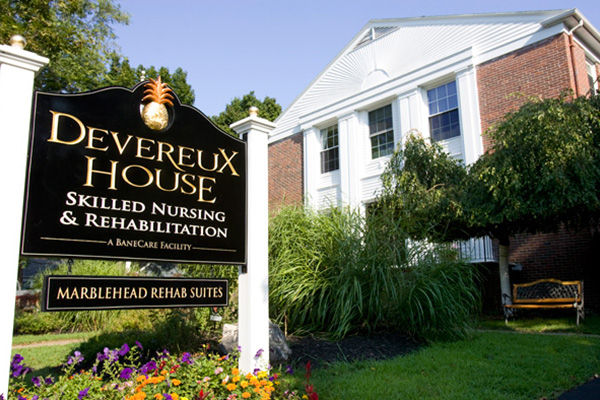
39 LAFAYETTE STREET, MARBLEHEAD, MA 01945 (781) 631-6120
For profit - Limited Liability company 64 Beds Independent Data: November 2025
Trust Grade
65/100
#152 of 338 in MA
Last Inspection: July 2025

Inspected within the last 6 months. Data reflects current conditions.

Overview

Devereux Skilled Nursing & Rehabilitation Center has a Trust Grade of C+, indicating it is slightly above average but not exceptional. It ranks #152 out of 338 facilities in Massachusetts, placing it in the top half, and #22 out of 44 in Essex County, meaning there are only a few local options that perform better. The facility is improving, with reported issues decreasing from 7 in 2024 to 3 in 2025. Staffing is a concern, rated at only 1 out of 5 stars, but the turnover rate is an impressive 0%, meaning staff members tend to stay long-term. There have been no fines, which is a good sign, but there are some notable incidents, such as a resident being left unsupervised while eating, which contradicts their care plan, and a cook handling food with contaminated gloves, which raises potential health risks. Overall, while there are strengths in stability and improving trends, families should be aware of the staffing and food safety concerns.

Trust Score
C+
65/100
In Massachusetts
#152/338
Top 44%
Safety Record
Low Risk
No red flags
Inspections
Getting Better
7 → 3 violations
Staff Stability
○ Average
Turnover data not reported for this facility.
Penalties
✓ Good
No fines on record. Clean compliance history, better than most Massachusetts facilities.
Skilled Nurses
○ Average
RN staffing data not reported for this facility.
Violations
⚠ Watch
19 deficiencies on record. Higher than average. Multiple issues found across inspections.
★★★☆☆
3.0
Overall Rating
★☆☆☆☆
1.0
Staff Levels
★★★☆☆
3.0
Care Quality
★★★★☆
4.0
Inspection Score
Stable
2024: 7 issues
2025: 3 issues

The Good

  • Full Sprinkler Coverage · Fire safety systems throughout facility
  • No fines on record

Facility shows strength in fire safety.

The Bad

3-Star Overall Rating

Near Massachusetts average (2.9)

Meets federal standards, typical of most facilities

The Ugly 19 deficiencies on record

Jul 2025 3 deficiencies
CONCERN (D)

Potential for Harm - no one hurt, but risky conditions existed

Deficiency F0605 (Tag F0605)

Could have caused harm · This affected 1 resident

**NOTE- TERMS IN BRACKETS HAVE BEEN EDITED TO PROTECT CONFIDENTIALITY** Based on observation, record review and interview the facility failed to ensure for one Resident (#1), out of a total sample of ...

Read full inspector narrative →
**NOTE- TERMS IN BRACKETS HAVE BEEN EDITED TO PROTECT CONFIDENTIALITY** Based on observation, record review and interview the facility failed to ensure for one Resident (#1), out of a total sample of 14 residents that a PRN (as needed) psychotropic medication order included a duration for continued use. Findings include: Review of the Facility's policy titled Psychotropic Medication Management, effective date 10/14/2017 indicated the following:Policy:Each resident's drug regimen will be free from unnecessary drugs. Administration of psychoactive medications will focus on the individual needs of the resident and will be prescribed only when necessary and clinically indicated to treat specific conditions and symptoms as diagnoses and documented. Psychoactive medication management will include implementation of behavioral interventions, gradual dose reductions attempts, and adequate monitoring that complies with Federal and State guidelines.Protocol included but was not limited to the following:-PRN (as needed) orders for psychotropic drugs are limited to 14 days (except as noted below) if the prescribing MD (medical doctor) or practitioner believes it is appropriate for the PRN order to extend beyond 14 days. The MD will document his/her rational in the resident's medical record and indicate the duration for the PRN order.Resident #1 was admitted to the facility in September 2023 and has diagnoses that include but are not limited to unspecified dementia, senile degeneration of the brain, unspecified psychosis not due to a substance or known physiological condition, personal history of malignant neoplasm of brain, and other seizures.Review of Resident #1's most recent Minimum Data Set assessment, (MDS) dated [DATE] indicated Resident #1 as having a Brief Interview for Mental Status exam score of 3 out of 15, which indicates severe cognitive impairment, is dependent on staff for daily care including bathing, dressing, and toileting. Further, the MDS at Section N indicated Resident #1 was administered and had indication for use for high-risk drug classes including antipsychotic, and antidepressant medication.On 7/29/2025 at approximately 7:45 A.M., Resident #1 was observed resting in bed. Resident #1 did not respond to the Surveyors greeting. Review of Resident #1 physician's orders indicated the following:-Lorazepam Oral Concentrate 2 MG/ML (a medication classified as an antianxiety medication and used to treat anxiety symptoms) Give 0.25 ml by mouth every four hours as needed for Anxiety/Restlessness/Agitation. Order dated 5/6/2025 Start date 5/6/2025. Review of the order failed to indicate the duration for the use of the PRN Lorazepam. Review of the Medication Administration Record (MAR) dated May 2025, June 2025, and July 2025 indicated Resident #1 was administered the PRN Lorazepam on the following days:5/19/25 1702 (5:02 P.M.)6/19/25 0411 (4:11 A.M.)6/24/25 0447 (4:47 A.M.)7/5/25 0127 (1:27 A.M.)7/8/25 0440 (4:40 A.M.)7/14/25 0035 (12:35 A.M.)7/28/25 0606 (6:06 A.M.)Review of the clinical record indicated the following: -A Physician Progress Note dated 5/10/25 date of service 5/6/25: Patient is status post hospitalization. Medications: Lorazepam Oral concentrate 2mg/ml, Dosage 0.25, Route: by mouth. Frequency: as needed (sic) Continue all current prescription medication and monitor. -A Physician Progress Note dated 5/7/25: Resident was placed on hospice in the hospital. Assessment on hospice, medications: Lorazepam 2 mg/mg oral concentrate 0.5 mg po/sl (by mouth/sublingual) q (every) 4prn agitation. -A Progress note with an encounter date 5/21/25: Chief Compliant: Patient is reported to be on comfort measures. Medications: Lorazepam Oral Concentrate 2 MG/ML, Dosage 0.25, Route by mouth, Frequency: PRN as needed. Assessment/Plans [AGE] year-old resident on hospice with medical issues of aspiration pneumonia, major depression continue comfort measures with morphine, atropine and lorazepam. Disposition: Continue all current prescription medication and monitor. -A Nurse Practitioner Progress note dated 5/21/25: Medications: Lorazepam 2 mg/ml oral concentrate, 0.5 po/sl q4prn (sic) agitation. -A Physician Progress note authored by Nurse Practitioner dated 7/23/25: Medications Lorazepam 2 mg/ml oral concentrate, 0.5 po/sl q4prn (sic) agitation. Review of the Physician and Nurse Practitioner progress notes fail to indicate the duration for the PRN psychotropic medication administration. During an interview on 7/30/2025 at 1:04 P.M., Nurse #3 said Resident #1 can display behaviors and combativeness especially with care and staff attempt to redirect him/her. Nurse #3 said Resident #1 has been on hospice care for a few months. Nurse #3 said Resident #1 does have an order for PRN Lorazepam and that the overnight nurse has given it to him/her to assist with agitation during care. Nurse #3 reviewed the order in the electronic medical record and said there was no duration or end date for the PRN lorazepam and asked if it was needed for a resident on hospice. During an interview on 7/30/2025 at 1:39 P.M., Nurse Practitioner (NP) #1 said Resident #1 is prescribed prn lorazepam for anxiety, seizures and agitation with care, as the main indication for use. NP #1 said Resident #1 is also on hospice and the PRN lorazepam would have been a recommendation to be used to support Resident #1's comfort. NP #1 reviewed the order and said she knew it required review and a duration date and that there was no end date in the original order for the PRN lorazepam and should have been. During an interview on 7/30/25 at 2:10 P.M., Pharmacist #1 said she has been conducting medication regimen reviews monthly for over a year for the facility. Pharmacist #1 said she reviews all residents' medications monthly for irregularities and will provide a report to the prescriber (MD or NP) with any identified irregularities. Pharmacist #1 said she typically will send a report when she identifies psychotropic medication that is ordered PRN which needs a duration date. Pharmacist #1 said that for Resident #1 she may have seen the PRN order for the lorazepam but did not send a report because he/she is on hospice services.
CONCERN (D)

Potential for Harm - no one hurt, but risky conditions existed

Dental Services (Tag F0791)

Could have caused harm · This affected 1 resident

Based on observations, interviews and record review, the facility failed to provide routine dental services for one Resident (#26) out of a total sample of 14 residents. Specifically, for Resident #26...

Read full inspector narrative →
Based on observations, interviews and record review, the facility failed to provide routine dental services for one Resident (#26) out of a total sample of 14 residents. Specifically, for Resident #26, the facility failed to address and initiate replacement of lost/missing lower dentures timely. Findings include:Review of the facility policy titled 'Lost or Damaged Dentures', dated 10/1/17, indicated:- It is the policy of this facility to ensure that residents found to have lost or damaged dentures while in the facility receive an adequate replacement, along with prompt dental services as outlined below.- Staff/resident/family must notify the charge nurse and the Social Service Director/Designee immediately of any missing or damaged dental appliance. An investigation into how the item/items were lost or damaged will be initiated promptly. - Within 3 days following confirmation of lost or damaged dentures/partials or other removable dental work, the Director of Social Services/Designee must make a referral for appropriate dental services for repair and/or replacement. Resident #26 was admitted to the facility in February 2024 with diagnoses including dysphagia (difficulty swallowing) and dementia. Review of the most recent Minimum Data Set (MDS) assessment, dated 6/19/25, indicated Resident #26 was rarely/never understood and had severe cognitive impairment as evidenced by a Staff Assessment for Mental Status. This MDS indicated Resident #26 required substantial/maximal assistance with oral hygiene, including denture management. During a telephone interview on 7/29/25 at 10:10 A.M., Resident #26's Health Care Proxy (HCP) said Resident #26's lower dentures had been missing for many months and would like them replaced. Resident #26's HCP said Resident #26's dentures had been replaced in December 2024 but had been lost again. Resident #26's HCP said she was concerned that staff were not assisting him/her with denture management. Review of Resident #26's plan of care related to activities of daily living (ADLS), revised 1/6/25, failed to indicate the Resident had behaviors of self-removing dentures or any concerns with denture management. The plan of care indicated:- Oral hygiene - maximum assist. Resident #26 has full upper and partial lower dentures. Dentures need to be cleaned at least 2x (two times)/day. Review of Resident #26's nursing progress note, dated 12/16/24, indicated:- Went to dentist today and received full upper denture and partial lower denture. On 7/29/25 at 10:44 A.M., 11:50 A.M., and 12:02 P.M., and on 7/30/25 at 8:47 A.M. and 11:45 A.M., the surveyor observed Resident #26 wearing only upper dentures. There were no lower dentures in Resident #26's oral cavity. During an interview on 7/29/25 at 10:44 A.M., Resident #26 was unable to answer questions regarding his/her dentures and responded with nonsensical speech. During an interview on 7/30/25 at 11:45 A.M., Certified Nurse Assistant (CNA) #2 said she cares for Resident #26 consistently on the day shift. CNA #2 visualized Resident #26's oral cavity with the surveyor and confirmed the Resident was wearing only upper dentures. CNA #2 said she had to check with Nurse #1 because she thought Resident #26 only had upper dentures and was not aware he/she had any lower dentures. CNA #2 said there were no lower dentures in Resident #26's room. During an interview on 7/30/25 at 11:47 A.M., Nurse #1 said Resident #26 used to have lower dentures, but he/she had not worn them in a long time. Nurse #1 said he believed they had been lost for at least a month, maybe longer. Nurse #1 said the missing lower dentures should have been reported to the family and Director of Nursing (DON) but were not. During an interview on 7/30/25 at 11:51 A.M., Nurse #2 said that Unit Manager #1 and the DON should have been notified of the missing dentures so an investigation could have been completed and a dental appointment arranged. During an interview on 7/30/25 at 12:56 P.M., Unit Manager #1 said if any CNA or nurse noted that Resident #26's dentures were missing it should have been reported to him and the DON, but it was not. Unit Manager #1 said whenever a resident's dentures are noted to be missing, they need to complete a missing dentures report, complete a thorough search for missing dentures, and if they are unable to be found then a dental consult needs to be arranged to replace them. Unit Manager #1 said this was not done for Resident #26 because he and the DON were not notified that the lower dentures were missing. Unit Manager #1 further said if Resident #26 had any behaviors or concerns with self-removing dentures he would have expected those concerns to be addressed by either implementing denture storage in the medication cart, more frequent denture checks, or putting in specific physician orders or care plan interventions to address those concerns. Unit Manager #1 said further interventions were not implemented because he was not aware of any concerns with his/her denture management. Review of Resident #26's medical record, including nursing notes, physician's orders, and care plan, dated from when the new dentures were received on 12/16/24 through 7/20/25, failed to indicate any dentures concerns, such as being refused, self-removed or lost. During an interview on 7/30/25 at 2:55 P.M., CNA #3 said CNAs get patient care instructions daily through both nursing report and by reviewing the resident's care card. Review of Resident #26's care card on 7/30/25 at 2:57 P.M. failed to indicate any instructions for denture care. During an interview on 7/30/25 at 2:58 PM, Unit Manager #1 said CNA's get patient care instructions daily through both nursing report and by reviewing the resident's care card. Unit Manager #1 said the resident care cards do not currently include denture instructions, and that denture care instructions were given to CNAs through nurse reports. During an interview on 7/30/25 at 2:03 P.M., the Social Worker said she was not aware of Resident #26's dentures being missing. The Social Worker said she is not the person responsible for lost or damaged dentures, which the facility policy indicated she was. The Social Worker said if she was aware of missing dentures, she would have reported it to the Unit Manager or DON, just as any staff member should. During an interview on 7/30/25 at 12:38 P.M., the Director of Nursing (DON) said she was unaware that Resident #26 was missing his/her lower dentures. The DON said staff should have notified Unit Manager #1 and herself as soon as they were determined Resident #26's lower dentures were missing so an investigation, thorough search, and resolution could have been completed.
CONCERN (D)

Potential for Harm - no one hurt, but risky conditions existed

Infection Control (Tag F0880)

Could have caused harm · This affected 1 resident

**NOTE- TERMS IN BRACKETS HAVE BEEN EDITED TO PROTECT CONFIDENTIALITY** Based on observation, record review and interview the facility failed to implement enhanced barrier precautions for one Resident...

Read full inspector narrative →
**NOTE- TERMS IN BRACKETS HAVE BEEN EDITED TO PROTECT CONFIDENTIALITY** Based on observation, record review and interview the facility failed to implement enhanced barrier precautions for one Resident (#2), out of a total of 14 sampled residents.Findings include:Review of the Enhanced Barrier Precautions policy dated March 2024 indicated:-Policy: It is the policy of this facility to implement enhanced barrier precautions for the prevention of transmission of multi-drug resistant organisms (MDRO).- Enhanced barrier precautions (EBP) refer to an infection control intervention designed to reduce transmission of multidrug-resistant organisms that employs targeted gown and gloves use during high contact resident care activities.-An order for EBP will be obtained for any residents with any of the following: wounds, and/or indwelling medical devices (e.g. central lines, urinary catheters, feeding tubes, tracheostomy/ventilator tubes) even if the resident is not known to be infected or colonized with an MDRO. Review of United States Centers for Disease Control and Prevention's (CDC) guidance titled 'Implementation of Personal Protective Equipment (PPE) Use in Nursing Homes to Prevent Spread of Multidrug-Resistant Organisms (MDROs)', updated July 12, 2022, indicated:- Enhanced Barrier Precautions expand the use of PPE and refer to the use of gown and gloves during high-contact resident care activities that provide opportunities for transfer of MDROs to staff hands and clothing.- Examples of high-contact resident care activities requiring gown and glove use for Enhanced Barrier Precautions include: dressing, bathing/showering, transferring, providing hygiene, changing linens, changing briefs or assisting with toileting, device care or use: central line, urinary catheter, feeding tube, tracheostomy/ventilator, wound care: any skin opening requiring a dressing.Resident #2 was admitted to the facility in June 2025 with diagnoses including toxic encephalopathy and urinary retention.Review of the Minimum Data Set assessment dated [DATE] indicated Resident #2 had severe cognitive impairment evidenced by a score of three out of a possible 15 on the Brief Interview for Mental Status exam. The MDS further indicated he/she utilized an indwelling catheter. On 7/29/2025 at 8:17 A.M., the surveyor observed Resident #2 resting in bed. A catheter in a privacy bag was visible hanging on the side of the bed. The doorway outside of Resident #2's room did not have a sign indicating EBP and there was no precautions cart containing personal protective equipment (PPE). Review of Resident #2's catheter care plan dated 6/10/2025, and current physician's orders failed to indicate Resident #2 was on EBP. On 7/29/25 at 11:09 A.M. the surveyor observed staff in Resident #2's room providing care and wearing gloves but no gown while Resident #2 was in bed. There was no sign or precaution cart outside the room indicating Resident #2 was on EBP. On 7/30/2025 at 7:59 A.M. the surveyor observed Resident #2's room had no signs or precaution carts to indicate Resident #2 was on EBP. During an interview on 7/30/2025 at 9:53 A.M., Certified Nursing Assistant (CNA) #1 said that he is assigned to take care of Resident #2. CNA #1 said he only has to wear gloves while providing care to Resident #2. CNA #1 did not say that Resident #2 was on precautions.On 7/30/2025 at 10:25 A.M., the surveyor observed CNA #1 providing care to Resident #2 in his/her bathroom while wearing gloves. CNA #1 was not wearing a gown as required. On 7/30/2025 at 12:15 P.M., Nurse #2 said residents who have wounds and catheters should be on EBP. Nurse #2 said that Resident #2 should be on EBP.During an interview on 7/30/25 at 12:30 P.M., the Director of Nursing (DON) said every resident with a catheter should have an order and a care plan to be on EBP. The DON said that EBP help protect the residents and staff to prevent possible infectious transmission. The DON said that she was not aware Resident #2 was not on EBP and he/she should have been.
Aug 2024 7 deficiencies
CONCERN (D)

Potential for Harm - no one hurt, but risky conditions existed

Notification of Changes (Tag F0580)

Could have caused harm · This affected 1 resident

**NOTE- TERMS IN BRACKETS HAVE BEEN EDITED TO PROTECT CONFIDENTIALITY** Based on record review and interview the facility failed to ensure the Physician/Nurse Practitioner were notified of recommendat...

Read full inspector narrative →
**NOTE- TERMS IN BRACKETS HAVE BEEN EDITED TO PROTECT CONFIDENTIALITY** Based on record review and interview the facility failed to ensure the Physician/Nurse Practitioner were notified of recommendations made by a Wound Physician for one Resident (#1) out of a total sample of 15 residents. Specifically, for Resident #1 who had facility acquired pressure injuries, the facility failed to ensure the Physician/Nurse Practitioner were notified of recommendations made by the Wound Physician on 10/6/23 and 10/11/23, and the Resident was subsequently hospitalized on [DATE] with a wound infection. Findings include: Resident #1 was admitted to the facility in June 2023 and current diagnoses include dementia and facility acquired pressure ulcer of the right heel. Review of the most recent Minimum Data Set (MDS) assessment, dated 6/7/24, indicated Resident #1 was assessed by staff to have severely impaired cognition. Review of the MDS, dated [DATE], indicated the following: -Resident has a stage 1 or greater, a scar over a bony prominence, or a non removable dressing/device. -Has one or more unhealed pressure ulcers. -Has one stage 2 pressure ulcer. Review of the current care plan for Resident #1 indicated a diagnoses list that included the diagnosis: Pressure ulcer of right heel, stage 4. The care plan fails to indicate a care plan for a stage 4 pressure ulcer of the right heel. Review of the Wound Physician visit note, dated 10/6/23, indicated the following recommendation: - Recommend X-ray of right foot. -Encounter: subsequent, progress, improving. Plan of Care: Plan of care discussed with facility staff. Review of the Wound Physician visit note, dated 10/11/23, indicated the following recommendation: -Periwound: (+)dry/scaly -Note: flaky periwound +pain. -Encounter: subsequent, progress, improving. The Physician indicated the following recommendation in bold font and in a bold box on the report: - X-ray- Recommend to right foot. Plan of Care: Plan of care discussed with facility staff. Review of Resident #1's medical record failed to ensure the Physician/Nurse Practitioner were notified of recommendations made by a Wound Physician on 10/6/23 and 10/11/23. Review of the medical record indicated a Physician progress note, dated as created 12/2/23 as a late entry for a visit on 10/11/23, written by the Nurse Practitioner, that indicated the following: Note text included: New right heel blister and start of comfort meds d/t (due to) significant pain from ulcer. Assessment: Pressure ulcer of right heel, stage 2. - Pressure ulcer of right heel, started 9/20/2023. - Pressure ulcer of right heel, stage 2. - skin prep, off load. - appears worse->? XR (X-ray). -wound care provider consult -start APAP tid (medication used to treat pain three times a day). -monitor Further review of the medical record failed to indicate that nursing made the Physician/Nurse Practitioner aware that the Wound Physician recommendations for his/her x-ray was ever completed. Review of the October 2023 Physician orders indicated an order, dated 10/12/23, Send out to hospital for right heel evaluation one time for right heel infection. Review of the Hospital Emergency Department note, dated 10/12/23, indicated: Noted to have purulent drainage from the right heel ulcer, and he was admitted with concern for osteomyelitis (as infection in the bone). Review of the Hospital discharge summary indicated Resident #1 was treated for Pressure ulcers with superadded infection right heel, MSSA infection. Review of a MD progress, dated 10/19/23, indicated: Assessment and Plan: This is a patient with pressure ulcer of left and right heels, for which he/she was sent to the hospital. Recommendation was made by the wound doctors in the hospital for both sides for dressing ad boot, the patient was back and continued the same. Continue to apply the dressing and also the boot. During an interview on 8/21/24 at 11:12 A.M., with Nurse (#1) he said that the Wound physician comes into the facility weekly and rounds with a nurse to see all residents with wounds. Nurse #1 said that at the end of the visit the Wound physician gives the nurse notes with any new recommendations they have. Nurse #1 said that it is the nurse's responsibility to notify the physician/nurse practitioner of any new recommendations and write a progress note in the clinical record indicating that this was done. During an interview on 8/21/24 at 11:46 A.M., the Director of Nursing (DON) she said that the nurses are expected to notify the Nurse Practitioner with any new recommendation by the Wound Physician and they should write a note in the clinical record indicating that this was done. During an interview on 8/21/24 at 1:24 P.M., the Nurse Practitioner (NP) she said that she could not recall if she was ever told that the Wound Physician recommended an X-ray of Resident #1's right heel on 10/6/24 or 10/11/24, and that she did not document in her notes what had occurred at that time, but that Resident #1 was hospitalized for a right heel wound infection on 10/12/23. The NP said she reviewed her progress note for Resident #1 from 10/11/23 and said she still cannot recall if she was made aware there were recommendations for an X-ray.
CONCERN (D)

Potential for Harm - no one hurt, but risky conditions existed

Deficiency F0658 (Tag F0658)

Could have caused harm · This affected 1 resident

Based on record review, observations and interviews, the facility failed to ensure a physician's order was implemented for one Resident (#6) out of a total sample of 15 residents. Specifically, for Re...

Read full inspector narrative →
Based on record review, observations and interviews, the facility failed to ensure a physician's order was implemented for one Resident (#6) out of a total sample of 15 residents. Specifically, for Resident #6, the facility failed to ensure his/her weight was obtained weekly, as ordered. Findings Include: Resident #6 was admitted to the facility in February 2022 with diagnoses that included chronic respiratory failure with hypoxia, heart failure, and dementia. Review of Resident #6's most recent Minimum Data Set (MDS) assessment, dated 7/19/24, indicated Resident #6 scored a 12 out of a possible 15 on the Brief Interview for Mental Status exam indicating moderate cognitive impairment. The MDS further indicated Resident #6 is on a physician prescribed weight gain regimen. Review of Resident #6's weights indicated; - 8/02/24: 120.6 Lbs (pounds) - 7/23/24: 119.6 Lbs - 7/01/24: 119.6 Lbs - 6/10/24: 120.2 Lbs Further review of the medical record failed to indicate any other weights were obtained in June, July and August 2024. Review of Resident #6's current physician order, dated 10/17/22, indicated weekly weights every Monday day shift. Review of Resident #6's antidepressant care plan, dated 4/12/23, indicated monitor weight weekly. Review of Resident #6's nutrition care plan, dated 5/26/23, indicated weights per MD order. During an interview on 8/21/24 at 1:39 P.M., Nurse (#2) said Resident #6 has an order for weekly weights to be done every Monday and they should be done as ordered. Nurse #2 said the staff document weights in the electronic medical record. During an interview on 8/21/24 at 2:06 P.M., the Director of Nurses (DON) said she reviewed Resident #6's weights and said Resident #6 has not been consistently weighed weekly. The DON said she expects the nursing staff to follow doctors orders.
CONCERN (D)

Potential for Harm - no one hurt, but risky conditions existed

Pressure Ulcer Prevention (Tag F0686)

Could have caused harm · This affected 1 resident

**NOTE- TERMS IN BRACKETS HAVE BEEN EDITED TO PROTECT CONFIDENTIALITY** Based on record review and interview the facility failed to ensure Wound Physician recommendations were followed for one Residen...

Read full inspector narrative →
**NOTE- TERMS IN BRACKETS HAVE BEEN EDITED TO PROTECT CONFIDENTIALITY** Based on record review and interview the facility failed to ensure Wound Physician recommendations were followed for one Resident (#1) out of a total sample of 15 residents. Specifically, for Resident #1 who had facility acquired pressure injuries, the facility failed to implement recommendations made by the Wound Physician on 10/6/23 and 10/11/23, and the Resident's wound worsened and Resident #1 was subsequently hospitalized on [DATE] with a wound infection. Findings include: The policy titled Pressure Ulcers/Skin Breakdown-Clinical Protocol, undated, indicated the following: - The physician will authorize pertinent orders related to wound treatments, including pressure reduction surfaces, wound cleansing and debridement approaches, dressings (occlusives, absorbtive, etc.) and application of topical agents. Resident #1 was admitted to the facility in June 2023 and current diagnoses nclude dementia and facility acquired pressure ulcer of the right heel. Review of the most recent Minimum Data Set (MDS) assessment, dated 6/7/24, indicated Resident #1 was assessed by staff to have severely impaired cognition. Review of the MDS, dated [DATE], indicated the following: -Resident has a stage 1 or greater, a scar over a bony prominence, or a non removable dressing/device. -Has one or more unhealed pressure ulcers. -Has one stage 2 pressure ulcer. Review of the current care plan for Resident #1 indicated a diagnoses list that included the diagnosis: Pressure ulcer of right heel, stage 4. The care plan fails to indicate a care plan for a stage 4 pressure ulcer of the right heel. Review of Resident #1's current Physician orders include the following order: - Start date 9/29/23: Right Heel clean with normal saline apply Medi honey to wound bed cover with ABD (abdominal pad) pad then wrap with kerlix daily and PRN (as needed) every day shift. Review of the Wound Physician visit note, dated 10/6/23, indicated the following recommendation: - Recommend X-ray of right foot. -Encounter: subsequent, progress, improving. Plan of Care: Plan of care discussed with facility staff. Review of the Wound Physician visit note, dated 10/11/23, indicated the following recommendation: -Periwound: (+)dry/scaly -Note: flaky periwound +pain. -Encounter: subsequent, progress, improving. The Physician indicated the following recommendation in bold font and in a bold box on the report: - X-ray- Recommend to right foot. Plan of Care: Plan of care discussed with facility staff. Review of the medical record indicated a Physician progress note, dated as created 12/2/23 as a late entry for a visit on 10/11/23, written by the Nurse Practitioner indicated the following: - Pressure ulcer of right heel, stage 2 started 9/20/23. - Pressure ulcer of right heel, stage 2. - skin prep, off load. - appears worse->? XR (X-ray). -wound care provider consult -start APAP tid (medication used to treat pain three times a day). -monitor Review of Resident #1's October 2023 Physician orders: - Failed to indicate a written or telephone order was obtained from Resident #1's Physician for an x-ray on 10/6/23 and 10/11/23. - Indicated an order dated 10/12/23, Send out to hospital for right heel evaluation one time for right heel infection. Review of the clinical record failed to indicate an X-ray was ordered or obtained on 10/6/23 or 10/11/23. Review of the nursing progress notes from 10/6/23 through 10/12/23 failed to indicate that nursing was aware of the new wound recommendations for the right heel x-ray. Review of the Hospital Emergency Department note, dated 10/12/23, indicated: Noted to have purulent drainage from the right heel ulcer, and he was admitted with concern for osteomyelitis (an infection in the bone). Review of the Hospital discharge summary indicated Resident #1 was treated for Pressure ulcers with superadded infection right heel, MSSA infection. Review of the facility readmission note from the hospital indicated: Pt on antibiotics (Amoxicillin Clavulanate 875.125 mg) for right heel infection. During an interview on 8/21/24 at 11:12 A.M., with Nurse (#1) he said the following: - The X-ray company that comes to the facility is very reliable and when an X-ray is ordered the X-ray company comes to the facility the same day and nursing typically get the results within 4 hours maximum. - The Wound Physician comes into the facility weekly and rounds with a nurse to see all residents with wounds. At the end of the visit the Wound Physician gives the nurses notes with any new recommendations they have. Nurse #1 said it is the nurse's responsibility to notify the Physician/Nurse Practitioner of any new recommendations and write a progress note in the clinical record indicating that this was done and what the Physician/Nurse Practitioner said. - X-ray results are kept in the residents chart and uploaded into the electronic medical record. Nurse #1 indicated that there is no indication that the X-rays were ever done on 10/6/23 or 10/11/23, and that Resident #1 was hospitalized on [DATE] with an infected right heel. During an interview on 8/21/24 at 11:46 A.M., the Director of Nursing (DON) she said that the nurses are expected to notify the Nurse Practitioner with any new recommendation by the Wound Physician and they should write a note in the clinical record indicating that this was done. The DON said that she would look into what happened on 10/6/23 and 10/11/23 but by the end of survey was unable to find any documentation indicating that the Physician/Nurse Practitioner were notified of the recommendations or that they were followed. During an interview on 8/21/24 at 1:24 P.M., with the Nurse Practitioner she said that she could not recall if she was ever told that the Wound Physician recommended an X-ray of Resident #1's right heel on 10/06/24 or 10/11/24, and that she did not document in her notes what had occurred at that time, but that Resident #1 was hospitalized for a right heel wound infection on 10/12/23. The NP said she reviewed her progress note for Resident #1 from 10/11/23 and said she still cannot recall if she was aware there were recommendations for an X-ray and that they were never done.
CONCERN (D)

Potential for Harm - no one hurt, but risky conditions existed

Deficiency F0761 (Tag F0761)

Could have caused harm · This affected 1 resident

Based on observation, record review, interview and policy review, the facility failed to ensure staff stored drugs and biologicals in accordance with State and Federal laws. Specifically, the facility...

Read full inspector narrative →
Based on observation, record review, interview and policy review, the facility failed to ensure staff stored drugs and biologicals in accordance with State and Federal laws. Specifically, the facility failed to ensure medications were not left on top of the medication cart unsupervised during medication pass. Findings include: Review of the facility policy titled Medication Storage, dated 2017, indicated the following: - The medication supply is accessible only to licensed nursing personnel, pharmacy personnel, or staff members lawfully authorized to administer medications. - Medication rooms, carts, and medication supplies are locked when not attended by persons with authorized access. During a medication observation on 8/21/24 at 8:29 A.M., the surveyor observed Nurse (#1) remove medications from the medication cart and place them on top of the medication cart. The surveyor then observed Nurse #1 leave six medications on top of the medication cart and walk down the hallway to obtain items from the kitchenette. The medications were left accessible and unattended in the hall and two residents were observed near the medication cart and one housekeeping staff member was a short distance from the medication cart. During an interview on 8/21/24 at 8:46 A.M., Nurse #1 said he should not have left the medications on top of the medication cart unattended and walked away. During an interview on 8/21/24 at 9:44 A.M., the Director of Nursing said medications should not be left on top of the medication cart or left unattended and must be stored properly.
CONCERN (D)

Potential for Harm - no one hurt, but risky conditions existed

Medical Records (Tag F0842)

Could have caused harm · This affected 1 resident

**NOTE- TERMS IN BRACKETS HAVE BEEN EDITED TO PROTECT CONFIDENTIALITY** Based on observations, record reviews and interviews, the facility failed to ensure accurate medical records were maintained for...

Read full inspector narrative →
**NOTE- TERMS IN BRACKETS HAVE BEEN EDITED TO PROTECT CONFIDENTIALITY** Based on observations, record reviews and interviews, the facility failed to ensure accurate medical records were maintained for two Residents (#14 and #38) out of a total sample of 15 residents. Specifically, for Resident #14 and #32, the facility failed to accurately document the level of supervision received during meals. Findings Included: 1. Resident #14 was admitted to the facility in March 2020 with diagnoses including hemiplegia and hemiparesis following unspecified cerebral vascular disease affecting left non-dominant side, dysphagia (difficulty swallowing) and unspecified severe protein-calorie malnutrition. Review of Resident #14's most recent Minimum Data Set (MDS) assessment, dated 5/31/24, indicated Resident #14 had a Brief Interview for Mental Status exam score of 15 out of a possible 15, indicating intact cognition. The MDS further indicated Resident #14 currently requires supervision/touching assistance for eating. On 8/20/24 at 7:59 A.M., and 12:00 P.M., and 8/21/24 at 8:16 A.M., 12:19 P.M. and 12:23 P.M., Resident #14 was observed eating in his/her room. There were no staff present to provide supervision or touching assistance. During a record review on 8/21/24 at 9:00 A.M., Resident #14's care plan indicated the following: - Eating: Supervision, revised 3/23/24. - Nutrition: Monitor/document/report to MD PRN (as needed) for s/sx (signs/symptoms) of dysphagia, pocketing, choking, coughing, drooling, holding food in mouth, several attempts at swallowing, refusing to eat, appears concerned during meals, initiated 3/23/24. Review of Resident #14's [NAME] (a form indicating level of assistance a resident requires) indicated the following: Eating: Continual Supervision (1:8). Review of Resident #14's Speech Language Pathology Discharge summary dated [DATE] indicated a concluding status for swallowing as follows: Patient uses safe swallowing strategies with 80% accuracy with min verbal cues from caregivers. Review of Resident #14's Nursing Assistant Daily Flow Record for August 2024 indicated staff had signed off that Resident #14 had received supervision during all his/her meals, contrary to the surveyors observations on 8/20/24 and 8/21/24. During an interview on 8/21/24 at 12:45 P.M., Nurse #2 said staff are expected document accurately on the daily flow sheet. During an interview on 8/21/24 at 1:25 P.M., Corporate Nurse #1 said she would expect staff to document accurately on the nursing assistant flow sheet. 2. Resident #38 was admitted to the facility in January 2024 with diagnoses including Cerebral Palsy, dysphagia (difficulty swallowing ) and legal blindness. Review of Resident #38's most recent Minimum Data Set (MDS) assessment, dated 6/26/24, indicated Resident #38 had a Brief Interview for Mental Status exam score of 15 out of a possible 15, indicating intact cognition. The MDS further indicated Resident #38 requires supervision/touching assistance for eating. On 8/20/24 at 8:20 A.M., 11:59 A.M., and 12:04 P.M., and 8/21/24 at 8:09 A.M., and 8:17 A.M., Resident #38 was observed eating in his/her room. There were no staff present to provide supervision or touching assistance. Resident #38 was not visible from the hallway. During a record review on 8/20/24 at 12:13 P.M., Resident #38's care plan indicated the following: -Eating: Continual supervision, revised 10/18/23. -Nutrition: Maintain aspiration precautions every shift, initiated 4/17/24. Further review of Resident #38's [NAME] (document that explains each resident's plan of care to the CNAs), indicated the following: Eating: Continual Supervision (1:8). Review of Resident #38's Nursing Assistant Daily Flow Record for August indicated staff had signed off that Resident #38 had received supervision during all his/her meals, contrary to the surveyor's observations on 8/20/24 and 8/21/24. During an interview on 8/21/24 at 12:45 P.M., Nurse #2 said staff are expected document accurately on the daily flow sheet. During an interview on 8/21/24 at 1:25 P.M., Corporate Nurse #1 said she would expect staff to document accurately on the nursing assistant flow sheet.
CONCERN (D)

Potential for Harm - no one hurt, but risky conditions existed

Infection Control (Tag F0880)

Could have caused harm · This affected 1 resident

Based on observations, policy review, and interview, the facility failed to ensure infection control standards of practice for the prevention of infections were implemented. Specifically, the facility...

Read full inspector narrative →
Based on observations, policy review, and interview, the facility failed to ensure infection control standards of practice for the prevention of infections were implemented. Specifically, the facility failed to: 1. ensure nursing staff performed hand hygiene appropriately during the medication administration task; and 2. ensure infection control practices were maintained to prevent the spread of infection during medication administration. Findings include: Review of the facility policy titled Infection Control, dated as reviewed 10/14/22, indicated the following: - The facility require staff to wash their hands after each direct resident contact for which handwashing is indicated by accepted professional practice. - All personnel shall follow the handwashing /hand hygiene procedures to help prevent the spread of infections to other personnel, residents, and visitor. Review of the facility document titled Protocol for Hand Hygiene, dated 8/17, indicated the following: - Examples of situation when hand hygiene is indicated: 1. Before and after direct patient/resident contact. 2. After completing tasks at one patient/resident area before moving to another station. 6. After contact with items/surfaces at patient/resident areas. 1. During a medication administration observation on 8/21/24 at 7:50 A.M., the surveyor observed Nurse (#2) doffing (removing) her gloves, touch the contaminated glove with her bare hand and discard the contaminated gloves. Then, without performing hand hygiene, Nurse #2 exited the resident's room and touched items on top of the medication cart located in the hall. During a medication observation on 8/21/24 at 8:17 A.M., the surveyor observed Nurse #2 administer eardrops to a resident and then doff her gloves, touch the contaminated glove with her bare hand and discard the contaminated gloves. Then, without performing hand hygiene, Nurse #2 exited the resident's room and touched the eardrop medication bottle with her bare hand and touched the overbed tray table in another resident room. During an interview on 8/21/24 at 9:20 A.M., Nurse #2 said she should not touch the contaminated glove with her bare hand and said she should have used hand sanitizer or soap and water before and after she removed her gloves. During an interview on 8/21/24 at 9:29 A.M., the Director of Nursing said she expects staff to follow infection control guidelines, perform proper glove removal and perform hand hygiene before and after glove use. 2. During a medication observation on 8/21/24 at 8:29 A.M., the surveyor observed Nurse #1 remove medications for administration and place medication pills into three separate medication cups, the nurse then stacked the medications cups on top of one another causing the contaminated bottom each medication cup to be in contact with the loose medications inside each cup. Nurse #1 was observed picking up the three stacked medication cups and placed them into the top drawer of the medication cart and closed the drawer to the medication cart. During an interview on 8/21/24 at 8:45 A.M., Nurse #1 said he should not have stacked the medication cups together contaminating the medication because the top of the medication cart is contaminated. During an interview on 8/21/24 at 9:45 A.M., the Director of Nursing said medication cups should not be stacked together contaminating the medication inside and she expects infection control measures to be followed.
CONCERN (E)

Potential for Harm - no one hurt, but risky conditions existed

Comprehensive Care Plan (Tag F0656)

Could have caused harm · This affected multiple residents

**NOTE- TERMS IN BRACKETS HAVE BEEN EDITED TO PROTECT CONFIDENTIALITY** 6. Resident #14 was admitted to the facility in March 2020 with diagnoses including hemiplegia and hemiparesis following unspeci...

Read full inspector narrative →
**NOTE- TERMS IN BRACKETS HAVE BEEN EDITED TO PROTECT CONFIDENTIALITY** 6. Resident #14 was admitted to the facility in March 2020 with diagnoses including hemiplegia and hemiparesis following unspecified cerebral vascular disease affecting left non-dominant side, dysphagia (difficulty swallowing), and unspecified severe protein-calorie malnutrition. Review of Resident #14's most recent Minimum Data Set (MDS) assessment, dated 5/31/24, indicated Resident #14 had a Brief Interview for Mental Status exam score of 15 out of a possible 15, indicating intact cognition. The MDS further indicated Resident #14 requires supervision/touching assistance for eating. On 8/20/24 at 7:59 A.M., and 12:00 P.M., and 8/21/24 at 8:16 A.M., 12:19 P.M. and 12:23 P.M., Resident #14 was observed eating in his/her room. There were no staff present to provide supervision. During a record review on 8/21/24 at 9:00 A.M., Resident #14's care plan indicated the following: -Eating: Supervision, revised 3/23/24. -Nutrition: Monitor/document/report to MD PRN for s/sx (signs/symptoms) of dysphagia, pocketing, choking, coughing, drooling, holding food in mouth, several attempts at swallowing, refusing to eat, appears concerned during meals, initiated 3/23/24. Review of Resident #14's [NAME] (document that explains each resident's plan of care to the CNAs), indicated the following: Eating: Continual Supervision (1:8). Review of Resident #14's Speech Language Pathology Discharge summary, dated [DATE], indicated a concluding status for swallowing as follows: Patient uses safe swallowing strategies with 80% accuracy with min verbal cues from caregivers. During an interview on 8/21/24 at 12:45 P.M., Nurse #2 said staff set-up Resident #14's meal trays and should be providing Resident #14 with direct supervision for the entire meal due to Resident #14's swallowing issues. During an interview on 8/21/24 at 1:25 P.M., Corporate Nurse #1 said she would expect nursing to follow Resident #14's plan of care and provide supervision with meals. 7. Resident #38 was admitted to the facility in January 2024 with diagnoses including Cerebral Palsy, dysphagia (difficulty swallowing), and legal blindness. Review of Resident #38's most recent Minimum Data Set (MDS) assessment, dated 6/26/24, indicated Resident #38 had Brief Interview for Mental Status exam score of 15 out of a possible 15 indicating intact cognition. The MDS further indicated Resident #38 requires supervision/touching assistance for eating. On 8/20/24 at 8:20 A.M., 11:59 A.M., and 12:04 P.M., and 8/21/24 at 8:09 A.M., and 8:17 A.M., Resident #38 was observed eating in his/her room. There were no staff present to provide supervision and Resident was not visible from the hallway. During a record review on 8/20/24 at 12:13 P.M., Resident #38's care plan indicated the following: -Eating: Continual supervision, revised 10/18/23. -Nutrition: Maintain aspiration precautions every shift, initiated 4/17/24. Review of Resident #38's [NAME] (document that explains each resident's plan of care to the CNAs), indicated the following: Eating: Continual Supervision (1:8). During an interview on 8/21/24 at 12:45 P.M., Nurse #2 said staff set-up Resident #38's tray and tell him/her where all the food items are on the meal tray. Nurse #2 said Resident #38 is on aspiration precautions and requires continual supervision during all meals. During an interview on 8/21/24 at 1:25 P.M., Corporate Nurse #1 said she would expect nursing to follow Resident #38's plan of care and provide supervision with meals. Based on observations, record review and interview the facility failed to implement resident centered care plans for seven Residents (#31, #34, #41, #6, #19,#14 and #38) out of a total sample of 15 residents. Specifically, 1a. For Resident #31, the facility failed to ensure his/her Prevalon boots (soft boots that help reduce the risk of pressure ulcers) were applied as per the plan of care, 1b. For Resident #31, the facility failed to ensure nursing staff supervised the Resident during meals as per the plan of care, 2a. For Resident #34, the facility failed to ensure his/her Prevalon boots were applied and offload the Resident's heels as per the plan of care, 2b. For Resident #34, the facility failed to ensure nursing staff supervised the Resident who is at risk for aspiration during meals as per the plan of care, 3. For Resident #41, the facility failed to ensure nursing staff supervised the Resident during meals as per the plan of care, 4. For Resident #6, the facility failed to ensure nursing staff supervised the Resident during meals as per the plan of care, 5. For Resident #19, the facility failed to ensure nursing staff supervised the Resident during meals as per the plan of care, 6. For Resident #14, the facility failed to ensure nursing staff supervised the Resident during meals as per the plan of care, 7. For Resident #38, the facility failed to ensure nursing staff supervised the Resident during meals as per the plan of care. Findings include: Review of the facility policy titled Activities of Daily Living (ADLs), dated 1/1/15, indicated a program of ADLs is provided to residents by the following method: The ability of each resident to meet the demands of daily living is assessed by a licensed nurse and/or member of the interdisciplinary team. A program of assistance and instruction in ADL skills is implemented. 1a. Review of Resident #31's most recent Minimum Data Set (MDS) assessment, dated 5/31/24, indicated Resident #31 scored a 13 out of a possible 15 on the Brief Interview for Mental Status exam, indicating intact cognition. The MDS further indicated Resident #31 is at risk for developing pressure ulcers. Resident #31 was admitted to the facility in May 2020 with diagnoses that included dysphagia, end stage renal disease, and peripheral vascular disease. On 8/20/24 at 9:12 A.M. and 2:06 P.M., the surveyor observed Resident #31 in bed with his/her heels directly on the mattress with out Prevalon boots on. On 8/21/24 at 7:37 A.M. and 8:04 A.M., the surveyor observed Resident #31 in bed with his/her heels directly on the mattress with out Prevalon boots on. Review of Resident #31's skin care plan, dated 8/24/22, indicated an intervention for Resident #31 to wear Prevalon boots when in bed. Review of Resident #31's Norton Scale for Predicting Risk of Pressure Ulcer, dated 8/19/24, indicated he/she was at high risk, scoring a 9. During an interview on 8/21/24 at 10:37 A.M., Nurse #2 said if a resident has a care plan stating they are to wear Prevalon boots when in bed then they should be on. Nurse #2 said she was unaware Resident #31 was care planned to have Prevalon boots on. 1b. Resident #31 was admitted to the facility in May 2020 with diagnoses that included dysphagia, end stage renal disease, and peripheral vascular disease. Review of Resident #31's most recent Minimum Data Set (MDS) assessment, dated 5/31/24, indicated Resident #31 scored a 13 out of a possible 15 on the Brief Interview for Mental Status exam, indicating intact cognition. The MDS further indicated Resident #31 required supervision or touching assistance for meals. On 8/20/24 from 8:03 A.M. to 8:15 A.M., the surveyor observed Resident #31 in bed with his/her breakfast tray not initiating eating. No staff were present to provide supervision or touching assistance. On 8/21/24 from 8:18 A.M. to 8:24 A.M., the surveyor observed Resident #31 in bed with his/her breakfast tray not initiating eating. No staff were present to provide supervision or touching assistance. Review of Resident #31's nutrition care plan, dated 2/13/23, indicated continuous supervision with eating 1:8 ratio. Review of Resident #31's ADL care plan, dated 12/29/23, indicated Resident #31 eats with supervision. Review of Resident #31's active Certified Nurse Aide (CNA) [NAME] (document that explains each resident's plan of care to the CNAs), indicated eating: continual supervision 1:8. During an interview on 8/21/24 at 9:56 A.M., the Speech Therapist said if a Residents' [NAME] or care plan states supervision that means staff member should be in the room at all times. During an interview on 8/21/24 at 10:37 A.M., Nurse #2 said if a resident has a care plan or [NAME] stating they should be supervised at meal time then that means staff should be in the room at all times to supervise the resident while they eat. During an interview on 8/21/24 at 10:41 A.M., CNA #2 said if a resident's [NAME] states the resident needs supervision then that means a nurse or a CNA needs to be in the resident's room while the resident eats. 2a. Resident #34 was admitted to the facility in April 2022 with diagnoses that included dysphagia following cerebral infarction, hemiplegia and hemiparesis, and contracture of the left hand. Review of Resident #34's most recent Minimum Data Set (MDS) assessment, dated 6/07/24, indicated Resident #34 was assessed by staff to have memory issues. The MDS further indicated Resident #34 is at risk for developing pressure ulcers. On 8/20/24 at 8:40 A.M.,12:04 P.M., and 2:06 P.M., the surveyor observed Resident #34 in bed with his/her heels directly on the mattress with out Prevalon boots on. On 8/21/24 at 8:02 A.M., the surveyor observed Resident #34 in bed with his/her heels directly on the mattress with out Prevalon boots on. Review of Resident #34's skin care plan, dated 8/24/22, indicated Resident #34 is to wear Prevalon boots at all times. Review of Resident #34's skin care plan, dated 9/15/22, indicated Resident #34 should off load his/her heels while in bed. Review of Resident #34's Norton Scale for Predicting Risk of Pressure Ulcer, dated 6/07/24, indicated Resident #34 was at high risk, scoring a 9. During an interview on 8/21/24 at 10:37 A.M., Nurse #2 said if a resident has a care plan that indicates they need Prevalon boots on at all times then they should be on the resident at all times. Nurse #2 said Resident #34 does not have boots anymore but his/her heels should be offloaded at all times because the Resident's heels are red. 2b. Resident #34 was admitted to the facility in April 2022 with diagnoses that included dysphagia following cerebral infarction, hemiplegia and hemiparesis, and contracture of the left hand. Review of Resident #34's most recent Minimum Data Set (MDS) assessment, dated 6/07/24, indicated Resident #34 was assessed by staff to have memory issues. The MDS further indicated Resident #34 required supervision or touching assistance for meals and complaints of difficulty or pain when swallowing while eating. The MDS also indicated the Resident also receives nutrition via a feeding tube. On 8/20/24 from 11:59 A.M. to 12:04 P.M., the surveyor observed Resident #34 laying in bed consuming his/her lunch behind the privacy curtain unable to be seen from the hallway. No staff were present in the room to provide supervision or touching assistance. On 8/21/24 from 8:04 A.M. to 8:21 A.M., the surveyor observed Resident #34 laying in bed consuming his/her breakfast behind the privacy curtain unable to be seen from the hallway. No staff were present in the room to provide supervision or touching assistance. Review of Resident #34's ADLs care plan, dated 8/02/23, indicated that for eating Resident #34 requires continual supervision for PO (by mouth) intake. Review of Resident #34's dysphagia care plan, dated 4/06/23, indicated an intervention to maintain aspiration precaution every shift. Review of Resident #34's active Certified Nurse Aide (CNA) [NAME] (document that explains each resident's plan of care to the CNAs), indicated aspiration precautions. During an interview on 8/21/24 at 9:56 A.M., the Speech Therapist said if a Residents' [NAME] or care plan states continual supervision that means staff member should be in the room at all times. During an interview on 8/21/24 at 10:37 A.M., Nurse #2 said if a resident has a care plan or [NAME] stating they should be supervised at meal time then that means staff should be in the room at all times to supervise the resident while they eat. Nurse #2 said Resident #34 is on aspiration precautions and needs to be supervised at all times when eating. During an interview on 8/21/24 at 10:41 A.M., CNA #2 said if a resident's [NAME] states the resident needs supervision then that means a nurse or a CNA needs to be in the resident's room while they eat. 3. Resident #41 was admitted to the facility in July 2023 with diagnoses that included dementia, chronic kidney disease, and nutritional deficiencies. Review of Resident #41's most recent Minimum Data Set (MDS) assessment, dated 7/05/24, indicated Resident #41 scored a 9 out of a possible 15 on the Brief Interview for Mental Status exam, indicating moderate cognitive impairment. The MDS further indicated Resident #41 required supervision or touching assistance with meals. Review of Resident #41's ADL care plan, dated 10/18/23, indicated Eating: Supervision. Review of Resident #41's quarterly nursing assessment, dated 7/05/24, indicated Eating: Supervision or touching assistance. Review of Resident #41's active Certified Nurse Aide (CNA) [NAME] (document that explains each resident's plan of care to CNA), indicated eating: continual supervision 1:8. On 8/20/24 from 7:58 A.M. to 8:23 A.M., the surveyor observed Resident #41 laying in bed with a breakfast tray directly in front of him/her. Resident #41 was not initiating eating and there were no staff present to provide supervision or touching assistance. On 8/20/24 from 11:57 A.M. to 12:04 P.M., the surveyor observed Resident #41 laying in bed. There was a lunch tray in the room however it was not set up to consume and there were no staff present to set up the tray, provide supervision or touching assistance. On 8/21/24 from 8:05 A.M. to 8:21 A.M., the surveyor observed Resident #41 laying in bed eating his/her breakfast. There were no staff present to provide supervision or touching assistance. During an interview on 8/21/24 at 9:56 A.M., the Speech Therapist said if a Residents' [NAME] or care plan states continual supervision that means staff member should be in the room at all times. During an interview on 8/21/24 at 10:37 A.M., Nurse #2 said if a resident has a care plan or [NAME] stating they should be supervised at meal time then that means staff should be in the room at all times to supervise the resident while they eat. During an interview on 8/21/24 at 10:41 A.M., CNA #2 said if a resident's [NAME] states the resident needs supervision then that means a nurse or a CNA needs to be in the resident's room while they eat. 4. Resident #6 was admitted to the facility in February 2022 with diagnoses that included chronic respiratory failure with hypoxia, heart failure, and dementia. Review of Resident #6's most recent Minimum Data Set (MDS) assessment, dated 7/19/24, indicated Resident #6 scored a 12 out of a possible 15 on the Brief Interview for Mental Status exam indicating moderate cognitive impairment. The MDS further indicated Resident #6 required supervision or touching assistance with meals. On 8/20/24 from 8:12 A.M. to 8:23 A.M., the surveyor observed Resident #6 in bed with his/her breakfast tray directly in from of him/her. Resident #6 was not initiating eating and there were no staff present to provide supervision or cueing assistance. On 8/21/24 from 8:06 A.M. to 8:23 A.M., the surveyor observed Resident #6 with his/her breakfast tray directly in from of him/her. Resident #6 was not initiating eating and there were no staff present to provide supervision or cueing assistance. Review of Resident #6's nursing quarterly assessment, dated 7/19/24, indicated Eating: Supervision or touching assistance. Review of Resident #6's ADL care plan, dated 5/3/24, indicated Eating: supervision. Review of Resident #6's active Certified Nurse Aide (CNA) [NAME] (document that explains each resident's plan of care to the CNAs), indicated eating: continual supervision 1:8. During an interview on 8/21/24 at 9:56 A.M., the Speech Therapist said if a Residents' [NAME] or care plan states supervision that means staff member should be in the room at all times. During an interview on 8/21/24 at 10:37 A.M., Nurse #2 said if a resident has a care plan or [NAME] stating they should be supervised at meal time then that means staff should be in the room at all times to supervise the resident while they eat. During an interview on 8/21/24 at 10:41 A.M., CNA #2 said if a resident's [NAME] states the resident needs supervision then that means a nurse or a CNA needs to be in the resident's room while they eat. 5. Resident #19 was admitted to the facility in October 2022 and has diagnoses that include Severe Vascular Dementia with Agitation. Review of the most recent Minimum Data Set (MDS) assessment, dated 7/05/24, indicated that on the Brief Interview for Mental Status exam Resident #19 scored a 6 out of a possible 15, indicating severe cognitive impairment. The MDS further indicated Resident #19 had no behavior of rejecting care, required supervision or touching assistance with eating and had complaints of difficulty or pain when swallowing. Review of the Quarterly Nursing Assessment, dated 7/05/24, indicated Resident #19 requires supervision or touching assistance for eating. Review of the current CNA (Certified Nursing Assistant) [NAME] (document that explains each resident's plan of care to the CNAs), indicated Resident #19 requires continual supervision for eating and is on Aspiration (when food or drink goes into your airway rather than your esophagus) Precautions. Review of Resident #19 ADL care plan included the following intervention: Eating: continual supervision. Review of the Speech and Language Pathologist discharge report, dated 7/18/24, indicated the following: Pt. is tolerating downgraded diet to liquefied puree with thin liquids without overt s/s (signs or symptoms) of aspiration or difficulty noted. PO (by mouth) intake varies secondary to decreased cognition; however, he/she benefits from a quiet, 1:1 environment. D/C skilled SLP services as per MD order. Pt has reached max potential at this time. On 8/20/24 at 8:02 A.M., Resident #19 was observed alone in his/her room with breakfast on a tray table directly in front of him/her. There were no staff present to provide supervision or touching assistance. On 8/20/24 at approximately 11:45 A.M., Resident #19 was observed to approach the unit dining room and a staff person told Resident #19 it was lunch time and redirected him/her back to his/her room. The surveyor continued to make the following observation: -At 12:08 P.M., Resident #19 was observed seated alone in his/her room, with the lights off, and lunch had been placed on the tray table directly in front of him/her. There were no staff present to provide continual supervision or touching assistance. On 8/21/24 at 7:47 A.M., Resident #19 was observed seated in his/her room with a breakfast tray directly in front of him/her. There were no staff present to provide continual supervision or touching assistance. During an interview on 8/21/24 at 8:52 A.M., with Resident #19's CNA (#1) she said that she has access to the CNA [NAME] and that the [NAME] tells her how much care a resident needs. CNA #1 said that continual supervision means she has to be with the resident for the entire meal. CNA #1 said that Resident #19 requires someone with him/her to supervise the entire meal but that morning she was assisting another resident. She said that when she is with another resident the nurse should watch Resident #19. During an interview on 8/21/24 at 9:00 A.M., with Resident #19's Nurse (#1), he said that if the CNA [NAME] and the care plan indicate that a resident requires continual supervision with meals that means that the resident should either be eating in the dining room with staff supervision or if the resident eats in their room, staff should stay in the room with the resident for the entire meal. Nurse #1 said that Resident #19 had his/her diet downgraded because he/she pockets food but he doesn't think he/she needs continual supervision anymore. During an interview 8/21/24 at 9:42 A.M., with the Rehab Director, she reviewed the most recent Speech Therapy notes with the surveyor and said that Resident #19 was on service 7/8/24-7/18/24 and upon discharge required a liquefied diet and a quiet 1:1 environment for meals. During an interview on 8/21/24 at 9:52 A.M., with the Speech Therapist (ST) #1 she said that continual supervision means that staff should be with a resident for the entire meal. ST #1 said that Resident #19 used to eat in the main dining room but that it was too distracting for him/her and during meals Resident #19 needs staff to encourage him/her to to keep eating. During an interview on 8/21/24 at 10:25 A.M., with the Director of Nursing (DON) she said it is her expectation that the [NAME] and care plan be accurate and up to date. The DON said that if the [NAME] and care plan say a resident requires continual supervision that means that staff go up and down the hall checking on the residents.
Aug 2023 8 deficiencies
CONCERN (D)

Potential for Harm - no one hurt, but risky conditions existed

Comprehensive Care Plan (Tag F0656)

Could have caused harm · This affected 1 resident

2.) Resident #9 was admitted to the facility in May 2018 and has diagnoses that include gastro-esophageal reflux disease and dysphagia (difficulty chewing and swallowing). Review of the most recent Mi...

Read full inspector narrative →
2.) Resident #9 was admitted to the facility in May 2018 and has diagnoses that include gastro-esophageal reflux disease and dysphagia (difficulty chewing and swallowing). Review of the most recent Minimum Data Set (MDS) assessment, dated 7/12/23, indicated Resident #9 was assessed by staff to make daily decisions with modified independence. The MDS further indicated Resident #28 required supervision and set up with meals. The MDS failed to indicate Resident #9 had behavior of refusing care. Review of the most recent Physician progress note, dated 8/8/23, indicated Resident #9 has diagnoses of Parkinson's disease and dysphagia. Review of the current Activity of Daily Living (ADL) care plan indicated Resident #9 requires continual supervision of 1:8 with eating. Review of the Care Card for Resident #9 requires continual supervision of (1:8) with eating. Review of the most recent Licensed Nursing Summary, dated 7/27/23, indicated Resident #9 requires continual supervision 1:8 with meals due to poor coordination and tremors/uncoordinated movements. Review of the August 2023 Certified Nursing Assistant (CNA) Daily Flow Record indicated, Resident #9 had been provided with continual supervision all days of the month, to date, for all three meals each date. On 8/22/23 at 7:55 A.M., a CNA delivered Resident #9 breakfast in bed and then exited the room and continued passing breakfast out to other residents. Resident #9 was left in the room without supervision. During an observation and interview on 8/22/23 at 8:09 A.M., Resident #9 was observed in bed with food all over his/her chest. Resident #9 said that sometimes he/she needs help with eating because his/her hands shake. On 8/23/23 at 7:58 A.M., Resident #9 was observed in bed attempting to feed self breakfast. There were no staff present to provide supervision, nor were there any staff in the vicinity in the hallway outside the room. The surveyor continued to make the following observations: -At 8:06 A.M., Resident remains without continual supervision and was slumped to the right side of bed. Resident #9 appeared to be struggling as evidenced by food that he/she was dropping on his/her chest. During an observation and interview on 8/23/23 at 8:11 A.M., Resident #9 was observed with muffin on his/her chest. Resident #9's hands were observed with significant tremors and he/she said I am having a real hard time today, but I am doing the best I can. Moments after placing muffin in his/her mouth Resident #9 began coughing, however no staff were in the room or vicinity outside the room, and were unaware that the Resident was coughing on food. During an interview on 8/23/23 at 9:31 A.M., with Resident #9's CNA (#1) she said that continual supervision with meals means I stay for the whole meal. CNA #1 said that Resident #9 needs supervision with meals and that she provided it for breakfast today, contrary to direct observation of the surveyor. During an interview on 8/23/23 at 9:36 A.M., with Resident #9's Nurse (#3) she said that there are not enough staff to provide continual supervision so we leave resident's doors open while they eat and check on them. During an interview on 8/23/23 at 9:45 A.M., with the Director of Nursing (DON) she said that continual supervision means staff walk up and down the hall during meals, looking in on resident rooms. The surveyor shared the observations of Resident #9 coughing through his/her meal that morning, with no staff in the vicinity to hear, be aware or check on the Resident. The DON said that she would have the Resident evaluated by speech therapy. 3.) Resident #28 was admitted to the facility in March 2022 and has diagnoses that include dementia and hemiplegia and hemiparesis effecting non-dominant side. Review of the most recent significant change Minimum Data Set (MDS) assessment, dated 5/21/23, indicated Resident #28 was assessed by staff to make daily decisions with modified independence. The MDS further indicated Resident #28 required supervision and set up with meals. The MDS failed to indicate Resident #28 had behavior of refusing care. Review of the current Activity of Daily Living (ADL) care plan indicated Resident #28 requires supervision with eating. Review of the Care Card for Resident #28 requires continual supervision of (1:8) with eating. Review of the most recent Licensed Nursing Summary, dated 7/27/23, indicated Resident #28 requires continual supervision 1:8 with meals due to short attention span and poor coordination. Review of the August 2023 Certified Nursing Assistant (CNA) Daily Flow Record indicated, Resident #28 had been provided with continual supervision all days of the month, to date, for all three meals each date. On 8/22/23 at 7:54 A.M., a staff person delivered Resident #28 breakfast in bed and exited the room leaving Resident #28 unsupervised left alone. The Resident appeared to be struggling to eat. On 8/23/23 at 7:59 A.M., Resident #28 was observed in bed with breakfast on a tray table directly in front of him/her. Resident #28 appeared to be struggling to self feed and no staff were present to provide supervision. The surveyor continued to make the following observations: -At 8:05 A.M., Resident #28 remains unsupervised and can be heard coughing from the hallway after taking a sip of his/her drink. There were no staff in the vicinity to hear the Resident coughing. -At 8:13 A.M., Resident #28 remains unsupervised and can be heard coughing from the hallway. There were no staff in the vicinity to hear the Resident coughing. During an interview on 8/23/23 at 9:22 A.M., with Certified Nursing Assistant (CNA) #4 she said that continual supervision with meals means I have stay with the resident while they eat. During an interview on 8/23/23 at 9:25 A.M., with Resident #28's Certified Nursing Assistant (CNA) #2 she said that continual supervision with meals means I have stay with the resident the entire meal. CNA #2 said that Resident #28 needs supervision and sometimes physical assistance with eating. CNA #3 said that she did not stay with Resident #28 for breakfast that day. During an interview on 8/23/23 at 9:36 A.M., with Resident #9's Nurse (#3) she said that there are not enough staff to provide continual supervision so we leave resident's doors open while they eat and check on them. During an interview on 8/23/23 at 9:40 A.M., with the Director of Nursing (DON) she said that continual supervision means staff walk up and down the hall during meals, looking in on resident rooms. The surveyor shared the observations of Resident #28 coughing through his/her meal this morning, with no staff in the vicinity to hear, be aware or check on the Resident. The DON said that she would have the Resident evaluated by speech therapy. Based on observation, record review and interview the facility failed to implement the plan of care for three Residents (#14, #9 and #28) out of a total sample of 15 residents. Specifically: 1.) For Resident #14 the facility failed to apply the physician ordered palm guard. 2.) For Resident #9 the facility failed to provide supervision with meals as indicated in the plan of care. 3.) For Resident #28 the facility failed to ensure supervision with meals was provided as indicated in the plan of care. Findings include: Review of the facility policy titled Comprehensive Person-Centered Care Planning dated revised 11/22/16, indicated that the services provided or arranged by the facility as described in the comprehensive care plan are required to be provided by qualified persons in accordance with each resident's written plan of care. 1.) Resident #14 was admitted to the facility in March 2020 with diagnoses including stroke, hemiplegia and heart disease. Review of the most recent Minimum Data Set (MDS) assessment, dated 6/24/23, indicated that Resident #14 scored a 9 out of 15 on the Brief Interview for Mental Status exam indicating moderately impaired cognition. Further review of the MDS indicated that Resident #14 requires extensive assist for the completion of activities of daily living. On 8/22/23 at 9:13 A.M., 10:59 A.M., and 3:48 P.M., and on 8/23/23, at 9:40 A.M., the surveyor observed Resident #14 without a palm guard on. The surveyor also was unable to locate the palm guard in the Resident's room. Review of the August 2023 doctor's orders indicated an order to apply palm protector to left hand/palm in morning after A.M. care and remove at night before P.M. care. Review of the facility document titled Certified Nursing Assistant (CNA) Daily Flow Record dated August 2023 failed to indicate that Resident #14 had refused care on 8/22/23. Review of the CNA assignment book indicated a picture of the palm guard with directions on how and when to apply it for Resident #14. Review of the Nurse's Notes failed to indicate that Resident #14 refused care on 8/22/23. During an interview on 8/22/23, at 3:51 P.M., Nurse #2 said that Resident #14 had not refused care today that he knew of. During an interview on 8/23/23, at 9:44 A.M., CNA #3 said that she was from the agency and didn't know what the Resident required for his/her hand. She then said that the CNA's or nurses are supposed to tell her if a resident needs special equipment. CNA #3 then said that she had completed ADL care for Resident #14. During an interview on 8/23/23, at 9:45 A.M., Nurse #2 said that he didn't see the palm guard in Resident #14's room and thinks the palm guard is in the laundry.
CONCERN (D)

Potential for Harm - no one hurt, but risky conditions existed

Deficiency F0657 (Tag F0657)

Could have caused harm · This affected 1 resident

Based on observation, record review and interview the facility failed to revise the person centered care plan for one Resident (#9) out of a total sample of 15 residents. Specifically, for Resident #9...

Read full inspector narrative →
Based on observation, record review and interview the facility failed to revise the person centered care plan for one Resident (#9) out of a total sample of 15 residents. Specifically, for Resident #9 the facility failed to update his/her behavior care plan to reflect behaviors of fabricating tremors for attention during meals. Findings include: Resident #9 was admitted to the facility in May 2018 and has diagnoses that include gastro-esophageal reflux disease and dysphagia (difficulty chewing and swallowing). Review of the most recent Minimum Data Set (MDS) assessment, dated 7/12/23, indicated Resident #9 was assessed by staff to make daily decisions with modified independence. The MDS further indicated Resident #28 required supervision and set up with meals. Review of the most recent Physician progress note, dated 8/8/23, indicated Resident #9 has diagnoses of Parkinson's disease and dysphagia (difficulty chewing and swallowing). Review of the most recent Licensed Nursing Summary, dated 7/27/23, indicated Resident #9 requires continual supervision 1:8 with meals due to poor coordination and tremors/uncoordinated movements. During an observation and interview on 8/22/23 at 8:09 A.M., Resident #9 was observed in bed with food all over his/her on chest. Resident #9 said that sometimes he/she needs help with eating because his/her hands shake. During an interview on 8/23/23 at 8:11 A.M., Resident #9 was observed with muffin on his/her chest. Resident #9's hands were observed with significant tremors and he/she said I am having a real hard time today but I am doing the best I can. Resident #9 said that his/her tremors had gotten much worse in the past month. During an interview on 8/23/23 at 9:31 A.M., with Resident #9's Certified Nursing Assistant (CNA) #1 she said that Resident #9 requires continual supervision with meals means and that his/her hands shake a lot. During an interview on 8/23/23 at 9:45 A.M., with the Director of Nursing (DON) she said that Resident #9 has behavior of pretending to have tremors for attention during meals and that Resident #9 will stop having tremors whenever staff remind him/her that there is not a medical cause for the tremors. The DON reviewed the care plan and said that there was not a behavior care plan in place to reflect this behavior nor is there resident centered interventions to address the behavior, but that there should be.
CONCERN (D)

Potential for Harm - no one hurt, but risky conditions existed

ADL Care (Tag F0677)

Could have caused harm · This affected 1 resident

**NOTE- TERMS IN BRACKETS HAVE BEEN EDITED TO PROTECT CONFIDENTIALITY** Based on observations, record review, policy review and interviews, the facility failed to provide assistance with meals as need...

Read full inspector narrative →
**NOTE- TERMS IN BRACKETS HAVE BEEN EDITED TO PROTECT CONFIDENTIALITY** Based on observations, record review, policy review and interviews, the facility failed to provide assistance with meals as needed for one Residents (#27) out of a total sample of 15 residents. Findings include: Review of the facility policy titled Activities of Daily Living, dated 1/15, indicated: -A program of activities of daily living (ADL) is provided to residents by the following method: The ability of each resident to meet the demands of daily living is assessed by a licensed nurse and/or member of the interdisciplinary team. A program of assistance and instruction in ADL skills is implemented. Assistive devices and adaptive equipment are provided by occupational therapy services. Education is provided to resident and family. Resident #27 was admitted to the facility in February 2021 with diagnoses including, Parkinson's Disease, dysphagia (difficulty chewing and swallowing), and dementia Review of Resident #27's most recent Minimum Data Set (MDS) dated [DATE], indicated the Resident has severe cognitive deficits. The MDS also indicated Resident #27 requires extensive assistance of 1 person for eating. On 8/22/23 at 8:09 A.M., Resident #27 was observed sitting up in bed eating breakfast with eggs spilled on the front of his/her shirt. There was no staff present to provide assistance. On 8/22/23 at 12:07 P.M., and 12:50 P.M., Resident #27 was observed seated in his/her wheelchair eating lunch with spaghetti spilled on his/her shirt. There was no staff present to provide assistance. On 8/23/23 at 8:36 A.M., Resident #27 was observed sitting up in bed eating breakfast struggling to hold his/her cereal bowl and scoop out cereal. There was no staff present to provide assistance. During a record review on 8/22/23 12:30 P.M., the following was indicated: -Resident #27's care plan, last updated on 2/22/23, indicated: Eating: extensive assist. -Resident #27's [NAME] (a form indicating level of assistance a resident requires) indicated for eating Resident #27 requires extensive assistance. During an interview on 8/22/23 at 12:28 P.M., Resident #27 was asked if he/she receives any assistance or supervision during his/her meals. He/she said no. During an interview on 8/23/23 at 8:44 A.M., Nurse #2 said Resident #27 requires setup only for his/her meals. During an interview on 8/23/23 at 8:53 A.M., The Director of Nursing said if a resident requires extensive assistance for eating, the staff should be with the Resident for the entire meal providing assistance.
CONCERN (D)

Potential for Harm - no one hurt, but risky conditions existed

Deficiency F0698 (Tag F0698)

Could have caused harm · This affected 1 resident

Based on observations, record review, policy review, and interviews, the facility failed to ensure for one Residents (#20), who required dialysis, that they receive such services consistent with profe...

Read full inspector narrative →
Based on observations, record review, policy review, and interviews, the facility failed to ensure for one Residents (#20), who required dialysis, that they receive such services consistent with professional standards of practice, out of a total of 15 sampled residents. Specifically, for Resident #20, the facility failed to ensure nursing maintained a visible and accessible emergency equipment kit at the bedside. Findings include: The facility policy titled Hemodialysis, dated 11/5/2017, indicated: *Care of AV Fistula {a connection made between an artery and a vein for dialysis access}: -Do not take blood pressure readings or perform venipuncture on the access arm -Pressure dressings and non-serrated clamp are to be kept at bedside. Resident #20 was admitted to the facility in May 2020 and had diagnoses that include End Stage Renal Disease with dependence on renal dialysis. Review of the most recent Minimum Data Set (MDS) assessment, dated 6/16/23, indicated that on the Brief Interview for Mental Status exam Resident #33 scored a 15 out of possible 15, indicating intact cognition. The MDS further indicated Resident #33 had no behaviors and an active diagnosis of dependence on renal dialysis. Review of the record indicated a current dialysis care plan that included the following interventions: -Set up emergency equipment at bedside (pressure dressing ) check placement every shift Every Shift. During an interview on 8/22/23 at 10:12 A.M., Resident #33 said that he/she goes to dialysis 3 times a week. There was not an emergency kit observed at the bedside, or in the vicinity. On 8/22/23 at 11:09 A.M., Resident #33 was observed seated in a wheelchair in his/her room. There was not an emergency kit observed at the bedside, or in the vicinity. On 8/22/23 at 1:38 P.M., Resident #33 was observed seated in a wheelchair in his/her room. There was not an emergency kit observed at the bedside, or in the vicinity. During an interview on 8/22/23 at 11:30 A.M., Resident #33 said that the nurses do not keep any dialysis related supplies in his/her room; Resident #33 opened up his/her bedside table drawers to show the surveyor there were no supplies available. No emergency kit was observed at the bedside, or in the vicinity. During an interview on 8/22/23 at 1:31 P.M., with Resident #33's Nurse (#1) she said that if Resident #33 started to bleed from the dialysis site she would get something, like a towel or anything to make the blood stop, and if it was a lot she would call 911. She said that the supplies to deal with an emergency are not kept in Resident #33's room, they are stored in the treatment and medication room. During an interview on 8/22/23 at 1:46 P.M., with the Nurse Unit Manager (#1) she and the surveyors observed Resident #33's room and there was not an emergency kit visible, accessible or available. Resident #33 asked what Nurse Unit Manager #1 was looking at and she told him/her that she was looking for clamps. Resident #33 responded there are no clamps in here, they have that in dialysis but never in my room. During an interview on 8/22/23 at 2:35 P.M., the Director of Nursing (DON) said the emergency dialysis kit should be visible and accessible at the bedside of Resident #33 in the event there was an emergency and the staff needed it. The surveyor shared that Nurse #1 said that if there was an emergency she would obtain necessary supplies from the treatment or medication room, and that the emergency supplies were not kept at the bedside.
CONCERN (D)

Potential for Harm - no one hurt, but risky conditions existed

Medical Records (Tag F0842)

Could have caused harm · This affected 1 resident

Based on observation, record review, and interview, the facility failed to ensure accurate documentation in the medical record for one Resident (#20), out of a total sample of 15 residents. Specifical...

Read full inspector narrative →
Based on observation, record review, and interview, the facility failed to ensure accurate documentation in the medical record for one Resident (#20), out of a total sample of 15 residents. Specifically, for Resident #20, the nurses documented in the Treatment Administration Record (TAR) that vitals were taken in the left arm, when they were not. Findings include: The facility policy titled Hemodialysis, dated 11/5/2017, indicated the following: -Do not take blood pressure readings or perform venipuncture on the access arm. Resident #20 was admitted to the facility in May 2020 and had diagnoses that include End Stage Renal Disease with dependence on renal dialysis. Review of the most recent Minimum Data Set (MDS) assessment, dated 6/16/23, indicated that on the Brief Interview for Mental Status exam Resident #33 scored a 15 out of possible 15, indicating intact cognition. The MDS further indicated Resident #33 had no behaviors and an active diagnosis of dependence on renal dialysis. Review of the current dialysis care plan included the following intervention: -Do not draw blood or take B/P in arm with graft. Review of the August 2023 Medication Administration Record indicated an order Vital signs every Mon/Wed/Fri after dialysis and document time resident came back to facility. every evening shift every Mon,Wed, Fri (sic). Review of the August 2023 Blood Pressure Summary report indicated that 5 of the 10 blood pressures taken in August were documented as being taken in the left arm where Resident #33's Hemodialysis fistula is placed, and contrary to the plan of care Do not draw blood or take B/P in arm with graft. -8/21/2023 20:37 120 / 76 mmHg Sitting l/arm (left arm) -8/19/2023 18:17 123 / 76 mmHg Sitting l/arm -8/18/2023 17:14 120 / 70 mmHg Sitting l/arm -8/4/2023 21:53 126 / 70 mmHg Sitting l/arm -8/2/2023 20:23 130 / 73 mmHg Sitting l/arm During an interview on 8/22/23 at 11:30 A.M., Resident #33 said: -The nurses never take vitals from his/her left arm because that is where the fistula is. During an interview on 8/22/23 at 1:31 P.M., with Resident #33's Nurse (#1), who had documented that the blood pressure readings were taken in the left arm, she said that she would never take a dialysis patient's blood pressure in the arm that has the fistula and that for Resident #33 she always takes the blood pressure in the right arm. Nurse #3 said that documenting the documentation in the MAR was an error. During an interview on 8/22/23 at 1:46 P.M., with the Nurse Unit Manager (#1) she said that Resident #33's blood pressure should only be taken in the right arm and she would expect that to be accurately documented in the MAR. During an interview on 8/22/23 at 2:01 P.M., with the Director of Nursing (DON) said that she would expect the nurses to document accurately in the MAR but mistakes happen.
CONCERN (E)

Potential for Harm - no one hurt, but risky conditions existed

Food Safety (Tag F0812)

Could have caused harm · This affected multiple residents

Based on observation and interview the facility failed to handle ready to eat food in accordance with professional standards for food service safety. Specifically, during an observation of the breakfa...

Read full inspector narrative →
Based on observation and interview the facility failed to handle ready to eat food in accordance with professional standards for food service safety. Specifically, during an observation of the breakfast tray line the [NAME] handled ready to eat food with contaminated gloves. Findings include: Review of the facility policy titled Proper Food Preparation, revised August 2022, indicated the following: -Food will be handled as little as possible On 8/21/23 at 7:21 A.M., through 7:35 A.M., the following observations were made on the tray line during breakfast service: -The cook contaminated his gloves by touching the oven handles, serving utensils, and sheet tray, and then with the same contaminated gloves directly grabbed a ready to eat muffin by the top and placed it on a resident plate to be served. -The cook then washed his hands and changed gloves, after changing gloves the cook re-contaminated his new gloves by grabbing ladles, spatulas, and other serving utensils, the bottom of plates that were sitting on top of an open binder containing menus, the bottom of bowls, and then with the same contaminated gloves directly grabbed three ready to eat muffins by the top and placed them on three different resident plates to be served. During an interview on 8/23/23 at 7:35 A.M., the Food Service Director said the cook should have used utensils to handle ready to eat food.
CONCERN (E)

Potential for Harm - no one hurt, but risky conditions existed

Deficiency F0883 (Tag F0883)

Could have caused harm · This affected multiple residents

Based on record review, policy review, and interview, the facility failed for three out of five sampled Residents (#3, #26, and #11) to ensure that each Resident was up to date with pneumococcal vacci...

Read full inspector narrative →
Based on record review, policy review, and interview, the facility failed for three out of five sampled Residents (#3, #26, and #11) to ensure that each Resident was up to date with pneumococcal vaccinations in line with the Centers for Disease Control and Prevention (CDC) recommendations or had documentation in their medical records regarding their pneumococcal vaccination status. Findings include: Review of the facility policy titled Influenza and Pneumococcal Immunization, dated as revised 12/13/18, indicated it is the facility policy to provide immunizations for residents to minimize the risk of acquiring, transmitting or experiencing complications from influenza and pneumococcal pneumonia. Process: -On admission, the Resident and/or legal representative will be provided with written information regarding pneumonia and influenza immunization. Education will be provided on benefits versus risks of receiving the vaccine. -Pneumococcal Immunization: 5. If the resident has received the pneumococcal immunization from an outside source, the approximate date of immunization will be documented on the facilities immunization record. -Medical Record Documentation: 1. Medical record documentation will include the resident or legal representative was provided with education regarding benefits and potential side effects of influenza immunization. 2. Medical record documentation will indicate the resident either received the influenza immunization or did not receive the influenza immunization due to medical contraindications or refusal. 3. Medical Record documentation regarding Immunization will remain part of the permanent record. 1.) For Resident #3 the facility failed to ensure they documented education about the pneumococcal vaccination and offered the pneumococcal vaccination. Resident #3 was admitted to the facility in July 2023 with diagnosis including multiple sclerosis and chronic obstructive pulmonary disease. Review of the physician's order, dated 7/10/23, indicated may have pneumococcal vaccine if not contraindicated. Review of the most recent Minimum Data Set assessment, dated 7/16/23, indicated Resident #3's: -Is the resident pneumococcal vaccine up to date? coded: no -If pneumococcal vaccination not received, state reason: not offered Review of the Vaccination Consent and Tracking Form, undated, in the chart was blank and not filed out. Therefore there was no documentation to support the pneumococcal vaccination education was provided or the vaccination was offered. Review of the immunization tab and miscellaneous tab in the electronic health record failed to include dates of the pneumococcal vaccine. During an interview and record review on 8/23/23 at 8:44 A.M., the Unit Manager said that pneumococcal vaccines should be documented under the immunization tab and miscellaneous tab in the electronic health. During a follow up interview on 8/23/23 at 9:15 A.M., the Unit Manager said that the Vaccination Consent and Tracking form should be filled out for all residents. During an interview on 8/23/23 at 9:33 A.M., the Director of Nursing said that pneumococcal vaccines should be offered on admission. During a follow up interview on 8/23/23 at 10:30 A.M., The Director of Nursing said that pneumococcal vaccines are in the process of being reviewed. 2.) For Resident #26 the facility failed to ensure they documented education about the pneumococcal vaccination and offered the pneumococcal vaccination. Resident #26 was admitted to the facility in June 2022 with diagnosis of dementia and glaucoma. Review of the physician's order, dated 8/6/22, indicated may have pneumococcal vaccine if not contraindicated. Review of the most recent Minimum Data Set assessment, dated 6/16/23, indicated Resident #26's: - Is the resident pneumococcal vaccine up to date? coded: no - If pneumococcal vaccination not received, state reason: not offered Review of the Vaccination Consent and Tracking form, undated, in the chart was blank and not filed out. Therefore there was no documentation to support the pneumococcal vaccination education was provided or the vaccination was offered. Review of the immunization tab and miscellaneous tab in the electronic health record failed to include dates of the pneumococcal vaccine. During an interview and record review on 8/23/23 at 8:44 A.M., the Unit Manager said that pneumococcal vaccines should be documented under the immunization tab and miscellaneous tab in the electronic health. During a follow up interview on 8/23/23 at 9:15 A.M., the Unit Manager said that the Vaccination Consent and Tracking form should be filled out for all residents. During an interview on 8/23/23 at 9:33 A.M., the Director of Nursing said that pneumococcal vaccines should be offered on admission. During a follow up interview on 8/23/23 at 10:30 A.M., The Director of Nursing said that pneumococcal vaccines are in the process of being reviewed. 3.) For Resident #11 the facility failed to ensure they documented education about the pneumococcal vaccination offered and the pneumococcal vaccination. Resident #11 was admitted to the facility in March 2016 with diagnosis of dysphagia and dementia. Review of the physician's order, dated 8/6/22, indicated may have pneumococcal vaccine if not contraindicated. Review of the most recent Minimum Data Set assessment, dated 5/28/23, indicated Resident #11's: -Is the resident pneumococcal vaccine up to date? coded: no -If pneumococcal vaccination not received, state reason: not offered Review of the immunization tab and miscellaneous tab in the electronic health record indicated last pneumococcal vaccine was administered on 1/10/2011. During an interview and record review on 8/23/23 at 8:44 A.M., the Unit Manager said that pneumococcal vaccines should be documented under the immunization tab and miscellaneous tab in the electronic health. During a follow up interview on 8/23/23 at 9:15 A.M., the Unit Manager said that the Vaccination Consent and Tracking form should be filled out for all residents. During an interview on 8/23/23 at 9:33 A.M., the Director of Nursing said that pneumococcal vaccines should be offered on admission. During a follow up interview on 8/23/23 at 10:30 A.M., The Director of Nursing said that pneumococcal vaccines are in the process of being reviewed.
MINOR (C)

Minor Issue - procedural, no safety impact

Deficiency F0582 (Tag F0582)

Minor procedural issue · This affected most or all residents

Based on record review and interview, the facility failed to inform 3 out of 3 Residents, or their representative, of potential liability for payment for non-covered services including estimated cost ...

Read full inspector narrative →
Based on record review and interview, the facility failed to inform 3 out of 3 Residents, or their representative, of potential liability for payment for non-covered services including estimated cost of services. Findings include: The Advanced Beneficiary Notice (SNFABN) is a form which provides information to Residents and/or their beneficiaries so that they can decide if they wish to continue receiving the skilled services they are receiving at the facility that may not be paid for by Medicare and assume financial responsibility. Record review of three Residents who had been taken off their Medicare Part A benefit indicated the facility failed to provide information to 3 of the 3 Residents regarding potential financial liability on the SNFABN form. During an interview on 8/23/23 at 9:47 A.M., the facility's Social Worker said that only room and board/custodial level care is included on the SNFABN. During an interview on 8/23/23 at 9:50 A.M., the Business Office Manager said that only room and board/custodial level of care is included on the SNFABN, and that the cost of therapy and/or additional skilled services is not included on the SNFABN. The Business Office Manager said she was not aware that the cost of services should be included on the SNFABN.
May 2023 1 deficiency
CONCERN (D) 📢 Someone Reported This

A family member, employee, or ombudsman was alarmed enough to file a formal complaint

Potential for Harm - no one hurt, but risky conditions existed

Abuse Prevention Policies (Tag F0607)

Could have caused harm · This affected 1 resident

Based on records reviewed and interviews for one of three sampled Employee Personnel Records (Certified Nurse Aide #1), the Facility failed to ensure that the Facility or the two Staffing Agencies the...

Read full inspector narrative →
Based on records reviewed and interviews for one of three sampled Employee Personnel Records (Certified Nurse Aide #1), the Facility failed to ensure that the Facility or the two Staffing Agencies they contracted with, conducted a Massachusetts Nurse Aide Registry (NAR) background check upon hire, in accordance with the Facility Policy and Facility's Staffing Agency Agreement. Findings include: Review of the Facility's Abuse Policy (undated) indicated before employees are permitted to work with residents, appropriate boards of registrations and certifications will be verified regarding the prospective employee's background. The Policy indicated the facility will not employ or otherwise engage an individual who has a finding entered into the State Nurse Aide Registry concerning abuse, neglect, exploitation, mistreatment of residents or misappropriation of resident property. Review of Facility's copy of their Staffing Agency Agreement with Agency #2 (who employed Certified Nurse Aide #1), dated 07/20/22, indicated they will screen its employees. The Staffing Agency Agreement indicated that to the best of its knowledge the employees hired and assigned have met all employment medical prerequisite and examinations including, original licenses, certificates, criminal background check as determined by state specific Department of Consumer Affairs, Division of Regulatory Businesses, and shall provide proof of such documentation as may be required. Review of email from Director of Nurses (DON) on 05/18/23 at 12:54 P.M. indicated CNA #1's first day of contracted employment with Staffing Agency #1 at the Facility was on 11/23/22, and the first day of contracted employment with Staffing Agency #2 at the Facility was on 12/05/22. Review of CNA #1's Personnel File indicated there was no documentation to support that a Massachusetts NAR background check was completed upon hire (on or before the dates of hire 11/23/22 or 12/05/22). During an interview on 05/05/23 at 11:05 A.M., the Business Office Manager and the Director of Nurses said the Facility was unable to provide any documentation to support that CNA #1 had a Massachusetts NAR background check completed upon hire by the Facility or by the Staffing Agency(s).
Understanding Severity Codes (click to expand)
Life-Threatening (Immediate Jeopardy)
J - Isolated K - Pattern L - Widespread
Actual Harm
G - Isolated H - Pattern I - Widespread
Potential for Harm
D - Isolated E - Pattern F - Widespread
No Harm (Minor)
A - Isolated B - Pattern C - Widespread

Questions to Ask on Your Visit

  • "Can I speak with families of current residents?"
  • "What's your RN coverage like on weekends and overnight?"

Our Honest Assessment

Strengths
  • • No major safety red flags. No abuse findings, life-threatening violations, or SFF status.
  • • No fines on record. Clean compliance history, better than most Massachusetts facilities.
Concerns
  • • 19 deficiencies on record. Higher than average. Multiple issues found across inspections.
Bottom line: Mixed indicators with Trust Score of 65/100. Visit in person and ask pointed questions.

About This Facility

What is Devereux Skilled Nursing & Rehabilitation Center's CMS Rating?

CMS assigns DEVEREUX SKILLED NURSING & REHABILITATION CENTER an overall rating of 3 out of 5 stars, which is considered average nationally. Within Massachusetts, this rating places the facility higher than 99% of the state's 100 nursing homes. This mid-range rating indicates the facility meets federal standards but may have areas for improvement.

How is Devereux Skilled Nursing & Rehabilitation Center Staffed?

CMS rates DEVEREUX SKILLED NURSING & REHABILITATION CENTER's staffing level at 1 out of 5 stars, which is much below average compared to other nursing homes.

What Have Inspectors Found at Devereux Skilled Nursing & Rehabilitation Center?

State health inspectors documented 19 deficiencies at DEVEREUX SKILLED NURSING & REHABILITATION CENTER during 2023 to 2025. These included: 18 with potential for harm and 1 minor or isolated issues.

Who Owns and Operates Devereux Skilled Nursing & Rehabilitation Center?

DEVEREUX SKILLED NURSING & REHABILITATION CENTER is owned by a for-profit company. For-profit facilities operate as businesses with obligations to shareholders or private owners. The facility operates independently rather than as part of a larger chain. With 64 certified beds and approximately 50 residents (about 78% occupancy), it is a smaller facility located in MARBLEHEAD, Massachusetts.

How Does Devereux Skilled Nursing & Rehabilitation Center Compare to Other Massachusetts Nursing Homes?

Compared to the 100 nursing homes in Massachusetts, DEVEREUX SKILLED NURSING & REHABILITATION CENTER's overall rating (3 stars) is above the state average of 2.9 and health inspection rating (4 stars) is above the national benchmark.

What Should Families Ask When Visiting Devereux Skilled Nursing & Rehabilitation Center?

Based on this facility's data, families visiting should ask: "Can you walk me through typical staffing levels on day, evening, and night shifts?" "Can I visit during a mealtime to observe dining assistance and food quality?" "How do you handle medical emergencies, and what is your hospital transfer rate?" "Can I speak with family members of current residents about their experience?" These questions are particularly relevant given the below-average staffing rating.

Is Devereux Skilled Nursing & Rehabilitation Center Safe?

Based on CMS inspection data, DEVEREUX SKILLED NURSING & REHABILITATION CENTER has a clean safety record: no substantiated abuse findings (meaning no confirmed cases of resident harm), no Immediate Jeopardy citations (the most serious violation level indicating risk of serious injury or death), and is not on the Special Focus Facility watch list (a federal program monitoring the lowest-performing 1% of nursing homes). The facility has a 3-star overall rating and ranks #1 of 100 nursing homes in Massachusetts. While no facility is perfect, families should still ask about staff-to-resident ratios and recent inspection results during their visit.

Do Nurses at Devereux Skilled Nursing & Rehabilitation Center Stick Around?

DEVEREUX SKILLED NURSING & REHABILITATION CENTER has not reported staff turnover data to CMS. Staff turnover matters because consistent caregivers learn residents' individual needs, medications, and preferences. When staff frequently change, this institutional knowledge is lost. Families should ask the facility directly about their staff retention rates and average employee tenure.

Was Devereux Skilled Nursing & Rehabilitation Center Ever Fined?

DEVEREUX SKILLED NURSING & REHABILITATION CENTER has no federal fines on record. CMS issues fines when nursing homes fail to meet care standards or don't correct problems found during inspections. The absence of fines suggests the facility has either maintained compliance or corrected any issues before penalties were assessed. This is a positive indicator, though families should still review recent inspection reports for the full picture.

Is Devereux Skilled Nursing & Rehabilitation Center on Any Federal Watch List?

DEVEREUX SKILLED NURSING & REHABILITATION CENTER is not on any federal watch list. The most significant is the Special Focus Facility (SFF) program, which identifies the bottom 1% of nursing homes nationally based on persistent, serious quality problems. Not being on this list means the facility has avoided the pattern of deficiencies that triggers enhanced federal oversight. This is a positive indicator, though families should still review the facility's inspection history directly.