LAFAYETTE REHABILITATION & SKILLED NURSING
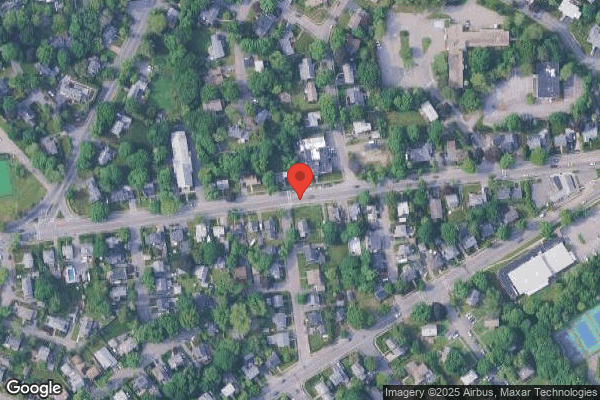
25 LAFAYETTE STREET, MARBLEHEAD, MA 01945 (781) 631-4535
For profit - Limited Liability company 65 Beds LME FAMILY HOLDINGS Data: November 2025
Trust Grade
70/100
#95 of 338 in MA
Last Inspection: August 2024

Within standard 12-15 month inspection cycle. Federal law requires annual inspections.

Overview

Lafayette Rehabilitation & Skilled Nursing has received a Trust Grade of B, indicating it is a solid choice for care, though not without its concerns. It ranks #95 out of 338 facilities in Massachusetts, placing it in the top half, and #12 out of 44 in Essex County, meaning only 11 local options are better. The facility's trend is improving, with issues decreasing from five in 2023 to four in 2024, although staffing turnover is concerning at 59%, higher than the state average of 39%. Importantly, there have been no fines reported, which is a good sign, but RN coverage is only average; some days lacked the required RN presence for at least eight hours. Specific incidents noted include residents being served meals in a way that lacked dignity, and a failure to follow care plans for supervising feeding, which suggests some lapses in attention to individual care needs. Overall, while there are strengths like no fines, the facility does have areas that need improvement.

Trust Score
B
70/100
In Massachusetts
#95/338
Top 28%
Safety Record
Low Risk
No red flags
Inspections
Getting Better
5 → 4 violations
Staff Stability
⚠ Watch
59% turnover. Above average. Higher turnover means staff may not know residents' routines.
Penalties
✓ Good
No fines on record. Clean compliance history, better than most Massachusetts facilities.
Skilled Nurses
○ Average
Each resident gets 37 minutes of Registered Nurse (RN) attention daily — about average for Massachusetts. RNs are the most trained staff who monitor for health changes.
Violations
⚠ Watch
16 deficiencies on record. Higher than average. Multiple issues found across inspections.
★★★★☆
4.0
Overall Rating
★★★★☆
4.0
Staff Levels
★★☆☆☆
2.0
Care Quality
★★★★☆
4.0
Inspection Score
Stable
2023: 5 issues
2024: 4 issues

The Good

  • 4-Star Staffing Rating · Above-average nurse staffing levels
  • Full Sprinkler Coverage · Fire safety systems throughout facility
  • No fines on record

Facility shows strength in staffing levels, fire safety.

The Bad

Staff Turnover: 59%

13pts above Massachusetts avg (46%)

Frequent staff changes - ask about care continuity

Chain: LME FAMILY HOLDINGS

Part of a multi-facility chain

Ask about local staffing decisions and management

Staff turnover is elevated (59%)

11 points above Massachusetts average of 48%

The Ugly 16 deficiencies on record

Aug 2024 4 deficiencies
CONCERN (D)

Potential for Harm - no one hurt, but risky conditions existed

Deficiency F0582 (Tag F0582)

Could have caused harm · This affected 1 resident

Based on record review and interview, the facility failed to inform one Resident (#30), out of three records reviewed, of the potential liability for payment for non-covered services, including estima...

Read full inspector narrative →
Based on record review and interview, the facility failed to inform one Resident (#30), out of three records reviewed, of the potential liability for payment for non-covered services, including estimated cost of services. Specifically, the facility failed to ensure the Skilled Nursing Facility Advanced Beneficiary Notice (SNF ABN) was provided to Resident #30. Findings include: The SNF ABN notice is administered to a Medicare recipient when the facility determines that the beneficiary no longer qualifies for Medicare Part A skilled services and the resident has not used all the Medicare benefit days for that episode. The SNF ABN provides information to residents/beneficiaries so that they can decide if they wish to continue receiving the skilled services that may not be paid for by Medicare and assume financial responsibility. Resident #30 was admitted to the facility in July 2024, under a skilled Medicare A level of care, with diagnoses including pneumonia and acute respiratory failure. Review of the facility's census indicated that he/she was discharged from Medicare A skilled services on 8/9/24. Review of the medical record failed to indicate a SNF ABN was given to Resident #30 and/or the Resident's representative. During an interview on 8/27/24 at 2:33 P.M., the Business Office Manager said the facility does not issue SNF ABN forms. During an interview on 8/27/24 at 2:49 P.M., the Social Worker said she was responsible for giving Notice of Medicare Non-coverage (NOMNC) to Resident #30 when he/she discharged from Medicare Part A skilled services. The Social Worker said Resident #30 still had Medicare benefit days remaining when he/she discharged from Medicare A skilled services on 8/9/24. The Social Worker said she was not aware that a SNF ABN was required and does not give it to any residents when they discharge from Medicare Part A skilled services, so she did not issue one to Resident #30. During an interview on 8/27/24 at 7:02 A.M., the Director of Nursing (DON) and Minimum Data Set (MDS) Nurse said they were not aware that SNF ABN forms were required, and they were not being issued as required by Centers for Medicare and Medicaid Services (CMS).
CONCERN (D)

Potential for Harm - no one hurt, but risky conditions existed

Assessment Accuracy (Tag F0641)

Could have caused harm · This affected 1 resident

**NOTE- TERMS IN BRACKETS HAVE BEEN EDITED TO PROTECT CONFIDENTIALITY** Based on document review and interview the facility failed to accurately code the Minimum Data Set (MDS) assessment for one Resi...

Read full inspector narrative →
**NOTE- TERMS IN BRACKETS HAVE BEEN EDITED TO PROTECT CONFIDENTIALITY** Based on document review and interview the facility failed to accurately code the Minimum Data Set (MDS) assessment for one Resident (#24) out of a total sample of 13 residents. Findings include: Resident #24 was admitted to the facility in June 2019 with diagnoses including contracture of the left hand and Alzheimer's dementia. Review of the Minimum Data Set (MDS), dated [DATE], indicated that Resident #24 had upper extremity impairments to one side. Review of the previous MDS's, dated 2/29/24 and 11/30/23, indicated that Resident #24 had upper extremity impairments to one side. Review of the MDS, dated [DATE], indicated that Resident #24 had no range of motion deficits on either of the upper extremities. Review of the current care plan indicated the following intervention: - Has a contracture of Lt. (left) hand. Ensure daily cleansing, open gently and assess skin integrity. During an interview on 8/28/24 at 9:15 A.M., the MDS Nurse said that she had decided that the MDS's criteria for what is an impairment included whether or not the contracture impacted the resident's functional ability. The MDS nurse said that because the Resident is totally dependent for activities of daily living due to his/her level of cognition and not the contracture the MDS should be not coded as having an impairment. The MDS nurse then said that the MDS's prior to the 5/30/24 MDS were coded incorrectly.
CONCERN (E)

Potential for Harm - no one hurt, but risky conditions existed

Resident Rights (Tag F0550)

Could have caused harm · This affected multiple residents

Based on observation, policy review and interview the facility failed to provide a dignified dining experience on two out of two units. Findings include: Review of the facility policy titled Dining/Nu...

Read full inspector narrative →
Based on observation, policy review and interview the facility failed to provide a dignified dining experience on two out of two units. Findings include: Review of the facility policy titled Dining/Nutrition Guidelines/Protocols, dated as revised 11/2021, failed to indicate that meals are to be provided in a dignified manner. On 8/27/24 at 8:11 A.M., the surveyor observed all meals served in the dining room on the first floor to be left on the trays. On 8/27/24 at 12:15 P.M., the surveyor observed all meals served in the dining room on the first floor to be left on the trays. On 8/27/24 at 8:15 A.M., the surveyor observed all meals served in the dining room on the second floor to be left on the trays. On 8/28/24 at 8:24 A.M., the surveyor observed a Certified Nurses Aide (CNA) serve breakfast to a resident, sitting in the dining room on the second floor, on a tray. The CNA then left the dining room without the tray and the resident continued to eat his/her breakfast from the tray. During an interview on 8/28/24 at 10:20 A.M., Nurse #1 said that all meals served in the dining room should be removed off the trays because this is their home and not an institution. Nurse #1 then said that it is not dignified to serve meals in an institutional manner. During an interview on 8/28/24 at 10:25 A.M., the Director of Nursing said that all meals served in the dining room should be removed off the trays.
CONCERN (E)

Potential for Harm - no one hurt, but risky conditions existed

Deficiency F0727 (Tag F0727)

Could have caused harm · This affected multiple residents

Based on the facility's PBJ (Payroll-Based Journal) report, licensed nurse staff schedules, punch cards and interviews, the facility failed to provide the services of a Registered Nurse (RN) for at le...

Read full inspector narrative →
Based on the facility's PBJ (Payroll-Based Journal) report, licensed nurse staff schedules, punch cards and interviews, the facility failed to provide the services of a Registered Nurse (RN) for at least eight consecutive hours a day, seven days a week when no staffing waivers were in place for nine days for the period of January 1, 2024 to March 31, 2024. Findings include: Review of the PBJ Staffing Data Report, dated Quarter 2 2024 (January 1-March 31), indicated the following: - One star staff rating - Triggered. Review of the facility's payroll-based journal titled Preliminary PBJ Report Quarter 1 2024 (Fiscal Quarter 2) indicated the following: - Please note that if we have any three days without RN coverage, then we automatically receive a one-star rating. However, we may recode [sic] a Director of Nurses (DON) or (Assistant Director of Nurses) ADON's hours to RN, on any days that they worked, and we did not have RN coverage. - Warning: Less than 8 RN hours for Monday 1/1/24. - Warning: Less than 8 RN hours for Saturday 1/27/24. - Warning: Less than 8 RN hours for Sunday 1/28/24. - Warning: Less than 8 RN hours for Saturday 2/3/24. - Warning: Less than 8 RN hours for Sunday 2/4/24. - Warning: No RN hours for Saturday 2/17/24. - Warning: No RN hours for Saturday 3/2/24. - Warning Less than 8 RN hours for Saturday 3/16/24. - Warning: Less than 8 RN hours for Saturday 3/30/24. During an interview on 8/28/24 at 10:07 A.M., the Director of Nursing (DON) said she was aware the facility triggered for one star staffing rating because they did not have RN coverage for eight consecutive hours a day, seven days a week for nine days for the period of January 1, 2024, to March 31, 2024. The DON said that the facility does not have any staffing waivers and she did not provide coverage on the days that had less than 8 RN hours or no RN hours. The DON said the Assistant Director of Nursing (ADON) did not provide any coverage because she is an LPN (Licensed Practical Nurse). The DON said she is aware of the requirement for RN coverage and there should be eight consecutive hours of RN coverage a day and seven days a week.
Aug 2023 5 deficiencies
CONCERN (D)

Potential for Harm - no one hurt, but risky conditions existed

Comprehensive Care Plan (Tag F0656)

Could have caused harm · This affected 1 resident

**NOTE- TERMS IN BRACKETS HAVE BEEN EDITED TO PROTECT CONFIDENTIALITY** Based on observations, record reviews and interviews the facility failed to implement a physician order, specifically, apply der...

Read full inspector narrative →
**NOTE- TERMS IN BRACKETS HAVE BEEN EDITED TO PROTECT CONFIDENTIALITY** Based on observations, record reviews and interviews the facility failed to implement a physician order, specifically, apply derma dot behind resident's ears, for one Resident (#1) out of a total sample of 16 residents. Findings include: Resident #1 was admitted to the facility in July 2023 with diagnoses including rib fracture chronic respiratory failure with hypoxia oxygen dependent. Review of Resident #1's most recent Minimum Data Set (MDS) dated [DATE], indicated the Resident scored a 12 out of possible 15 on the Brief Interview for Mental Status (BIMS) indicating moderately impaired cognition. Further review of MDS indicated the Resident is dependent on oxygen. On 8/8/23 at 8:09 A.M., Resident #1 was observed lying in bed, the Resident had oxygen cannula tubing in his/her nose and behind his/her ears, the Resident did not have derma dots behind his/her ears, Resident #1 said he/she has not had anything placed behind his/her ears. On 8/8/23 at 12:01 P.M., Resident #1 was observed lying in his/her bed wearing the oxygen cannula tubing in his/her nose and behind his/her ears. The Resident did not have derma dots behind his/her ears. On 8/9/23 at 6:43 A.M., Resident #1 was observed lying in his/her bed. Resident #1 did not have derma dots on. On 8/9/23 at 6:45 A.M., the surveyor and Nurse #1 observed Resident #1's ears, he/she did not have the derma dots. Review of the current physician order dated August 2023 indicated the following: *Derma dots behind ears. Change weekly on Sunday 7-3 every day shift every Sunday. Review of Treatment Administration Record (TAR) date August 2023 indicated the derma dots were changed on 8/6/2023. During an interview on 8/9/23 at 6:45 A.M., Nurse #1 said the derma dots should be on as ordered. During an interview on 8/9/23 at 8:11 A.M., the Director of Nursing said the protocol for skin integrity when oxygen in use should be carried as ordered.
CONCERN (D)

Potential for Harm - no one hurt, but risky conditions existed

Deficiency F0658 (Tag F0658)

Could have caused harm · This affected 1 resident

**NOTE- TERMS IN BRACKETS HAVE BEEN EDITED TO PROTECT CONFIDENTIALITY** Based on record review, interview and observation, the facility failed to obtain a physician order for an air mattress for one R...

Read full inspector narrative →
**NOTE- TERMS IN BRACKETS HAVE BEEN EDITED TO PROTECT CONFIDENTIALITY** Based on record review, interview and observation, the facility failed to obtain a physician order for an air mattress for one Resident (#38) out of a total of 16 sampled residents. Findings Include: Resident #38 was admitted to the facility in July 2023 with diagnoses including adult failure to thrive, sciatica, muscle weakness, fracture of the sacrum. Review of Resident #38's most recent Minimum Data Set (MDS), dated [DATE], indicated he/she scored 8 out of a possible 15 which indicated Resident #38 had a moderate cognitive impairment. Further review of the MDS indicated Resident #38 was at risk for skin breakdown. On 8/8/23 at 7:59 A.M., the surveyor observed Resident #38 lying in bed on an air mattress. The air mattress was set to max 350 lbs (pounds). On 8/9/23 at 7:30 A.M., the surveyor observed Resident #38 lying in bed on an air mattress. The air mattress was set to max 350 lbs (pounds). Review of Resident #38's weight dated 7/31/23 was 117.2 lbs. Review of Resident #38's Norton Assessment, dated 8/2/23, indicated he/she scored a 14 which indicated Resident #38 was at moderate risk for skin breakdown. Review of Resident #38's medical record failed to indicate a physician orders or care plan was developed for his/her air mattress. During an interview on 8/9/23 at 10:11 A.M., the Director of Nurses (DON) said that if a resident is on an air mattress then a doctors order should be in place and set to the resident's weight.
CONCERN (D)

Potential for Harm - no one hurt, but risky conditions existed

Pressure Ulcer Prevention (Tag F0686)

Could have caused harm · This affected 1 resident

**NOTE- TERMS IN BRACKETS HAVE BEEN EDITED TO PROTECT CONFIDENTIALITY** Based on observation, record review and interview the facility failed to follow a physician order for prevention of a pressure u...

Read full inspector narrative →
**NOTE- TERMS IN BRACKETS HAVE BEEN EDITED TO PROTECT CONFIDENTIALITY** Based on observation, record review and interview the facility failed to follow a physician order for prevention of a pressure ulcer for one Resident (#1) out of a total sample of 16 residents. Findings include: Review of facility policy titled 'Air Mattress', date revised March 2023, indicated the following but not limited to: *Residents may require an air mattress for a variety of existing or potential problems. An example of conditions that may require an air mattress are limited bed mobility, pressure sore avoidance or existing skin impairment, resident request, acute illness etc. *The mattress is checked every shift by licensed staff to ensure that it is at the correct setting and if not it is reset and the assistant director of nursing is notified. Resident #47 was admitted to the facility in July 2023, with diagnoses including stage one pressure ulcer to right heel. Review of Resident #1's most recent Minimum Data Set (MDS) dated [DATE], indicated the Resident scored a 12 out of possible 15 on the Brief Interview for Mental Status (BIMS) indicating moderate cognitive impairment. Further review of MDS indicated the Resident had a pressure ulcer. On 8/8/23 at 8:09 A.M.,8/8/23 at 12:01 P.M., 8/9/23 at 6:43 A.M., 8/9/23 at 6:45 A.M., Resident #1 was observed to be lying in his/her bed and his/her air mattress was set to 300 lbs (pounds). On 8/8/23 at 8:09 A.M., Resident #1 said he/she does not alter the setting, he/she further said he/she has a wound on his/her right heel. Review of the physician's orders indicated: -7/18/23 Right heel stage one apply skin prep twice a day, every day and evening shift for wound care. -8/2/23 Alternating air mattress set at 250. Check function every shift. Review of Norton Assessment, dated 8/1/23, indicated Resident #1's scored an eight which indicated high risk for pressure ulcer development. Review of the weight record dated 8/7/23, indicated Resident #1 weighed 186.2 pounds. Review of the plan of care related to stage 1 pressure ulcer right heel intervention dated 8/1/23 indicated the following: -Specialty Air mattress: air mattress set at 250 During an interview on 8/9/23 at 6:45 A.M., Nurse #1 said air mattresses are checked every shift for proper functioning and setting. Nurse #1 said the air mattress should be at the correct setting of 250 pounds as ordered. During an interview on 8/9/23 at 8:11 A.M., the Director of Nursing (DON) said air mattresses should be checked every shift by staff and said if the air mattress is not working properly maintenance should be made aware. The DON further said doctors orders should be followed accordingly.
CONCERN (D)

Potential for Harm - no one hurt, but risky conditions existed

Unnecessary Medications (Tag F0759)

Could have caused harm · This affected 1 resident

Based on observation, records review, policy review, and interview, the facility failed to ensure it was free from a medication error rate of greater than 5% when one out of two nurses observed made t...

Read full inspector narrative →
Based on observation, records review, policy review, and interview, the facility failed to ensure it was free from a medication error rate of greater than 5% when one out of two nurses observed made two errors out of 27 opportunities resulting in a medication error rate of 7.41%. Those errors impacted two Residents (#18 and #27), out of six residents observed. Findings include: Review of facility policy titled 'Nursing policy and procedure manual',revised 8/4/22, indicated the following but not limited to: Policy: This facility reconciles medication frequently throughout a resident's stay to ensure that the resident is free of any significant medication errors, and that the facility's medication error rate is less than five percent. Definitions: *Daily processes- Verify medication labels match physician orders and consider rights of medication administration each time a medication is given. 1. For Resident #18, Nurse #2 prepared and administered the following medication: -Multivitamin one tablet by mouth. Review of Resident #18's current physician order indicated the following: -1/20/23 Multivitamin men oral tablet ( Multiple vitamin with minerals) give one tablet by mouth in the morning for supplement. During an interview on 8/9/23 at 10:14 A.M., Nurse #2 said she should have administered multivitamin with minerals as per the doctors order. Nurse #2 said she should have not given the regular multivitamin as this is the wrong medication. 2. For Resident #27, Nurse #2 prepared and administered the following medications scheduled for 8:00 A.M. -Celexa 20 mg (milligram) one tablet by mouth -Trazadone 12.5 mg one tablet by mouth -Acetaminophen 500 mg two tablets by mouth -Colace 100 mg one tablet by mouth -Proscar 5 mg one tablet by mouth -MiraLAX powder 17 GM (gram) one scoop mixed in water During Resident #27's medication review the following medication was not administered at 8:00 A.M. -Fludrocortisone Acetate oral tablet 0.1 mg give one tablet by mouth in the morning for orthostatic hypotension. During an interview on 8/9/23 at 10:16 A.M., Nurse #2 said she thought she administered the medication but said she was also confused by the supplemental documentation for pain instead of the blood pressure. Nurse #2 said she should have administered medication as ordered and said that not administering the medication was a medication omission error. During an interview on 8/9/23 at 10:25 A.M., the Director of Nursing said the expectation is that nurses follow a specific procedure during medication administration to avoid errors and should administer medications as ordered by the physician.
MINOR (B)

Minor Issue - procedural, no safety impact

Assessment Accuracy (Tag F0641)

Minor procedural issue · This affected multiple residents

**NOTE- TERMS IN BRACKETS HAVE BEEN EDITED TO PROTECT CONFIDENTIALITY** 2. Resident #29 was admitted to the facility in August 2019 with diagnoses including Type 2 Diabetes, dysphagia, anxiety and dys...

Read full inspector narrative →
**NOTE- TERMS IN BRACKETS HAVE BEEN EDITED TO PROTECT CONFIDENTIALITY** 2. Resident #29 was admitted to the facility in August 2019 with diagnoses including Type 2 Diabetes, dysphagia, anxiety and dysphagia. Review of Resident #29 most recent Minimum Data Set (MDS), dated [DATE], indicated he/she scored a 12 out of a possible 15 which indicated he/she was cognitively intact. Additional review of the MDS Section O; special treatments, procedures and programs on 8/8/23 at 9:25 A.M., indicated that Resident #29 was not receiving hospice services. Review of Resident #29's physician orders, dated 5/11/23, indicated Hospice Consult. Review of Resident #29's advanced directives care plan, dated 5/15/23, indicated Initiated Hospice 5-15-23. Review of Resident #29's physician note, dated 8/4/23, indicated Pt [sic] is followed by Hospice due to her decline. During an interview on 8/9/23 at 8:15 A.M., the MDS Coordinator said Section O on the MDS dated [DATE] should have indicated Resident #36 was on hospice. Based on record review and interview, the facility failed to accurately code the Minimum Data Set Assessment (MDS) for two sampled Residents (#36, #29) out of a total of 16 sampled residents. Findings include: Resident #36 was admitted to the facility in December 2020 with diagnoses including dementia and muscle weakness. Review of the Minimum Data Set Assessment (MDS) dated [DATE] indicated Resident #36 is cognitively impaired and dependent on staff for activities of daily living Additional review on 8/8/23 of MDS Section O indicated; special treatments, procedures and programs on 8/8/23 at 9:00 A.M., indicated that Resident #36 was not receiving hospice services. Review of Resident #36's clinical record indicated a physicians order dated 4/25/23 to admit Resident #36 to hospice and a hospice care plan dated 4/25/23. During an interview on 8/9/23 at 8:15 A.M., the MDS Coordinator said Section O on the MDS dated [DATE] should have indicated Resident #36 was on hospice.
Jul 2022 7 deficiencies
CONCERN (D)

Potential for Harm - no one hurt, but risky conditions existed

Deficiency F0557 (Tag F0557)

Could have caused harm · This affected 1 resident

**NOTE- TERMS IN BRACKETS HAVE BEEN EDITED TO PROTECT CONFIDENTIALITY** Based on observation, record review and interview the facility failed to ensure dignity was maintained for one Resident (#37) ou...

Read full inspector narrative →
**NOTE- TERMS IN BRACKETS HAVE BEEN EDITED TO PROTECT CONFIDENTIALITY** Based on observation, record review and interview the facility failed to ensure dignity was maintained for one Resident (#37) out of a total sample of 15 residents. Findings include: Resident #37 was admitted to the facility in February of 2021 and has diagnoses including vascular dementia with behavioral disturbances and muscle weakness. Review of Resident #37's Minimum Data Set Assessment (MDS) dated [DATE] indicated Resident #37 has a severe cognitive impairment, requires extensive assistance from staff for transfers, dressing, hygiene and had behaviors of rejecting care in 1-3 days in the last seven day look back period. On 7/19/22 at 4:29 P.M., the surveyor made the following observation: CNA #1 was standing behind Resident #37, who was sitting in his/her wheelchair in the hallway near his/her room. CNA #1 placed her gloved hands down the Resident #37's back, then removed her hands and said in a voice that could be heard by anyone nearby, you have poop and need to be changed. CNA #1 repeated this statement. Resident #37 said in an agitated tone, I don't want to be changed by you. At this time the Activities Director said to Resident #37 in a calm tone that she would see Resident #37 when he/she came back out. Resident #37 appeared visibly relaxed, CNA #1 took Resident #37 in to his/her room. During an interview on 7/19/22 at 4:47 P.M., the Director of Activities said she did not hear exactly what CNA #1 said to Resident #37 but saw Resident #37 become agitated. The Activity Director said she would have approached Resident #37 in a different way. The Activity Director said Resident #37 does display behaviors and his/her mood can change quickly. During an interview on 7/20/22 at 9:19 AM the Director of Nursing said she was made aware of what occurred between CNA #1 and Resident #37 and that she spoke to CNA #1. The DON said the language and approach CNA #1 used was inappropriate.
CONCERN (D)

Potential for Harm - no one hurt, but risky conditions existed

Report Alleged Abuse (Tag F0609)

Could have caused harm · This affected 1 resident

**NOTE- TERMS IN BRACKETS HAVE BEEN EDITED TO PROTECT CONFIDENTIALITY** 2. For Resident #19 the facility failed to report two Resident to Resident altercations. Resident #19 admitted to the facility ...

Read full inspector narrative →
**NOTE- TERMS IN BRACKETS HAVE BEEN EDITED TO PROTECT CONFIDENTIALITY** 2. For Resident #19 the facility failed to report two Resident to Resident altercations. Resident #19 admitted to the facility in February 2021 with diagnoses including dementia, Alzheimer disease with early onset, and repeated falls. Review of the most recent Minimum Data Set (MDS) assessment, dated 6/6/22, revealed that Resident #19 was unable to be evaluated on the Brief Interview for Mental Status (BIMS) exam. The MDS further indicated Resident #19 required extensive assistance for personal hygiene tasks and was totally dependent in ambulation. Review of Resident #19's clinical record indicated he/she had been involved in two resident to resident altercations: *A progress note dated 3/31/22 indicated Resident #19 was pushed from behind by another resident and lost his/her balance. The progress notes also indicated the physician and the Health Care Proxy (HCP) were notified of this incident. *A progress note dated 12/24/21 indicated Staff witnessed Resident #19 push a male resident and use foul language directed at him/her. The Resident calmed a bit and a short time later pushed a Certified Nursing Assistant (CNA) and grabbed the name tag off of a staff member. During an interview on 7/19/22 at 12:53 P.M. Unit Manager #3 said the expectation for any resident-to-resident event would be to report the incident, interview staff, and complete assessments on the residents involved. Unit Manager further said incident reports can be found with the Director of Nursing. During interviews with the Director of Nursing on 7/20/22 at 1:24 P.M., and on 7/21/22 at 9:00 A.M., the Director of Nursing (DON) said the expectation for reporting abuse is to report it within two hours, continue an in-house investigation, and re-notify of final outcome. The DON said that neither of the incidents were reported to the state agency. Based on record review and interview, the facility failed to report instances of Resident to Resident altercation for two sampled Residents (#2, #19,) out of a total of 15 sampled Residents. Review of a facility policy Facility policy titled Abuse Prohibition, revision date 5/2019 indicated: *Residents must not be subjected to abuse by anyone. *Resident-to-Resident altercation: willful act of verbal, physical, sexual, or mental anguish caused by one resident to another causing physical, mental or psychosocial harm regardless of the resident's cognition. *All employees are responsible for identifying and reporting immediately to their supervisor any witnessed abuse, any potential for abuse or allegation of abuse they are told about by residents, families or visitors. *Allegation of or actual abuse: -immediately but not later than 2 hours -this is also reported to the police, medical director and health care proxy. -a 24 hour report of initial investigation results sent to department of public health -an investigation will be initiated immediately by the director of nurse, administrator, or designee when a report of abuse, neglect, mistreatment or misappropriation of resident property is reported, Findings include: 1. For Resident #2, the facility failed to report a Resident to Resident altercation when Resident #7 pulled him/her out of his/her bed onto the floor. Resident #2 was admitted to the facility in September 2020 with diagnoses including stroke and anxiety. Review of Resident #2's most recent Minimum Data Set Assessment (MDS) dated [DATE] indicated he/she scored 12 out of a possible 15 on the Brief Interview for Mental Status Exam (BIMS), indicating moderate cognitive impairment. The MDS also indicated Resident #2 requires physical assistance for transfers out of bed and utilizes a wheelchair for mobility. Resident #7 was admitted to the facility in 7/5/21 with diagnoses including lewy body dementia and major depressive disorder. Review of Resident #7's most recent MDS dated [DATE] indicated he/she requires assistance with all activities of daily living and he/she was unable to complete the BIMS, indicating significant cognitive impairment. During an interview with Resident #2 on 7/19/22 at 7:57 A.M. Resident #2 reported There was a person just standing here in my room and he wouldn't leave. Then it got physical. Resident #2 said that the incident happened a few months ago. Review of the Resident #7 and Resident #2's incident reports indicated that on 3/1/22 at 1:15 A.M., staff heard Resident #2 calling out of help and yelling get out. Resident #7 had entered Resident #2's room thinking it was his/her room. Resident #7 believed Resident #2 was in his/her bed and pulled Resident #2 out of bed and he/she landed on the floor. Staff assisted Resident #2 back into bed and Resident #7 returned to his/her room. During an interview with the Director of Nursing on 7/19/22 at 11:47 A.M., she said that the incident was not reported to the state agency as neither Resident #2 nor Resident #7 was harmed.
CONCERN (D)

Potential for Harm - no one hurt, but risky conditions existed

Investigate Abuse (Tag F0610)

Could have caused harm · This affected 1 resident

Based on record review and interview, the facility failed to investigate two Resident to Resident altercations for 1 sampled Resident (#19) out of a total of 15 sampled Residents. Findings include: R...

Read full inspector narrative →
Based on record review and interview, the facility failed to investigate two Resident to Resident altercations for 1 sampled Resident (#19) out of a total of 15 sampled Residents. Findings include: Review of a facility policy Facility policy titled Abuse Prohibition, revision date 5/2019 indicated: *Residents must not be subjected to abuse by anyone. *Resident-to-Resident altercations: willful act of verbal, physical, sexual, or mental anguish caused by one resident to another causing physical, mental or psychosocial harm regardless of the resident's cognition. *All employees are responsible for identifying and reporting immediately to their supervisor any witnessed abuse, any potential for abuse or allegation of abuse they are told about by residents, families or visitors. *Allegation of or actual abuse: -immediately but not later than 2 hours -this is also reported to the police, medical director and health care proxy -a 24 report of initial investigation results sent to department of public health -an investigation will be initiated immediately by the director of nurses, administrator, or designee when a report of abuse, neglect, mistreatment or misappropriation of resident property is reported. Resident #19 was admitted to the facility in February 2021 with diagnoses including dementia, Alzheimer disease with early onset, and repeated falls. Review of the most recent Minimum Data Set (MDS) assessment, dated 6/6/22, revealed that Resident #19 was unable to be evaluated on the Brief Interview for Mental Status (BIMS) exam. The MDS further indicated Resident #19 required extensive assistance for personal hygiene tasks and was totally dependent in ambulation. Review of Resident #19's clinical record indicated he/she had been involved in two Resident to Resident altercations: *A progress note dated 3/31/22 indicated Resident #19 was pushed from behind by another Resident and lost his/her balance. The progress notes also indicated the physician and the Health Care Proxy (HCP) were notified of this incident. *A progress note dated 12/24/21 indicated staff witnessed Resident #19 push a male Resident and use foul language directed at him/her. The Resident calmed a bit and a short time later pushed a Certified Nursing Assistant (CNA) and grabbed the name tag off of a staff member. During an interview on 7/19/22 at 12:53 P.M., Unit Manager #3 said the expectation for any Resident-to-Resident event would be to report the incident, interview staff, and complete assessments on the Residents involved. Unit Manager #3 further said incident reports can be found with the Director of Nursing. During interviews with the Director of Nursing on 7/20/22 at 1:24 P.M., and on 7/21/22 at 9:00 A.M., the Director of Nursing (DON) said the expectation for reporting abuse is to report it within two hours, continue an in-house investigation, and re-notify of final outcome. The DON was unable to find investigations on the Resident-to-Resident events.
CONCERN (D)

Potential for Harm - no one hurt, but risky conditions existed

ADL Care (Tag F0677)

Could have caused harm · This affected 1 resident

2. Resident #9 was admitted to the facility in April 2021 with diagnoses including muscle weakness, dementia, and difficulty in walking. Review of the most recent Minimum Data Set (MDS) assessment, da...

Read full inspector narrative →
2. Resident #9 was admitted to the facility in April 2021 with diagnoses including muscle weakness, dementia, and difficulty in walking. Review of the most recent Minimum Data Set (MDS) assessment, dated 4/10/22, revealed that on the Brief Interview for Mental Status (BIMS) exam, Resident #9 scored a 4 out of a possible 15, indicating severe cognitive impairment. The MDS further indicated Resident #9 required extensive assistance for personal hygiene tasks. During an observation on 7/19/22 at 7:58 A.M., Resident #9 was observed sitting in a chair with chin hair present. During an interview/observation on 7/20/22 at 9:04 A.M., Resident #9 was observed with chin hair present. Resident #9 said he/she wants the hairs removed and always used to remove them. Resident #9 was observed on 7/20/22 at 9:55 A.M. after A.M., care with chin hair present on his/her face. During an interview on 7/20/22 at 10:28 A.M., Certified Nursing Assistant (CNA) #3 said she washes Resident #9 but does not assist with removing chin hair. During an interview on 7/20/22 at 10:32 A.M., Unit Manager #4 said facial hair should be removed if the resident consents. Based on observations, interviews and record review, the facility failed to assist Residents with activities of daily living for 2 Residents (#27 and #9) out of a total sample of 15 Residents. Findings include: Review of a facility policy titled, Resident Hygiene/ADL policy, undated, indicated: *The resident has the right to refuse any type of ADL care. Staff is to report any refusal to the charge nurse. Any ongoing care refusal that could result in harm will be referred to social service for the discussion with the resident/health care proxy and the PCP as needed *Residents may have their facial hair trimmed as needed as long as the resident approves. 1. Resident #27 was admitted to the facility in January 2022 with the following diagnoses: Alzheimer's disease and depression. Review of the most recent minimum data set assessment (MDS) completed on 6/2/22 indicated a Brief Interview for Mental Status (BIMS) score of 13 out of a possible 15 indicating intact cognition. Further review of the MDS indicated that Resident #27 is a two person plus assist with self-performing tasks, and a one-person physical assist for support with personal hygiene tasks. On 7/19/22 at 10:02 A.M., the surveyor observed Resident #27 with chin hair, Resident #27 told the surveyor that he/she would like the chin hair removed. During an interview with the Unit Manager #1 on 7/19/22 at 1:56 P.M., she said she was not aware that Resident #27 had chin hair, and the expectation during care is for the Certified Nurse Assistant (CNA) to remove the chin hair with the consent of the Resident. On 7/20/22 at 8:08 A.M., the surveyor observed Resident #27 with chin hair around his/her mouth area. She/he told the surveyor she/he would like the chin hair removed. During an interview with the Unit Manager #2 on 7/20/22 at 10:12 A.M., she said she asked the overnight staff to remove Resident #27's chin hair with his/her consent, she reviewed the progress notes to make sure Resident #27 did not refuse to get care, Unit Manager #2 stated there were no progress notes indicating Resident #27 refused care. Unit Manager #2 stated that CNAs are expected to remove chin hair from Residents with their consent during care.
CONCERN (E)

Potential for Harm - no one hurt, but risky conditions existed

Comprehensive Care Plan (Tag F0656)

Could have caused harm · This affected multiple residents

**NOTE- TERMS IN BRACKETS HAVE BEEN EDITED TO PROTECT CONFIDENTIALITY** 3. For Resident #6 the facility failed to (a.) implement the care plan for direct supervision with feeding and (b) follow a phys...

Read full inspector narrative →
**NOTE- TERMS IN BRACKETS HAVE BEEN EDITED TO PROTECT CONFIDENTIALITY** 3. For Resident #6 the facility failed to (a.) implement the care plan for direct supervision with feeding and (b) follow a physician order for checking placement of a gastrostomy tube( G-tube) prior to medication administration. Resident #6 was admitted to the facility in August 2020 with diagnoses including hemiplegia (paralysis on one side of body) and hemiparesis (muscle weakness on one side of body) following cerebral infarction, dysphagia (difficulty swallowing food/liquids), and weight loss. Review of the most recent Minimum Data Set (MDS) assessment, dated 4/28/22, indicated inability to complete the Brief Interview for Mental Status (BIMS) exam, due to short and long term memory problem. The MDS further indicated Resident #6 required extensive assistance for eating. a. During an observation on 7/19/22 at 08:46 A.M., Resident #6 was observed feeding his/herself. Staff was in the room but assisting another Resident. During observations on 7/20/22 at 8:47 A.M., 8:52 A.M., and 9:02 A.M. Resident #6 was observed feeding himself/herself breakfast. During a record review on 7/20/22 at 7:41 A.M., a care plan revised 7/15/22 indicated, Resident #6 has swallowing difficulties related to, coughing, and impaired tongue movement. Interventions include using strategies such as cues from trained care givers, allow time between bites to utilize double swallow pattern, alternate sips/bites, allow to complete and clear the oral cavity prior to the next bite and direct supervision. During an interview on 7/20/22 at 9:09 A.M., Unit Manager #4 said Resident #6 received some assistance not direct supervision but, was able to feed him/herself. Unit Manager #4 said the expectation was for the care plan to be followed as initiated. During an interview on 07/21/22 9:20 A.M., the Director of Nursing said the expectation for someone with a care plan indicating direct supervision during feeding would be for staff to be present during the entire feeding. b.) During a medical record review on 7/20/22 at 11:18 A.M., a physician order dated 3/10/22 indicated: -Check G-tube placement prior to medication administration every day shift. During an observation on 7/20/22 at 08:36 A.M., Nurse #2 administered multiple medications and water flushes to Resident #6 via g-tube but did not check placement of the g-tube prior to administration. Review of facility policy title, Medication Administration-Enteral Tube, dated May 2015 indicated: -Check the placement of the g- tube in accordance with the facility policy -Place resident in a proper position with head of bed elevated to 45 degrees. -Insert a small amount of air into the tube with a syringe and listen with a stethoscope for placement. During an interview on 7/20/22 at 8:57 A.M., Nurse #2 said she was unsure what the policy was for checking placement of the g-tube prior to medication administration. 4. For Resident #14 the facility failed to follow the care plan and physician orders for weighing the Resident. Review of facility policy titled, Weighing Residents updated, 2/2018: *Residents are then weighed monthly unless: -Decline in appetite for 2 or more days - Acute illness with antibiotics ordered - Acute illness without antibiotics at the nurses discretion - NP/MD order Resident #14 was admitted to the facility in January 2022 with diagnoses including type 2 diabetes, chronic kidney disease, and Parkinson disease. Review of the most recent Minimum Data Set (MDS) assessment, dated 5/5/22, indicated a score of 12 out of possible 15 on the Brief Interview for Mental Status (BIMS) exam, indicating moderate cognitive impairment. The MDS further indicated Resident #14 required extensive assistance for hygiene tasks. During a record review on 07/20/22 at 07:48 A.M., indicated: -Physician orders dated 3/22/22 indicated, weight daily x 3 days and then weekly every day shift, every Monday. -Care Plan: At risk for nutrition decline, revision date 6/6/22 obtain weights weekly and record. Review of Resident #14's weights indicated: *6/20/22: 189.4 lbs. (pounds) *7/19/22: 177.8 lbs. The clinical record failed to indicate Resident #14's weights were obtained daily then weekly as ordered. During an interview on 7/20/22 at 10:16 A.M. Unit Manager #4 said upon admission, weights are done daily x 3 days and changed to weekly. Unit Manager #4 was unsure why Resident #14 weights were not completed as ordered, she also checked written weight book with surveyor Unit Manager #4 acknowledged Resident #14 did not have weights completed as ordered. Based on observation, record review and interview, the facility failed to implement the comprehensive care plans for four sampled Residents, (#7, #6, #19, #37, ) out of a total of 15 sampled residents. Findings include: 1. For Resident #7, the facility failed to provide continuous supervision per his/her care plans resulting in a Resident to Resident altercation. Resident #7 was admitted to the facility in 7/5/21 with diagnoses including lewy body dementia and major depressive disorder. Review of Resident #7's most recent Minimum Data Set assessment dated [DATE] indicated he/she requires assistance with all activities of daily living and he/she was unable to complete the Brief Interview for Mental Status Exam, indicating significant cognitive impairment. Review of the Resident #7 incident report dated 3/1/22 indicated that on 3/1/22 at 1:15 A.M., staff heard Resident #2 calling out of help and yelling get out. Resident #7 had entered Resident #2's room thinking it was his/her room. Resident #7 believed Resident #1 was in his/her bed and pulled Resident #2 out of bed and he/she landed on the floor. Staff assisted Resident #2 back into bed and Resident #7 returned to his/her room. The staff incident statement indicated Resident #7 was left alone after he/she had been toileting by his/her CNA. In that time, Resident #7 wandered out of the bathroom and into Resident #2's room. The statement indicated that Resident #7 should not be left unattended after using the bathroom and should be assisted back to bed. Review of Resident #7's active care plans at the time of the incident (3/1/22) indicated the following: *Resident #7 is at risk for falls. Interventions: Continue close supervision and avoid any direct contact especially during ambulation unless allowed, 1/2/22. Maintain constant supervision and ensure resident doesn't cross legs while sitting, 1/17/22. *Resident #7 has behavior problems related to diagnosis of lewy body dementia. Interventions: Intervene as needed to protect the rights and safety of others; approach in calm manner; divert attention, remove from the situation and take to another location as needed, 7/15/21. Review of Resident #7's [NAME] (a form utilized to guide staff on how to care for residents) indicated: 10/26/21: Resident should not be left alone unattended. 12/30/21: Resident going into other people's rooms. 1/2/22: Maintain continuous distant supervision. During an interview with the Director of Nursing on 7/19/22 at 11:47 A.M., she said that Resident #7 should have been supervised per his plan of care. 2. For Resident #37 the facility failed to ensure a wrist brace was implemented in accordance with the medical plan of care. Resident #37 was admitted to the facility in February of 2021 and has diagnoses including vascular dementia with behavioral disturbances, muscle weakness, and history of right humerus fracture with routine healing. Review of Resident #37's Minimum Data Set Assessment (MDS) dated [DATE] indicated Resident #37 has a severe cognitive impairment, required extensive assistance from staff for transfers, dressing and hygiene and had behaviors of rejecting care in 1-3 days in the last seven day look back period. On 7/19/22 at 8:33 A.M., Resident #37 was observed sitting up in bed, eating his/her breakfast. Resident #37 was not observed wearing any brace on his/her right wrist. Review of Resident #37's medical record on 7/19/22 at 11:25 A.M., indicated the following: -An order, dated 4/6/22, Black wrist support on right wrist at all times except for hygiene and skin checks. Please document patient non-compliance. Further review of the medical record did not indicate the use of the black wrist support on the established care plans or the CNA (certified nursing assistant) care card. Observations made of Resident #37 on 7/19/22 and 7/20/22 indicated the following: -On 7/19/22 at 11:45 A.M., Resident #37 was observed sitting up in his/her wheelchair with his/her right fingers bent towards the palm of his/her hand, no black wrist support observed on the Resident or in the vicinity of the Resident. -On 7/19/22 04:23 P.M., Resident #37 was in a small dining area, sitting with peers listening to music, and was not wearing a black wrist support. - On 7/20/22 at 8:26 A.M., Resident #37 was sitting up in bed, not wearing a black wrist support and had his/her breakfast tray in front of him/her. - On 7/20/22 at 12:49 P.M., Resident # 37 was observed in the dining and was not wearing a black wrist support. Review of the Occupational Therapy Discharge summary dated [DATE] indicated under discharge recommendations; patient to have black wrist support on at all times. Patient frequently removes braces/orthotics but encouraged patient to leave them in place. Nursing to document non-compliance and to offer assistance to put in place. During an interview on 7/20/22 at 1:08 P.M., CNA #2 said Resident #37 had a black wrist brace but refused to wear it and no longer wears it. CNA #2 said she could not recall how long it has been since Resident #37 stopped wearing the wrist support. During an interview on 7/20/22 at 2:06 P.M., Charge Nurse #1 said Resident #37 does not wear a black wrist brace. On 7/20/22 at 2:37 P.M., the Assistant Director of Nurses (ADON) said Resident #37 had a (wrist) brace in the past and often refused to wear it. The ADON reviewed the current physician's orders and acknowledged the order for the right black wrist support was present and to document non-compliance. During a subsequent interview on 7/21/22 at 8:51 A.M., the ADON said the wrist support for Resident #37 was never implemented due to a glitch with the electronic medical record, and the order for the right wrist support was not carried over to the TAR to be donned (put on.)
CONCERN (E)

Potential for Harm - no one hurt, but risky conditions existed

Food Safety (Tag F0812)

Could have caused harm · This affected multiple residents

Based on observation, record review, and interview, the facility failed to adhere to practices to prevent cross contamination and prevent foodborne illness in the kitchen and on one of two resident ca...

Read full inspector narrative →
Based on observation, record review, and interview, the facility failed to adhere to practices to prevent cross contamination and prevent foodborne illness in the kitchen and on one of two resident care units. specifically, two dietary staff failed to perform hand hygiene. Findings include: Review of the Facility's policy, titled Proper hand washing and glove wearing guidelines for kitchen staff, dated as revised 8/17/16 indicated at 1) Hands must be washed before and after glove use. Glove wearing guidelines, at 2) Change gloves and wash hands before beginning a different task., 3) After interruption (phone call, dirty dishes, touching contaminated services, after handling meats, after handling any food items. During observation on 7/20/22 at 11:21 A.M., in the main kitchen the following was observed: -Cook #1 used his gloved hands to place small containers of food items on a shelf. He then proceeded to take a cleaning cloth immersed in the sanitizer bucket and wiped down the counter, returned the cloth to the bucket, then used the same gloved hands to move a tray. At no point during the observation did [NAME] #1 remove his gloves and wash his hands between tasks. -Cook #2 removed her gloves from both hands, and without washing her hands proceeded to grab dry rags, placed them on the food cart and moved the cart to the elevator, and went to the first-floor resident dining room. Hand hygiene was not observed after removing her gloves, potentially contaminating the surfaces she encountered. During an observation of the lunch distribution service on the first-floor Resident dining room on 7/20/22 at 11:55 A.M., the following was observed: -Cook #2 removed her gloves, threw them in the trash, crossed the room into the hall, picked up the telephone to make a call. [NAME] #2 did not perform hand hygiene after removing her gloves. -Cook #2 completed taking the food temperatures and with her gloved hands, placed the wrappers and used sanitizing wipes into the top of the trash. Wearing the same gloves, [NAME] #2 then proceeded to start plating food to serve to the Residents. [NAME] #2 failed to perform hand hygiene between tasks. During an interview on 7/20/22 at 1:51 P.M., [NAME] #2 said hand washing is required whenever gloves are removed. During an interview with the Food Service Director on 7/20/22 at 2:00 P.M., the observations made by the surveyor were shared with the FSD. The FSD said staff are to wash their hands when gloves are removed and between tasks.
CONCERN (E)

Potential for Harm - no one hurt, but risky conditions existed

Infection Control (Tag F0880)

Could have caused harm · This affected multiple residents

**NOTE- TERMS IN BRACKETS HAVE BEEN EDITED TO PROTECT CONFIDENTIALITY** Based on observation, record review and interview the facility failed to adhere to infection control practices to prevent the tr...

Read full inspector narrative →
**NOTE- TERMS IN BRACKETS HAVE BEEN EDITED TO PROTECT CONFIDENTIALITY** Based on observation, record review and interview the facility failed to adhere to infection control practices to prevent the transmission of infections, including Covid 19 on two of two Resident care units. Specifically, staff failed to wear appropriate PPE (Personal Protective Equipment) in a room with COVID positive Residents and perform hand hygiene appropriately. Findings include: Review of facility policy titled, Protocol for Hand Hygiene, dated 9/17, indicated: - Examples of situations when hand hygiene is indicated: - Before and after direct patient/resident contact - After completing tasks at one patient/resident area before moving to another station - Before procedures - Before and after dressing changes - After contact with items/surfaces at patient/resident areas - After contact with any blood or body fluids - After handling any contaminated items. Review of facility policy titled, Nursing Policy and Procedure Manual, dated 5/15/20 indicated: -Emergency Covid-19 Pandemic Infection Control Policies -During the Covid-19 pandemic, [the facility] will follow the most current, CDC, CMS and the Respective State Department of Health guidance on infection control related to COVID 19 for the care of residents. This includes use of PPE, Cohorting and environmental cleaning to ensure the safety of residents, staff and visitors. Use of Personal Protective equipment (PPE): -Full PPE including N95 respirator or alternative, eye protection, gloves and gown, should be worn per DPH and CDC guidelines for the care of any resident with known or suspected COVID-19 1.) During an observation on the 2nd floor unit on 07/20/22 at 08:47 A.M. Certified Nursing Assistant (CNA) #4 was feeding a Covid positive resident, with no eye protection, and a surgical mask only. During an interview on 07/20/22 at 09:26 A.M., CNA #4 said the expectation for PPE for a Covid positive room was gown, gloves, mask and a face shield. CNA #4 acknowledged only wearing personal glasses with no additional eye protection while feeding a Covid positive resident. During an interview on 07/20/22 at 11:26 A.M. the Infection Control Nurse said the expectation for PPE in a Covid positive room was full PPE, N95, eye protection, gloves, and gown. 2.) Multiple observations by the surveyor of no hand hygiene on the 2nd flood Resident Care areas were observed. During an observation on 7/20/22 at 8:23 A.M. Nurse #2 was observed leaving a Resident's room without performing hand hygiene and began preparing medications at the medication cart. Nurse #2 entered a Resident's room and performed hand hygiene, left the room to gather supplies, entered the Resident's room donned gloves and began administering medications via gastronomy tube without hand hygiene. Nurse #2 then removed her gloves, adjusted the Resident in bed with another staff member, and again donned gloves with no hand hygiene. During an interview on 7/20/22 at 8:57 A.M., Nurse #2 said hand hygiene should be performed when entering and exiting a Resident's room and acknowledged hand hygiene should have been performed prior to putting on gloves. During an interview on 07/20/22 at 11:26 A.M., the Infection Control Nurse said the expectation for hand hygiene was to perform hand hygiene on entering and exiting a Resident room.3. On 7/19/22 at 4:29 P.M., CNA #1 was observed exiting the laundry room, on the first-floor Resident care unit, wearing gloves on both hands. CNA #1 walked past the desk area doffed her gloves and put them in the trash barrel in the hall. CNA #1 then took gloves out of her pocket and while walking down the hall, donned them without performing hand hygiene. CNA #1 then approached a resident who was in the hall seated in a wheelchair. CNA #1 touched the resident's lower backside, then placed her gloved hands on the wheelchair handles and moved the resident into his/her room. 4.) On 7/21/22 at 8:07 A.M. the surveyor observed the following on the first-floor Resident care unit: Nurse #1 approached a medication cart in the hall wearing gloves on both hands. Nurse #1 removed the gloves placed them in the trash, and without hand hygiene, picked up a tissue box, walked to the other medication cart, picked up a box, a medication cup with a spoon, entered room [ROOM NUMBER] and administered medication to a resident. During an interview on 7/21/22 at 8:40 A.M., Nurse #1 said she had opened a capsule at one (medication) cart with gloves, then went to the other cart to pick something up and removed the gloves. Nurse #1 said she should have performed hand hygiene after removing the gloves. During an interview on 7/21/22 at 8:54 A.M., with the Assistance Director of Nurses, the surveyor shared the observations made of CNA #1 and Nurse #1. The ADON acknowledge the infection breaches and said the expectation is for staff to perform hand hygiene after removing gloves.
Understanding Severity Codes (click to expand)
Life-Threatening (Immediate Jeopardy)
J - Isolated K - Pattern L - Widespread
Actual Harm
G - Isolated H - Pattern I - Widespread
Potential for Harm
D - Isolated E - Pattern F - Widespread
No Harm (Minor)
A - Isolated B - Pattern C - Widespread

Questions to Ask on Your Visit

  • "Why is there high staff turnover? How do you retain staff?"
  • "Can I speak with families of current residents?"
  • "What's your RN coverage like on weekends and overnight?"

Our Honest Assessment

Strengths
  • • No major safety red flags. No abuse findings, life-threatening violations, or SFF status.
  • • No fines on record. Clean compliance history, better than most Massachusetts facilities.
Concerns
  • • 16 deficiencies on record. Higher than average. Multiple issues found across inspections.
  • • 59% turnover. Above average. Higher turnover means staff may not know residents' routines.
Bottom line: Mixed indicators with Trust Score of 70/100. Visit in person and ask pointed questions.

About This Facility

What is Lafayette Rehabilitation & Skilled Nursing's CMS Rating?

CMS assigns LAFAYETTE REHABILITATION & SKILLED NURSING an overall rating of 4 out of 5 stars, which is considered above average nationally. Within Massachusetts, this rating places the facility higher than 99% of the state's 100 nursing homes. This rating reflects solid performance across the metrics CMS uses to evaluate nursing home quality.

How is Lafayette Rehabilitation & Skilled Nursing Staffed?

CMS rates LAFAYETTE REHABILITATION & SKILLED NURSING's staffing level at 4 out of 5 stars, which is above average compared to other nursing homes. Staff turnover is 59%, which is 13 percentage points above the Massachusetts average of 46%. High turnover can affect care consistency as new staff learn residents' individual needs. RN turnover specifically is 83%, which is notably high. RNs provide skilled clinical oversight, so turnover in this role can affect medical care quality.

What Have Inspectors Found at Lafayette Rehabilitation & Skilled Nursing?

State health inspectors documented 16 deficiencies at LAFAYETTE REHABILITATION & SKILLED NURSING during 2022 to 2024. These included: 15 with potential for harm and 1 minor or isolated issues.

Who Owns and Operates Lafayette Rehabilitation & Skilled Nursing?

LAFAYETTE REHABILITATION & SKILLED NURSING is owned by a for-profit company. For-profit facilities operate as businesses with obligations to shareholders or private owners. The facility is operated by LME FAMILY HOLDINGS, a chain that manages multiple nursing homes. With 65 certified beds and approximately 43 residents (about 66% occupancy), it is a smaller facility located in MARBLEHEAD, Massachusetts.

How Does Lafayette Rehabilitation & Skilled Nursing Compare to Other Massachusetts Nursing Homes?

Compared to the 100 nursing homes in Massachusetts, LAFAYETTE REHABILITATION & SKILLED NURSING's overall rating (4 stars) is above the state average of 2.9, staff turnover (59%) is significantly higher than the state average of 46%, and health inspection rating (4 stars) is above the national benchmark.

What Should Families Ask When Visiting Lafayette Rehabilitation & Skilled Nursing?

Based on this facility's data, families visiting should ask: "How do you ensure continuity of care given staff turnover, and what is your staff retention strategy?" "Can I visit during a mealtime to observe dining assistance and food quality?" "How do you handle medical emergencies, and what is your hospital transfer rate?" "Can I speak with family members of current residents about their experience?" These questions are particularly relevant given the facility's high staff turnover rate.

Is Lafayette Rehabilitation & Skilled Nursing Safe?

Based on CMS inspection data, LAFAYETTE REHABILITATION & SKILLED NURSING has a clean safety record: no substantiated abuse findings (meaning no confirmed cases of resident harm), no Immediate Jeopardy citations (the most serious violation level indicating risk of serious injury or death), and is not on the Special Focus Facility watch list (a federal program monitoring the lowest-performing 1% of nursing homes). The facility has a 4-star overall rating and ranks #1 of 100 nursing homes in Massachusetts. While no facility is perfect, families should still ask about staff-to-resident ratios and recent inspection results during their visit.

Do Nurses at Lafayette Rehabilitation & Skilled Nursing Stick Around?

Staff turnover at LAFAYETTE REHABILITATION & SKILLED NURSING is high. At 59%, the facility is 13 percentage points above the Massachusetts average of 46%. Registered Nurse turnover is particularly concerning at 83%. RNs handle complex medical decisions and coordinate care — frequent RN changes can directly impact care quality. High turnover means new staff may not know residents' individual needs, medications, or preferences. It can also be disorienting for residents, especially those with dementia who rely on familiar faces. Families should ask: What is causing the turnover? What retention programs are in place? How do you ensure care continuity during staff transitions?

Was Lafayette Rehabilitation & Skilled Nursing Ever Fined?

LAFAYETTE REHABILITATION & SKILLED NURSING has no federal fines on record. CMS issues fines when nursing homes fail to meet care standards or don't correct problems found during inspections. The absence of fines suggests the facility has either maintained compliance or corrected any issues before penalties were assessed. This is a positive indicator, though families should still review recent inspection reports for the full picture.

Is Lafayette Rehabilitation & Skilled Nursing on Any Federal Watch List?

LAFAYETTE REHABILITATION & SKILLED NURSING is not on any federal watch list. The most significant is the Special Focus Facility (SFF) program, which identifies the bottom 1% of nursing homes nationally based on persistent, serious quality problems. Not being on this list means the facility has avoided the pattern of deficiencies that triggers enhanced federal oversight. This is a positive indicator, though families should still review the facility's inspection history directly.