MARLBOROUGH HILLS REHABILITATION & HLTH CARE CTR
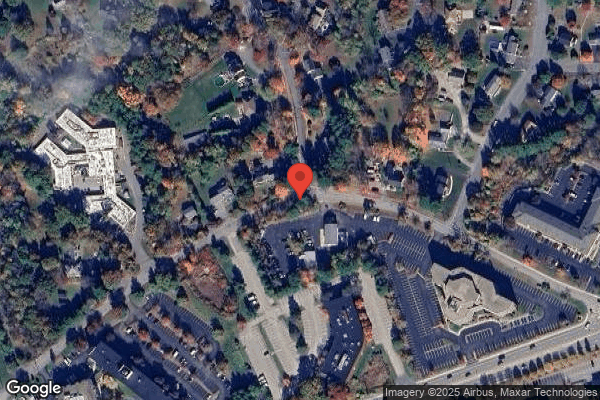
121 NORTHBORO ROAD, MARLBOROUGH, MA 01752 (508) 485-4040
For profit - Limited Liability company 186 Beds ATHENA HEALTHCARE SYSTEMS Data: November 2025 1 Immediate Jeopardy citation
Trust Grade
16/100
#297 of 338 in MA
Last Inspection: March 2025

Within standard 12-15 month inspection cycle. Federal law requires annual inspections.

Overview

Marlborough Hills Rehabilitation & Health Care Center has a Trust Grade of F, indicating significant concerns about the facility's overall quality and care. They rank #297 out of 338 nursing homes in Massachusetts, placing them in the bottom half of facilities in the state, and #61 out of 72 in Middlesex County, suggesting limited local options for better care. Unfortunately, the facility is experiencing a worsening trend, with issues increasing from 1 in 2024 to 18 in 2025. Staffing is below average with a 2/5 star rating, although their turnover rate of 29% is better than the state average, meaning some staff remain consistent. There are concerning incidents, such as a resident being allowed to smoke while using oxygen, which poses a serious risk, and another resident not receiving timely care for a pressure ulcer, highlighting significant gaps in safety and quality of care. Overall, while there are some strengths, the substantial issues present make this facility a concerning option for families.

Trust Score
F
16/100
In Massachusetts
#297/338
Bottom 13%
Safety Record
High Risk
Review needed
Inspections
Getting Worse
1 → 18 violations
Staff Stability
✓ Good
29% annual turnover. Excellent stability, 19 points below Massachusetts's 48% average. Staff who stay learn residents' needs.
Penalties
✓ Good
$68,309 in fines. Lower than most Massachusetts facilities. Relatively clean record.
Skilled Nurses
⚠ Watch
Each resident gets only 13 minutes of Registered Nurse (RN) attention daily — below average for Massachusetts. Fewer RN minutes means fewer trained eyes watching for problems.
Violations
⚠ Watch
39 deficiencies on record. Higher than average. Multiple issues found across inspections.
★☆☆☆☆
1.0
Overall Rating
★★☆☆☆
2.0
Staff Levels
★☆☆☆☆
1.0
Care Quality
★☆☆☆☆
1.0
Inspection Score
Stable
2024: 1 issues
2025: 18 issues

The Good

  • Low Staff Turnover (29%) · Staff stability means consistent care
  • No fines on record
  • Staff turnover is low (29%)

    19 points below Massachusetts average of 48%

Facility shows strength in staff retention.

The Bad

1-Star Overall Rating

Below Massachusetts average (2.9)

Significant quality concerns identified by CMS

Federal Fines: $68,309

Well above median ($33,413)

Moderate penalties - review what triggered them

Chain: ATHENA HEALTHCARE SYSTEMS

Part of a multi-facility chain

Ask about local staffing decisions and management

The Ugly 39 deficiencies on record

1 life-threatening 1 actual harm
May 2025 3 deficiencies
CONCERN (D) 📢 Someone Reported This

A family member, employee, or ombudsman was alarmed enough to file a formal complaint

Potential for Harm - no one hurt, but risky conditions existed

Comprehensive Care Plan (Tag F0656)

Could have caused harm · This affected 1 resident

**NOTE- TERMS IN BRACKETS HAVE BEEN EDITED TO PROTECT CONFIDENTIALITY** Based on records reviewed and interviews, for one of three sampled residents (Resident #1) who was admitted to the Facility with...

Read full inspector narrative →
**NOTE- TERMS IN BRACKETS HAVE BEEN EDITED TO PROTECT CONFIDENTIALITY** Based on records reviewed and interviews, for one of three sampled residents (Resident #1) who was admitted to the Facility with a history of suicidal ideations and self-injurious behavior, the Facility failed to ensure Resident #1's Comprehensive Care Plan (CPs), which although they included some interventions related to self injurious behaviors, that they were reviewed and/or revised for effectiveness when he/she continued to gain access to objects that he/she used to threaten self harm with. Findings included: Review of the facility's policy, titled Comprehensive Care Plans, date revised 11/2017, indicated the following: -The facility is committed to providing residents with all necessary care and services to enable them to achieve the highest quality of life. -Recognizing each resident as an individual, we identify those needs in a resident-centered environment. -The Interdisciplinary Team (IDT) develops a comprehensive Care Plan for each resident that includes measurable objectives and timelines to accommodate preferences, special medical, nursing, and psychosocial needs identified. -The care plan is evaluated and revised as needed, but at least quarterly. Resident #1 was admitted to the Facility in March 2025, diagnoses included suicidal ideations, major depressive disorder, unspecified dementia, and delusional disorders. Review of Resident #1's Dietary Care Plan, included an intervention initiated on 03/10/25 to provide plastic utensils with all meals. Review of Resident #1's Nursing Progress Note, dated 03/28/25, indicated staff found Resident #1 with a [metal] fork, trying to stab him/herself and Resident #1 was transferred to the Hospital Emergency Department (ED) for an evaluation. Review of Resident #1's medical record indicated he/she returned to the facility on [DATE]. Review of Resident #1's Comprehensive Care Plan, indicated there was a new focus area, dated 04/03/25 which included that Resident #1 had a history of suicidal attempts; most recently on 03/28/25. -The Care Plan interventions included: *Monitor the need for psychosocial, psychiatric support, *Psychotherapy weekly for one month and then as needed, * Staff to provide frequent rounding on the resident. Review of Resident #1's Nursing Progress Note, dated 04/05/25, indicated Resident #1 was observed with a plastic knife in his/her right hand and a [superficial] cut to his/her left forearm; Resident #1 made continual suicidal ideation statements and was transferred to the Hospital ED for an evaluation. Review of Resident #1's Nursing Progress Note, dated 04/10/25, indicated Resident #1 returned from the hospital. Review of Resident #1's Dementia Care Plan, indicated Resident #1 had suicidal ideations and suicide attempts, a new intervention was added for 1:1 monitoring by staff during meal times, was initiated on 04/11/25. Review of Resident #1's Nursing Progress Note, dated 05/08/25, indicated Resident #1 had taken a metal fork and broke off three of the four prongs and attempted to stab him/herself. The Note indicated Resident #1 was transferred to the Hospital ED for an evaluation and returned to the facility later that evening. Review of Resident #1's Care Plan for history of suicidal attempts, indicated a new intervention was added on 05/08/25 for every 15-minute head checks [per staff, 15 head checks were for 72 hours only]. Despite Resident #1's Care Plan interventions that he/she was only to have plastic utensils, and for staff supervision during meal times, on two separate occasions he/she was able gain access to and physically alter a metal fork then use it to threaten self harm. There were no additional care plan interventions developed or implemented that focused on how to prevent Resident #1 from gaining access to items he/she could use to inflect self harm. During an interview on 05/21/25 at 1:33 P.M., the Director of Nurses (DON) said that Resident #1 was placed on every 15-minute head checks for 72 hours following each incident and Resident #1 was no longer on them. The DON said that despite the interventions in Resident #1's care plan, he/she was able to obtain silverware on multiple occasions.
CONCERN (D) 📢 Someone Reported This

A family member, employee, or ombudsman was alarmed enough to file a formal complaint

Potential for Harm - no one hurt, but risky conditions existed

Accident Prevention (Tag F0689)

Could have caused harm · This affected 1 resident

**NOTE- TERMS IN BRACKETS HAVE BEEN EDITED TO PROTECT CONFIDENTIALITY** Based on records reviewed, interviews and observation, for one of three sampled residents (Resident #1), who had a history of su...

Read full inspector narrative →
**NOTE- TERMS IN BRACKETS HAVE BEEN EDITED TO PROTECT CONFIDENTIALITY** Based on records reviewed, interviews and observation, for one of three sampled residents (Resident #1), who had a history of suicidal ideation with threats of self harm with metal and plastic utensils, the facility failed to ensure they provided an adequate level of staff supervision in an effort to maintain a safe environment for Resident #1, when he/she was able to gain access to a metal fork on two separate occasions to threaten self harm, and although he/she required supervision with meals, the facility had no idea how or when he/she obtained them. Findings include: Review of the facility's policy, titled Accidents/Incidents, dated April 2015, indicated the following: -It is the responsibility of the staff to report all accidents and incidents which occur at the facility. -The charge nurse and/or the department director or supervisor must document the incident and conduct an investigation of the occurrence. -Every attempt will be made to ascertain the cause of the occurrence. Resident #1 was admitted to the Facility in March 2025, diagnoses included suicidal ideation, major depressive disorder, unspecified dementia, and delusional disorders. Review of Resident #1's admission Minimum Data Set (MDS) assessment, dated 03/13/25, indicated the following: -He/she scored an 11 out of 15 on his/her Brief Interview for Mental Status (BIMS) assessment (0-7 suggests severe cognitive impairment, 8-12 suggests moderate cognitive impairment, and 13-15 suggests a resident is cognitively intact). -Had physical, verbal, and other behaviors for one to three days during the assessment period. -Had episodes of wandering for one to three days during the assessment period. -Could propel his/her wheelchair 150 feet in a corridor with supervision. Review of Resident #1's Dietary Care Plan, reviewed with the admission MDS Assessment, included an intervention, dated as initiated 3/10/25, to provide plastic utensils with all meals. Review of Resident #1's Nursing Progress Note, dated 03/28/25, indicated he/she was found by staff to be in possession of a [metal] fork and was attempting to stab him/herself. The Note indicated Resident #1 was transferred to the Hospital Emergency Department (ED) for an evaluation. During an interview on 05/21/25 at 1:51 P.M., Nurse #1 said she was on duty on 03/28/25 during the 7:00 A.M. - 3:00 P.M. (day shift) and Resident #1 was on her assignment. Nurse #1 said Resident #1 was weepy, and he/she pulled a metal fork, which had only one prong left, out from the side of his/her wheelchair and made the gesture of stabbing him/herself with it. Nurse #1 said Resident #1 was transferred to the Hospital ED for an evaluation. Review of Resident #1's medical record indicated he/she was readmitted to the facility on [DATE]. Review of Resident #1's Dementia Care Plan, initiated on 04/03/25, indicated Resident #1 had suicidal ideation's and suicide attempts, a new intervention for 1:1 monitoring by staff during meals was initiated on 04/11/25. Review of Resident #1's Nursing Progress Note, dated 05/08/25, indicated Resident #1 had taken a metal fork and broke off three of the four prongs and attempted to stab him/herself. The Note indicated Resident #1 was transferred to the Hospital ED for an evaluation and returned to the facility later that evening. During an interview on 05/21/25 at 1:51 P.M., Nurse #1 said she worked the day shift on 05/08/25. Nurse #1 said Resident #1 was found in his/her room with a metal fork, which had only one prong left, and made the gesture of stabbing him/herself in the chest. Nurse #1 said Resident #1 refused to tell her where he/she got the fork from. Nurse #1 said Resident #1 did not sustain any injury. Nurse #1 said Resident #1 was supposed to have only plastic ware and 1:1 staff supervision for all meals. On 05/21/25 at 8:02 A.M., the surveyor observed Resident #1 coming out of his/her room, propelling his/her wheelchair into the hallway. Resident #1 was able to independently self propel his/her wheelchair down the hallway to the unit dining room. During an interview on 05/21/25 at 9:00 A.M., Resident #1 said he/she did not want to be at the facility but added that he/she was not going to escape or anything like that. Although Resident #1's Care Plan interventions included that he/she was to be provided with plastic ware only for meals, that staff were to provide 1:1 supervision during meals, both of which were to prevent him/her from having access to metal utensils, Resident #1 was still able on two separate occasions, undetected by staff, to gain possession of and physically manipulate a metal fork, which he/she then in the presence of staff, used to threatened self harm. During an interview on 05/21/25 at 1:33 P.M., the Director of Nurses (DON) said she spoke with staff following the incident on 05/08/25 and a room search of Resident #1's room was conducted and nothing was found. The DON said she should have completed a full, written investigation following the incident on 05/08/25 and did not. The DON said that despite the interventions in Resident #1's care plan, he/she was able to obtain and manipulate silverware on two occasions.
CONCERN (D) 📢 Someone Reported This

A family member, employee, or ombudsman was alarmed enough to file a formal complaint

Potential for Harm - no one hurt, but risky conditions existed

Deficiency F0742 (Tag F0742)

Could have caused harm · This affected 1 resident

Based on records reviewed and interviews, for one of three sampled residents (Resident #1), who was admitted to the facility with a history of suicidal ideation, self-injurious behavior, paranoia, and...

Read full inspector narrative →
Based on records reviewed and interviews, for one of three sampled residents (Resident #1), who was admitted to the facility with a history of suicidal ideation, self-injurious behavior, paranoia, and agitation, the facility failed to ensure behavioral psychiatric services evaluated him/her in a timely manner, following episodes of suicidal behaviors. Findings include: Review of the Facility's policy, titled Consultant Services, dated April 2015, indicated the Facility will identify and facilitate consultant services to meet the residents' needs, to ensure optimum care for each resident/patient through consultant services. Resident #1 was admitted to the Facility in March 2025, diagnoses included suicidal ideation, major depressive disorder, unspecified dementia, and delusional disorders. Review of Resident #1's admission Minimum Data Set (MDS) assessment, dated 03/13/25, indicated he/she scored an 11 out of 15 on his/her Brief Interview for Mental Status (BIMS) assessment (0-7 suggests severe cognitive impairment, 8-12 suggests moderate cognitive impairment, and 13-15 suggests a resident is cognitively intact). The MDS also indicated Resident #1 had physical, verbal, and other behaviors for one to three days during the assessment period. Review of Resident #1's Behavioral Health Group Notes, dated 03/10/25 and 03/24/25, signed by Nurse Practitioner (NP) #1, indicated he/she had a history of suicidal ideation but was not a current risk to harm self or others. Review of Resident #1's Nursing Progress Note, dated 3/28/25, indicated staff found Resident #1 with a [metal] fork, trying to stab him/herself. Resident #1 was transferred to the Hospital Emergency Department (ED) for an evaluation. Review of Resident #1's Nursing Progress Note, dated 04/03/25, indicated Resident #1 was readmitted to the facility. Review of Resident #1's Nursing Progress Note, dated 04/05/25, indicated Resident #1 was observed with a plastic knife in his/her right hand and a [superficial] cut to his/her left forearm. The Note also indicated Resident #1 made continual suicidal ideation statements and was transferred to the Hospital ED for an evaluation. Review of Resident #1's Nursing Progress Note, dated 04/10/25, indicated Resident #1 was readmitted to the facility. Review of Resident #1's Nursing Progress Note, dated 04/11/25, indicated Resident #1 stated he/she wanted to kill him/herself. Resident #1 was transferred to the Hospital ED for an evaluation and returned to the facility later that day. Review of the Behavioral Services Referral Log, used for facility staff to communicate to the Behavioral Services Group when a resident needs to be seen, indicated the following entries: -04/04/25- [Resident #1] presenting with SI [suicidal ideation]. -04/11/25- [Resident #1] transferred to the hospital ED for SI/depression. Further review of the Log indicated NP#1 initialed the entries (indicating she reviewed and was aware). Review of Resident #1's Behavioral Health Group Note, dated 04/24/25 and signed by NP #1, included the following: -Per nursing staff, the resident [has] decreased anxiety/depression, reports positive sleep/appetite, no SI. There is no current risk to harm self or others. -Plan/recommendations: continue to monitor and support as needed. No medication recommendations at this time. Review of Resident #1's medical record indicated that although behavioral psychiatric services were involved with his/her care, there was no documentation to support that their services were provided to Resident #1 until 04/24/25 (13 days after his/her most recent incident of suicidal behavior). Furthermore, there was no documentation to support that NP #1 identified or adjusted Resident #1's plan, despite his/her episodes of suicide ideation/behavior. Review of Resident #1's Nursing Progress Note, dated 05/08/25, indicated Resident #1 had taken a metal fork and broke off three of the four prongs and attempted to stab him/herself. The Note indicated Resident #1 was transferred to the Hospital ED for an evaluation and returned to the facility later that evening. During an interview on 05/21/25 at 12:59 P.M. and a telephone interview on 05/22/25 at 4:20 P.M., Nurse Practitioner (NP) #1 said that although she initialed the Behavioral Log entries on 04/04/25 and 04/11/25, she was unaware that Resident #1 had episodes of suicidal behaviors involving various utensils. NP #1 said the Behavioral Log had indicated suicidal ideation, but had not specified that Resident #1 had threatened to kill him/herself with a metal fork or that Resident #1 cut him/herself with a plastic knife. NP #1 said she was usually in the facility three days per week and that she may not have seen Resident #1 from 04/11/25 through 04/24/25 due to her case load. NP #1 said that the first time she was informed by nursing of a suicide attempt for Resident #1 was in relation to the incident that occurred on 05/08/25. NP #1 said once she was informed of Resident #1's suicidal behavior, she ordered for him/her to start Lithium (a mood stabilizer) daily. NP #1 said had she known of the previous suicidal behaviors she would have adjusted Resident #1's plan of care and/or medications earlier. During an interview on 05/21/25 at 1:33 P.M., the Director of Nurses (DON) said she was not aware that Nurse Practitioner #1 was unaware of Resident #1's suicidal behaviors on 03/28/25 and 04/05/25. The DON said it was her understanding that NP #1 had been involved in Resident #1's plan of care since his/her admission to the facility.
Mar 2025 2 deficiencies
CONCERN (D) 📢 Someone Reported This

A family member, employee, or ombudsman was alarmed enough to file a formal complaint

Potential for Harm - no one hurt, but risky conditions existed

Deficiency F0553 (Tag F0553)

Could have caused harm · This affected 1 resident

Based on records reviewed and interviews, for one of three sampled residents (Resident #2), whose Health Care Proxy was invoked with his/her Health Care Agent (HCA) responsible for health care decisio...

Read full inspector narrative →
Based on records reviewed and interviews, for one of three sampled residents (Resident #2), whose Health Care Proxy was invoked with his/her Health Care Agent (HCA) responsible for health care decision making, the Facility failed to ensure his/her HCA participated in the development and implementation of their person-centered care plans, which included conducting and inviting residents and/or their Representatives (HCA) to an interdisciplinary care plan meeting following the completion of their Quarterly Minimum Data Set (MDS) assessment. Findings include: Review of the Facility's Policy, titled Comprehensive Care Plans, revision date of 11/2017, indicated the following: -Care Plans are oriented toward preventing avoidable decline in clinical and functional levels, maintaining a specific level of functioning, and reflect resident preferences and the right to refuse certain services and treatment. -Care Plans are a combination of the resident and/or family goals for treatment. -The Care Plan is evaluated and revised as needed but at least quarterly. During a telephone interview on 03/18/25 at 11:29 A.M., Family Member #1 said she was Resident #2's Health Care Agent, that she had not been invited, and therefore unable to participate in, Resident #2's December 2024 care plan meeting. Resident #2 was admitted to the facility in June 2024, diagnoses included schizoaffective disorder, anxiety disorder and bipolar disorder. Review of Resident #2's Documentation of Resident Incapacity Pursuant to Massachusetts Health Care Proxy (HCP) Act, dated 10/20/24, indicated Resident #2's Physician determined Resident #2 lacked the capacity to make or communicate health care decisions due to his/her moderate dementia, his/her HCP was activated. Review of the facility's Care Plan Meeting Invitation, dated 12/31/24, indicated the following boxes were left blank for Resident #2: -Invitation sent to the patient/guardian/responsible party? -Was the patient/guardian/responsible party reminded prior to the meeting? -Was [Did] the patient/guardian/responsible party decline the invitation? Review of Resident #2's Interdisciplinary Care Plan Meeting Form, dated 12/31/24, indicated that where Family Member #1 (HCA) would have signed as being in attendance, was blank. Further review of the Form indicated the box next to Resident Representative Participated in the Care Plan Process, was also left blank. Review of Resident #2's medical record indicated there was no documentation to support who (which included facility staff members) attended Resident #2's care plan meeting on 12/31/24. During an interview on 03/19/25 at 2:09 P.M., Social Worker #1 said the invitations to the care plan meetings were given to the residents, and if Resident #2's Health Care Proxy was invoked, an invitation should also have been sent to the residents' Health Care Agent. Social Worker #1 said the attendance sign-in sheet for Resident #2's care plan meeting on 12/31/24 should not have been left blank and there also should have been a progress note written in Resident #2's medical record to reflect who attended his/her care plan meeting. Social Worker #1 said she did not realize Resident #2's Health Care Proxy had been invoked until today (the day of survey). During a telephone interview on 03/20/25 at 12:01 P.M., the Administrator said it was his expectation that Social Services would have included Resident #2's Health Care Agent in the care planning process.
CONCERN (D) 📢 Someone Reported This

A family member, employee, or ombudsman was alarmed enough to file a formal complaint

Potential for Harm - no one hurt, but risky conditions existed

Transfer Notice (Tag F0623)

Could have caused harm · This affected 1 resident

Based on records reviewed and interviews, for one of three sampled residents (Resident #2), whose Health Care Proxy was invoked and his/her Health Care Agent (HCA) was very involved in his/her care, t...

Read full inspector narrative →
Based on records reviewed and interviews, for one of three sampled residents (Resident #2), whose Health Care Proxy was invoked and his/her Health Care Agent (HCA) was very involved in his/her care, the Facility failed to ensure that at the time of his/her discharge from the facility, his/her HCA/Family Member #1 was provided with a Notice of Intent to Discharge which included the necessary information to file an appeal. Findings include: Review of the Facility Policy, titled Discharge Planning Policy and Procedure, undated, indicated the following: -Residents who are admitted for short term rehabilitation and request/indicated their desire to return home will work with social service staff, as a member of the interdisciplinary team, to formulate a viable discharge plan. -Social Service will verify the request to be discharged with the resident and/or responsible party. -Social Service will ensure systems are implemented to provide written notification to the resident and/or responsible party to transfer/discharge in accordance with Massachusetts Department of Public Health. -The Intent to Discharge Notice will be provided and include: *The reason and effective date of discharge/transfer. *The location to which the resident is to be transferred/discharged *An explanation of the right to appeal *The name, address and telephone number of the ombudsman and other parties/agencies required by the state. *The name, address and telephone number of protection and advocacy agencies for individuals with developmental disabilities or mental illness *A statement as to how the resident will be prepared/oriented to move. During a telephone interview on 03/18/25 at 11:29 A.M., Family Member #1 said she was Resident #2's Health Care Agent, that she was not included in Resident #2's discharge planning to return to the community and did not receive notice prior to Resident #2's discharge. Resident #2 was admitted to the facility in June 2024, diagnoses included schizoaffective disorder, anxiety disorder and bipolar disorder. Review of Resident #2's Documentation of Resident Incapacity Pursuant to Massachusetts Health Care Proxy (HCP) Act, dated 10/20/24, indicated Resident #2's Physician determined Resident #2 lacked the capacity to make or communicate health care decisions due to his/her moderate dementia, his/her HCP was activated. Review of Resident #2's Nursing Progress Note, dated 02/14/25, indicated Resident #2 was discharged to his/her home with services. Review of Resident #2's Notice of Intent to Discharge/Transfer Resident with Expedited Appeal, dated 02/14/25, indicated the name of the Resident Representative to receive a copy of the Notice, was entered as self [indicating Resident #2 was his/her own person]. During an interview on 03/19/25 at 2:09 P.M., Social Worker #1 said she issued the Notice of Intent to Discharge to Resident #2 on 02/14/25. Social Worker #1 said she did not realize at the time of his/her discharge, that Resident #2's Health Care Proxy was activated, and said if she had known, she would have provided a copy of the Discharge Notice to Resident #2's Health Care Agent (HCA, Family Member #1). During a telephone interview on 03/27/25 at 12:01 P.M., the Administrator said it was his expectation that Social Services would have notified Resident #2's HCA/Family Member #1 of his/her discharge to the community and provide his/her HCA with the Notice of Intent to Discharge.
Mar 2025 13 deficiencies 1 IJ
CRITICAL (J)

Immediate Jeopardy (IJ) - the most serious Medicare violation

Accident Prevention (Tag F0689)

Someone could have died · This affected 1 resident

**NOTE- TERMS IN BRACKETS HAVE BEEN EDITED TO PROTECT CONFIDENTIALITY** Based on record review, observations and interview, the facility failed to provide a safe smoking environment for one Resident (...

Read full inspector narrative →
**NOTE- TERMS IN BRACKETS HAVE BEEN EDITED TO PROTECT CONFIDENTIALITY** Based on record review, observations and interview, the facility failed to provide a safe smoking environment for one Resident (#14), of 5 applicable residents, out of a total sample of 34 residents. Specifically, for Resident #14, the facility failed to: -ensure that oxygen was not in use by the Resident when a cigarette placed in the Resident's mouth was lit by staff during a supervised smoking session in the designated smoking area where eight other residents were also present. -ensure that the Resident's oxygen tank and oxygen equipment was prohibited from the designated smoking area. Findings include: Review of the facility's policy titled Smoking, revised November 2020, indicated the following: -It is the policy of the facility to provide a healthy and safe environment for residents, staff, and visitors by limiting the use of tobacco smoke materials on its campus. -To afford residents the privilege of smoking while maintaining a safe and clean environment within the policy of this facility. -Residents will not be allowed to take their portable oxygen tanks, e-tanks (type of gas cylinder used for providing portable oxygen), or oxygen tubing to the supervised smoking areas during their scheduled smoking times. Review of the facility's policy titled Oxygen Administration Nasal Cannula, revised November 2020, indicated the following: -Residents will not be allowed to take their portable oxygen tanks, E-tanks, or oxygen tubing to the supervised smoking areas during scheduled smoking times. Resident #14 was admitted to the facility in January 2025 with diagnoses including Respiratory Failure with hypoxia, Chronic Obstructive Pulmonary Disease (COPD), and Nicotine Dependence. Review of the Resident's Minimum Data Set (MDS) assessment dated [DATE], indicated Resident #14: -Was cognitively intact as evidenced by a Brief Interview for Mental Status (BIMS) score of 15 out of total possible 15. -Utilized a walker to aid with ambulation. -Received oxygen therapy. Review of Resident #14's comprehensive person-centered care plan for Chronic Obstructive Pulmonary Disease (COPD), initiated on 1/23/25, indicated the Resident required oxygen therapy. Review of Resident #14's March 2025 Physician orders indicated: -Oxygen at 3 liters per minute (LPM) continuously every shift, initiated 1/22/25. Review of Resident #14's Medication Administration Record (MAR) for March 2025, indicated the Resident received oxygen therapy continuously via nasal cannula (rubber tubing with prongs that delivers oxygen directly into the nostrils) at 3 LPM and oxygen was administered as ordered from 3/1/25 - 3/6/25. Review of Resident #14's comprehensive person-centered care plan for Substance Use, initiated on 1/27/25, indicated: -The Resident used nicotine. -Interventions included a Tobacco Evaluation. Review of Resident #14's Smoking (Tobacco) Evaluation and Safety Screen, dated 1/22/25, indicated: -The Resident was a current smoker. -The Resident required routine supervision during scheduled smoking sessions to ensure safety during smoking. On 3/6/25 at 1:13 P.M., Surveyor #1 and Surveyor #2 observed through the facility conference room window that Resident #14 was ambulating with a rolling walker towards the facility's designated smoking area, where eight additional residents were also present. Resident #14 was further observed carrying a portable oxygen tank on the rolling walker and wearing a nasal cannula in his/her nostrils that was connected to the portable oxygen tank. Surveyor #1 and Surveyor #2 quickly approached the designated smoking area and observed Certified Nurses Aide (CNA) #5 light a cigarette that was in Resident #14's mouth. Surveyor #1 and Surveyor #2 observed that Resident #14's nasal cannula tubing remained in his/her nostrils and attached to the portable oxygen tank. At that same time, Resident #14 looked at the surveyors, removed the lit cigarette from his/her mouth and dropped the lit cigarette to the ground. Resident #14 then said aloud save my cigarette and walked back inside the facility. Resident #14 returned to the designated smoking area a few minutes later without the portable oxygen tank and nasal cannula tubing. During an interview on 3/6/25 at 1:16 P.M., Resident #14 said that CNA #5 had lit the cigarette in his/her mouth while his/her oxygen was being used via nasal cannula. During an interview and observation on 3/6/25 at 1:18 P.M., CNA #5 said that he did not see Resident #14 wearing oxygen when he lit the cigarette in the Resident's mouth. CNA #5 said he knew that residents were not allowed to smoke while wearing oxygen. CNA #5 said that the residents are responsible to leave the oxygen tanks and tubing inside the facility prior to coming outside to the designated smoking area. During an interview on 3/6/25 at 2:17 P.M., Resident #14 said that not all staff members reminded him/her to remove the oxygen equipment before going outside to the smoking area. Resident #14 said that he/she was receiving oxygen when CNA #5 lit the cigarette in his/her mouth. During an interview on 3/6/25 at 3:16 P.M., the Regional Nurse said that CNA #5 should have reminded and assisted Resident #14 to remove his/her portable oxygen and tubing before the Resident went outside to the designated smoking area. The Regional Nurse said oxygen equipment was not allowed in the designated smoking area. Please Refer to F726 and F838
SERIOUS (G)

Actual Harm - a resident was hurt due to facility failures

Pressure Ulcer Prevention (Tag F0686)

A resident was harmed · This affected 1 resident

Based on observation, interview, and record review, the facility failed to provide care consistent with professional standards of practice to prevent and treat a pressure ulcer (localized damage to th...

Read full inspector narrative →
Based on observation, interview, and record review, the facility failed to provide care consistent with professional standards of practice to prevent and treat a pressure ulcer (localized damage to the skin and/or underlying soft tissue usually over a bony prominence or related to a medical or other device) and prevent further skin and pressure injury for one Resident (#43) out of a total sample of 34 residents. Specifically, for Resident #43, the facility staff failed to: -obtain a Physician's order for the appropriate application, removal, and monitoring of a Controlled Ankle Motion (CAM: orthopedic medical device used for the treatment of severe sprains, fractures in the ankle or foot) boot when the Resident was identified as being at risk for developing pressure ulcers. -assess the Resident's skin integrity during the CAM boot use and identify pressure ulcer development timely on the Resident's right lower extremity. Findings include: Review of the facility policy titled Splints/Orthotics/Prosthetics, dated April 2015, indicated: -Residents will receive splint/orthotic/prosthetic devices as deemed appropriate by the physician and rehabilitation services. Staff will monitor the circulation and skin integrity of residents using these devices at least every shift as part of routine care, or more as prescribed by the physician. -Upon admission/readmission, and at least every shift, all residents with a splint, orthotic or prosthetic device will have the affected extremity monitored for circulation, motion, and sensation (CSMs) as well as any signs of edema, redness, irritation, or pressure areas potentially caused by the device. -Nursing staff will apply/remove the designated splint/orthotic/prosthetic device during scheduled wear times. Review of the facility policy titled Prevention & Management of Pressure Injuries, revised January 2025, indicated: -The facility is dedicated to preventing pressure injuries and to developing a preventative plan of care based on individual needs. Residents receive the care and services they need according to established practice guidelines, so that residents who enter the facility without a pressure injury do not develop one unless the individual's clinical condition demonstrates that they were unavoidable. The necessary treatment and services will be provided to promote healing, prevent infection, and prevent new pressure injuries from developing. -Assessment: Ulcer/Risk factors: >The resident is assessed for pressure injury risk factors. >The resident's skin is observed daily with care. -Avoidable/Unavoidable Pressure Injuries: > Avoidable means the resident developed a pressure injury and that the facility did not do one or more of the following: *evaluate the resident's clinical condition and pressure injury risk factors *define and implement interventions that are consistent with resident needs, resident goals, and recognized standards of practice *monitor and evaluate the impact of the interventions; or revise the interventions as appropriate Resident #43 was admitted to the facility in June 2018, with diagnoses including Quadriplegia C1- C4, Diabetes Mellitus with Diabetic Neuropathy, Right ankle contracture, and Left ankle contracture. Review of Resident #43's Comprehensive Care Plan for Potential Alteration in Skin Integrity, initiated 7/16/18, indicated: -The Resident was at risk for alteration in skin due to comorbidities of Incomplete Quadriplegia, decreased impaired mobility or function, Diabetes, incontinence, and risk assessment. -Intervention to assess skin under footwear, initiated 7/6/18. -Intervention to follow MD orders for skin care and treatments, initiated 1/7/19. Review of Emergency Department Discharge paperwork, dated 11/8/24, indicated: -The Resident sustained a right distal tibial (inner and larger of the two bones of the leg connecting the knee and the ankle) fracture. Review of the Minimum Data Set (MDS) Assessment, dated 11/15/24, indicated Resident #43: -was cognitively intact as evidenced by a Brief Interview for Mental Status (BIMS) score of 15 out of a total of 15. -had range of motion impairments affecting both lower extremities. -was dependent on staff for lower body dressing. -was dependent on staff for putting on and taking off footwear. -was dependent on staff for repositioning. -was at risk for developing a pressure injury. -had no pressure ulcers. Review of Resident #43's Orthopedic Consultation, dated 11/20/24, indicated: -The Resident's skin did not have any wounds or redness. -The Resident's diagnosis was a closed displaced oblique fracture of shaft of the right tibia. -Order placed for CAM walker boot. Review of Resident #43's Physician orders, dated 11/20/24, indicated: -Skin checks to RLE (Right Lower Extremity) due to CAM boot, was entered into the electronic medical record (EMR). Review of Resident #43's November 2024 Medication Administration Record (MAR) and November 2024 Treatment Administration Record (TAR) did not include: -Physician order for skin checks to RLE due to the CAM boot use, which were initiated on 11/20/24. -documentation of the application and removal of the CAM Boot. Review of Resident #43's December 2024 MAR and December 2024 TAR did not include: -Physician order initiated on 11/20/24, for skin checks to RLE related to the CAM boot use. -documentation of the CAM Boot use. Review of Nurse Practitioner (NP) Progress note, dated 12/20/24, indicated: -Resident #43 was seen by NP due to his/her CAM boot being removed and found to have an unstageable (full thickness tissue damage with depth that cannot be confirmed because is covered by damaged tissue) pressure ulcer on the right lateral leg. -Right lateral leg pressure ulcer appeared to have been caused by pressure from the hard plastic edge of the (CAM) boot. -Measurement of right lateral leg wound was 7.3 centimeter (cm) x (by) 3.2 cm x non-measurable depth, with the wound bed described as 100% dark/black necrotic (death of bodily tissue) tissue. -There was a small open area to right anterior shin, measuring 1.8 cm x 2 cm x 0.1 cm, described as superficial and 100% beefy red granulation (new connective tissue that develops on a wound in the process of healing) tissue. -Staff educated to apply abdominal gauze pad in the plastic area of boot, to avoid friction and further skin breakdown. Review of Resident #43's Physician's orders, dated 12/20/24, indicated: -Wound Consult - right leg ulceration with the house wound team. -Re-schedule orthopedics appointment as soon as possible. -Right lateral leg ulceration: please cleanse with wound cleanser, gently pat dry, apply thin layer of Santyl (medicated ointment used to remove damaged tissue from skin ulcers) only to necrotic area. Cover with Alginate (type of highly absorbent wound dressing) then cover with foam dressing. Change daily and as needed (PRN) for soilage. -Right anterior shin ulceration: please cleanse with wound cleanser, pat dry, apply Adaptic Alginate and cover with dry sterile dressing. Change daily and as needed (PRN) for soilage. Review of Resident #43's Wound Consultation Visit Note, dated 1/3/25, indicated: -New Unstageable Necrosis [sic] Pressure Ulcer (d/t [due to] orthopedic (CAM) boot; full thickness wound) is located on the right lateral lower leg. -Wound size 6.0 cm x 2.4 cm x 0.1 cm depth. Review of the most recent MDS Assessment, dated 2/27/25, indicated Resident #43: -was cognitively intact as evidenced by a BIMS score of 14 out of a total of 15. -had active pressure ulcers including: >one Stage 3 pressure injury >two Unstageable Pressure Injuries - one Venous ulcer Further review of the medical record did not provide evidence of the Stage 3 pressure injury identification in the Provider or Wound Consult notes. During an interview on 3/10/25 at 4:14 P.M., the Assistant Director of Nursing (ADON) said Resident #43 was issued a CAM boot from Orthopedics on 11/20/24, but an order with directions for how to use the CAM boot was not initiated from nursing. The ADON said the Nurse on duty should have clarified the CAM boot recommendations with the Orthopedic office, then should have confirmed the order with the facility Provider, but did not. The ADON said failure to properly enter the order to the Resident's medical record resulted in nursing staff not knowing when to apply or remove the CAM boot. The ADON said the unstageable pressure ulcer on the Resident's right lateral leg was caused by the CAM boot. During an interview on 3/11/25 at 7:30 A.M., CNA #4 said Resident #43 returned from the emergency room visit after fracturing his/her right leg in November 2024, with the right leg wrapped in an ace bandage that was left in place until the Resident went for his/her follow-up visit with Orthopedics. CNA #4 said that Resident #43 returned from the follow-up appointment a few weeks later wearing a boot on the right leg. CNA #4 said that Resident #43 wore the boot continuously day and night, and the boot was never removed for care. CNA #4 said a few weeks later, staff were instructed to remove the boot at night because a problem was identified with Resident #43's skin under the boot. CNA #4 said that after a few weeks, the staff were told the Resident did not need the boot any longer. During an interview on 3/11/25 at 7:35 A.M., Nurse #3 said Resident #43 returned from an Orthopedic appointment on 11/20/24 wearing the CAM boot which went from below the knee to above the toes and had Velcro straps holding it in place. Nurse #3 said she was under the impression that the CAM boot needed to be worn at all times, but after a wound developed on Resident #43's leg in December 2024, the Resident started wearing the boot only during the day. Nurse #3 said that when any Resident returns from a consultation appointment, the recommendations should be confirmed by the facility Practitioner, and a Physician's order should be written, but that did not happen. Nurse #3 said when a resident requires a specialty boot, Physician orders are transcribed by the Nurse on duty with specific instructions for removal and application of the CAM boot but the transcription was not done. The surveyor and Nurse #3 reviewed the November 2024 and December 2024 MARs and TARs, and Nurse #3 was unable to locate the order written on 11/20/24 that indicated Nurses should complete skin checks to RLE every shift related to the CAM boot use. Nurse #3 further said the order was incorrectly entered to the Resident's medical record, so the facility Nurses would not be prompted to apply/remove the CAM boot nor be prompted to complete a skin check to the Resident's right lower extremity every shift. During an interview on 3/11/25 at 7:53 A.M., Nurse #4 said she was the Nurse caring for Resident #43 upon the Resident's return from the Orthopedic follow-up appointment on 11/20/24. Nurse #4 said Resident #43 was wearing a CAM boot to the right lower extremity, and there was a recommendation for a CAM boot in the consultation paperwork. Nurse #4 said Resident #43 wore the CAM boot continuously. Nurse #4 said that when a resident wears a boot, there should be orders written about how and when to remove and apply the boot, but there was not. During an interview on 3/11/25 at 8:51 A.M., Resident #43 said that the CAM boot was applied at the Orthopedic appointment on 11/20/24. Resident #43 said that the boot remained in place for about 4 weeks, and during those 4 weeks he/she did not recall anyone checking the skin or removing the boot from the right lower extremity. Resident #43 said when staff identified the wound, the Resident was surprised because he/she was unable to feel the wound due to decreased sensation in both legs. Resident #43 said after staff identified the wound, the nursing staff only applied the CAM boot during the day but not at night. Resident #43 said the CAM boot caused the wounds to the right lower extremity because the CAM boot was worn too much. During an interview on 3/11/25 at 10:45 A.M., Nurse #4 said she had entered an order on 11/20/24 for skin checks every shift due to the CAM boot but did not put the order on the MAR/TAR, and therefore the facility Nurses were not aware to check the skin integrity under the CAM boot. Nurse #4 said that she should have called Orthopedics on 11/20/24 to clarify the recommendation for the CAM boot but did not. During an interview on 3/11/25 at 11:20 A.M., with the Director of Nursing (DON) and Corporate Nurse, the DON said there was never a Physician's order obtained for how and when to use the CAM boot, but there should have been. The Corporate Nurse said that the order obtained on 11/20/24, for skin checks to RLE due to CAM boot was entered incorrectly into PCC (Point Click Care- electronic medical record), and therefore the facility nursing staff did not complete the skin checks as ordered by the Provider. The Corporate Nurse said any specialty boot used in the facility should have clear orders for application and removal as well as skin checks conducted every shift to prevent Pressure Ulcers, but this did not happen.
CONCERN (D)

Potential for Harm - no one hurt, but risky conditions existed

Deficiency F0552 (Tag F0552)

Could have caused harm · This affected 1 resident

**NOTE- TERMS IN BRACKETS HAVE BEEN EDITED TO PROTECT CONFIDENTIALITY** Based on record review, and interview, the facility failed to ensure that residents and/or their representatives were informed a...

Read full inspector narrative →
**NOTE- TERMS IN BRACKETS HAVE BEEN EDITED TO PROTECT CONFIDENTIALITY** Based on record review, and interview, the facility failed to ensure that residents and/or their representatives were informed and given necessary information to make health care decisions including the risks and benefits of psychotropic (any drug that affects behavior, mood, thoughts, or perception) medications prior to their use for one Resident (#108) out of a total sample of 34 residents. Specifically, for Resident #108, the facility failed to obtain informed consent from the Resident's invoked (made active) Health Care Proxy (HCP - a legal document that allows you to appoint someone you trust to make medical decisions on your behalf if you are unable to do so) with notification of the risks and benefits for the use of Abilify ( antipsychotic medication) prior to administering the medication to the Resident. Findings include: Review of the facility policy titled Psychotropic Medication Management, dated April 2015, included but was not limited to: -Notify resident or responsible party of initiation of psychoactive medications, and with any changes of dose, and document in record. -Obtain and document informed consent for initiation of Antipsychotic medications. Resident #108 was admitted to the facility in February 2020 with diagnoses including other Frontotemporal Neurocognitive Disorder and Major Depressive Disorder, recurrent, unspecified. Review of Resident #108's clinical record included: -a completed HCP -a HCP invocation form signed by the Physician and dated 2/22/23, making the HCP active due to decision making incapacity caused by Frontotemporal Dementia. Further review of Resident #108's clinical record did not indicate any evidence that the following were discussed with the Resident's HCP: -the risks and/or benefits of psychotropic medications. -the informed consent to administer psychotropic medication related to the administration of Abilify medication. Review of the Resident's Minimum Data Set (MDS) assessment dated [DATE], indicated Resident #108: -was moderately cognitively impaired as evidenced by a Brief Interview for Mental Status (BIMS) score of 12 out of 15 possible points. Further review of the Resident's clinical record included a Physician's order dated 8/8/24, that indicated: -Abilify (Aripiprazole) Oral Tablet 2 MG (mg - milligrams). Give 1 tablet by mouth at bedtime related to Major Depressive Disorder, recurrent, severe with Psychotic Symptoms. Review of Resident #108's Medication Administration Record (MAR) for August 2024 indicated that the Abilify medication was administered to the Resident at bedtime from 8/9/24 through 8/31/24 as ordered by the Physician. During an interview on 3/11/25 at 8:53 A.M., the Director of Nursing (DON) said that she was unable to find evidence that the new order for Abilify initiated on 8/8/24, was reviewed with the HCP for risks, benefits, and consent. The DON said that the Nurses should be reviewing all psychotropic medications with the residents and/or their representatives before the initiation of a new psychotropic medication, and also annually or with any medication dose adjustment beyond the range of the medication noted on the Informed Consent Form. The DON said that the Nurses should have reviewed the risks and benefits of Abilify with Resident #108's HCP before the medication administration was initiated, but she could not provide any evidence that this had been done.
CONCERN (D)

Potential for Harm - no one hurt, but risky conditions existed

Report Alleged Abuse (Tag F0609)

Could have caused harm · This affected 1 resident

Based on interview and record review, the facility failed to report an allegation of misappropriation to the State Agency timely, for one Resident (#14) out of a total sample of 34 Residents. Specifi...

Read full inspector narrative →
Based on interview and record review, the facility failed to report an allegation of misappropriation to the State Agency timely, for one Resident (#14) out of a total sample of 34 Residents. Specifically, the facility failed to ensure that an incident report form was submitted to the State Agency within two hours as required, of the Director of Nursing (DON) being notified of an allegation of misappropriation of Resident #14's personal property on 2/27/25. Findings include: Review of the facility's Policy titled Abuse, Neglect and Exploitation, dated 2/2023, indicated: -It is the policy of this facility to provide protections for the health, welfare, and rights of each resident by developing and implementing written policies and procedures that prohibit and prevent abuse, neglect, exploitation, and misappropriation of resident property. -Misappropriation of Resident Property means the deliberate misplacement, exploitation, or wrongful, temporary or permanent, use of a resident's belongings or money without resident consent. -The facility will designate an Abuse Prevention Coordinator in the facility who is responsible for reporting allegations or suspected abuse, neglect, or exploitation to the state survey agency and other officials in accordance with state law. -An immediate investigation is warranted when suspicion of abuse, neglect, or exploitation, or reports of abuse, neglect or exploitation occur. -Reporting/Response >The facility will have a written procedures that include: >>Reporting all alleged violations to the Administrator, state agency, adult protective services and to all other required agencies (e.g., law enforcement when applicable) within specified timeframes: >>>Immediately, but no later than 2 hours after the allegation is made, if the events that cause the allegation involve abuse or result in serious bodily injury. Resident #14 was admitted to the facility in January 2025, with diagnoses including Respiratory Failure. Review of Resident #14's Minimum Data Set (MDS) assessment, dated 1/29/25, indicated: -the Resident was cognitively intact as evidenced by a Brief Interview for Mental Status score of 15 out of 15. -was able to make his/her needs known. During an interview on 3/4/25 at 10:26 A.M., Resident #14 said that his/her personal cell phone was missing, and he/she had reported the phone missing to the DON on 2/27/25. Resident #14 said he/she had told the DON that he/she thought another resident was in possession of the phone. During an interview on 3/5/25 at 3:50 P.M., the DON said that on 2/28/25 Resident #14 reported a personal cell phone was missing. The DON said she had not filled out a grievance, had not notified the Social Worker, did not search the other resident's room, did not check the security cameras, and did not have an outcome for an investigation of the Resident's missing cell phone. The DON said she should have informed the Social Worker but did not. During an interview on 3/6/25 at 7:55 A.M., Resident #14 said that on 3/3/25, he/she had not heard anything about the investigation for the missing cell phone, that he/she requested an update and was told by the DON it was being looked into. During an interview on 3/6/25 at 10:14 A.M., the DON said that she should have submitted an incident report to the Department of Public Health (DPH) within two hours of being notified of the missing cell phone on 2/27/25, but she did not submit a report. During an interview on 3/7/25 at 2:17 P.M., Social Worker #2 said that she was notified of Resident #14's missing cell phone on 3/5/25, but should have been notified on 2/27/25.
CONCERN (D)

Potential for Harm - no one hurt, but risky conditions existed

Assessment Accuracy (Tag F0641)

Could have caused harm · This affected 1 resident

**NOTE- TERMS IN BRACKETS HAVE BEEN EDITED TO PROTECT CONFIDENTIALITY** 3. Resident #64 was admitted to the facility in November 2022 with diagnoses of Atherosclerotic Heart Disease of native coronary...

Read full inspector narrative →
**NOTE- TERMS IN BRACKETS HAVE BEEN EDITED TO PROTECT CONFIDENTIALITY** 3. Resident #64 was admitted to the facility in November 2022 with diagnoses of Atherosclerotic Heart Disease of native coronary artery without Angina Pectoris and Acute Embolism and Thrombosis of Unspecified Deep Veins of Left Lower Extremity. Review of Resident #64's clinical record included a Physician's order dated 1/11/25 for Eliquis (Apixaban - an anticoagulant medication that inhibits blood from clotting) Oral Tablet 5 MG (mg -milligrams). Give 1 tablet by mouth two times a day related to encounter for Orthopedic Aftercare following Surgical Amputation. Review of Resident #64's February 2025 MAR indicated that the Eliquis medication had been administered as ordered, twice each day from 2/1/25 through 2/28/25. Review of Resident #64's Minimum Data Set (MDS) assessment dated [DATE], indicated: -the Resident was cognitively intact as evidenced by a Brief Interview for Mental Status (BIMS) Score of 15 out 15 points. -no evidence that the Resident was administered anticoagulant medication during the MDS observation period. During an interview on 3/11/25 at 9:43 A.M., MDS Nurse #1 said after reviewing the February 2025 MAR and the MDS dated [DATE], the Resident was receiving an anticoagulant medication, Eliquis, but there was no anticoagulant identified on the MDS Assessment. MDS Nurse #1 said that the Eliquis medication administered to the Resident during the MDS observation period should have been coded as an anticoagulant medication on the MDS but it had not been coded. 4. Resident #81 was admitted to the facility in March 2016 with diagnoses including history of Venous Thrombosis and Embolism. Review of Resident #81's March 2025 Physician's orders indicated: -Xarelto (anticoagulant medication) Tab 15 mg (milligrams), give 1 tablet orally one time a day, initiated 5/2/24. Review of Resident #81's Quarterly Minimum Data Set assessment dated [DATE], did not indicate that the Resident was administered an anticoagulant medication during the review period. Review of Resident #81's December 2024 MAR indicated that Resident #81 was administered Xarelto 15 mg daily as ordered by the Physician, from 12/1/24 to 12/31/24. During an interview on 3/7/25, MDS Nurse #2 said that the 12/20/24 MDS Assessment coding for the Xarelto was incorrect. MDS Nurse #2 said that the Xarelto medication was coded as an antiplatelet and should have been coded as an anticoagulant. Based on interview, and record review, the facility failed to accurately complete the Minimum Data Set (MDS) Assessments for three Residents (#132, #64, and #81) out of a total sample of 34 Residents. Specifically, the facility failed to: 1. For Resident #132, accurately code that the Resident was taking a diuretic medication during the observation period for the MDS assessment, while the Resident was in the facility. 2. For Resident #132, accurately code that the Resident was receiving oxygen therapy during the observation period for the MDS assessment, while the Resident was in the facility. 3. For Resident #64, accurately code that the Resident was taking an anticoagulant medication during the observation period for the MDS assessment, while the Resident was in the facility. 4. For Resident #81, accurately code that the Resident was taking an anticoagulant medication, not an antiplatelet medication during the observation period for the MDS assessment, while the Resident was in the facility. Finding include: 1. Review of the Centers for Medicare and Medicaid Services (CMS) Long-Term Care Facility Resident Assessment Instrument (RAI) User's Manual version 1.19.1 dated October 2024, indicated the following: -high risk drug classes use an indication: check if the resident is taking any medications by pharmacological classification. -Review the residents medical record for documentation that any of these medications were received by the resident and for the indication of their use during the 7-day look back period. -check if a diuretic medication was taken by the resident at any time during the 7-day look back period. Resident #132 was admitted to the facility in November 2024 with diagnoses including Essential (primary) Hypertension, Obesity and Acute and Chronic Respiratory Failure with Hypoxia. Review of the Resident's MDS assessment dated [DATE], did not indicate that the Resident was taking a diuretic medication. Review of Resident #132's Physician's orders indicated the Resident had an order for Torsemide (diuretic medication) oral tablet 20 milligrams (MG), give three tablets by mouth in the morning (Daily) for edema, start date 1/22/25. Review of Resident #132's January 2025 Medication Administration Record (MAR) indicated the Resident was administered the Torsemide medication as prescribed by the Physician from 1/22/25 to 1/31/25. During an interview on 3/6/25 at 10:54 A.M., MDS Nurse #3 said the Resident was on a diuretic medication during the look back period for the 1/31/25 MDS Assessment and it should have been coded as yes. MDS Nurse #3 said she would modify the MDS and correct the error. 2. Review of the Centers for Medicare and Medicaid Services (CMS) Long-Term Care Facility Resident Assessment Instrument (RAI) User's Manual version 1.19.1 dated October 2024 indicated the following: Code continuous or intermittent oxygen administered via mask, cannula, etc delivered to a resident to relieve hypoxia. Resident #132 was admitted to the facility in November 2024. Review of the Resident's MDS dated [DATE], did not indicate that the Resident was receiving oxygen therapy. Review of Resident #132's Physician's orders indicated that the Resident had an order for oxygen continuously via nasal cannula at 5 liters per minute (LPM) every shift. Effective 1/28/25 Review of the Resident's January 2025 MAR indicated Resident #132 received oxygen therapy as prescribed by the Physician from 1/28/25 to 1/31/25. During an interview on 3/10/25 at 12:06 P.M., MDS Coordinator #5 said the Resident should have been coded as receiving oxygen therapy for the MDS assessment dated [DATE] but it was not coded. MDS Coordinator #5 said she would modify the MDS Assessment and correct the error.
CONCERN (D)

Potential for Harm - no one hurt, but risky conditions existed

Deficiency F0655 (Tag F0655)

Could have caused harm · This affected 1 resident

Based on record review, and interview, the facility failed to provide the resident and/or their representative with a summary of the baseline care plan for one Resident (#279), out of a total sample o...

Read full inspector narrative →
Based on record review, and interview, the facility failed to provide the resident and/or their representative with a summary of the baseline care plan for one Resident (#279), out of a total sample of 34 residents. Specifically, the facility failed to provide the Resident's Representative and invoked Health Care Proxy (HCP) with a written summary of the baseline care plan, medications, and dietary instructions when the Resident was determined to lack capacity for medical decision making. Findings include: Review of the facility policy titled Care Plan-Baseline, revised November 2017, indicated: -A baseline plan of care is developed within 48-hours of admission to the facility based on information obtained during the admission process as a guide for care until the comprehensive care plan is developed. - Process: >Obtain Physician's Orders on admission. >Complete Nursing admission Assessment. Begin interdisciplinary assessment process. >Review inquiry and transfer information. >Interview resident and family accompanying resident/patient for additional information (if appropriate). >Develop baseline plan of care. >Initiate care plan. Resident #279 was admitted to the facility in February 2025 with diagnoses including Frontotemporal Neurocognitive Disorder and Abnormalities of Gait and Mobility. Review of the Hospital Consult Note, dated 1/30/25, indicated: -Resident lived with [Resident Representative (RR) #1]. -Resident had Dementia which has been worsening at home and Resident had left the house multiple times. -Resident had become increasingly confused and had reportedly been hallucinating, carrying knives with him/her, and reporting hallucinations that people might kidnap him/her. -RR #1 stated that he/she can no longer care for the Resident at home and had been trying to get the Resident into a facility. Review of Resident #279's Power of Attorney (POA) document, dated 5/21/19, indicated: -Resident had executed a General Durable Power of Attorney. -POA included a clause for Health Care Proxy (HCP) decision making. -Resident named Resident Representative #1 as their POA/HCP. Review of the Documentation of Resident Incapacity signed by the Physician, and dated 2/11/25, indicated: -Resident #279 lacked the capacity to make, or to communicate, health care decisions due to Neurocognitive Disorder. -the probable duration of Resident #279's incapacity was indefinite. Review of Resident #279's March 2025 Physician's orders indicated: -Invoke Health Care Proxy, initiated 2/11/25. Review of the Initial Meet and Greet Form, dated 2/13/25, indicated: -Rehabilitation: Strength/Range of Motion, Activities of Daily Living/Self-Care, Cognitive Abilities, Physical and Occupational Therapy Evaluation Only. -Nursing Services: Unstable Medical Condition, Altered Mental status, Nutrition/Weight Changes, Pain Management, Fall Risk. -Social Services: Prior living arrangements lived with family, Social supports: family, Mood/behavioral symptoms present, Probable Long-Term Care. -Resident/Family Signature: Telephone Call to Resident's DPOA/HCP. Further review of the Initial Meet and Greet Form did not indicate that the Resident lacked decision making capacity or that a written summary of the baseline care plan, medications, or dietary instructions were provided to the Resident or the Resident's Representative. Review of the Brief Interview for Mental Status (BIMS) assessment, dated 2/17/25, indicated the Resident was severely cognitively impaired as evidenced by score of 3 out of a total possible 15 points. Review of the Interdisciplinary Care Plan Meeting form, dated 2/18/25, indicated: -admission Assessment. -Resident was evaluated by Behavioral Health on 2/17/25. -Resident had a POA and invoked HCP naming RR #1. -Section listing Resident or Representative participated in care plan process was blank. -If no Resident or Representative participation, give reason, section was blank. -Telephone conference if unable to attend meeting, section was blank. -RR #1 was called and message left. Further review of Resident #279's medical record did not indicate that RR #1 was provided with a written summary of the baseline care plan including dietary instructions and medications. During an interview on 3/4/25 at 3:11 P.M., RR #1 said that he/she had been caring for Resident #279 at home but was unable to continue due to the Resident's hallucinations and behaviors, and the plan was for long term care placement for the Resident. RR#1 said that he/she had received a voicemail from MDS Nurse #1 on 2/18/25 regarding a care plan meeting after the Resident was admitted to the facility, but RR #1 had tried to call back that same day to participate in the meeting, but was unable to connect with staff. RR #1 said that he/she connected with MDS Nurse #1 several days later and requested a copy of the care plan but he/she had not received it. RR #1 said that he/she wanted to discuss the Resident's plan of care as he/she had concerns about accessing Psychiatric and Behavioral Health Services but he/she had not received any further information from the facility. During an interview on 3/5/25 at 3:47 P.M., Social Worker (SW) #1 said that MDS Nurse #1 facilitated the baseline care plan meeting process for Resident #279 and SW #1 participated in and completed the admission Meeting form on 2/13/25. During an interview on 3/7/25 at 10:31 A.M., SW #1 said that she was unable to locate any evidence that RR #1 had been provided with a copy of the baseline care plan. During an interview on 3/11/25 at 10:03 A.M., MDS Nurse #1 said that she had called and left a voicemail for RR #1 on 2/18/25. MDS Nurse #1 further said that she spoke with RR #1 on 2/21/25 and reviewed the care plan information from the 2/18/25 meeting. MDS Nurse #1 said that she did not provide a copy of Resident #279's care plan to RR #1.
CONCERN (D)

Potential for Harm - no one hurt, but risky conditions existed

Deficiency F0694 (Tag F0694)

Could have caused harm · This affected 1 resident

Based on observation, interview, and record review, the facility failed to provide care and maintenance of a Peripherally Inserted Central Catheter (PICC: a flexible tube inserted through a vein in on...

Read full inspector narrative →
Based on observation, interview, and record review, the facility failed to provide care and maintenance of a Peripherally Inserted Central Catheter (PICC: a flexible tube inserted through a vein in one's arm and passed through to the larger veins near the heart, used to deliver medications intravenously [IV] ), consistent with professional standards of practice for one Resident (#176), of two applicable residents, out of a total sample of 34 residents. Specifically, for Resident #176, the facility failed to: -measure and document the external catheter length to ensure the PICC line had not migrated (moved from the heart to another area, which could have a significant impact on treatment, or cause serious harm). -measure and document arm circumference. -document ordered Normal Saline (NS) flushes. Findings include: Review of facility policy titled Central Venous Access Device (VAD) Catheter Dressing Change, dated January 2022, indicated but was not limited to the following: - .The intravenous (IV) therapy order for care and maintenance is required. - .With each assessment of the VAD, presence of the following, at a minimum, should include: External Catheter Length. Review of facility policy titled Central Venous Access Device flushing, dated January 2022, indicated but was not limited to the following: - .A prescriber order is required for VAD flushing. The order will be specific with regards to flush solution, volume and frequency. - Document procedure in resident's medical records, including but not limited to: date and time, site assessment, flushing agent and volume flushed, any complication, resident's response to procedure, and any resident/caregiver education. Resident #176 was admitted to the facility in February 2025 with diagnoses including Endocarditis, valve unspecified (infection of the heart's inner lining usually involving the heart valve). Review of the most recent Minimum Data Set (MDS) assessment, dated 2/14/25, indicated that Resident #176: -was cognitively intact as evidenced by a Brief Interview for Mental Status exam score of 15 out of a possible 15. -required IV medications. Review of Resident #176's Physician's orders in the electronic health record, dated 3/7/25, indicated but was not limited to: -Enhanced Barrier Precautions related to PICC, start date 2/11/25 -Cephazolin Sodium (antibiotic) Intravenous (IV) Solution Reconstituted 2 GM (gram) every 8 hours for 6 weeks, 2/11/25 - 3/25/25 for Endocarditis, valve unspecified, start date 2/11/25. Review of Resident #176's Infusion Therapy Order (paper Physician orders) dated 2/10/25, indicated but was not limited to: -PICC, single lumen - Document total catheter length and external catheter length. -Document baseline arm circumference and PRN (as needed). -Document external length weekly with dressing change and PRN. -Pre-flush (Prior to IV medication infusion) 10 ml (milliliter) NS (Normal Saline). -Post-flush (after IV medication infusion) 10 ml NS. During an interview on 3/7/25 at 12:15 P.M., the Assistant Director of Nursing (ADON) said that Resident #176 had a PICC line used to administer the IV Cephazolin and orders for PICC line care that were not in the electronic health record. The ADON said the PICC line orders were on paper Infusion Therapy Flowsheets. The ADON further said that's how she would know what orders were in place and PICC line care provided should be documented on the paper Infusion Therapy Flowsheet. On 3/7/25 at 1:00 P.M., the surveyor observed the following during a medication administration by the ADON: -an ordered dose of Cephazolin 2 GM administered to Resident #176 via the PICC line. -The ADON scrubbed the connector with an alcohol pad, and flushed the line with 10 ml (milliliter) of NS. -The ADON scrubbed the connector again with an alcohol swab, then connected the IV tubing to the connector and started the infusion with the pump. -The PICC line dressing was labeled with the date 3/7/25. -The ADON did not complete measurements of the external catheter length and arm circumference at this time. During an interview on 3/7/25 at 1:50 P.M., the surveyor and the ADON reviewed Resident #176's Infusion Therapy Flowsheets for February 2025 and March 2025. The ADON said that the Nurse should measure the external length of the catheter and the left arm circumference on admission and document it in the designated areas on the flowsheet. The ADON said the two measurements should be done at least weekly when the dressing was changed. The ADON said she changed the dressing today, and has never done any measurements. The ADON said that NS flushes should be done before and after the administration of the IV medication and documented on the flowsheet as well. Review of Resident 176's Infusion Therapy Flowsheet, dated February 2025, failed to indicate: -the measurement of the external length of the catheter and the left arm circumference were done or documented on admission -the measurements were done weekly with dressing changes or PRN as ordered. -NS IV flushes were documented with the administration of the IV Cephazolin 36 times. Review of Resident 176's Infusion Therapy Flowsheet, dated March 2025, failed to indicate: -the measurements were done weekly with dressing changes or PRN as ordered. -NS IV flushes were documented with the administration of the IV Cephazolin 9 times. During an interview on 3/7/25 1:58 P.M., the Director of Clinical Operations said IV orders were not in the electronic health record, the Nurses use the Infusion Therapy flow sheets as orders. The Director of Clinical Operations said the orders on the flowsheets were from the Physician and should be documented and signed off by the Nurse. The Director of Clinical Operations said that the expectation was that the measurements of the external catheter length and arm circumference for Resident #176 should have been done and documented as ordered. The surveyor and the Director of Clinical Operations reviewed the Infusion Therapy Flowsheets for external catheter and arm circumference measurements and found no evidence that the external catheter and arm circumference measurements were done or documented, and the ordered flushes were not signed off consistently. The Director of Clinical Operations said that the measurements and flushes should have been documented but had not been.
CONCERN (D)

Potential for Harm - no one hurt, but risky conditions existed

Deficiency F0698 (Tag F0698)

Could have caused harm · This affected 1 resident

Based on record review, and interview, the facility failed to provide care and services consistent with professional standards of practice for one Resident (#109), of one applicable resident, out of a...

Read full inspector narrative →
Based on record review, and interview, the facility failed to provide care and services consistent with professional standards of practice for one Resident (#109), of one applicable resident, out of a total sample of 34 residents, who required renal dialysis (a procedure to remove waste products and excess fluid from the body when the kidneys stop functioning properly). Specifically, the facility failed to communicate and maintain ongoing documentation with the dialysis center to ensure that the dialysis center and the facility received the most current information pertaining to Resident #109. Findings include: Review of the facility policy titled Hemodialysis, dated April 2015, included but was not limited to: -Communication between the facility and the hemodialysis center will occur using a communication book/sheet that consists of: >vital signs, >Copy of MAR (Medication Administration Record) >any change of condition from last hemodialysis treatment -Documentation will be completed prior to dialysis treatment -The communication book/sheet will be reviewed upon return from dialysis. Resident #109 was admitted to the facility in April 2021 with diagnoses including End Stage Renal Disease (ESRD), Dependence on Renal Dialysis, and Major Depressive Disorder, recurrent, unspecified. Review of Resident #109's comprehensive person-centered care plan for hemodialysis, initiated 4/16/21, indicated: -goal to tolerate dialysis without complications, revised 2/10/25, -an intervention of: Dialysis Communication book in use, initiated 5/10/21. Review of Resident #109's most recent Minimum Data Set (MDS) Assessment, dated 2/14/25, indicated: -the Resident was cognitively intact as evidenced by a Brief Interview for Mental Status (BIMS) score of 15 out of 15 possible points. -Resident #109 received Dialysis treatment. During an interview on 3/4/25 at 11:31 A.M., Resident #109 said that he/she went to the dialysis center three times a week on Monday, Wednesday, and Friday, and has been doing so for many years. Resident #109 said that the dialysis treatments were going well. Review of Resident #109's March 2025 Physician's orders included an order for: -Dialysis Days: Monday, Wednesday, and Fridays, Times: p/u (pick up) at 10 am (Dialysis Center) Review of Resident #109's Dialysis Communication Book did not provide evidence of any communication sent to, or received back from the Dialysis Center for any dialysis days in January 2025, February 2025, or March 2025. Review of the Resident #109's clinical record did not provide any evidence of ongoing communication between the facility and the dialysis center. During an interview on 3/11/25 at 12:07 P.M., Nurse #2 said he was providing care for Resident #109 today and has cared for the Resident many times in the past. Nurse #2 said that the Resident has gone to dialysis treatments regularly on Mondays, Wednesdays, and Fridays. Nurse #2 said he never sent the Resident out to dialysis because the Resident goes to dialysis during the early morning when the night shift staff was still on duty. Nurse #2 said he had never seen any communication sheet return with the Resident when the Resident returned from dialysis. During an interview on 3/11/25 at 2:07 P.M., the Director of Nursing (DON) said that the Resident went to dialysis treatment every Monday, Wednesday, and Friday. The surveyor and the DON reviewed the dialysis communication book and were unable to find any evidence of ongoing communication between the facility and the dialysis center for any days in January 2025, February 2025, or March 2025. The DON said that facility staff were expected to complete a communication form before sending the Resident to dialysis and then send the form with the Resident in the dialysis book that accompanies the Resident to the dialysis center. The DON further said that the expectation was that the dialysis center would communicate on the bottom half of the form, and the facility staff would review the communication from the dialysis center upon the Resident's return back to the facility. The DON said the staff should have been communicating with the dialysis center every time the Resident went for dialysis treatment but she could not provide any evidence that the staff had done so.
CONCERN (D)

Potential for Harm - no one hurt, but risky conditions existed

Deficiency F0726 (Tag F0726)

Could have caused harm · This affected 1 resident

**NOTE- TERMS IN BRACKETS HAVE BEEN EDITED TO PROTECT CONFIDENTIALITY** Based on observation, interview, and document review, the facility failed to ensure that nursing staff possessed the appropriate...

Read full inspector narrative →
**NOTE- TERMS IN BRACKETS HAVE BEEN EDITED TO PROTECT CONFIDENTIALITY** Based on observation, interview, and document review, the facility failed to ensure that nursing staff possessed the appropriate competencies and skills to assure resident safety when providing nursing and related services for one Resident (#14), out of a total of 51 residents who smoke as identified through smoking assessments. Specifically, for Resident #14, Certified Nurses Aide (CNA) #5 failed to demonstrate competency in skills and techniques necessary to provide safe smoking care and services during assigned smoking sessions when CNA #5 lit a cigarette in the Resident's mouth while he/she was using oxygen. Findings include: Resident #14 was admitted to the facility in January 2025 with diagnoses including Respiratory Failure with hypoxia, Chronic Obstructive Pulmonary Disease (COPD), and Nicotine Dependence. Review of the Resident's Minimum Data Set (MDS) assessment dated [DATE], indicated Resident #14: -was cognitively intact as evidenced by a Brief Interview for Mental Status (BIMS) score of 15 out of total possible 15 -utilized a walker to aid with ambulation -received oxygen therapy Review of the Facility Assessment, dated 8/14/24, failed to indicate that the facility thoroughly evaluated and documented the needs of the resident population who smoke and identified the required resources needed to provide safe care and services. Further review of the Facility Assessment failed to identify staff competencies necessary to provide the skill sets and safety training needed for the resident population who smoke. On 3/6/25 at 1:13 P.M., during an assigned smoking session, two surveyors observed Resident #14 enter the designated smoking area wearing a nasal cannula and carrying a portable oxygen tank. The surveyors observed that there were 8 residents in addition to Resident #14 in the smoking area. The surveyors further observed CNA #5 light a cigarette in Resident #14's mouth while the nasal cannula remained present in his/her nostrils. Resident #14 removed the lit cigarette from his/her mouth when he/she saw the surveyors, dropped the lit cigarette to the ground, went back into the facility and returned to resume smoking without the oxygen equipment. During an interview on 3/6/25 at 1:16 P.M., Resident #14 said that CNA #5 lighted the cigarette in his/her mouth while his/her oxygen was being used via nasal cannula. During an interview on 3/6/25 at 2:17 P.M., Resident #14 said that not all staff members reminded him/her to remove the oxygen equipment before going outside to the smoking area. Resident #14 said his/her oxygen was being used when CNA #5 lit the cigarette in his/her mouth. Review of CNA #5's educational file failed to indicate that the CNA demonstrated competency with smoking and oxygen safety. Review of the Facility Orientation Packet for new staff failed to indicate any training or competencies to demonstrate smoking safety for residents who smoke. During an interview on 3/6/25 at 1:16 P.M., CNA #5 said that he did not see Resident #14 wearing oxygen when he lit the cigarette in the Resident's mouth. CNA #5 said he knew that residents were not allowed to smoke while wearing oxygen. During an interview on 3/10/24 at 3:30 P.M., the Regional Nurse said that the Facility Orientation Packet contained all of the training materials and competencies used to orient new employees. The Regional Nurse said there was no content in staff orientation regarding safe smoking for residents. The Regional Nurse further said there was no evidence that safe smoking and oxygen competency was demonstrated by CNA #5 prior to the incident on 3/6/25.
CONCERN (E)

Potential for Harm - no one hurt, but risky conditions existed

Deficiency F0760 (Tag F0760)

Could have caused harm · This affected multiple residents

**NOTE- TERMS IN BRACKETS HAVE BEEN EDITED TO PROTECT CONFIDENTIALITY** Based on interview, and record review, the facility failed to ensure that two Residents (#379 and #42) out of a total sample of ...

Read full inspector narrative →
**NOTE- TERMS IN BRACKETS HAVE BEEN EDITED TO PROTECT CONFIDENTIALITY** Based on interview, and record review, the facility failed to ensure that two Residents (#379 and #42) out of a total sample of 34 residents, were free from significant medication errors. Specifically, the facility failed to: 1. For Resident #379, ensure the appropriate medication administration syringe was available to administer Physician ordered medications through the Resident's Percutaneous Gastronomy (PEG) tube (a tube that provides a direct route to the stomach for delivering nutrition, fluids and medication to a person who is unable to eat or drink through their mouth) resulting in missed doses of the ordered medications. 2. For Resident #42, the facility failed to ensure that Permethrin (medication used to treat scabies [a contagious skin infestation caused by tiny mites]) cream was accurately transcribed on the Medication Administration Record (MAR), resulting in the Resident receiving five doses instead of one prescribed dose, and increasing the risk for adverse reaction to the medication. Findings include: Review of the facility policy, Medication Error Reporting, dated April 2015, indicated: -A medication error is any preventable event that may cause or lead to inappropriate medication use, which the medication is in control of the health care professional. -A licensed nurse makes an immediate evaluation of the resident in relation to the nature of the error. -The person finding the error is responsible for completing the medication error report and forwarding it to the Director of Nursing immediately. Resident #379 was admitted to the facility in February 2025 with diagnoses including, Dysphagia Oropharyngeal Phase, Personal History of Pulmonary Embolism, Mood Disorder due to known physiological condition with depressive features, and Essential (primary) Hypertension. Review of the Resident's clinical record indicated that no Minimum Data Set (MDS) Assessment had not been submitted due to Resident #379's recent admission to the facility. Review of the Resident's Speech Therapy comprehensive care plan initiated on 2/21/25, and revised on 3/3/25, indicated: >The Resident had swallowing difficulty related to an abnormal swallow study with interventions including: -Provide Resident with nothing by mouth (NPO) consistency diet. -Provide Resident with NPO consistency liquid. Review of Resident #379's Physician's orders for March 2025 indicated: -NPO diets, NPO texture, NPO consistency, effective 3/7/25 -Amlodipine Besylate (antihypertensive) oral tablet 2.5 milligrams (mg), give 1 tablet via PEG - tube in the morning, effective 2/20/25 -Apixaban (anticoagulant) oral tablet 5 mg, give one table via PEG-tube two times a day, effective 2/20/25 -Folic Acid (used to treat folate deficient anemia) oral tablet 1 mg, give one tablet via PEG-tube in morning, effective 2/20/25 -Levetiracetam (antiseizure) oral solution 100 MG/ML, give 7.5 ml two times a day via PEG - tube, effective 2/20/25 -Melatonin (supplement) oral tablet 3 mg, give one tablet via PEG - tube at bedtime, effective 2/20/25 -Quetiapine Fumerate (antipsychotics) oral table 25 mg, give one tablet via PEG - tube in the morning, effective 2/20/25 -Quetiapine Fumerate oral tablet 25 mg, give two tablets via PEG - tube at bedtime, effective 2/20/25 -Thiamine HCL (Vitamin) oral tablet 100 mg, give 1 tablet via PEG - tube in the morning, effective 2/20/25 -Trazadone HCL (antidepressant) oral tablet 100 mg, give one tablet via PEG tube at bedtime, effective 2/20/25 Review of the Resident #379' Medical Record indicated the following: -An orders administration note dated 3/5/25 at 23:42: syringe for administration not available, NP (Nurse Practitioner)/Supervisor notified. -An orders administration note dated 3/6/25 at 06:00: hold medications and follow-up with DON (Director of Nursing) for proper syringes. -An orders administration note dated 3/7/25 at 05:36: awaiting syringe delivery. -An orders administration note dated 3/8/25 at 06:11: awaiting delivery of special syringe. Review of the Resident's March 2025 Medication Administration Record (MAR) indicated the following: -Amlodipine Besylate was not administered as ordered on: 3/6, 3/7, and 3/8. -Folic Acid was not administered as ordered on: 3/6, 3/7, 3/8. -Melatonin was not administered as ordered on: 3/5 and 3/6. -Quetiapine Fumerate was not administered as ordered the morning of: 3/6, 3/7, 3/8 and the evening of: 3/5 and 3/6. -Thiamine HCL was not administered as ordered on: 3/6, 3/7 and 3/8. -Trazadone HCL was not administered as ordered on: 3/5 and 3/6. -Apixaban was not administered as ordered the morning of: 3/6, 3/7, 3/8 and the evening of: 3/5 and 3/6. -Levetiracetam was not administered as ordered the morning of 3/6, 3/7, 3/8 and the evening of 3/5 and 3/6. During an interview on 3/11/25 at 8:31 A.M., the DON said she did not find out until 3/10/25 that the medication administration syringe was not available, and that Resident #379 had not received the correct doses of his/her medications as prescribed by the Provider from 3/5/25 through 3/8/25. The DON said the procedure for missed doses of medication is the Nurse on duty should call the Physician or NP immediately for further instructions and contact the DON immediately. The DON said the Nurse should fill out the Report on Medication Incidents and forward it to the DON immediately. The DON said that she should have been contacted immediately so that a medication administration syringe could have been obtained. The DON said the facility should have had the syringes available prior to the Resident's admission to ensure that he/she received the medications as ordered by the Prescriber. During an interview on 3/11/25 at 10:48 A.M., Nurse #1 said she alerted the Assistant Director of Nurses (ADON) during her shift on 3/6/25, that the syringe to administer medications (via PEG tube) was unavailable. Nurse #1 said the Resident did not need to receive any medications during her shift on 3/6/25. Nurse #1 said if medications or equipment to administer medications is not available, the procedure is they should call the Physician and see how the Physician wants to proceed, and inform the DON right away. During an interview on 3/11/25 at 10:56 A.M., the ADON said she was unaware Resident #379 did not receive his/her medications as prescribed by the Provider until 3/10/25. During an interview on 3/11/25 at 12:49 P.M., Nurse #5 said she was the evening supervisor on 3/5/25, 3/6/25 and 3/7/25. Nurse #5 said the NP had been contacted but Nurse #5 could not recall what day or time. Nurse #5 said the NP said to call the DON so a syringe could be obtained. Nurse #5 said she did not call the DON. Nurse #5 said she ordered a syringe from Amazon on the evening of 3/7/25. Nurse #5 said the NP came in on Saturday 3/8/25 and showed the Nurses how to administer the medication without a syringe and how to assess the Resident. During an interview on 3/11/25 at 1:15 P.M., the Regional Nurse said someone from nursing should have called the Physician and the DON to notify them that Resident #379 was not receiving his/her medications. The Regional Nurse said the Nurse on duty should have entered the incident into the medical record in an 'at risk note' for the facility to be alerted of the problem. The Regional Nurse said the Resident should have gotten his/her medications as prescribed by the Provider or a hold order for the medications should have been obtained from the Physician. 2. Review of the Mayo Clinic document, titled Drugs and Supplements - Permethrin, dated 2/1/25, indicated the following: -dosing for treatment of scabies is Permethrin 5% cream to be applied to the skin one time. -Side effects from Permethrin recommended dosage can include itching, numbness, rash, redness, swelling of the skin, stinging or burning, and tingling sensation. Resident #42 was admitted to the facility in September 2024 with diagnoses including an Open Wound of Abdominal Wall. Review of Resident #42's Minimum Data Set (MDS) assessment dated [DATE], indicated: -The Resident was cognitively intact as evidenced by a score of 15 out of 15 on the Brief Interview of Mental Status (BIMS). -The Resident was able to make him/herself understood. Review of the Resident's Physician order, dated 12/1/24 at 11:00 A.M., indicated: -Permethrin 5% cream - Apply to whole body from the neck down and wash off after eight to 14 hours. -Dermatology Consult. Review of the December 2024 Treatment Administration Record (TAR), indicated Resident #42 received Permethrin Cream 5% daily on: 12/2/24, 12/3/24, 12/4/24, 12/5/24 and 12/6/24. During an interview on 3/10/25 at 3:39 P.M., the DON said that Resident #42 received one dose of Permethrin cream every day for 5 days but should have received one dose only. The DON said the order for Permethrin cream written on 12/1/24 was transcribed incorrectly into the Resident #42's electronic medical record (EMR) which caused the medication administration error to occur.
CONCERN (F)

Potential for Harm - no one hurt, but risky conditions existed

Deficiency F0838 (Tag F0838)

Could have caused harm · This affected most or all residents

**NOTE- TERMS IN BRACKETS HAVE BEEN EDITED TO PROTECT CONFIDENTIALITY** Based on observation, interview, and document review, the facility failed to conduct and implement a comprehensive facility wide...

Read full inspector narrative →
**NOTE- TERMS IN BRACKETS HAVE BEEN EDITED TO PROTECT CONFIDENTIALITY** Based on observation, interview, and document review, the facility failed to conduct and implement a comprehensive facility wide assessment that was inclusive of resources necessary to provide both emergency and day-to-day care of the population the facility currently serves. Specifically, the facility assessment failed to address the education and competencies for staff to provide a safe smoking environment for 51 residents identified as active smokers, out of a total census of 173. Findings include: On 3/6/25 at 1:13 P.M., two surveyors observed Resident #14 enter the designated smoking area for an assigned smoking session while wearing a nasal cannula and carrying a portable oxygen tank. The surveyors further observed Certified Nurses Aide (CNA) #5 light a cigarette in Resident #14's mouth while the nasal cannula remained present in his/her nostrils. Resident #14 saw the surveyors, removed the lit cigarette from his/her mouth and dropped the lit cigarette to the ground. Resident #14 was observed to walk back inside the facility, leave his/her oxygen equipment in the building and return to the designated smoking area. Review of Resident Smoker - Oxygen Initial Audit, dated 3/6/25, indicated that 51 residents out of a facility census of 173 were identified as smokers. Further review of the Initial Audit indicated that Resident #14's name was included on the audit and was listed as a smoker who utilized oxygen therapy. Resident #14 was admitted to the facility in January 2025 with diagnoses including Respiratory Failure with hypoxia, Chronic Obstructive Pulmonary Disease (COPD), and Nicotine Dependence. Review of the Resident's Minimum Data Set (MDS) assessment dated [DATE], indicated Resident #14: -was cognitively intact as evidenced by a Brief Interview for Mental Status (BIMS) score of 15 out of total possible 15 -utilized a walker to aid with ambulation -received oxygen therapy. Review of Facility Assessment, dated 8/14/24, failed to indicate that the facility: -thoroughly evaluated and documented the needs of its resident population who were smokers. -identified the required resources to provide safe care and services for the resident population that smoked. -identified and implemented staff competencies necessary to provide safety and the skill sets needed for the resident population who smoke. During an interview on 3/6/25 at 1:16 P.M., Resident #14 said that CNA #5 had lit the cigarette in his/her mouth while his/her oxygen was being used via nasal cannula. During an interview on 3/6/25 at 2:17 P.M., Resident #14 said that not all staff members reminded him/her to remove the oxygen equipment before going outside to the smoking area. Resident #14 said his/her oxygen was being used when CNA #5 lit the cigarette in his/her mouth. Review of CNA #5's educational file failed to indicate that the CNA demonstrated competency with smoking and oxygen safety. During an interview on 3/6/25 at 1:16 P.M., CNA #5 said that he did not see Resident #14 wearing oxygen when he lit the cigarette in the Resident's mouth. CNA #5 said he knew that residents were not allowed to smoke while wearing oxygen. During an interview on 3/10/24 at 3:30 P.M., the Regional Nurse said the Facility assessment dated [DATE] was the most recent version. The surveyor and the Regional Nurse reviewed the Facility Assessment and the Regional Nurse said the Facility Assessment did not address residents who smoke and it should have. The Regional Nurse further said there was no evidence that safe smoking and oxygen competency was demonstrated by CNA #5 prior to the incident on 3/6/25.
CONCERN (F)

Potential for Harm - no one hurt, but risky conditions existed

Infection Control (Tag F0880)

Could have caused harm · This affected most or all residents

Based on record review, and interview, the facility failed to maintain an infection prevention and control program designed to provide a safe, sanitary, and comfortable environment, and to help preven...

Read full inspector narrative →
Based on record review, and interview, the facility failed to maintain an infection prevention and control program designed to provide a safe, sanitary, and comfortable environment, and to help prevent the development and potential transmission of communicable diseases and infections. Specifically, the facility failed to ensure completion of annual water sampling for Legionella placing residents at risk for exposure to Legionella bacterium (a bacteria which lives in fresh water and can cause pneumonia like or flu like illnesses). Findings include: Review of the facility policy titled Legionella Policy, revised 10/24/22, included but was not limited to the following: -It is the policy of this facility to have a water management program to reduce Legionella bacteria growth and spread in the facility, and staff to be educated annually on Legionella symptoms (Refer to the separate Water Management Program Policy). -People can get sick when they breathe in mist or accidentally swallow water into the lungs containing Legionella bacteria. -However, people 50 years or older .and people with a weakened immune system or chronic disease are at increased risk. -Facility will conduct an annual water program assessment with a qualified contractor. During an interview on 3/5/25 at 12:10 P.M., the Director of Physical Plant said that the facility water system was last tested for Legionella bacterium on 8/29/23, by an independent water management company. The surveyor and the Director of Physical Plant reviewed the laboratory results for Legionella testing that had been completed on 8/29/23. The Director of Physical Plant said he thought that testing should be done every year. During an interview on 3/5/25 at 12:35 P.M., the Director of Clinical Operations said that although the facility's Legionella policy indicated that there should have been a separate water management program policy to review, in-fact there was not a separate water management program policy for the facility. The Director of Clinical Operations said that the facility followed the qualified contractors (FCS-Facility Compliance Services LLC) process for Legionella monitoring and mitigation, dated 4/3/18. Review of the FCS Legionella sampling process for the facility dated 4/3/18, indicated but was not limited to the following: -As part of the assessment process itself, environmental sampling of Legionella will be performed annually to determine any possibility of colonization (establishment of a bacterial population on a surface), including the possibility of extensive biofilm (a community of bacteria that adheres to a surface in a slimy matrix of substances) involvement in the area of concern. -Four samples should be taken from the facility. Sampling locations should change from year to year based off the assessment of this plan or risk areas identified. -Sampling should be conducted by a water management consultant or may be taken by internal staff. During a follow-up interview on 3/5/25 at 12:47 P.M., the Director of Clinical Operations said that facility testing for Legionella should have been done in 2024 but had not been done. The Director of Clinical Operations said that Legionella testing was important so that the facility could identify if Legionella exposure to residents was occurring or not.
MINOR (B)

Minor Issue - procedural, no safety impact

Staffing Information (Tag F0732)

Minor procedural issue · This affected multiple residents

Based on observation, and interview, the facility failed to post nursing staff data daily, at the beginning of each shift, relative to licensed and unlicensed nursing staff directly responsible for re...

Read full inspector narrative →
Based on observation, and interview, the facility failed to post nursing staff data daily, at the beginning of each shift, relative to licensed and unlicensed nursing staff directly responsible for resident care per shift as required. Specifically, the facility failed to post nursing staff data that included the actual hours worked for Registered Nurses (RNs), Licensed Practical Nurses (LPNs), Certified Nurses Aides (CNAs). Findings include: On 3/5/25 at 11:18 A.M., the surveyor observed the daily staffing posted on a dry erase board at the reception desk. The staffing information posted at that time included the facility name, current date, current census and number of Registered Nurses (RN's), Licensed Practical Nurses (LPN's), and Certified Nurses Aides (CNA's) by shift worked. The dry erase board information did not indicate the actual hours worked for the RN's, LPN's and CNA's. Further review of the daily staffing information posted did not indicate the actual hours worked for licensed and unlicensed staff. On 3/6/25 at 11:23 A.M., the surveyor observed the daily staffing information posted on a dry erase board at the reception desk. The staffing information posted at that time included the facility name, current date, current census and number of Registered Nurses (RN's), Licensed Practical Nurses (LPN's), and Certified Nurse Aides (CNA's) by shift worked. Further review of the daily staffing information posted did not indicate the actual hours worked for licensed and unlicensed staff. During an interview on 3/6/25 at 11:26 A.M., the Receptionist said that she updates the staffing dry erase board every morning and the evening shift if adjustments occur based on the daily staffing schedule provided to her by the Scheduler. During an interview on 3/6/25 at 11:49 A.M., the Scheduler said that she provides staffing information from the printed facility staffing list to the Receptionist on the total number of RNs, LPNs, and CNAs that are scheduled. During an interview on 3/6/25 at 11:53 A.M., the Scheduler said that she kept track of the total hours worked by each of the RN's, LPN's and CNA's but was unaware of the requirement to post nursing staff data that included the actual hours worked by the RNs, LPNs, and CNAs.
Feb 2024 1 deficiency
CONCERN (D) 📢 Someone Reported This

A family member, employee, or ombudsman was alarmed enough to file a formal complaint

Potential for Harm - no one hurt, but risky conditions existed

Medical Records (Tag F0842)

Could have caused harm · This affected 1 resident

Based on records reviewed and interviews for one of three sampled residents (Resident #1), who had a diagnosis that included paraplegia (paralysis of the legs and lower body) and required physical ass...

Read full inspector narrative →
Based on records reviewed and interviews for one of three sampled residents (Resident #1), who had a diagnosis that included paraplegia (paralysis of the legs and lower body) and required physical assistance from staff for mobility and positioning, the Facility failed to ensure they maintained a complete and accurate medical record, related to Certified Nurse Aide (CNA) Activity of Daily Living (ADL) Flow Sheets and Positioning Sheets, when daily documentation by CNA's (for all three shifts) was not consistently completed and flow sheets were often left completely blank. Findings Include: Review of the Facility's Policy tilted Nursing Documentation, dated February 20216, indicated the licensed nursing personnel documents information related to the resident's condition and care provided in the resident's medical record. The Policy indicated documentation should be clear, concise and not subject to misinterpretation. During an interview on 2/28/2024 at 11:15 A.M., the Administrator said the Facility did not have a specific charting and documentation policy for Certified Nurse Aides (CNA's). The Facility's documentation for care and services provided by CNA's is recorded on the Facility's document titled Documentation Survey Report v2 going forward in this deficiency the document will be referred as the Resident's ADL Flow Sheet. Resident #1 was admitted to the Facility in November 2023, diagnoses included Paraplegia (paralysis of the legs and lower body), Fibromyalgia (widespread muscle pain and weakness), Major Depressive Disorder, Weakness, and Hypertension. Review of Resident #1's admission Minimum Data (MDS) Assessment, dated 11/12/23, indicated that Resident #1 had impaired functional range of motion on both sides of his/her lower extremities and that he/she required partial/moderate assistance to roll from lying on his/her back to his/her left and right side in bed. Review of Resident #1's ADL Flow Sheets, completed by CNA's, dated 11/01/23 through 11/30/23, indicated for the following shifts, documentation on the flow sheets were incomplete. -7:00 A.M. to 3:00 P.M.- 3 days (out of 24) all care areas were left blank -3:00 P.M. to 11:00 P.M.-19 days (out of 24) all care areas were left blank -11:00 P.M. to 7:00 A.M.- 5 days (out of 24) all care areas were left blank Review of Resident #1's Positioning Sheet, completed by CNA's, dated 11/01/23 through 11/30/23, indicated for the following shifts, documentation on the positioning sheets were incomplete. -7:00 A.M. to 3:00 P.M.- 15 days (out of 24) positioning every two hours was left blank -3:00 P.M. to 11:00 P.M.- 23 days (out of 24 days) positioning every two hours was left blank -11:00 P.M. to 7:00 A.M.- 10 days (out of 24 days) positioning every two hours was left blank Note, this does not include dates and shifts when Resident #1 was a Medical Leave of Absence (MLOA) 11/01/23 through 11/06/23. Review of Resident #1's ADL Flow Sheets, completed by CNA's, dated 12/01/23 through 12/31/23, indicated for the following shifts, documentation on the flow sheets were incomplete. -7:00 A.M. to 3:00 P.M.- 2 days (out of 21) all care areas were left blank -3:00 P.M. to 11:00 P.M.- 14 days (out of 21 days) all care areas were left blank -11:00 P.M. to 7:00 A.M.- 4 days (out of 21) all care areas were left blank Review of Resident #1's Positioning Sheet, completed by CNA's, dated 12/01/23 through 12/31/23, indicated for the following shifts, documentation on the positioning sheets were incomplete. -7:00 A.M. to 3:00 P.M.- 19 days (out of 21) positioning every two hours was left blank -3:00 P.M. to 11:00 P.M.- 21 days (out of 21) positioning every two hours was left blank -11:00 P.M. to 7:00 A.M.- 8 days (out of 21) positioning every two hours was left blank Note, this does not include dates and shifts when Resident #1 was MLOA 12/16/23 through 12/21/23 and 12/26/23 through 12/30/23. Review of Resident #1's ADL Flow Sheets, completed by CNA's, dated 01/01/24 through 01/31/24, indicated for the following shifts, documentation on the flow sheets were incomplete. -3:00 P.M. to 11:00 P.M.- 20 days (out of 31) all care areas were left blank -11:00 P.M. to 7:00 A.M.- 6 days (out of 31) all care areas were left blank Review of Resident #1's Positioning Sheet, completed by CNA's, dated 01/01/24 through 01/31/24, indicated for the following shifts, documentation on the positioning sheets were incomplete. -7:00 A.M. to 3:00 P.M.- 9 days (out of 31) positioning every two hours was left blank -3:00 P.M. to 11:00 P.M.- 30 days (out of 31) positioning every two hours was left blank -11:00 P.M. to 7:00 A.M.- 6 days (out of 31 days) positioning every two hours was left blank Review of Resident #1's ADL Flow Sheets, completed by CNA's, dated 02/01/24 through 02/06/24, indicated for the following shifts, documentation on the flow sheets were incomplete. -7:00 A.M. to 3:00 P.M.- 1 day (out of 5) all care areas were left blank -3:00 P.M. to 11:00 P.M.- 4 days (out of 5) all care areas were left blank -11:00 P.M. to 7:00 A.M.- 3 days (out of 5) all care areas were left blank Review of Resident #1's Positioning Sheet, completed by CNA's, dated 02/01/24 through 02/06/24, indicated for the following shifts, documentation on the positioning sheets were incomplete. -7:00 A.M. to 3:00 P.M.- 4 days (out of 5) positioning every two hours was left blank -3:00 P.M. to 11:00 P.M.- 5 days (out of 5) positioning every two hours was left blank -11:00 P.M. to 7:00 A.M.- 2 days (out of 5) positioning every two hours was left blank Note, this does not include dates and shifts when Resident #1 was discharged on 2/06/24. During an interview on 2/27/24 at 2:31 P.M., Certified Nurse Aide (CNA) #1 said all care provided to resident's is documented in the Point of Care (POC) system on the computer and on handwritten positioning sheets that are kept in a binder. CNA #1 said their documentation has to be completed by the end of the shift, but said he does not always have time to do the documentation. During an interview on 2/28/24 at 12:40 P.M., CNA #4 said the care she provides to all residents is documented in POC on the computer and the positioning sheets are in a binder for all residents on the unit. CNA #4 said they are supposed to document all care provided by the end of the shift, but said if she forgets or does not have time, she tries to remember to document the care she provided to residents the next scheduled day she works. During an interview on 2/28/24 at 3:37 P.M., the Director of Nursing (DON) said she was not aware that the CNA ADL Flow sheets and Positioning sheets were incomplete and said that the CNAs should be documenting all care provided to resident's by the end of every shift and should not be left blank.
Dec 2023 7 deficiencies
CONCERN (D)

Potential for Harm - no one hurt, but risky conditions existed

Deficiency F0552 (Tag F0552)

Could have caused harm · This affected 1 resident

**NOTE- TERMS IN BRACKETS HAVE BEEN EDITED TO PROTECT CONFIDENTIALITY** Based on policy review, record review and interview, the facility failed to ensure that one Resident (#43), out of a total sampl...

Read full inspector narrative →
**NOTE- TERMS IN BRACKETS HAVE BEEN EDITED TO PROTECT CONFIDENTIALITY** Based on policy review, record review and interview, the facility failed to ensure that one Resident (#43), out of a total sample of 33 residents, had the right to make healthcare decisions. Specifically, -For Resident #43, the facility failed to obtain written consent from, and provide education on the risks and benefits related to the use of an anti-psychotic (medication primarily used to manage psychosis) medication and an anti-depressant (medication used to treat depression) medication prior to administering psychotropic (any drug that affects behavior, mood, thoughts or perception) medication. Findings Include: Review of the facility policy titled Psychotropic Medication Informed Consent, revised February 2016, indicated the following: -Prior to administering psychotropic medication, the facility shall obtain the informed written consent of the resident. -Informed consent shall include the following information: purpose for administering the medication, the prescribed dosage, and any known effect or side effect of the psychotropic medication. -Documentation of informed consent for prescribing psychotropic medication including but not limited to, drugs that treat depression, anxiety disorder, or attention deficit/hyperactivity disorder. Resident #43 was admitted to the facility in October 2023 with diagnoses including Psychotic Disorder with Hallucinations (loss of reality with false, fixed beliefs, including the apparent perception of something that is not present), generalized Anxiety Disorder (severe, ongoing anxiety that interferes with daily activities), major Depressive Disorder (disorder characterized by persistently depressed mood and long term loss of pleasure or interest in life), and Schizophrenia (serious mental illness that affects how a person thinks, feels, and behaves). Review of the Minimum Data Set (MDS) assessment dated [DATE], indicated the Resident had moderately impaired cognition as evidenced by a Brief Interview for Mental Status (BIMS) score of 10 out of total of 15, and no Health Care Proxy (HCP - legal document that designates a Resident Representative to make medical decisions) was invoked (Physician documentation of resident incapacity to make medical decision). Review of current Physcian's orders indicated: -Risperidone (anti-psychotic medication) 1 milligrams (mg)/milliliter (ml), give 3 ml/3 mg via J-tube (feeding tube) nightly, initiated 10/4/23 -Risperidone 1mg/ml, give 1.5 ml/(1.5 mg) via J-tube daily, initiated 10/4/23 -Sertraline (anti-depressant medication) 20mg/1 ml, give 10 ml (200mg) via J-tube daily, initiated 10/4/23 Review of the October 2023, November 2023, and December 2023 Medication Administration Records (MARs) indicated that Resident #43 received the medications daily as ordered from 10/4/23 - 12/22/23. Review of the clinical record did not show any evidence that a written Informed Consent for Psychotropic Administration was obtained and signed by Resident #43, and education on the risks and benefits on the use of Risperidone and Sertraline was provided before administration of the medications. The surveyor found a blank Psychotropic medication consent form that was flagged in the Resident's record. During an interview on 12/21/23 at 12:48 P.M., Nurse #5 said that any consents for medication would be obtained by the Nurse who completed the admission paperwork. Nurse #5 also said if the resident was self-responsible, then he/she would sign the Psychotropic Consent form. Nurse #5 further said that Resident #43 was self-responsible and made his/her own medical decisions. During an interview on 12/21/23 at 12:49 P.M., Social Worker (SW) #2 said that Resident #43 was his/her own responsible party. During an interview on 12/22/23 at 7:20 A.M., the Director of Nurses (DON) said that the Nurse completing the admission paperwork would also complete the Psychotropic Informed Consent forms if the resident was their own responsible person. The DON said if the resident was self-responsible, staff would immediately go to the resident and explain the psychotropic consent, including risks and benefits of the psychotropic medications. The DON then gave the surveyor informed consents for Risperidone and Sertraline signed by Resident #43, that were dated 12/22/23, and said that she obtained the consents from the Resident that morning.
CONCERN (D)

Potential for Harm - no one hurt, but risky conditions existed

Deficiency F0553 (Tag F0553)

Could have caused harm · This affected 1 resident

**NOTE- TERMS IN BRACKETS HAVE BEEN EDITED TO PROTECT CONFIDENTIALITY** Based on record review and interview, the facility failed to include one Resident (#43) out of a total sample of 33 residents, i...

Read full inspector narrative →
**NOTE- TERMS IN BRACKETS HAVE BEEN EDITED TO PROTECT CONFIDENTIALITY** Based on record review and interview, the facility failed to include one Resident (#43) out of a total sample of 33 residents, in the care planning process. Specifically, the facility staff was unable to provide evidence of a care plan meeting for Resident #43, and that he/she had been invited to and/or participated in a care plan meeting as required. Findings Include: Resident #43 was admitted to the facility in October 2023. Review of the Minimum Data Set (MDS) assessment dated [DATE], indicated the Resident had moderately impaired cognition as evidenced by Brief Interview for Mental Status (BIMS) score of 10 out of 15, and no Health Care Proxy (HCP- legal document that designates a Resident Representative to make medical decisions) was invoked (Physician documentation of resident incapacity to make medical decision). During an interview on 12/19/23 at 8:40 A.M., the Resident said that he/she had not participated in any care plan meetings and did not recall being invited to any care plan meetings since he/she was admitted to the facility in October 2023. Further review of the medical record indicated no evidence of a care plan meeting being held after Resident #43's admission to the facility in October 2023 and relative to the comprehensive MDS assessment on 10/9/23. During an interview on 12/20/23 at 2:53 P.M., Social Worker (SW) #2 said when care plan meetings are held, there is a physical sign-in sheet for the Resident, Resident Representative, and interdisciplinary team (IDT) and staff will complete a progress note regarding the meeting. During a follow-up interview on 12/20/23 at 3:54 P.M., SW #2 said that Resident #43 was not invited to any care plan meetings nor were any care plan meetings held with the IDT since his/her admission to the facility in October 2023. SW#2 further said that the Resident should have had a care plan meeting relative to the 10/9/23 MDS assessment and a care plan meeting was not held as required.
CONCERN (D)

Potential for Harm - no one hurt, but risky conditions existed

Comprehensive Care Plan (Tag F0656)

Could have caused harm · This affected 1 resident

**NOTE- TERMS IN BRACKETS HAVE BEEN EDITED TO PROTECT CONFIDENTIALITY** Based on observation, interview, policy and record review, the facility failed to implement a care plan for one Resident (#87) o...

Read full inspector narrative →
**NOTE- TERMS IN BRACKETS HAVE BEEN EDITED TO PROTECT CONFIDENTIALITY** Based on observation, interview, policy and record review, the facility failed to implement a care plan for one Resident (#87) out of a total sample of 33 residents. Specifically, the facility staff failed to ensure that Resident #87's left palm guard was applied daily as ordered for contracture prevention, prevent skin breakdown and to increase range of motion (ROM). Findings include: Review of the facility policy for Splints/Orthotics/Prosthetics, last revised April 2015, indicated: -nursing staff will apply/remove the designated splint/orthotic/prosthetic device during scheduled wearing times. -nursing staff should notify the rehabilitation department of any .misplaced splint/orthotic/prosthetic device. -devices are to be labeled with the resident's name and maintained in a safe place when not in use. Resident #87 was admitted to the facility in October 2022 with diagnoses including Multiple Sclerosis (auto-immune disease that destroys the nerves and causes communication problems between the brain and the rest of the body) and muscle weakness. Review of Resident #87's Physician's orders for December 2023 included: -orders dated 6/1/23 for a left palm guard. -don left palm guard with finger separators with morning care and doff (remove) with evening care for prevention of skin breakdown and contracture management. Review of Resident #87's care plan for Activities of Living (ADL's) last revised 8/7/23, indicated: -the Resident demonstrates a decreased ability to perform ADL's due to activity tolerance, balance, endurance, pain, range of motion impairments, strength. -the Resident requires assistance of 1-2 people for ADLs -nursing staff to don (put on) left hand orthotic (palm guard) with morning care and [sic] evening care daily for contracture prevention, preventing skin breakdown and increase range of motion. Review of Resident #87's Minimum Data Set (MDS) assessment dated [DATE], indicated that the Resident was cognitively intact as evidenced by a Brief Interview for Mental Status (BIMS) score of 14 out of 15. The MDS also indicated that the Resident had a physical impairment on one side and had been receiving Occupational Therapy (OT- teaching focused on how to adapt at home, work or school often using assistive devices) services. On 12/19/23 at 9:00 A.M., the surveyor observed Resident #87 lying in bed. The surveyor did not observe the left palm guard on his/her left hand as ordered. On 12/20/23 at 10:45 A.M., the surveyor observed Resident #87 lying in bed. The surveyor did not observe the Resident to have the left palm guard on as ordered. During an interview at the time, Resident #87 said that he/she had not used the palm guard since he/she had been on therapy approximately one month prior. On 12/20/23 at 3:47 P.M., the surveyor observed Resident #87 in a wheelchair sitting outside the building in a group recreation area. The surveyor did not observe the left palm guard on his/her left hand, and he/she said that they were concerned because the left hand was curling back up again, and he/she feared that the facility had lost the palm guard. During an interview on 12/21/23 at 8:09 A.M., CNA #2 said that she was unaware that Resident #87 had a palm guard to wear on his/her left hand. During an interview on 12/21/23 at 8:11 A.M., Nurse #3 said that she could not recall the last time Resident #87 had worn the left palm guard. The surveyor and Nurse #3 observed Resident #87 lying in bed, and the left palm guard was not on the Resident's left hand as ordered. Nurse #3 was not able to locate the left palm guard in the Resident's room and said that she would contact the rehabilitation department to obtain a new one. See F842
CONCERN (D)

Potential for Harm - no one hurt, but risky conditions existed

Deficiency F0658 (Tag F0658)

Could have caused harm · This affected 1 resident

**NOTE- TERMS IN BRACKETS HAVE BEEN EDITED TO PROTECT CONFIDENTIALITY** Based on observations, record review and interviews, the facility failed to provide or arrange for care and services that accept...

Read full inspector narrative →
**NOTE- TERMS IN BRACKETS HAVE BEEN EDITED TO PROTECT CONFIDENTIALITY** Based on observations, record review and interviews, the facility failed to provide or arrange for care and services that accepted standards of quality dictate should have been provided for one Resident (#43) out of a total sample of 33 residents. Specifically, the facility staff failed to ensure that Resident #43 was weighed weekly as ordered by the Physician and recommended by the Registered Dietitian (RD) post hospitalization and Jejunostomy tube (J-tube- tube placed through the skin of the abdomen into the midsection of the small intestine to deliver food and medicine) placement, which resulted in delayed identification of a significant weight loss for the Resident. Findings include: Review of the facility policy titled Weights, dated August 2015, indicated that Residents are weighed weekly, times four weeks for the following: -A newly admitted resident, with a new feeding tube, and -Residents with a Physician order for weekly weights. -Thereafter, residents will be weighed monthly unless clinically indicated. -Weights are to be documented in the Resident's medical record. -If a significant weight loss is identified (greater than 5% loss in 30 days or greater than 10% loss in 6 months), the Interdisciplinary Team (IDT), Dietician, Physician, and family are notified. Resident #43 was admitted to the facility in October 2023 with diagnoses including artificial openings of gastrointestinal tract (Jejunostomy tube/J-tube- tube placed through the skin of the abdomen into the midsection of the small intestine to deliver food and medicine), Dysphagia (difficulty swallowing), and moderate protein-calorie malnutrition (a deficiency, excess, or imbalance in nutrient intake). Review of the History and Physical, dated 10/4/23, indicated the following: -During hospitalization from 8/17/23 -10/3/23, Resident #43 had poor intake by mouth and failed multiple Speech Language Pathology (SLP) evaluations, had a Modified Barium Swallow (MBS- procedure to determine whether food or liquid is entering the lungs) with evidence of aspiration (when food, liquid or other materials enter the airway and eventually the lungs by accident) with all food textures, requiring placement of a J-tube for enteral (method of nutrition delivered directly to the gastrointestinal tract) access. -Diagnosis of moderate protein-calorie malnutrition as evidenced by decline in weight. -Recommendation for plan of care to monitor weights as ordered by Physician. -Goal for the Resident to maintain his/her current weight, plus/minus 4 pounds from their baseline weight. Review of the Nutrition Evaluation, dated 10/4/23, indicated Resident #43 received all nutrition and hydration via J-tube and did not take any food or drink by mouth due to Dysphagia. The RD recommended a diagnosis of Risk of Malnutrition be added to the record and weight order for weekly weights for four weeks, and then monthly. Review of the Minimum Data Set Assessment (MDS) dated [DATE], indicated that Resident #43 had moderately impaired cognition as evidenced by a Brief Interview for Mental Status (BIMS) score of 10 out of 15, had a feeding tube in place, and received his/her calories via tube feed for nutrition and also received hydration via tube feed. Review of the October 2023 Physician's orders indicated the following: -Jevity 1.5 at 55 milliliters (mls) per hour, continuous, initiated 10/3/23 -Flush with 60 mls per hour, continuous, initiated 10/3/23 -Diet: Nothing by mouth, tube feeding only, initiated 10/3/23 -Weigh weekly on Tuesdays on 7:00 A.M.- 3:00 P.M. (Day) shift for four weeks upon admission, initiated 10/3/23 Review of the clinical record indicated Resident #43's weight was obtained via a mechanical lift scale on 10/4/23 and his/her weight was 159.8 pounds. Review of the October 2023 Treatment Administration Record (TAR) did not indicate documented evidence that the Resident's weights were obtained as ordered by the Physician on the following Tuesday's: 10/10/23, 10/17/23, 10/24/23, and 10/31/23. Review of the November 2023 Physician's orders indicated the following: -Weight monthly on the 1st Wednesday, initiated 10/31/23. - Jevity 1.5 milliters (ml) at 65 ml per hour (hr) for 20 hours, initiated 11/29/23 -Water flush 60 ml per hour for 20 hours, initiated 11/29/23 Review of the November 2023 TAR failed to provide evidence that a weight was obtained on the 1st Wednesday of the month: 11/1/23. Review of the clinical record indicated Resident #43's weight was obtained via a mechanical lift scale on 11/29/23 and his/her weight was documented as 132.4 pounds (decrease of 27.4 pounds from the 10/4/23 weight). Review of the RD Progress Note dated 11/29/23, indicated Resident #43 experienced a significant weight loss of 17.51% at 132.4 pounds since the last recorded weight on 10/4/23 of 159.8 pounds. The RD recommended weekly weights be obtained. Review of Resident #43's Nutrition Care Plan revised 11/29/23, indicated: -Monitor and evaluate weight and weight changes -Notify RD, family, and Physician of significant weight changes -Obtain weights (weekly for four weeks then monthly as ordered) and record Review of Resident #43's Tube Feeding Care Plan revised 11/29/23, indicated the Resident was dependent on tube feeding as ordered via a J-Tube as his/her current nutrition source due to Dysphagia and included the following interventions initiated on 10/4/23: -Monitor the Resident's body weight and labs as needed -Weekly weights for four weeks then monthly as ordered During an observation and interview on 12/19/23 at 8:40 A.M., the surveyor observed Resident #43 lying in bed with Jevity 1.5 running at 65 ml/hr and water flush running at 60 ml/hr, both dated 12/19/23, as ordered by the Physician. The Resident said he/she was aware of the tube feeding and had been receiving the tube feeds for several weeks. During an interview on 12/22/23 at 7:31 A.M., the RD said Resident #43 had a lengthy hospitalization with a new insertion of a J-tube for enteral nutrition prior to re-admission to the facility in October 2023. The RD said the Resident had a history of significant weight loss while in the facility prior to the hospitalization. The RD further said that she uses the Resident's weights to calculate nutritional and hydration needs for the tube feeding. During a follow-up interview on 12/22/23 at 11:35 A.M., the RD said that residents returning from the hospital are weighed weekly for four weeks and then monthly if the weights are stable. The RD said that she was not aware that Resident #43 did not have additional weights obtained after 10/4/23, as ordered by the Physician, until she ran her weight report for the month of November on 11/29/23. The RD further said that Resident #43 was not weighed weekly as ordered by the Physician from 10/5/23 through 11/28/23.
CONCERN (D)

Potential for Harm - no one hurt, but risky conditions existed

Pharmacy Services (Tag F0755)

Could have caused harm · This affected 1 resident

Based on observation and interview, the facility failed to ensure that pharmaceutical services (including procedures that assure the accurate acquiring, receiving, dispensing, and administering of all...

Read full inspector narrative →
Based on observation and interview, the facility failed to ensure that pharmaceutical services (including procedures that assure the accurate acquiring, receiving, dispensing, and administering of all drugs and biologicals) were available to meet the needs of each resident. Specifically, the facility failed to ensure: -that emergency medication kits (E-Kits) were re-ordered and replaced by the Pharmacy after being opened. -that appropriate documentation was completed as required for medications removed from the E-Kits. Findings include: On 12/20/23 at 10:50 A.M., the surveyor and Nurse #2 observed the First Floor [NAME] Wing Medication Storage Room and identified the following: a. Intravenous (IV) Kit was opened with no paper documentation indicating what was removed from the kit and for which resident. b. An emergency kit Super Kit (a kit that had most of the facility's used medications for the residents, example blood pressure medications) was laying directly on the floor in the Medication Storage Room. The Super Kit contained a paper that itemized all the medications that should have been included in the kit. Nurse #2 reviewed the contents of the kit and said that four Lopressor (medication to treat high blood pressure) tablets had been removed, and there was no indication of the date the medication was removed, which resident the medication was administered to, the name of the Nurse that removed the medication, and whether the kit had been re-ordered from the Pharmacy. c. Coumadin (blood thinning medication) kit was opened. d. Anaphylactic (allergy) kit was opened, Kayexalate (medication used to treat elevated potassium levels in the blood) had been removed. e. Insulin kit was opened and a paper list indicated the following missing items were removed from the kit: -1 Basaglar (a long-acting basal insulin used to control high blood sugar in adults) Insulin Pen -1 Humalog (a fast-acting insulin used to treat high blood sugar) Insulin Pen -1 Admelog (a fast-acting prescription human insulin used to help control blood sugar levels) Insulin Pen -1 Lispro (a short-acting man-made insulin used to treat high blood glucose levels) Insulin Pen. There was no indication on what date the insulin kit was opened, when each individual pen was removed from the kit, which staff removed the insulin pens, which resident the medications were removed for, and if the Insulin kit had been re-ordered. During an interview at the time, Nurse #2 said that whenever the emergency kit was opened, the Nurse must fill out a form that indicates the medication that was removed from the kit, the resident's name, the date, and time the medication was removed, and the name of the Nurse who removed the medication. The form must then be faxed to the Pharmacy and the replacement kit would typically be delivered to the facility by the Pharmacy later that same day. Nurse #2 said that the emergency kits on the First Floor [NAME] Wing were the only emergency medication kits in the facility and that the E-Kits contained medications not available on the other units at the facility. Nurse #2 also said that there was no evidence that the form was faxed to the Pharmacy by the Nurse who opened the Super Kit, the IV Kit, the Coumadin Kit, the Anaphylactic Kit and the Insulin Kit. The facility staff could not provide a policy for the management of the E-kits when the surveyor requested the policy. During an interview on 12/20/23 at 11:45 A.M., Nurse #2 said she did not know when the emergency kits (found during the observation) were opened, which Resident (s) the medications from the E-kits were administered to, which Nurse (s) opened the E-kits and whether the opened E-kits had been re-ordered from the Pharmacy.
CONCERN (D)

Potential for Harm - no one hurt, but risky conditions existed

Deficiency F0761 (Tag F0761)

Could have caused harm · This affected 1 resident

Based on observation and interview, the facility failed to store medications in a safe, and secure manner as required. Specifically, the facility staff failed to secure the medication Escitalopram (a...

Read full inspector narrative →
Based on observation and interview, the facility failed to store medications in a safe, and secure manner as required. Specifically, the facility staff failed to secure the medication Escitalopram (a psychotropic medication used to treat Depression) in a secure manner after the medication was delivered from the Pharmacy. Findings include: Per §483.45(h)(1) In accordance with State and Federal laws, the facility must store all drugs and biologicals in locked compartments under proper temperature controls, and permit only authorized personnel to have access to the keys. On 12/21/2023 at 9:17 A.M., the surveyor observed two blister pack medication cards, each containing thirty tablets of Escitalopram (a psychotropic medication used to treat Depression) laying unsecured on a desk, behind the nurses station on the East Wing. During an interview on 12/21/2023 at 9:20 A.M., Unit Manager (UM) #1 said that the medication observed by the surveyor on the nurses station desk had been delivered from the Pharmacy at 4:00 A.M., and that the medication belonged to a resident who had moved to a different nursing unit. UM #1 said if the Pharmacy delivers medication to the wrong nursing unit then it is the responsibility of the Nurse to take the medication to the correct nursing unit. UM #1 also said that it was not safe to have the medications laying out in the open, on the nurses station desk because any resident or visitor could have walked by and picked up the medication. UM #1 further said that she should have locked the medication in the medication room until she had a chance to take it to the other nursing unit where the resident was transferred.
CONCERN (D)

Potential for Harm - no one hurt, but risky conditions existed

Medical Records (Tag F0842)

Could have caused harm · This affected 1 resident

**NOTE- TERMS IN BRACKETS HAVE BEEN EDITED TO PROTECT CONFIDENTIALITY** Based on observation, interview, record and policy review, the facility failed to maintain accurate documentation for two Reside...

Read full inspector narrative →
**NOTE- TERMS IN BRACKETS HAVE BEEN EDITED TO PROTECT CONFIDENTIALITY** Based on observation, interview, record and policy review, the facility failed to maintain accurate documentation for two Residents (#87 and #26) out of 33 residents sampled. Specifically: 1. For Resident #87, the facility staff erroneously documented that a left palm guard was being applied when the device had been misplaced and was not being used by the Resident. 2. For Resident #26, the facility staff failed to maintain accurate records related to Advanced Directive planning for the Resident. Findings include: Review of the facility policy for Splints/Orthotics/Prosthetics last revised [DATE], indicated: -nursing staff will apply/remove the designated splint/orthotic/prosthetic device during scheduled wearing times. -nursing staff should notify the rehabilitation department of any .misplaced splint/orthotic/prosthetic device. -devices are to be labeled with the resident's name and maintained in a safe place when not in use. 1. Resident #87 was admitted to the facility in [DATE] with diagnoses including Multiple Sclerosis (auto-immune disease that that destroys the nerves and causes communication problems between the brain and the rest of the body) and muscle weakness. Review of Resident #87's care plan for Activities of Living (ADL's) last revised [DATE], indicated: -the Resident demonstrates a decreased ability to perform ADL's due to activity tolerance, balance, endurance, pain, range of motion impairments, strength. -the Resident requires assistance of 1-2 people for ADLs -nursing staff to don left hand orthotic (palm guard) with morning care and [sic] evening care daily for contracture prevention, preventing skin breakdown and increase range of motion. Review of Resident #87's Minimum Data Set (MDS) assessment dated [DATE] indicated that the Resident was cognitively intact as evidenced by a Brief Interview for Mental Status (BIMS) score of 14 out of 15. The MDS also indicated that the Resident had a physical impairment on one side and had been receiving Occupational Therapy (teaching focused on how to adapt at home, work or school often using assistive devices) services. Review of Resident #87's Physician's orders for [DATE] included orders dated [DATE], for a left palm guard: don with finger separators with morning care and doff with evening care for prevention of skin breakdown and contracture management. Review of Resident #87's Treatment Administration Record (TAR) for [DATE], indicated that the Resident had his/her left palm guard applied (put on and taken off) as ordered for the documentation period of [DATE] to [DATE]. On [DATE] at 9:00 A.M., the surveyor observed Resident #87 lying in bed. The Resident did not have the left palm guard on his/her left hand as ordered. On [DATE] at 10:45 A.M., the surveyor observed Resident #87 lying in bed. The Resident was not observed to have the left palm guard applied on his/her left hand as ordered. During an interview at the time, Resident #87 said he/she had not used the left palm guard since he/she had been receiving therapy approximately one month prior ([DATE]). On [DATE] at 3:47 P.M., the surveyor observed Resident #87 in a wheelchair sitting outside the building in a group recreation area. The Resident was not observed to be wearing the left palm guard on his/her left hand. During an interview at the time, the Resident said that he/she was concerned because his/her left hand was curling back up again, and he/she feared that the facility had lost the left palm guard. During an interview on [DATE] at 8:09 A.M., CNA #2 said that she was unaware that Resident #87 had a palm guard to wear on his/her left hand. During an interview on [DATE] at 8:11 A.M., Nurse #3 said that she could not recall the last time Resident #87 had worn the left palm guard. the surveyor and Nurse #3 reviewed the [DATE] TAR, and she said that she had not completed the TAR sheets correctly. Nurse #3 further said that she had been marking off that Resident #87 had been wearing the left palm guard when he/she had not been wearing the device. 2. Resident #26 was admitted to the facility in [DATE] with diagnoses of Mild Neurocognitive Disorder, Cognitive Communication Disorder, End Stage Renal Disease (a condition in which the kidneys no longer function properly to remove toxins and waste from the blood) and Diabetes Mellitus Type II (chronic condition where the body is unable to regulate blood sugars and results in high levels of sugar in the blood). Review of the facility policy titled Medical Orders for Life Sustaining Treatment (MOLST) dated [DATE] indicated the following: -The MOLST will be reviewed by the facility interdisciplinary team during the quarterly care planning conference . -A fully executed, dated copy of the MOLST, marked copy should be retained in the medical record in the advance directive section of the medical record. -Whenever the MOLST is reviewed/revised and/or revoked, this will be documented in the medical record by the clinician or healthcare provider involved. Review of the Minimum Data Set assessment dated [DATE], indicated the Resident was moderately, cognitively impaired as evidenced by a Brief Interview for Mental Status (BIMS) score of eight out of a total possible score of 15. Review of the Resident's clinical record indicated that the Physician had invoked (activated) Resident #26's Health Care Proxy (HCP- a legal document that allows you to appoint someone you trust to make medical decisions on your behalf if you are unable to do so) on [DATE], for an indefinite duration. Review of the progress notes for Resident #26 indicated the following documentation: -A Physician progress note written [DATE] that indicated the Resident was a Full Code (cardiopulmonary resuscitation (CPR) will be implemented if the heart were to stop beating and the person were to stop breathing). -A Social Worker progress note written [DATE] that stated the Resident was a DNR/DNI -A Physician progress note written [DATE] that indicated the Resident was a Full Code. -A Physician progress note written [DATE] that indicated the Resident was a Full Code. -A Physician progress note written [DATE] that indicated the Resident was a Full Code. -An Advanced Practice Registered Nurse (APRN) progress note written [DATE] that indicated the Resident was a DNR/DNI. -An APRN progress note written [DATE] that indicated the Resident was a DNR/DNI. -An APRN progress note written 11/ 6 23 that indicated the Resident was a DNR/DNI Further review of the progress notes for Resident #26 indicated no documentation that the MOLST had been reviewed, revised or revoked. Review of the Resident's current signed Physician's orders, dated [DATE] through [DATE], indicated the following: -Advance Directives: >Do Not Resuscitate (DNR- do not perform cardiopulmonary resuscitation) >Do Not Intubate (DNI- do not perform artificial respiration [breathing]) Review of the Resident's clinical record indicated a MOLST form that had not been filled out or signed by Resident #26's HCP. Further review of the instructions for completing the MOLST form indicated that if any section of the form is not completed, then there is no limitation on the treatment indicated in that section. Review of Resident #26's care plan, initiated [DATE] and revised [DATE], indicated that the Resident had an established Advanced Directive, follow MOLST. Further review of the care plan indicated the following interventions initiated [DATE]: -Do not administer CPR -Review Advanced Directives with resident and/or HCP quarterly. During an interview on [DATE] at 10:33 A.M., Unit Manager (UM)#1 said that Resident 26's MOLST form had not been completed by his/her HCP, and if a MOLST form is not filled out and signed by the HCP then the resident is considered a Full Code (receive all resuscitation procedures). She further said that the current signed Physician order indicated that Resident #26 was a DNR/DNI. During a review of the clinical record at that time, UM#1 said that she could not provide any evidence that the Resident's Advanced Directive status, should have been DNR/DNI. She said the Resident is a Full Code because the MOLST form had not been filled out and signed by the Resident's HCP.
Nov 2023 2 deficiencies
CONCERN (D) 📢 Someone Reported This

A family member, employee, or ombudsman was alarmed enough to file a formal complaint

Potential for Harm - no one hurt, but risky conditions existed

Deficiency F0658 (Tag F0658)

Could have caused harm · This affected 1 resident

Based on records reviewed and interviews for two of four sampled residents (Resident #1 and Resident #4), the Facility failed to ensure they received nursing care and services that met professional st...

Read full inspector narrative →
Based on records reviewed and interviews for two of four sampled residents (Resident #1 and Resident #4), the Facility failed to ensure they received nursing care and services that met professional standards of practice when, 1) after Nurse#1 found Resident #1 on the floor after an unwitnessed fall from his/her wheelchair, Nurse #1 did not immediately attend to or assess him/her for the potential for injury, but instead instructed staff to transfer him/her up off the floor, before adequately assess him/her and 2) Nurse #2 attempted to administer medications to Resident #4, however Nurse #2 had not prepared and/or dispensed the medications herself, was unaware of what the medications were, and admitted that the nurse from the previous shift had dispensed them and asked her to administer them to the resident. Findings include: Review of the Facility's Policy titled Falls Management, dated April 2018, indicated a fall is defined as any incident in which a resident/patient unintentionally has change in elevation/plane, an occasion where the resident would have lost their balance without staff intervention, or a incidence where resident rolls off a bed or mattress close to the floor. Unless there is evidence suggesting otherwise, anytime a resident is found on the floor, a fall is considered to have occurred. The Policy indicated an evaluation will be conducted by the nurse on duty/supervisor on any resident sustaining a fall with or without injury. Once the resident is clinically evaluated as being stable, vital signs, neurological signs, range of motion, and evaluation of cognitive status will be documented. Standard Reference: Standard of Practice Reference: Pursuant to Massachusetts General Law (M.G.L), chapter 112, individuals are given the designation of Registered Nurse and Practical Nurse which includes the responsibility to provide nursing care. Pursuant to the Code of Massachusetts Regulation (CMR) 244, Rules and Regulations 3.02 and 3.04 define the responsibilities and functions of a Registered Nurse and Practical Nurse respectively. The regulations stipulate that both the Registered Nurse and Practical Nurse bear full responsibility for systematically assessing health status and recording the related health data. They also stipulate that both the Registered Nurse and Practical Nurse incorporate into the plan of care and implement prescribed medical regimens. The rules and regulations 9.03 defined Standards of Conduct for Nurses where it is stipulated that a nurse licensed by the board shall engage in the practice of nursing in accordance with accepted standards of practice. 1) Resident #1 was admitted to the Facility in October 2022, diagnoses included Dementia, Anxiety, Hypertension, Diabetes Mellitus, Schizoaffective Disorder, Bipolar Disorder, Osteoporosis, Severe Morbid Obesity, and Epilepsy. . Review of Resident #1's Annual Minimum Data Set (MDS) Assessment, dated 10/28/23, indicated that Resident #1 was cognitively intact. The MDS indicated Resident #1 was dependent on staff for mobility and transfers, and that he/she was unable to physically participate in the activity. Review of Resident #1's Functional Mobility Plan of Care, reviewed and renewed with his/her October 2023 MDS, indicated Resident #1 was totally dependent of two staff members for transfer, required use of a mechanical lift at times secondary to weakness, and used a wheelchair for mobility. Review of the Facility Incident Report, dated 11/02/23, indicated the Administrator routinely reviews the Video Surveillance camera footage of any incident in the Facility. The Report indicated, the Administrator noted on the video footage from 11/01/23 that Resident #1 had fallen, that Nurse #1 saw Resident #1 on the floor, walked by him/her and went to her medication cart. The Report indicated Resident #1 laid helpless on the floor until two Certified Nurse Aides helped Resident #1. The Report indicated, that although Nurse #1 did report the fall per Facility Policy, she had not followed any of the facility procedures, related to resident falls. Review of the Final Report submitted by the Facility via Health Care Facility Reporting System (HCFRS), dated 11/08/23, indicated the Administrator reviewed the Facility's Video Surveillance camera footage during Clinical Review on 11/01/23, of Resident #1's Fall on 11/01/23. The Report indicated upon review of the camera footage, Nurse #1 was the first staff member at the scene and saw Resident #1 lying helplessly on the cold floor in the dining room. The Report indicated Nurse #1 stood by the doorway of the dining room, watched Resident #1 on the floor, and walked away. The Report indicated Nurse #1 failed to follow the Facility's Policy and Procedures Post-Fall, did not immediately attend to Resident #1, did not immediately assess Resident #1, did not instruct Certified Nurse Aide (CNA) #1 and CNA #2 to use a mechanical lift (Hoyer) to transfer Resident #1 from the floor to the wheelchair. and instead Nurse #1 had instructed CNA #1 and CNA #2 to manually pick Resident #1 up off the floor. During an interview on 11/29/23 at 9:49 A.M., the Administrator said she was informed about Resident #1's fall during the Facility's Clinical meeting on 11/01/23. The Administrator said she reviewed the Facility's Video Surveillance Camera footage during the Clinical meeting that day. The Administrator said she observed in the footage that Nurse #1 did not immediately assess Resident #1 after he/she fell and did not respond to Resident #1 until after CNA #1 and CNA #2 responded to Resident #1. The Administrator said Nurse #1 did not follow the Facility's Protocols related to resident falls. On 11/29/30, the Administrator reviewed the surveillance footage with the surveyor and identified staff see in the video as Nurse #1, CNA #1 and CNA #2. Review of the Facility's Video Surveillance Camera footage, date stamped 11/01/23, which was recorded during the overnight shift (Note - time stamps references are in military time) indicated the following; - At 5:32:33 - Resident #1 is sitting in his/her wheelchair alone in the dining room, closest to one of the dining room doors, Resident #1 is seen moving his/her upper body back and forth, while his/her wheelchair is rolling in a backwards direction. - At 5:33:01 - Resident #1 is repositioning self (using both hands on his/her wheelchair arms to push his/her body weight upwards), causing his/her wheelchair to roll in a backwards direction. - At 5:33:14 - Resident #1 is sitting in the wheelchair and continues to reposition self and the wheelchair continues to move backwards. - At 5:33:18 - Resident #1 is seen sitting at the edge of his/her wheelchair seat and trying to reposition self to sit back further into the wheelchair seat. - At 5:33:20 - Resident #1's body moves forward off, out of his/her wheelchair and the wheelchair moves in a backwards direction, away from him/her. - At 5:33:26 - Resident #1 falls to the floor, can be seen laying on his/her left side/back, Resident #1's wheelchair is positioned behind him/her and located in front of the doors edge. - At 5:33:27 - Nurse #1 is then seen at one of the doorways to the dining room, she looks at Resident #1, who is on the floor (across the room in front the door at the opposite side of the dining room). - At 5:33:28 - Nurse #1 steps away from the doorway of the dining room, and does not go in to the dining room to attend to or assess Resident #1. - At 5:33:31 - Nurse #1 appears at the dining room doorway, does not look into the dining room, but can be seen looking down the hallway, her right arm raises, and she points her finger (looks like towards Resident #1), Nurse #1 then turns facing towards the dining room, looks briefly at Resident #1, but she still does not go in to attend to or assess Resident #1, and is seen walking away. - At 5:33:37 - Nurse #1 is seen at her medication cart, appears to be writing in the Facility's Controlled Substance Book. - At 5:33:46 - A clean linen cart is seen being moved towards the dining room doorway, CNA #1 walks by the dining room but does not enter the dining room. - At 5:33:57 - Resident #1 is seen and remains on the floor in the dining room, and is moving his/her upper body and lower body. - At 5:34:28 - CNA #2 and CNA #1 walk into the dining room and CNA #2 closes the door behind him. - At 5:34:37 - Nurse #1 is still at her medication cart, grabs gloves, walks over to the next medication cart, puts the gloves on and grabs the small handheld Blood Pressure Monitor. - At 5:35:00 - CNA #1 and CNA #2, who are in the dining room attending to Resident #1, position themselves on either side of Resident #1, each taking an arm to sit up him/her. - At 5:35:04 - Nurse #1 is seen walking down the hall towards the dining room door. - At 5:35:08 - The dining room door opens, however no one was seen entering the dining room. - At 5:35:11 - CNA #1 and CNA #2 try to manually lift Resident #1 up off the floor, CNA #1 and CNA #2 are only able to lift Resident #1 buttocks up off the floor and are unable to get Resident #1 off the floor. - At 5:35:15 - Nurse #1 walks into the dining room. - At 5:35:17 - Nurse #1 positions Resident #1's wheelchair closer to Resident #1, while CNA #1 and CNA #2 continue to attempt to get Resident #1 up off the floor. - At 5:35:25 - CNA #1 and CNA #2 hold onto Resident #1's arms, underarms and attempt to get Resident #1 off the floor and his/her buttocks comes off the floor. Nurse #1 positions Resident #1's wheelchair closer to Resident #1, However, Resident #1 is lowered back to down on the floor, with guided assistance from CNA #1 and CNA #2. - At 5:35:29 - CNA #1 pulls a regular chair close to Resident #1, who is still in a sitting position on the floor, Resident #1's head is being supported by his/her wheelchair seat pad. Nurse #1 continues to stand behind the wheelchair. - At 5:35:57 - CNA #1 and CNA #2 hold onto Resident #1's arms/ underarms, they sit Resident #1 in an upright position. - At 5:36:01 - CNA #2 tries to detach Resident #1's Foley bag from his/her wheelchair located behind Resident #1. - At 5:36:11 - CNA #1 pulls the regular chair closer, while Nurse #1 pulls away Resident #1's wheelchair and CNA #2 holds on to Resident #1. - At 5:36:16 - CNA #1 and CNA #2 hold onto Resident #1's arms/ underarms and to get Resident #1 off the floor into the regular chair (Nurse #1 holding on the regular chair). - At 5:36:54 - CNA #1 brings over Resident #1's wheelchair, Nurse #1 stands on the other side of the wheelchair, then CNA #1 and CNA #2 are finally able to assist and reposition Resident #1 into his/her wheelchair. - At 5:37:25 - Nurse #1 leaves the dining room. - At 5:37:34 - Nurse #1 returns to the dining room, is seen talking Resident #1's blood pressure, and talks to Resident #1. - At 5:38:35 - CNA #1 transports Resident #1 in his/her wheelchair out of the dining room and CNA #2 follows behind. - At 5:38:41 - Nurse #1 walks back to her medication cart, uses hand sanitizer and then appears to look at her report sheet. During an interview on 11/29/23 at 4:46 P.M., Certified Nurse Aide (CNA) #1 said she was in the hallway when Nurse #1 said to her, Resident #1 fell but that Nurse #1 did not say anything else to her. CNA #1 said when she walked into the dining room, Resident #1 was on the floor, on his/her back and she and CNA #2 helped Resident #1 to sit in an upright position. CNA #1 said it was a struggle to get Resident #1 up off the floor and back into his/her wheelchair. CNA #1 said Resident #1 was tired, his/her body weight was heavy and he/she was unable to help with the transfer. CNA #1 said they tried to transfer Resident #1 to a lower chair, was successful and then they were able to transfer Resident #1 to his/her wheelchair. CNA #1 said Nurse #1 took Resident #1's blood pressure and pulse after they had gotten him/her up off the floor and into the wheelchair. During an interview on 11/30/23 at 7:09 A.M., Certified Nurse Aide (CNA) #2 said CNA #1 told him, that Nurse #1 had informed her (CNA #1) that Resident #1 was on the floor in the dining room. CNA #2 said he and CNA #1 were unable to transfer Resident #1 up off the floor into his/her wheelchair, and needed to transfer Resident #1 into a regular chair first, and then they were able to transfer Resident #1 to his/her wheelchair. During a telephone interview on 12/05/23 at 9:25 A.M., Nurse #1 said on 11/01/23, she saw Resident #1 on the floor in the dining room and he/she was saying, Help, Help. Nurse #1 said it was unfortunate Resident #1 was on the floor. Nurse #1 said she told CNA #1, Resident #1 was on the floor and that she (CNA #1) needed to help Resident #1. Nurse #1 said Resident #1 was asking her to help him/her, and said she told Resident #1 she could not do it by herself. Nurse #1 said CNA #1 and CNA #2 were unable to transfer Resident #1 to his/her wheelchair and said the CNA's were struggling with the transfer. Nurse #1 said Resident #1 does not really walk, has an unsteady gait and a lot of weakness in his/her legs. Nurse #1 said she did not do a full assessment of Resident #1 while he/she was on the dining room floor, because he/she was in an open environment. Nurse #1 said she did not want other residents to be concerned about seeing Resident #1 on the floor. Nurse #1 said she did only a visual assessment of Resident #1 at that time. Nurse #1 said everyone was busy at the time of the fall with other residents, that is why Resident #1 was not assessed immediately and she needed help. Nurse #1 said she did not notify Resident #1's Physician, Health Care Proxy, the Director of Nursing, or the Administrator of the fall. Nurse #1 said she did a full assessment on Resident #1 and wrote a Progress Note. Nurse #1 said she did not see the Facility's Video Surveillance camera footage, did not write a written statement and said she had resigned from the Facility. During an interview on 11/29/23 at 2:50 P.M., the Director of Nursing (DON) said she had watched the Facility's Video Surveillance Camera footage and saw that Resident #1 was alone in the dining room, sitting in his/her wheelchair, he/she was trying to reposition himself/herself and the wheelchair moved in a backwards motion and Resident #1 fell out of his/her wheelchair. The DON said the Facility's Video Surveillance footage showed that Nurse #1 was the first person to see Resident #1 was on the floor. The DON said Nurse #1 stood at the doorway for a few minutes without helping Resident #1 and then proceeded to her medication cart located in the hallway. The DON said based on her review of the footage, Nurse #1 did not assess Resident #1 after finding him/her on the floor, and said Nurse #1 should have completely assessed Resident #1 prior to the two CNA's getting him/her off the floor and transferring him/her back to bed. The DON said her expectations of Nurse #1 finding Resident #1 on the floor was to respond immediately to him/her, call for additional help from staff, that Nurse #1 should have assessed Resident #1 immediately prior to staff transferring Resident #1 and to have staff use the mechanical lift to transfer Resident #1 to the wheelchair. The DON said Resident #1 was unable to help himself/herself transfer and the mechanical lift should have been used during the transfer. 2) Review of the Facility Policy titled Medication Administration-Oral, dated June 2015, indicated it was the Facility Policy to follow the medication administration which includes the following; Verify medication order on the Medication Administration Record (MAR) and check against Physician Order, compare the medication label to the residents MAR, verify that the medication is being administered at the proper time, in the prescribed dose, and by the correct route, if necessary obtain vital signs and document medication administration. Review of the Facility's Policy titled Steps for Medication Passes, undated, indicated it was Facility Policy to follow these steps which includes some of the following: Time compliance is one hour plus or minus the schedule time, do not pre pour medications, and parameters for medication taken just before pouring or put medication in separate cup and take parameters. Resident #4 was admitted to the Facility in November 2016, diagnoses included seizures, Hypertension, Depression, unspecified Mood Disorder, Borderline Personality Disorder, Substance Abuse, Alcohol Dependence, Gastro-Esophageal Reflux Disease (GERD), difficulty in walking and muscle weakness. During a Survey observation on 11/20/23 at 8:04 A.M., Nurse #2 was seen walking out of Resident #4's room with a medication cup containing multiple medications, and when questioned by the Surveyor, Nurse #2 said that Resident #4 had refused to take his/her medications from the nurse on the previous shift, so the medications were left for her to administer to Resident #4, and that she had just attempted to administer the medications to him/her, but he/she refused to take them. Nurse #2 said she did not prepare Resident #4's medications, was unable to identify all the medications in the cup, including the medication dosage. Nurse #4 said she used the vital signs that were taken from the 11:00 P.M. to 7:00 A.M. Nurse (unsure when the vital signs were taken) for the medication parameters. Nurse #4 reviewed Resident #4's Medication Administration Record (MAR), his/her Medication Label Card, and the medications in the cup with the Surveyor and said the medications she was trying to administer to Resident #4 were the following: Clonidine (antihypertensive, treats high blood pressure), 0.1 mg, scheduled at 5:00 A.M. (Hold for Systolic Blood Pressure (SBP) less than 100 or Heart Rate (HR) less than 55). Depakote (anticonvulsant, used for the treatment seizures) 125 mg, scheduled at 5:00 A.M. Keppra (anticonvulsant, used to control seizures) 750 mg, scheduled at 5:00 A.M. Amlodipine (calcium channel blocker, used for the treatment of high blood pressure) 5 mg, scheduled at 6:00 A.M. Aspirin EC (Nonsteroidal anti-inflammatory and blood thinner) 81 mg, scheduled at 6:00 A.M. Levothyroxine (hormone, used for treatment of underactive thyroid gland) 50 mcg, scheduled at 6:00 A.M. Lexapro (antidepressant) 20 mg, scheduled at 6:00 A.M. Omeprazole (protein pump inhibitor, used for the treatment of heartburn) 20 mg, scheduled at 6:00 A.M. Trazodone (antidepressant), 25 mg, scheduled at 6:00 A.M. Nurse #2 said the 11:00 P.M. to 7:00 A.M. Nurse had already signed of on Resident #4's medications in the MAR, indicating he had dispensed and administered all of Resident #4's 5:00 A.M. and 6:00 A.M. medications. Nurse #2 said she should not have attempted to administer Resident # 4 medications that she did not prepare, check, or perform her own assessment. Nurse #2 discarded Resident #4's medications and said she would notify the Physician of Resident 4's refusal and missed doses of medications. During an interview on 11/30/23 at 12:44 P.M., the Director of Nursing (DON) said Nursing best practice and her expectation is that nurses practice the 6 Rights of Medication Administration during medication administration. The DON said on 11/30/23, the 11:00 P.M. to 7:00 A.M. Nurse did not follow Facility Policy. The DON said when Resident #4 refused his/her medications, the 11:00 P.M. to 7:00 A.M. Nurse should have discarded the medications and should have notified Resident #4's Physician. The DON said Resident #4's MAR indicated Resident #4 received all his/her 5:00 A.M. and 6:00 A.M. medication (the nurses initials written next to the medication indicates it was given) and that Resident #4 did not refuse his/her medications. The DON said the 11:00 A.M. to 7:00 A.M. Nurse did not circle his initials (indicating medication not given), did not discard Resident #4's medications or notify Resident #4's Physician of the medication refusal and did not document the reason he/she refused. The DON said Nurse #2 should not have attempted to administer Resident #4's medication when she had not prepared and dispensed the medications herself. The DON said a Nurse should never administer medications that she/he did not prepare since they do not know what is in the medication cup. The DON said it is important prior to medication administration that the Nurse assess the residents blood pressure and heart rate prior to medication administration if the Physician has parameters prior to administration.
CONCERN (D) 📢 Someone Reported This

A family member, employee, or ombudsman was alarmed enough to file a formal complaint

Potential for Harm - no one hurt, but risky conditions existed

Medical Records (Tag F0842)

Could have caused harm · This affected 1 resident

Based on records reviewed and interviews for one of four sampled residents (Resident #4), the Facility failed to ensure they maintained a complete and accurate medical record related to nursing docume...

Read full inspector narrative →
Based on records reviewed and interviews for one of four sampled residents (Resident #4), the Facility failed to ensure they maintained a complete and accurate medical record related to nursing documentation in his/her Medication Administration Record (MAR). Findings include: Review of the Facility's Policy titled, Nursing Documentation, dated February 2016, indicated the licensed nursing personnel documents information related to the resident's condition and care provided in the resident's medical record. The Policy indicated documentation should be clear, concise and not subject to misinterpretation. Resident #4 was admitted to the Facility in November 2016, diagnoses included seizures, Hypertension, Depression, unspecified Mood Disorder, Borderline Personality Disorder, Substance Abuse, Alcohol Dependence, Gastro-Esophageal Reflux Disease (GERD), difficulty in walking and muscle weakness. Review of Resident #4's Medication Administration Record (MAR), dated 11/30/23, indicated he/she had Physician's Orders to receive during the 11:00 P.M. to 7:00 A.M. shift, the following medications: - Clonidine (antihypertensive) 0.1 mg tablet, one tablet by mouth twice a day, hold for Systolic Blood Pressure (SBP) less than 100 or Heart Rate (HR) less than 55, scheduled at 5:00 A.M., - Depakote (anticonvulsant, used for the treatment of seizures) 125 mg capsule, four capsules (500 mg) by mouth twice a day, scheduled at 5:00 A.M. - Keppra (anticonvulsant, used to control seizures) 750 mg tablet, one tablet by mouth twice a day, scheduled at 5:00 A.M. - Amlodipine (calcium channel blocker, treats high blood pressure) 5 mg tablet, one tablet by mouth once daily, scheduled at 6:00 A.M. - Aspirin tablet (Nonsteroidal anti-inflammatory, blood thinner) EC 81 mg tablet, one tablet by mouth once daily, scheduled at 6:00 A.M. - Docusate Sodium (stool softener) 100 mg capsule, one capsule by mouth every twelve hours, scheduled at 6:00 A.M - Levothyroxine (hormone, treats underactive thyroid gland) 50 mcg tablet, one tablet by mouth once daily, scheduled at 6:00 A.M. - Lexapro (antidepressant) 20 mg tablet, one tablet by mouth once daily, scheduled at 6:00 A.M. - Multivitamin with Minerals, one tablet by mouth once daily, scheduled at 6:00 A.M. - Omeprazole (proton pump inhibitors treat heartburn) 20 mg capsule, one capsule by mouth once daily, scheduled at 6:00 A.M. - Trazodone (antidepressant) 50 mg, one half tablet, by mouth every morning, scheduled at 6:00 A.M. Further review of the MAR, indicated that the 11:00 P.M. to 7:00 A.M. Nurse initialed and signed off on the MAR as having dispensed and administered Resident #4's medication to him/her. During an interview on 11/20/23 at 8:04 A.M., with Nurse #2, the Surveyor reviewed Resident #4's MAR with her. Nurse #2 said the 11:00 P.M. to 7:00 A.M. Nurse documented that Resident #4 had received all his/her 5:00 A.M. and 6:00 P.M. medications. However, Nurse #2 said the 11:00 P.M. to 7:00 A.M. Nurse did not administer Resident #4's medications, because Resident #4 refused all his/her medications, and had asked her to give Resident #4's his/her medications. Nurse #2 said Resident #4's medications were already prepared, his/her blood pressure and heart rate were already taken by the 11:00 P.M. to 7:00 A.M. nurse, not her. Review of the Facility's Legal Signature Sheet for November 2023, with the Director of Nurses (DON), the nurses signature on 11/30/23 for the nurse that worked the 11:00 P.M. to 7:00 A.M. shift, matches the nurse's signature in Resident #4's MAR on 11/30/23 at 5:00 A.M. and 6:00 A.M. medications. During an interview on 11/30/23 at 12:44 P.M., the Director of Nursing (DON) said Resident #4's MAR indicated Resident #4 received all his/her 5:00 A.M. and 6:00 A.M. medication (the nurses initials written next to the medication indicates it was given) and that Resident #4 did not refuse his/her medications. The DON said the 11:00 A.M. to 7:00 A.M. Nurse did not circle his initials (indicates medication not given), did not discard Resident #4's medications or notify Resident #4's Physician of the medication refusal and did not document the reason he/she refused, and therefore his/her MAR was not accurate.
Dec 2022 11 deficiencies
CONCERN (D)

Potential for Harm - no one hurt, but risky conditions existed

Deficiency F0655 (Tag F0655)

Could have caused harm · This affected 1 resident

Based on record review, and interview, the facility failed to ensure its staff completed a baseline care plan for one Resident (#157), out of 32 sampled residents within 48 hours of admission to the f...

Read full inspector narrative →
Based on record review, and interview, the facility failed to ensure its staff completed a baseline care plan for one Resident (#157), out of 32 sampled residents within 48 hours of admission to the facility. Specifically, the facility failed to ensure its staff completed the baseline care plan to include the Resident's risk for wandering and elopement when the Resident was identified as being at risk for wandering and elopement and had a history of wandering. Findings include: Review of the facility's policy titled: Care Plan - Baseline, dated November 2017, included the following: - Baseline care plans were to be developed within 48 hours of a resident's admission to the facility. - Baseline care plans were developed based on information obtained during the admission process as a guide for care until the comprehensive care plan was developed. Resident #157 was admitted to the facility in August 2022 with diagnoses including Dementia, altered mental status, and wandering in diseases classified elsewhere. Review of the Wandering and Elopement Assessment, date 8/5/22, included the following: - Resident #157 was able to self propel/ambulate independently. - The Resident lacked the cognitive ability to make relevant decisions. - The Resident paced/wandered aimlessly. - The Resident lost track of his/her room. - The Resident was identified as at risk for wandering and elopement. Review of the clinical record indicated that the Resident had been hospitalized , prior to his/her admission to the facility, when he/she had been found confused, wandering around the laundry room in his/her apartment complex. Review of the Baseline Care Plan, dated 8/6/22, did not address the Resident's behavior for wandering, risk for wandering or elopement, or interventions to address wandering or elopement behaviors. Review of Resident #157's comprehensive care plan indicated that a care plan for behavior relative to wandering was not developed until 8/11/22, which was not within 48 hours of the Resident's admission to the facility. During an interview on 12/5/22 at 11:30 A.M., the Director of Nursing (DON) said that baseline care plans were to be developed within 48 hours of admission to the facility. She said that Resident #157 had a history of wandering prior to being admitted to the facility and that the Resident had been identified as being at risk for wandering and elopement. The DON said that she reviewed the record and located no evidence that the baseline care plan included the Resident's risk or interventions for behavior of wandering or elopement as required.
CONCERN (D)

Potential for Harm - no one hurt, but risky conditions existed

Comprehensive Care Plan (Tag F0656)

Could have caused harm · This affected 1 resident

**NOTE- TERMS IN BRACKETS HAVE BEEN EDITED TO PROTECT CONFIDENTIALITY** Based on record review and interview, the facility failed to ensure that its staff developed and implemented a plan of care for ...

Read full inspector narrative →
**NOTE- TERMS IN BRACKETS HAVE BEEN EDITED TO PROTECT CONFIDENTIALITY** Based on record review and interview, the facility failed to ensure that its staff developed and implemented a plan of care for one Resident (#88), out of a total sample of 32 residents. Specifically, the facility failed to develop a plan of care for smoking for Resident #88. Findings include: Resident #88 was admitted to the facility in October 2022. During an interview on 11/29/22 at 4:01 P.M., Resident #88 told the surveyor that he/she smoked two times each day, and that he/she wore a smoking apron. On 11/30/22 at 11:00 A.M., the surveyor observed the smoking activity group. The surveyor observed that Resident #88 wore a smoking apron and was able to hold his/her own cigarette without difficulty. Review of the [NAME] Hills Smoking List updated 11/18/22, posted at the designated smoking area of the facility, did not indicate that Resident #88 required a smoking apron. Review of a Minimum Data Set (MDS) assessment dated [DATE] indicated: - Section C Brief Interview of Mental Status (BIMS) was coded a 15 out of 15, which indicated that the Resident was cognitively intact. - Section J indicated that the Resident currently used tobacco. Review of the Resident's most recent smoking evaluation dated 10/29/22 indicated that the Resident was a current smoker, was not able to hold his/her own cigarette and he/she required supervision only while smoking with no indication to use a smoking apron. Review of the Resident's Care Plan revised 11/14/22 did not include any goals or interventions related to the Resident's desire to smoke. During an interview on 12/05/22 at 9:07 A.M., the Director of Nursing (DON) said that a smoking care plan was never developed or implemented. She further said that the Resident just liked to wear a smoking apron but said it was not indicated anywhere for staff provide a smoking apron to the Resident. The DON said there was no plan of care in place to address the Resident's goals and interventions related to smoking but there should have been. Refer to F 842
CONCERN (D)

Potential for Harm - no one hurt, but risky conditions existed

Quality of Care (Tag F0684)

Could have caused harm · This affected 1 resident

Based on observation, record review, and interview, the facility failed to ensure its staff provided quality of care, according to plans of care and professional standards of practice, for two Residen...

Read full inspector narrative →
Based on observation, record review, and interview, the facility failed to ensure its staff provided quality of care, according to plans of care and professional standards of practice, for two Residents (#123 and #85) out of 32 sampled residents relative to non-pressure related skin conditions. Specifically, the facility failed to ensure its staff: 1) assessed bruising (an injury caused by ruptured blood vessels that can result in pain, swelling, and discoloration of the skin) of unknown origin to Resident #123's upper extremity, and monitored the bruising for changes which increased the Resident's risk for further bleeding into injured areas, 2) recorded an assessment for a change in skin condition, implemented a Physician Order for treatment of a non-pressure related skin condition, and monitored for changes in skin condition after Resident #85 sustained breaks in the skin on his/her bilateral first toes which increased the Resident's risk for further skin breakdown and infection. Findings include: Review of the facility's policy, titled Weekly Body Audit, dated July 2017, included the following: - All residents were to have a weekly body audit completed to address any skin issues. - If an alteration in skin was identified, including bruises, it would be documented on the Weekly Skin Audit document. - Monitoring of any area would continue until the area was resolved. - If an alteration in skin integrity was identified in the interim, the Certified Nurse Aide (CNA) would be required to report this to the nurse. - The nurse would be responsible to start appropriate documentation . 1) For Resident #123, the facility failed to provide evidence that its staff assessed bruising of unknown origin, or monitored for changes in the bruising of unknown origin, for one Resident (#123) when he/she sustained multiple bruises to his/her right upper extremity. Resident #123 was admitted to the facility in August 2020 with diagnoses including Anemia, Dementia, and need for assistance with personal care. Review of a Minimum Data Set (MDS) assessment, dated 11/2/22, included that the Resident's score on the Brief Interview for Mental Status (BIMS), was three out of 15, indicating that the Resident was severely cognitively impaired. Review of the November 2022 Physician Orders included the following: - An active standing order for Resident #123 to have weekly skin checks completed. - An order, initiated 2/11/22, for Aspirin (salicylate medication used to reduce the risk for production of natural substances that cause blood clots) 81 milligrams (mg) by mouth daily. Review of a Weekly Skin Check, dated 11/23/22, included that the Resident had no new skin impairments. On 11/29/22 at 8:55 A.M., the surveyor observed Resident #123 seated at a table in the North Two Dining Room. The Resident wore a shirt with sleeves that extended to just above the Resident's wrists. The surveyor observed a large asymmetrical purple bruise to the back of the Resident's right hand and multiple smaller bruises to the back of the Resident's forearm just above the wrist and medial aspect (center/ middle) of the right wrist. Review of a Weekly Skin Audit, dated 11/30/22, included that the Resident had no new skin impairments. Review of an Interim Skin Audit, dated 12/1/22, included the following: - The Resident had no new skin impairments. - The Resident had no pre-existing skin impairments. On 12/5/22 at 9:45 A.M., the surveyor observed Resident #123 seated at a table in the North Two Dining Room. The Resident wore a long-sleeve shirt and the backs of his/her hands were exposed. The surveyor observed that the Resident still had a large asymmetrical bruise to the back of his/her right hand, but was unable to observe the Resident's right wrist as it was covered by his/her sleeve. During an interview on 12/5/22 at 9:50 A.M., Nurse #3 said that all residents at the facility received weekly skin assessments and any bruises that were identified would be recorded on the Weekly Skin Audit document. She said if a new bruise was identified on a resident by a CNA, the CNA would report to the nurse. She said the nurse was then required to assess the resident and call the Nurse Practitioner (NP) and obtain an order to monitor the bruise every shift until it resolved. Nurse #3 said the purpose of monitoring the bruise was to ensure that it did not get worse. At this time, Nurse #3 raised Resident #123's right shirt sleeve up to his/her elbow which revealed multiple asymmetrical bruised areas on the back of the Resident's forearm, between the wrist and elbow, in addition to the bruise on the back of the Resident's right hand. Nurse #3 said that when bruising like this was present on a resident, it would be documented on the Weekly Skin Audit and there would be an order in place to monitor the bruising. She further said that monitoring bruising would be documented on the Treatment Administration Record (TAR). Review of the clinical record included no evidence relative to the origin of the bruising to Resident #123's right upper extremity, that the bruising had been assessed, that orders for monitoring the bruising had been obtained, or that the bruising was being monitored. During an interview on 12/5/22 at 11:30 A.M., the Director of Nursing (DON) said when a new bruise was identified on a resident, the nurse was required to assess the affected resident and contact the provider to obtain orders for monitoring the bruise. The DON said that she knew the Resident had fallen on 12/1/22 which could have contributed to the Resident's bruising, but that there was no evidence to explain the presence of bruising observed by the surveyor on 11/29/22. The DON said this would have been considered bruising of unknown origin which should have been assessed and monitored as required, but it was not. 2) For Resident #85, the facility failed to ensure its staff documented an assessment of the Resident's change in skin condition, implemented a treatment order, or monitored the Resident for changes in skin condition after the Resident sustained breaks in the skin on his/her bilateral first toes. Review of the facility's Skin Care Policy, titled Non-Pressure Wound Assessment, dated July 2017, included the following: - Wound assessments would be completed timely. - Ongoing monitoring and evaluations would be provided to ensure optimal resident care outcomes. - Non-pressure wounds would be monitored until resolved. - Documentation of non-pressure wounds would include: location, measurement, type of wound, .drainage, odor, appearance, pain, and effectiveness of treatment. Resident #85 was admitted to the facility in March 2016 with a diagnosis of need for assistance with personal care. Review of the Podiatry Consult, dated 8/22/22, included that Resident #85 had pain in his/her toes, had onychauxis (overgrowth or thickening of the nail) of all toenails, and required aseptic debridment (removal of damaged tissue or foreign objects) of all toenails. Review of an MDS assessment, dated 10/12/22, included that the Resident's Brief Interview for Mental Status (BIMS) score was 15 out of 15, indicating that the Resident was cognitively intact. Review of Weekly Skin Audits, dated 11/6/22 and 11/13/22, included that Resident #85 had no new skin impairments. Review of a Physician Telephone Order, dated 11/18/22, included: To open areas on both first toes-normal saline (NS) wash, pat dry, apply Bacitracin (antibiotic ointment), and dry protective dressing (DPD) until healed. Review of a Weekly Skin Audit, dated 11/20/22, included that the Resident had no new skin impairments since the last review, which was 11/13/22. Review of the clinical record indicated no evidence that a wound assessment had been completed relative to any open areas sustained on Resident #85's toes. Review of the November 2022 Treatment Administration Record (TAR) included no evidence that the Physician Order for NS wash, pat dry, apply Bacitracin and DPD until healed was implemented or administered to treat the open areas on both of Resident #85's first toes. During an interview on 11/29/22 at 12:32 P.M., Resident #85 said he/she had sustained open areas that bled on both great toes when he/she tried cutting his/her own toenails recently. The Resident said that when this occurred, he/she told the Nurse and the Nurse applied some ointment and a dressing, then provided the Resident with some Band-Aids. Resident #85 said he/she had not received any other treatments to his/her feet from the Nurses at the facility since. Resident #85 further said that when the dressing originally provided by the Nurse came off, he/she applied a Band-Aid to the open area on the right great toe him/herself and that that was the Band-Aid that was still in place. At this time, the surveyor observed a dried red substance on the lateral aspect of the Resident's left great toe and on the top of the Resident's toenail. There were no open areas on the left great toe. The surveyor also observed a tan-colored Band-Aid style bandage that covered the Resident's right great toenail and wrapped around the lateral and medial (side and middle) aspects of the end of the Resident's toe. The bandage was undated and its edges were gray and discolored. There was also a pair of nail clippers resting on top of the Resident's nightstand at the bedside. On 11/30/22 at 9:40 A.M., the surveyor observed that the condition of the Resident's feet were unchanged from the surveyor's last observation on 11/29/22. The same bandage was still in place on the Resident's right great toe. At this time, Resident #85 said that he/she could not change the bandage all of the time because staff only provided him/her with four or five bandages. During an interview on 11/30/22 at 10:12 A.M., Nurse #2 said that the facility process when a new break in skin was identified, was for the Nurse to complete an assessment of the skin and notify the provider. She said if the provider ordered a treatment for the skin condition, the order would be reflected in the Physician Orders section of the clinical record and the treatment would be added to the affected resident's TAR so that the treatment could be carried out as ordered. Nurse #2 said she was not aware of any treatments that were ordered for Resident #85's skin. The surveyor and Nurse #2 reviewed the Resident's November 2022 Physician Orders and TAR, and Nurse #2 said there was no treatment in place for Resident #85, but an order had been written for a treatment to be implemented on 11/18/22. Nurse #2 said that she would need to observe the condition of the Resident's feet. At this time, Nurse #2 and the surveyor observed the Resident's feet and Nurse #2 removed the bandage from the Resident's right great toe. Nurse #2 said there were no open areas on the Resident's toe, but the skin that had been covered by the bandage was macerated (white in color, wrinkly in appearance, and soft which, over time, could lead to skin breakdown, open wounds, and infection). Nurse #2 also said that she could see where the Resident had cut his/her toenail down that had likely caused the previously identified open area on the right great toe. Nurse #2 then said the Resident's right great toe would need to be left open to air so that it could dry and that if the bandage had been left in place, he/she would have had an increased risk for skin breakdown and infection. During an interview on 11/30/22 at 11:45 A.M., the Director of Nursing (DON) said that when a change in skin condition was identified, the Nurse was responsible to assess the skin, notify the provider, and to implement orders indicated by the provider, but there was no evidence this had been done for Resident #85 as required, when he/she experienced a change in skin condition on his/her bilateral first toes.
CONCERN (D)

Potential for Harm - no one hurt, but risky conditions existed

Accident Prevention (Tag F0689)

Could have caused harm · This affected 1 resident

Based on observation, record review, and interview, the facility failed to ensure that its staff provided an environment that was as free of accident hazards as possible, adequate supervision and assi...

Read full inspector narrative →
Based on observation, record review, and interview, the facility failed to ensure that its staff provided an environment that was as free of accident hazards as possible, adequate supervision and assistance for one Resident (#108), out of 32 sampled residents. Specifically, the facility failed to ensure that its staff provided a safe environment, continual supervision, and physical assistance, according to the Resident's plan of care to prevent an avoidable accident, resulting in a sustained fall by the Resident. Findings include: Review of the facility's policy titled Falls Management, dated August 2018, included the following: - A fall is defined as any incident in which a resident unintentionally has a change in elevation/plane, an occasion where the resident would have lost their balance without staff intervention . - Unless there is evidence suggesting otherwise, anytime a resident is found on the floor, a fall is considered to have occurred. - Residents identified as at risk for falls will have a fall risk care plan developed. Review of the Centers for Medicare and Medicaid Services (CMS) Long-Term Care Facility Resident Assessment Instrument 3.0 User's Manual, Version 1.17.1, dated October 2019 included: Supervision or touching assistance: if the helper provides verbal cues or touching/steadying/contact guard assistance as resident completes activity. Assistance may be provided throughout the activity or intermittently. For example, the resident requires verbal cueing, coaxing, or general supervision for safety to complete activity; or resident may require only incidental help such as contact guard or steadying assist during the activity. Resident #108 was admitted to the facility in April 2019 with diagnoses including legal blindness, difficulty walking, and Dementia. Review of a Minimum Data Set (MDS) assessment, dated 10/26/22, included that the Resident required extensive assistance of two staff members for transfers and limited assistance of one staff member for ambulation. Further review of the MDS Assessment included that the Resident's Brief Interview for Mental Status (BIMS) score was 99, indicating that the Resident was unable to complete the interview. Review of Resident #108's active Care Plan included the following focus areas and interventions: - The Resident was at risk for fall related injury as he/she was legally blind, had Dementia, used psychotropic medications, had poor safety awareness, .incontinence, and weakness. - The Resident had impaired functional mobility related to legal blindness, weakness, Dementia, . - Provide adequate, glare-free lighting. - Area free of clutter. - The level of supervision identified as required for the Resident during ambulation was continual, and up to assist of one to two staff as the Resident was legally blind. Review of the Resident's Care Card, revised 11/16/22, included the following: - The Resident was blind. - The Resident was at high risk for falls. - The Resident was at risk for wandering. - The Resident required continual supervision and assistance from staff for ambulation. Review of an Occupational Therapy Evaluation, dated 11/26/22, included the following: - The Resident had been referred for an Occupational Therapy Evaluation due to a new onset of decreased strength, decrease in functional mobility, decrease in transfers, and an increase in need for assistance from others. - The Resident required upper extremity support to stand without loss of balance while reaching ipsilaterally (to the same side of the body) and was unable to weight shift. - The Resident's posture was asymmetrical and his/her muscle tone was rigid. - The Resident had impaired dynamic standing balance and required moderate, hand-held assistance for functional mobility during activities of daily living (ADLs). - The Resident was at risk for falls. On 11/29/22 at 11:09 A.M., the surveyor observed Resident #108 standing inside the doorway to his/her room. The Resident took a few steps forward, then stopped, knees slightly bent and wavering slightly side to side while standing. The Resident's eyes were closed. One staff member walked by, looked at the Resident, but did not stop and kept walking. On 11/30/22 at 3:30 P.M., the surveyor observed Resident #108 standing by the foot of his/her bed, facing the window in his/her room. The door was partially closed, there were no lights on in the room, and it was raining outdoors, so the room was dark. Several staff members traveled up and down the hallway, but no staff stopped to enter the Resident's room or to supervise/assist him/her. On 12/1/22 at 8:57 A.M., the surveyor observed Resident #108 standing in his/her room, turning in circles at times and stepping toward his/her roommate's bed. The Resident slid his/her feet across the floor while moving, hands in his/her pocket. The Resident then turned and began sliding his/her feet, moving back toward his/her bed. A chair and rolling bedside table were positioned toward the middle of the room. Staff on the Unit were collecting breakfast trays and walked by the Resident's room, to and from the meal cart, repeatedly. One Nurse passed by the Resident's room pushing the medication cart. No staff stopped to enter the Resident's room or supervise/assist him/her. On 12/1/22 at 9:05 A.M., the surveyor heard a loud bang from the direction of Resident #108's room. The surveyor moved toward the room and observed Resident #108 laying on his/her back, on the floor, with the rolling bedside table tipped on its side, next to the Resident. During an interview on 12/1/22 at 9:11 A.M., Certified Nurse Aide (CNA) #5 said she worked on a PerDiem basis at the facility and that she had not worked on the Two North Unit in a long time. She said she had been assigned to provide care for Resident #108 that day and she found it difficult to know what level of assistance was required for residents on the Unit since she was not a regularly scheduled employee and there was not a process in place for report to occur for CNAs between shifts. CNA #5 said there were Care Cards for each resident to indicate their needs but that she did not think they were up to date. During an interview on 12/1/22 at 11:48 A.M., Nurse #1 said that Resident #108 required assistance from staff, for safety, whenever he/she transferred or ambulated as the Resident was legally blind. She said that Resident #108 would typically be assisted with breakfast in his/her room, then would be escorted to the Activity Room on the Unit so that he/she could be engaged in activity and supervised. Nurse #1 said she did not know who assisted the Resident with breakfast that morning or why they did not escort him/her out of the room after breakfast to be supervised. During an interview on 12/1/22 at 2:35 P.M., Therapist #1 said he had evaluated Resident #108 on 11/26/22 due to the Resident having had a decline in function. Therapist #1 said he assessed the Resident's functional mobility during the evaluation, that the Resident's status for functional mobility was unchanged from his/her prior therapy discharge status, and that he/she continued to require moderate assistance. Therapist #1 then said moderate assistance meant that the Resident and the Therapist each completed about 50% of the task. He said Resident #108 was unable to use an assistive device for mobility and that he/she required hand held assistance. Therapist #1 further said that based on his observations of the Resident during the evaluation, the Resident would not be considered safe to walk in the room on his/her own. Please refer to F725.
CONCERN (D)

Potential for Harm - no one hurt, but risky conditions existed

Respiratory Care (Tag F0695)

Could have caused harm · This affected 1 resident

Based on observation, record review, and interview, the facility failed to ensure that its staff provided respiratory care in accordance with professional standards of practice and the plan of care fo...

Read full inspector narrative →
Based on observation, record review, and interview, the facility failed to ensure that its staff provided respiratory care in accordance with professional standards of practice and the plan of care for one Resident (#85), out of 32 sampled residents, relative to Oxygen administration. Specifically, the facility failed to ensure that its staff: a) obtained a Physician order for Oxygen liter flow when the Resident no longer required continuous use of Oxygen and began using supplemental Oxygen as needed (PRN), and b) documented evidence that instructions were provided to the Resident on how to participate in his/her own respiratory care or that the Resident was monitored for his/her ability to independently manage the use of Oxygen. Findings include: Review of the facility's Oxygen Administration Policy, dated November 2020, indicated that low flow oxygen (generally one to six liters per minute (LPM) of flow) would be delivered in accordance with the Physician's orders. Resident #85 was admitted to the facility in March 2016 with diagnoses including Congestive Diastolic Heart Failure (a chronic condition in which the heart does not pump blood as well as it should, does not fill adequately, and can cause shortness of breath), paroxysmal atrial fibrillation (A-Fib: irregular, often rapid heart rate that commonly causes poor blood flow), pneumonitis (non-infectious inflammation of lung tissue), and personal history of COVID-19. Review of a Minimum Data Set (MDS) assessment, dated 10/12/22, included that the Resident's Brief Interview for Mental Status (BIMS) score was 15 out of 15, indicating that the Resident was cognitively intact. Review of Resident #85's November 2022 Physician Orders included the following: - An active order, undated, that indicated: oxygen at 2 LPM via nasal cannula continuously for diagnosis of acute respiratory failure with hypoxia. - An active standing order, undated, that indicated: May use house oxygen protocol scheduled/PRN. Review of a Physician Progress Note, dated 11/22/22, included that the Resident's oxygen saturation level was 94% on room air (without the use of supplemental oxygen). On 11/29/22 at 12:34 P.M., the surveyor observed an oxygen concentrator with oxygen tubing and nasal cannula connected beside Resident #85's bed. The oxygen tubing with nasal cannula was resting inside of a bag, attached to the oxygen concentrator, and the concentrator was turned off. At this time, Resident #85 said that he/she used to require the use of continuous Oxygen, when he/she had pneumonia, but that he/she no longer required it since the pneumonia had resolved. Resident #85 said that he/she had shortness of breath at times and that it was usually at night, so he/she would use the Oxygen at night to be comfortable while sleeping. The Resident also said that he/she self-managed Oxygen administration when he/she needed it, but that he/she was not sure what the liter flow should be set at. The Resident said that he/she would usually set the concentrator between 3.5 - 4 (indicating liters per minute of flow) by using the dial on the concentrator. Resident #85 also said that he/she would sometimes get a headache when using the Oxygen and that his/her specialist told him/her it could be related to using too much Oxygen. During an interview on 11/30/22 at 10:12 A.M., Nurse #2 said that Resident #85 no longer used Oxygen continuously and that he/she required it most often at night, on a PRN basis. Nurse #2 said that the Resident self-administered the Oxygen when he/she needed it and that nursing staff did not need to manage this for him/her. During an interview on 11/30/22 at 11:45 A.M., the Director of Nursing (DON) said in order for a resident to self-administer Oxygen, staff were to provide education to the resident and that monitoring the resident's competency would be required. She also said that although supplemental Oxygen could be used on a PRN basis for a resident's comfort, staff would be required to obtain instructions from the Physician relative to liter flow. The DON said for Resident #85 to perform his/her own application of Oxygen, education and monitoring for competency should have been completed. She also said that facility staff should have obtained an order from the Physician relative to Oxygen liter flow rate when the Resident demonstrated that he/she no longer needed Oxygen continuously and began using it on a PRN basis. Review of the clinical record indicated no evidence that Resident #85 was educated on, or that his/her competency was monitored for independent Oxygen management, or that facility staff had obtained an order relative to liter flow as required.
CONCERN (D)

Potential for Harm - no one hurt, but risky conditions existed

Deficiency F0698 (Tag F0698)

Could have caused harm · This affected 1 resident

Based on record review and interview, the facility failed to ensure its staff provided care and services consistent with professional standards for one Resident (#51), who required renal dialysis (a p...

Read full inspector narrative →
Based on record review and interview, the facility failed to ensure its staff provided care and services consistent with professional standards for one Resident (#51), who required renal dialysis (a procedure to remove waste products and excess fluid from the body when the kidneys stop working properly), out of 32 total sampled residents. Specifically, the facility failed to ensure complete and accurate communication documentation with the dialysis facility as required. Findings include: Review of the facility policy titled Hemodialysis, dated April 2015, indicated the following: - Communication between the facility and the hemodialysis center will occur using a communication book/sheet that consist(s) of vital signs, a copy of the Medication Administration Record (MAR), and any changes in condition from the last hemodialysis treatment. - Documentation will be completed prior to dialysis treatment. - The communication book/sheet will be reviewed upon return from dialysis. Resident #51 was admitted to the facility in November of 2020 with diagnoses including Chronic Kidney Disease (CKD) Stage 4 (severe, the last stage before kidney failure) and dependence on Renal Dialysis. Review of the signed Physician orders for November 2022 indicated the following: - Hemodialysis every Tuesday-Thursday- Saturday . - Complete Hemodialysis form every Tuesday-Thursday-Saturday and transport book with Resident. - Review Hemodialysis book for any new information every Tuesday-Thursday-Saturday on 3-11 shift. Review of the dialysis communication book for Resident #51 did not show any evidence of completed communication forms for nine of the 13 dialysis treatments for the month of November 2022. Communication forms were not available for the following dates: 11/3/22, 11/5/22, 11/8/22, 11/10/22, 11/12/22, 11/17/22, 11/19/22, 11/23/22, and 11/26/22. During an interview, and record review on 12/1/22 at 9:37A.M., Nurse #6 and the surveyor reviewed the dialysis communication book for Resident #51. Nurse #6 said that the Resident went to dialysis each Tuesday, Thursday, and Saturday during the month of November 2022 and that the sheets used for communication between the facility and the dialysis center were kept in the book. He said that every time the Resident went to dialysis the nurse was supposed to fill out a communication sheet and place it in the book that went with the Resident to dialysis, but most nurses did not fill them out. Upon further review of the communication book, he said there weren't dialysis communication sheets completed prior to every dialysis treatment for November 2022, but there should have been.
CONCERN (D)

Potential for Harm - no one hurt, but risky conditions existed

Deficiency F0744 (Tag F0744)

Could have caused harm · This affected 1 resident

Based on observation, record review, and interview, the facility failed to ensure that its staff provided appropriate treatment interventions for one Resident (#108), out of a sample of 32 residents, ...

Read full inspector narrative →
Based on observation, record review, and interview, the facility failed to ensure that its staff provided appropriate treatment interventions for one Resident (#108), out of a sample of 32 residents, who was diagnosed with Dementia, according to the Resident's plan of care. Specifically, the facility failed to ensure that its staff offered the Resident opportunities for social engagement or preferred diversional activities when the Resident was observed to wander alone in his/her room. Findings include: Resident #108 was admitted to the facility in April 2019 with diagnoses including Dementia, Depression, legal blindness, and difficulty walking. Review of Resident #108's active care plan included the following focus areas and interventions: - The Resident's cognition was impaired related to dementia. - Encourage socialization and recreation activity. - The Resident enjoyed going to coffee socials, socializing with others, religious activities, lock box, and listening to music, such as Gospel or Spanish music. - Staff were to address the Resident's wandering behavior by walking with him/her .and engage in diversional activity. - Staff were to assist/guide the resident to activities as needed. - The Resident sometimes enjoyed blocks, puzzles, and sensory materials. - The Resident enjoyed being read to at times, especially Bible passages. - Staff were to respect the Resident's right to refuse. Review of a Minimum Data Set (MDS) assessment, dated 10/26/22, included that the Resident's Brief Interview for Mental Status (BIMS) score was 99, indicating that the Resident was unable to complete the interview. Further review of the MDS Assessment indicated that the staff interview was completed in place of the Resident interview and included that the Resident had a memory problem and severely impaired cognitive skills for decision-making. Review of the Resident's Care Card, revised 11/16/22, included the following: - The Resident was blind. - The Resident was at risk for wandering. - The Resident required continual supervision and assistance from staff for ambulation. During an observation on 11/29/22 at 11:09 A.M., the surveyor observed Resident #108 standing alone inside the doorway to his/her room. The Resident took a few steps forward, then stopped, knees slightly bent and wavering slightly side to side while standing. The Resident's eyes were closed. One staff member walked by, looked at the Resident, but did not stop. The staff member did not offer to walk with the Resident, offer any diversional activity, or offer an opportunity for social engagement. At this time, there was an activity occurring on the Unit with music. During an observation on 11/30/22 at 3:30 P.M., the surveyor observed Resident #108 standing by the foot of his/her bed, facing the window in his/her room. The door was partially closed, there were no lights on in the room, and it was raining outdoors, so the room was dark. Several staff members traveled up and down the hallway, but no staff stopped to enter the Resident's room. No staff were observed to approach the Resident, walk with him/her, or provide any opportunities for engagement in activity. During an observation on 12/1/22 at 8:57 A.M., the surveyor observed Resident #108 standing in his/her room, wandering in circles at times and stepping toward his/her roommate's bed. The Resident slid his/her feet across the floor while moving, hands in his/her pockets. The Resident then turned and began sliding his/her feet, moving back toward his/her bed. A chair and rolling bedside table were positioned toward the middle of the room. Staff on the Unit were collecting breakfast trays and walked by the Resident's room, to and from the meal cart, repeatedly. One Nurse passed by the Resident's room pushing the medication cart. No staff stopped to enter the Resident's room, offer to walk with the Resident, or offer any opportunity for engagement in activity. During an interview on 12/1/22 at 11:48 A.M., Nurse #1 said that Resident #108 required continual supervision and assistance from staff due to his/her cognitive status and legal blindness. She said that Resident #108 would typically be assisted with breakfast in his/her room, then would be escorted to the Activity Room on the Unit so that he/she could be engaged in activity and be supervised. Nurse #1 said that she had not worked at the facility for a few days so she did not know why the Resident would have been alone in his/her room between 11/29/22 and 11/30/22. She also said she did not know who assisted the Resident with breakfast that morning or why they did not escort him/her out of the room after breakfast to the Activity Room. During an interview on 12/1/22 at 12:30 P.M., the Activities Assistant said Resident #108 would participate in group activities at times, but sometimes he/she would refuse, and that he/she benefited more from sensory type stimulation for his/her current level of function. The Activities Assistant said when she provided activities to Resident #108, it was typically on a one-to-one basis and included sensory-type activities. She said that the Resident enjoyed music and that there was a cabinet located in the Activity Room on the Unit that was always unlocked and accessible to all staff, and contained items for staff to provide to residents for meaningful activity engagement. The Activities Assistant said staff working on the Unit had access to Resident #108's care plan which included information about his/her daily preferences, had access to activity supplies stored on the Unit, and could provide meaningful activities/interventions for the Resident anytime. She also said staff were to respect the Resident's right to refuse interventions offered, but that all staff on the Unit were responsible to offer meaningful activities/interventions relative to the Resident's preferences.
CONCERN (D)

Potential for Harm - no one hurt, but risky conditions existed

Medical Records (Tag F0842)

Could have caused harm · This affected 1 resident

**NOTE- TERMS IN BRACKETS HAVE BEEN EDITED TO PROTECT CONFIDENTIALITY** 2. Resident #88 was admitted to the facility in October 2022. During an interview on 11/29/22 at 4:01 P.M., the Resident told th...

Read full inspector narrative →
**NOTE- TERMS IN BRACKETS HAVE BEEN EDITED TO PROTECT CONFIDENTIALITY** 2. Resident #88 was admitted to the facility in October 2022. During an interview on 11/29/22 at 4:01 P.M., the Resident told the surveyor that he/she smoked two times each day, that he/she wore a smoking apron, and that he/she was able to hold the cigarette during the smoking activity. On 11/30/22 at 11:00 A.M., the surveyor observed the smoking activity group. The surveyor observed that Resident #88 wore a smoking apron and was able to hold his/her own cigarette. Review of a Minimum Data Set (MDS) assessment dated [DATE] indicated: - Section C Brief Interview of Mental Status (BIMS) was coded a 15 out of 15, indicating that the Resident was cognitively intact. - Section J indicated that the Resident currently used tobacco. Review of a Smoking Evaluation dated 10/29/22 indicated: -the Resident was not aware that smoking occurred only during scheduled smoking activity times. -the Resident was not able to hold his/her own cigarette. -the Resident required routine supervision during smoking times, with no smoking apron indicated. During an interview on 12/05/22 at 9:07 A.M., the Director of Nursing (DON) said that the smoking assessment dated [DATE] was inaccurate and would need to be redone. She said that the Resident did hold his/her own cigarette, and that the Resident did wear a smoking apron. Based on observation, record review, and interview, the facility failed to ensure accurate documentation in the clinical record for two Residents (#60 and #88) out of 32 total sampled residents. Specifically, the facility failed to ensure its staff completed accurate documentation related to 1) a continuous therapeutic feeding via a gastrostomy tube (g-tube: inserted through the abdomen to deliver nutrients directly into the stomach) for one Resident (#60) and 2) a smoking assessment for one Resident (#88) regarding the use of a smoking apron when smoking, awareness of when smoking was allowed to occur, and his/her ability to hold a cigarette. Findings include: 1. Resident #60 was admitted to the facility in August 2020. Review of the October 2022 Medication Administration Record (MAR) indicated: -a Physician's order to administer Jevity (therapeutic nutrient) 1.2 at 55 milliliters (ml) per hour (hr) continuously via g-tube. -The order was not signed off as being administered on the 11:00 P.M.- 7:00 A.M. shift for the entire month. -The order was not signed off as being administered on the 3:00 P.M.-11:00 P.M. shift for 21 out of 31 days. Review of the November 2022 MAR indicated: -a Physician's order to administer Jevity 1.2 at 55 ml/hr continuously. -The order was signed of as zero for the amount administered, 10 out of 30 days on the 11:00 P.M.- 7:00 A.M. shift. During an observation on 12/02/22 at 9:52 A.M., the surveyor observed the Resident in bed with Jevity 1.2 at 55 ml/hr administered continuously through the g-tube via a pump. During an interview on 12/02/22 at 1:00 P.M., the Director of Nurses (DON) and the surveyor reviewed the October and November 2022 MARs. The DON said the nurses should have documented that the Jevity was administered as ordered every shift and she could see that had not been done.
CONCERN (D)

Potential for Harm - no one hurt, but risky conditions existed

Deficiency F0883 (Tag F0883)

Could have caused harm · This affected 1 resident

**NOTE- TERMS IN BRACKETS HAVE BEEN EDITED TO PROTECT CONFIDENTIALITY** Based on policy review, record review, and interview, the facility failed to ensure its staff offered the appropriate pneumococc...

Read full inspector narrative →
**NOTE- TERMS IN BRACKETS HAVE BEEN EDITED TO PROTECT CONFIDENTIALITY** Based on policy review, record review, and interview, the facility failed to ensure its staff offered the appropriate pneumococcal vaccine to three Residents (#86, #159 and #470) at risk for developing facility acquired pneumonia, out of five applicable sampled residents. Findings include: Review of the facility's policy, Immunization of Residents, dated July 2017, indicated the following: -All eligible residents will be offered the influenza and pneumococcal vaccines unless medically contraindicated. -Each resident or their responsible party will be asked on admission if they have previously had the pneumococcal polysaccharide vaccine (PPSV23) and the pneumococcal conjugate vaccine (PCV13) vaccination and their age at the time of vaccination. Recommendations are available from the Centers for Disease Control and Prevention (CDC) on specific situations in which vaccination is administered. Review of the CDC's Pneumococcal Vaccine Timing for Adults, dated 4/1/22, indicated the following: -CDC recommends pneumococcal vaccination for the following: *adults 65 years and older *adults 19 through [AGE] years old with certain underlying medical conditions or other risk factors including: Diabetes Mellitus, Congenital or Acquired Immunodeficiencies, Chronic heart/liver/lung disease . -For adults 65 years or older without an immunocompromising condition administer PCV13 (at any age) and PPSV23 at least one year later. -For adults 19 years or older with an immunocompromising condition administer two doses of PPSV23 before age [AGE] and one dose of PPSV23 at age [AGE] years or older. -For adults 19 years or older who have never received a pneumococcal conjugate vaccine with diagnosis including Diabetes Mellitus, administer one dose of either one of the following pneumococcal conjugate vaccines, PCV20 or PCV15, followed by one dose of PPSV23 at least one year later. 1. For Resident #86 the facility staff failed to offer the PPSV23. Resident #86 was admitted to the facility in December 2021. Review of the Resident's immunization record indicated PCV13 was administered in March 2015. Review of the Resident's clinical record did not indicate the PPSV23 was offered (the Resident was eligible to receive the PPSV23 one year after receiving the PCV13). During an interview on 12/01/22 at 10:55 A.M., Nurse #1 reviewed the immunization and clinical records for Resident #86 and said that she did not see any evidence that any pneumococcal vaccine was offered to the Resident. 2. For Resident #159 the facility staff failed to offer a pneumococcal vaccine upon receiving the Resident's immunization record. Resident #159 was admitted to the facility in September 2022 with diagnoses including Chronic Hepatitis and Human Immunodeficiency Virus. Review of the Resident's immunization record indicated no pneumococcal vaccines had been administered. Review of the Resident's clincal record did not indicate the Resident was offered the pneumococcal vaccine upon receiving the immunization record. 3. For Resident #470 the facility staff failed to offer a pneumococcal vaccine upon receiving the Resident's immunization record. Resident #470 was admitted to the facility in November 2022 with diagnosis including Diabetes Mellitus. Review of the Resident's immunization record indicated no pneumococcal vaccines had been administered. Review of the Resident's clinical record did not indicate the Resident was offered the pneumococcal vaccine upon receiving the immunization record. During an interview on 12/01/22 at 11:42 A.M., Unit Manager #1 reviewed the immunization records for both Resident #159 and #470 and said they should have been offered the pneumococcal vaccine as indicated for their age group and diagnoses.
CONCERN (E)

Potential for Harm - no one hurt, but risky conditions existed

Deficiency F0725 (Tag F0725)

Could have caused harm · This affected multiple residents

Based on observation, record review, and interview, the facility failed to ensure sufficient nursing staff levels to provide nursing and related services to assure resident safety and maintain the hig...

Read full inspector narrative →
Based on observation, record review, and interview, the facility failed to ensure sufficient nursing staff levels to provide nursing and related services to assure resident safety and maintain the highest practicable well-being for each resident as determined by resident assessments, individual plans of care, and considering the number and acuity of the facility's resident population, in accordance with the Facility Assessment. Specifically, the facility failed to ensure sufficient nursing staff levels to: 1) provide adequate supervision, assistance, and opportunities for meaningful activity engagement for one Resident (#108) of 32 total sampled residents, which resulted in the Resident wandering alone in his/her room and sustaining a fall, 2) ensure sufficient nursing staff levels to provide a) timely A.M. resident care and assist residents out of bed, and b) showers for two Residents (#123 and #145) out of four applicable Residents, without evidence of refusal when the Residents were scheduled to receive showers, and 3) complete two Minimum Data Set (MDS) Assessments for one Resident (#154) out of 32 sampled residents within the required timeframe. Findings include: Review of the Facility Assessment, dated 10/4/22, included the following: - The facility's total resident capacity was 186 and the average daily census year-to-date was 159, which was 85% capacity. - The North Two Unit had a capacity for 41 residents and required up to four Certified Nurse Aides (CNAs) to work on the Unit on the 7:00 A.M. - 3:00 P.M. (day) shift. Review of the facility document provided by the facility, titled Staffing Needs at Full Census, dated 10/18/22, included the following: - When the facility had 186 residents, 46 CNAs were required over a 24-hour period to staff the four resident Units (East, West, North Two, and North Three). - When the facility's census ranged between 160 - 165 residents, staffing levels would be reduced by three CNAs per day (43 CNAs would be required over a 24-hour period). Review of the facility's Midnight Census Report for 11/28/22, dated 11/29/22 and provided to the surveyor upon entrance to the facility indicated that there were 161 residents in the facility. Further review of the Midnight Census Report indicated that there were 35 residents on the North Two Unit. Review of the actual worked nursing staff schedule provided by the facility for the survey time period indicated the following: - 40 CNAs worked at the facility over a 24-hour period 11/29/22. - 43 CNAs worked at the facility over a 24-hour period 11/30/22. - 40 CNAs worked at the facility over a 24-hour period 12/1/22. - 40 CNAs worked at the facility over a 24-hour period 12/2/22. - 41 CNAs worked at the facility over a 24-hour period 12/3/22. - 40 CNAs worked at the facility over a 24-hour period 12/4/22. - 14 CNAs worked at the facility on the 7:00 A.M. - 3:00 P.M. (day) shift on 12/5/22 and a total of 42 CNAs were scheduled to work over a 24-hour period. Further review of the actual worked nursing staff schedule provided by the facility indicated that there were four CNA slots assigned for the day shift on the North Two Unit each day during the survey period, but only three slots had been filled each day. 1) The facility failed to ensure sufficient nursing staff levels to provide adequate supervision, assistance, and opportunities for meaningful activity engagement for one Resident (#108) which resulted in the Resident wandering alone in his/her room and sustaining a fall. Resident #108 was admitted to the facility in April 2019 with diagnoses including legal blindness, difficulty walking, and Dementia. Review of the Centers for Medicare and Medicaid Services (CMS) Long-Term Care Facility Resident Assessment Instrument 3.0 User's Manual, Version 1.17.1, dated October 2019 included: Supervision or touching assistance: if the helper provides verbal cues or touching/steadying/contact guard assistance as resident completes activity. Assistance may be provided throughout the activity or intermittently. For example, the resident requires verbal cueing, coaxing, or general supervision for safety to complete activity; or resident may require only incidental help such as contact guard or steadying assist during the activity. Review of an MDS assessment, dated 10/26/22, indicated the Resident required extensive assistance of two staff members for transfers and limited assistance of one staff member for ambulation. Further review of the MDS assessment included that the Resident's Brief Interview for Mental Status score was 99, indicating that the Resident was unable to complete the interview. Review of Resident #108's active Care Plan included the following focus areas and interventions: - The Resident's cognition was impaired related to Dementia. - The Resident had impaired functional mobility and was at risk for fall related injury related to Dementia, legal blindness, weakness, poor safety awareness, . - The Resident required adequate, glare-free lighting and areas free of clutter. - The level of supervision identified as required for the Resident during ambulation was continual, and up to assist of one to two staff as the Resident was legally blind. - Staff were to encourage socialization and recreation activity; the Resident enjoyed going to coffee socials, socializing with others, religious activities, lock box, and listening to music, such as Gospel or Spanish music. The Resident sometimes enjoyed blocks, puzzles, and sensory materials. - Staff were to address the Resident's wandering behavior by walking with him/her .and engaging him/her in diversional activity. - Staff were to assist/guide the resident to activities as needed. - The Resident enjoyed being read to at times, especially Bible passages. Review of the Resident's Care Card, revised 11/16/22, included the following: - The Resident was blind. - The Resident was at high risk for falls. - The Resident was at risk for wandering. - The Resident required continual supervision and assistance from staff for ambulation. Review of an Occupational Therapy Evaluation, dated 11/26/22, included the following: - The Resident had impaired dynamic standing balance, was at risk for falls, and required hand-held assistance for functional mobility during activities of daily living (ADL's). During an observation on 11/29/22 at 11:09 A.M., the surveyor observed Resident #108 standing inside the doorway to his/her room. The Resident took a few steps forward, then stopped, knees slightly bent and wavering slightly side to side while standing. The Resident's eyes were closed. One staff member walked by, looked at the Resident, but did not stop and kept walking. The staff member did not offer to walk with the Resident, offer any diversional activity, or offer an opportunity for social engagement. At this time, there was an activity occurring on the Unit with music. During an observation on 11/30/22 at 3:30 P.M., the surveyor observed Resident #108 standing by the foot of his/her bed, facing the window in his/her room. The door was partially closed, there were no lights on in the room, and it was raining outdoors, so the room was dark. Several staff members traveled up and down the hallway, but no staff stopped to enter the Resident's room, supervise/assist him/her, or provide any opportunities for engagement in activity. During an observation on 12/1/22 at 8:57 A.M., the surveyor observed Resident #108 standing in his/her room, turning in circles at times and stepping toward his/her roommate's bed. The Resident slid his/her feet across the floor while moving, hands were noted to be in his/her pocket. The Resident then turned and began sliding his/her feet, moving back toward his/her bed. A chair and rolling bedside table were positioned toward the middle of the room. Staff on the Unit were collecting breakfast trays and walked by the Resident's room, to and from the meal cart, repeatedly. One Nurse passed by the Resident's room pushing the medication cart. No staff stopped to enter the Resident's room, provide supervision/assistance, or offer any opportunity for engagement in activity. On 12/1/22 at 9:05 A.M., the surveyor heard a loud bang from the direction of Resident #108's room. The surveyor moved toward the room and observed Resident #108 lying on his/her back, on the floor, with the rolling bedside table tipped on its side, next to the Resident. During an interview on 12/1/22 at 9:11 A.M., CNA #5 said she worked on a per diem basis at the facility and that she had not worked on the North Two Unit in a long time. She said that she had been assigned to provide care for Resident #108 that day and that she found it difficult to know what level of assistance was required for residents on the Unit since she was not a regularly scheduled employee, and there was no process in place for report to occur for CNAs between shifts. CNA #5 said that there were Care Cards for each resident to indicate their needs but that she didn't think they were up to date. During an interview on 12/1/22 at 11:48 A.M., Nurse #1 said that Resident #108 required assistance from staff, for safety, whenever he/she transferred or ambulated as the Resident had impaired cognition and was legally blind. She said that Resident #108 would typically be assisted with breakfast in his/her room, then would be escorted to the Activity Room on the Unit so that he/she could be engaged in activity and supervised. Nurse #1 said that she was the only regularly scheduled staff member on the Unit that day and that other staff worked per diem at the facility and did not typically work on the North Two Unit. She also said that she did not know who assisted the Resident with breakfast that morning or why they did not escort him/her out of the room after breakfast to be supervised. During an interview on 12/1/22 at 2:35 P.M., Therapist #1 said that he had evaluated Resident #108 on 11/26/22 due to the Resident having had a decline in function. Therapist #1 said that the Resident's status for functional mobility was unchanged from his/her prior therapy discharge status, and that he/she continued to require moderate hand-held assistance. Therapist #1 further said that based on his observations of the Resident during the evaluation, the Resident would not be considered safe to walk in the room on his/her own. Please refer to F744. 2) The facility failed to ensure sufficient nursing staff levels on the North Two Unit to provide: a) timely morning (A.M.) resident care and assist residents out of bed, and b) showers for two Residents ( #123 and #145) out of four Residents who were scheduled for showers when there was no evidence that the Residents refused. Review of the CNA Assignment Sheet, dated 12/1/22, indicated that there were four assignments for the Unit, three assignments had CNAs assigned, and the fourth assignment was crossed out with the word split written across it. The room numbers for the fourth assignment were hand-written as re-assigned across the other three CNA assignments. Further review of the CNA assignment indicated that three Residents were scheduled to have showers on the day shift and one was scheduled to have a shower on the 3:00 P.M. - 11:00 P.M. (evening) shift. On 12/1/22 at 11:27 A.M., the surveyor observed three CNAs working on the North Two Unit. Nine Residents were still in johnnys (gown), in bed. One Resident had their call light on and was yelling for help. Review of the CNA staffing scheduled, dated 12/2/22, indicated three CNAs were working on the North Two Unit. During an interview on 12/2/22 at 9:55 A.M., CNA #7 said that there were three CNAs working on the North Two Unit, but that there should have been four. CNA #7 said that they split the fourth assignment, so they were behind schedule, but were working to complete their work. During an interview on 12/2/22 at 11:05 A.M., CNA #8 said that she didn't usually work on the North Two Unit, but that she had picked up an extra sift. She said that she still had two Residents in bed that needed to get up but that she had to wait for help because those Residents required two staff to assist them. CNA #8 said that they were supposed to have four CNAs on the Unit and that when they did, they would be finished getting everyone out of bed by 11:00 A.M. He further said that the lunch meal cart would come around 11:30 A.M. During a follow-up interview on 12/2/22 at 11:36 A.M., CNA #7 said that he still had three Residents on his assignment that required A.M. care and to assist out of bed. He said that all three of these Residents ate lunch on the Unit and that the lunch meal cart would be coming soon. CNA #7 said that staff was working together on the Unit to finish their work but that it was very hard because a lot of the residents required assistance of two staff members to get up. Review of the CNA activity of daily living (ADL) flow sheets for the survey time period indicated the following: - Resident #123 received a partial sponge bath and Resident #145 received three partial sponge baths on 12/1/22. - No evidence that either Resident received a shower as scheduled or between the time the survey team entered the facility at 7:00 A.M. on 11/29/22 and 7:00 A.M. 12/5/22. - No evidence that either Resident refused to shower. During an interview on 12/5/22 at 8:19 A.M., Nurse #1 said that the North Two Unit had no staff and that there were only two CNAs working on the Unit at that time. She said there was a third CNA scheduled but he was running late and she had no idea what time he would be coming in. Nurse #1 said no additional help had been sent to the Unit to assist with CNA responsibilities while waiting for the third CNA to come in. Nurse #1 further said it was routine that the Unit was understaffed on the day shift and that she often had to pass medications and complete treatments outside of the scheduled and acceptable timeframe for administration. She also said she often had to pass breakfast and lunch meal trays to residents who were at a supervised level for eating because there were not enough CNAs to complete A.M. personal care for residents and get them out of bed in time for lunch. Nurse #1 said that residents on the Unit required a lot of care from staff to meet their physical, psycho-social, and behavioral needs. During an interview on 12/5/22 at 11:45 A.M., the Administrator said the facility did not currently have a scheduler and that she was currently filling that role. The Administrator said that they scheduled nursing staff according to the resident census, not to resident acuity level. She said that the ideal level of nursing staff for the North Two Unit was to have four CNAs on the day shift and that staff struggled when only three CNAs were assigned. 3) The facility failed to ensure there was adequate MDS assessment staff to complete the MDS assessments in a timely manner. For Resident #154 the facility failed to ensure its staff completed the MDS assessments within 14 days of the Assessment Reference Date (ARD) for two MDS assessments. Resident #154 was admitted to the facility in June 2022. Review of the MDS assessments, indicated the admission comprehensive assessment ARD was 7/2/22 and the completion date was 7/22/22 (20 days after the ARD). Review of a quarterly MDS assessment indicated the ARD was 10/01/22 and the completion date was 10/25/22 (24 days after the ARD). During an interview on 12/01/22 at 1:39 P.M., the Corporate MDS nurse said the assessments were late and they had been short staffed in the MDS department for several months.
CONCERN (E)

Potential for Harm - no one hurt, but risky conditions existed

Deficiency F0730 (Tag F0730)

Could have caused harm · This affected multiple residents

Based on record review, and interview, the facility failed to ensure annual evaluations for Certified Nurse Aides (CNA) were completed for four out of five sampled CNAs. Findings include: 1. Review o...

Read full inspector narrative →
Based on record review, and interview, the facility failed to ensure annual evaluations for Certified Nurse Aides (CNA) were completed for four out of five sampled CNAs. Findings include: 1. Review of CNA #1's personnel file indicated the last annual evaluation was completed on 7/8/21. 2. Review of CNA #2's personnel file indicated the last annual evaluation was completed on 6/2/21. 3. Review of CNA #3's personnel file indicated the last annual evaluation was completed on 4/14/21. 4. Review of CNA #4's personnel file indicated the last annual evaluation was completed on 5/27/21. Review of the facility's Competency Schedule indicated competencies would be done at CNA job specific orientation and annually. Review of the CNA Skills Refresher Class attendance sheets indicated four CNAs (none of the CNAs listed above) had completed the class and obtained evaluations for the current 2022 year. During an interview on 12/01/22 at 2:46 P.M., the Director of Nurses (DON) said they had recently started to do the annual skills and evaluations for this year. She said only a few CNAs had their annual evaluations done and she knew the majority of the CNAs were overdue.
Understanding Severity Codes (click to expand)
Life-Threatening (Immediate Jeopardy)
J - Isolated K - Pattern L - Widespread
Actual Harm
G - Isolated H - Pattern I - Widespread
Potential for Harm
D - Isolated E - Pattern F - Widespread
No Harm (Minor)
A - Isolated B - Pattern C - Widespread

Questions to Ask on Your Visit

  • "What changes have you made since the serious inspection findings?"
  • "Can I speak with families of current residents?"
  • "What's your RN coverage like on weekends and overnight?"

Our Honest Assessment

Strengths
  • • 29% annual turnover. Excellent stability, 19 points below Massachusetts's 48% average. Staff who stay learn residents' needs.
Concerns
  • • Multiple safety concerns identified: 1 life-threatening violation(s), 1 harm violation(s), $68,309 in fines. Review inspection reports carefully.
  • • 39 deficiencies on record, including 1 critical (life-threatening) violation. These warrant careful review before choosing this facility.
  • • $68,309 in fines. Extremely high, among the most fined facilities in Massachusetts. Major compliance failures.
  • • Grade F (16/100). Below average facility with significant concerns.
Bottom line: Trust Score of 16/100 indicates significant concerns. Thoroughly evaluate alternatives.

About This Facility

What is Marlborough Hills Rehabilitation & Hlth Care Ctr's CMS Rating?

CMS assigns MARLBOROUGH HILLS REHABILITATION & HLTH CARE CTR an overall rating of 1 out of 5 stars, which is considered much below average nationally. Within Massachusetts, this rating places the facility higher than 0% of the state's 100 nursing homes. A rating at this level reflects concerns identified through health inspections, staffing assessments, or quality measures that families should carefully consider.
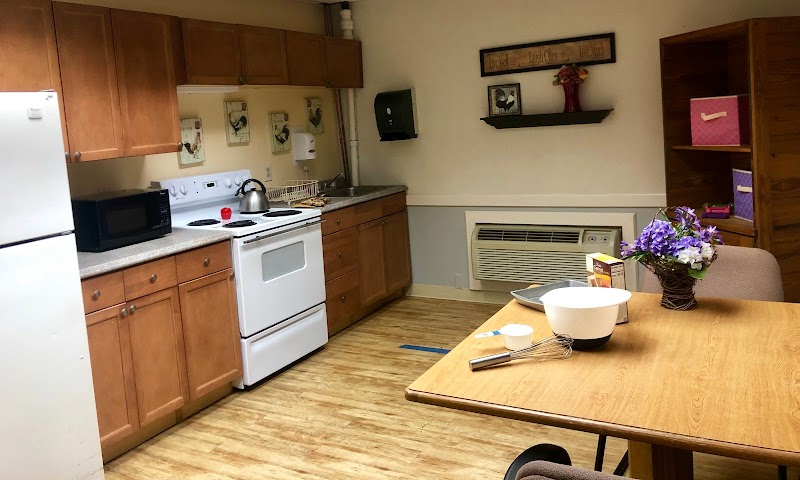
How is Marlborough Hills Rehabilitation & Hlth Care Ctr Staffed?

CMS rates MARLBOROUGH HILLS REHABILITATION & HLTH CARE CTR's staffing level at 2 out of 5 stars, which is below average compared to other nursing homes. Staff turnover is 29%, compared to the Massachusetts average of 46%. This relatively stable workforce can support continuity of care.

What Have Inspectors Found at Marlborough Hills Rehabilitation & Hlth Care Ctr?

State health inspectors documented 39 deficiencies at MARLBOROUGH HILLS REHABILITATION & HLTH CARE CTR during 2022 to 2025. These included: 1 Immediate Jeopardy (the most serious level, indicating potential for serious harm or death), 1 that caused actual resident harm, 36 with potential for harm, and 1 minor or isolated issues. Immediate Jeopardy findings are rare and represent the most serious regulatory concerns. They require immediate corrective action.
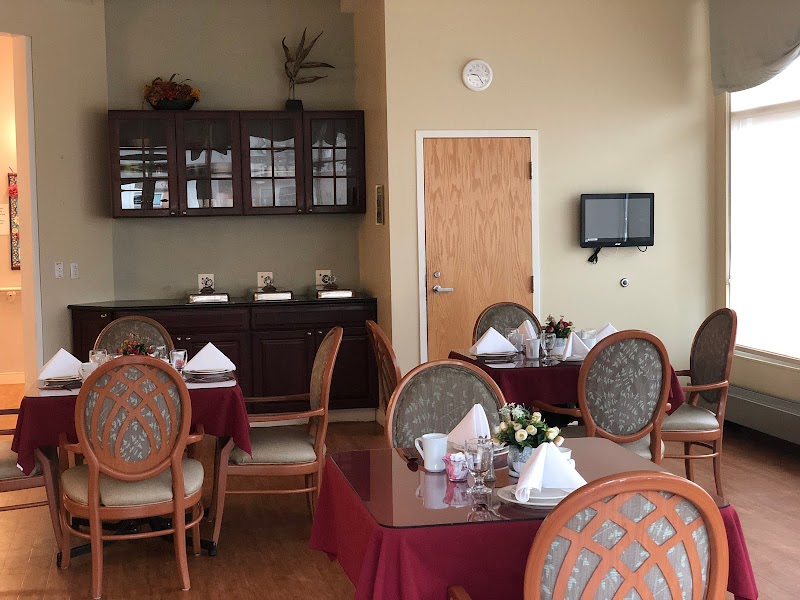
Who Owns and Operates Marlborough Hills Rehabilitation & Hlth Care Ctr?

MARLBOROUGH HILLS REHABILITATION & HLTH CARE CTR is owned by a for-profit company. For-profit facilities operate as businesses with obligations to shareholders or private owners. The facility is operated by ATHENA HEALTHCARE SYSTEMS, a chain that manages multiple nursing homes. With 186 certified beds and approximately 163 residents (about 88% occupancy), it is a mid-sized facility located in MARLBOROUGH, Massachusetts.
How Does Marlborough Hills Rehabilitation & Hlth Care Ctr Compare to Other Massachusetts Nursing Homes?

Compared to the 100 nursing homes in Massachusetts, MARLBOROUGH HILLS REHABILITATION & HLTH CARE CTR's overall rating (1 stars) is below the state average of 2.9, staff turnover (29%) is significantly lower than the state average of 46%, and health inspection rating (1 stars) is much below the national benchmark.

What Should Families Ask When Visiting Marlborough Hills Rehabilitation & Hlth Care Ctr?

Based on this facility's data, families visiting should ask: "What changes have been made since the serious inspection findings, and how are you preventing similar issues?" "Can you walk me through typical staffing levels on day, evening, and night shifts?" "Can I visit during a mealtime to observe dining assistance and food quality?" "How do you handle medical emergencies, and what is your hospital transfer rate?" These questions are particularly relevant given the facility's Immediate Jeopardy citations and the below-average staffing rating.

Is Marlborough Hills Rehabilitation & Hlth Care Ctr Safe?

Based on CMS inspection data, MARLBOROUGH HILLS REHABILITATION & HLTH CARE CTR has documented safety concerns. Inspectors have issued 1 Immediate Jeopardy citation (the most serious violation level indicating risk of serious injury or death). The facility has a 1-star overall rating and ranks #100 of 100 nursing homes in Massachusetts. Families considering this facility should ask detailed questions about what corrective actions have been taken since these incidents.

Do Nurses at Marlborough Hills Rehabilitation & Hlth Care Ctr Stick Around?

Staff at MARLBOROUGH HILLS REHABILITATION & HLTH CARE CTR tend to stick around. With a turnover rate of 29%, the facility is 17 percentage points below the Massachusetts average of 46%. Low turnover is a positive sign. It means caregivers have time to learn each resident's needs, medications, and personal preferences. Consistent staff also notice subtle changes in a resident's condition more quickly.

Was Marlborough Hills Rehabilitation & Hlth Care Ctr Ever Fined?

MARLBOROUGH HILLS REHABILITATION & HLTH CARE CTR has been fined $68,309 across 1 penalty action. This is above the Massachusetts average of $33,762. Fines in this range indicate compliance issues significant enough for CMS to impose meaningful financial consequences. Common causes include delayed correction of deficiencies, repeat violations, or care failures affecting resident safety. Families should ask facility leadership what changes have been made since these penalties.

Is Marlborough Hills Rehabilitation & Hlth Care Ctr on Any Federal Watch List?

MARLBOROUGH HILLS REHABILITATION & HLTH CARE CTR is not on any federal watch list. The most significant is the Special Focus Facility (SFF) program, which identifies the bottom 1% of nursing homes nationally based on persistent, serious quality problems. Not being on this list means the facility has avoided the pattern of deficiencies that triggers enhanced federal oversight. This is a positive indicator, though families should still review the facility's inspection history directly.