RESERVOIR CENTER FOR HEALTH & REHABILITATION, THE
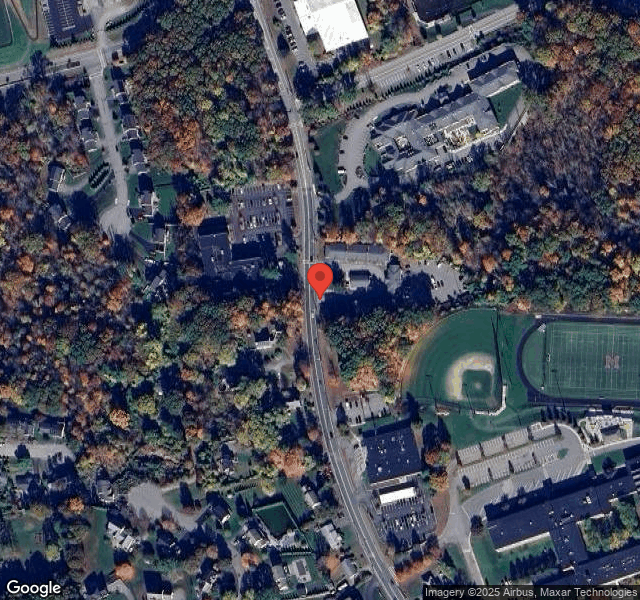
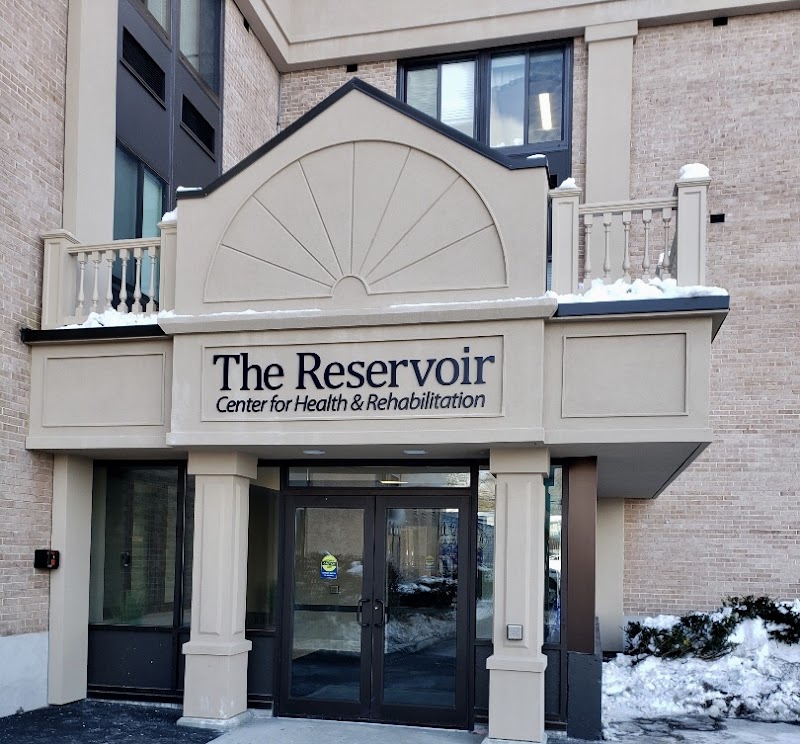
400 BOLTON STREET, MARLBOROUGH, MA 01752 (508) 481-6123
For profit - Limited Liability company 144 Beds NATIONAL HEALTH CARE ASSOCIATES Data: November 2025
Trust Grade
53/100
#175 of 338 in MA
Last Inspection: October 2024

Within standard 12-15 month inspection cycle. Federal law requires annual inspections.

Overview

The Reservoir Center for Health & Rehabilitation has a Trust Grade of C, which means it is average and falls in the middle of the pack for nursing homes. It ranks #175 out of 338 facilities in Massachusetts, placing it in the bottom half, and #38 out of 72 in Middlesex County, indicating that there are better local options. Unfortunately, the facility's trend is worsening, with issues increasing from 7 in 2023 to 17 in 2024. Staffing is average with a rating of 3 out of 5 stars and a turnover rate of 42%, which is consistent with the state average, suggesting that staff stability is not a strong point. The facility has incurred $12,895 in fines, which is concerning, and they have average RN coverage that may not be sufficient to catch all potential problems. Specific incidents from inspections reveal that the facility failed to ensure adequate supervision for residents at risk of falls, leading to serious injuries, and there were issues with food safety, including unlabeled and expired items in the kitchen. Additionally, a staff member was observed not wearing the required eye protection while providing care to a resident, which could pose a risk of infection. While the facility does have some strengths, such as a decent quality measure rating of 4 out of 5 stars, the combination of increasing issues and specific safety concerns is something families should carefully consider.

Trust Score
C
53/100
In Massachusetts
#175/338
Bottom 49%
Safety Record
Moderate
Needs review
Inspections
Getting Worse
7 → 17 violations
Staff Stability
○ Average
42% turnover. Near Massachusetts's 48% average. Typical for the industry.
Penalties
✓ Good
$12,895 in fines. Lower than most Massachusetts facilities. Relatively clean record.
Skilled Nurses
○ Average
Each resident gets 34 minutes of Registered Nurse (RN) attention daily — about average for Massachusetts. RNs are the most trained staff who monitor for health changes.
Violations
⚠ Watch
40 deficiencies on record. Higher than average. Multiple issues found across inspections.
★★★☆☆
3.0
Overall Rating
★★★☆☆
3.0
Staff Levels
★★★★☆
4.0
Care Quality
★★★☆☆
3.0
Inspection Score
Stable
2023: 7 issues
2024: 17 issues

The Good

  • 4-Star Quality Measures · Strong clinical quality outcomes
  • Full Sprinkler Coverage · Fire safety systems throughout facility
  • No fines on record
  • Staff turnover below average (42%)

    6 points below Massachusetts average of 48%

Facility shows strength in quality measures, fire safety.

The Bad

3-Star Overall Rating

Near Massachusetts average (2.9)

Meets federal standards, typical of most facilities

Staff Turnover: 42%

Near Massachusetts avg (46%)

Typical for the industry

Federal Fines: $12,895

Below median ($33,413)

Minor penalties assessed

Chain: NATIONAL HEALTH CARE ASSOCIATES

Part of a multi-facility chain

Ask about local staffing decisions and management

The Ugly 40 deficiencies on record

1 actual harm
Oct 2024 4 deficiencies
CONCERN (D) 📢 Someone Reported This

A family member, employee, or ombudsman was alarmed enough to file a formal complaint

Potential for Harm - no one hurt, but risky conditions existed

Notification of Changes (Tag F0580)

Could have caused harm · This affected 1 resident

Based on records reviewed and interviews, for one of three sampled residents (Resident #1), who required hemodialysis (a life-saving treatment that filters waste products and excess fluid when the kid...

Read full inspector narrative →
Based on records reviewed and interviews, for one of three sampled residents (Resident #1), who required hemodialysis (a life-saving treatment that filters waste products and excess fluid when the kidneys stop working) three times a week, the Facility failed to ensure Resident #1's physician had been notified of a missed dialysis session, when on 09/13/24, due to a transport issue, Resident #1 missed his/her scheduled appointment, and required transfer to the Hospital Emergency Department for evaluation and dialysis treatment. Findings include: Review of the Facility Policy titled Change of Condition Notification, dated as lest revised 04/2023, indicated that the facility will inform the resident, resident 's healthcare provider, and the resident's family/legal representative when there is a change of condition. The Policy further indicated that the facility must consult with the resident's healthcare provider when there is an incident involving the resident which may result in injury or require medical treatment and must be documented in the electronic medical record. Resident #1 was admitted to the Facility in September 2024, diagnoses included End Stage Renal Disease (ESRD) and dependent on hemodialysis three days a week, history of a heart transplant 29 years ago, chronic anemia, and diabetes mellitus. Review of Resident #1's Physician Orders, dated 09/06/24, indicated to provide hemodialysis three times per week on Monday, Wednesday, and Fridays. Review of Resident #1's Nurse Progress Note, dated 09/13/24, indicated that his/her spouse was transporting him/her to dialysis secondary to transportation issues. During a telephone interview on 10/15/24 at 4:13 P.M., Family Member #1 said that she had called the transport company on 09/13/24 asking why they did not pick Resident #1 up for his/her dialysis session and said that they informed her that they had gone to the facility to pick him/her up, waited 15 minutes and even went into the Facility to see if he/she was in the lobby. Family Member #1 said after driving Resident #1 to the appointment, the dialysis center staff were unable to assist with getting Resident #1 out of the care, so Resident #1 was not able to be dialyzed that day (09/13/24) and that she informed nursing staff that he/she missed that day's dialysis session, upon their return to the facility. Review of Resident #1's Medical Record for 09/13/24, indicated that there was no documentation to support that he/she had not received dialysis that day or that his/her Physician was made aware of the missed dialysis session. During a telephone interview on 10/18/24 at 1:24 P.M., the Evening Nurse Supervisor said that she was working on 09/13/24, the evening that Resident #1 spouse transported him/her to and from dialysis, and that she was aware that he/she had not received dialysis. The Evening Supervisor said that to the best of her knowledge, no one informed Resident #1's Physician that he/she missed his/her dialysis session, that missing a dialysis session was very significant and the Physician should have been notified. During a telephone interview on 10/23/24 at 10:02 A.M., the Nurse Practitioner said that she had not been informed of Resident #1 missing a dialysis session and said she would have expected the nursing staff to inform his/her provider. During a telephone interview on 10/23/24 at 2:49 P.M., the Physician said she was unaware that Resident #1 had missed a dialysis session and that missing a dialysis session is important information that should have been reported. During an interview on 10/15/24 at 1:22 P.M., the Assistant Director of Nurses said she was unaware that Resident #1 had missed his/her scheduled dialysis day on 09/13/24 and said that his/her physician/provider should have been notified so that another dialysis session could be arranged. During an interview on 10/15/24 at 2:03 P.M., the Director of Nurses said that she was not aware that Resident #1 missed a dialysis session, or that nursing had not informed his/her physician. The DON said that it is the Facility's expectation that nursing staff inform a resident's physician of a missed dialysis session.
CONCERN (D) 📢 Someone Reported This

A family member, employee, or ombudsman was alarmed enough to file a formal complaint

Potential for Harm - no one hurt, but risky conditions existed

Deficiency F0655 (Tag F0655)

Could have caused harm · This affected 1 resident

**NOTE- TERMS IN BRACKETS HAVE BEEN EDITED TO PROTECT CONFIDENTIALITY** Based on records reviewed and interviews, for two of three sampled residents, (Resident #1 and #2), the facility failed to ensur...

Read full inspector narrative →
**NOTE- TERMS IN BRACKETS HAVE BEEN EDITED TO PROTECT CONFIDENTIALITY** Based on records reviewed and interviews, for two of three sampled residents, (Resident #1 and #2), the facility failed to ensure that upon admission, nursing developed and implemented baseline care plans with interventions, treatments, goals, and outcomes that addressed the residents overall immediate care needs within 48 hours of admission, or in the absence of a baseline care plans that comprehensive care plans had been developed with in 48 hours. Findings include: Review of the Facility Policy titled, Baseline/Comprehensive Person-Centered Care Plan, dated as last revised 3/2023, indicated that a baseline care plan must be developed within 48 hours of admission. The baseline care plan includes at least a minimum of healthcare information necessary to provide proper care for the residents. 1) Resident #1 was admitted to the Facility in September 2024, diagnoses included End Stage Renal Disease (ESRD) and dependent on hemodialysis three days a week, history of a heart transplant 29 years ago, chronic anemia, and diabetes mellitus. Review of Resident #1's Original admission Nursing Evaluation, dated 09/06/24, indicated his/her immediate care needs were identified as follows; -ESRD with hemodialysis three times per week; -Alteration in skin integrity with multiple pressure injuries; -Alteration in comfort; -Alteration in respiratory status requiring oxygen via a nasal cannula; -Alteration in mood related to anxiety and depression with psychotropic medication use; and -Need for physical and occupational therapy. Review of Resident #1's Medical Record indicated there was no documentation to support that either Baseline Care Plans and/or Comprehensive Care Plans were developed and implemented that addressed these areas of concern within 48 hours of his/her admission. 2) Resident #2 was admitted in October 2024, diagnoses included urinary tract infection, acute on chronic respiratory distress, chronic obstructive pulmonary disease (COPD), malnutrition, and urinary retention with an indwelling catheter in place. Review of Resident #2's Discharge summary, dated [DATE], indicated his/her immediate care needs were identified as followed; -Urinary tract infection, urinary retention with an indwelling catheter in place; -Acute on chronic respiratory distress with use of multiple inhalers; -Diabetes Mellitus with risk for skin breakdown; and -Risk for abnormal bleeding related to anticoagulant use. Review of Resident #2's Medical Record indicated there was no documentation to support that either Baseline Care Plans and/or Comprehensive Care Plans that addressed these areas of concern, were developed and implemented within 48 hours of his/her admission. During a telephone interview on 10/18/24 at 1:24 P.M., the Evening Supervisor said that she was not very good at care plans and only puts in the fall risk and activities of daily living care plans upon admission. The Evening Supervisor said that the Nurse responsible for completing the Nursing admission Packet are responsible for completing the Baseline Care Plans for the resident. During an interview on 10/15/24 at 1:22 P.M., the Assistant Director of Nurses (ADON) said that the Unit Manager is usually responsible for developing a resident's baseline care plan and said that management staff does a chart check within 48 hours of admission. The ADON said that it is the Facility's expectation for nursing to initiate a resident's baseline care plan upon admission and must be completed within 48 hours of admission. During an interview on 10/15/24 at 2:03 P.M., the Director of Nurses (DON) said that it is the responsibility of the nurses to initiate and complete baseline care plans for the residents and said that the management team is responsible for doing chart audits to ensure completion. The DON said that it is the Facility's expectation to complete each resident's baseline care plans within 48 hours of admission per the facility policy.
CONCERN (D) 📢 Someone Reported This

A family member, employee, or ombudsman was alarmed enough to file a formal complaint

Potential for Harm - no one hurt, but risky conditions existed

Deficiency F0698 (Tag F0698)

Could have caused harm · This affected 1 resident

**NOTE- TERMS IN BRACKETS HAVE BEEN EDITED TO PROTECT CONFIDENTIALITY** Based on records reviewed and interviews, for one of three sampled residents (Resident #1), who required hemodialysis (a life-sa...

Read full inspector narrative →
**NOTE- TERMS IN BRACKETS HAVE BEEN EDITED TO PROTECT CONFIDENTIALITY** Based on records reviewed and interviews, for one of three sampled residents (Resident #1), who required hemodialysis (a life-saving treatment that filters waste products and excess fluid when the kidneys stop working) three times a week for end stage renal disease, the facility failed to ensure Resident #1 received the care and services consistent with his/her care plan, when Resident #1 missed a dialysis session because of a transportation issue, and days later required transfer to the Hospital Emergency Department (ED) for evaluation of changes in his/her mental status, and required dialysis treatment. Findings include: Review of the Facility Policy titled Hemodialysis, dated as last revised 6/2023, indicated that a resident who is admitted to the facility requiring hemodialysis, with their consent, will have their dialysis needs met. The Policy further indicated that the resident would leave the facility to obtain hemodialysis to a dialysis center agreed upon by the resident and the physician and the resident will be transported via wheelchair/stretcher to and from the facility by inside and outside Transportation Company on their assigned hemodialysis days. Review of the Facility's Outpatient Dialysis Services Agreement, dated 03/2022, indicated that the Nursing Facility shall have the responsibility for arranging suitable transportation of the resident to and from the dialysis unit, including the selection of the mode of transportation, qualified personnel to accompany the resident and transportation equipment usually associated with this type of transport or referral including the use of appropriate life support measures in accordance with the applicable federal and state laws and regulations. Resident #1 was admitted to the Facility in September 2024, diagnoses included End Stage Renal Disease (ESRD) and dependent on hemodialysis three days a week, history of a heart transplant 29 years ago, chronic anemia, and diabetes mellitus. Review of Resident #1's Hospital Discharge summary, dated [DATE], indicated he/she had dialysis last on 09/11/24 and was due to have his/her next session via outpatient on 09/13/24. Review of Resident #1's Physician Orders, dated 09/12/24, indicated to provide Hemodialysis three times per week, Monday, Wednesday, and Fridays. Review of Resident #1's Nurse Progress Note, dated 09/13/24, indicated that his/her spouse was transporting him/her to dialysis secondary to transportation issues. During a telephone interview on 10/15/24 at 4:13 P.M., Family Member #1 said after driving Resident #1 to his/her dialysis appointment, because of an issue with the transportation company, the dialysis center staff told her that they were unable to help assist with getting Resident #1 out of the car, so he/she was not able to get dialysis (09/13/24). Family Member #1 said she brought Resident #1 back to the facility and informed nursing staff that Resident #1 had not gotten his/her dialysis treatment that day. Review of Resident #1's Medical Record Nursing Progress Notes for 09/13/24, indicated that there was no documentation to support that he/she had not received his/her dialysis treatment that day or that his/her Physician was made aware of the missed dialysis session. Review of Resident #1's Nurse Practitioner (NP) Progress Note, dated 09/16/24, indicated she was called to assess Resident #1 that morning secondary to him/her being unresponsive. The Note indicated that he/she had received an increased dose of Oxycodone (narcotic), he/she was later checked and found to be unresponsive, Narcan was administered without effect and Resident #1 was transported to the Hospital Emergency Department for evaluation. Review of Resident #1's Hospital Emergency Department report, dated 09/16/24, indicated that he/she was found to have an altered mental status and was hypoxic. The ED report indicated he/she was unable to engage in conversation, his/her eyes were closed and having clonus (neurological condition that causes involuntary, rhythmic contractions and relaxations) and jerky movement. Resident #1's Potassium was 6.1 milliequivalents per liter (mEq/L, normal range is 3.5 to 5.2), and Resident #1 required emergent dialysis treatment. During a telephone interview on 10/23/24 at 10:02 A.M., the Nurse Practitioner said that she had not been informed of Resident #1 missing a dialysis session on 09/13/24 and said she would have expected the nursing staff to inform his/her provider. During a telephone interview on 10/23/24 at 2:49 P.M., the Physician said she was unaware that Resident #1 had missed a dialysis session on 09/13/24 and said missing a dialysis session is very significant. During an interview on 10/15/24 at 1:22 P.M., the Assistant Director of Nurses said she was unaware that Resident #1 had missed his/her scheduled dialysis day and that his/her physician should have been notified so that another dialysis session could be arranged. During an interview on 10/15/24 at 2:03 P.M., the Director of Nurses said that she was not aware that Resident #1 missed a dialysis session, and that nursing had not informed his/her physician. The DON said that it is the Facility's expectation that nursing staff inform a resident's physician of a missed dialysis session and ensure appropriate transportation is set-up for each resident requiring dialysis.
CONCERN (D) 📢 Someone Reported This

A family member, employee, or ombudsman was alarmed enough to file a formal complaint

Potential for Harm - no one hurt, but risky conditions existed

Deficiency F0760 (Tag F0760)

Could have caused harm · This affected 1 resident

**NOTE- TERMS IN BRACKETS HAVE BEEN EDITED TO PROTECT CONFIDENTIALITY** Based on record reviews and interviews for one of three sampled residents (Resident #1), who upon admission and then re-admissio...

Read full inspector narrative →
**NOTE- TERMS IN BRACKETS HAVE BEEN EDITED TO PROTECT CONFIDENTIALITY** Based on record reviews and interviews for one of three sampled residents (Resident #1), who upon admission and then re-admission, the Facility failed to ensure he/she was free from a significant medication errors, when medications from his/her Hospital Discharge Summary (s) were not accurately reconciled by Nursing and he/she was administered the incorrect dosage of medications for multiple days. Findings include: Review of the facility Policy titled, Medication Reconciliation, dated as last revised 04/2023, indicated that the medication reconciliation process is to be completed at admission, re-admission, and discharge by the nursing staff. The Policy further indicated that the purpose is to identify clarifications and discrepancies that needed to be resolved with the primary care physician to ensure the resident's safety and prevent negative outcomes as related to medication management. Review of the Facility Policy titled Medication Error, dated as last revised 5/2023, indicated that a medication error is a discrepancy between what the healthcare provider ordered and what the resident received. Resident #1 was admitted to the Facility in September 2024, diagnoses included End Stage Renal Disease (ESRD) and dependent on hemodialysis three days a week, history of a heart transplant 29 years ago, chronic anemia, and diabetes mellitus. Resident #1 was re-hospitalized from the Facility and readmitted again days later in relation to a fall with head strike and multiple fractured ribs. A) Review of Resident #1's Hospital Discharge (DC) Summary, dated 09/06/24, indicated that the following medications were being administered while hospitalized ; -Neurontin (Gabapentin, anticonvulsant) 300 milligram (mg) capsule (total of 300 mg a day, three times a week), take by mouth three (3) times a week on Monday, Wednesday, and Friday (Dialysis days, start taking on 09/09/24). -Nitroglycerin 2 percent (%) ointment, place 0.05 inch onto the skin two (2) times a day, once in the morning and once in the afternoon, as a scheduled dose. However, review of Resident #1's Physician's Orders, dated 09/06/24, indicated to administer the following; -Neurontin 300 mg capsule, take by mouth 3 times a day (total of 900 mg, every day). -Nitroglycerin 2 % ointment, place 0.05 inch onto the skin every 15 minutes PRN (as needed) for chest pain, may give up to 2 times per day, therefore it was only administered as needed, and not scheduled per his/her Hospital DC Summary. Review of Resident #1's Medication Administration Record (MAR), dated 09/07/24 through 09/10/24, indicated he/she received nine (9) doses of Neurontin 300 mg (for a total of 2700 mg) but he/she should have only received one dose on 09/09/24 (for a total of 300 mg) per his/her physician's order. Review of Resident #1's Medication Reconciliation Form, dated 09/06/24, indicated that medications were reviewed with the on-call provider and no issues had been identified. During a telephone interview on 10/17/24 at 10:01 A.M., Nurse #1 said that she usually looks at the Hospital Discharge Summary medication list and then calls the on-call provider, unless there is a provider in-house at the time of admission. Nurse #1 said she does not recall any details of Resident #1's medication reconciliation and said she did not notice the discrepancy with his/her Neurontin. During an interview on 10/15/24 at 1:22 P.M., the Assistant Director of Nurses (ADON) said that medication reconciliation consisted of Nursing matching medications lists from all sources and clarifying any discrepancies with the provider. B) Review of Resident #1's Hospital Discharge summary, dated [DATE], indicated that the following medications were being administered while hospitalized ; -Tacrolimus (helps to prevent organ rejection) one (1) mg capsule, take one capsule by mouth 2 times a day (for a total of 2 mg daily); However, review of Resident #1's Medication Administration Record (MAR), dated 09/13/24 through 09/16/24, indicated the following: - there were duplicate physician's orders for the Tacrolimus 1 mg capsule, take one capsule by mouth 2 times a day. -both orders on the MAR for the Tacrolimus had been signed off as being administered by nurses on 09/13/24 and 09/15/24, - therefore Resident #1 was being administered a total of 4 mg a day, not 2 mg a day, per the Hospital DC summary. During a telephone interview on 10/17/24 at 2:36 P.M., Nurse #2 said that the only medication she remembered being questioned upon his/her readmission was Resident #1's Plavix (used to prevent blood clots). Nurse #2 said she did not recall seeing a duplicate order for his/her Tacrolimus upon admission. During a telephone interview on 10/17/24 at 1:50 P.M., the DON said that she was not aware that there were any medication errors made with the admission or readmission with Resident #1's reconciliation and/or transcription of medications. During an interview on 10/15/24 at 2:03 P.M., the Director of Nurses (DON) said that she was not aware of any issues with Resident #1's medication reconciliation process for his/her admission or readmission. The DON said that it is the Facility's expectation to include having two licensed nurses complete and sign any resident's medication reconciliation upon admission and readmission and said the nurse management will do a chart audit within 48 hours to ensure accuracy.
Oct 2024 13 deficiencies
CONCERN (D)

Potential for Harm - no one hurt, but risky conditions existed

Resident Rights (Tag F0550)

Could have caused harm · This affected 1 resident

Based on observation, interview, and policy review, the facility failed to provide a dignified dining experience for one Resident (#79), out of a total sample of 27 residents. Specifically, the facili...

Read full inspector narrative →
Based on observation, interview, and policy review, the facility failed to provide a dignified dining experience for one Resident (#79), out of a total sample of 27 residents. Specifically, the facility staff remained standing and stood over Resident #79 while assisting the Resident during a breakfast meal. Findngs include: Resident #79 was admitted to the facility in April 2024, with diagnoses including Dementia (a group of conditions characterized by impairment of at least two brain functions, such as memory and loss of judgment) and Malnutrition (condition caused by not getting enough calories or the right amount of key nutrients, such as vitamins and minerals, that are needed for health). Review of Resident #79's MDS Assessment, dated 7/30/24, indicated that the Resident was moderately cognitively impaired as evidenced by a Brief Interview for Mental Status (BIMS) score of 9 out of a total 15. On 9/26/24 at 9:13 A.M., the surveyor observed Resident #79 lying in bed with the head of the bed elevated. The surveyor also observed Certified Nurses Aide (CNA) #6 standing over Resident #79 while assisting him/her with the breakfast meal. During an interview and observation at the time, Unit Manager (UM) #2 said that CNA #6 should be seated next to the Resident and not standing over him/her while assisting with the breakfast meal. Review of the facility document titled CNA Standard of Care Information Sheet, updated March 2023, indicated the following: -Each resident is always treated with dignity and respect. -Allow ample time for feeding - sit at eye level to feed if assistance is needed. During an interview on 9/30/24 at 1:40 P.M., the Director of Nursing (DON) said that the facility provided training to the CNAs using the CNA Standard of Care Information Sheet. The DON said that CNAs should be seated while assisting Residents with meals and not standing over the Residents while assisting with meals.
CONCERN (D)

Potential for Harm - no one hurt, but risky conditions existed

Notification of Changes (Tag F0580)

Could have caused harm · This affected 1 resident

2. Resident #79 was admitted to the facility in April of 2024 with diagnoses including Urinary Retention (difficulty urinating and completely emptying the bladder), and Obstructive and Reflux Uropathy...

Read full inspector narrative →
2. Resident #79 was admitted to the facility in April of 2024 with diagnoses including Urinary Retention (difficulty urinating and completely emptying the bladder), and Obstructive and Reflux Uropathy (a disorder of the urinary tract that occurs due to obstructed urinary flow and can be either structural or functional). Review of the facility policy titled Change of Condition Notification last revised in April 2023, indicated the following: -The facility will inform the Resident, the Resident's healthcare provider, and the Resident's family/legal representative when there is a change in condition. Review of the active Physician's orders indicated the following: -Indwelling urinary catheter 20 French with a 10 cc (cubic centimeter) balloon to straight drainage for urinary retention, initiated 8/24/24. Review of the Resident's medical record indicated a Urology Consult Form dated 9/12/24, that indicated: -a new 16 French (Fr) 10 cc balloon indwelling catheter had been placed. -the Resident was to return to the Urologist in four weeks for a catheter change. Further review of the Urology Consult Form did not indicate that the Physician had been notified of the change in Resident #75's treatment plan. Review of the Nurses Progress Notes for September 2024, indicated no evidence that the Physician had been notified of the change in Resident #75's treatment plan relative to the Urology consult. On 9/26/24 at 8:47 A.M., the surveyor, Certified Nurses Aide (CNA) #6 and Unit Manager (UM) #2 observed that Resident #75 had a 16 Fr/ 10 cc balloon indwelling urinary catheter in place. During an interview and record review with UM #2 on 9/26/24 at 1:45 P.M., UM #2 said that when a Resident goes to an outside Provider for an appointment, a Consult Form is sent with the Resident so that the outside Provider can communicate any treatment changes back to the facility. UM #2 said that usually the Consult Form or the information documented on the Consult Form is provided to the Resident's Physician and a notation is made on the Consult Form indicating the information had been communicated to the Physician. UM #2 said that Resident #75 had gone out to a Urology appointment on 9/12/24. UM #2 said that she was not sure if the Physician had been made aware of Resident #75's treatment change because there was no notation made on the Consult Form and the Physician orders for Resident #75 had not been updated. UM #2 also said that there was no evidence documented in the Nursing Progress Notes that indicated the Physician had been notified of the change in treatment for Resident #75. UM #2 said that she would notify Resident #75's Physician of the Urology Consult Form and obtain a Physician's order for the correct treatment plan for the Resident. Based on observation, interview, record and policy reviewed, the facility failed to notify the Physician/Nurse Practitioner (NP) of the need to alter treatments, based on specialist medical practitioners' recommendations for two Residents (#84 and #79), out of a total sample of 27 residents. Specifically, the facility failed to notify the Physician/NP of: 1. a recommended change in treatment from Resident #84's Wound Care Consultant to cleanse two Stage Four pressure ulcers (PUs: full-thickness skin and tissue loss, usually over a bony prominence, with exposed or directly palpable fascia, muscle, tendon, ligament, cartilage or bone in the ulcer), which increased the Resident's risk for infection and delayed healing. 2. a recommended change in treatment from Resident #79's Urologist (Physician who specializes in treatment of the urinary tract) relative to the size change of the Resident's indwelling urinary catheter, increasing the Resident's risk for indwelling urinary catheter associated complications. Findings include: 1. Resident #84 was admitted to the facility in March 2021, with diagnoses including Other Paralytic Syndrome (complete or partial weakness of the body or part of the body, which can occur suddenly or gradually as a result of conditions that affect the brain, spinal cord, or nerves) following Cerebral Infarction (stroke: damage to tissues in the brain caused by blood clots, disrupted blood supply and restricted oxygen supply to the specific area). Review of Resident #84's Chronic Wound Care Plan, initiated 4/10/24, indicated the following: -The Resident required Enhanced Barrier Precautions (EBPs: risk-based approach of personal protective equipment [PPE] use to reduce the spread of organisms during high contact resident care, including wound care) due to chronic wound - pressure ulcer. Review of Resident #84's Pressure Ulcer Care Plan, initiated 11/2/23, indicated the following: -The Resident had Stage Four PUs to his/her right and left buttocks. -Staff were to monitor for signs and symptoms of wound infection. -Staff were to update the Physician with changes. Review of Resident #84's Bowel Incontinence Care Plan, initiated 8/6/21, indicated the following: -The Resident had bowel incontinence related to paraplegia (paralysis of legs and lower body). -The Resident used disposable briefs. -The Resident required facility staff to provide bowel incontinence care. Review of two active Physician orders, dated 3/5/24, indicated the following relative to Resident #84's PU care: -Treatment to left buttock wound: 1. NS (Normal Saline: sterile solution) wash. 2. Pat dry . -Treatment to right buttock wound: 1. NS wash. 2. Pat dry . Review of Resident #84's Wound Center Consult Report, dated 8/6/24, indicated the following: -The Physician Assistant (PA) Wound Care Specialist assessed Resident #84 that same day relative to care of right and left ischial (lower back region of the hip bone) ulcers. -A recommendation was made by the PA Wound Care Specialist to cleanse the ulcers by washing them daily with soap and water. Review of Resident #84's clinical record indicated no evidence that the facility notified the Physician/NP of the PA Wound Care Specialist's recommendation to wash the Resident's right and left ischial ulcers daily with soap and water (a change from the NS). On 10/1/24 at 10:45 A.M., Surveyor #2 observed the following during PU care provided by Nurse #2 to Resident #84: -Nurse #2 removed the dressings from each of the Resident's ischial regions. -Two open ulcers were present, one on each of the Resident's ischial regions. -Nurse #2 cleansed both open ulcers using NS before patting them dry and applying the new dressings. Surveyor #2 did not observe Nurse #2 use soap and water to cleanse either open ulcers during the PU care observation. During a telephone interview on 10/2/24 at 11:38 A.M., the PA Wound Care Specialist said she assessed Resident #84 at the Wound Center on 8/6/24, and recommended daily soap and water cleansing to the Resident's right and left ischial ulcers. The PA Wound Care Specialist said she recommended soap and water cleansing versus the use of wound cleanser because soap and water decreases the bacterial load (quantity of bacteria present in a wound that may delay healing) in a wound more than a NS wash. The PA Wound Care Specialist said sometimes wound dressings needed to be changed more than once a day, in order to keep the wounds clean for Residents due to incontinence or a significant amount of wound drainage. The PA Wound Care Specialist further said if Resident #84 required dressing changes more frequently than once a day, that was fine, and that each time the dressing was changed, the ulcers should be cleansed with soap and water to decrease the bacterial load. During an interview on 10/2/24 at 11:56 A.M. with NP #1 and NP #2, NP #1 said she worked at the facility three days per week and NP #2 said she worked at the facility two days per week. NP #1 said when specialist consultants made treatment recommendations for residents, she usually agreed with the recommendations because the area of consultation was that consultant's specialty. NP #1 said when Residents returned to the facility from a specialty consultation, the Nurse receiving the consultation recommendations would notify her or NP #2 of the treatment recommendations so that orders could be obtained. NP #1 also said if she was in the facility when a Resident returned with consultation recommendations, the Nurse would show her the consult report form so she could review it, she would sign the consult report form, and then provide instruction to the Nurse on any new orders. At the time, NP #2 said that if the NPs were not in the facility when wound consultation recommendations came back, the Nurse was to notify them by telephone to obtain orders. The surveyor reviewed Resident #84's Wound Center Consult Report, dated 8/6/24, including the recommendation for cleansing the Resident's PUs with soap and water with NP #1 and NP #2. NP #1 and NP #2 both said they did not recall being notified of the PA Wound Care Specialist's recommendation to cleanse the Resident's PUs with soap and water. NP #2 said the PA Wound Care Specialist's recommendation should have been communicated by the facility so that orders could have been obtained to implement the recommendation into the Resident's PU treatment. During an interview on 10/2/24 at 1:00 P.M. Unit Manager (UM) #1 said she was the designated Wound Nurse for the facility and would always talk to NP #1 about Residents' wound care treatment recommendations. UM #1 said Resident #84 was assessed at the Wound Center on 8/6/24, and that she was aware of the PA Wound Care Specialist's recommendation to cleanse the Resident's PUs with soap and water, but that the Nurses always just used wound cleanser instead at the facility. UM #1 said that Resident #84 required dressing changes more frequently than once a day due to significant wound drainage and fecal incontinence. UM #1 said she did not consider Resident #84 as at risk for acquiring wound infections. No evidence that either of the facility's NPs were notified of the Wound Center's PA Wound Care Specialist recommendation to cleanse Resident #84's PUs with soap and water was provided to the surveyor by the end of the survey period.
CONCERN (D)

Potential for Harm - no one hurt, but risky conditions existed

Comprehensive Care Plan (Tag F0656)

Could have caused harm · This affected 1 resident

Based on interview, record and policy review, the facility failed to ensure its staff implement the plan of care for one Resident (#75) relative to weight measurements, out of a total sample of 27 res...

Read full inspector narrative →
Based on interview, record and policy review, the facility failed to ensure its staff implement the plan of care for one Resident (#75) relative to weight measurements, out of a total sample of 27 residents. Specifically, the facility staff failed to perform weight measurements for Resident #75 when the Resident had been re-admitted to the facility with a gastrostomy tube (G-tube: a small flexible tube surgically inserted into the stomach through the abdomen to provide nutrition, fluids, and medicine), a diagnosis of Malnutrition and a significant change in condition. Findings include: Resident #75 was admitted to the facility in August 2024, with diagnoses of G-tube placement and Malnutrition (condition caused by not getting enough calories or the right amount of key nutrients, such as vitamins and minerals, that are needed for health). Review of the facility policy titled Weight Policy and Procedure last revised January 2023, indicated the following: -Each resident's weight will be obtained and documented upon admission, re-admission, monthly, or significant change in condition, and documented in the electronic medical record. On 9/25/24 at 9:40 A.M. the surveyor observed Resident #75 lying in bed with enteral (through a G-tube to the stomach) nutrition infusing through the Resident's G-tube. Review of the Nursing Progress Note, dated 8/30/24, indicated: -Resident #75 returned to the facility after a 28-day hospital admission -G-tube was placed during hospitalization -Resident experienced a significant change in status due to decline in activities of daily living (ADL: a term used to describe fundamental skills needed to care for oneself such as bathing, dressing, eating, and grooming) status, weight loss, and a new pressure ulcer. Review of the Nutritional Evaluation effective 9/4/24 indicated the following recommendations: -Monitor/evaluate weight changes -Notify Registered Dietitian and Physician of significant weight changes -Obtain/record weights as indicated Review of the active Physician orders indicated the following: -Weekly weight every day shift, every Tuesday. Notify Physician/Nurse Practitioner if weight fluctuates by -5 pounds in one week, initiated 8/31/24 Review of the facility weight record indicated the facility had obtained weight measurements for the weeks of 8/30/24, 9/6/24, and 9/14/24 for Resident #75. Further review of the facility weight record indicated no evidence that Resident #75 had been weighed weekly on 9/20/24 and 9/27/24 as ordered. During an interview on 10/1/24 at 10:35 A.M., Certified Nurse Aide (CNA) #6 said that he worked at the facility full time and often provided care for Resident #75. CNA #6 said that he was not sure how often Resident #75 should have been weighed. CNA #6 said that at the beginning of each month a weight list is posted at the nurses station that lists all of the residents on the unit and when the residents are supposed to be weighed. CNA #6 also said that the CNAs are responsible for obtaining the weight measurements for the residents. During an interview on 10/1/24 at 12:12 P.M., Nurse #6 said that Resident #75 had a Physician's order to be weighed weekly. Nurse #6 also said that the Resident had not been weighed on 9/20/24 and 9/27/24 as ordered, but should have been weighed.
CONCERN (D)

Potential for Harm - no one hurt, but risky conditions existed

Deficiency F0657 (Tag F0657)

Could have caused harm · This affected 1 resident

**NOTE- TERMS IN BRACKETS HAVE BEEN EDITED TO PROTECT CONFIDENTIALITY** 2. Resident #9 was admitted to the facility in July 2024, with diagnoses including Schizoaffective Disorder (chronic mental heal...

Read full inspector narrative →
**NOTE- TERMS IN BRACKETS HAVE BEEN EDITED TO PROTECT CONFIDENTIALITY** 2. Resident #9 was admitted to the facility in July 2024, with diagnoses including Schizoaffective Disorder (chronic mental health condition characterized primarily by symptoms of Schizophrenia, such as hallucinations or delusions, and symptoms of a mood disorder, such as mania and depression), and Congenital Hydrocephalus (a birth defect that causes a buildup of cerebrospinal fluid (CSF) in the brain). Review of the Minimum Data Set (MDS) assessment dated [DATE], indicated Resident #9: -was moderately cognitively impaired as evidenced by a Brief Interview for Mental Status (BIMS) score of 12 out of a possible total 15, -had a Health Care Proxy (HCP- the person chosen as the healthcare decision maker when the individual is unable to do so for themself) but it was not activated (evaluation of capacity by a Physician that a Resident is unable to make medical decisions). Review of Resident #9's medical record indicated the following: -A comprehensive MDS Assessment, dated 7/8/24, had been completed. -Resident #9 was transferred to the hospital on 7/8/24. -Resident #9 returned to the facility on 7/23/24. Review of Resident #9's Plan of Care indicated that the care plans were initiated on 7/8/24. During an interview on 9/25/24 at 1:51 P.M., Resident #9 said that he/she wanted to explore options for discharge to the community, but he/she had not spoken with anyone in the facility about his/her options and had not met with the SW, but would like to. Further review of Resident #9's medical record did not indicate evidence of the plan of care being reviewed with the Resident after his/her re-admission to the facility on 7/23/24. During an interview on 9/26/24 at 4:05 P.M., the SW said that there was no evidence that Resident #9 participated in any care plan meetings or that a discussion about his/her plan of care occurred. Please Refer to F660 Based on record review, and interview, the facility failed to ensure that comprehensive care plans were reviewed and revised by the interdisciplinary team (IDT) for two Residents (#40 and #9), out of a total sample of 27 residents. Specifically, facility staff failed to review and revise comprehensive care plans following: 1. one comprehensive and one quarterly review assessment for Resident #40. 2. one comprehensive review assessment for Resident #9. Findings include: 1. Resident #40 was admitted to the facility in June 2023, with diagnoses including Chronic Obstructive Pulmonary Disease (COPD: group of lung diseases that worsen over time and prevent air flow to the lungs causing difficulty breathing). Review of Resident #40's clinical record indicated the following: -A comprehensive review assessment, dated 5/24/24, had been completed. -A quarterly review assessment, dated 8/17/24, had been completed. Further review of Resident #40's clinical record included no evidence the Resident's comprehensive care plan had been reviewed and revised by the IDT following either the 5/24/24 and 8/17/24 assessments. During an interview on 10/2/24 at 1:45 P.M., the Social Worker (SW) said that Resident #40 had been scheduled for an IDT meeting to review and revise his/her care plan following the comprehensive review assessment, but that the IDT meeting did not occur because the SW was unavailable and the meeting was not rescheduled. The SW also said that an IDT meeting to review and revise Resident #40's comprehensive care plan following the quarterly review assessment had not been scheduled, so it was never done.
CONCERN (D)

Potential for Harm - no one hurt, but risky conditions existed

Deficiency F0660 (Tag F0660)

Could have caused harm · This affected 1 resident

**NOTE- TERMS IN BRACKETS HAVE BEEN EDITED TO PROTECT CONFIDENTIALITY** Based on interview, policy and record review, the facility failed to develop and implement an effective discharge planning proce...

Read full inspector narrative →
**NOTE- TERMS IN BRACKETS HAVE BEEN EDITED TO PROTECT CONFIDENTIALITY** Based on interview, policy and record review, the facility failed to develop and implement an effective discharge planning process for one Resident (#9), out of a total sample of 27 residents. Specifically, for Resident #9, the facility failed to identify the discharge needs and involve the Resident in the development of a discharge plan. Findings include: Review of the facility policy titled Team Based Assessment (TBA), revised February 2023, indicated: -Within two to three business days of admission, an Interdisciplinary Team (IDT) meeting will be scheduled . -Together with the residents, their family or responsible party, the following members of the IDT will be present: Licensed Rehab Therapist, Licensed Nursing Manager Designee, MDS (Minimum Data Set) Coordinator, Social Worker, Business Office Manager . -The meeting will address the following: >Resident input: Expectation of their stay, anticipation of discharge, and Resident's goals for discharge >Social Service needs: anticipation of need for community services, VNA (Visiting Nurse Association), assessment of prior living conditions and plan for equipment needs following discharge; assessment of caregiver involvement following discharge, initiation of a working discharge plan -At the culmination of the meeting, the resident/point-person/responsible party and the IDT will: >Have a clear understanding of the goals needed to reach a successful discharge >Have been given an estimated length of stay -Summary of the TBA will be documented in the Weekly Skilled Review/Discharge Plan and Prep Guide in PCC (Point Click Care- electronic health record). Resident #9 was admitted to the facility in July 2024, with diagnoses including Schizoaffective Disorder (chronic mental health condition characterized primarily by symptoms of schizophrenia, such as hallucinations or delusions, and symptoms of a mood disorder, such as mania and depression) and Congenital Hydrocephalus (a birth defect that causes building of cerebrospinal fluid in the brain). Review of the Minimum Data Set (MDS) assessment dated [DATE] indicated the following: -Resident participated in the assessment. -Resident was moderately cognitively impaired as evidenced by a Brief Interview for Mental Status (BIMS) score of 12 out of a possible total 15. -Resident's goal was to discharge to the community. -Active discharge planning was occurring. -A referral had been made to the Local Contact Agency. During an interview on 9/25/24 at 1:51 P.M., Resident #9 said that he/she wanted to explore options for discharge to the community and previously had an apartment he/she wanted to return to with nursing and counseling support services. Resident #9 further said that he/she had not spoken with anyone in the facility about his/her discharge options and had not met with the Social Worker (SW), but would like to. Review of the SW Initial assessment dated [DATE], indicated: -Resident #9 was their own responsible party. -Resident supplied answers for the assessment. -Resident's overall goal was to discharge to the community. -Referral had previously been made to the Local Contact Agency. -Discharge plan with goal to discharge to the community was initiated. Review of the Plan of Care relative to the need for safe and appropriate discharge, initiated 7/8/24 and last revised 9/4/24, indicated the following: -Resident's goal to discharge to the community was initiated 7/8/24 -Resident goal was revised to remain in the facility on 9/4/24. -Intervention to assess discharge needs beginning on day of admission, at initial care plan meeting, and through the stay was currently active. -Intervention to assess the need for home health services and community resources as appropriate was resolved on 9/4/24. -Intervention to assess learning needs and barriers toward discharge planning was resolved on 9/4/24. Review of the SW Social Determinants of Health Note dated 9/4/24, did not indicate any discussion regarding return to the community with Resident #9 or why the Plan of Care for need of safe and appropriate discharge had been revised for the Resident to remain in the nursing facility. Review of the Behavioral Healthcare Note dated 9/11/24, indicated the Resident continues to wish he/she could be living independently with wrap around support again. During an interview on 9/26/24 at 8:20 A.M., the Social Worker (SW) said that Resident #9 was previously living in a setting where he/she needed to be able to ambulate and perform ADLs (activities of daily living, i.e. bathing, dressing, toileting) to safely return to the community. The SW said the Resident had homecare services in the community setting and had an involved and supportive family member who was a Health Care Proxy. The SW said that Resident #9 was his/her own responsible party and the HCP was not invoked. During a follow-up interview with the Director of Nursing (DON) and the SW on 9/26/24 at 4:05 P.M., the DON said that when Resident #9 admitted to the facility, the Resident was likely to require long term care as the Resident lived in a group home for many years, but the group home was not able to take the Resident back because the group home could not care for him/her. The SW said that there was no evidence that Resident #9 participated in any meetings relative to discharge planning or that a Team Based Assessment had occurred. Further review of Resident #9's medical record did not indicate evidence of evaluation for discharge planning, inclusion of Resident #9 in discussion about goals of discharge, establishment of a working discharge plan, discussion with the Resident's prior group home, what Local Contact Agency to which a referral had been made, or why return to the community was not feasible. The facility did not provide any further information related to discharge planning for Resident #9 to the survey team at the time of survey exit.
CONCERN (D)

Potential for Harm - no one hurt, but risky conditions existed

Incontinence Care (Tag F0690)

Could have caused harm · This affected 1 resident

**NOTE- TERMS IN BRACKETS HAVE BEEN EDITED TO PROTECT CONFIDENTIALITY** Based on observation, interview, and record review, the facility failed to provide care and services according to professional s...

Read full inspector narrative →
**NOTE- TERMS IN BRACKETS HAVE BEEN EDITED TO PROTECT CONFIDENTIALITY** Based on observation, interview, and record review, the facility failed to provide care and services according to professional standards of practice for two Residents (#124 and #84), out of a total sample of 27 residents, with an indwelling urinary catheter (Foley Catheter/Foley - a tube placed through the urethra into the bladder to drain urine) increasing the Residents' risk for indwelling urinary catheter complications. Specifically, the facility staff failed to: 1. For Resident #124, follow Physician orders to insert the Foley catheter with the correct balloon size and switch the Foley catheter bag from straight drainage to leg bag upon the Resident getting out of bed in the morning. 2. For Resident #84, obtain a Physician order to include indications, the type and amount of solution required to flush (manual injection with normal saline to clean or clear the catheter) and irrigate the Resident's indwelling urinary catheter. Findings include: Review of the facility's policy titled Urinary Catheterization, revised April 2024, indicated: -Urinary catheterizations are the aseptic process of inserting a sterile hollow pliable tube into the urethra to facilitate urine drainage into a closed drainage system. -Urinary catheters should be placed only under direction of a Physician order. -Physician order to include catheter type, size, diagnoses for use, irrigation if indicated, and drainage collection type. 1. Resident #124 was admitted to the facility in September 2024 with diagnoses of Benign Prostatic Hyperplasia (BPH - enlargement of the prostate gland that can block the flow of urine out of the bladder), Chronic Kidney Disease (CKD - long standing disease of the kidneys leading to renal failure), and Retention of Urine (inability to completely empty the bladder of urine). Review of the Minimum Data Set (MDS) assessment dated [DATE], indicated Resident #124 was cognitively intact as evidenced by a Brief Interview for Mental Status (BIMS) score of 15 out a total score of 15. On 9/25/24 at 8:54 A.M., the surveyor observed Resident #124 ambulating in the hallway with a walker. The surveyor observed that the Resident had a Foley catheter and the catheter tubing was visible through his/her pants. On 9/25/24 at 1:55 P.M., the surveyor observed Resident #124 ambulating in the hallway with the Physical Therapist (PT). The surveyor observed the Resident had a catheter tubing that went down through his/her pants and hung on the base of the walker while ambulating. Review of Resident #124's September 2024 Physician's orders indicated: -Change catheter drainage bag from straight drainage to leg bag upon Resident getting out of bed in the morning, initiated 9/6/24. -Change from leg bag to straight drainage at hour of sleep and document in the Point of Care, initiated 9/6/24. -Indwelling catheter 16 French (Fr) with 10 ml (milliliters) of balloon to straight drainage for Urinary Retention, initiated 9/9/24. Review of Resident #124's Care Plan dated 9/9/24, indicated Foley catheter related to BPH, Urinary Retention, Obstructive Uropathy 16 Fr (French) with 10 ml balloon. During an interview on 9/26/24 at 7:59 A.M., Resident #124 said the facility staff had not offered him/her a leg bag. During an interview on 9/26/24 at 10:01 A.M., Nurse #2 said he had not offered Resident #124 a leg bag and that a leg bag would provide dignity and independence. Nurse #2 observed Resident #124's Foley catheter with the surveyor and Nurse #2 said Resident #124's Foley catheter size was 16 French and 5 ml balloon. Nurse #2 said the balloon was not what the Physician had ordered and that the balloon size should have been a 10 ml balloon. During an interview on 9/26/24 at 11:10 A.M., Unit Manager (UM) #1 said she had no idea why the leg bag was ordered for Resident #124. UM #2 further said facility staff should have followed Physician's orders and offered the leg bag to the Resident, but they had not. 2. Review of Lippincott Nursing Procedures - 9th Edition (2023) guidelines titled, Indwelling Urinary Catheter Irrigation indicated the following: -Indwelling urinary (Foley) catheter obstructions sometimes occur and require irrigation. -To relieve an obstruction resulting from clots, mucus, or other causes, an intermittent method of irrigation may be used. -Supplies needed include prescribed irrigating solution . 30 to 60 ml (milliliter) syringes . -Verify the Practitioner's order. -Gather and prepare the appropriate equipment . - . pour the prescribed amount of sterile irrigating solution into a sterile basin. -Place the tip of the syringe into the solution and fill the syringe with the appropriate amount. -Instill the irrigating solution into the catheter. -If necessary, repeat the procedure until you've instilled the prescribed amount of irrigating solution. -Document the date and time of irrigation as well as the type and volume of irrigating solution instilled. Review of the facility policy titled Urinary Catheterization, dated April 2024, indicated the following: -Urinary catheters were to be placed only under the direction of a Physician order. -Physician order to include . irrigation (flush: procedure to open a blocked urinary catheter) if indicated . Resident #84 was admitted to the facility in March 2021, with diagnoses including Retention of Urine. Review of Resident #84's clinical record indicated that the use of an indwelling urinary catheter had been initiated on 12/21/23. Review of Resident #84's July 2024 Treatment Administration Record (TAR) indicated Nurse #1 flushed the Resident's indwelling urinary catheter on 7/4/24. Review of Resident #84's July 2024 Progress Notes included no information relative to indications and the procedure used for flushing the Resident's indwelling urinary catheter on 7/4/24. Review of Resident #84's August 2024 TAR indicated Nurse #1 flushed the Resident's indwelling urinary catheter on 8/29/24. Review of Resident #84's August 2024 Progress Notes included no information relative to indications and the procedure used for flushing the Resident's indwelling urinary catheter on 8/29/24. Review of Resident #84's September 2024 active Physician's orders indicated the following: -Catheter flushes (PRN [as needed] schedule) Document: color of urine . resistance . sediment . as needed for catheter flush, initiated 12/21/23. -Indwelling catheter 16 French with 10 cc[or ml] balloon to straight drainage, initiated 5/17/24. Further review of the Physician's orders included no instructions relative to indications for flushing the catheter and no instructions relative to what solution and how much of the solution should be used to flush the catheter. Review of Resident #84's Indwelling Urinary Catheter Care Plan, initiated 9/25/24, indicated the following: -The Resident had an indwelling urinary catheter. -No interventions relative to indications to flush the catheter. -No interventions relative to what solution and how much of the solution would be used to flush the catheter. On 9/25/24 at 12:00 P.M., the surveyor observed Resident #84 sitting partially upright in bed. The surveyor observed a clear plastic tube, extending out from under the bed sheet on the right side of the bed, that led to a privacy bag which was connected to the bed frame. During an interview at the time, Resident #84 said that the tube observed by the surveyor was his/her indwelling urinary catheter tube. During an interview on 9/27/24 a 11:59 A.M., the Staff Development Coordinator (SDC) said that she provided training to Licensed Nurses relative to indwelling urinary catheter care. The SDC said that a Physician order was required in order for Nurses to flush Residents' indwelling urinary catheters and that the order needed to include instructions relative to indications for flushing the catheter as well as what solution, and how much of that solution, was to be used to flush the urinary catheter. The SDC said that the indications and solution/amount of solution used to flush a catheter needed to be determined by the Physician based on the individual needs of the Resident. During a telephone interview on 10/2/25 at 9:25 A.M., Nurse #1 said that Residents with indwelling urinary catheters required a Physician order to flush their catheters and that the Physician order would include the information relative to indications for flushing as well as what solution, and how much of that solution, should be used to flush the catheter. Nurse #1 said she could not recall the details of how the Resident presented that indicated Resident #84's indwelling urinary catheter needed to be flushed nor could she recall the instructions included in the Physician order for flushing the Resident's indwelling urinary catheter when Nurse #1 flushed the catheter on 7/4/24 and 8/29/24.
CONCERN (D)

Potential for Harm - no one hurt, but risky conditions existed

Deficiency F0697 (Tag F0697)

Could have caused harm · This affected 1 resident

**NOTE- TERMS IN BRACKETS HAVE BEEN EDITED TO PROTECT CONFIDENTIALITY** Based on observation, interview, and record review, the facility failed to provide appropriate pain management for one Resident ...

Read full inspector narrative →
**NOTE- TERMS IN BRACKETS HAVE BEEN EDITED TO PROTECT CONFIDENTIALITY** Based on observation, interview, and record review, the facility failed to provide appropriate pain management for one Resident (#84), out of a total sample of 27 residents, when Physician ordered pain medications were not administered in a timely manner. Specifically, for Resident #84, the facility staff failed to administer three pain medications as scheduled during the morning medication pass, resulting in the Resident experiencing unrelieved pain. Findings include: Review of the facility's policy titled Pain Management, revised April 2023, indicated: -Qualified staff will monitor the resident's response to pain management according to CMS, State, specific rules and regulations and facility practice guidelines. -To improve the resident's wellbeing by increasing comfort and reducing depression and anxiety. -To monitor treatment efficacy and side effects. -Administer pain relief medications when needed and monitor for effect. -To evaluate pain status and treatment effects on a regular basis, example during routine medication pass. Resident #84 was admitted to the facility in November 2021, with diagnoses including Paralytic Syndrome (a medical condition that cause neuromuscular weakness and paralysis), Headache (painful sensation in any part of the head), Osteoporosis (weak and brittle bones), Chronic Pain (persistent pain) and Diabetic Neuropathy (nerve pain that occur with diabetes). Review of Resident #84's Minimum Data Set (MDS) assessment dated [DATE], indicated the following: -The Resident was cognitively intact as evidenced by a Brief Interview for Mental Status (BIMS) score of 15 out of 15 total possible points. -The Resident had impairment on both upper and lower extremities. -The Resident had frequent pain that affects sleep. -The Resident was on scheduled pain medications. -The Resident was dependent on staff for activities of daily living (ADLs - bathing, dressing, grooming). Review of Resident #84's Physician's orders, dated 9/2/24, indicated: -Acetaminophen Oral Syrup (pain reliever/fever reducer medication) give 30 milliliters (ml) via g-tube (gastrostomy) three times a day for pain, ordered 8/15/24. -Gabapentin (anticonvulsant medication used to treat neuropathic pain) Oral Capsule 300 milligrams (mg) give via g-tube two times a day for neuropathic pain to be administered at 8:00 A.M. and 2:00 P.M. for neuropathic pain, ordered 2/20/24. -Gabapentin Oral Capsule 400 mg, give via g-tube one time a day for neuropathic pain, ordered 2/20/24. -Lidocaine (anesthetic medication) External Patch 4%, apply to lower back topically two times a day for back pain and remove per schedule, ordered 3/13/23. -Tramadol (narcotic analgesic medication) HCL oral tablet 50 mg, give 0.5 tablet via g-tube four times a day for moderate to severe pain, ordered 5/22/24. Review of Resident #84's September 2024 Medication Administration Record (MAR) indicated: -Acetaminophen oral syrup 30 ml via g-tube three times a day, scheduled for 8:00 A.M., 2:00 P.M., and 8:00 P.M. -Tramadol 50 mg oral tablet via g-tube four times a day scheduled for 9:00 A.M., 12:00 P.M., 5:00 P.M., 9:00 P.M. -Gabapentin Oral Capsule 300 mg via g-tube two times a day, scheduled for 8:00 A.M. and 2:00 P.M. -Gabapentin Oral Capsule 400 mg via g-tube one time a day, scheduled for 8:00 P.M. -Lidocaine External Patch 4% apply to lower back topically two times a day for back pain, scheduled to remove old patch at 8:00 A.M. and 8:00 P.M. Review of Resident #84's MAR on 9/27/24 at 12:00 P.M. indicated the following medications had been signed off as being administered: -Acetaminophen medication - 8:00 A.M. -Tramadol medication - 9:00 A.M. -Gabapentin medication 8:00 A.M. During an interview on 9/27/24 at 12:05 P.M., Nurse #1 said she had signed off the medications as given, but she had not given them as yet and was preparing to administer the medications at the time (3 and 4 hours late). During a medication administration observation on 9/27/24 at 12:16 P.M., the surveyor observed Nurse #1 administer medications that were crushed in liquid to Resident #84. The Resident told Nurse #1 that he/she had a headache of 6 out 10 on the pain numeric scale. During an interview at the time, Nurse #1 said she had administered the Tramadol medication. During a follow-up interview on 9/27/24 at 12:38 P.M., Nurse #1 said she had not administered the 8:00 A.M. Acetaminophen, the 9:00 A.M. Tramadol and the 8:00 A.M. Gabapentin medication (at the scheduled time) because she had been late. During an interview on 9/27/24 at 1:10 P.M., with Nurse Practitioner (NP) #1, NP #1 said she received a call from the facility at 12:06 P.M., informing her that Resident #84 had missed his/her morning medications. NP #1 said she was not aware that the Resident's morning medications were his/her pain medications. NP #1 said Resident #84 had been very particular about not receiving opioid medications and the Resident and the NP had agreed on taking the Acetaminophen, Tramadol, and Gabapentin medications on schedule to avoid any unrelieved pain. NP #1 said facility staff had not made her aware of Resident #84's pain level being 6 out of 10 on the numerical pain scale. Please Refer to F760.
CONCERN (D)

Potential for Harm - no one hurt, but risky conditions existed

Deficiency F0698 (Tag F0698)

Could have caused harm · This affected 1 resident

Based on observation, record review, and interview, the facility failed to provide services consistent with professional standards of practice relative to hemodialysis (a procedure where a machine wit...

Read full inspector narrative →
Based on observation, record review, and interview, the facility failed to provide services consistent with professional standards of practice relative to hemodialysis (a procedure where a machine with a special filter called a dialyzer is used to remove waste from the blood) treatment schedule coordination, for one Resident (#34) out of two residents receiving dialysis services, out of a total sample of 27 residents. Specifically, for Resident #34, the facility staff failed to: -coordinate meal and medication times with the dialysis treatment schedule when the Resident was not offered breakfast or food to take with him/her on dialysis days, increasing the Resident's risk for malnutrition and weight loss. -administer a dialysis support medication as scheduled and with food as required. Findings include: Review of the facility's policy titled Hemodialysis, dated February 2002 and revised May 2014, indicated the following: -A resident admitted to the facility requiring hemodialysis will have their dialysis needs met. -After initial assessment, the Care Planning Team develops a care plan for hemodialysis. Review of the Food and Drug Administration (FDA) label for Renvela (Sevelamer Carbonate: medication in powder form used for the control of serum phosphorus [measure of phosphorous level in one's blood] in adults . on dialysis), dated November 2014, indicated: -Sevelamer Carbonate was a phosphate binder indicated for use to control serum phosphate in patients on dialysis. -Sevelamer Carbonate was to be administered three times a day with meals. Review of the Dialysis Services Coordination Agreement between the facility and the dialysis facility, effective July 2017, indicated the following: -The Long Term Care (LTC) Facility shall ensure that ESRD (End Stage Renal Disease: last stage of kidney failure when the kidneys can no longer filter waste and excess fluids from the blood) residents are prepared to spend an extended length of time at the ESRD Dialysis Unit. -The LTC Facility shall ensure that ESRD residents have received proper nourishment and any medications prescribed, as appropriate, . before coming to the ESRD Dialysis Unit. Review of the National Kidney Foundation's guidance titled, Kidney Failure at https://www.kidney.org/kidney-topics/kidney-failure, dated 9/5/23, indicated the following: -People with kidney failure may need to take medicines or supplements to manage certain complications. -Therapies can include . medicines that lower phosphorous or potassium in the blood. -The dose or timing of certain medicines may need to be adjusted for people on dialysis. -Nutrition . are important parts of your health. Resident #34 was admitted to the facility in March 2023, with diagnoses including: Dependence on Renal (kidney) Dialysis, ESRD, Type Two Diabetes Mellitus (DM II - condition in which the body does not produce enough insulin hormone and has trouble controlling blood sugar levels), and Moderate Protein-Calorie Malnutrition (not consuming enough protein and calories which can lead to muscle loss, fat loss, and the body not working as it usually would). Review of Resident #34's active Nutrition Care Plan, initiated 4/11/23, indicated: -The Resident was at risk for malnutrition and had a history of significant weight loss. -Provide, serve diet as ordered. -Super Cereal with breakfast. Review of Resident #34's active Dialysis Care Plan, initiated 11/24/23, indicated: -The Resident required dialysis related to renal failure. -The Resident required dialysis three times weekly. -Medications were to be scheduled with dialysis times consideration. Review of Resident #34's Minimum Data Set (MDS) Assessment, dated 8/30/24, indicated: -The Resident was moderately cognitively impaired as evidenced by a Brief Interview for Mental Status (BIMS) score of 11 out of 15 total possible points. -The Resident received dialysis treatments. Review of Resident #34's September 2024 Physician's orders indicated the following: -Sevelamer Carbonate Oral Packet 0.8 GM (grams); give one packet by mouth three times a day for decrease phosphorous levels, initiated 6/21/24. -Dialysis Tuesday, Thursday, Saturday. Pick up 0500 (5:00 A.M.), chair time (dialysis treatment time) 0600 (6:00 A.M.) every shift for dialysis, initiated 7/11/24. During an interview on 9/25/24 at 1:15 P.M., Resident #34 said he/she went to dialysis three times per week. Resident #34 said he/she took no food or medications to dialysis treatments and that he/she did not usually get any breakfast before going to dialysis. Review of Resident #34's September 2024 Medication Administration Record (MAR) indicated the following: -The Resident attended dialysis on: 9/3/24, 9/5/24, 9/7/24, 9/10/24, 9/14/24, 9/17/24, 9/19/24, 9/21/24, and 9/24/24. -Sevelamer Carbonate Oral Packet 0.8 GM was scheduled to be administered to the Resident daily at 8:00 A.M. -The Sevelamer Carbonate Oral Packet was not administered to the Resident as ordered, on 9/5/24, 9/12/24, 9/19/24, and 9/21/24. Review of Resident #34's September 2024 Meal Intake Record indicated the Resident was unavailable for breakfast on: 9/3/24, 9/5/24, 9/7/24, 9/12/24, 9/14/24, 9/17/24, and 9/19/24. On 9/26/24 at 10:58 A.M., the surveyor observed Resident #34 sitting in the hallway across from the nurses station. During an interview at the time, the Resident said he/she had not eaten yet for the day and had just returned from dialysis. When the surveyor asked whether anyone had offered him/her breakfast that day, the Resident said he/she wasn't given anything. The surveyor observed Nurse #3 approach Resident #34 and ask if she could administer some medications to the Resident and then assisted the Resident to his/her room. During an interview on 9/26/24 at 11:15 A.M., Nurse #3 said she had just administered the Sevelamer Carbonate Oral Packet to Resident #34. During a follow-up interview on 9/26/24 at 11:45 A.M., Nurse #3 said she had administered one dose of the Sevelamer Carbonate Oral Packet to Resident #34 around 11:00 A.M. that same morning because the Resident was at dialysis at 8:00 A.M., when the medication was ordered to be administered. Nurse #3 further said the dose she administered around 11:00 A.M. was considered the Resident's 8:00 A.M. dose, because the Resident had missed the dose, and that another dose was due at 12:00 P.M. Nurse #3 said she would administer the next dose of Sevelamer Carbonate Oral Packet to Resident #34 toward the end of the Resident's meal, which would arrive to the Unit around 12:00 P.M Nurse #3 said that as far as she knew, the Resident had not had a meal yet that day, but may have had some snacks at dialysis and that the Resident would have lunch soon. During an interview on 9/26/24 at 12:00 P.M., the Food Service Director (FSD) said if Residents on dialysis were not at the facility during a mealtime due to being at a dialysis treatment session, dietary staff would prepare the meal for the Residents and store them in the kitchen until the Residents returned to the facility. The FSD said that it was the responsibility of the nursing staff on the resident units to alert the dietary staff when the residents returned from dialysis so that the prepared meals could be warmed and sent to the residents. The FSD said he was aware that Resident #34 went to dialysis on Tuesdays, Thursdays, and Saturdays, but that nursing staff had not alerted dietary staff the Resident had returned from dialysis. The FSD also said that at the time, lunch meals were being served. During an interview on 9/26/24 at 12:15 P.M., the Director of Nursing (DON) said Sevelamer Carbonate was supposed to be administered to Residents with meals as it was a medicine used to manage phosphorous levels. The DON said dietary staff were supposed to prepare meals and provide them to Residents on dialysis prior to the Residents leaving the facility for dialysis and that Residents requiring Sevelamer Carbonate should receive that medication with the meal. The DON said dietary staff should have prepared and provided breakfast meals for Resident #34 on each dialysis treatment day and that the Resident's Sevelamer Carbonate administration time should have been adjusted in accordance with meals on dialysis treatment days. The DON further said that the dose of Sevelamer Carbonate Oral Packet administered to Resident #34 around 11:00 A.M. that same morning should have been considered the ordered noon time dose and that the 8:00 A.M. dose should have been considered a missed dose. During a telephone interview on 9/27/24 at 9:43 A.M., the Dialysis Nurse said Resident #34 attended dialysis treatments three days per week and that he/she did not bring any food to dialysis treatments, nor did he/she eat at the dialysis center. During an interview on 9/27/24 at 2:15 P.M., Nurse Practitioner (NP) #1 said she did not know Resident #34 had not been receiving breakfast prior to dialysis treatments and that the Resident was not provided with any food to bring with him/her. The NP further said that the facility should have been providing Resident #34 with food on an adjusted schedule on dialysis treatment days. The NP also said the Sevelamer Carbonate Oral Packet was supposed to be administered with food.
CONCERN (D)

Potential for Harm - no one hurt, but risky conditions existed

Deficiency F0742 (Tag F0742)

Could have caused harm · This affected 1 resident

Based on interview, policy and record review, the facility failed to provide appropriate treatment and services to attain the highest practicable mental and psychosocial well-being for one Resident (#...

Read full inspector narrative →
Based on interview, policy and record review, the facility failed to provide appropriate treatment and services to attain the highest practicable mental and psychosocial well-being for one Resident (#9) with a known history of Suicidal Ideation (SI- verbal expressions of thoughts of harming oneself that may or may not lack specific intent) and Post-Traumatic Stress Disorder (PTSD- a mental health condition triggered by a terrifying event, causing flashbacks, nightmares and severe anxiety), out of a total sample of 27 residents. Specifically, for Resident #9, the facility failed to provide behavioral health services timely putting the Resident at risk for further psychosocial decline when he/she continued to express SI. Finding include: Review of the facility policy titled Suicide Ideation, revised May 2023, indicated: -Should there be a determination that there is a potential threat of harm to the resident's well being or others, the following will occur: >Licensed Nurse will notify Psychiatry Services and request an evaluation be done on the resident as soon as possible. If Psychiatry services cannot evaluate the Resident within 24 hours .then the resident should be sent to the E.R. (Emergency Room) for evaluation. Review of the facility policy titled Behavior Management Program, revised October 2022, indicated: -Program will .provide Behavioral and Psychiatric Services to assess and assist with the development of treatment plans and offer emotional support and education to the residents and families/responsible parties. -Prior to admission, the facility will review the resident's diagnosis, history of behaviors, and any events such as trauma or substance use disorder that may contribute to the resident's behaviors in order to be prepared to assist in minimizing any stress to the resident that an admission to a new environment may cause. -The intradisciplinary [sic] team will develop a resident centered base line care plan within 48 hours of admission that identifies the challenging behaviors that warrant strategies and interventions for behavior management. Revisions to the plan of care will be implemented as needed based on identified patterns of the resident's behavior throughout the resident's stay. Resident #9 was admitted to the facility in July 2024, with diagnoses including Schizoaffective Disorder (chronic mental health condition characterized primarily by symptoms of schizophrenia, such as hallucinations or delusions, and symptoms of a mood disorder, such as mania and depression), Post Traumatic Stress Disorder, Major Depression (a mood disorder that causes a persistent feeling of sadness and loss of interest), and Suicidal Ideation. Review of the Minimum Data Set (MDS) Assessment, dated 9/7/24, indicated Resident #9: -was cognitively intact as evidenced by a Brief Interview for Mental Status (BIMS) score of 15 out of a possible 15. -reported symptoms of Depression including loss of interest, trouble falling asleep, and fatigue for several days in addition to feeling depressed and trouble concentrating half or more of the days. Review of Resident #9's Physician's Encounter Note, dated 7/8/24, indicated the following: -[Resident] is presenting with acute change in mental status today. -Resident is at extreme risk for patient's safety is verbalizing suicidal ideations with a plan and auditory hallucinations (the perception of the presence of something that is not actually there). -Placed on one-to-one to maintain safety and see if patient could be kept in with in-house Psychiatry to evaluate/assess and treat as indicated. -Psychiatric medical professional currently unavailable in this facility. -MD order to send patient via Section 12 (emergency restraint and hospitalization of persons posing risk of serious harm by reason of mental illness) for significant elevated risk for self injury due to verbalization of S/I (Suicidal Ideation) with a plan, auditory hallucinations. Review of the Physician's Encounter Note, dated 7/24/24, indicated: -Resident re-admitted to facility after inpatient Psychiatric stay on 7/23/24. -Resident had a history of multiple psychiatric hospitalizations and suicide attempts. -Resident had moments of perseveration related to past medical history and longstanding history of sexual abuse. -Inpatient psychiatric stay resulted in medication updates, improvement in mood, and decrease in auditory hallucinations. Review of the Physician's Encounter Note, dated 7/25/24, indicated: -[Resident] presented with acute changes in mental status per nursing report. -Resident expressed to the Provider about ending it all. -Resident demonstrated increased agitation and presenting with suicidal thoughts. -[Resident] endorses positive affect when having cognitive behavioral therapy and received services previously. -Psychiatric medical professional unavailable in this facility at this time. -Discussing with nursing, nursing supervisor, director of nursing as patient failed 1:1 to maintain safety and requires higher level of assessment. -Order to send [Resident] via Section 12. Review of the Physician's Encounter Note, dated 7/28/24, indicated: -At emergency room on 7/25/24 [Resident] seen for Depression and expressing suicidal thoughts and seen by Specialist who did not believe [Resident] needed inpatient psychiatric care at that time. -Recommendations from emergency room indicated to follow-up with Psychiatrist in 1-2 days. Further review of the clinical record and Progress Notes indicated: -on 8/9/24, Resident #9 reported to Physical Therapy that he/she wanted to die. -on 8/9/24, Resident was followed by Psychiatry services. Review of the Physician's Encounter Note, dated 8/10/24, indicated: -Mood and behavior stable at this time with current meds. -Psychiatry follow-up in the facility for management and monitoring of psych [diagnoses] and med adjustment if indicated. Review of the clinical record and Physician's orders did not indicate any orders for Behavioral Health Services. Review of Resident #9's Psychosocial Well-Being Plan of Care, initiated 7/8/24 and last revised 9/4/24, indicated: -Resident had an identified problem of behavioral concerns with history of suicide attempt with plan and negative statements during hospitalization and admission and mental health needs with long history of Schizophrenia with psychosis, depression, and PTSD. -Interventions include: > Provide Resident opportunities to express feelings related to limited/restricted communications/visits with friends and family and inability to participate in group activities, initiated 7/8/24 >Provide behavioral interventions: refer to psych for medication, mood and behavior monitoring, and 1:1 supportive therapy, initiated 7/8/24 >Consult with Psychiatric/psychological services as needed, initiated 7/8/24 Review of Resident #9's Mood Plan of Care, initiated 7/8/24 and revised 7/24/24, indicated: -Resident has a diagnosis of Schizoaffective Disorder with psychosis and depression . -Interventions include: >Arrange for psych consult, follow-up as indicated, initiated 7/8/24 Review of Resident #9's Preadmission Screening and Resident Referral (PASRR) Plan of Care, initiated 7/8/24 and revised 7/24/24, indicated: -PASRR process has recommended services while Resident is residing in the facility .diagnosis of Schizoaffective Disorder and Depression -Interventions include: >Mental Health counseling as needed, initiated 7/8/24 >Behavioral Health (psych) evaluation as needed, initiated 7/8/24 >Resident specific psychotherapy as needed, initiated 7/8/24 Review of Resident #9's Trauma Care Plan, initiated 7/8/24 and revised 9/26/24, indicated: - Resident had history of being a victim of a traumatic event; PTSD related to sexually abused during childhood - Interventions include: > Encourage Resident to express feelings, initiated 7/8/24 > Encourage Resident to discuss areas of enjoyment (activities, pets), initiated 7/8/24 Review of Resident #9's Behavior Care Plan, initiated 8/9/24 and revised 8/15/24, indicated: -Resident has a behavior problem; reports to staff he/she is going to kill him/herself and has a plan when transferred for emergency psych services he/she tells hospital staff he/she doesn't remember saying it. Interventions include: >Encourage the resident to express feelings appropriately, initiated 8/9/24 >Monitor behavior episodes and attempt to determine underlying cause, initiated 8/9/24 >Psych services as indicated, initiated 8/9/24 Review of the Psychology Services Progress Note, dated 8/14/24 (three weeks after return from inpatient psychiatric hospitalization) indicated: -Visit was an initial psychological evaluation. -Resident had chronic PTSD -Current symptoms of distress or worry appear related to long standing mental illness, trauma history, personal difficulties, and medical concerns/her physical condition. -Auditory hallucinations are connected to trauma history as they are often critical or self-abusive in nature. -Resident reported thoughts that he/she would be better off dead more than half the days. -It is recommended when providing care to be aware that patient has a history of trauma and to utilize a trauma informed lens. -Resident appears to positively benefit from socialization with others and engagement in facility. -Psychologist will continue to follow up with Resident every week. Further review of the medical record failed to provide evidence that Psychiatric/Psychological services and 1:1 supportive therapy were provided to Resident #9 prior to 8/14/24 as indicated in the plan of care when he/she indicated positive effect when having cognitive behavioral therapy and received behavioral health services previously. During an interview on 9/26/24 at 8:20 A.M., the Social Worker (SW) said Resident #9 had instances of suicidal ideation in July 2024 and since his/her return from inpatient psychiatry stay, Resident #9 had changed rooms with a positive impact on his/her mood. The SW said that the Resident had expressed depressive symptoms at times. The SW also said that she did check-ins with the Resident to monitor behaviors, these are short visits for 1:1 support, and said that she will have to review the documentation of those visits and get back to the surveyor. During an interview on 9/26/24 at 9:25 A.M., Unit Manager (UM) #2 said when a Resident needs to be seen by psych services, she would speak to the Physician, obtain an order for Psych Consult. UM #2 then discusses with the Director of Nursing (DON) the reason for the Psych Consult, and the DON manages the request for Psych Services. The surveyor and UM #2 reviewed Resident #9's Physician's Encounter Note dated 7/25/24, indicating recommendation for psych follow up within 1-2 days and UM #2 said she would get back to the surveyor. During an interview on 9/26/24 at 11:11 A.M., the Director of Nursing (DON) said that Resident #9 was referred to psychiatry services on 7/8/24, and he/she had been registered with the Behavioral Healthcare group on 7/8/24. When the surveyor requested evidence of the Resident being seen prior to 8/14/24, the DON said she would get back to the surveyor. During a follow-up interview on 9/26/24 at 4:05 P.M., the DON said that she did not have evidence of a Behavioral Healthcare visit prior to 8/14/24. The DON further said that Resident #9 had a long history of psychiatric issues and she would have expected that Behavioral Healthcare would have seen the Resident prior to 8/14/24 to review medications and assess for non-pharmacological interventions. The facility did not provide any additional evidence to the survey team at time of survey exit relative to 1:1 supportive visits facilitated by the Social Worker.
CONCERN (D)

Potential for Harm - no one hurt, but risky conditions existed

Deficiency F0760 (Tag F0760)

Could have caused harm · This affected 1 resident

**NOTE- TERMS IN BRACKETS HAVE BEEN EDITED TO PROTECT CONFIDENTIALITY** Based on interview, policy and record review, the facility failed to ensure that one Resident (#84), out of a total sample of 27...

Read full inspector narrative →
**NOTE- TERMS IN BRACKETS HAVE BEEN EDITED TO PROTECT CONFIDENTIALITY** Based on interview, policy and record review, the facility failed to ensure that one Resident (#84), out of a total sample of 27 residents, was from significant medication error. Specifically, the facility staff failed to adhere to the time and the administration of ordered pain medications for Resident #84 when he/she was having pain. Findings include: Review of the facility's policy titled Medication Pass, revised May 2023, indicated: -All medications are administered safely and timely per the Physician's orders. -Acceptable medication pass time is one hour before and one hour after the scheduled time. -Remember the ten rights of the medication pass: *Right Resident, *Right Drug, *Right Dose, *Right Route, *Right Time, *Right Education, *Right to Refuse, *Right Documentation, *Right Drug-Drug interaction, *Right Evaluation. Review of the facility's policy titled Pain Management, revised April 2023, indicated: -Qualified staff will monitor the resident's response to pain management according to CMS, State, specific rules and regulations and facility practice guidelines. -To improve the resident's well being by increasing comfort and reducing depression and anxiety. -To monitor treatment efficacy and side effects. -Administer pain relief medications when needed and monitor for effect. Resident #84 was admitted to the facility in November 2021, with diagnoses including Paralytic Syndrome (a medical condition that cause neuromuscular weakness and paralysis), Headache (painful sensation in any part of the head), Osteoporosis (weak and brittle bones), Chronic Pain (persistent pain), and Diabetic Neuropathy (nerve pain that occur with diabetes). Review of Resident #84's Minimum Data Set (MDS) assessment dated [DATE], indicated the following: -The Resident was cognitively intact as evidenced by a Brief Interview for Mental Status (BIMS) score of 15 out of 15 total possible points. -The Resident had impairment on both upper and lower extremities -The Resident had frequent pain that affects sleep. -The Resident was on scheduled pain medications. -The Resident was dependent on staff for activities of daily living (ADL- bathing, dressing, grooming). Review of Resident #84's Physician's orders, dated 9/2/24, indicated: -Acetaminophen Oral Syrup give 30 milliliters (ml) via g-tube (gastrostomy) three times a day for pain, ordered 8/15/24. -Gabapentin Oral Capsule 300 milligrams (mg) give via g-tube two times a day for neuropathic pain to be administered at 8:00 A.M. and 2:00 P.M. for neuropathic pain, ordered 2/20/24. -Gabapentin Oral Capsule 400 mg, give via g-tube one time a day for neuropathic pain, ordered 2/20/24. -Lidocaine External Patch 4%, apply to lower back topically two times a day for Back pain and remove per schedule, ordered 3/13/23. -Tramadol HCL oral tablet 50 mg, give 0.5 tablet via g-tube four times a day for moderate to severe pain, ordered 5/22/24. Review of Resident #84's September 2024 Medication Administration Record (MAR) indicated: -Acetaminophen Oral Syrup 30 ml via g-tube three times a day, scheduled for 8:00 A.M., 2:00P.M., and 8:00 P.M. -Tramadol 50 mg Oral Tablet via g-tube four times a day scheduled for 9:00 A.M., 12:00 P.M., 5:00 P.M., 9:00 P.M. -Gabapentin Oral Capsule 300 mg via g-tube two times a day, scheduled for 8:00 A.M. and 2:00 P.M. -Gabapentin Oral Capsule 400 mg via g-tube one time a day scheduled for 8:00 P.M. -Lidocaine External Patch 4% apply to lower back topically two times a day for back pain, scheduled to remove old patch at 8:00 A.M. and 8:00 P.M. Review of Resident #84's MAR on 9/27/24 at 12:00 P.M., indicated the following medications were signed off as being given: -Acetaminophen medication - 8:00 A.M. -Tramadol medication - 9:00 A.M. -Gabapentin medication 8:00 A.M. During an interview on 9/27/24 at 12:05 P.M., Nurse #1 said she had signed off the Acetaminophen, Tramadol, and Gabapentin as given but the medication had not been administered to the Resident as yet. During a medication administration pass on 9/27/24 at 12:16 P.M., the surveyor observed Nurse #1 administer medications crushed in liquid to Resident #84. The Resident told Nurse #1 that he/she had a headache with a pain scale of 6 out 10. During an interview at the time, Nurse #1 said she had administered Tramadol medication. During a follow-up interview on 9/27/24 at 12:38 P.M., Nurse #1 said she had not administered the 8:00 A.M. Acetaminophen, the 9:00 A.M. Tramadol and the 8:00 A.M. Gabapentin medications, that she would go back and document not administered and had notified the Nurse Practitioner (NP) because she had been late administering the medications. During an interview on 9/27/24 at 2:15 P.M., the Director of Nursing (DON) said it was not the practice of the facility to sign off medications as given when they were not administered. The DON said Nurse #1 should not have signed off the medications and that Nurse #1 should have implemented the facility's medication administration policy of an hour before and an hour after the scheduled dose of medication administration.
CONCERN (D)

Potential for Harm - no one hurt, but risky conditions existed

Deficiency F0761 (Tag F0761)

Could have caused harm · This affected 1 resident

Based on observation, interview, and policy review, the facility failed to remove expired medications from one medication cart, out of a sample of four medication carts. Specifically, the facility fai...

Read full inspector narrative →
Based on observation, interview, and policy review, the facility failed to remove expired medications from one medication cart, out of a sample of four medication carts. Specifically, the facility failed to remove and dispose expired Famotidine (acid reducer) medication, increasing the risk of non-therapeutic benefit when the medication is administered. Findings include: Review of the facility policy titled Medication Storage in the Facility, undated, indicated the following: -Outdated, contaminated, or deteriorated medications and those in containers that are cracked, soiled, or without secure closures are immediately removed from inventory, disposed of according to procedures for medication disposal, and reordered from the pharmacy if a current order exists. On 9/30/2024 at 10:20 A.M., the surveyor and Nurse #6 observed the [NAME] 2A medication cart on the second floor nursing unit. The surveyor and Nurse #6 found 13 individually packaged Famotidine tablets (a medication used to treat gastrointestinal [stomach and intestine] conditions by reducing acid production in the stomach) stored in a plastic container in the top drawer of the medication cart to have an expiration date of 9/23. Nurse #6 said that the Famotidine medication had expired and that it should not have been in the medication cart. Nurse #6 said that the expired medication should have been removed from the cart, and given to the Unit Manager (UM), and not dispensed to any residents.
CONCERN (E)

Potential for Harm - no one hurt, but risky conditions existed

Infection Control (Tag F0880)

Could have caused harm · This affected multiple residents

**NOTE- TERMS IN BRACKETS HAVE BEEN EDITED TO PROTECT CONFIDENTIALITY** 4. On 9/26/24 at 8:26 A.M., the surveyor observed CNA #2 enter a room with Droplet Precautions sign at the door, outlining the r...

Read full inspector narrative →
**NOTE- TERMS IN BRACKETS HAVE BEEN EDITED TO PROTECT CONFIDENTIALITY** 4. On 9/26/24 at 8:26 A.M., the surveyor observed CNA #2 enter a room with Droplet Precautions sign at the door, outlining the required personal protective equipment (PPE) needed to be worn before staff entered the room. The sign indicated the appropriate PPE to be used when providing care included gloves, gown, mask, and goggles/face shield. The surveyor observed CNA #2 don (put on) a gown, gloves, and mask but he did not wear goggles or a face shield. The surveyor observed Unit Manager (UM) #2 stood at the room entrance and handed CNA #2 a breakfast tray, and the CNA was observed without eye protection. During an interview on 9/26/24 at 8:28 A.M., CNA #2 said he did not have eye protection on, and he should have. During an interview at the same time, UM #2 said CNA #2 should have had eye protection on but he did not. On 9/26/24 at 9:01 A.M., the surveyor observed CNA #1 ambulate a resident to the bathroom and then make the resident's bed. The surveyor observed signage outside the Resident's room indicating Enhanced Barrier Precautions (EBP- protective barrier gowns and gloves used as an infection control intervention designed to reduce transmission of multi-drug-resistant organisms [MDRO] during high contact resident care) and the appropriate PPE to be used for resident care included gown and gloves. CNA #1 was not observed wearing a gown or gloves. During an interview at the time CNA #1 said she was not aware she needed to wear any PPE for walking the Resident and for making his/her bed. The surveyor and CNA #1 reviewed the Enhanced Barrier Precaution sign at the Resident's door and CNA #1 said she should have worn a gown and gloves, but she did not. 5. Resident #84 was admitted to the facility in November 2021 with diagnosis of Diabetes (disease in which the body's ability to produce or respond to the hormone insulin is impaired resulting in elevated blood glucose [sugar] levels in the blood). Review of Resident #84's September 2024 Physician's orders indicated: -Resident was on Enhanced Barrier Precautions related to Stage 4 pressure ulcers. On 9/27/24 at 12:16 P.M., the surveyor observed Nurse #1 perform blood glucose testing on Resident #84 in the Resident's room. The Nurse removed the used test strip from the glucometer machine, then placed the machine in the case. The surveyor did not observe Nurse #1 clean or sanitize the glucometer machine before storing it in the case. During an interview on 9/27/24 at 12:38 P.M., Nurse #1 said she did not have a bleach wipe while she was in the Precautions room. Nurse #1 said she should have wiped off the glucometer machine with a facility approved bleach wipe after performing the finger stick blood glucose test, but she did not. 3. On 9/30/24 at 9:13 A.M., the surveyor observed the medication administration pass with Nurse #1 and a Nurse orientee (a Nurse in orientation to the facility under Nurse #1's supervision) on the East Nursing Unit on the first floor. The surveyor and Nurse #1 observed the Nurse orientee spill a medication tablet onto a piece of paper on top of the medication cart while pouring medications into a medicine cup to dispense to a resident. The surveyor observed Nurse #1 instruct the Nurse orientee to put on gloves, pick up the medication tablet from the paper and place it into the medicine cup with other prepared medications. During an interview at the time, Nurse #1 said she should not have instructed the Nurse orientee to place the spilled medication tablet into the medicine cup because the medication might have been contaminated. Nurse #1 said the medication should have been discarded and a new tablet should have been dispensed. Based on observation, interview, record and policy review, the facility failed to implement infection control measures according to professional standards of practice on one Unit (East One Unit) out of four resident units, and for two Residents (#65 and #84) out of a total sample of 27 residents. Specifically, the facility failed to: 1. Ensure that staff who worked on the East One Unit and considered as exposed to COVID-19, completed initial and requisite outbreak testing when the facility was experiencing an outbreak of COVID-19 on the East One Unit, increasing the risk for transmission of infection to residents and staff. 2. Ensure timely and effective implementation of interventions to prevent the transmission of Clostridium Difficile (C. Diff: bacterium that causes diarrhea and colitis [an inflammation of the colon] and can be life-threatening) when Resident #65 was actively being treated for C.diff and required the use of Contact Precautions (use of proper hand hygiene, gloves, and gown upon entering/exiting the environment of the infected individual). 3. Ensure that nursing staff dispensed medications in a safe and sanitary manner and according to professional standards of practice. 4. Ensure that staff followed the PPE requirement for the Droplet Precautions, where a door sign outlined the required personal protective equipment (PPE) needed to be worn before staff entered the room. 5. Ensure that proper cleaning and disinfection of a glucometer machine was conducted after the glucometer machine was used to check Resident #84's blood sugar level, increasing the risk of contamination and transmission of infection. Findings include: 1. Review of the facility's policy titled Clinical Guide for Operations During COVID-19 Health Emergency, dated 3/13/23, indicated the following: -To enhance efforts to keep COVID-19 from entering and spreading through nursing homes, facilities are required to test residents and staff based on parameters and a frequency set forth by the Department of Public Health (DPH). -An outbreak investigation is initiated when a single new case of COVID-19 occurs among residents or staff to determine if others have been exposed. -Once a new case is identified in a facility, following the requisite outbreak testing, long-term care facilities should test exposed residents and staff at least every 48 hours on the affected unit until the facility goes seven days without a new case . unless a DPH epidemiologist directs otherwise. Review of the Massachusetts (MA) DPH guidelines titled Update to Infection Prevention and Control Considerations When Caring for Long-Term Care Residents, including Visitation Conditions, Communal Dining, and Congregate Activities, dated 5/10/23 indicated the following: - . Long-term care facilities are required to perform outbreak testing of residents and staff as soon as possible when a case is identified. -If the long-term care facility identifies that the resident or staff member's first exposure occurred less than 24 hours ago, then they should wait to test until 24 hours after any exposure, if known. -Once a new case is identified in a facility, following outbreak testing, long-term care facilities should test exposed residents and staff at least every 48 hours on the affected unit until the facility goes seven days without a new case unless a DPH epidemiologist directs otherwise. During an interview on 9/25/24 at 8:09 A.M., the Administrator said there were currently residents in the building with facility transmission of COVID-19. During an interview on 9/26/24 at 12:20 P.M., the Infection Preventionist (IP) said the facility was experiencing an outbreak of COVID-19 on the East One Unit. The IP said the outbreak began on 9/11/24, when one resident was symptomatic, and tested positive for COVID-19. The IP said the Unit One Unit Manager (UM) became symptomatic and tested positive for COVID-19 on 9/12/24. The IP said that outbreak testing indicated for resident positive tests on 9/13/24, that outbreak testing continued every 48 hours for residents on the Unit, and that the most recent positive case of COVID-19 on the Unit was identified on 9/25/24. The IP said staff who worked on the East One Unit were not required to perform outbreak testing and were only required to test if they became symptomatic. The IP further said the facility followed MA DPH guidance for COVID-19 testing and that she did not realize staff on the affected Unit were required to perform outbreak testing. 2. Review of the Centers for Disease Control and Prevention (CDC) Guidelines titled About C. diff, dated March 6, 2024, indicated the following: -C. Diff can affect anyone. Most cases of C. Diff occur when you've been taking antibiotics for something else or not long after you've finished. -About 1 in 6 patients who get C. Diff will get it again in the subsequent 2-8 weeks. -Symptoms include diarrhea, fever, stomach tenderness or pain, loss of appetite, and nausea. -C. Diff germs spread from person to person in poop (stool), but the bacteria are often found in the environment. -When C. Diff germs are outside the body, they become spores (an inactive form of the germ and have a protective coating allowing them to live for months or years on surfaces .). -The germs become active again when you swallow these spores and they reach the intestines. -Reduce the spread of C. Diff by washing your hands with soap and water after using the bathroom and always before you eat. Resident #65 was admitted to the facility in February 2024, with a diagnosis of Crohn's Disease (chronic nflammatory bowel disease that affects the lining of the difestive tract) and Dementia (general term for loss of memory, language, problem-solving and other thinking abilities that are severe enough to interfere with daily life). Review of Resident #65's Minimum Data Set (MDS) Assessment, dated 7/31/24, indicated the following: -The Resident was cognitively intact as evidenced by a Brief Interview for Mental Status (BIMS) score of 15 out of 15 total points. -The Resident required supervision or touching assistance from staff for toilet transfers. -The Resident required partial/moderate assistance (helper does less than half the effort) for toilet hygiene. -The Resident was frequently incontinent of bowel. Review of Resident #65's clinical record indicated the Resident was transferred from the facility to the hospital on 8/30/24. Review of Resident #65's Hospital Discharge summary, dated [DATE], indicated the following: -The Resident had a history of C. Diff and recurrent C. Diff. -The Resident had been diagnosed with Active Colitis (inflammation of the colon) due to C. Diff. -Vancomycin (antibiotic) treatment had been initiated for the Resident while in the hospital for treatment of C. Diff. -The Resident was to continue the use of Vancomycin taper (gradual reduction of medication dosage) for treatment of C. Diff upon return to the facility. Review of Resident #65's Physician Progress Note dated 9/20/24, indicated the Resident continued on the Vancomycin taper. Review of Resident #65's clinical record indicated the Resident was transferred to the hospital again on 9/20/24 and returned to the facility on 9/22/24. Review of Resident #65's Nurse Practitioner (NP) Progress Note dated 9/23/24, indicated the following: -The NP visit with the Resident was for readmission to the facility from the hospital. -The Resident's diarrhea had improved over the previous 48 hours at the hospital. -The Resident required continued treatment for C. Diff with oral Vancomycin. Review of Resident #65's September 2024 Physician's orders indicated the following: -Vancomycin Oral Capsule 125 mg by mouth two times a day for C. Diff for seven days, start date 9/21/24 and discontinue date 9/22/24. -Vancomycin Oral Capsule 125 mg (milligrams). Give one capsule by mouth two times a day for C. Diff for five days, start date 9/22/24. -Maintain Contact Precautions related to C. Diff every shift, start date 9/25/24. Review of Resident #65's September 2024 Activity of Daily Living (ADL) flowsheets indicated the following: -The Resident used the toilet with supervision/touch assist from staff on 9/22/24 at 8:34 P.M. -The Resident used the toilet independently and was incontinent of a large sized bowel movement on 9/24/24 at 12:43 P.M. -The Resident used the toilet independently and was incontinent of a medium sized bowel movement on 9/25/24 at 12:10 P.M. During an observation and interview on 9/25/24 between 1:39 P.M. and 1:55 P.M., the surveyor observed the following from outside of Resident #65's room: -A Contact Precaution sign was posted on the outer doorframe to the Resident's room. -The name plate outside the door indicated three residents resided in the room. -Resident was #65 lying on his/her bed which was the bed on the door side of the room. At the time, the surveyor donned a gown and gloves and entered Resident #65's room. The Resident said he/she had not been feeling well and that he/she had been having loose stools and fecal incontinence. Resident #65 said that staff assisted him/her to the bathroom when he/she had to have a bowel movement, but that the bathroom was shared between two resident rooms so sometimes he/she would have to wait to use the bathroom. Resident #65 also said that he/she had an infection that was causing the loose stools and that he/she did not want to get anyone else sick. The surveyor observed that the bathroom in Resident #65's room adjoined with another resident room that also housed three residents. Upon preparing to exit Resident #65's room, the surveyor entered the bathroom and washed their hands with soap and water, then observed there were no paper towels or paper towel dispenser in the bathroom so had to carefully air dry their hands. On 9/25/24 at 4:30 P.M., the surveyor observed Resident #65 lying in bed and observed Certified Nurses Aide (CNA) #7 don a gown and gloves and enter Resident #65's room. The surveyor observed CNA #7 handle the Resident's bed linens that were already in the bed and in contact with the Resident, then provide the Resident with an additional blanket. CNA #7 then removed her gown and gloves and exited the room, performing hand hygiene with an alcohol based hand rub (not soap and water). Another resident in the room then requested a snack and CNA #7 responded that she would get him/her some cookies. The surveyor observed CNA #7 walk down the hallway toward the nurses station and when she reached the nurses station, leaned forward placing her arms and hands on the nurses station countertop while talking to another staff member. The surveyor observed a resident walk toward the nurses station and approach CNA #7, they engaged in brief conversation, and the surveyor observed CNA #7 place her hand on the resident's shoulder. The surveyor then observed CNA #7 turn toward the Unit Nourishment Kitchen, use her hand to enter the code to enter the Unit Nourishment Kitchen and open the door. The surveyor did not observe CNA #7 wash her hands with soap and water at any time between exiting Resident #65's room and entering the Unit Nourishment Kitchen. During an interview on 9/25/24 at 5:00 P.M., CNA #7 said she was aware that hand hygiene using soap and water was required after working in Resident #65's room. CNA #7 also said there were no paper towels in the bathroom in the Resident's room for staff to dry their hands after handwashing. During an interview on 9/25/24 at 5:20 P.M., the Director of Nursing (DON) said that all staff who worked in Resident #65's room were required to perform hand hygiene using soap and water when exiting the room because the Resident had C. Diff. The DON also said she was unaware that the shared bathroom in the Resident's room had no paper towel holder and no paper towels. The DON said that a paper towel holder with paper towels needed to be accessible for staff to wash their hands. During an observation and interview on 9/26/24 at 9:00 A.M., the surveyor observed a commode positioned next to Resident #65's bed. At the time, the Resident said he/she did not know why the commode was brought into the room, but someone had brought it in room the previous evening. Resident #65 said he/she had not used it yet and was unsure whether he/she was supposed to use it independently. Resident #65 said prior to the placement of the commode at his/her bedside, he/she had been using the shared resident bathroom that was in the room. During an interview on 9/26/24 at 9:32 A.M., Nurse #3 said she did not know why Resident #65 now had a commode at his/her bedside. Nurse #3 said she knew that Resident #65 was being treated for C. Diff, but that in her experience, Residents with C. Diff would use the toilet and the other Residents would be supplied with a commode. Nurse #3 said she thought Resident #65 may have had the commode because there wasn't enough space in the rooms for five other Residents to have commodes. Nurse #3 further said no matter what, a Resident with C Diff. should not be sharing the same toileting surface as other Residents. Nurse #3 also said she had learned that C. Diff spores can live on surfaces in the environment for months and that a Resident sharing a toileting surface with other Residents would increase the risk for transmission of C. Diff to the other Residents. During an interview on 9/26/24 at 12:20 P.M., the Infection Preventionist (IP) said any Resident identified with C. Diff would be provided a commode at the bedside by the facility. The IP said Resident #65 had been undergoing treatment for C. Diff prior to his/her transfer to the hospital on 9/20/24 and that treatment for C. Diff continued upon his/her return from the hospital on 9/22/24. The IP said she realized when she reviewed Resident #65's record and spoke with the Resident and staff the previous day that no commode had been provided for the Resident, so she provided one at that time. The IP said the commode should have been in place when Resident #65 returned from the hospital, but it was not. The IP also said that staff were required to wash their hands with soap and water every time they exited the Resident's room, rather than use alcohol based hand rub, to reduce the risk for transmitting C.Diff.
MINOR (B)

Minor Issue - procedural, no safety impact

Deficiency F0646 (Tag F0646)

Minor procedural issue · This affected multiple residents

**NOTE- TERMS IN BRACKETS HAVE BEEN EDITED TO PROTECT CONFIDENTIALITY** Based on policy and record review, and interview, the facility failed to notify the state mental health authority for a resident...

Read full inspector narrative →
**NOTE- TERMS IN BRACKETS HAVE BEEN EDITED TO PROTECT CONFIDENTIALITY** Based on policy and record review, and interview, the facility failed to notify the state mental health authority for a resident review after a significant change in mental condition occurred for one Resident (#104) out of a total sample of 27 residents. Specifically, the facility failed to request a Preadmission Screening and Resident Review Level II screen (PASRR- an evaluation done to determine if a resident has an intellectual or developmental disability and/or serious mental illness and is in need of additional specialized support services at the facility) after Resident #104 received a diagnosis of Psychosis and experienced limitations in major life activities due to mental illness. Findings include: Resident #104 was admitted to the facility in June 2022, with diagnoses of Anxiety Disorder (mental health disorder characterized by feelings of worry, anxiety, or fear that are strong enough to interfere with daily activities), Depression (a mood disorder that causes a persistent feeling of sadness and loss of interest), and Unspecified Psychosis (severe mental condition in which thought and emotions are so affected that contact is lost with external reality). Review of the Minimum Data Set (MDS) assessment dated [DATE], indicated Resident #104: -was severely cognitively impaired as evidenced by Brief Interview for Mental Status (BIMS) score of 4 out of a possible 15. -had not been evaluated by a Level II PASRR. -has active diagnoses of Anxiety, Depression, and Psychotic Disorder. Review of the Resident #104's PASRR Level I (initial pre-screening completed prior to admission to a Nursing Facility) screen, dated 6/13/22, indicated: -No diagnosis of mental illness or disorder. -No treatment history for mental illness in the past two years (such as association with a mental health agency) -No limitations in major life activities (i.e. interpersonal functioning such as hallucinations) due to mental illness in the past six months. -Negative SMI screen was indicated. Review of the Psychiatric Evaluation and Consultation note dated 6/21/23, indicated: -Resident experienced depression, anxiety, and psychosis -Staff report delusions (false beliefs)/hallucinations (sights, sounds, smells, tastes, or touches that a person believes to be real but are not real) persist -Recommendation to increase antipsychotic medication and initiate an antidepressant medication Review of Resident #104's clinical record indicated a diagnosis of Unspecified Psychosis was initiated 6/21/23. During an interview on 9/26/24 at 11:53 A.M., the Social Worker (SW) said she was new to the facility since September 2023 and the PASRR was completed for Resident #104 before her time of employment. The SW said Resident #104's diagnosis of Psychosis was dated 6/21/23 which came from the Psychiatric Evaluation done on 6/21/23. The SW said that if she were to complete the PASRR form now, she would indicate a positive screen due to the mental health diagnosis and treatment history, and request a Level II evaluation, which had not been done and should have been done.
Jul 2023 3 deficiencies
CONCERN (D)

Potential for Harm - no one hurt, but risky conditions existed

Deficiency F0698 (Tag F0698)

Could have caused harm · This affected 1 resident

Based on record review, policy review and interview, the facility failed to provide care and services consistent with professional standards for one Resident (#51) who required renal dialysis (a life ...

Read full inspector narrative →
Based on record review, policy review and interview, the facility failed to provide care and services consistent with professional standards for one Resident (#51) who required renal dialysis (a life sustaining treatment that helps your body remove extra fluid and waste products from your blood when the kidneys are not able to) out of a total sample of 25 residents. Specifically, the facility failed ensure that clamps and pressure dressings were kept with the Resident (#51) for emergency related to a tunneled hemodialysis catheter (a plastic tube used for exchanging blood between a patient and a hemodialysis machine). Findings include: Review of the facility policy for Clinical Services Hemodialysis, last revised March 2023, indicated hemostat clamps should be kept with the patient/resident. Resident #51 admitted to facility in June 2023 with diagnoses including Chronic Kidney Disease, Stage 4 (advanced kidney damage) and dependence of renal dialysis. Review of Resident #51's Minimum Data Set (MDS) Assessment, dated 6/18/23, indicated a Brief Interview of Mental Status (BIMS) score of 11 out of 15 signifying moderate cognitive loss. Further review of the MDS indicated that the Resident required extensive assistance with activities of daily living (ADLS) and dependence on renal dialysis. On 7/5/23 at 10:59 A.M., the surveyor observed Resident #51 resting in bed. The surveyor did not observe clamps and pressure dressing with the Resident or in the Resident's room. On 7/6/23 at 11:17 A.M., the surveyor observed Resident #51 resting in bed. There were no clamps and pressure dressings observed in the room. During an interview on 7/6/23 at 1:55 P.M., Nurse #1 said that she was not aware of any emergency supplies in the room if the hemodialysis catheter were to become compromised. During an interview on 7/6/23 at 2:09 P.M., Unit Manager #1 said that the clamps were kept in the treatment cart and not in the Resident's room. The surveyor and Nurse #1 looked in the treatment cart and she was unable to locate clamps inside the cart. During an interview on 7/6/23 at 2:35 P.M., the Director of Nurses (DON) said that the clamps should have been at the Resident's bedside, and they were not.
CONCERN (E)

Potential for Harm - no one hurt, but risky conditions existed

Deficiency F0761 (Tag F0761)

Could have caused harm · This affected multiple residents

Based on observation, policy review and interview, the facility failed to ensure that all medications were properly stored and labeled in accordance with currently accepted professional principles and...

Read full inspector narrative →
Based on observation, policy review and interview, the facility failed to ensure that all medications were properly stored and labeled in accordance with currently accepted professional principles and that expired medications were removed from active supply. Specifically, the facility failed to ensure: 1a) That staff had labels on medications in one out of four medication carts and 1b) That staff removed expired medications on four of four units reviewed with three out of eight medication carts reviewed. 2) That staff safely stored medications for one Resident (#108) in a sample of 25 residents. Findings include: Review of the facility's policy titled Medication Storage in the Facility, dated 2017, indicated but was not limited to the following: -Only Licensed Nurses, pharmacy personnel, and those lawfully authorized to administer medications permitted to access medications . -All medications dispensed by the pharmacy are stored in the container with the pharmacy label. -Outdated, contaminated, or deteriorated medications and those in cracked, soiled, or without secure closures are immediately removed from inventory, disposed of according to procedures for medication disposal . Expiration Dating: -expiration dates (beyond-use-date) of dispensed medications shall be determined by the Pharmacists at the time of dispensing. -Drugs dispensed in the manufacturer's original container will be labeled with the manufacturer's expiration date. -The Nurse will check the expiration date of each medication before administering it. -No expired medication will be administered to a resident. -All expired medications will be removed from the active supply and destroyed in the facility, regardless of the amount remaining. The medication will be destroyed in the usual manner. 1. First Floor: 1a) On 7/6/23 at 11:52 A.M., during the medication cart (W1B) review with Nurse #3, the surveyor observed the following: -ProAir inhaler without a label and not in a box. -Artificial Tears marked 108-2 with no resident identifying label. -Artificial Tears that was opened with no resident identifying label. During an interview on 7/6/23 at 11:52 A.M., Nurse #3, said that the ProAir inhaler should be in a packaged box that is labeled, and the eye drops were supposed to have an identification label on them. Nurse #3 said that she would throw them out. 1b) On 7/6/23 12:05 P.M., during the medication cart (W1B) review with Nurse #2, the surveyor observed the following: -Melatonin 3.0 milligrams (mg) that expired 3/23 -Vitamin C 250 mg that expired 6/23 During an interview on 7/6/23 at 12:05 P.M., Nurse #2 said that he will destroy the expired medications. He said that if medications are expired that they take them out of the cart and destroy them. Second floor: On 7/6/23 at 12:19 P.M., during the medication room review on 2 East with Nurse #4, the surveyor observed the following: -Lactulose 10 grams (g) / 15 milliliter (ml) with an expiration date of 3/23. During an interview on 7/6/23 at 12:29 P.M., Nurse #4 said that the medication will be tossed out and that it had expired. On 7/6/23 at 3:59 P.M., during the (W2B) medication cart review on 2 East with Nurse #5, the surveyor observed the following: -Vitamin C 250 mg expiration date of 6/23 -Vitamin B12 100 mg expiration 6/23 -Aspirin 325 mg with an expiration date of 6/23 -Ferrous Gluconate 240 mg with an expiration date of 10/22 -Geri-Dryl 25 mg with an expiration date of 6/23 -3 round loose pills (one white round, two peach round, one oblong white) During an interview on 7/6/23 at 3:59 P.M., Nurse #5 said that the medications were expired and will be destroyed as well as the 3 loose pills (that were not packaged and labeled). During an interview on 7/11/23 at 8:56 A.M., the Director of Nurses (DON) said that all medications, including the ProAir and Artificial Tears, should be labeled with the resident names, and that expired medications including Melatonin and Vitamin C should have been removed from the medication carts. The DON said that the supply person should be checking the supplies before they were put in the treatment carts, and that the Nurses should be checking the expiration dates on the supplies before they are used for resident care. 2. Resident #108 was admitted to the facility in October 2022 and resided on the East Two Unit. Review of the Minimum Data Set (MDS) Assessment, dated 5/18/23, indicated the Resident was cognitively intact as evidenced by a Brief Interview of Mental Status (BIMS) score of 14 out of 15. On 7/5/23 at 1:34 P.M., the surveyor observed Resident #108 lying in bed with an overbed table in front of him/her. The surveyor observed a medication cup with three white capsules and a vial of Latanoprost eye drops (a medication used to treat increased pressure inside the eye). During an interview at that time, the Resident said the medication was from the previous night, and that he/she had fallen asleep and did not take them. During an interview on 7/5/23 at 1:41 P.M., Nurse #4 said the white capsules were Gabapentin (a medication used to treat seizures and nerve pain) and that it looked like it was the Resident's evening dose of medication. She further said that the medications should not be left at the Resident's bedside. During an interview on 7/6/23 at 3:00 P.M., the DON said the medications should not have been left at the Resident's bedside.
CONCERN (F)

Potential for Harm - no one hurt, but risky conditions existed

Food Safety (Tag F0812)

Could have caused harm · This affected most or all residents

Based on inspection and interview, the facility failed to label, date and maintain food products that were not expired, in four out of four Unit Nourishment kitchenettes. Findings include: Review of t...

Read full inspector narrative →
Based on inspection and interview, the facility failed to label, date and maintain food products that were not expired, in four out of four Unit Nourishment kitchenettes. Findings include: Review of the Use and Storage of Food Brought to Residents by Family and Visitors Policy, revised 3/2022, included, but not limited to: -Perishable foods must be stored in the nursing unit kitchen nourishment refrigerator and identified with the resident's name, food item and use by date. Facility staff is responsible to discard perishable foods within 72 hours of being brought in from outside. 1. During an observation on 7/7/23 at 3:34 P.M., of the [NAME] One Nourishment Kitchenette with Nurse #2, the following undated and unlabeled items were found: -In the refrigerator freezer: *One bottle of frozen Diet Root Beer. *One frozen container of yogurt. *One frozen eight ounce piece of cheddar cheese. *One container of frozen cream cheese. *One white plastic bag containing a frozen piece of unidentifiable food product along with an opened half bag of frozen french fries. -In the refrigerator: *One cracked container of cream cheese. *One opened container of Ranch salad dressing. *One clear plastic bag containing four bagels with a Do Not Use by 6/30/23 sticker on the bag. During an interview with Nurse #2, after the completion of the [NAME] One Kitchenette inspection, he said the items found were not dated and labeled, as required. He further said the bagels were expired and should have not been stored in the refrigerator. 2. During an observation on 7/7/23 at 3:50 P.M., of the East One Nourishment Kitchenette with Nurse #7, the following undated and unlabeled items were found: -In the freezer: *One half gallon container of ice cream. -In the refrigerator: *One opened large bottle of Sprite Zero soda. *One opened gallon jug of distilled water with a documented expiration date of 6/30/23. During an interview with Nurse #7, after the completion of the East One Kitchenette inspection, she said the ice cream and Sprite soda were not labeled and dated, as required. She further said the distilled water jug was expired and should not have been stored in the refrigerator. 3. During an observation on 7/7/23 at 4:00 P.M., of the East Two Nourishment Kitchenette with Nurse #8, the following undated and unlabeled items were found: -In the freezer: *One box of Power Bowl Frozen product. -In the refrigerator: *Two lettuce salads. *One opened Evian water bottle. *Three Sparkling Lemon water bottles with a documented date of 1/16 and labeled with a first name only. *One packaged container of Brie cheese. *One clear plastic bag that contained three very soft avocados. *One opened half gallon of 2% milk with an expiration date of 7/6/23. During an interview with Nurse #8, after the completion of the East Two Kitchenette inspection, she said the Power Bowl Frozen product was unlabeled. She further said the lettuce salads, Evian bottle, Brie cheese and bag of avocados were not dated and labeled, as required. She further said the three Sparkling Lemon water bottles and milk were outdated and should have been discarded. 4. During an inspection on 7/7/23 at 4:08 P.M., of the [NAME] Two Nourishment Kitchenette with Nurse #5, the following items were found: -In the freezer: *Five Lemon Glycerin Mouth swab packages. *One silver metal container with frozen ice on the floor of the container with blackened areas on the bottom of the sides of the container. During an interview with Nurse #5, after the completion of the [NAME] Two Kitchenette inspection, she said the Lemon Glycerin Mouth swab packages did not belong in the freezer. She further said she did not know why the silver metal container was in the freezer as there was a large ice chest container located in the Kitchenette filled with ice. During an interview on 7/11/23 at 7:39 A.M., the Food Service Director (FSD) said the Unit Kitchenettes are checked every afternoon by the dietary staff and the unlabeled, undated and expired items found during the observation and inspection should not have been there.
Jan 2023 4 deficiencies
CONCERN (D)

Potential for Harm - no one hurt, but risky conditions existed

Infection Control (Tag F0880)

Could have caused harm · This affected 1 resident

Based on document review and interview, the facility failed to ensure that its staff assessed signs and symptoms of COVID-19 for one out of 3 sampled Residents at the appropriate frequency, when the f...

Read full inspector narrative →
Based on document review and interview, the facility failed to ensure that its staff assessed signs and symptoms of COVID-19 for one out of 3 sampled Residents at the appropriate frequency, when the facility was experiencing a COVID-19 outbreak. Specifically, staff failed to assess for signs and symptoms of COVID-19 for Resident (#3) every shift as required, to stop the spread of infection during a COVID-19 outbreak. Findings include: Review of the facility policy titled, Clinical Guide for Operations During COVID-19 Health Emergency, dated 10/13/22, indicated the following: -An outbreak investigation is initiated when a single new case of COVID-19 occurs among residents or staff to determine if others have been exposed. -During periods of outbreak testing, resident screening will be conducted during each shift, including temperature, pulse oximetry and symptom screening. -Document in PCC (Point Click Care) or MAR (Medication Administration Record), (COVID health screening in PCC) results of symptom screening. Review of the Commonwealth of Massachusetts Executive Office of Health and Human Services Department of Public Health Memorandum, dated 10/13/22, titled: Update to Caring for Long-Term Care Residents during the COVID-19 Response, including Visitation Conditions, Communal Dining, and Congregate Activities, indicated the following: -On unit(s) conducting outbreak testing, a long-term care facility should assess residents for symptoms of COVID-19 during each shift. Review of the Resident and Staff line listing dated, December 2022, indicated that 25 staff and 54 residents tested positive for COVID-19. During an interview on 1/4/22 at 11:27 A.M., the Director of Nursing (DON) said that the first staff tested positive for COVID-19 on 11/25/22 and that the first resident tested positive for COVID-19 on 12/6/22. Resident #3 was admitted in July 2019. Review of the COVID Health Screening V2-V3, dated December 2022, indicated that there was no evidence that Resident #3 was assessed for signs and symptoms of COVID-19 every shift as indicated, during a facility COVID-19 outbreak from 11/25/22 through 12/31/22. During an interview on 1/4/22 at 1:17 P.M., the Director of Nursing (DON) said that for Resident #3, surveillance for signs and symptoms of Covid-19 was not done every shift during the COVID-19 outbreak in the facility and it should have been.
CONCERN (D)

Potential for Harm - no one hurt, but risky conditions existed

Deficiency F0883 (Tag F0883)

Could have caused harm · This affected 1 resident

**NOTE- TERMS IN BRACKETS HAVE BEEN EDITED TO PROTECT CONFIDENTIALITY** Based on policy review, record review, and interview, the facility failed to ensure that its staff offered the appropriate pneum...

Read full inspector narrative →
**NOTE- TERMS IN BRACKETS HAVE BEEN EDITED TO PROTECT CONFIDENTIALITY** Based on policy review, record review, and interview, the facility failed to ensure that its staff offered the appropriate pneumococcal vaccine to one Resident (#3), out of 5 applicable sampled residents at risk for developing facility acquired Pneumonia. Findings include: Review of the facility's policy, Pneumococcal Vaccination, dated February 2022, indicated the following: Each resident will be evaluated on admission to determine if they had previously received the following vaccines: -the pneumococcal conjugate vaccine (PCV13) vaccination -the pneumococcal conjugate vaccine (PCV15) -pneumococcal conjugate vaccine (PCV20) -pneumococcal polysaccharide vaccine (PPSV23) and they will be offered, per the Centers for Disease Control and Prevention (CDC) guidelines as indicated, upon resident or responsible party consent and an order from a Physician. Review of the CDC's Pneumococcal Vaccine Timing for Adults, dated 4/1/22, indicated the following: CDC recommends pneumococcal vaccination for the following: -Adults 19 through [AGE] years old with no underlying medical conditions- vaccine is not recommended. -Adults 19 through [AGE] years old with certain underlying medical conditions or other risk factors including: Diabetes Mellitus, Congenital or Acquired Immunodeficiencies, Chronic heart/liver/lung disease . administer 1 dose of PCV20, or 1 dose of PCV 15 followed by 1 dose of PPSV23 at least one year later. -For adults 65 years or older with or without an immunocompromising condition administer 1 dose of PCV20, or 1 dose of PCV 15 followed by 1 dose of PPSV23 at least one year later. -For adults 19 years or older who have never received a pneumococcal conjugate vaccine, administer one dose of either one of the following pneumococcal conjugate vaccines, PCV20 or PCV15, followed by one dose of PPSV23 at least one year later. - For adults 19 years or older who have previously received PPSV23, administer one dose of either PCV15 or PCV20 at least one year later. Resident #3 was admitted to the facility in July 2019. Review of the Resident's immunization record indicated that no pneumococcal vaccines had been administered prior to or since admission to the facility. Review of the Resident's clinical record indicated that he/she signed the pneumococcal immunization consent, dated 11/1/19, requesting that the pneumococcal vaccine be given. During an interview on 1/4/23 at 4:27 P.M., the Director of Nursing (DON) reviewed the immunization and clinical records for Resident #3 and said that she did not see any evidence that any pneumococcal vaccine was offered to the Resident and that it should have been.
CONCERN (D)

Potential for Harm - no one hurt, but risky conditions existed

Deficiency F0886 (Tag F0886)

Could have caused harm · This affected 1 resident

Based on record review and interview, the facility failed to ensure its staff conducted COVID-19 testing for residents and staff as required. Specifically, the facility failed to ensure that its staff...

Read full inspector narrative →
Based on record review and interview, the facility failed to ensure its staff conducted COVID-19 testing for residents and staff as required. Specifically, the facility failed to ensure that its staff: 1) conducted outbreak testing and documented the results of COVID-19 testing, every 48 hours, for three out of 3 sampled Residents when the facility was experiencing an outbreak, 2) implemented twice weekly testing for staff who were not up to date with COVID-19 vaccines, and weekly testing for staff who were up to date with COVID-19 vaccines as required, for two out of 3 sampled staff. Findings include: 1) The facility and its staff were unable to provide documentation that outbreak testing was done every 48 hours for Residents (#1), (#2), and (#3) during a COVID outbreak in the facility. Review of the facility policy titled, Clinical Guide for Operations during COVID-19 Health Emergency, dated 10/13/22, indicated the following: -An outbreak investigation is initiated when a single new case of COVID-19 occurs among residents or staff to determine if others have been exposed. -Upon identification of a new COVID-19 case in the facility, document the date the case was identified, the date that the other residents and staff are tested, the dates that the staff and residents who tested negative are retested, and the results of all tests. - For symptomatic residents and staff, document the dates and times of the identification of signs or symptoms, when testing was conducted, and when results were obtained, and the actions the facility took based on the results . Review of the Commonwealth of Massachusetts Executive Office of Health and Human Services Department of Public Health Memorandum, dated 10/13/22, titled: Update to Caring for Long-Term Care Residents during the COVID-19 Response, including Visitation Conditions, Communal Dining, and Congregate Activities, indicated the following: -Once a new case is identified in the facility, following the requisite outbreak testing, the facility should test exposed residents and staff at least every 48 hours on the affected unit(s) until the facility goes seven days without a new case then once per week until the facility goes 14 days without a new case unless a DPH epidemiologist directs otherwise. -Residents who are a close contact of a case of COVID-19 and are not recovered from COVID-19 in the last 30 days should be tested as soon as possible, but not sooner than 24 hours following exposure, on Day 3 and Day 5, and should wear a mask around others through Day 10. Review of the Resident and Staff line listing dated, December 2022, indicated 25 staff and 54 residents tested positive for COVID-19. Review of the Binax Now Testing Worksheet dated, December 2022, did not indicate any evidence that the facility conducted outbreak testing for Residents (#1), (#2), and (#3) as required, in response to the identification of COVID-19 positive staff and residents. During an interview on 1/4/22 at 11:27 A.M., the Director of Nursing (DON) said that the first staff tested positive for COVID-19 on 11/25/22 and that the first resident tested positive for COVID-19 on 12/6/22. She further said that COVID-19 outbreak testing was not done. She was unable to provide any evidence of the 48-hour COVID-19 testing being documented for Residents (#1), (#2), and (#3). 2) Failure to implement appropriate weekly testing for facility staff based on COVID-19 vaccination status. Review of the Massachusetts Department of Public Health guidance titled Updates to Long-Term Care Surveillance Testing dated 12/1/22 indicated the following: - All Long-Term Care (LTC) staff who are up to date with COVID-19 vaccines must conduct weekly testing. -Staff who are not up to date with COVID-19 vaccines should be tested on two non-consecutive days during the testing week. Review of the timecard punches for unvaccinated Staff #1 indicated that he/she worked in the facility eighteen days during December 2022 (12/2, 12/8, 12/9, 12/10, 12/11, 12/12, 12/13, 12/14, 12/16, 12/19, 12/20, 12/23, 12/24, 12/25, 12/26, 12/27, 12/28, and 12/30). Review of the facility COVID-19 staff testing logs for December 2022 showed no evidence that unvaccinated Staff #1 had been tested two times a week, as required, during December. Review of the timecard punches for vaccinated Staff #3 indicated that he/she worked in the facility eight days during December 2022 (12/3, 12/4, 12/7, 12/8, 12/14, 12/17, and 12/18). Review of the facility COVID-19 staff testing logs indicated vaccinated Staff #3 had been tested on 12/12 and 12/14 but showed no evidence that Staff #3 had been tested weekly, as required during December 2022. During an interview on 1/4/23 at 1:40 P.M., the Administrator said that staff are educated on how often they are supposed to test. She said that staff self-test in a designated place in the facility, sign a testing log and document their test result. She said that the data from these logs gets transcribed to the master log. She also said that if there were no dates documented on the master log next to the staff name then that means that staff did not test on that day. She said that she didn't know why Staff #1 and Staff #3 did not test on the days they were supposed to test, but they should have tested.
CONCERN (E)

Potential for Harm - no one hurt, but risky conditions existed

Deficiency F0885 (Tag F0885)

Could have caused harm · This affected multiple residents

Based on document review, and interview, the facility failed to ensure that its staff notified Residents, families, or Resident Representatives of COVID-19 positive staff and resident cases in the fac...

Read full inspector narrative →
Based on document review, and interview, the facility failed to ensure that its staff notified Residents, families, or Resident Representatives of COVID-19 positive staff and resident cases in the facility by 5:00 P.M., the next calendar day during the months of November 2022 and December 2022, as required. Findings include: Review of the Centers for Medicare and Medicaid Services Interim Final Rule Updating Requirements for Notification of Confirmed or Suspected COVID-19 cases of Residents and staff in nursing homes, Reference: QSO-20-29-NH dated May 6, 2022, indicated: -(3) Inform residents, their representatives, and families of those residing in facilities by 5 P.M., the next calendar day following the occurrence of either a single confirmed infection of COVID-19, or three or more residents or staff with new-onset of respiratory symptoms occurring within 72 hours of each other . Review of the facility's staff and resident line list, dated 12/27/22, indicated 24 days of new COVID-19 positive cases among staff and residents from 11/25/22 through 12/31/22. During an interview and document review on 1/4/23 at 1:10 P.M., the Administrator was unable to provide the surveyor with documentation that notification of COVID-19 positive staff and resident cases were provided to Residents, families, or Resident Representatives by 5:00 P.M., the next calendar day. The Administrator further said, that more frequent notification should have been provided during the COVID-19 outbreak.
Oct 2021 16 deficiencies 1 Harm
SERIOUS (G)

Actual Harm - a resident was hurt due to facility failures

Accident Prevention (Tag F0689)

A resident was harmed · This affected 1 resident

Based on observation, record review, and interview, the facility failed to provide adequate supervision and develop or implement effective fall prevention interventions for two Residents (#116 and #35...

Read full inspector narrative →
Based on observation, record review, and interview, the facility failed to provide adequate supervision and develop or implement effective fall prevention interventions for two Residents (#116 and #35) related to three falls with major injury, failed to investigate a fall for one Resident (#116) and failed to provide adequate supervision during meals for one Resident (#3) at risk for aspiration, out of a total sample of 24 residents. Findings include: Review of the facility's Accident/Incident (A/I) Policy, revised 12/2018, indicated, but is not limited to: -All occurrences are investigated in a timely manner and preventative measures initiated. -The Accident/Incident report must be completed on the shift that the event occurred or was discovered. -The nursing supervisor and or charge nurse will immediately initiate an investigation for all accidents/ incidents. The investigation will include written statements from staff members caring for the resident and from persons having knowledge of the event. The investigation will be completed within 72 hours of the incident. -A written statement will be obtained from any staff member who witnesses occurrence. If the resident makes a statement his/her statement will be included. -All sections of the Accident/Incident form will be completed and signed by the person filling it out-do not leave any blanks. -Describe the event accurately and concisely; document only facts, clinical observations, actions and information about the occurrence. Do not give opinions or conjecture. 1. For Resident #116, the facility failed to provide adequate supervision and develop or implement effective fall prevention interventions related to one fall resulting in a fractured patella (knee cap) and fractured nasal bones and one fall resulting in a head injury. The facility also did not have evidence that a fall on 9/15/21 was investigated or that new interventions were put into place after the fall. Resident #116 was admitted to the facility in October 2020 with diagnoses including dementia with behavioral disturbance and osteoporosis (a medical condition in which the bones become brittle and fragile from loss of tissue). Review of the care plan, revised 5/31/21, indicated Resident #116 had limited physical mobility and required assistance or continual monitoring/supervision/cueing when walking with a walker. Review of a Minimum Data Set (MDS) assessment, dated 6/18/21, indicated Resident #116 had severe cognitive impairment as evidenced by a Brief Interview for Mental Status (BIMS) score of 6 out of 15, and required limited assistance of one person (Resident was highly involved in activity and received physical help in guided maneuvering of limb(s) or other non-weight-bearing assistance) for walking with a walker. Review of Nurse's Note, dated 7/11/21, indicated Resident #116 slid from a low bed to the bedside mat. Review of the corresponding fall investigation indicated the following: -time of occurrence 2:00 P.M. -fall was unwitnessed (witness section of the A/I report was blank) -Resident #116 tried to sit up in bed and slid to the floor mat. -no injuries were sustained -the falls checklist indicated unwitnessed falls required 72 hour neuro checks -Corrective action taken: Encourage resident to sit in a chair instead of sitting in bed. During an interview on 10/22/21 at 4:11 P.M., the Director of Nurses (DON) said the fall on 7/11/21 was unwitnessed. She further said unwitnessed falls required 72 hour neurological checks but she had no evidence they were done. The surveyor asked about the corrective action noted on the investigation (to encourage the Resident to sit in the straight chair instead of the bed). The DON said it was not an effective intervention, given the Resident's impaired cognitive status. The DON then reviewed the Resident's fall care plan with the surveyor and said she could not find any new interventions on the care plan that were initiated in response to the 7/11/21 fall. She further said the expectation was to update the care plan with new interventions on the day of each fall. Review of a Nurse's Note, dated 7/20/21, indicated Resident #116 had a fall while ambulating in the hallway. The note said the Resident fell face flat on the floor and was noted to have a nose bleed and cut nose. Review of the corresponding fall investigation (by Nurse #3) indicated the following: -time of occurrence 6:00 P.M. -Certified Nurse Aide (CNA) statements indicated they did not witness the fall -fall was potentially unwitnessed (based on conflicting information in report vs interviews and witness section of A/I report was blank). -Summary of Investigation Report, Description of the Event: Resident fell while ambulating in the hallway without a walker. -Immediate intervention: Re-educate the resident to use a walker at all times. Review of an undated, unsigned summary submitted to the Department of Public Health (DPH) Health Care Facility Reporting System (HCFRS) by the DON on 7/26/21 indicated the following: -Resident #116 required limited assist of one person to walk with a walker. -The Resident wandered to the adjacent unit without a walker. The Nurse was escorting Resident #116 to his/her room, to obtain his/her walker, when without any warning Resident #116 transitioned to a quick pace, walking away from the nurse and as the nurse called his/her name, the Resident lurched forward and fell to the ground onto his/her face. -An X-ray revealed a transverse patella fracture and a CT scan revealed a nasal fracture. -New interventions included keeping walker in reach, adding the Resident's name to the walker and frequent reminders to use the walker. Resident now uses a wheelchair for mobility. During an interview on 10/22/21 at 3:06 P.M. Nurse #2 told the surveyor her account of what happened when Resident #116 fell on 7/20/21. Nurse #2 said she went to the other unit (West 1) to get a tea bag for a resident and she found Resident #116 wandering on [NAME] 1 without a walker. Nurse #2 said there was no other staff around so she sat Resident #116 down and left him/her to go back to his/her room on East 1 to get the walker. She said by the time she came back with the walker, Resident #116 had walked back toward East 1 and fell. For clarification, the surveyor asked Nurse #2 if she assisted Resident #116 with ambulating back to East 1 and she said no. The surveyor asked if the nurse documented that description of the event anywhere and she said she thought she had. Nurse #2 reviewed the A/I report and said she could not see where she had documented that account of the event. During an interview on 10/22/21 at 4:11 P.M. the DON said the summary of the event she submitted to DPH via HCFRS was based on a phone interview she had with Nurse #2. She said she didn't understand why the nurse did not provide the same detailed description of the event on the A/I report or during her interview and she said she should have further discussed the discrepancy with Nurse #2 when she reviewed the A/I report and fall investigation, but she had not. The DON further said Resident #116 was not a candidate for re-education based on his/her poor cognition and required assist when walking. (Based on the inconsistent accounts of the event it could not be determined that the Resident was assisted as required). Review of a Nurse's Note, dated 9/15/21, indicated Resident #116 was sitting in a wheelchair and then seen self-transferring. The Resident was unable to maintain a standing position and fell to the floor. During an interview on 10/22/21 at 10:20 A.M., the DON said she could not find an A/I report or documented evidence of a fall investigation for the fall that occurred on 9/15/21. She said Unit Manager (UM) #1 was working at the time of the fall. During an interview on 10/22/21 at 12:48 P.M., the DON brought UM #1 to speak with the surveyor about Resident #116's fall on 9/15/21. UM #1 said she remembered completing an investigation the day of the fall but did not have documented evidence to provide to the surveyor. The DON said she and the corporate nurse looked for the A/I report and investigation and could not find it. When the surveyor asked UM #1 if she recalled the time of the fall, she responded, sometime after lunch. UM #1 said Resident #116 was near the nurse's station when he/she stood from the wheelchair and fell. She said she assessed the Resident after the fall with help from another nurse and determined there were no injuries. UM #1 said she completed an investigation but the DON said it was not located. The surveyor asked what new interventions were put into place at the outcome of the investigation. The DON said the Resident was given a snack and a bedside table and he/she didn't attempt to stand again. The DON said Resident #116 couldn't express him/herself and may have been looking for something to eat. The surveyor asked the DON and UM #1 what new care plan interventions were put into place after the fall from the wheelchair. The DON and UM #1 said the Resident was already on therapy services at the time of the fall and she did not have evidence of new interventions on the Resident's interdisciplinary care plan after the fall on 9/15/21. Review of a Physical Therapy Discharge summary, 10/1/21, Resident #116 was dependent on staff for bed mobility (rolling left to right and sitting up on the edge of the bed) and required substantial/maximal assistance transferring. The resident was non-ambulatory at the time of the assessment. Review of a Nurse's Note, dated 10/8/21, indicated Resident #116 was found lying face down on the floor with the wheelchair on top of him/her and blood noted under the head. Resident was sent to the hospital by the physician. Review of the corresponding fall investigation indicated the following: -time of occurrence 2:00 P.M. -unwitnessed fall -sustained a scalp laceration that required 9 staples -investigation determined resident may have attempted to stand and got tangled in the foot pedals of the wheelchair. -new interventions included physical therapy and foot board for wheelchair During an interview on 10/22/21 at 4:11 P.M., the DON reviewed the fall with the surveyor and said the fall on 10/8/21 occurred in the Resident's room and was unwitnessed. When the surveyor asked again if any new interventions had been put in place following the fall from the wheelchair on 9/15/21 (for which there was no evidence of an investigation or new fall interventions) that may have prevented the fall on 10/8/21, the DON said she had no evidence of any new fall interventions from 9/15/21. 2. For Resident #3, the facility failed to provide supervision with meal intake, as ordered, when the Resident was at risk for aspiration (when contents such as food, drink, or saliva enters the lungs). Resident #3 was admitted to the facility with diagnoses including acute respiratory failure with hypoxia and dysphagia (condition with difficulty in swallowing food or liquid). Review of a Nurse's Note, dated 10/4/21, indicated the following: the respiratory therapist was called to Resident #3's bedside by the nurse due to an oxygen saturation rate of 64%. The Resident was orally suctioned a for large amount of an orange substance. The Resident was sent to the hospital for a possible aspiration event. Review of the hospital discharge paperwork, dated 10/12/21, indicated Resident #3's primary diagnoses were aspiration pneumonia of the left lower lobe and acute hypoxemic respiratory failure (resolved at time of discharge). A modified barium swallow (MBS) test was performed at the hospital. Discharge recommendations were for a pureed diet with honey thickened liquids. Review of a Speech and Language Pathologist (SLP) Evaluation and Plan of Treatment, dated 10/13/21, indicated Resident #3 was referred to speech therapy due to recurrent aspiration pneumonia, compromised pulmonary status, and reassessment of swallowing function. The assessment indicated Resident #3 had moderate-severe oropharyngeal dysphagia and required supervision/assistance during the meal for swallowing safety. Review of the Physician's Order, dated 10/15/21, indicated the following: Aspiration precautions (measures taken to prevent a person from inhaling solids or liquids into the lungs, or choking). Pills crushed in puree unless contraindicated. Assistance with feeding/supervision. Low concentrated sweets/heart healthy diet, pureed texture, moderately thick liquids. On 10/20/21 at 9:22 A.M. the surveyor observed Resident #3 alone in bed with breakfast on a bedside table in front of him/her. The Resident was slumped over and poorly positioned. Breakfast consisted of pureed sausage and eggs. When the surveyor asked Resident #3 about the meal, the Resident lifted the cover off the food and said he/she was not very hungry. The food appeared untouched. On 10/21/21 from 8:37 A.M. to 8:48 A.M., the surveyor observed that Resident #3 ate breakfast alone in his/her room without supervision or staff assistance. The surveyor observed Resident #3 had difficulty sitting up on the edge of the bed and had dropped oatmeal on the sheets and the front of his/her hospital gown. Resident #3 said he/she liked the oatmeal but didn't care for the eggs. During the observation, staff did not enter the room to supervise or assist the resident with breakfast. During an interview on 10/22/21 at 10:23 A.M., the DON said the facility did not have a written policy pertaining to aspiration or aspiration precautions. She further said they followed the recommendations of the SLP. On 10/22/21 at 12:30 P.M., the surveyor observed an activity staff member deliver a covered lunch tray and position it in front of Resident #3 on the bedside table, while the Resident was asleep. From 12:38 P.M. through 12:46 P.M. the surveyor observed Resident #3 sitting up in bed eating lunch and drinking a honey thickened beverage alone in his/her room. The surveyor observed Certified Nurses Aide (CNA) #2 prepping a lunch tray for a resident in the next room. The surveyor approached the CNA as she exited the room to inquire about Resident #3. CNA #2 said Resident #3 required supervision at meals. The CNA then walked away from the surveyor and entered Resident #3's room. Upon seeing Resident #3 had eaten 100% of the food on the tray, CNA #2 said to the Resident, You didn't wait for me. During an interview on 10/26/21 at 9:40 A.M., Unit Manager #1 reviewed the Physician's Orders and the care plan with the surveyor and said she did not realize Resident #3 required supervision with intake. 3. For Resident #35 the facility failed to provide adequate supervision and assistance to prevent a fall with major injury. Resident #35 was admitted to the facility in May 2021. Review of the Minimum Data Set (MDS) assessment, dated 8/13/21, indicated the Resident had severe cognitive impairment as evidenced by a Brief Interview for Mental Status score of 6 out of 15, and required extensive assistance of one for transfers, walking in room, and toilet use. Review of an Incident Report, dated 10/16/21, indicated the Resident sustained a fall. The Resident had been seated in his/her wheelchair in the hallway, stood up unassisted and fell. The Resident stated that he/she had to go to the bathroom, lost his/her balance, slipped and fell. The Resident did not sustain an injury. Review of the care plan for Activities of Daily Living (ADL) deficit indicated the Resident required assist of one for transfers and toilet use. Review of the care plan for Falls indicated the Resident was at risk for falls related to unsteady gait, poor balance, and poor communication/comprehension. Further review indicated no new interventions were put in place following the fall on 10/16/21. Review of an Incident Report, dated 10/21/21, indicated the Resident sustained an unwitnessed fall in the bathroom. The Resident was found on the bathroom floor and stated that he/she walked from the bed to the bathroom, lost his/her balance and fell. During an interview on 10/22/21 at 8:A.M., the Director of Nurses (DON) reported to the surveyor that the Resident was sent to the hospital the previous night following the fall, and had been admitted with a diagnosis of a fractured femur. During an interview on 10/26/21 at 11:24 A.M., the DON reviewed the two incident reports and said there were no revisions made to the care plan after the 10/16/21 fall other than to remind the Resident not to transfer or ambulate independently. She said the Resident required supervision/assistance but didn't receive it surrounding the falls listed above. She said the Resident liked to be independent but she understood the facility was responsible to keep him/her safe. Refer to F 690
CONCERN (D)

Potential for Harm - no one hurt, but risky conditions existed

Deficiency F0554 (Tag F0554)

Could have caused harm · This affected 1 resident

Based on observation, interview, and record review, the facility failed to ensure the interdisciplinary team determined one Resident (#86) was safe and clinically appropriate to self-administer medica...

Read full inspector narrative →
Based on observation, interview, and record review, the facility failed to ensure the interdisciplinary team determined one Resident (#86) was safe and clinically appropriate to self-administer medications, out of a total sample of 24 residents. Findings include: During an observation and interview on 10/21/21 at 1:57 P.M., the surveyor observed an inhaler for medication on the Resident's bedside table. Resident #86 said the staff trust him/her and he/she keeps the medication in his/her bedside table and uses it when needed. During an interview on 10/21/21 at 11:24 A.M., Nurse #7 said Resident #86 kept his/her inhaled medication at the bedside. It was observed on the bedside table over the Resident's bed. During an interview on 10/21/21 at 11:25 A.M., Unit Manager #2 said Resident #86 should not have any medications at the bedside as the Resident has not had any education on self-medication and storage of medications.
CONCERN (D)

Potential for Harm - no one hurt, but risky conditions existed

Deficiency F0604 (Tag F0604)

Could have caused harm · This affected 1 resident

Based on record review, observation, and interview, the facility failed to document ongoing re-evaluation for the need of restraints for one Resident (#67), out of a total of 24 sampled residents. Fi...

Read full inspector narrative →
Based on record review, observation, and interview, the facility failed to document ongoing re-evaluation for the need of restraints for one Resident (#67), out of a total of 24 sampled residents. Findings include: Resident #67 was admitted to the facility in October 2019 with diagnoses including vascular dementia with behavioral disturbance and anxiety disorder. Review of the Minimum Data Set (MDS) assessments (dated 10/2/20, 12/25/20, 3/19/21, 6/11/21, and 9/3/21) all indicated a trunk restraint was used daily while in the chair. The MDS also indicated Resident #67's short-term and long-term memory were impaired and the Resident's ability to make every day decisions about tasks or activities of daily living was severely impaired. Review of a Restraint Decision Documentation form, dated 9/10/20, indicated the initiation of a Velcro alarmed seat belt while in the wheelchair, removed for meals and activities. The assessment indicated the purpose of the belt was to decrease falling due to poor safety awareness. Further review of the assessment indicated the seat belt was a restraint because Resident #67 could not consistently remove the belt on command. Review of the record indicated a Physician's Order, initiated 9/10/20, for a Velcro alarmed seat belt while in wheelchair every shift, release the seatbelt during meals and activities. On 10/20/21 at 9:03 A.M., the surveyor observed Resident #67 seated in a wheelchair with an alarm box that hung on the left side of the chair and appeared to connect to a seat belt. The surveyor could not see if the belt was fastened because the Resident's waist was not visible due to clothing and items in his/her lap. On 10/21/21 at 8:07 A.M., the surveyor observed Resident #67 seated in a wheelchair at the bedside and was pulling sheets off the bed. The alarm box and seat belt were no longer on the chair. Review of the record (at the time of the observation) indicated a new Physician's Order, dated 10/20/21, to trial a seat belt reduction for 72 hours. During an interview on 10/26/21 at 9:22 A.M., Unit Manager (UM) #1 said Resident #67's restraint use was discussed at a meeting and they decided to trial a seat belt reduction. She further said the Assistant Director of Nursing (ADON) spoke with the physician on 10/20/21 and got an order to trial a restraint reduction. UM #1 reviewed the record and said she could not find documented evidence that the use of the restraint had been reevaluated since it was initiated on 9/10/20. During an interview on 10/26/21 at 1:56 P.M., the ADON said Resident #67 appeared to no longer need the restraint, so she called the physician on 10/20/21 and recommended a restraint reduction plan. She provided evidence to the surveyor that Occupational Therapy (OT) reassessed the resident's wheelchair positioning and use of the belt 12/10/20 but said there was no documented evidence of ongoing revaluation of the need for the restraint between discharge from OT on 1/6/21 and the initiation of the seat belt reduction trial on 10/20/21.
CONCERN (D)

Potential for Harm - no one hurt, but risky conditions existed

ADL Care (Tag F0677)

Could have caused harm · This affected 1 resident

Based on observation, record review, and interview, the facility failed to provide the adequate assistance related to eating for two Residents (#105 and #120), out of 24 sampled residents. Findings i...

Read full inspector narrative →
Based on observation, record review, and interview, the facility failed to provide the adequate assistance related to eating for two Residents (#105 and #120), out of 24 sampled residents. Findings include: 1. Resident #105 was admitted to the facility in February 2018 with diagnoses including unspecified dementia without behavioral disturbance and gastro-esophageal reflux disease (GERD). Review of the Minimum Data Set (MDS) assessment, dated 9/24/21, indicated the Resident had severe cognitive impairment as evidenced by a score of 0 out of 15 on the Brief Interview for Mental Status (BIMS), and required minimum assistance of one for eating. Review of the October 2021 Physician's Orders indicated the Resident was on a pureed texture, mildly thick consistency diet, super cereal with breakfast. Aspiration precautions. Review of the care plan indicated the Resident had an Activities of Daily Living (ADL) deficit secondary to dementia, cognitive communication deficits, dysphagia (difficulty swallowing), weakness. The interventions indicated the Resident was dependent for eating. Further review of the care plan indicated the Resident was at risk for gastrointestinal problems, impaired nutrition and fatigue. The interventions indicated to alternate food with sips of fluids. Review of the weight record indicated the following: 4/2/21- 106.4 pounds (lbs.) 5/4/21- 108.0 lbs. 6/4/21- 104.8 lbs. 7/2/21- 103.8 lbs. 8/5/21- 105.0 lbs. 9/7/21- 103.4 lbs. 10/7/21- 98.6 lbs. On 10/20/21 at 9:04 A.M., the surveyor observed the Resident seated in a wheelchair in his/her room feeding him/herself. The Resident used the spoon slowly to take a couple bites of eggs but then tried to drink the bowl of eggs. Nurse #1 went into the room, stood next to the Resident and gave him/her a couple spoonful of eggs then exited the room. On 10/21/21 at 8:54 A.M., the surveyor observed the Resident seated in a wheelchair in his/her room, with a bowl of super cereal on the table in front of him/her. The spoon was on the floor. On 10/21/21 at 9:04 A.M., the surveyor observed the Resident still seated in a wheelchair in his/her room, with a bowl of super cereal on the table in front of him/her. The spoon was still on floor. The super cereal was untouched. On 10/21/21 at 1:05 P.M., the surveyor observed the Resident in the supervised Dining Room. The Resident had three small bowls of food in front of him/her. The Resident was drinking his/her fluids independently but no one was assisting with his/her meal. During an interview on 10/21/21 at 1:08 P.M., Nurse #1 said the Resident probably shouldn't eat by him/herself but that was kind of the routine for breakfast at least. He said that no one ate in the Dining Room for breakfast so that's why the Resident was in his/her room. Nurse #1 said the Resident was dependent on staff for eating and he helped him/her when he could. 2. Resident #120 was admitted to the facility in May 2021 with diagnoses including Alzheimer's disease and dysphagia. Review of the MDS assessment, dated 10/1/21, indicated the Resident had impaired short and long term memory, severely impaired decision making ability, was continually supervised and physical assist for eating. Further review indicated the Resident had unintended weight loss. Review of the care plan indicated the Resident had ADL self-care performance deficits and required supervision, continual monitoring, and cueing for eating. Further review of the care plan indicated the Resident had nutritional concerns with a risk of chewing/swallowing difficulty related to dysphagia. Review of the weight record indicated the following: 6/4/21- 222 lbs. 7/2/21- 218.2 lbs. 8/6/21- 195.2 lbs. 9/7/21- 188.0 lbs. 10/7/21- 182.2 lbs. Review of the Nutrition Evaluation, dated 10/15/21, indicated a significant change assessment due to a decline in eating skills and weight loss. On 10/21/21 at 8:55 A.M., the surveyor observed the Resident in bed, head of the bed was elevated, and the breakfast plate was in front of him/her on the overbed table. On 10/21/21 at 9:05 A.M., the surveyor observed the Resident in bed, the breakfast plate in front of him/her was untouched. The Resident was holding a cup of juice in his/her hand. During an interview on 10/21/21 at 1:21 P.M., Nurse #2 said the Resident needed to be supervised for all meals and should not have been left in his/her room to eat that morning.
CONCERN (D)

Potential for Harm - no one hurt, but risky conditions existed

Deficiency F0679 (Tag F0679)

Could have caused harm · This affected 1 resident

2. For Resident #81 the facility failed to provide an activity program based on the Resident's preference. Resident #81 was admitted to the facility in June 2021. Review of the MDS assessment, dated...

Read full inspector narrative →
2. For Resident #81 the facility failed to provide an activity program based on the Resident's preference. Resident #81 was admitted to the facility in June 2021. Review of the MDS assessment, dated 6/16/21, indicated the Resident had impaired short and long term memory, severely impaired decision making ability, was rarely understood and rarely understands. Further review indicated the Resident's family member participated in the activity assessment section and indicated music was very important to the Resident. On 10/20/21 at 9:56 A.M., the surveyor observed the Resident in bed, yelling out. There was no TV or music on in the room. On 10/21/21 at 8:08 A.M., the surveyor observed the Resident in bed, yelling out repeatedly. There was no TV or music on. On 10/21/21 at 2:00 P.M., the surveyor observed the Resident in bed. There was no music on. On 10/22/21 at 11:11 A.M., the surveyor observed the Resident in bed, yelling out. There was no music on. During an interview on 10/22/21 at 11:37 A.M., Certified Nurse Aide (CNA) #4 said the Resident spends most of his/her time in bed and usually only got up for lunch. Review of the Resident's October 2021 activity log indicated the Resident had a TV on in the room every day, and was given magazines and sensory visits daily. Further review indicated music was not provided or offered to the Resident the entire month, despite being identified as very important to the Resident. . During an interview on 10/22/21 at 12:11 P.M., the Activities Director reviewed the care plan with the surveyor and said the Resident was not capable to self-initiate activities. She said he/she used to like to have the television on, but not so much anymore. The surveyor referenced that music was identified as being very important to the Resident but it wasn't reflected as being offered or provided by staff, on the activity logs. She said that was good to know and she would offer music from now on. Based on observation, interview and record review the facility failed to provide an ongoing program of activities designed to meet the interests of two Residents (#57 and #81), out of a total sample of 24 residents. Findings include: 1. Resident #57 was admitted to the facility in February 2021. Review of the Activity Interview for Daily and Activity Preferences, dated 2/15/21, indicated music was very important to the Resident Review of the Minimum Data Set (MDS) assessment, dated 2/20/21, indicated Resident #57 had moderate cognitive impairment as evidenced by a Brief Interview for Mental Status score of 10 out of 15. The Resident did not identify activities that were very important to him/her on interview. Review of a progress note from Psychology Services, dated 2/25/21, indicated a recommendation to engage the resident in facility activities. Review of an Activity Interview for Daily and Activity Preferences, dated 4/23/21, indicated it was very important for the Resident to have books, newspapers and magazines to read, to have music to listen to, and to participate in his/her favorite activities. Review of a Psychology Progress note, dated 5/28/21, indicated a recommendation to encourage socialization and engagement in group activities. Review of the Resident's care plan indicated the Resident was, at times, experiencing episodes of paranoid behavior which are hindering participation in activities. The goal was that the Resident will find a setting where he/she feels secure enough to socialize with a few identified peers/staff by next review. The interventions, initiated on 5/28/21, were as follows: -Explain to the resident at the onset of the program his/her goal to stay on the recreation programs positive topics of conversation -Introduce resident to residents with similar background, interests and encourage/facilitate interaction -Offer materials which could help resident participate in past recreational pursuits -Provide a program of activities that is of interest and empowers the resident by encouraging/allowing choices, self expression and responsibilities Review of a Psychology Progress Note, dated 6/11/21, indicated a recommendation to encourage socialization in group activities. Review of the August 2021 Activity Participation Logs indicated the following: Daily participation in coffee cart Daily 1:1 visits Watch TV in room daily Exercise (Ball toss, balloon volley, walks in hallway) from 9/17/21 through 9/21/21 Review of the September 2021 Activity Participation Logs indicated the following: Daily participation in coffee cart Reminisce in the hallway with peers and staff daily Socialized using the telephone daily Watches TV in room daily Review of the October 2021 Activity Participation Log indicated the following: Daily participation in coffee cart Exercise daily (ball toss, balloon volley, walks in hallway) Trivia on 10/5/21 Reminisce in the hallway with peers and staff daily Smoking daily from 10/4/21 to 10/16/21 Watching TV in room daily During an interview on 10/20/21 at 11:48 A.M., Resident #57 said there wasn't a lot to do in the facility. The Resident said he/she was bored most of the time. During an interview on 10/21/21 at 12:15 P.M. the surveyor observed Resident #57 lying in bed watching TV. The Resident said he/she did not get invited to activities. The Resident said he/she knew they had hired someone new. Resident #57 said he/she would like to have something to do. Review of a Progress Note, dated 5/28/21, indicated the Resident's Health Care Proxy wanted the Resident more involved in activities. During an interview on 10/21/21 at 12:35 P.M., the Activities Director said she was very new to the facility and could not really speak to what had happened before she arrived. She described the coffee cart activity as a quick 1:1 visit lasting three or four minutes where they serve coffee and hand out the daily chronicle. In addition, she said the exercise documented daily for Resident #57 was walking in the hallway only, not ball toss or any type of organized group. The Activity Director also said the participation log was vague and random. Reminiscing with peers in the hallway was not an organized activity, and the facility didn't have a lot of formal activities. She said Resident #57 should have a structured care plan of activities. Review of the smoking schedule indicated the resident was only allowed to smoke three evenings a week. There was no smoking for any of the residents on Sundays.
CONCERN (D)

Potential for Harm - no one hurt, but risky conditions existed

Incontinence Care (Tag F0690)

Could have caused harm · This affected 1 resident

Based on observation, record review, and interview, the facility failed to assess and provide appropriate services related to urinary incontinence for one Resident (#35) and failed to provide appropri...

Read full inspector narrative →
Based on observation, record review, and interview, the facility failed to assess and provide appropriate services related to urinary incontinence for one Resident (#35) and failed to provide appropriate care and services related to use of an indwelling urinary catheter for two Residents (#2 and #104), out of 24 sampled residents. Findings include: 1. For Resident #35 the facility failed to assess his/her level of urinary incontinence and provide appropriate services related to the incontinence. Resident #35 was admitted to the facility in May 2021. Review of the facility's policy, Urinary Management, dated May 2005, indicated the following: -The Urinary Management System is designed to provide each resident with appropriate assessment and intervention. This system addresses urinary incontinence tools, which will help achieve the highest practicable level of independence and dignity for the resident. Each resident who is incontinent is identified, assessed, and provided appropriate care and services to achieve or maintain as much urinary function as possible. -Residents are assessed for urinary management needs on admission, quarterly, significant change and annually. -The Bladder Training Assessment is completed for all residents with episodes of incontinence within three days of admission. -Based on the voiding pattern baseline, residents will be placed in a bladder retraining, prompted voiding or habit training program, according to their individual assessment or needs. -Current continent status and progress or lack of progress to goals of the training program will be documented weekly. Review of the Minimum Data Set (MDS) assessment, dated 5/20/21, indicated the Resident was occasionally incontinent of urine, required extensive assist of one for toilet use and was not on a toileting program. Review of the MDS assessment, dated 8/13/21, indicated the Resident was frequently incontinent of urine, required extensive assist of one for toilet use and was not on a toileting schedule. Review of the current care plan indicated the resident is incontinent of bowel and bladder due to immobility. Goal is for the Resident to remain free from skin breakdown. Interventions include for the Resident to wear disposable briefs, staff to check and change the briefs every two hours and as needed. Review of the clinical record indicated no bladder assessments or bladder training assessments. During an interview on 10/26/21 at 12:12 P.M., the Director of Nurses said there were no bladder assessments done for this Resident. She said the assessments should have been done on admission, quarterly, and with a change, and none of them were done. 2. Review of the Centers for Disease Control and Prevention summary of recommendations for the proper techniques for indwelling catheter insertion, updated 2017, indicated the following: Properly secure indwelling catheter after insertion to prevent movement or tension. Resident #2 was admitted to the facility in January 2007. On 10/22/21 at 10:11 A.M. during an observation of wound care with Unit Manager (UM) #2 and Nurse #8, the surveyor observed an indwelling urinary catheter unsecured. The surveyor asked if the catheter tubing should be hanging freely. UM #2 said the catheter tubing was a suprapubic tube (an indwelling catheter inserted into the bladder through the abdomen) and should be secured to the Resident's thigh. 3. Resident #104 was admitted to the facility in June 2021. On 10/20/21 at 11:35 A.M., the surveyor observed Resident #104 in bed with a hospital gown on, and the indwelling urinary catheter tubing was observed not to be secured to the Resident's thigh. During an observation and interview on 10/26/21 at 9:02 A.M Certified Nurse Aide (CNA) #1 said the catheter tubing should have been secured to the Resident's leg.
CONCERN (D)

Potential for Harm - no one hurt, but risky conditions existed

Deficiency F0700 (Tag F0700)

Could have caused harm · This affected 1 resident

**NOTE- TERMS IN BRACKETS HAVE BEEN EDITED TO PROTECT CONFIDENTIALITY** Based on policy review, record review, observation, and interview, the facility failed to provide an ongoing evaluation of risks...

Read full inspector narrative →
**NOTE- TERMS IN BRACKETS HAVE BEEN EDITED TO PROTECT CONFIDENTIALITY** Based on policy review, record review, observation, and interview, the facility failed to provide an ongoing evaluation of risks associated with the use of bed rails for one Resident (#116), out of a total sample of 24 residents. Findings include: Review of the facility's Bed Rail Policy, revised 5/2017, indicated, but is not limited to: *Upon admission, re-admission, significant change, a change in bed mobility, and as needed, the resident will be evaluated for the need for partial bed rails to assist with bed mobility. *When a mattress is changed on a bed that has previously been inspected for entrapment, the maintenance department will be notified by nursing to check the bed using the Bed Assessment Tool to Prevent Entrapment before a resident is placed on a new mattress. *Residents that require the use of partial bed rails will have an order from the primary physician to assist with bed mobility. Resident #116 was admitted to the facility in October 2020 with diagnoses including dementia with behavioral disturbance and osteoporosis (a medical condition in which the bones become brittle and fragile from loss of tissue). Review of a Nursing Bed Rail Evaluation, dated 10/6/20, indicated the following: *Resident #116 could get in and out of bed safely without assistance. *Indicated to serve as an enabler to promote independence. Review of the record indicated a significant change in status Minimum Data Set (MDS) assessment was completed on 8/27/21 due to the Resident's functional decline. Review of a Physical Therapy Discharge summary, dated [DATE], indicated Resident #116 was dependent on staff for bed mobility (rolling left to right and sitting up on the edge of the bed) and required substantial/maximal assistance transferring in and out of bed. Review of the October 2021 Physician's Order Report indicated there were no orders in place for the use of bed rails. On 10/20/21 at 9:36 A.M., the surveyor observed Resident #116 in bed on an air mattress with a bedside fall mat in place and bilateral partial bed rails in the upright position. During an interview on 10/26/21 at 9:57 A.M., Unit Manager #1 said Resident #116 used bilateral partial bed rails. She reviewed the chart and told the surveyor she could only find the initial bed rail assessment dated [DATE]. When the surveyor asked if a bed rail reassessment had been done after the Resident received an air mattress, had a significant change of status or had a change in bed mobility, Unit Manager #1 said she could not find evidence that a bed rail reassessment had been done since admission.
CONCERN (D)

Potential for Harm - no one hurt, but risky conditions existed

Drug Regimen Review (Tag F0756)

Could have caused harm · This affected 1 resident

2. Resident #67 was admitted to the facility in October 2019 with diagnoses including vascular dementia with behavioral disturbance and anxiety disorder. Review of a Physician's Order, dated 2/26/21,...

Read full inspector narrative →
2. Resident #67 was admitted to the facility in October 2019 with diagnoses including vascular dementia with behavioral disturbance and anxiety disorder. Review of a Physician's Order, dated 2/26/21, indicated an order for Trazodone Hydrochloride (anti-depressant) 25 mg every 8 hours as needed (PRN) for agitation and anxiety. There was no stop date or reevaluation date for the order. Review of Medication Regimen Review (MRR) recommendations (dated 5/13/21, 6/22/21, 7/19/21, 8/25/21, and 9/22/21) from the pharmacist, indicated the Trazodone PRN order needed a stop date/reevaluation date added to the order. The recommendations were not signed off by the physician. Review of the Physician's Progress Notes indicated there was no documented duration for the PRN use of Trazodone and no rationale for the extended use of the medication. 3. Resident #116 was admitted to the facility in October 2020 with diagnoses including dementia with behavioral disturbance. Review of a Physician's Order, dated 8/23/21, indicated an order for Trazodone Hydrochloride 25 mg every 24 hours PRN for agitation. There was no stop date or reevaluation date for the order. Review of MRR recommendations from the pharmacist, dated 8/25/21 and 9/21/21, indicated the Trazodone PRN order needed a stop date/reevaluation date added to the order. The recommendations were not signed off by the physician. During an interview on 10/22/21 at 1:01 P.M., the Director of Nurses (DON) said the pharmacy recommendations came to her and she was responsible for giving them to the unit managers to follow up with the physicians. The DON said she may have forgotten to pass on the recommendations to the unit managers to share them with the physician. Based on interview and record review, the facility failed to report and/or act on issues identified during the pharmacist's monthly review for three Residents (#1, #67, and #116), out of a total sample of 24 residents. Findings include: 1. Resident #1 was admitted to the facility in November 2020. Review of the Physician's Orders indicated an order for Zyprexa (an antipsychotic medication), 2.5 milligrams (mg) daily starting on 1/13/21. Review of a Pharmacist's Recommendation, dated 8/25/21, indicated an antipsychotic medication recommendation for an Abnormal Involuntary Movement Scale (AIMS) evaluation, (an assessment for antipsychotic medication side effects), saying it was due. Review of a Pharmacist's Recommendation, dated 9/23/21, indicated the same recommendation as the one dated 8/25/21. During an interview on 10/26/21 at 10:41 A.M. with Unit Manager (UM) #2, she said the AIMS evaluation was due every six months, and had not been done since 3/4/21.
CONCERN (D)

Potential for Harm - no one hurt, but risky conditions existed

Medication Errors (Tag F0758)

Could have caused harm · This affected 1 resident

Based on record review and interview, the facility failed to ensure a psychotropic medication (chemical that changes brain function and results in alteration in perception, mood, consciousness, cognit...

Read full inspector narrative →
Based on record review and interview, the facility failed to ensure a psychotropic medication (chemical that changes brain function and results in alteration in perception, mood, consciousness, cognition or behavior) that was ordered by the physician on an as needed (PRN) basis, had a stop date of 14 days or that there was documentation of the rationale to extend the stop date longer than the 14 days for one sampled Resident (#67), out of a total sample of 24 residents. Findings include: Resident #67 was admitted to the facility in October 2019 with diagnoses including vascular dementia with behavioral disturbance and anxiety disorder. Review of a Physician's Order, dated 2/26/21, indicated an order for Trazodone Hydrochloride (anti-depressant) 25 milligrams every 8 hours as needed for agitation and anxiety. There was no duration for the order. Review of the Physician's Progress Notes indicated there was no documented duration for the PRN use of Trazodone and no rationale for the extended use of the medication. Review of Medication Regimen Review (MRR) recommendations (dated 5/13/21, 6/22/21, 7/19/21, 8/25/21, and 9/22/21) from the pharmacist, indicated the Trazodone PRN order needed a stop date/ reevaluation date added to the order. Review of the Medication Administration Records (MAR) from August 2021 through October 2021 indicated PRN Trazadone was administered 8/12/21 and 10/11/21 as ordered. During an interview on 10/26/21 at 2:49 P.M., the Assistant Director of Nurses said she had no evidence of a duration or rationale for the extended use of Trazodone PRN.
CONCERN (D)

Potential for Harm - no one hurt, but risky conditions existed

Deficiency F0882 (Tag F0882)

Could have caused harm · This affected 1 resident

Based on the Quality Assurance and Performance Improvement (QAPI) quarterly attendance records and interview, the facility failed to ensure the Infection Preventionist (IP) was present at the QAPI mee...

Read full inspector narrative →
Based on the Quality Assurance and Performance Improvement (QAPI) quarterly attendance records and interview, the facility failed to ensure the Infection Preventionist (IP) was present at the QAPI meetings. Findings include: Review of the QAPI quarterly attendance sheets with the Administrator indicated the IP had not signed to indicate she was present for the quarterly meetings on 4/13/21, 7/21/21, and 10/19/21. During an interview on 10/26/21 at 4:17 P.M., the Administrator said the IP was not present but the Director of Nurses (DON) had taken the IP's place at the meetings. She said the DON was not certified as an IP.
CONCERN (E)

Potential for Harm - no one hurt, but risky conditions existed

Resident Rights (Tag F0550)

Could have caused harm · This affected multiple residents

Based on smoking schedule review, observation, and interview, the facility 1) Failed to ensure two Residents (#35 and #57) were able to exercise their right to smoke regularly, and 2) Failed to provi...

Read full inspector narrative →
Based on smoking schedule review, observation, and interview, the facility 1) Failed to ensure two Residents (#35 and #57) were able to exercise their right to smoke regularly, and 2) Failed to provide dignity related to indwelling urinary catheter drainage bags for two Residents (#84 and #104), out of 24 sampled residents. Findings include: 1. Review of the facility's policy, Safe Smoking, dated September 2017, indicated the following: -The resident will be educated on the smoking policy and procedure as well as the facility's smoking protocol. -Residents who are supervised will smoke during the facility's designated smoking times in the facility's designated smoking area and will be supervised by staff. A. Resident #35 was admitted to the facility in May 2021. Review of the smoking safety screen, dated 6/21/21, indicated the Resident: -smoked 2-5 cigarettes per day -liked to smoke in the morning, afternoon, and evening Review of the Facility Smoking Schedule indicated the Resident was scheduled to smoke once a day on Mondays, Wednesdays and Fridays. Further review indicated there was no smoking offered on Sundays. On 10/20/21 at 4:35 P.M., the surveyor observed the Resident seated in his/her wheelchair in the doorway to his/her room. The Resident had a sweatshirt with a hood on. A staff member went over to the Resident and said that there was no smoking that afternoon. The surveyor checked the smoking schedule, which indicated the Resident had originally been scheduled to go out that morning, but his/her name had been crossed off and added to the afternoon schedule. On 10/20/21 at 4:44 P.M., the surveyor asked Unit Manager (UM) #1 why the Resident was not taken out to smoke and UM #1 said there must have been a mix up and she would have someone take him/her out to smoke. On 10/20/21 at 4:54 P.M., the surveyor observed the Resident smoking around the corner of the designated smoking area with a staff member present to supervise. The Resident told the surveyor he/she was only allowed to go out to smoke a few times per week. The surveyor asked the Resident if the schedule was acceptable and the Resident said no. Review of a Physician's Progress Note, dated 9/8/21, indicated the Resident was at the nurse's station asking repeatedly to go out and smoke. Further review indicated the Resident said he/she liked to smoke and would not consider stopping. During an interview on 10/21/21 at 1:36 P.M., the Administrator said they talked to the residents about the smoking protocol on admission, but the protocol isn't written. She said she thought they wrote a progress note when they talked to the Resident about the smoking policy but she was unable to locate one for this Resident. The Administrator said the policy is what she gave the surveyor and when the surveyor pointed out the policy referenced a protocol that was provided to residents, she said she didn't know where the protocol was. She was unable to provide evidence that the smoking schedule was agreed upon with either the Resident or the Resident representative. During an interview on 10/26/21 at 11:24 A.M., the Director of Nurses said they were slowly integrating smoking back into the schedule and she understood the surveyor's concern regarding the limited smoking schedule offered to residents. Refer to F 656 B. Resident #57 was admitted to the facility in February 2021. Review of the smoking schedule indicated that Resident #57 was scheduled to smoke on Monday, Wednesday and Friday evenings at 3:45 P.M. The schedule indicated no residents could smoke on Sundays. Review of the care plan indicated the Resident smoked and required ongoing evaluation of the ability to smoke safely. The Resident required supervision. On 10/22/21 at 10:33 A.M., Resident #57 said he/she was only allowed to smoke three times a week and not at all on Sundays. The Resident says he/she would definitely go out more if it were allowed and said he/she used to smoke half a pack a day. The Resident said it's just the way it is and he/she can't do anything about it. Resident #57 said he/she was bored and enjoyed going out to smoke and would like to go more often. 2A. Resident #84 was admitted to the facility in August 2021. On 10/20/21 at 10:07 A.M., the surveyor observed Resident #84 in bed. A urinary drainage bag, with urine visible, was observed from the hallway, not in a covered bag. B. Resident #104 was admitted to the facility in June 2021. On 10/20/21 at 11:34 A.M., the surveyor observed Resident #104 in bed. A urinary drainage bag, with urine visible, was observed from the hallway, not in a covered bag. During an observation with interview on 10/26/21 at 9:02 A.M., the surveyor observed Resident #104 in bed. A urinary drainage bag, with urine visible, was observed at the bedside, not in a covered bag. Certified Nurse Aide (CNA) #1 was present in the room and said urinary drainage bags should always be covered.
CONCERN (E)

Potential for Harm - no one hurt, but risky conditions existed

Comprehensive Care Plan (Tag F0656)

Could have caused harm · This affected multiple residents

3. For Resident #107, the facility failed to follow a physician's order related to a behavioral intervention. Resident #107 was admitted to the facility in July 2019 with diagnoses including Alzheimer...

Read full inspector narrative →
3. For Resident #107, the facility failed to follow a physician's order related to a behavioral intervention. Resident #107 was admitted to the facility in July 2019 with diagnoses including Alzheimer's disease, delusional disorders and major depressive disorder recurrent. Review of a Nurse's Note, dated 10/10/20, indicated a 5 centimeter long scratch self-inflicted with a knife on the resident's inner arm. MD (physician), DON (Director of Nurses), and Kitchen aware. Review of an active Physician's Order, initiated 10/29/20, indicated no forks, knives or plastic utensils on meal trays. Review of the care plan indicated an intervention, revised 4/28/21, for no forks, knives or plastic utensils. Resident to receive regular spoons only, due to history of injuring self with forks, knives and plastic utensils. On 10/21/21 at 12:43 P.M., the surveyor observed Resident #107 eating lunch in his/her room with the curtain drawn. The surveyor observed the Resident had a plastic knife, fork and spoon on the tray. The surveyor immediately brought this to the attention of Social Worker #1 who was at the nurse's station. Social Worker #1 and a nurse went in to the room to retrieve the utensils. Social Worker #1 said she was new to the facility and was not familiar with the Resident's history. During an interview on 10/22/21 at 12:19 P.M., the Assistant Director of Nurses (ADON) said that her understanding was the Resident should only get a spoon on the tray and was not allowed a fork, knife or plastic utensils. During an interview on 10/22/21 at 12:33 P.M., the ADON said she asked the Dietitian to speak with the surveyor to clarify what the Resident was supposed to get on her tray. She further said the Dietitian was very familiar with Resident #107's history. During an interview on 10/22/21 at 2:16 P.M., the Dietitian said based on the physician's order, Resident #107 should have only been given a regular spoon on the tray. She said the Resident should not get a knife, fork or plastic utensils per the physician's order due to a history of using utensils for self harm. Based on observation, record review, and interview, the facility failed to ensure care plans were developed for two Residents (#35 and #81) and failed to ensure a care plan was implemented for one Resident (#107) out of 24 sampled residents. Findings include: 1. For Resident #35, the facility failed to develop a care plan for smoking. Resident #35 was admitted to the facility in May 2021. Review of the facility's smoking schedule indicated the Resident had scheduled smoking times on Mondays, Wednesdays and Fridays. On 10/20/21 at 4:54 P.M., the surveyor observed the Resident smoking. Review of the facility's Safe Smoking policy, dated September 2017, indicated the following: -A smoking care plan will be added to the resident's clinical record. Review of the clinical record indicated no care plan was in place for smoking. During an interview on 10/21/21 at 10:38 A.M., Unit Manager #1 said there should have been a care plan in place for smoking. 2. For Resident #81, the facility failed to develop a person centered care plan for activities. Resident #81 was admitted to the facility in June 2021. Review of the Minimum Data Set (MDS) assessment, dated 6/16/21, indicated the Resident had impaired short and long term memory, severely impaired decision making ability, was rarely understood and rarely understands. Further review indicated the Resident's family member participated in the activity assessment section and indicated music was very important to the Resident. Review of the care plan for activities, dated 6/17/21, indicated the Resident stated a preference to create his/her own independent self-directed leisure pursuits and would attend/participate in activities of choice weekly. The interventions included: -Introduce the Resident to residents with similar backgrounds, interests and encourage/facilitate interaction. -Invite the Resident to scheduled activities -Thank the Resident for attending an activity function. Further review indicated that music was not included as an intervention, despite being identified as a very important activity for the Resident. During an interview on 10/22/21 at 12:11 P.M., the Activities Director reviewed the care plan with the surveyor and said the Resident was not capable of self initiating activities. She said he/she used to like to have the television on, but not so much anymore. The surveyor referenced that music was identified as being very important to the Resident but it wasn't reflected as being offered or provided by staff, on the activity logs. She said that was good to know and she would offer music from now on. Refer to F 679
CONCERN (E)

Potential for Harm - no one hurt, but risky conditions existed

Infection Control (Tag F0880)

Could have caused harm · This affected multiple residents

Based on observation, record review, and interview, the facility 1) Failed to ensure all staff were vaccinated against COVID-19 per the facility's policy; 2) Failed to ensure staff wore appropriate P...

Read full inspector narrative →
Based on observation, record review, and interview, the facility 1) Failed to ensure all staff were vaccinated against COVID-19 per the facility's policy; 2) Failed to ensure staff wore appropriate Personal Protective Equipment (PPE); and 3) Failed to ensure staff disinfected a Blood Glucose Meter after use. Findings include: 1. Review of the facility's Infection Prevention and Control policy, last revised 7/2021, indicated the purpose as being to comply with all Federal, State and local health requirements as well as appropriate Infection Prevention Standards Review of the Massachusetts Mandatory Vaccination Policy, effective October 10, 2021, indicated facilities may not hire,employ, or otherwise maintain a contract with any individual, including but not limited to, staff, volunteers, third-parties, vendors, or agencies unless such Workforce Member is fully vaccinated (14 days have elapsed since the administration of the final dose of a vaccine approved for use against COVID-19) or is exempt from vaccination. Review of the facility's COVID-19 vaccination documentation indicated Staff #4 had received one dose of a two dose vaccine on 8/31/21, and Staff #5 had received one dose of a two dose vaccine on 9/23/21. Review of the facility's time cards indicated Staff #4 and Staff #5 both worked in the facility after the vaccine policy effective date of October 10, 2021. During an interview on 10/26/21 at 11:03 A.M., the Infection Control Nurse said she thought Staff #4 had gotten a second vaccine dose. She said she thought Staff #5 could work in the facility as long as she wore an N95 mask at all times. She said neither staff were fully vaccinated as required. 2. Resident #97 was diagnosed with Clostridium Difficile (C-diff) infection (an infection of the bowel caused by highly transmissible spores) on 10/19/21, and was placed on Contact Precautions (PPE measures used to prevent the spread of infection). On 10/20/21 at 9:30 A.M., the surveyor observed a Contact Precaution sign outside Resident #97's door indicating that gloves and a gown should be worn to enter the room. On 10/20/21 at 4:54 P.M., the surveyor observed (Certified Nurse Aide) CNA #3 in Resident #97's room collecting soiled linen without wearing a gown. During an interview on 10/20/21 at 4:59 P.M., CNA #3 said she should have had a gown on while handling soiled linen from the Contact Precaution room. 3. During an observation with interview on 10/20/21 at 4:19 P.M., the surveyor observed Nurse #4 perform a finger stick blood sugar using a glucometer (a device that measures blood sugar levels using a small amount of blood from the finger) for Resident #225 prior to the administration of insulin. Upon completion of the procedure, Nurse #4 placed the glucometer back into the medication cart, alongside other resident equipment and medications, without first disinfecting it. Nurse #4 said she planned to disinfect it before using it again, and removed it from the medication cart.
CONCERN (E)

Potential for Harm - no one hurt, but risky conditions existed

Deficiency F0883 (Tag F0883)

Could have caused harm · This affected multiple residents

2. Resident #116 was admitted to the facility in October 2020. Review of an immunization consent form, dated 10/6/20, indicated Resident #116's representative consented to administration of the pneumo...

Read full inspector narrative →
2. Resident #116 was admitted to the facility in October 2020. Review of an immunization consent form, dated 10/6/20, indicated Resident #116's representative consented to administration of the pneumococcal vaccine. Review of a Minimum Data Set (MDS) assessment, dated 8/27/21, indicated the pneumonia vaccine was not up to date and not offered. During an interview on 10/21/21 at 10:05 A.M., UM #1 said she did not have evidence the pneumococcal vaccine was administered since the consent was signed on 10/6/20. Based on interview and record review, the facility failed to administer pneumococcal immunization to two Residents (#84 and #116), out of a sample of five residents reviewed for vaccines. Findings include: 1. Resident #84 was admitted to the facility in August 2021. Review of the clinical record indicated a signed consent form, dated 8/25/21, indicating the Resident/ Resident representative had requested pneumococcal immunization. During an interview on 10/21/21 at 4:22 P.M., Unit Manager (UM) #2 said the Resident had not received his/her pneumococcal immunization because the facility was behind with the pneumococcal vaccines.
CONCERN (E)

Potential for Harm - no one hurt, but risky conditions existed

Deficiency F0886 (Tag F0886)

Could have caused harm · This affected multiple residents

Based on record review and interview, the facility failed to ensure that all unvaccinated staff were BinaxNOW (a rapid test) tested for COVID-19 prior to every shift as required for 6 out of 8 sampled...

Read full inspector narrative →
Based on record review and interview, the facility failed to ensure that all unvaccinated staff were BinaxNOW (a rapid test) tested for COVID-19 prior to every shift as required for 6 out of 8 sampled staff. Findings include: Review of the facility's policy for Healthcare Personnel Symptom and Screening for COVID-19, last revised 10/2021, indicated the facility will test all staff who are not fully vaccinated the beginning of each shift using the BinaxNOW test kits. Review of the facility COVID-19 vaccination documentation indicated that Staff #1, #2, #3, #4, #5, and #6 had not been fully vaccinated. Review of facility time card documentation and BinaxNOW testing documentation indicated the following: -Staff #1 worked in the facility 9/24/21, and 10/11/21 but was not BNaxNOW tested prior to those shifts worked. -Staff #2 worked in the facility 9/24/21, 10/4/21, and 10/6/21 but was not BinaxNOW tested prior to those shifts worked. -Staff #3 worked in the facility 10/2/21, and 10/7/21 but was not BinaxNOW tested prior to those shifts worked. -Staff #4 worked in the facility 9/28/21 through 10/3/21, 10/8/21, and 10/9/21 but was not BinaxNOW tested prior to those shifts worked. -Staff #5 worked in the facility 9/24/21, 10/15/21, 10/18/21, and 10/19/21 but was not BinaxNOW tested prior to those shifts worked. -Staff #6 worked in the facility 10/6/21, 10/8/21, and 10/9/21 but was not BinaxNOW tested prior to those shifts worked. During an interview on 10/26/21 at 11:03 A.M., the Infection Control Nurse said that Staff #1, #2, #3, #4, #5, and #6 had not been BinaxNOW tested before their shifts but should have been tested.
CONCERN (E)

Potential for Harm - no one hurt, but risky conditions existed

Deficiency F0909 (Tag F0909)

Could have caused harm · This affected multiple residents

Based on record review and interview, the facility failed to ensure regular inspection of all bed frames, mattresses and bed rails to identify any areas of possible entrapment on 2 out of 2 units. Fi...

Read full inspector narrative →
Based on record review and interview, the facility failed to ensure regular inspection of all bed frames, mattresses and bed rails to identify any areas of possible entrapment on 2 out of 2 units. Findings include: During an interview on 10/26/21 at 2:02 P.M., the Director of Maintenance said he did not have evidence of any bed rail entrapment safety checks that were done prior to when he started at the facility in August 2021. He said the expectation was for bed rail entrapment safety checks to be performed annually, with mattress changes and with new admissions. He provided evidence of safety checks he completed on the second floor of the facility for surveyor review, but said he did not have evidence of any entrapment safety checks for the beds on the first floor.
Understanding Severity Codes (click to expand)
Life-Threatening (Immediate Jeopardy)
J - Isolated K - Pattern L - Widespread
Actual Harm
G - Isolated H - Pattern I - Widespread
Potential for Harm
D - Isolated E - Pattern F - Widespread
No Harm (Minor)
A - Isolated B - Pattern C - Widespread

Questions to Ask on Your Visit

  • "Can I speak with families of current residents?"
  • "What's your RN coverage like on weekends and overnight?"

Our Honest Assessment

Strengths
  • • 42% turnover. Below Massachusetts's 48% average. Good staff retention means consistent care.
Concerns
  • • 40 deficiencies on record, including 1 serious (caused harm) violation. Ask about corrective actions taken.
  • • $12,895 in fines. Above average for Massachusetts. Some compliance problems on record.
  • • Grade C (53/100). Below average facility with significant concerns.
Bottom line: Mixed indicators with Trust Score of 53/100. Visit in person and ask pointed questions.

About This Facility

What is Reservoir Center For Health & Rehabilitation, The's CMS Rating?

CMS assigns RESERVOIR CENTER FOR HEALTH & REHABILITATION, THE an overall rating of 3 out of 5 stars, which is considered average nationally. Within Massachusetts, this rating places the facility higher than 99% of the state's 100 nursing homes. This mid-range rating indicates the facility meets federal standards but may have areas for improvement.
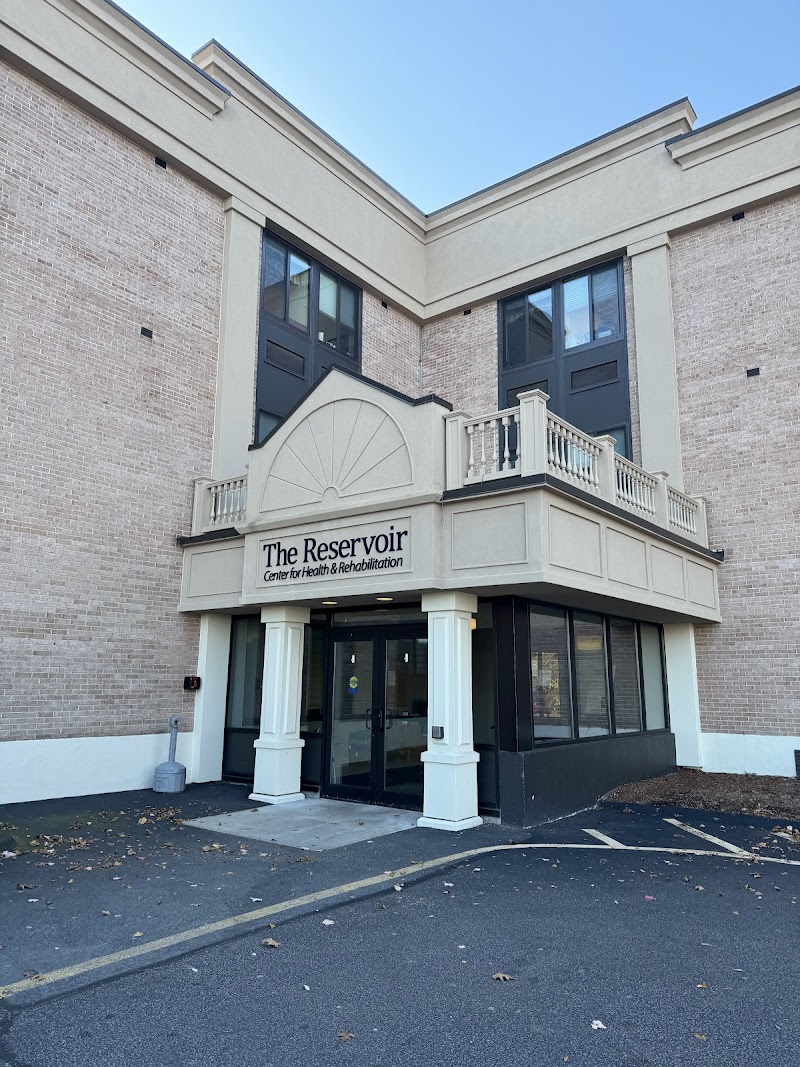
How is Reservoir Center For Health & Rehabilitation, The Staffed?

CMS rates RESERVOIR CENTER FOR HEALTH & REHABILITATION, THE's staffing level at 3 out of 5 stars, which is average compared to other nursing homes. Staff turnover is 42%, compared to the Massachusetts average of 46%. This relatively stable workforce can support continuity of care.

What Have Inspectors Found at Reservoir Center For Health & Rehabilitation, The?

State health inspectors documented 40 deficiencies at RESERVOIR CENTER FOR HEALTH & REHABILITATION, THE during 2021 to 2024. These included: 1 that caused actual resident harm, 38 with potential for harm, and 1 minor or isolated issues. Deficiencies causing actual harm indicate documented cases where residents experienced negative health consequences.
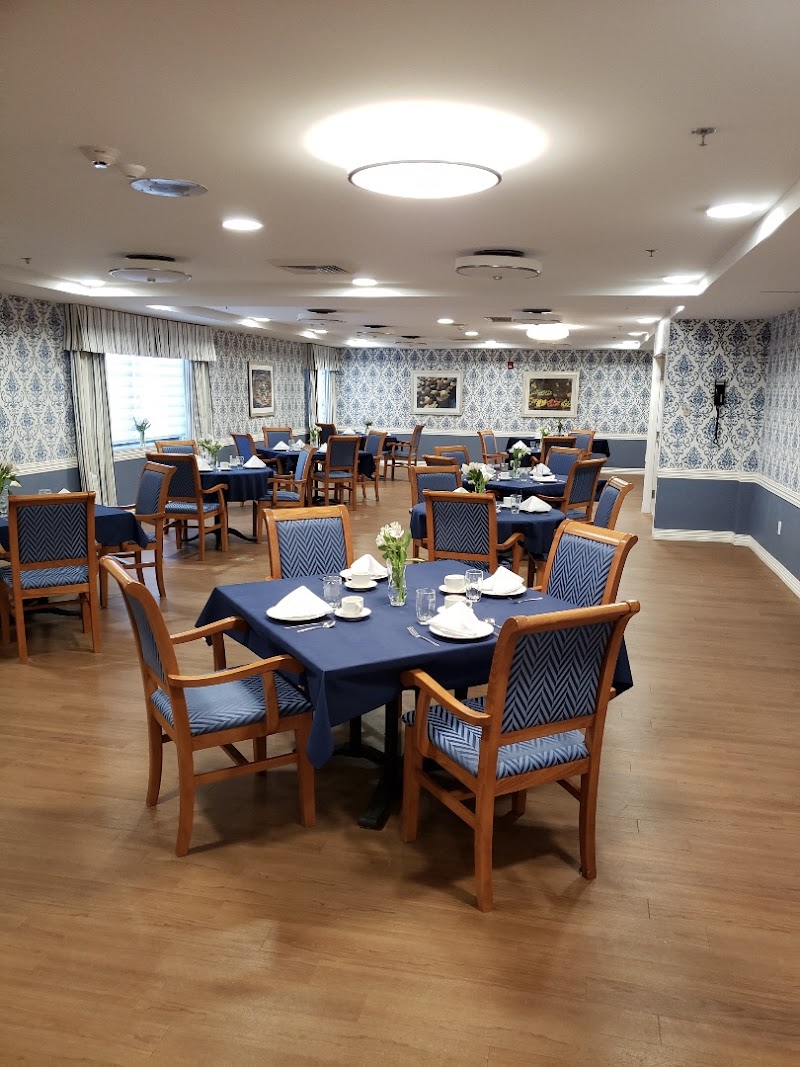
Who Owns and Operates Reservoir Center For Health & Rehabilitation, The?

RESERVOIR CENTER FOR HEALTH & REHABILITATION, THE is owned by a for-profit company. For-profit facilities operate as businesses with obligations to shareholders or private owners. The facility is operated by NATIONAL HEALTH CARE ASSOCIATES, a chain that manages multiple nursing homes. With 144 certified beds and approximately 133 residents (about 92% occupancy), it is a mid-sized facility located in MARLBOROUGH, Massachusetts.
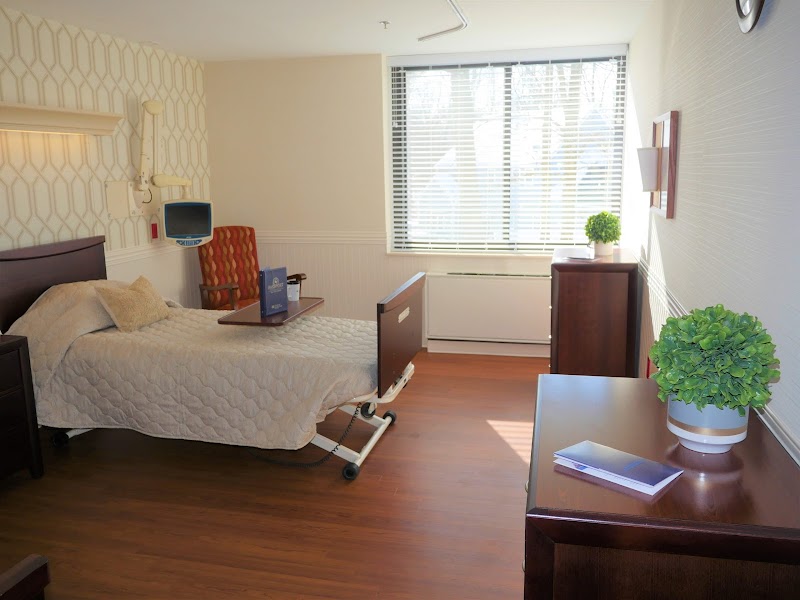
How Does Reservoir Center For Health & Rehabilitation, The Compare to Other Massachusetts Nursing Homes?

Compared to the 100 nursing homes in Massachusetts, RESERVOIR CENTER FOR HEALTH & REHABILITATION, THE's overall rating (3 stars) is above the state average of 2.9, staff turnover (42%) is near the state average of 46%, and health inspection rating (3 stars) is at the national benchmark.

What Should Families Ask When Visiting Reservoir Center For Health & Rehabilitation, The?

Based on this facility's data, families visiting should ask: "Can I visit during a mealtime to observe dining assistance and food quality?" "How do you handle medical emergencies, and what is your hospital transfer rate?" "Can I speak with family members of current residents about their experience?"

Is Reservoir Center For Health & Rehabilitation, The Safe?

Based on CMS inspection data, RESERVOIR CENTER FOR HEALTH & REHABILITATION, THE has a clean safety record: no substantiated abuse findings (meaning no confirmed cases of resident harm), no Immediate Jeopardy citations (the most serious violation level indicating risk of serious injury or death), and is not on the Special Focus Facility watch list (a federal program monitoring the lowest-performing 1% of nursing homes). The facility has a 3-star overall rating and ranks #1 of 100 nursing homes in Massachusetts. While no facility is perfect, families should still ask about staff-to-resident ratios and recent inspection results during their visit.

Do Nurses at Reservoir Center For Health & Rehabilitation, The Stick Around?

RESERVOIR CENTER FOR HEALTH & REHABILITATION, THE has a staff turnover rate of 42%, which is about average for Massachusetts nursing homes (state average: 46%). Moderate turnover is common in nursing homes, but families should still ask about staff tenure and how the facility maintains care continuity when employees leave.

Was Reservoir Center For Health & Rehabilitation, The Ever Fined?

RESERVOIR CENTER FOR HEALTH & REHABILITATION, THE has been fined $12,895 across 2 penalty actions. This is below the Massachusetts average of $33,208. While any fine indicates a compliance issue, fines under $50,000 are relatively common and typically reflect isolated problems that were subsequently corrected. Families should ask what specific issues led to these fines and confirm they've been resolved.

Is Reservoir Center For Health & Rehabilitation, The on Any Federal Watch List?

RESERVOIR CENTER FOR HEALTH & REHABILITATION, THE is not on any federal watch list. The most significant is the Special Focus Facility (SFF) program, which identifies the bottom 1% of nursing homes nationally based on persistent, serious quality problems. Not being on this list means the facility has avoided the pattern of deficiencies that triggers enhanced federal oversight. This is a positive indicator, though families should still review the facility's inspection history directly.