MEDFORD REHABILITATION AND NURSING CENTER
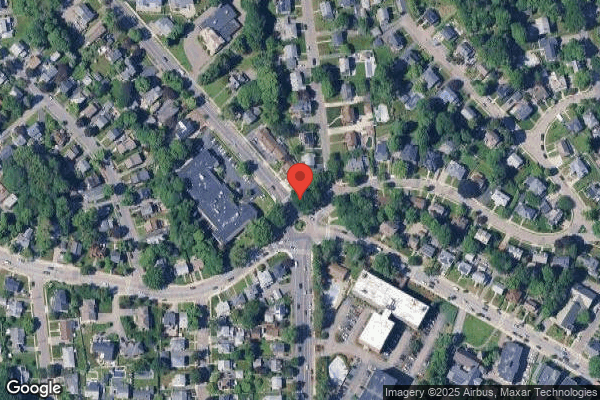

300 WINTHROP STREET, MEDFORD, MA 02155 (781) 396-4400
For profit - Limited Liability company 142 Beds PERSONAL HEALTHCARE, LLC Data: November 2025
Trust Grade
33/100
#167 of 338 in MA
Last Inspection: August 2025

Inspected within the last 6 months. Data reflects current conditions.

Overview

Medford Rehabilitation and Nursing Center has a Trust Grade of F, indicating significant concerns about the quality of care provided. It ranks #167 out of 338 facilities in Massachusetts, placing it in the top half, but its low trust grade raises alarms. The facility is showing improvement, with issues decreasing from 13 in 2024 to 8 in 2025, but the high staff turnover rate of 61% is concerning, significantly above the state average of 39%. While RN coverage is average, the facility has faced serious incidents; for example, a resident fell due to inadequate care planning, requiring stitches, and another resident suffered dehydration after a procedure was mishandled. Overall, while there are some strengths in staffing and a trend towards improvement, the serious care deficiencies and high turnover raise important questions for families considering this facility.

Trust Score
F
33/100
In Massachusetts
#167/338
Top 49%
Safety Record
High Risk
Review needed
Inspections
Getting Better
13 → 8 violations
Staff Stability
⚠ Watch
61% turnover. Above average. Higher turnover means staff may not know residents' routines.
Penalties
✓ Good
$15,593 in fines. Lower than most Massachusetts facilities. Relatively clean record.
Skilled Nurses
○ Average
Each resident gets 32 minutes of Registered Nurse (RN) attention daily — about average for Massachusetts. RNs are the most trained staff who monitor for health changes.
Violations
⚠ Watch
38 deficiencies on record. Higher than average. Multiple issues found across inspections.
★★★☆☆
3.0
Overall Rating
★★★☆☆
3.0
Staff Levels
★★★☆☆
3.0
Care Quality
★★★☆☆
3.0
Inspection Score
Stable
2024: 13 issues
2025: 8 issues

The Good

  • Full Sprinkler Coverage · Fire safety systems throughout facility
  • No fines on record

Facility shows strength in fire safety.

The Bad

3-Star Overall Rating

Near Massachusetts average (2.9)

Meets federal standards, typical of most facilities

Staff Turnover: 61%

15pts above Massachusetts avg (46%)

Frequent staff changes - ask about care continuity

Federal Fines: $15,593

Below median ($33,413)

Minor penalties assessed

Chain: PERSONAL HEALTHCARE, LLC

Part of a multi-facility chain

Ask about local staffing decisions and management

Staff turnover is elevated (61%)

13 points above Massachusetts average of 48%

The Ugly 38 deficiencies on record

4 actual harm
Aug 2025 8 deficiencies
CONCERN (D)

Potential for Harm - no one hurt, but risky conditions existed

Safe Environment (Tag F0584)

Could have caused harm · This affected 1 resident

**NOTE- TERMS IN BRACKETS HAVE BEEN EDITED TO PROTECT CONFIDENTIALITY** Based on observations and interviews, the facility failed to ensure a home-like environment on the [NAME] unit. Specifically, th...

Read full inspector narrative →
**NOTE- TERMS IN BRACKETS HAVE BEEN EDITED TO PROTECT CONFIDENTIALITY** Based on observations and interviews, the facility failed to ensure a home-like environment on the [NAME] unit. Specifically, the facility failed to 1a. ensure room [ROOM NUMBER]'s bathroom was cleaned thoroughly of urine residue and 1b. ensure the shower room was in good working condition.Findings include:The surveyor made the following observations:1a. On 7/29/25 at 9:51 A.M., there was a strong urine odor in the hallway near room [ROOM NUMBER]. Upon further observation, in room [ROOM NUMBER]'s bathroom, there was urine on the floor around the toilet, the floor was sticky, and the floor had a greenish color from the urine stain.On 7/30/25 at 6:37 A.M., there was a strong urine odor from room [ROOM NUMBER]'s bathroom, the floor was wet and sticky.On 7/30/25 at 1:14 P.M., room [ROOM NUMBER]'s bathroom floor was wet and sticky with a strong urine odor.During an interview on 7/30/25 at 2:12 P.M., Certified Nursing Assistant (CNA #4) said that the bathroom floor in room [ROOM NUMBER] is always wet and she cleans every time she sees it wet.During an interview on 7/30/25 at 2:19 P.M., Housekeeper #2 said she always cleans the bathroom in room [ROOM NUMBER] but can't seem to keep the floor dry.During an interview on 8/1/25 at 8:20 A.M., Housekeeper #1 said the residents' bathrooms are cleaned twice a day in the morning and in the afternoon. She said room [ROOM NUMBER]'s bathroom tiles may need to be removed as they are soaked with urine, and it makes it difficult to get rid of the urine odor.1b. On 7/29/25 at 8:47 A.M., in the [NAME] unit shower room, the surveyor observed a chipped toilet seat and the wall in the shower room had missing tiles.During an interview on 8/1/25 at 8:15 A.M., the Maintenance Director said the toilet seat should be replaced due to chipping, and the tiles should be replaced as they have been falling off the wall.
CONCERN (D)

Potential for Harm - no one hurt, but risky conditions existed

Assessment Accuracy (Tag F0641)

Could have caused harm · This affected 1 resident

**NOTE- TERMS IN BRACKETS HAVE BEEN EDITED TO PROTECT CONFIDENTIALITY** Based on record reviews and interviews, the facility failed to accurately complete the Minimum Data Set (MDS) assessment for two...

Read full inspector narrative →
**NOTE- TERMS IN BRACKETS HAVE BEEN EDITED TO PROTECT CONFIDENTIALITY** Based on record reviews and interviews, the facility failed to accurately complete the Minimum Data Set (MDS) assessment for two Residents (#13 and #15), out of 31 sampled residents. Specifically:For Resident #13 the facility failed to ensure the MDS assessment was accurately coded for significant weight gain (section K).For Resident #15 the facility failed to ensure the MDS assessment was accurately coded for the use of tobacco.Findings include:1.Resident #13 was admitted to the facility in November 2024 with diagnoses of mild cognitive impairment and psychotic disorder.Review of the most recent Minimum Data Set (MDS) assessment, dated 5/22/25, indicated the Resident scored a 13 out of 15 on the Brief Interview for Mental Status exam (BIMS) indicating the Resident was cognitively intact.Review of Resident #13's weights indicated the following:-On 1/7/25 the Resident weighed 99.5 lbs. (pounds).-On 2/14/25 the Resident weighed 122.2 lbs. which indicated a significant weight gain of 22.02% in one month.Review of the quarterly MDS dated [DATE] section K failed to indicate significant weight gain was coded.During an interview on 7/31/25 at 10:04 A.M., the Registered Dietitian said she should have coded significant weight gain on the quarterly MDS. 2. Resident #15 was admitted to the facility in May 2025 with diagnoses including nicotine dependence cigarettes.Review of the Minimum Data Set (MDS) dated [DATE], indicated the Resident scored a 15 out of a 15 on the Brief Interview for Mental Status exam (BIMS) indicating the Resident was cognitively intact.On 7/30/25 at 9:30 A.M., the surveyor observed Resident #15 sitting outside smoking, the Resident was wearing a smoking apron.Review of Resident #15's care plan date initiated 5/22/25: Resident is able to smoke with apron and with supervision.Review of the admission MDS dated [DATE] section J failed to indicate the use of tobacco.During an interview on 7/30/35 at 10:34 A.M., the MDS Nurse said she should have coded in the MDS section J that the Resident uses tobacco.
CONCERN (D)

Potential for Harm - no one hurt, but risky conditions existed

Accident Prevention (Tag F0689)

Could have caused harm · This affected 1 resident

**NOTE- TERMS IN BRACKETS HAVE BEEN EDITED TO PROTECT CONFIDENTIALITY** Based on observation, record review and interview, the facility failed to ensure that an assessment for self-administering medic...

Read full inspector narrative →
**NOTE- TERMS IN BRACKETS HAVE BEEN EDITED TO PROTECT CONFIDENTIALITY** Based on observation, record review and interview, the facility failed to ensure that an assessment for self-administering medication was completed and that the second floor remained free of unattended and unsecured medications for one Resident (#11) out of a total sample of 31 Residents. Specifically, for Resident #11, the facility failed to ensure the Resident was assessed to self-administer an inhaler and ensure it was secured safely in the Resident's room.Findings include: Review of the facility policy titled Administering Medications, dated [DATE], indicated the following:Residents may self-administer their own medications only if the Attending Physician, in conjunction with the Interdisciplinary Care Planning Team, has determined that they have the decision-making capacity to do so safelyReview of the facility policy titled Medication, Self Administration, dated and revised [DATE], indicated the following:When a resident requests medication self-administration, initiate the process to assess resident's capability. The resident must meet the following criteria:Knowledge of medications and medication scheduleSelf-administration including packaging, reading label, opening containersAbility to administer medications properly, e.g. inhalers as neededSecure medications at the nursing station. Keep a limited quantity in a locked drawer at resident's bedside. Assure that resident and nursing both have a key. Instruct resident in medication self-administration procedure. Including:obtaining medication, administering medication according to physician order, recording administration on documentation record.Resident #11 was admitted to the facility in [DATE] with diagnoses including chronic obstructive pulmonary disease (COPD), unspecified dementia and anxiety disorder.Review of Resident #11's most recent Minimum Data Set Assessment (MDS) dated [DATE] indicated that the Resident has a Brief Interview for Mental Status score of 4 out of 15 indicating severe cognitive impairment. Further review of the MDS indicated that the Resident has COPD or chronic lung disease.The surveyor made the following observations:- On [DATE] at 7:43 A.M., Resident #11 was using the bathroom in his/her room, on the Resident's bedside table was an inhaler that was not secured. No staff were present in the room. At 8:39 A.M., the inhaler was still on the bedside table, Resident #11 told the surveyor that he/she takes the inhaler when he/she needs it to breathe. Resident #11 then told the surveyor he/she is independent with everything and staff do not help him/her take the inhaler.- On [DATE] at 8:50 A.M., Resident #11 was using the bathroom in his/her room, in the middle of the Resident's bed was an inhaler that was not secured. No staff were present in the room.- On [DATE] at 7:41 A.M., Resident #11 was sitting up on his/her bed. Resident #11 told the surveyor that his/her inhaler was in his/her sweatshirt pocket, the Resident pulled the inhaler out of the right pocket of the sweatshirt to show the surveyor.Review of Resident #11's physician's orders failed to indicate an order for self-administering medications. Review of Resident #11's care plans failed to indicate a care plan to self-administer medications. Review of Resident #11's medical record failed to indicate that an assessment was completed allowing Resident #11 to self-administer medications such as inhalers and to store them in his/her room. During an interview on [DATE] at 9:11 A.M., Certified Nursing Assistant (CNA) #1 said Resident #11 is typically independent with most activities of daily living and he supports the resident as needed. CNA #1 then said he has noticed that at times, Resident #11 gets out of breath when completing tasks.During an interview on [DATE] at 9:20 A.M., Unit Manager #1 said Resident #11 is independent with ADLs and he/she needs to take his/her time with things due to his/her breathing. Unit Manager #1 said Resident #11 has an inhaler and when he/she needs to use it he/she will ask staff for it and staff need to supervise him/her when he/she uses it. Unit Manager #1 said Resident #11 is not assessed to self-administer medications including his/her inhalers and he/she should not have any inhalers at his/her bedside without staff present and she did not know the Resident had an inhaler in his/her room. Unit Manager #1 said inhalers expire every 28 days and if staff do not know that the Resident has an inhaler then they cannot monitor the expiration date. Unit Manager #1 said if the inhaler is expired it would not work as effectively if Resident #11 needs it.During an interview on [DATE] at 10:36 A.M. with the Director of Nursing (DON) and Corporate Nurse #1, the DON said if a resident requests to self-administer medication then the facility completes an assessment form for each medication and how to safely self-administer it. Once completed, the Nurse Practitioner or Medical Doctor would approve it and put in a physician's order for self-administering medications. The DON then said any medication at the bedside needs to be locked and secured so other residents do not have access to it. The surveyor and Corporate Nurse #1 reviewed Resident #11's medical record together and she said she could not locate an assessment for Resident #11 to self-administer medications including inhalers. Corporate Nurse #1 said in order for Resident #11 to keep an inhaler on his/her person there needs to be an assessment to ensure Resident #11 can safely administer the inhaler and store it.
CONCERN (D)

Potential for Harm - no one hurt, but risky conditions existed

Medical Records (Tag F0842)

Could have caused harm · This affected 1 resident

Based on observations, interviews, and record review, the facility failed to maintain accurate medical records for one Resident (#106), out of a total sample of 31 residents. Specifically, the facilit...

Read full inspector narrative →
Based on observations, interviews, and record review, the facility failed to maintain accurate medical records for one Resident (#106), out of a total sample of 31 residents. Specifically, the facility failed to accurately document medication administration.Findings include: Resident #106 was admitted to the facility in March 2021 with diagnoses including type two diabetes, gastro-esophageal reflux disease, anxiety and dementia.Review of the Minimum Data Set (MDS) assessment, dated 5/8/25, indicated Resident #106 had a Brief Interview for Mental Status (BIMS) score of 8 out of a possible 15 which indicated moderately impaired cognition.On 7/29/25 at 7:59 A.M., Resident #106 said he/she has not received morning medications and could not eat breakfast until the medications were given. The surveyor observed a breakfast tray on the Resident's overbed table. The food items remained covered and untouched.Review of Resident #106's physician orders indicated: -Check FSBS BID (finger stick blood sugar two times per day) and PRN (as needed) two times a day for DM2 (type two diabetes). Start Date: 5/27/25. Scheduled for 6:30 A.M., and 4:30 P.M.- Pepcid Oral Tablet 20 MG (milligrams) (Famotidine) Give 1 tablet by mouth two times a day for GERD (gastro esophageal reflux disease). Start Date: 9/23/23. Scheduled for 6:30 A.M., and 4:30 P.M.- Simethicone Oral Tablet Chewable 80 MG (Simethicone) Give 1 tablet by mouth before meals and at bedtime for bloating & gas distress. Start Date: 10/02/23. Scheduled for 6:30 A.M., 11:30 A.M., 4:30 P.M., 9:00 P.M.-Diazepam Tablet 5 MG Give 1 tablet by mouth three times a day for Muscle spasms. Start Date 7/25/25. Scheduled for 6:00 A.M., 2:00 P.M., and 10:00 P.M. Review of Resident #106's July 2025 Medication Administration Record (MAR), failed to indicate Resident #106 was administered the medication as ordered by the physician and did not contain documentation of administration.During an interview on 7/29/25 at 9:01A.M., Nurse #2 said Resident #106 took all his/her morning medications and said he did not document them in the medical record. During an interview on 7/29/25 at 9:28 A.M., Unit Manager #1 reviewed the electronic medical record with the surveyor and said Resident #106 did not receive his/her morning medications and said she would expect the nurse to document when medications are administered in the medical record. Review of the administration history report provided by the facility indicated the physician order for FSBS BID, Pepcid Oral Tablet 20 MG., and Simethicone Oral Tablet Chewable 80 MG, was not documented as completed until 9:49 A.M. Diazepam Tablet 5 MG was not documented as completed until 9:30 A.M.During an interview on 7/29/25 at 10:35 A.M., Consulting Staff #1 said physician orders must be administered as ordered and documented in the medical record at the time of administration. During an interview on 7/30/25 at 1:14 P.M., the Director of Nurses (DON) said she expects orders to be followed and said she expects staff to obtain blood sugar levels and administer medications when they are ordered and to document at the time of administration.
CONCERN (D)

Potential for Harm - no one hurt, but risky conditions existed

Infection Control (Tag F0880)

Could have caused harm · This affected 1 resident

Based on observation and interview, the facility failed to implement an infection prevention and control program designed to provide a safe, sanitary and comfortable environment and to help prevent th...

Read full inspector narrative →
Based on observation and interview, the facility failed to implement an infection prevention and control program designed to provide a safe, sanitary and comfortable environment and to help prevent the development and transmission of communicable diseases and infections. Specifically, the facility failed to ensure nursing staff performed hand hygiene appropriately during the medication administration task.Findings include:Review of the Facility's Policy titled, Handwashing/Hand Hygiene, undated, indicated: -It is the expectation of the facility that all personnel wash their hands appropriately in accordance with current standards of practice.-Alcohol hand cleanser may be used as a hand cleansing agent unless hands are visibly soiled. -Hands are to be washed before and after patient contact.During medication administration pass on 7/30/25 the following were observed:-Nurse #5 at 9:40 A.M. was observed picking up keys to lock the medication cart and then placing two fingers inside a plastic cup of water to carry the cup into a resident room. -Nurse #5 at 9:41 A.M. was observed entering a resident room to administer medications and did not perform hand hygiene.-Nurse #5 at 9:43 A.M. was observed entering a resident room to administer medications, touched the bathroom door handle and did not perform hand hygiene.-Nurse #5 at 9:47 A.M. was observed removing a lidocaine patch from a resident's right shoulder without wearing gloves. The Nurse then exited the resident's room and did not perform hand hygiene During an interview on 7/30/25 at 9:51 A.M., Nurse #5 acknowledged he should have performed hand hygiene prior to entering any resident room, should not have placed his fingers inside of the cup of water and said he should have worn gloves to remove the old lidocaine patch from the resident's shoulder and performed hand hygiene. During an interview on 7/31/25 at 1:22 P.M., the Director of Nurses (DON) said she expects staff to perform hand hygiene before entering a resident's room and said she expects staff to wear gloves when coming into contact with a resident. The DON said hand hygiene should be performed before and after glove use.
CONCERN (E)

Potential for Harm - no one hurt, but risky conditions existed

Deficiency F0658 (Tag F0658)

Could have caused harm · This affected multiple residents

Based on observation, interviews, and records reviewed, the facility failed to meet professional standards of practice for 5 Residents (#106, #3, #82, #117, and #99) out of a total sample of 31 reside...

Read full inspector narrative →
Based on observation, interviews, and records reviewed, the facility failed to meet professional standards of practice for 5 Residents (#106, #3, #82, #117, and #99) out of a total sample of 31 residents. Specifically: 1. For Resident #106, the facility failed to ensure nursing implemented physician orders for blood sugar checks and failed to administer medications as ordered.2. For Residents # 3, #82, #117, and #99, the facility failed to implement physician orders blood sugar checks and for insulin administration prior to the breakfast meal. Findings include:1. On 7/29/25 the following observations were made on the Pleasant View Unit:-At 7:31 A.M., the surveyor observed Nurse #2 on the Pleasant View unit and there were no other nurses observed on the unit. Nurse #2 said he was the only nurse present on the unit at this time and had the keys to both medication carts. On 7/29/25 at 7:59 A.M., Resident #106 said he/she has not received morning medications and could not eat breakfast until the medications were given. The surveyor observed a breakfast tray on the Residents overbed table. The food items remained covered and untouched.-At 8:39 A.M., breakfast carts had arrived and all breakfast meal trays were delivered and set up was completed. Residents on the unit were observed eating breakfast in their rooms and in the dining room. -At 9:01 A.M., Nurse #2 said he has not given shift report or counted off his medication cart with any oncoming nurses yet and said Nurse #3 is helping with breakfast and will get report and count off the medication cart after breakfast.On 7/29/2025 at 9:10 A.M., Resident #106 said he/she still has not eaten breakfast and said she has yet to receive any morning medications. The surveyor observed a breakfast tray on the Resident's overbed table. The food items remained covered and untouched. Resident #106 told Certified Nursing Assistant (CNA) #2 that he/she can't eat until he/she has taken the morning medication.-At 9:27 A.M., the surveyor observed Nurse #4 at a medication cart. Nurse #4 said he was asked to come to the Pleasant View unit to help until the scheduled nurse arrived and said he has not administered any medications or obtained any blood sugars at this time.-At 9:28 A.M., Nurse #3 and Unit Manager #1 said they have not given any medications and have not taken any blood sugars. Nurse # 3 said she has residents who require blood sugar checks and required insulin before breakfast, but she did not get a shift report because the Unit Manager talked to the overnight Nurse #2. Unit Manager #1 said she was not given any blood sugar readings from the overnight nurse and said she does not know who needs blood sugar checks. The surveyor along with Nurse #3 and Unit Manager #1 looked at the Electronic Medical Records (EMAR) for Resident #106. Nurse #3 said Resident #106 has not received any morning medications and said the blood sugar check is not documented in the medical record. Nurse # 3 and Unit manager # 1 said they do not know his/her blood sugar level as it was not documented or reported. Unit Manager #1 said blood sugar levels were not reported from the overnight nurse and said they should be in the EMAR. Nurse #3 said she has not obtained any blood sugars or administered any medications to residents as she was assisting with the breakfast meal. -At 9:31 A.M., Nurse #2 said he has not given shift report or counted off his medication cart with any oncoming nurses yet and said the Unit Manager is going to take his cart.-At 9:40 A.M., Nurse #1 said she just arrived and has not obtained shift report or completed narcotic count on the medication cart. Nurse #1 said she has not obtained any blood sugars or administered any medications and was not given any blood sugar information.Resident #106 was admitted to the facility in March 2021 with diagnoses including type two diabetes, gastro-esophageal reflux disease, anxiety and dementia.Review of the Minimum Data Set (MDS) assessment, dated 5/8/25, indicated Resident #106 had a Brief Interview for Mental Status (BIMS) score of 8 out of a possible 15 which indicated moderately impaired cognition.Review of the active physician orders for Resident #106 indicated the following:-Check FSBS BID (fasting sugar blood sugar two times per day) and PRN (as needed) two times a day for DM2 (type two diabetes). Start Date: 5/27/25. Scheduled for 6:30 A.M., and 4:30 P.M.- Pepcid Oral Tablet 20 MG (milligrams) (Famotidine) Give 1 tablet by mouth two times a day for GERD (gastro esophageal reflux disease). Start Date: 9/23/23. Scheduled for 6:30 A.M., and 4:30 P.M.- Simethicone Oral Tablet Chewable 80 MG (Simethicone) Give 1 tablet by mouth before meals and at bedtime for bloating & gas distress. Start Date: 10/02/23. Scheduled for 6:30 A.M., 11:30 A.M., 4:30 P.M., 9:00 P.M.-Diazepam Tablet 5 MG Give 1 tablet by mouth three times a day for Muscle spasms. Start Date 7/25/25. Scheduled for 6:00 A.M., 2:00 P.M., and 10:00 P.M.Review of Resident #106's July 2025 Medical Administration Record (MAR) indicated the following:-Check FSBS (Finger Stick Blood Sugar) BID contained no documentation and was not documented as completed.- Pepcid Oral Tablet 20 MG no documentation and was not documented as completed.- Simethicone Oral Tablet Chewable 80 MG no documentation and was not documented as completed.-Diazepam Tablet 5 MG no documentation and was not documented as completed.Review of the administration history report provided by the facility indicated the physician order for FSBS BID, Pepcid Oral Tablet 20 MG., and Simethicone Oral Tablet Chewable 80 MG, was not documented as completed until 9:49 A.M. Diazepam Tablet 5 MG was not documented as completed until 9:30 A.M.Further review of the administration report indicated Nurse #3 documented an administration time that was inconsistent with the observations made in the EMAR and confirmed by interview with surveyor.During an interview on 7/29/25 at 10:26 A.M., Nurse Practitioner #1 said she expects blood sugar checks to be followed as ordered and said Resident #106 should have had her blood sugar checked this morning before breakfast and said Simethicone and Pepcid should have been administered prior to the breakfast meal. NP #1 said Diazepam should have been given when scheduled and said she has written new one-time orders for the medications to be given as Resident #106 needs them. During an interview on 7/29/25 at 10:35 A.M., Consulting Staff #1 said physician orders must be administered as ordered and documented in the medical record at the time of administration.During an interview on 7/30/25 at 1:10 P.M., the Director of Nurses said she expects orders to be followed and said she expects staff to obtain blood sugar levels when they are ordered and prior to breakfast.2. On 7/29/25 at approximately 8:05 A.M., the surveyor reviewed physician orders for blood sugar checks and insulin administration on the Pleasant View unit. The following residents did not have physician orders for insulin administration completed as ordered by the physician - Residents #3, #82, #117, #99.2a. Resident #3 was admitted to the facility in June 2020 with diagnoses including type two diabetes, unspecified cirrhosis of liver, anxiety and cognitive communication deficit.Review of the Minimum Data Set (MDS) assessment, dated 6/20/25, indicated Resident #3 had a Brief Interview for Mental Status (BIMS) score of 5 out of a possible 15 which indicated severe cognitive impairment.Review of the active physician orders for Resident #3 indicated the following:-HumaLOG Injection Solution 100 UNIT/ML (Insulin Lispro) Inject as per sliding scale: if 0 - 150 = 0 units 0 units ; 151 - 200 = 2 units 2 units; 201 - 250 = 4 units 4 units ; 251 - 300 = 6 units 6 units; 301 - 350 = 8 units 8 units; 351 - 400 = 10 units 10 units; 401 - 450 = 12 units 12 units ; 451 - 500 = 14 units 14 units and notify on call provider also, subcutaneously two times a day for DM2. Start Date 6/24/25. Scheduled for 7:30 A.M., and 4:30 P.M.During an interview on 7/29/25 at 9:28 A.M., Nurse #3 and Unit Manager #1 said they have not given any medications and have not completed any blood sugar checks. The surveyor along with Nurse #3 and Unit Manager #1 looked at the Electronic Medical Records (EMAR) for Resident #3. Nurse #3 said she has not obtained any blood sugars or administered any medications to Resident #3 and said he/she is overdue and has already had breakfast. Review of Resident #3's EMAR at 10:07 A.M., failed to indicate the blood sugar was completed and contained no documentation The EMAR was highlighted red and indicated overdue in the medical record. Review of the administration history report provided by the facility indicated the medication was not documented as administered until 2:51 P.M. Further review of the administration report indicated Nurse #3 documented an administration time that was inconsistent with the observations made in the EMAR and confirmed by interview with surveyor.During an interview on 7/29/25 at 10:35 A.M., Consulting Staff #1 said physician orders must be administered as ordered and documented in the medical record at the time of administration. During an interview on 7/30/25 at 1:10 P.M., the Director of Nurses said she expects orders to be followed and said she expects staff to obtain blood sugar levels when they are ordered and prior to breakfast. 2b. Resident #82 was admitted to the facility in September 2024 with diagnoses including type two diabetes, chronic kidney disease and cognitive communication deficit.Review of the Minimum Data Set (MDS) assessment, dated 6/20/25, indicated Resident #82 was unable to complete a Brief Interview for Mental Status (BIMS) exam which indicated severe cognitive impairment.Review of the active physician orders for Resident #82 indicated the following:-Insulin Lispro Injection Solution 100 UNIT/ML Inject as per sliding scale: if 0 - 150 = 0; 151 - 200 = 2; 201 - 250 = 4; 251 - 300 = 6; 301 - 350 = 8; 351 - 400 = 10 BS >400 Give 12 Units and notify MD/NP for further orders, subcutaneously three times a day for Monitoring glucose level BS >400 Give 12 Units and notify MD/NP for further orders. Start Date: 6/24/25. Scheduled for 7:30 A.M., 11:30 A.M., and 4:30 P.M.-Insulin Lispro Injection Solution Inject 2 unit subcutaneously three times a day for control glucose level. Start Date 9/7/24. Scheduled for 7:30 A.M., 11:30 A.M., and 4:30 P.M.Finger stick blood sugar four times a day. Start Date 12/20/24. Start Date 12/20/24. Scheduled for 6:30 A.M., 11:30 A.M., and 4:30 A.M., and 8:00 P.M.During an interview on 7/29/25 at 9:31 A.M., Nurse #3 said she has not administered any medications and has not obtained any blood sugars. The surveyor along with Nurse #3 looked at the Electronic Medical Records (EMAR) for Resident #82. Nurse #3 said she has not obtained any blood sugars or administered any medications to Resident #82 and said he/she is overdue and has already had breakfast. Review of Resident #82's EMAR at 10:07 A.M., failed to indicate the physician order for the Insulin Lispro 100 UNIT/ML per sliding scale or the order for Insulin Lispro 2 units was completed and contained no documentation. The EMAR was highlighted red and indicated overdue in the medical record. Review of the administration history report provided by the facility indicated the Insulin Lispro 100 UNIT/ML per sliding scale and the Insulin Lispro 2 units were not documented as administered until 11:15 A.M.Further review of the administration report indicated Nurse #3 documented an administration time that was inconsistent with the observations made in the EMAR and confirmed by interview with surveyor.2c. Resident #117 was admitted to the facility in July 2023 with diagnoses including type two diabetes, chronic kidney disease and obesityReview of the Minimum Data Set (MDS) assessment, dated 5/8/25, indicated Resident #117 had a Brief Interview for Mental Status (BIMS) score of 13 out of a possible 15 indicating intact cognition.Review of the active physician orders for Resident #117 indicated the following:-Admelog SoloStar Subcutaneous Solution Pen-injector 100 UNIT/ML Inject 14 unit subcutaneously two times a day for DM before breakfast and lunch. Start Date 5/4/25. Scheduled for 8:00 A.M., 12:00 P.M.- Admelog SoloStar Subcutaneous Solution Pen-injector 100 UNIT/ML Inject as per sliding scale: if 0 - 149 = 0; 150 - 200 = 2; 201 - 250 = 4; 251 - 300 = 6; 301 - 350 = 8; 351 - 400 = 10; 401+ Call MD/NP, subcutaneously with meals for DM. Start Date 5/4/25. Scheduled for 8:00 A.M., 12:00 P.M., and 5:00 P.M.-Basaglar KwikPen Subcutaneous Solution Pen-injector 100 UNIT/ML Inject 45 unit subcutaneously one time a day for diabetes. Start Date 3/21/25. Scheduled for 8:00 A.M.During an interview on 7/29/25 at 9:33 A.M., Nurse #3 said she had not administered any medications and had not obtained blood sugars. The surveyor along with Nurse #3 looked at the Electronic Medical Records (EMAR) for Resident #117. Nurse #3 said she has not obtained any blood sugars or administered any medications to Resident #117 and said he/she is overdue and has already had breakfast. 2d. Resident #99 was admitted to the facility in July 2020 with diagnoses including type two diabetes, dysphagia, vitamin deficiency and anxiety. Review of the Minimum Data Set (MDS) assessment, dated 5/8/25, indicated Resident #99 had a Brief Interview for Mental Status (BIMS) score of 12 out of a possible 15 indicating intact cognition.Review of the active physician orders for Resident #99 indicated the following:-Accu check three times daily before meals. Three times a day for DM2, Call MD/NP if BS<70 or >400. Start Date: 2/16/23. Scheduled for 6:30 A.M., 11:30 A.M., and 4:30 P.M.- Fiasp FlexTouch Subcutaneous Solution Pen-injector 100 UNIT/ML Inject 5 unit subcutaneously before meals for diabetes Hold for NPO (nothing by mouth). Start Date: 5/17/25. Scheduled for 7:30 A.M., 11:30 A.M., and 4:30 P.M.- Fiasp FlexTouch Subcutaneous Solution Pen-injector 100 UNIT/ML Inject as per sliding scale: if 0 - 200 = 0; 201 - 250 = 2; 251 - 300 = 4; 301 - 350 = 6; 351 - 400 = 8; 401+ = 10. Call NP/MD, subcutaneously three times a day for Diabetes. Start Date 5/16/25. Scheduled for 7:30 A.M., 11:30 A.M., and 4:30 P.M.- Insulin Degludec FlexTouch Subcutaneous Solution Pen-injector 100 UNIT/ML Inject 30 unit subcutaneously one time a day for DM2. Start Date 2/22/25. Scheduled for 8:00 A.M.During an interview on 7/29/25 at 9:35 A.M., Nurse #3 said she had not administered any medications and had not obtained blood sugars. The surveyor along with Nurse #3 looked at the Electronic Medical Records (EMAR) for Resident #99. Nurse #3 said she has not obtained any blood sugars or administered any medications to Resident #99 and said he/she is overdue and has already had breakfast.
CONCERN (E)

Potential for Harm - no one hurt, but risky conditions existed

Unnecessary Medications (Tag F0759)

Could have caused harm · This affected multiple residents

Based on observations, interviews, and records reviewed, the facility failed to ensure it was free from a medication error rate of greater than 5% when one nurse observed made 4 errors out of 30 oppor...

Read full inspector narrative →
Based on observations, interviews, and records reviewed, the facility failed to ensure it was free from a medication error rate of greater than 5% when one nurse observed made 4 errors out of 30 opportunities, resulting in a medication error rate of 13.33%. Those errors impacted one Resident (#4), out of four residents observed.Findings include: Review of the facility policy, Administering Medications, dated as revised April 2024, indicated:-Medications are administered in a safe and timely manner, and as prescribed.-Medications are administered in accordance with prescriber orders, including any required time frame.-Medications are administered within one (1) hour of their prescribed time, unless otherwise specified (for example, before and after meal orders).-Medications administration times are determined by resident need and benefit and as per MD order. Factors that are considered include:a. Enhancing optimal therapeutic effect of the medication;b. Preventing potential medication or food interactions; andc. Honoring resident choices and preferences, consistent with his or her care plan.-The individual administering medication checks the label three (3) times to verify the right resident, right medication, right dosage, right time and right method (route) of administration before giving the medication. For Resident #4, the facility failed to ensure nursing administered medications as prescribed.Resident #4 was admitted to the facility in June 2024 with diagnoses of cognitive communication deficit, gastro esophageal reflux disease, anemia, and anxiety.On 7/30/25 at 10:15 A.M., the surveyor observed Nurse #5 administer medications to Resident #4 including: -One Baclofen Tablet Give 5 MG (milligram) tab (tablet).-Two Depakote Sprinkles Oral Delayed Release capsules. -One Furosemide Tablet 20 MG tablet.Review of the physician's orders indicated the following:-Baclofen Tablet Give 5 MG by mouth two times a day for Muscle spasms. Scheduled for 8:00 A.M., and 8:00 P.M. Start Date 5/25/25.-Depakote Sprinkles Oral Capsule Delayed Release Sprinkle 125 MG (Divalproex Sodium) Give 2 capsules by mouth two times a day for Mood Disorder. Scheduled for 8:00 A.M., and 8:00 P.M. Start Date 3/28/25.- Furosemide Tablet 20 MG Give 0.5 tablet by mouth two times a day for BLE (bilateral lower extremity) Edema (swelling). Scheduled for 8:00 A.M., and 8:00 P.M. Start Date 5/6/25.The medications were administered more than two hours after they were scheduled at 8:00 A.M.During an interview on 7/30/25 at 9:42 A.M., Nurse #5 said he should have administered the medication at the correct ordered time or within one hour of the time they were due. During an interview on 7/30/24 at 2:01 P.M., Unit Manager #1 said nursing should follow the physician's order and administer medications within one hour before or after the scheduled time. During an interview on 7/31/24 at 1:15 P.M., the Director of Nurses said nursing should follow the physician's order and administer medications within one hour before or after the scheduled time.
CONCERN (E)

Potential for Harm - no one hurt, but risky conditions existed

Deficiency F0761 (Tag F0761)

Could have caused harm · This affected multiple residents

Based on observations and interviews, the facility failed to ensure staff stored drugs and biologicals in accordance with State and Federal requirements. Specifically, the facility failed to ensure me...

Read full inspector narrative →
Based on observations and interviews, the facility failed to ensure staff stored drugs and biologicals in accordance with State and Federal requirements. Specifically, the facility failed to ensure medication carts were locked while a nurse was not present on the Pleasant View Unit and ensure nursing staff secured medications in the medication cart prior to leaving the cart unattended during medication pass. Findings include: Review of the facility policy titled Storage of Medications, dated September 2018, indicated the following:-Medications and biologicals are stored safely, securely, and properly, following manufacturers' recommendations or those of the supplier. The medication supply is accessible only to licensed nursing personnel, pharmacy personnel, or staff members lawfully authorized to administer medications. 1. On 7/30/24 at 10:11 A.M., the surveyor observed a medication cart unlocked and unsupervised on the Pleasant View unit. The Surveyor observed Nurse #5 walk away from the mediation cart and into a resident's room and stand behind a privacy curtain. The medication cart was unlocked, and the surveyor was able to open the medication cart and gain access inside. The unlocked medication cart and medications were left accessible and unattended in the hall, and one resident was observed near the medication cart and one housekeeping staff member was a short distance from the medication cart.During an interview on 7/30/25 at 10:18 A.M., Nurse #5 said he should not have left the medication cart unlocked and unattended. During an interview on 7/31/25 at 1:22 P.M., the Director of Nursing said medication and treatment carts must be locked when the nurse is not at the cart. 2. On 7/30/24 at 9:40 A.M., the surveyor observed Nurse #5 remove medications from the medication cart and placed them on top of the medication cart. The surveyor observed Nurse #5 open one box containing 2 medication packets on top of the medication cart, place the packets on top of the medication cart and walk into a resident's room. The nurse was not within sight line of the medication cart. The surveyor observed a resident and staff members walking by the unlocked medication cart.On 7/30/24 at 9:53 A.M., the surveyor observed Nurse #5 remove medications from the medication cart and placed them on top of the medication cart. The surveyor observed Nurse #5 open one box containing four medication packets on top of the medication cart, place the packets on top of the medication cart and walk into a resident's room behind a privacy curtain. The nurse was not within sight line of the medication cart. The surveyor observed a resident and staff members walking by the unlocked medication cart multiple times.During an interview on 7/30/25 at 10:20 A.M., Nurse #5 said he should not have left medications on top of the medication cart unattended and walked away and said medication must be stored and locked inside of the medication cart. During an interview on 7/31/25 at 1:24 P.M., the Director of Nursing said medication carts must be always locked when unattended and said medications should not be left on top of the medication cart or left unattended and must be stored properly.
Jul 2024 13 deficiencies
CONCERN (D)

Potential for Harm - no one hurt, but risky conditions existed

Resident Rights (Tag F0550)

Could have caused harm · This affected 1 resident

**NOTE- TERMS IN BRACKETS HAVE BEEN EDITED TO PROTECT CONFIDENTIALITY** Based on observation, record review and interview the facility failed to ensure residents were provided a dignified existence an...

Read full inspector narrative →
**NOTE- TERMS IN BRACKETS HAVE BEEN EDITED TO PROTECT CONFIDENTIALITY** Based on observation, record review and interview the facility failed to ensure residents were provided a dignified existence and self-determination, out of a total sample of 25 residents. Specifically: 1. The facility failed to ensure staff spoke with one Resident (#59) with respect and courtesy. 2. The facility failed to ensure staff received permission to look through and remove personal effects for one Resident (#49). 3. The facility failed to ensure staff spoke in a language understood by residents during care and resident areas. , Findings Include: Review of the facility policy Maintaining Resident Dignity dated 3/20/24, indicated: -The facility promotes care for Resident's in a manner and in an environment that maintains or enhances each Resident's dignity and respect in full recognition of his or her individuality. Areas of focus include: 6. Respecting the Resident's room and personal space. Respecting Resident's Social Status 1. Respecting resident's social status includes speaking respectfully, listening carefully, treating resident with respect (e.g., addressing the resident with a name of the Resident's choice, not excluding Resident's from conversion or discussing Resident's in community setting); and focusing on resident as individuals when they talk to them and addressing Resident's as individuals when providing care and services. Activities -Respecting the dignity of individuals and groups engaged in formal and informal activities is essential to Residents' quality of life and satisfaction with the nursing home experience. Respecting The Resident's Room and Personal Space -Staff strive to create a dignified, homelike environment in the facility for the Resident's, one essential aspect of the process includes the resident's room and personal space. Best Practices may include: 1. Staff members knocking on the resident's door and waiting for a reply. For Resident's not able to reply, knocking and announcing one's presence while slowly enter the room. Attempting to make eye contact with the resident and stating identity and purpose for entering the room. 3. Staff requesting permission before picking up or moving an item on the Resident's nightstand or bureau drawers or closets. There may be special significance attached to the particular item and the resident may want to keep the item in that location. 4. Respecting the Resident's private space and property (e.g., not moving or inspecting resident's personal possessions without permission) 1. Resident #59 was admitted to the facility in August 2023 with diagnoses including dementia, residual schizophrenia, cerebral infarction, and adult failure to thrive. Review of Resident #59's most recent Minimum Data Set (MDS) assessment dated [DATE], indicated Resident #59 scored 14 out of a possible 15 on the Brief Interview for Mental Status exam, indicating he/she is cognitively intact. The MDS also indicated Resident #14 requires maximum assistance with self-care activities. During an observation on 7/10/24 at 1:14 P.M., Resident #59 was observed sitting outside in the designated smoking area with 13 other Resident's. Resident #59 finished smoking a cigarette and asked the Activities Director for another cigarette. The surveyor heard the Activities Director say, No that's it, you don't have anymore cigarettes!. Resident #59 became agitated, raised his/her voice and said he/she has more cigarettes and paid $20.00 for more cigarettes. The Activities Director responded to the Resident saying, No you didn't stop asking, and then called another staff member on the phone. A second staff member brought over a new pack of cigarettes and gave one to Resident #59. The Activities Director then walked away from Resident #59 while another staff member assisted the Resident. During an observation on 7/10/24 at 1:28 P.M. the Activities Director was observed pushing Resident #59 in his/her wheelchair from the outside smoking area back into the facility. The Activities Director said to Resident #59, You're all done!, and proceeded to push the wheelchair through the sliding glass doors, back into the facility. Resident #59 said he/she was not done and wanted to sit in the cool area he/she was wheeled into before being pushed back into his/her room. The Activities Directed told the Resident No and proceeded to push him/her towards a second door. Resident #59 said No, let me cool off!, and the Activities Directed replied with Fine!, and stopped pushing the wheelchair. During an observation on 7/10/24, at 1:30 P.M., the Activities Director began shouting No, no, no you have Resident's outside. Where should you be right now?, to Activities Assistant #1 who was inside speaking to Resident #59 while wiping down clothing protectors. Resident #59 was observed shaking his/her head and appeared frustrated with the Activities Director. During an observation on 7/11/24, at 12:07 P.M., the Activities Director was observed walking by Resident #59 who was sitting in the hall. Resident #59 said I want to go out for a cigarette. The surveyor heard the Activities Director shout from the elevator You get three that's it! and proceeded to go down the elevator. During an interview on 7/12/24 at 7:56 A.M., the Activities Director said Resident #59 has a short temper and staff are aware of approaches that work to redirect the resident and that she feels guilty responding to him/her the way she did. The Activities Director said she has a lot going on and should not be so short with the Resident and take time to speak calmly and address his/her needs. During an interview on 7/12/24 at 9:41 A.M., the Director of Nursing (DON) said staff should be professional and should speak to all Resident's in a respectful and dignified manner. The DON said Resident's and staff should treat each other with respect in front of one another and take the time to speak with Resident's and not just walk by. Staff should try to de-escalate any behaviors and not ignore them. 2. Resident #49 was admitted to the facility in January 2017 with diagnoses including aphasia, dysphagia, vascular dementia, major depressive disorder, and muscle weakness. Review of Resident #49's most recent Minimum Data Set (MDS) assessment dated [DATE] indicated Resident #49 was unable to complete a Brief Interview for Mental Status exam. The MDS also indicated Resident #49 is dependent on staff for all self-care activities. Further review of the MDS indicated Resident #49 is a Portuguese speaking resident. During an interview on 7/10/24 at 8:35 A.M., Resident # 49's roommate, Resident #65 reported that Corporate Nurse #1 entered the room on 7/9/24 and began removing lotions and creams from Resident #49's personal belongings. Resident #65 said two creams were removed from Resident #49's bureau. Resident #65 said the Corporate Nurse attempted to go through his/her belongings looking for things that shouldn't be there and wanted to go through the bureau. Resident #65 said he/she told the corporate nurse no and to not open his/her bureau or go through any personal items in the room. During an interview on 7/11/24 at 9:44 A.M., Corporate Nurse #1 said she did go into Resident #49's room on 7/10/24 and removed house stock items. The surveyor and Corporate Nurse walked into Resident #49's room as the corporate nurse said she was not familiar with Resident #49. The surveyor asked Corporate Nurse #1 how she communicated with Resident #49, and she reported she asked Resident #49 if she could remove items and he/she said yes. The surveyor then asked the corporate nurse if she used a communication book during her interaction and she said no and that she was not aware that Resident #49 had a communication book or spoke another language. During an interview on 7/12/24 at 9:46 A.M., the Director of Nursing (DON) said items should not be removed from resident rooms without consent and said all staff should communicate with residents and family members appropriately. During an interview on 7/12/24 at 9:52 A.M., Corporate Director #1 said Resident #49 is nonverbal, uses a binder to communicate, and staff should ask permission first before removing any items, explain the process and use the correct communication methods appropriate for the resident.3. During initial interviews, multiple residents reported staff speaking foreign languages during care and in the hallways of the units. One resident reported that he/she felt uncomfortable when staff speak in a language other than English because he/she thought they could be talking about him/her. Review of the Resident Council Meeting minutes dated 4/10/24, 5/8/24 and 6/12/24 indicated that residents reported staff speaking foreign languages had been discussed. On 7/11/24 at 7:50 A.M., the surveyor observed staff speaking in a language other than English in the hallways on the [NAME] Unit where nearby residents could hear the conversation. On 7/11/24 at 10:41 A.M., the surveyor observed staff speaking in a language other than English in doorway of resident room on Mystic Unit while residents were in the room. On 7/11/24 at 11:10 A.M., the surveyor observed staff speaking in a language other than English in the hallway on the [NAME] Unit where nearby residents could hear the conversation. During an interview on 7/12/24 at 8:25 A.M., the Corporate Director said staff should not be speaking in languages other than English in front of residents.
CONCERN (D)

Potential for Harm - no one hurt, but risky conditions existed

Deficiency F0604 (Tag F0604)

Could have caused harm · This affected 1 resident

Based on observations, record review, policy review and interview, the facility failed to identify and assess the use of side rails as a potential restraint for one Resident (#47) out of a total sampl...

Read full inspector narrative →
Based on observations, record review, policy review and interview, the facility failed to identify and assess the use of side rails as a potential restraint for one Resident (#47) out of a total sample of 25 residents. Findings Include: Review of facility policy titled Restraints, dated 2/2/24 indicated the following: -1. A physical restraint is any manual method or physical or mechanical device, material or equipment or material attached or adjacent to the resident's body that the individual cannot remove easily, which restrict freedom of movement or normal access to one's body. Any device that prevents a resident from freely and easily arising out of a chair or bed is considered a restraint. -3. Devices that restrict the resident's movements for resident safety are considered a restraint: -Bedrails (Resident must be able to easily and voluntarily get in and out of bed using a bedrail; must be able to easily and voluntarily release the bedrail) -14. A bed mobility assessment will be completed for each resident to assess the need for side rails. Full or half side rails can be a restraint and the dangers of side rail use should be carefully addressed before applying them to a resident's bed. Review of facility policy titled Side Rail Policy/ Bed Safety, dated as revised 7/30/18, indicated the following: -Our facility shall strive to provide a safe sleeping environment for the resident. -If side rails are used, there shall be an interdisciplinary assessment of the resident, consultation with the Attending Physician, and input from the resident and/ or legal guardian. Resident #47 was admitted to the facility in November 2020 with diagnoses that include severe protein malnutrition, dementia, restlessness and agitation and low back pain. Review of Resident #47's most recent Minimum Data Set (MDS) Assessment, dated 5/23/24, indicated a Brief Interview for Mental Status (BIMS) score of 1 out of a possible 15, indicating that the Resident has severe cognitive impairment. The MDS also indicated that Resident #47 is dependent for activities of daily living (ADLS) and substantial/max assistance for bed mobility. On 7/9/24 at 8:29 A.M., Resident #47 was observed laying in his/her bed. Both the head of the bed and foot of the bed were elevated and the Resident was in the divot of the bed. Bilaterally, both exits to the bed were blocked by 1/2 side rails. On 7/9/24 at 9:18 A.M., Resident #47 was observed laying in bed. Both the head of the bed and foot of the bed were elevated. Bilaterally, both exits to the bed were blocked by 1/2 side rails. On 7/10/24 at 7:29 A.M., Resident #47 was observed laying in bed with the foot of the bed elevated. One foot, which had an offloading boot applied, was caught in one of the bilateral 1/2 side rails. On 7/11/24 at 6:39 A.M., Resident #47 was observed laying in bed sleeping with the head of the bed elevated, bilateral 1/2 side rails are in place and up. Review of Resident #47's physician's orders indicated the following: -1/4 side rails as enablers, dated 2/1/24. Review of Resident #47's physician's orders failed to indicate an order for 1/2 side rails. Review of Resident #47's Nursing Annual/Quarterly Assessment, dated 5/16/24, indicated that no devices (including side rails) are being used and that a bed rail evaluation was not completed. Review of Resident #47's active ADL care plan indicated 1/4 side rails as enablers, dated 2/1/24. Review of Resident #47's active care plans failed to indicate a plan of care for restraints. Review of Resident #47's medical record failed to indicate an assessment to determine if the use of bilateral 1/2 side rails would be a potential restraint. Further review failed to indicate an interdisciplinary bed rail assessment was completed. During an interview on 7/11/24 at 8:35 A.M., Unit Manager #1 said that the side rails on Resident #47's bed look like 1/2 rails but she doesn't think they are. During an interview on 7/11/24 at 8:42 A.M., Certified Nursing Aid (CNA) #8 said that Resident #47's side rails are longer than other residents because he/she is restless and moves around a lot in bed. She said that sometimes Resident #47 tries to swing his/her legs out of the bed on one side and his/her head on the other, so she feels the side rails keep him/her safe. She further said that the side rails on Resident #47's bed appear to cover half the length of his/her bed. During an interview on 7/11/24 at 8:47 A.M., the Corporate Director said no side rail assessment was completed to evaluate the use of side rails for Resident #47. She said she agrees it is not 1/4 rails on the bed as per the physician's orders and that their was no restraint risk assessment completed to assess the potential for the current side rails to act as a restraint.
CONCERN (D)

Potential for Harm - no one hurt, but risky conditions existed

Abuse Prevention Policies (Tag F0607)

Could have caused harm · This affected 1 resident

Based on employee record review and interview, the facility failed to implement written policies and procedures that prohibit and prevent abuse, neglect, and exploitation of residents and misappropria...

Read full inspector narrative →
Based on employee record review and interview, the facility failed to implement written policies and procedures that prohibit and prevent abuse, neglect, and exploitation of residents and misappropriation of resident property. Specifically, the facility failed to complete a CORI (criminal offender registry information) check before hire for two of the 13 employee files reviewed. Findings Include: Review of the facility policy, titled The seven (7) components of a systemic approach to abuse prohibition, effective 3/2/24, indicated, but was not limited to, the following: 1. Screen: - All potential employees for a history of abuse neglect, or mistreating residents as defined by the applicable requirements. This includes attempting to obtain information from previous and/or current employers and checking with the appropriate licensing boards and registries. (sic.) c. Complete the CORI check and review findings - all applicants with history of abuse, allegations abuse, mistreatment, or neglect or 2) misappropriation of resident property or exploitation will not be eligible for hiring. (sic.) Review of Certified Nursing Aide (CNA) #5's employee file indicated that CNA #5 was hired in August of 2022. Further review of CNA #5's employee file failed to indicate that a CORI check was ever completed. Review of CNA #5's timecards indicated the CNA had worked as recently as 7/11/24. Review of CNA #7's employee file indicated that CNA #7 was hired in March 2004. Further review of CNA #7's employee file failed to indicate that a CORI check was ever completed. Review of the CNA assignments indicated that CNA #7 had worked as recently as 7/8/24. During interviews on 7/12/24 at 8:34 A.M., and 11:36 A.M., Human Resources said that CORI checks should be completed before a prospective employee can begin working and she could not find CORI checks for CNA #5 or CNA #7.
CONCERN (D)

Potential for Harm - no one hurt, but risky conditions existed

Comprehensive Care Plan (Tag F0656)

Could have caused harm · This affected 1 resident

**NOTE- TERMS IN BRACKETS HAVE BEEN EDITED TO PROTECT CONFIDENTIALITY** Based on record review and interviews the facility failed to ensure a resident-centered personalized care plan was developed and...

Read full inspector narrative →
**NOTE- TERMS IN BRACKETS HAVE BEEN EDITED TO PROTECT CONFIDENTIALITY** Based on record review and interviews the facility failed to ensure a resident-centered personalized care plan was developed and/or implemented for two Residents (#114 and #107) out of a total sample of 25 residents. Specifically: 1. For Resident #114, the facility failed to apply booties per his/her physician's order. 2. For Resident #107, the facility failed to implement a rehab screening per the plan of care. Findings include: Review of the facility policy Adaptive Devices/Equipment, dated 5/2024, indicated the following: Policy: -The goal of [NAME] Rehabilitation and Nursing center is to ensure residents requiring the use of adaptive equipment and devices will have the equipment available in accordance with the MD orders and residents plan of care. Procedure: -[NAME] Rehab and Nursing Center will assess the need for adaptive equipment-adaptive devices and equipment include splints, boots, air mattresses etc. -Once the device has been ordered by the MD/NP, nursing will assess for placement and function and document in the resident record. 1. Resident #114 was admitted to the facility in April 2023, with diagnoses including paraplegia, rhabdomyolysis, and post laminectomy syndrome. Review of Resident #114's most recent Minimum Data Set Assessment (MDS), dated [DATE], indicated that Resident #114 had a Brief Interview for Mental Status exam score of 14 out of 15 indicating he/she is cognitively intact. On 7/9/24 at 8:51 A.M. and 12:45 P.M., 7/10/24 at 7:35 A.M., and 7/11/24 at 6:55 A.M., Resident #114 was observed lying in his/her bed without his/her bilateral lower extremity booties. On 7/10/24 at 3:02 P.M., Resident #114 was observed sitting up in his/her wheelchair without his/her bilateral lower extremity booties. Review of Resident #114's physician's orders indicated the following: - Apply Prevalon boots (Heel Protectors) to bilateral feet at all times (when in bed and out of bed) as resident tolerates. May remove for hygiene and care, every shift for Preventive Treatment, initiated 6/6/24. During an interview on 7/11/24 at 8:24 A.M., Nurse #1 said if a resident has an order for booties, it should be indicated on the Treatment Administrative Record (TAR) and should be applied per the physician's orders. During an interview on 7/11/24 at 9:23 A.M., the Director of Nursing said a resident should be assessed, the staff will be educated on the application of the booties, and a plan of care should be developed and followed per the physician's orders. Review of the medical record failed to indicate Resident #114 refused to wear his/her booties or that his/her booties were applied to his/her feet daily. 2. Resident #107 was admitted to the facility in November 2022 with diagnoses including Alzheimer's disease and vascular dementia. Review of the Resident #107's most recent Minimum Data Set assessment dated [DATE] indicated Resident #107 is severely cognitively impaired and requires assistance with bathing, dressing and toileting. Review of Resident #107's clinical record indicated he/she sustained a fall on 1/10/24 resulting in hospitalization and a diagnoses of nasal fracture and sutures. Review of Resident #107's fall investigation and fall care plan indicated that in response to the fall, the facility interventions included a referral to rehab. Review of Resident #107's physical therapy notes indicated he/she was not evaluated or screened by physical therapy until 2/13/24. During interviews on 7/10/24 at 11:49 A.M. and 7/11/24 at 7:10 A.M., the Rehab Director said that referrals to screen residents after a fall can be relayed verbally, by phone or through written requests. The Rehab Director said that the department attempts to screen residents within 24 hours of the request. The Rehab Director said that Resident #107 had not been seen by the rehab department in January 2024. During an interview on 7/12/24 at 8:25 AM the Corporate Director said that rehab referrals after a resident sustains a fall are usually completed within 24 hours of the request. She was not aware that Resident #107 did not receive a rehab evaluation per his/her plan of care until 2/13/24.
CONCERN (D)

Potential for Harm - no one hurt, but risky conditions existed

Deficiency F0685 (Tag F0685)

Could have caused harm · This affected 1 resident

**NOTE- TERMS IN BRACKETS HAVE BEEN EDITED TO PROTECT CONFIDENTIALITY** Based on observation and interview, and record review, the facility staff failed to provide the necessary services to ensure one...

Read full inspector narrative →
**NOTE- TERMS IN BRACKETS HAVE BEEN EDITED TO PROTECT CONFIDENTIALITY** Based on observation and interview, and record review, the facility staff failed to provide the necessary services to ensure one Resident (#49) was able to effectively communicate his/her needs out of a total sample of 25 Residents. Findings include: Review of the facility policy titled Communication with Residents- Staff with Limited English Proficiency, dated 5/4/24, indicated the following: -It is the policy of the facility to ensure that all staff members, including those with limited English proficiency (LEP), can effectively communicate with residents to provide the highest standard of care and service. This policy aims to promote understanding, ensure accurate information exchange, and maintain safety and well-being of all residents. Procedure: 2. Provision of Language Assistance Services -Provide access to professional interpreter for LEP staff when necessary. -Utilize bilingual staff members to assist with communication, ensuring they are proficient in both languages. -Provide translated written materials in the primary languages spoken by staff with LEP. 4. Use of Interpretation Services -Utilize telephone or video interpretation services when on-site interpreters are not available. 5. Clear and Effective Communication -Use visual aids, gestures, and written materials to support verbal communication. 7. Monitoring and Evaluation -Regularly review and assess the effectiveness of communication strategies and language assistance services. - Make necessary adjustments to the policy and procedures based on feedback and evaluation results. Responsibilities -Management: Responsible for implementing and overseeing this policy providing resources for language assistance services and ensuring compliance. Human Resources: Responsible for assessing language proficiency during hiring, providing access to training, and maintaining records of language assistance services. Resident #49 was admitted to the facility in January 2017 with diagnoses including aphasia, dysphagia, vascular dementia, major depressive disorder, and muscle weakness. Review of Resident #49's most recent Minimum Data Set Assessment (MDS), dated [DATE], indicated Resident #49 was unable to complete a Brief Interview for Mental Status exam. The MDS also indicated Resident #49 is dependent on staff for all self-care activities. Further review of the MDS indicated Resident #49 is a Portuguese speaking resident. Review of Resident #49's communication care plan indicated the following: -Resident has a communication problem related to Expressive Aphasia, Portuguese primary language, and Neurological symptoms due to cerebral infarct. Primary language is Portugese [SIC], dated as revised 7/2/24. - Residents primary language is Portuguese Creole - utilize staff and family members to assist with communication as able, dated as revised on 1/09/23. -Speak on an adult level, speaking clearly and slower than normal, dated 11/29/21. -Utilize translation service as needed, dated 7/0/24. -Converse with [Resident] while providing care, dated 10/13/23. -Turn [Resident] TV on in the a.m. on Spanish channel, dated 10/13/23. -Give clear explanation of all care activities prior to an as they occur during each contact, dated 8/11/23. -Identify yourself at each interaction. Face him/her when speaking and make eye contact. Reduce any distractions- turn off TV, radio, close door etc., dated as revised 12/2/21. Review of Resident #49's active ADL flow sheet (form indicating type and level of care assistance needed), failed to indicate Resident #49's primary language is Portuguese. During an observation on 7/9/24 at 8:27 A.M., Resident #49 was observed laying in bed. There was no communication book visible in the room. During an observation on 7/10/24 at 8:35 A.M., Resident #49 was observed sitting up in bed. Certified Nursing Assistant (CNA) #1 entered the room and was observed placing folded towels on Resident #49's bed, then walked into the Resident's bathroom, began gathering personal care items, and then walked out of the room. CNA #1 did not knock on the door, introduce herself, or speak to Resident #49 during the observation. There was no communication book visible in the room. During an observation on 7/10/24 at 11:08 A.M., Resident #49 was observed laying in bed. There was no communication book visible in the room. During an observation on 7/11/24 at 9:01 A.M., Resident #49 was observed sitting up in bed eating breakfast with CNA #11. There was no communication book visible in the room. CNA #11 was not speaking to Resident #49 during the meal observation. During an observation on 7/12/24 at 12:18 P.M., the surveyor observed CNA #1 sitting next to Resident #49, spooning food into the Resident's mouth. CNA #1 did not explain what was on the lunch tray and made no attempts to communicate with the Resident during lunch. There was no communication book visible in the room. During an interview on 7/10/24 at 12:38 P.M., CNA #9 said Resident #49 can hear and understand very little English but can communicate well in Portuguese. During an interview on 7/10/24 at 12:18 P.M., CNA #1 was asked how she communicates with Resident #49, and she replied I don't know, he/she can hear but I turn him/her. I don't know. His/her daughter comes in to do that. CNA #1 was unable to provide any further details and denied the use of a communication book when asked. During an interview on 7/10/24 at 2:17 P.M., Nurse #2 said Resident #49 can understand Portuguese and some Spanish and that he/she doesn't communicate very well but can understand if you ask questions in his/her language and nod his/her head. During an interview on 7/11/24 at 9:17 A.M., Unit Manager #2 said Resident #49 has a communication book that staff can use to communicate because he/she does not speak English. Unit Manager #2 said she expects staff to use the book to communicate with Resident #49 and said staff should be speaking with Residents during mealtimes and when providing care. During an interview on 7/12/24 at 9:46 P.M., Director of Nurses (DON) said Resident #49 should have a communication book at the bedside and staff should be utilizing translation services to communicate with the Resident. The DON said communication care plan should be followed by all staff. During an interview on 7/12/24 at 9:48 A.M., Corporate Director #1 said Resident #49 is nonverbal, uses a binder to communicate, and she expects all staff to explain the procedures and follow the plan of care when communicating with the Resident.
CONCERN (D)

Potential for Harm - no one hurt, but risky conditions existed

Respiratory Care (Tag F0695)

Could have caused harm · This affected 1 resident

Based on observation, interview, and record review, the facility failed to ensure nursing implemented a physician's order for Continuous Positive Airway Pressure (CPAP) mask to be worn at bedtime for ...

Read full inspector narrative →
Based on observation, interview, and record review, the facility failed to ensure nursing implemented a physician's order for Continuous Positive Airway Pressure (CPAP) mask to be worn at bedtime for one Resident (#117), out of a total sample of 25 residents. Findings include: Review of the facility policy titled, Continuous Positive Airway Pressure (CPAP), dated 11/28/23, indicated the purpose of CPAP is to improve ventilation and oxygenation in an effort to avoid respiratory failure, intubation, and/or hospitalization in residents who present with chronic heart failure (CHF), obstructive sleep apnea (OSA), pulmonary edema or other causes of severe respiratory impairment. Procedure: 1. Review residents' chart for order, diagnosis, indications, settings, supplemental oxygen and other applicable information. 2. CPAP order should be transcribed onto TAR (Treatment Administration Record). Specific CPAP pressures (settings) should be documented on TAT; Supplemental oxygen liter flow as well as any other appropriate clinical data should be documented on TAR. 3. Order CPAP thru vendor (if needed) and give ordered settings; if resident using their won CPAP check settings are consistent with current order and Nurse Manager/designee should adjust as needed. 12. CPAP should be documented on TAR by a licensed nurse. Resident #117 was admitted to the facility in April 2024 with diagnoses including obesity, anxiety disorder, gastro-esophageal reflux disease and primary hypertension. Review of the Minimum Data Set (MDS) assessment, dated 5/2/24, indicated Resident #117 had a Brief Interview for Mental Status (BIMS) score of 11 out of a possible 15 which indicated moderate cognitive impairment. Review of Resident #117's active physician orders, dated 6/25/24, indicated: - Continuous Positive Airway Pressure (CPAP) machine to be worn at bedtime at 4-20 cm pressure, check placement every evening and night shift for CPAP. - CPAP-Daily cleaning of CPAP. Wash mask with warm soapy water, rinse and hang up to dry daily in the morning. Clean canister with water and refill with distilled water. - CPAP: Weekly cleaning: wash filter on the back of machine with warm water, squeeze it dry and use a towel to remove moisture, soak mask, tubing and chamber in 1 cup of vinegar and 3 cups of water for 30 minutes and then air dry. Every day shift every Sun for C-PAP CARE, dated 6/26/24. Review of the plan of care related to CPAP /BiPap Therapy Obstructive Sleep Apnea, dated 7/3/23, indicated: Encourage Resident's use of CPAP/BiPAP. Review of the June and July 2024 Medication Administration Record (MAR) and TAR failed to indicate documentation of the CPAP machine. Further review of the June and July 2024 MAR and TAR indicated the following: Unscheduled other Orders CPAP: 4-16 cmH2O (inhalation & exhalation). During an observation on 7/9/24 at 7:30 A.M., Resident #117 was sleeping in bed without the CPAP facemask applied to his/her face. The CPAP machine was off, and the facemask was in a bag located on the nightstand. During an observation on 7/10/24 at 7:31 A.M., Resident #117 was sleeping in bed without the CPAP facemask applied to his/her face. The CPAP machine was off, and the facemask was in a bag located on the nightstand. During an interview on 7/10/24 at 9:43 A.M., Resident #117 said staff never put the CPAP facemask on at night and that he/she has asked staff to apply the facemask. During an observation on 7/11/24 at 7:15 A.M., Resident #117 was sleeping in bed without the CPAP facemask applied to his/her face. The CPAP machine was off, and the facemask was in a bag located on the nightstand. The CPAP facemask remained in the same position throughout the survey and remained in the same bag and location on the nightstand, visible to staff. During an interview on 7/10/24 at 12:37 A.M., Certified Nurses Aid (CNA) #9 said Resident #117 wears a CPAP at night to help him/her sleep. During an interview on 7/10/2 at 2:13 P.M., Nurse #2 said Resident #117 did not have on a CPAP facemask this morning and said evening staff apply the facemask at bedtime and staff remove it in the morning. Nurse #2 said Resident #2 has orders for CPAP to be applied and that orders should be followed. During an interview on 7/11/24 at 8:46 A.M., Unit Manager #2 said Resident #117 should be wearing his/her CPAP at bedtime and said staff need to follow physician's orders. Unit Manager #2 said Nurses need to document in the MAR and TAR to ensure orders are followed. During an interview on 7/12/24 at 9:34 A.M., The Director of Nurses (DON) said Resident #117 should be wearing his/her CPAP and orders must be followed. The DON said the facility reached out to the resident's prior assisted living facility, obtained the sleep study information, and ordered the CPAP machine so Resident #117 could use it. The DON said physician orders and care plan's are expected to be followed.
CONCERN (D)

Potential for Harm - no one hurt, but risky conditions existed

Deficiency F0699 (Tag F0699)

Could have caused harm · This affected 1 resident

**NOTE- TERMS IN BRACKETS HAVE BEEN EDITED TO PROTECT CONFIDENTIALITY** Based on record review, policy review and interview the facility failed to ensure a plan of care was developed for Trauma Inform...

Read full inspector narrative →
**NOTE- TERMS IN BRACKETS HAVE BEEN EDITED TO PROTECT CONFIDENTIALITY** Based on record review, policy review and interview the facility failed to ensure a plan of care was developed for Trauma Informed Care, with individualized interventions, for one Resident (#114) who had a history of trauma out of a total sample of 25 residents. Specifically, for Resident #114, the facility failed to develop a comprehensive trauma care plan, with individualized triggers. Findings include: Review of the facility policy titled Trauma Informed Care, dated 5/2024, indicated the following: Policy: -[NAME] Rehab and Nursing Center ensures that residents who are trauma survivors receive culturally competent, trauma informed care in accordance with professional standards of practice and accounting for resident's experiences and preferences in order to eliminate or mitigate triggers that may cause re-traumatization of the resident. Purpose: -To train and assist staff to avoid re-traumatization of those residents who have survived trauma and create an environment where the resident feels safe and secure. Individual trauma results from an event, series of events, or set of circumstances that is experienced by an individual as physically or emotionally harmful or life threatening and that has lasting adverse effects on the individual's functioning and mental, physical, social, emotional, or spiritual well-being. -Upon admission the facility will assess each resident with a mental or psychosocial adjustment difficulty or a history of trauma and/or post-traumatic stress disorder in order to ensure they receive appropriate treatment and services. A questionnaire in PCC will be utilized for each resident by the social services department in order to identify the trauma and/or pot-traumatic disorder and to gather trigger information so that our understanding their traumatic events can be detailed and specific. Additional information may be obtained from the medical record, physical and emotional assessments, from the resident, from family members who have shared this information. -Trauma specific interventions for a resident will be placed in their individualized person-centered care plan upon admission and assessment. Care plans and interventions will be reviewed quarterly and more often, if necessary, based on any change in the residents' physical and psychosocial well-being. As we evaluate our interventions, we will be sensitive to the need for professional referral to psychological/mental health services and personnel as well as ways to communicate our plans to staff in order to enlist their support. Resident #114 was admitted to the facility in April 2023, with diagnoses including traumatic Post-Traumatic Stress Disorder (PTSD), bipolar, and schizophrenia. Review of Resident #114's most recent Minimum Data Set (MDS) assessment, dated 7/4/24, indicated that Resident #114 had a Brief Interview for Mental Status exam score of 14 out of 15 indicating he/she is cognitively intact. Review of Resident #114's care plan failed to indicate the development of a comprehensive trauma informed care plan with identified resident specific triggers and interventions for his/her diagnosis of PTSD. During an interview on 7/11/24 at 8:18 A.M., Nurse #1 said if a resident is identified with PTSD, there should be a care plan developed with specific triggers for staff to better care for the resident. During an interview on 7/11/24 at 8:46 A.M., Social Worker #1 said a care plan should be developed with specific identified triggers and if the resident does not want to discuss the trauma and/or identify triggers we respect the residents wishes as not to retraumatize them. Social Worker #1 was asked if a resident chooses not to discuss the trauma or identify triggers would that be documented in the medical record, she said yes. During an interview on 7/11/24 at 9:19 A.M., the Director of Nursing said if PTSD is identified following a trauma informed assessment a care plan will be developed with triggers identified and if the resident chooses not to discuss the trauma or identify triggers, their wish is respected, and it should be documented in the medical record. Review of the medical record failed to indicate the resident declined to discuss his/her trauma or identify triggers.
CONCERN (D)

Potential for Harm - no one hurt, but risky conditions existed

Deficiency F0740 (Tag F0740)

Could have caused harm · This affected 1 resident

**NOTE- TERMS IN BRACKETS HAVE BEEN EDITED TO PROTECT CONFIDENTIALITY** Based on record review and interview, the facility failed to develop and implement a care plan related to suicidal and homicidal...

Read full inspector narrative →
**NOTE- TERMS IN BRACKETS HAVE BEEN EDITED TO PROTECT CONFIDENTIALITY** Based on record review and interview, the facility failed to develop and implement a care plan related to suicidal and homicidal ideation for one Resident (#56) out of a total of 25 sampled residents. Findings include: Resident #56 was admitted to the facility in November 2017 with diagnoses including psychotic disorder with delusions, major depressive disorder and anxiety disorder. Review of Resident #56's most recent Minimum Data Set assessment dated [DATE] indicated he/she scored 13 out of a possible 15 on the Brief Interview for Mental Status Exam indicating intact cognition. Review of the Resident #56's nurse progress notes indicated: 5/31/24 6:37 P.M.: Abrupt behavioral shift, yelling and striking out on staff. Pt (patient) declared that he/she intended to end his/her own life and that he/she would kill everyone if he/she managed to obtain his/her uncle's gun from the CIA. Order obtained to send resident to ER (emergency room) for additional assessment. Review of Resident #56's care plans on 7/9/24 failed to indicate any care plan identifying Resident #56's suicidal or homicidal ideations which resulted in his/her subsequent hospitalization. During an interview on 7/11/24 at 7:10 A.M., Social Worker #1 said that the expectation would be for staff to initiate a care plan if a resident has expressed suicidal or homicidal comments resulting in a hospitalization, the expectation would be for a care plan to be initiated During an interview on 7/12/24 8:25 A.M., the Corporate Director said that care plans should be initiated for residents who express suicidal or homicidal ideation.
CONCERN (D)

Potential for Harm - no one hurt, but risky conditions existed

Medical Records (Tag F0842)

Could have caused harm · This affected 1 resident

**NOTE- TERMS IN BRACKETS HAVE BEEN EDITED TO PROTECT CONFIDENTIALITY** Based on observation, interview, and record review, the facility failed to accurately document a diagnosis of chronic obstructiv...

Read full inspector narrative →
**NOTE- TERMS IN BRACKETS HAVE BEEN EDITED TO PROTECT CONFIDENTIALITY** Based on observation, interview, and record review, the facility failed to accurately document a diagnosis of chronic obstructive sleep apnea for one Resident (#117) out of a total sample of 25 Residents. Findings include: Resident #117 was admitted to the facility in April 2024 with diagnoses including obesity, anxiety disorder, gastro-esophageal reflux disease and primary hypertension. Review of the Minimum Data Set Assessment (MDS), dated [DATE], indicated Resident #117 had a Brief Interview for Mental Status (BIMS) score of 11 out of a possible 15 which indicated moderate cognitive impairment. Review of the clinical pre-admission paperwork, dated 4/17/27, indicated: -Diagnoses of Chronic Obstructive Sleep Apnea Review of the physician admission note, dated 4/25/24, indicated: Resident with medical history significant for type 2 diabetes, obesity, hyperlipidemia, major depressive disorder, anxiety disorder, sleep apnea, cataracts, hypertension, GERD, unspecified cellulitis, muscle weakness, functional urinary frequency. Review of the physician progress note, dated 5/7/24, indicated: Resident had sleep study done at [Hospital} results pending. Narcolepsy in conditions classified elsewhere without cataplexy - G47.429-Complained of increased daytime sleepiness currently taking 200 mg daily, patient complained of waking up during the night and having difficulty falling back asleep, will monitor patient status. Review of the sleep study documentation, dated 6/24/24, indicated: -Sleep Study performed on 11/16/23. -There was evidence of moderate obstructive sleep apnea. -Treatment of sleep apnea is recommended with CPAP (Continuous Positive Airway Pressure), Auto-PAP 4-16 cm H2O is recommended. Further review of the sleep study documentation indicated the facility received the paperwork on 6/24/24 and noted a new CPAP was sent to the facility. Review of the active physician orders, dated 6/25/24, indicated: Continuous Positive Airway Pressure (CPAP) machine to be worn at bedtime at 4-20 cm pressure, check placement every evening and night shift for CPAP. Review of the plan of care related to CPAP /BiPap Therapy Obstructive Sleep Apnea, dated 7/3/23, indicated: Encourage Resident's use of CPAP/BiPAP. During an interview on 7/11/24 at 8:50 A.M., Unit Manager #2 said Resident #117 should have a diagnosis of sleep apnea noted in his/her chart as active and that she was aware of the CPAP machine and orders in place. During an interview on 7/12/24 at 9:38 A.M., The Director of Nurses (DON) said Resident #117 should have a diagnosis for sleep apnea as indicated on the admission paperwork and physician progress note.
CONCERN (E)

Potential for Harm - no one hurt, but risky conditions existed

Deficiency F0572 (Tag F0572)

Could have caused harm · This affected multiple residents

**NOTE- TERMS IN BRACKETS HAVE BEEN EDITED TO PROTECT CONFIDENTIALITY** Based on observation, interview and policy review the facility failed to ensure that residents are informed of their rights and ...

Read full inspector narrative →
**NOTE- TERMS IN BRACKETS HAVE BEEN EDITED TO PROTECT CONFIDENTIALITY** Based on observation, interview and policy review the facility failed to ensure that residents are informed of their rights and of all rules and regulations governing resident conduct and responsibilities during their stay in the facility. Specifically, 22 out of 22 residents who attended the Resident Council Meeting on 7/10/24 said that they were not aware of the Resident's rights and that they are not reviewed regularly with them. Findings Include: Review of facility policy titled Resident Rights, dated as 5/9/24, indicated the following: -[The Facility] will ensure that each resident remains informed of his/ her rights, as well as all the rules and regulations governing resident conduct and responsibilities during their stay. -To assure that our residents, staff, and visitors are continually informed and aware of resident rights, grievance procedures, responsibilities to the facility, etc., large print copies are posted or available in several areas which may include the main lobby area, resident's lounges, employee's lounge, activity room and nurses' station. Review of Resident Council Meeting minutes from January 2024- June 2024 failed to indicate that any resident rights were reviewed during the meeting. During the Resident Group Interview held on 7/10/24 at 10:30 A.M., the Resident Council President said that he/she was not aware of the Resident's Rights. He/she said that they may have been reviewed upon admission to the center but that was many years ago, and no one has reviewed any resident rights since then. Twenty two out of 22 Residents in the meeting agreed that they were not aware of their rights in the center and no one in attendance in the meeting could identify where to find a copy of Resident's Rights in the center. The residents who attended the meeting further said they don't know if they are able to exercise their rights because they do not know what they are. On 7/11/24 during a tour of the first- floor [NAME] Unit there were no postings of Resident Rights, where many residents who attended the resident council meeting reside, including the Resident Council President. During an interview on 7/11/24 at 7:53 A.M., the Activities Director said that at least one staff member is invited to attend the monthly resident council meetings to take notes, but it is not necessarily her. She said she has been the Director since April 2024 but has only attended one meeting. She said that during that meeting no Resident's Rights were reviewed. During an interview on 7/11/24 at 7:58 A.M., Social Worker #2 said that she typically attends the resident council meetings as the note taker. She said that Resident's Rights are not typically reviewed in the meetings. During an interview on 7/11/23 at 10:13 A.M., the Corporate Director said that residents should be aware of their rights and where to find them in the facility. She said that they are reviewed at admission but should continue to be reviewed so residents are aware of their rights.
CONCERN (E)

Potential for Harm - no one hurt, but risky conditions existed

Grievances (Tag F0585)

Could have caused harm · This affected multiple residents

**NOTE- TERMS IN BRACKETS HAVE BEEN EDITED TO PROTECT CONFIDENTIALITY** Based on record review and interviews the facility failed to ensure grievances voiced in the monthly Resident Council meetings w...

Read full inspector narrative →
**NOTE- TERMS IN BRACKETS HAVE BEEN EDITED TO PROTECT CONFIDENTIALITY** Based on record review and interviews the facility failed to ensure grievances voiced in the monthly Resident Council meetings were adequately addressed or resolved. Findings Include: Review of facility policy titled Grievance policy, dated as effective June 2021, indicated the following: -All residents at [the facility] shall be afforded the right to voice their grievances/ concerns with the expectation of a resolution, without the fear of discrimination or reprisal. Grievances can range from issues with care and treatment, to the behavior of staff and/ or of other concerns during their stay. -A grievance investigation and subsequent final report should be completed no later than seven (7) days from the receipt. Included in the grievance book provided to the survey team from the facility included Standards of Practice for resident and family grievances, undated. This standard of practice indicated the following: -Standard: it is policy of this facility to provide an opportunity for residents and/or their family members to express concerns to staff at any time. Our goal is to resolve resident and family concerns on a timely basis by utilizing resources within the facility. Through an interdisciplinary approach, improvements will be made to maximize the care of the resident and maintain the highest quality of care. Review of the Resident Council meeting minutes from January 2024 to June 2024 indicated the following: -Concerns with call light response time in January 2024, February 2024, March 2024 and April 2024. -Concerns with staff using cell phones and ear buds in resident care areas, sometimes while caring for residents including during the medication pass in January 2024, February 2024, March 2024, April 2024, May 2024 and June 2024. -Concerns with receiving scheduled showers in February 2024, March 2024, April 2024, May 2024. -Concerns with staff speaking foreign languages, other than English, in resident care areas in March 2024, April 2024, May 2024 and June 2024. During initial screening on 7/9/24 residents expressed the following concerns: -Two residents on the Pleasant View Unit expressed concerns with staff response to call lights. -Four residents on the Mystic unit expressed concerns with staff response to call lights. -Two residents on the Mystic unit expressed concerns with staff speaking foreign languages in resident care areas. -Two residents on the [NAME] unit expressed concerns with not receiving showers. -Three residents expressed concern with staff speaking foreign languages in resident care areas. During the Resident Group Interview on 7/10/24 residents expressed the following concerns: -11 out of 22 residents said that call lights are not answered timely. It was expressed that this was across all shifts and days. Residents also expressed that when the light is answered they are often told I'm not your Certified Nurses Assistant (CNA), so I'll get them to help you. -7 out of 22 residents expressed that they are not receiving showers regularly in the facility. One resident said that it has been over 3 weeks since he/she had a shower. Two residents expressed feeling as though they need to beg staff to provide them with showers. -19 out of 22 residents expressed that staff often congregate either right outside or sometimes in their rooms, speaking languages other than English, or talking loudly on their cell phones. Residents expressed often feeling as if the staff are talking about them in languages other than English. Review of the grievance book provided by the facility to the survey team indicated the following: -No grievances were filed in the month of May. -One grievance was filed in the month of June. During an interview on 7/11/24 at 11:53 A.M., the Director of Nurses, Administrator and Corporate Director were made aware of the concerns that came out of the Resident Group Interview. They said that if the same concerns are coming up month after month in the Resident Council meetings, then the concerns or grievances are not being addressed. The Administrator said the residents may need more communication about the process and the resolution of the grievance. The Corporate Director said that some staff are still learning English, but should not be speaking foreign languages in a resident care area. During an interview on 7/12/24 at 7:46 A.M., Social Worker #2 said that following the note taking for the Resident Council meeting minutes she lets the corresponding Department Head know about the concerns or grievances discussed in the meeting. She said that formal grievances are not filed based on the concerns brought up in Resident Council. She said that if the same issues are coming up month after month, they need a tighter system to resolve the resident's concerns and to follow up with them.
CONCERN (E)

Potential for Harm - no one hurt, but risky conditions existed

Deficiency F0725 (Tag F0725)

Could have caused harm · This affected multiple residents

**NOTE- TERMS IN BRACKETS HAVE BEEN EDITED TO PROTECT CONFIDENTIALITY** Based on record review and interview, the facility failed to have sufficient nursing staff to provide nursing and related servic...

Read full inspector narrative →
**NOTE- TERMS IN BRACKETS HAVE BEEN EDITED TO PROTECT CONFIDENTIALITY** Based on record review and interview, the facility failed to have sufficient nursing staff to provide nursing and related services to assure resident safety and attain or maintain the highest practicable physical, mental, and psychosocial well-being of each resident. Specifically, the facility failed to meet the facility-determined minimum for nursing staff on the weekends. Findings Include: Review of the facility assessment indicated the following: ii. Attach or describe individual staff assignments. - Administrator, Director of Nursing (DON), and Unit Managers meet daily to make sure staff assignments can meet our resident needs. We aim to have consistent RN (Registered Nurse) and CNA (Certified Nursing Aide) assignments as often as possible. During offsite preparation, the CASPER Payroll-Based Journal (PBJ) Staffing Data Report submitted by the facility for fiscal year (FY) Quarter 2, 2024 (January 1 - March 31) was reviewed. The facility's report triggered that the facility reported excessively low weekend staffing. During an interview on 7/11:00/24 at 9:28 A.M., Nurse #1 said that weekends are tough in regard to staffing. During an interview on 7/12/24 at 11:00:08 A.M., the Scheduler said it's hard to get enough nurses on the schedule. During an interview on 7/12/24 at 9:48 A.M. the Administrator provided the surveyor with a nursing schedule denoted with the minimum number of nursing staff needed to care for residents at the facility daily. The Administrator said that the minimum nursing staffing levels, with the exception of having three supervisors working, would also be expected to be met on the weekends. Review of the provided nursing schedule indicated the following minimum number of staff needed daily: -The [NAME] Unit required one charge nurse, two nurses, one nursing aide (NA), and six CNAs from 7:00 A.M. to 3:00 P.M., two nurses and five CNAs from 3:00 P.M. to 11:00 P.M., and two nurses and two CNA's from 11:00 P.M., to 7:00 A.M. -The Pleasant View Unit required two nurses, one NA, and four CNAs from 7:00 A.M. to 3:00 P.M., two nurses and five CNAs from 3:00 P.M., to 11:00 P.M., and one nurse and two CNAs from 11:00 A.M., to 7:00 A.M. -The Mystic Unit required one charge nurse, two nurses, one nurse aide, and four CNAs from 7:00 A.M. to 3:00 P.M., two nurses and three CNAs from 3:00 P.M., to 11:00 P.M., and one nurse and two CNAs from 11:00 P.M., to 7:00 A.M. Review of the weekend staff schedule for May and June of 2024 indicated that the facility was staffed below their determined minimum for 13 of 18 weekend days.
CONCERN (E)

Potential for Harm - no one hurt, but risky conditions existed

Deficiency F0728 (Tag F0728)

Could have caused harm · This affected multiple residents

Based on record review and interviews, the facility failed to ensure proper hiring and use of five out of seven Certified Nursing Aides (CNAs) reviewed. Specifically, the facility failed to: 1) Ensure...

Read full inspector narrative →
Based on record review and interviews, the facility failed to ensure proper hiring and use of five out of seven Certified Nursing Aides (CNAs) reviewed. Specifically, the facility failed to: 1) Ensure that two of seven CNA's reviewed were not employed as CNA's for more than four months after hire without having completed the competency evaluation program approved by the State. 2) Ensure that three of seven CNA's reviewed were not employed as CNAs prior to enrolling in a State-approved training and competency evaluation program. Findings Include: Review of the Massachusetts Nurse Aide Registry information for employers indicated the following: - You can employ a Nurse Aide who has not yet completed training for no more than 90 days. The Nurse Aide must not be used on a temporary, per diem, leased, or any basis other than a permanent employee. You can employ a Nurse Aide who has not yet taken and passed the CNA test for no more than 4 months. Review of the facility policy, titled Competency of Nursing Staff, effective 3/20/24, indicated, but was not limited to, the following: - All nursing staff must meet the specific competency requirements of their respective licensure and certification requirements defined by State law. Review of the facility policy, titled Nurse Aide Qualifications and Training Requirements, effective 7/12/24, indicated, but was not limited to, the following: - Nurse Aide is defined as any individual providing nursing or nursing-related services to residents in our facility who is not a licensed health professional, a registered dietitian, or someone who volunteers to provide such services without pay. - Individuals applying for the position of nurse aide must: f. Must have a valid, unencumbered CNA license. g. For new nurse aide graduates from nurse aide school, should only work as a Nurse Aide no more than 4 months from the Nurse Aide graduation date. 1a) Review of CNA #5's employee file indicated the CNA was hired on 8/15/22 for the position of CNA. Review of the Massachusetts Nurse Aide Registry failed to indicate that CNA #5 was ever issued a Nurse Aide Certification. Review of the Facility's Nursing Aides Tracker Sheet indicated that CNA #5 had passed the knowledge exam on 4/3/24 but still needed to schedule the skills test. Review of CNA #5's timecards indicated that CNA #5 had worked as a CNA for a total of 1,012.75 hours in the last six months, after over a year without having passed the CNA test. Review of the CNA assignment sheets indicated that CNA #5 was assigned to provide care to an assignment of residents on four separate days since 7/4/24, after over a year without having passed the CNA test. 1b) Review of CNA #2's employee file indicated the CNA was hired on 2/21/24 for the position of CNA. Further review of CNA #2's employee file indicated the CNA had failed to pass the Certified Nurse Aide Knowledge exam on 5/25/24. Review of the Massachusetts Nurse Aide Registry failed to indicate that CNA #2 was ever issued a Nurse Aide Certification. Review of CNA #2's timecards indicated that CNA #2 had worked as a CNA for a total of 87 hours after 6/21/24 (four months after hire) without having passed the CNA test. Review of the CNA assignment sheets indicated that CNA #2 was assigned to provide care to an assignment of residents for a total of 7 days since 7/4/24 (greater than four months after hire) without having passed the CNA test. 2a) Review of CNA #4's employee file indicated that the CNA was hired on 2/20/24 for the position of CNA. Review of the Massachusetts Nurse Aide Registry failed to indicate that CNA #4 was ever issued a Nurse Aide Certification. Review of the Facility's Nursing Aides Tracker Sheet indicated that CNA #4 was hired on 2/20/24 but did not begin the CNA class until 4/16/24. Review of CNA #4's timecards indicated that CNA #4 had worked as a CNA for a total of 382 hours after being hired on 2/20/24, and before beginning the CNA class on 4/16/24. Review of the Nursing Schedule indicated CNA #4 was scheduled to work 31 times as a CNA in February and March of 2024, prior to beginning the CNA class. 2b) Review of CNA #1's employee file indicated that the CNA was hired on 3/5/24 for the position of CNA. Review of the Massachusetts Nurse Aide Registry failed to indicate that CNA #1 was ever issued a Nurse Aide Certification. Review of the Facility's Nursing Aides Tracker Sheet indicated that CNA #1 was hired on 3/5/24 but did not begin the CNA class until 4/16/24. Review of the Nursing Schedule indicated CNA #1 was scheduled to work 15 times as a CNA in March of 2024, prior to beginning the CNA class. Review of CNA #1's timecards indicated that CNA #1 had worked as a CNA for a total of 262.5 hours before beginning the CNA class. 2c) Review of CNA #3's employee file indicated that the CNA was hired on 6/11/24 for the position of CNA. Review of the Massachusetts Nurse Aide Registry failed to indicate that CNA #3 was ever issued a Nurse Aide Certification. Review of the Facility's Nursing Aides Tracker Sheet indicated that CNA #3 did not begin the CNA class until 7/9/24. Review of the CNA assignment sheets indicated that CNA #3 was assigned to provide care to an assignment of residents on three separate days between 7/4/24 and 7/9/24 before beginning the CNA class. Review of CNA #3's timecards indicated that CNA #3 had worked as a CNA for a total of 153 hours before beginning the CNA class. During an interview on 7/11/24 at 1:33 P.M., the scheduler said she tracks CNA's who were hired but have not completed the CNA class via the Nursing Aides Tracker Sheet. The scheduler said CNAs should not work until they have been enrolled in the CNA class. The scheduler said for those CNAs enrolled in the CNA class must pass the knowledge and skills exams within four months, and that if they have not passed the exams within four months, they must be taken off the schedule. During an interview on 7/11/24 at 2:52 P.M., the Administrator said that upon hire CNAs should already be enrolled in the CNA class, and that CNAs should not be working as CNAs until they enroll in the CNA class. The Corporate Director said that if a CNA failed to pass the CNA exams within four months the CNA must be suspended from working until they complete the CNA class and pass the exam.
May 2023 16 deficiencies 3 Harm
SERIOUS (G)

Actual Harm - a resident was hurt due to facility failures

Deficiency F0655 (Tag F0655)

A resident was harmed · This affected 1 resident

**NOTE- TERMS IN BRACKETS HAVE BEEN EDITED TO PROTECT CONFIDENTIALITY** Based on record review and staff interviews, for one Resident (#22) of 28 sampled residents , the facility failed to develop and...

Read full inspector narrative →
**NOTE- TERMS IN BRACKETS HAVE BEEN EDITED TO PROTECT CONFIDENTIALITY** Based on record review and staff interviews, for one Resident (#22) of 28 sampled residents , the facility failed to develop and implement a baseline care plan that includes instructions needed to provide effective and person-centered care for him/her, resulting in a fall, requiring nine stitches to his/her right ear. Findings include: Resident #22 was admitted to the facility in January 2023 with diagnosis including dementia, and depression. Review of his/her most recent Minimum Data Set (MDS) dated [DATE] indicated that he/she is severely cognitively impaired and requires extensive 1-person physical assist with ambulation, transfer, bed mobility and toilet use. Review of the facility policy titled comprehensive person-centered care plan-baseline care plan, dated 12/12/22 indicated: -The Baseline Care Plan must be developed and implemented within 48 hours of a resident's admission (both new admissions and re-admissions). The baseline care plan must include the instructions and healthcare information necessary to properly care for a resident including, but not limited to the following: -initial goals based on admission orders. -physician orders. -dietary order -therapy services -social services -PASARR recommendations, if applicable. -The baseline care plan must reflect the resident's stated goals and objectives and include interventions that address his or her current needs. It must be based on the admission orders, information about the resident available from the transferring provider and discussion with the resident and resident representative, if applicable. Because the baseline care plan documents the interim approaches for meeting the resident's immediate needs, professional standards of quality care would dictate that it must also reflect changes to approaches, as necessary, resulting from significant changes in condition or needs, occurring prior to development of the comprehensive care plan. Facility staff must implement interventions to assist the resident to achieve care plan goals and objectives. Review of the nurse progress notes dated 1/24/23 indicated that Resident #22 was found in the social service office across from the day room. Resident #22 was lying on the floor next to a table and had a cut/laceration on his/her right ear. Resident #22 was transferred to the Emergency Department for further evaluation. Resident #22 returned from the hospital on the same day with nine stitches on his/her right ear. Review of Resident #22's admission falls risk assessment indicated the following: -history of falls within the last 6 months. Resident #22 had fallen 1-2 times. -total incontinence with bladder and bowel. -unable to independently come to a standing position. -uses and assistive devices (cane/walker) Review of the record indicated that a baseline care plan was created on 1/20/23. Further review of the baseline care plan failed to address Resident #22's risk for falls within 48 hours of admission. During an interview with Nurse #5, on 1/25/23 at 10:20 A.M., she told the surveyor that Resident #22 fell and obtained laceration on his/her right ear 4 days after admission. She told the surveyor that Resident #22 was assessed and identified as high fall risk during the admission. She acknowledged that the fall care plan and interventions for Resident #22 were not initiated until Resident #22's fall on 1/24/23.
SERIOUS (G)

Actual Harm - a resident was hurt due to facility failures

Quality of Care (Tag F0684)

A resident was harmed · This affected 1 resident

Based on observation, record review and interview the facility failed to ensure standards of quality of care for 2 Residents (#18 and #44), out of a total sample of 28 residents. Specifically, 1). for...

Read full inspector narrative →
Based on observation, record review and interview the facility failed to ensure standards of quality of care for 2 Residents (#18 and #44), out of a total sample of 28 residents. Specifically, 1). for Resident #18 the colonoscopy preparation instructions were not followed, resulting in the procedure not occurring as planned and Resident #18 requiring hospitalization for dehydration and 2). for Resident #44 A. to ensure daily treatment to his/her right second toe was provided in accordance with the physician's orders, resulting in failure to monitor the wound for changes, pain, signs and symptoms of infection. Further, the treatment that was provided included a dressing which was not indicated by the physician's order potentially resulting in keeping the area moist and not dry. B. failed to identify, report, monitor and obtain treatment orders for an area on Resident #44's right third toe, which was observed as an area of black scabbed skin consistent with eschar (dark scab of dead skin.) and C. failed to identify an area on the base of the right great toe that had a dressing and protective bandage applied, with no order or treatment plan for monitoring the area, or plan to provide a treatment or dressing. Findings include: 1. For Resident #18, the facility failed to ensure that hospital recommendations for his/her colonoscopy bowel preparation were done in accordance with professional standards of practice. Resident #18 was transferred to the emergency department due to dehydration caused by the facility's failure to ensure his/her colonoscopy preparation was followed as recommended. Resident #18 was admitted to the facility in October 2021 with diagnoses including hypertension, depression, and anxiety disorder. Review of the Minimum Data Set (MDS) assessment, dated 3/16/23, indicated that the Resident scored a 15 out of possible 15 on the Brief Interview for Mental Status (BIMS) exam, which indicated that Resident #18 was cognitively intact. During an interview on 5/23/23 at 8:00 A.M., Resident #18 said that on 5/16/23 he/she was scheduled for an outpatient colonoscopy procedure, but he/she was transferred to the emergency department due to low blood pressure and a change in mental status. Resident #18 said that he/she was dehydrated due to inappropriate administration of his/her colonoscopy prep. Resident #18 said that he/she received the bowel preparation kit for four straight days (5/13/23 through 5/16/23). Resident #18 told said that he/she spent two days at the hospital receiving IV (intravenous) fluids and his/her blood pressure was monitored until it was stabilized. Review of Resident #18's medical record indicated the Resident had been scheduled to have a colonoscopy (an exam to check for irritated tissues, polyps or cancer in the large intestine and rectum) on 5/16/23 at 12:00 P.M. Further review of Resident #18's medical record indicated recommendations for the Resident's colonoscopy bowel prep including the following: -Three days before the colonoscopy: begin a low-residue diet. -The day before the colonoscopy: -Begin a clear liquid diet as soon as you wake up. Be sure to drink plenty of clear liquids throughout the day. -At 7:00 P.M., give suprep bowel prep kit (an osmotic laxative used for cleansing the colon as preparation for colonoscopy) dose #1: must complete step 1 to 4 before going to bed. -Step 1: pour 6-ounce bottle of suprep liquid into a mixing container. -Step 2: add cool drinking water to 16-ounce line on the container and mix. -Step 3: drink all the liquid in the container. -Step 4: drink two more 16-ounce containers of clear liquid over the next hour. -The day of colonoscopy: -6 hours before the schedule procedure time: -suprep dose #2: drink the second 6-ounce bottle of suprep, following the same 4 steps as last night. Review of Resident #18's physician's orders indicated the following: -An order dated 5/10/23 for suprep bowel prep kit oral solution 17.5-3.13-1.6 GM/177 ml (sodium sulfate-potassium sulfate-magnesium sulfate), give 6-ounce of suprep bowel oral solution (177 ml), mix with cold water on 5/13/23. -An order dated 5/10/23 for suprep bowel kit oral solutions 17.5-3.13-1.6 GM/177 ml (sodium sulfate-potassium sulfate-magnesium sulfate), give 16-ounce of suprep bowel oral solution (473 ml), mix with cold water on 5/14/23. -an order to give stat (immediately/without delay) suprep bowel kit oral solutions 17.5-3.13-1.6 GM/177 ml (sodium sulfate-potassium sulfate-magnesium sulfate, give 32-ounce of suprep bowel oral solution (946 ml), mix with cold water. Review of the May 2023 Electronic Medication Administration Record (EMAR) indicated the following. -On 5/13/23 at 7:00 P.M., Resident #18 received 6-ounces of suprep bowel oral solution, mixed with cold water. -On 5/14/23 at 10:00 A.M., Resident #18 received 16-ounces of suprep bowel oral solution, mixed with cold water. -On 5/15/23 10:17 P.M., Resident #18 received 32-ounces of suprep bowel oral solution, mixed with cold water. On 5/23/23 at 1:42 P.M., Nurse Practitioner (NP) #1 was interviewed via telephone. She said she was aware of Resident #18's colonoscopy and preparation. She said she would follow whatever the recommendations were as far as colonoscopy prep. The surveyor reviewed the physician's order for colonoscopy prep with NP #1 and she said she wrote an order for suprep bowel oral solutions to start on 5/13/23 and 5/14/23 and a stat order 5/15/23 through 5/16/23. She said she was aware that Resident #18 was transferred to a hospital emergency department for evaluation and treatment on the day of his/her colonoscopy, but she was not aware that Resident #18's dehydration was caused by the colonoscopy prep. On 5/23/23 at 1:54 P.M., Unit Manager (UM)#1 was interviewed, and she said she reviewed and carried out the NP order for suprep bowel oral solution from 5/13/23 through 5/15/23. She said Resident #18 received the suprep bowel solution kit on 5/13/23, 5/14/23, 5/15/23, and 5/16/23. During a follow up interview on 5/24/23 at 8:05 A.M., Resident #18 said he/she spent most of his/her time using the bathroom and that a few times he/she did not make it to the toilet. Resident #18 said he/she felt shaky and dizzy from 5/14/23 through the day of his/her colonoscopy procedure. Resident #18 said on 5/16/23, the day of his/her colonoscopy, the nurse gave him/her another suprep bowel oral solution at 6:00 A.M. Review of Resident #18's hospital report dated 5/16/23 indicated Resident #18 was scheduled for an outpatient colonoscopy but was referred to the emergency department due to abnormal laboratory results and was diagnosed with an acute kidney injury due to dehydration caused by the colonoscopy prep. Resident #18 received albumin (used to treat low blood volume) intravenously (IV) at the hospital. On 5/24/23 at 1:27 P.M., NP #1 was interviewed via telephone. She said she was not the NP on call the weekend of 5/13/23 and 5/14/23. She said she was not aware Resident #18 had a complaint of dizziness and being shaky while on call for the weekend of 5/13/23 and 5/14/23. She said the report that she received from the nurses at the facility was that Resident #18 was taking fluids well. On 5/26/23 at 10:25 A.M., Nurse #4 was interviewed via telephone. Nurse #4 said she worked on 5/15/23 during the evening, 3:00 P.M.-11:00 P.M. shift and was the nurse providing care for Resident #18. Nurse #4 said she gave suprep bowel oral solution for Resident #18 around 10:00 P.M. On 5/26/23 at 12:24 P.M., Nurse #8 was interviewed via telephone. Nurse #8 said she worked on 5/15/23 during the 11:00 P.M.-7:00 A.M. overnight shift and was the nurse providing care for Resident #18. Nurse #8 said she gave suprep bowel oral solution for Resident #18 around 6:00 A.M. on 5/16/23. The facility failed to follow recommendations for colonoscopy prep for Resident #18, resulting in the Resident receiving an excessive amount of the preparation solution and developing an acute kidney injury with dehydration requiring an acute transfer and intravenous fluids and medications.2. Resident #44 was admitted to the facility in March 2023, with diagnoses that include but are not limited to cerebral infarction, depression, dependence on renal dialysis, end stage renal disease, chronic obstructive pulmonary disease, type 2 diabetes mellitus with diabetic peripheral angiopathy without gangrene (dead tissue caused by lack of blood supply). Review of the facility's policy, titled Skin Management Program, Skin Assessment and Surveillance, not dated indicated, in part, the following: To minimize the development of pressure ulcers through the systemic and regular inspection of the resident's skin, and to ensure early detection and intervention for all skin problems. 2. Residents will undergo a weekly body check by the licensed nurses. The facility will utilize the weekly body check form. 3. Certified Nursing Assistants will inspect the skin of each resident during care and whenever skin care is provided and report to the license nurse of the following changes in skin condition but not limited to: Redness, inflammation or swelling, skin breaks, cracks or blisters, discoloration, pain and tenderness, 4. Licensed Nurses will respond to reports of skin problems and assess the resident's skin as soon as possible. 5. If an area is identified, the physician will be notified, and a treatment will be obtained. 11. Licensed Nurses on the units shall monitor the completion of preventative and restorative measures and routines. Review of the Minimum Data Set (MDS), with an Assessment Reference Date of 3/15/23 indicated Resident #44 scored a 15 out of 15 on the Brief Interview for Mental Status Exam indicating intact cognition, required extensive assistance with daily care including bed mobility, bathing, dressing and hygiene. Further review of the MDS identified Resident #44 as having diabetic foot ulcer(s). Review of Resident #44's medical record indicated the following: *N Adv Skilled Evaluations dated: 3/11/23, 3/12//23, 3/15/23, 3/19/23, 3/23/23, 3/25/23, 3/27/23, 4/4/23, 4/17/23 all indicated skin issue location #1 Right toe, diabetic foot ulcer, the skin note is blank with no further documentation of description of the skin issue (wound), odor, tunneling, undermining, treatment schedule or status of the wound. *Mass-Skin check-weekly dated 4/24/23, is skin intact? no. Findings of skin check right toe: Second dorsal toe: necrotic (dead tissue.). Treatments Wash right second dorsal toe-clean with wound cleaner, pat dry, apply iodine (a topical treatment used to treat and prevent infection,) skin prep. *N ADV Skilled Evaluation dated 4/27/23 indicated skin issue location #1 right toe, skin issue #1, other skin issue, description Necrosis, wound odor: No, tunneling: No, Undermining: No, treatment schedule: daily, status: no change. *Mass-Skin check-weekly dated 5/16/23, is skin intact? no. Findings of skin check: site and description not filled in and left blank. Treatments Wash right second dorsal toe-clean with wound cleaner, pat dry, apply iodine skin prep. *A care plan, focus: Resident has Diabetes Mellites, dated 3/11/23 with interventions dated 3/11/23, Check all of body for breaks in skin and treat promptly as order by the doctor. *Review of Resident #44's physician's order summary report indicated the following: Diabetic Foot Care, every evening shift for monitoring dated 3/9/23. *A Nurse Practitioner progress note dated 3/13/23 which did not include an assessment or plan related to the right necrotic dorsal toe. *A Physician's progress note dated 3/30/23 which did not indicate any assessment/nor addressed Resident #44's right necrotic dorsal toe. *A Podiatrist visit progress note dated 4/11/23 indicated podiatric diagnosis (es) right 2nd toe dry gangrene: type 2 Diabetes Mellitus with peripheral. Circ. Disorders, onychomycosis: peripheral Neuropathy. Recommend New Orders: Yes, right 2nd toe dry gangrene, please keep the area dry and clean daily betadine painting is recommended. Please monitor for any signs of infection or converting to wet gangrene, consult vascular surgeon for appropriate treatment. Review of the Physician's orders indicated the following: -Wash Right second dorsal toe-Clean with wound cleaner, pat dry, apply iodine skin prep. Every day shift for arterial wound, dated 3/10/23. During an interview on 5/23/23 at 10:15 A.M., Resident #44 was observed resting in bed wearing yellow antiskid socks with protective boots on both feet. Resident #44 said he/she had a dressing on his/her right foot that was done over a week ago, and since then no one has taken his/her sock off to look at it. Resident #44 said he/she had pain in his/her right foot and has a black toe on his/her right foot. Resident #44 said he/she had an upcoming appointment for his/her toe in June. During an interview on 5/23/23 at 3:44 P.M., Nurse #2 (who worked the day shift) said she had not done the treatment for Resident #44 yet. The surveyor asked Resident #44, and he/she agreed the surveyors could be present for the treatment. On 5/23/23 at 4:39 P.M., the treatment was observed by the surveyors. Nurse #2 and Nurse #3 were present and completed the treatment. The following was observed: -The yellow slipper sock was removed from Resident #44's right foot. -Resident #44 grimaced and said it hurt. -A gauze bandage was around Resident #44's foot, covering his/her toes. -Tape on the dressing was dated 5/11/23 with initials VC. This was 13 days prior to the observation. -Nurse #3 removed the dressing, which had dark colored stain/drainage on it. -Resident #44's foot was scaley and dry, with flakes of skin landing on the blue protective boot holding his/her foot up. -Right black second toe: - - was black/with a buildup of gold coloring and a small white patch located over the black dead tissue. - - bottom had clear fluid on the edge at the bottom of the toe wound. - - wound was observed to be lifting toward the bottom of the black second toe wound. - Right third toe: -A dark scabbed area was observed (no identified and no treatment ordered). Right great toe: -A quarter inch foam dressing was observed, held in place by a blue bandage beneath the right great toe. -Nurse #3 cleaned the second black toe with wound cleaner and patted it with iodine. -Nurse #2 placed a pad on the second black toe and used gauze to wrap Resident #44's toes and foot (not indicated on the physician's order to use a dressing.) -No treatment was provided for the black area on the third toe. During an interview with Nurse #2 and Nurse #3 on 5/23/23 at the conclusion of Resident #44's treatment, Nurse #2 said Resident #44 was admitted with gangrene of the right second toe. Nurse #2 said the dressing that was removed was dated 5/11/23 and acknowledged the dressing change was to be completed daily. Nurse #3 said they do not always have a third nurse and sometimes treatments do not get done. Nurse #3 said this was her first-time providing treatment of Resident #44's toe. Nurse #2 said she did not know if the wound/gangrene toe looked different or had changed. Further, Nurse #2 and Nurse #3 said they did not know about the dressing that was at the base of Resident #44's right great toe and Resident #44's only treatment was for his/her right second toe. Neither Nurse #2 nor Nurse #3 acknowledged the black area on Resident #44's third toe. Review of Resident #44's medical record did not indicate an order for a treatment or dressing to the area below Resident #44's right great toe. The medical record including progress notes, skin assessments and care plans failed to indicate any documentation of why there was a dressing, what the dressing was treating, or a plan to remove the treatment with a dressing. During a telephone interview on 5/23/23 at 5:20 P.M. the Physician said Resident #44 had the necrotic toe for longer than a year. The Physician said it was a dead toe with gangrene due to Resident #44's poor vascular condition. The surveyor informed the Physician that the dressing that was removed on 5/23/23 was dated 5/11/23. The Physician said the treatment should have been completed as ordered. The Physician said it would be speculation but due to the treatment not being done, along with no monitoring of the dead toe there would be a natural progression that could result in auto necrosis. During subsequent telephone interviews on 5/24/23 at 3:35 P.M., and 5/25/23 at 12:45 P.M., the Physician said he may have last seen Resident #44's right second toe on 3/30/23 and he did not document about the condition of the right toe in his progress note. He said he determined a vascular consult was missed in January and one is set up for June. The Physician said the right toe should be left open to air with no dressing applied. He said the dressing left on would make the area less dry. The Physician said he saw Resident #44's right toe last night, (5/24/23), after removing a dressing. He said he observed a natural lifting at the proximal edge that could be the natural progression of the eschar (dead tissue.) He said the toe should be left open to air after the iodine is painted on the toe. The Physician said he did not change the treatment but may consider changing the treatment based on the lifting at the base of toe but will wait until after a wound consultation is completed. The Physician said he did see the area on the third right toe last evening (5/24/23.) The Physician said it was eschar and could have been there in the past or possible new onset to due chronic ischemia and the beginning of a new dry gangrene. He said he reviewed an image taken at the hospital dated 4/8/23 which indicated the presence of the lesion on the right third toe. The Physician said he was not made aware by facility staff, nor was there a treatment for the area on Resident #44's right third toe. Regarding the treatment observed under the great right toe, the Physician said he speculates the podiatrist may have shaved the side of Resident #44's right foot and put a duoderm dressing on for protection. The Physician said he reviewed the area on 5/24/23 and there was a pink circular area under the dressing. The physician said he was not aware that the dressing was there and that there was no order to monitor the area or to provide any treatment. Review of the podiatrist treatment note dated 4/11/23 did not indicate any treatment to the area below the right greater toe. Orthopedic exam indicated bunion deformity none. During an interview on 5/25/23 at 8:05 A.M., the Regional Corporate Nurse said she was made aware that the dressing to Resident #44's right toe was not completed as ordered and this was disappointing. Regional Nurse reviewed the photo of Resident $44's right foot, that revealed the dark area on the right third toe and the dressing to the right side under his/her right great toe. She acknowledged the area on the right third toe and said it would need to be reviewed. Regional Cooperate Nurse said the area below the great toes looked to be a bunion protector and should have an order and a care plan in place. During an interview on 5/24/23 at 4:30 P.M., Resident #44 said he/she had pain in his/her right toes from neuropathy and said he/she has had increased pain in the last 3 weeks.
SERIOUS (G)

Actual Harm - a resident was hurt due to facility failures

Accident Prevention (Tag F0689)

A resident was harmed · This affected 1 resident

**NOTE- TERMS IN BRACKETS HAVE BEEN EDITED TO PROTECT CONFIDENTIALITY** Based on observation, record review and interview the facility failed ensure residents identified as being at risk for falls rec...

Read full inspector narrative →
**NOTE- TERMS IN BRACKETS HAVE BEEN EDITED TO PROTECT CONFIDENTIALITY** Based on observation, record review and interview the facility failed ensure residents identified as being at risk for falls received adequate supervision and revision of care plan interventions as needed to prevent falls, resulting in falls with injury for 2 Residents (#125 and #88) out of a total of 28 sampled Residents. Findings include: Review of the facility's Fall Prevention policy, revised 11/21/21 indicated: Policy: A fall prevention plan will be initiated on all Residents who are at risk for falling. Each Resident will be assessed for risk factors and predisposition. Process: 2. A fall risk assessment will be completed and Residents scoring at risk for falls will have the following interventions. 3. Interventions will be documented on the Residents' care plan and on the CNA (Certified Nurses Aide) care card. the Care plan process will be initiated with individualized interventions and will be reviewed and revised as needed. *If a fall occurs and investigation will be initiated at the time of the incident to determine probable cause and implement further interventions to prevent reoccurrence. After a fall: Update the resident's care plan with new interventions. Communicate interventions to staff caring for this Resident. 1. Resident #125 was admitted to the facility in September 2022 with diagnosis including dementia, chronic obstructive pulmonary disease and anxiety. Review of Resident #125 Minimum Data Set, dated [DATE] indicated he/she scored 10 out of a possible 15 on the Brief Interview for Mental Status Exam (BIMS) indicating he/she is moderately cognitively impaired. Further review of the MDS indicated Resident #125 requires physical assistance of 1 person with bathing, dressing and ambulation. On 5/23/23 at 9:26 A.M., the surveyor observed Resident #125 laying in bed. Resident #125 was thin/frail, confused and his/her call light string was tied to a handbell. Review of Resident #125's care plans indicated: Focus: Resident has ADL (actives of daily living) self-care performance deficit and physical mobility r/t (due to) activity intolerance, confusion, dementia, 9/28/22. Interventions: Ambulation: Resident requires staff supervision to walk and as necessary. Educate and encourage resident to use assistive devices as needed to provide increased function and safety. Focus: Resident at risk for falls due to confusion, 9/28/22. Interventions: Anticipate and meet the resident's needs. Be sure the resident's call light is within reach and encourage the resident to use it for assistance as needed. The Resident needs prompt response to all requests for assistance, 9/28/22. Review of Resident #125's fall incident report dated 10/8/22 indicated that at 5:25 P.M., Resident #125 was yelling for help and was found by staff seated on the floor next to his/her bed. The incident report indicated: Resident confused, did not give clear information on what he/she was attempting to do. Interventions implemented in response to the fall included: Encourage use of walking device, remind resident to request assist with transfers and ambulation. The interventions implemented to prevent reoccurrence were interventions already in place effective 9/28/22. Additionally, reminders for Resident #125's would be ineffective due to his/her cognition. Review of Resident #125's fall incident report dated 10/13/22 indicated that at 8:00 P.M., the nurse on the unit responded to a commotion and found Resident #125 on the floor next to his/her bed yelling that he/she had fallen. Resident #125 was sent to the hospital and diagnosed with a fractured left wrist, pubic bone fracture and sacral fracture. During an interview with the Director of Nursing on 5/24/23 she said that after a Resident falls, the expectation is for his/her care plan to be updated with new interventions. She said that education and reminders are not appropriate interventions for Residents with dementia. 2. For Resident #88, who was identified as high risk for falls, the facility failed to develop appropriate interventions to prevent fall. Record review indicated Resident #88 had 2 falls since admission, with one resulting in an injury. Resident #88 was admitted to the facility in 2/2023 with diagnoses including fracture of unspecified part of neck of right femur, dementia and repeated falls. The Minimum Data Set (MDS) dated [DATE], indicated Resident #88 scored a 0 out of a possible 15 on the Brief Interview for Mental Status (BIMS) indicating Resident #88 had severely impaired cognition. In addition, the MDS indicated Resident #88 needed extensive assistance for transfers, bed mobility and locomotion. Resident #88 also had a fall with a fracture prior to admission. Review of a care plan developed initiated on 2/24/23 for falls r/t (related to confusion, deconditioning, gait/balance problems and unaware of safety needs included the following interventions: - Anticipate and meet the resident's needs. - Be sure the resident's call light is within reach and encourage the resident to use it for assistance as needed. - Educate the resident/family/caregivers about safety reminders and what to do if a fall occurs. A fall risk assessment conducted on 3/9/23 indicated Resident #88 was identified as high risk for falls. Record review indicated on 3/9/23 at 1:00 P.M., Resident #88 had an unwitnessed fall in his/her room. Per the nurse's note, Resident #88 was observed on the floor in front of his/her wheelchair with the right leg caught on the leg rest. Resident #88 complained of pain to the right hip and right pelvis. The Nurse Practitioner was notified and ordered an X-ray. The X-ray revealed a dislocated right hip prosthesis. Resident #88 was transferred to the hospital for an evaluation and was diagnosed with a right hip dislocation and osteoporosis. Resident #88 underwent closed reduction surgery (Closed reduction is a procedure to set (reduce) a broken bone without cutting the skin open. The broken bone is put back in place, which allows it to grow back together in better alignment). Review of the facility's investigation indicated Resident #88 was last seen approximately 25 minutes prior to the fall in his/her room. Resident #88's roommate's husband stated Resident #88 tried to get up from the wheelchair and fell. Resident #88 returned to the facility on 3/13/23. The fall care plan was updated on 3/13/23 to include the following intervention: - WBAT to RLE (weight bearing as tolerated to right lower extremity). There were no interventions developed to provide supervision to prevent further falls for Resident #88. Record review indicated on 5/19/23 at around 2:35 P.M., Resident #88 had another unwitnessed fall. Review of the nurses' notes indicated Resident #88's roommate stated Resident #88 fell from the wheelchair. Resident #88 was found on the floor in his/her room lying in front of the wheelchair. Resident #88 was assessed for injuries, no apparent injuries were noted. The fall care plan was updated to include the following: - PT consult. Resident will be put back to bed for a nap after lunch. - Provide activities that promote exercise and strength building where possible. There were no interventions put in place to provide supervision to prevent further falls for Resident #88. On 5/23/23 at 8:30 A.M., Resident #88's door to his/her room was closed. Resident #88 was observed in bed sleeping. At 10:30 A.M., the door to Resident #88's room was closed. Resident #88 was in the room sitting in his/her wheelchair. On 5/24/23 at 8:45 A.M., Resident #88's door to his/her room was again closed. Resident #88 was in bed eating breakfast. Certified Nursing Assistant (CNA) #4 was interviewed at that time and stated the door was always closed and she was not sure why it was closed. During an interview with the Director of Nursing on 5/25/23 at 3:00 P.M., she stated reminding a resident with dementia to use a call light and to educate about safety are not effective.
CONCERN (D)

Potential for Harm - no one hurt, but risky conditions existed

Resident Rights (Tag F0550)

Could have caused harm · This affected 1 resident

**NOTE- TERMS IN BRACKETS HAVE BEEN EDITED TO PROTECT CONFIDENTIALITY** Based on observation, record review and interview the facility failed to ensure dignity was maintained for one Resident (#48), o...

Read full inspector narrative →
**NOTE- TERMS IN BRACKETS HAVE BEEN EDITED TO PROTECT CONFIDENTIALITY** Based on observation, record review and interview the facility failed to ensure dignity was maintained for one Resident (#48), out of a total sample of 28 residents. Findings include: Review of the facility's policy with an effective date of 3/2021 indicated the following: Subject: Maintaining Resident Dignity The Mission of [NAME] Rehab and Nursing Care Center is to provide loving care to all residents in a timely manner that bespeaks dignity, respect compassion, sensitivity, and concern. Best practices may include: 1. Staff members knocking on the resident's door and waiting for a reply. For residents not able to reply to knocking, announcing one's presence while slowly entering the room. Attempting to make eye contact with the resident and stating identity and purpose for entering the room. Resident #48 was admitted to the facility in October 2022 and has diagnoses that include diabetes mellitus and Alzheimer's disease. Review of the Minimum Data Set Assessment with an Assessment Reference Date of 4/13/23, indicated Resident #48 has severe cognitive impairment indicated by a score of 1 out of 15 on the Brief Interview for Mental Status Exam. On 5/25/23 at 4:14 A.M., Resident #48 was observed in bed moving his/her legs. Resident #48 said I need to go to the bathroom. The Surveyor went to the desk and told CNA #2 what Resident #48 had said. CNA #2 responded he/she is not dirty. The surveyor accompanied CNA #2 to Resident #48's room and CNA #2 entered the room without knocking and proceeded to lift the sheet on Resident #48 and said see, he/she is not dirty. Resident #48 was alert and talking to both the CNA and surveyor. At no time did CNA #2 address, listen, respond to, or let the Resident know the purpose of what she was doing. During an interview on 5/25/23 at 4:54 A.M., the surveyor told the Administrator that CNA #2 approached Resident #48 in his/her room without knocking, or addressing the resident, and used the language that he/she is not dirty. The Administrator acknowledged the concern for dignity.
CONCERN (D)

Potential for Harm - no one hurt, but risky conditions existed

Deficiency F0554 (Tag F0554)

Could have caused harm · This affected 1 resident

**NOTE- TERMS IN BRACKETS HAVE BEEN EDITED TO PROTECT CONFIDENTIALITY** Based on observation, record review and interview the facility failed to ensure 1 Resident (#79) was assessed for the ability to...

Read full inspector narrative →
**NOTE- TERMS IN BRACKETS HAVE BEEN EDITED TO PROTECT CONFIDENTIALITY** Based on observation, record review and interview the facility failed to ensure 1 Resident (#79) was assessed for the ability to self administer medications out of a total sample of 28 residents. Findings include: Review of the facility's policy titled Medication, Self Administration, dated 12/18/2014 and revised 1/31/2019, indicated Residents who request to self administer medications will be assessed for capability. Resident #79 was admitted to the facility in 4/2023 with a diagnoses including depression and anxiety. Review of an admission Minimum Data Set, dated [DATE] indicated Resident #79 scored a 12 out of a possible 15 on the Brief Interview for Mental Status (BIMS), indicating Resident #79 had moderate cognitive impairment and needed assistance with Activities of Daily Living. On 5/23/23 at 8:15 A.M., Resident #79 was observed lying in bed. Resident #79 was holding an inhaler in his/her hand and tucked it underneath the blanket on the bed when the surveyor observed it. Also observed on Resident #79's nightstand was a small bottle of chewable Rolaids. Resident #79 states he/she needed the inhaler to help him/her breath and the Rolaids to help with heartburn. Review of Resident #79's record indicated there was an order for Albuterol Sulfate HFA Inhalation Aerosol Solution 108 (90 Base), 2 puffs orally every 6 hours as needed for SOB (shortness of breath)/ Wheezing. There was no order for Rolaids. Further review of Resident #79's record indicated there was no evidence an assessment was conducted for the self administration of these medications. During an interview with Nurse #7 on 5/25/23 at 8:00 A.M., she stated she thought Resident #79 had an assessment for the inhaler, but was not aware Resident #79 had Rolaids.
CONCERN (D)

Potential for Harm - no one hurt, but risky conditions existed

Deficiency F0604 (Tag F0604)

Could have caused harm · This affected 1 resident

**NOTE- TERMS IN BRACKETS HAVE BEEN EDITED TO PROTECT CONFIDENTIALITY** Based on observation, record review and interview the facility failed to ensure one Resident (#48,) was free from a potential re...

Read full inspector narrative →
**NOTE- TERMS IN BRACKETS HAVE BEEN EDITED TO PROTECT CONFIDENTIALITY** Based on observation, record review and interview the facility failed to ensure one Resident (#48,) was free from a potential restraint, out of a total sample of 28 residents. Specifically, Resident #48 had a pillow placed under the fitted sheet, adjacent to his/her body, unable to be easily removed, and potentially keeping him/her from getting out of bed. Findings include: Review of the Facility's policy, entitled Restraints dated 10/2/22, indicated the following: *Policy: [NAME] Rehab and Nursing Center promotes and maintains that all residents have the right to be treated with respect and dignity. This includes the right to be free from any chemical or physical restraints solely for the purposes of discipline or convenience, and that are not required to treat a medical symptom. *Physical restraint is any manual method or physical or mechanical device, material or equipment or material attached or adjacent to the resident's body that the individual cannot remove easily, which restricts freedom of movement or normal access to one's body. Any device that prevents a resident from freely and easily arising out of a chair or bed is considered a restraining device. *Devices that restrict the resident's movements for resident safety are considered a restraint. *Prior to the use of a restraint, the resident is evaluated by the interdisciplinary care team to ensure the the use of a restraint is appropriate and is used to assist to attain/maintain optimum physical/emotional function. Resident #48 was admitted to the facility in October 2022 and has diagnoses that include diabetes mellitus and Alzheimer's disease, amputation of left and right lower legs. Review of the Minimum Data Set Assessment with an Assessment Reference Date of 4/13/23, indicated Resident #48 has severe cognitive impairment indicated by a score of 1 out of 15 on the Brief Interview for Mental Status Exam. Further, the MDS indicated Resident #48 required extensive assistance with bed mobility and was dependent on staff for transfers. On 5/25/23 at 4:10 A.M., Nurse #8 said Resident #48 had a fall out of bed and he was calling the doctor and sending him/her out. (to an emergency department) Nurse #8 said he put the Resident back in bed. On 5/25/23 at 4:14 A.M., Resident #48 was observed in bed, moving his/her upper legs and saying I need to go to the bathroom. Resident #48's had both side rails up and a pillow under the fitted sheet. Resident #48 said again that he/she needed to go to the bathroom and was trying to move in the bed. The surveyor went to the desk and told CNA #2 what Resident #48 had said. CNA #2 responded he/she is not dirty. The surveyor accompanied CNA #2 to Resident #48's room and CNA #2 entered the room. CNA #2 said the pillow was placed under the sheet and this has been done for Resident #48's safety. Resident #48 was asking to use the bathroom and trying to move in the bed. Review of Resident #48's medical record indicated the following: *A Resident ADL (activity of daily living) Guide/[NAME] indicated the use of 2 ½ bed rails. The [NAME] did not indicate the use of a pillow placed under the fitted sheet. *Physician's orders did not indicate an order for the use of a pillow to be placed under the fitted sheet. *No assessment/evaluation for the use of a pillow to be placed under the fitted sheet. During an interview on 5/25/23 at 10:37 A.M. Unit Manager #1 said Resident #48 is a fall risk, uses side rails, does not have an assessment for any other devices, and is not care planned for the use of a pillow placed under the fitted sheet. Unit Manager #1 said she was not aware that the Resident had a pillow placed next to him/her in bed, under the fitted sheet.
CONCERN (D)

Potential for Harm - no one hurt, but risky conditions existed

Investigate Abuse (Tag F0610)

Could have caused harm · This affected 1 resident

**NOTE- TERMS IN BRACKETS HAVE BEEN EDITED TO PROTECT CONFIDENTIALITY** Based on observation, record review and interview, the facility failed to identify and investigate a bruise of unknown origin fo...

Read full inspector narrative →
**NOTE- TERMS IN BRACKETS HAVE BEEN EDITED TO PROTECT CONFIDENTIALITY** Based on observation, record review and interview, the facility failed to identify and investigate a bruise of unknown origin for 1 Resident (#110) out of a total of 28 sampled Residents. Findings include: Review of the facility's Abuse Prohibition policy, dated August 2020, indicated: *Identify events, such as suspicious bruising of residents, occurrences, patterns and trends that may constitute abuse and to determine the direction of the investigation. Resident #110 was admitted to the facility in October 2021 with diagnosis including stroke, hypertension and depression. Review of Resident #110's Minimum Data Set Assessment (MDS) dated [DATE] indicated he/she scored 8 out of a possible 15 on the Brief Interview for Mental Status Exam indicating moderate cognitive impairment. During an interview with Resident #110 on 5/23/23 at 9:11 A.M. he/she stated that staff are rough when assisting him/her with daily care including dressing and bathing. Resident #86 then lifted up the sleeve on his/her hospital gown and showed the surveyor a large circular purple bruise on his/her left upper arm. Resident #110 said the bruise occurred last week due to staff being rough. The surveyor then approached Nurse #1 who said that she was not aware of any bruising on Resident #110. Review of Resident #110's weekly skin check dated 5/16/23 indicated that Resident #86 had intact skin and no areas of bruising. During an interview with the Director of Nursing on 5/24/23 1:05 P.M., she said that the bruising occurred within the past week and staff who provided daily care should have reported the bruising to be investigated.
CONCERN (D)

Potential for Harm - no one hurt, but risky conditions existed

Deficiency F0657 (Tag F0657)

Could have caused harm · This affected 1 resident

**NOTE- TERMS IN BRACKETS HAVE BEEN EDITED TO PROTECT CONFIDENTIALITY** Based on record review and interview the facility failed to review and revise the plan of care related to substance use and beha...

Read full inspector narrative →
**NOTE- TERMS IN BRACKETS HAVE BEEN EDITED TO PROTECT CONFIDENTIALITY** Based on record review and interview the facility failed to review and revise the plan of care related to substance use and behaviors for 1 Resident (#115) out of a total sample 28 Residents. Findings include: Resident #115 was admitted to the facility in January 2022 with diagnoses including stroke and polysubstance use disorder. Review of Resident #115's Minimum Data Set assessment dated [DATE] indicated he/she is cognitively intact. During an interview on 5/24/23 8:37 A.M., Nurse #1 said that it has been reported by other staff that Resident #115 at times leaves the building without alerting staff. Nurse #1 said sometime last week he/she was found outside on the grounds of the building but had not told staff he/she was going outside for fresh air. Nurse #1 said that Resident #115 somehow obtains the codes to the doors despite the facility changing the door codes. Nurse #1 said that it's been alleged by other staff that Resident #115 leaves and returns with alcohol and has also smoked cigarettes inside of the building. Review of Resident #115's progress notes dated indicated: 2/16/23: Today around 2PM Rehab therapists came into care plan meeting to let me know they just caught [Resident #115] smoking in the shower room bathroom and he/she was still in there. Medical Record Assistant #1 and I went down to the [unit] shower room.The bathroom was surrounded with smoke and smelled like cigarettes. 2/22/23: Today during [infection control] rounds, [Resident #115] had a pack of [cigarettes] and 2 lighters in his/her top drawer. There was also a nip bottle of alcohol. Administrator informed. 4/13/23: .[Resident #115] needs to be watched during smoking he/she tends to snip his/her cig and save them for later. During an interview with Social Worker #1 on 5/24/23 9:23 A.M., she said that Resident #115 usually tells staff when he/she is leaving the facility. Social Worker #1 said that Resident #115 has been known to obtain the codes to the doors but staff do not know how he/she gets it. Social Worker #1 said that Residents have alluded to Resident #115 leaving the building and bringing back alcohol. Review of Resident #115's psychotherapy notes indicated Resident #115 continued to consume alcohol while in the facility: 1/17/23: Resident discussed that he/she has drastically cut down his/her alcohol consumption. He/she discussed how he/she does not want to mess up his/her chances for housing. 1/31/23: Resident reports he/she has been abstaining from alcohol as his/her son asked him/her to behave. 2/28/23: Resident reports he/she got caught with a nip this week. Review of Resident #115 substance abuse care plan dated 1/25/22 indicated: Focus: Resident has history of polysubstance abuse, cocaine and alcohol. Resident is at risk for relapse. Goal: Resident will remain free from withdrawal symptoms as evidenced by no alcohol/drugs hidden in room or brought to Resident by visitors. Interventions: Discuss with Resident any issues that may lead to substance abuse/misuse. Encourage participation in AA/NA support groups if interested. Encourage participation in plan of care. Explore alternative methods of coping. Meet with Resident to discuss behaviors, expectations and reason for behavior. Offer individual and group psychotherapeutic. Provide recovery based literature if interested. Psych services as per MD order. Update social services, nursing psych services, MD/MP of any changes or signs/symptoms of use. Discussed current life stressors/situations and impact of substance abuse as needed. The substance abuse care plan failed to include any updated interventions related to his/her continued substance use. Review of Resident #115's behavior care plan dated 6/23/22 indicated: Focus: Resident can be impulsive. He/she can be easily agitated and argumentative. Resident can be verbally abusive - curses, yells at staff. Goal: Resident will have fewer episodes of of daily [behaviors] Interventions: Acknowledge any indication of his/her progresses/improvement in behaviors. Anticipate and meet his/her needs to try to alleviate any potential problems. Assist him/her to develop more appropriate methods of coping and interacting. Encourage him/her to express feelings appropriately. Call his/her son to keep him aware of things or try to talk to Resident to refocus him/her as needed. Educate Resident/his/her family on successful coping an interaction strategies. He/She needs encouragement and active support to keep him/her calm and express his/her frustrations. Explain all procedures before starting and allow time to adjust to changes. If reasonable, discuss his/her behaviors. Explain/reinforce why behavior is inappropriate. Provide a program of activities that is of interest and accommodates his/her status. The behavior care plan failed to include any updated interventions related to him/her smoking in the building and interventions related to him/her opening secured doors using the code and potentially leaving the facility without notifying staff. During an interview with the Director of Nursing on 5/25/23 at 8:10 A.M., she said that she was not aware of the reports that Resident #115 has the codes to the door or leaving the facility without staff knowledge. She said that Resident #115 should have interventions in his/her care plan addressing his/her behaviors.
CONCERN (D)

Potential for Harm - no one hurt, but risky conditions existed

Deficiency F0658 (Tag F0658)

Could have caused harm · This affected 1 resident

Based on observation, record review and interview the facility failed to implement professional standard of care for 1 Resident (#44), out of a total sample of 28 residents. Specifically, the facility...

Read full inspector narrative →
Based on observation, record review and interview the facility failed to implement professional standard of care for 1 Resident (#44), out of a total sample of 28 residents. Specifically, the facility failed to implement the medical plan of care for the treatment to a necrotic right toe and documented that the treatment was being administered. Findings include: Resident #44 was admitted to the facility in March 2023, with diagnoses that include but are not limited to cerebral infarction, depression, dependence on renal dialysis, end stage renal disease, chronic obstructive pulmonary disease, type 2 diabetes mellitus with diabetic peripheral angiopathy without gangrene. Review of the comprehensive Minimum Data Set (MDS), with an Assessment Reference Date of 3/15/23 indicated Resident #44 scored a 15 out of 15 on the Brief Interview for Mental Status Exam indicating intact cognition, required extensive assistance with daily care including bed mobility, bathing, dressing and hygiene. Further review of the MDS identified Resident #44 as having diabetic foot ulcer(s). Review of the Physician's orders indicated the following: -Wash Right second dorsal toe-Clean with wound cleaner, pat dry, apply iodine skin prep. Every day shift for arterial wound, dated 3/10/23. During an interview on 5/23/23 at 3:44 P.M., Nurse #2 (who worked the day shift) said she had not done the treatment for Resident #44 yet. The surveyor asked Resident #44, and he/she agreed the surveyors could be present for the treatment. On 5/23/23 at 4:39 P.M., the treatment was observed by the surveyors. Nurse #2 and Nurse #3 were present and completed the treatment. The following was observed: -The yellow slipper sock was removed from Resident #44's right foot. -Tape on the right foot, right toe dressing was dated 5/11/23 with initials VC. This was 13 days prior to today. During an interview with Nurse #2 and Nurse #3 on 5/23/23 at the conclusion of the treatment, Nurse #2 acknowledged the dressing was dated 5/11/23. Nurse #2 said Resident #44 was admitted with the gangrene toe and they do not always have a third nurse on the floor and sometimes treatments cannot get done. Review of the Treatment Administration Record, dated from 5/1/2023 through 5/31/2023 indicated the following: -5/15/23 was checked off as other/see nurses note. The nurses note dated 5/15/23 indicated Resident #44 was at dialysis. -5/12/23, 5/13/23, 5/14/23, 5/16/23, 5/17/23, 5/18/23, 5/19/23, 5/20/23, 5/21/23, 5/22/23, and 5/23/23 were checked off by license nursing staff as administered, including documentation of appearance, drainage, odor, surrounding area. Eleven days the treatment was documented as completed, which is in conflict of the observation of the dressing dated 5/11/23. During an interview on 5/25/23 at 8:05 A.M., Regional Cooperate Nurse said she was made aware that staff did not provide the treatment order per the physican order for Resident #44 since 5/11/23, when the surveyors asked to observe the treatment.
CONCERN (D)

Potential for Harm - no one hurt, but risky conditions existed

ADL Care (Tag F0677)

Could have caused harm · This affected 1 resident

**NOTE- TERMS IN BRACKETS HAVE BEEN EDITED TO PROTECT CONFIDENTIALITY** 2. Resident #51 was admitted to the facility in September of 2021 with diagnoses that include hemiplegia and hemiparesis followi...

Read full inspector narrative →
**NOTE- TERMS IN BRACKETS HAVE BEEN EDITED TO PROTECT CONFIDENTIALITY** 2. Resident #51 was admitted to the facility in September of 2021 with diagnoses that include hemiplegia and hemiparesis following a cerebral infarction affecting left non-dominant side, need for assistance with personal care, and dysphagia (difficulty swallowing.) Review of the Minimum Data Set Assessment (MDS) with an Assessment Reference Date of 3/16/23 indicated Resident #51 is usually understood and usually understands misses part/intent of message but comprehends most conversation, had severe cognitive impairment with a score of 5 out of 15 on the Brief Interview for Mental Status Exam, required limited assistance from one person for eating, was dependent on staff for bathing, dressing, hygiene, toileting and was incontinent of both bowel and bladder. a). Review of the Resident ADL Guide/[NAME], with a review date of 3/22, indicated Resident #51 as requiring contact guard assist for eating. Review of the care plan with the focus ADL care, provided by the facility without dates indicated eating: Resident #51 requires continual supervision of 1 staff for feeding. During the survey the following observations were made: *On 5/23/23 at 12:26 P.M. Resident #51 was in his/her bed, sitting up at approximately 50 degrees with his/her lunch tray in front of him/her. The coffee on the tray was not thick as it moved easily in the cup. Resident #51 drank some of the coffee. A packet of unopened thick and easy thickener was on the tray. Resident #51 did not have staff present to provide supervision/or contact guard or provide the thickener, and the curtain was pulled preventing Resident #51 from being seen from the hallway. *On 5/23/23 at 3:42 P.M., Nurse #2 gave Resident #51 a can of ensure plus, with a straw, not thickened. Nurse #2 left the room and did not provide supervision. After a few sips, Resident #51 began to cough. *On 5/24/23 at 8:38 A.M. through 8:52 A.M. Resident #51 was observed in bed, with his/her breakfast tray in front of him/her. The coffee was not thickened and an unopened packet of thick and easy thickener was on the tray. Resident #51 drank some of the coffee and used a fork to eat some of the soft food on the plate. Much of the food on the plate was not consumed. At 8:52 A.M., A CNA walked in and out of Resident #51's room. At no time during the observation did staff provide supervision or assistance with eating. Resident #51's curtain was pulled preventing Resident #51 from being seen from the hallway. *On 5/24/23 at 12:31 P.M., Resident #51 was observed in bed, with his/her lunch tray in front of him/her. There was an open carton of milk (no cup) not thickened and partially consumed, an open container of yogurt, not eaten, a plate with two mounds of food, and ground meat, not touched. At no time was staff present to provide supervision or assistance. Resident #51's curtain was pulled preventing Resident #51 from being seen from the hallway. During an interview on 5/24/23 at 9:10 A.M., the Speech Language Pathologist (SLP) said she evaluated Resident #51 a few months ago. The SLP said she reviewed her discharge recommendations which were for Resident #51 to continue nectar thick liquids and have close supervision during meals, because he/she had weakness and required prompts for meal completion. Review of the document, provide by the SLP, entitled Speech therapy, SLP Evaluation and Plan of Treatment, dated 12/9/22, indicated the following: Intake Diet Recs-Liquids=Nectar thick liquids. Supervision for oral intake=close supervision. During an interview on 5/24/23 at 1:28 P.M., Nurse #2 said Resident #51 requires supervision from staff for eating. b). On 5/24/23 Resident #51 was observed during breakfast time from 8:38 A.M. through approximately 9:10 A.M., At 8:52 A.M., a CNA entered and then promptly left Resident #51's room. Observations were made of Resident #51 lying in bed on his/her back multiple times between 9:10 A.M., and 12:31 P.M. and through 1:20 P.M. During an interview on 5/24/23 at 1:20 P.M., Resident #51 shook his head back in forth when asked if he/she was provided any bathing or care. Review of the assignment sheet at the nursing desk, dated 5/24/23 for 7:00 A.M.-3:00 P.M. shift indicated CNA #1 was assigned to care for Resident #51. During an interview on 5/24/23 at 1:28 P.M., CNA #1 said Resident #51 was not on her assignment and she did not provide care to the Resident. Nurse #2 who came to the desk, said she had asked the CNA to provide care to Resident #51 earlier in the shift and CNA #1 said Resident #51 was not on her assignment. Both Nurse #2 and CNA #1 reviewed the assignment and acknowledged CNA #1 was assigned to provide care to Resident #51. Nurse #2 said Resident #51 is dependent on staff for bathing, incontinent care, positioning and requires supervision for eating. On 5/24/23 at 1:42 P.M. Nurse #1 went to Resident #51's room, asked if she could check him/her, Resident #51 nodded his/her head up and down. Nurse #1 pulled back the covers and said although the sheet was not wet the brief was wet and likely not changed for a few hours. Based on observation, record review and interview the facility failed to provide assistance with Activities of Daily Living (ADL's) for 2 Residents (#337 and #51) out of a total sample of 28 residents. For Resident #337, who was dependent on staff for Activities of Daily Living, the facility failed to provide incontinent care and repositioning. For Resident #51, the facility failed to a). provide assistance during meals and b). provide assistance with bathing, incontinent care, positioning and supervision for eating. Findings include: Review of the Facility's Policy, entitled Activities of Daily Living (ADLs,) dated 9/2017 indicated the following: Policy: It is the facility's policy that is based on the comprehensive assessment of a resident as outlined in regulatory grouping 483.24, and consistent with the resident's needs and choices, care and services provided to maintain their current ADL status. Care and services for the following ADL's include: Hygiene-bathing, dressing, grooming, and oral care Elimination-toileting Dining-eating, including meals and snacks. 1. Resident #337 was admitted to the facility in 3/2023 with a diagnosis of end stage renal disease. Review of an admission Minimum Data Set, dated [DATE] indicated Resident #337 scored a 15 out of 15 on the Brief Interview for Mental Status (BIMS), indicating Resident #337 was cognitively intact. In addition Resident #337 needed extensive assistance with bed mobility and personal hygiene and was incontinent of bowel and bladder. On 5/24/23 at 8:10 A.M., Resident #337 told the surveyor that it takes a long time for the call light to be answered on the night shift. In addition, Resident #337 stated he/she had asked Certified Nursing Assistant (CNA) #3 to assist him/her because Resident #337 had been incontinent and was wet. Resident #337 stated CNA #3 told him/her it was 6:40 A.M. and he was leaving in 20 minutes so the next shift could assist Resident #337. Resident #337 still had not been assisted during this interview. The surveyor reported this to Nurse #9, who stated he would make sure Resident #337 received care. On 5/25/23 at 6:50 A.M., the surveyor observed CNA #3 leaving Resident #337's room. Resident #337 told the surveyor he/she asked CNA #3 to reposition him/her. CNA #3 told Resident #337 that he was leaving in 10 minutes and the next shift could help Resident #337. On 5/25/23 at 6:55 A.M., the surveyor approached the nurses' station. There were 5 staff members present. The surveyor asked if someone could assist Resident #337 and 3 staff members went towards Resident #337's room, including CNA #3, to provide care. During an interview with Nurse #7 on 5/25/23 at 6:55 A.M., she stated the night shift staff are expected to work until 7:00 A.M. and should not be telling residents to wait until the next shift.
CONCERN (D)

Potential for Harm - no one hurt, but risky conditions existed

Deficiency F0694 (Tag F0694)

Could have caused harm · This affected 1 resident

**NOTE- TERMS IN BRACKETS HAVE BEEN EDITED TO PROTECT CONFIDENTIALITY** Based on observation, interview and record review the facility failed to provide care consistent with professional standards of ...

Read full inspector narrative →
**NOTE- TERMS IN BRACKETS HAVE BEEN EDITED TO PROTECT CONFIDENTIALITY** Based on observation, interview and record review the facility failed to provide care consistent with professional standards of practice for the care related dressing changes and measuring the length of a Peripheral Inserted Central Catheter (PICC- a long thin tube that is advanced into the vein of the upper arm and the internal tip of the catheter is in the superior vena cava, one of the central venous system veins that carries blood to the heart), for one Residents (#6) out of 25 sampled residents. Finding includes: Review of Lippincott Nursing Center, included but was not limited to the following: Performing a PICC dressing: -transparent or gauze are acceptable for all central venous access devices (CVAD). No matter what type of dressing you use, change it immediately if it becomes soiled, wet or loose. -at each dressing change, document the external catheter length; if it changes, the internal tip location also has changed. If this change is significant, the altered tip location could increase the risk of complications such as vein thrombosis (blood clot in vein) and dysrhythmias (abnormal or irregular heartbeat). Review of the facility policy and procedure titled central venous catheters, dated 2/10/2020, indicated the following: -transparent dressing: change not more than once a week unless or loose or otherwise specified by the physician. Resident #6 was admitted to the facility in July 2020 with diagnoses including diabetes mellitus, depression, and anxiety disorder. Review of Resident #6 Minimum Data Set (MDS) dated [DATE], indicated a Brief Interview of Mental Status (BIMS) score of 9 out of possible 15 indicating moderately impaired cognition. During an interview with Resident #6 on 5/23/23 at 8:30 A.M., the surveyor observed a PICC line on his/her left arm. The PICC line dressing was visibly soiled with scant amount of dried blood, peeling away, and undated. Resident #6 told the surveyor that the PICC line dressing has been soiled for at least two days and that he/she had mentioned it to the nurses. Resident #6 told the surveyor that the PICC line dressing was last change on 5/20/23. Resident #6 told the surveyor that he/she is currently receiving antibiotics via PICC line. Review of the medical record indicated that Resident #6 has a PICC line and receiving daptomycin solution (used to treat infection) 350 milligram (mg), 100 milliliter per hour (ml/hr) daily, and meropenem intravenous solution 1 gram every 8 hours for infection. Further review indicated the PICC line was re-inserted by the IV team on 5/13/23 after the original PICC line was pulled out accidentally. The PICC line measurements on 5/13/23, indicated that the total length of the catheter was 47 (centimeter) cm with an external catheter length of 1 cm (external catheter length is measured from the insertion point into the skin to the exposed portion of the catheter). The purpose of measuring the external length of the catheter is to ensure the catheter has not migrated from the distal third of the superior vena cava (major vein returning blood to the heart.) Review of Resident #6's physician's order indicated the following: -An order, dated 5/3/22, for PICC dressing change weekly, every Wednesday evening. -An order dated 5/6/23, to measure and document arm circumference at the time of dressing change on Wednesday and Saturday evening. Review of the May 2023 Electronic Treatment Administration Record (ETAR) and Electronic Medication Administration Record (EMAR) indicated the arm circumference measurement at time of dressing change was signed off on 5/6, 5/10, 5/13, 5/17, and 5/20. Further review failed to indicate documentation of the external length of the catheter. Further review of the EMAR and ETAR did not indicate recent PICC dressing change. Review of the progress notes failed to indicate the external length of the catheter on 5/6, 5/10, and 5/20, and did not indicate recent PICC dressing change. During an interview with Nurse #6 on 5/23/23 at 9:30 A.M., she acknowledged that Resident #6's PICC line dressing was soiled with scant amount of dried blood, peeling off and not dated. She told the surveyor that she has not provided care to the Resident recently and she was not sure when the dressing was last changed because there is no date. During an interview with the Unit Manager (UM) #1 on 5/24/24 at 2:44 P.M., she reviewed Resident #6's medical record including physician's order and EMAR/ETAR and acknowledged that there is no physicians order to measure the external catheter length and to change the PICC line dressing when it became soiled.
CONCERN (D)

Potential for Harm - no one hurt, but risky conditions existed

Drug Regimen Review (Tag F0756)

Could have caused harm · This affected 1 resident

Based on record review and interview the facility failed to ensure the consultant pharmacist recommendation, agreed upon by the prescriber, was implemented for one Resident (#8) out of 5 residents rev...

Read full inspector narrative →
Based on record review and interview the facility failed to ensure the consultant pharmacist recommendation, agreed upon by the prescriber, was implemented for one Resident (#8) out of 5 residents reviewed, out of a total sample of 28 residents. Findings include: Resident #8 was admitted to the facility in September 2022 and has diagnoses that include but not limited to, low back pain, trochanteric bursitis left hip and sciatica. Review of the Minimum Data Set Assessment with an Assessment Reference Date of 3/30/23 indicated Resident #8's cognition was intact with a score of 13 out of 15 on the Brief Interview for Mental Status exam. Review of a document titled Interim medication Regimen Review dated 1/29/23 indicated Consultant Pharmacist Recommendations to Physician. The following medications are best administered within these guidelines (time, with or without food, crushing, etc.) *Aspercreme Lidocaine Patch 4% (Lidocaine) Apply to skin topically one time a day for Pain. Recommend adding instructions to remove patch after 12 hours (12 hours on 12 hours off), per manufacturer recommendations. Further review of the document indicated the Physician checked off agree and signed the document. Review of the Physician's order summary report, dated as active orders as of 5/25/23, indicated the following: *An order dated 9/19/22 Aspercreme Lidocaine Patch 4% apply to skin topically one time a day for pain. The order failed to indicate the instructions to remove the patch after 12 hours and agreed upon by the prescriber (physician/nurse practitioner) was implemented. During an interview on 5/25/23 at approximately 8:45 A.M., the interim Director of Nurses acknowledged the recommendation was not implemented after the prescriber agreed to the recommendation.
CONCERN (D)

Potential for Harm - no one hurt, but risky conditions existed

Deficiency F0808 (Tag F0808)

Could have caused harm · This affected 1 resident

Based on observation, record review and interview the facility failed to ensure a therapeutic diet, as ordered by the physician, was provided for one Resident (#51), out of a total sample of 28 reside...

Read full inspector narrative →
Based on observation, record review and interview the facility failed to ensure a therapeutic diet, as ordered by the physician, was provided for one Resident (#51), out of a total sample of 28 residents. Findings include: Resident #51 was admitted to the facility in September of 2021 with diagnoses that include hemiplegia and hemiparesis following a cerebral infarction affecting left non-dominant side, need for assistance with personal care and dysphagia (difficulty swallowing.) Review of the Minimum Data Set Assessment (MDS) with an Assessment Reference Date of 3/16/23 indicated Resident #51 scored 5 out of 15 on the Brief Interview for Mental Status Exam, indicating severe cognitive impairment and required limited assistance from one person for eating. Further, the MDS indicated Resident #51 was on hospice care services. Review of Resident #51's physician's orders indicated the following: *Dietary order summary, Regular diet, Dysphagia ground texture, mildly thick/nectar liquids consistency for GI upset, vomiting, swallowing issues, dated 10/17/22. During the survey the following observations were made: *On 5/23/23 at 12:26 P.M. Resident #51 was in his/her bed, sitting up at approximately 50 degrees with his/her lunch tray in front of him/her. The coffee on the tray was not thick as it moved easily in the cup. The meal slip on the tray indicated Fluids-Nectar thick. Resident #51 drank some of the coffee. A packet of unopened thick and easy thickener was on the tray. *On 5/23/23 at 3:42 P.M., Nurse #2 gave Resident #51 a can of ensure plus, with a straw, not thickened. Nurse #2 left the room. After a few sips, Resident #51 coughed. *On 5/24/23 T 8:38 A.M., Resident #51 was observed in bed, with his/her breakfast tray in front of him/her. The coffee on the tray was not thickened and an unopened packet of thick and easy thickener was on the tray. Resident #51 drank some of the coffee. On 5/24/23 at 12:31 P.M., Resident #51 was observed in bed, with his/her lunch tray in front of him/her. There was an open carton of milk (no cup) not thickened and partially consumed. During an interview on 5/24/23 at 9:10 A.M., the Speech Language Pathologist (SLP) said she evaluated Resident #51 a few months ago. The SLP said she reviewed his/her discharge recommendations which was for Resident #51 to continue nectar thick liquids and close supervision because he/she had weakness and required prompts for meal completion. The SLP said she would expect the diet or for nectar thickened liquids to be followed. Review of the document, provide by the SLP, entitled Speech therapy, SLP evaluation and Plan of treatment, dated 12/9/22, indicated the following: Intake Diet Recs-Liquids=Nectar thick liquids. Supervision for oral intake=close supervision. Risk factors Risk factors: due to the documented physical impairments and associated functional deficits, the patient is at risk for aspiration compromised general health, further decline in function and weight loss. During an interview on 5/24/23 at 1:28 P.M., Nurse #2 said Resident #51 requires supervision from staff for eating. Further, Nurse #2 reviewed the diet order and said Resident #51 should be getting nectar thick liquids.
CONCERN (D)

Potential for Harm - no one hurt, but risky conditions existed

Infection Control (Tag F0880)

Could have caused harm · This affected 1 resident

Based on observation, record review and interview the facility failed to implement practices for the prevention of potential infection on one of three resident care units. Specifically, two nurses fai...

Read full inspector narrative →
Based on observation, record review and interview the facility failed to implement practices for the prevention of potential infection on one of three resident care units. Specifically, two nurses failed to perform hand hygiene when performing a skin treatment for one Resident (#44), out of a total sample of 28 residents. Findings include: Review of the facility's policy titled, subject clean dressing change, with and effective date of 1/2021 indicated the following: Clean dressing technique will be performed when medically indicated and in accordance with orders. 10. Wash Hands/Use alcohol-based hand rub 11. [NAME] gloves. 12 Remove old dressing by holding resident's skin and remove adhesive bandages by pulling toward the wound. 14. Discard the old dressing into a plastic bag. 16. Wash hands/use alcohol-based hand rub 17. Put on gloves. 18. Cleanse wounds with normal saline or as ordered by the physician in an aseptic manner. 19. Remove gloves. Wash hands use hand sanitizer. Apply clean gloves. 20 Apply ointment/medication and new dressing as ordered in aseptic technique. 21. Remove gloves. Wash hands. Date and initial dressing. Resident #44 was admitted to the facility in March 2023, with diagnoses that include but are not limited to cerebral infarction, depression, dependence on renal dialysis, end stage renal disease, chronic obstructive pulmonary disease, type 2 diabetes mellitus with diabetic peripheral angiopathy without gangrene. Review of the comprehensive Minimum Data Set (MDS), with an Assessment Reference Date of 3/15/23 indicated Resident #44 scored a 15 out of 15 on the Brief Interview for Mental Status Exam indicating intact cognition, required extensive assistance with daily care including bed mobility, bathing, dressing and hygiene. Further review of the MDS identified Resident #44 as having diabetic foot ulcer(s). Review of the Physician's orders indicated the following: -Wash Right second dorsal toe-Clean with wound cleaner, pat dry, apply iodine skin prep. Every day shift for arterial wound, dated 3/10/23. On 5/23/23 at 4:39 P.M., the treatment was observed by the surveyors. Nurse #2 and Nurse #3 were present and completed the treatment. The following was observed: Both Nurse #2 and Nurse #3 washed their hands and donned gloves. Nurse #3 removed the Residents protective boot, yellow antiskid sock and contaminated dressing. Nurse #3 proceeded to remove her gloves and donned new gloves without performing hand washing/or using alcohol-based hand rub. Nurse #3 then proceeded to clean Resident #44's right second toe, used a gauze pad to pat dry and then applied iodine. Nurse #3 then removed her gloves and donned new gloves without performing hand washing or use of alcohol-based hand rub. Nurse #2 with gloved hands, applied the new dressing, then removed gloves and without hand washing or using alcohol-based hand rub, placed on new gloves and used her gloved hands to date and initial surgical tape. At no time after the initial hand washing did Nurse #2 or Nurse #3 wash their hands between steps of the treatment. During an interview on 5/25/23 at 10:57 A.M., the Infection Preventionist Nurse said that staff are required to wash their hands or use hand sanitizer between steps when providing a clean dressing change.
CONCERN (E)

Potential for Harm - no one hurt, but risky conditions existed

Deficiency F0565 (Tag F0565)

Could have caused harm · This affected multiple residents

Based on record review and interview the facility failed to ensure that concerns addressed by the Resident Council Group have sufficient follow up to address and prevent recurrence and that the Reside...

Read full inspector narrative →
Based on record review and interview the facility failed to ensure that concerns addressed by the Resident Council Group have sufficient follow up to address and prevent recurrence and that the Resident Council Group is made aware of efforts in place to address the concerns. Findings include: During the Resident Group Interview on 5/24/23 at 10:06 A.M., 18 participants were in attendance. All participants reported that the staff is not responsive to their concerns. Resident's report that they vocalize concerns over and over and are told by staff we're working on that or we're looking into it. Residents said that if a concern is brought up in the group, they are not made aware of what the facility does in response to their concerns and there is no follow up. During the resident group meeting the following concerns were voiced by residents in attendance: - language barriers make it difficult to develop trust and it makes it uncomfortable. - it can get frustrating to come up with multiple ways to ask for the same thing because of language barriers. - Aides/nurses are wearing earbuds and are on their phones. - Long waits for call bells to be responded to. - Staff sit in the hallway on their phones during the night. - We are afraid that if something happens to us, we will not get a response. - We are told we must wait for your assigned nurse or aid. - Everyone goes to break at the same time. - At night it's a ghost town, no one is around. - Certifed Nursing Assistants (CNA) say, I'm not your CNA. - Weekends are horrible. (staffing) - Only people who smoke get to go outside. - We are not getting correct food items on our trays, and it takes a long time to get an alternative meal. Review of the Resident Council Meeting Minutes dated November, December 2022, and January, February, March, April, May 2023, under the heading Old Business: is blank for all 7 months. Further review of the Resident Council Meeting Minutes indicated the following: November 9, 2022- New Business: staffing shortages and availability, Language barriers, phones being used in common areas, Wanting fresh air groups on weekends: more availability and flexibility. Customer service/approaches/professionalism. December 7, 2022-New Business: Call light response time, hearing people walk by and not responding, Issues with overnight staff being available, Phones being uses in resident areas, earbuds/earphones, language barriers, January 11, 2023-New Business: Issues with overnight staff being available, phones being used in resident areas, wearing earbuds/headphones, February 8, 2023-New Business: Call light response time, noted some improvement, issues with overnight staff being available, customer service/approach. March 8, 2023-New Business: Call light response time, noted some improvements, issues with availability of CNAs being told that's not my assignment, Asked about increased fresh air groups or time outside as the weather gets nicer. April 12, 2023-New Business: call light response time, issues with availability of CNAs, May 10, 2023-New Business: talked about having more outside/fresh air times, expanding the times or breaking into shorter breaks, to create additional breaks. Food tray accuracy. The Minutes do not reflect what has been implemented to address concerns that continue month to month. During an interview on 5/24/23 at 11:33 A.M., the Social Worker (SW#1), who was listed as attending the above seven months of meetings, said she attends at the residents request primarily for note taking. She said a few days before a meeting the Resident board members get a copy of the minutes for review. SW #1 said the issues brought up in meetings are given to the specific department heads attention, are communicated through morning meeting to the Administrator and Activities Director. SW #1 reviewed the meeting minutes and said they do not reflect the responses to concerns. During an interview on 5/24/23 at 11:45 A.M., the Administrator said that response to resident concerns should be in the minutes. He said he was aware of concerns related to availability of staff, call light response and staff not speaking English. He said he was not aware that residents had a concern regarding staff wearing ear buds. He said staff are provided with re-education for issues that come up and if needed verbal warnings are given. The Administrator said the structure could be better to capture what has been done with the concerns. The surveyor asked to see the education provided to staff on the resident voiced concerns. Review of the education dated 11/11/22, 12/12/22, and 1/13/23 indicated some of the resident council concerns were addressed through verbal in-servicing. Although, education was provided to staff, residents were not clearly made aware of the response and issues continued to be brought up by residents in subsequent meetings. During an observation on 5/24/23 at 4:00 A.M., a Certified Nursing Assistant on the Pleasant view Unit was observed sitting in a chair, wearing earbuds with an iPhone on the tray table in front of her.
CONCERN (E)

Potential for Harm - no one hurt, but risky conditions existed

Comprehensive Care Plan (Tag F0656)

Could have caused harm · This affected multiple residents

Based on observation, record review and interview the facility failed to implement the medical plan of care for one Resident (#78), out of a total sample of 28 residents. Specifically, the facility fa...

Read full inspector narrative →
Based on observation, record review and interview the facility failed to implement the medical plan of care for one Resident (#78), out of a total sample of 28 residents. Specifically, the facility failed to follow the physician's order to document in the medical record if the Resident used the BIPAP (Bilevel positive airway pressure, a respiratory treatment) treatment. Resident #78 was admitted to the facility in May 2020 and has diagnoses that include but not limited to heart failure, chronic obstructive pulmonary disease and anxiety. Review of the Minimum Data Set Assessment with an Assessment Reference Date of 5/19/23 indicated Resident #78 scored a 15 out of 15 on the Brief Interview for Mental Status Exam, indicating he/she is cognitively intact. During an interview on 5/23/23 at 1:31 P.M., Resident #78 said he/she does not always use his/her BIPAP because the staff do not always clean or add water to the machine. Review of Resident #78's medical record indicated the following: *A physician's order, dated 10/26/22, BIPAP QHS (daily, at hour of sleep) *Daily cleaning of the BIPAP, dated 9/8/22 every day shift for sleep apnea. *Document BIPAP usage in a nurses note daily, every night shift for BIPAP usage, dated 10/28/22 Review of the Nurses notes in Resident #78's medical record indicated the following: *February 2023, two notes out of 28-night shifts had documentation of Resident #78's usage/refusal of BIPAP. *March 2023, three notes out of 31-night shifts had documentation of Resident #78's usage/refusal of BIPAP. *April 2023, four out of 27-night shifts (Resident #78 was on Medical Leave of Absence during 2-night shifts) had documentation of Resident #78's usage/refusal of BIPAP. *May 2023, five nurses notes out of 24 applicable night shifts had documentation of Resident #78's usage/refusal of BIPAP. During an interview on 5/25/23 at approximately 7:00 A.M., Nurse #10, who worked the 11:00 P.M.-7:00 A.M., night shift, said nurses sign off on the treatment administration record and do not always document in the nurse notes Resident #78's BIPAP usage.
Nov 2022 1 deficiency 1 Harm
SERIOUS (G) 📢 Someone Reported This

A family member, employee, or ombudsman was alarmed enough to file a formal complaint

Actual Harm - a resident was hurt due to facility failures

Accident Prevention (Tag F0689)

A resident was harmed · This affected 1 resident

**NOTE- TERMS IN BRACKETS HAVE BEEN EDITED TO PROTECT CONFIDENTIALITY** Based on records reviewed and interviews for one of three sampled residents (Resident #1) was assessed by Nursing to be at incre...

Read full inspector narrative →
**NOTE- TERMS IN BRACKETS HAVE BEEN EDITED TO PROTECT CONFIDENTIALITY** Based on records reviewed and interviews for one of three sampled residents (Resident #1) was assessed by Nursing to be at increased risk for elopement, and required a wander guard bracelet, the facility failed to ensure that in an effort to maintain Resident #1's safety to prevent an incident of elopement, that staff implemented and followed facility policy and procedures when responding to a sounding alarm. On 10/20/22 at approximately 5:30 A.M., Resident #1, eloped from the facility unbeknownst to staff, and was found by the Police at approximately 7:00 A.M., wandering down the street, dressed in pajamas and slippers, the temperature was in the high 30's, he/she was shivering, and transported to the Hospital Emergency Department for evaluation. Findings Include: The Facility's Policy, Door Alarm Responses, dated as revised on 07/28/22, indicated the purpose of the Door Alarm Response is to ensure and maintain resident safety and to prevent resident elopement from the facility. The Policy indicated staff must identify the cause of the sounding alarm. The Policy indicated when staff respond to door alarms, staff must immediately do the following; - assess surrounding location for the cause of the alarm activation, - notify the supervisor if unable to identify the cause, - the supervisor will notify nursing units staff to immediately complete a head count of all residents to determine if a resident is missing, - and in the event a resident is determined to be missing, a Code White will be announced. The Policy indicated staff to notify the Administrator and Director of Nursing immediately and proceed with the Facility's Elopement Policy. Resident #1 was admitted to the facility in July 2022 with diagnoses which include: Temporal Neurocognitive Disorder (frontal lobe dementia), anxiety disorder, altered mental status, cognitive communication deficit, abnormal gait and mobility and muscle weakness. Resident #1's Quarterly Minimum Data Set (MDS) Assessment, dated 10/13/22, indicated he/she had severe cognitive impairment. Resident #1's Plan of Care for Falls, dated as initiated on 10/28/21, (reviewed and renewed with the quarterly MDS in 10/2022) indicated Resident #1 was at a risk of falls due to diagnosis of frontal lobe dementia with decreased safety awareness and history of wandering in the facility. Resident #1's Plan of Care for Wandering, dated as revised on 10/28/21, (reviewed and renewed with the quarterly MDS in 10/2022) indicated Resident #1 was an elopement risk and wandered related to his/her frontal lobe dementia. The Care Plan indicated interventions related to Wandering included Resident #1 will be supervised when off of the unit. Resident #1's Plan of Care for Activities of Daily Living - Ambulation, dated as initiated on 11/04/21 (reviewed and renewed with the quarterly MDS in 10/2022), indicated Resident #1 required continual supervision and staff to escort him/her to his/her destination. Review of the Facility Incident Report, dated 10/20/22, indicated that Resident #1 eloped approximately at 5:30 A.M., (on 10/20/22) was found by Police at approximately 7:30 A.M., and was transferred to the hospital. Review of the Facility's Investigation Report, dated 10/26/22, indicated the Facility was contacted by the local Police of Resident #1's elopement. The Report indicated that at approximately 5:30 A.M., one of the facility's door alarm sounded, Nurse #1 checked the unit doorways and stairwell staircases. The Report indicated Nurse #1 turned off the sounding alarms when he did not see any residents. The Report further indicated Nurse #1 did not follow Facility's Policy and Procedures, did not activate the Code White (Elopement Emergency Response Code) in order to identify a missing resident. The Report indicated Nurse #1 did not follow up with staff to ensure all residents were accounted and on the unit. The Report indicated that Nurse #1 shut off the sounding door alarm without properly investigating the cause of the sounding alarm. Review of the Police Report, dated 10/20/22, indicated Resident #1 was found by Police Officers at approximately 7:00 A.M., walking down the street in his/her pajamas, shaking and shivering profusely as the temperature outside was in the high 30's at that time. The Report indicated Resident #1 was wearing a thin long sleeve shirt, pajama pants and slippers. The Report indicated Resident #1 had snot coming out of his/her nose that appeared to be frozen to his/her face, he/she appeared to be in a semi-catatonic state and initially presented as non-verbal. The Report indicated that Resident #1 was transported to the local hospital. During an interview on 11/21/22 at 11:27 A.M., Nurse #1 said on 10/20/22 approximately 5:45 A.M., he heard an alarm sounding. Nurse #1 said he checked the elevator and proceeded to the two exits where he heard the sounding alarm coming from. Nurse #1 said he was unable to see any residents in the area, so he turned off the alarm manually on the second floor unit. Nurse #1 said an alarm was still sounding so he proceeded down the exit door stairwell (leading to the first floor) and said the exit door leading to the outside of the facility alarm was sounding. Nurse #1 said he turned off the external exit door sounding alarm and entered the first floor through the internal door, looked out the window on the first floor and did not see any residents outside. Nurse #1 said he informed Certified Nurse Aide (CNA) #1 and CNA #2 to check the residents on the unit. Nurse #1 said he did not call Code White, did not step outside the exit alarming door to see if a resident was outside and did not follow up with the CNA's to ensure all the residents were on the unit. Nurse #1 said he was unaware Resident #1 was missing until the Police called the facility to let them know Resident #1 was found and had been transported to the hospital. During an interview on 11/21/22 at 10:55 A.M., Certified Nurse Aide (CNA) #1 said on 10/20/22 Resident #1 was sleeping when she entered his/her room at 5:00 A.M. CNA #1 said she had been providing care to residents and she did not hear the sounding alarm. CNA #1 denied that Nurse #1 asked her to check to ensure all the residents were accounted on the unit. CNA #1 said she completed her rounds with CNA #2 and left the facility at 7:00 A.M. During an interview on 11/21/22 at 6:20 P.M., Certified Nurse Aide (CNA) #2 said on 10/20/22 Resident #1 was sleeping when she entered his/her room at 5:00 A.M. CNA #2 said she had been providing care to residents and she did not hear the sounding alarm. CNA #1 denied that Nurse #1 asked her to check to ensure all the residents were accounted on the unit. CNA #2 said she completed her rounds with CNA #1 and left the facility at 7:00 A.M. During an interview on 11/16/22 at 5:21 P.M., the Director of Nursing (DON) said on 10/20/22 Resident #1 exited the facility from a staircase exit doorway and was later found by the local Police. The DON said Nurse #1 did not follow the Elopement Policy and Procedures. The DON said Nurse #1 did not call Code [NAME] and turned off the alarms prior to accounting all the residents were on the unit. The DON said Nurse #1 did not follow up with CNA #1 and CNA #2 to ensure that they completed the resident head count on the unit. The DON said her expectation is that Nursing staff are able to recognize an elopement and not being notified by the local Police of the facility's elopement. The DON said staff are expected to follow the Facility's Policies and Procedures. On 11/16/22, the Facility presented the Surveyor with a plan of correction that addressed the areas of concern identified in this survey; the Plan of Correction provided is as follows: A) Resident #1 was re-admitted to the facility on [DATE] and was placed on frequent checks on all shifts for 24 hours. Resident #1 continues to wear his/her wanderguard bracelet and Resident #1's Plan of Care was updated. B) On 10/20/22, all residents at risk for elopement were reviewed to ensure the following were completed; proper placement and functioning of all wander guards, completion of the Elopement Risk Assessment, updating Plan of Care and the Elopement Book, Physician Wander Guard Orders and the Physician Orders were documented on the resident's Treatment Administration Record (TAR). C) On 10/20/22 and 10/21/22, the Administrator audited all facility Maglocks to ensure the doors opened properly, had correct signage, the emergency door released after 15 seconds, exit signs illuminated and had an audible alarm. All systems were deemed to be fully functional. D) On 10/20/22, 10/27/22, 11/03/22, 11/10/22, 11/11/22, the Nursing Management Team conducted audits to ensure the following were completed; Physician Wander Guard Orders, the Wander guard had proper placement and functioning, residents supervised on and off of the unit and residents Plan of Care were completed and updated. E) On 10/20/22 the Nursing Management Team conducted Educational In-services for all staff on the Facility's Elopement Prevention and Procedure Policy. The staff education included the following; the Elopement Binders located at each Nurses Station and the Front Reception desk, provide supervision to any resident at risk for Elopement when off the unit, outside door entrance alarms sounding need to be investigated before shutting off any alarm, Elopement Assessment/Evaluations are completed on admission/quarterly and change of condition and Wander guard placement/functioning properly on resident's at risk for elopement. F) On 10/20/22, 10/21/22, 10/25/22, 10/26/22, 11/03/22 and 11/10/22, the Nursing Management Team conducted Code [NAME] Drills in the facility. G) Weekly Audits and Code [NAME] Drills were conducted 10/20/22 through 11/15/22 by Nursing Management Team. H) On 11/04/22, the Elopement Root Cause Analysis, results of the Weekly Audits, and Code [NAME] Drills were discussed at the Quality Assurance & Performance Improvement (QAPI) committee meeting. I) Monthly Audits and Code [NAME] Drills will be conducted by Nursing Management Team until the spring of 2023. Results of these audits will be brought to QAPI committee meetings by the Nursing Management Team. J) The Administrator/and or designee are responsible for overall compliance.
Understanding Severity Codes (click to expand)
Life-Threatening (Immediate Jeopardy)
J - Isolated K - Pattern L - Widespread
Actual Harm
G - Isolated H - Pattern I - Widespread
Potential for Harm
D - Isolated E - Pattern F - Widespread
No Harm (Minor)
A - Isolated B - Pattern C - Widespread

Questions to Ask on Your Visit

  • "Why is there high staff turnover? How do you retain staff?"
  • "Can I speak with families of current residents?"
  • "What's your RN coverage like on weekends and overnight?"

Our Honest Assessment

Strengths
  • • Licensed and certified facility. Meets minimum state requirements.
Concerns
  • • Multiple safety concerns identified: 4 harm violation(s). Review inspection reports carefully.
  • • 38 deficiencies on record, including 4 serious (caused harm) violations. Ask about corrective actions taken.
  • • $15,593 in fines. Above average for Massachusetts. Some compliance problems on record.
  • • Grade F (33/100). Below average facility with significant concerns.
Bottom line: Trust Score of 33/100 indicates significant concerns. Thoroughly evaluate alternatives.

About This Facility

What is Medford Rehabilitation And Nursing Center's CMS Rating?

CMS assigns MEDFORD REHABILITATION AND NURSING CENTER an overall rating of 3 out of 5 stars, which is considered average nationally. Within Massachusetts, this rating places the facility higher than 99% of the state's 100 nursing homes. This mid-range rating indicates the facility meets federal standards but may have areas for improvement.
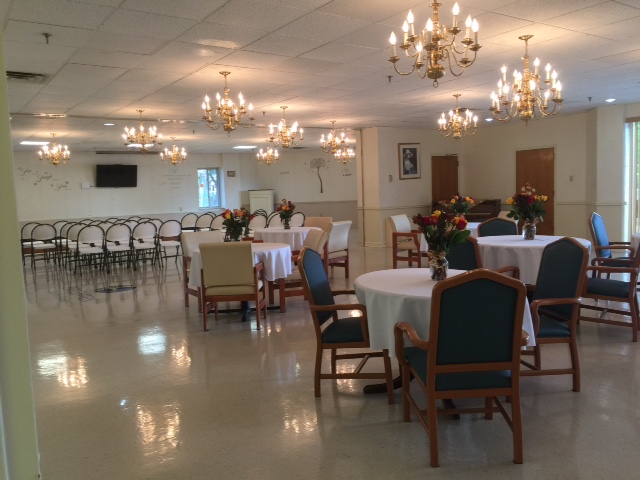
How is Medford Rehabilitation And Nursing Center Staffed?

CMS rates MEDFORD REHABILITATION AND NURSING CENTER's staffing level at 3 out of 5 stars, which is average compared to other nursing homes. Staff turnover is 61%, which is 15 percentage points above the Massachusetts average of 46%. High turnover can affect care consistency as new staff learn residents' individual needs.

What Have Inspectors Found at Medford Rehabilitation And Nursing Center?

State health inspectors documented 38 deficiencies at MEDFORD REHABILITATION AND NURSING CENTER during 2022 to 2025. These included: 4 that caused actual resident harm and 34 with potential for harm. Deficiencies causing actual harm indicate documented cases where residents experienced negative health consequences.
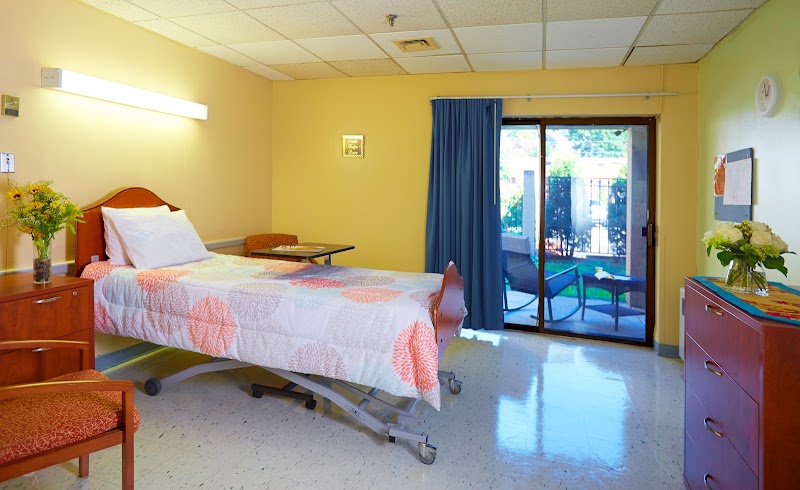
Who Owns and Operates Medford Rehabilitation And Nursing Center?

MEDFORD REHABILITATION AND NURSING CENTER is owned by a for-profit company. For-profit facilities operate as businesses with obligations to shareholders or private owners. The facility is operated by PERSONAL HEALTHCARE, LLC, a chain that manages multiple nursing homes. With 142 certified beds and approximately 126 residents (about 89% occupancy), it is a mid-sized facility located in MEDFORD, Massachusetts.
How Does Medford Rehabilitation And Nursing Center Compare to Other Massachusetts Nursing Homes?

Compared to the 100 nursing homes in Massachusetts, MEDFORD REHABILITATION AND NURSING CENTER's overall rating (3 stars) is above the state average of 2.9, staff turnover (61%) is significantly higher than the state average of 46%, and health inspection rating (3 stars) is at the national benchmark.

What Should Families Ask When Visiting Medford Rehabilitation And Nursing Center?

Based on this facility's data, families visiting should ask: "How do you ensure continuity of care given staff turnover, and what is your staff retention strategy?" "Can I visit during a mealtime to observe dining assistance and food quality?" "How do you handle medical emergencies, and what is your hospital transfer rate?" "Can I speak with family members of current residents about their experience?" These questions are particularly relevant given the facility's high staff turnover rate.

Is Medford Rehabilitation And Nursing Center Safe?

Based on CMS inspection data, MEDFORD REHABILITATION AND NURSING CENTER has a clean safety record: no substantiated abuse findings (meaning no confirmed cases of resident harm), no Immediate Jeopardy citations (the most serious violation level indicating risk of serious injury or death), and is not on the Special Focus Facility watch list (a federal program monitoring the lowest-performing 1% of nursing homes). The facility has a 3-star overall rating and ranks #1 of 100 nursing homes in Massachusetts. While no facility is perfect, families should still ask about staff-to-resident ratios and recent inspection results during their visit.

Do Nurses at Medford Rehabilitation And Nursing Center Stick Around?

Staff turnover at MEDFORD REHABILITATION AND NURSING CENTER is high. At 61%, the facility is 15 percentage points above the Massachusetts average of 46%. High turnover means new staff may not know residents' individual needs, medications, or preferences. It can also be disorienting for residents, especially those with dementia who rely on familiar faces. Families should ask: What is causing the turnover? What retention programs are in place? How do you ensure care continuity during staff transitions?

Was Medford Rehabilitation And Nursing Center Ever Fined?

MEDFORD REHABILITATION AND NURSING CENTER has been fined $15,593 across 1 penalty action. This is below the Massachusetts average of $33,235. While any fine indicates a compliance issue, fines under $50,000 are relatively common and typically reflect isolated problems that were subsequently corrected. Families should ask what specific issues led to these fines and confirm they've been resolved.

Is Medford Rehabilitation And Nursing Center on Any Federal Watch List?

MEDFORD REHABILITATION AND NURSING CENTER is not on any federal watch list. The most significant is the Special Focus Facility (SFF) program, which identifies the bottom 1% of nursing homes nationally based on persistent, serious quality problems. Not being on this list means the facility has avoided the pattern of deficiencies that triggers enhanced federal oversight. This is a positive indicator, though families should still review the facility's inspection history directly.