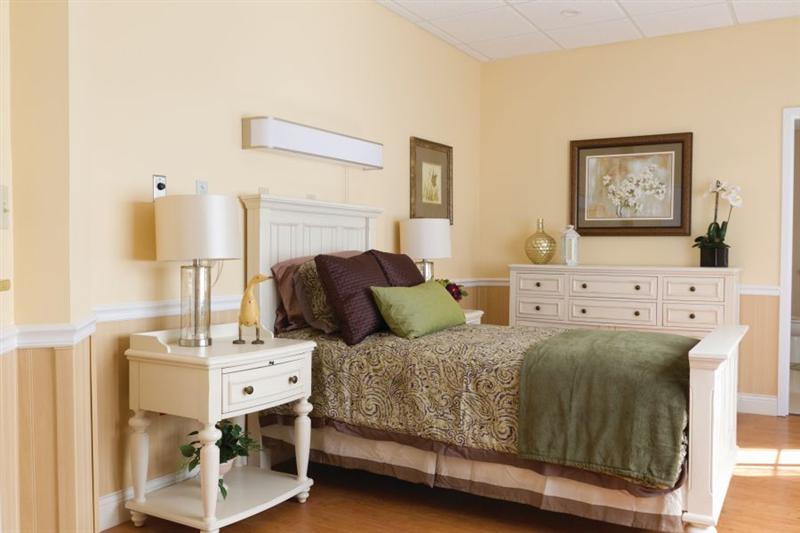
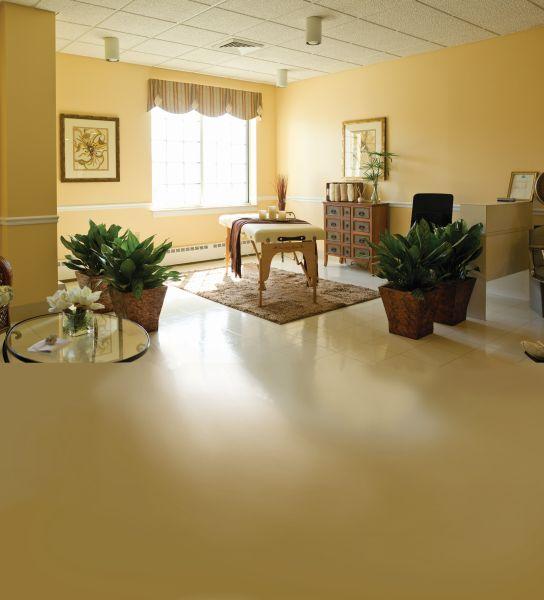
REGALCARE AT GLEN RIDGE

120 MURRAY STREET, MEDFORD, MA 02155 (781) 391-0800
For profit - Limited Liability company 164 Beds REGALCARE Data: November 2025 2 Immediate Jeopardy citations
Trust Grade
0/100
#315 of 338 in MA
Last Inspection: August 2024

Within standard 12-15 month inspection cycle. Federal law requires annual inspections.

Overview

RegalCare at Glen Ridge has received a Trust Grade of F, indicating poor quality and significant concerns about care. Ranking #315 out of 338 facilities in Massachusetts places it in the bottom half, and at #69 out of 72 in Middlesex County, it is among the least favorable options available. While the facility is trending towards improvement, going from 36 issues in 2024 to just 1 in 2025, it still faces serious challenges, including $347,013 in fines, which is higher than 95% of Massachusetts facilities. Staffing is a relative strength with a 3/5 star rating, but the turnover rate of 53% is concerning and above the state average. Specific incidents of care failures are alarming; for instance, staff failed to report a significant change in a resident's condition, leading to that resident's death, and other residents were neglected for essential care, resulting in new pressure ulcers. While there is good RN coverage, these serious incidents raise significant red flags for potential residents and their families.

Trust Score
F
0/100
In Massachusetts
#315/338
Bottom 7%
Safety Record
High Risk
Review needed
Inspections
Getting Better
36 → 1 violations
Staff Stability
⚠ Watch
53% turnover. Above average. Higher turnover means staff may not know residents' routines.
Penalties
○ Average
$347,013 in fines. Higher than 66% of Massachusetts facilities. Some compliance issues.
Skilled Nurses
✓ Good
Each resident gets 55 minutes of Registered Nurse (RN) attention daily — more than average for Massachusetts. RNs are trained to catch health problems early.
Violations
⚠ Watch
95 deficiencies on record. Higher than average. Multiple issues found across inspections.
★☆☆☆☆
1.0
Overall Rating
★★★☆☆
3.0
Staff Levels
★★☆☆☆
2.0
Care Quality
★☆☆☆☆
1.0
Inspection Score
Stable
2024: 36 issues
2025: 1 issues

The Good

  • Full Sprinkler Coverage · Fire safety systems throughout facility
  • No fines on record

Facility shows strength in fire safety.

The Bad

1-Star Overall Rating

Below Massachusetts average (2.9)

Significant quality concerns identified by CMS

Staff Turnover: 53%

Near Massachusetts avg (46%)

Higher turnover may affect care consistency

Federal Fines: $347,013

Well above median ($33,413)

Significant penalties indicating serious issues

Chain: REGALCARE

Part of a multi-facility chain

Ask about local staffing decisions and management

The Ugly 95 deficiencies on record

2 life-threatening 16 actual harm
Jul 2025 1 deficiency
CONCERN (D) 📢 Someone Reported This

A family member, employee, or ombudsman was alarmed enough to file a formal complaint

Potential for Harm - no one hurt, but risky conditions existed

Deficiency F0655 (Tag F0655)

Could have caused harm · This affected 1 resident

Based on records reviewed and interviews, for one of three sampled residents (Resident #1), the Facility failed to ensure they developed and implemented a baseline plan of care within 48 hours of his/...

Read full inspector narrative →
Based on records reviewed and interviews, for one of three sampled residents (Resident #1), the Facility failed to ensure they developed and implemented a baseline plan of care within 48 hours of his/her admission.Findings include:The Facility's Policy, titled, Baseline Care Plan, dated as revised 04/2022, indicated a baseline plan of care to meet the resident's immediate needs would be developed for each resident within 48 hours of admission.The Facility's Policy, titled Elopement Risk Scale, undated, indicated newly admitted residents would be evaluated by nursing to determine elopement risk, and indicated an interdisciplinary plan of care would be developed for residents assessed at risk for elopement.Resident #1 was admitted to the Facility in May 2025, diagnoses included diabetes, vascular dementia, chronic kidney disease, and dysphagia.Review of Resident #1's admission Elopement Risk Evaluation, dated 05/30/25 and timed 01:01 P.M., indicated he/she was exit seeking, wandering without purpose, wanted to leave the unit, was watching others go through the doors, was only oriented to person, and was assessed at risk for elopement by nursing. However, the section of the Elopement Risk Evaluation which indicated to check boxes for nursing to include interventions and develop a plan of care were left blank.Review of Resident #1's Nurse Progress Note, dated 06/01/25, timed 05:30 P.M., indicated Resident #1 eloped from the Facility.Review of Resident #1's Care Plan Report indicated there were no identified areas or interventions for care developed before 06/02/25.Further review of Resident #1's Medical Record indicated there was no documentation to support that a Baseline Plan of Care was developed within 48 hours of his/her admission.During an interview on 07/15/25 at 08:17 A.M., the Director of Nurses (DON) said nursing should have developed an elopement plan of care for Resident #1 upon the assessment that he/she was at risk for elopement, but did not, and said a baseline plan of care should be developed within 48 hours of admission for all residents.
Oct 2024 2 deficiencies 2 Harm
SERIOUS (G) 📢 Someone Reported This

A family member, employee, or ombudsman was alarmed enough to file a formal complaint

Actual Harm - a resident was hurt due to facility failures

Free from Abuse/Neglect (Tag F0600)

A resident was harmed · This affected 1 resident

Based on records reviewed and interviews, for one of three sampled residents (Resident #1), who was alert, oriented, and able to make his/her needs known, the Facility failed to ensure he/she was free...

Read full inspector narrative →
Based on records reviewed and interviews, for one of three sampled residents (Resident #1), who was alert, oriented, and able to make his/her needs known, the Facility failed to ensure he/she was free from physical and emotional abuse from a staff member, when on 08/26/24, although Resident #1 was asleep, the Facility's contracted Podiatrist began to provide care to his/her feet, Resident #1 woke up abruptly, was startled by the Podiatrist touching his/her feet, told the Podiatrist to stop, they became engaged in a verbal and physical altercation, during which Resident #1 was struck on the left side of his/her face and left arm. Resident #1 was transferred and evaluated in the Hospital Emergency Department for an injury to his/her left cheek. Resident #1 said as a result of the altercation, he/she was fearful and anxious about the Podiatrist being in the building. Findings include: The Facility Policy, titled Abuse Prohibition, dated revised 03/2022, indicated: -Each resident had the right to be free from verbal, sexual, physical and mental abuse, neglect, corporal punishment, involuntary seclusion, and misappropriation of their property. Every resident in the Facility would always be treated with respect and dignity, and residents would not be subjected to abuse by anyone, including but not limited to facility staff, other residents, consultants, volunteer staff, family members, friends or other individuals. -Abuse was defined as the willful infliction of injury, unreasonable confinement, intimidation, or punishment with resulting physical hurt or pain or mental anguish to a resident. -Physical abuse included, but was not limited to, hitting, slapping, pinching, kicking, and so on. -Staff would refrain from all actions that could be considered abuse, mistreatment, neglect, exploitation, and/or misappropriation. Resident #1 was admitted to the Facility in February 2023, diagnoses included dementia, insomnia, and anxiety. Review of Resident #1's Quarterly Minimum Data Set Assessment, dated 08/21/24, indicated he/she had a Brief Interview for Mental Status (BIMS, structured interview to assess attention, orientation and recall) score of 15/15, which indicated he/she was cognitively intact. Review of Resident #1's Nurse Progress Note, dated 08/26/24, indicated Nurse #1 was in the hallway on Resident #1's unit, and heard loud screaming come from Resident #1's room. The Note indicated Nurse #1 immediately went to Resident #1's room, discovered him/her sitting on his/her bed, he/she was bleeding from his/her left hand, the left side of his/her face and was anxious and scared. During a telephone interview on 10/30/24 at 01:08 P.M., Nurse #1 said that on 08/26/24 she was at the medication cart down the hall from Resident #1's room when she heard loud screaming come from Resident #1's room. Nurse #1 said she immediately went to Resident #1's room and saw him/her lying on his/her bed and the Podiatrist was standing at the foot of the bed. Nurse #1 said Resident #1 said he/she told the Podiatrist not to cut his/her toenails and said that the Podiatrist had hit him/her. Nurse #1 said Resident #1 was bleeding from a cut on the left side of his/her face and a cut on his/her left hand, and was transferred to the Hospital Emergency Department. Nurse #1 said she was familiar with Resident #1 and said he/she could be confused at times but was mostly alert and oriented. Nurse #1 said she had never heard Resident #1 make accusations against anyone before this incident. Nurse #1 said Resident #1 became anxious and fearful, would ask if the Podiatrist was coming back, would talk about the incident nonstop, and required reassurance from staff and family. During an interview on 10/30/24 at 02:06 P.M., Resident #1 said that about two months ago (exact date unknown), he/she was napping in bed in the middle of the morning, and he/she woke up because he/she felt someone pulling at his/her leg. Resident #1 said when he/she saw the Podiatrist at the foot of his/her bed, touching his/her feet, he/she told the Podiatrist not to clip his/her toenails. Resident #1 said the Podiatrist ignored him/her and continued to clip his/her toenails. so he/she then tried to get up from the bed. Resident #1 said the Podiatrist then hit him/her with a closed fist on the left side of his/her face, which resulted in a cut and bruising on the left side of his/her face and ear and a cut on his/her hand. Resident #1 said He hit me so hard. He just hauled off and whaled me! Who does he think he is hitting an old (person)? I was so afraid he would come back and hurt me again. Review of the Local Police Department Report, dated 08/26/24, indicated Resident #1 said he/she woke up and found the Podiatrist attempting to clip his/her toenails, and said he/she told the Podiatrist he/she did not want his/her toenails touched. The Police Report indicated Resident #1 said the Podiatrist then struck him/her on the left side of his/her face with a closed fist, and he/she had a visible laceration on his/her left cheek. The Police Report indicated the Podiatrist said that when he attempted to clip Resident #1's toenails, he/she lunged forward at him, that he put his hands out and had his clippers in his right hand. The Police Report indicated the Podiatrist said he was unsure if his hand made contact with Resident #1's face. Review of Resident #1's Interdisciplinary Team Discharge and Recapitulation Summary Note, dated 08/26/24, indicated Resident #1 stated that when the Podiatrist went to cut his/her toenails, he/she said no, and the Podiatrist punched him/her on the left side of his/her face and cut his/her left hand. The Summary indicated Resident #1 was transferred to the Hospital Emergency Department and was alert, oriented at the time of transfer. Review of Resident #1's Hospital Emergency Department Encounter Note, dated 08/26/24, indicated he/she was evaluated and treated for a dime sized abrasion to the left side of his/her face, left ear redness and reported an altercation with the Facility's Podiatrist. The Encounter Note indicated Resident #1 reported that the Podiatrist struck him/her on the left side of his/her face, and that he/she had full recall of the event. Review of Resident #1's Skin Observation Tool, dated 08/26/24, indicated he/she had an abrasion on the left side of his/her face and a laceration on his/her left lower arm, which were new. Review of Resident #1's Nurse Progress Note, dated 08/27/24, indicated Resident #1, who was normally social, was withdrawn, isolating in his/her room, expressing concerns about his/her safety, and refused to take a shower which he/she was usually very eager for. Review of Resident #1's Nurse Progress Note, dated 08/28/24, timed 06:57 A.M., indicated he/she expressed fear over the incident with the Podiatrist from two days prior. Review of Resident #1's Nurse Progress Note, dated 08/28/24, timed 10:26 A.M., indicated he/she was anxious regarding the incident and required reassurance from staff. Review Resident #1's Psychological Progress Note, dated 08/28/24, indicated he/she was generally oriented to self, time, place and situation. The Note indicated Resident #1 discussed the recent incident where the Podiatrist had reportedly hit him/her in the face. The Report indicated Resident #1 said I am so scared of him. I am fearful he will come back and hurt me again. Review of Resident #1's Nurse Progress Note, dated 08/31/24, indicated Resident #1 called the Local Police Department because he/she was in fear that the Podiatrist would be coming in that day. Review of Resident #1's Nurse Progress Note, dated 09/04/24, indicated he/she was very anxious to know when the Podiatrist was coming back to the Facility. Review of the Podiatrist's written statement, that he provided to the facility but was unsigned, indicated that on 08/26/24, he went to see Resident #1 in his/her room, introduced himself, pulled back his/her open toe stockings, and Resident #1 lunged at him, yelled stop stop stop, and grabbed his clippers. During a telephone interview on 10/30/24 at 10:50 A.M., The Podiatrist said that on 08/26/24 at 10:00 A.M., he entered Resident #1's room and found him/her sleeping. The Podiatrist said he made two or three attempts to wake Resident #1, however he/she did not wake up, and said he did not ask a staff member to come to help wake Resident #1 up. The Podiatrist said he then proceeded to pull back Resident #1's open toe stockings and started clipping his/her toenails, without ensuring Resident #1 knew he was there, who he was, or what he was doing. The Podiatrist said as he was clipping his/her toenails, Resident #1 suddenly woke up and lunged at him. The Podiatrist said he never left the foot of Resident #1's bed, and could not recall if he moved his right hand (which was holding the toenail clippers) to the left, right, forward, or backward. The Podiatrist said it was possible, but he could not recall if Resident #1's face or arm came in contact with his clippers, and said they are very sharp and could easily cause a cut. Although the Podiatrist denied hitting/punching Resident #1 in the face, the Podiatrist's written statement conflicted with the statement he made to the Police on 08/26/24 and conflicted with his account of the incident on 10/30/24 during his telephone interview with the surveyor. During an interview on 10/29/24 at 01:18 P.M., the Director of Nurses (DON) said that on 08/26/24, some time in the morning, she was called to Resident #1's unit by Nurse #1 who reported that Resident #1 said the Podiatrist had punched him/her. The DON said Resident #1 had fresh blood on his/her left cheek and left lower arm near his/her hand that were from new injuries, and that he/she said the Podiatrist had hit him/her with a closed fist. The DON said Resident #1 was consistent with his/her story, and said she believed that something did happen, but she was not there to witness the incident. The DON said that during an interview with the Podiatrist, he said he had begun clipping Resident #1's toenails while he/she was sleeping and that's when Resident #1 was startled awake and lunged forward, causing his/her injuries. The DON said she was unsure how Resident #1's face could have come in contact with the Podiatrist's clippers if he was at the foot of the bed.
SERIOUS (G) 📢 Someone Reported This

A family member, employee, or ombudsman was alarmed enough to file a formal complaint

Actual Harm - a resident was hurt due to facility failures

Deficiency F0691 (Tag F0691)

A resident was harmed · This affected 1 resident

Based on records reviewed and interviews, for one of three sampled residents (Resident #2), who had an ileostomy (surgical procedure that creates an opening in the abdominal wall to direct the small i...

Read full inspector narrative →
Based on records reviewed and interviews, for one of three sampled residents (Resident #2), who had an ileostomy (surgical procedure that creates an opening in the abdominal wall to direct the small intestine and allow waste to exit the body), the Facility failed to ensure they provided care consistent with professional standards of practice, when on 09/23/24, although nursing was aware Resident #2 did not have ostomy appliances in place over his/her stoma, which was actively secreting stool, no additional nursing interventions were implemented to protect his/her abdominal wound, resulting in fecal matter contamination of his/her abdominal incision, excoriation of surrounding skin, and he/she required transfer and re-admission to the Hospital for treatment. Findings include: The Facility's Policy, titled, Ostomy Care, dated 04/2022, indicated an ileostomy was a surgically created opening from the small bowel which was brought through the abdominal wall and used to create a stoma. The Ostomy Care Policy did not indicate any professional procedure for the appliance or maintenance of placement of an ostomy device. The Facility's Policy, titled Dry/Clean Dressings, dated 03/2022, indicated wound care and dressings would be applied as ordered by the physician. Resident #2 was admitted to the Facility in September 2024, diagnoses included intestinal obstruction and ileostomy. Review of Resident #1's Treatment Administration Record (TAR) for September 2024 indicated he/she had physician's orders for the following: -9/20/24, Ileostomy Care every shift, -Change Abdominal Incision dressing every shift, cleanse with wound spray, pack middle of incision with sterile gauze, and cover with abdominal pad (large absorbent pad) or telfa (nonstick gauze) and secure with paper tape. Review of Resident #2's Physician's Note, dated 09/23/24, indicated that at 11:00 A.M., Physician #1 assessed Resident #2, in person. The Physician's Note indicated Physician #1 removed a dressing from Resident #2's abdomen and found that he/she did not have an ostomy appliance in place at all, and that his/her abdomen, dressing, and abdominal incision were covered in fecal matter, the gauze that was within the abdominal incision was soaked in fecal matter, and the wound edges and peristomal skin (area of skin around the stoma) were red and inflamed. The Physician's Note indicated that Nurse #2 said she had been aware that Resident #2 did not have an ostomy appliance on, that his/her supplies were ordered and would be arriving later that day. Resident #2's Physician's Note indicated he/she was transferred to the Hospital Emergency Department for further care of his/her abdominal wound and high risk of infection due to the presence of fecal matter in his/her open wound. Review of Resident #2's Hospital Emergency Department admission Note, dated 09/23/24, indicated he/she was diagnosed with abdominal wound dehiscence (opening) and was admitted to the Hospital. During a telephone interview on 10/30/24 at 01:23 P.M., Physician #1 said that on 09/23/24 at 11:00 A.M., she assessed Resident #2, who was in his/her bed at the Facility, and when she removed the dressing that was in place on Resident #2's abdomen, she discovered that he/she did not have an appliance on his/her ostomy stoma. Physician #1 said there was one large dressing taped down covering Resident #2's entire abdominal incision and the ileostomy stoma, that there was fecal material covering his/her entire abdomen, the dressing, and soaked into the gauze that was in his/her abdominal incision. Physician #1 said she asked Nurse #2 to look at Resident #2's abdomen as well, and that Nurse #2 said she knew Resident #2 did not have an ostomy appliance in place when she took over that morning at 07:00 A.M., as Resident #2's nurse. During an interview on 10/29/24 at 02:16 P.M., Nurse #2 said that on 09/23/24 she was the nurse assigned to Resident #2, and said she was told at 07:00 A.M., during change of shift report that Resident #2 did not have an ostomy appliance in place, and that supplies had been ordered. Nurse #2 said she did not assess Resident #2's abdomen or stoma until Physician #1 called her in to Resident #2's room. Nurse #2 said the skin surrounding Resident #2's abdominal incision and stoma was red, excoriated, and the incision had dehisced (opened). Nurse #2 said although Resident #1's specific ostomy supplies had not been delivered, there were ostomy supplies that could be used temporarily in the Facility at the time, and that she applied the ostomy appliance after Physician #1 assessed Resident #2. During an interview on 10/29/24 at 01:18 P.M., the Director of Nurses (DON) said she received a call from the Director of Care at Physician #1's practice and was told that Physician #1 had found Resident #2 without an ostomy appliance with fecal material in his/her wound. The DON said Resident #2 should have had an ostomy appliance in place and his/her abdominal incision should have been protected from fecal contamination.
Aug 2024 34 deficiencies 8 Harm
SERIOUS (G)

Actual Harm - a resident was hurt due to facility failures

Notification of Changes (Tag F0580)

A resident was harmed · This affected 1 resident

**NOTE- TERMS IN BRACKETS HAVE BEEN EDITED TO PROTECT CONFIDENTIALITY** Based on record review, interview, and observation, the facility failed to notify the physician of changes in medical status for...

Read full inspector narrative →
**NOTE- TERMS IN BRACKETS HAVE BEEN EDITED TO PROTECT CONFIDENTIALITY** Based on record review, interview, and observation, the facility failed to notify the physician of changes in medical status for five Residents (#81, #42, #30, #99 and #78) of 46 sampled Residents. Specifically: 1. For Resident #78 the facility failed to ensure the physician was notified when: a.) pain medication was unavailable upon admission to the facility, and for the 19 hours following admission, resulting in worsening pain; and b.) when Resident #78's scheduled pain medication ran out, resulting in worsening pain. 2. For Resident #42 the facility failed to ensure the physician was notified when they were unable to fulfill an order to obtain a culture and sensitivity of a new wound for over a week from when the order was given. 3. For Resident #81, the facility failed to notify the physician or nurse practitioner that Resident #81 had a Stage 2 pressure wound on the left calf. 4. For Resident #30, the facility failed to notify the physician or nurse practitioner of deteriorating wounds and the recommendations of the wound nurse practitioner in a timely manner. 5. For Resident #99, the facility failed to ensure the physician was alerted to a skin injury. Findings include: According to the National Pressure Injury Advisory Panel, a Stage 2 Pressure Injury is defined as a partial-thickness skin loss with exposed dermis and may present as an intact or ruptured serum-filled blister. A Deep Tissue Injury (DTI) is defined as a persistent non-blanchable deep red, maroon or purple discoloration, intact or non-intact skin with localized area of persistent non-blanchable deep red, maroon, purple discoloration or epidermal separation revealing a dark wound bed or blood filled blister. This injury results from intense and/or prolonged pressure and shear forces at the bone-muscle interface. 1. Resident #78 was admitted to the facility in May 2024 and has diagnoses that include contracture of muscle of right upper arm and Marfan Syndrome with Skeletal Manifestation. Review of the most recent Minimum Data Set (MDS) assessment, dated 5/28/24, indicated that on the Brief Interview for Mental Status exam Resident #78 scored a 15 out of a possible 15, indicating intact cognition. The MDS further indicated Resident #78 requires pain management on a scheduled basis as well as PRN (as needed), and that his/her pain was coded as almost constantly. During an interview on 8/6/24 at 9:01 A.M., with Resident #78 he/she said that he/she has had a terrible experience at the facility. Resident #78 explained that he/she has a diagnosis that causes significant pain and that the pain has not been managed by the facility. Resident #78 said I made a complaint to DPH after here a week (of being at the facility) and things have gotten progressively worse. Review of Resident #78's current Pain care plan indicated initiated on 6/4/24 indicated: Focus: Chronic pain due to contractures and Marfan's syndrome. Interventions include: Administer and monitor for effectiveness and possible side effects from: Routine pain medication. PRN (as needed) pain medication. See [Medication Administration Record] (MAR). Monitor and report to nurse: Signs and symptoms of pain. Worsening of pain. Report changes in pain location /type frequency intensity to physician. a.) Review of the Emergency Department documentation one day prior to Resident #78's admission to the facility indicated: Patient states that he/she has a history of Marfan's and with this does have chronic pain for which he/she uses a patch. The documentation also indicated that the patch was removed at the hospital on the date of transfer to the facility. The discharge orders from the hospital to the facility included the following orders for pain management: Fentanyl 100 Mcg/hr, apply 2 patches every 72 hours. Review of the May 2024 MAR indicated that Resident #78 first had the Fentanyl 100 mcg/hr patch applied on 5/25/24 at 4:15 P.M.; nearly 19 hours after admission to the facility. Review of the record indicated a progress note dated 5/25/24 at 8:45 A.M., approximately 12 hours after the Resident's admission to the facility: Writer this morning found a resident agitated, crying and stated he/she does not feel good because since yesterday he/she came haven't received any medication, sated (sic) that in pain and requesting to be transferred back to hospital, writer called pharmacy to request start orders of Dilaudid and Fentanyl patch because patient stated that he/she is in pain, Pharmacy phones goes to voice mail for 4 times, On call supervisor notified the situation, in about 30 minutes resident called 911 and taken back to hospital. (sic) Review of the Narcotic book indicated that all of Resident #78's admission medications, including the Fentanyl 100 mcg/hl patch were received from the pharmacy on 5/25/24 at 3:20 P.M.; nearly 18 hours after Resident #78's admission to the facility. Review of the facility's MedWiz (an emergency medication supply system for medications not in stock) report failed to indicate the system was accessed to provide any pain medication for Resident #78 on 5/24/24 or 5/25/24. The record failed to indicate that the Physician was notified that the pain medication was unavailable. During an interview on 8/12/24 at 8:35 A.M., with the Director of Nursing (DON) and Corporate Nurse #1, Corporate Nurse #1 said that the admitting nurse should have discussed with the MD what they should provide the resident for pain management coverage until the Resident's medication is available and that this should be documented in the clinical record. b.) Review of the August 2024 Physician orders included the following orders: Fentanyl Transdermal Patch 72 hours 100 MCG/HR (Fentanyl) Apply 2 patch transdermally every 72 hours for pain and remove per schedule. Fentanyl Transdermal Patch 72 hours 12 MCG/HR (Fentanyl) Apply 1 patch transdermally every 72 hours for chronic pain Apply together with the two 100 mcg/hr patches. For total dose of 212 mcg/hour of Fentanyl and remove per schedule. Pain assessment Q (each) shift using pain scale 1-3 Mild Pain, 4-6 Moderate pain, 7-9 Severe Pain, 10 Very severe pain During an observation and interview on 8/7/24 at 12:06 P.M., Resident #78 was observed in bed with his/her right upper arm exposed. 2 patches were applied to the right upper arm that were dated 8/6/24, 7-3. Resident #78 voiced being upset and in pain and presented with significant facial grimacing. Resident #78 said that he/she is supposed to have three pain patches applied but that the facility ran out of one of them yesterday. Resident #78 said that last night the nurses said they had to order more patches from the pharmacy and that they should be in by midnight last night. Resident #78 said that the patches never came in last night and that the nurse today said they are still waiting for the pain patches to come in from the pharmacy. Review of the August 2024 Medication Administration Record (MAR) indicated the following: -The order for Fentanyl Transdermal Patch 72 hours 100 MCG/HR (Fentanyl) Apply 2 patch transdermally every 72 hours for pain was administered on 8/6/24. -The order for Fentanyl Transdermal Patch 72 hours 100 MCG/HR (Fentanyl) Apply 1 patch transdermally every 72 hours was blank. There was no progress note to indicate why the medication was not administered as ordered. -The most recent pain assessed on the 7-3 shift on 8/7/24 indicated Resident #78 reported a pain level of 5. Review of the clinical progress notes failed to indicate the Physician was notified that the Fentanyl Transdermal Patch 72 hours 12 MCG/HR (Fentanyl) patch was not administered as ordered on 8/6/24 or that alternate pain management was provided. During an interview with Nurse #1 on 8/7/24 at 1:00 P.M., she verified that the facility had run out of Resident #78's Fentanyl Transdermal Patch 72 hours 12 MCG/HR (Fentanyl) patch and that it was not available for application as ordered on 8/6/24. Nurse #1 said the following: -The nurse on each shift is responsible to monitor their medication supply and when they are low to reorder it through the computer system. -If it is a narcotic that needs to be refilled it is the nurse's responsibility to notify the MD who will send a prescription directly through the system to the pharmacy and that the Physician's at the facility were very good about doing this. -If a medication is not available the nurse must notify the MD and write a note. In Resident #78's case she said the note should indicate the MD's plan for pain management while waiting for the needed medication to come in from the pharmacy. -Resident #78's Fentanyl Transdermal Patch 72 hours 12 MCG/HR (Fentanyl) patch came in last night (8/6/24) but that the night nurse didn't give it and she did not know why. -Nurse #1 said that she did not apply the Fentanyl Transdermal Patch 72 hours 12 MCG/HR (Fentanyl) patch that day and planned to ask the Director of Nursing if it was okay to apply it late, but had not yet had a chance to try to speak with her that day. Nurse #1 said she did not notify the physician. -Resident #78 reported to her that his/her was a 5 on a scale of 1-10 that day. Nurse #1 said that Resident #78 is probably reporting that his/her pain level is a 10 now because of the patch not being on. During an Interview on 8/7/24 at 1:24 P.M., with the facility's Corporate Nurse #1 she would have expected the MD to notified yesterday when the pain patch was not available, a progress note written about the medication not being applies and what the MD wanted to do to address pain pending receipt of the patch. 2. For Resident #42 the facility failed to ensure the physician was notified when they were unable to fulfill an order to obtain a culture and sensitivity of a new wound for over a week from when the order was given. Resident #42 was admitted to the facility in July 2022 and has diagnoses that include Multiple Sclerosis and chronic venous hypertension (Idiopathic) with ulcer of right lower extremity. Review of the most recent Minimum Data Set (MDS) assessment, dated 7/10/24, indicated that on the Brief Interview for Mental Status exam Resident #42 scored a 15 out of 15, indicating intact cognition. The MDS further indicated Resident #42 had no wounds or skin issues. Review of the clinical record indicated the following: -A nurses note dated 7/26/24: Area skin flaking and moist with pus filled skin to RLE (history of areas). New order to obtain wound C&S, NSW, pat dry, apply Bacitracin and cover with DPD until healed. -A Nurse Practitioner Progress note, dated 7/30/24, indicated: Chronic venous ulceration on right lower extremity, protein-calorie malnutrition, generalized muscle weakness. Noted on the patient's right lower extremity are multiple scattered shallow ulcerations with irregular borders. Some areas are reddened with granulation tissue and others are with slough, none tunneling, with large amounts of serous drainage, mild odor (a deterioration from 7/26/24). Wound culture ordered, Venous Doppler Ultrasound. Continue health supplements. Continue daily dressing changes with NS and wrap with kerlix. We will order topical after results of wound culture is available. Review of the July 2024 Medication Administration Record (MAR) indicated the following order: Obtain wound C & S RLE wound. Start date 7/26/24 at 15:00. -A nurses note dated 8/4/24 indicated the C&S was obtained on 8/04/24, 10 days after the order was initially ordered. -A nurses note dated 8/8/24: Wound C&S results had come back and Resident #42 was positive for the following infection in the wound: + Proteus Mirabilis and Staphylococcus. During an interview with the Nurse #4 on 8/12/24 11:42 A.M., she said that she was the nurse that initially obtained the order to get a C&S but that the facility had run out of the kits that are provided by the lab. Nurse #4 said that the kits were delivered the end of the next week. She said that she should have notified the MD and written a progress note when she was unable to fulfill the MD order, but did not. The record failed to indicate that the MD/NP were notified that the kits were unavailable and that therefore the facility was unable to obtain the C&S for Resident #42's new wound. During an interview on 8/12/24 at 12:21 P.M., the Director of Nursing (DON) said that the MD should have been notified they could not fulfill an order when they were unable to obtain the C&S of a new wound as ordered by the MD. 5. Resident #99 was admitted to the facility in August 2023 with diagnoses including Alzheimer's disease, dysphagia and legal blindness. Review of the Minimum Data Set Assessment (MDS) dated [DATE] indicated Resident #99 scored 3 out of a possible 15 on the Brief Interview for Mental Status Exam (BIMS) indicating severe cognitive impaired. The MDS also indicated Resident #99 requires assistance with bathing, dressing and transfers. Review of the nurse progress note dated 6/30/2024 indicated: CNA (Certified Nursing Assistant) informed this nurse of an old scab on the left upper extremity discovered not intact and opened. Area cleansed, bacitracin antibiotic ointment applied, and covered with bordered dressing. The clinical record failed to indicate the physician was notified and orders were obtained to provide treatment to Resident #99's skin injury. Review of the physicians note dated 7/11/24 indicated: Skin tear of left elbow without complication Unclear when this initially occurred, however old steri strips present on two locations of L (left) elbow removed. Some pain on palpation, no signs of infection. Wound care orders placed: QOD dleanse (sic) with normal saline, pat dry, apply bacitracin, cover with bordered gauze. During an interview on 8/8/24 at 11:26 A.M., Physician #2 said he was not aware of a skin injury to Resident #99's arm until he observed it on 7/11/24. Unit Manager #2 was unavailable for interview. During an interview on 8/8/24 at 12:15 P.M., Nurse #7 said on 6/30/24, a CNA alerted her that Resident #99 had an injury on his/her arm so she provided treatment. Nurse #7 said she is a new nurse and did not call the physician to alert him about Resident #99's arm because she didn't know she needed to. During an interview on 8/12/24 at approximately 12:30 P.M., the Director of Nursing (DON) said that the expectation is for nurses to communicate with the physician regarding changes in resident skin condition. Ref. F658, F684, F686, F697 4. Resident #30 was admitted to the facility in June 2024 with diagnoses including schizoaffective disorder bipolar type, dementia and heart failure. Review of the Minimum Data Set Assessment (MDS) dated [DATE], indicated that Resident #30 scored a 10 out of 15 on the Brief Interview for Mental Status exam, indicating moderately impaired cognition. Further review indicated that Resident #30 requires substantial to maximal assistance with all activities of daily living. Review of the facility document titled SKIN OBSERVATION TOOL - (Licensed Nurse) - V 4 dated 7/2/24, indicated that Resident #30's skin was intact. Review of the Nurse Practitioner (NP) #1 note dated 7/9/24, indicated a new stage one pressure area to right lateral heel measuring 2.0 CM x 1.5 CM (centimeters). Further review indicated a new order for skin prep to heels, Prevalon boots and to off load both heels. Review of the facility document titled SKIN OBSERVATION TOOL - (Licensed Nurse) - V 4 dated 7/10/24, indicated that Resident #30's right heel now has an intact blister. ( stage 2 pressure ulcer, a deterioration) Review of NP #1's notes dated 7/11/24 failed to indicate she had been notified of the wound deteriorating or that she assessed Resident #30's wound. There is no documentation to support she is aware the stage one is now a blister. Review of Physician #1's notes dated 7/12/24, failed to indicate he was aware of the pressure area on the right heel. There is no documentation to support he is aware of the blister on Resident #30's right heel. On 8/8/24 at 9:26 A.M., the Director of Nursing (DON) said that it is the expectation for the nurse practitioner or doctor to be notified of a deteriorated pressure area. 3. Resident #81 was admitted to the facility in May 2021 and had a primary diagnosis of stroke. Review of Resident #81's Minimum Data Set Assessment (MDS) dated [DATE], indicated a Brief Interview for Mental Status score of 1 of 15 points, indicating severe cognitive impairment. The MDS indicated that Resident #81 is dependent on staff for all bed mobility and requires substantial assistance for all other activities of daily living. The MDS also indicated was at-risk for pressure injuries but had no skin wounds. The Resident required pressure relieving devices for the bed and chair. Review of the facility's policy Pressure Ulcer/Injury Risk Assessment dated as revised 3/20/22, indicated the following information should be recorded in the resident's medical record utilizing facility forms. This included but was not limited to: Notify attending MD if new skin alteration noted. Documentation in the medical record addressing MD notification if new skin alteration noted with change of plan of care, if indicated. According to the National Pressure Injury Advisory Panel, a Stage 2 Pressure Injury is defined as a partial-thickness skin loss with exposed dermis and may present as an intact or ruptured serum-filled blister. A Deep Tissue Injury (DTI) is defined as a persistent non-blanchable deep red, maroon or purple discoloration, intact or non-intact skin with localized area of persistent non-blanchable deep red, maroon, purple discoloration or epidermal separation revealing a dark wound bed or blood-filled blister. This injury results from intense and/or prolonged pressure and shear forces at the bone-muscle interface. Resident #81's care plan dated as revised 6/19/24, indicated: Focus: He/she was at-risk for skin breakdown due to decreased mobility and incontinence, staying in his chair for longer periods and refusing to go to bed. The care plan indicated, 3/23/24 multiple scabs to both legs- open to air. Goal: The resident will not show signs of skin breakdown x 90 days. Interventions: - Independent bed mobility. - Monitor scabs on bilateral lower extremities and report changes to MD. - Pat (do not rub) skin when drying. - Provide preventative skin care i.e. lotions, barrier creams as ordered. - Apply barrier cream with each cleansing. - Resident at-risk for skin breakdown due to decreased mobility and incontinence, staying in his/her chair for longer periods and refusing to go to bed. Review of Resident #81's skin observation tool record dated 7/18/24, indicated he/she had no wounds or pressure areas. Review of Resident #81's physician orders and notes and nursing notes dated prior to 8/8/24, did not indicate he/she had a skin wound. On 8/8/24 at 2:10 P.M., the surveyor and Nurse #9 observed that Resident #81 had a 1 centimeter (cm) x 1 cm open wound located on the left calf. There was a small amount of serosanguinous drainage. A dressing or other treatment was absent. Nurse #9 said this was a Stage 2 pressure ulcer because of its depth and the skin around the wound was erythematous. Nurse #9 said she would contact the physician to report the wound and obtain treatment orders. On 8/8/24 at approximately 2:20 P.M., Corporate Nurse #1 accompanied the surveyor and observed Resident #81's calf wound. Corporate Nurse #1 said this was only a scab and it did not need to be reported to the physician because no treatment was required. On 8/8/24 at 2:35 P.M., two surveyors, accompanied by Unit Manager #1, observed Resident #81's calf wound. Unit Manager #1 said the wound was a Stage 2 pressure injury due to its depth and surrounding erythema. Unit Manager #1 said he was unaware of the wound until now. Unit Manager #1 said he would notify NP #2 about the wound and obtain treatment orders. Review of Resident #81's skin assessment dated [DATE] and completed at 11:02 P.M. by Corporate Nurse #1 indicated: Wound 1 x 1 cm to the rear left lower leg, treatment applied. The assessment did not indicate the depth of the wound, type of treatment or if the physician or NP #2 was notified about the wound. On 8/9/24 at approximately 8:15 A.M., 8:57 A.M. and 10:50 A.M., the surveyor observed Resident #81 in the dining room sitting in a chair and his/her calf wound was exposed without a dressing. Review of Resident #81's medical record on 8/9/24 at approximately 8:50 A.M., indicated there was no documentation to indicate Nurse #9, Unit Manager #1, Corporate Nurse #1, or any other staff notified the physician or NP #2 about the Resident's calf wound. On 8/9/24 at 12:50 P.M., the surveyor telephoned NP #2 to determine if she was aware of Resident #81's calf wound. A voice mail message was left but as of 8/15/24 there was no call back. On 8/9/24 at 1:00 P.M., the surveyor observed Resident #81 in the dining area, sitting in a chair. The Resident's left calf was exposed and there was no dressing covering the open wound. During an interview with the DON and Corporate Nurse #1 on 8/9/24 at 1:15 PM., the surveyor told them that Resident #81's skin assessment dated [DATE] indicated a 1 cm x 1 cm wound on the left lower leg and that a treatment was applied. The surveyor told them there was no documentation in the record to indicate staff notified the physician or NP #2 about Resident #81's calf wound. Corporate Nurse #1 said she telephoned the physician during the night of 8/8/24 and notified him that Resident #81 had a scab on the left calf. Corporate Nurse #1 said the physician told her to only apply skin prep because it was not an open wound. Corporate Nurse #1 said she forgot to document the conversation and treatment order. On 8/9/24 at 1:20 P.M., the DON and surveyor observed Resident #81's calf wound. The DON said this was either a Stage 2 or an unstageable wound and not a scab. The DON said the skin surrounding the wound was purple and the wound had signs of drainage. The DON said skin prep was not an appropriate treatment for the wound and that it should be covered with a medicated dressing to encourage healing and prevent infection. The DON said staff had not made her aware of the wound. She said she would immediately notify NP #2 about the wound and obtain treatment orders.
SERIOUS (G)

Actual Harm - a resident was hurt due to facility failures

Free from Abuse/Neglect (Tag F0600)

A resident was harmed · This affected 1 resident

**NOTE- TERMS IN BRACKETS HAVE BEEN EDITED TO PROTECT CONFIDENTIALITY** Based on observation, record review, and interview, the facility failed to protect three Residents (#5, #63, and #10) from abuse...

Read full inspector narrative →
**NOTE- TERMS IN BRACKETS HAVE BEEN EDITED TO PROTECT CONFIDENTIALITY** Based on observation, record review, and interview, the facility failed to protect three Residents (#5, #63, and #10) from abuse and neglect out of a total sample of 46 residents. Specifically: 1. For Resident #5, (who is cognitively impaired), the facility failed to ensure he/she was free from abuse, when the surveyor witnessed a staff member squeeze Resident #5 cheeks and force feed medications. Using the reasonable person concept, this would result in emotional distress. 2. For Resident #63 and #10, the facility failed to ensure they were free from neglect after staff failed to provide incontinence care for 17 hours, resulting in the development of a new pressure ulcers. Findings include: Review of the facility's policy titled Abuse Prohibition dated 7/1/13, and revised 10/24/22, indicated the following: To ensure that center staff are doing all that is within their control to prevent occurrences of abuse, mistreatment, neglect, exploitation, involuntary seclusion, injuries of unknown source, and misappropriation of property for all patients. Anyone who witnesses an incident of suspected abuse, neglect, involuntary seclusion, injury of unknown origin, or misappropriation of patient property, must also report to outside agencies, if required. Injuries of unknown origin will be investigated. If abuse or neglect is suspected, report allegations to the appropriate state and local authorities involving neglect, exploitation, or mistreatment, including injuries of unknown source, suspected criminal activity, and misappropriation of patient property, no later than two hours after the allegation is made if the event results in serious bodily injury. Report allegations to the appropriate state and local authorities involving neglect, exploitation, or mistreatment, including injuries of unknown source, suspected criminal activity, and misappropriation of patient property within 24 hours, if the event does not result and serious bodily injury. Provide subsequent reports to the department as often as necessary to inform the department of significant changes in the status of affected individuals or changes in material facts originally reported. Initiate an investigation within 24 hours of an allegation of abuse that focuses on whether abuse or neglect occurred, and to what extent. Interventions implemented to prevent further injury. The investigation will be thoroughly documented within risk management portal. Failure to report in the required time frames may result in disciplinary action up to and including termination. 1. Resident #5 was admitted to the facility in March 2023 with diagnoses including dementia, selective mutism, heart failure, diabetes, and major depressive disorder. Review of Resident #5's most recent Minimum Data Set Assessment (MDS), dated [DATE], indicated Resident #5 was unable to complete a Brief Interview for Mental Status (BIMS) assessment due to impaired cognition. The MDS also indicated Resident #5 requires assistance with Activities of Daily Living tasks. During an observation on 8/7/24 at 8:30 A.M., the surveyor observed Nurse #3 attempting to administer oral medications to Resident #5 in the dining room during the breakfast meal while other residents were present in the dining room. The surveyor observed Nurse #3 holding a plastic spoon containing whole pills and attempting to place them into Resident #5's mouth. Nurse #3 was not engaging with the Resident and at no time during the observation did Nurse #3 explain what she was doing or attempt to communicate with Resident #5. Nurse #3 was observed squeezing Resident 5's cheeks and attempting to pry open his/her lips with the plastic spoon. The Resident continued to keep his/her mouth closed and the Nurse continued to push the spoon into his/her mouth while squeezing the Resident's cheeks in an attempt to force open his/her mouth. The Resident was pulling back and Nurse #3 continued to squeeze the Residents cheeks. The Resident was observed with one large white oval pill hanging out of his/her mouth, the pill then fell out of the Residents' mouth and back on to the spoon. Review of Resident #5's medical record failed to indicate any nursing notes prior to 8/7/24 that indicated this was typical behavior during medication administration for Resident #5 and there were no documented refusals of medication or care. Review of Resident #5's behavior care plan dated as revised on 8/6/24, indicated the following interventions: Explain care to resident in advanced, in terms resident understands. Review of Resident #5's communication care plan dated as revised on 10/25/23, indicated the following interventions: Speak in normal tone voice clearly and slowly. Provide preferred (aka, primary) language interpreter services such as language line as indicated. Gain attention and eye contact before speaking to the resident/patient. Break tasks down into smaller steps. Review of Resident #5's activities care plan dated as revised on 1/19/24, indicated the following: (The Resident) is Italina (sic) speaking. I would benefit from accommodation for cognitive limitation by using demonstration, reminders, physical prompts, single step activity, time limited, verbal prompts and/or personalized/individual engagement. During an interview on 8/7/24 at 8:30 A.M., Nurse #3 said she was not familiar with the Resident and she was unsure if the Resident requires medication crushed or whole. Nurse #3 said the Resident was refusing to take the medication and that he/she has an appointment at 9:00 A.M. Nurse #3 said that the Resident needed to take the medication, so she squeezed his/her cheeks open. Nurse #3 said she should have asked the Resident if she could administer the medication and said she should not have squeezed the Residents cheeks to make him/her open his/her mouth. During an interview on 8/7/24 at 9:28 A.M., Unit Manager #1 said Nurse #3 should not squeeze the Residents cheeks or try to open the Residents mouth with the spoon during medication administration and that Nurse #3 should communicate with the Resident appropriately. Unit Manager #1 said forcing a resident to take medications is abuse and that he was going to report this to administration right away. During an interview on 8/7/24 at 10:50 A.M., Corporate Nurse #1 said Nurse #3 should not be squeezing any Residents cheeks or forcing a resident to take oral medications. Corporate Nurse #1 said Nurse #3 was removed immediately from the unit. During an interview on 8/12/24 at 10:27 A.M., The Director of Nursing (DON) said Nurse #3 was removed from the schedule and that the nurse should not have squeezed the residents' cheeks to try to force medications into his or her mouth. Based on the reasonable person concept, a person who is cognitively impaired and unable to understand or verbalize refusal, would experience emotional distress being physically forced to accept medications. 2. Resident #63 was admitted to the facility in May 2024 with diagnoses including morbid severe obesity, type two diabetes, congestive heart failure, muscle weakness, localized edema, anemia in chronic kidney disease, and hereditary and idiopathic neuropathy. Review of Resident #63's most recent Minimum Data Set Assessment (MDS), dated [DATE], indicated Resident #19 had a Brief Interview for Mental Status exam score of 15 out of a possible 15, which indicated the Resident had intact cognition. The MDS also indicated Resident #63 is dependent on staff for all functional tasks. Review of the current care plan, included the following focuses: a. Skin Integrity- with interventions including; -Protective skin care with incontinent care. -Turn and reposition every 2-3 hours and PRN. b. Activity of Daily Living (ADL) care plan- with interventions including; -Assistance with toilet use, bed mobility, personal hygiene, and turning/repositioning. c. Incontinence care plan, last revised 5/30/24, indicated the following interventions: -Brief worn, change every 2-3 hours and PRN. Review of Resident #63's current Activity of Daily Living (ADL) care plan, last revised 6/4/24, indicated Resident #63 required assistance with toilet use, bed mobility, personal hygiene and turning/repositioning. Review of Resident #63's [NAME] (a form indicating the level of assistance a resident requires) indicated Resident #63 is always incontinent. The [NAME] failed to indicate the level of assistance required. On 8/8/24, at 1:50 P.M., the surveyor observed Resident #63 lying in bed. The Resident said his/her incontinent brief had not been changed since 9:00 P.M. the night before, (a total of 17 hours since his/her brief was change), and that he/she was wet and uncomfortable. On 8/8/24 at 1:58 P.M., Corporate Nurse #1, Corporate Nurse #2 and Nurse #9 observed the Resident laying in bed. Corporate Nurse #1 removed the blankets to provide incontinence care. The Resident was observed wearing two incontinent briefs. Corporate Nurse #1 asked the Resident why he/she was wearing two incontinent briefs and the Residents said, I ask them to put two on me because no one comes and changes me. Resident #63 said the last time he/she was provided incontinence care or was repositioned occurred the night before at 9:00 P.M. Corporate Nurse #2 and Nurse #9 turned the Resident on to his/her left side and removed the two incontinence briefs. The two incontinence briefs were soaking wet with dark yellow, foul-smelling urine and contained pink, red, and brownish spots of discoloration throughout the brief, along the coccyx and buttocks area. The Resident had dried feces on his/her skin along the coccyx and buttocks area as well with excoriation throughout the buttock. The surveyor also observed a shallow open ulcer with red wound bed, bloody drainage and slough on the left buttock, a shallow open ulcer with red wound bed, bloody drainage and slough on the posterior thigh, and intact skin with localized area of persistent non-blanchable erythema and maroon discoloration on the coccyx. Corporate Nurse #1 said the Resident has three Stage II wounds. (In spite of slough being present in the wounds indicating wounds are a stage III). During an interview on 8/8/24, at 2:00 P.M., CNA #4 said that Resident #63 had not been provided incontinent care because Resident #63 required an assist of two people to turn and reposition and there was not enough staff to care for all 24 residents on the unit. Review of the facility document titled Documentation Survey Report v2 (Activities of Daily Living (ADL) documentation sheet), dated August 2024, indicated Resident #63 was dependent on staff for toileting, and incontinent of bowel and bladder. Further review failed to indicate that ADL care was provided during the following shifts: On 8/7/24, 7:00 A.M. to 3:00 P.M. On 8/7/24, 11:00 P.M. to 7:00 A.M. On 8/8/24, 7:00 A.M. to 3:00 P.M. On 8/8/24, 3:00 P.M. to 11:00 P.M. During an interview on 8/8/24 at 2:30 P.M., Corporate Nurse #1 said the expectation of the facility is that incontinent residents be toileted every two hours and as needed. During an interview on 8/8/24 at 2:48 P.M., Unit Manager #1 said Residents who require incontinence care and turning and repositioning are at risk for skin breakdown and should not be left sitting in urine without care. During an interview on 8/12/24 at 10:19 A.M., the Director of Nurses (DON) said it is her expectation that staff reposition residents and provide incontinence care every two hours. 3. Resident #10 was admitted to the facility in July 2024 with diagnoses including pain, spinal stenosis and osteoarthritis. Review of the Minimum Data Set (MDS) assessment dated [DATE], indicated that Resident #10 scored a 15 out of 15 on the Brief Interview for Mental Status, indicating intact cognition. Further review indicated that Resident #10 is totally dependent on staff for toileting needs and is always incontinent of bowel and bladder. Review of the care plan dated 7/31/24, indicated that Resident #10 is dependent on staff for toileting needs. During an observation on 8/8/24, at 2:00 P.M., Resident #10 said that his/her incontinent brief had not been changed since 9:00 P.M. the night before, (a total of 17 hours without receiving incontinence care.) The surveyor and Unit Manager #1 observed Resident #10 laying in bed in a saturated incontinent brief. The surveyor and Unit Manager #1 observed the incontinent brief to be saturated and the color of the contents to be a dark reddish brown, with a strong smell of stale urine. Unit Manager #1 said that he could tell that there was no feces present but was concerned about the dark color of the urine. Unit Manager #1 said that Resident #10 should have had his/her incontinent brief checked and changed as needed but at least every two to three hours. He then said that he could tell that it had been many hours since the incontinent brief had been changed. Unit Manager #1 said that with the number of residents on the unit that require an assist of two staff members to provide care, one Certified Nurse's Aide (CNA) and one nurse is not enough to get the job done. The surveyor and Unit Manager #1 then observed a non-blanchable area on the coccyx measuring 7L cm x 2W cm (centimeters). Unit Manager #1 said that the non-blanchable area on the coccyx was a stage one pressure area and was new. Unit Manager #1 said that leaving a resident in a saturated incontinent brief for an extended period of time could lead to skin breakdown. During an interview on 8/8/24, at 2:00 P.M., CNA #4 said that Resident #10 had not been provided incontinent care because Resident #10 required an assist of two people to turn and reposition and there was not enough staff to care for all 24 residents on the unit. During an interview on 8/12/24, at 12:40 P.M., the Corporate Nurse said that not providing incontinent care to an incontinent resident for 17 hours is considered neglect. Ref. F609, F610, F677, F725
SERIOUS (G)

Actual Harm - a resident was hurt due to facility failures

Deficiency F0688 (Tag F0688)

A resident was harmed · This affected 1 resident

**NOTE- TERMS IN BRACKETS HAVE BEEN EDITED TO PROTECT CONFIDENTIALITY** Based on observations, record review, policy review and interviews, the facility failed to identify and address a newly develope...

Read full inspector narrative →
**NOTE- TERMS IN BRACKETS HAVE BEEN EDITED TO PROTECT CONFIDENTIALITY** Based on observations, record review, policy review and interviews, the facility failed to identify and address a newly developed contracture for one Resident (#63) out of a total sample of 46 residents. Findings include: Resident #63 was admitted to the facility in May 2024 with diagnoses including morbid severe obesity, type two diabetes, congestive heart failure, muscle weakness, localized edema, anemia in chronic kidney disease, and hereditary and idiopathic neuropathy. Review of Resident #63's most recent Minimum Data Set Assessment (MDS), dated [DATE], indicated Resident #63 had a Brief Interview for Mental Status exam score of 15 out of a possible 15, which indicated the Resident had intact cognition. The MDS also indicated Resident #63 was dependent on staff for all functional tasks. Section GG of the MDS indicated the Resident did not have any impairments in range of motion. On 8/7/24 at 8:41 A.M., Resident #63 was observed laying in bed with both feet on the bed. The Resident said he/she was unable to turn or get up unassisted because of loss of feeling in his/her feet. Review of the discharge summary from the hospital, dated 5/23/24, failed to indicate contractures of the Resident #63's lower extremities were present. Review of Resident #63's admission nursing assessment dated [DATE], failed to indicate the Resident had an impairment of range of motion to his/her extremities. Review of Resident # 63's podiatry visit note dated, 7/2/24, indicated the following: - Patient was seen bedside at nursing facility today for consult for podiatric evaluation and at-risk foot care. -There is dry skin and severe fissuring left, right foot, which does not show any cardinal signs of cutaneous malignancy or significant irritation. - skin temp cool to touch skin thin, atrophic, dry, cracked, scaly feet. -Monitor pressure areas and continue offloading modalities as needed for OA (osteoarthritis)/foot deformities. - Pedal joints bilaterally are noted to have limited passive ROM (range of motion), there is atrophy of the fat pad noted with flexion of the PIPJs (Proximal Interphalangeal joint, is the first joint of the small toes) of the lesser toes and contracture noted at the corresponding MTPJs (the joints between the metatarsal bones of the foot and the proximal bones (proximal phalanges) of the toes, there are no gross obvious deformities present. Muscle strength is noted to be diminished in all 4 quadrants bilaterally. -Recommend Vitamin A&D/barrier cream as needed for xerosis/skin protection. Follow up 2-3 months or as needed Review of the Occupational Therapy evaluation dated 7/11/24 indicated Resident #63's failed to indicate the Resident had a lower extremity contracture. Calls placed to the physical therapy department for interview were not returned during the time of the survey. During an interview on 8/14/24 at 3:45 P.M., Occupational Therapist (OT) #1 said she was never told about a decline in Resident #63's range of motion or that a contracture was reported. OT #1 said Resident #63 has no physical therapy evaluation on file since admission. OT #1 said the facility does not have a Director of Rehabilitation and that they are running short staffed. During an interview on 8/15/24 at 2:02 P.M., Corporate Nurse #1 said new recommendation, or new contractures required notification to the physician and a change in condition protocol is to be followed. The Corporate Nurse #1 said the expectation is that the unit manager and Director of Nurses review all recommendations and notify the interdisciplinary team, obtain new orders, and update the plan of care. Corporate Nurse #1said she was unaware that the resident had a contracture, and all new contractures need follow up. Corporate Nurse #1said she expects recommendations to be reviewed the next day and expects notes in the medical record for recommendations as reviewed and or declined and said she would expect communication of any changes in range of motion to the therapy department so an evaluation could be completed.
SERIOUS (G)

Actual Harm - a resident was hurt due to facility failures

Deficiency F0697 (Tag F0697)

A resident was harmed · This affected 1 resident

Based on interview, observation, record review and policy review, the facility failed to ensure that pain management, consistent with professional standards of practice, the comprehensive person-cente...

Read full inspector narrative →
Based on interview, observation, record review and policy review, the facility failed to ensure that pain management, consistent with professional standards of practice, the comprehensive person-centered care plan, and the Resident's goals and preferences was provided for one Resident (#78) out of a total sample of 46 residents. Specifically the facility failed to: a.) ensure pain management was provided upon admission to the facility resulting in worsening pain after 19 hours without any medication available or administered and b.) provide effective pain management when Resident #78's scheduled pain medication ran out resulting in worsening pain. Findings include: The facility policy titled Pain Management, dated as revised April 2022, indicated the following: General Guidelines: 1. The pain management program is based on a facility-wide commitment to appropriate assessment and treatment of pain, based on professional standards of practice, the comprehensive care plan, and the resident's choices related to pain management. 2. Pain Management is defined as the process of alleviating the resident's pain based on his or her clinical condition and established treatment goals. 3. Pain Management is a multidisciplinary care process that includes the following: a. Assessing the potential for pain; b. Recognizing the presence of pain; c. Identifying the characteristics of pain; d. Addressing the underlying causes of pain; e. Developing and implementing approaches to pain management; f. Identifying and using specific strategies for different levels and sources of pain; g. Monitoring for the effectiveness of interventions; and h. Modifying approaches as necessary. 4. Cognitive, cultural, familial, or gender-specific influences on the resident's ability or willingness to verbalize pain are considered when assessing and treating pain. Comprehensive pain assessments are conducted upon admission to the facility, at the quarterly review, whenever there is a significant change in condition, and when there is onset of new pain or worsening of existing pain. 5. Acute pain (or significant worsening of chronic pain) should be assessed every 30 to 60 minutes after the onset and reassessed as indicated until relief is obtained. 6. For stable chronic pain, the resident's pain and consequences of pain are assessed at least weekly. Reporting: -Report the following information to the physician or practitioner: 1. Significant changes in the level of the resident's pain; Resident #78 was admitted to the facility in May 2024 and has diagnoses that include contracture of muscle of right upper arm and Marfan Syndrome with Skeletal Manifestation. Review of the most recent Minimum Data Set (MDS) assessment, dated 5/28/24, indicated that on the Brief Interview for Mental Status exam Resident #78 scored a 15 out of a possible 15, indicating intact cognition. The MDS further indicated Resident #78 requires pain management on a scheduled basis as well as PRN (as needed), and that his/her pain was coded as almost constantly. During an interview on 8/06/24 at 9:01 A.M. Resident #78 said that he/she has had a terrible experience at the facility. Resident #78 explained that he/she has a diagnosis that causes significant pain and that the pain has not been managed by the facility. Resident #78 said I made a complaint to DPH after a week (of being at the facility) and things have gotten progressively worse. Review of Resident #78's current Pain care plan, initiated on 6/4/24, indicated: Focus: Chronic pain due to contractures and Marfan's syndrome. Interventions include: Administer and monitor for effectiveness and possible side effects from: Routine pain medication. PRN (as needed) pain medication. See [Medication Administration Record] (MAR). Monitor and report to nurse: Signs and symptoms of pain. Worsening of pain. Report changes in pain location /type frequency intensity to physician a.) Review of the Emergency Department documentation one day prior to Resident #78's admission to the facility indicated: Patient states that he/she has a history of Marfan's and with this does have chronic pain for which he/she uses a patch. The documentation also indicated that the patch was removed at the hospital on the date of transfer to the facility. The discharge orders from the hospital to the facility included the following pain management orders: Fentanyl 100 Mcg/hr (micrograms/hour), apply 2 patches every 72 hours Review of the May 2024 Medication Administration Record (MAR) indicated that Resident first had the Fentanyl 100 mcg/hr patch applied on 5/25/24 at 4:15 P.M.; nearly 19 hours after admission to the facility. Review of the medical record indicated a progress note dated 5/25/24, in the morning, approximately 12 hours after the resident's admission to the facility: Writer this morning found a resident agitated, crying and stated he/she does not feel good because since yesterday when he/she came, haven't received any medication, sated (sic) that in pain and requesting to be transferred back to hospital, writer called pharmacy to request start orders of Dilaudid and Fentanyl patch because patient stated that he/she is in pain, Pharmacy phones goes to voice mail for 4 times, On call supervisor notified the situation, in about 30 minutes resident called 911 and taken back to hospital. Review of the Narcotic book indicated that all of Resident #78's admission medications, including the Fentanyl 100 mcg/hl patch were received from the pharmacy nearly 18 hours after Resident #78's admission to the facility. Review of the facility's MedWiz (an emergency medication supply system for medications not in stock) report failed to indicate the system was accessed to provide any pain medication for Resident #78 on 5/24/24 or 5/25/24. During an interview on 8/12/24 at 8:35 A.M., with the Director of Nursing (DON) and Corporate Nurse #1, Corporate Nurse #1 said that medication cannot be ordered from the pharmacy until a new admission is physically in the building. The admitting nurse should call the physician to get an order to order the resident's medication from the pharmacy upon the resident's admission. If the resident requires a narcotic, Corporate Nurse #1 said that the the physician will send a prescription directly to the pharmacy through the computer system. Corporate Nurse #1 said in the meantime, the nurse should either obtain the medication from the MedWiz system and if it is not available in the MedWiz, discuss with the MD what they should provide the resident for pain management coverage until the Resident's medication is available. The DON said that Resident #78 should not have had to wait 19 hours after admission to the facility to be medicated or have his/her pain addressed. b.) Review of the August 2024 Physician orders included the following orders: Fentanyl Transdermal Patch 72 hours 100 MCG/HR (Fentanyl) Apply 2 patch transdermally every 72 hours for pain and remove per schedule. Fentanyl Transdermal Patch 72 hours 12 MCG/HR (Fentanyl) Apply 1 patch transdermally every 72 hours for chronic pain Apply together with the two 100 mcg/hr patches. For total dose of 212 mcg/hour of Fentanyl and remove per schedule. Pain assessment Q (each) shift using pain scale 1-3 Mild Pain, 4-6 Moderate pain, 7-9 Severe Pain, 10 Very severe pain During an observation and interview on 8/07/24 at 12:06 P.M., Resident #78 was observed in bed with his/her right upper arm exposed. 2 patches were applied to the right upper arm that were dated 8/6/24, 7-3. Resident #78 voiced being upset and in pain and presented with significant facial grimacing. Resident #78 said that he/she is supposed to have three pain patches applied but that the facility ran out of one of them yesterday. Resident #78 said that last night the nurses said they had to order more patches from the pharmacy and that they should be in by midnight last night. Resident #78 said that the patches never came in last night and that the nurse today said they are still waiting for the pain patches to come in from the pharmacy. Review of the August 2024 Medication Administration Record (MAR) indicated the following: -The order for Fentanyl Transdermal Patch 72 hours 100 MCG/HR (Fentanyl) Apply 2 patch transdermally every 72 hours for pain was administered on 8/6/24. -The order for Fentanyl Transdermal Patch 72 hours 12 MCG/HR (Fentanyl) Apply 1 patch transdermally every 72 hours was blank. There was no progress note to indicate why the medication was not administered as ordered. -The most recent pain assessed on the 7-3 shift on 8/7/24 indicated Resident #78 reported a pain level of 5 Review of the clinical progress notes failed to indicate the Physician was notified that the Fentanyl Transdermal Patch 72 hours 12 MCG/HR (Fentanyl) patch was not administered as ordered on 8/6/24 or that alternate pain management was provided. During a follow-up interview on 8/7/24 at 12:53 P.M., Resident #78 was grimacing and said that her pain level was a 10 out of 10 and has been all day. The surveyor asked Resident #78 if he/she had reported this to the Nurse (#1) and he/she said she didn't ask me, they never ask me. Review of the facility's MedWiz report failed to indicate the system was accessed to provide any pain medication for Resident #78 on 8/06/24 or 8/7/24. During an interview with Resident #78's Nurse #1 on 8/07/24 at 1:00 P.M., she verified that the facility had run out of Resident #78's Fentanyl Transdermal Patch 72 hours 12 MCG/HR (Fentanyl) patch and that it was not available for application as ordered on 8/6/24. Nurse #1 said the following: -The nurse on each shift is responsible to monitor their medication supply and when they are low to reorder it through the computer system. -If it is a narcotic that needs to be refilled it is the nurse's responsibility to notify the MD who will send a prescription directly through the system to the pharmacy and that the Physician's at the facility were very good about doing this. -If a medication is not available the nurse must notify the MD and write a note. In Resident #78's case she said the note should indicate the MD's plan for pain management while waiting for the needed medication to come in from the pharmacy. -Resident #78's Fentanyl Transdermal Patch 72 hours 12 MCG/HR (Fentanyl) patch came in last night but that the night nurse didn't give it and she does not know why. -Nurse #1 said that she did not apply the Fentanyl Transdermal Patch 72 hours 12 MCG/HR (Fentanyl) patch that day and planned to ask the Director of Nursing if it was okay to apply it late, but had not yet had a chance to try to speak with her that day. Nurse #1 said she did not notify the physician. -Resident #78 reported to her that his/her was a 5 on a scale of 1-10 that day. Nurse #1 said that Resident #78 is probably reporting that his/her pain level is a 10 now because of the patch not being on. On 8/8/24 at 1:49 P.M., Nurse #1 and the surveyor reviewed the narcotic book together. The Fentanyl 12 mg patch was logged in as received 8/7/24 but the nurse who received the medication failed to indicate what time it was received; rather in the section where the time was supposed to be written the nurse wrote received. During an Interview on 8/07/24 at 1:24 P.M., with the facility's Corporate Nurse #1 she would have expected the MD to notified yesterday when the pain patch was not available, a progress note written about the medication not being applies and what the MD wanted to do to address pain pending receipt of the patch. Corporate Nurse #1 said that the patch should have been applied when it came in last night, and that the nurse today should have told someone in administration and the MD that it had not been applied so that the pain could be addressed and possibly a PRN ordered obtained to cover the pain while waiting for the patch.
SERIOUS (G)

Actual Harm - a resident was hurt due to facility failures

Deficiency F0725 (Tag F0725)

A resident was harmed · This affected 1 resident

**NOTE- TERMS IN BRACKETS HAVE BEEN EDITED TO PROTECT CONFIDENTIALITY** Based on observation, record review and interview, the facility failed to ensure there was sufficient staffing to provide necess...

Read full inspector narrative →
**NOTE- TERMS IN BRACKETS HAVE BEEN EDITED TO PROTECT CONFIDENTIALITY** Based on observation, record review and interview, the facility failed to ensure there was sufficient staffing to provide necessary treatment and care to Residents on one of four nursing units ([NAME]). Subsequently, multiple residents were not provided incontinent care for 17 hours and skin checks revealed newly developed pressure areas for two Residents (#10 and #63). Findings include: Review of the Facility Assessment Tool, dated, 7/29/24, indicated: The purpose of the assessment is to determine what resources are necessary to care for residents competently during both day-to-day operations and emergencies. Staffing plan: Licensed nurses providing direct care: 16-18 per day; Nurse aides: 20-28 per day. Direct care staff Nurses 1:21 ratio (days and evenings) 1:41 nights. CNA: 1:13 ratio days. 1:14 ratio evenings. 1:21 ratio nights. Staff assignments are based on resident and need and census. The goal is to maintain consistent assignments for continuity of care. Review of of the facility's HPPD (Hours Per Patient Day) Report indicated that the facility budgeted 3.30 hours of direct patient care. Additional review of the HPPD report indicated that for 12 out of 30 the previous days the facility was below budget. During an interview with the Scheduling coordinator on 8/12/24 at 9:38 A.M., she said that it can be difficult to staff the units and that there are often call outs. The Scheduling Coordinator said that it is very difficult to staff the 7:00 A.M. - 3:00 P.M. shift when there is a call out. The Scheduling coordinator said that the [NAME] Unit goals for staffing on the 7:00 A.M. - 3:00 P.M. shift are for one nurse and two Certified Nursing Assistants (CNAs). On 8/8/24, the surveyor observed one nurse and one Certified Nurse's Aide (CNA) on the [NAME] unit to care for 24 residents until approximately 11:00 A.M., when another CNA was asked to float to the floor. During an interview on 8/8/24, at 8:30 A.M., Nurse #9 said that there is only her and one CNA on the unit and she cannot pass medication, complete treatments, pass food trays, supervise dining and help the CNA provide care. Nurse #9 said that it was too much and the residents on the unit are the ones that are suffering because of the low staffing. During an interview on 8/8/24, at 11:00 A.M., Unit Manager #1 said that there is not enough staff on the unit to care for 24 residents. During an interview on 8/8/24, at 11:30 A.M., CNA #4 said that she is not capable of providing care for 24 residents with only one nurse to help. CNA #4 then said that she had not provided care to some of the residents, had not changed their soiled briefs and had not repositioned those that needed assist. She then said that some of the residents require an assist of two people and several of those residents had not received care this morning. During an interview on 8/8/24 at 12:34 P.M., the Director of Nursing (DON) said that she was aware of the the staffing on [NAME] unit and believed that there were 22 total residents on the unit, (there were 24). Corporate Nurse #1 said that a CNA did not show up for work and another CNA from another unit was asked to float to the [NAME] unit. Corporate Nurse #1 was made aware that the CNA did not go to the [NAME] unit until approximately 11:00 A.M The Corporate Nurse said that staff would begin rounding to perform skin checks on Residents who had still not received morning care. On 8/8/24 the surveyors joined staff nurses in performing skin checks and the following was observed: On 8/8/24 at 1:58 P.M., Corporate Nurse #1, Corporate Nurse #2 and Nurse #9 observed the Resident laying in bed. Corporate Nurse #1 removed the blankets to provide incontinence care. The Resident was observed wearing two incontinent briefs. Corporate Nurse #1 asked the Resident why he/she was wearing two incontinent briefs and the Residents said, I ask them to put two on me because no one comes and changes me. Resident #63 said the last time he/she was provided incontinence care or was repositioned occurred the night before at 9:00 P.M. Corporate Nurse #2 and Nurse #9 turned the Resident on to his/her left side and removed the two incontinence briefs. The two incontinence briefs were soaking wet with dark yellow, foul-smelling urine and contained pink, red, and brownish spots of discoloration throughout the brief, along the coccyx and buttocks area. The Resident had dried feces on his/her skin along the coccyx and buttocks area as well with excoriation throughout the buttock. The surveyor also observed a shallow open ulcer with red wound bed, bloody drainage and slough on the left buttock, a shallow open ulcer with red wound bed, bloody drainage and slough on the posterior thigh, and intact skin with localized area of persistent non-blanchable erythema and maroon discoloration on the coccyx. Corporate Nurse #1 said the Resident has three Stage II wounds. (In spite of slough being present in the wounds indicating wounds are a stage III). During an interview on 8/8/24, at 1:55 P.M., CNA #4 said that Resident #63 had not been provided incontinent care because Resident #63 required an assist of two people to turn and reposition and there was not enough staff to care for all 24 residents on the unit. At 2:00 P.M., the surveyor and Unit Manager #1 observed Resident #10 lying in bed in a saturated incontinent brief. The surveyor and Unit Manager #1 observed the incontinent brief to be saturated and the color of the contents to be a dark reddish brown, with a strong smell of stale urine. Unit Manager #1 said that he could tell that there was no feces present but was concerned about the dark color of the urine. Unit Manager #1 said that Resident #10 should have had his/her incontinent brief checked and changed as needed but at least every two to three hours. Unit Manager #1 said that with the number of residents on the unit that require an assist of two staff members to provide care, one CNA and one nurse is not enough to get the job done. The surveyor and Unit Manager #1 then observed a non-blanchable area on the coccyx measuring 7L cm x 2W cm (centimeters). Unit Manager #1 said that the non-blanchable area on the coccyx was a stage one pressure area and was new. Unit Manager #1 said that leaving a resident in a saturated incontinent brief for an extended period of time could lead to skin breakdown. During an interview on 8/8/24, at 2:00 P.M., CNA #4 said that Resident #10 had not been provided incontinent care because Resident #10 required an assist of two people to turn and reposition and there was not enough staff to care for all 24 residents on the unit During an interview on 8/9/24 at 9:29 A.M., Nurse #6 said that she typically works on the [NAME] Unit and there is never enough staff. Nurse #6 said staff often call out or do not show up and she then has to work a double. Nurse #6 said that the unit should be staffed with 2 nurses and 3 CNA's. Nurse #6 said that there have been times where it is one nurse and one CNA and it is difficult to pass medications, obtain resident blood sugars, pass trays, assist with resident care, contact physicians and do treatment orders and that on these days, sometimes treatments and tasks do not get done. During an interview on 8/12/24, at 11:10 A.M., Unit Manager #1 said that he was the only nurse on the unit for the 7:00 A.M. - 3:00 P.M. shift. Unit Manager #1 said that even with one nurse and two CNA's it was hard to provide the needed care for 24 residents when he is responsible for all medications, all treatments, all contact with doctors, dealing with changes to doctor's orders, and checking and passing all meal trays. Unit Manager #1 said that at least 6 of the residents on the unit require an assist of two staff members to provide care and two CNA's and one nurse on the unit is just not enough. Review of the nursing schedules and time sheets from 7/9/24 through 8/9/24 indicated that there was one nurse and one CNA working on 7/9/24, 7/14/24, 7/25/24 and 8/8/24 on the [NAME] Unit.
SERIOUS (H)

Actual Harm - a resident was hurt due to facility failures

ADL Care (Tag F0677)

A resident was harmed · This affected multiple residents

**NOTE- TERMS IN BRACKETS HAVE BEEN EDITED TO PROTECT CONFIDENTIALITY** Based on observations, record review, policy review and interviews, the facility failed to provide assistance with Activities of...

Read full inspector narrative →
**NOTE- TERMS IN BRACKETS HAVE BEEN EDITED TO PROTECT CONFIDENTIALITY** Based on observations, record review, policy review and interviews, the facility failed to provide assistance with Activities of Daily Living (ADLs), for six Residents (#63, #10, #3, #37, #94, and #2) out of a total sample of 46 residents. Specifically: 1a. For Resident #63, the facility failed to ensure incontinence care was provided for 17 hours resulting in the development of new pressure ulcers. 1b. For Resident #10, the facility failed to ensure incontinence care was provided for 17 hours resulting in the development of new pressure ulcers. 2. For Resident #3, the facility failed to provide assistance with meals as per the plan of care. 3. For Resident #37 and #94, the facility failed to provide assistance with nail care. 4. For Resident #2, the facility failed to provide assistance with facial hair removal. Findings include: Review of the facility policy titled Activities of Daily Living (ADLs), dated 3/22, indicated Residents who are unable to carry out activities of daily living independently will receive the services necessary for activities of daily living. Appropriate care and services will be provided for residents who are unable to carry out ADLs including appropriate support and assistance with: Dining (meals and snacks). Hygiene (bathing, dressing, grooming and oral care). Elimination (toileting). 1 a. Resident #63 was admitted to the facility in May 2024 with diagnoses including morbid severe obesity, type two diabetes, congestive heart failure, muscle weakness, localized edema, anemia in chronic kidney disease, and hereditary and idiopathic neuropathy. Review of Resident #63's most recent Minimum Data Set Assessment (MDS), dated [DATE], indicated Resident #63 had a Brief Interview for Mental Status exam score of 15 out of a possible 15, which indicated the Resident had intact cognition. The MDS also indicated Resident #63 is dependent on staff for all functional tasks. Review of Resident #63's current Activity of Daily Living (ADL) care plan, last revised 6/4/24, indicated Resident #63 required assistance with toilet use, bed mobility, personal hygiene and turning/repositioning. Review of Resident #63's current incontinence care plan, last revised 5/30/24, indicated the following interventions: Brief worn, change every 2-3 hours and PRN (as needed). Review of Resident #63's [NAME] (a form indicating the level of assistance a resident requires) indicated Resident #63 is always incontinent. During an observation on 8/8/24, at 1:50 P.M., Resident #63 was observed laying in bed. The Resident said his/her incontinent brief had not been changed since 9:00 P.M. the night before, (a total of 17 hours since his/her brief was change), and that he/she was wet and uncomfortable. On 8/8/24 at 1:58 P.M., Corporate Nurse #1, Corporate Nurse #2 and Nurse #9 observed the Resident laying in bed. Corporate Nurse #1 removed the blankets to provide incontinence care. The Resident was observed wearing two incontinent briefs. Corporate Nurse #1 asked the Resident why he/she was wearing two incontinent briefs and the Residents said, I ask them to put two on me because no one comes and changes me. Resident #63 said the last time he/she was provided incontinence care or was repositioned occurred the night before at 9:00 P.M. Corporate Nurse #2 and Nurse #9 turned the Resident on to his/her left side and removed the two incontinence briefs. The two incontinence briefs were soaking wet with dark yellow, foul-smelling urine and contained pink, red, and brownish spots of discoloration throughout the brief, along the coccyx and buttocks area. The Resident had dried feces on his/her skin along the coccyx and buttocks area as well with excoriation throughout the buttock. The surveyor also observed a shallow open ulcer with red wound bed, bloody drainage and slough on the left buttock, a shallow open ulcer with red wound bed, bloody drainage and slough on the posterior thigh, and intact skin with localized area of persistent non-blanchable erythema and maroon discoloration on the coccyx. Corporate Nurse #1 said the Resident has three Stage II wounds. (In spite of slough being present in the wounds indicating wounds are a stage III). During an interview on 8/8/24, at 2:00 P.M., CNA #4 said that Resident #63 had not been provided incontinent care because Resident #63 required an assist of two people to turn and reposition and there was not enough staff to care for all 24 residents on the unit. During an interview on 8/8/24 at 2:30 P.M., Corporate Nurse #1 said the expectation of the facility is that incontinent residents be toileted every two hours and as needed. During an interview on 8/8/24 at 2:48 P.M., Unit Manager #1 said Residents who require incontinence care and turning an repositioning are at risk for skin breakdown and should not be left sitting in urine without care. Review of the facility document titled Documentation Survey Report v2 (Activities of Daily Living (ADL) documentation sheet), dated August 2024, indicated Resident #63 was dependent on staff for toileting, and incontinent of bowel and bladder. Further review failed to indicate that ADL care was provided during the following shifts: On 8/7/24, 7:00 A.M. to 3:00 P.M. On 8/7/24, 11:00 P.M. to 7:00 A.M. On 8/8/24, 7:00 A.M. to 3:00 P.M. On 8/8/24, 3:00 P.M. to 11:00 P.M. During an interview on 8/12/24 at 10:19 A.M., the Director of Nurses (DON) said it is her expectation that staff reposition residents and provide incontinence care every two hours.3 a. Resident #37 was admitted to the facility in August 2021, with diagnoses including atrial fibrillation, cerebral infarction, and hemiplegia and hemiparesis affecting the right dominant side. Review of Resident #37's most recent Minimum Data Set (MDS) dated [DATE], indicated the Resident had a Brief Interview for Mental Status (BIMS) score of 3 out of a possible 15, indicating he/she has severe cognitive impairments. The MDS also indicated Resident #37 requires substantial/maximal to dependent assistance for all self-care activities. On 8/6/24 at 8:13 A.M., and 12:16 P.M., 8/7/24 at 12:27 P.M., 8/8/24 at 8:59 A.M., and 8/12/24 at 8:28 A.M., Resident #37 was observed lying in bed with long dirty fingernails. Resident #37 said he/she always kept his/her fingernails clean and would like his/her fingernails cut and cleaned. Resident said he/she has not been offered to have his/her fingernail cut or cleaned. Record review on 8/8/24 at 8:32 A.M., Resident #37's care plan last updated on 3/2/24 indicated the following: Grooming: x 1 assist, dependent at times due to fatigue. Further review of Resident #37's [NAME] (a form indicating level of assistance a resident requires) indicated the following: Grooming: x 1 assist, dependent at times due to fatigue. During an interview on 8/12/24 at 9:53 A.M., Nurse #14 said nail care is part of a resident's morning care and if she notices long nails, she will ask the Resident if they would like their nails to be cut. Nurse #14 said she was not aware that Resident #37 had long dirty nails but said she will ask the CNA to go back and clean his/her nails as it was not done during this morning's care. During an interview on 8/12/24 at 12:59 A.M., Corporate Nurse #1 said she would expect Resident's nails to be cleaned and cut as needed during morning care and if a resident refuses care, it should be documented. Review of Resident #37's medical record failed to indicate he/she refused care. 3 b. Resident #94 was admitted to the facility in June 2022, with diagnoses including hemiplegia and hemiparesis affecting left non-dominant side and hypertension. Review of Resident #94's most recent Minimum Data Set (MDS) dated [DATE], indicated the Resident had a Brief Interview for Mental Status (BIMS) score of 15 out of a possible 15, indicating he/she is cognitively intact. The MDS also indicated Resident # 94 requires supervision to touch assistance for self-care activities. On 8/6/24 at 8:07 A.M., 8/7/24 at 12:26 P.M., and 8/8/24 at 9:03 A.M., Resident #94 was observed lying in bed with long fingernails on his/her left hand. Resident #94 said he/she normally keeps his/her nails short, but said you have to practically beg to get your nails cut. Resident #94 was asked if he/she was offered to have his/her fingernails cut today, he/she said no. Record review on 8/7/24 at 12:26 P.M., Resident #94's care plan last updated on 7/12/24 indicated the following: Grooming: x 1 assist. Further review of Resident #94's [NAME] (a form indicating level of assistance a resident requires) indicated the following: Grooming: x 1 assist. During an interview on 8/12/24 at 9:53 A.M., Nurse #14 said nail care is part of a resident's morning care and if she notices long nails, she will ask the Resident if they would like their nails to be cut. Nurse #14 said she was not aware that Resident #94 needed his/her fingernails cut. During an interview on 8/12/24 at 12:59 A.M., Corporate Nurse #1 said she would expect Resident's nails to be cut as needed during morning care and if a resident refuses care, it should be documented. Review of Resident #94's medical record failed to indicate he/she refused care. 4. Resident #2 was admitted to the facility in May 2018, with diagnoses including Neurocognitive disorder with Lewy body, paranoid schizophrenia, and anxiety disorder. Review of Resident #2's most recent Minimum Data Set (MDS) dated [DATE], indicated the Resident had a Brief Interview for Mental Status (BIMS) score of 4 out of a possible 15, indicating he/she has severe cognitive impairments. The MDS also indicated Resident #2 requires partial/moderate assistance for personal hygiene and does not display any behaviors impacting care. On 8/6/24 at 8:37 A.M., 8/7/24 at 9:30 A.M., 8/8/24 at 8:04 A.M., 8:34 A.M., and 12:42 P.M., and 8/12/24 at 7:56 A.M., Resident #2 was observed with long chin and upper lip hair. Resident #2 said he/she normally does not have facial hair. Record review on 8/6/24 at 3:33 P.M., Resident #2's care plan last updated 3/2/24 indicated the following: assist of 1 to independent for personal hygiene (grooming). During an interview on 8/12/24 at 10:10 A.M., Nurse #13 said we normally shave Resident #2 after asking his/her permission. Nurse #13 said she has not heard that the Resident is refusing care as the staff will normally come find me to assist with his/her care. During an interview on 8/12/24 at 12:59 P.M., Corporate Nurse #1 said she would expect facial hair to be removed with the residents permission during routine care and any refusals should be documented in the medical record. Ref. F684, F686, F725 2. Resident #3 was admitted to the facility in January 2024 with diagnoses that included Alzheimer's disease, depression, and lymphedema. Review of Resident #3's most recent Minimum Data Set (MDS), dated [DATE], indicated he/she scored a 3 out of a possible 15 on the Brief Interview for Mental Status (BIMS). Further review of the MDS indicated the Resident required supervision or touching assistance for eating. On 8/6/24 at 8:44 A.M. to 8:53 A.M., the surveyor observed Resident #3 in bed with their breakfast tray in front of them on the over the bed table not set up. The surveyor observed the Resident struggle to uncover their food and drinks. No staff were present in the room. During an interview on 8/6/24 at 8:53 A.M., Resident #3 said he/she needs help to eat and cannot uncover her meal and drinks with out help. On 8/6/24 from 12:19 P.M. to 12:28 P.M., the surveyor observed Resident #3 in bed with their lunch tray, the Resident was not initiating eating. No staff were present in the room. On 8/7/24 from 8:39 A.M. to 8:46 A.M., the surveyor observed Resident #3 in bed asleep with their breakfast tray on their over the bed table. The Resident was behind the privacy curtain and unable to be visualized from the hallway. No staff were present in the room. On 8/7/24 from 12:40 P.M. to 12:48 P.M., the surveyor observed Resident #3 in bed with their lunch tray, the Resident was not initiating eating. The Resident was behind the privacy curtain and unable to be visualized from the hallway. No staff were present in the room. On 8/8/24 from 8:46 A.M. to 8:56 A.M., the surveyor observed Resident #3 in bed asleep with their breakfast tray on their over the bed table. The Resident was behind the privacy curtain and unable to be visualized from the hallway. No staff were present in the room. On 8/9/24 at 8:54 A.M. to 8:58 A.M., the surveyor observed Resident #3 in bed with their breakfast tray in front of them on the over the bed table not set up. The surveyor observed the Resident asleep behind the privacy curtain. No staff were present in the room. Review of Resident #3's Activity of Daily Living (ADL) care plan failed to indicate the level assist the Resident requires for eating. Review of Resident #3's nursing progress note, dated 7/17/24, indicated downgrade diet to puree d/t (due to) difficulty swallowing. During an interview on 8/9/24 at 8:57 A.M., Nurse #5 said if a resident's plan of care is supervised or assist at meals then a staff member should be present in the room with the resident. During an interview on 8/9/24 at 8:58 A.M., CNA #5 said Resident #3 needs assistance to eat and said no one is in the room currently with the Resident. During an interview on 8/12/24 at 10:17 A.M., the Director of Nurses (DON) said if a resident is coded on the MDS as needing supervision or assistance with meal then the expectation is that staff are in the room assisting that resident. 1 b. Resident #10 was admitted to the facility in July 2024 with diagnoses including pain, spinal stenosis and osteoarthritis. Review of the Minimum Data Set (MDS) assessment dated [DATE], indicated that Resident #10 scored a 15 out of 15 on the Brief Interview for Mental Status, indicating intact cognition. Further review indicated that Resident #10 is totally dependent on staff for toileting needs and is always incontinent of bowel and bladder. Review of the care plan dated 7/31/24, indicated that Resident #10 is dependent on staff for toileting needs. During an observation on 8/8/24, at 2:00 P.M., Resident #10 said that his/her incontinent brief had not been changed since 9:00 P.M. the night before; a total of 17 hours without incontinence care. The surveyor and Unit Manager #1 observed Resident #10 lying in bed in a saturated incontinent brief. The surveyor and Unit Manager #1 observed the incontinent brief to be saturated and the color of the contents to be a dark reddish brown, with a strong smell of stale urine. Unit Manager #1 said that he could tell that there was no feces present but was concerned about the dark color of the urine. Unit Manager #1 said that Resident #10 should have had his/her incontinent brief checked and changed as needed but at least every 2 to 3 hours. He then said that he could tell that it had been many hours since the incontinent brief had been changed. Unit Manager #1 said that with the number of residents on the unit that require an assist of two staff members to provide care, one Certified Nurse's Aide (CNA) and one nurse is not enough to get the job done. The surveyor and Unit Manager #1 then observed a non-blanchable area on the coccyx measuring 7L cm x 2W cm (centimeters). Unit Manager #1 said that the non-blanchable area on the coccyx was a stage one pressure area and was new. Unit Manager #1 said that leaving a resident in a saturated incontinent brief for an extended period of time could lead to skin breakdown. During an interview on 8/8/24, at 2:00 P.M., CNA #4 said that Resident #10 had not been provided incontinent care because Resident #10 required an assist of two people to turn and reposition and there was not enough staff to care for all 24 residents on the unit. During an interview on 8/12/24 at 10:19 A.M., the Director of Nurses (DON) said it is her expectation that staff reposition residents and provide incontinence care every two hours.
SERIOUS (H)

Actual Harm - a resident was hurt due to facility failures

Quality of Care (Tag F0684)

A resident was harmed · This affected multiple residents

**NOTE- TERMS IN BRACKETS HAVE BEEN EDITED TO PROTECT CONFIDENTIALITY** 4. Resident #41 was admitted to the facility in April 2022 with diagnoses that included type 2 diabetes, chronic venous hyperten...

Read full inspector narrative →
**NOTE- TERMS IN BRACKETS HAVE BEEN EDITED TO PROTECT CONFIDENTIALITY** 4. Resident #41 was admitted to the facility in April 2022 with diagnoses that included type 2 diabetes, chronic venous hypertension, and chronic kidney disease. Review of Resident #41's most recent Minimum Data Set Assessment (MDS), dated [DATE], indicated he/she scored a 15 out of a possible 15 on the Brief Interview for Mental Status (BIMS) indicating the Resident is cognitively intact. On 8/6/24 at 8:15 A. M., the surveyor observed Resident #41 in bed with exposed wounds on the left lower leg, no dressing was in place. During an interview on 8/6/24 at 8:16 A. M., Resident #41 said that the nurses are busy and do not do his/her leg treatment daily. Review of Resident #41's physician order, dated 7/2/24, indicated Left front calf: Wash with WC (wound cleanser), pat/dry, skin prep, cover the open area with collagen, puracol plus, and silicone border dressing QD/prn (daily/as needed). Review of Resident #41's skin breakdown care plan, dated 3/2/24, indicated: Treatment as ordered. Review of Resident #41's nursing progress notes failed to indicate the Resident refused the left leg treatment. During an interview on 8/9/24 at 1:05 P.M., Nurse #6 said treatments should be completed as ordered and if a resident refuses a treatment, the doctor should be called and a nurses note should be written. During an interview on 8/12/24 at 10:37 A.M., the Director of Nurses (DON) said the expectation is the nurses complete their treatments as ordered. 5. Resident #49 was admitted to the facility in June 2016 with diagnoses that included multiple sclerosis, type 2 diabetes, dementia and legally blind. Review of Resident #49's most recent Minimum Data Set Assessment (MDS), dated [DATE], indicated he/she scored a 7 out of 15 on the Brief Interview for Mental Status (BIMS) indicating the Resident has severe cognitive impairments. The MDS further indicated the Resident is at risk for developing pressure ulcers and has a skin tear. The MDS also indicated that the Resident does not reject care. On 8/6/24 at 8:06 A.M., the surveyor observed Resident #49 in bed with wounds exposed on the right shin, no dressing was in place. Review of Resident #49's skin breakdown care plan, dated 3/2/24, indicated: Treatment as ordered. Review of Resident #49's physician order, dated 7/30/24, indicated: Right LE (lower extremity) wound care; Cleanse with NS (normal saline) and pat dry. Apply woundgel/ hydrogel, DPD (dry protective dressing) and kling daily. Review of Resident #49's skin observation tool, dated 7/31/24, indicated the Resident has right lower leg abrasions. Review of Resident #49's nursing progress notes did not indicate that the Resident refused the right lower extremity treatment. During an interview on 8/9/24 at 1:05 P.M., Nurse #6 said treatments should be completed as ordered and if a resident refuses a treatment the doctor should be called and a nurses note should be written. During an interview on 8/12/24 at 10:37 A.M., the Director of Nurses (DON) said the expectation is the nurses complete their treatments as ordered. 6. Resident #263 was admitted to the facility in August 2023 with diagnoses that included acute and chronic respiratory failure, dementia, hypertensive heart and chronic kidney disease. Review of Resident #263's Minimum Data Set (MDS), dated [DATE], indicated he/she scored a 10 out of a possible 15 on the Brief Interview for Mental Status (BIMS) indicating the Resident has a moderate cognitive impairment. On 8/6/24 at 8:01 A.M. and 12:18 P.M., the surveyor observed Resident #263 with a dressing on their right forearm with a date of 8/2/24. During an interview on 8/6/24 at 8:02 A.M., Resident #263 said he/she was not sure why they has a dressing on their forearm. Resident #263 said he/she has had it on their arm since being in the hospital. On 8/7/24 at 6:56 A.M., the surveyor observed Resident #263 with a dressing on their right forearm with a date of 8/6/24. Review of Resident #263's Comprehensive Nutritional Evaluation, dated 8/6/24, indicated a forearm skin tear. Review of Resident #263's active physician orders did not indicate a treatment order for the right forearm. During an interview on 8/9/24 at 1:05 P.M., Nurse #6 said there needs to be a doctors order in place for dressings to be done on any resident. During an interview on 8/12/24 at 10:25 A.M., the Director of Nurses (DON) said there should be a doctors order in place for any dressing treatment. Ref. F686, F725 2. For Resident #42 the facility failed to obtain a culture and sensitivity (C&S) as ordered by the physician for 10 days after the order was initially given, and failed to notify the physician that they were unable to fulfill the order. Resident #42 was admitted to the facility in July 2022 and has diagnoses that include Multiple Sclerosis and chronic venous hypertension (Idiopathic) with ulcer of right lower extremity. Review of the most recent Minimum Data Set (MDS) assessment, dated 7/10/24, indicated that on the Brief Interview for Mental Status exam Resident #42 scored a 15 out of 15, indicating intact cognition. The MDS further indicated Resident #42 had no wounds or skin issues. Review of the clinical record indicated the following: -A skin assessment, dated 7/22/24, indicated Resident #42 had no skin issues. -A nurses note dated 7/26/24: Area skin flaking and moist with pus filled skin to RLE (history of areas). New order to obtain wound C&S, NSW, pat dry, apply Bacitracin and cover with DPD until healed. -A skin assessment, dated 7/29/24, indicated Resident Resident #42's skin was not intact and had the following area to the front of his/her right lower leg: open areas present with purulent and serosanguineous drainage. -A Nurse Practitioner (NP) Progress note, dated 7/30/24, indicated: Chronic venous ulceration on right lower extremity, protein-calorie malnutrition, generalized muscle weakness. Noted on the patient's right lower extremity are multiple scattered shallow ulcerations with irregular borders. Some areas are reddened with granulation tissue and others are with slough, none tunneling, with large amounts of serous drainage, mild odor. (a deterioration from 7/6/24). Wound culture ordered, Venous Doppler Ultrasound. Continue health supplements. Continue daily dressing changes with NS (normal saline) and wrap with kerlix. We will order topical after results of wound culture is available. Review of the July 2024 Medication Administration Record (MAR) indicated the following order: Obtain wound C & S RLE wound. Start date 7/26/24 at 15:00. The MAR further indicates that after the order was obtained nursing failed to follow the order: -7/26/24 evening shift was left blank (not completed); -7/26/24 night shift was left blank; -7/27/24 day shift was left blank; -7/27/24 evening shift was left blank; -7/27/54 night shift was left blank; -7/28/24 day shift was left blank; -7/28/24 evening shift was left blank; -7/28/24 night shift was left blank; -7/29/24 day shift was coded 9=other/see progress notes. The record indicated a progress note Unable to obtain d/t (due to) no culture swab. -7/29/24 evening shift was coded 2=drug refused; -7/29/24 night shift was left blank; -7/30/24 day shift was coded 9. The record failed to indicate a progress note; -7/30/24 evening shift was left blank; -7/30/24 night shift was coded 9. The record indicated a progress note unavailable. -7/31/24 day shift was coded 9. The record indicated a progress note having technical difficulties. -7/31/24 evening shift was coded with a check mark=drug administered; -7/31/24 night shift was coded with a check mark; -8/01/24 day shift was coded 9. The record indicated a progress note refused. -8/01/24 evening shift was coded 9. The record failed to indicate a progress note; -8/01/24 night shift was coded with a check mark; -8/02/24 day shift was coded 2=drug refused; -8/02/24 evening shift was coded 9. The record failed to indicate a progress note; -8/02/24 night shift was coded 9. The record failed to indicate a progress note; -8/03/24 day shift was coded with a check mark; -8/03/24 evening shift was coded with a check mark; -8/03/24 night shift was coded with a check mark; -8/04/24 night shift was coded with a check mark; -A nurses note dated 8/4/24 indicated the C&S was obtained on 8/4/24; 10 days after the order was initially ordered. -A nurses note dated 8/8/24: Wound C&S results had come back and Resident #42 was positive for the following infection in the wound: + Proteus Mirabilis and Staphylococcus. During an interview on 8/12/24 11:42 A.M., Nurse #4 said that she was the nurse that initially obtained the order to get a C&S. Nurse #4 said that when the change to Resident #42's leg was noted the new orders should have been implemented on that day, however, the facility had no culture kits available, (which are provided by the lab) for a period of time. Nurse #4 said that she called the lab and the kits were delivered the end of the next week. She said that she should have notified the physician and written a progress note but that she has been very busy and must have forgotten. The record failed to indicate that the physician or Nurse Practitioner were notified that the kits were unavailable and that therefore the facility was unable to obtain the C&S for Resident #42's new wound. During an interview on 8/12/24 at 12:21 P.M., the Director of Nursing (DON) said that there was an issue with running out of kits and it took about a week to get them from the lab. The DON said that the physician should have been notified they could not fulfill an order. Based on observation, record review, and interview, the facility failed to ensure residents received treatment and care to maintain the highest practicable well-being for six Residents (#99, #42, #81, #41, #49, and #263) out of a total of 46 sampled residents. Specifically, 1. For Resident #99, the facility failed to ensure staff identified and address a deteriorating skin injury. 2. For Resident #42 the facility failed to obtain a culture and sensitivity (C&S) as ordered by the MD for 10 days after the order was initially given and failed to notify the MD that they were unable to fulfill the order. 3. For Resident #81, the facility failed to ensure it monitored or identified a Stage 2 calf wound or seek treatment to promote healing and prevent infection. 4. For Resident #41, the facility failed to ensure nursing staff completed his/her physician ordered wound treatment. 5. For Resident #49, the facility failed to ensure nursing staff completed his/her physician ordered wound treatment. 6. For Resident #263, the facility failed to ensure physician orders were implemented for his/her wound. Findings include: 1. Review of the facility's Care of Skin Tears - Abrasions and Minor Breaks, dated April 2022 indicated: Obtain a physicians order as needed. Document physician notification in the medical record. Report other information in accordance with facility policy/guideline and professional standards of practice. Resident #99 was admitted to the facility in August 2023 with diagnoses including Alzheimer's disease, dysphagia and legal blindness. Review of the Minimum Data Set Assessment (MDS) dated [DATE] indicated Resident #99 scored 3 out of a possible 15 on the Brief Interview for Mental Status Exam (BIMS) indicating severe cognitive impaired. The MDS also indicated Resident #99 requires assistance with bathing, dressing and transfers. Review of Resident #99's Activities of Daily Living (ADL) care plan indicated the following interventions: Provide resident/patient with assist of one for dressing. Provide resident/patient with assist of two for bed mobility. Provide resident/patient with assist for ambulation, toileting. (3/2/24). Review of Resident #99's clinical record indicated the following progress note written by Nurse #8 : 6/19/2024, at 11:37 A.M., while nurse was passing meds, CNA (Certified Nursing Assistant) assign (sic) to resident reported to the nurse, she noted blood on resident leg, and when she looks (sic), resident has a skin tear on the left leg shin area. Nurse assess resident for pain, resident denies any pain or discomfort. assess the skin tear, clean with normal saline and apply sterile strip and sterile border gauze applied. Nurse notified unit manager, HCP and resident physician. Review of the physicians note dated 7/11/24 indicated: [Resident #99] was seen at the facility for follow up where he/she is a long term care resident. [Resident #99] was seen to follow up a skin tear on his/her RLE (right lower extremity).Wound was cleaned with wound spray cleaner by RN (Registered Nurse), old dressing removed, and new dressing placed with santyl (an ointment used to treat wounds). Skin: RLE wound: 10 cm linear skin tear with some scar tissue formed at wound edges. Minimal erythema of the edges of the wound bed where it appears to be attempting to heal. No tenderness to palpation. Minimal warmth as compared to the adjacent leg, no surrounding erythema, some slough (dead tissue within a wound, often appearing as a yellow, tan, or white fibrous material), upon removal of dressing unclear amount of time present on leg. Neurological: At baseline. Responds with inconsistently intelligible speech. States that it hurts when dressings were changed. Assessment/Plan: Open wound of right lower extremity. Skin tear initially noted 6/2024. Unclear if dressing was changed, removed at visit with some slough present, minimal warmth compared to L (left) leg, minimal edema, no pain on palpation, no fevers. Skin tear RLE with delayed healing, no signs of infection at this time. Wound care orders placed: Cleanse with normal saline, pat dry, apply bacitracin, cover with bordered gauze. Change daily - NP (Nurse Practitioner) follow up next week, will initiate antibiotics at that time if signs of cellulitis. Review of the physicians orders failed to indicate any orders for treatments were implemented for Resident #99's skin tear until 7/11/24; after the physician documented the wound had deteriorated evidenced by the presence of slough. During an interview on 8/8/24 at 11:26 A.M., Physician #2 said he had seen Resident #99's skin tear on his/her leg in June 2024 and a dressing was applied, but he did not write a note. Physician #2 said he spoke with nursing staff regarding caring for Resident #99's skin tear but he did not input orders to treat Resident #99's in the clinical record. Physician #2 said he came in to see Resident #99 again (on 7/11/24) and saw that he/she had a dressing on that was undated, saturated and visibly soiled. Physician #2 said that it appeared that the dressing had not been changed for an unknown period of time and was at risk for infection. Physician #2 said that Resident #99 is dependent for care and staff should have noticed that Resident #99's skin tear and dressing needed attention. Physician #2 said that Resident #99's skin tear had deteriorated since he had seen it in June 2024. Multiple calls were placed to Nurse #8 for interview which were unanswered. Unit Manager #2 was unavailable for interview. During an interview on 8/9/24 at 11:27 A.M., Corporate Nurse #1 said that attending physicians have access to the electronic record and will input treatment orders for residents which nurses are supposed to confirm. During an interview on 8/9/24 at 11:27 A.M. and 8/12/24 at approximately 12:30 P.M., The Director of Nursing (DON) said that nurses are to monitor and alert the physician with changes in resident skin condition and change dressings when they are visibly soiled. 3. Resident #81 was admitted to the facility in May 2021 and had a primary diagnosis of stroke. Review of Resident #81's Norton Plus Pressure Ulcer Scale dated 7/30/24, indicated a score of 15, signifying a moderate risk for the development of pressure ulcers. Review of Resident #81's Minimum Data Set Assessment (MDS) dated [DATE], indicated a Brief Interview for Mental Status score of 1 out of 15; signifying severe cognitive impairment. The MDS indicated the Resident is completely dependent on staff for all bed mobility and required substantial assistance for all other activities of daily living. The MDS indicated the Resident was at-risk for pressure injuries but had no skin wounds and required pressure relieving devices for the bed and chair. Resident #81's care plan dated as revised 6/19/24, indicated: Focus: He/she was at-risk for skin breakdown due to decreased mobility and incontinence, staying in his chair for longer periods and refusing to go to bed. The care plan indicated, 3/23/24 multiple scabs to both legs - open to air. Goal: The resident will not show signs of skin breakdown x 90 days. Interventions included: - Monitor scabs on bilateral lower extremities and report changes to MD. - Resident at-risk for skin breakdown due to decreased mobility and incontinence, staying in his/her chair for longer periods and refusing to go to bed. - Independent bed mobility. - Pat (do not rub) skin when drying. - Provide preventative skin care i.e. lotions, barrier creams as ordered. - Apply barrier cream with each cleansing. Review of Resident #81's skin observation tool dated 7/18/24, indicated he/she had no wounds or pressure areas. Review of Resident #81's physician orders and notes and nursing notes dated prior to 8/8/24, did not indicate he/she had a skin wound. On 8/8/24 at 2:10 P.M., the surveyor and Nurse #9 observed that Resident #81 had a 1 centimeter (cm) x 1 cm wound located on the left calf. A dressing or other treatment was absent. Nurse #9 said this was a Stage 2 wound because of its depth and drainage, and the skin around the wound was erythematous. Nurse #9 said she would contact the physician to report the wound and obtain treatment orders. On 8/8/24 at approximately 2:20 P.M., Corporate Nurse #1 accompanied the surveyor and observed Resident #81's calf wound. Corporate Nurse #1 said this was only a scab and it did not need to be reported to the physician because treatment was not required. On 8/8/24 at 2:35 P.M., Unit Manager #1, accompanied by two surveyors, observed Resident #81's calf wound. Unit Manager #1 said the wound was a Stage 2 pressure injury due to its depth and surrounding erythema. Unit Manager #1 said none of the Certified Nurses Aides or nurses who provide care to the Resident and who are supposed to monitor the Resident for skin wounds, told him about this wound. Unit Manager #1 said he would notify Nurse Practitioner (NP) #2 about the wound and obtain treatment orders. Review of Resident #81's skin observation tool dated 8/8/24 and completed at 11:02 P.M. by Corporate Nurse #1, indicated a treatment was applied to a 1 cm x 1 cm wound located on the left calf. The assessment did not indicate the depth of the wound, or the type of treatment. Review of the Resident's nursing and physician progress notes and orders failed to indicate any reference to the Resident's wound or that staff notified the physician or NP #2 about the calf wound, or reference to a treatment. Review of Resident #81's medical record on 8/9/24 at approximately 8:50 A, M., indicated there was no documentation to indicate Nurse #9, Unit Manager #2, Corporate Nurse #1, or any other staff notified the physician or NP #2 about his/her calf wound. On 8/9/24 at approximately 8:15 A. M., 8:57 A.M. and 10:50 A.M., the surveyor observed Resident #81 in the dining room and that no dressing covered his/her exposed calf wound. During an interview with Certified Nurse Aide (CNA) #9 on 8/9/24 at 8:59 A.M., she said she regularly provides care to Resident #81 because he/she is dependent on staff for activities of daily living. CNA #9 said she was unaware the Resident had an open wound on his/her calf. The surveyor observed that the skin surrounding the Resident's calf wound was now purple. On 8/9/24 at 12:50 P.M., the surveyor telephoned NP #2 to determine if she was aware of Resident #81's calf wound. A voice mail message was left but as of 8/15/24 there was no call back. On 8/9/24 at 1:00 P.M., the surveyor observed Resident #81 in the dining area, sitting in a chair. The Resident's left calf wound was exposed and there was no dressing covering it. During an interview with the DON and Corporate Nurse #1 on 8/9/24 at 1:15 PM., the surveyor told them that Resident #81's skin assessment dated [DATE] and completed after the surveyor's observations of the wound earlier in the day, indicated a 1 cm x 1 cm wound on the left lower leg and that a treatment was applied. The surveyor told them there was no documentation in the record to indicate staff notified the physician or NP #2 about Resident #81's calf wound or obtained a physician's order for wound treatment. The surveyor informed them that, despite the assessment indicating a treatment was applied, as of this time Resident #81 did not have a dressing over the open wound. Corporate Nurse #1 said she telephoned the physician during the night of 8/8/24 and notified him that Resident #81 had a scab on the left calf. Corporate Nurse #1 said the physician told her to only apply skin prep because it was not an open wound. Corporate Nurse #1 said she forgot to document the conversation and treatment order. The surveyor told Corporate Nurse #1 that Unit Manager #1, a staff nurse and two surveyors observed the wound on 8/8/24 and determined it was an open wound, not a scab. On 8/9/24 at 1:20 P.M., the DON and surveyor observed Resident #81's calf wound. The DON said it was either a Stage 2 or an unstageable wound and not a scab. The DON said the skin surrounding the wound was purple and the wound had signs of drainage. The DON said skin prep was not an appropriate treatment for the wound and that it should be covered with a medicated dressing to encourage healing and prevent infection. The DON said staff had not made her aware of the wound.
SERIOUS (H)

Actual Harm - a resident was hurt due to facility failures

Pressure Ulcer Prevention (Tag F0686)

A resident was harmed · This affected multiple residents

**NOTE- TERMS IN BRACKETS HAVE BEEN EDITED TO PROTECT CONFIDENTIALITY** 3. Resident #63 was admitted to the facility in May 2024 with diagnoses including morbid severe obesity, type two diabetes, cong...

Read full inspector narrative →
**NOTE- TERMS IN BRACKETS HAVE BEEN EDITED TO PROTECT CONFIDENTIALITY** 3. Resident #63 was admitted to the facility in May 2024 with diagnoses including morbid severe obesity, type two diabetes, congestive heart failure, muscle weakness, localized edema, anemia in chronic kidney disease, and hereditary and idiopathic neuropathy. Review of Resident #63's most recent Minimum Data Set Assessment (MDS), dated [DATE], indicated Resident #63 had a Brief Interview for Mental Status exam score of 15 out of a possible 15, which indicated the Resident had intact cognition. The MDS further indicated Resident #63 is high risk for pressure ulcers, always incontinent of bowel and bladder and dependent on staff for toileting. Further review of the MDS indicated use of a pressure reducing device for his/her bed. Review of Resident #63's medical record indicated he/she scored a 10.0 on the Norton Plus Pressure Ulcer Scale, dated 6/14/24, indicating Resident #63 is high risk for pressure ulcers. Review of the physicians orders indicated: -Skin Assessment Weekly on Tuesday evening every evening shift every Tuesday. Dated 5/28/24. -Diabetic foot care daily. Check feet, toes, heels, report any redness or discolored area to the MD. Every evening shift. Dated 5/25/24. -Barrier Cream: Apply House Barrier Cream to bony prominences ever shift and as needed to prevent skin breakdown. Every shift for Preventative Measures. Dated 5/24/24. Review of the current care plan, included the following focuses: a. Skin Integrity- with interventions including; -Protective skin care with incontinent care. -Turn and reposition every 2-3 hours and PRN (as needed). b. Activity of Daily Living (ADL) care plan- with interventions including; -Assistance with toilet use, bed mobility, personal hygiene, and turning/repositioning. c. Incontinence care plan- with interventions including; -Brief worn, change every 2-3 hours and PRN. Review of the facility document titled Skin Observation Tool - (Licensed Nurse) - V4, indicated the following: -An assessment dated [DATE]: Rash, Right Scapula. Skin is intact otherwise. -An assessment, dated 6/8/24: Refused -An assessment, dated 7/10/24: Skin intact -An assessment, dated 7/17/24: Skin intact -An assessment, dated 7/31/24: Skin intact Review of Resident #63's nurse practitioner progress note dated 8/1/24 indicated the following: -Skin: No skin lesions or rashes noted in b/l UE or LE (bilateral upper extremities or lower extremities). Further review of the progress note indicated Resident #63 is at high risk for developing pressure ulcers. During an observation on 8/8/24, at 1:50 P.M., the surveyor observed Resident #63 laying in bed. Resident #63 said his/her incontinent brief had not been changed since 9:00 P.M. the night before, (for a total of 17 hours without incontinence care) and that he/she was wet and uncomfortable. During an interview on 8/8/24, at 1:55 P.M., CNA #4 said that Resident #63 had not been provided incontinent care because Resident #63 required an assist of two people to turn and reposition and there was not enough staff to care for all 24 residents on the unit. On 8/8/24 at 1:58 P.M., Corporate Nurse #1, Corporate Nurse #2 and Nurse #9 observed the Resident laying in bed. Corporate Nurse #1 removed the blankets to provide incontinence care. The Resident was observed wearing two incontinent briefs. Corporate Nurse #1 asked the Resident why he/she was wearing two incontinent briefs and the Residents said, I ask them to put two on me because no one comes and changes me. Resident #63 said the last time he/she was provided incontinence care or was repositioned occurred the night before at 9:00 P.M. Corporate Nurse #2 and Nurse #9 turned the Resident on to his/her left side and removed the two incontinence briefs. The two incontinence briefs were soaking wet with dark yellow, foul-smelling urine and contained pink, red, and brownish spots of discoloration throughout the brief, along the coccyx and buttocks area. The Resident had dried feces on his/her skin along the coccyx and buttocks area as well with excoriation throughout the buttock. The surveyor also observed a shallow open ulcer with red wound bed, bloody drainage and slough on the left buttock, a shallow open ulcer with red wound bed, bloody drainage and slough on the posterior thigh, and intact skin with localized area of persistent non-blanchable erythema and maroon discoloration on the coccyx. Corporate Nurse #1 said the Resident has three Stage II wounds. (In spite of slough being present in the wounds indicating wounds are a stage III). During an interview on 8/8/24 at 2:24 P.M., Corporate Nurse #2 said any open areas require recommendation for wound consultation and to notify the physician due to a change in condition. During an interview on 8/8/24 at 2:30 P.M., Corporate Nurse #1 said the expectation of the facility is that incontinent residents be toileted every two hours and as needed. During an interview on 8/8/24 at 2:48 P.M., Unit Manager #1 said Residents who require incontinence care and turning and repositioning are at risk for skin breakdown and should not be left sitting in urine without care. Review of the facility document titled Documentation Survey Report v2 (Activities of Daily Living (ADL) documentation sheet), dated August 2024, indicated Resident #63 was dependent on staff for toileting, and incontinent of bowel and bladder. Further review failed to indicate that ADL care was provided during the following shifts: On 8/7/24, 7:00 A.M. to 3:00 P.M. On 8/7/24, 11:00 P.M. to 7:00 A.M. On 8/8/24, 7:00 A.M. to 3:00 P.M. On 8/8/24, 3:00 P.M. to 11:00 P.M. Further review of the ADL Documentation Sheet indicated there were no documented refusals of care during the month of August 2024. During an interview on 8/12/24 at 8:39 A.M., the Wound Nurse Practitioner said best practice interventions in place include skin prep, floating his/her heels, an air mattress and said not following preventative measures can cause skin breakdown. During an interview on 8/12/24 at 10:19 A.M., the Director of Nurses (DON) said it is her expectation that staff reposition residents and provide incontinence care every two hours and said preventative measures upon admission should have been implemented and reviewed weekly to prevent skin breakdown. The DON said preventative measures include offloading heels, applying booties and an air mattress. The DON said weekly skin checks include assessment and documentation in the medical record. The DON said wound rounds are scheduled weekly and wounds are measured and documented by the Wound Nurse Practitioner. During an interview on 8/12/24 at 11:15 A.M., the Corporate Nurse #1 said, Nurses will describe open skin areas, but they would not measure them because they measure them wrong. We follow the facility policy, and the nurses notify the DON to add the resident to the wound rounds for the following Thursday. The wound nurse does the measuring and puts in orders. Corporate Nurse #1 said the physician would be notified and treatment orders would be adjusted after the wound nurse sees the residents the following Thursday. Corporate Nurse #1 said she expects staff to document care provided and document refusals of care in the chart. 5. Resident #3 was admitted to the facility in January 2024 with diagnoses that included Alzheimer's disease, depression, and lymphedema. Review of Resident #3's most recent Minimum Data Set (MDS), dated [DATE], indicated he/she scored a 3 out of a possible 15 on the Brief Interview for Mental Status (BIMS), indicating severe cognitive impairment. The MDS further indicated that the Resident has an unhealed stage 2 pressure ulcer. Review of Resident #3's physician order, dated 7/8/24, indicated: NS (normal saline) wash, pat dry, apply wound gel and cover with foam border dressing daily until healed every day shift (7:00 A.M. to 3:00 P.M.) for left buttock wound. Review of the Wound Nurse Practitioner notes, dated 8/1/24 and 8/8/24, indicated: Pressure ulcer Buttock left Instruction: Wash with wound cleanser, pat dry, and skin prep to peri skin, cover open area with collagen powder and cover in zinc paste, cover periskin as well QD (every day) and PRN (as needed). Plan of care discussed with facility staff. Review of Resident #3's August 2024 Treatment Administered Record (TAR), indicated: NS wash, pat dry, apply wound gel and cover with foam border dressing daily until healed every day shift for left buttock wound was signed off as administered from 8/1/24 through 8/8/24. Review of Resident #3's medical record on 8/9/24 failed to indicate the new treatment order for the wound was placed. During an interview on 8/9/24 at 1:10 P.M., Nurse #6 said the Wound Nurse Practitioner rounds with nursing staff weekly. Nurse #6 said the wound report is usually uploaded by the next day and the staff will then update the MD and approve the new orders as soon as possible. During an interview on 8/12/24 at 10:27 A.M., the Director of Nurses (DON) said the wound NP inputs her own orders into the electronic medical record after her weekly visits. During an interview on 8/9/24 at 12:13 P.M., the Wound Nurse Practitioner said that she rounds the facility weekly and does not input orders into the resident's electronic medical record. The Wound Nurse Practitioner said that she will write her note which is then uploaded individually to the medical record with the treatment recommendations. Ref. F725 2. Resident #14 was admitted to the facility in May 2023 with diagnoses including peripheral vascular disease and type 2 diabetes. Review of the Minimum Data Set Assessment (MDS) dated [DATE] indicated Resident #14 is cognitively intact as evidenced by a score of 15 out of a possible 15 on the Brief Interview for Mental Status Exam. The MDS also indicated he/she had pressure injuries and required assistance with bathing, dressing and transfers. Review of the clinical record indicated Resident #14 was re-admitted to the facility after a hospitalization on 3/8/24 with closed unstageable pressure ulcer to his/her right heel. Review of Resident #14's Skin Integrity care plan dated as revised 3/25/24 indicated: Focus: Resident is at risk for skin breakdown related to diabetes, decreased mobility. Actual wounds; wound to right heel. ( Interventions: pressure re-distribution surfaces to chair as per guidelines. Provide wound treatment as ordered. Provide supplements as ordered. Weekly skin check by license nurse. Weekly wound assessment to include measurements an description of wound status. Review of the Wound Nurse Practitioner visit note dated 5/16/24 indicated: Unstageable: 1 centimeters (CM) x 0.9 CM x 0 0.9 CM Exudate: None. 100% Closed. Note: Dry. Instruction: Skin prep Q shift (every shift) and prn (as needed). Avoid trauma and pressure. Boots in bed QD (every day) and prn. Monitor for changes . Review of the May 2024 Treatment Administration Record (TAR) indicated the following: Right heel pressure ulcer: Wash with soap and water pat dry apply skin prep, every shift and as needed. Review of the Wound Nurse Practitioner visit note dated 5/23/24 indicated: Pressure ulcer to right heel has opened up. Patient denies pain. Subsequent progress: Deteriorating Stage II, Exudate (fluid released through wounds): Light Serosanguinous (drainage that is typically thin and watery with a light red or pink hue) Note: 1 CM (centimeter) x 0.9 CM x 0.1 CM total area non-blanchable erythema and maroon. Instruction: Clean with wound cleanser open area pat dry, skin prep to peri skin and closed area of wound. Cover open area with collagen matrix, (a dressing for use on partial and full thickness wounds) silicone foam dressing, offload pressure booties in bed QD and prn. The May 2024 TAR indicated the Wound Nurse Practitioner's recommendations for the use of wound cleanser and collagen sheet were never implemented. 5/30/24: Pressure ulcer to right heel continues to open. No new complaints reported. Stage II, 3.5 CM x 4 CM x 0.1 CM. Exudate: Light Serosanguinous. Subsequent progress Deteriorating: Instruction: Cleanse with wound cleanser pat dry, skin prep to peri skin and closed non-blanchable area. Medi honey, (a treatment that supports the removal of necrotic tissue and aids in wound healing), to open area with necrotic tissue (tissue that is dead and indicative of a deterioration and is present on Stage III, Stage IV or Unstageable wounds.) Cover with collagen sheet. ABD (abdominal dressing) wrap in kerlix, booties in bed and frequent reposition. Q day/PRN. The presence of necrotic tissue and the increase in wound size on 5/30/24 indicated a deterioration from the previous visit on 5/23/24. The May 2024 TAR indicated the Wound Nurse Practitioner's recommendations for the use of wound cleanser, medi-honey, and collagen sheet were never implemented. During an interview on 8/13/24 at 12:56 P.M., the Wound Nurse Practitioner said that she documented Resident #14's wound a Stage II on 5/30/24 because the necrotic tissue was on the edges of the wound and not the wound bed. Review of the Wound Nurse Practitioner visit note dated 6/13/24 indicated: Stage II, 2 CM x 2 CM x 0.1 CM. Exudate: Moderate Serosanguinous. Instruction: Cleanse with wound cleanser pat dry, skin prep to peri skin and closed non-blanchable area. Cover with a collagen sheet, ABD, wrap in kerlix, booties in bed and frequent reposition. Q day/PRN. Review of the June 2024 TAR indicated: Right heel pressure ulcer: Wash with soap and water pat dry apply skin prep, every shift and as needed. The June 2024 TAR indicated that the recommendations for the use of wound cleanser and collagen were not implemented. Review of the Wound Nurse Practitioner visit note dated 6/20/24 indicated: Stage II, 2.2 CM X 2 CM X 0 CM. Exudate: Light Serosanguinous Note: hard non-blanching eschar (a type of necrotic tissue that can develop on severe wounds which typically dry, black, firm, and usually adhered to the wound bed and edges). Instruction: Cleanse with wound cleanser pat dry, cover hard eschar with Santyl, and cover whole wound with collagen, ABD, and wrap in kerlix, offload, and pressure booties in bed QD and prn. The June 2024 TAR indicated that the recommendations for the use of wound cleanser, Santyl and collagen were not implemented. Review of the Wound Nurse Practitioner visit note dated 6/27/24 indicated: Unstageable, 2.5 CM x 2 CM x 0 CM. Exudate: None. Tissue Type: 100% Eschar. Instruction: Cleanse with wound cleanser pat dry, cover hard eschar with Santyl, and cover whole wound with collagen, ABD, and wrap in kerlix, offload, and pressure booties in bed QD and prn The June 2024 TAR indicated that the recommendations for the use of wound cleanser, Santyl and collagen were not implemented. Review of the Wound Nurse Practitioner visit note dated 7/4/24 indicated: Unstageable, 2.4 CM x 1.8 CM x 0 CM. Exudate: None. Tissue Type 100% Eschar. Note: Hard necrotic tissue. Peri skin fragile Instruction: Cleanse with wound cleanser pat dry, cover hard eschar with Santyl, and cover whole wound with collagen, ABD, and wrap in kerlix, offload, and pressure booties in bed QD and prn. Review of the July 2024 TAR indicated: Right heel pressure ulcer: Wash with soap and water pat dry apply skin prep every shift, 5/15/24 through 7/15/24. Right heel pressure ulcer: Cleanse with wound cleanser pat dry, Santyl to eschar, collagen to wound bed, ABD and wrap in kerlix, daily & prn. Document on wound bed, odor, drainage, surrounding skin, wound outcome, initiated 7/16/24. The July 2024 TAR indicated that the treatment recommendations for collagen and Santyl were not implemented until 7/16/24. Review of the Wound Nurse Practitioner visit note dated 7/11/24 indicated: Unstageable, 2.5 CM x 1.8 CM x 0 CM. Exudate: None. Tissue Type: 100% Eschar. Note: Hard eschar. Instruction: Cleanse with wound cleanser pat dry, cover hard eschar with Santyl, and cover whole wound with collagen, ABD, and wrap in kerlix, offload, and pressure booties in bed QD and prn. The July 2024 TAR indicated that the treatment recommendations for collagen and Santyl were not implemented until 7/16/24. During an interview on 8/9/24 at 9:21 A.M., Resident #14 said that he/she does not like wearing booties as they irritate his/her heel, then said: I told them I am okay with using a pillow. Resident #14 showed the surveyor his/her right heel offloaded on a pillow in the bed. Resident #14 said that the Wound Nurse Practitioner comes in weekly to look at his/her wound and facility staff had been using Santyl on his/her heel wound for about a month. Resident #14 said that before using Santyl, staff would wash his/her wound and use lotion (skin prep). During an interview on 8/9/24 at 9:33 A.M., Nurse #9 said that when the wound nurse or attending physician makes recommendations or treatment orders, they input the orders themselves into the resident record and the nurse staff has to confirm them. During an interview on 8/9/24 at 9:50 A.M., Unit Manager #1 said that the wound nurse or physician puts orders into the computer as pending orders which are then confirmed by nursing staff. During an interview on 8/9/24 at 11:27 A.M., Corporate Nurse #1 said that the Wound Nurse Practitioner and attending physicians have access to the clinical record and they input orders and pending orders that nursing staff then confirms. During an interview on 8/9/24 at 12:13 P.M., the Wound Nurse Practitioner said that she rounds the facility weekly and does not input orders into the resident's electronic medical record. The Wound Nurse Practitioner said that she will write her note which is then uploaded individual medical record with the treatment recommendations. The Wound Nurse Practitioner said Resident #14 was non-compliant with wearing his/her bootie but she was not aware Resident #14's treatment recommendations were not implemented until July 2024. During an interviews on 8/12/24 at 11:44 A.M. and approximately 12:30 P.M., the Director of Nursing (DON) said she was not aware that Resident #14's treatment recommendations made by the Wound Nurse Practitioner were not implemented. Based on observations, interviews, policy review, and record review, the facility failed to provide care and treatment to prevent the development and worsening of pressure ulcers (wounds that occur when the skin and tissue are damaged by prolonged pressure, usually on bony areas like the coccyx, hips, heels, or elbows) for six Residents (#30, #14, #63, #10, #81, #3) out of a total sample of 46 residents. Specifically: 1. For Resident #30 the facility failed to implement interventions to prevent pressure ulcer development for a resident who is dependent on staff. The Resident developed an unstageable deep tissue injury on the right heel. 2. For Resident #14, the facility failed to implement treatments recommended by the Wound Nurse Practitioner resulting in the deterioration of a stage II pressure ulcer to an Unstageable pressure ulcer. 3. For Resident #63 and Resident #10, the facility failed to provide incontinence care resulting in the development of pressure ulcers. 4. For Resident #81, the facility failed to treat and promote the healing of a pressure injury. 5. For Resident #3, the facility failed to implement treatment recommendations made by the Wound Nurse Practitioner. Findings include: According to the National Pressure Injury Advisory Panel, a Stage 2 Pressure Injury is defined as a partial-thickness skin loss with exposed dermis and may present as an intact or ruptured serum-filled blister. A Deep Tissue Injury (DTI) is defined as a persistent non-blanchable deep red, maroon or purple discoloration, intact or non-intact skin with localized area of persistent non-blanchable deep red, maroon, purple discoloration or epidermal separation revealing a dark wound bed or blood filled blister. This injury results from intense and/or prolonged pressure and shear forces at the bone-muscle interface. Review of the facility's policy Pressure Ulcer/Injury Risk Assessment dated as revised 3/20/22, indicated Notify attending MD if new skin alteration noted. Documentation in the medical record addressing MD notification if new skin alteration noted with change of plan of care, if indicated. 1. Resident #30 was admitted to the facility in June 2024 with diagnoses including schizoaffective disorder bipolar type, dementia and heart failure. Review of the Minimum Data Assessment (MDS) dated [DATE], indicated that Resident #30 scored a 10 out of 15 on the Brief Interview for Mental Status exam, indicating moderately impaired cognition. Further review indicated that Resident #30 requires substantial to maximal assistance with all activities of daily living. Further review indicated that Resident #30 was at risk for developing pressure ulcers. Review of the care plan dated 6/19/24, with a focus of Potential alteration in skin integrity included the following interventions: -dietary interention/evaluation as indicated -Protective skin care with incontinent care -Rehab screen for positioning/seating as needed -Skin assessments weekly Further reveiw failed to indicate that pressure ulcer prevention interventions were implemented. Review of the facility document titled SKIN OBSERVATION TOOL - (Licensed Nurse) - V 4 dated 7/2/24, indicated that Resident #30's skin is intact. Review of the facility document titled RC Norton Plus Pressure Ulcer Scale and dated 7/9/24, indicated that Resident #30 scored a 10, indicating high risk for pressure ulcer development, (completed one month after Resident #30 was admitted to the facility and only after the development of a pressure ulcer on the right heel on 7/9/24). Review of the doctor's orders with an initiation date of 7/9/24 at 11:00 P.M., indicated an order for Prevalon boot to R (right) heel, off-load R heel every shift for R heel pressure ulcer. Review of the facility document titled SKIN OBSERVATION TOOL - (Licensed Nurse) - V 4 dated 7/10/24, indicated that Resident #30's right heel now has an intact blister. Review of the medical record indicated that Resident #30 was admitted to the hospital on [DATE] with pneumonia. Further review of the medical record failed to indicate the condition of the right heel since 7/10/24. Review of the facility document titled SKIN OBSERVATION TOOL - (Licensed Nurse) - V 4 dated 7/28/24, indicated that Resident #30 had a deep tissue injury (DTI) to the right heel and was readmitted from the hospital with a new open area on the Sacrum and a new DTI to L (left) heel. No measurements or staging were included in assessment. Review of the hospital Discharge summary dated [DATE], failed to indicate Resident #30 had pressure ulcers or non-intact skin. Review of the care plan indicated a focus problem for alteration in skin integrity dated 8/6/24, with an intervention for Prevalon Boots to the right heel. Further review of the care plan failed to indicate that Resident #30 refused to wear the Prevalon boot. On 8/6/24 8:58 A.M., and 12:44 P.M., the surveyor observed Resident #30 laying in bed with both heels flat on the mattress. On 8/7/24, at 12:50 P.M., the surveyor observed Resident #30 laying in bed with his/her heels directly on the mattress. The surveyor observed that Resident #30 was not wearing a Prevalon boot to the right heel. The surveyor observed multiple reddish/brown spots of blood on the sheet under the right heel. The surveyor observed a dark maroon area, approximately the size of a half dollar, on the right heel that had sanguineous drainage. The surveyor was unable to locate a Prevalon boot in the Resident's room. Review of Nurse Practitioner (NP) #1 note dated 7/9/24, indicated a new pressure area to right lateral heel measuring 2.0 x 1.5 CM (centimeters). Further review indicated new order for skin prep to heel and Prevalon boots and off load both heels. Review of NP #1's notes dated 7/11/24 and 7/30/24 failed to indicate she had been notified of the wounds deteriorating. Further review failed to indicate that NP #1 evaluated the deteriorating wounds. Review of Physician #1's notes dated 7/12/24 and 8/2/24, failed to indicate he was aware of the pressure area on the right heel, left heel and sacrum. Review of the medical record failed to indicate any measurements or any process in place to monitor the progression of the wounds. During an interview on 8/8/24, at 9:38 A.M., the Director of Operations said that Resident #30 had not been seen by the wound doctor. On 8/8/24 at 9:26 A.M., the Director of Nursing (DON) said that it is the expectation for the nurse practitioner to be notified of a new pressure area and the wound doctor to see the resident within one week of the development of a new pressure area. The DON then said that she expects that the doctor's orders are followed. During an interview on 8/8/24, at 11:25 A.M., Unit Manager (UM) #1 said that he was not aware of Resident #30's wounds and would expect that a draining wound would be covered, and that the heels should be off loaded as ordered. UM #1 said that he would expect that wounds would be measured at least weekly to determine if treatments were effective. UM #1 then measured the wounds on both heels and said they each measured 3 CM x 3 CM, a deterioration since the 7/9/24, measurements taken by NP #1. UM #1 said that he was not aware that Resident #30 was supposed to have Prevalon boots on and was unable to locate them in the room. During an interview on 8/8/24, at 11:25 A.M., Certified Nurse's Aide (CNA) #4 said that she was not aware that Resident #30 was supposed to have Prevalon boots on. She then said that she had never seen the Resident with the boots on and could not find them in his/her room. During an interview on 8/12/24 at 8:50 A.M., the Wound Nurse Practitioner (NP) said that she was made aware of the Resident #30's wounds on the heels and sacrum today. The Wound NP then said that the wounds are significant. She also said that the wounds have been in place for more than a week based on their severity. The Wound NP then said that she comes in to the building once a week and said she would have expected to be have been notified of the wounds. Review of the Wound NP's note dated 8/8/24, indicated that Resident #30 has the following wounds: Pressure ulcer buttock left; stage 3, 5.4 x 3.6 x 0.3 cm (centimeters) 40% slough, 60% granulation. Pressure ulcer heel left; unstageable, 2.6 x 1.6 x 0 cm intact, boggy to touch, non-blanching maroon. Pressure ulcer heel right; unstageable, 3.7 x 2.4 x 0 cm boggy to touch, non-blanching maroon, small tear in tissue that produces drainage. Further review indicated that the Wound NP wrote and discussed with staff the following treatment recommendations: Pressure ulcers to left and right heel- skin prep to wounds, cover with ABD and wrap in Kerlex, Qday/PRN (every day and as needed). Off-loading in bed at all times, frequent repositioning, avoid pressure and trauma. Monitor for changes. Air Mattress recommended. Pressure ulcer buttock left- Wash with wound cleanser, pat dry, and skin prep to peri skin. Santyl to the area of the slough. Calcium alginate to entire wound with sacral dressing QD and PRN. Prompt pericare, frequent repositioning. Air mattress recommended. Review of the progress notes dated 8/8/24 through 8/12/24 failed to indicate that the doctor had been notified of the Wound NP recommendations. During an interview on 8/12/24, at 11:37 A.M., Unit Manager #1 said that it is the expectation that the nurse taking the recommendation from the Wound NP would call the primary doctor to review the recommendations and obtain the orders. During an interview on 8/12/24 at 11:44 A.M., the DON said that it is the expectation that the nurse taking the recommendation from the Wound NP would call the primary doctor to review the recommendations and obtain the orders. The DON also said that the facility has the nurse complete rounds with the Wound NP so that the nurse is aware of the recommendations at the time of the evaluation of the Wound NP and can then notify the primary doctor and obtain orders because sometimes it takes 24 hours to obtain the Wound NP's written evaluation. 4. Resident #81 was admitted to the facility in May 2021 and had a primary diagnosis of stroke. Review of Resident #81's Norton Plus Pressure Ulcer scale dated 7/30/24, indicated a score of 15, signifying a moderate risk for the development of pressure ulcers. Review of Resident #81's Minimum Data Set (MDS) assessment dated [DATE], indicated a Brief Interview for Mental Status score out 1 of 15 signifying severe cognitive impairment. Resident #81's MDS indicated he/she is completely dependent on staff for all bed mobility and required substantial assistance for all other activities of daily living. The MDS also indicated Resident #81 was at-risk for pressure injuries but had no skin wounds and required pressure relieving devices for the bed and chair. Resident #81's care plan dated as revised 6/19/24, indicated: Focus: He/she was at-risk for skin breakdown due to decreased mobility and incontinence, staying in his chair for longer periods and refusing to go to bed. The care plan indicated, 3/23/24 multiple scabs to both legs- open to air. Goal: The resident will not show signs of skin breakdown x 90 days. Interventions included: - Independent bed mobility. - Monitor scabs on bilateral lower extremities and report changes to MD. - Pat (do not rub) skin when drying. - Provide preventative skin care i.e. lotions, barrier creams as ordered. - Apply barrier cream with each cleansing. - Resident at-risk for skin breakdown due to decreased mobility and incontinence, staying in his/her chair for longer periods and refusing to go to bed. Review of Resident #81's skin observation tool dated 7/18/24, indicated he/she had no wounds or pressure areas. Review of Resident #81's physician orders and notes and nursing notes dated prior to 8/8/24, did not indicate he/she had a skin wound on the left calf. On 8/8/24 at 2:10 P.M., the surveyor and Nurse #9 observed that Resident #81 had a 1 centimeter (cm) x 1 cm wound located on the left calf. A dressing or other treatment was absent. Nurse #9 said this was a Stage 2 wound because of its depth and drainage, and the skin around the wound was erythematous. A pressure-redistribution mattress was in use. On 8/8/24 at approximately 2:20 P.M., Corporate Nurse #1 accompanied the surveyor and observed Resident #81's calf wound. Corporate Nurse #1 said this was only a scab and it did not need to be reported to the physician because treatment was not required. On 8/8/24 at 2:35 P.M., Unit Manager #1, accompanied by two surveyors, observed Resident #81's calf wound. Unit Manager #1 said the wound was a Stage 2 pressure injury due to its depth and surrounding erythema. Review of Resident #81's skin observation tool dated 8/8/24 and completed at 11:02 P.M. by Corporate Nurse #1, indicated a treatment was applied to a 1 cm x 1 cm wound located on the left calf. The assessment did not indicate the depth of the wound, or other description, or the type of treatment. Review of the Resident's nursing and physician progress notes and orders failed to indicate any reference to the Resident's wound or that staff notified the physician or NP #2 about the calf wound, or reference to a treatment. Review of Resident #81's medical record on 8/9/24 at approximately 8:50 A.M., indicated there was no documentation to indicate Nurse #9, Unit Manager #2, Corporate Nurse #1, or any other staff notified the physician or NP #2 about Resident #81's calf wound. On 8/9/24 at approximately 8:15 A.M., 8:57 A.M. and 10:50 A.M., the surveyor observed Resident #81 in the dining room[TRUNCATED]
CONCERN (D)

Potential for Harm - no one hurt, but risky conditions existed

Resident Rights (Tag F0550)

Could have caused harm · This affected 1 resident

**NOTE- TERMS IN BRACKETS HAVE BEEN EDITED TO PROTECT CONFIDENTIALITY** 3. Resident #86 was admitted to the facility in April 2021 and had diagnoses that include prostatic hyperplasia with lower urina...

Read full inspector narrative →
**NOTE- TERMS IN BRACKETS HAVE BEEN EDITED TO PROTECT CONFIDENTIALITY** 3. Resident #86 was admitted to the facility in April 2021 and had diagnoses that include prostatic hyperplasia with lower urinary tract symptoms and anxiety. Review of the most recent Minimum Data Set Assessment (MDS), dated [DATE], indicated that on the Brief Interview for Mental Status exam Resident #62 scored a 5 out of possible 15, indicating severely impaired cognition. The MDS further indicated Resident #86 is incontinent of bowel and bladder and is dependent for toileting hygiene. Review of Resident #86's current Activity of Daily Living (ADL) care plan indicated the following interventions: Toilet use: assist. Grooming: assist to dependent Review of Resident #86's current incontinence care plan indicated the following interventions: Provide access to the bathroom. Provide verbal cues and physical assistance as needed. Assist (Resident) to the toilet at scheduled times i.e. upon rising, before meals, at HS (hour of sleep) and as needed. Review of Resident #86's current falls care plan indicated the following interventions: Provide verbal cures for safety and sequencing when needed. Monitor for and assist toileting needs. During an observation on 8/6/24 at 9:09 A.M., the surveyor observed Resident #86 say I need to pee pee now, to Certified Nursing Assistant (CNA) #2 in the hallway. CNA #2 was observed pushing Resident #86's wheelchair into his/her bathroom and stopped the wheelchair in front of the bathroom sink and walk out of the room. Resident #86 could be seen and heard from the hallway saying, Look at me I am all wet now how they hell can I do this? From 9:09 A.M., to 9:14 A.M., the surveyor observed CNA #2 walk in and out of Resident #86's room to obtain towels from the hall and return to the bathroom where Resident #86 was getting cleaned up and transferred to the toilet. Other Residents and staff were in the hallway and Resident #86 was visible with his/her pants down. During an interview on 8/8/24 at 11:45 A.M., Unit Manager #1, said staff should close the door and privacy curtain when proving care to ensure privacy and treat Residents with dignity. During an interview on 8/12/24 at 10:48 A.M., the Director of Nurses (DON) said staff should not be providing incontinence care without privacy because it is a dignity issue. During an interview 8/12/24 at 10:50 A.M., Corporate Nurse #1 said she expects all residents to have privacy when care is being provided. Based on observation, record review and interview the facility failed to provide a dignified existence for three Residents (#50, #30 and #86) out of a total sample of 46 residents. Specifically: 1. For Resident #50 and #30 the facility failed to provide a dignified dining experience. 2. The facility failed to serve meals in a homelike atmosphere evidenced by meals served on institutional trays on the [NAME] Unit. 3. For Resident #86 the facility failed to provide privacy while toileting. Findings include: Review of the facility policy titled Dignity, dated April 2022, indicated that residents are treated with respect and dignity at all times. Further review indicated that residents are provided a dignified dining experience including while assisting at meal time. Further review indicated that staff are to promote, maintain and protect resident privacy, including bodily privacy during assistance with personal care. 1a. Resident #50 was admitted to the facility in March 2022 with diagnoses including stroke, vision loss and diabetes. Review of the Minimum Data set assessment dated [DATE], indicated that resident #50 scored an 11 out of 15 on the Brief Interview for Mental Status exam indicating moderately impaired cognition. On 8/6/24, at 12:30 P.M. the surveyor observed Resident #50 sitting in the dining room with 3 other residents at a table. The surveyor then observed one of the residents at the table served their meal at 12:30 P.M. The surveyor then observed two of the residents served their meals at 12:43 P.M At 1:02 P.M., the surveyor then observed Resident #50 exit the dining room and asked the unit manager if she had a tray for him/her. The Unit Manager then delivered the tray to the Resident; 32 minutes after his/her tablemate was deliver their tray. During an interview on 8/6/24, at 12:48 P.M., Resident #50 said he/she was very hungry. Resident #50 then said he/she hates to watch his/her tablemate's eat while sitting and watching them. Resident #50 said that by the time he/she gets his/her meal, his/her tablemate's are done eating and he/she hates to eat alone. Resident #50 then said that the kitchen should put his/her tray on the cart with his/her tablemate's so they could all eat together. During an interview on 8/6/24, at 1:10 P.M., Nurse #6 said that the staff should serve all the residents sitting at one table at the same time. 1b. Resident #30 was admitted to the facility in June 2024 and has diagnoses that include dysphagia (difficulty chewing and swallowing), dementia, type two diabetes mellitus and protein calorie malnutrition. Review of the most recent Minimum Data Set (MDS) assessment, dated 7/30/24, indicated that on the Brief Interview for Mental Status exam Resident #30 scored a 11 out of a possible 15, indicating moderate cognitive impairment. The MDS further indicated that Resident #30 requires supervision or touching assistance with eating. (Helper provides verbal cues and/or touching/steadying and/or contact guard assistance as resident completes activity. Assistance may be provided throughout the activity or intermittently). Review of the Nursing admission assessment dated [DATE] indicated the following: Supervision or touching assistance. Review of the current Activity of Daily Living (ADL) care plan, dated as created 6/26/24, was blank and did not indicate interventions or level of assistance needed. Review of the current nutrition care plan, dated as revised 8/3/24, indicated the following interventions: Observe diet texture tolerance and refer to SLP (speech) prn (as needed). Review of Resident #30's speech evaluation dated 6/12/24, indicated the following: -Dysphagia Advanced Soft + Bite Size -Supervision for Oral Intake = Occasional supervision -Standard aspiration precautions Review of Resident #30's current Resident ADL Guide/Kardex failed to indicate the level of care needed and was blank for all ADL care areas with no instructions for Resident #30. During an observation on 8/6/24 1:01 P.M., the surveyor observed Resident #30 sitting in the dining room with the lunch on a tray table directly in front of him/her. Certified Nursing Assistant (CNA) #2 walked up to Resident #30, while standing and picked up the grilled cheese sandwich and placed it up to Resident #30's mouth then turned around and walked across the dining room to another Resident. At 1:12 P.M., CNA #2 returned to Resident #30, picked up a cup of milk and without speaking to the Resident she placed the cup on Resident #30's lip to take a drink. Resident #30 took a sip from the cup and CNA #2 the placed the cup on the table and walked away from the Resident. During an interview on 8/6/24 at 1:37 P.M., CNA #2 said she is supposed to be seated at eye level when feeding residents and talking with him/her while providing assistance. During an interview on 8/7/24 at 12:46 P.M., Unit Manager #1 said staff should be seated at eye level when feeding residents and engaging with the residents. During an interview on 8/12/24 at 10:17 A.M., Corporate Nurse #1 said staff should not be standing while assisting with meals and should not walk away from residents. 2. On 8/6/24, at 8:45 A.M., and 12:24 P.M., the surveyor observed all residents in the dining room on the [NAME] unit being served on institutional trays. On 8/7/24, at 8:50 A.M., the surveyor observed all residents in the dining room on the [NAME] unit being served on institutional trays. On 8/8/24, at 9:00 A.M. the surveyor observed all residents in the dining room on the [NAME] unit being served on institutional trays. During an interview on 8/8/24, at 9:05 A.M., Certified Nurse's Aide #3 said that she was not aware that she was supposed to place the contents of the meal trays onto the table and remove the tray.
CONCERN (D)

Potential for Harm - no one hurt, but risky conditions existed

Deficiency F0552 (Tag F0552)

Could have caused harm · This affected 1 resident

**NOTE- TERMS IN BRACKETS HAVE BEEN EDITED TO PROTECT CONFIDENTIALITY** Based on record review and interviews, the facility failed to obtain informed consents for psychotropic medications explaining t...

Read full inspector narrative →
**NOTE- TERMS IN BRACKETS HAVE BEEN EDITED TO PROTECT CONFIDENTIALITY** Based on record review and interviews, the facility failed to obtain informed consents for psychotropic medications explaining the risks and benefits of treatment, prior to administering psychotropic medication for one Resident (#3) out of a sample of 46 residents. Findings include: Review of the facility policy titled Psychotropic Medication, revised 4/22, indicated an informed consent from the resident (or legally authorized individual in the case of resident incompetence) is required for administration of psychoactive medication. Resident #3 was admitted to the facility in January 2024 with diagnoses that included Alzheimer's disease, depression, and lymphedema. Review of Resident #3's most recent Minimum Data Set (MDS), dated [DATE], indicated he/she scored a 3 out of a possible 15 on the Brief Interview for Mental Status (BIMS). Further review of the MDS indicated the Resident receives an antipsychotic medication and an antidepressant medication. Review of Resident #3's physician order, dated 2/22/24, indicated Sertraline (antidepressant medication) tablet 50 MG (milligrams) give one tab once a day. Review of Resident #3's physician order, dated 7/17/24, indicated Lorazepam (antianxiety medication) 2 mg/ml (milligrams per milliliter) Give 0.25 milliliter by mouth every 4 hours as needed. Review of Resident #3's physician order, dated 7/22/24, indicated Olanzapine (antipsychotic medication) 5 MG give one tab once a day. Review of Resident #3's medical record failed to indicate consent for the Sertraline, Lorazepam and Olanzapine was obtained. Review of Resident #3's August 2024 Medication Administration Record (MAR), indicated that the Sertraline 50 mg and Olanzapine 5 mg was given daily as ordered. During an interview on 8/9/24 at 1:05 P.M., Nurse #6 said if a resident is admitted on or has an new order for a psychotropic medication then the staff need to obtain consent prior to administering those medications. During an interview on 8/12/24 at 10:22 A.M., the Director of Nurses (DON) said the nursing staff must obtain written consent prior to administering any psychotropic medication.
CONCERN (D)

Potential for Harm - no one hurt, but risky conditions existed

Deficiency F0558 (Tag F0558)

Could have caused harm · This affected 1 resident

**NOTE- TERMS IN BRACKETS HAVE BEEN EDITED TO PROTECT CONFIDENTIALITY** Based on observation, record review and interview, the facility failed to accommodate the needs of one Resident (#63) out of a t...

Read full inspector narrative →
**NOTE- TERMS IN BRACKETS HAVE BEEN EDITED TO PROTECT CONFIDENTIALITY** Based on observation, record review and interview, the facility failed to accommodate the needs of one Resident (#63) out of a total of 46 sampled residents. Specifically, the facility failed to provide a shower chair able to fit Resident #63, resulting in Resident #63 not receiving a shower since his/her admission. Findings include: Resident #63 was admitted to the facility in May 2024 with diagnoses including morbid severe obesity, type two diabetes, congestive heart failure, muscle weakness, localized edema, anemia in chronic kidney disease, and hereditary and idiopathic neuropathy. Review of Resident #63's most recent Minimum Data Set Assessment (MDS), dated [DATE], indicated Resident #19 had a Brief Interview for Mental Status exam score of 15 out of a possible 15, which indicated the Resident had intact cognition. The MDS also indicated Resident #63 is dependent on staff for all functional tasks. Review of Resident #63's current Activity of Daily Living (ADL) care plan, last revised 6/4/24, indicated Resident #63 required assistance with toilet use, bed mobility, personal hygiene and turning/repositioning. During an interview on 8/7/24 at 8:02 A.M., Resident #63 told the surveyor that he/she has not had a shower in months, because the facility does not have a big enough shower chair and would like a shower. He/she said she has told numerous staff members including the Ombudsman and community care worker who has tried to talk with the staff. During an interview on 8/8/24 at 12:50 A.M., the Ombudsman approached the surveyor during a visit and reported that she has expressed her concerns regarding the need for a shower chair to accommodate Resident #63 and Resident #63 not having a shower in months, to the nursing staff and director of nursing numerous times with not resolution. Review of the social services progress note dated, 7/24/24, indicated the following: SW (social worker) f/u (follow up) Call from (community center contact) to discuss Resident's ongoing concerns regarding his/her care. SW was able to speak with (contact) and discuss a number of concerns that this Resident has, and IDT (interdisciplinary team) is aware, SW made (contact) aware that SW had already spoken with this Resident and IDT discussed plan of intervention in place in order to accommodate resident needs, IDT interventions currently in process at this time. No f/u (follow up) needed from SS. During an interview on 8/07/24 at 10:13 A.M. Nurse #2 said Resident #63 does not get out of bed and gets washed up by the staff in bed. During an interview on 8/7/24, at 10:15 A.M., Unit Manager #1 said he is not sure how the Resident takes a shower and said the facility should have a shower chair available for use if needed to shower. During an interview on 8/8/24 at 2:30 P.M., Corporate Nurse #1 said Resident #63 does not get out of bed but is unaware of how the Resident gets into the shower. Corporate Nurse #1 said the Resident has the right to have a shower and the facility needs to accommodate all residents. During an interview on 8/12/24 at 10:22 A.M., the Director of Nurses (DON) said she is not aware of any issues with the Resident not taking a shower and that she is unaware of any conversations with the Ombudsman regarding the issue. The DON said she does not know if the facility has a shower chair to accommodate Resident #63 because the Resident does not get out of bed. During an interview on 8/14/24 at 3:35 P.M., Occupational Therapist #1 (OT) said Resident #63 requires a large shower chair and accommodations due to his/her size and that she has never assessed him/her for a shower and does not know if the facility has a shower chair to accommodate the Resident. OT #1 said the Resident is able to transfer with the use of a hoyer lift into a chair and he/she should be able to have a shower. During an interview with on 8/14/24 at 4:58 P.M. with Additional Staff #4, she said she has worked with Resident #63 in the community for a long time and has ongoing concerns regarding the facility not meeting the Residents' needs with no shower and no shower chair. She also said she has voiced her concerns to the facility social worker multiple times without any follow up and with the prior administrator. She also said she has not heard back from the DON regarding the reported concerns.
CONCERN (D)

Potential for Harm - no one hurt, but risky conditions existed

Deficiency F0578 (Tag F0578)

Could have caused harm · This affected 1 resident

**NOTE- TERMS IN BRACKETS HAVE BEEN EDITED TO PROTECT CONFIDENTIALITY** Based on record review, policy review, and interview, the facility failed to ensure Advance Directives (written documents that i...

Read full inspector narrative →
**NOTE- TERMS IN BRACKETS HAVE BEEN EDITED TO PROTECT CONFIDENTIALITY** Based on record review, policy review, and interview, the facility failed to ensure Advance Directives (written documents that instructs health care providers of the decisions for specific medical treatment if a person was unable to speak or lacked the capacity to make decisions for themselves) were consistently documented in the medical record for one Resident (#3), out of a total sample of 46 residents. Findings include: Review of the facility policy titled Advance Directives, revised April 1022, indicated: advanced directives will be respected in accordance with state law and facility policy. Prior to or upon admission of a resident, the Social Services Director or designee will inquire of the resident, his/her family members and/or his or her legal representative, about the existence of any written advance directives. The plan of care of each resident will be consistent with his or her documented treatment preferences and/or advance directive. Resident #3 was admitted to the facility in January 2024 with diagnoses that included Alzheimer's disease, depression, and lymphedema. Review of Resident #3's most recent Minimum Data Set (MDS), dated [DATE], indicated he/she scored a 3 out of a possible 15 on the Brief Interview for Mental Status (BIMS). The MDS further indicated that the Residents' advanced directives are a full code. Review of Resident #3's advanced directives care plan, dated 1/30/24, indicated code status: Full Code. Review of Resident #3's physician order, dated 4/11/24, indicated: Full Code. Review of Resident #3's Medical Orders for Life-Sustaining Treatment (MOLST), dated 2/28/24, indicated Do Not Resuscitate (DNR) and Do Not Intubate (DNI). Review of Resident #3's care plan meeting note, dated 4/22/24, indicated the Resident's family was unable to attend the meeting and advanced directives for the Resident are Full Code. During an interview on 8/9/24 at 1:06 P.M., Nurse #6 observed Resident #3's MOLST with the surveyor, Nurse #6 said that the MOLST says Resident #3 should be a DNR and a DNI. Nurse #6 then reviewed Resident #3's active physician orders with the surveyor, Nurse #6 said Resident #3 currently has a full code order in place. During an interview on 8/12/24 at 10:30 A.M., the Director of Nurses (DON) said if a MOLST is filled out reflecting a DNR and DNI then the doctors order should read the same as a DNR and DNI.
CONCERN (D)

Potential for Harm - no one hurt, but risky conditions existed

Deficiency F0582 (Tag F0582)

Could have caused harm · This affected 1 resident

Based on record review and interview the facility staff failed to inform two out of three residents reviewed, or their representatives, with potential liability for payment for non-covered services in...

Read full inspector narrative →
Based on record review and interview the facility staff failed to inform two out of three residents reviewed, or their representatives, with potential liability for payment for non-covered services including estimated cost of services received while accessing their Medicare benefit. Findings include: The Advanced Beneficiary Notice (SNFABN) is a form which provides information to Residents and/or their beneficiaries to decide if they wish to continue receiving the skilled services they are receiving at the facility that may not be paid for by Medicare and assume financial responsibility for these services. Review of the facilities' SNFABN form failed to include the cost of rehab services for two of three applicable residents. During an interview on 8/7/24, at 2:40 P.M., The Minimum Data Set Nurse said the cost indicated on the form was for room and board and did not include skilled services, such as rehab.
CONCERN (D)

Potential for Harm - no one hurt, but risky conditions existed

Deficiency F0604 (Tag F0604)

Could have caused harm · This affected 1 resident

**NOTE- TERMS IN BRACKETS HAVE BEEN EDITED TO PROTECT CONFIDENTIALITY** Based on observations, interviews and records reviewed, the facility failed to identify and assess the use of pillows under the ...

Read full inspector narrative →
**NOTE- TERMS IN BRACKETS HAVE BEEN EDITED TO PROTECT CONFIDENTIALITY** Based on observations, interviews and records reviewed, the facility failed to identify and assess the use of pillows under the fitted sheet as a potential restraint for one Resident (#23) out of a total of 46 sampled residents. Findings include: Review of the facility policy titled, Use of Restraints dated as revised April 2022, indicated the following: -Restraints shall only be used for the safety and well-being of the resident(s) and only after other alternatives have been tried unsuccessfully. -Restraints shall only be used to treat the resident's medical symptom(s) and never for discipline or staff convenience or for the prevention of falls. -Physical restraints are defined as any manual method or physical or medical device, material or equipment attached or adjacent to the resident's body that the individual cannot easily remove, which restricts freedom of movement or restricts normal access to one's body. -Prior to placing a resident in restraints, there shall be a pre-restraining assessment and review to determine the need for restraints. The assessment shall be used to determine possible underlying causes of the problematic medical symptom and to determine if there are less restrictive interventions (programs, devices, referrals, etc.) that may improve the symptoms. -Restraints shall only be used upon the written order of a physician and after obtaining consent from the resident and/or representative (sponsor). Resident #23 was admitted to the facility in April, 2019 with diagnoses including Alzheimer's disease, dementia, aphasia, peripheral vascular disease, and depression. Review of the Minimum Data Set Assessment (MDS) dated [DATE], indicated Resident #23 was unable to complete a Brief Interview for Mental Status (BIMS) assessment due to impaired cognition. On 8/6/24 at 8:03 A.M., Resident #23 was observed sleeping in bed, two pillows were stuffed and built up under the fitted sheet going the length of the mattress on both sides of the Resident. On 8/6/24 at 8:35 A.M., Resident #23 was observed sleeping in bed, two pillows were stuffed and built up under the fitted sheet going the length of the mattress on both sides of the Resident. Review of the care plan evaluation progress note dated 9/22/23 indicated the following: Resident no longer use pillows as restraint Review of Resident #23's medical record failed to indicate a restraint assessment had been completed, failed to indicate a physician order for use of restraint, failed to indicate consent for restraint use and failed to indicate a care plan for a restraint. During an interview on 8/7/24 at 8:37 A.M., Nurse #2 and the surveyor observed Resident #23 sleeping in bed, two pillows were stuffed and built up under the fitted sheet going the length of the mattress on both sides of the Resident. Nurse #2 observed the pillows and lifted the sheet up exposing the pillows and said the pillows are there because the Resident can pull his/her legs over the sides. Nurse #2 said if the pillows are not in place, he/she will get out of bed and fall. Nurse #2 said the pillows are not a restraint because the Resident will try to put his/her legs over the edge and it prevents her from falling. During an interview on 8/7/24 at 10:01 A.M., Unit Manager #1 and the surveyor observed Resident #23 sleeping in bed, two pillows were stuffed and built up under the fitted sheet going the length of the mattress on both sides of the Resident. The Unit Manager said the pillows are a restraint and we do not put pillows under residents, we get proper mattresses and complete side rails assessments. Unit Manager #1 said, the pillows should not be under the sheet, because it prevents the Resident from putting his/her legs over the edge. During an interview on 8/7/24 at 12:38 P.M., the Corporate Nurse #1 said Residents require a restraint assessment and pillows or blankets should not be placed under the fitted sheet. During an interview on 8/12/24 at 10:17 A.M., the Director of Nursing (DON) said blankets and pillows should not be placed under fitted sheets because it is a restraint. The DON said residents should be assessed for restraints and blankets and pillows could be considered a restraint if they prevent a resident from getting out of bed by restricting movement.
CONCERN (D)

Potential for Harm - no one hurt, but risky conditions existed

Abuse Prevention Policies (Tag F0607)

Could have caused harm · This affected 1 resident

**NOTE- TERMS IN BRACKETS HAVE BEEN EDITED TO PROTECT CONFIDENTIALITY** Based on record review and interview, the facility failed to effectively carry out their abuse policy related to the reporting o...

Read full inspector narrative →
**NOTE- TERMS IN BRACKETS HAVE BEEN EDITED TO PROTECT CONFIDENTIALITY** Based on record review and interview, the facility failed to effectively carry out their abuse policy related to the reporting of an alleged abuse for one Resident (#78) out of a total sample of 25 residents. Findings include: Review of the facility policy titled Abuse: Investigation, dated March 2022, indicated the following: - The facility will investigate all alleged/potential incidents of resident abuse, neglect, mistreatment, injuries of unknown etiology, and misappropriation of property. Resident #78 was admitted in May 2024 with diagnoses including depression and anxiety. Review of the Minimum Data Set (MDS), dated [DATE], indicated Resident #78 scored a 15 out of 15 on the Brief Interview for Mental Status (BIMS), indicating intact cognition. Review of the progress note, dated 9/17/24, indicated the following: Resident #78 reported to this nurse that she is going to go home and kill herself by taking all of his/her medicine. He/She said that the conditions of this place make him/her want to kill him/herself every day and that he/she is getting beaten up by staff everyday when he/she gets changed. notified DON, admin and NP, awaiting orders. During an interview on 9/24/24 at 11:46 A.M., the Director of Nursing said that she was not made aware of the alleged abuse and would have expected to be notified so she could initiate an investigation and report the incident to the state agency.
CONCERN (D)

Potential for Harm - no one hurt, but risky conditions existed

Report Alleged Abuse (Tag F0609)

Could have caused harm · This affected 1 resident

**NOTE- TERMS IN BRACKETS HAVE BEEN EDITED TO PROTECT CONFIDENTIALITY** 2. Resident #63 was admitted to the facility in May 2024 with diagnoses including morbid severe obesity, type two diabetes, cong...

Read full inspector narrative →
**NOTE- TERMS IN BRACKETS HAVE BEEN EDITED TO PROTECT CONFIDENTIALITY** 2. Resident #63 was admitted to the facility in May 2024 with diagnoses including morbid severe obesity, type two diabetes, congestive heart failure, muscle weakness, localized edema, anemia in chronic kidney disease, and hereditary and idiopathic neuropathy. Review of Resident #63's most recent Minimum Data Set Assessment, dated 5/29/24, indicated Resident #63 had a Brief Interview for Mental Status exam score of 15 out of a possible 15, which indicated the Resident had intact cognition. The MDS also indicated Resident #63 is dependent on staff for all functional tasks. During an observation on 8/8/24, at 1:50 P.M., Resident #63 was observed laying in bed. The Resident said his/her incontinent brief had not been changed since 9:00 P.M. the night before, (a total of 17 hours without incontinence care) and that he/she was wet and uncomfortable. On 8/8/24 at 1:58 P.M., Corporate Nurse #1, Corporate Nurse #2 and Nurse #9 observed the Resident laying in bed. Corporate Nurse #1 removed the blankets to provide incontinence care. The Resident was observed wearing two incontinent briefs. Corporate Nurse #1 asked the Resident why he/she was wearing two incontinent briefs and the Residents said, I ask them to put two on me because no one comes and changes me. Resident #63 said the last time he/she was provided incontinence care or was repositioned occurred the night before at 9:00 P.M. Corporate Nurse #2 and Nurse #9 turned the Resident on to his/her left side and removed the two incontinence briefs. The two incontinence briefs were soaking wet with dark yellow, foul-smelling urine and contained pink, red, and brownish spots of discoloration throughout the brief, along the coccyx and buttocks area. The Resident had dried feces on his/her skin along the coccyx and buttocks area as well with excoriation throughout the buttock. The surveyor also observed a shallow open ulcer with red wound bed, bloody drainage and slough on the left buttock, a shallow open ulcer with red wound bed, bloody drainage and slough on the posterior thigh, and intact skin with localized area of persistent non-blanchable erythema and maroon discoloration on the coccyx. Corporate Nurse #1 said the Resident has three Stage II wounds. (In spite of slough being present in the wounds indicating wounds are a stage III). During an interview on 8/8/24 at 2:24 P.M., Corporate Nurse #2 said Residents should be turned and repositioned, and provided incontinence care every two hours. Corporate Nurse #2 said open skin areas require recommendation for wound consultation and to notify the physician due to a change in condition. During an interview on 8/8/24 at 2:30 P.M., Corporate Nurse #1 said the expectation of the facility is that incontinent residents be toileted and repositioned every two hours and as needed. During an interview on 8/8/24 at 2:48 P.M., Unit Manager #1 said Residents who require incontinence care and turning and repositioning are at risk for skin breakdown and should not be left sitting in urine without care. During an interview on 8/12/24 at 10:19 A.M., the Director of Nurses (DON) said it is her expectation that staff reposition residents and provide incontinence care every two hours. During an interview on 8/12/24, at 12:40 P.M., Corporate Nurse #1 said that not providing incontinent care to an incontinent resident for 17 hours is considered neglect. She then said that she did not report the neglect to the state agency. Review of the Department of Public Health (DPH) Health Care Facility Reporting System (HCFRS) system indicated on 8/13/24 at 2:23 P.M., the facility submitted a report that Resident #63 did not receive incontinence care; approximately 6 days after the facility was notified of the allegation. Ref. F677, F725 Based on record review and interview, the facility failed to report allegations of neglect related to the provision of incontinence care to the state agency as required for two Residents (#10 and #63) out of a total of 46 sampled residents. Findings include: Review of the facility's policy titled Abuse Prohibition dated 7/1/13, and revised 10/24/22, indicated the following: To ensure that center staff are doing all that is within their control to prevent occurrences of abuse, mistreatment, neglect, exploitation, involuntary seclusion, injuries of unknown source, and misappropriation of property for all patients. Report allegations to the appropriate state and local authorities involving neglect, exploitation, or mistreatment, including injuries of unknown source, suspected criminal activity, and misappropriation of patient property within 24 hours, if the event does not result in serious bodily injury. Provide subsequent reports to the department as often as necessary to inform the department of significant changes in the status of affected individuals or changes in material facts originally reported. 1. Resident #10 was admitted to the facility in July 2024 with diagnoses including pain, spinal stenosis and osteoarthritis. Review of the Minimum Data Set Assessment (MDS) dated [DATE], indicated that Resident #10 scored a 15 out of 15 on the Brief Interview for Mental Status, indicating intact cognition. Further review indicated that Resident #10 is totally dependent on staff for toileting needs and is always incontinent of bowel and bladder. Review of the care plan dated 7/31/24, indicated that Resident #10 is dependent on staff for toileting needs. During an observation on 8/8/24, at 2:00 P.M., Resident #10 said that his/her incontinent brief had not been changed since 9:00 P.M. the night before; (a total of 17 hours of not receiving incontinence care). The surveyor and Unit Manager #1 observed Resident #10 laying in bed in a saturated incontinent brief. The surveyor and Unit Manager #1 observed the incontinent brief to be saturated and the color of the contents to be a dark reddish brown, with a strong smell of stale urine. Unit Manager #1 said that he could tell that there was no feces present but was concerned about the dark color of the urine. Unit Manager #1 said that Resident #10 should have had his/her incontinent brief checked and changed as needed but at least every two to three hours. He then said that he could tell that it had been many hours since the incontinent brief had been changed. Unit Manager #1 said that with the number of residents on the unit that require an assist of two staff members to provide care, one Certified Nurse's Aide (CNA) and one nurse is not enough to get the job done. The surveyor and Unit Manager #1 then observed a non-blanchable area on the coccyx measuring 7L cm x 2W cm (centimeters). Unit Manager #1 said that the non-blanchable area on the coccyx was a stage one pressure area and was new. Unit Manager #1 said that leaving a resident in a saturated incontinent brief for an extended period of time could lead to skin breakdown. During an interview on 8/8/24, at 2:00 P.M., CNA #4 said that Resident #10 had not been provided incontinent care because Resident #10 required an assist of two people to turn and reposition and there was not enough staff to care for all 24 residents on the unit. During an interview on 8/12/24, at 12:40 P.M., the Corporate Nurse said that not providing incontinent care to an incontinent resident for 17 hours is considered neglect. She said that she did not report the neglect to the state agency.
CONCERN (D)

Potential for Harm - no one hurt, but risky conditions existed

Investigate Abuse (Tag F0610)

Could have caused harm · This affected 1 resident

**NOTE- TERMS IN BRACKETS HAVE BEEN EDITED TO PROTECT CONFIDENTIALITY** 2. Resident #63 was admitted to the facility in May 2024 with diagnoses including morbid severe obesity, type two diabetes, cong...

Read full inspector narrative →
**NOTE- TERMS IN BRACKETS HAVE BEEN EDITED TO PROTECT CONFIDENTIALITY** 2. Resident #63 was admitted to the facility in May 2024 with diagnoses including morbid severe obesity, type two diabetes, congestive heart failure, muscle weakness, localized edema, anemia in chronic kidney disease, and hereditary and idiopathic neuropathy. Review of Resident #63's most recent Minimum Data Set Assessment, dated 5/29/24, indicated Resident #63 had a Brief Interview for Mental Status exam score of 15 out of a possible 15, which indicated the Resident had intact cognition. The MDS also indicated Resident #63 is dependent on staff for all functional tasks. During an observation on 8/8/24, at 1:50 P.M., Resident #63 was observed laying in bed. The Resident said his/her incontinent brief had not been changed since 9:00 P.M. the night before, (a total of 17 hours without incontinence care) and that he/she was wet and uncomfortable. On 8/8/24 at 1:58 P.M., Corporate Nurse #1, Corporate Nurse #2 and Nurse #9 observed the Resident laying in bed. Corporate Nurse #1 removed the blankets to provide incontinence care. The Resident was observed wearing two incontinent briefs. Corporate Nurse #1 asked the Resident why he/she was wearing two incontinent briefs and the Residents said, I ask them to put two on me because no one comes and changes me. Resident #63 said the last time he/she was provided incontinence care or was repositioned occurred the night before at 9:00 P.M. Corporate Nurse #2 and Nurse #9 turned the Resident on to his/her left side and removed the two incontinence briefs. The two incontinence briefs were soaking wet with dark yellow, foul-smelling urine and contained pink, red, and brownish spots of discoloration throughout the brief, along the coccyx and buttocks area. The Resident had dried feces on his/her skin along the coccyx and buttocks area as well with excoriation throughout the buttock. The surveyor also observed a shallow open ulcer with red wound bed, bloody drainage and slough on the left buttock, a shallow open ulcer with red wound bed, bloody drainage and slough on the posterior thigh, and intact skin with localized area of persistent non-blanchable erythema and maroon discoloration on the coccyx. Corporate Nurse #1 said the Resident has three Stage II wounds. (In spite of slough being present in the wounds indicating wounds are a stage III). During an interview on 8/8/24 at 2:24 P.M., Corporate Nurse #2 said Residents should be turned and repositioned, and provided incontinence care every two hours. Corporate Nurse #2 said open skin areas require recommendation for wound consultation and to notify the physician due to a change in condition During an interview on 8/8/24 at 2:30 P.M., Corporate Nurse #1 said the expectation of the facility is that incontinent residents be toileted and repositioned every two hours and as needed. During an interview on 8/8/24 at 2:48 P.M., Unit Manager #1 said Residents who require incontinence care and turning and repositioning are at risk for skin breakdown and should not be left sitting in urine without care. During an interview on 8/12/24 at 10:19 A.M., the Director of Nurses (DON) said it is her expectation that staff reposition residents and provide incontinence care every two hours. During an interview on 8/12/24, at 12:40 P.M., the Corporate Nurse #1 said that not providing incontinent care to an incontinent resident for 17 hours is considered neglect. The surveyor requested the facility investigation for the alleged neglect and by the time of the survey exit the facility had not produced an investigation. Ref. F677, F725 Based on record review and interview, the facility failed to investigate allegations of neglect to the state agency as required for for two Residents (#10 and #63) out of a total of 46 sampled residents. Findings include: Review of the facility policy titled Abuse Investigation dated as revised March 2022 indicated that the facility will investigate all alleged/potential incidents of resident abuse, neglect, mistreatment, injuries of unknown etiology and misappropriation of property. Further review indicated that the facility administrator will coordinate and/or delegate the gathering of information and implementation of actions for purposes of investigation. Further review indicated that the nursing supervisor will complete an Abuse Prohibition Investigation Report which includes event identification details, notification of appropriate persons, confirmation of resident examination, interviews of appropriate individuals including the alleged victim and complete a medical record review. 1. Resident #10 was admitted to the facility in July 2024 with diagnoses including pain, spinal stenosis and osteoarthritis. Review of the Minimum Data Set (MDS) assessment dated [DATE], indicated that Resident #10 scored a 15 out of 15 on the Brief Interview for Mental Status, indicating intact cognition. Further review indicated that Resident #10 is totally dependent on staff for toileting needs and is always incontinent of bowel and bladder. Review of the care plan dated 7/31/24, indicated that Resident #10 is dependent on staff for toileting needs. During an observation on 8/8/24, at 2:00 P.M., Resident #10 said that his/her incontinent brief had not been changed since 9:00 P.M. the night before. On 8/8/24, at 2:00 P.M., the surveyor and Unit Manager #1 observed Resident #10 lying in bed in a saturated incontinent brief. The surveyor and Unit Manager #1 observed the incontinent brief to be saturated and the color of the contents to be a dark reddish brown, with a strong smell of stale urine. Unit Manager #1 said that he could tell that there was no feces present but was concerned about the dark color of the urine. Unit Manager #1 said that Resident #10 should have had his/her incontinent brief checked and changed as needed but at least every 2 to 3 hours. The surveyor and Unit Manager #1 then observed a non-blanchable area on the coccyx measuring 7L cm x 2W cm (centimeters). Unit Manager #1 said that the non-blanchable area on the coccyx was a stage one pressure area and was new. Unit Manager #1 said that leaving a resident in a saturated incontinent brief for an extended period of time could lead to skin breakdown. During an interview on 8/12/24, at 11:10 A.M., Unit Manager #1 said that he had not initiated the Abuse Prohibition Investigation Report. During an interview on 8/12/24 at 12:30 P.M., the Corporate Nurse #1 said that she was made aware by the surveyor on 8/8/24 at 2:00 P.M., that Resident #10 had reported the he/she had not been provided incontinent care from 9:00 P.M. 8/7/24, to 2:00 P.M., on 8/8/24. Corporate Nurse #1 said that an investigation had not been initiated. During an interview on 8/12/24, at 12:40 P.M., the Corporate Nurse said that not providing incontinent care to an incontinent resident for 17 hours is considered neglect. The surveyor requested the facility investigation for the alleged neglect and by the time of the survey exit (four days after the facility was notified of the neglect) the facility had not produced an investigation.
CONCERN (D)

Potential for Harm - no one hurt, but risky conditions existed

Assessment Accuracy (Tag F0641)

Could have caused harm · This affected 1 resident

**NOTE- TERMS IN BRACKETS HAVE BEEN EDITED TO PROTECT CONFIDENTIALITY** Based on interview and record review, the facility failed to accurately code in the Minimum Data Set (MDS) for three Residents (...

Read full inspector narrative →
**NOTE- TERMS IN BRACKETS HAVE BEEN EDITED TO PROTECT CONFIDENTIALITY** Based on interview and record review, the facility failed to accurately code in the Minimum Data Set (MDS) for three Residents (#28, #100 and #112) of 46 sampled residents. Specifically; 1. For Resident #28, the use of non-invasive mechanical ventilation was inaccurately coded in the MDS. 2. For Resident #100 a significant weight loss was inaccurately coded in the MDS. 3. For Resident #112 the discharge status was inaccurately documented on the MDS. Findings include: 1. Resident #28 was admitted to the facility in July 2023 with diagnoses that included vascular dementia, chronic kidney disease, obstructive sleep apnea, heart failure and asthma. Review of Resident #28's most recent Minimum Data Set (MDS), dated [DATE], indicated he/she scored a 12 out of 15 on the Brief Interview for Mental Status (BIMS) indicating the Resident is cognitively intact. Further review of the MDS indicated the Resident utilizes non-invasive mechanical ventilation. Review of Resident #28's nursing progress note, dated 4/25/24, indicated that the CPAP machine (is a device that delivers pressurized air to your nose and mouth to treat sleep apnea) was refused by the Resident and was reported to MD (physician) who stated it is ok to discontinue the CPAP machine since the Resident has been refusing it. Review of Resident #28's active physician orders failed to indicate an order for the use of his/her CPAP machine. During an interview on 8/9/24 at 6:58 A.M., Nurse #10 said Resident #28 does have a CPAP machine but there are no doctors orders for it to be used. During an interview on 8/12/24 at 10:11 A.M. the MDS Nurse reviewed the MDS that was completed on 7/24/24 with the surveyor and said the non-invasive mechanical ventilation was coded incorrectly because the CPAP order had been discontinued in April 2024. During a interview on 8/12/24 at 10:38 A.M., the Director of Nurses (DON) said the MDS that was completed on 7/24/24 should reflect Resident #28's status. The DON said non-invasive mechanical ventilation should not have been coded on the 7/24/24 MDS if the sleep apnea CPAP machine was discontinued in the end of April 2024. 2. Resident #100 was admitted to the facility in June 2024 with diagnoses including paranoid schizophrenia, seizure disorder and traumatic compartment syndrome of abdomen. Review of the medical record indicated the following weights: 6/1/2024: 202.0 Lbs (pounds) 6/15/2024: 202.0 Lbs 6/24/2024: 203.4 Lbs 6/29/2024: 171.0 Lbs 7/8/2024: 170.1 Lbs 8/2/2024: 176.0 Lbs The weight list above indicated that on 6/24/24, Resident #100 weighed 203.4 lbs (pounds). Further review indicated that on 6/29/24 Resident #100 weighed 171.0 lbs.; a 32.4 lb or a 15.93% weight loss in two months. Review of the Minimum Data Set (MDS) dated [DATE], indicated that Resident #100 had not had a significant weight loss. During an interview on 8/8/24, at 2:15 P.M., the MDS Nurse said that she inaccurately documented the MDS for Resident #100. 3. Resident #112 was admitted to the facility in April 2024 with diagnoses including compression fractures of lumbar vertebra, traumatic shock sequela and alcoholic cirrhosis. Review of the nurse's note dated 5/22/24, indicated that Resident #112 was sent to the hospital for evaluation post fall. Review of the Minimum Data Set, dated [DATE], indicated Resident #112 was discharged home. During an interview on 8/8/24, at 2:15 P.M., the MDS Nurse said that she inaccurately documented the MDS for Resident #112.
CONCERN (D)

Potential for Harm - no one hurt, but risky conditions existed

Deficiency F0655 (Tag F0655)

Could have caused harm · This affected 1 resident

Based on record review and interview the facility failed to develop a baseline care plan that includes the instructions needed to provide effective and person-centered care for one Resident (#16) out ...

Read full inspector narrative →
Based on record review and interview the facility failed to develop a baseline care plan that includes the instructions needed to provide effective and person-centered care for one Resident (#16) out of a total sample of 46 residents. Specifically, the facility failed to develop a baseline care plan including resident specific interventions for a Resident who requires Dialysis three times a week. Findings include: Resident #16 was admitted to the facility in February 2024 and has diagnoses that include Type II diabetes mellitus with diabetic chronic kidney disease, End Stage Renal Disease (ESRD) and dependence of renal dialysis. Review of the most recent Minimum Data Set (MDS) assessment, dated 5/10/24, indicated that on the Brief Interview for Mental Status exam Resident #16 scored a 3 out of a possible 15, indicating severely impaired cognition. Review of the Resident #16's Physician orders from his/her admission in February 2024 indicated Resident #16 required dialysis 3 times a week. Review of the medical record failed to indicate a baseline care plan for dialysis was created for Resident #16. The dialysis care plan, was dated as created 7/03/24, five months after the Resident's admission to the facility. During an interview on 8/12/24 at 8:41 A.M., with the Director of Nursing and Corporate Nurse (#1) they said that for Resident #16 a dialysis care plan, with Resident specific interventions, should have been created as a part of the baseline care plan because Resident #16 admitted with a plan to require dialysis three times a week.
CONCERN (D)

Potential for Harm - no one hurt, but risky conditions existed

Deficiency F0657 (Tag F0657)

Could have caused harm · This affected 1 resident

**NOTE- TERMS IN BRACKETS HAVE BEEN EDITED TO PROTECT CONFIDENTIALITY** Based on observation, record review, and interviews, the facility failed to ensure care plans were reviewed and revised with the...

Read full inspector narrative →
**NOTE- TERMS IN BRACKETS HAVE BEEN EDITED TO PROTECT CONFIDENTIALITY** Based on observation, record review, and interviews, the facility failed to ensure care plans were reviewed and revised with the interdisciplinary team (IDT) as required for three Residents (#28, #16 and #77), out of a total sample of 46 residents. Specifically: 1. For Resident #28, the facility failed to ensure his/her sleep apnea care plan was revised. 2. For Resident #16, the facility failed to ensure his/her care plan was revised in May 2024 to include the dialysis plan of care, when it was not developed upon admission or with the initial comprehensive plan of care in February 2024. 3. For Resident #77 the facility failed to ensure his/her activities of daily living care plan was revised. Findings include: 1. Resident #28 was admitted to the facility in July 2023 with diagnoses that included vascular dementia, chronic kidney disease, obstructive sleep apnea, heart failure and asthma. Review of Resident #28's most recent Minimum Data Set (MDS), dated [DATE], indicated he/she scored a 12 out of 15 on the Brief Interview for Mental Status (BIMS) indicating the Resident is cognitively intact. Further review of the MDS indicated the Resident utilizes non-invasive mechanical ventilation. Review of Resident #28's nursing note, dated 4/25/24, indicated that the CPAP machine (a device that delivers pressurized air to your nose and mouth to treat sleep apnea) was refused and was reported to MD (physician) who stated it is ok to discontinue the CPAP machine since resident has been refusing it. Review of Resident #28's sleep apnea care plan, dated 5/13/24, indicated CPAP as ordered. During an interview on 8/9/24 at 6:58 A.M., Nurse #10 said Resident #28 does have a CPAP machine but he/she has not used it in a long time. On 8/12/24 at 10:11 A.M., MDS Nurse #1 reviewed the MDS dated [DATE] with the surveyor, the MDS Nurse said that the sleep apnea care plan should have been revised with the MDS that was completed on 7/24/24 and said it was not. During an interview on 8/12/24 at 10:38 A.M., the Director of Nurses (DON) said Resident #28's sleep apnea care plan should have been revised at the time of the last MDS was completed because the CPAP machine has been discontinued. 2. For Resident #16, the facility failed to ensure his/her care plan was revised in May 2024 to include the dialysis plan of care, when it was not developed upon admission or with the initial comprehensive plan of care in February 2024. Resident #16 was admitted to the facility in February 2024 and has diagnoses that include Type II diabetes mellitus with diabetic chronic kidney disease, End Stage Renal Disease (ESRD) and dependence of renal dialysis. Review of the most recent Minimum Data Set (MDS) assessment, dated 5/10/24, indicated that on the Brief Interview for Mental Status exam Resident #16 scored a 3 out of a possible 15, indicating severely impaired cognition. The MDS further indicated Resident #16 requires dialysis. Review of the Resident #16's current Physician orders indicate Resident #16 requires dialysis 3 times a week. Review of the medical record further indicated Resident #16' Dialysis care plan, was dated as created 7/3/24, five months after the Resident's admission and not at the time of the comprehensive admission assessments or in May 2024 at the time of a comprehensive quarterly assessment. Further review of the Dialysis care plan indicated the care plan was incomplete and indicated the following interventions: -Administer/monitor effectiveness of medications as ordered-(see physician's orders/MAR) (start date 7/3/24); -Avoid constriction on affected arm, such as carrying purse and constrictive clothing (start date 7/3/24); -Dialysis days: ___________________________ (start date 7/3/24); -Monitor shunt site by palpating for thrill and auscultating for bruit daily. Notify physician of absence of thrill or bruit. (Note: No thrill/bruit present with Tessio or CV dialysis catheters) (start date 7/3/24); -Monitor shunt site for s/s infection, pain, or bleeding daily and PRN (start date 7/3/24) -No b/p on limb with shunt/CV dialysis catheter (start date 7/3/24); -Protect access site from injury. Site: ____________ (start date 7/3/24; The incomplete dialysis care plan, was dated as created 7/03/24, five months after the Resident's admission to the facility. During an interview on 8/12/24 at 8:41 A.M., with the Director of Nursing and Corporate Nurse (#1), they said that Resident #16's care plan should have been revised to include dialysis at the time the last MDS was completed in May 2024. Corporate Nurse #1 said that the care plan should include interventions specific to Resident #16's dialysis treatment plan. 3. Resident #77 was admitted to the facility in March 2022 with diagnoses including Alzheimer's disease, stroke and anxiety disorder. Review of the Minimum data Set (MDS) dated [DATE], indicated Resident #77 was unable to complete the Brief Interview for Mental Status exam and is moderately cognitively impaired. Further review indicated that Resident #77 is independent for eating. On 8/6/24, at 9:00 A.M., the surveyor observed Resident #77 in bed with a breakfast tray on the over the bed table, eating alone in his/her room. On 8/6/24, at 12:59 P.M., the surveyor observed Resident #77 in bed with a breakfast tray on the over the bed table, eating alone in his/her room. Review of the care plan dated 3/2/24, indicated a focus of; Resident #77 is at risk for decreased ability to perform ADL(s) in: bathing, grooming, personal hygiene, dressing, eating, bed mobility, transfer, locomotion, toileting related to: Limited mobility. Further review indicated a revised an intervention dated 10/25/23, of; Resident #77 requires assist to total care for eating. The care plan had not been revised to indicate Resident #77 is currently independent for eating. During an interview on 8/6/24, at 1:02 P.M. Certified Nurse's Aide #4 said that Resident #77 is a set up help only for eating and does not require supervision.
CONCERN (D)

Potential for Harm - no one hurt, but risky conditions existed

Deficiency F0685 (Tag F0685)

Could have caused harm · This affected 1 resident

Based on interview and record review, the facility failed to provide routine vision services to obtain new eyeglasses for one Resident (#20) out of a total sample of 46 residents. Findings include: R...

Read full inspector narrative →
Based on interview and record review, the facility failed to provide routine vision services to obtain new eyeglasses for one Resident (#20) out of a total sample of 46 residents. Findings include: Review of the facility's policy titled, Ancillary Physician, revised April 2022, indicated: Policy: -Routine and emergency optometry, podiatry and audiology services are available to meet the resident's health services by the resident's assessment and plan of care. Guidelines: -All services provided are recorded in the resident's medical record and a copy of the resident's record is provided to any facility to which the resident is transferred. Resident #20 was admitted to the facility in November 2023 with diagnoses that included hemiplegia affecting the left non-dominant side, and Type Diabetes Mellitus. Review of Resident #20's most recent Minimum Data Set (MDS) 5/22/24 indicated Resident #20 has a Brief Interview for Mental Status (BIMS) exam score of 8 out of a possible 15 which indicated he/she has moderate cognitive deficits. The MDS assessment also indicated Resident #20 requires partial/moderate to substantial/maximal assistance from staff for all self-care activities and has adequate vision with use of corrective lenses. During an interview on 8/16/24 at 8:00 A.M., Resident #20 was observed seated in his/her bed watching television and looking at his/her cell phone wearing one pair of glasses over another. Resident #20 said he/she wears both pairs of glasses when he/she wants to read text on his/her cell phone and watch tv at the same time. He/she said one pair is for reading and the other is so I can see the tv. Resident #20 was asked if he/she has been seen by the eye doctor, he/she said they have not seen an eye doctor since they were admitted to the facility in November. Review of Resident #20's medical record on 8/6/24 at 3:45 P.M., indicated Resident #20 signed a consent to see optometry on 11/14/23 and a doctor's order on 11/14/23 to consult ophthalmology as needed/indicated and treatment for patient health and comfort. A review of the facilities vision services records provided by the Administrator on 8/12/24 at 6:57 A.M., indicated no record of Resident #20 being seen by an eye doctor. During an interview on 8/12/24 at 9:55 A.M., Nurse #4 said if a resident needs to see the eye doctor the nurse will reach out to the consultant service and initiate the appointment and the unit manager ensures the resident is on the appointment list for the next scheduled facility visit by the eye doctor. Nurse #4 said she was not aware the Resident was wearing two pairs of glasses in order to be able to read and watch tv at the same time. During an interview on 8/12/24 at 1:09 P.M., Corporate Nurse #1 said it is the responsibility of the whole team and she would expect a referral to be made to the eye doctor if a resident needs new glasses.
CONCERN (D)

Potential for Harm - no one hurt, but risky conditions existed

Accident Prevention (Tag F0689)

Could have caused harm · This affected 1 resident

Based on record review and interview the facility failed to ensure a falls assessment and falls investigation were initiated timely following a fall with injury for one Resident (#103) out of a total ...

Read full inspector narrative →
Based on record review and interview the facility failed to ensure a falls assessment and falls investigation were initiated timely following a fall with injury for one Resident (#103) out of a total sample of 46 residents. Findings include: Review of the policy titled Accidents, dated as revised 4/2022, indicated the following: -All accidents or incidents involving residents, employees, visitors, vendors, etc., occurring on our premises shall be investigated and reported to the administrator. Resident #103 was admitted to the facility in March 2024 and has diagnoses that include hemiplegia and hemiparesis following cerebral infarction affecting left non-dominant side and legal blindness. Review of the most recent Minimum Data Set (MDS) assessment, dated 6/19/24, indicated that on the Brief Interview for Mental Status exam Resident #103 scored a 9 out of a possible 15, indicating moderately impaired cognition. Review of the falls care plan for Resident #103 indicates that Resident #103 is at high risk for falls. Interventions on the care plan include: -Follow facility fall protocol (date initiated: 3/20/24); -Educate the resident/family/caregivers about safety reminders and what to do if a fall occurs (date initiated 3/20/24); -Ensure that Resident #103 is wearing appropriate footwear (SPECIFY and describe correct client footwear i.e. brown leather shoes, tartan bedroom slippers, black non-skid socks) when ambulating or mobilizing in w/c (wheelchair) (date initiated 3/20/24, revision on 6/22/24); -PT evaluate and treat as ordered PRN (as needed) (date initiated 3/20/24). Review of the medical record indicated a progress note dated 8/12/24: During 6 AM rounds CNA reported red area to patients back, 2 abrasions noted to mid back along spine. Upper abrasion 4 x 1, lower abrasion 5 x 1 darker red in color. no drainage noted. When I asked patient if back hurt or if he/she knew what happened he/she stated he/she (sic) fell after dinner on Sunday. Patient stated he/she stood up from wheel chair to pick up container of cheese balls, he/she stated he/she lost his/her balance while holding the container and fell on his/her buttocks hitting his/her back against his/her belongings or dresser. Patient stated a staff member came into room to collect his/her tray and that is how he/she was found. (Resident name redacted) stated that the staff member help him/her off the floor and into bed. Patient denies hitting his/her head. Patient states he/she could not locate his/her call light to call for help to get cheese balls. Area to back washed with normal saline, no drainage noted. skin barrier applied. neuros at baseline. Pupils reactive. Hand grasps equal. During an interview on 8/12/24 at 10:49 A.M., Resident #103 said that he/she fell the previous evening. Resident #103 said that someone had pushed his/her snacks out of reach and that when he/she stood up to try to reach them, he/she fell back and landed on the floor beside his/her bed. Resident #103 said that when the aide came to pick up his/her supper tray they found him/her on the floor. Resident #103 said that the aide got him/her up and back in his/her chair. Resident #103 said that a nurse never came in to assess him/her following the fall. Review of the medical record failed to indicate that Resident #103 was evaluated by a nurse following the fall or that a falls investigation was initiated. During an interview on 8/12/24 at 12:45 P.M., with the Director of Nursing and Corporate Nurse #1 they said that they did not have a falls investigation for the surveyor to review as they only found out about the fall that morning at 6:00 A.M., when the CNA (Certified Nurse's Aide) saw the marks on Resident #103's back. Corporate Nurse #1 said that the expectation is that if a resident sustains a fall, the staff person that found him/her should have notified the nurse. The Nurse needs to assess the patient prior to getting him/her up off the floor The Nurse then should have initiated a falls investigation which would include getting statements from all staff that were working and from the resident. In this case, she said that did not happen.
CONCERN (D)

Potential for Harm - no one hurt, but risky conditions existed

Deficiency F0692 (Tag F0692)

Could have caused harm · This affected 1 resident

**NOTE- TERMS IN BRACKETS HAVE BEEN EDITED TO PROTECT CONFIDENTIALITY** 2. Resident #45 was admitted to the facility in April 2024 with diagnoses that included cerebral infarction, aphasia, and trauma...

Read full inspector narrative →
**NOTE- TERMS IN BRACKETS HAVE BEEN EDITED TO PROTECT CONFIDENTIALITY** 2. Resident #45 was admitted to the facility in April 2024 with diagnoses that included cerebral infarction, aphasia, and traumatic subdural hemorrhage. Review of Resident #45's most recent Minimum Data Set (MDS), dated [DATE], indicated that he/she scored a 2 out of a possible 15 on the Brief Interview for Mental Status (BIMS) indicating the Resident has severe cognitive impairments. Further review of the MDS indicated that the Resident received nutrition via a feeding tube (a tube surgically inserted through the abdomin into the stomach). Review of Resident #45's medical record indicated the following weights; - 4/5/24 137 lbs (pounds). - 5/8/24 133.2 lbs. - no weight recorded for the month of June 2024. - 7/8/24 130.1 lbs Review of Resident #45's nutrition care plan, dated 4/21/24, indicated Monitor labs, weights, intakes, skin as ordered. Notify RD/MD/HCP of significant weight changes. Review of Resident #45's physician orders failed to indicate a weight order. Review of Resident #45's Nutrition Assessment, dated 7/5/2024, indicated: Recent weight requested. Goal is stable weight. Further review of Resident #45's assessment failed to indicate the dietitian followed up after Resident #45's weight loss was documented on 7/8/24. Review of Resident #45's physician order, dated 8/1/24, indicated refer to RD (registered dietitian) for consult. Review of Resident #45's medical record failed to indicate that a dietitian consult was obtained as ordered. During an interview on 8/12/24 at 9:34 A.M., Nurse #4 said when there is a new doctors order for a RD consult for a resident it should be completed within a few days. During an interview on 8/12/24 at 9:42 A.M., the Dietitian said when a doctor orders a RD consult that the Director of Nurses (DON) alerts her via email. The Dietitian said she never received an email to alert her that the Resident required a consult as she works only remotely. The Dietitian said it is unusual for a Resident who receives nutrition via a feeding tube to loose weight. The Dietitian said she should have followed up in July 2024 after his/her weight was obtained because the Resident had lost weight. The Dietitian said she would have put in more interventions like weekly weights if she had done the assessment. During an interview on 8/12/24 at 10:27 A.M., the DON said if a resident has a doctors order to have a RD consult then the Dietitian should be altered and the consult should be done within a few days of the doctors order. The DON said the Resident should have a doctors order to obtain weights at a certain frequency especially a resident who is loosing weight. Based on record review, policy review and interview the facility failed to maintain acceptable parameters of nutrition status for two Residents (#103 and #45) out of a total sample of 46 residents. Specifically: 1. For Resident #103, the facility failed to a.) obtain weekly weights as ordered and b.) address a significant weight loss timely. 2. For Resident #45, the facility failed to obtain a Registered Dietitian (RD) consult. Findings include: Review of the facility policy titled Weight Measurement, revised 4/17, indicated the frequency of weights will be determined by the IDT post-admission based on the resident's individual needs. All residents will be weighed at a minimum monthly. Monthly weights should be completed by the 10th of the month. Residents with a weight variance of 5 lbs more or less than the previous month will be re-weighed. The RN supervisor will notify the physician, responsible party and dietitian when a 5 lb more or less variance is noted. The resident plan of care will be updated accordingly. 1. Resident #103 was admitted to the facility in March 2024 and has diagnoses that include hemiplegia and hemiparesis following cerebral infarction affecting left non-dominant side and legal blindness. Review of the most recent Minimum Data Set (MDS) assessment, dated 6/19/24, indicated that on the Brief Interview for Mental Status exam Resident #103 scored a 9 out of a possible 15, indicating moderately impaired cognition. During an interview on 8/06/24 at 8:00 A.M., Resident #103 said that the food here is absolutely terrible, at best it is warm, not hot and the taste is not good. Resident #103 said that he/she has lost a lot of weight, I think I am 120 now, but I was always around 200 pounds. Resident #103 said that because of this he/she barely eats. The record indicates Resident #103 had a significant weight loss of 23.98% since admission to the facility 5 months prior. Review of the current Nutrition care plan for Resident #103 indicated the following interventions: -Appetite stimulant a/o (as ordered). (Date initiated: 6/26/24); -Diet consult PRN (as needed). (Date initiated: 3/30/24); -Diet, supplements, fortified foods as ordered. (Date initiated: 3/20/24, Revision on: 6/26/24); -Honor food preferences as able. (Date initiated: 4/14/24); -Medications as ordered, observe for s.e. (side effects) and efficacy. (Date initiated: 3/20/24); -Monitor labs, weights, intakes, skin as ordered. Notify RD/MD/HCP of significant weight changes. (Date initiated: 3/20/24, Revision on: 6/26/24); -Observe diet texture tolerance and refer to SLP (Speech Language Pathologist) PRN (as needed). (Date initiated: 3/20/24); -Ok to eat all food brought in by family/friends, even if it is not pureed or soft. Is on pureed diet due to lack of teeth not dysphagia. (Date initiated: 8/06/24); -SLP as needed. (Date initiated: 4/14/24). Review of progress notes in clinical record indicated the following: -A Nurse's note, dated 4/9/24, that included: Poor appetite d/t (due to) dislike of facility's food -A Nurse Practitioner note, dated 4/17/23, that included the following : *Pt reports that sometimes he/she is hungry/thirsty but does not use his/her call light to ask for snacks/fluids - emphasized the importance of doing so, this writer brings him/her juice and crackers from the facility nutrition room which pt is appreciative of. He/she reports he/she has not been receiving his/her glucerna for the past few days while his/her regular RN (registered nurse) has been out, he/she is not sure why. -A Nurse practitioner note, dated 4/22/24, that included the following: -Some cramping discomfort in his/her toes while walking - may be d/t dehydration as PO intake continues to be poor. He/she does not like the food served at [the facility] so he/she tries to supplement his/her meals with snacks such as crackers, Glucerna (he/she is on Glucerna supplements TID). Review of the current Physician orders indicated the following order: -Obtain weight once a week Wednesday during day shift (start date 3/31/24). a.) Review of the Resident #103's weights taken since admission to the facility indicated: 8/06/2024 122.4 Lbs (Sitting) 8/05/2024 122.4 Lbs (Wheelchair) 7/03/2024 120.8 Lbs (Standing) 5/08/2024 128.4 Lbs (Wheelchair) 4/17/2024 128.6 Lbs (Sitting) 4/10/2024 159.0 Lbs (Sitting) 3/19/2024 161.0 Lbs (Sitting) The record failed to indicate weekly weights have been obtained as ordered since 3/31/24. Of the 18 weights that should have been obtained weekly on Wednesdays, Resident #103's weight was obtained 5 times. The record failed to indicate Resident #103 refused to be weighed. b.) Review of the Hospital Discharge Summary exam weight indicated that on the date that Resident #103 transferred to the facility he/she weighed 161 Lb 2.5 oz. with a BMI of 26.82 kg/m. The discharge summary further indicated Resident #103 was evaluated by the Dietitian while in the hospital who indicated that weight running 150-160# range over past couple years. Review of the record indicated Resident #103 was evaluated by the facility's Dietitian twice since admission. The evaluations were on 4/14/24 and 6/26/24 and indicate the following: -An admission Assessment, dated 4/14/24, which remains In Progress, summary indicated: Resident #103 is at risk of nutrition decline r/t advanced age, skin breakdown, CI, CHF, CKD, DM, HTN, HLD, MDD. Diet is therapeutic r/t DM and mechanically altered d/t dysphagia. Intakes at meals are variable at 25-100%. No food allergies are noted. Food preferences are honored as able. MVI and vitamin D help to meet micronutrient needs. Remeron 15mg stimulates appetite. Metformin, glargine and diet manage diabetes. Skin has a stage 2 area on the left foot. Recommend starting Prosource BID for extra protein. Mentation is moderately impaired. Code status is DNR, DNI. Goals are safe swallow, wound healing, A1C less than 7.0, maintain nutrition status and have stable weight. -A Comprehensive Nutritional Evaluation, dated 6/26/24, summary indicated: Resident #103 is at risk of nutrition decline r/t significant weight loss, CHF, CI, DM, GERD, HLD, CKD, MDD, legal blindness, advanced age. Diet is therapeutic r/t diabetes and mechanically altered d/t dysphagia. Intakes at meals are variable at 25-100%. Diet is supplemented with Prosource and Glucerna. No food allergies are noted. Food preferences are honored as able. MVI and ergocalciferol help to meet micronutrient needs. Remeron 15mg stimulates appetite. Glargine, Metformin and diet manage diabetes. BMI of 21.4 is WNL's. Weight loss is significant and may be partly d/t fluid shifts of CHF, CKD. Will start super cereal daily. Weekly weights requested. Skin is intact. Mentation is moderately impaired. Goals are to maintain nutrition status and have stable weight. Review of the medical record failed to indicate Resident #103 was evaluated by the facility's dietitian when a significant weight loss of 19.12 % was recorded on 4/17/24. The first evaluation occurred over 2 months later on 6/26/24. The only Nutrition note in the medical record, dated 7/18/24, indicated: Weight continues to decline. Clarified house supplement TID as 237 ml. Changed diet ginger ale at L & D to regular ginger ale. Question if Resident #103 is hospice appropriate. On 8/07/24 at 8:36 A.M., Resident #103 was observed seated in his/her room with a breakfast tray table in front of him/her consisting of oatmeal, diced potatoes and toast. Resident #103 said that he/she was only going to eat the oatmeal because he/she didn't like what the kitchen sent. During an interview on 8/08/24 at 9:47 A.M., the [NAME] President (VP) of Operations said that the facility's only Registered Dietitian (RD) is fully remote and does no come to the building. During an interview on 8/12/24 at 9:45 A.M., the RD said that weights should be taken as ordered and that if a significant weight loss is noted she would expect the resident to be reweighed. If the weight loss is validated she would expect to be notified of the weight loss as soon as possible and she would evaluate the resident within a few days, not two months. The RD said that if nursing and the Nurse Practitioner are aware that Resident #103 does not like the food at the facility, the Food Service Director (FSD) should meet with the resident and discuss food preferences, then update the tray card. The RD said that she only recently started following the long term care residents and that she saw Resident #103 in July for continued weight loss and questioned if the resident was appropriate for hospice. During an interview on 8/12/24 at 10:48 A.M., with Resident #103's Certified Nursing Assistant (CNA) #7 she said that she weighs the resident when the nurses ask her to, but isn't sure how often Resident #103 is supposed to get weighed. CNA #7 said that Resident #103 does not refuse to be weighed. During an interview on 8/12/24 at 12:15 P.M., with the Director of Nursing and Corporate Nurse (#1) they said residents with an order for weekly weights should be weighed weekly and that if the resident refused to be weighed it would be documented in the record. As well, they indicated that if a weight loss is recorded the resident should be reweighed to confirm accuracy. Corporate Nurse #1 said that the Physician and RD should be notified if weight loss is validated through a reweigh. As well, she said that the FSD should review preferences with a resident if the staff are aware that he/she does not like the food. Corporate Nurse #1 said that if there is a weight loss she would expect the RD to see the resident sooner than 2 months. During an interview on 8/12/24, at approximately 12:30 P.M., the FSD said that she met with Resident #103 upon admission to discuss food preferences, but has never met with him/her again because no one has asked her too and she is not aware that the Resident has any concerns with food.
CONCERN (D)

Potential for Harm - no one hurt, but risky conditions existed

Respiratory Care (Tag F0695)

Could have caused harm · This affected 1 resident

**NOTE- TERMS IN BRACKETS HAVE BEEN EDITED TO PROTECT CONFIDENTIALITY** 2. Resident #30 was admitted to the facility in June 2024 and has diagnoses that include dysphagia (difficulty chewing and swall...

Read full inspector narrative →
**NOTE- TERMS IN BRACKETS HAVE BEEN EDITED TO PROTECT CONFIDENTIALITY** 2. Resident #30 was admitted to the facility in June 2024 and has diagnoses that include dysphagia (difficulty chewing and swallowing), dementia, type two diabetes mellitus and protein calorie malnutrition. Review of the most recent Minimum Data Set (MDS) assessment, dated 7/30/24, indicated that on the Brief Interview for Mental Status exam Resident #30 scored a 11 out of a possible 15, indicating moderate cognitive impairment. During an observation on 8/6/24 at 8:58 A.M., Resident #30 was observed lying in bed receiving 1.5 L (liters)of oxygen via nasal cannula. The oxygen tubing was not dated. During an observation on 8/6/24 at 12:44 P.M., Resident #30 was observed sitting in the dining room without oxygen. During an observation on 8/7/24 at 7:54 A.M., Resident #30 was observed sleeping in bed receiving 2.5 L of oxygen via nasal cannula. The oxygen tubing was now dated 8/5/24. During an observation on 8/7/24 at 12:18 P.M., Resident #30 was observed sitting up in bed receiving 2.5 L of oxygen via nasal cannula. The oxygen tubing was dated 8/5/24. Review of Resident #30's physician's orders indicated the following: -Oxygen at 2 L/min via nasal cannula continuously to maintain sat equal or greater than 90%. Every shift for shortness of breath, dated 6/13/23. -Oxygen at 2 lpm (liters per minute) to maintain O2 sat above 92%. Check O2 sat, and effectiveness every shift. Dated 7/29/24. Review of Resident #30's respiratory care plan dated as revised 6/12/24, indicated the following interventions: -Administer/monitor effectiveness of drugs affecting respiratory status (see MD orders and MAR). During an interview on 8/7/24 at 11:02 A.M., Unit Manager #1 said Resident #30 has an order for oxygen for 2 L and he/she should not be receiving 2.5 L. The Unit Manager said oxygen tubing must be changed weekly and dated. During an interview on 8/7/24 at 12:58 P.M. the Corporate Nurse #1 oxygen tubing should be changed weekly, and orders are expected to be followed as ordered by physician. Based on observations, interviews, policy review, and record review, the facility failed to provide respiratory care services in accordance with professional standards of practice two Residents (#6, and #30) out of a total sample of 46 residents. Specifically: 1. For Resident #6, the facility failed to ensure his/her oxygen (02) tubing was changed; 2. For Resident #30, the facility failed to ensure oxygen tubing was changed as ordered by the physician. Findings include: 1. Resident #6 was admitted to the facility in March 2023 with diagnoses that included chronic obstructive pulmonary disease, chronic respiratory failure with hypoxia and heart failure. Review of Resident #6's most recent Minimum Data Set (MDS), dated [DATE], indicated he/she scored 11 out of a possible 15 on the Brief Interview for Mental Status (BIMS) indicating a moderate cognitive impairment. On 8/6/24 at 8:13 A.M. and 12:16 P.M., the surveyor observed Resident #6 in bed receiving oxygen via nasal cannula, the 02 tubing was dated for 5/15/24. On 8/7/24 at 6:59 A.M. and 12:45 P.M. ,the surveyor observed Resident #6 in bed receiving oxygen via nasal cannula, the 02 tubing was dated for 5/15/24. On 8/8/24 at 7:52 A.M., the surveyor observed Resident #6 in bed receiving oxygen via nasal cannula, the 02 tubing was dated for 5/15/24. On 8/9/24 at 6:57 A.M., the surveyor and Nurse #10 observed Resident #6 in bed receiving oxygen via nasal cannula, the 02 tubing was dated for 5/15/24. Review of Resident #6's physician order, dated 5/1/24, indicated 02 (oxygen) at 2 Liters prn (as needed) for 02 sat< (greater) 90% or SOB (shortness of breath). Further review of Resident #6's physician orders failed to indicate an order to change the oxygen tubing. During an interview on 8/9/24 at 6:59 A.M., Nurse #4 said 02 tubing should be changed weekly and as needed. Nurse #4 said there should be a doctors order in place to change the tubing. During an interview on 8/12/24 at 10:24 A.M., the Director of Nurses (DON) said the expectation is that the nurses change 02 tubing weekly and as needed. The DON said there should be a doctors order in place to change the 02 tubing and 02 filter.
CONCERN (D)

Potential for Harm - no one hurt, but risky conditions existed

Deficiency F0698 (Tag F0698)

Could have caused harm · This affected 1 resident

Based on observations, record review, policy review and interviews, the facility failed to ensure for one Resident (#16), who required dialysis, that they received services consistent with professiona...

Read full inspector narrative →
Based on observations, record review, policy review and interviews, the facility failed to ensure for one Resident (#16), who required dialysis, that they received services consistent with professional standards of practice, out of a total sample of 46 residents. Specifically for Resident #16 the facility failed to ensure: a.) nursing consistently obtained the Resident's blood pressure from the correct arm to prevent harm or injury; b.) create a complete and resident specific care plan regarding Resident #16's dialysis care; and c.) nurses consistently followed the Physician orders regarding dialysis care. Findings include: Resident #16 was admitted to the facility in February 2024 with diagnoses including Type II diabetes mellitus with diabetic chronic kidney disease, End Stage Renal Disease (ESRD) and dependence of renal dialysis. Review of the most recent Minimum Data Set (MDS) assessment, dated 5/10/24, indicated that on the Brief Interview for Mental Status exam Resident #16 scored a 3 out of a possible 15, indicating severely impaired cognition. The MDS further indicated Resident #16 requires dialysis. Review of the Resident #16's current Physician orders indicate Resident #16 requires dialysis 3 times a week. Additional orders include: -Dialysis access Type: Fistula to LUE and dialysis cath to right upper chest wall. Observe access sites for s/s of infection, bleeding or drainage. If areas appear compromised update NP/MD. Every shift for dialysis access sites. Start date 3/19/24. -Monitor AV fistula to Left forearm fot (sic) Bruit/Thrill every shift for AV fistula. Start date 3/19/24. -Monitor Dialysis access site dressing every shift fir AV fistula. Start date 3/19/24. -Monitor the Hemodialysis site for signs and symptoms of complications (e.g. bleeding, swelling, pain, drainage, odor, hardness or redness of site). Notify the Physician and Dialysis Center are notified immediately with any urgent medical problems. Start date 2/3/24. Review of the current dialysis care plan included the following interventions: -No b/p (blood pressure) on limb with shunt/CV dialysis catheter. -Avoid constriction on affected arm, such as carrying purse and constrictive clothing. Further review indicated Resident #16's Dialysis care plan, was dated as created 7/3/24, five months after the Resident's admission and not at the time of the comprehensive admission assessments or in May 2024 at the time of a comprehensive quarterly assessment. Further review of the Dialysis care plan indicated the care plan was incomplete and indicated the following interventions: -Administer/monitor effectiveness of medications as ordered-(see physician's orders/MAR) (start date 7/3/24); -Avoid constriction on affected arm, such as carrying purse and constrictive clothing (start date 7/3/24); -Dialysis days: ___________________________ (start date 7/3/24); -Monitor shunt site by palpating for thrill and auscultating for bruit daily. Notify physician of absence of thrill or bruit. (Note: No thrill/bruit present with Tessio or CV dialysis catheters) (start date 7/3/24); -Monitor shunt site for s/s infection, pain, or bleeding daily and PRN (start date 7/3/24) -No b/p on limb with shunt/CV dialysis catheter (start date 7/3/24); -Protect access site from injury. Site: ____________ (start date 7/3/24) Review of the current Blood Pressure Summary report indicated that in the past 30 days Resident #16's blood pressure was obtained in his/her left arm 9 times. Review of the August 2024 Treatment Administration Record (TAR) included the following orders: 1. Dialysis access Type: Fistula to LUE and dialysis cath to right upper chest wall. Observe access sites for s/s of infection, bleeding or drainage. If areas appear compromised update NP/MD. Every shift for dialysis access sites. Start date 3/19/24. Review of the August 2024 TAR documentation failed to indicate a Nurse checked/documented the sites were observed on the following dates: -8/3/24 day shift -8/4/24 day shift -8/4/24 evening shift -8/5/24 evening shift -8/6/24 day shift -8/6/24 evening shift 2. Monitor AV fistula to Left forearm fot (sic) Bruit/Thrill every shift for AV fistula. Start date 3/19/24. Review of the August 2024 TAR documentation failed to indicate a Nurse checked/documented the AV fistula site was monitored on the following dates: -8/3/24 day shift -8/4/24 day shift -8/4/24 evening shift -8/5/24 evening shift -8/6/24 day shift -8/6/24 evening shift 3. Monitor Dialysis access site dressing every shift for AV fistula. Start date 3/19/24. Review of the August 2024 TAR documentation failed to indicate a Nurse checked/documented the dialysis access site dressing was monitored on the following dates: -8/3/24 day shift -8/4/24 day shift -8/4/24 evening shift -8/5/24 evening shift -8/6/24 day shift -8/6/24 evening shift 4. Monitor the Hemodialysis site for signs and symptoms of complications (e.g. bleeding, swelling, pain, drainage, odor, hardness or redness of site). Notify the Physician and Dialysis Center are notified immediately with any urgent medical problems. Start date 2/3/24. Review of the August 2024 TAR documentation failed to indicate a Nurse checked/documented that they monitored the Hemodialysis site for signs and symptoms of complications on the following dates: -8/3/24 day shift -8/4/24 day shift -8/4/24 evening shift -8/5/24 evening shift -8/6/24 day shift -8/6/24 evening shift Further review of the medical record failed to indicate Resident #16 refused care on those dates. During an interview on 8/8/24 at 2:06 P.M., Nurse (#1) said Resident #16's blood pressure should never be taken from his/her left arm because that is the arm his/her dialysis fistula is in and it would be dangerous. Nurse #1 said that the expectation is that after a nurse takes Resident #16's blood pressure, they accurately document in the record which arm the blood pressure is taken from. Nurse #1 reviewed the blood pressure summary report and said she does not know why the blood pressure was taken from the left arm. Nurse (#1) reviewed the August TAR and said that there is no indication the orders were followed on the above dates, because they are not signed off. Nurse #1 said it is the expectation that nurses follow physician orders daily on all shifts and that they document that the order has been followed on the TAR. Nurse #1 said that if it is left blank on the TAR that means it was not completed. During an interview on 8/09/24 at 1:22 P.M., Nurse #4 said that blood pressure should never be taken from the arm where the fistula is located as it could cause bleeding, a blockage or some other complication. During an interview on 8/12/24 at 8:41 A.M., with both the Director of Nursing and Corporate Nurse (#1) they said that a dialysis patient's blood pressure should never be taken from the arm that the fistula is in. Corporate Nurse #1 said that it is her expectation that staff follow Physician orders and complete documentation for each order in the TAR and that the documentation should be accurate. She said that Resident #16's Dialysis care plan should be complete and include Resident #16's specific dialysis information. -
CONCERN (D)

Potential for Harm - no one hurt, but risky conditions existed

Deficiency F0699 (Tag F0699)

Could have caused harm · This affected 1 resident

Based on record review, policy review and interview the facility failed to ensure a plan of care was developed for Trauma Informed Care, with individualized interventions, for one Resident (#58) who h...

Read full inspector narrative →
Based on record review, policy review and interview the facility failed to ensure a plan of care was developed for Trauma Informed Care, with individualized interventions, for one Resident (#58) who had a history of trauma out of a total sample of 46 residents. Specifically, for Resident #58, the facility failed to develop a comprehensive trauma care plan, with individualized triggers. Findings include: Review of the facility policy titled Trauma Informed Care, dated 5/2022, indicated the following: Preparation: -Nursing staff are trained on screening tools trauma assessment and how to identify triggers associated with re-traumatization. General Guidelines: -Caregivers are taught strategies to help eliminate, mitigate or sensitively address a resident's triggers. Resident #58 was admitted to the facility in March 2024, with diagnoses including traumatic Post-Traumatic Stress Disorder (PTSD), dementia, and major depressive disorder. Review of Resident #58's most recent Minimum Data Set (MDS) assessment, dated 6/12/24, indicated that Resident #58 has severe cognitive deficits. Further review of the MDS indicated Resident #58 has an active diagnosis of PTSD and requires substantial/maximal assistance for daily activities. Review of Resident #58's care plan failed to indicate the development of a comprehensive trauma informed care plan with identified resident specific triggers and interventions for his/her diagnosis of PTSD. During an interview on 8/12/24 at 10:15 A.M., Nurse #13 said if a resident is identified with a PTSD diagnosis, there should be a care plan developed with specific triggers for staff to better care for the resident. During an interview on 8/12/24 at 10:53 A.M., Social Worker #1 said residents with PTSD should be formally assessed and a care plan should be developed with triggers identified. During an interview on 8/12/24 at 12:53 P.M., Corporate Nurse #1 said if PTSD is identified following a trauma informed assessment a patient centered care plan should be developed with triggers identified.
CONCERN (D)

Potential for Harm - no one hurt, but risky conditions existed

Drug Regimen Review (Tag F0756)

Could have caused harm · This affected 1 resident

**NOTE- TERMS IN BRACKETS HAVE BEEN EDITED TO PROTECT CONFIDENTIALITY** Based on record review, policy review and interview, the facility failed to ensure recommendations from the Monthly Medication R...

Read full inspector narrative →
**NOTE- TERMS IN BRACKETS HAVE BEEN EDITED TO PROTECT CONFIDENTIALITY** Based on record review, policy review and interview, the facility failed to ensure recommendations from the Monthly Medication Reviews (MMRs) conducted by the consultant pharmacist were addressed and acknowledged by the physician in a timely manner for two Residents (#28, and #104) out of a total sample of 46 residents. Findings Include: 1. Resident #28 was admitted to the facility in July 2023 with diagnoses that included vascular dementia, chronic kidney disease, obstructive sleep apnea, heart failure and asthma. Review of Resident #28's most recent Minimum Data Set (MDS), dated [DATE], indicated he/she scored a 12 out of 15 on the Brief Interview for Mental Status (BIMS) indicating the Resident is cognitively intact. Review of Resident #28's Medication Record Review, dated 3/7/24 and 5/15/24, indicated that the Resident is currently receiving metoprolol succinate 25 mg (milligrams) twice a day. This formulation is dosed once daily (metoprolol tartrate is dosed every 12 hours). Recommend changing order to metoprolol succinate 50 mg once daily for same total dose of 50 mg. Review of Resident #28's physician orders, start date of 12/5/23 and a discontinued date of 8/9/24, indicated Metoprolol Succinate Oral Tablet Extended Release (ER) 24 Hour 25 MG Give 1 tablet by mouth two times a day. Review of Resident #28's March, April, May, June, July and August 2024 Medication Administration Records (MARs) indicated the Resident received Metoprolol Succinate (ER) 25 mg as ordered twice a day. During an interview on 8/12/24 at 10:29 A.M., the Director of Nurses said the MMRs for Resident #28 should have been completed by now but have not. 2. Resident #104 was admitted to the facility in November 2023 with diagnoses including coronary artery disease and diabetes. Review of Resident #104's pharmacy recommendations indicated: 3/7/24: Resident appears to have duplicate medication orders for the following medications. Suggest discontinuing one of the orders. Tylenol X2 orders with the following directions: 2 tabs q8h prn pain. 5/15/25: Resident appears to have duplicate medication orders for the following medications. Suggest discontinuing one of the orders. Tylenol X2 orders with the following directions: 2 tabs q8h prn pain. 7/10/24: Resident is receiving ibuprofen. NSAIDS are known to cause GI symptoms that may be reduced if medication is given with food. Please update medication order and MAR (medication administration record) to include give with food or milk. Each pharmacy review had been signed by the physician indicating for staff to implement the recommendation. Review of Resident #104's physicians orders indicated that the pharmacy recommendations from 3/7/24, 5/15/24, and 7/10/24 were not implemented until 8/9/24. During an interview on 8/9/24 at 11:27 A.M. Corporate Nurse #1 said that they were aware of the delay in implementing pharmacy recommendations.
CONCERN (D)

Potential for Harm - no one hurt, but risky conditions existed

Medication Errors (Tag F0758)

Could have caused harm · This affected 1 resident

**NOTE- TERMS IN BRACKETS HAVE BEEN EDITED TO PROTECT CONFIDENTIALITY** Based on record review and interviews the facility failed to ensure that PRN [as needed] psychotropic drugs were limited to 14 d...

Read full inspector narrative →
**NOTE- TERMS IN BRACKETS HAVE BEEN EDITED TO PROTECT CONFIDENTIALITY** Based on record review and interviews the facility failed to ensure that PRN [as needed] psychotropic drugs were limited to 14 days for one Resident (#3) out of a total sample of 46 residents. Specifically, for Resident #3 the facility failed to ensure his/her Lorazepam had a stop date. Findings include: Resident #3 was admitted to the facility in January 2024 with diagnoses that included Alzheimer's disease, depression, and lymphedema. Review of Resident #3's most recent Minimum Data Set (MDS), dated [DATE], indicated he/she scored a 3 out of a possible 15 on the Brief Interview for Mental Status (BIMS) indicating the Resident has severe cognitive impairments. Review of Resident #3's physician order, dated 7/17/24, indicated Lorazepam (anti-anxiety medication) 2 MG/ML (milligram/milliliter) give 0.25 milliliter by mouth every 4 hours as needed for anxiety. During an interview on 8/9/24 at 1:07 P.M., Nurse #6 said the expectation is that if a resident has an order for Lorazepam as needed, it needs to have a stop and re-evaluation date in the order but does not. During an interview on 8/12/24 at 10:06 A.M., the Director of Nurses (DON) said an as needed Lorazepam order needs a stop and re-evaluation date in the doctors order.
CONCERN (D)

Potential for Harm - no one hurt, but risky conditions existed

Deficiency F0883 (Tag F0883)

Could have caused harm · This affected 1 resident

Based on interview and observation for two of five sampled Residents (#45, and #90), the facility failed to ensure the pneumonia vaccinations were offered. Findings include: Review of the facility's p...

Read full inspector narrative →
Based on interview and observation for two of five sampled Residents (#45, and #90), the facility failed to ensure the pneumonia vaccinations were offered. Findings include: Review of the facility's policy Pneumonia Vaccination dated as revised January 2024, indicated: - All residents will be offered pneumococcal vaccines to aid in preventing pneumonia/pneumococcal infections. - Upon admission, residents will be assessed for eligibility to receive the pneumococcal series, and when indicated, will be offered the vaccine unless medically contraindicated, refusal by the resident or health care representative, or the resident has already been vaccinated. 1. Resident #45 was admitted to the facility in April 2024. Review of Resident #45's electronic medical record indicated there was no documented history of him/her having received or declined the pneumonia vaccine, or any contraindication to receiving the vaccine. Review of Resident #45's Massachusetts Immunization Information System (MIIS) record printed on 8/12/24, indicated the pneumonia vaccine was due, but not given. 2. Resident #90 was admitted to the facility in July 2021. Review of Resident #90's electronic medical record indicated there was no documented history of him/her having received or declined the pneumonia vaccine, or any contraindication to receiving the vaccine. The facility did not provide a copy of Resident #90's MIIS record. During an interview on 8/12/24 at 2:00 P.M., with the Infection Preventionist and Corporate Nurse #1, they said the immunization history for all residents is recorded in the electronic medical record. They said that if Resident #45's and Resident #90's records did not indicate the pneumonia vaccine was offered, given, declined or contraindicated then this information would not be located elsewhere.
CONCERN (E)

Potential for Harm - no one hurt, but risky conditions existed

Comprehensive Care Plan (Tag F0656)

Could have caused harm · This affected multiple residents

**NOTE- TERMS IN BRACKETS HAVE BEEN EDITED TO PROTECT CONFIDENTIALITY** 6 a. Resident #90 was admitted to the facility in July 2021 with diagnoses that included Hemiplegia and hemiparesis following ce...

Read full inspector narrative →
**NOTE- TERMS IN BRACKETS HAVE BEEN EDITED TO PROTECT CONFIDENTIALITY** 6 a. Resident #90 was admitted to the facility in July 2021 with diagnoses that included Hemiplegia and hemiparesis following cerebral infarction affecting right dominant side and vascular dementia Review of Resident #90's most recent Minimum Data Set (MDS) assessment, dated 7/31/24, indicated Resident #90 scored a 2 out of a possible 15 on the Brief Interview for Mental Status (BIMS) indicating severe cognitive impairment. Further review of the MDS indicated Resident #90 requires substantial/maximal to dependent assistance for all self-care activities and has skin tears. On 8/6/24 at 8:18 A.M., and 12:25 P.M., on 8/7/24 at 7:40 A.M. and 12:16 P.M., on 8/8/24 at 11:26 A.M., and on 8/12/24 at 7:42 A.M., the surveyor observed Resident #90 lying in bed. Resident #90 was not wearing his/her Geri Sleeves on his/her arms. Review of Resident #90's active physician order, dated 6/27/24, indicated Geri sleeves the BUE (bilateral upper extremities), every shift for skin tears. Review of Resident #90's Nursing note, dated 7/2/14, indicated Left upper arm skin tear observed by her daughter and reported to [NAME] NP (Nurse Practitioner) who was sitting at the nurses, station. NP in the facility assessed the resident with new order to clean the area with normal saline and cover with 4x4 gauze. Apply geri-sleeves on both arms. Review of Resident #90's nursing progress notes from 6/27/24 to 8/7/24 failed to indicate that the Resident refused to wear the Geri sleeves. During an interview on 8/12/24 at 8:35 A.M., Certified Nursing Assistant (CNA) #8 said she was not aware if Resident #90 is required to wear anything on his/her arms to protect his/her skin. During an interview on 8/12/24 at 9:51 A.M., Nurse #14 said she was per diem and was not aware if Resident #90 is required to wear geri sleeves on his/her arms. During an interview on 8/12/24 at 1:14 P.M., Corporate Nurse #1 said nurses should be following each resident's physician orders. Corporate Nurse #1 said if the Resident refuses anything it should be documented in a nursing note. 6 b. Resident #90 was admitted to the facility in July 2021 with diagnoses that included Hemiplegia and hemiparesis following cerebral infarction affecting right dominant side and vascular dementia Review of Resident #90's most recent Minimum Data Set (MDS) assessment, dated 7/31/24, indicated Resident #90 scored a 2 out of a possible 15 on the Brief Interview for Mental Status (BIMS) indicating severe cognitive impairment. Further review of the MDS indicated Resident #90 is at risk for pressure ulcers. On 8/6/24 at 8:18 A.M., 8/7/24 at 7:41 A.M., and 12:17 P.M., and 8/8/24 7:47 A.M. and 9:04 A.M., Resident #90 was observed lying in his/her bed. Resident #90 was not wearing his her Prevalon boots on his/her feet. Review of Resident #90's physician order, dated 12/4/23, indicated Prevalon boots while in bed, may remove for hygiene every shift. Review of Resident #90's nursing progress notes for the past 90 days failed to indicate that the Resident refused pressure relieving boots to his/her feet. Review of Resident #90's Norton Pressure Ulcer Risk Scale, dated 7/29/22, indicated Resident #90 scored a 10, indicating the Resident was at high risk for developing pressure ulcers. During an interview on 8/12/24 at 8:35 A.M., Certified Nursing Assistant (CNA) #8 said Resident #90 should be wearing booties, but he/she does not like them. CNA #8 was asked if she put on the Residents booties today, she said no. During an interview on 8/12/24 at 9:51 A.M., Nurse #14 said Resident #90 should have booties on his/her feet and it should be documented if the resident refuses. During an interview on 8/12/24 at 1:14 P.M., Corporate Nurse #1 said she expects the booties to be worn as ordered and documented in the nurses note if the resident refuses care. Ref. F725 Based on observations, record review and interview the facility failed to implement a person centered care plan for six Residents (#3, #28, #30, #99, #100, and #90) out of a total sample of 46 residents. Specifically, 1. For Resident #3, the facility failed to off load his/her heels per the plan of care. 2. For Resident #28, the facility failed to don (apply) heel boots per the plan of care. 3. For Resident #30 the facility failed to don (apply) heel boots per the plan of care. 4. For Resident #99 the facility failed to apply a pillow between legs and place floor mats per the plan of care. 5. For Resident #100 the facility failed to obtain weights weekly per plan of care. 6 a. For Resident #90 the facility failed to implement Geri sleeves (skin protector sleeves). 6 b. For Resident #90 the facility failed to implement pressure relieving booties, per the plan of care. Findings include: 1. Resident #3 was admitted to the facility in January 2024 with diagnoses that included Alzheimer's disease, depression, and lymphedema. Review of Resident #3's most recent Minimum Data Set (MDS), dated [DATE], indicated he/she scored a 3 out of a possible 15 on the Brief Interview for Mental Status (BIMS). Further review of the MDS indicated the Resident is at risk for developing pressure ulcers. On 8/6/24 at 8:52 A.M., 12:28 P.M., the surveyor observed Resident #3 in bed with his/her heels directly on the mattress. On 8/7/24 at 6:57 A.M., 7:59 A.M., 8:41 A.M., and 12:52 P.M., the surveyor observed Resident #3 in bed with his/her heels directly on the mattress. On 8/8/24 at 8:45 A.M. and 12:45 P.M., the surveyor observed Resident #3 in bed with his/her heels directly on the mattress. During an interview and observation on 8/9/24 at 1:04 P.M., Certified Nurse Aide (CNA) #4 said she was not sure if Resident #3 needed to have his/her heels offloaded but said the Resident's heels are not currently off loaded because his/her heels are flat on the mattress. Review of Resident #3's at risk for skin breakdown care plan, dated 1/30/24, indicated Off Load/Float heels while in bed. Review of Resident #3's Norton Plus Pressure Ulcer Scale, dated 7/30/24, indicated a score of seven indicating the Resident is at high risk for developing pressure ulcers. During an interview on 8/9/24 at 1:07 P.M., Nurse #6 said Resident #3 should have his/her heels offloaded as care planned. During an interview on 8/12/24 at 10:36 A.M., the Director of Nurses (DON) said Resident #28 should have heel boots on as ordered. The DON said if the Resident refuses a treatment then there should be a nursing progress note. 2. Resident #28 was admitted to the facility in July 2023 with diagnoses that included vascular dementia, chronic kidney disease, obstructive sleep apnea, heart failure and asthma. Review of Resident #28's most recent Minimum Data Set (MDS), dated [DATE], indicated he/she scored a 12 out of 15 on the Brief Interview for Mental Status (BIMS) indicating the Resident is cognitively intact. Further review of the MDS indicated the Resident is at risk for pressure ulcers. On 8/6/24 at 8:16 A.M. and 8:54 A.M., the surveyor observed Resident #28 in bed with out heel boots on his/her feet. On 8/7/24 at 6:58 A.M. and 8:49 A.M., the surveyor observed Resident #28 in bed with out heel boots on his/her feet. On 8/8/24 at 7:51 A.M. and 8:55 A.M., the surveyor observed Resident #28 in bed with out heel boots on his/her feet. Review of Resident #28's physician order, dated 12/12/23, indicated Prevalon heel boots on when in bed to prevent skin pressure. May remove for skin care. Review of Resident #28's skin breakdown care plan, dated 3/2/24, indicated Prevalon heel boots on when in bed to prevent skin pressure. May remove for skin care. Review of Resident #28's Norton Plus Pressure Ulcer Scale, dated 7/23/24, indicated the Resident was at high risk for developing pressure ulcers scoring an 8. Review of Resident #28's nursing progress notes failed to indicate that the Resident refused the heel boots during survey. During an interview on 8/9/24 at 1:07 P.M., Nurse #6 said Resident #28 should have heel boots on in bed as ordered. During an interview on 8/12/24 at 10:36 A.M., the Director of Nurses (DON) said Resident #28 should have heel boots on as ordered. The DON said if the Resident refuses a treatment then there should be a nursing progress note. 3. Resident #30 was admitted to the facility in June 2024 with diagnoses including dementia, acute respiratory failure and cancer. Review of the Minimum Data Set (MDS) assessment dated [DATE], indicated that Resident #30 scored an 11 out of 15 on the Brief Interview for Mental Status exam indicating moderately impaired cognition. Further review indicated Resident #30 has three pressure areas and is at risk for the development of pressure areas. Review of the facility document titled RC Norton Plus Pressure Ulcer Scale and dated 7/9/24, indicated that Resident #30 scored a 10 indicating high risk for pressure ulcer development, Review of the doctor's orders dated August 2024 indicated an order dated 6/11/24 for Pressure relief heel boots to Bilat feet when in bed remove as needed for skin checks or patient tolerance. Further review of the doctor's indicated an order, with an initiation date of 7/9/24 at 11:00 P.M., for Prevalon boot to R heel, offload R heel every shift for R heel pressure ulcer. Review of the care plan indicated a focus problem for alteration in skin integrity dated 8/6/24, with an intervention for Prevalon Boots to the right heel. Further review failed to indicate that Resident #30 refused to wear the Prevalon boot. On 8/6/24 at 8:58 A.M., and 12:44 P.M., the surveyor observed Resident #30 lying in bed with both heels flat on the mattress. No Prevalon boots were in the Resident's room. On 8/7/24, at 12:50 P.M., the surveyor observed Resident #30 lying in bed with his/her heels directly on the mattress. The surveyor observed that Resident #30 was not wearing a Prevalon boot to the right heel, nor were his/her feet off loaded. The surveyor was unable to locate a Prevalon boot in the Resident's room. Review of Resident #30's nursing progress notes failed to indicate that the Resident refused the heel boots during survey. On 8/8/24 at 9:26 A.M., the Director of Nursing (DON) said that it is the expectation that the doctor's orders and care plan are to be followed. During an interview on 8/8/24, at 11:25 P.M., Unit Manager (UM) #1 said that he would expect that the heels would be off loaded as ordered. 4. Resident #99 was admitted to the facility in August 2023 with diagnoses including dementia, malnutrition and depression. Review of the Minimum Data Set (MDS) assessment dated [DATE], indicated that Resident #99 scored a 3 our of a possible 15 on the Brief Interview for Mental Status exam indicating severely impaired cognition. Further review of the MDS indicated Resident #99 is a risk for pressure ulcer development. Review of the doctor's orders dated August 2024 indicated an order dated 9/15/23 for floor matt to both sides of the bed. Further review indicated an order dated 3/12/24, for place pillow between legs when in bed to prevent rubbing and skin tears. Review of the care plan with an intervention dated 3/12/24, indicated a focus problem of; at risk for skin breakdown related to decreased activity, with an intervention of; Place pillow between Resident #99's legs when he/she is in bed. Further review indicated an intervention dated 9/13/23 for floor [NAME] to both side of the bed, monitor for placement every shift. Further review failed to indicate Resident #99 refuses care. On 8/6/24, at 12:27 P.M., the surveyor observed Resident #99 without a pillow between his/her legs, and a floor matt on right side of bed only. No other floor mats were observed in the room. On 8/7/24, at 8:50 A.M., the surveyor observed Resident #99 without a pillow between his/her legs, and a floor matt on right side of bed only. No other floor mats were observed in the room. On 8/8/24, at 7:26 A.M., and 10:06 A.M., the surveyor observed Resident #99 without a pillow between his/her legs, and a floor matt on right side of bed only. No other floor mats were observed in the room. Review of Resident #99's nursing progress notes failed to indicate that the Resident refused the pillow or floor mats during survey. During an interview on 8/8/24, at 10:12 A.M. Certified Nurse's Aide (CNA) #3 said that she was not aware that Resident #99 required floor mats on both sides of the bed or that a pillow was supposed to be placed between Resident #99's legs when in bed. 5. Resident #100 was admitted to the facility in June 2024 with diagnoses including paranoid schizophrenia, seizure disorder and traumatic compartment syndrome of abdomen. Review of the care plan dated 7/2/24, indicated a focus of; at risk for nutritional decline related to: CHF, DM, AFIB. Diuretic therapy may cause weight to fluctuate. Further review indicated an intervention of; Weight loss noted, Weekly Weight. Review of the weights indicated the following: 8/2/2024 08:36 176.0 Lbs 7/8/2024 13:03 170.1 Lbs 6/29/2024 23:42 171.0 Lbs 6/24/2024 08:50 203.4 Lbs 6/15/2024 09:04 202.0 Lbs 6/1/2024 15:08 202.0 Lbs Further review indicated that no weights were obtained between 7/8/24 and 8/2/24. Review of Resident #100's nursing progress notes failed to indicate that the Resident refused to be weighed.
CONCERN (E)

Potential for Harm - no one hurt, but risky conditions existed

Deficiency F0658 (Tag F0658)

Could have caused harm · This affected multiple residents

**NOTE- TERMS IN BRACKETS HAVE BEEN EDITED TO PROTECT CONFIDENTIALITY** Based on record review, observations and interviews, the facility failed to ensure a physician's order was implemented for two R...

Read full inspector narrative →
**NOTE- TERMS IN BRACKETS HAVE BEEN EDITED TO PROTECT CONFIDENTIALITY** Based on record review, observations and interviews, the facility failed to ensure a physician's order was implemented for two Residents (#263, #81) out of a total sample of 46 residents. Specifically, 1. For Resident #263, the facility failed to ensure his/her weight was reported to the Nurse Practitioner (NP) or Medical Doctor (MD) as ordered; 2. For Resident #81, the facility failed to treat and accurately report a Stage 2 wound to the physician. Findings include: 1. Resident #263 was admitted to the facility in August 2023 with diagnoses that included acute and chronic respiratory failure, dementia, hypertensive heart and chronic kidney disease. Review of Resident #263's Minimum Data Set (MDS), dated [DATE], indicated he/she scored a 10 out of a possible 15 on the Brief Interview for Mental Status (BIMS) indicating the Resident has a moderate cognitive impairment. Review of Resident #263's medical record indicated a weight on 8/6/24 was 123 lbs (pounds) and on 8/7/24 his/her weight was 143.6 lbs. Review of Resident #263's nutrition care plan, dated 5/13/24, indicated monitor weights, intakes, skin, labs, med's a/o (as ordered). Notify RD/MD/HCP (registered dietitian/medical doctor/health care proxy) of significant weight changes. Review of Resident #263's physician order, dated 8/5/24, indicated daily weight one time a day for call MD or NP if change > (greater) 3 lbs. Review of Resident #263's nursing progress notes failed to indicate they called the NP/MD for the weight change of > 3 lbs. During an interview 8/8/24 at 11:40 A.M., MD #2 said he and his team were not notified of the weight changes of Resident #263. MD #2 said if there was a three pound gain he would have expected the nursing staff to update him or his NP but was not. During an interview on 8/9/24 at 1:08 P.M., Nurse # 6 said if a resident has a doctors order to update the MD or NP for greater than a 3 lb gain then the nurses are expected to call and update the MD or NP when a resident has a > 3 lb gain and write a nurses note. During an interview and review of Resident #263's medical record on 8/12/24 at 10:32 A.M., the Director of Nurses (DON) said the Resident's weight was 123 lbs on 8/6/24 and on 8/7/24 it was 143.6 lbs. The DON said the MD and NP should have been made aware and a nursing progress note should have been written. The DON said the Resident should have been re-weighed but was not. 2. Resident #81 was admitted to the facility in May 2021 and had a primary diagnosis of stroke. Review of Resident #81's Minimum Data Set (MDS) assessment dated [DATE], indicated a Brief Interview for Mental Status score of 1 of 15 points, indicating severe cognitive impairment. Resident #81 was completely dependent on staff for all bed mobility and required substantial assistance for all other activities of daily living. The Resident was at risk for pressure injuries but had no skin wounds, and required pressure relieving devices for the bed and chair. Resident #81's care plan dated as revised 6/19/24, indicated: - Resident at risk for skin breakdown due to decreased mobility and incontinence, staying in his/her chair for longer periods and refusing to go to bed. - Goals included the use of pressure relieving devices. - Interventions included showing no signs of skin breakdown x 90 days. Review of Resident #81's skin observation tool dated 7/18/24, indicated he/she had no wounds or pressure areas. Review of Resident #81's physician orders and notes and nursing notes dated prior to 8/8/24, did not indicate he/she had a skin wound. On 8/8/24 at 2:10 P.M., the surveyor and Nurse #9 observed that Resident #81 had a 1 centimeter (cm) x 1 cm wound located on the left calf. A dressing or other treatment was absent. Nurse #9 said this was a Stage 2 wound because of its depth and drainage, and the skin around the wound was erythematous. Nurse #9 said she was unaware of the wound until now. Nurse #9 said she would report the wound to the physician to obtain a treatment. On 8/8/24 at approximately 2:20 P.M., Corporate Nurse #1 accompanied the surveyor and observed Resident #81's calf wound. Corporate Nurse #1 said this was only a scab and it did not need to be reported to the physician because treatment was not required. On 8/8/24 at 2:35 P.M., Unit Manager #1, accompanied by two surveyors, observed Resident #81's calf wound. Unit Manager #1 said the wound was a Stage 2 pressure injury due to its depth and surrounding erythema. Unit Manager #1 said he was unaware of the wound until now. Unit Manager #1 said he would report the wound the the physician and obtain an order for treatment. Review of Resident #81's skin observation tool dated 8/8/24 and completed at 11:02 P.M. by Corporate Nurse #1, indicated a treatment was applied to a 1 cm x 1 cm wound located on the left calf. The assessment did not indicate the depth of the wound, or the type of treatment. Review of the Resident's nursing and physician progress notes and orders failed to indicate any reference to the Resident's wound, if staff notified the physician or NP #2 about the calf wound or reference a treatment. On 8/9/24 at approximately 8:15 A.M., 8:57 A.M. and 10:50 A.M., the surveyor observed Resident #81 in the dining room and that no dressing covered his/her exposed calf wound. Review of Resident #81's medical record on 8/9/24 at approximately 8:50 A.M., indicated there was no documentation to indicate Nurse #9, Unit Manager #2, Corporate Nurse #1, or any other staff notified the physician or NP #2 about his/her calf wound or attempt to seek wound treatment. On 8/9/24 at 12:50 P.M., the surveyor telephoned NP #2 to determine if she was aware of Resident #81's calf wound or orders for treatment. A voice mail message was left but as of 8/15/24 there was no call back. On 8/9/24 at 1:00 P.M., the surveyor observed Resident #81 in the dining area, sitting in a chair. The Resident's left calf wound was exposed and there was no dressing covering it. During an interview with the DON and Corporate Nurse #1 on 8/9/24 at 1:15 PM., the surveyor told them that Resident #81's skin assessment dated [DATE] and completed after the surveyor's observations of the wound earlier in the day, indicated a 1 cm x 1 cm wound on the left lower leg and that a treatment was applied. The surveyor told them there was no documentation in the record to indicate staff notified the physician or NP #2 about Resident #81's calf wound or obtained a physician's order for wound treatment. The surveyor informed them that, despite the assessment indicating a treatment was applied, as of this time Resident #81 did not have a dressing over the open wound. Corporate Nurse #1 said she telephoned the physician during the night of 8/8/24 and notified him that Resident #81 had a scab on the left calf. Corporate Nurse #1 said the physician told her to only apply skin prep because it was not an open wound. Corporate Nurse #1 said she forgot to document the conversation and treatment order. The surveyor told Corporate Nurse #1 that Unit Manager #1, a staff nurse and two surveyors observed the wound on 8/8/24 and determined it was an open wound, not a scab. On 8/9/24 at 1:20 P.M., the DON and surveyor observed Resident #81's calf wound. The DON said it was either a Stage 2 or an unstageable wound and not a scab. The DON said the skin surrounding the wound was purple and the wound had signs of drainage. The DON said skin prep was not an appropriate treatment for the wound and that it should be covered with a medicated dressing to encourage healing and prevent infection. The DON said staff had not made her aware of the wound. She said she would immediately notify NP #2 about the wound and obtain treatment orders.
CONCERN (E)

Potential for Harm - no one hurt, but risky conditions existed

Deficiency F0761 (Tag F0761)

Could have caused harm · This affected multiple residents

**NOTE- TERMS IN BRACKETS HAVE BEEN EDITED TO PROTECT CONFIDENTIALITY** 5. On 8/7/24 at 8:30 A.M., the surveyor observed a medication cup containing 6 pills, and one insulin syringe containing 10cc of...

Read full inspector narrative →
**NOTE- TERMS IN BRACKETS HAVE BEEN EDITED TO PROTECT CONFIDENTIALITY** 5. On 8/7/24 at 8:30 A.M., the surveyor observed a medication cup containing 6 pills, and one insulin syringe containing 10cc of insulin, uncapped with the needle exposed, left on top the medication cart on the [NAME] Unit, and the medication cart was unlocked. The surveyor continued to make the following observations from 8:30 A.M., to 8:59 A.M.: -Nurse #3 was observed drawing up insulin and placing the uncapped syringe on top of the medication cart next to the medication cup of 6 pills. Nurse #3 walked away from her medication cart. The surveyor observed a Resident standing directly in front of the unlocked medication cart. There were no staff present in the area of the unlocked medication cart. -Nurse #3 was observed picking up the medication cup containing the 6 pills and the insulin syringe with the exposed needle and placing them on top of the countertop at the nurse's station and walking away. There were no staff present in the area and Residents were observed walking past the nurse's station. - Nurse #3 was observed picking up the medication cup containing the 6 pills and the insulin syringe with the exposed needle, and walking into the dining room area and placing them on top of a breakfast tray that was placed in front of a resident sitting at the table. The Nurse was then observed walking away from the resident leaving the medication cup containing the 6 pills and the insulin syringe with the exposed needle in front of the Resident. During an interview on 8/7/24, at 8:59 A.M., Nurse #3 saw the surveyor standing next to resident sitting at the table with the medication cup containing the 6 pills and the insulin syringe with the exposed needle. Nurse #3 said she should not have left the medication unattended and should not have an injection needle exposed. Nurse #3 said that the medication cart should be always locked. During an interview on 8/7/24, at 9:30 A.M., Unit Manager #1 said medications should not be left unattended and medication carts must be locked when not in use. The Unit Manager #1 said needles should not be left unattended or placed on the nurses station, medication cart, or left in front of a Resident. During an interview on 8/7/24 at 10:50 A.M., Corporate Nurse #1 said medications and syringes must never be left unattended and medications must be locked at all times. During an interview on 8/12/24 at 10:27 A.M., The Director of Nursing (DON) said medications and medication carts must be locked and not left open or accessible by residents. Based on observation, policy review and interview, the facility failed to ensure nursing staff stored all drugs and biologicals in accordance with accepted professional standards of practice. Specifically: 1. The facility failed to properly secure medication carts on two of four units, 2. The facility failed to properly secure treatment carts on two of four units, 3. The facility failed to properly secure the medication room on the Oak Grove Unit, 4. The facility failed to ensure opened insulin was labeled with resident's name, the prescription label, or opening and expiration dates for two medication carts on the [NAME] unit, 5a. and b. The facility failed to ensure staff stored medications and biologicals in accordance with State and Federal laws. Findings Include: Review of the facility policy titled Medication Storage, revised 3/22, indicated the facility shall store all drugs and biologicals in a safe, secure, and orderly manner. The nursing staff shall be responsible for maintaining medication storage and preparation areas in a clean, safe and sanitary manner. The facility shall not use discontinued, outdated drugs or biologicals. Compartments (including, but not limited to, drawers, cabinets, rooms, refrigerators, carts, and boxes.) containing drugs and biologicals shall be locked when not in use, and trays or carts used to transport such items shall not be left unattended if open or otherwise potentially available to others. 1. On 8/6/24 at 8:01 A.M., the surveyor observed a medication cart on the Oak Grove Unit unlocked and unsupervised in the hallway. No staff were present. On 8/9/24 at 6:59 A.M., the surveyor observed a medication cart on the Oak Grove Unit unlocked and unsupervised in the hallway. No staff were present. During an interview on 8/9/24 at 1:06 P.M., Nurse #6 said if a nurse is not present at the medication cart then it should be locked. During an interview on 8/12/24 at 10:28 A.M., the Director of Nurses (DON) said if a nurse is not present at the medication cart then it should be locked. 2a. On 8/6/24 at 8:58 A.M., the surveyor observed the treatment cart unlocked and unsupervised in the hallway on the [NAME] Unit. No staff were present at the cart. On 8/6/24 at 8:58 A.M., the surveyor observed the treatment cart unlocked and unsupervised in the hallway on the [NAME] Unit. No staff were present at the cart. On 8/9/24 at 12:58 P.M., the surveyor observed the treatment cart unlocked and unsupervised in the hallway on the Maplewood Unit. No staff were present at the cart. During an interview on 8/9/24 at 1:06 P.M., Nurse #6 said if a nurse is not present at the treatment cart then it should be locked. During an interview on 8/12/24 at 10:28 A.M., the Director of Nurses (DON) said if a nurse is not present at the treatment cart then it should be locked. 2b. On 8/06/24 at 12:22 P.M., on the Maplewood Unit the surveyor observed the treatment cart was unlocked and unattended. The surveyor was able to open and access the cart and staff were unaware. During an interview on 8/06/24 at 12:23 P.M., Nurse #15 she said that the treatment cart is supposed to be locked when unattended. On 8/09/24 at 1:09 P.M., on the Maplewood Unit the surveyor observed the treatment cart was unlocked and unattended. The surveyor was able to open and access the cart and staff were unaware. During an interview on 8/09/24 at 1:10 P.M., Nurse #4 said that the cart is supposed to be locked and that she must have forgotten to lock it. On 8/12/24 at 10:16 A.M., on the Maplewood Unit the surveyor observed the treatment cart was unlocked and unattended. The surveyor was able to open and access the cart and staff were unaware. During an interview on 8/012/24 at 10:17 A.M., Nurse #12 said that the cart is supposed to be locked when unattended. 3. On 8/9/24 from 10:41 A.M. to 1:04 P.M., the surveyor observed the medication room on the Oak Grove Unit unlocked and unsupervised. No staff were present in the medication room. During an interview and observation on 8/9/24 at 1:04 P.M., Nurse #6 said the medication room is unlocked and should not be. During an interview on 8/12/24 at 10:28 A.M., the Director of Nurses (DON) said if a nurse is not present in the medication room then it should be locked. 4. On 8/9/24 at 8:55 A.M., the surveyor observed the two medications carts (A and B) on the [NAME] unit, accompanied by Nurse #9. Medication cart A contained: - Opened Asparte Kwik pen (a short-acting insulin). The pen did not have a label with a resident's name, a prescription label, or an opening and expiration date. Medication cart B contained: - Opened Lantus Kwikpen (a long acting insulin). The pen did not have a label indicating the opening or expiration date. - Opened Lispro Kwikpen (a fast-acting insulin). The pen did not have a label indicating the opening or expiration date. - Opened vial of ciprofloxacin ophthalmic solution 0.3% (an antibiotic). The vial did not have label indicating the opening or expiration date. During an interview on 8/8/24 at approximately 9:00 A.M., Nurse #9 said all insulin and antibiotic solutions should have a resident name printed on them, and a label with the opening and expiration date.
CONCERN (E)

Potential for Harm - no one hurt, but risky conditions existed

Medical Records (Tag F0842)

Could have caused harm · This affected multiple residents

**NOTE- TERMS IN BRACKETS HAVE BEEN EDITED TO PROTECT CONFIDENTIALITY** 4. Resident #63 was admitted to the facility in May 2024 with diagnoses including morbid severe obesity, type two diabetes, cong...

Read full inspector narrative →
**NOTE- TERMS IN BRACKETS HAVE BEEN EDITED TO PROTECT CONFIDENTIALITY** 4. Resident #63 was admitted to the facility in May 2024 with diagnoses including morbid severe obesity, type two diabetes, congestive heart failure, muscle weakness, localized edema, anemia in chronic kidney disease, and hereditary and idiopathic neuropathy. Review of Resident #63's most recent Minimum Data Set (MDS) assessment, dated 5/29/24, indicated Resident #19 had a Brief Interview for Mental Status exam score of 15 out of a possible 15, which indicated the Resident had intact cognition. The MDS also indicated Resident #63 is dependent (helper does all the effort. Resident does none of the effort to complete the activity) on staff for all functional tasks. Review of Resident #63's skin observation tool dated 7/18/24, indicated he/she had no wounds or pressure areas. Review of Resident #63's physician orders, progress notes, and nursing notes dated prior to 8/8/24, did not indicate he/she had a skin wound. On 8/8/24 at 1:58 P.M., Corporate Nurse #1, Corporate Nurse #2 and Nurse #9 observed the Resident laying in bed. Corporate Nurse #1 removed the blankets to provide incontinence care. The Resident was observed wearing two incontinent briefs. Corporate Nurse #1 asked the Resident why he/she was wearing two incontinent briefs and the Residents said, I ask them to put two on me because no one comes and changes me. Resident #63 said the last time he/she was provided incontinence care or was repositioned occurred the night before at 9:00 P.M. Corporate Nurse #2 and Nurse #9 turned the Resident on to his/her left side and removed the two incontinence briefs. The two incontinence briefs were soaking wet with dark yellow, foul-smelling urine and contained pink, red, and brownish spots of discoloration throughout the brief, along the coccyx and buttocks area. The Resident had dried feces on his/her skin along the coccyx and buttocks area as well with excoriation throughout the buttock. The surveyor also observed a shallow open ulcer with red wound bed, bloody drainage and slough on the left buttock, a shallow open ulcer with red wound bed, bloody drainage and slough on the posterior thigh, and intact skin with localized area of persistent non-blanchable erythema and maroon discoloration on the coccyx. Corporate Nurse #1 said the Resident has three Stage II wounds. (In spite of slough being present in the wounds indicating wounds are a stage III). Review of the facility document titled Skin Observation Tool - (Licensed Nurse) - V4, indicated the following: Review of Resident #63's Skin Observation Tool - (Licensed Nurse) - V4, dated 8/8/24, and completed at 7:39 P.M. indicated Resident has a wound to sacrum, 1 x 1 cm wound to the left buttock, excoriation, NP notified, treatment applied. The assessment did not indicate any further assessment details including the depth of the wound, other description, or the type of treatment. Review of the Resident's nursing progress note indicated, 4 new are noted with treatment in place, provider made aware and in agreement with the plan. - Left buttock: nsw apply calcium ag f/b border gauze daily. Dated 8/9/24. - Right buttock: nsw, pat and dry Santyl to base and cover with border gauze daily and PRN. Dated 8/9/24. - Right posterior: nsw apply calcium ag f/b border gauze daily and PRN. Dated 8/9/24. - Sacrum: NSW, apply Santyl to wound cover with border gauze daily and PRN. Dated 8/9/24. During an interview on 8/12/24 at 10:19 A.M., the Director of Nurses (DON) said it is her expectation that staff reposition residents and provide incontinence care every two hours and said preventative measures upon admission should have been implemented and reviewed weekly to prevent skin breakdown. The DON said preventative measures include offloading heels, applying booties and an air mattress. The DON said weekly skin checks include assessment and documentation in the medical record. The DON said wound rounds are scheduled weekly and wounds are measured and documented by the Wound Nurse Practitioner. During an interview on 8/12/24 at 11:15 A.M., the Corporate Nurse #1 said, Nurses will describe open skin areas, but they would not measure them because they measure them wrong. We follow the facility policy, and the nurses notify the DON to add the resident to the wound rounds for the following Thursday. The wound nurse does the measuring and puts in orders. Corporate Nurse #1 said the physician would be notified and treatment orders would be adjusted after the wound nurse sees the residents the following Thursday. Corporate Nurse #1 said she expects staff to document care provided and document refusals of care in the chart. 3. Resident #5 was admitted to the facility in March 2023 with diagnoses including dementia, diabetes, pulmonary edema, atrial fibrillation, chronic kidney disease, urinary retention, hypertension, and heart failure. On 8/7/24 at 8:30 A.M., the surveyor observed Nurse #3 prepare to administer the following medications to Resident #5: -Atorvastatin Calcium Oral Tablet x 1 tab. Not administered. -Cyanocobalamin Oral Tablet 500 mcg x 1 tab. Not administered. -Ferrous Sulfate Tablet 325 (65 Fe) Mg x 1 tab. Not administered. -Irbesartab Oral Tablet 75 mg x 1 tab. Not administered. -Metoprolol Succinate ER Tablet Extended Release 24 Hour 25 MG x 1 tab. Not administered. -Rivaroxaban Oral Tablet 15 MG x 1 tab. Not administered. -Spironolactone Oral Tablet 25 MG x 1 tab. Not administered. -Glucophage Tablet 1000 MG x 1 tab. Not administered. Review of Resident #5's Medication Administration Record (MAR) dated 8/7/24 indicated Nurse #3 documented the medications were administered. During an interview on 8/7/24 at 9:54 A.M., Nurse #3 said the nurse should not document medications as given when they were not given, and she should not leave medications blank in the record. Unit Manager #1 said he expects staff to document accurately in the medical record at the time of administration. During an interview on 8/7/24, at 10:05 A.M., Unit Manager #1 said medications should not be documented as given when they were not administered. During an interview on 8/7/24 at 10:50 A.M., Corporate Nurse #1 said medications are not to be documented as given in the MAR when they were not given. During an interview on 8/12/24 at 10:27 A.M., The Director of Nursing (DON) said nurses administering medications must document accurately in the MAR and medication should not be documented as administered if not given. 4 For Resident #90, the facility failed to accurately document the wearing of bilateral upper extremity Geri sleeves. Resident #90 was admitted to the facility in July 2021 with diagnoses that included Hemiplegia and hemiparesis following cerebral infarction affecting right dominant side and vascular dementia. Review of Resident #90's most recent Minimum Data Set (MDS) assessment, dated 7/31/24, indicated Resident #90 scored a 2 out of a possible 15 on the Brief Interview for Mental Status (BIMS) indicating severe cognitive impairment. Further review of the MDS indicated Resident #90 requires substantial/maximal to dependent assistance for all self-care activities and has skin tears. On 8/6/24 at 8:18 A.M., and 12:25 P.M., 8/7/24 at 7:40 A.M. and 12:16 P.M., 8/8/24 at 11:26 A.M., and 8/12/24 at 7:42 A.M., the surveyor observed Resident #90 lying in bed. Resident #90 was not wearing his/her Geri Sleeves on his/her arms. Review of Resident #90's Treatment Administration Record (TAR) for 8/6/24 through 8/12/24 indicated staff had signed off that he/she was wearing his/her geri sleeves. During an interview on 8/12/24 at 9:51 A.M., Nurse #13 said she was not aware if Resident #90 should be wearing geri sleeves, but if he/she has a physician order it should be followed and documented correctly. During an interview on 8/12/24 at 1:20 P.M., Corporate Nurse #1 said the nurses should be following physician's orders and should not document in the TAR if the geri sleeves are not being worn by the Resident. 3. For Resident #16 the nursing staff failed to consistently follow the Physician's orders regarding dialysis care as indicated in the Treatment Administration Record (TAR). Resident #16 was admitted to the facility in February 2024 and has diagnoses that include Type II diabetes mellitus with diabetic chronic kidney disease, End Stage Renal Disease (ESRD) and dependence of renal dialysis. Review of the most recent Minimum Data Set (MDS) assessment, dated 5/10/24, indicated that on the Brief Interview for Mental Status exam Resident #16 scored a 3 out of a possible 15, indicating severely impaired cognition. The MDS further indicated Resident #16 requires dialysis. Review of the August 2024 Treatment Administration Record (TAR) included the following orders: 1. Dialysis access Type: Fistula to LUE and dialysis cath (sic) to right upper chest wall. Observe access sites for s/s of infection, bleeding or drainage. If areas appear compromised update NP/MD. Every shift for dialysis access sites. Start date 3/19/24. -The August 2024 TAR documentation failed to indicate a Nurse checked/documented the sites were observed on the following dates: -8/3/24 day shift -8/4/24 day shift -8/4/24 evening shift -8/5/24 evening shift -8/6/24 day shift -8/6/24 evening shift 2. Monitor AV fistula to Left forearm fot (sic) Bruit/Thrill every shift for AV fistula. Start date 3/19/24. -The August 2024 TAR documentation failed to indicate a Nurse checked/documented the AV fistula site was monitored on the following dates: -8/3/24 day shift -8/4/24 day shift -8/4/24 evening shift -8/5/24 evening shift -8/6/24 day shift -8/6/24 evening shift 3. Monitor Dialysis access site dressing every shift fir AV fistula. Start date 3/19/24. -The August 2024 TAR documentation failed to indicate a Nurse checked/documented the dialysis access site dressing was monitored on the following dates: -8/3/24 day shift -8/4/24 day shift -8/4/24 evening shift -8/5/24 evening shift -8/6/24 day shift -8/6/24 evening shift 4. Monitor the Hemodialysis site for signs and symptoms of complications (e.g. bleeding, swelling, pain, drainage, odor, hardness or redness of site). Notify the Physician and Dialysis Center are notified immediately with any urgent medical problems. Start date 2/3/24. -The August 2024 TAR documentation failed to indicate a Nurse checked/documented that they monitored the Hemodialysis site for signs and symptoms of complications on the following dates: -8/3/24 day shift -8/4/24 day shift -8/4/24 evening shift -8/5/24 evening shift -8/6/24 day shift -8/6/24 evening shift During an interview on 8/8/24 at 2:07 P.M., with Resident #16's Nurse (#1) she reviewed the TAR with the surveyor and said that there is no indication the orders were followed on the above dates, because they are not signed off. Nurse #1 said it is the expectation that nurses follow physician orders daily on all shifts and that they document that the order has been followed on the TAR. Nurse #1 said that if it is left blank on the TAR that means it was not completed. During an interview on 8/12/24 at 8:41 A.M., with the Director of Nursing and Corporate Nurse (#1), Corporate Nurse #1 said that it is her expectation that staff follow Physician orders and complete documentation for each physician order in the TAR and that the documentation should be accurate. 2. Resident #30 was admitted to the facility in June 2024 with diagnoses including schizoaffective disorder bipolar type, dementia and heart failure. Review of the Minimum Data Set (MDS) dated [DATE], indicated that Resident #30 scored a 10 out of 15 on the Brief Interview for Mental Status exam, indicating moderately impaired cognition. Further review indicated that Resident #30 requires substantial to maximal assistance with all activities of daily living. Review of the doctor's orders with an initiation date of 7/9/24 at 11:00 P.M., indicated an order for Prevalon boot to R (right) heel, off-load R heel every shift for R heel pressure ulcer. Further review indicated an order for Pressure relief heel boots to bilat (bilateral) feet when in bed, remove for skin checks and patient tolerance every shift for preventitive measures. Review of the care plan indicated a focus problem for alteration in skin integrity dated 8/6/24, with an intervention for Prevalon Boots to the right heel. Further review failed to indicate that Resident #30 refused to wear the Prevalon boot. On 8/6/24 8:58 A.M., and 12:44 P.M., the surveyor observed Resident #30 lying in bed with both heels flat on the mattress without Prevalon boots on. On 8/7/24, at 12:50 P.M., the surveyor observed Resident #30 lying in bed with his/her heels directly on the mattress. The surveyor observed that Resident #30 was not wearing a Prevalon boot to the right heel and there were no pressure relief boots in the room. The surveyor observed multiple reddish/brown spots of blood on the sheet under the right heel. The surveyor was unable to locate a Prevalon boot in the Resident's room. On 8/8/24, at 11:25 P.M., the surveyor and Unit Manager #1 observed Resident #30 to not be wearing Prevalon boots and both heels were flat on the mattress. During an interview on 8/8/24, at 11:25 P.M., Unit Manager (UM) #1 said the heels should be off loaded as ordered. UM #1 said that he was not able to locate the Prevalon boots for the Resident in the room. Unit Manager #1 then said that Resident #30's feet were not off-loaded from the mattress. During an interview on 8/8/24, at 11:25 P.M., Certfied Nurse's Aide (CNA) #4 said that she was not aware that Resident #30 was supposed to wear Prevalon boots. CNA #4 then said that she had not put the boots on and that Resident #30's feet were not off-loaded from the mattress. Review of the treatment sheet dated August 2024 inaccurately indicated that on the day shift of 8/6/24 and 8/7/24 Resident #30 was wearing Prevalon boots to each heel. Further review indicated blank spaces where the nurse is to indicate the Resident is wearing the boots on the night shift of 8/6/24 and the eveing shift of 8/7/24. Based on record review, interview and observation the facility failed to accurately document in the clinical record for six Residents (#81, #30, #16, #63, #5, #90) of 46 sampled residents. Specifically: 1. For Resident #81 the facility failed to accurately document a Stage 2 pressure injury assessment. 2. For Resident #30 the facility failed to accurately document the wearing of Prevalon boots on the treatment sheet. 3. For Resident #16 the nurse staff failed to consistently follow the Physician's orders regarding dialysis care as indicated in the Treatment Administration Record (TAR). 4. For Resident #63, the facility failed to accurately document a Stage 3 pressure injury assessment 5. For Resident #5 the facility failed to accurately document that medications had been administered when they had not. 6. For Resident #90 the facility failed to accurately document wearing of bilateral upper extremity Geri sleeves. Findings include: 1. Resident #81 was admitted to the facility in May 2021 and had a primary diagnosis of stroke. Review of Resident #81's Minimum Data Set (MDS) assessment dated [DATE], indicated a Brief Interview for Mental Status score of 1 of 15 points, signifying severe cognitive impairment. Resident #81 was completely dependent on staff for all bed mobility and required substantial assistance for all other activities of daily living. The Resident was at-risk for pressure injuries but had no skin wounds. The Resident required pressure relieving devices for the bed and chair. Resident #81's care plan dated as revised 6/19/24, indicated: - Resident at-risk for skin breakdown due to decreased mobility and incontinence, staying in his/her chair for longer periods and refusing to go to bed. - Goals included the use of pressure relieving devices. - Interventions included showing no signs of skin breakdown x 90 days. Review of Resident #81's skin observation tool dated 7/18/24, indicated he/she had no wounds or pressure areas. Review of Resident #81's physician orders and notes and nursing notes dated prior to 8/8/24, did not indicate he/she had a skin wound. On 8/8/24 at 2:10 P.M., the surveyor and Nurse #9 observed that Resident #81 had a 1 centimeter (cm) x 1 cm wound located on the left calf. A dressing or other treatment was absent. Nurse #9 said this was a Stage 2 wound because of its depth and drainage, and the skin around the wound was erythematous. On 8/8/24 at approximately 2:20 P.M., Corporate Nurse #1 accompanied the surveyor and observed Resident #81's calf wound. Corporate Nurse #1 said this was only a scab and it did not need to be reported to the physician because treatment was not required. On 8/8/24 at 2:35 P.M., Unit Manager #1, accompanied by two surveyors, observed Resident #81's calf wound. Unit Manager #1 said the wound was a Stage 2 pressure injury due to its depth and surrounding erythema. Review of Resident #81's skin observation tool dated 8/8/24 and completed at 11:02 P.M. by Corporate Nurse #1, indicated a treatment was applied to a 1 cm x 1 cm wound located on the left calf. The assessment did not indicate the depth of the wound, or other description, or the type of treatment. Review of the Resident's nursing and physician progress notes and orders failed to indicate any reference to the Resident's wound or that staff notified the physician or NP #2 about the calf wound, or reference to a treatment. Review of Resident #81's medical record on 8/9/24 at approximately 8:50 A.M., indicated there was no documentation to indicate Nurse #9, Unit Manager #2, Corporate Nurse #1, or any other staff notified the physician or NP #2 about Resident #81's calf wound. On 8/9/24 at approximately 8:15 A.M., 8:57 A.M. and 10:50 A.M., the surveyor observed Resident #81 in the dining room and that no dressing covered his/her exposed calf wound. On 8/9/24 at 12:50 P.M., the surveyor telephoned NP #2 to determine if she was aware of Resident #81's calf wound. A voicemail message was left but as of 8/15/24 there was no call back. On 8/9/24 at 1:00 P.M., the surveyor observed Resident #81 in the dining area, sitting in a chair. The Resident's left calf wound was exposed and there was no dressing covering it. During an interview with the DON and Corporate Nurse #1 on 8/9/24 at 1:15 PM., the surveyor told them that Resident #81's skin assessment dated [DATE] and completed after the surveyor's observations of the wound earlier in the day, indicated a 1 cm x 1 cm wound on the left lower leg and that a treatment was applied. The surveyor told them there was no further description of the wound or documentation in the record to indicate staff notified the physician or NP #2 about Resident #81's calf wound or obtained a physician's order for wound treatment. The surveyor informed them that, despite the assessment indicating a treatment was applied, as of this time Resident #81 did not have a dressing over the open wound. Corporate Nurse #1 said she telephoned the physician during the night of 8/8/24 and notified him that Resident #81 had a scab on the left calf. Corporate Nurse #1 said the physician told her to only apply skin prep because she told him it was a scab and not an open wound. Corporate Nurse #1 said she forgot to document the conversation and treatment order. The surveyor told Corporate Nurse #1 that Unit Manager #1, a staff nurse and two surveyors observed the wound on 8/8/24 and determined it was an open wound, not a scab. On 8/9/24 at 1:20 P.M., the DON and surveyor observed Resident #81's calf wound. The DON said it was either a Stage 2 or an unstageable wound and not a scab. The DON said the skin surrounding the wound was purple and the wound had signs of drainage. The DON said skin prep was not an appropriate treatment for the wound and that it should be covered with a medicated dressing to encourage healing and prevent infection.
CONCERN (F)

Potential for Harm - no one hurt, but risky conditions existed

Infection Control (Tag F0880)

Could have caused harm · This affected most or all residents

**NOTE- TERMS IN BRACKETS HAVE BEEN EDITED TO PROTECT CONFIDENTIALITY** 3. Review of the Facility's policy titled, Handwashing/Hand Hygiene, revised April 2022, indicated: This facility considers hand...

Read full inspector narrative →
**NOTE- TERMS IN BRACKETS HAVE BEEN EDITED TO PROTECT CONFIDENTIALITY** 3. Review of the Facility's policy titled, Handwashing/Hand Hygiene, revised April 2022, indicated: This facility considers hand hygiene the primary means to prevent the spread of infections. 7. Use an alcohol-based hand rub containing at least 62% alcohol; or, alternatively, soap (antimicrobial or non-antimicrobial ) and water for the following situations: a. Before and after coming on duty. b. Before and after direct contact with residents; c. Before preparing or handling medications; i. After contact with residents skin; k. After handling used dressings, contaminated equipment, etc; l. After contact with objects (e.g., medical equipment) in the immediate vicinity of the resident. During medication administration observation on 8/7/24 the surveyor made the following observations on the [NAME] Unit: -Nurse #2 at 7:39 A.M., administered eye drops to a resident in the hall, removed her gloves, and did not perform hand hygiene and proceeded to touch items on top of the medication cart. -Nurse #2 at 7:41 A.M., was observed taking a resident's blood pressure in the hall and did not wipe down the vital sign machine after use on a resident, did not perform hand hygiene and began using the computer located on top the medication cart. During an interview on 8/7/24 at 8:12 A.M., Nurse #2 acknowledged she should have performed hand hygiene before and after resident care, and after removing soiled gloves. -Nurse #3 at 8:35 A.M. was observed touching items on top of the medication cart and then picking up loose pills inside the medication cup on top of the medication cart. The Nurse did not perform hand hygiene and did not have gloves on. Nurse #3 was then observed coughing into her bare hand and then touching the computer monitor and keyboard on top of the nurse's station. Nurse #3 then picked up an open insulin syringe and placed the syringe on top of the nurse's station counter, the Nurse then picked up the medication cup containing pills and placed it on top of the counter. Nurse #3 walked to her medication cart and knocked over drinking cups on to the floor. Nurse #3 was observed picking up the cups off the floor using the hand she coughed into, and stacked the contaminated cups that were on the floor, back on to the cups stacked along the side of her medication cart. Nurse #3 was observed picking up a plastic spoon from the side of the medication cart and placing it directly on top of the counter located at the nurse's station. During an interview on 8/7/24, at 9:07 A.M., Nurse #3 said she should have performed hand hygiene, but she forgot, and she didn't realize she put the dirty cups back on to her medication cart. Nurse #3 said she was sorry for placing the spoon on top of the nurse's station. During an interview on 8/7/24, at 9:30 A.M., Unit Manager #1 said he expects staff to perform hand hygiene prior to giving medications and after. The Unit Manager said the nurse should not have place contaminated items with clean items and should not place utensils or medications on top of the counter because it is contaminated. During an interview on 8/7/24 at 10:50 A.M., Corporate Nurse #1 said she expects all staff to follow infection control procedures and to perform hand hygiene before and after care. During an interview on 8/12/24 at 10:27 A.M., The Director of Nursing (DON) said infection control practices and hand washing policy must be followed at all times. 2b. Resident #45 was admitted to the facility in April 2024 with diagnoses that included cerebral infarction, aphasia, and traumatic subdural hemorrhage. On 8/7/24 at 12:45 P.M., the surveyor observed Nurse #4 enter Resident #45's room without PPE (personal protective equipment) on. The surveyor then observed Nurse #4 change the Resident's feeding tube nutrition formula, touching the Resident's skin and feeding tube without PPE on. Throughout the survey period, there was not a sign on Resident #45's door to indicate he/she was on EBP (enhanced barrier precautions) precautions. Review of Resident #45's plan of care indicated the Resident received nutrition via feeding tube directly into the stomach through a surgical opening in the abdomen. Review of Resident #45's EBP care plan, dated 7/4/24, indicated maintain EBP per facility policy. During an interview on 8/12/24 at 9:32 A.M., Nurse #4 said there should be a EBP precaution sign on his/her room to alert staff and if he/she is receiving care then staff should be in PPE. During an interview on 8/12/24 at 10:40 A.M., the Director of Nurses (DON) said she is aware that EBP signs are not fully in place in the facility. The DON said a resident who has a feeding tube should be on EBP and said when a nurse is changing the feeding tube solution the nurse should have a gown and gloves on. Review of the facility policy titled Enhanced Barrier Precautions, revised 9/22, indicated enhanced barrier precautions are an infection prevention intervention designed to reduce the transmission of multi-drug resistant organisms (MDROs) in the facility. The precautions involve gown and glove use during high-contact resident care activities for residents known to be colonized or infected with an MDRO as well as those with increased risk of contracting an MDRO. Employees must wash their hands for ten to fifteen seconds using antimicrobial or non-antimicrobial soap and water under the following conditions or perform hand hygiene using alcohol-based sanitizer: - Before and after direct contact with residents; - Upon exiting the resident's room. 2a. Resident #30 was admitted to the facility in June 2024 with diagnoses including schizoaffective disorder bipolar type, dementia and heart failure. Review of the Minimum Data Set (MDS) dated [DATE], indicated that Resident #30 scored a 10 out of 15 on the Brief Interview for Mental Status exam, indicating moderately impaired cognition. Further review indicated that Resident #30 requires substantial to maximal assistance with all activities of daily living. On 8/7/24, at 12:50 P.M., the surveyor observed Resident #30 lying in bed with his/her heels directly on the mattress. The surveyor observed multiple reddish/brown spots of blood on the sheet under the right heel indicating that the pressure area was not intact. The surveyor observed that there was no enhanced barrier precautions sign outside Resident #30's room. On 8/8/24, at 11:20 A.M., the surveyor informed Unit Manager #1 that the surveyor had observed Resident #30's right heel flat on the mattress with multiple reddish/brown spots of blood on the sheet under the right heel indicating that the pressure area was not intact for the past two days. On 8/8/24, at 11:25 A.M., The surveyor observed that there was no EBP sign outside Resident #30's room. The surveyor then observed Unit Manager #1 and Certified Nurse's Aide (CNA) #4 to enter Resident #30's room without donning a gown (a requirement for EBP), remove the bedding covering the open heel wound, clean the wound with normal saline and cover the wound with a dry protective dressing. During an interview on 8/8/24, at 11:25 P.M., Unit Manager (UM) #1 said that he and the CNA should have donned a gown before entering the room of a resident with an open wound. Based on observation, interview, record, and policy review the facility failed to maintain an infection prevention and control program designed to provide a safe, sanitary, and comfortable environment and to help prevent the development and transmission of communicable diseases and infections. Specifically: 1. The facility failed to ensure the clean laundry room was free from potentially infectious substances. 2a. For Resident #30, the facility failed to ensure that enhanced barrier precautions (EBP) were implemented during treatment of an open wound. 2b. For Resident #45, the facility failed to ensure that EBP was implemented during treatment of his/her feeding tube. 3. The facility failed to ensure nursing staff performed hand hygiene appropriately during the medication administration task. Findings include: 1. On 8/12/24 at 8:20 A.M., the surveyor observed the laundry room, accompanied by the Director of Laundry Services and Laundry Staff #1. A ceiling tile above one of the four dryers was stained brown and black and measured approximately 2' x 3'. A metal air exchange vent situated in the middle of this tile was rusted. Directly under this ceiling tile, a staff person had placed a bin of clean, dried clothing, covered with a sheet. During an interview on 8/12/24 at 8:47 A.M. with the Director of Laundry Services and Laundry Staff #1, they said water sometimes drips from the ceiling tile onto the floor in front of the dryer. They said they were unsure how long water had been leaking from the ceiling. During an interview on 8/12/24 at 9:27 A.M. the Maintenance Director said he was unaware of the leaking ceiling. The Maintenance Director said he did not know the source of the leak. The Maintenance Director then said he was concerned that because of the leak's location in the laundry room and that the tile was black in areas, possibly indicating mold, it could contaminate cleaned clothing in the laundry room.
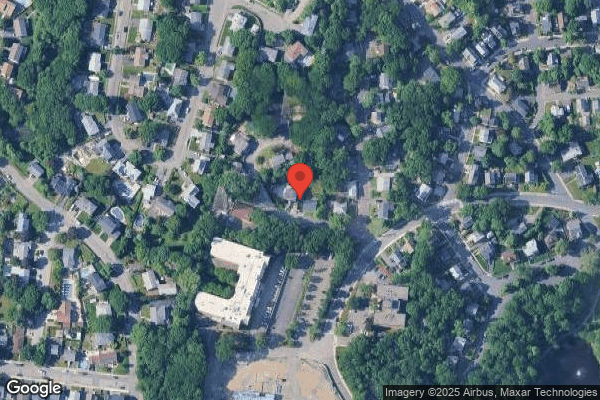
Oct 2023 27 deficiencies 1 Harm
SERIOUS (G)

Actual Harm - a resident was hurt due to facility failures

Free from Abuse/Neglect (Tag F0600)

A resident was harmed · This affected 1 resident

**NOTE- TERMS IN BRACKETS HAVE BEEN EDITED TO PROTECT CONFIDENTIALITY** Based on record review and interview, the facility failed to protect residents from abuse after one Resident (#67) alleged that ...

Read full inspector narrative →
**NOTE- TERMS IN BRACKETS HAVE BEEN EDITED TO PROTECT CONFIDENTIALITY** Based on record review and interview, the facility failed to protect residents from abuse after one Resident (#67) alleged that Nurse #15 yelled at him/her out of a total of 35 sampled Residents. Specifically, the facility failed to remove Nurse #15 after the alleged abuse resulting in Resident #67 experiencing emotional distress. Findings include: Review of the facility's policy titled Abuse Prohibition dated 7/1/13, and revised 10/24/22, indicated the following: To ensure that center staff are doing all that is within their control to prevent occurrences of abuse, mistreatment, neglect, exploitation, involuntary seclusion, injuries of unknown source, and misappropriation of property for all patients. Anyone who witnesses an incident of suspected abuse, neglect, involuntary seclusion, injury of unknown origin, or misappropriation of patient property, must also report to outside agencies, if required. Injuries of unknown origin will be investigated. If abuse or neglect is suspected, report allegations to the appropriate state and local authorities involving neglect, exploitation, or mistreatment, including injuries of unknown source, suspected criminal activity, and misappropriation of patient property, no later than two hours after the allegation is made if the event results in serious bodily injury. Report allegations to the appropriate state and local authorities involving neglect, exploitation, or mistreatment, including injuries of unknown source, suspected criminal activity, and misappropriation of patient property within 24 hours, if the event does not result and serious bodily injury. Provide subsequent reports to the department as often as necessary to inform the department of significant changes in the status of affected individuals or changes in material facts originally reported. Initiate an investigation within 24 hours of an allegation of abuse that focuses on whether abuse or neglect occurred, and to what extent. Interventions implemented to prevent further injury. The investigation will be thoroughly documented within risk management portal. Failure to report in the required time frames may result in disciplinary action up to and including termination. Resident #67 was admitted to the facility in January 2021 with diagnoses including left hemiparesis, diabetic nephropathy, major depressive disorder, and falls. Review of Resident #67's most recent Minimum Data Set Assessment (MDS), dated [DATE], indicated the Resident had a Brief Interview for Mental Status (BIMS) score of 15 out of a possible 15, indicating he/she has intact cognition. Further review indicated Resident #67 requires supervision for functional tasks. During an interview on 10/24/23, at 7:50 A.M., Resident #67 reported that staff ignore his/her requests for assistance with showers and that he/she often feels ignored. Resident #67 said staff don't respond when he/she tells them the temperature of the water is too hot. Resident #67 said Certified Nursing Assistant (CNA) #6 and CNA #5 tells him/her the water is not too hot, the water is fine, and will spray him/her with the hot water. Resident #67 said he/she reported to Nurse #15 about the water temperature, and Nurse #15 ignores me. Resident #67 said when he/she asks for ice, water, or help with tasks, staff ignore him/her because they are mad at him/her for speaking up. On 10/24/23, the surveyor notified the Assistant Administrator and Social Worker #1 of Resident #67's allegations. During an interview on 10/24/23, at 12:25 P.M., Resident #67 said Nurse #15 came into his/her room and was mad, raising her voice, and angry that Resident #67 told the surveyor about the shower issues and concerns with lack of care. Resident #67 said Nurse #15 was waving her arms saying, I care for you all the time and get you what you want, why would you bring up things that are old? Resident #67 said he/she told Nurse #15 he/she feels abused and the issues are not old to him/her. Resident #67 said Nurse #15 continued waving her arms and clapping her hands saying that is it, I am done. [I am] no longer going to care or help you. Resident #67 said When she does that, I know she is mad. Staff ignore you when they are mad at you for speaking up. Resident #67 said he/she was upset that Nurse #15 came into his room. On 10/24/23, at 12:30 P.M., the surveyors alerted Corporate Nurse #1 of Resident #67's allegations that Nurse #15 had gone into his/her room and yelled at him/her. During an interview on 10/24/23, at 12:40 P.M., Nurse #15 was observed on the unit assisting residents. Nurse #15 said she should have told the Director of Nursing (DON) when the hot shower incident occurred, but didn't think she needed to. Nurse #15 said she asked CNA #5 about the hot water and she was told it wasn't hot. Nurse #15 said [Resident #67] is always complaining about something When Nurse #15 was asked if she has Resident #67 on her assignment today, Nurse #15 said no. Nurse #15 said she went to talk to Resident #67 because she was mad that he/she said she doesn't care for him/her. Nurse #15 said, I do care for him/her because I always get what he/she needs. Nurse #15 said she clapped her hands in front of the resident. Nurse #15 then showed the surveyor by clapping her hands in front of her body as she said the words, why would you tell them I didn't provide good care. I always care for you and bring you water, I'm the only one who helps you. Nurse #15 said I was upset, and waving, using my hands and maybe he/she didn't like it. Review of the facility's investigation included a written statement by Social Worker #1 which indicated at on 10/24/23, at approximately 10:30 A.M., Social Worker #1 and the Assistant Administrator met with Resident #67. The witness statement indicated Nurse #15 had yelled at Resident #67 for making allegations regarding the hot shower. The initial investigation included a note indicating that Resident #67 had felt retaliated against when Nurse #15 came into his/her room and yelled at him/her. Review of Nurse #15's time card dated 10/25/23, indicated he/she punched out at 1:51 P.M.; approximately three hours and twenty minutes after the facility was made aware that Nurse #15 had confronted Resident #67 in his/her room. During an interview on 10/25/23, at 10:19 A.M. Social Worker #1 said that on 10/24/23, at approximately 10:30 A.M. she and the Assistant Administrator met with Resident #67 who reported Nurse #15 had yelled at him/her. During interviews on 10/25/26, at 10:10 A.M. and 10/26/23, at 9:18 A.M., the Assistant Administrator said that after she learned of the allegation, she told Nurse #15 to finish her med pass and come to the office to see her. The Assistant Administrator said she did not think that much time had passed between the time that Resident #67 reported Nurse #15 had yelled at him/her and when Nurse #15 left the unit. The Director of Nursing and Assistant Administrator said that Nurse #15 did not tell them she intended to speak with Resident #67 and Nurse #15 should have been removed from the unit. During an interview on 10/25/23, at 9:15 A.M., Resident #67 said, Nurse #15 was very mad yesterday when she came in and was waving her hands, and he/she felt terrible. The facility failed to ensure Nurse #15 was removed immediately from the nursing unit after Resident #67 reported she yelled at him/her; exposing Resident #67 and other residents on the unit to emotional harm.
CONCERN (D)

Potential for Harm - no one hurt, but risky conditions existed

Deficiency F0554 (Tag F0554)

Could have caused harm · This affected 1 resident

Based on observation, record review, and interview for one Resident (#85) out of a total sample of 35 residents, the facility failed to assess for self-administration of medication. Findings include:...

Read full inspector narrative →
Based on observation, record review, and interview for one Resident (#85) out of a total sample of 35 residents, the facility failed to assess for self-administration of medication. Findings include: Review of the facility policy titled 'Medications: Self-Administration', dated as revised 3/1/22, indicated but was not limited to the following: * Patients who request to self-administer medications will be evaluated for safe and clinically appropriate capability based on the patient's functionality and health condition. If it is determined that the patient is able to self-administer: * A physician/advanced practice provider (APP) order is required. * Self-administration and medication self-storage must be care planned. Resident #85 was admitted to the facility November 2020 with diagnoses including dementia and vision loss. Review of Resident #85's medical record failed to indicate he/she had been assessed for the safe self-administration of medication. Review of Resident #85's physician orders dated October 2023, indicated he/she may not self-administer medication. On 10/24/23, at 12:20 P.M., the surveyor observed Resident #85 in his/her room eating lunch. Two medication cups were located on Resident #85's lunch tray. The first medication cup had a white and blue capsule floating in an amber liquid. The second medication cup had a white, grainy substance in the bottom of amber liquid. Resident #85 said he/she melts his/her medication every day before taking it. The surveyor observed no staff present in room at this time. On 10/25/23, at 11:52 A.M., the surveyor observed Resident #85 in his/her room. The surveyor observed two medication cups on Resident #85's bedside table. The first medication cup had a white and blue capsule floating in an amber liquid. The second medication cup had a white, grainy substance in the bottom of amber liquid. Resident #85 said the nurse leaves this medication in juice because it takes a long time to melt. Resident #85 said it is her preference to take medication dissolved in juice. During an interview on 10/26/23, at 7:27 A.M., Nurse #2 said she always leaves Resident #85's medications at bedside dissolving in apple juice because it is Resident #85's preference. Nurse #2 said if a resident wants to self-administer medication an assessment is done to determine if they can do so safely. Nurse #2 said she was not sure an assessment for medication self-administration was completed for Resident #85. During an interview on 10/26/23, at 8:48 A.M., Unit Manager #1 said she was aware that Resident #85 had medication left at bedside. Unit Manager #1 said there was not a medication self-administration assessment completed. During an interview on 10/26/23, at 10:15 A.M., the Director of Nursing said staff should not have left medication at Resident #85's bedside without consent, an assessment for safe self-administration, or without a physician's order.
CONCERN (D)

Potential for Harm - no one hurt, but risky conditions existed

Deficiency F0561 (Tag F0561)

Could have caused harm · This affected 1 resident

**NOTE- TERMS IN BRACKETS HAVE BEEN EDITED TO PROTECT CONFIDENTIALITY** Based on records reviewed and interviews, for one Resident (#31) , who was alert, oriented and whose preference included being a...

Read full inspector narrative →
**NOTE- TERMS IN BRACKETS HAVE BEEN EDITED TO PROTECT CONFIDENTIALITY** Based on records reviewed and interviews, for one Resident (#31) , who was alert, oriented and whose preference included being able to receive a shower, the Facility failed to ensure nursing staff honored his/her right to self-determination related to his/her choice of receiving a weekly shower, out of 35 sampled residents. Findings include: Review of the facility policy titled Activities of Daily Living (ADLs) dated revised 5/1/23, indicated that a patient that is unable to carry out ADLs will receive the necessary level of ADL assistance to maintain good personal hygiene. Resident #31 was admitted to the facility in May 2022 with diagnoses including post traumatic stress disorder (PTSD), morbid obesity and spinal stenosis. Review of the Minimum Data Set (MDS) dated [DATE], indicated that Resident #31 scored a 15 out of a possible 15 on the Brief Interview for Mental Status (BIMS) exam indicating that Resident #31 was cognitively intact. Further review indicated that Resident #31 is totally dependant for bathing, dressing and is unable to stand or transfer by themselves. During an interview on 10/24/23, at 10:20 A.M. Resident #31 said that he/she is not getting showers weekly and he/she wants a shower at least weekly. Review of the document titled Documentation Survey Report v2, dated October 2023 failed to indicate that Resident #31 received a shower for the month of October 2023. Further review failed to indicate that Resident #31 refused showers. During an interview on 10/25/23, at 10:20 A.M., the Director of Nursing said that she would expect the refusal of care to be documented in the Certified Nurse's Aide (CNA) daily flow records where the care provided is documented on each shift. During an interview on 10/25/23, at 2:08 P.M., the Corporate Nurse said that there is no specific policy for documenting refusal of care however it would be the expectation for the CNA's to document the care that is provided and if a resident refuses then that would be documented as well. During an interview on 10/26/23 at 9:15 A.M., Certified Nurse's Aide (CNA) #1 said that the CNA assignment sheet on Resident #31's unit does not indicate which day each resident is scheduled to have a shower. During an interview on 10/26/23, at 9:17 A.M., Resident #31 said that he/she has not had a shower in at least a month. Resident #31 then said that the only freedom he/she gets is when sitting in the shower, taking the shower wand and showering him/herself. Resident #31 said that showering him/herself is pretty much the only thing left that he/she can do independently and it feels so good to be able to complete at least something for him/herself.
CONCERN (D)

Potential for Harm - no one hurt, but risky conditions existed

Investigate Abuse (Tag F0610)

Could have caused harm · This affected 1 resident

**NOTE- TERMS IN BRACKETS HAVE BEEN EDITED TO PROTECT CONFIDENTIALITY** Based on record review and interview, the facility failed to investigate an injury of unknown origin timely for one Resident (#6...

Read full inspector narrative →
**NOTE- TERMS IN BRACKETS HAVE BEEN EDITED TO PROTECT CONFIDENTIALITY** Based on record review and interview, the facility failed to investigate an injury of unknown origin timely for one Resident (#61) out of a total of 35 sampled Residents. Findings include: Review of the facility's Abuse Prohibition Policy dated 10/24/23, indicated: *Injuries of an unknown source are defined as an injury with both of the following conditions; The source of the injury was not observed by any person or the source of the injury could not be explained by the patient and the injury is suspicious because of the extent of the injury or the location of the injury. *Staff will identify events - such as suspicious bruising of patients, occurrences, patterns and trends that may constitute abuse - and determine the direction of the investigation. *Anyone who witnesses an incident of suspected abuse, neglect, involuntary seclusion, injuries of unknown origin, or misappropriation of patient property is to tell the abuser to stop immediately and report the incident to his/her supervisor immediately, regardless of shift worked. Resident #61 was admitted to the facility in December 2022 with diagnoses including Alzheimer's and coronary artery disease. Review of the Minimum Data Set assessment dated [DATE], indicated Resident #61 scored a 2 out of a possible 15 on the Brief Interview for Mental Status Exam indicating he/she is severely cognitively impaired. The MDS also indicated he/she requires assistance with bathing and dressing. Review of the nursing progress notes for July 2023 indicated: 7/27/23: Unit CNA (Certified Nurse's Aide) reported to the nurse, patient has been complaining of pain in the left upper breast. Nurse assess, noted bruise, no open area. 7/31/23: Writer was called by CNA reporting that [Resident #61] feels uncomfortable, screaming for pain on left side and having bruises on left arm and breast. writer went in his/her room, big bruise was observed on left arm and breast. Writer asked [Resident #61] what happened and stated l don't know, denied falling, supervisor was called. Review of facility's investigation regarding Resident #61's bruise was dated 7/31/23; four days after his/her bruise was identified by staff. During an interview on 10/25/23, at 9:54 A.M., the Corporate Nurse said that the investigation for the newly identified bruise should have been initiated immediately.
CONCERN (D)

Potential for Harm - no one hurt, but risky conditions existed

Comprehensive Care Plan (Tag F0656)

Could have caused harm · This affected 1 resident

Based on observation, record review and interview, the facility failed to develop and implement the plan of care for two Residents (#7 and #427) out of a total sample of 35 Residents. Specifically, th...

Read full inspector narrative →
Based on observation, record review and interview, the facility failed to develop and implement the plan of care for two Residents (#7 and #427) out of a total sample of 35 Residents. Specifically, the facility failed to 1) develop a care plan for an automatic implantable cardiac defibrillator device for Resident #7 and 2) develop a communication care plan for Resident #427. Findings include: 1) Resident #7 was admitted to the facility in March 2023 with diagnoses including chronic obstructive pulmonary disease and heart failure. Review of Resident #7's most recent Minimum Data Assessment (MDS) indicated that the Resident had a Brief Interview for Mental Status score of 10 out of a possible 15 indicating that he/she has moderate cognitive impairment. Further review of the MDS indicated that Resident #7 requires extensive assistance with all activities of daily living. Review of Resident #7's medical diagnoses indicated that he/she has an automatic implantable cardiac defibrillator device (ICD) (a device implanted in the chest to detect and stop irregular heartbeats by delivering electric shocks to restore regular heart rhythm). Further review of Resident #7's medical record did not indicate any further information about the ICD including physician's orders, care plans or follow up information with a cardiologist. Review of Resident #7's pre-admission paperwork indicated the presence of the ICD. During an interview on 10/26/23, at 8:46 A.M., Nurse #4 said she did not know that Resident #7 had an ICD, and she thinks a care plan and physician's orders should be present, so staff members are aware of the device, how to monitor it, and ensure it is working properly. She continued to say she would follow up with the Cardiologist to obtain more information about the ICD. 2) Resident #427 was admitted to the facility in October 2023 with diagnoses including Methicillin-resistant Staphylococcus aureus (MRSA) bacteremia, and orthopedic aftercare, fracture of pubis and ribs. Review of Resident #427's most recent Minimum Data Set Assessment (MDS) indicated that Resident #427 had a Brief Interview for Mental Status score of 99 indicating that he/she was unable to complete the assessment. Further review of the Resident's MDS indicated that his/her primary language is Albanian. Review of the facility policy titled Communication with Persons with Limited English Proficiency (LEP), dated, and revised 4/15/22, indicated the following: *The policy of this company is to ensure meaningful communication with LEP patients and their authorized representatives involving their medical conditions and treatments. All required communication assistance will be provided to patients or their families. *Provide language assistance through the use of external interpretation and translation services, technology and/or telephonic interpretation services. Notify all staff of this policy and procedure and ensure that employees who may have direct contact with LEP individuals are aware of the senior nursing facility's responsibilities for securing interpreter services. During an interview on 10/24/23, at 10:15 A.M., the surveyor attempted to speak with Resident #427 in his/her room, he/she did not respond and did not appear to understand what the surveyor was asking. There was no visible communication board or other means of communication strategies observed in his/her room. Review of Resident #427's medical record did not indicate a care plan mentioning the Resident's preferred language and interventions on how to communicate with the Resident. Review of Resident #427's nursing progress notes indicated the following on 10/13/23, at 2:35 P.M. - Resident does need or want an interpreter to communicate with a doctor or health care staff. On 10/24/23, at 11:30 A.M., Resident #427 was observed in the hallway while nurses and certified nursing assistants (CNA) were assessing the Resident for pain and administering pain medication. The nurse attempted to speak to Resident #427 in English, but he/she did not respond. At the same time the Nurse Practitioner (NP) was attempting to reach Resident #427's Health Care Proxy (HCP) on the telephone. The NP was heard asking the staff members if Resident #427 speaks English. Resident #427 was directed to use the phone to speak to his/her HCP not in the English language. While speaking, the CNA said, I don't know what language he/she is speaking. A nurse responded with It sounds like it could be Russian or Polish. The NP then said, I think it is Albanese. While Resident #427 was speaking to his/her HCP on the phone, he/she was observed having a full conversation in his/her preferred language. During an observation on 10/24/23, at 11:36 A.M., the NP was speaking with Resident #427's HCP on the phone after the resident was finished speaking his/her HCP, the NP was heard saying that was good interaction, we don't have that kind of interaction with him/her, it was the best I have seen him/her interact, all we hear him/her say is no, no, no. After this phone call the NP was heard saying to other staff that language is a problem, not only his/her dementia. The NP continued to say when the Resident needs care we should ask for his/her HCP, this will help him/him get out of bed, eat, and encourage him/her. During the entire interaction, staff did not attempt to use an interpreter line to communicate with Resident #427. During an interview on 10/25/23, at 9:56 A.M., Nurse #6 said Resident #427 has a language barrier and he/she is hard to understand. She continued to say she thinks an interpreter would be helpful and she has not heard of one being available for the Resident. She further said when the Resident speaks with his/her HCP, he/she is like a different person because he/she can understand what they are saying. She then said she thinks a care plan would be beneficial, so staff know how to approach and communicate with him/her.
CONCERN (D)

Potential for Harm - no one hurt, but risky conditions existed

Deficiency F0658 (Tag F0658)

Could have caused harm · This affected 1 resident

**NOTE- TERMS IN BRACKETS HAVE BEEN EDITED TO PROTECT CONFIDENTIALITY** Based on observation, interview, and record review, the facility failed to apply a left hand splint per doctor's order and recom...

Read full inspector narrative →
**NOTE- TERMS IN BRACKETS HAVE BEEN EDITED TO PROTECT CONFIDENTIALITY** Based on observation, interview, and record review, the facility failed to apply a left hand splint per doctor's order and recommendation from physical therapy for one Resident (#67) out of a total sample of 35 Residents. Findings include: Resident #67 was admitted to the facility in January 2021 with diagnoses including left hemiparesis, diabetic nephropathy, major depressive disorder, and falls. Review of Resident #67's most recent Minimum Data Set Assessment (MDS), dated [DATE], indicated the Resident had a Brief Interview for Mental Status (BIMS) score of 15 out of a possible 15, indicating he/she has intact cognition. Further review indicated Resident #67 requires supervision for functional tasks. Review of Resident #67's October 2023 physician's orders indicated the following: * Please help patient doff (remove) LUE (left upper extremity) splint to prep for daytime use of extremity. Check for skin breakdown/redness in the morning Refer to rehab. * Please help patient don (put on) LUE splint. Check for skin breakdown/redness at bedtime, refer to rehab asap if decrease in skin condition. * Please help patient don LUE splint. See photo in chart (OT tab) for reference. at bedtime ensure [one] finger space under each strap. Ensure thumb is wrapped on posterior side splint. Review of Resident #67's Occupational Therapy (OT) order and education dated 9/18/23, included the following information: *Please assist patient with putting splint on left hand/wrist nightly at bedtime. See attached picture for reference. *Ensure one finger space under each strap to ensure not too tight. *Assist patient with removing splint in the morning before breakfast. *Notify rehab asap if skin breakdown/redness occurs. During observations on 10/24/23, at 7:24 A.M. and 10/25/23, at 8:01 A.M., Resident's#67 was observed lying in bed sleeping. Resident #67 was not wearing a left-hand splint. The hand splint was observed on the television table across the room along with a picture of how the splint should be placed on the hand. During an interview on 10/25/23, at 9:00 A.M., Resident #67 said he/she was working with OT and wearing the left-hand splint but then staff stopped putting it on him/her. Resident #67 said he/she asked staff about the splint, but staff did not apply the splint as requested. Resident #67 said he/she would like to wear the splint and exercise his/her left hand because he/she is weak due to a stroke. During an interview on 10/26/23, at 9:16 A.M. Nurse #4 said the physician's orders were entered but not implemented as they should have been and that the orders are not showing up on the treatment orders. Nurse #4 then reviewed the orders and said Resident #67 should be wearing the left-hand splint in the evening, and it should be removed in the morning. During an interview on 10/26/23, at 10:38 A.M. the Director of Rehabilitation (DOR) said Resident #67 was receiving OT and has orders for daily use of a left-hand splint. The DOR said nurses and staff were educated on the implementation procedure and use of the left-hand splint. The DOR then said that staff were given pictures to reinforce content so staff would know how to apply the left-hand splint. The DOR said Resident #67 should have been wearing the left-hand splint daily in the evening as ordered on 9/18/23. During an interview on 10/25/23, at 10:35 A.M. Director of Nursing (DON) said Resident #67 should have been wearing the left-hand splint and that all orders should be followed and implemented at the time the order was written.
CONCERN (D)

Potential for Harm - no one hurt, but risky conditions existed

ADL Care (Tag F0677)

Could have caused harm · This affected 1 resident

**NOTE- TERMS IN BRACKETS HAVE BEEN EDITED TO PROTECT CONFIDENTIALITY** Based on observations, interviews, and record review, the facility failed to provide assistance with meals for one Resident (#10...

Read full inspector narrative →
**NOTE- TERMS IN BRACKETS HAVE BEEN EDITED TO PROTECT CONFIDENTIALITY** Based on observations, interviews, and record review, the facility failed to provide assistance with meals for one Resident (#103) out of a total sample of 35 residents. Findings include: Resident #103 was admitted to the facility in July 2021 with diagnoses including vascular dementia, hemiplegia and hemiparesis following cerebral infarction affecting right dominant side, chronic cough, and major depressive disorder. Review of Resident #103's most recent Minimum Data Set (MDS) dated [DATE], indicated he/she scored a 3 out of a possible 15 on the Brief Interview for Mental Status exam which indicated he/she had a severe cognitive deficit. The MDS also indicated Resident #103 requires extensive assistance with meals. During an observation on 10/24/23, at 8:43 A.M., Resident #103 was sitting up in bed with his/her breakfast meal uncovered affront of him/her. Resident #103 was attempting to reach a bowl of oatmeal with his/her hands. The Resident was not visible from the hallway and there were no staff present to provide assistance or supervision. During an observation on 10/24/23, at 12:19 P.M., Resident #103 was observed sitting up in bed with his/her lunch tray uncovered in front of him/her. Resident #103 was observed attempting to reach for toast on the tray. The Resident was not visible from the hallway and there were no staff present to provide assistance or supervision. During an observation on 10/25/23, at 8:40 A.M., Hairdresser #1 was observed delivering a breakfast tray to Resident #103's room. Hairdresser #1 was observed setting up the food items and removing covers. Hairdresser #1 then exited the Resident's room. Resident #103 was observed reaching for food items on her/his tray. Resident #103 could be heard coughing from the hallway. No staff attempted to go into the Resident's room to check on the Resident. Hairdresser #1 could be heard asking staff Who helps him/her eat his/her food? and walked down the hall delivering additional trays. The Resident was not visible from the hallway and there were no staff present to provide assistance or supervision if needed. Review of Resident #103's nutrition care plan dated 7/12/21, indicated that Resident #103 has decreased ability to perform activities of daily living in eating and required assistance. Indicated are the following interventions: *One Assist with meals *Monitor intake at all meals, offer alternate choices as needed, alert dietitian and physician to any decline in intake. *Monitor changes in nutritional status, changes in intake, ability to feed self, unplanned weight loss slash gain, abnormal labs and report to food and nutrition physician as indicated. Review of Resident #103's Resident Daily Flow Sheet (form indicating level of assistance each Resident needs) dated October 2023, indicated the Resident is independent with eating and was not documented as having any assistance with meals. During an interview on 10/25/23, at 8:40 A.M., Hairdresser #1 said she helps to pass out meal trays and Resident's that need help with feeding are passed out last so staff can help Residents who need it. Hairdresser #1 said Resident #103 can't eat alone and requires assistance. During an interview on 10/25/23 at 8:46 A.M., Certified Nursing Assistant (CNA) #4 said the unit has only two Residents that are feeders and that Resident #103 is not one of them. CNA #4 said staff know who are feeders and that it is documented on the assignment sheet. Review of the assignment sheet did not indicate required assistance with meals for any residents on the unit. During an interview on 10/25/23, at 8:49 A.M., Unit Manager #1 said Resident #103 eats alone in his/her own. Unit Manager #1 said eating assistance will be documented in the computer system and staff will see what level of assistance is needed. The unit manager said staff verbally tell each other and will report verbally on any new admissions. The unit manager said if a Resident requires assistance with meals, he/she should be receiving the assistance during all meals and not left alone. During an interview on 10/26/23, at 10:30 A.M., The Director of Nursing (DON) said staff are not to leave residents alone or unsupervised when assistance or supervision is needed. The DON said Resident #103's plan of care needs to be followed and he/she should not have been left alone during meals.
CONCERN (D)

Potential for Harm - no one hurt, but risky conditions existed

Pressure Ulcer Prevention (Tag F0686)

Could have caused harm · This affected 1 resident

**NOTE- TERMS IN BRACKETS HAVE BEEN EDITED TO PROTECT CONFIDENTIALITY** 2. Resident #103 was admitted to the facility in July 2018 with diagnoses including dementia, anxiety, and gout. Review of Resid...

Read full inspector narrative →
**NOTE- TERMS IN BRACKETS HAVE BEEN EDITED TO PROTECT CONFIDENTIALITY** 2. Resident #103 was admitted to the facility in July 2018 with diagnoses including dementia, anxiety, and gout. Review of Resident #103's most recent Minimum Data Set Assessment (MDS) dated [DATE] indicated the Resident had a Brief Interview for Mental Status score of 2 out of a possible 15, which indicated the Resident had severe cognitive impairment. The MDS also indicated Resident #103 is dependent on staff for all bed mobility tasks. On 10/24/23, at 7:25 A.M., and 11:17 A.M., Resident #103 was observed lying in bed with both heels directly on the bed. On 10/25/23, at 8:10 A.M., and 1:21 P.M., Resident #103 was observed lying in bed with both heels directly on the bed. Review of Resident #103's skin integrity care plan last revised 7/27/20, indicated the following intervention: *Off load / float heels while in bed *Apply barrier cream to bony prominence's with each cleansing Review of Resident #103's physician orders indicated the following: *Elevate legs at all times, every shift bilateral lower extremity edema with venous stasis ulcers, dated 12/14/18. *Apply skin prep to the right food every day and evening shift, dated 7/22/19. During an interview on 10/25/23, at 8:02 A.M., Nurse #5 said she would expect for a residents care plan to be followed. Nurse #5 said she was unaware of any skin integrity interventions Resident #103 may need while in bed. During an interview on 10/25/23, at 10:20 A.M., the Director of Nursing (DON) said Resident #103 should not have her/his feet flat on the bed and that she expects staff to follow all orders and care plan interventions. Based on records reviewed, interviews and observations for two Residents (#99 and #103) of 35 sampled residents, the facility failed to implement interventions to prevent skin breakdown. Specifically: 1) For Resident #99 the facility failed to place Prevalon boots on his/her feet while in bed, or use a pillow under his/her left heel while sitting in a wheelchair. 2) Resident #103 the facility failed to elevate his/her feet while lying in bed. Findings include: Review of the facility policy Skin Integrity and Wound Management dated 2/1/23, indicated, but was not limited to: * Implement pressure injury prevention for identified, modifiable risk factors * Determine the need for heel off-loading. 1) Resident #99 was admitted to the facility in February 2023 and had diagnoses which included history of left heel pressure ulcer, diabetes mellitus, dementia, and hip fracture. Review of Resident #99's physician order dated 4/19/23, indicated Offload left foot with pillow while on wheelchair, every day and evening shift. Resident #99's Treatment Administration Record (TAR) dated October 2023, indicated staff implemented this order 10/1/23 through the date of survey on 10/25/23. Review of Resident #99's physician order dated 5/20/23, indicated Multipodus boots on when in bed, every evening shift while in bed. Resident #99's TAR dated October 2023, indicated staff implemented this order 10/1/23 through the date of survey on 10/24/23. Review of Resident #99's physician order dated 5/20/23, indicated Removed multipodus boots. Place pillow under feet when in chair, every day shift for heel protection. Resident #99's TAR dated October 2023, staff implemented this order 10/1/23 through date of survey on 10/25/23. Review of Resident #99's Minimum Data Set assessment dated [DATE], indicated: severe cognitive impairment, not resistive to care, required substantial/maximal assistance for mobility, hip fracture, unhealed and unstageable pressure ulcer, at risk for pressure ulcers, and had a pressure reducing device while in bed and sitting in a chair. Review of Resident #99's care plan dated 2/23/23 indicated he/she was at risk for skin breakdown due to incontinence and decreased activity. Interventions included Pressure redistribution surface to bed. Care plan interventions did not include the use of Prevalon/multipodus boots, or placing a pillow under his/her left foot while in a chair. Prevalon boots, sometimes referred to as multipodus boots, have a cushioned bottom that floats the heel off the surface of the mattress, helping to reduce pressure and decreasing the risk of pressure ulcers. On 10/24/23, at approximately 2:00 P.M., the surveyor observed Resident #99 lying in bed, awake. Resident #99 wore non-slip socks. Resident #99 was not wearing Prevalon boots, as ordered by the physician. Two Prevalon boots were located on Resident #99's nightstand. On 10/24/23, at 12:18 P.M., the surveyor observed Resident #99 in the unit dining room and sitting in a wheelchair. Resident #99's wore non-slip socks and his/her feet rested directly on the foot rests. Resident #99 did not have a pillow under his/her left foot, as ordered by the physician, and a pillow was not seen in the area of Resident #99. On 10/25/23, at 7:29 A.M., the surveyor observed Resident #99 lying in bed, awake. Resident #99 wore non-slip socks and he/she did not wear Prevalon boots on his/her feet, as ordered by the physician. Two Prevalon boots were located on Resident #99's nightstand. On 10/25/23, at 10:55 A.M., the surveyor observed Resident #99 lying in bed, awake. Resident #99 wore non-slip socks and he/she did not wear Prevalon boots on his/her feet, as ordered by the physician. Two Prevalon boots were located on Resident #99's nightstand. Review of Resident #99's nursing notes and TAR did not indicate he/she refused to wear Prevalon Boots, or refused to have a pillow placed under his/her left foot while in a wheelchair. During an interview with Nurse #13 on 10/25/23, at 11:15 A.M., she said Resident #99 should wear booties at all times while in bed to decrease the risk for skin breakdown. Nurse #13 said Resident #99 removes his/her booties all the time. Nurse #13 said that if Resident #99 removed the booties staff should attempt to reapply them or document he/she refused to wear the booties. Nurse #13 said she was unaware that Resident #13 was not wearing the booties at the times of the surveyor's observations. Nurse #13 said she was unaware Resident #13 did not have a pillow placed under his/her left foot while in a wheelchair.
CONCERN (D)

Potential for Harm - no one hurt, but risky conditions existed

Accident Prevention (Tag F0689)

Could have caused harm · This affected 1 resident

**NOTE- TERMS IN BRACKETS HAVE BEEN EDITED TO PROTECT CONFIDENTIALITY** Based on observation, record review, policy review, and interview, the facility failed to identify a possible hazard for one Res...

Read full inspector narrative →
**NOTE- TERMS IN BRACKETS HAVE BEEN EDITED TO PROTECT CONFIDENTIALITY** Based on observation, record review, policy review, and interview, the facility failed to identify a possible hazard for one Resident (#19), out of a total sample of 35 residents. Specifically, Resident #19 had 16 used Lidocaine patches in his/her room. Findings include: Review of the facility's policy titled Storage and Expiration of Dating of Medications, Biologicals, revised [DATE], indicated the following: * Facility should ensure that all medications and biologicals, including treatment items, are securely stored in a locked cabinet/cart or locked medication room that is inaccessible by residents and visitors. *Facility should ensure that medications and biologicals that: (1) have an expired date on the label; (2) have been retained longer than recommended by manufacturer or supplier guidelines; or (3) have been contaminated or deteriorated, are stored separate from other medications until destroyed or returned to the pharmacy or supplier *Facility should not administer/provide bedside medications or biologicals without a Physician/Prescriber order and approval by the Interdisciplinary Care Team and Facility administration. *Facility should ensure that medications and biologicals for expired or discharged or hospitalized residents are stored separately, away from us, until destroyed or returned to the provider. *Facility should destroy or return all discontinued, outdated/expired, or deteriorated medications or biologicals in accordance with Pharmacy return/destruction guidelines and other applicable law and in accordance with Policy 8.2 (Disposal /Destruction of Expired or Discontinued Medication). Manufacturer's Instructions: *To dispose of a drug patch, carefully remove it by the edges and avoid touching the used medicine pad; then fold the patch in half, sticky sides together. Handling and disposal *Hands should be washed after the handling of Lidocaine patch 5%, and eye contact with Lidocaine patch 5% should be avoided. Do not store patch outside the sealed envelope. Apply immediately after removal from the protective envelope. Fold used patches so that the adhesive side sticks to itself and safely discard used patches. *Lidocaine overdose from cutaneous absorption is rare but could occur. If there is any suspicion of Lidocaine overdose drug blood concentration should be checked. The management of overdose includes close monitoring, supportive care, and symptomatic treatment. Resident #19 was admitted to the facility in [DATE] with diagnoses that included dementia, psychotic disturbance, major depressive disorder, adult failure to thrive, difficulty walking, muscle weakness, and lack of coordination. Review of the Minimum Data Set assessment, dated [DATE], indicated Resident #19 scored a 9 out of 15 on the Brief Interview for Mental Status exam indicating a moderate cognitive impairment and requires supervision from staff for functional tasks. On [DATE], at 9:12 A.M., the surveyor observed Resident #19 sitting on his/her bed with a rolling walker next to the bed. The rolling walker had 6 used Lidocaine patches draped over the bottom bars. One patch was dated [DATE], one patch was dated [DATE], and one patch was dated [DATE]. An additional three used Lidocaine patches were observed hanging, undated on the rolling walker. Resident #19 said he/she uses them as tape because staff will not provide him/her with tape to hang up cards and pictures. Resident #19 said staff give him/her the patches when they remove them so he/she can use them to hang things up. Resident #19 then pointed to his/her bedroom walls and said everything is hanging with used patches. Additional observations were then made in Resident #19's bedroom: *Bedroom wall behind the television were two birthday cards stuck to the wall with four used Lidocaine patches, dates were smudged and illegible. *Two magazine pages stuck to the wall, held together with four used Lidocaine patches, dates were smudged and illegible. *One Activity calendar was stuck to the wall, held together with one used Lidocaine patch, undated. *One Lidocaine patch was placed on the corner of wall next to bathroom, undated. All the observed Lidocaine patches were visible to staff entering Resident #19's room. Review of Resident #19's medical record indicated the following physician order: *Lidocaine Patch 4%, apply to left shoulder topically one time a day for non-displaced fracture and remove per schedule, dated [DATE]. *Lidocaine Patch 4%, apply to left hip topically one time a day for non-displaced fracture and remove per schedule, dated [DATE]. During an interview on [DATE], at 11:18 A.M., Nurse #4 said Resident #19 removes the Lidocaine patches on his/her own and uses them as tape. Nurse #19 said she is aware that it is a medication, but this is what the Resident does. Nurse #19 said the Resident should be using tape and not touch the Lidocaine patch as it has medication on them. Nurse #19 said staff should remove the patches and remove them from the room. On [DATE], at 12:19 P.M., the surveyor observed Nurse #19 removing the Lidocaine patches from the wall and using tape to place personal items back in Resident 19's room. During an interview on [DATE], at 11:35 A.M., the Director of Nursing (DON) said Resident #19 should not have access to used medication patches and should not be using them as tape. The DON said all Lidocaine patches should be dated and removed by the nurse and discarded appropriately and not given to the Resident.
CONCERN (D)

Potential for Harm - no one hurt, but risky conditions existed

Tube Feeding (Tag F0693)

Could have caused harm · This affected 1 resident

**NOTE- TERMS IN BRACKETS HAVE BEEN EDITED TO PROTECT CONFIDENTIALITY** Based on observation, record review and interview the facility failed to ensure staff provided appropriate care and services for...

Read full inspector narrative →
**NOTE- TERMS IN BRACKETS HAVE BEEN EDITED TO PROTECT CONFIDENTIALITY** Based on observation, record review and interview the facility failed to ensure staff provided appropriate care and services for one Resident (#47) with a Gastrostomy tube (G-tube: a tube that is placed directly into the stomach through an abdominal incision for administration of nutrition, fluids, and medication), out of 35 sampled Residents. Specifically for Resident #47 the amount of tube feeding infused did not correspond with the rate of infusion times and the hours infused. Additionally, the facility failed to date the G-tube feeding solution bottle per policy. Findings include: Review of the facility policy titled Enteral Management and dated revised 3/1/22, indicated that the purpose of the policy was intended to provide safe and effective management of Enteral tubes. Further review failed to indicate the process by which the Enteral feeding is monitored for accuracy of infusion or for ensuring the changing of the Enteral feeding tubing and Enteral feeding every 24 hours. Resident #47 was admitted to the facility in September 2023 with diagnoses including dysphagia (inability to swallow), stroke and cancer. Review of the minimum Data Set (MDS) dated [DATE], indicated that Resident #47 received 51% or more of daily calories via tube feeding. Review of the doctor's orders dated October 2023 indicated an order for Jevity 1.5 cal (calorie) administer continuous via pump, 40 ml (milliliters) per hour continuous. On 10/24/23, at 7:12 A.M., the surveyor observed a bottle of Jevity 1.5 cal hanging and infusing into Resident #47, with a date of 10/23/23 and a time of 8:00 P.M. when hung. On 10/24/23 at 8:17 A.M. the surveyor observed the amount of Enteral feeding left in the bottle to be 700 ml and not accurate for the amount of time the bottle had been hanging. The Enteral feeding had been hanging for 12 hours and at 40 ml per hour, should have infused 480 ml. leaving 520 ml in the bottle not 700 ml. On 10/25/23, at 7:17 A.M., the surveyor observed the Enteral feeding bottle not labeled and dated as to when hung. The surveyor observed 950 ml in the bottle. On 10/25/23, at 8:29 A.M. and 10:05 A.M., the surveyor observed the Enteral feeding bottle not labeled and dated as to when hung. On 10/25/23, at 2:54 P.M. the surveyor observed the Enteral feeding bottle not labeled and dated as to when hung. there was 680 ml in the bottle. At 40 ml/hour there should only be 620 ml in the bottle. During an interview on 10/26/23 at 8:24 A.M., Nurse #1 said that the nurses are supposed to label the tube feeding bottles with the date, time hung and initials of nurse. Nurse #1 then said that the nurses are supposed to check the amount infused at least once every shift to ensure the pump is functioning properly. During an interview on 10/26/23, at 8:27 A.M., the Director of Nursing (DON) said that it is the expectation that the nurse hanging the tube feeding bottle label the tube feeding bottles with the date, time hung and initials of nurse. The DON then said that the nurses are supposed to monitor the amount of tube feeding infused by calculating the hours infusing times the rate of infusion and then subtract that amount from 1000 cc (the amount of a full bottle) to see if the amount left in the bottle is the calculated amount that should be left. The DON then said that she did not know how often or if the Enteral feeding pumps are calibrated to ensure accuracy of infusion.
CONCERN (D)

Potential for Harm - no one hurt, but risky conditions existed

Deficiency F0694 (Tag F0694)

Could have caused harm · This affected 1 resident

Based on observation, record review and interview, the facility failed ensure intravenous medications were administered in accordance of professional standards of practice for one Resident (#72) out o...

Read full inspector narrative →
Based on observation, record review and interview, the facility failed ensure intravenous medications were administered in accordance of professional standards of practice for one Resident (#72) out of a total sample of 35 residents. Specifically, for Resident #72, the facility failed to ensure nursing obtained confirmation of placement of a PICC line (peripherally inserted center catheter) prior to use and nursing did not obtain information regarding the PICC line. Findings include: Review of the facility policy titled, 5.10 Peripherally Inserted Center Catheter (PICC) Insertion, dated as Revised June 2021, indicated: 51. Do not administer medication through PICC until chest x-ray verifies that the tip of the catheter is in the resident's superior vena cava or cavoatrial junction, or as determined by other approved technology. 53. Documentation in the medical record includes, but is not limited to: 53.5 Catheter Brand, lot number and size 53.6 Total Length of catheter Resident #72 was admitted to the facility in October 2023 with diagnoses including diabetes, osteomyelitis and peripheral vascular disease. Review of the Minimum Data Set (MDS) assessment, dated 10/10/23, indicated Resident #72 required intravenous medications. On 10/24/23, at 8:38 A.M., the surveyor observed a PICC line inserted into Resident #72's right arm. Review of the physician's order, dated 10/5/23, indicated: -PICC Non-Valved: BRAND_____ Gauge_________ TOTAL LENGTH:_____ cm. # Lumens:______ Most recent BUN (Date/Results)_______ Most recent SCr (Date/Results)_________Confirmation of tip placement obtained and documented in medical record. Further review of the physician's order failed to indicate that nursing obtained information related to the brand, gauge, length, lumens and confirmation of the tip placement. Review of the physician's order, dated 10/5/23, indicated: - Cefazolin (antibiotic medication) 2 grams intravenously three times a day for infection. On 10/25/23, at 10:15 A.M., the surveyor and Nurse #7 reviewed Resident #72's hospital discharge summary and electronic health record. Nurse #7 was unable to provide the surveyor with confirmation of PICC line placement or the total length of the PICC line. On 10/25/23, at 5:00 P.M., the surveyor requested information from the Director of Nursing (DON) for PICC line confirmation and PICC line length. Review of the Medication Administration Record, dated October 2023, indicated Resident #72 received 60 doses of his/her physician's ordered cefazolin without confirmation of PICC line placement. During an interview on 10/26/23, at 7:18 A.M., the DON said the facility did not have PICC line confirmation prior to use and did not have the PICC line length but should have. During an interview on 10/26/23 at 11:18 A.M., the Clinical Quality Specialist said that nursing should have obtained information about the PICC line prior to use.
CONCERN (D)

Potential for Harm - no one hurt, but risky conditions existed

Deficiency F0698 (Tag F0698)

Could have caused harm · This affected 1 resident

Based on observations, record review, policy review, and interviews, the facility failed to ensure for one Resident (#27), who required dialysis, received such services consistent with professional st...

Read full inspector narrative →
Based on observations, record review, policy review, and interviews, the facility failed to ensure for one Resident (#27), who required dialysis, received such services consistent with professional standards of practice and the comprehensive person-centered care plan, out of 35 sampled residents. Specifically, the facility failed to ensure nursing implemented a physician's order and care plan for emergency equipment at the Resident's bedside (smooth clamp). Findings include: Resident #27 was readmitted to the facility in February 2023 with diagnoses including diabetes, end stage renal disease with dependence of renal dialysis. Review of the Minimum Data Set (MDS) assessment, dated 8/24/23, indicated Resident #27 required dialysis. Review of the physician's order, dated 9/23/22, indicated: - Check Smooth clamps at the bedside and on patient wheelchair (if applicable) every shift. Review of the Treatment Administration Record, dated October 2023, indicated nursing staff were verifying the smooth clamps were at bedside. Review of the plan of care related to dialysis, dated 2/19/23, indicated: -Maintain smooth catheter clamps at the bedside (and on patient when out of bed) in case of breakage or excessive bleeding from catheter On 10/24/23, at 11:44 A.M. and 5:05 P.M., on 10/25/23, at 6:54 A.M., 11:35 A.M., and at 3:57 P.M., Resident #27 was in his/her room and there were no smooth clamps. On 10/25/23, at 3:57 P.M., the surveyor and Nurse #10 went into Resident #27's room. Nurse #10 was unable to find the smooth clamps and Nurse #10 said she was not even sure what the clamps were. Further review of the Treatment Administration Record, dated October 2023, indicated on 10/11/23, 10/12/23, 10/14/23, 10/16/23, 10/18/23, 10/19/23, 10/20/23, and 10/23/23, Nurse #10 verified the smooth clamps were in place. During an interview on 10/26/23, at 9:18 A.M., the Director of Nursing said nursing should implement the physician's order and care plan, and the smooth clamps should be at the bedside.
CONCERN (D)

Potential for Harm - no one hurt, but risky conditions existed

Deficiency F0699 (Tag F0699)

Could have caused harm · This affected 1 resident

**NOTE- TERMS IN BRACKETS HAVE BEEN EDITED TO PROTECT CONFIDENTIALITY** Based on record review and interview the facility failed to develop a comprehensive trauma informed care plan for one Resident (...

Read full inspector narrative →
**NOTE- TERMS IN BRACKETS HAVE BEEN EDITED TO PROTECT CONFIDENTIALITY** Based on record review and interview the facility failed to develop a comprehensive trauma informed care plan for one Resident (#31) out of a total sample of 35 residents. Findings include: The facility failed to produce a policy and procedure for trauma informed care when asked. Resident #31 was admitted to the facility in May 2022 with diagnoses including post traumatic stress disorder (PTSD), morbid obesity and spinal stenosis. Review of the Minimum Data Set (MDS) dated [DATE], indicated that Resident #31 scored a 15 out of a possible 15 on the Brief Interview for Mental Status (BIMS) exam indicating that Resident #31 was cognitively intact. Further review indicated that Resident #31 has a diagnosis of PTSD. Review of the medical record indicated a diagnosis of PTSD. Review of the Care Plan failed to indicate a care plan focus for PTSD. Further review failed to indicate potential triggers and interventions for symptoms of Resident #31's PTSD. During an interview on 10/26/23, at 9:05 A.M. the Director of Nursing (DON) said that all residents with a diagnosis of PTSD should have a care plan in place to determine what the triggers are and how to help them to de-escalate. The DON then said that she could not locate a policy that addresses PTSD.
CONCERN (D)

Potential for Harm - no one hurt, but risky conditions existed

Deficiency F0730 (Tag F0730)

Could have caused harm · This affected 1 resident

Based on employee record review and interview, the facility failed to complete performance reviews annually for two of two Certified Nursing Assistants (CNA) reviewed, as required. Findings include: ...

Read full inspector narrative →
Based on employee record review and interview, the facility failed to complete performance reviews annually for two of two Certified Nursing Assistants (CNA) reviewed, as required. Findings include: On 10/26/23, at 7:39 A.M., the surveyor reviewed four employee records. Two of two CNA employee records failed to indicate annual performance reviews had been completed. During an interview on 10/26/23, at approximately 9:30 A.M., Corporate Nurse #1 said that they were unable to locate annual performance reviews for the CNAs.
CONCERN (D)

Potential for Harm - no one hurt, but risky conditions existed

Drug Regimen Review (Tag F0756)

Could have caused harm · This affected 1 resident

**NOTE- TERMS IN BRACKETS HAVE BEEN EDITED TO PROTECT CONFIDENTIALITY** 2.) Resident #5 was admitted to the facility in March 2023 with diagnoses including unspecified dementia and major depressive di...

Read full inspector narrative →
**NOTE- TERMS IN BRACKETS HAVE BEEN EDITED TO PROTECT CONFIDENTIALITY** 2.) Resident #5 was admitted to the facility in March 2023 with diagnoses including unspecified dementia and major depressive disorder. Review of Resident #5's most recent Minimum Data Set Assessment (MDS) indicated that the resident had a Brief Interview for Mental Status score of 3 out of a possible 15 indicating that he/she has severe cognitive impairment. Review of Resident #5's nursing progress notes indicated that the consulting pharmacist submitted medication recommendations for review on 5/25/23, 7/26/23 and 8/24/23. Review of the document titled Consultation Summary Report for the facility indicated on 5/25/23, that the pharmacist recommended the following: *Rivaroxaban (Xarelto) 20 mg (milligrams) for AF (Atrial Fibrillation [irregular heart rhythm]); decrease dose. Review of the Pharmacist's Consultation report for Resident #5 on 8/24/23, indicated the following recommendations: *Please decrease the dose of Xarelto to 15 mg once daily with the evening meal. *Please change sliding scale insulin and monitor fingerstick blood glucose BID (twice daily) at 11:30 A.M. and 4:30 P.M. The physician agreed with these recommendations, signed, and dated 10/16/23, over four months after the initial recommendation to decrease the Xarelto dose and nearly two months after the recommendation to change the sliding scale glucose. The facility failed to provide the Pharmacist's recommendation from 7/26/23. Review of Resident #5's Medication Administration Records for the months of June, July, August, September, and October 2023 indicated that Resident #5 was receiving Xarelto 20 mg and a sliding scale insulin three times daily until the physician agreed with the pharmacist's recommendations on 10/16/23. During an interview on 10/25/23, at 2:21 P.M., Corporate Nurse #1 said the physician should be reviewing pharmacy recommendations within a week of receiving them and the delay in Resident #5's recommendations is a concern. Based on record review and interview, the facility failed to ensure pharmacy recommendations were 1) reviewed by the physician as required for one Resident (#105) and 2) reviewed by the physician in a timely manner for one Resident (#5) out of a total of 35 sampled Residents. Review of the facility policy titled Medication Regimen Review, revised and dated 8/17/23, indicated the following: *Facility should independently review each resident's medication regimen directly from the resident's medical chart and with the Interdisciplinary Care Team members, resident, or Responsible Party as needed. *Facility should encourage Physician receiving the medication regimen review (MRR) and Director of Nursing to act upon recommendations contained in the MRR. *For those issues that require Physician intervention, facility should encourage Physician to either accept or act upon the recommendations contained within the MRR or reject all or some and provide an explanation as to why the recommendation was rejected. *Facility should alert the Medical Director where MRR's are not addressed by the attending physician in a timely manner. *The attending physician should address the consultant pharmacist's recommendation no later than their next scheduled visit to the facility to assess the resident, either 30 or 60 days per applicable regulation. Findings include: 1.) Resident #105 was admitted to the facility in March 2022 with diagnoses including dementia with behavioral disturbance and diabetes. Review of the Minimum Data Set assessment dated [DATE], indicated Resident #105 is severely cognitively impaired. Review of the pharmacy recommendation dated 7/25/23, indicated: Ongoing antidepressant use; attempt GDR (gradual dose reduction) Review of the clinical record failed to indicate the recommendation was reviewed by Resident #105's physician. During interviews on 10/26/23, at 7:56 A.M. and 8:12 A.M., Unit Manager #2 said when recommendations are made by the pharmacy, they are given to the Nurse Practitioner to either approve or decline. Unit Manage #2 could not recall a recommendation for a GDR for Resident #105 said she would have written a note if the NP had declined a pharmacy recommendation. Unit Manager #2 said she was unable to locate any information regarding the recommendation being reviewed by the NP.
CONCERN (D)

Potential for Harm - no one hurt, but risky conditions existed

Medication Errors (Tag F0758)

Could have caused harm · This affected 1 resident

**NOTE- TERMS IN BRACKETS HAVE BEEN EDITED TO PROTECT CONFIDENTIALITY** Based on record review and interview for one Resident (#177) of 35 sampled residents, the facility failed to ensure a gradual do...

Read full inspector narrative →
**NOTE- TERMS IN BRACKETS HAVE BEEN EDITED TO PROTECT CONFIDENTIALITY** Based on record review and interview for one Resident (#177) of 35 sampled residents, the facility failed to ensure a gradual dose reduction (GDR) was attempted by the physician. Specifically: On 9/22/23, Resident #177 was prescribed Clonazepam as needed (PRN) and a GDR attempt was required by 10/4/23, but a GDR did not occur until 10/11/23, seven days after the required review date. Findings include: Review of the facility policy 'Psychotropic Medication Use' dated October 2022, indicated, but was not limited to: * PRN [as needed] psychotropic medications should be ordered for no more than 14 days. Each resident who is taking a PRN psychotropic drug will have his or her prescription reviewed by the physician or prescribing practitioner every 14 days and also by a pharmacist every month. For psychotropic medications, excluding antipsychotics, that the attending physician believes a PRN order for longer than 14 days is appropriate, the attending physician can extend the prescription beyond 14 days for the resident by documenting their rationale in the resident's medical record. Resident #177 was admitted to the facility in May 2019, and had diagnoses which included schizoaffective disorder, anxiety disorder and depression. Resident #177's Minimum Data Set assessment dated [DATE], indicated intact cognition and no issues were found during the drug regimen review. Review of #177's care plans dated 2023 for mood and behavior did not reference the use of PRN psychotropics, including clonazepam. Review of Resident #177's Medication Administration Record (MAR) indicated the physician prescribed clonazepam tablet 0.25 milligrams (mg) orally PRN for anxiety once daily. The PRN clonazepam 0.25 mg had a start date of 9/20/23 and no stop date. The MAR indicated staff administered the PRN clonazepam to Resident #177 six times between between 10/4/23 and 10/22/23. Clonazepam is a psychotropic medication that can be used to treat anxiety. In addition to Resident #177's prescribed clonazepam, Resident #177 was prescribed a non-PRN order for clonazepam 0.25 mg orally two times a day for anxiety with a start date of 9/20/23. This order did not require a GDR. Review of Resident #177's physician notes failed to indicate a rationale for extending the clonazepam beyond 14 days (after 10/4/23) by documenting their rationale in the Resident's medical record until 10/11/23, seven days after the required GDR date. Review of Resident #177's interdisciplinary team note (which included the physician) and pharmacy report, both dated 10/11/23, indicated on this date a GDR review was conducted for the PRN clonazepam. The interdisciplinary note and pharmacy report dated 10/11/23, indicated a GDR was not recommended because Resident #177 remained stable. During an interview on 10/26/23, at 1:12 P.M. with the Director of Nurses, she said it was facility policy to attempt a gradual dose reduction for as needed psychotropic medication within 14 days of the administration start date.
CONCERN (D)

Potential for Harm - no one hurt, but risky conditions existed

Deficiency F0806 (Tag F0806)

Could have caused harm · This affected 1 resident

**NOTE- TERMS IN BRACKETS HAVE BEEN EDITED TO PROTECT CONFIDENTIALITY** Based on observation, interview, and record review, the facility failed to provide a diet of personal preferences to one Residen...

Read full inspector narrative →
**NOTE- TERMS IN BRACKETS HAVE BEEN EDITED TO PROTECT CONFIDENTIALITY** Based on observation, interview, and record review, the facility failed to provide a diet of personal preferences to one Resident (#67) out of a total sample of 35 residents. Findings include: Resident #67 was admitted to the facility in January 2021 with diagnoses including diabetic nephropathy, major depressive disorder, falls and left hemiparesis. Review of Resident #67's most recent Minimum Data Set (MDS), dated [DATE], indicated the Resident had a Brief Interview for Mental Status (BIMS) score of 15 out of a possible 15, indicating he/she has intact cognition. The MDS indicated Resident #67 requires supervision for functional tasks. During an observation on 10/24/23, at 8:25 A.M., Resident #67 was observed eating breakfast alone in his/her room. The breakfast meal included a ham and cheese sandwich on wheat toast. Resident #67 said he/she does not like eating wheat toast and has requested to only receive white bread toasted for all meals. Resident #67 said he/she will eat the wheat toast because he/she is hungry and does not want to wait for another meal. Resident #67 then pointed to the breakfast meal slip that indicated the following food preferences: *No eggs/No wheat bread/No Gravy, Large portions. During an observation on 10/24/23, at 12:25 P.M., Resident #67 was observed eating lunch in his/her room. Lunch meal included grilled turkey and Swiss cheese sandwich. The sandwich was made with wheat bread. Resident #67 said his/her meals are served with wheat bread. During an observation on 10/25/23, at 8:31 A.M., Resident #67 was observed eating breakfast alone in his/her room. The breakfast meal included a ham and cheese sandwich on wheat toast. During an interview on 10/24/23, at 11:18 A.M., Unit Manager #2 said residents can request different alternate food items during meals if residents are served food items they do not like. Unit Manager #2 said diet slips will show what the residents food preferences are. During an interview on 10/25/23, at 10:35 A.M. Director of Nursing (DON) said resident food preferences and food allergies are documented on the meals slips. The DON said she expects meal preferences to be followed.
CONCERN (D)

Potential for Harm - no one hurt, but risky conditions existed

Deficiency F0810 (Tag F0810)

Could have caused harm · This affected 1 resident

**NOTE- TERMS IN BRACKETS HAVE BEEN EDITED TO PROTECT CONFIDENTIALITY** Based on observations, record review, and interview for one Resident (#45) of 35 sampled residents, the facility failed to provi...

Read full inspector narrative →
**NOTE- TERMS IN BRACKETS HAVE BEEN EDITED TO PROTECT CONFIDENTIALITY** Based on observations, record review, and interview for one Resident (#45) of 35 sampled residents, the facility failed to provide adaptive eating equipment. Specifically, the facility failed to provide adaptive eating utensils to maximize food intake for Resident #45, who lacked coordination to both hands. Findings include: Resident #45 was admitted to the facility July 2022 with diagnoses including multiple sclerosis, muscle weakness, failure to thrive, and severe protein-calorie malnutrition. Review of the Minimum Data Set (MDS) assessment, dated 7/17/23, indicated Resident #45 had a Brief Interview for Mental Status (BIMS) score of 15 out of a possible 15 indicating he/she is cognitively intact. The MDS, dated [DATE], indicated Resident #45 required set-up for eating and had no behaviors of rejection of care. During an interview on 10/24/23, at 8:04 A.M., Resident #45 said he/she has trouble holding regular eating utensils because of numbness and poor coordination from multiple sclerosis. Resident #45 said he/she is supposed to have adaptive eating utensils, but they are no longer sent from the kitchen on his/her meal tray. Resident #45 said he/she reported to staff multiple times they were missing. This surveyor observed an adaptive spoon on Resident #45's windowsill that was covered in dust. Resident #45 said he/she did not know the adaptive spoon was there, but he/she had been asking staff for adaptive utensils to be sent with meals for a long time. On 10/24/23, at 12:22 P.M., the surveyor observed Resident #45 was eating lunch with regular silverware. There were no adaptive utensils on his/her meal tray. The meal ticket on the tray failed to indicate the need for adaptive utensils. During an interview on 10/25/23, at 11:42 A.M., CNA #2 said Resident #45 has used regular utensils since she began working with him/her six months ago. CNA #2 said she has never seen Resident #45 use adaptive utensils. During an interview on 10/25/23, at 12:03 P.M., Nurse #2 said Resident #45 used to have adaptive utensils, but she is unsure why he/she does not have them now. Nurse #2 said Resident #45 had requested them a few months back and she called the kitchen and adaptive utensils were sent up for a while, but then stopped again. Nurse #2 said if Resident #45 was supposed to use adaptive utensils there would be a physician's order and it would be on the meal ticket. Nurse #2 said Resident #45 does not have an order for adaptive utensils at this time. Review of the diet order and communication form, dated 10/20/23, indicated Resident #45 should receive an adaptive fork and spoon with meals. During an interview on 10/26/23, at 8:43 A.M., Unit Manager #1 said based on the diet order and communication form dated 10/20/23, Resident #45 should be receiving adaptive utensils. Review of Resident #45's Nurse Practitioner (NP) note, dated 8/30/23, indicated the patient would benefit from adaptive devices for meals due to lack of coordination to hands. Review of Resident #45's Physician orders failed to indicate an order for adaptive utensils. Review of Resident #45's current care plan failed to indicate use of adaptive utensils. Review of Resident #45's therapy notes from the previous six months failed to indicate evaluation or use of adaptive utensils. Review of Resident #45's nutritional assessment, dated 10/11/23, failed to indicate the use of adaptive utensils for Resident #45. The nutritional assessment indicated Resident #45 receives supplements and had an underweight Body Mass Index (BMI) without significant weight changes over the past quarter. During an interview on 10/26/23, at 9:53 A.M., Unit Manager #1 said therapy had not assessed Resident #45 for adaptive utensils. Unit Manager #1 said Resident #45's family member worked in the kitchen and had sent up adaptive utensils with his/her tray without a physician's order. Unit Manager #1 said kitchen staff stopped sending adaptive utensils to Resident #45 because the family member stopped working for the facility a few months ago. Unit Manager #1 said adaptive utensils should not have been sent up without an order. Unit Manager #1 said she put in an order for therapy to evaluate the use of adaptive utensils this morning (10/26/23). Unit Manager #1 said therapy should have evaluated for the use of adaptive utensils before they were sent up from the kitchen in the past. Unit Manager #1 said when Resident #45 told Nurse #2 a few months ago he/she was not getting adaptive utensils, Nurse #2 should have submitted a therapy referral for the adaptive utensils at that time. Unit Manager #1 said Nurse #2 failed to do this. Unit Manager #1 said when the NP indicated on 8/30/23, that Resident #45 would benefit from adaptive devices for meals, a therapy referral should have been submitted for their use, but it was not. Unit Manager #1 said on 10/20/23, that Resident #45 asked a nurse for adaptive utensils and the nurse wrote the need for them on the diet order and communication slip without submitting a referral to therapy. Unit Manager #1 said the nurse should have made the referral but did not. Unit Manager #1 said there were multiple times the therapy referral for adaptive utensils should have been made but were not. During an interview on 10/26/23, at 10:04 A.M., the Director of Nurses (DON) said Resident #45 never had a physician's order for adaptive utensils. The DON said occupational therapy should have been notified as soon as Resident #45 requested adaptive utensils.
CONCERN (D)

Potential for Harm - no one hurt, but risky conditions existed

Medical Records (Tag F0842)

Could have caused harm · This affected 1 resident

Based on observation, record review and interview, the facility failed to accurately document in the medical record for one Resident (#7) out of a total sample of 35 Residents. Specifically, the facil...

Read full inspector narrative →
Based on observation, record review and interview, the facility failed to accurately document in the medical record for one Resident (#7) out of a total sample of 35 Residents. Specifically, the facility documented that oxygen tubing was changed two times and when it was not. Findings include: Resident #7 was admitted to the facility in March 2023 with diagnoses including chronic obstructive pulmonary disease and heart failure. Review of Resident #7's most recent Minimum Data Assessment (MDS) indicated that the Resident had a Brief Interview for Mental Status score of 10 out of a possible 15 indicating that he/she has moderate cognitive impairment. Further review of the MDS indicated that Resident #7 requires extensive assistance with all activities of daily living. Review of the facility policy titled Respiratory Equipment/Supply Cleaning/Disinfection dated and revised 6/1/21, indicated the following: *Cleaning and disinfection of respiratory equipment is performed by a respiratory therapist, licensed nurse, or equipment technician. Disinfection is performed on all equipment on a scheduled basis and upon discontinuation from service and between patients. *Purpose: To remove microorganisms from the surfaces of equipment. *Schedule for Supply Changes: Oxygen delivery devices, frequency: every 7 days During an observation on 10/24/23, at 9:56 A.M., Resident #7 was observed laying in his/her bed receiving oxygen therapy via nasal cannula. The oxygen tubing had a piece of tape attached to it with the date 10/15. Review of Resident #7's physician's orders indicated the following: *Dated 3/20/23: Oxygen at 2 liters/minute via Nasal Cannula. *Dated 3/20/23: Oxygen tubing change weekly, label each component with date and initials. Every day shift every Monday label each component with date and initials. During an interview on 10/25/23, at 10:18 A.M., Nurse #5 said when residents are on oxygen therapy we check the settings of the machine, clean the machine weekly and change the oxygen tubing weekly and we put a date on the tubing when it was changed and then it should be documented when the tubing gets changed. The surveyor showed Nurse #5 a picture from 10/24/23, of the oxygen tubing dated 10/15, she said it should have been changed since then and she was not sure why it was not. Nurse #5 and the surveyor reviewed Resident #7's Treatment Administration Record for October 2023 and observed it was documented that the resident's oxygen tubing was changed on 10/16/23 and 10/23/23, despite the tubing being dated as 10/15. Nurse #5 said this was inaccurate documentation and it should not have been documented that is was changed. During an interview on 10/25/23, at 11:02 A.M., Corporate Nurse #1 said oxygen tubing should be changed weekly and it should only be documented when the tubing gets changed.
CONCERN (E)

Potential for Harm - no one hurt, but risky conditions existed

Resident Rights (Tag F0550)

Could have caused harm · This affected multiple residents

**NOTE- TERMS IN BRACKETS HAVE BEEN EDITED TO PROTECT CONFIDENTIALITY** Based on observations and interviews, the facility failed to ensure residents were treated with dignity. Specifically: 1) Staff ...

Read full inspector narrative →
**NOTE- TERMS IN BRACKETS HAVE BEEN EDITED TO PROTECT CONFIDENTIALITY** Based on observations and interviews, the facility failed to ensure residents were treated with dignity. Specifically: 1) Staff failed to provide a dignified dining experience for residents on three of four units in the facility. 2) Staff failed to close a laptop screen in the hallway which displayed confidential medical information. Findings include: 1. The surveyor made the following observations on the [NAME] unit: *During breakfast service on 10/24/23, at 8:51 A.M., residents were being served breakfast with plastic cutlery and drinking juice out of plastic cups. *During lunch service in the dining room on 10/24/23, at 12:49 P.M., residents were being served breakfast with plastic cutlery and drinking juice out of plastic cups. *During breakfast service in the dining room on 10/25/23, at 8:47 A.M., residents were being served breakfast with plastic cutlery and drinking juice out of plastic cups. The surveyor made the following observation on the [NAME] Unit: *On 10/25/23, at 8:30 A.M., a Certified Nursing Assistant (CNA) referred to a resident as a feeder while another resident was standing next to her. The surveyor made the following observations on the Maplewood Unit: *During the lunch service on 10/25/23, at 12:48 P.M., residents were observed using plastic cutlery and drinking out of plastic cups. During an interview on 10/25/23, at 1:02 P.M., CNA #3 said the facility uses plastic spoons daily and plastic cups for milk and juice daily. During an interview on 10/25/23, at 1:57 P.M., the Foodservice Director said the kitchen was running low on regular utensils a few weeks ago and they have been using plastic because they do not have enough for the entire facility. During an interview on 10/26/23, at 9:44 A.M., Corporate Nurse #1 said residents should have a dignified dining experience, staff should not be referring residents as feeders and residents should not be using plastic cutlery or cups.2. On 10/25/23 at 8:58 A.M., the surveyor observed Nurse #11 obtain medications for a resident from the medication cart, located on the Maplewood Unit hallway. Nurse #11 used a laptop located on top of the cart to review the Resident's Medication Administration Record (MAR), which listed his/her medications and treatments. After removing the Resident's medications, Nurse #11 walked away from the medication cart with the laptop screen still open and displaying the Resident's confidential medical information. Nurse #11 entered the Resident's bedroom, which was around the corner and approximately 80 feet from the medication cart. Nurse #11 spent approximately 4 minutes in the Resident's bedroom before returning to the medication cart and the open laptop During an interview with Nurse #11 on 10/25/23, at 9:05 A.M., he said it was facility policy to close the laptop screen, or close out the MAR, when not present at the cart to prevent the disclosure of confidential medical information.
CONCERN (E)

Potential for Harm - no one hurt, but risky conditions existed

Respiratory Care (Tag F0695)

Could have caused harm · This affected multiple residents

**NOTE- TERMS IN BRACKETS HAVE BEEN EDITED TO PROTECT CONFIDENTIALITY** 5. ) For Resident #7, the facility failed to ensure oxygen tubing was changed as ordered by the physician. Resident #7 was admi...

Read full inspector narrative →
**NOTE- TERMS IN BRACKETS HAVE BEEN EDITED TO PROTECT CONFIDENTIALITY** 5. ) For Resident #7, the facility failed to ensure oxygen tubing was changed as ordered by the physician. Resident #7 was admitted to the facility in March 2023 with diagnoses including chronic obstructive pulmonary disease and heart failure. Review of Resident #7's most recent Minimum Data Assessment (MDS) indicated that the resident had a Brief Interview for Mental Status score of 10 out of a possible 15 indicating that he/she has moderate cognitive impairment. Further review of the MDS indicated that Resident #7 requires extensive assistance with all activities of daily living. Review of the facility policy titled Respiratory Equipment/Supply Cleaning/Disinfection dated and revised 6/1/21 indicated the following: *Cleaning and disinfection of respiratory equipment is performed by a respiratory therapist, licensed nurse, or equipment technician. Disinfection is performed on all equipment on a scheduled basis and upon discontinuation from service and between patients. *Purpose: To remove microorganisms from the surfaces of equipment. *Schedule for Supply Changes: Oxygen delivery devices, frequency: every 7 days On 10/24/23 at 9:56 A.M., the surveyor observed Resident #7 laying in his/her bed receiving oxygen therapy via nasal cannula. The oxygen tubing had a piece of tape attached to it with the date 10/15. Review of Resident #7's physician's orders indicated the following: *Dated 3/20/23: Oxygen at 2 liters/minute via Nasal Cannula. *Dated 3/20/23: Oxygen tubing change weekly, label each component with date and initials. Every day shift every Monday label each component with date and initials. During an interview on 10/25/23, at 10:18 A.M., Nurse #5 said when residents are on oxygen therapy we check the settings of the machine, clean the machine weekly and change the oxygen tubing weekly and we put a date on the tubing when it was changed and then it should be documented when the tubing gets changed. The surveyor showed Nurse #5 a picture from 10/24/23, of the oxygen tubing dated 10/15, she said it should have been changed since then and she was not sure why it was not. During an interview on 10/25/23, at 11:02 A.M., Corporate Nurse #1 said oxygen tubing should be changed weekly. 4.) For Resident #379 the facility failed to ensure nursing obtained a physician's order for continuous oxygen use. Resident #379 was admitted to the facility in October 2023 with diagnoses including diabetes, sepsis and bacteremia. On 10/24/23, at 7:57 A.M., 3:05 P.M., and at 5:00 P.M., Resident #379 was in his/her bed wearing oxygen via nasal cannula with a flow rate of 3 liters per minute. On 10/25/23, at 6:50 A.M., 9:11 A.M., 3:05 P.M., and at 4:06 P.M., Resident #379 was in his/her bed wearing oxygen via nasal cannula with a flow rate of 3.5 liters per minutes. Review of the active physician's order, dated 10/25/23, failed to include orders for oxygen use. Review of the active plan of care, dated 10/25/23, failed to include oxygen use. Review of the nursing progress notes, dated 10/19/23, 10/20/23, 10/21/23, 10/23/23 and 10/24/23, indicated Resident #379 required oxygen. During an interview on 10/25/23 at 3:08 P.M., Nurse #8 said Resident #379 uses oxygen. Nurse #8 reviewed the physician's orders with the surveyor and said Resident #379 should have had an order for oxygen use but did not. On 10/25/23, at 4:06 P.M., the surveyor and Nurse #10 entered Resident #379's room, Resident #379 was in his/her bed wearing oxygen via nasal cannula with a flow rate of 3.5 liters per minute. During an interview on 10/26/23, at 9:23 A.M., the Director of Nursing said oxygen use requires a physician's order. 3.) For Resident #22, the facility failed to ensure oxygen was administered and oxygen tubing was changed as ordered by the physician. Resident #22 was admitted to the facility in March 2021 with diagnoses including chronic diastolic heart failure, anxiety, complete heart black, obstructive sleep apnea, and hypertension. Review of Resident #22's most recent Minimum Data Set (MDS), dated [DATE], indicated the Resident had a Brief Interview for Mental Status (BIMS) score of 15 out of a possible 15, indicating he/she has intact cognition. During an observation on 10/24/23, at 8:10 A.M., Resident #22 was observed sleeping in bed receiving 3 L (liters) of oxygen via nasal cannula. The oxygen tubing was not dated. On 10/24/23, at 11:010 A.M., Resident #22 was observed sitting up in a chair receiving 3 L of oxygen via nasal cannula. The oxygen tubing was not dated. On 10/25/23, at 7:22 A.M., Resident #22 was observed sleeping in bed receiving 3 L of oxygen via nasal cannula. The oxygen tubing was not dated. Review of Resident #22's physician's orders indicated the following: *Oxygen at 2 L/min via nasal cannula continuously to maintain sat equal or greater than 90%. Every shift for shortness of breath, dated 6/13/23. *Oxygen at 2 L via nasal cannula PRN to maintain sat 90% or greater as needed for shortness of breath. Review of Resident #22's respiratory care plan indicated no focus, goals or interventions developed. During an interview on 10/25/23, at 8:03 A.M., Nurse #5 said Resident #22 is receiving 2 L of oxygen via nasal cannula. Nurse #5 said Resident #22's care plan and [NAME] should reflect oxygen orders and indications for use. During an interview on 10/25/23, at 10:23 A.M. the Director of Nursing (DON) said she expects all orders to be in place and to be followed by staff. The DON said respiratory care plans should be implemented. During an interview on 10/25/23, at 11:02 A.M., Corporate Nurse #1 said oxygen tubing should be changed weekly and orders are expected to be followed as ordered by physician. Based on records reviewed, interviews and observations for five Residents ( #177, #99, 379, #7, #22) of 35 sampled residents, the facility failed to ensure it maintained oxygen equipment, and implemented physician orders and care plans for oxygen administration. Specifically: 1) For Resident #177 the facility failed to clean the external oxygen concentrator filter. 2) For Resident #99 the facility failed to clean the external oxygen concentrator filter. 3) For Resident #379 the facility failed to obtain a physician's order for the administration of oxygen. 4) For Resident #7 the facility failed to change outdated oxygen tubing. 5) For Resident #22 the facility failed to follow the physician's order for oxygen flow rate and to date oxygen tubing. Findings include: The facility's policy Respiratory Equipment /Supply Cleaning/Disinfecting dated 7/15/21, indicated, but was not limited to: * Oxygen concentrators: rinse and dry the external filter weekly and PRN [as needed] when visibly dusty. * Oxygen delivery devices should be changed every 7 days and as needed if soiled. 1) Resident #177 was admitted to the facility in May 2019 and has diagnoses which included chronic obstructive pulmonary disease and chronic respiratory failure. Review of Resident #177's Minimum Data Set assessment dated [DATE], indicated intact cognition, and no use there was no use of oxygen, either continuous or intermittent use. Review of Resident #177's physician order dated 7/14/19, indicated Change filter on oxygen concentrator weekly every day shift every Sunday. Review of Resident #177's Treatment Administration Record dated October 2023, indicated the external oxygen concentrator filter was last cleaned on 10/22/23. Review of Resident #177's respiratory care plan dated 10/10/19, indicated: oxygen @ 2 liters via nasal cannula as ordered. The care plan did not reference the cleaning of the oxygen concentrator's external air filter. On 10/24/23, at 8:03 A.M., the surveyor observed Resident #177 lying in bed, awake. An oxygen concentrator was located at Resident #177's bedside and was not running. The oxygen tubing was undated and the external filter was covered in dust. During an interview on 10/24/23, at 8:03 A.M., Resident #177 said he/she sometimes used the oxygen concentrator, but not frequently. Resident #177 said he/she did not know when staff last cleaned the external oxygen filter. 2) Resident #99 was admitted to the facility in February 2023 and had diagnoses which included chronic obstructive pulmonary disease (COPD) and dementia. COPD is a persistent respiratory disease characterized by progressive breathlessness and cough. Review of Resident #99's physician order dated 8/31/21, indicated Oxygen at 2 Liters/Min via nasal cannula as needed to maintain O2 SATs greater than 92% as needed for hypoxia mostly for comfort. Review of Resident #99's Minimum Data Set assessment dated [DATE], indicated there was no use of oxygen, either continuous or intermittent use. Review of Resident #99's medical record indicated there was no care plan for respiratory problems or the use of oxygen for his/her COPD, hypoxia or comfort. Review of Resident #99's physician orders and Treatment Administration Record (TAR) dated October 2023, indicated oxygen was not administered 10/1/23, through the date of survey on 10/25/23. The TAR indicated there was no reference to changing or cleaning the oxygen concentrator filters. On 10/24/23, at 9:20 A.M., the surveyor observed Resident #99 lying in bed, asleep. An oxygen concentrator was on the floor next to his/her bed, and it was not operating. The surveyor observed the oxygen concentrator was fully covered in dust. During an interview on 10/25/23, at 11:30 A.M., the Director of Nurses (DON) said residents who use an oxygen concentrator should have a physician's treatment order for the weekly cleaning of the external oxygen concentrator filter to prevent the build up of dust on the filter. The DON said staff should clean the filter as needed if it appears dusty.
CONCERN (E)

Potential for Harm - no one hurt, but risky conditions existed

Deficiency F0761 (Tag F0761)

Could have caused harm · This affected multiple residents

**NOTE- TERMS IN BRACKETS HAVE BEEN EDITED TO PROTECT CONFIDENTIALITY** Based on observations, interviews and policy review, the facility failed to ensure 1.) medications were labeled, and dated once ...

Read full inspector narrative →
**NOTE- TERMS IN BRACKETS HAVE BEEN EDITED TO PROTECT CONFIDENTIALITY** Based on observations, interviews and policy review, the facility failed to ensure 1.) medications were labeled, and dated once opened, according to manufacturer's guidelines in one out of four medication carts sampled, 2.) a medication cart was observed unlocked and unattended, and 3.) ensured medications were stored in locked compartments on one nursing unit. Findings include: Review of the facility policy titled, 5.3 Storage and Expiration Dating of Medications, Biologicals, dated as revised 8/7/23, indicated: 3.3 Facility should ensure that all medications and biologicals, including treatment items, are securely stored in a locked cabinet/cart that is inaccessible by residents and visitors. 5. Once an medication or biological package is opened, Facility should follow manufacturer/supplier guidelines with respect to expiration dates for opened medications. Facility staff should record the date opened on the primary medication container (vial, bottle, inhaler) when the medication has a shortened expiration date once opened or opened 5.3 If a multi-dose vial of an injectable medication has been opened or accessed (e.g., needle-punctured), the vial should be dated and discarded within 28 days unless the manufacturer specifies a different (shorter or longer) date for that opened vial. 5.4 When an ophthalmic solution or suspension has a manufactures shortened beyond use dated once opened, facility staff should record the date opened and the date to expire on the container. 8. Facility should ensure that resident medication and biological storage areas are locked. 1.) The facility failed to ensure medications were labeled, and dated once opened, according to manufacturer's guidelines in one out of four medication carts sampled. On 10/24/23 at 2:08 P.M.,the surveyor and Unit Manager #3 observed the following on the [NAME] Loop medication cart: a.) insulin pen, without a resident name, opened and undated -one insulin aspart flex pen, opened without a resident name, opened and undated b.) insulins opened and undated -one toujeo max solostar pen, opened undated -one basaglar kwikpen opened and undated -one humalog kwikpen, opened undated -one humalog vial, opened and undated c.) eye drops opened and undated -one bottle of dorzolamide HCL and timolol maleate, opened and undated -one bottle of brinzolamide 1% eye drops, opened and undated During an interview on 10/24/23 at 2:12 P.M., Unit Manager #3 said insulin pens should have a resident name and insulins should be dated when opened. Unit Manager #3 said that eye drops should have dates when opened. During an interview on 10/26/23 at 9:25 A.M., the Director of Nursing (DON) said insulin pens should have a resident name and insulins should be dated when opened. The DON said that eye drops should have dates when opened. 2.) The facility failed to ensure a medication cart was observed unlocked and unattended. On 10/24/23 at 2:23 P.M., the surveyor was able to obtain access the Maplewood cart 1 medication cart, which was unlocked and unattended in between resident rooms with multiple residents in the hallway. On 10/24/23 at 2:32 P.M., 9 minutes later, Nurse #8 returned to her medication cart and Nurse #8 said the medication cart should have been locked. During an interview on 10/26/23 at 9:28 A.M., the Director of Nursing said nursing should lock the medication cart when unattended. 3.) The facility failed to ensure medications were stored in locked compartments on one nursing unit. On 10/25/23 at 4:08 P.M., the surveyor observed 5 cards of medications left unattended on the Maplewood nursing station including: -two blister packs of topiramate (medication for seizures) -two blister packs of apixaban (medication for blood clot prevention) -one blister pack of ondansetron (medication for nausea) On 10/25/23 at 4:10 P.M., Nurse #9 returned to the Maplewood nursing station and she said that it was ok for medications to be left unattended at the nursing station. During an interview on 10/26/23 at 9:24 A.M., the Director of Nursing said medications should not be left unattended at the nursing station.
CONCERN (E)

Potential for Harm - no one hurt, but risky conditions existed

Deficiency F0804 (Tag F0804)

Could have caused harm · This affected multiple residents

**NOTE- TERMS IN BRACKETS HAVE BEEN EDITED TO PROTECT CONFIDENTIALITY** Based on resident group meeting, interview and test tray results, the facility failed to ensure foods provided to the residents ...

Read full inspector narrative →
**NOTE- TERMS IN BRACKETS HAVE BEEN EDITED TO PROTECT CONFIDENTIALITY** Based on resident group meeting, interview and test tray results, the facility failed to ensure foods provided to the residents were prepared by methods that conserve nutritional value, flavor, palatability and at appetizing temperatures on three of four units. Findings include: During the initial Resident screening process, numerous residents voiced concerns and displeasure about the overall food quality, temperature, and variety they are provided. During the resident council group meeting on 10/25/23, at 11:00 A.M., 9 out of 18 participating residents complained that the food had no flavor, and the temperatures were not good. On 10/25/23, at 12:08 P.M., the food truck arrived on the Edgewood unit. After all resident trays had been served, the surveyor received the test tray at 12:31 P.M., 23 minutes later. The following was recorded: *Macaroni and Cheese: temperature of 101 degrees Fahrenheit, warm to taste not hot. *Milk: temperature of 42 degrees Fahrenheit, not cold to taste. *Ice Cream: temperature of 20 degrees Fahrenheit, ice cream was melted. On 10/25/23, at 12:32 P.M., the food truck arrived on the Maplewood unit. After all resident trays had been served, the surveyor received two test trays at 1:05 P.M., 33 minutes later. The following was recorded: 1) *Macaroni and Cheese: temperature of 108.9 degrees Fahrenheit, warm to taste not hot with a bitter taste, rubbery and watery texture. *Stewed tomato: temperature of 95.8 degrees Fahrenheit, warm to taste not hot, flavorless, and watery. *Ice Cream: temperature of 42.1 degrees Fahrenheit, melted consistency, unable to use spoon to eat it. 2) *Tuna Fish Sandwich: temperature of 78.8 degrees Fahrenheit. The bread and tuna fish mixed with mayonnaise was warm to touch. *Stewed tomato: temperature of 97 degrees Fahrenheit, warm to taste not hot, flavorless, and watery. * Ice Cream: temperature of 43.2 degrees Fahrenheit, melted consistency, unable to use spoon to eat it. *Pink Juice: temperature of 52 degrees Fahrenheit, warm to taste not cold, had a bitter taste. On 10/25/23, at 12:43 P.M., the food truck arrived on the [NAME] unit. After all resident trays had been served, the surveyor a test tray at 1:01 P.M., 18 minutes later. The following was recorded: *Macaroni and Cheese: temperature of 121 degrees Fahrenheit, warm to taste not hot with a bland flavor and gritty texture. *Ice Cream: temperature of 21 degrees Fahrenheit, melted consistency. *Milk: temperature of 41 degrees Fahrenheit, not cold to taste. During an interview on 10/26/23, at 9:27 A.M., the Food service Director acknowledged that the temperatures and taste of the food were not acceptable, and that residents were unhappy with the food.
CONCERN (F)

Potential for Harm - no one hurt, but risky conditions existed

Deficiency F0865 (Tag F0865)

Could have caused harm · This affected most or all residents

Based on interview, document review, and policy review, the facility failed to develop, implement, and maintain a Quality Assurance and Performance Improvement (QAPI) program that addressed the full r...

Read full inspector narrative →
Based on interview, document review, and policy review, the facility failed to develop, implement, and maintain a Quality Assurance and Performance Improvement (QAPI) program that addressed the full range of care and services, was comprehensive and data-driven, and focused on indicators of outcomes of quality of life, care, and services to residents in the facility. Findings include: Review of the Policy titled Quality Assessment and Performance Improvement Plan dated 1/31/2022, indicated the following: * The QAPI program is ongoing, integrated, data driven and comprehensive, addressing all aspects of care, quality of life and resident-centered rights and choice. * The Center Executive Director leads the Center's QAPI processes and involves all departments, staff and stakeholders-balancing a culture of safety, quality and resident centeredness. * The QAPI processes and improvements are based on evidence drawing data from multiple sources, prioritizing improvement opportunities and benchmarking results against developed targets. * Improvement activities and performance improvement projects (PIPs) are the structure and means through which identified problem areas are addressed with data analysis, process improvements and ongoing monitoring, whenever necessary using an interdisciplinary team. * The learning through applied QAPI is continuous, systematic and organized. Review of the binder, containing the documents the Administrator said was documentation of the Quality Assessment/Performance Improvement (QAPI) plans that were completed for 2023, failed to indicate any completed QAPI's for the year. Further review indicated that the documents that were included in the binder indicated that they were lists of potential concerns. During an interview on 10/26/23, at 10:38 A.M., the Administrator was unable to state the components of a QAPI plan. The Administrator was then asked to give the surveyor any QAPI that had been completed in the past year. The Administrator was unable to present to the surveyor a QAPI that was completed that included a the problem being looked at, the baseline measurement, the root cause analysis, the action plan put in place to correct the problem, or results of the action plan and if the results meet the acceptable measurement. During an interview on 10/26/23, at 10:38 A.M., The Director of Nursing said that nursing is not submitting or completing anything for QAPI. During an interview on 10/26/23, at 10:38 A.M., the Assistant Administrator said that although the facility has meetings that are called QAPI, actual QAPI is not taking place in the building.
CONCERN (F)

Potential for Harm - no one hurt, but risky conditions existed

QAPI Program (Tag F0867)

Could have caused harm · This affected most or all residents

Based on record review and interview the facility failed to develop and implement policies addressing: (a) How they will use a systematic approach to determine underlying causes of problems impacting...

Read full inspector narrative →
Based on record review and interview the facility failed to develop and implement policies addressing: (a) How they will use a systematic approach to determine underlying causes of problems impacting larger systems; (b) How they will develop corrective actions that will be designed to effect change at the systems level to prevent quality of care, quality of life, or safety problems. (c) how the facility will develop acceptable performance parameters and; (d) How the facility will monitor the effectiveness of its performance improvement activities to ensure that improvements are sustained. Findings include: Review of the facility policy titled Agency Quality Assurance Performance Improvement Plan (QAPI) and dated 1/31/2022 failed to indicate the following: (a) How they will use a systematic approach to determine underlying causes of problems impacting larger systems; (b) How they will develop corrective actions that will be designed to effect change at the systems level to prevent quality of care, quality of life, or safety problems. (c) how the facility will develop acceptable performance parameters and; (d) How the facility will monitor the effectiveness of its performance improvement activities to ensure that improvements are sustained. During an interview on 10/26/23, at 10:38 A.M., the Administrator was unable to state what the components of a QAPI plan. The Administrator then said that the facility had not developed benchmarks for performance nor had the facility monitored the effectiveness of any performance improvement initiatives that had been put in place. During an interview on 10/26/23, at 10:38 A.M., The Director of Nursing said that nursing is not submitting or completing anything for QAPI.
CONCERN (F)

Potential for Harm - no one hurt, but risky conditions existed

Infection Control (Tag F0880)

Could have caused harm · This affected most or all residents

Based on observation, record review and interview for two residents (Resident #427 and #36) out of a total sampled of 35 residents, the facility failed to implement infection control precautions. Spec...

Read full inspector narrative →
Based on observation, record review and interview for two residents (Resident #427 and #36) out of a total sampled of 35 residents, the facility failed to implement infection control precautions. Specifically: 1) For Resident #427 who was diagnosed with Methicillin-resistant Staphylococcus aureus (MRSA), the facility failed to implement contact precautions. 2) For Resident #36, the facility failed to clean a blood pressure before or after use. Findings include: Review of the facility policy titled Contact Precautions dated and revised 10/24/22 indicated the following: *Purpose: To reduce the risk of transmission of epidemiologically important microorganisms by direct or indirect contact. *Process: Print Precautions sign in color. Instruct staff, patient and their representative, and visitors regarding peculations and the use of Personal Protective Equipment (PPE). *PPE must be worn before contact with the patient or the patient's environment. Wear gown and gloves, wear eye protection if splashing of infectious material is likely, before exiting room, remove and bag gown and gloves and wash hands upon exiting room. 1. Resident #427 was admitted to the facility in October 2023 with diagnoses including Methicillin-resistant Staphylococcus aureus (MRSA) bacteremia, and orthopedic aftercare, fracture of pubis and ribs. Review of Resident #427's most recent Minimum Data Set Assessment (MDS) indicated that the Resident had a Brief Interview for Mental Status score of 99 indicating that he/she was unable to complete the assessment. Review of Resident #427's physician's order dated 10/12/23 indicated the following: *MRSA in blood, maintain contact precaution every shift Review of Resident #427's care plan dated 10/25/23 indicated the following: *Focus: Resident #427 has an actual infection: MRSA Bacteremia Review of Resident #427's nursing progress notes from 10/23/23 at 2:29 P.M. indicated the following: Certified Nursing Assistant (CNA) assign to patient reports blood after patient's poop. The surveyor made the following observations: *On 10/24/23 at 10:53 AM., Resident #427 was observed sitting up in his/her bed. There was no contact precautions PPE cart outside of his/her room. Three staff members went in and out of the Resident's room without performing hand hygiene before or after or maintaining contact precautions. *On 10/24/23 at 11:00 A.M., a nurse was observed exiting Resident #427's room and immediately entered a different resident's room and back into Resident #427's room without performing hand hygiene or using contact precautions. *On 10/24/23 at 11:09 A.M., a CNA was observed bringing Resident #427 to sit down in the hallway. A Nurse was then observed administering medication to the Resident in the hallway. The nurse was not wearing gloves and did not perform hand hygiene after, no contact precautions were observed. *On 10/25/23 at 7:27 A.M., no contact precaution cart was observed outside of Resident #427's room. A nurse was observed leaving Resident #427's room, entered a different resident's room to grab an incontinence brief and then entered Resident #427's room again. No hand hygiene was performed before or after entering and no contact precautions were maintained. During an interview on 10/25/23 at 9:42 A.M., the Director of Nursing said she thought Resident #427's MRSA was contained in his/her blood and was not aware that blood was found in his/her feces. She then said if she knew he/she had blood after moving his/her bowels she would have made sure that Resident #427 was on contact precautions. She continued to say she was not aware of the physician's order for contact precautions, she said the expectation is that all physician's orders should be followed. During an interview on 10/25/23 at 9:56 A.M., Nurse #6 said a CNA found blood in Resident #427's feces a few days ago and she thinks the Resident should have been on contact precautions since admission to help contain the MRSA and because the physician ordered contact precautions. 2. On 10/25/23 at 9:05 A.M., the surveyor observed Nurse #11 remove a blood pressure cuff located in the basket of a mobile vital signs machine. Without cleaning the blood pressure cuff, Nurse #11 proceeded to place the cuff on Resident #36's arm and obtained the reading. Nurse #11 then removed the cuff and returned it to the vital signs machine basket, without disinfecting or cleaning the cuff. Nurse #11 proceeded to the next resident bedroom and then removed the cuff from the basket and began to enter their bedroom, without cleaning the cuff. During an interview on 10/25/23 at 9:08 A.M., the surveyor asked Nurse #11 if he had cleaned the blood pressure cuff before or after applying the cuff to Resident #36, or before attempting to obtain a blood pressure reading from the next resident. Nurse #11 said he did not clean the cuff. Nurse #11 said it was required for nurses to clean the cuff before use to avoid potential cross contamination between residents.
CONCERN (F)

Potential for Harm - no one hurt, but risky conditions existed

Antibiotic Stewardship (Tag F0881)

Could have caused harm · This affected most or all residents

Based on record review, policy review and interview, the facility failed to implement their Antibiotic Stewardship Program (ASP) to promote and monitor the appropriate use of antibiotics. Findings inc...

Read full inspector narrative →
Based on record review, policy review and interview, the facility failed to implement their Antibiotic Stewardship Program (ASP) to promote and monitor the appropriate use of antibiotics. Findings include: Review of the facility policy titled Antibiotic Stewardship, dated revised 8/7/23, indicated that the infection Prventionist (IP) is responsible for the Infection Prevention and Control program that includes ASP. Further review indicated that the purpose of the ASP is to reduce inappropriate antibiotic use and prevent development of antibiotic-resistant organisms. During an interview on 10/25/23, at 5:04 P.M. the Corporate Nurse said that the previous IP recently left a couple of months ago and the infection control binder containing the ASP has gone missing. The Corporate Nurse then said that the Director of Nursing is responsible for the oversight of the infection control nurse and did not monitor for the completion of the infection control processes in the facility, including the Antibiotic Stewardship program. During an interview on 10/26/23, at 7:30 A.M., the Director of Nursing (DON) said that she had not validated that the infection control monitoring and the antibiotic stewardship had not been completed for many months. The DON then said that she could not produce any completed documents that indicated that the infection control monitoring and the antibiotic stewardship had been completed for 2023. Review of a binder, the Director of Nursing (DON) said contained the infection control line listing and monitoring for the facility indicated only one, incomplete sheet of paper, dated September 2023, for the year 2023. The DON then said that no monitoring had been done for the month of October 2023 and was unable to locate any other documents indicating that any infection control surveillance had taken place for the rest of the 2023 year.
May 2023 1 deficiency
CONCERN (D) 📢 Someone Reported This

A family member, employee, or ombudsman was alarmed enough to file a formal complaint

Potential for Harm - no one hurt, but risky conditions existed

Abuse Prevention Policies (Tag F0607)

Could have caused harm · This affected 1 resident

**NOTE- TERMS IN BRACKETS HAVE BEEN EDITED TO PROTECT CONFIDENTIALITY** Based on records reviewed and interviews, for one of three sampled residents (Resident #1), who was cognitively intact, the Faci...

Read full inspector narrative →
**NOTE- TERMS IN BRACKETS HAVE BEEN EDITED TO PROTECT CONFIDENTIALITY** Based on records reviewed and interviews, for one of three sampled residents (Resident #1), who was cognitively intact, the Facility failed to ensure that on 3/29/23 after being made aware of an allegation of potential physical abuse made by Resident #1 involving Nurse #1, that they implemented and followed their Abuse Policy, when Nurse #1 was not immediately suspended pending an investigation, therefore placing other resident's at risk for potential abuse, and as part of their investigation into the allegation of abuse, and failed to maintain documentation of staff /witness statements/interviews as part of their investigation. Findings include: Review of the Facility's Policy titled, Abuse Prohibition, dated as revised 10/24/22, indicated the Facility would do the following: - immediately remove the employee alleged to have committed the act of abuse, pending an Internal Investigation. The Policy also indicated that the Facility would initiate an investigation within 24 hours and would thoroughly document and determine the following: - whether abuse or neglect occurred and to what extent; - maintain documentation of witness staff interviews; - clinical examination for signs of injuries, if indicated; and - implement interventions to prevent further resident injury or harm during the Investigation. Review of the Incident Report submitted by the Facility via the Health's Health Care Facility Reporting System (HCFRS) dated as submitted on 03/29/22 at 3:41 P.M., indicated that on 3/29/23, Resident #1 told Physical Therapist (PT) #1 that during the night shift beginning on 3/28/23, he/she was physical abused by a nurse (later identified as Nurse #1). Review of the Police Department Report, dated 03/29/23, indicated a Police Officer responded to the facility on [DATE], at approximately 3:45 P.M. in response to the Director of Nursing's s report of alleged abuse to Resident #1 by a staff member. The Report indicated Resident #1 told the Police Officer that at approximately 2:00 A.M. that morning (on 3/29/23), a nurse (later identified as Nurse #1) was very rough with him/her and slammed him/her (Resident #1) back into his/her bed. The Report indicated that the Police Officer spoke to several employees who were unable locate the staff schedule to provide any information on who worked the overnight shift and staff were unable to locate or provide a supervisor's name. Resident #1 was admitted to the Facility in March 2023, diagnoses included Parkinson's Disease (chronic degenerative disorder of the central nervous system), depression, and Post-traumatic stress disorder. Review of Resident #1's Minimum Data Set (MDS) admission Assessment, dated 03/21/23, and Discharge Assessment, dated 04/19/23, indicated Resident #1 was cognitively intact. During an interview on 5/10/23 at 11:00 A.M., (which included a review of Physical Therapist (PT) #1's written Witness Statement dated 03/29/23) , PT #1 said Resident #1 told her that a Black guy beat me up last night. PT #1 said she asked him/her what happened, that Resident #1 told her he/she almost fell back against the bed and a woman could not get him/her back into the bed. PT #1 said Resident #1 told her that a bold black guy came in and started yelling Where do you think you're going?, and jumped over him/her (Resident #1), lifted him/her up and slammed him/her (Resident #1) into his/her bed. PT #1 said Resident #1 said that Resident #1 was scared, and was tearful during the conversation. Review of the Facility's Nursing Staff Schedule, dated 3/28/23 into 3/29/23, indicated that two nurses and two certified nurse aides worked during the overnight shift at the time it was alleged by Resident #1 that he/she was abused. Review of the Facility's Internal Investigation, undated, indicated there was no documentation to support that any written Witness Statements had been obtained and/or that any interviews had been obtained from the nursing staff (other than the accused) who worked on Resident #1's Unit during the overnight shift beginning on 3/28/23. Further review of the Investigation indicated that Nurse #1's Written Witness Statement included events beginning on 03/29/23 at 11:00 P.M., through 03/30/23 at 8:00 A.M., and that the Statement had not addressed the overnight shift beginning on 3/28/23 through 03/29/23 at 7:00 A.M. (the shift during which Resident #1 alleged that the abuse had occurred). Further review of the Investigation indicated there was no documentation to support other residents on Resident #1's unit had been interviewed to determine the scope of potential staff abuse or in an effort to identify any potential witnesses. Review of Nurse #1's timecard indicated he worked the following dates/hours: -03/28/23 11:23 P.M. into 03/29/23 until 8:28 A.M. on Resident #1's unit -03/29/23 11:00 P.M. into 03/30/23 until 11:26 A.M. on Resident #1's unit -03/30/23 11:00 P.M. into 03/31/23 until 7:15 A.M. on Resident #1's unit During an interview on 5/10/23 at 12:03 P.M., Nurse #1 said he was not suspended during the Internal Investigation. During an interview on 05/18/23 at 12:28 P.M., Corporate Staffing Liaison (#1) said she was the point of contact and manages agency staffing for the Facility and the staffing agency. Liaison #1 said if an agency staff member is accused of resident abuse, the Facility was responsible for suspending the accused agency staff member pending an Internal Investigation, and then notifying her of the alleged abuse. Liaison #1 said the Facility had not notified her that Nurse #1 was accused of abusing a resident during the night shift beginning on 3/28/23, so therefore, Nurse #1 continued to work for the Staffing Agency at the Facility, and was not suspended pending an abuse Investigation. During an interview on 05/12/23 at 12:28 P.M., the (interim) Director of Nursing (DON) said a staff member notified her and the Administrator of Resident #1's allegation of abuse, but said she was unsure of the exact date. The DON said she told Nurse #1 not to return to the facility on either 03/30/23 or 03/31/23, pending the Internal Investigation. The DON said the Facility was unable to provide any written witness statements for staff who worked during the overnight shift beginning on 3/28/23, except for Nurse #1. The DON said she was also unable to provide any documentation to support any staff on that same shift had been interviewed. During an interview on 05/10/23 at 1:13 P.M., and throughout the Survey, the Administrator said he became aware of Resident #1's allegation of abuse by Nurse #1 on 03/29/23. The Administrator said he did not know why Nurse #1 worked any additional shifts during the Internal Investigation, and said Nurse #1 should have been suspended during that period. The Administrator said he interviewed one of the CNAs that worked the overnight shift starting on 03/28/23 on Resident #1's unit, but was unable to provide documentation to support this. The Administrator said he completed the investigation on 04/05/23 and did not substantiate the allegation of physical abuse. The Administrator also said that the Investigation he provided the Surveyor with was the complete file, which provided no further documentation.
Dec 2022 29 deficiencies 2 IJ
CRITICAL (J)

Immediate Jeopardy (IJ) - the most serious Medicare violation

Notification of Changes (Tag F0580)

Someone could have died · This affected 1 resident

**NOTE- TERMS IN BRACKETS HAVE BEEN EDITED TO PROTECT CONFIDENTIALITY** Based on record review and interview, the facility failed to ensure 1 Resident's (#231) significant change in condition was repo...

Read full inspector narrative →
**NOTE- TERMS IN BRACKETS HAVE BEEN EDITED TO PROTECT CONFIDENTIALITY** Based on record review and interview, the facility failed to ensure 1 Resident's (#231) significant change in condition was reported to the nurse on duty out of a total of 38 sampled Residents. While providing care to Resident #231, Certified Nurses Aide (CNA) #2 and CNA #4 observed Resident #231 to have a change in condition evidenced by vomiting and difficulty breathing. CNA #2 and CNA #4 continued to provide care for Resident #231 and then left the Resident alone without alerting Unit Manager #2. Resident #231 was found deceased approximately one hour later. Findings include: Review of the Facility's Change in Condition policy, revised [DATE] indicated: *The center must immediately inform the resident/patient, consult with the patient's physician notify consistent with his/her authority, the patient's health care decision maker wherein there is: *a significant change in the patient's physical, mental, or psychosocial status (that is, a deterioration in health mental or psychosocial status in either life threatening conditions or clinical complications) Review of the Facility's CNA Job Description, revised [DATE] indicated: Responsibilities/Accountabilities: -Reports changes in patient's condition, patient/family concerns or complaints to charge nurse and/or supervisor. Resident #231 was admitted to the facility in [DATE] with diagnoses including type 1 diabetes, ketoacidosis (a serious diabetic reaction where there is not enough insulin in the body), upper gastrointestinal (GI) bleed and kidney failure. Review of the hospital discharge paperwork, dated [DATE] indicated that Resident #231 had a previous hospital admission due to diabetic ketoacidosis and was found unresponsive in his/her home with coffee ground emesis. Review of Resident #231's Massachusetts Medical Orders for Life Sustaining Treatment (MOLST) dated [DATE], indicated he/she was a Do Not Resuscitate (DNR), and wished to be transferred to the hospital in an urgent event. Review of CNA #2's employee record included an education sheet dated [DATE] which indicated: -It is the primary duty of a CNA to report any change in condition of a patient/resident to the nurse in charge. CNA's should never make Resident assessments on their own. It's not in a CNA scope of practice to assess. Review of CNA #2's hand written witness statement signed and dated [DATE] indicated that on [DATE] Resident #231 was assigned to CNA #4. CNA #2 was asked by CNA #4 to help change Resident #231. When CNA #2 arrived in the room, Resident #231 had vomited, the bed was soiled and Resident #231 was gasping for air (originally written as help but was crossed out and written to air.) The statement indicated: I stated the Resident is dying, lets do this quick before [he]/she dies on me. I did my best to finish and set up everything and I left. It was around 6:30 A.M. I check on the resident before the new shift started and I found him/her dead. During an interview with CNA #2 on [DATE] at 8:29 A.M., he said that on [DATE] CNA #4 asked for help changing Resident #231. CNA #2 said that when he got into the room he was surprised because Resident #231 had vomited a brownish color, he/she was gasping for air and looked like he/she was dying. CNA #2 said he told CNA #4 that Resident #231 was dying and we needed to clean him/her quick. CNA #2 said they positioned Resident #231 on his/her back with the head of the bed propped up. CNA #2 said that when they left Resident #231's room, his/her mouth was open and he/she was still gasping for air. CNA #2 said he thought that because Resident #231 was assigned to CNA #4 that she would alert the nurse on duty (Unit Manager #2). CNA #2 said around 7:15 A.M., he went to check on Resident #231. CNA #2 said that Resident #231 was dead and went to tell Unit Manager #2. However, the written statement from CNA #2 indicated he found Resident #231 dead at 6:30 A.M. Review of CNA #4's statement dated [DATE] indicated that Resident #231 was assigned to CNA #2 on [DATE]. The statement indicated she assisted CNA #2 in changing Resident #231 and did not include any details of Resident #231's status. Review of Resident #231's Activities of Daily Living (ADL) sheets indicated that CNA #4 had provided care for Resident #231 on [DATE]. During an interview with CNA #4 on [DATE] at 1:27 P.M., she said that she was doing her rounds and saw Resident #231 vomiting. CNA #4 said she made CNA #2 aware that Resident #231 needed assistance and she provided him clean linen for Resident #231. CNA #4 said she did not provide care for Resident #231 on [DATE]. However, CNA #4's interview does not support her written and signed witness statement from [DATE] and clinical documentation in Resident #231's medical record. Review of the facility investigation indicated Unit Manager #2's typed and signed witness statement dated [DATE], indicated that she observed Resident #231 in bed after 6:00 A.M. Unit Manager #2 walked by Resident #231's room around 6:15 A.M. and heard CNA #2 and CNA #4 providing Resident #231 care and overheard CNA #2 and CNA #4 discussing who Resident #231 was assigned to. The statement indicated that on [DATE] at 7:15 A.M., CNA #2 informed Unit Manager #2 that Resident #231 was dead. The statement indicated that CNA #2 made Unit Manager #2 aware at 7:15 A.M., that while he was providing care to Resident #231 there was vomit around his/her mouth and chest and he realized that he/she was dying at that time. Unit Manager #2's statement indicated that she was shocked and went to assess Resident #231 who was found to have no vital signs and he/she had some coffee ground vomit around his/her mouth, he/she was laying flat in the bed. During an interview with Unit Manager #2 on [DATE] at 8:53 A.M., she said that on [DATE] Resident #231 was assigned to CNA #4. She said that sometime after 6:00 A.M., she had observed Resident #231 and he/she was ok. Unit Manager #2 said sometime after that she observed CNA #4 in Resident #231's room and CNA #2 in the hallway discussing who was assigned to the resident, and then they both went into Resident #231's room. Unit Manager #2 said sometime after that, CNA #2 came to her and said that Resident #231 was dead. Unit Manager #2 said she then ran to the room and found the resident without vitals and had vomit on his/her chest. Unit Manager #2 said that she then notified the provider to obtain a death pronouncement order. Unit Manager #2 said that Unit Manager #1 performed the pronouncement. Unit Manager #2 said that she told CNA #2 and CNA #4 that if they are taking care of a Resident, they need to leave right away and are required to report a change in condition to the nurse. Unit Manager #2 said I was beside myself, I was crying. Unit Manager #2 said both CNA #2 and CNA #4 had the responsibility to notify her of Resident #231's change in condition. Unit Manager #2 said that had she been made aware, she would have been able call 911 and maybe [Resident #231] would not have died here in the building. I did not have a chance to do anything to prevent it. Unit Manager #2 said that Resident #231's death was not expected. Review of CNA #4's employee record included an education sheet dated [DATE] which indicated: -It is the primary duty of a CNA to report any change in condition of a patient/Resident to the nurse in charge. CNA's should never make Resident assessments on their own. It's not in a CNA scope of practice to assess. During an interview with Director of Nursing (DON) #2 on [DATE] at 10:03 A.M., she said that both CNA #2 and CNA #4 had the responsibility to notify Unit Manager #2 of Resident #231's change in condition, regardless of who was assigned to the Resident. DON #2 said she could not say if Resident #231's death was expected or if it was reported to the medical examiner and she would have to review the record. During an interview with Resident #231's physician on [DATE] at 11:50 A.M., she said that she was not aware of a change in Resident #231's medical status prior to being found deceased . During an interview with Nurse Practitioner #1 on [DATE] at 10:46 A.M., she said that when she is called by facilities looking for RN pronouncement orders, they usually do not give details surrounding the Resident deaths. She said that she was not informed by the facility that Resident #231 had had a change in condition which was not reported to the nurse prior to being found deceased . Nurse Practitioner #1 said that if she had, she would have recommended the case to the office of the medical examiner. The facility failed to ensure CNA #2 and CNA #4 notified Unit Manager #2 of a significant change in condition in Resident #231's status when he/she had vomited (deterioration of health). Unit Manager #2 was unable to immediately inform his/her physician or implement his/her treatment plan. On [DATE] at 3:00 P.M., the Administrator was provided with the Immediate Jeopardy Template. On [DATE], the facility submitted, and the Department accepted, a Removal Plan and allegation of removal of the Immediate Jeopardy effective [DATE]. On [DATE], it was determined that the Immediate Jeopardy was removed by the facility providing education to all staff regarding the change of patient/resident condition policies and procedures. The Immediate Jeopardy for F580 was removed effective [DATE].
CRITICAL (J)

Immediate Jeopardy (IJ) - the most serious Medicare violation

Quality of Care (Tag F0684)

Someone could have died · This affected 1 resident

**NOTE- TERMS IN BRACKETS HAVE BEEN EDITED TO PROTECT CONFIDENTIALITY** Based on record review and interview, the facility failed to provide quality care in accordance with professional standards of p...

Read full inspector narrative →
**NOTE- TERMS IN BRACKETS HAVE BEEN EDITED TO PROTECT CONFIDENTIALITY** Based on record review and interview, the facility failed to provide quality care in accordance with professional standards of practice for 1 Resident (#231) out of a total of 38 sampled Residents. While providing care to Resident #231, Certified Nurse Aide (CNA) #2 and CNA #4 observed Resident #231 to have a change in condition as evidenced by vomiting and difficulty breathing. CNA #2 and CNA #4 continued to provide care for Resident #231 and then left him/her alone in bed without alerting licensed nursing staff (Unit Manager #2). Resident #231 was found deceased approximately one hour later. Findings include: Resident #231 was admitted to the facility in [DATE] with diagnoses including type 1 diabetes, ketoacidosis (a serious diabetic reaction where there is not enough insulin in the body), upper gastrointestinal (GI) bleed and kidney failure. Review of the hospital discharge paperwork, dated [DATE] indicated that Resident #231 had a previous hospital admission due to diabetic ketoacidosis and was found unresponsive in his/her home with coffee ground emesis. Review of Resident #231's Massachusetts Medical Orders for Life Sustaining Treatment (MOLST) dated [DATE], indicated he/she was a Do Not Resuscitate (DNR), and wished to be transferred to the hospital in an urgent event. Review of CNA #2's hand written witness statement signed and dated [DATE] indicated that on [DATE] Resident #231 was assigned to CNA #4. CNA #2 was asked by CNA #4 to help change Resident #231. When CNA #2 arrived in the room, Resident #231 had vomited, the bed was soiled and Resident #231 was gasping for air (originally written as help but was crossed out and written to air.) The statement indicated: I stated the Resident is dying, lets do this quick before she dies on me. I did my best to finish and set up everything and I left. It was around 6:30 A.M. I check on the resident before the new shift started and I found him/her dead. During an interview with CNA #2 on [DATE] at 8:29 A.M., he said that on [DATE] CNA #4 asked for help changing Resident #231. CNA #2 said that when he got into the room he was surprised because Resident #231 had vomited a brownish color, he/she was gasping for air and looked like he/she was dying. CNA #2 said he told CNA #4 that Resident #231 was dying and we needed to clean him/her quick. CNA #2 said they positioned Resident #231 on his/her back with the head of the bed propped up. CNA #2 said that when they left Resident #231's room, his/her mouth was open and he/she was still gasping for air. CNA #2 said he thought that because Resident #231 was assigned to CNA #4, she would alert the nurse on duty (Unit Manager #2). CNA #2 said around 7:15 A.M., he went to check on Resident #231. CNA #2 said that Resident #231 was dead and went to tell Unit Manager #2. Review of CNA #4's statement dated [DATE] indicated that Resident #231 was assigned to CNA #2 on [DATE]. The statement indicated she assisted CNA #2 in changing Resident #231 and did not include any details of Resident #231's status. Review of Resident #231's Activities of Daily Living (ADL) sheets indicated that CNA #4 had provided care for Resident #231 on [DATE]. During an interview with CNA #4 on [DATE] at 1:27 P.M., she said that she was doing her rounds and saw Resident #231 vomiting. CNA #4 said she made CNA #2 aware that Resident #231 needed assistance and she provided him clean linen for Resident #231. CNA #4 said she did not provide care for Resident #231 on [DATE]. However, CNA #4's interview does not support her written and signed witness statement from [DATE] and clinical documentation in Resident #231's medical record. Review of Unit Manager #2's typed and signed witness statement dated [DATE], indicated that she observed Resident #231 in bed after 6:00 A.M. Unit Manager #2 walked by Resident #231's room around 6:15 A.M. and heard CNA #2 and CNA #4 providing Resident #231's care and overheard CNA #2 and CNA #4 discussing who Resident #231 was assigned to. The statement indicated that on [DATE] at 7:15 A.M., CNA #2 informed Unit Manager #2 that Resident #231 was dead. The statement indicated that CNA #2 made Unit Manager #2 aware at 7:15 A.M., that while he was providing care to Resident #231 there was vomit around his/her mouth and chest and he realized that he/she was dying at that time. Unit Manager #2's statement indicated that she was shocked and went to assess Resident #231 who was found to have no vital signs and he/she had some coffee ground vomit around his/her mouth and he/she was laying flat in the bed. During an interview with Unit Manager #2 on [DATE] at 8:53 A.M., she said that on [DATE] Resident #231 was assigned to CNA #4. She said that sometime after 6:00 A.M., she had observed Resident #231 and he/she was ok. Unit Manager #2 said sometime after that she observed CNA #4 in Resident #231's room and CNA #2 in the hallway discussing who was assigned to the resident, and then they both went into Resident #231's room. Unit Manager #2 said sometime after that, CNA #2 came to her and said that Resident #231 was dead. Unit Manager #2 said she then ran to the room and found the resident without vitals and had vomit on his/her chest. Unit Manager #2 said that she then notified the provider to obtain a death pronouncement order. Unit Manager #2 said that Unit Manager #1 performed the pronouncement. Unit Manager #2 said that she told CNA #2 and CNA #4 that if they are taking care of a Resident they need to leave right away and are required to report a change in condition to the nurse. Unit Manager #2 said I was beside myself, I was crying. Unit Manager #2 said both CNA #2 and CNA #4 had the responsibility to notify her of Resident #231's change in condition. Unit Manager #2 said that had she been made aware, she would have been able call 911 and maybe [Resident #231] would not have died here in the building. I did not have a chance to do anything to prevent it. Unit Manager #2 said that Resident #231's death was not expected. During interviews with Director of Nursing (DON) #2 on [DATE] at 10:03 A.M., and again at 2:33 P.M., she said that both CNA #2 and CNA #4 had the responsibility to notify Unit Manager #2 of Resident #231's change in condition, regardless of who was assigned to the Resident. She said that it is not within the scope of practice for a CNA to assess a resident's condition. On [DATE] at 3:00 P.M., the Administrator was provided with the Immediate Jeopardy Template. On [DATE], the facility submitted, and the Department accepted, a Removal Plan and allegation of removal of the Immediate Jeopardy effective [DATE]. On [DATE], it was determined that the Immediate Jeopardy was removed by the facility providing education to all staff regarding the change of patient/resident condition policies and procedures. The Immediate Jeopardy for F684 was removed effective [DATE]. See F580
SERIOUS (G)

Actual Harm - a resident was hurt due to facility failures

Deficiency F0604 (Tag F0604)

A resident was harmed · This affected 1 resident

**NOTE- TERMS IN BRACKETS HAVE BEEN EDITED TO PROTECT CONFIDENTIALITY** Based on record review, interview, and observation, the facility failed to ensure 1 Resident (#30) of 38 residents was free of a...

Read full inspector narrative →
**NOTE- TERMS IN BRACKETS HAVE BEEN EDITED TO PROTECT CONFIDENTIALITY** Based on record review, interview, and observation, the facility failed to ensure 1 Resident (#30) of 38 residents was free of an unnecessary physical restraint. On 12/8/22 and 12/9/22, staff placed Resident #30 (a resident who is severely cognitively impaired) in a wheelchair between a wall and table, preventing him/her from rising. Using the reasonable person concept, a person would experience distress having their movement restricted without the ability to understand why. Findings include: Resident #30 was admitted to the facility in June 2021 and had diagnoses which included neurocognitive disorder with Lewy Bodies, Parkinson's disease, muscle weakness (generalized), and difficulty walking. Review of Resident #30's quarterly Minimum Data Set (MDS) assessment, dated 11/16/22, indicated: a Brief Interview for Mental Status Score of 1 (indicating severe cognitive impairment), required extensive two-person assist with mobility on the unit, and had no functional impairment in his/her upper or lower body range of motion. Review of Resident #30's medical record indicated there was no assessment or physician's order for a physical restraint, and no signed consent for a physical restraint. Review of Resident #30's plan of care, dated 7/27/22, indicated he/she had the potential to exhibit physical behaviors and verbal behaviors: Kicking and punching, cursing, screaming and threatening staff related to cognitive loss/dementia, and he/she was at risk for falls related to cognitive loss, and lack of safety awareness. Resident #30's plan of care did not identify restraints as an issue or intervention. During observations on 12/8/22 at 10:59 A.M., 11:20 A.M. to 11:45 A.M., and at 12:15 P.M., Resident #30 was sitting in his/her wheelchair at the [NAME] Unit dining room. Staff had placed the back of his/her wheelchair against a side wall and pushed a dining table above his/her knees. Due to the placement of the wheelchair between the wall and table, Resident #30 was unable to rise from the wheelchair. Resident #30 made multiple attempts to rise from the wheelchair but was unable to stand due to the placement of the wheelchair. During the observation, Resident #30 yelled, Nobody can get out!, and I want to get out of here. At 11:20 A.M., Resident #30 told staff he/she needed to use the toilet. Staff pulled the table away from him/her and then pulled the wheelchair away from the wall. Resident #30 cursed and tried multiple times to kick staff as they wheeled him/her to the bathroom. During observations on 12/9/22 at 9:41 A.M., 10:10 A.M., and 10:17 A.M., Resident #30 was in his/her wheelchair at the [NAME] Unit dining room. Staff had placed the back of his/her wheelchair against a side wall and pushed a dining table above his/her knees. Due to the placement of the wheelchair between the wall and table, Resident #30 was unable to rise from the wheelchair. During an interview with Unit Manager #3 on 12/9/22 at 10:20 A.M., she said Resident #30 had the functional ability to rise from his/her wheelchair. During an observation and interview with Corporate Nurse #1 on 12/9/22 at 10:45 A.M., in view of the [NAME] Unit dining room and Resident #30, she said the table and wall prevented Resident #30 from rising from the wheelchair.
SERIOUS (G)

Actual Harm - a resident was hurt due to facility failures

Deficiency F0655 (Tag F0655)

A resident was harmed · This affected 1 resident

Based on record reviews and interviews, for one of 38 sampled Residents (Resident #124) the facility failed to ensure its staff developed and implemented a baseline care plan that included the instruc...

Read full inspector narrative →
Based on record reviews and interviews, for one of 38 sampled Residents (Resident #124) the facility failed to ensure its staff developed and implemented a baseline care plan that included the instructions needed to provide effective and person-centered care for him/her, resulting in a fall, spinal injury and hospitalization. Findings include: Review of the facility policy titled, Person-Center Care Plan, dated as reviewed 10/22, indicated: -the Center must develop and implement a baseline person-centered care plan with-in 48 hours of admission for each resident that includes instructions needed to provide effective and person-centered care that meets professional standards of quality care. -a comprehensive, individualized care plan will be developed with-in 7 days after completed of a comprehensive assessment. Resident #124 was admitted to the facility in October 2022 with a diagnosis of hemiplegia (paralysis on one side of the body) following cerebral infraction (stroke) affecting the right dominant side and left humerus (bone in the upper arm) fracture. Review of Resident #124's discharge summary transfer form, dated 10/7/22, indicated he/she required an assistance of two and was non-weight bearing to his/her left upper extremity. Review of Resident #124's lift transfer reposition assessment, dated 10/8/22, indicated he/she required two staff members for repositioning in bed. Review of Resident #124's Occupational Therapy Evaluation, dated 10/8/22, indicated he/she had a prior level of function of a maximum assistance of two for bed mobility. Review of Resident #124's Physical Therapy Evaluation, dated 10/10/22, indicated he/she required maximum assist for bed mobility including rolling from the left to the right. The evaluation indicated he/she was non-weight bearing on his/her left shoulder because of a fracture and wore a sling and had right sided hemiparesis (inability to move). Review of Resident #124's Social Services Assessment, dated 10/11/22, indicated he/she was alert and oriented. The assessment indicted he/she could make self understood and could understand others. Review of the nursing progress note, dated 10/22/22, indicated Resident #124 was readmitted after a cervical spine 5 and cervical spin 6 anterior cervical discectomy and fusion (ACDF) on 10/16/22. Review of Resident #124's medical record indicated there was no documentation to support a baseline care plan was developed and implemented, that included the instructions needed to provide effective and person-centered care related to activities of daily living was developed until 10/30/22. Review of Resident #124's incident report, dated 10/15/22, indicated Resident #124 rolled off the bed while receiving care from Certified Nurse Aide (CNA) #1. During a phone call to interview CNA #1 on 12/13/22 at 4:14 P.M., CNA #1 answered her phone, she identified herself and declined an interview with the surveyor. During an interview on 12/13/22 at 5:16 A.M., Nurse #2 said that Resident #124 required two people for bed mobility. Nurse #2 said she didn't know why CNA #1 provided care alone and said that Resident #124 could not move his/her left or his/her right side. During an interview on 12/14/22 at 8:11 A.M., Director of Nursing (DON) #2 said that nursing should have developed and implemented a baseline care plan for Resident #124.
SERIOUS (G)

Actual Harm - a resident was hurt due to facility failures

Deficiency F0688 (Tag F0688)

A resident was harmed · This affected 1 resident

**NOTE- TERMS IN BRACKETS HAVE BEEN EDITED TO PROTECT CONFIDENTIALITY** Based on observation, record review, and interview, the facility failed to identify and assess a decline in ambulation status fo...

Read full inspector narrative →
**NOTE- TERMS IN BRACKETS HAVE BEEN EDITED TO PROTECT CONFIDENTIALITY** Based on observation, record review, and interview, the facility failed to identify and assess a decline in ambulation status for 1 Resident (#109), out of a total sample of 38 residents. Findings include: Resident #109 was admitted in March 2022 with diagnoses including chronic kidney disease and type II diabetes. Review of the Minimum Data Set (MDS) assessment, dated 9/21/22, indicated that Resident #109 scored a 12 out of 15 on the Brief Interview for Mental Status (BIMS), which indicated moderate cognitive impairment. Review of the MDS indicated that Resident #109 requires extensive assist with all activities of daily living and supervision with meals. Review of the care plan for Resident #109 indicated that Resident #109 is at risk for a decreased ability to perform activities of daily living due to limited mobility. During an observation and interview on 12/8/22 at 8:15 A.M., Resident #109 was lying in bed and said that he/she used to be able to walk but is now bedbound or in a wheelchair. Resident #109 said that he/she wants to be able to walk again. During an interview on 12/09/22 at 9:43 A.M., Unit Manager #1 said that Resident #109 can stand and pivot and sits in the wheelchair. Unit Manager #1 said the Resident #109 is currently working with therapy for a new chair. During an interview on 12/9/22 at 1:18 P.M., Occupational Therapist #1 said that Resident #109 is on therapy regarding a new chair, but not for ambulation. Review of the Physical Therapy Discharge summary, dated [DATE], indicated that Resident #109 was able to ambulate 100 feet with contact guard assistance from staff. During an interview on 12/13/22 at 10:35 A.M., Physical Therapist #1 said that Resident #109 was on therapy case load in June 2022 and was able to walk 50 feet with moderate assistance from staff. Physical Therapist #1 said that if staff notice a decline and a resident is willing to work with therapy, then a referral to therapy should be made. Physical Therapist #1 said that she had not received a referral for Resident #109 but would do an evaluation in the morning. Review of the Physical Therapy evaluation, dated 12/13/22, indicated that Resident #109 was dependent at baseline and presents with gross deconditioning and decreased strength throughout bilateral extremities. Resident #109 was put on therapy caseload.
SERIOUS (G)

Actual Harm - a resident was hurt due to facility failures

Accident Prevention (Tag F0689)

A resident was harmed · This affected 1 resident

**NOTE- TERMS IN BRACKETS HAVE BEEN EDITED TO PROTECT CONFIDENTIALITY** Based on interview, observation and record review, the facility failed to 1.) ensure Resident #124 received adequate supervision...

Read full inspector narrative →
**NOTE- TERMS IN BRACKETS HAVE BEEN EDITED TO PROTECT CONFIDENTIALITY** Based on interview, observation and record review, the facility failed to 1.) ensure Resident #124 received adequate supervision and assistance to prevent a fall with injury and failed to 2.) provide appropriate supervision to Residents on 3 of 4 units as evidenced by staff sleeping during the overnight shift (11:00 P.M. - 7:00 A.M.) on 3 of 4 units. Findings include: 1.) For Resident #124, who had a diagnosis of right sided hemiplegia (paralysis on one side of the body), had a broken left humerus (bone in the upper arm) which required a sling and who was also non-weight bearing to his/her left side and required assistance of two staff members for bed mobility, the facility failed to ensure Resident #124 was provided adequate staff assistance as required to maintain his/her safety to prevent incidents and/or accidents resulting in a fall. -On 10/15/22, Certified Nurse Aide (CNA) #1 provided Resident #124 care in bed and CNA #1 turned to get a washcloth Resident #124 rolled off the bed and onto the floor. Resident #124 was transferred to the hospital and diagnosed with cervical disc herniation with developing spinal cord injury of the cervical spine 5 and cervical spine 6 (C5-6). Review of the facility policy titled, Falls Management, dated as revised 6/15/22, indicated Residents who experience falls will receive appropriate care and post fall interventions will be implemented. Resident #124 was admitted to the facility in October 2022 with diagnoses including hemiplegia (paralysis on one side of the body) following cerebral infraction (stroke) affecting the right dominant side and left humerus (bone in the upper arm) fracture. Review of Resident #124's Discharge Summary Transfer form, dated 10/7/22, indicated he/she required an assistance of two and was non-weight bearing to his/her left upper extremity. Review of Resident #124's Treatment Administration Record, dated October 2022, indicated the following physician's orders: -avoid range of motion of the shoulder (not specified which shoulder), dated as initiated 10/7/22 -wear sling at all times to the left arm, dated as initiated 10/7/22 Review of Resident #124's Lift Transfer Reposition assessment, dated 10/8/22, indicated he/she required two staff members for repositioning in bed. Review of Resident #124's Occupational Therapy Evaluation, dated 10/8/22, indicated he/she had a prior level of function of a maximum assistance of two for bed mobility. Review of Resident #124's Physical Therapy Evaluation, dated 10/10/22, indicated he/she required maximum assist for bed mobility including rolling from the left to the right. The evaluation indicated he/she was non-weight bearing on his/her left shoulder because of a fracture and wore a sling and had right sided hemiparesis. Review of Resident #124's Social Services Assessment, dated 10/11/22, indicated he/she was alert and oriented. The assessment indicted he/she could make self understood and could understand others. Review of Resident #124's medical record indicated there was no documentation to support a plan of care related to activities of daily living (how staff should provide and the level of assistance required) was not developed until 10/30/22. Review of Resident #124's incident report, dated 10/15/22, indicated Resident #124 rolled off the bed while being provided care by Certified Nurse Aide (CNA) #1. Review of CNA #1's written statement, dated 10/15/22, indicated she turned to get a washcloth from the bedside table and Resident #124 rolled off the bed. During a phone call to CNA #1 for interview on 12/13/22 at 4:14 P.M., CNA #1 answered her phone identified herself, and she declined an interview with the surveyor. During an interview on 12/13/22 at 5:16 A.M., Nurse #2 said that she worked the evening shift on 10/15/22 when Resident #124 fell on the floor. Nurse #2 said that she went into Resident #124's room where she found CNA #1 adjusting Resident #124 on the floor. Nurse #2 said she did not know why CNA #1 did not immediately notify her that Resident #124 was on the floor. Nurse #2 said she had observed Resident #124 laying on his/her right side on the floor and that the CNA #1 had moved the nightstand away from Resident #124's head. Nurse #2 said she should have assessed Resident #124 before CNA #1 moved Resident #124 around on the floor. Nurse #2 said she was not sure why CNA #1 was providing care to him/her alone and said that Resident #124 could not move his/her left or his/her right side. Nurse #2 said that CNA #1 said Resident #124 did not hit his/her head on the floor and Nurse #2 did not believe CNA #1 and sent Resident #124 to the hospital. During an interview on 12/9/22 at 10:15 A.M., CNA #5 said that when Resident #124 was first admitted he/she wore a sling and could not do anything with his/her left arm. CNA #5 said that Resident #124's right side was paralyzed, and he/she could not move it. CNA #5 said he/she required two staff to assist Resident #124 with bed mobility. During an interview on 12/14/22 at 10:55 A.M., CNA #6 said that when Resident #124 was first admitted he/she wore a sling and could not do anything with his/her left arm. CNA #6 said that Resident #124's right side was paralyzed and he/she could not move it. CNA #6 said he/she required two staff to assist Resident #124 with bed mobility and he/she was essentially helpless. During an interview on 12/8/22 at 8:08 A.M. and again on 12/14/22 at 10:30 A.M., Resident #124 said that the day he/she had fallen out of bed he/she was receiving care from CNA #1. Resident #124 said CNA #1 was alone and rolled him/her on his/her left side to change his/her brief. Resident #124 said he/she began to slide off of the bed when CNA#1 had him/her positioned on his/her left side and said he/she smashed his/her face on the nightstand and landed face first on the the floor. Review of the nursing progress note, dated 10/22/22, indicated Resident #124 was readmitted after a C5-6 Anterior Cervical Discectomy and Fusion (ACDF) on 10/16/22. During an interview on 12/14/22 at 8:11 A.M., Director of Nursing (DON) #2 said she completed the investigation into Resident #124's fall. DON #2 said that she received conflicting information from Nurse #2 and CNA#1. DON #2 said that CNA #1 had Resident #124 sitting on the edge of the bed when CNA #1 lowered Resident #124 to the floor. DON #2 said she was not really sure what actually happened to Resident #124 and said that CNA #1 should not have moved Resident #124 until Nurse #2 evaluated him/her. 2. The facility failed to provide appropriate supervision to residents on 3 of 4 units as evidenced by staff sleeping during the 11:00 P.M. - 7:00 A.M. shift on 3 of 4 units. Review of the Employee Handbook dated April 2019 indicated that staff sleeping or failure to remain alert and oriented while on duty constitutes as immediate grounds for dismissal. A. During an early morning visit on 12/13/22 the surveyors observed the following on the [NAME] Unit (a secured unit which houses residents with dementia): -At 4:01 A.M., Nurse #2 was awake and seated behind the nurses station. -2 CNA's were observed asleep in the activity room. They were both under blankets and lounging in reclining positions in chairs. -Resident #30 was observed awake and seated in the same room as the two staff members who were observed asleep. -There were two residents awake and wandering the unit. -The door to lounge area was ajar, and the surveyor attempted to push the door open which hit a chair propped against it. -A CNA was observed laying in total darkness on the sofa in the lounge under blankets with a pillow and jerked upright when the door hit the chair. During an interview with Nurse #2 on 12/13/22 at approximately 5:42 A.M., she said that Resident #30 had been agitated earlier in the night and kept standing up with his/her alarm sounding. Nurse #2 said that Resident #30 had been placed in the activity room to be supervised and acknowledged that the two CNA's in the activity room who were supposed to be supervising him/her were asleep. B. During an early morning visit on 12/13/22 the surveyor observed the following on the Maplewood Unit, (a Rehabilitation Unit housing Resident's for short term rehabilitation requiring subacute medical care after hospitalizations): -At 4:02 A.M., Certified Nurse Aide (CNA) #7 was in a chair wrapped in a blanket with her eyes shut. CNA#7 had her personal computer device in front of her and was wearing headphones. The surveyor observed a call bell turned on behind CNA #7's head. -At 4:03 A.M., Nurse #8 was observed at the nurses station, and her head was down and she had her personal cell phone in her lap. The surveyor observed a call bell turned on immediately to Nurse #8's right. -At 4:03 A.M., CNA #2 was observed in a chair with his eyes shut and mouth open. CNA #2 was not wearing a mask. The surveyor observed a call bell turned on behind CNA #2 and directly in front of CNA #2. -At 4:10 A.M., CNA #7 is observed waking up CNA #2. CNA #7 said to CNA #2 that there is a surveyor in the building. During an interview on 12/13/22 at 4:48 A.M., Nurse #8 said that the overnight shift (11:00 P.M.- 7:00 A.M.) is an awake shift. Nurse #8 said staff should not be sleeping. C. During an early morning visit on 12/13/22 the surveyor observed the following on the Oak Grove Unit, (a unit housing Residents with COVID-19): -At 4:05 A.M., CNA#3 was observed sleeping in the hallway, blocking herself with a linen cart. -At 4:10 A.M., Nurse #3 was observed leaving an empty Resident's room, she was incoherent, had sleeping lines on her face. She stated she was tired and she said she has been working a lot of double shifts. During an interview on 12/13/22 at 6:27 A.M. with Director of Nursing (DON) #1, DON #2, and Administrator #1, they said that staff should not be sleeping in Resident areas or while on duty during their assigned shifts.
SERIOUS (H)

Actual Harm - a resident was hurt due to facility failures

Free from Abuse/Neglect (Tag F0600)

A resident was harmed · This affected multiple residents

**NOTE- TERMS IN BRACKETS HAVE BEEN EDITED TO PROTECT CONFIDENTIALITY** 3. Resident #82 was admitted to the facility in [DATE] with diagnoses including muscle weakness, unsteadiness on feet and diffic...

Read full inspector narrative →
**NOTE- TERMS IN BRACKETS HAVE BEEN EDITED TO PROTECT CONFIDENTIALITY** 3. Resident #82 was admitted to the facility in [DATE] with diagnoses including muscle weakness, unsteadiness on feet and difficulty in walking. Review of the most recent Minimum Data Set, dated [DATE] indicated that the Resident had a brief interview for mental status (BIMS) score of 15 out of a possible 15 indicating intact cognition. Review of the fall packet completed on [DATE] indicated the following: Nurse's description: Resident #82 was observed by Nurse #12 soaking wet, Nurse #12 told CNA #4 to change him/her, CNA #4 refused, Resident #82 was found on the floor soaking wet. Resident's description: Resident #82 was trying to go to the bathroom, when he/she lost control and slid on the floor, denied hitting his/her head. Review of a progress note completed by Nurse #12 on [DATE] indicated the following: She observed Resident #82 with some confusion, she last saw him/her around 6:25 A.M., to give him/her a synthroid dose, the nurse noticed his/her feet hanging by the side of the bed, Nurse #12 helped Resident #82 get comfortable, Nurse #12 then asked CNA #4 who was assigned to the Resident to change him/her, CNA #4 told Nurse #12 that the 7A-3P staff will do it. At 7:15 A.M., another CNA from the 7A-3P shift came to notify Nurse #12 that Resident #82 was found on the floor next to his bed. Nurse #12 proceeded to complete an incident report. During an interview with Unit Manager (UM #2) on [DATE] at 9:24 A.M., she said when she reported for work on [DATE], 7A-3P shift, Nurse #12 informed her of the incident that occurred with Resident #82 after CNA #4 was asked to change him/her and refused to. UM #2 said she completed a fall incident report, UM #2 reported the incident to the Director of Nurses (DON#2). UM #2 said CNAs should take care of Residents on their assignments. During an interview with DON#2 on [DATE] at 9:47 A.M., she said she did not initiate an abuse and neglect investigation after UM #2 informed her of the incident but looking at the incident at this moment, she should have suspended CNA #4 and initiated an abuse and neglect investigation. Review of CNA #4's work schedule indicated that she worked on the following dates after the incident was reported on [DATE], [DATE], 3:30P-11:15P, [DATE], 3:30P-11:15P, [DATE], 3:30-11:15P, [DATE], 2:45P-11:15P, [DATE], 3:30P-11:15P, [DATE], 3:30P-11:15P, [DATE], 3:30P-11:15P. During an interview with DON #1, Administrator #1, and Administrator #2, on [DATE] at 11:05 A.M., DON#1 said the expectation after UM #1 reported the incident would have been to immediately suspend her, get her off the schedule pending an abuse and neglect investigation, report the incident to the Department of Public Health (DPH) within 2 hours, start an investigation with the staff on the shift, collect witness statements, check on the Resident, inform the responsible party and physician, transport the Resident to the emergency room if ordered by the physician, and start an abuse and neglect education with staff in the facility. DON#1 acknowledged that since CNA #4 was not suspended and no abuse and neglect investigation was completed, having her on the schedule after the incident put all Residents in the facility at possible risk and harm. Based on observation, record review and interview, the facility 1.) failed to ensure Resident #231 was not left alone and neglected in bed by Certified Nurses Aide (CNA) #2 and CNA #4 after experiencing a significant change in condition, 2.) failed to ensure CNA #1 was immediately removed from the facility after allegations of abuse/neglect were alleged (and substantiated) for Resident #4 and Resident #88 and 3.) failed to ensure CNA #4 was immediately removed from the facility after allegations of abuse and neglect were alleged for Resident #82 out of a total of 38 sampled Residents. Findings include: Review of the facility's Abuse Prohibition Policy, updated [DATE] indicated: *Abuse is defined as the willful infliction of injury, unreasonable confinement, intimidation or punishment with resulting physical harm, injury, or mental anguish. *Neglect is defined as the failure, indifference, or disregard of the Center, its employees or service providers to provide care, comfort, safety, goods and services to a patient that are necessary to avoid physical harm, pain, mental anguish or emotional distress. *The employee alleged to have committed the act of abuse will be immediately removed from duty pending investigation. 1. CNA #2 and CNA #4 neglected to ensure Resident #231 was assessed by Unit Manager #2 after experiencing a significant change in condition evidenced by vomiting and difficulty breathing during care and was left alone in bed. Resident #231 was found deceased approximately 1 hour later. Resident #231 was admitted to the facility in [DATE] with diagnoses including type 1 diabetes, ketoacidosis (a serious diabetic reaction where there is not enough insulin in the body), upper gastrointestinal (GI) bleed and kidney failure. Review of Resident #231's Massachusetts Medical Orders for Life Sustaining Treatment (MOLST) dated [DATE], indicated he/she was a Do Not Resuscitate (DNR), and wished to be transferred to the hospital in an urgent event. Review of CNA #2's hand written witness statement signed and dated [DATE] indicated that on [DATE] Resident #231 was assigned to CNA #4. CNA #2 was asked by CNA #4 to help change Resident #231. When CNA #2 arrived in the room, Resident #231 had vomited, the bed was soiled and Resident #231 was gasping for air (originally written as help but was crossed out and written to air.) The statement indicated: I stated the Resident is dying, lets do this quick before she dies on me. I did my best to finish and set up everything and I left. It was around 6:30 A.M. I check on the resident before the new shift started and I found him/her dead. During an interview with CNA #2 on [DATE] at 8:29 A.M., he said that on [DATE] CNA #4 asked for help changing Resident #231. CNA #2 said that when he got into the room he was surprised because Resident #231 had vomited a brownish color, he/she was gasping for air and looked like he/she was dying. CNA #2 said he told CNA #4 that Resident #231 was dying and we needed to clean him/her quick. CNA #2 said they positioned Resident #231 on his/her back with the head of the bed propped up. CNA #2 said that when they left Resident #231's room, his/her mouth was open and he/she was still gasping for air. CNA #2 said he thought that because Resident #231 was assigned to CNA #4, she would alert the nurse on duty (Unit Manager #2). CNA #2 said around 7:15 A.M., he went to check on Resident #231. CNA #2 said that Resident #231 was dead and went to tell Unit Manager #2. Review of CNA #4's statement dated [DATE] indicated that Resident #231 was assigned to CNA #2 on [DATE]. The statement indicated she assisted CNA #2 in changing Resident #231 and did not include any details of Resident #231's status. Review of Resident #231's Activities of Daily Living (ADL) sheets indicated that CNA #4 had provided care for Resident #231 on [DATE]. During an interview with CNA #4 on [DATE] at 1:27 P.M., she said that she was doing her rounds and saw Resident #231 vomiting. CNA #4 said she made CNA #2 aware that Resident #231 needed assistance and she provided him clean linen for Resident #231. CNA #4 said she did not provide care for Resident #231 on [DATE]. However, CNA #4's interview does not support her written and signed witness statement from [DATE] and clinical documentation in Resident #231's medical record. Review of Unit Manager #2's typed and signed witness statement dated [DATE], indicated that she observed Resident #231 in bed after 6:00 A.M. Unit Manager #2 walked by Resident #231's room around 6:15 A.M. and heard CNA #2 and CNA #4 providing Resident #231's care and overheard CNA #2 and CNA #4 discussing who Resident #231 was assigned to. The statement indicated that on [DATE] at 7:15 A.M., CNA #2 informed Unit Manager #2 that Resident #231 was dead. The statement indicated that CNA #2 made Unit Manager #2 aware at 7:15 A.M., that while he was providing care to Resident #231 there was vomit around his/her mouth and chest and he realized that he/she was dying at that time. Unit Manager #2's statement indicated that she was shocked and went to assess Resident #231 who was found to have no vital signs and he/she had some coffee ground vomit around his/her mouth and he/she was laying flat in the bed. During an interview with Unit Manager #2 on [DATE] at 8:53 A.M., she said that on [DATE] Resident #231 was assigned to CNA #4. She said that sometime after 6:00 A.M., she had observed Resident #231 and he/she was ok. Unit Manager #2 said sometime after that she observed CNA #4 in Resident #231's room and CNA #2 in the hallway discussing who was assigned to the resident, and then they both went into Resident #231's room. Unit Manager #2 said sometime after that, CNA #2 came to her and said that Resident #231 was dead. Unit Manager #2 said she then ran to the room and found the resident without vitals and had vomit on his/her chest. Unit Manager #2 said that she told CNA #2 and CNA #4 that if they are taking care of a Resident they need to leave right away and are required to report a change in condition to the nurse. Unit Manager #2 said I was beside myself, I was crying. Unit Manager #2 said that had she been made aware, she would have been able call 911 and maybe [Resident #231] would not have died here in the building. I did not have a chance to do anything to prevent it. Unit Manager #2 said that Resident #231's death was not expected. 2. A. Resident #4 was admitted to the facility in February 2019 with diagnoses including chronic obstructive pulmonary disease, heart failure and diabetes. Review of Resident #4's most recent Minimum Data Set assessment dated [DATE] indicated he/she is cognitively intact and required assistance with bathing, dressing and toileting. During an interview with Resident #4 on [DATE] at 1:43 P.M., he/she said that CNA #1 refused to provide care after he/she had soiled himself/herself and that he/she sat in his/her own feces for hours. Resident #4 said he/she was so upset and ended up calling the police. Review of the facility's investigation dated [DATE] included witness statements from nurses indicating that between 8:00 P.M. and 8:30 P.M., CNA #1 was asked by nursing staff to assist Resident #4 with care after he/she had soiled himself/herself in bed. Both witness statements indicated that CNA #1 initially said that she would provide care after she finished her documentation, then when approached again said she was on break. One of the witness statements indicated that CNA #1 told the nurse she had already changed Resident #4 (when she had not) and to leave her alone. During an interview with Nurse #1 on [DATE] at 9:10 A.M , she said that on [DATE] Resident #4 had put on his/her call light and needed to be changed. Nurse #1 said she went to find CNA #1 who was in the TV room and she asked CNA #1 to change Resident #4. Nurse #1 said CNA #1 replied that she was doing her documentation and she would change Resident #4 after. Nurse #1 said that she went a few minutes later to ask CNA #1 again and CNA #1 then said she was on break. Nurse #1 said that the other nurse on that night had also asked CNA #1 to assist in changing Resident #4 but she was not sure how many times. Nurse #1 said that they had to call the nurse supervisor to intervene. CNA #1 had then assisted Resident #4. Nurse #1 said CNA #1 worked the rest of her shift that night. Nurse #1 said she was not sure how long Resident #4 was waiting but it was a long time and Resident #4 was continuously putting on his/her call light while waiting. During an interview with DON #2 on [DATE] at 12:31 P.M., she said that she was not informed of the incident until the day after on [DATE]. During an interview with DON #1, Administrator #1 and Corporate Nurse #1 on [DATE] 11:34 A.M., Corporate Nurse #1 said that the refusal to provide care to is neglectful. B. Resident #88 was admitted to the facility in [DATE] with diagnoses including Alzheimer's disease and malnutrition. Review of Resident #88's most recent Minimum Data Set assessment dated [DATE] indicated that he/she is severely cognitively impaired and requires assistance with eating, dressing and toileting. Review of the Unit Manager #2's witness statement dated [DATE] indicated that on [DATE] Resident #88's roommate reported that Resident #88 was not fed his/her dinner meal by CNA #1. CNA #1 was asked to leave the facility pending an investigation but went to Resident #88's room and then questioned Resident #88's roommate about the lies he/she told when he/she alleged that CNA #1 did not feed Resident #88 his/her meal. Unit Manager #2's statement indicated that Resident #88's roommate reported to her 3 times that CNA #1 questioned him/her and he/she felt anxious about it. Unit Manager #2's statement also indicated that she informed CNA#1 she could not question Resident #88's roommate as it was intimidation and CNA #1 kept refusing to leave the building. During an interview with DON #2 on [DATE] at 12:31 P.M., she said that she was called on [DATE] because CNA#1 refused to leave the building pending an investigation after he/she was alleged to have neglected Resident #88. DON #2 acknowledged that CNA #1 was terminated effective [DATE] from the facility for the neglect of a Resident.
CONCERN (D)

Potential for Harm - no one hurt, but risky conditions existed

Resident Rights (Tag F0550)

Could have caused harm · This affected 1 resident

**NOTE- TERMS IN BRACKETS HAVE BEEN EDITED TO PROTECT CONFIDENTIALITY** 2.) For Resident #124, the facility failed to ensure they provided a dignified existence when his/her urinary catheter bag was n...

Read full inspector narrative →
**NOTE- TERMS IN BRACKETS HAVE BEEN EDITED TO PROTECT CONFIDENTIALITY** 2.) For Resident #124, the facility failed to ensure they provided a dignified existence when his/her urinary catheter bag was not in a catheter privacy bag and visible to his/her roommate. Resident #124 was admitted to the facility in October 2022 with diagnosis including hemiplegia (paralysis on one side of the body) following cerebral infraction (stroke) affecting the right dominant side, left humerus (bone in the upper arm) fracture and urinary retention. Review of Resident #124's admission Minimum Data Set (MDS), dated [DATE] indicated that he/she could make self understood and that he/she understands others. The MDS indicated her/she required an indwelling urinary catheter. During an observation on 12/8/22 at 8:10 A.M., the surveyor observed his/her urinary catheter drainage bag without a privacy bag in view of his/her roommate. During an observation on 12/9/22 at 6:38 A.M., the surveyor observed his/her urinary catheter drainage bag without a privacy bag and in view of his/her roommate. During an interview on 12/14/22 10:55 A.M., Certified Nurse Aide #6 said that Resident #124's urinary drainage bag should be in a privacy bag. During an interview on 12/14/22 at 8:11 A.M., Director of Nursing #2 said that Resident #124's urinary drainage bag should be in a privacy bag. Based on observation, record review and interview, the facility failed to provide a dignified environment during activities and meals on the [NAME] Unit and failed to maintain the dignity of 1 Resident (#124) by placing his/her catheter in a privacy bag out of a total sample of 38 Residents. Findings include: 1.) On 12/8/22 at 11:59 A.M., the surveyor observed the following in the [NAME] Unit (a secured unit which houses Residents with dementia): *The lights were turned off and a movie was playing in the dining room where approximately 15 Residents were sitting. The activity schedule indicated that the scheduled activity was board games. Multiple residents were yelling at one another, You're a bitch, Get the [expletive] out, You're a [derogatory term for a gay person]. *A CNA and an Activity Assistant were seated in the common room with the Residents, not engaging with the Residents or intervening as Residents were screaming and cursing. *The Activity Assistant saw the surveyor and promptly stood up, put the lights on and began cleaning up items off of the tables in front of the residents. Residents continued to scream, curse and yell at one another and no staff intervened. *At 12:12 P.M., the surveyor observed Residents continue to curse at one another. The CNA and Activities staff in the room continued to not engage with, redirect or communicate with any Resident in the room. During an interview with the Activities Director on 12/12/22 at 8:27 A.M., she said that if staff have to change an activity that was scheduled on the calendar, they alert her. She said that she was not alerted of any changes to Activities scheduled on the [NAME] Unit last week. The Activities Director said that she would expect that if staff observed Residents cursing at one another, or in any sort of distress, that they would address the behavior, intervene or alert nursing to become involved. During observations of the breakfast meal on 12/9/22, the surveyor observed the following on the [NAME] Unit: At 9:19 A.M., there were 24 Residents seated in the dining room. No staff were present in the room engaging with the Residents or supervising the Residents. At 12/09/22 9:28 A.M., staff began serving Residents their meals at different tables. Several Residents were watching their tablemates eat. Resident #92 was repeatedly trying to take food off of another person's plate and staff had to continuously ask him/her not to. Eventually, staff removed the Resident who had been served his/her meal away from Resident #92 as he/she continuously reached at the plate. Staff then served another Resident at Resident #92's table and the same behavior was repeated. Resident's were observed at other tables pulling their meals closer to themselves as their tablemates were reaching (less aggressively) to take food off of the plates of others. Once all Resident's had been served their meals, 3 staff members were observed standing while feeding Residents. One CNA was standing and attempting to feed a Resident who was asleep. During an interview with Director of Nursing #1, Director of Nursing #2 and Corporate Nurse #1 on 12/12/22 at 8:41 A.M., the surveyor informed them of the observations made during the breakfast meal on the [NAME] Unit. They acknowledged the concerns regarding the surveyors observations.
CONCERN (D)

Potential for Harm - no one hurt, but risky conditions existed

Safe Environment (Tag F0584)

Could have caused harm · This affected 1 resident

**NOTE- TERMS IN BRACKETS HAVE BEEN EDITED TO PROTECT CONFIDENTIALITY** Based on observation and interviews, the facility failed to provide a homelike environment on the 1 of 4 Resident Units. Finding...

Read full inspector narrative →
**NOTE- TERMS IN BRACKETS HAVE BEEN EDITED TO PROTECT CONFIDENTIALITY** Based on observation and interviews, the facility failed to provide a homelike environment on the 1 of 4 Resident Units. Findings include: During observations of the [NAME] Unit (a unit which houses Residents with dementia) on 12/12/22 11:45 A.M., the following was observed: 155: The two shadow boxes outside of the door were empty and did not have any personal identifiers. There were no closet doors and there was permanent marker writing on the wall of the closet to indicate which side of the closet belonged to which bed. The wall, floors and furniture had several scuff marks. 156: One of the shadow boxes outside the room was empty of personal identifiers. There were no closet doors and there was permanent marker writing on the wall of the closet to indicate which side of the closet belonged to which bed. 157: The two shadow boxes outside of the door were empty and did not have any personal identifiers. There were missing knobs on dresser and bedside table. 158: There was one empty shadow box that did not have any personal identifiers. There were no closet doors and there was permanent marker writing on the wall of the closet to indicate which side of the closet belonged to which bed. There were handles missing from a dresser and scruff marks behind A bed. 159: There was no shadow box on the wall outside the door. There were areas of missing paint on the wall of the room and portions of the rubber baseboard molding was peeling away from the wall. 162: There were no shadow boxes outside of the doors. There were no closet doors and there was permanent marker writing on the wall of the closet indicate which side of the closet belonged to which bed. The night stands were scratched up and the linoleum flooring by the bathroom was peeling. 163: There was only one shadow box outside of the door which. There were areas of paint missing on the walls of the bathroom and the walls was scuffed. 165: There were stained ceiling tiles in the bathroom. 166: There was no bathroom mirror. The surveyor then spoke with the Maintence Director who said he found a broken mirror a couple weeks ago in the common area, but did not know which room it had come from. The surveyor then alerted him of the lack of mirror in room [ROOM NUMBER]. There were also stained ceiling tiles by the window. 167: There were no closet doors and there was chipped paint on the wall. 168: There was no closet door and stained ceiling tiles in the bathroom. 169: There were stained on the ceiling tile of the bathroom and there was a missing closet door. 170: The bathroom ceiling tiles were stained and one was buckling. 171: There was were no closet doors. 176: There was only one shadow box outside of the door without personal identifiers. There were no closet doors and there was permanent marker writing on the wall of the closet to indicate which side of the closet belonged to which bed and stained ceiling tiles. 177: The two shadow boxes outside of the door were empty and did not have any personal identifiers. There was only one closet door and a used brief on an overbed table by the foot of A bed. There was a strong odor of feces coming from the bathroom. 175: There was one shadow box outside of the door and did not have any personal identifiers. The walls and door frames were scuffed. The window blinds were broken. There were no closet doors and there was permanent marker writing on the wall of the closet to indicate which side of the closet belonged to which bed. There was a plastic bag tied from the inside of the closet to the interior door handle to keep the door open. During additional observations of the [NAME] Unit on 12/13/22 at 5:27 A.M., the following was observed: Activity room: There were scuffs marks on the walls, blankets on chairs and and staff personal effects on tables and on top of the TV cabinet. There was plaster exposed on the walls and a visibly torn chair. Dining room: There were scuffs marks on the wall, and a stain of an unknown substance on wall. Shower room: The overhead light in shower stall not working. There was clothing hanging off of shower rack and stains on the ceiling. There was a stuffed cat in a tub. The bathroom had a stained mirror scuffs on the wall and exposed plaster in the bathroom. During an interview with the Maintenance Director on 12/12/22 at 12:22 P.M., he said he was aware that a Resident bathroom on the [NAME] Unit was missing a mirror because approximately two weeks ago he found a broken mirror in a common area on the unit. The Maintenance Director said he did not know which room the mirror had come from. The surveyor then showed the Maintenance Director the bathroom in room [ROOM NUMBER]. The Maintenance Director said there was a mirror in inventory, and he would install it soon. During an interview with Director of Nursing #1 on 12/12/22 at 12:50 P.M., the surveyor informed her of the environmental observations on the [NAME] Unit. Director of Nursing #1 said she was unaware of the missing mirror, and that she did not know why closet doors were missing.
CONCERN (D)

Potential for Harm - no one hurt, but risky conditions existed

Report Alleged Abuse (Tag F0609)

Could have caused harm · This affected 1 resident

**NOTE- TERMS IN BRACKETS HAVE BEEN EDITED TO PROTECT CONFIDENTIALITY** 2.) Resident #82 was admitted to the facility in June 2019 with diagnoses including muscle weakness, unsteadiness on feet and di...

Read full inspector narrative →
**NOTE- TERMS IN BRACKETS HAVE BEEN EDITED TO PROTECT CONFIDENTIALITY** 2.) Resident #82 was admitted to the facility in June 2019 with diagnoses including muscle weakness, unsteadiness on feet and difficulty walking. Review of the most recent Minimum Data Set, dated [DATE] indicated he/she had a brief interview for mental status (BIMS) score of 15 out of a possible 15, indicating intact cognition. Review of Resident #82's fall investigation, dated 9/19/22 indicated the following: Nurse #12 observed that Resident #82 was soaking wet. Nurse #12 told Certified Nurse Aide (CNA) #4 to change him/her, CNA #4 refused, and later staff found that Resident #82 had fallen to the floor and was still soaking wet. The fall investigation indicated that Resident #82 said he/she was trying to go to the bathroom and while walking lost control and slid to the floor. Resident #82 said he/she did not hit his/her head on the floor. Review of Nurse #12's progress note, dated 9/19/22, indicated she observed Resident #82 and he/she appeared confused. Nurse #12 indicated she last saw Resident #82 around 6:25 A.M., to give him/her medication. Nurse #12 indicated that Resident #82 was dangling his/her feet over the side of the bed. Nurse #12 indicated she helped Resident #82 get comfortable, and then asked CNA #4 (who was assigned to Resident #82) to change his/her clothing. Nurse #12 indicated that CNA #4 told Nurse #10 that the 7:00 A.M. to 3:00 P.M. staff will do it. Nurse #12 indicated that at 7:15 A.M., another CNA from the 7:00 A.M. to 3:00 P.M. shift notified Nurse #12 that Resident #82 was found on the floor next to his/her bed. Nurse #12 proceeded to complete an incident report. During an interview with Unit Manager (UM) #2 on 12/14/22 at 9:24 A.M., she said when she reported for work on 9/19/22, 7:00 A.M. to 3:00 P.M. shift, Nurse #12 informed her of the incident that occurred with Resident #82 after CNA #4 was asked to change him/her and refused to. UM #2 said she completed a fall incident report, UM #2 said she told reported Director of Nurses (DON) #2 about the incident. UM #2 said CNAs should take care of Residents on their assignments. During an interview with DON #1, Administrator #1, and Administrator #2, on 12/14/22 at 11:05 A.M., DON #1 said the expectation after UM #2 reported the incident would have been to immediately suspend CNA #4, get her off the schedule pending an abuse and neglect investigation, and report the incident to the Department of Public Health (DPH) within 2 hours. Based on record review and interview, the facility failed to 1.) report to the Department of Public Health (DPH) a full and accurate allegation of abuse and neglect after it was alleged that Certified Nurses Aide (CNA) #1 neglected to feed Resident #88 his/her meal and then refused to leave the building and 2.) report an allegation of abuse and neglect to DPH within 2 hours for Resident #82, out of a total of 38 sampled Residents. Findings include: Review of the facility's Abuse Prohibition Policy, updated 10/24/22 indicated: *Abuse is defined as the willful infliction of injury, unreasonable confinement, intimidation or punishment with resulting physical harm, injury, or mental anguish. *Neglect is defined as the failure, indifference, or disregard of the Center, its employees or service providers to provide care, comfort, safety, goods and services to a patient that are necessary to avoid physical harm, pain, mental anguish or emotional distress. *The employee alleged to have committed the act of abuse will be immediately removed from duty pending investigation. *Immediately upon receiving information concerning a report of suspected or alleged abuse, mistreatment or neglect, the Administrator or designee will report the allegations involving abuse, (physical, verbal, sexual, mental) not later than 2 hours after the allegation is made. 1. Resident #88 was admitted to the facility in October 2022 with diagnoses including Alzheimer's disease and malnutrition. Review of Resident #88's most recent Minimum Data Set assessment dated [DATE], indicated that he/she is severely cognitively impaired and requires assistance with eating, dressing and toileting. Review of the facility's submitted report to the state agency indicated that on 10/22/22, Resident #88's roommate alleged that CNA #1 failed to feed Resident #88 his/her dinner meal the previous evening (10/21/22). The facility reported that they investigated the incident and were unable to substantiate the claim. Review of the internal investigation included a witness statement from Unit Manager #2 dated 10/22/22, which indicated that on 10/21/22 CNA #1 was asked to leave the facility pending an investigation but instead, CNA #1 went to Resident #88's room and then questioned Resident #88's roommate about the lies he/she told when he/she alleged that CNA #1 refused to feed Resident #88. Unit Manager #2 indicated that she informed CNA#1 she could not question Resident #88's roommate as it was intimidation and CNA #1 continued to refuse to leave the building. Unit Manager #2's statement also indicated that Resident #88's roommate reported to her 3 times that CNA #1 questioned him/her and he/she felt anxious about it. During an interview with Director of Nursing (DON) #2 on 12/12/22 at 12:31 P.M., she said that staff from the facility telephoned her on 10/22/22 because CNA#1 refused to leave the building pending an investigation after he/she was alleged to have refused to feed Resident #88. DON #2 acknowledged that CNA #1 was terminated from the facility effective 10/27/22 due to an allegation of neglect by a Resident. The facility failed to include in its report to the state agency that CNA #1 refused to feed Resident #88, refused to leave the facility pending an investigation, and intimidated Resident #88's roommate who was a witness to the alleged incident, and was also terminated effective 10/27/22 for the neglect of a resident.
CONCERN (D)

Potential for Harm - no one hurt, but risky conditions existed

Investigate Abuse (Tag F0610)

Could have caused harm · This affected 1 resident

**NOTE- TERMS IN BRACKETS HAVE BEEN EDITED TO PROTECT CONFIDENTIALITY** Based on interviews and record review, the facility failed to investigate an allegation of neglect and abuse for 1 Resident (#82...

Read full inspector narrative →
**NOTE- TERMS IN BRACKETS HAVE BEEN EDITED TO PROTECT CONFIDENTIALITY** Based on interviews and record review, the facility failed to investigate an allegation of neglect and abuse for 1 Resident (#82) out of a sample of 38 Residents. Findings include: Review of the facility policy titled Abuse Prohibition, revised 10/24/22, indicated the following: *Staff will identify events such as suspicious bruising of patients, occurrences, patterns, and trends that may constitute abuse and determine the direction of the investigation. *The employee alleged to have committed the act of abuse will be immediately removes from duty, pending investigation. Resident #82 was admitted to the facility in June 2019 with diagnoses including muscle weakness, unsteadiness on feet and difficulty in walking. Review of the most recent Minimum Data Set, dated [DATE] indicated that the Resident had a brief interview for mental status (BIMS) score of 15 out of a possible 15 indicating intact cognition. Review of the fall packet completed on 9/19/22 indicated the following: Nurse's description: Resident #82 was observed by Nurse #12 soaking wet, Nurse #12 told CNA #4 to change him/her, CNA #4 refused, Resident #82 was found on the floor soaking wet. Resident's description: Resident #82 was trying to go to the bathroom, when he/she lost control and slid on the floor, denied hitting his/her head. Review of a progress note completed by Nurse #12 on 9/19/22 indicated the following: She observed Resident #82 with some confusion, she last saw him/her around 6:25 A.M., to give him/her a synthroid dose, the nurse noticed his/her feet hanging by the side of the bed, Nurse #12 helped Resident #82 get comfortable, Nurse #12 then asked CNA #4 who was assigned to the Resident to change him/her, CNA #4 told Nurse #12 that the 7A-3P staff will do it. At 7:15 A.M., another CNA from the 7A-3P shift came to notify Nurse #12 that Resident #82 was found on the floor next to his bed. Nurse #12 proceeded to complete an incident report. During an interview with Unit Manager (UM #2) on 12/14/22 at 9:24 A.M., she said when she reported for work on 9/19/22, 7A-3P shift, Nurse #12 informed her of the incident that occurred with Resident #82 after CNA #4 was asked to change him/her and refused to. UM #2 said she completed a fall incident report and reported the incident to the Director of Nurses (DON#2). UM #2 said CNAs should take care of Residents on their assignments. During an interview with DON #1, Administrator #1, and Administrator #2, on 12/14/22 at 11:05 A.M., DON#1 said the expectation after UM #2 reported the incident would have been to immediately suspend CNA #4, get her off the schedule pending an abuse and neglect investigation. CNA #4 was not suspended and no abuse and neglect investigation was completed.
CONCERN (D)

Potential for Harm - no one hurt, but risky conditions existed

Comprehensive Care Plan (Tag F0656)

Could have caused harm · This affected 1 resident

Based on observation, interviews and record review, the facility failed to ensure that nursing staff consistently implemented a physician's order for a resting hand splint for one Resident (#124) out ...

Read full inspector narrative →
Based on observation, interviews and record review, the facility failed to ensure that nursing staff consistently implemented a physician's order for a resting hand splint for one Resident (#124) out of a total sample of 38 Residents. Findings include: Resident #124 was admitted to the facility in October 2022 with diagnosis including hemiplegia (paralysis on one side of the body) following cerebral infraction (stroke) affecting the right dominant side and left humerus (bone in the upper arm) fracture. Review of Resident #124's admission Minimum Data Set assessment, dated 10/25/22, indicated he/she was cognitively intact and could make his/herself understood and he/she understands others. The MDS indicated he/she had a functional limitation in range of motion in the upper extremity on one side (shoulder, elbow, wrist, hand). Review of the physician's order dated, 11/30/22, indicated: -apply right hand brace at bedtime and remove in the morning. Review of the Treatment Administration Record, dated December 2022 indicated on 12/4/22, 12/5/22, 12/7/22, and 12/8/22 the splint was documented as off at bedtime. Review of the Occupational Therapy note dated 12/8/22, indicated that nursing staff are not applying Resident #124's right hand brace. During an observation on 12/8/22 at 8:09 A.M., the hand splint was on the dresser. Resident #124 said staff do not put it on him/her at night. During an observation on 12/9/22 at 6:38 A.M., the hand splint was on the dresser. Resident #124 said staff do not put in on him/her at night. During an interview on 12/8/22 8:08 A.M., Resident #124 said she required a hand splint to his/her right hand. Resident #124 said that nursing does not apply the splint even when she asks for it. During an interview on 12/13/22 at 8:35 A.M., the Occupational Therapist said that nursing was not applying Resident #124's right resting hand splint at night as ordered. During an interview on 12/14/22 at 8:14 A.M., Director of Nursing #2 said that she would look into Resident #124's right resting hand splint.
CONCERN (D)

Potential for Harm - no one hurt, but risky conditions existed

Deficiency F0676 (Tag F0676)

Could have caused harm · This affected 1 resident

**NOTE- TERMS IN BRACKETS HAVE BEEN EDITED TO PROTECT CONFIDENTIALITY** Based on interview, record review and observation, the facility failed to follow the rehabilitation plan of care and physician's...

Read full inspector narrative →
**NOTE- TERMS IN BRACKETS HAVE BEEN EDITED TO PROTECT CONFIDENTIALITY** Based on interview, record review and observation, the facility failed to follow the rehabilitation plan of care and physician's orders for 2 (#100, #30) of 38 Residents. Findings include: 1. Resident #100 was admitted to the facility in February 2020 and had diagnoses which included muscle weakness (generalized), contracture right knee, and aphasia following cerebral infarction. Resident #100's quarterly Minimum Data Set (MDS) assessment, dated 9/6/22, indicated a Brief Interview for Mental Status (BIMS) examination score of 0, indicating severe cognitive impairment, and extensive staff assistance with dressing and toileting. Review of Resident #100's Occupational Therapy Discharge Evaluation, dated 7/16/21, indicated he/she was to wear a right resting hand splint daily overnight to reduce a worsening contracture. Review of Resident #100's Physical Therapy Functional Maintenance Program, dated 1/6/22, indicated nursing staff were to place a knee brace on his/her right leg and secure with straps, and to leave on for between 4 to 6 hours. Review of Resident #100's Physical Therapy Discharge summary, dated [DATE], indicated Restorative Nursing/Maintenance Program. Review of Resident #100's Occupational Therapy Discharge Evaluation, dated 2/2/22, indicated he/she was to wear a right palm protector splint up to 24/7, as tolerated. The evaluation indicated nursing staff were educated on the use of the splint. Resident #100's physician orders, dated 7/11/21, indicated Resident to wear right resting hand splint up to 8 hours overnight daily to reduce risk of worsening contracture every day and night shift. Resident #100's physician orders, dated 10/19/21, indicated Resident to wear palm protector up to 24 hours daily as tolerated. Doff for self care routines. Monitor for signs and symptoms of skin breakdown every day and every evening shift. Resident #100's physician orders, dated 1/7/22, indicated Right knee brace to be worn during the day 4 to 6 hours every day shift. Resident #100's plan of care for decreased ability to perform ADLS (activities of daily living) due to limited mobility and right-sided weakness due to status post cerebral vascular accident, dated 2/14/20, indicated Right resting splint off during the day and on at night. Resident #100's plan of care did not reference the use of a palm protector or knee brace. Review of Resident #100's Treatment Administration Record (TAR) indicated staff documented that he/she wore a palm protector, wrist splint and right knee brace during the day shifts of 12/8/22 and 12/9/22. During an observation on 12/9/22 at 9:48 A.M., 12:21 P.M. and 1:25 P.M., a sign was posted above Resident #100's headboard indicating he/she was supposed to wear a wrist splint 24/7, except during care. The surveyor observed Resident #100 was not wearing a splint, or any other orthotic device. The surveyor looked in Resident #100's bedroom and bathroom and did not see any orthotic devices. Resident #100 was not interviewed due to his/her cognitive status. During an interview with Unit Manager #3 on 12/9/22 at 1:26 P.M., in Resident #100's bedroom, we observed the sign on the wall indicating the use of a wrist splint, and that he/she was not wearing a splint, or any other orthotics. Unit Manager #3 said Resident #100 did not have a palm protector, wrist splint or brace and that if he/she did they were discontinued a long time ago. During an interview with the Director of Rehabilitation on 12/9/22 at 1:36 P.M., she reviewed Resident #100's occupational and physical therapy discharge summaries and physician orders. The Director of Rehabilitation said these were still in effect and the palm protector, wrist splint and right knee brace are still required to be worn on a daily basis. During an interview with Occupational Therapist (OT) #2 on 12/12/22 at 1:17 P.M., she said she was unable to determine if there had been any change in Resident #100's contracture range of motion since being discharged from services on 7/16/21, because the examining occupational therapist did not document measurements from this date. OT #2 said it was part of a comprehensive discharge assessment to obtain and document these measurements in order to later determine if a change in range of motion occurred. During an interview with the Physical Therapy Assistant (PTA) #1 on 12/14/22 at 10:44 A.M., she reviewed Resident #100's physician orders and Physical Therapy Discharge Summary and said Resident #100 should still be wearing a right knee brace. PTA #1 said that on 12/11/22 she measured Resident #100's knee contracture and determined there had been no decline since discharge from services in January 2022. 2. Resident #30 was admitted to the facility in June 2021, and had diagnoses which included neurocognitive disorder with Lewy Bodies, Parkinson's disease, muscle weakness (generalized), and difficulty walking. Review of Resident #30's physician's order dated 10/7/22, indicated, Bilateral ankle cushion boot to protect feet. Every shift. Resident #30's plan of care for risk for skin breakdown related to impaired mobility and incontinence, revised 11/3/22, indicated Lower extremity protectors. During observations throughout the days on 12/8/22, 12/9/22 and 12/12/22, Resident #30 was in the dining room and seated in a wheelchair. Resident #30 was not wearing ankle boots or other lower extremity protectors. Review of Resident #30's Treatment Administration Record, dated 12/8/22, 12/9/22 and 12/12/22, indicated staff placed ankle protectors on him/her, despite the surveyor's observation that these were not present. During an interview with the Director of Rehabilitation on 12/9/22 at 1:36 P.M., she reviewed Resident #30's physician orders, and said these orders required the use of an ankle protector every shift. During an interview with the Director of Nurses (DON) #2 on 12/12/22 at 12:48 P.M., the surveyor informed her that Resident #30 had not worn ankle protectors during observations on 12/8/22, 12/9/22 and 12/12/22, and that staff documented that this treatment had occurred. DON #2 said she did not know why Resident #30 was not wearing ankle protectors while in his/her wheelchair, or why staff documented it was done.
CONCERN (D)

Potential for Harm - no one hurt, but risky conditions existed

Deficiency F0685 (Tag F0685)

Could have caused harm · This affected 1 resident

**NOTE- TERMS IN BRACKETS HAVE BEEN EDITED TO PROTECT CONFIDENTIALITY** Based on observation, interview and record review, the facility failed to provide audiology services for 1 Resident (#37) out of...

Read full inspector narrative →
**NOTE- TERMS IN BRACKETS HAVE BEEN EDITED TO PROTECT CONFIDENTIALITY** Based on observation, interview and record review, the facility failed to provide audiology services for 1 Resident (#37) out of a total sample of 38 Residents. Findings include: Review of the facility policy titled, Hearing Aid, dated as revised 6/1/21, indicated: -store the hearing aides in a safe place. Resident #37 as admitted to the facility in June 2021 with diagnoses including major depression and anxiety. Review of Resident #37's quarterly minimum data assessment, (MDS) dated [DATE], indicated that he/she can usually make self understood and he/she usually understands others. The MDS indicated he/she had difficulty with hearing and he/she did not have a hearing aid. During an interview on 12/8/22 at 7:59 A.M., Resident #37 said that he/she is hard of hearing and this makes him/her feel empty and lost. Resident #37 said that when he/she admitted to the facility he/she had a hearing aid and someone took the hearing aid. Resident #37 said she would like to see someone to get a new hearing aid. Review of Resident #37's inventory of personal effects sheet, dated 6/14/21, indicated he/she was admitted with a right hearing aid. Review of nursing note, dated 11/21/21, indicated Resident #37 required a hearing aid. Review of the Health Drive Request for Service, dated 12/6/21, indicated that Resident #37 requested to be seen by audiology services. Review of the Resident #37's Grievance Forms, dated as 9/21/21, 10/3/21, and 7/6/22, indicated he/she had missing items. However, these grievances did not indicate his/her right hearing aid was missing. Review of Resident #37's plan of care related to hearing, dated as reviewed 9/20/22, indicated: -staff to speak in a normal tone voice clearly and slowly. Review of the Nurse Practitioner (NP) progress note dated 8/16/22, indicated that Resident #37 had complaints of difficulty hearing. The note indicated that the NP would continue to follow. During an interview on 12/9/22 at 10:14 A.M., Certified Nurse Aide (CNA) #5 said that Resident #37 used to have a hearing aid. CNA #5 said that he/she has difficulty hearing and CNA #5 often has to repeat herself so Resident #37 can hear her. During an observation on 12/9/22 at 12:12 P.M., the Activities Director was observed in the hall way with Resident #37. The Activities Director had to position herself within a foot to Resident #37 and had to repeat herself three times, yelling loudly in a manner that Resident #37 could hear her. The Activities Director said to the surveyor that Resident #37 is hard of hearing. During an interview on 12/13/22 at 7:13 A.M., Resident #37 said she was hard of hearing. Resident #37 said he/she wanted his/her hearing aide back so he/she could hear. Resident #37 showed the surveyor a box of hearing aid batteries that he/she had stored in his/her desk and said he/she really would like a hearing aid. During an interview on 12/13/22 at 9:59 A.M. Nurse Practitioner #2 (NP) said that Resident #37 has difficulty hearing. NP #2 said that Resident #37 has complained that he/she does not have his/her hearing aid. The NP #2 said that Resident #37 has signed consent for audiology services and nursing should have audiology evaluate him/her. During an interview on 12/14/22 at 8:06 A.M., Director of Nursing #2 said Resident #37 has not been seen by audiology services since her admission. DON #2 said that Resident #37 should have been seen for his/her difficulty hearing.
CONCERN (D)

Potential for Harm - no one hurt, but risky conditions existed

Respiratory Care (Tag F0695)

Could have caused harm · This affected 1 resident

**NOTE- TERMS IN BRACKETS HAVE BEEN EDITED TO PROTECT CONFIDENTIALITY** Based on observation, record review and interviews, the facility failed to ensure that staff maintained infection control standa...

Read full inspector narrative →
**NOTE- TERMS IN BRACKETS HAVE BEEN EDITED TO PROTECT CONFIDENTIALITY** Based on observation, record review and interviews, the facility failed to ensure that staff maintained infection control standards of practice related to the care of a nebulizer inhalation face mask for one Resident (#29) out of a total sample of 38 Residents. Findings include: Resident #29 was admitted to the facility in November 2022 with diagnoses including congestive heart failure, neoplasm of the lung and diabetes. Review of Resident #29's admission Minimum Data Set assessment dated [DATE] indicated that he/she could make self understood and he/she could understand others. Review of the physician's order dated 11/17/22, indicated: -Ipratropium-Albuterol Inhalation Solution (medication used for shortness of breath) 0.5-2.5 (3) milligrams/3 milliliters -1 inhalation inhale orally every 6 hours for Shortness of Breath During an observation on 12/8/22 at 8:29 A.M., the surveyor observed the nebulizer inhalation mask, unlabeled and undated on Resident #29's bedside table in a wash basin with body wash and an open packet of barrier cream. The storage bag was under the basin and was dated 11/14/22. During an observation on 12/8/22 at 11:20 A.M., the surveyor observed the nebulizer inhalation mask, unlabeled and undated on Resident #29's bedside table, lying next to the wash basin. The storage bag was under the basin and was dated 11/14/22. During an observation on 12/9/22 at 6:48 A.M., the surveyor observed the nebulizer inhalation mask, unlabeled and undated on Resident #29's bedside table, lying next to the wash basin. The storage bag was under the basin and was dated 11/14/22. During an observation on 12/9/22 at 9:53 A.M., the Nurse Practice Educator (NPE) and the surveyor observed the nebulizer inhalation mask, unlabeled and undated on Resident #29's bedside table lying next to the wash basin. The storage bag dated 11/14/22 was on the floor. The NPE said that the nebulizer equipment should be dated and labeled. The NPE said that the nebulizer face mask should not be lying on the bedside table and should be stored in a plastic bag when not in use. During an observation on 12/16/22 at 7:57 A.M., the surveyor observed the nebulizer inhalation mask, unlabeled and undated on Resident #29's bedside table lying next to the wash basin next to a roll of toilet paper. There was no storage bag visible. During an interview on 12/14/22 at 8:44 A.M., Director of Nursing (DON) #2 said she was unable to provide the surveyor with a policy for how staff are required to store the nebulizer equipment when not in use. DON #2 said that the nebulizer face mask should not be left lying on the bedside table when not in use.
CONCERN (D)

Potential for Harm - no one hurt, but risky conditions existed

Deficiency F0726 (Tag F0726)

Could have caused harm · This affected 1 resident

Based on observation, interview and record review the facility failed to ensure that Nurse #5 provided nursing services that assured Resident safety. Specifically, on 1/25/23, Nurse #5 documented medi...

Read full inspector narrative →
Based on observation, interview and record review the facility failed to ensure that Nurse #5 provided nursing services that assured Resident safety. Specifically, on 1/25/23, Nurse #5 documented medications as administered prior to administering medications for 1 Resident (#78) out of a total sample of 18 Residents. Findings include: Review of the facility policy titled, General Dose Preparation and Medication Administration, dated as revised 1/1/22, indicated that after medication administration, facility staff should document medication administration information (when the medication is given) on appropriate form (medication administration record). Review of Nurse #5's competency form titled, Clinical Competency Validation- Medication Administration: Oral dated as 1/5/23, indicated Nurse #5 received education on medication administration including documentation on medication administration record. During the medication pass on 1/25/23 at 8:55 A.M., Nurse #5 selected Resident #78 to administer morning medications to. Nurse #5 opened Resident #5's medication administration record (MAR) and the record indicated that she had already documented as administered (green on the electronic medical record) Resident #78's morning medications. Nurse #5 begun to pour the medications that had been documented as administered. Review of the MAR, dated 1/25/23, indicated the following medications had been administered: -amlodipine, medication used for hypertension -aspirin, medication used for cerebrovascular accident (stroke) -vitamin d, medication used for supplement -hydrochlorothiazide, medication for hypertension -hydroxuria, medication used for cerebral infraction according to his/her physician's order -metformin, medication used to treat diabetes. During an interview on 1/25/23 at 9:00 A.M., Nurse #5 said that she documents medications as administered on the medication administration record before she administers medications. Nurse #5 said she does not want to get in trouble for being late with her medications so she makes herself notes on a paper census sheet. Nurse #5 said she checks the census sheet so she knows which Residents still require medications. Nurse #5 said this is her normal practice for medication administration. On 1/25/23 at 9:10 A.M., the surveyor made the Director of Nursing aware of Nurse #5's medication administration technique. During a follow-up interview on 1/25/23 at 10:10 A.M., the Director of Nursing said that Nurse #5 was not following medication administration procedures.
CONCERN (D)

Potential for Harm - no one hurt, but risky conditions existed

Deficiency F0740 (Tag F0740)

Could have caused harm · This affected 1 resident

**NOTE- TERMS IN BRACKETS HAVE BEEN EDITED TO PROTECT CONFIDENTIALITY** Based on interviews and record review, the facility failed to provide behavioral services for one Resident (#55) out of a sample...

Read full inspector narrative →
**NOTE- TERMS IN BRACKETS HAVE BEEN EDITED TO PROTECT CONFIDENTIALITY** Based on interviews and record review, the facility failed to provide behavioral services for one Resident (#55) out of a sample of 38 Residents. Findings include: Review of the facility policy titled Behaviors: Management of Symptoms revised on 10/24/22 indicated the following: *Patients exhibiting behavioral symptoms will be individually evaluated to determine the behavior. The interdisciplinary team identifies underlying medical, physical, functional, psychosocial, emotional, psychiatric, or environmental causes that contribute to changes in behavior. *Based on the comprehensive assessment, staff must ensure that a patient who displays or is diagnosed with behavioral health disorder or psychosocial adjustment difficulty receives appropriate treatment and services to correct the assessed problem or to attain the highest practicable mental and psychosocial well-being. Resident #55 was admitted to the facility in February 2022 with diagnoses including major depressive disorder and sleep disorder. Review of the most recent minimum data set (MDS) dated [DATE] indicated that Resident #55 had a brief interview for mental status (BIMS) score of 12 out of a possible 15 indicating moderate impairment. Review of Resident #55's mood care plan initiated 2/28/22 indicated he/she was at risk of distressed/fluctuating mood symptoms, depression caused by the diagnosis of major depressive disorder, he/she had recently moved into the facility with the inability to return home. Review of Resident #55's physician's orders indicated an order to treat for psychotropic and psychological health initiated 9/28/22 (approximately 7 months after admission). Review of Resident #55's psychiatric admission/evaluation note dated in 10/5/22 (approximately 7 months after admission) stated that the Resident engaged in the initial evaluation, he/she reported a history of depression, reporting an increase due to being in the facility and his/her unlikelihood of returning home, Resident #55 also reported minimal family support. The therapist stated that Resident #55 will benefit from continued behavioral therapy since he/she responds well to emotional support. During an interview with Resident #55 on 12/9/22 at 8:52 A.M., he/she said he/she has gone through a lot of changes in his/her life,he/she is not able to see his/her family, he/she has always wanted to see a therapist since his/her admission to work through his/her life changes, but none was available until recently. During an interview with the Social Worker, (SW#1), on 12/12/22 at 12:14 P.M., she said Resident #55 was admitted in February 2022 and he/she was first provided psychiatric services in 10/5/22, seven months after admission. SW #1 said with his/her history of depression and going through so many life changes, he/she should have been seen by psychiatry at admission and continued to receive therapy through his/her stay. She said every Resident admitted to the facility should be referred to psychiatric services especially if they have any psychiatric diagnoses.
CONCERN (D)

Potential for Harm - no one hurt, but risky conditions existed

Drug Regimen Review (Tag F0756)

Could have caused harm · This affected 1 resident

Based on record review and interview, the facility failed to ensure the physician reviewed and responded to the pharmacy consultant's recommendations for medication changes for 1 (Resident #30) of 38 ...

Read full inspector narrative →
Based on record review and interview, the facility failed to ensure the physician reviewed and responded to the pharmacy consultant's recommendations for medication changes for 1 (Resident #30) of 38 sampled Residents. Findings include: Resident #30 was admitted to the facility in June 2021, and had diagnoses which included neurocognitive disorder with Lewy Bodies, Parkinson's disease, muscle weakness (generalized), and difficulty walking. Resident #30's medication order, dated 8/18/22, indicated to give aspirin 1 tablet 325 mg (milligrams) by mouth in the morning for anticoagulant. Resident #30's Pharmacy Consultation Report, dated 10/31/22, indicated Please consider decreasing aspirin to 81 mg daily. The Pharmacy Consultation Report was not initialed by the Physician as having been reviewed and there was no response as to whether the recommendation was accepted or declined. Review of Resident #30's Medication Administration Records, dated November 2022 and December 2022, indicated nursing staff continued to administer the aspirin 325 mg after the Pharmacy Consultation Report dated 10/31/22. During an interview with Director of Nurses (DON) #2 on 12/13/22 at 6:51 A.M., she said the Physician had not responded to Resident #30's Pharmacy Consultation Report, dated 10/31/22.
CONCERN (D)

Potential for Harm - no one hurt, but risky conditions existed

Medication Errors (Tag F0758)

Could have caused harm · This affected 1 resident

Based on record review and interview, the facility failed to include an end date or 7-day limit on the physician's order for the use of an as needed (PRN) antipsychotic medication for 1 (Resident #30)...

Read full inspector narrative →
Based on record review and interview, the facility failed to include an end date or 7-day limit on the physician's order for the use of an as needed (PRN) antipsychotic medication for 1 (Resident #30) of 38 sampled Residents. Findings include: Resident #30 was admitted to the facility in June 2021, and had diagnoses which included neurocognitive disorder with Lewy Bodies (dementia), Parkinson's disease, muscle weakness (generalized), and difficulty walking. Review of Resident #30's medications, dated December 2022, indicated these included: * Quetiapine fumarate [an antipsychotic) tablet 25 mg (milligrams). Give 1 tablet by mouth every 8 hours as needed for agitation, dated 8/17/22. The order did not have an end date or instructions to discontinue use after 7 days, as was required. Resident #30's Treatment Administration Record, dated December 2022, indicated staff administered quetiapine fumarate tablet 25 mg. PRN on 9/30/22, 10/8/22, 11/23/22, and 12/8/22 . There was no end date to the order and it exceeded the original 7-day limit for PRN antipsychotic use. Review of Resident #30's physician notes indicated there was no reference to the continuation of the quetiapine fumarate beyond 7 days after the start date. During an interview with Director of Nurses (DON) #2 on 12/13/22 at 6:51 A.M., she said she did not know why Resident #30's PRN antipsychotic was not discontinued.
CONCERN (D)

Potential for Harm - no one hurt, but risky conditions existed

Deficiency F0760 (Tag F0760)

Could have caused harm · This affected 1 resident

Based on record review and interview, the facility failed to administer sliding scale insulin as ordered for 1 Resident (#231) out of a total sample of 38 Residents. Findings include: Resident #231 ...

Read full inspector narrative →
Based on record review and interview, the facility failed to administer sliding scale insulin as ordered for 1 Resident (#231) out of a total sample of 38 Residents. Findings include: Resident #231 was admitted to the facility in March 2022 with diagnoses including type 1 diabetes, ketoacidoses (a serious diabetic reaction where there is not enough insulin in the body), upper gastrointestinal (GI) bleed and kidney failure. Review of the Physician orders for March 2022 indicated the following: -Insulin Lispro Solution 100 unit/mL- 6 units subcutaneously three times a day -Insulin Lispro Solution 100 unit/mL - inject as per sliding scale *70-150=0 *151-200 = 1 *201-250= 2 *251-300=3 *301-350=4 *351-400=5 *401+ call the MD/NP Review of the Medication Administration record (MAR) for March 2022 indicated that Resident #231 had a blood sugar on March 30, 2022 of 420. The record does not indicate that any sliding scale insulin had been administered. Review of the MAR for March 2022 indicated that Resident #231 had three blood sugars at 389, 356, and 378. The record does not indicate that any sliding scale insulin had been administered. Review of the MAR for April 2022 indicated that Resident #231 indicated the following blood sugars: -4/1/22: 500 (12:00 P.M.); 581 (4:00 P.M.) -4/2/22: 480 (8:00 A.M.); 470 (12:00 P.M.), 360 (4:00 P.M.) -4/3/22: 354 (8:00 A.M.); 336 (12:00 P.M.), 288 (4:00 P.M.) Review of the clinical record indicated that sliding scale insulin was only administered on 4/1/22 at 4:38 P.M. There was no sliding scale insulin administered for any of the other elevated blood sugars. During an interview with Corporate Nurse #2, Administrator #1, Administrator #2, Director of Nursing #1 and Director of Nursing #2 on 12/14/22 at 2:33 P.M., they acknowledged the medication error.
CONCERN (D)

Potential for Harm - no one hurt, but risky conditions existed

Laboratory Services (Tag F0770)

Could have caused harm · This affected 1 resident

Based on record review and interview, the facility failed to obtain laboratory services as ordered by the physician for one Resident (#105), out of 38 sampled Residents. Findings include: Resident #10...

Read full inspector narrative →
Based on record review and interview, the facility failed to obtain laboratory services as ordered by the physician for one Resident (#105), out of 38 sampled Residents. Findings include: Resident #105 was admitted to the facility in April 2022 with diagnosis including malignant neoplasm of the colon and liver. Review of the Quarterly Minimum Data Set (MDS) assessment, dated 10/11/22 indicated he/she could make him/herself understood and he/she understands others. During an interview on 12/8/22 at 9:02 A.M., Resident #105 said that he/she had burning during urination. He/she said that he/she had a urinalysis (a test to check urinary tract infections) completed two weeks ago but and he/she still had burning and he/she had made nursing aware. During an interview on 12/9/22 at 1:43 P.M Resident #105 said he/she still had burning in his/her urine. There was a urinal at his/her bedside and the urine was dark amber colored and cloudy. During an interview on 12/9/22 at 1:56 P.M., Nurse #7 was made aware of Resident #105's burning during urination. Nurse #7 said she would notify his/her provider and obtain and order for a urinalysis. During an interview on 12/9/22 at 1:59 P.M., Director of Nursing #2 was made aware of Resident #105's burning during urination. DON #2 said she would notify his/her provider During an interview on 12/13/22 at 9:48 A.M., Resident #105 said he/she still had burning during urination and he had not seen anyone about it. During an interview on 12/13/22 at 9:52 A.M., the Nurse Practitioner #2 (NP) said nobody made her aware of Resident #105's burning during urination. Furthermore the NP #2 said she did a urinalysis urinalysis (a test to check urinary tract infections) a few weeks prior and she said she would assess an Resident #105. Review of the physician's order, dated 12/13/22, indicated: -urinalysis (a test to check urinary tract infections) and culture. During an interview on 12/14/22 at 11:00 A.M., Nurse #9 said she reviewed the physician's order on 12/13/22 for Resident #105's urinalysis. Nurse #9 said that Resident #105 uses a urinal and it would be easy to get a urine from him/her. Nurse #9 said she would give him/her a urinal and obtain the urine for the urinalysis. During an interview on 12/16/22 at 7:30 A.M., Resident #105 said he/she still had burning in his/her urination. He/she said nursing has not obtained a urine. Review of Resident #105's medical record on 12/16/22, indicated there was no documentation to support that nursing had obtained a urine.
CONCERN (E)

Potential for Harm - no one hurt, but risky conditions existed

Deficiency F0553 (Tag F0553)

Could have caused harm · This affected multiple residents

**NOTE- TERMS IN BRACKETS HAVE BEEN EDITED TO PROTECT CONFIDENTIALITY** Based on interview and record review, the facility failed to send invitational letters to Resident Representatives for participa...

Read full inspector narrative →
**NOTE- TERMS IN BRACKETS HAVE BEEN EDITED TO PROTECT CONFIDENTIALITY** Based on interview and record review, the facility failed to send invitational letters to Resident Representatives for participation in quarterly care plan meetings for 4 (#76, 11, 30, 55) out of 38 sampled Residents. Findings include: 1. During an interview on 12/8/22 at 10:34 A.M., Resident Representative #1 and Resident Representative #2 (for Resident #76) said they had not received a letter or other notification from the facility to participate in a scheduled care plan meeting for approximately 6 months. Resident Representatives #1 and #2 said the facility previously sent them letters of invitation every quarter and they would attend. Resident Representatives #1 and #2 said Resident #76 had advanced dementia and was unable to participate in care planning. Review of Resident #76's quarterly Minimum Data Set ((MDS) assessment, dated 11/4/22, indicated admission to the facility in October 2017, and a Brief Interview of Mental Status Score of 2, indicating severe cognitive impairment. The MDS indicated Resident #76 had a diagnosis of dementia. The medical record indicated Resident Representative #1 was the assigned responsible person for Resident #76. Review of Resident #76's care planning invitation letters, addressed to Resident Representative #1, indicated these were mailed on 7/9/21, 9/28/21,12/21/21 and 3/8/22. Care plan invitations were not sent to Resident Representative #1 in June 2022 or September 2022. 2. Review of Resident #11's quarterly Minimum Data Set (MDS) assessment dated [DATE], indicated admission to the facility in July 2019, and a Brief Interview of Mental Status Score of 11, indicating moderate cognitive impairment. The MDS indicated Resident #11 had a diagnosis of dementia and psychotic disturbance. The medical record indicated Resident Representative #3 was the assigned responsible person for Resident #11. Review of Resident #11's care planning invitation letters, addressed to Resident Representative #3, indicated these were mailed on 5/26/21, 6/10/21, 9/7/21, and 11/3/21. Care plan invitations were not sent to Resident Representative #3 in February, May, August, or November 2022. 3. Review of Resident #30's quarterly Minimum Data Set (MDS) assessment dated [DATE], indicated admission in June 2021, and a Brief Interview of Mental Status Score of 1, indicating severe cognitive impairment. The MDS indicated Resident #30 had a diagnosis of neurocognitive disorder with dementia of Lewy-bodies. The medical record indicated Resident Representative #4 was the assigned responsible person for Resident #30. Review of Resident #30's care planning invitation letters, addressed to Resident Representative #4, indicated these were mailed on 11/24/21, 2/15/22, 5/11/22, 8/19/22 and 8/20/22. Care plan invitations were not sent to Resident Representative #4 (Daughter) in November 2022. 4. Review of Resident #55's quarterly Minimum Data Set (MDS) assessment dated [DATE], indicated admission to the facility in February 2022, and a Brief Interview of Mental Status Score of 2, indicating severe cognitive impairment. The MDS indicated Resident #55 had a diagnosis of Alzheimer's dementia. The medical record indicated Resident Representative #5 was the assigned responsible person for Resident #55. Review of Resident #55's care planning invitation letter, addressed to Resident Representative #5, indicated it was mailed on 3/8/22. Care plan invitations were not sent to Resident Representative #5 in June 2022 or September 2022. During an interview with the Director of Medical Records on 12/14/22 at 10:46 A.M., he described the process for generating and storing the care plan invitation letters. The Director of Medical Records said the Receptionist completes the care planning letter, makes a copy, and then mails these to the Resident Representatives. The Director of Medical Records said the Receptionist then gives him a copy of the letters and he places them in the medical record. During an interview with the Receptionist at on 12/14/22 at 10:50 A.M., she said she provided copies of all mailed care planning letters to the Director of Medical Records.
CONCERN (E)

Potential for Harm - no one hurt, but risky conditions existed

Deficiency F0658 (Tag F0658)

Could have caused harm · This affected multiple residents

**NOTE- TERMS IN BRACKETS HAVE BEEN EDITED TO PROTECT CONFIDENTIALITY** 2.) For Resident #49, the facility failed to ensure Nurse #7 prepared and administered an injection that met professional standa...

Read full inspector narrative →
**NOTE- TERMS IN BRACKETS HAVE BEEN EDITED TO PROTECT CONFIDENTIALITY** 2.) For Resident #49, the facility failed to ensure Nurse #7 prepared and administered an injection that met professional standards of quality when Nurse #7 did not clean a rubber seal of an insulin pen and she did not prime the injection prior to administering the injection. (removing the air from the needle and the cartridge that may collect during normal use. It is important to prime the pen before each injection so that the injection will work correctly. If a nurse does not prime before each injection, a nurse may get too much or too little insulin, resulting in the incorrect dose). Review of the Basaglar (long acting insulin) pen (insulin pen) manufacture's instructions, dated as reviewed 2022, indicated: - Wipe the rubber seal with an alcohol swab. - Push the capped needle straight onto the pen (rubber seal) and twist the needle on. - Prime the needle - To prime the pen, turn the dose knob to select 2 units. - Hold the pen with the needle pointing up. - Tap the cartridge holder gently to collect air bubbles at the top. - Continue holding your pen with the needle pointing up. - Push the dose knob in until it stops, and 0 is seen in the dose window. - Hold the dose knob in and count to 5 slowly. - You should see insulin at the tip of the needle, meaning the pen is primed and ready to use to ensure the correct dose. - If you do not see insulin, repeat the priming steps. During the medication pass observation on 12/9/22 at 8:28 A.M., Nurse #7 prepared and administered Resident #49's Basaglar pen 8 units subcutaneously (under the skin) -Nurse #7 did not wipe the rubber seal with an alcohol swab prior to use. -Nurse #7 pushed the capped needle straight onto the pen (rubber seal). -Nurse #7 did not prime the needle -Nurse #7 did not prime the pen -Nurse #7 did not ensure she could see insulin at the tip of the needle, meaning the pen is primed and ready to use to ensure the correct dose. -Nurse #7 administered the insulin, without following the manufactures guidelines. During an interview on 12/9/22 at 9:05 A.M., Nurse #7 said she should have followed the manufactures guidelines and primed the insulin pen prior to administering Resident #49's medication to ensure the correct dose was administered. During an interview on 12/14/22 at 9:19 A.M., Director of Nursing #2 said Nurse #7 should have followed the manufactures guidelines and primed the insulin pen prior to administration. Based on interview and record review, the facility failed to 1.) assess competency and capacity before starting a conservatorship process for Resident #62 resulting in emotional harm and distress, 2.) failed to ensure Nurse #7 prepared and administered an injection that met professional standards of quality 3.) and failed to monitor a pacemaker for Resident #90 out of a total of 38 sampled Residents. Findings include: 1. Resident #62 was admitted in March 2022 with diagnoses including anxiety and hypertension (high blood pressure). Review of the Minimum Data Set (MDS), dated [DATE], indicated that Resident #62 scored an 11 out of a possible 15 on the Brief Interview for Mental Status (BIMS), indicating moderate cognitive loss. During an interview on 12/8/22 at 8:45 A.M., Resident #62 said that she wants to go home and has wanted to go home for months now. Resident #62 said that she cries a lot because of it and feels that staff don't treat her fairly. Review of the clinical record indicated that a Health Care Proxy form was completed, but not invoked; therefore, Resident #62 is his/her own person and can make his/her own decisions. Review of the clinical record indicated that the facility was filing for conservatorship for Resident #62 in the month of May 2022. During an interview on 12/22/22 at 9:30 A.M., Social Worker #1 said that Resident #62 came to stay for rehab and his/her home conditions were unlivable, but that a company had gone in and cleaned Resident #62's home for discharge with a visiting nurse agency (VNA) services. Resident #62 was re-admitted and does not have any other family. Because there is no other person, the facility decided to pursue conservatorship. The social worker said that she is not involved in that decision and that the Administrator and Physician made the decision. The social worker said that there was not a psych evaluation completed for Resident #62 to determine if she was appropriate for conservatorship. The social worker said that the psych doctor would be the one to make that evaluation. During an interview on 12/22/22 at 9:43 A.M., the psych doctor said that he had not completed an interview for formal capacity on Resident #62. During an interview on 12/14/22 at 1:20 P.M., Physician #1 said that Resident #62 was put on conservatorship this year and has some cognition deficits. Physician #1 said that Resident #62 was seen by psych services prior, but could not say who made a complete evaluation of Resident #62. Physician #1 said that Resident #62's health care proxy was not invoked and should have been. During an interview with Resident #62 on 12/16/22 at 7:53 A.M., he/she that he/she has no idea what is going on with his/her money. Resident #62 said that all he/she knows is that the facility takes money from his/her bank to pay themselves but knows nothing else about his/her financial matters. 3. For Resident #90, the facility failed to monitor his/her pacemaker. Resident #90 was admitted to the facility in October 2020 with diagnoses including end stage renal failure and chronic systolic heart failure. Review of Resident #90's most recent Minimum Data Set assessment dated [DATE] indicated he/she is cognitively intact and requires assistance with bathing/dressing and toileting. Review of Resident #90's clinical record indicated that Resident #90 was admitted to the facility with a pacemaker. Review of the facility's Pacemaker Care policy dated 6/1/21 indicated: *Upon admission of patient who as a pacemaker: Identify pacemaker type, serial number and manufacturer of pacemaker, date and site of implementation, and cardiologists/surgeons name in medical record. *Document schedule for patient's pacemaker check ins with patient care plan and on Treatment Administration Record Review of Resident #90's physician's orders and care plans failed to identify Resident #90's pacemaker, a means to monitor the pacemaker or parameters for his/her pulse. During an interview with Unit Manager #1 on 12/9/22 at 1:27 P.M., she said that there should be a physicians order and a care plan for staff to follow to provide care regarding the make, model, and pulse setting for Resident #90's pace maker.
CONCERN (E)

Potential for Harm - no one hurt, but risky conditions existed

Unnecessary Medications (Tag F0759)

Could have caused harm · This affected multiple residents

Based on observation, interviews and record review, the facility failed to ensure it was free of a medication error rate of 5% or greater when 3 of 6 nurses on 3 of 3 units, made 5 errors in 28 total ...

Read full inspector narrative →
Based on observation, interviews and record review, the facility failed to ensure it was free of a medication error rate of 5% or greater when 3 of 6 nurses on 3 of 3 units, made 5 errors in 28 total opportunities resulting in a medication error rate of 17.86%. This impacted 3 Residents (#51, #65 and #49) out of 7 residents observed. Findings include: Review of the facility policy titled, General Dose Preparation and Medication Administration, dated as revised 1/22, indicated staff should verify the medication to ensure: -correct medication -correct dose -correct time Review of the facility policy titled, Medication- Related Errors, dated as revised 5/10, indicated: *Administration errors include: -administration time error: administration exceeds the time in relation to meals. -administration technique error: administering a medication dose via the correct route and site but improper technique is used. *Dispensing errors include: -dosage form error: dispensing to a resident of a medication in a different form than that ordered by a physician. 1.) During the medication pass observation on 12/8/22 at 5:05 P.M., Nurse #5 administered medications for Resident #51 including: -Ferrous Gluconate Tablet 324 milligrams (mg), 1 tablet Review of Resident #51's active physician's order, dated 8/26/22, indicated: -Ferrous Gluconate Tablet 324 mg, give 1 tablet by mouth two times a day to be given with meals During an interview on 12/9/22 at 8:31 A.M., Nurse #5 said that she should have administered Resident #51's Ferrous Gluconate Tablet with a meal as ordered. 2.) During the medication pass observation on 12/9/22 at 7:57 A.M., Nurse #6 administered medications for Resident #65 including: -Acetaminophen Tablet 325 milligrams (mg), 3 tablets total dose 975 mg Review of Resident #65's active physician's order, dated 5/21/21, indicated: -Acetaminophen Tablet 325 mg, Give 975 mg by mouth three times a day for moderate pain; scheduled at 6:00 A.M., 2:00 P.M., and 10:00 P.M. Nurse #6 administered the Acetaminophen, 5 hours and 57 minutes before scheduled time and 1 hour and 57 minutes after the last scheduled administration. During an interview on 12/9/22 at 8:15 A.M., Nurse #6 said she made a medication error when she administered Resident #57's acetaminophen too early. 3.) During the medication pass observation on 12/9/22 at 8:28 A.M., Nurse #7 administered medications for Resident #49 including: 3 a) - Multiple Vitamins Tablet, 1 tablet (not administered with minerals) Review of Resident #49's active physician's order, dated 10/17/22, indicated: -Multiple Vitamins-Minerals Tablet, give 1 tablet by mouth one time a day 3 b) -Oxycodone hydrochloride (HCl) 5 milligrams (mg)/5 milliliter (mL) solution, 10mg (incorrect form) Review of Resident #49's active physician's order, dated 10/17/22 indicated: -Oxycodone HCl Oral Tablet 10mg (Oxycodone HCl), Give 10 mg by mouth four times a day for pain 3 c) - Basaglar KwikPen Subcutaneous Solution Pen-injector 100 UNIT/ML (Insulin Glargine), 8 units (Nurse #6, did not prime the pen to ensure the correct dose was administered) Review of Resident #49's active physician's order, dated 11/16/22 indicated: - Basaglar KwikPen Subcutaneous Solution Pen-injector 100 UNIT/ML (Insulin Glargine), 8 unit subcutaneously in the morning for diabetes During an interview on 12/9/22 9:05 A.M., Nurse #7 said she should have administered Resident #49 Multiple Vitamins with Minerals but did not. Nurse #7 said she should have clarified the form of the Oxycodone HCl prior to administering the medication. Nurse #7 said she should have primed the Basaglar KwikPen Subcutaneous Solution Pen-injector prior to administering the medication to ensure the correct dose was administered. During an interview on 12/14/22 at 9:19 A.M., Director of Nursing #2 was made aware of the medication administration observations. DON #2 said nursing should follow physician's orders during the medication administration.
CONCERN (E)

Potential for Harm - no one hurt, but risky conditions existed

Deficiency F0761 (Tag F0761)

Could have caused harm · This affected multiple residents

**NOTE- TERMS IN BRACKETS HAVE BEEN EDITED TO PROTECT CONFIDENTIALITY** Based on observation and interview the facility failed to ensure: 1.) Drugs and biologicals were stored in locked compartments ...

Read full inspector narrative →
**NOTE- TERMS IN BRACKETS HAVE BEEN EDITED TO PROTECT CONFIDENTIALITY** Based on observation and interview the facility failed to ensure: 1.) Drugs and biologicals were stored in locked compartments and only authorized personnel had access to the keys. 2.) Drugs and biologicals were stored in secured areas and not left unsecured in residents' rooms. 3.) 1 of 4 medication rooms were locked to prevent unauthorized entry. 4.) Multi-dose insulin vials were dated when opened and that expired vials were disposed for 1 of 8 medication carts. Findings include: Review of the facility policy for Storage and Expiration Dating of Medications, Biologicals, dated [DATE], indicated Facility should ensure that the medications and biological storage areas are locked and do not contain non-medication/biological items. Review of the facility policy titled, Storage and Expiration Dating of Medications, Biologicals, dated as revised [DATE], indicated: -facility staff should have possession of the keys that open medication storage areas. -facility should ensure that all medications and biologicals, including treatment items, are stored in a locked area and is inaccessible to residents and visitors. -bedside medication storage should be in a locked compartment within the resident's room. 1.) The facility failed to ensure drugs and biologicals were stored in locked compartments and only authorized personnel had access to the keys. a) During observations on the Maplewood Unit, the surveyor observed the long hall treatment cart opened and unlocked on: -[DATE] at 8:22 A.M. -[DATE] at 8:50 A.M. -[DATE] at 9:01 A.M. During an interview on [DATE] at 9:01 A.M., Nurse #7 said that she had the keys to the treatment cart. Nurse #7 said that treatment cart should be locked at all times. Nurse #7 was not aware why the treatment cart was unlocked and open. b) During an observation on the Maplewood Unit on [DATE] at 6:39 A.M., they surveyor observed the long hall medication cart in the hallway. The medication cart had the keys dangling from the lock and there were two nurses observed at the desk engaged in a conversation, neither Nurse was observing the medication cart. During an interview on [DATE] at 6:42 A.M., Nurse #5 said that the medication cart should have been locked and she should have had the medication cart keys on her person. c) During an observation on the [NAME] Unit on [DATE] at 7:55 A.M., Nurse #6 left her medication unlocked and unattended on the dementia unit. Nurse #6 walked away from the medication cart and around the corner where the medication cart was no longer in her view. During an interview on [DATE] at 7:56 A.M., Unit Manager #3 observed the surveyor observing the unlocked and unattended medication cart on the dementia unit. The Unit Manager said Nurse #6 should have locked her medication cart. 2.) The facility failed to ensure that nursing stored all drugs and biologicals in locked compartments specifically when drugs and biologicals were found in Residents' rooms. -During observations in room [ROOM NUMBER] on [DATE] at 8:15 A.M., [DATE] at 4:53 P.M., and [DATE] at 6:38 A.M., the surveyor observed a bottle of Pepto-Bismol (medication used to treat upset stomach) opened on the Resident's bedside table. -During observations in room [ROOM NUMBER] on [DATE] at 8:20 A.M., [DATE] at 2:53 P.M., and [DATE] at 6:39 A.M., the surveyor observed a tube of diclofenac gel (medication used for topical pain relief) on the Resident's bedside table. -During an observation in room [ROOM NUMBER] [DATE] at 8:29 A.M., the surveyor observed one tube of hydrocortisone cream 2.5% (medication used for itch) on the Resident's bedside table. -During observations in room [ROOM NUMBER] on [DATE] at 8:29 A.M., [DATE] at 4:50 P.M., and [DATE] at 6:48 A.M. the surveyor observed a vial of Duoneb (ipratropium and albuterol, medication used for shortness of breath) inhalation solution unopened on the Resident's night stand. -During observations in room [ROOM NUMBER] on [DATE] at 9:19 A.M., [DATE] at 4:51 P.M., and on [DATE] at 6:49 A.M. the surveyor observed a vial of budesonide (medication used for shortness of breath) inhalation solution unopened on the Resident's night stand. During observations on [DATE] at 10:01 A.M., the Nurse Practice Educator (NPE) accompanied by the surveyor observed the bottle of Pepto-Bismol, the tube of diclofenac gel, the vial of Duoneb solution and the vial of budesonide inhalation solution in the Resident's rooms. The NPE said medications should not be left in the Resident rooms unattended. 3.) On [DATE] and [DATE] (during 2 shifts) the medication room on the Oak Grove Unit was left unlocked. During an observation on [DATE] at 5:49 A.M. on the Oak Grove Unit, the surveyor opened the medication storage room. The door was unlocked, and staff were not present in the area. The medication storage room held over the counter and prescription medications, including scheduled drugs (in a locked refrigerator). At approximately 5:51 A.M. , a Certified Nurse Aide (CNA) approached the surveyor and said hello. The CNA then left the area and within a minute Nurse #10 arrived and saw the surveyor standing at the open door to the medication room. During an interview with Nurse #10 on [DATE] at 5:53 A.M., she said the CNA told her the surveyor was in the medication room. The surveyor told Nurse #10 the medication room had been unlocked and I was able to enter the room without keys or supervision. Nurse #10 said the door lock was broken and she was unable to lock it, and it had been unlocked yesterday during her shift as well. Nurse #10 said she had not informed anyone of the broken lock. Nurse #10 said she did not know if anyone else was aware the lock was broken. Nurse #10 said she did not know how to address the broken lock because she was from an Agency. The surveyor told Nurse #10 to supervise the room to prevent unauthorized entry and to inform Unit Manager #1 of the broken lock. Unit Manager #1 arrived to the medication room at approximately 4:57 A.M. During an interview with Unit Manager #1 on [DATE] at 5:57 A.M., she said facility policy required the medication room be locked and only the medication nurse should have access. Unit Manager #1 said she was unaware the door lock was broken and that the room could not be locked. Nurse #10 then inserted the medication room key into the lock and demonstrated that she was unable to lock the closed door. Unit Manager #1 then demonstrated that the inside doorknob button needed to be pushed inwards to lock the door and that the lock was functioning properly. 4.) During a medication cart observation on the Maplewood Unit on [DATE] at 6:38 A.M., open multi-dose insulin vials were found in the top drawer and were expired and undated, and available for administration. Review of the facility policy for Storage and Expiration Dating of Medications, Biologicals, dated [DATE], indicated, If a multi-dose vial of an injectable medication has been opened or accessed the vial should be dated and discarded within 28 days unless the manufacturer specified a different (shorter or longer) date for that opened vial. Medications found in the cart: - Novolin R insulin, open and dated [DATE] (expired on [DATE]) - Humulin N insulin, open and undated During an interview with Nurse #11 on [DATE] at 6:40 A.M., she said it was facility policy to dispose of multi-dose insulin vials that had been opened longer than 28 days, or were opened and undated. During an interview with Director of Nurses #2 on [DATE] at 6:49 A.M., she said it was facility policy to dispose of opened insulin that was greater than 28 days old, and to dispose of opened and undated insulin found in the medication cart.
CONCERN (E)

Potential for Harm - no one hurt, but risky conditions existed

Deficiency F0809 (Tag F0809)

Could have caused harm · This affected multiple residents

**NOTE- TERMS IN BRACKETS HAVE BEEN EDITED TO PROTECT CONFIDENTIALITY** Based on observation, interview, and record review, the facility failed to provide snacks at night and have snacks available in ...

Read full inspector narrative →
**NOTE- TERMS IN BRACKETS HAVE BEEN EDITED TO PROTECT CONFIDENTIALITY** Based on observation, interview, and record review, the facility failed to provide snacks at night and have snacks available in two nourishment kitchens. Findings include: Review of the facility policy titled Snacks, dated 09/2017, indicated the following: - Snacks and beverages will be provided as identified in the individual plans of care. Bedtime snacks will be provided for all residents. Additional snacks and beverages will be available upon request for all residents who want to eat at non-traditional times. - The Dining Services Department assembles on a daily basis snack items for deliver to each resident/patient care area. - Nursing services is responsible for delivering the individual snacks to the identified residents and for offering evening snacks to all other residents. During the Resident group interview, 9 out of 9 Residents in attendance said that there are no snacks offered and that they have to ask for snacks. All the residents in attendance said that there are no snacks available. During observations of the [NAME] Unit (a secured unit which houses Resident's with dementia) nourishment kitchen on 12/13/22 at 6:17 A.M., the surveyor observed there were no snacks available in the cabinet's or refrigerator to the residents on the unit. The surveyor then asked a staff person if there were snacks available in any other places Resident's could access snacks and she said that she was not aware of any other location. During observations of the Maplewood Unit (a short term rehab unit) nourishment kitchen 12/13/22 at 6:19 A.M., the surveyor observed no snacks available in the refrigerator or cabinets. Additionally, in the refrigerator the surveyor observed 3 frozen meals belonging to a Resident in the vegetable drawer which were supposed to be kept frozen. The surveyor then approached CNA #2 and inquired where snacks are available for Residents on the unit and he said snacks are located in the nourishment kitchen.
CONCERN (E)

Potential for Harm - no one hurt, but risky conditions existed

Food Safety (Tag F0812)

Could have caused harm · This affected multiple residents

Based on observation, record review and interview, the facility failed to maintain the appropriate temperatures for holding hot food and failed to maintain sanitary practices in the kitchen. Findings...

Read full inspector narrative →
Based on observation, record review and interview, the facility failed to maintain the appropriate temperatures for holding hot food and failed to maintain sanitary practices in the kitchen. Findings include: Review of the facility policy titled Food: Preparation, dated 09/2017, indicated the following: - All foods are prepared in accordance with the FDA (Food and Drug Administration) food code. - The Dining Services Director/Cook will be responsible for food preparation techniques which minimize the amount of time that food items are exposed to temperatures greater than 41 degrees Fahrenheit and/or less than 135 degrees Fahrenheit, or per state regulation. - When hot pureed, ground, or diced food drop into the danger zone (below 135 degrees Fahrenheit), the mechanically altered food must be reheated to 165 degrees Fahrenheit for 15 seconds if holding for hot service. - All foods will be held at appropriate temperatures, greater than 135 degrees Fahrenheit (or as state regulation requires) for hot holding, and less than 41 degrees for cold food holding. - Temperature for TCS foods will be recorded at time of service and monitored periodically during meal service periods. During the initial walk through observation on 12/8/22 at 7:47 A.M., the following was identified: - a box of brown, moldy, wilted lettuce heads was in the walk in refrigerator - a smoke alarm in the kitchen by the front door was hanging by wires off the ceiling During an observation on 12/12/22 at 11:16 A.M., a tray of small bowls came out of the clean side of the dish machine and were stacked on top of each other. The small bowls were wet and a staff member placed the stacked, wet bowls on top of clean, dry bowls. Inside the tray with the clean, dry bowls, there was a bowl covered in a white thick substance. During an observation during the kitchen services line on 12/12/22 at 12:39 P.M., the surveyor observed a tray of ground beef on top of the counter that was being used to serve sandwiches. The ground beef was not on the steam table or in any hot holding device. The surveyor obtained a facility thermometer and took the temperature of the ground beef, which was 90 degrees Fahrenheit. The surveyor then took the temperature of the rest of the food on the serving line and obtained the following: - hot turkey sandwich - 90 degrees Fahrenheit - ground beef sandwich - 90 degrees Fahrenheit - pureed bread- 90 degrees Fahrenheit - gravy- 80 degrees Fahrenheit Review of the Chef's Daily Temperature Log did not indicate that temperatures had been taken prior to starting lunch service.
CONCERN (E)

Potential for Harm - no one hurt, but risky conditions existed

Medical Records (Tag F0842)

Could have caused harm · This affected multiple residents

Based on observations, record review and interviews the facility failed to ensure they maintained an accurate and complete medical record in accordance to professional standards for 3 residents (#124,...

Read full inspector narrative →
Based on observations, record review and interviews the facility failed to ensure they maintained an accurate and complete medical record in accordance to professional standards for 3 residents (#124, #100 and #30) of a total 38 sampled Residents. Findings include: Review of the facility policy, Support Surfaces: Utilization, Acquisition, and Maintenance, dated as revised 12/1/21, indicated: -initiate settings as indicated 1.) Resident #124 was admitted to the facility in October 2022 with diagnosis including hemiplegia (paralysis on one side of the body) following cerebral infraction (stroke) affecting the right dominant side and left humerus (bone in the upper arm) fracture. Review of Resident #124's weight record, dated 12/6/22, indicated he/she weighted: -152.8 pounds Review of the air mattress settings on Resident #124's air mattress indicated the following settings on a dial: -80 pounds -160 pounds -240 pounds -320 pounds -400 pounds During an observation on 12/8/22 at 8:29 A.M., Resident #124 was in his/her bed and the dial on the air mattress was set to 320 pounds. During an observation on 12/9/22 at 6:38 A.M., Resident #124 was in his/her bed and the dial on the air mattress was set between 240 pounds and 320 pounds. During an observation on 12/13/22 at 9:13 A.M., Resident #124 was in his/her bed and the dial on the air mattress was set to 240 pounds During an interview on 12/14/22 at 8:11 A.M., Director of Nursing #2 said that air mattresses require settings based on the Resident's weight. DON #2 said that nursing should be documenting in medical record the settings each shift. 2.) Resident #100 was admitted to the facility in February 2020 and had diagnoses which included muscle weakness (generalized), contracture right knee, and aphasia following cerebral infarction. Resident #100's physician orders, dated 7/11/21, indicated Resident to wear right resting hand splint up to 8 hours overnight daily to reduce risk of worsening contracture every day and night shift. Resident #100's physician orders, dated 10/19/21, indicated Resident to wear palm protector up to 24 hours daily as tolerated. Doff for self care routines. Monitor for signs and symptoms of skin breakdown every day and every evening shift. Resident #100's physician orders, dated 1/7/22, indicated Right knee brace to be worn during the day 4 to 6 hours every day shift. During an observation on 12/9/22 at 9:48 A.M., 12:21 P.M. and 1:25 P.M., the surveyor observed Resident #100 in his/her room and not wearing a splint, or any other orthotic device. The surveyor looked in Resident #100's bedroom and bathroom and did not see any orthotic devices. Review of Resident #100's Treatment Administration Record dated 12/9/22, indicated staff applied the wrist splint, palm protector, and right knee brace, despite the surveyor's observations that these were not present. During an interview with Unit Manager #3 on 12/9/22 at 1:26 P.M., in Resident #100's bedroom, we observed that he/she was not wearing a splint, or any other orthotics. Unit Manager #3 said Resident #100 did not have a palm protector, wrist splint or brace and that if he/she did these were discontinued a long time ago. During an interview with Director of Nurses (DON) #2 on 12/12/22 at 12:48 P.M., the surveyor informed her that during observations of Resident #100 he/she was not wearing a wrist splint, palm protector or knee brace, yet staff documented that these were applied. DON #2 said she did not know why staff documented it was done. 3.) Resident #30 was admitted to the facility in June 2021, and had diagnoses which included neurocognitive disorder with Lewy Bodies, Parkinson's disease, muscle weakness (generalized), and difficulty walking. Review of Resident #30's physician's order dated 10/7/22, indicated, Bilateral ankle cushion boot to protect feet. Every shift. During observations throughout the days of 12/8/22, 12/9/22 and 12/12/22, Resident #30 was in the dining room and seated in a wheelchair. Resident #30 was not wearing ankle boots or other lower extremity protectors. Review of Resident #30's Treatment Administration Record, dated 12/8/22, 12/9/22 and 12/12/22, indicated staff placed ankle protectors on him/her during the day shift, despite the surveyor's observations that these were not present. During an interview with DON #2 on 12/12/22 at 12:48 P.M., the surveyor informed her Resident #30 had not worn ankle protectors during observations on 12/8/22, 12/9/22 and 12/12/22, and that staff documented that this treatment had occurred. DON #2 said she did not know why staff documented it was done.
CONCERN (E)

Potential for Harm - no one hurt, but risky conditions existed

Infection Control (Tag F0880)

Could have caused harm · This affected multiple residents

4.) During the medication pass observation Nurse #7 failed follow infection control guidelines when she did not wear gloves during an insulin injection per facility policy. Review of the facility pol...

Read full inspector narrative →
4.) During the medication pass observation Nurse #7 failed follow infection control guidelines when she did not wear gloves during an insulin injection per facility policy. Review of the facility policy titled, Medication Administration through Certain Routes of Administration, dated 1/22, indicated to refer to manufactures recommendations for administration. *Subcutaneous injections: -cleanse hands -wear gloves -after injection, remove needle quickly, massage gently, check site for bleeding -cleanse hands During the medication pass observation on 12/9/22 at 8:28 A.M., Nurse #7 administered medications for Resident #49 including an insulin injection. Nurse #7 administered the injection subcutaneously without wearing gloves per facility policy. During an interview on 12/9/22 at 9:05 A.M., Nurse #7 said she was not aware that she was required to wear gloves during insulin administration. During an interview on 12/14/22 at 9:19 A.M., Director of Nursing #2 said nurses are required to wear gloves during insulin administration. Based on observations and interviews, the facility failed to 1.) implement infection control practices during a COVID-19 outbreak in the facility and failed to 2.) implement glove use during an insulin injection. Findings include: Review of the facility policy titled Hand Hygiene revised 11/15/22, indicated the following: *The purpose is to improve hand hygiene practices and reduce the transmission of pathogenic micro-organisms. *Perform hand hygiene before patient care *Perform hand hygiene after patient care Review of the facility policy titled Personal Protective Equipment revised 9/26/19 indicated the following: *The purpose is to prevent transmission of micro-organisms from employee to resident or resident to employee. *When and where there is occupational exposure, the service location will provide, at no cost to the employee, appropriate PPE such as (but not limited to): *Gloves *Gowns *Face shields or masks and eye protection *Staff will perform hand hygiene after removal of PPE 1.)During an interview with the Director of Nurses #2 (DON) on 12/8/22 at 8:02 A.M., she said the facility is currently in a COVID-19 outbreak on 1 of the 4 Resident units, (Oak grove unit), the staff working on the Oak grove unit are expected to wear an N-95 respirator mask and a face shield or goggles, if staff are going into a room to perform any direct care, don a gown prior to room entry, perform hand hygiene before and after wearing gloves. During an observation on 12/9/22 at 8:52 A.M., Nurse #4 was observed entering the Resident's room (who was COVID-19 positive) without a gown, leave a pair of gloves on top of the Resident's bed and exit the room. Nurse #4 was observed returning to the Resident's room, not performing hand hygiene, putting on gloves, walking into the room without donning a gown, wrapped ace wraps on the Resident's legs, Nurse #4 then left the room, removed the gloves, and did not perform any hand hygiene. During an interview with Nurse #4 on 12/9/22 at 9:00 A.M., he said he should have performed hand hygiene before and after removing gloves, he also should have worn a gown prior to entering the Resident's room to perform direct care. During an interview with the Unit Manager (UM #2) on 12/9/22 at 9:08 A.M., she said the staff on the COVID-19 unit are expected to wear an N-95 respirator mask, a face shield or goggles at all times while on the unit, if staff are entering Resident's rooms to perform direct care, especially Residents' rooms with COVID-19, the staff are supposed to perform hand hygiene prior to wearing gloves, don a gown, prior to room entry, perform direct care, doff the gown and gloves prior to room exit, then perform hand hygiene. During an interview with the DON #1 on 12/12/22 at 11:32 A.M., she said personal protective equipment (PPE), including gowns, should be worn prior to entering a Resident room with COVID-19 to provide direct care. DON #1 said that hand hygiene should be performed prior to wearing and after removing gloves. 2.)During an observation on 12/13/22 at 4:01 A.M., Certified Nurse Assistant (CNA #3), was observed sitting in the Oak Grove Unit dining room, wearing a surgical mask around her chin, she was not wearing a face shield or goggles. During an interview with the DON #2 on 12/13/22 at 6:38 A.M., she said staff are expected to don PPE, N-95 respirator mask, face shield or goggles) while working on the COVID-19 unit. 3.)During an observation on 12/13/22 at 4:05 A.M., CNA #4 was observed on the Oak Grove COVID-19 unit, with her N-95 respirator mask around her chin, she was not wearing a face shield or goggles. During an interview with the DON #2 on 12/13/22 at 6:38 A.M., she said staff are expected to don PPE, N-95 respirator mask, face shield or goggles) while working on the COVID-19 unit.
Nov 2022 1 deficiency
CONCERN (D)

Potential for Harm - no one hurt, but risky conditions existed

Infection Control (Tag F0880)

Could have caused harm · This affected 1 resident

**NOTE- TERMS IN BRACKETS HAVE BEEN EDITED TO PROTECT CONFIDENTIALITY** Based on observations, policy review and interviews, the facility failed to 1.) ensure staff performed hand hygiene after Reside...

Read full inspector narrative →
**NOTE- TERMS IN BRACKETS HAVE BEEN EDITED TO PROTECT CONFIDENTIALITY** Based on observations, policy review and interviews, the facility failed to 1.) ensure staff performed hand hygiene after Resident care, and before touching the Resident's environment 2.) ensure staff wore Personal Protective Equipment (PPE) appropriately on 2 of 4 Resident care units. Findings include: Review of the facility policy titled Hand Hygiene revised 11/15/21 indicated the following: *Purpose To improve hand hygiene practices and reduce the transmission of pathogenic microorganisms. *Process 1.1 Perform hand hygiene 1.4 After patient care 1.5 After contact with the patient's environment Review of the facility policy titled IC405 COVID-19 revised 10/12/22 indicated the following: *Higher risk exposure is classified as health care personnel (HCP) who has (more than 15 minutes) close contact (within 15 feet) with a patient, visitor, or HCP with confirmed SARS-CoV-2 infection and HCP was not wearing: *Eye protection if the person with SARS-CoV-2 infection was not wearing a cloth mask or facemask. During an interview with the Director of Nursing (DON) on 11/10/22 at 8:06 A.M., she said the facility was currently in the middle of a COVID-19 outbreak, there were 25 Residents in 1 out of the 4 Resident care units that had tested positive for COVID-19 (an acute respiratory illness). During an observation on the Maplewood unit on 11/10/22 at 9:34 A.M., the surveyor observed the physical therapist assistant (PTA #1) walking a Resident back to his/her room. The Resident had a catheter bag in a privacy bag, without wearing gloves, PT-A #1 helped the Resident into bed, PT-A#1 removed the privacy bag from the catheter bag, placed it on the bedside table, attached the catheter bag under the Resident's bed. PT-A #1 pulled the covers on the Resident's bed to make him/her comfortable, PT-A#1 then walked across the room, grabbed the remote control, turned on the television for the Resident. At no point did PT-A#1 perform hand hygiene. During an interview with the PT-A#1 on 11/10/22 at 9:40 A.M., she said she should have performed hand hygiene after touching the Resident's catheter bag, before touching his/her environment. During an interview with the DON on 11/10/22 at 11:26 A.M., she said staff should perform hand hygiene after Resident's care, prior to touching the Resident's environment. During an observation on the [NAME] unit (unit with COVID- 19 positive Residents mixed in with Residents negative for COVID-19) on 11/10/22 at 9:49 A.M., certified nursing assistant (CNA #1) was observed walking down the hall without a face shield on. During an interview with CNA #1 on 11/10/22 at 9:53 A.M., she said she should be wearing a face shield since she is working on the unit with COVID-19 positive Residents. During an interview with the Unit Manager (Nurse #1) on 11/10/22 at 9:55 A.M., she said the personal protective equipment (PPE) expectation on the unit is a face shield, non-oil mask with 95 percent efficiency, (N-95) mask on at all times. During an interview with the DON on 11/10/22 at 11:26 A.M., she said all staff members on the [NAME] unit are expected to always wear a face shield and an N95 mask, while on the unit, especially since the unit has Residents with and without COVID- 19, the Residents also have cognition deficits, they do not always stay in their rooms or wear masks as recommended.
Understanding Severity Codes (click to expand)
Life-Threatening (Immediate Jeopardy)
J - Isolated K - Pattern L - Widespread
Actual Harm
G - Isolated H - Pattern I - Widespread
Potential for Harm
D - Isolated E - Pattern F - Widespread
No Harm (Minor)
A - Isolated B - Pattern C - Widespread

Questions to Ask on Your Visit

  • "What changes have you made since the serious inspection findings?"
  • "What safeguards are in place to prevent abuse and neglect?"
  • "Can I speak with families of current residents?"
  • "What's your RN coverage like on weekends and overnight?"

Our Honest Assessment

Strengths
  • • Licensed and certified facility. Meets minimum state requirements.
Concerns
  • • Multiple safety concerns identified: Federal abuse finding, 2 life-threatening violation(s), Special Focus Facility, 16 harm violation(s), $347,013 in fines, Payment denial on record. Review inspection reports carefully.
  • • 95 deficiencies on record, including 2 critical (life-threatening) violations. These warrant careful review before choosing this facility.
  • • $347,013 in fines. Extremely high, among the most fined facilities in Massachusetts. Major compliance failures.
  • • Grade F (0/100). Below average facility with significant concerns.
Bottom line: This facility has a substantiated abuse finding. Extreme caution advised. Explore alternatives.

About This Facility

What is Regalcare At Glen Ridge's CMS Rating?

CMS assigns REGALCARE AT GLEN RIDGE an overall rating of 1 out of 5 stars, which is considered much below average nationally. Within Massachusetts, this rating places the facility higher than 0% of the state's 100 nursing homes. A rating at this level reflects concerns identified through health inspections, staffing assessments, or quality measures that families should carefully consider.

How is Regalcare At Glen Ridge Staffed?

CMS rates REGALCARE AT GLEN RIDGE's staffing level at 3 out of 5 stars, which is average compared to other nursing homes. Staff turnover is 53%, compared to the Massachusetts average of 46%. RN turnover specifically is 55%, which is notably high. RNs provide skilled clinical oversight, so turnover in this role can affect medical care quality.

What Have Inspectors Found at Regalcare At Glen Ridge?

State health inspectors documented 95 deficiencies at REGALCARE AT GLEN RIDGE during 2022 to 2025. These included: 2 Immediate Jeopardy (the most serious level, indicating potential for serious harm or death), 16 that caused actual resident harm, and 77 with potential for harm. Immediate Jeopardy findings are rare and represent the most serious regulatory concerns. They require immediate corrective action.

Who Owns and Operates Regalcare At Glen Ridge?

REGALCARE AT GLEN RIDGE is owned by a for-profit company. For-profit facilities operate as businesses with obligations to shareholders or private owners. The facility is operated by REGALCARE, a chain that manages multiple nursing homes. With 164 certified beds and approximately 124 residents (about 76% occupancy), it is a mid-sized facility located in MEDFORD, Massachusetts.

How Does Regalcare At Glen Ridge Compare to Other Massachusetts Nursing Homes?

Compared to the 100 nursing homes in Massachusetts, REGALCARE AT GLEN RIDGE's overall rating (1 stars) is below the state average of 2.9, staff turnover (53%) is near the state average of 46%, and health inspection rating (1 stars) is much below the national benchmark.

What Should Families Ask When Visiting Regalcare At Glen Ridge?

Based on this facility's data, families visiting should ask: "What changes have been made since the serious inspection findings, and how are you preventing similar issues?" "What safeguards and monitoring systems are in place to protect residents from abuse or neglect?" "Can I visit during a mealtime to observe dining assistance and food quality?" "How do you handle medical emergencies, and what is your hospital transfer rate?" These questions are particularly relevant given the facility's Immediate Jeopardy citations and the substantiated abuse finding on record.

Is Regalcare At Glen Ridge Safe?

Based on CMS inspection data, REGALCARE AT GLEN RIDGE has documented safety concerns. The facility has 1 substantiated abuse finding (meaning confirmed case of resident harm by staff or other residents). Inspectors have issued 2 Immediate Jeopardy citations (the most serious violation level indicating risk of serious injury or death). The facility is currently on the Special Focus Facility watch list (a federal program monitoring the lowest-performing 1% of nursing homes nationwide). The facility has a 1-star overall rating and ranks #100 of 100 nursing homes in Massachusetts. Families considering this facility should ask detailed questions about what corrective actions have been taken since these incidents.

Do Nurses at Regalcare At Glen Ridge Stick Around?

REGALCARE AT GLEN RIDGE has a staff turnover rate of 53%, which is 7 percentage points above the Massachusetts average of 46%. Moderate turnover is common in nursing homes, but families should still ask about staff tenure and how the facility maintains care continuity when employees leave.

Was Regalcare At Glen Ridge Ever Fined?

REGALCARE AT GLEN RIDGE has been fined $347,013 across 4 penalty actions. This is 9.5x the Massachusetts average of $36,549. Fines at this level are uncommon and typically indicate a pattern of serious deficiencies, repeated violations, or failure to correct problems promptly. CMS reserves penalties of this magnitude for facilities that pose significant, documented risk to resident health or safety. Families should request specific documentation of what issues led to these fines and what systemic changes have been implemented.

Is Regalcare At Glen Ridge on Any Federal Watch List?

REGALCARE AT GLEN RIDGE is currently an SFF Candidate, meaning CMS has identified it as potentially qualifying for the Special Focus Facility watch list. SFF Candidates have a history of serious deficiencies but haven't yet reached the threshold for full SFF designation. The facility is being monitored more closely — if problems continue, it may be added to the official watch list. Families should ask what the facility is doing to address the issues that led to this status.