ELMHURST HEALTHCARE (THE)
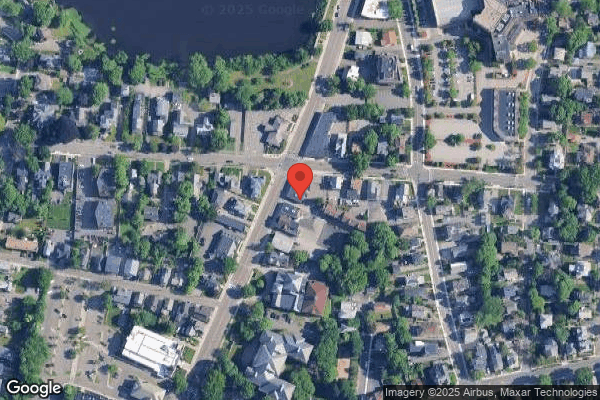

743 MAIN STREET, MELROSE, MA 02176 (781) 662-7500
For profit - Corporation 45 Beds NEXT STEP HEALTHCARE Data: November 2025
Trust Grade
75/100
#22 of 338 in MA
Last Inspection: June 2025

Inspected within the last 6 months. Data reflects current conditions.

Overview

Elmhurst Healthcare in Melrose, Massachusetts, has a Trust Grade of B, indicating it is a good choice for families, as it falls within the 70-79 range. It ranks #22 out of 338 facilities in the state, placing it in the top half, and #9 out of 72 in Middlesex County, meaning there are only eight local options considered better. The facility is improving, with reported issues decreasing from four in 2024 to none in 2025. Staffing is rated 4 out of 5 stars, though the turnover rate is concerning at 56%, which is higher than the state average. There have been no fines, indicating compliance with regulations. However, recent inspections revealed some weaknesses, such as failing to respect a resident's choice regarding urinary catheter use and not maintaining proper care for urinary catheter devices, which could pose risks to residents. Additionally, there were issues with accurate documentation for residents' daily activities, which is crucial for their care. Overall, while Elmhurst Healthcare has notable strengths, such as excellent RN coverage and no fines, families should be aware of the documented concerns.

Trust Score
B
75/100
In Massachusetts
#22/338
Top 6%
Safety Record
Low Risk
No red flags
Inspections
Getting Better
4 → 0 violations
Staff Stability
⚠ Watch
56% turnover. Above average. Higher turnover means staff may not know residents' routines.
Penalties
✓ Good
No fines on record. Clean compliance history, better than most Massachusetts facilities.
Skilled Nurses
✓ Good
Each resident gets 65 minutes of Registered Nurse (RN) attention daily — more than 97% of Massachusetts nursing homes. RNs are the most trained staff who catch health problems before they become serious.
Violations
⚠ Watch
22 deficiencies on record. Higher than average. Multiple issues found across inspections.
★★★★★
5.0
Overall Rating
★★★★☆
4.0
Staff Levels
★★★★☆
4.0
Care Quality
★★★★★
5.0
Inspection Score
Stable
2024: 4 issues
2025: 0 issues

The Good

  • 4-Star Staffing Rating · Above-average nurse staffing levels
  • 4-Star Quality Measures · Strong clinical quality outcomes
  • Full Sprinkler Coverage · Fire safety systems throughout facility
  • No fines on record

Facility shows strength in staffing levels, quality measures, fire safety.

The Bad

Staff Turnover: 56%

Near Massachusetts avg (46%)

Frequent staff changes - ask about care continuity

Chain: NEXT STEP HEALTHCARE

Part of a multi-facility chain

Ask about local staffing decisions and management

Staff turnover is elevated (56%)

8 points above Massachusetts average of 48%

The Ugly 22 deficiencies on record

Jul 2024 4 deficiencies
CONCERN (D)

Potential for Harm - no one hurt, but risky conditions existed

Deficiency F0561 (Tag F0561)

Could have caused harm · This affected 1 resident

Based on observations, interviews, policy review, and record review the facility failed to promote and facilitate resident self-determination through support of resident choice for one Resident (#18) ...

Read full inspector narrative →
Based on observations, interviews, policy review, and record review the facility failed to promote and facilitate resident self-determination through support of resident choice for one Resident (#18) out of 12 total sampled residents. Specifically, the facility failed to allow Resident #18 to use a urinary catheter drainage bag instead of a urinary catheter leg bag. Findings include: Review of the facility policy titled 'Resident Rights', revised 1/2024, indicated: - Federal and state laws guarantee certain basic rights to all residents of this facility. These rights include the resident's right to self-determination. Resident #18 was admitted to the facility in June 2024 with diagnoses including multiple fractures of pelvis. Review of the most recent Minimum Data Set (MDS) assessment, dated 6/18/24, indicated Resident #18 was cognitively intact as evidenced by a Brief Interview for Mental Status (BIMS) score of 15 out of 15. This MDS also indicated Resident #18 required an indwelling urinary catheter. Review of Resident #18's plan of care related to his/her suprapubic catheter, revised 7/9/24, indicated: - Resident prefers to utilize drainage bag not leg bag. The surveyor made the following observations: - On 7/9/24 at 12:22 P.M., Resident #18 was laying in bed wearing a urinary catheter leg bag half filled with clear yellow urine. - On 7/9/24 at 1:50 P.M., Resident #18 was laying in bed wearing a urinary catheter leg bag half filled with clear yellow urine. - On 7/10/24 at 7:15 A.M., Resident #18 was laying in bed wearing a urinary catheter leg bag that was completely filled with clear yellow urine, and the urine continued to fill entire length of visable tubing. Resident #18 said he/she does not like this leg bag and wanted to have a larger urinary catheter drainage bag that hangs from the side of the bed, but staff told him/her he could not have one because department of public health surveyors were in the building. Resident #18 said he/she really doesn't like wearing a leg bag beacause it fills up to quickly and it's not comfortable. During an interview on 7/10/24 at 7:18 A.M., Certified Nurse Assistant (CNA) #1 said she was assigned Resident #18 during the 11:00 P.M. to 7:00 A.M. shift that night. CNA #1 said Resident #18 should not have a urinary catheter leg bag when in bed, but that the larger urinary catheter drainage bags that hang from the side of the bed were locked in the storage room that only the nurses have access to, so she expected the nurse would change it. During an interview on 7/10/24 at 7:25 A.M., Nurse #1 said he was assigned Resident #18 during the 11:00 P.M. to 7:00 A.M. shift that night. Nurse #1 said he assumed the 3:00 P.M. to 11:00 P.M. nurse had changed the leg bag to a side hanging drainage bag, but never checked. Nurse #1 said if Resident #18 did not want to wear a leg bag, he should have been allowed to use a urinary drainage bag that hangs from the side of the bed. Nurse #1 then asked Resident #18 if he/she wanted a urinary catheter drainage bag that hangs from the side of the bed and he/she said yes, so he changed it to as requested by Resident #18. During an interview on 7/10/24 at 9:30 A.M., the Administrator said she knew staff had previously been aware that Resident #18 did not want to wear a leg bag and that he/she wanted to use a side hanging urinary catheter drainage bag because they had recently inserviced the staff on this. The Administrator said this was part of Resident #18's care plan and staff should not have made him/her wear a urinary catheter leg bag since he/she did not want to wear one. During an interview on 7/10/24 at 10:07 A.M., the Director of Nursing (DON) said if Resident #18 did not want to wear a urinary catheter leg bag he/she should have been provided a urinary drainage bag that hangs from the side of the bed.
CONCERN (D)

Potential for Harm - no one hurt, but risky conditions existed

Incontinence Care (Tag F0690)

Could have caused harm · This affected 1 resident

Based on observations, interviews, policy review, and record review, the facility failed maintain professional standards in the managing and caring for urinary catheter devices for one Resident (#18),...

Read full inspector narrative →
Based on observations, interviews, policy review, and record review, the facility failed maintain professional standards in the managing and caring for urinary catheter devices for one Resident (#18), out of a total sample of 12 residents. Specifically, the facility failed to ensure the urinary catheter drainage bag was maintained below level of bladder, failed to ensure the urinary catheter drainage bag was not placed directly touching the floor, and failed to ensure urinary catheter care was provided every shift as ordered by the physician. Findings include: Review of the facility policy titled 'Foley Catheter Insertion, Male Resident', revised 12/2020, indicated: - Secure the drainage bag below the level of resident's bladder and off the floor. Resident #18 was admitted to the facility in June 2024 with diagnoses including multiple fractures of pelvis. Review of the most recent Minimum Data Set (MDS) assessment, dated 6/18/24, indicated Resident #18 was cognitively intact as evidenced by a Brief Interview for Mental Status (BIMS) score of 15 out of 15. This MDS also indicated Resident #18 required an indwelling urinary catheter. Review of Resident #18's active physician's orders indicated the following orders: - Supra Pubic Care [sic], every shift, initiated 6/12/24. - Supra Pubic [sic] 16R [sic] (french scale)/10 ML (milliliters) continuous to drainage bag, initiated 6/12/24. Review of Resident #18's plan of care related to his/her suprapubic catheter, revised 7/9/24, indicated: - Keep drainage bag below level of bladder. - Provide catheter care per policy. - Resident prefers to utilize drainage bag not leg bag. On 7/9/24 at 7:57 A.M., the surveyor observed Resident #18 in bed with a urinary catheter drainage bag hanging from the side of the bed and directly touching the floor without a barrier. The surveyor made the following additional observations: - On 7/9/24 at 12:22 P.M., Resident #18 was laying in bed wearing a urinary catheter leg bag on his/her right thigh near the knee, which was half filled with clear yellow urine. The Resident's legs were elevated, placing the urinary catheter leg bag above the level of the bladder. - 07/09/24 at 1:50 P.M., Resident #18 was laying in bed wearing a urinary catheter leg bag on his/her right thigh near the knee, which was half filled with clear yellow urine. The Resident's legs were elevated, placing the urinary catheter leg bag above the level of the bladder. - On 7/10/24 at 7:15 A.M., Resident #18 was laying in bed wearing a urinary catheter leg bag on his/her right thigh near the knee, which was completely filled with clear yellow urine and the urine continued to fill entire length of visible tubing. The Resident's legs were elevated, placing the urinary catheter leg bag above the level of the bladder. Resident #18 said he/she does not like this leg bag and wanted to have a larger urinary catheter drainage bag that hangs from the side of the bed, but staff told him/her he could not have one because department of public health surveyors were in the building. Resident #18 said the urinary catheter leg bag fills up too quickly and that staff had not emptied it since he/she went to bed last night. During an interview on 7/10/24 at 7:18 A.M., Certified Nurse Assistant (CNA) #1 said she was assigned Resident #18 during the 11:00 P.M. to 7:00 A.M. shift that night. CNA #1 said Resident #18 should not have a urinary catheter leg bag when in bed, but that the larger urinary catheter drainage bags that hang from the side of the bed were locked in the storage room that only the nurses have access to, so she expected the nurse would change it. CNA #1 said she did not empty the urinary catheter leg bag during the 11:00 P.M. to 7:00 A.M. shift. CNA #1 said urinary drainage bags should never be directly touching the floor. During an interview on 7/10/24 at 7:25 A.M., Nurse #1 said he was assigned Resident #18 during the 11:00 P.M. to 7:00 A.M. shift that night. Nurse #1 said Resident #18 should not have a urinary catheter leg bag when in bed because the drainage bag should be below the level of the bladder. Nurse #1 said Resident #18 should only wear a urinary catheter leg bag when he/she is in common areas for privacy. Nurse #1 said he did not visualize or empty the urinary catheter drainage bag during his shift because Resident #18 is learning to manage the catheter him/herself in anticipation of discharge, but he should have checked to ensure it was completed. Nurse #1 said he assumed the 3:00 P.M. to 11:00 P.M. nurse had changed the leg bag to side hanging drainage bag, but never checked. Nurse #1 then asked Resident #18 if he/she wanted to urinary catheter drainage bag that hangs from the side of the bed and he/she said yes, so he changed it to as requested by Resident #18. During an interview on 7/10/24 at 10:07 A.M., the Director of Nursing (DON) said Resident #18 should not use a urinary catheter leg bag when in bed because it should be below bladder level. The DON said urinary catheter drainage bags should not be directly touching the floor.
CONCERN (D)

Potential for Harm - no one hurt, but risky conditions existed

Medical Records (Tag F0842)

Could have caused harm · This affected 1 resident

Based on record review and interviews, the facility failed to maintain accurate medical records by ensuring ADL (Activities of Daily Living) documentation was completed on every shift for three Reside...

Read full inspector narrative →
Based on record review and interviews, the facility failed to maintain accurate medical records by ensuring ADL (Activities of Daily Living) documentation was completed on every shift for three Residents (#275, #225 and #226) out of a total sample of 12 residents. Findings include: 1.) Resident #275 was admitted to the facility in July 2024 with diagnoses including vertigo. Review of Resident #275's medical record indicated the following documentation was not completed for the month of July. - 7 out of 16 shifts failed to document the dressing, bathing and additional fluids documentation sections. - 17 out of 26 shifts failed to document the bed mobility, behavior monitoring, bladder and bowel continence, locomotion on unit, preventative skin care, skin observation, toilet use, transferring, walk in corridor, walk in room and wheelchair mobility documentation sections. - 8 out of 9 shifts failed to document the evening snack documentation section. - 8 out of 17 shifts failed to document the locomotion off unit documentation section. - 9 out of 26 shifts failed to document the amount eaten documentation section. - 8 out of 26 shifts failed to document the eating documentation section. - 53 out of 88 opportunities to document were left blank in the turn and positioning documentation section. During an interview on 7/10/24 at 11:34 A.M., the Nursing Supervisor said the expectation is that staff documents all care provided on all shifts prior to leaving the building for the day. The Nursing Supervisor said incomplete documentation has been an ongoing issue at the facility. During an interview on 7/10/24 at 8:43 A.M., the Administrator said the Nursing Assistants are expected to document all care provided on all shifts. The Administrator said missing documentation has been an ongoing problem at the facility. 2.) Resident #225 was admitted to the facility in July 2024 with diagnoses including end stage renal disease. Review of Resident #225's medical record indicated the following documentation was not completed for the month of July: - 2 out of 2 night shifts failed to document the bed mobility, behavior monitoring, bladder or bowel continence, locomotion on unit, preventative skin care, toilet use, skin observation, transferring, walk in corridor, walk in room or wheelchair mobility documentation sections. During an interview on 7/10/24 at 11:34 A.M., the Nursing Supervisor said the expectation is that staff documents all care provided on all shifts prior to leaving the building for the day. The Nursing Supervisor said incomplete documentation has been an ongoing issue at the facility. During an interview on 7/10/24 at 8:43 A.M., the Administrator said the Nursing Assistants are expected to document all care provided on all shifts. The Administrator said missing documentation has been an ongoing problem at the facility. 3.) Resident #226 was admitted to the facility in July 2024 with diagnoses including bladder cancer. Review of Resident #226's medical record indicated the following documentation was not completed for the month of July: - 4 out of 13 shifts failed to document the bathing, dressing, locomotion off unit, personal hygiene and additional fluids documentation sections. - 1 out of 7 shifts failed to document the evening snack documentation section. - 11 out of 20 shifts failed to document the bed mobility, locomotion on unit, behavior monitoring, bladder and bowel continence, preventative skin care, skin observation, toilet use, transferring, walk in corridor, walk in room and wheelchair mobility sections. - 38 out of 68 opportunities to document were left blank in the turn and positioning documentation section During an interview on 7/10/24 at 11:34 A.M., the Nursing Supervisor said the expectation is that staff documents all care provided on all shifts prior to leaving the building for the day. The Nursing Supervisor said incomplete documentation has been an ongoing issue at the facility. During an interview on 7/10/24 at 8:43 A.M., the Administrator said the Nursing Assistants are expected to document all care provided on all shifts. The Administrator said missing documentation has been an ongoing problem at the facility.
CONCERN (D)

Potential for Harm - no one hurt, but risky conditions existed

Infection Control (Tag F0880)

Could have caused harm · This affected 1 resident

Based on observations and interviews, the facility failed to maintain an infection prevention and control program designed to provide a safe, sanitary and comfortable environment and to help prevent t...

Read full inspector narrative →
Based on observations and interviews, the facility failed to maintain an infection prevention and control program designed to provide a safe, sanitary and comfortable environment and to help prevent the development and transmission of communicable diseases and infections. Specifically, the facility failed to: 1.) Ensure healthcare personnel remove gloves and perform hand hygiene before leaving a resident room. 2.) Ensure healthcare personnel appropriately don (put on) a precaution gown while caring for a Resident on enhanced barrier precautions (EBP). Findings include: Review of United States Centers for Disease Control and Prevention's (CDC) guidance titled 'Implementation of Personal Protective Equipment (PPE) Use in Nursing Homes to Prevent Spread of Multidrug-Resistant Organisms (MDROs)', updated July 12, 2022, indicated: - Enhanced Barrier Precautions expand the use of PPE and refer to the use of gown and gloves during high-contact resident care activities that provide opportunities for transfer of MDROs to staff hands and clothing. - Examples of high-contact resident care activities requiring gown and glove use for Enhanced Barrier Precautions include: device care or use of urinary catheter. Review of the facility policy titled 'Handwashing/Hand Hygiene', revised 11/2020, indicated: 7. Use an alcohol-based hand rub containing at least 62% alcohol; or, alternatively, soap (antimicrobial or non-antimicrobial) and water for the following situations: m. After removing gloves. 1.) On 7/9/24 at 7:01 A.M., the surveyor observed Certified Nurse Assistant (CNA) #2 wearing a glove on her left hand at the bedside of a resident room. CNA #2 exited the resident room, without removing the glove or performing hand hygiene, and entered another resident room still wearing the glove on her left hand and continued to assist the other resident in bed. The Assistant Director of Nursing (ADON) then intervened and told CNA #2 she had to remove the glove and sanitize her hands. During an interview on 7/10/24 at 11:33 A.M., the ADON said she had asked CNA #2 to remove the glove and wash her hands when she noticed CNA #2 had left a resident's room without removing her glove or performing hand hygiene. The ADON said staff should remove gloves and perform hand hygiene before leaving a resident's room and should never care for more than one resident wearing the same glove. On 7/10/24 at 7:21 A.M., the surveyor observed CNA #1 at the bedside of a resident room wearing gloves. CNA #1 exited the resident room, without removing the gloves or performing hand hygiene, and walked down the hall to get a new trash bag out of a cabinet. CNA #1 used her gloved hands to open and close the cabinet. CNA #1 then re-entered the resident room and resumed providing urinary catheter care without changing gloves or performing hand hygiene. At 7:25 A.M., CNA #1 exited the room again holding a filled trash bag with her gloved hands and walked down the hall. CNA #1 had not removed or changed gloves and did not perform hand hygiene upon exit of the resident room. During an interview on 7/10/24 at 7:37 A.M., CNA #1 said she had been emptying a resident's urinary catheter bag during the surveyors observation. CNA #1 declined to answer the surveyors questions regarding glove use in the hallway. CNA #1 said she was supposed to wash her hands when leaving a resident room after providing care. During an interview on 7/10/24 at 7:40 A.M., Nurse #1 said staff is not supposed to wear gloves in the hallway and that hand hygiene should be performed before leaving a resident's room after providing care. During an interview on 7/10/24 at 9:30 A.M., the Administrator said staff need to remove gloves and clean hands before leaving a resident's room. The Administrator said staff should never provide care for more than one resident wearing the same gloves. During an interview on 7/10/24 at 10:07 A.M., the Director of Nursing (DON) said staff need to remove gloves and clean hands before leaving a resident's room. The Administrator said staff should never provide care for more than one resident wearing the same gloves. 2.) On 7/10/24 at 7:21 A.M., the surveyor observed CNA #1 emptying a urinary catheter drainage bag. CNA #1 was wearing gloves, but was not wearing a precaution gown. There was a sign posted at the doorway that indicated the Resident was on enhanced barrier precautions (EBP) and that everyone must wear gloves and gown for high-contact resident care activities including device care or use of urinary catheter. During an interview on 7/10/24 at 7:37 A.M., CNA #1 said a precaution gown and gloves must be worn when emptying a urinary catheter drainage bag of a Resident on EBP. During an interview on 7/10/24 at 7:40 A.M., Nurse #1 said a precaution gown, in addition to gloves, must be worn when emptying a urinary catheter drainage bag of a Resident on EBP. During an interview on 7/10/24 at 9:30 A.M., the Administrator said the facility does not have a policy on Enhanced Barrier Precautions, but that the facility follows the CDC guidance on Enhanced Barrier Precautions. During an interview on 7/10/24 at 10:07 A.M., the Director of Nursing (DON) said CNA #1 should have worn a precaution gown, in addition to gloves, when emptying a urinary catheter drainage bag of a Resident on EBP.
May 2023 16 deficiencies
CONCERN (D)

Potential for Harm - no one hurt, but risky conditions existed

Resident Rights (Tag F0550)

Could have caused harm · This affected 1 resident

**NOTE- TERMS IN BRACKETS HAVE BEEN EDITED TO PROTECT CONFIDENTIALITY** Based on record review, observation and interview the facility failed to ensure they provided a dignified experience by providin...

Read full inspector narrative →
**NOTE- TERMS IN BRACKETS HAVE BEEN EDITED TO PROTECT CONFIDENTIALITY** Based on record review, observation and interview the facility failed to ensure they provided a dignified experience by providing privacy for a Foley catheter (drains urine from the bladder) for 1 Resident (#30) out of a total sample of 15 residents. Findings Include: Resident #30 was admitted to the facility in April 2023 with diagnoses including spondylosis, hydronephrosis, and displacement of other urinary catheter. Review of Resident #30's most recent Minimum Data Set (MDS), dated [DATE], indicated he/she scored a 15 out of a possible score of 15 on the Brief Interview for Mental Status (BIMS) which indicated he/she was cognitively intact. Further review of the MDS indicated Resident #30 had an indwelling catheter. During an observation on 5/9/23 from 7:44 A.M. to 8:45 A.M., the surveyor observed Resident #30 in bed with his/her Foley catheter with 500 cc of urine, was facing the doorway, not in a privacy bag. During an observation on 5/9/23 from 12:00 P.M. to 12:22 P.M., the surveyor observed Resident #30 in his/her wheelchair with his/her Foley catheter attached to the underside of the wheelchair. It was facing the doorway, not in a privacy bag. During an observation on 5/9/23 at 2:34 P.M. the surveyor observed Resident #30 in his/her wheelchair with his/her Foley catheter attached to the underside of the wheelchair. It was facing the doorway, not in a privacy bag. During an interview and observation on 5/10/23 at 7:41 A.M., the Minimum Data Set (MDS) Nurse acknowledged that Resident #30's Foley catheter was not in a privacy bag and was facing the doorway. The MDS Nurse said it should absolutely be in a privacy bag for dignity reasons. Resident #30 was observed in bed with the urine side of the catheter visible from the doorway. During an interview on 5/10/23 at 7:44 A.M., Nurse #1 said Resident #30's Foley catheter should be in a privacy bag.
CONCERN (D)

Potential for Harm - no one hurt, but risky conditions existed

Deficiency F0552 (Tag F0552)

Could have caused harm · This affected 1 resident

Based on record review, facility policy review and interviews, the facility failed to obtain consent for the use of psychotropic medications for 1 Resident (#188), out of a total sample of 15 resident...

Read full inspector narrative →
Based on record review, facility policy review and interviews, the facility failed to obtain consent for the use of psychotropic medications for 1 Resident (#188), out of a total sample of 15 residents. Findings include: Review of the facility policy titled, Psychoactive Medication, dated 4/2018, indicated the following: *The interdisciplinary team assesses and monitors the appropriateness, effectiveness, and side effects associated with psychotropic medications for each resident via resident care plan review. The resident, and when indicated, the family or responsible person, will be included in this process prior to administration of dose Resident #188 was admitted to the facility in May 2023 with diagnoses including dementia and left knee wound. Review of Resident #188's physician orders indicated the following order: *Trazadone (an anti-depressant medication) Give 25 mg (milligrams) by mouth at bedtime for insomnia. Review of Resident #188's medical record failed to indicate the Resident or his/her representative signed a consent for the use of this medication. During an interview on 5/09/23 at 2:24 P.M., the Director of Nursing said consents for the use of psychotropic medications are obtained at the time of admission. The Director of Nursing said she was unaware Resident #188 did not have consents obtained.
CONCERN (D)

Potential for Harm - no one hurt, but risky conditions existed

Deficiency F0558 (Tag F0558)

Could have caused harm · This affected 1 resident

**NOTE- TERMS IN BRACKETS HAVE BEEN EDITED TO PROTECT CONFIDENTIALITY** Based on observations, record reviews and interviews, the facility failed to ensure a call light was within reach for 1 Resident...

Read full inspector narrative →
**NOTE- TERMS IN BRACKETS HAVE BEEN EDITED TO PROTECT CONFIDENTIALITY** Based on observations, record reviews and interviews, the facility failed to ensure a call light was within reach for 1 Resident (#19) out of a total sample of 15 residents. Findings include: Resident #19 was admitted to the facility in March, 2022 with diagnoses including traumatic brain injury and aphasia. Review of the Minimum Data Set (MDS), dated [DATE], indicated that Resident #19 was unable to complete a Brief Interview for Mental Status assessment. Further review of the MDS indicated Resident #19 is a one person extensive physical assist with bed mobility, and supervision with eating. During an observation on 5/9/23 at 12:21 P.M., Resident #19 was using his/her left hand to point to the call bell which was hanging off of the right side of his/her bed near the floor. When asked, the Resident was unable to reach his/her call bell or move his/her right arm more than an inch. During an observation on 5/10/23 at 8:22 A.M., Resident #19 was observed in bed, with his/her call light hanging off of the right side of the Residents bed. Review of a Nurse Practitioner Note, dated 5/1/23 indicated Resident #19 has right sided weakness related to his/her traumatic brain injury. During an interview on 5/10/23 at 8:39 A.M., Certified Nursing Assistant (CNA) #2 said the CNAs check that call bells are within reach during daily rounds, and that the CNAs will adjust the call bells to be within reach using clips if needed. During an interview on 5/10/23 at 10:48 A.M., the Director of Nursing (DON) said the call bell should be placed within reach of each resident, and if a resident has unilateral weakness the call bell should be placed on the side of the bed which allows the resident to utilize their highest functioning upper extremity to reach the call-bell.
CONCERN (D)

Potential for Harm - no one hurt, but risky conditions existed

Deficiency F0655 (Tag F0655)

Could have caused harm · This affected 1 resident

Based on record review and interview, the facility failed to develop and implement an effective baseline care plan and provide the resident with a summary of the baseline care plan within 48 hours fro...

Read full inspector narrative →
Based on record review and interview, the facility failed to develop and implement an effective baseline care plan and provide the resident with a summary of the baseline care plan within 48 hours from admission to the facility for 1 Resident (Resident #188) out of a total sample of 15 residents. Findings include: Review of the facility policy titled, Care Plans - Baseline, dated 11/2017, indicated the following: *A baseline plan of care to meet the resident's immediate needs shall be developed for each resident within forty-eight hours (48) of admission. *The baseline care plan will be used until the staff can conduct the comprehensive assessment and develop an interdisciplinary person-centered care plan. Resident #188 was admitted to the facility in May 2023 with diagnoses including dementia and left knee wound. Review of Resident #188's care plans indicated his/her care plan was developed on 5/8/23, over 48 hours after admission to the facility. During an interview on 5/09/23 at 1:24 P.M., the Nursing Supervisor said he completes all admissions for the facility along with the floor nurse. The Nursing Supervisor said the care plan should be created upon a resident's admission to the facility. During an interview on 5/09/23 at 2:24 P.M., the Director of Nursing said she expects a baseline care plan to be created with the first 3 shifts (24 hours) that a resident is at the facility.
CONCERN (D)

Potential for Harm - no one hurt, but risky conditions existed

Comprehensive Care Plan (Tag F0656)

Could have caused harm · This affected 1 resident

**NOTE- TERMS IN BRACKETS HAVE BEEN EDITED TO PROTECT CONFIDENTIALITY** 3. Resident #10 was admitted to the facility in April, 2023 with diagnoses including mild cognitive impairment. Review of the Mi...

Read full inspector narrative →
**NOTE- TERMS IN BRACKETS HAVE BEEN EDITED TO PROTECT CONFIDENTIALITY** 3. Resident #10 was admitted to the facility in April, 2023 with diagnoses including mild cognitive impairment. Review of the Minimum Data Set (MDS), dated [DATE], indicated that Resident #10 scored a 05 out of 15 on the Brief Interview for Mental Status (BIMS), which indicates severe cognitive impairment. Review of Resident #10's Nurse Practitioner notes indicated the Nurse Practitioner acknowledges the Resident's wandering behavior on the following dates: 4/21/23 4/24/23 4/25/23 4/26/23 5/1/23 5/4/23 5/5/23 5/8/23 5/9/23 5/10/23 Review of Resident #10's progress notes indicated the Resident was sent to the emergency room on 4/25/23 due to increase in agitation, attempting to elope, and wandering in other patient's room. Review of Resident #10's care plans failed to indicate that a care plan for wandering or elopement was ever developed. During an interview on 5/10/23 at 11:18 A.M., the Director of Nursing (DON) said that a care plan for Resident #10's wandering behaviors should have been developed. Based on record review and interview the facility failed to 1) ensure they developed a hospice care plan for 1 Resident (#26), 2) failed to develop an edema management care plan for 1 Resident (#2) and 3) failed to develop a wandering/elopement risk care plan for 1 Resident (#10) out of a total sample of 15 Residents. Findings Include: 1. Resident #26 was admitted to the facility in April 2023 with diagnoses including End Stage Renal Disease, Dysuria, and Hypertension. Review of the most recent Minimum Data Set (MDS) dated [DATE], indicated he/she scored a 13 out of a possible 15 on the Brief Interview for Mental Status (BIMS) which indicated he/she was cognitively intact. Review of Resident #26's Physician Orders dated 4/11/23, indicated an order may admit to hospice. Review of Resident #26's Nurses Note, dated 4/18/23, indicated he/she was seen by the hospice nurse today, no new recommendations. Review of Resident #26's Evaluation Summary Note, dated 4/19/23, indicated he/she is currently on hospice services through the Hospice of MA. Review of Resident #26's Nurse Practitioner Note, dated 4/26/23, indicated he/she was being followed by hospice. Review of Resident #26's hospice Visit Documentation Log, indicated hospice visits were made on 4/25/23 and 5/4/23. Review of Resident #26's hospice Service Recommendations, dated 5/4/23, indicated recommendations for pain management. Review of Resident #26's medical record failed to indicate that a plan of care was developed for hospice services. During an interview on 5/9/23 at 2:31 P.M., the Director of Nurses (DON) said the expectation would be that a plan of care should have been developed by now for Hospice for Resident #30. During an interview on 5/10/23 at 7:38 A.M., the MDS nurse said the Resident should have had a care plan in place for hospice services prior to today.2. Resident #2 was admitted to the facility in April 2023 with diagnoses including fracture, lymphedema and congestive heart failure. Review of Resident #2's most recent Minimum Data Set (MDS), dated [DATE], indicates the Resident has a Brief Interview for Mental Status (BIMS) score of 15 out of a possible 15 indicating he/she is cognitively intact. The MDS also indicated Resident #2 requires limited assistance for staff for activities of daily living. During an interview on 5/09/23 at 8:18 A.M., Resident #2 was observed lying in bed and both legs had significant edema and his/her nonskid socks were digging in to his/her legs leaving marks. When asked, Resident #2 said his/her legs are painful, especially in the area where the socks are tight. Resident #2 said he/she receives a diuretic for the fluid in his/her legs, but staff do not measure his/her legs to see if the swelling has increased. Resident #2 said staff do not ask him/her about the swelling in his/her legs. Review of Resident #2's care plans failed to indicate a care plan for the management of his/her lymphedema. During an interview on 5/10/23 at 12:01 P.M., the Nursing Supervisor said he would expect a care plan to be put in place for any medical condition a resident is admitted with, and the facility is treating. The Nursing Supervisor said Resident #2 should have a care plan to address his/her lymphedema and does not. During an interview on 5/10/23 at 12:37 P.M., the Director of Nursing said she would expect a a care plan to be in place for any resident with the diagnosis of edema or lymphedema with interventions on how to monitor the condition.
CONCERN (D)

Potential for Harm - no one hurt, but risky conditions existed

Deficiency F0658 (Tag F0658)

Could have caused harm · This affected 1 resident

**NOTE- TERMS IN BRACKETS HAVE BEEN EDITED TO PROTECT CONFIDENTIALITY** Based on observations, record review and interviews, the facility failed to ensure a surgical brace was worn correctly to preven...

Read full inspector narrative →
**NOTE- TERMS IN BRACKETS HAVE BEEN EDITED TO PROTECT CONFIDENTIALITY** Based on observations, record review and interviews, the facility failed to ensure a surgical brace was worn correctly to prevent possible further injury for 1 Resident (#34) out of a total sample of 15 residents. Findings include: Resident #34 was admitted to the facility in April 2023 with diagnoses including patella (knee) fracture. Review of Resident #34's most recent Minimum Data Set (MDS), dated [DATE], indicated the Resident has a Brief Interview for Mental Status (BIMS) score of 12 out of a possible 15 which indicates he/she has moderate cognitive impairment. The MDS also indicates Resident #34 requires limited assistance with activities of daily living. On 5/9/23 at 8:49 A.M., Resident #34 was observed ambulating in his/her room. The Resident was observed wearing a brace on his/her left leg. The Brace was a knee extension brace with a locking mechanism on both sides of the brace. The brace was below his/her knee and resting on the top of his/her foot. The Resident's left knee was slightly bent while ambulating. On 5/9/23 at 12:00 P.M., 1:30 P.M., and 2:00 P.M., and on 5/10/23 at approximately 9:30 A.M., Resident #34 was observed ambulating in the hallway with his/her left knee slightly bent. The Resident was wearing a brace on his/her left leg and the brace was below his/her knee and resting on top of his/her foot. During several of these observations, the Resident was ambulating past the nursing staff who did not stop him/her to adjust the brace. Review of the discharge summary from the acute care hospital prior to admission indicated the following: *Resident #34 had sustained a left patella fracture requiring surgical intervention. *The Resident was prescribed a knee brace to be worn at all times and locked in extension (preventing knee from bending). Review of Resident #34's physician orders indicated the following order: *Keep knee brace locked in extension at all times, every shift, written 4/27/23. Review of the physical therapy evaluation dated 4/26/23 indicated Resident #34 had a precaution to wear a left lower extremity immobilizer at all times with no left knee range of motion allowed. Review of the medical record failed to indicate Resident #34 adjusts the brace on his/her own or is resistive to wearing the brace in a manner to prevent knee flexion. During an interview on 5/10/23 at 12:12 P.M., the Physical Therapy Assistant (PTA) said Resident #34 is ordered to wear a knee brace all times to prevent the knee from bending. The PTA said the brace has a locking mechanism on both sides and the locking mechanism should be at the level of the knee to prevent the knee from bending. The PTA said the brace has the potential to slip down, but both nursing and therapy have the skills to adjust the brace, so it is in the correct position on the Resident's leg. The PTA said he often adjusts the brace but is unsure if nursing does. During an interview on 5/10/23 at 1:24 P.M., the Director of Nursing (DON) said Resident #34's brace should be worn in a manner to prevent the knee from bending. The DON said nursing should be adjusting the brace as needed because if not worn correctly, the brace becomes ineffective.
CONCERN (D)

Potential for Harm - no one hurt, but risky conditions existed

ADL Care (Tag F0677)

Could have caused harm · This affected 1 resident

**NOTE- TERMS IN BRACKETS HAVE BEEN EDITED TO PROTECT CONFIDENTIALITY** 3. Resident #19 was admitted to the facility in March, 2022 with diagnoses including traumatic brain injury, and aphasia. Revie...

Read full inspector narrative →
**NOTE- TERMS IN BRACKETS HAVE BEEN EDITED TO PROTECT CONFIDENTIALITY** 3. Resident #19 was admitted to the facility in March, 2022 with diagnoses including traumatic brain injury, and aphasia. Review of the Minimum Data Set (MDS), dated [DATE], indicated that Resident #19 was unable to complete a Brief Interview for Mental Status. Further review of the MDS indicated Resident #19 requires supervision with eating. During an observation on 5/9/23 at 8:22 A.M., Resident #19 was eating in his/her room without staff present, unsupervised. During an observation on 5/9/23 at 12:18 P.M., Resident #19 was eating in his/her room without staff present, unsupervised. Review of Resident #19 ' s activity of daily living care plan, last revised 6/9/2022, indicated Resident #19 requires supervision with eating. During an interview on 5/10/23 at 8:39 A.M., Certified Nursing Assistant (CNA) #2 said residents should be provided the level of assistance for eating that is outlined in their care plans. 2. Resident #1 was admitted to the facility in April 2023 with diagnoses including fibromyalgia, diabetes and hypertension. Review of Resident #1's most recent Minimum Data Set (MDS), dated [DATE], indicated he/she scored a 14 out of a possible 15 on the Brief Interview for Mental Status which indicated he/she was cognitively intact. Further review of the MDS indicated Resident #1 needed one person physical assist and supervision by a staff member for eating. During an observation on 5/9/23 from 8:00 A.M. to 8:08 A.M., the surveyor observed Resident #1 sitting at the edge of bed and he/she was observed to be falling asleep, leaning back and not eating his/her breakfast tray. There no staff were present in the room to provide supervision or assistance with the meal. During an observation on 5/9/23 from 12:24 P.M. to 12:30 P.M., the surveyor observed Resident #1 in his/her wheelchair in his/her room with no staff present. Resident #1 was observed with their tray table pushed away from him/her and was using a knife to try to eat. Resident #1 was also using their hands at times. During an observation on 5/10/23 from 8:19 A.M. to 8:22 A.M., the surveyor observed Resident #1's privacy curtain pulled past the Resident's bed, unable to visualize the Resident from the hallway or the doorway. The surveyor entered Resident #1's room and rounded the bed to visualize him/her. There no staff were present in the room or hallway to provide supervision or assistance with the meal. Resident #1 was observed to be falling asleep while eating breakfast. Review of Resident #1's Activity of Daily Living (ADL) care plan, dated 5/2/23, indicated the following: *Eating: continuous supervision. Review of Resident #1's Occupational Therapy Plan of Treatment, dated 4/27/23, indicated Resident #1 required supervision or touching assistance for self-feeding tasks. During an interview on 5/10/23 at 8:26 A.M., Certified Nursing Assistant (CNA) #1 and the MDS Nurse reviewed Resident #1's CNA Plan of Care (POC) with the surveyor. The POC indicated Resident #1 was continuous supervision for eating. CNA #1 and the MDS Nurse acknowledged that the privacy curtain was pulled and staff were unable to visualize the Resident until you reached the foot of the bed. The MDS Nurse acknowledged that the care plan says the Resident needs continuous supervision. When asked if she was aware Resident #1 required supervision for meals, CNA #1 said she never looks at the care plans for the residents. Based on observations, record review, interviews and policy review, the facility failed to 1) provide assistance with grooming tasks for 1 Resident (#2) and 2) provide assistance during self-feeding tasks for 2 Residents (#1 and #19) out of a total sample of 15 residents. Findings include: Review of the facility's policy titled Activities of Daily Living (ADLs), dated 9/2019, indicated Residents will be provided with care, treatment and services as appropriate to maintain or improve as able their ability to carry out ADLs. Appropriate care and services will be provided for residents who are unable to carry out ADLs independently, with the consent of the resident and in accordance with the plan of care. 1. Resident #2 was admitted to the facility in April 2023 with diagnoses including fracture of lymphedema. Review of Resident #2's most recent Minimum Data Set (MDS), dated [DATE], indicates the Resident has a Brief Interview for Mental Status (BIMS) score of 15 out of a possible 15 indicating he/she is cognitively intact. The MDS also indicated Resident #2 requires limited assistance for staff for activities of daily living. On 5/09/23 at 8:18 A.M., Resident #2 was observed lying in bed. He/she had significant chin hair and his/her nails were long with a brown substance under all 10 fingernails. Resident #2 said he/she would prefer not to have facial hair and would love to have his/her nails cleaned and cut and no staff have offered to do so. On 5/10/23 at 12:00 P.M., Resident #2 was observed lying in bed. He/she had significant chin hair and his/her nails were long with a brown substance under all 10 fingernails. Review of Resident #2's activity of daily living care plan last revised on 5/8/23 indicated Resident #2 requires assistance of 1 staff for all grooming tasks. During an interview on 5/10/23 at 9:36 A.M., Certified Nursing Assistant #2 said staff remove all unwanted facial hair as well as clean and cut fingernails of any resident who is unable to do so themselves. During an interview on 5/10/23 at 12:37 P.M., the Director of Nursing said she expects all residents to have unwanted facial hair removed and nails to be cleaned during daily care.
CONCERN (D)

Potential for Harm - no one hurt, but risky conditions existed

Quality of Care (Tag F0684)

Could have caused harm · This affected 1 resident

**NOTE- TERMS IN BRACKETS HAVE BEEN EDITED TO PROTECT CONFIDENTIALITY** Based on observation, interviews and record review, the facility failed to identify and assess visible bruising for 1 Resident (...

Read full inspector narrative →
**NOTE- TERMS IN BRACKETS HAVE BEEN EDITED TO PROTECT CONFIDENTIALITY** Based on observation, interviews and record review, the facility failed to identify and assess visible bruising for 1 Resident (#10) out of a total sample of 25 residents. Findings include: Review of the facility policy titled, Pressure Ulcer/Injury Risk Assessment, dated 4/2018, indicated the following: * If a new skin alteration is noted, initiate a (pressure or non-pressure) form related to the type of alteration in skin. Resident #10 was admitted to the facility in April, 2023 with diagnoses including mild cognitive impairment. Review of the Minimum Data Set (MDS), dated [DATE], indicated that Resident #10 scored a 05 out of 15 on the Brief Interview for Mental Status (BIMS), which indicates severe cognitive impairment. Further review of the MDS indicated Resident #10 requires limited physical assistance of one person for transferring, walking, and toilet use. During an observation on 5/9/23 at 8:34 A.M., Resident #10 had bruises on the left, outer forearm, and above the left elbow. The Resident was wearing a short sleeve medical gown and the bruises were visible to any staff entering the room. Review of Resident #10's nursing admission assessment, dated 4/17/23, indicated the Resident had an old bruise on the forearm and wrist, but failed to indicate any other bruising. Review of Resident #10's physician orders indicated the following order: *Weekly skin check every evening shift every Monday - initiated 4/24/23 Review of Resident #10's medical record failed to indicate that any skin checks were completed for a total of three weeks after the order was placed. Review Resident #10's nursing notes failed to indicate any bruising or skin alterations on his/her arms. During an interview on 05/09/23 at 1:47 P.M., the Nursing Supervisor said he was unaware of the bruising on Resident #10's arm. The Nursing Supervisor said the bruising was likely from blood draws during the Resident's hospitalization, however the facility could not provide an investigation into the cause of the bruises. The Nursing Supervisor acknowledged that no skin checks were performed for three weeks, and that any skin abnormalities should have been documented in the nursing progress note.
CONCERN (D)

Potential for Harm - no one hurt, but risky conditions existed

Pressure Ulcer Prevention (Tag F0686)

Could have caused harm · This affected 1 resident

**NOTE- TERMS IN BRACKETS HAVE BEEN EDITED TO PROTECT CONFIDENTIALITY** Based on observations, record reviews and interviews, the facility failed to accurately assess and treat a pressure ulcer for 2 ...

Read full inspector narrative →
**NOTE- TERMS IN BRACKETS HAVE BEEN EDITED TO PROTECT CONFIDENTIALITY** Based on observations, record reviews and interviews, the facility failed to accurately assess and treat a pressure ulcer for 2 Residents (#34 and #29) out of a total sample of 15 residents. Findings include: Review of the facility policy titled, Pressure Ulcer/Injury Risk Assessment, dated 4/2018, indicated the following: *The purpose of a structured risk assessment is to identify all risk factors and then to determine which can be modified and which cannot, or which can be immediately addressed and which will take time to modify. *Once the assessment is conducted and risk factors are identified and characterized, a resident-centered care plan can be created to address the modifiable risks for pressure ulcers/injuries. *The risk assessment should be conducted as soon as possible after admission, but no later than 8 hours after admission is completed. *Repeat the risk assessment weekly for the first 4 weeks, if there is a significant change in condition, or as often as is required based on the residence condition. *Once inspection of skin is completed, document the findings on the facility approved skin assessment tool. * If a new skin alteration is noted, initiate a (pressure or non-pressure) form related to the type of alteration in skin. *Notify attending MD if new skin alteration is noted. Resident #34 was admitted to the facility in April 2023 with diagnoses including patella (knee) fracture and muscle weakness. Review of Resident #34's most recent Minimum Data Set (MDS), dated [DATE], indicated the Resident has a Brief Interview for Mental Status (BIMS) score of 12 out of a possible 15 which indicates he/she has moderate cognitive impairment. The MDS also indicates Resident #34 requires limited assistance with activities of daily living. During an observation with the Minimum Data Set (MDS) and Nurse #2 on 5/10/23 at 11:25 A.M., the surveyor, MDS Nurse and Nurse #2 observed Resident #34 coccyx area. Resident #34's coccyx area was red and open. The MDS nurse measured the area and said that the wound was a Stage 1 pressure wound, measuring at 2 cm x 1 cm. Resident #34 said he/she has pain when he/she sits down on this area. Review of Resident #34's discharge summary from his/her hospitalization prior to admission from the facility indicated the following: *Skin: patient admitted with pressure ulcer to the coccyx, are cleaned and Mediplex (a wound treatment) changed today, 4/23/23. Review of Resident #34's assessment dated [DATE], indicated the Resident had a pressure wound on the coccyx, however failed to indicate the size or stage of the wound. Review of Resident #34's medical record indicated the following: *Review of all nursing progress notes failed to indicate any notes regarding the Resident's pressure injury to the coccyx. *Review of all nurse practitioner notes written since admission failed to indicate the nurse practitioner was aware of Resident #34's coccyx wound. *Review of Resident #34's physician orders failed to indicate there were any treatments in place to treat the Resident's coccyx wound. Physician orders for weekly skin check were present, however no skin checks after admission had been completed. *[NAME] Skin Assessments dated 4/27/23 and 5/8/23 indicating the Resident is at moderate risk for pressure ulcer development. During an interview on 5/10/23 at 12:37 P.M., the Director of Nursing (DON) said all residents have an initial skin assessment completed on admission and then weekly thereafter. The DON said the skin assessments should list any skin alterations and, if there is a wound present, should have staging and measurements of the wound. The DON said if a wound is present on admission, the physician would need to be notified so a treatment can be put into place immediately. The DON said she was unaware Resident #34 had a coccyx wound. 2. Resident #29 was admitted to the facility in April 2023 with diagnoses of muscle weakness, abnormality of gait and mild protein-calorie malnutrition. Review of Resident #29's most recent Minimum Data Set (MDS), dated , 4/23/23, indicates the Resident has a Brief Interview of Mental Status (BIMS) score of 9 out of a possible 15, indicating he/she has moderate cognitive impairment. The MDS also indicates Resident #29 requires extensive assistance from staff for activities of daily living. During an observation with Nurse #2 on 5/10/23 at 11:20 A.M., Resident #29's coccyx area was red, and an open area was observed. Resident #29 did not have a dressing on his/her coccyx. Review of the nursing assessment dated [DATE] indicated Resident #29 has a stage 3 coccyx wound. Review of the [NAME] Skin Assessments completed on 4/25/23 and 5/8/23 indicated Resident #29 is at high risk for pressure ulcer development. Review of Resident #29's physician orders indicated the following order written on 5/3/23: *Santyl Ointment (a wound treatment) 250 unit/gm. Apply to coccyx topically every day shift for wound care alginate calcium, santyl, f/b (followed by) bordered gauze daily. During an interview on 5/10/23 at 11:22 A.M., the Nursing Supervisor said Resident #29 has a pressure wound on his/her coccyx and there is a physician order to treat the wound. The Nursing Supervisor said Resident #29 did not have the wound treatment is place and the treatment should have been completed as ordered. During an interview on 5/10/23 at 12:37 P.M., the Director of Nursing (DON) said she expects any physician order for wounds to be followed. The DON was unaware Resident #29 did not have his/her wound treatment completed.
CONCERN (D)

Potential for Harm - no one hurt, but risky conditions existed

Deficiency F0692 (Tag F0692)

Could have caused harm · This affected 1 resident

**NOTE- TERMS IN BRACKETS HAVE BEEN EDITED TO PROTECT CONFIDENTIALITY** 3. Resident #12 was admitted to the facility in March 2023 with diagnoses including muscle weakness and diabetes. Review of the...

Read full inspector narrative →
**NOTE- TERMS IN BRACKETS HAVE BEEN EDITED TO PROTECT CONFIDENTIALITY** 3. Resident #12 was admitted to the facility in March 2023 with diagnoses including muscle weakness and diabetes. Review of the Minimum Data Set (MDS), dated [DATE], indicated that Resident #12 scored a 10 out of 15 on the Brief Interview for Mental Status (BIMS), which indicates moderate cognitive impairment. Review of Resident #12's electronic medical record failed to indicate a weight was obtained on admission. Review of Resident #12's electronic medical record indicated the Resident returned from a hospitalization on 4/12/23, but failed to indicate a weight had been obtained upon re-admission or subsequently. Review of Resident #12's physicians orders indicated the following order: *Monitor weight weekly every day shift every Tuesday - initiated 3/21/23. Review of Resident #12's weight summary report indicated only one weight was obtained, on 4/1/23, out of the 8 weeks since the initiation of the weekly weights order. During an interview on 5/09/23 at 1:24 P.M., the Nursing Supervisor said a weight should be obtained for all residents upon admission and then as ordered. During an interview on 5/10/23 at 10:04 A.M., the Dietitian said all residents should have a weight obtained within 24 hours of admission, and that she would have expected a weight to also be obtained after re-admitting to the facility. The Dietitian said she was concerned that Resident #12 has not been getting weighed and that she has shared this concern with nursing. The Dietitian also said Resident #12 has not been refusing getting weighed. Based on record reviews and interviews, the facility failed to obtain weights in order to accurately assess the nutritional status of 3 Residents (#188, #2 and #12) out of a total sample of 15 residents. Findings include: Review of the policy titled, Weight Management, dated 4/4/19, indicated the following: *Nursing will obtain a residence weight within 24 hours of admission. This will be recorded in the residence medical record. All further weights will also be documented in the residence medical record. 1. Resident #188 was admitted to the facility in May 2023 with diagnoses including dementia and left knee wound. Review of Resident #188's electronic medical record failed to indicate a weight was obtained upon admission or subsequently. The admission weight checklist was blank in the paper medical record. Review of the dietary assessment dated [DATE] failed to include Resident #188's weight. During an interview on 5/09/23 at 1:07 P.M., Certified Nursing Assistant (CNA) #2 said the nursing staff obtain an admission weight upon a resident's admission to the facility. CNA #2 said weights are then obtained as ordered and are entered into the computer. CNA #2 said there are no weights taken on paper. Review of the facility's weekly risk meeting notes failed to indicate Resident #188's missing weights were discussed. The medical record failed to indicate Resident #188 refused being weighed. During an interview on 5/09/23 at 1:24 P.M., the Nursing Supervisor said a weight should be obtained for all residents upon admission and then as ordered. During an interview on 5/10/23 at 10:04 A.M., the Dietitian said all residents should have a weight obtained on admission. The Dietitian said she ensures an admission nutrition assessment is completed within 3 days of a resident's admission. The Dietitian said she was able to complete an admission assessment for Resident #188 without a weight by looking at other factors but would need weights to be obtained to ensure interventions are effective. The Dietitian said weights being obtained are an issue in the facility and she spoke with the nursing staff and administration about the missing weight for Resident #188 and the need for the staff to obtain a weight. 2. Resident #2 was admitted to the facility in April 2023 with diagnoses including fracture of the lumbar vertebrae, muscle weakness and back pain. Review of Resident #2's most recent Minimum Data Set (MDS), dated [DATE], indicates the Resident has a Brief Interview for Mental Status (BIMS) score of 15 out of a possible 15 indicating he/she is cognitively intact. The MDS also indicated Resident #2 requires limited assistance for staff for activities of daily living. Review of Resident #2's physician orders indicated and order for daily weights written on 5/5/23. Review of Resident #2's medical record indicated only 1 weight was recorded since the order was put into place. The medical record also failed to indicate Resident #2 refused being weighed. Review of the facility's weekly risk meeting notes failed to indicate Resident #2's missing weights were discussed. During an interview on 5/10/23 at 10:04 A.M., the Dietician said weights being obtained are an issue in the facility and she spoke with the nursing staff and administration about the missing weights for Resident #2 and the need for the staff to obtain a weight.
CONCERN (D)

Potential for Harm - no one hurt, but risky conditions existed

Respiratory Care (Tag F0695)

Could have caused harm · This affected 1 resident

Based on observation, record review and interviews, the facility failed to ensure oxygen was administered correctly for 1 Resident (#29) out of a total sample of 15 residents. Findings include: Resid...

Read full inspector narrative →
Based on observation, record review and interviews, the facility failed to ensure oxygen was administered correctly for 1 Resident (#29) out of a total sample of 15 residents. Findings include: Resident #29 was admitted to the facility in April 2023 with diagnoses of chronic obstructive pulmonary disease (COPD). Review of Resident #29's most recent Minimum Data Set (MDS), dated , 4/23/23, indicates the Resident has a Brief Interview for Mental Status (BIMS) score of 9 out of a possible 15, indicating he/she has moderate cognitive impairment. The MDS also indicates Resident #29 requires extensive assistance from staff for activities of daily living. On 5/09/23 at 8:58 A.M., Resident #29 was observed sitting on the edge of his/her bed wearing oxygen. The oxygen was set to 2L (liters). On 5/9/23 at 12:18 A.M., Resident #29 was observed sitting in his/her wheelchair. He/she was not wearing any oxygen. On 5/9/23 at 1:39 P.M., Resident #29 was observed sitting in his/her wheelchair. The Resident was wearing oxygen and the oxygen was set to 3L. Review of Resident #29's physician orders indicated the following order: *Oxygen at 1 Liters/minute via nasal cannula, continuously, every sift. During an interview on 5/09/23 at 1:24 P.M., the Nursing Supervisor said he expects residents to be receiving oxygen at the rate ordered by the physician. During an interview on 5/09/23 at 2:24 P.M., the Director of Nursing said oxygen should be provided and worn at the level prescribed by the physician. The Director of Nursing said Resident #29 may move the oxygen level on his/her own. Review of Resident #29's medical record failed to indicate any behavior notes or care plan interventions that Resident #29 changes the oxygen setting him/herself.
CONCERN (D)

Potential for Harm - no one hurt, but risky conditions existed

Deficiency F0761 (Tag F0761)

Could have caused harm · This affected 1 resident

Based on observation and policy review the facility failed to ensure medications were stored properly in the medication cart on the second floor. Findings Include: Review of the facility's policy titl...

Read full inspector narrative →
Based on observation and policy review the facility failed to ensure medications were stored properly in the medication cart on the second floor. Findings Include: Review of the facility's policy titled Storage of Medications, dated 8/2020, indicated medications and biological's are stored safely, securely, and properly, following manufacturer's recommendations or the of the supplier. During an observation on 5/10/23 at 11:47 A.M., the surveyor observed the second floor medication cart. In the medication cart was 4 medicine cups with pre-poured medications in the top drawer. During an interview on 5/10/23 at 11:47 A.M., Nurse #3 said she should have given the medications right after she poured them to the resident they were intended for. During an interview on 5/10/23 at 11:51 A.M., the Administrator and the Regional Nurse said their expectation is that medications are given right after they are poured and said they should not leave pre-poured medications in the medication cart.
CONCERN (D)

Potential for Harm - no one hurt, but risky conditions existed

Food Safety (Tag F0812)

Could have caused harm · This affected 1 resident

**NOTE- TERMS IN BRACKETS HAVE BEEN EDITED TO PROTECT CONFIDENTIALITY** Based on observation, interview, and record review, the facility failed to maintain proper sanitation practices related to label...

Read full inspector narrative →
**NOTE- TERMS IN BRACKETS HAVE BEEN EDITED TO PROTECT CONFIDENTIALITY** Based on observation, interview, and record review, the facility failed to maintain proper sanitation practices related to labeling and dating of food items in the kitchen. Findings include: Review of the facility policy titled, Food and Supply Storage, revised 06/2018, indicated the following: *Food, non-food items, and supplies used in food preparation and service shall be stored in such a manner as to maintain safety and sanitation of the food or supply for human consumption outlined in the Federal Drug Administration Food Code, state regulations, and city/county health codes. *Food products that are opened and not completely used; transferred from it's original package to another storage container; or prepared at the facility should be labeled as to its contents and use-by dates. *Discard food that exceeds their use-by date or expiration date, is damaged, is spoiled, has the time and temperature zone requirements, or incorrectly stored such that it is unsafe or its safety is uncertain. During an initial walk through of the kitchen on 05/09/23 at 7:04 A.M., the following observations were made: *An unlabeled container of what appears to be a cooked dough *A container of pudding labeled 4/26 *A used/opened piping bag of whipped cream labeled 4/13 *A jar of [NAME] harissa, opened but undated. *A container of tuna salad labeled as prepared on 4/28 with a use-by date of 5/5 *A container of egg salad labeled as prepared 4/26 with a use-by date of 5/5 *An open bag of hot dogs, wrapped but undated. *An unlabeled and undated container of an unidentified yellow food item *A container of tomato soup labeled as prepared on 4/29 with a use-by date of 5/5 *A bag of raisin bran cereal, opened but undated. During an interview on 05/09/23 at 7:12 A.M., the Food Service Director (FSD) said food items should be labeled and dated as they are prepared or opened, and should be discarded 6 days after that date. The FSD also said that dairy and cream food items, including whipped cream, should be discarded 3 days after the prepared/opened date.
CONCERN (D)

Potential for Harm - no one hurt, but risky conditions existed

Infection Control (Tag F0880)

Could have caused harm · This affected 1 resident

Based on record review and interview the facility failed to maintain practices to prevent the potential spread of infection on 1 of 2 resident care units. Findings include: Review of the facility's ...

Read full inspector narrative →
Based on record review and interview the facility failed to maintain practices to prevent the potential spread of infection on 1 of 2 resident care units. Findings include: Review of the facility's policy, entitled, Infection Control for All Nursing Procedures, last reviewed 2/2023 indicated the following: *Policy: To provide guidelines for general infection control while caring for residents. *General guidelines: Standard precautions are the minimum infections prevention practices that apply to all patient care, regardless of suspected or confirmed infection status or the patient in any setting where health care is delivered. these practices are designed both to protect the DHCP and prevent DHCP from spreading infections among patients. Standard precautions include: a Hand hygiene, b. Use of personal protective equipment (PPE) (e.g., gloves, masks, eyewear)/ c. respiratory hygiene/cough etiquette d. sharps safety Transmission-Based precautions will be used whenever measures more stringent than standard precautions are needed to prevent the spread of infection. Employees must wash their hands before and after direct contact with resident, after removing gloves, hygiene prior to donning and post doffing gloves, On 5/10/23 the following observations were made by the surveyors on the second-floor resident care unit: *At 10:09 A.M., the Nursing Supervisor came out of a room, identified by door signage as requiring transmission based precautions, wearing gloves and a gown. He removed the gown and gloves in the hall and threw them into a covered waste basket across from the room. *At 11:15 A.M., Nurse #3 was at the medication cart in the hall, wearing gloves on both hands, she touched her pocket, keys, the medication drawer contaminating the gloves, and then without hand hygiene, prepared medication with her gloved hands. *At 11:35 A.M., Certified Nursing Assistant (CNA) #2 exited a resident room, identified as requiring transmission-based precautions, with one gloved hand carrying trash. CNA #2 did not perform hand hygiene upon exiting the room, proceeded down the hall and entered the soiled utility room. *At 11:40 A.M., Nursing Supervisor had his face covering mask down at the desk centrally located near residents. During an interview on 5/10/23 at approximately 1:00 P.M., the Director of Nursing said staff should perform hand hygiene upon exiting a resident's room and should not be wearing gloves in the hallway. The DON said staff should not be wearing PPE in the hall and should doff the doff PPE prior to exiting a resident room.
CONCERN (D)

Potential for Harm - no one hurt, but risky conditions existed

Deficiency F0883 (Tag F0883)

Could have caused harm · This affected 1 resident

Based on record review and interview the facility failed to 1) assess for the eligibility and obtain consent or refusal for the administration of Pneumococcal or Prevnar 13 vaccine for 3 Residents (#1...

Read full inspector narrative →
Based on record review and interview the facility failed to 1) assess for the eligibility and obtain consent or refusal for the administration of Pneumococcal or Prevnar 13 vaccine for 3 Residents (#1, #2, and #15), and 2) failed for to assess for the eligibility and obtain consent or refusal for the influenza vaccine for 1 Resident (#19), out of 5 resident records reviewed, out of a total sample of 15 residents. Findings include: Review of the facility's policy entitled, Pneumococcal Vaccine, dated last revised 2/2020 indicated the following: All residents will be offered pneumococcal vaccines to aid in preventing pneumonia/pneumococcal infections. Under Policy Interpretation and Implementation, the policy indicated: a) Upon admission, residents will be assessed for eligibility to receive the pneumococcal vaccine series when indicated, will be offered the vaccine unless medically contraindicated, refusal by the resident or health care representative, or the resident has already been vaccinated. Review of the facility's policy entitled, Influenza Vaccine, dated last revised 11/2020 indicated the following: All residents who have no medical contraindications to the vaccine will be offered the influenza vaccine annually to encourage and promote the benefits associated with vaccination against influenza. Guidelines, a) Between October 1st and March 31st each year, the influenza vaccine shall be offered to residents unless the vaccine is medically contraindicated, or the resident has already been immunized. The facility staff may obtain resident's influenza vaccines history form their primary care physicians prior to admission. Documentation of previous vaccination should be provided by the facility. On 5/10/23 at 8:50 A.M., the following resident records were reviewed for immunizations. 1. a) Resident #1 was admitted to the facility in April 2023. Review of the immunization tab, in Resident #1's electronic medical record indicated no immunizations found. Review of Resident #1's medical record (paper chart) indicated the following: A document entitled, Massachusetts, Resident Immunization Consent or Refusal Form. The areas next to pneumococcal and Prevnar 13 were circled refused in ink. The document failed to have the name of the resident, a signature of the resident or resident representative, a signature of the witness, or a date. 1. b) Resident #2 was admitted to the facility in April 2023. Review of the immunization tab, in Resident #2's electronic medical record indicated no immunizations found. Review of Resident #2's medical record indicated the following: A document entitled, Massachusetts, Resident Immunization Consent or Refusal Form. All areas of the form were blank, including the area to circle consent or refuse for pneumococcal and Prevnar 13 vaccination, nor was it signed by a resident or resident representative or witness, or dated. 1. c) Resident #15 was admitted to the facility in April 2023. Review of the immunization tab, in Resident #15's electronic medical record indicated no immunizations found. Review of Resident #15's medical record indicated the following: A document entitled, Massachusetts, Resident Immunization Consent or Refusal Form. All areas of the form were blank, including the area to circle consent or refuse for pneumococcal and Prevnar 13 vaccination, nor was it signed by a resident or resident representative or witness, or dated. 2. For Resident #19 the facility failed to determine eligibility, obtain consent or refusal for the influenza vaccine during the most recent influenza season. Resident #19 was admitted to the facility in March 2022. Review of the immunization tab in Resident #19's electronic medical record indicted the following: historical: influenza vaccine dated 1/15/21. No further information regarding Resident #19's status of assessment/consent or refusal of the influenza vaccine for the recent influenza season was present. Review of Resident #19's medical record failed to reveal a Resident Immunization Consent or Refusal Form was in the record. During an interview on 5/10/23 at 10:07 A.M., Nurse #3 reviewed the Immunization Consent or Refusal Form in Resident #2's record and verified it was the form used for all residents to determine a resident's eligibility, consent or refusal for immunizations including pneumococcal/Prevnar 13 and influenza. Nurse #3 said the form was blank and not completed for the resident. Nurse #3 said the admission nurse reviews all consents when a resident is admitted to the facility, including the immunization consent/refusal form. During an interview on 5/10/23 at 10:23 A.M. with the Director of Nursing (DON) and the Administrator, the DON said the admission nurse is to review the immunization consent or refusal form with a resident on admission, to determine if the resident is eligible for the pneumococcal or Prevnar 13 vaccine. The DON said the nurse should also review the influenza vaccine with the resident if admitted during the influenza season. The DON said she would need to look for information as to why Resident #19, who is identified as a long-term resident, did not have information in the record regarding either consenting or refusing the influenza vaccine during the most recent influenza season. On 5/10/23 at approximately 1:30 P.M., the Minimum Data Set Nurse, said she looked through Resident #19's record and could not locate any information regarding whether Resident #19 consented or refused the influenza vaccine.
MINOR (B)

Minor Issue - procedural, no safety impact

Assessment Accuracy (Tag F0641)

Minor procedural issue · This affected multiple residents

Based on record review and interview the facility failed to ensure the accurate coding of the Minimum Data Set assessment, (MDS) for 4 Residents (#1, #2, #15 and #19) out of a total sample of 15 resid...

Read full inspector narrative →
Based on record review and interview the facility failed to ensure the accurate coding of the Minimum Data Set assessment, (MDS) for 4 Residents (#1, #2, #15 and #19) out of a total sample of 15 residents. Specifically, the MDS assessment for 3 residents inaccurately indicated the pneumococcal and influenza vaccine was offered and refused, and for 1 Resident the MDS inaccurately indicated the influenza vaccine was received outside of the facility. Findings include: 1. Resident #1 was admitted to the facility in April 2023. Review of Resident #1's MDS with an Assessment Reference Date of 5/1/23 indicated Resident #1 was offered and declined the influenza vaccine and was offered and declined the pneumococcal vaccine. Review of Resident #1 medical record indicated an incomplete immunization consent or refusal form. 2. Resident #2 was admitted to the facility in April 2023. Review of Resident #2's MDS with an Assessment Reference Date of 4/27/23 indicated Resident #2 was offered and declined the influenza vaccine and was offered and declined the pneumococcal vaccine. Review of Resident #2's medical record indicated the immunization consent or refusal form was entirely left blank. 3. Resident #15 was admitted to the facility in April 2023. Review of Resident #15's MDS with an Assessment Reference Date of 5/3/23 indicated Resident #15 was offered and declined the influenza vaccine and was offered and declined the pneumococcal vaccine. Review of Resident #15's medical record indicated the immunization consent or refusal form was entirely left blank. 4. Resident #19 was admitted to the facility in March 2022. Review of the MDS with an Assessment Reference Date of 4/12/23, indicated for this year's influenza season that Resident #19 was not administered the vaccine by this facility and coded as the reason, received the vaccine outside of this facility. Review of Resident 19's medical record failed to indicate evidence that Resident 19 was administered an influenza vaccine. During an interview on 5/10/23 at 10:32 A.M., the MDS nurse said she uses the information from the immunization consent or refusal forms to code the MDS. The surveyor told the MDS nurse that for Resident #1, #2 and #15 the immunization forms were blank or incomplete, she acknowledged that a blank or incomplete immunization consent or refusal form is not considered an offer or refusal of the vaccines. The MDS nurse said she also asks the nursing supervisor for the information for vaccination status. For Resident #19, the MDS nurse said she would need to look further into the Resident's record to determine if the Resident received the influenza vaccine outside of the facility. During an interview on 5/10/23 at approximately 1:30 P.M., the MDS Nurse said she looked through Resident #19's record and could not locate any information on either consent or refusal for the influenza vaccine or administration elsewhere.
Mar 2023 2 deficiencies
CONCERN (D) 📢 Someone Reported This

A family member, employee, or ombudsman was alarmed enough to file a formal complaint

Potential for Harm - no one hurt, but risky conditions existed

Notification of Changes (Tag F0580)

Could have caused harm · This affected 1 resident

**NOTE- TERMS IN BRACKETS HAVE BEEN EDITED TO PROTECT CONFIDENTIALITY** Based on records reviewed and interviews for one of three sampled residents (Resident #1) who had a history of pulmonary embolis...

Read full inspector narrative →
**NOTE- TERMS IN BRACKETS HAVE BEEN EDITED TO PROTECT CONFIDENTIALITY** Based on records reviewed and interviews for one of three sampled residents (Resident #1) who had a history of pulmonary embolisms (blood clot gets caught in an artery of the lung), and deep vein thrombosis (blood clot that forms in a vein deep inside the body), and required the administration of Rivaroxaban (Xarelto, blood thinner) to treat these conditions, the Facility failed to ensure nursing notified the physician to obtain additional physician's orders or instructions, when his/her blood thinner medication was unavailable and therefore not administered, as a result Resident #1 was not administered blood thinning medication for three days, placing him/her at increased risk for the development of a blood clot. Findings include: The Facility Policy titled Change in a Resident's Condition or Status, dated as revised on 04/04/19, indicated that the professional staff will communicate with Physician, participant, and family regarding changes in condition. The Policy indicated that the nurse will notify the resident's attending Physician/Nurse Practitioner (NP) or the Physician or NP on call, when there has been a change in a resident's condition which included, but was not limited to, the need to alter a residents medical treatment significantly. Review of the Facility Policy titled, Administering Medications, dated 2/2020, indicated that medications are administered in a safe and timely manner, and as prescribed. Medication errors are documented, reported, and reviewed by the Quality Assurance and Performance Improvement committee to inform process changes and or the need for additional staff training. The Policy indicated medication errors included omission (left out) of a physician ordered medication. Resident #1 was admitted to the Facility in December of 2022, medical history included pulmonary embolism, deep vein thrombosis, high blood pressure, urinary incontinence, thoracic aortic aneurysm (weakened area of the aorta), atherosclerosis (narrowing of the arteries) of the aorta and congestive heart failure (when the heart cannot pump adequately), Covid-19, weakness of both legs and a fall at home. Review of Resident #1's Care Plan indicated Resident #1 required anticoagulation and to administer the anticoagulant medication as currently prescribed by the physician. Review of Resident #1's Physician Orders, dated December 2022, indicated he/she had a physician's order, dated 12/10/2022, for nursing to administer Rivaroxaban 10 milligrams (mg) give 1 tablet by mouth in the morning, for clot prevention. Review of Drugs. com medication uses, warnings, and side effects indicated Rivaroxaban is a medication used to treat or prevent blood clots that can occur in the legs or the lungs. Blood clots can develop when you are very ill and cannot move around as much as normal, such as during or after a stay in the hospital. Warnings include do not stop taking Rivaroxaban without talking to your doctor. Stopping suddenly can increase your risk of blood clot or stroke. Rivaroxaban may cause you to bleed more easily. If you take Rivaroxaban once daily and you miss a dose, take the medicine as soon as you remember and then go back to your regular schedule. Do not take 2 doses in the same day. Review of the Resident #1's Hospital Discharge summary, dated [DATE], indicated Resident #1 had been taking Rivaroxaban since 10/31/22. Review of Resident #1's Medication Administration Record (MAR), for December 2022, indicated that Resident #1 was not administered his/her Rivaroxaban medication on 12/26/2022, 12/27/2022 and 12/28/2022, as ordered by the physician. Review of the Facility investigation indicated Nurse #2 did not administer Rivaroxaban 10 mg by mouth in the morning as ordered by the physician on 12/26/2022, 12/27/2022 and 12/28/2022. The Investigation indicated Nurse #2 did not inform the physician that the Rivaroxaban was not available, per Facility Policy. During interview on 3/02/23 at 10:00 A.M., the Director of Nursing (DNS) said a medication omission involving Resident #1 was identified and an investigation was completed. The DNS said Resident #1 did not receive Rivaroxaban for 3 days and the physician was not notified by nursing for further instructions. The physician must be notified timely when a medication is not available and an omission has occurred. During interview on 3/2/23 at 4:15 P.M., the Medical Director said he should have been notified that the Rivaroxaban was not available to be administered to Resident #1, per facility policy. Review of Resident #1's Care Plan indicated Resident #1 required anticoagulation and to administer the anticoagulant medication as currently prescribed by the physician. Review of Resident #1's Nurse Progress Notes, written by Nurse #2, who was his/her primary nurse on those days, indicated she documented the following: -12/26/2022 at 9:44 A.M., awaiting Rivaroxaban; -12/27/2022 at 9:41 A.M., awaiting Rivaroxaban; and -12/28/2022 at 11:01 A.M., awaiting Rivaroxaban; Further review of Nurse #2's Progress Notes indicated there was no documentation to support Nurse #2 notified the Physician that Resident #1's Rivaroxaban was not administered and unavailable. During interview on 3/16/23 at 1:20 P.M. Nurse #2 said she was the nurse administering medications on 12/26/2022, 12/27/2022 and 12/28/2022 for the 7:00 A.M. - 3:00 P.M. shift. Nurse #2 said during the medication pass on 12/26/2022, the Rivaroxaban was not available for Resident #1. Nurse #2 said she called the facility pharmacy to report the medication was not available and asked when would a delivery of the Rivaroxaban arrive at the facility. Nurse #2 said the the pharmacy reported it should be coming. Nurse #2 said she then checked in the Emergency Medication Kits but said that medication was not included in the kit. Nurse #2 said Resident #1 did not receive his/her dose of Rivaroxaban on 12/26/2022. Nurse #2 said she did not notify the physician or the Director of Nursing Services (DNS) that the medication was not available and not administered, as ordered. Nurse #2 said during the medication pass on 12/27/2022, the Rivaroxaban was still not available to be administered as ordered, but said she did not notify the physician or the DNS that the medication was not available and not administered, as ordered. Nurse #2 said she had trusted the pharmacy would deliver the medication at some point that day. Nurse #2 said during the medication pass on 12/28/2022, Resident #1's Rivaroxaban was still not available to administered. Nurse #2 said she did not notify the physician or the DNS that the medication was not available and not administered, as ordered. During interview 3/2/2023 at 11:15 A.M., the Administrator said the facility conducted an investigation into the issue and a plan of correction was completed on 1/03/2023. On 3/02/2023, the facility presented the surveyor with a Plan of Correction that addressed the areas of concern identified in this survey; the Plan of Correction was as follows: A. The facility had identified that Resident #1 was not administered Rivaroxaban 10 mg by mouth on 12/26/2022, 12/27/2022 and 12/28/2022, as ordered by the physician. B. Nurse #2 had completed a facility orientation program in September 2022 when hired. The orientation included education on managing orders pending confirmation and clinical review, electronic medication record documentation and managing order changes. On 9/19/2022, Nurse #1 successfully completed a Medication Administration Skills observation by the DNS per facility policy and procedure. C. On 1/03/2023, Nurse #2 was re-educated to follow facility policies and procedures when a medication cannot be administered for any reason. D. On 1/03/2023, Nurse #2 received a Progressive Correction Action according to facility policy by the DNS. E. Nurse #2 was required to and successfully completed a Medication Administration Skills observation by the DNS per facility policy and procedure. F. On 1/03/2023, all nurses were re-educated regarding Medication Errors/Missing Medication Protocols, including physician notification when a medication is not available, General Shift Responsibilities, including the completion of medication and treatment administration documentation and the process of refilling medications. G. On 1/03/2023, a Quality Assurance and Performance Improvement Plan (QAPI) concern area was presented to the committee and a corrective action was initiated. H. On 1/03/2023, an audit was completed by Nursing Management to identify if any other resident medications were found to be not available. Weekly audits were conducted to ensure medications were administered per physician orders, and medications with parameters were in alignment with the physician orders. The audits included that for any medications that was found to be unavailable for administration, that the physician, DNS, and pharmacy were all notified. I. Emergency Medication Kits were updated and now contain all anticoagulant medications, including Rivaroxaban (Xarelto), Eliquis, and Plavix. The Emergency Medication Kits currently in place on the unit, will be replaced by an automated medication dispensing system, as part of the facility's transition to a new pharmacy provider. J. The DNS and/or designee are responsible for the overall compliance.
CONCERN (D) 📢 Someone Reported This

A family member, employee, or ombudsman was alarmed enough to file a formal complaint

Potential for Harm - no one hurt, but risky conditions existed

Deficiency F0760 (Tag F0760)

Could have caused harm · This affected 1 resident

**NOTE- TERMS IN BRACKETS HAVE BEEN EDITED TO PROTECT CONFIDENTIALITY** Based on records reviewed and interviews for one of three sampled residents (Resident #1) who had a history of pulmonary embolis...

Read full inspector narrative →
**NOTE- TERMS IN BRACKETS HAVE BEEN EDITED TO PROTECT CONFIDENTIALITY** Based on records reviewed and interviews for one of three sampled residents (Resident #1) who had a history of pulmonary embolisms (blood clot gets caught in an artery of the lung), and deep vein thrombosis (blood clot that forms in a vein deep inside the body), and required the administration of Rivaroxaban (Xarelto, blood thinner) to treat these conditions, the Facility failed to ensure Resident #1 was free from a significant medication error, when he/she was not administered his/her blood thinner medication for three days, therefore placing Resident #1 at increased risk for the development of a blood clot. Findings include: Review of the Facility Policy titled, Administering Medications, dated 2/2020, indicated that medications are administered in a safe and timely manner, and as prescribed. Medication errors are documented, reported, and reviewed by the Quality Assurance and Performance Improvement committee to inform process changes and or the need for additional staff training. The Policy indicated medication errors included omission (left out) of a physician ordered medication. The Facility Policy titled Change in a Resident's Condition or Status, dated as revised on 04/04/19, indicated that the professional staff will communicate with Physician, participant, and family regarding changes in condition. The Policy indicated that the nurse will notify the resident's attending Physician/Nurse Practitioner (NP) or the Physician or NP on call, when there has been a change in a resident's condition which included, but was not limited to, the need to alter a residents medical treatment significantly. Resident #1 was admitted to the Facility in December of 2022, medical history included pulmonary embolism, deep vein thrombosis, high blood pressure, urinary incontinence, thoracic aortic aneurysm (weakened area of the aorta), artherosclerosis (narrowing of the arteries) of the aorta, congestive heart failure (when the heart cannot pump adequately), Covid-19, weakness of both legs, and a fall at home. Review of Resident #1's Physician Orders, dated December 2022, indicated he/she had a physician's order dated 12/10/22, for nursing to administer Rivaroxaban 10 milligrams (mg) give 1 tablet by mouth in the morning, for clot prevention. Review of Drugs. com medication uses, warnings,and side effects indicated Rivaroxaban is a medication used to treat or prevent blood clots that can occur in the legs or the lungs. Blood clots can develop when you are very ill and cannot move around as much as normal, such as during or after a stay in the hospital. Warnings include do not stop taking Rivaroxaban without talking to your doctor. Stopping suddenly can increase your risk of blood clot or stroke. Rivaroxaban may cause you to bleed more easily. If you take Rivaroxaban once daily and you miss a dose, take the medicine as soon as you remember and then go back to your regular schedule. Do not take 2 doses in the same day. Review of the Resident #1's Hospital Discharge summary, dated [DATE], indicated Resident #1 had been taking Rivaroxaban since 10/31/22. Review of Resident #1's Medication Administration Record (MAR), for December 2022, indicated that Resident #1 was not administered his/her Rivaroxaban medication on 12/26/2022, 12/27/2022 and 12/28/2022, as ordered by the physician. Review of Resident #1's Care Plan indicated Resident #1 required anticoagulation and to administer the anticoagulant as currently prescribed by the physician. Review of Resident #1's Nurse Progress Notes, written by Nurse #2, who was his/her primary nurse on those days, indicated she documented the following: -12/26/2022 at 9:44 A.M., awaiting Rivaroxaban; -12/27/2022 at 9:41 A.M., awaiting Rivaroxaban; and -12/28/2022 at 11:01 A.M., awaiting Rivaroxaban; Further review of Nurse #2's Progress Notes indicated there was no documentation to support Nurse #2 notified the Physician or the Director of Nursing Services that Resident #1's Rivaroxaban was not administered and unavailable. Review of the Facility investigation indicated Nurse #2 did not administer Rivaroxaban 10 mg by mouth in the morning as ordered by the physician on 12/26/2022, 12/27/2022 and 12/28/2022. The Investigation indicated Nurse #2 did not inform the physician that the Rivaroxaban was not available, per Facility Policy. During interview on 3/02/23 at 10:00 A.M., the Director of Nursing Services (DNS) said the medication omission involving Resident #1 was identified and an investigation was completed. The DNS also said the facility had Emergency Medication Kits for when a medication was not available but, she also said that Rivaroxaban was not a medication included in the Emergency Medication Kit. The DNS said Resident #1 did not receive Rivaroxaban for 3 days and the physician was not notified by nursing for further instructions. The DON said the physician must be notified when a medication is not available and an omission has occurred. During interview on 3/02/2023 at 4:15 P.M., the Medical Director said he should have been notified that the Rivaroxaban was not available and had not been administered as ordered. During interview on 3/16/23 at 1:20 P.M. Nurse #2 said she was the nurse administering medications on 12/26/2022, 12/27/2022 and 12/28/2022 for the 7:00 A.M. - 3:00 P.M. shift. Nurse #2 said during the medication pass on 12/26/2022, the Rivaroxaban was not available for Resident #1. Nurse #2 said she called the facility pharmacy to report the medication was not available and asked when would a delivery of the Rivaroxaban arrive at the facility. Nurse #2 said the the pharmacy reported it should be coming. Nurse #2 said she then checked in the Emergency Medication Kits but, that medication was not included in the kit. Nurse #2 said Resident #1 did not receive his/her dose of Rivaroxaban on 12/26/2022, and she did not notify the physician or the Director of Nursing Services (DNS) that the medication was not available and not administered. Nurse #2 said during medication pass on 12/27/2022, the Rivaroxaban was still not available to administer as ordered. so Resident #1 did not receive his/her dose of Rivaroxaban that day. Nurse #2 said she did not notify the DNS or the physician that the medication was not available and not administered. Nurse #2 said she had trusted the pharmacy would deliver the medication at some point that day. Nurse #2 said during the medication pass on 12/28/2022, again, Resident #1's Rivaroxaban was still not available to administer. Nurse #2 said she did not notify the physician or the DNS that the medication was not available and not administered. During interview on 3/2/2023 at 11:15 A.M., the Administrator said the facility conducted an investigation into the medication incident and that a plan of correction was implemented. On 3/2/2023, the facility presented the surveyor with a Plan of Correction that addressed the areas of concern identified in this survey; the Plan of Correction was as follows: A. The facility had identified that Resident #1 was not administered Rivaroxaban 10 mg by mouth on 12/26/2022, 12/27/2022 and 12/28/2022, as ordered by the physician. B. Nurse #2 had completed a facility orientation program in September 2022 when hired. The orientation included education on managing orders pending confirmation and clinical review, electronic medication record documentation and managing order changes. On 9/19/2022, Nurse #1 successfully completed a Medication Administration Skills observation by the DNS per facility policy and procedure. C. On 1/03/2023, Nurse #2 was re-educated to follow facility policies and procedures when a medication cannot be administered for any reason. D. On 1/03/2023, Nurse #2 received a Progressive Correction Action according to facility policy by the DNS. E. Nurse #2 was required to and successfully completed a Medication Administration Skills observation by the DNS per facility policy and procedure. F. On 1/03/2023, all nurses were re-educated regarding Medication Errors/Missing Medication Protocols, including physician notification when a medication is not available, General Shift Responsibilities, including the completion of medication and treatment administration documentation and the process of refilling medications. G. On 1/03/2023, a Quality Assurance and Performance Improvement Plan (QAPI) concern area was presented to the committee and a corrective action was initiated. H. On 1/03/2023, an audit was completed by Nursing Management to identify if any other resident medications were found to be not available. Weekly audits were conducted to ensure medications were administered per physician orders, and medications with parameters were in alignment with the physician orders. The audits included that for any medications that was found to be unavailable for administration, that the physician, DNS, and pharmacy were all notified. I. Emergency Medication Kits were updated and now contain all anticoagulant medications, including Rivaroxaban (Xarelto), Eliquis, and Plavix. The Emergency Medication Kits currently in place on the unit, will be replaced by an automated medication dispensing system, as part of the facility's transition to a new pharmacy provider. J. The DNS and/or designee are responsible for the overall compliance.
Understanding Severity Codes (click to expand)
Life-Threatening (Immediate Jeopardy)
J - Isolated K - Pattern L - Widespread
Actual Harm
G - Isolated H - Pattern I - Widespread
Potential for Harm
D - Isolated E - Pattern F - Widespread
No Harm (Minor)
A - Isolated B - Pattern C - Widespread

Questions to Ask on Your Visit

  • "Why is there high staff turnover? How do you retain staff?"
  • "Can I speak with families of current residents?"
  • "What's your RN coverage like on weekends and overnight?"

Our Honest Assessment

Strengths
  • • No major safety red flags. No abuse findings, life-threatening violations, or SFF status.
  • • No fines on record. Clean compliance history, better than most Massachusetts facilities.
Concerns
  • • 22 deficiencies on record. Higher than average. Multiple issues found across inspections.
  • • 56% turnover. Above average. Higher turnover means staff may not know residents' routines.
Bottom line: Generally positive indicators. Standard due diligence and a personal visit recommended.

About This Facility

What is Elmhurst Healthcare (The)'s CMS Rating?

CMS assigns ELMHURST HEALTHCARE (THE) an overall rating of 5 out of 5 stars, which is considered much above average nationally. Within Massachusetts, this rating places the facility higher than 99% of the state's 100 nursing homes. This rating reflects solid performance across the metrics CMS uses to evaluate nursing home quality.
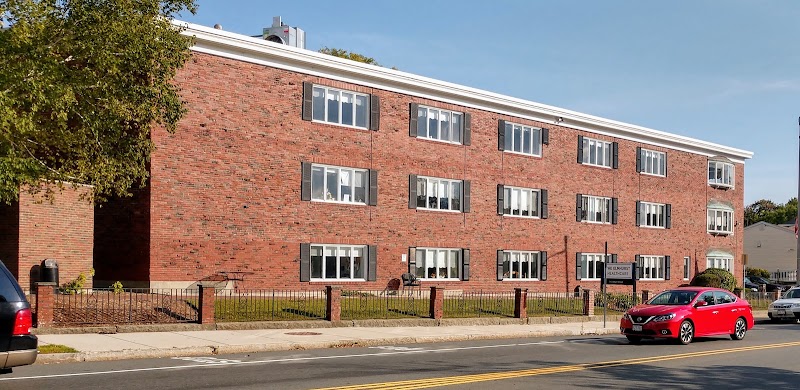
How is Elmhurst Healthcare (The) Staffed?

CMS rates ELMHURST HEALTHCARE (THE)'s staffing level at 4 out of 5 stars, which is above average compared to other nursing homes. Staff turnover is 56%, which is 10 percentage points above the Massachusetts average of 46%. High turnover can affect care consistency as new staff learn residents' individual needs.

What Have Inspectors Found at Elmhurst Healthcare (The)?

State health inspectors documented 22 deficiencies at ELMHURST HEALTHCARE (THE) during 2023 to 2024. These included: 21 with potential for harm and 1 minor or isolated issues.
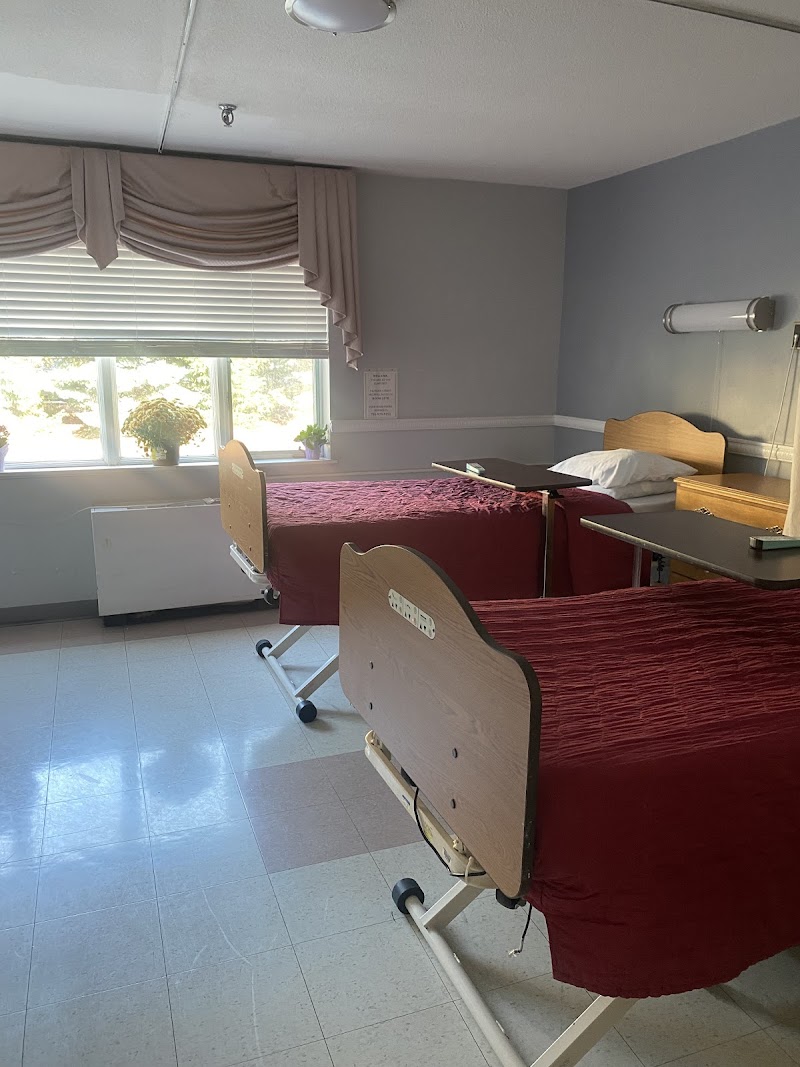
Who Owns and Operates Elmhurst Healthcare (The)?

ELMHURST HEALTHCARE (THE) is owned by a for-profit company. For-profit facilities operate as businesses with obligations to shareholders or private owners. The facility is operated by NEXT STEP HEALTHCARE, a chain that manages multiple nursing homes. With 45 certified beds and approximately 29 residents (about 64% occupancy), it is a smaller facility located in MELROSE, Massachusetts.
How Does Elmhurst Healthcare (The) Compare to Other Massachusetts Nursing Homes?

Compared to the 100 nursing homes in Massachusetts, ELMHURST HEALTHCARE (THE)'s overall rating (5 stars) is above the state average of 2.9, staff turnover (56%) is near the state average of 46%, and health inspection rating (5 stars) is much above the national benchmark.

What Should Families Ask When Visiting Elmhurst Healthcare (The)?

Based on this facility's data, families visiting should ask: "How do you ensure continuity of care given staff turnover, and what is your staff retention strategy?" "Can I visit during a mealtime to observe dining assistance and food quality?" "How do you handle medical emergencies, and what is your hospital transfer rate?" "Can I speak with family members of current residents about their experience?" These questions are particularly relevant given the facility's high staff turnover rate.

Is Elmhurst Healthcare (The) Safe?

Based on CMS inspection data, ELMHURST HEALTHCARE (THE) has a clean safety record: no substantiated abuse findings (meaning no confirmed cases of resident harm), no Immediate Jeopardy citations (the most serious violation level indicating risk of serious injury or death), and is not on the Special Focus Facility watch list (a federal program monitoring the lowest-performing 1% of nursing homes). The facility has a 5-star overall rating and ranks #1 of 100 nursing homes in Massachusetts. While no facility is perfect, families should still ask about staff-to-resident ratios and recent inspection results during their visit.

Do Nurses at Elmhurst Healthcare (The) Stick Around?

Staff turnover at ELMHURST HEALTHCARE (THE) is high. At 56%, the facility is 10 percentage points above the Massachusetts average of 46%. High turnover means new staff may not know residents' individual needs, medications, or preferences. It can also be disorienting for residents, especially those with dementia who rely on familiar faces. Families should ask: What is causing the turnover? What retention programs are in place? How do you ensure care continuity during staff transitions?

Was Elmhurst Healthcare (The) Ever Fined?

ELMHURST HEALTHCARE (THE) has no federal fines on record. CMS issues fines when nursing homes fail to meet care standards or don't correct problems found during inspections. The absence of fines suggests the facility has either maintained compliance or corrected any issues before penalties were assessed. This is a positive indicator, though families should still review recent inspection reports for the full picture.

Is Elmhurst Healthcare (The) on Any Federal Watch List?

ELMHURST HEALTHCARE (THE) is not on any federal watch list. The most significant is the Special Focus Facility (SFF) program, which identifies the bottom 1% of nursing homes nationally based on persistent, serious quality problems. Not being on this list means the facility has avoided the pattern of deficiencies that triggers enhanced federal oversight. This is a positive indicator, though families should still review the facility's inspection history directly.