NEVINS NURSING & REHABILITATION CENTER
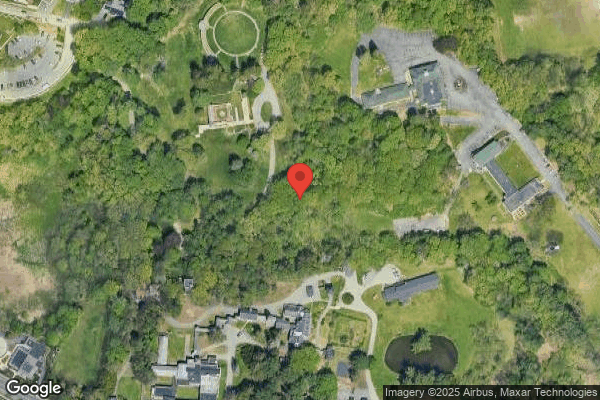
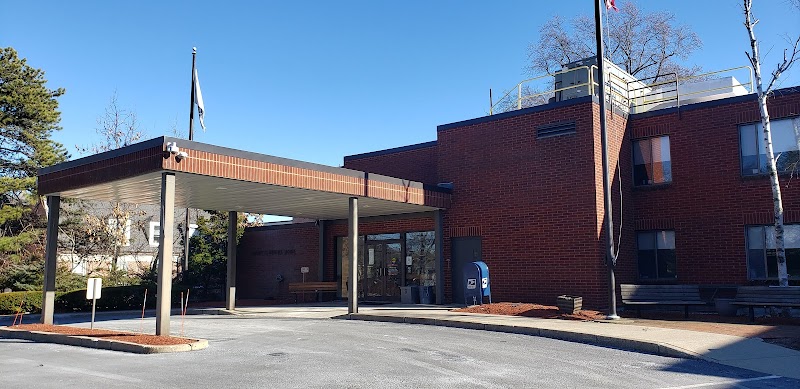
TEN INGALLS COURT, METHUEN, MA 01844 (978) 682-7611
Non profit - Corporation 153 Beds Independent Data: November 2025
Trust Grade
31/100
#231 of 338 in MA
Last Inspection: December 2024

Within standard 12-15 month inspection cycle. Federal law requires annual inspections.

Overview

Nevins Nursing & Rehabilitation Center has received a Trust Grade of F, indicating significant concerns about the quality of care provided. With a state ranking of #231 out of 338 facilities in Massachusetts, they fall in the bottom half, and they are #30 out of 44 in Essex County, meaning only a few local options rank lower. The facility's trend is worsening, with issues increasing from 7 in 2023 to 16 in 2024. While staffing is a relative strength, rated 4 out of 5 stars with a turnover rate of 29%, they have less RN coverage than 81% of Massachusetts facilities, which is concerning as registered nurses play a crucial role in patient care. Specific incidents include a resident who fell and fractured his hip after staff failed to use necessary alarms and supervision, highlighting serious gaps in following care plans. Overall, while there are some staffing strengths, the facility faces significant challenges that families should consider carefully.

Trust Score
F
31/100
In Massachusetts
#231/338
Bottom 32%
Safety Record
High Risk
Review needed
Inspections
Getting Worse
7 → 16 violations
Staff Stability
✓ Good
29% annual turnover. Excellent stability, 19 points below Massachusetts's 48% average. Staff who stay learn residents' needs.
Penalties
✓ Good
$17,966 in fines. Lower than most Massachusetts facilities. Relatively clean record.
Skilled Nurses
⚠ Watch
Each resident gets only 27 minutes of Registered Nurse (RN) attention daily — below average for Massachusetts. Fewer RN minutes means fewer trained eyes watching for problems.
Violations
⚠ Watch
38 deficiencies on record. Higher than average. Multiple issues found across inspections.
★★☆☆☆
2.0
Overall Rating
★★★★☆
4.0
Staff Levels
★★☆☆☆
2.0
Care Quality
★★☆☆☆
2.0
Inspection Score
Stable
2023: 7 issues
2024: 16 issues

The Good

  • 4-Star Staffing Rating · Above-average nurse staffing levels
  • Low Staff Turnover (29%) · Staff stability means consistent care
  • Full Sprinkler Coverage · Fire safety systems throughout facility
  • No fines on record
  • Staff turnover is low (29%)

    19 points below Massachusetts average of 48%

Facility shows strength in staffing levels, staff retention, fire safety.

The Bad

2-Star Overall Rating

Below Massachusetts average (2.9)

Below average - review inspection findings carefully

Federal Fines: $17,966

Below median ($33,413)

Minor penalties assessed

The Ugly 38 deficiencies on record

4 actual harm
Dec 2024 14 deficiencies
CONCERN (D)

Potential for Harm - no one hurt, but risky conditions existed

Notification of Changes (Tag F0580)

Could have caused harm · This affected 1 resident

**NOTE- TERMS IN BRACKETS HAVE BEEN EDITED TO PROTECT CONFIDENTIALITY** Based on record review and interview the facility failed to ensure the physician/nurse practitioner were notified of lab results...

Read full inspector narrative →
**NOTE- TERMS IN BRACKETS HAVE BEEN EDITED TO PROTECT CONFIDENTIALITY** Based on record review and interview the facility failed to ensure the physician/nurse practitioner were notified of lab results for one Resident (#103) out of a total of 29 residents. Specifically the facility failed to : 1. notify the physician/nurse Practitioner of the recommendations, made by the covering nurse practitioner, to review labs on Monday; and 2. notify the physician/nurse practitioner of lab results reported to the facility on [DATE]. Findings include: Review of the facility policy titled Test Results, dated as revised April 2007, indicated that should test results be provided to the facility, the attending physician shall be promptly notified of the results. Resident #103 was admitted to the facility in November 2023 with diagnoses including stage four kidney disease, heart failure and diabetes. 1. Review of Resident #103's physician's order, dated 11/8/24, indicated the following orders: -A TSH (thyroid stimulating hormone) lab to be drawn in four weeks. Review of the hard copy of the 12/6/24 TSH level lab report indicated that Nurse #8 notified a covering Nurse Practitioner (NP) of the abnormal lab result. Nurse #8 wrote on the hard copy of the lab report that the covering NP directed Nurse #8 to keep the same dose of thyroid medication and to follow up with the regular NP on Monday (12/9/24). Review of the progress note, dated 12/6/24, indicated the TSH results were received and reported to a covering NP with NNO (no new orders), f/u (follow-up) with regular NP on Monday. During an interview on 12/11/24 at 1:49 P.M., NP #1 said that she was the regular NP for Resident #103 and had not been made aware of the abnormal TSH lab drawn from 12/6/24. NP #1 said that she initials the bottom corner of the hard copy of the lab reports to indicate that she has reviewed them. NP #1 then said that the abnormal TSH level needed to be addressed immediately. Review of the hard copy of the 12/6/24 TSH level lab report failed to indicate NP #1 initialed the document. During an interview on 12/12/24, at approximately 10:00 A.M. the Director of Nursing (DON)said that she would expect nursing to have followed up with Resident #103's MD/NP on 12/9/24 as instructed by the covering NP. 2. Review of Resident #103's physician's order, dated 11/8/24, indicated the following orders: -A repeat BMP (basic metabolic panel) lab to be drawn on 11/11/24; Review of the November 2024 and December 2024 progress notes failed to indicate that Resident #103's regular NP or the primary doctor were notified of the abnormal lab values drawn on 11/11/24. During an interview on 12/11/24 at 1:49 P.M., NP #1 said that she was the regular NP for Resident #103 and had not been made aware of the abnormal BMP lab results from 11/11/24 . During an interview on 12/12/24, at approximately 10:00 A.M. the Director of Nursing (DON)said that all abnormal labs should be reported to the primary physician/nurse practitioner.
CONCERN (D)

Potential for Harm - no one hurt, but risky conditions existed

Comprehensive Care Plan (Tag F0656)

Could have caused harm · This affected 1 resident

Based on observation, record review and interview the facility failed to ensure comprehensive plans of care were developed for three Residents (#98, #52 and #22) out of a total sample of 29 residents....

Read full inspector narrative →
Based on observation, record review and interview the facility failed to ensure comprehensive plans of care were developed for three Residents (#98, #52 and #22) out of a total sample of 29 residents. Specifically: 1. for Resident #98 the facility failed to develop a care plan regarding the Resident's history of Suicidal Ideation (SI); 2. for Resident #52 the facility failed to implement the physician's order for an air mattress; and 3. for Resident #22 the facility failed to develop a plan of care regarding the level of assistance the Resident requires with feeding. Findings include: Review of the facility policy, titled Care plans, Comprehensive Person-Centered, revised March 2022, indicated, but was not limited to, the following: - A comprehensive, person-centered care plan that includes measurable objectives and timetables to meet the resident's physical, psychosocial and functional needs is developed and implemented for each resident. - The comprehensive, person-centered care plan: Reflects currently recognized standards of practice for problem areas and conditions. - Assessments of residents are ongoing and care plans are revised as information about the residents and the residents' conditions change. 1. For Resident #98 the facility failed to develop a care plan regarding the Resident's history of SI. Resident #98 was admitted to the facility in May 2021 with diagnoses that include anxiety and depression. Review of the most recent Minimum Data Set (MDS) assessment, dated 11/1/24, indicated that on the Brief Interview for Mental Status exam Resident #98 scored a 15 out of a possible 15, indicating Resident #98 is cognitively intact. Review of Resident #98's Nurse Practitioner notes, dated 7/29/24, 10/4/24, and 12/3/24 indicated the Resident had a history of SI. Review of Resident #98's most recent behavioral health group note, dated 11/15/24, indicated Resident #9 had a history of SI/SA (suicide attempt)/SIB (self-injurious behaviors). Review of Resident #98's care plans failed to indicate that a care plan addressing the Resident's history of SI was ever developed. During an interview on 12/10/24 at 3:49 P.M., Certified Nursing Aide (CNA) #6 said she was not aware of Resident #98's history of SI. During an interview on 12/10/24 at 3:50 P.M., Nurse Unit Manager #3 said she was not aware Resident #98 had a history of SI, and that she would expect to have a care plan specifically addressing history of SI for residents with a history of SI. During an interview on 12/10/24 at 4:00 P.M., the Social Worker said she was not aware of the Resident's history of SI, and that there should be a care plan specifically addressing history of SI for residents with a history of SI. 2. For Resident #52 the facility failed to implement the physician's order for an air mattress. Resident #52 was admitted to the facility in February 2024 with a diagnosis of Alzheimer's Disease. Review of the most recent Minimum Data Set (MDS) assessment, dated 8/30/24, indicated that on the Brief Interview for Mental Status exam Resident #52 scored a 0 out of a possible 15, indicating the Resident had severe cognitive impairment. Review of Resident #52's most recent Norton risk Assessment, dated 11/2/24, indicated Resident #52 was at high risk for skin breakdown. Review of Resident #52's most recent wound physician note, dated 12/9/24, indicated Resident #52 had an open wound on the left heel. Review of Resident #52's care plans indicated that Resident #52 had potential for pressure ulcer development related to immobility with the following intervention: -The Resident requires pressure relieving/reducing devices on chair, air mattress on bed settings of 150 (check every shift for settings and functionality), revised on 5/14/24. Review of Resident #52's physician orders indicated the following active order: -Air mattress setting: May be set at 150. Check Qshift (every shift) for functionality, initiated 3/2/24. On 12/11/24 at 2:52 P.M., the surveyor observed Resident #52 in his/her room in bed. The bed mattress was not an air mattress. On 12/12/24 at 7:18 A.M., the surveyor observed Resident #52 in his/her room in bed. The bed mattress was not an air mattress. During an interview and observation on 12/12/24 at 8:14 A.M., Nurse #6 said Resident #52 had a wound on his/her heel and that the Resident had an air mattress. The surveyor and Nurse #6 then observed Resident #52's room, Nurse #6 said that the mattress on the Resident's bed was not an air mattress but should have been as the Resident had an order and care plan indicating that the Resident needed an air mattress. During an interview on 12/12/24 at 8:51 A.M., the Director of Nursing (DON) said that she would expect a Resident to have an air mattress if the Resident had a care plan and physician order for one. 3. For Resident #22 the facility failed to develop a plan of care regarding the level of assistance the Resident requires with feeding. Resident #22 was admitted to the facility in May 2024 with diagnoses including stroke, abnormal weight loss and dysphagia. Review of the most recent Minimum Data Set (MDS) assessment, dated 12/4/24, indicated that on the Brief Interview for Mental Status exam Resident #22 scored a 7 out of 15, indicating severe cognitive impairment. The MDS further indicated Resident #22 requires supervision to touching assistance for eating. Review of the record failed to indicate a care plan had been developed regarding the level of assistance Resident #22 required with feeding. On 12/10/24 at 8:20 A.M., the surveyor observed Resident #22 in bed with a breakfast tray in front of him/her on the over the bed table, untouched. There were no staff present to provide supervision or touching assistance and Resident #22 was making no attempt to self feed. On 12/10/24 at 1:00 P.M., the surveyor observed Resident #22 in bed with a lunch tray, untouched, in front of him/her. There were no staff present to provide supervision or touching assistance and Resident #22 was making no attempt to self feed. Review of the Facility document titled Documentation Survey Report v2 (where CNA's document the level of care provided each shift) dated December 2024, indicated that Resident #22 required assistance with eating 14 out of 32 meals served. During an interview on 12/10/24 at 1:07 P.M. CNA #4 said that Resident #22 sometimes gets tired and needs help eating. CNA #4 said that a CNA should stay with the Resident while eating to ensure he/she is able to complete the meal. During an interview on 12/12/24 at 8:39 A.M., MDS Nurse #1 said that if the MDS indicates that a resident requires assistance with eating then a care plan should be developed to address the need. During an interview on 12/12/24 at approximately 10:00 A.M. the Director of Nursing said that all residents requiring assistance with eating should have a care plan in place to address the specific care need.
CONCERN (D)

Potential for Harm - no one hurt, but risky conditions existed

Deficiency F0657 (Tag F0657)

Could have caused harm · This affected 1 resident

**NOTE- TERMS IN BRACKETS HAVE BEEN EDITED TO PROTECT CONFIDENTIALITY** Based on interview and record review the facility failed to ensure for one Resident (#140) out of a total sample of 29 residents...

Read full inspector narrative →
**NOTE- TERMS IN BRACKETS HAVE BEEN EDITED TO PROTECT CONFIDENTIALITY** Based on interview and record review the facility failed to ensure for one Resident (#140) out of a total sample of 29 residents, that the interdisciplinary team reviewed and revised the plan of care after the quarterly review assessment. Specifically, for Resident #140, the facility failed to review and update a plan of care when the level of assistance with feeding increased. Findings include: Resident #140 was admitted to the facility in August 2024 and has diagnoses that include dementia and muscle weakness. Review of the most recent Minimum Data Set (MDS) assessment, dated 11/22/24, indicated that on the Brief Interview for Mental Status exam Resident #140 scored a 2 out of a possible 15, indicating severely impaired cognition. The MDS further indicated Resident #140 requires substantial/maximal assistance with eating Review of the most recent Licensed Nursing Summary, dated 11/29/24, indicates that Resident #140 requires: -Is dependent for eating. Review of the Nutrition note, dated 11/22/24, indicated: generally eats > 75% at meals w/ staff assistance. Review of the current ADL care plan included the following interventions: -EATING: The resident is able to with Setup/Cleanup , 1 assist may be needed at times when fatigue to ensure adequate intake (created 8/23/24, revised 9/3/24) On 12/10/24 at 8:51 A.M., Resident #140 was observed awake, alert and confused in bed with the head of the bed at approximately a 30 degree angle. There was a tray table across the bed with breakfast placed on the table. Resident #140 was unsuccessfully trying to pull him/herself up by holding onto the tray table and reaching toward the plate of food. Resident #140 was unsuccessful at getting him/herself to a seated position or to reaching the food and rather lay in bed and looked at it. On 12/11/24 at 8:25 A.M., a Certified Nursing Assistant (CNA) carried a plate of breakfast to Resident #140's room, placed it on a tray table out of Resident #140's reach and exited the room to continue passing breakfast to other residents. The surveyor continued to make the following observations: -By 8:35 A.M., no assist had been offered and Resident #140 remained unable to reach the breakfast. During an interview on 12/12/24 at 9:20 A.M., Resident #140's CNA (#3) said that Resident #140 is totally dependent for all his/her care including bed mobility and feeding. CNA #3 said that Resident #140 could sometimes hold a sandwich placed in his/her hand by staff. During an interview on 12/12/24 at 9:27 A.M., Nurse Unit Manager #1 said that Resident #140 is totally dependent with care. He said that he was not sure who was responsible to update the care plan and [NAME] when a resident's status declines but that Resident #140's needed to be updated to reflect his/her current needs for feeding. During an interview on 12/12/24 at 10:00 A.M., with the Director of Nursing (DON) she said that it is the responsibility of the Nurse Unit Manager to update the care plan and [NAME]. The DON said that both should reflect the resident's current status and care needs.
CONCERN (D)

Potential for Harm - no one hurt, but risky conditions existed

Deficiency F0658 (Tag F0658)

Could have caused harm · This affected 1 resident

**NOTE- TERMS IN BRACKETS HAVE BEEN EDITED TO PROTECT CONFIDENTIALITY** Based on observation, record review and interview, the facility failed to meet professional standards of practice for two Reside...

Read full inspector narrative →
**NOTE- TERMS IN BRACKETS HAVE BEEN EDITED TO PROTECT CONFIDENTIALITY** Based on observation, record review and interview, the facility failed to meet professional standards of practice for two Residents (#32 and #74) out of a total of 29 sampled residents. Specifically, 1. For Resident #32, the facility failed to implement a physician's order to apply air boots when in bed. 2. For Resident #74, the facility failed to obtain a physician's order for a wound treatment. Findings include: Review of [NAME], Manual of Nursing Practice 11th edition, dated 2018, indicated the following: - The professional nurse's scope of practice is defined and outlined by the State Board of Nursing that governs practice. Review of the Massachusetts Board of Registration in Nursing Advisory Ruling on Nursing Practice, dated as revised April 11, 2018, indicated the following: - Nurse's Responsibility and Accountability: Licensed nurses accept, verify, transcribe, and implement orders from duly authorized prescriber that are received by a variety of methods (i.e., written, verbal/telephone, standing orders/protocols, pre-printed order sets, electronic) in emergent and non-emergent situations. Licensed nurses in a management role must ensure an infrastructure is in place, consistent with current standards of care, to minimize error. 1. Resident #32 was admitted to the facility November 2024 with diagnoses that included dementia, obstructive sleep apnea, congestive heart failure, chronic obstructive pulmonary disease, and type 2 diabetes. Review of Resident #32's most recent Minimum Data Set (MDS) assessment, dated 12/3/24, indicated he/she scored an 11 out of a possible 15 on the Brief Interview for Mental Status exam indicating moderate cognitive impairments. The MDS further indicated Resident #32 has an unhealed unstageable wound and is at risk for developing pressure ulcers. Review of Resident #32's physician order, dated 12/5/24, indicated air booties on while in bed every shift. On 12/10/24 at 7:45 A.M. and 12:36 P.M., the surveyor observed Resident #32 in bed without air booties on and his/her heels flat on the mattress. On 12/11/24 at 7:03 A.M. and 10:04 A.M., the surveyor observed Resident #32 in bed with an air boot only on the left foot. On 12/12/24 at 6:56 A.M., the surveyor observed Resident #32 in bed without air booties on and his/her heels flat on the mattress. Review of Resident #32's wound care plan, dated 11/15/24, indicated administer treatments as ordered and monitor for effectiveness. Review of Resident #32's CNA (Certified Nurse Aide) [NAME] (form that indicates the level assistance that each resident needs), dated 12/11/24, indicated resident to wear air booties while in bed. During an interview on 12/12/24 at 8:56 A.M., Nurse #4 said Resident #32 has a pressure ulcer on his/her right heel and should have air boots on when he/she is in bed as ordered. 2. Resident #74 was admitted to the facility in July 2024 with diagnoses including Alzheimer's disease and dysphagia. Review of the most recent Minimum Data Set Assessment (MDS) assessment, dated 10/11/24, indicated Resident #74 was severely cognitively impaired evidenced by a score of seven out of a possible 15 on the Brief Interview for Mental Status exam. The MDS further indicated Resident #74 requires assistance with bathing and dressing. Review of the Skin Injury Checklist, undated, indicated that nursing and the Unit Manager are responsible for completing the form to include the following information: Root cause of the skin injury, updates to resident care plans, review of treatments an referrals as necessary. On 12/10/24 at 8:07 A.M., the surveyor observed Resident #74 resting in bed. Resident #74 had difficulty engaging in the interview process due to his/her cognition. Review of the clinical record indicated Resident #74 developed blood blisters on his/her right lower leg: -11/27/24: Nurse Progress note: Resident right lower extremity noted to be red warm and painful to touch. NP (Nurse Practitioner) notified and ordered Keflex (an antibiotic) 500 mg QID x5 days. -11/27/24: Nurse Practitioner note: Seen today at staff request. Right leg skin tear. Steri strips applied. Large blister on right lower leg. Appears to have purulent drainage. Surrounding erythema. -11/28/24: Nurse Progress note: Resident continues on ABT (antibiotic) for RLL (right lower leg) infection no adverse effects noted. Dressing applied as ordered. Pt remained in bed for this shift appetite noted to be poor. Family in to visit safety maintained. -11/30/24: Nurse Progress note: RLE (right lower extremity) inner aspect with fluid filled blister oozing large amount of thick yellow fluid, leg cleansed and ABD pads applied, wrapped with Kling. Continues on Amoxicillin and doxy for RLE infection, leg red and warm to touch. Temp 97.9, no s/e to [NAME] noted. -12/1/24: Nurse Progress note: alert /awake bed rest this shift. Appetite is fair, fluids encouraged and accepting well. Continues on po [NAME] due to RLE infection, no s/e noted, Temp 97.9, RLE with copious amount of thick yellow drainage from previous blister, ABD applied and wrapped with kling. Review of Resident #74's November and December 2024 physicians orders failed to indicate a treatment order addressing Resident #74 draining wound until 12/3/24. During an interview on 12/11/24 at 10:55 A.M., Nurse Practitioner (NP) #1 said that Resident #74 had a blood blister that was draining and she had ordered antibiotics to treat the infection and requested the Wound Physician come in and address the wounds. NP #1 said that she would expect a treatment to be implemented for wounds that are draining. NP #1 thought a wound treatment was in place. During an interview on 12/12/24 at 9:25 A.M., The Director of Nursing (DON) said she would expect wounds with drainage to have a treatment order.
CONCERN (D)

Potential for Harm - no one hurt, but risky conditions existed

ADL Care (Tag F0677)

Could have caused harm · This affected 1 resident

Based on observation, interview and record review the facility failed to ensure assistance was provided with Activities of Daily Living (ADLs) for one Resident (#140) out of a total sample of 29 resid...

Read full inspector narrative →
Based on observation, interview and record review the facility failed to ensure assistance was provided with Activities of Daily Living (ADLs) for one Resident (#140) out of a total sample of 29 residents. Specifically, for Resident #140, the facility failed to provide assistance with bed mobility and feeding. Findings include: The facility policy titled Activity of Daily Living (ADLs), undated, indicated the following: - Based on the comprehensive assessment of a patient and consistent with the patient's needs and choices, the center must provide the necessary care and services to ensure that a patient's abilities in activities of daily living do not diminish unless circumstances of the individual's clinical condition demonstrate that such diminution was unavoidable. Activities of daily living (ADLs) include: - Dining-eating, including meals. (sic) Resident #140 was admitted to the facility in August 2024 and has diagnoses that include dementia and muscle weakness. Review of the most recent Minimum Data Set (MDS) assessment, dated 11/22/24, indicated that on the Brief Interview for Mental Status exam Resident #140 scored a 2 out of a possible 15, indicating severely impaired cognition. The MDS further indicated Resident #140 requires substantial/maximal assistance with eating. Review of the most recent Licensed Nursing Summary, dated 11/29/24, indicated that Resident #140 requires: - Two person assist for positioning - Is dependent for eating Review of the Nutrition note, dated 11/22/24, indicated: generally eats > 75% at meals w/ staff assistance. Review of the current ADL care plan included the following interventions: -1 to 2 assist for bed mobility and positioning Review of the nursing documentation for all days of survey indicated staff documented that Resident #140 had no behavior of rejecting care and required substantial/maximal assistance with meals. On 12/10/24 at 8:51 A.M., the surveyor observed Resident #140 awake, alert and confused in bed with the head of the bed at approximately a 30 degree angle. There was a tray table across the bed with breakfast placed on the table. Resident #140 was unsuccessfully trying to pull him/herself up by holding onto the tray table and reaching toward the plate of food. Resident #140 was unsuccessful at getting him/herself to a seated position or reaching the food. No staff were in the room. On 12/11/24 at 8:25 A.M., a Certified Nurse Aide (CNA) carried a plate of food to Resident #140's room, placed it on a tray table out of Resident #140's reach and exited the room to continue passing breakfast to other residents. The surveyor continued to make the following observations: - By 8:35 A.M., no assistance had been offered and Resident #140 remained without breakfast or feeding assistance. On 12/12/24 at 8:27 A.M., a CNA knocked on Resident #140's door, while carrying breakfast. The CNA called the Resident by name, placed the breakfast on a tray table beside the bed, and walked out. The Resident was left in the bed lying flat, unable to reach the food and without feeding assistance. By 8:42 A.M., no staff had entered the room to assist Resident #140 to a seated position and feed him/her the breakfast. During an interview on 12/12/24 at 9:20 A.M., Resident #140's CNA (#3) said that Resident #140 is totally dependent for all his/her care, including bed mobility and feeding. CNA #3 said that Resident #140 could sometimes hold a sandwich placed in his/her hand by staff. During an interview on 12/12/24 at 9:27 A.M., Unit Manager #1 said that Resident #140 is totally dependent with care, and it is the expectation that staff provide that care. During an interview on 12/12/24 at 10:00 A.M., with the Director of Nursing (DON) she said that it is the expectation that residents that who require care from staff receive that care.
CONCERN (D)

Potential for Harm - no one hurt, but risky conditions existed

Pressure Ulcer Prevention (Tag F0686)

Could have caused harm · This affected 1 resident

2. Resident #26 was admitted to the facility in September 2024 with diagnoses including dementia. Review of the most recent Minimum Data Set (MDS) assessment, dated 8/30/24, indicated that on the Brie...

Read full inspector narrative →
2. Resident #26 was admitted to the facility in September 2024 with diagnoses including dementia. Review of the most recent Minimum Data Set (MDS) assessment, dated 8/30/24, indicated that on the Brief Interview for Mental Status exam Resident #26 scored a 0 out of 15, indicating severe cognitive impairment. Review of Resident #26's most recent Norton risk Assessment, dated 10/17/24, indicated the Resident was at high risk for skin breakdown. Review of Resident #26's current care plan indicated that the Resident had potential for further impairments to his/her skin related to dual incontinence, functional decline, and decreased safety awareness. Review of Resident #26's weekly wound observation tool, dated 10/17/24, indicated the Resident had acquired a stage II pressure ulcer on his/her coccyx on 10/17/24. Review of Resident #26's active physician orders indicated the following order: -Sacrum: wash NS (normal saline), pat dry, apply calcium alginate and cover with DPD (dry protective dressing). Skin prep peri wound daily. Every day shift for wound care, initiated 11/26/24. Review of the wound physician's note, dated 11/25/24, indicated Resident #26 had a sacral wound measuring 0.4 cm (centimeters) in length by 0.3 cm in width by 0.1 cm in depth. Further review of the wound physician's note indicated the following recommendation: -Wound Dressing: Calcium alginate and foam to the sacral wound changed twice daily and PRN (as needed). Skin prep to the periwound daily. Review of Resident #26's medical record failed to indicate that the wound physician's 11/25/24 recommendation for dressing changes twice a day was reviewed or implemented. Review of the wound physician's note, dated 12/2/24, indicated Resident #26 has a sacral wound measuring 0.4 cm (centimeters) in length by 0.3 cm in width by 0.1 cm in depth and has not improved. Further review of the wound physician's note indicated the following recommendation: -Wound Dressing: Vashe (or similar antibacterial wound cleanser, alginate and foam to the sacral wound changed twice daily and PRN (as needed). Skin prep to the periwound daily. Review of Resident #26's medical record failed to indicate that the wound physician's 12/2/24 recommendation for the addition of Vashe was reviewed or implemented. Review of the wound physician's note, dated 12/9/24, indicated Resident #26 had a sacral wound measuring 0.4 cm (centimeters) in length by 0.3 cm in width by 0.1 cm in depth and has not improved. Further review of the wound physician's note indicated the following recommendation: -Wound Dressing: Vashe (or similar antibacterial wound cleanser, alginate and foam to the sacral wound changed daily and PRN (as needed). Skin prep to the periwound daily. Review of Resident #26's medical record failed to indicate that the wound physician's 12/9/24 recommendation for the addition of Vashe was reviewed or implemented. During an interview on 12/11/24 at 4:14 P.M., Nurse #7 said the wound physician comes weekly to assess residents with wounds and provides written recommendations. The Nurse Practitioner (NP) would then review the wound physician's recommendations; Nurse #7 said she would expect the wound physician's recommendations to be implemented immediately. Nurse #7 said the risk of not implementing wound physician recommendations would be that the wound does not improve or worsens. Nurse #7 said that if the wound physician recommended Vashe that she would expect an order for vashe to be implemented and not normal saline. Nurse #7 said there is Vashe available in the facility and she was not aware of any recent shortages in Vashe. Nurse #7 said she would have also expected the recommendation for the dressing to be changed twice a day to have been implemented. During an interview on 12/11/24 at 4:31 P.M., Unit Manager #3 said the wound physician comes weekly to assess residents with wounds and provides written and verbal recommendations. Unit Manager #3 said the Unit Manager will then communicate the recommendations to the NP who agreed with the recommendations 99.9% of the time. Unit Manager #3 said she would expect the recommendations to be implemented either the same day or the next day after the recommendations were made. Unit Manager #3 said Resident #26 had a sacral wound, and that the facility carries Vashe. During an interview on 12/12/24 at 8:51 A.M., the Director of Nursing (DON) said the wound physician comes weekly to assess residents with wounds and provides written recommendations which then get distributed to each unit. The DON said it is the the Unit Managers responsibility to communicate the recommendations to the NP. The DON said she would expect nurses to write a note if the NP disagreed with a wound physician recommendation. The DON said the facility carries Vashe and that she would have expected the recommendation for Vashe to have been implemented for Resident #26. During an interview on 12/12/24 at 9:04 A.M., NP #1 said she would defer to the wound physician for wound treatment. NP #1 said she would expect Vashe to have been implemented for Resident #26 instead of normal saline if the wound physician recommended it because Vashe may better prepare the wound bed for treatment and thus promote wound healing. Based on record review, interview and observation, the facility failed to ensure physicians orders for the prevention and care of pressure ulcers were followed for two Residents (#94 and 26) out of a total sample of 29 residents. Specifically: 1. for Resident #94, the facility failed to elevate his/her heels while lying in bed; and 2. for Resident #26, the facility failed to review or implement wound physician recommendations for a wound treatment. Findings include: 1. Resident #94 was admitted to the facility in March 2019 and has diagnoses which include cerebral vascular accident and hemiplegia. Review of Resident #94's most recent Minimum Data Set (MDS) assessment, dated 10/4/24, indicated that on the Brief Interview for Mental Status exam Resident #94 scored a 9 out of a possible 15, indicating moderately impaired cognition. The MDS further indicated that Resident #94 was dependent on staff for all activities of daily living and bed mobility, and was at risk for the development of pressure ulcers. Review of Resident #94's skin assessment, dated 10/1/24, indicated he/she was at a high risk for skin breakdown. Review of Resident #94's care plan dated 10/8/24, indicated he/she was at risk for skin impairment related to being dependent with activities of daily living and bed mobility. The care plan did not reference elevating heels while in bed. Review of Resident #94's current physician order, with a start date of 10/30/24, indicated: -Elevate heels while in bed, every shift. On 12/10/24 at 9:45 A.M., and 12:55 P.M., the surveyor observed Resident #94 lying in bed and his/her heels were not elevated. There was no flotation device in the bed. On 12/11/24 at 8:35 A.M., 9:47 A.M., and 12:15 P.M., the surveyor observed Resident #94 lying in bed and his/her heels were not elevated. There was no flotation device in the bed. On 12/12/24 at 7:39 A.M., the surveyor observed Resident #94 lying in bed and his/her heels were not elevated. There was no flotation device in the bed. During an observation and interview with Nurse Unit Manager #2 on 12/12/24 at 8:00 A.M., she said that it is the expectation that staff follow the physician's orders and that Resident #94's heels are supposed to be elevated when in bed. Nurse Unit Manager #2 and the surveyor entered Resident #94's bedroom and observed that Resident #94's heels were not elevated.
CONCERN (D)

Potential for Harm - no one hurt, but risky conditions existed

Accident Prevention (Tag F0689)

Could have caused harm · This affected 1 resident

Based on observation, record review and interview, the facility failed to provide adequate supervision per the plan of care to prevent falls for one Resident (#92) out of a total of 29 sampled residen...

Read full inspector narrative →
Based on observation, record review and interview, the facility failed to provide adequate supervision per the plan of care to prevent falls for one Resident (#92) out of a total of 29 sampled residents. Specifically, the facility failed to monitor and assist Resident #92 when he/she was displaying symptoms of agitation and walking independently resulting in Resident #92 falling. Findings include: Review of Falls Prevention and Management Program, dated September 2018, indicated: -Management plans interventions based on each resident risk factors can assist in eliminating or reducing the incidence of falls as well as avoiding serious injury to the resident. -Residents having a history of falls or residents who are assessed to be a high fall risk will have an active problem included in their interdisciplinary plan of care. Care Plan measures/interventions will be listed for risk factors identified. -Staff should assess the environment for factors that could have contributed to the fall and address concerns accordingly. Resident #92 was admitted to the facility in December 2023 with diagnoses including dementia and cognitive communication deficient. Review of the most recent Minimum Data Set Assessment (MDS) assessment, dated 11/4/24, indicated Resident #92 was moderately cognitively impaired as evidenced by a score of eight out of a possible 15 on the Brief Interview for Mental Status exam. The MDS further indicated that Resident #92 required assistance with all activities of daily living. On 12/10/24 8:00 A.M., the surveyor observed Resident #92 resting in bed. The bed was in a low position and an alarm was in place. Resident #92 was unable to respond to the surveyor. Review of Resident #92's current care plans indicated: 1. Focus: The resident is/has potential to be verbally aggressive, becomes anxious/restless, displays impulsive/panic behavior. Poor impulse control, agitation/restlessness, Rummaging/refusing care Wandering/pacing/insomnia/not sleeping r/t (related to) Dementia dx (diagnosis) 1/4/24. Interventions: Assess resident's understanding of the situation. Allow time for the resident to express self and feelings towards the situation. Provide 1-1, redirect, provide comfort, re-approach at a later time, remove pt (patient) current situation to ensure safety. 2. Focus: The Resident has an ADL (activities of daily living) self-care performance and mobility deficit r/t dementia. 11/14/23. Interventions: Resident ambulates with supervision and rolator walker. Transfers with one assist and will often attempt to transfer independently. Provide 1 assist for transfers and ambulation, short distances only. 1 assist for bed mobility and positioning. 12/18/23. 3. Focus: The resident is at risk for falls r/t recent functional decline and dementia with decreased safety awareness, 12/18/23. Interventions: Maintain a clutter-free environment in patient room and consistent furniture arrangement, 5/15/24. Anticipate and meet the resident's needs, 11/13/23. Be sure the resident's call light is within reach and encourage the resident to use it for assistance as needed. The resident needs prompt response to all requests for assistance, 11/13/23. Resident is not to be left alone on toilet, 7/29/24. Resident uses bed and chair electronic alarm. Ensure the device is in place and functioning each shift, 1/25/24. Review of the clinical record indicated that on 10/19/24 at 12:45 P.M., Resident #92 was ambulating independently on the unit, had an unwitnessed fall and was sent to the hospital for evaluation. Review of the hospital paper work indicated: CT scan which shows no obvious displaced fracture. Official report with possible left pelvic rami fracture which could be new. Additional review of the clinical record indicated that Resident #92 had previous falls on 9/18/24 and 10/6/24. Review of the fall investigation, dated 10/19/24, included multiple witnessed statements indicating Resident #92 had been agitated due to the fire alarm going off and was difficult to redirect. All six witness statements indicated that Resident #92 was walking independently and had an unwitnessed fall. Four of the witness statements indicated there was no chair alarm in place and it was not sounding at the time. Two of the witness statements failed to indicate any information related to a chair alarm. During an interview on 12/11/24 at 10:49 A.M., Nurse #1 said that Resident #92 had a lot of falls. Nurse #1 said on 10/19/24, Resident #92 was agitated as the fire alarm had gone off and he/she kept ambulating despite staff attempting to direct him/her into the dining area. Nurse #1 said Resident #92 was found on the floor in the hallway close to the fire doors and was sent to the hospital. Nurse #1 said that the fire alarms were no longer sounding when Resident #92 fell. Nurse #1 said that Resident #92 had a chair alarm at that time because he/she would get up to walk and he/she needed monitoring and supervision. Nurse #1 said that if staff were observing Resident #92 walking, it would be expected that staff would follow him/her and try to get him/her to sit down. Nurse #1 did not say why staff were not with Resident #92 while he/she was agitated and ambulating per his/her plan of care. During an interview on 12/11/24 at 11:54 A.M., Nurse Unit Manager #1 said that he was not working on the day Resident #92 fell but he thought the alarms were still sounding when he/she fell. Nurse Unit Manager #1 said that at that time, Resident #92 utilized a chair alarm because he/she would would frequently get up unassisted and that staff were expected to respond to the alarm and join Resident #92 while walking and then attempt to have him/her sit down. During an interview on 12/11/24 at 12:41 P.M., Certified Nursing Aide (CNA) #1 said that Resident #92 has had a lot of falls. CNA #1 said that Resident #92 was easily agitated and on 10/19/24, he/she had been walking without assistance. CNA #1 said that the fire alarms were no longer sounding at the time of the fall. CNA #1 said that Resident #92 had a chair alarm at the time and staff were expected to respond to the alarm and supervise him/her for safety if he/she was walking. CNA #1 did not say why staff were not with Resident #92 while he/she was agitated and ambulating per his/her plan of care. During an interview on 12/12/24 9:22 A.M., The Director of Nursing (DON) said that Resident #92 had history of falls. The DON said that resident care plans should be followed.
CONCERN (D)

Potential for Harm - no one hurt, but risky conditions existed

Deficiency F0692 (Tag F0692)

Could have caused harm · This affected 1 resident

Based on observation, record review and interview, the facility failed to provide fortified foods for one Resident (#23) out of a total of 29 sampled residents. Findings include: Review of the facil...

Read full inspector narrative →
Based on observation, record review and interview, the facility failed to provide fortified foods for one Resident (#23) out of a total of 29 sampled residents. Findings include: Review of the facility's Internal Weighing Process, dated July 2022, indicated: -If the resident's weight is +/- 3 pounds (lbs) from one weight to the next the resident is to be re-weighed the following day. -If the resident's weight is confirmed by re-weigh the Staff Nurse is to record the weight in the Electronic Health Record and inform the Unit Manager and Dietitian. If weight loss is significant and a nutrition concern inform Medical Provider, resident and/or responsible party. -Consult the Dietitian to establish or consider appropriate interventions. Dietitian will write recommendations if needed in the Medical Record. Resident #23 was admitted to the facility in September 2024 with diagnoses including dementia and chronic pain. Review of the most recent Minimum Data Set (MDS) assessment, dated 9/23/24, indicated Resident #23 was severely cognitively impaired as evidenced by a score of 5 out of a possible 15 on the Brief Interview Exam. The MDS further indicated that Resident #23 required assistance with bathing, dressing and toileting. On 12/10/24 at 8:58 A.M., the surveyor observed Resident #23 asleep in bed. His/her breakfast meal was untouched on a tray table. Resident #23 appeared thin and frail. Review of Resident #23's weights indicated: 11/4/2024: 111.4 Lbs 11/12/2024: 112.0 Lbs 11/19/2024: 110.2 Lbs 11/26/2024: 104.6 Lbs; A loss of 6.10% his/her body weight since 11/4/24. 12/2/2024: 105.0 Lbs Review of Resident #23's current care plans indicated: -Focus: The patient has suboptimal p.o. (by mouth) intake at meals and is at risk for malnutrition, 9/22/24. -Interventions Provide and serve supplements as ordered: house shakes a/o (as ordered) Provide, serve diet as ordered. Offer encouragement and cues. Monitor intake and record q meal (every). RD to evaluate and make diet change recommendations PRN (as needed). Weight at same time of day and record: weekly. Review of the progress note dated, 11/22/24 indicated: Received new orders from the Dietitian to add fortified food and calorie condiments at meals. Review of the current physician diet orders indicated: Regular diet, regular texture, add fortified foods and increase calorie condiments at meals, 11/22/24. Review of Resident #23's meal ticket indicated Resident #23 should receive fortified foods with all meals. On 12/10/24 at 12:47 P.M., the surveyor observed Resident #23 eating his/her lunch meal in the dining room. Resident #23 was pleasantly confused and said his/her meal was good. The surveyor observed 75% of the rice, chicken and vegetables present on his/her plate and no fortified foods. Certified Nursing Aide (CNA) #2 was present and said that Resident #23 is not a good eater. On 12/10/24 at approximately 12:50 P.M., the surveyor observed the steam table and inquired which food items were considered fortified and the Diet Aide said mashed potatoes. Resident #23 had not been served mashed potatoes. On 12/11/24 at 8:40 A.M., the surveyor observed Resident #23 eating breakfast in bed. The surveyor observed Resident #23's hot cereal's consistency was lumpy. On 12/11/24 at approximately 8:42 A.M., the surveyor observed the steam table and inquired which hot cereal was fortified. The Diet Aide showed the surveyor a container of creamy hot cereal and said that it was fortified, and the lumpy hot cereal was not. On 12/12/24 at 8:48 A.M.,the surveyor observed Resident #23 eating breakfast in bed. There was no hot cereal on his/her tray table. During an interview on 12/12/24 at 8:49 A.M., CNA #5 said she delivered Resident #23 his/her breakfast plate in his/her room. CNA #5 said that Resident #23 said he/she wasn't very hungry but the CNA left the food in there and did not remove any food items from the room. During an interview on 12/12/24 at 8:51 A.M., the Food Service Director (FSD) said that fortified foods for breakfast is a creamy hot cereal and mashed potatoes are fortified for the lunch and dinner meals. Nurse Unit Manager #2 joined the interview and said that Resident #23 is very picky and does not like the fortified food options. When asked if she had informed the Dietitian that Resident #23 did not like the fortified foods, she said she would have to discuss it with her. The FSD said that resident's with orders to receive fortified foods, and who have fortified foods indicated on their meal ticket, should be served fortified foods Review of Resident #23's clinical record and the facility's weekly risk notes failed to indicate that Resident #23 does not like or refuses fortified food at meals. During an interview on 12/12/24 at 10:49 A.M., the Dietitian said that Resident #23 has had a significant weight loss and interventions implemented were supplements and fortified foods. The Dietitian said she has not been told by nursing that Resident #23 does not like the fortified foods. The Dietitian said staff should serve fortified foods and the Resident does not have to eat the items if he/she does not want to. The Dietitian said that there had been issues at the facility with residents not receiving fortified foods at meals, as ordered.
CONCERN (D)

Potential for Harm - no one hurt, but risky conditions existed

Deficiency F0694 (Tag F0694)

Could have caused harm · This affected 1 resident

Based on observation, interview, and record review, the facility failed to provide care and maintenance of a Peripherally Inserted Central Catheter (PICC: a flexible tube inserted through a vein in on...

Read full inspector narrative →
Based on observation, interview, and record review, the facility failed to provide care and maintenance of a Peripherally Inserted Central Catheter (PICC: a flexible tube inserted through a vein in one's arm and passed through to the larger veins near the heart, used to deliver medications intravenously [IV] ), consistent with professional standards of practice for one Resident (#87), out of a total sample of 29 residents. Specifically, for Resident #87, the facility failed to obtain weekly measurements for the external length of Resident #87's PICC line to ensure the PICC line had not migrated (moved from the heart to another area, which could have a significant impact on treatment, or cause serious harm). Findings include: Review of the Lippincott Manual of Nursing Practice, 11th Edition, dated 2021, included the following for documentation relative to PICC line migration and dressing changes: Use a sterile measuring tape or incremental markings on the catheter to measure the external length of the catheter from hub to skin entry to make sure that the catheter hasn't migrated. Resident #87 was re-admitted to the facility in November 2024 with diagnoses that included osteomyelitis, bacteremia, lymphedema, and type 2 diabetes. Review of Resident #87's most recent Minimum Data Set (MDS) assessment, dated 11/29/24, indicated he/she scored a 15 out of a possible 15 on the Brief Interview for Mental Status exam indicating intact cognition. The MDS further indicated Resident #87 was receiving IV medications via IV access. Review of Resident #87's physician order, dated 11/29/24, indicated Dressing change using transparent dressing, change securement device, change needleless connector, and measure external length of catheter in the evening every Fri (Friday) AND as needed for dressing change. During an observation on 12/11/24 at 11:58 A.M., the surveyor observed Resident #87's PICC line dressing dated for 12/6/24. Review of Resident #87's nursing progress notes and assessments from 11/29/24 to 12/11/24 failed to indicate that nursing obtained PICC line measurements as ordered. During an interview on 12/11/24 12:04 P.M., Nurse #2 and Nurse Unit Manager #4 said the PICC line measurements should be obtained weekly with the PICC line dressing change and should be documented in a nursing note.
CONCERN (D)

Potential for Harm - no one hurt, but risky conditions existed

Medication Errors (Tag F0758)

Could have caused harm · This affected 1 resident

Based on record review and interview, the facility failed to ensure one Resident (#92) was free of unnecessary medications out of a total of 29 sampled residents. Specifically, for Resident #92, the f...

Read full inspector narrative →
Based on record review and interview, the facility failed to ensure one Resident (#92) was free of unnecessary medications out of a total of 29 sampled residents. Specifically, for Resident #92, the facility failed to include a stop date for the use of a PRN (as needed) antipsychotic medication. Findings include: Review of the facility's Psychotropic Medication Policy and Procedure, undated, indicated: -The facility will make every effort to comply with state and federal regulations related to the use of psychopharmacological medications in the long term care facility to include regular review for continued need, appropriate dosage, side effects, risks and/or benefits. -Orders for PRN psychotropic medications will be time limited (i.e. times two weeks) and only for specific clearly documented circumstances. Resident #92 was admitted to the facility in December 2023 with diagnoses including dementia and cognitive communication deficient. Review of the most recent Minimum Data Set (MDS) assessment, dated 11/4/24, indicated Resident #92 was moderately cognitively impaired as evidenced by a score of eight out of a possible 15 on the Brief Interview for Mental Status exam. The MDS further indicated that Resident #92 required assistance with all activities of daily living. Review of Resident #92 current physicians' orders indicated: Quetiapine Fumarate Oral Tablet 25 MG, (an antipsychotic medication). Give 25 mg by mouth every 12 hours as needed for agitation and restlessness, start date 11/11/2024. Review of the November 2024 Medication Administration Record indicated Resident #92 received two doses of the 25 mg Quetiapine Fumarate in November 2024 and refused the medication twice when it was offered During an interview on 12/12/24 at 9:18 A.M., the Director of Nursing (DON) said that PRN antipsychotic should be limited to 14 days.
CONCERN (D)

Potential for Harm - no one hurt, but risky conditions existed

Medical Records (Tag F0842)

Could have caused harm · This affected 1 resident

**NOTE- TERMS IN BRACKETS HAVE BEEN EDITED TO PROTECT CONFIDENTIALITY** 3. Resident #52 was admitted to the facility in February 2024 with a diagnosis of Alzheimer's Disease. Review of the most recen...

Read full inspector narrative →
**NOTE- TERMS IN BRACKETS HAVE BEEN EDITED TO PROTECT CONFIDENTIALITY** 3. Resident #52 was admitted to the facility in February 2024 with a diagnosis of Alzheimer's Disease. Review of the most recent Minimum Data Set (MDS) assessment, dated 8/30/24, indicated that on the Brief Interview for Mental Status exam Resident #52 scored a 0 out of 15 on indicating severe cognitive impairment. Review of Resident #52's most recent Norton risk Assessment, dated 11/2/24, indicated the Resident was at high risk for skin breakdown. Review of Resident #52's most recent wound physician note, dated 12/9/24, indicated the Resident had an open wound of the left heel. Review of Resident #52's care plans indicated that the Resident had potential for pressure ulcer development related to immobility with the following intervention: - The Resident requires pressure relieving/reducing devices on chair, air mattress on bed settings of 150 (check every shift for settings and functionality), revised on 5/14/24. Review of Resident #52's physician orders indicated the following active order: - Air mattress setting: May be set at 150. Check Qshift (every shift) for functionality, initiated 3/2/24. On 12/11/24 at 10:33 A.M., the surveyor observed Resident #52's bed. The mattress of the bed was not an air mattress. On 12/11/24 at 2:52 P.M. the surveyor observed Resident #52 in his/her room in bed. The mattress of the bed was not an air mattress. On 12/12/24 at 7:18 A.M. the surveyor observed Resident #52 in is/her room in bed. The mattress of the bed was not an air mattress. Review of Resident #52's Medication Administration Record/Treatment Administration Record (MAR/TAR) indicated the nurses had signed off that the air mattress functionality was checked every shift on 12/11/24, despite the Resident not having an air mattress. During an interview and observation on 12/12/24 at 8:14 A.M. Nurse #6 and the surveyor observed Resident #52's room; Nurse #6 said that the mattress on Resident #52's bed, which was the same mattress the surveyor observed on 12/11/24, was not an air mattress. Nurse #6 said nurses should not be checking off on the MAR/TAR that the mattress was checked if it wasn't. During an interview on 12/12/24 at 8:51 A.M., the Director of Nursing (DON) said she would expect nurses to document accurately in the MAR/TAR. Based on record review, interview and observation, the facility failed to accurately document the completion of physician orders in the clinical record for 3 Residents (#94, #124, and #52) out of a total sample of 29 residents. Specifically: 1. For Resident #94, the facility failed to correctly document that his/her heels were not elevated while in bed; 2. For Resident #124, the facility failed to document the administration of acetaminophen; and 3. For Resident #52 the facility failed to document accurately in the Medication Administration Record/Treatment Administration Record (MAR/TAR) when the nurse documented that an air mattress function was checked when it was not. Findings include: 1. Resident #94 was admitted to the facility in March 2019, and has diagnoses which include cerebral vascular accident and hemiplegia. Review of Resident #94's most recent Minimum Data Set (MDS) assessment, dated 10/4/24, indicated that on the Brief Interview for Mental Status exam Resident #94 scored a 9 out of a possible 15, indicating the Resident had moderately impaired cognition. The MDS further indicated that Resident #94 was dependent on staff for all activities of daily living and bed mobility and was at risk for the development of pressure ulcers. Review of Resident #94's skin assessment dated [DATE], indicated he/she was at a high risk for skin breakdown. Review of Resident #94's care plan dated 10/8/24, indicated he/she was at risk for skin impairment related to dependent care with activities of daily living and bed mobility. The care plan did not reference elevating heels while in bed. Review of Resident #94's physician order dated 10/30/24, indicated: - Elevate heels while in bed every shift. On 12/10/24 at 9:45 A.M. and 12:55 P.M., the surveyor observed Resident #94 lying in bed and his/her heels were not elevated. There was no flotation device in the bed. On 12/11/24 at 8:35 A.M., 9:47 A.M., and 12:15 P.M., the surveyor observed Resident #94 lying in bed and his/her heels were not elevated. There was no flotation device in the bed. On 12/12/24 at 7:39 A.M., the surveyor observed Resident #94 lying in bed and his/her heels were not elevated. There was no flotation device in the bed. Review of the December 2024 Treatment Administration Record (TAR) indicated for the day shifts of 12/10/24 and 12/11/24 staff initialed that they had elevated the Resident's heels while in bed. During an interview with Nurse Unit Manager #2 on 12/12/24 at 8:00 A.M., she reviewed Resident #94's TAR and said staff had documented that his/her heels were elevated while in bed. Nurse Unit Manager #2 and the surveyor entered Resident #94's bedroom and observed that his/her heels were not elevated, contrary to the documentation in the TAR. 2. Resident #124 was admitted to the facility in June 2023, and has active diagnoses which include chronic pain syndrome and osteoarthritis. Review of Resident #124's most recent Minimum Data Set (MDS) assessment, dated 11/15/24, indicated Resident #124 had a Brief Interview for Mental Status exam score of 12 out of a possible 15, indicating moderately impaired cognition. The MDS further indicated Resident #124 experienced frequent pain. Review of Resident #124's current care plan indicated he/she has chronic pain. Interventions included: - Administer pain medication per the physician's orders. Review of Resident #124's current physician order dated 12/10/24, indicated: - Acetaminophen 650 milligrams (mg) every four hours as needed (prn) for pain/discomfort. During an interview with Resident #124 on 12/10/24 at 1:15 P.M., he/she said he/she felt pain in the arms and shoulders. Resident #124 said he/she would like to take acetaminophen because it sometimes helps to relieve the pain. The surveyor then told Nurse #5 that Resident #124 was in pain and wanted pain medication. At approximately 1:23 P.M., the surveyor observed Nurse #5 give Resident #124 pills from a medication cup. During an interview with Nurse #5 on 12/11/24 at 12:36 P.M., she said that on 12/10/24, after the surveyor told her Resident #124 was in pain, she assessed the Resident and then gave him/her acetaminophen. Review of Resident #124's Medication Administration Record (MAR) on 12/11/24, indicated nursing staff had not given acetaminophen to him/her on 12/10/24. During an interview with Unit Manager #2 on 12/12/24 at 8:25 A.M., she said Resident #124's MAR indicated nursing staff did not administer acetaminophen to Resident #124 at any time on 12/10/24.
CONCERN (E)

Potential for Harm - no one hurt, but risky conditions existed

Resident Rights (Tag F0550)

Could have caused harm · This affected multiple residents

2. On 12/10/24 at 12:46 P.M., the surveyor observed a Certified Nursing Assistant (CNA) on the A Unit providing feeding assistance to a Resident. The CNA was scrolling through her phone which was layi...

Read full inspector narrative →
2. On 12/10/24 at 12:46 P.M., the surveyor observed a Certified Nursing Assistant (CNA) on the A Unit providing feeding assistance to a Resident. The CNA was scrolling through her phone which was laying flat on the Resident's bedside table adjacent to the Resident's meal tray. On 12/10/24 at 12:50 P.M., the surveyor observed a CNA entering multiple resident rooms during lunch time. The CNA had a wireless headphone in one ear; the wireless headphone was emitting sound audible to the surveyor. During an interview on 12/12/24 at 10:16 A.M., the Director of Nursing (DON) said staff should not be on their phones while providing feeding assistance and should not have wireless headphones on while in resident areas. Based on observation, interview and record review the facility failed to provide a dignified dining experience for one Resident (#140) out of a total sample of 29 residents and on 2 of 4 nursing units. Specifically: 1. For Resident #140 the facility failed to ensure a dignified dining experience in both his/her room and in the unit dining room; and 2. on Units A and C the facility failed to ensure a dignified dining experience when Certified Nursing Assistants (CNAs) used their phones while feeding residents. Findings include: The facility policy titled Dignity, undated, indicated the following: -Treating residents with dignity and respect maintains and enhances each resident's self worth and improves his or her psychosocial well-being and quality of life. -Through example, education, and monitoring, the social service staff will promote the following types of staff interactions with residents, which maintain their dignity: -Promoting independence and dignity in dining. 1. Resident #140 was admitted to the facility in August 2024 and has diagnoses that include dementia and muscle weakness. Review of the most recent Minimum Data Set (MDS) assessment, dated 11/22/24, indicated that on the Brief Interview for Mental Status exam Resident #140 scored a 2 out of a possible 15, indicating severely impaired cognition. The MDS further indicated Resident #140 requires substantial/maximal assistance with eating Review of the most recent Licensed Nursing Summary, dated 11/29/24, indicates that Resident #140 requires 2 person assist for positioning and is dependent for eating. On 12/10/24 at 8:51 A.M., Resident #140 was observed awake, alert and confused in bed with the head of the bed at approximately a 30 degree angle. There was a tray table across the bed with breakfast placed on the table. Resident #140 was unsuccessfully trying to pull him/herself up by holding onto the tray table and reaching toward the plate of food. Resident #140 was unsuccessful at getting him/herself to a seated position or to reaching the food and rather lay in bed and looked at it. On 12/11/24 at 12:20 P.M., Resident #140 was observed seated and asleep in the unit dining room for lunch as the staff began passing lunch out. The surveyor continued to make the following observations: -At 12:34 P.M., a Certified Nursing Assistant (CNA) served Resident #140's tablemate. Resident #140 continued to sleep. At that time Resident #140 was the only one of 14 residents in the dining room not served. Staff were continuing to pass meals to the residents that were eating in their rooms. -At 12:43 P.M., the tablemate of Resident #140 completed his/her lunch and was served dessert. -By 12:45 P.M., Resident #140 had not been offered food and sat sleeping while his/her peers ate lunch and then dessert. On 12/12/24 at 8:27 A.M., a CNA knocked on resident #140's door, while carrying breakfast. The CNA called the resident by name, placed the breakfast on a tray table beside the bed and walked out. The resident was left in the bed laying flat, unable to reach the food and without feeding assistance. By 8:42 A.M., no staff had entered the room to assist Resident #140 to a seated position and feed him/her the breakfast. The surveyor entered the room which had an aroma of sausage and eggs filling the room. During an interview on 12/12/24 at 9:27 A.M., with Resident #140's Nurse Unit Manager #1 he said that Resident #140 is totally dependent with care and that staff should be providing that care. Nurse Unit Manager #1 said that staff should not deliver food to the Resident until they are ready to assist him/her with the meal. As well, Nurse Unit Manager #1 said that Resident #140 should not have to sit in the dining room, waiting to be fed while his/her tablemate ate lunch and dessert. During an interview on 12/12/24 at 9:58 A.M., the Director of Nursing (DON) said that staff should not leave food with a resident who is dependent until the resident is positioned properly and the staff are ready to sit down and feed them. DON said that it is the expectation that staff seat dependent residents at the same table so that they can be served and fed food at the same time. 3. On 12/10/24 at 1:05 P.M., the surveyor observed a Certified Nurses Aide (CNA) #4 on the C unit enter a resident's room, sit on the resident's bed and start to feed him/her. CNA #4 was scrolling on a cell phone while feeding the resident. During an interview on 12/12/24 at 8:09 A.M., Nurse Unit Manager #3 said that cell phones are not allowed in resident care areas. Nurse Unit Manager #3 added that it is not appropriate to be sitting on a resident's bed while assisting the resident with a meal.
CONCERN (E)

Potential for Harm - no one hurt, but risky conditions existed

Deficiency F0761 (Tag F0761)

Could have caused harm · This affected multiple residents

Based on observations and interviews the facility failed to ensure drugs and biologicals were stored in accordance with accepted professional standards of practice. Specifically, nursing staff failed ...

Read full inspector narrative →
Based on observations and interviews the facility failed to ensure drugs and biologicals were stored in accordance with accepted professional standards of practice. Specifically, nursing staff failed to secure their medication and treatment carts on three of four units. Findings include: Review of the facility policy titled Storage of Medications, dated November 2020, indicated the facility stores all drugs and biologicals in a safe, secure, and orderly manner. Compartments (including, not limited to, drawers, cabinets, rooms, refrigerators, carts, and boxes) containing drugs and biologicals are locked when not in use. Unlocked medication carts are not left unattended. On 12/10/24 at 8:03 A.M., the surveyor observed a treatment cart was unlocked and unsupervised on the B Unit. The surveyor was able to access the treatment cart. On 12/10/24 at 8:05 A.M., Nurse #3 came out of a patient room and observed the unlocked cart. Nurse #3 said the cart is supposed to be locked, my unit manager was just in it and must have left it unlocked. On 12/10/24 at 12:35 P.M. to 1:01 P.M., the surveyor observed the treatment cart was unlocked and unsupervised on the TCU (transitional care unit). On 12/11/24 at 7:02 A.M., the surveyor observed the treatment cart was unlocked and unsupervised on the TCU. On 12/11/24 at 10:43 A.M., the surveyor observed a medication cart unlocked and unsupervised on the A Unit. On 12/11/24 at 11:58 A.M. to 12:12 P.M., the surveyor observed the treatment cart was unlocked and unsupervised on the TCU. During an interview and observation on 12/11/24 at 12:12 P.M., Nurse #2 observed the treatment cart unlocked and said it should never be left unlocked unless the nurse is present at the cart. Nurse #2 said the medication carts should also be locked if a nurse is not present at the cart.
CONCERN (E)

Potential for Harm - no one hurt, but risky conditions existed

Food Safety (Tag F0812)

Could have caused harm · This affected multiple residents

**NOTE- TERMS IN BRACKETS HAVE BEEN EDITED TO PROTECT CONFIDENTIALITY** Based on observation, policy review, and interview, the facility failed to store food in accordance with professional standards ...

Read full inspector narrative →
**NOTE- TERMS IN BRACKETS HAVE BEEN EDITED TO PROTECT CONFIDENTIALITY** Based on observation, policy review, and interview, the facility failed to store food in accordance with professional standards for food service safety. Specifically, the facility failed to ensure that staff labeled food and that staff did not store drinks with resident food and ingredients. Findings include: Review of the facility's undated policy titled Food Storage Policy and Procedures for [NAME] Nursing & Rehabilitation Center, indicated, but was not limited to, the following: -All food items must be stored in a manner that prevents contamination, maintains nutritional value, and complies with all relevant health and safety regulations. -Label all items with the delivery date. -Personal food items brought in by residents or their families must be labeled with the resident's name and the date it was brought in. -Ensure staff are aware of and comply with all relevant health and safety regulations. -Conduct regular audits to ensure compliance with this policy. Review of the facility's undated policy titled Food Labeling Policy and Procedures for [NAME] Nursing & Rehabilitation Center revised, indicated, but was not limited to, the following: -All food items must be labeled accurately and clearly to ensure proper identification, traceability and safe consumption. -All food items must be labeled with the following information: o Name of the item o Date item was brought into facility, use-by or expiration date. o Any special storage instructions (e.g. Keep Refrigerated). -Labels must be legible and securely attached to the container or package. -Label all prepared food with the use-by/expiration date. -Personal food items brought in by residents or their families must be labeled with the resident's name and the date it was brought in. All food is safe for 72 hours if properly labeled/dated and stored. -Regularly check labels for accuracy and legibility. -Remove and discard any items that are past their use-by or expiration date. -Ensure staff understand the importance of accurate labeling for food safety and quality. On 12/10/24 at 7:12 A.M. the surveyor made the following observations during the initial kitchen walkthrough: -A water bottle with an employees initials written on the cap in the walk-in refrigerator stored directly next to and above resident food and ingredients. -An undated Ziploc bag containing cooked chicken in the walk-in refrigerator. -An undated pan containing yellow liquid, consistent in appearance with liquid eggs, in the walk-in refrigerator. -An undated piping bag containing whipped cream, stored in an undated Ziploc bag in the walk-in refrigerator. -An undated Ziploc bag containing cheddar cheese in the walk-in refrigerator. -An undated opened package of mozzarella cheese in the reach-in refrigerator. On 12/10/24 at 7:35 A.M. the surveyor made the following observations in the second floor shared kitchenette refrigerator: -An undated container of coleslaw with a resident's name written on it. -An undated plastic bag containing undated food containers with a resident's name written on them. -A large brown undated bag containing three undated plastic containers of take-out food with a resident's name written on them. -A container with turkey, cranberry sauce, mashed potatoes, and gravy dated 12/1/24. Review of the sign, dated [NAME] Food Storage Policy taped to the front of the second floor shared kitchenette refrigerator indicated the following: -Resident food should be labeled with name date and room #. -Food will be discarded after three days. -Food not labeled will be discarded. On 12/10/24 at 7:47 A.M. the surveyor made the following observations in the first floor shared kitchenette refrigerator: -An undated pitcher containing cranberry juice. -A cake dated 12/6/24. -An undated container of food. -Two undated Styrofoam containers with soup. -Four undated plastic containers of pre-portioned pudding with whipped cream. During an interview on 12/10/24 at 1:15 P.M., the Food Service Director (FSD) said the water bottle in the walk-in refrigerator belonged to staff and should not be stored with resident food or ingredients. The FSD said that all food should be labeled and dated when opened or prepared and then discarded after three days. The FSD said the kitchen staff should be checking the kitchenette every morning to discard anything undated/unlabeled and/or expired. The FSD said all food brought in from outside of the facility should be labeled/dated and discarded after three days. The FSD said she did not know if the undated liquid eggs were from that morning.
Jun 2024 2 deficiencies 2 Harm
SERIOUS (G) 📢 Someone Reported This

A family member, employee, or ombudsman was alarmed enough to file a formal complaint

Actual Harm - a resident was hurt due to facility failures

Comprehensive Care Plan (Tag F0656)

A resident was harmed · This affected 1 resident

**NOTE- TERMS IN BRACKETS HAVE BEEN EDITED TO PROTECT CONFIDENTIALITY** Based on observations, records reviewed and interviews, for one of three sampled residents (Resident #1), who was assessed by nu...

Read full inspector narrative →
**NOTE- TERMS IN BRACKETS HAVE BEEN EDITED TO PROTECT CONFIDENTIALITY** Based on observations, records reviewed and interviews, for one of three sampled residents (Resident #1), who was assessed by nursing as being at high risk for falls, and whose comprehensive plan of care indicated he/she required the use of monitoring devices (bed and chair alarms) to alert staff when he/she attempted to stand or transfer alone, the Facility failed to ensure staff consistently implemented and followed interventions identified in his/her plan of care, when on 05/22/24, Nurse #1 left Resident #1 alone, without an alarm in place, seated on the commode in his/her room, Resident #1 fell, later complained of pain, was transferred to the Hospital Emergency Department and was diagnosed with a fractured right hip which required surgical intervention to repair. Findings include: The Facility's Policy, titled Comprehensive Person-Centered Care Plans, dated as revised 03/2022, indicated that a comprehensive, person-centered care plan to meet the resident's needs would be developed and implemented. The Facility's Policy, titled Guidelines for the Use of Position Change Alarms, dated 2021, indicated position change alarms were defined as alerting devices that emitted an audible signal when a resident moved in a certain way and was intended to monitor a resident's movement when a resident who required contact guard or physical assistance was attempting to stand or transfer independently. The Facility's Policy, titled Falls Prevention and Management Program, dated 09/2018, indicated residents would be assessed for risk for falls and interventions would be implemented as appropriate. Resident #1 was admitted to the Facility in December 2022, diagnoses included unsteadiness on feet, and cognitive decline. Review of Resident #1's Morse Fall Scales Assessment, dated 02/23/24 and 05/13/24, indicated he/she was assessed by nursing as being at high risk for falls Review of Resident #1's Minimum Data Set (MDS) assessment, dated 05/17/24, indicated he/she was severely cognitively impaired. Review of Resident #1's Falls Care Plan, reviewed and renewed with his/her May MDS (with a target date of 09/17/24), indicated he/she had an intervention, dated as initiated 12/27/22, for bed and chair alarms, and staff were to ensure the device was in place and functioning properly. Review of Resident #1's Care [NAME] Report (utilized by Certified Nurse Aides and provides direct care staff with a brief overview of each resident's needs), dated 05/22/24, indicated he/she required the use of bed and chair alarms. Review of Resident #1's Nurse Progress Note, dated 05/22/24, indicated his/her bed alarm was functioning and sounded when he/she transferred him/herself from bed to the bedside commode. The Note indicated that Nurse #1 responded and left Resident #1 alone in his/her room on the commode, then a few minutes later Nurse #1 heard a bang and found Resident #1 on the floor. The Note indicated Resident #1 later complained of pain, was screaming, and was transferred to the Hospital Emergency Department via 911. Review of Resident #1's Hospital X-ray Report of his/her right hip, dated 05/23/24, indicated he/she had an impacted right femoral neck fracture. Review of Resident #1's Hospital Discharge summary, dated [DATE], indicated he/she was admitted to the Hospital 05/23/24, diagnosed with a right hip fracture and required an Open Reduction Internal Fixation (ORIF) surgical intervention. During a telephone interview on 06/20/24 at 9:32 A.M., Nurse #1 said she knew Resident #1, that he/she was known to be impulsive and to self-transfer. Nurse #1 said that on 05/22/24 at 8:15 P.M., she heard Resident #1's bed alarm sounding and when she got to his/her room, he/she had already self-transferred to his/her bedside commode. Nurse #1 said she turned off the bed alarm, gave Resident #1 his/her call bell, pulled the privacy curtain closed, and left Resident #1's room. Nurse #1 said she was outside Resident #1's bedroom door at her medication cart for about five minutes and heard a loud bang, and said she found Resident #1 lying on the floor on his/her right side. Nurse #1 said at that time Resident #1 did not complain of any pain, and she and another staff member lifted him/her back into bed, then an hour later, Resident #1 started yelling in pain holding his/her right hip, and he/she was transferred to the Hospital Emergency Department via 911. During an interview on 06/18/24 at 11:23 A.M., Unit Manager #1 said Resident #1 was known to be impulsive and had a history of falls. Unit Manager #1 said Resident #1 should not have been left on the commode unsupervised, and without an alarm in place. During an observation on 06/18/24 at 11:38, on Resident #1's unit, accompanied by Unit Manager #1, upon entering the hallway, the Surveyor observed Certified Nurse Aide (CNA) #1 walk out of Resident #1's room and go to a linen cart located at the other end of the hall several yards away from Resident #1's room, observed CNA #1 walk back and enter Resident #1's room. Unit Manager #1 then entered Resident #1's room and said that he/she was in the bathroom, and seated on the toilet. Unit Manager #1 said there were no other staff members besides CNA #1 with Resident #1. Unit Manager #1 said Resident #1 was seated on the toilet, without an alarm, and there were no other staff present in the bathroom with Resident #1. Unit Manager #1 said CNA #1 should not have left Resident #1 alone without an alarm in place. During an interview on 06/18/24 at 12:11 P.M., Certified Nurse Aide (CNA) #1 said he was familiar with Resident #1 and said he/she is often on his assignment. CNA #1 said Resident #1 was known to be confused, impulsive, had a history of falls, and had bed and chair alarms in place. CNA #1 said when he transferred Resident #1 to the toilet, he had to disarm the chair alarm, and said there was not an alarm in place when he/she was seated on the toilet. CNA #1 said he left Resident #1 alone, without an alarm, on the toilet to get linen, and said he should not have. During an interview on 06/18/24 at 01:18 P.M., The Director of Nurses (DON) said residents whose plan of care indicated they required a bed and chair alarm should not be left unattended while seated on a toilet or commode. The DON said Resident #1 should have been supervised for safety while seated on the commode and on the toilet but was not.
SERIOUS (G) 📢 Someone Reported This

A family member, employee, or ombudsman was alarmed enough to file a formal complaint

Actual Harm - a resident was hurt due to facility failures

Accident Prevention (Tag F0689)

A resident was harmed · This affected 1 resident

**NOTE- TERMS IN BRACKETS HAVE BEEN EDITED TO PROTECT CONFIDENTIALITY** Based on records reviewed and interviews, for one of three sampled residents (Resident #1), who was assessed by nursing as being...

Read full inspector narrative →
**NOTE- TERMS IN BRACKETS HAVE BEEN EDITED TO PROTECT CONFIDENTIALITY** Based on records reviewed and interviews, for one of three sampled residents (Resident #1), who was assessed by nursing as being at high risk for falls, was known to be impulsive and whose fall risk interventions included the use of monitoring devices (bed and chair alarms) to alert staff when he/she rose from a sitting or lying position, the Facility failed to ensure he/she was provided with the necessary level of staff supervision to maintain his/her safety, when on 05/22/24, after disabling his/her alarm, Nurse #1 left Resident #1 unattended on the commode, Resident #1 fell to the floor, complained of pain, and was transferred to the Hospital Emergency Department where he/she was diagnosed with a fractured right hip, which required surgical intervention to repair Findings include: The Facility's Policy, titled Falls Prevention and Management Program, dated 09/2018, indicated residents would be assessed for risk for falls and interventions would be implemented as appropriate. The Facility's Policy, titled Guidelines for the Use of Position Change Alarms, dated 2021, indicated position change alarms were defined as alerting devices that emitted an audible signal when a resident moved in a certain way and was intended to monitor a resident's movement when a resident who required contact guard or physical assistance was attempting to stand or transfer independently. Resident #1 was admitted to the Facility in December 2022, diagnoses included unsteadiness on feet, and cognitive decline. Review of Resident #1's Morse Fall Scales Assessments, dated 02/23/24 and 05/13/24, indicated he/she was assessed by nursing as being at high risk for falls. Review of Resident #1's Minimum Data Set (MDS) assessment, dated 05/17/24, indicated he/she was severely cognitively impaired. Review of Resident #1's Falls Care Plan, reviewed and renewed with his/her May MDS, with a target date of 09/17/24, indicated he/she had an intervention (dated as initiated on 12/27/22) for bed and chair alarms, and staff were to ensure the device was in place and functioning properly. Review of Resident #1's Care [NAME] Report (utilized by Certified Nurse Aides and provides direct care staff with a brief overview of each resident's needs), indicated he/she required the use of bed and chair alarms. Review of Resident #1's Nurse Progress Note, dated 05/22/24, indicated his/her bed alarm was functioning and sounded when he/she transferred him/herself from bed to the bedside commode. The Note indicated that Nurse #1 responded and left Resident #1 alone in his/her room on the commode, then a few minutes later Nurse #1 heard a bang and found Resident #1 on the floor. The Note indicated Resident #1 later complained of pain, was screaming, and was transferred to the Hospital Emergency Department via 911. Review of Resident #1's Hospital X-ray Report of his/her right hip, dated 05/23/24, indicated he/she had an impacted right femoral neck fracture. Review of Resident #1's Hospital Discharge summary, dated [DATE], indicated he/she was admitted to the Hospital 05/23/24, diagnosed with a right hip fracture and required an Open Reduction Internal Fixation (ORIF) surgical intervention. During a telephone interview on 06/20/24 at 9:32 A.M., Nurse #1 said she knew Resident #1, that he/she was known to be impulsive and to self-transfer. Nurse #1 said that on 05/22/24 at 8:15 P.M., she heard Resident #1's bed alarm sounding and when she got to his/her room, he/she had already self-transferred to his/her bedside commode. Nurse #1 said she turned off the bed alarm, gave Resident #1 his/her call bell, pulled the privacy curtain closed, and left Resident #1's room. Nurse #1 said she should not have left Resident #1 alone without an alarm in place. Nurse #1 said she was outside Resident #1's bedroom door at her medication cart for about five minutes, heard a loud bang, and said she found Resident #1 lying on the floor on his/her right side. Nurse #1 said at that time Resident #1 did not complain of any pain, and she and another staff member lifted him/her back into bed, then an hour later, Resident #1 started yelling in pain holding his/her right hip, and he/she was transferred to the Hospital Emergency Department via 911. During an interview on 06/18/24 at 11:23 A.M., Unit Manager #1 said Resident #1 was known to be impulsive and had a history of falls. Unit Manager #1 said Resident #1 should not have been left on the commode unsupervised, and without an alarm in place. During an interview on 06/18/24 at 01:18 P.M., The Director of Nurses (DON) said residents whose plan of care indicated they require a bed and chair alarm should not be left unattended while seated on a toilet or commode. The DON said Resident #1 should have been supervised for safety while seated on the commode but was not.
Dec 2023 6 deficiencies
CONCERN (D)

Potential for Harm - no one hurt, but risky conditions existed

Resident Rights (Tag F0550)

Could have caused harm · This affected 1 resident

Based on observation and interviews, the facility failed to provide a dignified dining experience for the residents on 1 of 4 residents units, specifically the B Unit. Finding include: Review of the ...

Read full inspector narrative →
Based on observation and interviews, the facility failed to provide a dignified dining experience for the residents on 1 of 4 residents units, specifically the B Unit. Finding include: Review of the facility policy titled Dignity, not dated, indicated All residents will be treated in a manner and in an environment that maintains and enhances each resident's dignity and respect in full recognition of his or her individuality. Assisting residents in daily care in a dignified manner. On 12/12/23 from 8:41 A.M. to 9:10 A.M., the surveyor observed staff enter a resident room on the B unit with a breakfast tray and was observed to leave the tray on the bedside table out of reach of the resident but in view of the awake resident. The breakfast tray was not set up for the resident. On 12/12/23 from 8:38 A.M. to 8:49 A.M., the surveyor observed three residents lined in the hallway on the B unit with over the bed tables. Two of the three residents received their breakfast while the other resident had their breakfast tray left on his/her bedside table with out being set up, unable to eat his/her meal. On 12/13/23 from 12:40 P.M. to 12:48 P.M., the surveyor observed a resident in the hallway with their lunch on his/her over the bed table, not set up. The lunch tray was in reach and in view of the resident. On 12/12/23 from 8:33 A.M. to 8:40 A.M., the surveyor observed three residents lined in the hallway on the B unit with over the bed tables. Two of the three residents received their breakfast while the other resident had their breakfast tray left on his/her bedside table with out being set up, unable to eat his/her meal. During an interview and observation on 12/14/23 at 8:41 A.M., Unit Manager #1 said that a resident meal should not be given until staff are ready to assist that resident with their meal. Unit Manager #1 said that the tray should not be left not set up for a resident for dignity reasons.
CONCERN (D)

Potential for Harm - no one hurt, but risky conditions existed

Investigate Abuse (Tag F0610)

Could have caused harm · This affected 1 resident

**NOTE- TERMS IN BRACKETS HAVE BEEN EDITED TO PROTECT CONFIDENTIALITY** Based on observations, record review and interviews, the facility failed to investigate a newly acquired bruise. Specifically, t...

Read full inspector narrative →
**NOTE- TERMS IN BRACKETS HAVE BEEN EDITED TO PROTECT CONFIDENTIALITY** Based on observations, record review and interviews, the facility failed to investigate a newly acquired bruise. Specifically, the facility failed to investigate a bruise identified on the left hand for one Resident (#67) out of a sample of 28 residents. Findings include: A review of the facility policy titled 'Skin Management Program' with no revision date indicated the following: *Check the resident's skin condition daily and whenever giving care for any signs and symptoms of skin irritation or breakdown. A review of the Resident bruise/Skin tear injury report V1.0 indicated the following: *The nurse is to complete this report on all residents who are found with a bruise/skin tear. The investigation must be completed immediately upon report or discovery of bruise/skin tear. Any bruise/skin tear of unknown origin must be reported within a 2-hour window of discovery. Resident #67 was admitted to the facility in July 2020 with diagnoses including diabetes mellitus. A review of the most recent Minimum Data Set (MDS) dated [DATE] indicated a Brief Interview for Mental Status (BIMS) score of 15 out of a possible 15 indicating intact cognition. During an observation on 12/12/23 at 9:04 A.M., the surveyor observed a bruise on the Resident's left hand. The Resident told the surveyor that he/she had no idea how he/she got the bruise. A review of the most recent weekly skin assessment dated [DATE] did not indicate the left hand bruise was identified. During an interview and observation on 12/13/23 at 12:48 P.M., with the Certified Nurse's Assistant (CNA) #2, the Resident was observed picking at the left hand bruise, he/she had a tissue covered with drops of blood on the bedside table. CNA #2 said she identified the bruise on the left hand on 12/11/23 and reported it to the Nurse, CNA #2 said that the expectation for staff is to report any newly identified areas on residents to Nurses who then have to initiate an investigation immediately. During an interview and observation on 12/13/23 at 12:55 P.M., with Unit Manager #2, she examined the bruise on the Resident's left hand, she said it was a new bruise and the CNA's are expected to report any new bruises on residents to the Nurse, the Nurse is then expected to initiate an investigation immediately. The Unit Manager said that an investigation regarding this bruise had not been initiated yet. During an interview on 12/13/23 at 1:13 P.M., the Director of Nurses said that any newly identified bruises on residents should be reported immediately to the Nurses who then initiate an investigation immediately.
CONCERN (D)

Potential for Harm - no one hurt, but risky conditions existed

Comprehensive Care Plan (Tag F0656)

Could have caused harm · This affected 1 resident

**NOTE- TERMS IN BRACKETS HAVE BEEN EDITED TO PROTECT CONFIDENTIALITY** 3. Review of the facility policy titled Pressure-Redistributing Support Surfaces, not dated, indicated Set device in accordance ...

Read full inspector narrative →
**NOTE- TERMS IN BRACKETS HAVE BEEN EDITED TO PROTECT CONFIDENTIALITY** 3. Review of the facility policy titled Pressure-Redistributing Support Surfaces, not dated, indicated Set device in accordance with manufacturer's guidelines and per resident weight unless otherwise specified/ordered. Resident #101 was admitted to the facility in October 2020 with diagnoses including Parkinson's disease, dysphagia and lower back pain. Review of Resident #101's most recent Minimum Data Set (MDS), dated [DATE], indicated he/she scored a 14 out of a possible 15 on the Brief Interview for Mental Status (BIMS) which indicated the Resident was cognitively intact. The MDS further indicated that he/she was dependent for bed mobility. On 12/12/23 at 9:03 A.M., Resident #101 was observed lying in bed, the air mattress was set to 320 pounds (lbs). On 12/13/23 at 7:06 A.M., Resident #101 was observed lying in bed, the air mattress was set to 320 pounds (lbs). On 12/14/23 at 6:55 A.M., Resident #101 was observed lying in bed, the air mattress was set to 320 pounds (lbs). Review of Resident #101's weight taken on 12/7/23 was 180.2 lbs. Review of Resident #101's physician order, dated 9/22/22, indicated Air Mattress Setting: Setting 160-240. Check setting and function Q shift. Review of Resident #101's care plan, dated 10/31/2022, indicated Air Mattress Setting: Setting 160-240. Check setting and function Q shift. During an interview on 12/14/23 at 8:46 A.M., Nurse #1 said that Resident #101's air mattress should be set to the physician orders. Based on observations, record review and interviews, the facility failed to develop and implement care plans for three Residents, (#47), (#20) and (#101). Specifically, 1.For Resident #47, the facility failed to develop a cardiac pacemaker care plan 2. For Resident #20, the facility failed to maintain accurate air matteress settings as indicated in the physician's order 3.For Resident #101, the facility failed to implement a physician's order for an air mattress out of a total of 28 sampled residents. Findings include: 1. Review of the facility policy titled 'Pacemaker Policy' with no revision dated indicated the following: *All residents with a pacemaker will be assessed upon admission to determine monitoring for function and daily care of a pacemaker. *Upon admission a patient who has a pacemaker will be assessed for the type of pacemaker, including ID #, place in medical record. If available, review instruction booklet or contact the cardiologist for specifics regarding patient's pacemaker. Resident #47 was admitted to the facility in September 2023 with diagnoses including heart failure and presence of a cardiac pacemaker. Review of the most recent Minimum Data Set (MDS) dated [DATE] indicated a Brief Interview for Mental Status (BIMS) score of 4 out of a possible 15 indicating severe cognitive impairment. Review of Resident #47's medical record indicated he/she has a cardiac pacemaker. Review of Resident #47's care plans failed to indicate a pacemaker care plan with the type and identification number of the pacemaker. During an interview on 12/13/23 at 1:55 P.M., the Director of Nurses said the Resident currently has a pacemaker, a care plan should be in place identifying the type of pacemaker and it's identification number. 2.For Resident #20, the facility failed to maintain accurate air mattress settings as indicated in the physician's orders. Findings include: A review of the facility policy titled 'Skin management program' with no revision date indicated the following: *Additional measures should be taken to protect body prominence of bedfast or chair bound residents. These measures may include the use of heel protectors, specialized chair cushions, and padding between the resident's extremities while they are seated in a chair or lying-in bed as warranted. A review of the facility policy titled 'Pressure redistributing supporting surfaces' with no revision date indicated the following: *When indicated through assessment of skin condition or general condition of resident provide appropriate, pressure redistributing support surfaces. *Set device in accordance with manufacturer's guidelines and per resident weight unless otherwise specified/ordered. Resident #20 was admitted to the facility in April 2016 with diagnoses including pressure ulcer of the right buttock, stage 4. A review of the most recent Minimum Data Set (MDS) dated [DATE] indicated a Brief Interview for Mental Status (BIMS) score of 11 out of a possible 15 indicating moderate cognitive impairment. During an observation on 12/13/23 at 9:16 A.M., Resident #20 was observed sleeping in bed with the air mattress set at 240. During an observation on 12/14/23 at 8:08 A.M., Resident #20 was observed sleeping in bed with the air mattress set at 240. A review of the Resident's December physician's orders indicated the following: *Air mattress setting may be a range 300-340 static per resident's request, likes bed firm, check q-shift for functionality. A review of the most recent wound weekly observation tool dated 12/13/23 indicated the following: *Right buttock pressure ulcer stage IV *Special equipment/preventative measures-air mattress *Wound progress-worsening During an interview on 12/14/23 at 8:30 A.M., the Unit Manager #2 said that physician's orders should be followed at all times, the Resident prefers the air mattress setting to be firm, between 300-340. During an interview on 12/14/23 at 8:32 A.M., the Director of Nurses said physician's orders should be followed as indicated, she said air mattress settings are set based on the Resident's weight, Resident #20's weight is currently 127 lbs., the air mattress should be set between 100-140, however, he/she prefers a firm setting, between 300-340 as indicated in the physician's orders.
CONCERN (D)

Potential for Harm - no one hurt, but risky conditions existed

ADL Care (Tag F0677)

Could have caused harm · This affected 1 resident

**NOTE- TERMS IN BRACKETS HAVE BEEN EDITED TO PROTECT CONFIDENTIALITY** Based on observation, record review and interview, the facility failed to provide assistance with meals as needed for two Reside...

Read full inspector narrative →
**NOTE- TERMS IN BRACKETS HAVE BEEN EDITED TO PROTECT CONFIDENTIALITY** Based on observation, record review and interview, the facility failed to provide assistance with meals as needed for two Residents (#82 & #99) out of a total of 28 sampled residents. Findings include: Review of the facility policy titled Activities of Daily Living (ADLs), not dated, indicated The Center must ensure that: A patient who is unable to carry out ADLs receives the necessary services to maintain good nutrition, grooming, and personal and oral hygiene. 1. Resident #82 was admitted to the facility in March 2023 with diagnoses including dementia, dysphagia, major depressive disorder, and anxiety. Review of Resident #82's most recent Minimum Data Set (MDS) dated [DATE], indicated he/she was assessed by staff to have severe cognitive impairments. The MDS further indicated Resident #82 needed maximum assistance from staff for eating. On 12/12/23 from 8:30 A.M. to 8:41 A.M., Resident #82 was observed in the hallway with their breakfast tray, he/she was not initiating eating. No staff were present assisting the Resident. On 12/13/23 from 8:37 A.M. to 8:48 A.M., Resident #82 was observed in the hallway with their breakfast tray, and was observed pushing food around the plate he/she was not initiating eating. No staff were present assisting the Resident. On 12/14/23 from 8:32 A.M. to 8:38 A.M., Resident #82 was observed in the hallway with their breakfast tray, and was observed pushing food around the plate he/she was not initiating eating. No staff were present assisting the Resident. Review of Resident #82's activity of daily living care plan, dated 12/2/23, indicated EATING: The resident requires full assistance due to his/her cognitive impairments he/she is easily distracted and needs cues to finish task at hand, his/her decreased appetite with weight loss and nutritional concerns. Review of Resident #82's active Certified Nurse Aide (CNA) Care Card, indicated EATING: The resident requires full assistance due to his/her cognitive impairments he/she is easily distracted and needs cues to finish task at hand, his/her decreased appetite with weight loss and nutritional concerns. During an interview on 12/14/23 at 8:41 A.M., Unit Manager #1 said that Resident #82 does need assistance with all meals and said that staff should be following the Resident care plan and CNA care card to assist Resident #82 with his/her meals. During an interview on 12/14/23 at 8:45 A.M., CNA #1 said each resident has a CNA care card that staff are suppose to follow for each resident. CNA #1 said that Resident #82 should be receiving assistance with all meals. 2. Resident #99 was admitted to the facility in February 2022 with diagnoses including dysphagia, dementia, and type 2 diabetes. Review of Resident #99's most recent Minimum Data Set (MDS), dated [DATE], indicated he/she was assessed by staff to have severe cognitive impairments. Further review of the MDS indicated he/she is dependent on staff for eating. Review of Resident #99's activity of daily living care plan, dated 2/13/23, indicated provide resident with continual supervision/ assist with eating, due to his/her dysphagia Diet is consistent carbohydrates puree honey thick liquids, No straw. Review of Resident #99's active Certified Nurse Aide (CNA) Care Card, indicated provide resident with continual supervision/ assist with eating, due to his/her dysphagia Diet is consistent carbohydrates puree honey thick liquids, No straw. During an observation on 12/13/23 from 12:40 P.M. to 12:48 A.M., Resident #99 was observed in the hallway with their lunch tray, he/she was struggling to bring food to his/her mouth and observed to be dropping food items. During an interview on 12/14/23 at 8:41 A.M., Unit Manager #1 said that Resident #99 does need assistance with all meals and said that staff should be following the Resident care plan and CNA care card to assist Resident #99 with his/her meals. During an interview on 12/14/23 at 8:45 A.M., CNA #1 said each resident has a CNA care card that staff are suppose to follow for each resident.
CONCERN (D)

Potential for Harm - no one hurt, but risky conditions existed

Deficiency F0699 (Tag F0699)

Could have caused harm · This affected 1 resident

**NOTE- TERMS IN BRACKETS HAVE BEEN EDITED TO PROTECT CONFIDENTIALITY** Based on record review and interview the facility failed to ensure a plan of care was developed for Trauma-Informed Care for one...

Read full inspector narrative →
**NOTE- TERMS IN BRACKETS HAVE BEEN EDITED TO PROTECT CONFIDENTIALITY** Based on record review and interview the facility failed to ensure a plan of care was developed for Trauma-Informed Care for one Resident (#24), who was admitted with the diagnosis of Post-Traumatic Stress Disorder (PTSD), out of a total sample of 28 residents. Findings include: Review of the facility policy titled 'Trauma Informed Care' revised October 2021, indicated the following: *The purpose of this policy is to promote the understanding of trauma and its impact to ensure the development of a trauma informed care to our residents to help prevent triggers that will cause re-traumatization, to optimize psychosocial well-being and to assure availability of trauma specific services. * It is the policy of the facility to develop Trauma Informed Care for residents to ensure that all their needs are addressed and met. * Trauma assessment will be completed by the social services department via Social Work Assessment which includes a specific trauma assessment tool. Assessment tool consists of series of questions to determine if a resident has experienced past trauma and for signs/symptoms of traumatic stress. *Plans of care shall include prevention, intervention, and treatment services that address traumatic stress and may include but not limited to: a description of the resident's behavior(s), that is/are triggered by traumatic stress. Resident #24 was admitted to the facility in July 2020 with diagnoses including post-traumatic stress disorder (PTSD). Review of Resident #24 most recent Minimum Data Set (MDS) dated [DATE], indicated the Resident had a Brief Interview for Mental Status (BIMS) score of 3 out of possible 15 indicating he/she has severe cognitive impairments. Further review of the MDS indicated Resident #24 has an active diagnosis of post-traumatic stress disorder. Review of Resident #24's medical record failed to indicate a trauma informed care plan was developed for his/her diagnosis of PTSD. During an interview on 12/14/23 at 7:40 A.M., the Director of Nursing said that social services will see the residents if they have a diagnosis of PTSD and a care plan is developed with identified triggers. She further said that Resident #24 should have a trauma informed care plan.
CONCERN (D)

Potential for Harm - no one hurt, but risky conditions existed

Unnecessary Medications (Tag F0759)

Could have caused harm · This affected 1 resident

Based on observations, record review, policy review, and interviews, the facility failed to ensure it was free from a medication error rate of greater than 5% when one out of three nurses observed mad...

Read full inspector narrative →
Based on observations, record review, policy review, and interviews, the facility failed to ensure it was free from a medication error rate of greater than 5% when one out of three nurses observed made four errors out of 33 opportunities, resulting in a medication error rate of 12.12 %. Those errors impacted one Resident (#77), out of four residents observed. Findings include: Review of the facility policy titled, Medication Administration-General Guidelines, dated December 2019, indicated Medications are administered as prescribed in accordance with good nursing principles and practices and only by persons legally authorized to do so. Personnel authorized to administer medications do so only after they have been properly oriented to the facility's medication distribution system (procurement, storage, handling, and administration). The facility has sufficient staff and a medication distribution system to ensure safe administration of medications without unnecessary interruptions. On 12/14/23 at 8:38 A.M., the surveyor observed Nurse #3 during medication administration pass. The medications were located in individualized packets prepared from the pharmacy and contained the residents' first and last name, date, time, medication name, strength, dose and quantity printed on each bag. Nurse #3 cut open each packet and placed the tablets into the medication cups. A total of three pharmacy packets were opened. Fluoxetine HCL 40 mg one tablet, Buspirone HCL 7.5 mg two tablets for a total dose of 15 mg, Lamotrigine 150 mg two tablets for a total dose of 300 mg, Pantoprazole Sodium 20 mg one tablet, Carvedilol 3.125 mg two tablets for a total dose of 6.25 mg. The surveyor then observed Nurse #3 pass the medication cup to Resident #77. The surveyor stopped Nurse #3 from handing the medication cup to Resident #77 and asked Nurse #3 to return to her medication cart placed outside of resident's room with the medications in the cup. The surveyor asked Nurse #3 to review the medications with the physician orders in the electronic medication system. Nurse #3 reviewed the physician orders and was not aware that she had included Resident #77's 6:00 P.M. doses with the morning medications. Nurse #3 was observed removing the duplicate medications and was observed administering the correct medications to Resident #77. Review of Resident #77's November 2023 physician orders, indicated the following: - Buspirone HCL 7.5 Give one tablet by mouth two times a day for anxiety. - Lamotrigine 150 mg by mouth two times a day for convulsion. - Carvedilol 3.125 mg Give 0.5 tablet by mouth two times a day for blood pressure. - Terbinafine HCI Oral Tablet 250 mg Give 250 mg by mouth in the morning for toenail fungus. Review of Resident #77's November 2023 Medication Administration Record (MAR), indicated the following: Terbinafine HCI Oral Tablet 250 mg. Give 250 mg by mouth in the morning for toenail fungus. Signed off by Nurse #3 as given at 8:29 A.M. during the morning medication pass observed by the surveyor. Terbinafine HCI Oral Tablet 250 mg was not given to Resident #77. During an interview on 12/14/23 at 8:41 A.M., Nurse #3 said she should not have included the 6:00 P.M. medications and that the Pharmacy must have packaged them incorrectly. Nurse #3 said she should have reviewed each medication after she opened each packet to ensure the correct medication and number of tablets were administered. During an interview on 12/14/23 at 9:309 A.M., Unit Manager #3 said the expectation is the nurse will check the physician orders and compare them to the medications listed. The Unit Manager #3 said the nurse should not have given resident #77 the 6:00 P.M. doses as this would have doubled the amount to be given and could harm the resident. Unit Manager #3 said the nurse is expected to give all ordered medications when they are due to be administered per the physician orders. During an interview on 12/14/23 at 11:51 A.M. The Director of Nurses (DON) said she would expect the nurse to double check the medication administration record and make sure medications are given at the correct time and with the correct dose. The DON said all medications should be given when due as indicated by the physician order. The DON said Nurse #3 should not document medications as administered if she did not give a medication.
Apr 2023 1 deficiency 1 Harm
SERIOUS (G) 📢 Someone Reported This

A family member, employee, or ombudsman was alarmed enough to file a formal complaint

Actual Harm - a resident was hurt due to facility failures

Accident Prevention (Tag F0689)

A resident was harmed · This affected 1 resident

**NOTE- TERMS IN BRACKETS HAVE BEEN EDITED TO PROTECT CONFIDENTIALITY** Based on records reviewed and interviews for one of three sampled residents (Resident #1), who was assessed by nursing as being ...

Read full inspector narrative →
**NOTE- TERMS IN BRACKETS HAVE BEEN EDITED TO PROTECT CONFIDENTIALITY** Based on records reviewed and interviews for one of three sampled residents (Resident #1), who was assessed by nursing as being at high risk for falls, and who required physical assistance with the use of a gait belt by staff during transfers and ambulation, the facility failed to ensure Resident #1 was provided with an adequate level of staff assistance which included the use of an assistive device (gait belt) in an effort to maintain his/her safety during a transfer, to prevent an incident or accident resulting in an injury. On 03/20/23, Certified Nurse Aide (CNA) #1 provided Resident #1 with assistance with toliting. CNA #1 transferred Resident #1 from his/her wheelchair onto the toilet, however CNA #1 did not apply a gait belt to Resident #1 to assist him/her with the transfer, but instead CNA #1 held onto the back top section of Resident #1's brief while assisting him/her. Resident #1 fell, hit his/her head, was transferred to the Hospital Emergency Department for evaluation, was diagnosed with a right sided acute Subdural Hematoma (SDH, a clot of blood that develops between the surface of the brain and dura mater, the brain's tough outer covering) he/she was admitted , and required surgery to repair the SDH. Findings Include: Review of the Facility's Policy titled CNA Gait Belt Education and Receipt of Gait Belt Form, dated revised June 2013, indicated gait belts are to be used during transfers and ambulation on all residents who require more than contact guard assist and the gait belt is a mandatory part of the CNA uniform and must be worn while on duty. Review of the Facility's Policy titled Falls Prevention and Management Program, dated September 2018, indicated residents will be free from accidental injury as much as possible, by identifying and eliminating fall risk throughout the Facility. The Policy indicated it is committed to ensuring that each resident will be protected from falls, as possible, and all residents will have fall precautions implemented as appropriate. Resident #1 was admitted to the facility in May 2019, diagnoses included Cerebral Vascular Accident (CVA, stroke, damage to the brain from interruption of its blood supply), dysphagia (difficulty swallowing), lung cancer, hypertension, respiratory failure, muscle weakness, unsteadiness on feet, difficulty walking and a history of falls. Review of Resident #1's Morse Fall Risk Scale, dated 08/04/22, indicated he/she had a score of 55, was at high risk for falls, and that he/she overestimated or forgot his/her limits. Review of Resident #1's Occupational Therapy (OT) Discharge summary, dated [DATE], indicated that he/she required partial to moderate physical assistance with toilet transfers. Review of Resident #1's Minimum Data Set (MDS) Assessment, dated 01/20/23, indicated he/she had a Brief Interview for Mental Status (BIMS) score of 10 and was moderately cognitively impaired (0-7 severe cognitive impairment, 8-12 moderate cognitive impairment, and 13-15 cognitively intact). The MDS indicated that Resident #1 required the physical assistance from staff for transfers and ambulation. Review of Resident #1's Risk for Falls Care Plan, reviewed and renewed with his/her January 2023 MDS, indicated that Resident #1 was at high risk for falls related to incontinence, paralysis (loss of the ability to move in part or most of the body) and being unaware of his/her safety needs. Review of Resident #1's Activities of Daily Living Care Plan, reviewed and renewed with his/her January 2023 MDS, indicated Resident #1 required one person physical assistance with toileting and that his/her weight shifts when out of bed due to right hemiplegia (paralysis on one side of the body). Review of Resident #1's Nursing Summary, dated 02/26/23, indicated that he/she required physical assistance of staff member with care needs. The Summary indicated Resident #1 had right hemiparesis (weakness or the inability to move on one side of the body) and demonstrated the following; generalized weakness, decreased endurance, strength and range of motion, and contractures (right hand splint). Review of Resident #1's Nursing Progress Note, dated 03/20/23, indicated at approximately 7:30 A.M., a Certified Nurse Aide (CNA) asked for help with Resident #1 who had fallen. The Note indicated upon arrival to Resident #1's room, Resident #1 was alert, communicating with staff, at his/her baseline cognitively, and was lying on his/her right side (on the floor). The Note indicated Resident #1 had been bleeding from the right side of his/her head, a staff nurse applied pressure and an ice pack to Resident #1's head The Note indicated staff called the Emergency Medical Services (EMS) and Resident #1 was transferred to the Hospital Emergency Department (ED). Review of Resident #1's Hospital Emergency Department (ED) Note, dated 03/20/23, indicated Resident #1 was diagnosed with a right subdural hematoma (SDH, a clot of blood that develops between the surface of the brain and dura mater, the brain's tough outer covering), right intrarenchymal hemorrhage (IPH, refers to nontraumatic bleeding into the brain parenchyma) and left basal ganglia hemorrhage (stroke) after a witnessed fall. The ED Note indicated Resident #1 required an emergent right craniotomy (operation in which a small hole is made in the skull or a piece of bone from the skull is removed to show part of the brain) for evacuation of his/her right SDH. During an interview on 04/18/23 at 2:20 P.M., the Physical Therapist said gait belts are used for all residents during functional transfers and or mobility for safety unless the resident is independent. The Physical Therapist said Resident #1 was not independent with transfers and needed physical assistance of one staff member, with the use of the gait belt to provide safety. During an interview on 04/18/23, at 2:20 P.M., Certified Nurse Aide (CNA) #1 said on 03/20/23 she was transferring Resident #1 to his/her commode (a type of portable toilet chair) when Resident #1 fell onto the floor. CNA #1 said Resident #1 was in a standing position holding the safety bar on the wall and she was positioned behind Resident #1. CNA #1 said her right hand was located on Resident #1's lower back holding onto Resident #1's brief . CNA #1 said she held onto Resident #1's brief to help assist Resident #1 to stand. CNA #1 said she used her left hand to push the wheelchair out from behind Resident #1, and then crossed her left hand under her right arm to reach the commode to move it in place behind Resident #1. CNA #1 said as she was moving the commode towards Resident #1, Resident #1's right leg started to move and Resident #1 fell onto the floor landing on his/her right side. CNA #1 said Resident #1 needed assistance of one staff member with transfers and mobility. CNA #1 said any resident who required an assist of one, that staff needed to have a gait belt on the resident to provide safety. CNA #1 said on 03/20/23, when she transferred Resident #1, she did not have her gait belt on as part of her uniform, did not use a gait belt on Resident #1 during the transfer and said if she had asked the facility for a gait belt, a gait belt would of been provided. During an interview on 04/18/23 at 3:08 P.M., the Director of Nursing said on 03/20/23, CNA #1 said she did not use a gait belt with Resident #1 when she transferred him/her. The Director of Nursing said the Facility does have a Gait Belt Policy and the gait belt is considered a part of nursing staff members work uniform. The Director of Nursing said it is her expectation any resident that requires the assistance of one staff member or more for transfers or mobility, that staff were to use a gait belt to ensure safety. On 04/18/23, the Facility presented the Surveyor with a plan of correction that addressed the of concern identified in this survey; the Plan of Correction provided is as follows: A) Resident #1 on 03/20/23 was transferred to the Hospital Emergency Department and did not return to the Facility. B) All Residents that were identified as requiring more than contact guard assistance were reviewed to ensure that the appropriate level of staff assistance required devices were being provided. C) On 03/20/23, the Staff Development Coordinator conducted Educational In-services for nursing staff on the Facility's Gait Belt and Procedure Policy. The staff education included the following; proper use of a gait belt, gait belts are a mandatory part of the Certified Nursing Aide staff uniform and must be worn at all times during the shift, and gait belts are to be used during transfers and ambulation on all residents who require more than contact guard assist. D) On 3/21/23, the Staff Development Coordinator reviewed with the Nursing Management Team during their morning meeting the Facility Gait Belt and Procedure Policy and Weekly Random Spot Checks to be performed on staff. E) On 3/21/23 Weekly Random Spot Checks were conducted to ensure staff were wearing gait belt as part of their uniform and the gait belts are being used during transfers and or mobility with residents. F) Weekly Random Spot Checks will be conducted by Nursing Management Team and ongoing. G) Results of these audits will be brought to Quality Assurance & Performance Improvement (QAPI) committee meeting by the Nursing Management Team on 04/26/23. H) The Administrator/and or designee are responsible for overall compliance.
Oct 2022 15 deficiencies 1 Harm
SERIOUS (G)

Actual Harm - a resident was hurt due to facility failures

Pressure Ulcer Prevention (Tag F0686)

A resident was harmed · This affected 1 resident

**NOTE- TERMS IN BRACKETS HAVE BEEN EDITED TO PROTECT CONFIDENTIALITY** Based on observation, record review and interview the facility failed to identify and obtain treatment orders for 2 unstageable ...

Read full inspector narrative →
**NOTE- TERMS IN BRACKETS HAVE BEEN EDITED TO PROTECT CONFIDENTIALITY** Based on observation, record review and interview the facility failed to identify and obtain treatment orders for 2 unstageable pressure areas on 1 Resident's (#4) foot out of a total sample of 26 residents. Findings include: Review of the facility policy titled Sin Management Program Assessment and Prevention of Skin Breakdown and not dated, indicated to check the resident's skin condition daily and whenever giving care for any signs or symptoms of skin irritation or breakdown. Further review indicated that if a wound is identified the area will be assessed, measured and documented weekly in the electronic health record. Further review indicated to perform and document weekly in the electronic medical health record the weekly skin check. Resident #4 was admitted to the facility in May 2021 with diagnoses including hemiplegia, stroke and type 2 diabetes. Review of the Minimum Data Set assessment dated [DATE], indicated that Resident #4 scored a 15 out of 15 on the Brief interview for Mental Status which indicated that she/he is cognitively intact. Further review failed to indicate that Resident #4 had any skin issues and her/his skin was intact. During an interview on 10/12/22, at 8:40 A.M., Resident #4 said that she/he has pressure areas on her/his left foot bunion and toe from new shoes. On 10/13/22, at 9:48 A.M., the surveyor and Unit Manager (UM) #2 observed Resident #4's feet. The surveyor and UM #2 observed an approximately 0.5 x 0.5 centimeter (cm) size blackened smooth area on the tip of the right great toe and a 1 cm x 1 cm blackened, thick scab like and firmly attached, area on the left foot bunion area. Review of the medical record indicated that a skin assessment had not been completed since 9/29/22. Further review indicated a facility document titled Skin Observation Tool dated 9/29/22, which indicated that Resident #4 had no open areas. Review of the nurse's notes failed to indicate Resident #4 had any pressure related skin areas. Review of the nurse practitioner's notes and the doctor's notes failed to indicate that Resident #4 had any pressure related areas. During an interview on 10/13/22, at 9:48 A.M., Resident #4 said that she had informed multiple staff members of the discomfort that her/his new shoes were causing her/his feet. Resident #4 then told UM #2 the names of the nurses she/he had informed of the pressure areas. During an interview on 10/13/22, at 9:56 A.M., UM #2 said that she was not aware of the pressure areas on Resident #4's feet. She then said that the staff members that Resident #4 said were told of the pressure areas were nurses who work on the unit. UM #2 then said that a nurse signed off on the Treatment Record that the weekly skin check was completed but that it is not in the medical record. During an interview on 10/13/22, at 11:18 A.M., Nurse #4 said that Resident #4 told her awhile ago, maybe a couple of weeks ago, that there was an area on her/his right great toe and bunion. Nurse #4 said that she applied skin prep to the areas to toughen the skin to prevent it from opening. Nurse #4 then said that she did not document the area, notify the doctor or write a nurse's note.
CONCERN (D)

Potential for Harm - no one hurt, but risky conditions existed

Resident Rights (Tag F0550)

Could have caused harm · This affected 1 resident

Based on observation and interview the facility failed to ensure that one Resident (#8), with a foley catheter, was provided with a dignified existence and privacy, out of a total 26 sampled residents...

Read full inspector narrative →
Based on observation and interview the facility failed to ensure that one Resident (#8), with a foley catheter, was provided with a dignified existence and privacy, out of a total 26 sampled residents. Findings include: The facility policy titled Dignity, undated, indicated the following: * Assist residents in daily care in a dignified manner (e.g., pushing residents forward in wheelchairs, covering appliances attached to a resident, ensuring residents are not exposed). Resident #8 was admitted to the facility in July 2022, and had diagnoses including multiple sclerosis and chronic kidney disease stage IV with a foley catheter. Review of the most recent Minimum Data Set (MDS) assessment, dated 10/7/22, revealed that on the Brief Interview for Mental Status exam Resident #8 scored a 11 out of a possible 15, indicating moderately impaired cognition. The MDS further indicated Resident #8 had no behaviors and required extensive physical assist for all aspects of his/her Activities of Daily Living (ADLs). During an observation on 10/12/22 at 1:13 P.M., Resident #8 was observed wheeling down the hallway with a leg bag strapped to his/her upper leg. There was no privacy bag and the bag was observed to be filled with urine. Resident #8 passed multiple staff and no one intervened, or offered Resident #8 a privacy bag. During an observation on 10/13/22 at 12:51 P.M., Resident #8 was observed seated in the unit's main dining room, among several peers who were eating lunch. Resident had a leg bag strapped to his/her leg, without a privacy bag in place, and the bag full of urine. The Nurse Unit Manager (#3) assisted Resident #8 as he/she left the dining room, pushed his/her wheelchair down the hallway, however Unit Manager #3 did not offer Resident #8 a privacy bag for the foley catheter leg bag. During an interview with Resident #8's Certified Nursing Assistant (CNA) #3 on 10/13/22 at 2:27 P.M., she said that Resident #8 did not refuse care and that she strapped the leg bag to him/her as a part of care, but that the facility did not provide her with a privacy bag for the foley catheter bag. During an interview with Nurse (#3) on 10/13/22 at 2:30 P.M., she observed Resident #8's exposed foley catheter bag and said that absolutely should be in a privacy bag. During an interview with the Director of Nursing (DON) on 10/14/22 at 9:57 A.M., she said it was the expectation that foley catheter bags be in a privacy bag.
CONCERN (D)

Potential for Harm - no one hurt, but risky conditions existed

Deficiency F0554 (Tag F0554)

Could have caused harm · This affected 1 resident

**NOTE- TERMS IN BRACKETS HAVE BEEN EDITED TO PROTECT CONFIDENTIALITY** Based on observation, record review and interview the facility failed to assess 1 Resident (#43) for the ability to self adminis...

Read full inspector narrative →
**NOTE- TERMS IN BRACKETS HAVE BEEN EDITED TO PROTECT CONFIDENTIALITY** Based on observation, record review and interview the facility failed to assess 1 Resident (#43) for the ability to self administer medications out of a total sample of 26 residents. Findings include: Review of the facility policy titled Self Administration of Medications and dated February 2019, indicated that if the resident desires to self-administer medications, an assessment is conducted by the interdisciplinary; team of the resident's cognitive (including orientation to time), physical, and visual ability to carry out this responsibility during the care planning process. Further review indicated that the assessment will be completed on a periodic basis to ensure the resident is still capable of self administering medications safely. Resident #43 was admitted to the facility in June 2019 with diagnoses including cognitive communication deficit, dementia and chronic obstructive pulmonary disease. Review of the Minimum Data Set assessment dated [DATE], indicated that Resident #43 scored a 15 out of 15 on the Brief Interview for Mental Status exam which indicated Resident #43 was cognitively intact. On 10/12/22, at 8:20 A.M. the surveyor observed an Albuterol inhaler on Resident #43's over the bed table. During an interview on 10/12/22, at 8:20 A.M. Family Member #1 said that she sometimes has to administer the inhaler to Resident #43 at night because Resident #43 is not able to do it him/herself. On 10/12/22, at 1:30 P.M., review of the medical record failed to indicate a recent self administration of medication assessment, with the last completed assessment dated [DATE]. Further review failed to indicate a doctor's order for self administration of medication. During an interview on 10/12/22, at 1:39 P.M., Resident #43 could not identify the inhaler on top of his/her bedside table, nor could he/she tell the surveyor what the inhaler was used for. On 10/12/22, at 1:40 P.M., the surveyor observed Unit Manager (UM) #2 observe the inhaler on the over the bed table and exited the room without removing or locking up the inhaler. On 10/12/22, at 2:46 P.M., the surveyor observed an Albuterol inhaler on the over the bed table. The surveyor also observed that Resident #43 was not is his/her room. During an interview on 10/12/22, at 2:46 P.M., Family Member #1 said that Resident #43 had been taken to the hospital for evaluation secondary to a change in cognition. Family Member #1 then said that Resident #43 had been getting more and more confused over the past several months. On 10/13/22, at 8:05 A.M., the surveyor and UM #2 observed an Albuterol inhaler on Resident #43's over the bed table. UM #2 removed the inhaler from the room. During an interview on 10/13/22 8:05 A.M., UM #2 said that she was unable to locate a self administration of medication assessment since 12/31/19. UM #2 said that Resident #43 should be re-evaluated because she noticed he/she was getting more confused at times.
CONCERN (D)

Potential for Harm - no one hurt, but risky conditions existed

Deficiency F0604 (Tag F0604)

Could have caused harm · This affected 1 resident

**NOTE- TERMS IN BRACKETS HAVE BEEN EDITED TO PROTECT CONFIDENTIALITY** Based on observation, record review and interview, the facility failed to assess the use of pillows as a potential restraint for...

Read full inspector narrative →
**NOTE- TERMS IN BRACKETS HAVE BEEN EDITED TO PROTECT CONFIDENTIALITY** Based on observation, record review and interview, the facility failed to assess the use of pillows as a potential restraint for 1 Resident (#42) out of a total of 26 sampled Residents. Findings include: Resident #42 was admitted to the facility in February 2022 with diagnoses including dementia, diabetes and hypoglycemia. Review of Resident #42's most recent Minimum Data Set Assessment (MDS) dated [DATE] indicated that Resident #42 is severely cognitively impaired and requires assistance with bathing, dressing and transfers. On 10/12/22 at 7:38 A.M., the surveyor observed Resident #42 in bed. Resident #42's left side of the bed was pushed against the wall and the right side of the bed had pillows underneath the fitted sheet. On 10/13/22 at 7:39 A.M., the surveyor observed Resident #42 in bed. Resident #42's left side of the bed was pushed against the wall and the right side of the bed had pillows underneath the fitted sheet. The surveyor then interviewed CNA #1 who said that the pillows are under the mattress to keep him/her from climbing out of bed. During an interview with Unit Manager #1 on 10/14/22 at 9:23 A.M., she said that staff place the pillows under Resident #42's sheets because he/she slides down the bed and will put his/her feet on the floor. Review of Resident #42's clinical record failed to indicate an assessment was completed for the use of pillows as a potential restraint.
CONCERN (D)

Potential for Harm - no one hurt, but risky conditions existed

Investigate Abuse (Tag F0610)

Could have caused harm · This affected 1 resident

**NOTE- TERMS IN BRACKETS HAVE BEEN EDITED TO PROTECT CONFIDENTIALITY** Based on record review and interview, the facility failed to investigate an allegation of abuse for 1 Resident (#19) out of a to...

Read full inspector narrative →
**NOTE- TERMS IN BRACKETS HAVE BEEN EDITED TO PROTECT CONFIDENTIALITY** Based on record review and interview, the facility failed to investigate an allegation of abuse for 1 Resident (#19) out of a total of 26 sampled Residents. Findings include: Review of the facility's Abuse Policy dated June 2018, indicated that all reports of resident abuse, neglect, mental abuse, mistreatment and injuries of unknown origin (bruises, skin tears, etc) shall be investigated thoroughly and promptly by facility management. All phases of the investigation will be confidential, in accordance with the facility's policies governing the confidentiality of medical records. Resident #19 was admitted to the facility in February 2019 with diagnoses including alcohol dependence and dysphasia. Review of the Minimum Data Set (MDS) assessment dated [DATE] indicated he/she scored a 14 out of a possible 15 on the Brief Interview for Mental Status (BIMS) indicating he/she is cognitively intact and requires assistance with bathing, dressing and toileting. Review of Resident #19's clinical progress notes dated 10/11/22 indicated a nursing note in which Resident #19 said that staff were tying him/her down to shave him/her. During an interview with the Director of Nursing on 10/13/22 9:13 A.M., she said that she was not aware of the allegation and an investigation had not been done.
CONCERN (D)

Potential for Harm - no one hurt, but risky conditions existed

Deficiency F0658 (Tag F0658)

Could have caused harm · This affected 1 resident

**NOTE- TERMS IN BRACKETS HAVE BEEN EDITED TO PROTECT CONFIDENTIALITY** Based on observation, record review and interview, the facility failed to follow physician's orders regarding intravenous (IV) h...

Read full inspector narrative →
**NOTE- TERMS IN BRACKETS HAVE BEEN EDITED TO PROTECT CONFIDENTIALITY** Based on observation, record review and interview, the facility failed to follow physician's orders regarding intravenous (IV) hydration for 1 Resident (#73) out of a total of 26 sampled Residents. Findings include: Review of the facility's Subcutaneous Administration policy, dated June 2016, indicated: *In subcutaneous administration, a needle is placed in the subcutaneous tissue and is utilized to administer fluids or medication via single bolus, intermittent or continuous infusion into the subcutaneous tissue. The fluid is absorbed through both adipose and connective tissue. *A physician's order is required to initiate or maintain subcutaneous medication or solution administration. Resident #73 was admitted to the facility in May 2019 with diagnoses including chronic obstructive pulmonary disease with exacerbation, bipolar disorder and dysphagia. Review of Resident #73's Minimum Data Set Assessment (MDS) dated [DATE] indicated he/she requires assistance with bathing, dressing and toileting. Review of Resident #73's physicians orders indicated: 1/2 normal saline subcutaneous IVF @ 45 ml/hr X's 1 liter every shift for hydration, written 10/11/22. On 10/13/22 at 12:20 P.M. the surveyor and Nurse #1 observed Resident #73 in his/her room with an IV bag for hydration. The bag was dated 10/11/22 at 6:00 P.M. with approximately 550 ml of fluid inside. Nurse #1 confirmed that the bag was hung on 10/11/22 and said it was taking a long time for the IV solution to be absorbed. Nurse #1 said that this consistently happens when using subcutaneous IV's. Review of Resident #73's clinical record failed to indicate nursing staff identified or alerted the physician that Resident #73's IV was not infusing/absorbing at the prescribed rate. During an interview with the Director of Nursing (DON) on 10/13/22 at 1:03 P.M. she said that the IV bag should have been completed approximately 22 hours after it had been hung and staff should have notified the physician that it was not infusing at the prescribed rate.
CONCERN (D)

Potential for Harm - no one hurt, but risky conditions existed

Quality of Care (Tag F0684)

Could have caused harm · This affected 1 resident

**NOTE- TERMS IN BRACKETS HAVE BEEN EDITED TO PROTECT CONFIDENTIALITY** Based on observation, record review and interview the facility failed to identify and care for 1 Resident's (#8) knee and shin w...

Read full inspector narrative →
**NOTE- TERMS IN BRACKETS HAVE BEEN EDITED TO PROTECT CONFIDENTIALITY** Based on observation, record review and interview the facility failed to identify and care for 1 Resident's (#8) knee and shin wounds out of a total sample of 26 residents. Findings include: Review of the facility policy titled Skin Management Program Assessment and Prevention of Skin Breakdown and not dated indicated that nursing was to check resident's skin condition daily and whenever giving care for signs or symptoms of skin irritation or breakdown. Further review indicated that if a wound is identified the area will be assessed, measured, and documented weekly in the electronic medical record. Resident #8 was admitted to the facility in March 2022 with diagnoses including multiple sclerosis, stroke and kidney disease. Review of the Minimum Data Set (MDS) dated [DATE], indicated Resident #8 scored an 11 out of 15 on the Brief Interview for Mental Status exam indicating moderate cognitive deficits. On 10/13/22, at 3:48 P.M., the surveyor observed Resident #8 to have (3) 0.5 centimeter (cm) circular scabbed areas, with reddened areas between, on his/her left knee and shin. During an interview on 10/13/22, at 3:48 P.M., Resident #8 said he/she did not know how the scabbed over areas on his/her left knee and shin occurred. On 10/13/22, at 3:50 P.M., the surveyor and Unit Manager (UM) #3 observed Resident #8 to have (3) 0.5 centimeter (cm) circular scabbed areas with reddened areas between, on his/her left knee and shin. During an interview on 10/13/22, at 3:50 P.M., UM #3 said it looks as though Resident #8 has been bumping his/her shin. UM #3 also said she was not aware of any issues with Resident #8's skin on his/her shin. UM #3 then said that because the areas had scabs over them it looked as though the injuries were at least a few days old. Review of the medical record failed to indicate staff had knowledge of the scabbed over areas on Resident #8's left shin. Review of the facility document titled Skin Observation Tool and dated 10/11/22, failed to indicate any open areas or scabbed areas on Resident #8's left shin. Review of the Nurse's notes failed to indicate concerns with Resident #8's skin on his/her left knee and shin. Review of the care plan dated 10/7/22, indicated a problem of diabetes with an intervention to check all of body for breaks in skin and treat promptly as ordered by doctor.
CONCERN (D)

Potential for Harm - no one hurt, but risky conditions existed

Incontinence Care (Tag F0690)

Could have caused harm · This affected 1 resident

Based on observation, record review and interview the facility failed to ensure that adequate infection control practices were maintained to reduce the risk of infection for one Resident (#81) with a ...

Read full inspector narrative →
Based on observation, record review and interview the facility failed to ensure that adequate infection control practices were maintained to reduce the risk of infection for one Resident (#81) with a urinary catheter, out of a total sample of 12 residents. Findings include: Review of the facility policy titled Urinary Catheterization and not dated failed to indicate infection control practices regarding the care of the urinary catheter collection bag. Resident #81 admitted to the facility in July 2022 with diagnoses including urinary retention with indwelling catheter, diabetes and malnutrition. On 10/12/22, at 8:37 A.M. and 1:19 P.M., the surveyor observed a urinary catheter collection bag hanging on the side of the bed frame with the collection bag touching the floor. On 10/13/22, at 9:22 A.M., the surveyor observed a urinary catheter collection bag hanging on the side of the bed frame with the collection bag touching the floor. On 10/13/22 2:52 P.M., the surveyor observed a urinary catheter collection bag on the floor with a privacy bag up over the tubing. During an interview on 10/13/22, at 2:52 P.M., Certified Nurse Aide #4 said that she found the urinary collection bag on the floor and just put it in a privacy bag, but that she was now emptying it and left it on the floor.
CONCERN (D)

Potential for Harm - no one hurt, but risky conditions existed

Deficiency F0692 (Tag F0692)

Could have caused harm · This affected 1 resident

Based on observation, record review and interview the facility failed to ensure one tube fed Resident (#23) was provided with adequate nutrition out of a total 26 sampled residents. Findings include: ...

Read full inspector narrative →
Based on observation, record review and interview the facility failed to ensure one tube fed Resident (#23) was provided with adequate nutrition out of a total 26 sampled residents. Findings include: The facility policy titled, Enteral Feeding Tubes-General Guidelines, undated indicated the following: * The facility assures the safe and effective administration of enteral formulas and medications via enteral tubes * In-service training on bacteriological safety, administration and monitoring of enteral solutions and medications via the enteral feeding tube is provided by the facility to nursing personnel. Resident #23 was admitted to the facility in May 2021, and had diagnoses including cerebral vascular accident (stroke) with right hemiparesis and dysphagia (difficulty with chewing and swallowing). Review of the most recent Minimum Data Set (MDS) assessment, dated 7/29/22, revealed that Resident #23 was unable to complete the Brief Interview for Mental Status (BIMS) exam and was assessed by staff to have had moderately impaired cognition. The MDS further indicated Resident #23 received all of his/her nutrition via feeding tube and was totally dependent on staff for all care. During an observation on 10/12/22 at 8:08 A.M., Resident #23 was in bed and his/her tube feed was infusing. The tube feed solution bottle was dated as hung on 10/11/22 at 6 am. It was a 1000 milliliter (ml) bottle and had 900 ml of feeding solution remaining in the bottle, after having been hung 26 hours earlier. During a record review the following was indicated: * A care plan, initiated 5/27/21, for the tube feeding. An intervention on the care plan was to monitor/document/report PRN (as needed) any signs or symptoms of : aspiration-fever, shortness of breath tube dislodged, infection at tube site, self-extubation, tube dysfunction or malfunction. * A care plan, initiated 6/18/21, indicated Resident #23 was at risk for dehydration due to requiring a tube feed to assure his/her nutritional and hydration needs were met. * The clinical progress notes failed to indicate a concern with the feeding tube, or that the physician had been notified that the same feeding solution was hung for 49 hours and had only administered 450 ml of solution during that time period. During an observation on 10/13/22 at 7:44 A.M., Resident #23 was observed asleep in bed and his/her tube feed was infusing. The tube feed solution bottle was dated as hung on 10/11/22 at 6 am. It was a 1000 ml bottle and and had 550 ml of feeding solution remaining in the bottle, after having been hung 49 hours earlier. During an observation and interview with Resident #23's Nurse (#3) on 10/13/22 at 9:25 A.M., Nurse #3 told the surveyor that Resident #23 received a continuous tube feed that ran at 40 ml/hr and that he/she went through a bottle every 24 hours. The Surveyor and Nurse observed the bottle dated 10/11/22 together. Nurse #3 said I cannot even explain why that wasn't changed, it is supposed to be changed every 24 hours. Nurse #3 said that she did not hear about any issues with the tube feed from nursing report. Nurse #3 took down the solution and said that it had to be disposed of, because it had been up for more than 24 hours. During an interview with the Nurse Unit Manager (#3) on 10/13/22 at 9:30 A.M., the tube feed dated 10/11/22 and said that she did not get in report that there was any issue with it. Nurse Unit Manager #3 added that maybe its a pump issue we don't ever calibrate the pumps but they usually must stop functioning eventually. As well, Nurse Unit Manager #3 followed up with the surveyor at 10:16 A.M., and said that it was a standard of practice, for infection control purposes that it is changed every 24 hours. During an interview with the Director of Nursing (DON) on 10/13/22 at 1:04 P.M., she said that the feeding solution pumps are not calibrated, but that each shift's nurse should have noticed the solution labeled 10/11/22 and that the physician should be notified when a resident was not receiving the tube feeding nutrition as ordered.
CONCERN (D)

Potential for Harm - no one hurt, but risky conditions existed

Deficiency F0712 (Tag F0712)

Could have caused harm · This affected 1 resident

**NOTE- TERMS IN BRACKETS HAVE BEEN EDITED TO PROTECT CONFIDENTIALITY** Based on record review and interview, the facility failed to ensure physician's visits were conducted as required for 1 Resident...

Read full inspector narrative →
**NOTE- TERMS IN BRACKETS HAVE BEEN EDITED TO PROTECT CONFIDENTIALITY** Based on record review and interview, the facility failed to ensure physician's visits were conducted as required for 1 Resident (#42) out of a total of 26 Sampled Residents. Findings include: Resident #42 was admitted to the facility in February 2022 with diagnoses including dementia, diabetes and hypoglycemia. Review of Resident #42's most recent Minimum Data Set Assessment (MDS) dated [DATE] indicated that Resident #42 is severely cognitively impaired and requires assistance with bathing, dressing and transfers. Resident #42's clinical record indicated Resident #42 was seen by Nurse Practitioner #1 on 2/22/22, multiple visits in March 2022, and on 4/5/22, 5/24/22, 6/9/22, 7/14/22, 8/9/22, and 9/15/22. Resident #42's clinical record also indicated that he/she had only seen his/her physician once on 2/21/22. During an interview with Nurse Practitioner #1 on 10/13/22 at 8:52 A.M., she said that she visits the facility weekly and sees Resident's monthly. Nurse Practitioner #1 said that Resident #42's physician doesn't really come in.
CONCERN (D)

Potential for Harm - no one hurt, but risky conditions existed

Medication Errors (Tag F0758)

Could have caused harm · This affected 1 resident

Based on record review, policy review and interview the facility failed to ensure that PRN (as needed) psychotropic medication was limited to 14 days, and that the physician evaluated the appropriaten...

Read full inspector narrative →
Based on record review, policy review and interview the facility failed to ensure that PRN (as needed) psychotropic medication was limited to 14 days, and that the physician evaluated the appropriateness to extend the use and document the rationale and the duration for the PRN medication, for 1 Residents (#62) out a total sample of 26 residents. Findings include: Review of the facility policy titled PRN Psychotropic Medication Order Limitations, dated November 2017, indicated that a 14 day limitation on all PRN psychotropics (excluding antipsychotics) is to be followed. A PRN psychotropics order (excluding antipsychotics) may be extended beyond 14 days if the attending physician or prescribing practitioner believes it is appropriate to extend the order, documents the clinical rational for the extension and provides a specific duration of use. Resident #62 was admitted to the facility in August 2022 with diagnoses including anxiety disorder, stroke and depression. Review of the October 2022 physician orders indicated an order for Alprazolam ( an anti-anxiety medication) with a start date of 9/6/22. Further review failed to indicate a stop date for the psychotropic medication. Review of the October 2022 Medication Administration Record indicated that Resident # 62 received Alprazolam 0.25 milligrams PRN on 10/2/22 and 10/11/22. During an interview on 10/12/22, at 4:56 P.M., Unit Manager #3 said that she would expect a new order after 14 days to continue the Alprazolam before nursing could administer another PRN dose.
CONCERN (D)

Potential for Harm - no one hurt, but risky conditions existed

Deficiency F0761 (Tag F0761)

Could have caused harm · This affected 1 resident

**NOTE- TERMS IN BRACKETS HAVE BEEN EDITED TO PROTECT CONFIDENTIALITY** Based on observation and interview, the facility failed to 1. ensure medications were properly labeled in 2 of 4 medication cart...

Read full inspector narrative →
**NOTE- TERMS IN BRACKETS HAVE BEEN EDITED TO PROTECT CONFIDENTIALITY** Based on observation and interview, the facility failed to 1. ensure medications were properly labeled in 2 of 4 medication carts observed and failed to ensure medications at bedside were secured for 1 Resident (#43) out of a total sample of 26 residents. Findings include: Review of the facility policy titled Storage of Medications dated February 2019 indicated that oral medications are stored separately from externally used medications and treatments. Further review indicated that when opening a multi use vial or eye drop the nurse is to affix a label indicating the date opened on the medication container. Further review indicated that the facility will defer to USP 797 guidelines which recommend discarding multi-dose vials at 28 days after opening. Review of the facility policy titled Bedside Medication Storage dated February 2019 indicated that the manner of storage prevents access by other residents. Lockable drawers or cabinets are required. 1. A.) On 10/13/22, at 12:43 P.M., the surveyor observed the following in the C station team 2 medication cart: 1 bottle of Dorzolamide Hydrochloride and Timolol Maleate ophthalmic solution (used to treat glaucoma) open and without a date. 1 bottle of Brimonidine Tartrate ophthalmic solution (used to treat glaucoma) open and without a date. 1 bottle of Bromfenac ophthalmic solution (used to treat glaucoma) open and with a date opened of 9/14/22 1 bottle of Lantus insulin open with an unreadable date. The date dispensed was 8/29/22. During an interview on 10/13/22, at 12:43 P.M., Nurse #5 acknowledged the unlabeled medication. B.) On 10/13/22, at 1:15 P.M., the surveyor observed the following in the B station short hall medication cart: 1 bottle of Atropine eye drops open and without a date of when opened. Date dispensed 7/14/22. 1 bottle of latanoprost eye drops open and without a date of when opened. Date dispensed 7/11/22. 1 bottle of Rhopressa eye drops open and without a date of when opened. Date dispensed 6/26/22. 1 bottle of Brimonidine eye drops open and without a date of when opened. Date dispensed 8/27/22. 1 tube of Silver Sulfadiazine cream (used to treat wounds). 2 containers of applesauce. 4 containers of pudding. During an interview on 10/13/22, at 1:20 P.M. Nurse #6 acknowledged the unlabeled medication, the treatment cream and the food in the medication cart. 2. Resident #43 was admitted to the facility in June 2019 with diagnoses including cognitive communication deficit, dementia and chronic obstructive pulmonary disease. Review of the Minimum Data Set assessment dated [DATE], indicated that Resident #43 scored a 15 out of 15 on the Brief Interview for Mental Status exam which indicated Resident #43 was cognitively intact. On 10/12/22, at 8:20 A.M. the surveyor observed an Albuterol inhaler on Resident #43's over the bed table. During an interview on 10/12/22, at 1:39 P.M., Resident #43 could not identify the inhaler on top of his/her bedside table, nor could he/she tell the surveyor what the inhaler was used for. On 10/12/22, at 1:40 P.M., the surveyor observed Unit Manager (UM) #2 observe the inhaler on the over the bed table and exited the room without removing or locking up the inhaler. On 10/12/22, at 2:46 P.M., the surveyor observed an Albuterol inhaler on the over the bed table. The surveyor also observed that Resident #43 was not is his/her room. During an interview on 10/12/22, at 2:46 P.M., Family Member #1 said that Resident #43 had been taken to the hospital for evaluation secondary to a change in cognition. On 10/13/22, at 8:05 A.M., the surveyor and UM #2 observed an Albuterol inhaler on Resident #43's over the bed table. UM #2 removed the inhaler from the room. During an interview on 10/13/22 8:05 A.M., UM #2 said that all medications stored at bedside should be locked up when not in use.
CONCERN (D)

Potential for Harm - no one hurt, but risky conditions existed

Medical Records (Tag F0842)

Could have caused harm · This affected 1 resident

**NOTE- TERMS IN BRACKETS HAVE BEEN EDITED TO PROTECT CONFIDENTIALITY** Based on record review and interview the facility failed to ensure medical records were accurate for 1 Resident (#4) out of a to...

Read full inspector narrative →
**NOTE- TERMS IN BRACKETS HAVE BEEN EDITED TO PROTECT CONFIDENTIALITY** Based on record review and interview the facility failed to ensure medical records were accurate for 1 Resident (#4) out of a total sample of 26 residents. Findings include: Resident #4 was admitted to the facility in May 2021 with diagnoses including hemiplegia, stroke and type 2 diabetes. Review of the Minimum Data Set assessment dated [DATE], indicated that Resident #4 scored a 15 out of 15 on the Brief interview for Mental Status which indicated that she/he is cognitively intact Review of the medical record indicated that a nurse documented the Treatment Administration Record (TAR) that a skin assessment was completed on 10/6/22. Further review of the medical record failed to indicate a completed skin assessment was completed on 10/6/22. During an interview on 10/13/22, at 9:56 A.M., Unit Manager #2 said that a nurse signed off on the Treatment Administration Record (TAR) that the skin check was completed but that the skin check is not in the medical record and the TAR is not accurate.
CONCERN (D)

Potential for Harm - no one hurt, but risky conditions existed

Infection Control (Tag F0880)

Could have caused harm · This affected 1 resident

Based on observation, record review and interview the facility failed to ensure proper infection control practices were performed for one tube fed Resident (#23) out of a total 26 sampled residents. F...

Read full inspector narrative →
Based on observation, record review and interview the facility failed to ensure proper infection control practices were performed for one tube fed Resident (#23) out of a total 26 sampled residents. Findings include: The facility policy titled, Enteral Feeding Tubes-General Guidelines, undated indicated the following: * The facility assures the safe and effective administration of enteral formulas and medications via enteral tubes * In-service training on bacteriological safety, administration and monitoring of enteral solutions and medications via the enteral feeding tube is provided by the facility to nursing personnel. Resident #23 was admitted to the facility in May 2021, and had diagnoses including cerebral vascular accident (stroke) with right hemiparesis and dysphagia (difficulty with chewing and swallowing). Review of the most recent Minimum Data Set (MDS) assessment, dated 7/29/22, revealed that Resident #23 was unable to complete the Brief Interview for Mental Status (BIMS) exam and was assessed by staff to have had moderately impaired cognition. The MDS further indicated Resident #23 received all of his/her nutrition via feeding tube and was totally dependent on staff for all care. During an observation on 10/12/22 at 8:08 A.M., Resident #23 was in bed and his/her tube feed was infusing. The tube feed solution bottle was dated as hung on 10/11/22 at 6 am. It was a 1000 milliliter (ml) bottle and had 900 ml of feeding solution remaining in the bottle, after having been hung 26 hours earlier. During an observation on 10/13/22 at 7:44 A.M., Resident #23 was observed asleep in bed and his/her tube feed was infusing. The tube feed solution bottle was dated as hung on 10/11/22 at 6 am. It was a 1000 ml bottle and and had 550 ml of feeding solution remaining in the bottle, after having been hung 49 hours earlier. During an observation and interview with Resident #23's Nurse (#3) on 10/13/22 at 9:25 A.M., Nurse #3 told the surveyor that Resident #23 received a continuous tube feed that ran at 40 ml/hr and that he/she went through a bottle every 24 hours. The Surveyor and Nurse observed the bottle dated 10/11/22 together. Nurse #3 said I cannot even explain why that wasn't changed, it is supposed to be changed every 24 hours. Nurse #3 then immediately took down the solution and said that it had to be disposed of, because it had been up for more than 24 hours, which created infection control concerns. During an interview with the Nurse Unit Manager (#3) on 10/13/22 at at 10:16 A.M., she said that it was a standard of practice, for infection control purposes, that a tube feed bottle must be changed every 24 hours.
CONCERN (E)

Potential for Harm - no one hurt, but risky conditions existed

Comprehensive Care Plan (Tag F0656)

Could have caused harm · This affected multiple residents

**NOTE- TERMS IN BRACKETS HAVE BEEN EDITED TO PROTECT CONFIDENTIALITY** 3.) For Resident #8 the facility failed to ensure the Resident's air mattress was set at the appropriate weight setting. The fa...

Read full inspector narrative →
**NOTE- TERMS IN BRACKETS HAVE BEEN EDITED TO PROTECT CONFIDENTIALITY** 3.) For Resident #8 the facility failed to ensure the Resident's air mattress was set at the appropriate weight setting. The facility policy titled Pressure-Redistributing Support Surfaces, undated indicated: * When indicated through assessment of skin condition or general condition of resident provide appropriate, pressure-redistributing support services. * Monitor settings for accuracy. Resident #8 was admitted to the facility in July 2022, and had diagnoses including multiple sclerosis and stage II pressure area on right buttocks. Review of the most recent Minimum Data Set (MDS) assessment, dated 10/7/22, revealed that on the Brief Interview for Mental Status exam Resident #8 scored a 11 out of a possible 15, indicating moderately impaired cognition. The MDS further indicated Resident #8 had no behaviors and required extensive physical assist for all aspects of his/her Activities of Daily Living (ADLs). During an observation on 10/12/22 at 8:05 A.M., Resident #8 was observed in bed. The air mattress was set over 400 pounds. During a record review the following was indicated: * Resident #8's most recent weight, obtained on 10/11/22, was 181.6 pounds * A care Plan for stage II pressure area on right buttocks, initiated 7/13/22, with an intervention requires a pressure relieving/reducing device on his/her bed and in his/her wheelchair. During an observation on 10/13/22 at 7:38 A.M., Resident #8 was observed asleep in bed. The air mattress was set over 400 pounds. During an observation on 10/14/22 at 8:14 A.M., Resident #8 was observed in bed. The air mattress set over 400 pounds. During an interview with Resident #8's Certified Nursing Assistant (CNA) #2 on 10/14/22 at 9:17 A.M., she said Resident #8 required extensive assistance with all aspects of care, had no behaviors, and was on an air mattress that was set by weight. CNA #2 said that the air mattress weight was not changed once the mattress was placed on the bed. During an interview with Resident #8's Nurse (#4) on 10/14/22 at 9:25 A.M., she said that Resident #8's air mattress should be set to his/her weight and that the setting should be checked by nursing each shift. During an interview with the Director of Nursing (DON) on 10/14/22 at 9:54 A.M., she said that air mattresses were set based on the resident's weight. 4.) For Resident #95 the facility failed to ensure the Resident's air mattress was set at the appropriate weight setting. The facility policy titled Pressure-Redistributing Support Surfaces, undated indicated: * When indicated through assessment of skin condition or general condition of resident provide appropriate, pressure-redistributing support services. * Monitor settings for accuracy. Resident #95 was admitted to the facility in September 2022, and had diagnoses that included displaced intertrochanteric fracture of right femur. Review of the most recent Minimum Data Set (MDS) assessment, dated 9/15/22, revealed that on the Brief Interview for Mental Status exam, Resident #95 scored a 10 out of a possible 15, indicating moderately impaired cognition. The MDS further indicated Resident #95 had no behaviors and required extensive physical assistance with Activities of Daily Living (ADLs), including bed mobility. During an observation on 10/12/22 at 8:01 A.M., Resident #95 was observed in bed on an air mattress. The air mattress set was set at 200 pounds (lbs). During a record review the record indicated: * Resident #95's most recent weight was obtained on 9/26/22 and he/she weighed 94.8 lbs. * A physician's order, started 9/30/22, Air Mattress Setting: check functioning and range every shift. During an observation on 10/13/22 at 7:48 A.M., Resident #95 was observed in bed asleep with the air mattress set at 200 lbs. During an observation on 10/13/22 at 9:21 A.M., Resident #95 was observed in bed with the air mattress set at 200 lbs. During an observation on 10/14/22 at 8:17 A.M., Resident #95 was observed in bed asleep with the air mattress set at 200 lbs. During an interview with Resident #95's Certified Nursing Assistant (CNA) #2 on 10/14/22 at 9:19 A.M., she said that Resident #95 required total assistance with all aspects of his/her care, had no behaviors, and was on an air mattress that was set by weight. CNA #2 said that the air mattress weight was not changed once the mattress was placed on the bed. During an interview with Resident #95's Nurse (#4) on 10/14/22 at 9:27 A.M., she said that Resident #95's air mattress should be set to his/her weight and that the setting should be checked by nursing each shift. During an interview with the Director of Nursing (DON) on 10/14/22 at 9:54 A.M., she said that air mattresses were set based on the resident's weight. 2. For Resident #42, the facility failed to develop a care plan regarding his/her language. Review of the facility's Comprehensive Care Plan Policy, dated March 2022, indicated: *A comprehensive, person centered care plan that includes measurable objectives and timetables to meet the resident's physical, psychosocial and functional needs is developed and implemented for each resident. *Services provided for or arranged by the facility and outlined in the comprehensive care plan are: provided by qualified personnel, culturally competent, and trauma informed. Resident #42 was admitted to the facility in February 2022 with diagnoses including dementia, diabetes and hypoglycemia. Review of Resident #42's most recent Minimum Data Set Assessment (MDS) dated [DATE] indicated that Resident #42 is severely cognitively impaired and requires assistance with bathing, dressing and transfers. The MDS also indicated that Resident #42's preferred language is Spanish and he/she requires an interpreter to communicate. On 10/12/22 at 7:39 A.M., the surveyor observed Resident #42 in bed. He/she appeared agitated and was calling out in Spanish. During an interview with Nurse #2 on 10/12/22 at 7:41 A.M., she said that Resident #42 is Spanish speaking only. Review of Resident #42's care plans failed to indicate any care plan or interventions that identified Resident #42 as non-English speaking. During an interview with the Social Worker on 10/13/22 at approximately 10:33 A.M., she said that Resident #42 should have communication care plan. Based on observation, record review and interview the facility failed to implement the plan of care for 4 Residents (#106, #42, #8 and #95) out of a total sample of 26 residents. Findings include: 1. For Resident #106 the facility failed to follow doctor's orders and Speech Language Pathologist (SLP) care plan for no straws. Resident #106 was admitted to the facility in September 2022 with diagnoses including dysphagia (abnormal swallowing), dementia and hip fracture. On 10/12/22, at 7:35 A.M., the surveyor observed a container of thickened water with a straw in the container on the over the bed table. The surveyor also observed a sign on the wall above the headboard that indicated no straws. On 10/12/22, at 2:45 P.M., the surveyor observed a container of ensure open and with a straw inserted into the container on the over the bed table. Review of the doctor's orders dated October 2022 indicated an order dated 9/30/22, for no straws. On 10/12/22, at 3:30 PM the surveyor observed a glass of juice with a straw on the over the bed table. Review of the SLP note dated 9/29/22, indicated a recommendation for no straws. Review of the SLP note dated 9/30/22, indicated to continue the recommendation of no straws. Review of the SLP note dated 10/7/22, indicated that upon approach, Resident #106 had straws on the tray table and staff caregivers were again educated on SLP recommendation for no straws. During an interview on 10/12/22, at 3:37 P.M., the Rehabilitation Director said that if the speech therapist had discontinued the no straw restriction it would be reflected in the doctor's orders. The Rehabilitation Director then said that Resident #106 should not have straws.
Understanding Severity Codes (click to expand)
Life-Threatening (Immediate Jeopardy)
J - Isolated K - Pattern L - Widespread
Actual Harm
G - Isolated H - Pattern I - Widespread
Potential for Harm
D - Isolated E - Pattern F - Widespread
No Harm (Minor)
A - Isolated B - Pattern C - Widespread

Questions to Ask on Your Visit

  • "Can I speak with families of current residents?"
  • "What's your RN coverage like on weekends and overnight?"

Our Honest Assessment

Strengths
  • • 29% annual turnover. Excellent stability, 19 points below Massachusetts's 48% average. Staff who stay learn residents' needs.
Concerns
  • • Multiple safety concerns identified: 4 harm violation(s). Review inspection reports carefully.
  • • 38 deficiencies on record, including 4 serious (caused harm) violations. Ask about corrective actions taken.
  • • $17,966 in fines. Above average for Massachusetts. Some compliance problems on record.
  • • Grade F (31/100). Below average facility with significant concerns.
Bottom line: Trust Score of 31/100 indicates significant concerns. Thoroughly evaluate alternatives.

About This Facility

What is Nevins Nursing & Rehabilitation Center's CMS Rating?

CMS assigns NEVINS NURSING & REHABILITATION CENTER an overall rating of 2 out of 5 stars, which is considered below average nationally. Within Massachusetts, this rating places the facility higher than 0% of the state's 100 nursing homes. A rating at this level reflects concerns identified through health inspections, staffing assessments, or quality measures that families should carefully consider.
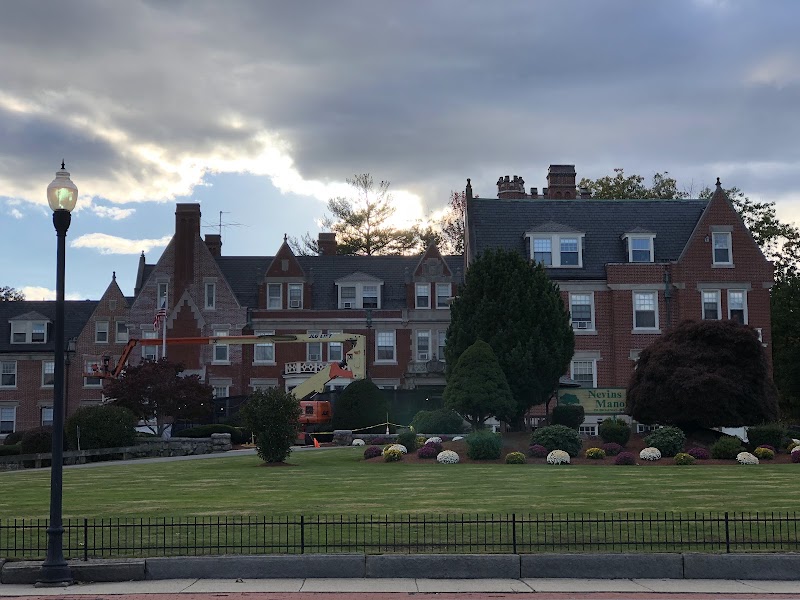
How is Nevins Nursing & Rehabilitation Center Staffed?

CMS rates NEVINS NURSING & REHABILITATION CENTER's staffing level at 4 out of 5 stars, which is above average compared to other nursing homes. Staff turnover is 29%, compared to the Massachusetts average of 46%. This relatively stable workforce can support continuity of care.

What Have Inspectors Found at Nevins Nursing & Rehabilitation Center?

State health inspectors documented 38 deficiencies at NEVINS NURSING & REHABILITATION CENTER during 2022 to 2024. These included: 4 that caused actual resident harm and 34 with potential for harm. Deficiencies causing actual harm indicate documented cases where residents experienced negative health consequences.
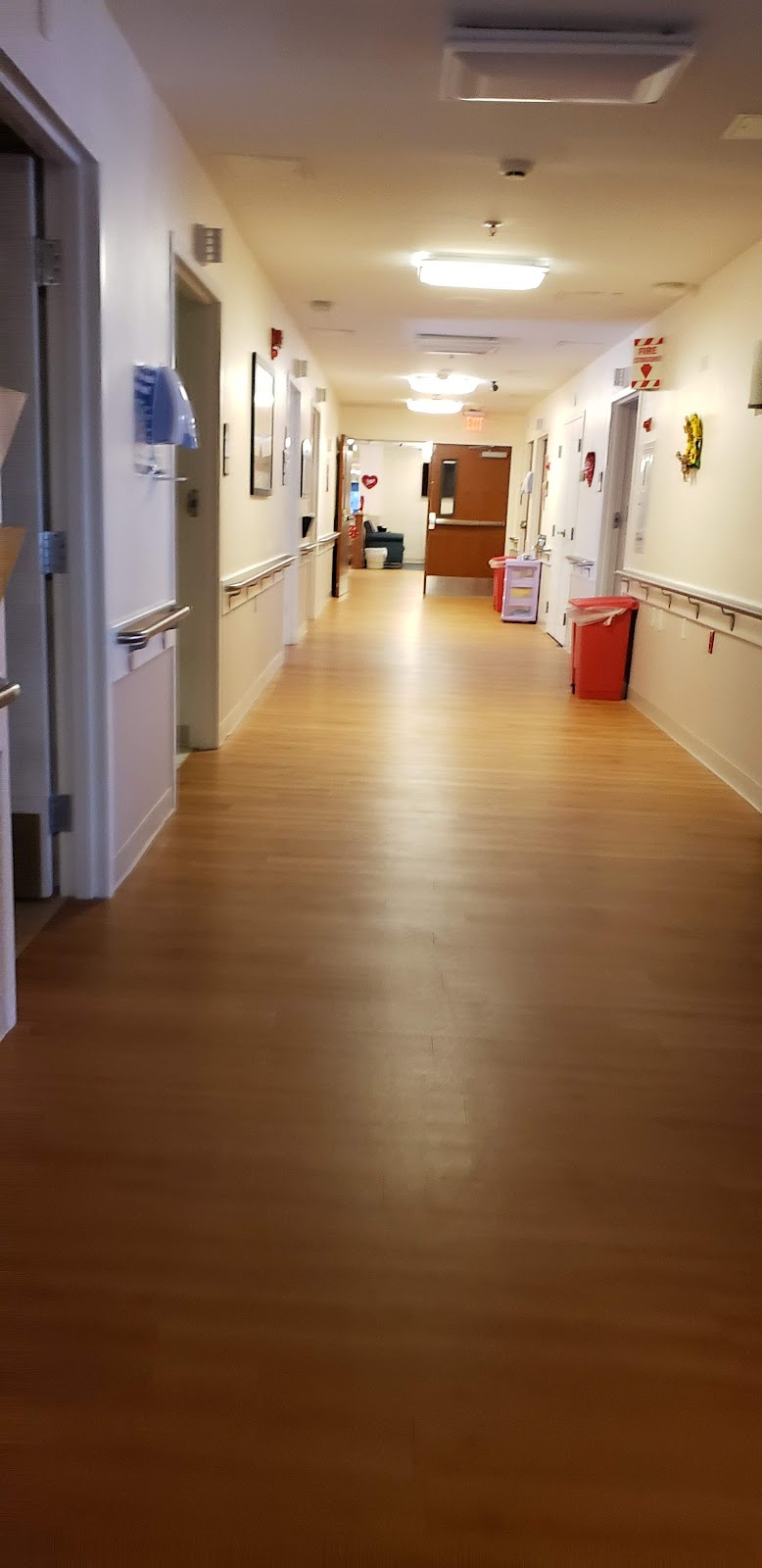
Who Owns and Operates Nevins Nursing & Rehabilitation Center?

NEVINS NURSING & REHABILITATION CENTER is owned by a non-profit organization. Non-profit facilities reinvest revenue into operations rather than distributing to shareholders. The facility operates independently rather than as part of a larger chain. With 153 certified beds and approximately 138 residents (about 90% occupancy), it is a mid-sized facility located in METHUEN, Massachusetts.
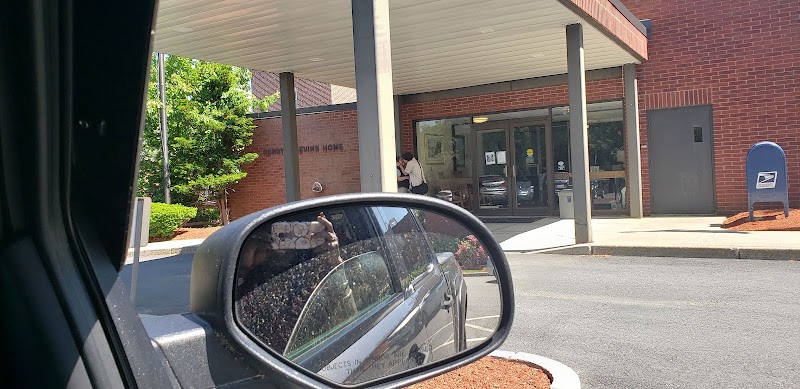
How Does Nevins Nursing & Rehabilitation Center Compare to Other Massachusetts Nursing Homes?

Compared to the 100 nursing homes in Massachusetts, NEVINS NURSING & REHABILITATION CENTER's overall rating (2 stars) is below the state average of 2.9, staff turnover (29%) is significantly lower than the state average of 46%, and health inspection rating (2 stars) is below the national benchmark.

What Should Families Ask When Visiting Nevins Nursing & Rehabilitation Center?

Based on this facility's data, families visiting should ask: "Can I visit during a mealtime to observe dining assistance and food quality?" "How do you handle medical emergencies, and what is your hospital transfer rate?" "Can I speak with family members of current residents about their experience?"

Is Nevins Nursing & Rehabilitation Center Safe?

Based on CMS inspection data, NEVINS NURSING & REHABILITATION CENTER has a clean safety record: no substantiated abuse findings (meaning no confirmed cases of resident harm), no Immediate Jeopardy citations (the most serious violation level indicating risk of serious injury or death), and is not on the Special Focus Facility watch list (a federal program monitoring the lowest-performing 1% of nursing homes). The facility has a 2-star overall rating and ranks #100 of 100 nursing homes in Massachusetts. While no facility is perfect, families should still ask about staff-to-resident ratios and recent inspection results during their visit.

Do Nurses at Nevins Nursing & Rehabilitation Center Stick Around?

Staff at NEVINS NURSING & REHABILITATION CENTER tend to stick around. With a turnover rate of 29%, the facility is 17 percentage points below the Massachusetts average of 46%. Low turnover is a positive sign. It means caregivers have time to learn each resident's needs, medications, and personal preferences. Consistent staff also notice subtle changes in a resident's condition more quickly. Registered Nurse turnover is also low at 18%, meaning experienced RNs are available to handle complex medical needs.

Was Nevins Nursing & Rehabilitation Center Ever Fined?

NEVINS NURSING & REHABILITATION CENTER has been fined $17,966 across 2 penalty actions. This is below the Massachusetts average of $33,259. While any fine indicates a compliance issue, fines under $50,000 are relatively common and typically reflect isolated problems that were subsequently corrected. Families should ask what specific issues led to these fines and confirm they've been resolved.

Is Nevins Nursing & Rehabilitation Center on Any Federal Watch List?

NEVINS NURSING & REHABILITATION CENTER is not on any federal watch list. The most significant is the Special Focus Facility (SFF) program, which identifies the bottom 1% of nursing homes nationally based on persistent, serious quality problems. Not being on this list means the facility has avoided the pattern of deficiencies that triggers enhanced federal oversight. This is a positive indicator, though families should still review the facility's inspection history directly.