ELIOT CENTER FOR HEALTH AND REHABILITATION
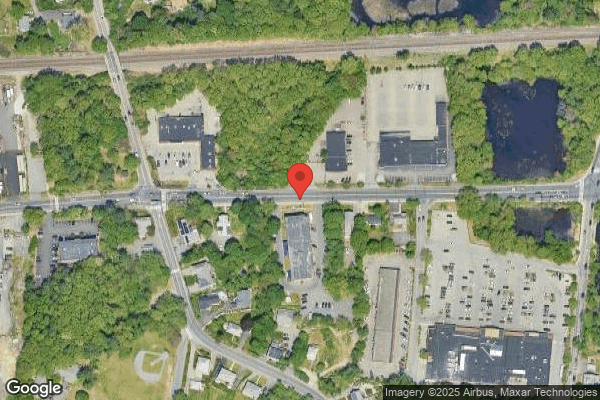
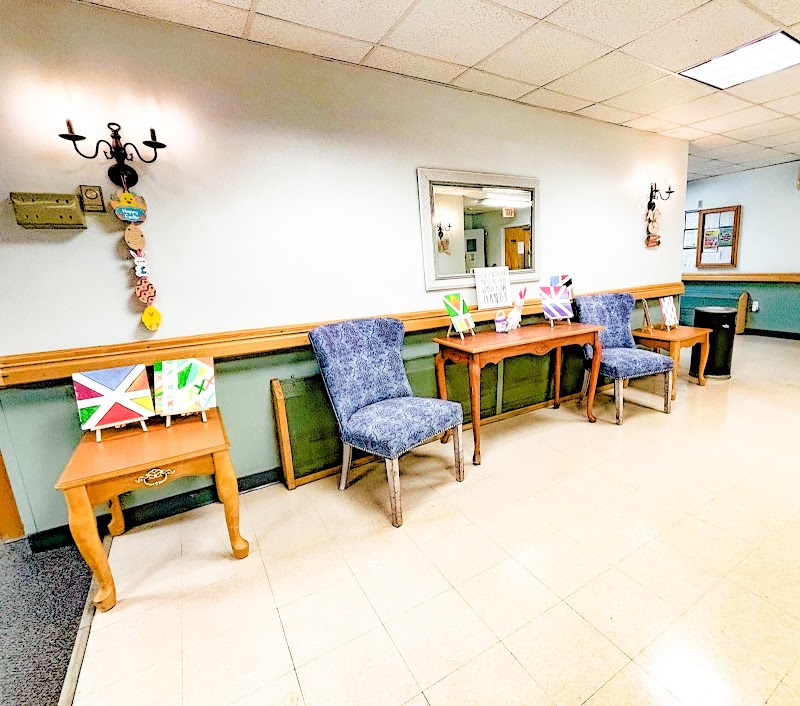
168 WEST CENTRAL STREET, NATICK, MA 01760 (508) 655-1000
For profit - Limited Liability company 114 Beds Independent Data: November 2025
Trust Grade
40/100
#285 of 338 in MA
Last Inspection: January 2025

Within standard 12-15 month inspection cycle. Federal law requires annual inspections.

Overview

Eliot Center for Health and Rehabilitation has a Trust Grade of D, indicating that it is below average and has some concerning issues. It ranks #285 out of 338 facilities in Massachusetts, placing it in the bottom half of the state, and #59 out of 72 in Middlesex County, meaning there are only a few local options that perform better. The facility is worsening, with issues increasing from 12 in 2023 to 13 in 2025. Staffing is a relative strength, with a turnover rate of 38%, which is slightly below the state average, but the overall staffing rating is poor at 1 out of 5 stars. While there are no fines on record, which is a positive sign, recent inspections revealed significant concerns, including failures in maintaining a clean kitchen and not inviting residents to care plan meetings. Additionally, the facility did not properly post daily nurse staffing information as required. Overall, families should weigh these strengths and weaknesses carefully when considering this facility for their loved ones.

Trust Score
D
40/100
In Massachusetts
#285/338
Bottom 16%
Safety Record
Low Risk
No red flags
Inspections
Getting Worse
12 → 13 violations
Staff Stability
○ Average
38% turnover. Near Massachusetts's 48% average. Typical for the industry.
Penalties
✓ Good
No fines on record. Clean compliance history, better than most Massachusetts facilities.
Skilled Nurses
○ Average
RN staffing data not reported for this facility.
Violations
⚠ Watch
42 deficiencies on record. Higher than average. Multiple issues found across inspections.
★☆☆☆☆
1.0
Overall Rating
★☆☆☆☆
1.0
Staff Levels
★★★☆☆
3.0
Care Quality
★★☆☆☆
2.0
Inspection Score
Stable
2023: 12 issues
2025: 13 issues

The Good

  • Full Sprinkler Coverage · Fire safety systems throughout facility
  • No fines on record
  • Staff turnover below average (38%)

    10 points below Massachusetts average of 48%

Facility shows strength in fire safety.

The Bad

1-Star Overall Rating

Below Massachusetts average (2.9)

Significant quality concerns identified by CMS

Staff Turnover: 38%

Near Massachusetts avg (46%)

Typical for the industry

The Ugly 42 deficiencies on record

Jan 2025 13 deficiencies
CONCERN (D)

Potential for Harm - no one hurt, but risky conditions existed

Safe Environment (Tag F0584)

Could have caused harm · This affected 1 resident

**NOTE- TERMS IN BRACKETS HAVE BEEN EDITED TO PROTECT CONFIDENTIALITY** Based on observation, record review, and interview, the facility failed to maintain a clean, comfortable, and homelike environme...

Read full inspector narrative →
**NOTE- TERMS IN BRACKETS HAVE BEEN EDITED TO PROTECT CONFIDENTIALITY** Based on observation, record review, and interview, the facility failed to maintain a clean, comfortable, and homelike environment for one Resident (#7) out of a total sample size of 19 residents. Specifically, the facility failed to maintain the Resident's enteral feeding pump pole in a clean and sanitary manner when the base of the pole stand was visibly soiled with spilled substances. Findings include: Review of the facility's policy titled Resident Care Equipment Processing Between Resident Use and Transport, undated, indicated the following: -The employee will wear appropriate personal protective equipment when handling, cleaning or transporting soiled material. -Enteral feeding poles will be cleaned if visibly soiled and routinely. -Each department will determine accountability within their area. Resident #7 was admitted to the facility in February 2017 with diagnoses including Dysphagia and Gastrostomy Status. Review of the Resident's Minimum Data Set (MDS) assessment dated [DATE], indicated that Resident #7: -had severely impaired cognitive skills for daily decision making. -rarely understood others or was understood by others. Review of Resident #7's medical record included but was not limited to the following: -A Physician's order for enteral feeding (also referred to as G-tube feeding) of Jevity 1.5 at 30 ml/hr (milliliters per hour) continuous, effective 11/4/24. Review of the Comprehensive Person-Centered Care Plan for Nutritional Concerns included but was not limited to: -Nutritional Concerns related to chewing and swallowing difficulty with interventions including but not limited to a need for enteral feeding, effective 12/23/20. On 1/13/25 at 8:32 A.M., the surveyor observed Resident #7 lying in bed with enteral feeding running as ordered from a pump that was connected to a pole. The surveyor also observed a large quantity of dried, milky colored substance covering the base of the enteral pole stand. On 1/14/25 at 7:30 A.M., the surveyor observed Resident #7 lying in bed, with enteral feeding running as ordered from a pump that was connected to a pole. The surveyor observed that a large quantity of dried, milky colored substance remained covering the base of the enteral pole stand. On 1/15/25 at 10:41 A.M., the surveyor observed Resident #7 lying in bed, with enteral feeding running from a pump as ordered, and the base of the enteral pole stand remained covered with a large quantity of dried, milky colored substance. During an observation and interview on 1/15/25 at 10:52 A.M., the surveyor and Certified Nurses Aide #1 (CNA #1) observed the Resident's enteral feeding pole. CNA #1 said that the base of the pole was dirty and should have been cleaned up when the spills were made. CNA #1 said that she was assigned to Resident #7 at the time. CNA #1 said the housekeeping department never cleans the enteral pumps or poles. CNA #1 said that the nursing staff who spilled the liquid should have wiped the enteral feeding pole off as soon as it happened because the staff have wipes that could be used on the enteral pump pole. CNA #1 said that she could have also cleaned the dirty enteral pump pole. On 1/15/25 at 11:02 A.M., the surveyor and the Assistant Director of Nurses (ADON) observed the enteral feeding pole and the ADON said the pole was dirty. The ADON said that housekeeping and nursing were responsible to maintain cleanliness on the unit. The ADON said that spills should be wiped up immediately to prevent attraction of pests and to maintain a proper environment because nobody would want to have dirty things in their home.
CONCERN (D)

Potential for Harm - no one hurt, but risky conditions existed

Grievances (Tag F0585)

Could have caused harm · This affected 1 resident

**NOTE- TERMS IN BRACKETS HAVE BEEN EDITED TO PROTECT CONFIDENTIALITY** Based on record review, and interview, the facility failed to ensure prompt efforts to resolve a grievance for one Resident (#84...

Read full inspector narrative →
**NOTE- TERMS IN BRACKETS HAVE BEEN EDITED TO PROTECT CONFIDENTIALITY** Based on record review, and interview, the facility failed to ensure prompt efforts to resolve a grievance for one Resident (#84) out of a total sample size of 19 residents. Specifically, for Resident #84, the facility failed to investigate and resolve a grievance for missing personal property when the Resident's electronic communication tablet that was used to communicate with staff was reported missing. Findings Include: Review of the facility policy titled, Administration: Grievance Policy, revised November 2016, indicated the following: -The facility will support the resident/responsible party to voice grievances/concerns regarding .lost articles or any violation of resident's rights. -Upon receipt of the grievance/concern the facility will take appropriate measures to seek a resolution to the concern. -The Administrator will appoint a Grievance Officer. -The Grievance Officer will be responsible to ensure that all grievances are responded to in a timely manner. -Facility staff is encouraged to attempt to resolve the verbal grievance/concern at the time it is brought forward whenever possible. In the case that the grievance/concern cannot be resolved promptly, the staff member will complete the grievance form or give it to the person with the concern to complete. -Once the form is complete it will be forwarded to the Social Service Department. -During the absence of the social worker, the forms will be forwarded to the Administrator. The grievance/concern book will be kept in the Administrators office. -The Social Worker will review the grievance/concern and forward a copy to the appropriate department head. The Social worker will keep the original and document the receipt of the grievance/concern form on the grievance log. -The Department head is responsible for investigating the concern and developing a plan to resolve it. -The Administrator is responsible for reviewing grievances/concerns weekly to ensure that they have been investigated and resolved to the residents/responsible party satisfaction. Resident #84 was admitted to the facility in February 2024 with diagnoses including Aphasia, Hemiplegia and Hemiparesis following Nontraumatic Intracerebral Hemorrhage affecting right dominant side, and Major Depressive Disorder. Review of Resident #84's Minimum Data Set (MDS) assessment dated [DATE] indicated the following: -Resident had no speech (absence of spoken words) -Resident was sometimes understood (ability limited to making concrete requests) -Resident was able to understand others usually (misses some part/intent of message but comprehends most conversation responds adequately to simple, direct communication only). -A Brief Interview for Mental Status (BIMS) assessment had not been attempted. Review of Resident #84's complete medical record indicated: >A Legal Guardianship was established on 7/10/24. Review of Resident #84's Care Plan for Communication, created on 5/22/24 and last revised on 5/22/24, indicated: >Resident #84 had a communication problem related to Aphasia. >Goal was for the Resident to maintain a current level of communication by using a communication device, gestures, pointing, responding to yes/no questions as indicated/need. >Interventions included to use alternative communication tools as needed. Review of the Speech Therapy Discharge summary dated [DATE], indicated: -Resident and caregivers were to utilize compensatory strategies to repair communication breakdown (cues, gestures and ACC (Augmentative and Alternative Communication- a communication device tablet) system. -Interventions included: >modification of the Resident's ACC communication device. >addition of functional icons and included addition of home exercises to patient's AAC device for both practice and communication. >modification of patient's AAC device were made to place more frequently used icons in easier to access locations. Review of the Nursing Progress Note dated 11/30/24 at 9:02 A.M. indicated: -client trying to communicate. Nursing staff explained to this Nurse that pt's (patient's/ Resident) tablet is missing. -Also, client refusing medications today and wants to leave that room. Supervisor notified. Review of the Nursing Progress Note dated 11/30/24 at 1:50 P.M. indicated: -client, I've been told, has a tablet to communicate. The tablet hasn't been found. -PT (Physical Therapy) looked in rehab. -I searched pt. room. I did not locate the tablet and how many days it's been missing, this Nurse does not know. During an interview on 1/15/25 at 2:38 P.M., Certified Nurses Aide (CNA) #2 said that Resident #84 had an electronic communication tablet that was used to talk to the staff. CNA #2 said that the communication tablet had pictures on the screen that the Resident could point at to make his/her needs known. CNA #2 said that he had not seen the communication tablet in a long time so it must be missing. CNA #2 said that he had not communicated the missing communication tablet to anyone because he was pretty sure they all knew it was missing a few months ago. During an interview on 1/15/25 at 2:41 P.M., the Administrator said that he was the Grievance Officer in the facility and keeps the grievance binder in his office. The Administrator said that he was unaware that the communication device belonging to Resident #84 had been missing and did not have a grievance form related to the missing communication tablet. During an interview on 1/15/25 at 3:01 P.M., the Speech Therapist (ST) said the ACC tablet had been purchased though the Resident's insurance and therefore was Resident #84's personal property. The ST said the ACC tablet, in addition to hand gestures as well as yes and no questions, was a communication method used by Resident #84 to make his/her needs known. The ST said that she was aware that the communication tablet had been missing but the tablet was not removed from the Care Plan for Communication at any time nor was she asked to perform an evaluation once the communication device was no longer available for the Resident to use. During an interview and record review on 1/21/25 at 8:51 A.M., the Assistant Director of Nurses (ADON) said she had located the original grievance form which had been completed by the Supervising Nurse on 11/30/24. Review of the Grievance Form dated 11/30/24, provided by the ADON indicated: -Tablet of Resident #84 used for communication was missing and the Guardian had been notified by the nursing supervisor. -Evidence of an action taken to resolve grievance was blank (on the form). -Evidence of person responsible for resolution was blank. -Evidence of follow-up on completion was blank. -Social Worker signature and date were blank. -Administrator signature and date were blank. The ADON said that the grievance form dated 11/30/24, had been located in the Contracted Social Worker's binder, but the Contracted Social Worker was no longer in the facility. The ADON said that she was able to recall that the missing AAC tablet had been discussed at the morning staff meeting a few times but was unsure what happened thereafter. The ADON said the grievance process should have been addressed sooner but had not been.
CONCERN (D)

Potential for Harm - no one hurt, but risky conditions existed

Assessment Accuracy (Tag F0641)

Could have caused harm · This affected 1 resident

Based on observation, interview, and record review, the facility failed to ensure that the Minimum Data Set (MDS) Assessment was coded accurately for one Resident (#79) out of a total sample of 19 res...

Read full inspector narrative →
Based on observation, interview, and record review, the facility failed to ensure that the Minimum Data Set (MDS) Assessment was coded accurately for one Resident (#79) out of a total sample of 19 residents. Specifically, the facility failed to ensure that the most recent MDS Assessment was coded accurately relative to dental status for Resident #79. Findings include: Resident #79 was admitted to the facility in November 2023 with diagnoses including Unspecified Dementia, Insomnia, Anxiety, and high cholesterol. Review of the most recent MDS Assessment completed on 11/8/24, indicated that the Resident: -was severely cognitively impaired as evidenced by a Brief Interview for Mental Status (BIMS) score of 0 out of 15 possible points. -had no obvious or likely cavity or broken natural teeth, no difficulty noted to examine the Resident's teeth. On 1/13/25 at 11:03 A.M., the surveyor observed that Resident #79 had no teeth on the top gum line, and had three teeth on the bottom gum line, two of which were dark in color and broken. On 1/21/25 at 9:23 A.M., the surveyor and the Director of Nursing (DON) observed the Resident's teeth and observed no teeth on the top gum, and three teeth on the bottom gum, two of which were dark in color and broken. During an interview at the time, the Resident said my other teeth are at home. During an interview on 1/21/25 at 9:35 A.M., with the DON and the MDS Nurse, the DON said that the most recent comprehensive MDS assessment completed on 11/8/24 was completed by an off-site MDS Nurse and she could not provide evidence that any staff member or the MDS Nurse completing the MDS actually examined the Resident's mouth for dental status. The DON said the MDS coding for the Resident's dental status was inaccurate. The MDS Nurse said that the MDS responses for dental status came from the previous MDS assessment completed on 11/13/23, and were just kept the same for the MDS assessment completed on 11/8/24. Please Refer to F791
CONCERN (D)

Potential for Harm - no one hurt, but risky conditions existed

ADL Care (Tag F0677)

Could have caused harm · This affected 1 resident

**NOTE- TERMS IN BRACKETS HAVE BEEN EDITED TO PROTECT CONFIDENTIALITY** Based on observation, interview, and record review, the facility failed to provide assistance with personal hygiene care and ser...

Read full inspector narrative →
**NOTE- TERMS IN BRACKETS HAVE BEEN EDITED TO PROTECT CONFIDENTIALITY** Based on observation, interview, and record review, the facility failed to provide assistance with personal hygiene care and services for two Residents (#15 and #57) out of a total sample of 19 residents. Specifically, the facility failed to ensure that: 1. Resident #15 was offered and/or provided with grooming assistance for fingernail care and facial hair care when the Resident was dependent on staff for both grooming tasks. 2. Resident #57 was offered and/or provided grooming assistance for fingernail care when the Resident was dependent on staff for this task. Findings include: Review of the facility policy titled Activities of Daily Living (ADL), Supporting, undated, included: -Residents who are unable to carry out activities of daily living independently will receive the services necessary to maintain good nutrition, grooming, and personal oral hygiene. -Appropriate care and services will be provided for residents who are unable to carry out ADL's independently, with consent of the resident and in accordance with the plan of care, including appropriate support and assistance with hygiene (bathing, dressing, grooming, and oral care). 1. Resident #15 was admitted to the facility in February 2015 with diagnoses including Unspecified Dementia, Major Depressive Disorder, Dysphagia following Unspecified Cerebrovascular Disease, Type 2 Diabetes, and Atherosclerotic Heart Disease. Review of Resident #15's ADL Care Plan last revised 11/6/24, indicated that the Resident was dependent on one staff for all personal hygiene tasks, including fingernail care and facial hair care. Review of the Resident's most recently completed Minimum Data Set (MDS) assessment dated [DATE], indicated the Resident: -was severely cognitively impaired. -Brief Interview for Mental Status (BIMS) assessment was not done. -was dependent on staff for personal hygiene tasks including fingernail care and facial hair care. -had no rejection of care noted on the MDS Assessment. 0n 1/13/25 at 11:32 A.M., the surveyor observed Resident #15 to have long facial hair on the chin, and fingernails that were long with debris under the fingernails. The Resident was dressed for the day and had received morning care. On 1/14/25 at 11:40 A.M., the surveyor observed the Resident in the main dining room. The Resident's fingernails were observed to be long with debris under the fingernails, and the Resident had long facial hair on the chin. The Resident was dressed for the day and morning care had been provided. Review of Resident #15's clinical record did not indicate any refusals by the Resident during grooming care provided by staff. Review of the Resident's Certified Nurses Aides (CNA) Daily Care Record indicated that the CNA provided total care for Resident #15's personal hygiene care on 1/13/25 for both morning and evening care, and again on 1/14/25 for morning care. During an observation and interview on 1/14/25 at 11:45 A.M., the surveyor and the Director of Nursing (DON) observed Resident #15's fingernails and facial hair. The DON said that the Resident's fingernails should have been trimmed but had not been, and the Resident's facial hair should have been removed but had not been. The DON said that fingernail care and care for facial hair was part of the grooming task and the Resident's fingernails and facial hair should have been checked and cared for as needed during morning and evening care. During an interview on 1/16/25 at 2:50 P.M., CNA #5 confirmed that the Resident was on his assignment on 1/14/25. CNA #5 said that the Resident was totally dependent on staff for care. He said that he was working with another CNA and did not notice the Resident's fingernails or facial hair. CNA #5 said he did not provide any nail care or facial shaving care to the Resident on the morning of 1/14/25. CNA #5 said that on the afternoon of 1/14/25 the DON requested that he check the Resident's fingernails and facial hair. CNA #5 said that he found the Resident's fingernails long and dirty and the hair on the Resident's chin was long. CNA #5 said that the Resident's nails should have been trimmed/cleaned and the facial hair removed during morning care on 1/14/24 but they had not been. 2. Resident #57 was admitted to the facility in February 2024 with diagnoses including Chronic Obstructive Pulmonary Disease (COPD), Diabetes Mellitus, Major Depression, and unspecified Psychosis. Review of the Resident's most recently completed MDS assessment dated [DATE], indicated the Resident: -was moderately cognitively impaired as evidenced by a score of 10 out of 15 points on the Brief Interview for Mental Status (BIMS) assessment, -was dependent on staff for personal hygiene tasks including fingernail care. -had no rejection of care noted on the MDS Assessment. Review of Resident #57's care plan last revised 11/19/24 indicated that the Resident required the assistance of one staff for personal hygiene with encouragement to participate in the task to his/her fullest ability. On 1/13/25 at 10:51 A.M., the surveyor observed Resident #57's fingernails to be long and jagged. During an interview at the time, the Resident said he/she needed the fingernails to be trimmed. On 1/14/25 at 9:52 A.M., the surveyor observed Resident #57's fingernails to be long and jagged. The Resident was dressed for the day and morning care had been completed. Review of Resident #57's clinical record did not indicate any refusals by the Resident during grooming care provided by staff. Review of the Resident's Certified Nurses Aide (CNA) Daily Care Record indicated that the CNA provided total care for Resident #57's personal hygiene care on 1/13/25 for both morning and evening care, and again on 1/14/25 for morning care. During an observation and interview on 1/14/25 at 11:45 A.M., the surveyor and the DON observed Resident #57's fingernails and the DON said that the Resident's nails should have been trimmed but had not been. The DON said that fingernail care was part of the grooming task and the Resident's fingernails should be checked and cared for as needed during morning and evening care. During an interview on 1/16/25 at 2:40 P.M., CNA #4 said that she had provided care for Resident #57 on the morning of 1/14/25. CNA #4 said that morning care does include fingernail care but she said that she was rushing and didn't recall seeing that the Resident's fingernails were long and jagged. CNA #4 said that she reviewed the Resident's fingernails later that afternoon on 1/14/25 and provided needed fingernail care. CNA #4 said that the Resident's nails were long and jagged and she should have trimmed the fingernails that morning but had not done so.
CONCERN (D)

Potential for Harm - no one hurt, but risky conditions existed

Deficiency F0698 (Tag F0698)

Could have caused harm · This affected 1 resident

Based on observation, record review, and interview, the facility failed to provide care and services consistent with professional standards of practice for one Resident (#252) out of a total sample of...

Read full inspector narrative →
Based on observation, record review, and interview, the facility failed to provide care and services consistent with professional standards of practice for one Resident (#252) out of a total sample of 19 residents, who required renal dialysis. Specifically, the facility failed to ensure that an emergency kit including clamps and pressure dressings were kept with the Resident (#252) and the Resident's bedside as ordered, in the event of a medical emergency related to a tunneled hemodialysis catheter (a plastic tube used for exchanging blood between a patient and a hemodialysis machine). Findings include: Review of the facility policy for End-Stage Renal Disease (ESRD), Care of a Resident with, undated, indicated: -staff caring for residents with ESRD, including residents receiving dialysis care outside the facility, shall be trained in the care and special needs of these residents. -Education and training of staff includes specifically: < .how to recognize and intervene in medical emergencies such as hemorrhages and septic infections; <how to recognize and manage equipment failure or complications (according to the type of equipment used in the facility; <the care of grafts (piece of plastic inserted to connect a vein and an artery; second choice for access) and fistulas (connection between a vein and an artery; generally last longer and has fewer problems); -the residents comprehensive care plan will reflect the resident's needs related to ESRD/dialysis care. Resident #252 was admitted to facility in January 2025 with diagnoses including Chronic Kidney Disease (CKD) Stage 5, and dependence on renal dialysis. On 1/13/25 at 12:22 P.M., the surveyor observed Resident #252 resting in bed with his/her family sitting at his/her bedside. During an interview at the time the Resident's family said that Resident #252 had a central venous catheter located in his/her chest. The surveyor and the Resident's family member observed the Resident's room and did not observe any clamps and pressure dressings at the Resident's bedside or in the Resident's room. Review of Resident #252 Physician's orders for January 2025 indicated: -Hemodialysis Emergency Kit at Bedside, start date of 1/5/25 -Monitor Hemodialysis site for signs and symptoms of infection, every shift for dialysis, start date of 1/5/25 -Resident going to dialysis every Saturday, Tuesday, Thursday, at Dialysis Clinic out of the facility, start date of 1/3/25 On 1/14/24 at 7:57 A.M., the surveyor and Nurse #2 observed the Resident resting in bed in his/her room. There was no emergency kit including clamps and pressure dressings observed at the Resident's bedside or in the Resident's room. The surveyor and Nurse #2 observed the inside of Nurse #2's medication cart and there were no clamps available in the cart as well. During an interview on 1/14/25 at 8:28 A.M., Nurse #2 said that if there was an emergency she would utilize a tourniquet (device used to place pressure on a limb or extremity to stop the flow of blood) on the Resident's arm. When the surveyor asked if Nurse #2 was familiar with the Resident's care, Nurse #2 said that she was not aware that the venous catheter access site was not located on the Resident's arm. During an interview on 1/14/25 at 9:26 A.M., the Director of Nursing (DON) said that the clamp should have been at the Resident's bedside, and they were not. The DON also said that facility staff had used the clamp for another resident's wound care and the clamp had not been put back in its place.
CONCERN (D)

Potential for Harm - no one hurt, but risky conditions existed

Drug Regimen Review (Tag F0756)

Could have caused harm · This affected 1 resident

Based on interview, and record review, the facility failed to ensure that recommendations made by the Consultant Pharmacist during a monthly Medication Regimen Review (MRR) was acted upon as required ...

Read full inspector narrative →
Based on interview, and record review, the facility failed to ensure that recommendations made by the Consultant Pharmacist during a monthly Medication Regimen Review (MRR) was acted upon as required for one Resident (#20), of five applicable residents reviewed for unnecessary medications, out of a total sample of 19 residents. Specifically, the facility failed to act upon the Consultant Pharmacist recommendation dated 3/18/24, to update the Physician's order for Budesonide (inhaled steroid medication) to instruct the Resident to rinse mouth after use to prevent the development of oral thrush, after it had been approved by the Resident's Physician. Findings include: Review of the facility policy for Consultants, undated, indicated: -our facility uses outside resources to furnish specific services provided by the facility -consultant services may be utilized in the following areas: Pharmacy -consultants provide the Administrator with written, dated, and signed reports of each consultation visit. Such reports contain the consultant's: <recommendations <plans for implementation of his/her or recommendations <findings and <plans for continued assessments -the facility retains the professional and administrative responsibility for all services provided by consultants. Resident #20 was admitted to the facility in September 2023 with a diagnosis of Chronic Obstructive Pulmonary Disease (COPD). Review of Resident #20's Physician's orders indicated: -Budesonide Inhalation Suspension 0.5 Milligrams (MG)/2 Milliliters (ML) Budesonide (Inhalation), one inhalation, inhale orally two times a day for COPD, start date of 10/31/24. Review of Resident #20's Clinical Record indicated a Consultant Pharmacist Recommendation to Nursing dated 3/7/24 that indicated: -Resident is receiving Budesonide. In order to prevent the development of thrush please update order to instruct Resident to rinse mouth after use. -that the Recommendation had been reviewed and agreed to by the Physician. Further review of the Clinical Record did not indicate that the Consultant Pharmacist Recommendations had been added to the Physician's orders as suggested. During an interview on 1/16/25 at 9:34 A.M., the surveyor and the Director of Nursing (DON) reviewed the Consultant Pharmacist Recommendation to Nursing dated 3/7/24 as well as Resident #20's clinical record. The DON said that the recommendation should have been added to the Resident's Physician's orders in order to prevent thrush development but it had not been.
CONCERN (D)

Potential for Harm - no one hurt, but risky conditions existed

Deficiency F0761 (Tag F0761)

Could have caused harm · This affected 1 resident

Based on observation, record review, and interview, the facility failed to ensure that drugs were stored in accordance with accepted professional standards of practice for a medication pass process fo...

Read full inspector narrative →
Based on observation, record review, and interview, the facility failed to ensure that drugs were stored in accordance with accepted professional standards of practice for a medication pass process for Resident #20 out of four medication passes observed. Specifically, the facility nursing staff failed to ensure that medications prepared for Resident #20 were secure and inaccessible to unauthorized staff and residents when Nurse #1 left the prepared medications on the top of the cart, left the cart unattended and unlocked in the hallway outside the Resident's room on multiple occasions, while administering the medications to the Resident in his/her room. Findings include: Review of the facility's policy titled Storage of Medications, last revised April 2007, indicated the following: -The facility shall store all drugs and biologicals in a safe, secure, and orderly manner. -The nursing staff shall be responsible for maintaining medication storage and preparation areas in a clean, safe, and sanitary manner. -Compartments (including but not limited to drawers .carts and boxes) containing drugs and biologicals shall be locked when not in use . or carts used to transport such items shall not be left unattended if open or potentially available to others. On 1/15/25 at 8:49 A.M., the surveyor observed Nurse #1 complete the following tasks during medication pass for Resident #20: -Medications were prepared by Nurse #1 on top of the medication cart in the hallway, just outside the doorway of Resident #20's bedroom. -Medications prepared included two cups of oral (taken by mouth) medications, one nasal (taken by way of nostrils) spray, and one single dose ampule of inhalation (taken by breathing in) medication. -Nurse #1 then entered Resident #20's room leaving the medication cart in the hallway, unattended and unlocked with the nasal spray, the inhalation medication, and one cup of oral medication on top of the cart. There were two residents, one facility staff member, and the surveyor in the hallway in close proximity of the medication cart when Nurse #1 entered the Resident's room. -Nurse #1 returned to the medication cart and collected the single dose ampule inhalation medication from the top of the medication cart and left the unlocked medication cart with the cup of oral medication and nasal spray on top of the cart in the hallway and re-entered Resident #20's bedroom. -Nurse #1 was observed to walk behind Resident #20's privacy curtain and obstructing her view of the medication cart as she collected a nebulizer (electric pump that delivers inhaled medication in an aerosol form). Nurse #1 was further observed with her back to the medication cart which remained in the hallway, as she proceeded to fill the nebulizer with the inhaled medication and left the filled nebulizer container at the Resident's bedside. -Nurse #1 returned to the medication cart in the hallway, collected the nasal spray, and re-entered Resident #20's bedroom leaving the medication cart unlocked and one cup of oral medication on top of the cart. Nurse #1 had the medication cart out of view when she turned her back to the cart to administer the nasal spray to Resident #20. -Nurse #1 then returned to the medication cart. During an interview at the time, the surveyor asked Nurse #1 if leaving the medication cart unlocked and unattended during medication administration was standard practice, Nurse #1 said she always leaves the medication cart unlocked during medication pass so that she didn't have to mess around with all the keys. Nurse #1 said she thought it was easier not to have to find the key every time she returned to the medication cart. -Nurse #1 was observed to walk away from the unlocked, unattended medication cart in the hallway, and one cup of oral medication remained on top of the medication cart. -Nurse #1 re-entered the Resident's bedroom, repositioned Resident #20 in bed, and then administered the inhaled medication from the nebulizer. During an interview on 1/15/25 at 9:04 A.M., the Director of Nursing (DON) said she had concerns with medication carts being left unlocked while unattended during medication pass due to safety for other residents on the unit. The DON said medications should be secured and medication carts locked when not in use or unattended.
CONCERN (D)

Potential for Harm - no one hurt, but risky conditions existed

Dental Services (Tag F0791)

Could have caused harm · This affected 1 resident

Based on observation, interview, and record review, the facility failed to ensure that dental services were provided for one Resident (#79) out of a total sample of 19 residents. Specifically, the fa...

Read full inspector narrative →
Based on observation, interview, and record review, the facility failed to ensure that dental services were provided for one Resident (#79) out of a total sample of 19 residents. Specifically, the facility failed to provide dental services for Resident #79 after the Resident's Guardian requested dental services. Findings include: Review of the facility policy titled Dental Services, undated, included: -Routine and emergency dental services are available to meet the resident's oral health services in accordance with the resident's assessment and plan of care. -Routine and 24-hour emergency dental services are provided to our resident's through a contract agreement with a licensed dentist that comes to the facility. Resident #79 was admitted to the facility in November 2023 with diagnoses including Unspecified Dementia, Insomnia, Anxiety, and high cholesterol. Review of the Resident's Care Plan did not include any problems, goals, or interventions for dental care. Review of the Dental Services Contract indicated that the Resident's Guardian requested dental services on 7/18/24. Review of the most recent Minimum Data Set (MDS) Assessment completed on 11/8/24, indicated the Resident: -was severely cognitively impaired as evidenced by a Brief Interview for Mental Status (BIMS) score of 0 out of 15 possible points. -had no obvious or likely cavity or broken natural teeth -displayed no difficulty to examine his/her teeth. On 1/13/25 at 11:03 A.M., the surveyor observed the Resident's teeth that there were no teeth on the top gum line and three teeth on the bottom gum line, two of which were dark in color and broken. During an interview on 1/21/25 at 7:41 A.M., the Director of Nursing (DON) reviewed the Resident's record and said she could not find any evidence that the Resident had been offered dental services. During an interview on 1/21/25 at 8:19 A.M., the DON said that when a resident or a resident representative signs a request for dental services, the resident was then put on a list to be seen by the dental services vendor. The DON said that the Resident #79 was never referred to the dental services vendor but should have been. On 1/21/25 at 9:23 A.M., the surveyor and the DON observed the Resident's teeth and saw there were no teeth on the top gum line, there were three teeth on the bottom gum line, two of which were dark in color and broken. During an interview at the time, the Resident said my other teeth are at home and it's good that my teeth don't hurt. The DON said that the Resident should have been referred for dental services as requested, but had not been. The DON further said that the on-site dental service had been at the facility multiple times since July 2024 but the Resident had not been seen.
CONCERN (D)

Potential for Harm - no one hurt, but risky conditions existed

Infection Control (Tag F0880)

Could have caused harm · This affected 1 resident

Based on observation, interview, and record review, the facility failed to adhere to infection control standards to prevent the potential transmission of communicable diseases and infections for one R...

Read full inspector narrative →
Based on observation, interview, and record review, the facility failed to adhere to infection control standards to prevent the potential transmission of communicable diseases and infections for one Resident (#12) who had tested positive for COVID-19, out of a total sample of 19 residents. Specifically for Resident #12, the facility failed to ensure that staff: -wore the necessary Personal Protective Equipment (PPE: items such as a gown, gloves, mask, eye protection, etc. to prevent transmission of communicable disease) to maintain isolation contact/droplet precautions (used to prevent transmission of a disease spread by touching a contaminated surface or person). -performed hand hygiene procedure after removing gloves as required. Findings include: Resident #12 was admitted to the facility in April 2004 with diagnoses including Paranoid Schizophrenia. Review of the facility policy titled Isolation - Categories of Transmission-Based Precautions, undated, indicated the following: -Contact Precautions <Staff and visitors will wear gloves (clean, non-sterile) when entering the room <gloves will be removed and hand hygiene performed before leaving the room -Droplet Precautions <masks will be worn when entering the room <gloves, gown and goggles will be worn if there is risk of spraying respiratory secretions Review of the facility policy for Coronavirus Prevention and Control, last revised May 2023, indicated: -The administrator or designee will ensure the following are available at the facility: .<PPE (gloves, gowns, eyewear, facemasks) -Contact and droplet precautions are implemented for any residents with symptoms of respiratory infection and standard precautions will be used as indicated. Review of Resident #12's January 2025 Physician's orders indicated: -COVID Isolation - Contact Precautions in private room due to positive for COVID, start date of 1/11/25. Review of Resident #12's Care Plan for confirmed COVID-19 dated 1/11/25, indicated: -Isolation Precautions -Contact/Droplet Precautions On 1/13/25 at 9:45 A.M., the surveyor observed: -Isolation/Droplet/Contact Precaution signage posted outside of Resident #12's room which indicated: >for Everyone: -to cleanse hands before entering and when exiting the room. -wear gloves, a gown, N95 Respirator, Eye Protection (face shield or goggles) -use patient dedicated or disposable equipment. -clean and disinfect shared equipment -the PPE bin outside Resident's #12's room did not include goggles or face shields. On 1/13/25 at 11:37 A.M., the surveyor observed Housekeeper #1 enter Resident #12's room with Isolation/Droplet/Contact Precaution signage posted outside the door. Housekeeper #1 was observed to: -don all the PPE indicated on the Precaution sign except for goggles/eyewear. -enter the room and clean all the surfaces. -exit the room and doff all PPE in receptacle. -not perform hand hygiene after doffing her gloves and donning new gloves and proceeding to clean another room. During an observation on 1/14/25 at 8:06 A.M., the surveyor observed CNA #3 enter Resident #12's room with a breakfast tray. CNA #3 was observed to: -don all the PPE indicated on the Precaution sign except for goggles/eyewear. -Provide Resident #12 with his/her breakfast tray in the room, exit the room and doffed his PPE. During an interview on 1/14/25 at 8:10 A.M., CNA #3 said that he did not wear goggles or eye protection when entering Resident #12's room because they were not available. When the surveyor opened the PPE bin to find there were goggles available and showed them to CNA #3, CNA #3 said that he should have worn eye protection. CNA #3 said that the facility had recently given an in-service on PPE use so he knew that he should have worn eye protection prior to entering Resident #12's room and he did not. During an interview on 1/14/25 at 2:39 P.M., the Director of Nursing (DON) said that both Housekeeper #1 and CNA #3 should have worn eye protection before entering the COVID-19 positive room. The DON also said that Housekeeper #1 should have performed hand hygiene after taking off her potentially soiled gloves and putting on another pair of gloves.
CONCERN (E)

Potential for Harm - no one hurt, but risky conditions existed

Deficiency F0657 (Tag F0657)

Could have caused harm · This affected multiple residents

**NOTE- TERMS IN BRACKETS HAVE BEEN EDITED TO PROTECT CONFIDENTIALITY** 3. Resident #57 was admitted to the facility in February 2024 with diagnoses including Chronic Obstructive Pulmonary Disease (CO...

Read full inspector narrative →
**NOTE- TERMS IN BRACKETS HAVE BEEN EDITED TO PROTECT CONFIDENTIALITY** 3. Resident #57 was admitted to the facility in February 2024 with diagnoses including Chronic Obstructive Pulmonary Disease (COPD), Diabetes Mellitus, Major Depressive Disorder, and Unspecified Psychosis. Review of the Resident's Minimum Data Set (MDS) assessment dated [DATE], included a BIMS score of 10 out of 15 points indicating the Resident was moderately cognitively impaired. Review of the clinical record indicated no evidence that the Resident and/or their Representative were invited to, or that a care plan meeting was held after completion of the MDS Assessment. During an interview on 1/13/25 at 10:49 A.M., Resident #57 said that he/she never goes to care plan meetings. During an interview on 1/16/25 at 9:38 A.M., the DON said the facility could provide no evidence a care plan meeting involving the Resident and/or their Representative was held following the 8/20/24 MDS assessment. The DON said the Resident and/or their Representative should have been invited to, and a care plan meeting held after completion of the MDS Assessment on 8/20/24 but it had not been. 4. Resident #22 was admitted to the facility in September 2022 with diagnoses including Malignant Neoplasm of the Brain (brain cancer) and Multiple Sclerosis. Review of the Minimum Data Set (MDS) assessment dated [DATE], indicated that Resident #22 was cognitively impaired as evidenced by a BIMS score of 3 out of 15. Review of the MDS schedule for Resident #22 indicated that the Resident had care plan meetings scheduled for April 2024 and July 2024. Review of Resident #22's clinical record indicated no documented evidence that the Resident and/or the Resident Representative participated in the care planning process or that the IDT met quarterly as required for April 2024 or July 2024, to review the plan of care. Further review of the clinical record indicated there were no meetings or refusals to participate in the meetings by the Resident and/or the Resident Representative documented for April 2024 or July 2024. During an interview on 1/13/25 at 12:03 P.M., Resident #22's invoked (activated) Health Care Proxy (HCP- a legal document that allows you to nominate someone to make health care decisions on your behalf should you become unable to communicate or make decisions for yourself) said that he/she had not been invited to attend or involved in care plans meetings at the facility. During an interview on 1/16/25 at 12:01 P.M., the MDS Nurse and the Regional MDS Nurse said that they were unable to provide evidence that Resident #22 or their Resident Representative had been invited to or participated in the care plan meetings in April 2024 or July 2024. The MDS Nurse and the Regional MDS Nurse said that the Resident and/or the Resident Representative should have been invited, the meetings should have been held, and they had not been. Based on interview, and record review, the facility failed to ensure that the Resident and/or Resident Representative was provided the right to participate in the care planning process for four Residents (#40, #89, #57 and #22) out of a total sample of 19 residents. Specifically, for Resident #40, #89, #57 and #22, the facility failed to ensure that: -quarterly care plan meetings were conducted as required -the Resident/Resident Representative were invited to participate in the care planning process. -the Interdisciplinary Team (IDT) met quarterly in 2024 to review the plan of care as required. Findings include: Review of the facility policy titled Care Planning-Interdisciplinary Team (IDT), undated, included the following: -the IDT include but is not limited to: <the resident's attending physician; <registered nurse with responsibility for the resident; <nursing assistant with responsibility for the resident; <a member of the food and nutrition services staff; <the resident or the resident's representative. -the resident, the resident's family and or legal representative . are encouraged to participate in the development of and revisions to the resident's care plan. -care plan meetings are held at the best time of the day for the resident and family when possible. -if it is determined that participation of the resident or representative is not practicable for the development of the care plan, an explanation is documented in the medical record. Review of the facility policy for Care Plans- Comprehensive, last revised July 2023, indicated: -the Care Planning/Interdisciplinary Team is responsible for the review and updating of care plans .at least quarterly. -the resident has the right to refuse to participate in the development of his/her care plan and medical and nursing treatments. When such refusals are made, appropriate documentation will be entered into the resident's clinical records in accordance with established policies. 1. Resident #40 was admitted to the facility in February 2024 with diagnoses including Adjustment Disorder and Dementia. Review of the Resident's most recent Minimum Data Set (MDS) assessment completed 11/21/24 indicated the Resident was moderately cognitively impaired as evidenced by a Brief Interview for Mental Status (BIMS) score of 12 out of 15 points. Review of Resident #40's clinical record included MDS assessments completed on 5/24/24 and 9/3/24. Further review of the Resident's record indicated no documented evidence Resident #40's care plan was reviewed by the IDT to include the Resident and/or a Resident Representative following the completion of the May 2024 and September 2024 MDS assessments. During an interview on 1/21/25 at 10:42 A.M., the MDS Nurse said the facility could provide no evidence any care plan meetings involving the Resident/ Resident Representative were held for the May 2024 or September 2024 MDS assessments. The MDS Nurse said the care plan meetings should have been held. 2. Resident #89 was admitted to the facility in August 2024 with diagnoses including Malignant Neoplasm of the Prostate, Dementia with Mild Anxiety and Adult Failure to Thrive. Review of the Resident's most recent MDS completed on 11/7/24 indicated the Resident was moderately cognitively impaired as evidenced by a BIMS score of 8 out of 15. Review of the clinical record indicated no documented evidence that Resident #89's care plan was reviewed by the IDT to include the input of the Resident and/or their Representative for the MDS assessment completed on 11/7/24. During an interview on 1/16/25 at 9:43 A.M., the Director of Nursing (DON) provided the surveyor with the facility's November 2024 care plan meeting schedule which included the Resident's name but no other information regarding completion of an IDT care plan meeting. The DON said she could not provide any evidence a care plan meeting was held that involved the Resident and/or a Resident Representative.
CONCERN (E)

Potential for Harm - no one hurt, but risky conditions existed

Staffing Information (Tag F0732)

Could have caused harm · This affected multiple residents

Based on observation, and interview, the facility failed to post the required nurse staffing information daily as required. Specifically, the facility failed to: -post daily nurse staffing informatio...

Read full inspector narrative →
Based on observation, and interview, the facility failed to post the required nurse staffing information daily as required. Specifically, the facility failed to: -post daily nurse staffing information in a prominent place, that was readily accessible to facility residents and visitors. -retain a copy of staffing records for 18 months as required. Findings include: During the facility recertification survey the surveyor observed no daily nursing staff information posted on the following days: -1/13/25 -1/14/25 -1/15/25 During an interview on 1/15/25 at 9:27 A.M., the Administrator said he knew the nurse staffing information should be posted in a prominent area, and he would find out where it was posted. The Administrator failed to provide evidence to the survey team by the survey exit of the nursing staff posting information for 1/13/25, 1/14/25, and 1/15/25. During an interview on 1/16/25 at 1:55 P.M., the [NAME] President (VP) of Operations said he knew staffing should be posted daily in a prominent place. The VP of Operations showed the surveyor the nurse staffing information was posted at the front desk for the date of 1/16/25 and said that was where it should be posted daily. The VP of Operations also said he did not have 18 months of daily nurse staff postings maintained in the facility records as required.
CONCERN (E)

Potential for Harm - no one hurt, but risky conditions existed

Food Safety (Tag F0812)

Could have caused harm · This affected multiple residents

Based on observation, and interview, the facility failed to follow professional standards of practice for food safety and sanitation to prevent foodborne illness to residents. Specifically, the facil...

Read full inspector narrative →
Based on observation, and interview, the facility failed to follow professional standards of practice for food safety and sanitation to prevent foodborne illness to residents. Specifically, the facility failed to: 1. Discard spoiled food and food that was past the use by date, and label and date prepared food. 2. Distribute and serve food in the main dining room under sanitary conditions. Findings include: 1. Review of the facility policy and procedure manual Chapter 3: Food Production and Food Safety, undated, indicated: -Refrigerated food storage, all foods should be covered, labeled and dated. All foods will be checked to assure that foods (including leftovers) will be consumed by their safe use by dates or frozen (where applicable) or discarded. -All stock must be rotated with each new order received. -Foods should be dated as it is placed on the shelves if required by state regulations. -Date marking will be visible on all high-risk foods to indicate the date by which ready to eat, temperature-controlled food should be consumed, sold, or discarded. Review of the Live Well Healthcare Solutions Policy on Food Storage, undated, provided to the surveyor by the Corporate Food Service Director indicated: -All foods will be held according to manufacturer's guidelines and expiration dates. -All foods not labeled with an expiration date will be discarded according to guidelines outlined in the policy. -All foods will be labeled with a use by date when opened and stored in an appropriate manner. -Fresh fruit or vegetables - whole, should be in the refrigerator stored 37-40 degrees Fahrenheit for one week or until visual decline is noted. During the initial tour of the facility kitchen on 1/13/25 at 7:27 A.M., the surveyor observed the following: -In the walk-in refrigerator: >cucumbers that were individually wrapped and sealed in plastic and stored in a cardboard box with a packed-on date of 12/18/24. The cucumbers had a white moldy film on them under the plastic wrap. >Sandwiches that were individually wrapped and stacked in a container on the second shelf from the top and were undated and unlabeled. -In the reach-in refrigerator: >stored on the bottom shelf in a metal container was a tube of ground beef labeled with a use by date of 1/9/25. During an interview on 1/13/25 at 7:45 A.M., Dietary Staff #1 said both the cucumbers and the ground beef should have been thrown away and not used. Dietary Staff #1 said the sandwiches should have been dated before they were put in the refrigerator. During an interview on 1/15/25 at 12:08 P.M., the Corporate Food Service Director (FSD) said the ground beef seen on the initial kitchen tour with a use by date of 1/9/25 was mislabeled and was pulled from the freezer to thaw on 1/9/25, to use for service on 1/13/25. The Corporate FSD said he was not there the morning of the initial kitchen walk through and did not see the only label that the surveyor observed to have a use by date of 1/9/25. The Corporate FSD said the ground beef should have been labeled with a pull and preparation date as well as a use by date. The Corporate FSD said if the cucumbers were moldy, they should have been thrown away and not used. The Corporate FSD further said the sandwiches or the container they were stored in should have been labeled and dated. The Corporate FSD said the staff have a guide for food storage attached to the walk-in refrigerator which tells them how to properly store and discard food and they should have been following those guidelines. 2. Review of the facility policy Assistance with Meals, version 2.0, undated, indicated all employees who provide resident assistance with meals will be trained and shall demonstrate competency in prevention of foodborne illness, including personal hygiene practices and safe food handling. During a dining observation on 1/16/25 at 11:50 A.M., in the main dining room the surveyor observed the following: -a drink station including coffee, pitchers of juices and sealed juice cups stored in a metal container on top of ice, and trays with clean cups and mugs alongside the drinks. -drinks being served to the residents from the drink station by nursing staff. -A tray on the same drink station was storing dirty cups, dirty silverware, and dirty pitchers. Staff were observed taking used cups from the Resident's tables and placing them on the tray next to the tray with clean items. -Activities Assistant (AA) #1 was observed getting a clean cup from the drink station and with ungloved hands used the clean cup to scoop contaminated ice from the metal container housing the drink pitchers and juice cups. AA #1 poured the ice into a resident's cup on the table and handed the cup to the resident. The Director of Nursing (DON) intervened and stopped the resident from drinking from the contaminated cup. The DON educated AA #1 that she could not use ice from the container that the drinks were stored in. The contaminated ice and the cup were taken from the resident and a clean cup with ice was provided to the resident. -At 12:06 P.M., the tray with the dirty cups and utensils on the drink station had been removed and several staff members were observed leaving dirty cups and utensils directly on the table with the clean drinks and cups. During an interview on 1/16/25 at 12:26 P.M., the Corporate FSD said there should not have been dirty items on the same table with the clean items at the drink station. The Corporate FSD said staff should not have been using the dirty ice from the drink station to serve to the residents. The Corporate FSD said staff should be using the clean ice provided in pitchers on the table. During an interview on 1/16/25 at 4:20 P.M., the DON said the staff member should not have used the dirty ice for resident drinks. The DON said the dirty cups and utensils should be put in a separate container and not on the drink station with the clean cups and drinks being served to the residents. The DON said all the staff should be trained on food safety and infection control if they are assisting with dining program. The DON said she was unsure if AA #1 had been educated on safe food handling.
MINOR (B)

Minor Issue - procedural, no safety impact

Deficiency F0645 (Tag F0645)

Minor procedural issue · This affected multiple residents

**NOTE- TERMS IN BRACKETS HAVE BEEN EDITED TO PROTECT CONFIDENTIALITY** Based on record review, and interview, the facility failed to accurately complete a Level I Preadmission Screening and Resident ...

Read full inspector narrative →
**NOTE- TERMS IN BRACKETS HAVE BEEN EDITED TO PROTECT CONFIDENTIALITY** Based on record review, and interview, the facility failed to accurately complete a Level I Preadmission Screening and Resident Review (PASARR- screen to determine if a resident had an intellectual or developmental disability (ID or DD) and/or serious mental illness (SMI) and needed further evaluation) for two Residents (#57 and #58), out of a total sample of 19 residents. Specifically, the facility failed to: 1. for Resident #57, accurately complete a Level I PASRR when the Resident's admission PASRR indicated no SMI, and the Resident was admitted to the facility with SMI diagnoses and a recent hospitalization where psychiatric services were provided resulting in a Level II PASRR Evaluation (an evaluation conducted to determine if an individual who screened positive for an SMI or ID/DD requires specialized services) not being completed as required. 2. for Resident #58, the facility failed to accurately complete a Level I PASRR indicating that the Resident had received psychiatric services while hospitalized within the last two years in the community, resulting in a Level II PASRR Evaluation not being completed as required. Findings include: Review of the facility policy titled Preadmission Screening and Resident Review (PASSR), effective 4/18, included: -It is the policy to screen all potential admissions on an individual basis. As part of the preadmission process, the facility participates in the Preadmission Screening and Resident Review (PASRR) screening process (Level I) .for all new and readmissions per requirement to determine if the individual meets the criterion for mental disorder. -The facility will report any changes as identified via the screen to the state mental health authority . -The PASARR will be evaluated annually and upon any significant change for those individuals identified. 1. Resident #57 was admitted to the facility in February 2024 with diagnoses including Major Depressive Disorder Recurrent Unspecified, Unspecified Psychosis Not Due to a Substance or Known Physiological Condition, Post Traumatic Stress Disorder (PTSD), and Anxiety. Review of the PASRR Level I Screening dated 2/13/24, indicated that the Resident had no Serious Mental Illnesses (SMI). Review of the Resident's Facility admission Record indicated the following diagnoses were present upon admission: -Unspecified Psychosis Not Due to a Substance or Known Physiological Condition -Major Depressive Disorder Recurrent Unspecified -Post Traumatic Stress Disorder (PTSD) Review of the Physician admission Note dated 2/17/24 included: -The patient with multiple medical issues who was hospitalized with confusion and agitation and mental status changes. -now admitted to the .rehab center for skilled nursing rehab and psychiatry evaluation and management -past medical history includes depression, anxiety, insomnia, psychosis . -Olanzapine (anti-psychotic medication) 5 milligrams (mg) for psychosis is in place. -Depression is treated with Cymbalta (anti-depressant medication) extended release 30 mg a day, and we will follow. Review of the Psychiatric Evaluation and Consultation dated 2/19/24 included: -Post Traumatic Stress Disorder (PTSD) - chronic illness -Anxiety Disorder - chronic illness Review of Resident #57's Minimum Data Set (MDS) assessment dated [DATE], included a diagnosis of Post Traumatic Stress Disorder. Review of the Resident's MDS dated [DATE], included diagnoses of: -Psychotic Disorder -Anxiety -Depression -Post Traumatic Stress Disorder (PTSD) During an interview on 1/21/25 at 11:05 A.M., with the MDS Nurse and the Director of Nursing (DON), the MDS Nurse said that she had added the psychiatric diagnoses to the Resident's clinical record and MDS when she identified them in the hospital and provider notes from the Resident's admission to the facility. The MDS Nurse said that all of the psychiatric/mood diagnoses listed on the Resident's MDS Assessment were from the Resident's records before or on admission to the facility. The DON reviewed the admission PASRR that indicated no SMI, and said that the PASRR should have been reviewed upon admission and then resubmitted to include the Resident's SMI diagnoses and determination for a Level II evaluation, but it had not been. 2. Resident #58 was admitted to the facility in April 2024, with diagnoses including Post Traumatic Stress Disorder (PTSD) and Major Depressive Disorder. Review of Resident #58's PASRR Level I Screening, dated 4/1/24, indicated No to the following questions: -Within the past two years, is the applicant known to have required one of the treatments or interventions listed below, that is, or may be due to a mental illness or mental disorder (MI/MD) < inpatient psychiatric hospitalizations <psychiatric day treatment <partial hospitalization program <intensive outpatient treatment <residential treatment <admission to a nursing facility <substance abuse disorder treatment <DMH involvement/case management <outpatient/community mental health treatment <other: -Within the past two years, did the applicant receive or would the applicant have benefited from one of the interventions listed below? <legal involvement <housing intervention <emergency mental health intervention (e.g., section 12 [transportation order to a hospital for individuals in crisis to see a Physician or Psychiatrist], crisis team involvement, suicide attempt, overdose) <other significant disruption to living situation for which supportive services were required -Currently or within the past six months, has the applicant had any limitation in major life activities in one of the areas listed below that is, or may be, due to mental illness or disorder? Major Life Activity Areas/Functional Impairments <Interpersonal functioning- serious difficulty interacting and or communicating effectively with others: illogical comments, fear of strangers, frequently isolating or avoiding others, excessive irritability, easily upset or anxious, hallucinations, or a possible history of eviction, altercations or unstable employment. <Concentration, persistence and pace- difficulty completing age-appropriate tasks and or/concentrating, completion timeliness, serious loss of interest, makes frequent errors, or requires assistance with activities/tasks that the applicant should be capable of accomplishing <Adaptation to change- significant difficulty adapting to typical change associated with employment, home, family, or social interactions, agitation, withdrawal due to adaptation difficulties, self-injurious behavior, self-mutilation, suicidal talks/ideations, physically violent or threatening, judicial intervention, severe appetite disturbance, excessive tearfulness. Review of the Referral admission Information dated 4/1/24, indicated Resident #58 was referred to the psychiatric team while hospitalized for: -Failure to Thrive -agitation -mood lability (rapid exaggerated changes in mood) -pseudobulbar affect symptoms (a condition characterized by episodes of sudden uncontrolled and inappropriate laughter and crying). Further review of the Referral admission Information indicated that Resident #58 was prescribed Zyprexa (anti-psychotic medication) and Prozac (anti-depressant) for treatment of these symptoms. Review of the facility policy titled PASRR, effective April 2018, indicated the following: -the facility will participate in a Level I screen for all potential admission regardless of payer source to determine if the individual meets the criterion for mental disorder (SMI), intellectual disability (ID) or related condition. During an interview on 1/16/25 at 11:52 A.M., the Admissions Liaison said that she did not feel that Resident #58 should have been referred to the PASRR office for receiving psychiatric treatment while in the hospital for Failure to Thrive, Depression, pseudobulbar effect and ongoing Depression that prompted the Resident to be started on new psychotropic medications. During an interview on 1/16/25 at 12:35 P.M., Social Worker (SW) #1 said that based on the hospital discharge summary, the Level I PASRR should have been completed to indicate Resident #58 had a positive SMI screen and that the Resident should have been referred to the PASRR Office for a Level II PASRR evaluation to determine whether the Resident met criteria for SMI and to determine whether the Resident required specialized services for SMI.
Nov 2023 12 deficiencies
CONCERN (D)

Potential for Harm - no one hurt, but risky conditions existed

Deficiency F0646 (Tag F0646)

Could have caused harm · This affected 1 resident

Based on interview and record review, the facility failed to notify the state mental health authority promptly after a significant change in the mental condition for two Residents (#50 and #26), out o...

Read full inspector narrative →
Based on interview and record review, the facility failed to notify the state mental health authority promptly after a significant change in the mental condition for two Residents (#50 and #26), out of a total sample of 20 residents. Specifically, the facility did not submit a Preadmission Screening and Resident Review (PASRR- an evaluation done to determine if a resident had an intellectual or developmental disability and/or serious mental illness and if a Resident was in need of additional specialized support services at the facility) when: 1) Resident #50 received a new mental health diagnosis indicating a change in status. 2) when a PASRR did not accurately reflect Resident #26's current mental health diagnosis that indicated a change from their prior PASRR assessment. Findings include: Review of facility policy titled Preadmission Screening and Resident Review (PASRR), effective 4/2018, indicated the following: -The facility will refer .all residents with newly evident or possible serious mental disorder, intellectual disability, or related condition for a PASRR review upon a significant change in status to the state PASRR representative. 1) Resident #50 was admitted to the facility in August 2021 with diagnoses including Dementia (a type of cognitive decline that leads to a decline in thinking, reasoning, and independent function) with other behavioral disturbances. Review of the PASRR form dated 8/24/21, indicated that the Resident did not have any documented diagnoses of a mental illness or disorder at the time of admission, and that an additional PASRR evaluation was not indicated. Review of the Psychiatric Services note dated 1/12/22, indicated the following: -Add diagnosis of Schizoaffective Disorder (a chronic mental health condition characterized primarily by symptoms of schizophrenia, such as hallucinations or delusions, and symptoms of a mood disorder, such as mania and depression). During an interview on 11/17/23 at 8:04 A.M., the surveyor and Social Worker (SW) #1 reviewed Resident #50's medical record including the PASRR and Psychiatric Services documentation. SW #1 stated the diagnosis of Schizoaffective Disorder was new since the Resident's admission and was added after the Resident was seen by Psychiatric Services on 1/12/22. SW #1 said that an additional PASRR should have been submitted to reflect the new mental health diagnosis but had not been submitted as required.
CONCERN (D)

Potential for Harm - no one hurt, but risky conditions existed

Deficiency F0657 (Tag F0657)

Could have caused harm · This affected 1 resident

Based on observations, interviews, record and policy review, the facility failed to revise one Resident's (#16) out of a total sample of 20 residents, plan of care relative to limited Range of Motion ...

Read full inspector narrative →
Based on observations, interviews, record and policy review, the facility failed to revise one Resident's (#16) out of a total sample of 20 residents, plan of care relative to limited Range of Motion (ROM) and device use. Specifically, the facility staff failed to notify the Rehabilitation Department when Resident #16 was unable to utilize the splints as recommended by therapy and ordered by the Physician so that the plan of care could be revised. Findings include: Review of the facility policy titled Comprehensive Care Plans, revised July 2023, included the following: -assessments of residents are ongoing and care plans are revised as information about the resident and the resident's condition change. Resident #16 was admitted to the facility in February 2022 with diagnoses including Multiple Sclerosis (MS: autoimmune disorder in which the body attacks itself by mistake, and resulting in the brain and spinal cord being affected) and contracture of left wrist and left elbow. Review of the Activity of Daily Living (ADL: daily self care activities, like bathing, dressing and eating) Care Plan, initiated 2/16/23, included the following interventions: -Resident was dependent on staff for dressing, and personal hygiene. -Nursing Restorative Program: splint/brace program >right hand soft lynx splint only on at bedtime, remove for skin checks and for care. >left resting hand soft lynx splint on at all times, may remove for skin checks and for care. >left pillow elbow splint on at all times, may remove for skin checks and for care. Review of the Minimum Data Set (MDS) Assessment, dated 11/3/23, indicated the Resident was cognitively intact as evidenced by a Brief Interview of Mental Status (BIMS) score of 15 out of 15, had no behaviors, and had upper and lower range of motion impairments bilaterally. Review of the Resident Care Card (information for the Certified Nurses Aides [CNAs] to review for specific Resident care) included the following: -total dependence for dressing and personal hygiene -apply right hand soft lynx splint on only at bedtime, remove for care -left hand resting soft lynx splint on at all times, may remove for care and skin check -left pillow elbow splint on at all times, remove for skin checks and care Review of the November 2023 Physician's orders included the following: -left hand splint on with A.M. (morning) care, initiated 3/24/23 -remove left resting hand splint with P.M. (night time) care, initiated 3/23/23 -left elbow splint on with A.M. care, initiated 3/23/23 -remove left elbow splint with P.M. care, initiated 3/23/23 On 11/16/23 at 7:58 A.M., the surveyor observed Resident #16 lying in bed. The Resident's right arm was observed bent towards his/her chest, and no devices/splints were observed to be in use. During an interview at the time, Resident #16 said that he/she was paralyzed and unable to fully extend his/her left arm and hand due to Multiple Sclerosis. On 11/17/23 at 7:37 A.M., the surveyor observed Resident #16 lying in bed. The Resident's right arm was observed bent towards his/her chest. There was no device/splint observed to be in use. On 11/17/23 at 12:04 P.M. and 2:13 P.M., the surveyor observed Resident #16 dressed, and seated in a specialized wheelchair positioned near his/her bed. There was no splints/devices observed on the Resident's left wrist or left elbow. During an interview on 11/17/23 at 2:24 P.M., Resident #16 said he/she used to have splints but had not worn them for about a month because when the staff applied them, they would come off because of his/her arm spasiticity (stiff or rigid muscles). The surveyor observed pictures posted above the Resident's bed with the directions for staff on how to apply the Resident's splints. During an interview on 11/20/23 at 2:05 P.M., CNA #1, who regularly worked with Resident #16, said that he/she was dependent on staff for care and cannot move his/her arms/legs. CNA #1 said the Resident used to have splints that were applied to his/her arms but the Resident had refused the splints for months. During an interview on 11/20/23 at 3:05 P.M., Rehabilitation (Rehab) Staff #2 said Resident #16 had hand and elbow splints that were implemented previously. She further said that the Resident should still be utilizing the splints, and was not aware of any issues with the recommended splints. During an interview on 11/20/23 at 3:12 P.M., the Director of Rehabilitation said the CNAs and the Nurses should be documenting the donning/doffing (putting on/removing) of the splints/devices, and that if a resident refused therapy interventions for splint application, she would expect that Rehab staff would be notified so they could re-evaluate. The Director of Rehabilitation further said that she was not made aware that Resident #16 was not wearing the splints/devices that were recommended by Rehabilitation Therapy. During an interview on 11/20/23 at 4:06 P.M., the Director of Rehabilitation said she was able to locate the Resident's splints in a bin located at the Resident's bedside. She said the Resident was previously seen by Occupational Therapy (OT) in August 2023 where the OT recommendation was to continue the use of the splints as the Resident allowed. The Director of Rehabilitation said her understanding was the splints were to be worn as Resident #16 allowed, and if he/she was not wearing them, then therapy should have been informed so they could have revised the Resident's plan of care.
CONCERN (D)

Potential for Harm - no one hurt, but risky conditions existed

Incontinence Care (Tag F0690)

Could have caused harm · This affected 1 resident

**NOTE- TERMS IN BRACKETS HAVE BEEN EDITED TO PROTECT CONFIDENTIALITY** Based on observation, policy review, record review and interview, the facility failed to provide indwelling urinary catheter (a ...

Read full inspector narrative →
**NOTE- TERMS IN BRACKETS HAVE BEEN EDITED TO PROTECT CONFIDENTIALITY** Based on observation, policy review, record review and interview, the facility failed to provide indwelling urinary catheter (a flexible tube inserted into the bladder to drain urine outside of the body) care consistent with professional standards related to infection control for one Resident (#7) out of a total sample of 20 residents. Specifically, -for Resident #7, the facility failed to maintain/secure the urinary drainage bag away from contaminated surfaces. Findings include: Review of the facility policy for Urinary Catheter Care, undated, indicated: -the purpose of this procedure is to prevent catheter-associated urinary tract infections. -use standard precautions when handling or manipulating the drainage bag. -maintain clean technique when handling or manipulating the catheter, tubing, or drainage bag. -be sure the catheter tubing and drainage bag are kept off the floor. Resident #7 was admitted to the facility in March 2023 with diagnoses including neuromuscular dysfunction of the bladder (lack of bladder control), history of urinary tract infection and septic shock (a life-threatening condition when the body reacts to an infection). Review of Resident #7's Minimum Data Set (MDS) assessment dated [DATE], indicated that he/she required extensive assistance for toilet use and had an indwelling urinary catheter. Review of Resident #7's care plans indicated that there was no care plan for the care of an indwelling urinary catheter. Review of the Resident's Physician's orders for November 2023, indicated that the Resident was being treated with one gram (gm) of Ceftriaxone Sodium (antibiotic used to treat bacterial infections) Injection Solution injected daily for leukocytosis (a condition where the blood has too many white blood cells [which fight infections and diseases]). On 11/20/23 at 8:52 A.M., the surveyor observed Resident #7 lying in bed. The urinary drainage bag was laying to the right of the bed inside a box of the Resident's personal effects. On 11/20/23 at 1:15 P.M., the surveyor observed Resident #7 lying in bed. The urinary drainage bag was observed laying to the right of the bed inside a box of the Resident's personal effects. On 11/20/23 at 1:21 P.M., the surveyor, accompanied by the Minimum Data Set (MDS) Nurse, observed Resident #7 lying in bed. The urinary drainage bag was observed to be laying to the right of the bed inside a box of the Resident's personal effects. The MDS Nurse said that the drainage bag should not be in the box because it was an infection control issue and that the drainage bag should be clipped to the side of the Resident's bed, but it was not.
CONCERN (D)

Potential for Harm - no one hurt, but risky conditions existed

Deficiency F0760 (Tag F0760)

Could have caused harm · This affected 1 resident

Based on observation, record review and interview, the facility failed to ensure that a significant medication error did not occur for one Resident (#10) out of an applicable sample of seven residents...

Read full inspector narrative →
Based on observation, record review and interview, the facility failed to ensure that a significant medication error did not occur for one Resident (#10) out of an applicable sample of seven residents, in a total sample of 20 residents. Specifically, the facility failed to ensure that Resident #10 was not administered Furosemide (a diuretic medication that increases the excretion of water from the body), when there was no Physician order in place to administer Furosemide. Findings include: Review of the eight rights of medication administration, Nursing 2022 Drug Handbook, Wolters Kluwer, page 17, included, but is not limited to: -the right drug -the right patient -the right dose -the right time -the right route -the right reason -the right response -the right documentation Review of the facility policy titled Administering Medications, undated, indicated the following: -Medications are administered in accordance with Prescriber orders, including any required time frames. -The individual administering the medication checks the label three times to verify the right medication, right dosage, right time and right method (route) of administration before giving the medication. Resident #10 was admitted to the facility in April 2023, with diagnoses including Traumatic Brain Injury (TBI: brain damage caused by a sudden, external, physical assault) and Diabetes Mellitus (a chronic condition that affects the way the body processes blood sugar). Review of the Minimum Data Set (MDS) Assessment, dated 4/30/23, indicated that Resident #10 was cognitively intact as evidenced by a score of 15 out of 15 on the Brief Interview for Mental Status (BIMS) assessment. On 11/20/23 at 2:20 P.M., during a medication pass process, the surveyor observed the Assistant Director of Nurses (ADON) administer Gabapentin (an anticonvulsant and nerve pain medication) two (2): 100 milligram (mg) capsules, and Furosemide one (1): 20 mg tablet. Review of the clinical record for Resident #10 did not indicate a Physician's order for Furosemide. On 11/20/23 at 3:14 P.M., the surveyor and the ADON reviewed the current Physician's orders for Resident #10. The ADON said there was no Physician's order to administer Furosemide to Resident #10. She said she scanned the medication with the barcode scanner before administering the medication, but no alert appeared on the computer screen indicating the medication was incorrect. The ADON further said that the Resident was not prescribed Furosemide and she administered the medication without a Physician's order.
CONCERN (D)

Potential for Harm - no one hurt, but risky conditions existed

Infection Control (Tag F0880)

Could have caused harm · This affected 1 resident

Based on observation, interview and policy review, the facility failed to ensure that staff adhered to infection control guidelines to prevent contamination and the spread of infection. Specifically, ...

Read full inspector narrative →
Based on observation, interview and policy review, the facility failed to ensure that staff adhered to infection control guidelines to prevent contamination and the spread of infection. Specifically, the facility staff failed to follow proper infection control practices to administer medications in a sanitary manner. Findings include: Review of the facility policy titled Administering Medications, undated, indicated: -Staff follow established infection control procedures for the administration of medications, as applicable. On 11/20/23 at 7:46 A.M., during a medication administration pass, the surveyor observed Nurse #2 put a gloved finger into a medication cup that contained resident medications. The surveyor then observed a medication tablet fall out of the medication cup and land on top of the medication cart. Nurse #2 then picked up the tablet from the top of the medication cart and placed it back into the cup containing the Resident's other medications. During an interview at the time, Nurse #2 said that she was a new Nurse and that she did not know what to do when the medication fell out of the medication cup. She further said she should have discarded the medication and dispensed a new tablet, but she did not.
CONCERN (E)

Potential for Harm - no one hurt, but risky conditions existed

Resident Rights (Tag F0550)

Could have caused harm · This affected multiple residents

**NOTE- TERMS IN BRACKETS HAVE BEEN EDITED TO PROTECT CONFIDENTIALITY** Based on observations, interviews, record and policy review, the facility failed to ensure provide dignity with resident communa...

Read full inspector narrative →
**NOTE- TERMS IN BRACKETS HAVE BEEN EDITED TO PROTECT CONFIDENTIALITY** Based on observations, interviews, record and policy review, the facility failed to ensure provide dignity with resident communal dining on one unit (Fourth Floor Unit), out of a total of three units observed. The facility also failed to ensure that one Resident (#40) out of a total sample of 20 residents, was provided dignity and privacy relative to medical care. Specifically, the facility staff failed to: 1) provide residents on the Fourth Floor Unit dignity during dining when disposable cups were provided during meals, the meals in the communal dining room were served on resident meal trays, and residents who were seated at the same table were not provided their meals at the same time. 2) ensure Resident #40 was afforded dignity and privacy when medical instructions were posted above his/her bed and could be viewed by other residents and visitors from the hallway. Findings include: Review of the facility policy titled The Dining Experience, undated, indicated the dining experience will be person-centered with the purpose of enhancing each individual's quality of life and being supportive of each individual's needs during dining. The policy also included the following: -tables should be properly set. -individuals at the same table will be served and assisted at the same time. 1. On 11/16/23 from 8:29 A.M. through 8:58 A.M., the surveyor observed the following on the Fourth Floor Unit during breakfast: -8:28 A.M., >the meal cart was observed on the Fourth Floor Unit. >Three residents were observed seated at a table in the communal dining room and had not been provided with their breakfast meal. >A table cloth was observed on one of the two tables where residents were seated. >One resident was observed seated by him/herself at a separate table with his/her breakfast meal, that was served on a meal tray and was positioned in front of him/her. A staff member was seated next to this resident and assisting him/her with the breakfast meal. >Facility staff were observed to pour milk and orange juice into plastic cups, which were located on top of the meal cart and place them on top of resident meal trays prior to distributing them to residents. -8:39 A.M., the second meal cart arrived to the Fourth Floor Unit. The three residents seated in the communal dining room were still observed without their breakfast meals. -8:46 A.M., one of the three residents seated at the table in the communal dining room was provided their breakfast meal. The meal was served on a meal tray and the milk and orange juice served in disposable cups. The resident began to eat his/her breakfast while the other two residents seated at the same table watched (they were not served their meals). -8:52 A.M., a second resident (seated at the table for three) was provided with their breakfast meal. The meal was provided to the resident on a tray and had disposable cups containing orange juice and milk. -8:53 A.M., the third, of the three residents seated in the communal dining room without his/her meal waved at the surveyor and said that he/she was waiting for breakfast and had not received it yet. -8:58 A.M., the facility staff provided the third resident seated in the communal dining room with his/her breakfast meal (twelve minutes after the first meal was served and six minutes after the second resident was served). The breakfast meal was served on a tray and had a disposable cup containing orange juice. On 11/17/23 from 7:53 A.M. through 8:25 A.M., the surveyor observed the following on the Fourth Floor Unit: -7:53 A.M., >the breakfast meal pass was in process. >Three facility staff were observed passing meal trays room to room to residents. >Milk and orange juice were observed being poured into disposable cups (which were on top of the meal cart). >Two residents were observed seated in the communal dining room. >There were no table cloths observed on the dining room tables. -8:06 A.M., a breakfast tray was provided to one of the two residents seated in the communal dining room, and staff were observed to sit and assist this resident. The meal was provided to the resident on a tray. The other resident seated at another table had not been served their meal. -8:17 A.M., the second meal cart arrived to the unit and staff began to pass breakfast trays to resident rooms. Milk and orange juice were poured into disposable cups and distributed with the resident meal trays. -8:25 A.M., a breakfast meal tray was provided to the second resident seated in the communal dining room (19 minutes after the first resident was served his/her meal). The meal, along with a disposable cup containing orange juice was provided on a tray which was placed in front of the resident. On 11/17/23 from 11:36 A.M. through 12:34 P.M., the surveyor observed the following on the Fourth Floor Unit: -11:36 A.M., the lunch meal cart arrived on the Unit. -11:49 A.M., the meal tray pass began for the resident rooms. Facility staff were observed to pour milk into disposable cups which were located on top of the cart and then put them on resident meal trays prior to distribution. -12:02 P.M., the second lunch meal cart arrived to the Unit. -12:23 P.M., lunch meal tray pass observed to occur in the communal dining area. There were three residents located in the dining area that were seated at two different tables. There were no table cloths on the tables where residents were seated. The residents received their lunch served on meal trays which were placed in front of them. On 11/20/23 at 9:04 A.M., the surveyor observed breakfast on the Fourth Floor Unit in the communal dining room. One resident, who was seated at a table with two other residents did not have his/her breakfast meal. The other two residents were provided their breakfast on meal trays, and were actively eating. Disposable cups were utilized for the milk and orange juice. When the surveyor inquired about the resident without a breakfast meal, the breakfast meal tray was provided by facility staff. On 11/21/23 at 8:21 A.M., the surveyor observed communal dining on the Fourth Floor Unit during breakfast with the Food Service Director (FSD). The FSD said there have been issues with their supplier on receiving the small cartons/containers of milk and orange juice and so the facility has been ordering beverages in bulk that needed to be poured. The FSD said the facility had enough reusable cups to utilize but have been using the disposable cups. When the surveyor asked about the disposable cups, the FSD said the disposable cups were easier for the kitchen staff to manage but the reusable cups were easier for the residents to hold and handle. The FSD further said using disposable cups could be a dignity issue as well as an infection control issue for the residents, because the disposable cups are not covered when beverages are poured and distributed. The FSD said the communal dining experience should include the following: table cloths for resident tables, use of regular cups and plateware, and meals provided at the same time to all residents who are seated at the same table. 2. Resident #40 was admitted to the facility in July 2016, with diagnoses including normal pressure Hydrocephalus (brain disorder in which excess fluid accumulates in the brain causing problems with thinking and reasoning) and Dementia (progressive disease characterized by loss of memory, functioning and thinking). Review of the Minimum Data Set (MDS) assessment dated [DATE], indicated Resident #40 had moderate cognitive impairment as evidenced by a Brief Interview of Mental Status (BIMS) score of 8 out of 15 and required substantial to maximum assistance with activities of daily living (ADLs: daily self care activities like bathing, dressing, eating). On 11/17/23 at 7:26 A.M., 10:54 A.M., and 3:28 P.M., the surveyor observed Resident #40 lying in bed. Signage was observed over the Resident's bed which indicated to not take a blood pressure in his/her right arm. The signage was visible from the doorway entrance to the room and from the hallway outside the Resident's room. On 11/20/23 at 7:39 A.M., 8:58 A.M., and 2:13 P.M., the surveyor observed Resident #40 lying in bed. The signage remained posted above the Resident's bed indicating not to take blood pressures in his/her right arm. On 11/21/23 at 9:00 A.M., the surveyor observed Resident #40 lying in bed with his/her eyes closed. The signage indicating not to take a blood pressure in his/her right arm was observed to still be visible above the Resident's bed. During an interview on 11/21/23 at 9:55 A.M., the surveyor asked Nurse #4 about the signage over the Resident's bed. Nurse #4 said she was not sure why the signage was there. During an interview on 11/21/23 at 4:57 P.M., the Administrator said resident medical information should not be posted where others can see it. During an interview on 11/21/23 at 6:32 P.M., the Director of Nurses (DON) said that the signage over Resident #40's bed was put there because he/she had a diagnosis of Hydrocephalus and said it was removed after the surveyor inquired about the sign.
CONCERN (E)

Potential for Harm - no one hurt, but risky conditions existed

Comprehensive Care Plan (Tag F0656)

Could have caused harm · This affected multiple residents

**NOTE- TERMS IN BRACKETS HAVE BEEN EDITED TO PROTECT CONFIDENTIALITY** 4. Resident #60 was admitted to the facility in June 2023 with diagnoses including unspecified Dementia (a decline in cognitive ...

Read full inspector narrative →
**NOTE- TERMS IN BRACKETS HAVE BEEN EDITED TO PROTECT CONFIDENTIALITY** 4. Resident #60 was admitted to the facility in June 2023 with diagnoses including unspecified Dementia (a decline in cognitive abilities that impacts a person's ability to perform everyday activities) and Atherosclerotic Heart Disease (a thickening and hardening of the arteries of the heart). Review of the Resident's current care plan indicated that the Resident had poor balance and Dementia, and an intervention of floor mats to both sides of the bed, initiated 6/23/23. On 11/16/23 at 10:28 A.M., the surveyor observed Resident #60 lying in bed, no floor mats were noted at the bedside. On 11/21/23 at 10:00 A.M., the surveyor observed the Resident lying in bed. There were no floor mats at either side of the Resident's bed, and he/she was alone in the room. On 11/21/23 at 10:58 A.M., the surveyor and Nurse #3 observed the Resident lying in bed, alone in the bedroom, with no floor mats at either side of the bed. During an interview at the time, Nurse #3 said that she would have to check to see if the Resident was supposed to have floor mats at the bedside. During a subsequent interview on 11/21/23 at 11:15 A.M., Nurse #3 said that according to the current care plan, the Resident was supposed to have floor mats at both sides of the bed when in bed, but he/she did not have them. Nurse #3 said she could not find any floor mats anywhere in the Resident's room. During an interview on 11/21/23 at 1:52 P.M., the DON said that the Resident should have floor mats at both sides of the bed when in bed. Based on observations, interviews, record and policy reviews, the facility failed to implement the plan of care and/or Physician orders for four Residents (#16, #70, #18 and #60), out of a total sample of 20 residents. Specifically, the facility staff failed to ensure: -the air mattress was set per the Physician's orders for Resident #16 and Resident #70. -interventions per the individualized Falls Care Plan were implemented for Resident #18 and Resident #60. Findings include: Review of the facility policy titled Support Surface Guidelines, undated, included the following: -air mattress settings are calibrated to accommodate the range closest to the residents weight (for example: if the resident weight is 135 pounds (lbs) and the setting on the air mattress pump is in increments of 20, set the weight between the range of 120 lbs and 140 lbs) 1. Resident #16 was admitted to the facility in February 2022 with diagnoses including Multiple Sclerosis (MS: autoimmune disorder in which the body attacks itself by mistake, and resulting in the brain and spinal cord being affected) and Paraplegia (paralysis that affects all or part of the trunk, legs, pelvic organs). Review of the Minimum Data Set (MDS) assessment dated [DATE], indicated Resident #16 was cognitively intact as evidenced by a Brief Interview of Mental Status (BIMS) score of 15 out of 15, had upper and lower range of motion impairments on both sides, was dependent on staff for activities of daily living (ADLs: tasks associated with daily self care activities like bathing, dressing, eating), transfers, turning and rolling while in bed, and was at risk for developing pressure ulcers. Review of the Skin Care Plan, initiated 2/16/22, indicated Resident #16 was at risk for skin breakdown and included the following intervention: -special mattress set at 100 Review of the November 2023 Physician's orders, included the following: -air pressure mattress set to 100 lbs., check the function and setting every shift, initiated 7/11/23 On 11/16/23 at 7:58 A.M., the surveyor observed Resident #16 lying in bed. An air mattress was in place and was set to 220 lbs. During an interview at the time, the Resident said that the air mattress was not comfortable and was too hard. On 11/17/23 at 7:37 A.M., the surveyor observed Resident #16 lying in bed on an air mattress that was set to 220 lbs. On 11/20/23 at 7:45 A.M., the surveyor observed Resident #16 lying in bed with the air mattress set to 220 lbs. During an interview at the time, the Resident said the air mattress was uncomfortable and he/she was told by the facility staff that he/she needed to be on the air mattress because of previous skin issues. On 11/20/23 at 8:03 A.M., the surveyor and Nurse #1 observed Resident #16's air mattress setting. Nurse #1 said the Resident's air mattress was set between 200 and 240 lbs., that the Resident was slight, and that she was sure the mattress was supposed to be set at 100 lbs. During an interview on 11/21/23 at 1:05 P.M., the Assistant Director of Nurses (ADON) said that she reviewed Resident #16's Physician's orders which indicated that the air mattress was ordered to be set at 100 lbs., according to the Resident's weight. 2. Resident #70 was admitted to the facility in June 2023 with diagnoses including Traumatic Brain Injury (TBI: brain damage caused by a sudden, external, physical assault) and Hydrocephalus (damage to the brain caused of accumulation of fluid) and presence of Stage Four Pressure Ulcer (full thickness tissue loss with exposed bone, tendon or muscle). Review of the Skin Breakdown Care Plan, initiated 7/2/23, included the following intervention: -special mattress, check function and placement every shift Review of the MDS Assessment, dated 9/19/23, indicated Resident #70 had severe cognitive impairment as evidenced by a BIMS score of 5 out of 15, was dependent on staff for mobility, had upper and lower range of motion impairments on one side, and had one Stage Four Pressure Ulcer which was present on admission to the facility. On 11/16/23 at 10:00 A.M., the surveyor observed Resident #70 lying in bed with the air mattress set at 200 lbs. On 11/17/23 at 3:30 P.M., the surveyor observed Resident #70 lying in bed with the air mattress set at 200 lbs. On 11/20/23 at 7:35 A.M., 10:21 A.M., and 1:22 P.M., the surveyor observed Resident #70 lying in bed with the air mattress set at 200 lbs. Review of the November 2023 Physician's orders included the following: -air pressure mattress set at 170 lbs., check function and setting every shift, initiated 11/20/23. Review of the Resident's Weights indicated that he/she weighed 162.4 lbs. on 11/20/23. On 11/21/23 at 9:55 A.M., the surveyor and Nurse #4 observed Resident #70's mattress setting. Resident #70 was observed lying in bed with the air mattress set at 200 lbs. When the surveyor asked about the Resident's air mattress setting, Nurse #4 said that there should be a Physician's order for the air mattress setting. During an interview on 11/21/23 at 6:38 P.M., the Director of Nurses (DON) said that the policy indicated to set the air mattress closest to the range listed on the bed, for example, if the air mattress settings were in increments of 50, the Resident's mattress should be set between 150 to 200. The surveyor relayed the previous observations of the Resident's air mattress setting at 200 lbs, that the Resident's air mattress settings were in increments of 50 (starting at 100, 150, 200, 250, and then 325), the Resident's most recent weight was 162.4 lbs and the Physician's order indicated the setting should be at 170 lbs. When the surveyor asked what the Resident's air mattress should be set at, the DON said she was unable to answer if the mattress was on the correct setting, and that it would be up to the nursing staff to decide the setting of the Resident's air mattress. 3. Resident #18 was admitted to the facility in October 2016 with diagnoses including Cerebrovascular Accident (CVA or stroke: damage to the brain that occurs when there is an interruption in the blood supply), difficulty ambulating, and repeated falls. Review of the ADL Care Plan, revised 1/27/23, included the following: -encourage the Resident to use the [call] bell to call for assistance if needed. Review of the Resident's Fall Care Plan, revised 1/27/23, included the following intervention: -Resident encouraged to ask for assistance when using the bathroom, initiated 4/8/22 -reorient to call bell every shift, initiated on 8/23/23 Review of the MDS Assessment, dated 9/1/23, indicated Resident #18 had moderate cognitive impairment as evidenced by a BIMS score of 9 out of 15, required assistance of one person with ambulation within the room, toilet use and personal hygiene, and had two or more falls with no injury since the last assessment period. On 11/17/23 at 10:57 A.M., the surveyor observed Resident #18 seated in a stationary chair positioned next to the right side of his/her bed within the room, watching television. The call bell was observed clipped to the left side rail of the bed, out of reach and not accessible to the Resident. On 11/20/23 at 8:43 A.M., and 10:35 A.M., the surveyor observed Resident #18 seated in a stationary chair positioned next to the right side of his/her bed. The call bell was observed clipped to the left side rail of the bed, out of reach and not accessible to the Resident. During an interview on 11/21/23 at 5:11 P.M., the surveyor relayed the observations of the call bell placement to the DON, who said the Resident's call bell should be accessible to him/her at all times. During an interview on 11/21/23 at 5:44 P.M., Certified Nurses Aide (CNA) #1, who said they regularly work with Resident #18, said that the staff need to frequently check-in with the Resident during the shift, and that his/her call bell should be accessible to him/her at all times with reminders from staff to use it to call for assistance.
CONCERN (E)

Potential for Harm - no one hurt, but risky conditions existed

Deficiency F0761 (Tag F0761)

Could have caused harm · This affected multiple residents

Review of the facility policy titled Storage of Medications revised April 2007 indicated that: -Compartments (including, but not limited to, drawers, cabinets, rooms, refrigerators, carts and boxes.) ...

Read full inspector narrative →
Review of the facility policy titled Storage of Medications revised April 2007 indicated that: -Compartments (including, but not limited to, drawers, cabinets, rooms, refrigerators, carts and boxes.) containing drugs and biologicals shall be locked when not in use, and trays and carts used to transport such items shall not be left unattended if open or otherwise potentially available to others. On 11/16/23 at 4:03 P.M., the surveyor observed Nurse #5 during a medication administration pass. Nurse #5 prepared the medication and walked away from the unlocked medication cart and into a Resident's bedroom, behind an open dresser door and into the bathroom, out of sight from the medication cart, to talk to the Resident. The Resident was in the bathroom and asked the Nurse to wait a minute so that he/she could finish in the bathroom. The surveyor observed Nurse #5 return to the medication cart and wait several minutes before re-entering the Resident's bedroom. The medication cart was left unattended and unsecured again. During an interview on 11/16/23 at 4:29 P.M., Nurse #5 said that she did not lock the cart when she walked away, but that she was within the radius of the medication cart. She said that the narcotics were locked, even if the main medication cart was open and accessible. During an interview on 11/16/23 at 4:48 P.M., the Director of Nurses (DON) said that if a Nurse was not at their medication cart, it was unattended and needed to be secured. Based on observations, interviews and policy review, the facility failed to store medications in a safe, clean, sanitary and secure manner. Specifically, the facility staff failed to: -Secure a medication cart when the cart was left unattended. -Store Fluoxetine (a medication used to treat Depression) and Acidophilus (a medication used to promote digestive health) under refrigeration as directed. -Maintain three bottles of Amantadine (a medication used to treat viruses) solution in a clean and sanitary condition. Findings include: Review of the facility's policy titled Storage of Medications, undated, indicated: - Drugs and biologicals used in the facility are stored in locked compartments under proper temperature, light and humidity controls. -Only persons authorized to prepare and administer medications have access to locked medications. -The nursing staff is responsible for maintaining medication storage and preparation areas in a clean, safe and sanitary manner. -Medications requiring refrigeration are stored in a refrigerator located in the drug room at the nurses station or other secure location. On 11/20/23 at 8:31 A.M., the surveyor and Nurse #4 observed the Team B Medication Cart located on the Fourth Floor Nursing Unit to contain three bottles of Amantadine solution with a white powdery, sticky substance on the outside of each medication bottle. During an interview at the time, Nurse #4 said that the three medication bottles should not have the white, powdery sticky substance covering the outside of the bottles and should be wiped off periodically to keep them clean. During further observation of the medication cart, the surveyor and Nurse #4 observed a bottle of Fluoxetine solution labeled with a sticker that read do not freeze, keep refrigerated stored in a clear plastic bag labeled keep refrigerated. Nurse #4 said that the medication should not be stored in the medication cart because the cart was not refrigerated. She further said the Fluoxetine should have been kept in the refrigerator in the Medication Room, but it had not been. On 11/20/23 at 8:51 A.M., the surveyor and the Assistant Director of Nurses (ADON) observed the Team A Medication Cart located on the Second Floor Nursing Unit to contain an open bottle of Acidophilus Probiotic capsules labeled refrigerate after opening. The ADON said that she didn't know the Acidophilus Probiotic capsules should have been refrigerated after opening and they had not been.
CONCERN (E)

Potential for Harm - no one hurt, but risky conditions existed

Deficiency F0883 (Tag F0883)

Could have caused harm · This affected multiple residents

**NOTE- TERMS IN BRACKETS HAVE BEEN EDITED TO PROTECT CONFIDENTIALITY** Based on policy review, record review, and interview, the facility failed to provide the Pneumococcal Vaccine after obtaining in...

Read full inspector narrative →
**NOTE- TERMS IN BRACKETS HAVE BEEN EDITED TO PROTECT CONFIDENTIALITY** Based on policy review, record review, and interview, the facility failed to provide the Pneumococcal Vaccine after obtaining informed consent for three Residents (#73, #60 and #26), out of five applicable residents. Specifically, the facility failed to: 1) ensure that staff offered the Pneumococcal Vaccine within 30 days of admission to the facility for two Residents (#73 and #60). 2) assess for eligibility and offer the Pneumococcal Vaccination based on the Centers for Disease Control and Prevention (CDC) recommendations for one Resident (#26). Findings include: Review of the facility policy titled Pneumococcal Vaccine Policy, last revised 2001, indicated the following: -Prior to or upon admission, residents are assessed for eligibility to receive the Pneumococcal Vaccine series, and when indicated, are offered the vaccine series within 30 days of admission to the facility, unless medically contraindicated, or the resident has already been vaccinated. -Assessments of Pneumococcal Vaccination status are conducted within 5 working days of the resident's admission if not conducted prior to admission. -Residents/Representatives have the right to refuse vaccination. If refused, appropriate information is documented in the resident's medical record indicating the date of refusal of the Pneumococcal Vaccine. -Administration of the Pneumococcal Vaccines are made in accordance with current CDC recommendations at the time of the vaccination. Review of the CDC website Pneumococcal Vaccine Timing for Adults: age [AGE]-64 years with certain underlying medical conditions or other risk factors (cdc.gov), dated 3/15/23 indicated the following: -Not previously received a PCV13, PCV15, or PCV20 or whose previous vaccination history is unknown: 1 dose PCV15 OR 1 dose PCV20. -If PCV15 is used, administer 1 dose PPSV23 at least 1 year after the PCV15 dose. 1a. Resident #73 was admitted to the facility in July 2023 and was over the age of 65, with diagnoses including Dementia (a type of cognitive decline that leads to a decline in thinking, reasoning, and independent function) with other behaviors, history of falling, and unsteadiness on his/her feet. Review of the Resident's clinical record indicated a consent form dated 7/7/23, for Pneumococcal Vaccination Series (PPSV23/ PCV13) was signed by Resident #73's Health Care Proxy (HCP - a legally designated representative to make medical decisions) indicating that the HCP wanted Resident #73 to receive the Pneumococcal Vaccine. Review of the Minimum Data Set (MDS) assessment dated [DATE], indicated that Resident #73 was not up to date with the Pneumococcal Vaccination and that the vaccination had not been offered to the Resident. Further review of the Resident's clinical record did not indicate that any Pneumococcal Vaccine had been offered to, administered, or refused by the Resident. During an interview on 11/21/23 at 1:39 P.M., the Director of Nurses (DON) said there was no documentation that the Resident had been offered or administered a Pneumococcal Vaccine. 2. Resident #26 was admitted to the facility in September 2022, was between ages 19 - 64 with diagnoses including Diabetes Mellitus. Review of the consent form for Pneumococcal Vaccination Series (PPSV23/ PCV13) dated 9/19/22, indicated that the Resident Representative signed the consent form on 9/19/22. There was no indication that the facility administered any Pneumococcal Vaccine, or that the vaccination was declined, or that Resident #26 had previously received the vaccine. During an interview and record review on 11/17/23 at 11:56 A.M., the DON said that Pneumococcal Vaccine consents are part of the admission packet, and they are filled out at that time on whether to decline or receive it. She further said that if someone wants to receive the vaccine the Staff Development Coordinator (SDC) will reach out about ordering the vaccine. The DON said for Resident #26 the Pneumococcal Vaccination form should have been filled out with the Resident Representative and it was not. She further said that staff would not know whether to offer or administer the Pneumococcal Vaccine to the Resident. 1b. Resident #60 was admitted to the facility in June 2023 with diagnoses including: Dementia and Atherosclerotic Heart Disease (a thickening and hardening of the arteries of the heart). Review of the Resident's clinical record provided evidence of a HCP dated 10/6/20, and a HCP invocation form completed by the Physician, dated 6/20/2023, making the HCP active due to the Resident's Dementia. Review of the Resident's Consent form for the Pneumococcal Vaccination series, dated 6/22/23, indicated the Resident's HCP had received education and consented to the administration of the Pneumococcal Vaccine. Review of the MDS assessment dated [DATE], indicated that Resident #60 was not up to date on the Pneumococcal Vaccination and that the vaccination had not been offered to the Resident. Further review of the Resident's clinical record did not indicate that any Pneumococcal Vaccine had been offered to, administered, or refused by the Resident. During an interview on 11/21/23 at 1:47 P.M., the DON said that she was unable to provide any evidence that the Resident was ever offered or administered the Pneumococcal Vaccine after the HCP signed the informed consent for the Pneumococcal Vaccine on 6/22/23 requesting to receive the vaccine.
CONCERN (E)

Potential for Harm - no one hurt, but risky conditions existed

Deficiency F0925 (Tag F0925)

Could have caused harm · This affected multiple residents

Based on observations, interviews and policy review, the facility failed to maintain an effective pest control program. Specifically, the facility staff failed to alert the Director of Maintenance of...

Read full inspector narrative →
Based on observations, interviews and policy review, the facility failed to maintain an effective pest control program. Specifically, the facility staff failed to alert the Director of Maintenance of the presence of fruit flies in the facility's main kitchen, so that appropriate action could be initiated. Findings include: Review of the facility policy titled Pest Control, undated, indicated if pests are seen in the kitchen, the Director of Food and Nutrition Services or designee shall be informed, describing where the pest(s) were seen and when. Appropriate action will be taken to eliminate any reported pest situation in the department. The policy also included the following: -a pest control contractor will complete preventative treatments at prescheduled appointed times. -if a pest situation is reported, the contractor will be notified and may be requested to make an unscheduled visit to address concerns. -the contractor will document all visits along with actions taken. During an initial kitchen walk through on 11/16/23 at 7:14 A.M., the surveyor observed fruit flies present near the microwave. During a follow-up kitchen walk through on 11/21/23 at 11:18 A.M., the surveyor observed numerous fruit flies present in the store room, near meal carts and in the dish room. During an interview on 11/21/23 at 2:30 P.M., with the Food Service Director (FSD), the surveyor inquired about the fruit flies present in the facility's main kitchen. The FSD said the facility had a contract with a pest control company. He further said that he thought they came to the facility monthly and that the Director of Maintenance had that information. During an interview on 11/21/23 at 3:15 P.M., the Director of Maintenance said that the pest control company visits the facility monthly and that the last scheduled visit was 10/17/23. He said that the facility had drain flies and that pest control had suggested to put boiling water with bleach in the drains at night which maintenance did in the resident rooms where there were issues. He further said that pest control suggested fruit fly traps to assist with the issue. When the surveyor asked the Director of Maintenance about the presence of fruit flies in the facility's main kitchen, he said he was not made aware that there were any issues with fruit flies in the kitchen. The Director of Maintenance further said that if he had known about the presence of fruit flies, he would have contacted the facility's pest control agency and requested they perform a visit.
CONCERN (F)

Potential for Harm - no one hurt, but risky conditions existed

Food Safety (Tag F0812)

Could have caused harm · This affected most or all residents

Based on observations, interviews and policy reviews, the facility failed to ensure that staff maintained a clean and sanitary facility kitchen. Specifically, the facility staff failed to ensure that...

Read full inspector narrative →
Based on observations, interviews and policy reviews, the facility failed to ensure that staff maintained a clean and sanitary facility kitchen. Specifically, the facility staff failed to ensure that: 1) food for resident consumption was stored appropriately to prevent contamination and were labeled and dated. 2) glove use and handwashing were performed to prevent potential contamination of food items. 3) hair restraints were worn to prevent potential physical contamination of food. 4) dishware used for resident meals/functions were clean and free of residue and debris. 5) an issue with the facility dish machine was identified when the minimum temperatures and sanitation requirements were not obtained as required. 6) the three compartment sink was utilized as required to appropriately clean/disinfect dishware/equipment used in resident meal service. Findings include: Review of the facility policy titled Food Safety and Sanitation, undated, indicated all local, state and federal standards and regulations will be followed in order to assure a safe and sanitary food and nutrition services department. The policy also included the following: -hair restraints are required and should cover all hair on the head. -beard nets are required when facial hair is visible. -employees will wash their hands just before they start work in the kitchen and after smoking, sneezing, using the rest room, handling poisonous compounds or dirty dishes and touching face, hair, other people, or surfaces or items with potential for contamination. -stored food is handled to prevent contamination and growth of pathogenic organisms. -food is protected from contamination (dust, flies, rodents and other vermin). -all time and temperature control for safety (TCS) foods (including leftovers) should be labeled, covered, and dated when stored. -when a food package is opened, the food item should be marked to indicate the open date. This date is used to determine when to discard the food. Review of the facility policy titled Employee Sanitary Practices, undated, indicated all food and nutrition services employees will practice good personal hygiene and safe food handling procedures. The policy also included the following: -wash hands before handling food. -use utensils to handle food, avoiding bare hand contact with food. Disposable gloves are a single use item and should be discarded after each use. Hands must be washed prior to using gloves and after removing gloves. -avoid touching mouth or face while preparing food (and wash hands if contaminated). -clean and sanitize equipment and work areas after use. Review of the facility policy titled Hand Washing, undated, included the following indications of when to wash hands: -after touching bare human body parts other than clean hands and clean, exposed portions of arms -after handling soiled equipment or utensils -after engaging in other activities that contaminate the hands Review of the facility policy titled Bare Hand Contact and Use of Plastic Gloves, undated, indicated single-use gloves will be worn when handling food directly with hands to assure that bacteria are not transferred from the food handlers' hands to the food product being served. Bare hand contact with food is prohibited. The policy also included the following: -gloves are like hands, they get soiled. Anytime a contaminated surface is touched, the gloves must be changed, and hands must be washed. -after handling soiled trays or dishes -after handling boxes, crates or packages -after picking up any item from the floor -wash hands after removing gloves Review of the facility policy titled Cleaning Dishes/Dish Machine, undated, indicated all flatware, serving dishes, and cookware will be cleaned, rinsed, and sanitized after each use. The dish machine will be checked prior to meals to assure proper functioning and appropriate temperatures for cleaning and sanitizing. The policy also included the following: -prior to use, verify proper temperatures and machine function. -the person loading dirty dishes will not handle the clean dishes unless they change into a clean apron and wash hands thoroughly before moving from dirty to clean dishes. -dishes should be air dried on dish racks. Do not dry with towels. -inspect for cleanliness and dryness and put dishes away if clean (be sure clean hands or gloves are used). Dishes should not be nested unless they are completely dry. -staff should check the dish machine gauges throughout the cycle to assure proper temperatures for sanitation. Thermal strips may be used for verification that the temperature is adequately hot, but cannot verify actual temperatures. Review of the facility policy titled Cleaning Dishes- Manual Dishwashing, undated, indicated the following set up for manual dish washing when utilizing a three compartment sink: -Sink One: Wash- wash dishes in detergent and warm water to remove all soil. -Sink Two: Rinse- rinse dishes in clean, warm water. -Sink Three: Sanitize- sanitize all dishes, test the sanitizing solution in the sink using manufacturer's test strips for appropriate level. Review of the Manufacturers Guidelines for the Ecolab ES-2000 Dishmachine, undated, indicated the following operating temperatures: -wash, minimum: 120 degrees Farenheit (F) -sanitizing rinse, minimum: 120 degress F On 11/16/23 at 7:14 A.M., the surveyor conducted the initial kitchen walk through with the Food Service Director (FSD) and the following was observed: -numerous cake mixes and two boxes of Farina (hot cereal) that were opened and undated. The two boxes of Farina were left open to air. -container of rice that had a scoop within the product. -covered clear bin of cold cereal with a measuring cup inside the bin which was resting on the food product. -clear reusable cups with dried white residue on the inside of the cups which were on drying racks. -walk-in refrigerator had opened/wrapped deli cheese and meat, both undated. -walk-in freezer had numerous boxes which were observed on the floor under the lower shelves. -fruit flies were observed near the kitchen microwave. -meat slicer had some white appearing crumbs on the blade and directly on the slicer. -fan located in the dish room was laden with dust. During an interview during the initial kitchen tour, the FSD said all open food/beverage items should be labeled and dated when the product was opened. He said the stained reusable cups should not be used. He further said the containers with the scoops/measuring cups within the product should not be stored that way because of potential contamination. The opened boxes of Farina and cake mixes needed to be discarded because they were not stored properly and were without dates. The FSD said the boxes in the walk-in freezer should not be stored on the floor and that the meat slicer was not cleaned appropriately. During a follow-up kitchen visit on 11/21/23 starting at 11:18 A.M., the following was observed: -the FSD was observed obtaining temperatures for the lunch line. He was observed to be wearing a hat and gloves, but was not wearing a beard restraint. - reusable cups were observed upside down on trays on top of the meal carts. The inside of the cups were observed to be wet. -an opened yogurt container with a spoon was on top of a clean tray of bowls on the dish rack. -loosely covered pan of hard boiled eggs and a pan of meat patties were observed in the walk-in refrigerator. -numerous fruit flies were observed near the meal carts and in the store room. -in the walk-in freezer was observed the following: opened frozen package of waffles, opened box of hamburger patties, opened box of green beans, opened box of stuffed shells, wrapped frozen pizza, which were all undated. A large metal bowl which was loosely covered with clear plastic wrap with no label or date on the top shelf. Numerous boxes were stored on the freezer floor below the bottom shelf. During an interview on 11/21/23 at 11:30 A.M., the FSD said the eggs and the meat patties that were loosely covered in the walk-in refrigerator should be discarded. He said the boxes on the floor in the walk-in freezer should not be stored on the floor, the opened packages of waffles, hamburger patties, green beans, stuffed shells and the frozen pizza should all be dated and contained. The FSD said the large metal bowl on the top shelf of the walk-in freezer was milk that was frozen and saved for later use. When the surveyor and the FSD looked at the frozen milk that was loosely covered with plastic wrap, there was evidence of freezer burn on the product. The FSD said that the milk should not be used. The FSD was then observed to use his gloved hands to remove the bowl of milk, and the boxes which were on the freezer floor. After exiting the walk-in fridge with the surveyor, the FSD was observed to remove three packages of wrapped, undated pasta from the store room shelf, stating it should be dated when opened. The FSD was observed to touch the door jam to the store room and main kitchen and with the same gloved hands proceed to serve the lunch line which included turkey sandwiches. The surveyor observed the FSD use his gloved hands to pick up the prepared turkey sandwiches. The surveyor intervened at that time and asked him to doff his gloves, wash his hands and don new gloves because he was in the walk-in refrigerator, freezer and store room wearing the same gloves. The FSD removed his gloves, discarded the two sandwiches he had previously touched, washed his hands and donned new gloves prior to restarting the lunch line service. -At 11:38 A.M., while continuing to observe the lunch service, the surveyor observed the FSD touch and re-adjust his baseball cap with his gloved hands, and then proceed to reach out to grab a prepared turkey sandwich with the same gloved hands when the surveyor intervened again. During an interview at the time, the FSD said that if he touches his body, including his hat with his gloves, then he would have to remove the gloves, wash his hands and don new gloves before continuing to serve. After the surveyor prompted the FSD, he was observed to conduct hand washing and glove change. The surveyor continued the walk through of the kitchen and observed the following: -small bin containing open packages of instant mashed potatoes and a box of baking soda that was dated but was loosely covered, and a bag of chicken gravy, two boxes of biscuit mixes, open box of chocolate, all not dated and open to air. -large mixer with evidence of dried food debris on the inner guard and the inside rim of the bowl. -there was a cooked sheet cake left on a preparation table that was open to air which was below an air conditioner unit that was dusty, discolored and sticky to touch. - a small fan in the preparation area that was dust laden. -employee personal belongings (purse) was observed on a preparation table where resident food was located. -closed containers of cold cereal with measuring cups on top of the lid that were open to air. -the can opener had thick, hard, dried, dark colored caked-on residue on the upper blade. -lower shelving of numerous preparation tables were dirty. -there were two unlabeled bottles of product on a shelf next to the three compartment sink. -large fan above the dish machine was dust laden. -the air conditioner unit above a storage rack housing cleaning dishware was on and blowing air. The air conditioner was dirty and the dishware including coffee pump pots, carafes, clear pitchers and large and small bowls on trays had dark debris on them. -numerous bowls, which were housed on the storage rack had dried food debris and upon inspection the inside of the numerous bowls had moisture. The trays that the clean bowls were stored on, had dried white residue that the surveyor could scrape off. -lower shelving in the dish room had worn, dirty dish racks. There were numerous items observed on the floor under the dish machine including two utensil holders that had water in the wells, and fruit flies were observed in the dish room. -the reach-in refrigerator had two unlabeled, undated bottles of water and another bottle of water, unlabeled and undated was observed on a lower shelf near the three compartment sink. -On 11/21/23 at 1:25 P.M., the surveyor re-entered the kitchen to observe the dish machine operation, and observed Dietary Staff #1 in the dish room. She was observed with gloved hands, loading dirty plateware onto dish racks. After loading a rack containing dirty dishware into the dish machine, Dietary Staff #1 went to the clean side of the dish machine, without discarding her gloves or performing hand hygiene, began to take clean dishes and stack them in the kitchen. She then gathered trays, which were still observed to be wet and brought them to a nearby table and began to wipe them down with reusable cloths that were being used to dry the dishes. The surveyor attempted to interview Dietary Staff #1 but was unable to due to a language barrier. At this time, two other employees (Dietary Staff #2 and #3) entered the kitchen. During an interview on 11/21/23 at 1:34 P.M., Dietary Staff #3 said it was not okay to work on the dirty end of the dish machine and then work on the clean end of the machine. She said Dietary Staff #1 should have taken off her gloves, and performed hand hygiene prior to putting clean dishware away. -On 11/21/23 at 1:35 P.M., Dietary Staff #2 was observed to load dirty dishes and utilize the dish machine. When the surveyor asked Dietary Staff #2 what the process was to verify that the dish machine was running correctly, Dietary Staff #2 said that if the light on the dish machine was on, it was working correctly, as he showed the surveyor the location of the light he was referencing. When the surveyor asked how the temperatures of the dish machine were monitored, Dietary Staff #2 said that he checks the temperature and the sanitizer for the dish machine once in a while. When the surveyor inquired about how the temperature was checked, Dietary Staff #2 pointed to a gauge that was under the machine. The surveyor observed the temperature gauge and was unable to read the temperature (there was a hard film observed on the outside of the gauge making it was difficult to read). The surveyor asked Dietary Staff #2 if he could read the temperature gauge in order to verify the dish machine temperature, and he said he could not read it, it was too difficult to see. During an interview and observation on 11/21/23 at 1:46 P.M., the FSD who had entered the dish machine room, said that the dish machine was a low temperature machine which used chemical sanitizer. When the surveyor asked how often the dish machine temperatures and level of chemical sanitizer were checked, the FSD said every once in a while. When the surveyor asked for clarity, the FSD said that the temperatures and the chemical sanitizer are checked about every other day. When the surveyor asked what the dish machine temperature was, the FSD was observed to bend over to read the temperature gauge on the dish machine, wiped the face of the gauge, used a flash light, told the surveyor it was difficult to read, but then said it was around 110 to 115 degrees F. When the surveyor asked what the wash temperature should be, he said it should be between 110 and 120 degrees F. The surveyor pointed to the signage posted on the wall next to the dish machine which indicated the minimum wash temperature was 120 degrees F, and the FSD said that the temperature should be at least 120 degrees F. The FSD was then observed to take a container of test strips, open the dish machine and test the water within the dish machine well by dipping the end of the test strip into the water. He pulled the test strip out, looked at it, and told the surveyor that it did not change color (which indicated there was no chemical sanitizer). He was observed to repeat the process, had the same result and showed the surveyor that the test strip was registering 0 PPM (parts per million) for chemical sanitizer. When the surveyor asked about the test strips expiration date, the surveyor and FSD were unable to find information pertaining to the expiration date. When the surveyor asked what the chemical sanitizer should read for the machine being utilized, the FSD was unable to tell the surveyor. The surveyor then asked the FSD if there were other test strips available to check the sanitation level and he was observed to leave and return shortly after with a test strip. The FSD re-opened the dish machine, dipped the test strip within the dish machine water well and showed the surveyor the strip. The surveyor noted that it was for a minimum temperature of 180 degrees F, and that the indicator strip on one end stated that it would change color when the minimum temperature (180 degrees F) was reached. The surveyor showed the FSD that the testing strip was for a hot temperature dish machine as the minimum temperature on the testing strip indicated 180 degrees F. The surveyor asked the FSD since the dish machine they were using was a cold temperature machine, would it register on the strip, and the FSD said it would not. During this time Dietary Staff #2 and #3 were observed to run the dish machine to run dishes through. The surveyor requested that Dietary Staff #2 and #3 and the FSD pause on using the machine at this time since it was unclear that the dishware were being cleaned and sanitized appropriately, since the minimum temperature was not being attained and there was no sanitizer evident from testing. The surveyor relayed to the FSD that the plateware, trays, and dishes had previously been observed to be run through the dish machine and the FSD said that the all of the previous dishware, trays would need to be re-washed in the three compartment sink since the dish machine was not going to be utilized any further. -On 11/21/23 at 2:12 P.M., the surveyor returned to the kitchen to observe the dishware cleaning process using the three compartment sink. Dietary Staff #1 and #2 were observed at the three compartment sink. The surveyor observed the set-up of the three compartment sink and observed Dietary Staff #1 washing items by hand in Sink One. Sink Two was observed to have sanitizer present and Sink Three had clear water. During an interview at the time, Dietary Staff #2 said Sink One should be used for washing but there was an issue with filling the sink. He further said Sink Two should be filled with the sanitizer solution and Sink Three should be for rinsing. When the surveyor inquired about the set-up of the three compartment sink, Dietary Staff #2 said that it was set-up the way that he was trained and thought that was the correct way. The surveyor showed Dietary Staff #2 the labels on the outside of each sink, and the signage posted above the sink which indicated the sink set-up as follows: Sink One: wash, Sink Two: rinse, Sink Three: sanitize. The surveyor requested that Dietary Staff #2 ask the FSD to return at this time. During an observation of the three compartment sink with the FSD, he said the correct set-up was the following: Sink One: wash, Sink Two: sanitize, Sink Three: rinse (different than the posted instructions). When the surveyor reviewed the signage posted over the three compartment sink as well as the signage posted on the outside of the sinks, the FSD said that he was not aware. The surveyor requested to have the sinks emptied and refilled appropriately and observed this process. -On 11/21/23 at 2:30 P.M., the surveyor conducted a follow-up tour of the kitchen with the FSD. He said the fans and the air conditioner units in the dish machine room and near the meat slicer were dirty, dusty and needed to be cleaned. He said that it was a concern for cross contamination. The FSD said the dishware that were stored on racks near the dish room were wet and many were not clean. He said that if items were stored while still wet, there would be a concern for contamination. He further said that dishware should be checked for cleanliness prior to storing. The FSD said that employee belongings which included personal bags, food and water should not be stored or consumed in the kitchen, that they should be stored and consumed in the employee break room as this could be a concern for potential contamination. The FSD said that the trays of dishware, coffee pump pots, clear pitchers and carafes that were located on a rack near the dish machine were dirty. He said the air conditioner unit above the storage rack was blowing debris on the items and that the rack needed to be moved and the air conditioner cleaned. The FSD said the measuring cups should not be stored open to air on top of the bins of cold cereal as they can become contaminated. The surveyor observed the sheet pan of cake still uncovered and present on the preparation table. The FSD was observed to put his bare hand on the cake, while stating that it was left out to cool, and that it was cool now. The surveyor asked about touching ready to eat foods with bare hands and if the cake was going to be used for resident consumption, and the FSD said it was going to be discarded because he touched it with his bare hands, it was now contaminated, and he should have had gloves on. The FSD said the racks located near the ovens where clean pots and pans were stored were rusty and should be replaced. He said that any open boxes, bags of biscuit mixes should be sealed, labeled and dated, and further said the baking soda, dry cake mixes, and chicken gravy needed to be discarded. Dietary Staff #3 was observed preparing cold salad at a preparation table and had a hair restraint partially covering the hair on her head. Hair was observed around her face. When the surveyor asked about Dietary Staff #3's hair, the FSD said that hair restraints should fully cover all of the hair so that there would be no contamination of food. When the surveyor inquired about his facial hair, the FSD said that he should be wearing a beard net to cover his own facial hair. During a follow-up interview on 11/21/23 at 2:50 P.M., the FSD said the cleanliness of the facility's main kitchen has been an ongoing project. He further said that the dish machine has had issues monthly, and that he has been asking for a new one for the last four to five months. The FSD said the dish machine temperatures and chemical sanitizer should be checked with every meal, that dietary staff that work the dirty end of the dish machine are responsible for checking the dish machine temperature and chemical sanitizer level to ensure it was within range prior to using. The FSD said that the employees have been verbally trained by him pertaining to labeling, dating and storage of food items, dish washing, hair restraints, hand washing as well as kitchen sanitation, but he was unable to provide evidence to the surveyor of this training. He further said that more staff training was needed and that the concerns identified during the kitchen tour could affect the safety and food quality for the residents. During an interview on 11/21/23 at 5:23 P.M., the Director of Maintenance said he spoke with the company that leases the facility dish machine, and the chemical sanitizer should reach between 50-100 PPM. He said he assessed the dish machine prior to the interview and noticed that the bucket of chemical sanitizer was not close to the dish machine so the sanitizer was not getting into the machine as required. He said he moved the bucket and ensured that the tubing was in the chemical sanitizer product, retested and it was within normal limits. The surveyor and the Director of Maintenance observed the dish machine running and he stated that the temperature was 100 degrees F (which was still below the minimum requirement of 120 degrees F). He was then observed to check the chemical sanitizer and obtained a reading of 100 PPM. The Director of Maintenance said that the facility would have to continue to work on the dish machine temperature to ensure it was at the minimum temperature requirement prior to using.
MINOR (B)

Minor Issue - procedural, no safety impact

Assessment Accuracy (Tag F0641)

Minor procedural issue · This affected multiple residents

**NOTE- TERMS IN BRACKETS HAVE BEEN EDITED TO PROTECT CONFIDENTIALITY** Based on interviews and records reviewed, the facility failed to ensure accurate Minimum Data Set (MDS) Assessments for two Resi...

Read full inspector narrative →
**NOTE- TERMS IN BRACKETS HAVE BEEN EDITED TO PROTECT CONFIDENTIALITY** Based on interviews and records reviewed, the facility failed to ensure accurate Minimum Data Set (MDS) Assessments for two Residents (#33 and #70), out of a total sample of 20 residents. Specifically, the facility failed to: 1. ensure that Hospice services was accurately coded for Resident #33. 2. ensure incontinence was accurately coded for Resident #70. Findings include: 1. Resident #33 was admitted to the facility in January 2018, with diagnoses including Cerebrovascular Accident (CVA or stroke: damage to the brain that occurs when there is an interruption in the blood supply), adult Failure To Thrive (FTT: syndrome of weight loss, decreased appetite, poor nutrition and inactivity), and Dementia with behavioral disturbance (progressive memory decline that also includes changes in personality and behaviors). Review of the Resident's clinical record indicated he/she had a Physician's order dated 3/17/23, for a hospice evaluation and to admit if indicated. Further review of the clinical record indicated the Resident was admitted to Hospice services (focuses on the care, comfort, and quality of life of a person with a serious illness who is approaching the end of life) on 3/18/23. Review of the Progress Notes dated 3/20/23 and 3/21/23, indicated Resident #33 was now on Hospice services and a MDS assessment was triggered. Review of the MDS assessment dated [DATE], indicated Resident #33 had moderate cognitive impairment as evidenced by a Brief Interview of Mental Status (BIMS) score of 11 out of 15, and was not on Hospice services. During an interview on 11/21/23 at 6:34 P.M., the Director of Nurses (DON) said the facility staff that completed the Residents's 3/24/23, MDS Assessment were not available. The DON said that she was not sure why the assessment was not coded to reflect that the Resident was receiving Hospice services at the time the assessment was done. The facility was unable to provide any additional information to the surveyor prior to the survey exit. 2. Resident #70 was admitted to the facility in June 2023, with diagnoses including Traumatic Brain Injury (TBI: brain damage caused by a sudden, external, physical assault) and Hydrocephalus (damage to the brain caused by accumulation of fluid). Review of the Incontinence Care Plan initiated 7/7/23, indicated the Resident was incontinent (the inability to control excretions[waste materials from the body by normal discharge]) of both bowel and bladder and included the following interventions: -Resident uses disposable briefs. -check and change the Resident every two hours for incontinence. Review of the MDS assessment dated [DATE], indicated the Resident had severe cognitive impairment as evidenced by a BIMS score of 5 out of 15, was dependent on staff for toileting and mobility, and always continent of urine. Review of the Certified Nurses Aide (CNA) documentation dated November 2023, indicated the Resident was incontinent of urine over the previous 31 days. During an interview on 11/21/23 at 6:34 P.M., the DON said the facility staff that completed the Residents's 9/19/23, MDS Assessment were not available to answer questions and she was not sure why the Resident was coded as being continent. The DON said she did not complete the MDS Assessment so she could not speak to the coding accuracy.
Mar 2022 17 deficiencies
CONCERN (D)

Potential for Harm - no one hurt, but risky conditions existed

Deficiency F0637 (Tag F0637)

Could have caused harm · This affected 1 resident

**NOTE- TERMS IN BRACKETS HAVE BEEN EDITED TO PROTECT CONFIDENTIALITY** Based on record review and interview, the facility failed to complete an assessment within 14 days after it was determined that ...

Read full inspector narrative →
**NOTE- TERMS IN BRACKETS HAVE BEEN EDITED TO PROTECT CONFIDENTIALITY** Based on record review and interview, the facility failed to complete an assessment within 14 days after it was determined that one Resident (#42) had a significant change in his/her physical condition, out of a total sample of 19 residents. Findings include: Review of the facility policy titled Minimum Data Set (MDS) Policy, revised 9/2006, indicated the following: Significant Change in Condition - Any discipline may initiate a significant change. The team may meet to discuss the significant change. If the team assesses that a significant change has occurred, a significant change MDS will be generated. - The MDS coordinator or designee will establish the significant change reference date and notify all disciplines of the assessment reference date and schedule a care plan meeting. -All involved disciplines will complete assigned sections Resident #42 was admitted to the facility in June 2020. Review of the dietary notes dated 1/24/22 and 2/4/22, indicated the following weights were obtained and further indicated a 12.88 % weight loss between 11/7/21 and 1/3/22: 11/7/21-132 pounds (lbs) 1/3/22 - 115 lbs Review of the MDS dated [DATE], indicated no weight loss of 5% or more in the last month or loss of 10% or more in the last 6 months had occurred. During an interview on 3/17/22 at 10:28 A.M., the MDS nurse said that a significant change should have been triggered when the staff first identified significant weight loss for Resident #42 on 1/3/22 and was not, as required. Please refer to F 641
CONCERN (D)

Potential for Harm - no one hurt, but risky conditions existed

Assessment Accuracy (Tag F0641)

Could have caused harm · This affected 1 resident

**NOTE- TERMS IN BRACKETS HAVE BEEN EDITED TO PROTECT CONFIDENTIALITY** Based on record review and interview, the facility failed to accurately complete a Minimum Data Set (MDS) Assessment relative to...

Read full inspector narrative →
**NOTE- TERMS IN BRACKETS HAVE BEEN EDITED TO PROTECT CONFIDENTIALITY** Based on record review and interview, the facility failed to accurately complete a Minimum Data Set (MDS) Assessment relative to weight loss for one Resident's (#42) out of a total sample of 19 residents. Findings include: Resident #42 was admitted to the facility in June 2020. Review of the dietary notes dated 1/24/22 and 2/4/22, indicated the following weights were obtained and further indicated a 12.88 % weight loss between 11/7/21 and 1/3/22: 11/7/21-132 pounds (lbs) 1/3/22 - 115 lbs Review of the Nutrition Quarterly assessment dated [DATE], indicated Resident #42 had nutrition risk related to significant weight loss (weight loss of 5% or more in the last month or loss of 10% or more in the last 6 months). Review of the MDS assessment dated [DATE], indicated no weight loss of 5% or more in the last month or loss of 10% or more in the last 6 months had occurred. During an interview on 3/17/22 at 10:28 A.M., the MDS nurse said that the person completing the assessment should have selected yes, weight loss did occur, as the weight loss had been identified on 1/3/22, prior to the 1/28/22 MDS Assessment.
CONCERN (D)

Potential for Harm - no one hurt, but risky conditions existed

Comprehensive Care Plan (Tag F0656)

Could have caused harm · This affected 1 resident

Based on observations, interviews, and record review, the facility failed to implement a physician's order relative to proper air mattress settings for one Resident (#47) out of a total sample of 19 r...

Read full inspector narrative →
Based on observations, interviews, and record review, the facility failed to implement a physician's order relative to proper air mattress settings for one Resident (#47) out of a total sample of 19 residents. Resident #47 was admitted to the facility in November 2021. Review of the March 2022 Physician's Orders included the following: - Alternating Pressure Mattress (a technologically advanced mattress that alternates pressure on the patient's body to prevent skin breakdown and provide protection from pressure injuries), set at 400 pounds (lbs.), monitor for placement and function every shift, initiated 12/8/21. The surveyor observed the Resident lying in bed with the alternating pressure mattress set at 205 lbs. on the following dates and times: - 3/15/22 at 2:41 P.M. - 3/16/22 at 8:10 A.M. During an interview on 3/16/22 at 2:45 P.M., Nurse #3 said Resident #47's alternating pressure mattress should be set at 400 lbs. On 3/16/22 at 3:00 P.M., the surveyor, Nurse #3, the Maintenance Director, and the Regional Nurse observed the Resident's alternating pressure mattress set at 205 lbs. Nurse #3 said the mattress was set incorrectly and the Maintenance Director set the mattress to 400 lbs.
CONCERN (D)

Potential for Harm - no one hurt, but risky conditions existed

Deficiency F0657 (Tag F0657)

Could have caused harm · This affected 1 resident

Based on record review and interview, the facility failed to provide evidence that one Resident (#43) was provided with the opportunity to participate in the care plan revision process out of 19 total...

Read full inspector narrative →
Based on record review and interview, the facility failed to provide evidence that one Resident (#43) was provided with the opportunity to participate in the care plan revision process out of 19 total sampled residents. Findings include: Review of the facility's policy titled Baseline/Comprehensive Person Centered Care Plan, dated October 2017, included the following: - The comprehensive person centered care plan would be developed after the completion of the comprehensive Minimum Data Set (MDS) Assessment. - The comprehensive person centered care plan would be reviewed by the interdisciplinary team that included: the resident and his/her representative, social services, nursing, dietary, therapeutic recreation, specialized rehab, and the physician/practitioner. Resident #43 was admitted to the facility in January 2022. Review of the comprehensive MDS Assessment, dated 1/31/22, indicated that Resident #43 was cognitively intact, as evidenced by a Brief Interview for Mental Status score of 15 out of 15. Review of the clinical record indicated that Resident #43 made his/her own medical decisions and included no evidence that the facility's interdisciplinary team had reviewed the comprehensive care plan, with the input of the Resident, following the completion of the comprehensive MDS Assessment. During an interview on 3/16/22 at 2:10 P.M., the Social Worker said that the interdisciplinary team held a baseline care plan meeting with the Resident when he/she was admitted to the facility, but that they did not review the comprehensive care plan with input from the Resident following completion of the comprehensive MDS Assessment, dated 1/31/22, as required.
CONCERN (D)

Potential for Harm - no one hurt, but risky conditions existed

Deficiency F0675 (Tag F0675)

Could have caused harm · This affected 1 resident

Based on observation, record review, and interview the facility failed to provide the necessary care and services to attain or maintain the highest practicable physical, mental, and psychosocial well-...

Read full inspector narrative →
Based on observation, record review, and interview the facility failed to provide the necessary care and services to attain or maintain the highest practicable physical, mental, and psychosocial well-being for two Residents (#11 and 54) out of a total sample of 19 residents. Findings include: 1. For Resident #11, the facility failed to get the resident out of bed. Resident #11 was admitted to the facility in August 2017 with a diagnosis of dementia. Review of the Minimum Data Set (MDS) assessment, dated 12/24/21, indicated the resident had severe cognitive impairment as evidenced by a score of 7 out of 15 on the Brief Interview of Mental Status (BIMS), the resident was dependent for all activities of living, and the following activities did not occur; transfers, ambulation, or locomotion. Review of the Activities of Daily Living Care Plan, updated 12/27/21, indicated: the resident was dependent for bathing/showering, needed a mechanical lift with two staff assistance for transfers, and required an assistance of one for locomotion in the wheelchair. Review of the Certified Nurse Aide (CNA) Care Card, dated 3/17/22, indicated the resident needed an assistance of two and a mechanical lift for transfers, had a shower or bath Tuesday and Friday, and required an assistance of one person for locomotion in a wheelchair. On 3/15/22 at 11:15 A.M. and 2:52 P.M., the surveyor observed the resident in bed. The curtain was pulled in between A and B bed, the resident resided on the side of the room next to the window, so staff were not able to visualize him/her unless they entered the room On 3/16/22 the surveyor remained on the unit from 8:00 A.M. to 11:30 A.M., Resident #11 remained in bed. Again, on the same date at 1:49 P.M., the surveyor observed the resident in bed. The curtain remained drawn between bed A and B. During an interview on 3/17/22 at 8:56 A.M. the Activity Director said that she never saw Resident #11 out of bed and she really did not know why he/she did not get out of bed. During an interview on 3/17/22 at 9:30 A.M., CNA #2 said she had taken care of Resident #11 a number of times and had never gotten him/her out of bed. The surveyor asked why she had not. CNA #2 said since she had worked at the facility, a little over two months, she had never seen him/her out of bed so she just assumed that the resident stayed in bed. The surveyor asked how she showered and gave the resident a tub bath, CNA #2 said she never had, just gave the resident a bed bath. During an interview on 3/18/22 at 9:15 A.M., the Director of Nurses (DON) said she had no words to explain why the staff were not getting the resident out of bed especially because the resident's plan of care instructs them to. 2. For Resident #54, the facility failed to get the resident out of bed. Resident #54 was admitted to the facility in January 2018 with a diagnosis of dementia. Review of the MDS assessment, dated 2/18/22, indicated, based on staff assessment the resident had severely impaired cognition, was dependent for activities of daily living, transfers and locomotion. Review of the Activities of Daily Living Care Plan, updated 12/20/21, indicated: the resident was dependent for bathing/showering, was an assistance of two for transfers, and required an assistance of one for locomotion in the wheelchair. Review of the CNA care card, dated 3/17/22, indicated the resident needed an assistance of two for transfers, had a shower or bath Wednesday and Saturday, and required an assistance of one person for locomotion in a wheelchair. On 3/15/22 at 11:15 A.M., the surveyor observed the resident in bed, his/her eyes were open. There was a stuffed animal on the floor to the right side of the bed. At 2:42 P.M. on the same date, the surveyor observed the resident in bed with his/her eyes open. On 3/16/22 the surveyor remained on the unit from 8:00 A.M. to 11:30 A.M., Resident # 54 remained in bed. On 3/16/22 at 1:48 P.M. the surveyor observed the resident in bed. During an interview on 3/17/22 at 9:05 A.M. the Activity Director said she had never seen the resident out of bed. During an interview on 3/17/22 at 9:30 A.M. CNA #2 said she had worked at the facility for about two months and worked mostly on the floor where resident #54 resided. CNA #2 said that she had taken care of the resident a number of times and had never gotten him/her out of bed. The surveyor asked why the resident did not get out of bed and CNA #2 said she really did not know. During an interview on 3/18/22 at 9:11 A.M., the DON said that she was not aware that the resident did not get out of bed. The DON said the only time a resident remained in bed was if this was a physician order. Please refer to F 679.
CONCERN (D)

Potential for Harm - no one hurt, but risky conditions existed

Deficiency F0679 (Tag F0679)

Could have caused harm · This affected 1 resident

**NOTE- TERMS IN BRACKETS HAVE BEEN EDITED TO PROTECT CONFIDENTIALITY** Based on observation, record review, and interview, the facility failed to provide an ongoing activities program to support the ...

Read full inspector narrative →
**NOTE- TERMS IN BRACKETS HAVE BEEN EDITED TO PROTECT CONFIDENTIALITY** Based on observation, record review, and interview, the facility failed to provide an ongoing activities program to support the physical, mental and psychosocial well-being for two Residents (#11 and #54) out of a total sample of 19 residents. Findings include: 1. For Resident #11, the facility failed to offer activities based upon the resident's preferences. Resident #11 was admitted to the facility in August 2017 with a diagnosis of dementia and was primarily Spanish speaking. Review of the Minimum Data Set (MDS) assessment, dated 12/24/21, indicated the resident had severe cognitive impairment as evidenced by a score of 7 out of 15 on the Brief Interview of Mental Status (BIMS), the resident was dependent for all activities of living, and the following activities did not occur: transfers, ambulation, or locomotion. Based on staff assessment, the resident's preferred activities included: listen to music, keep up with the news, do things with groups of people, spend time outside and attend religious services. Review of the Recreation Care Plan, revised on 2/15/21, indicated the following interventions: - Play familiar music or music of resident's interest on iPad during 1:1 visits, - Staff will engage resident with in-room activities such as listening to music, and - Staff will utilize translation services or communication tools with resident. Review of the Activities Participation Log, dated March 2022, indicated 3/1/22 through 3/18/22, 8 out of the 18 days the resident did not participate in any activities. The other 10 days the resident received in-room [ROOM NUMBER]:1 visits. On 3/15/22 at 11:15 A.M. and 2:52 P.M., the surveyor observed the resident in bed, there was no music or television on. On 3/16/22 the surveyor remained on the unit from 8:00 A.M. to 11:30 A.M., Resident #11 remained in bed with no music or television. The surveyor did not observe any 1:1 visits. Again, on the same date at 1:49 P.M., the surveyor observed the resident in bed with no music or television. During an interview on 3/17/22 at 8:56 A.M. the Activity Director said that she never saw Resident #11 out of bed. She said that when she could she would go into his/her room for a 1:1 visit that lasted 15 minutes at the most, and played Spanish music. The Activity Director said that she was the only one in the building doing activities and had to do all of the group activities and was responsible for paperwork. So that left her minimum time for activities for the residents that remained in their rooms. The Activity Director said she did not have the supplies to have a radio in Resident #11's room to play Spanish music at all times. The surveyor asked how the activity department honored the resident's preferences and she said she did the best she could. 2. For Resident #54, the facility failed to offer activities based upon the resident's preferences. Resident #54 was admitted to the facility in January 2018 with a diagnosis of dementia. Review of the MDS assessment, dated 2/18/22, indicated, based on staff assessment the resident had severely impaired cognition, was dependent for activities of daily living, transfers and locomotion. The resident's preferred activities included: listening to music, being around animals, and religious activities. Review of the Recreational Care Plan, with a goal date of 3/3/22, indicated the following interventions: offer stuffed animals for tactile stimulation, staff will play music of interest on the iPad. The resident enjoys music of the 70's, [NAME], and classical, and staff to read short stories. Review of the Activities Participation Log, dated March 2022, indicated 3/1/22 through 3/18/22, 11 out of the 18 days the resident did not participate in any activities. The other 7 days the resident received in room [ROOM NUMBER]:1 visits. On 3/15/22 at 11:15 A.M., the surveyor observed the resident in bed, his/her eyes were open. There was a stuffed animal on the floor to the right side of the bed. At 2:42 P.M. on the same date, the surveyor observed the resident in bed, eyes open, there was no music playing, the stuffed animal remained on the floor. On 3/16/22 the surveyor remained on the unit from 8:00 A.M. to 11:30 A.M., Resident # 54 remained in bed with no music, a stuffed animal was on the floor to the right side of the bed. The surveyor did not observe any 1:1 visits. On 3/16/22 at 1:48 P.M. the surveyor observed the resident in bed. There was a stuffed animal at the foot of the bed. There was no music playing During an interview on 3/17/22 at 9:05 A.M. the Activity Director said the resident had a television in his/her bedroom that played music and she thought that staff had put the music on. The Activity Director said that she had never seen the resident out of bed so when she could spend time with him/her in the bedroom she would read prayers. The Activity Director said the resident could answer simple yes and no questions and she felt bad because the resident definitely needed more activities.
CONCERN (D)

Potential for Harm - no one hurt, but risky conditions existed

Pressure Ulcer Prevention (Tag F0686)

Could have caused harm · This affected 1 resident

Based on observations, interviews, and record review, the facility failed to ensure one Resident (#19) out of a total of 19 sampled residents received appropriate services to promote the healing of a ...

Read full inspector narrative →
Based on observations, interviews, and record review, the facility failed to ensure one Resident (#19) out of a total of 19 sampled residents received appropriate services to promote the healing of a pressure ulcer. Resident #19 was admitted to the facility in August 2021 with a diagnosis of a stage four pressure ulcer (a wound that is reaching into the muscle, tendon, ligament, cartilage, or bone) of the sacrum (triangular bone at the base of the spine). Review of the March 2022 Physician's Orders included the following: - Alternating pressure mattress set at 150 lbs., monitor for placement and function every shift, initiated 10/14/21 The surveyor observed Resident #19 in bed with his/her alternating pressure mattress (air mattress that is placed on top of a regular bed mattress ; used to promote skin integrity ad prevent skin breakdown, has air-filled channels that alternately fill and empty to keep bearing weight off bony prominences of immobilized or weak patients who are unable to shift their weight frequently) set at 65 pounds (lbs.) on the following dates and times: - 3/15/22 at 10:43 A.M. - 3/16/22 at 8:19 A.M. - 3/16/22 at 11:40 A.M. During an observation and interview on 3/16/22 at 2:45 P.M., the surveyor and Nurse #3 observed Resident #19's alternating pressure mattress set at 65 lbs. Nurse #3 said the current setting was incorrect and it should have been set at 150 lbs.
CONCERN (D)

Potential for Harm - no one hurt, but risky conditions existed

Accident Prevention (Tag F0689)

Could have caused harm · This affected 1 resident

**NOTE- TERMS IN BRACKETS HAVE BEEN EDITED TO PROTECT CONFIDENTIALITY** 2. For Resident #51, the facility failed to ensure a safety hazard was removed from the resident's room. Resident #51 was admit...

Read full inspector narrative →
**NOTE- TERMS IN BRACKETS HAVE BEEN EDITED TO PROTECT CONFIDENTIALITY** 2. For Resident #51, the facility failed to ensure a safety hazard was removed from the resident's room. Resident #51 was admitted to the facility in August 2020. Review of the Minimum Data Set (MDS) assessment dated [DATE] indicated Resident #51 was cognitively intact as evidenced by a Brief Interview for Mental Status (BIMS) score of 15 out of 15. Further review of the MDS Assessment indicated the Resident was independent with ambulation in his/her room. During an observation and interview on 3/15/22 at 1:53 P.M., the surveyor observed the Resident in his/her room, sitting barefoot on his/her bed with a visible wound on the bottom of his/her right heel. The surveyor also observed a sharps container with a broken, open lid underneath the Resident's wheeled, bedside table. The Resident said he/she used to use the sharps container to dispose of lancets (a small, double edged blade used to puncture the skin to obtain a blood sample) after he/she checked his/her blood sugar readings, but no longer used the container. On 3/16/22 at 11:46 A.M., the surveyor observed the open sharps container remained on the Resident's floor. During an observation and interview on 3/16/22 at 12:00 P.M., the surveyor and the Director of Nursing (DON) observed the open sharps container on the Resident's floor. Resident #51 said she had not used the container in months and the container had never been disposed of. The DON said there should not be an open sharps container on a Resident's floor. Based on observations, interviews, and record reviews, the facility failed to ensure the safety of one Resident (#26) relative to elopement, and one Resident (#51) relative to maintenance and storage of a sharps disposal container (a hard, puncture-proof plastic container with a tight fitting lid used to safely dispose of hypodermic needles and other sharp medical instruments to limit the potential for injury and exposure to bloodborne pathogens), out of 19 total sampled residents. Findings include: 1. For Resident #26, the facility failed to ensure his/her safety by not updating the Elopement Book with his/her photo after he/she eloped from the unit. Review of the facility's policy titled Elopement, dated March 2013, included that a photo of residents at risk for elopement would be placed at the reception desk. Resident #26 was admitted to the facility in July 2021 with diagnoses including dementia, seizures, and repeated falls. Review of a Nurse's Note, dated 12/23/21, indicated that Resident #26 had wandered off of the third floor, to the second floor. Review of the Elopement Care Plan, dated 12/23/21, indicated that Resident #26 was at high risk for elopement, with recent attempts to leave the unit and a wandering behavior pattern. Review of the Elopement Risk Evaluation, dated 12/23/21, included that Resident #26 was: cognitively impaired, had the physical ability to leave the facility, that he/she was disoriented, anxious/agitated, hallucinating/delusional, and had a history of wandering/elopement. Review of the facility's Elopement Book on 3/17/22, which was located at the reception desk, indicated no evidence of Resident #26's photo. During an interview on 3/17/22 at 8:12 A.M., the Director of Nursing (DON) said that when a resident was identified as being at risk for elopement, the facility required that his/her picture be placed in the Elopement Book at the reception desk. The DON said that Resident #26 had wandered off the third floor, onto the second floor by use of the elevator, on 12/23/21, and that he/she had been identified as high risk for elopement. The DON further said that Resident #26's photo should have been placed in the Elopement Book at the reception desk when he/she was identified as being at risk for elopement, but it was not.
CONCERN (D)

Potential for Harm - no one hurt, but risky conditions existed

Respiratory Care (Tag F0695)

Could have caused harm · This affected 1 resident

**NOTE- TERMS IN BRACKETS HAVE BEEN EDITED TO PROTECT CONFIDENTIALITY** Based on observations and interview, the facility failed to implement the Respiratory plan of care for one Resident (#15) out of...

Read full inspector narrative →
**NOTE- TERMS IN BRACKETS HAVE BEEN EDITED TO PROTECT CONFIDENTIALITY** Based on observations and interview, the facility failed to implement the Respiratory plan of care for one Resident (#15) out of 19 sampled residents. Resident #15 was admitted to the facility in November 2018. Review of the Resident's Respiratory Care Plan initiated 5/18/21 indicated the Resident utilized oxygen continuously at a setting of two liters per minute (LPM) via a nasal cannula (NC, a device used to deliver supplemental oxygen consisting of a lightweight tube connected to an oxygen source which splits into two prongs that are placed in the nostrils). Review of the Minimum Data Set (MDS) assessment dated [DATE] indicated the Resident utilized oxygen therapy. On 3/15/22 at 3:08 P.M., the surveyor observed Nurse #3 reposition the Resident in bed and leave the room. Immediately after Nurse #3 left the room, the surveyor observed the Resident's NC pushed off to the side of his/her face so the prongs were not positioned in his/her nostrils as required while the oxygen was in use, with the concentrator set at 2 LPM. The surveyor did not observe any signage inside or outside of the Resident's room indicating oxygen was in use. The surveyor requested Nurse #3 come to Resident #15's room and asked him to check the Resident's cannula. Nurse #3 said the cannula was not placed properly and also said there should have been signage on the Resident's door that indicated that oxygen was in use.
CONCERN (D)

Potential for Harm - no one hurt, but risky conditions existed

Drug Regimen Review (Tag F0756)

Could have caused harm · This affected 1 resident

2. For Resident #26, the facility failed to provide evidence that a consultant pharmacist recommendation, following a medication regimen review (MRR), was reviewed by the physician, responded to, and ...

Read full inspector narrative →
2. For Resident #26, the facility failed to provide evidence that a consultant pharmacist recommendation, following a medication regimen review (MRR), was reviewed by the physician, responded to, and acted on. Resident #26 was admitted to the facility in July 2021 with a diagnosis of repeated falls. Review of the Consultant Pharmacist Recommendation to Prescriber, dated 10/18/21, included the following: a. The review of medications indicated that the Resident was receiving medications which may contribute to falls and recommended the physician evaluate the necessity and potential contribution of each medication to falls. If no change indicated, please note the medical necessity and potential risk versus therapeutic benefit of current therapy in the next progress note. Medications recommended for review included: Phenytoin (medication used to treat seizures), Depakote (medication used to treat seizures and bipolar disorder), Melatonin (medication used to treat sleep disorder), Risperidone (an antipsychotic medication used to treat bipolar disorder and schizophrenia), Levetiracetam (medication used to treat seizures), Diazepam (medication used to treat anxiety), and Gabapentin (medication used to treat seizures). b. Monitoring of orthostatic blood pressure each shift for three days and report systolic changes greater than (>) 20 millimeters of hemoglobin (mmHg) or diastolic changes > 10 mmHg to the prescriber. Review of the clinical record indicated no documented evidence that the physician reviewed or acted on the Consultant Pharmacist's recommendations relative to reviewing Resident #26's medications and potential contribution to the Resident's risk for falls or for monitoring the Resident's blood pressures for orthostatic changes. During an interview on 3/17/22 at 10:30 A.M., the DON said that she was unable to locate evidence that the Consultant Pharmacist's recommendations from 10/18/21 were reviewed by the physician, responded to, or acted on, as required. 3. For Resident #42 the facility failed to provide evidence that a consultant pharmacist recommendation, following a MRR, was reviewed by the physician, responded to, and acted on, on two occasions. Resident #42 was admitted to the facility in June 2020 with diagnoses including difficulty walking and history of falling. Record review indicated a monthly MRR was conducted on 10/19/21 and 1/18/22 and recommendations were made. Further record review indicated no evidence of the recommendations that had been made by the Consultant Pharmacist. During an interview on 3/17/22 at 1:08 P.M., the DON provided copies of the recommendations that were made on 10/19/21 and 1/18/22. The recommendations included the following: 10/19/21-The nursing staff report multiple falls. A review of medications indicated the Resident is receiving the following medications which many contribute to falls; Mirtazapine (antidepressant), Citalopram (used to treat depression, and Melatonin (used as a sleep aid). Additionally, suggest monitoring orthostatic blood pressure (BP) each shift x three days and report systolic changes >20 millimeters of Mercury (mmHG) or diastolic changes >10mmGH to prescriber for the use of Metoprolol Succinate (can be used to treat high blood pressure). Please evaluate necessity and potential contribution of each medication to the falls. If no change is indicated, please note medical necessity and potential risk verses benefit of current therapy in next progress note. 1/18/22 - Resident is receiving three grams scheduled of Acetaminophen as well as PRN (as needed). The most recent recommendation suggests limiting the total daily dose to three grams. Please evaluate. If no change is indicated, please note medical necessity of current therapy in a progress note. At the time the copies were provided, the DON said that the recommendations were not in the Resident's record nor were they addressed by the physician as they should have been. She further said that that the recommendation should have been addressed either the next day or on the weekend when the physician was scheduled to come in but that this did not occur. Based on record review and interview the facility failed to follow up on pharmacy recommendations for three Residents (#23, #26 and #42) out of a total sample of 19 residents. Findings include: Review of the facility's policy titled Pharmacy Medication Review, dated January 2018, included the following: - The consultant pharmacist would submit their monthly recommendations reports to the director of nursing (DON). - The physician would accept and act on the recommendation or reject the recommendation and provide an explanation for disagreement. - The DON would address recommendations that did not require physician intervention. - The DON would keep a copy of the pharmacy consultant's recommendations and ensure that all recommendations were addressed timely. 1. For Resident #23 the facility failed to follow up on the monthly pharmacy recommendations. Resident #23 was admitted to the facility in July 2021. Review of the pharmacist recommendations, dated 8/17/21, 10/19/21, 11/19/21 and 1/18/22, all requested: The resident is receiving two medications that are therapeutically similar. Please evaluate continued need for each. None of the above dated recommendations were followed up on. During an interview on 3/16/22 at 8:16 A.M., the Director of Nurses (DON) said the pharmacy recommendations had not been followed up on until 2/8/22 and should have been followed up within the month requested.
CONCERN (D)

Potential for Harm - no one hurt, but risky conditions existed

Food Safety (Tag F0812)

Could have caused harm · This affected 1 resident

Based on observations and interview, the facility failed to adhere to requirements relative to the proper use of hair restraints and hand hygiene during meal service. During lunch service and tray lin...

Read full inspector narrative →
Based on observations and interview, the facility failed to adhere to requirements relative to the proper use of hair restraints and hand hygiene during meal service. During lunch service and tray line, on 3/17/22 from 11:30 A.M. to 12:00 P.M., the surveyor made the following observations of Dietary Aide #1 preparing food trays: - Her hair covering did not contain all of her hair, leaving strands that hung out from the sides - She brushed back the sides of her hair with her gloved hands four separate times. - Her face mask was loose and did not cover her nose which required multiple adjustments that were made with her gloved hand. - She pulled her mask down below her chin with gloved hands to talk across the steam tray. The surveyor did not observe Dietary Aide #1 remove her soiled gloves, perform hand hygiene or apply new gloves during lunch service. During an interview on 03/17/22 at 12:15 PM the Food Service Director said the Dietary Aide should have removed her contaminated gloves, washed her hands, and replaced the gloves with a new pair. The Dietary Aide said she should have washed her hands and replaced her gloves after she touched her hair and mask.
CONCERN (D)

Potential for Harm - no one hurt, but risky conditions existed

Medical Records (Tag F0842)

Could have caused harm · This affected 1 resident

Based on observations, interviews, and record reviews, the facility failed to ensure the accuracy of medical records for two Residents (#19, #52) out of 19 sampled residents. 1. Resident #19 was admi...

Read full inspector narrative →
Based on observations, interviews, and record reviews, the facility failed to ensure the accuracy of medical records for two Residents (#19, #52) out of 19 sampled residents. 1. Resident #19 was admitted to the facility in August 2021 with a diagnosis of a stage four pressure ulcer (a wound that is reaching into the muscle, tendon, ligament, cartilage, or bone of the sacrum (triangular bone at the base of the spine). Review of the March 2022 Physician's Orders included the following: - Alternating pressure mattress set at 150 lbs., monitor for placement and function every shift, initiated 10/14/21. The surveyor observed Resident #19 in bed with his/her alternating pressure mattress (a technologically advanced mattress that alternates pressure on the patient's body to prevent skin breakdown and provide protection from pressure injuries) set at 65 pounds (lbs.) on the following dates and times: - 3/15/22 at 10:43 A.M. - 3/16/22 at 8:19 A.M. - 3/16/22 at 11:40 A.M. Review of the March 2022 Treatment Administration Record (TAR) indicated that Nurse #3 signed off that he checked the settings on the alternating pressure mattress as being 150 lbs. on 3/15/22 and 3/16/22. During an observation and interview on 3/16/22 at 2:45 P.M., the surveyor and Nurse #3 observed Resident #19's alternating pressure mattress set at 65 lbs. Nurse #3 said the current setting was incorrect and it should have been set at 150 lbs., and he should not have signed off that the mattress was set at 150 lbs. without first checking the setting. 2. For Resident #52 the facility failed to maintain a complete and accurate record. Resident #52 was admitted to the facility in July 2016. Review of the Physician Order's dated 3/2022, indicated an audiology consult for hearing aides dated, initiated on 10/5/21. Review of Nurse Practitioner note dated 11/10/21, indicated the following in part: -Daughter of Resident #52 expressed concern with his/her hearing and wanted assessment completed -Resident was seen for hearing loss/dementia -Plan: the Resident has significant hearing loss even status post courses of debrox for cerumen (removal of earwax) in both ear canals. -Hearing loss advanced and making communication difficult and impacting quality of life. If desired, can consult audiology for consideration of hearing aids. Review of the clinical record included no evidence that Resident #52 had been seen by an audiologist. During an interview on 3/16/22 at 9:55 A.M., Nurse #2 said that the recommendations are typically flagged in the chart and that the nurses would follow up by scheduling the appointments. She also said that she was unsure about the audiologist consult recommendation that was made for Resident #52 and would have to follow up later with the surveyor. During an interview on 3/17/22 at 7:38 AM., the Director of Nursing (DON) said that she called the audiologist office and learned that the office had a note in their system that the patient and their Health Care Proxy had declined services. During a follow up interview on 3/17/22 at 12:11 P.M., the DON said that the encounter with the audiologist and the refusal of services should have been documented in the Resident's chart and was not, as required.
CONCERN (D)

Potential for Harm - no one hurt, but risky conditions existed

Deficiency F0883 (Tag F0883)

Could have caused harm · This affected 1 resident

Based on record review and interview, the facility failed to ensure one Resident (#2) received the influenza immunization and the pneumococcal immunization in a timely manner. Findings include: Resid...

Read full inspector narrative →
Based on record review and interview, the facility failed to ensure one Resident (#2) received the influenza immunization and the pneumococcal immunization in a timely manner. Findings include: Resident #2 was admitted to the facility in October 2021. Review of the consent for the seasonal influenza immunization form indicated the resident's conservator signed and dated on 10/28/21, that she consented for the resident to receive the influenza immunization. Record review of the resident's medical record indicated the resident did not receive the influenza immunization until 2/18/22. Review of the consent for the pneumococcal immunization form, indicated the resident's conservator signed and dated on 10/12/21, that she consented for the resident to receive the pneumococcal immunization. Review of the resident's medical record indicated the resident did not receive the pneumococcal immunization until 3/2/22. During an interview on 3/17/22 at 1:30 P.M., Nurse #1 said she did not know why the resident did not receive the influenza or pneumococcal immunizations when they were offered. During an interview on 3/18/22 at 8:18 A.M., the Director of Nurses (DON) said that consents were obtained on admission and the immunizations were given as soon as the consents were signed. The DON said she did not know why Resident #2 did not receive the influenza and pneumococcal vaccinations in a timely manner.
CONCERN (D)

Potential for Harm - no one hurt, but risky conditions existed

Deficiency F0887 (Tag F0887)

Could have caused harm · This affected 1 resident

Based on record review and interview, the facility failed to ensure one Resident (#2) was offered the COVID-19 vaccine in a timely manner. Findings include: Review of the facility's COVID-19 Vaccinat...

Read full inspector narrative →
Based on record review and interview, the facility failed to ensure one Resident (#2) was offered the COVID-19 vaccine in a timely manner. Findings include: Review of the facility's COVID-19 Vaccination for Residents policy, revised 5/24/21, indicated: - All new admissions will be evaluated for previous immunization and will be offered the vaccine if appropriate. Resident #2 was admitted to the facility in October 2021. Further review indicated the resident was not offered the COVID-19 vaccine until 2/15/22. During an interview on 3/18/22 at 7:30 A.M., the Director of Nurses (DON) said she thought the resident was offered the COVID-19 vaccine, but could not find any documented proof. The DON said the resident should have been offered and staff should have administered the vaccine on admission.
CONCERN (E)

Potential for Harm - no one hurt, but risky conditions existed

Safe Environment (Tag F0584)

Could have caused harm · This affected multiple residents

**NOTE- TERMS IN BRACKETS HAVE BEEN EDITED TO PROTECT CONFIDENTIALITY** 2. Review of the facility policy titled Clinical Services, Oxygen Concentrator Maintenance, undated, indicated the following: - ...

Read full inspector narrative →
**NOTE- TERMS IN BRACKETS HAVE BEEN EDITED TO PROTECT CONFIDENTIALITY** 2. Review of the facility policy titled Clinical Services, Oxygen Concentrator Maintenance, undated, indicated the following: - The oxygen concentrator is to be wiped down removing any debris or dust weekly and as needed, using an appropriate disinfectant according to manufacturer guidelines by housekeeping and nursing assistants in the absence of housekeeping according to facility assignment. On 3/15/22 at 9:54 A.M., the surveyor observed a black oxygen concentrator at Resident #15's bedside noting it was covered with white dust and a sticky white residue. On 3/18/22 at 8:30 A.M., the Housekeeping Manager said it was the responsibility of the housekeeping department to maintain the cleanliness of Resident #15's oxygen concentrator and it should never be that dirty. On 3/15/22 at 2:12 P.M., the surveyor observed Resident #53 sitting in a wheelchair in the hallway sitting on a wheelchair cushion which was soiled with yellow crusty residue. On 3/17/22 at 2:16 P.M., the surveyor observed that Resident #53's wheelchair cushion was now covered with a towel. The surveyor also observed the leg rest insertion hole was uncapped with rust exposed where the Resident's leg crosses over the seat. On 3/18/22 at 8:15 A.M., the surveyor addressed multiple environmental concerns with the Maintenance Director. He said Resident #53's wheelchair was in need of repair, the chair should have been cleaned up and a cap should have been placed over the exposed rusty hole where the leg rests inserted. He said he knew there was a lot of work to do but his main focus had been on life safety. During an observation and interview with Resident #47 and his/her spouse on 3/15/22 at 2:41 P.M., the surveyor observed an unoccupied, unmade bed next to Resident #47's bed, strewn with clutter, that contained the Resident's belongings, packages (both full and empty) of incontinence briefs, wheelchair legs, leg braces, hand weights, a package of cotton swabs, an open box of crackers, a tote full of various paperwork, and various other random items. The surveyor also observed two hard-boiled eggs resting on top of his bedside table. The Resident said he/she thought the eggs were left from that morning. The surveyor asked the Resident and his/her spouse if they were comfortable and felt the environment was homelike. The spouse emphatically commented that this was not what their home would look like. On 3/16/22 at 8:10 A.M., the surveyor observed that the two hard boiled eggs from the prior day remained on Resident #47's bedside table. On 3/15/22 at 3:02 P.M., the surveyor observed Resident #59 seated in his/her wheelchair. Both of the foam-cushioned armrests were soiled and torn, and the seat cushion was soiled with food residue. On 3/18/22 at 9:36 A.M., the Director of Nursing (DON) said that Resident #47's room was not homelike and should not have looked this way. She also said that Resident #59's wheelchair arm rests needed to be addressed. 3. On 3/16/22 at 1:11 P.M., the surveyor observed a strong odor of urine while walking behind Resident #22. The surveyor continued to follow the Resident to his/her room, where he/she proceeded to sit on his/her uncovered mattress. The mattress was observed to have a large, discolored area, have a strong odor of urine, and to be worn in the center where the Resident sat. Immediately following the observation, Nurse # 2 and the surveyor together noted the strong odor in the hallway as well as in the Resident's room. While in the Resident's room, Nurse # 2 said she smelled the strong urine odor and said she was unaware that the mattress was in that condition. She further said the mattress should not look like that and should be replaced. Based on observation and interview, the facility failed to maintain a clean, sanitary, homelike environment for five Residents (#15, #22, #47, #53, and #59) and on one out of three units. Findings include: 1. On 3/16/22 at 10:14 A.M., the surveyor during a tour of Unit Three the surveyor observed: - room [ROOM NUMBER] B: the drawer was missing from the night stand and there were three holes in the wall over the metal screen that covered the heating vent. - room [ROOM NUMBER] Private: the nightstand had a missing drawer. - room [ROOM NUMBER] B: the floor was sticky, the toilet did not have a seat, just the rim and a cover and there was feces on the floor. The nightstand was emptied, turned upside down and parts were disassembled. The armoire had two broken drawers. The window sill had missing tiles. - room [ROOM NUMBER] A: the nightstand had a missing drawer. On 3/17/22 at 10:15 A.M. during a tour with the Maintenance Director, the surveyor showed him the above mentioned concerns. He said all of the environmental issues that the surveyor showed him needed to be fixed. He said he had no idea why there were so many missing drawers from the residents' furniture.
CONCERN (E)

Potential for Harm - no one hurt, but risky conditions existed

ADL Care (Tag F0677)

Could have caused harm · This affected multiple residents

Based on observation and interview, the facility failed to provide necessary services to activities of daily living for four Residents (#2, #11, #27 and #56) who were unable to carry out their own gro...

Read full inspector narrative →
Based on observation and interview, the facility failed to provide necessary services to activities of daily living for four Residents (#2, #11, #27 and #56) who were unable to carry out their own grooming out of a total sample of 19 residents. Findings include: On 3/15/22 at 11:00 A.M., the surveyor observed the following: - Resident #2's hair was disheveled and he/she needed to be shaved, - Resident #11's hair was disheveled and he/she needed to be shaved, - Resident #27's hair was disheveled, he/she had long nose and ear hair, and he/she needed to be shaved, and - Resident #56 had dirty fingernails and he/she needed to be shaved. During an interview on 3/16/22 at 10:40 A.M., Certified Nurse Aide (CNA) #1 said the residents were supposed to be groomed whenever they needed it. He said grooming was part of the residents' daily care. The surveyor and CNA #1 observed the above mentioned residents. CNA #1 said that all of the residents needed to be groomed and he did not know why it had not been done.
CONCERN (E)

Potential for Harm - no one hurt, but risky conditions existed

Deficiency F0744 (Tag F0744)

Could have caused harm · This affected multiple residents

Based on observations, interviews, and record reviews, the facility failed to provide appropriate treatment and services for two Residents (#25 and #26) with dementia, out of a total sample of 19 resi...

Read full inspector narrative →
Based on observations, interviews, and record reviews, the facility failed to provide appropriate treatment and services for two Residents (#25 and #26) with dementia, out of a total sample of 19 residents, and on one out of three resident units. Findings include: 1. For Resident #25, the facility failed to provide appropriate treatment and services relative to dementia care. Resident #25 was admitted to the facility in January 2021 with a diagnosis of dementia. Review of the active comprehensive care plan, revised 12/2/21, included the following: - Caregivers were to provide opportunities for positive interaction and attention, divert attention, and to stop and talk with the Resident when passing by. - Cue and reorient the Resident .as needed - Caregivers were to provide one to one interventions and directional cues for tasks within the Resident's current capabilities. On 3/16/22, from 1:40 P.M. through 2:59 P.M., the surveyor observed the following while at the nurse's station on Unit Three: - At 1:40 P.M., Resident #25 stood in front of the nurses' station, facing the elevator. The Resident was talking toward the elevator. Two staff members were seated at the nurses' station. Neither staff member was observed to interact with the Resident. - At 1:50 P.M., Resident #25 continued standing in front of the nurses' station. The Resident now faced the two staff members seated at the nurse's station and said, I'm bored. Nurse #1 was seated at the nurses' station, said, Are you bored?, but offered no further interaction with the Resident at that time. - At 1:52 P.M., Resident #25 was still standing in front of the nurses' station, turned toward the hallway, talking, and said, the last couple of days haven't been very good. No staff members were present. The telephone at the nurses' station rang and the Resident began to echo the sound of the telephone ringing. - At 1:58 P.M., Resident #25 still stood in front of the nurses' station, and faced the elevator. Two staff members were seated at the nurses' station and one staff member walked down the hallway. No staff were observed to interact with the Resident. - At 2:15 P.M., Resident #25 stood directly in front of the nurses' station, faced Nurse #1, who was seated there, and talked to the Nurse. Nurse #1 was using the computer and spoke with the Resident at times, but did not look away from the computer when talking to the Resident. The Resident began shifting his/her weight side to side and increased the volume of his/her voice briefly while talking. Another staff member walked by, looked at the Resident but did not interact with him/her, and continued to walk down the hall. - At 2:17 P.M., Resident #25 asked Nurse #1, who was seated at the nurses' station, what she was doing and the Nurse responded, paperwork. The Resident said, you can't get any time away? and the Nurse responded that she could not. Nurse #1 then asked Resident #25 what he/she was doing and the Resident responded, trying to go crazy. The Resident and Nurse #1 laughed, but Nurse #1 made no eye contact with the Resident and no diversional activity was offered. - At 2:22 P.M., Resident #25 still stood in front of the nurses' station and said, I will wait and when you're ready, we'll go to Nurse #1, who was seated at the nurse's station. Nurse #1 said, okay, and made no eye contact with the Resident. - At 2:29 P.M., Resident #25 said, Oh my God, I am so bored. I need something to do. Two staff members were at the nurses' station but no diversional activity was offered. - Between 2:33 P.M. and 2:43 P.M., Resident #25 continued to stand at the nurses' station, talking aloud while he/she faced the nurses' station, then the elevator. No staff in the area were observed to interact with the Resident. The Resident said, this is not a good spot for me. - At 2:59 P.M., multiple staff members stood near the nurses' station, and additional staff were observed to enter the unit from the elevator for change of shift. Resident #25 still stood in front of the nurses' station and no staff were observed to interact with him/her. 2. For Resident #26, the facility failed to provide appropriate treatment relative to dementia care. Resident #26 was admitted to the facility in July 2021 with a diagnosis of dementia. Review of the Communication Care Plan, initiated 7/19/21, indicated that the Resident had a communication problem and included: request clarification from the Resident to ensure understanding, face when speaking, make eye contact . On 3/17/22 at 7:30 A.M., the surveyor observed Resident #26 approach Nurse #4 at the nurses' station. The Resident said, I missed my appointment. Nurse #4 responded and said, what appointment?. At that time, the Resident repeated, I missed my appointment. Nurse #4 then said to Nurse #5, who was observed standing at the medication cart across from the nurses' station, Did you hear that? He/she said he/she missed an appointment. Nurse #5 then said, what appointment? Nurse #4 responded to Nurse #5, with the Resident present, and said, he/she doesn't have one. He/she is making it up. Nurse #5 did not respond and pushed the medication cart down the hall. 3. The facility failed to provide appropriate treatment and services relative to dementia care, for appropriate activity engagement, on the Third Floor. During an interview on 3/15/22 at 8:40 A.M., the Director of Nursing (DON) said that Unit Three was a locked unit that housed residents with dementia. On 3/16/22 at 2:44 P.M., the surveyor observed seven residents seated in the activity room on Unit Three. One staff member was present and interacted with one of the seven residents in the room. The activity calendar on the wall indicated that a You Tube concert was to occur at 3:00 P.M. on Unit Three. On 3/16/22 from 3:00 P.M. through 3:05 P.M., the surveyor observed five residents seated in the Activity Room. No You Tube concert was occurring. On 3/16/22 from 3:10 P.M. through 3:47 P.M., the surveyor observed the following in the Unit Three Activity Room: - Five residents were seated in the room with one staff member. - The staff member turned the television on to the CNN News channel which showed news and live coverage from the war in Ukraine. - No residents were observed to request to watch the CNN News channel covering the war, and the staff member was not observed to ask the residents what program they wanted to watch before turning on the television. During an interview on 3/17/22 at 10:30 A.M., the Director of Nursing (DON) said that all staff on the units were responsible to provide appropriate treatment and services for residents with dementia. She said Resident #25 talked often and that he/she liked to interact with staff, listen to music, and dance. The DON said that staff on the unit should have provided Resident #25 with positive interactions and diversional activity when the Resident expressed boredom. The DON said that for Resident #26, Nurse #4 and Nurse #5 should not have talked between each other about the Resident's concern over a missed appointment, and that they should have spoken directly with the Resident to clarify and ease his/her concern. The DON also said that showing the CNN News channel's live coverage of the war in Ukraine was not appropriate for residents with dementia and that the You Tube concert should have occurred, as scheduled.
Understanding Severity Codes (click to expand)
Life-Threatening (Immediate Jeopardy)
J - Isolated K - Pattern L - Widespread
Actual Harm
G - Isolated H - Pattern I - Widespread
Potential for Harm
D - Isolated E - Pattern F - Widespread
No Harm (Minor)
A - Isolated B - Pattern C - Widespread

Questions to Ask on Your Visit

  • "Can I speak with families of current residents?"
  • "What's your RN coverage like on weekends and overnight?"

Our Honest Assessment

Strengths
  • • No major safety red flags. No abuse findings, life-threatening violations, or SFF status.
  • • No fines on record. Clean compliance history, better than most Massachusetts facilities.
  • • 38% turnover. Below Massachusetts's 48% average. Good staff retention means consistent care.
Concerns
  • • 42 deficiencies on record. Higher than average. Multiple issues found across inspections.
  • • Grade D (40/100). Below average facility with significant concerns.
Bottom line: Trust Score of 40/100 indicates significant concerns. Thoroughly evaluate alternatives.

About This Facility

What is Eliot Center For's CMS Rating?

CMS assigns ELIOT CENTER FOR HEALTH AND REHABILITATION an overall rating of 1 out of 5 stars, which is considered much below average nationally. Within Massachusetts, this rating places the facility higher than 0% of the state's 100 nursing homes. A rating at this level reflects concerns identified through health inspections, staffing assessments, or quality measures that families should carefully consider.
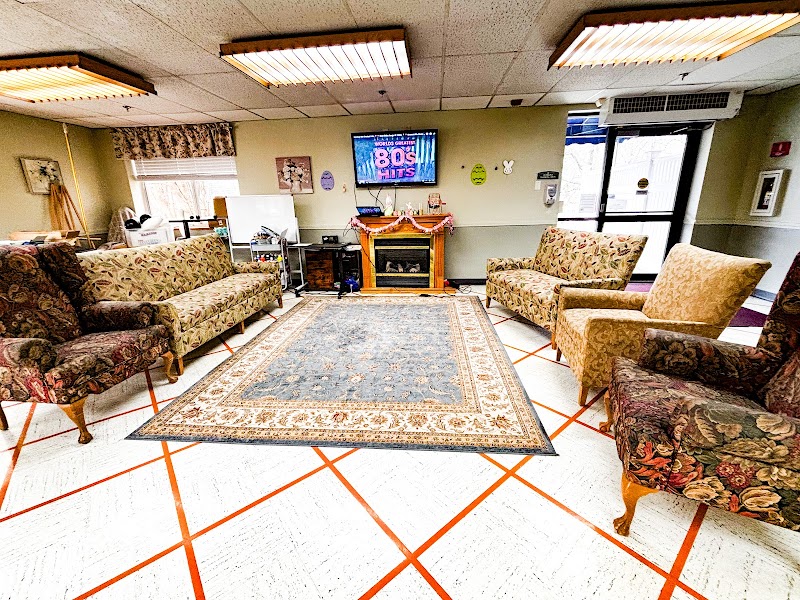
How is Eliot Center For Staffed?

CMS rates ELIOT CENTER FOR HEALTH AND REHABILITATION's staffing level at 1 out of 5 stars, which is much below average compared to other nursing homes. Staff turnover is 38%, compared to the Massachusetts average of 46%. This relatively stable workforce can support continuity of care. RN turnover specifically is 65%, which is notably high. RNs provide skilled clinical oversight, so turnover in this role can affect medical care quality.

What Have Inspectors Found at Eliot Center For?

State health inspectors documented 42 deficiencies at ELIOT CENTER FOR HEALTH AND REHABILITATION during 2022 to 2025. These included: 40 with potential for harm and 2 minor or isolated issues.
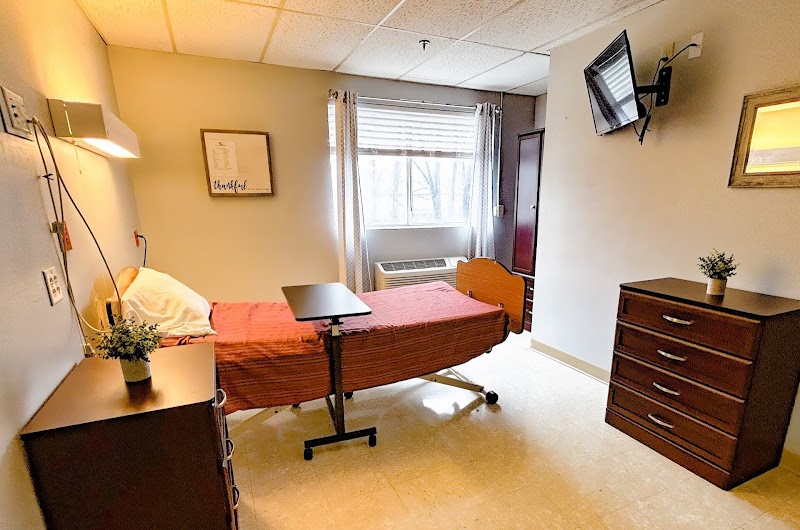
Who Owns and Operates Eliot Center For?

ELIOT CENTER FOR HEALTH AND REHABILITATION is owned by a for-profit company. For-profit facilities operate as businesses with obligations to shareholders or private owners. The facility operates independently rather than as part of a larger chain. With 114 certified beds and approximately 96 residents (about 84% occupancy), it is a mid-sized facility located in NATICK, Massachusetts.
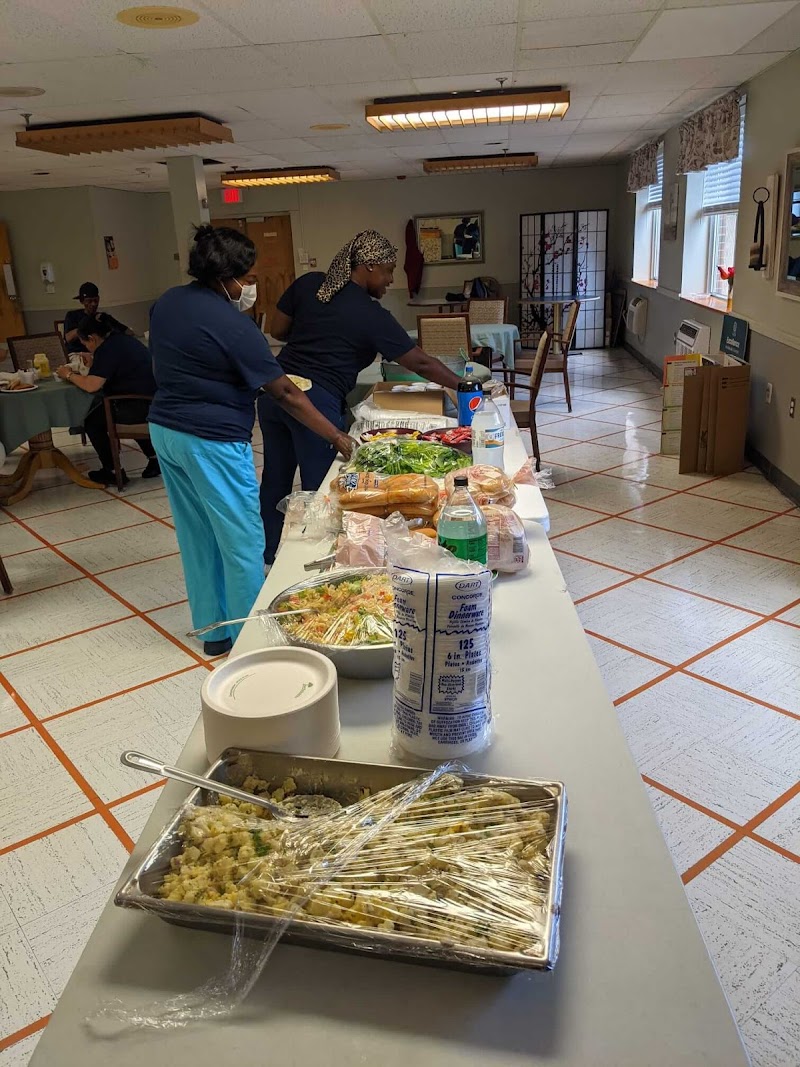
How Does Eliot Center For Compare to Other Massachusetts Nursing Homes?

Compared to the 100 nursing homes in Massachusetts, ELIOT CENTER FOR HEALTH AND REHABILITATION's overall rating (1 stars) is below the state average of 2.9, staff turnover (38%) is near the state average of 46%, and health inspection rating (2 stars) is below the national benchmark.

What Should Families Ask When Visiting Eliot Center For?

Based on this facility's data, families visiting should ask: "Can you walk me through typical staffing levels on day, evening, and night shifts?" "Can I visit during a mealtime to observe dining assistance and food quality?" "How do you handle medical emergencies, and what is your hospital transfer rate?" "Can I speak with family members of current residents about their experience?" These questions are particularly relevant given the below-average staffing rating.

Is Eliot Center For Safe?

Based on CMS inspection data, ELIOT CENTER FOR HEALTH AND REHABILITATION has a clean safety record: no substantiated abuse findings (meaning no confirmed cases of resident harm), no Immediate Jeopardy citations (the most serious violation level indicating risk of serious injury or death), and is not on the Special Focus Facility watch list (a federal program monitoring the lowest-performing 1% of nursing homes). The facility has a 1-star overall rating and ranks #100 of 100 nursing homes in Massachusetts. While no facility is perfect, families should still ask about staff-to-resident ratios and recent inspection results during their visit.

Do Nurses at Eliot Center For Stick Around?

ELIOT CENTER FOR HEALTH AND REHABILITATION has a staff turnover rate of 38%, which is about average for Massachusetts nursing homes (state average: 46%). Moderate turnover is common in nursing homes, but families should still ask about staff tenure and how the facility maintains care continuity when employees leave.

Was Eliot Center For Ever Fined?

ELIOT CENTER FOR HEALTH AND REHABILITATION has no federal fines on record. CMS issues fines when nursing homes fail to meet care standards or don't correct problems found during inspections. The absence of fines suggests the facility has either maintained compliance or corrected any issues before penalties were assessed. This is a positive indicator, though families should still review recent inspection reports for the full picture.

Is Eliot Center For on Any Federal Watch List?

ELIOT CENTER FOR HEALTH AND REHABILITATION is not on any federal watch list. The most significant is the Special Focus Facility (SFF) program, which identifies the bottom 1% of nursing homes nationally based on persistent, serious quality problems. Not being on this list means the facility has avoided the pattern of deficiencies that triggers enhanced federal oversight. This is a positive indicator, though families should still review the facility's inspection history directly.